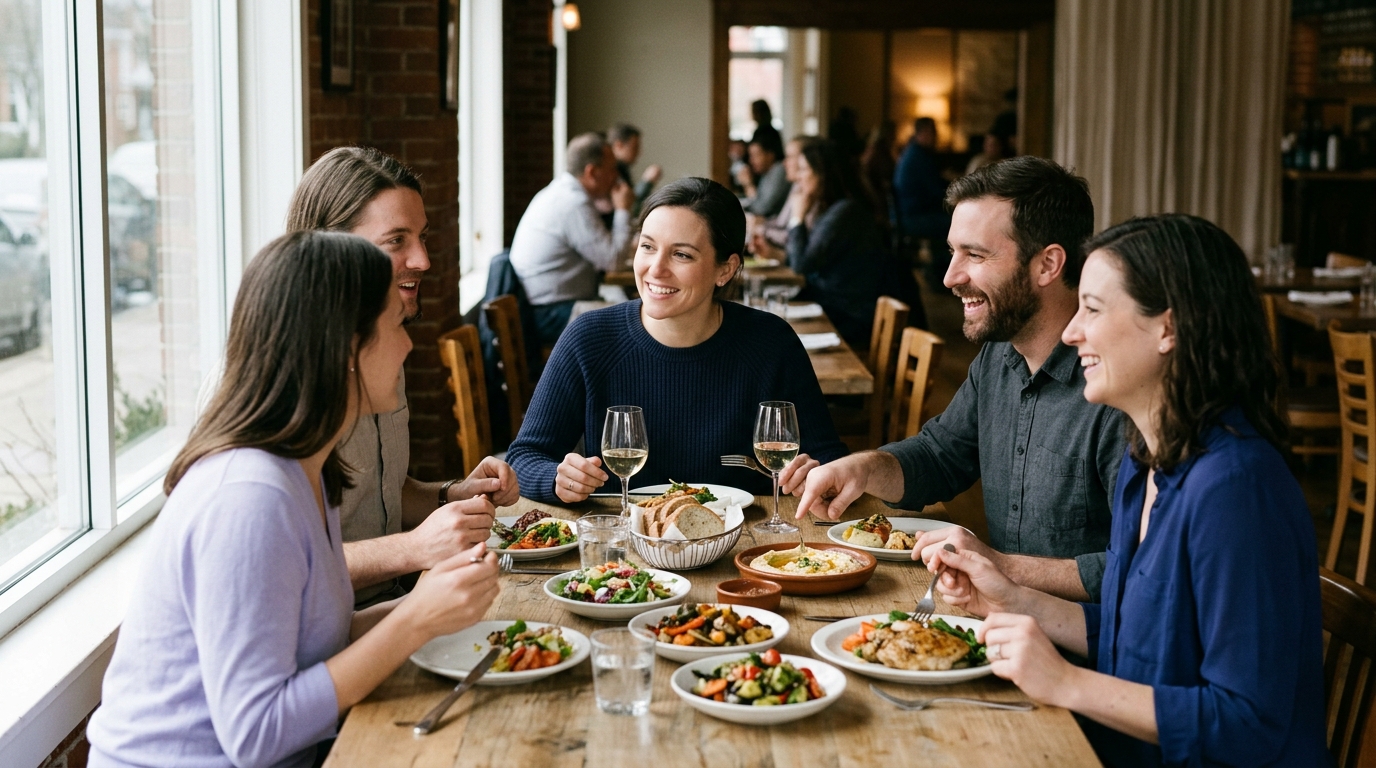

Joining friends for a restaurant meal during recovery becomes much easier with practical strategies for managing changing appetites, sensory fatigue, and physical venue accessibility.





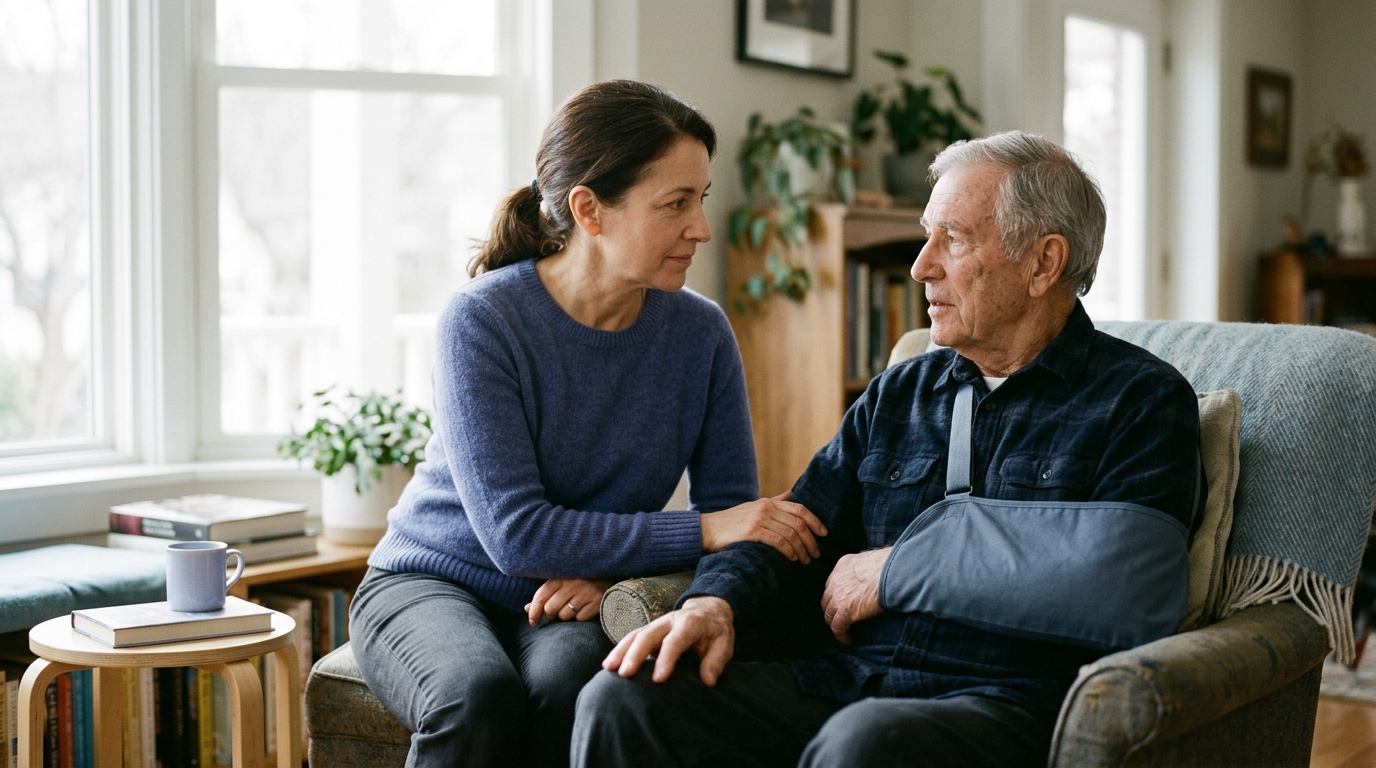
You get a text message from a friend inviting you to dinner at a busy neighborhood restaurant. A few months ago, you would have agreed without a second thought. Today, recovering from a major surgery, an illness, or a prolonged injury, the invitation brings a wave of hesitation.
You might wonder if your appetite will hold up. You might worry about navigating tight tables with a cane or crutches. You might simply fear running out of energy before the entrees arrive.
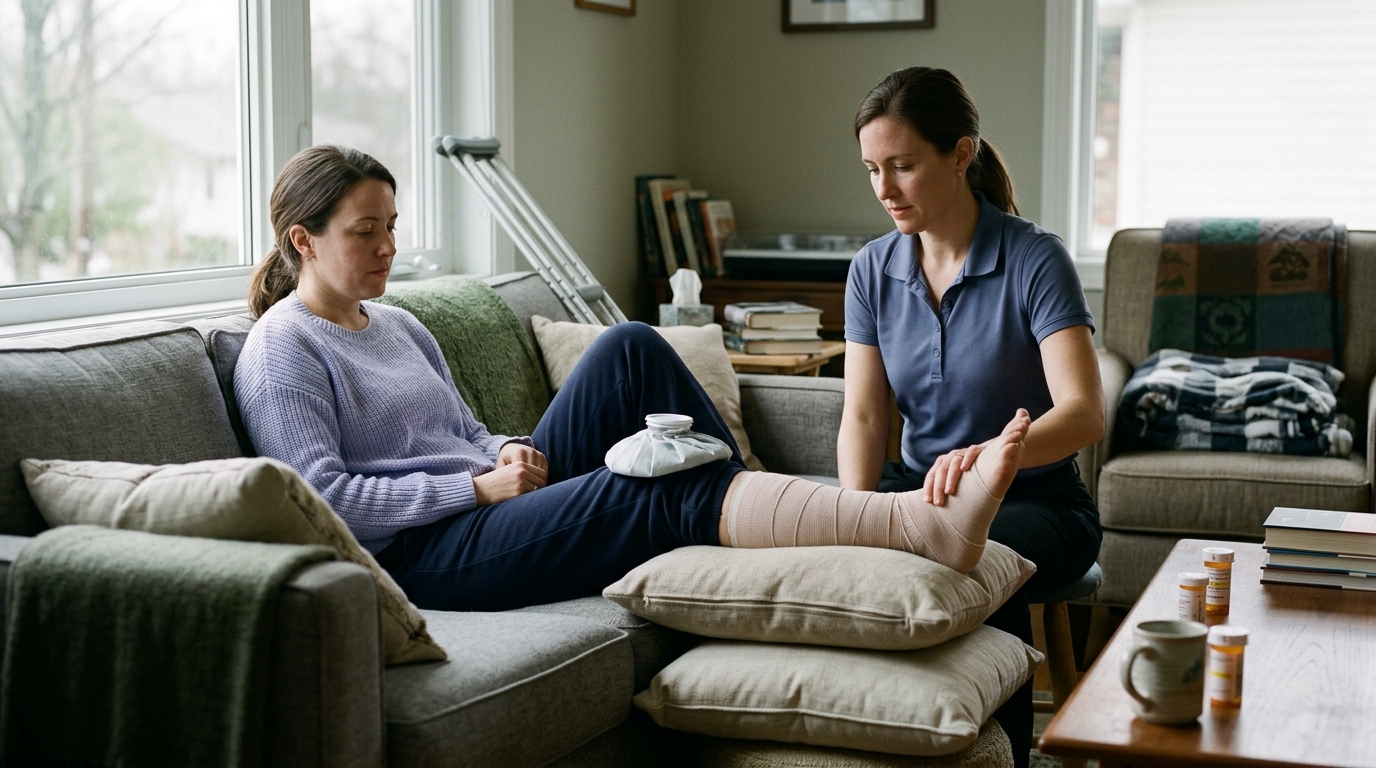
Recovery changes how the body handles food, physical spaces, and social energy. When routines change, the prospect of eating in public can feel complicated.
Socializing and sharing food remain vital parts of human connection. You do not need to wait until your recovery is entirely complete to participate in meals with friends and family. Navigating social occasions successfully comes down to flexibility, clear communication, and shifting away from all-or-nothing expectations.
The short answer is that you can participate in social meals by adjusting the format rather than forcing yourself into standard dining habits. You do not need to eat a full course, stay for three hours, or match the pace of everyone else at the table.
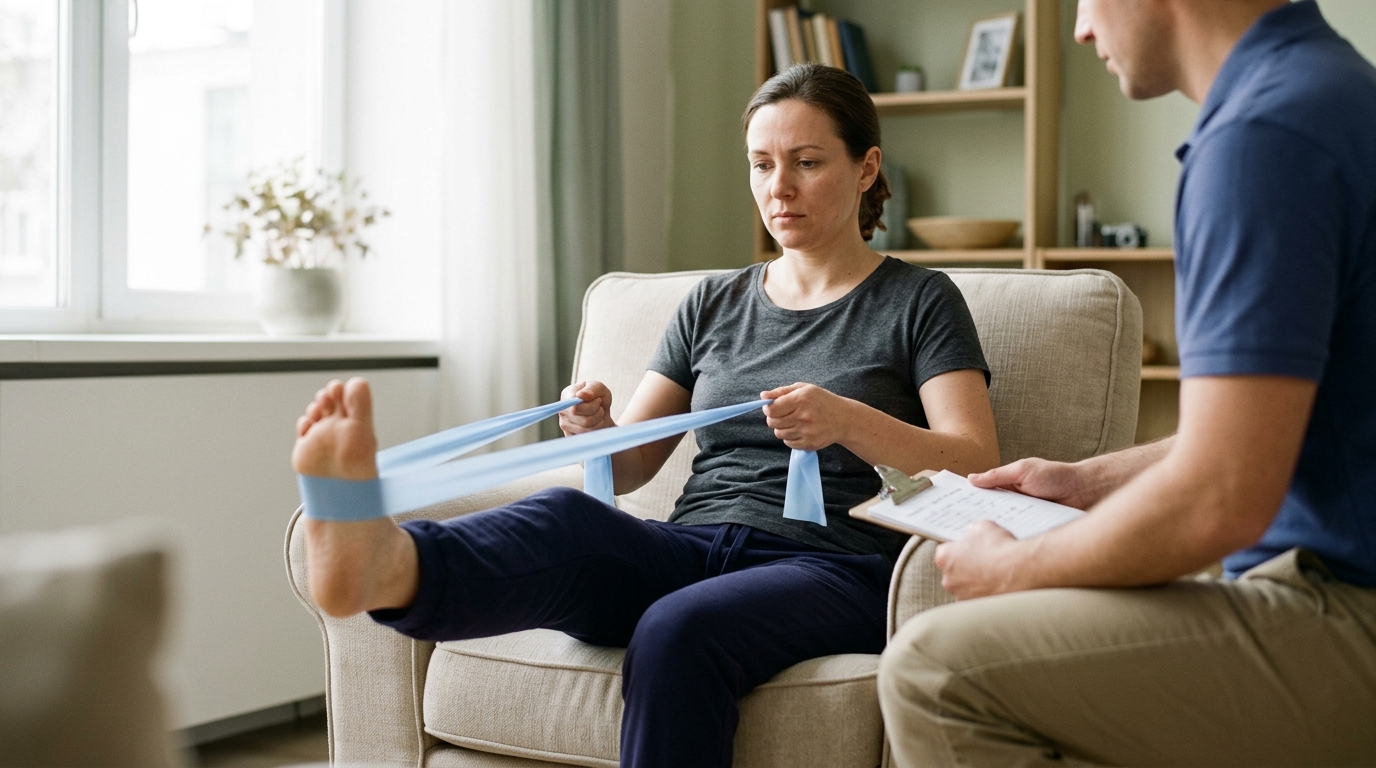
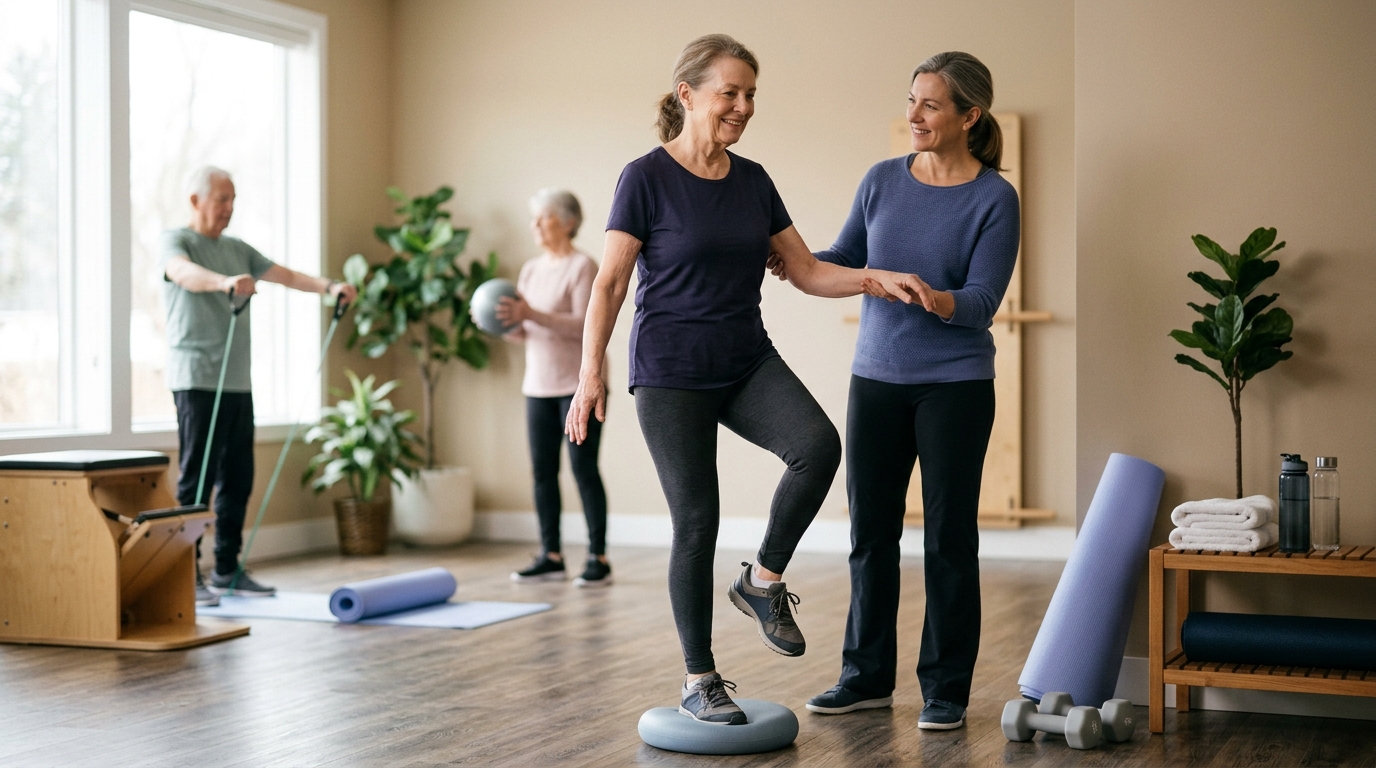
Recovery is not a single, uniform medical state. For some adults, recovery means regaining muscle mass and rebuilding strength after orthopedic surgery or extended bed rest. For others, it involves managing chronic fatigue, adapting to digestive changes, or working through a structured eating disorder rehabilitation program.
Because recovery takes many forms, no single set of restaurant rules fits every person. Clinical recommendations vary widely depending on your specific circumstances.
For instance, healthcare guidance for individuals with poor appetite often emphasizes small, energy-dense meals eaten frequently throughout the day. Conversely, formal eating disorder protocols may rely on structured meal plans and supported outings.
There are also physical limits to keep in mind. A social meal out is not a medical test of your recovery progress.
Joining a gathering does not require you to clear your plate, justify your order, or remain in an uncomfortable environment. Modifying the outing to fit your current capacity protects your energy while keeping you connected to your social circle. You can review broader strategies for physical recuperation across our injury recovery and healing resources.
Researchers have long studied the connection between social environments and food intake. Understanding how group settings influence human behavior can help you make sense of your own reactions during meals out.
The primary phenomenon observed in nutrition science is social facilitation. In simple terms, people tend to eat more food when dining with others than when eating alone.
A comprehensive systematic review and meta-analysis examining 42 separate studies found strong evidence that eating with companions increases total food intake. The analysis established a clear standardized mean difference showing greater consumption among social eaters compared to solo diners.
The researchers also found that familiarity plays a major role. Eating with close friends or family members creates a much stronger facilitation effect than eating with strangers or casual acquaintances.
When you feel comfortable around your dining companions, you tend to stay at the table longer. You engage in conversation, and you pay less attention to internal stopping cues.
For someone recovering from an illness that caused accidental weight loss or poor appetite, eating with trusted people can be a helpful support. However, social facilitation is a general tendency rather than a universal rule. It is an environmental influence, not a medical treatment for malnutrition.
Evidence from clinical settings provides additional context on how social dining works. A 2025 scoping review analyzed 38 studies looking at social dining among hospital patients.
The review found that eating in communal spaces or with visitors can improve food intake and subjective well-being. Five out of six clinical studies that measured nutritional intake reported a significant increase when patients ate in social settings rather than alone by their bedsides.
Despite these positive findings, the authors emphasized that the benefits depend heavily on the environment. Communal dining helped most when the dining area was quiet, accessible, and supported by staff or family.
Similar findings appear in community-dwelling older adults. A review of community shared-meal programs noted that shared dining reliably improved daily dietary intake and social connection.
However, those same programs showed minimal measurable changes in broader physical health markers. Sharing meals improves the immediate experience of eating and helps people consume more nutrients, but it does not instantly resolve underlying physical conditions.
The scientific literature is not entirely uniform. While social eating often encourages higher food intake, it does not guarantee better nutritional health for every individual.
In one study examining community-living older adults, the frequency of shared meals showed no statistically significant relationship with overall malnutrition risk. People who ate most meals with others were less frequently malnourished, but sharing meals alone did not eliminate nutritional vulnerability.
Furthermore, social dining is not universally beneficial for every person in recovery. Research notes that some individuals find social dining stressful, overwhelming, or exhausting.
Patients recovering from sensory overload, acute pain, or gastrointestinal distress often report that crowded dining spaces make eating more difficult. Social meals offer a valuable option for connection, but they should never be viewed as a mandatory requirement for healing. You can explore more about these physiological mechanisms in our recovery science articles.
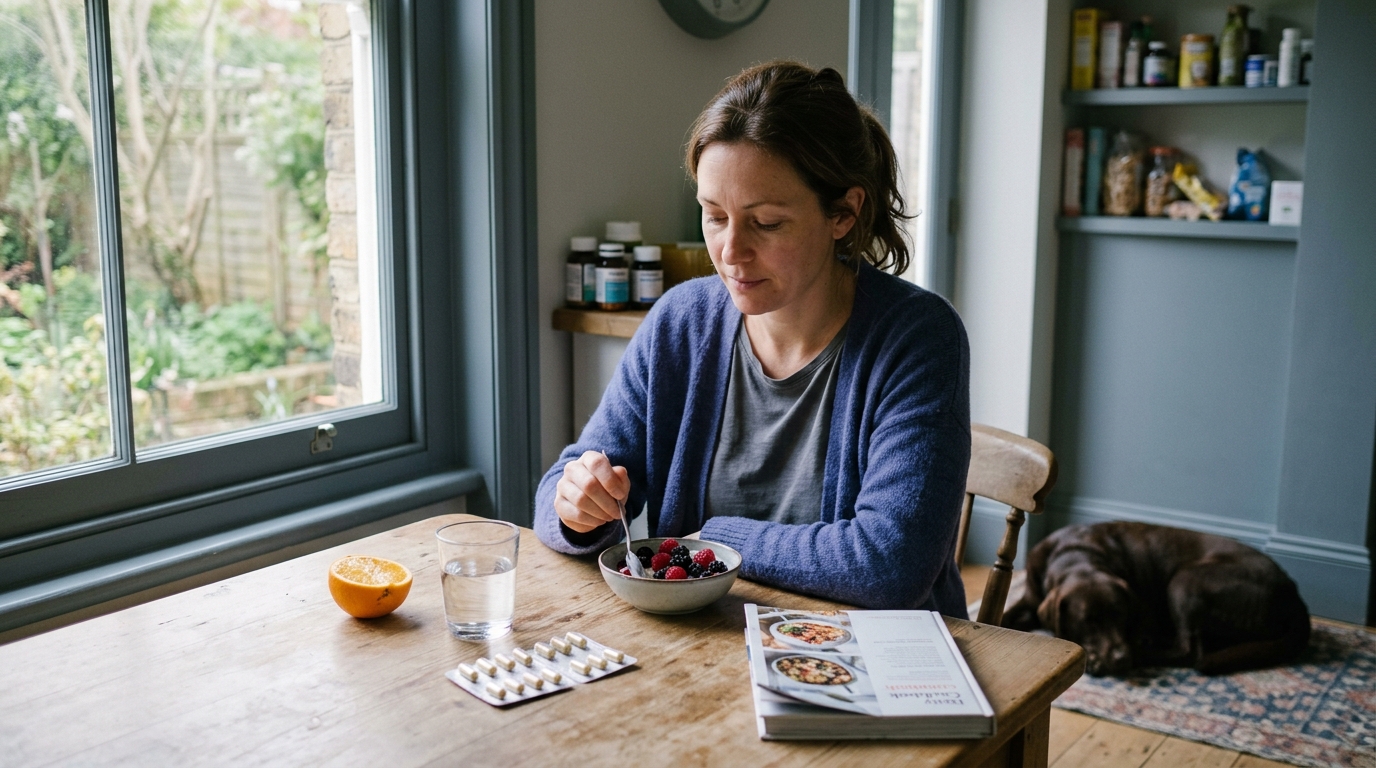
Appetite loss and rapid fatigue are common hurdles during recovery. Whether you are dealing with post-operative inflammation, medication side effects, or simple physical deconditioning, sitting down to a heavy restaurant meal can feel daunting.
Standard restaurant portions in the United States are notoriously large. When your digestive system is sluggish or your appetite is low, looking at a massive plate of food can trigger immediate nausea or early fullness.
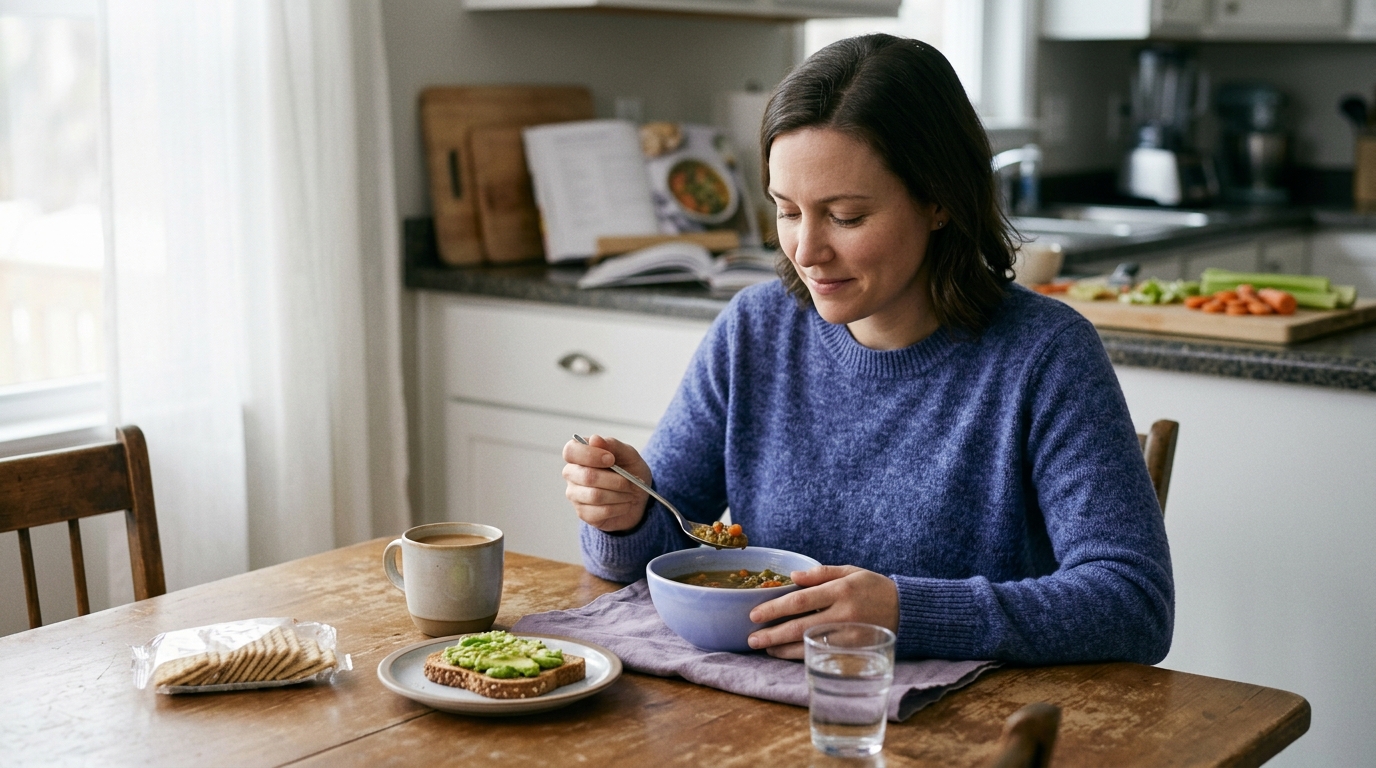
Clinical guidelines from the National Health Service for managing poor appetite recommend shifting away from large meals. Instead, patients are advised to eat six to seven small meals or snacks throughout the day.
Applying this concept to a restaurant setting requires letting go of traditional dining conventions. You do not need to order a standard main course.
Consider these practical ordering adjustments:
By keeping the portion sizes small, you avoid the visual overwhelm of a large plate. You can also explore our dedicated nutrition and recovery articles for ideas on optimizing nutrient density during periods of low appetite.
Appetite and energy rarely stay consistent throughout the day during recovery. Many people find their energy peaks in the late morning and drops off sharply by evening.
Traditional social dining usually focuses on evening dinners. However, late dinners often coincide with peak fatigue, higher pain levels, and lower digestive capacity.
If your appetite is highest at 11:00 AM, suggest meeting for breakfast, brunch, or an early lunch. Meeting earlier in the day allows you to socialize when your body has the most reserves.
If an evening dinner is unavoidable, plan your day accordingly. Schedule a restful afternoon, keep prior physical activity light, and give yourself permission to leave the restaurant before dessert.
Physical access is about far more than finding a ramp at the front door. True accessibility includes the path to your chair, the type of seating provided, the volume of the room, and the ease of using the facilities.
The Americans with Disabilities Act provides detailed accessibility guidelines for food-service establishments. Recognizing these standards helps you plan ahead and advocate for your physical needs without embarrassment.
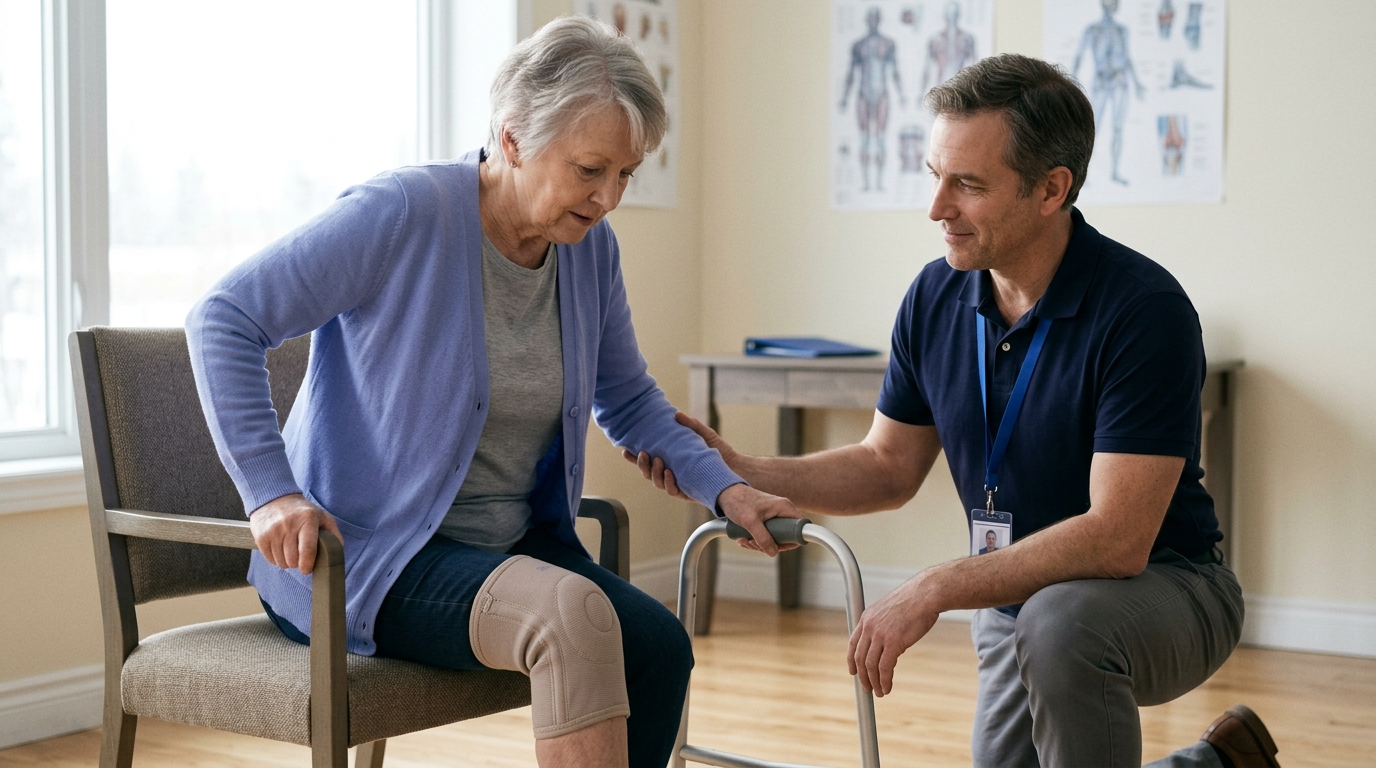
Navigating a restaurant floor with a walker, cane, or wheelchair requires adequate physical space. Crowded dining rooms with tightly packed tables create real tripping hazards and cause unnecessary strain.
When booking a table, call ahead to explain your mobility requirements:
Under official accessibility guidance, restaurant staff should always ask permission before moving a customer's mobility device. Your crutches, walker, or wheelchair are personal medical equipment, and they must remain accessible to you throughout the meal.
Buffet restaurants and fast-casual dining formats present distinct challenges for recovering individuals. Standing in long lines, balancing heavy plates, and reaching across food shields can exceed your physical limits.
Food-service accessibility recommendations state that venues should provide clear paths around service stations and offer menus at the beginning of buffet lines. If you attend a buffet-style gathering, ask a dining companion or a staff member to carry your plate.
Menu readability is another common barrier. Dim restaurant lighting and tiny, low-contrast text cause eye strain, particularly if you are experiencing post-medication fatigue or neurological symptoms.
Do not hesitate to ask for a large-print menu, check the menu on your smartphone with brightness increased, or ask your companion to read the main options aloud. Taking the strain out of ordering preserves your energy for enjoying the conversation.
Recovery places a high cognitive demand on the brain. When you are managing physical discomfort, loud background music, clattering dishes, and echoing voices can quickly lead to sensory exhaustion.
High noise levels force you to lean forward, strain your neck, and raise your voice. This physical effort accelerates muscle fatigue and increases tension.
To manage sensory load, choose restaurants with sound-absorbing materials like carpets, upholstered chairs, and curtains. Dining during off-peak hours, such as 4:30 PM for dinner or 1:30 PM for lunch, dramatically cuts down on ambient noise and crowd density.
For some individuals, eating out is not merely a social event. It can be a formal milestone within a structured rehabilitation or clinical care program.
In specialized recovery pathways, including eating disorder treatment or neuro-rehabilitation, social eating serves as an intentional therapeutic intervention. University medical programs and rehabilitation clinics frequently use supported family meals, meal coaching, and guided restaurant outings to help patients rebuild normal relationships with food.
These clinical exposures are carefully scaffolded. They are designed to help individuals manage anxiety, tolerate unfamiliar food preparations, and practice boundary-setting in public spaces.
If you are enrolled in a structured treatment program, restaurant outings should follow the specific guidance of your care team. Do not treat a social meal as an unstructured test of your willpower.
Coordinate with your therapist or dietitian beforehand to establish a concrete plan. Discuss what you will order, who will support you at the table, and how you will handle feelings of distress during the meal.
A common mistake made by well-meaning friends and family is turning the meal into a public performance. Comments about how much or how little you are eating can make you feel scrutinized.
Statements like "It is so great to see you eating a full meal" or "Is that all you are having?" often increase anxiety. They draw unnecessary attention to your physical condition.
You have the right to set gentle, clear boundaries before sitting down to eat:
Establishing these boundaries protects your emotional energy. It ensures that the gathering remains an opportunity for human connection rather than a public assessment of your health.
Planning a social meal during recovery does not require rigid control. Instead, you can use a flexible, three-phase framework to lower physical stress and keep the focus on enjoying your company.
Preparation is about eliminating avoidable physical hurdles before you leave your house. A few minutes of proactive planning prevents discomfort later.
Once you arrive at the restaurant, your focus should remain on comfort, dignity, and autonomy.
How you evaluate the outing afterward matters just as much as how you prepare for it. Avoid viewing the meal as a pass-or-fail test of your recovery.
Recovery is dynamic. Several key variables influence how easily you can navigate social dining on any given week.
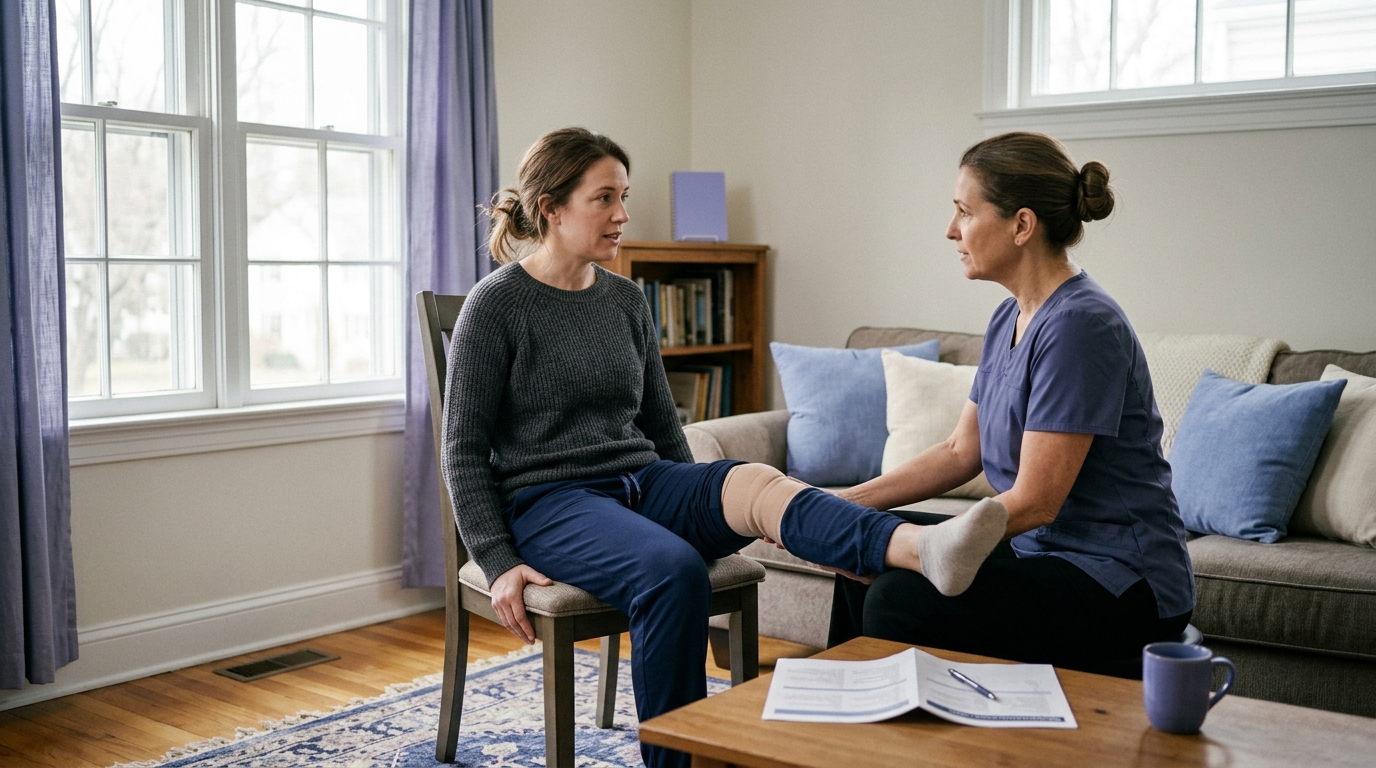
A person two weeks out from a total hip replacement faces vastly different challenges than someone three months out from abdominal surgery. Joint replacement recovery often centers on physical positioning, leg elevation, and mobility clearance.
Conversely, recovery from abdominal surgery or systemic illness often involves altered gut motility, early satiety, and strict dietary textures. As tissue heals and systemic inflammation resolves, your tolerance for diverse foods and noisy spaces will naturally change.
Physical healing consumes significant metabolic energy. If your sleep has been disrupted by pain or medication schedules, your baseline stamina will be substantially lower.
On days when fatigue is pronounced, attending a sit-down restaurant meal may demand more energy than your body can spare. In those instances, modifying the plan to an at-home visit or a short coffee meet-up is a wise adaptation. You can review additional lifestyle strategies in our recovery, nutrition, and lifestyle resources.
The quality of your dining company significantly impacts your physical comfort. Dining with understanding friends who accommodate your pacing reduces sympathetic nervous system activation, aiding digestion.
Dining with colleagues or acquaintances who expect you to maintain a pre-injury pace can trigger stress, leading to muscle tension and reduced appetite. Choosing your dining companions thoughtfully during early recovery helps ensure a positive experience.
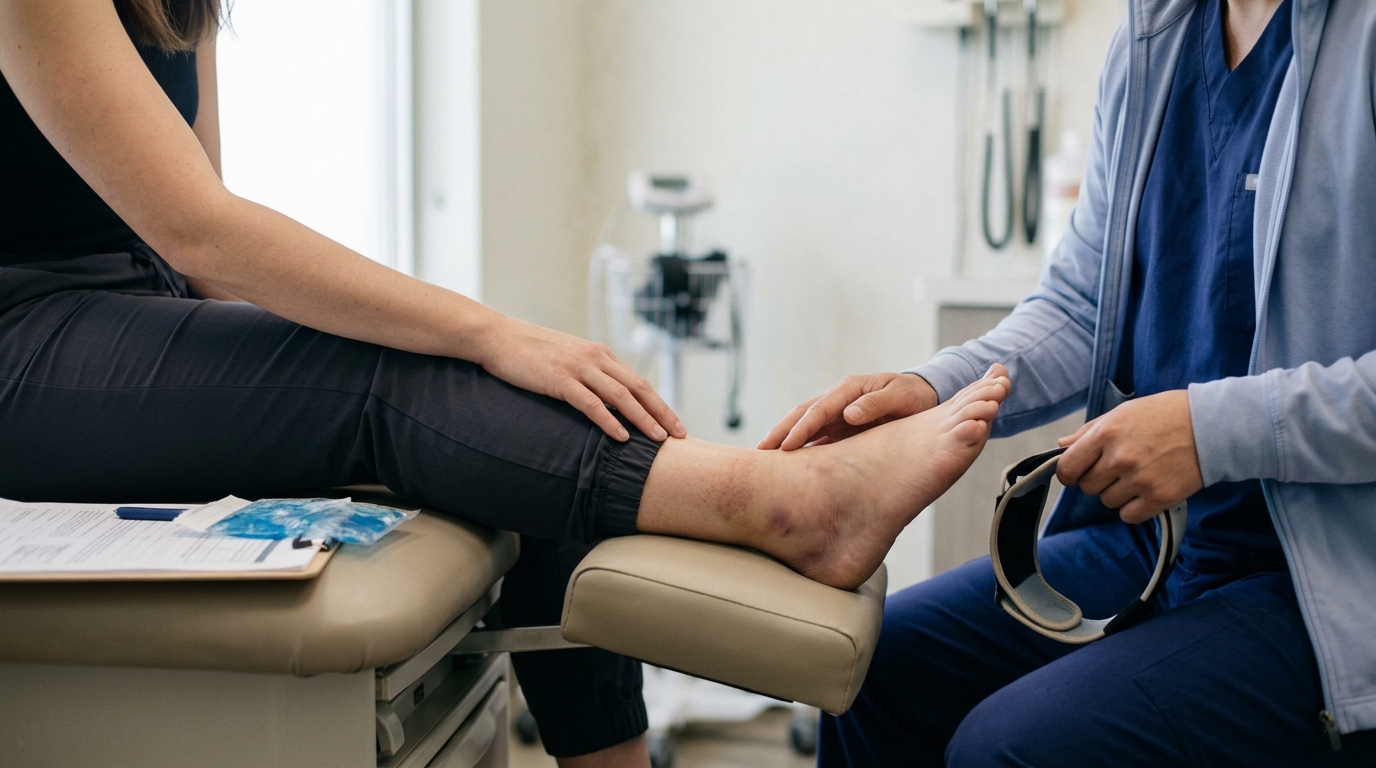
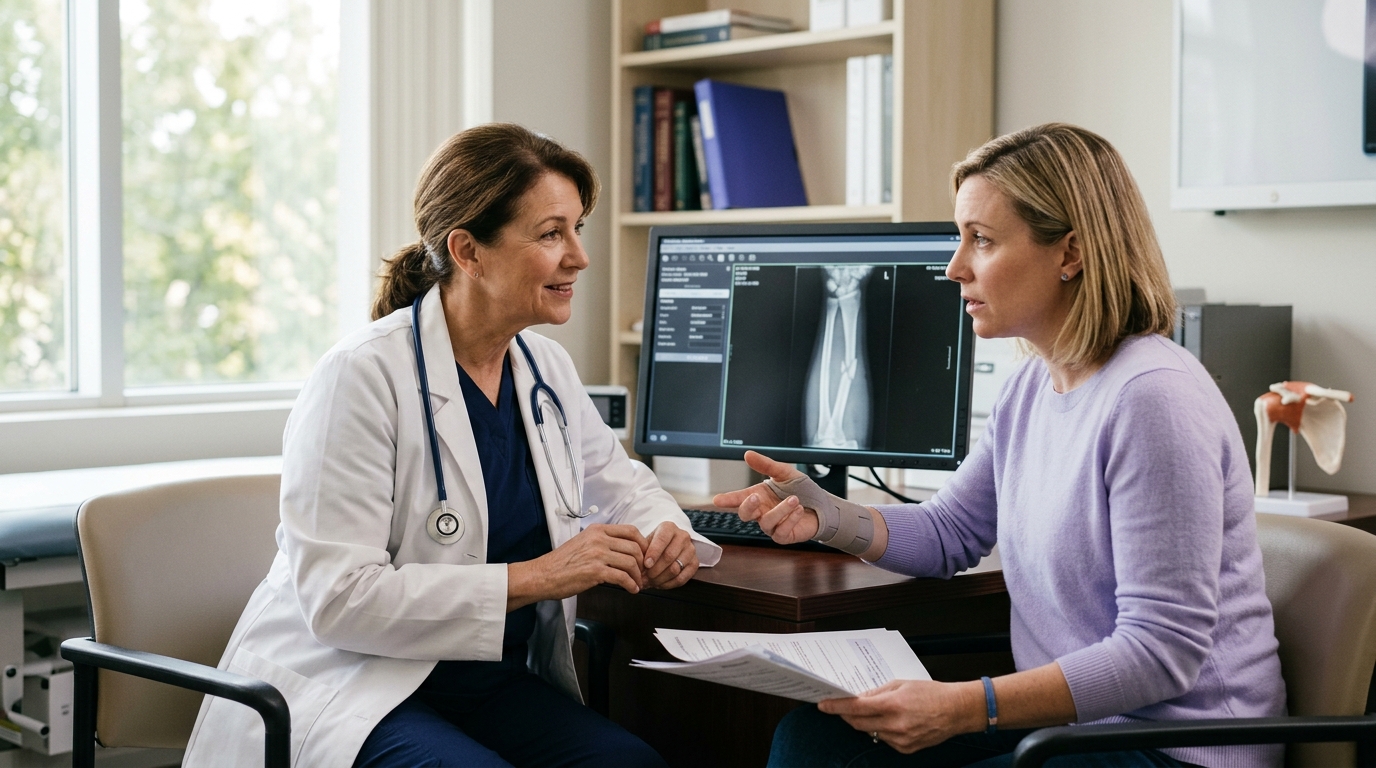
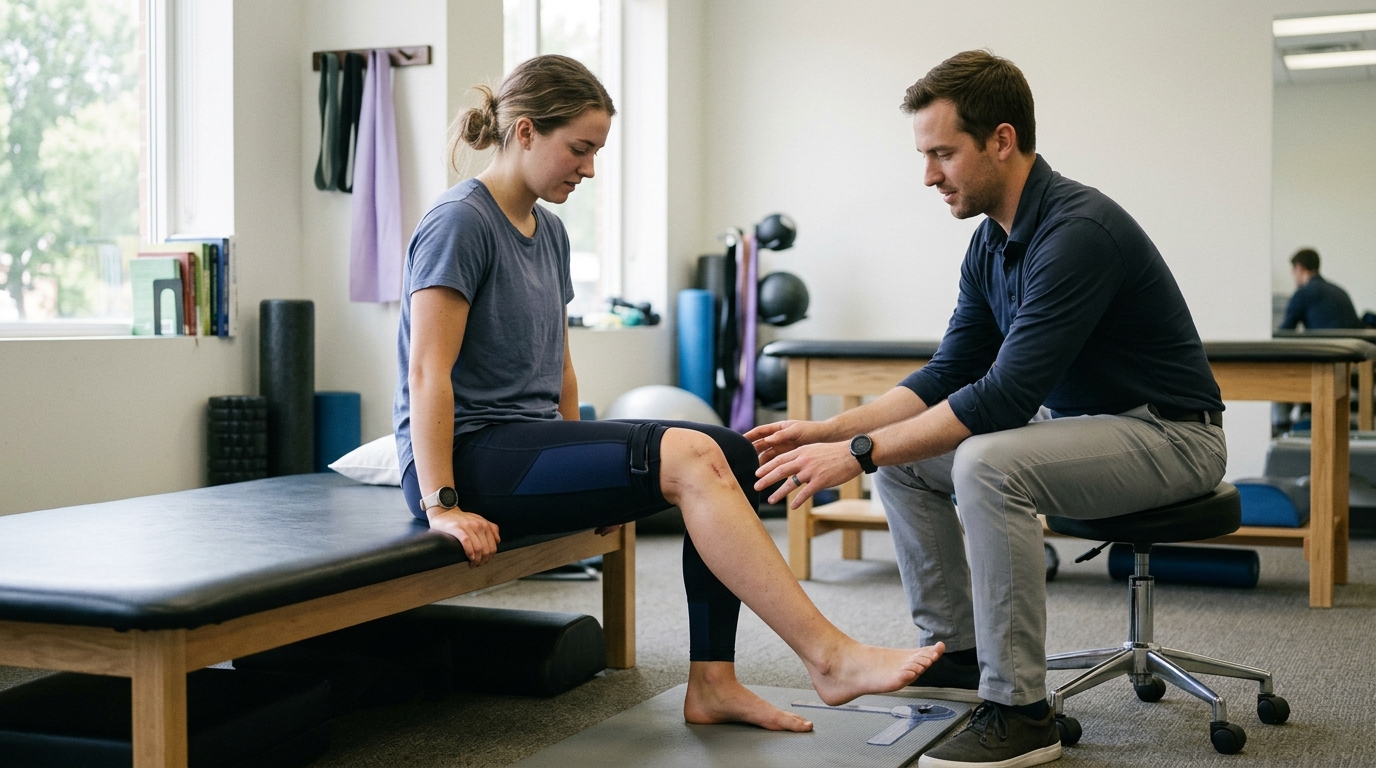
Your primary care physician, orthopedic surgeon, physical therapist, or clinical dietitian can offer personalized insights to help you navigate social outings safely.
Consider bringing these practical questions to your next clinical appointment:
Working through these questions with your care team gives you clear medical parameters, allowing you to socialize with confidence.
Eating out and gathering with friends during recovery does not require rigid perfection. Social connection is an important component of overall well-being, but joining a meal does not obligate you to eat a massive portion or stay past your energy limit.
By treating social meals as modifiable events, you can participate on your own terms. Choose quiet environments, pick seating that supports your mobility, and prioritize nutrient-dense, easily manageable foods.
Recovery timelines vary naturally from person to person. Listen to your body's signals, communicate your needs clearly to companions, and allow your social habits to evolve alongside your physical healing. You can find more practical guides across our full library of injury recovery resources.
Revisit this guide whenever you transition to a new phase of physical rehabilitation, experience a change in your mobility aids, or prepare for major holiday gatherings. Taking a flexible, evidence-informed approach ensures you stay connected with the people who matter most while honoring your body's recovery process.

Use ReboundBody resources to understand common recovery stages, rehab terms, movement limits and strength rebuilding. Each guide is designed to make a complex comeback easier to understand.


Read practical guidance on injury recovery, rehabilitation, mobility and rebuilding strength as you work your way back to activity.
Explore Resources