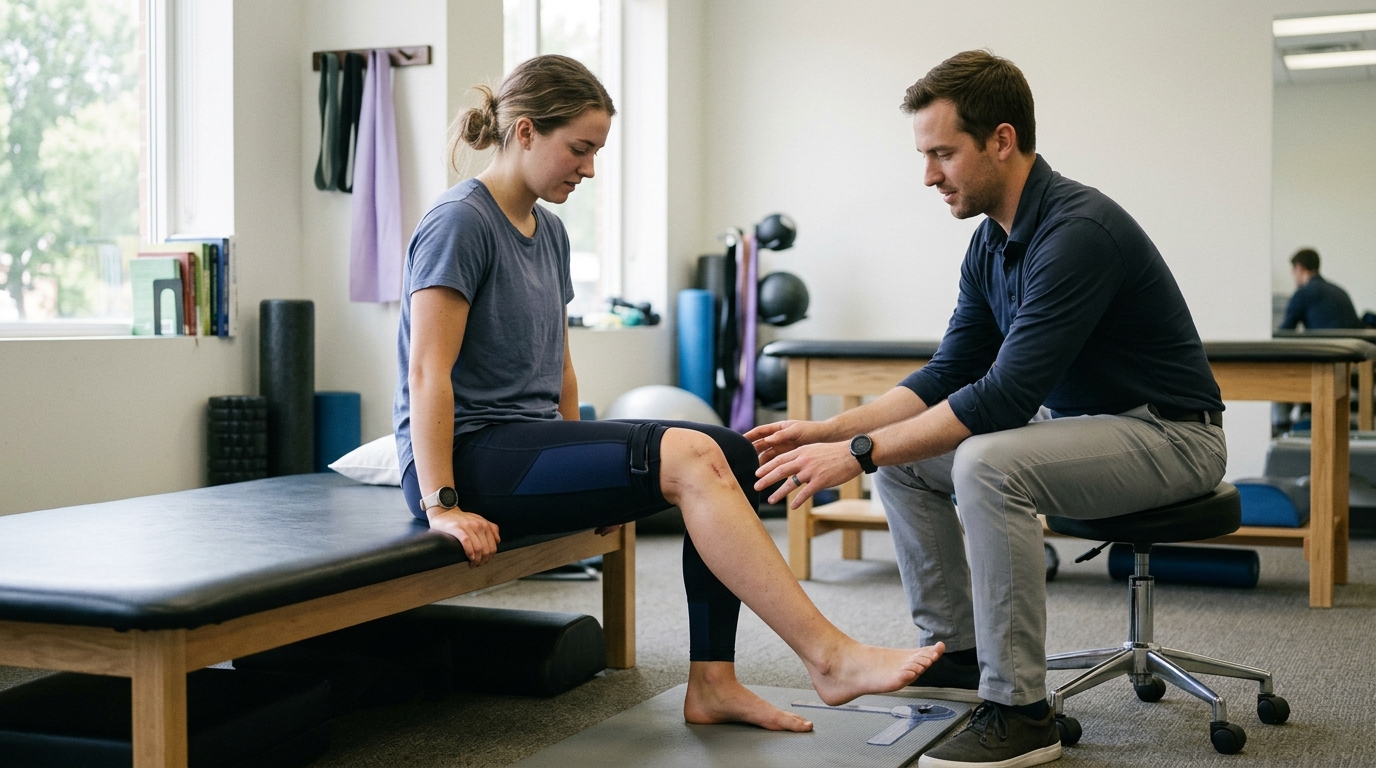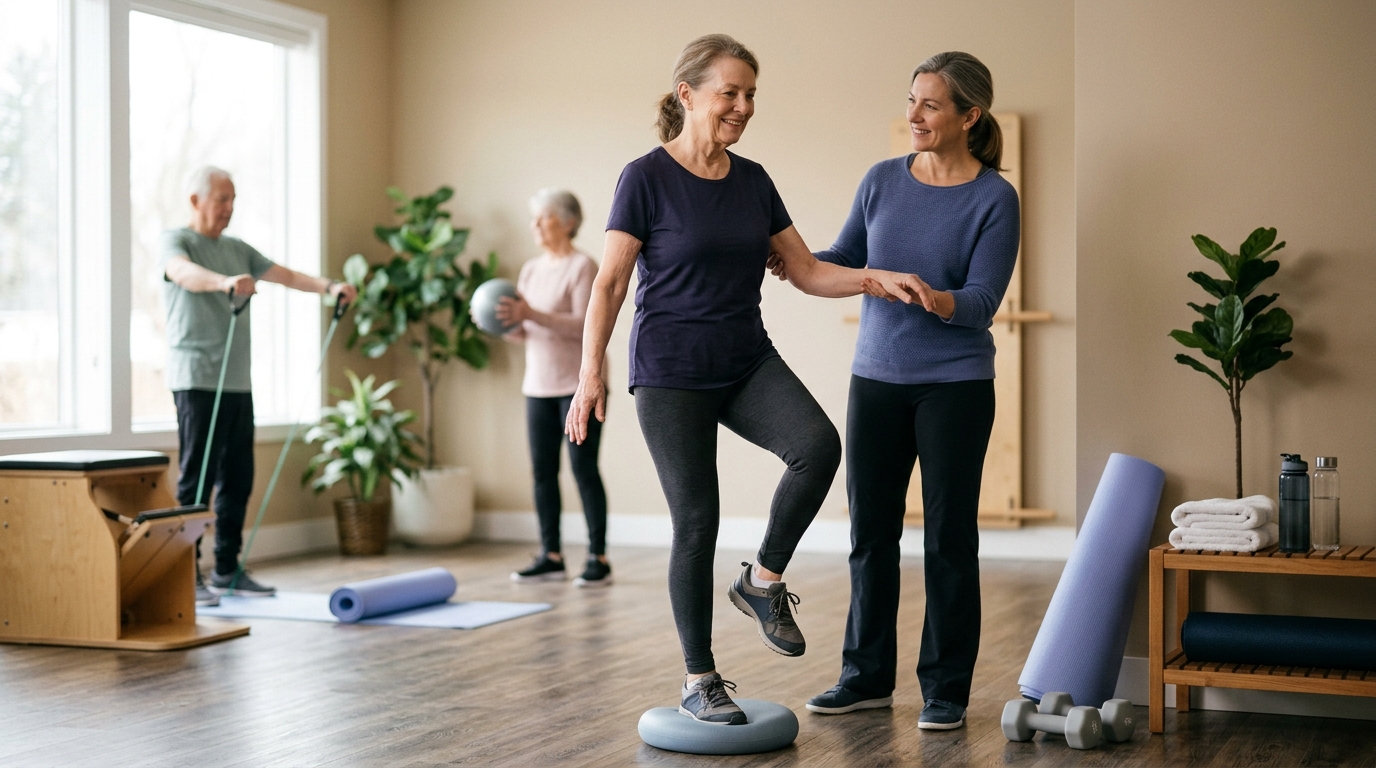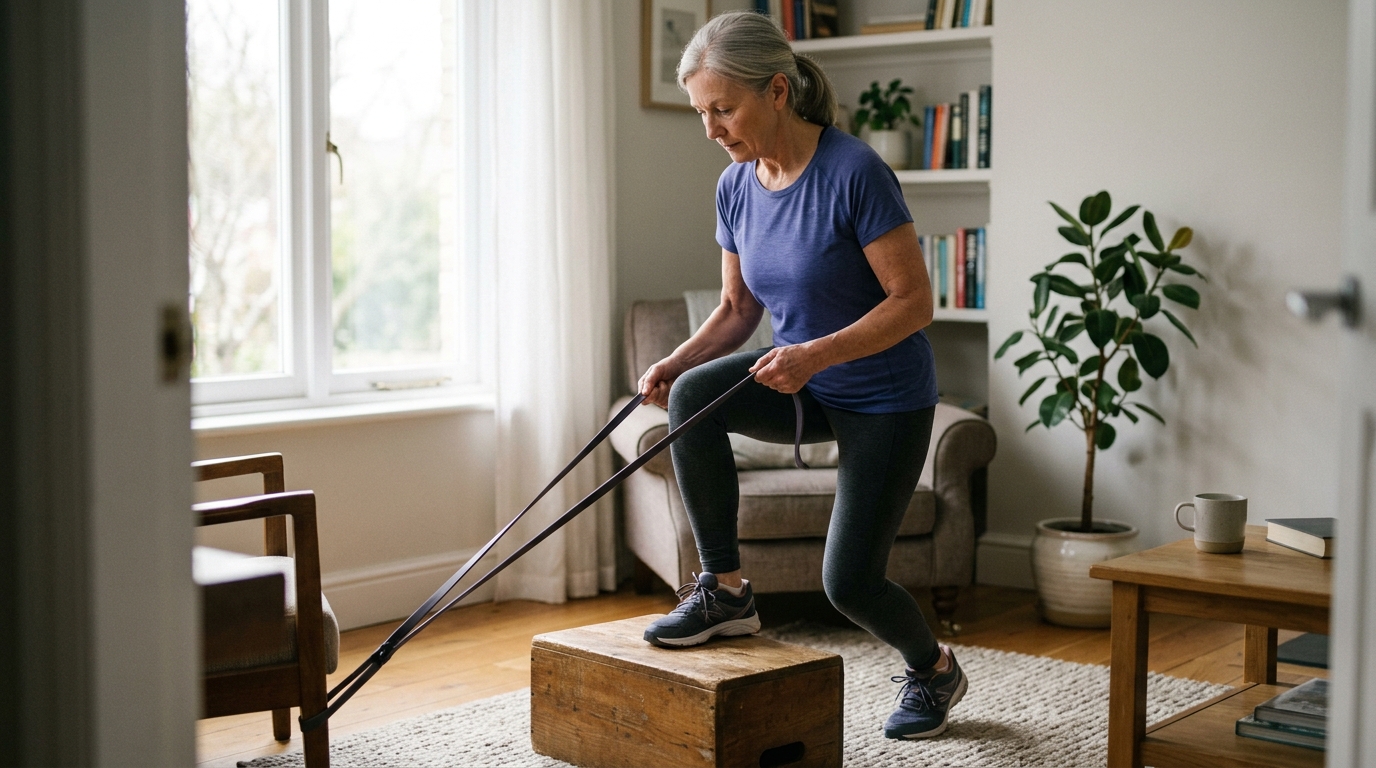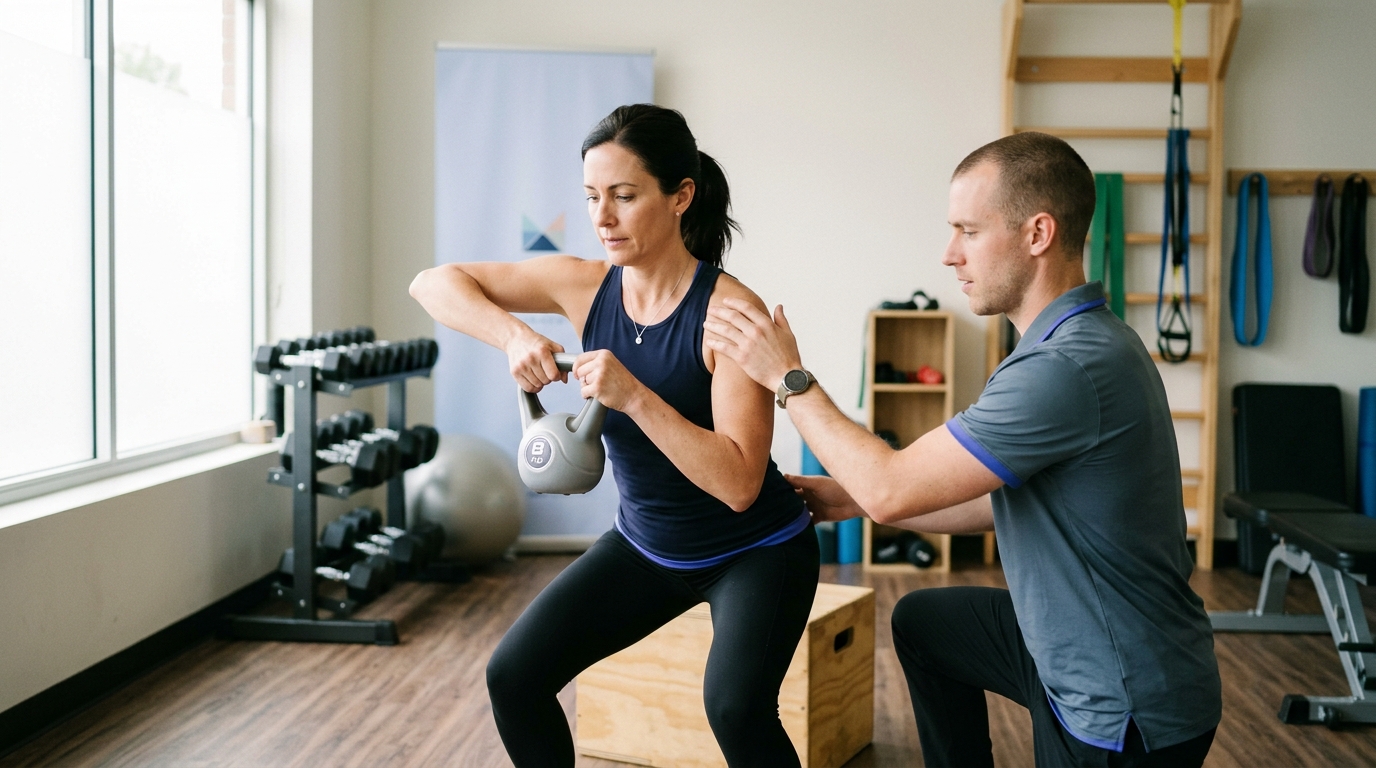

A balanced weekly movement routine combines purposeful daily activity with structured exercise to protect your long-term health, physical strength, and overall functional fitness.





You spend forty-five minutes raking leaves, vacuum the entire house, and walk up and down the stairs carrying laundry. By evening, your legs feel tired and your step count looks healthy. Yet a nagging question remains. Did that count as exercise, or do you still need to change into athletic shoes and complete a formal workout?
The short answer is that all physical activity benefits your body, but different types of movement accomplish different physiological jobs. Everyday tasks like cleaning, gardening, and walking to the train reduce sitting time and burn energy. However, major public health guidelines establish that long-term cardiovascular health, bone density, and muscle preservation require specific targets. Adults generally need 150 to 300 minutes of moderate-intensity aerobic activity per week, alongside dedicated muscle-strengthening work on at least two days.
Everyday activity and formal workouts are not rivals. Instead, they work best as complementary parts of a single weekly movement portfolio. Everyday movement keeps your joints moving and breaks up prolonged sitting. Structured workouts provide the controlled intensity needed to rebuild strength and improve stamina.
Understanding how to balance these two approaches allows you to build a sustainable routine without feeling overwhelmed. If you are managing a previous joint injury, recovering from surgery, or adjusting to physical changes between ages 35 and 75, balance is especially important. This guide breaks down the science of daily movement, compares different activity styles, and helps you design a sustainable weekly plan.
To build a balanced routine, it helps to separate terms that often get mixed together. Public health experts divide physical movement into distinct categories based on structure, intent, and physical challenge.
Physical activity is the broad umbrella. It refers to any bodily movement produced by skeletal muscles that requires energy expenditure. This includes walking to your car, carrying groceries, folding laundry, climbing stairs at work, and playing with your children or grandchildren.
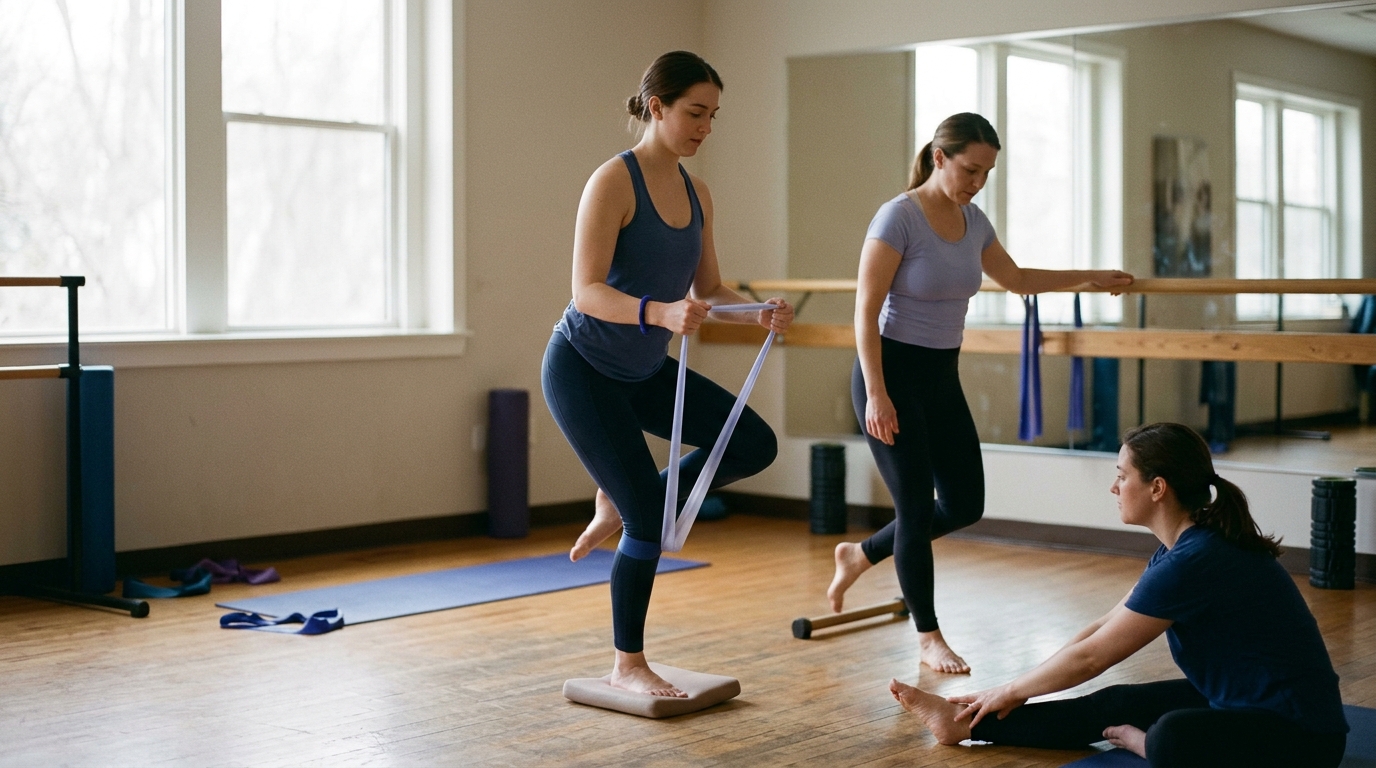
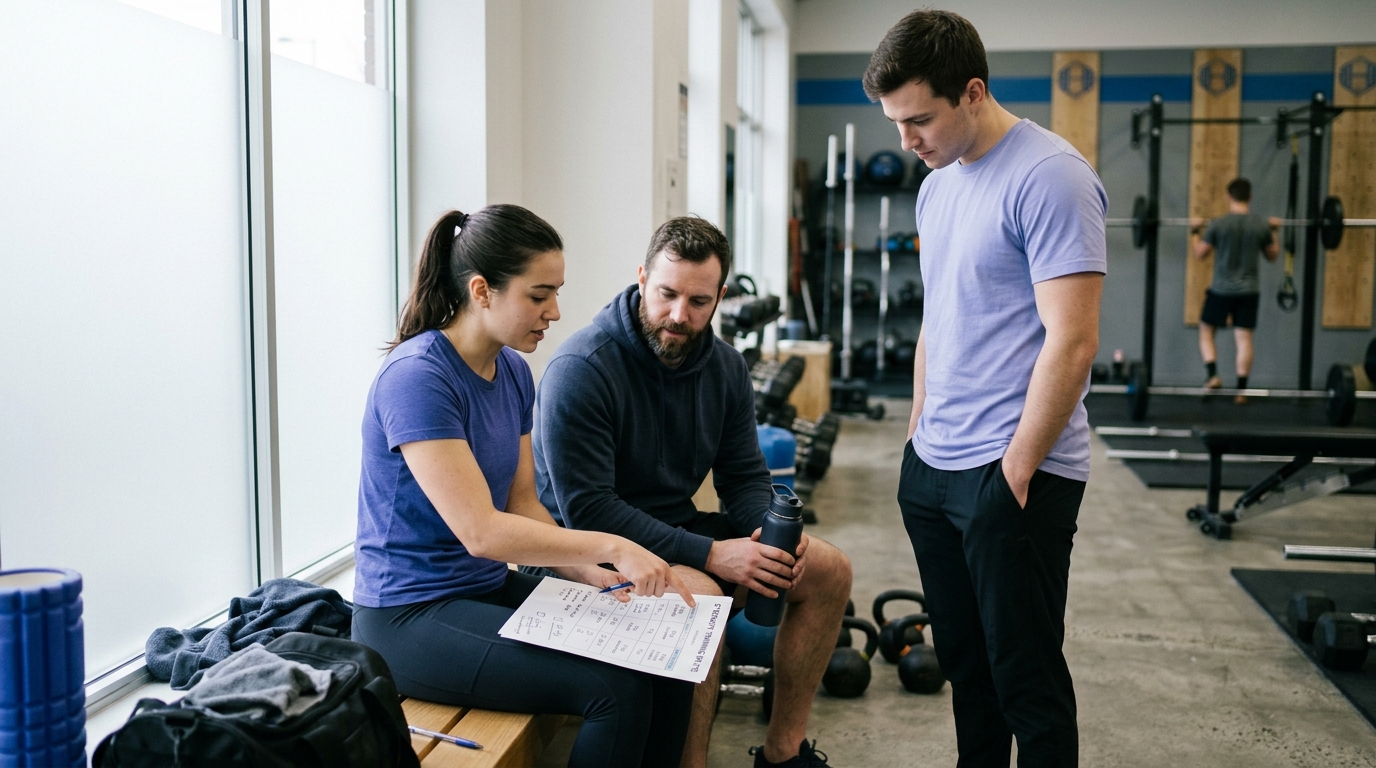
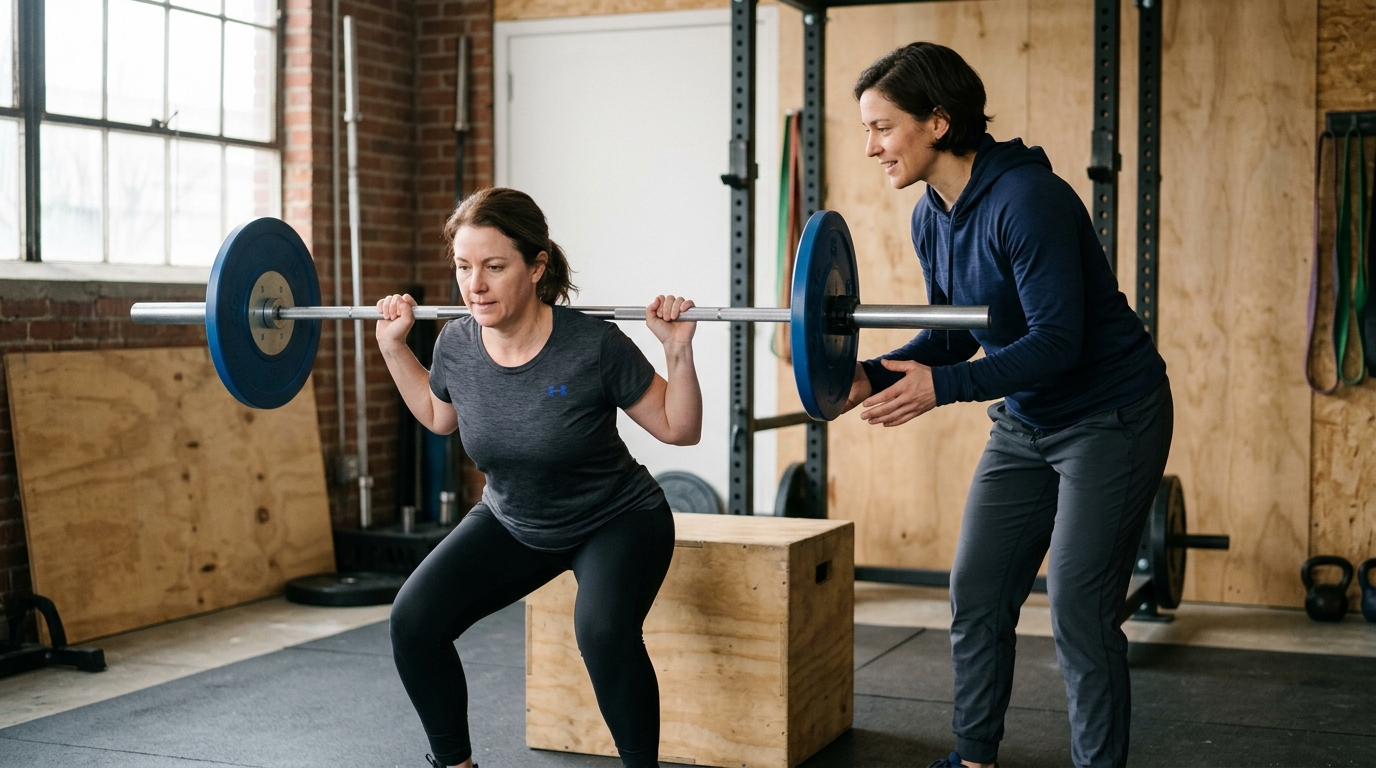
Exercise is a specific subcategory of physical activity. It is planned, structured, repetitive, and intentional. The primary goal of exercise is to improve or maintain physical fitness, athletic performance, or general health. Lifting weights, following a structured physical therapy routine, swimming laps, or attending a stationary cycling class are all examples of exercise.
Physical fitness describes the physiological attributes you achieve or maintain through movement. These attributes include cardiorespiratory endurance, muscular strength, muscular endurance, body composition, and flexibility.
A well-rounded routine must accomplish three distinct jobs throughout your week:
Everyday movement excels at breaking up sedentary time and contributing to baseline energy expenditure. Structured exercise excels at delivering targeted strength stimuli and precise cardiovascular training. Recognizing these distinct roles helps you decide how to invest your limited time and energy.
Global health organizations consistently track physical activity patterns to understand their relationship with chronic disease and longevity. The data confirms that moving more provides broad, systemic protection across the human lifespan.
According to data published by the World Health Organization, roughly 31 percent of adults worldwide were physically inactive in 2022. This represents approximately 1.8 billion people who did not meet standard activity targets. Physical inactivity was higher among women at 34 percent compared to men at 29 percent. Public health models project that without systematic changes, global physical inactivity could rise to 35 percent by 2030.
Large-scale research demonstrates that moving from complete inactivity to modest activity produces the steepest health improvements. A major dose-response meta-analysis of prospective cohort studies evaluated the relationship between weekly physical activity and mortality. The researchers found that the largest risk reductions occurred when individuals moved from zero activity up toward the recommended 150 minutes of weekly moderate-to-vigorous activity.
At the recommended activity level, the meta-analysis observed significant risk reductions compared to inactive baselines:
The researchers calculated that if all insufficiently active adults reached recommended levels, roughly 15.7 percent of premature deaths might be prevented. These figures represent observational associations across large populations rather than guarantees for any individual. However, they highlight a crucial clinical takeaway: every increment of physical activity provides meaningful biological value.
Guidelines from the U.S. Department of Health and Human Services and the World Health Organization emphasize that any duration of moderate or vigorous activity counts toward your weekly target. Older guidelines required movement to occur in bouts of at least 10 minutes. Modern evidence shows that brief bouts of activity accumulate toward health benefits throughout the day.
The name of an activity matters far less than the effort your body exerts to perform it. Sweeping the patio can be light activity or moderate activity depending entirely on your speed and terrain.
Health organizations categorize physical effort into three broad zones:
A simple, validated method for gauging effort is the talk test. During light activity, you can easily sing or speak in long sentences. During moderate activity, you can talk comfortably in short paragraphs, but you cannot sing. During vigorous activity, you can only speak a few words at a time before pausing to catch your breath.
Intensity determines the physiological adaptation your body experiences. Light activity improves glucose clearance and stimulates circulation, which helps manage joint stiffness. However, light activity does not generate enough metabolic strain to improve your maximal aerobic capacity.
Similarly, light chores do not place enough mechanical tension on your muscle fibers to stimulate muscular hypertrophy or maintain bone density. To maintain joint stability as you age, you must periodically expose your musculoskeletal system to moderate and vigorous demands. Learning to read your physical exertion ensures you do not overestimate or underestimate the training stimulus of your daily routine.
Building a sustainable routine requires selecting movement options that fit your environment, joint tolerance, and schedule. Comparing the strengths and limitations of common activity formats makes planning easier.
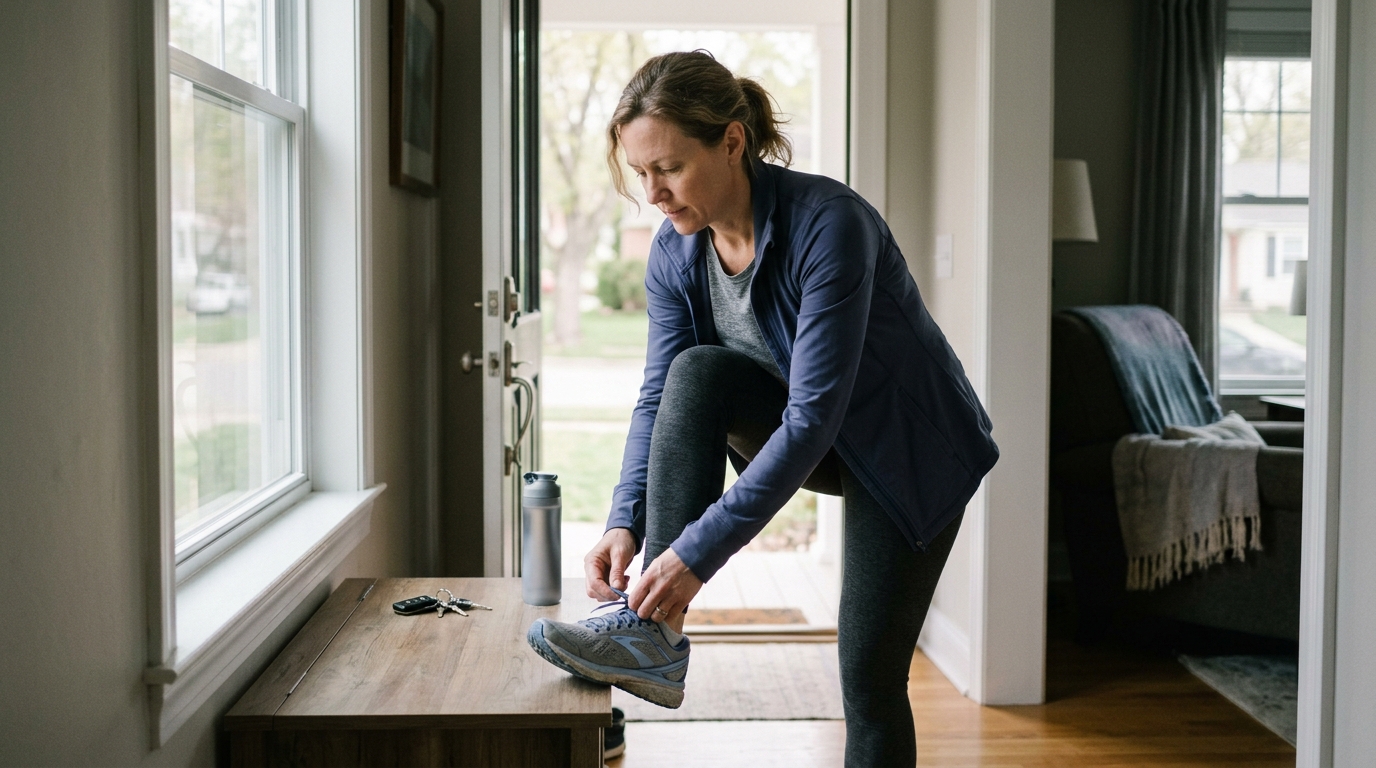
Walking is the most accessible form of aerobic conditioning for most adults. It requires no specialized equipment and carries a very low risk of acute injury.
A purposeful, brisk walk easily reaches moderate intensity for most adults. Walking at a pace of 3 to 4 miles per hour elevates the heart rate and contributes directly toward your weekly aerobic target. You can explore structured options like injury prevention and staying active resources to see how purposeful walking fits into broader joint protection strategies.
Walking can also be accumulated in brief segments. Three brisk 10-minute walks throughout the day provide similar cardiovascular benefits to one continuous 30-minute walk. However, a slow, distracted stroll through a shopping center rarely reaches moderate intensity. While a slow stroll is far better than sitting on the couch, it does not provide the same aerobic stimulus as purposeful walking.
Many adults wonder if rigorous chores can replace a workout session. Chores certainly generate genuine physical fatigue and demand physical energy.
Certain household activities reach moderate intensity. Raking leaves, pushing a lawnmower, shoveling snow, scrubbing a bathtub, and carrying heavy bags of mulch require real effort. These tasks recruit large muscle groups and challenge your cardiovascular system.
However, household tasks have clear training limitations:
Chores are excellent for keeping your body active and burning energy. They do not, however, eliminate the need for balanced, structured strengthening.
Structured workouts include strength training, guided group classes, cycling sessions, and formal rehabilitation programs. Their greatest benefit is precision.
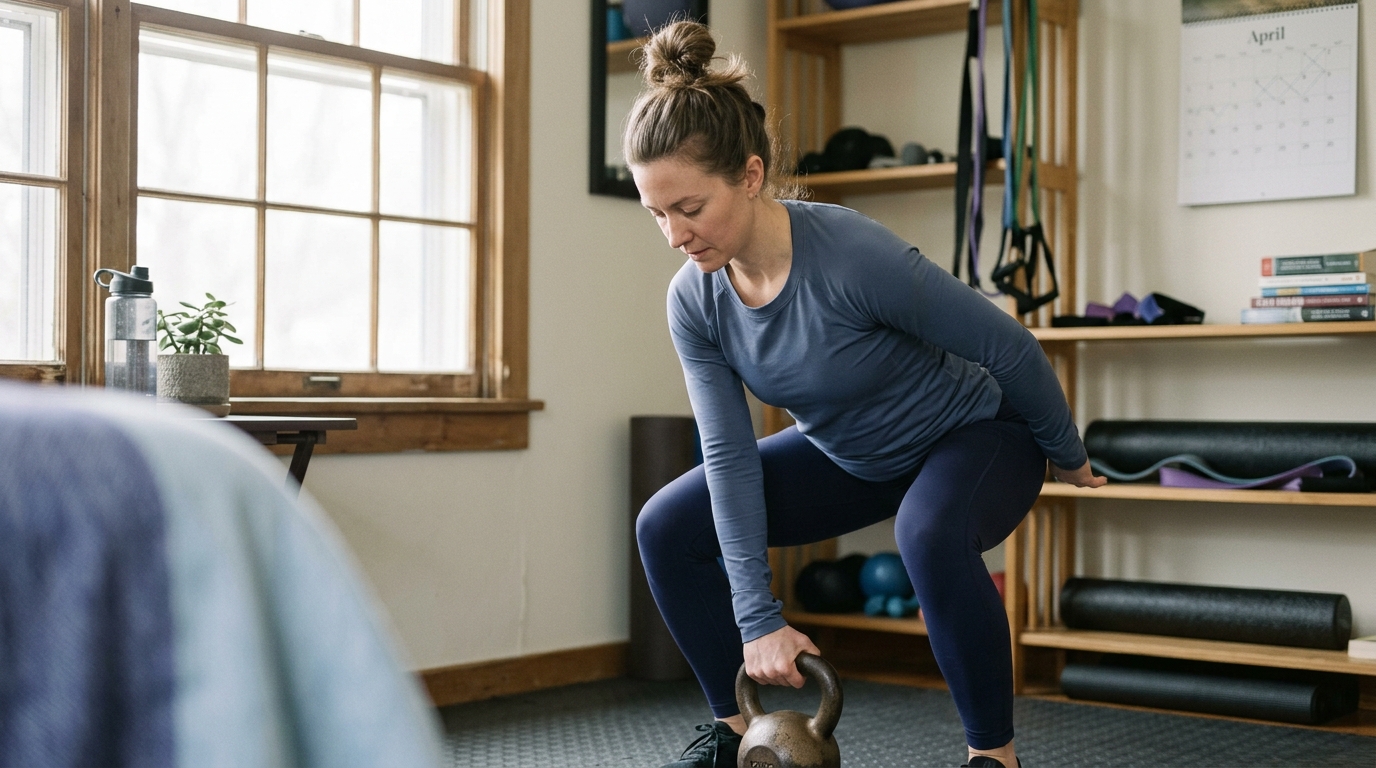
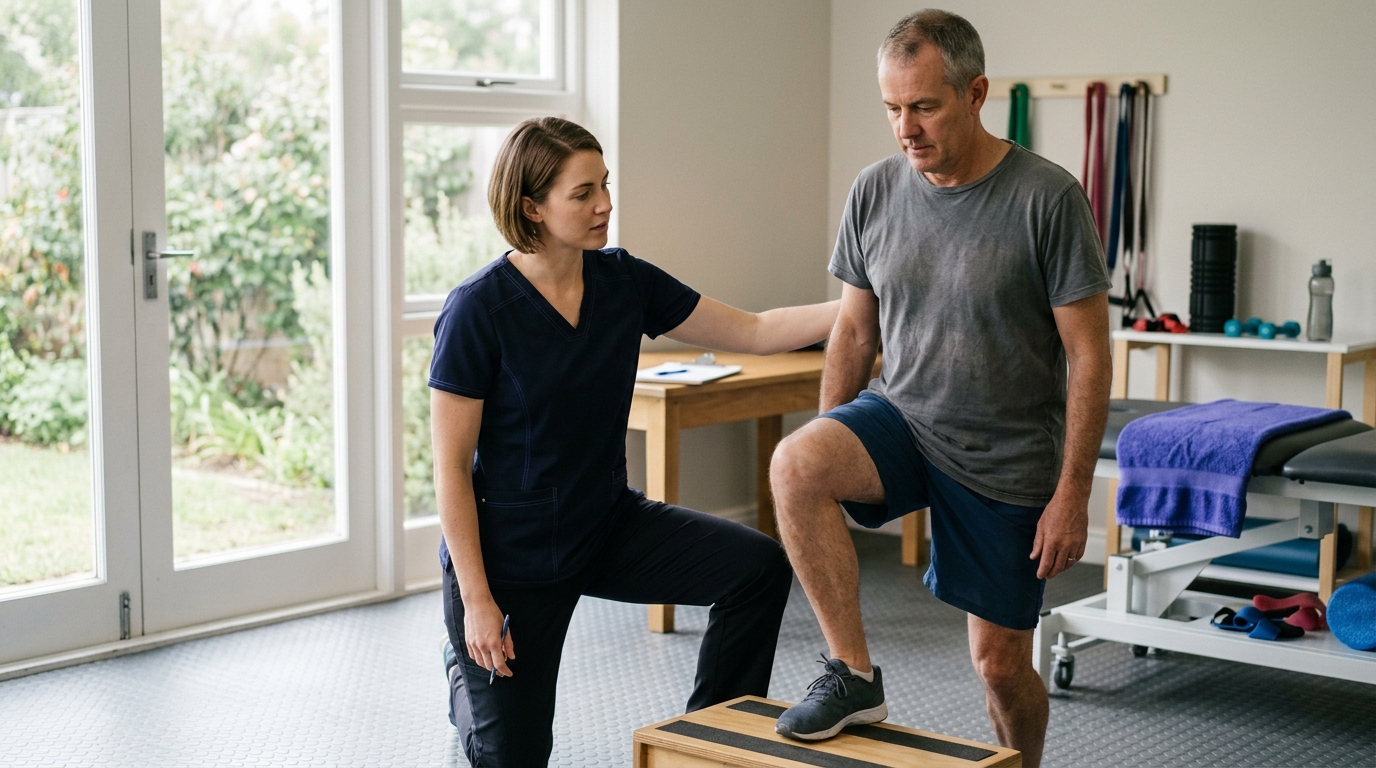
In a formal workout, you control the variables. You decide the exact resistance, number of repetitions, range of motion, and rest intervals. This precision makes structured workouts essential for adults rebuilding strength after a joint injury or surgery. You can review dedicated strength and performance rebuilding concepts to understand how targeted load helps protect healing tissues.
The downside of structured workouts is the barrier to entry. They require dedicated time, planning, and sometimes specialized equipment or memberships. Some adults also find traditional workouts repetitive or uninspiring.
Active transportation involves walking, wheeling, or cycling to reach a destination rather than driving or taking a car. It seamlessly blends physical movement into your logistical day.
A systematic review on the health impacts of active transportation found that commuting by foot or bicycle provides substantial cardiovascular benefits. Benefit-cost and benefit-risk models in the review showed a median ratio of 9 to 1 in favor of active transit. The physical activity benefits substantially outweighed risks across most analyzed settings.
Active commuting does introduce environmental variables. Walking or cycling near busy roadways increases exposure to motorized traffic and urban air pollution. If you choose active transportation, select routes with dedicated bike paths, pedestrian sidewalks, and lower traffic density whenever possible.
Navigating fitness advice often means sorting through common myths that cause guilt or lead to poorly balanced routines.
One common belief is that movement only counts if it happens inside a gym while wearing athletic apparel. This misconception discourages many busy adults from staying active.
Public health guidelines state clearly that physical activity accumulated through active commuting, occupational tasks, home chores, and recreation counts toward health targets. Your heart and blood vessels do not know whether you are walking on a motorized treadmill or walking briskly up a neighborhood hill. Focus on the physiological stimulus rather than the venue.
The opposite misconception is assuming that any gentle daily movement satisfies all physical activity needs. While light movement is far superior to sitting, it does not replace moderate-to-vigorous aerobic exercise or progressive resistance training.
A routine that consists entirely of light house cleaning and slow wandering will leave critical gaps. Over time, cardiorespiratory fitness may decline and muscle mass may decrease. To maintain independence and functional capacity as you age, you must include activities that challenge your breathing and load your muscles.
Many people assume that carrying laundry baskets, gardening, and carrying grocery bags counts as complete strength training. While these tasks require muscular effort, they do not systematically challenge all major muscle groups.
Guidelines specifically call for muscle-strengthening activities that work the legs, hips, back, abdomen, chest, shoulders, and arms on at least two days per week. Everyday chores rarely train the upper back, hamstrings, or pressing muscles through a full, controlled range of motion. Structured strength exercises remain necessary to ensure balanced joint support.
A subtle pitfall involves completing a hard 45-minute workout in the morning and then remaining completely seated for the next ten hours. Researchers refer to this as the active couch potato pattern.
Prolonged, uninterrupted sedentary time has negative metabolic effects that are distinct from overall exercise volume. Breaking up seated hours with brief two-minute walking breaks improves glycemic control and reduces joint stiffness. You should aim to combine structured exercise sessions with frequent, light movement throughout your working day.
A balanced movement routine must adapt to your individual health status, recovery history, and stage of life. Generic prescriptions rarely fit everyone.
For adults aged 65 and older, public health guidelines add a critical requirement: multicomponent physical activity emphasizing functional balance and coordination.
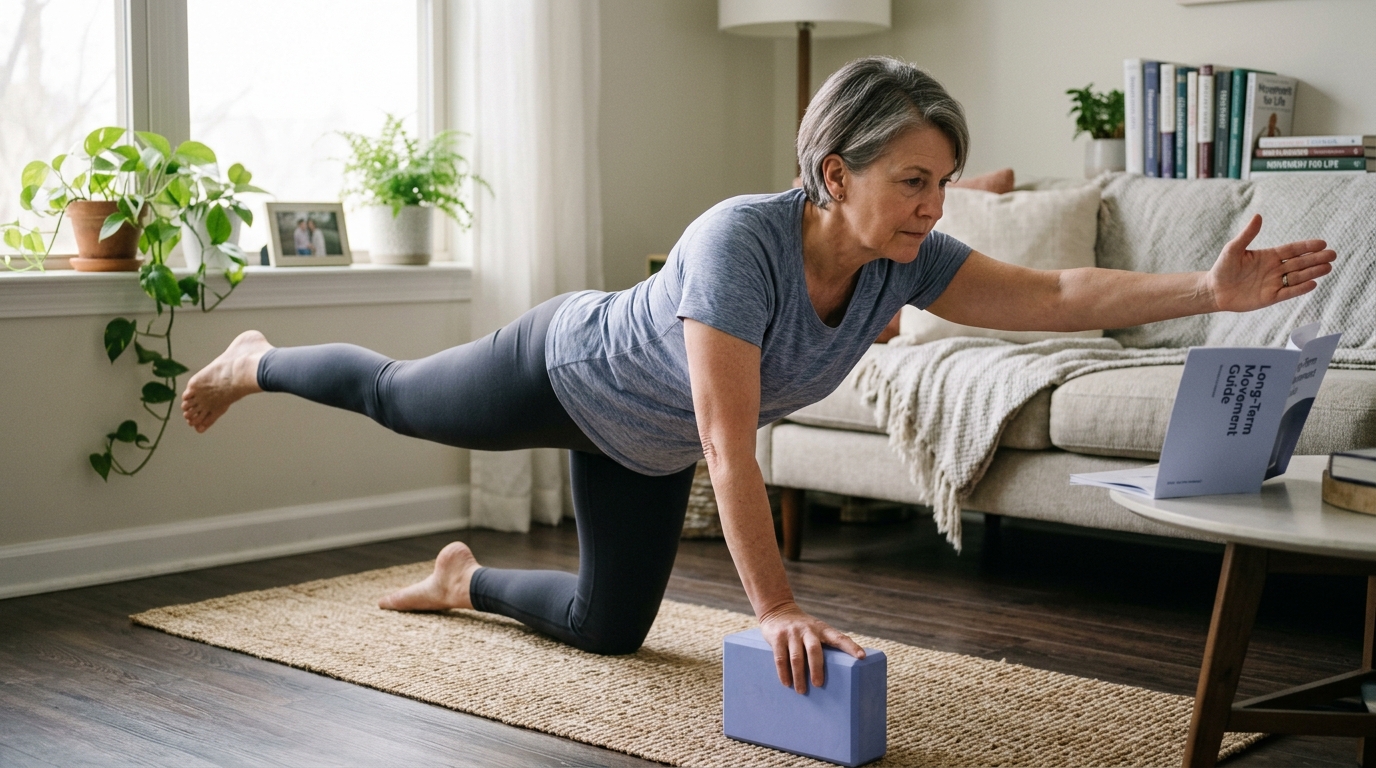
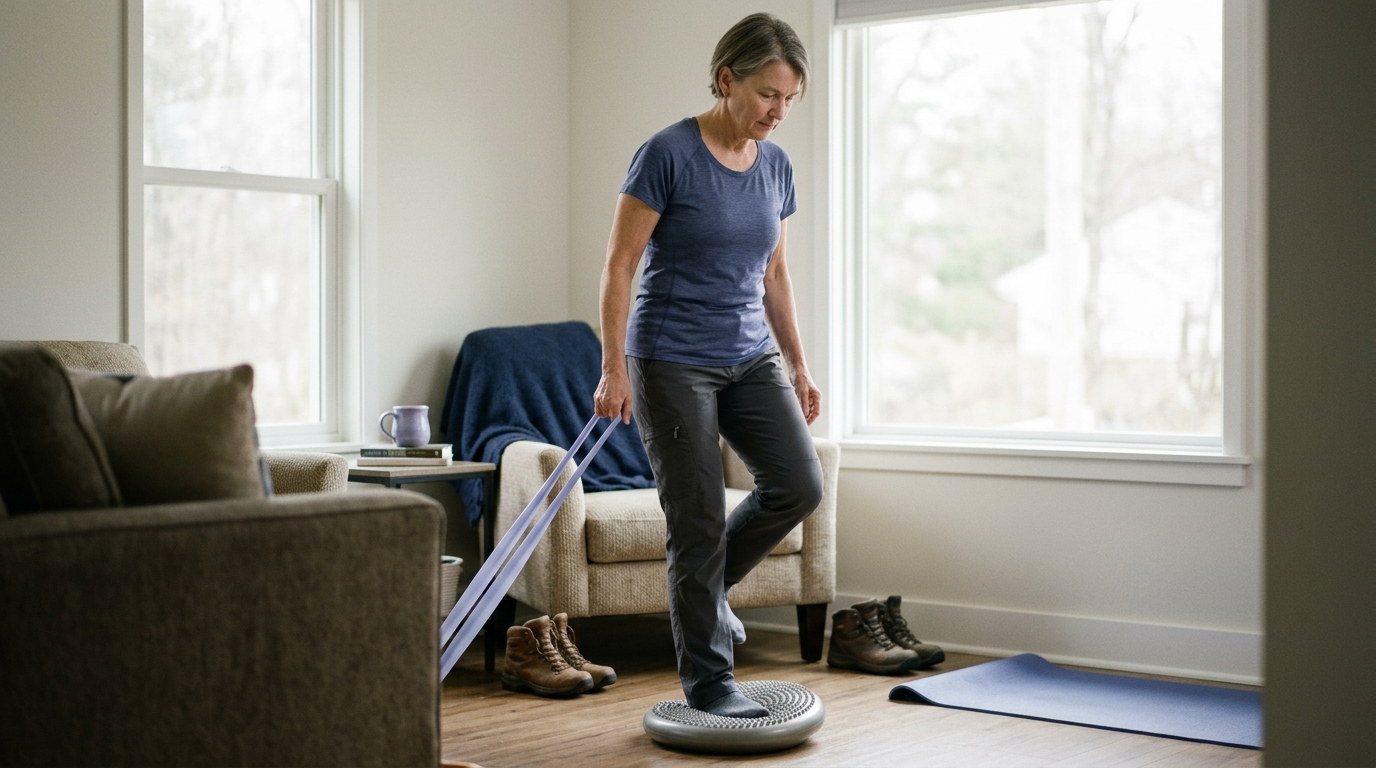
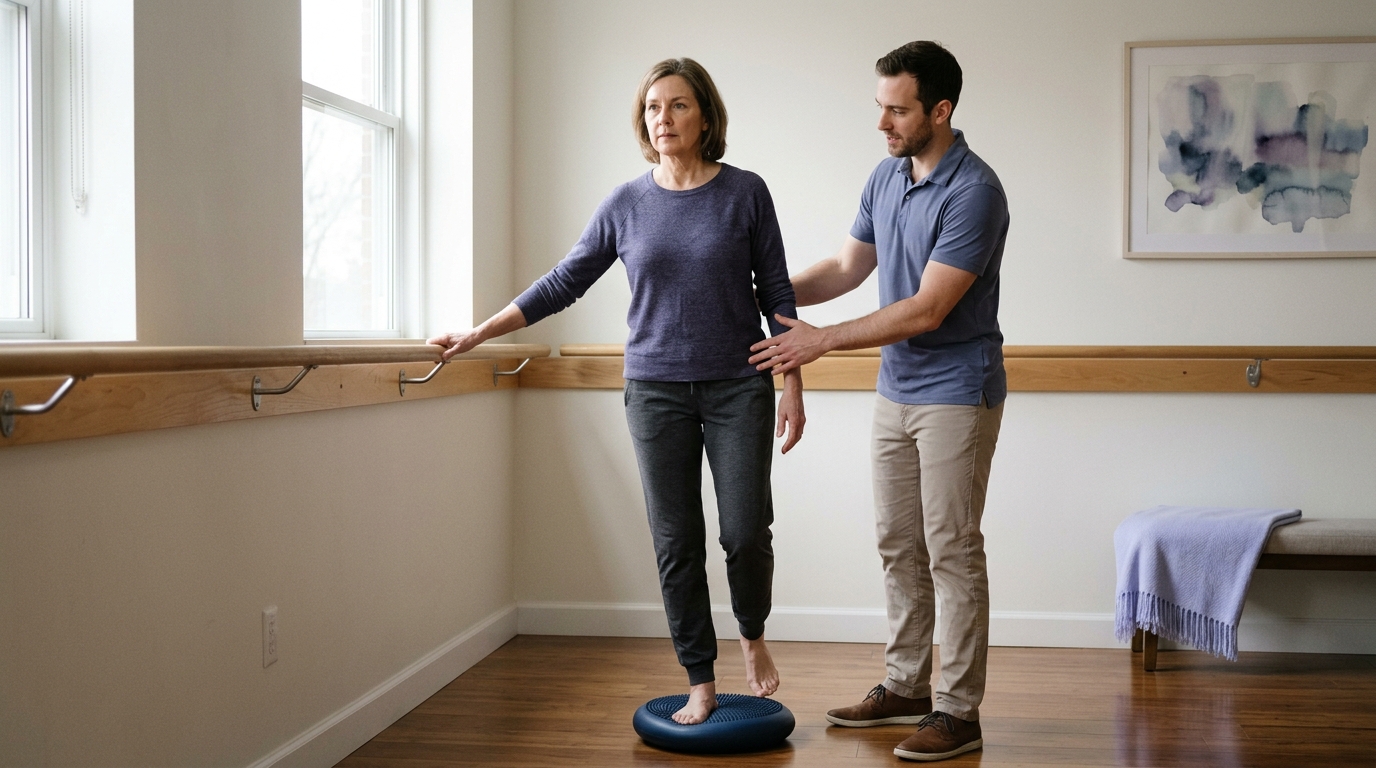
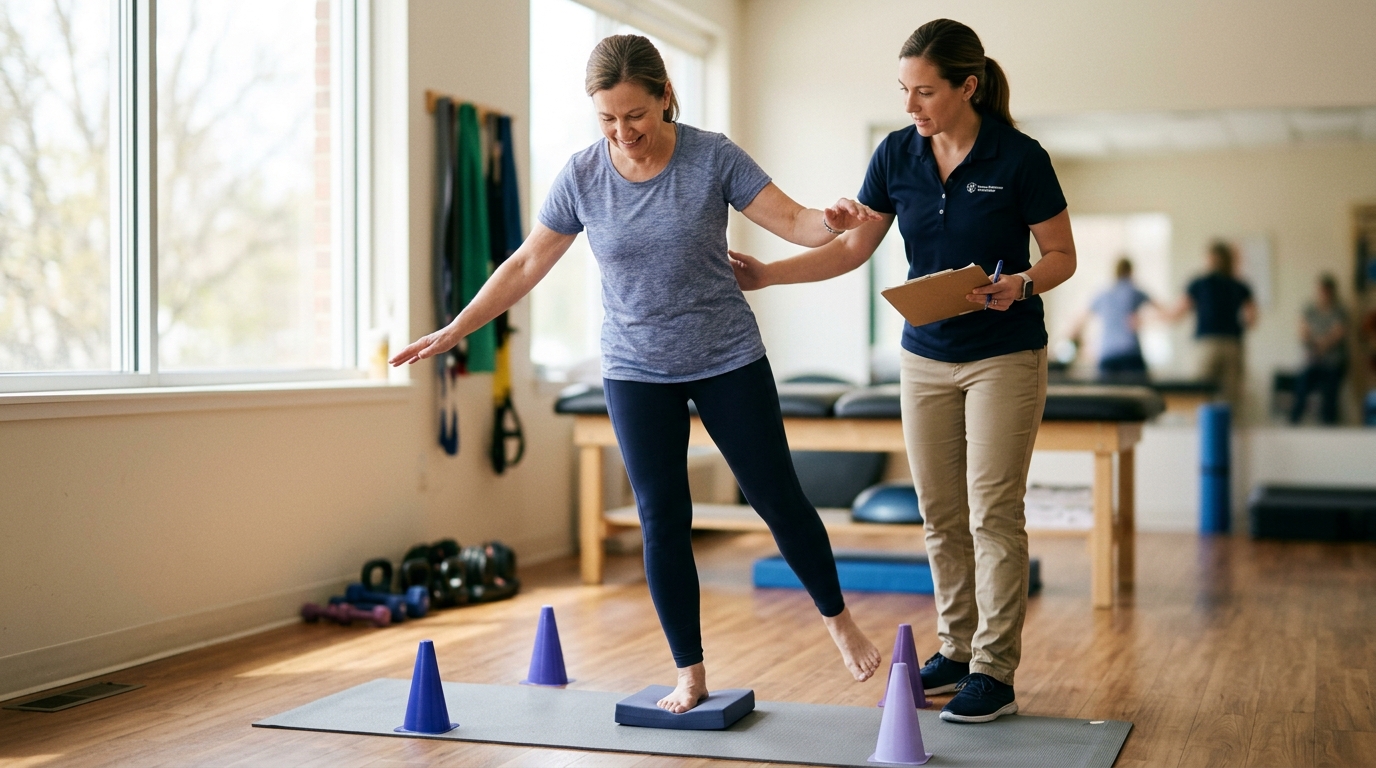
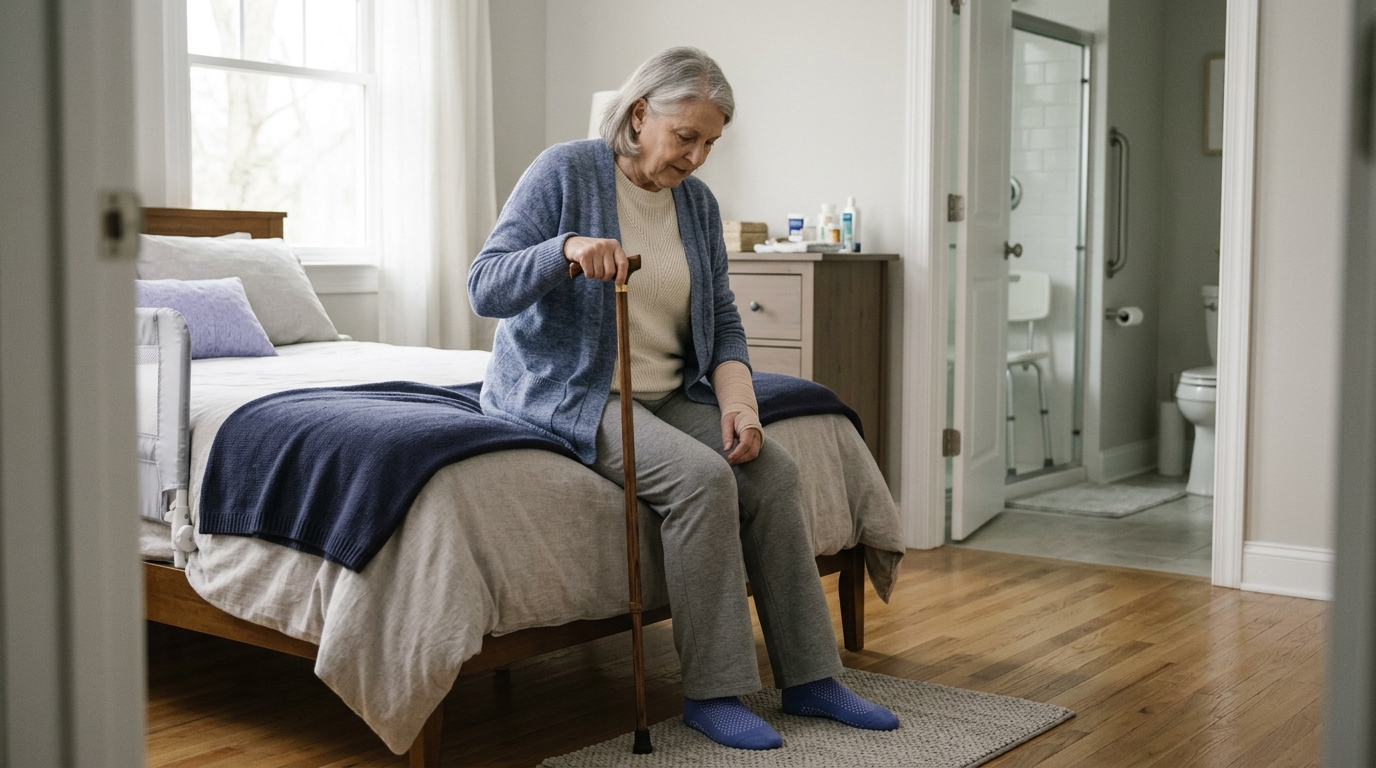
Age-related muscle loss and changes in sensory processing increase fall risks. The World Health Organization recommends that older adults perform multicomponent physical activity on three or more days per week. This includes exercises that challenge balance, such as single-leg stands, heel-to-toe walking, and lower-body strength training. You can explore active aging and prevention resources to see how balance training integrates into daily life.
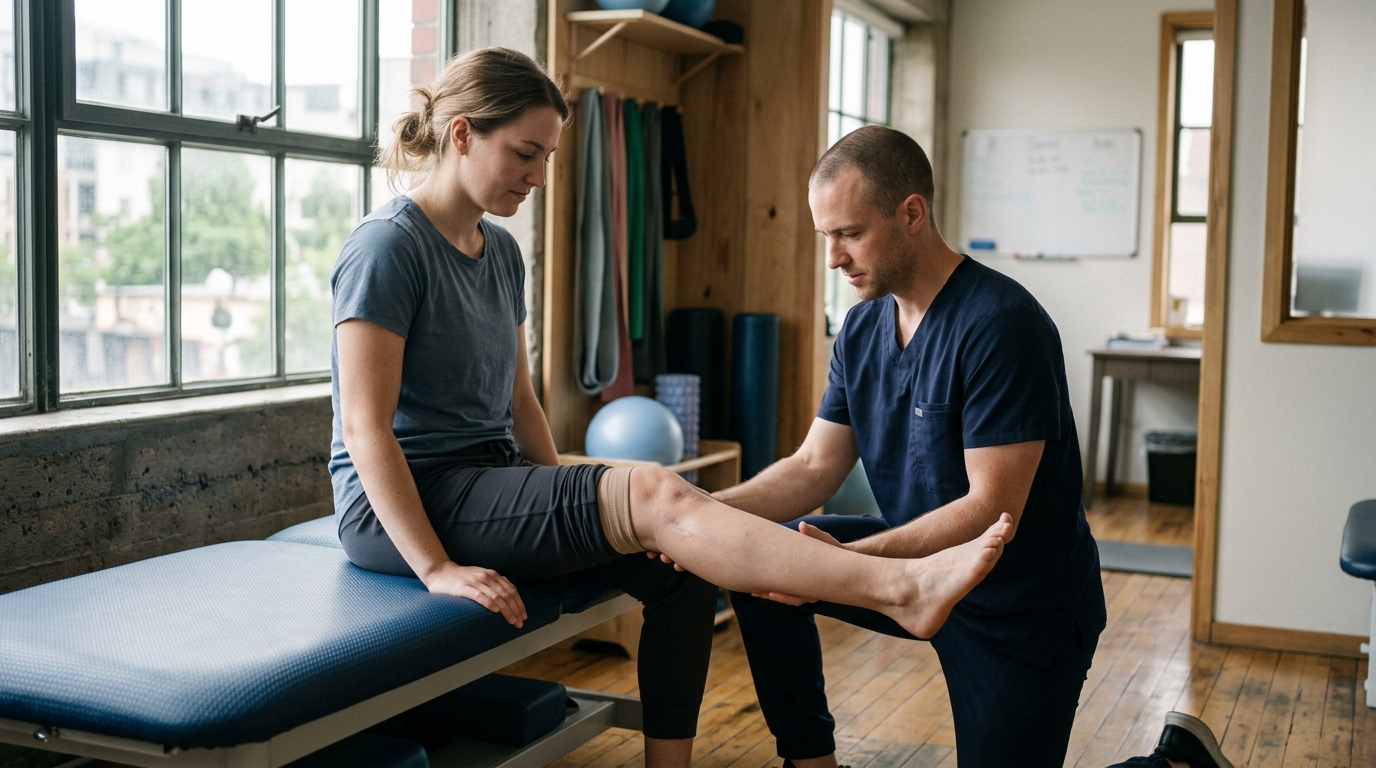
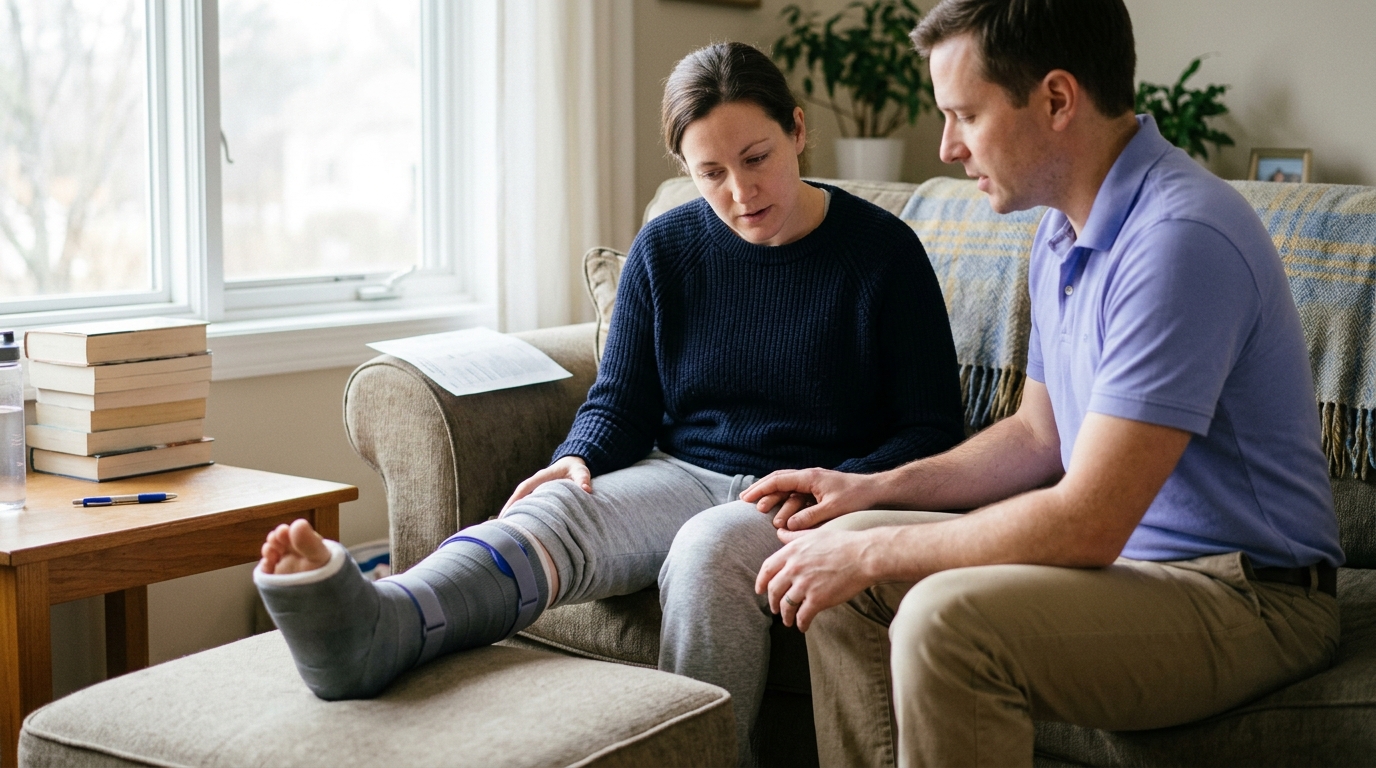
If you are managing knee osteoarthritis, hip impingement, or recovering from rotator cuff repair, movement requires careful pacing. High-impact everyday tasks, like jumping down from ladders or carrying unbalanced loads, can irritate healing tissues.
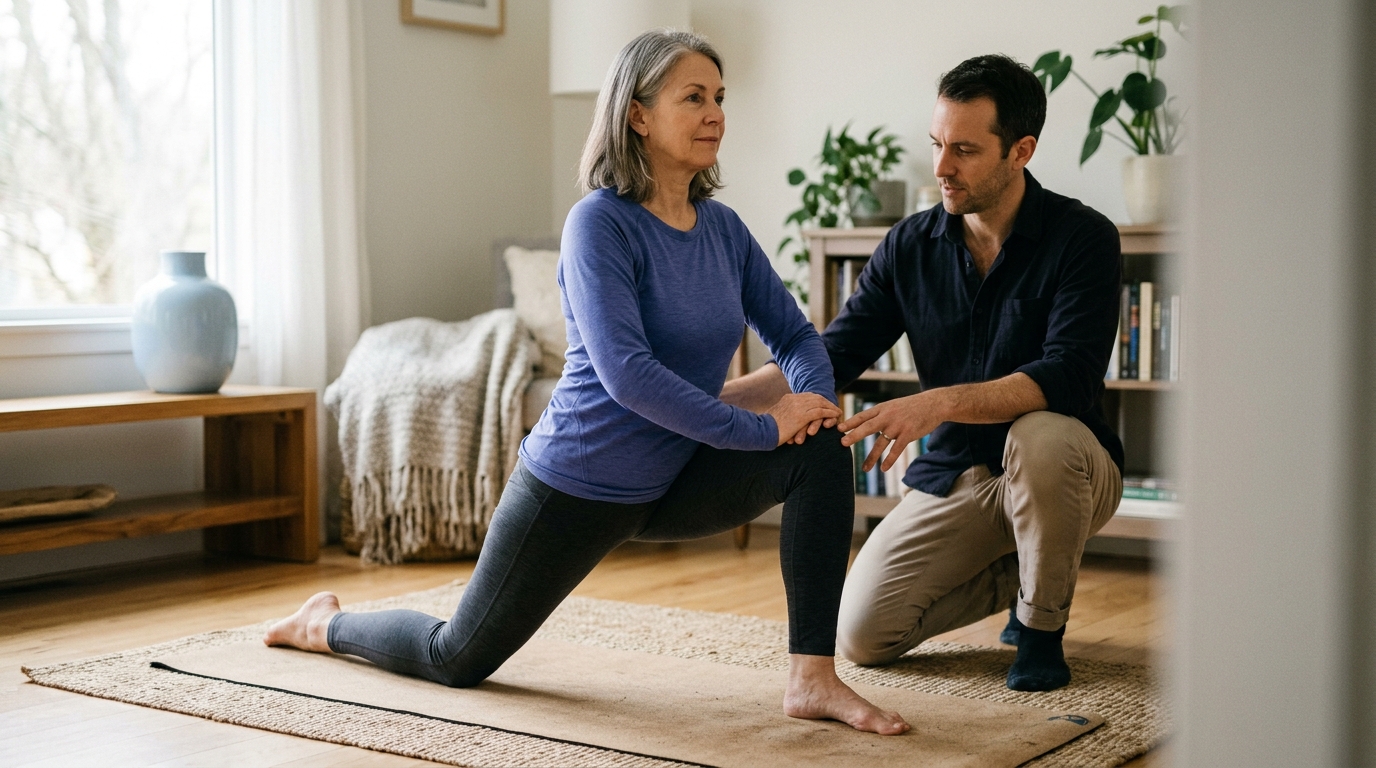
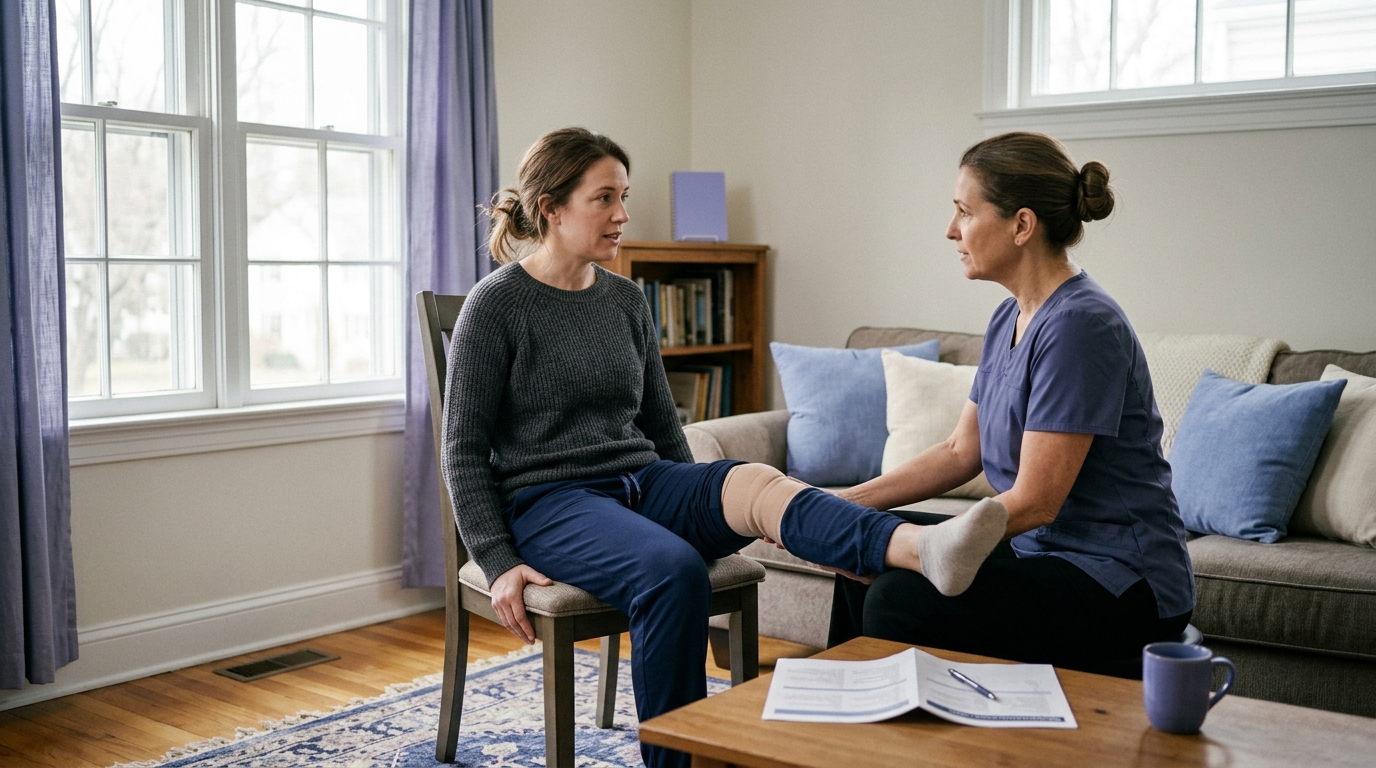
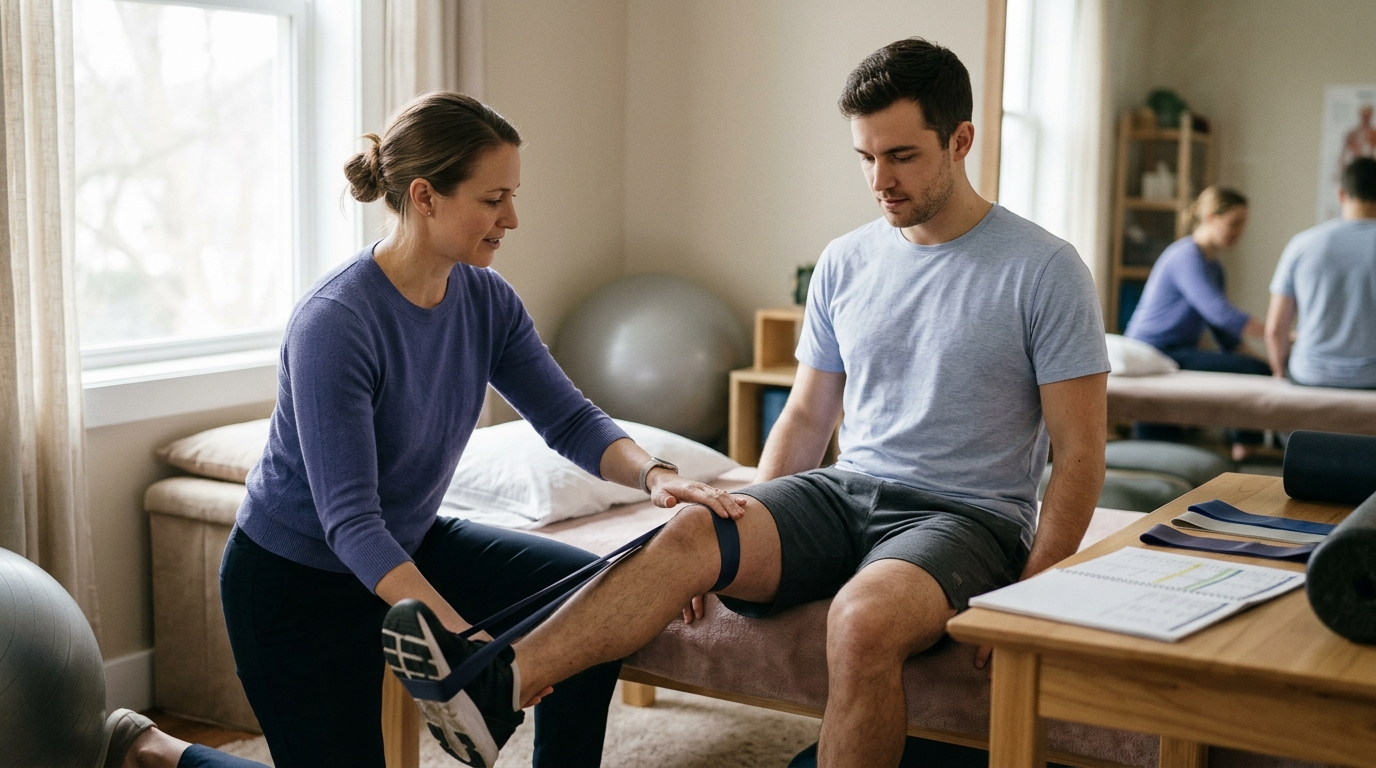
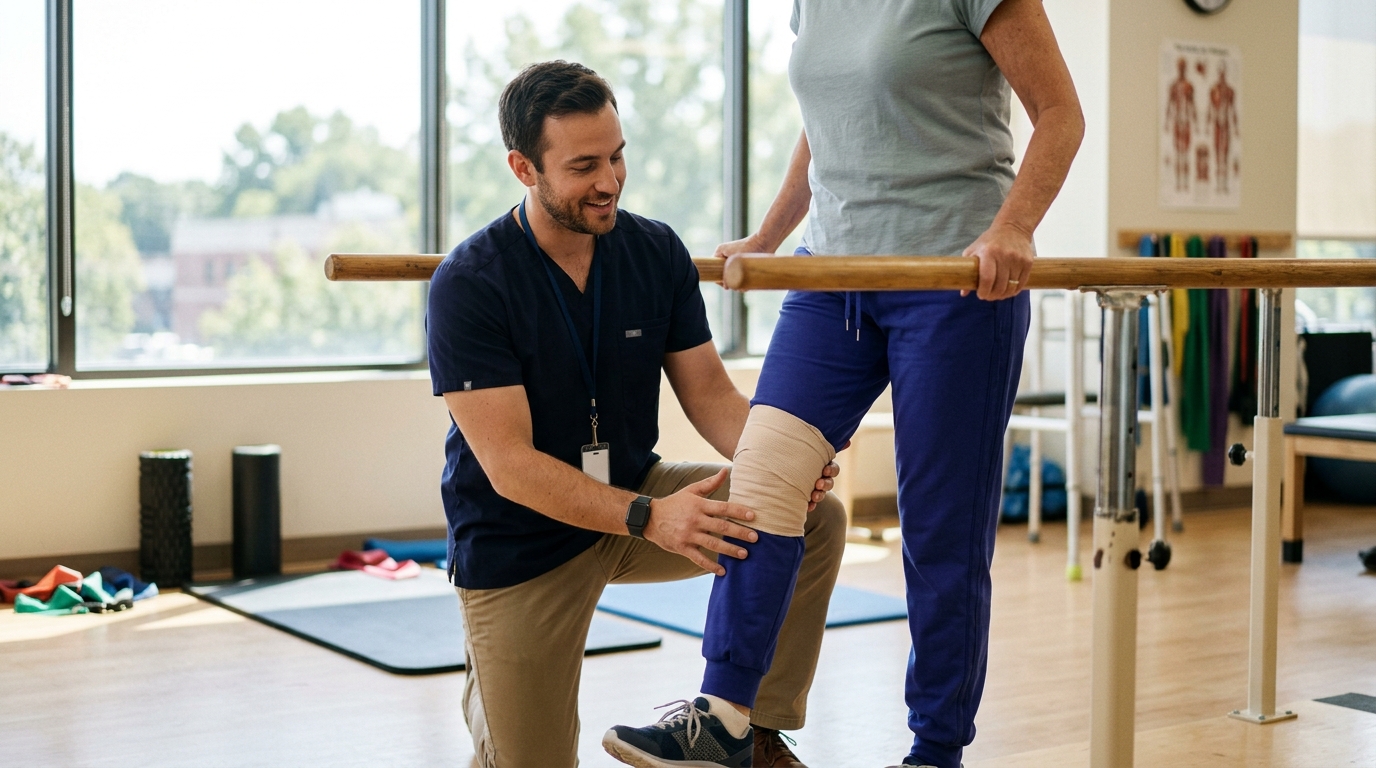
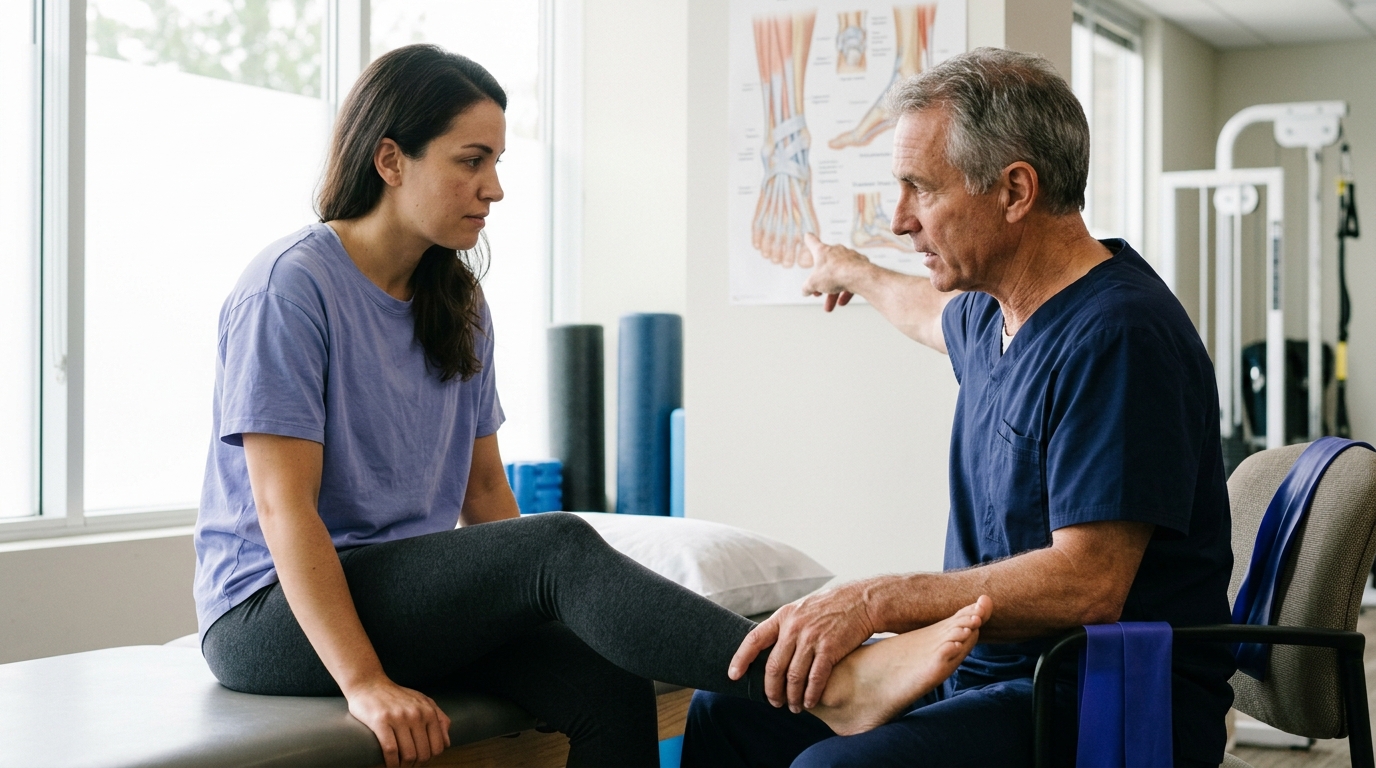
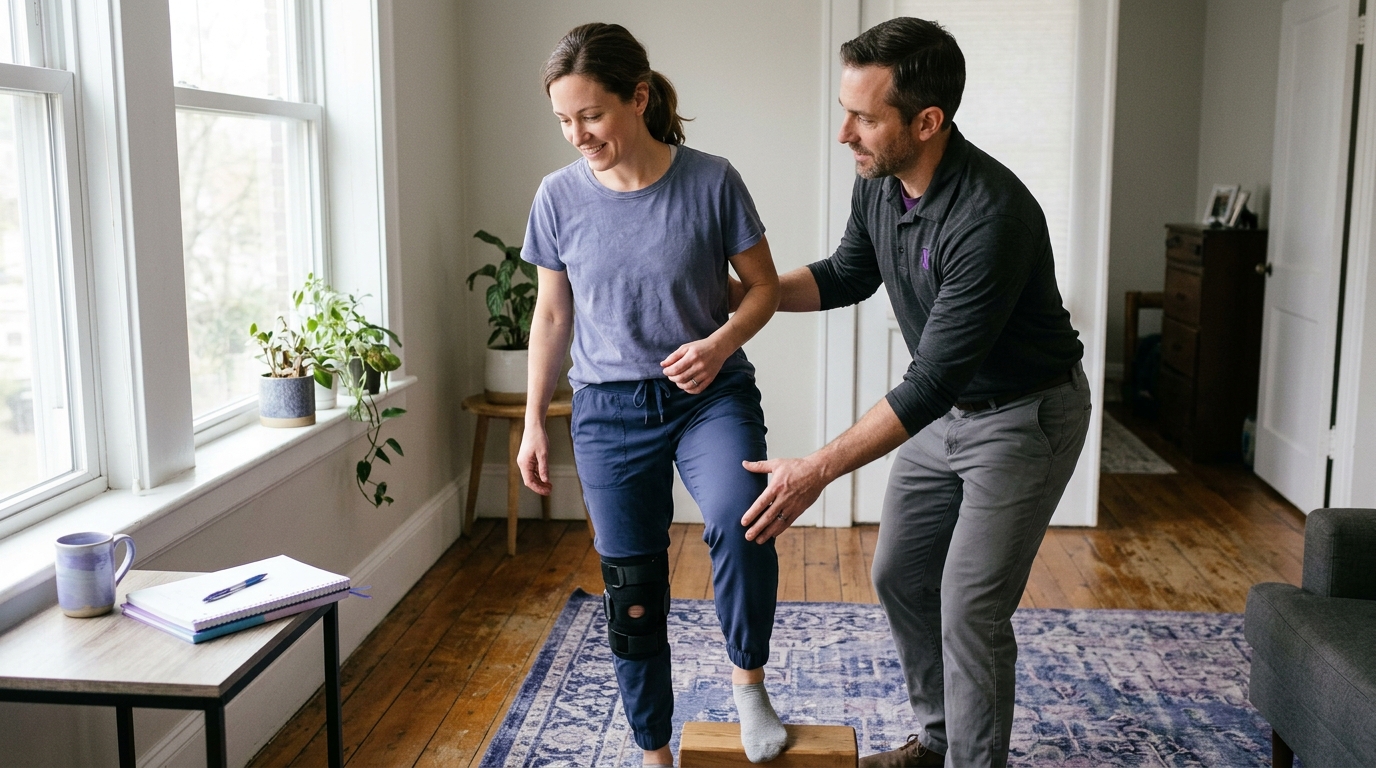
In these situations, structured exercise is often safer and more therapeutic than unguided household chores. In a structured setting, you can choose low-impact cardiovascular options like stationary cycling or water aerobics. You can also perform targeted exercises that strengthen stabilizing muscles around sensitive joints without causing pain flare-ups.
For adults living with mobility limitations or chronic conditions like type 2 diabetes or heart disease, activity guidelines remain highly relevant but require adaptation. The Centers for Disease Control and Prevention advises starting slowly based on individual ability.
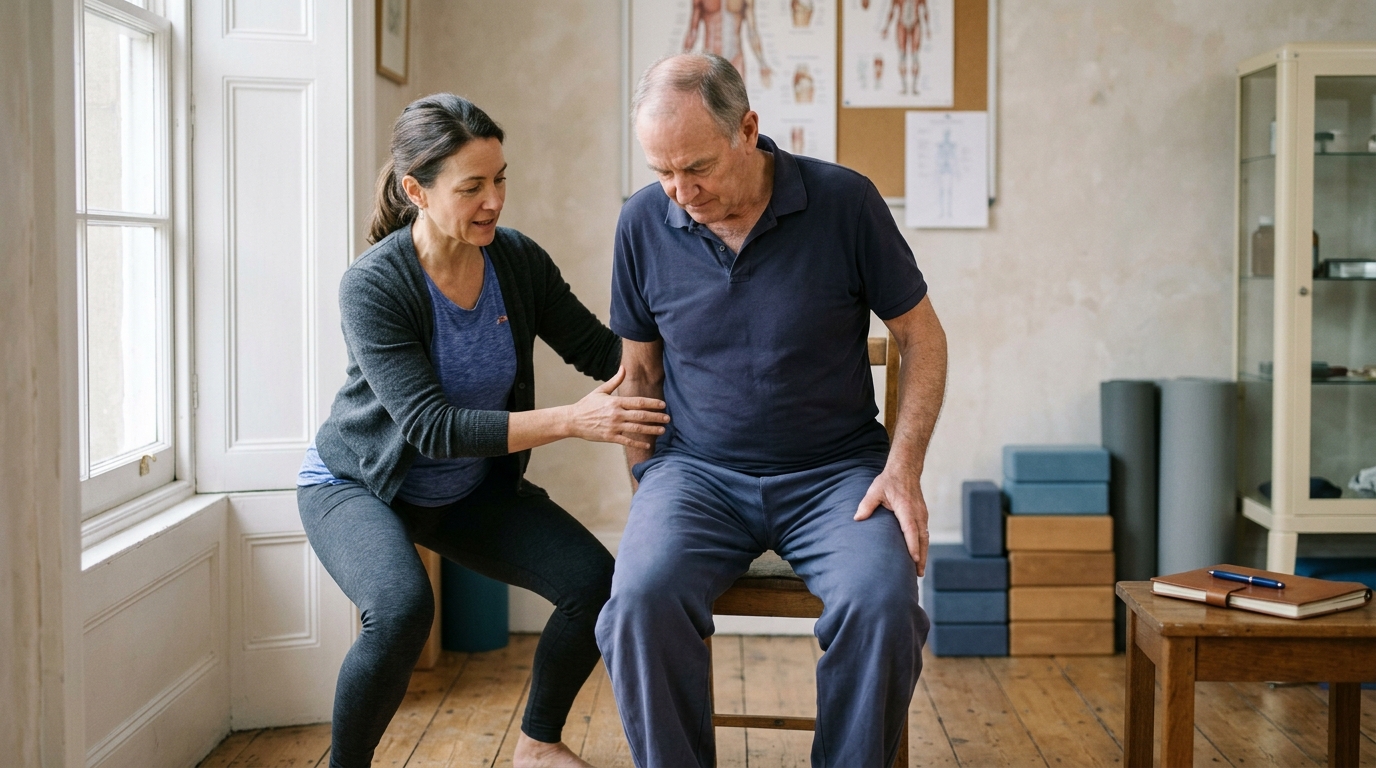
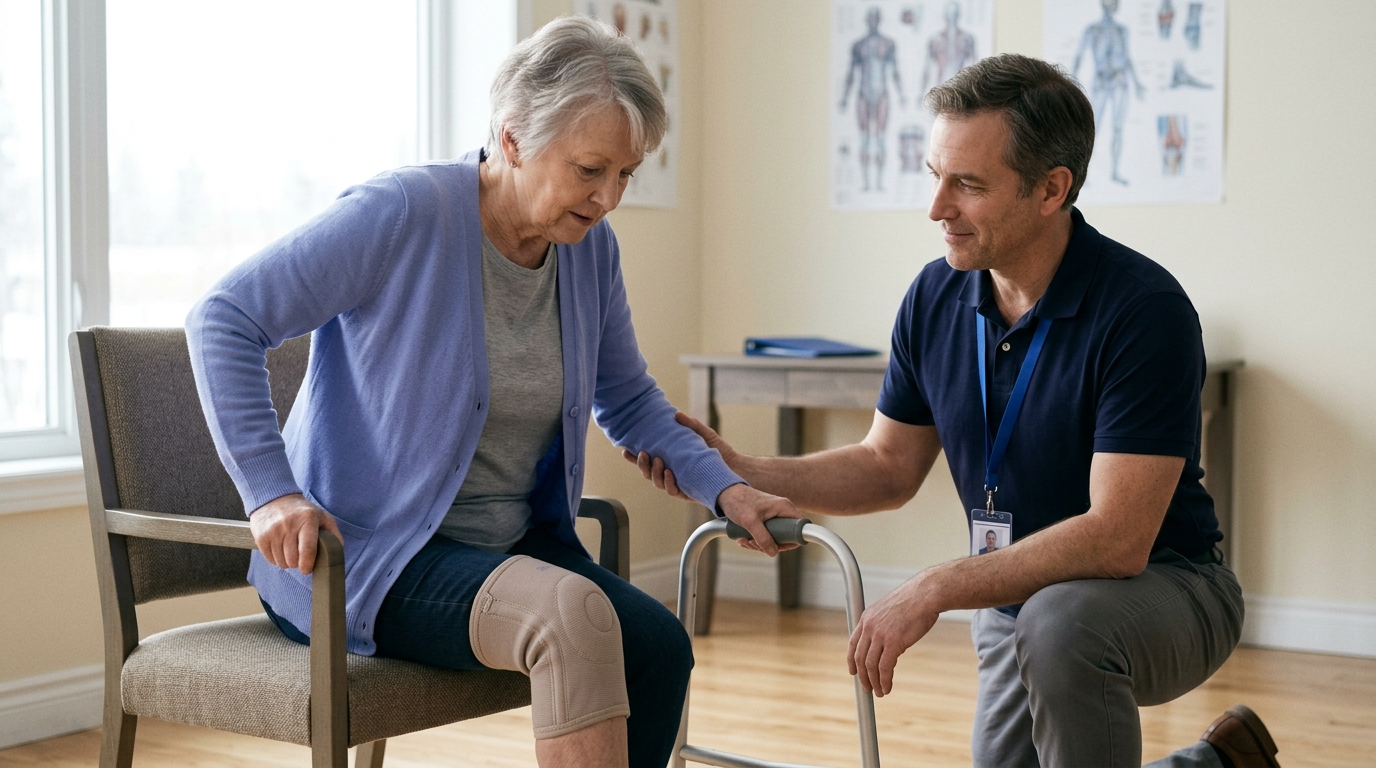
Aerobic activity can be achieved through wheeling, hand cycling, or seated aerobics. Muscle strengthening can incorporate resistance bands, light dumbbells, or bodyweight exercises adapted to a chair. If you have been inactive or manage chronic health issues, working with a physical therapist or clinical exercise specialist ensures that your progression is safe and comfortable.
During pregnancy and the postpartum period, regular physical activity supports cardiovascular fitness, mood regulation, and metabolic health. Guidelines recommend at least 150 minutes of moderate-intensity aerobic activity per week.
This volume can easily be divided into small, manageable chunks throughout the week. Brisk walking, stationary cycling, and prenatal strength training are generally well-tolerated. However, pregnant individuals should avoid activities with high fall risks, contact sports, or exercises that cause abdominal pain.
To see how everyday activity and structured workouts fit together, consider the following illustrative planning models. These examples represent practical ways to organize a weekly schedule rather than individualized clinical prescriptions.
This model is designed for someone who has been sedentary and feels overwhelmed by long workouts:
This model suits someone who already performs substantial physical labor at home but lacks structured strength work:
This model illustrates how active transportation can fulfill aerobic targets:
This model focuses on outdoor recreation and community-based activities:
This model emphasizes fall prevention, joint mobility, and steady strength:
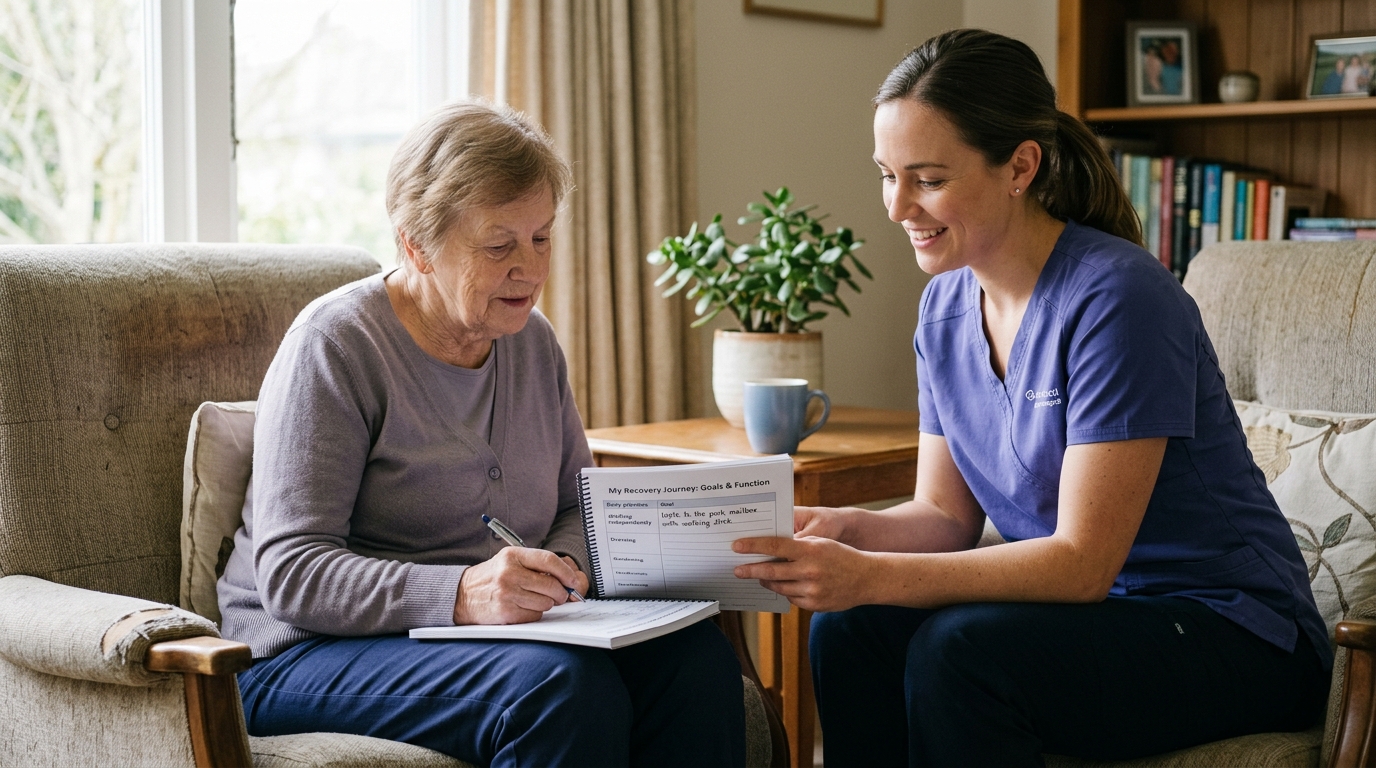
This model supports someone transitioning from formal rehabilitation back to regular lifestyle activity:
Designing your personal movement portfolio does not require complex formulas. You can use a straightforward five-step process to organize your week.
For three to five days, track all physical movement. Note your time spent walking, cleaning, climbing stairs, doing yard work, sitting at a desk, and completing workouts. Do not try to change your behavior yet. Simply establish an honest baseline of what you currently do.
Review your log and assess the intensity of each activity using the talk test. Identify which tasks are light, which are moderate, and which are vigorous. Be realistic about your effort. A leisurely stroll or gentle dusting belongs in the light category, while brisk walking and heavy raking qualify as moderate.
Compare your weekly summary against baseline health targets:
You can review our guide on mobility and movement to find gentle ways to address stiffness gaps.
Look for natural opportunities to insert movement into your existing schedule. If you already commute by bus, get off one stop early and walk the remaining distance. If you watch television in the evening, use that time to complete resistance band exercises or floor mobility drills. Pairing movement with established habits improves long-term consistency.
If you are currently below guideline targets, do not attempt to reach 150 minutes and two full strength sessions in your first week. Sudden spikes in activity volume can irritate tendons and trigger joint flare-ups.
Add 10 to 15 minutes of moderate activity per week. Once your cardiovascular stamina feels comfortable, introduce light resistance exercises once or twice per week. Giving your joints, ligaments, and muscles time to adapt ensures that your active routine remains sustainable for years to come. To understand how your body adapts to physical workloads, read more about recovery science.
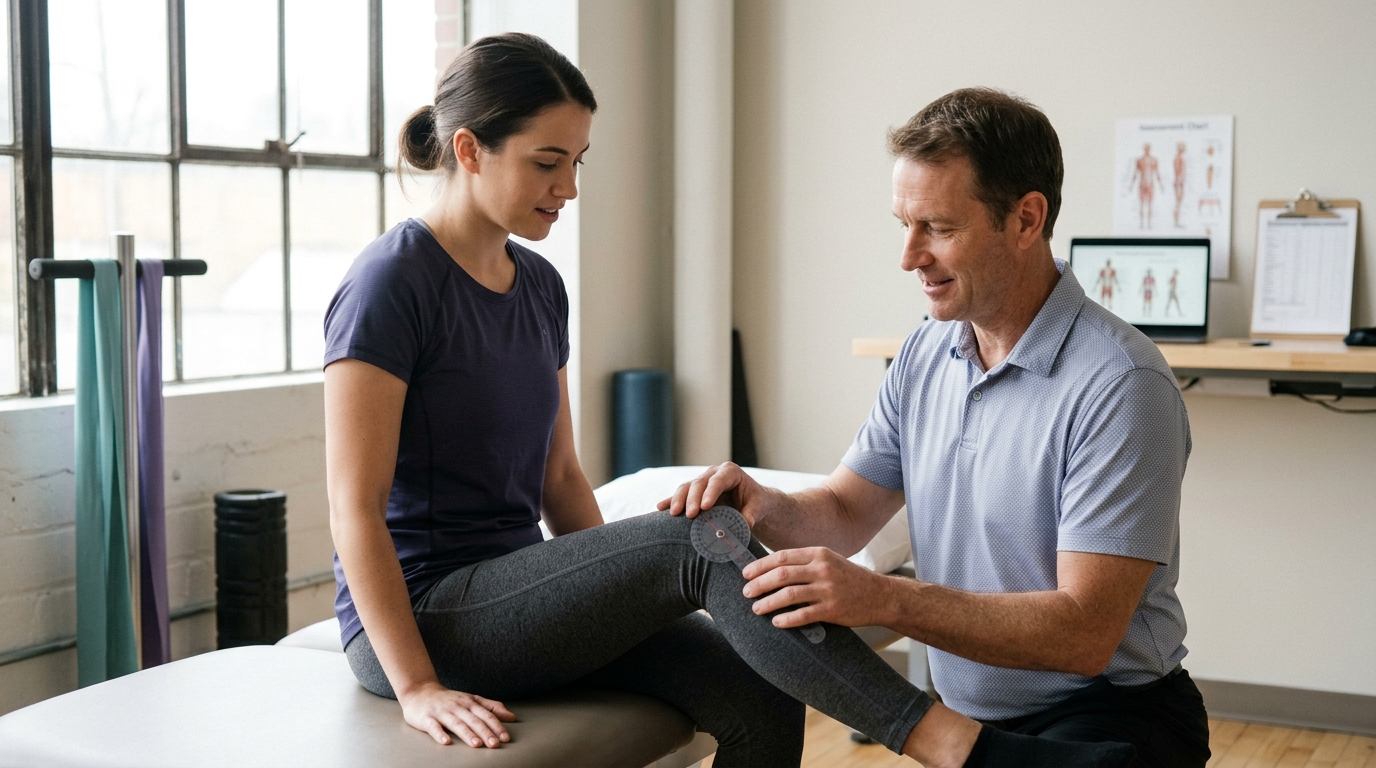
If you are managing recurring joint pain, recovering from surgery, or starting an active routine after years of inactivity, talking with a healthcare professional provides valuable clarity. Here are practical questions to guide your conversation:
Everyday physical activity and structured workouts are complementary components of a healthy life. Daily movement, chores, and active commuting keep your joints functioning, burn baseline energy, and break up hazardous sitting time. Formal exercise provides the controlled stimulus required to build cardiovascular stamina, protect bone mineral density, and maintain muscle strength.
You do not need an all-or-nothing approach to movement. Any amount of physical activity provides meaningful biological value compared to complete inactivity. By auditing your current habits, using the talk test to measure effort, and combining purposeful everyday tasks with deliberate strength work, you can build a resilient, balanced routine that fits your schedule.
Revisit this guide whenever your schedule changes, when recovering from an acute injury, or when your current movement routine begins to feel unbalanced. Reviewing these principles every six months helps you audit your weekly habits, adjust your intensity zones, and ensure your movement portfolio continues to support your long-term independence.
Building a sustainable routine is not about chasing perfection in the gym, but about creating a week filled with purposeful, varied, and joint-friendly movement.

Use ReboundBody resources to understand common recovery stages, rehab terms, movement limits and strength rebuilding. Each guide is designed to make a complex comeback easier to understand.


Read practical guidance on injury recovery, rehabilitation, mobility and rebuilding strength as you work your way back to activity.
Explore Resources