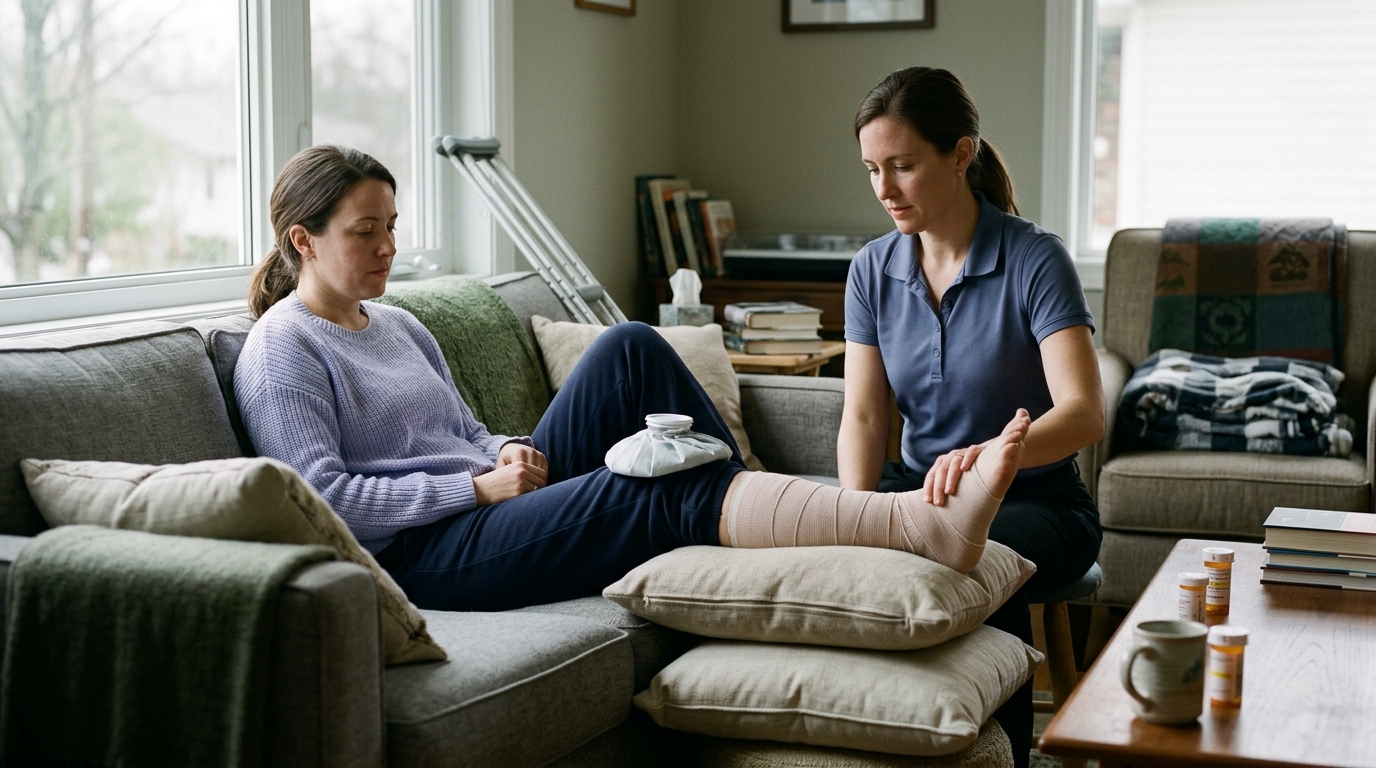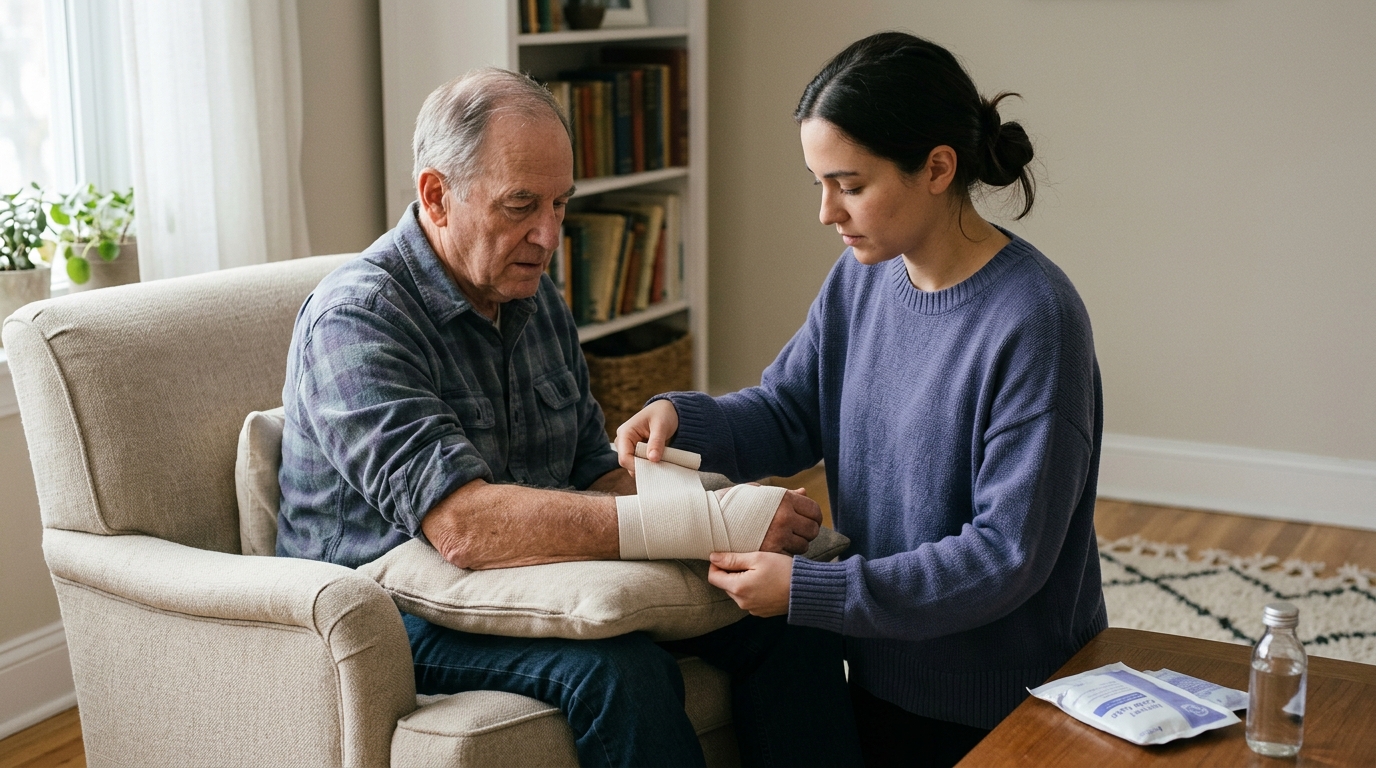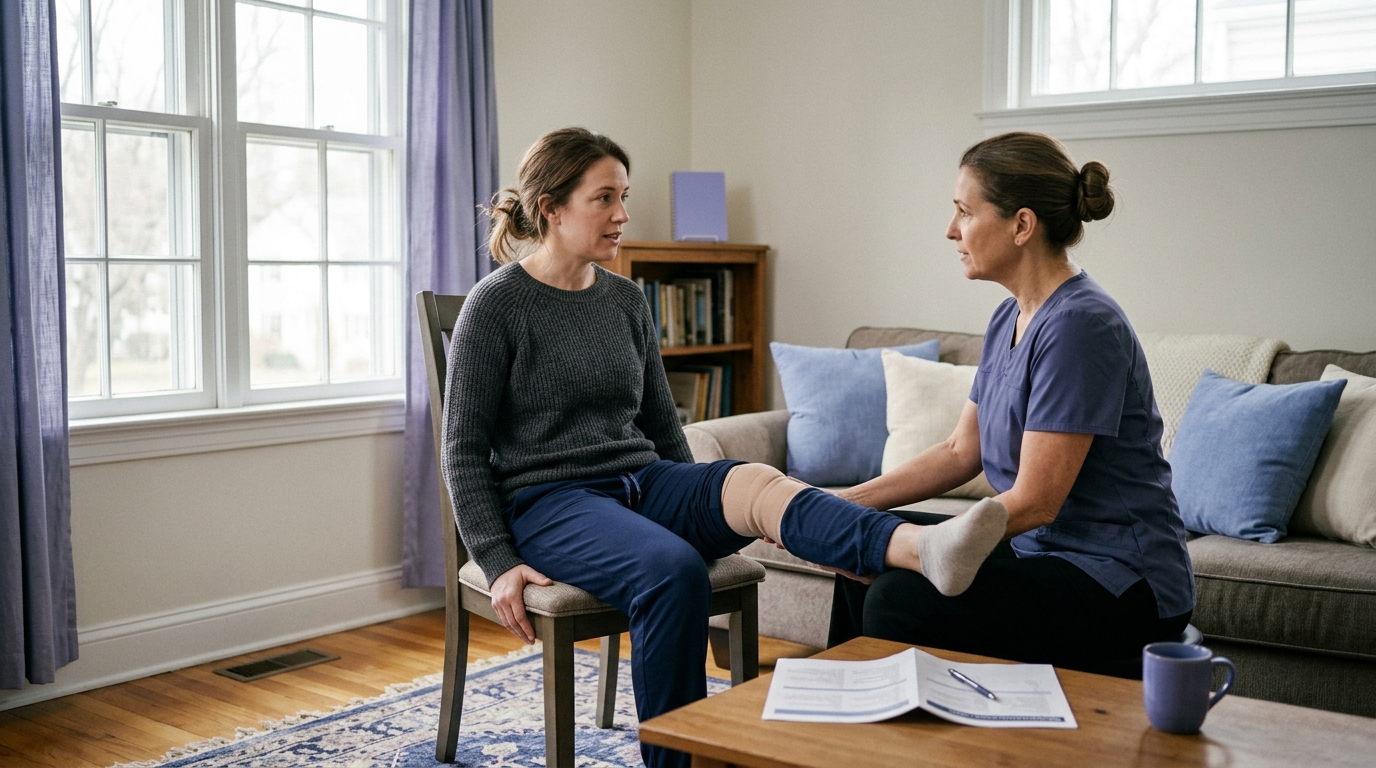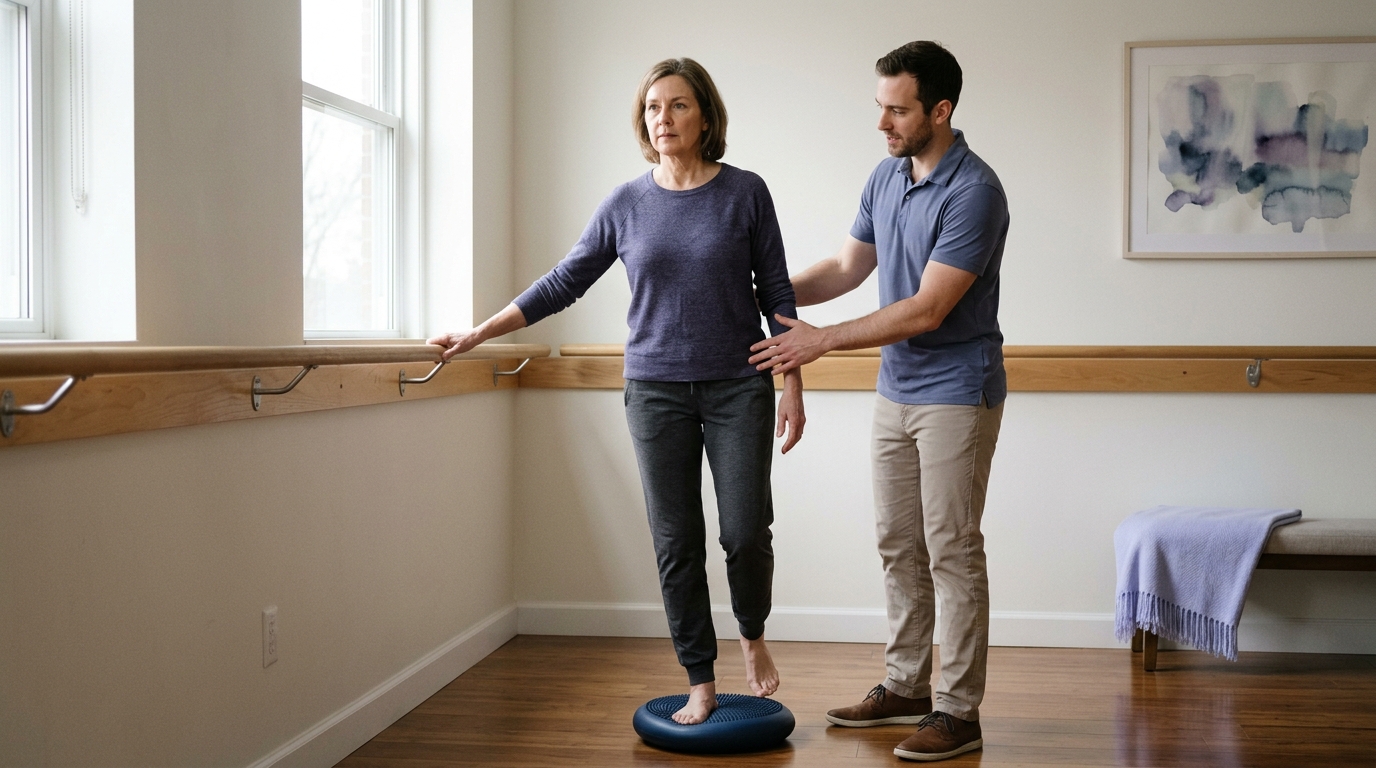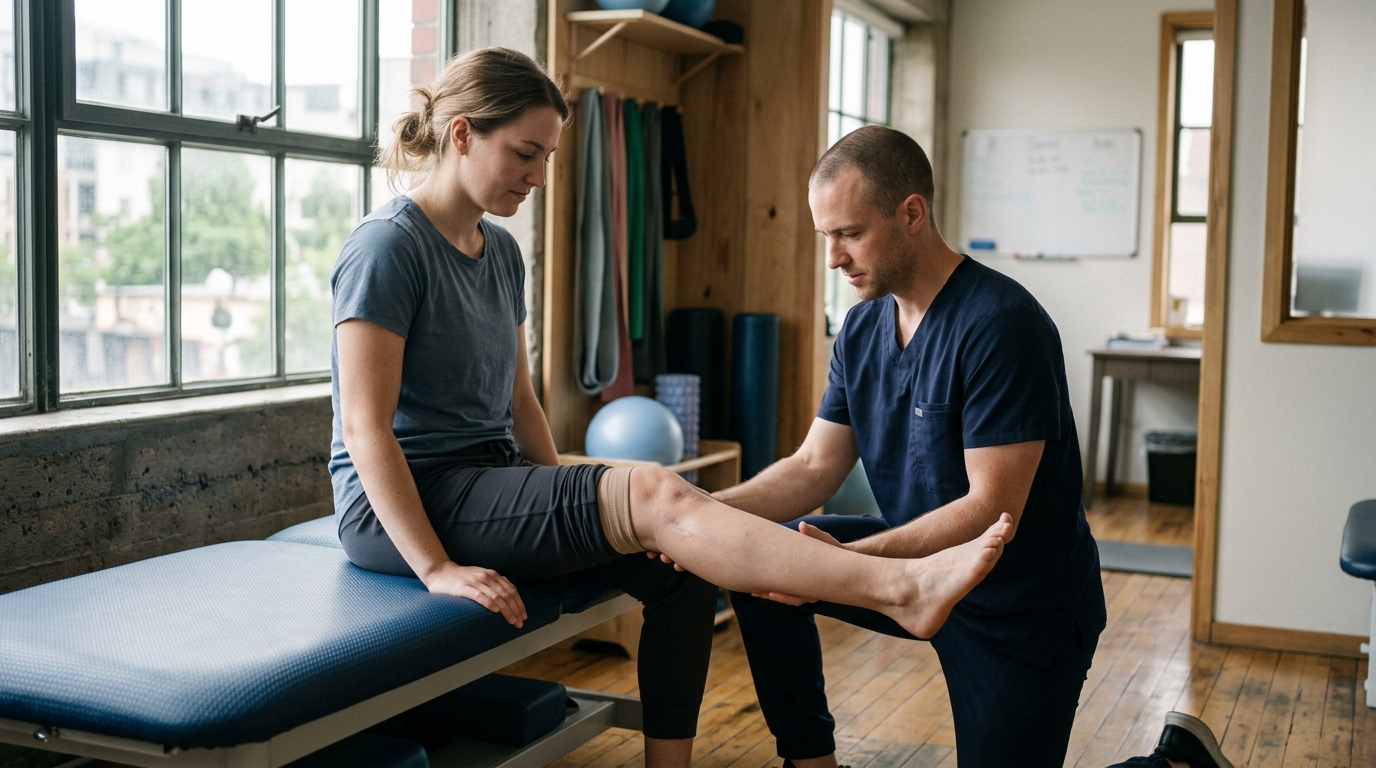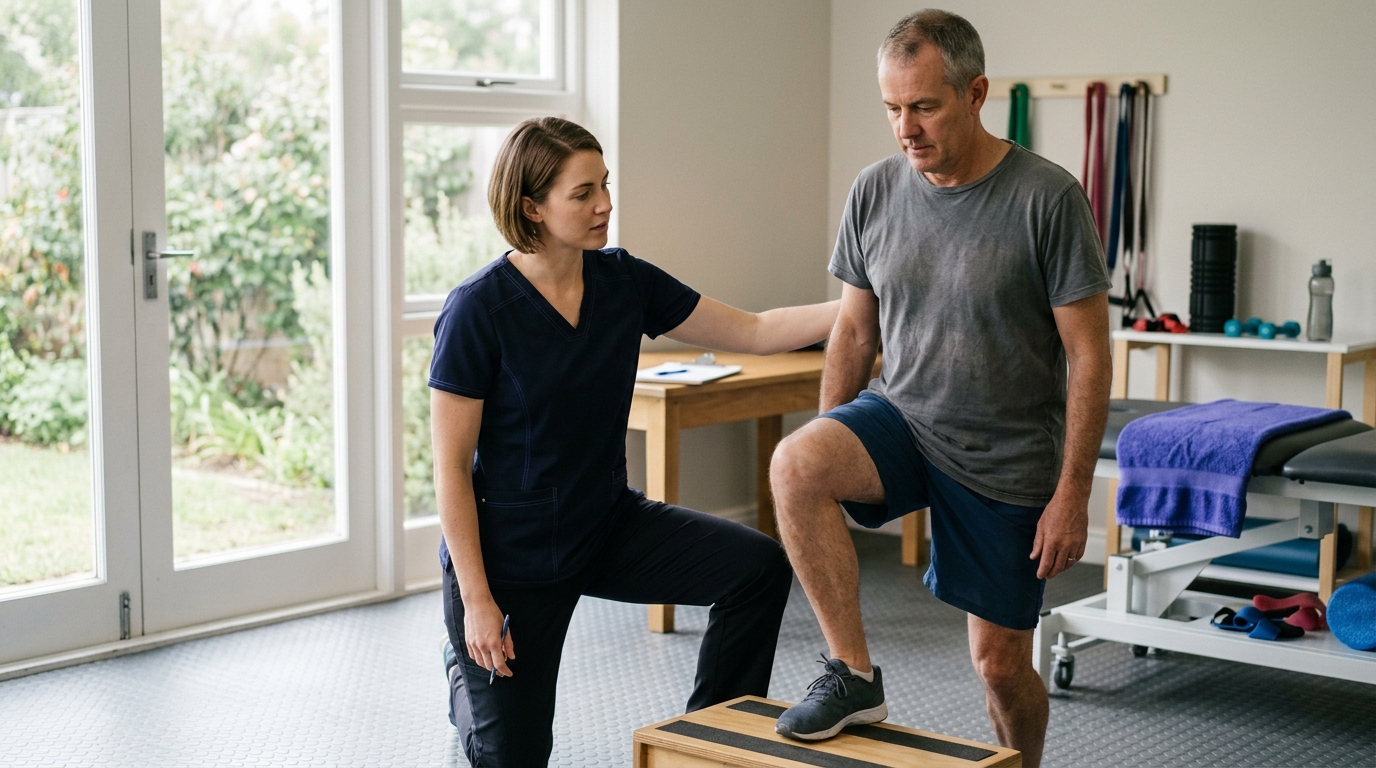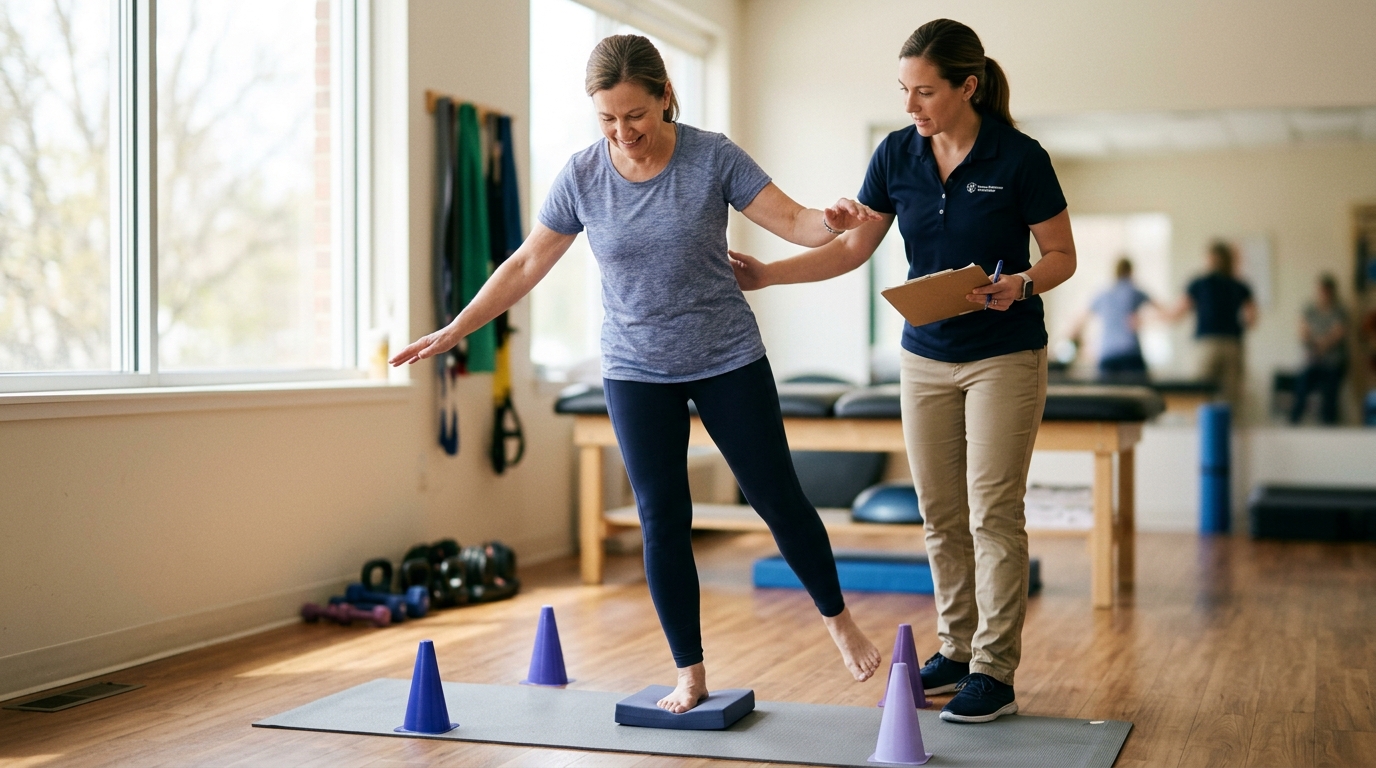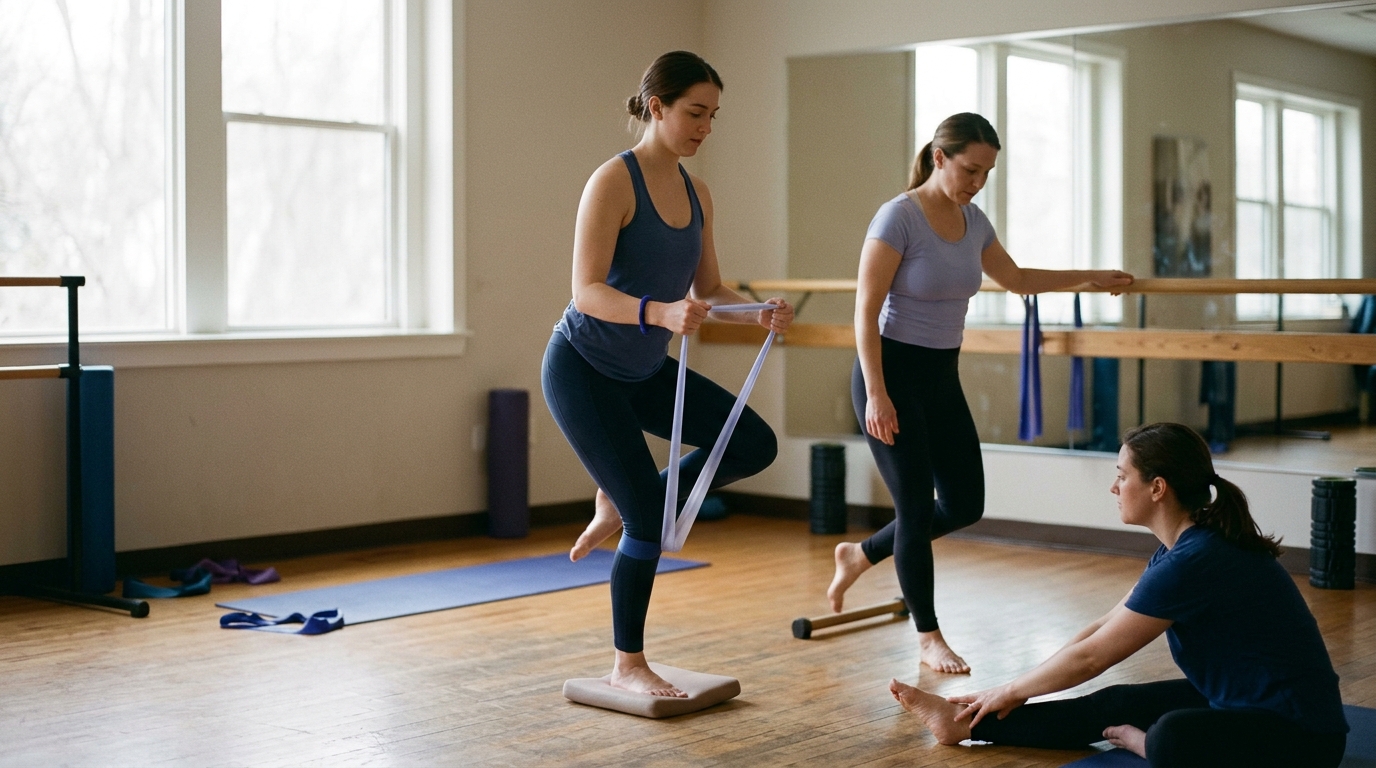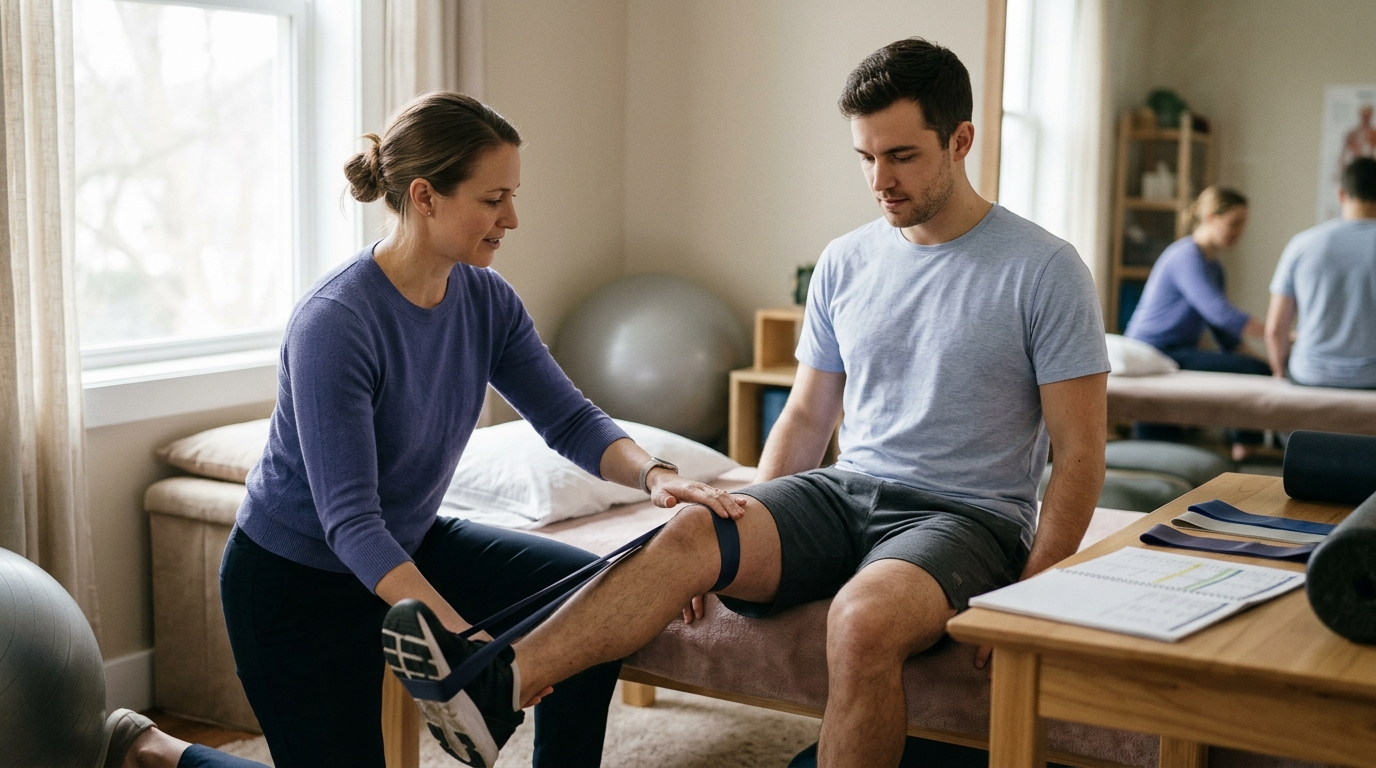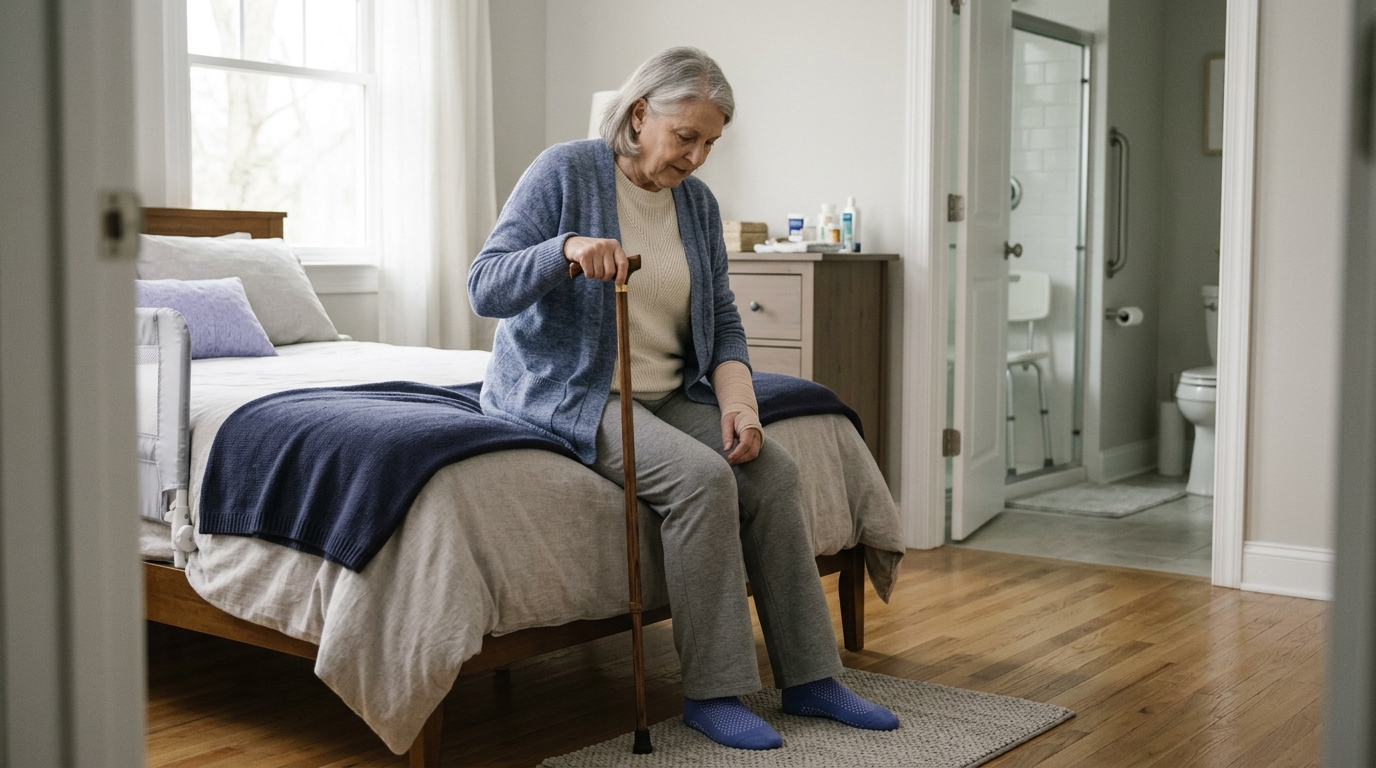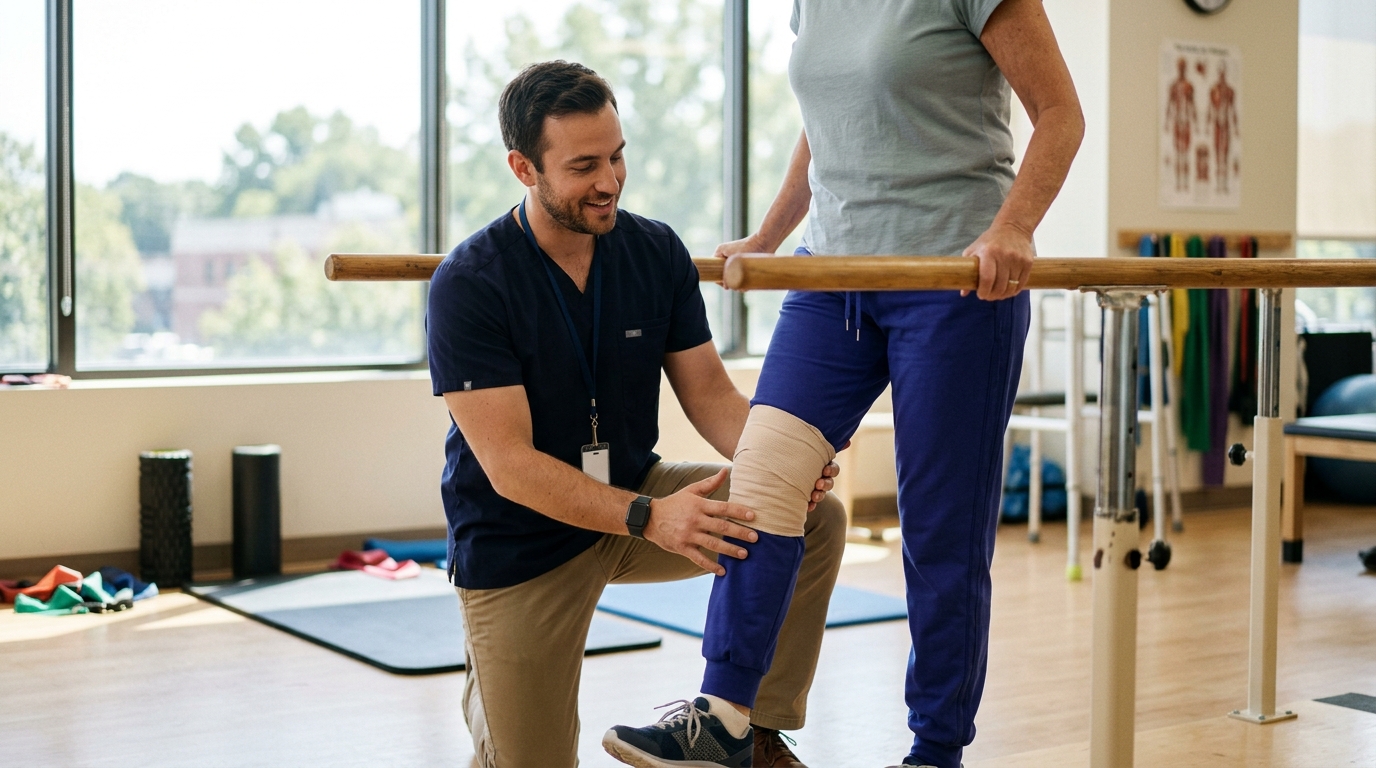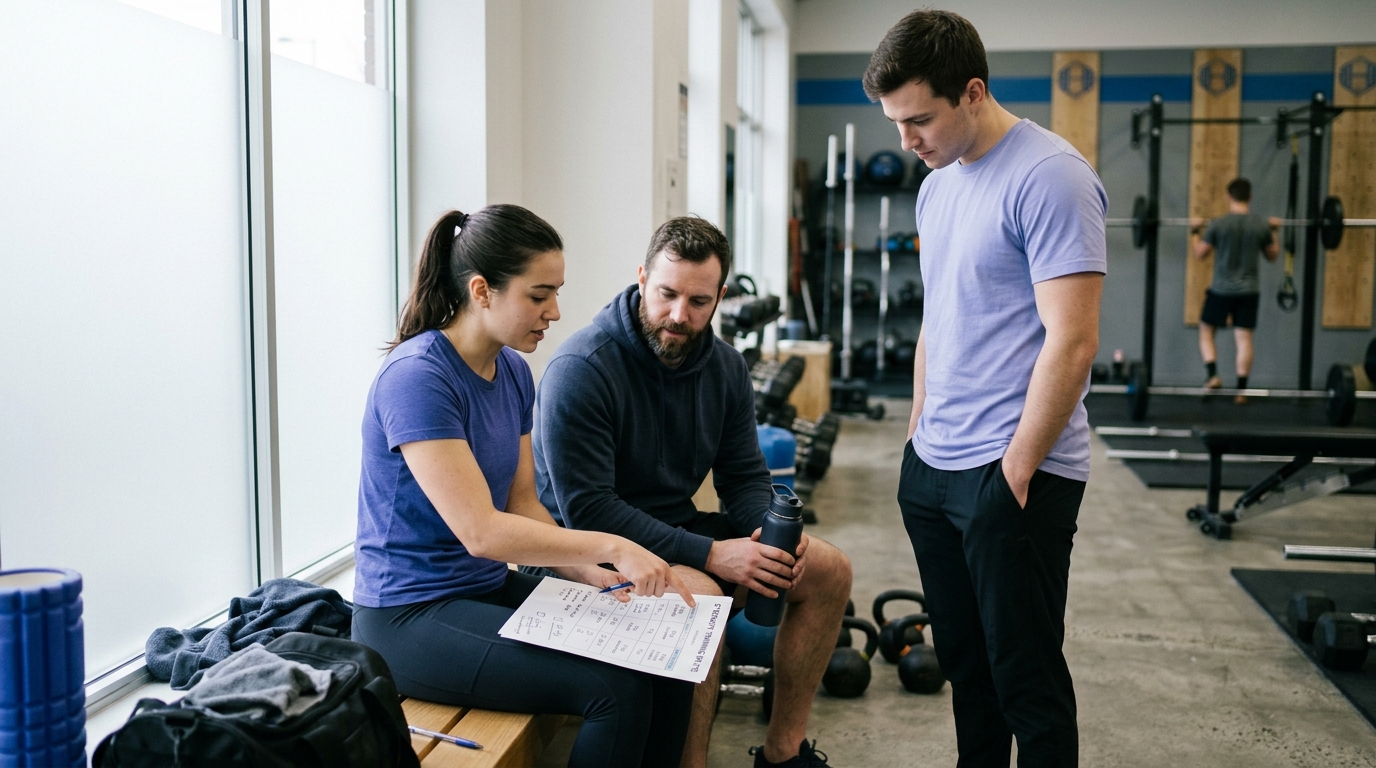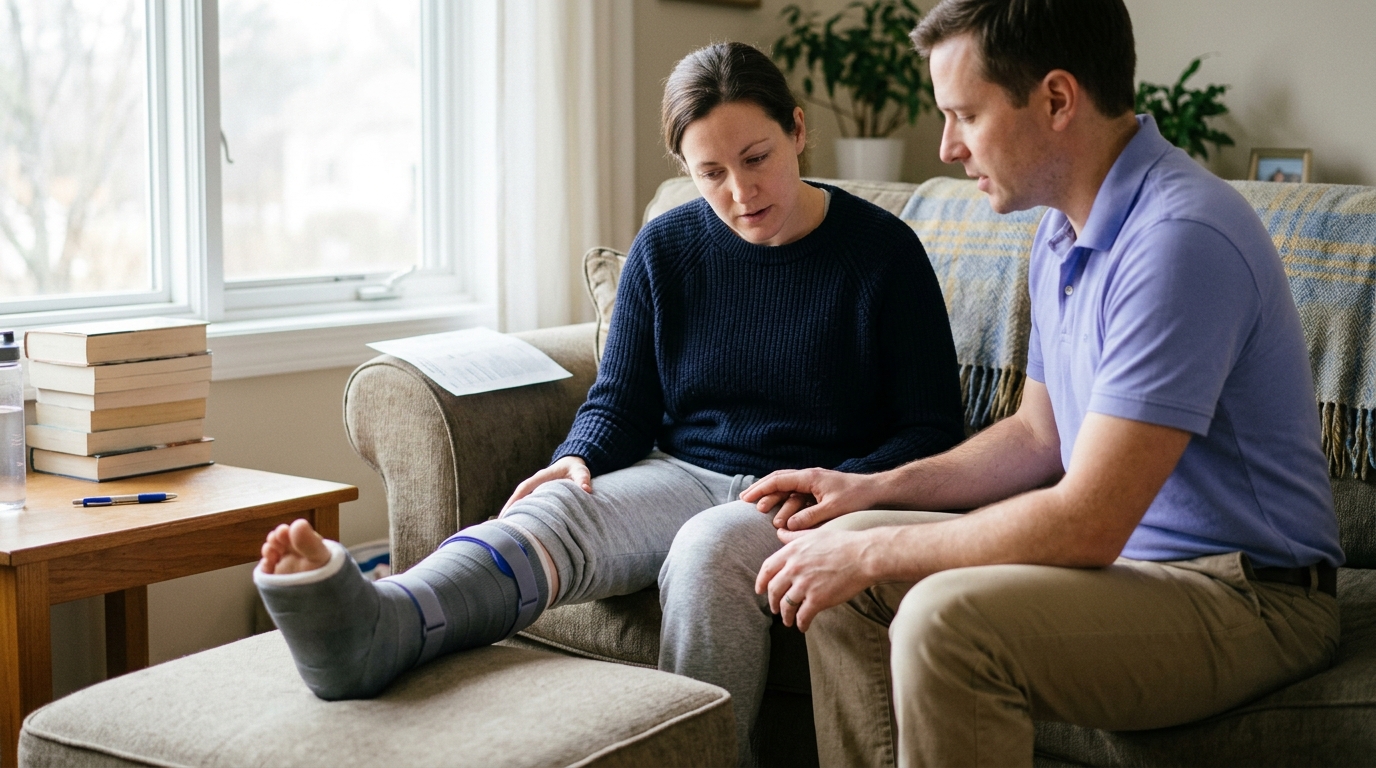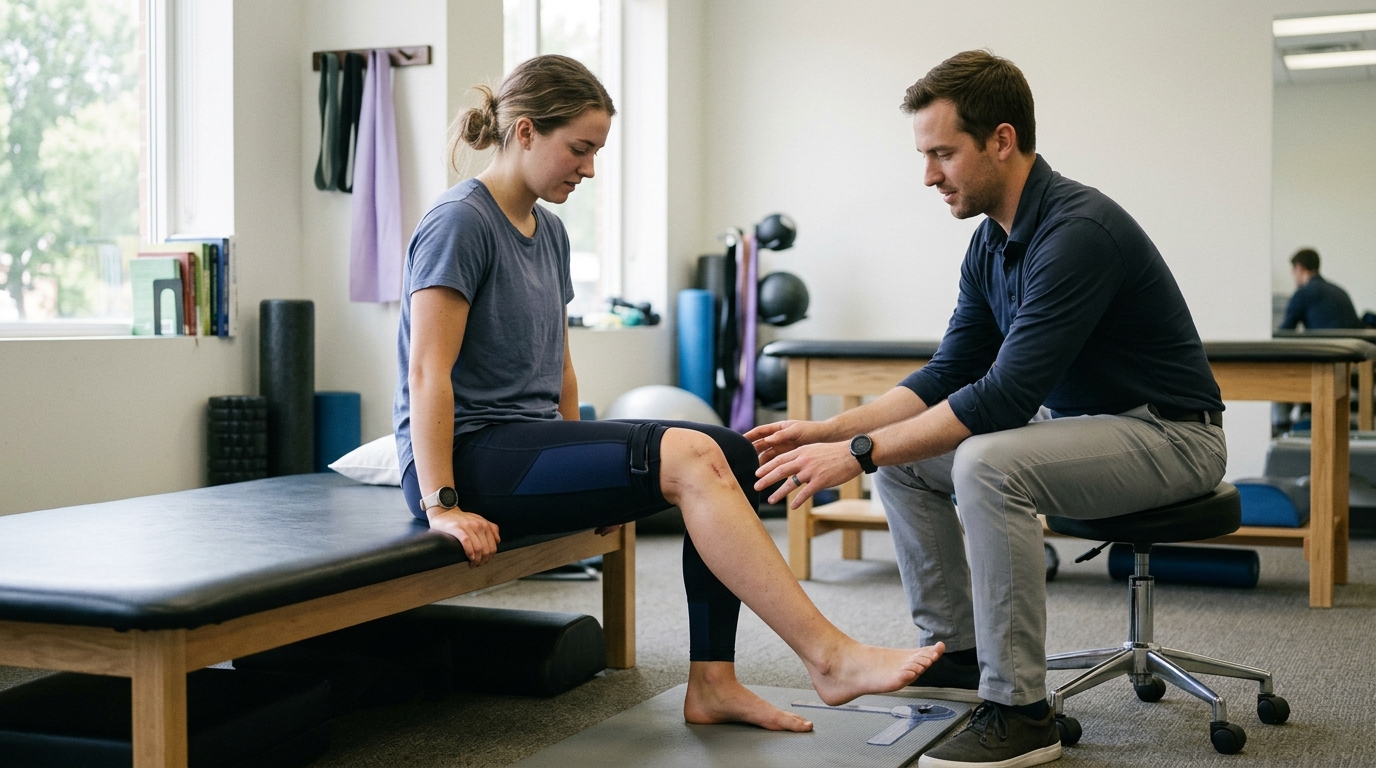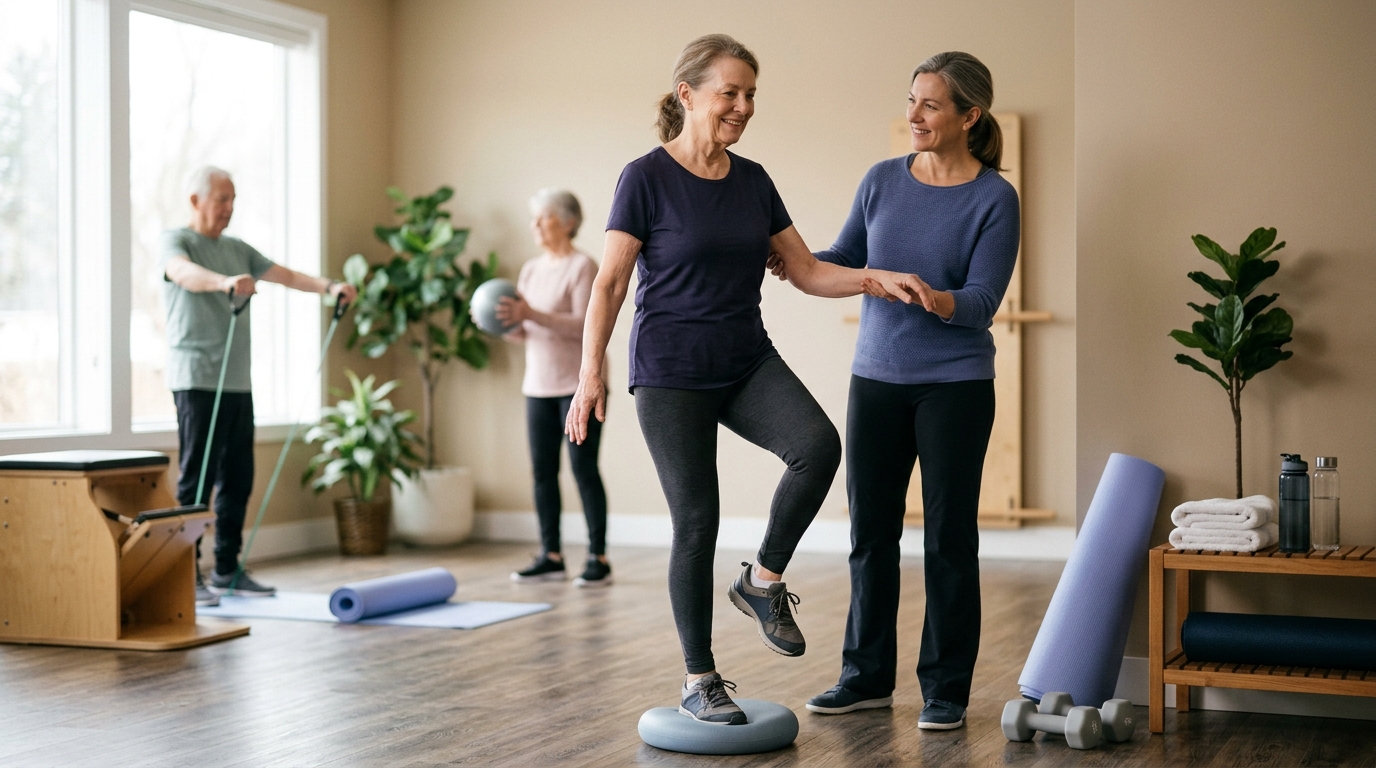

Everyday functional tasks can support physical recovery when you analyze ordinary movement demands and modify household chores to reduce joint strain and daily fatigue.





Many people believe that doing more chores around the house will speed up healing after an injury or surgery. It seems logical that folding laundry, cooking dinner, or carrying groceries works the same muscles as an exercise session. Yet treating daily tasks as an automatic substitute for structured rehabilitation often creates unexpected setbacks, fatigue, and frustration.
Chore work is unpredictable, while formal rehabilitation relies on measured progression, controlled rest, and targeted mechanics. Household movement is not useless during recovery, but its real value lies in observation rather than intense training. Ordinary tasks offer a clear window into how your body manages real-world demands such as balance, reach, grip, and joint stress.
Understanding the difference between using daily tasks as an assessment tool and following a prescribed clinical program is essential for long-term progress. When you learn how to break tasks down, adjust your environment, and pace your effort, everyday routines become manageable without overloading vulnerable tissues.
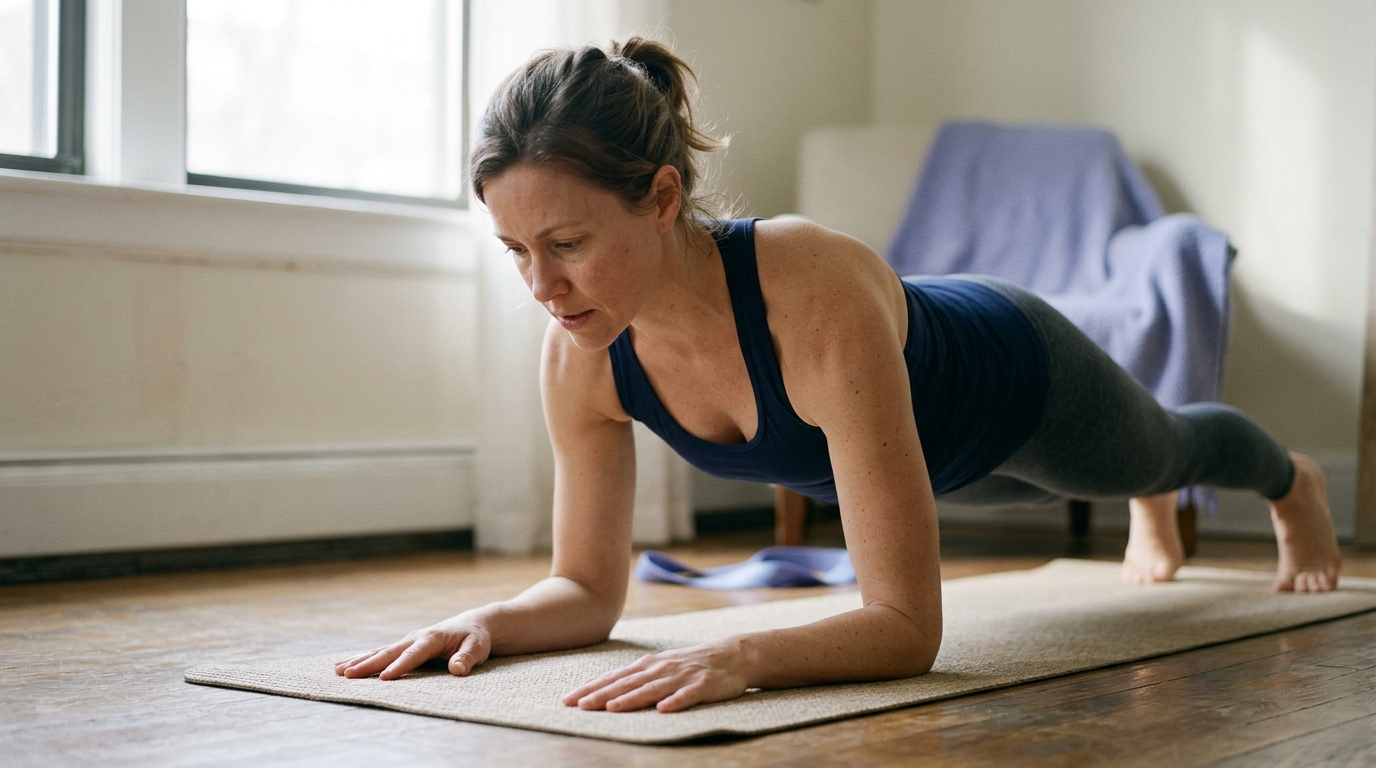
Daily household tasks provide helpful information about your functional recovery, but they do not replace a structured rehabilitation program. A chore involves varied loads, awkward angles, and sudden changes in direction that cannot be easily measured or controlled. A formal exercise program, by contrast, isolates specific muscle groups, controls joint ranges, and increases resistance systematically.
You can view your daily routine through three distinct lenses during physical recovery:
Everyday tasks are ideal for observing functional limits and adapting your environment. They are rarely suitable as the primary method to train physical capacity. If a chore feels unusually difficult, that difficulty does not mean you should simply repeat it until it feels easy. Instead, it highlights a physical demand that you can evaluate, adapt, and discuss with your healthcare provider.
There is no universal formula for how much household work is safe at any given stage of recovery. Healing timelines depend on tissue biology, surgical precautions, pre-existing health conditions, and overall baseline fitness. You can consult rehabilitation, mobility, and movement resources to understand how basic movement patterns fit into a wider recovery plan.
The World Health Organization provides an established framework known as the International Classification of Functioning, Disability and Health, often called the ICF. This model separates human health into distinct layers rather than focusing only on an injury or anatomical flaw. It looks at body structures, the activities a person performs, their participation in life, and the physical environment around them.
In the ICF model, an activity is the execution of a specific task or action by an individual. Examples include lifting a pot, walking across a room, or buttoning a shirt. Participation refers to a person's involvement in broader life situations, such as managing a household, working, or caring for family members.
The framework shows that difficulty with a household task is not simply a matter of muscle weakness. A task takes place in a real environment filled with physical objects, floor surfaces, heights, and time constraints. These environmental factors can act as either barriers that make movement harder or facilitators that make movement easier.
Clinical guidelines from the National Institute for Health and Care Excellence, known as NICE, emphasize assessing activities of daily living during rehabilitation. NICE guidelines recommend specific, targeted training when an individual experiences problems with mobility, stability, or limb function. This targeted training often includes functional activity practice, but it is applied systematically to address clear deficits.
Research on task-oriented training shows promising results for specific clinical populations, but the evidence also carries important limitations. A rapid review of rehabilitation interventions for stroke recovery found credible evidence that task-oriented training improves functional movement. However, the same review noted that the direct effects of task training on broad daily-activity performance were often minimal or mixed.
Doing a functional task does not automatically transfer to every other daily movement. Practicing one specific motion, such as rising from a low chair, helps you master that exact movement pattern under those specific conditions. It does not automatically guarantee that you will walk longer distances or carry heavy loads without fatigue. Targeted therapeutic exercise and functional task practice work best when used together under clinical guidance.
Evidence from healthcare systems such as the National Health Service in the United Kingdom supports adapting daily activities during recovery. NHS rehabilitation guidance advises individuals to break large tasks into smaller steps and increase activity gradually over time. NHS materials also recommend pushing or sliding items instead of lifting them whenever possible to reduce avoidable strain.
Energy conservation research highlights the value of pacing and scheduled rest periods. Distributing tasks throughout the day prevents cumulative tissue overload and reduces the risk of compensatory movement habits. While these strategies are supported by clinical consensus, they remain general guidelines rather than rigid, universal rules for every individual condition.
To make daily activities manageable, you must treat chores as a series of distinct movement demands. Instead of labeling an entire room or chore as simply easy or hard, you can break it down into specific physical components.
When you evaluate any domestic task, examine these eight core movement factors:
Every task begins from a specific posture and requires transitions between resting and active positions. Getting up from a chair, lowering to the floor, or stepping out of bed places distinct loads on joints. Notice whether you need upper-body support or momentum to complete these basic changes in position.
Consider the planes of movement involved in the task. Reaching overhead into a cabinet requires shoulder elevation and thoracic extension. Bending down to pick up an object demands hip flexion and spinal control, while turning between counters involves rotation through the hips and trunk.
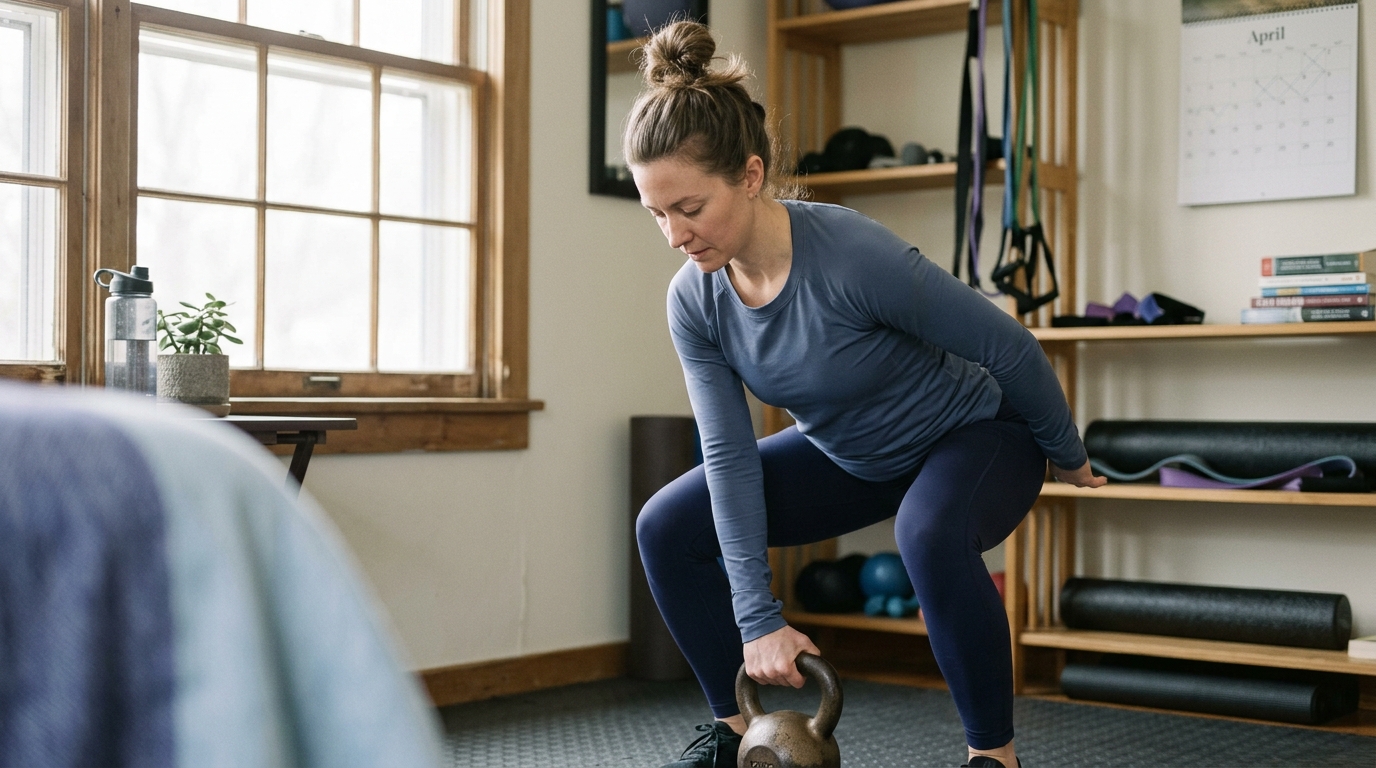
Look at the external weight you must manipulate. Handling heavy cookware requires grip strength, wrist stability, and shoulder control. Pushing a vacuum cleaner or pulling a heavy door introduces continuous resistance that challenges your core and lower body.
Many household tasks require sustained standing or moving while carrying an object. Standing in one place while washing dishes stresses postural endurance. Carrying a laundry basket across a room shifts your center of gravity and reduces your ability to use handrails for support.
The total volume of movement matters as much as the peak load. Slicing a single vegetable requires minimal effort, but chopping ingredients for thirty minutes involves hundreds of repetitive wrist and arm cycles. Scrubbing a floor or cleaning windows creates sustained muscular tension that can lead to rapid fatigue.
Complex chores require cognitive focus, coordination, and multitasking. Managing multiple pots on a hot stove while navigating around family members or pets increases mental effort. When mental fatigue sets in, physical movement quality often deteriorates without you realizing it.
Pay close attention to what your body experiences during and after the task. An activity might feel completely comfortable while you are doing it, only to produce stiffness or throbbing hours later. Tracking your delayed response helps you identify when a task's volume exceeded your current tissue tolerance.
Examine the physical surroundings where the task takes place. Counter heights, shelf depth, floor textures, and footwear all alter how your muscles work. A kitchen with high counters or deep lower cabinets forces greater reaching and bending than an ergonomically optimized workspace.
You can read more about evaluating physical movement patterns in our articles on mobility and functional movement. Breaking down chores into these distinct categories lets you spot exactly why a task feels difficult.
The ICF framework makes an important distinction between physical capacity and actual performance. Understanding this difference helps prevent misinterpreting your recovery progress.
Capacity describes what you are physically capable of doing in a standardized, controlled environment. A physical therapy clinic is a classic example of a standardized setting. The floor is flat, lighting is bright, obstacles are removed, and a clinician is present to guide your technique. In this controlled setting, your true physiological limits can be measured accurately.
Performance describes what you actually do in your current everyday environment. Your home is not a standardized clinic. It contains throw rugs, low furniture, narrow doorways, distracting noises, and real-time pressures. Performance reflects how your physical capacity interacts with real-world barriers and facilitators.
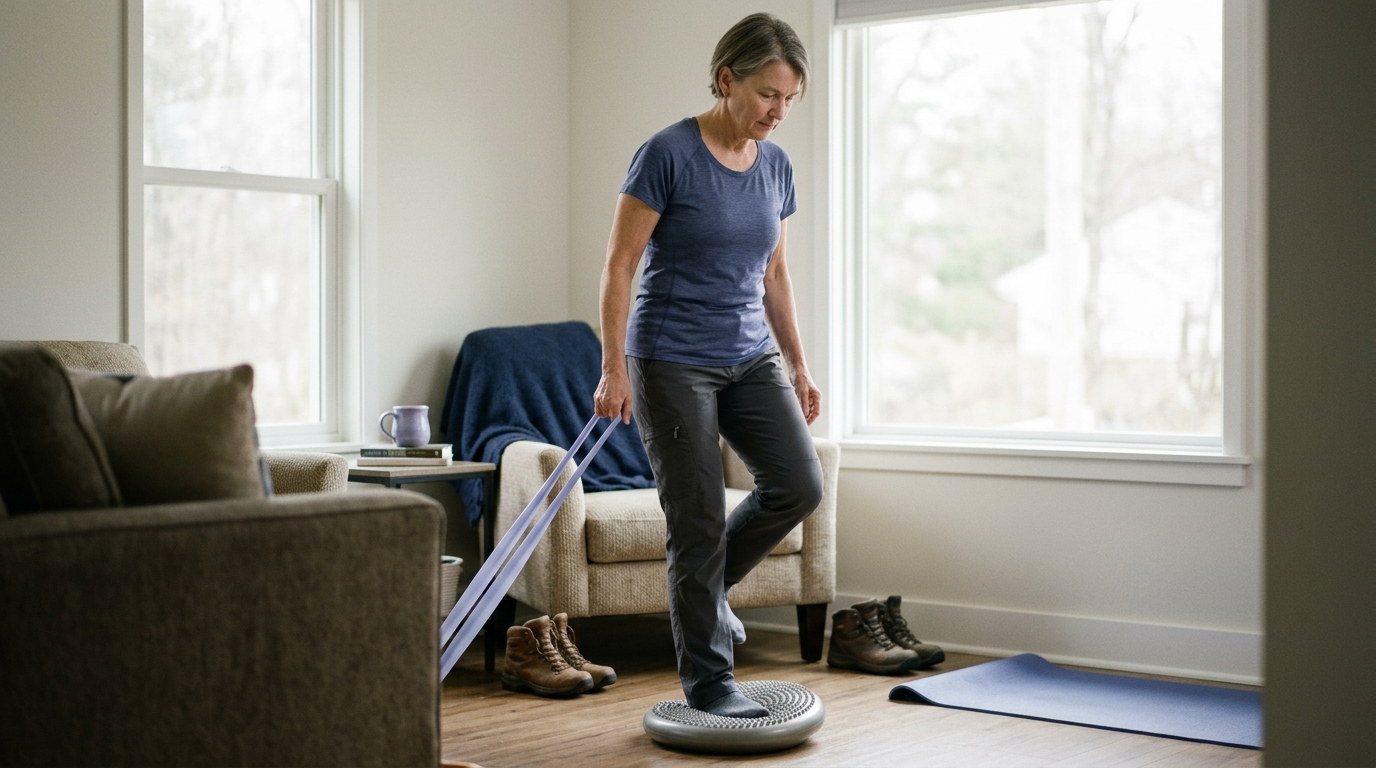
When your performance at home falls below your measured capacity in the clinic, an environmental barrier is often responsible. For example, you might demonstrate excellent single-leg balance on a clinic mat, but stumble when navigating a dim hallway at home. The physical capacity exists, but the home environment introduces obstacles that degrade performance.
Conversely, your performance at home can sometimes appear better than your measured clinic capacity. This happens when your home contains environmental facilitators that compensate for physical deficits. You might walk easily through your kitchen by lightly touching the countertops, a strategy known as furniture walking. In this case, the kitchen environment facilitates movement, masking a deficit in unassisted balance.
Recognizing the split between capacity and performance prevents unwarranted self-criticism. If you struggle with a domestic task, you have not necessarily lost physical strength or suffered reinjury. You may simply be facing an environmental demand that exceeds your current compensatory strategies. Comparing what you achieve in a controlled setting against what you manage at home helps your clinician adjust both your exercise plan and your home setup.
When an essential household task creates discomfort or fatigue, you do not have to abandon it entirely. You can modify the task demands to match your current recovery stage. Applying simple ergonomic and pacing principles reduces unnecessary joint stress and muscular strain.
Avoid treating chores as single, continuous events that must be finished in one attempt.
Altering your surroundings can dramatically lower the mechanical demands placed on healing tissues.
How you perform a task determines how much mechanical stress reaches healing joints and soft tissues.
These modifications are not permanent restrictions that weaken your body over time. They are temporary scaffolding designed to keep you functional while your tissues regain capacity. You can explore structured comeback strategies in our surgical rehabilitation guidance section.
Everyday household activities offer practical opportunities to observe how your body handles functional loads. The following examples represent illustrative movement models that highlight typical task demands, common difficulties, and practical adaptations. They are not clinical prescriptions or diagnostic tests.
Preparing a standard meal requires a broad combination of upper-body mobility, balance, and postural endurance.
Movement Demands: Sustained upright standing, reaching into overhead cabinets, bending to low ovens, handling heavy cookware, and turning between work surfaces.
What to Observe: Notice how long you can stand at the counter before feeling back tightness, hip aching, or general fatigue. Pay attention to whether you shift your weight constantly onto your uninjured side. Watch whether you use counter edges to support your upper body while reaching.
Practical Adaptations:
Managing laundry combines continuous movement transitions with variable lifting and carrying loads.
Movement Demands: Deep hip bending or squatting to load front-loading machines, overhead reaching for top shelves, lifting damp clothes, carrying full baskets, and traversing stairs.
What to Observe: Notice how your back and knees feel when bending into the bottom of a washer or dryer. Pay attention to your balance when carrying a bulky basket that blocks your view of your feet. Observe whether lifting wet textiles strains your shoulders, wrists, or lower back.
Practical Adaptations:
Changing sheets and making a bed involves repetitive forward bending, asymmetrical reaching, and sustained grip strength.
Movement Demands: Leaning across wide mattresses, lifting mattress corners, tucking sheets, kneeling, and walking repeatedly around the bed perimeter.
What to Observe: Notice if leaning forward across the bed causes lumbar strain or joint pinching. Watch whether you hold your breath while lifting the corners of a heavy mattress. Track how your balance feels when leaning forward on one foot.
Practical Adaptations:
Unpacking groceries challenges multiple movement planes, grip security, and load management.
Movement Demands: Carrying bags from a vehicle, stepping over thresholds, bending to floor-level bags, reaching overhead to pantry shelves, and twisting toward the refrigerator.
What to Observe: Observe how your body manages asymmetrical loads when carrying bags in one hand. Notice if reaching overhead with canned goods or heavy cartons creates shoulder impingement or compensatory arching in your lower back. Track whether rapid unloading causes sudden spikes in heart rate or joint soreness.
Practical Adaptations:
Moving from sitting to standing is a foundational movement pattern repeated dozens of times every day.
Movement Demands: Lower-body pushing power, knee and hip flexion range, core stabilization, and forward weight shifting.
What to Observe: Pay attention to whether you rock back and forth to gain momentum before standing up. Notice if you push heavily through armrests or your knees to assist your legs. Observe whether your knees collapse inward or your weight shifts entirely to your uninjured limb during the transition.
Practical Adaptations:
To understand how muscle recovery physiology influences these daily transitions, review our recovery science insights.
Recovery is rarely a straight line. What feels manageable on a Tuesday morning may feel exhausting on a Thursday afternoon. Multiple personal, physiological, and environmental factors modify how your body tolerates daily movement.
Muscular endurance and neuromuscular control decline significantly when you are tired. Poor sleep reduces pain thresholds and impairs tissue repair. If you perform chores after a restless night, you are more likely to use poor movement mechanics and experience early joint irritation.
Tissues heal according to biological timelines that cannot be rushed by willpower. Bone, tendon, ligament, and muscle each have distinct repair rates. Early in recovery, repaired tissues lack tensile strength, making specific movements, such as heavy lifting or extreme rotation, strictly contraindicated.
Recovery from a new injury takes place within the context of your lifetime physical history. Pre-existing osteoarthritis, spinal degeneration, or previous joint injuries change how your body distributes movement forces. An adaptation that protects a healing shoulder might place unwanted stress on a pre-existing arthritic neck.
Fear of reinjury, also called kinesiophobia, alters natural movement patterns. When you anticipate pain, your nervous system often increases muscle co-contraction, creating stiffness and awkward mechanics. Approaching household chores with excessive tension increases metabolic fatigue and joint compression.
Analgesics, anti-inflammatory drugs, and muscle relaxants change how you perceive physical strain. Medications can mask warning signals that would normally tell you to stop an activity. Performing heavy chores while pain medication is at peak effectiveness can lead to accidental tissue overloading.
Rushing through a chore drastically increases mechanical error rates. When you hurry to answer a phone or finish cooking before guests arrive, you pay less attention to body position and footing. Physical recovery requires deliberate, unhurried movement that allows your nervous system to stabilize each joint.
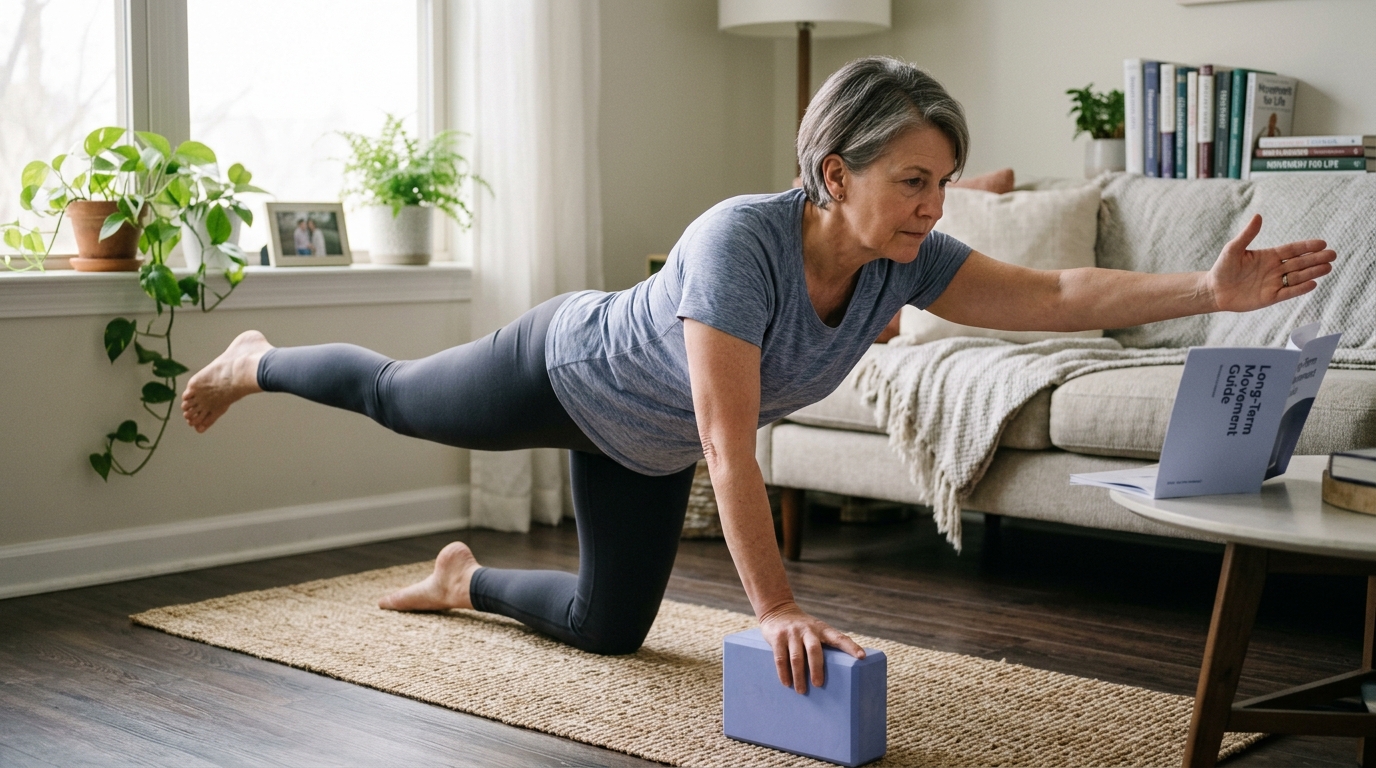
For more insights on maintaining long-term physical capacity, explore our active aging and injury prevention resources.
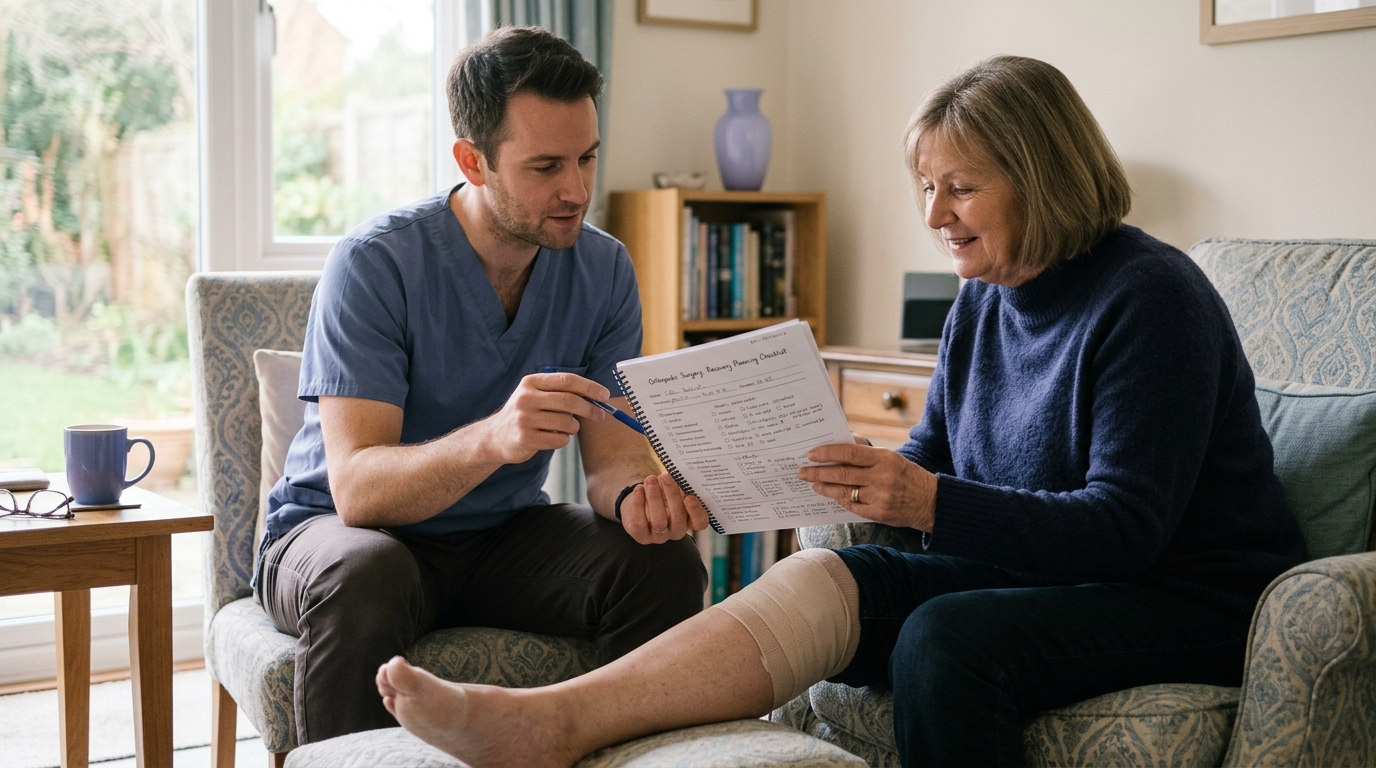
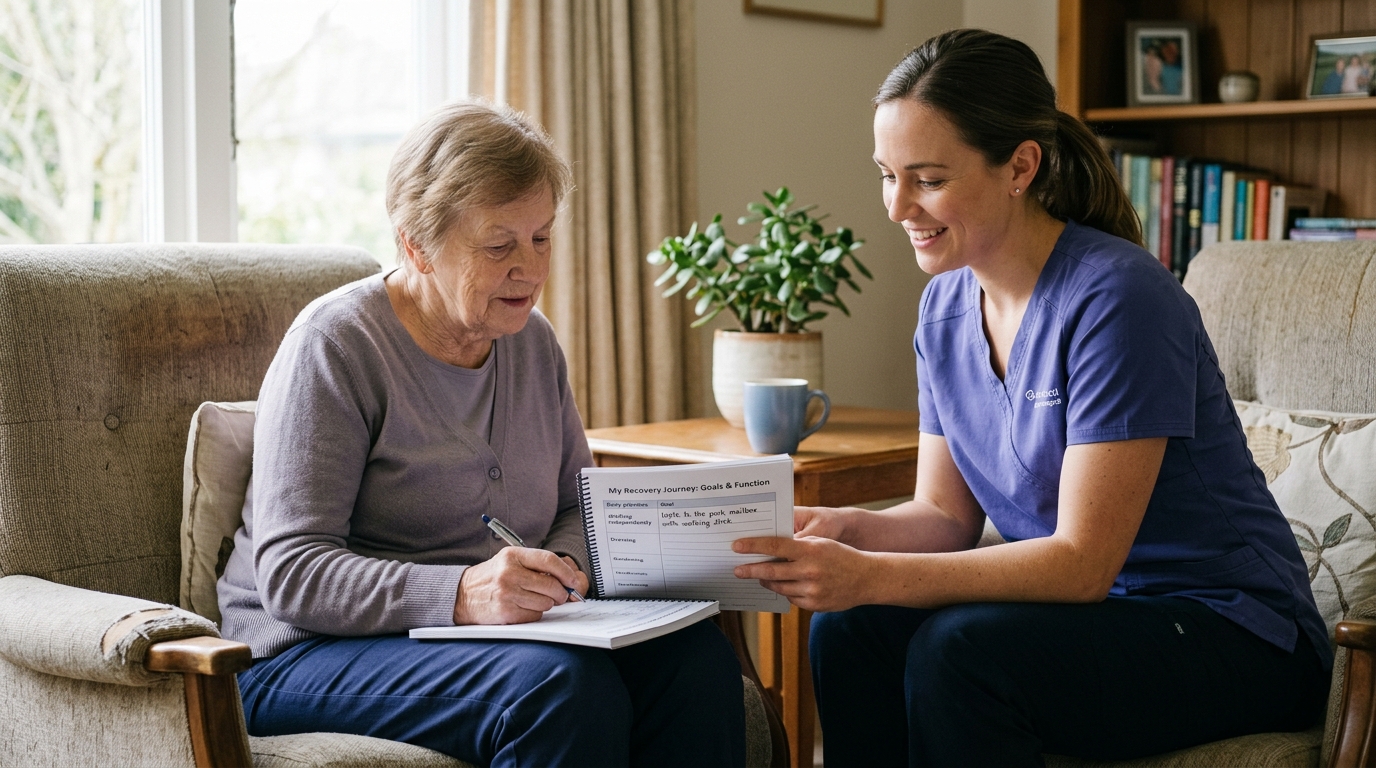
Your daily routine provides valuable data that can help your physical therapist, orthopedic surgeon, or primary care doctor fine-tune your treatment plan. Instead of offering vague feedback like "my knee hurts at home," bringing specific observations allows your provider to give precise guidance.
Consider discussing these questions during your next clinical appointment:
Recording the exact task, duration, and symptom response in a simple notebook provides your clinical team with objective information. This real-world context ensures that your prescribed rehabilitation program directly targets the functional obstacles you face every day.
Managing household movement effectively requires viewing chores as opportunities for observation and adaptation rather than substitutes for formal exercise.
Approaching your daily routine with patience, clear observation, and thoughtful task adjustments allows you to navigate physical recovery safely while protecting healing tissues.

Use ReboundBody resources to understand common recovery stages, rehab terms, movement limits and strength rebuilding. Each guide is designed to make a complex comeback easier to understand.


Read practical guidance on injury recovery, rehabilitation, mobility and rebuilding strength as you work your way back to activity.
Explore Resources