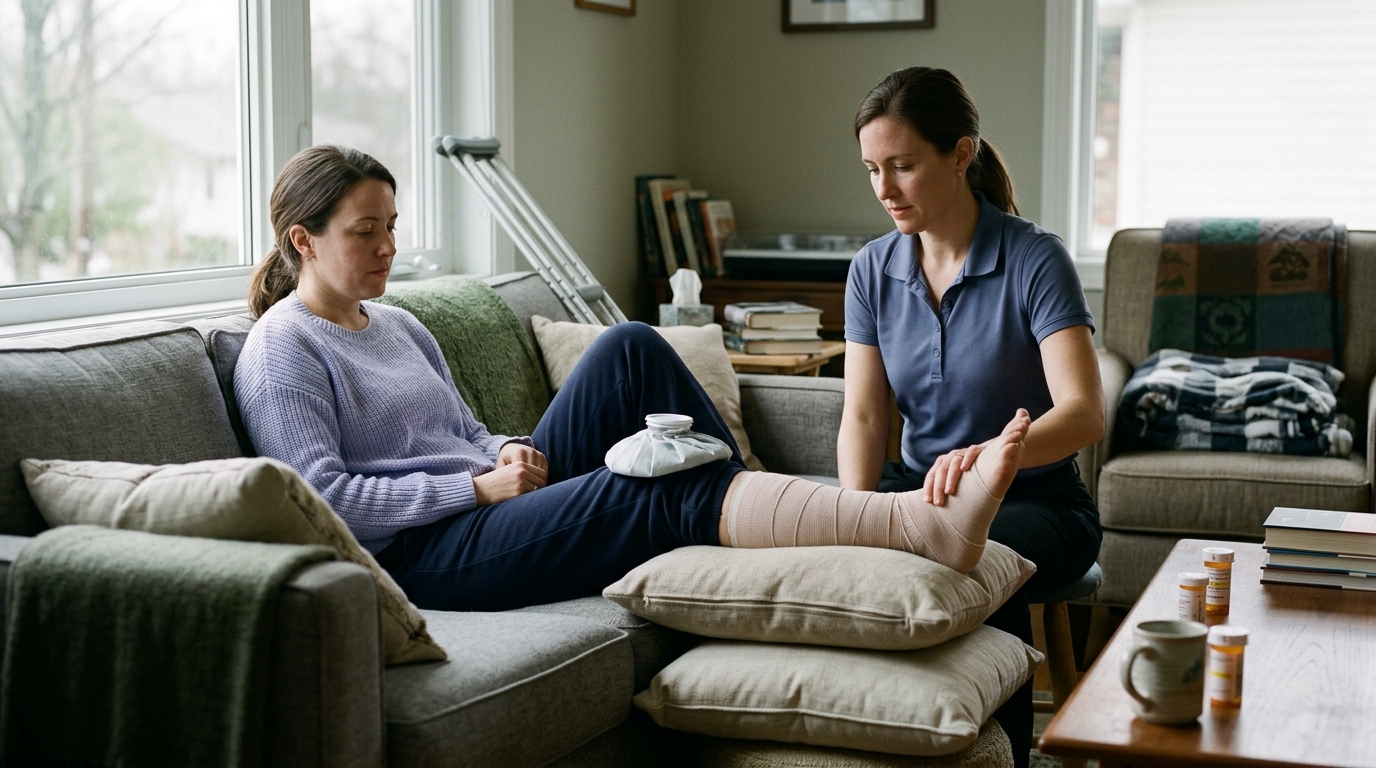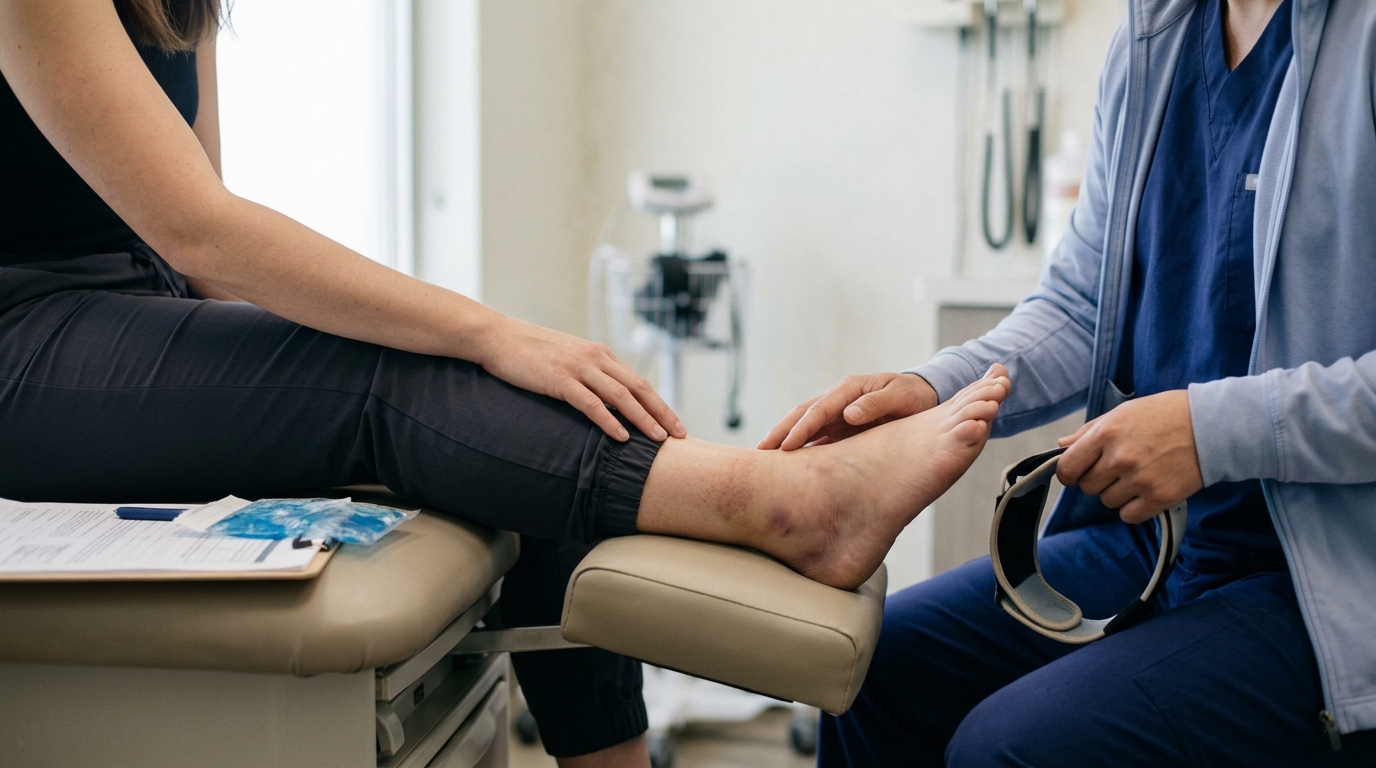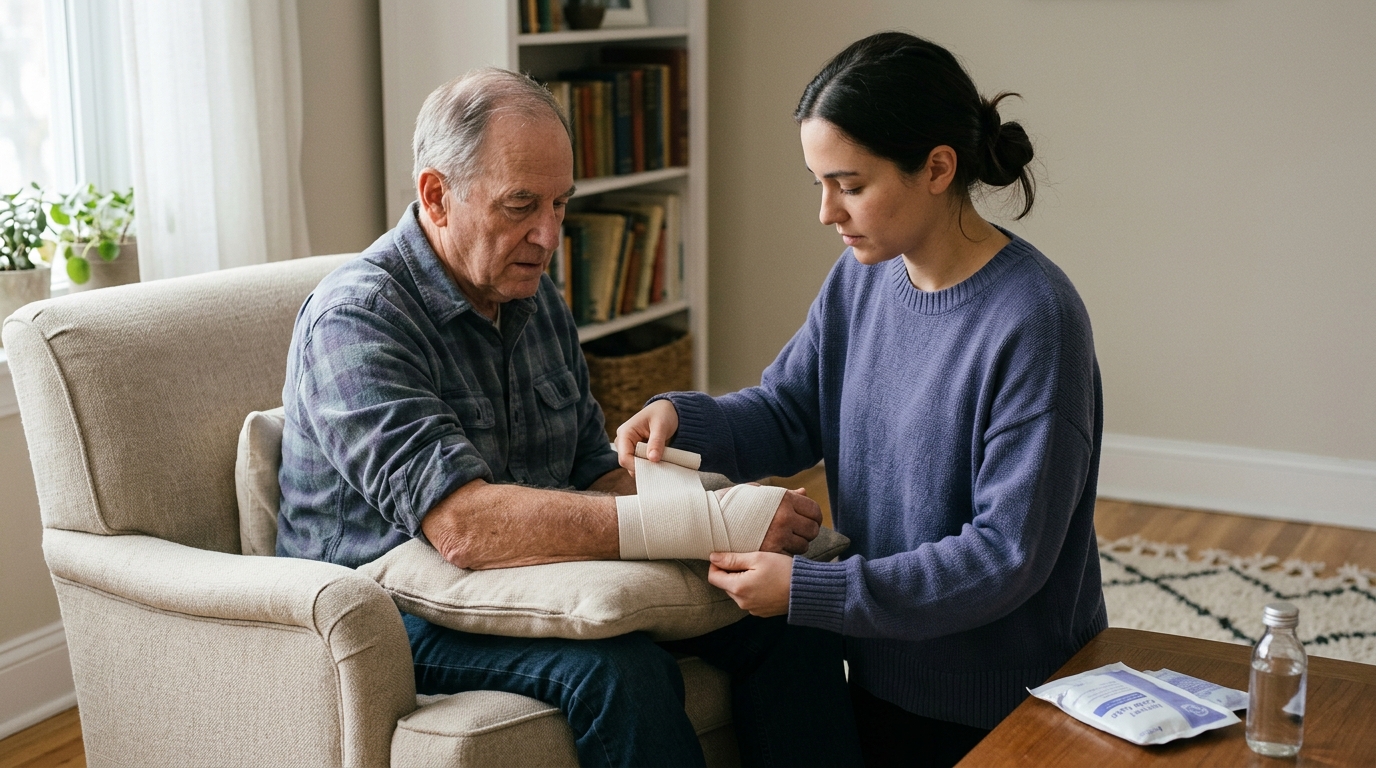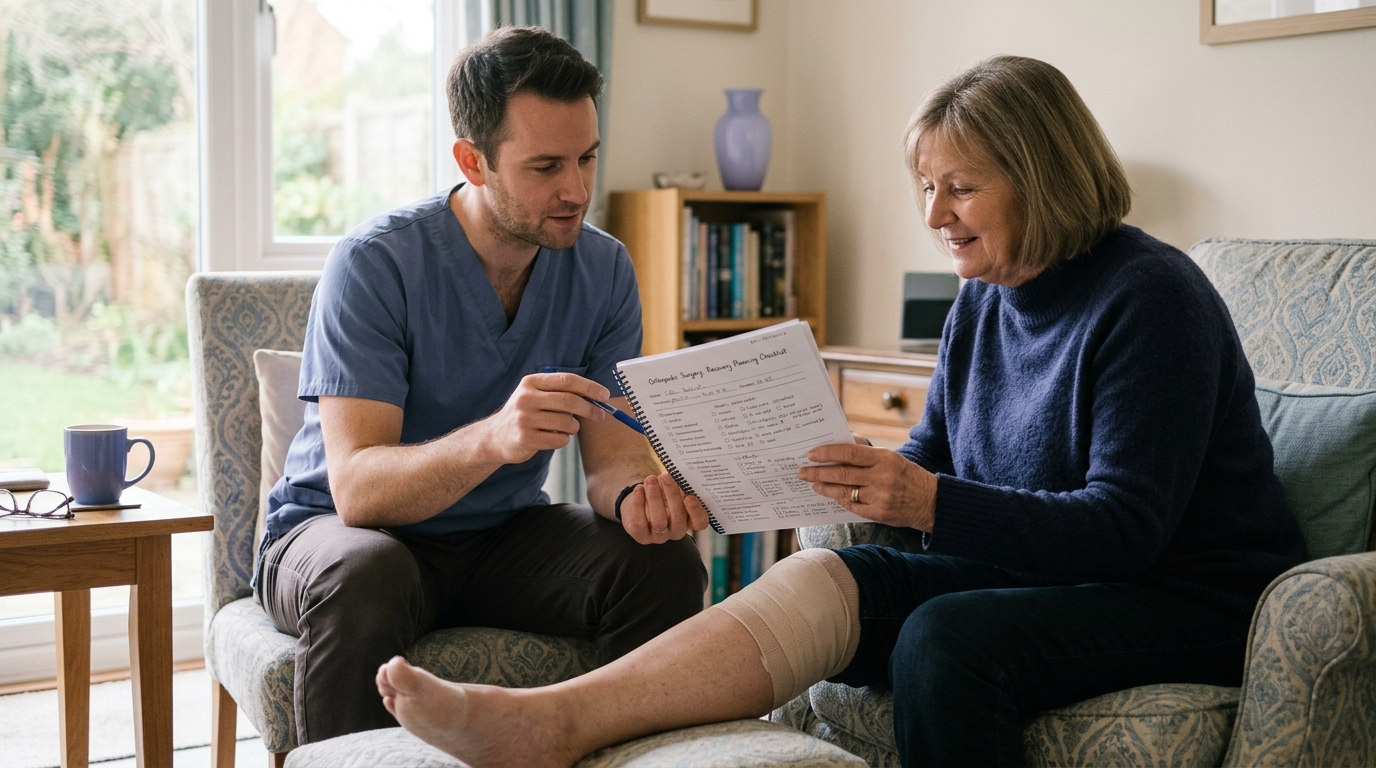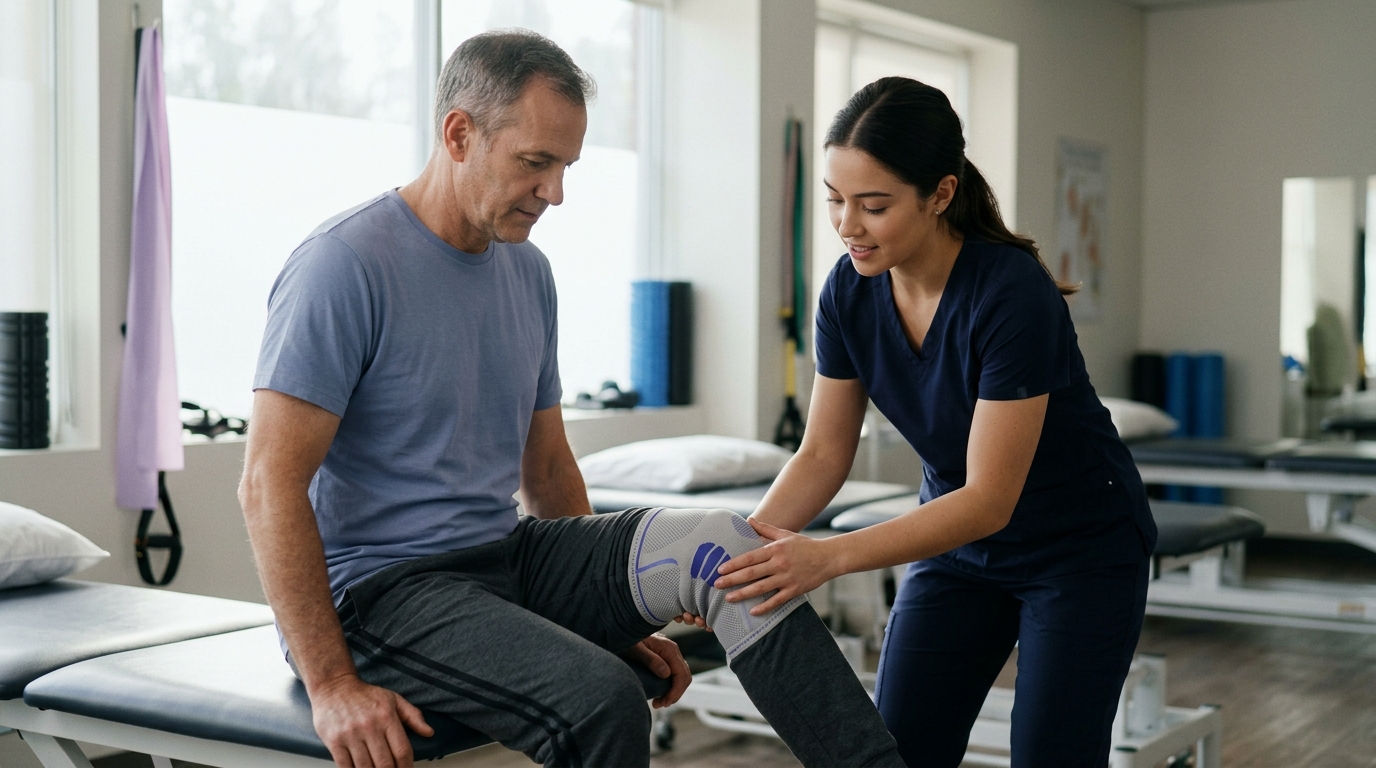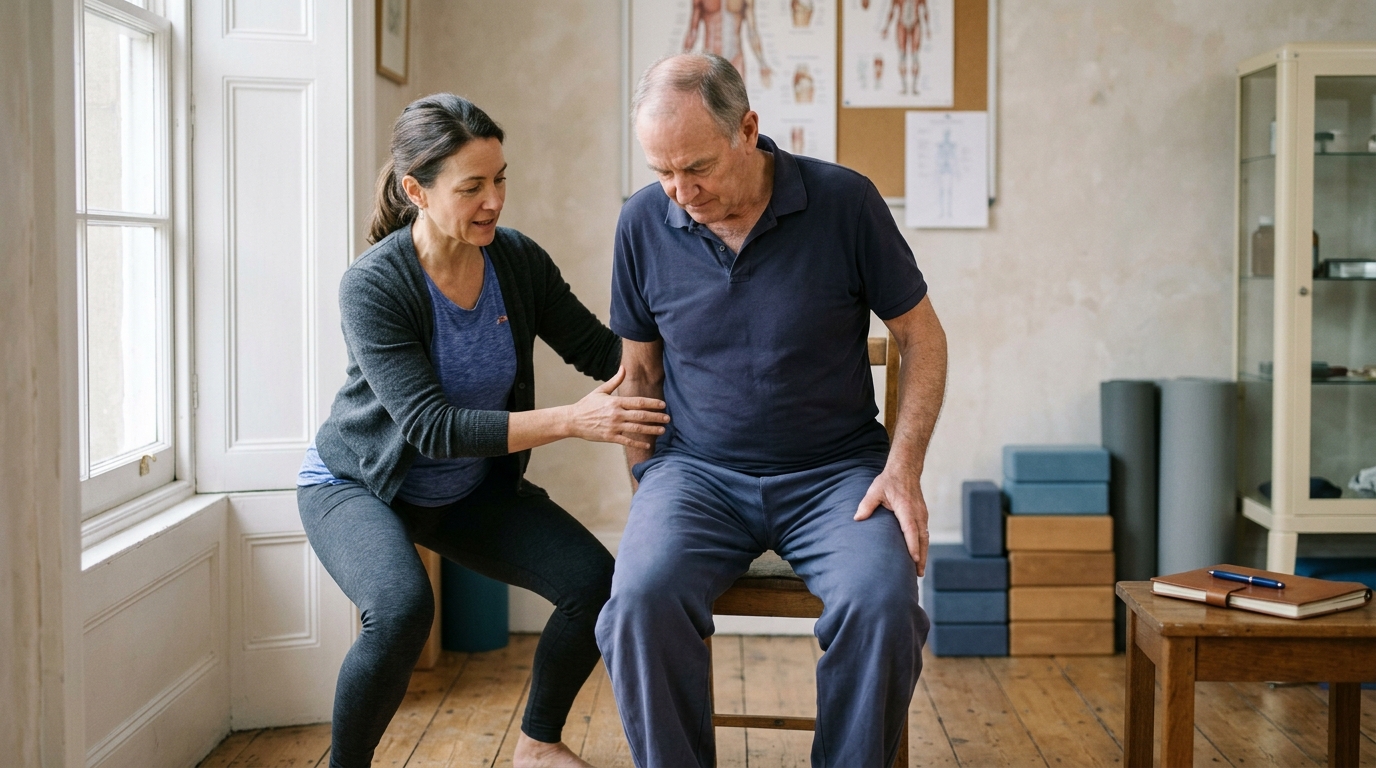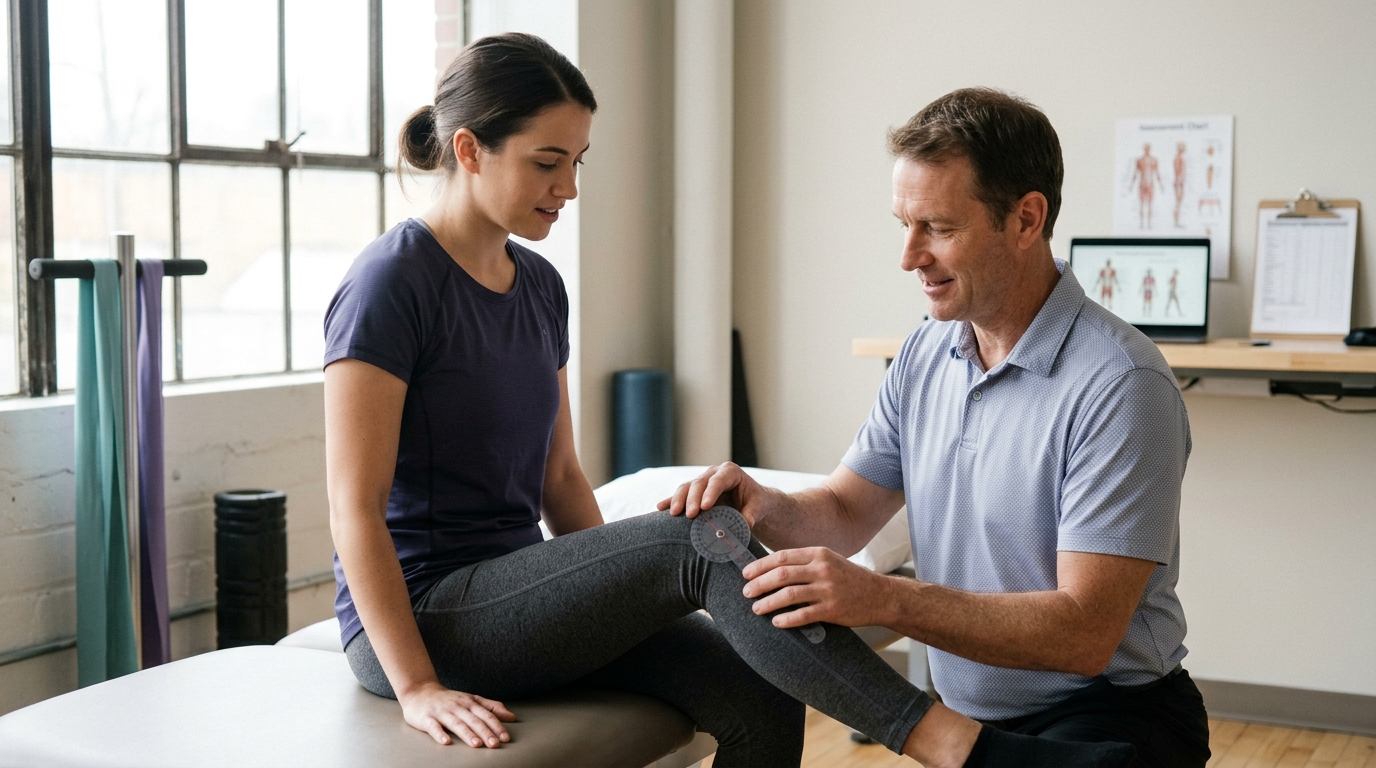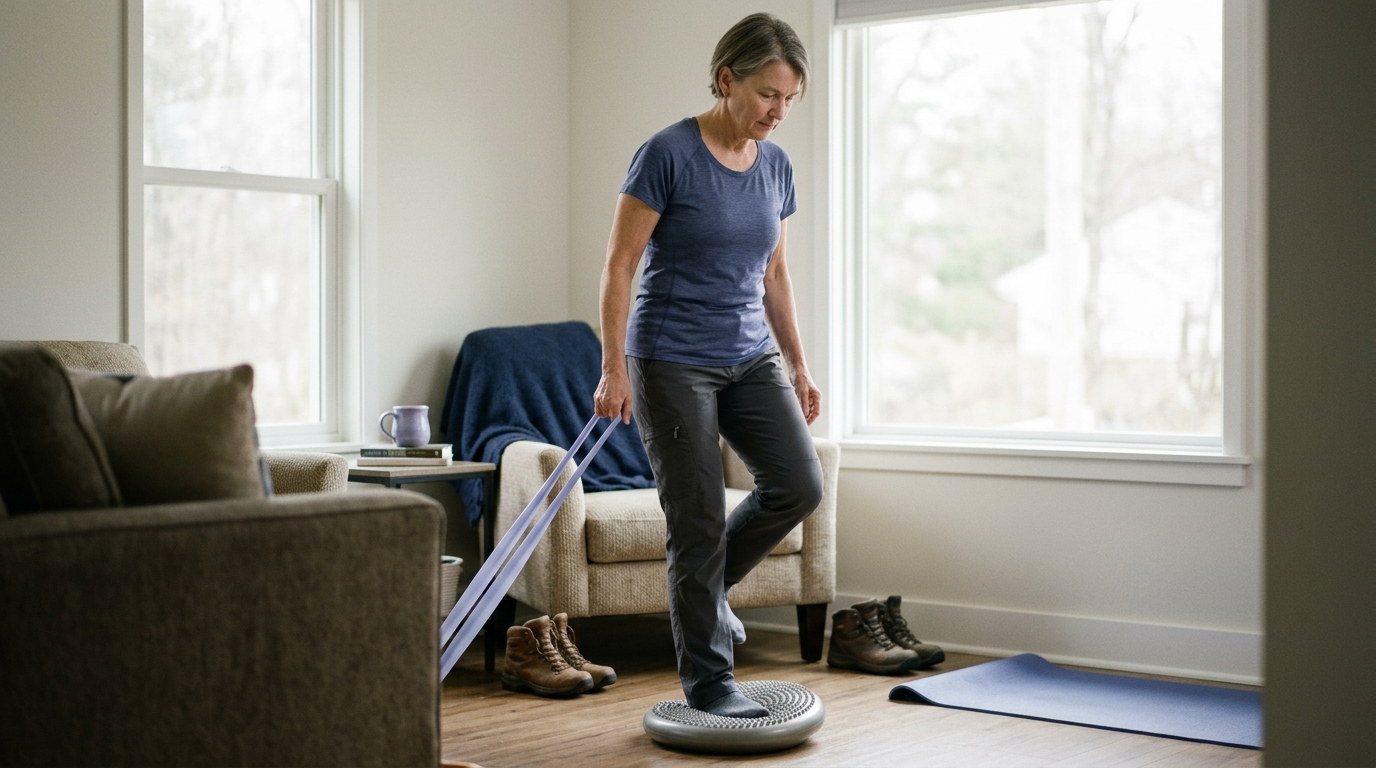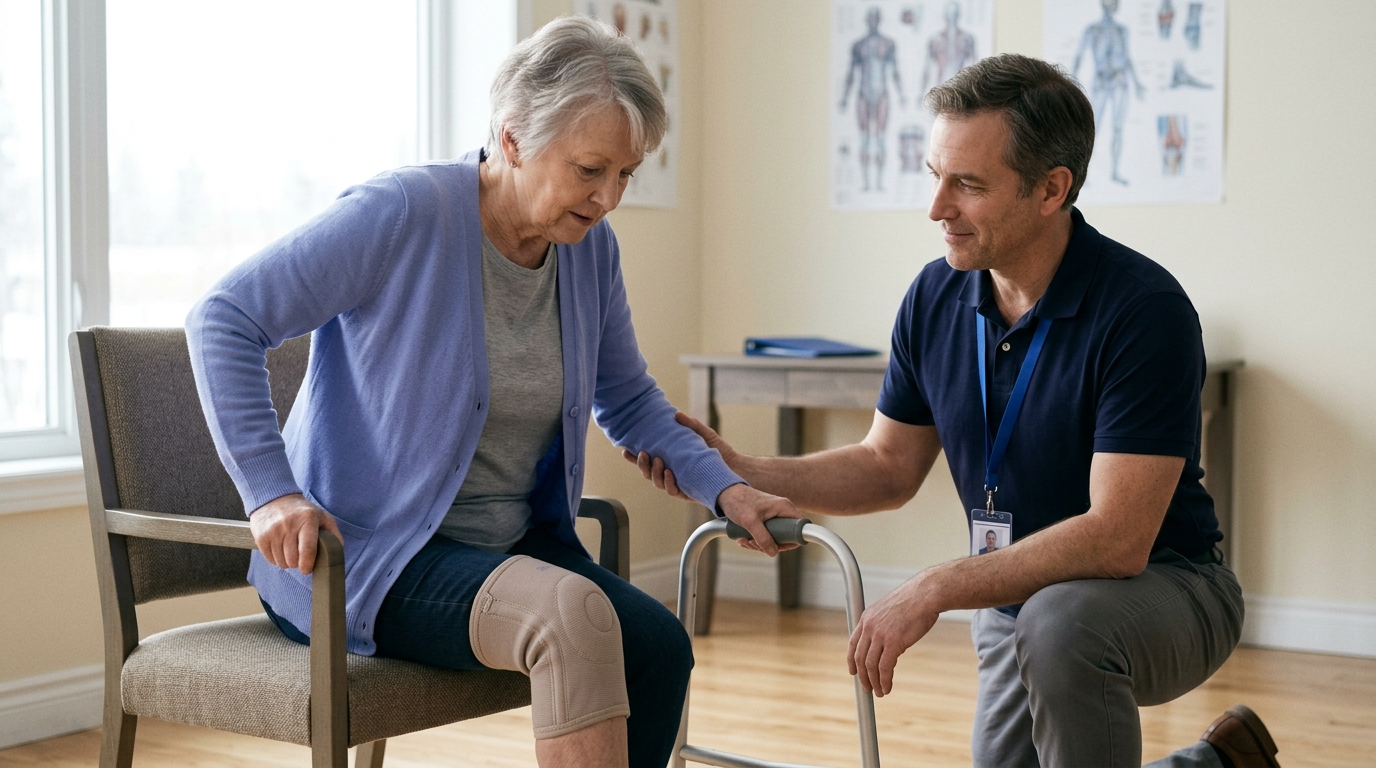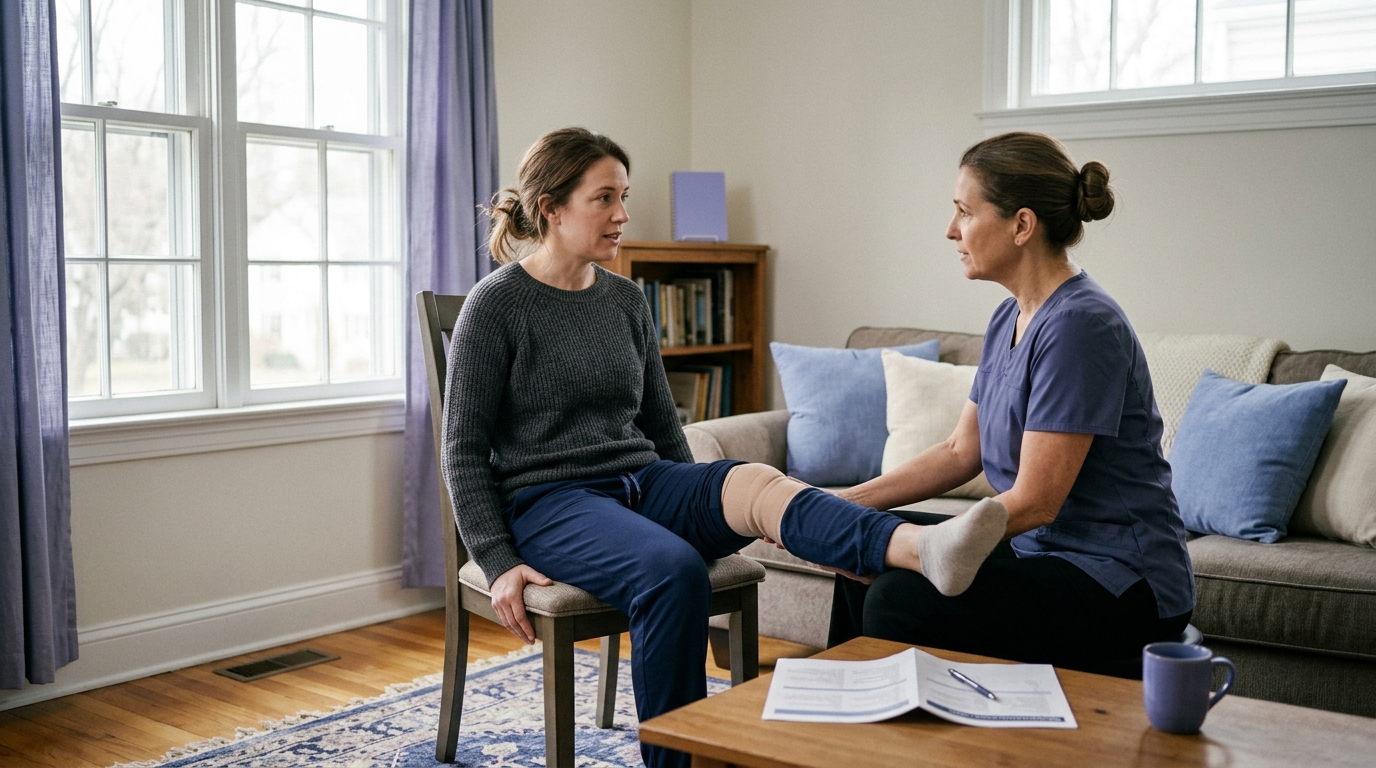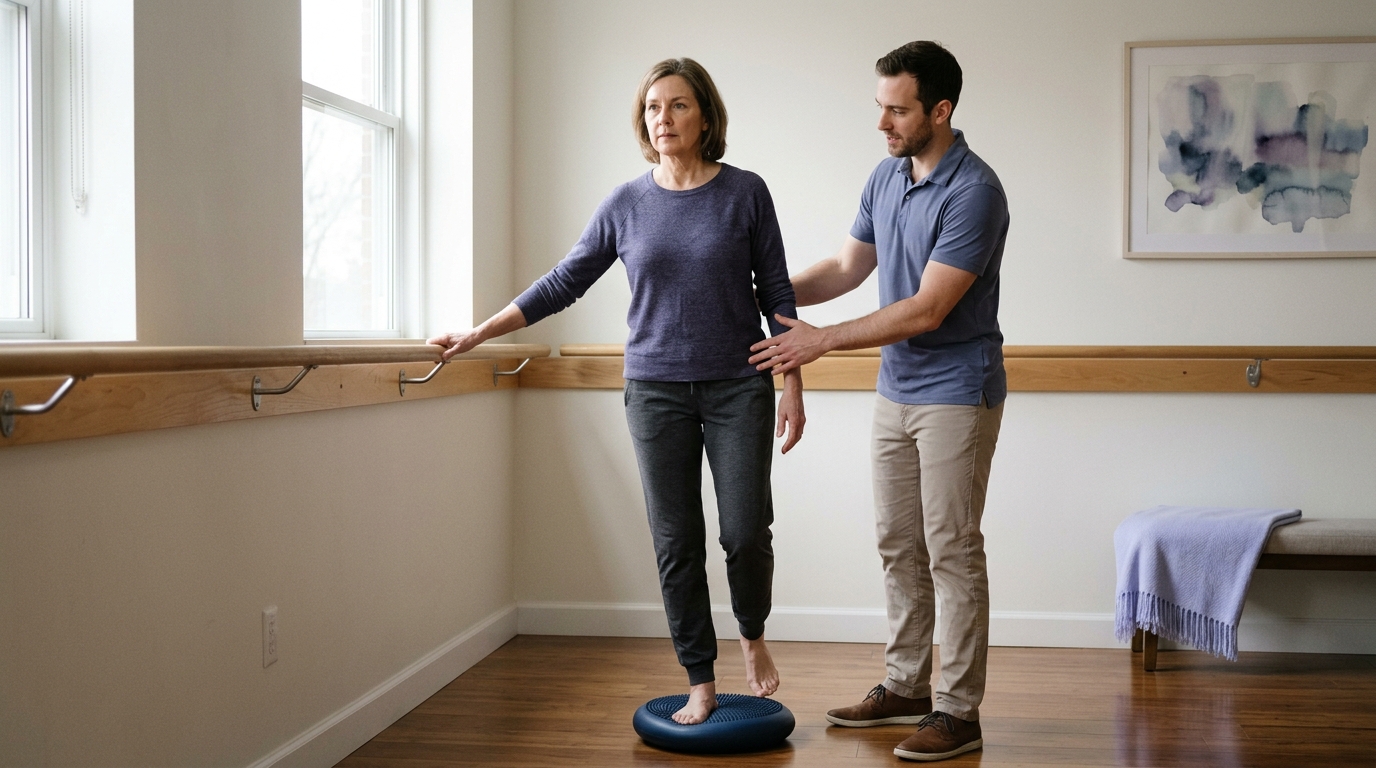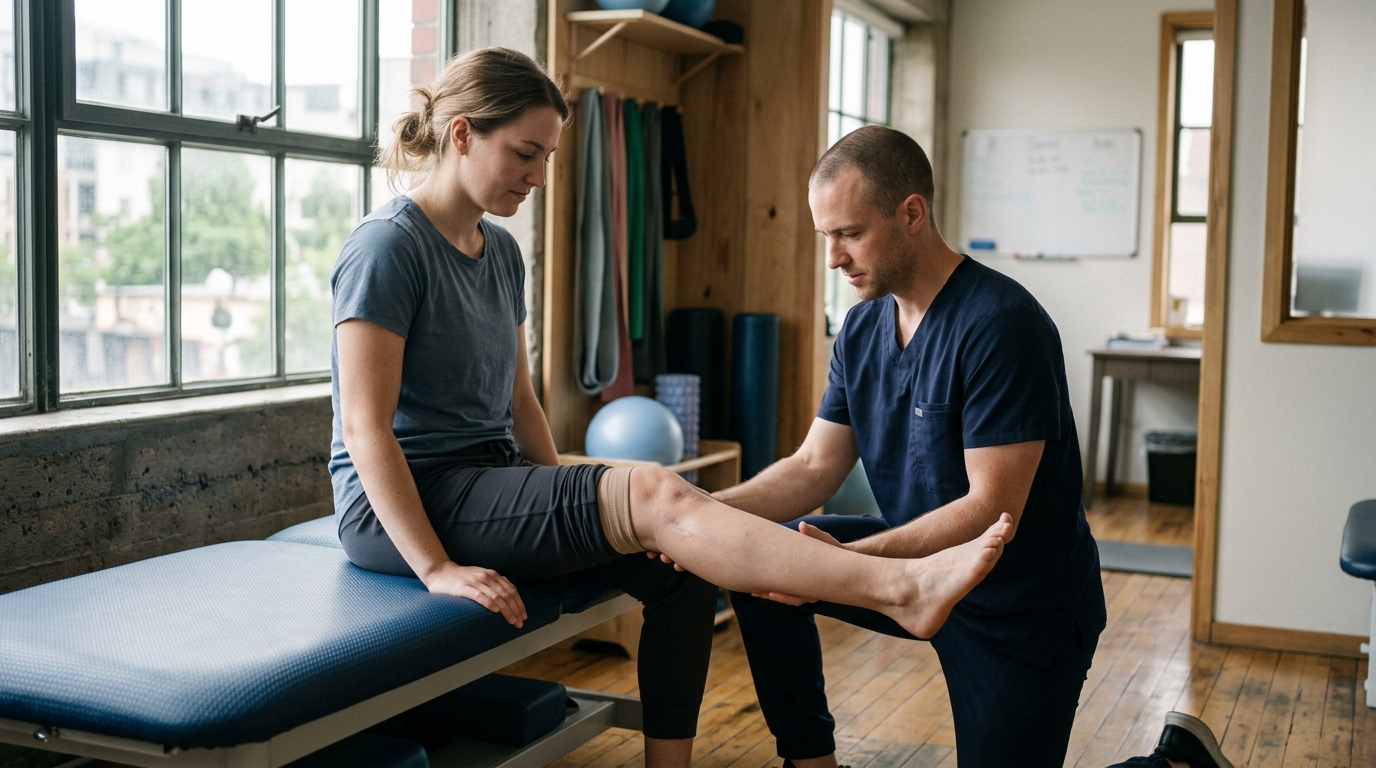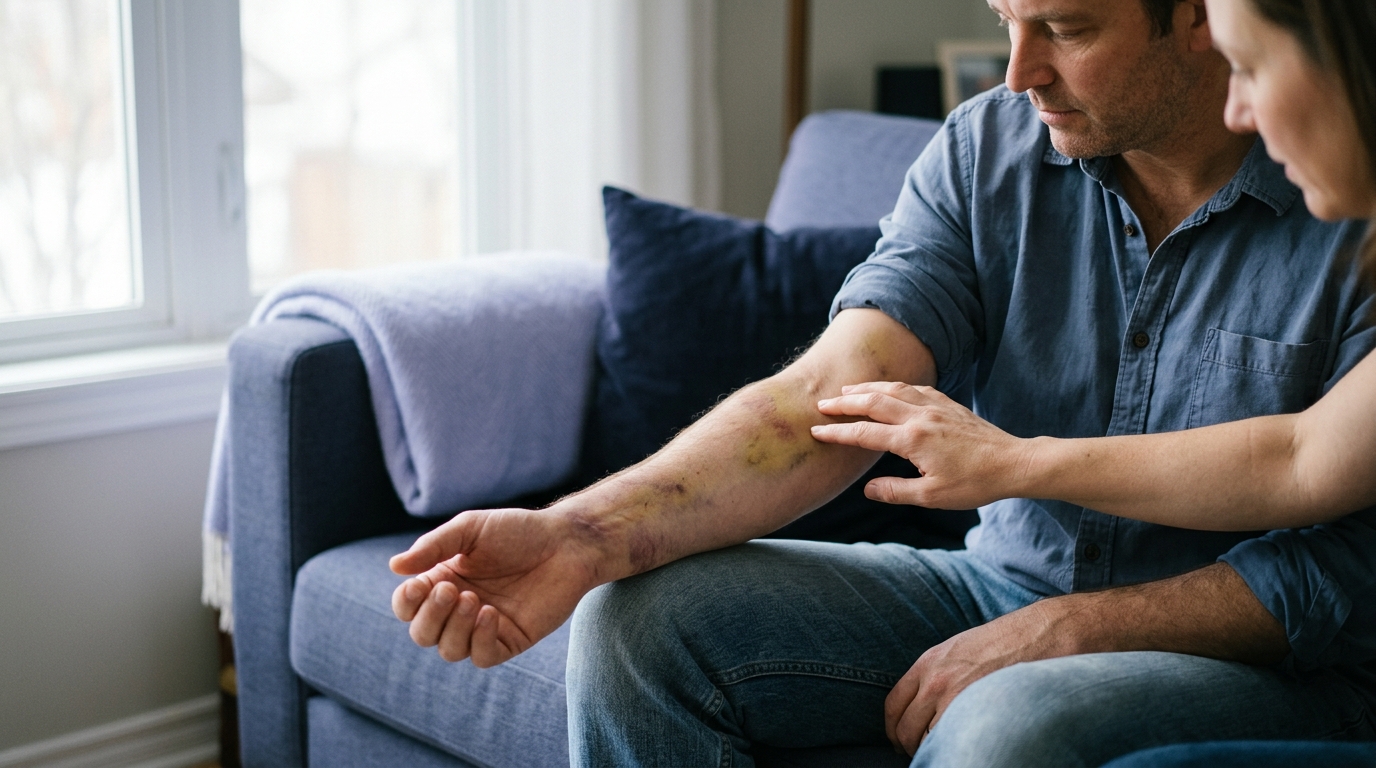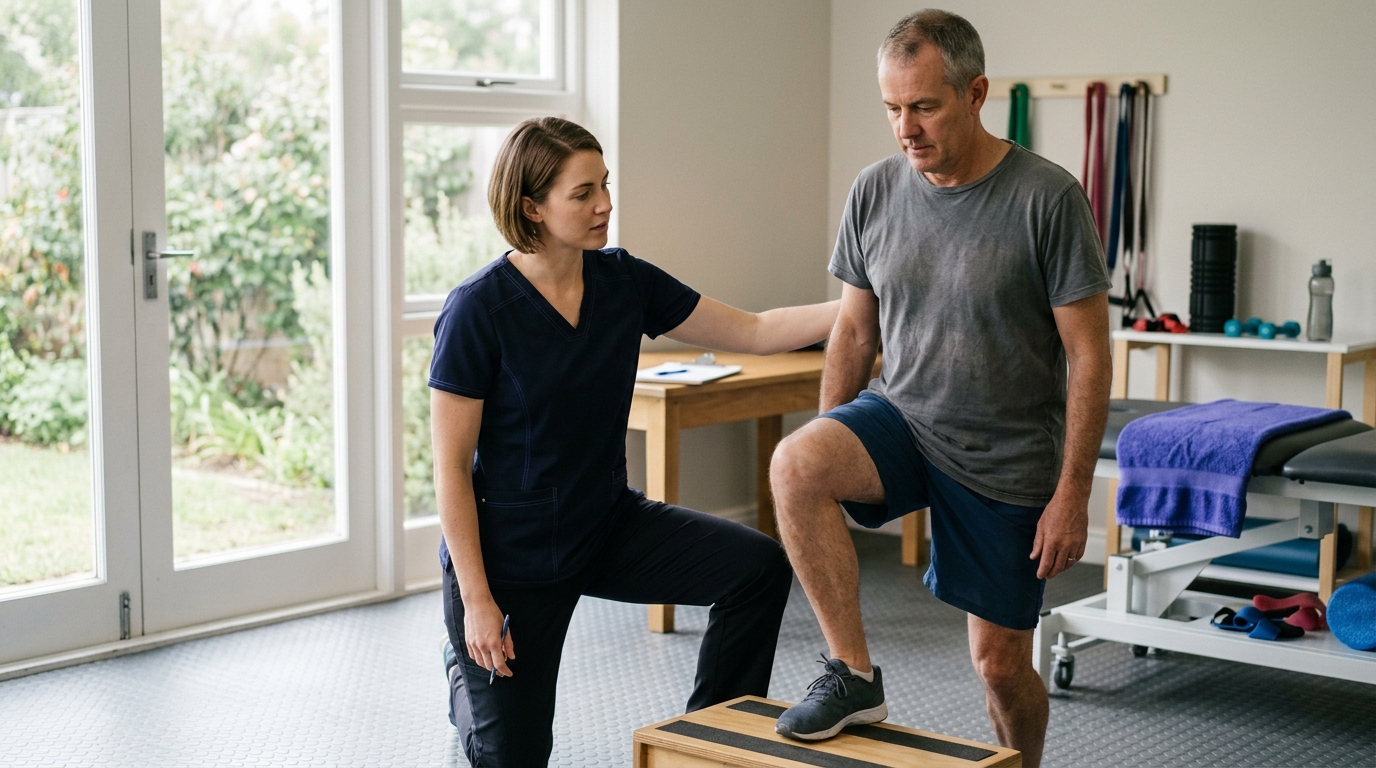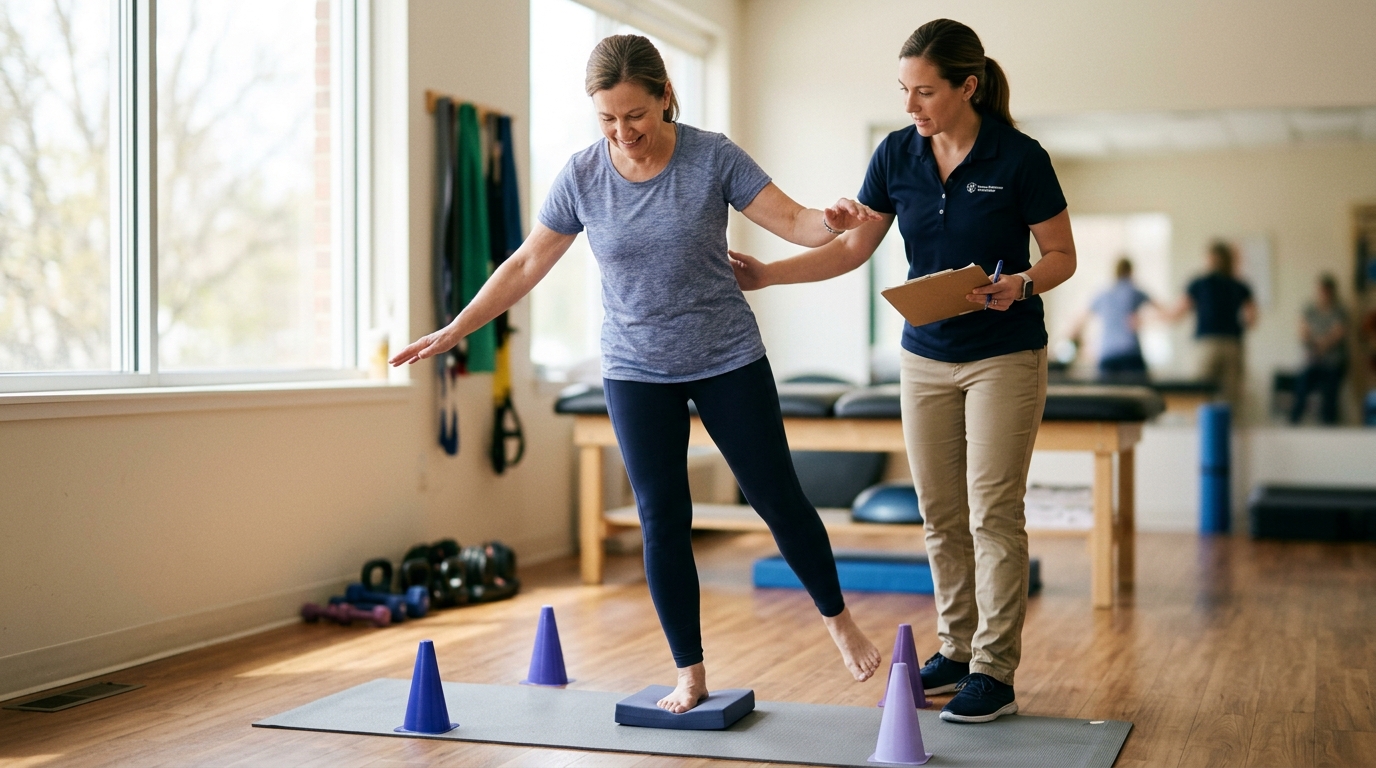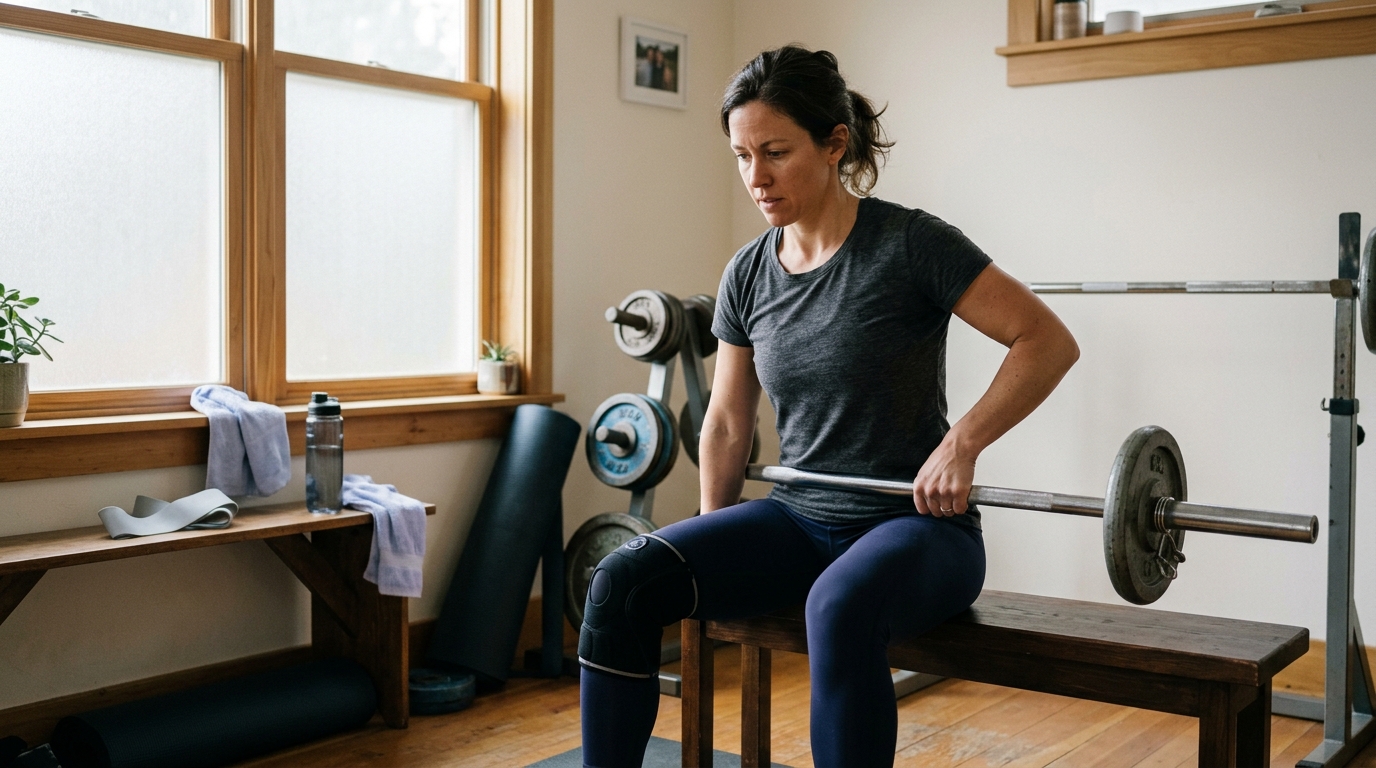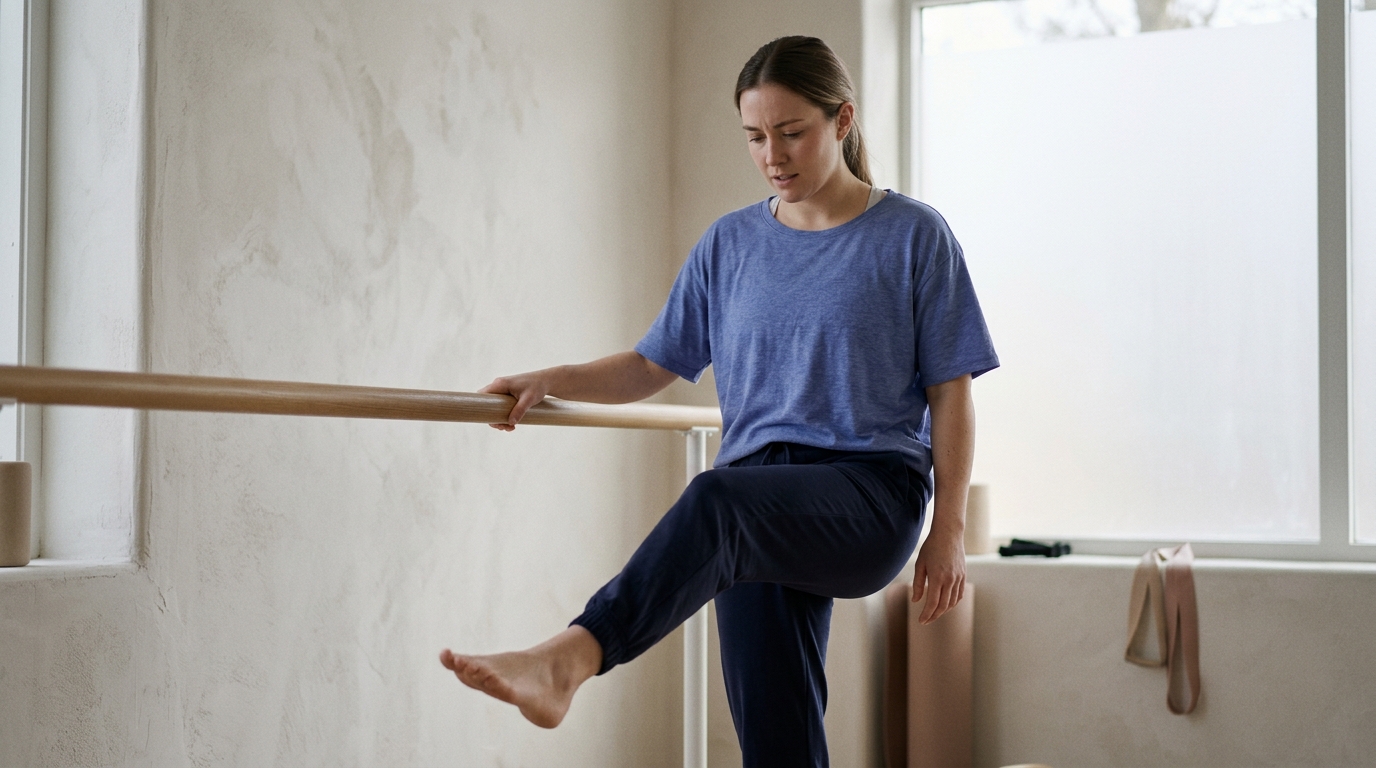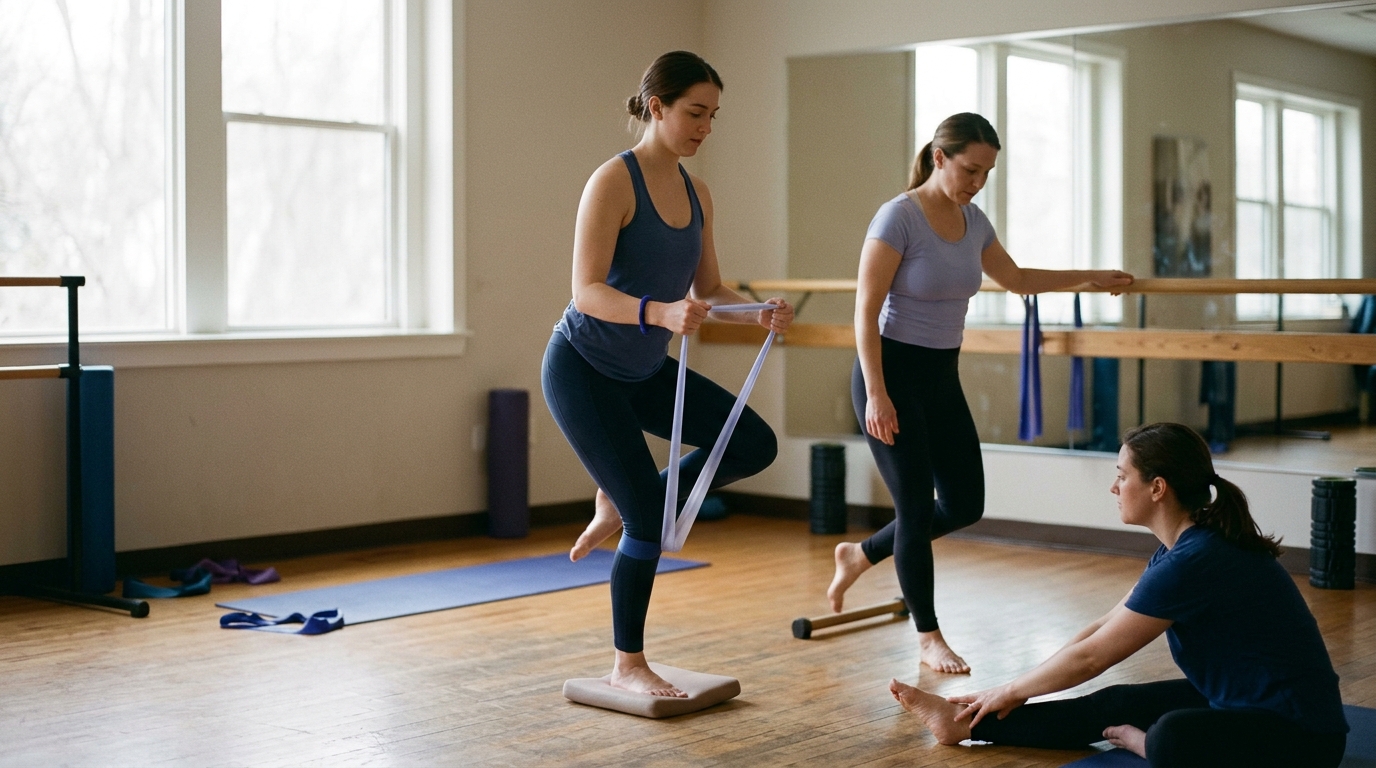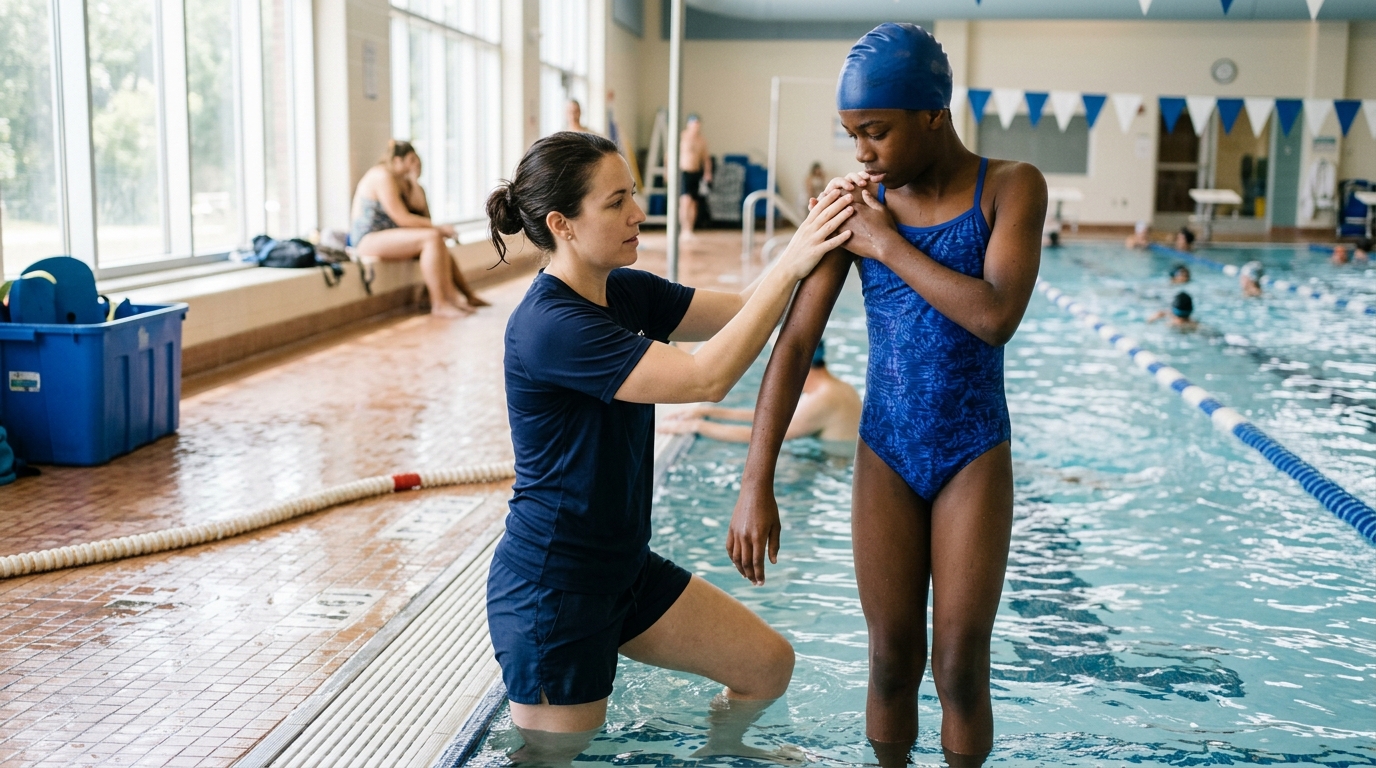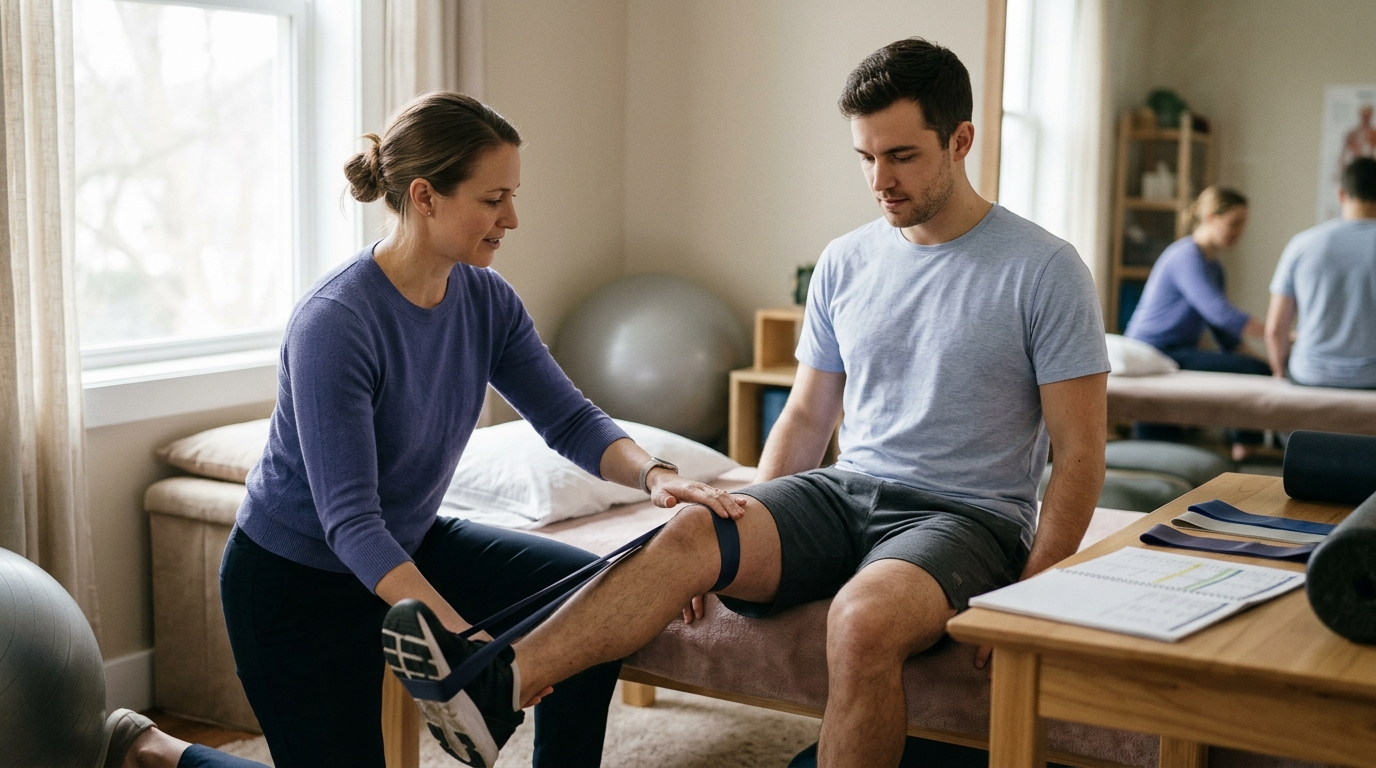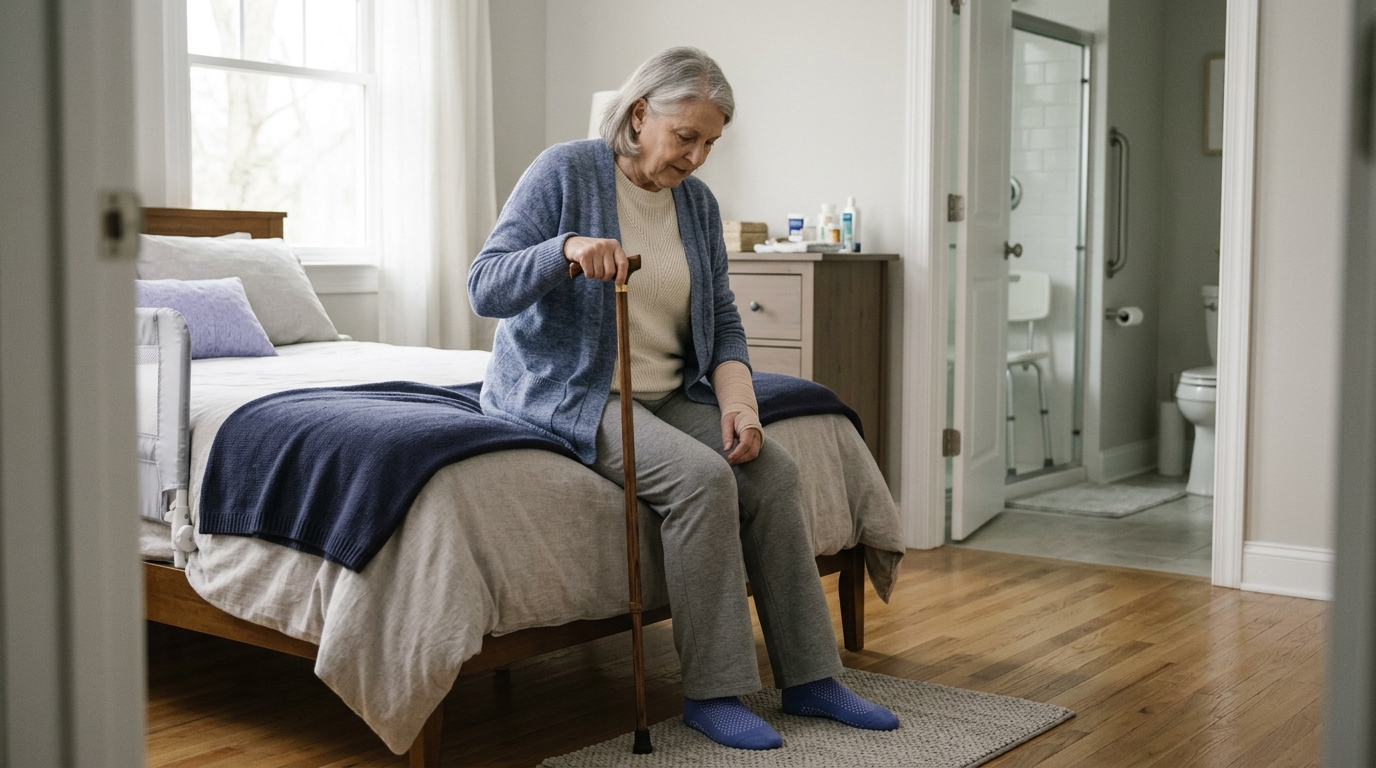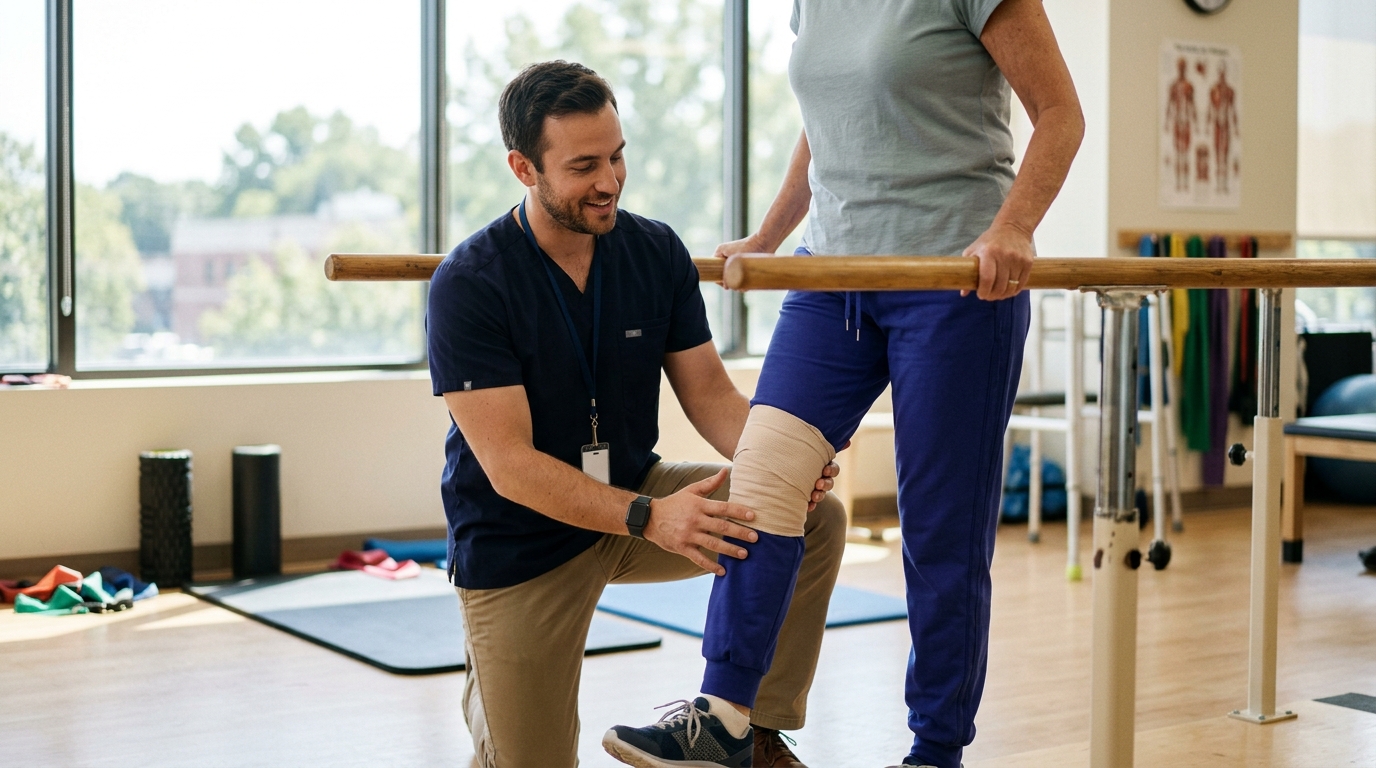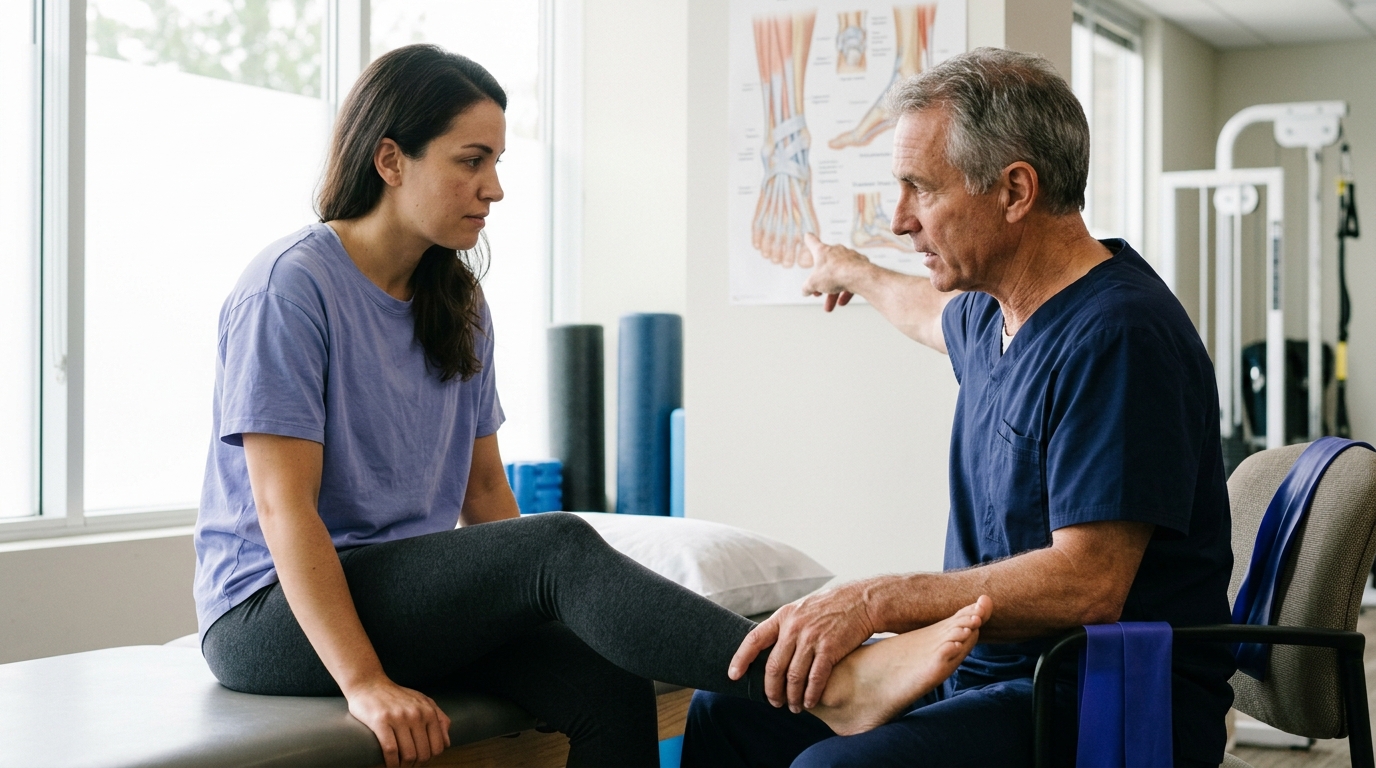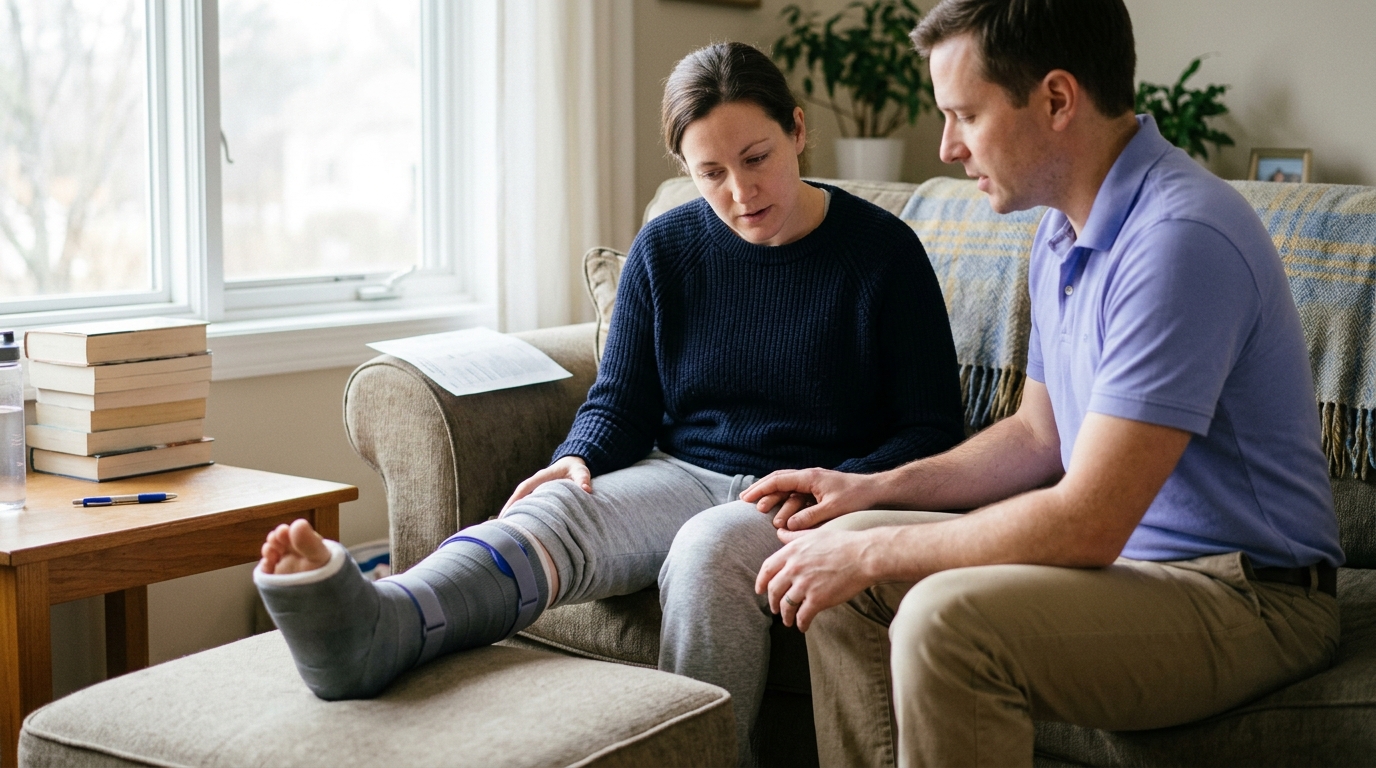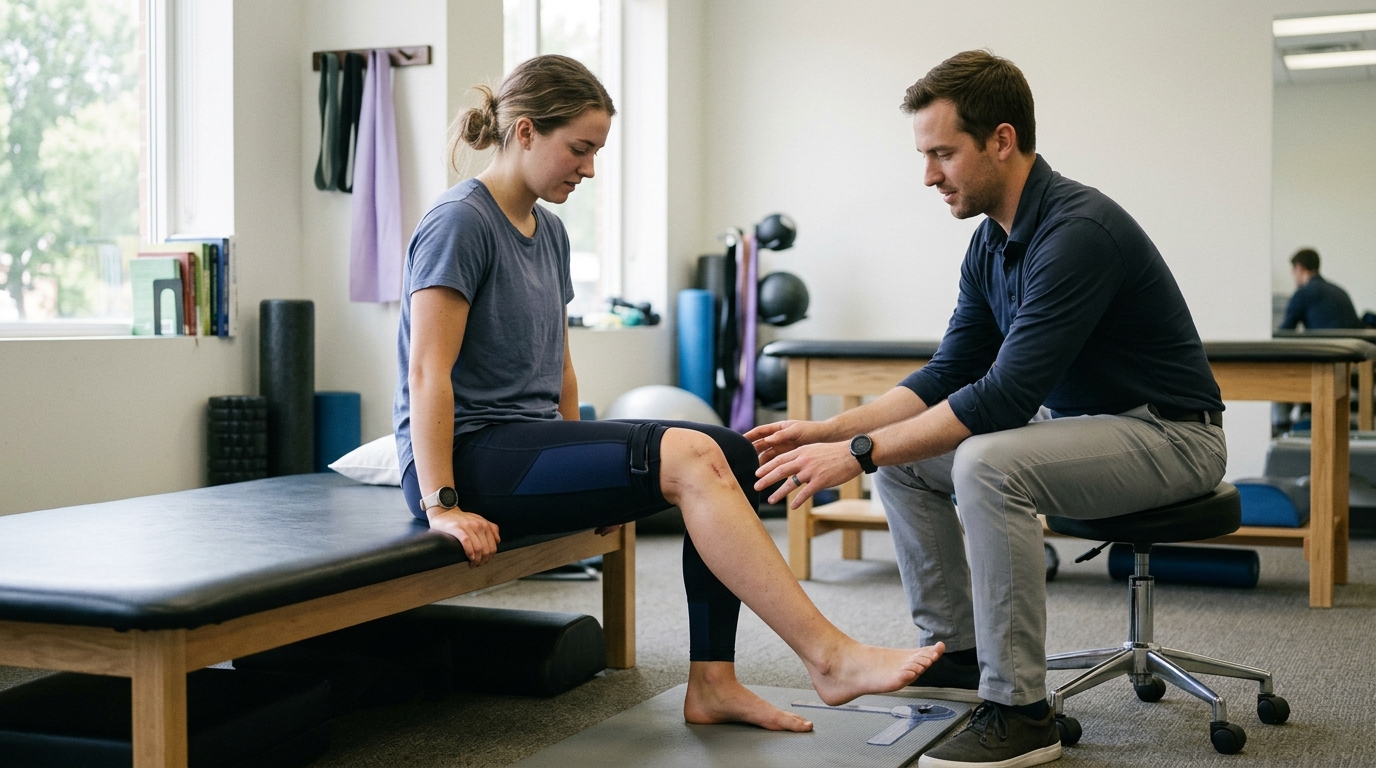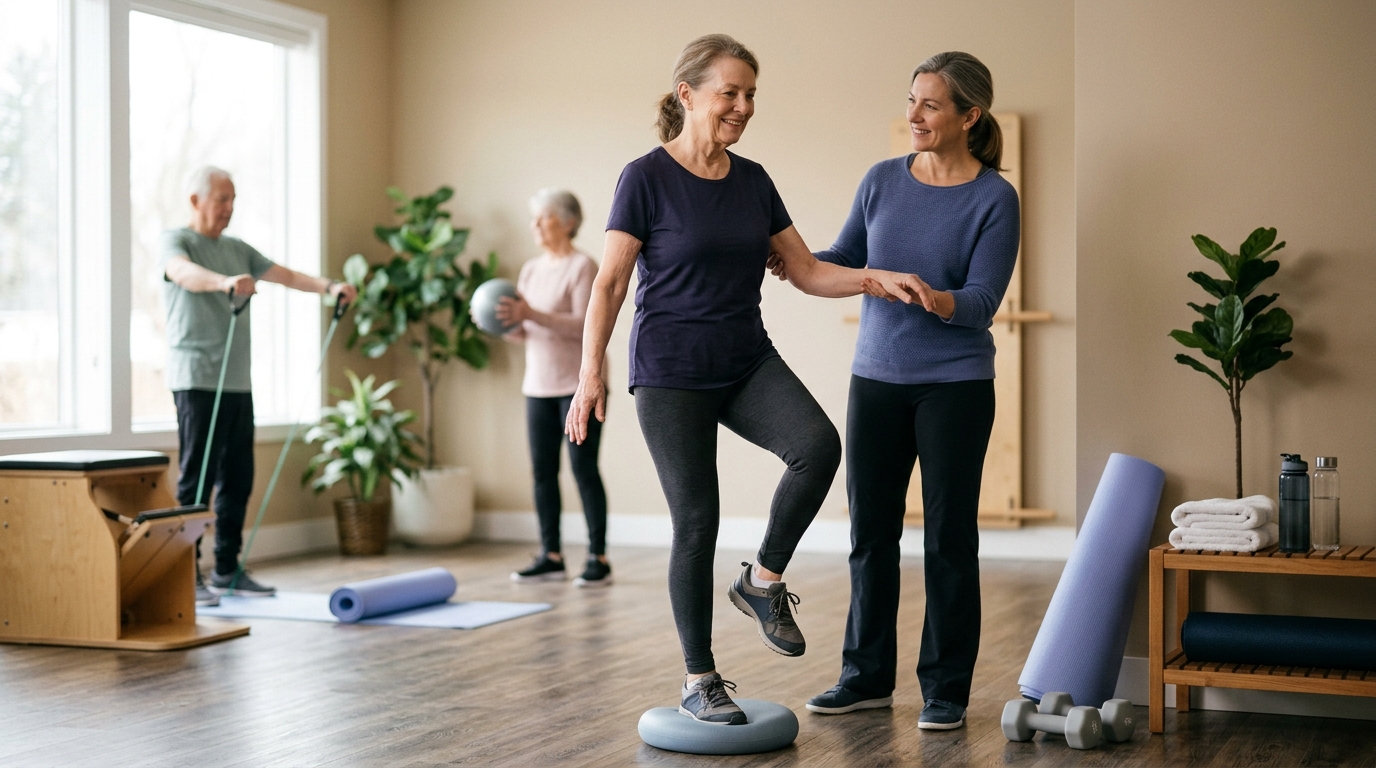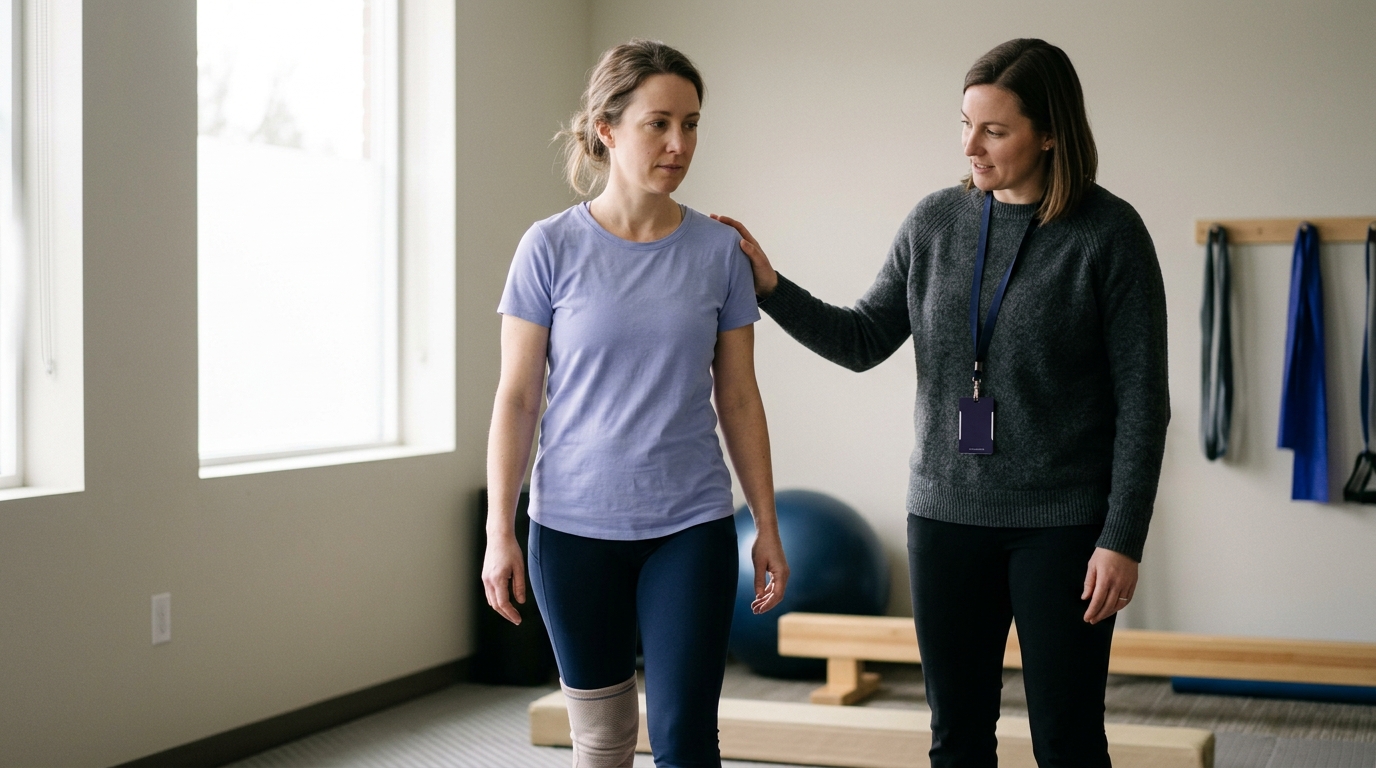

Fear of movement after an injury often prolongs recovery, but evidence-based strategies and proper clinical assessments help restore confident physical activity safely.





Fear of movement after an injury is a protective psychological and physiological response. It is not an imagined weakness, an emotional failure, or proof that pain is made up. At the same time, fear of movement is not a permanent medical diagnosis that dictates the rest of your physical life.
When your body suffers tissue damage, your nervous system learns to shield the injured area from further harm. This protective instinct is helpful during the earliest stages of healing. Over time, however, the nervous system and brain can maintain high levels of threat appraisal even as tissues mend. When this happens, normal daily actions, work tasks, and recreational exercise can begin to feel dangerous.
In clinical settings, this heightened fear is often referred to as kinesiophobia. Understanding how this response develops, what the research says about its impact, and how structured physical rehabilitation can address it can help you rebuild movement confidence. This guide breaks down the science of movement-related fear, examines the difference between protective caution and persistent avoidance, and outlines practical frameworks to discuss with your healthcare team.
Kinesiophobia is defined in clinical literature as an excessive, debilitating fear of physical movement and activity. This fear stems from a belief that movement will cause painful injury or reinjury.
The original clinical definition uses the word irrational to describe this fear. In everyday conversation, however, that word can feel dismissive or invalidating. After a painful tear, a fracture, or joint surgery, feeling hesitant about putting weight on a limb is understandable. Your brain is attempting to keep you safe based on a real, distressing event.
Whether an action is safe depends entirely on your diagnosis, your stage of healing, and your clinical guidelines. Differentiating between normal caution and kinesiophobia comes down to the degree of avoidance and how well it matches your current tissue capacity.
Researchers and physical therapists distinguish between several related terms that describe how we think about pain and physical activity:
In daily life, people rarely use these technical terms. Instead, you might hear phrases like "I just do not trust my knee," "I am terrified to bend my back," or "I worry that walking down stairs will set me back." These statements reflect the same underlying hesitation.
To learn more about how physical adaptation works during rehabilitation, read our comprehensive overview of injury recovery and healing principles.
The most widely studied framework for understanding movement hesitation is the fear-avoidance model. Developed by pain researchers, this model illustrates how an acute injury can spiral into persistent disability for some individuals while others recover smoothly.
The International Association for the Study of Pain defines pain as an unpleasant sensory and emotional experience. It is associated with, or resembles that associated with, actual or potential tissue damage. Because pain is inherently linked to safety and survival, your brain processes painful sensations as urgent alarms.
When an acute injury occurs, some level of acute pain is expected. In a typical recovery pathway, a person views this pain as a temporary signal of healing tissues.
As the days and weeks progress, tissue healing advances and the person gradually tests their movement. They may experience mild, transient discomfort, but they interpret it as normal stiffness or muscular fatigue. Because their threat appraisal remains low, they maintain baseline activity within safe boundaries. Over time, strength and mobility return, and confidence is restored.
When an injury is severe, unexpected, or traumatic, a different cycle can take hold:
This model is a helpful framework, but it is not a universal law. Having high fear does not mean your physical injury is resolved, nor does it mean your pain is solely psychological. An ongoing structural problem and a fear-avoidance barrier can exist at the exact same time.
Modern rehabilitation research shows clear links between movement-related fear, functional outcomes, and recovery timelines across a variety of conditions.
Systematic reviews examining chronic musculoskeletal pain have consistently identified strong associations between kinesiophobia and patient outcomes. Higher levels of movement fear correlate with greater reported pain intensity, higher levels of physical disability, and lower quality of life scores.
These findings show an association, but they do not prove that fear alone causes chronic pain. Instead, they demonstrate that psychological appraisal and physical limitations influence one another over time. When fear leads to prolonged inactivity, physical capacity drops, making everyday tasks harder to complete.
Movement fear is not limited to sedentary populations. High-level athletes and active adults frequently experience intense fear of reinjury after major orthopedic events.
In studies evaluating return to sport after anterior cruciate ligament reconstruction, return rates often hover around 63 percent. When researchers ask athletes why they chose not to return to their pre-injury level of competition, fear of reinjury is the most commonly cited psychological factor. Further systematic reviews indicate that higher kinesiophobia after joint surgery is associated with poorer patient-reported knee function and lower engagement in sports.
Fortunately, athletic research also shows that fear of movement is dynamic. In many monitored cohorts, kinesiophobia scores decrease steadily as physical strength, coordination, and symptom control improve through structured rehabilitation.
Because fear and physical capacity interact, researchers have evaluated multimodal treatments that combine physical exercise with psychological education.
A systematic review and meta-analysis of 12 clinical studies evaluated multimodal therapies designed to address kinesiophobia in musculoskeletal conditions. The analysis reported a statistically significant pooled effect of 6.99 (95% confidence interval 4.59 to 9.38) in favor of these combined approaches. The review noted substantial heterogeneity across the included studies, meaning that treatment results vary based on the specific condition, the patient population, and the intervention format.
You can learn more about how movement science and neuromuscular training intersect by reviewing our guide to rehabilitation and mobility resources.
Clinicians and researchers use several validated questionnaires to evaluate how much fear may be influencing a person's activity level.
The most frequent tools used in clinical research include:
Self-report scales provide useful conversational data, but they have distinct limits:
Questionnaires should always be treated as communication aids between you and your clinician, never as standalone safety tests.
Not all movement avoidance is kinesiophobia. Resting an acutely injured limb or following strict surgical precautions is an essential part of orthopedic care.
In the early stages of tissue healing, mechanical protection allows torn fibers, repaired tendons, and fractured bones to form stable structural scars. Ignoring clinical restrictions during this window can lead to graft failure, hardware displacement, or non-union.
According to clinical guidance from the UK National Health Service, certain symptoms indicate a structural or medical issue that requires professional evaluation rather than an exposure exercise:
These clinical red flags reflect acute tissue trauma or nerve compression. They should never be dismissed as psychological fear or pushed through without medical clearance.
If you have already begun rehabilitation and are returning to higher activity levels, specific symptom changes suggest you should stop and check in with your physical therapist:
Understanding the difference between tissue distress and normal rehabilitation soreness is an essential skill during active aging and long-term joint health.
Every individual processes physical injury differently. Several biological, psychological, and contextual factors influence whether a person develops long-lasting movement hesitation.
The circumstances surrounding an injury heavily shape how the brain perceives future movement. A traumatic, high-speed collision often creates a stronger threat memory than a gradual overuse strain.
Previous injury history also plays a major role. If an individual has experienced multiple surgical failures, recurrent ankle sprains, or repeated lumbar disc herniations, their protective caution is reinforced by past experience. Their nervous system has learned that physical setbacks are real and disruptive.
The words used by healthcare providers can inadvertently heighten movement fear. This phenomenon is known in medicine as a nocebo effect.
Phrases like "your joint is bone on bone," "your spine is out of alignment," or "you have the back of an eighty-year-old" can create an impression of structural fragility. When patients believe their tissues are worn out or easily damaged, they naturally avoid loading them. Clear, neutral explanations that emphasize tissue adaptability help reduce unneeded worry.
Individuals with high baseline strength, mobility, and athletic background often have a broader library of movement experience. They may find it easier to modify exercises and understand benign muscular soreness.
Conversely, adults with lower baseline physical activity or poor body awareness may interpret any unfamiliar sensory feedback as danger. Without prior experience navigating exercise discomfort, distinguishing between muscle exertion and joint injury becomes much more challenging.
Recovery does not happen in a vacuum. A person whose livelihood depends on physical labor faces substantial financial pressure if they reinjure themselves at work.
Similarly, caregiving responsibilities, lack of social support, and high life stress elevate overall nervous system arousal. When systemic stress is high, pain thresholds drop, making movement feel more threatening.
To read more about the biological mechanisms governing tissue loading and nervous system sensitivity, explore our recovery science articles.
When fear of movement is contributing to physical limitations, the most effective clinical solution is not complete rest, nor is it forced, aggressive exercise. The gold standard approach is individualized rehabilitation using graded exposure.
Graded exposure is a systematic behavioral and physical framework. It introduces a person to feared movements in a progressive, controlled manner, allowing the nervous system to update its threat predictions.
A structured graded exposure program typically follows four main phases:
Clinical reviews note that pain education in isolation produces limited long-term functional improvement. Explaining how pain works is valuable, but reading about movement safety does not rewire neuromuscular protective reflexes on its own.
True confidence is built when verbal reassurance is paired with direct physical experience. The World Health Organization guidelines for chronic primary low-back pain emphasize this multimodal approach. The WHO recommends person-centered care that combines education, structured exercise, and psychological strategies such as cognitive behavioral therapy, rather than relying on education as a standalone fix.
The following examples illustrate how graded exposure and physical conditioning function across different recovery scenarios.
Consider an active runner six months after surgical reconstruction. Structurally, the graft is mature, and clinical testing shows adequate muscular power. Yet, the runner hesitates to jog, fearing that impact will tear the repair.
Instead of jumping straight into outdoor running, a physical therapist might establish a progressive return plan:
Each step provides measurable physical proof that the joint can tolerate load, steadily reducing fear of reinjury. For detailed information on rebuilding power after joint procedures, see our guide on strength rebuilding and return to sport.
Consider an adult who experienced an acute lumbar strain two years ago while lifting a heavy storage bin. Since the incident, they have strictly avoided bending their spine, keeping their torso completely rigid during all daily tasks.
Over time, this movement pattern leads to severe back stiffness and hip fatigue. A graded rehabilitation program might look like this:
By steadily increasing movement variety and spinal flexion, the person learns that their back is resilient and capable of bending safely.
If you notice that fear, worry, or lack of trust in your body is holding you back from activities you enjoy, opening a dialogue with your healthcare provider is the best next step.
Here are practical, research-backed questions to bring to your next clinical appointment:
Open communication helps your provider tailor your rehabilitation plan to your physical capacity and your psychological comfort level.
No. Pain is always a real physiological and sensory experience. Having movement-related fear means your nervous system is actively trying to protect you, often based on real past trauma or pain. Acknowledging fear does not invalidate your symptoms or mean that your injury was minor.
Total avoidance tends to reinforce fear and leads to physical deconditioning over time. However, forcing yourself through terrifying or sharply painful tasks is also counterproductive. The most effective strategy is to scale the activity down to a manageable baseline and build back up through progressive steps.
There is no fixed timeline. Overcoming movement hesitation depends on the severity of the initial injury, your access to structured rehabilitation, your baseline strength, and your personal beliefs about healing. Many people notice improvements in confidence within a few weeks of consistent, graded physical practice.
Fear itself does not stop cell division or collagen synthesis. However, persistent fear often leads to prolonged immobilization and poor sleep. Because tissues require gradual mechanical loading to regain strength and flexibility, long-term avoidance can slow your overall functional recovery.
Fear of movement is a natural, protective response designed to shield your body after physical trauma. When this caution persists long past the initial healing phase, it can create a cycle of avoidance, muscle loss, and heightened sensitivity.
Kinesiophobia is not a permanent diagnosis, and it is not a sign of personal weakness. Effective recovery does not require ignoring your symptoms or forcing through sharp pain. By combining accurate clinical education with an individualized, progressive exercise plan, you can safely challenge movement boundaries, restore physical capacity, and regain trust in your body.

Use ReboundBody resources to understand common recovery stages, rehab terms, movement limits and strength rebuilding. Each guide is designed to make a complex comeback easier to understand.


Read practical guidance on injury recovery, rehabilitation, mobility and rebuilding strength as you work your way back to activity.
Explore Resources