
Safe food handling protects vulnerable immune systems during recovery by preventing foodborne illness through proper cleaning, cooking, and informed dietary decisions.





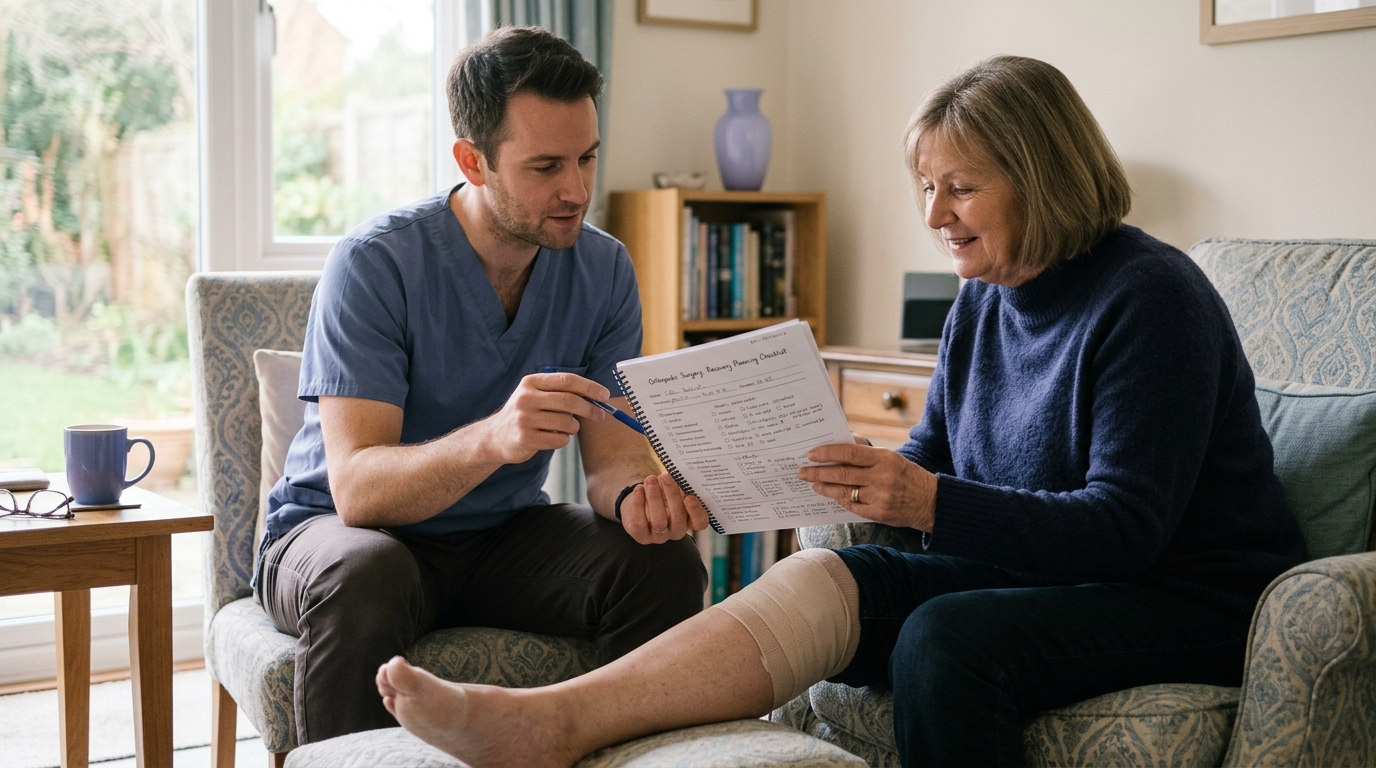
You arrive home after a hospital procedure, an orthopedic surgery, or a long course of medical treatment. A family member offers to prepare a home-cooked meal, unpack takeout, or set up a fruit basket on the counter. While resting on the sofa, you wonder whether standard kitchen habits are still sufficient. You might ask yourself if certain foods are now unsafe, or if you need a strict, specialized diet to protect your healing body.
Food safety during recovery does not mean you must automatically follow a restrictive diet. For most people, the foundation is simply applying standard, evidence-based food handling practices with greater consistency. Additional precautions become necessary only when a specific health condition, medication, or medical treatment weakens your immune defenses. The central question to consider is what your current medical status changes about your vulnerability to foodborne pathogens.
This guide outlines how food safety interacts with physical recovery, examines what the scientific evidence says about restrictive diets, and provides a clear framework of questions to bring to your healthcare team.
Recovering from an injury, major surgery, or serious illness places unique metabolic demands on the body. Tissues require adequate calories, protein, and micronutrients to repair themselves. However, a bout of food poisoning during this period can derail that progress. Symptoms like vomiting and diarrhea rapidly deplete fluids and electrolytes, which can lead to severe dehydration and stall tissue healing.
It is helpful to distinguish between basic food-safety precautions and dietary restrictions. Food safety focuses on preventing contamination from bacteria, viruses, and parasites that cause illness. Practices like washing hands, separating raw meats from fresh produce, and cooking foods to safe temperatures benefit everyone. In contrast, dietary restriction involves eliminating entire categories of food, such as raw fruits or fresh vegetables.
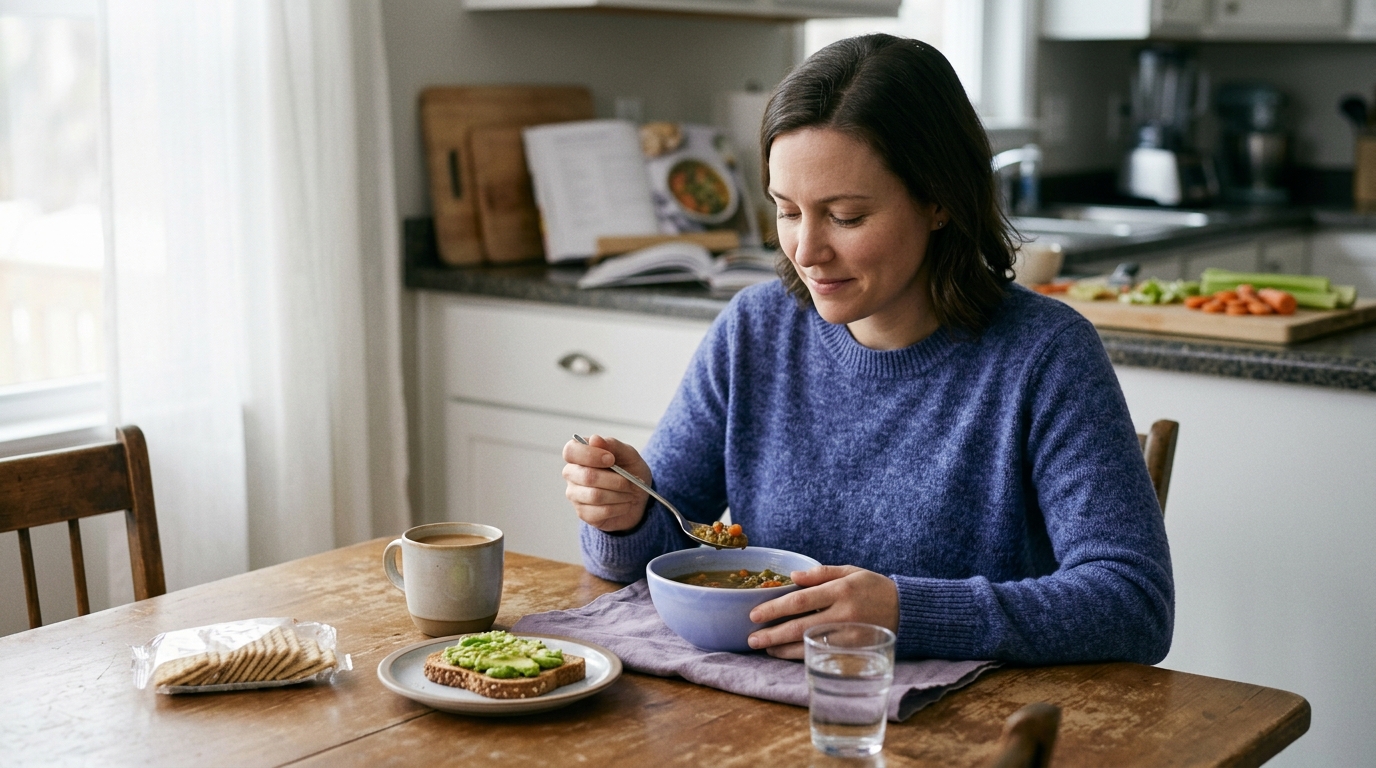
Broad food restrictions are not automatically necessary for every person who is recovering. Assuming that every surgical patient or injured adult requires a sterile diet can lead to unnecessary stress and poor nutrition. When individuals unnecessarily eliminate nutrient-dense fresh foods, they may struggle to meet their daily caloric and vitamin requirements. Understanding your actual risk level helps you apply the right precautions without restricting your meals without cause.
Foodborne illness happens when harmful germs enter the gastrointestinal tract through contaminated food or water. Common culprits include bacteria such as Salmonella, Listeria monocytogenes, Escherichia coli, and Campylobacter. For an otherwise healthy person, an exposure might lead to a brief, self-limiting stomach upset. For someone with altered immune defenses, the same exposure can lead to prolonged hospitalization or systemic infection. Exploring practical nutrition and recovery principles helps clarify how balanced meals support the body while avoiding unneeded food fears.
Federal health agencies, including the USDA and FoodSafety.gov, organize standard food safety around four fundamental actions: clean, separate, cook, and chill. These steps form the baseline defense against foodborne bacteria for every household.
Harmful pathogens can survive on kitchen surfaces, cutting boards, utensils, and hands for extended periods. Washing your hands with soap and warm water for at least 20 seconds before, during, and after preparing food is essential. This is especially true after handling raw meat, poultry, seafood, or unwashed produce.
Kitchen surfaces require regular cleaning and sanitizing. Countertops and cutting boards should be washed with hot, soapy water after each food item is prepared. Fresh fruits and vegetables should always be rinsed under clean, running tap water before peeling, cutting, or cooking. Even produce with inedible rinds, like melons or oranges, should be rinsed so dirt and bacteria do not transfer to the inner flesh when sliced.
Cross-contamination occurs when bacteria from raw animal products spread to foods that are ready to eat. This often happens invisibly through shared utensils, unwashed cutting boards, or drippings in the refrigerator.
To prevent cross-contamination, use one cutting board for raw meats and seafood, and a separate board for fresh produce and bread. In your grocery cart and refrigerator, keep raw meat, poultry, and seafood sealed in containers or plastic bags. Place these items on the lowest refrigerator shelves so juices cannot drip onto prepared meals or fresh ingredients. Never place cooked food onto a plate that previously held raw meat unless that plate has been thoroughly washed with hot, soapy water.
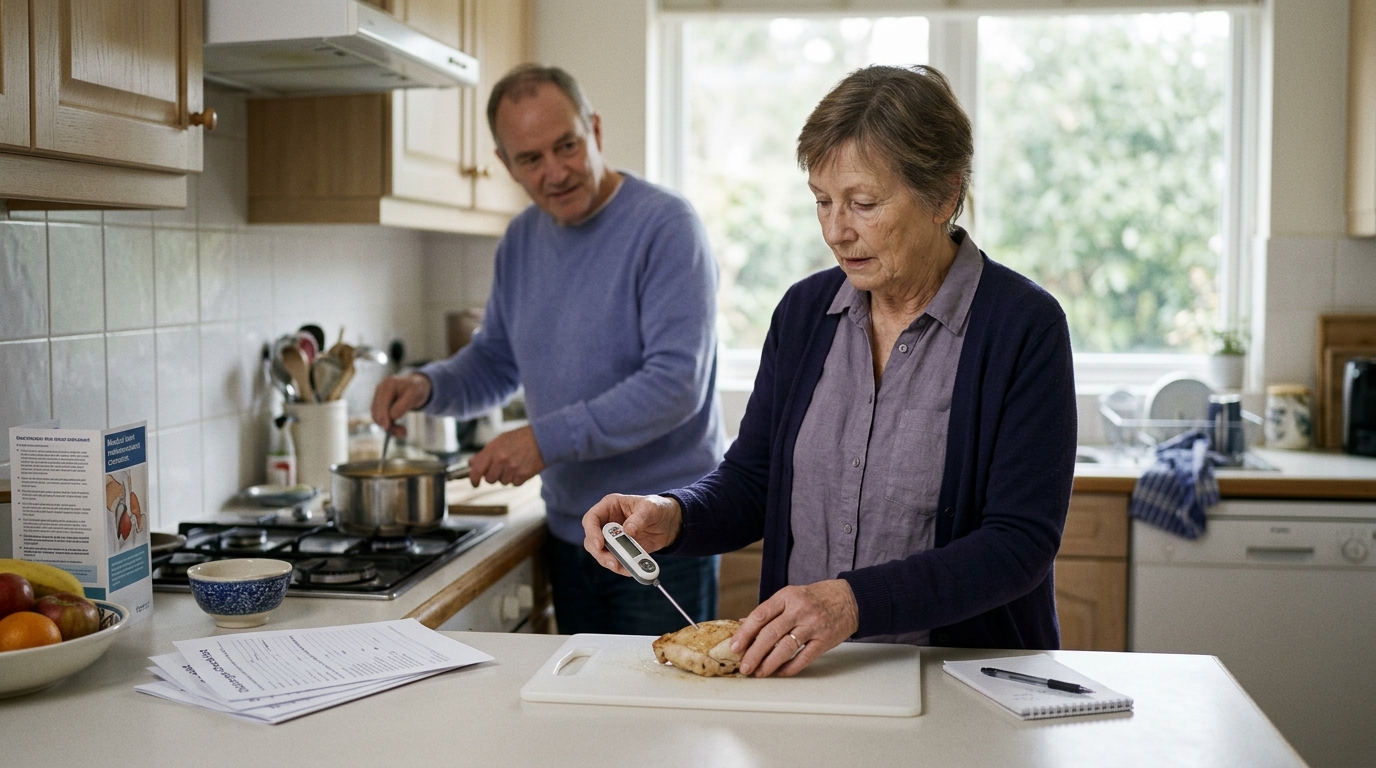
Cooking food to the correct internal temperature is the only reliable way to destroy harmful bacteria. Relying on visual checks, such as meat color or steam, is not sufficient to confirm that food is safe. A clean food thermometer inserted into the thickest part of the food provides an accurate measurement.
According to USDA guidance, different foods require specific minimum internal temperatures:
Bacteria multiply most rapidly in the temperature danger zone, which spans between 40°F and 140°F. Keeping perishable foods outside this temperature range slows or stops bacterial growth.
Refrigerators should maintain an internal temperature at or below 40°F, while home freezers should be set to 0°F or lower. An inexpensive appliance thermometer placed inside the refrigerator ensures your unit holds the proper temperature. Perishable foods, prepared dishes, and takeout meals should be refrigerated within two hours of preparation or purchase. If the ambient room or outdoor temperature is above 90°F, that window shrinks to just one hour.
The Centers for Disease Control and Prevention estimates that 48 million people in the United States contract a foodborne illness each year. Among those cases, roughly 128,000 individuals require hospitalization, and approximately 3,000 die from severe complications. These figures highlight the widespread nature of foodborne pathogens across the general population.
While national statistics show the scale of the issue, individual vulnerability varies widely. CDC data indicates that certain groups face substantially higher risks of severe infection. For example, adults aged 65 and older are at increased risk because immune function naturally declines with age. Dialysis patients are roughly 50 times more likely to develop a severe Listeria infection compared to the general public. Pregnant individuals are about 10 times more likely to contract listeriosis due to hormonal and immune changes.
In clinical oncology, doctors have historically prescribed a neutropenic diet for patients with low white blood cell counts. This diet heavily restricts raw fruits, fresh vegetables, unpasteurized items, and deli meats to prevent bacterial exposure. However, recent scientific research has re-evaluated whether these broad bans actually improve patient outcomes.
Systematic reviews and meta-analyses examining neutropenic diets in cancer patients found no significant reduction in major infection rates or mortality compared to standard diets. A major systematic review reported no statistically significant difference in major infections between patients on a neutropenic diet and those on a regular diet (RR 1.16; 95% CI 0.94 to 1.42). The same review found no difference in bloodstream infections (RR 0.96; 95% CI 0.60 to 1.53) or overall mortality (RR 1.08; 95% CI 0.78 to 1.50).
Interestingly, within the subgroup of stem cell transplant recipients, the review noted a slightly higher infection risk among those following a neutropenic diet (RR 1.25; 95% CI 1.02 to 1.54). This finding does not mean that restrictive diets cause infections. Rather, it indicates that broad food restrictions do not provide the protective shield once assumed.
Based on these findings, organizations like the National Cancer Institute point out that current evidence does not support broad food bans for cancer patients with neutropenia. Instead, major health organizations recommend following FDA safe-handling guidelines while selectively avoiding high-risk foods. This balance allows recovering patients to enjoy a wider variety of nutritious foods safely. Keeping up with broader findings in evidence in recovery science shows why healthcare teams increasingly rely on validated handling practices over unnecessary bans.
A person's health status is not static. Risk levels change based on the type of medical condition, ongoing therapies, and overall physical state. Understanding which factors alter immune defense helps you determine whether extra precautions are necessary.
The immune system protects against bacteria, viruses, and parasites that enter through the digestive tract. When immune defenses are weakened, pathogens can breach the intestinal lining and enter the bloodstream more easily.
Several medical treatments directly lower immune defenses:
If you are undergoing any of these treatments, your body may struggle to clear foodborne organisms that a healthy immune system would manage without trouble.
Underlying medical conditions also affect how well the body resists infection. For instance, poorly managed diabetes can impair white blood cell function and slow down immune responses. Chronic kidney disease, especially when managed with dialysis, significantly alters immune competence. Liver disease, advanced heart failure, and autoimmune disorders can likewise increase vulnerability to foodborne pathogens.
Gastrointestinal changes play a role as well. Stomach acid serves as a natural barrier against ingested bacteria. If you take strong acid-suppressing medications, or have undergone gastric surgery, fewer bacteria are destroyed in the stomach. This allows more organisms to pass into the intestines, raising the risk of infection.
Age is another critical variable. Adults over the age of 65 experience an age-related decline in immune function known as immunosenescence. Older adults also produce less stomach acid and experience slower intestinal transit times, giving bacteria more opportunity to multiply.
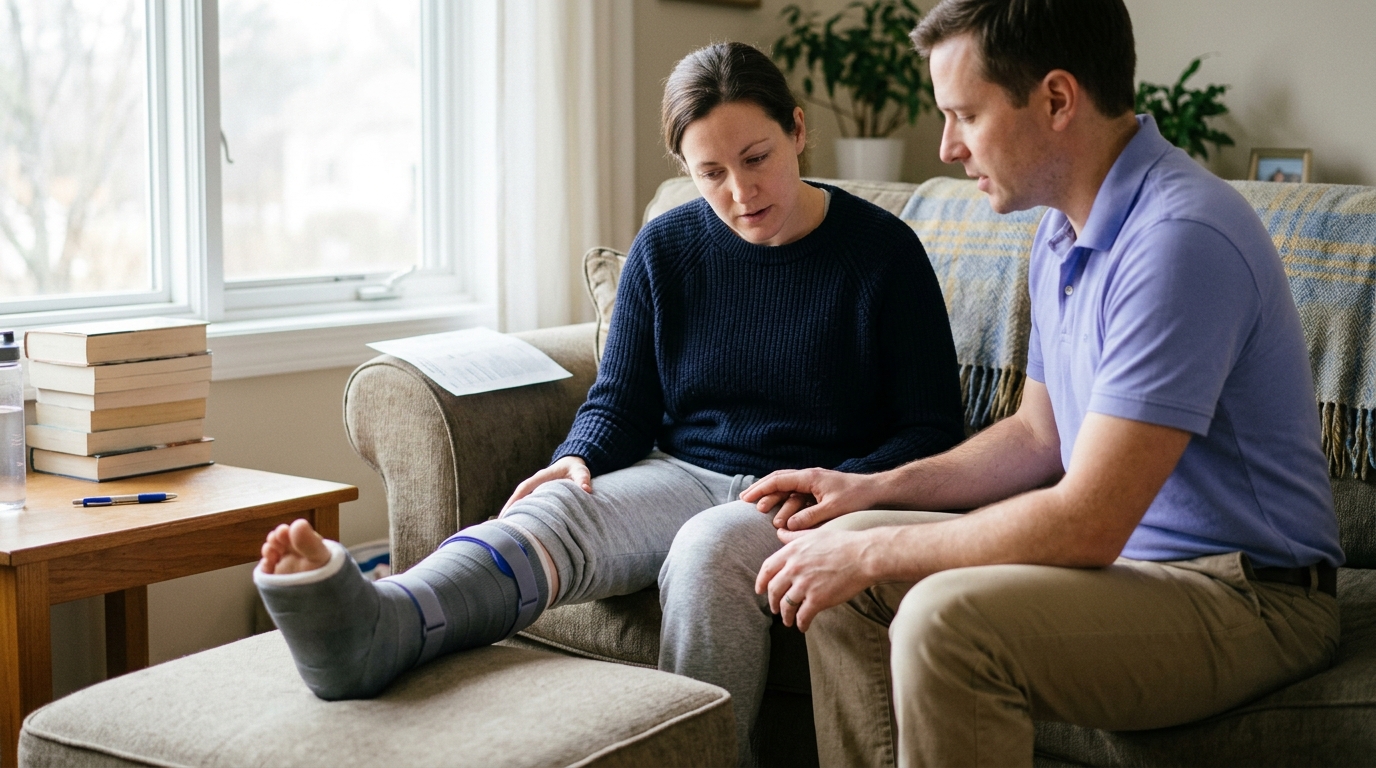
Physical exhaustion, major trauma, and extensive surgery temporarily stress the body, but they do not automatically make a person severely immunocompromised. For example, standard rehabilitation after surgery for an uncomplicated orthopedic procedure usually does not require extreme food restrictions. It does, however, call for diligent kitchen hygiene to avoid setbacks.
Certain foods carry a higher baseline risk of bacterial contamination due to how they are produced, harvested, or processed. For people with weakened immune systems, clinicians often advise avoiding these specific items or preparing them with extra care.
Raw or runny eggs, rare meats, and raw seafood carry elevated levels of bacteria like Salmonella, Campylobacter, and Vibrio.
Pasteurization uses heat to kill harmful bacteria in liquids and dairy products without compromising their nutritional value. Unpasteurized, or raw, milk and juices can harbor Listeria, E. coli, and Salmonella.
Soft cheeses made from unpasteurized milk, such as unpasteurized feta, brie, camembert, and blue-veined cheeses, pose a particular risk for Listeria. Always check product labels to confirm that cheeses and fruit juices are made with pasteurized milk or ingredients.
Ready-to-eat deli meats, hot dogs, and cold cuts can become contaminated with Listeria monocytogenes after processing. Unlike most bacteria, Listeria can grow and multiply at standard refrigerator temperatures.
For individuals at higher risk of infection, health authorities recommend heating deli meats, hot dogs, and luncheon meats to steaming hot (165°F) before eating. Pre-made deli salads containing chicken, tuna, egg, or pasta should be avoided unless prepared fresh at home under strict sanitary conditions.
Raw sprouts, including alfalfa, clover, radish, and mung bean sprouts, require warm, humid conditions to grow. Unfortunately, these conditions are also ideal for the rapid growth of Salmonella and E. coli. Because bacteria can be trapped inside the sprout seeds before growth, washing raw sprouts does not make them safe. High-risk individuals should only consume sprouts that have been thoroughly cooked.
Fresh fruits and vegetables are essential for recovery, but they must be washed thoroughly. Pre-cut melon left at room temperature can also support bacterial growth. Melon should be sliced fresh and refrigerated promptly.
Distinguishing foodborne illness from general surgical recovery or medication side effects can be challenging. Anesthesia, pain medications, and oral antibiotics frequently cause nausea, mild stomach cramps, or altered bowel habits. However, true foodborne illness typically presents with distinct, acute symptoms that require attention.
Common symptoms of foodborne infection include:
A recovering individual who develops foodborne illness faces a heightened risk of dehydration and metabolic imbalance. The CDC and NIDDK recommend seeking medical evaluation immediately if you experience any of the following warning signs:
For individuals with known immune suppression, kidney disease, or advanced age, waiting several days to seek help is dangerous. Contact your care team promptly upon the onset of gastrointestinal symptoms so they can evaluate fluid balance and determine whether medical therapy is necessary.
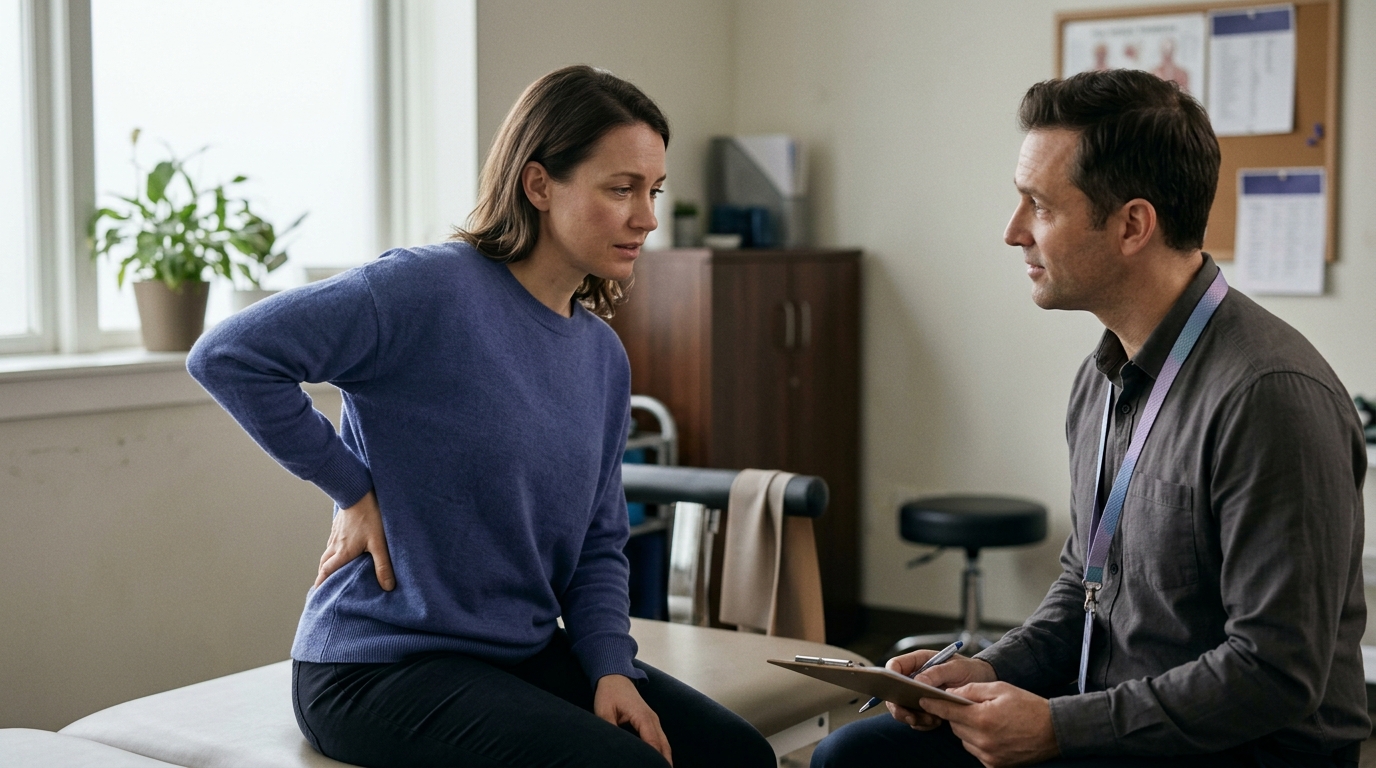
Navigating nutrition and safety after an illness or operation is best done collaboratively with your medical providers. Rather than guessing whether a specific food is safe, you can use a structured set of questions during your next clinic visit or discharge review.
Ask your doctor or surgeon: "Does my diagnosis, surgery, current treatment, or medication regimen make me more vulnerable to foodborne illness?"
This question establishes whether you are operating at standard baseline risk or if you have specific immune vulnerabilities. It prompts the provider to look at your full medical picture, including recent lab results and prescribed therapies.
Ask your provider: "Should I follow standard safe kitchen handling, or do I need to observe extra restrictions during this phase of recovery?"
This helps you understand whether ordinary clean, separate, cook, and chill practices are sufficient, or if you need to eliminate certain foods temporarily.
Ask your clinician or dietitian: "Are there particular items, like deli meats, soft cheeses, raw produce, or runny eggs, that I should avoid or heat to specific temperatures?"
This question yields clear, actionable guidance regarding high-risk food categories. It prevents confusion over whether you can eat fresh salads, store-bought sandwiches, or sushi.
Ask your care team: "When should we reassess these food guidelines, and what changes in my health status would signal that I can return to normal habits?"
Food safety guidelines for recovering patients are rarely permanent. Knowing the timeline helps you plan meals realistically and prevents unnecessary, long-term dietary restrictions.
Ask your team: "Given my current health condition, which gastrointestinal symptoms mean I should call your office or seek immediate care?"
Having a clear action plan in place ensures that you do not delay seeking help if dehydration or severe infection develops.
Ensuring food safety during recovery is often a team effort involving family members, caregivers, or meal-delivery volunteers. A shared understanding of common kitchen mistakes helps keep the home environment safe.
One of the most widespread misconceptions is that spoiled food always smells, tastes, or looks bad. While spoilage bacteria cause obvious changes in odor and texture, pathogenic bacteria like Salmonella and Listeria can multiply to dangerous levels without changing how food looks or smells. Never taste food to determine if it is still safe. Always rely on safe storage times and verified cooking temperatures.
Many people believe washing raw chicken or beef in the sink removes bacteria. In reality, rinsing raw meat spatters water droplets containing live bacteria across countertops, sinks, drying racks, and nearby foods. The only effective way to eliminate bacteria on meat is cooking it to the required internal temperature.
Leaving frozen meat or poultry on the kitchen counter to thaw allows the outer layers to enter the danger zone (40°F to 140°F) while the interior remains frozen. Bacteria can multiply rapidly on the warm outer surface.
Safe thawing methods include:
Using a single cutting board to prepare raw chicken and then slice raw tomatoes for a salad is a classic cross-contamination error. Even wiping the board with a damp cloth does not eliminate microscopic bacteria lodged in board grooves. Maintain color-coded boards for meats and produce, or thoroughly wash boards with hot, soapy water between tasks.
When preparing meals for a recovering family member, simplify routines to maintain safety without creating stress:
You can learn more about how our editorial team builds practical recovery guides by visiting the about the ReboundBody editorial process page.
Food safety during recovery centers on clear, consistent kitchen habits rather than extreme dietary deprivation. For most recovering adults, applying the core principles of cleaning, separating, cooking, and chilling provides excellent protection against common foodborne pathogens. Broad dietary restrictions are rarely necessary unless specifically recommended by your healthcare provider for an underlying immune condition or treatment.
By asking your medical team targeted questions about your individual risk, you can tailor your kitchen precautions to match your exact health status. Maintaining safe food habits protects your digestive system, supports steady healing, and prevents avoidable health setbacks.
When to revisit this resource: Review these food-handling guidelines whenever you or a family member prepare for a surgical procedure, start a new medication that affects immune function, or transition between different stages of medical recovery. Understanding your personal risk profile ensures that you nourish your body safely throughout the healing journey.

Use ReboundBody resources to understand common recovery stages, rehab terms, movement limits and strength rebuilding. Each guide is designed to make a complex comeback easier to understand.


Read practical guidance on injury recovery, rehabilitation, mobility and rebuilding strength as you work your way back to activity.
Explore Resources