
Pain-free rounds and long-term durability on the course come from dynamic warm-up routines, targeted core conditioning, and structured workload management for your swing.





Many people consider golf a gentle walk interrupted by occasional swings. That assumption often leads to poor preparation, sudden overuse, and preventable physical setbacks.
The golf swing is actually a fast, forceful, and asymmetrical movement. During a single swing, the body channels significant rotational and shear forces through the spine, hips, and upper extremities. Preparing for a round requires much more than swinging a club back and forth on the first tee. You need a structured approach to movement preparation, workload management, and physical conditioning.
The most effective framework for golf longevity revolves around five practical steps: prepare, dose, monitor, recover, and progress. First, prepare your body with an active warm-up that raises core temperature and moves major joints. Second, dose your total volume by managing how many balls you hit, how hard you swing, and how far you walk. Third, monitor physical fatigue, joint stiffness, and movement control during your session. Fourth, recover adequately between challenging practice sessions or rounds. Finally, progress your activity gradually by adjusting only one variable at a time after a layoff or injury.
This approach does not eliminate every risk or act as a medical guarantee. Golf injuries are complex and involve equipment, swing mechanics, previous health history, and tissue tolerance. However, managing your physical preparation and playing volume offers a realistic path to staying active on the course.
A standard golf swing takes less than two seconds to complete. Yet within that brief window, muscles from your feet to your neck must work in a coordinated sequence known as the kinetic chain.
When you swing, energy transfers from the ground through your lower body, into your pelvis and torso, and down through your arms into the clubhead. Research on swing mechanics shows that this rapid movement places substantial compressive and rotational forces on the lumbar spine. If your hips or mid-back lack adequate movement, your lower back often absorbs extra rotational strain to complete the turn.
The asymmetrical nature of golf creates unique physical demands. Golfers repeatedly rotate with high velocity toward one side of the body. Over hundreds of swings at the driving range or on the course, this one-sided loading can stress muscles, tendons, and joints that are not conditioned for repetitive force.
Understanding these mechanics helps explain why golf cannot be treated as passive leisure. Your body needs adequate strength, mobility, and tissue tolerance to handle the mechanical load of playing 18 holes.
Studies examining golf injuries show wide ranges in injury rates, largely due to different study methods and definitions. A systematic review on golf injuries found that between 13% and 60% of golfers reported at least one injury across various published studies.
The variation exists because some studies ask golfers to recall any minor ache over their lifetime. Other studies track medical visits or missed playing time over a single season. For
example, a prospective study tracking 910 amateur golfers over a season found an overall injury prevalence of 11.3%. In that same group, researchers calculated an injury rate of 3.79 injuries per golfer per year.
The study on 910 amateur golfers also evaluated which body regions caused the most lost playing time. The lower back accounted for the greatest burden, leading to 5.93 days of lost play per player per year. The shoulder was the second highest at 3.47 lost days, followed by the knee at 2.08 days.
Epidemiological research shows clear differences between recreational and professional players. A meta-analysis showed a lifetime injury prevalence of 73.5% among professional golfers compared to 56.6% in amateur golfers. Professionals hit far more balls each week and swing with higher clubhead speeds, which increases their cumulative physical exposure over time.
Upper body injuries represent a substantial portion of golf-related issues. Hospital emergency room data in the United States shows that the shoulder accounts for 24.8% of acute upper extremity golf injuries. The wrist represents 15.6%, and hand joints make up 12.0%.
Another comprehensive review of upper-body golf injuries noted that wrist issues comprise 13% to 20% of amateur injuries and up to 27% of professional injuries. Elbow complaints, including medial and lateral tendinopathy, account for 25% to 33% of amateur injuries but only 7% to 10% in professionals. These findings demonstrate that golf stresses the entire body, from the wrists and elbows up through the spine and down to the knees.
A critical skill for active golfers is telling the difference between normal muscle soreness and an actual injury. Muscle fatigue after an intense range session or a long walking round is common, especially early in the season.
Normal muscle soreness generally feels diffuse and symmetrical. It peaks within 24 to 48 hours after activity and gradually resolves with rest, light walking, and gentle movement. It does not cause sharp joint pain, swelling, or changes in how you walk or swing.
An overuse injury, by contrast, tends to produce localized pain in a specific tendon, joint, or ligament. The discomfort often sharpens during specific phases of the swing, such as the top of the backswing or the moment of impact with the turf. If pain lingers for several weeks or causes you to alter your swing mechanics, it represents an injury that needs attention rather than normal fatigue.
Ignoring persistent pain and attempting to play through it often leads to altered mechanics. When you change your swing to avoid an aching wrist or back, you transfer unexpected stresses to other joints. Recognizing joint-specific complaints early allows you to modify your workload before a minor issue causes missed time on the course.
Many golfers measure their activity purely by the number of holes they complete each week. However, total golf workload is a complex mix of several distinct physical demands.
To manage your physical load safely, you must track all the components that challenge your body. These variables include:
A dedicated range session often creates higher continuous mechanical stress than playing nine holes. On the course, swings are separated by several minutes of walking, riding, or waiting. At the driving range, players often hit 75 to 100 balls within 45 minutes with minimal rest between shots.
Hitting dozens of consecutive shots off hard artificial mats can repeatedly jar the wrists, forearms, and elbows. When you are planning your week, treat driving range practice as a demanding workout rather than light activity. Balancing your range time against your playing days is essential for steady injury prevention and staying active throughout the playing season.
A proper warm-up prepares your nervous system, elevates tissue temperature, and rehearses golf-specific movement patterns. Despite these benefits, research shows that many golfers skip preparation entirely.
A systematic review on golf warm-up behaviors revealed that between 35% and 71% of golfers rarely or never warm up before playing. In one facility-based study, 46% of golfers performed no preparation before hitting their first shot. Furthermore, only 17% of recreational golfers and 42% of professionals spent more than 10 minutes warming up.
The evidence connecting warm-up routines directly to injury prevention is mixed and observational. One observational study noted that golfers who warmed up for at least 10 minutes reported 0.43 injuries per year, compared to 1.02 injuries among those who did not. However, other studies find no clear link, partly because golfers with existing injuries often spend more time warming up to manage their symptoms.
While warm-up research shows mixed results for injury prevention, the evidence for swing performance is clearer. Dynamic warm-ups that use active, moving stretches improve swing speed, ball striking, and movement control. Conversely, holding static stretches for long periods before swinging can temporarily reduce muscular power and clubhead speed.
A comprehensive dynamic warm-up should take 10 to 15 minutes and follow a logical progression:
Spend 3 to 5 minutes performing light aerobic activity to increase heart rate and blood flow. A brisk walk from the parking lot, light cycling on a stationary bike, or marching in place with gentle arm swings works well. The goal is to break a light sweat and warm the muscles.
Perform controlled rotational movements to mobilize the thoracic spine, pelvis, and hips. Stand tall, hold a mid-iron across your chest, and slowly rotate your torso from side to side while keeping your hips relatively stable. Follow this with standing hip circles and leg swings forward, backward, and side to side to loosen the hip joints.
Engage the large stabilizing muscles that support the golf swing. Perform 10 bodyweight squats to wake up the quads and glutes. Add 10 standing calf raises and a set of gentle lunges with a slight torso rotation over the front leg.
Loosen the shoulders, forearms, and wrists to absorb club impact. Perform large, smooth arm circles forward and backward. Extend your arms forward and move your wrists through flexion, extension, and circular motions to prepare the forearm tendons.
Grab a short club, such as a pitching wedge or 9-iron. Take several smooth, slow rehearsal swings at roughly 50% effort, focusing on rhythm and balance. Gradually increase your swing speed and progress to longer clubs, finishing with your driver at normal playing speed.
Learning to move your joints through full, controlled ranges is a cornerstone of rehabilitation and mobility resources. Spending 10 minutes on this sequence ensures your body is physically ready for the first tee box.
The lower body serves as the physical foundation for every golf swing. Your legs and pelvis generate ground reaction forces and transfer that power upward through the torso.
Conditioning the hips and lower body helps you maintain balance and posture through the entire swing arc. In the modern golf swing, the hips rotate rapidly while the core muscles work to stabilize the lumbar spine. If your hips lack strength or mobility, your lower back is forced to twist beyond its comfortable limits to generate power.
A study evaluating golfers with and without a history of lower back pain found measurable differences in muscular function. Golfers with previous back pain exhibited reduced trunk-extension strength, weaker hip adduction, and less rotational mobility toward the non-lead side. A related study noted that trail-hip extension and abduction strength played a key role in pelvis rotation speed.
These small studies show associations rather than absolute causes of pain. However, they highlight the value of maintaining balanced strength throughout the hips, glutes, and abdominal wall.
A general off-course conditioning program should emphasize foundational movement patterns:
Improving baseline strength allows your body to absorb repetitive swing stresses without breaking down. Exploring strength rebuilding and return to sport strategies can help you structure your weekly workouts alongside your playing schedule.
Golf places unique mechanical demands on the hands, wrists, forearms, and elbows. Every time the club impacts the ball or turf, shock waves travel up the shaft into your upper extremities.
Elbow complaints are particularly common among recreational golfers. Medial epicondylalgia, often called golfer's elbow, affects the tendons on the inside of the elbow that control wrist flexion and gripping. Lateral epicondylalgia, or tennis elbow, affects the outer elbow tendons that manage wrist extension and occurs frequently in amateur players who cast the club or hit the ground before the ball.
Wrist injuries often stem from sudden deceleration, such as hitting a hidden tree root, taking a heavy divot in deep rough, or practicing on firm driving range mats. The lead wrist undergoes rapid deviation and rotation during the downswing, making it vulnerable to repetitive strain.
To protect your upper body during practice and play, consider these practical adjustments:
There is no single proven grip-strength threshold that guarantees freedom from elbow or wrist pain. Managing your total volume of swings and taking brief pauses between shots remains the most reliable strategy for protecting your upper extremities.
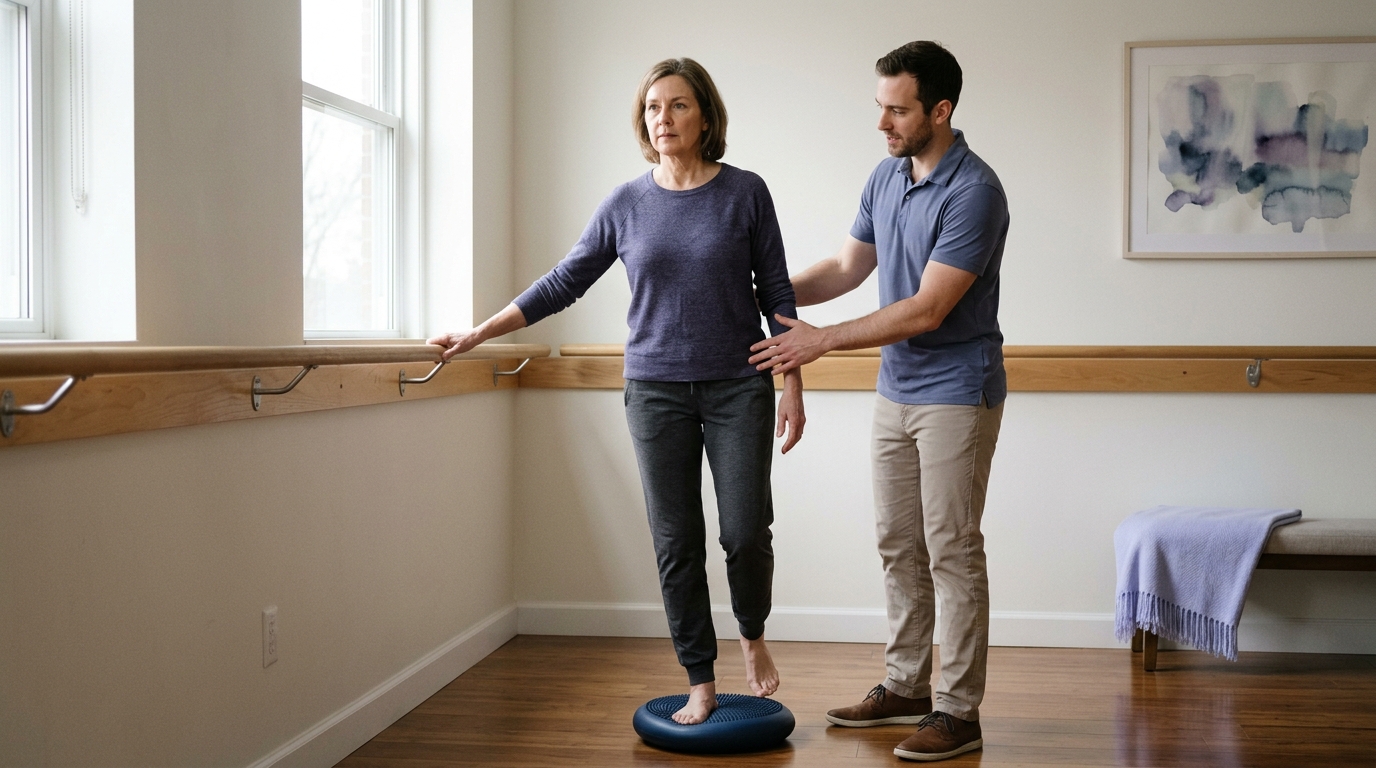
Returning to golf after a long winter layoff, surgery, or musculoskeletal injury requires a patient, graded approach. Jumping directly into an 18-hole round with a full-effort driver swing invites reinjury.
The golden rule of sports progression is to adjust only one primary workload variable at a time. If you increase the number of balls you hit, keep your swing speed low. If you increase your swing effort, keep the total ball count small. Do not increase your practice volume, swing speed, club length, and walking distance on the same day.
The principles of recovery science show that tissues adapt best to gradual, progressive physical loads. The following examples illustrate how to apply gradual progression across common golf scenarios.
A golfer has not swung a club for four months. On the first warm weekend of spring, they want to hit a large bucket of balls and walk 18 holes immediately.
A safer progression breaks this return into three phases:
A player experienced forearm and wrist pain that resolved after several weeks of rest. They want to resume full practice.
Rather than hitting a full bucket of range balls off hard mats, the player should:
A golfer in their fifties notices back tightness that worsens after hitting long irons or walking 18 holes.
To manage this recurring pattern, the golfer can:
An older player wants to continue playing two to three times a week while managing age-related changes in joint flexibility and recovery speed. As discussed in our articles on active aging and prevention, maintaining strength and joint range of motion becomes increasingly vital with each decade.
This player can stay healthy by:
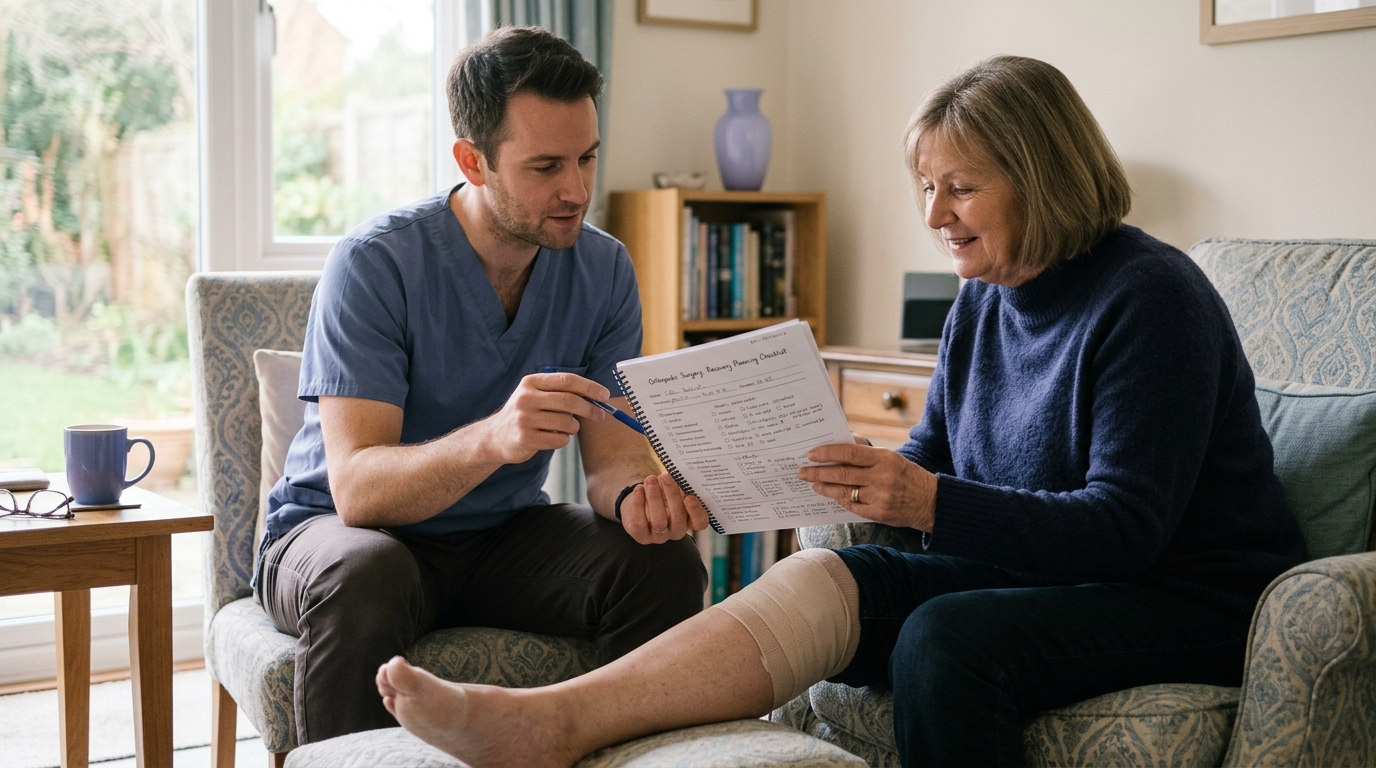
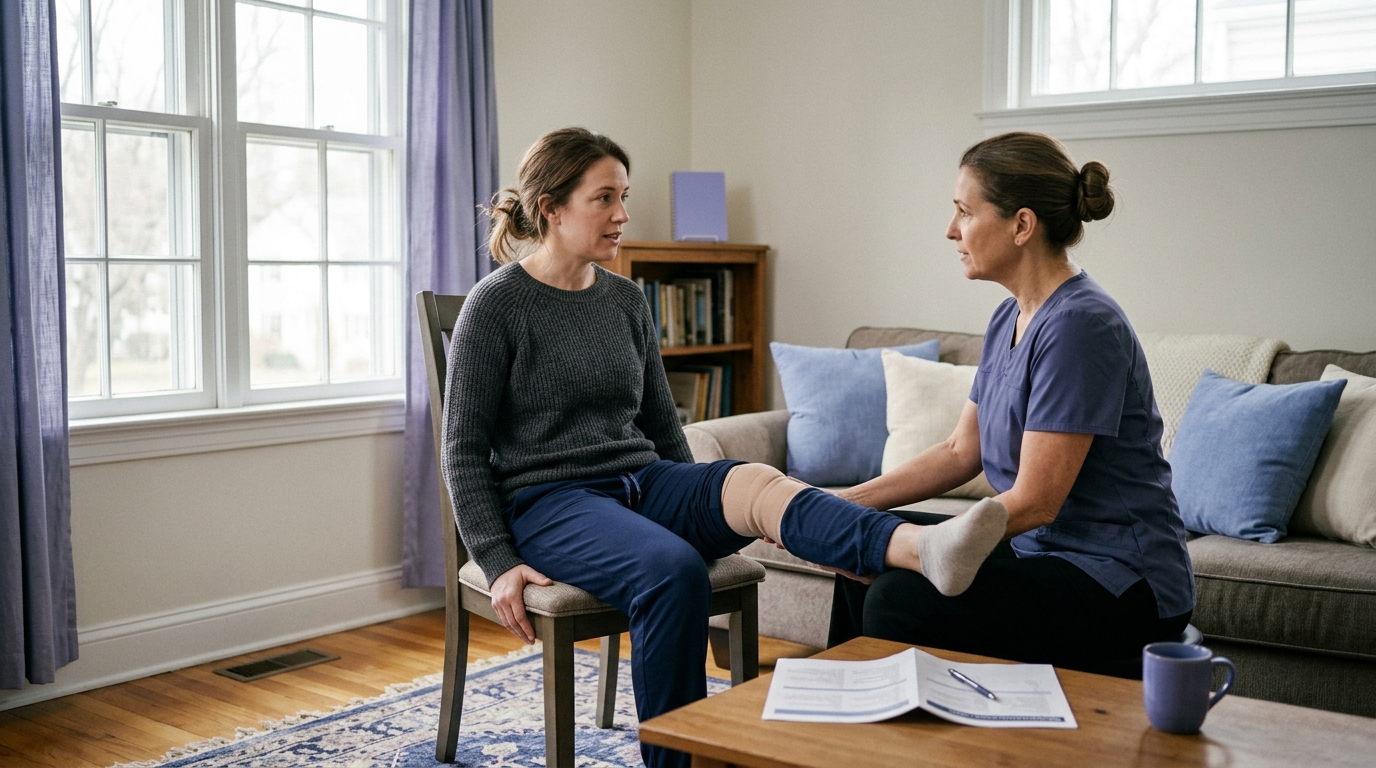
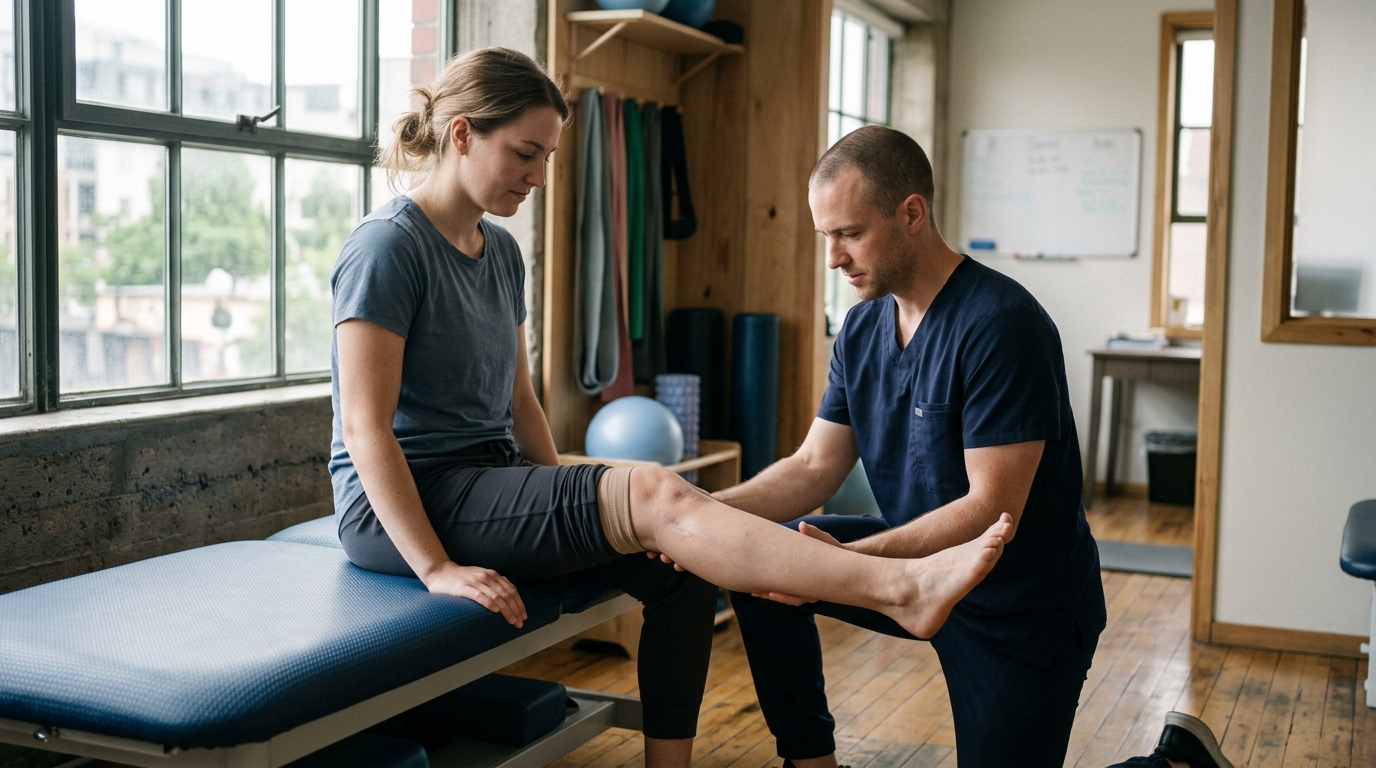
If you are recovering from an orthopedic injury, experiencing chronic joint pain, or returning to the course after surgery, work closely with a healthcare provider. A physical therapist, sports medicine physician, or orthopedic specialist can provide an individualized assessment of your physical readiness.
Consider bringing the following practical questions to your next clinical appointment:
Having an open conversation with your healthcare provider ensures that your return-to-golf plan aligns with your tissue healing and overall health status.
Golf is a rewarding sport that offers excellent cardiovascular and social benefits for adults of all ages. However, the physical demands of the swing and the cumulative volume of practice require thoughtful preparation and load management.
You cannot rely on static stretching on the first tee to keep your body healthy. By implementing a consistent dynamic warm-up, building lower-body strength, managing your weekly practice volume, and progressing gradually after time away, you can support your physical longevity on the golf course.
Taking a structured, patient approach to physical preparation ensures that your body remains capable of enjoying the game for decades to come.

Use ReboundBody resources to understand common recovery stages, rehab terms, movement limits and strength rebuilding. Each guide is designed to make a complex comeback easier to understand.


Read practical guidance on injury recovery, rehabilitation, mobility and rebuilding strength as you work your way back to activity.
Explore Resources