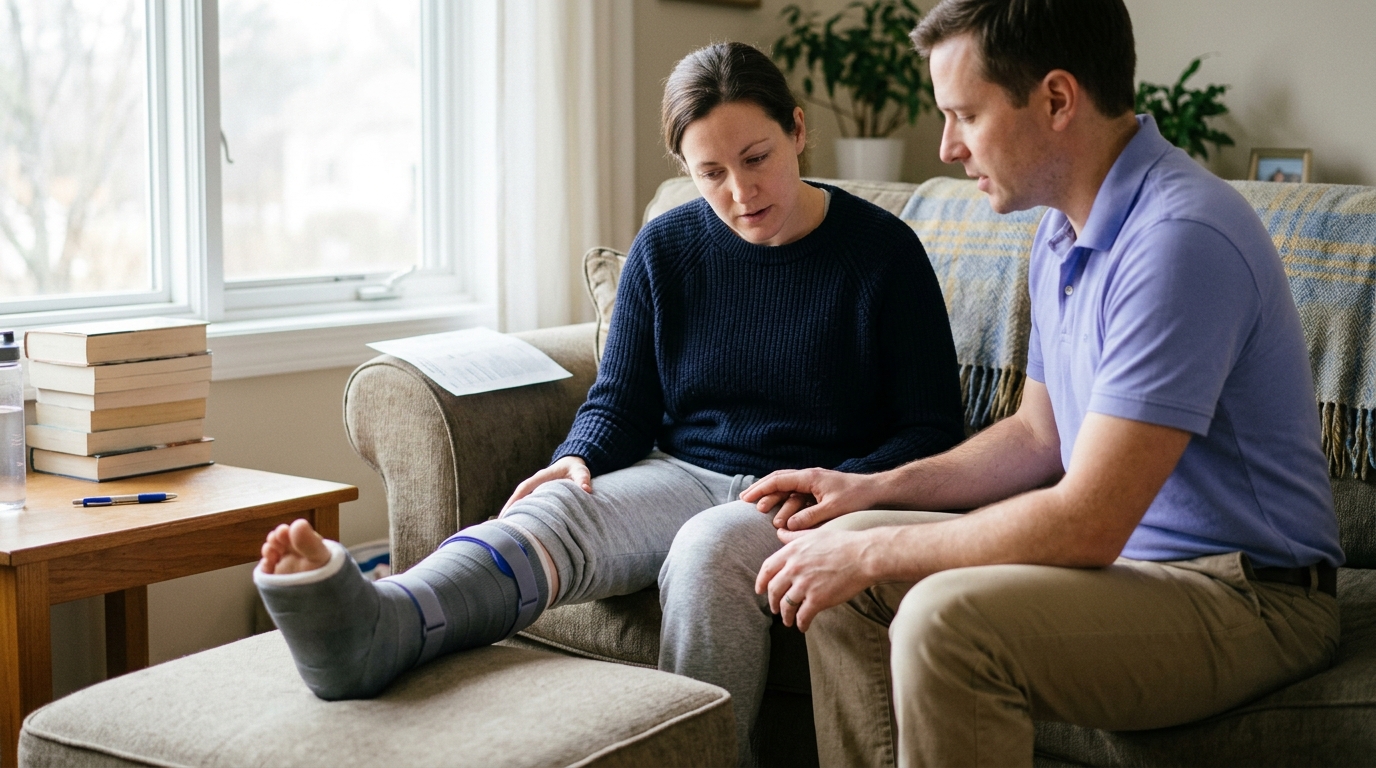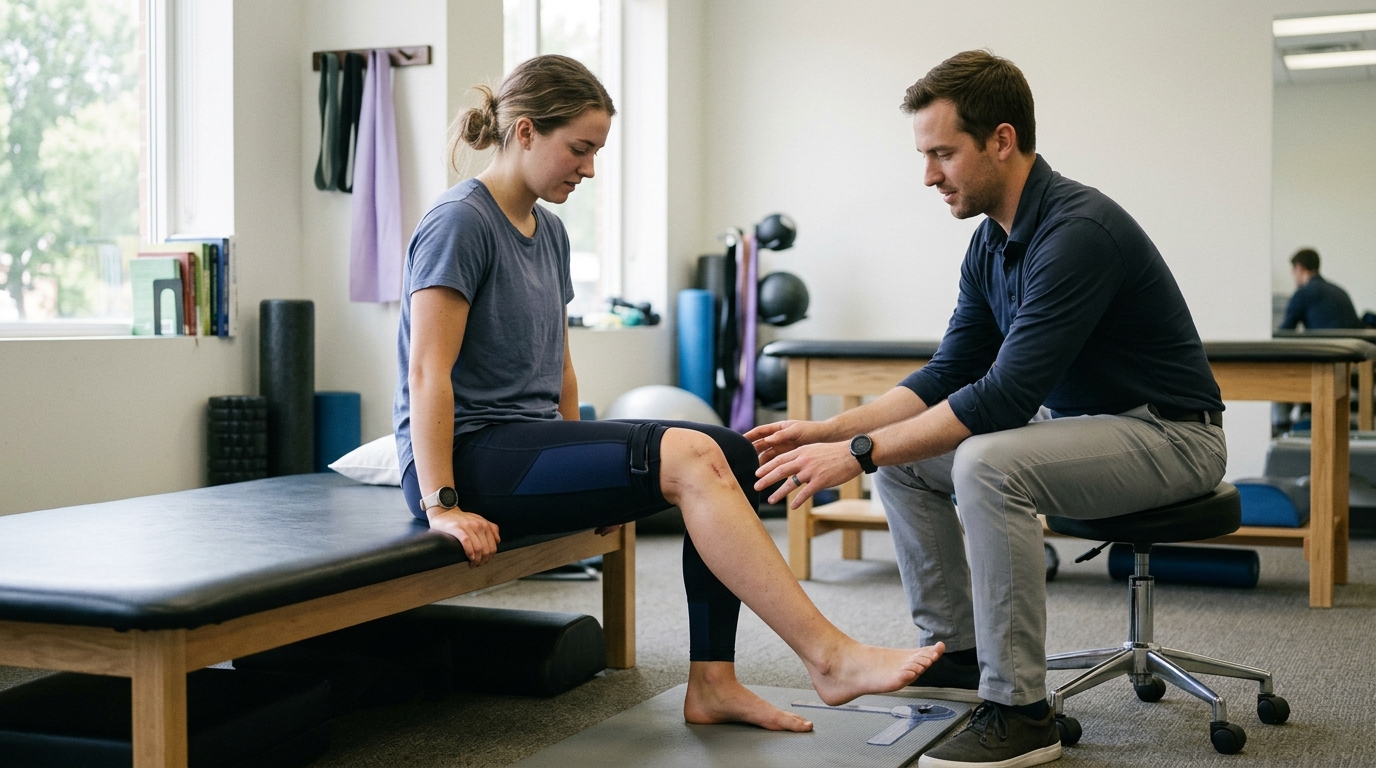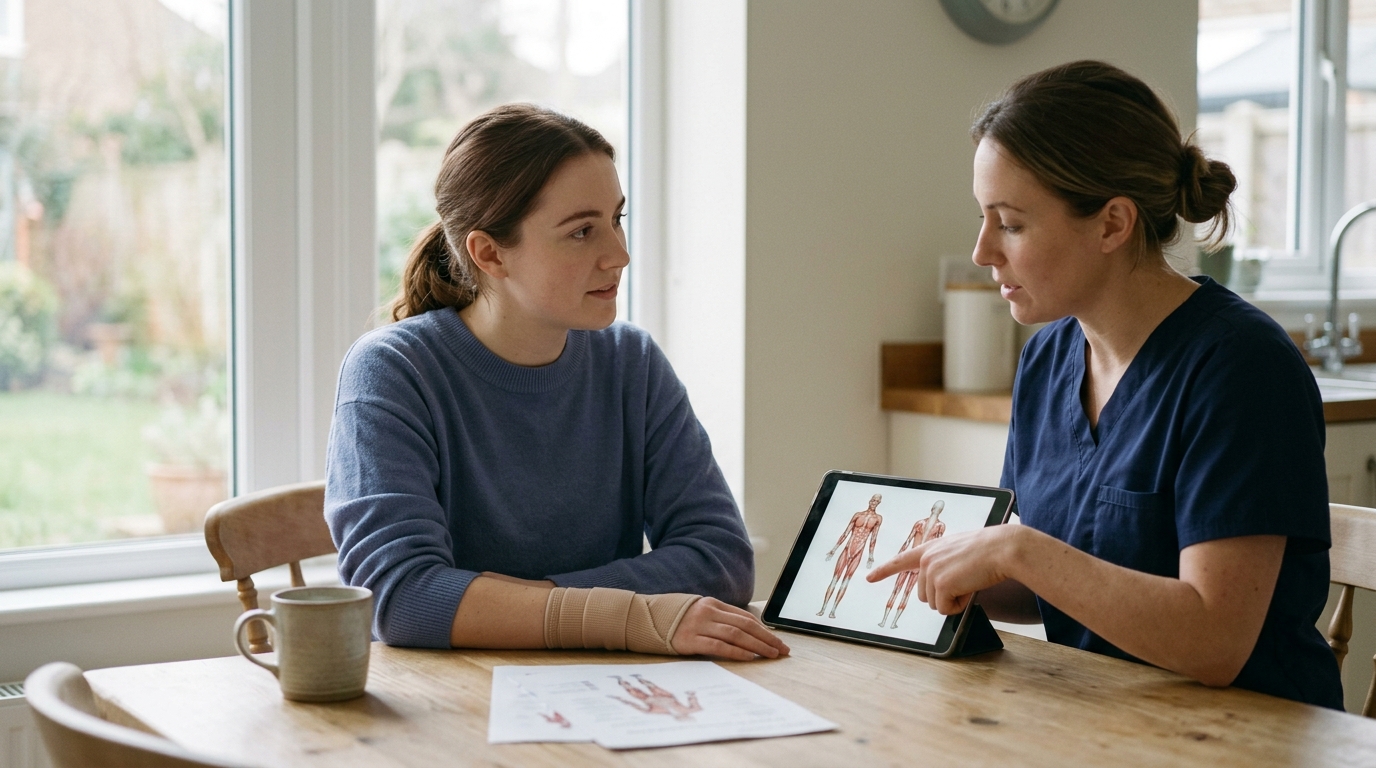

Full functional independence after hip replacement surgery comes from mastering safe daily movement techniques, proper precautions, and structured rehabilitation milestones.





You wake up after surgery with a new joint, a bandage on your hip, and a walker standing near the foot of your bed. The initial relief of completing the procedure quickly gives way to practical questions about the weeks ahead. You wonder when you will walk without a limp, when you can drive to the store, and when your hip will feel normal again.
Recovery from total hip replacement is a gradual process of tissue healing, muscle rebuilding, and daily adjustment. Most people achieve basic independence with daily tasks within four to eight weeks, but regaining full physical endurance, strength, and confidence often takes six to twelve months. Recovery is shaped by your baseline health, your surgical approach, your work demands, and your adherence to guided physical therapy.
Because every surgical plan is customized, there is no single universal timeline. A calendar date cannot tell you whether a movement is safe for your joint. This guide outlines what clinical evidence shows about recovery, how to navigate everyday tasks safely, and how to work with your care team to build a steady path forward.
Total hip replacement, also called total hip arthroplasty, involves removing damaged bone and cartilage from the hip joint and replacing them with prosthetic components. In an elective primary hip replacement, an artificial socket is seated in your pelvis, and a metal stem with a ball is placed into your thigh bone. The goal of this surgery is to relieve joint pain, restore stable alignment, and help you return to regular movement.
Healing and functional recovery occur on different timelines. Healing refers to the biological repair of skin, soft tissues, and bone integration around the implant. Functional recovery describes your ability to walk smoothly, climb stairs, lift objects, and complete daily tasks without excessive fatigue or pain.
According to guidance from the National Health Service (NHS), superficial wound healing often takes four to six weeks. Soft tissues surrounding the joint capsule continue to repair and strengthen beyond that initial window. Bone integration and deeper muscle rebuilding commonly progress for up to six months or longer.
Functional milestones matter far more than rigid calendar dates when assessing your readiness for each phase of life. The American Academy of Orthopaedic Surgeons (AAOS) outlines key functional goals you should meet before leaving the hospital or surgical center:
Meeting these discharge goals does not mean your recovery is finished. It simply means you can safely transition to rehabilitation and mobility resources at home.
Recovery from a primary hip replacement follows a different trajectory than recovery from revision hip replacement. Revision surgery involves repairing or replacing an existing prosthetic implant that has worn down, loosened, or become infected. Research from MedlinePlus indicates that revision surgery is technically more complex, carries higher complication risks, and requires a longer, more cautious rehabilitation timeline.
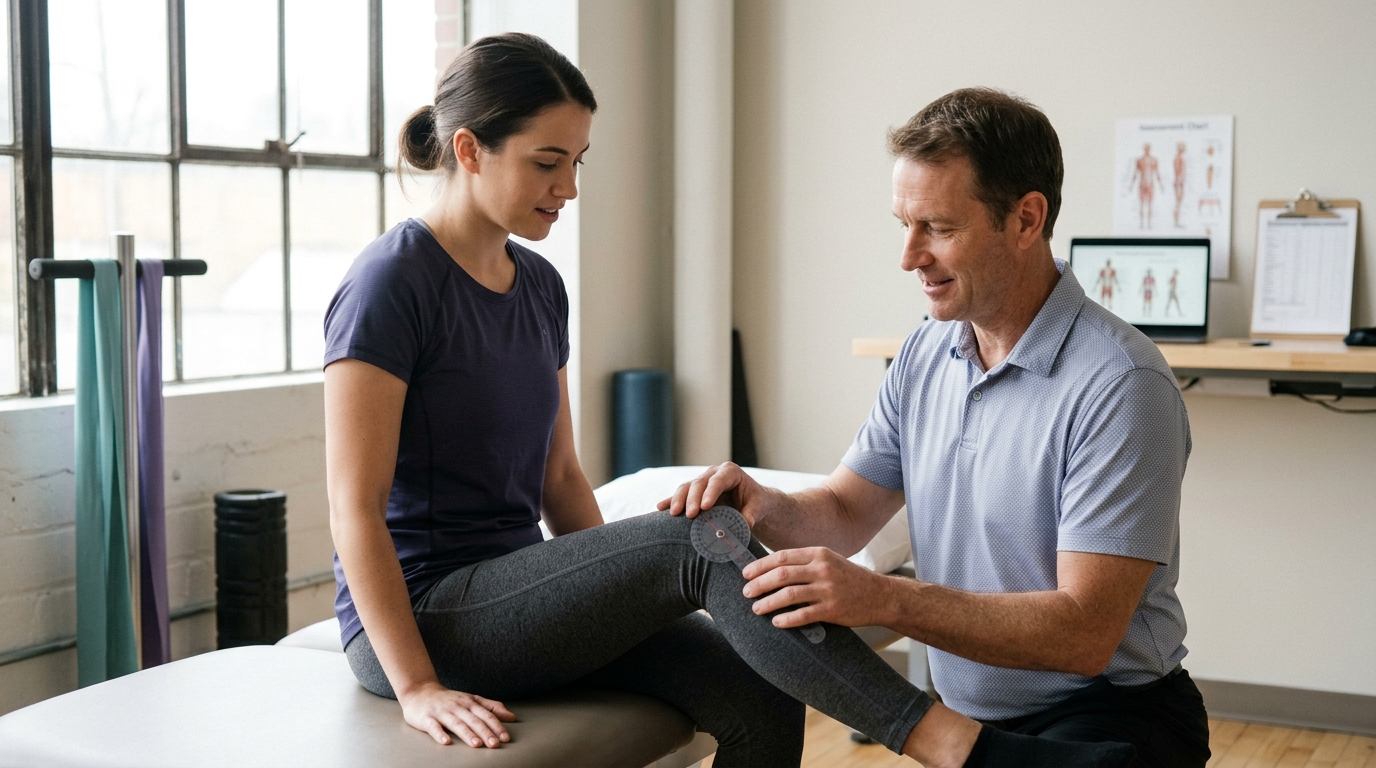
Rehabilitation is defined as a structured, goal-directed program of physical activity designed to reduce impairments and improve movement-related function under professional guidance. While nearly all patients show significant functional gains after surgery, research shows that progress unfolds differently across various physical measures.
A systematic review published in Physical Therapy examined physical recovery patterns after total hip arthroplasty. The researchers evaluated perceived physical functioning, objective functional capacity, and daily physical activity over time:
These findings show that how you feel, how well you perform a specific physical test, and how much you move throughout the day do not progress at identical rates. Gaining joint comfort does not instantly restore your pre-injury walking volume.
Rehabilitation trials also show wide variation in how recovery is measured. A systematic review evaluating outcome measures in orthopedic rehabilitation found that patient-reported outcomes were tracked in 92% of analyzed trials, utilizing 102 distinct assessment tools. This variability explains why different clinical studies report slightly different recovery benchmarks.
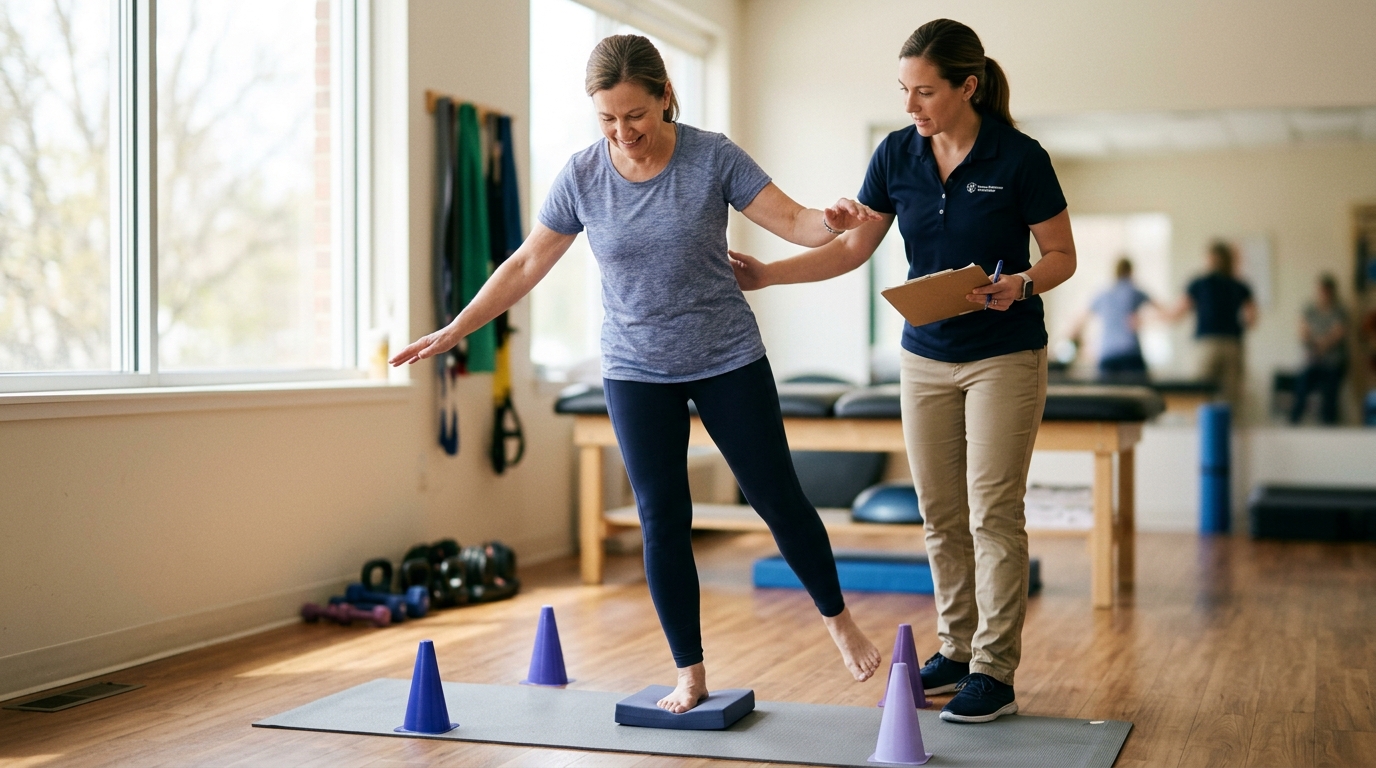
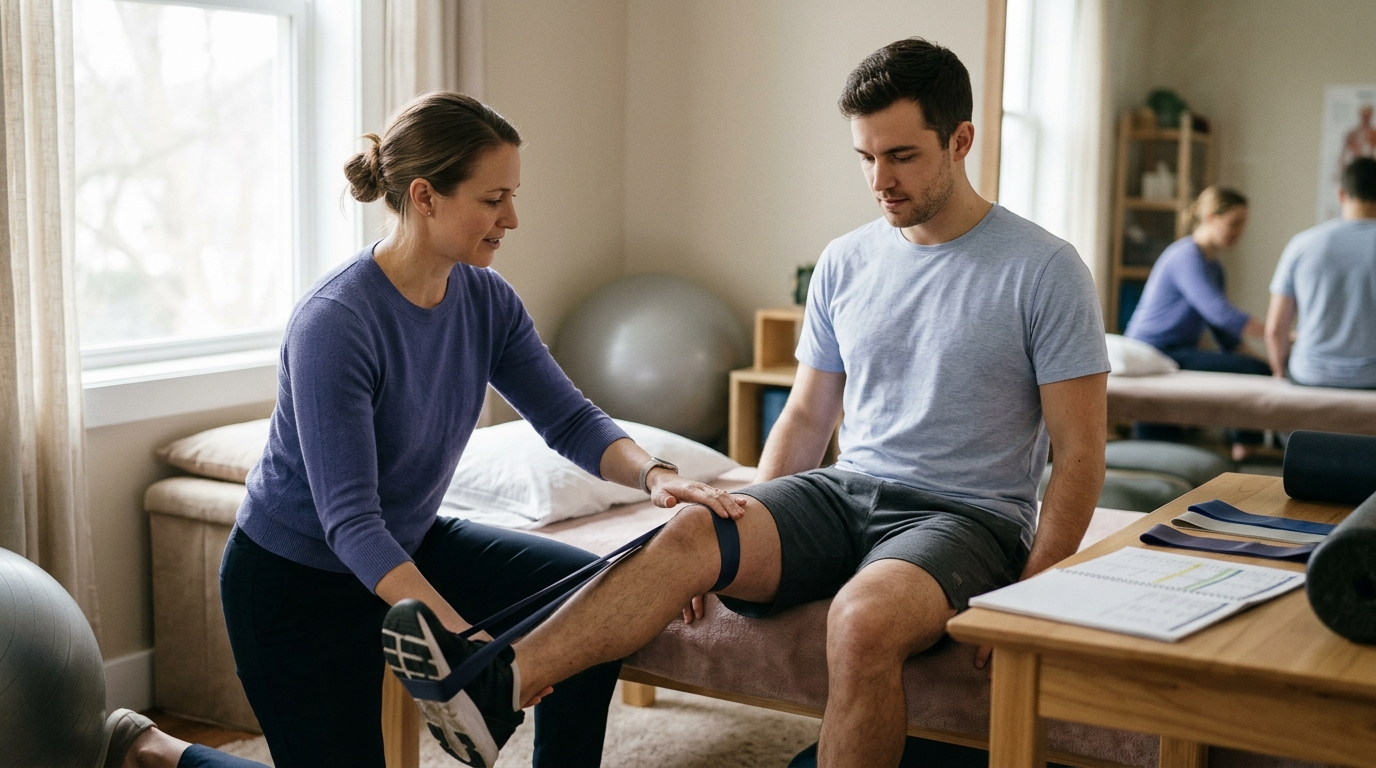
Structured postoperative exercise provides clear early benefits. Research indicates that targeted exercises produce short- to mid-term improvements in hip abduction strength and early patient-reported mobility. Hip abductor muscles, located on the outer side of your hip, are essential for pelvic stability during walking. However, evidence regarding long-term strength differences and hip flexion gains remains mixed across the literature.
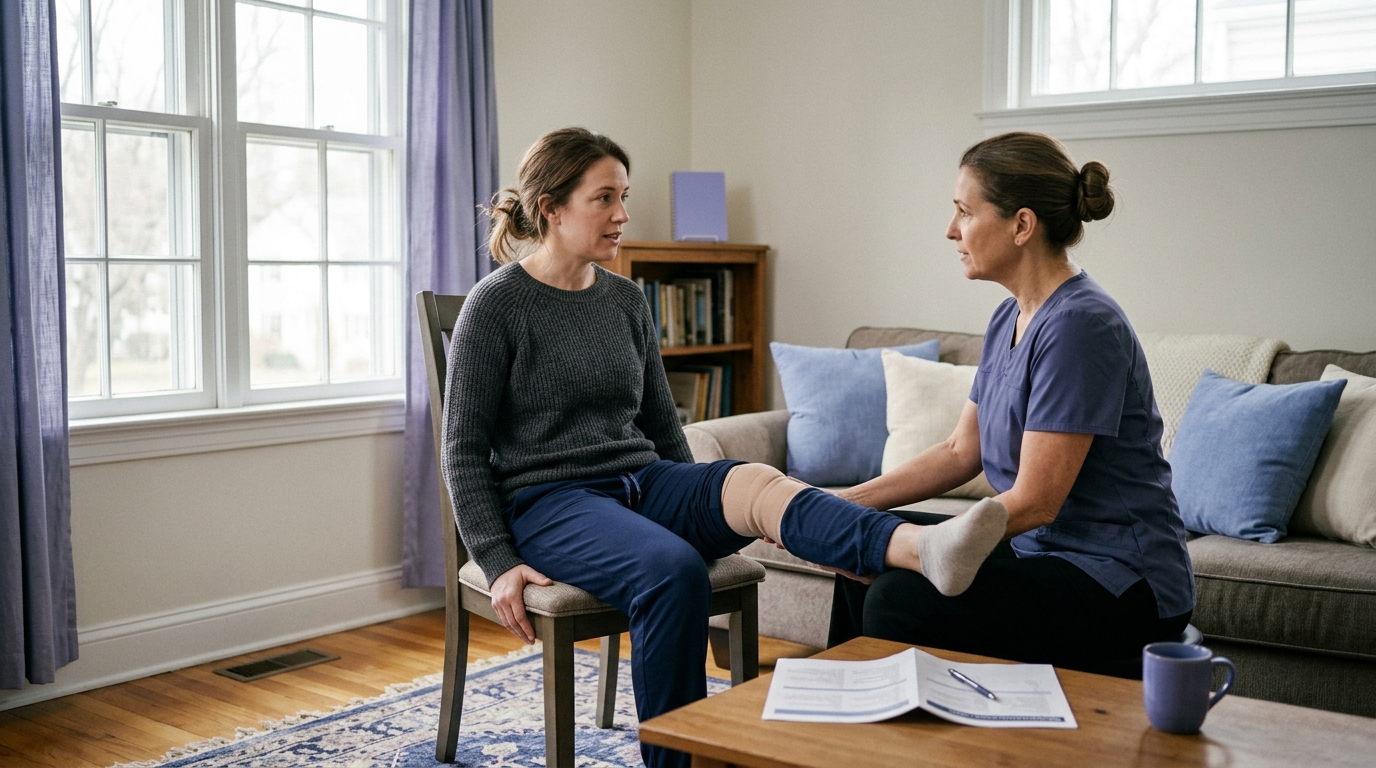
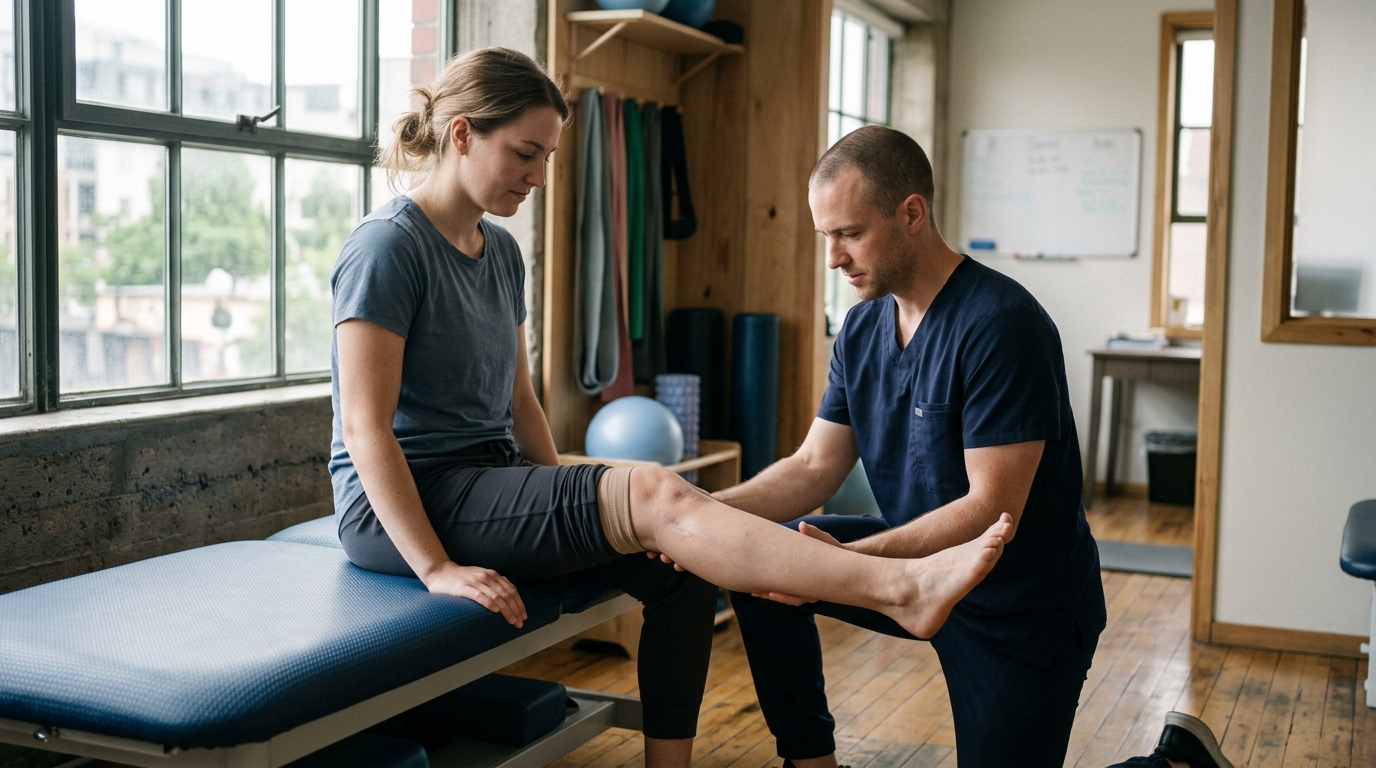
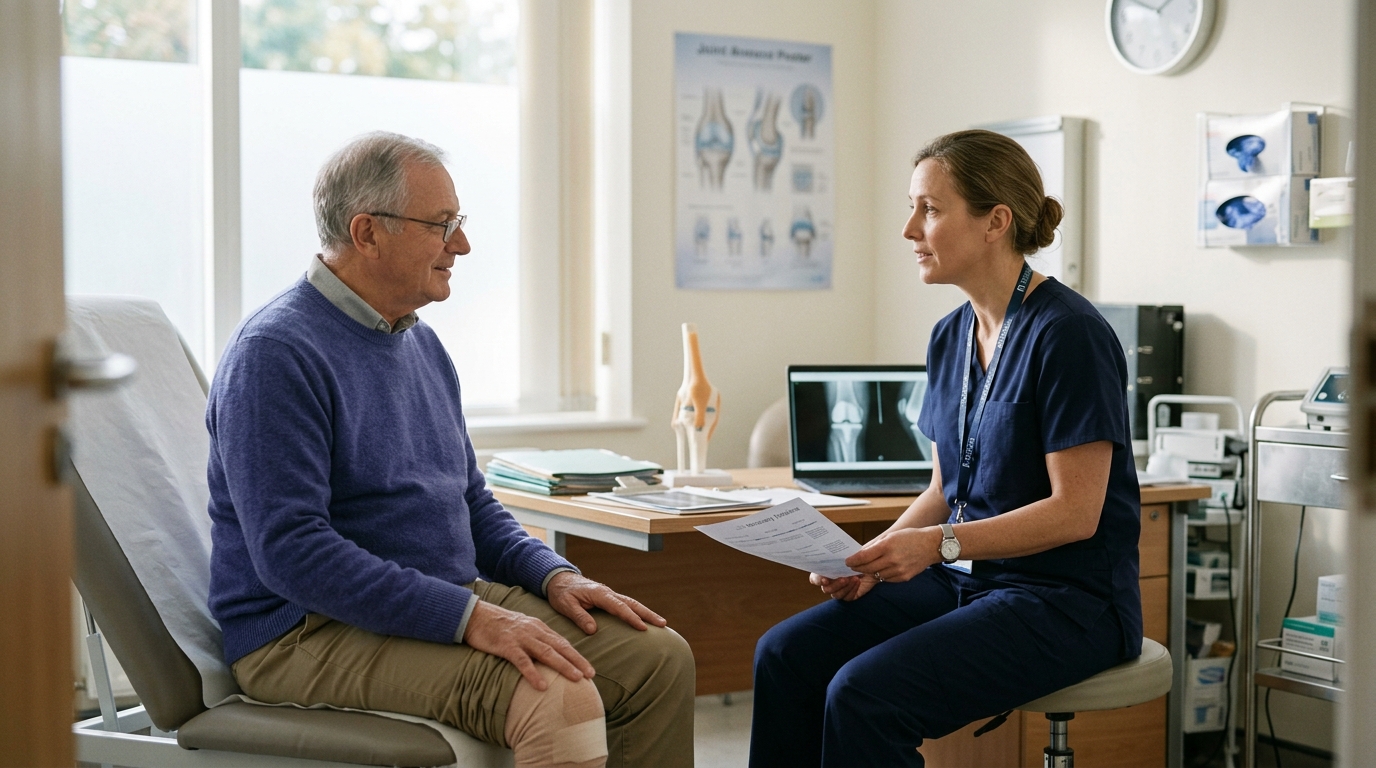
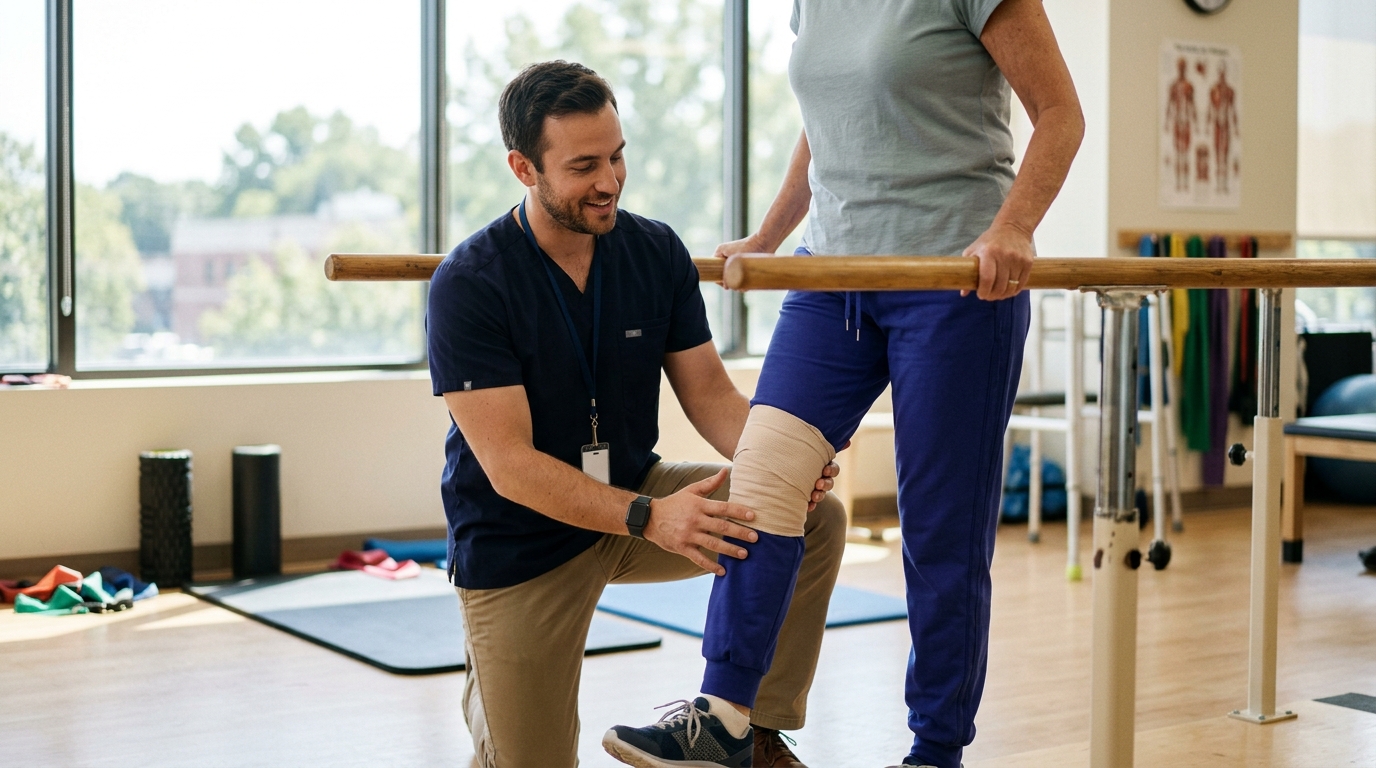
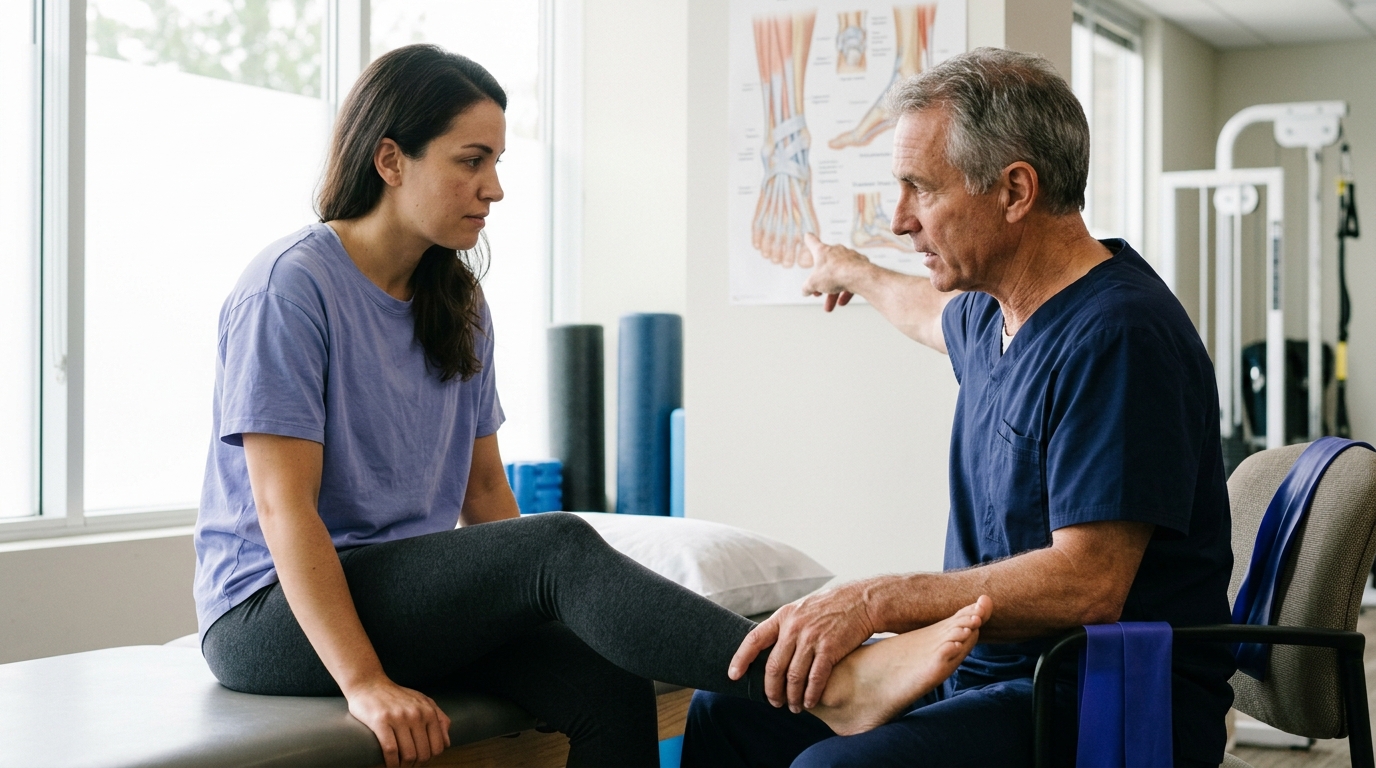
The National Institute for Health and Care Excellence (NICE) recommends that rehabilitation advice be personalized prior to hospital discharge. Your care plan may include self-directed home exercises or supervised outpatient physical therapy depending on your surgical approach, your mobility status, and your individual support needs. Regular, moderate movement supported by structured surgical comeback strategies consistently outperforms prolonged bed rest.
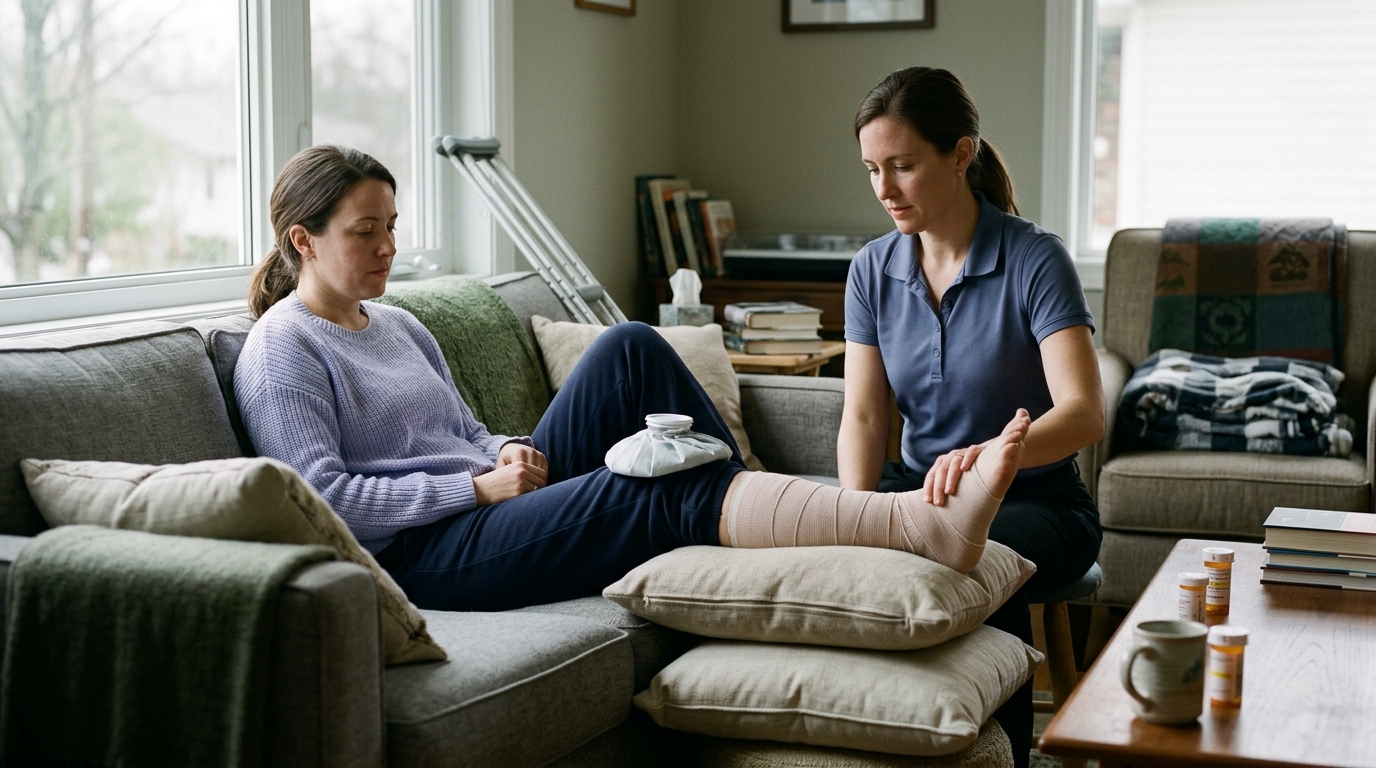
Managing daily tasks during the first few weeks requires planning, patience, and clear physical strategies. Setting up your living space before surgery reduces unnecessary joint strain and prevents accidental falls.
Walking is a cornerstone of early recovery. Guidance from the AAOS and NHS emphasizes walking regularly throughout the day within your comfort limits. Walking promotes healthy blood circulation, reduces stiffness, and helps restore normal gait mechanics.
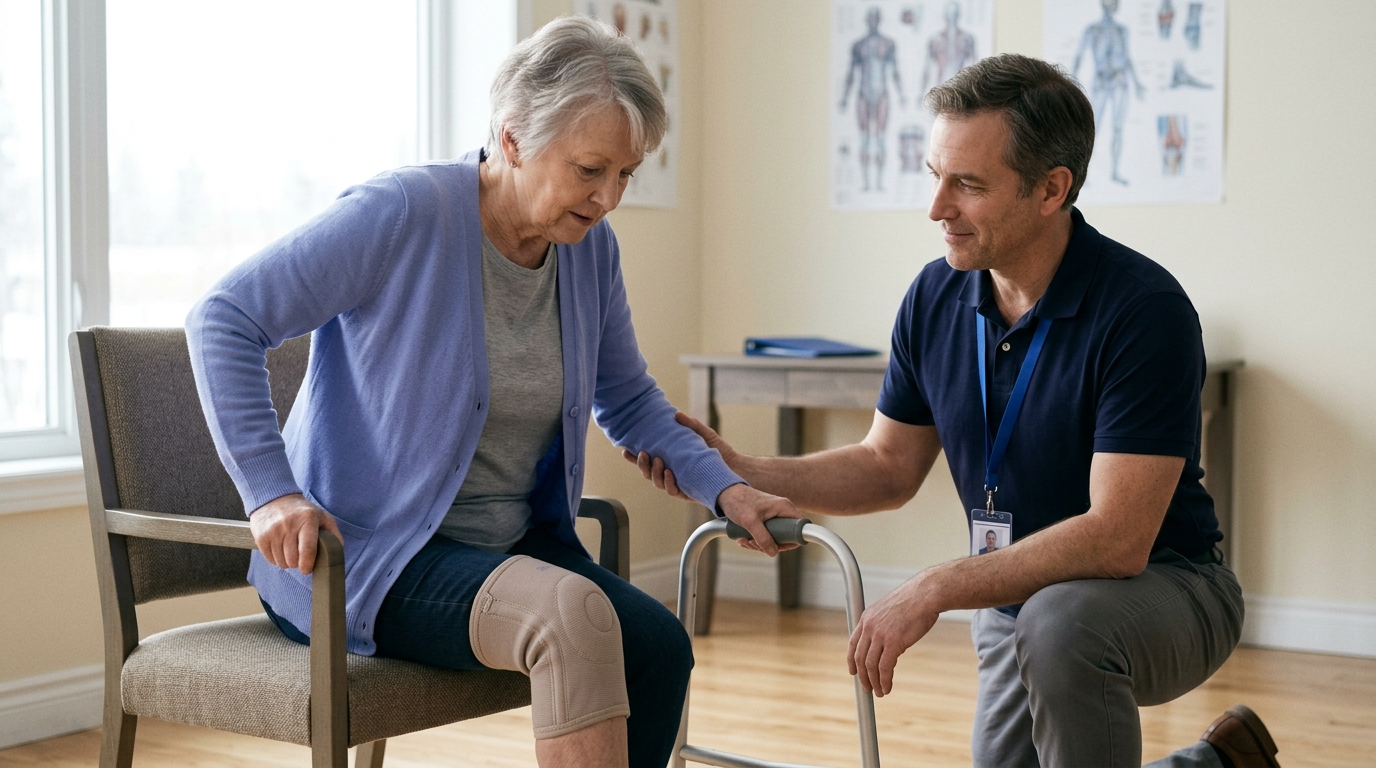
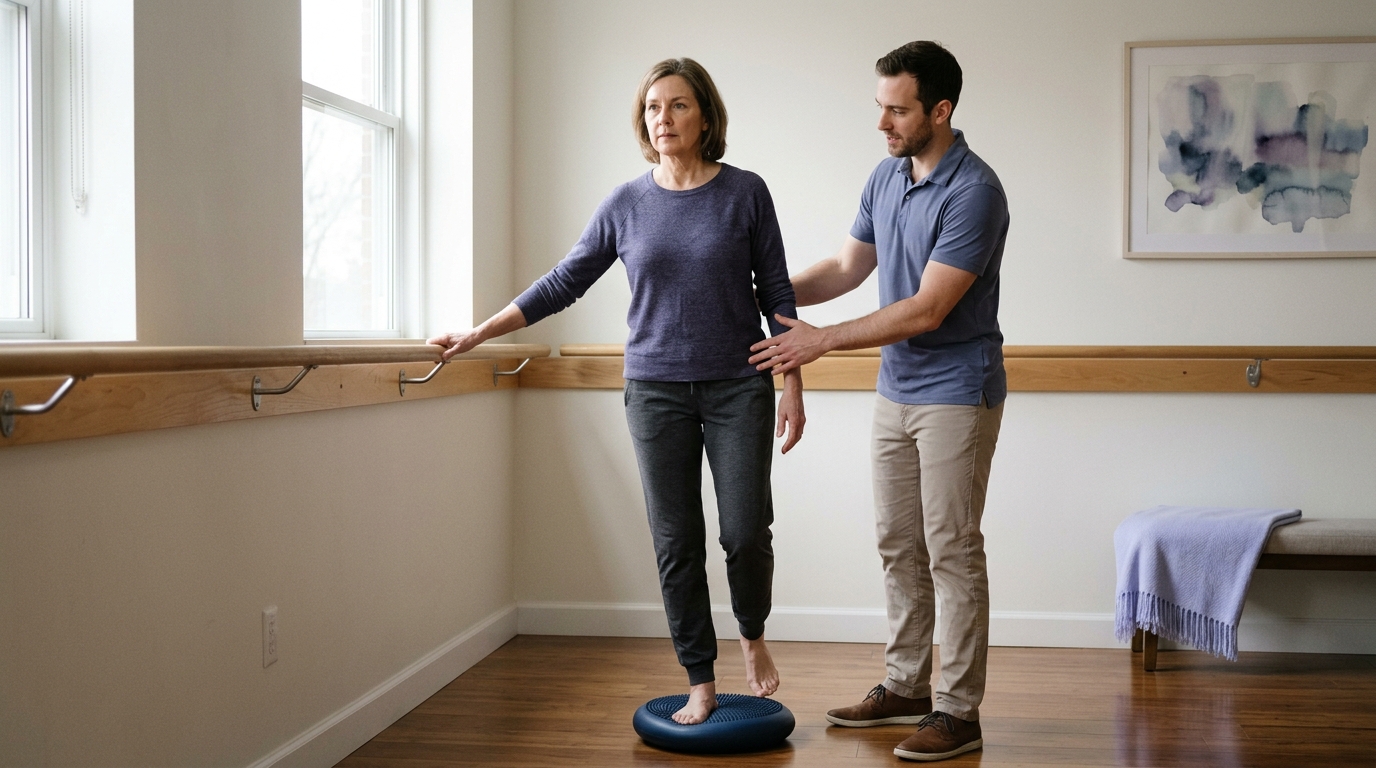
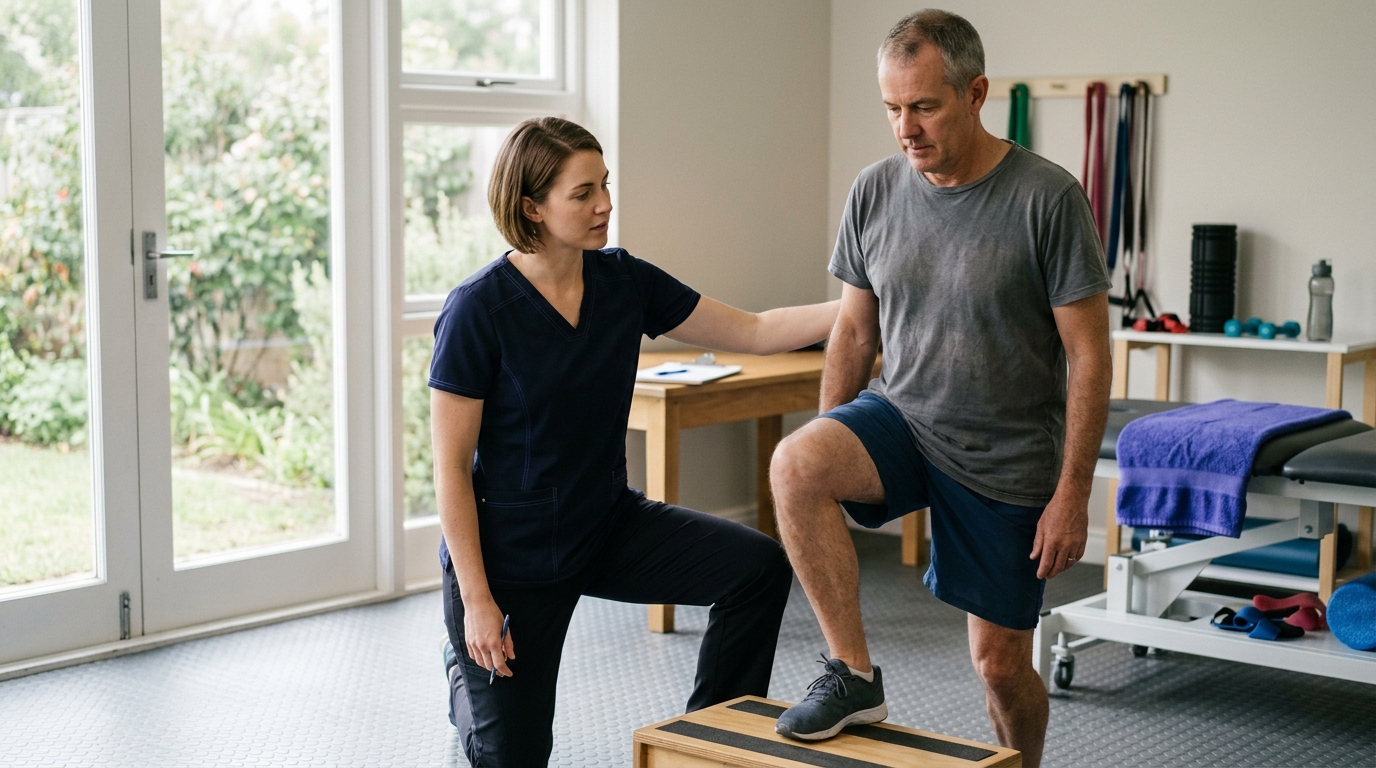
Using a walker, crutches, or a cane is normal during early recovery. You should not rush to abandon your walking aid simply to meet an arbitrary date. An assistive device ensures you do not develop a persistent limp while your gluteal muscles regain strength. Your physical therapist will assess your gait and advise you when it is safe to transition from a walker to a single-point cane, and eventually to independent walking.
Stairs can feel daunting after hip surgery, but using the correct movement sequence protects your healing joint. NHS clinical guidance outlines a simple pattern for managing stairs with a handrail:
Low, soft couches can make standing up difficult and may force your hip into deep flexion. Use firm chairs with sturdy armrests and a seat height that keeps your knees level with or slightly lower than your hips.
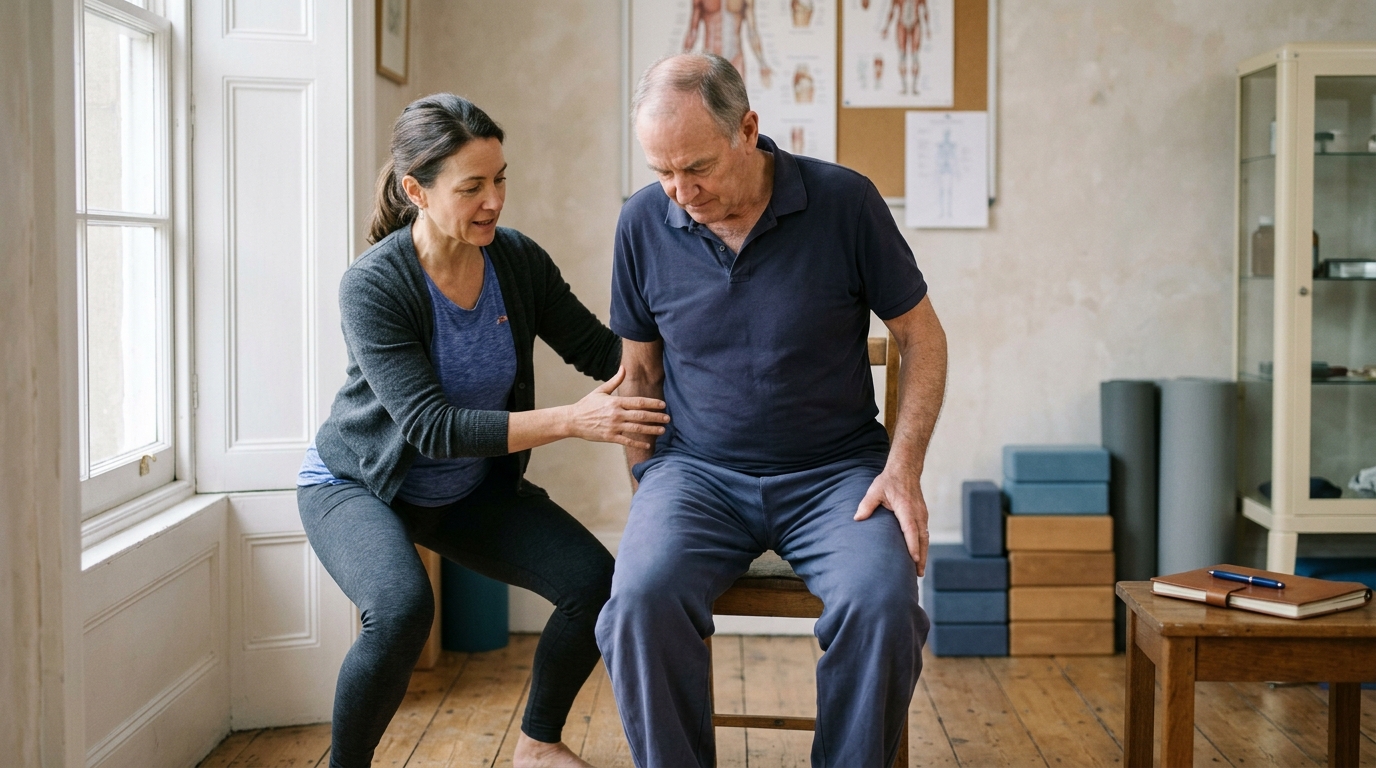
When sitting down, back up until you feel the chair against the back of your legs. Slide your operated foot slightly forward, grasp the armrests, and lower yourself gently. When getting out of bed, move slowly toward the edge, keeping your torso upright and your legs close together as you pivot to a seated position.
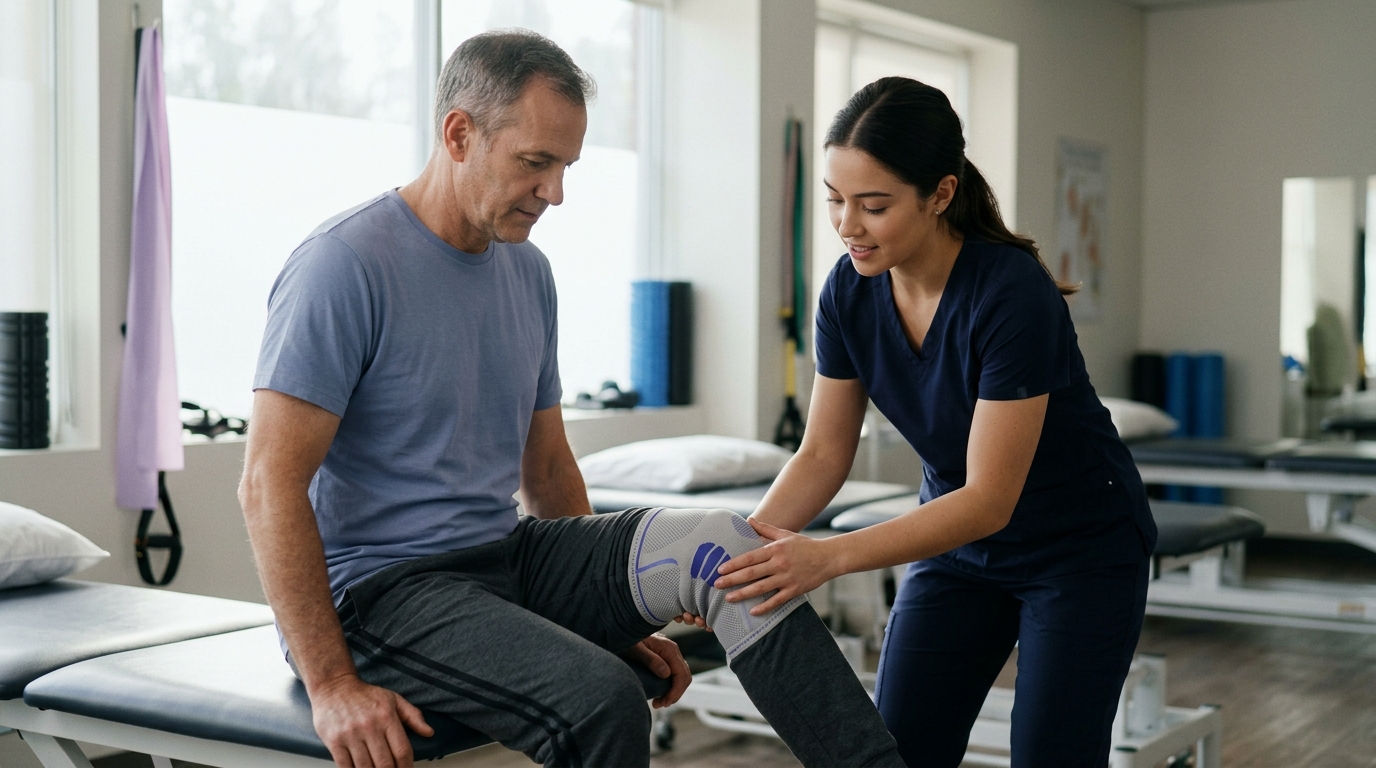
Bending forward to put on socks or shoes can place stress on a healing hip capsule. Assistive tools such as a long-handled shoehorn, a reacher or grabber, and a sock aid help you dress independently without bending past safe angles.
For bathing, step-in showers are safer than deep bathtubs during the first month. Placing a non-slip rubber mat inside the shower stall and using a sturdy shower chair provides security. Avoid vacuuming, sweeping, or carrying heavy laundry baskets until your surgeon confirms your tissues have sufficiently stabilized.
Finding a comfortable sleeping position can be challenging during the first few weeks. Hospital guidance from the NHS notes that many patients feel most secure sleeping on their back with a pillow placed between their legs.
If your surgical team permits side sleeping, you will generally be advised to lie on your unoperated side with one or two firm pillows between your knees to prevent your operated leg from rolling inward. Avoid sleeping directly on your new incision until the wound is fully closed and tenderness has subsided.
Hip precautions are specific movement restrictions designed to protect the joint capsule and lower the risk of dislocation while internal tissues heal. However, hip precautions are not identical for every patient.
The specific restrictions prescribed to you depend largely on the surgical approach used by your orthopedic surgeon:
NICE guidelines emphasize that postoperative precautions should be recommended individually by the surgical team rather than applied as a rigid standard. Some patient education materials advise following precautions for six to twelve weeks, while others review and lift restrictions much earlier.
Because instructions vary across clinics, you should ask your surgeon for written clarification regarding your exact precautions. Clarify whether your restrictions apply to sitting, sleeping, dressing, or specific exercises, and ask what to do if you accidentally move into a restricted position.
Resuming your regular routine requires balancing functional independence with joint protection. Returning to an activity requires that your reflexes, strength, and tissue healing are adequate for the physical demands of that specific task.
Driving requires rapid reaction time, adequate muscle control, and freedom from sedating medications. NHS guidelines recommend waiting at least six weeks after hip surgery before driving, and confirming your fitness to drive with your doctor.
If your surgery was on your left hip and you drive an automatic vehicle, you may be able to return to driving sooner once you are no longer taking narcotic pain medications. If your right hip was replaced, you must have sufficient braking force and fast reaction times before getting behind the wheel. Always verify driving rules with your auto insurer, as driving against medical advice can affect coverage.
The timeline for returning to employment depends directly on the physical demands of your occupation. Clinical guidance from local NHS services categorizes work return into distinct phases:
Discussing a phased return to work with your employer allows you to start with reduced hours or lighter tasks while your physical stamina rebuilds.
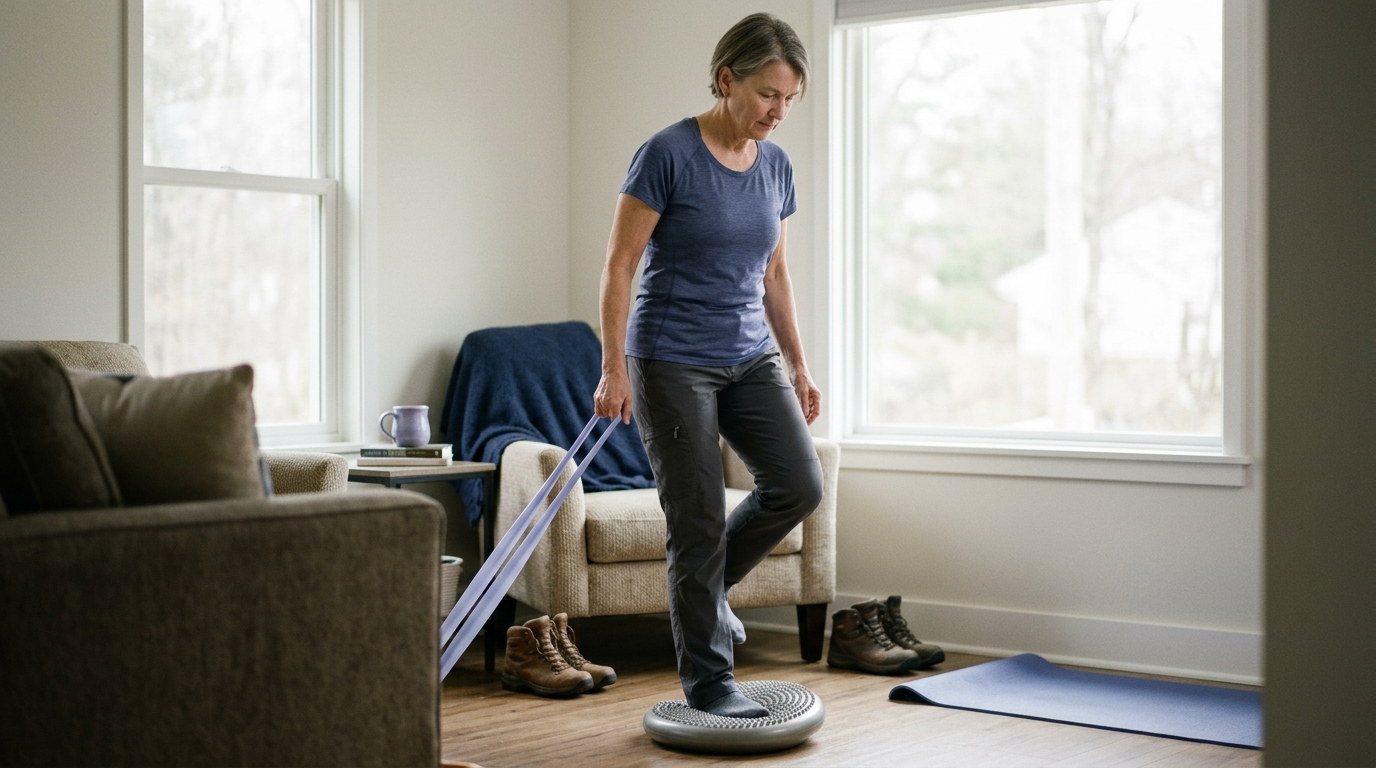
Physical activity is vital for joint health, bone density, and cardiovascular wellness. The AAOS recommends engaging in regular, low-impact exercise to restore hip strength and mobility.
Appropriate early- to mid-stage activities include:
High-impact sports that involve running, jumping, heavy contact, or sudden rotational pivots place excessive stress on the artificial joint. Activities like basketball, downhill skiing, and aggressive singles tennis are generally discouraged to protect the longevity of the prosthetic components. Consult our guide on active aging and prevention principles to explore safe ways to stay active long-term.
Every individual progresses through rehabilitation at a unique pace. Understanding the biological, medical, and lifestyle factors that influence healing helps prevent unrealistic comparisons with other patients.
Your physical condition before surgery strongly affects your early recovery. Research from the AAOS indicates that patients who maintain baseline strength and can walk independently prior to surgery often achieve early discharge milestones faster. Conversely, severe joint stiffness, muscle wasting, or prolonged inactivity before surgery can extend the time needed to rebuild functional strength.
Pre-existing chronic health conditions can alter your recovery course. AAOS clinical resources note that conditions such as poorly controlled diabetes, severe heart failure, chronic obstructive pulmonary disease (COPD), obstructive sleep apnea, and renal disease increase the risk of postoperative complications. These conditions require closer medical monitoring and may slow soft-tissue repair.
A standard, uncomplicated primary total hip replacement typically follows a predictable rehabilitation trajectory. In contrast, complex primary surgeries involving bone grafting or revision surgeries require specialized rehabilitation protocols. As noted by MedlinePlus, revision procedures often necessitate extended periods of protected weight-bearing to ensure proper bone integration around the hardware.
A systematic review examining patient experiences during orthopedic rehabilitation highlighted that emotional load and information overload can act as barriers to progress. Patients who receive clear, individualized instructions feel more confident managing their daily tasks, while confusing or contradictory advice can cause unnecessary anxiety and movement fear.
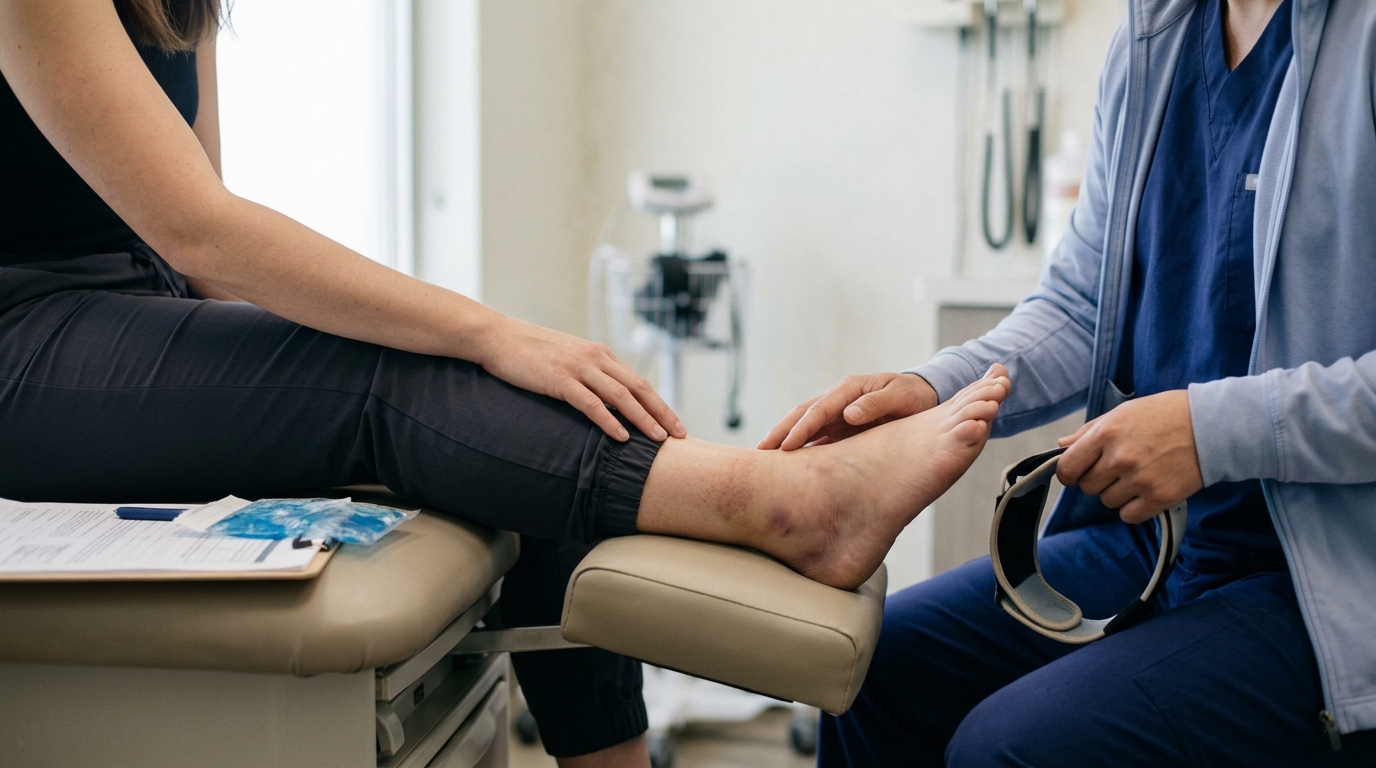
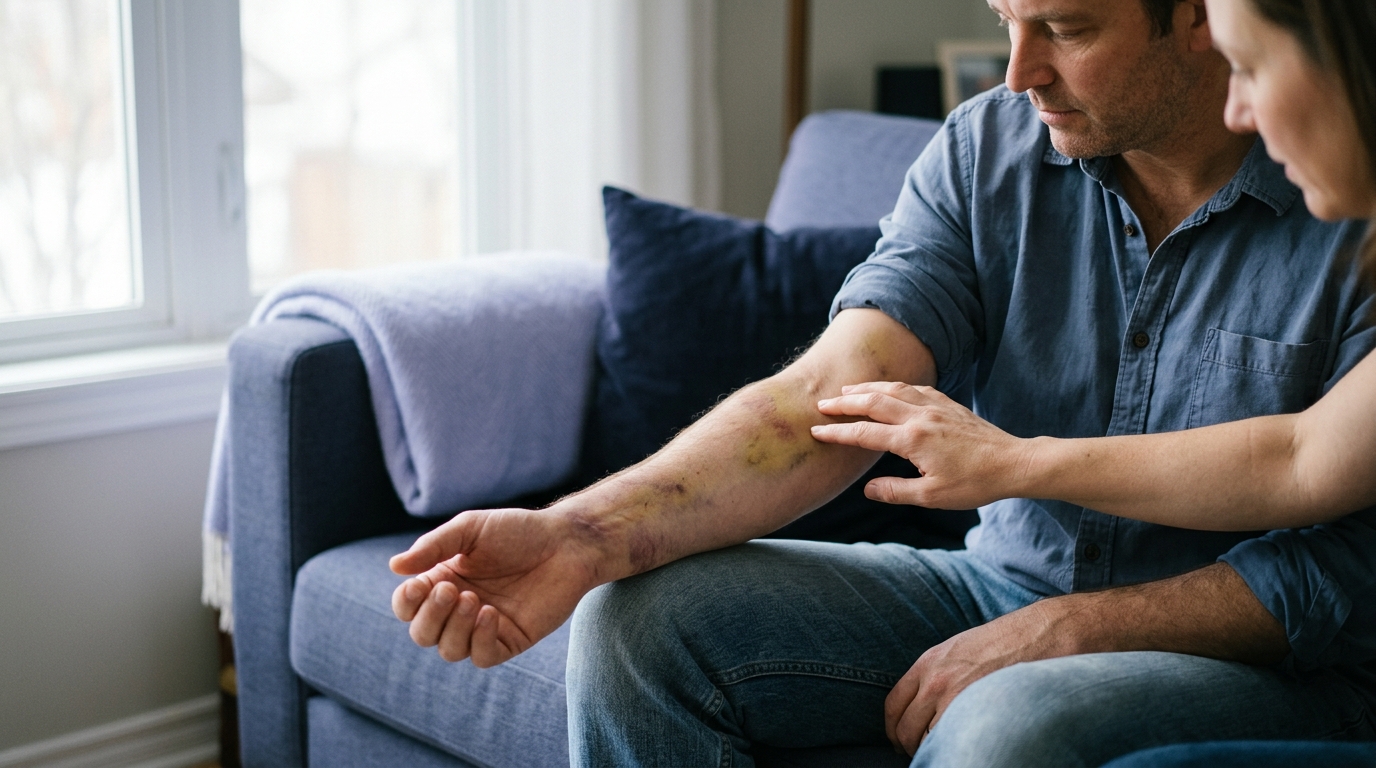
While total hip replacement is a highly successful and safe procedure, you must remain vigilant for potential complications. Normal postoperative symptoms include mild to moderate surgical pain, localized warmth, bruising around the hip and thigh, and mild swelling that improves with leg elevation.
Certain symptoms require prompt medical evaluation. Guidance from MedlinePlus and the NHS identifies warning signs that you should report to your surgical team immediately:
Deep vein thrombosis (DVT) is a blood clot that can form in the deep veins of your leg following surgery. If a clot breaks loose, it can travel to the lungs, causing a life-threatening pulmonary embolism (PE). To lower this risk, your surgical team will prescribe blood-thinning medications, compression stockings, and frequent walking routines.
Wound infections can occur near the skin surface or deep around the joint prosthesis. Contact your surgeon immediately if you notice increased drainage, expanding redness, or a fever over 101 degrees Fahrenheit. If you experience severe chest pain or sudden difficulty breathing, call emergency services right away.
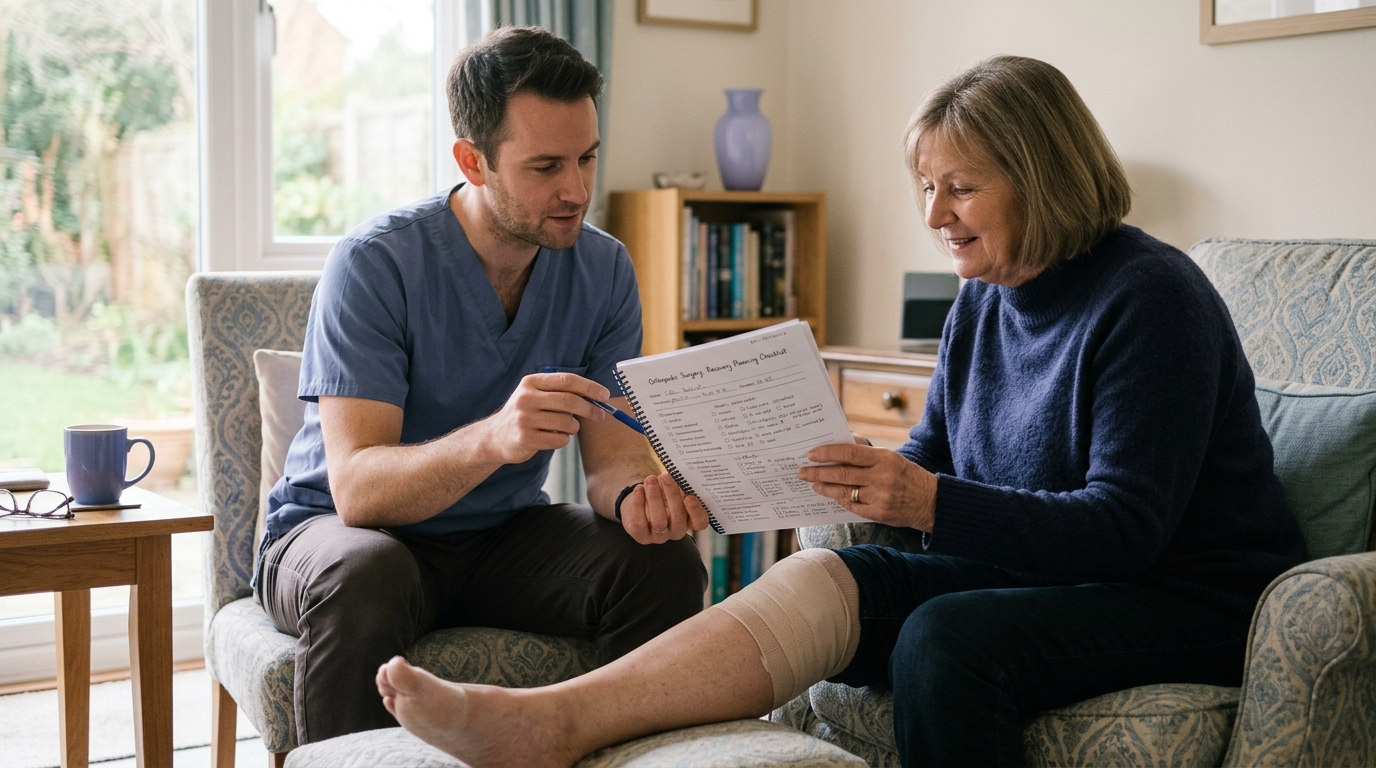
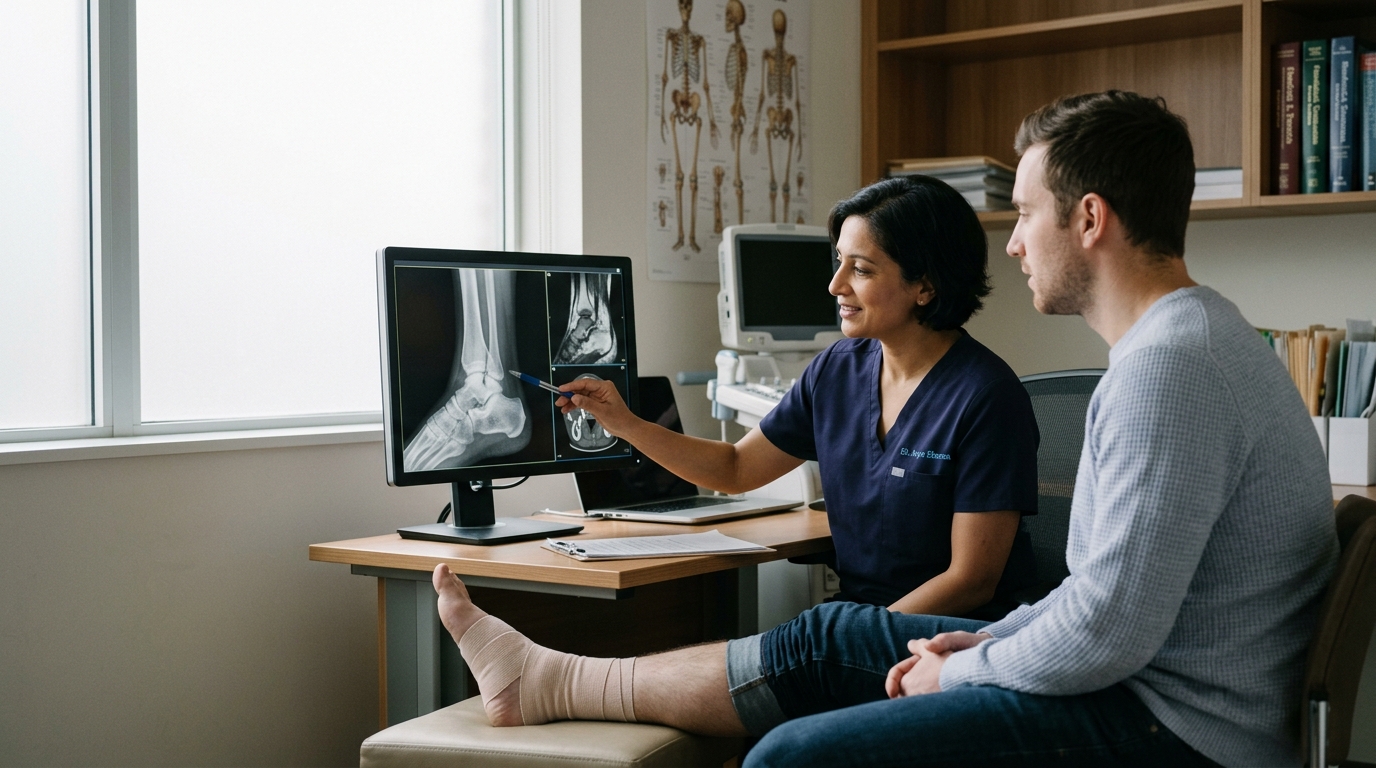
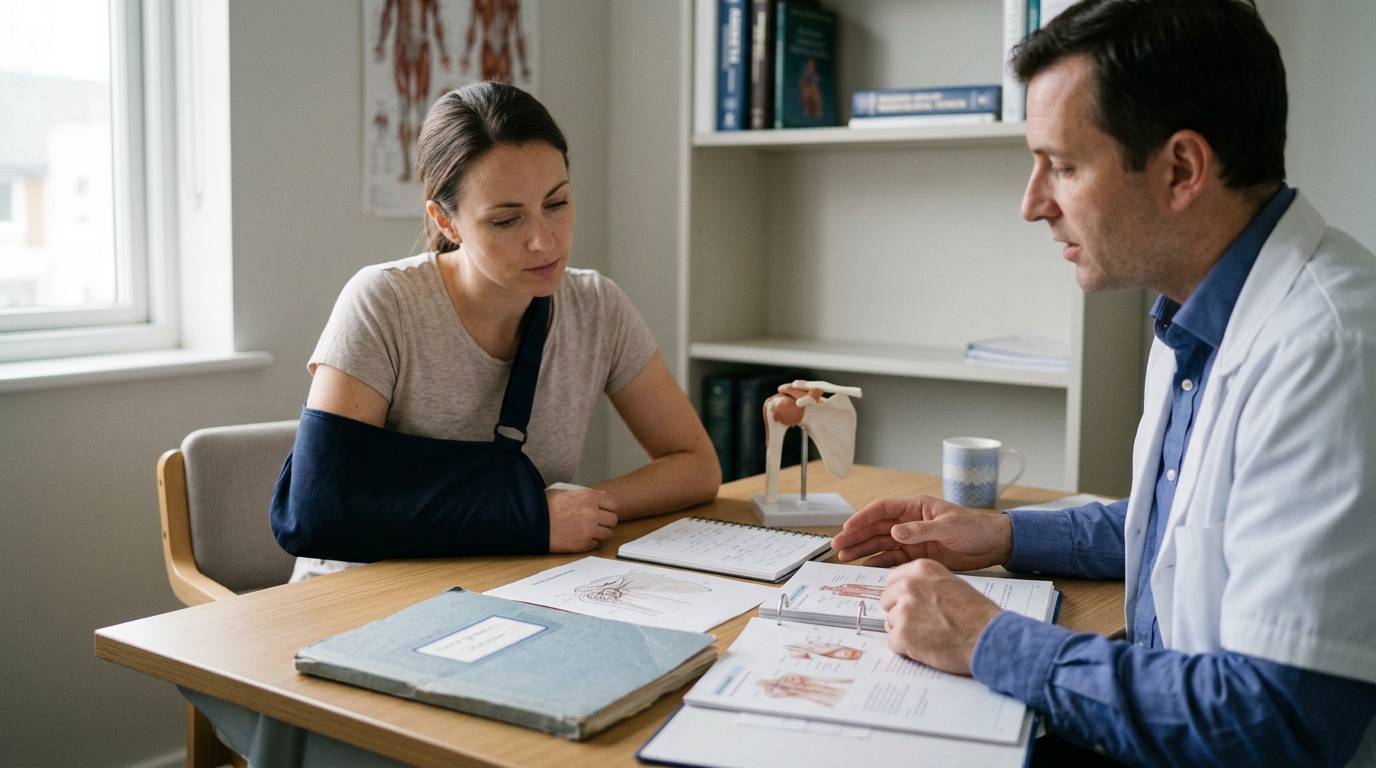
Open communication with your orthopedic surgeon, physical therapist, and primary care provider ensures your recovery plan matches your personal goals and living situation. Bring a notebook to your appointments so you can record specific instructions.
Recovering from total hip replacement is a structured, step-by-step process that restores mobility and relieves chronic joint pain. Meeting early functional milestones, following your individualized movement precautions, and practicing prescribed exercises will help you regain daily independence safely.
Always rely on your surgical team and physical therapist for specific medical clearance and activity timelines. To learn more about managing post-surgical movement, read our surgery and rehab recovery guides and hip mobility resources.
Revisit this guide before your surgery to organize your home setup, during your second week at home to review daily movement strategies, and at your six-week follow-up to prepare questions about driving, work, and recreational activities.
With patience, consistent rehabilitation, and clear communication with your care team, you can build a stable foundation for lasting joint health and active living.

Use ReboundBody resources to understand common recovery stages, rehab terms, movement limits and strength rebuilding. Each guide is designed to make a complex comeback easier to understand.


Read practical guidance on injury recovery, rehabilitation, mobility and rebuilding strength as you work your way back to activity.
Explore Resources