
Festive parties and chaotic seasonal schedules become manageable when you protect key recovery anchors, navigate social pressure, and maintain steady habits across busy days.





You step into a crowded family kitchen where dinner is running two hours late. Unfamiliar drinks are circulating, conversations are loud, and your normal evening routine feels impossible to follow. Over the past few months, you worked hard to build predictable movement habits, consistent meal times, and a grounded sleep schedule. Now, holiday travel and social obligations threaten to dismantle that progress in a single weekend.
Recovering from physical injury, managing mental health, or maintaining sobriety does not require absolute rigidity. Routines exist to serve your well-being, not to act as unbreakable rules that isolate you from loved ones. Protecting your recovery during busy periods means identifying a few essential anchors, flexing less critical details, and keeping a backup plan ready. While advance planning significantly reduces stress and health risks, it does not remove all discomfort or replace professional medical guidance.
Understanding how to balance structure with flexibility lets you participate in celebrations safely. You can protect your core health needs without isolating yourself from family and friends.
Research confirms that major holidays introduce specific pressures that can disrupt physical and psychological health. The Substance Abuse and Mental Health Services Administration (SAMHSA) notes that the holiday season frequently triggers difficult emotions, memories, and behaviors. Social events and feelings of loneliness can challenge anyone working through mental health or substance use recovery. At the same time, routine disruptions interfere with the body's natural recovery systems.
The Centers for Disease Control and Prevention (CDC) emphasizes that consistent sleep is foundational for physical and emotional repair. Adults aged 18 to 60 need at least 7 hours of sleep per night. Adults aged 61 to 64 generally require 7 to 9 hours, while adults 65 and older need 7 to 8 hours. When holiday travel or late-night gatherings cut into these hours, emotional regulation and immune function decline. CDC travel guidance also notes that unfamiliar environments often separate people from their regular support systems, increasing vulnerability to stress.
Evidence from the National Institute on Alcohol Abuse and Alcoholism (NIAAA) shows that preparing specific responses to social drinking cues lowers the likelihood of impulsive choices. When individuals anticipate social pressure and plan alternatives in advance, they experience lower anxiety during events. In nutritional and metabolic recovery, organizations such as the National Eating Disorders Association (NEDA) and the National Association of Anorexia Nervosa and Associated Disorders (ANAD) highlight the necessity of maintaining regular nutritional patterns. Skipping meals to compensate for festive feasts disrupts blood glucose control, elevates stress hormones, and destabilizes recovery behaviors.
The evidence distinguishes between proven supports and areas of uncertainty:
When a busy schedule makes your
complete daily routine impossible, a minimum viable routine provides protection. A minimum viable routine is the smallest set of repeatable daily actions that keeps you grounded and safe. Rather than attempting to maintain a two-hour morning ritual in a guest bedroom, you strip your routine down to non-negotiable fundamentals. You can learn more about balancing structured training and daily habits in our injury recovery and rehabilitation resources.
To build this routine, categorize your typical habits into three distinct buckets: anchors, flex points, and backups.
Anchors are non-negotiable health actions that must continue regardless of travel or holiday events. Discontinuing these actions could compromise your physical safety, medical stability, or sobriety.
Typical anchors include:
Flex points are healthy habits that can adapt to changing circumstances without harming your recovery progress. These elements provide structure, but their timing, duration, and exact format can shift based on social context.
Typical flex points include:
Backups are predetermined actions you use when your original plan fails. If an unexpected delay, emotional conflict, or physical symptom disrupts your day, a backup prevents total chaos.
Typical backups include:
Social events during the holidays often place people in environments where alcohol, rich foods, and interpersonal tensions are concentrated. Approaching these gatherings requires intentional preparation rather than relying on spontaneous willpower. Evidence-based behavioral strategies show that mapping out triggers beforehand dramatically reduces situational anxiety.
A helpful model for organizing your plan is the cue-response framework:
For example, if you know a relative will offer you a drink, anticipate that the offer might cause momentary discomfort. Your planned action might be holding a nonalcoholic beverage and stating a clear refusal phrase. Your support source might be standing near a supportive spouse or sending a quick text to a peer sponsor. NIAAA emphasizes that practicing clear refusal phrases in advance makes social boundaries much easier to uphold.
You do not owe anyone a detailed medical or personal history to decline a drink, an activity, or a food item. Simple, neutral statements prevent unnecessary debate.
Effective boundary phrases include:
While supportive relationships serve as protective factors in recovery, family environments are not universally helpful. Longstanding relationship patterns, unresolved conflicts, or unsupportive relatives can create substantial emotional strain. SAMHSA notes that social connection is vital, but healthy connection does not require tolerating harmful environments.
If a particular gathering feels unsafe for your recovery stage, consider modifying your participation. You might choose to attend only for the meal rather than staying the entire weekend. You might stay at a nearby hotel instead of the family home to ensure private, quiet sleep. In some situations, choosing not to attend an event is the healthiest decision for long-term well-being.
Holiday gatherings often revolve around large, elaborate meals. For individuals managing metabolic health, physical rehabilitation, or eating disorder recovery, food-centric celebrations can create severe stress. A common pitfall is attempting to compensate for large holiday meals through unhealthy restriction.
ANAD explicitly warns against skipping breakfast or lunch to save room for a heavy evening meal. Restricting intake earlier in the day causes sharp drops in blood sugar, heightens physiological hunger, and increases the likelihood of overeating or binging later. Skipping meals also deprives recovering muscles and connective tissues of the steady amino acids needed for tissue repair. You can read more about balancing tissue healing and daily fueling in our recovery science articles.
Dietary recovery needs vary significantly based on medical history:
To maintain nutritional stability during hectic holiday periods:
Long-distance travel disrupts the circadian rhythms that regulate hormone production, cellular repair, and mental focus. When you travel across time zones or sleep in unfamiliar settings, your body experiences physiological stress. Protecting your sleep architecture is essential for tissue recovery and emotional resilience.
The CDC provides specific recommendations for managing sleep disruptions and jet lag during travel:
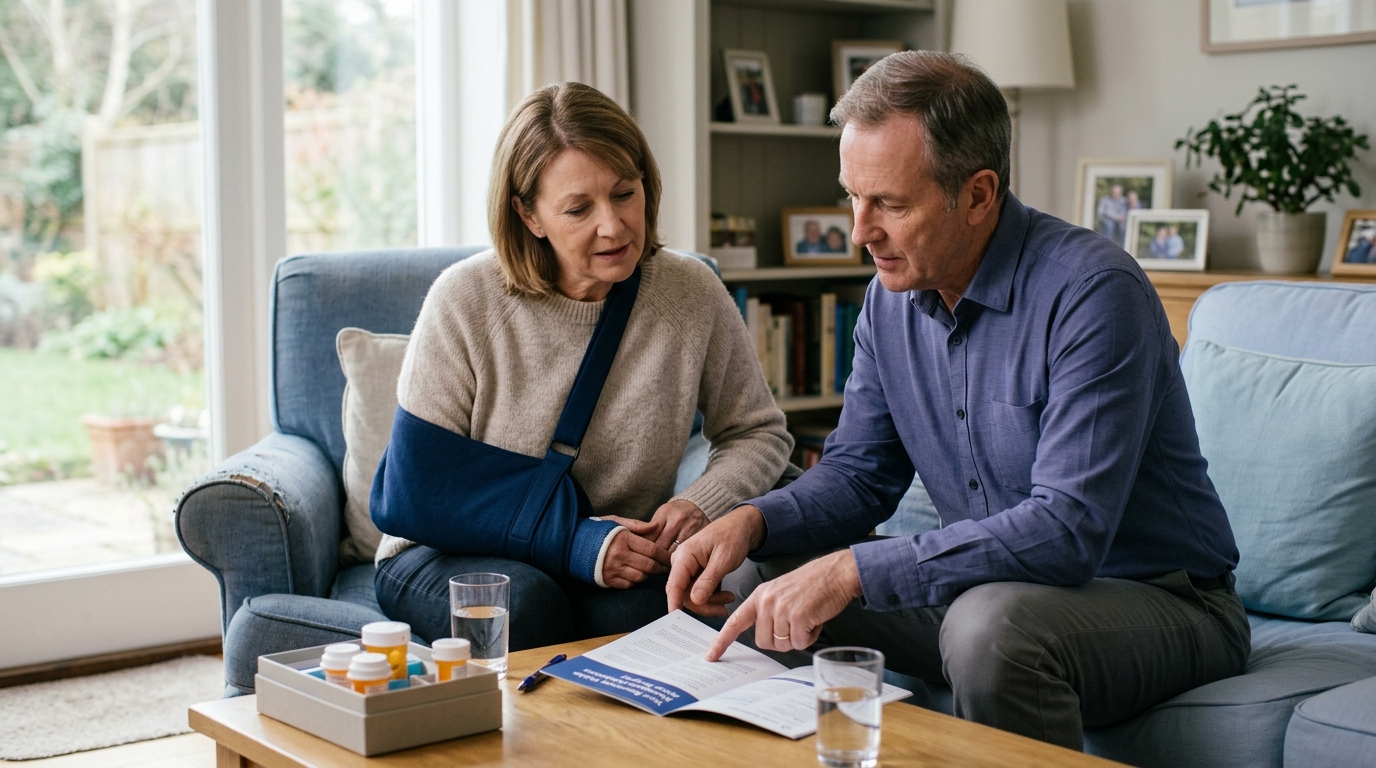
Traveling with prescription medications requires careful planning to prevent accidental missed doses or legal complications. The CDC warns that medications legally prescribed in the United States may face severe legal restrictions in foreign countries. This rule applies frequently to medications used for pain management, psychiatric conditions, and substance use disorder treatment.
Essential travel medication steps include:
Recovery is not a uniform process. A strategy that works well for an active adult recovering from a joint replacement may not suit someone managing substance use disorder or an eating disorder. Tailoring your holiday approach requires evaluating your unique health status, support system, and environment.
Your current stage of healing dictates how much flexibility you can safely introduce:
The presence of reliable, understanding allies changes your recovery capacity. If your host family understands your health boundaries and provides a quiet space, navigating the holiday is far easier. If your family environment is dismissive of your health needs, you will need to rely more heavily on external supports, remote check-ins, or alternative accommodations.
Travel logistics significantly alter daily routines. Staying in a rural area with limited cellular service requires downloading recovery literature, workout routines, or meditation tracks before departure. Urban destinations may offer easier access to daily support meetings, grocery stores, and quiet walking paths.
Certain medications introduce specific risks during social events:
Use this practical planning framework to prepare for upcoming holiday travel or family gatherings. Take time to write down your answers before the busy season begins.
Write down the two to four health actions that you must protect each day:
List the specific environments, people, or schedule disruptions that could create stress:
Define simple, actionable steps for each anticipated pressure point:
Determine what you will do if stress, fatigue, or urges become overwhelming:
Ensure all logistical health requirements are organized well before departure:
You can find more lifestyle planning tools in our recovery, nutrition, and lifestyle resources.
Avoiding frequent recovery misconceptions helps you maintain momentum without unnecessary stress:
Missing a single morning walk, support meeting, or planned meal does not erase weeks or months of progress. A disrupted schedule is simply an inconvenience, not a personal failure. Rather than abandoning your plan for the rest of the holiday, focus entirely on taking the next supportive action.
Many people believe that maintaining recovery requires proving they can handle high-stress environments. You are never obligated to attend gatherings that compromise your physical safety or emotional health. Leaving an event early, arriving late, or declining an invitation entirely are valid, mature recovery choices.
Flexibility applies to daily lifestyle preferences, such as shifting the time of a workout or taking a family walk. It never applies to pausing prescribed medications, ignoring post-surgical movement limits, or abandoning clinical meal plans. Medical treatments must continue uninterrupted unless modified by your doctor.
Engaging in excessive exercise or severe food restriction after a holiday gathering creates an unhealthy cycle of punishment and guilt. If you ate more than intended or rested more than usual, return calmly to your standard routine the next day. The body recovers best through steady, predictable habits.
Before traveling or entering a high-stress holiday season, discuss your upcoming schedule with your physician, physical therapist, or mental health clinician. These targeted questions can help you establish clear, personalized boundaries.
Routines are valuable tools that support your healing, but they are not rigid rules that should isolate you from life. Protecting your recovery during the holidays requires knowing the difference between essential medical anchors and adaptable daily preferences. By identifying your non-negotiables, preparing refusal strategies, maintaining consistent sleep, and keeping backup plans ready, you can navigate busy seasons safely. When disruptions happen, do not panic or punish yourself; simply return to your next supportive habit.
Review this guide whenever you are preparing for extended holiday travel, anticipating high-stress family gatherings, or feeling overwhelmed by schedule disruptions. Returning to these planning steps will help you reset your priorities, protect your health, and stay connected with the people who matter most.

Use ReboundBody resources to understand common recovery stages, rehab terms, movement limits and strength rebuilding. Each guide is designed to make a complex comeback easier to understand.


Read practical guidance on injury recovery, rehabilitation, mobility and rebuilding strength as you work your way back to activity.
Explore Resources