
Endurance for demanding outings depends less on high-intensity workouts and more on progressive walking routines, specific standing conditioning, and proper footwear preparation.





You agree to join friends for a full day at an outdoor festival, a historic walking tour, or a large theme park. You look forward to the event, but you also wonder how your body will hold up. If your normal routine involves sitting at a desk or walking a few thousand steps around your neighborhood, a sudden jump to eight hours on your feet can come as a harsh shock. Knees begin to ache, lower backs feel tight, feet develop hot spots, and overall fatigue sets in by early afternoon.
Preparing for an active day requires practical steps taken ahead of time. The direct answer is that getting ready for a physically demanding outing involves four core actions: gradually building your walking capacity weeks in advance, selecting broken-in footwear and moisture-wicking socks, planning regular rest breaks before fatigue sets in, and establishing flexible exit routes. While these steps support physical comfort and stamina, no preparation plan removes all risk of soreness or fatigue.
Every person brings a unique baseline of joint health, cardiovascular endurance, and prior injuries to an outing. Understanding the basic science of conditioning, pacing, and environmental stress allows you to plan an enjoyable day without overwhelming your body.
A typical day out at a botanical garden, museum complex, or amusement park involves far more than simple walking. It combines prolonged standing, slow shuffling through crowds, climbing flights of stairs, navigating uneven pavement, and carrying personal gear.
The primary physical stressor during these events is cumulative joint loading. When you stand or walk for several hours on hard surfaces like concrete, the muscles that stabilize your ankles, knees, hips, and lower back work continuously. As these postural muscles tire, the shock absorption shifts from active muscle control to passive structures like ligaments, tendons, and joint cartilage.
Many people find that standing in place causes more discomfort than continuous walking. When you walk, your leg muscles contract and relax in a rhythmic cycle. This muscle pump action helps push venous blood and lymphatic fluid back up toward your heart.
When you stand still in long lines or while viewing exhibits, that natural muscle pumping slows down. Fluid pools in the lower legs and feet, leading to swelling and a heavy, tight feeling in your shoes. Static standing also places continuous, unyielding compression on the lumbar spine and plantar fascia.
Natural surfaces like grass or packed dirt offer a small amount of mechanical give under your feet. Urban tourism, theme parks, and indoor convention centers are built with asphalt, concrete, tile, and stone.
Hard surfaces reflect impact energy straight back into the bones and joints of the lower extremity. Over the course of 15,000 to 20,000 steps, small mechanical imbalances become amplified. This sudden increase in mechanical load is a common trigger for heel pain, Achilles tendon tightness, and flare-ups of knee discomfort.
Carrying a backpack, shoulder bag, or pushing a stroller adds continuous work for your core and shoulder musculature. A backpack weighing just ten pounds alters your center of mass, requiring your postural muscles to work harder to keep you upright.
If a shoulder bag is worn unevenly on one side, it forces the spinal muscles on the opposite side to fire continuously to keep your shoulders level. Over several hours, this asymmetrical load can create neck tension, mid-back stiffness, and hip irritation.
When preparing for an active day, many people wonder how much exercise they need to do beforehand. Looking at clinical evidence helps separate established exercise principles from common assumptions.
The foundation of physical preparedness rests on baseline activity. U.S. physical activity guidelines recommend that adults complete at least 150 minutes of moderate-intensity aerobic activity per week, such as brisk walking, along with muscle-strengthening exercises on two or more days each week.
These guidelines serve as a proven standard for long-term cardiovascular health, metabolic function, and physical independence. However, it is important to note that these national recommendations represent general health targets. They do not serve as a proven minimum training dose designed specifically to prepare someone for a single, high-volume day of recreational walking.
Clinical studies show that repeated, structured walking practice improves how efficiently the body moves. A randomized trial evaluated 33 sedentary older adults aged 60 to 80 who participated in an eight-week walking program consisting of three 60-minute sessions per week.
Researchers found that after eight weeks of consistent walking training, participants improved their walking economy and increased their optimal walking speed by approximately 0.5 kilometers per hour. This finding demonstrates that regular, structured walking sessions can systematically build functional capacity and walking efficiency in older adults.
At the same time, this study had clear boundaries. It evaluated a specific, small group of older adults across an eight-week timeframe. The research does not prove that everyone requires eight weeks of preparation, nor does it guarantee that completing such a program will prevent injury during an active outing.
The broader sports medicine literature shows clear evidence for several training principles, alongside areas where evidence remains mixed:
To learn more about how physical capacity evolves with age, read our guide on active aging and injury prevention.
If you have several weeks before your event, you can use progressive overload to prepare your tissues. The principle of progressive overload simply means gradually increasing the work your body does so it can adapt safely.
Starting four to six weeks before a major outing gives your cardiovascular system and lower limbs time to adapt. If you currently average 4,000 steps per day, jumping straight to 15,000 steps on the day of an event creates a huge spike in physical stress.
A sensible approach is to increase your weekly walking volume by small increments. You might add 1,000 steps per day each week, or extend your daily walk by ten minutes. This gradual increase gives your calf muscles, plantar fascia, and joint cartilage time to handle greater mechanical work without excessive inflammation.
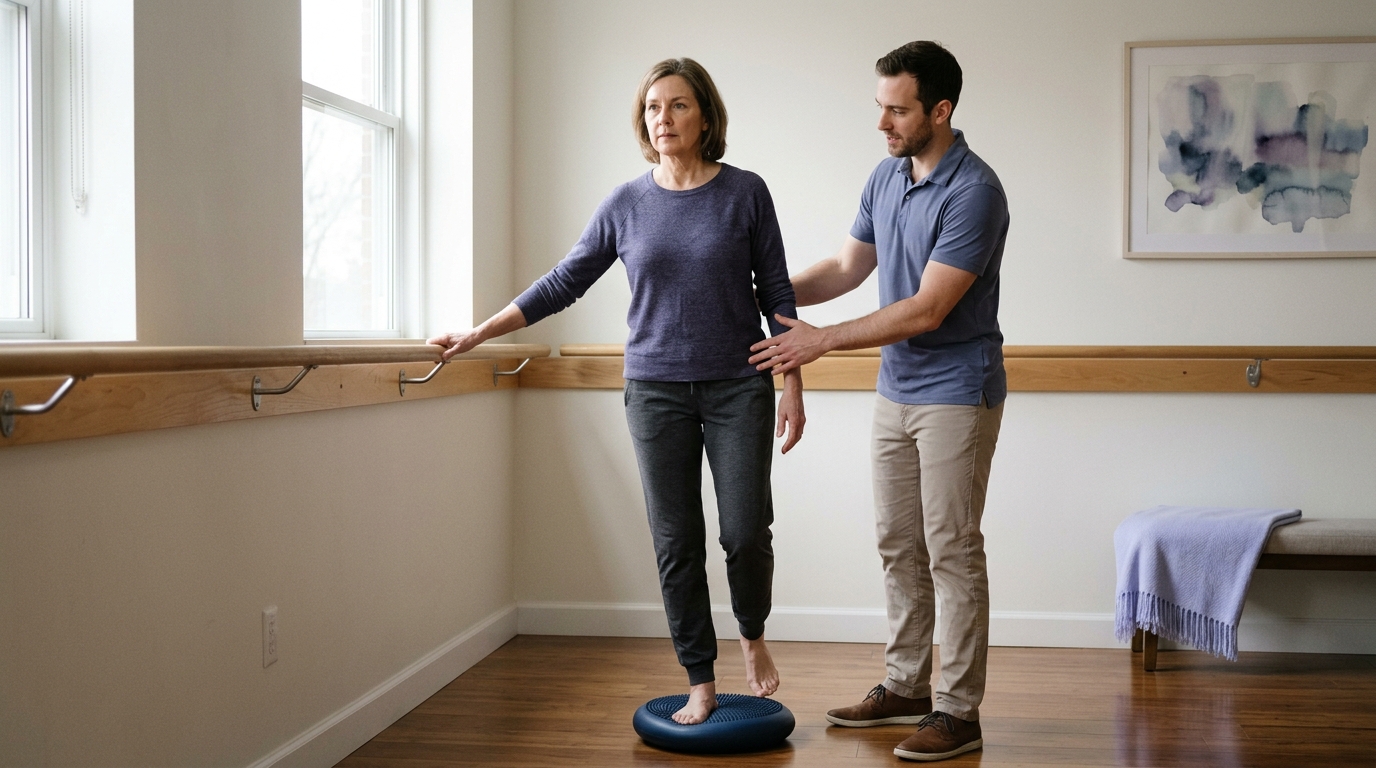
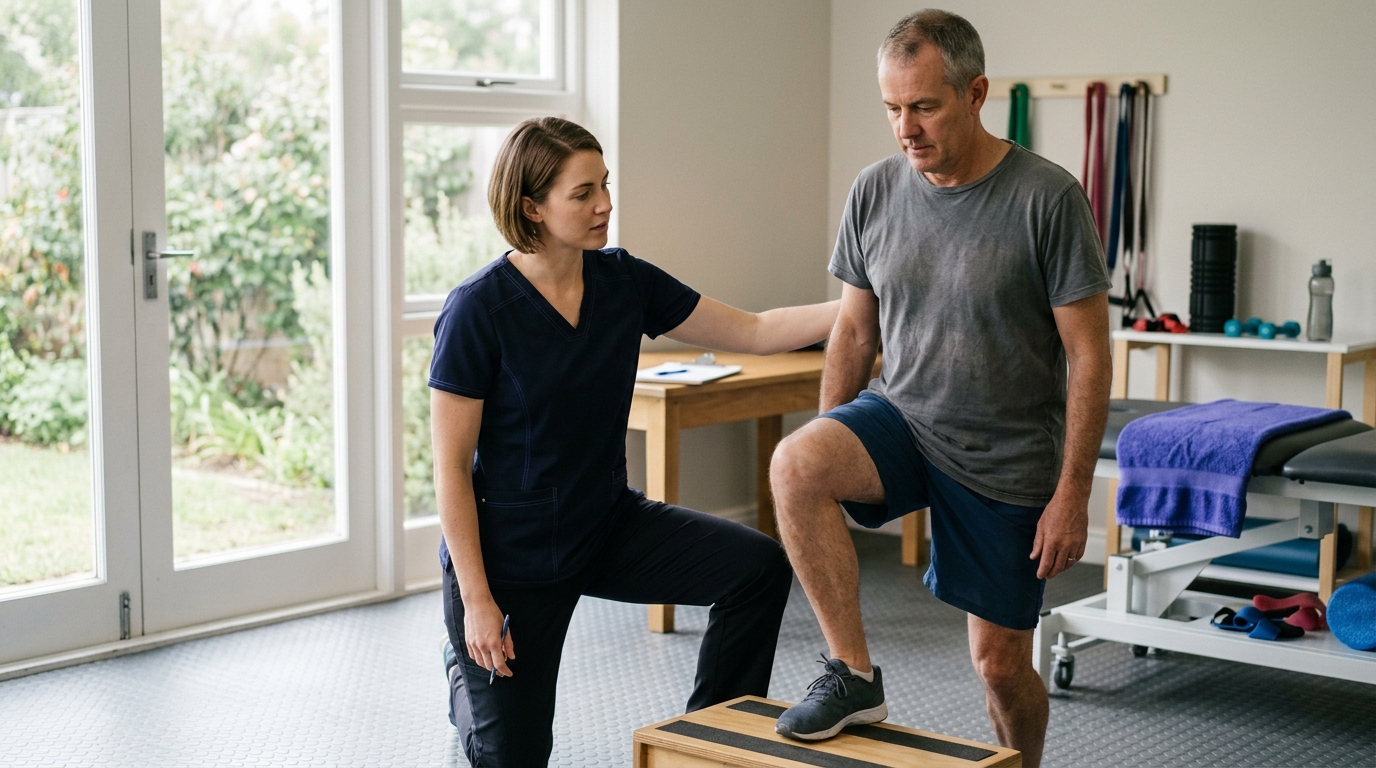
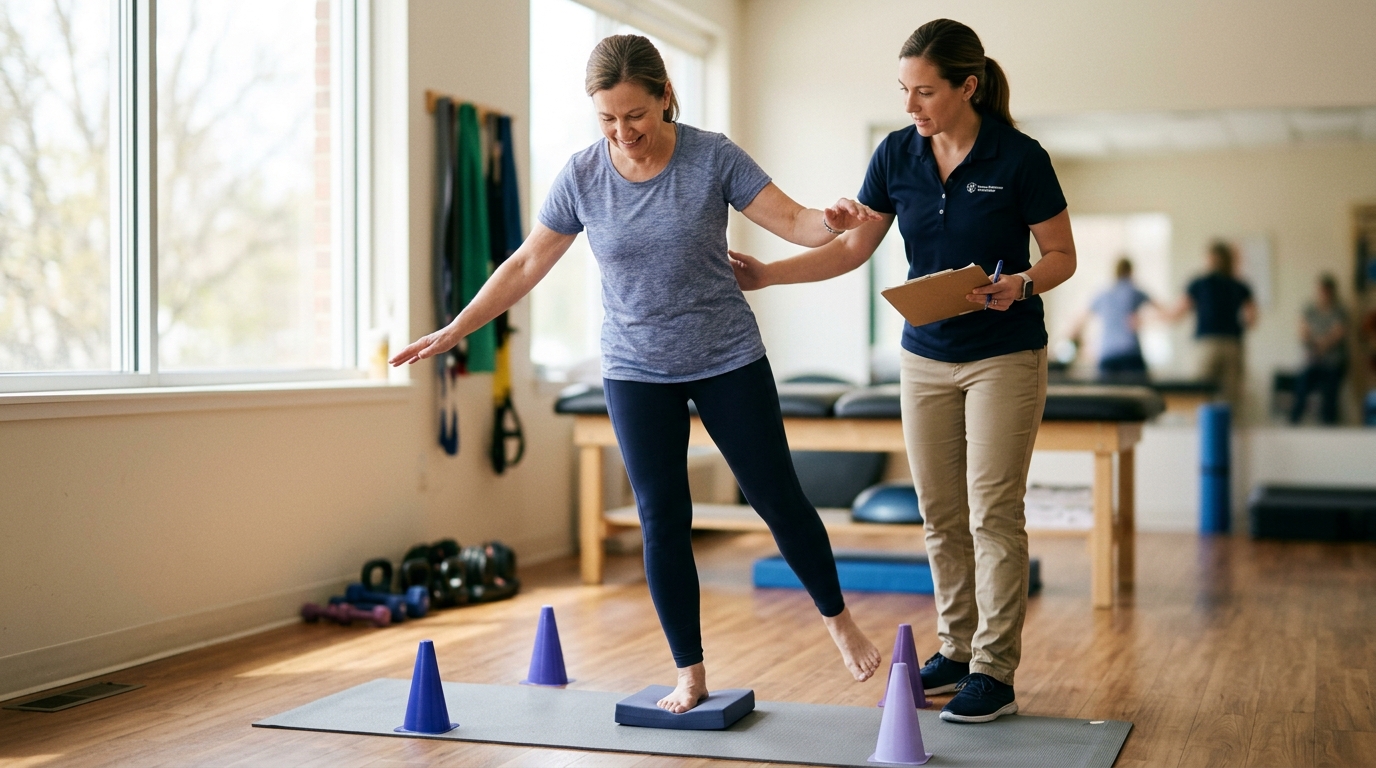
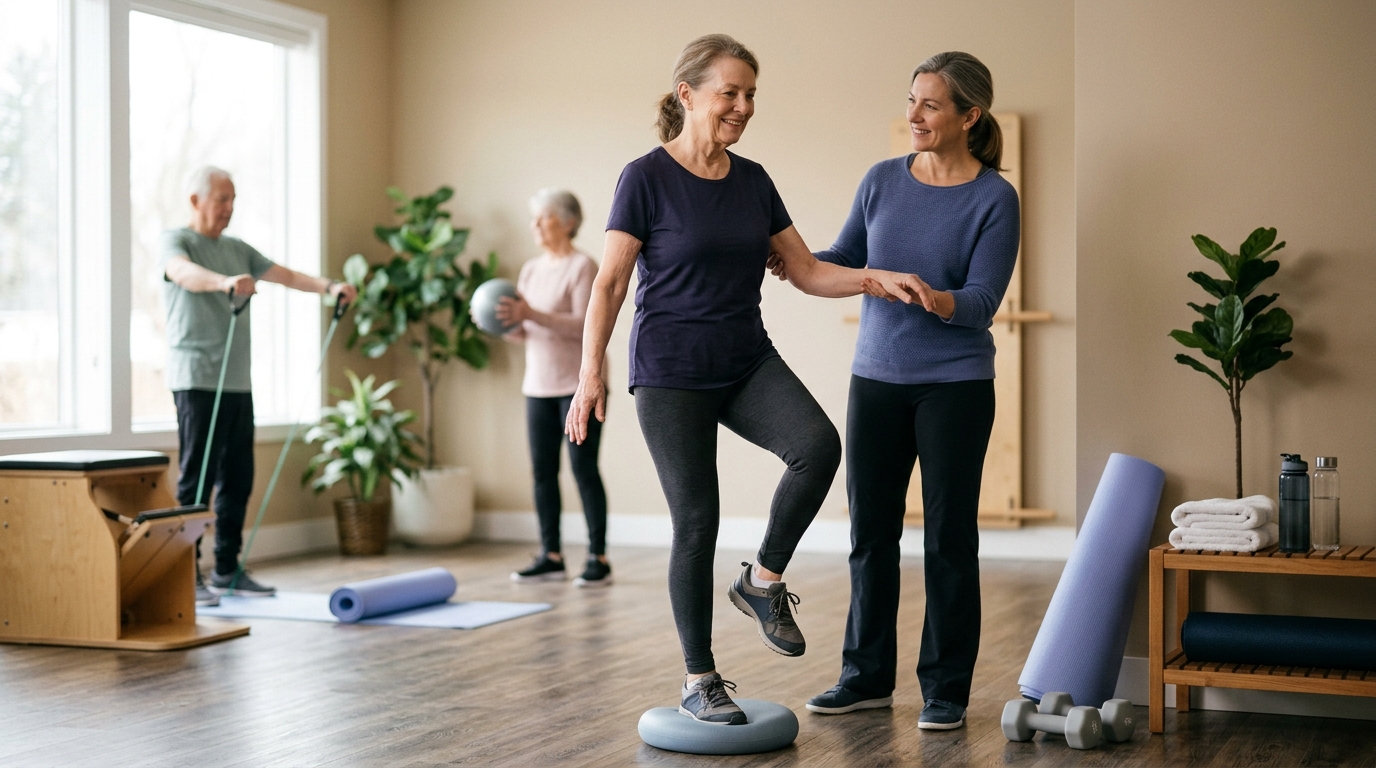
Walking endurance does not automatically translate into standing endurance. To prepare for museum visits or theme-park lines, you should include standing practice in your weekly preparation.
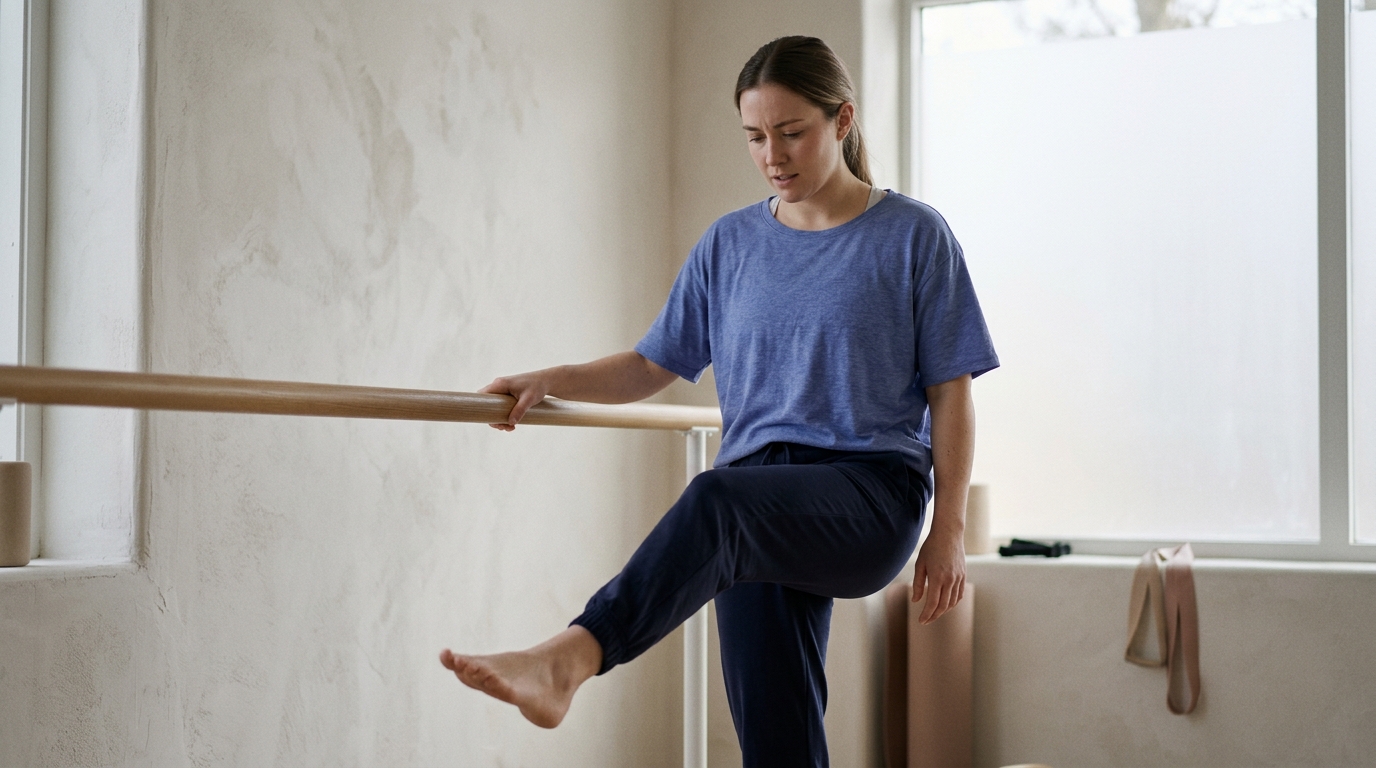
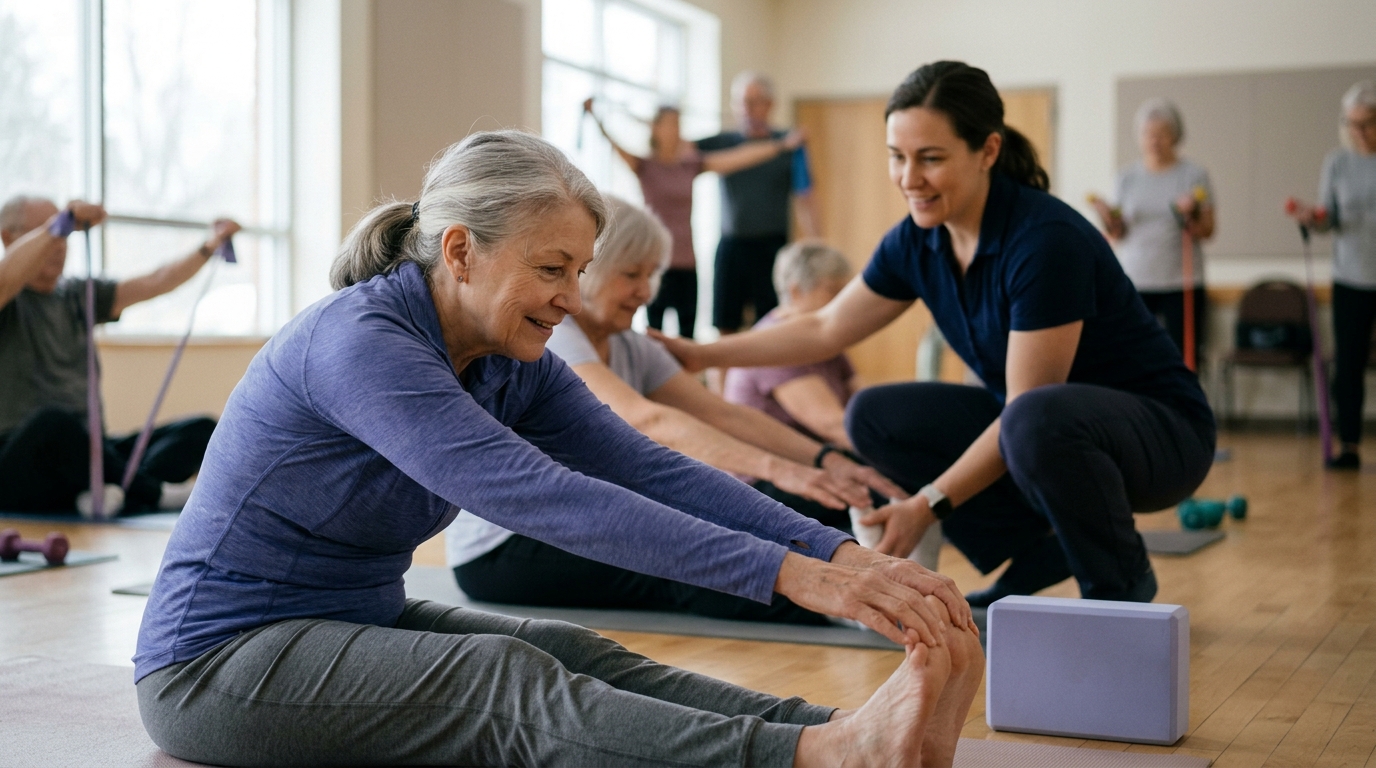
Try standing at a high kitchen counter or standing desk while working or reading for 30 to 45 minutes at a time. Pay attention to how your posture shifts when you get tired. Practicing standing on both feet with your weight distributed evenly helps train the deep postural muscles of your pelvis and spine.
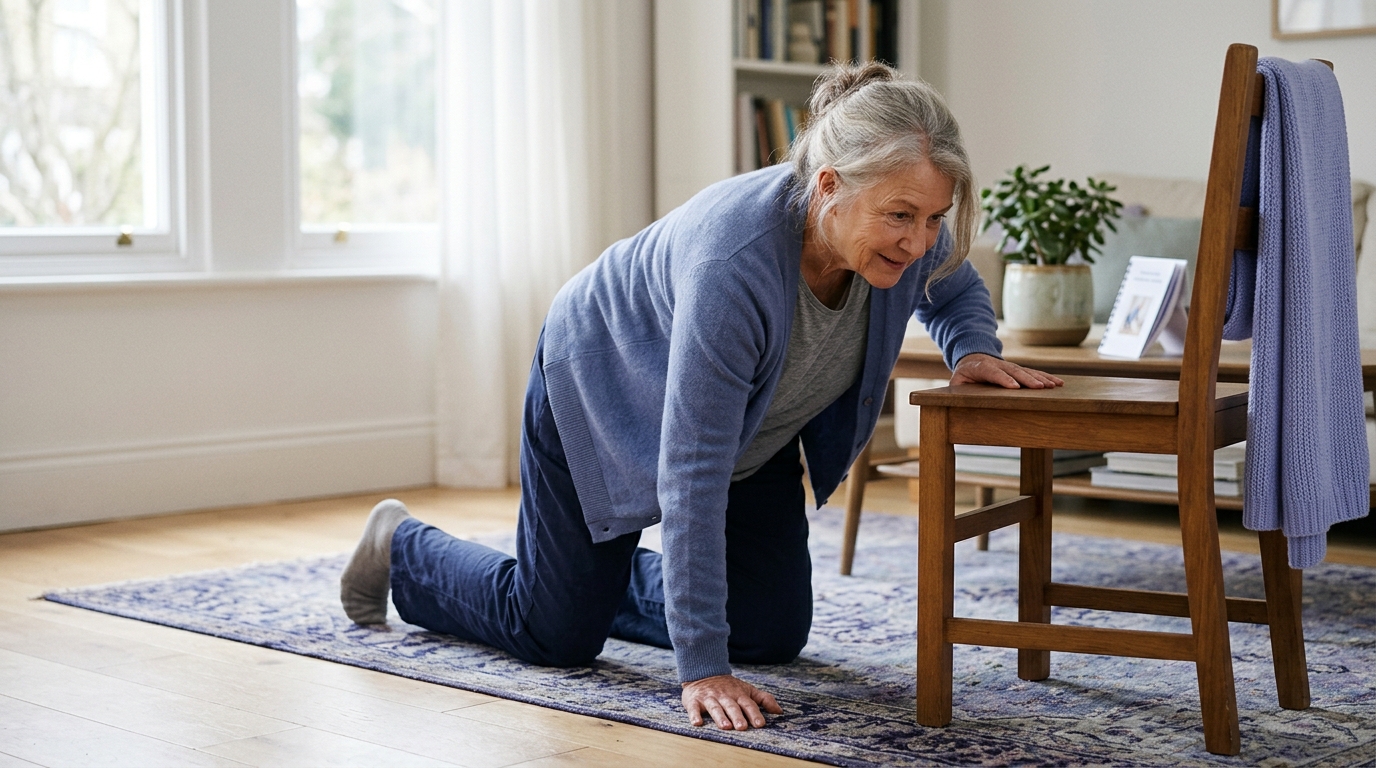
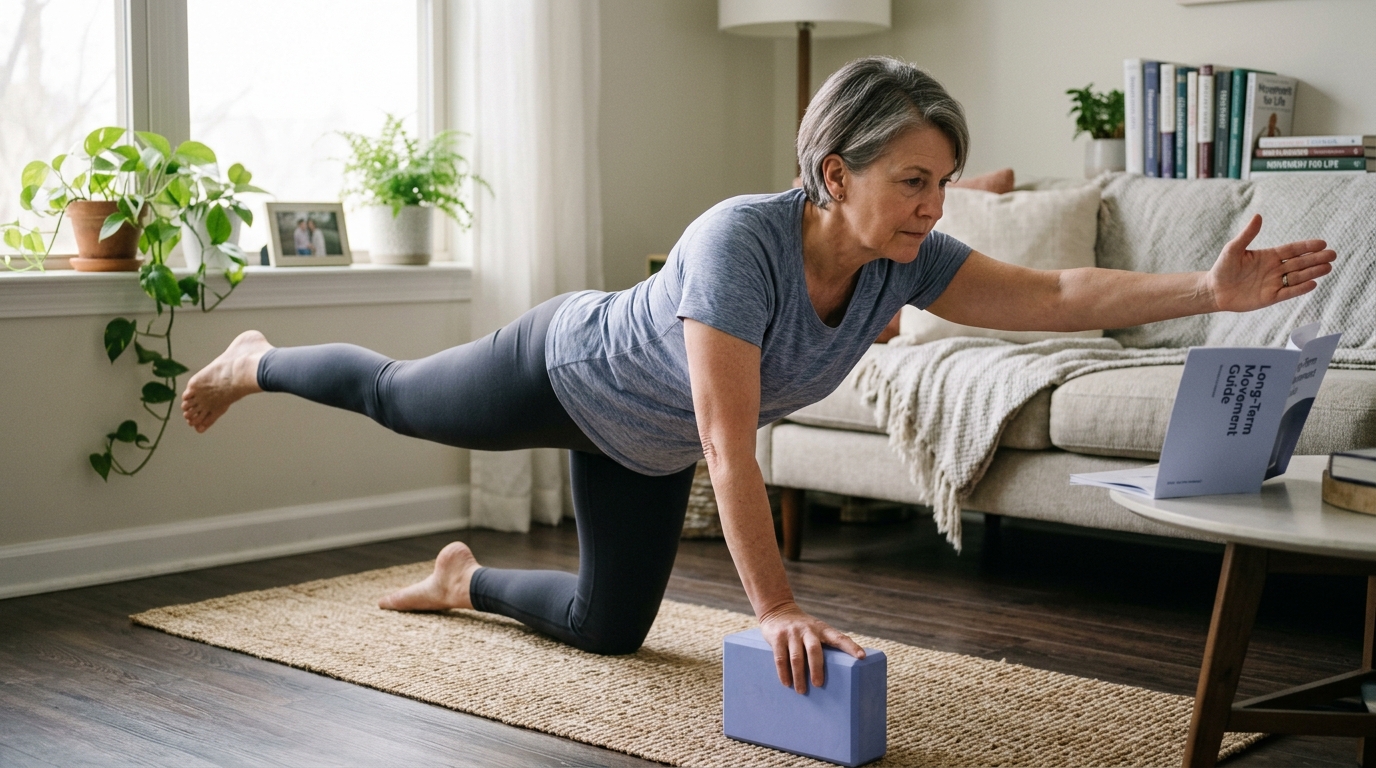
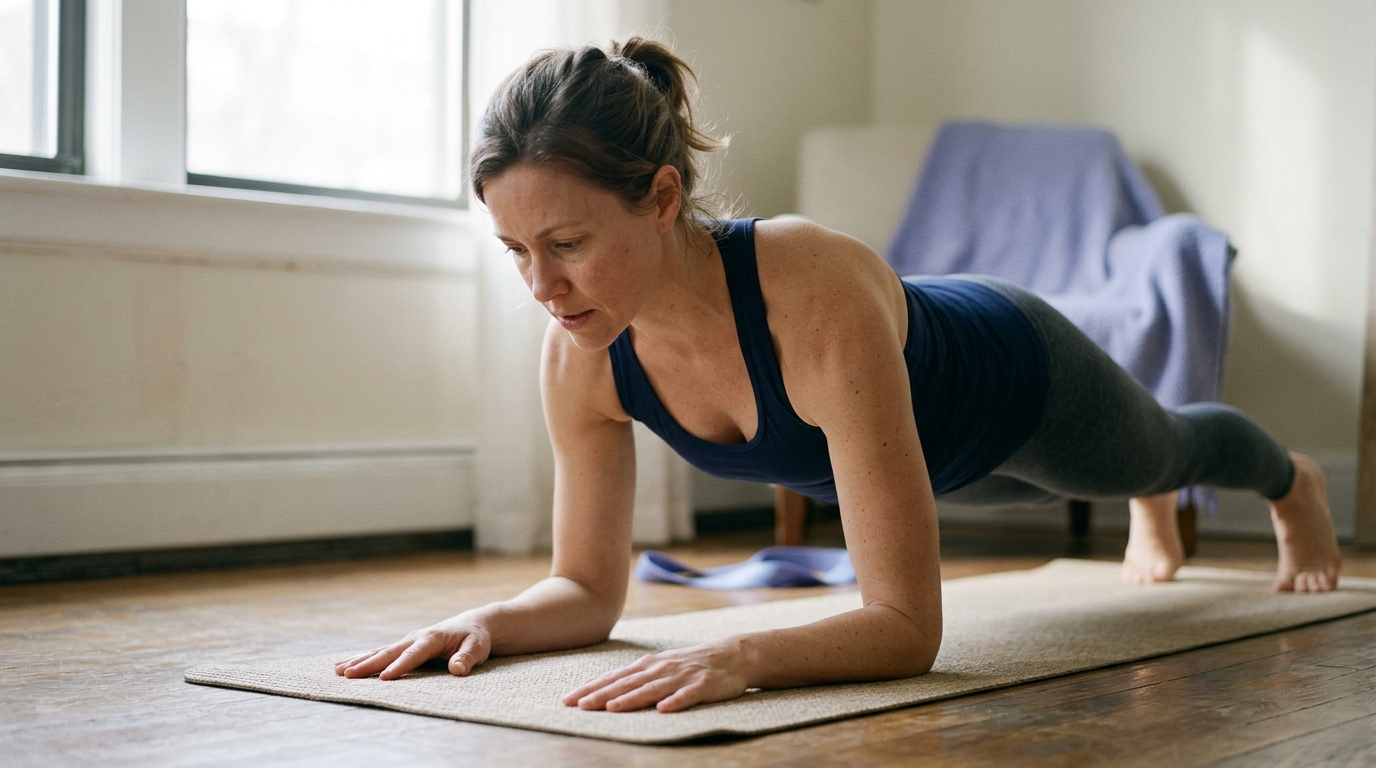
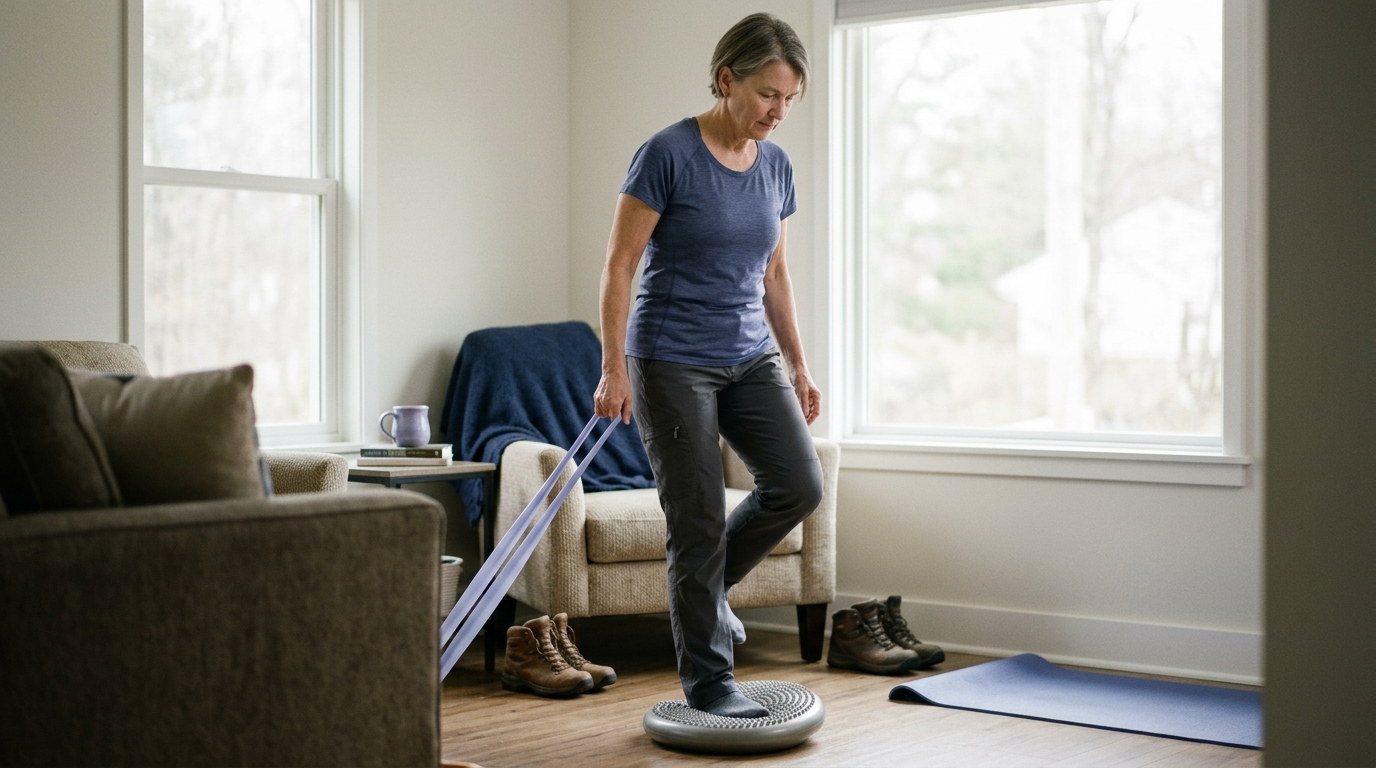
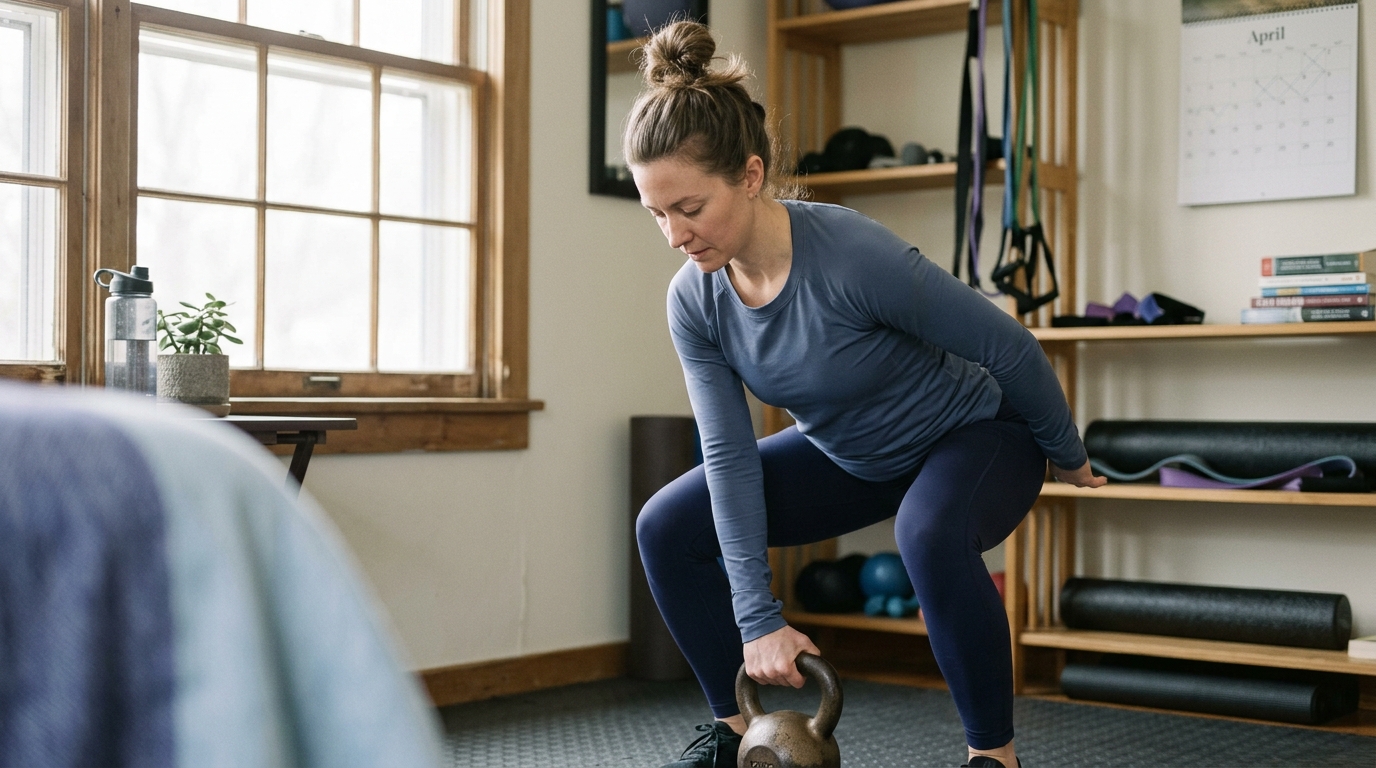
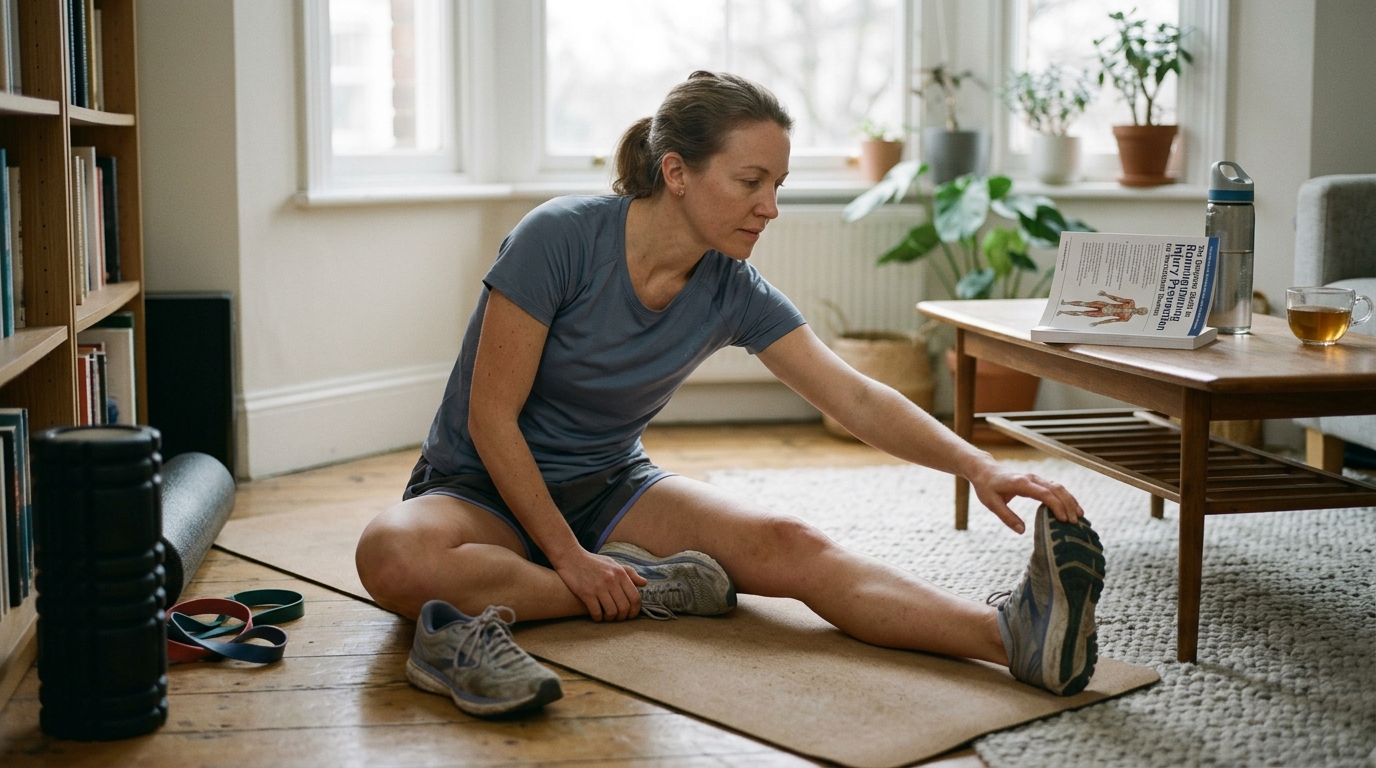
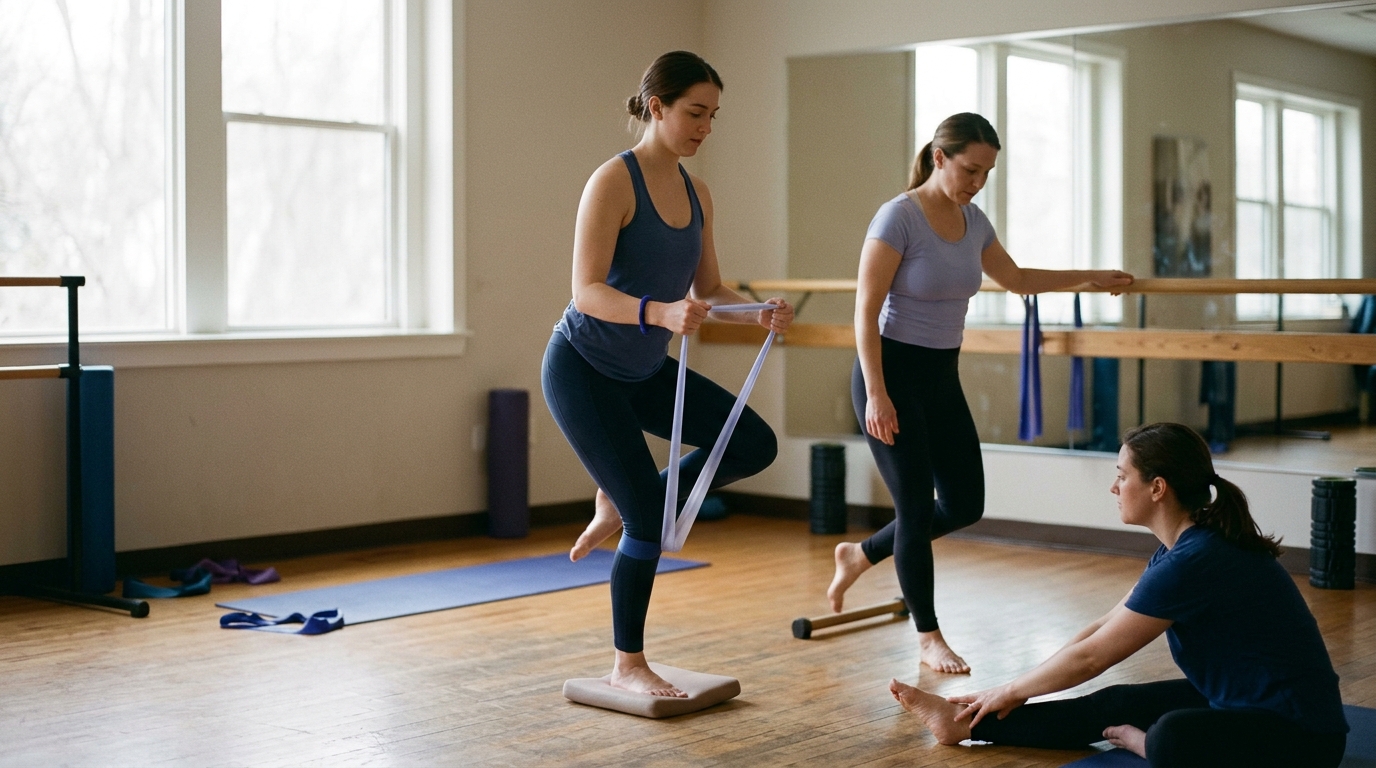
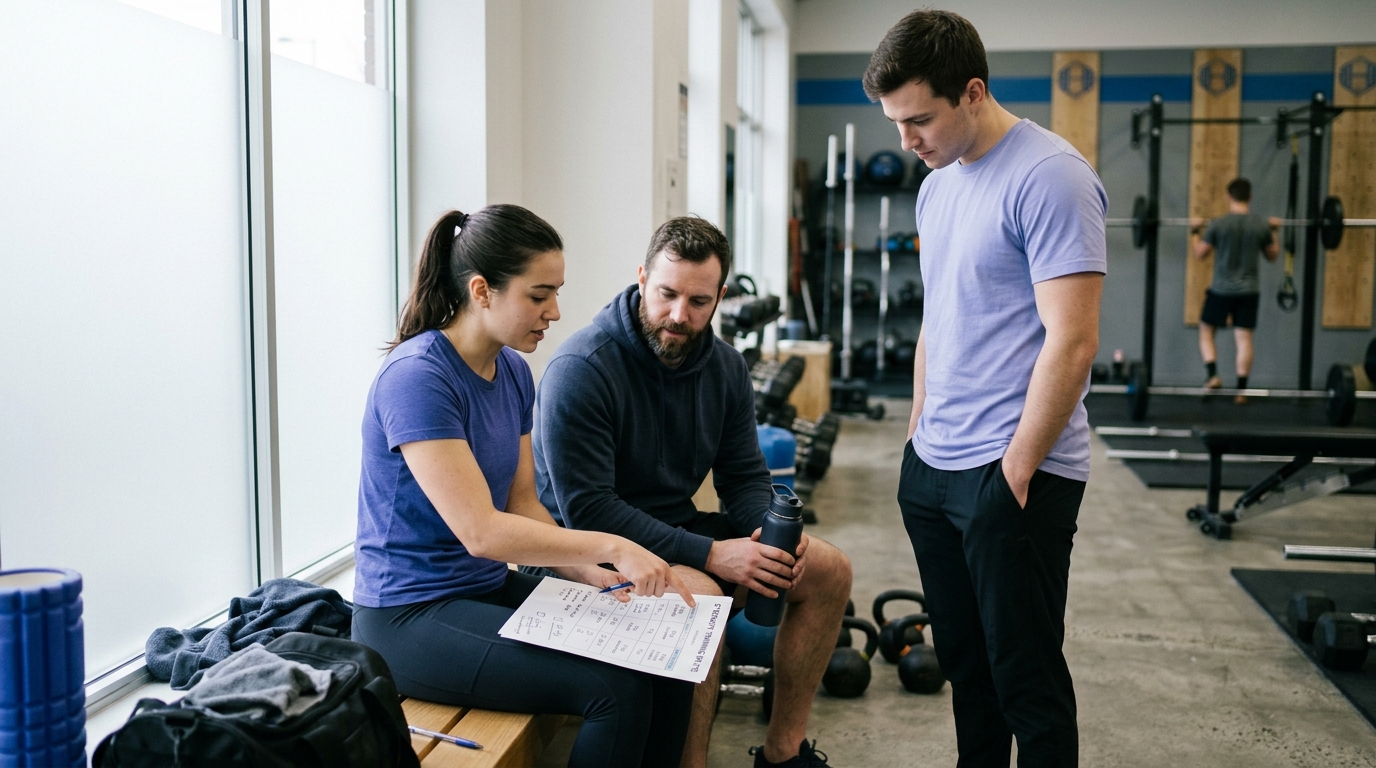
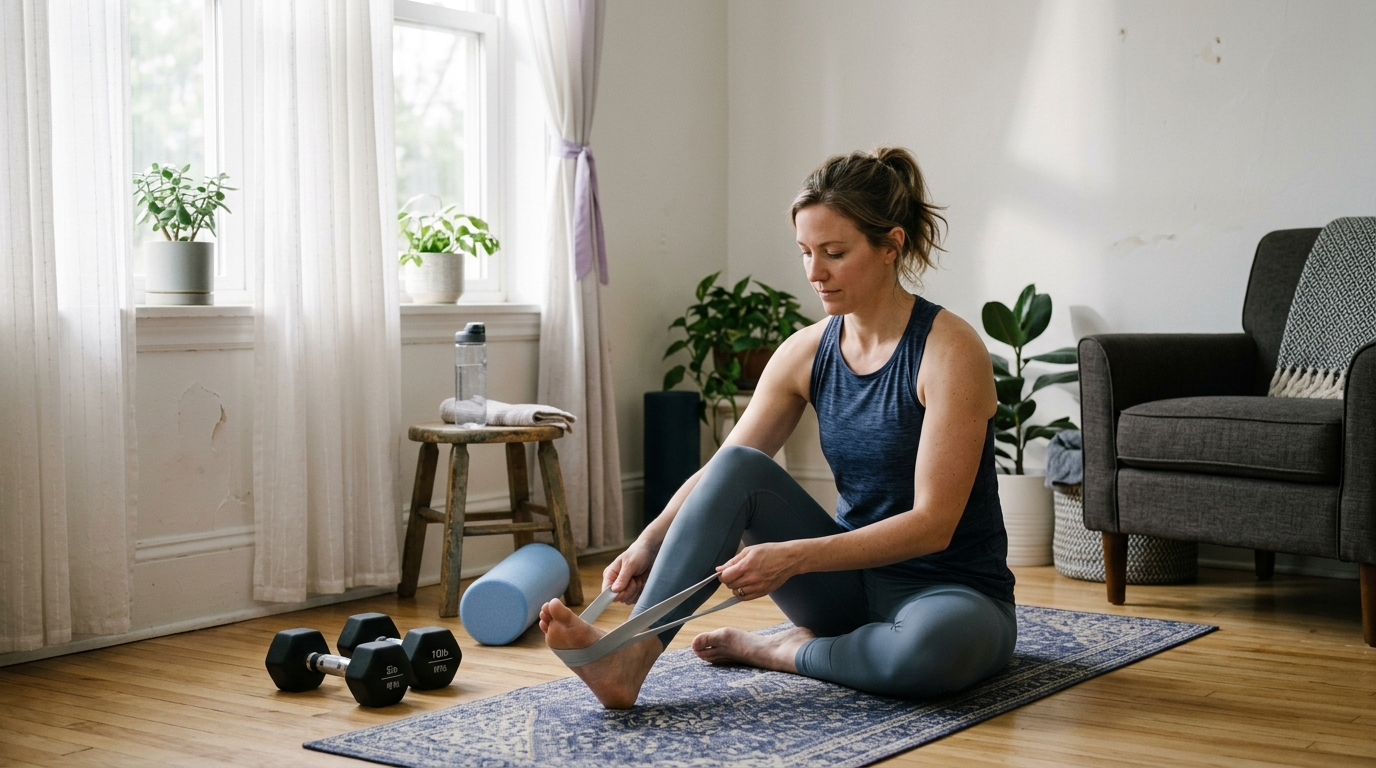
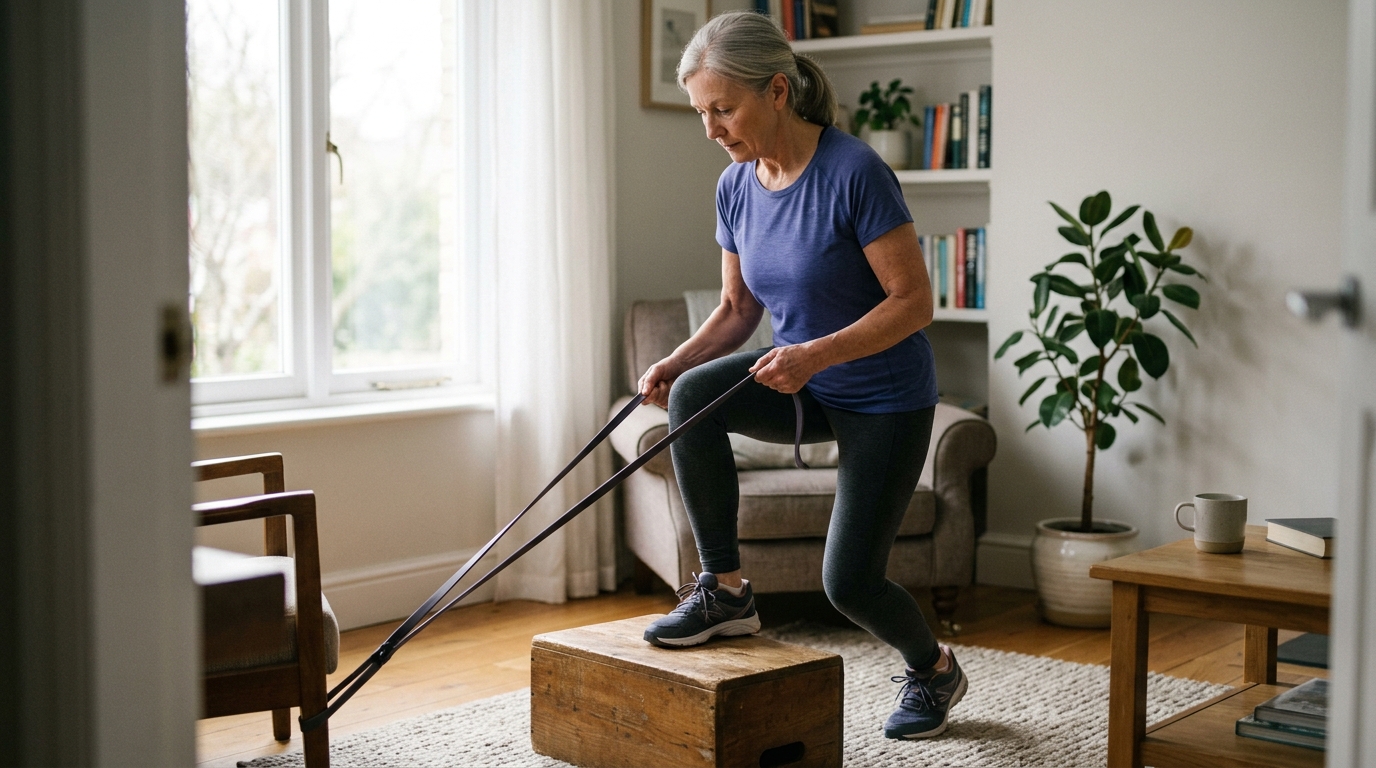
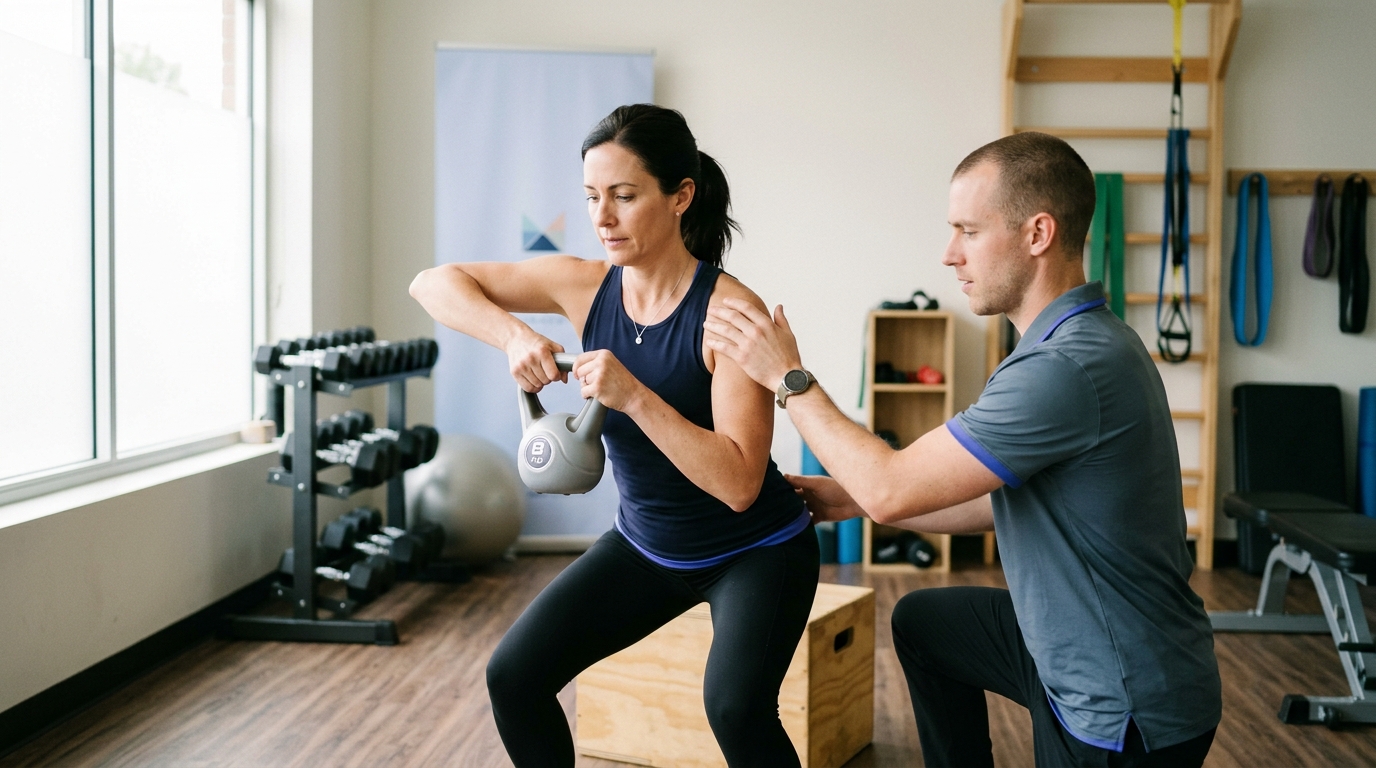
Targeted strength exercises help protect your joints by building muscular endurance in key stabilizing muscle groups. You do not need heavy gym equipment to build useful functional strength for walking.
For deeper insights into conditioning strategies, check our section on rehabilitation and mobility resources.
Foot discomfort is one of the most common reasons a pleasant day out becomes miserable. Friction, moisture, and unsupportive footwear work together to cause skin breakdown and joint strain.
Friction blisters occur when shear forces cause the upper layers of skin to separate from the deeper layers, filling the space with fluid. A clinical study examining hikers found that hiking in wet socks was associated with 1.94 times the risk of developing foot blisters compared to hiking in dry socks.
Moisture softens the outer layer of the skin, making it far more vulnerable to shear damage. This finding highlights the practical value of keeping your feet dry during long outings, whether by choosing breathable shoes, wearing moisture-wicking synthetic socks, or carrying a spare pair of socks to change into halfway through the day.
Another systematic review evaluated various strategies to reduce friction blisters. The review found moderate confidence in the effect estimate for using paper tape as a protective barrier on areas prone to friction. Applying paper tape or specialized blister bandages to known friction spots before heading out can reduce direct skin rubbing. While this evidence supports tape as a useful preventive tool, it does not promise total blister prevention for every individual or environment.
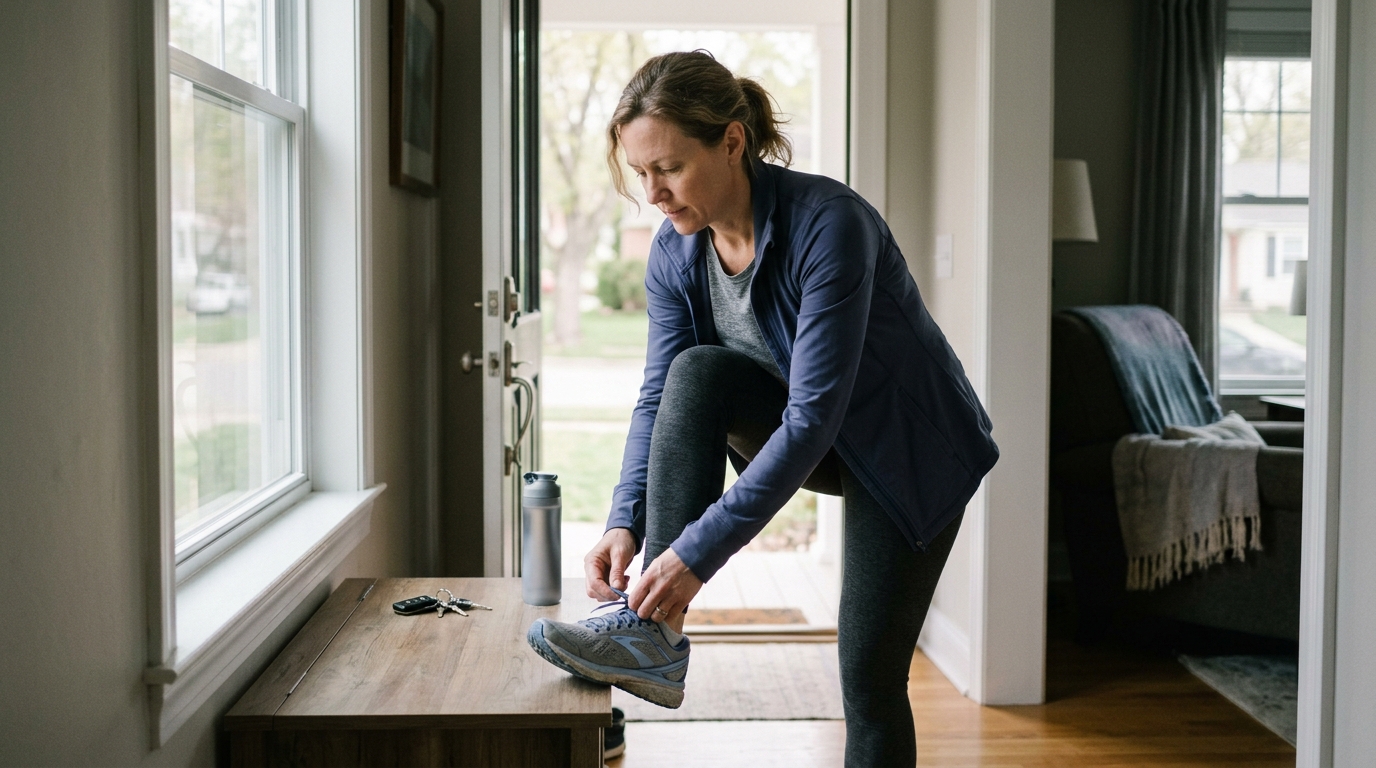
Never wear brand-new shoes to an event that requires hours of walking. Even well-designed athletic shoes have stiff areas that need repeated flexing to adapt to the shape of your foot.
If you notice a warm or sensitive area on your foot, known as a hot spot, address it immediately. Do not wait until it becomes a full blister.
Take off your shoe, dry the skin thoroughly, and apply a piece of medical tape or a blister pad over the irritated spot. If your socks feel damp from sweat or rain, change into a clean, dry pair. Taking five minutes to manage friction early can protect the rest of your day.
Weather conditions can dramatically increase the physical effort required for an outing. High temperatures and direct sunlight place extra strain on your cardiovascular system.
The Centers for Disease Control and Prevention (CDC) provides clear guidance for managing heat during physical activity. Key recommendations include:
These recommendations emphasize that managing heat requires proactive planning. Building cooling breaks and shade stops into your itinerary helps protect your energy and safety. To learn more about environmental recovery, explore our guides on recovery science and physical health.
When walking outdoors in warm weather, your body loses fluid through sweating to keep your core temperature stable. Dehydration reduces blood volume, which forces your heart to beat faster to supply oxygen to working muscles.
Carry a lightweight water bottle that you can refill at public fountains or dining locations. In hot or humid conditions, drinking water alone may not replace the minerals lost through heavy sweating. Consuming balanced meals or light snacks containing sodium and potassium helps your body maintain fluid balance and supports normal muscle function.
Your choice of clothing affects how well your body manages heat and sun exposure.
A common mistake during exciting outings is overexerting yourself in the first two hours. When energy is high, people often walk at a fast pace, bypass rest areas, and stand in long queues without taking breaks. By noon, muscle fatigue sets in, making the second half of the day painful and exhausting.
Pacing is not just about moving slowly. It is about balancing periods of effort with deliberate recovery intervals.
Micro-breaks are short pauses lasting 30 to 60 seconds. You can take a micro-break while waiting at a crosswalk, looking at a map, or standing in an elevator. During these brief pauses, shift your weight off your heels, roll your shoulders backward, and take two slow, deep breaths to reduce muscle tension.
Macro-breaks are planned rest periods lasting 15 to 30 minutes every two to three hours. During a macro-break, sit down fully, ideally with back support. If possible, elevate your feet on a low rail or bench to help reduce swelling. Removing your shoes for a few minutes in a shaded spot can also give your feet a welcome break from pressure.
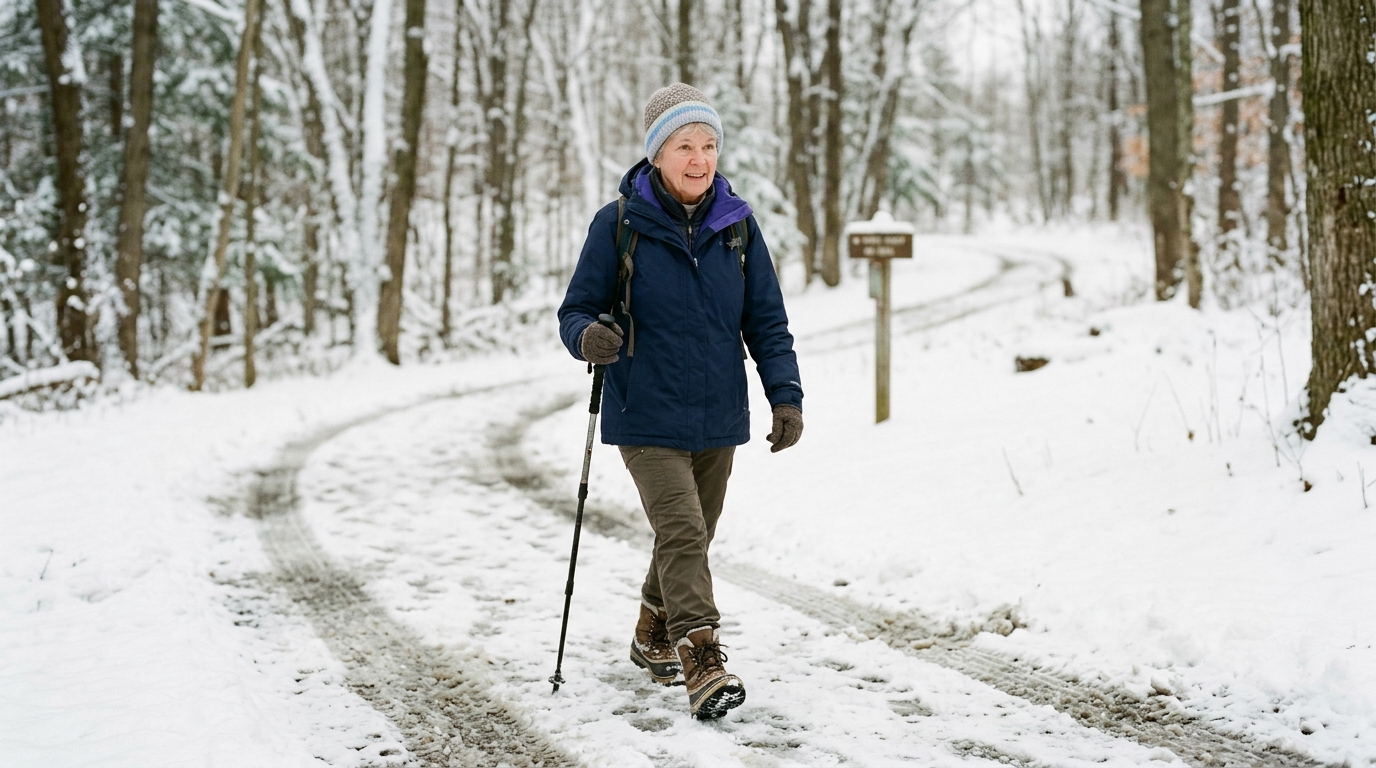
Walking uphill, descending steep ramps, or navigating flights of stairs places distinct demands on your lower body.
For further reading on maintaining functional movement throughout your daily routines, visit our collection of injury prevention and active living resources.
No two bodies respond to a full day of activity in the exact same way. Several personal factors can alter your endurance, symptom response, and recovery timeline.
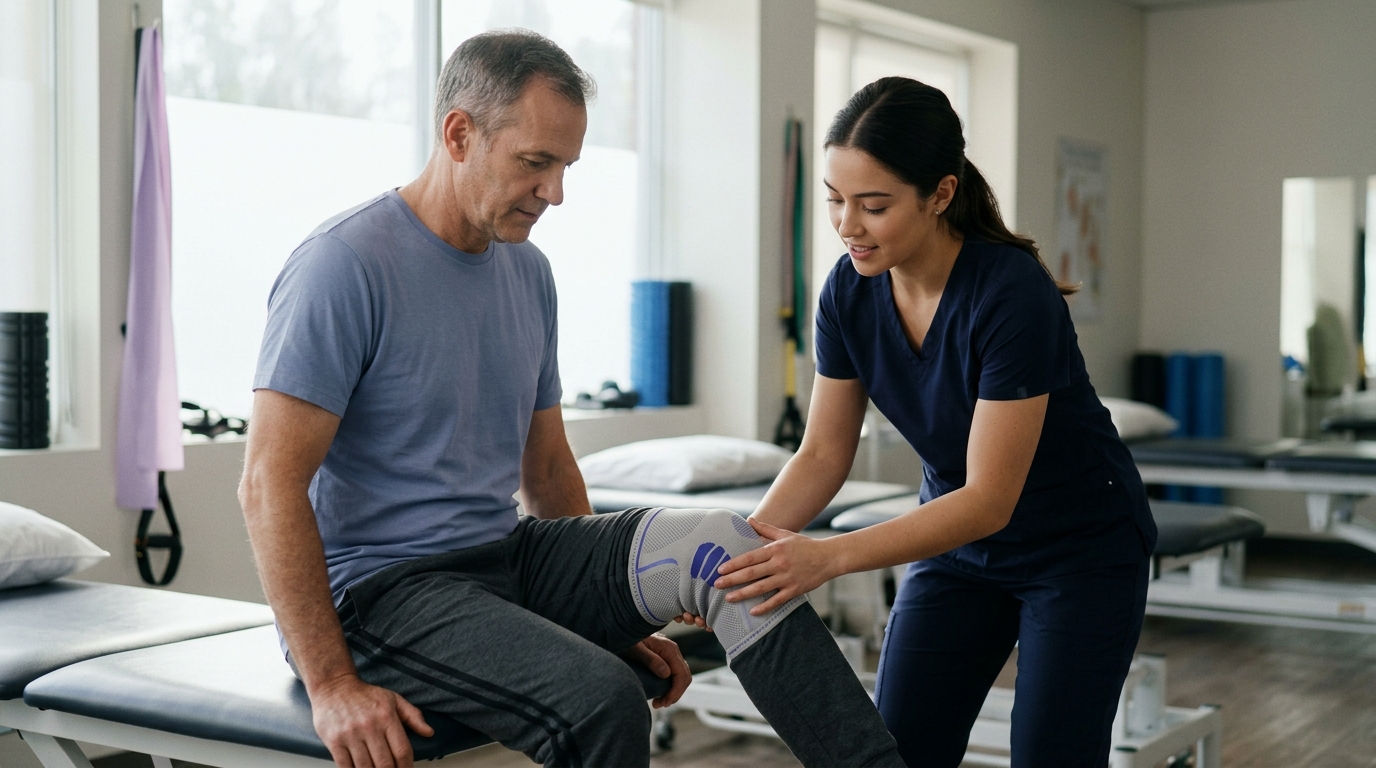
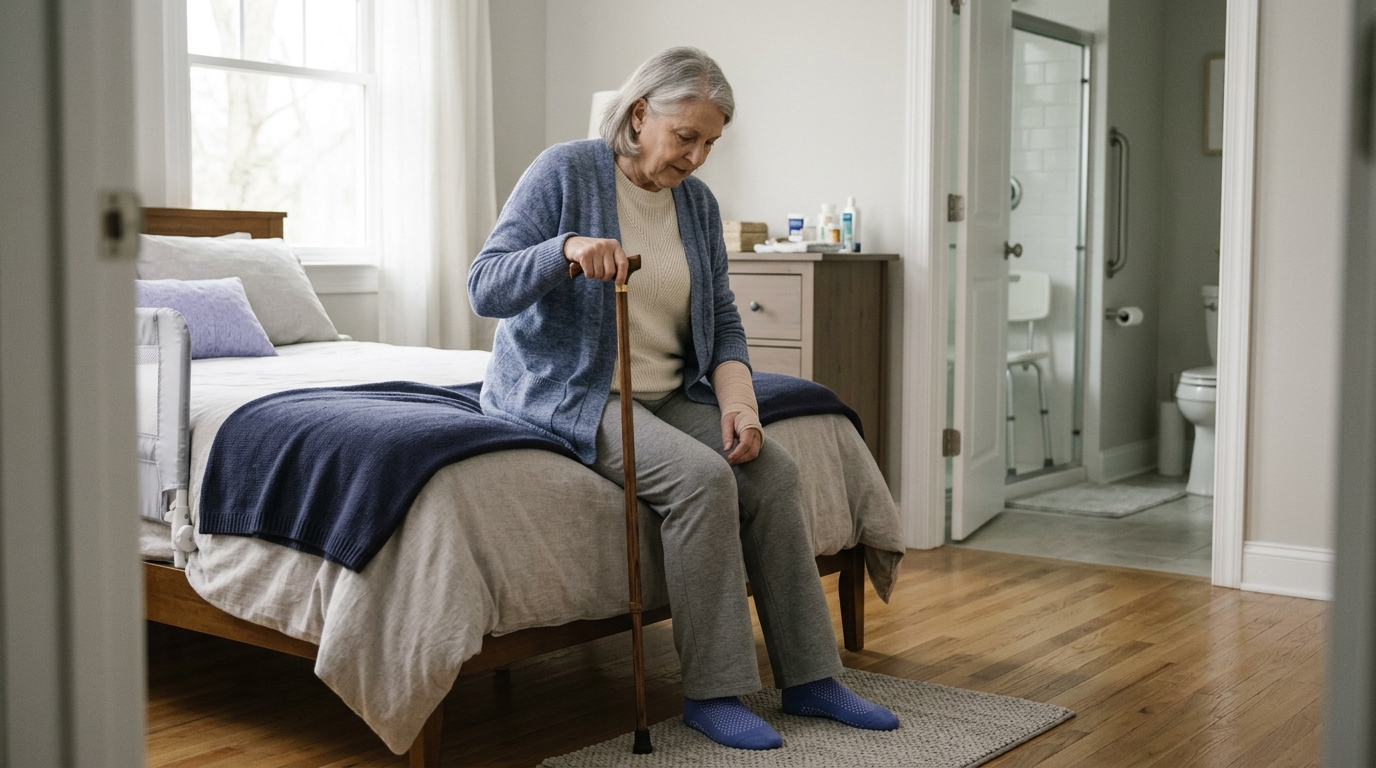
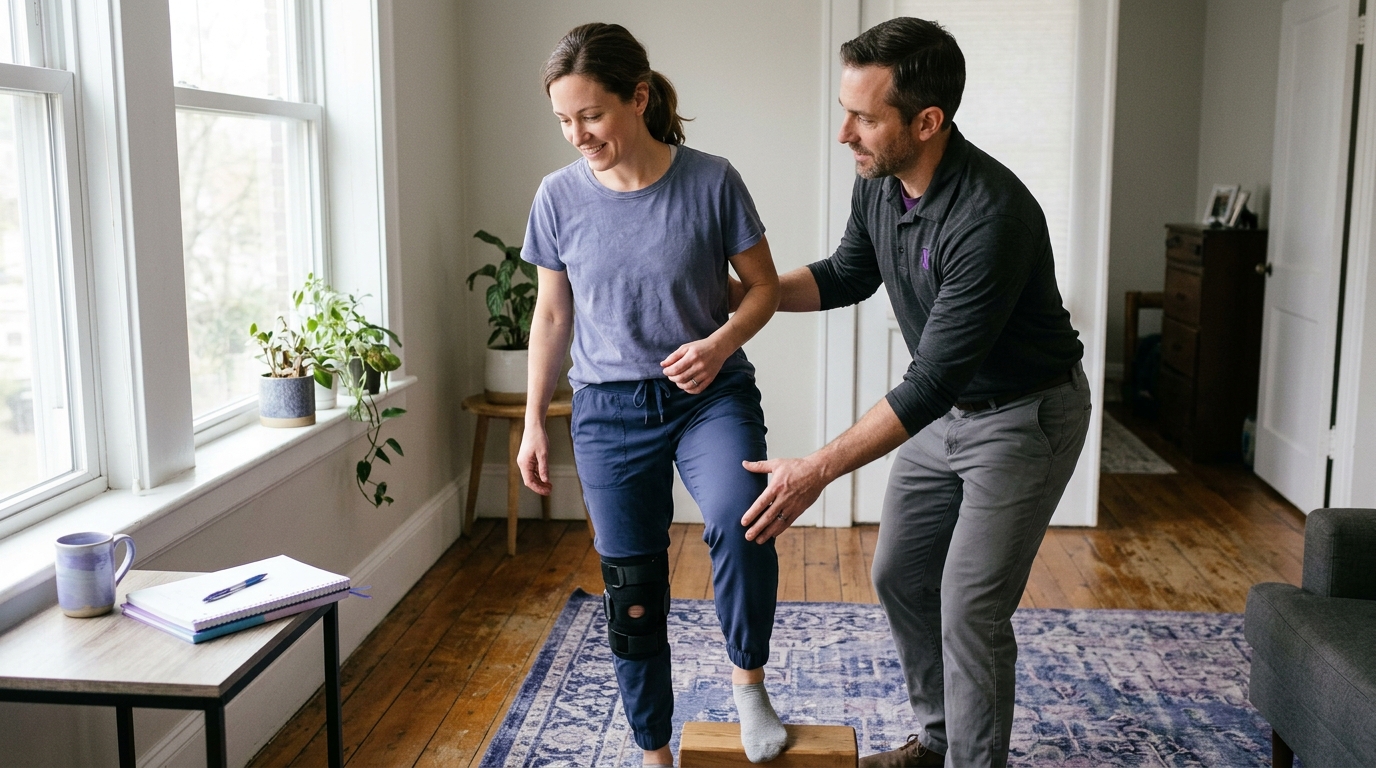
If you have a history of knee osteoarthritis, hip impingement, lumbar disc issues, or prior orthopedic surgeries, your joints may have a lower threshold for repetitive impact.
As we age, muscle tissue loses a small percentage of its elasticity, and tendons take slightly longer to recover from high-volume loading.
An active adult in their sixties can certainly enjoy a full theme-park day or walking tour, but their tissues may require more deliberate pacing and slightly longer rest intervals than a younger companion. Recognizing these natural physiological changes helps you set realistic expectations rather than feeling frustrated by the need for breaks.
Conditions such as hypertension, heart disease, diabetes, or peripheral vascular disease influence how your body handles prolonged physical activity.
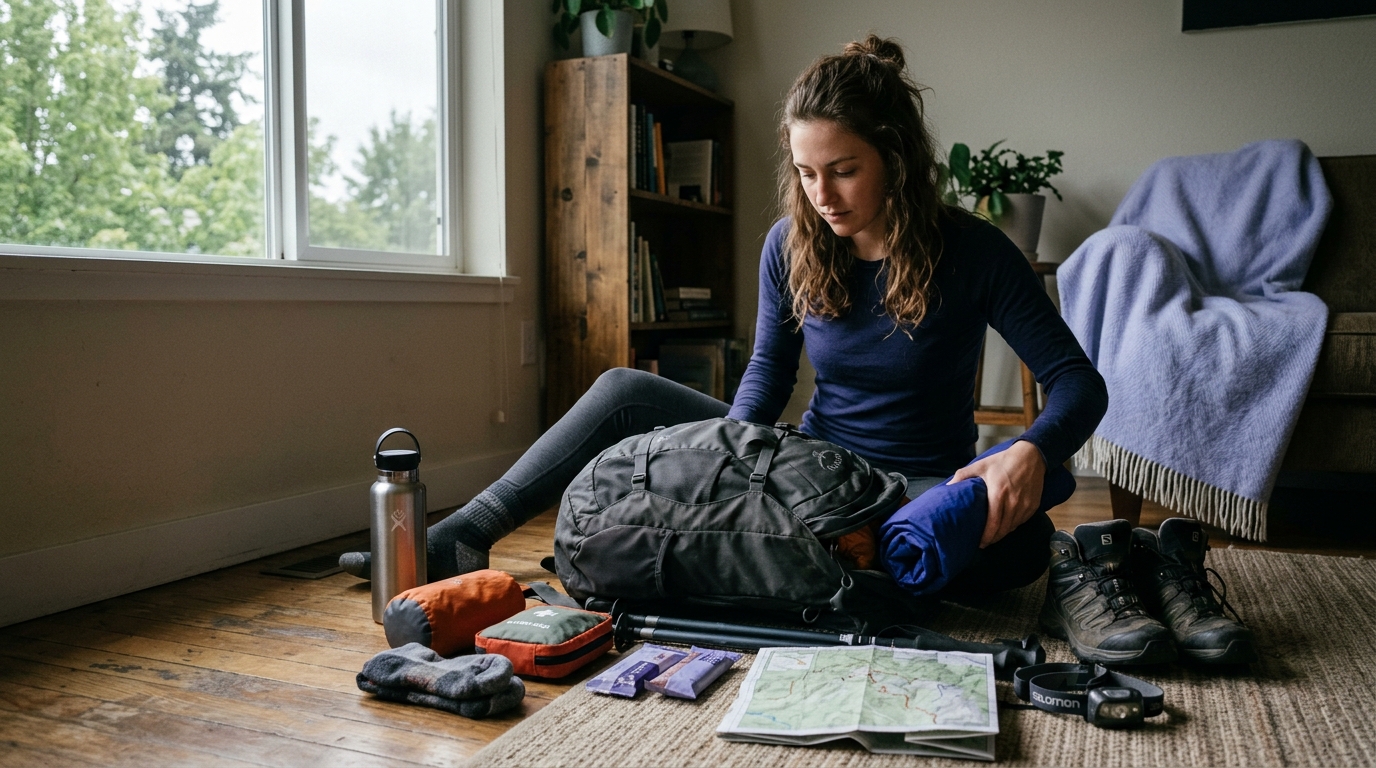
What you carry directly affects how your body experiences the day.
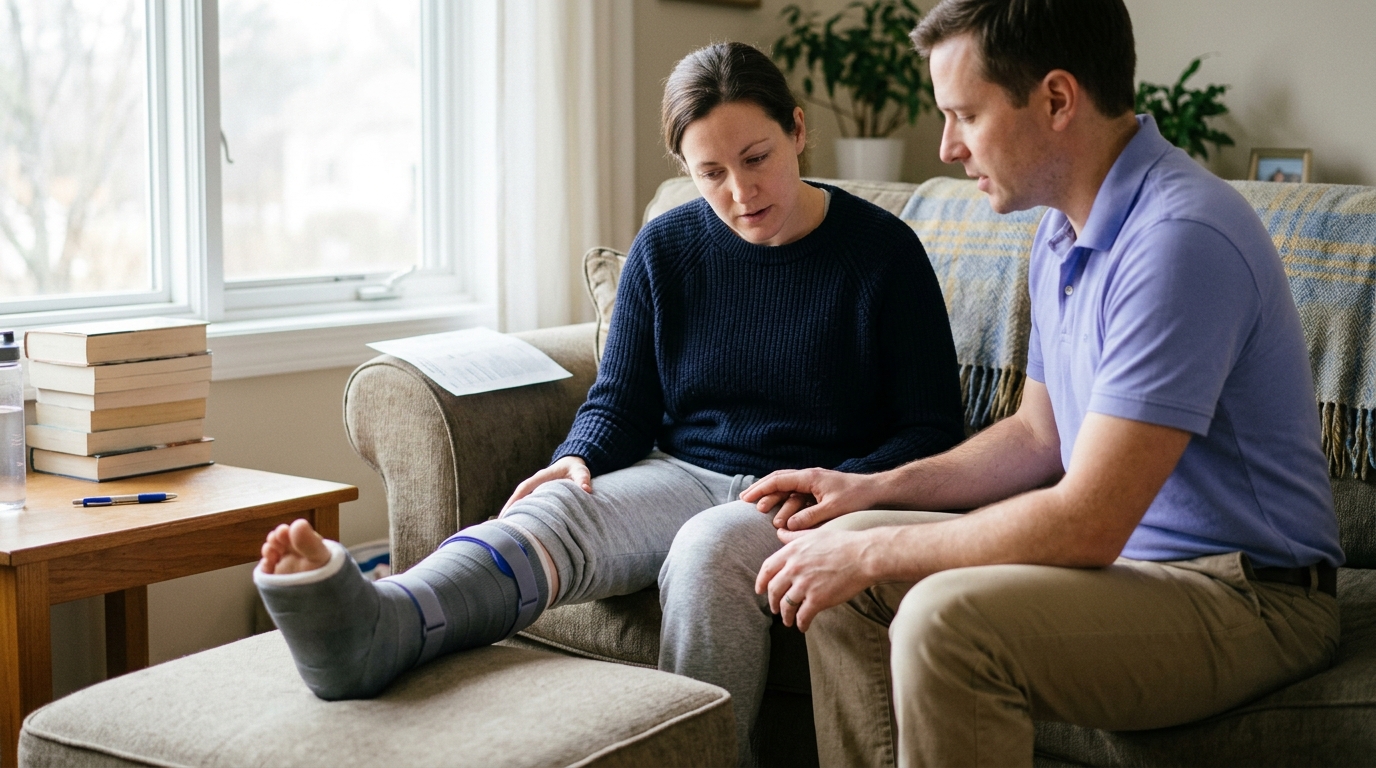
If you are currently recovering from joint limitations, you can explore our library of mobility and movement guides.
Even the best preparation cannot prevent every unexpected physical challenge. Weather changes, sudden rainstorms, long lines, or unexpected joint aches can disrupt your original plan. Establishing clear contingencies before you leave home reduces stress and protects your physical well-being.
Before arriving at a large venue, take five minutes to review a map of the area. Identify the locations of:
Knowing where these resources are located makes it easy to modify your route if someone in your group begins to tire.
Social pressure is one of the most common reasons people push past safe physical limits. When traveling with family or friends, it can feel uncomfortable to ask the group to stop or slow down.
Discuss expectations openly before the outing begins. Agree that anyone in the group can call for a ten-minute rest stop without debate. Having a pre-established understanding ensures that taking a break feels like a normal part of the day rather than an inconvenience to others.
Always have a realistic plan for ending the day early if necessary.
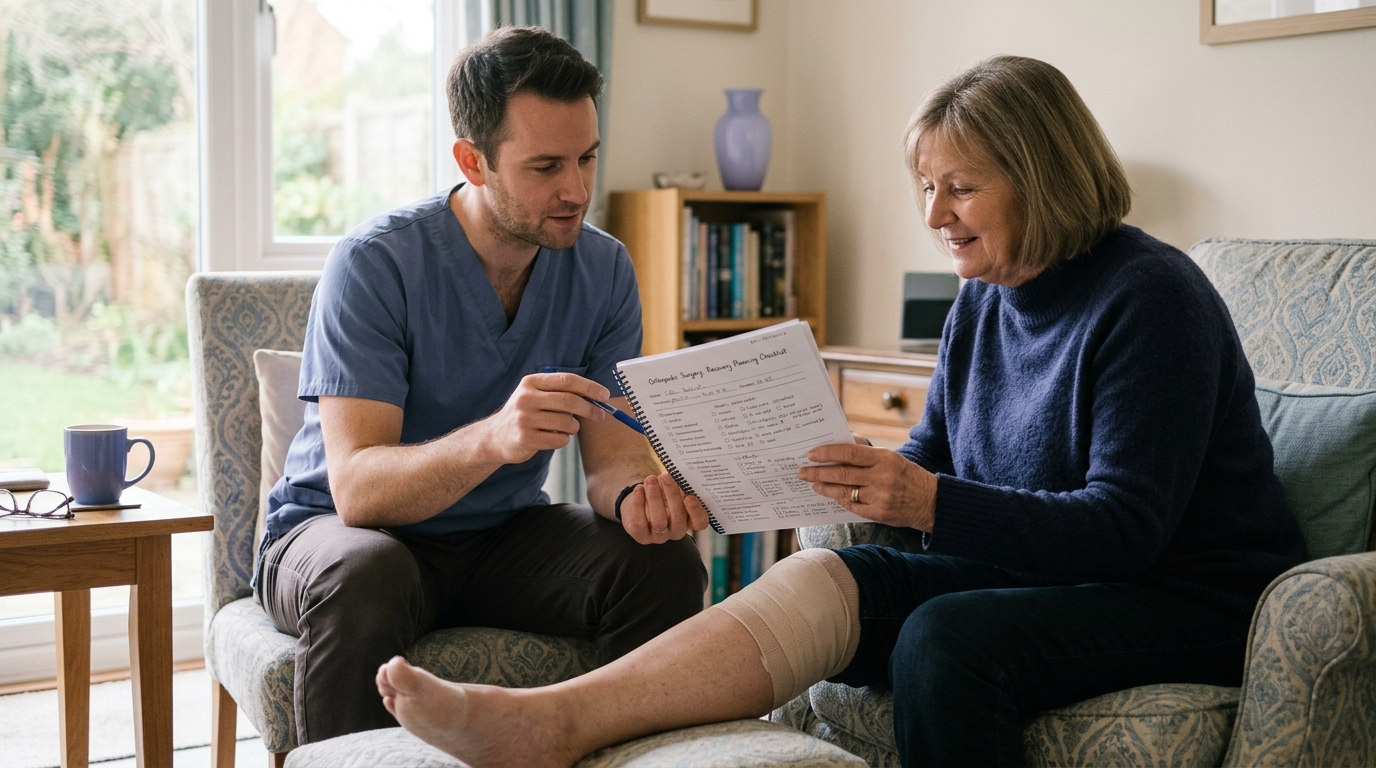
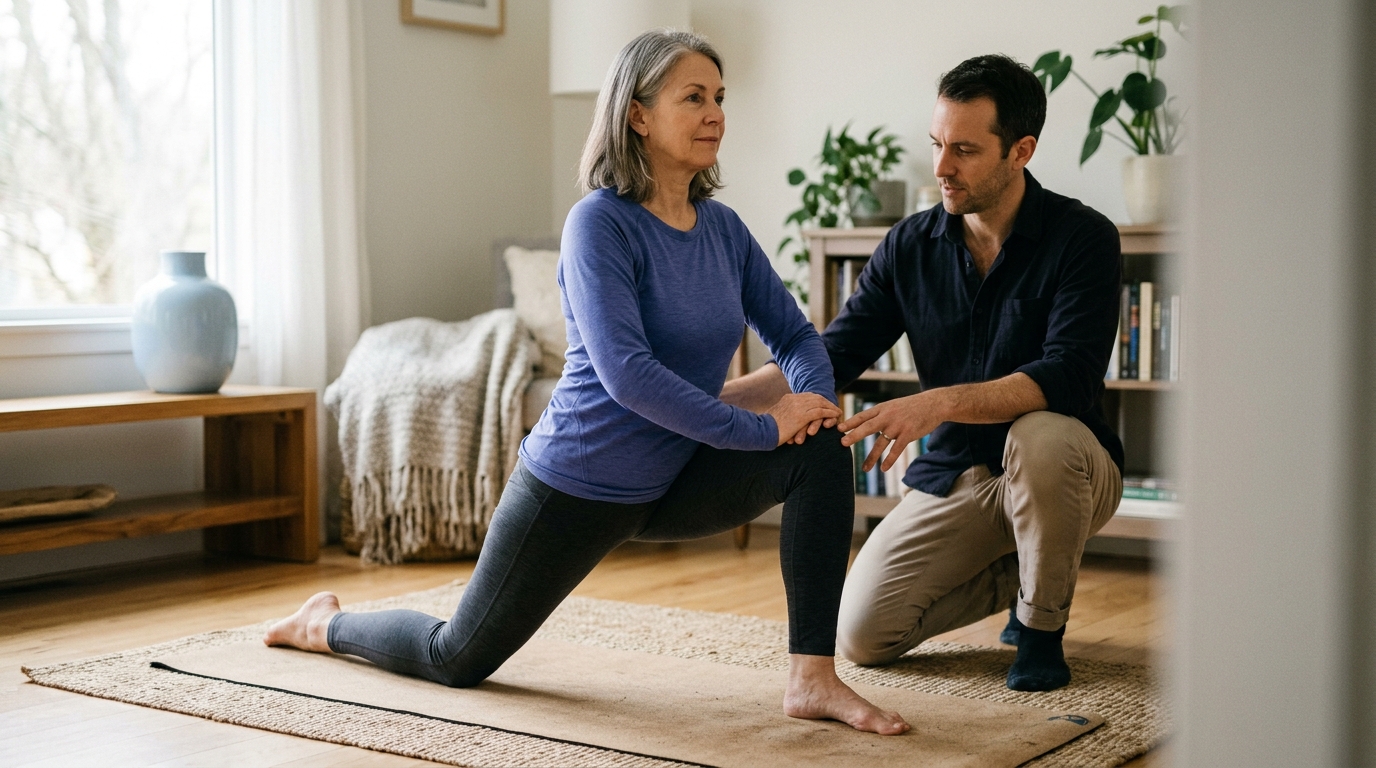
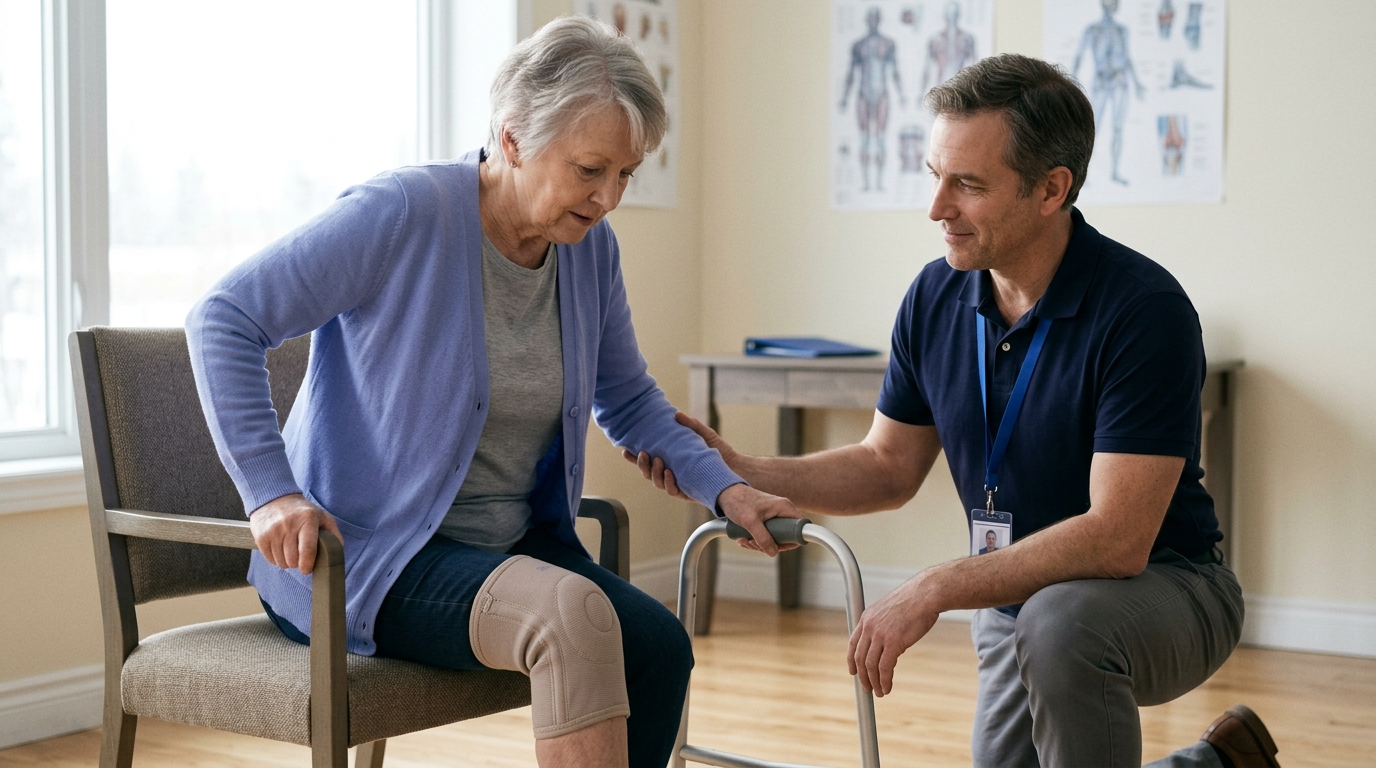
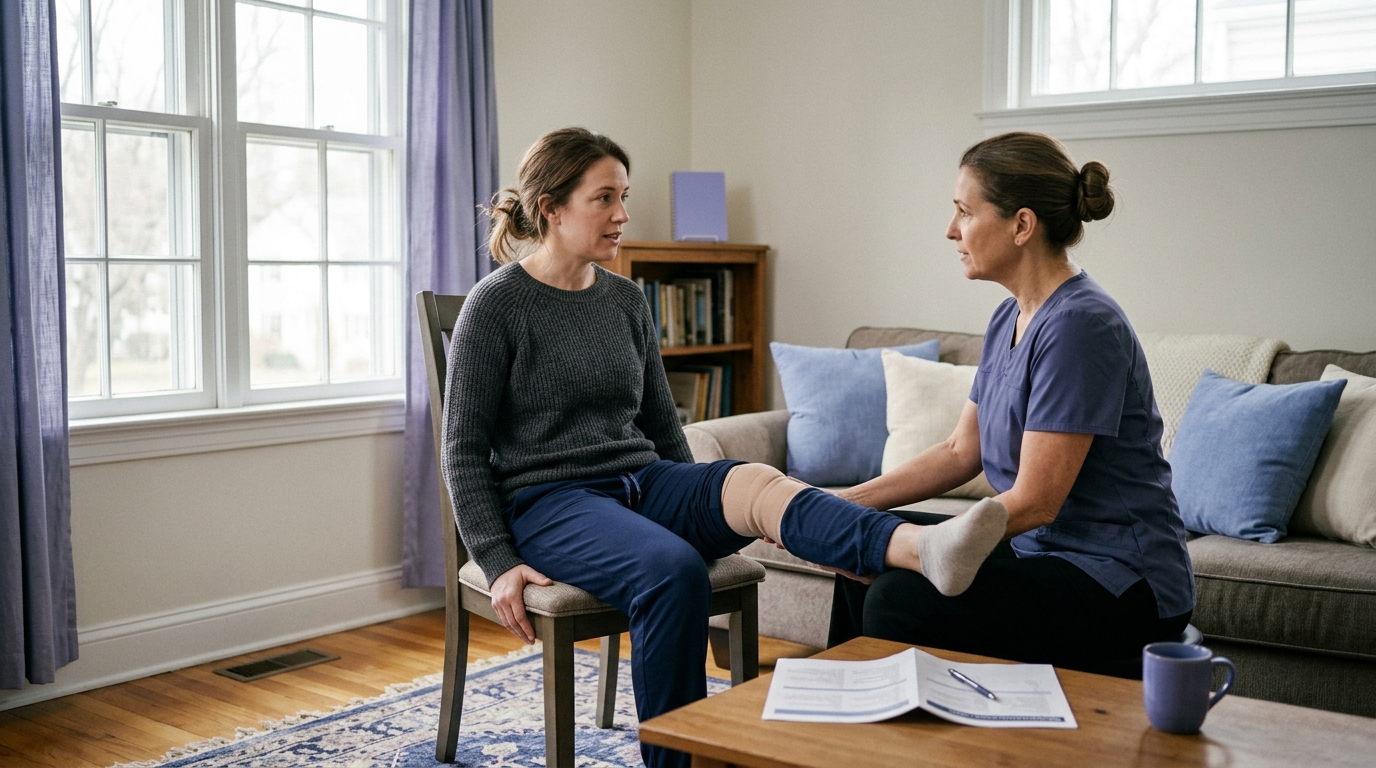
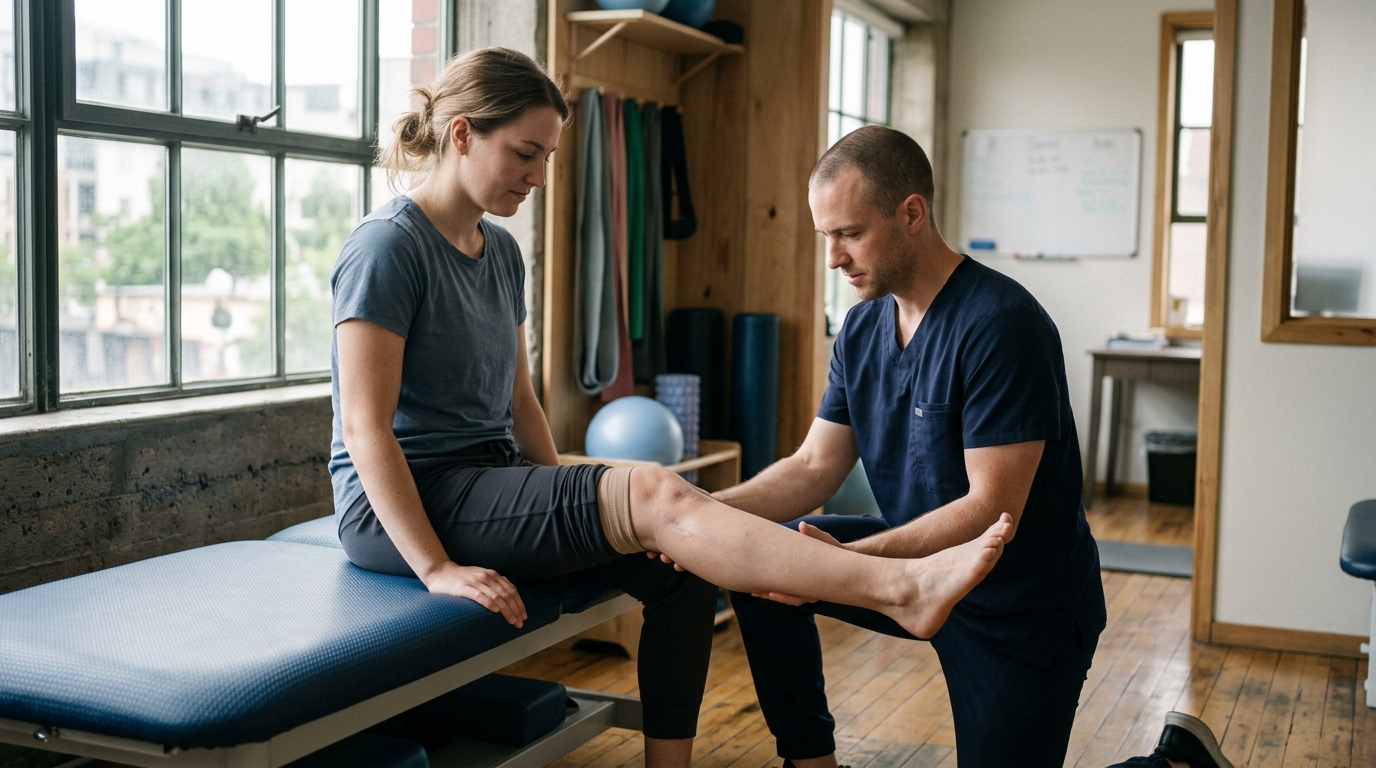
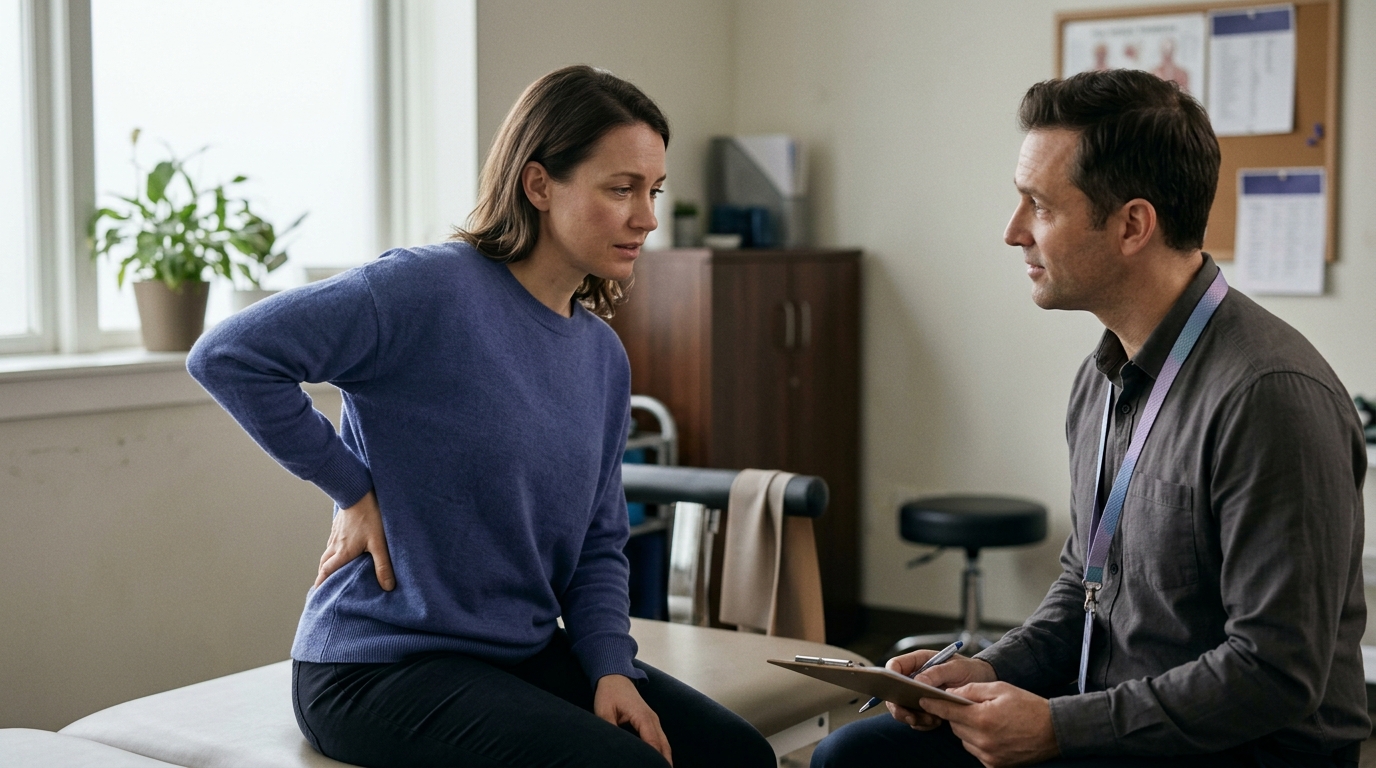
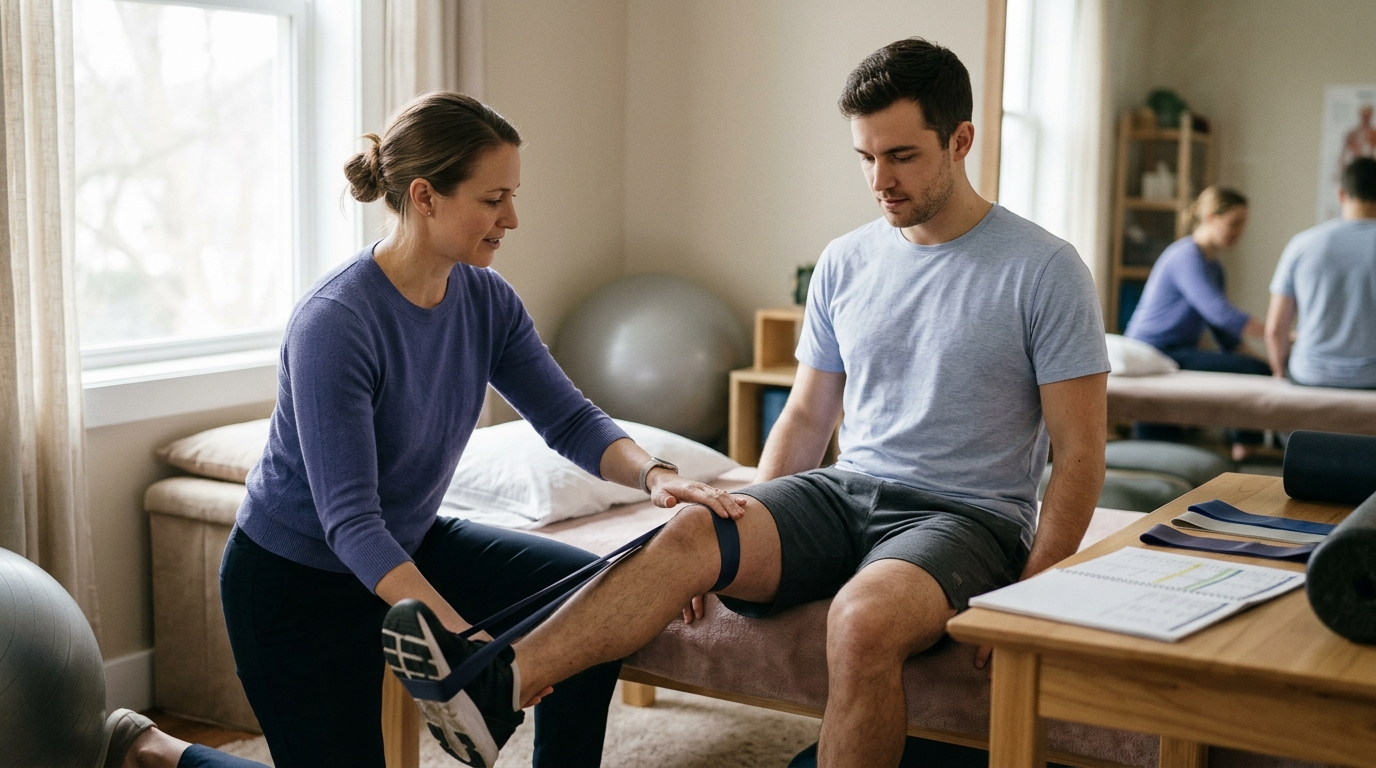
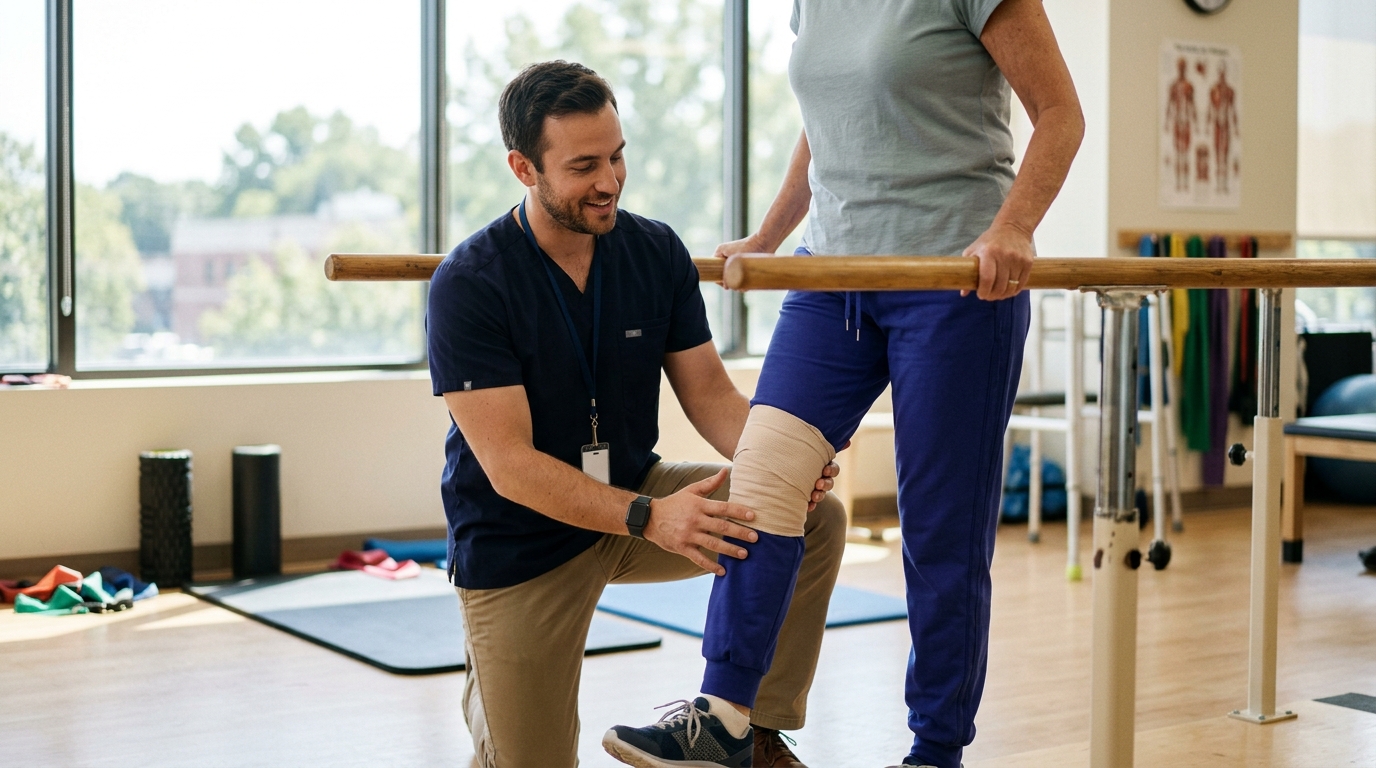
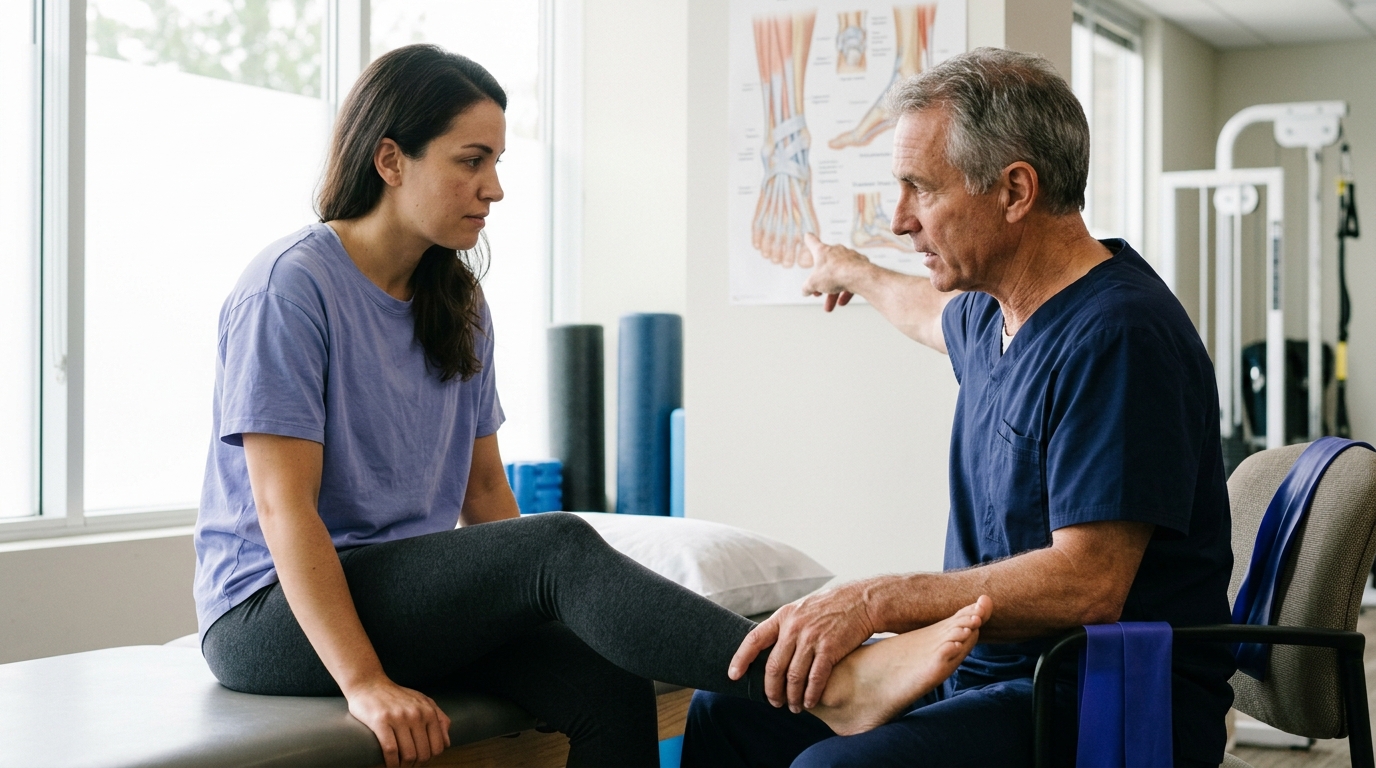
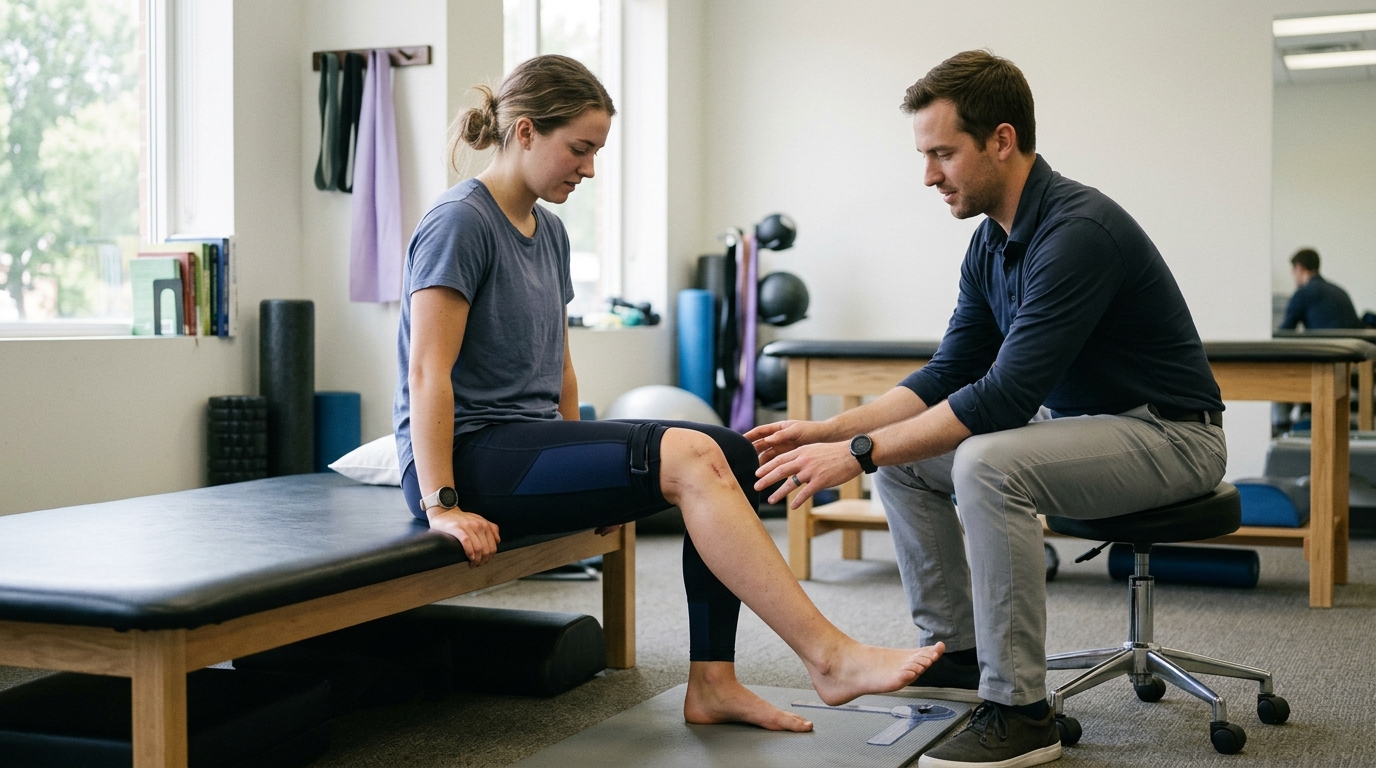
If you are managing an existing health condition, recovering from recent orthopedic surgery, or preparing for an unusually demanding trip, consulting your primary care provider or physical therapist is a wise step. Here are practical questions to guide that discussion:
Having an open conversation with a clinician ensures that your preparation aligns with your specific health profile.
Preparing for an active day out involves progressive walking practice, selecting reliable footwear, protecting skin against friction, pacing your energy, and building flexible rest options into your itinerary. While evidence confirms that walking training improves stamina and basic heat precautions reduce environmental stress, no plan eliminates normal physical fatigue.
The day after a demanding outing, support your body's recovery by taking a gentle 15-minute walk on a flat surface to promote circulation, drinking plenty of water, and doing light stretches for your calves, hamstrings, and hip flexors.
Revisit this resource whenever you are planning a trip involving heavy walking, transitioning into a more active travel season, or helping a family member prepare for a large recreational event.
With thoughtful preparation and realistic pacing, you can enjoy physically demanding days out while keeping your body supported, comfortable, and ready for future activities.

Use ReboundBody resources to understand common recovery stages, rehab terms, movement limits and strength rebuilding. Each guide is designed to make a complex comeback easier to understand.


Read practical guidance on injury recovery, rehabilitation, mobility and rebuilding strength as you work your way back to activity.
Explore Resources