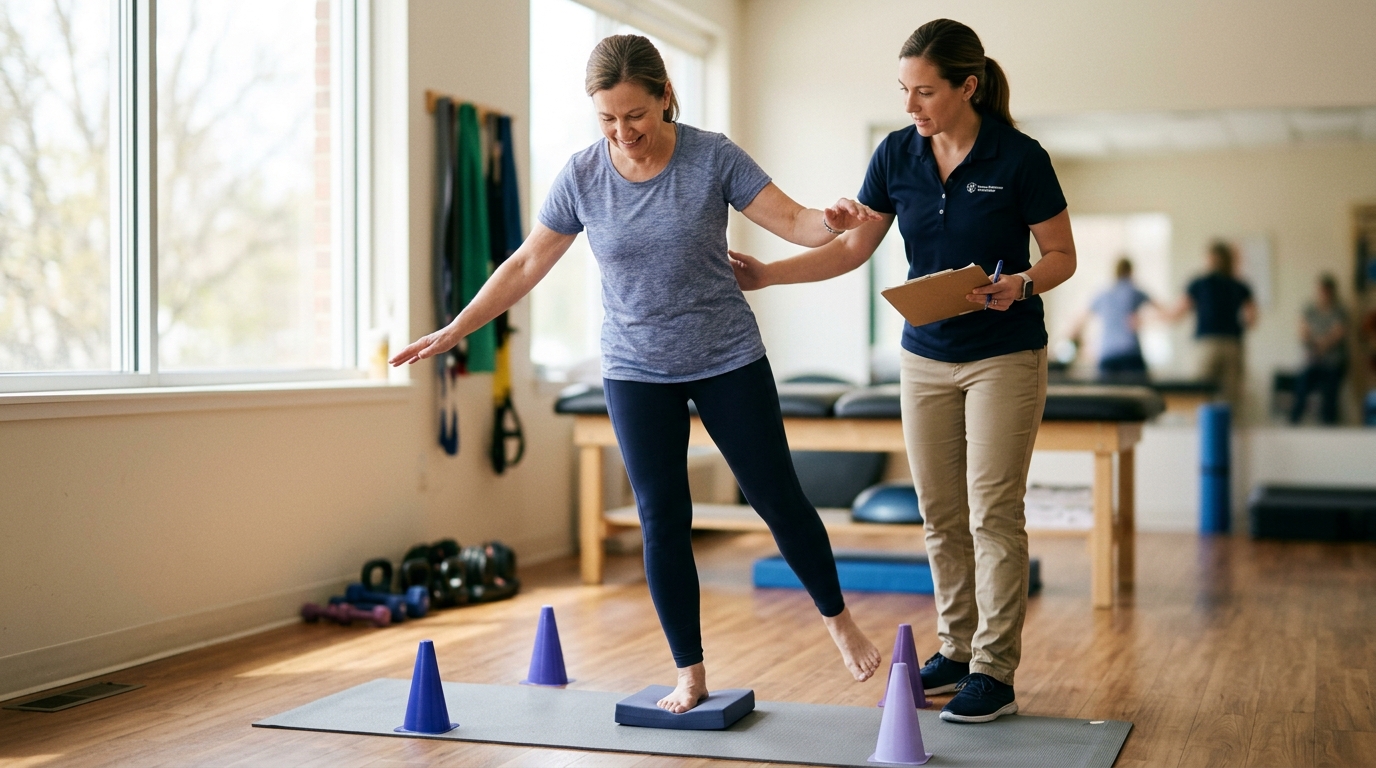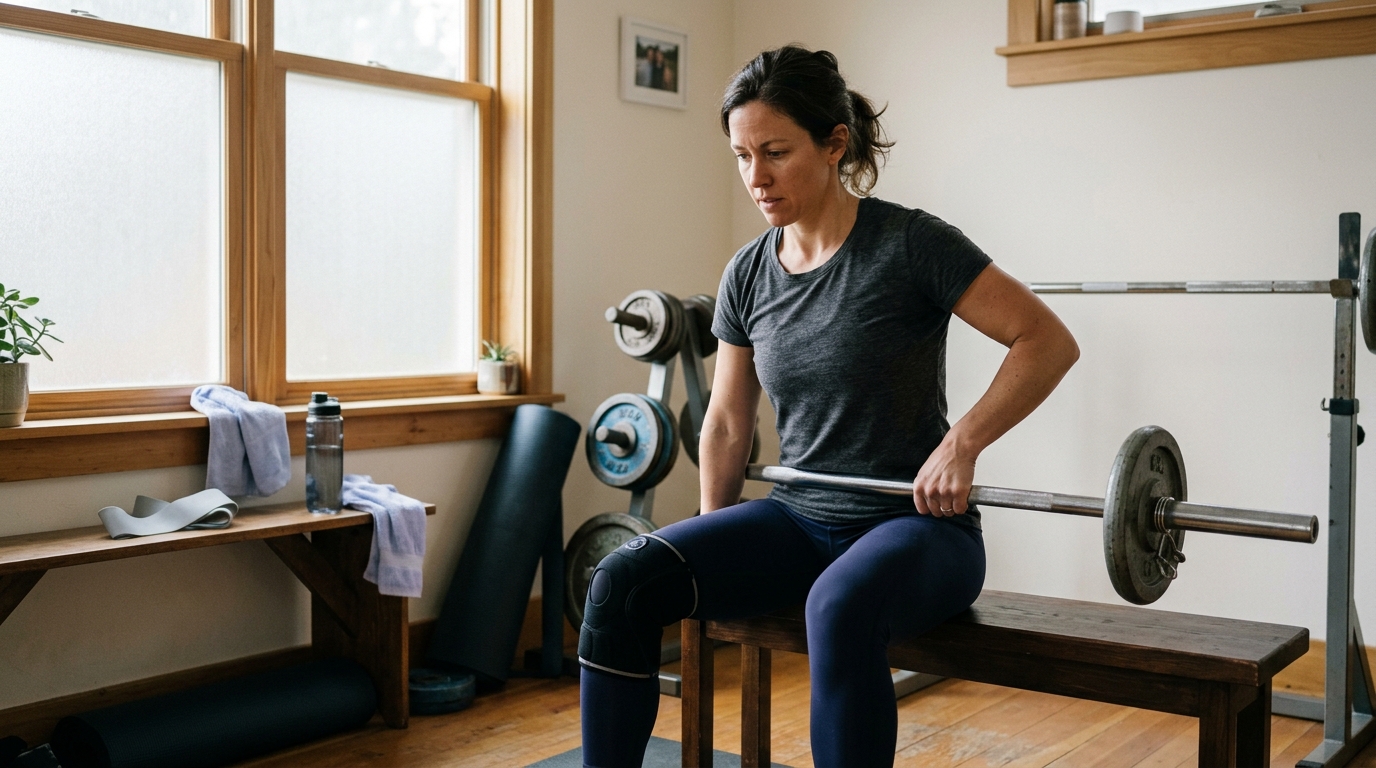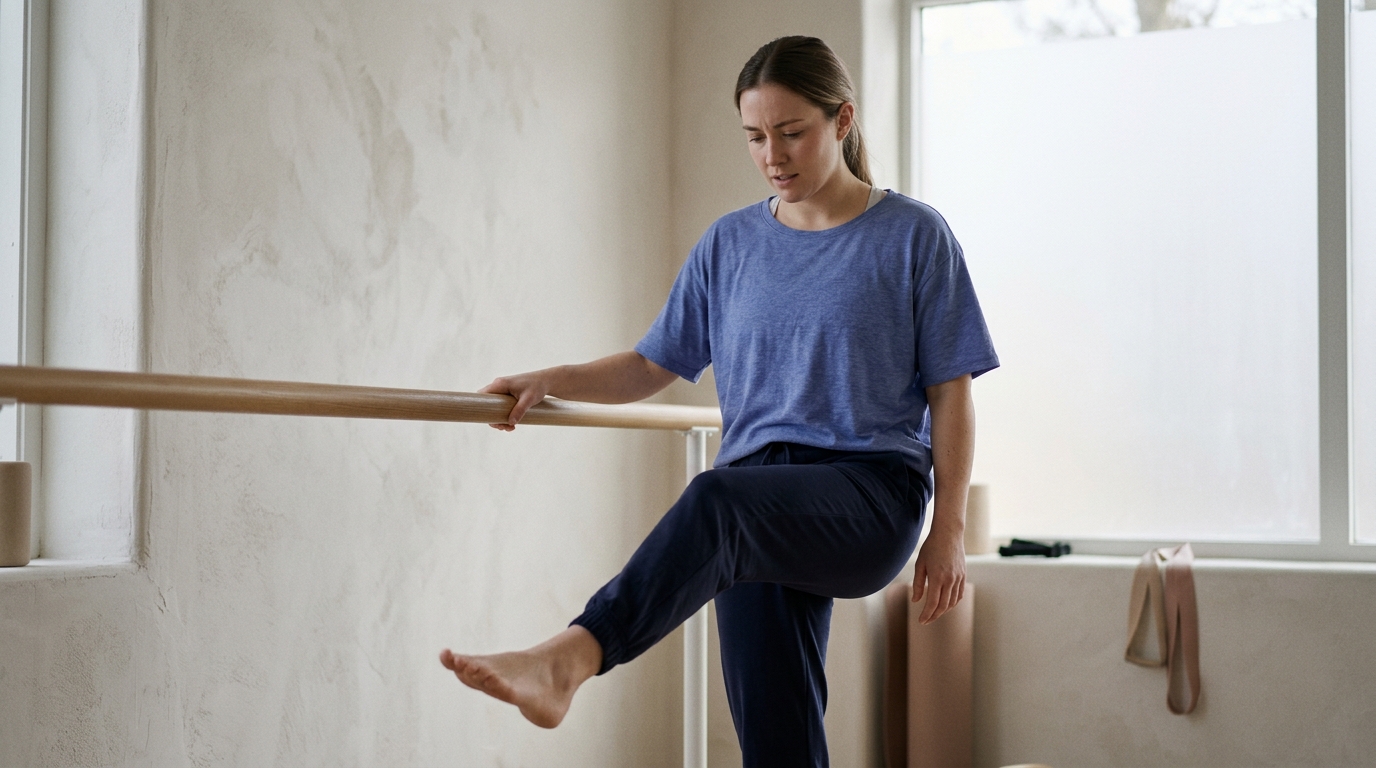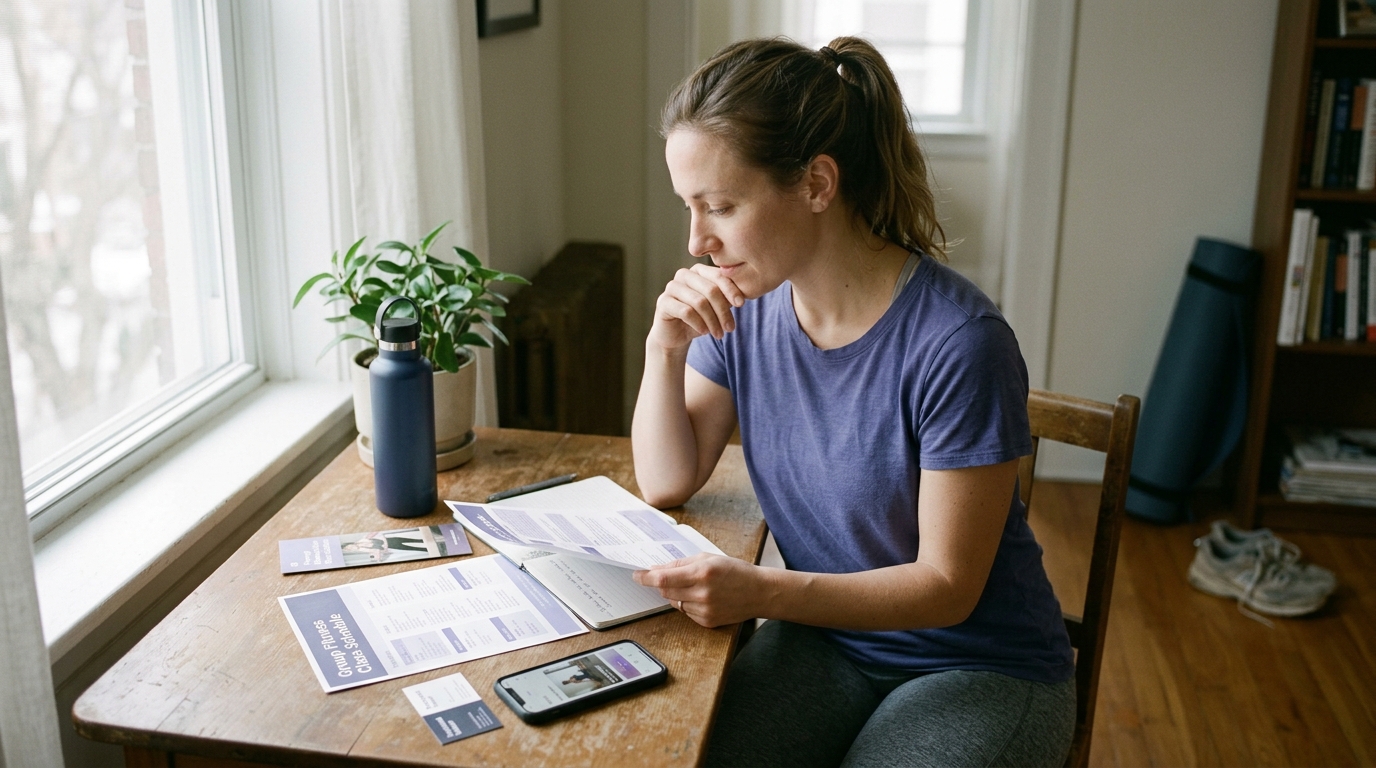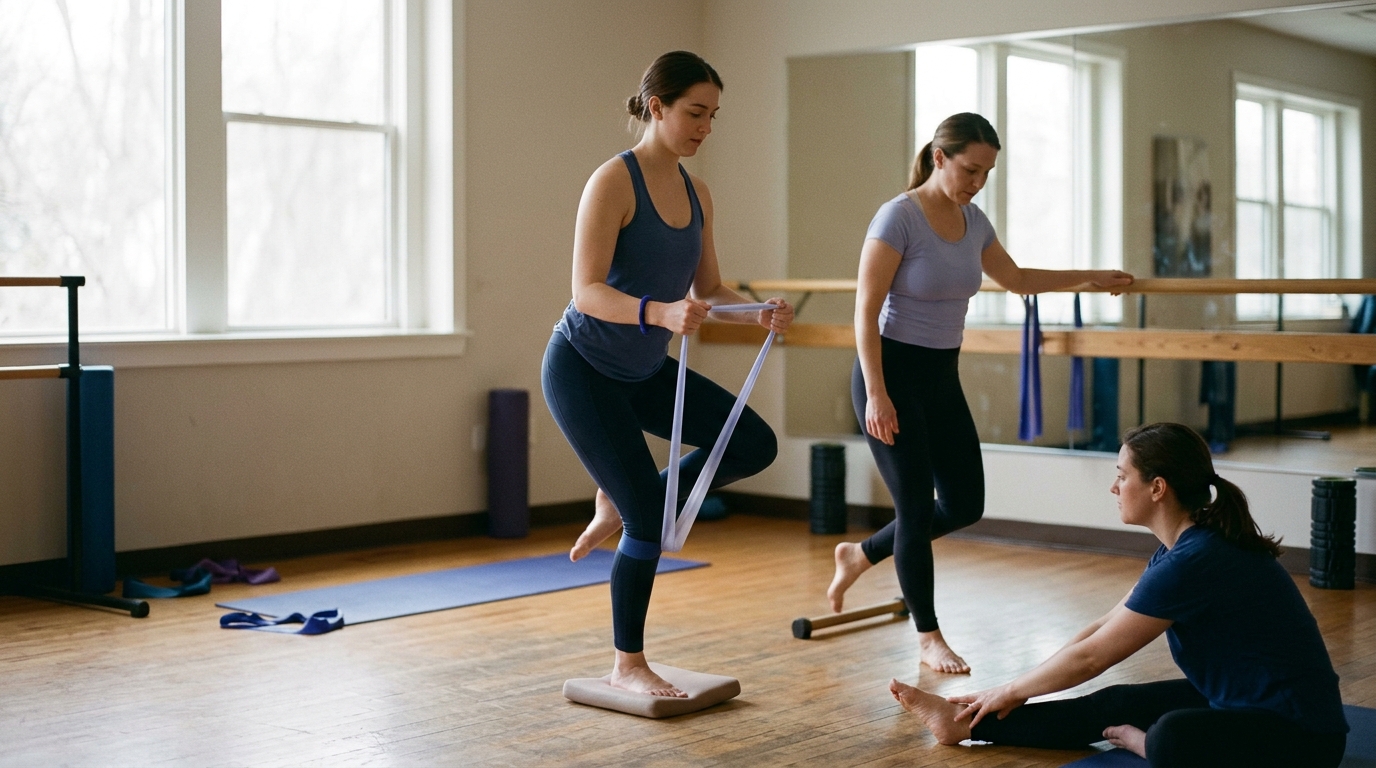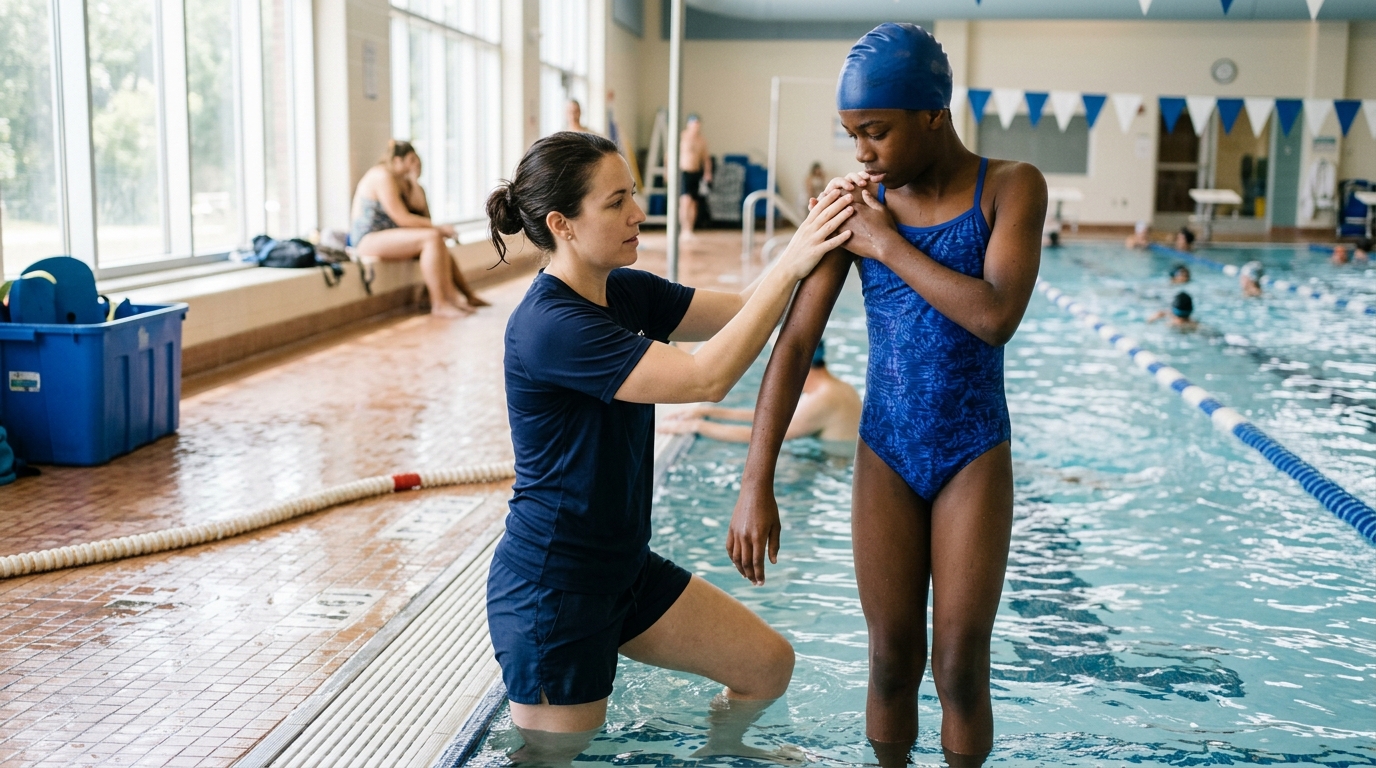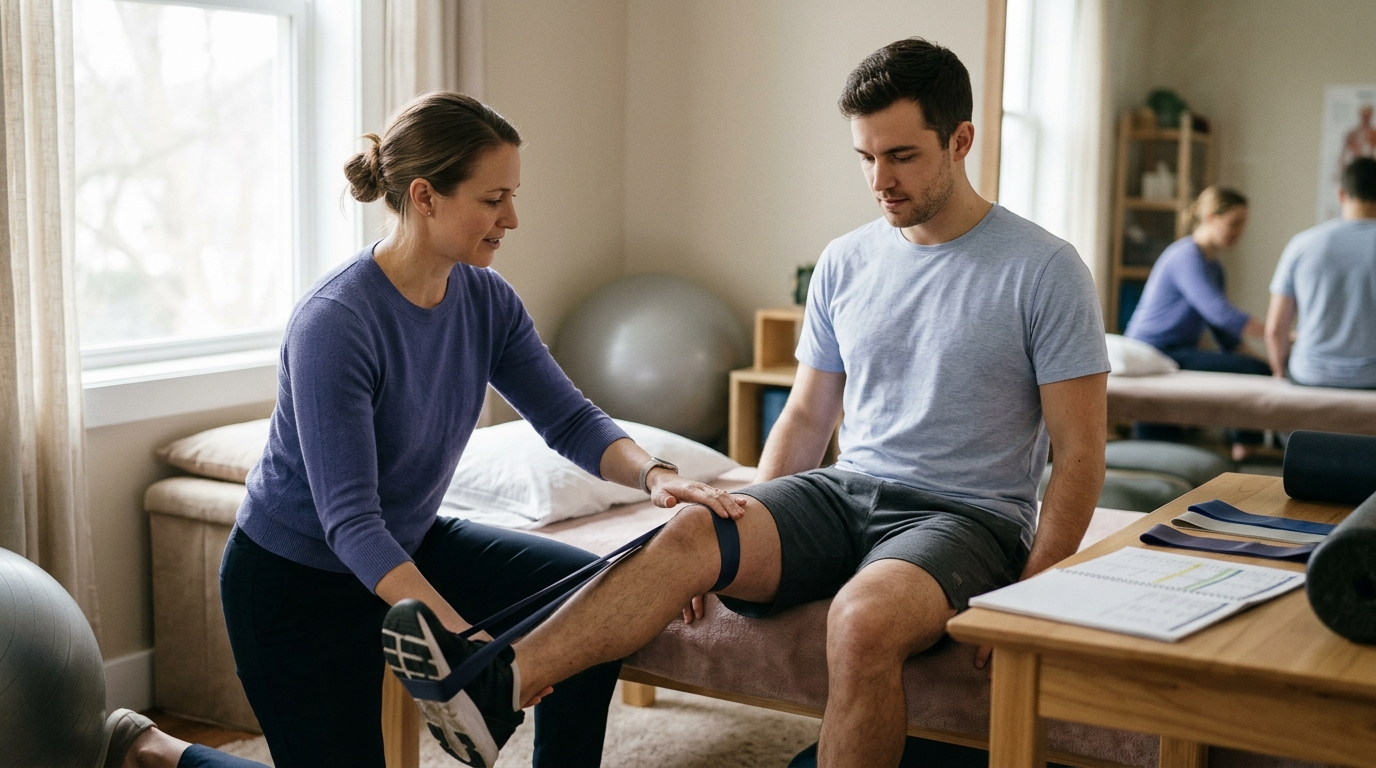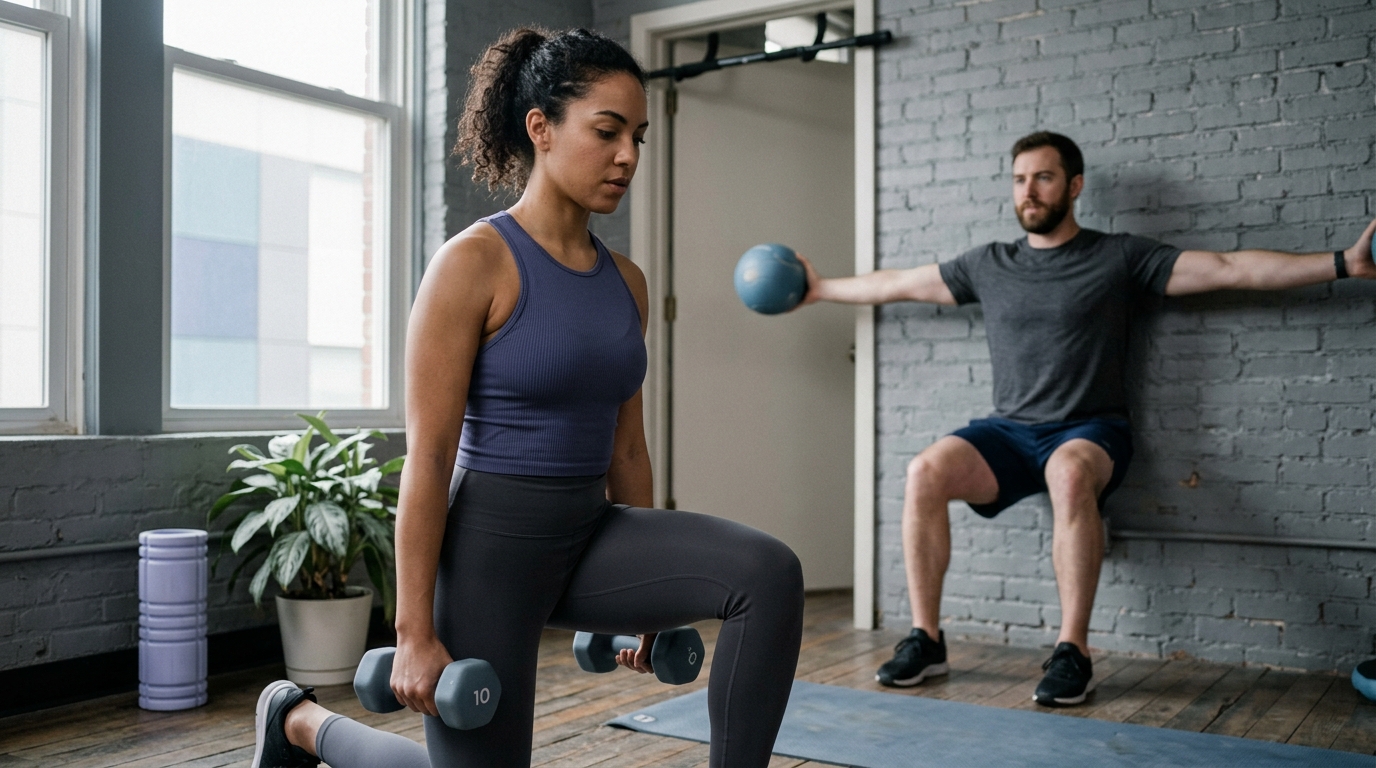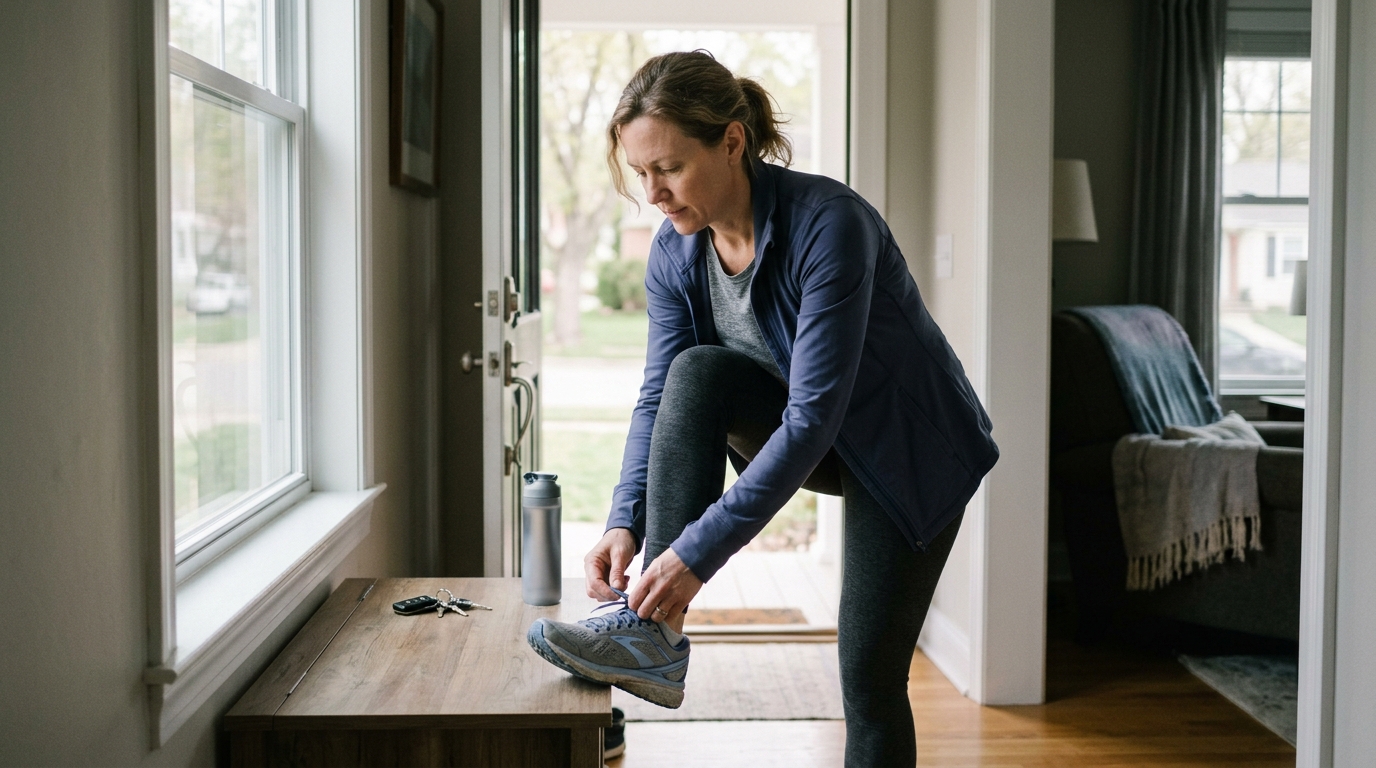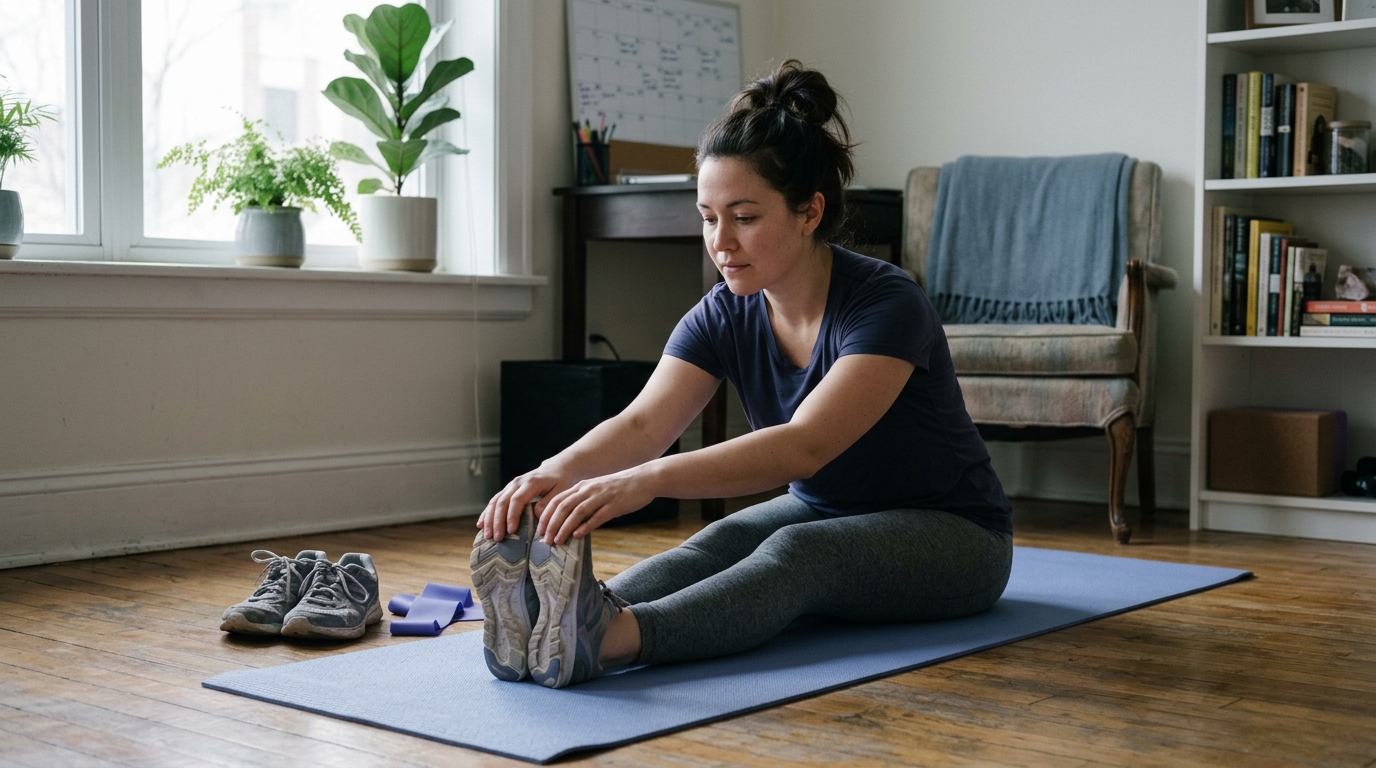

Returning to exercise safely requires assessing the cause of your break, screening for lingering symptoms, and establishing a manageable baseline for long-term consistency.





The most common mistake people make after an exercise break is trying to make up for lost time. Many adults treat missed workouts like financial debt that must be repaid with extra effort. In reality, your body does not track missed sessions on a calendar. Pushing through heavy workouts right after time away often leads to intense fatigue, joint irritation, or early burnout.
Returning to exercise works best when you treat it as rebuilding a repeatable habit rather than catching up. Your restart plan must begin from your current physical capacity today, not what you could do weeks or months ago. You then progress based on how your body responds to each session instead of following a rigid calendar. Population activity guidelines offer great long-term health targets, but they are not mandatory starting quotas for your first week back.
When illness caused your break, safety comes before fitness rebuilding. Fevers and systemic viral symptoms require complete rest until you recover. Post-viral conditions, such as post-COVID symptoms, require careful pacing rather than typical exercise progression.
The available scientific evidence on returning to movement varies by situation. General aerobic and strength targets come from large public health guidelines. Advice on returning after an illness relies largely on expert consensus and clinical reviews. Research on physical detraining often focuses on competitive athletes rather than everyday adults. Furthermore, the popular idea that you should increase your workload by exactly ten percent each week is not a proven universal rule. Understanding these differences helps you rebuild your activity safely and realistically.
Before you lace up your shoes or pick up a weight, ask yourself why your routine stopped. Different interruptions create entirely different physiological situations. Treating every pause the same way creates unnecessary risk.
Many breaks happen because of normal life events. Travel, demanding work projects, bad weather, or family caregiving can quickly crowd out workout time. In these cases, you are physically healthy but out of your usual rhythm.
Your main challenge is rebuilding consistency within your current schedule. Your muscles and cardiovascular system may have lost a small amount of conditioning, but your body is not actively fighting an infection. You can usually resume movement quickly once you establish a realistic schedule.
An interruption caused by illness requires a different mindset. Common colds, the flu, stomach bugs, and respiratory infections put real stress on your immune system. Returning too early can prolong your recovery or make your symptoms worse.
Readiness to exercise depends on symptom resolution rather than the number of days you spent in bed. Fever, body aches, chills, and stomach upset are clear signals that your body needs rest. You should never try to sweat out an active systemic infection.
Some viral infections leave lingering effects long after the initial illness clears. Following COVID-19, some people experience post-exertional symptom exacerbation, often abbreviated as PESE. This condition causes symptoms like profound fatigue, brain fog, or muscle pain to worsen hours or days after physical effort.
When PESE is present, standard exercise progressions do not apply. World Health Organization guidance recommends energy conservation and pacing strategies rather than standard fitness training for people managing this condition. If you want to explore more research on pacing and recovery physiology, our review of recovery science principles explains how the body handles systemic stress.
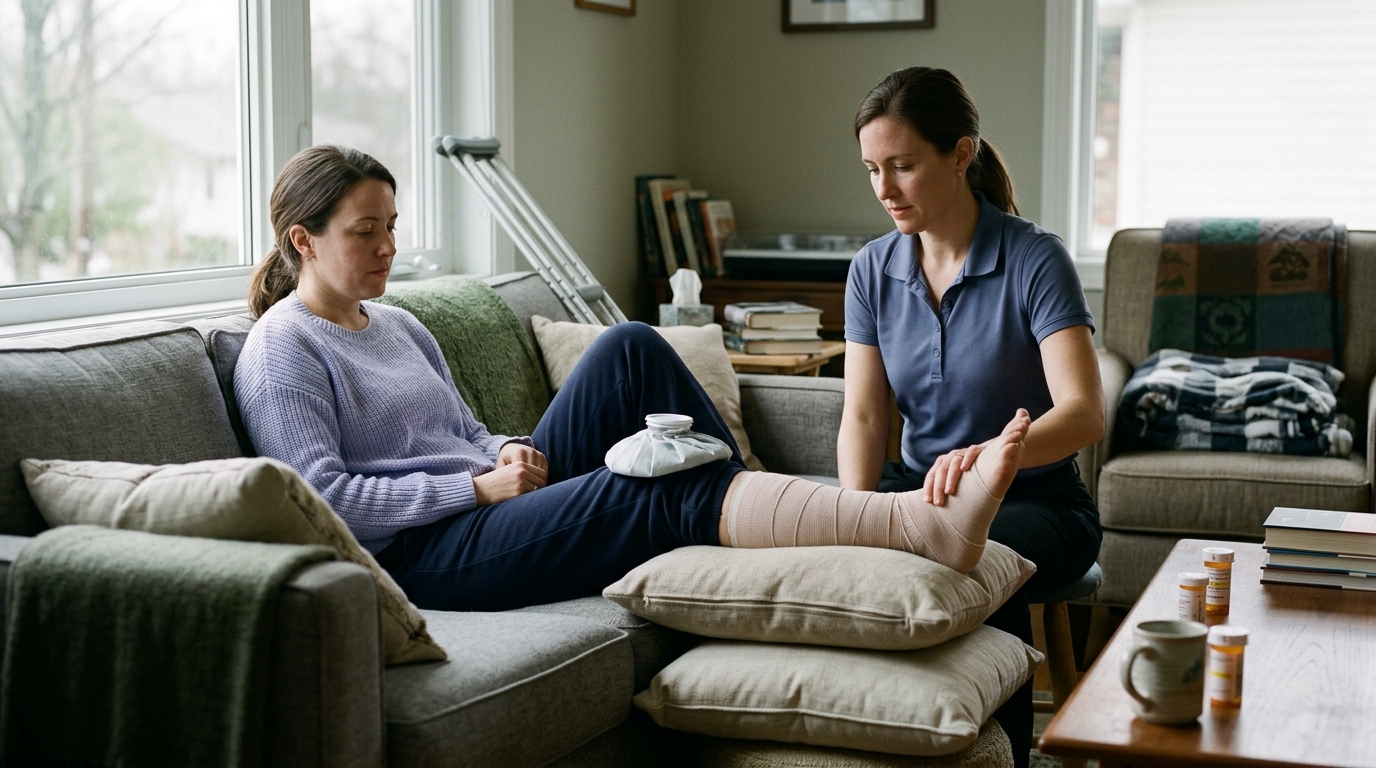
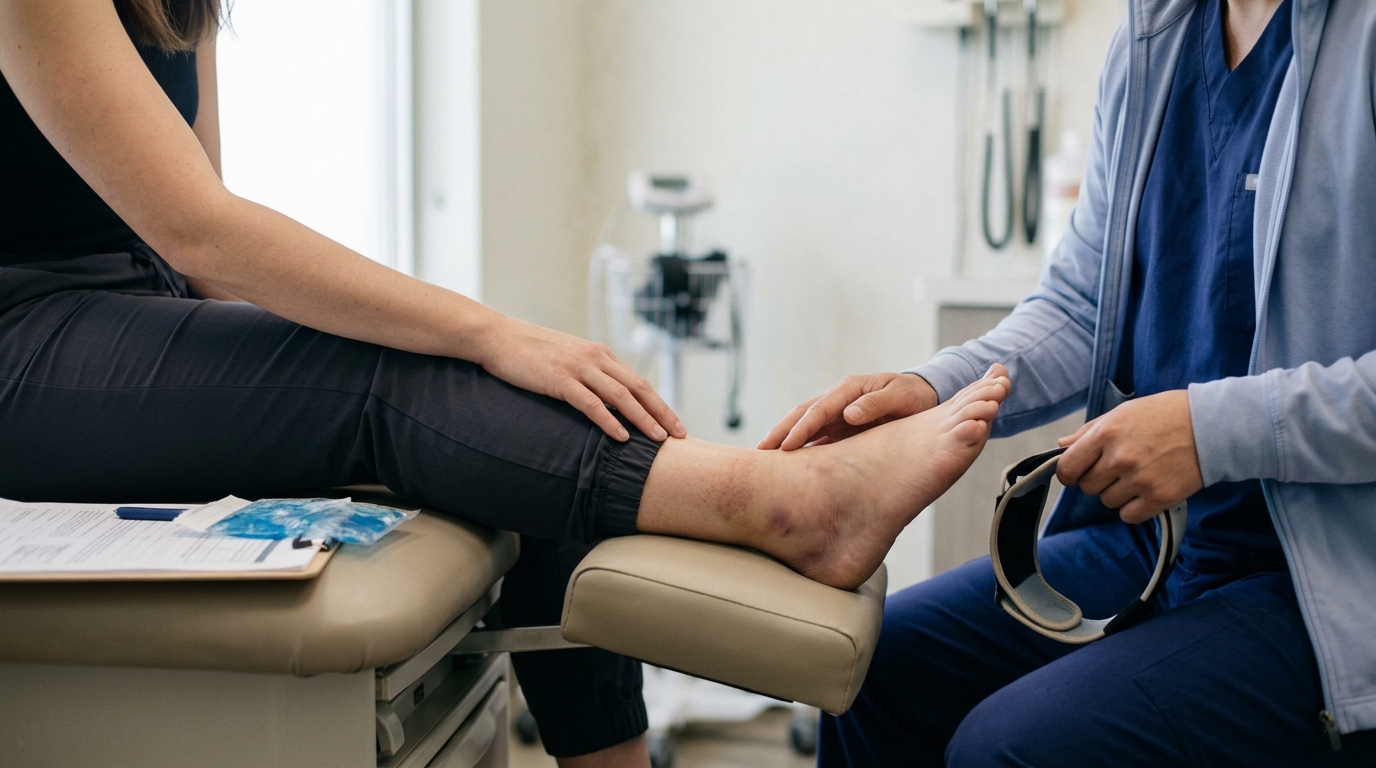
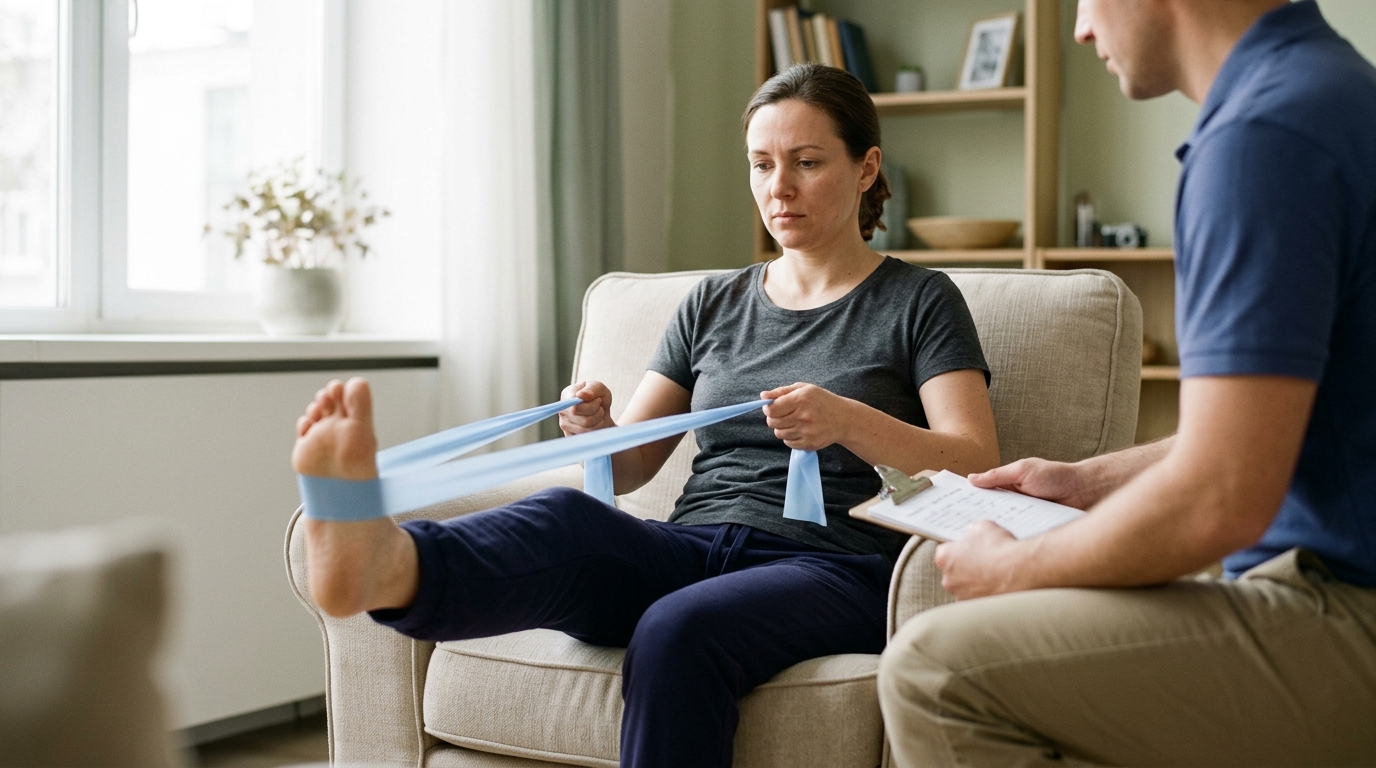
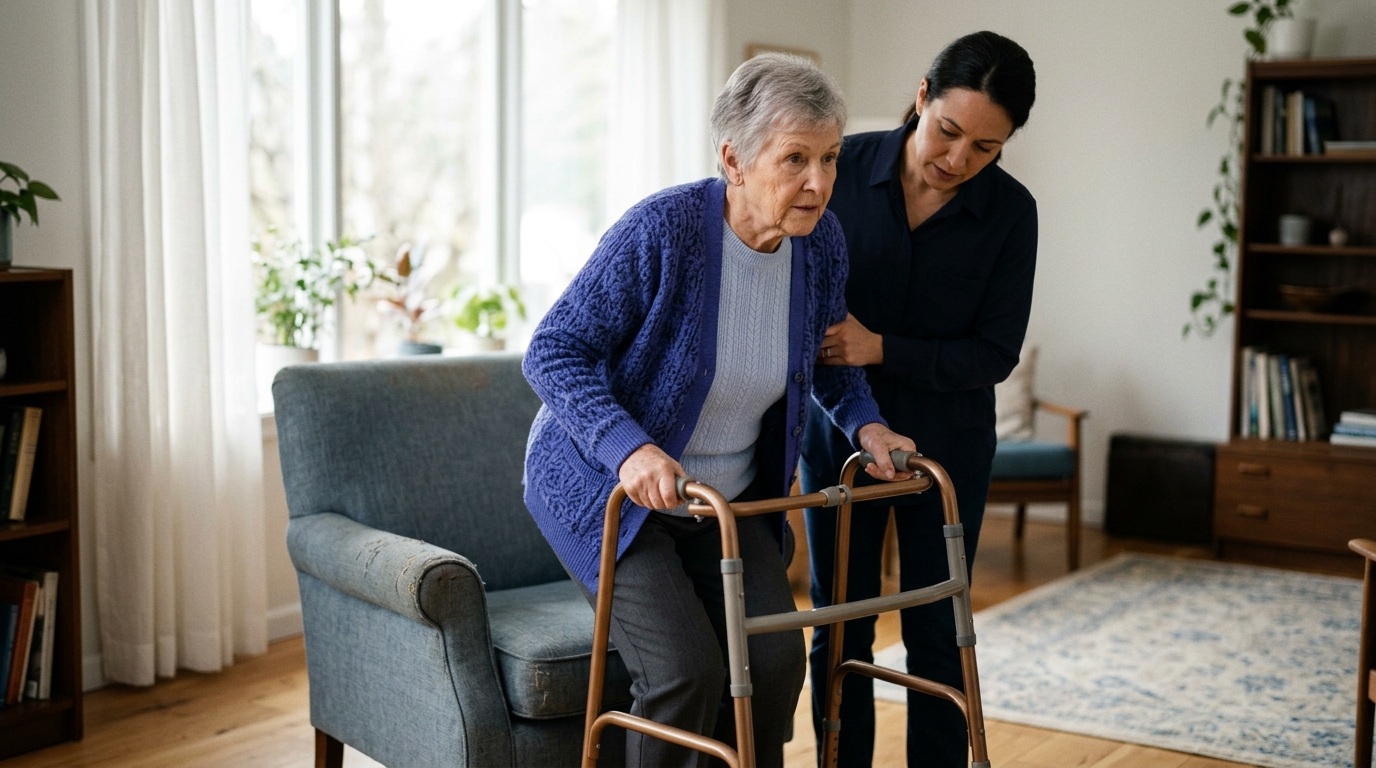
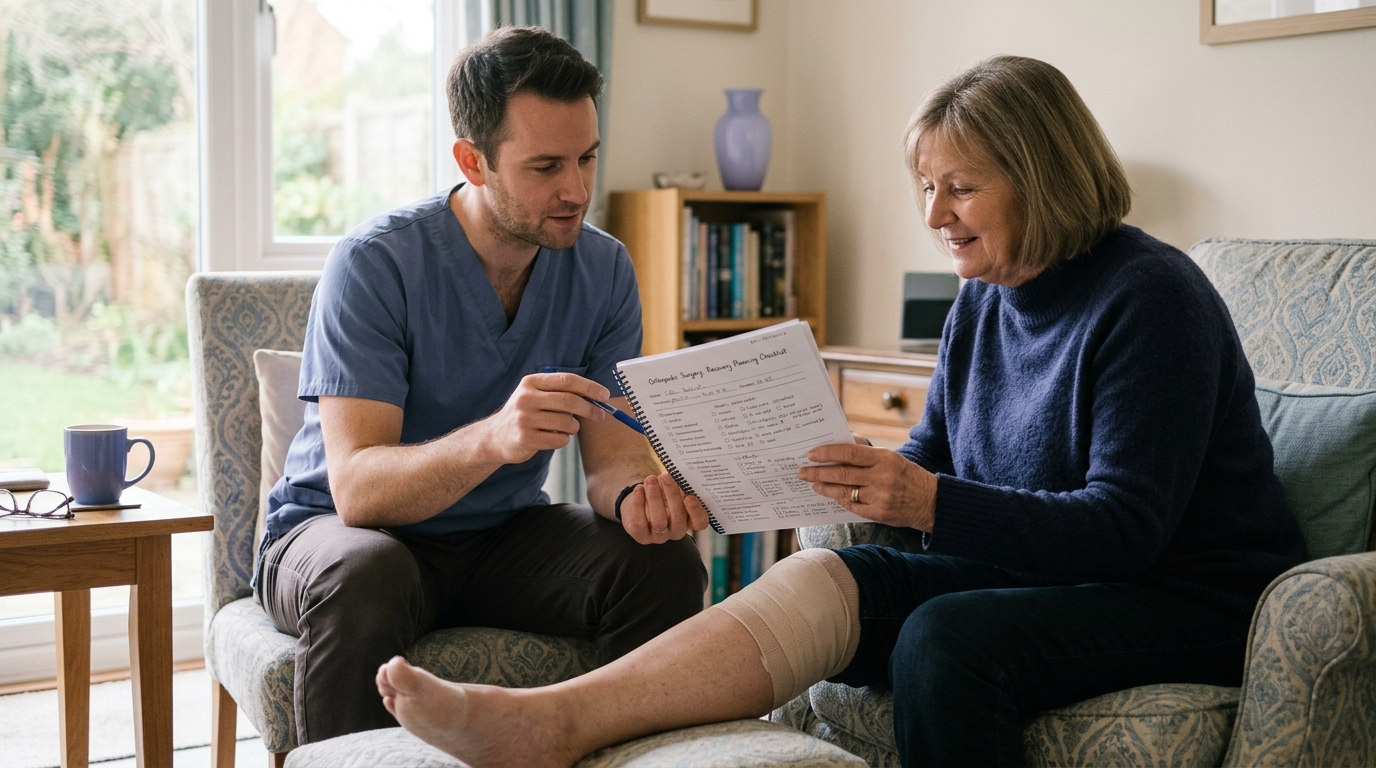
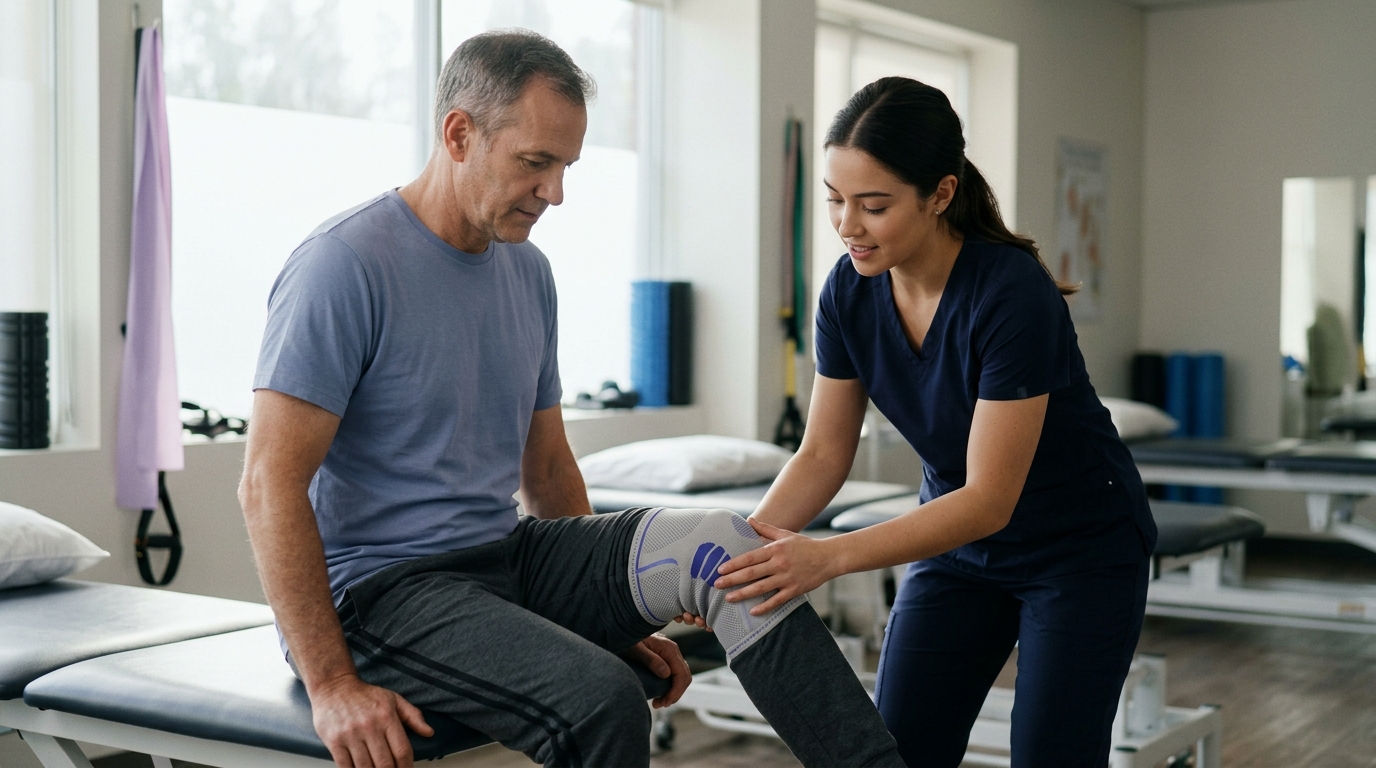
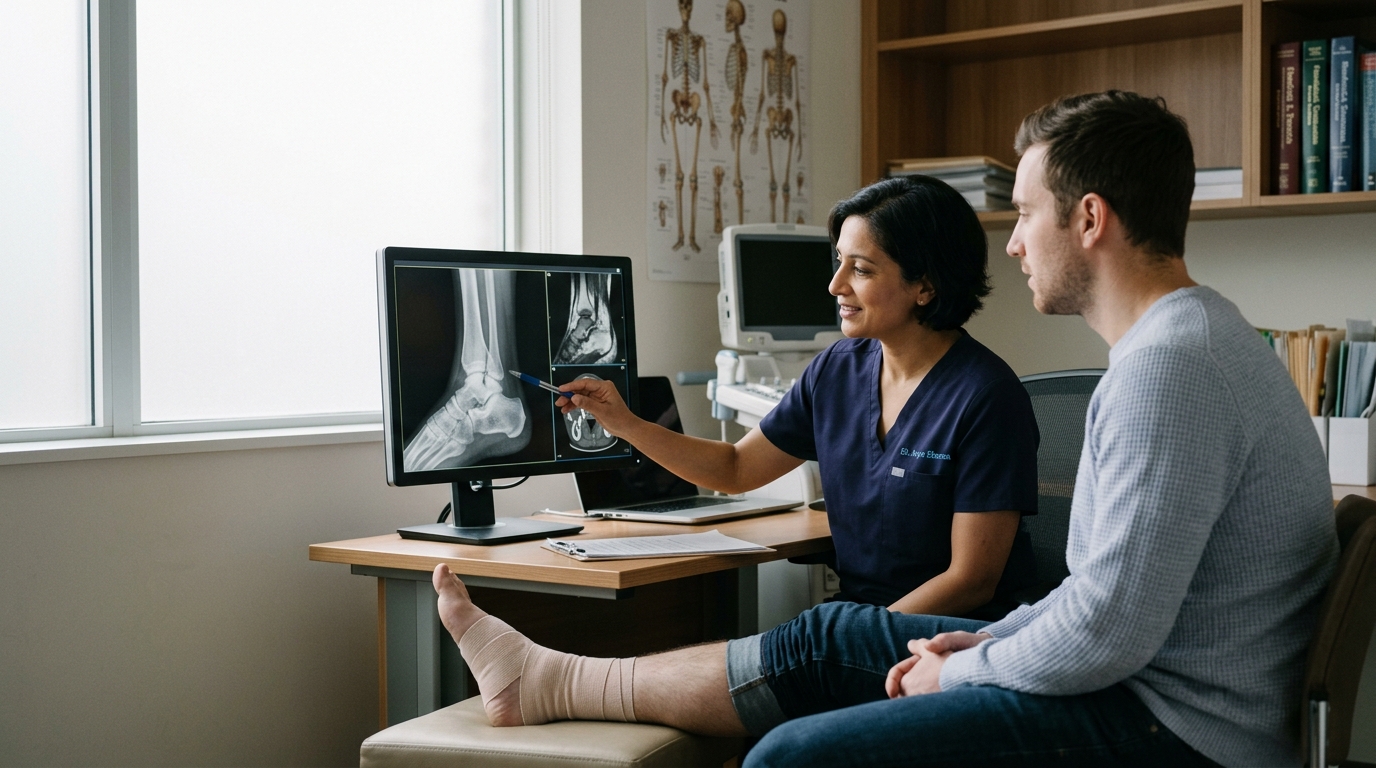
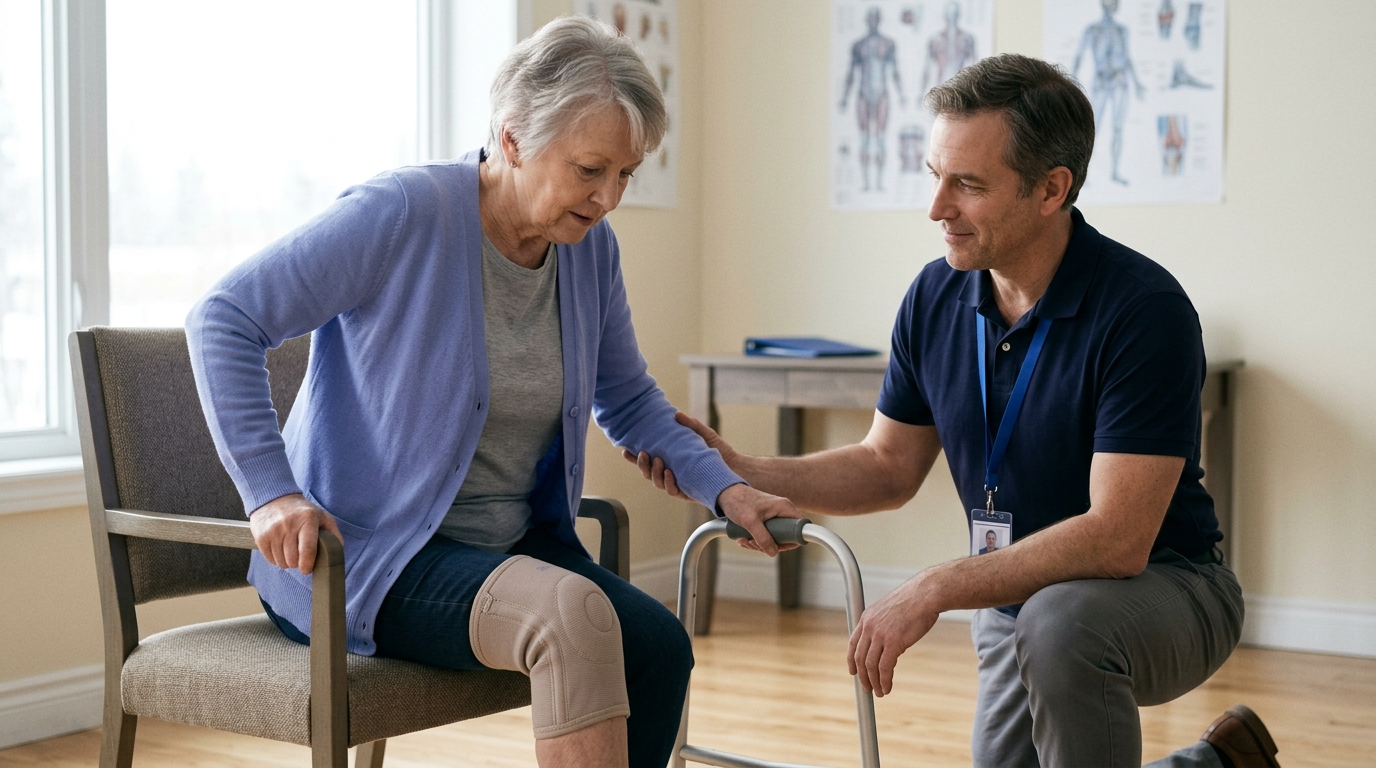
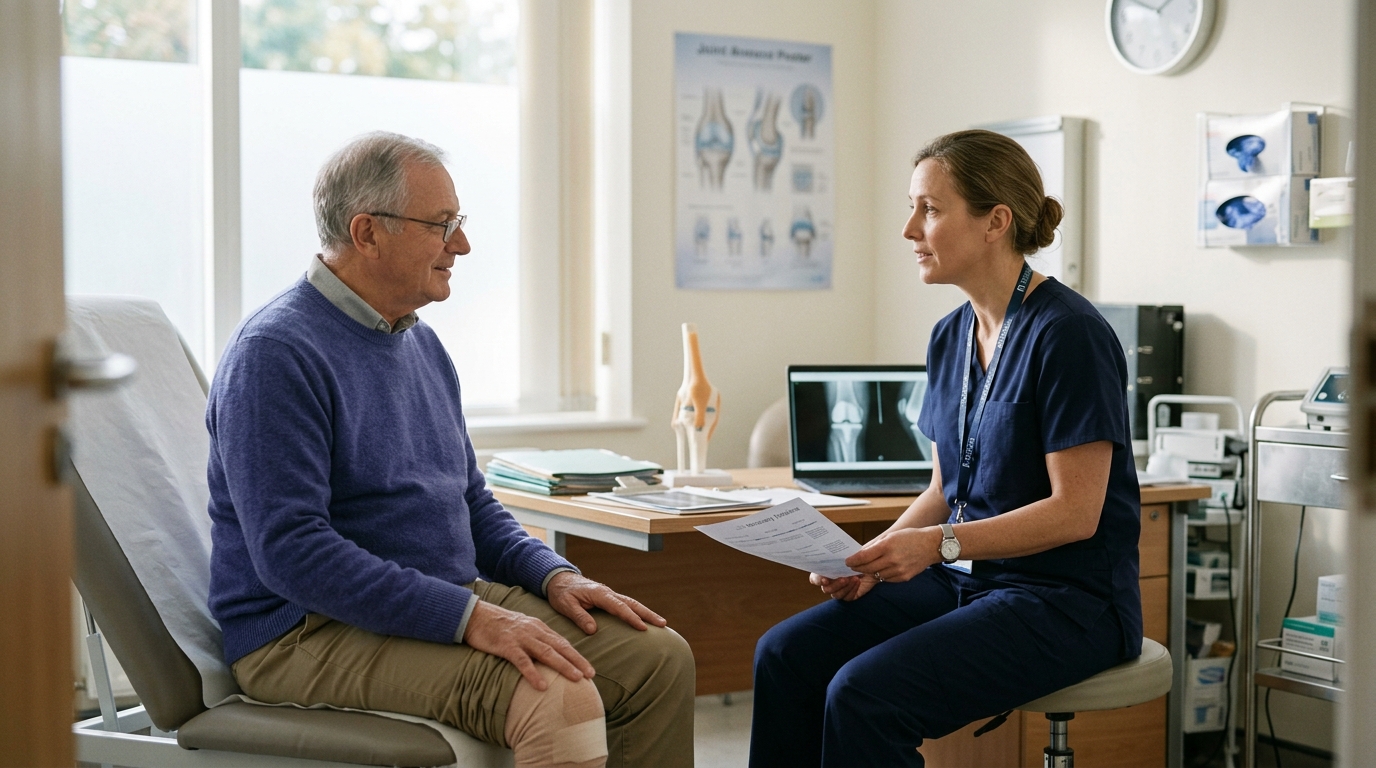
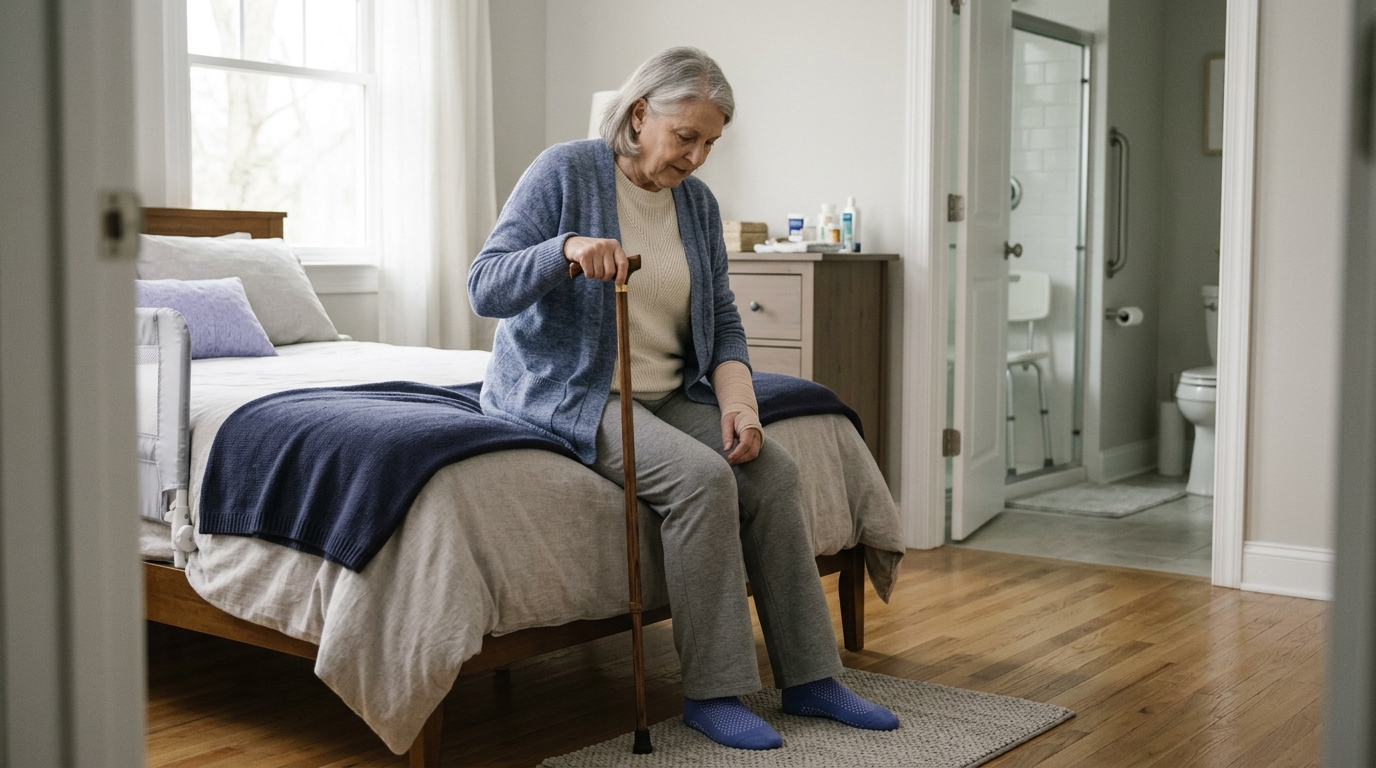
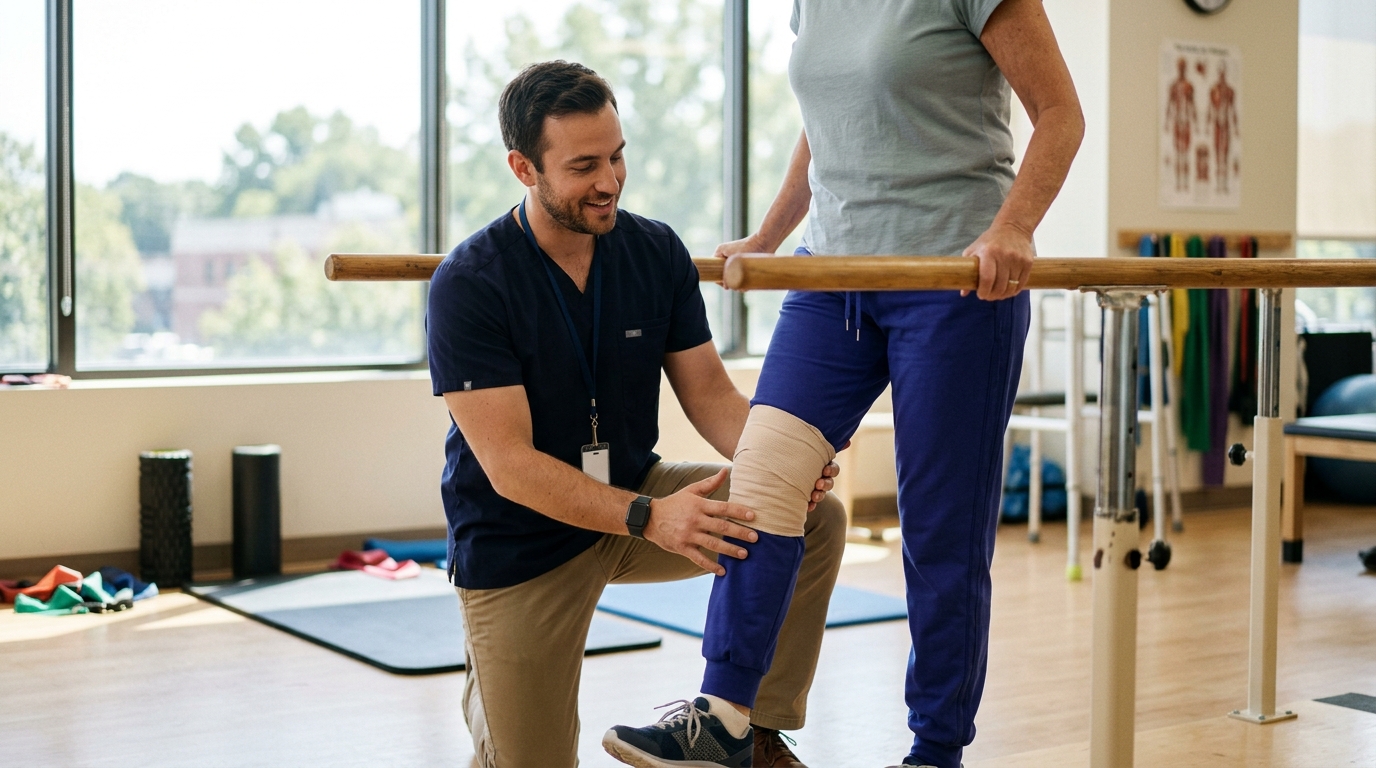
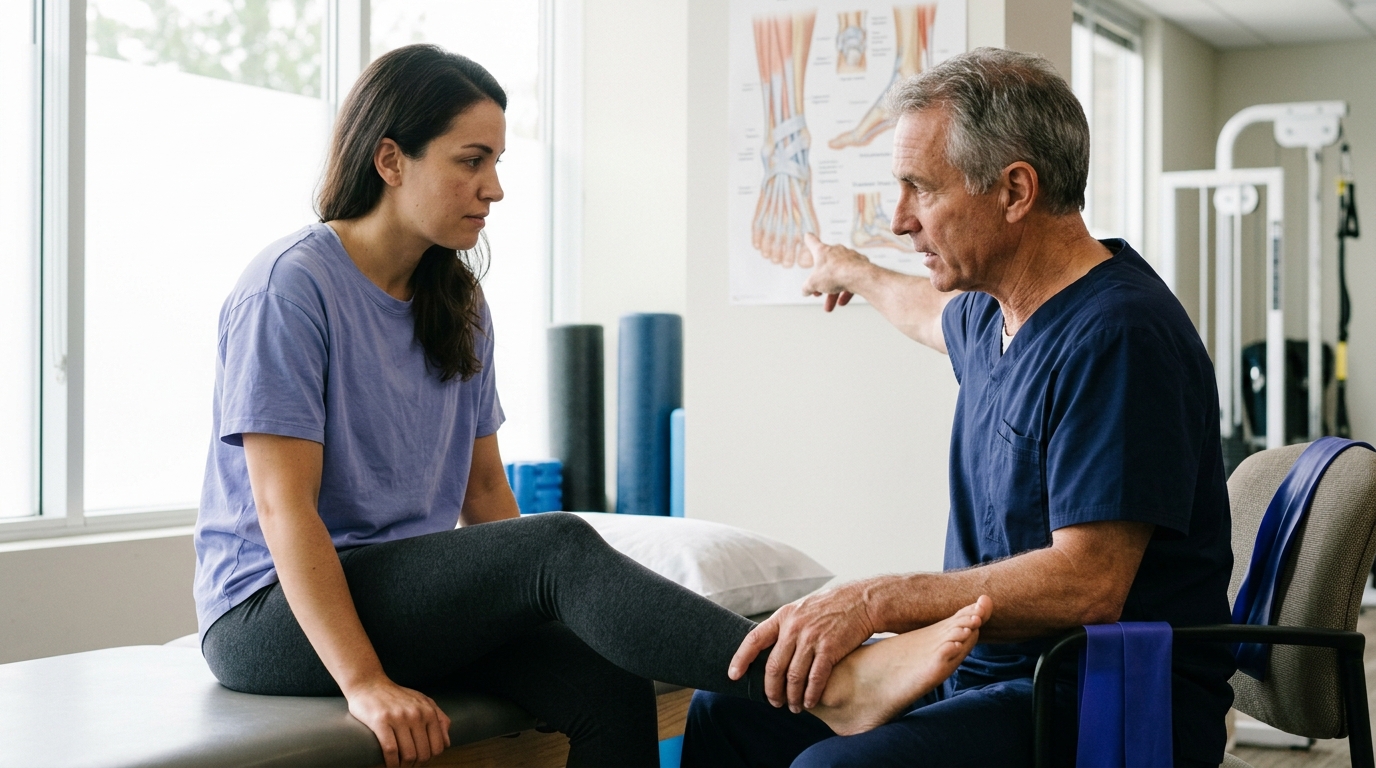
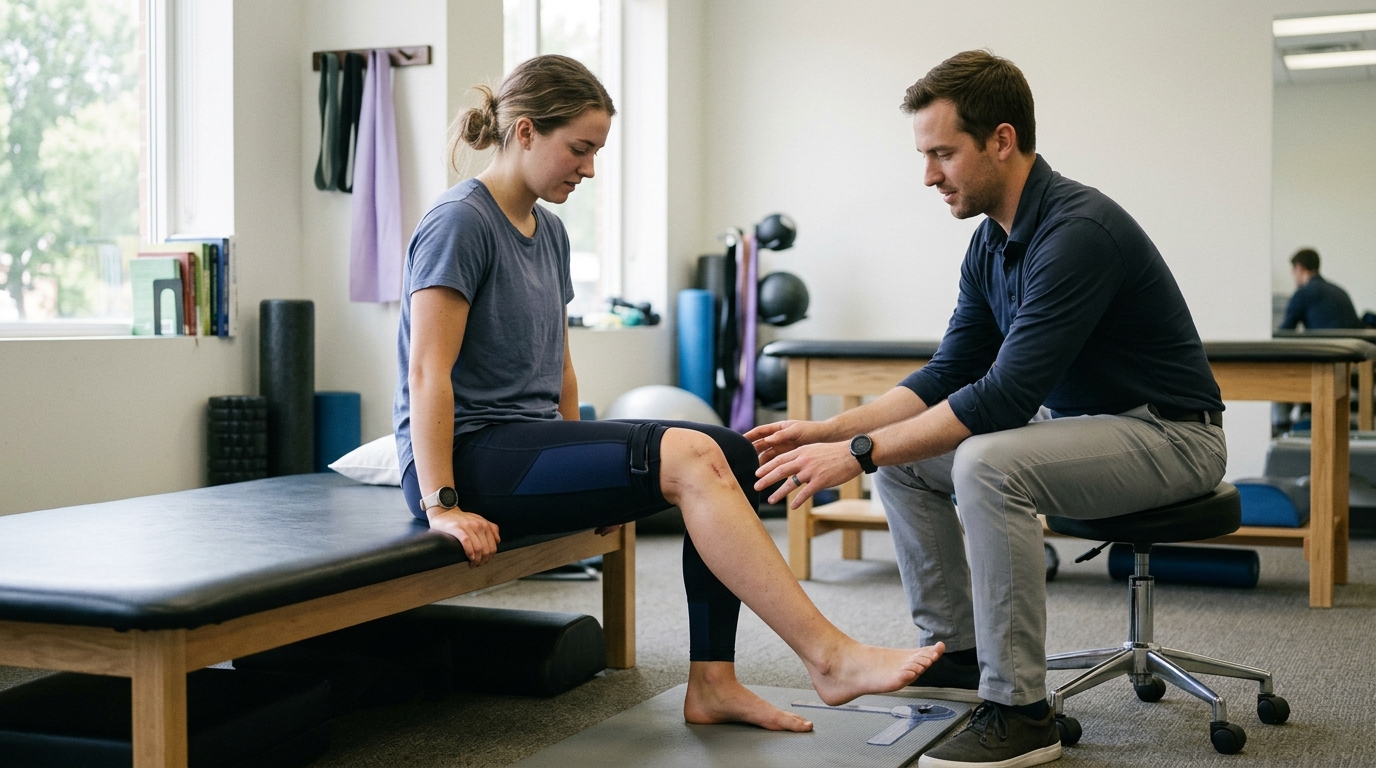
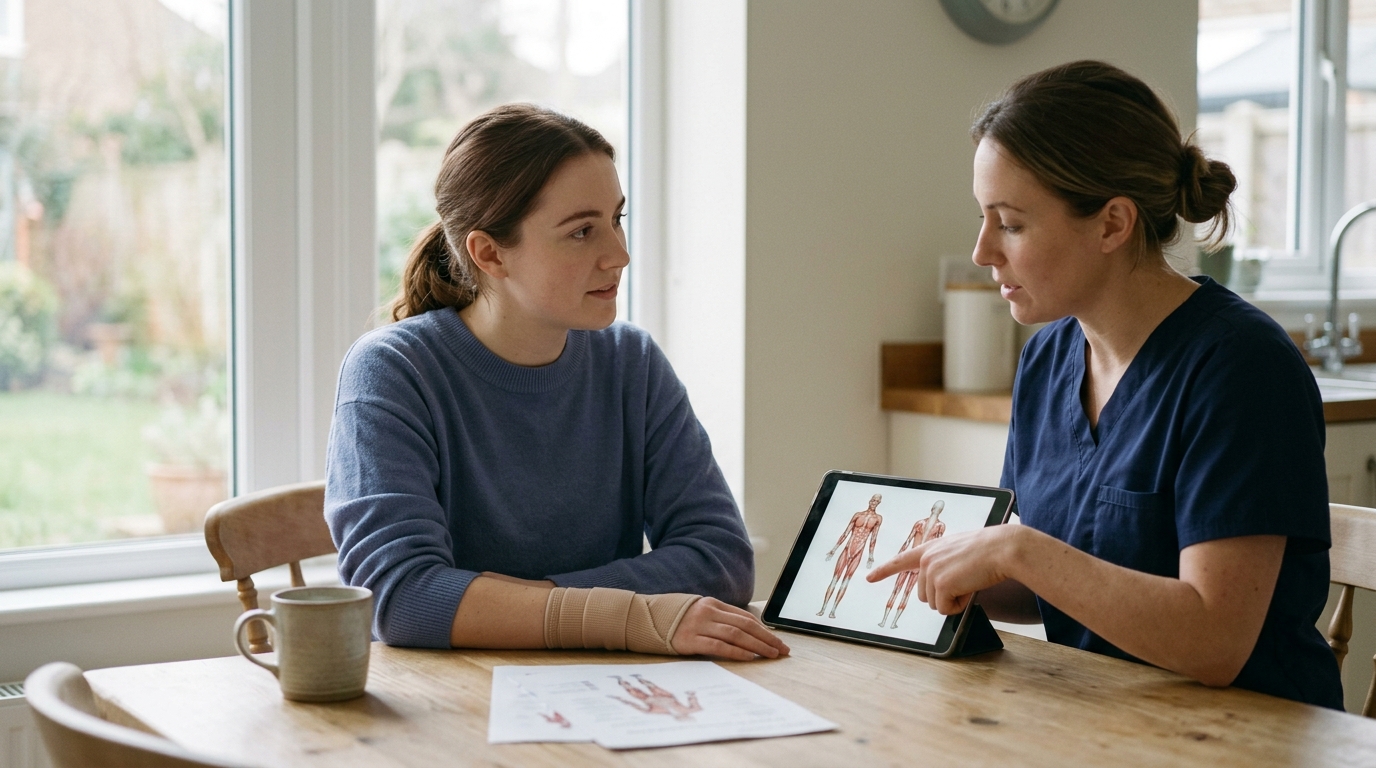
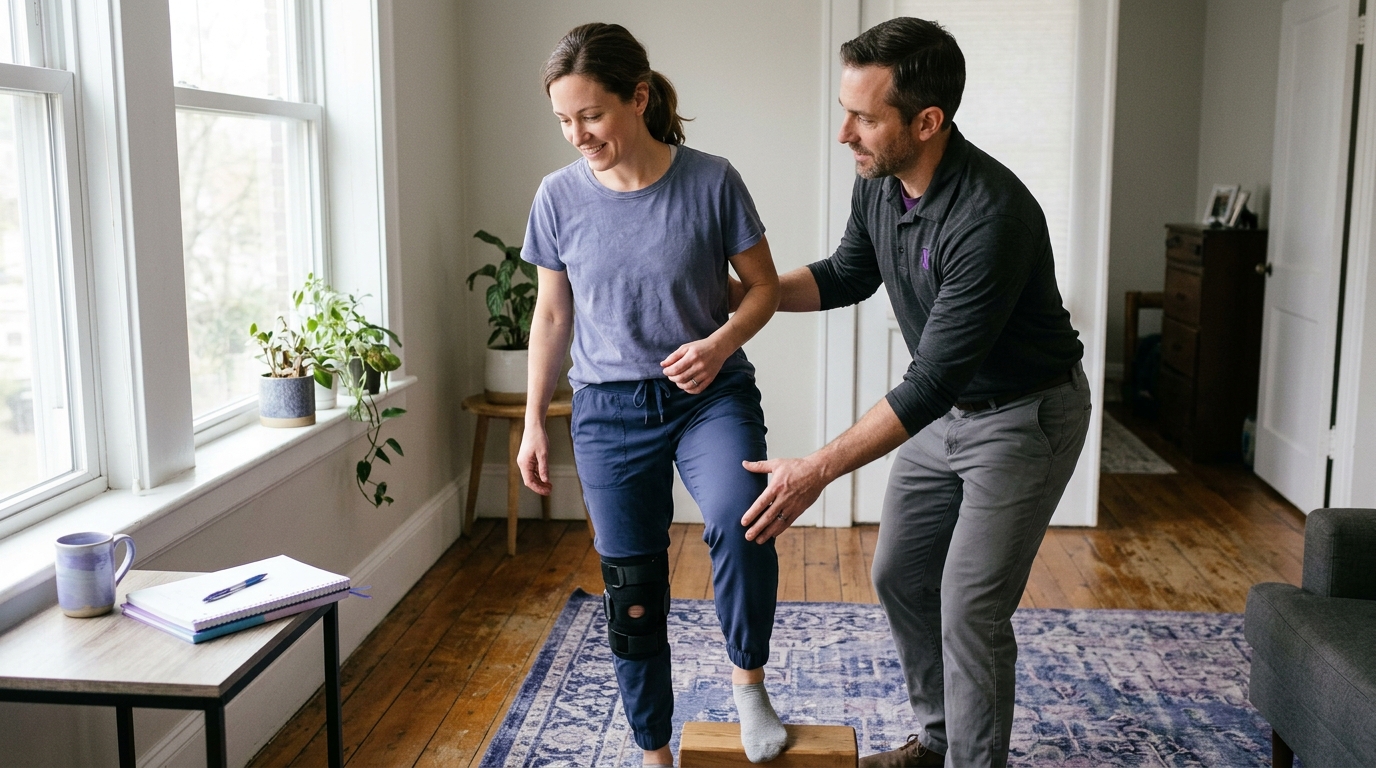
If your break was caused by a joint injury, muscle strain, or surgery, a general fitness restart plan is not enough. You need specific guidance for the injured tissue. Structural healing timelines dictate how quickly you can add load and impact.
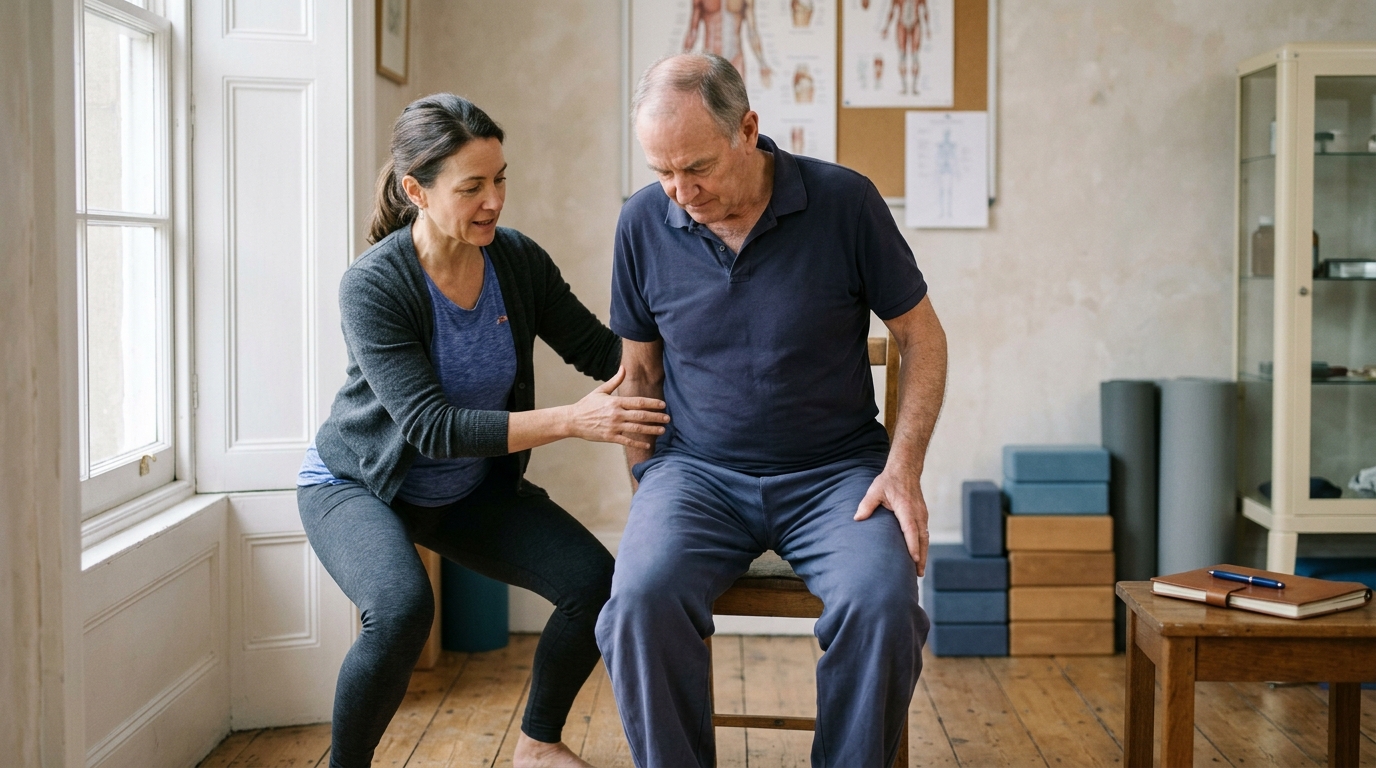
Generic fitness plans cannot replace individualized care from a physical therapist or physician. Always confirm that your injured area can tolerate basic daily loads before you attempt structured training.
Safety screening protects your heart, lungs, and joints while you rebuild your routine. Taking a few minutes to check your current symptoms prevents setbacks before they start.
Clinical reviews on illness in active adults emphasize strict caution around fever. Rest is consistently recommended for anyone with a body temperature of 38 degrees Celsius, which is 100.4 degrees Fahrenheit, or higher. Exercising with a fever raises the risk of severe dehydration, heat illness, and rare cardiac complications.
Rest is also advised if your resting body temperature is slightly elevated and your resting pulse is 10 beats per minute above your normal baseline. Generalized body aches, severe fatigue, and chills indicate systemic inflammation. Wait until these symptoms completely resolve before attempting structured workouts.
Sports medicine clinicians often describe a general guideline known as the neck check. If your symptoms are confined entirely above the neck, such as a mild runny nose or slight throat tickle, light activity may be acceptable.
A standard trial involves 10 to 15 minutes of mild to moderate movement, like easy walking. If you feel normal, you may continue at a gentle pace. If your head pounds, your breathing feels unusually labored, or your energy drops, stop immediately and rest. This check is an informal clinical guide, not a guarantee of safety for every illness.
Certain symptoms require immediate medical attention rather than self-guided fitness adjustments. Infectious disease reviews highlight specific red flags that should stop any workout instantly.
Stop exercising and seek medical evaluation if you experience:
Different illnesses require different recovery windows. After a bout of gastroenteritis, wait until all vomiting, diarrhea, and dehydration have fully resolved before resuming exercise. Replacing lost fluids and electrolytes is essential before placing physical demands on your body.
Infectious mononucleosis requires particular care due to the risk of spleen enlargement. Clinical reviews suggest avoiding physical activity for at least three weeks from symptom onset, followed by a medical check before resuming sports. Suspected heart inflammation, known as myocarditis, requires comprehensive medical clearance and testing before any exercise is considered.
When restarting, your first workout should feel surprisingly easy. It is far better to finish a session wishing you had done slightly more than to spend three days recovering on the couch.
Exercise demand consists of several moving parts. Understanding each element helps you adjust your sessions without overloading your tissues:
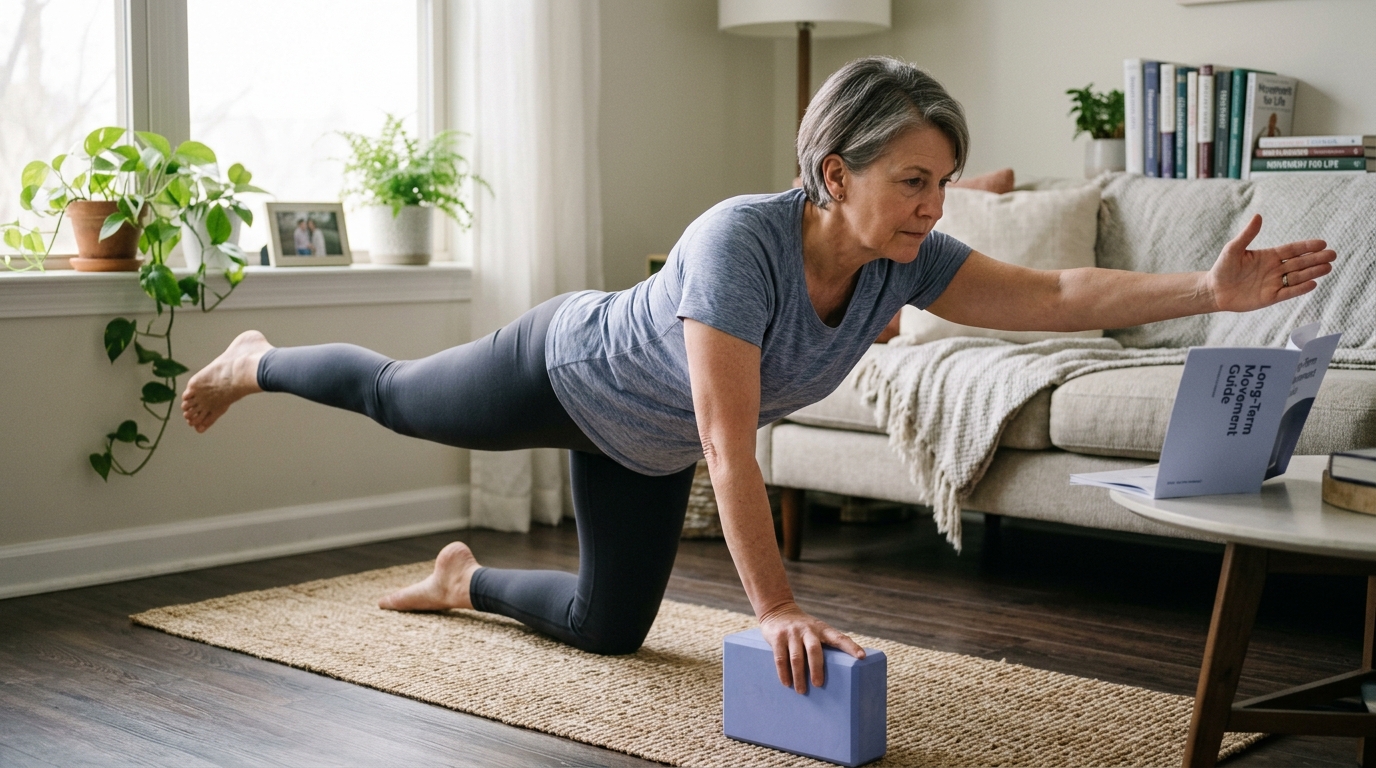
When restarting, keep all of these variables lower than your pre-break baseline. Doing so allows your tendons, ligaments, and metabolic pathways to adapt without excessive strain. For structured movement routines, exploring mobility and movement training can help restore joint comfort before you add heavier loads.
Major health organizations outline clear physical activity goals for adults. The World Health Organization and the Centers for Disease Control and Prevention recommend 150 to 300 minutes of moderate aerobic activity weekly, or 75 to 150 minutes of vigorous activity. They also recommend muscle strengthening activities for major muscle groups on two or more days each week.
These numbers represent long-term destinations, not your first-week assignment. You do not need to hit 150 minutes in your first seven days back. Both organizations emphasize that any amount of physical activity is better than none. You can break your activity into small, manageable bouts throughout the day.
Success in the first month is defined by your ability to repeat a workout regularly. It is not defined by matching your former running pace or lifting your previous personal bests.
You can break your progress into four practical milestones:
Focus entirely on the first milestone during your first two weeks. Building a steady rhythm creates the physiological base required for harder training later.
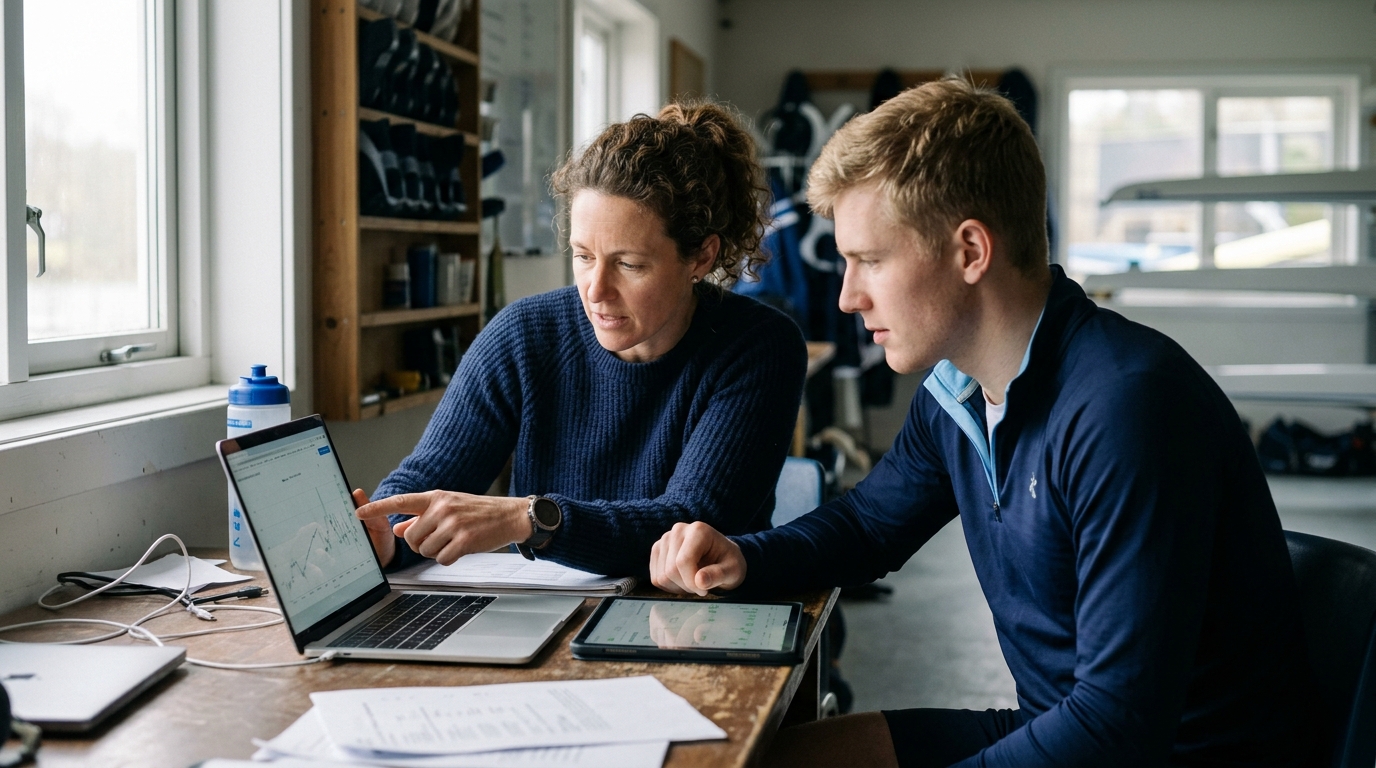
How you feel twenty-four hours after a workout is just as important as how you feel while doing it. Tracking your body's response helps you make objective decisions about when to advance.
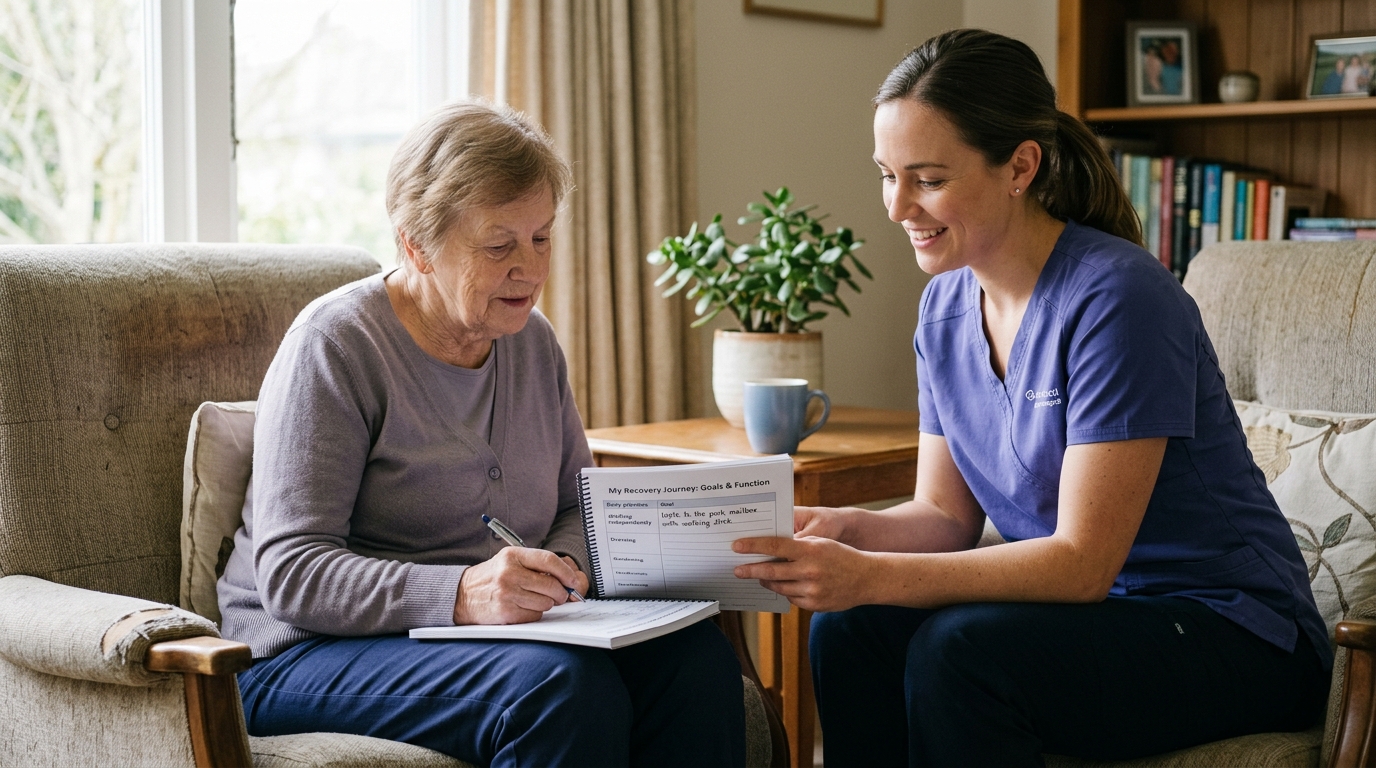
You do not need complicated software to track your return. A simple notebook or phone memo is enough to spot trends.
Write down the following details after each session:
Returning to activity often creates mild delayed onset muscle soreness. This is normal as deconditioned muscles adapt to physical work. However, you should learn to tell the difference between healthy adaptation and warning signs.
Normal soreness feels like a dull, generalized ache in the belly of a muscle. It typically peaks one to two days after movement and improves as you warm up.
Warning signs include sharp joint pain, swelling, pain that alters your walking stride, or deep fatigue that leaves you drained for days. If warning signs appear, reduce your exercise volume immediately.
If you are returning after a viral illness like COVID-19, pay close attention to your energy levels one to two days later. World Physiotherapy guidelines emphasize monitoring for symptoms both during activity and over the subsequent days.
If an easy 15-minute walk causes severe brain fog, intense muscle aches, or profound exhaustion the next day, you may be experiencing post-exertional symptom exacerbation. In that scenario, do not attempt to push through. Stop formal exercise progression and consult a healthcare provider for pacing guidance.
Once you have established a repeatable baseline, you can begin expanding your routine. Advancing your workouts should follow a predictable, measured pattern.
The golden rule of returning after a break is simple: repeat a session successfully before making it harder. If you complete a 20-minute walk on Monday and feel great, do not immediately walk for 40 minutes on Wednesday.
Repeat the 20-minute walk on Wednesday and Friday. Once your body proves it can handle that workload three times in a single week with zero adverse symptoms, you have earned the right to progress. This patience protects your connective tissues, which adapt to exercise stress slower than your heart and lungs.
When you decide to increase your training demand, adjust only one factor per week. You can increase how often you exercise, how long you exercise, or how hard you exercise. Never increase all three at the same time.
For example, if you decide to walk four days a week instead of three, keep the duration and pace of each walk identical. If you choose to extend your walk from 20 minutes to 25 minutes, keep the weekly frequency and speed the same. Changing only one variable makes it easy to identify the cause if joint discomfort or fatigue appears.
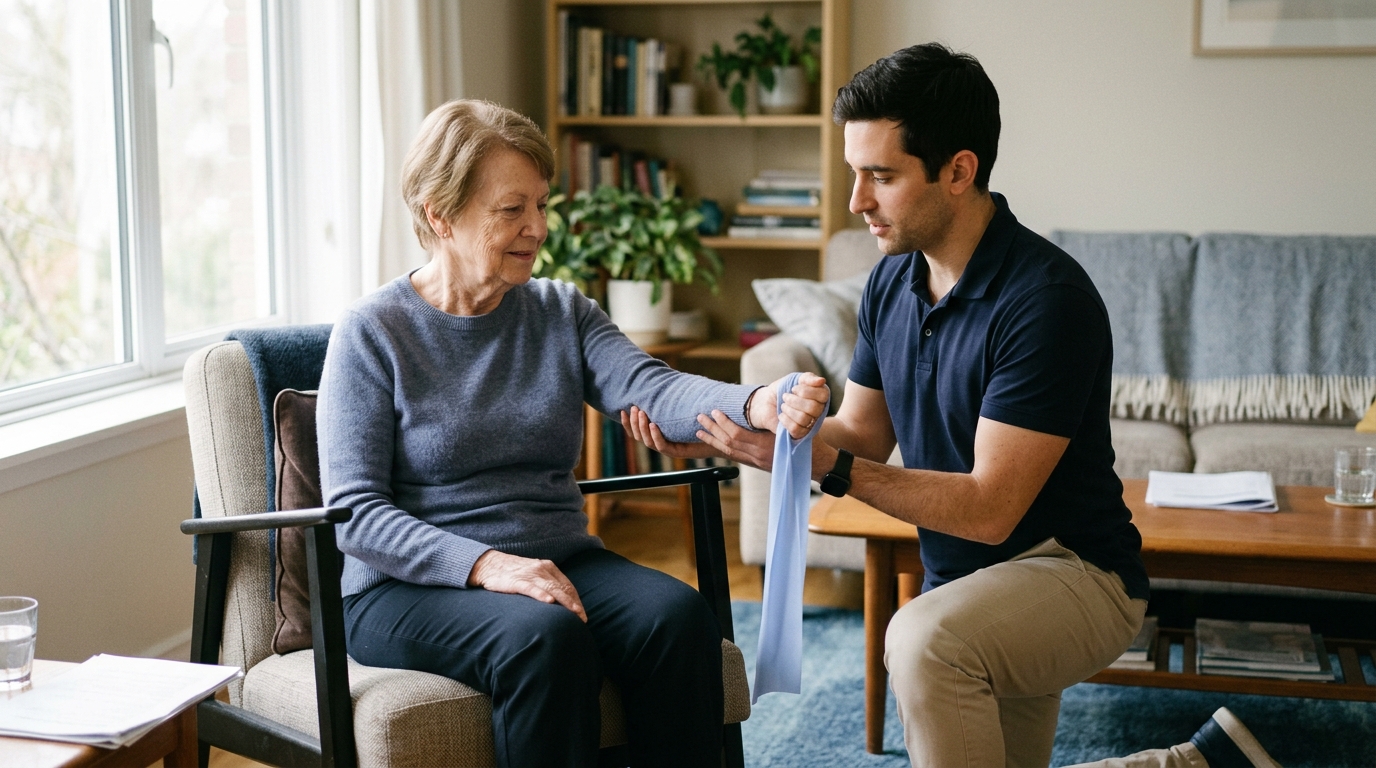
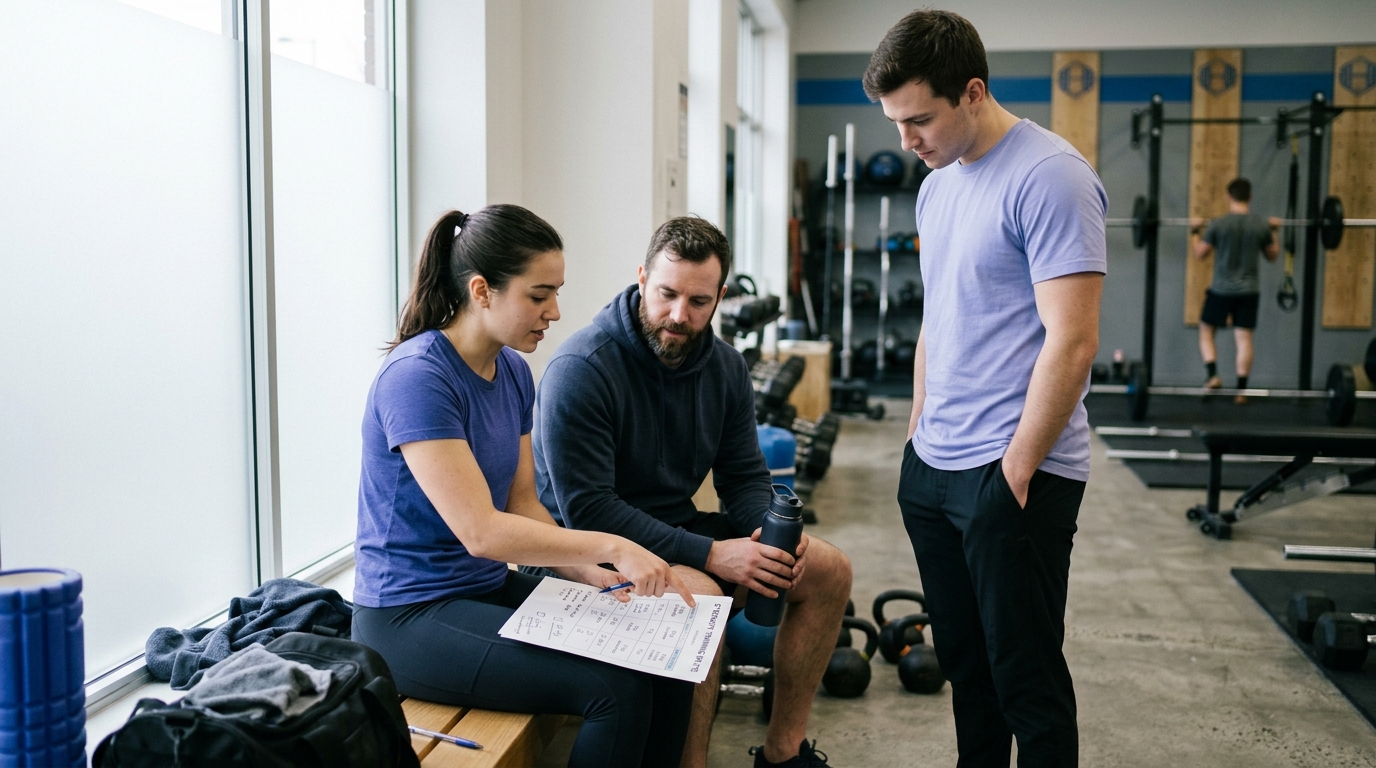
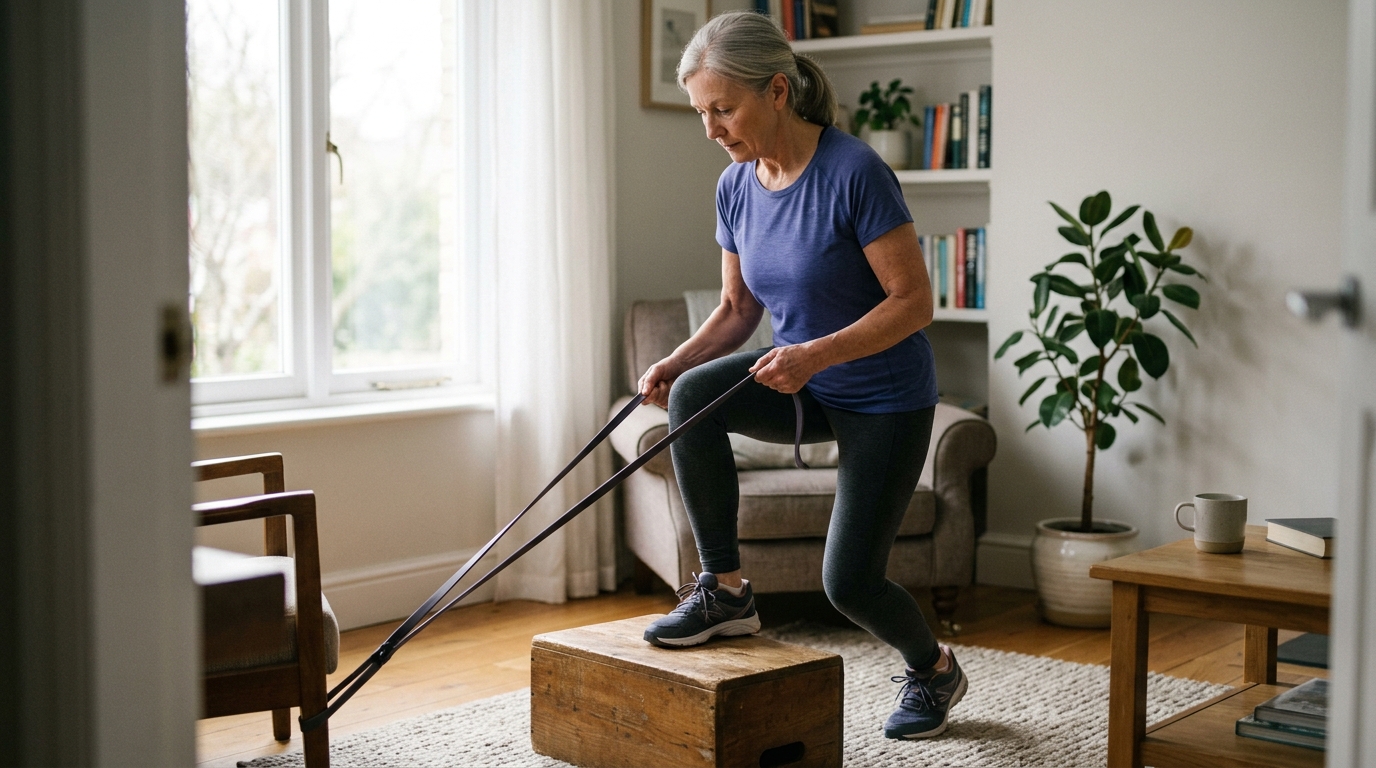
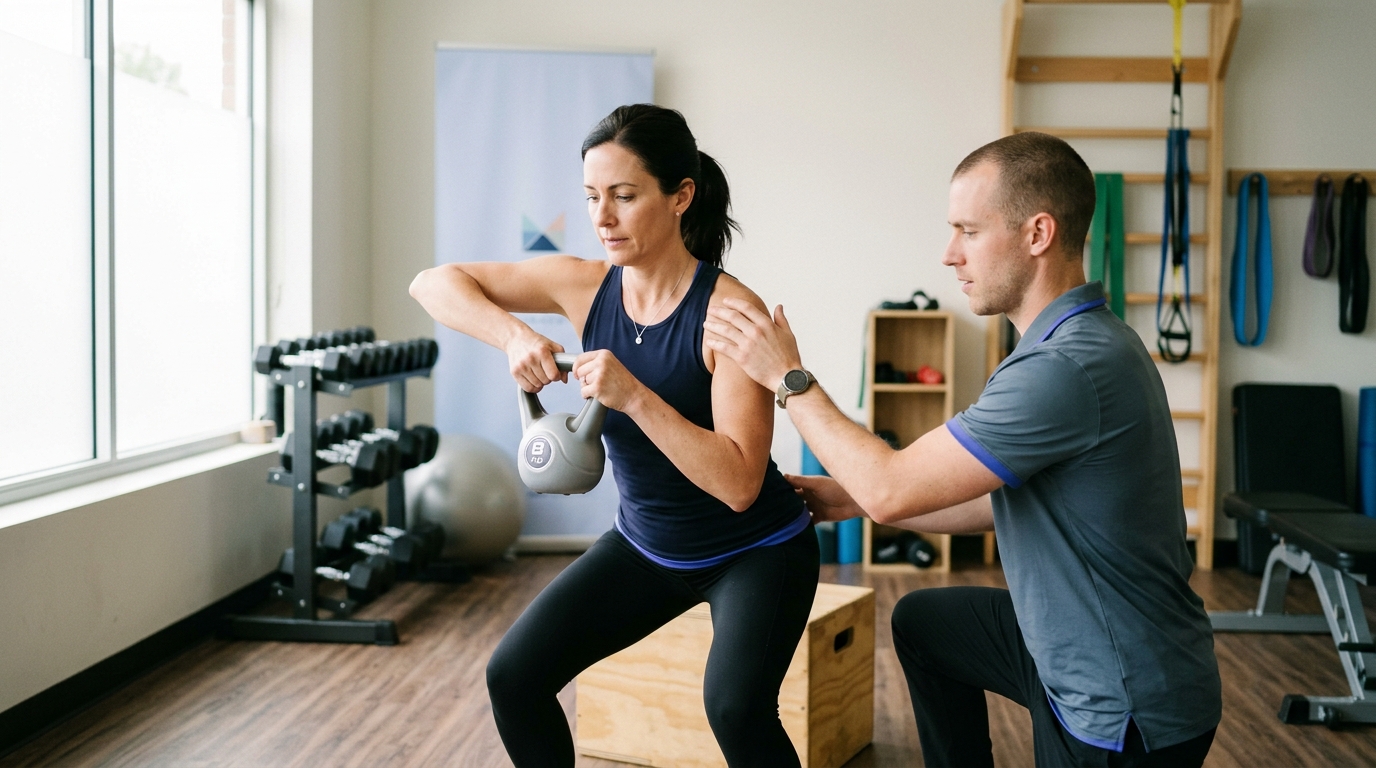
For those focusing on building muscular support as they advance, reviewing practical strength and return to sport strategies offers clear methods for loading major muscle groups safely.
Many fitness articles claim that you must always increase your weekly exercise volume by exactly ten percent. However, systematic reviews examining sports injuries have found no solid evidence supporting the ten percent rule as a universal safety law.
For an adult returning after illness or a long break, a ten percent increase might be too fast in some weeks and overly restrictive in others. If you walk for 10 minutes, a ten percent increase is just one single minute, which may be unnecessary caution. If you are running 50 miles per week, adding five miles might overwhelm healing tendons. Base your progression on personal symptom tolerance rather than arbitrary percentages.
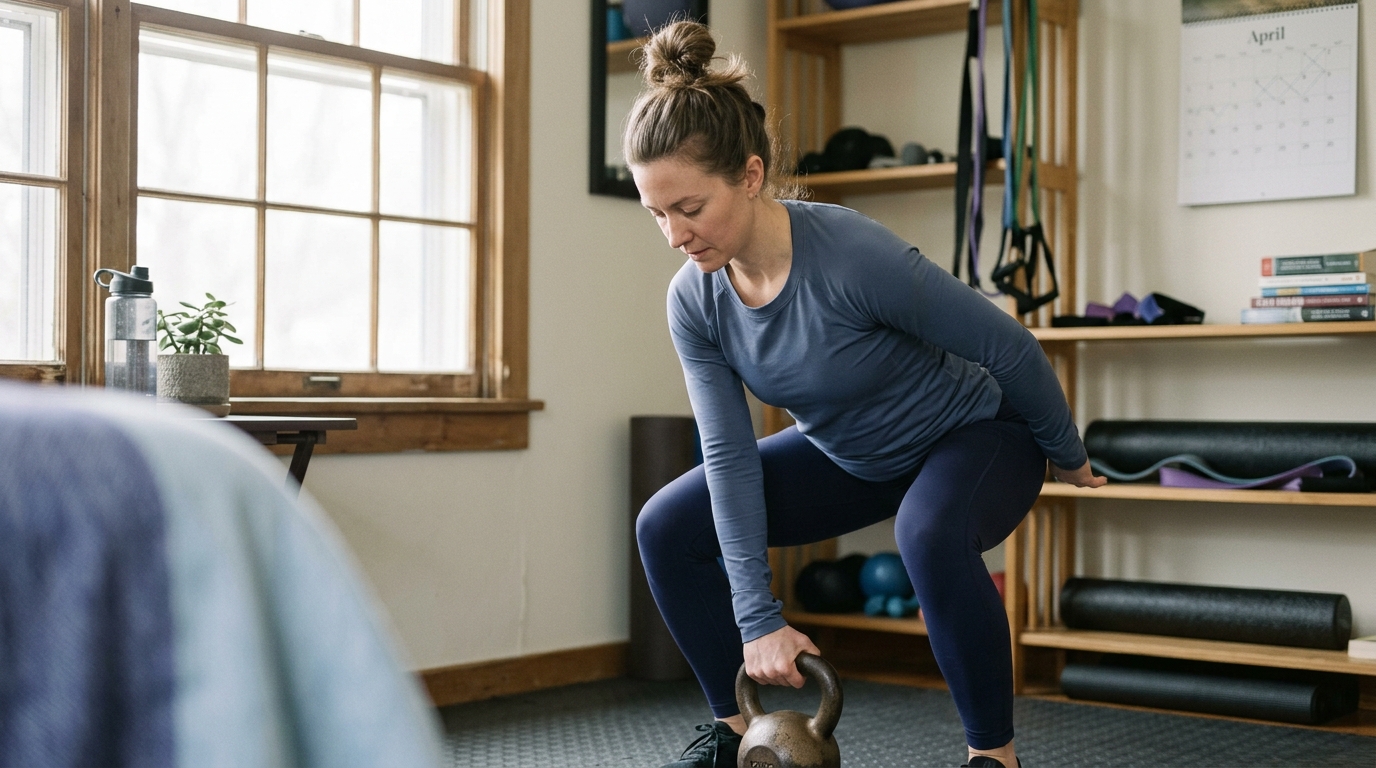
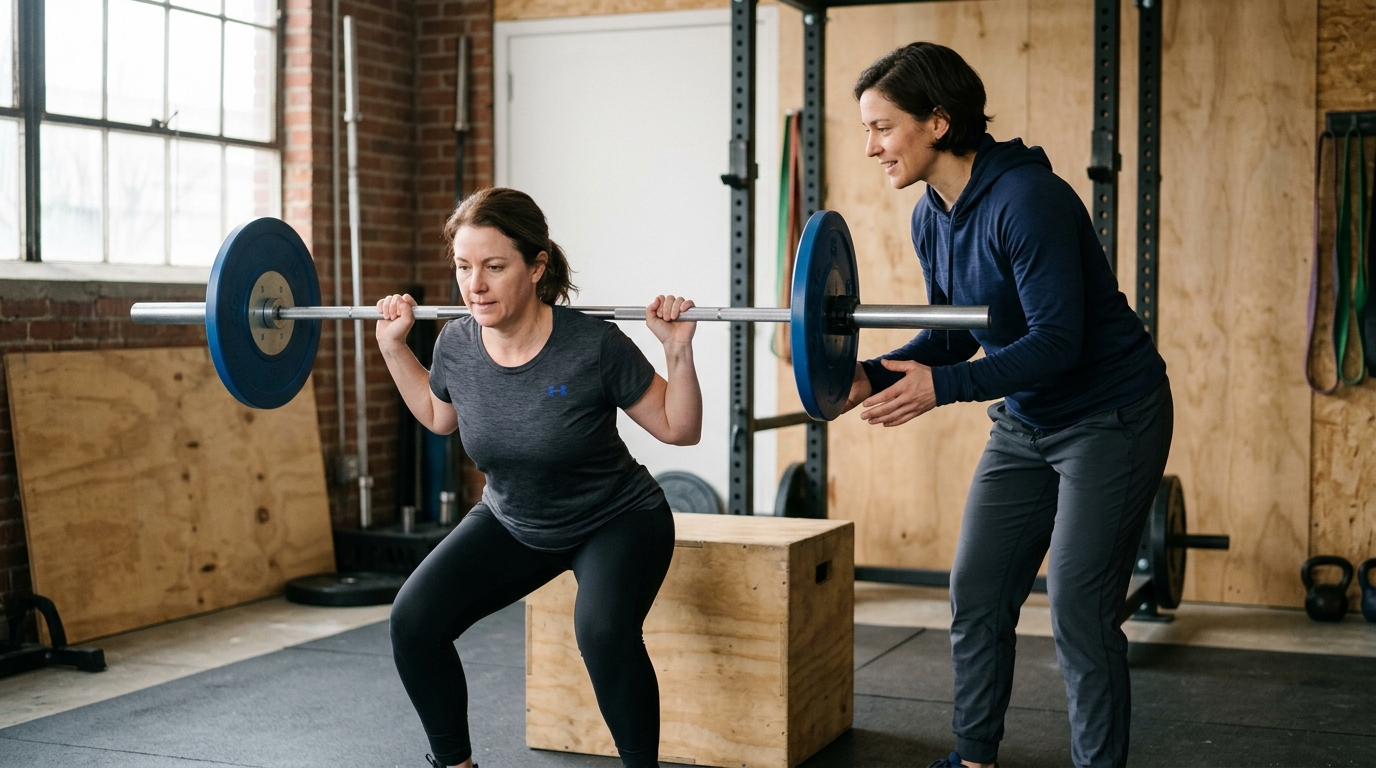
High-intensity training places the greatest strain on your musculoskeletal and nervous systems. Heavy strength training, fast running intervals, competitive sports, and explosive jumping should always be the final elements you restore.
Build a reliable aerobic and mobility base first. Once you can comfortably perform moderate exercise for several weeks without lingering fatigue, introduce small doses of higher-intensity work. Always allow at least forty-eight hours of recovery between harder sessions.
Returning to physical activity is as much a mental challenge as a physical one. Avoiding common mental traps helps you stay consistent and injury-free.
Missing three weeks of exercise does not mean you owe the gym fifteen workouts. Your body responds only to the biological stress applied today. Trying to double your workouts to make up for lost time simply overloads recovering tissues.
Wipe the slate clean when you return. Start exactly where your body is right now, and let go of any guilt about missed sessions. Public health targets represent ongoing healthy habits, not rigid quotas that roll over like unpaid bills.
When people struggle during their first workout back, they often worry they have lost all their hard-earned conditioning. Detraining studies show that well-trained endurance athletes experience a 6 to 7.5 percent decrease in aerobic capacity after two to four weeks of complete rest. Other studies show small drops in time-to-exhaustion performance over similar timeframes.
However, these findings come from competitive athletes whose bodies are tuned to peak performance. Everyday active adults retain much of their baseline functional capacity during short breaks. Furthermore, rebuilding previously held fitness happens far faster than building it from scratch the first time. Do not let temporary sluggishness discourage your efforts.
The old slogan "no pain, no gain" has no place in a sensible return-to-exercise framework. Pain is your nervous system's way of warning you that tissue tolerance has been exceeded.
Pushing through sharp joint pain, profound exhaustion, or illness symptoms does not build character. It simply leads to tendonitis, prolonged viral illness, or burnout. Sustainable fitness comes from consistent, manageable efforts that leave you feeling refreshed.
Every interruption looks different in daily life. Here are five practical models showing how to apply these return principles to common real-world scenarios.
Scenario: A 52-year-old adult walked four miles four days a week before taking a three-week break for business travel and holidays. They feel healthy and have no symptoms.
Step-by-Step Approach:
Scenario: A 64-year-old adult stopped gym workouts for a month while caring for an ill family member. They now have only 20 minutes of free time per day and feel mentally drained.
Step-by-Step Approach:
Scenario: A 45-year-old adult spent a week in bed with the flu, experiencing fever, chills, and muscle aches. Their fever has been gone for two days, but they still feel somewhat tired.
Step-by-Step Approach:
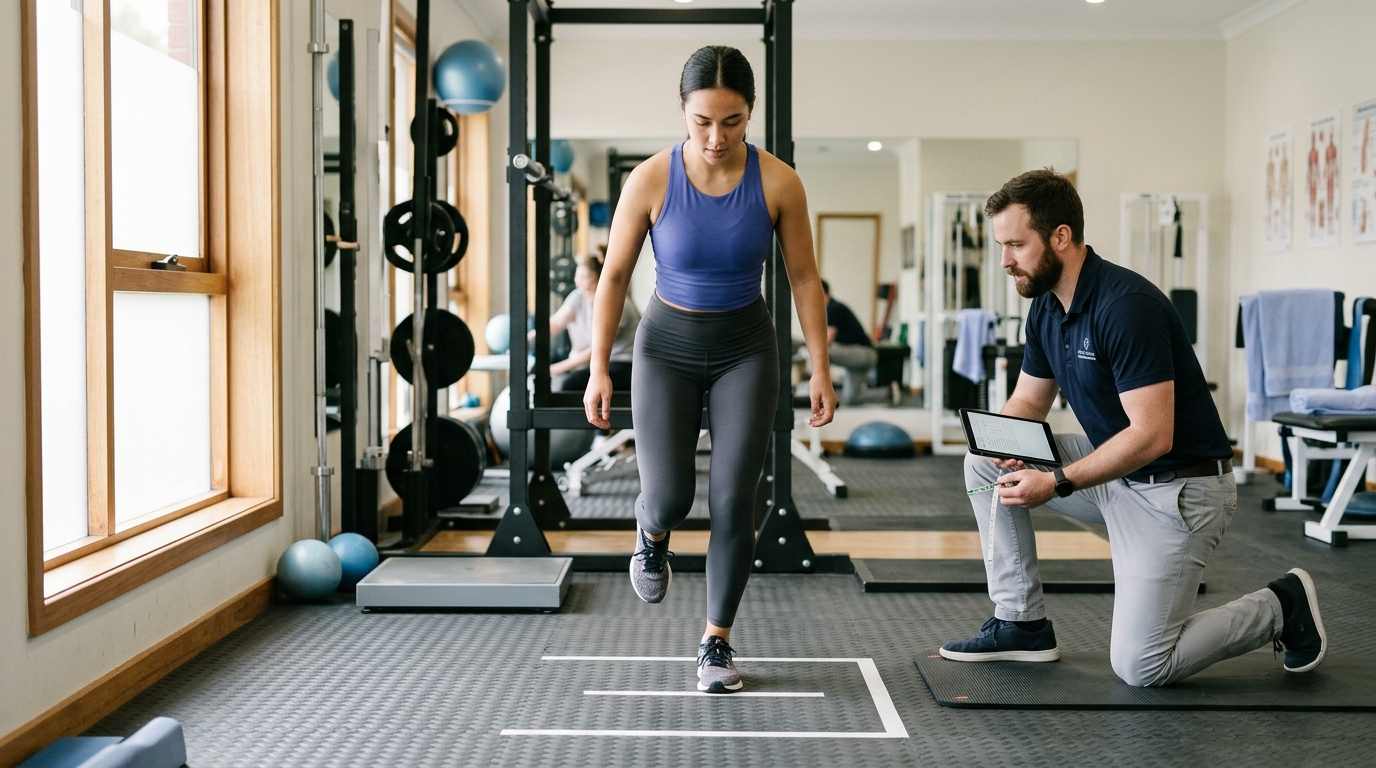
Scenario: A 38-year-old runner missed six weeks of training due to a busy work deadline and wants to resume running without flaring their Achilles tendons.
Step-by-Step Approach:
Scenario: A 48-year-old adult recovering from COVID-19 tries to walk around the block but experiences profound fatigue, brain fog, and muscle aches thirty-six hours later.
Step-by-Step Approach:
Understanding the scientific strength behind return-to-exercise recommendations helps you set realistic expectations. Not all fitness advice rests on the same quality of evidence.
The strongest evidence exists for general population activity recommendations. Long-term research consistently shows that accumulating 150 to 300 minutes of moderate aerobic activity weekly, alongside two days of strength training, lowers the risk of chronic disease and supports healthy aging.
Public health guidelines from the CDC and the NHS emphasize that physical activity can be accumulated in small chunks throughout the week. Furthermore, the evidence clearly shows that any amount of movement is superior to complete inactivity.
Guidance regarding return to exercise after infectious illness relies primarily on clinical consensus, observational reviews, and expert recommendations rather than large randomized trials. The recommendation to rest during acute fever is supported by clear physiological risks, including impaired temperature regulation and cardiac strain.
However, exact timelines for how many days to wait after a febrile illness vary across published clinical reviews. Some experts advise resuming exercise as soon as the fever breaks, while others recommend waiting 7 to 14 days after all symptoms clear. Because definitive clinical trial data is limited, your personal symptom resolution must guide your return.
Scientific reviews have challenged several traditional fitness dogmas:
No single return framework fits every adult perfectly. Several individual factors alter how quickly you can safely resume normal training.
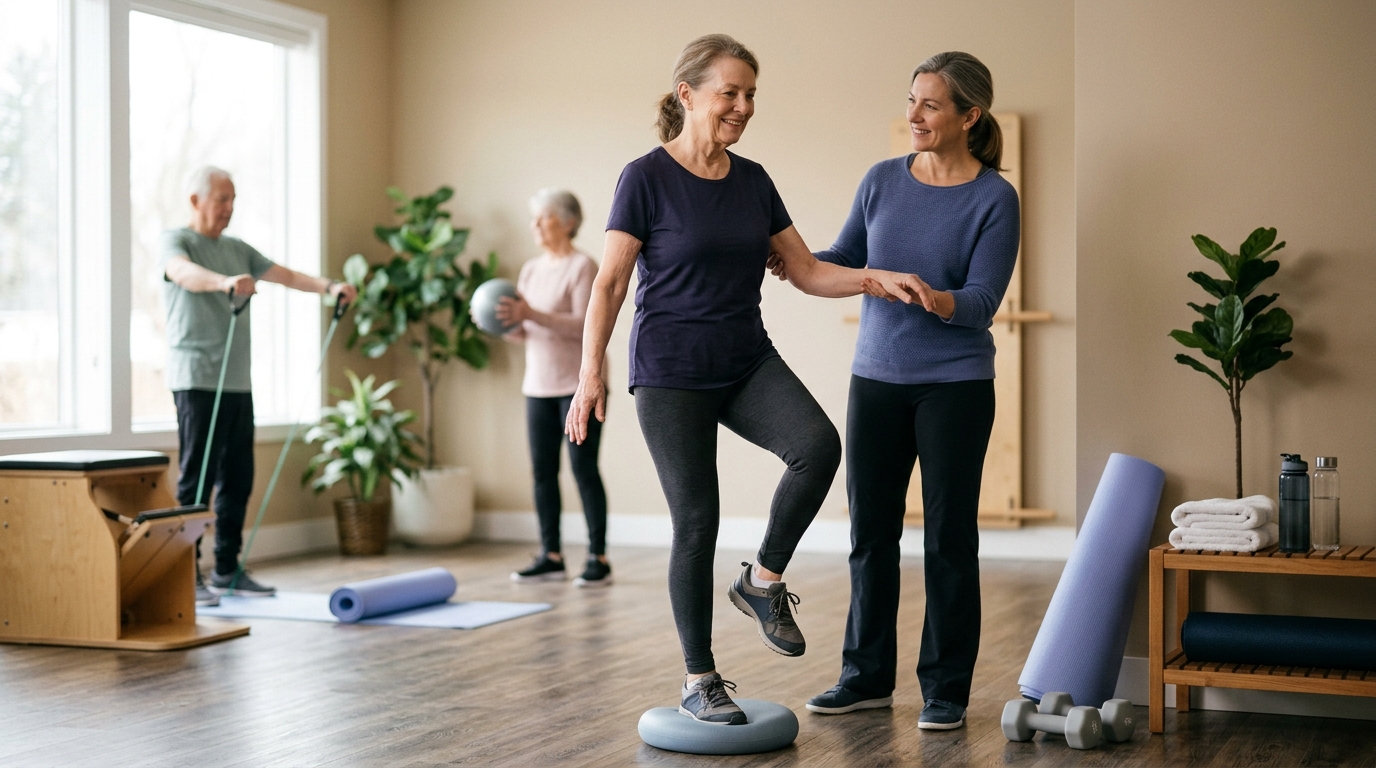
As we age, tendons, ligaments, and cartilage receive less blood flow and synthesize collagen more slowly. An adult over 50 generally requires more time to adapt to running impact or heavy lifting after a break than a 20-year-old. Older adults benefit greatly from allowing 48 to 72 hours between challenging strength or impact sessions.
A two-week break for vacation causes very little structural deconditioning. In contrast, three months of complete bed rest after surgery causes substantial reductions in muscle mass, bone density, and aerobic capacity. The longer your time away, the more conservative your initial baseline must be.
Physical exercise is an intentional stress applied to the body. If you are experiencing poor sleep, high emotional stress, or inadequate nutrition, your body has fewer physiological resources available for recovery. During stressful life periods, keep your workouts restorative and easy rather than demanding.
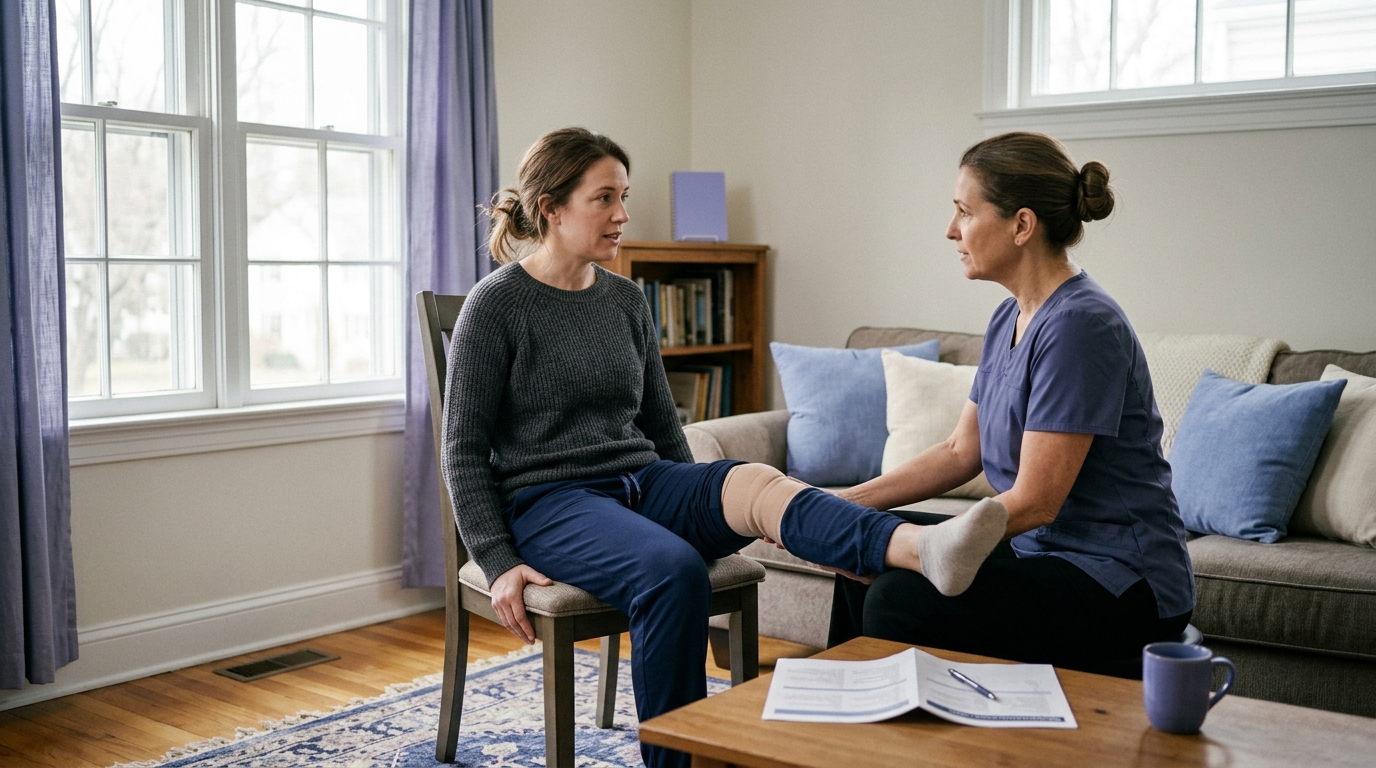
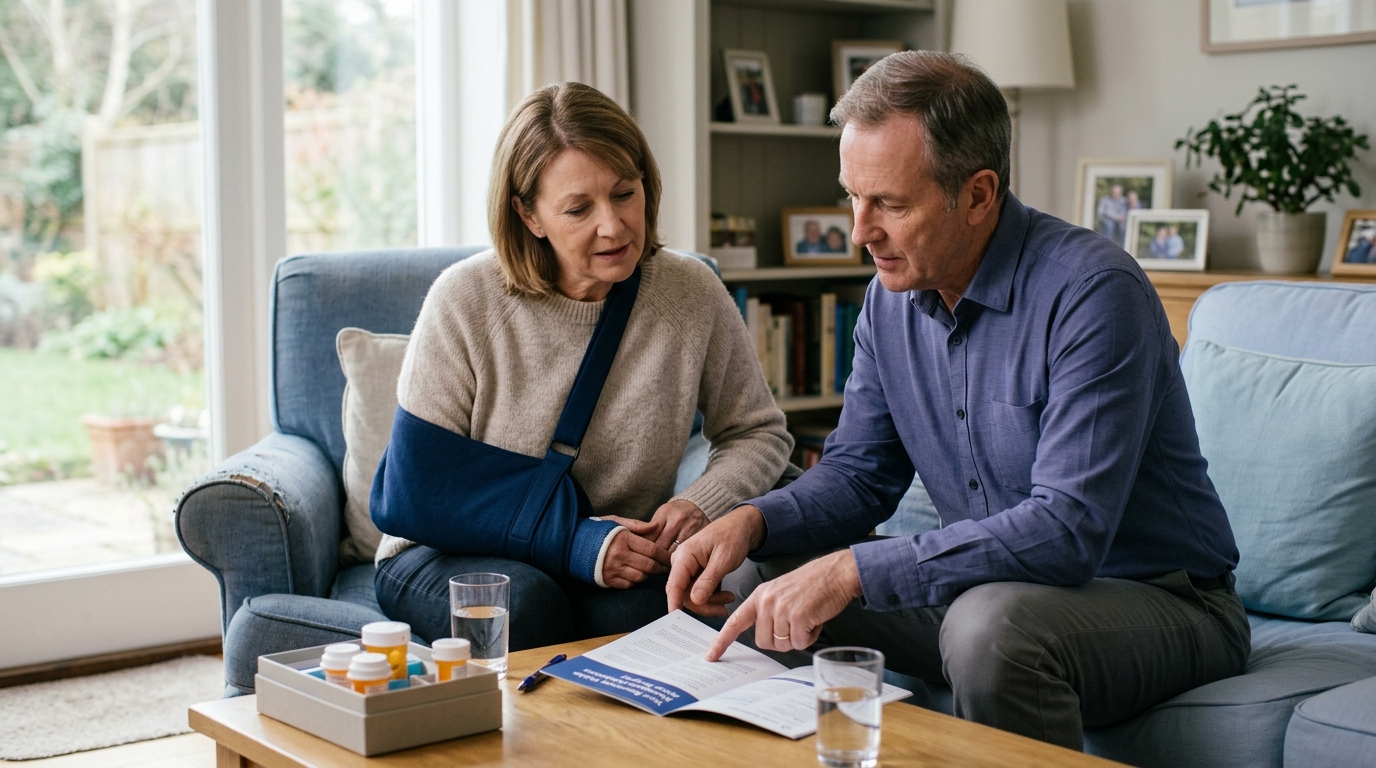
When your exercise break involves an illness, surgery, joint injury, or unexplained symptoms, partner with a qualified medical professional. Preparing specific questions helps you get clear, actionable guidance during your appointment.
Returning to exercise after time away is a gradual process of rebuilding physical capacity, not an urgent race to repay missed workouts. By establishing a comfortable starting point, tracking how your body responds, and changing only one training variable at a time, you protect your health while building sustainable fitness habits.
Rebuilding your physical routine with patience and attention to your body's signals is the most reliable way to stay active for years to come.

Use ReboundBody resources to understand common recovery stages, rehab terms, movement limits and strength rebuilding. Each guide is designed to make a complex comeback easier to understand.


Read practical guidance on injury recovery, rehabilitation, mobility and rebuilding strength as you work your way back to activity.
Explore Resources