
Maintaining physical activity during routine disruptions becomes manageable with evidence-based planning frameworks designed to adapt around travel, fatigue, and personal obligations.





Many people search online for how to stick to a workout schedule when life gets in the way. Work deadlines run late, family members need care, travel interrupts normal routines, and joint aches flare up. When these events collide, most people abandon their plans entirely because they believe an interrupted workout is a failed workout.
The definitive answer is that long-term physical activity does not require rigid perfection. Staying active through disruptions relies on adjusting the volume, duration, and setting of movement while keeping the core intention alive. Current public health guidance confirms that every minute of movement counts toward health goals. When you cannot complete your regular training session, doing a shorter fallback routine preserves your routine and protects your physical capacity.
This guide provides an evidence-based roadmap for staying active when life becomes unpredictable. You will learn how to build practical backup plans, design resilient movement habits, adapt to sudden schedule shifts, and protect your joints without burning out.
To maintain consistency during difficult weeks, you must first separate general movement from structured exercise. Physical activity refers to any bodily movement produced by skeletal muscles that uses energy. This includes walking the dog, raking leaves, carrying groceries, and taking the stairs. Structured exercise is a planned, repetitive subset of physical activity designed to improve or maintain physical fitness.
Both forms of movement provide meaningful physiological benefits. When severe time constraints or emotional stress prevent you from completing a formal workout, general physical activity keeps your joints lubricated and your metabolism active. It also maintains your psychological identity as an active person.
Federal guidelines from public health agencies advise adults to accumulate at least 150 minutes of moderate-intensity aerobic activity each week, or 75 minutes of vigorous activity. Guidelines also recommend muscle-strengthening activities on two or more days per week. In previous decades, official advice stated that aerobic exercise had to occur in bouts of at least 10 minutes to count. Updated scientific guidance removed this 10-minute requirement.
All bouts of moderate-to-vigorous physical activity, regardless of duration, now count toward your weekly total. If you walk briskly for six minutes across a parking lot, that time contributes directly to your 150-minute target. Recognizing that brief bouts count helps eliminate the all-or-nothing mindset that causes many adults to abandon their goals during busy weeks.
The primary framework for surviving disruptions is the minimum viable movement plan. This is an applied strategy representing the smallest useful version of physical activity you can perform when time, equipment, or energy is limited. A minimum viable session might be ten minutes of bodyweight squats, a single set of push-ups, or a brisk walk around your neighborhood.
These short bouts are not complete substitutes for comprehensive training goals over months. They do not replace progressive heavy resistance training or high-volume cardiovascular conditioning. However, they serve as crucial bridges that maintain baseline mobility, stimulate muscles, and preserve habit loops until your schedule normalizes. For broader context on maintaining baseline physical function, review our injury prevention and staying active resources.
Behavioral and sports science provides strong evidence regarding how exercise volume and habit formation interact during periods of stress. Understanding what the research confirms, as well as where uncertainty remains, allows you to set realistic expectations.
Global public health recommendations from organizations like the World Health Organization establish that some physical activity is substantially better than none. Adults who reduce sedentary time and perform even modest amounts of moderate activity achieve measurable reductions in cardiovascular risk and all-cause mortality. The relationship between physical activity and health benefits follows a non-linear curve. The steepest reduction in health risk occurs when moving from total inactivity to modest activity.
This means that doing 30 minutes of total movement during an intense work week offers significant protection compared to doing zero minutes. The additional health benefit gained from expanding 150 minutes to 200 minutes is positive, but the initial jump from zero to 30 minutes provides the highest relative return for your health.
Behavioral science has also evaluated how long it takes to establish a reliable physical activity habit. A popular myth claims that habits form in 21 days. High-quality observational research reveals that habit formation varies widely among individuals. In one landmark study tracking daily health behaviors, the time required to reach peak automaticity ranged from 18 to 254 days. The average time across different behaviors was roughly 66 days.
The same research showed that missing a single opportunity to perform a behavior did not derail the overall habit formation process. Lapses did not reduce the long-term trajectory of automaticity if the individual resumed the behavior soon afterward. A single missed gym session does not erase neural pathways or destroy weeks of previous effort.
Researchers have also examined specific psychological tools designed to bridge the gap between intention and action. One widely studied tool is implementation intentions, which involve creating specific plans that define when, where, and how an action will occur. A systematic review of 13 randomized trials evaluating implementation intentions for physical activity revealed an overall effect size of 0.15, with a confidence interval spanning from -0.01 to 0.31.
Because the confidence interval crossed zero, the overall pooled effect across all diverse interventions was not statistically significant. However, the subgroup of studies that provided ongoing reinforcement of plans showed a statistically significant effect size of 0.25. Heterogeneity across these studies was moderate, reflecting differences in study duration, participant populations, and self-reported activity measures.
This evidence demonstrates that planning alone is not a magic solution. Planning works best when it is reinforced, monitored, and adjusted over time. Rigid plans that cannot bend to real-world chaos tend to break, while adaptive plans that include explicit backup options help sustain long-term engagement.
To maintain physical momentum through changing life demands, you can organize your training into a practical four-tier planning framework. This applied framework organizes your options into predictable categories so you never have to make complex training decisions when exhausted.
The Usual Plan represents your standard training routine when life runs smoothly. Under ordinary conditions, this might include three 45-minute strength training sessions at a gym and two 30-minute runs per week.
Your Usual Plan addresses your primary fitness goals, such as building muscular strength, improving cardiovascular endurance, or training for a specific sport. It assumes full access to your preferred equipment, stable sleep schedules, and predictable daily working hours. You follow this tier during normal weeks when energy and time are balanced.
The Fallback Plan is a pre-determined, lower-friction routine used when external disruptions strike. This plan requires minimal equipment, takes between 10 and 20 minutes, and can be completed at home, in an office, or in a hotel room.
The goal of a Fallback Plan is continuity rather than progressive overload. If your Usual Plan calls for an hour of barbell lifting, your Fallback Plan might consist of three rounds of bodyweight squats, elevated push-ups, and a brief core hold. For cardiovascular training, a brisk 15-minute walk replaces a longer run.
Having a concrete Fallback Plan eliminates decision fatigue. When a meeting runs late or a family obligation arises, you do not need to decide what to cut. You simply shift from Tier 1 to Tier 2 without guilt.
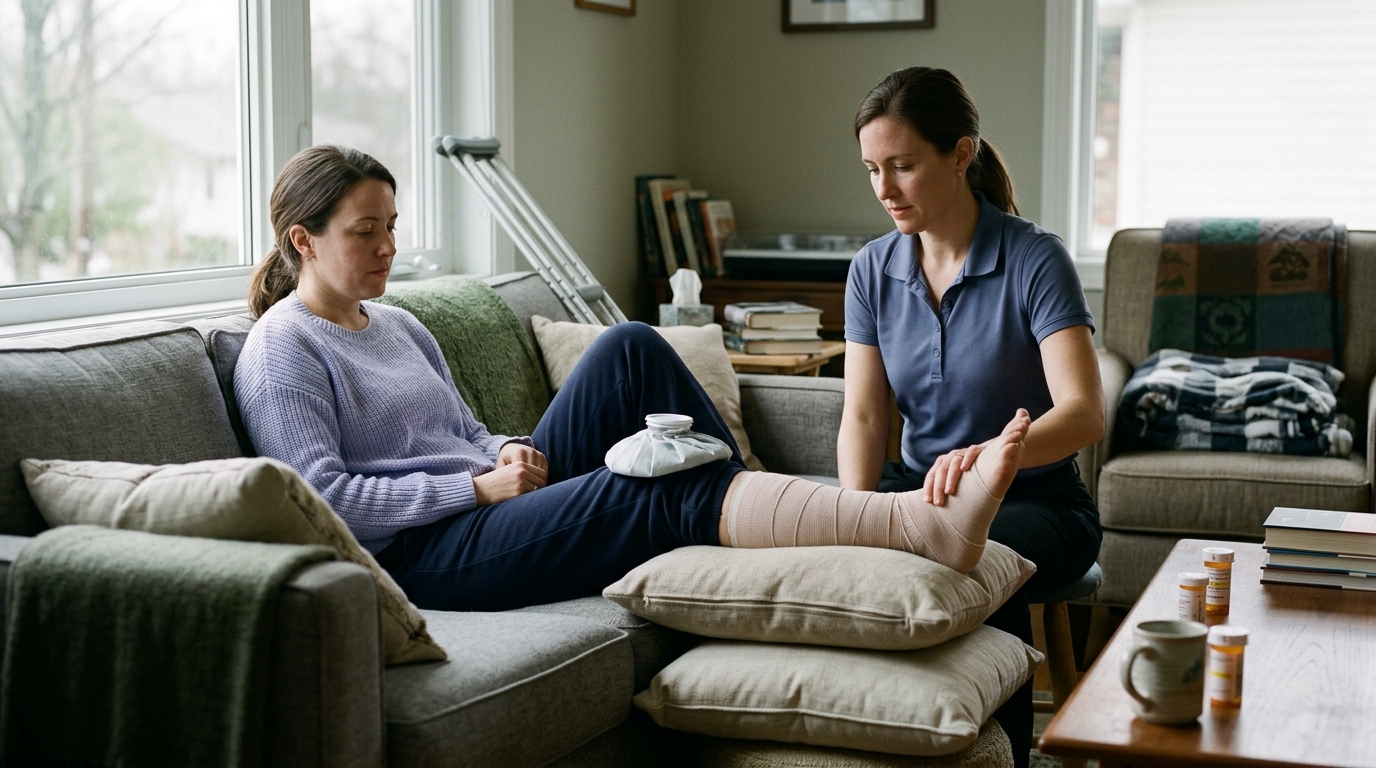
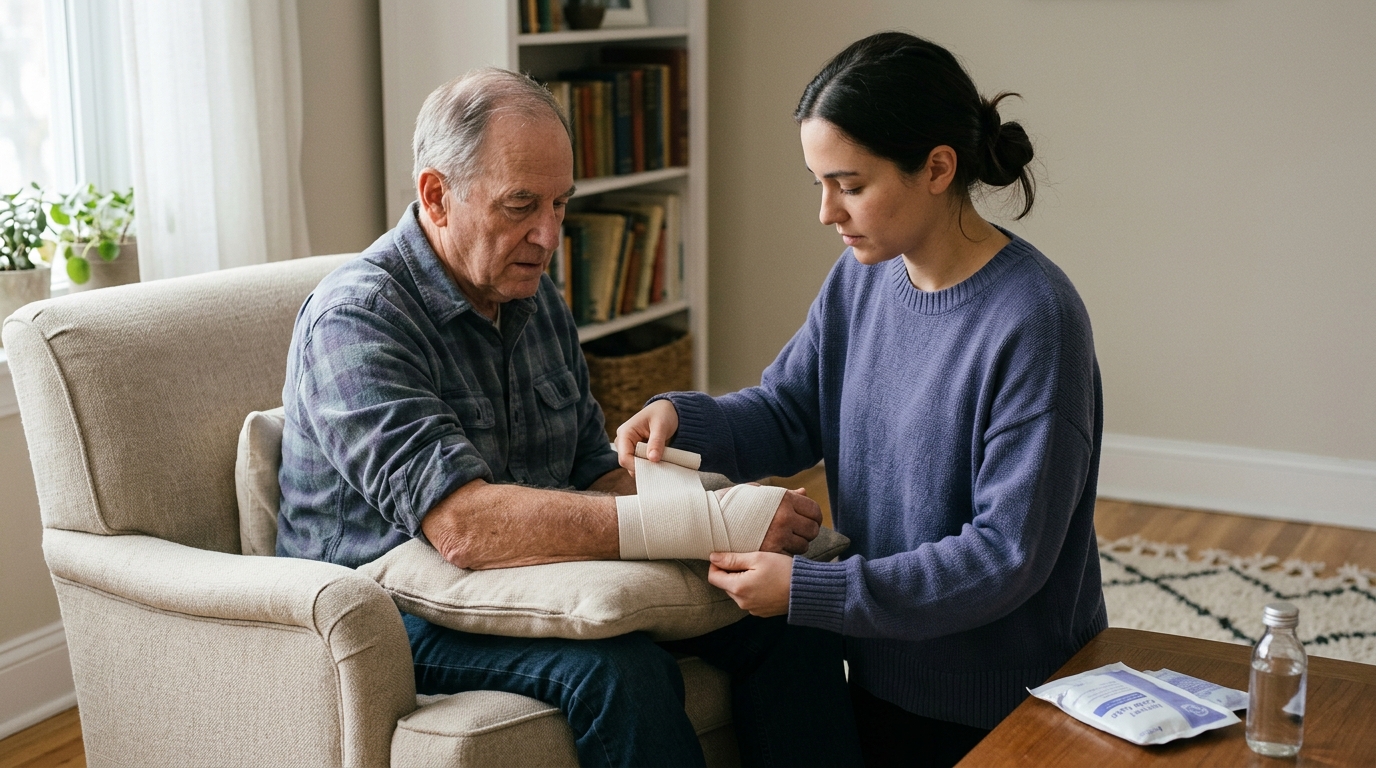
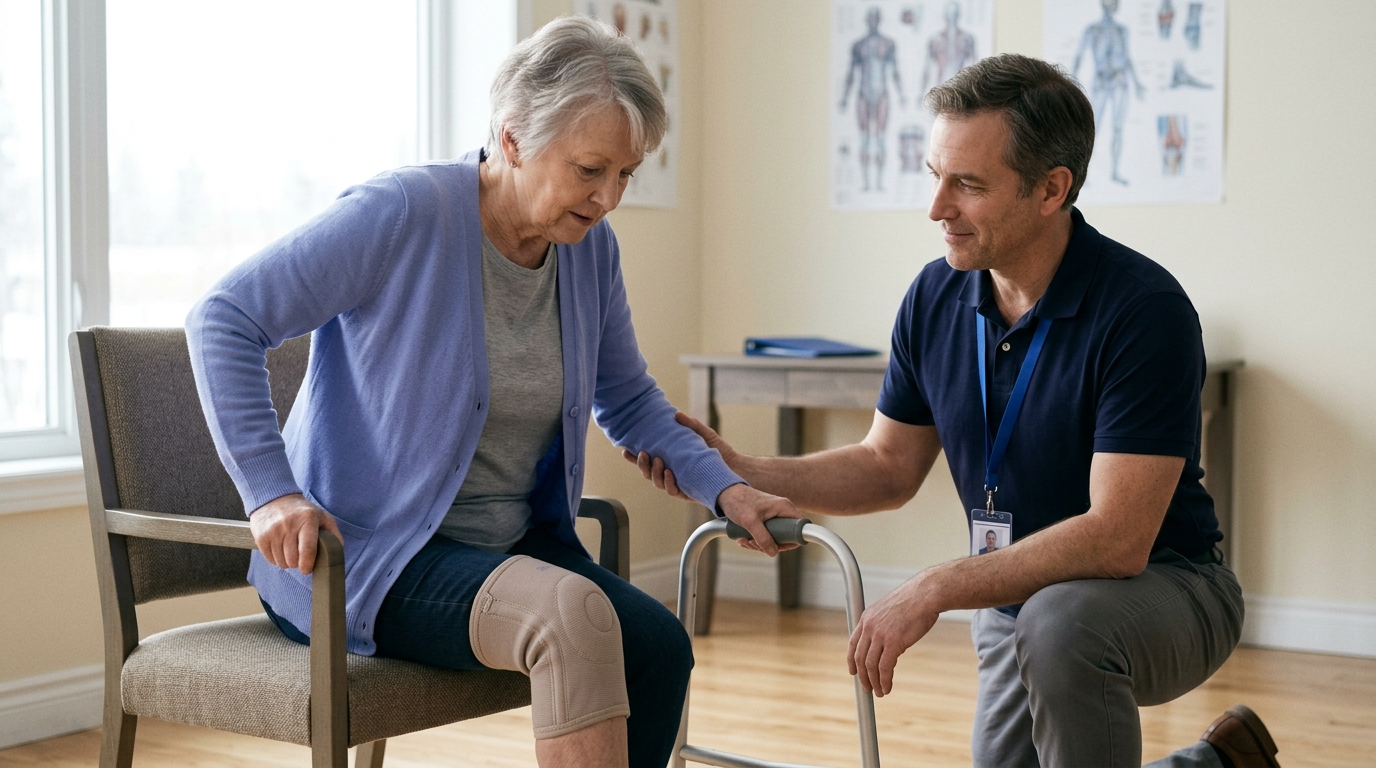
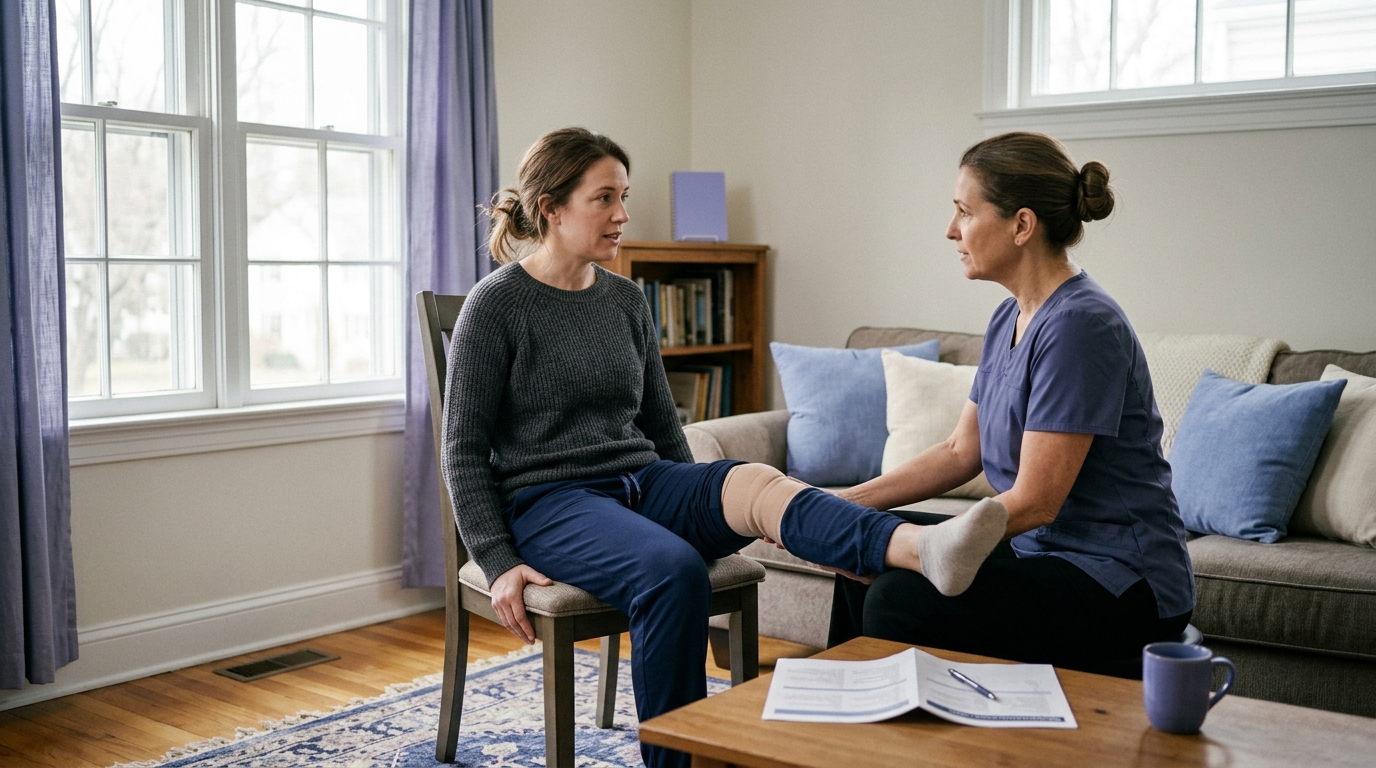
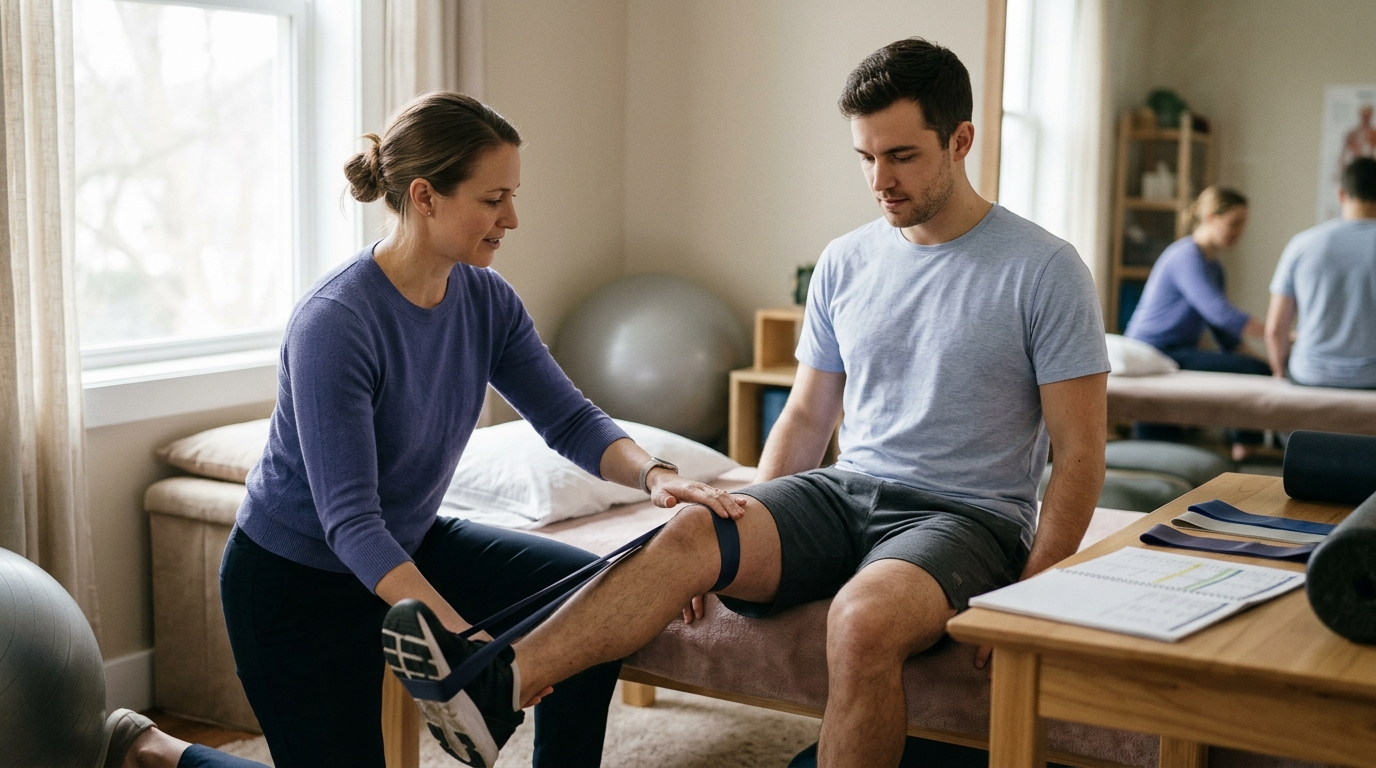
The Health-Adjusted Plan adapts to physical setbacks such as acute illness, joint flare-ups, surgical recovery, or unexpected physical exhaustion. This tier modifies movement selection, range of motion, and intensity to protect healing tissues while avoiding total immobility.
If knee discomfort makes loaded squats painful, the Health-Adjusted Plan shifts toward non-weight-bearing exercises, upper-body strength, or gentle cycling with low resistance. If a respiratory virus leaves you fatigued, the plan focuses entirely on light mobility drills, breathing exercises, and gentle stretching.
This tier respects biological healing constraints while preventing the muscle stiffness and mood decline associated with prolonged bed rest. For guidance on rebuilding functional movement after joint issues, see our mobility and movement guides.
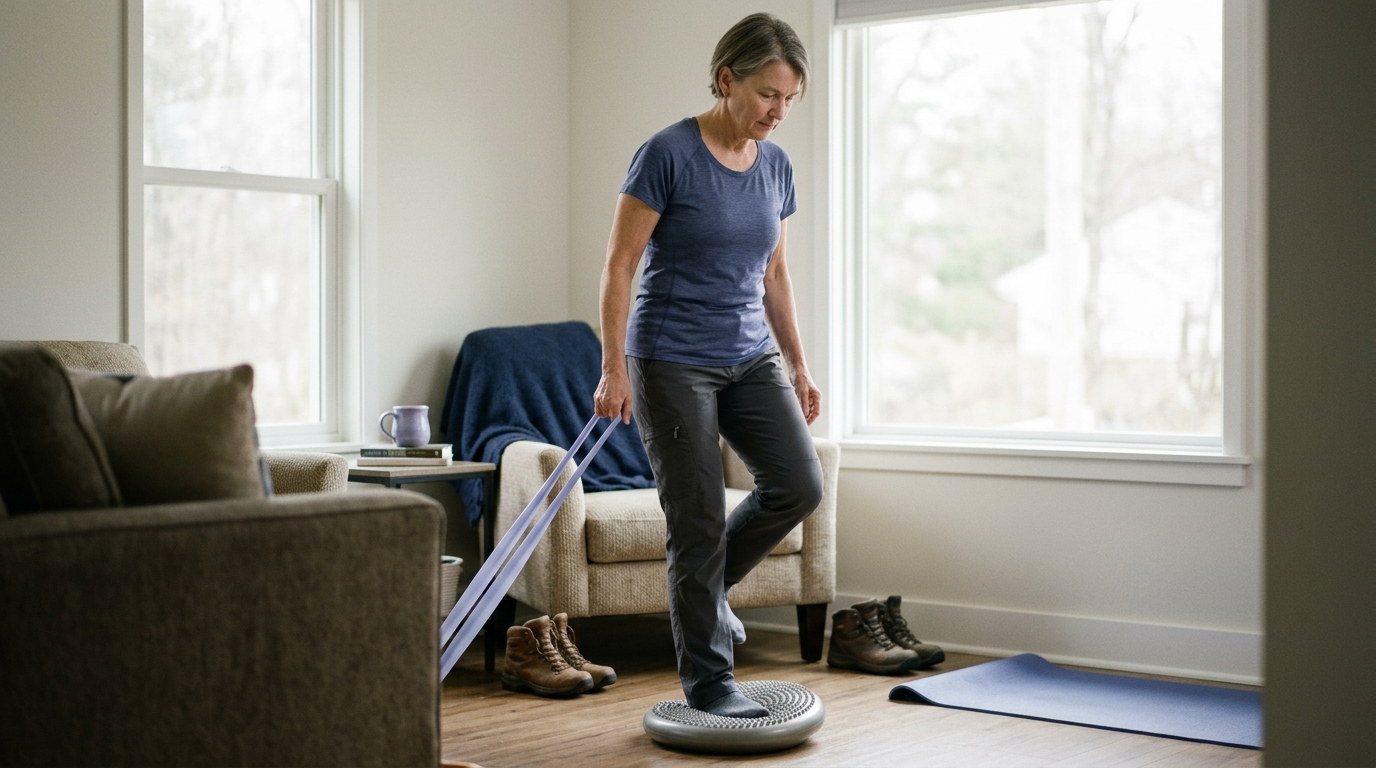
The Restart Plan is a structured, non-punitive bridge used when life forces a complete break from exercise lasting two weeks or longer. When resuming physical activity after an extended absence, many adults make the mistake of attempting their previous peak training volume immediately.
An abrupt return to high volume often leads to severe muscle soreness, joint irritation, and rapid burnout. The Restart Plan applies the clinical principle of starting low and progressing slowly.
For the first week back, you might perform 50 percent of your previous training volume and intensity. In the second week, you advance to 70 percent, returning to your full Usual Plan by the third or fourth week. This gradual re-entry allows tendons, ligaments, and neuromuscular pathways to readapt safely.
Building resilient movement habits requires understanding how physical environments and daily cues influence human behavior. Relying solely on motivation or willpower is unreliable because both fluctuate with stress, sleep quality, and daily cognitive load.
A habit loop consists of a stable context cue, a behavioral routine, and an internal or external reward. When you repeatedly perform an action in response to the same cue, your brain creates automatic neural associations. Over time, the cue triggers the urge to act without requiring conscious deliberation.
Stable context cues are far more dependable than time-based intentions. Saying "I will exercise at 5:00 PM" frequently fails when a phone call arrives at 4:55 PM. Instead, anchoring movement to an established, unmovable daily anchor creates stronger behavioral consistency.
Consider the following concrete examples of context-anchored routines:
Behavioral science highlights the importance of reducing friction for desired behaviors while increasing friction for competing sedentary behaviors. If working out requires packing a bag, driving 20 minutes in heavy traffic, and finding a locker, any unexpected friction will derail the session.
To maintain consistency during high-stress seasons, lower every operational barrier. Keep resistance bands near your desk, set out your walking shoes the night before, and choose home-based exercise options that require zero transit time.
When disruptions cause you to miss a planned session, avoid psychological spirals. Behavioral research demonstrates that habit automaticity does not reset to zero following a missed day. Treat a missed workout as an isolated event rather than a character flaw or a broken contract.
The most effective habit-preservation rule is simple: never miss two consecutive opportunities if you can avoid it. If Tuesday gets cancelled by an emergency, execute your 10-minute Fallback Plan on Wednesday. This approach stops a temporary disruption from turning into a multi-month layoff.
Real-world schedules do not conform to idealized training templates. Work demands surge, travel removes familiar environments, and caregiving responsibilities demand time and emotional energy. Adapting your movement strategy to these specific life contexts preserves physical function without adding unmanageable stress.
Demanding careers often create unpredictable schedules and severe mental exhaustion. After ten hours of high-stakes decision-making, the cognitive energy required to execute a complex, heavy gym workout is often depleted.
In this scenario, attempting a high-intensity session can increase injury risk due to compromised technique and poor mental focus. A structured fallback approach solves this problem by reducing cognitive complexity.
Consider this illustrative model: An office worker plans a 60-minute evening strength session, but an urgent project delays departure until late evening. Rather than skipping movement entirely, the worker switches to an "action-and-coping" protocol.
The worker returns home, puts on comfortable clothes, and completes 12 minutes of continuous low-friction movement consisting of bodyweight lunges, wall push-ups, and slow cat-cow stretches. The session maintains physical mobility, promotes blood flow, clears mental stress, and keeps the weekly habit intact without causing physical exhaustion before sleep.
Travel removes access to familiar gym facilities, disrupts sleep schedules, and introduces time-zone fatigue. Many adults abandon exercise entirely during trips because their normal routine cannot be replicated in a hotel room or at a host family's home.
Successful travel maintenance begins with pre-trip planning. Before departing, evaluate your accommodations and schedule to determine which movement options are realistic. Do not assume you will find time for a 90-minute gym visit if your schedule is packed with back-to-back conferences.
Effective travel movement relies on portable, space-independent options:
Decide before your trip that maintenance is your primary goal. You are not trying to set personal strength records while living out of a suitcase. You are maintaining joint integrity, burning baseline energy, and preventing stiffness from long flights or car rides.
Providing care for young children or aging parents creates substantial time and location constraints. Caregivers often experience fragmented sleep, high emotional strain, and unpredictable emergencies that make leaving the house for exercise impossible.
Research on caregiver physical activity reveals that interventions involving both the caregiver and the care recipient can sometimes help overcome barriers. In appropriate circumstances, shared physical activity provides mutual social and physical benefits.
Examples of shared or integrated movement include:
Shared exercise is not safe or practical for every caregiving dynamic. If your care recipient has severe cognitive impairment, unstable balance, or acute medical needs, attempting shared exercise may increase safety risks.
In such cases, caregivers must rely on brief, independent home routines that fit around care tasks. For deeper insights into managing long-term physical capacity, explore our articles on active aging and prevention.
Physical activity recommendations cannot be applied identically to every individual. Age, baseline conditioning, past injuries, and chronic medical conditions significantly alter how your body responds to training disruptions and restarts.
As adults age, physiological changes alter muscle protein synthesis, tendon elasticity, and joint cartilage hydration. Older adults generally require slightly longer recovery windows between intense training sessions.
When an older adult takes a two-week break from exercise, muscle mass and neuromuscular coordination can decline faster than in younger individuals. However, attempting an aggressive catch-up routine carries a higher risk of tendinopathy or joint inflammation.
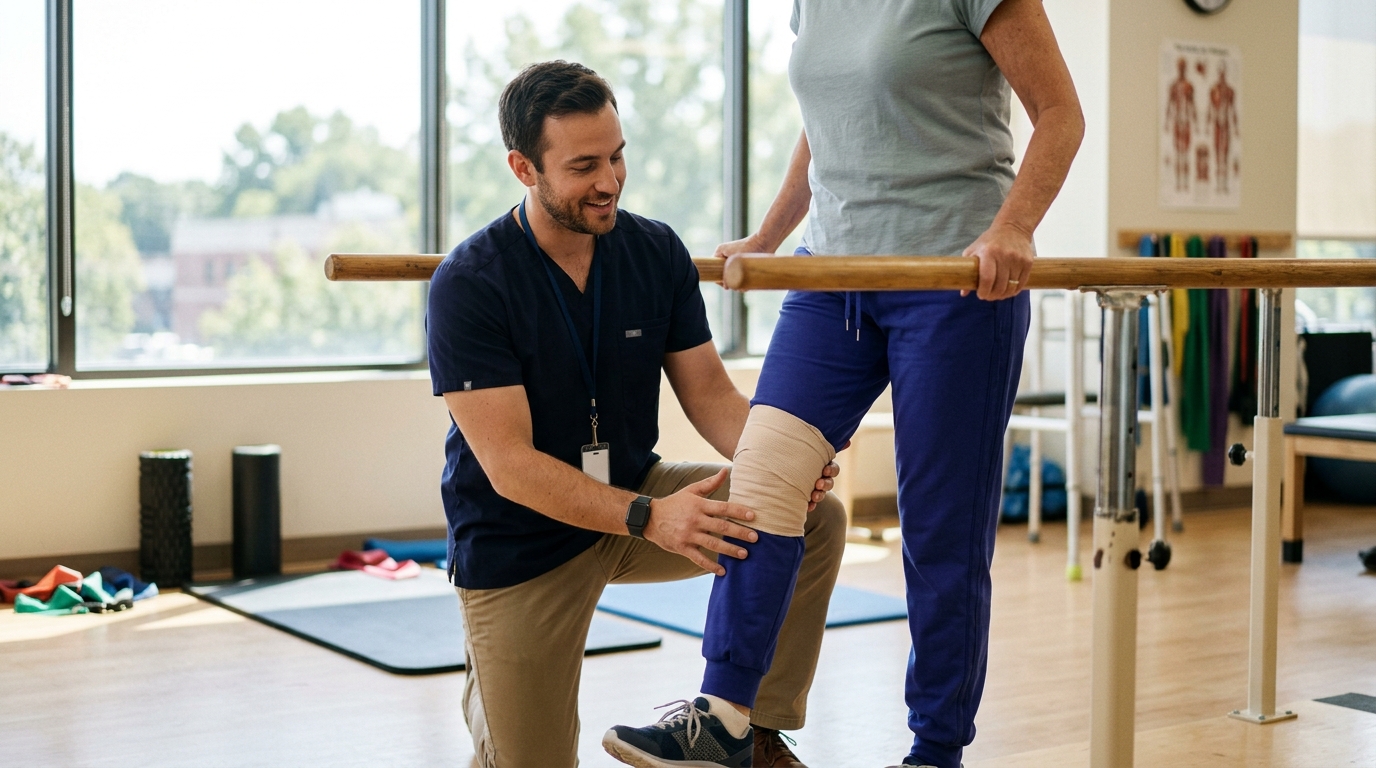
Older adults returning from disruptions should emphasize progressive loading. Begin with lower mechanical resistance, focus on controlled tempos, and ensure adequate protein intake to support muscle maintenance. Clinical guidance for older adults who are deconditioned emphasizes starting with low intensity and short durations before attempting higher volumes.
If you have a history of orthopedic injury, such as a repaired ACL, lumbar disc herniation, or chronic shoulder impingement, disruptions require careful management. Inactivity often leads to joint stiffness and muscular inhibition around previously injured areas.
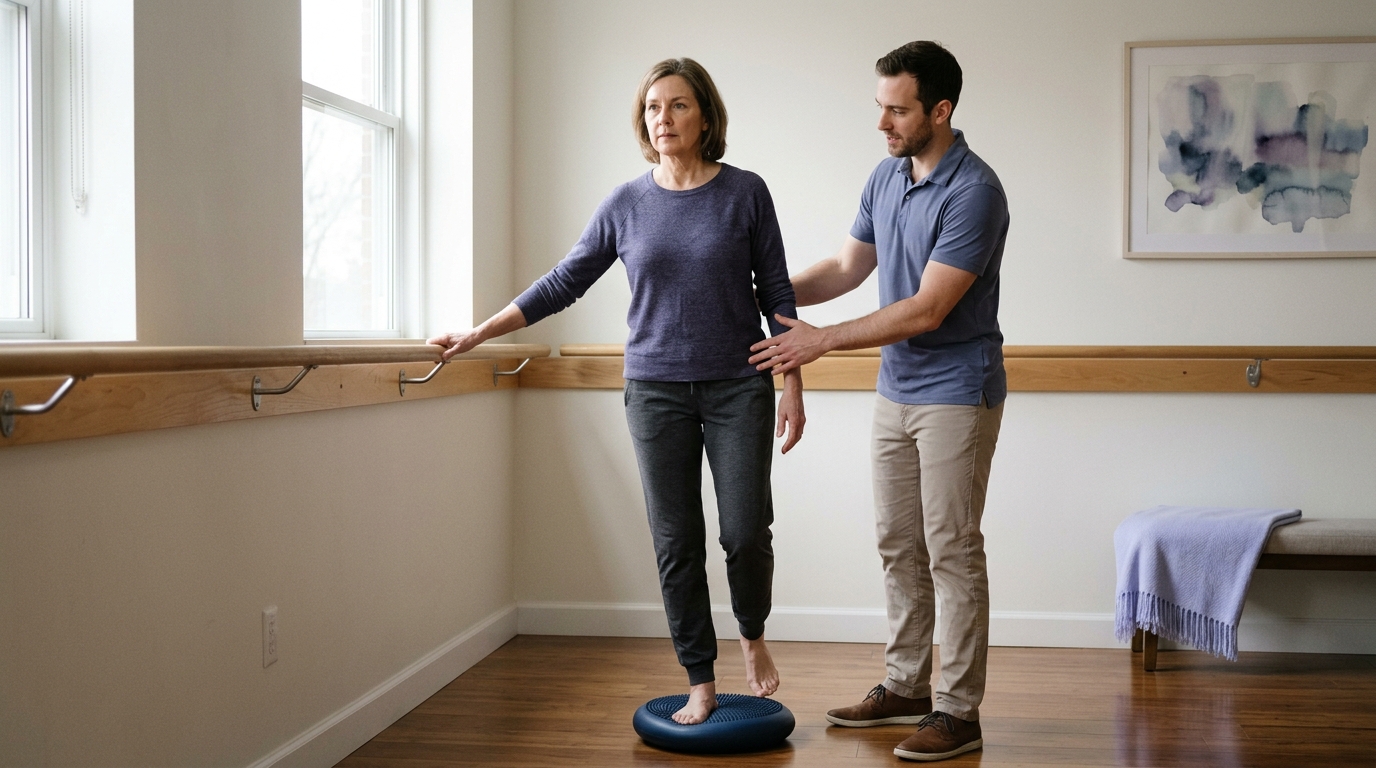
When returning to movement, prioritize targeted warm-up drills and stabilizing exercises before progressing to heavier loads. For example, someone with a history of lower back irritation should perform core bracing and hip mobility drills before attempting deadlifts or loaded carries.
Never ignore sharp or escalating joint pain during a workout. While mild muscular burning and post-exercise soreness are normal adaptations, sharp, stabbing, or radiating discomfort indicates that the movement needs immediate modification. To learn more about returning to higher loading after an injury, review our strength and return to sport resources.
Chronic medical conditions such as hypertension, type 2 diabetes, osteoarthritis, and heart disease require individualized adjustments to physical activity. Public health agencies advise individuals with these conditions to consult medical providers regarding appropriate exercise parameters.
The following health situations warrant specific caution and clinical consultation:
Understanding these modifying factors allows you to tailor your fallback and restart plans safely. A sound movement plan respects your unique medical history while finding creative ways to keep your body moving forward.
Long-term physical activity depends heavily on practical self-regulation strategies. Behavioral science identifies several techniques that help individuals maintain movement routines when life becomes chaotic.
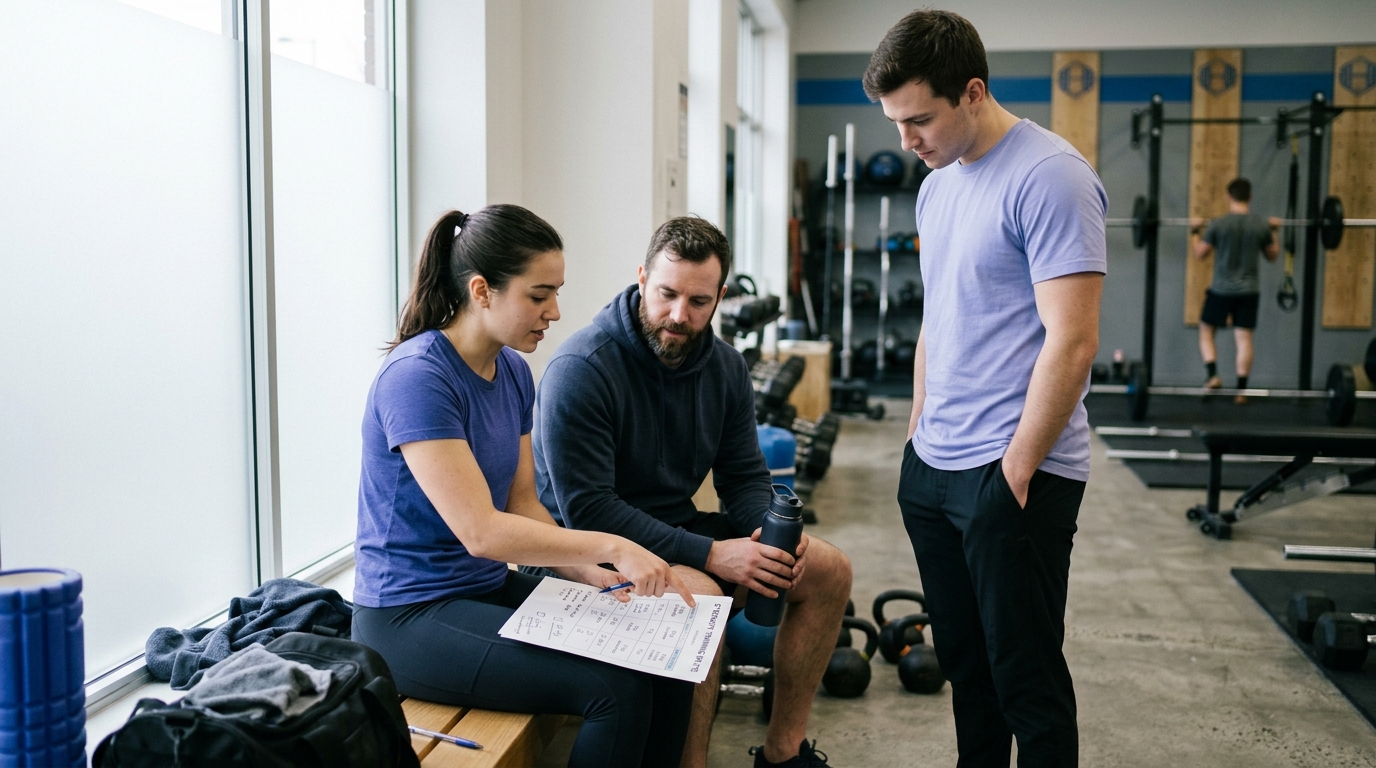
A systematic review examining behavior change techniques for exercise adherence found moderate evidence supporting social support, goal-setting, clear instruction, demonstration, and deliberate practice. Incorporating these tools creates an environment that reinforces your commitment.
Goal setting works best when focused on process goals rather than outcome goals. An outcome goal might be "lose 15 pounds" or "bench press 200 pounds." While these targets provide direction, they offer little practical guidance during a hectic week.
Process goals focus on daily actions within your direct control. Examples include:
During disrupted weeks, scale back your process goals to match your available bandwidth. Achieving a modest, realistic goal builds self-efficacy, whereas failing an unrealistic goal breeds frustration and disengagement.
Tracking your physical activity provides objective feedback and holds you accountable. When schedules become chaotic, memory is unreliable, and you may misjudge how much or how little you have moved.
Use simple tracking systems that require minimal effort:
Do not allow tracking tools to become a source of anxiety. If logging every repetition feels overwhelming during a stressful week, switch to a simple binary checkmark system until life stabilizes.
Exercising alone requires high internal drive. When fatigue sets in, it is easy to cancel a solo workout because nobody else is affected. Adding social accountability significantly improves adherence.
Consider these practical social structures:
For more scientific insights into how lifestyle factors influence tissue recovery and overall physical resilience, explore our recovery science articles.
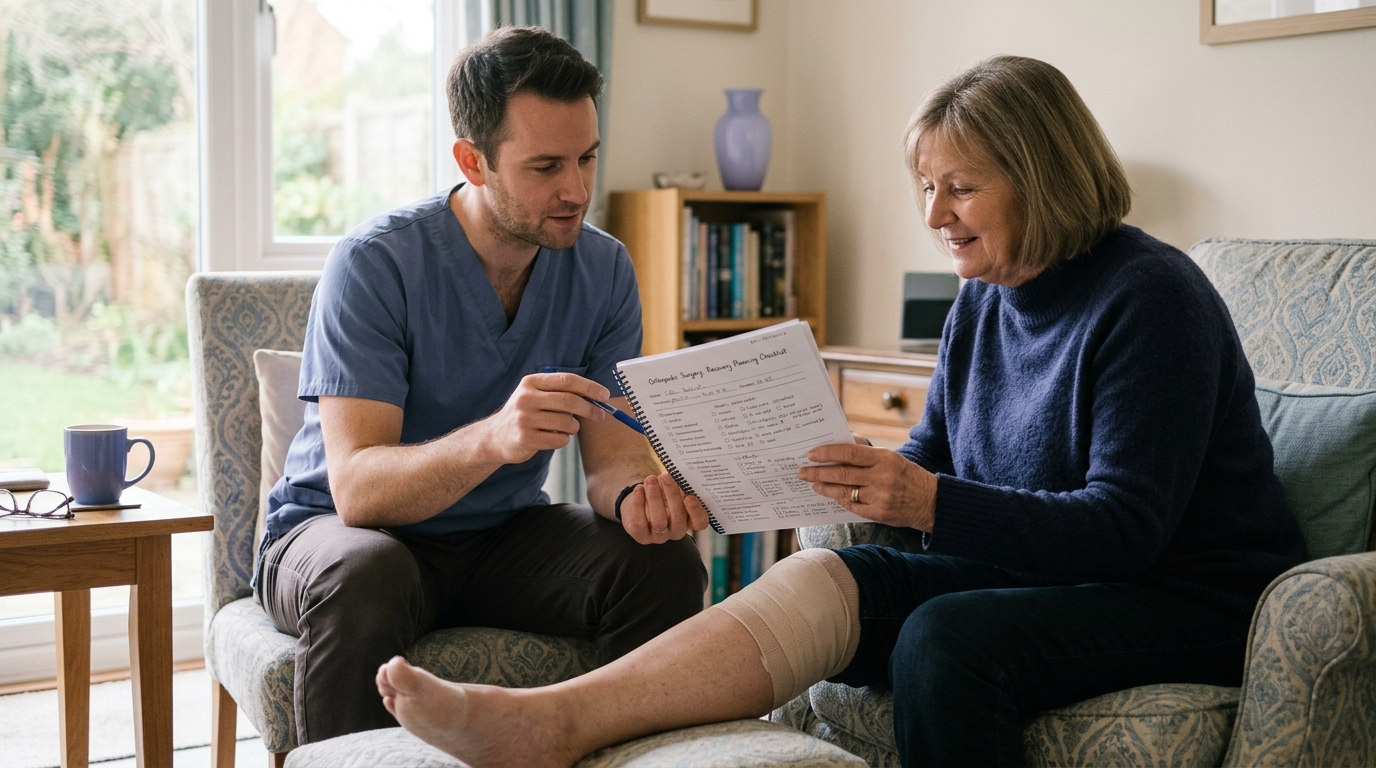
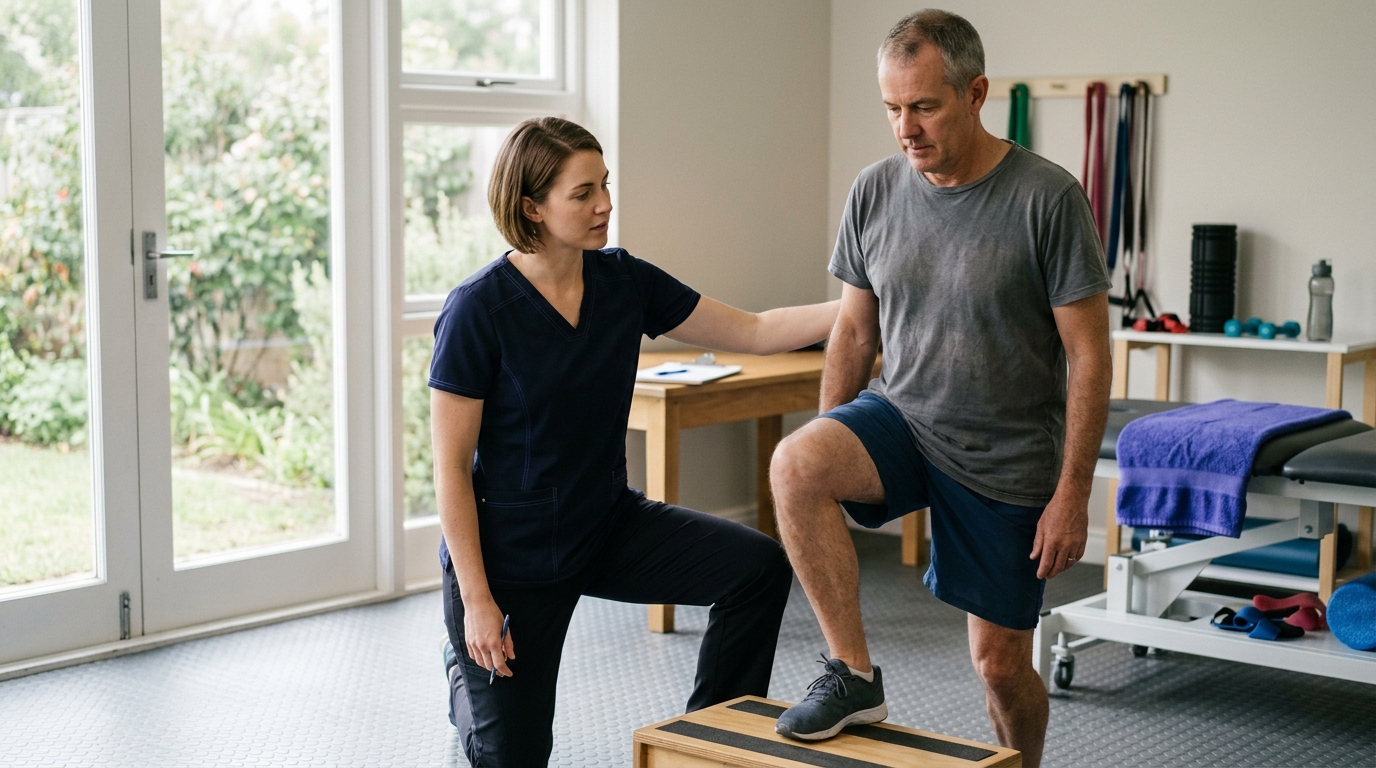
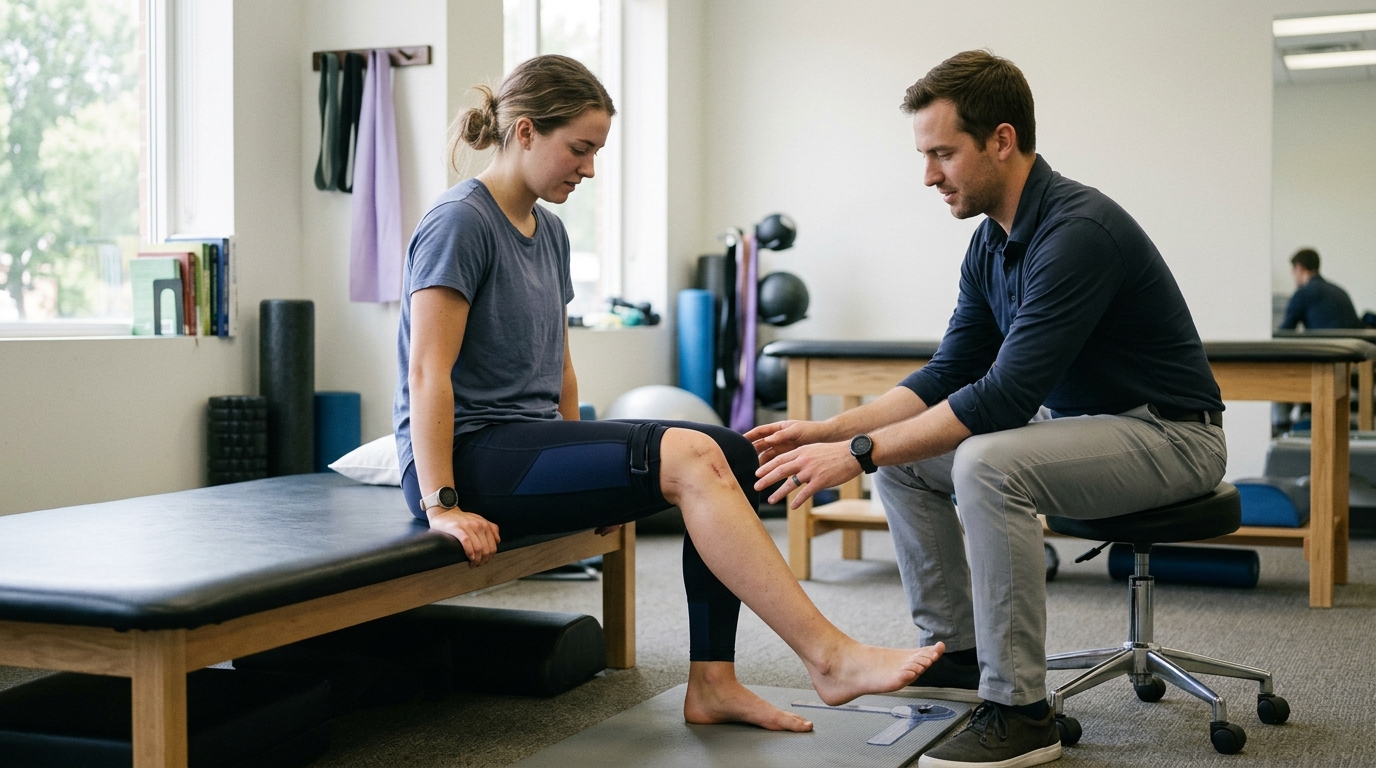
When life disruptions coincide with physical symptoms, pain, or recovering injuries, you should consult a qualified clinician. A physical therapist, orthopedic doctor, or sports medicine specialist can help you distinguish between normal training sensations and signs of tissue overload.
Use the following questions to guide your next clinical conversation:
Open communication with your healthcare team ensures that your physical activity plans remain safe, effective, and tailored to your unique anatomical needs.
Long-term physical consistency is not built on unbroken perfection. It is built on adaptability, realistic expectations, and the willingness to accept smaller doses of movement when circumstances demand it.
Public health research confirms that all physical activity counts toward your health and longevity. Every brisk walk, brief bodyweight circuit, and mobility sequence helps preserve joint health, muscle function, and psychological well-being. By shifting away from an all-or-nothing mindset and using flexible backup plans, you can navigate life's inevitable disruptions without losing your physical momentum.
To put these evidence-based principles into practice immediately, complete this simple checklist over the next seven days:

Use ReboundBody resources to understand common recovery stages, rehab terms, movement limits and strength rebuilding. Each guide is designed to make a complex comeback easier to understand.


Read practical guidance on injury recovery, rehabilitation, mobility and rebuilding strength as you work your way back to activity.
Explore Resources