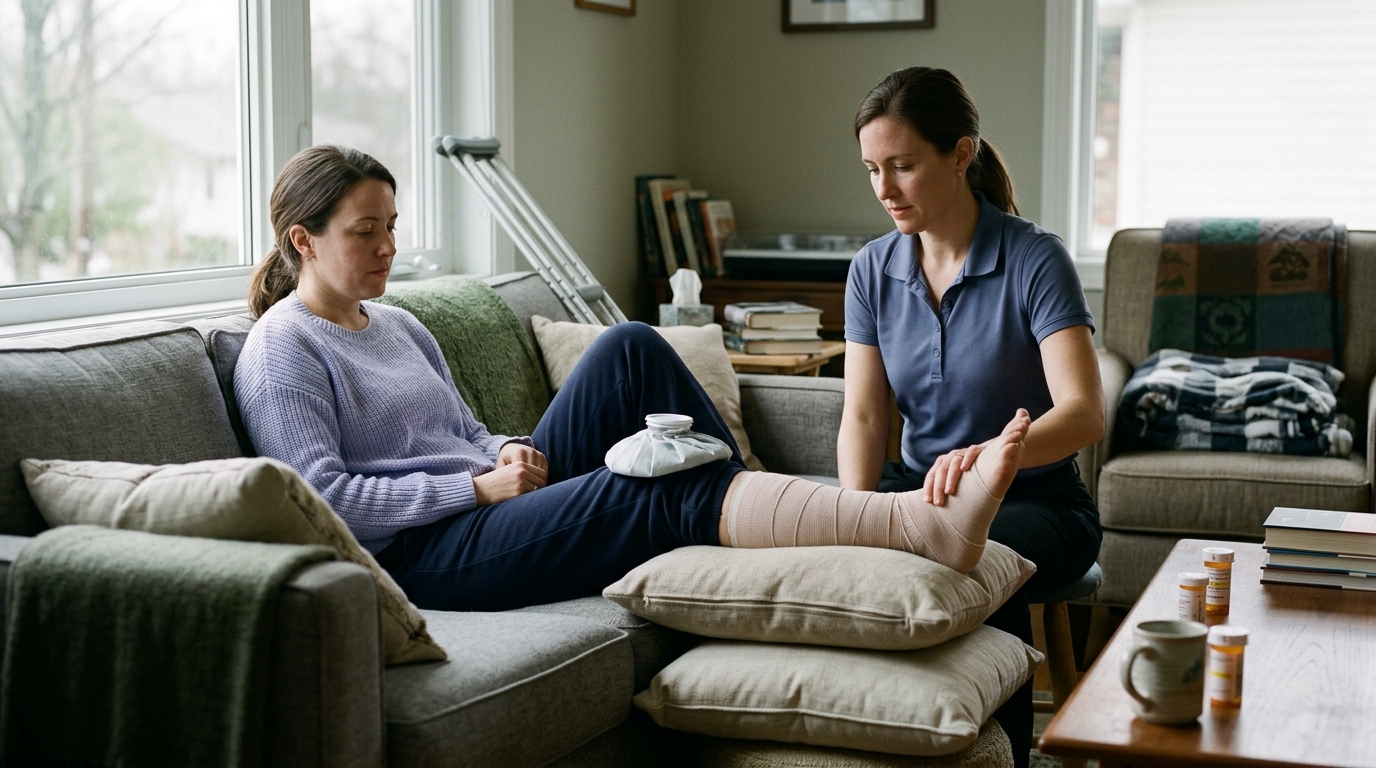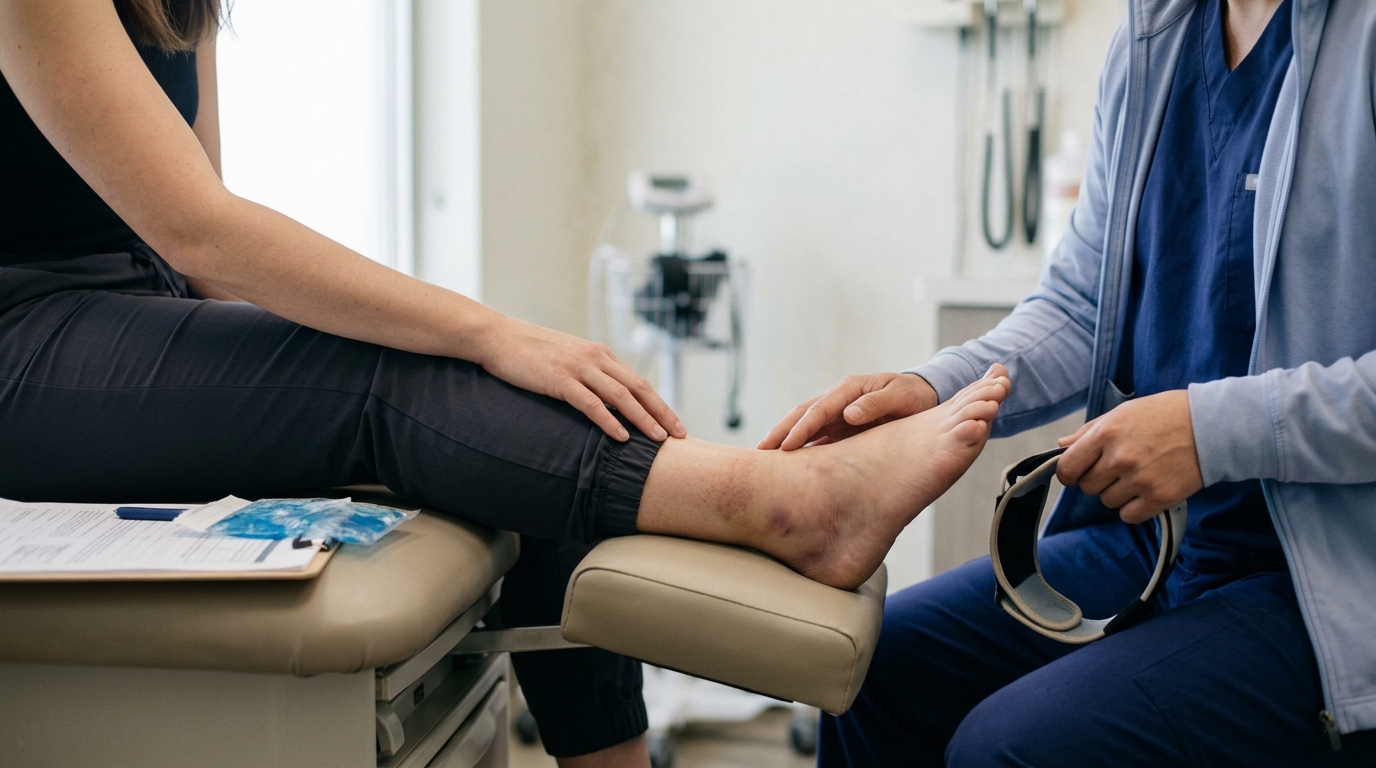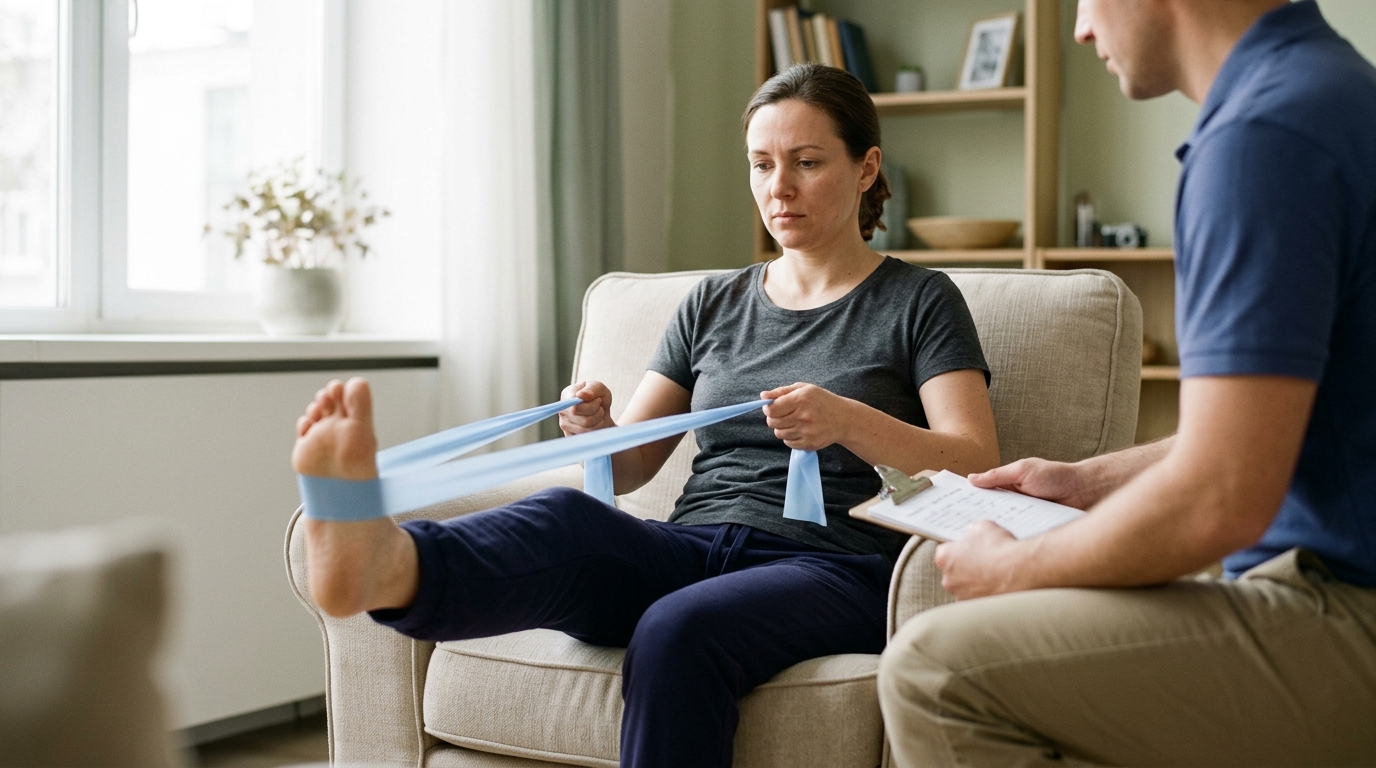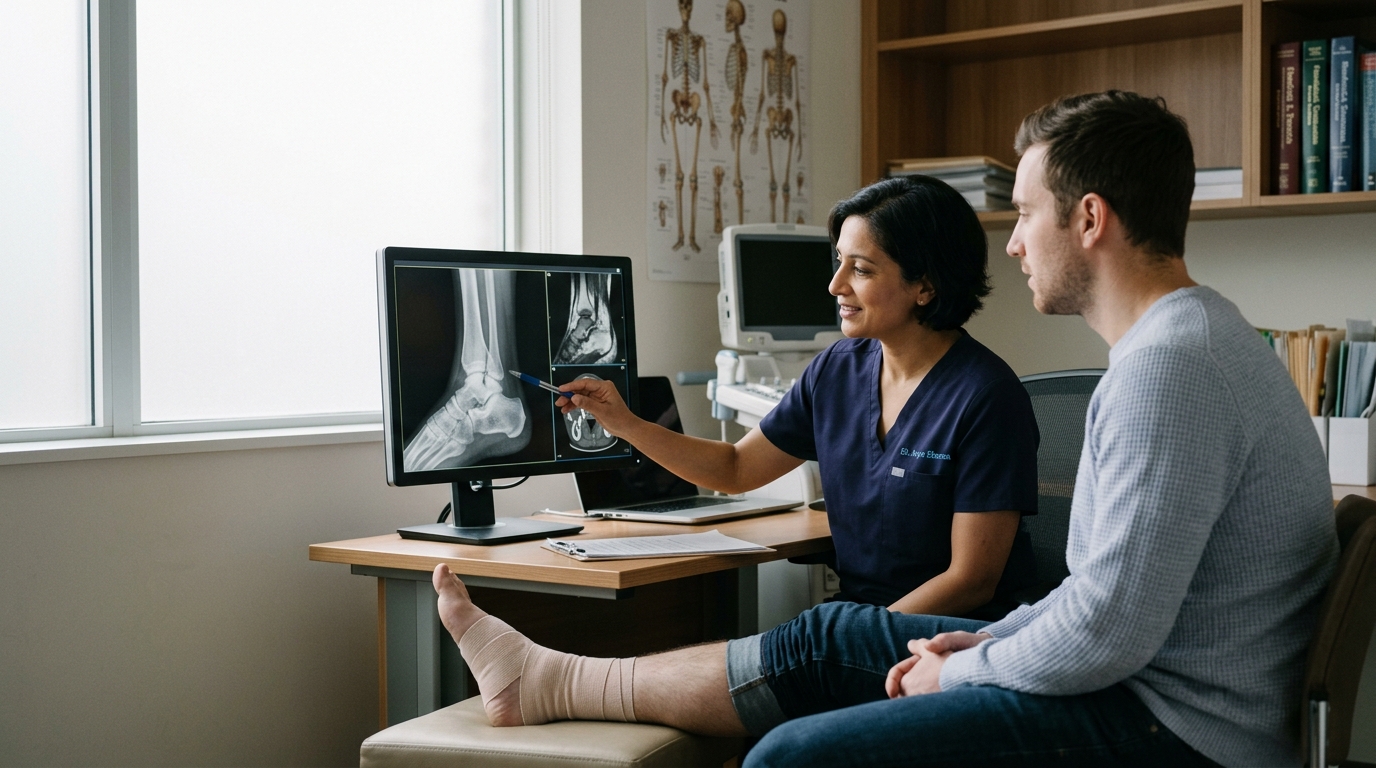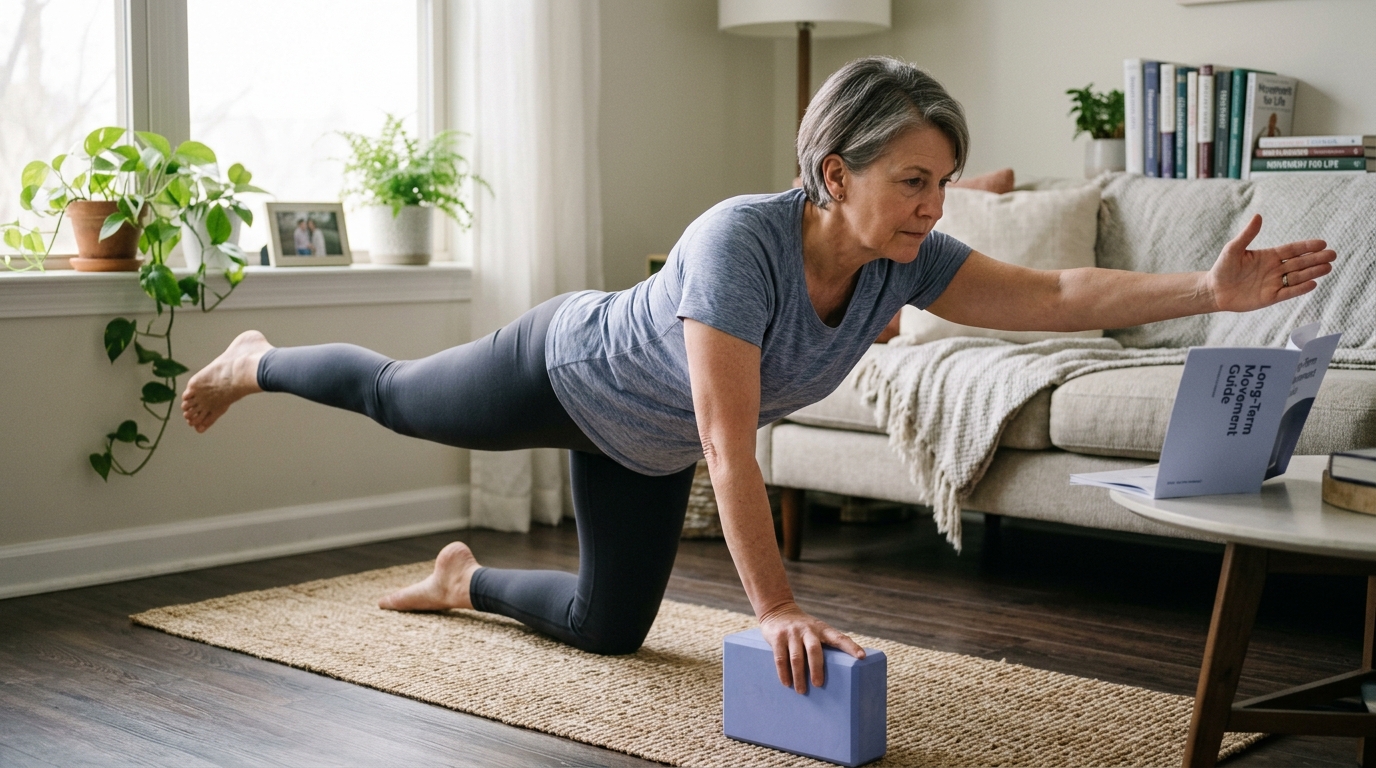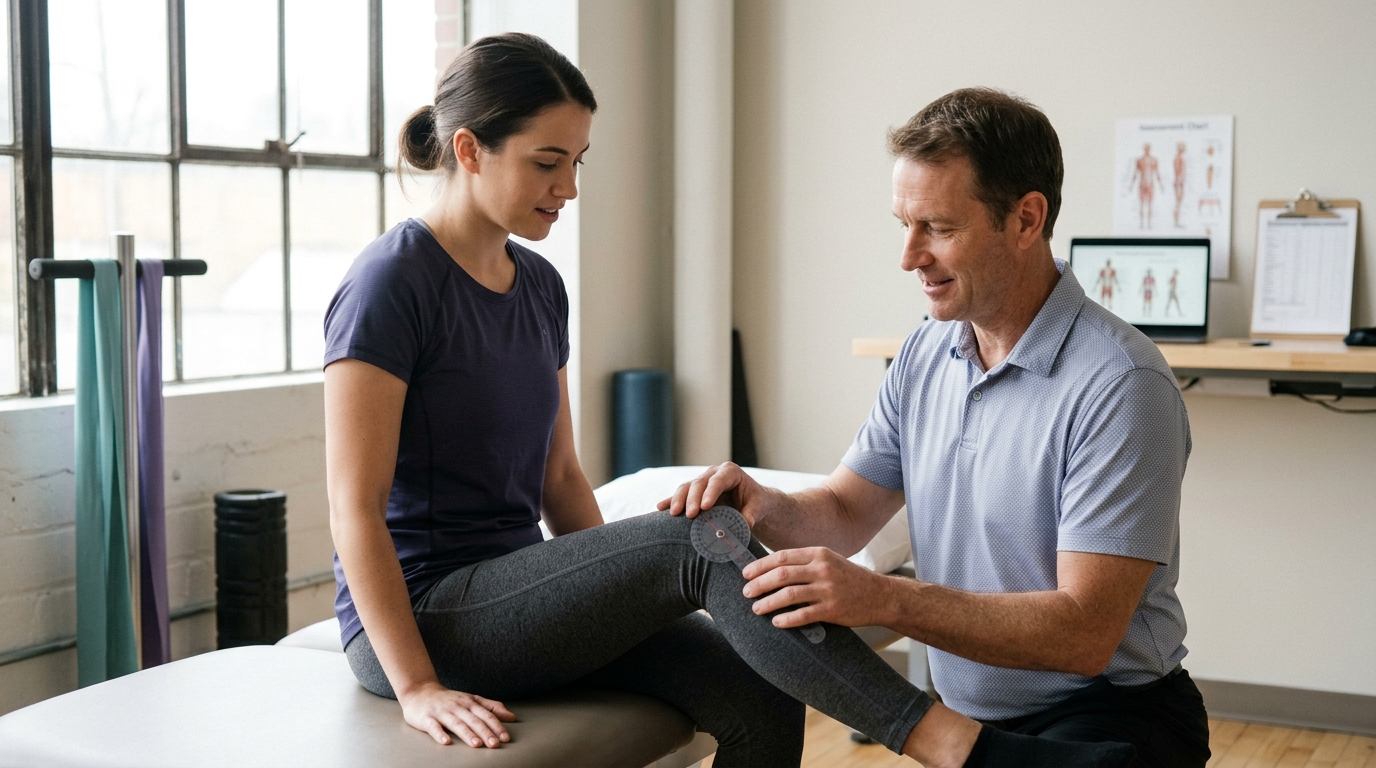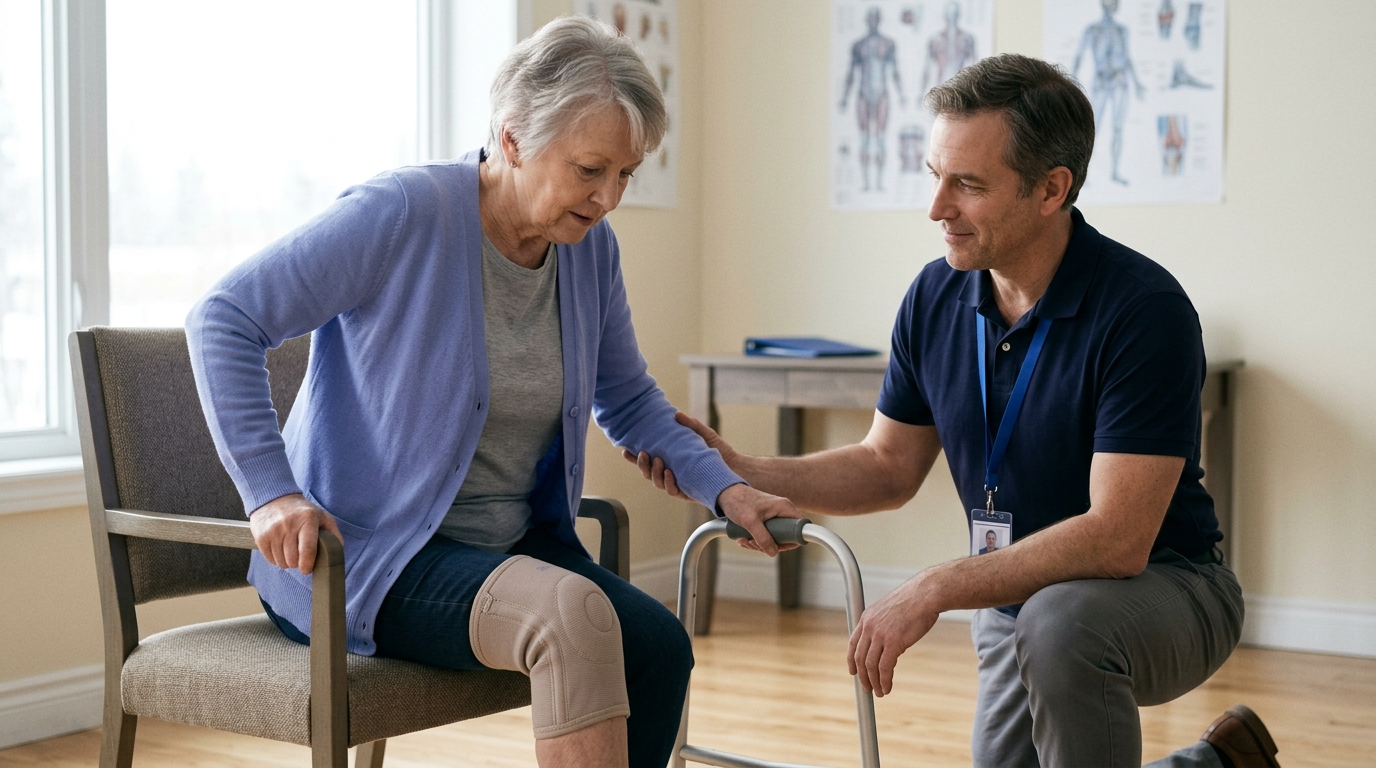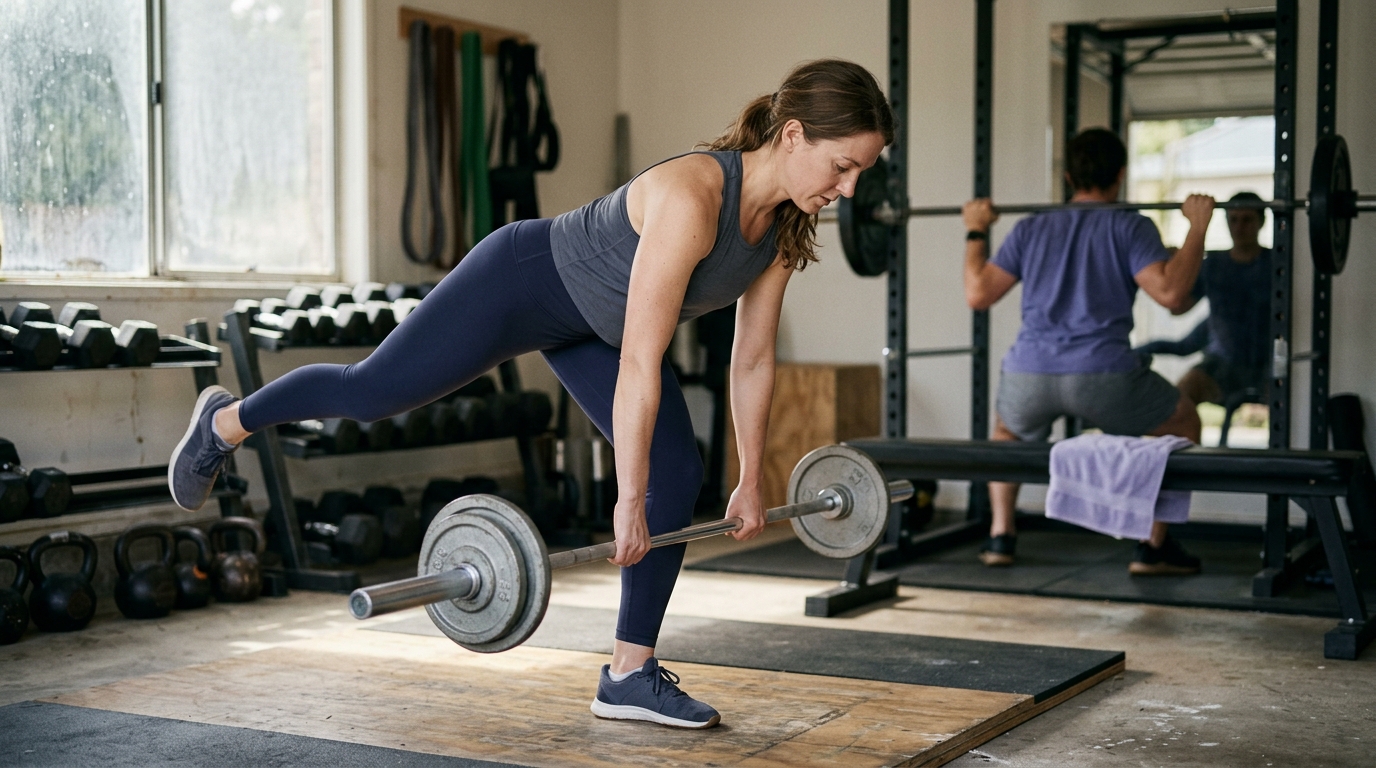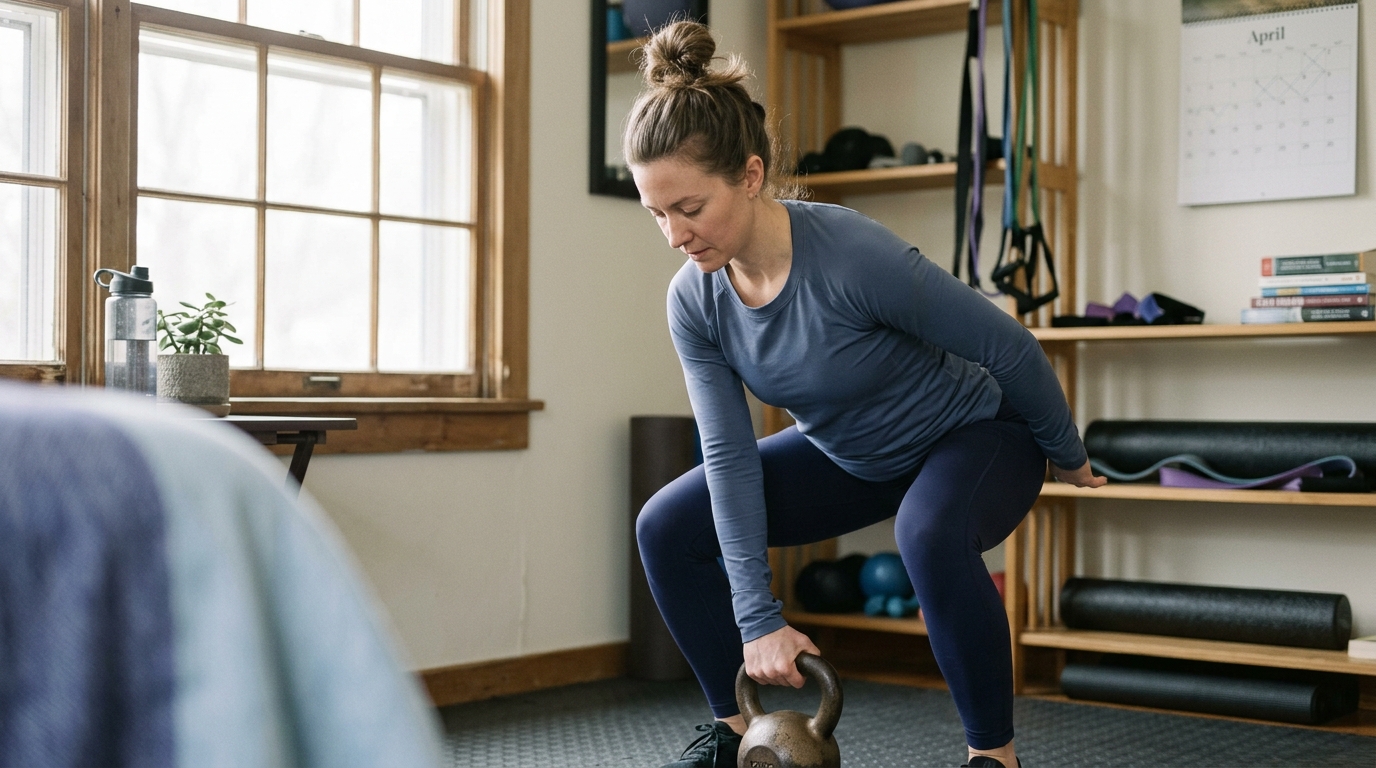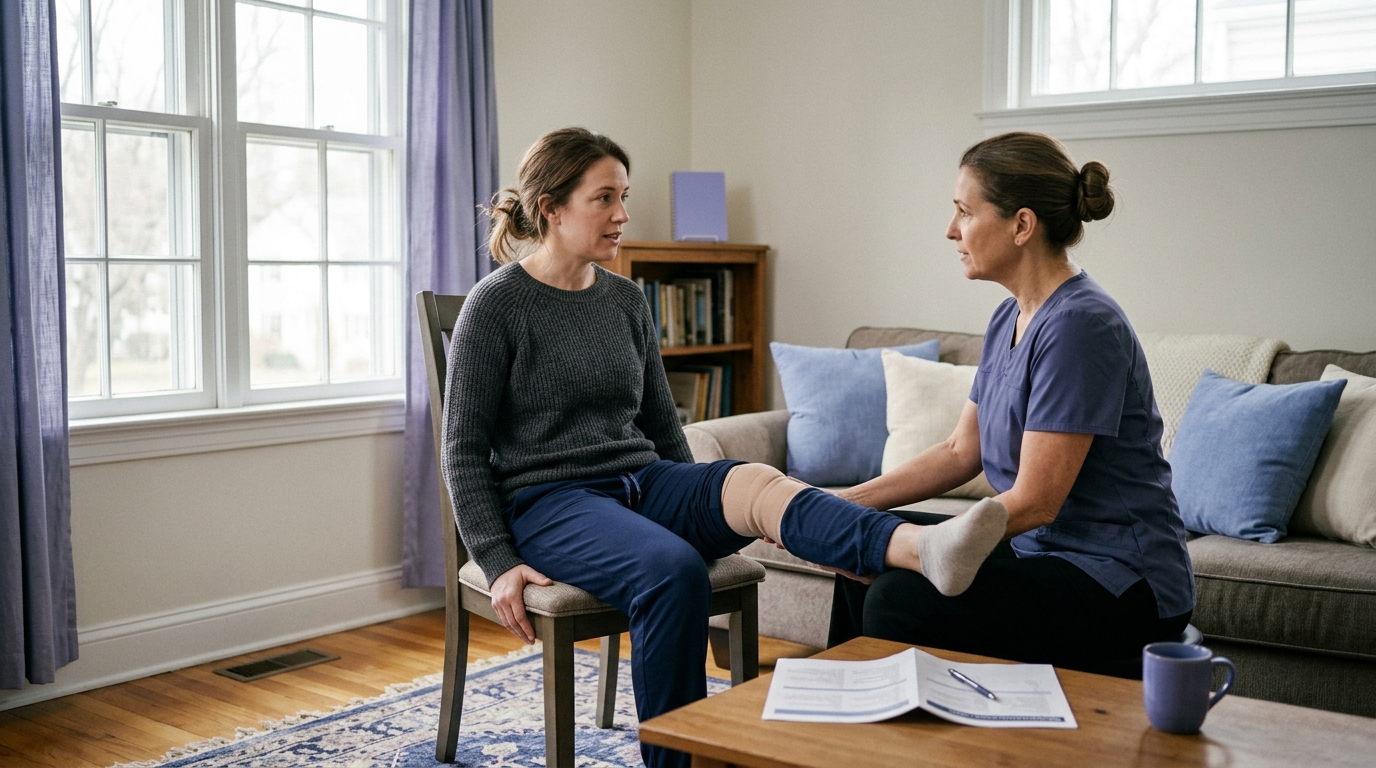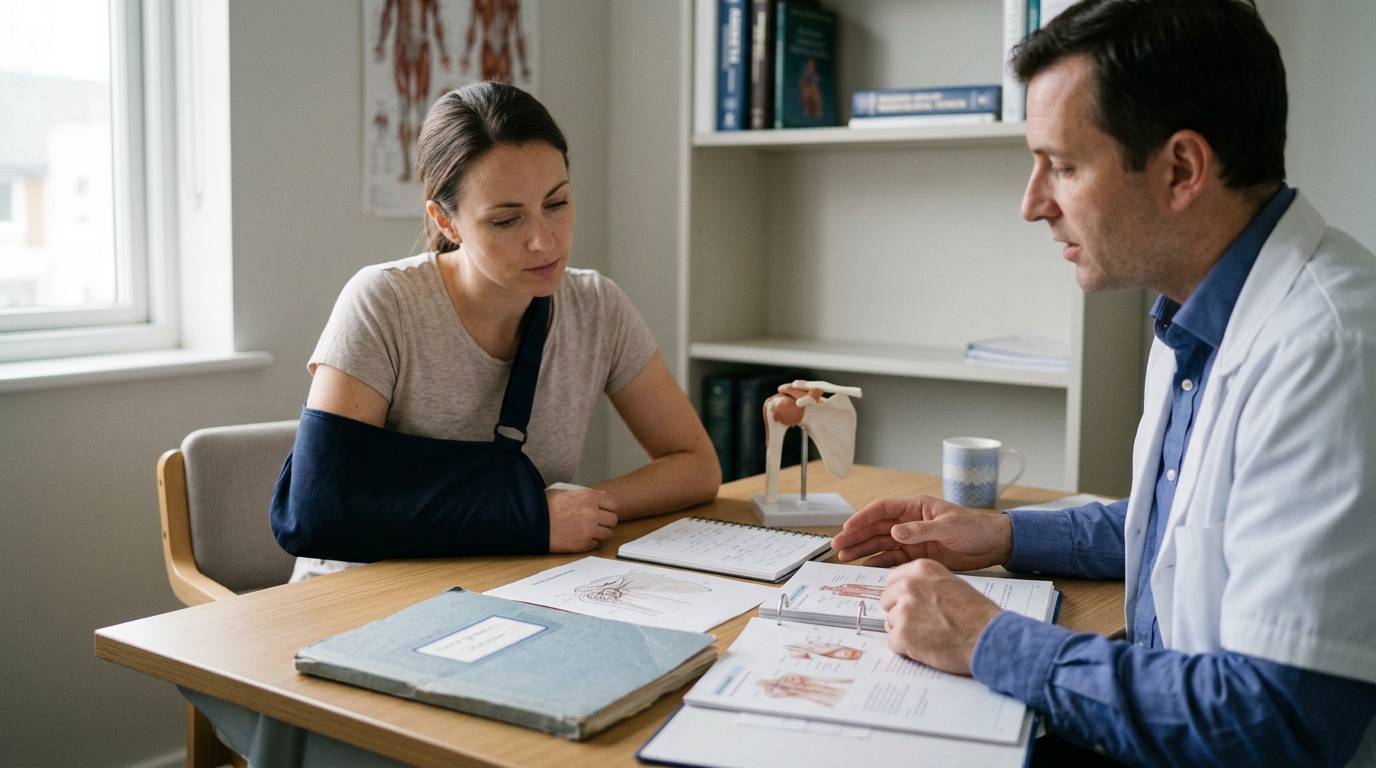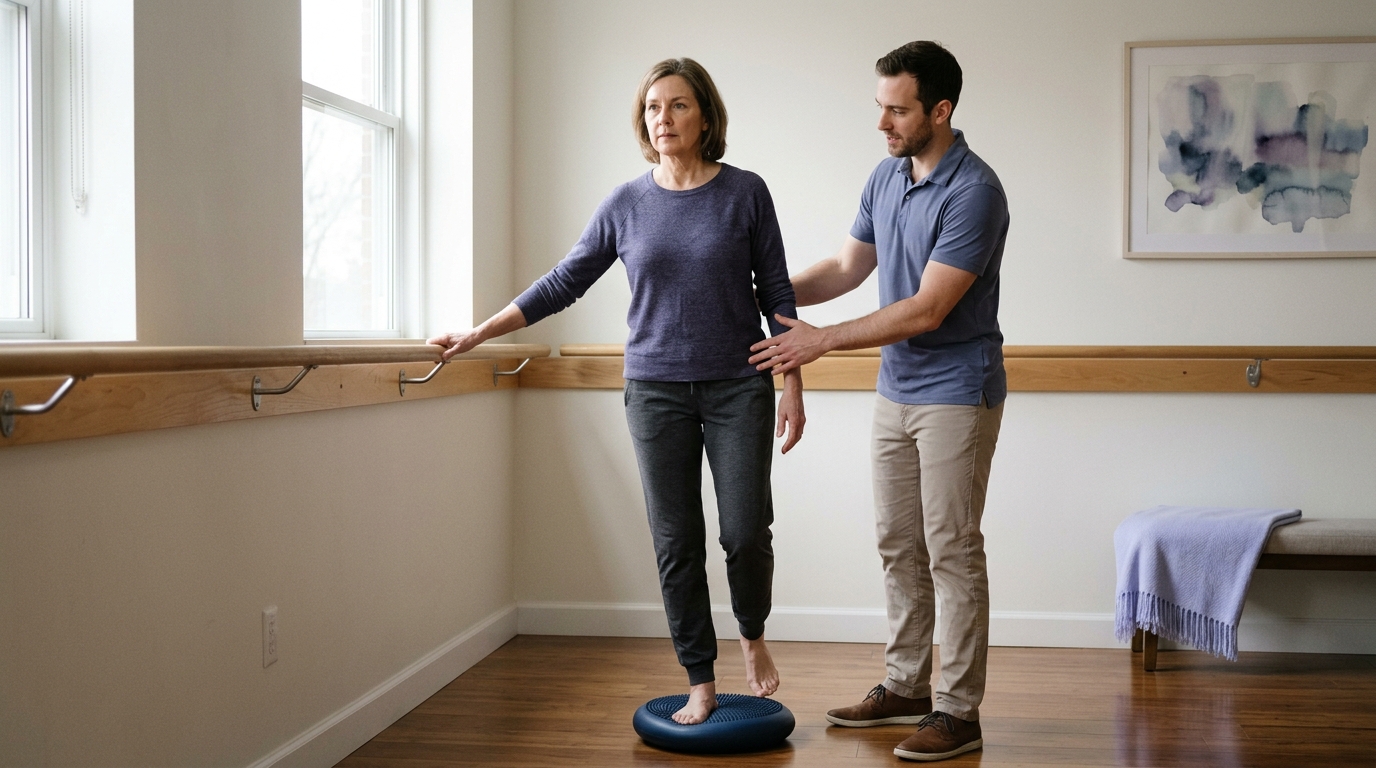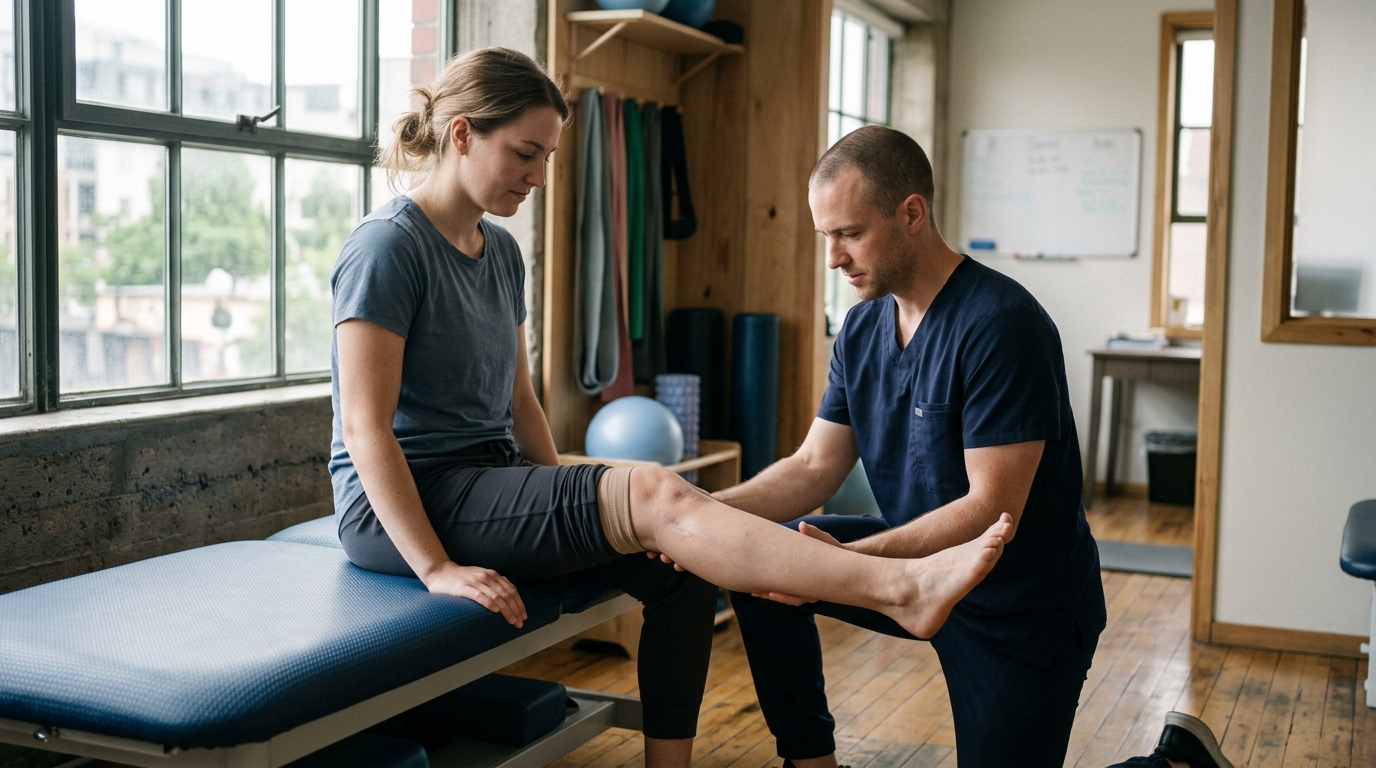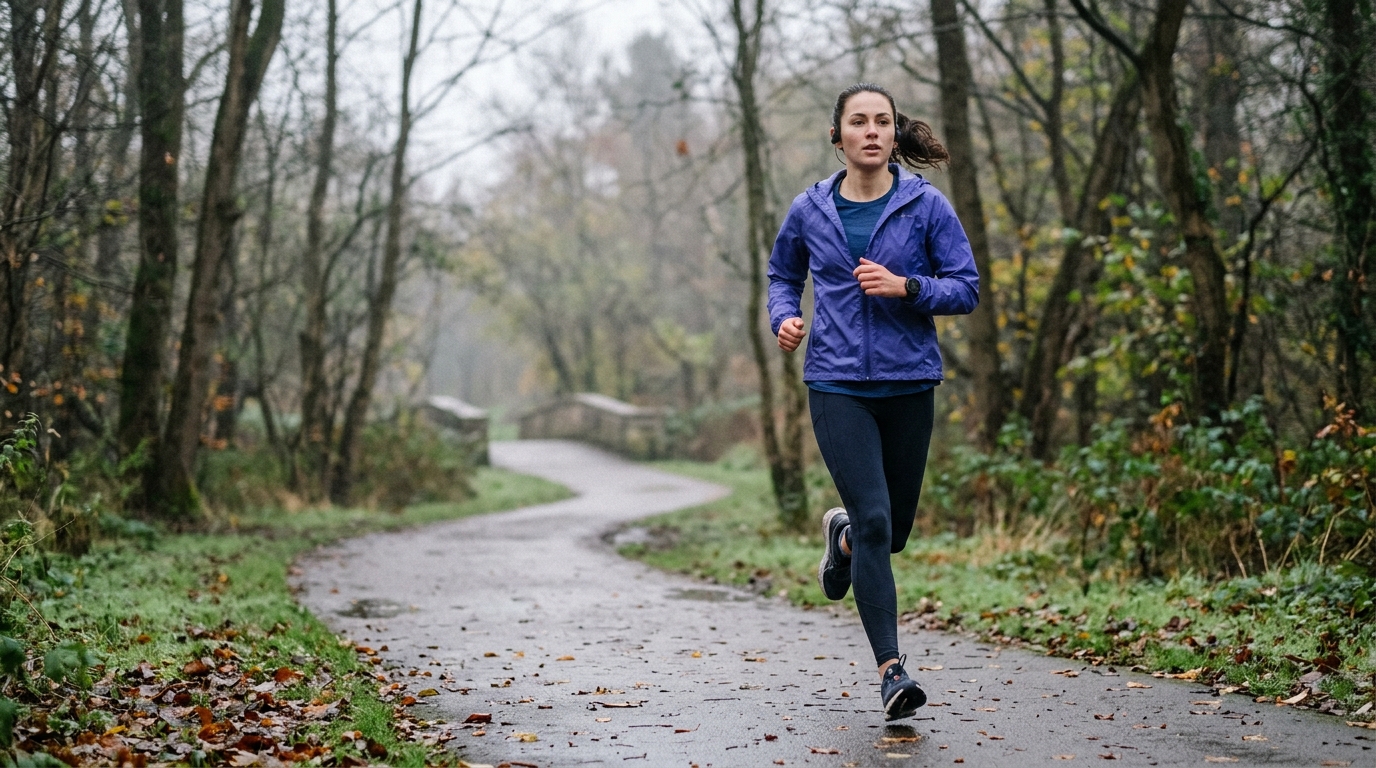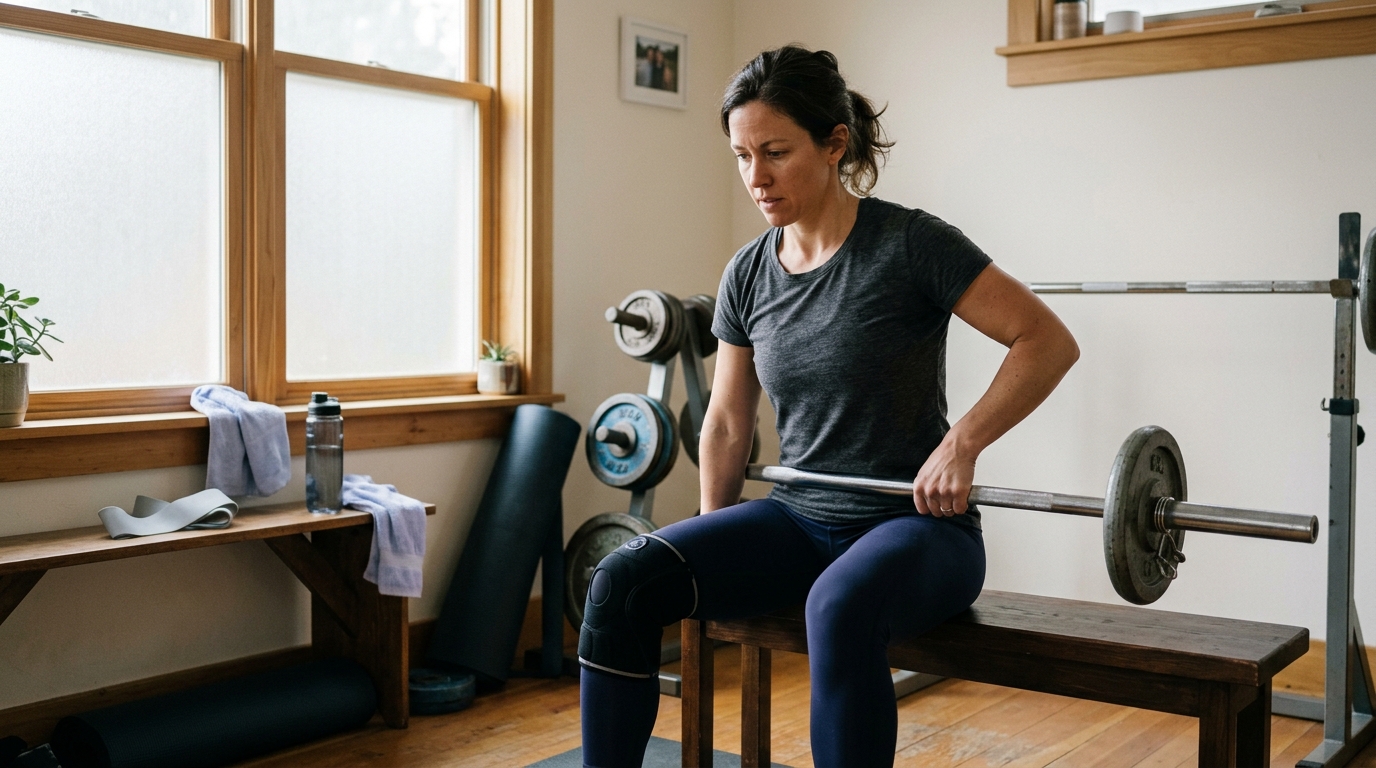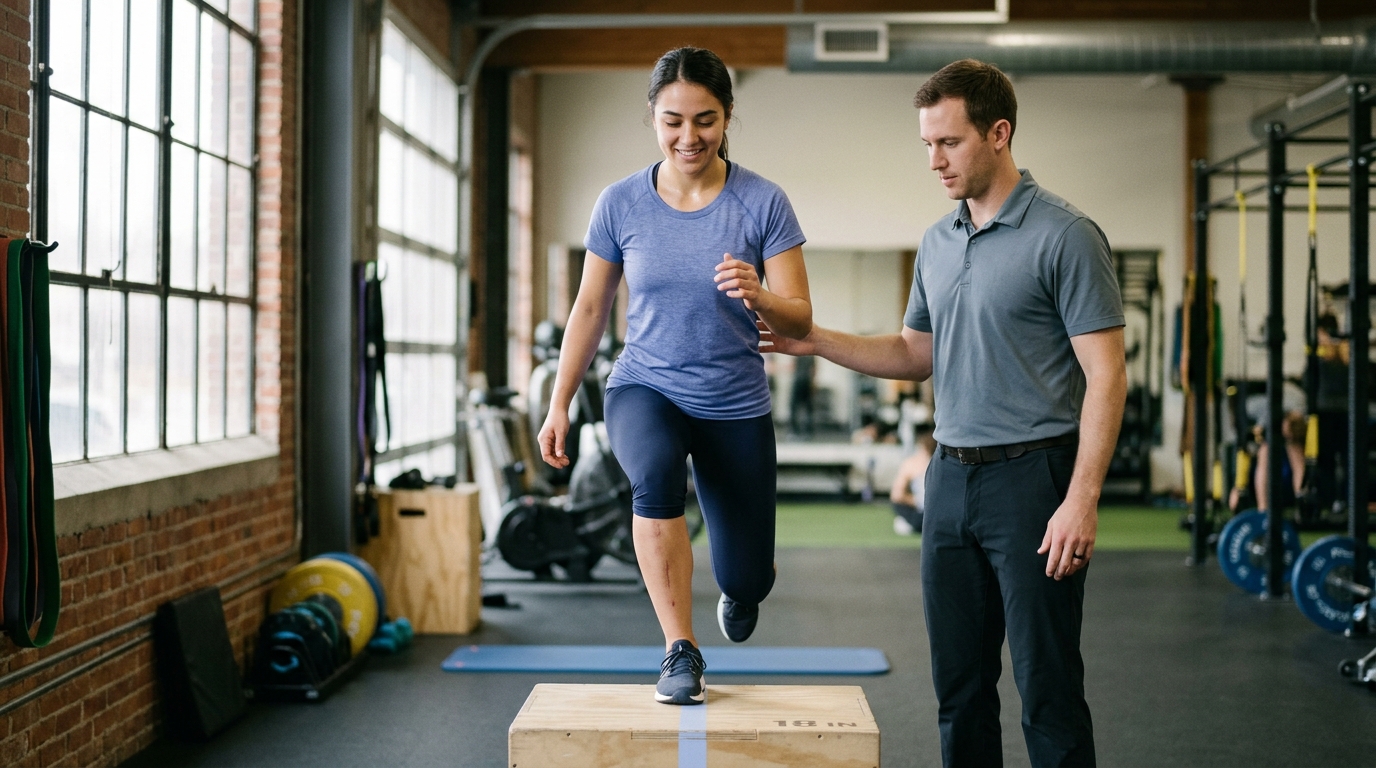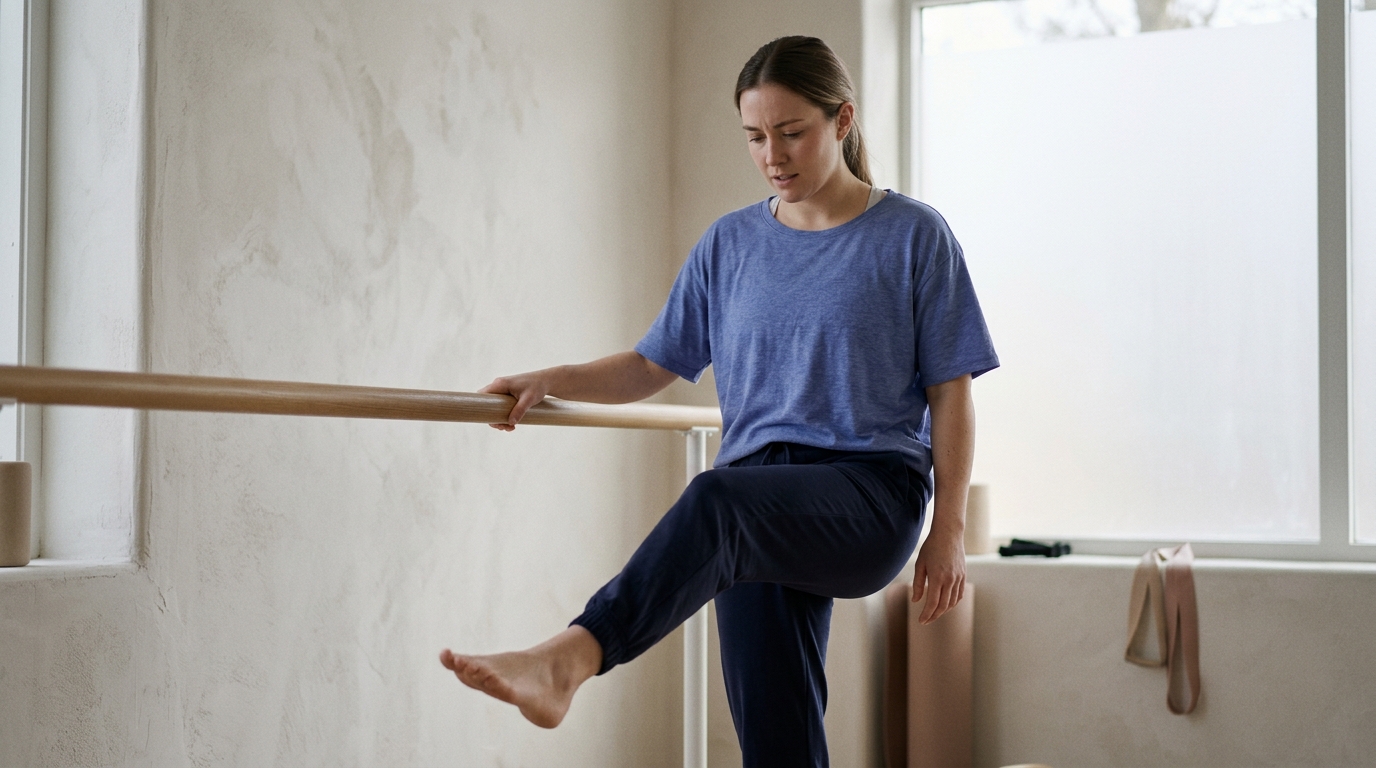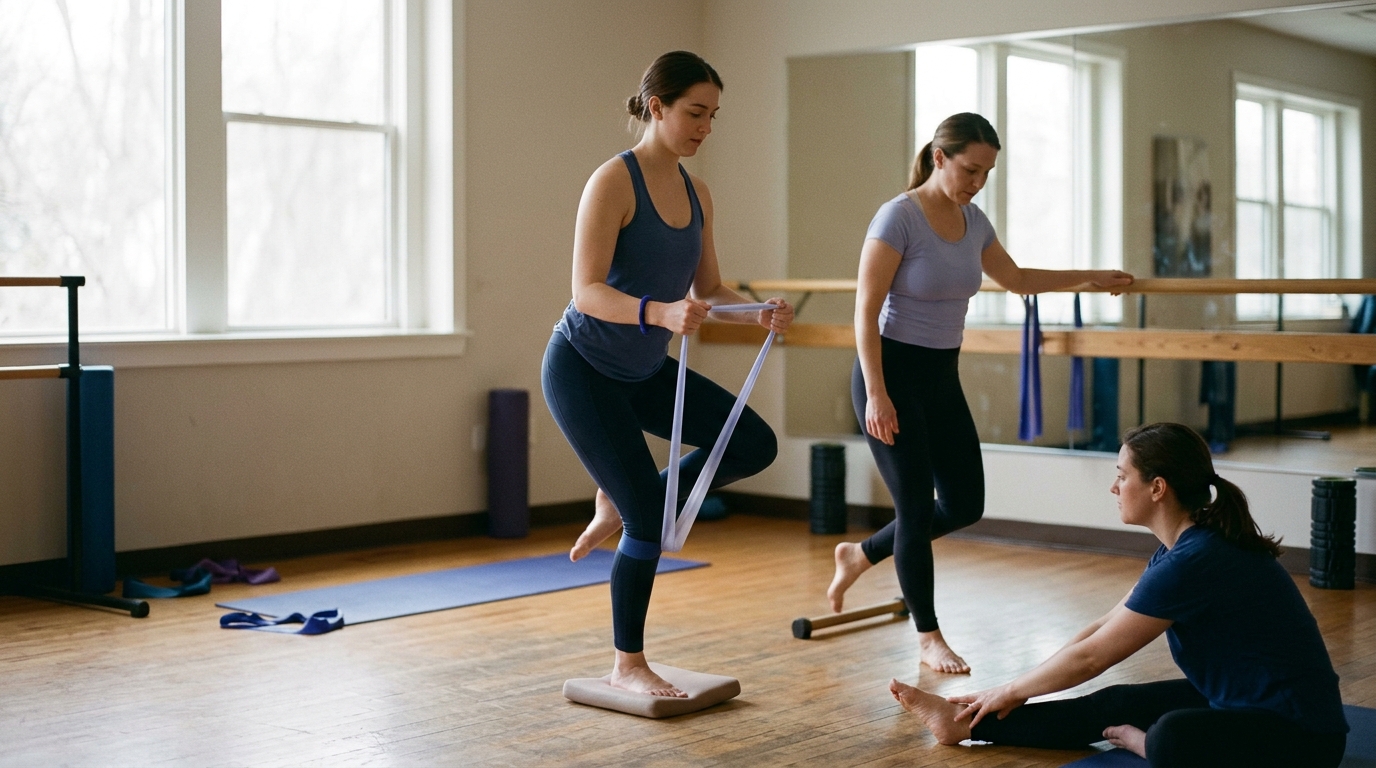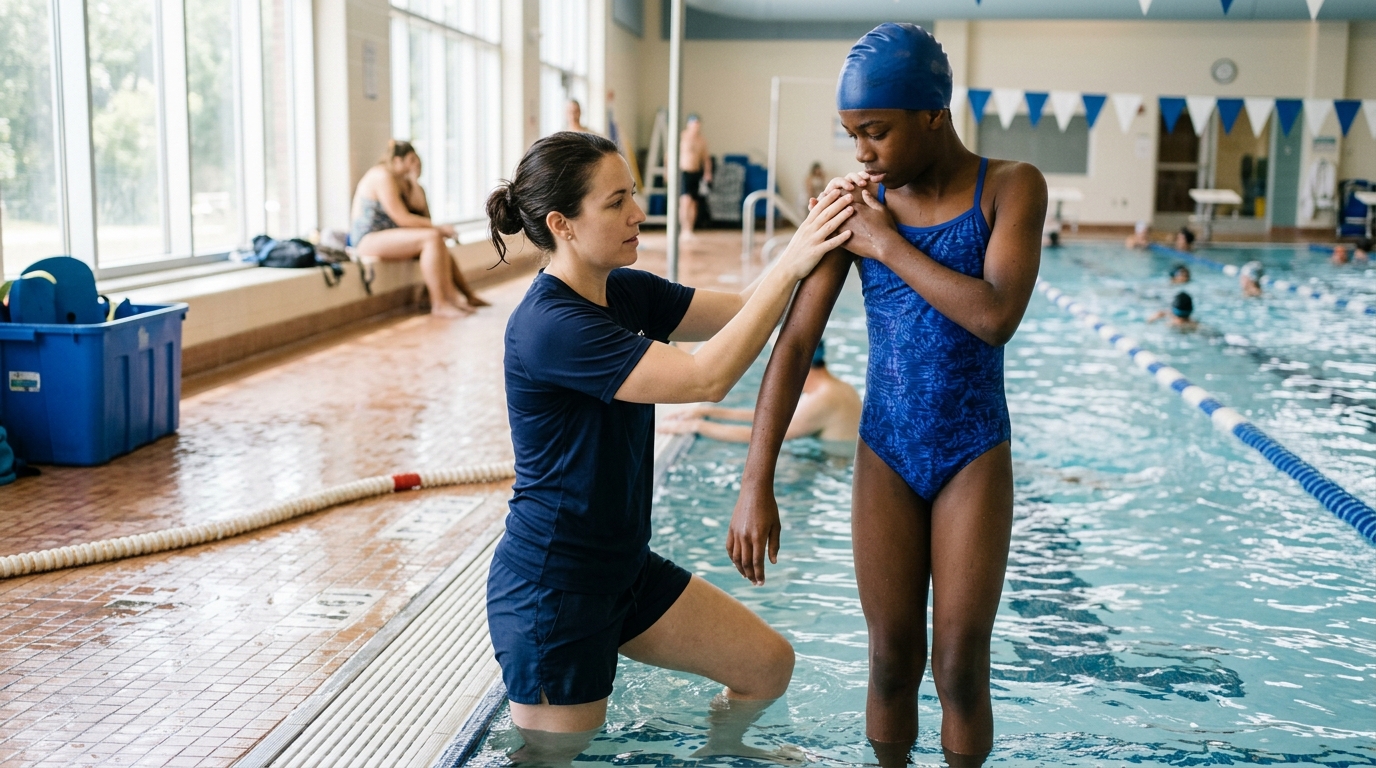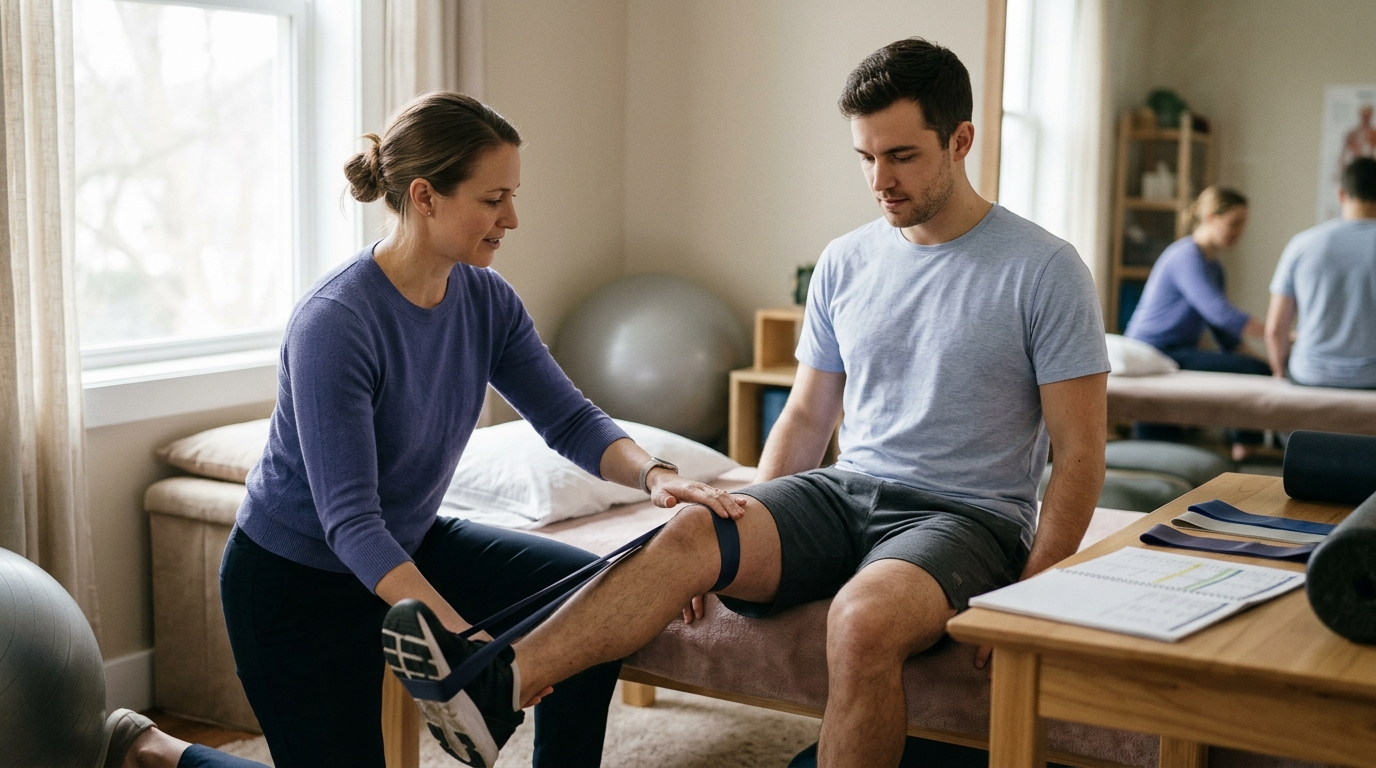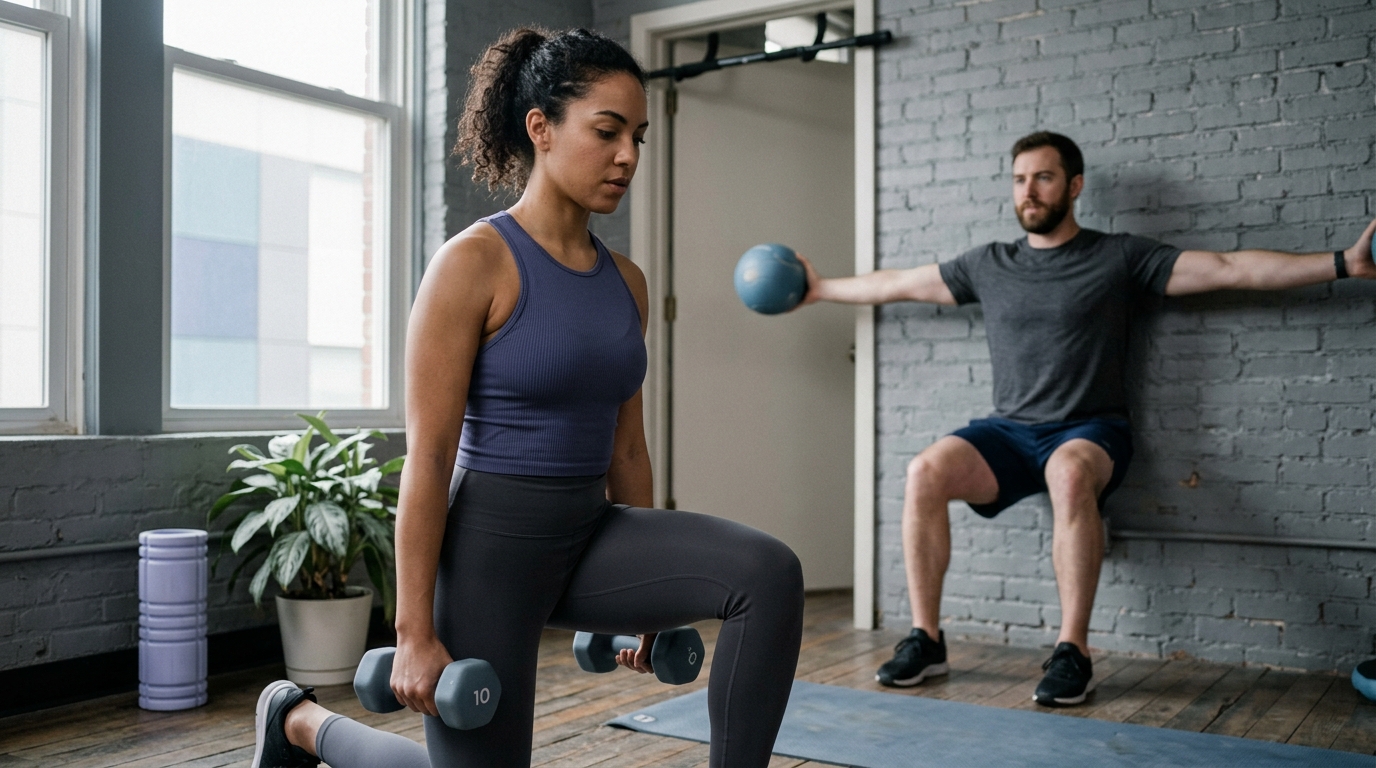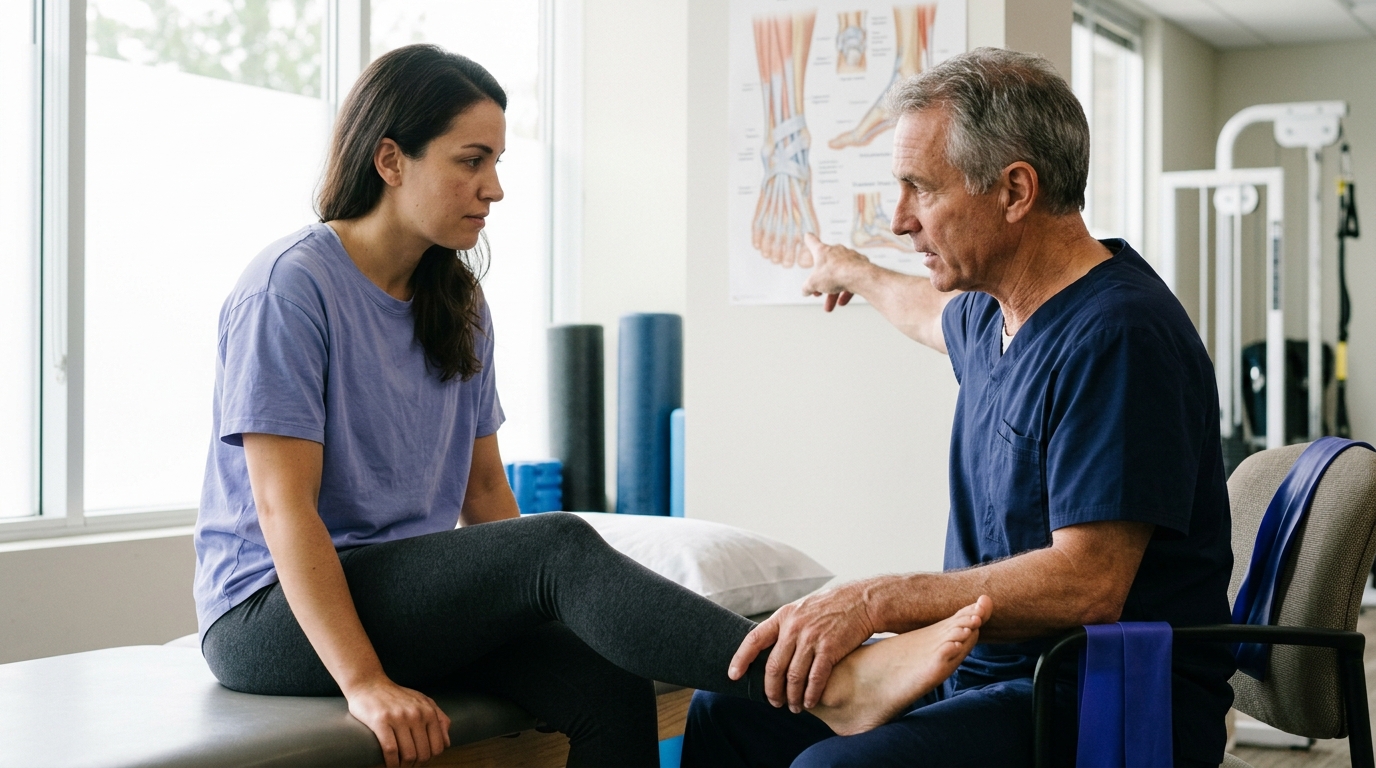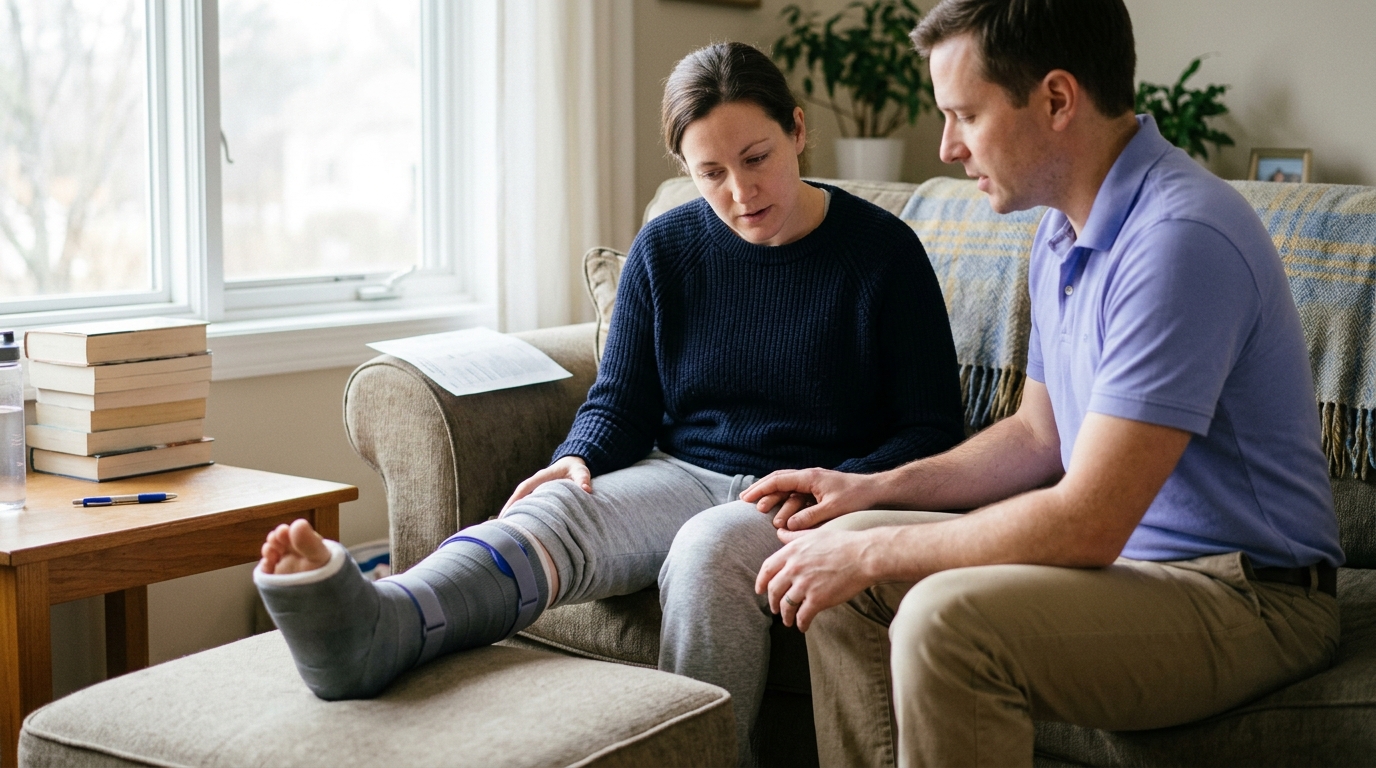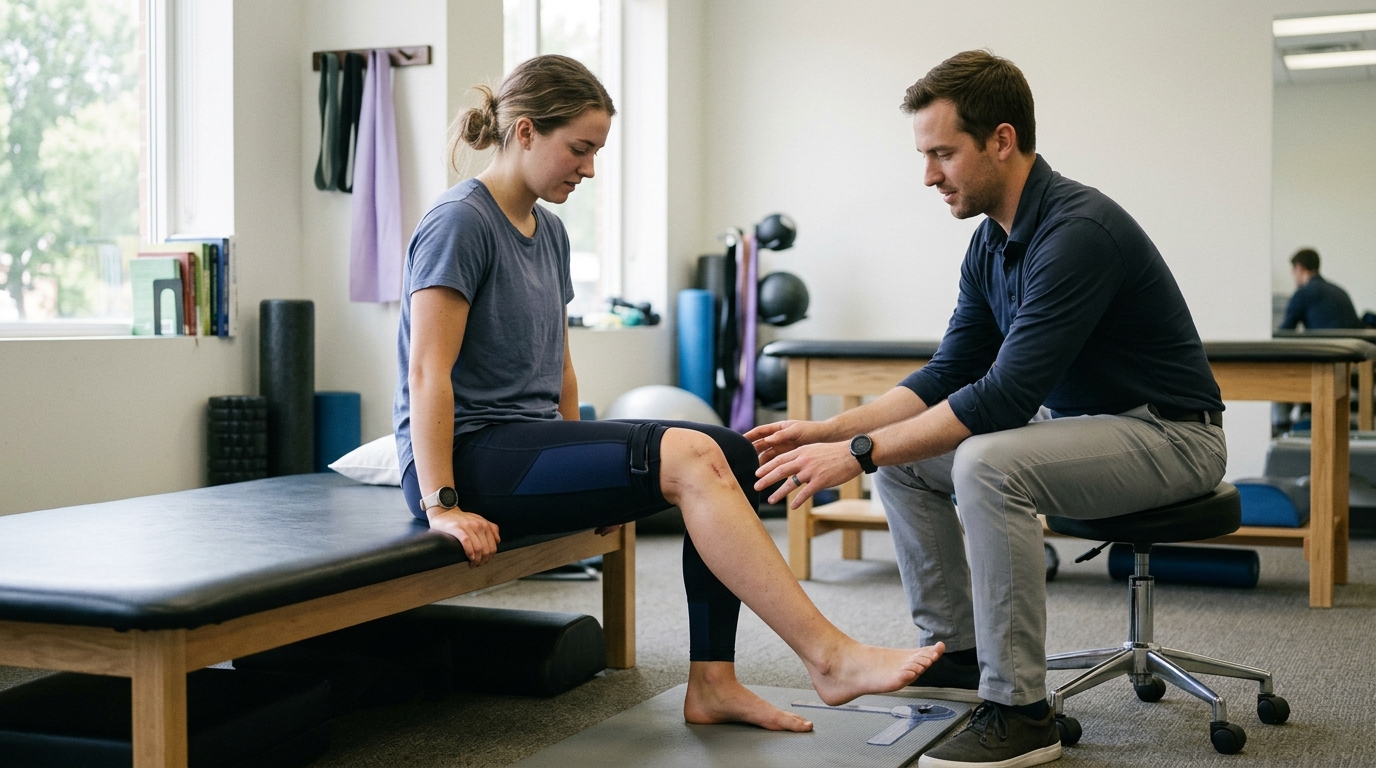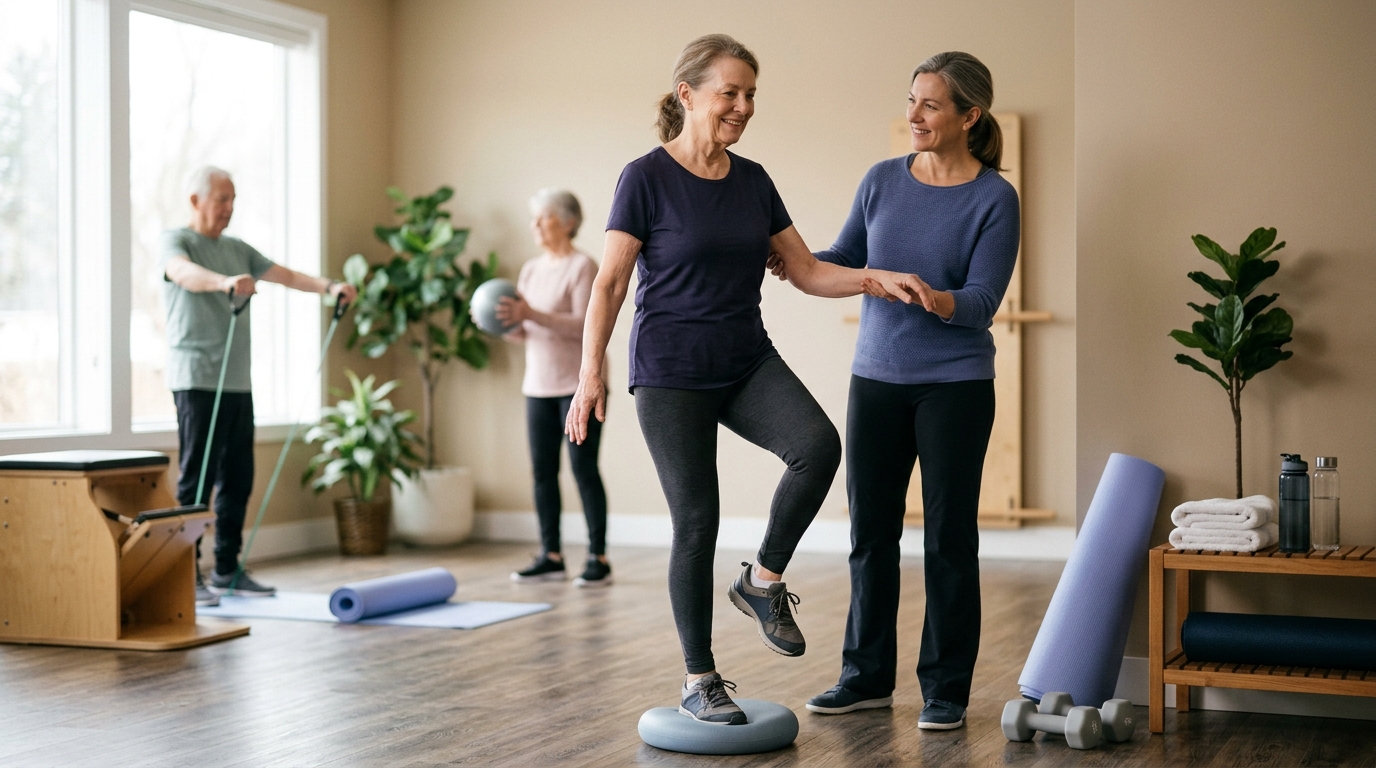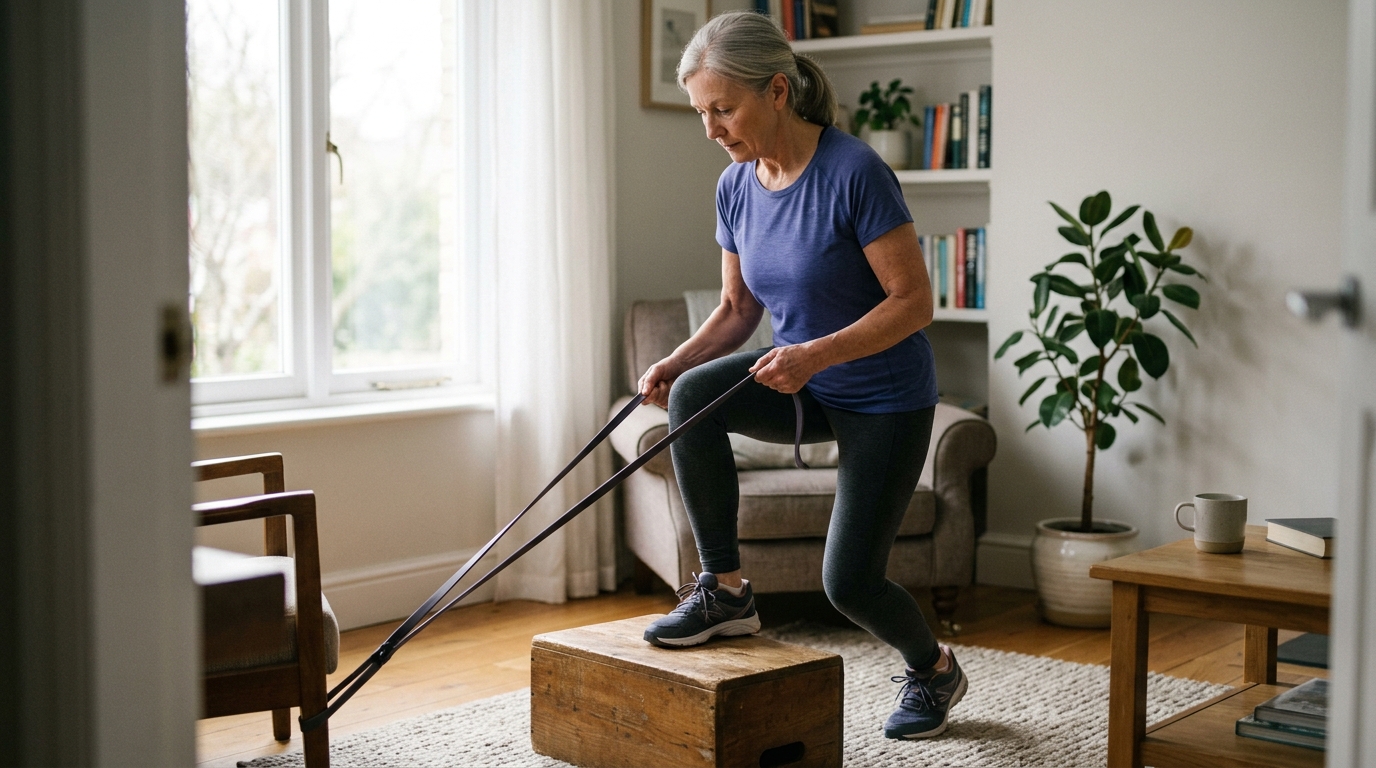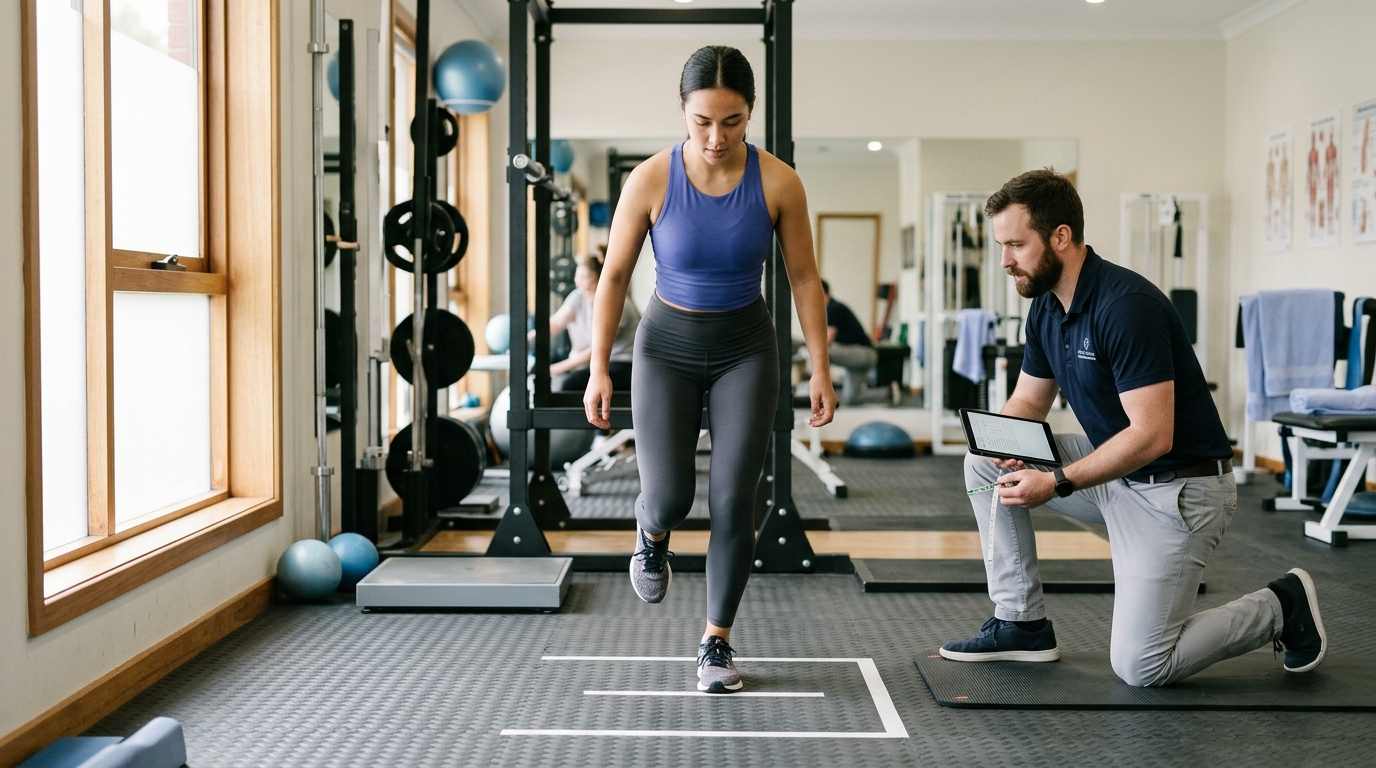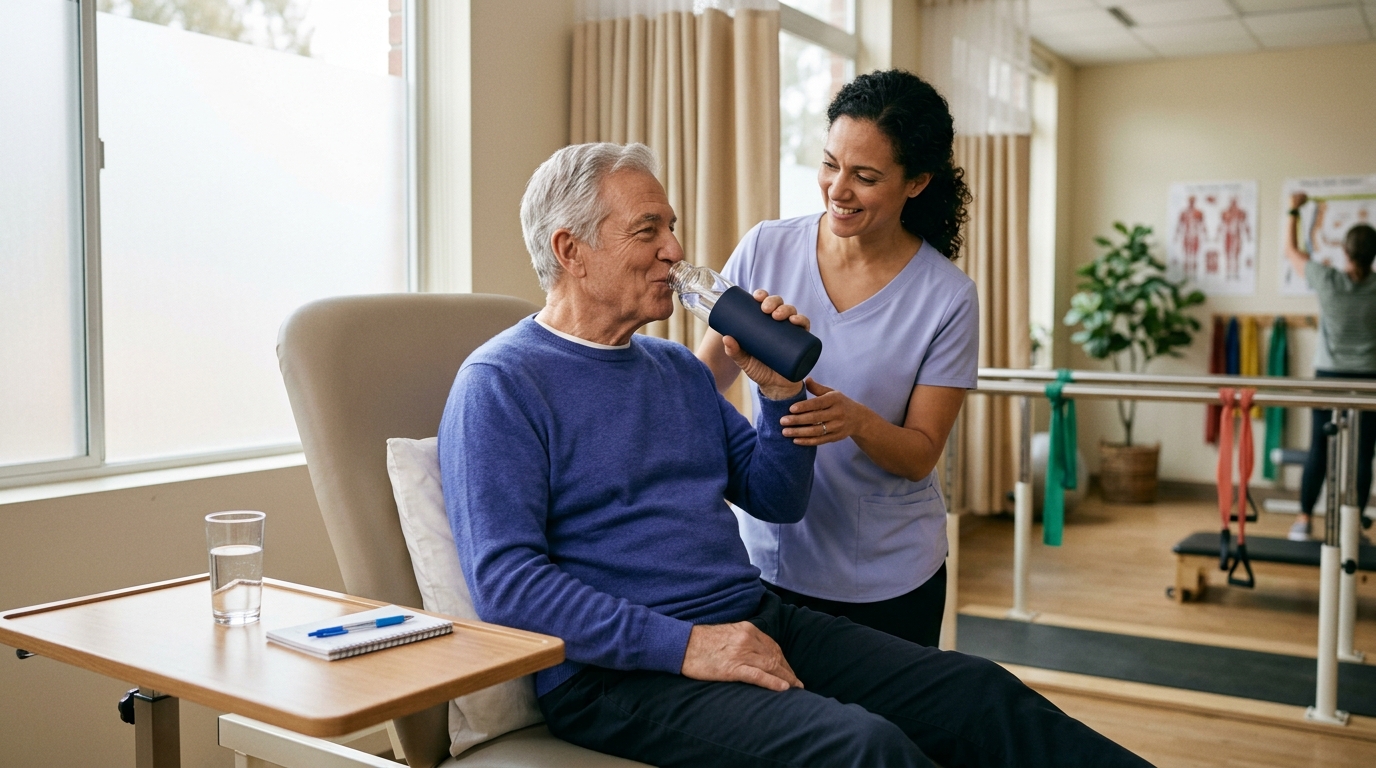

Baseline requirements of 2.7 to 3.7 liters provide a foundation for managing fluid balance, exercise intensity, and post-surgery healing during physical rehabilitation.





Drinking massive amounts of water is often promoted as a basic requirement for physical healing. Many popular fitness plans urge people to carry gallon jugs and drink constantly throughout the day. In actual orthopedic rehabilitation, forcing fluid intake beyond your body's signals does not speed up collagen repair, accelerate bone union, or shorten recovery timelines. Fluid balance matters for overall health, but rehabilitation demands a flexible approach rather than a rigid, one-size-fits-all fluid quota.
Your daily fluid needs change constantly during recovery. Environmental heat, physical therapy intensity, baseline appetite, and temporary illnesses all influence how much water your body uses and loses. While adequate fluid intake supports normal cellular function and joint lubrication, excessive drinking carries documented health risks such as low blood sodium. The goal during rehabilitation is to match your fluid intake to your current activity level and health status without treating hydration as a standalone cure.
Research shows that total water intake comes from both food and a wide variety of beverages. Most healthy adults maintain normal fluid balance simply by drinking when thirsty and consuming regular meals. However, older adults and individuals recovering from major surgery may face blunted thirst signals or mobility barriers that require planned fluid routines. Understanding the difference between everyday hydration and athletic fluid replacement helps you protect your health while keeping your focus on physical recovery.
Total water intake is not the same thing as drinking plain water. Reference guidelines from major health organizations examine total water from all sources combined. Adult men generally require around 3.7 liters of total water per day. Adult women generally require around 2.7 liters per day under ordinary conditions. These numbers include water from food, water from ordinary drinks, and water from plain tap or bottled sources.
Foods provide roughly 20 percent of your daily water intake. Fruits, vegetables, soups, and cooked grains contain substantial amounts of water that contribute directly to your daily volume. The remaining 80 percent typically comes from beverages. You do not need to consume several liters of plain tap water on top of your regular diet to meet baseline needs.
It is also important to understand that these reference numbers are population benchmarks rather than strict personal prescriptions. They reflect the average intake of healthy, sedentary people living in temperate climates. If your rehabilitation routine involves light stretching and gentle range of motion, your daily fluid requirements will look very different from someone completing intense athletic conditioning in a warm facility. You can explore broader recovery foundations in our recovery science articles to understand how bodily systems adapt during rehabilitation.
Beverage choices can also be more flexible than many popular rules suggest. Plain water, milk, herbal tea, unsweetened juices, and even caffeinated beverages contribute toward your total fluid volume. Health research indicates that caffeine produces only a mild, temporary increase in urine output. It does not cause a cumulative body water deficit for regular coffee or tea drinkers. You do not have to eliminate morning coffee to maintain healthy hydration during physical therapy.
Sports medicine organizations publish specific fluid replacement protocols for competitive athletes. The National Athletic Trainers' Association provides detailed guidelines for intense athletic training. These protocols often recommend drinking 500 to 600 milliliters of fluid two to three hours before vigorous exercise. They also suggest drinking an additional 200 to 300 milliliters ten to twenty minutes before a demanding workout.
These athletic protocols aim to limit exercise-related body mass loss to less than 2 percent. High-level athletes sweating heavily for two hours require structured fluid and electrolyte plans to sustain performance. However, applying these aggressive athletic formulas to standard physical therapy sessions is usually unnecessary. Most outpatient orthopedic rehabilitation involves localized exercise, rest intervals, and moderate exertion.
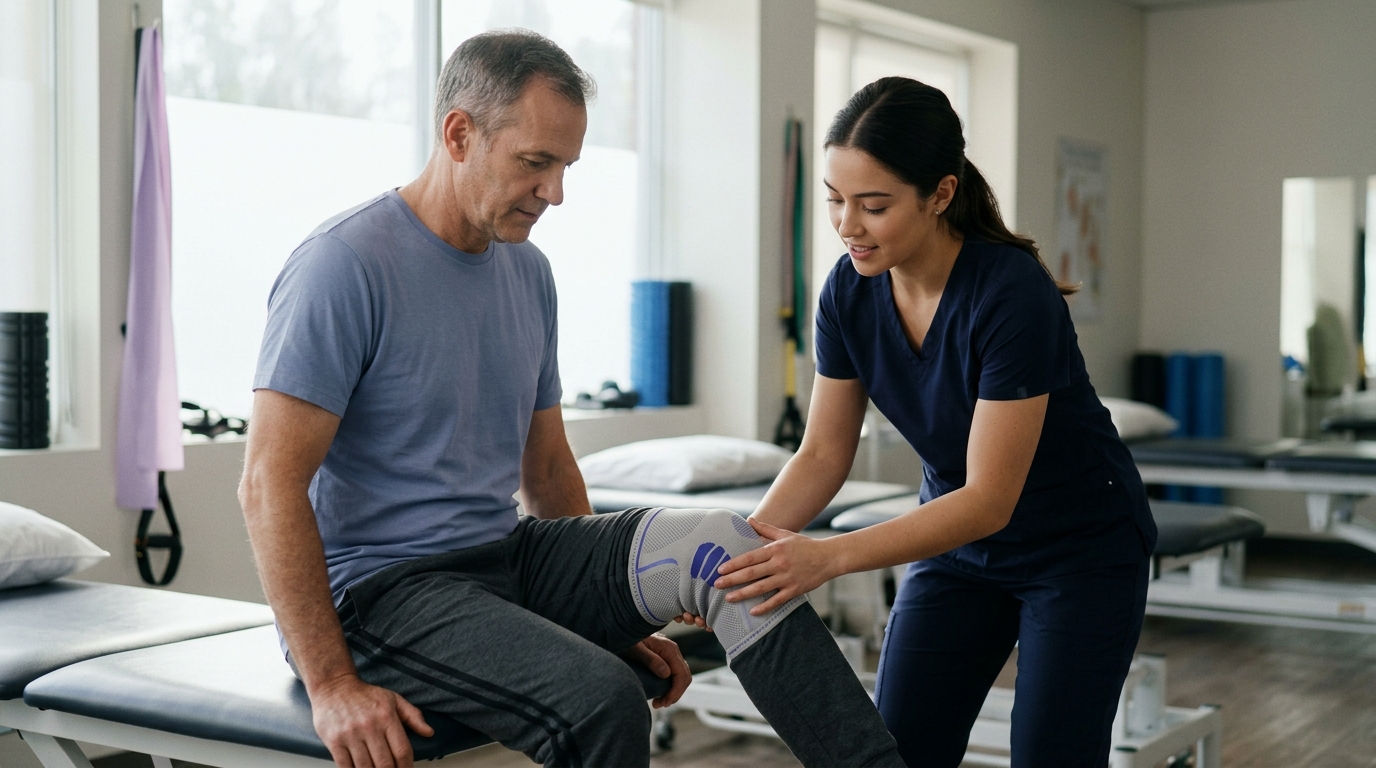
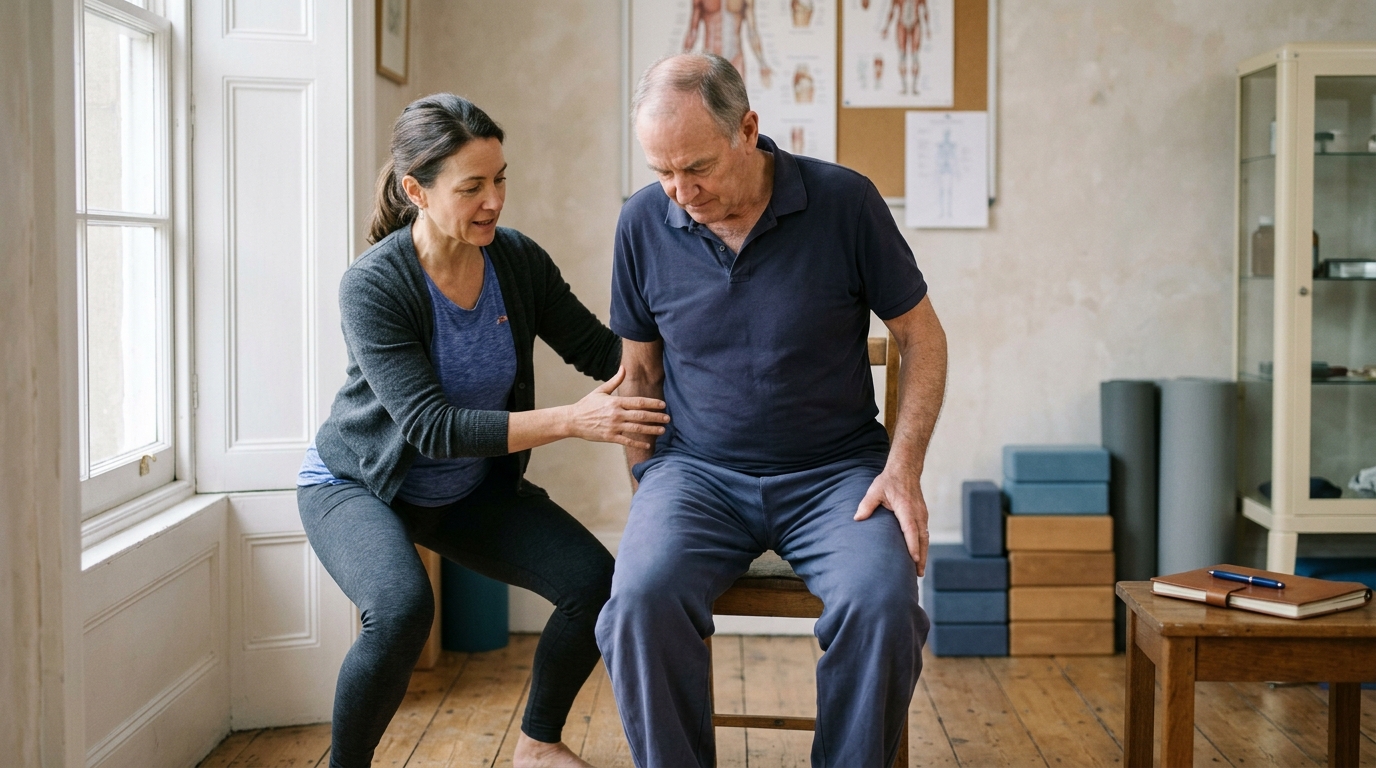
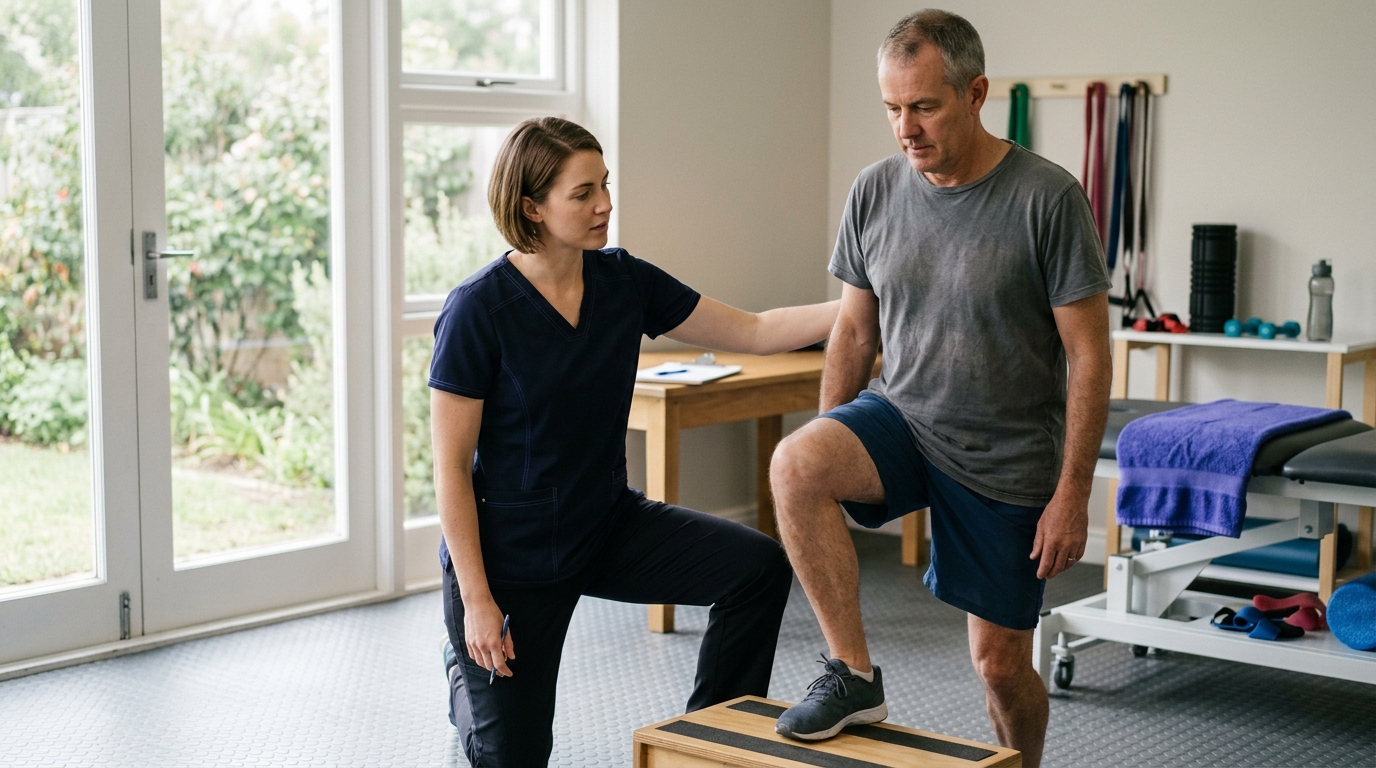
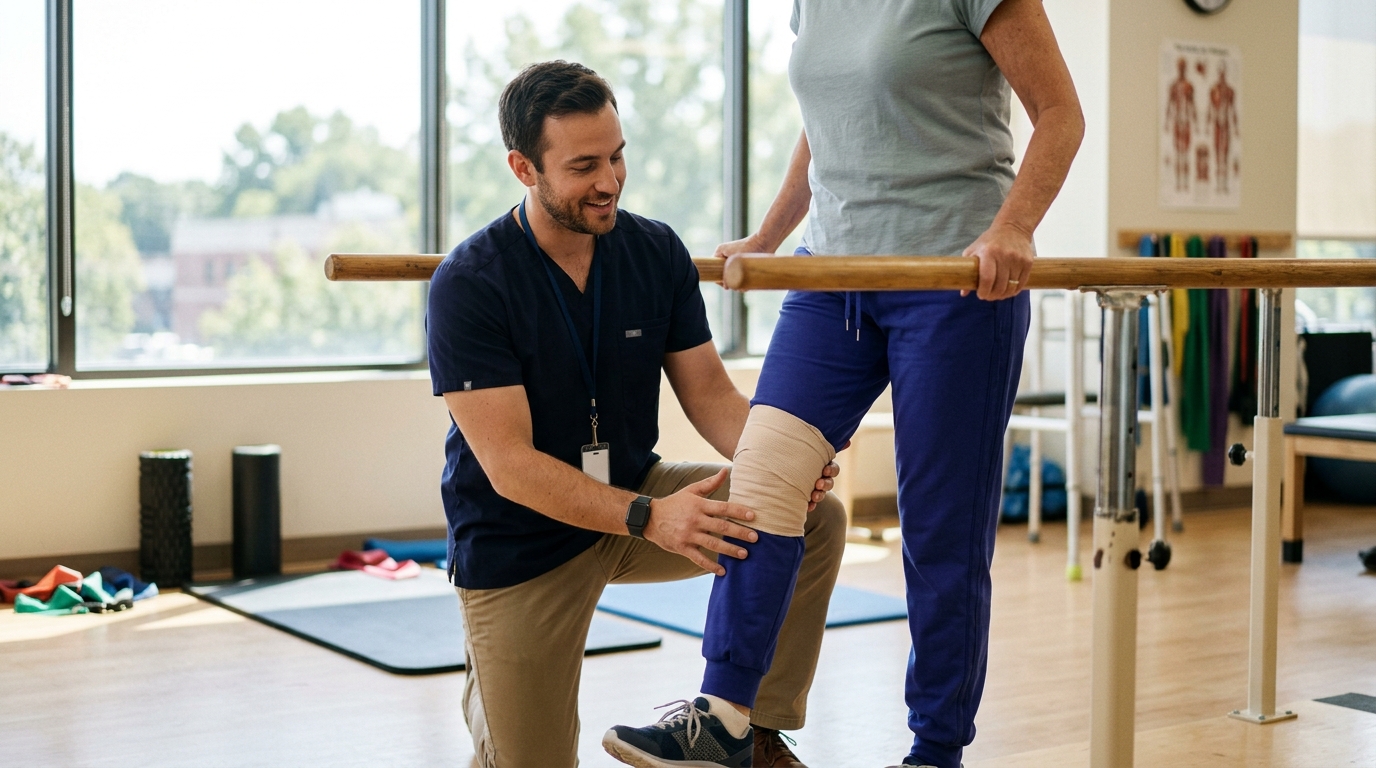
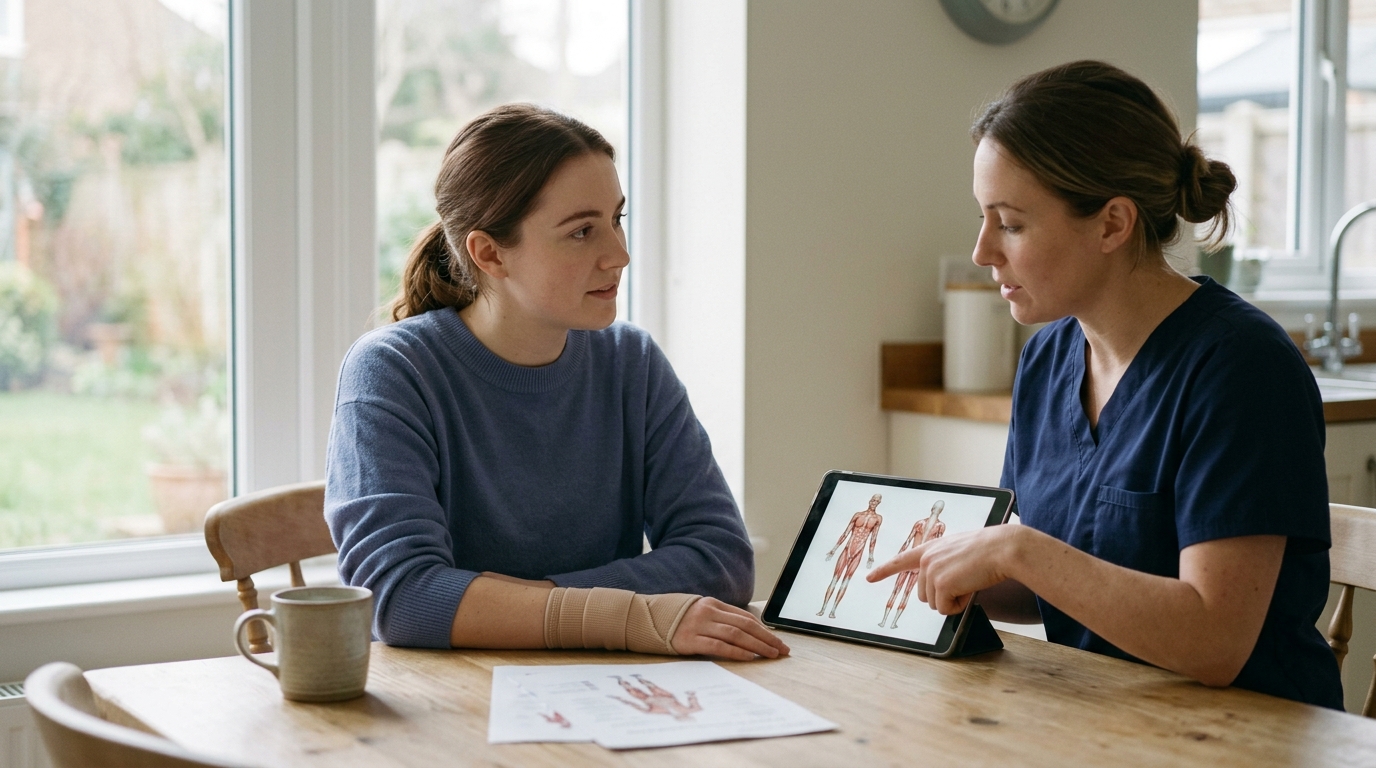
Treating a standard 45-minute physical therapy session like a marathon workout can lead to unnecessary discomfort. Drinking excessive amounts of water immediately before therapy can cause stomach sloshing, bloating, and frequent bathroom interruptions. For most therapy appointments, drinking water according to thirst before and after the session is entirely sufficient. If you want to learn more about exercise pacing, our strength and return to sport resources explain how training volume progresses safely.
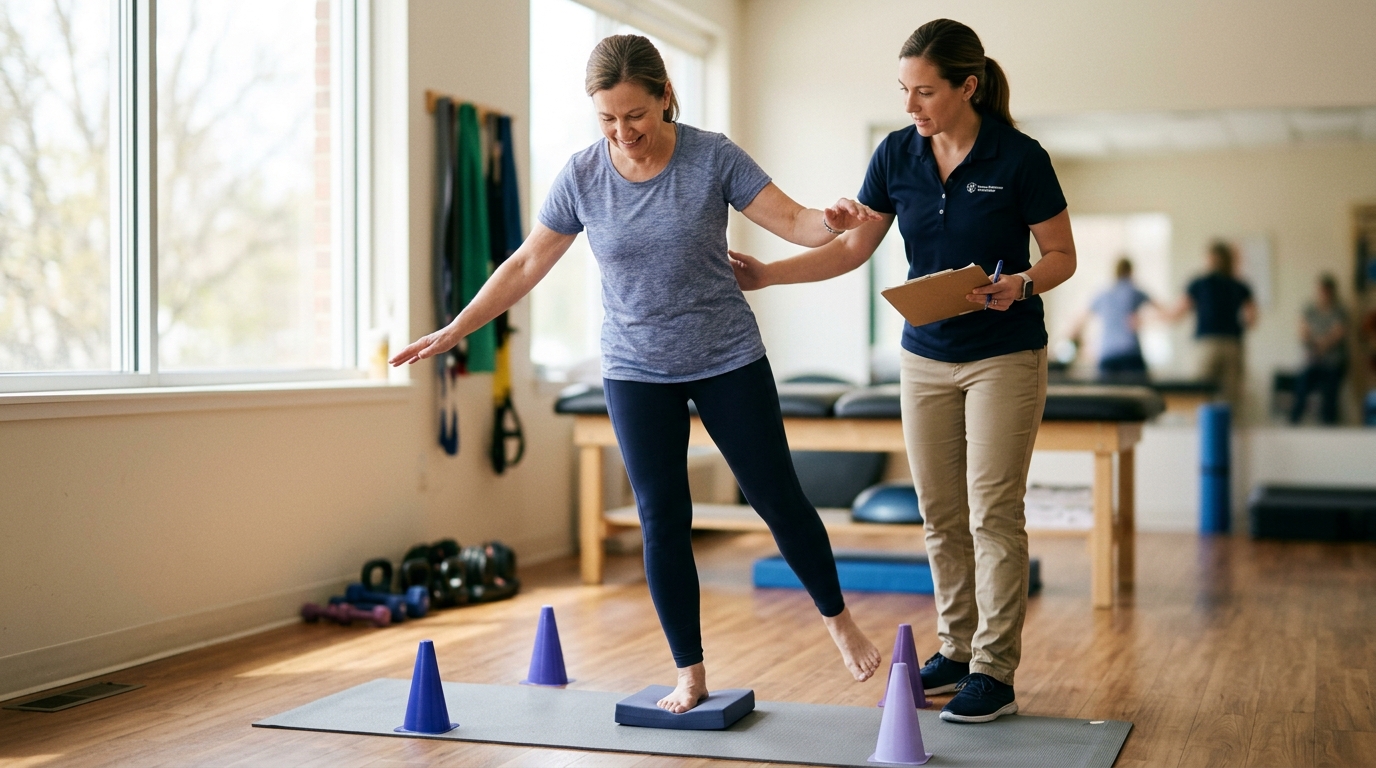
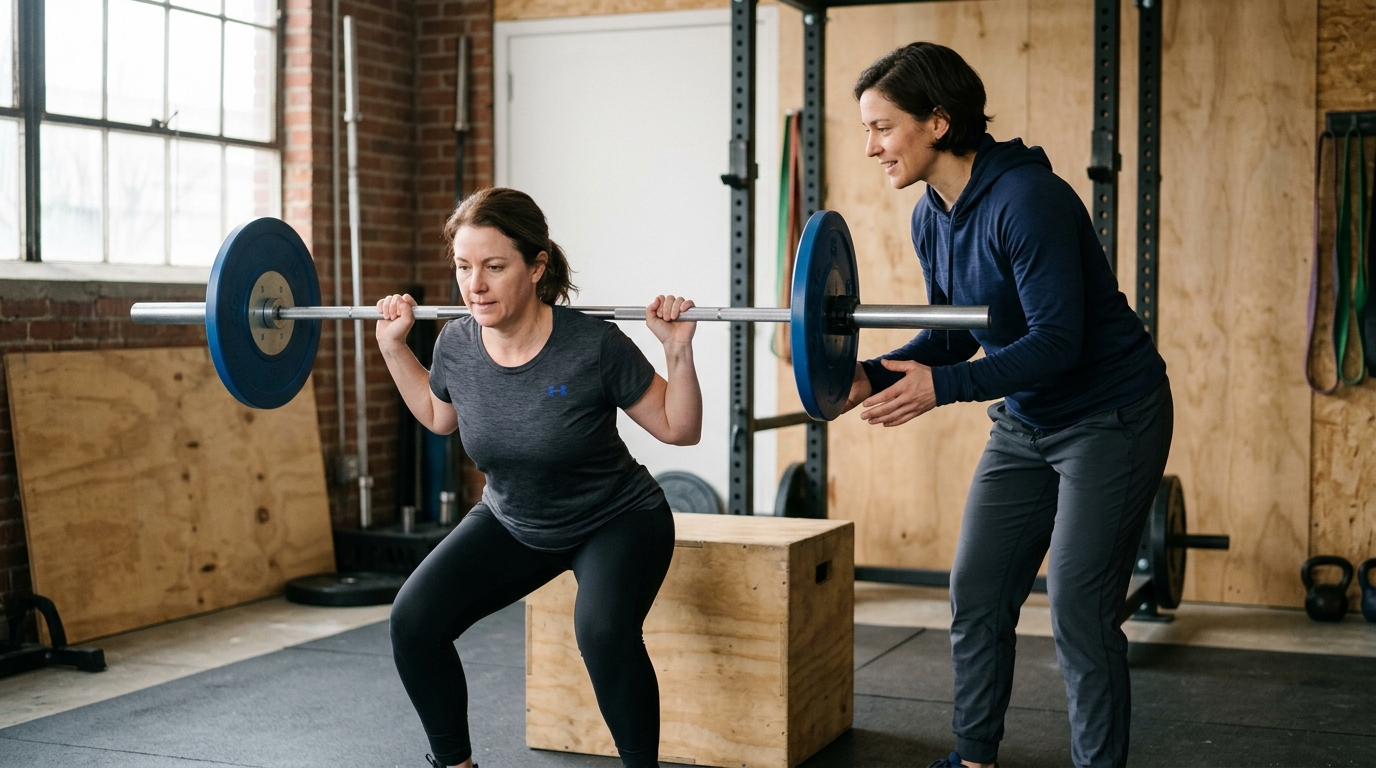
If your rehabilitation advances toward high-intensity circuit training or agility drills, your fluid needs will naturally rise. When sessions become long enough to produce heavy sweating, planned fluid breaks become helpful. In those advanced stages, sipping modest amounts of fluid during rest periods helps offset sweat losses. For basic mobility and light resistance work, your standard daily drinking pattern will comfortably cover your needs.
Many people rely on simple physical signs to determine whether they are drinking enough. The National Health Service lists common signs that may indicate reduced hydration. These potential indicators include dry mouth, feelings of thirst, urinating less often, and dark yellow urine. General fatigue, lightheadedness, and mild headaches can also accompany low fluid intake.
While these symptoms provide helpful clues, no single physical sign provides a definitive diagnosis. Urine color is often promoted as a foolproof hydration test, but it has significant limitations. Taking standard multivitamins, B-complex supplements, or certain medications can turn urine bright yellow or dark orange regardless of your fluid status. Certain foods, such as beets or fava beans, can also alter urine appearance without reflecting dehydration.
The relationship between thirst and hydration status also changes across the lifespan. In healthy young adults, thirst serves as a dependable trigger to drink before any significant fluid deficit develops. In older adults, however, the central thirst mechanism often becomes blunted. An older individual may experience a meaningful decline in body water without feeling noticeably thirsty.
Research evaluating hydration in older adults highlights that common physical signs are often unreliable when assessed alone. Dry mouth, skin elasticity changes, and urine color do not always correlate accurately with laboratory hydration measurements in older populations. For older adults in physical rehabilitation, relying solely on thirst can lead to inadequate intake. In our active aging and injury prevention guide, we discuss how aging alters physiological recovery signals across multiple body systems.
Environmental conditions directly affect how rapidly your body loses moisture. Exercising in a hot or humid clinic raises your core body temperature. When humidity is high, sweat cannot evaporate efficiently from the skin surface, prompting the body to produce even more sweat. These conditions increase your baseline fluid requirements well above standard room-temperature needs.
Outdoor rehabilitation sessions present distinct environmental challenges. Doing gait training, walking programs, or agility drills in direct sunlight accelerates water loss through sweating and respiration. Studies examining individuals working or exercising in hot environments show that total water requirements can rise to 6 liters or more per day. While that volume represents extreme conditions, it illustrates how dramatically environment alters fluid needs.
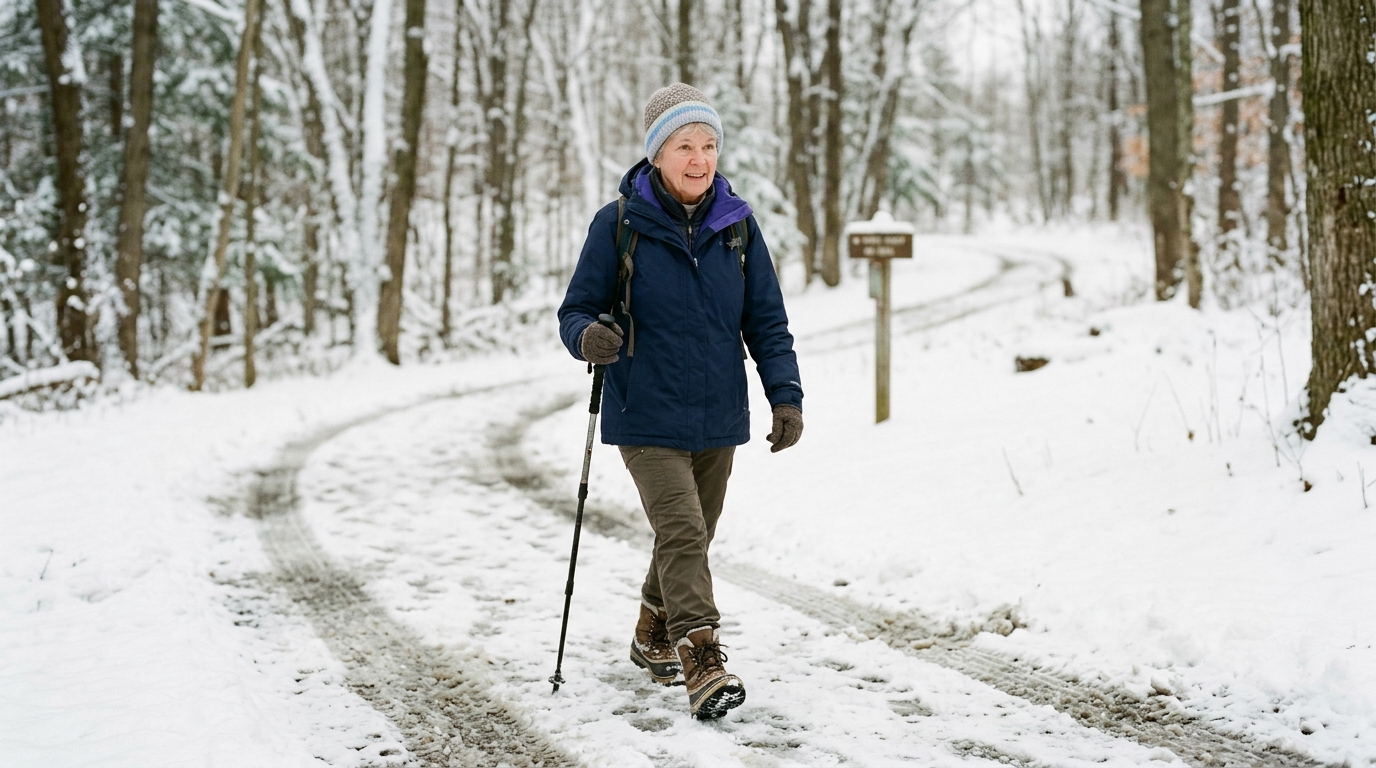
Cold weather can also influence fluid balance in subtle ways. Exercising in cold indoor rinks or outdoor winter air increases respiratory water loss through visible vapor in your breath. Cold temperatures can also suppress the sensation of thirst and increase urine output through cold-induced diuresis. Even when you are not actively sweating, cold-weather rehabilitation requires steady attention to baseline fluid intake.
When rehabilitation conditions shift from a climate-controlled room to a hot environment, adjust your habits gradually. Keep a water bottle visible during warm-weather therapy sessions and take small sips during natural exercise transitions. You do not need to force large gulps between every set of exercises. Simply sipping when your mouth feels dry or during planned rest breaks keeps intake aligned with higher sweat rates.
Orthopedic setbacks and surgical procedures frequently suppress normal appetite. Pain medications, post-surgical inflammation, and reduced physical activity can diminish your desire to eat solid food. Because solid food supplies approximately one-fifth of your daily total water, a drop in appetite directly lowers your daily fluid intake. If you eat only half of your usual meals, you unintentionally cut out a meaningful source of hydration.
During periods of low appetite, choosing nutrient-rich, moisture-dense foods can help bridge the gap. Soups, broths, yogurt, applesauce, and smoothies deliver both nutritional energy and essential fluid. These options are easy to digest when heavy solid meals feel unappealing. You can read more about balancing nutrition after an injury in our dedicated nutrition and recovery articles.
Acute gastrointestinal illness presents a much more urgent hydration challenge. Experiencing vomiting or diarrhea causes rapid fluid and electrolyte losses that far exceed normal sweat rates. The National Health Service advises increasing fluid intake during episodes of sickness to prevent acute dehydration. In these situations, drinking large volumes of plain tap water all at once can trigger further stomach upset.
Taking frequent, small sips of oral rehydration solutions or clear broths is generally better tolerated during acute illness. Oral rehydration formulas provide a specific balance of water, glucose, and sodium that helps the intestines absorb fluids efficiently. If you are recovering from surgery and experience persistent vomiting or inability to keep fluids down, contact your surgical team promptly. Uncontrolled fluid loss requires professional medical assessment rather than home experimentation.
The popular belief that more water is always better is inaccurate and potentially dangerous. The human kidneys can excrete a limited amount of fluid per hour under normal conditions. Drinking excessive volumes of plain water in a short time can overwhelm kidney clearance capacity. This dilutes the concentration of sodium in your bloodstream, leading to a serious medical condition called exercise-associated hyponatremia.
Hyponatremia occurs when blood sodium levels drop below the normal physiological range. Early symptoms of low blood sodium can closely resemble symptoms of dehydration. Individuals may experience nausea, mild confusion, headache, muscle cramps, and profound fatigue. If a person misinterprets these symptoms as dehydration and drinks even more plain water, the condition can rapidly worsen.
Severe hyponatremia can lead to cellular swelling throughout the body, including the brain. This can result in seizures, loss of consciousness, and life-threatening medical emergencies. Sports medicine position statements consistently warn active adults against overdrinking and emphasize that forcing fluids beyond thirst is unsafe. Hydration is about balance, not maximum volume.
To avoid overhydration, avoid rigid rules that command you to finish specific hourly water quotas regardless of your actual thirst. Drink steadily throughout the day according to your comfort, and allow your body to guide fluid intake. Forcing yourself to drink when your stomach feels full or when you have no thirst serves no physiological purpose. Normal, healthy kidneys regulate fluid balance effectively when you provide moderate, consistent fluid access.
Older adults navigating physical rehabilitation require distinct hydration strategies. Clinical guidelines from the European Society for Clinical Nutrition and Metabolism provide specific fluid intake targets for older populations. The guidelines recommend that older women should be offered at least 1.6 liters of drinks per day. Older men should be offered at least 2.0 liters of drinks per day, unless a medical condition requires a fluid restriction.
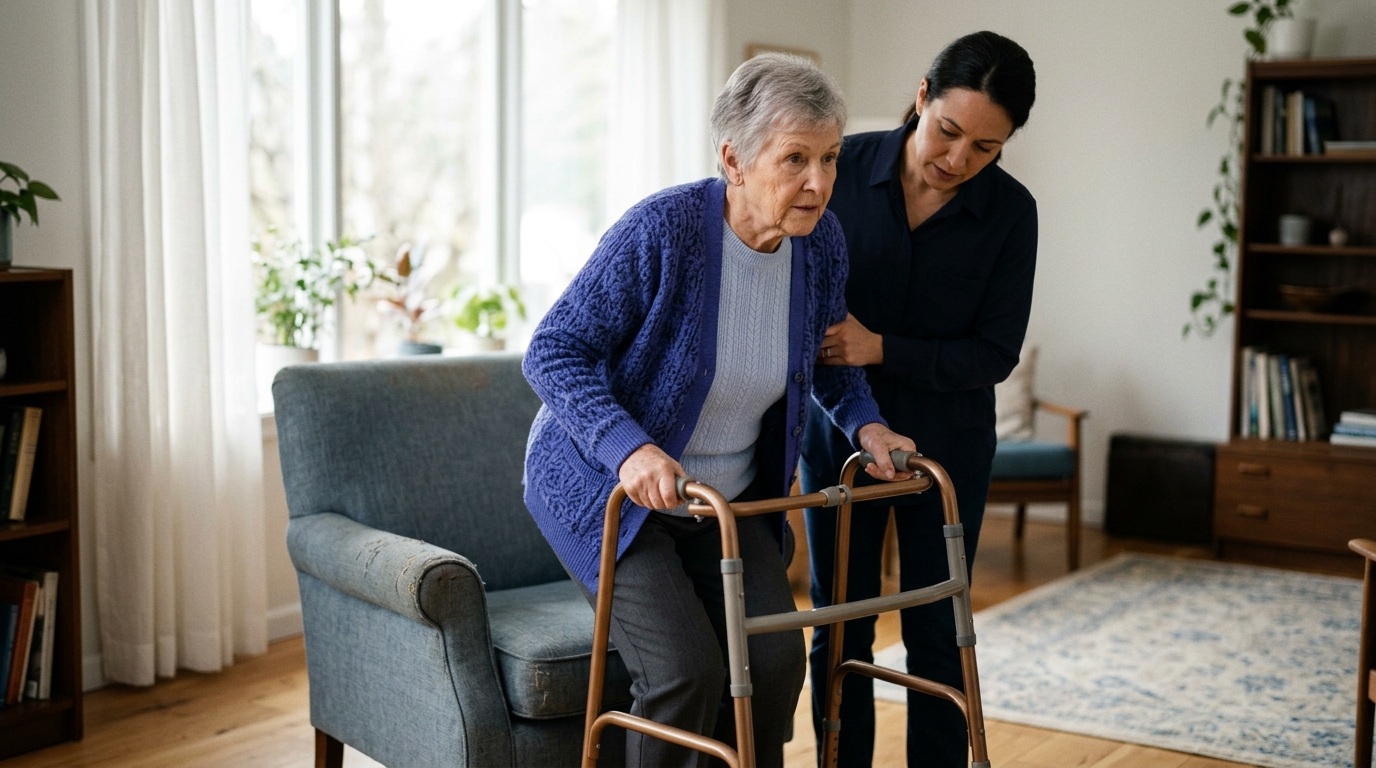
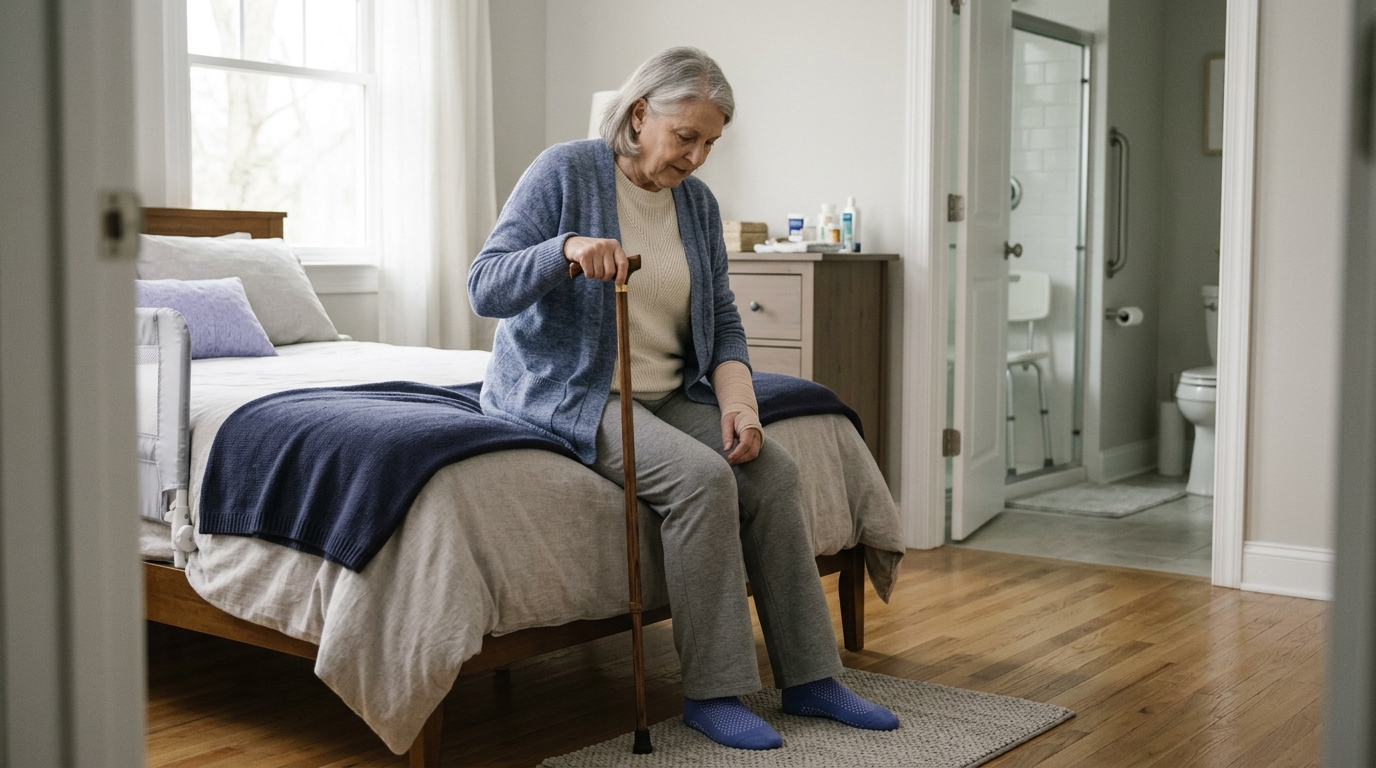
These guidelines deliberately use the phrase "offered drinks" rather than assuming older adults will seek out fluids on their own. Age-related changes in thirst perception mean that older adults may not feel thirsty even when their fluid levels drop. Furthermore, mobility limitations after joint replacement or fracture make getting up to pour a glass of water physically demanding. Some individuals intentionally limit drinking to avoid painful trips to the bathroom.
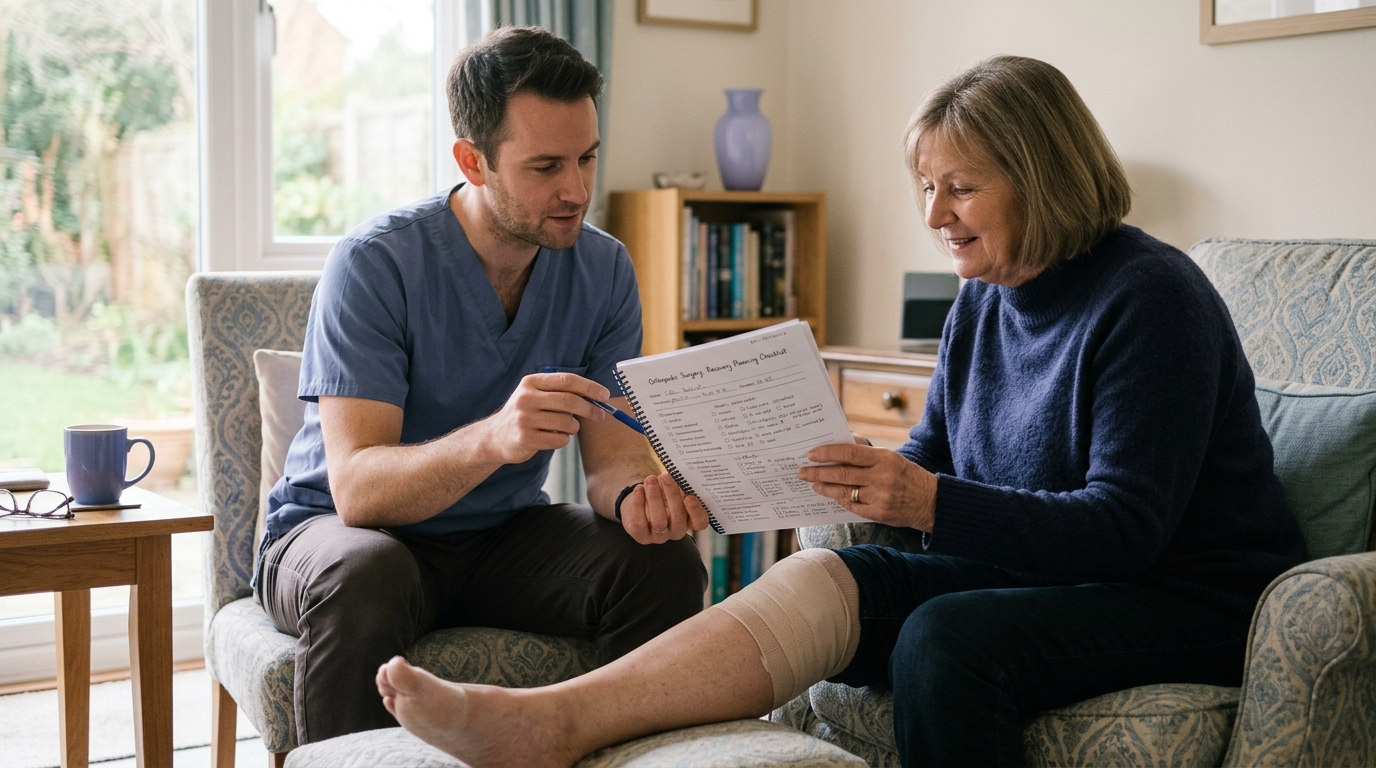
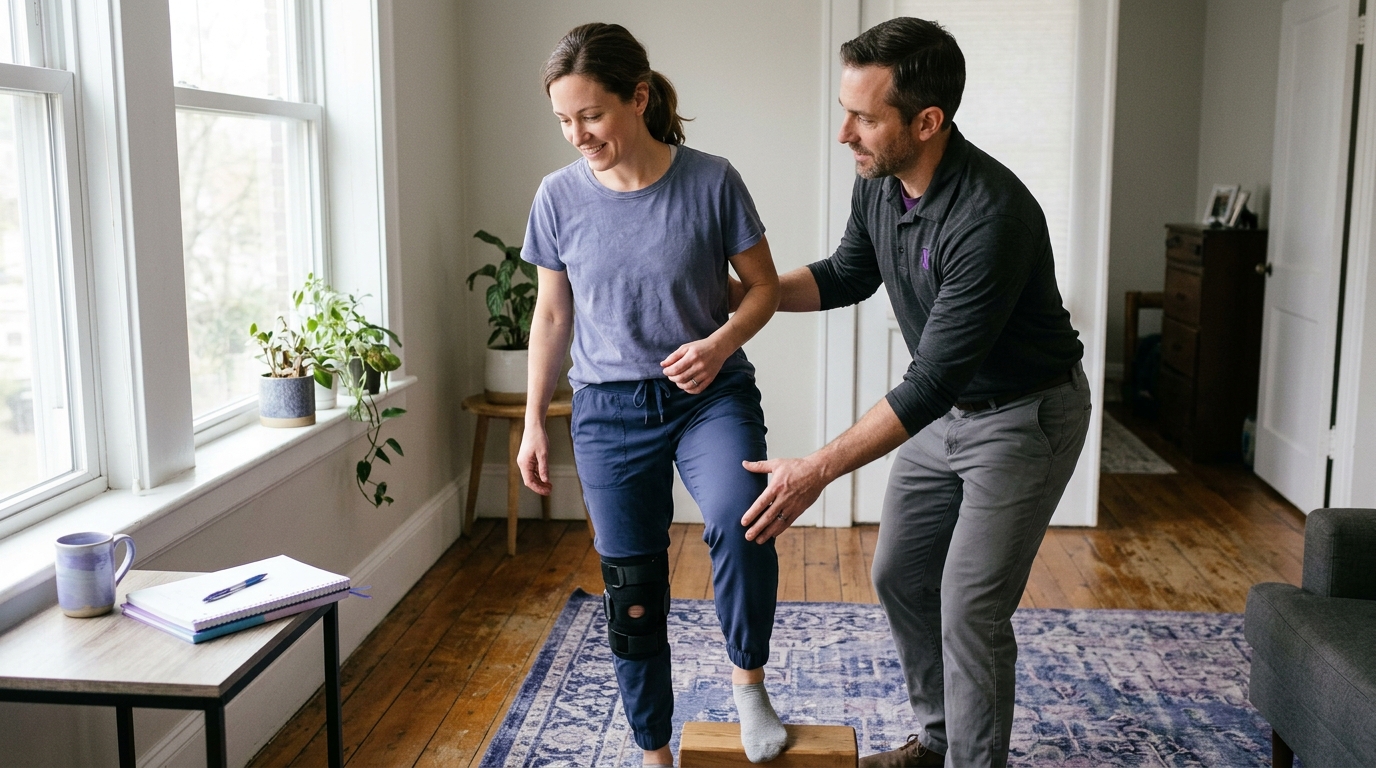
Post-surgical recovery brings additional factors that influence fluid management. Surgical procedures trigger inflammatory responses that alter fluid distribution throughout the body. Tissues around an operative site often experience local swelling and fluid retention, while systemic circulation requires adequate hydration to support blood pressure. You can review structured recovery timelines and milestones in our surgical recovery resources.
Improving hydration access is often the most effective solution for post-operative and older patients. Placing filled, lightweight water containers within arm's reach of resting chairs and bedside tables removes the physical barrier of standing up. Caregivers can support hydration by offering small, appealing beverages at predictable intervals throughout the day. Establishing small, routine drinking habits supports healing without overwhelming the patient with giant fluid targets.
Building sustainable hydration habits does not require complicated tracking applications or strict measurements. The most effective approach involves anchoring fluid intake to regular daily events. Drinking a glass of water upon waking, having a beverage with each meal, and drinking a cup of tea during an afternoon rest creates a consistent baseline. This approach integrates hydration into your existing lifestyle.
You can also use physical therapy sessions as natural hydration anchors. Drinking a small glass of water before heading to the clinic and having another drink when you return home establishes a practical rhythm. This ensures you enter therapy adequately hydrated without needing to interrupt your exercises for urgent restroom visits. Sipping water during longer therapy breaks keeps your mouth comfortable without causing stomach fullness.
Beverage temperature and flavor can also be adjusted to support intake when drinking feels like a chore. Some people find ice-cold water unappealing when resting with joint pain, whereas room-temperature water or warm herbal tea is easier to consume. Adding a slice of lemon, cucumber, or a splash of fruit juice can make fluids more enjoyable for those who dislike plain water. Variety supports consistency.
Here are practical, research-aligned habits you can use to maintain healthy fluid balance during rehabilitation:
By focusing on accessibility and steady habits, you can support your physical recovery without unnecessary stress or complex calculations.
General hydration guidelines apply to healthy individuals with normal organ function. However, certain chronic medical conditions and medications fundamentally change how your body processes fluids. Heart failure, chronic kidney disease, and advanced liver conditions often require strict medical fluid restrictions. If your physician has prescribed a specific daily fluid limit, that clinical instruction always overrides general hydration advice.
Certain common medications also influence fluid balance and blood pressure during rehabilitation. Diuretic medications, commonly prescribed for high blood pressure, increase fluid and sodium removal through the kidneys. Non-steroidal anti-inflammatory drugs, frequently used for orthopedic pain, can affect kidney blood flow and fluid retention. Talking with your healthcare provider ensures that your daily drinking habits align with your overall medical plan.
When you visit your physician, surgeon, or physical therapist, consider discussing the following practical questions:
Having open conversations with your medical team helps you clarify expectations and make informed decisions throughout your physical recovery.
Hydration is a supportive component of physical rehabilitation, not an independent medical treatment. Your fluid needs are dynamic and depend on your body size, exercise intensity, environmental temperature, and overall health status. Forcing extreme fluid intake provides no proven benefit for tissue repair and introduces genuine risks such as low blood sodium. Balancing routine fluid access with sensible responses to thirst remains the safest and most effective approach for most recovering adults.
Maintaining consistent, comfortable fluid habits supports your overall well-being as you progress through physical rehabilitation.

Use ReboundBody resources to understand common recovery stages, rehab terms, movement limits and strength rebuilding. Each guide is designed to make a complex comeback easier to understand.


Read practical guidance on injury recovery, rehabilitation, mobility and rebuilding strength as you work your way back to activity.
Explore Resources