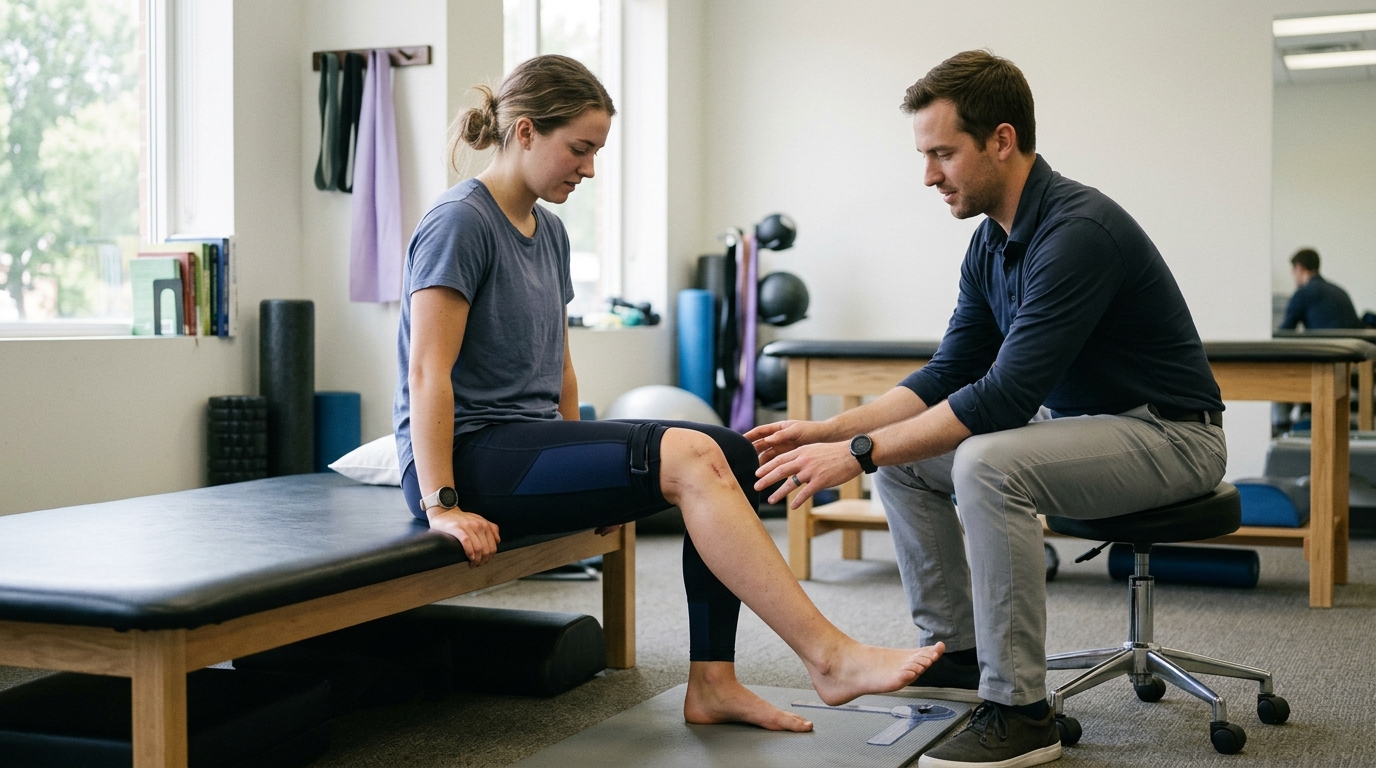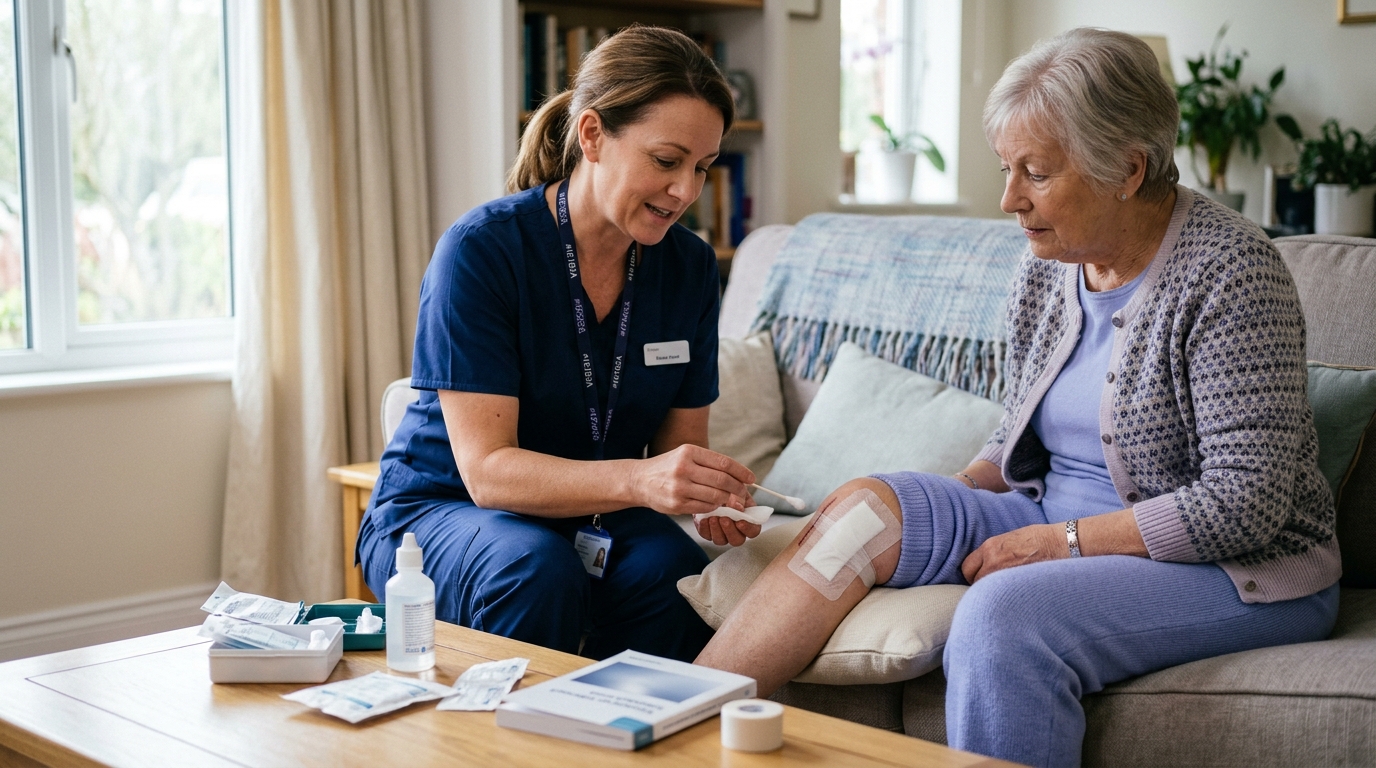

Caring for your orthopedic surgical incision requires following proper hygiene routines, managing dressings, and monitoring the wound closely for critical signs of infection.





Incision care after orthopedic surgery is a structured process of protecting healing tissues, maintaining strict hygiene, and watching for complications. It is not an invitation to experiment with unapproved ointments, nor is it a process where one standard timeline fits every surgical procedure.
Understanding how your incision heals helps you support your body during recovery. This guide examines the biological stages of wound repair, proper dressing management, hygiene standards, and critical warning signs that require a call to your surgical team.
The primary rule of post-surgical wound care is straightforward. You must follow the exact discharge protocol provided by your operating surgeon.
Generic online advice cannot account for the specific techniques used in your operation. The depth of your repair, the presence of internal hardware, and your personal medical history all influence your care plan.
Your main goal during the first few weeks is to keep the surgical site clean, dry, and protected from mechanical strain. You should approach wound management through a practical framework: observe, compare, and report.
First, observe the incision and surrounding skin daily under good lighting. Second, compare what you see against your baseline status from the previous day. Third, report any unexpected changes, spreading redness, or new drainage to your healthcare team rather than trying to diagnose or treat the issue at home.
There are natural limits to what you can evaluate on your own. A clean skin surface does not guarantee that deep tissues or joint implants are free from complications.
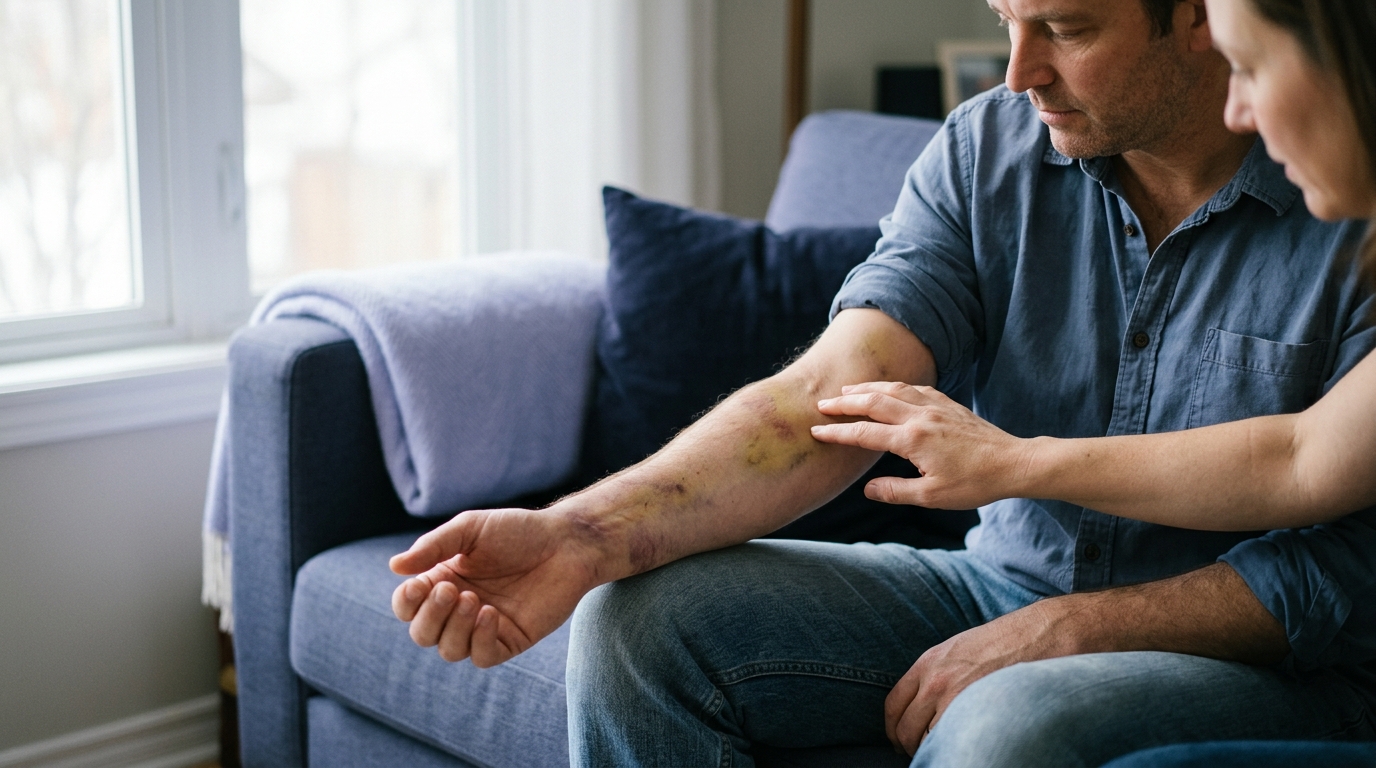
Similarly, mild swelling and minor bruising are expected after orthopedic procedures, but worsening swelling or sharp pain is not. When in doubt, always contact your surgeon's office for guidance.
Clinical research provides clear data on how surgical wounds close and why complications happen. Understanding these established findings helps you focus on proven care habits while avoiding ineffective home treatments.
According to data published by the Agency for Healthcare Research and Quality (AHRQ) PSNet, surgical site infections occur in approximately 2% to 4% of patients undergoing inpatient surgical procedures. The Centers for Disease Control and Prevention (CDC) classifies these infections into three distinct levels:
An infection involving an artificial joint or internal fixation plate presents serious challenges. Bacteria can form a protective layer, known as a biofilm, across metal or plastic surfaces.
This makes the infection difficult to eliminate with oral antibiotics alone. Clinical evidence shows that deep infections often require intravenous medications or additional surgical procedures to clean the implant.
A surgical incision heals through four overlapping biological phases. Research demonstrates that this process requires significant energy and strict protection from outside bacteria:
The CDC National Healthcare Safety Network uses standard surveillance windows of 30 days for general soft tissue procedures and 90 days for operations involving implanted materials. These timeframes help hospitals track infection rates and maintain surgical quality standards.
However, patients should not view the 90-day mark as an absolute safety date. Complications can occasionally emerge beyond standard surveillance windows, particularly around joint replacements.
The American Academy of Orthopaedic Surgeons (AAOS) notes that late infections can occur months or years after joint replacement surgery. These can happen if bacteria from dental procedures, skin infections, or urinary tract issues travel through the bloodstream to the implant.
Maintaining good general health and managing skin integrity remains important throughout your recovery. You can read more about tissue rehabilitation in our guide to post-surgical tissue recovery and repair.
Orthopedic surgeons select closure materials and dressing types based on the joint involved, incision length, and expected skin tension. Different closure methods require specific care approaches.
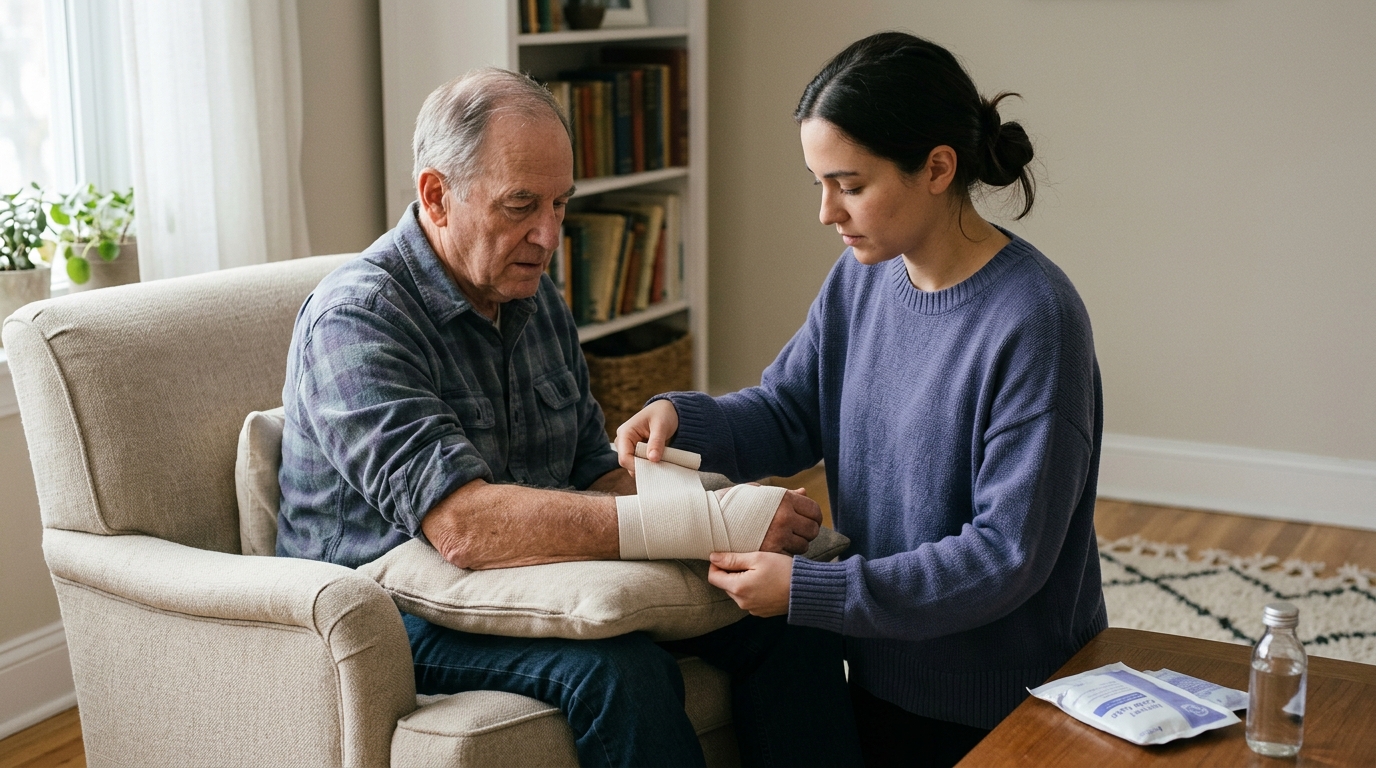
Hospital dressings range from traditional dry gauze to advanced antimicrobial silicone barriers. Standard gauze dressings absorb early drainage but must be changed if they become wet, soiled, or loose.
Modern hydrofiber or silver-impregnated dressings can often remain untouched for up to seven days, provided the seal stays intact.
Orthopedic guidance from major medical centers, including Oregon Health and Science University (OHSU), emphasizes leaving initial dressings undisturbed for at least three days unless discharge strikes through the outer layer.
Never remove or alter a complex surgical dressing without explicit instructions from your surgical team. For broader context on modern surgical protocols, review our overview of orthopedic surgical care approaches.
Water exposure is one of the most misunderstood aspects of post-surgical care. Clear differences exist between taking a light shower and soaking in standing water.
While some national guidelines suggest light showering may be permissible 48 hours after certain clean surgeries, orthopedic practices frequently require a longer dry period. Many surgeons mandate keeping the incision completely dry for three to five days, or until initial wound drainage has stopped entirely.
When your surgeon clears you to shower, follow these basic safety practices:
Submerging an orthopedic incision in standing water carries significant risk. Bathtubs, swimming pools, lakes, and hot tubs contain high concentrations of environmental bacteria.
If water enters an unsealed wound, bacteria can quickly reach deep tissues and orthopedic implants.
Medical centers routinely advise avoiding all forms of soaking for at least three to four weeks post-surgery, or until the incision is completely sealed with no remaining scabs, blisters, or drainage.
If you have undergone a joint replacement, your surgeon may extend this restriction until soft tissues have fully matured.
Many patients believe applying over-the-counter ointments will accelerate healing or minimize scarring. However, clinical evidence shows that applying unapproved substances can soften healing edges, introduce bacteria, and cause contact dermatitis.
Do not apply hydrogen peroxide, rubbing alcohol, iodine, antibiotic creams, or herbal salves to a healing surgical wound unless your care team explicitly prescribes them. Hydrogen peroxide and alcohol are cytotoxic agents that destroy newly formed granulation tissue, ultimately delaying repair.
Recognizing early warning signs allows you to address complications before they progress into deep tissue or implant infections. You do not need to wait for multiple severe symptoms to appear before calling your surgical team.
Redness can be difficult to see on brown, Black, or darker skin tones. Instead of bright red skin, inflammation may present as purplish, grayish, or hyperpigmented discoloration.
Patients with darker skin tones should rely closely on other physical signs, such as localized heat, skin firmness (induration), swelling, tenderness, or unusual drainage.
Certain symptoms involve your entire body or indicate an issue within a replaced joint:
Every patient heals at a unique pace. Several biological, mechanical, and lifestyle factors directly influence how quickly tissue seals and how resistant your incision is to infection.
Diabetes and elevated blood sugar levels significantly affect wound healing. High glucose impairs neutrophil function, slows collagen synthesis, and reduces microvascular circulation.
Maintaining tight blood sugar control before and after your operation lowers infection risk and supports tissue strength.
The CDC identifies smoking as a major modifiable risk factor for surgical site infections. Nicotine causes blood vessels to constrict, reducing oxygen and nutrient delivery to healing skin.
Carbon monoxide in smoke further limits the oxygen-carrying capacity of your blood. Quitting tobacco products, including vapes and nicotine patches, during your recovery substantially improves wound healing.
The anatomical location of your incision plays a big role in healing. An incision over the front of the knee or the back of an elbow experiences considerable stretching whenever the joint bends.
Balancing early range-of-motion exercises with tissue rest is essential. For more on managing this balance, review our resources on safe post-operative movement.
Collagen production and immune defense require adequate protein, calories, vitamins, and minerals. Deficiencies in protein, vitamin C, or zinc can delay wound closure and weaken newly formed scars.
Eating balanced meals with quality protein sources supports tissue repair during your comeback. You can review detailed dietary recommendations in our guide to rehabilitation and recovery resources.
Clear communication with your surgical team prevents confusion and ensures you follow the right recovery steps. Discuss these practical questions before discharge or during your initial follow-up visits:
Successful incision care relies on consistent hygiene, adherence to your surgeon's specific protocol, and early reporting of unexpected changes. Keep the incision clean, dry, and protected from unnecessary handling or movement strain.
Never alter your dressing schedule or apply over-the-counter creams without direct medical approval.
Wound healing requires patience, good nutrition, and careful observation. If you notice expanding redness, abnormal drainage, wound separation, or a fever, contact your surgical team immediately.
Addressing potential issues early helps protect your repair, your joint, and your long-term mobility.
If the ends of your adhesive strips begin to curl up, you can use clean, sterilized scissors to carefully trim the loose ends. Do not pull or peel the strips away from the center of the wound where they are still firmly attached.
Let the remaining portions fall off naturally, or wait for your care team to remove them during your follow-up visit.
Mild, uniform warmth directly over a surgical site is a standard part of early inflammation and tissue rebuilding. However, if the warmth increases over time, spreads well beyond the incision, or is accompanied by throbbing pain, expanding redness, or a fever, contact your doctor.
Do not apply scar oils, vitamin E, or silicone sheets until the incision is fully closed, all scabs have fallen off, and your surgeon has given explicit clearance. Applying products too early can introduce bacteria, soften new skin cells, and cause wound breakdown.
If a non-waterproof dressing gets wet, remove it carefully with clean hands. Gently pat the surrounding skin dry with a clean towel or sterile gauze, and apply a fresh, dry dressing as instructed by your discharge paperwork.
Call your surgeon's office if you are uncertain how to properly replace the dressing.

Use ReboundBody resources to understand common recovery stages, rehab terms, movement limits and strength rebuilding. Each guide is designed to make a complex comeback easier to understand.


Read practical guidance on injury recovery, rehabilitation, mobility and rebuilding strength as you work your way back to activity.
Explore Resources