
Injury prevention for court sports relies on targeted strength training, balance work, and workload management to protect joints across every intense rally.





Saturday morning arrives, and you step onto the court for what was planned as a casual doubles match. Two games in, a sharp cross-court shot pulls you wide. You sprint, plant your outside foot to brake, and reach out for a backhand volley. Later that evening, your knee feels stiff, your Achilles tendon aches, and your hitting shoulder throbs when you reach overhead.
Court sports like tennis, pickleball, squash, and racquetball demand rapid physical reactions. Players must accelerate quickly, stop suddenly, change direction, and repeat powerful strokes across changing match lengths. Playing sustainably over months and years requires balancing the demands of the sport with your body's current physical capacity.
Sustainable play does not come from a single warm-up stretch or specialized footwear. It comes from building strength and movement skill, managing your weekly court hours, and knowing when your body needs rest. This guide outlines the evidence behind court sport injuries, explains how movement demands affect different joints, and provides practical frameworks for building long-term court resilience.
The relationship between court demands and physical preparation is best understood through two concepts: capacity and exposure.
Capacity refers to your body's current ability to handle physical stress. This includes muscular strength, tendon tolerance, cardiovascular conditioning, joint mobility, balance, and movement coordination.
Exposure represents the total physical work you ask your body to perform. It includes the number of games played, total court hours, match intensity, and the frequency of your sessions.
When your court exposure exceeds your physical capacity, tissues experience strain that can lead to irritation or injury. International Tennis Federation conditioning guidance highlights workload assessment as a primary tool to balance athletic performance and injury risk. The goal is not to eliminate physical stress, because court movement provides valuable cardiovascular and muscular benefits. The goal is to build physical capacity gradually while avoiding sudden spikes in exposure.
Musculoskeletal issues on the court fall into distinct categories. Research surveillance in racquet sports often separates these problems to better understand how they develop:
Understanding these distinctions helps you respond appropriately. An acute ankle sprain requires different management than chronic shoulder soreness that slowly worsens over a three-month league season.
Every point in a court sport involves a complex chain of movements across the entire body. A single rally requires several distinct physical actions:
In tennis, serving places the highest mechanical demand on the upper body. Power starts in the lower legs and knees, travels through the trunk, and finishes through the shoulder, elbow, and wrist. If any link in this kinetic chain lacks mobility or strength, adjacent joints often absorb extra stress to compensate.
Understanding injury patterns in racquet and paddle sports helps players focus on the most relevant areas of physical preparation. However, research findings must be interpreted carefully based on how studies collect their data.
Tennis epidemiology research reveals different injury rates depending on whether studies track competitive tournament play or recreational participation. In a long-term analysis of US Open tournament data between 1994 and 2009, researchers reported an overall rate of 48.1 injuries per 1,000 match exposures.
Within that US Open data set, specific patterns emerged:
Data from Wimbledon between 2003 and 2012 showed an injury rate of 20.7 injuries per 1,000 sets played based on physician reports. Across the broader tennis literature, reported injury rates vary widely, spanning from 0.04 to 3.0 injuries per 1,000 playing hours.
This wide range exists because different studies use different definitions of injury, track different skill levels, and measure exposure in different units. Elite tournament data reflect highly conditioned athletes playing multi-hour matches with immediate medical care, which does not directly match recreational league play.
Pickleball participation has grown rapidly, leading to increased study of its injury characteristics. Much of the available data comes from the National Electronic Injury Surveillance System, which tracks emergency department visits across the United States.
A 2025 analysis of this emergency department database estimated 100,704 pickleball-related injuries nationwide between 2014 and 2023, based on 1,722 treated cases. A separate review of records from 2020 through 2022 identified 710 emergency room incidents, representing a national weighted estimate of 40,698 injuries over that three-year window.
Emergency room data also highlight distinct age-related patterns:
When reviewing court sport studies, players should avoid common misconceptions about statistics.
Emergency department studies show what types of severe injuries arrive at hospitals, but they do not measure the injury risk for an average player on any given day. Without knowing the total number of hours played by all participants, emergency room case counts cannot establish an individual player's probability of getting hurt.
Similarly, statistical associations do not prove direct cause and effect. A review of recreational tennis found that players who played more than two hours per day had a higher rate of lateral elbow pain than those playing less. This finding highlights playing volume as an important consideration, but it does not mean that two hours is an absolute safety threshold for every individual.
Prevention research also contains significant gaps. A broad review of tennis literature noted a lack of randomized controlled trials proving the success of specific tennis-only prevention routines. In fact, a clinical review noted that an unsupervised, tennis-specific exercise program failed to reduce ankle sprain rates among recreational adult players. General conditioning principles supported by broader sports science remain the most reliable guide.
Court sports place distinct stresses on specific anatomical regions. Building long-term durability requires understanding how the lower body, trunk, and upper extremities handle these forces.
The lower limbs act as the body's primary shock absorbers and brakes on the court. Rapid lateral movements and abrupt stops place substantial demands on the joints and soft tissues:
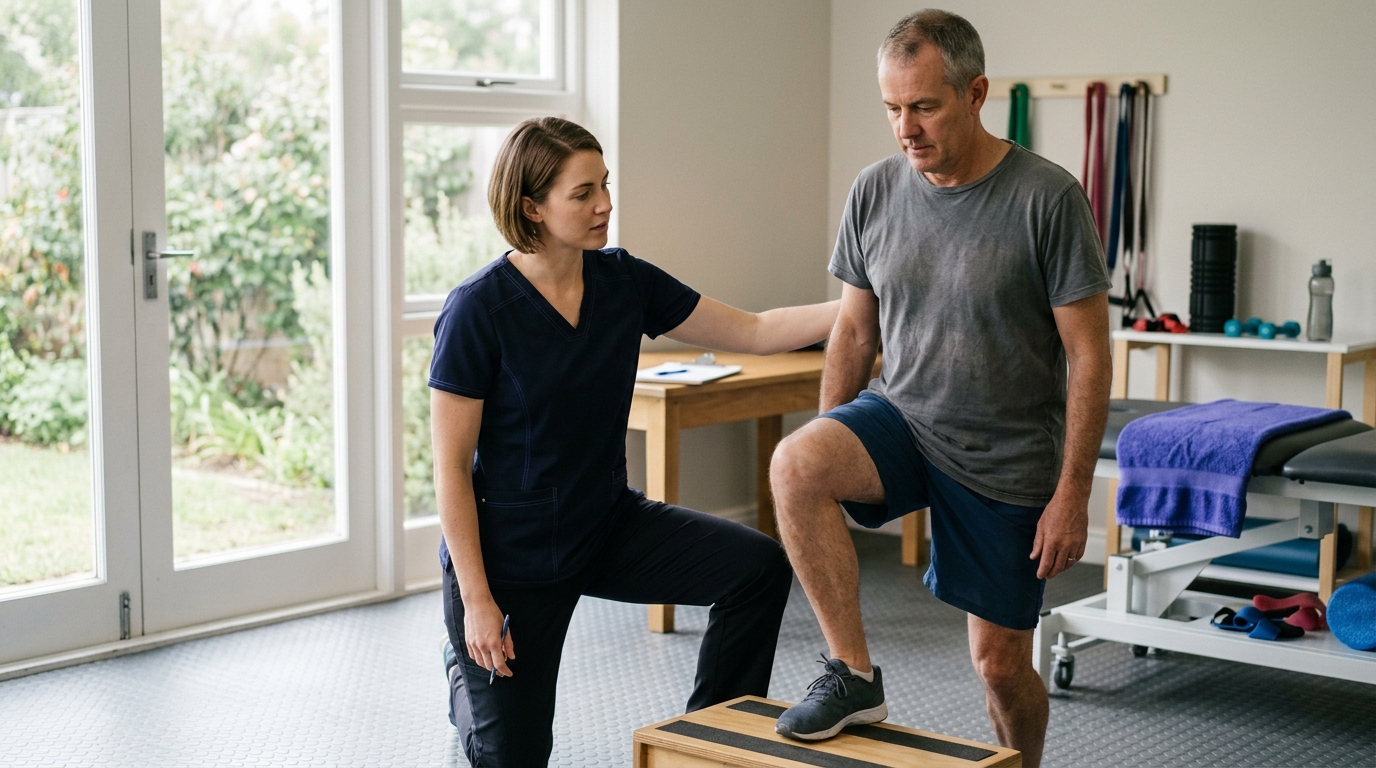
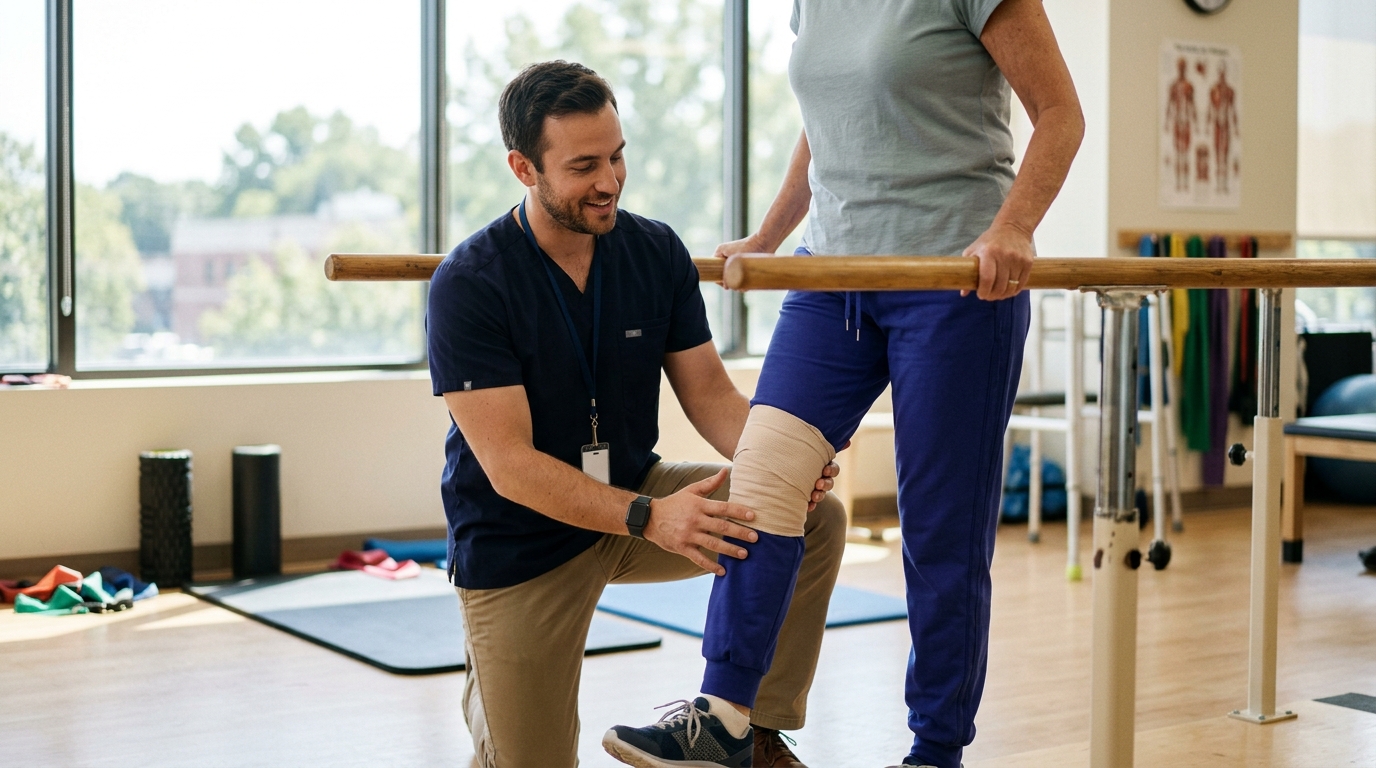
Targeted lower-body strengthening and balance training help prepare these tissues for rapid loading. For structured guidance on lower-limb training, explore our rehabilitation and movement resources.
Repetitive striking motions subject the upper body to cumulative mechanical loading. While lower-body injuries are frequently acute, upper-limb conditions are often gradual-onset overuse problems:
Developing upper-body capacity involves strengthening the rotator cuff, scapular stabilizers, and forearm musculature. You can learn more about full-body physical preparation in our strength rebuilding resources.
The core musculature transfers mechanical energy between the lower and upper body. During serves, overheads, and rotational groundstrokes, the spine undergoes combined extension, lateral flexion, and rotation:
Building endurance in the deep trunk stabilizers protects the spine and creates a firm base for energy transfer during groundstrokes.
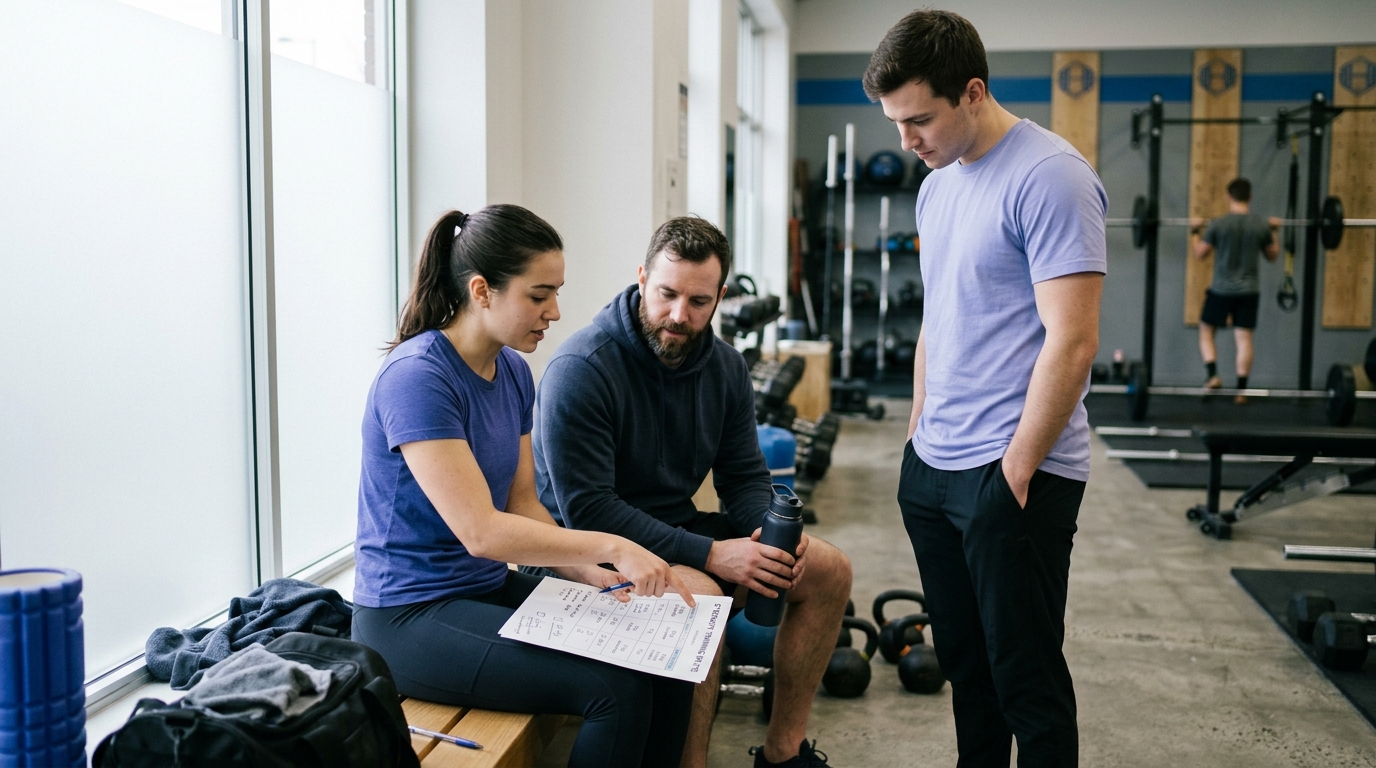
Preparing your body for court play requires developing four core physical qualities: strength, balance, cardiovascular conditioning, and movement coordination.
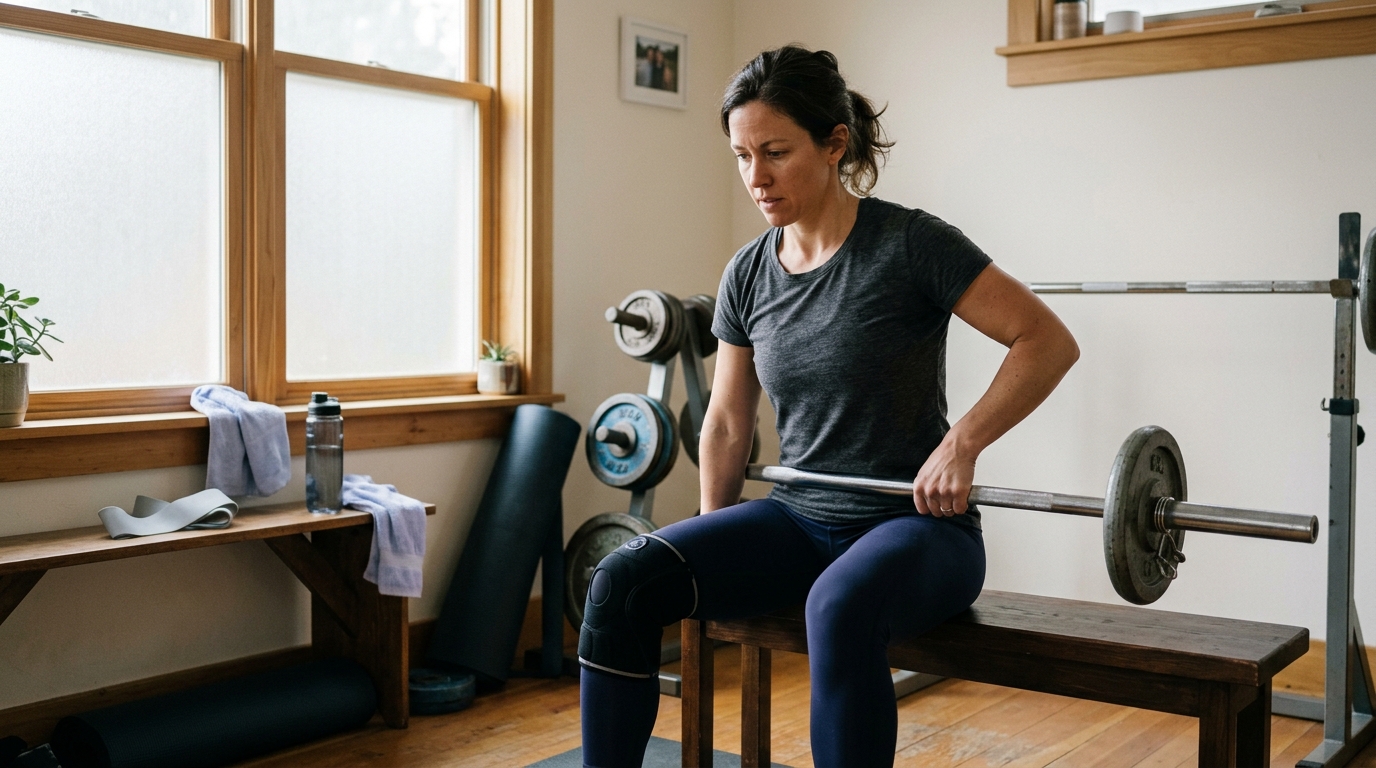
Muscular strength provides the braking power necessary for safe court movement. Stronger muscles absorb kinetic forces that would otherwise pass directly into passive structures like ligaments and joint cartilage.
Key areas to develop include:
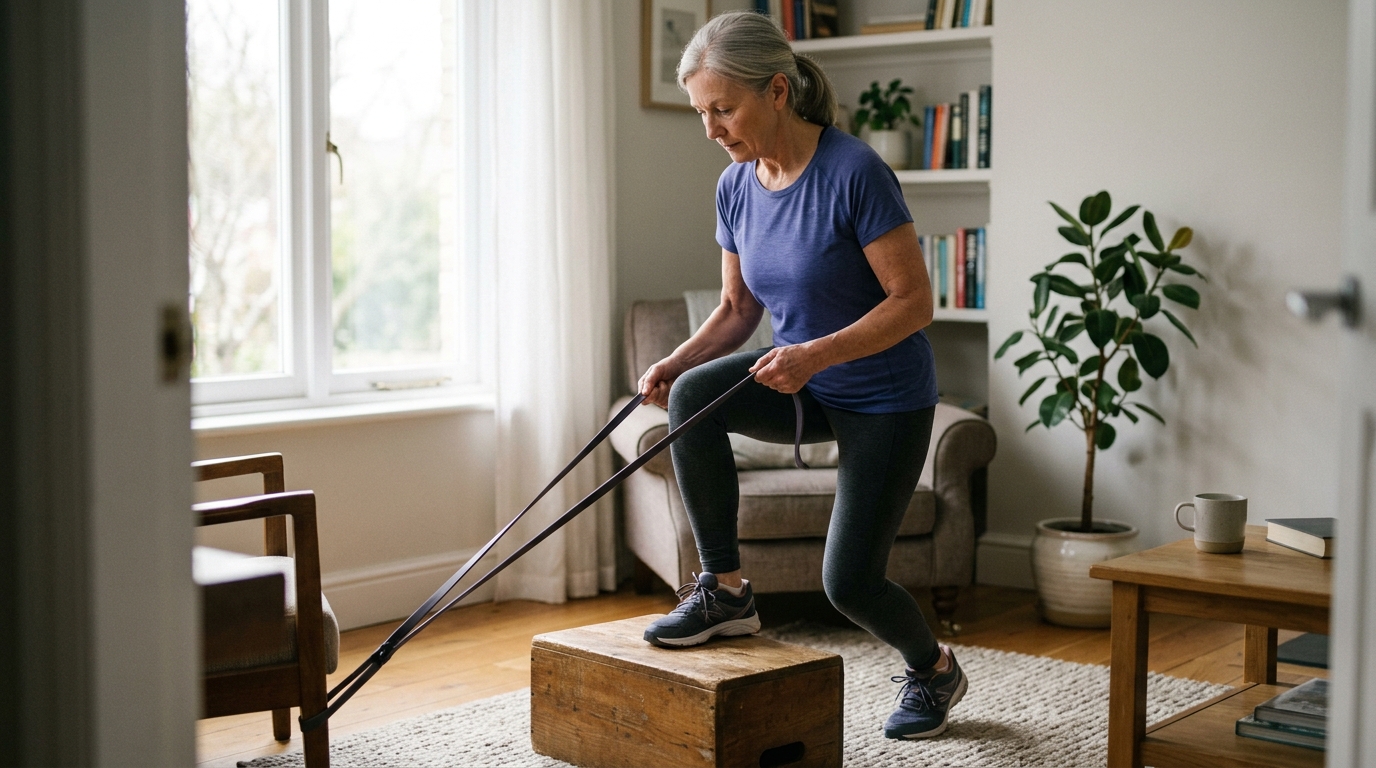
Progress these exercises gradually over weeks and months, focusing on controlled movement rather than lifting maximal loads.
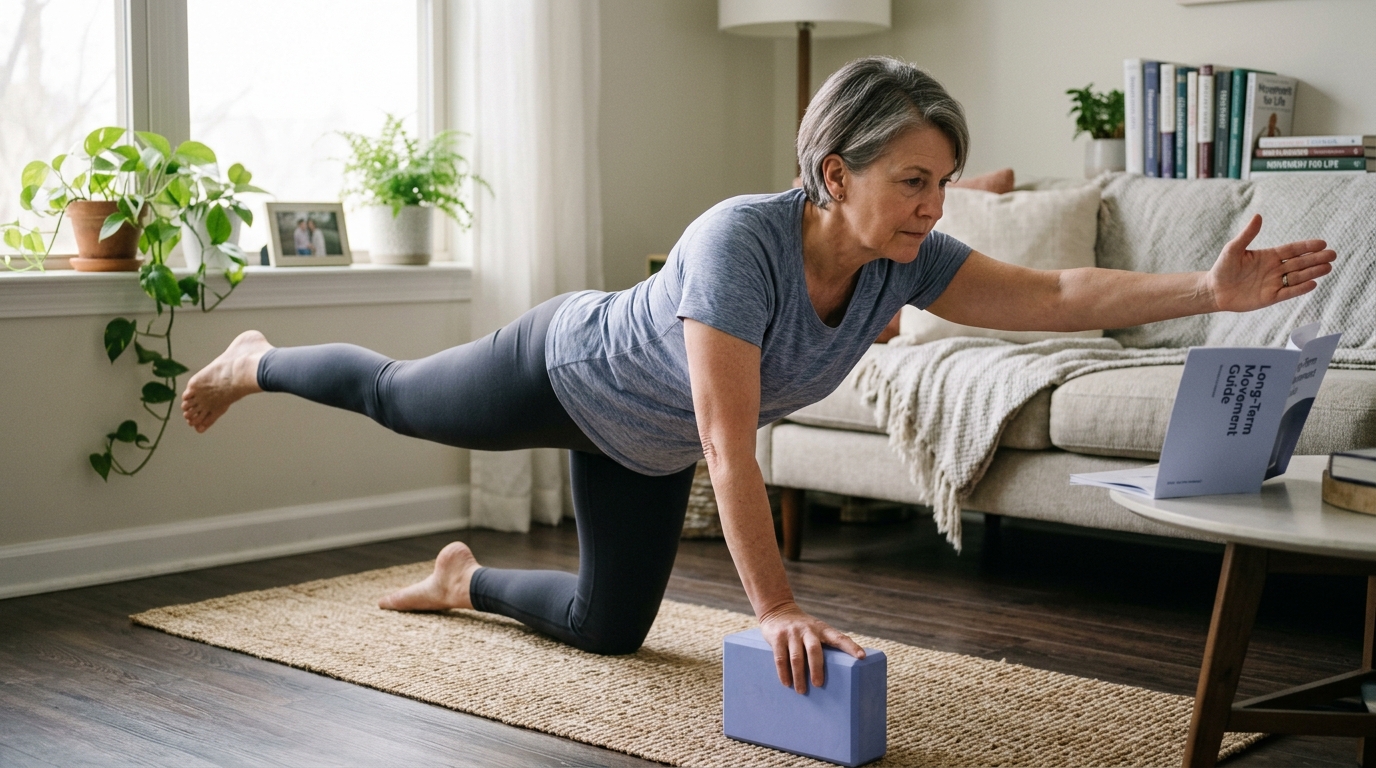
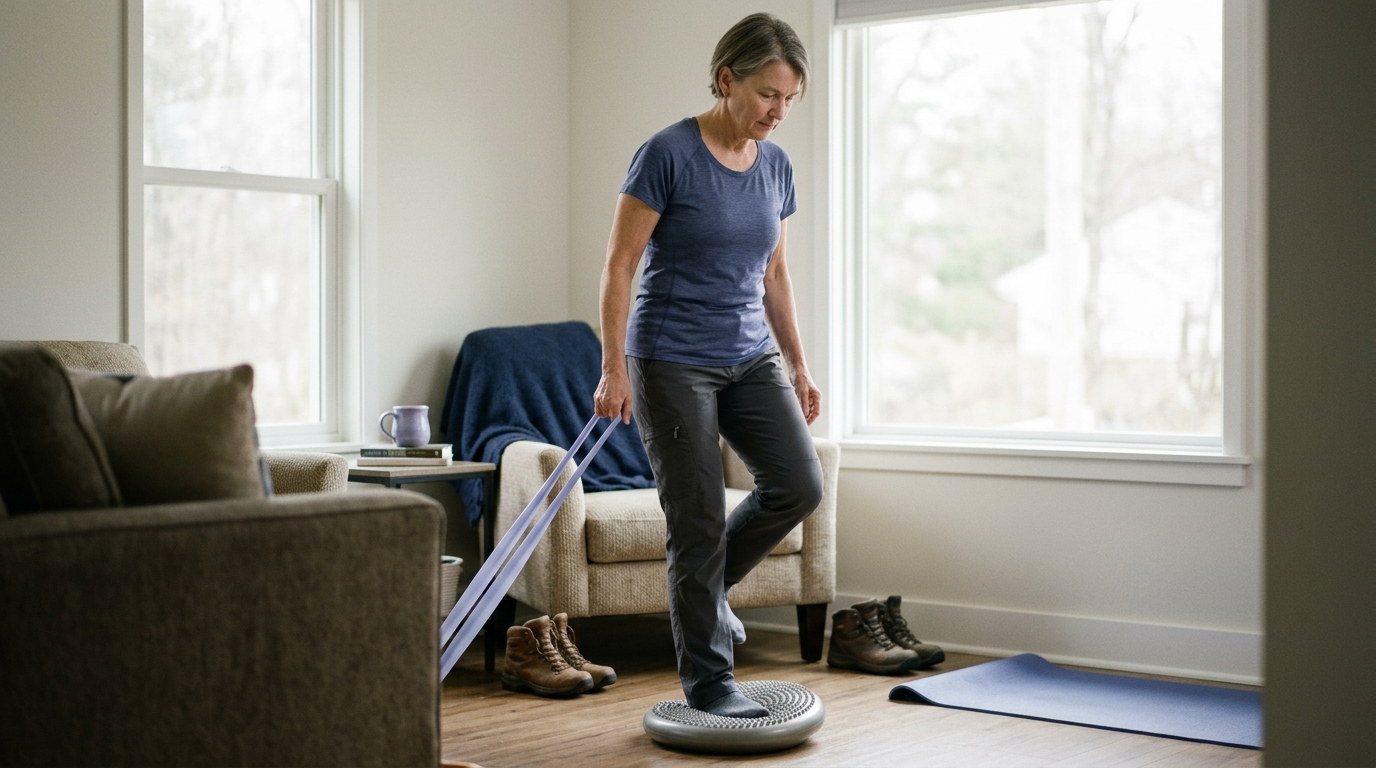
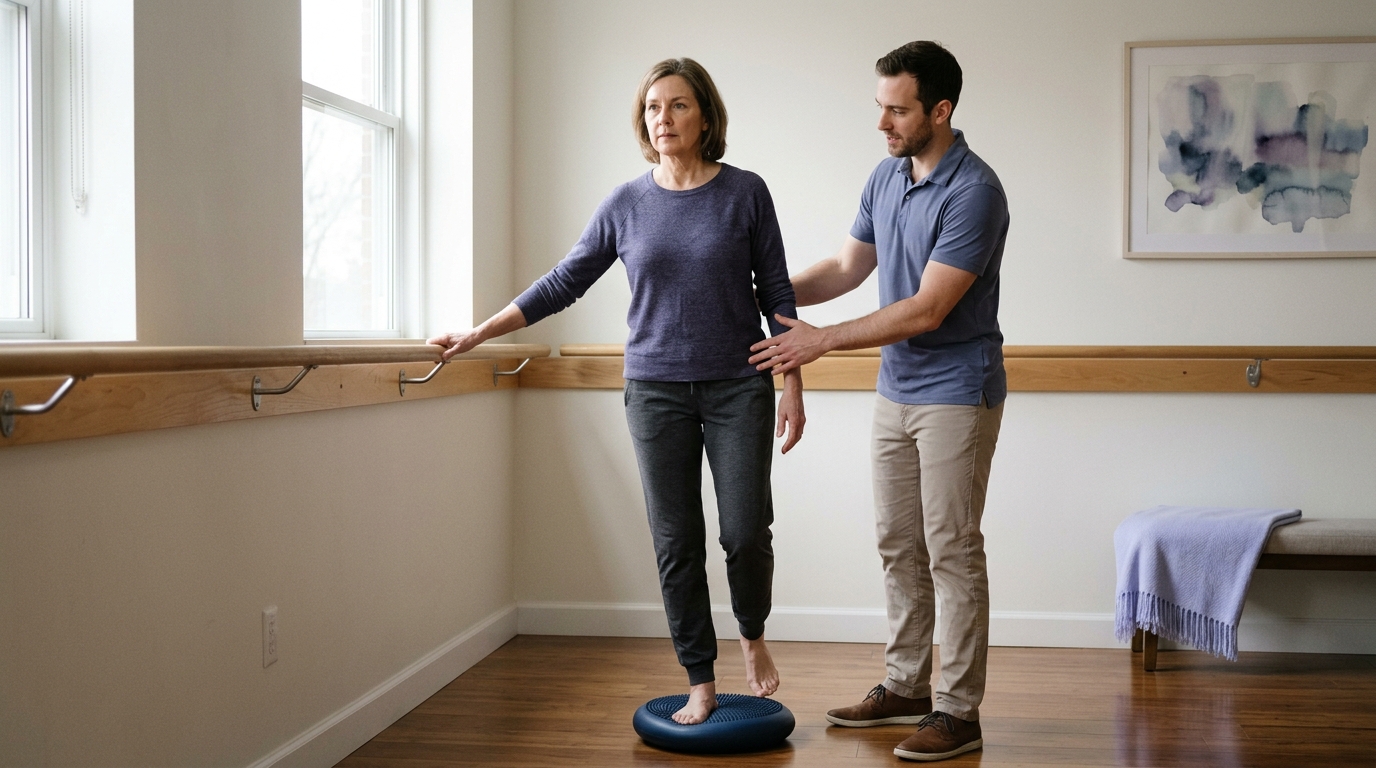
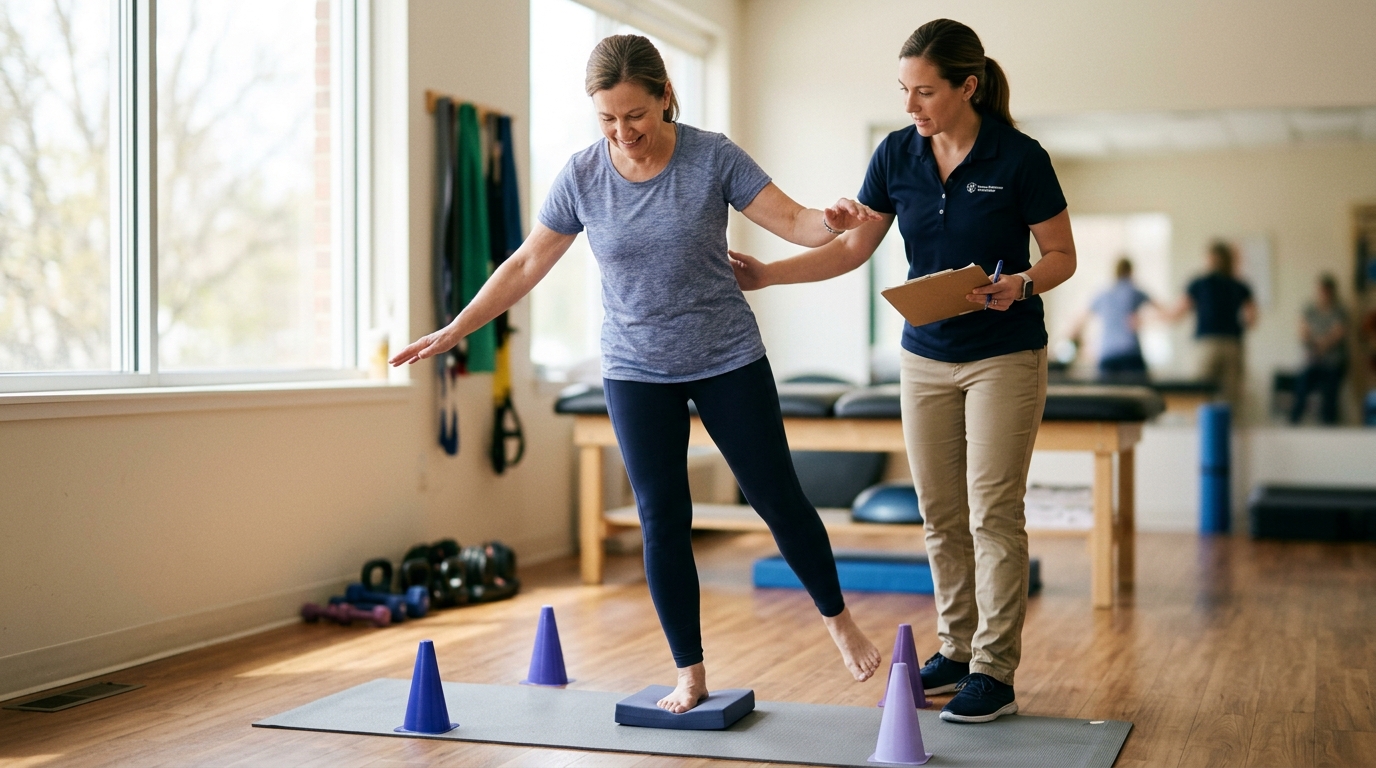
Balance and spatial awareness decrease naturally with age and inactivity, yet both are essential for quick direction changes. Training your balance helps your nervous system react faster when you are pulled off-balance on the court.
Practical balance strategies include:
The Centers for Disease Control and Prevention emphasizes balance and strength activities for adults to reduce fall risk and support physical stability. Learn more about maintaining physical function over time in our active aging and prevention guides.
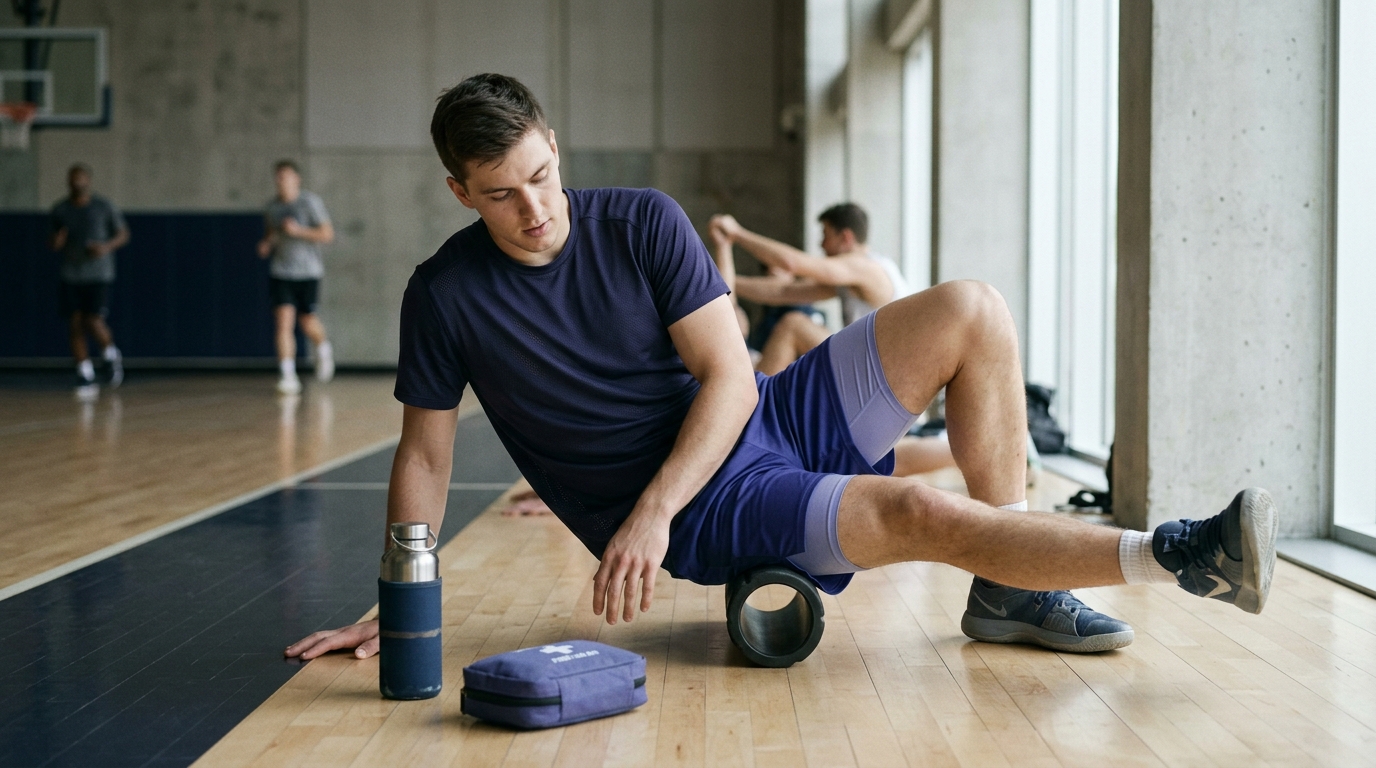
A proper pre-match routine prepares joints, muscles, and the cardiovascular system for high-intensity movement. Static stretching alone has not been shown to reduce injury rates before court play. A broader systematic review on neuromuscular warm-up strategies emphasizes combining dynamic mobility, strengthening, balance, agility, and landing mechanics.
A comprehensive 10 to 15-minute warm-up should follow a logical progression:
Rushing directly from your car to a high-intensity point bypasses this neuromuscular readiness phase, placing unconditioned tissues under sudden peak loads.
Sudden spikes in court exposure are among the most common triggers for overuse discomfort. Tracking your physical workload provides clear visibility into how much stress you are placing on your body.
Counting only the number of sessions you play each week can be misleading. A one-hour light doubles clinic places very different demands on your body than a two-hour singles tournament match.
Consider keeping a simple training log that tracks:
Tracking these factors helps you identify patterns. If your elbow regularly aches after sessions involving more than 40 practice serves, you can adjust your serving volume before severe irritation develops. For additional strategies on workload management, read our injury prevention and activity resources.
When increasing your court time, follow gradual progression principles:
The body adapts positively to physical stress when given sufficient recovery time between demanding sessions.
Individual factors influence how players should approach court preparation. A strategy that works for a 22-year-old college player will look different from a plan designed for a 68-year-old recreational doubles enthusiast.
Physical characteristics change across the lifespan. Muscle mass naturally declines without targeted strength work, tendon stiffness changes, and reaction times can slow.
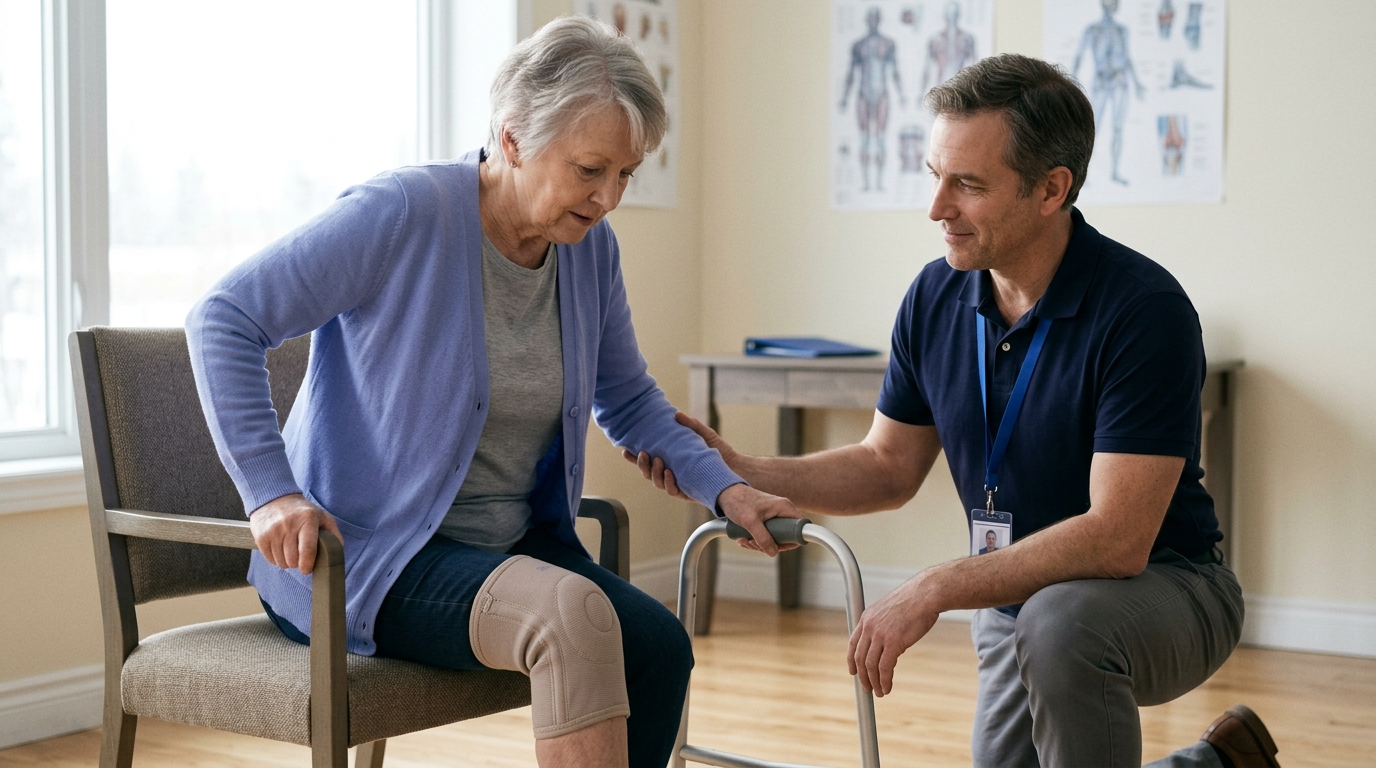
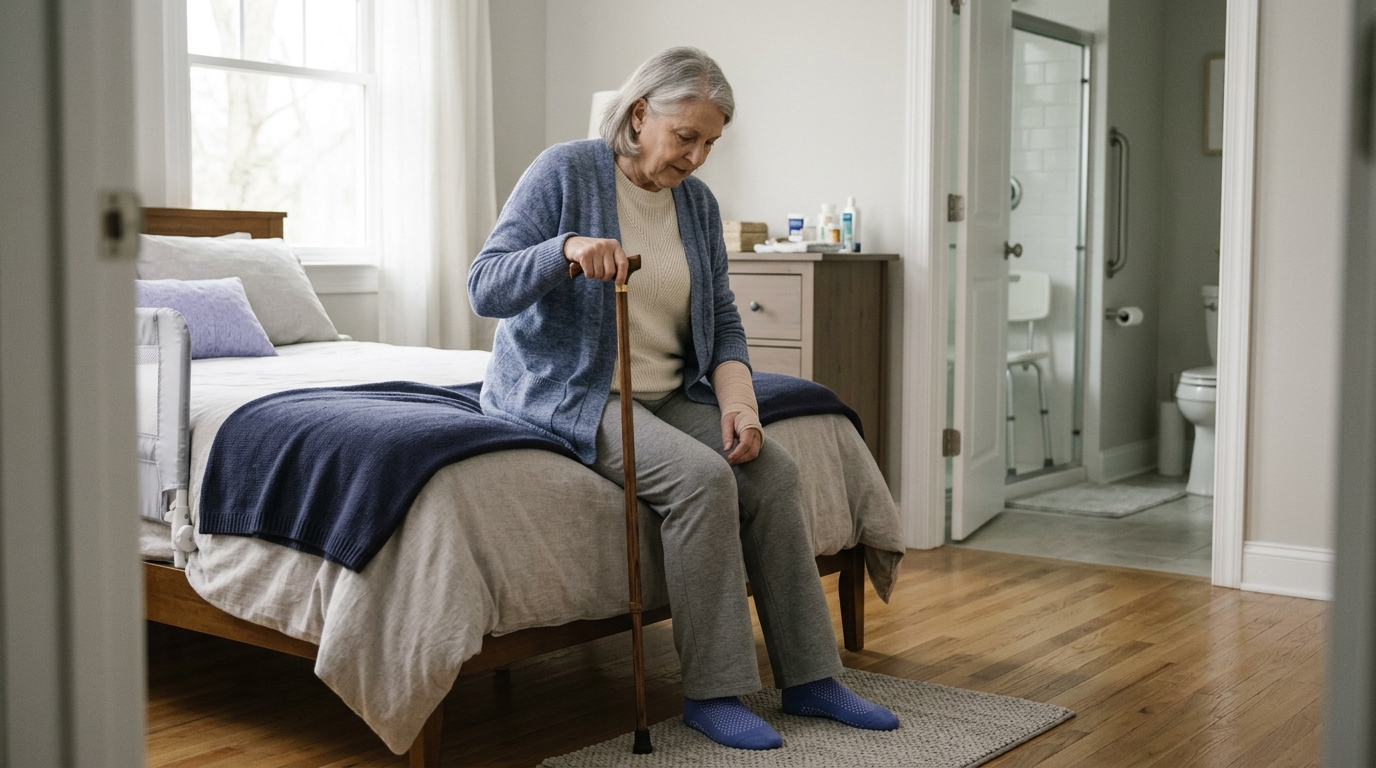
For older adults, fall prevention becomes a central priority:
Combining strength and balance work provides the foundation needed to enjoy court sports safely into later decades.
Prior musculoskeletal injuries represent one of the clearest risk factors for future problems. An ankle that was severely sprained years ago may have residual ligament laxity or reduced joint position sense.
When returning with a history of joint injury:
Environmental and equipment variables interact with your body during every stroke and step.
Applying injury prevention principles is best illustrated through common real-world situations.
The situation: A recreational player normally participates in a 90-minute doubles clinic every Tuesday night. A local club announces a weekend tournament, and the player signs up for both singles and mixed doubles, facing four matches in two days.
The challenge: The player's weekly exposure suddenly triples over 48 hours. The match intensity and physical density far exceed what their soft tissues are adapted to handle.
The adjustment: Relying on single-session tolerance is not proof of readiness for a concentrated tournament schedule. The player should begin preparing six to eight weeks in advance by gradually introducing a second weekly playing session, incorporating match-speed singles drills, and practicing proper hydration and nutrition between consecutive matches.
The situation: A player returns to recreational pickleball after a four-month winter break. In the second game, an opponent hits an aggressive drop shot. The player sprints forward, plants hard to reach the ball, and feels a sharp pull in the calf.
The challenge: Cardiovascular endurance and muscle memory often return faster than tendon load tolerance and eccentric deceleration strength.
The adjustment: A return plan should rebuild physical capacity before exposing the body to competitive match situations. The player should spend two to three weeks performing bodyweight lunges, calf raises, and controlled short-court rallying before engaging in all-out sprints for drop shots.
The situation: A tennis player decides to improve their first serve consistency by practicing 100 serves three times a week outside of regular match play. Within three weeks, they develop an aching sensation at the front of the shoulder and the outside of the elbow.
The challenge: Repetitive overhead serving places
substantial mechanical demands across the kinetic chain. Adding 300 weekly serves creates an abrupt spike in upper-body volume without adequate recovery.
The adjustment: The player should reduce serving practice volume, capping sessions at 25 to 30 quality repetitions with full recovery between sets. Concurrently, they should incorporate rotator cuff strengthening, thoracic spine extensions, and lower-body drive exercises to ensure power is generated from the legs rather than forced entirely through the arm.
The situation: A 72-year-old player loves competitive doubles but notices feeling unsteady when tracking high lobs overhead or reacting to fast volleys at the kitchen line.
The challenge: Age-related changes in balance and peripheral vision increase the likelihood of trips and backward falls, which represent the leading cause of severe injury in older court athletes.
The adjustment: The player should integrate daily single-leg balance stands, backward walking drills, and lower-body strengthening exercises into their weekly routine. On the court, they should adopt tactical adjustments, such as turning their shoulders and sidestepping toward the baseline rather than backpedaling in a straight line when tracking overhead balls.
The situation: A player feels mild aching along the inside of their knee during the final set of a competitive match. They are unsure whether to play again the next morning or take time off.
The challenge: Misunderstanding the difference between benign muscle fatigue and early joint irritation can turn a minor issue into a long-term setback.
The adjustment: Use a 24-hour response framework. Mild muscular soreness that fades within 24 to 48 hours and does not alter movement mechanics is a normal response to training. Discomfort that causes a visible limp, worsens progressively during a session, persists into the next day, or is accompanied by joint swelling indicates a need to rest and modify activity.
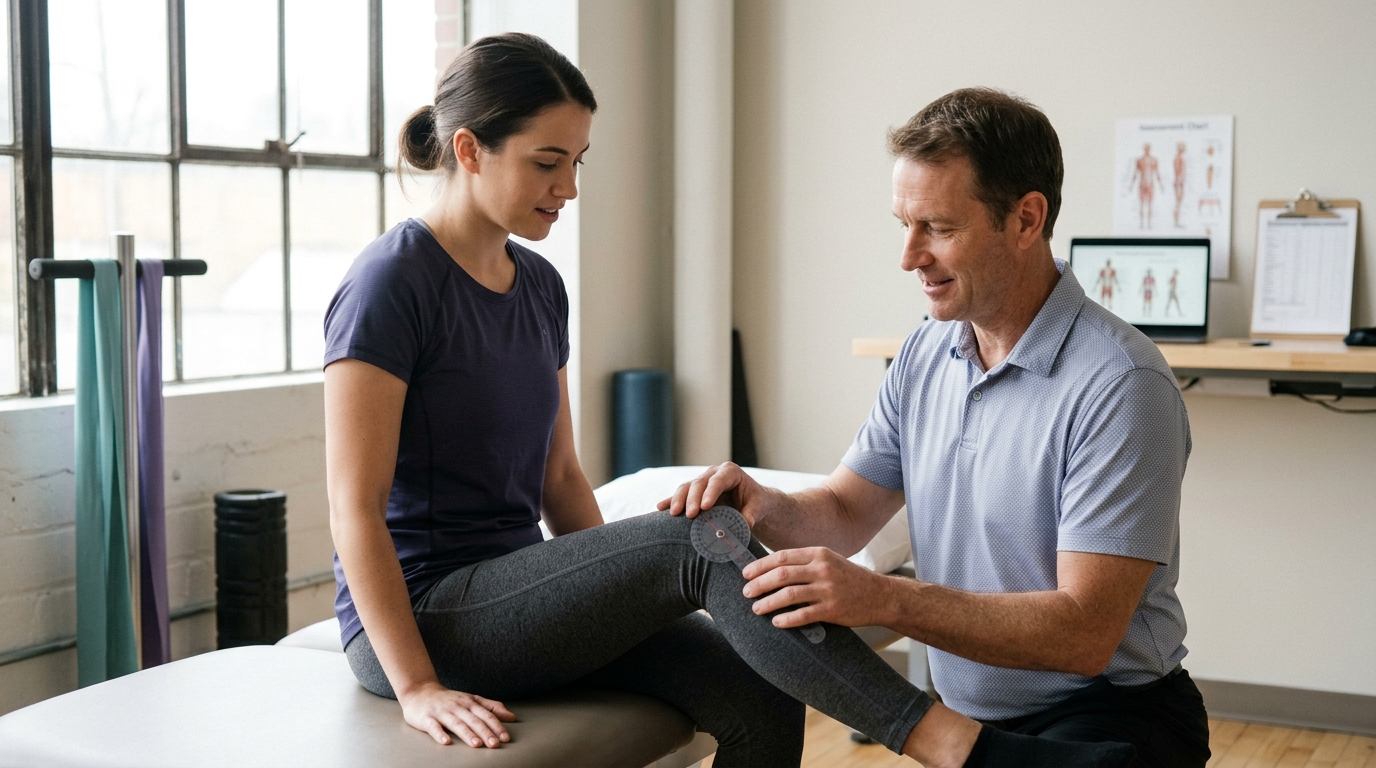
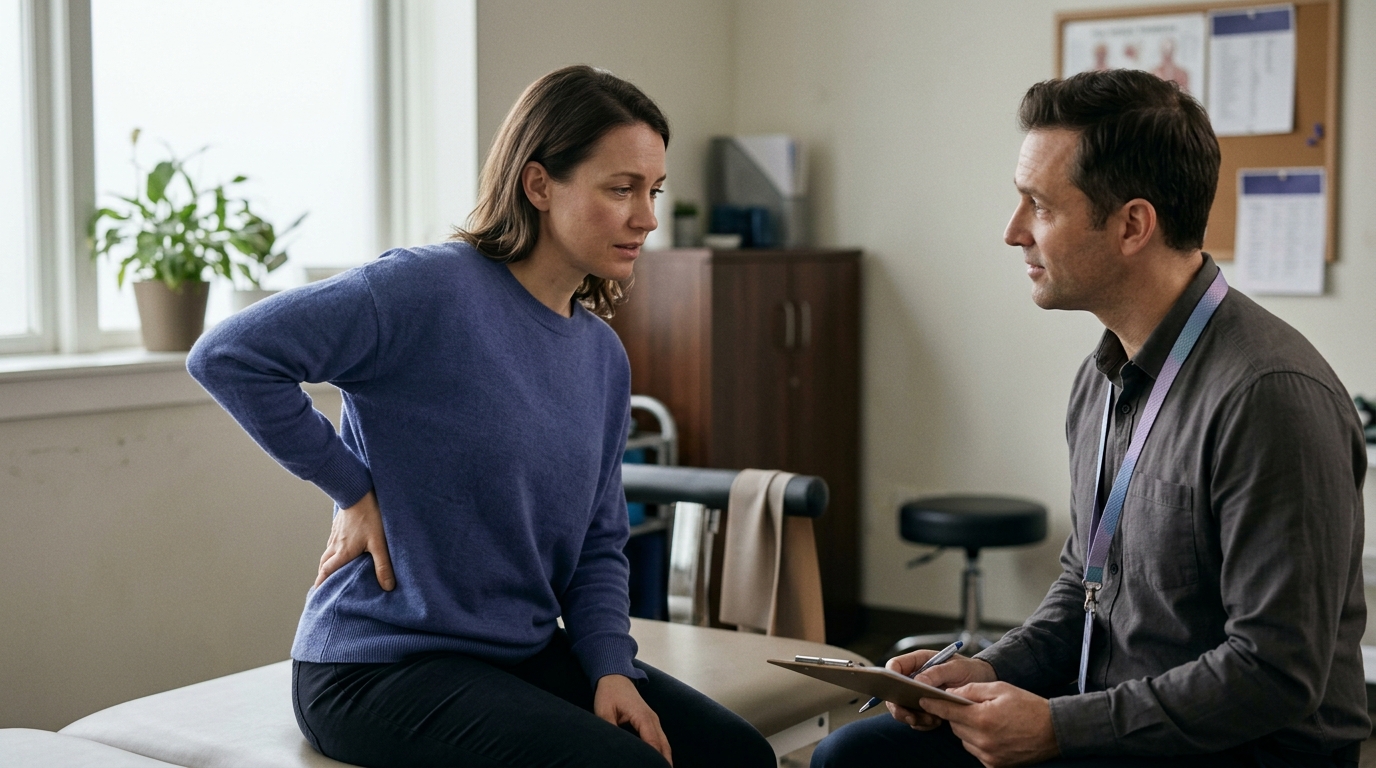
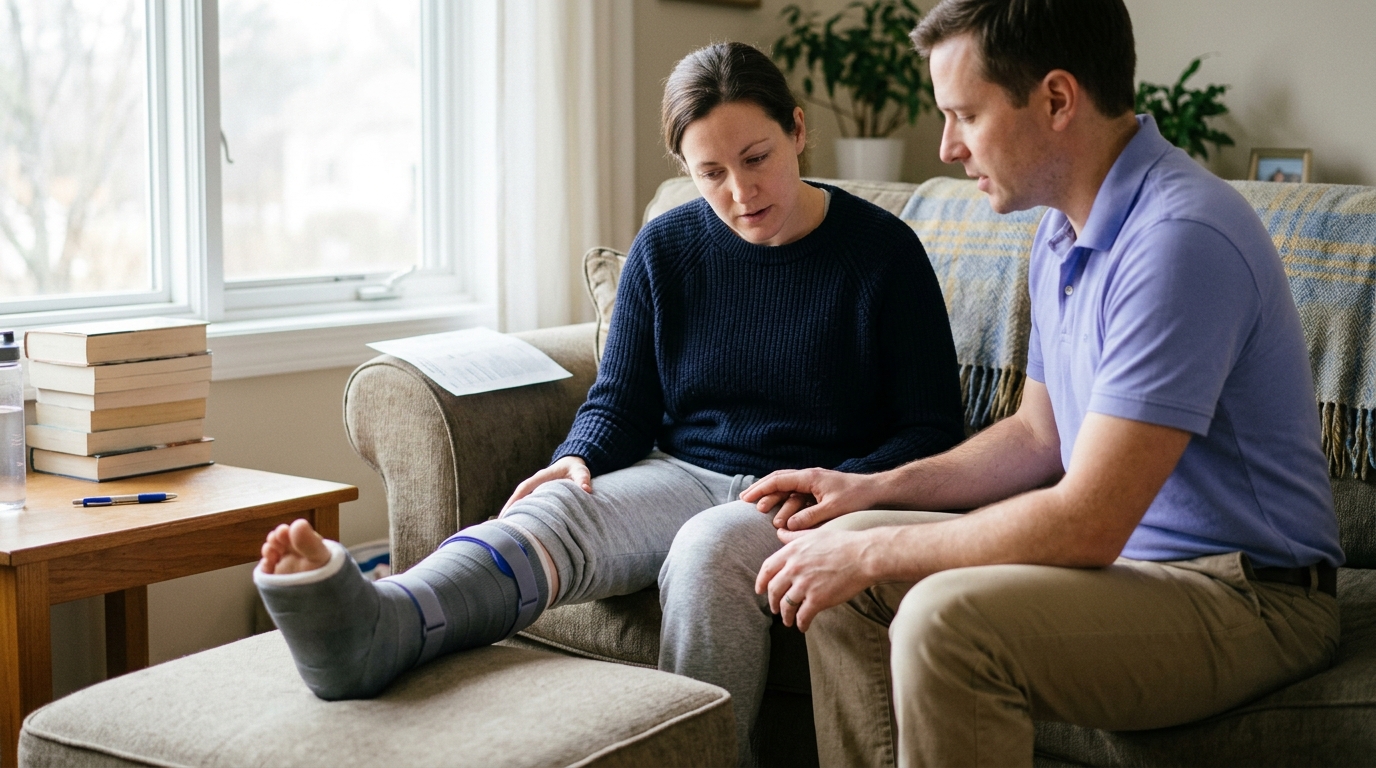
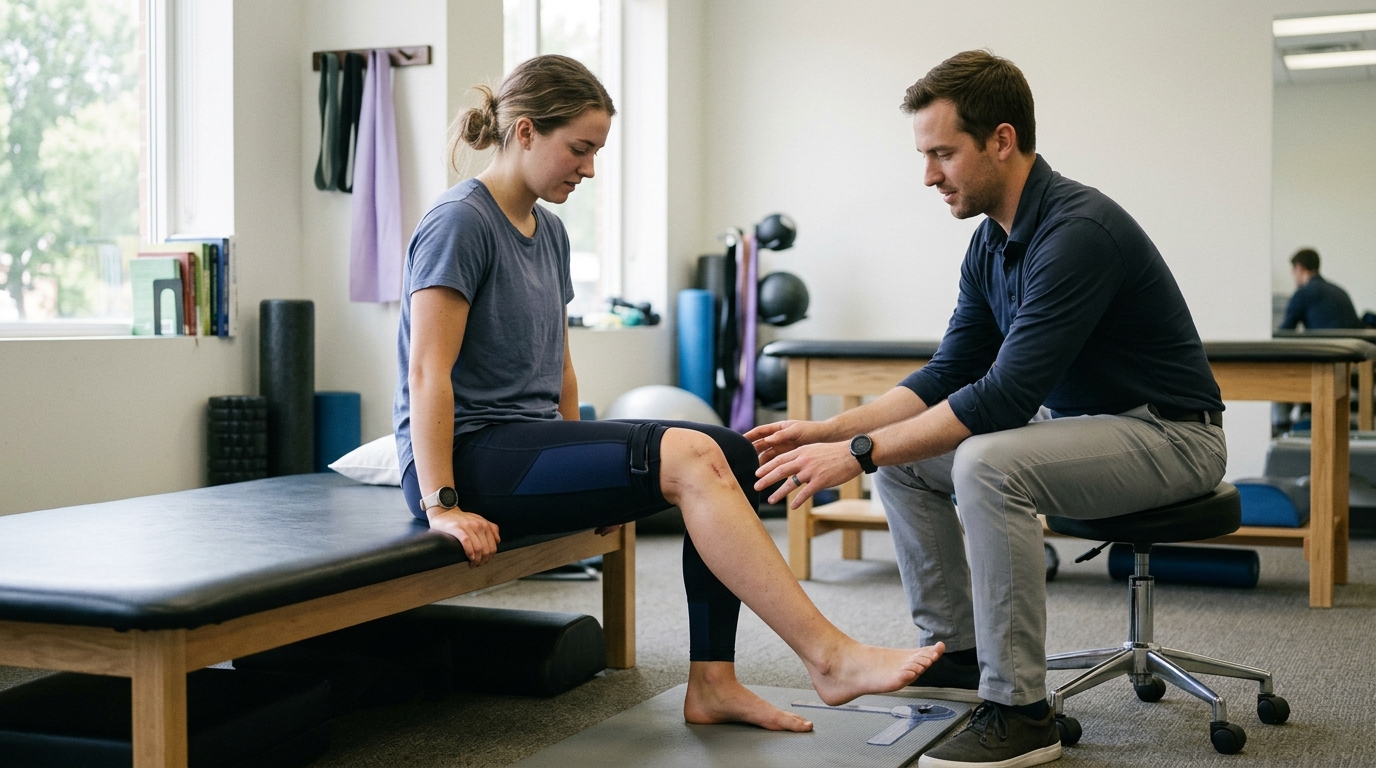
If you are recovering from an injury, managing ongoing joint symptoms, or planning a return to high-intensity court play, working with a qualified healthcare professional is essential.
Consider bringing these specific questions to your doctor or physical therapist:
Open communication with your clinical team ensures that your training plan aligns with your unique medical history and musculoskeletal capacity.
Court sports offer outstanding cardiovascular, social, and physical benefits across every stage of adulthood. However, the rapid starts, sudden braking, lateral cuts, and repetitive strokes place substantial mechanical demands on the entire body.
Sustaining your participation over years requires a balanced approach. Build your physical capacity through off-court strength, balance, and mobility work. Manage your exposure by tracking court hours, building playing volume gradually, and giving tissues time to recover between intense sessions. Recognize that general sports science principles and gradual progression provide the most dependable framework for staying active and resilient on the court.
Review this guide whenever you are planning a return to the court after time away, preparing to increase your weekly playing volume, transitioning into competitive tournament play, or noticing early warning signs of joint discomfort.
Taking a measured, proactive approach to court preparation allows you to enjoy the sport with confidence, resilience, and long-term physical durability.

Use ReboundBody resources to understand common recovery stages, rehab terms, movement limits and strength rebuilding. Each guide is designed to make a complex comeback easier to understand.


Read practical guidance on injury recovery, rehabilitation, mobility and rebuilding strength as you work your way back to activity.
Explore Resources