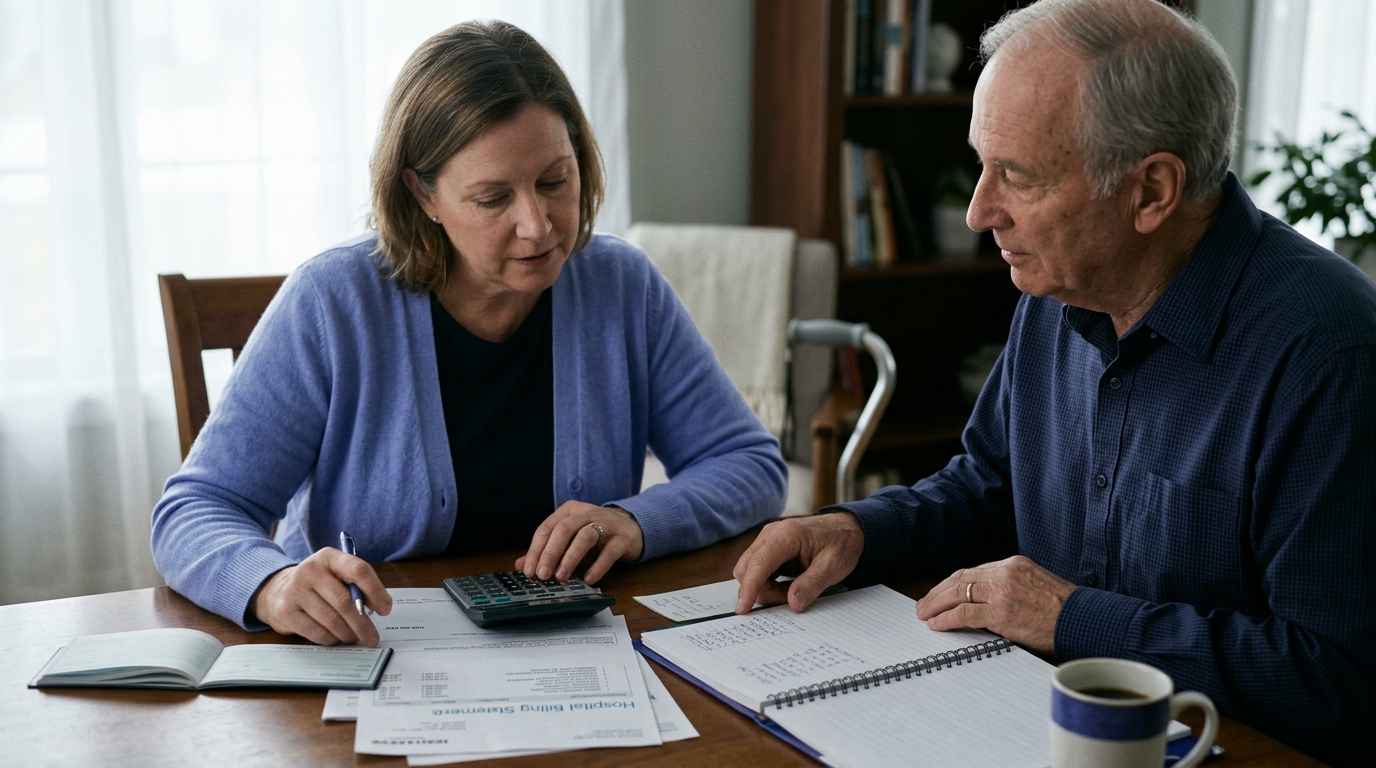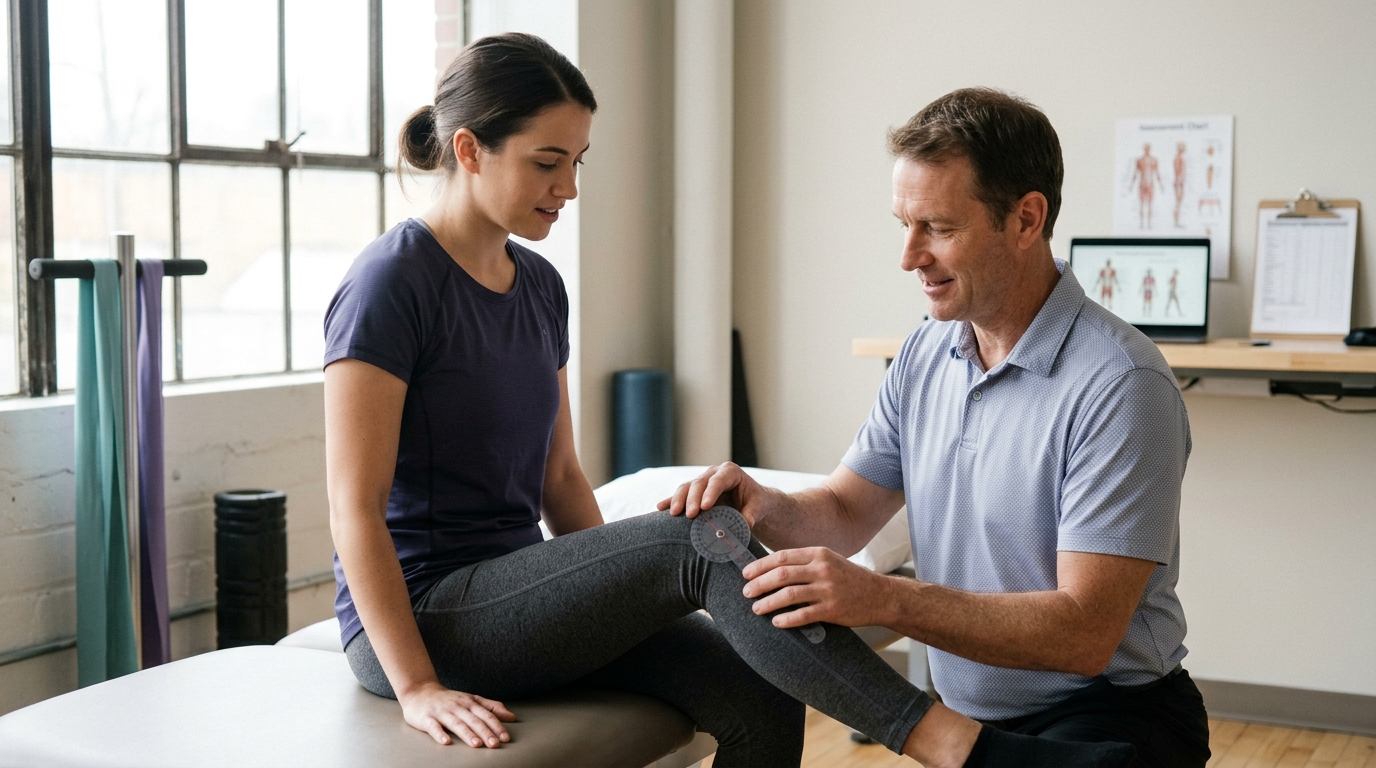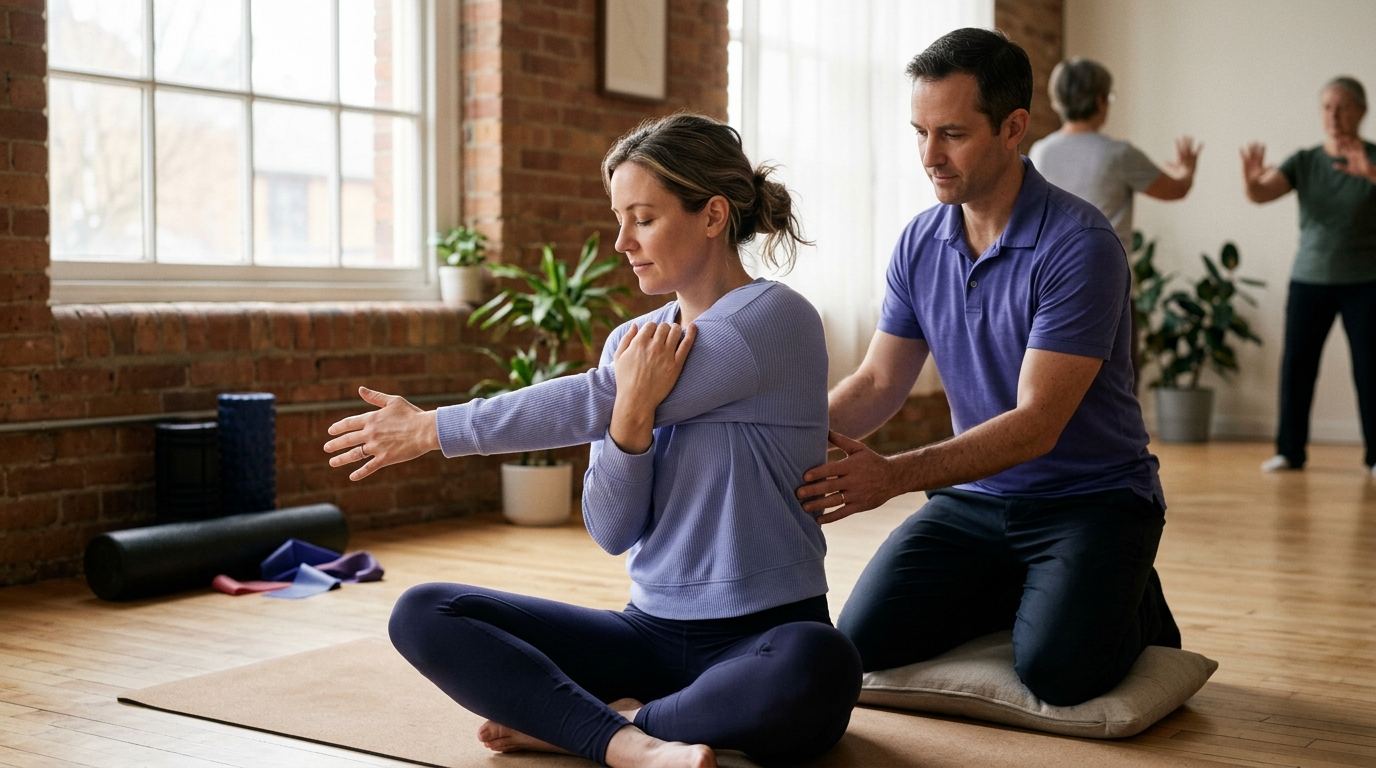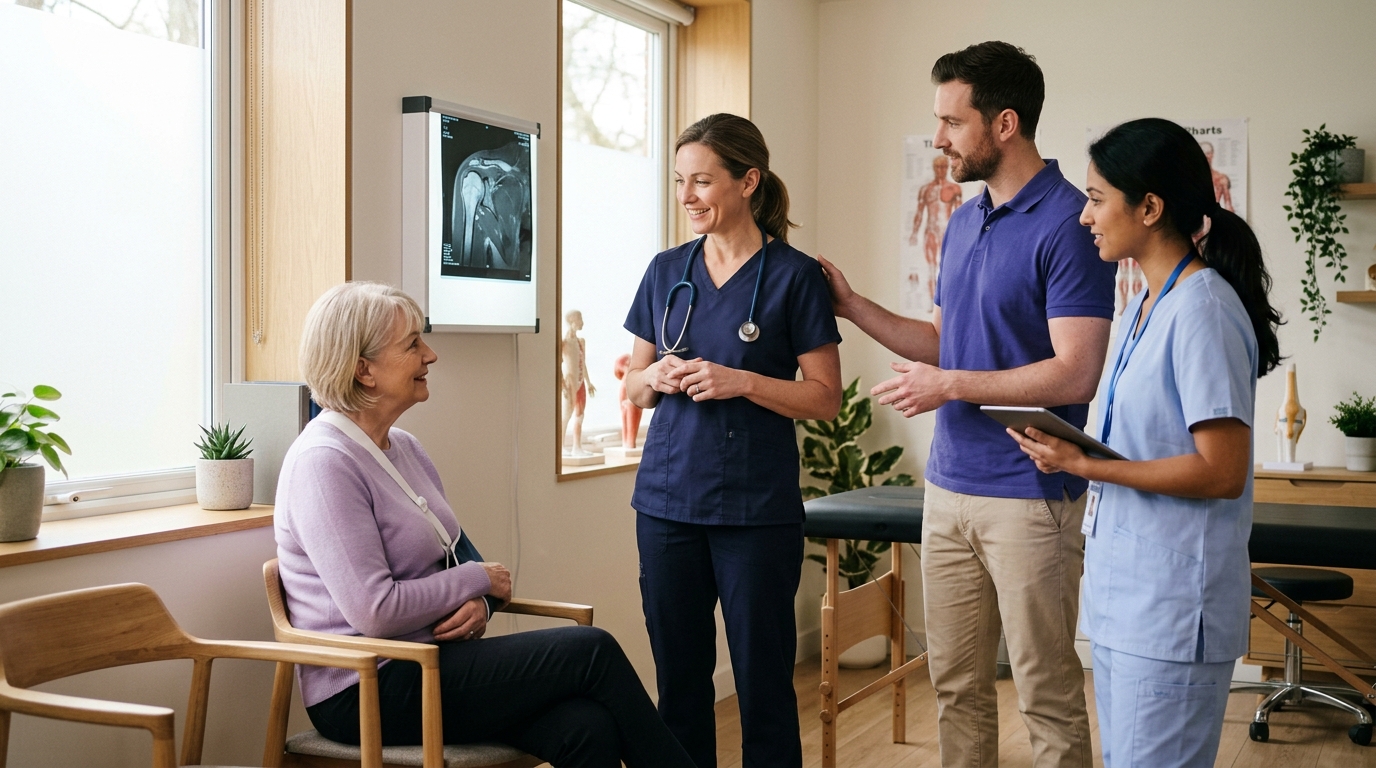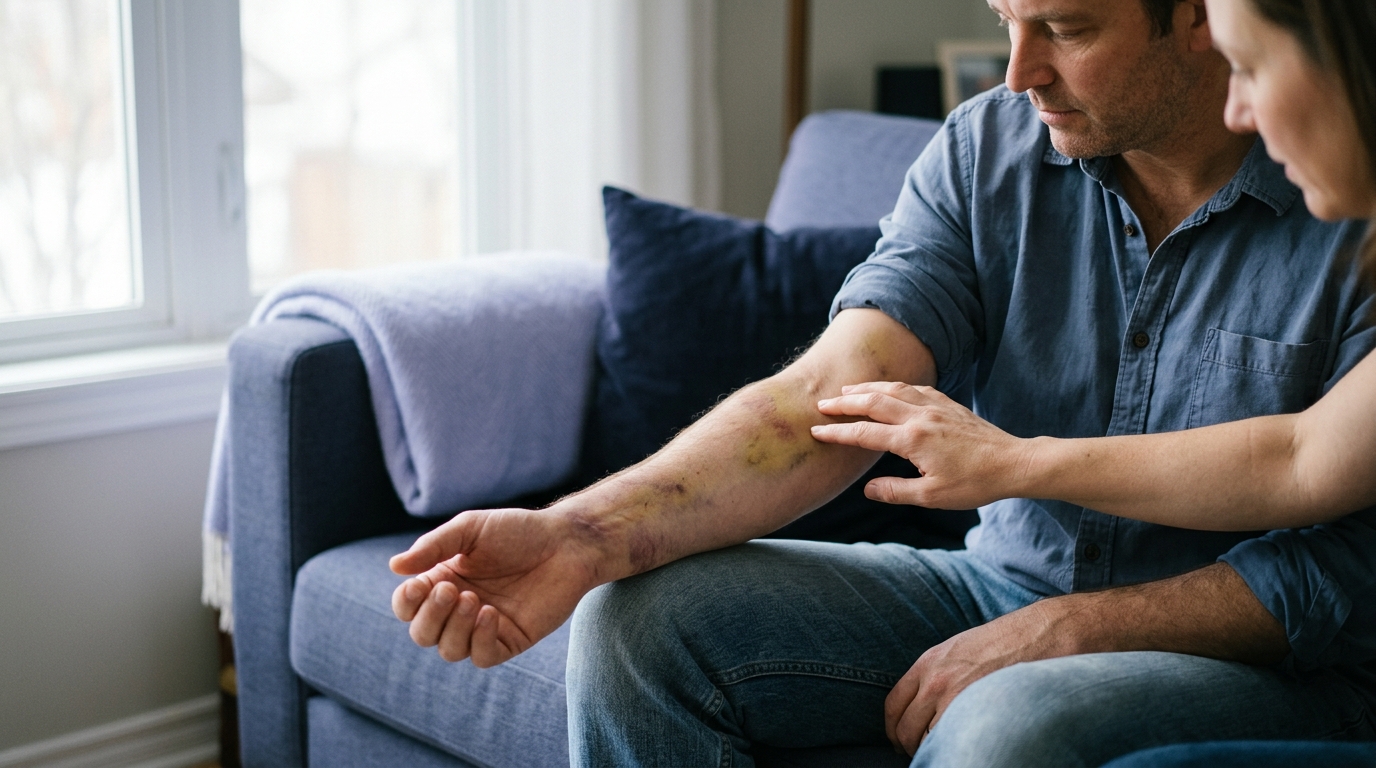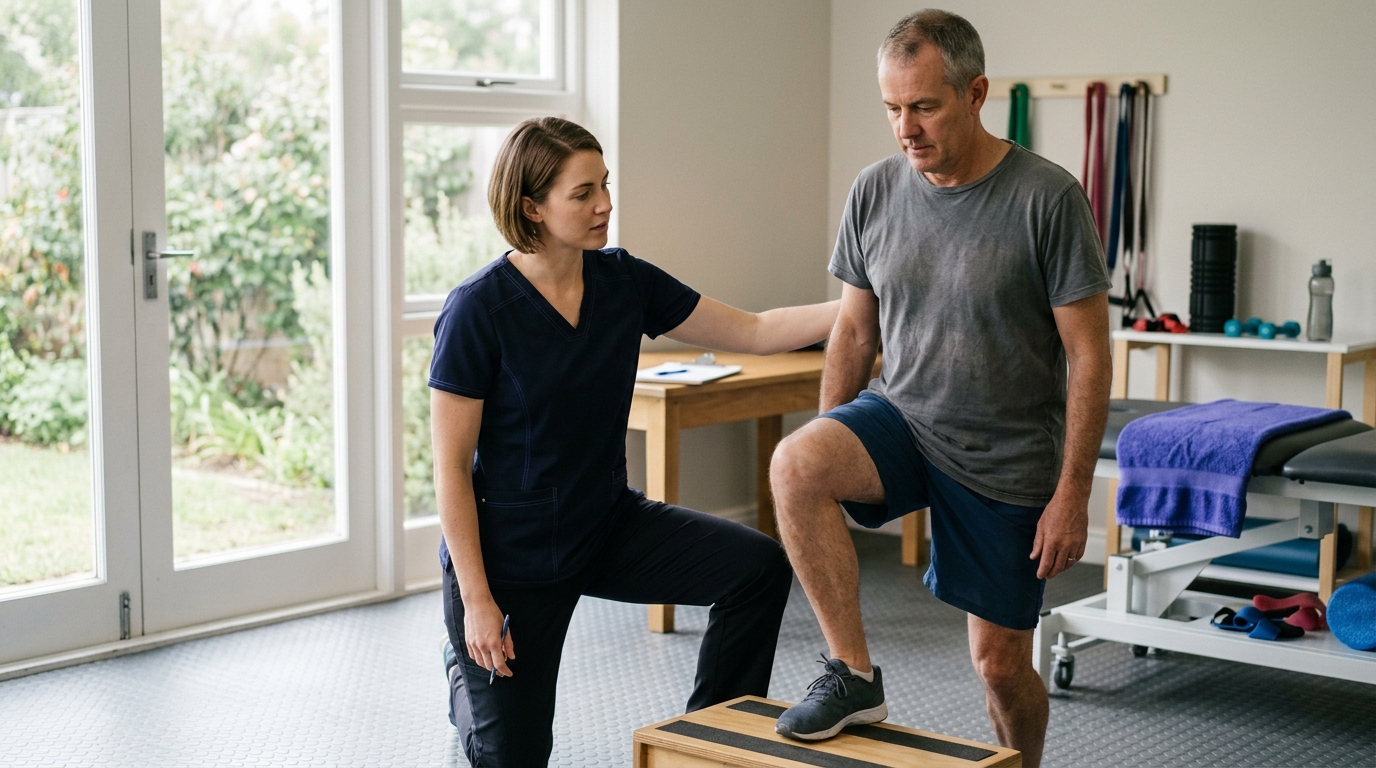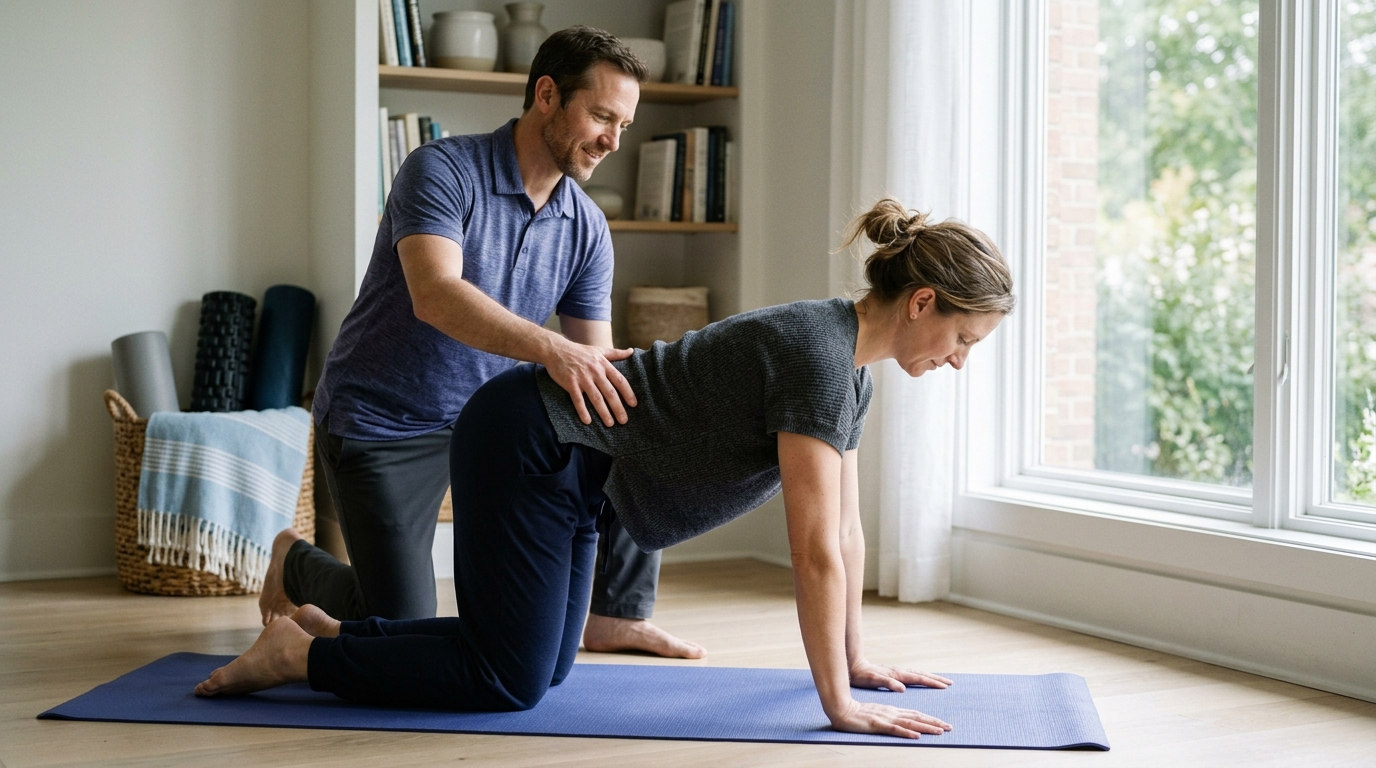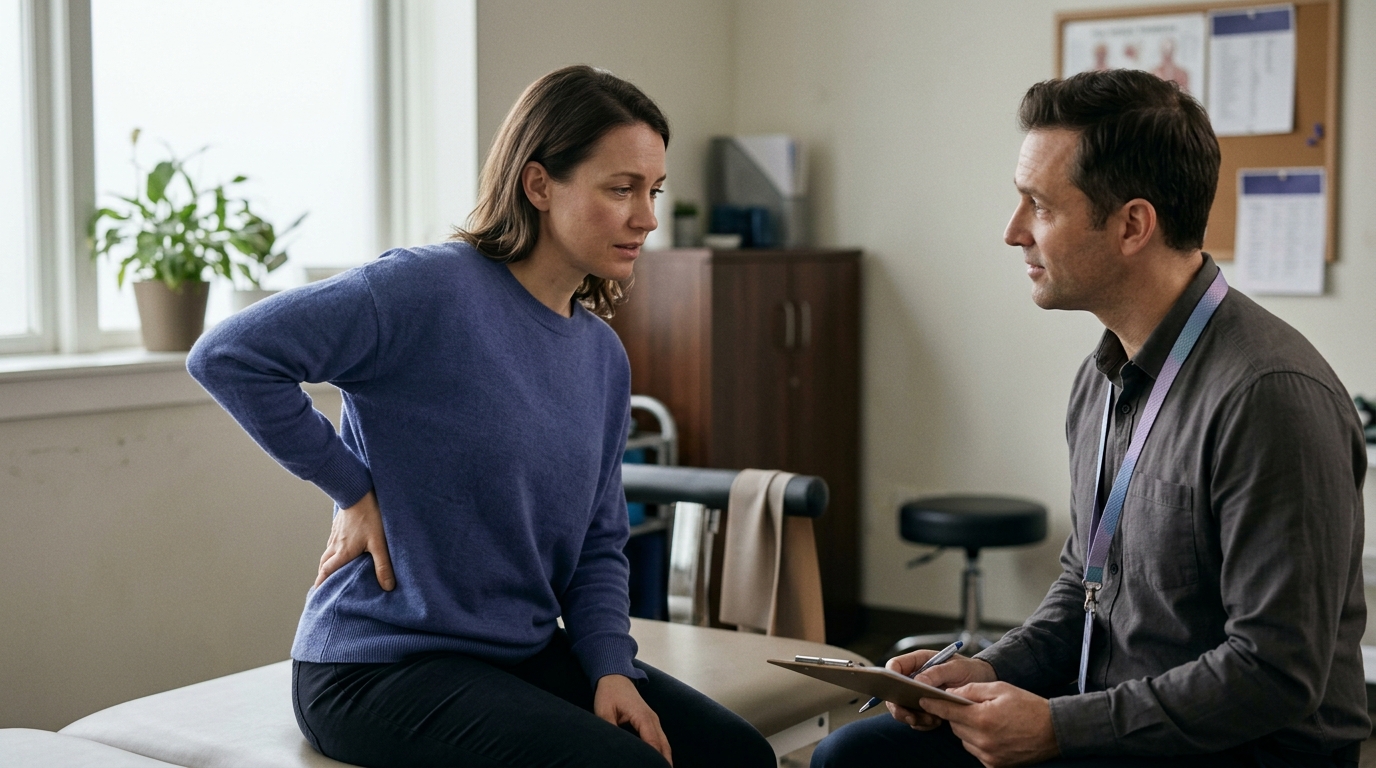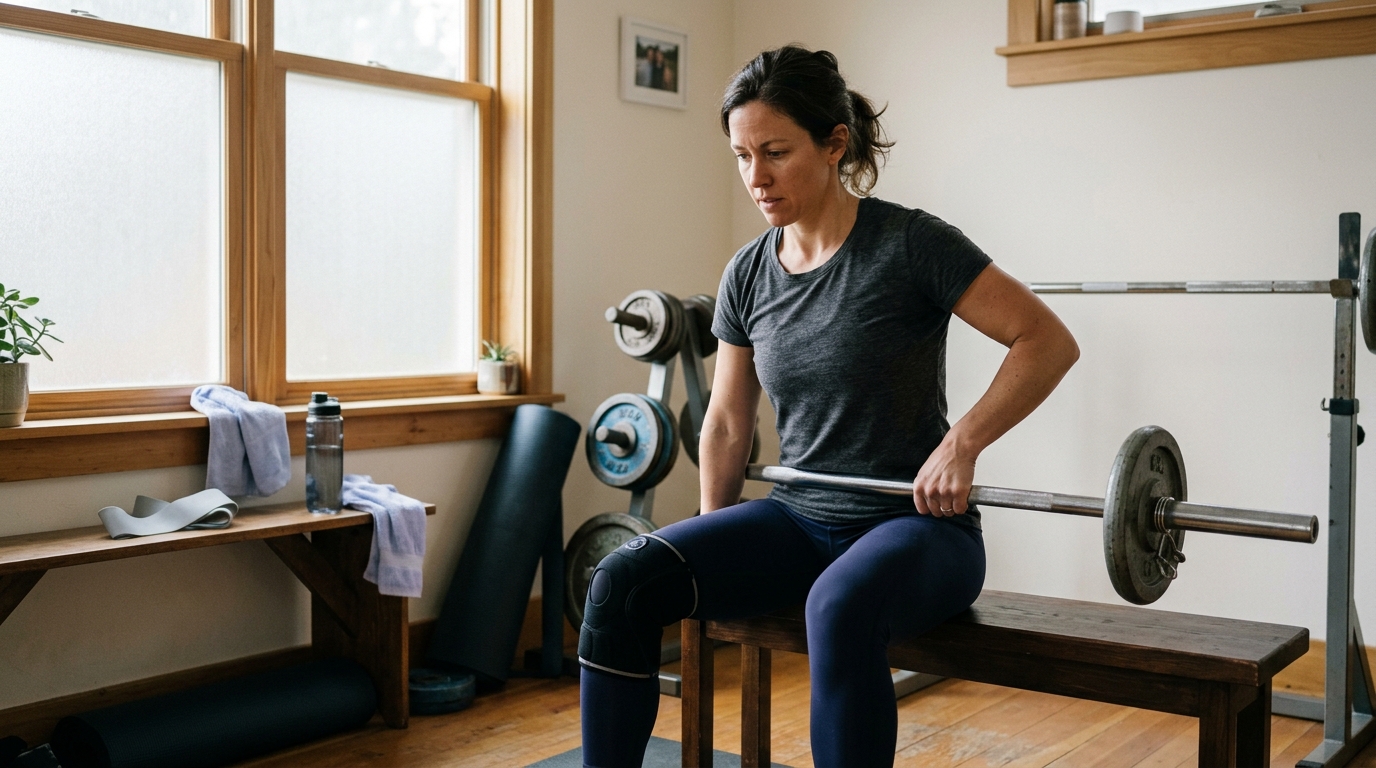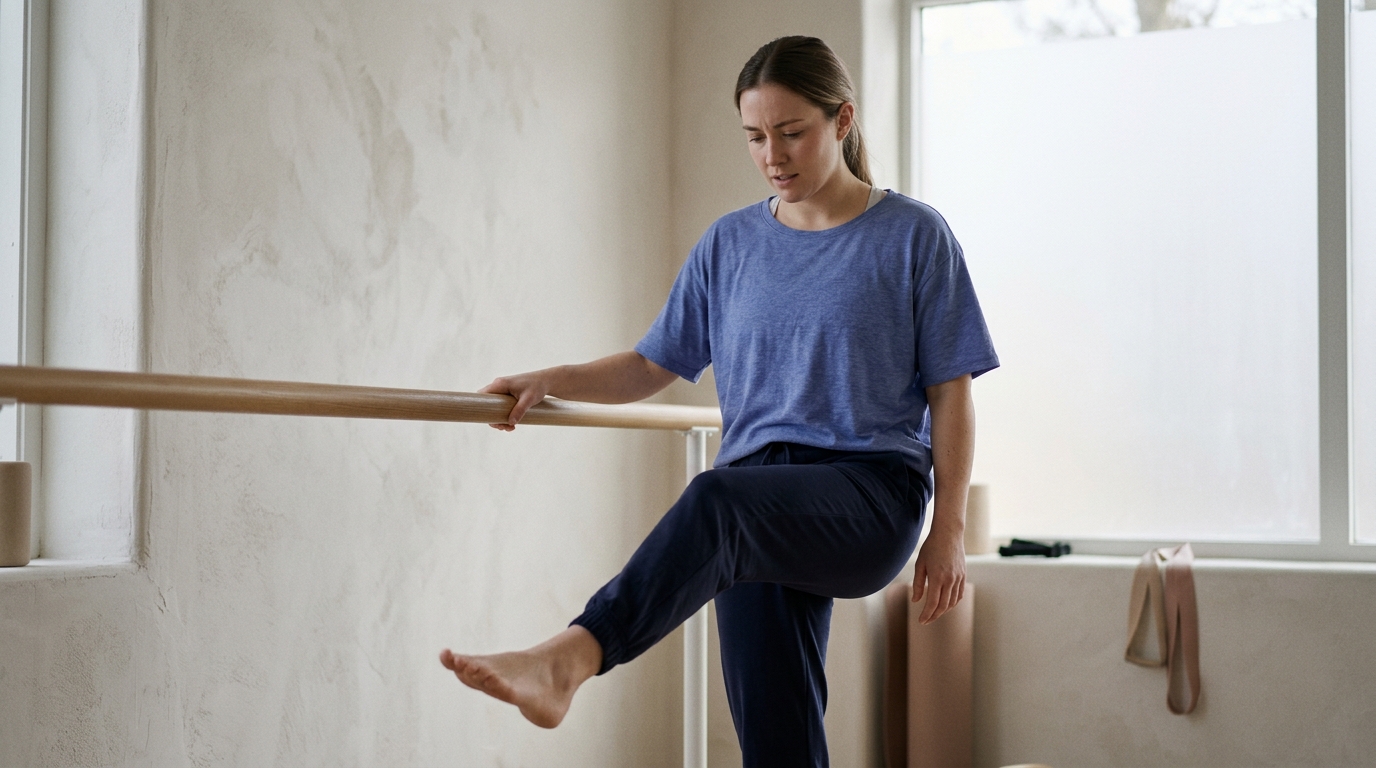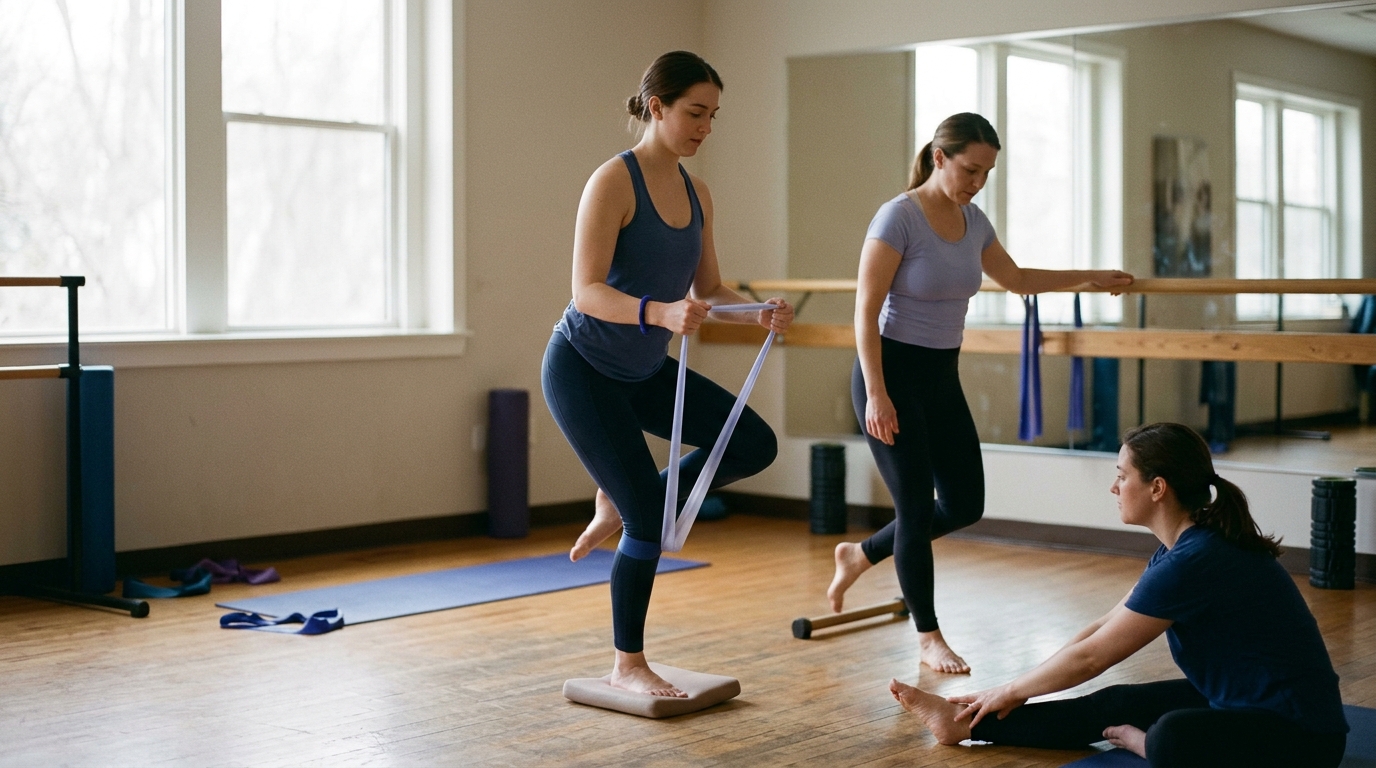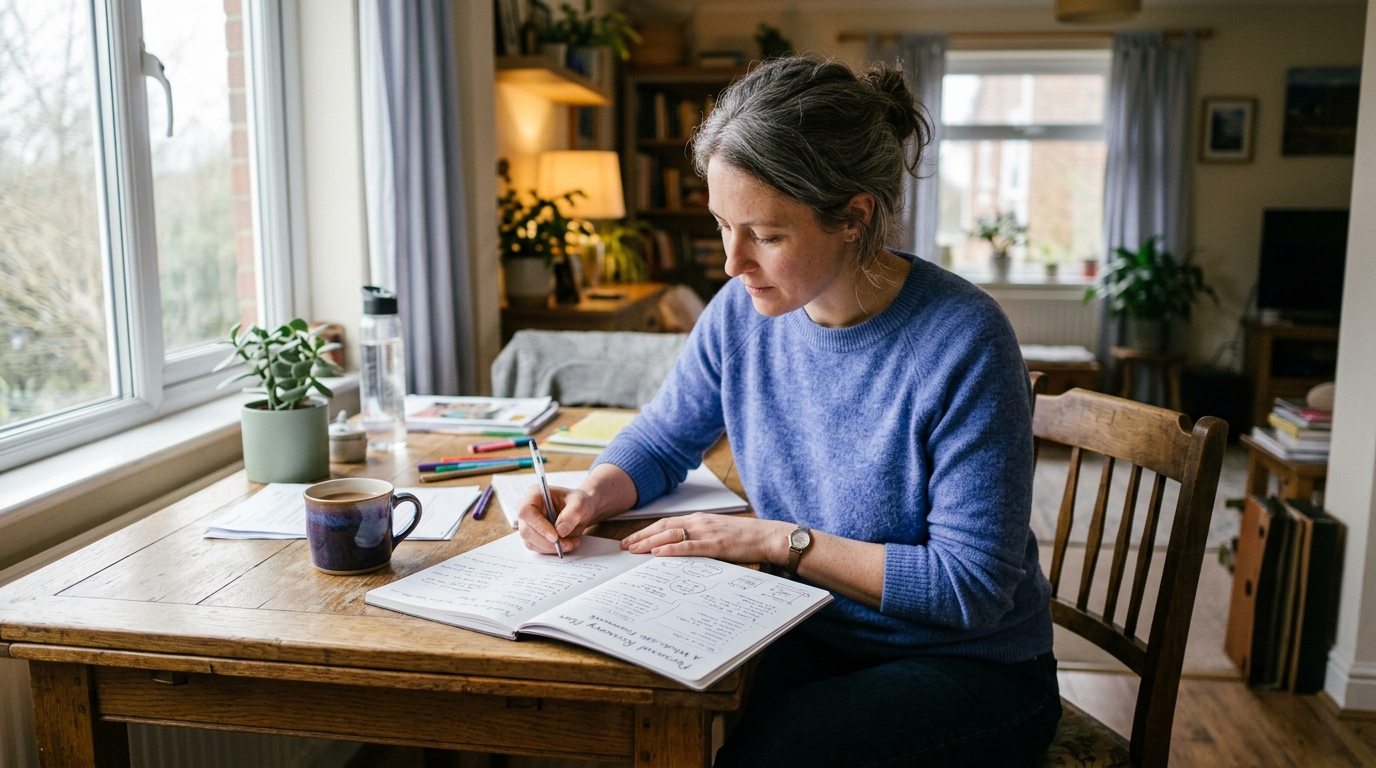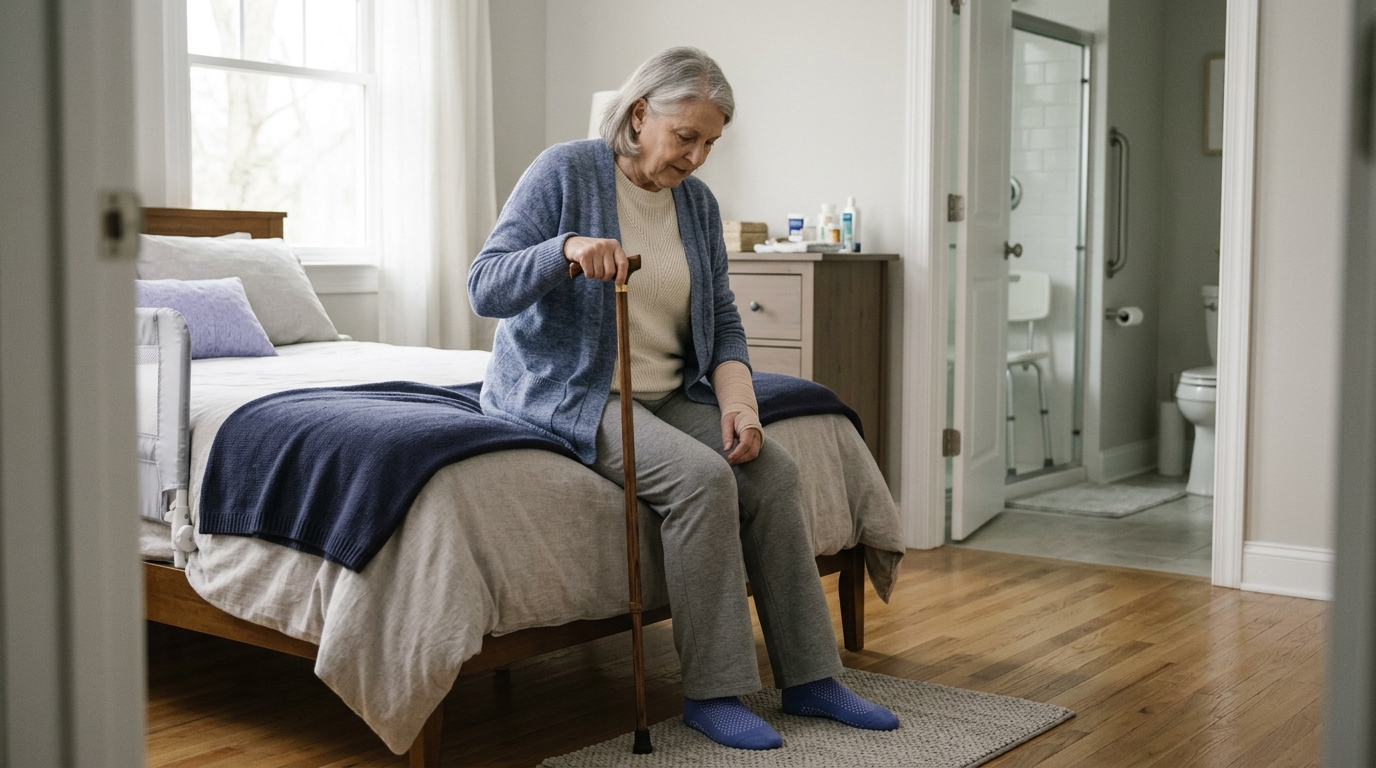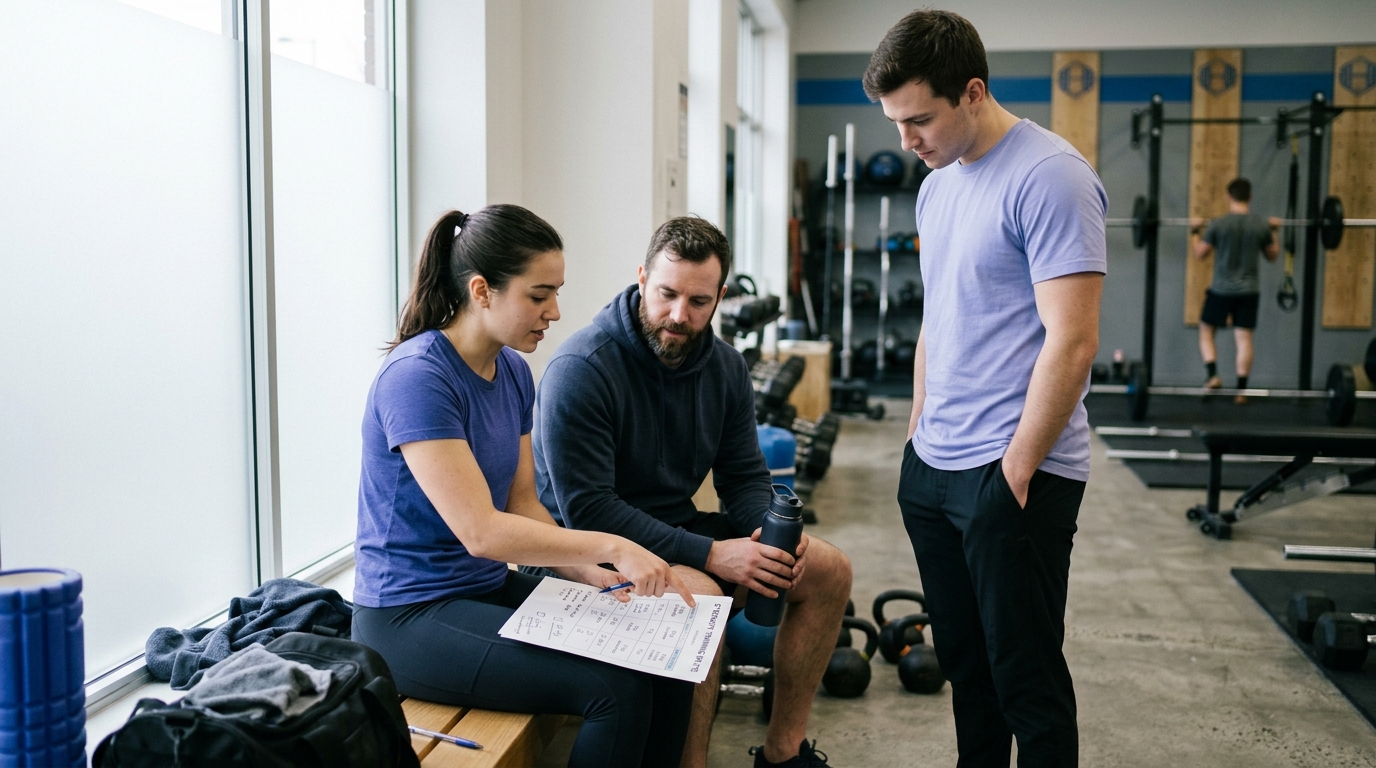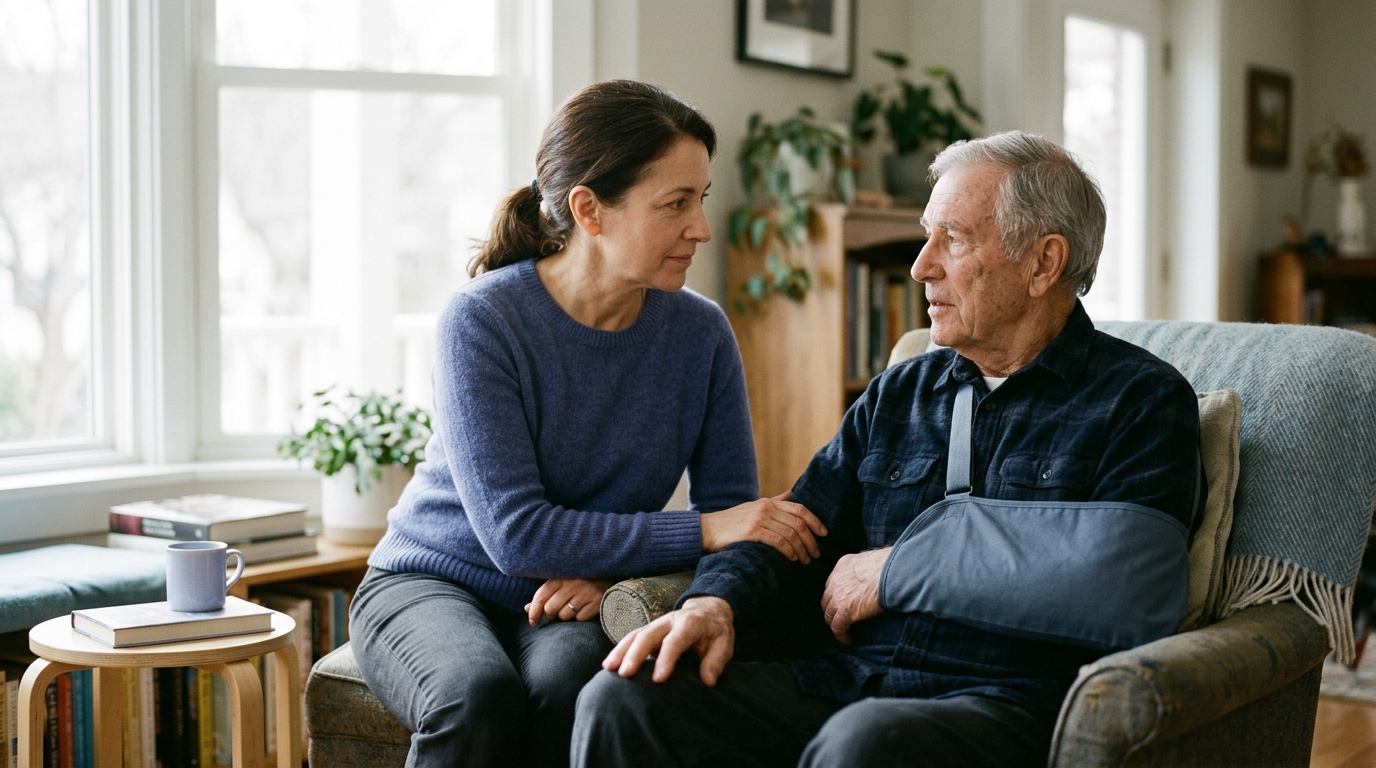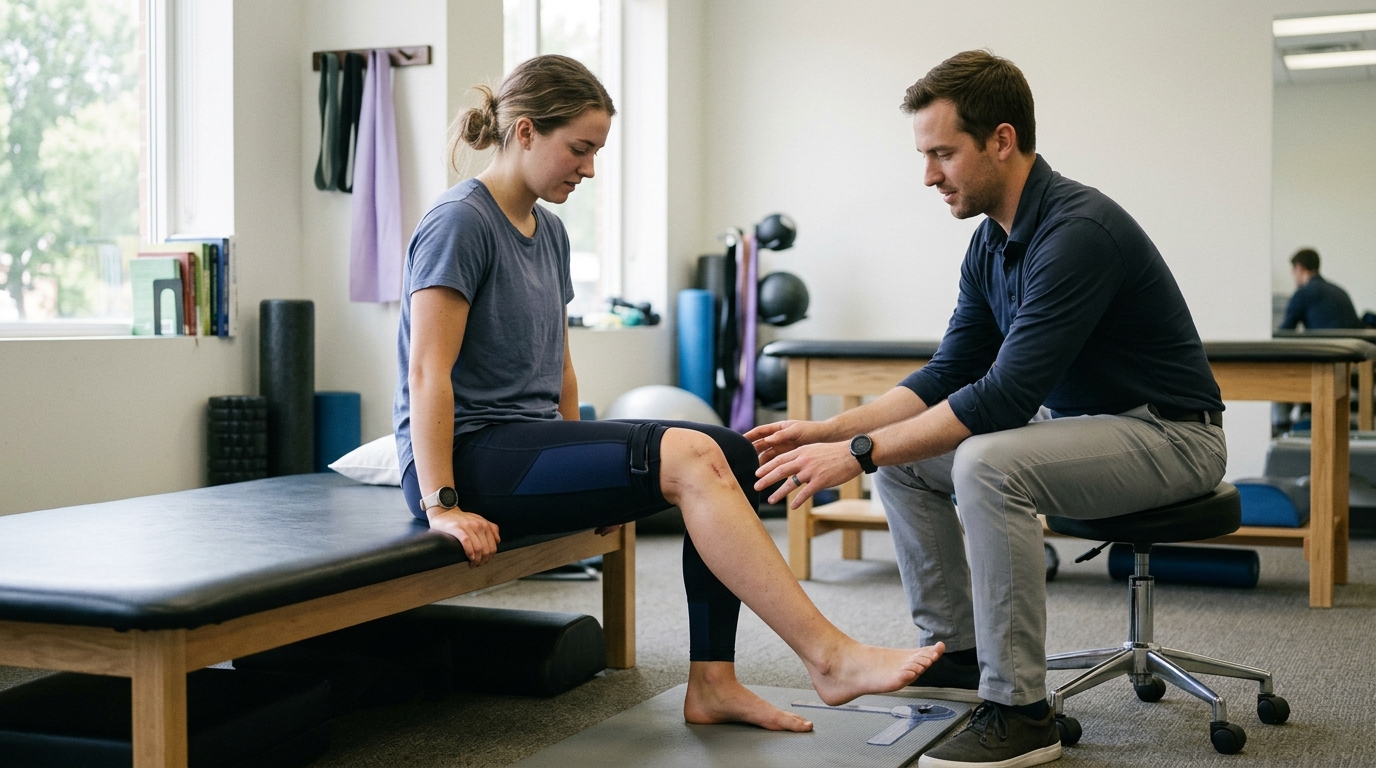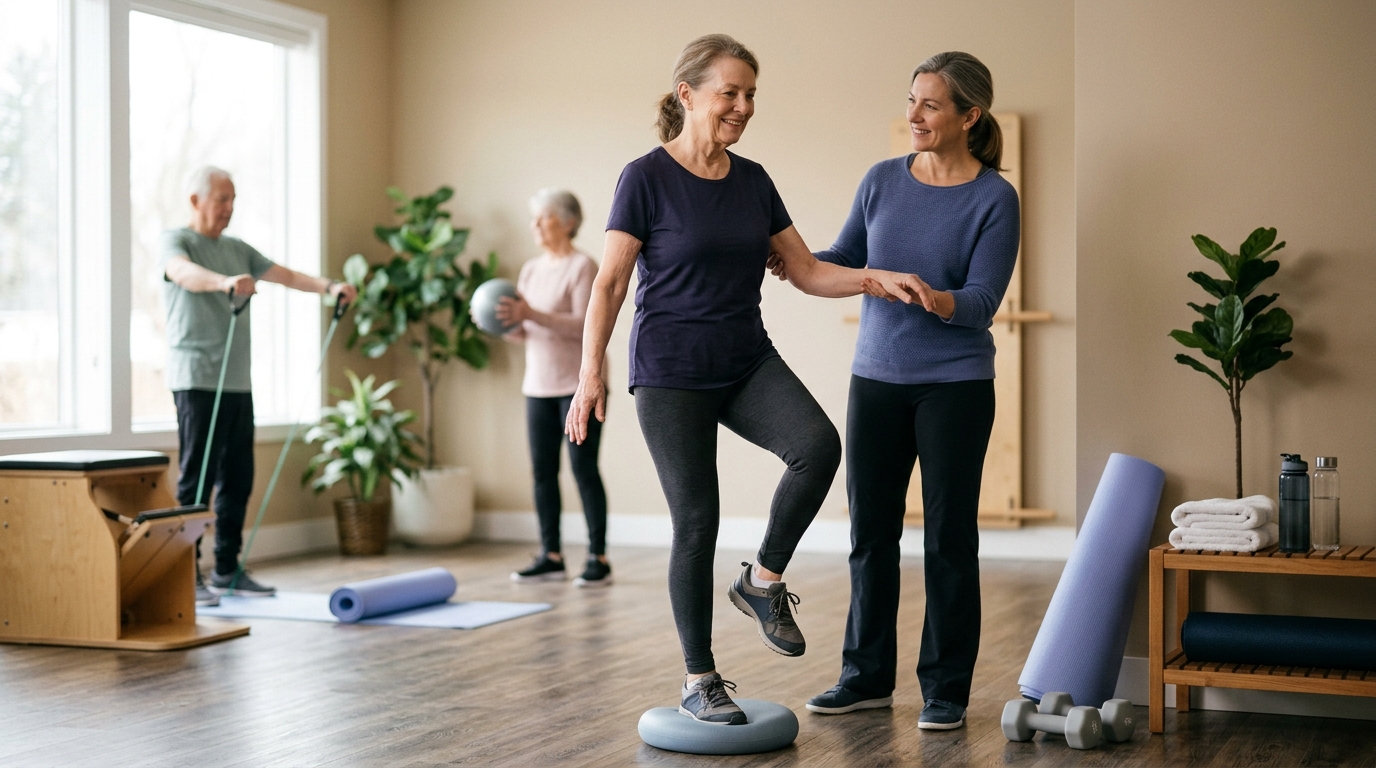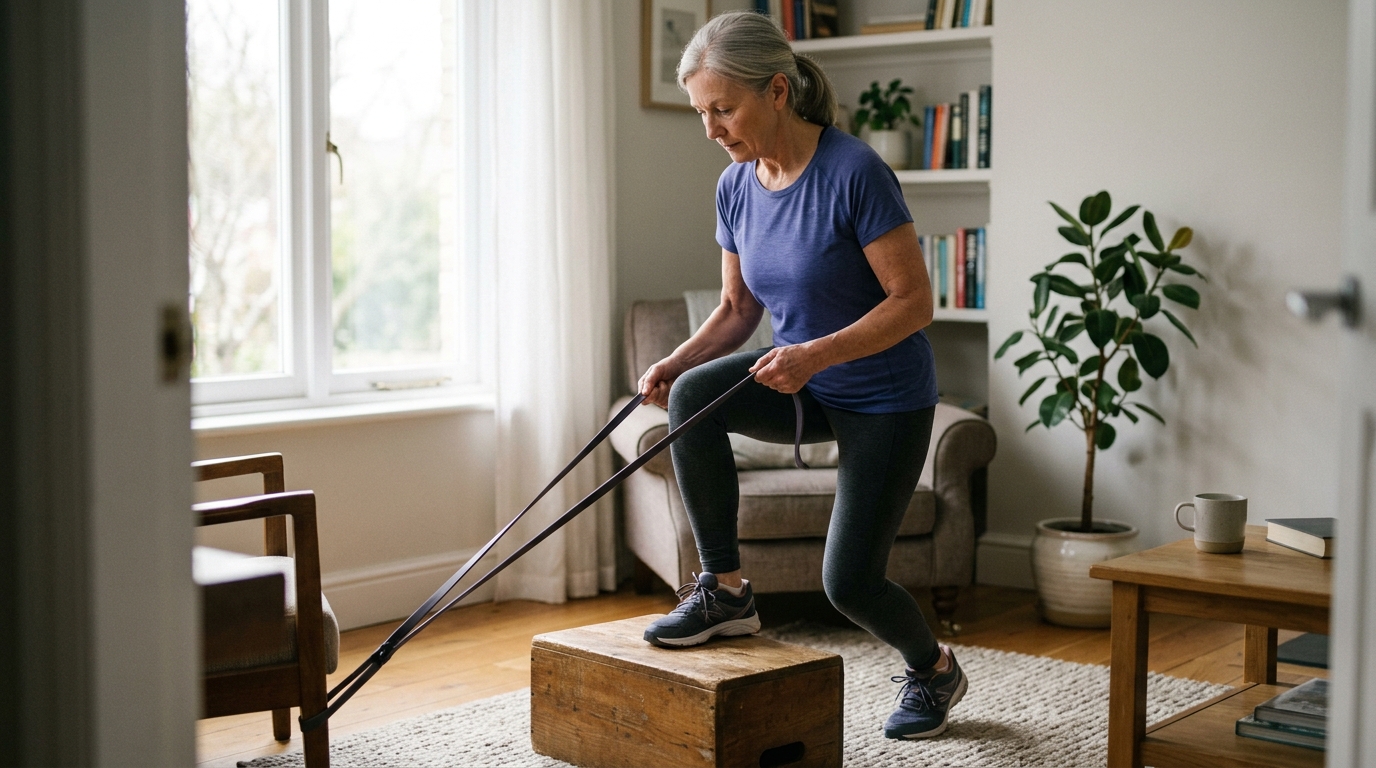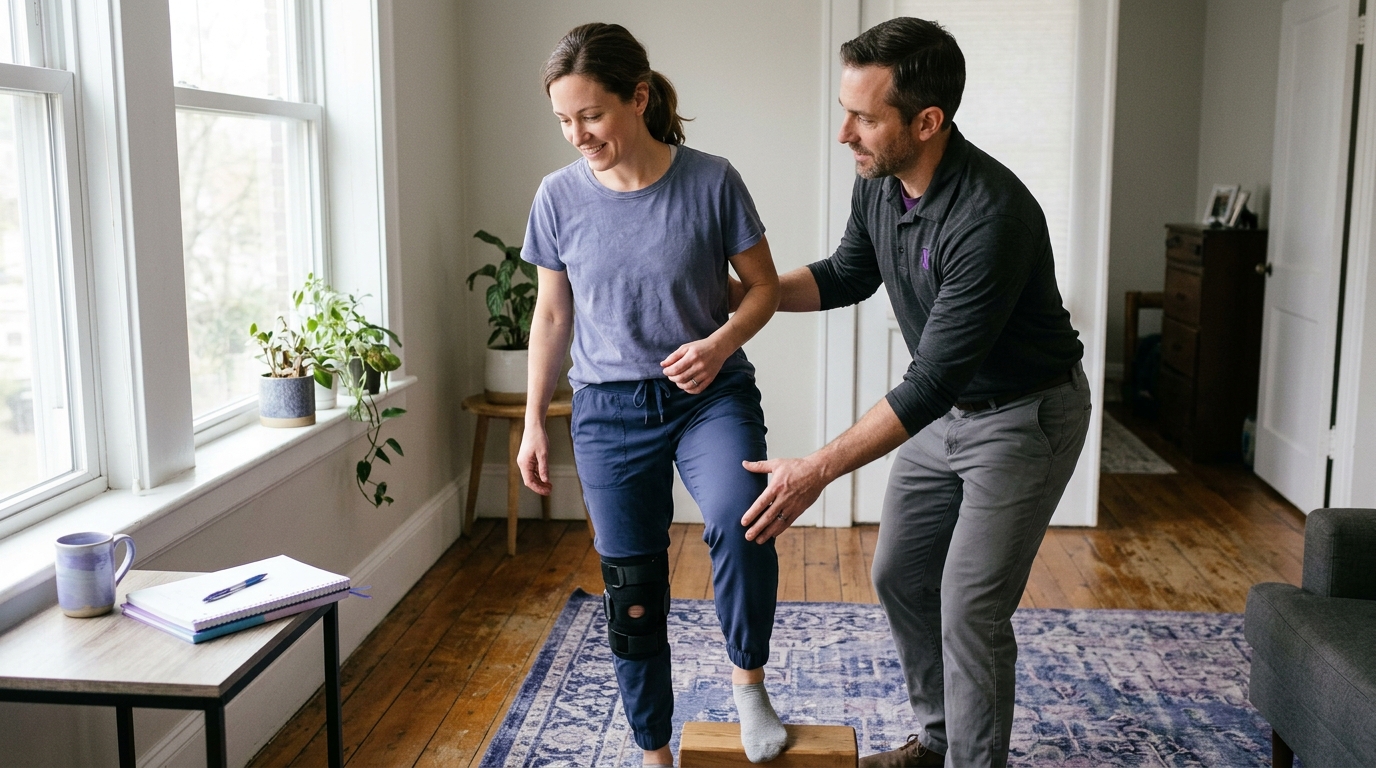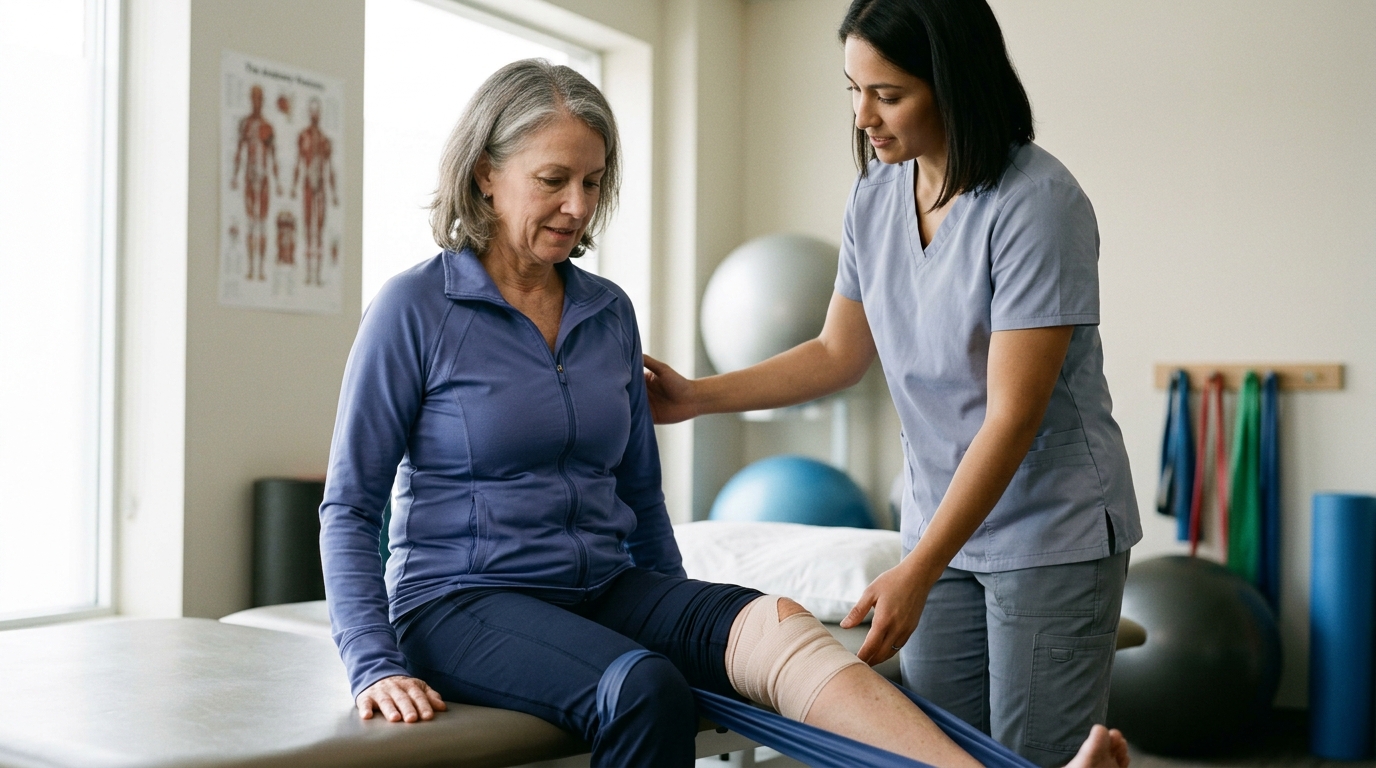

Bouncing back from an injury after fifty depends far more on your daily activity levels and overall physiological health than your biological age alone.





Many people assume that turning 50 resets the body clock to a permanent state of slow healing. Popular culture often treats middle age and beyond as a single category of fragile bones, weak tendons, and inevitable decline. Clinical evidence tells a far more nuanced story.
Your chronological age is only one piece of a much larger recovery puzzle. While biological processes do shift over time, your overall health, baseline muscle reserve, daily activity habits, and post-injury care play decisive roles in how well you bounce back.
Understanding the science behind recovery after 50 helps replace anxiety with clear expectations. You can navigate the path forward with practical confidence when you know what your body needs and how different health factors interact.
At the population level, age correlates with gradual changes in tissue regeneration, bone turnover, and immune function. Older adults as a broad statistical group face higher rates of delayed healing, reduced physiological reserves, and extended rehabilitation timelines.
These broad population statistics do not determine what happens to you as an individual. Chronological age simply measures the number of birthdays you have celebrated. It does not measure your cardiovascular fitness, muscle strength, nutrition status, or joint mobility.
Research shows wide variations in recovery among people of the exact same age. A 60-year-old with well-managed health and a consistent movement routine often recovers faster than a sedentary 40-year-old with chronic metabolic disease. Health conditions that become more frequent as people age often drive the complications people mistakenly blame solely on years lived.
Direct biological effects of aging do exist, but they interact constantly with your lifestyle and medical background. Recognizing this difference prevents two common errors. It stops you from expecting an unrealistic timeline, and it keeps you from giving up on full functional recovery simply because of your age. You can find more foundational context in our injury recovery and healing resources.
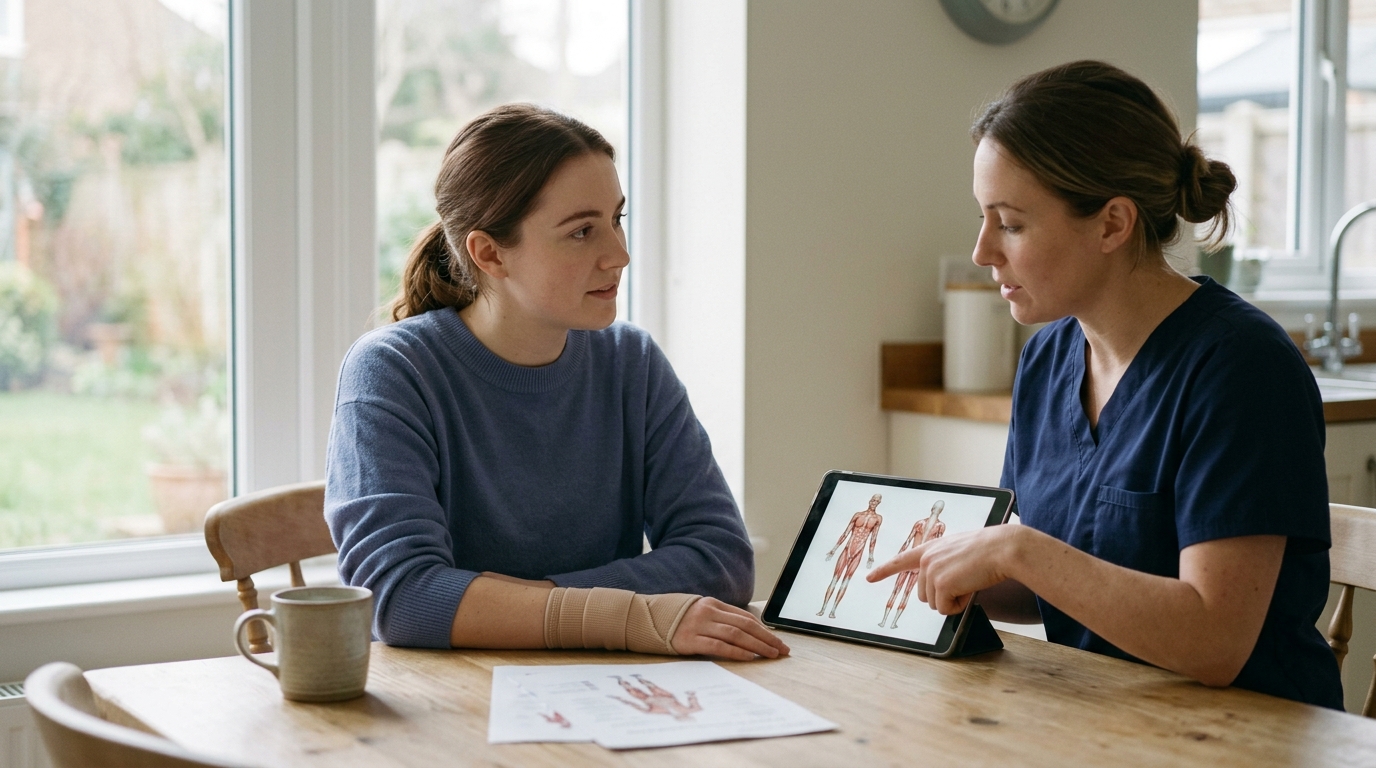
A successful recovery requires looking beyond whether an injured structure has closed or connected on an imaging scan. Medical science divides recovery into several distinct categories. Understanding these stages helps you track your progress without getting discouraged.
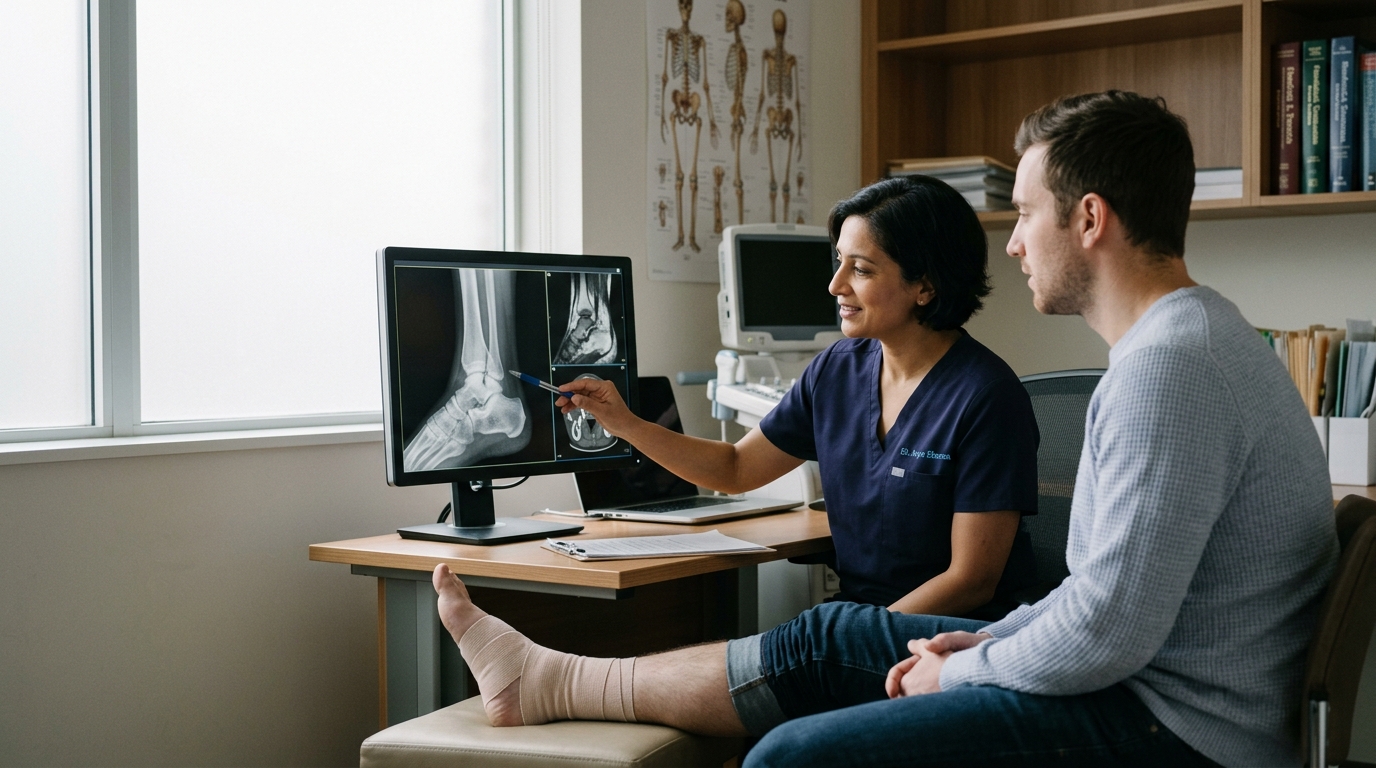
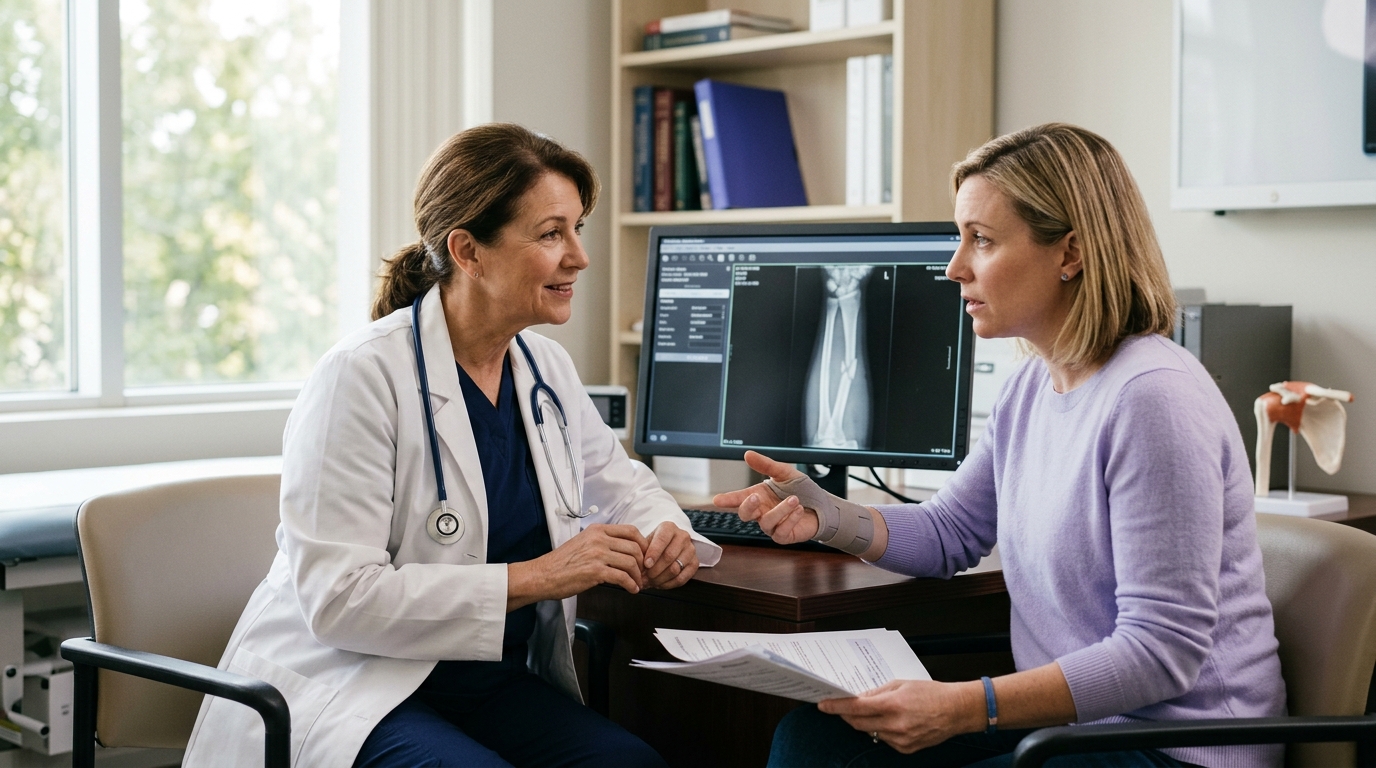
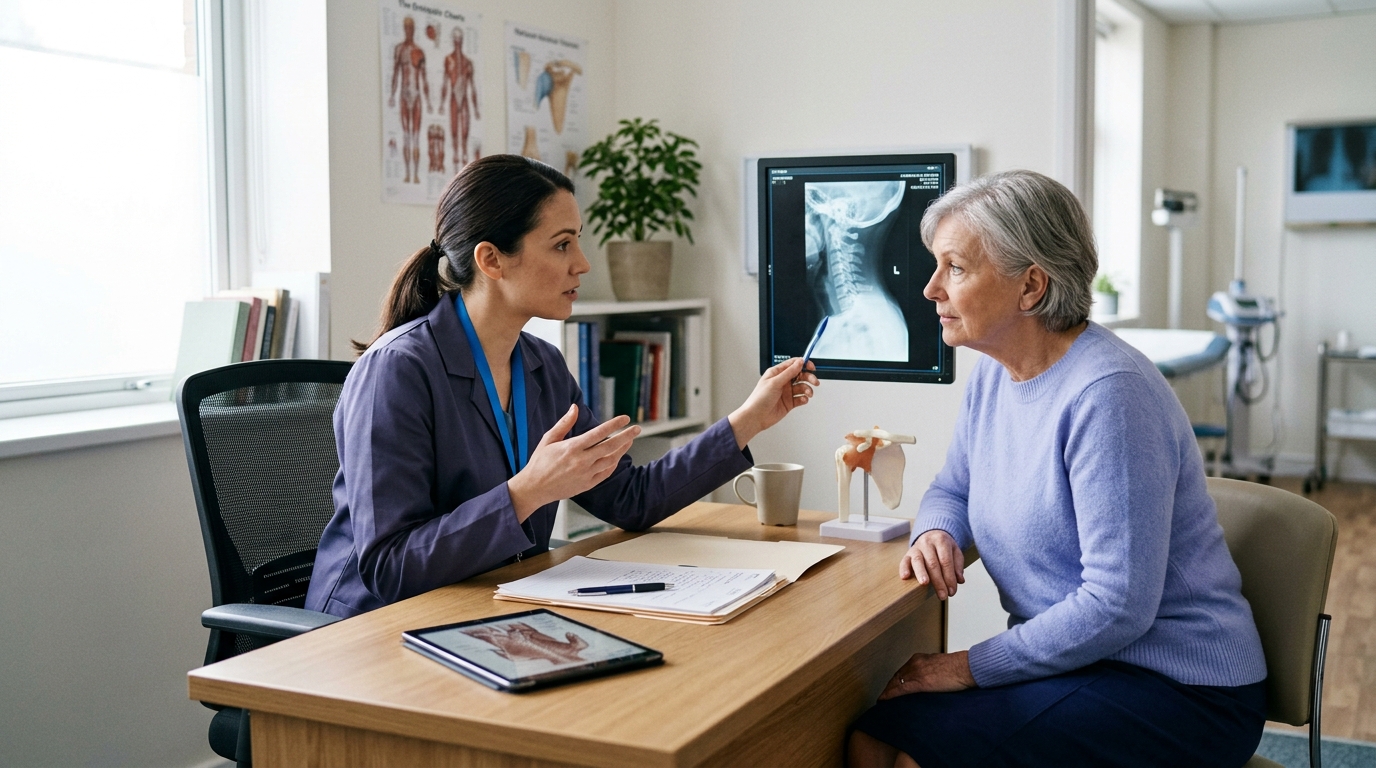
Tissue healing describes the cellular repair of bone, tendon, ligament, or muscle. When an orthopedic surgeon reviews an X-ray, they look for structural union, such as new bone bridging a fracture gap.
Structural healing is necessary, but it does not mean your rehabilitation is finished. A bone can achieve solid union while the surrounding muscles remain weak and the adjacent joint remains stiff. Tissue repair provides the structural framework for rehabilitation, but it does not automatically restore your movement.
Impairment refers to the direct physical limitations caused by the injury or immobilization. Common impairments include joint stiffness, reduced range of motion, muscle weakness, nerve sensitivity, and persistent swelling.
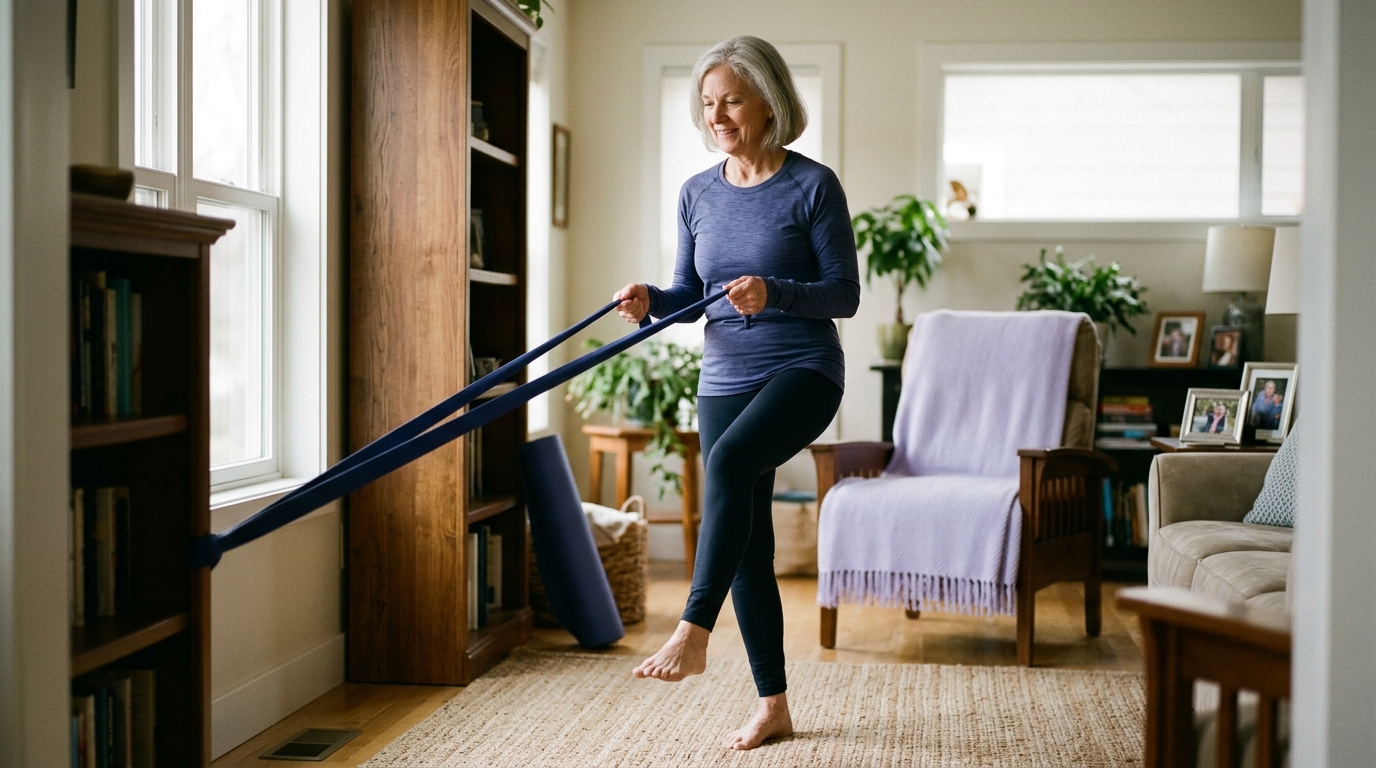
These symptoms can linger long after tissues have structurally mended. Addressing impairments requires progressive physical loading and guided movement rather than passive waiting. Overcoming impairment is the intermediate bridge between tissue repair and functional movement.
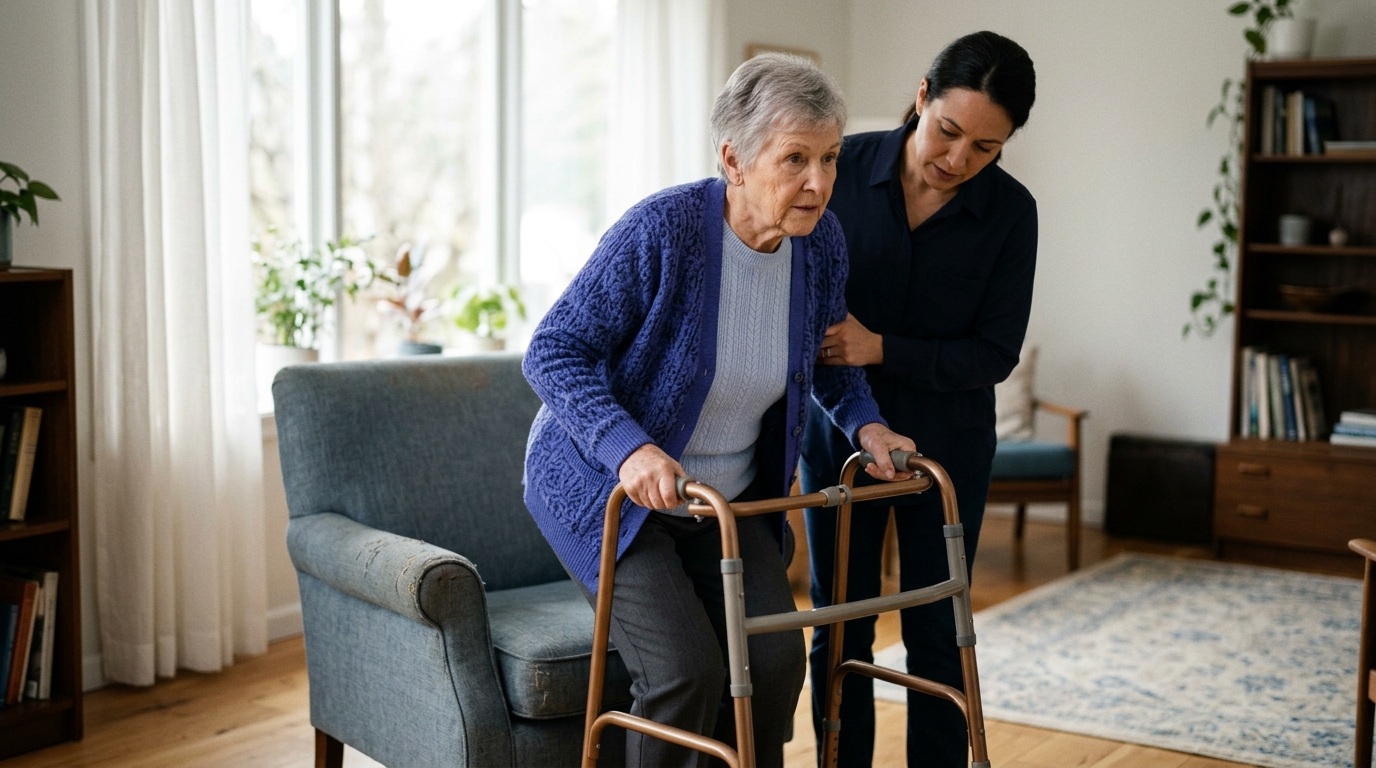
Activity capacity measures your ability to perform basic daily physical tasks. This includes walking across a room, climbing stairs, lifting groceries, getting up from a chair, or preparing a meal.
An individual may have a fully healed injury on a medical scan but still struggle with daily activities due to deconditioning. Measuring activity helps your clinical team determine whether you can live safely and independently at home during rehabilitation.
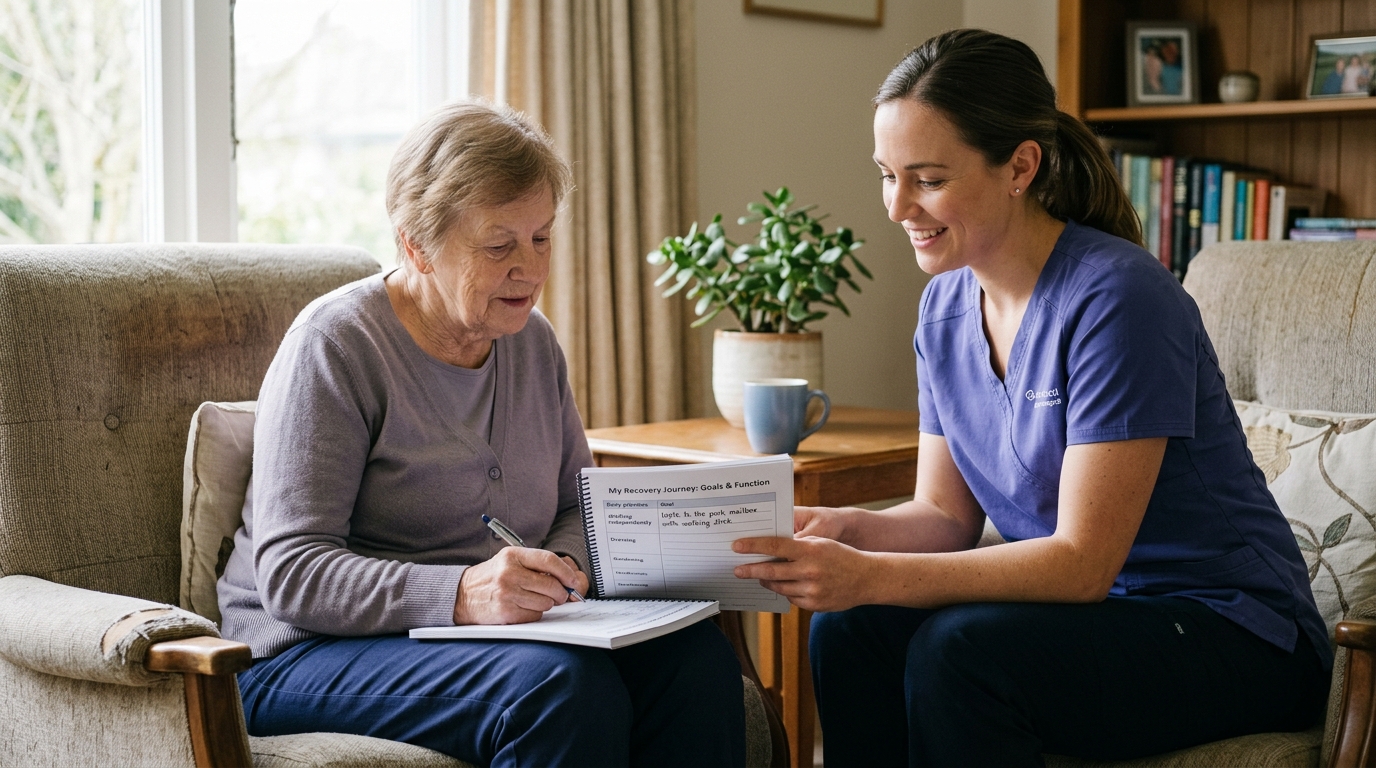
Participation describes your return to broader social, occupational, and recreational roles. This includes going back to work, playing a sport, gardening, traveling, or keeping up with family activities.
Participation is evaluated against your personal pre-injury baseline rather than an arbitrary population standard. A successful outcome means reclaiming the specific activities that give your life meaning, structure, and physical vitality.
Clinical research offers a balanced perspective on how aging affects musculoskeletal and neurological healing. The evidence confirms that age influences healing pathways, but it shows that chronic health conditions often exert a larger impact.
Experimental and clinical studies indicate that bone repair can take longer as age advances. Cellular turnover slows, blood supply within micro-vessels decreases, and periosteal stem cell pools decline over time.
Reviews on geriatric fracture repair reveal that while older age associates with delayed union or nonunion, overall healing remains the norm. In one major clinical review of fracture repair, the overall healing rate reached 96.2% across the study population.
The same research highlights that conditions like diabetes, vascular insufficiency, smoking, obesity, osteoporosis, and rheumatoid arthritis drive nonunion risks. Researchers acknowledge how difficult it is to separate pure chronological aging from these common medical conditions.
Research on mild traumatic brain injury in older adults highlights the difference between broad recovery metrics and detailed daily function. Systematic reviews show that approximately 67% of adults aged 60 and older achieve a good functional outcome on the Glasgow Outcome Scale at six months or later.
Other clinical reviews reveal a more complex picture. Up to 66% of older participants experience persistent activity and participation limitations six months after a mild head injury.
Standard global recovery scores often fail to capture subtle cognitive, emotional, and social difficulties. True recovery extends beyond broad clinical scores to include how well you manage complex everyday environments.
Secondary analyses of surgical trials offer practical insights for orthopedic recovery. Research on older adults recovering from distal radius wrist fractures showed that high pre-injury activity levels and fewer chronic conditions predicted clinically significant early improvements.
In that clinical cohort, poorer recovery scores correlated with low physical activity, four or more chronic illnesses, or an age gap of 15 years. These findings show that while age remains a factor, your medical background and physical conditioning strongly shape your rehabilitation speed. You can read more about these movement mechanisms in our mobility and movement articles.
Frailty is one of the most useful concepts in modern recovery science. It provides a clearer picture of your recovery capacity than the date on your birth certificate.
Physiological reserve describes your body's surplus capacity to handle physical stress, illness, trauma, or surgery. In your younger years, your organs, tissues, and muscles possess substantial reserve capacity.
As decades pass, baseline reserve declines at variable rates depending on genetics, nutrition, and lifetime activity habits. A sudden injury draws heavily on this biological bank account. Individuals with high physiological reserves absorb the stress of trauma and bed rest far better than those operating near their functional limit.
Frailty is a state of increased vulnerability resulting from declines across multiple physiological systems. It involves unintentional weight loss, muscle exhaustion, low physical activity, slow walking speed, and generalized weakness.
Studies examining trauma patients demonstrate that pre-injury frailty predicts hospital readmissions, loss of independence, and extended care needs. In a study of older adults with mild head injuries, 72% of non-frail patients recovered completely, compared to only 24% of frail patients.
Frailty proved to be a strong predictor of long-term outcomes in that cohort, whereas age was not statistically significant. Being older does not make you frail, and frailty is not an inevitable consequence of aging.
Recovery after 50 is shaped by three interconnected pillars: your baseline health, your skeletal muscle mass, and your pre-injury physical habits. Understanding how these factors interact allows you to support your body effectively during rehabilitation.
Chronic health conditions influence the biological environment where tissue healing occurs. Uncontrolled blood sugar impairs collagen synthesis, weakens new capillary formation, and increases infection risks.
Vascular disease restricts the delivery of oxygen and vital nutrients to healing tissues, particularly in peripheral areas like the feet, ankles, and hands. Kidney disease, systemic inflammation, and pulmonary conditions also place competing demands on your metabolic resources. Managing chronic medical conditions with your physician is an essential part of orthopedic rehabilitation.
Skeletal muscle is far more than a tool for joint movement. It serves as your primary metabolic reservoir for amino acids, which your body mobilizes during physical stress and tissue healing.
Age-related muscle loss, known as sarcopenia, accelerates when an injury forces a period of bed rest or joint immobilization. Older adults lose muscle mass and strength during disuse significantly faster than younger individuals.
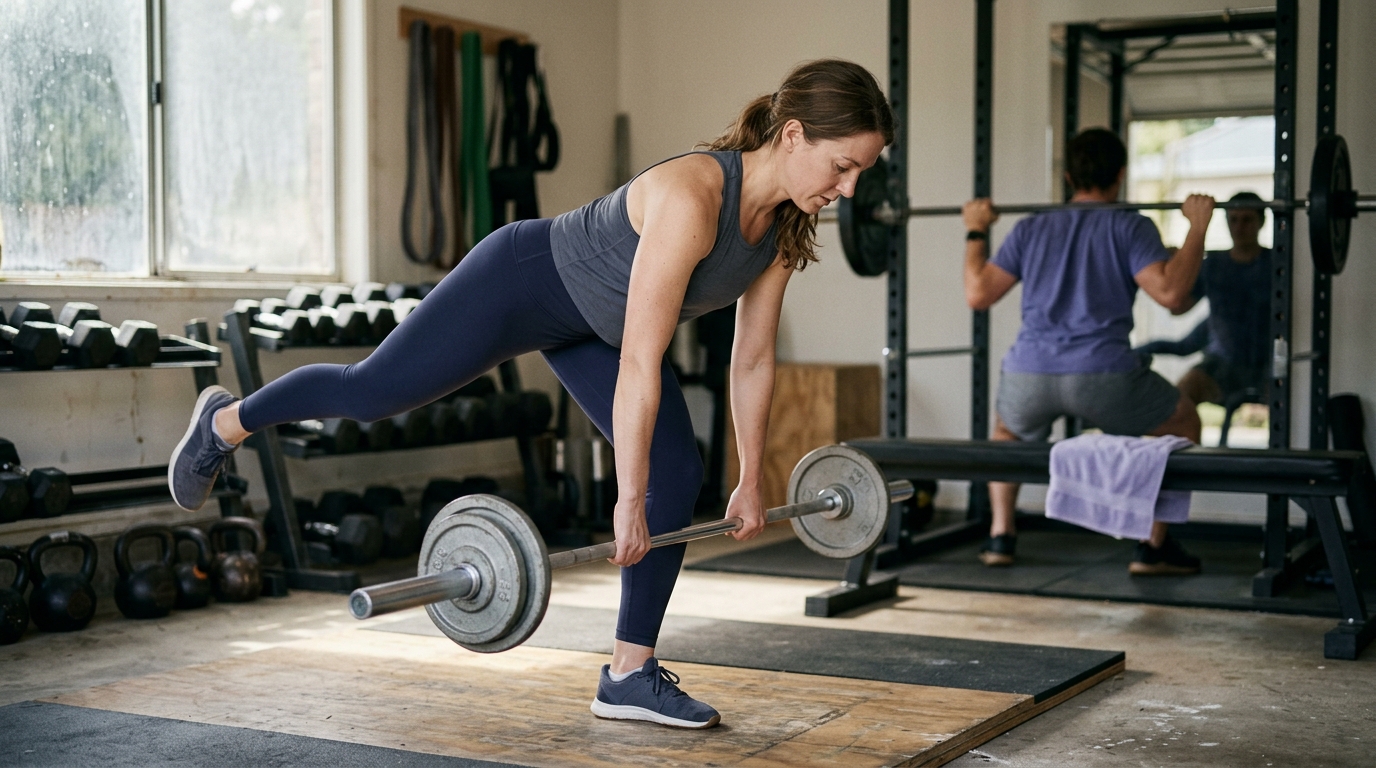
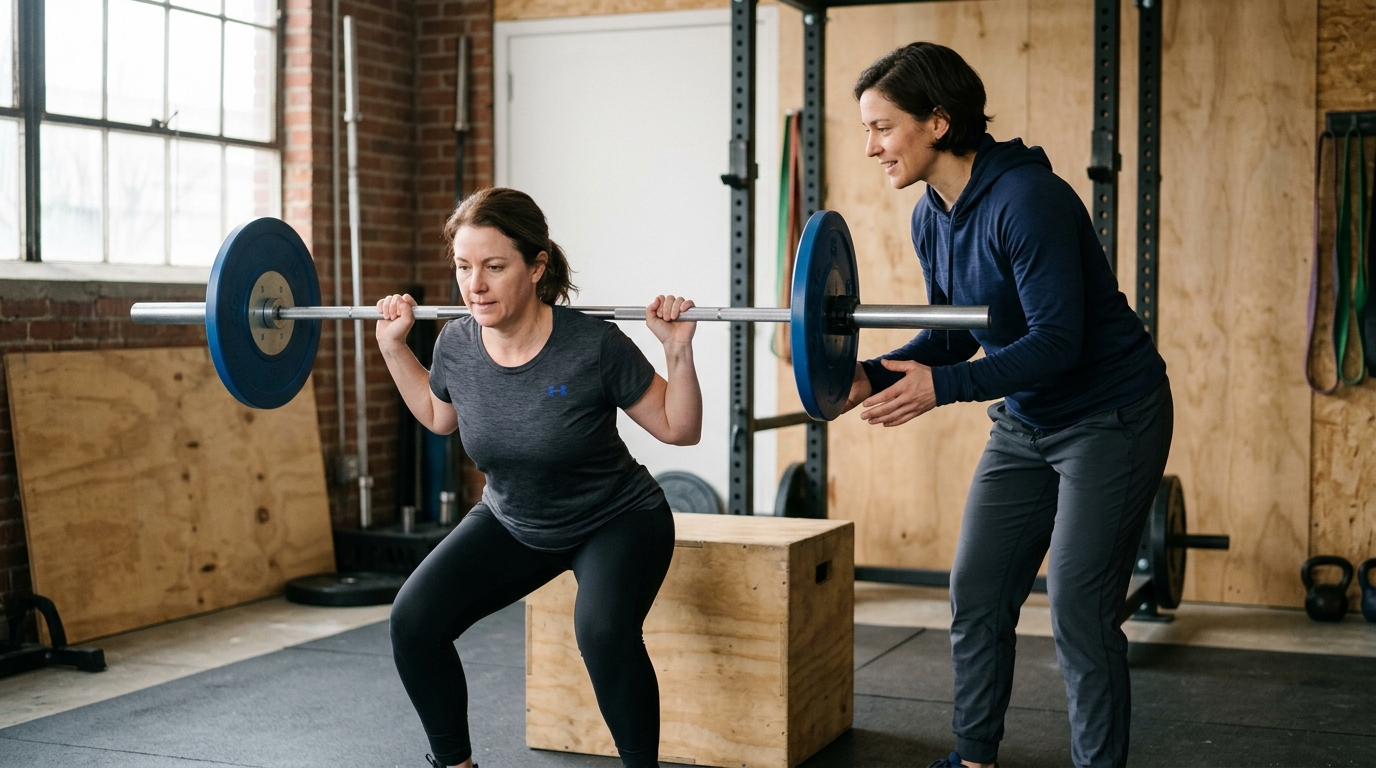
Maintaining muscle mass before an injury cushions against this decline. Rebuilding muscle strength and power after an injury is critical for regaining long-term independence. You can explore structured training concepts in our strength and performance rebuilding resources.
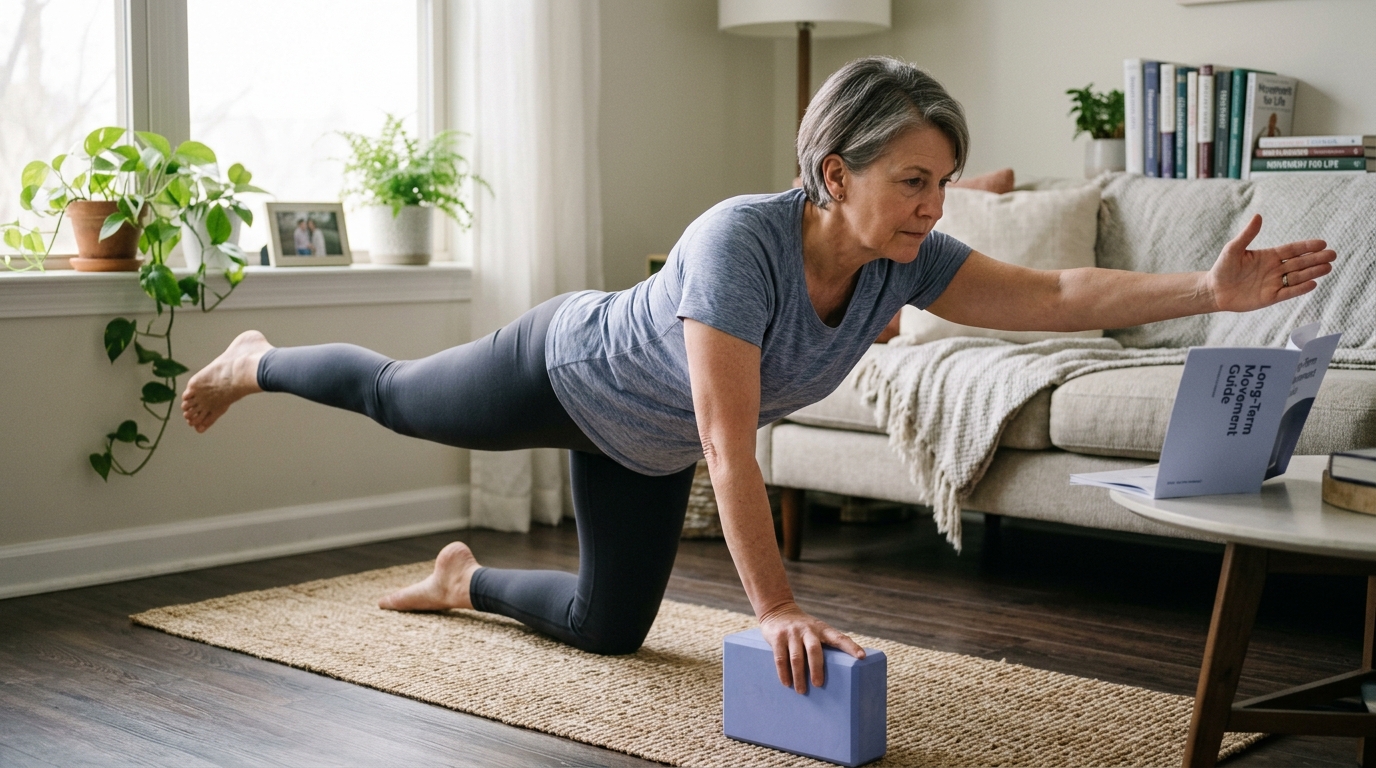
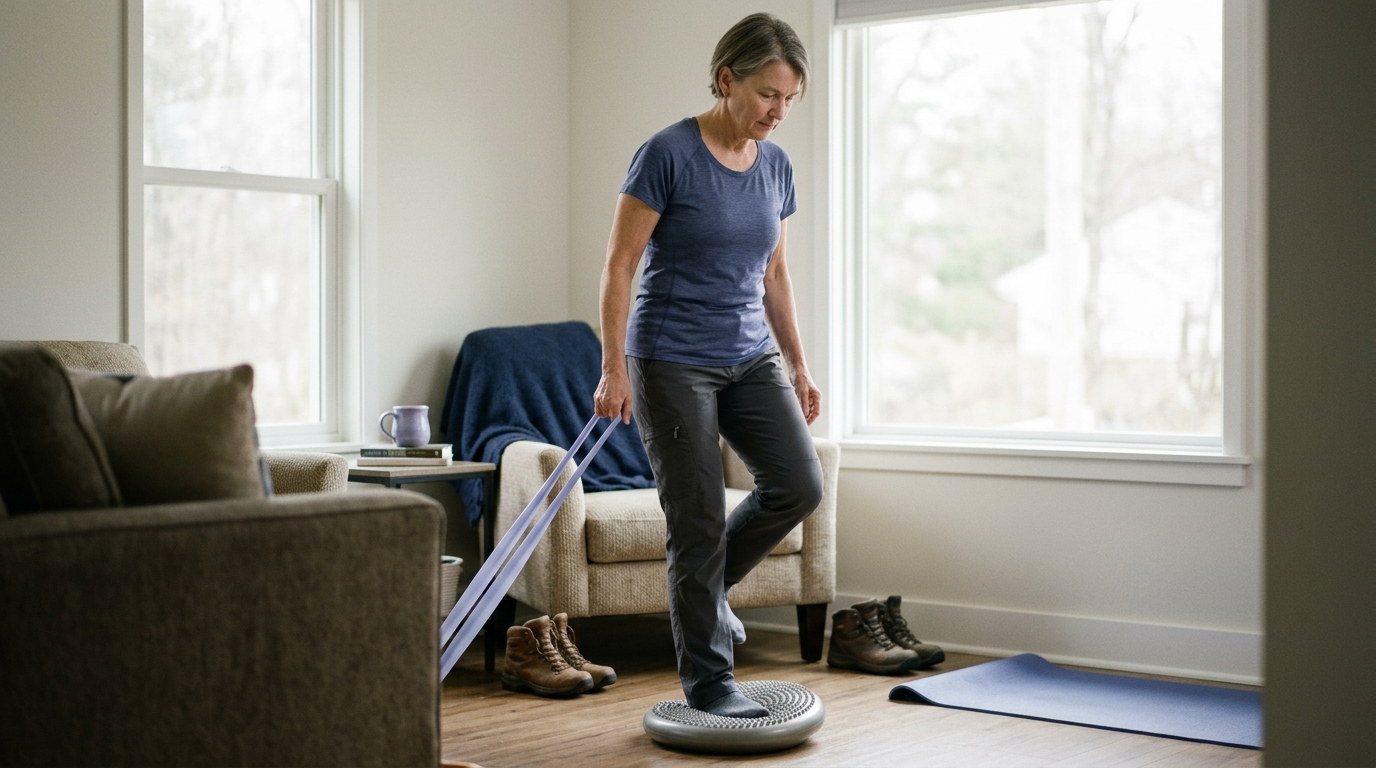
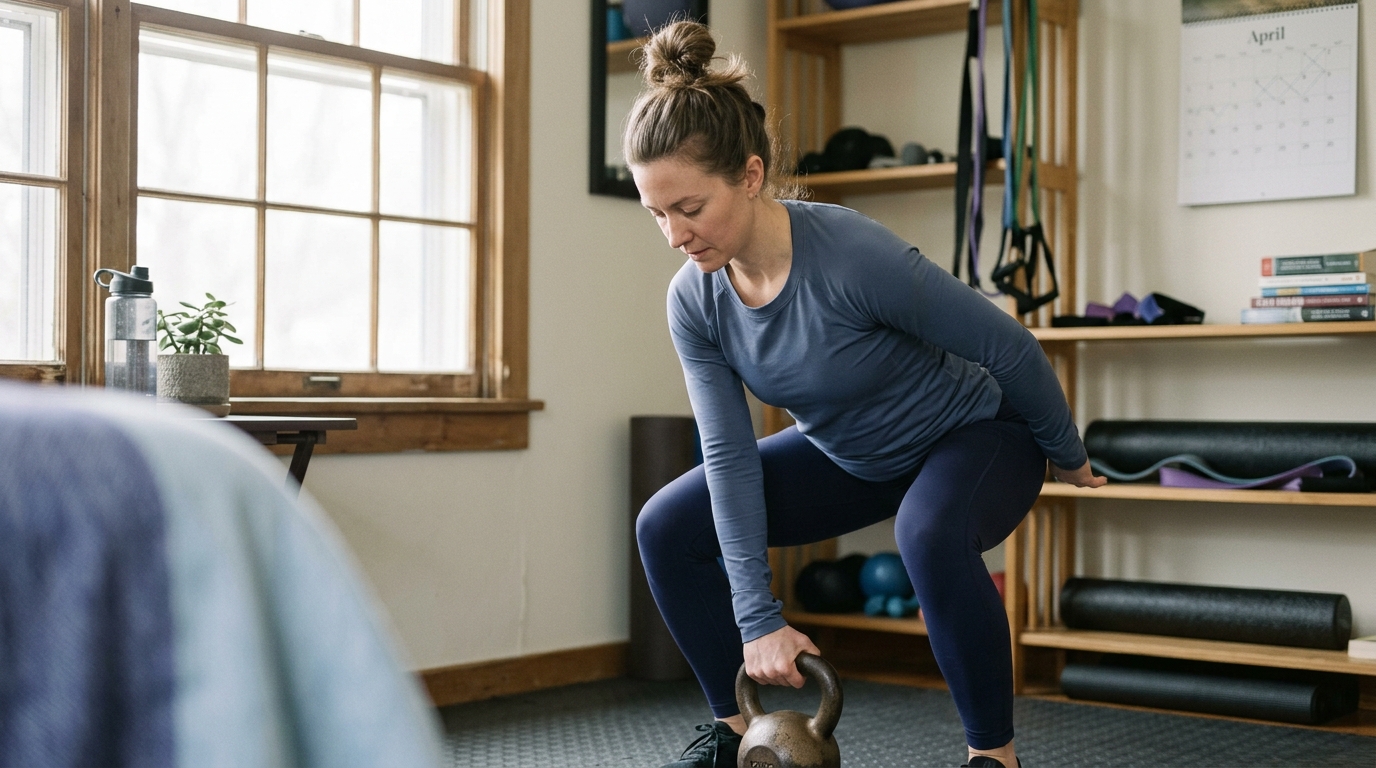
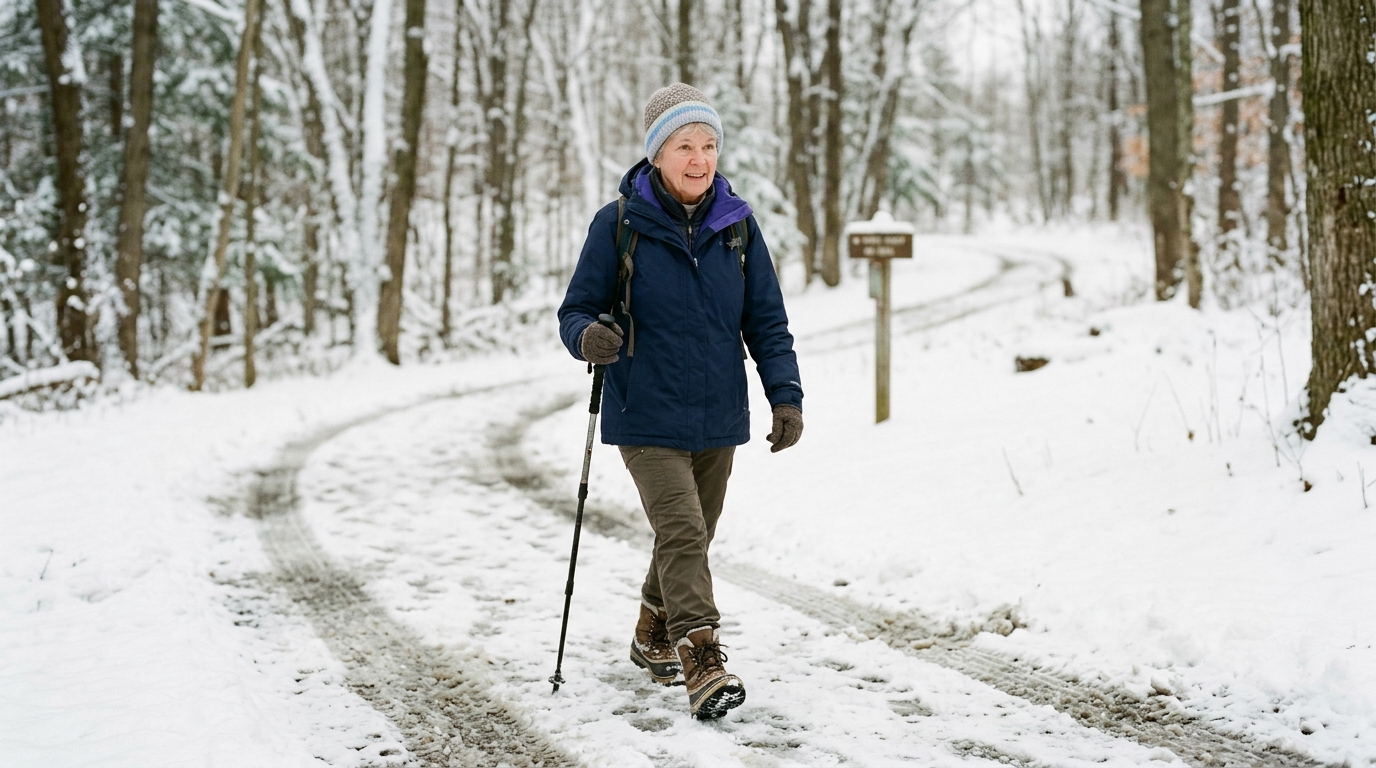
Regular physical activity builds a durable cardiovascular and musculoskeletal framework. People who exercise regularly maintain higher bone density, better tendon elasticity, and superior neuromuscular balance.
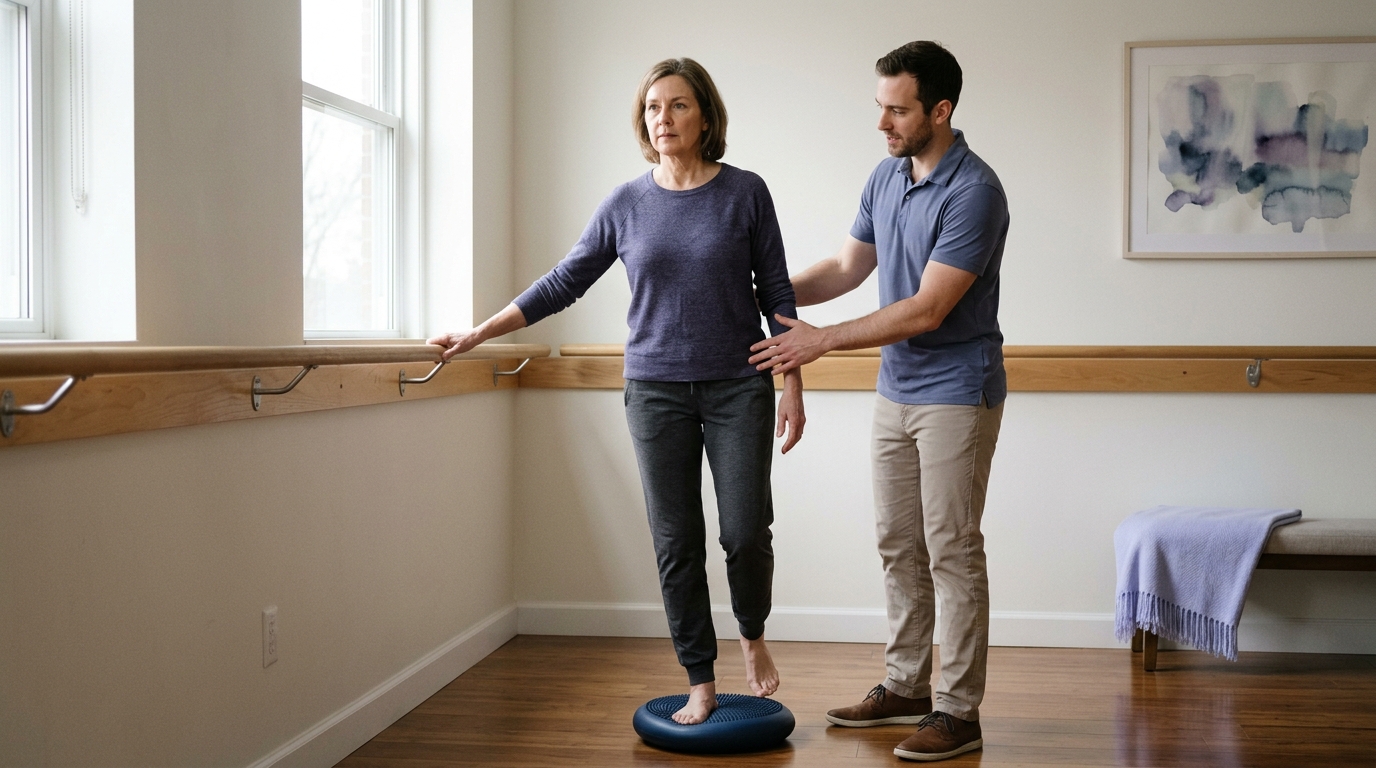
Federal physical activity guidelines emphasize a balanced routine for older adults. This includes aerobic conditioning, progressive resistance training, and specific balance exercises.
These baseline habits lower your risk of secondary injuries while helping you handle the physical demands of physical therapy. You can read more about long-term movement maintenance in our active aging and prevention articles.
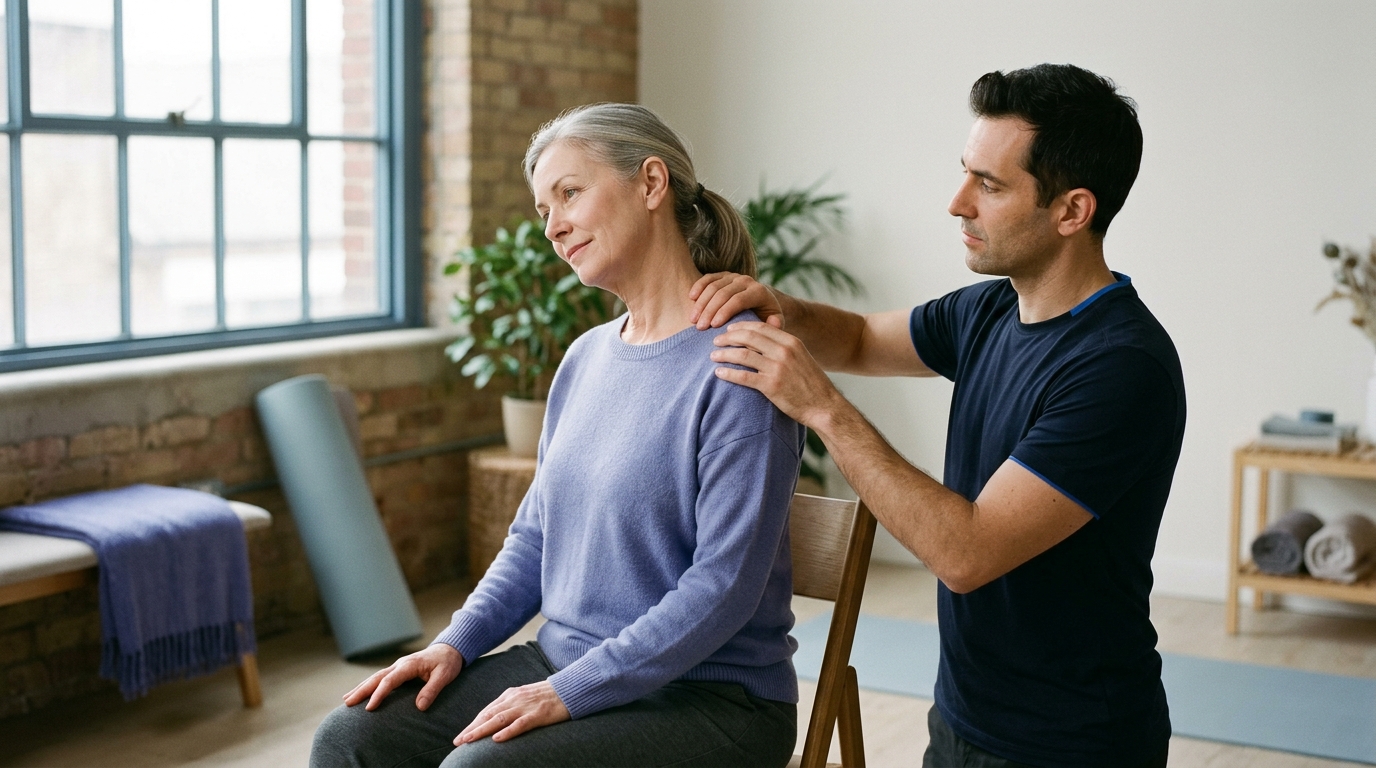
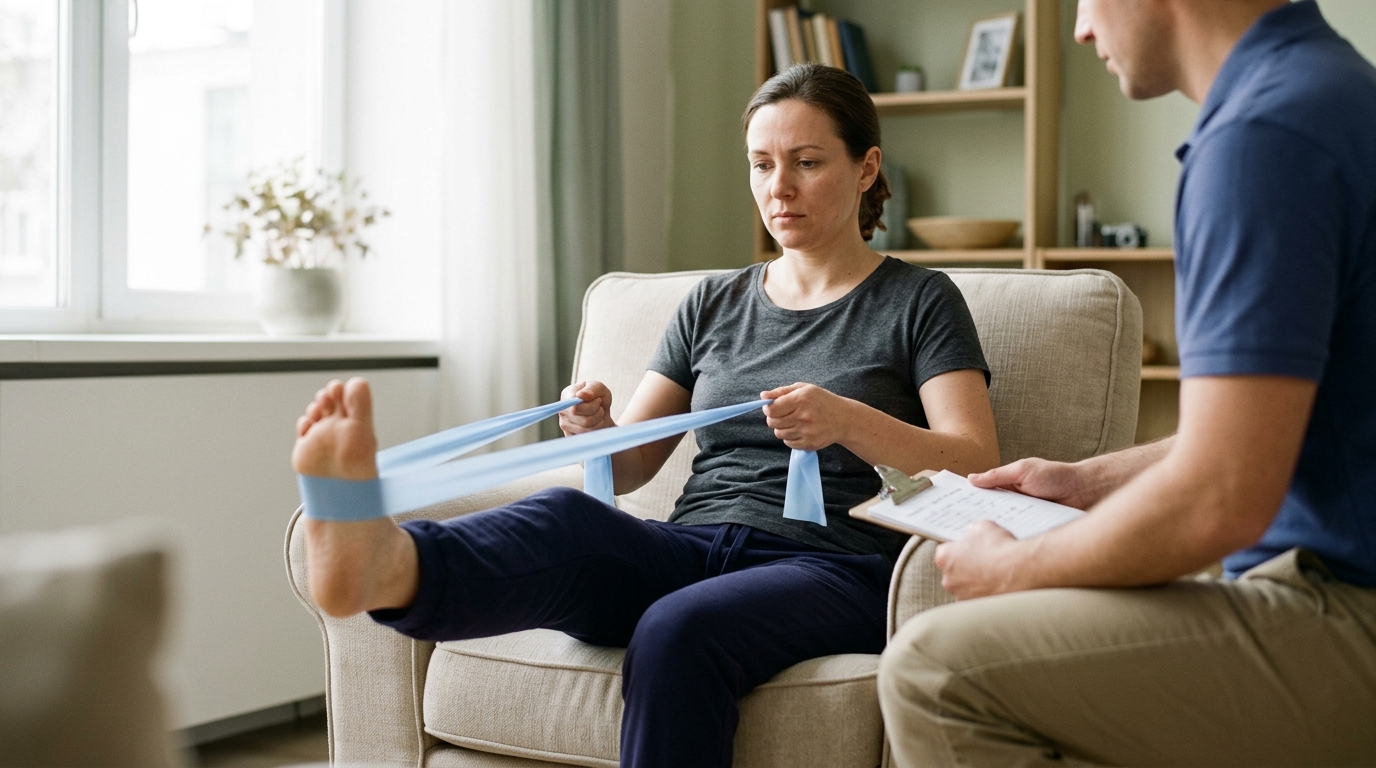
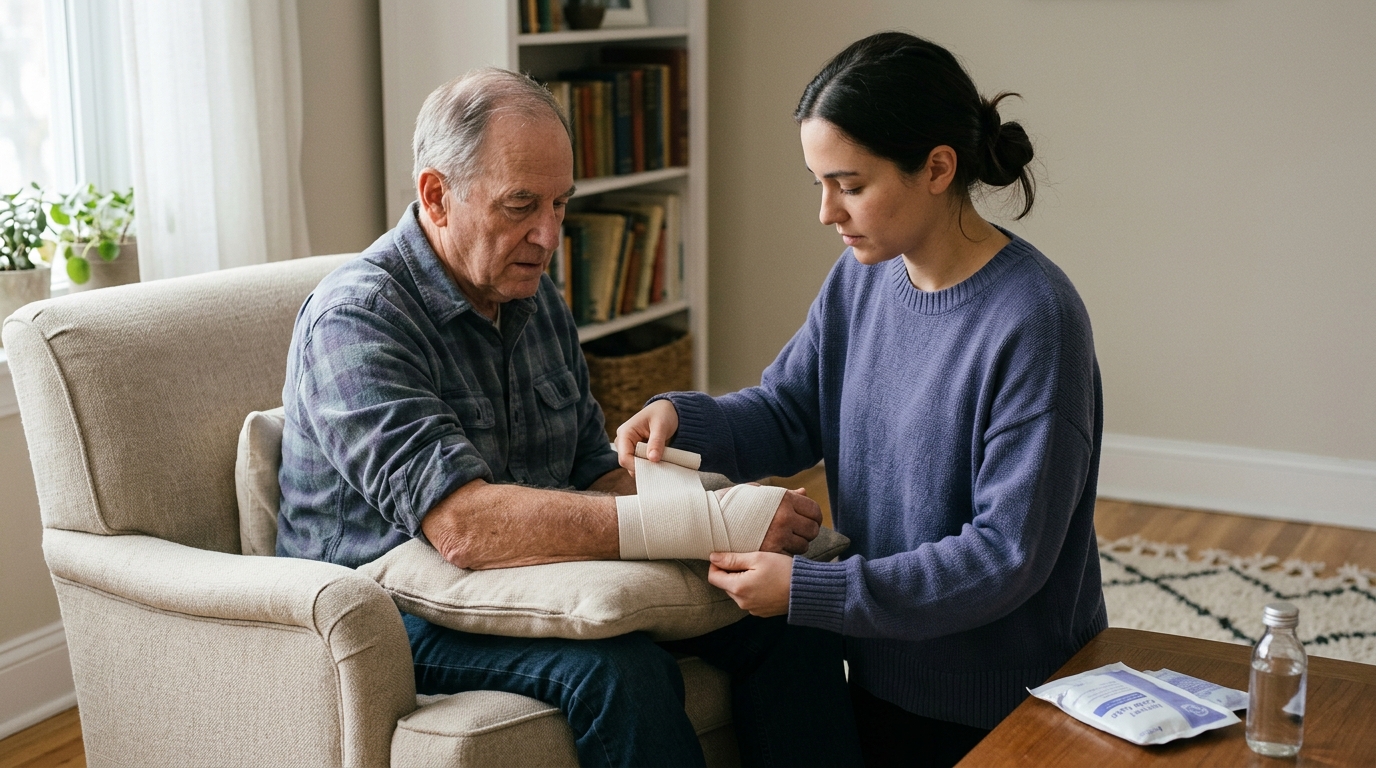
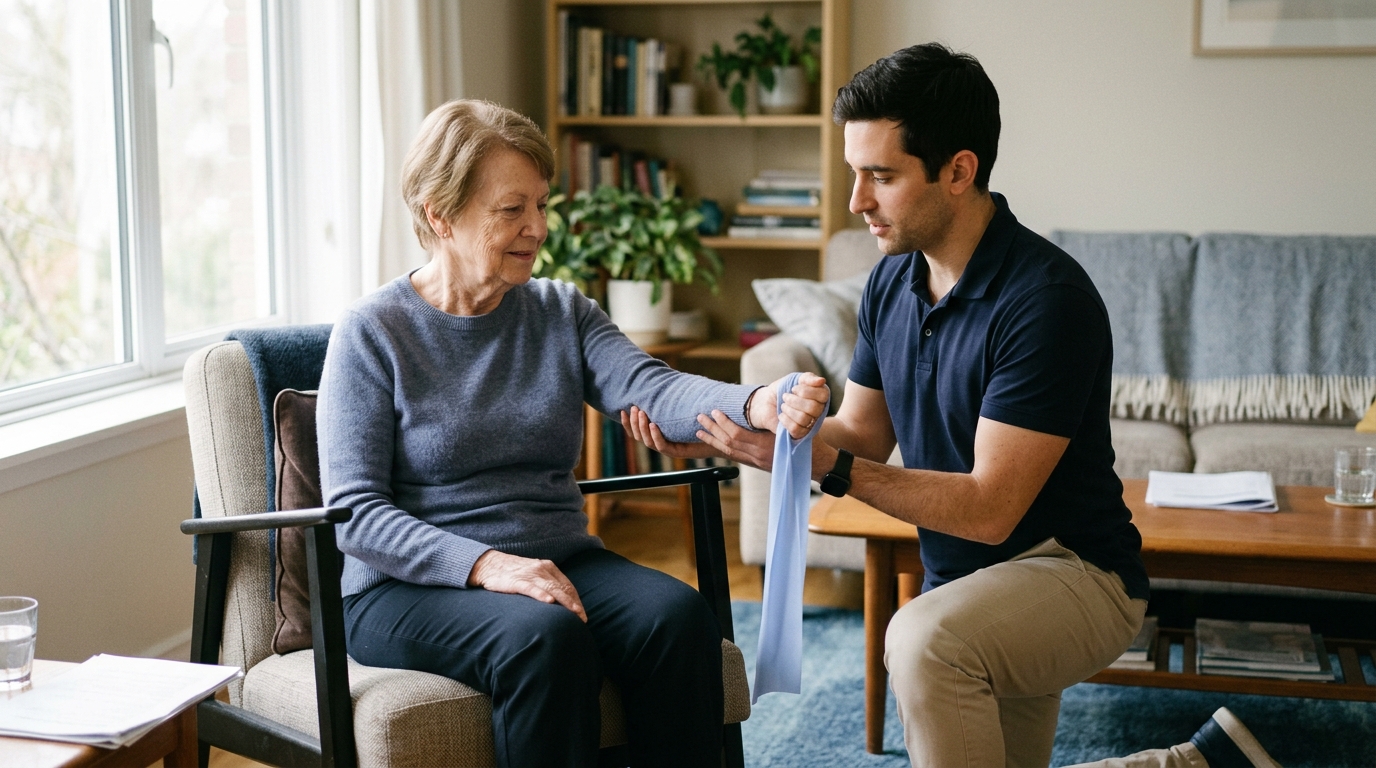
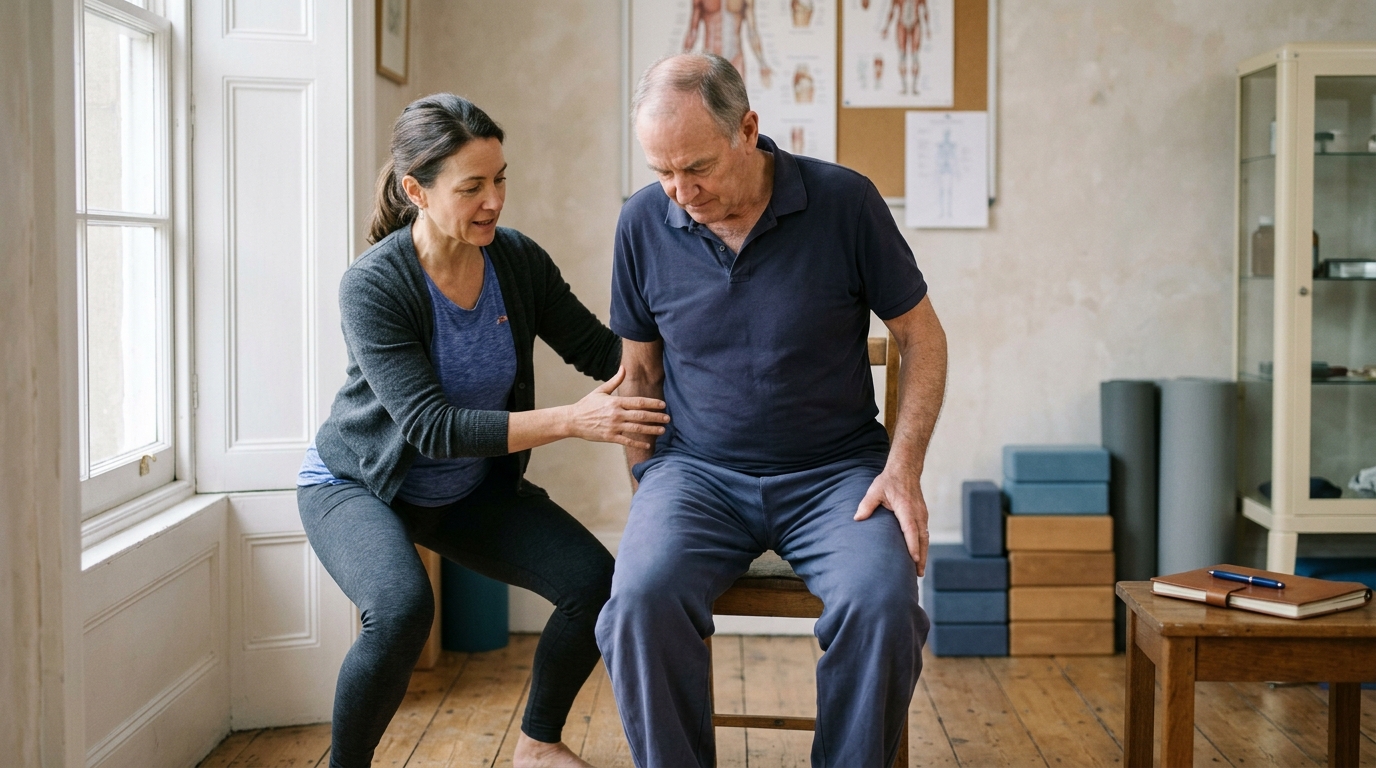
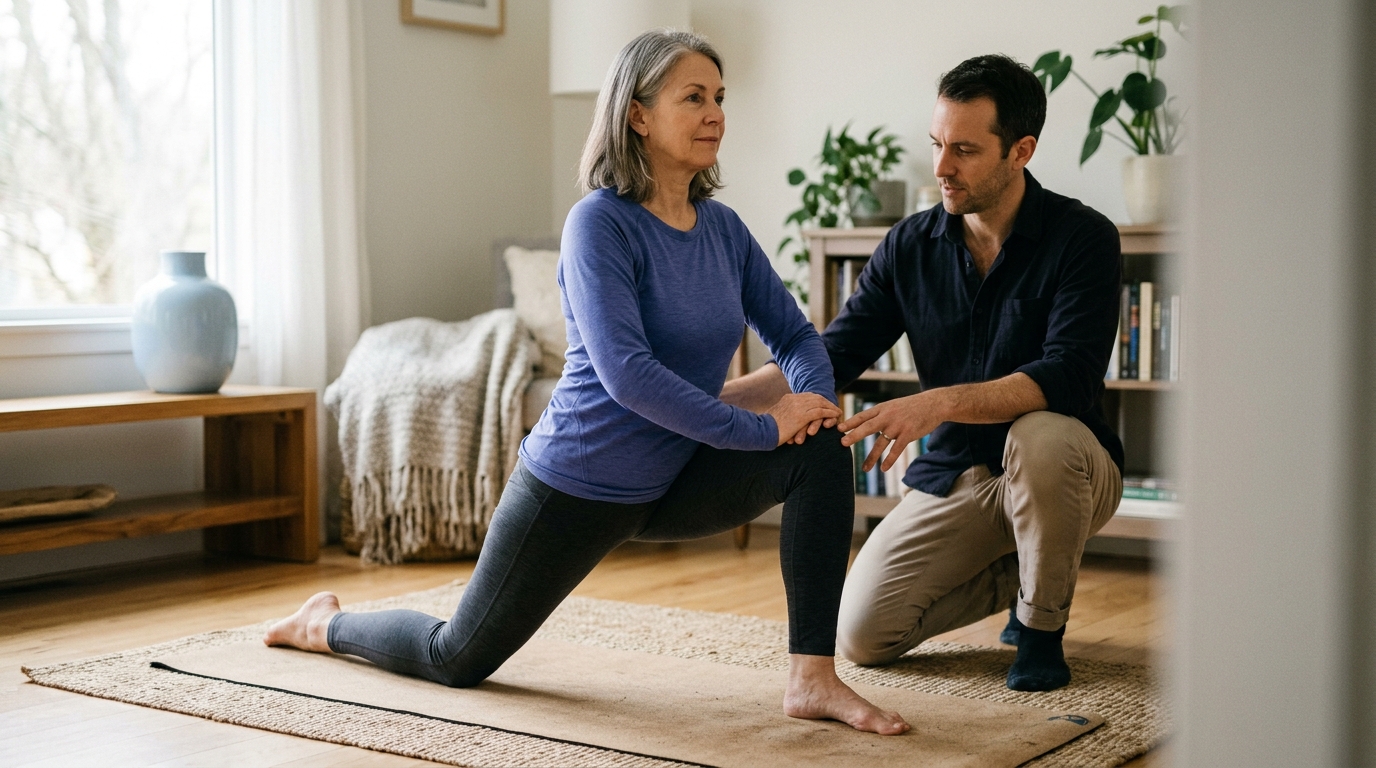
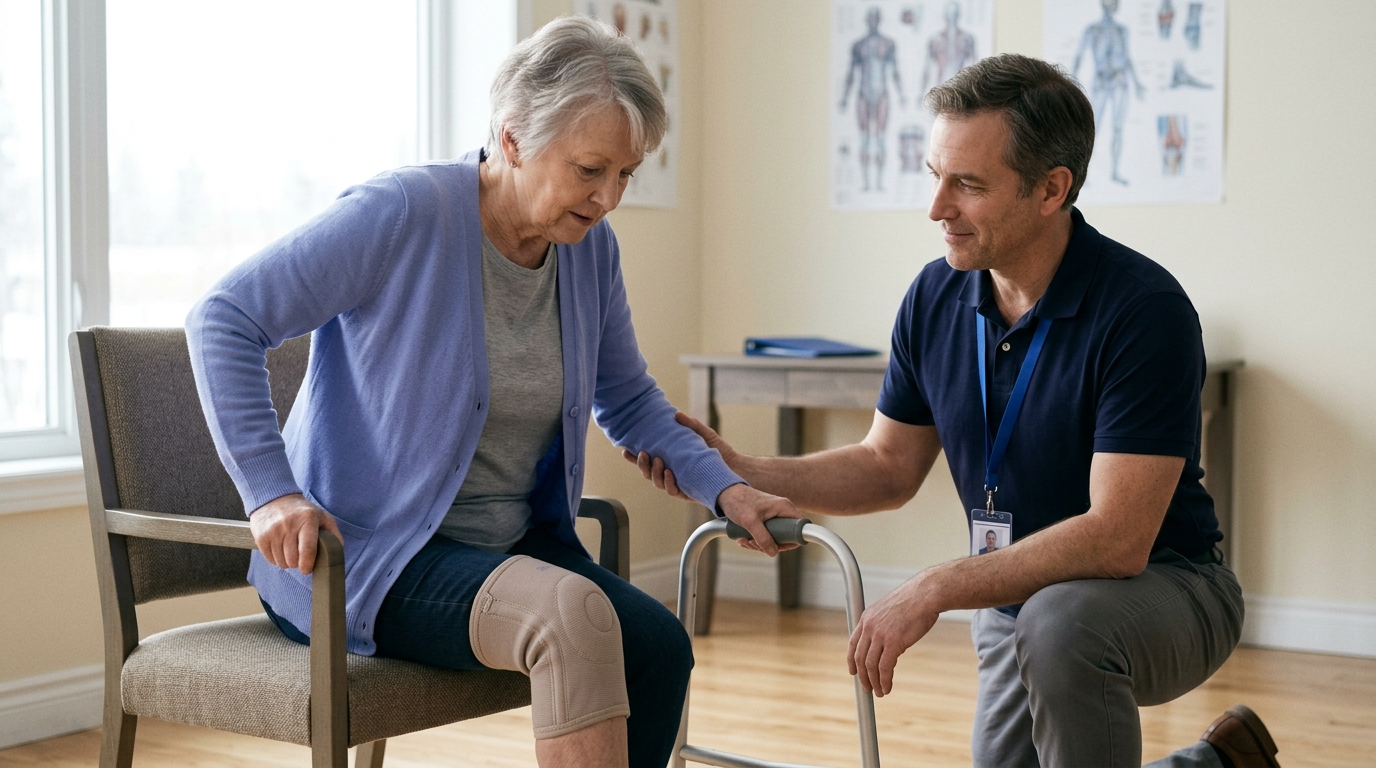
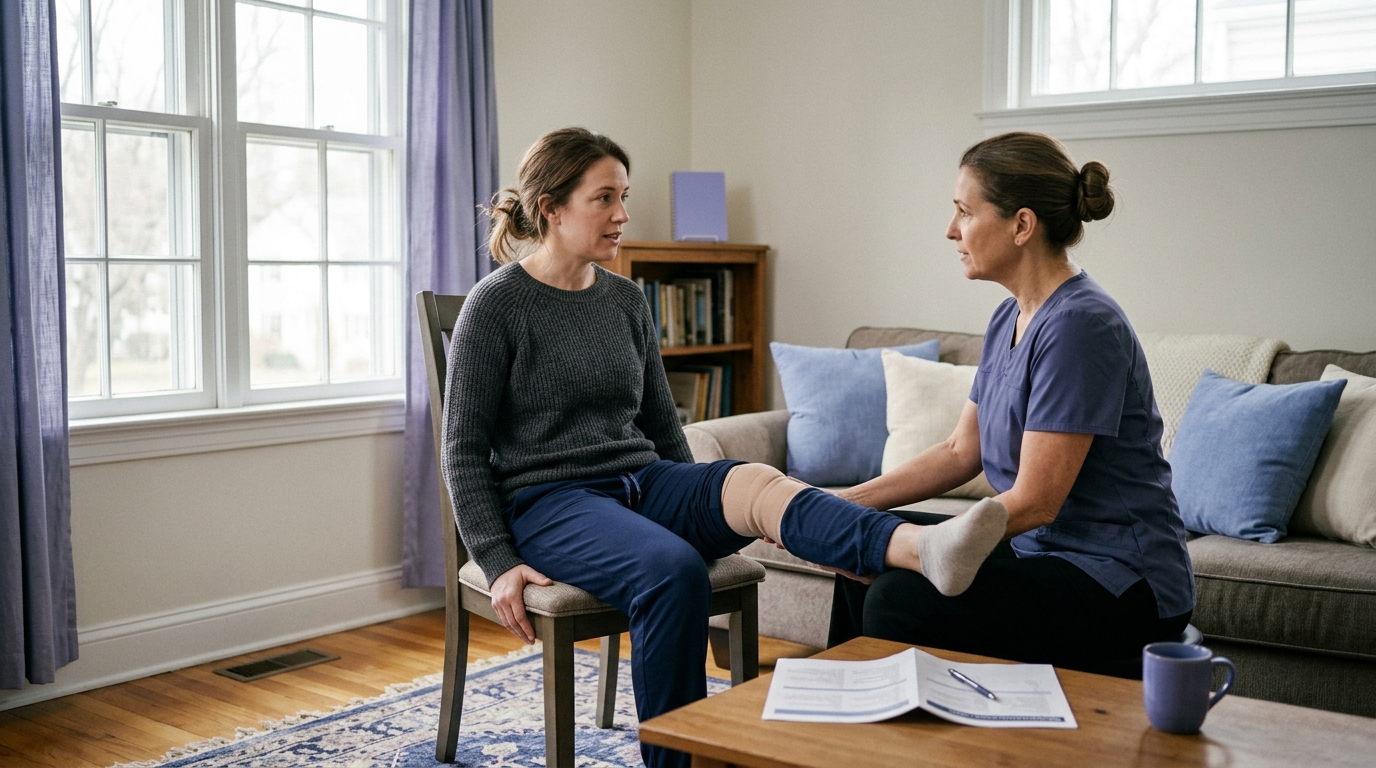
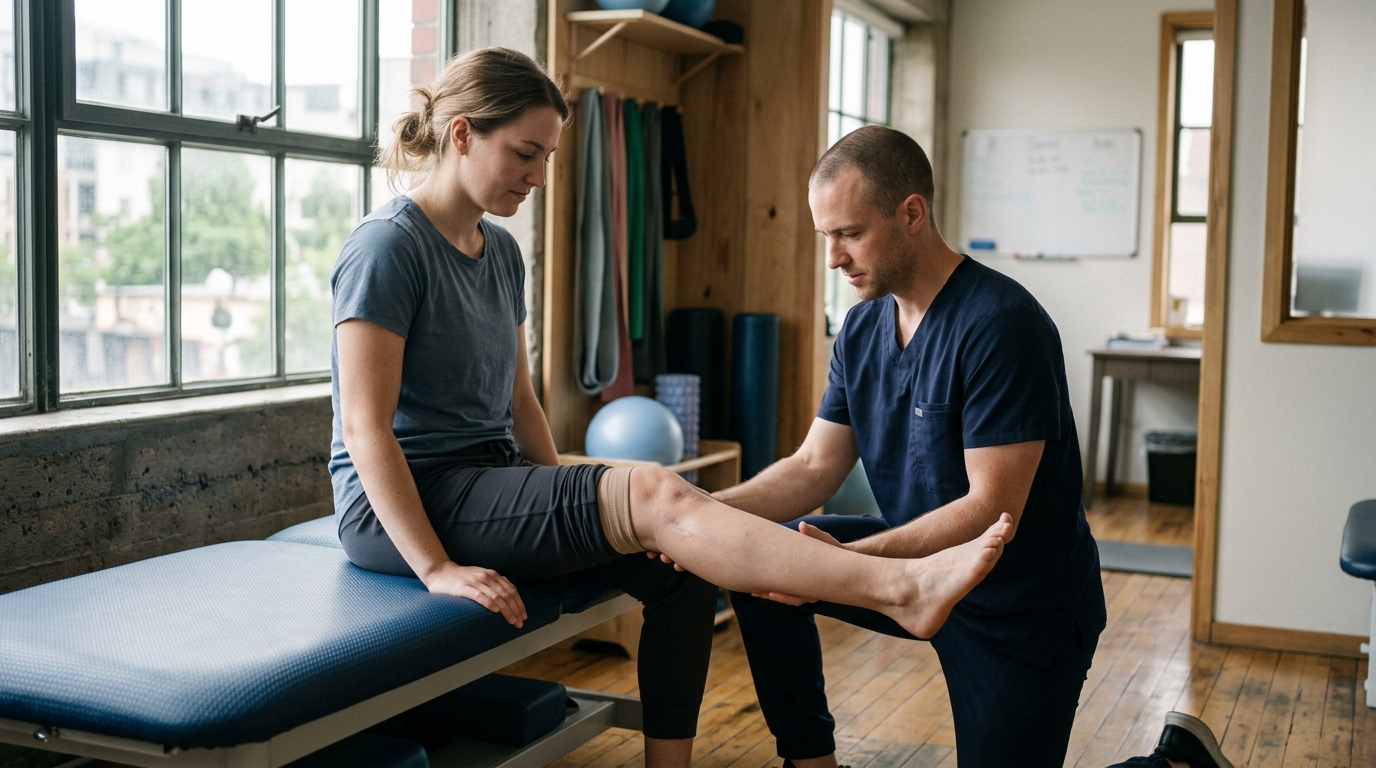
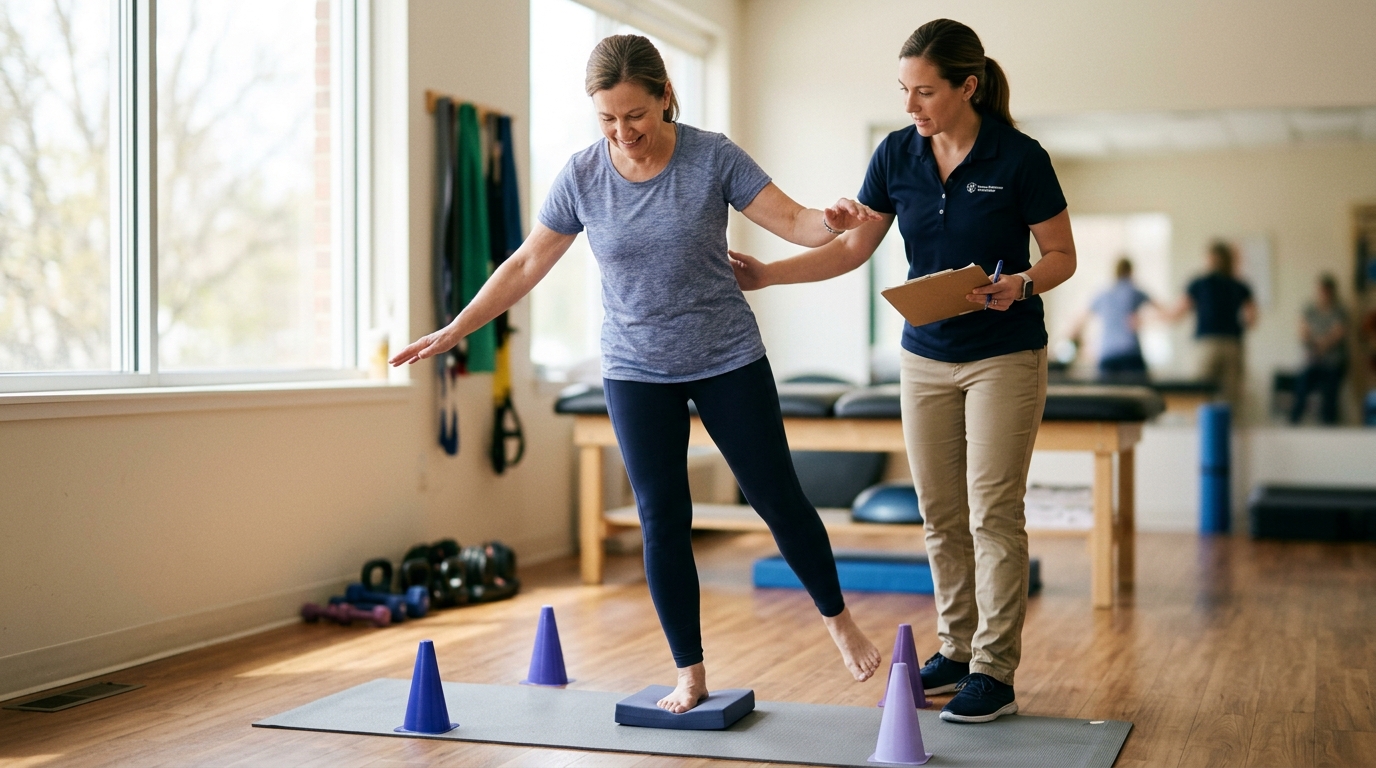
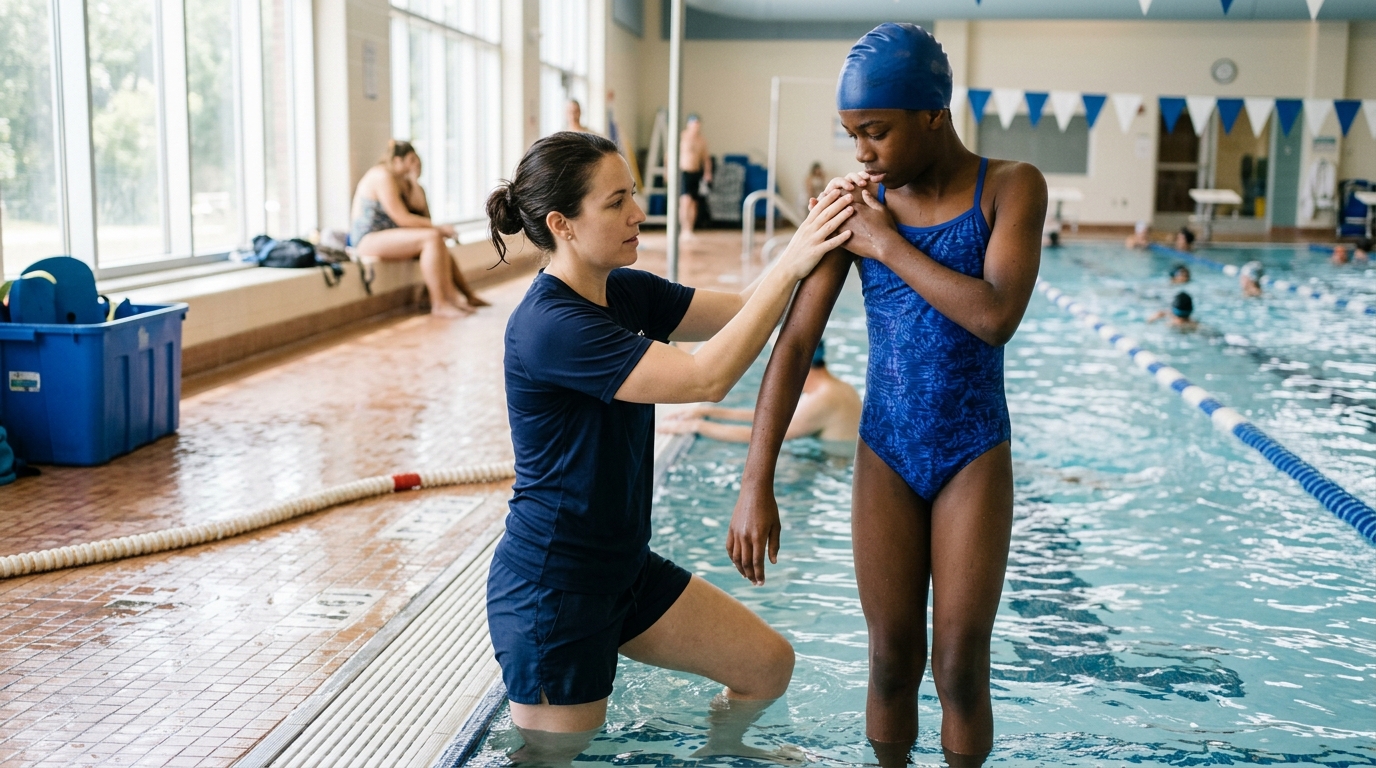
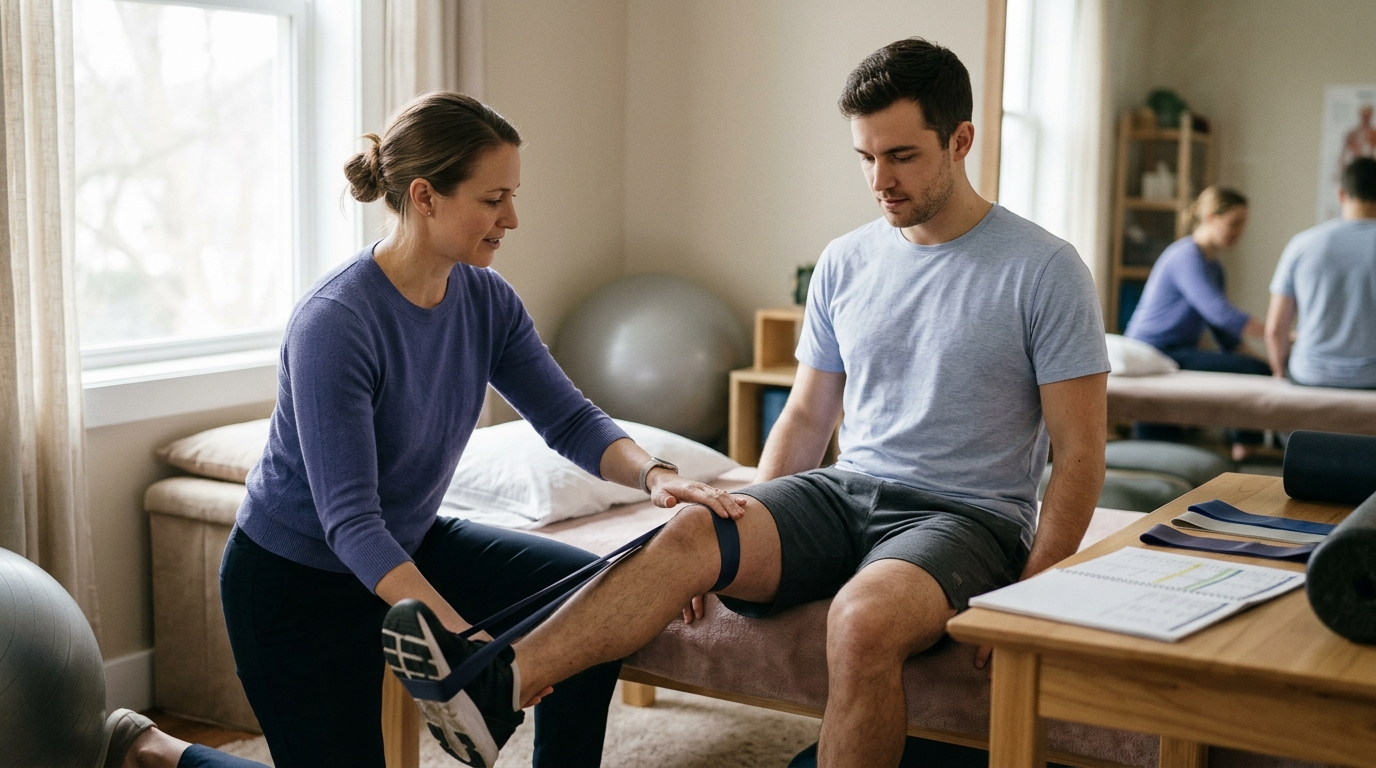
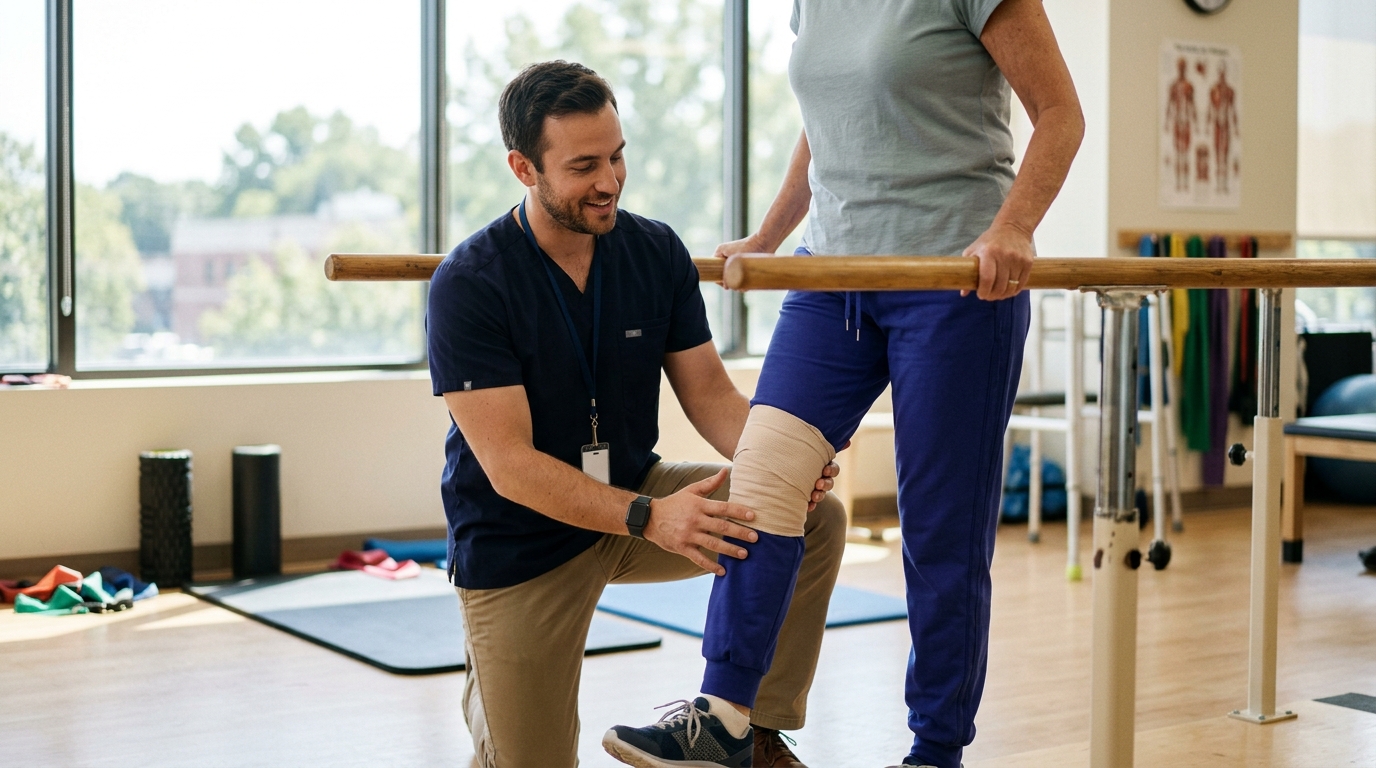
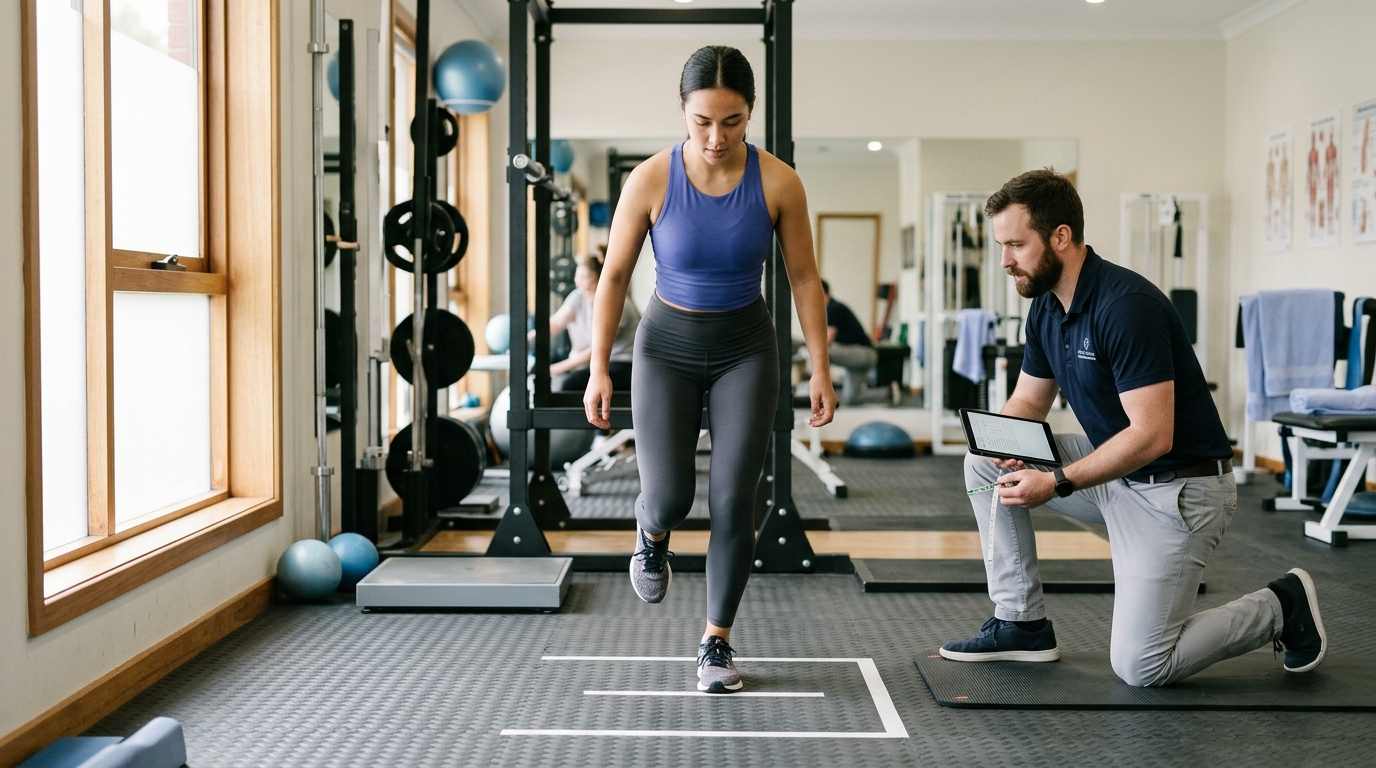
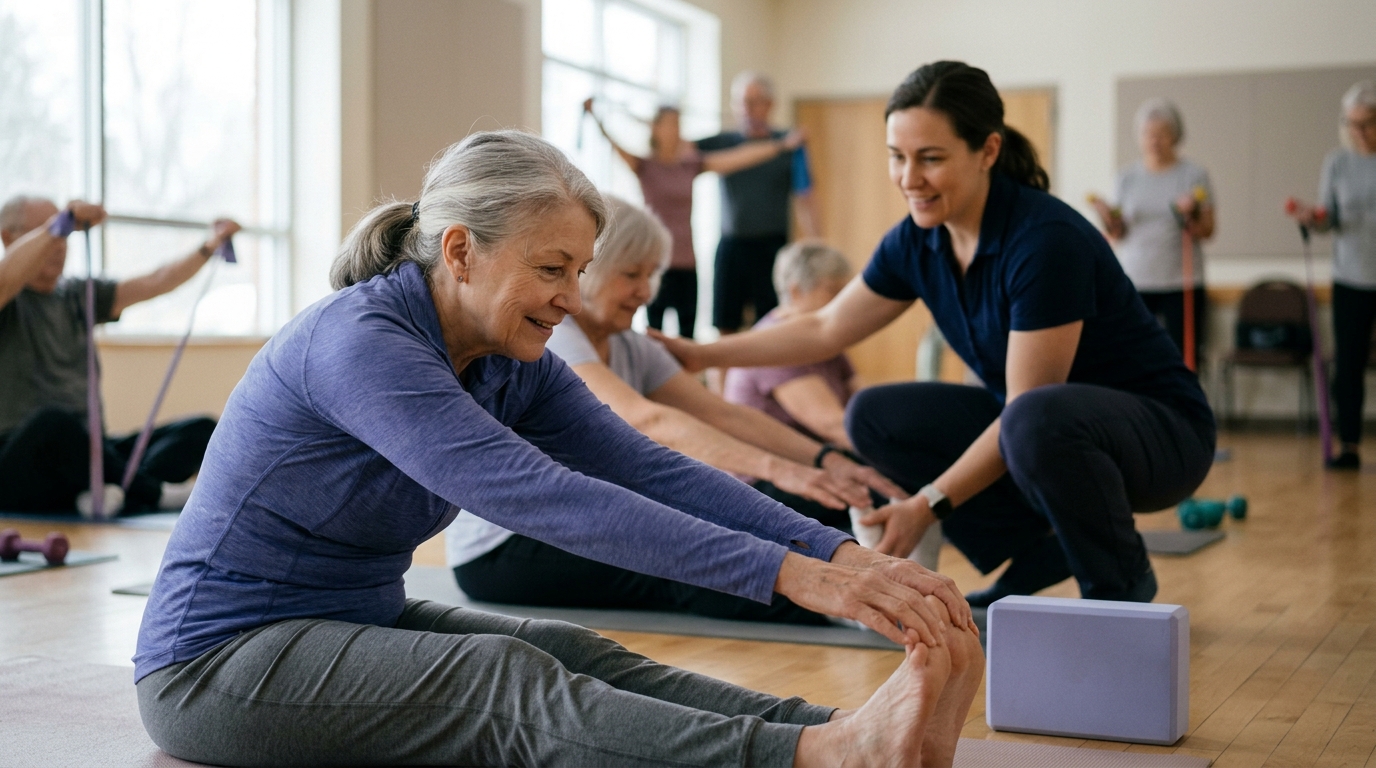
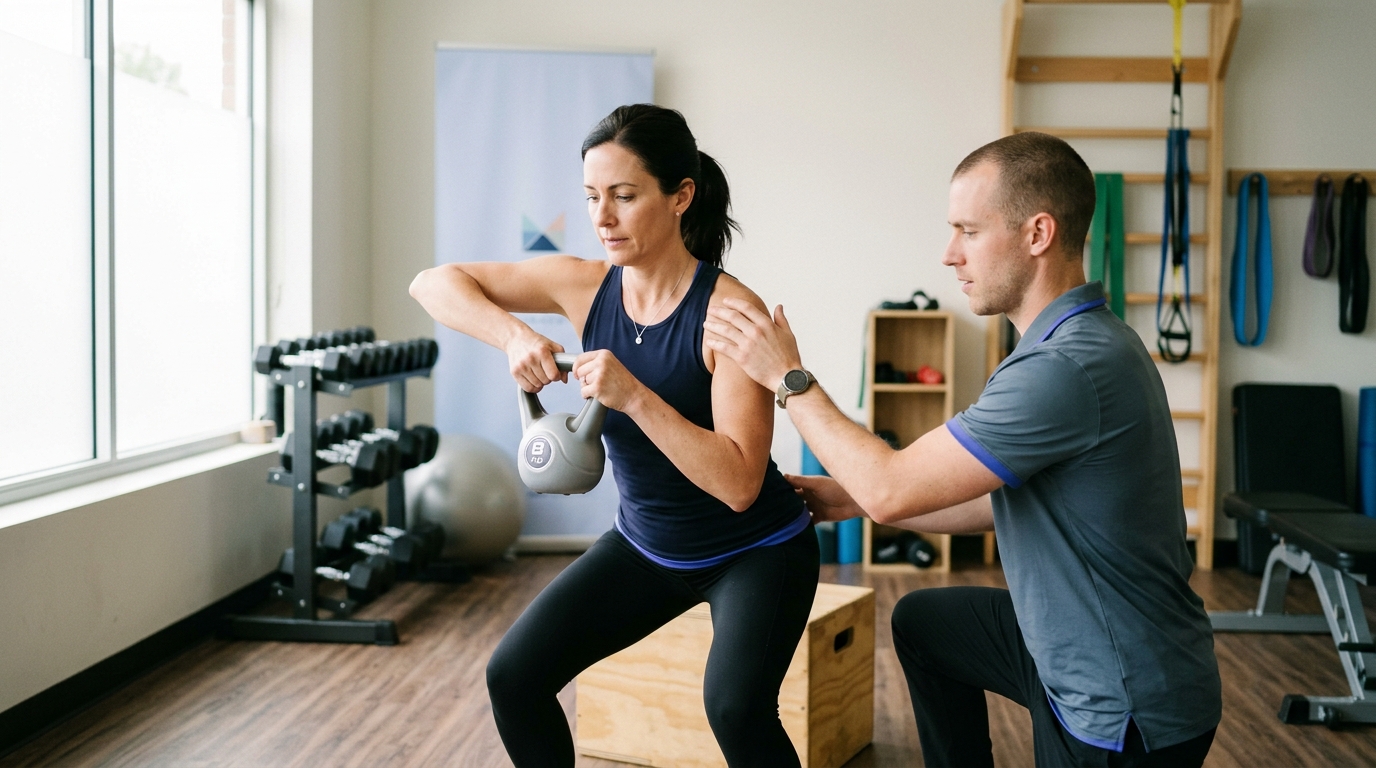
Recovery is an active, guided process rather than a period of passive waiting. Structured physical rehabilitation stands out as one of the most effective tools for restoring functional independence after an injury.
Trauma research highlights the value of integrated rehabilitation programs. In a study tracking older trauma patients, unadjusted functional scores declined from 4.6 before injury to 3.7 at 12 months, representing a loss of nearly one full activity of daily living.
Patients who received coordinated geriatric consultations retained 0.67 more activities of daily living at one year compared to standard care controls. Proactive management of medications, early physical therapy, and comprehensive discharge planning help preserve everyday functional skills.
Targeted exercise initiated shortly after minor injuries provides measurable protection against physical decline. A clinical trial investigated older adults discharged from the emergency department after minor musculoskeletal injuries.
Participants with moderate functional risk who completed a 12-week multicomponent exercise program experienced half the functional decline of the control group. Functional loss occurred in only 12% of the exercise group compared to 25% in the control group.
These findings show that supervised physical rehabilitation protects functional independence across older age groups. You can explore rehabilitation models further in our rehabilitation and mobility resources.
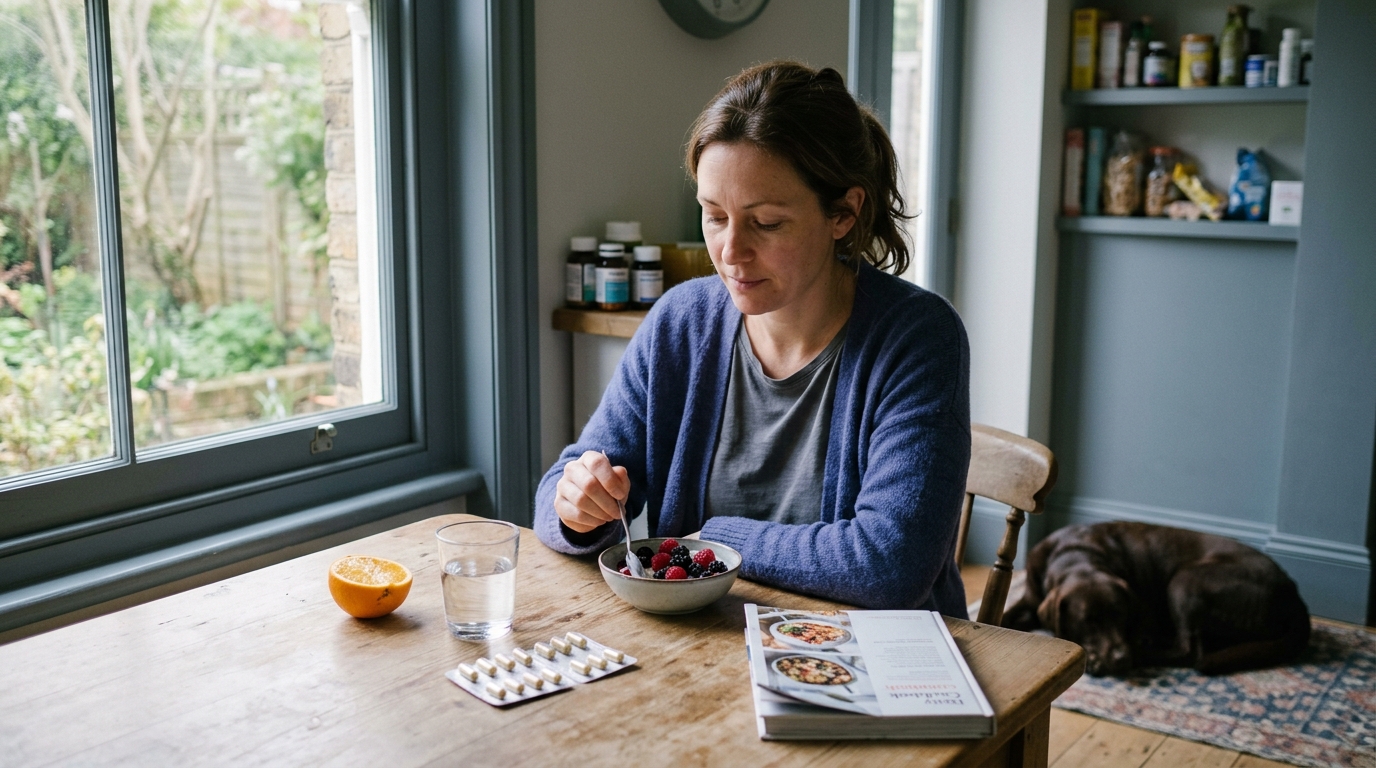
Good nutrition supplies the raw biological materials required for cellular repair, immune activity, and muscle recovery. Approaching nutrition after 50 requires separating evidence-based dietary strategies from unproven supplement claims.
Healing tissue increases your resting energy expenditure. Your body requires additional protein to synthesize collagen, repair torn fibers, and clear inflammatory waste.
Older adults naturally experience a degree of anabolic resistance, meaning their muscles require higher per-meal protein doses to stimulate muscle rebuilding. Getting high-quality protein evenly distributed across your meals helps protect uninjured muscle groups during recovery. Meeting total caloric needs also ensures your body does not break down muscle tissue for energy.
Micronutrients like vitamin C, zinc, magnesium, calcium, and vitamin D are essential for healthy bone and connective tissue metabolism. Vitamin D deficiency is common among older adults and can hinder bone repair and muscle function.
Major reviews from the National Institutes of Health emphasize that while correcting a vitamin D deficiency is vital, high-dose supplementation in healthy individuals does not magically speed up bone healing. No single supplement can replace balanced nutrition, adequate sleep, and progressive rehabilitation. Learn more in our recovery and lifestyle resources.
Because recovery is influenced by baseline health, injury type, and rehabilitation, recovery trajectories vary widely between individuals. The following examples illustrate how these factors interact across common scenarios.
Consider two 70-year-olds who experience a mild concussion from a slip on the ice. The first individual walked daily, managed their blood pressure, and lived fully independently. The second individual was sedentary, had multiple unmanaged chronic conditions, and walked with assistance before the fall.
The first individual is much more likely to regain their cognitive and physical baseline within a few weeks. The second individual faces a higher risk of persistent balance issues, functional decline, and loss of independence. Their birth years are identical, but their pre-injury physiological reserves are completely different.
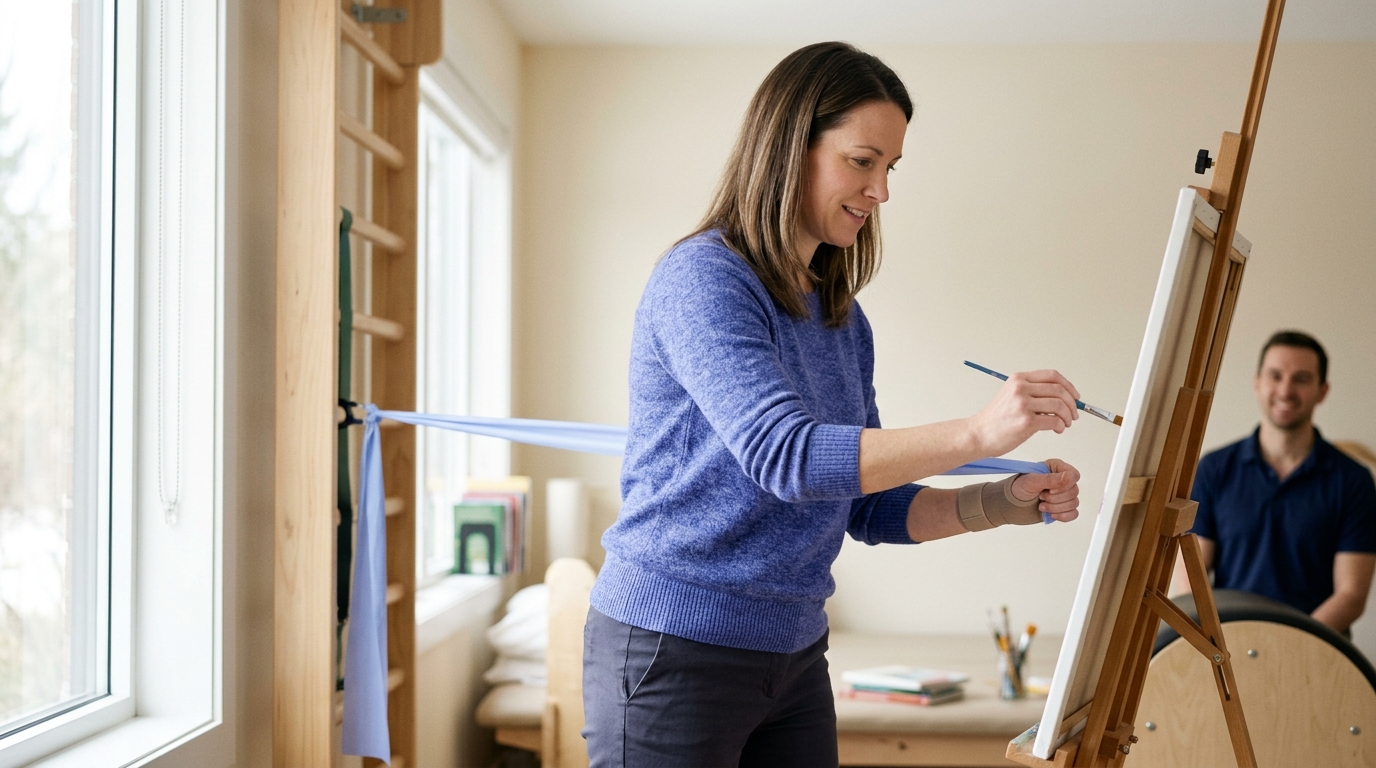
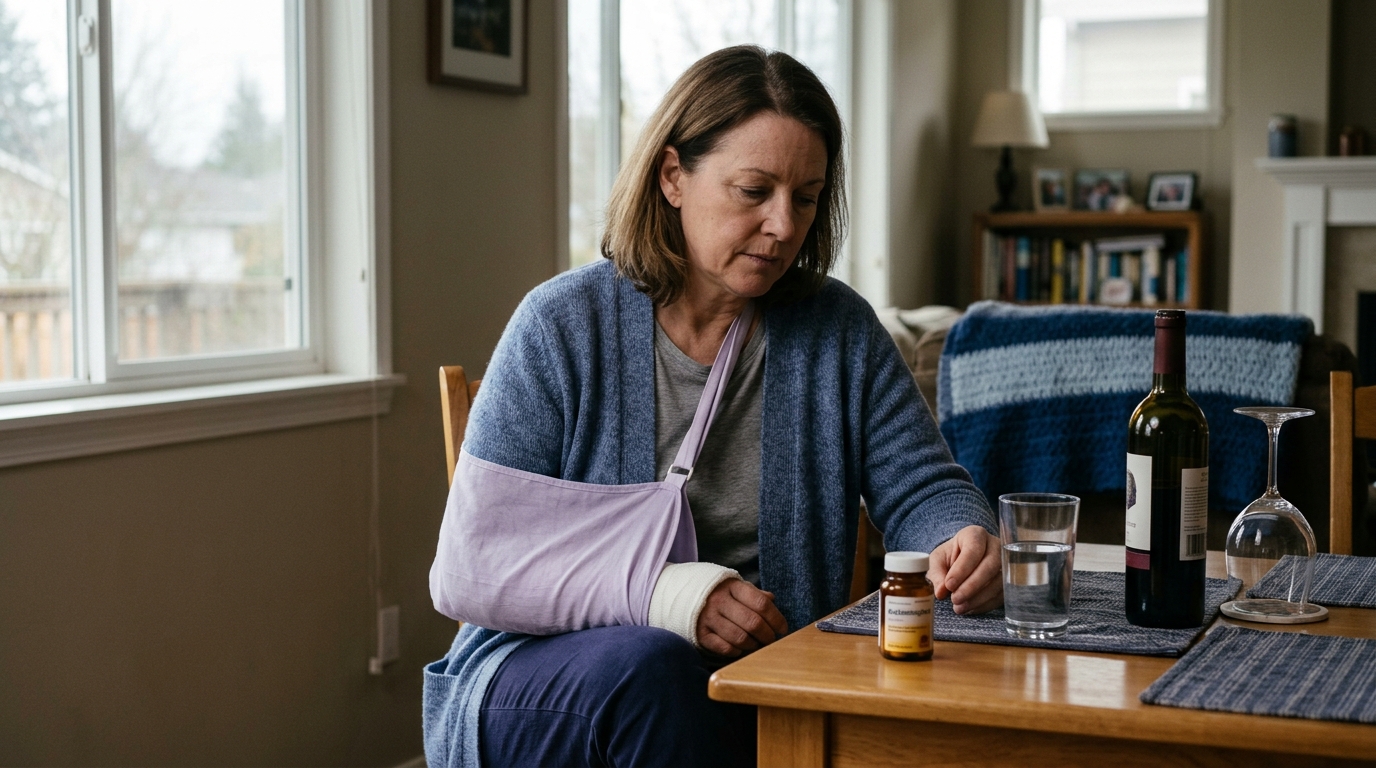
Consider two 60-year-olds who sustain identical wrist fractures requiring surgical plates. One patient regularly performed strength training and aerobic exercise, while the other led a sedentary lifestyle and managed type 2 diabetes.
The active individual typically regains range of motion and grip strength faster, as seen in clinical trial data from wrist fracture studies. The sedentary individual may experience longer-lasting swelling, persistent joint stiffness, and slower strength recovery. The difference in their rehabilitation speed reflects their tissue quality, circulation, and movement habits rather than age alone.
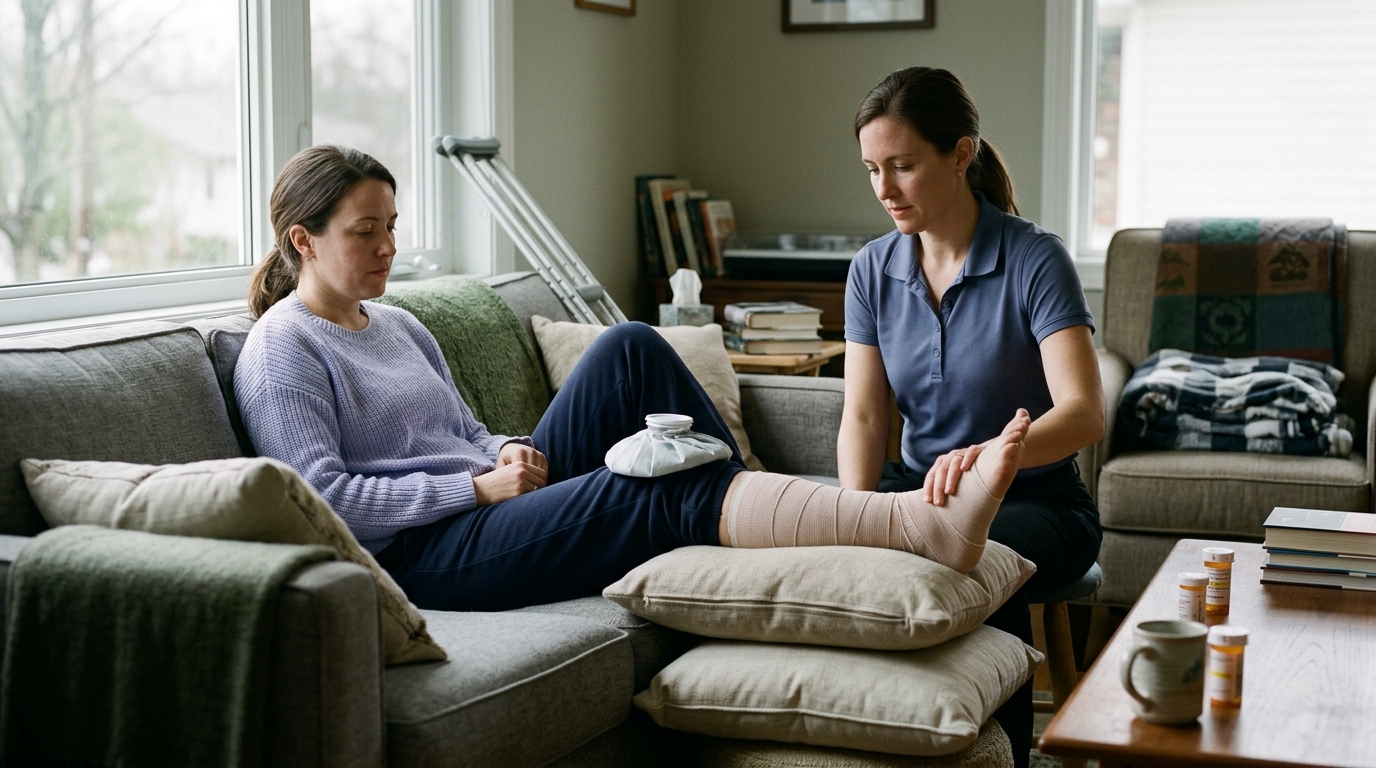
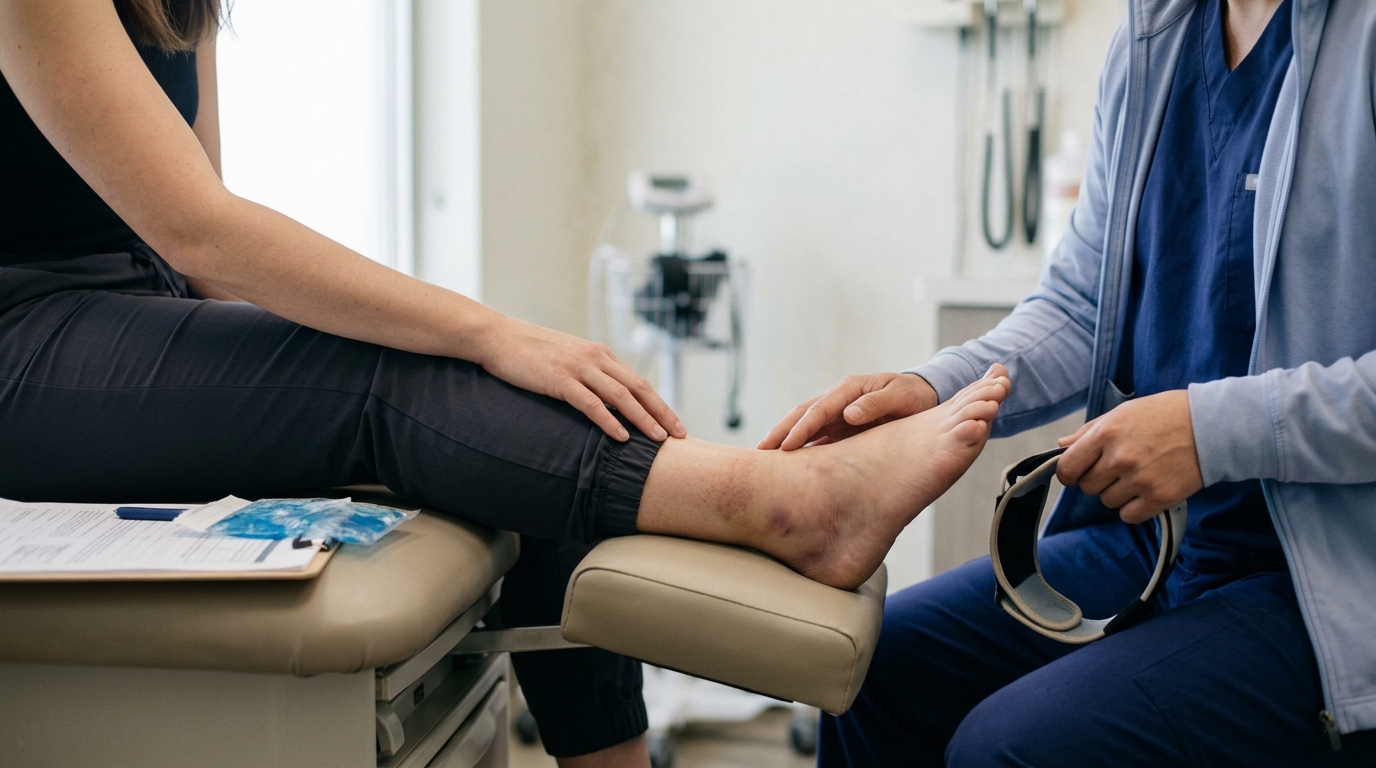
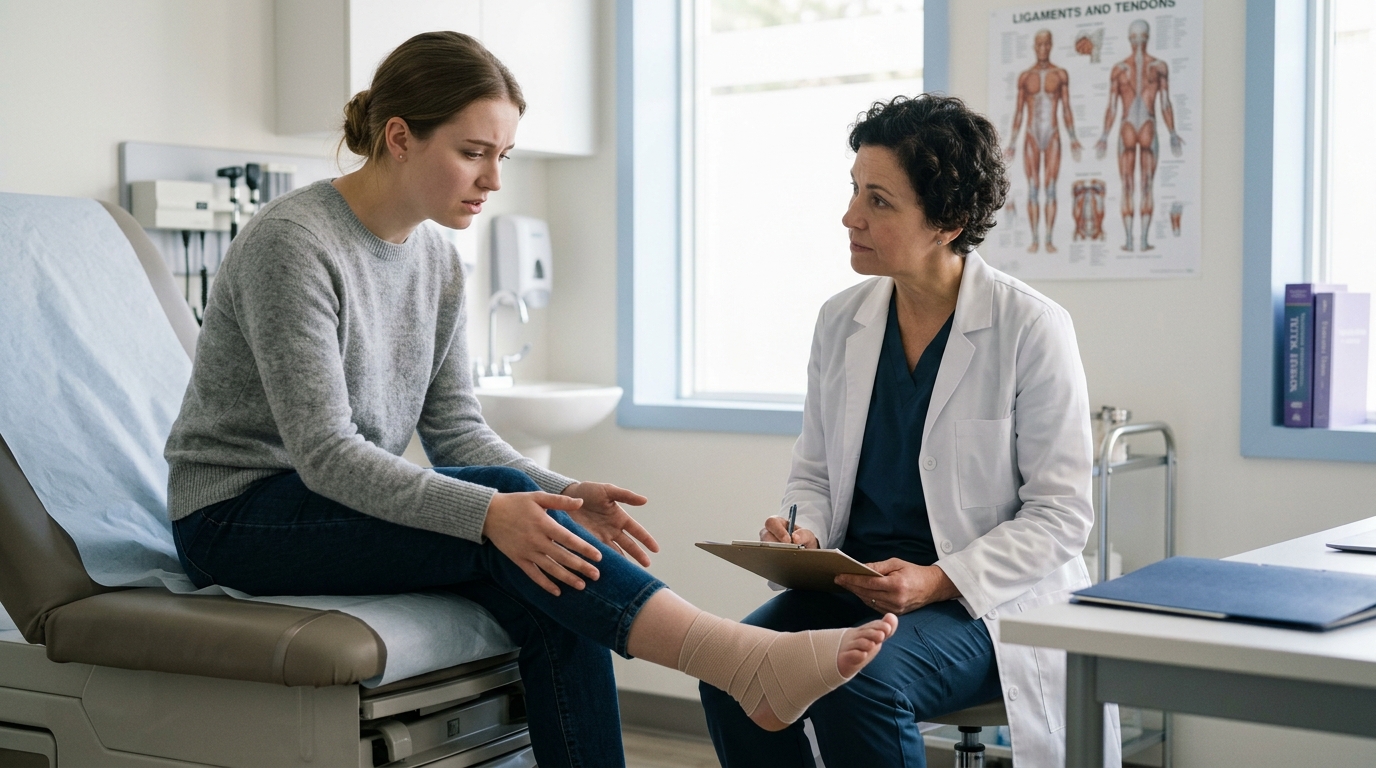
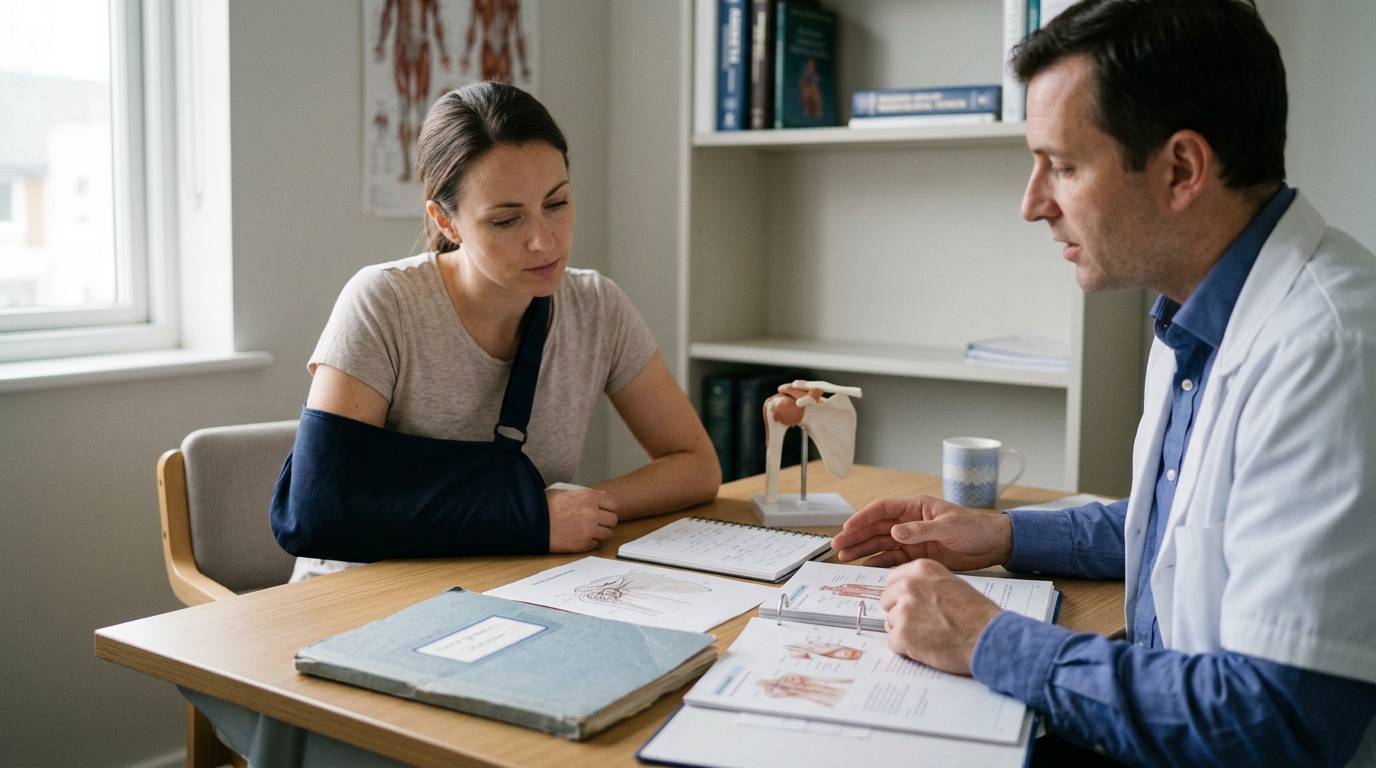
An active 58-year-old sustains an ankle fracture and spends six weeks in a walking boot. At their follow-up visit, the orthopedic surgeon confirms solid bone union on the X-ray.
Despite good structural healing, the individual notices calf muscle atrophy, ankle stiffness, and difficulty walking down stairs. Recognizing that tissue healing is only the first phase helps this person commit to physical therapy to rebuild strength, joint mobility, and balance.
A 66-year-old recovering from rotator cuff surgery faces a rehabilitation timeline of nine to twelve months. Early goals focus on pain control, tissue protection, and passive range of motion.
As the tendon matures, rehabilitation shifts toward progressive strengthening and overhead control. Adapting goals across the recovery timeline helps sustain motivation while giving healing tissues time to remodel safely.
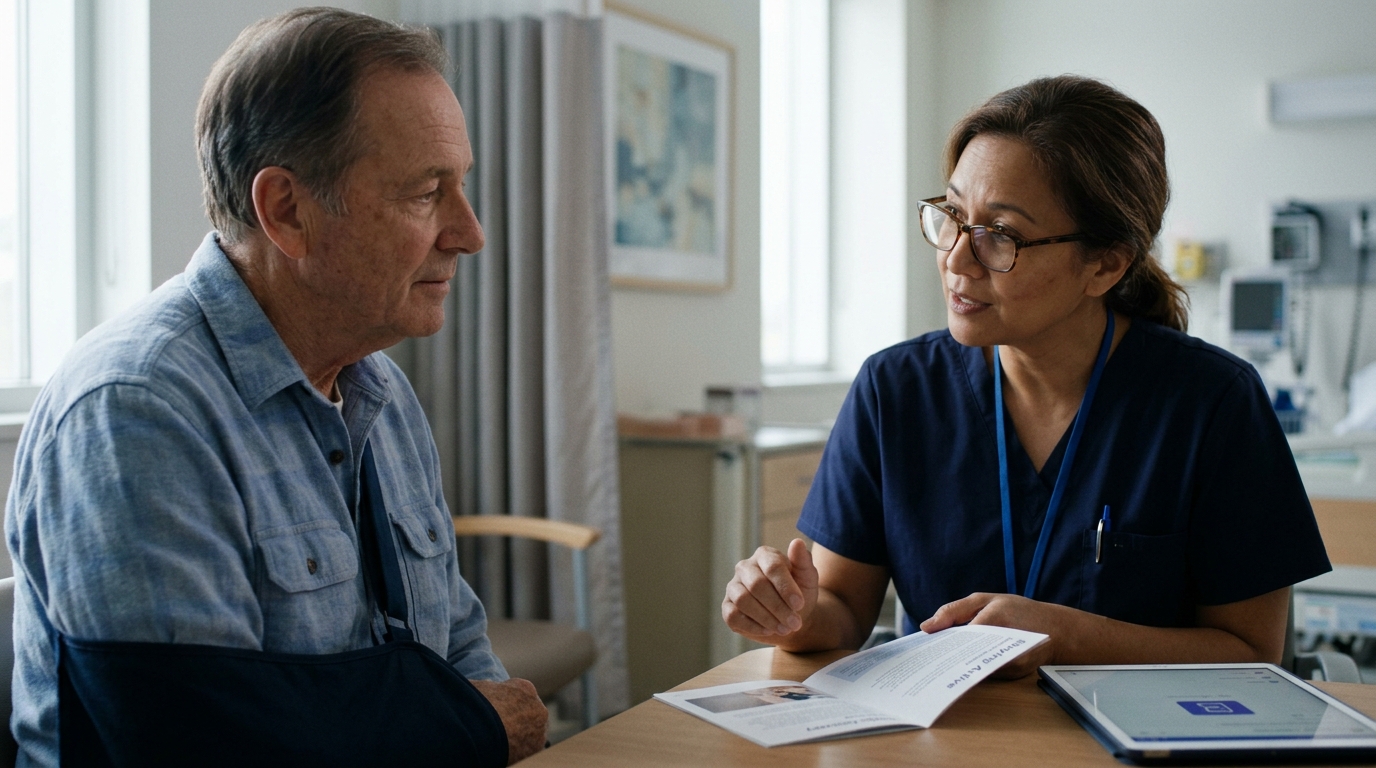
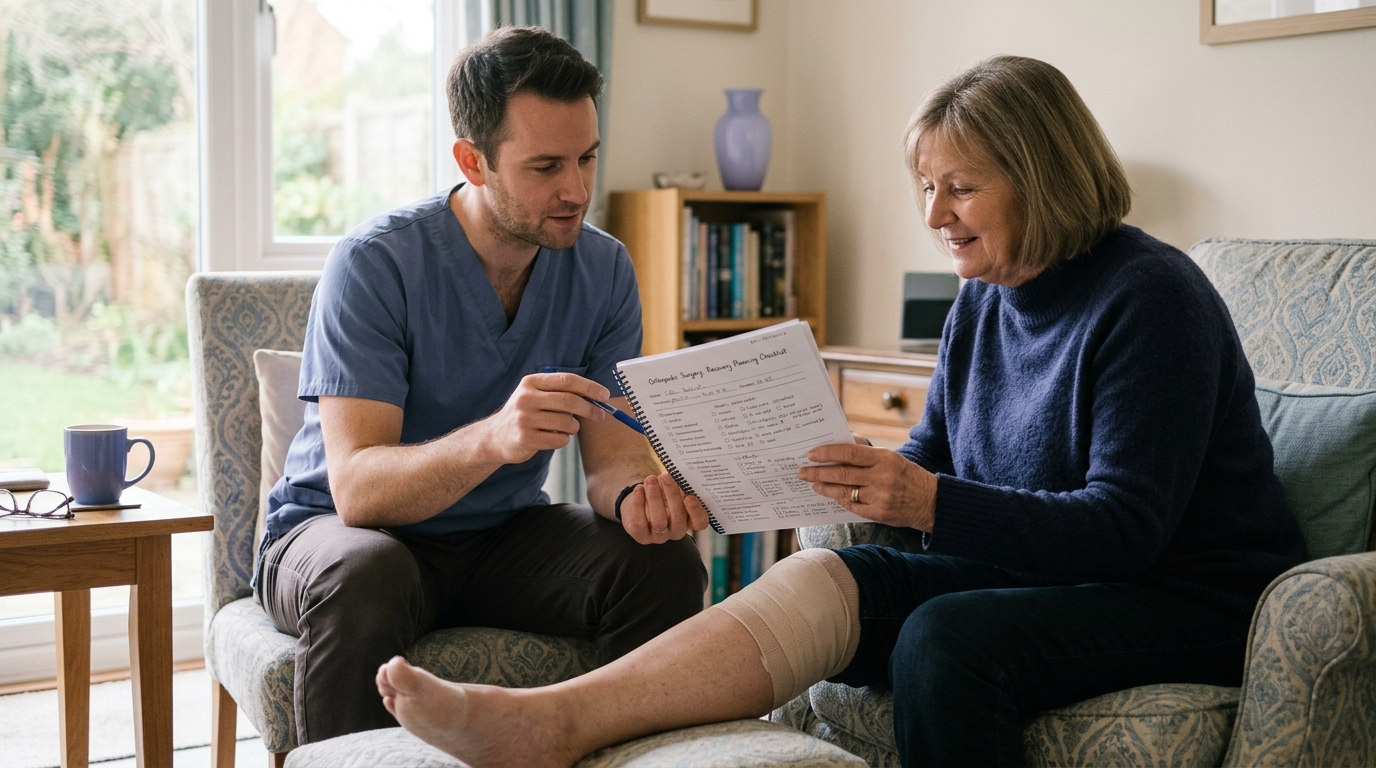
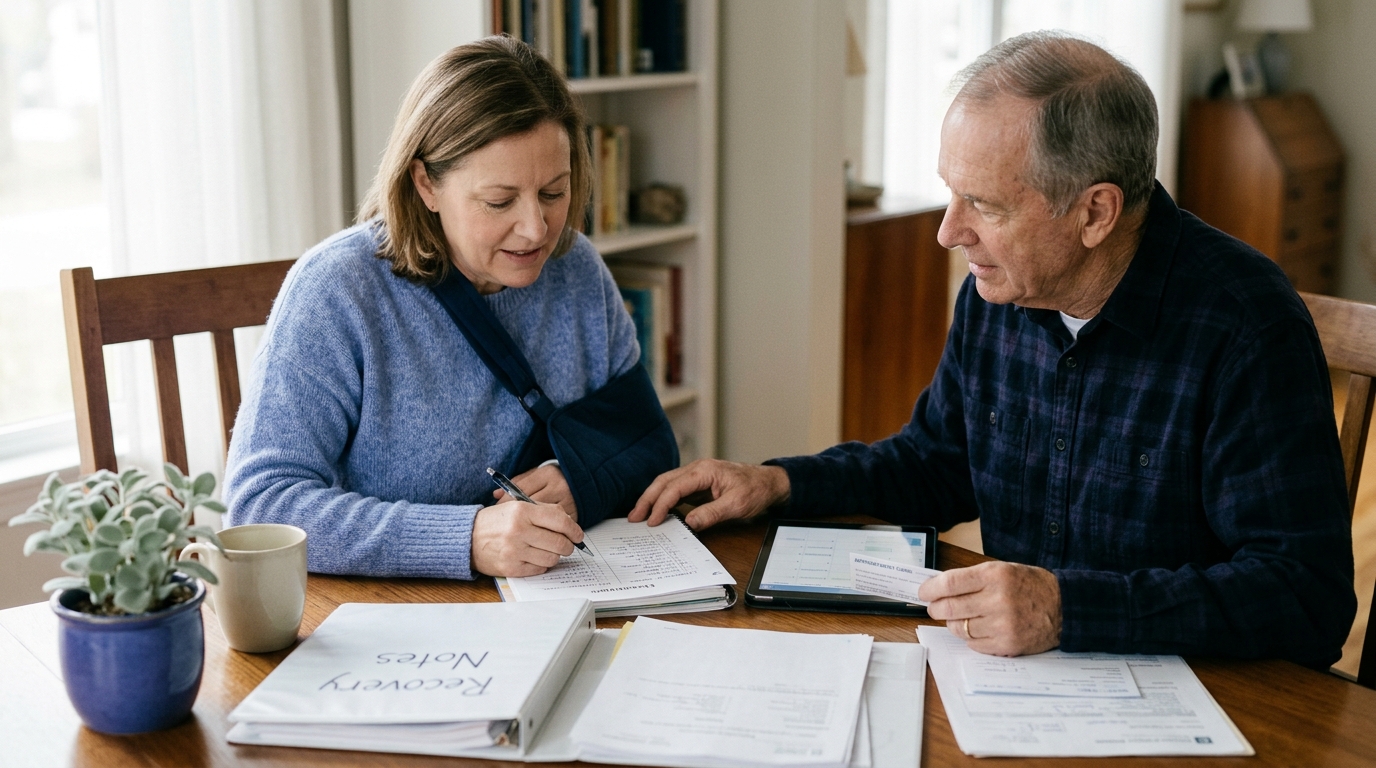
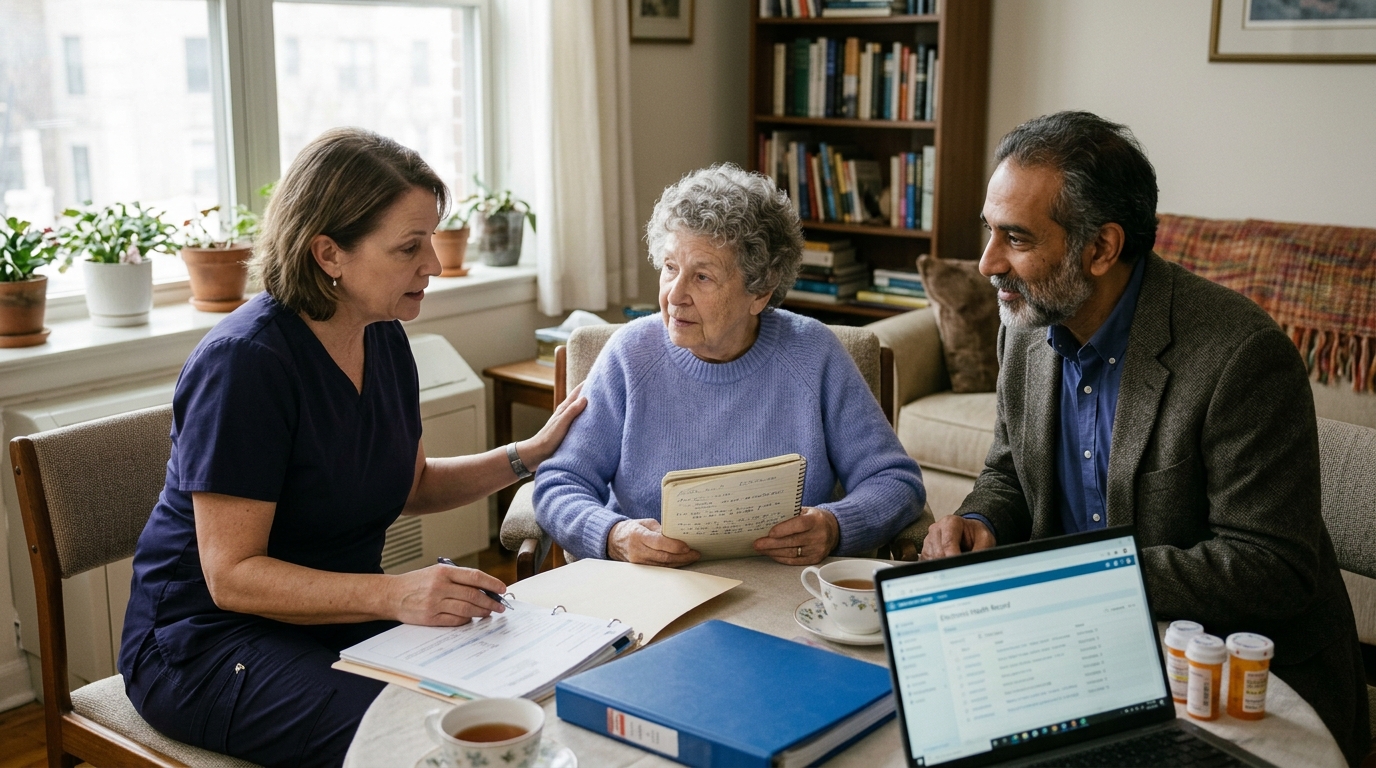
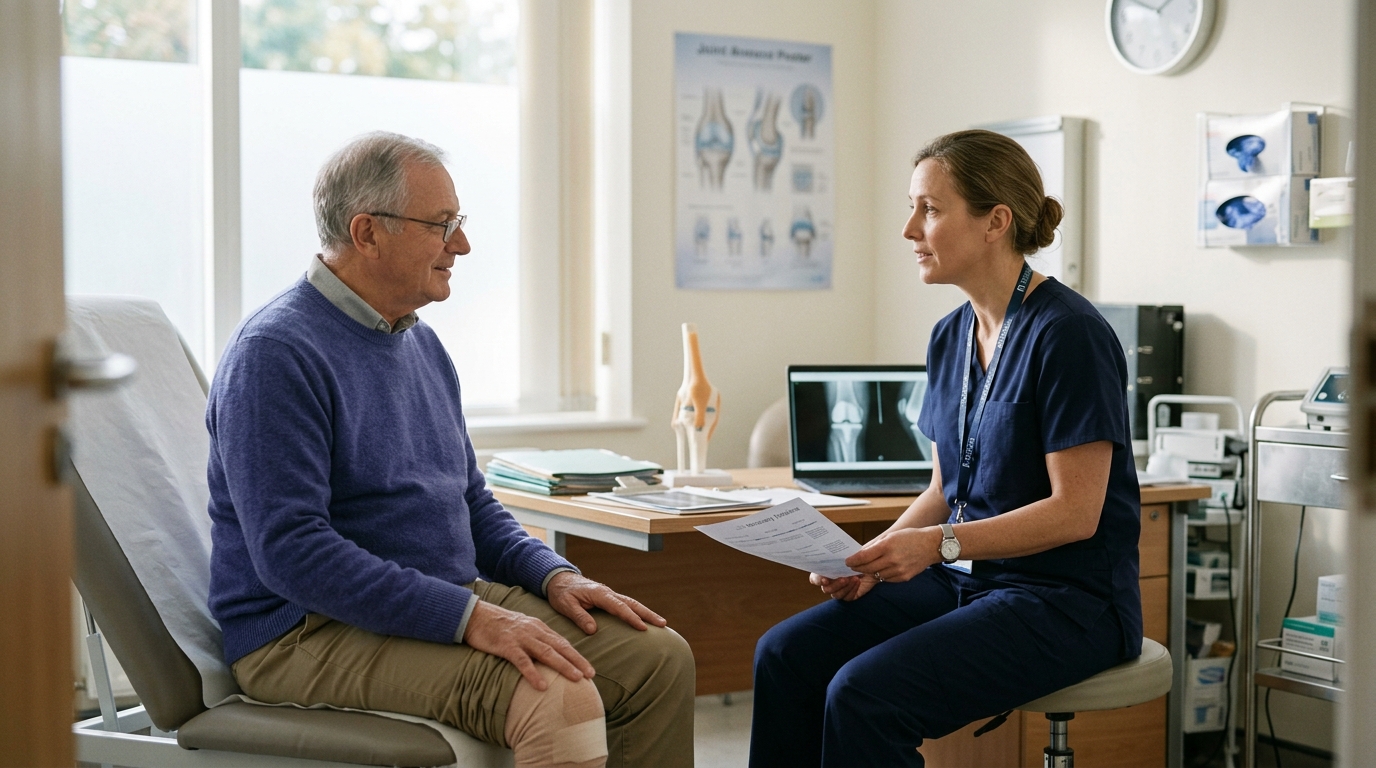
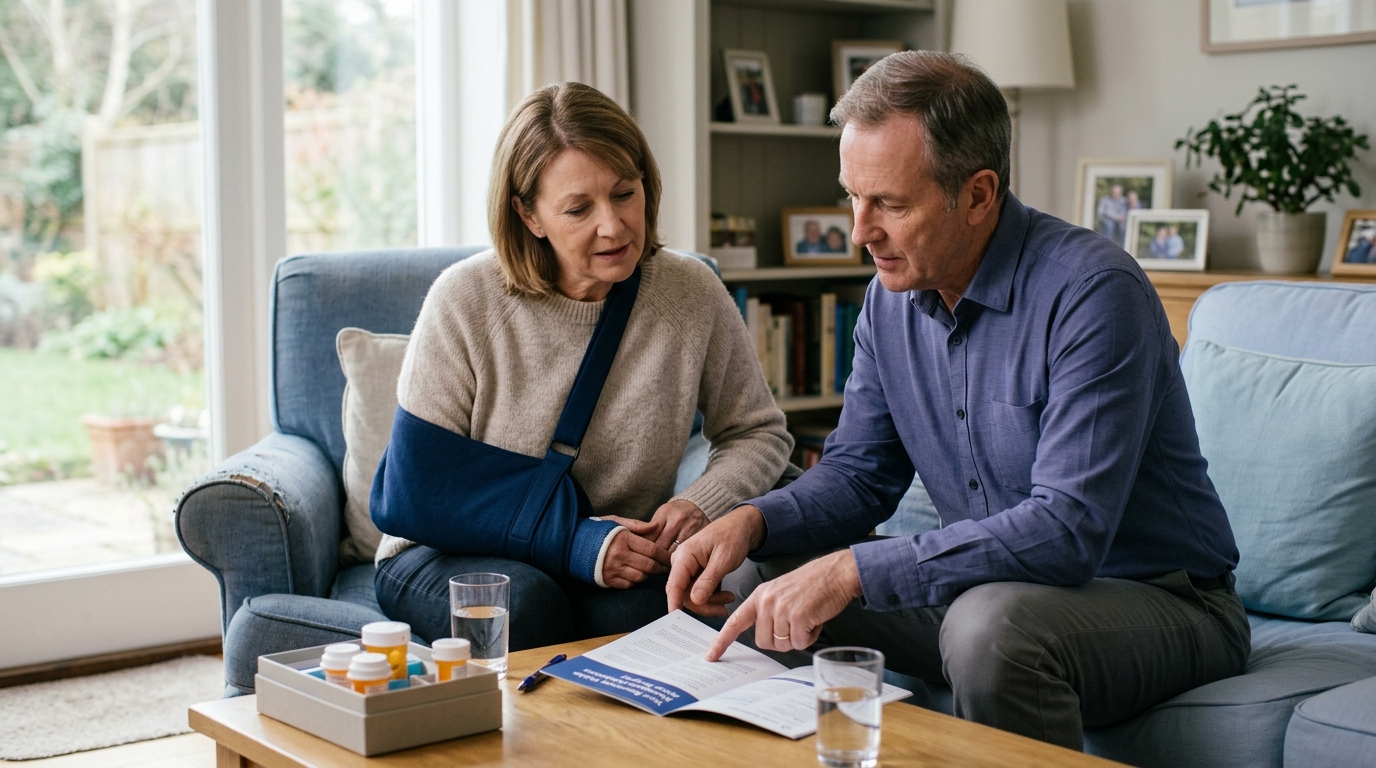
Clear communication with your doctors and physical therapists ensures your recovery plan matches your baseline health and personal goals. Use these practical questions during your appointments:
Chronological age influences your recovery, but it does not define your potential. Health conditions, baseline muscle mass, everyday activity, and structured rehabilitation interact to determine how well you heal.
Focusing on the factors you can control allows you to navigate rehabilitation after 50 with confidence. Working closely with your medical team helps ensure a safe, steady return to the activities that matter most to you.
Age is only the backdrop of your recovery, while your daily habits, guided movement, and health management drive your actual progress.

Use ReboundBody resources to understand common recovery stages, rehab terms, movement limits and strength rebuilding. Each guide is designed to make a complex comeback easier to understand.


Read practical guidance on injury recovery, rehabilitation, mobility and rebuilding strength as you work your way back to activity.
Explore Resources