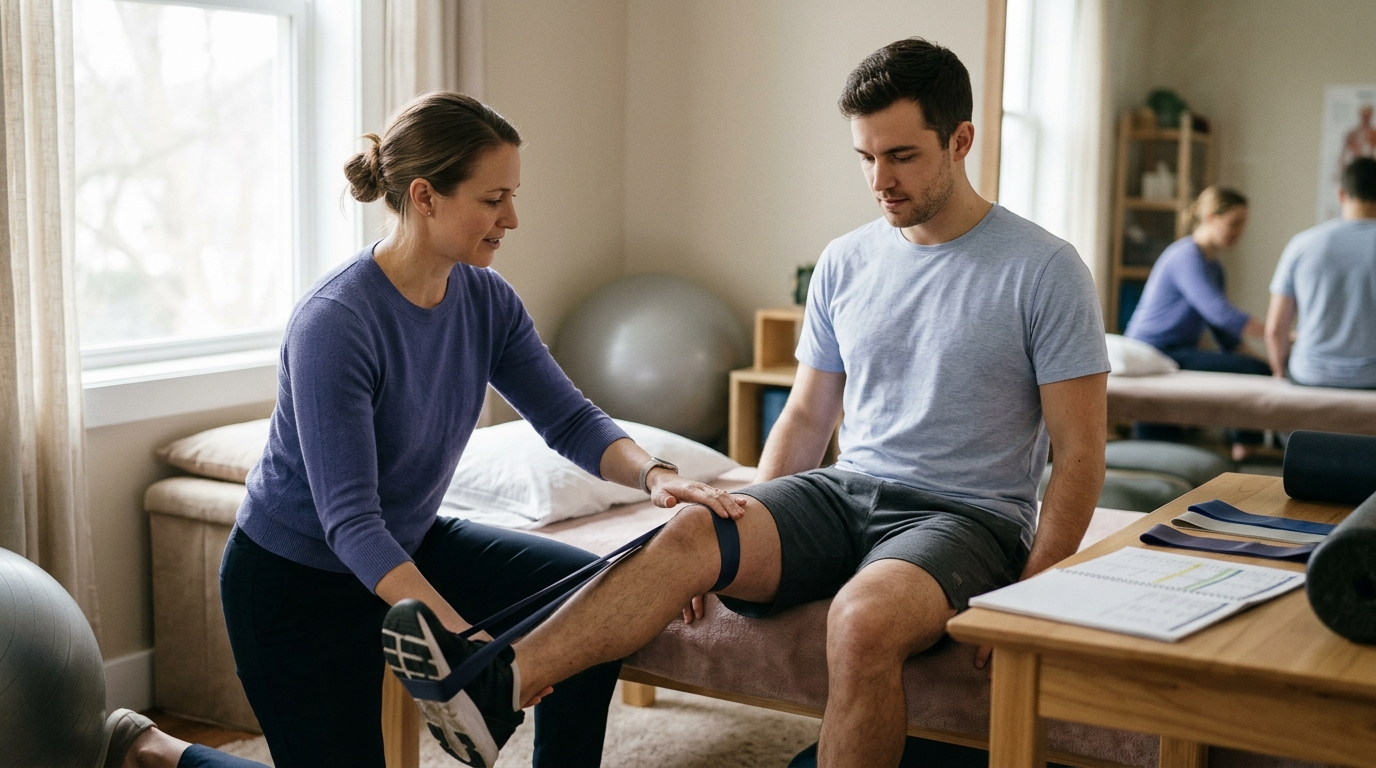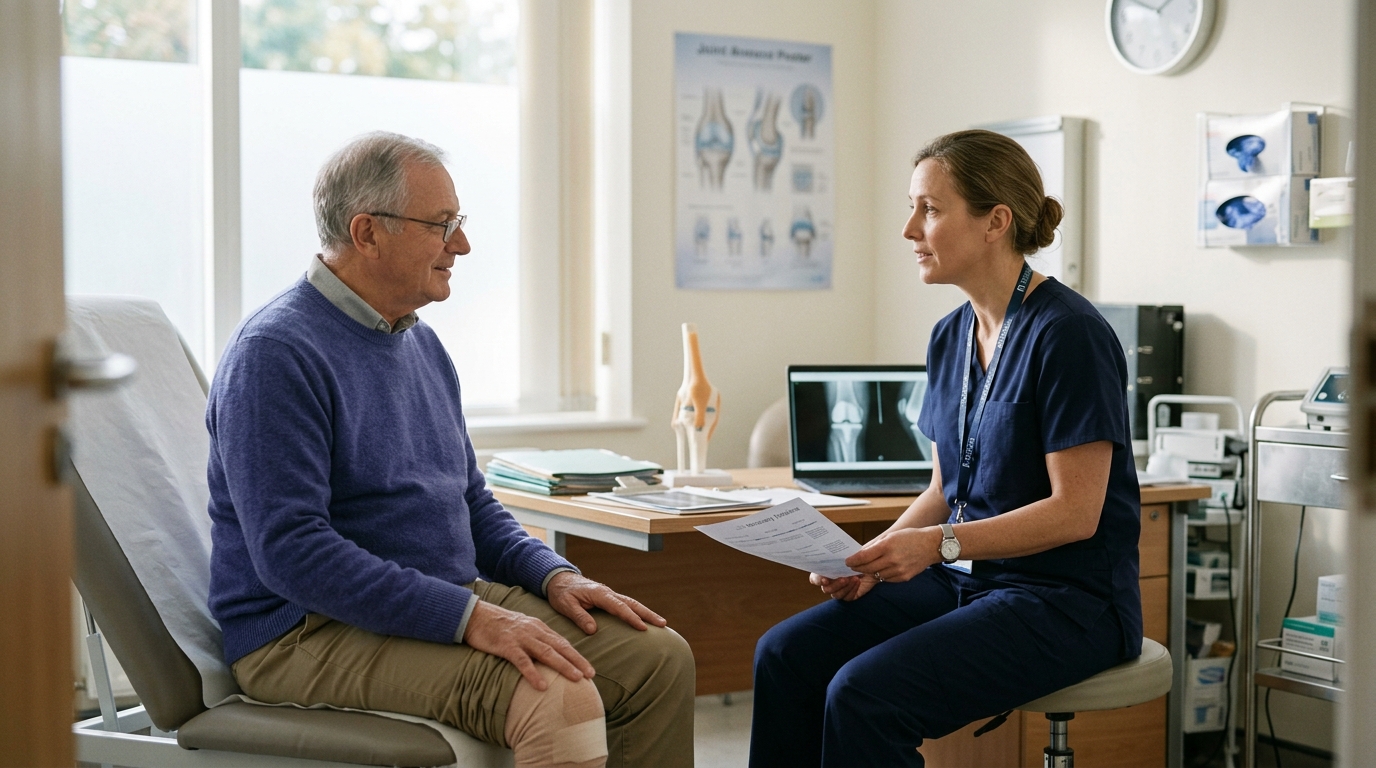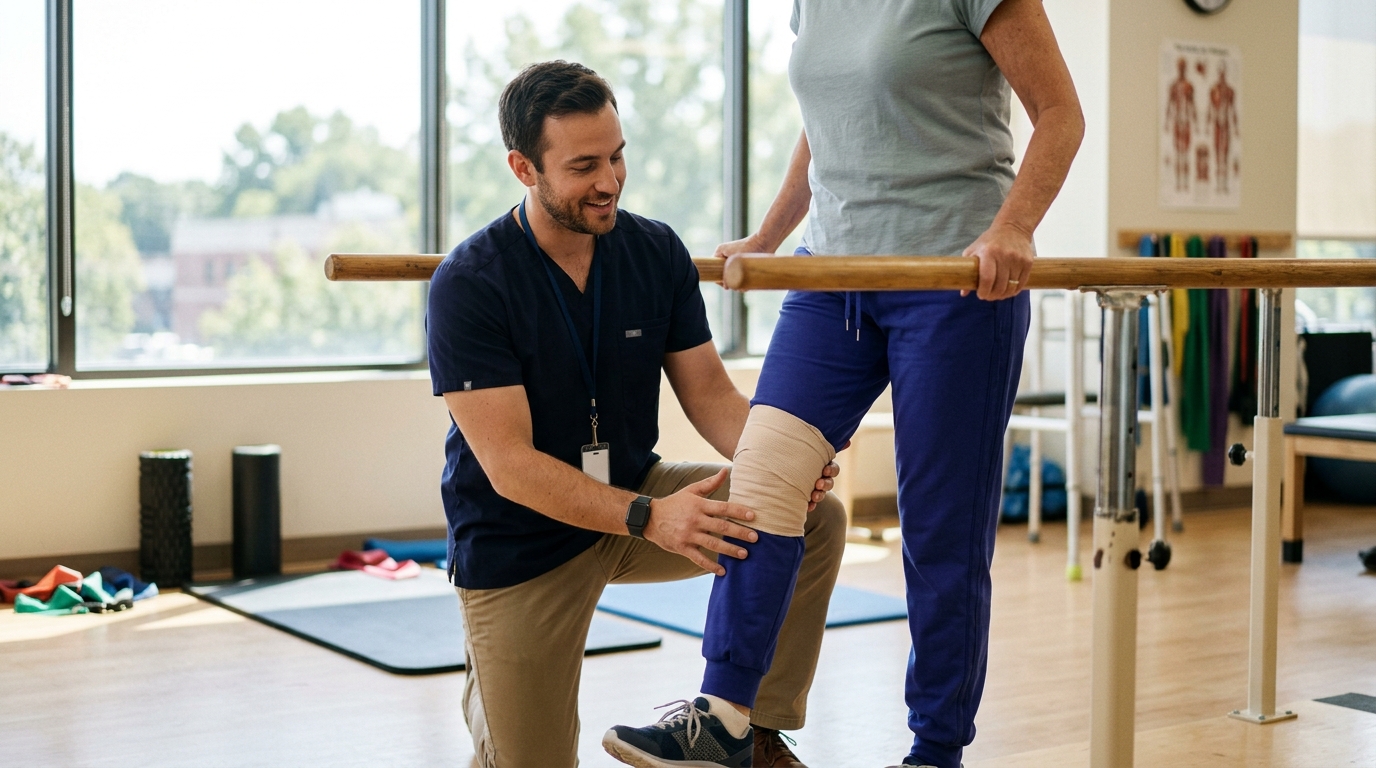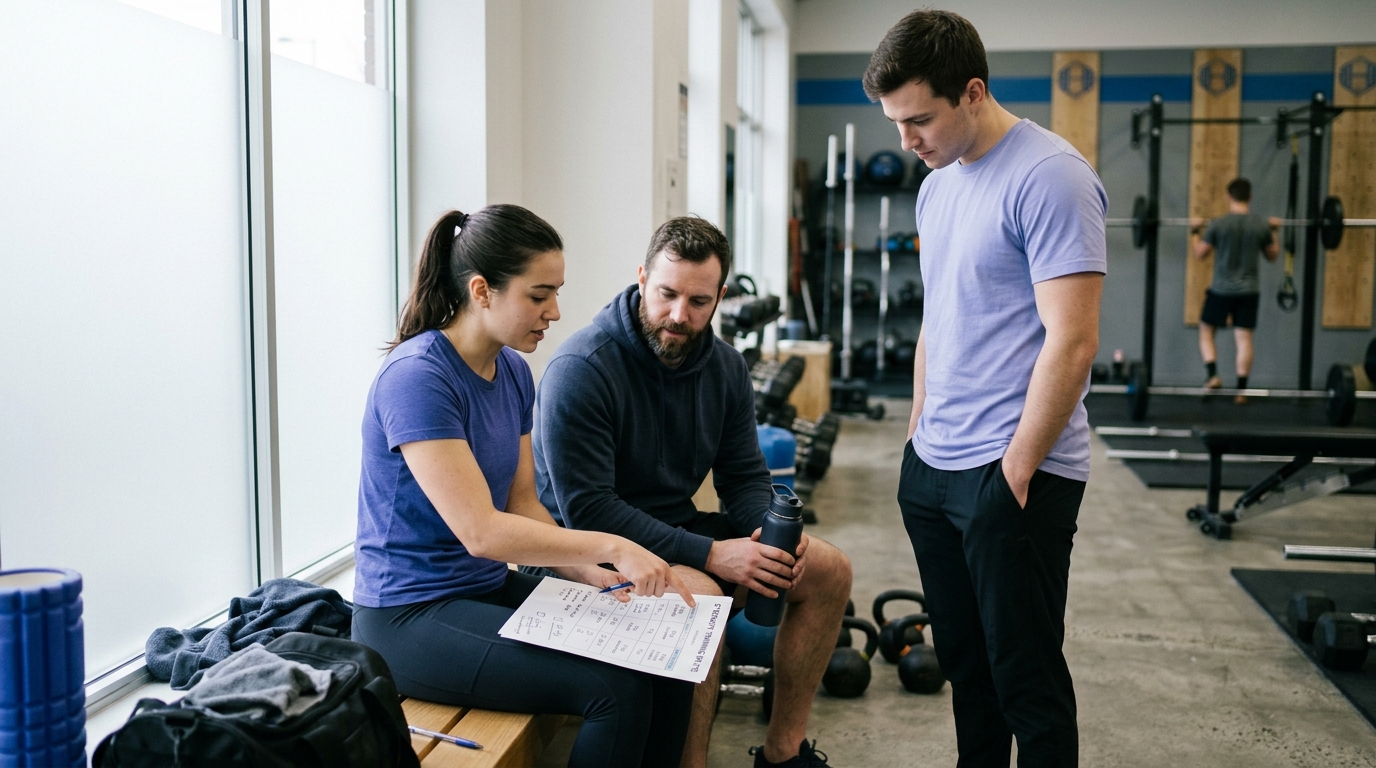

Watching the weeks pass after an injury rarely reflects physical readiness, so functional milestones help you track true healing through strength, mobility, and confidence.





When you search online for an injury recovery timeline, you usually find a standard list of weeks. You might read that a tendon takes twelve weeks to heal, a bone takes eight weeks, or a ligament takes six months. Yet when that exact date arrives on your calendar, your body might not feel ready to run, lift, or work a full shift.
Calendar timelines provide estimates for early biological tissue repair. However, true recovery is measured by what you can do, how your body responds to physical load, and your confidence during movement. Functional recovery involves meeting specific milestones in daily tasks, muscular strength, joint control, and personal activities.
This guide outlines how to measure your progress using clear functional milestones. It explains how to track your physical capacity, evaluate symptom responses, and collaborate with your healthcare team to make safe progression decisions.
A calendar date cannot show whether a muscle has regained its stamina. It cannot measure if a joint can absorb impact, or if you feel confident stepping off a curb. Healing is a biological process that begins with inflammation, moves into tissue repair, and ends with remodeling. While basic structural healing follows a general chronological schedule, functional restoration depends on how tissues adapt to progressive movement and physical stress.
Standard recovery schedules often treat all adults the same way. In reality, tissue adaptation varies based on age, sleep, overall health, and prior conditioning. If you rely solely on calendar dates, you might advance your physical activity before your muscles and tendons have the capacity to handle the workload. Conversely, relying strictly on fixed dates can cause unnecessary fear, keeping you from helpful movements long after your tissues are ready to adapt.
A time-based approach also overlooks the psychological aspects of recovery. Research consistently shows that apprehension and lack of movement confidence can persist long after an injured structure has technically healed. Moving past calendar milestones allows you to focus on tangible capabilities. You can monitor your joint range of motion, muscle balance, and daily tolerance rather than watching the days tick by.
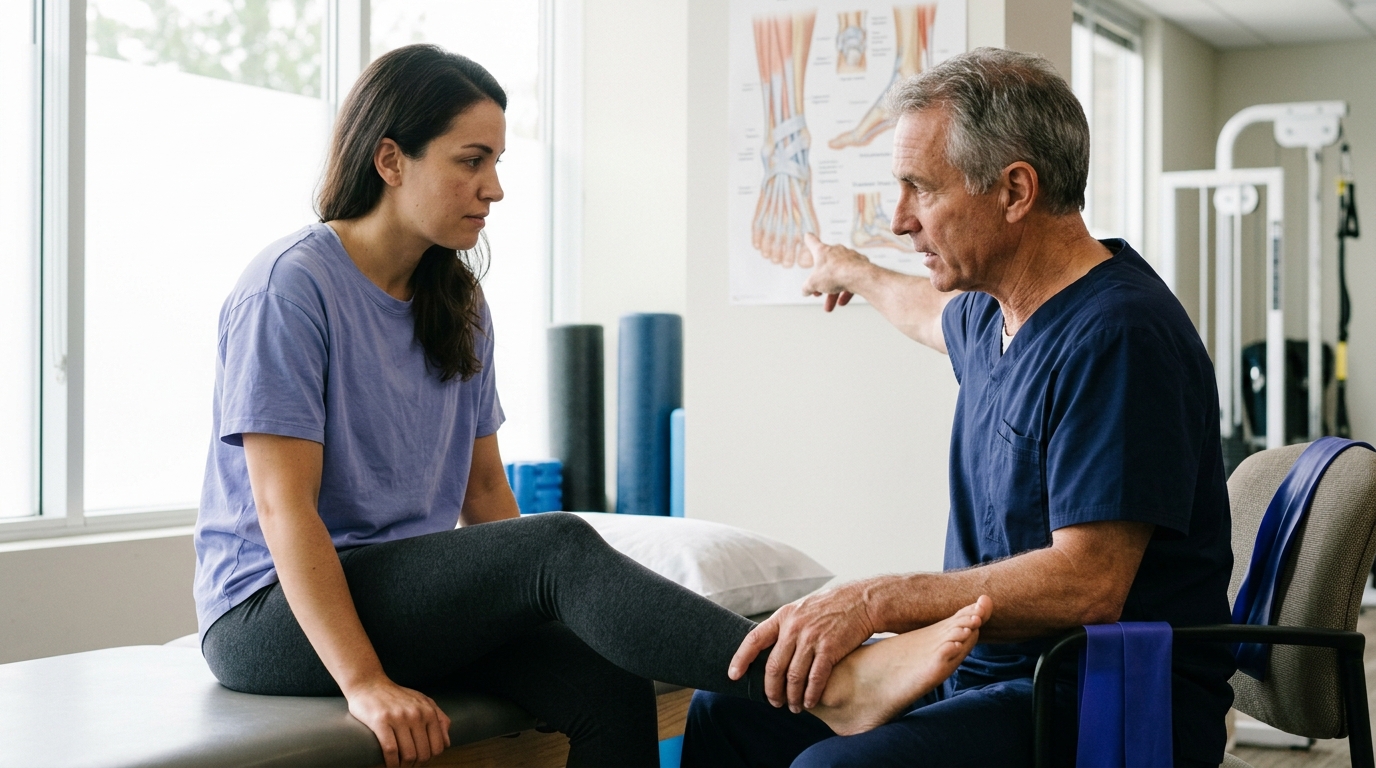
Evaluating recovery through functional stages creates a clearer picture of physical capability. When you focus on measurable tasks, such as walking down stairs without hesitation or standing for an hour without a symptom flare, you gain actionable data. This functional data helps you and your physical therapist or doctor decide when it is safe to increase your activity.
Recovery is rarely a straight line from injury back to full activity. A structured, staged framework helps organize your rehabilitation into manageable phases. Guidelines from the National Institute for Health and Care Excellence (NICE) recommend setting personalized, short-term and long-term goals that connect directly to meaningful daily tasks. Breaking your long-term goals into smaller steps makes tracking progress clearer and keeps you engaged throughout rehabilitation.
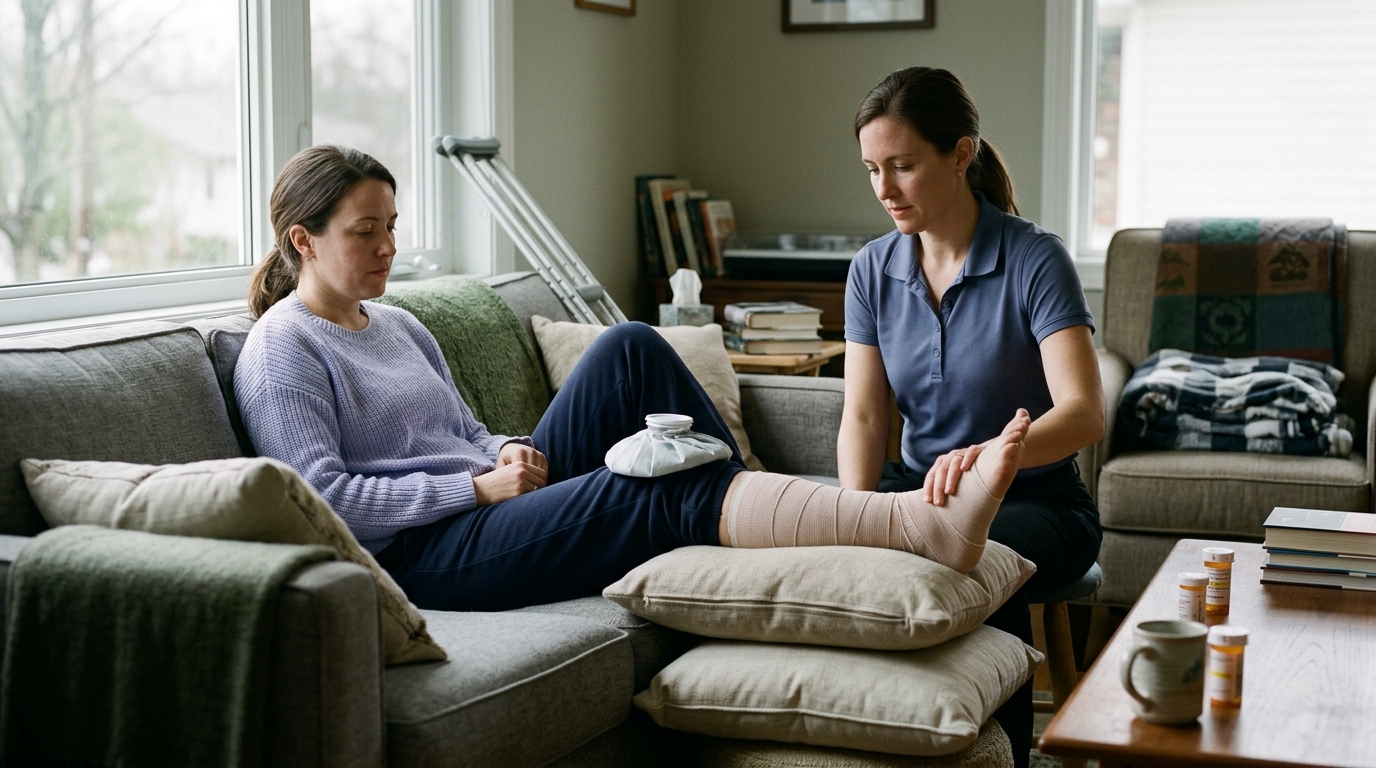
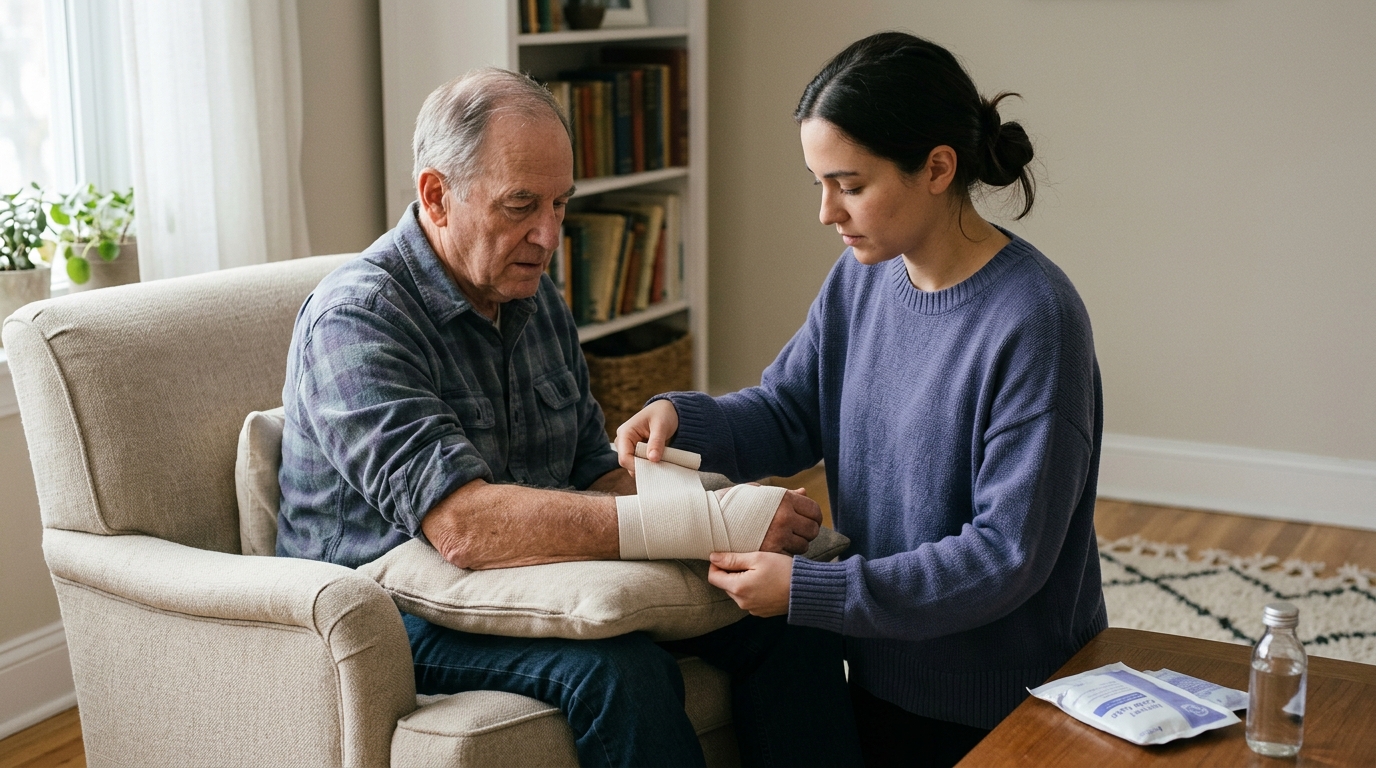
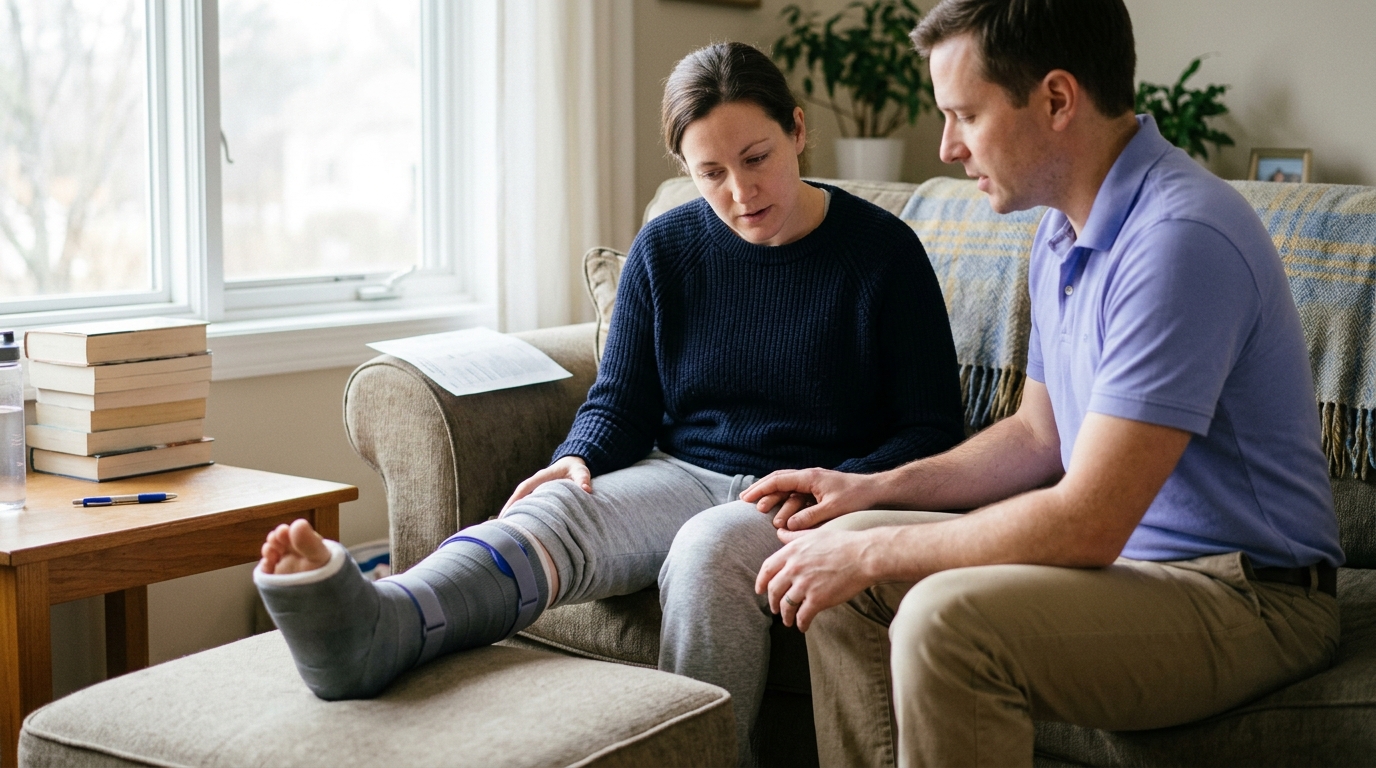
The earliest stage of recovery focuses on settling acute symptoms, protecting vulnerable healing tissues, and restoring fundamental self-care tasks. At this level, success is not defined by being completely free of discomfort. Instead, success means keeping symptoms at a manageable level so you can complete basic movements, rest comfortably, and follow your home exercise plan.
Key milestones in this initial stage include:
Achieving these milestones demonstrates that your body is managing early physical stress. Once basic self-care tasks no longer trigger severe symptoms, you can begin expanding your daily physical demands.
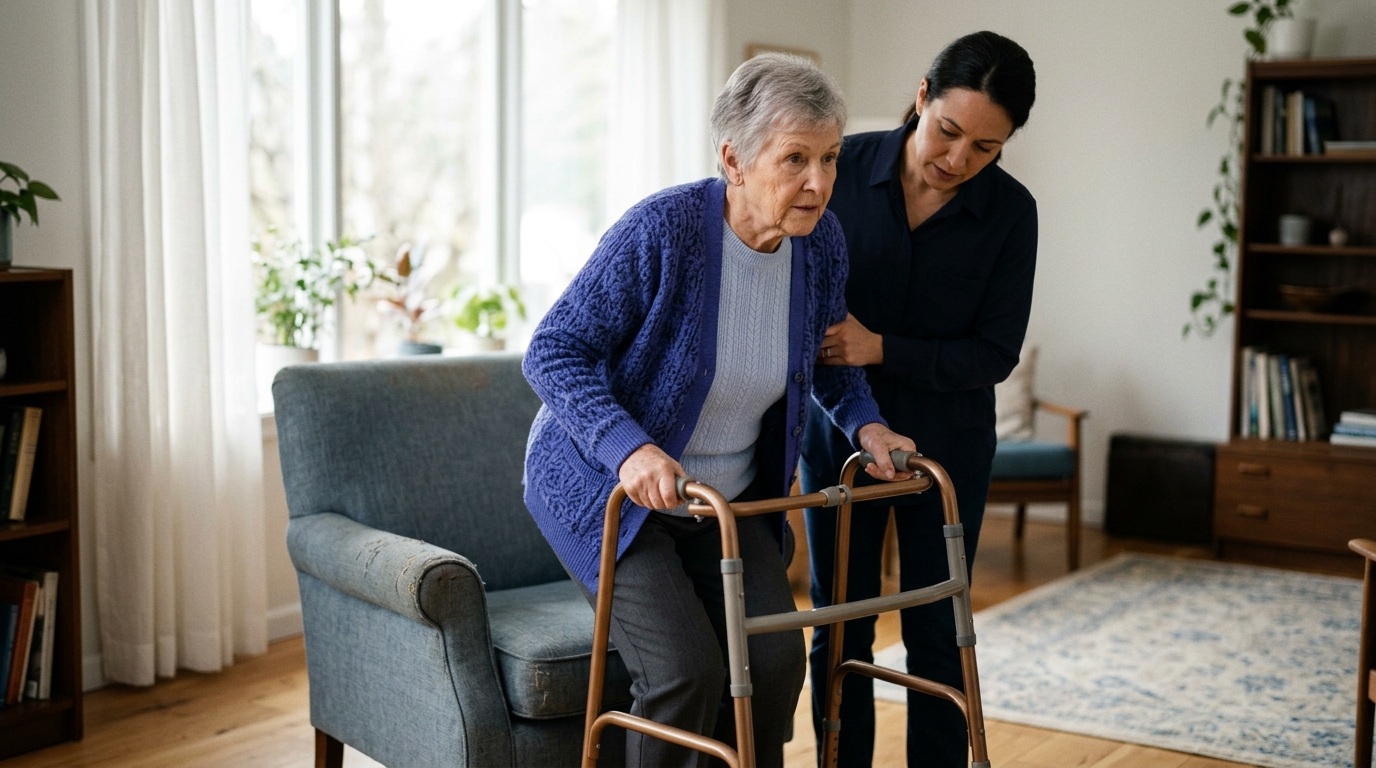
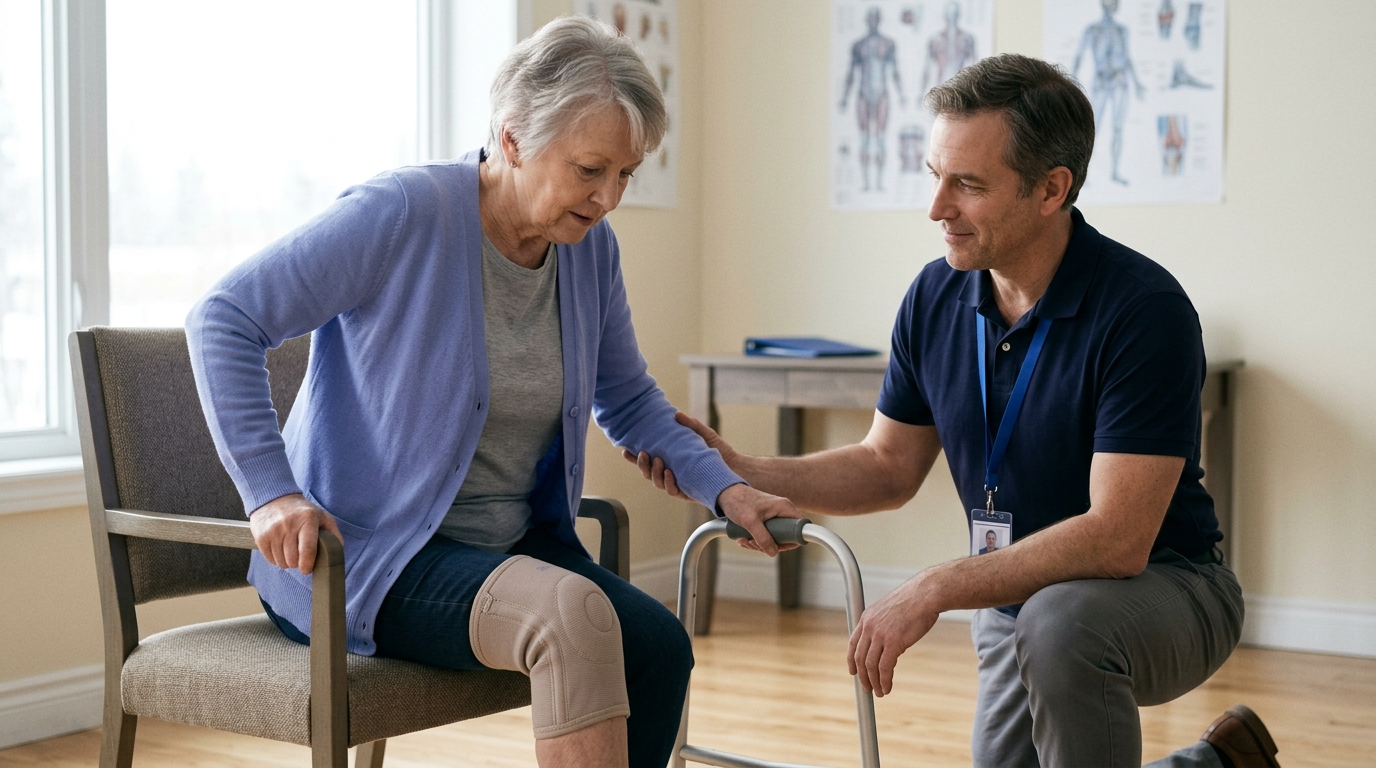
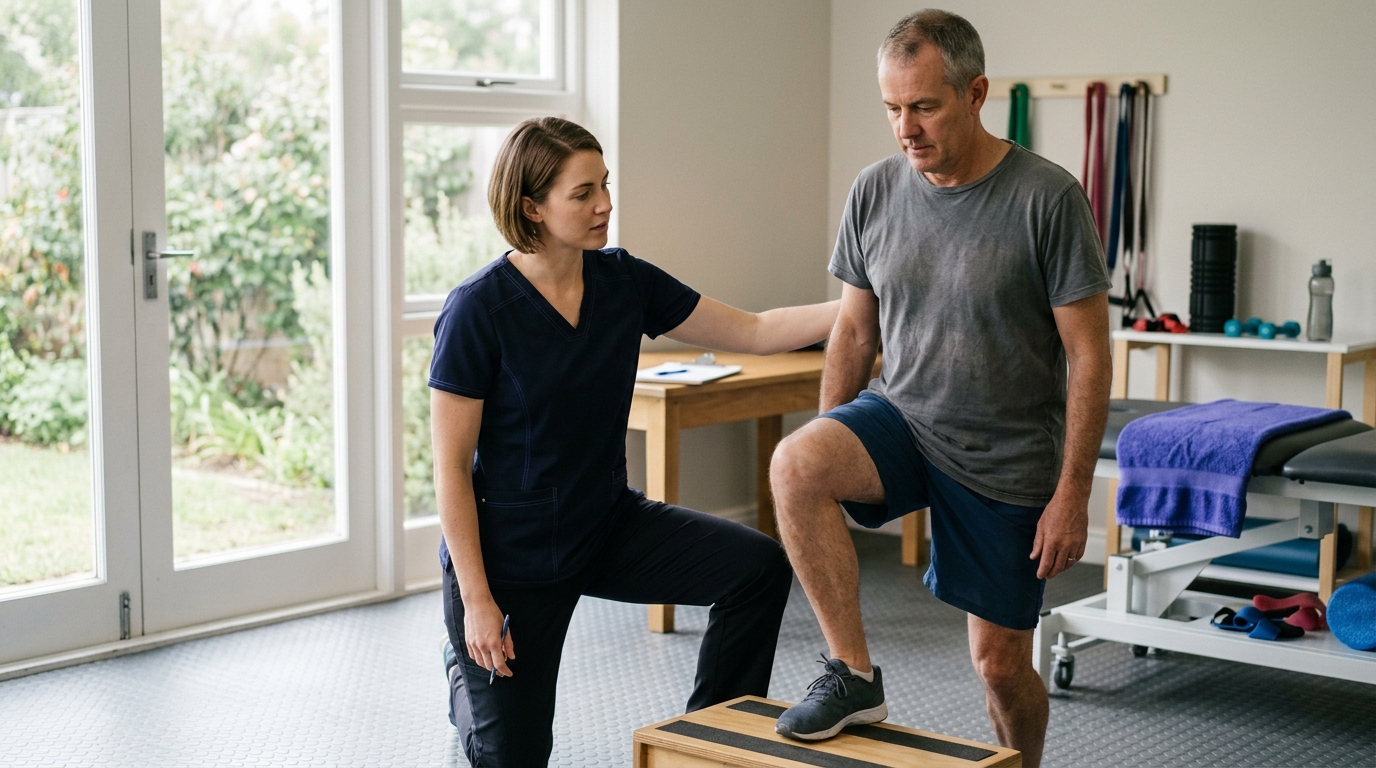
As basic symptoms stabilize, the focus shifts toward household mobility and functional independence. This phase bridges the gap between simple table exercises and the dynamic demands of daily life. The goal is to move smoothly throughout your home and local environment without excessive fatigue or compensation patterns.
Key milestones in the mobility stage include:
These activities require coordination, basic muscular endurance, and confidence. You can explore structured injury recovery and healing guides to understand how basic mobility habits support tissue remodeling.
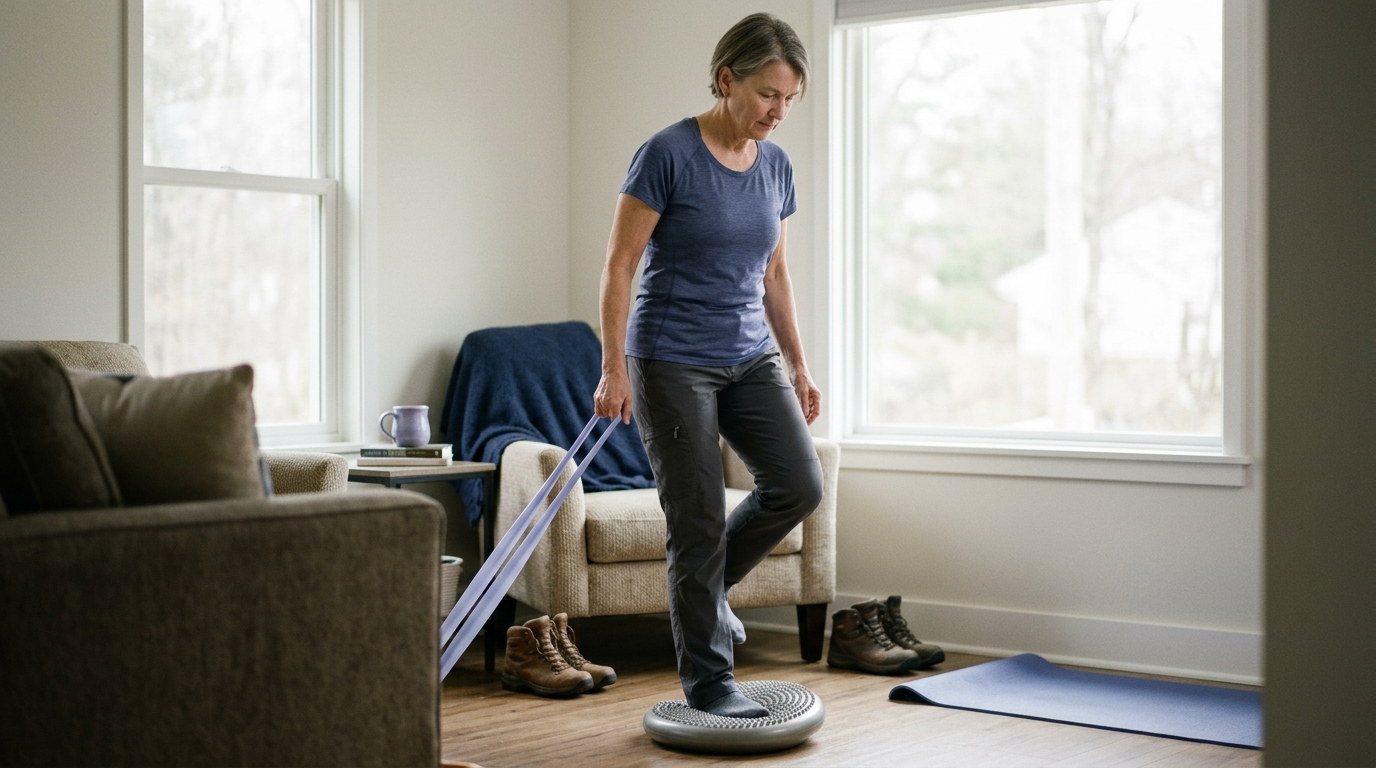
Once basic daily movements are comfortable, rehabilitation expands into rebuilding foundational strength, joint control, and aerobic capacity. In this stage, you challenge your muscular system to handle greater resistance, longer durations, and faster movements. This conditioning prepares your body for the irregular physical demands of work, travel, and active hobbies.
Key milestones in physical capacity include:
Strength and endurance rebuild slowly through consistent resistance training. Applying sound strength and return to sport principles helps ensure that muscle mass and tendon tolerance develop alongside joint stability.
Physical recovery must translate into your actual life roles. Stage four addresses your ability to meet the physical and cognitive requirements of your workplace, volunteer commitments, and family responsibilities. Work demands vary widely, from prolonged desk sitting to heavy manual lifting, so milestones in this stage must reflect your specific job tasks.
Key milestones in vocational participation include:
Vocational milestones often require modified duties or a gradual return to work plan. Working with your employer and clinical team allows you to build tolerance for job tasks without overloading healing structures.
The final stage involves returning to sports, vigorous recreational pursuits, and demanding physical hobbies. Resuming these activities requires more than basic muscle strength. It demands multidimensional fitness, including power, agility, rapid direction changes, and mental confidence under dynamic conditions.
Key milestones in high-demand recreation include:
Moving through these five stages provides an objective way to track progress. You do not graduate from one stage to the next on a specific date. You advance when your functional capacity and tissue tolerance reliably match the demands of the next level.
To accurately evaluate your recovery, you need to track several distinct physical and psychological dimensions. Relying on pain levels alone is misleading, because pain naturally fluctuates and does not always reflect tissue capacity. Clinical guidelines emphasize tracking a combination of self-reported outcomes and objective physical assessments to guide shared decision-making.
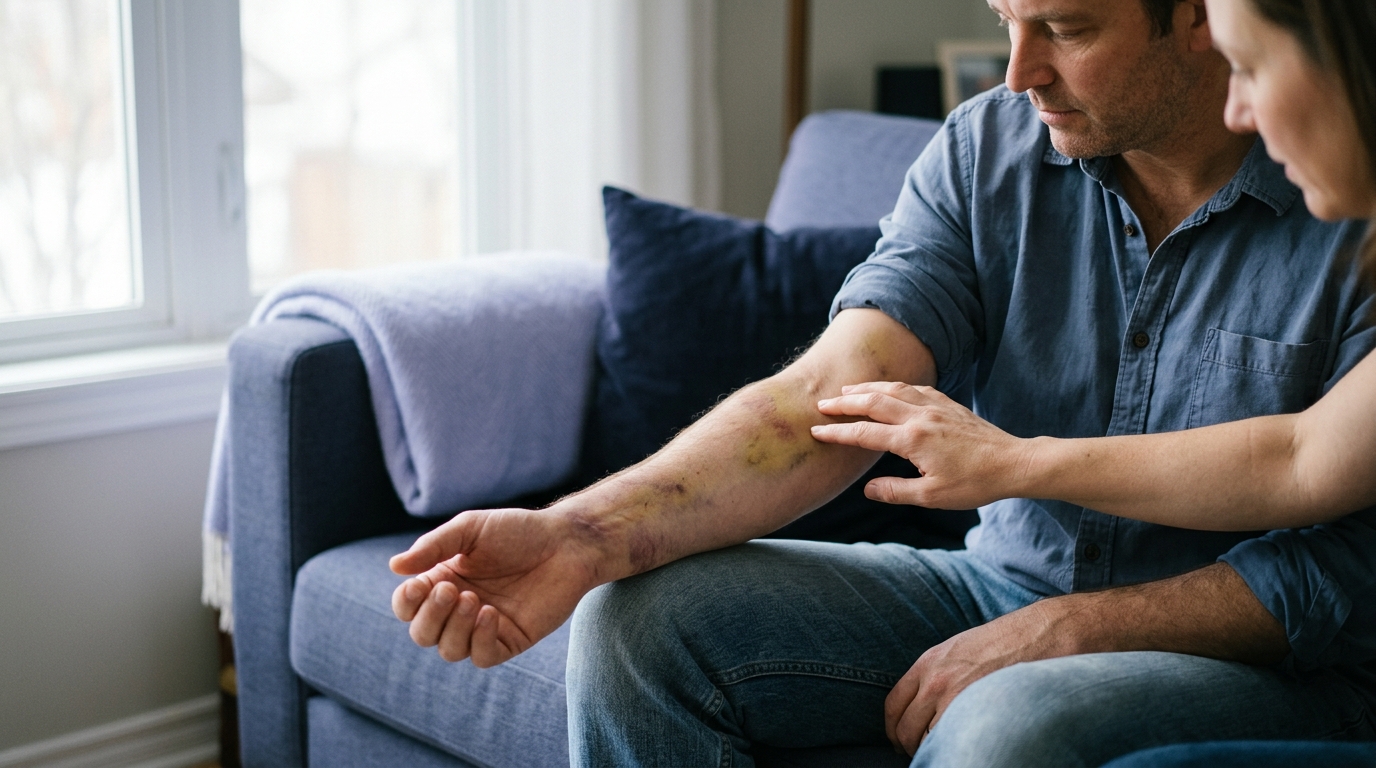
Symptoms provide valuable information about how well your tissues tolerate physical stress. However, you must evaluate symptoms across a full loading cycle, not just while you are performing an exercise. The key metric is how your body responds over the 24 hours following an activity.
When monitoring your symptom response, track three specific time points:
A mild, temporary increase in discomfort during or immediately after exercise is often a normal part of tissue adaptation. However, if your pain escalates significantly, or if you experience increased morning stiffness and joint swelling that lasts for days, the training volume was likely too high. Tracking this 24-hour response pattern helps you adjust exercise intensity safely.
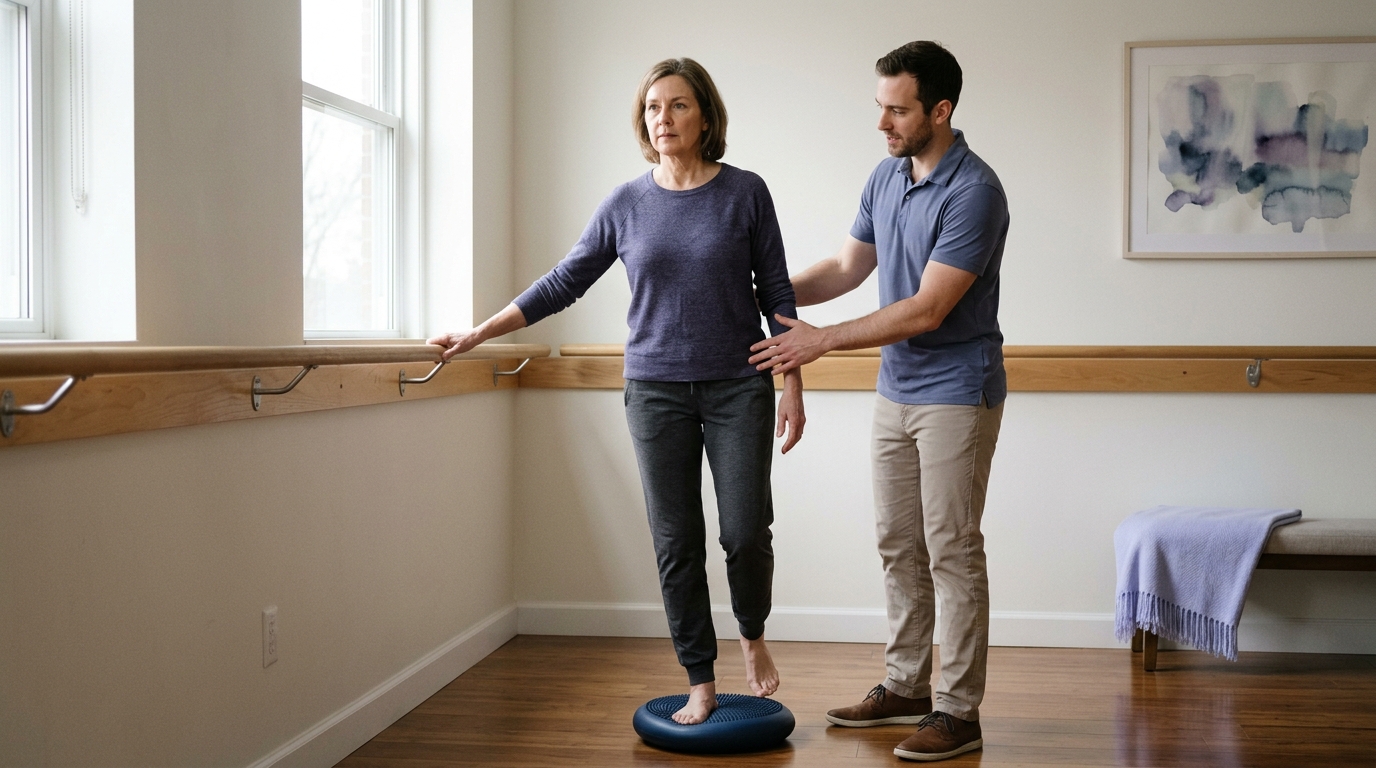
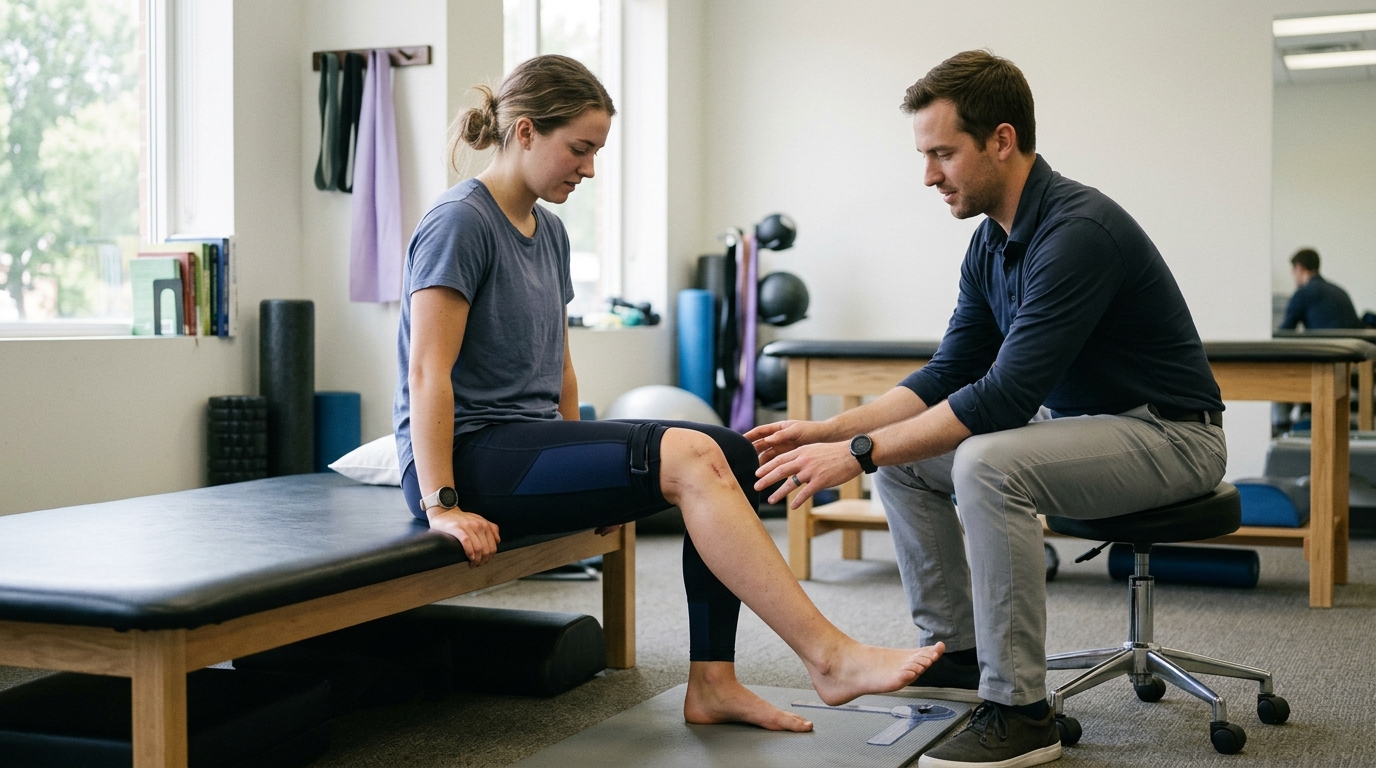
Joint mobility and movement symmetry are essential foundations for complex physical tasks. Regaining range of motion is rarely about forcing a stiff joint past its comfort zone. Instead, it involves restoring smooth, coordinated motion through consistent, gentle movement practice.
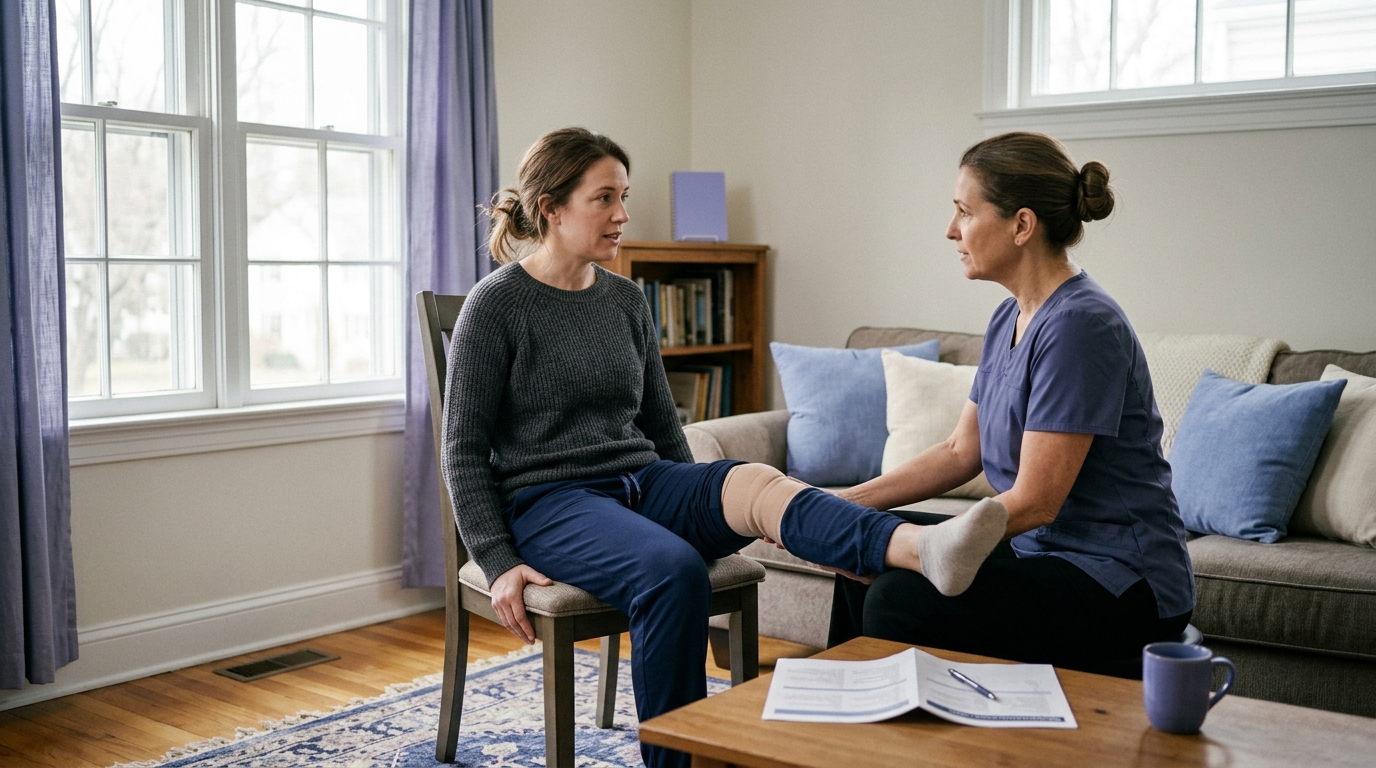
Movement quality also involves watching for subtle compensation patterns. For example, a person recovering from a knee injury might stand up by shifting their weight heavily toward the uninjured leg. A person recovering from a shoulder issue might hike their shoulder blade to lift their arm overhead. Identifying and correcting these compensatory habits ensures that the targeted muscles do the work necessary to regain true strength.
Muscular capacity encompasses both maximal strength and muscular endurance. Maximal strength is the heaviest force a muscle group can generate during a single effort. Muscular endurance is the ability of that muscle group to sustain repeated contractions over an extended period. Both capacities are necessary for daily tasks and athletic pursuits.
Clinicians often compare the strength of the injured limb to the uninjured limb using specialized testing devices or functional movement assessments. While achieving side-to-side symmetry is a common milestone, it is not a complete guarantee of readiness. Reviewing evidence-based recovery science shows that the uninjured limb can also lose strength during a period of reduced activity. Clinicians therefore evaluate overall functional performance alongside limb symmetry measures.
Standardized self-assessment questionnaires, known as patient-reported outcome measures, allow you to grade your own physical abilities and symptom impact. These structured tools ask detailed questions about daily tasks, such as putting on shoes, walking up hills, or carrying groceries.
Completing these surveys every few weeks provides a clear, documented record of your progress over time. Seeing your scores improve can offer encouragement when daily day-to-day changes feel slow. These reports also highlight lingering functional limitations that warrant extra attention during physical therapy sessions.
Physical healing does not automatically eliminate fear of movement or reinjury. Apprehension, hesitation, and low movement confidence can persist even after clinical tests show excellent muscle strength and joint stability. International return-to-sport consensus statements highlight psychological readiness as a critical component of clearance decisions.
Tracking your mental readiness involves honest self-reflection:
If movement apprehension remains high, communicate this clearly with your healthcare provider. Incorporating graded movement exposures, balance challenges, and open discussions into your program helps rebuild confidence alongside physical strength.
Returning to recreation, sport, or heavy physical work is not a single event marked by a final clearance visit. It is an ongoing continuum that progresses from initial participation back to unrestricted performance. Understanding this continuum prevents you from viewing recovery as an all-or-nothing test.
Sports medicine consensus statements define three distinct phases along the return-to-activity continuum:
Recognizing these separate phases helps set realistic expectations. Achieving clearance to practice a sport or resume work tasks is a major milestone, but reaching your prior
performance standard requires additional time and consistent conditioning.
Advancing along the return-to-activity continuum requires testing how your body handles gradually increased physical demands. Rather than jumping directly from controlled clinical exercises into full competition, you introduce sports-specific or work-specific stresses in gradual increments.
For instance, a runner recovering from a lower-leg injury typically moves through a defined sequence of physical challenges:
Each step in this sequence introduces a new physical variable, such as impact forces, movement velocity, or terrain changes. By changing only one variable at a time, you can clearly identify how your body responds to that specific demand. If a flare-up occurs, you and your care team can easily pinpoint the trigger and adjust the program accordingly.
A valuable finding from long-term orthopedic research, such as the Delaware-Oslo ACL cohort studies, is that passing a functional movement test does not always guarantee sustained, injury-free participation over a full season. A patient might achieve equal leg strength and pass functional hop tests in a clinical setting, but still struggle to maintain high-level athletic performance over months of regular play.
This distinction highlights the difference between an activity milestone and full participation. A successful functional test proves that your body has the baseline capacity to handle a specific challenge under controlled conditions. Sustained participation, however, requires ongoing physical maintenance, adequate recovery habits, and sensible workload management across the entire season.
Recovery timelines are unique to each individual. Two people with the same clinical diagnosis can follow very different functional paths. Understanding the personal and biological factors that influence recovery helps you evaluate your own milestones without comparing yourself unfairly to others.
Natural biological changes associated with aging affect the speed of tissue remodeling and recovery. Tendons, ligaments, and cartilage in older adults often exhibit lower cellular turnover and reduced elasticity. This means that middle-aged and older adults may require longer recovery windows between intense physical sessions to allow tissues to adapt properly.
Pre-injury physical fitness also plays a significant role in recovery. An individual with a solid foundation of muscular strength, aerobic conditioning, and movement competence often regains lost function more quickly than someone who was sedentary before injury. Maintaining overall body conditioning during rehabilitation helps preserve baseline fitness while the injured area heals.
The specific anatomical structures involved in an injury strongly influence the functional progression. A simple muscle strain typically resolves much faster than an injury involving articular cartilage, bone fractures, or complex ligament tears. Tissues with rich blood supplies, such as vascularized muscle bellies, heal far more rapidly than tissues with limited blood flow, such as joint labrums or inner meniscus zones.
Surgical interventions introduce their own physiological considerations. When a surgeon repairs a tendon or reconstructs a ligament, the body must first integrate the surgical fixation before the repair can withstand heavy tension. Early recovery milestones after surgery focus heavily on protecting structural repairs while gently restoring range of motion.
Rehabilitation takes place in the context of your overall systemic health. Underlying chronic conditions, such as diabetes, cardiovascular disease, or autoimmune disorders, can alter microvascular circulation and influence the body's inflammatory response. Addressing systemic health through proper medical management supports tissue healing throughout your recovery.
Daily lifestyle habits also directly affect tissue recovery and adaptation:
Establishing supportive lifestyle habits creates an optimal internal environment for physical rehabilitation. Explore recovery, nutrition, and lifestyle resources to learn how daily self-care habits reinforce your functional gains.
The physical demands of your daily environment influence how quickly you can safely resume normal routines. An individual who works a desk job from home faces very different physical milestones than a tradesperson who spends eight hours a day climbing ladders, lifting materials, and working in awkward postures.
Family and caregiving responsibilities also shape your daily physical workload. Caring for young children, managing household chores, or assisting aging family members requires physical energy and capacity. A realistic rehabilitation plan accounts for these environmental and personal responsibilities, ensuring that your daily routine does not continuously overload healing tissues.
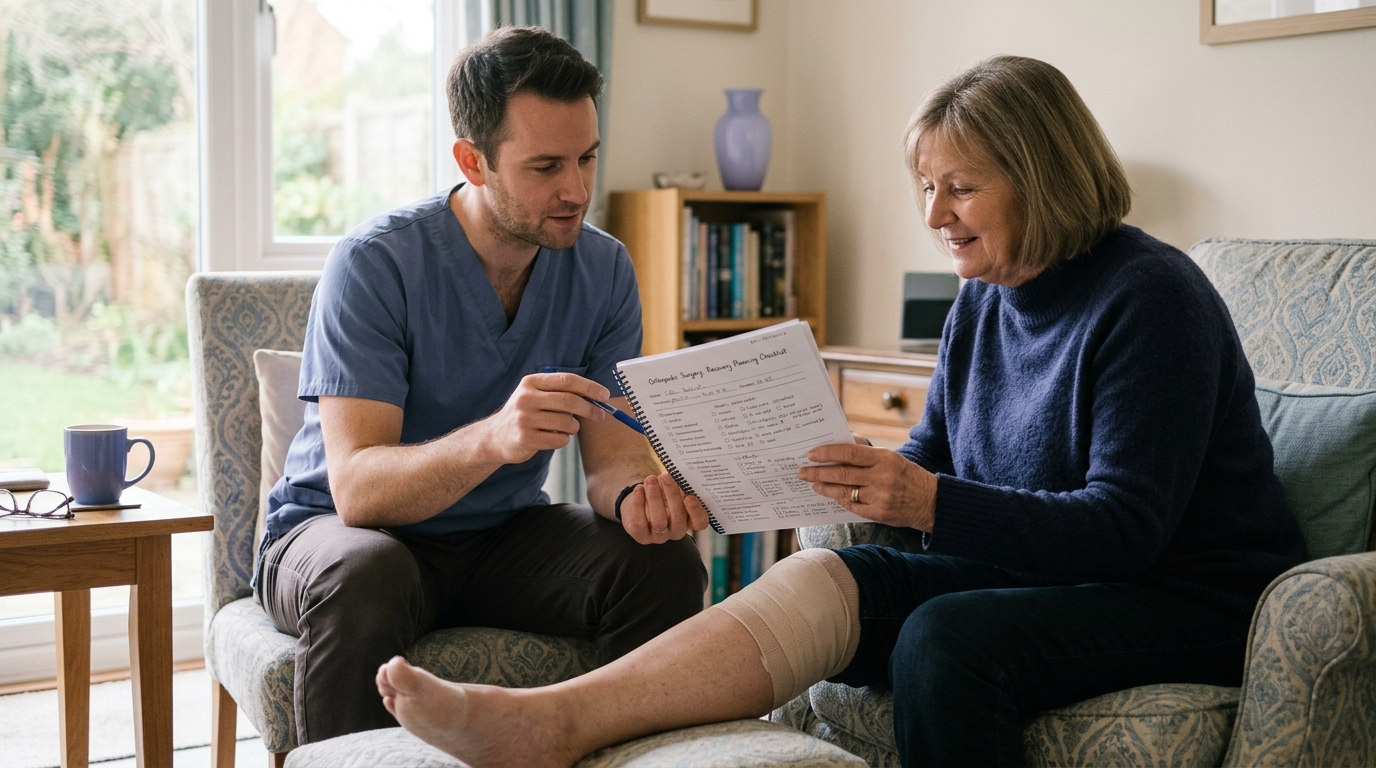
Keeping a simple, structured record of your recovery transforms subjective feelings into clear, actionable data. A rehabilitation log helps you identify patterns, recognize functional progress, and prepare meaningful updates for your appointments with physical therapists and doctors.
To evaluate your functional progress effectively, record six key pieces of information whenever you introduce a new exercise, daily task, or recreational activity:
Using this structured approach ensures that you advance your activity based on clear evidence of tissue tolerance rather than guesswork.
Reviewing practical examples shows how to apply the six-point tracking method to common recovery challenges. These scenarios illustrate how to break complex tasks into manageable functional steps.
Recording these details helps you celebrate small functional wins that calendar dates often obscure. This practical tracking provides valuable context when discussing your treatment plan with your clinicians.
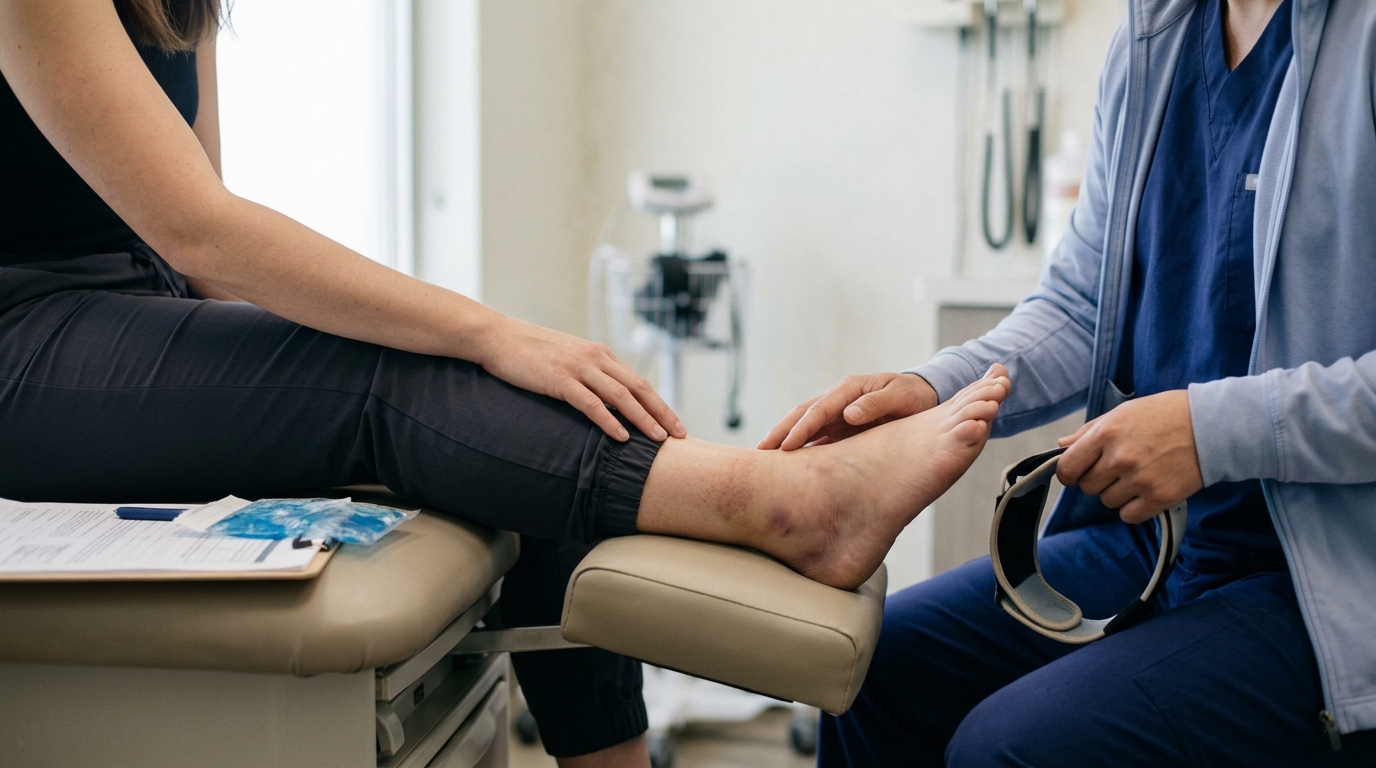
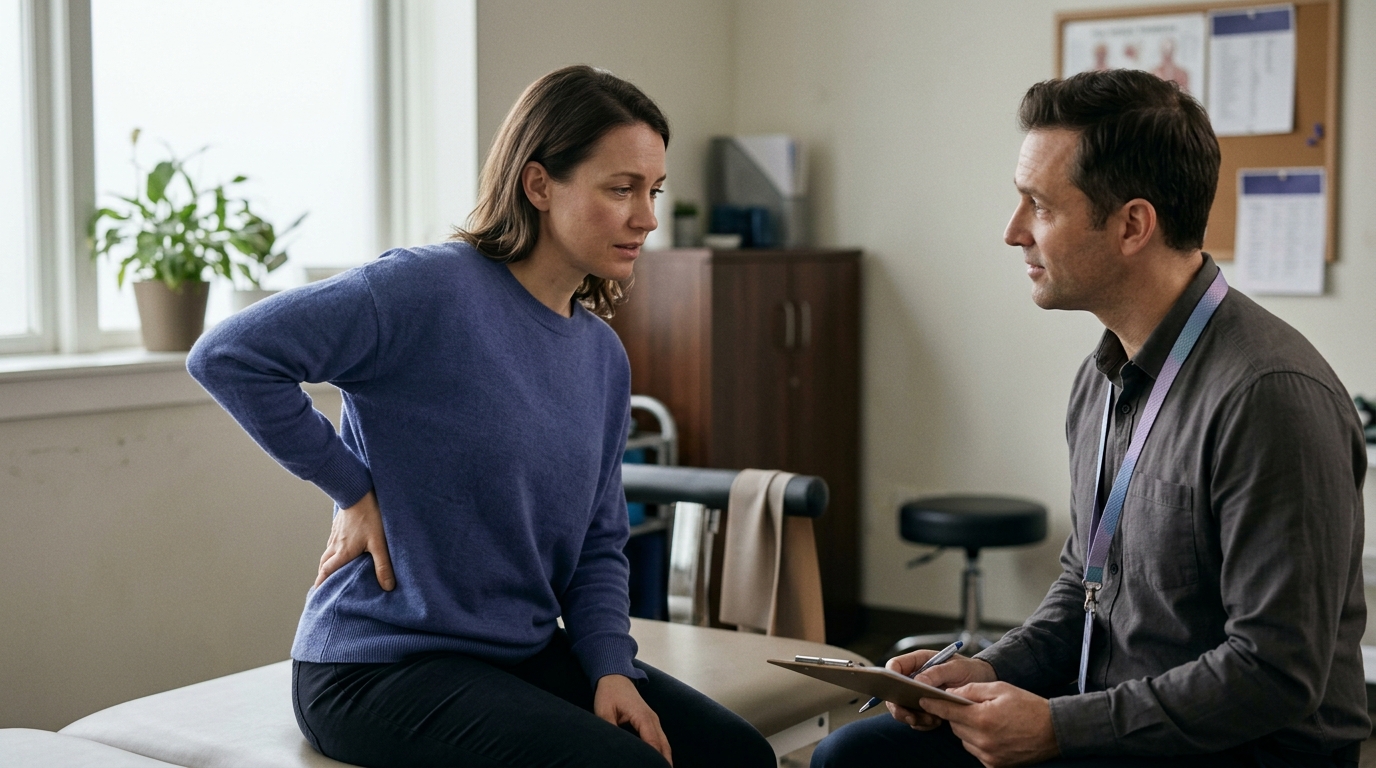
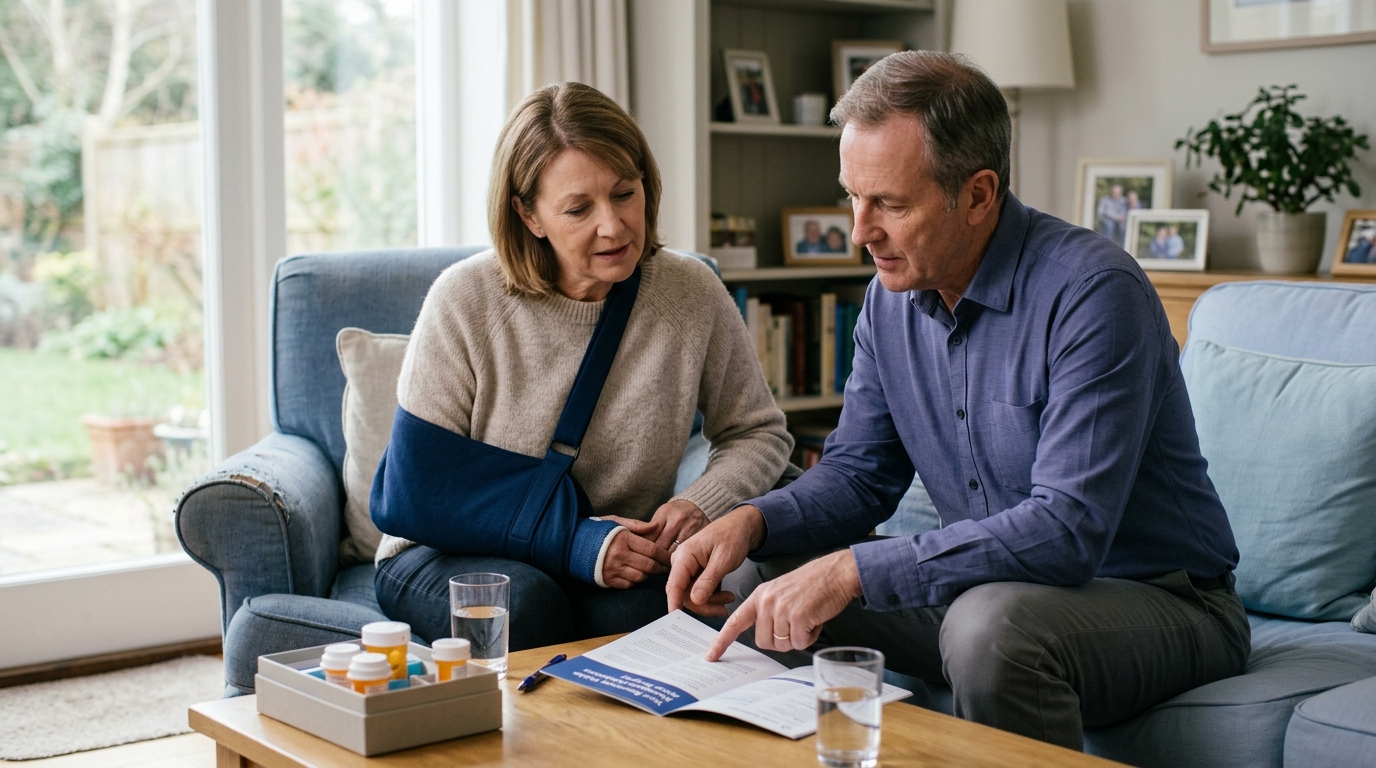
Your rehabilitation appointments are opportunities to participate in shared decision-making. Arriving at your clinic visits prepared with specific functional notes and thoughtful questions ensures that you and your care team remain aligned on your goals and progression criteria.
Clinicians rely on your feedback to adjust your treatment plan. Instead of offering general statements such as "I feel a little better," provide specific functional data from your rehabilitation log.
For example, telling your therapist, "I can now walk down our front stairs step-over-step without holding the handrail, but my knee feels stiff for thirty minutes afterward," gives them concrete information. They can assess your joint mechanics, adjust your exercise dosage, and give you clear advice on managing that post-activity stiffness.
You can also browse our collection of comprehensive recovery resources to learn more about articulating your rehabilitation needs clearly.
Bringing a focused list of questions to your appointments helps clarify expectations and outlines the next functional milestones you need to achieve.
Questions regarding symptom flares and exercise tolerance:
Questions regarding functional progression and criteria:
Questions regarding imaging and physical testing:
Asking clear, practical questions establishes a collaborative relationship with your healthcare providers. This open communication ensures that you advance your activities safely and with complete confidence in your plan.
Rehabilitation is rarely smooth or continuous. Almost every recovery journey involves temporary plateaus, minor symptom flare-ups, and unexpected setbacks. Understanding that these fluctuations are a normal part of physical adaptation prevents discouragement and keeps you focused on long-term functional goals.
A plateau occurs when your functional progress seems to level off for several weeks. You may feel like you are doing your exercises regularly without seeing noticeable gains in strength, range of motion, or endurance.
In many cases, a plateau is simply an adaptation phase. When your body is introduced to a new level of physical demand, your neurological and muscular systems require time to consolidate those adaptations before moving to the next level. Connective tissues, such as tendons and bone, remodel at a slower cellular pace than muscle fibers. A temporary plateau allows these denser structures to catch up and build the resilience required for future physical demands.
If a plateau persists for an extended time, discuss it with your physical therapist. They can adjust your training variables, introduce new movement variations, or address subtle mobility restrictions to restart your functional momentum. You can also explore specialized mobility and movement rehabilitation techniques to help move past persistent movement restrictions safely.
A setback or flare-up occurs when physical symptoms temporarily increase, or when a previously manageable task becomes uncomfortable. Setbacks are often triggered by a sudden spike in physical workload, poor sleep, emotional stress, or an accidental misstep.
When facing a setback, avoid viewing it as a total failure of your rehabilitation. Experiencing a flare-up does not mean you have ruined your surgical repair or erased your hard-earned progress. Instead, view a setback as valuable information about your current tissue capacity:
Once acute symptoms subside, resume your functional progression at a slightly modified level. Discuss the incident with your clinician so you can refine your loading strategy and build greater resilience against future flare-ups.
Measuring recovery by functional milestones rather than calendar dates gives you an accurate, empowering view of your physical progress. Calendar schedules provide general timelines for early tissue repair, but your real-world capabilities, symptom tolerance, and movement confidence determine when you are ready to advance.
By tracking your physical capacity across multiple domains, establishing small, meaningful goals, and collaborating closely with your healthcare providers, you can navigate your rehabilitation safely and build lasting physical resilience.
To transition from time-based thinking to functional milestone tracking, apply this simple checklist over the coming week:

Use ReboundBody resources to understand common recovery stages, rehab terms, movement limits and strength rebuilding. Each guide is designed to make a complex comeback easier to understand.


Read practical guidance on injury recovery, rehabilitation, mobility and rebuilding strength as you work your way back to activity.
Explore Resources