
Optimal joint mobility and safe return to routine daily activities are achievable through structured rehabilitation stages, symptom management strategies, and clear milestone tracking.





Most people assume recovery after a knee replacement follows a steady, predictable path. Many expect that each passing week will bring uniform reductions in pain, swelling, and stiffness. In reality, orthopedic healing rarely moves in a straight line.
A successful recovery is a multi-layered process. Different systems in the body heal, adapt, and regain strength on completely different schedules.
According to the American Academy of Orthopaedic Surgeons, many people resume basic daily routines within 3 to 6 weeks after surgery. However, complete functional recovery often takes several months or longer. Research from the National Health Service notes that full recovery times vary widely based on your age, general health, and the type of surgery you had.
Understanding these differences helps you set realistic expectations. Measuring your progress across multiple areas gives you a much clearer picture of your recovery than focusing on a single calendar date.
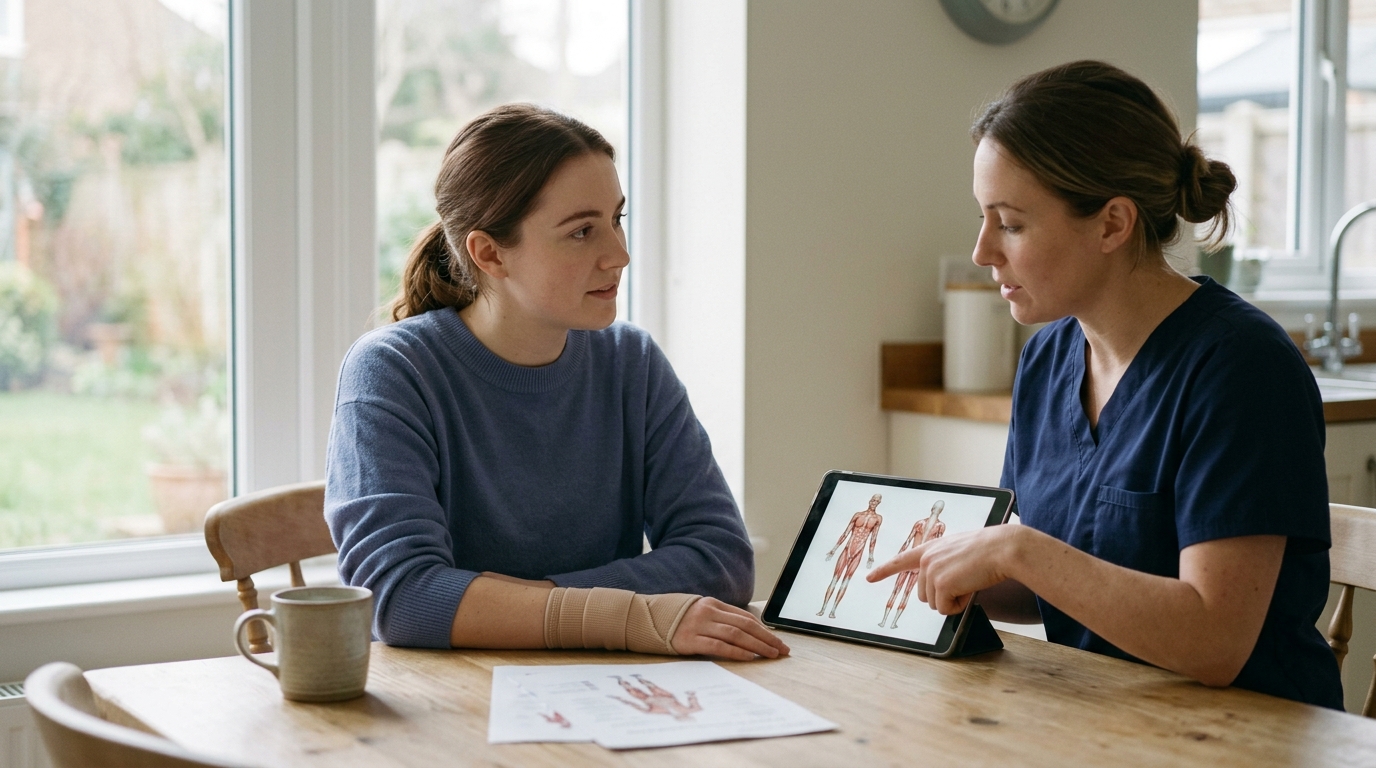
Recovery and rehabilitation are closely connected, but they describe two distinct parts of the healing journey. Recovery refers to the biological healing of bones, soft tissues, and surgical incisions. Rehabilitation refers to the targeted exercises and functional practice that restore joint mobility, muscular strength, and walking independence.
Your surgical procedure shapes the initial pace of your recovery. A total knee replacement involves resurfacing all three compartments of the knee joint. A partial knee replacement addresses only the damaged compartment, preserving healthy bone and ligaments. National Health Service guidance notes that recovery after a partial knee replacement is generally shorter, with faster returns to driving and daily activity.
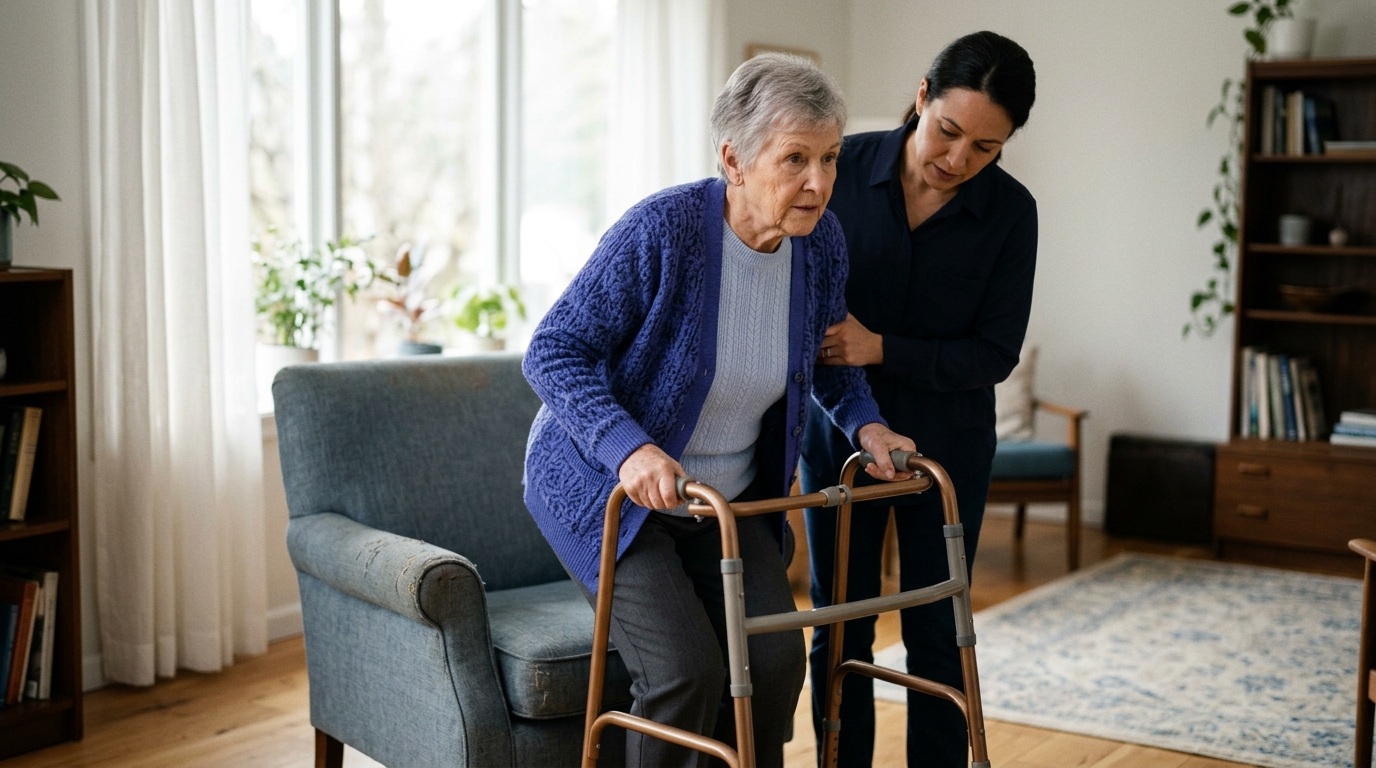
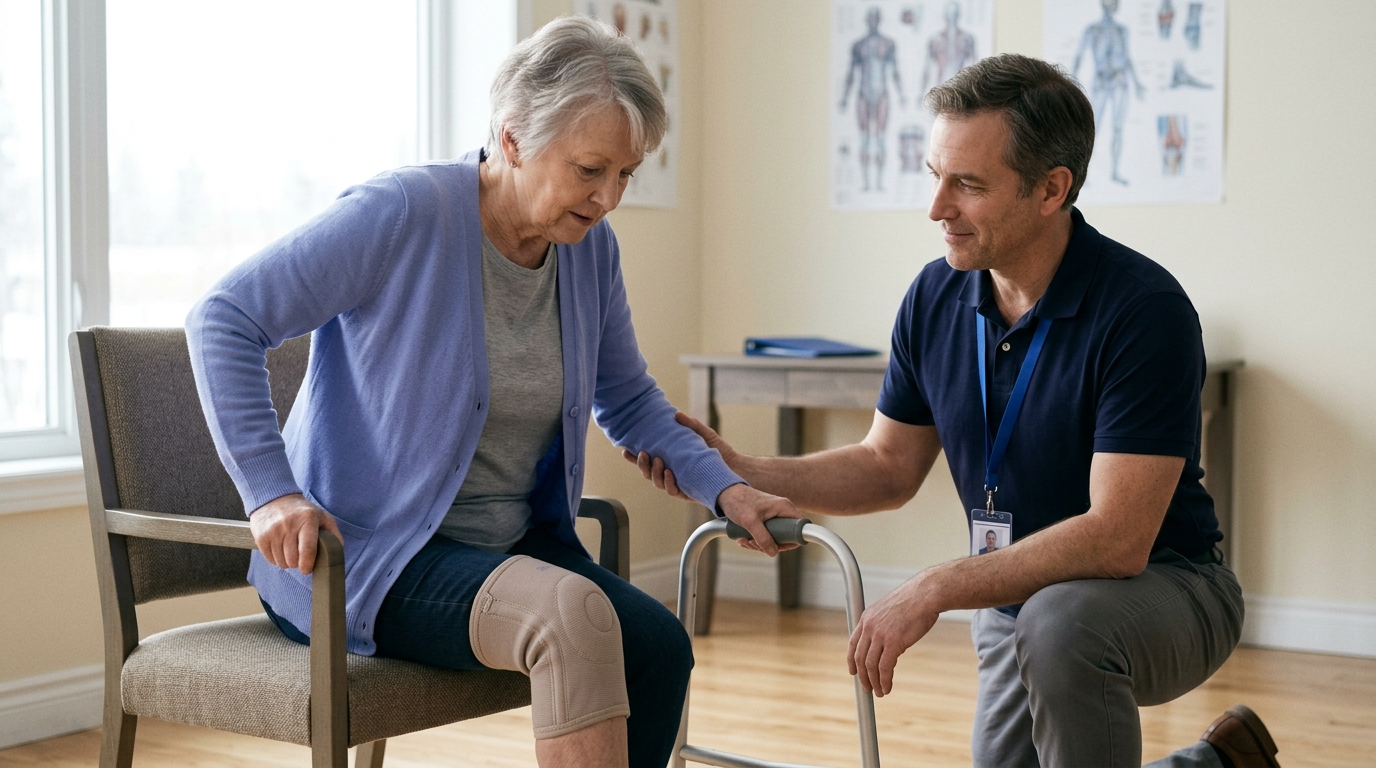
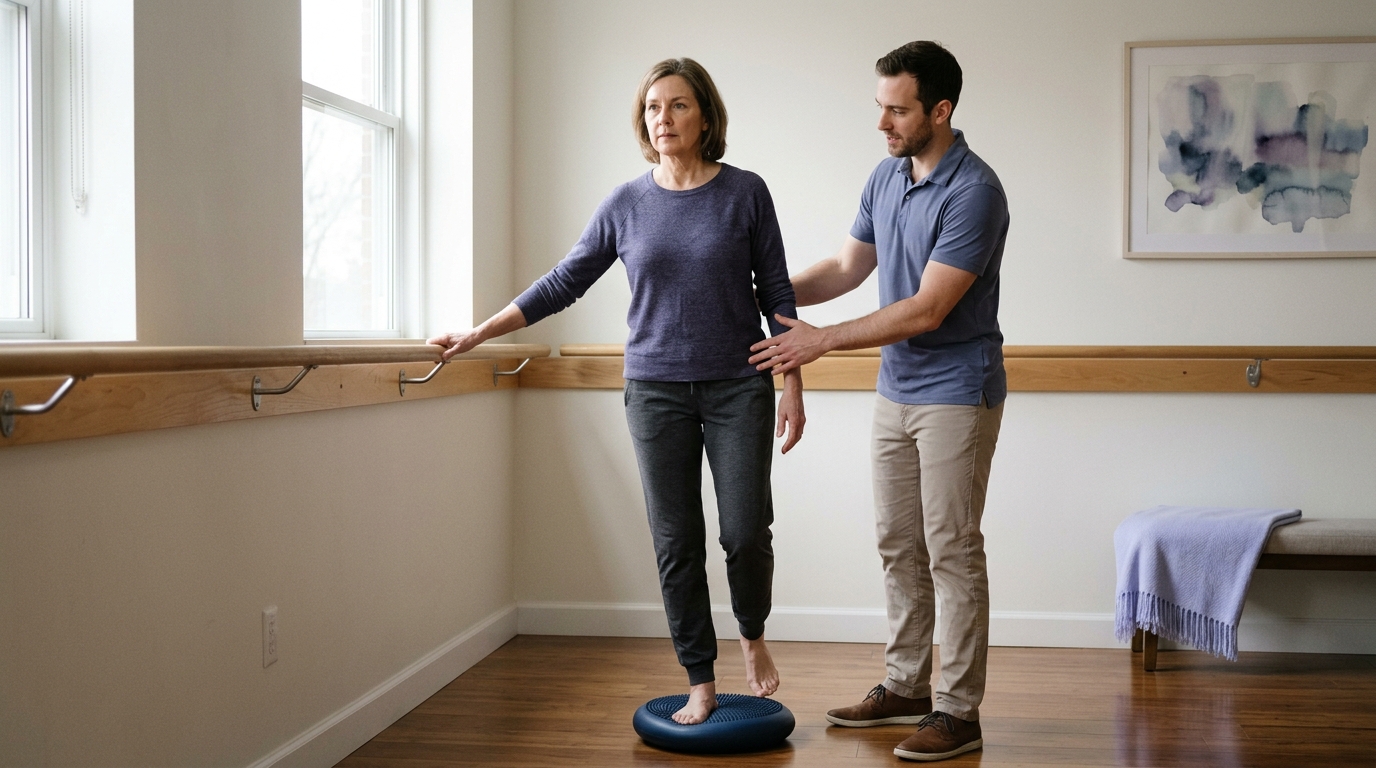
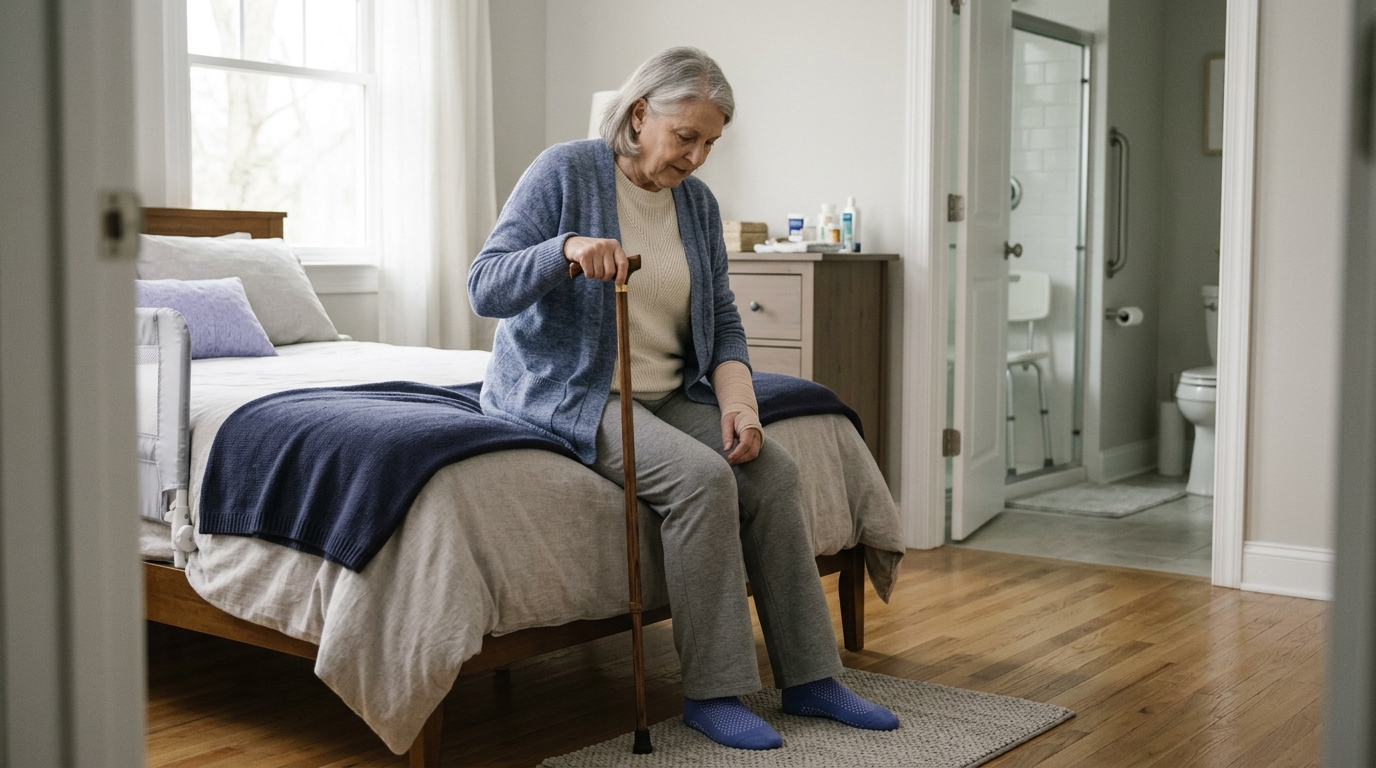
During the first few days, the immediate priority is protecting the joint and preventing complications. Inpatient teams focus on helping you get out of bed, use the bathroom safely, and walk short distances with a walking aid.
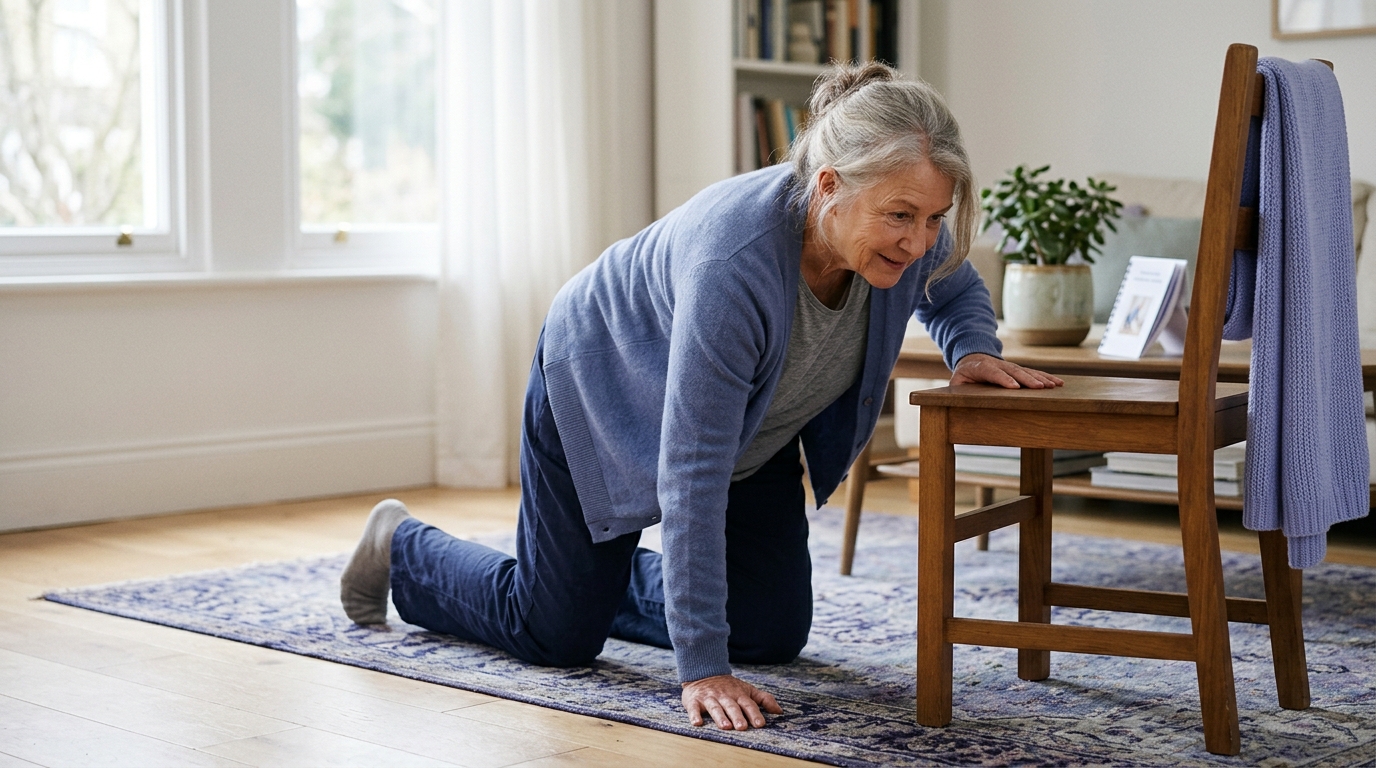
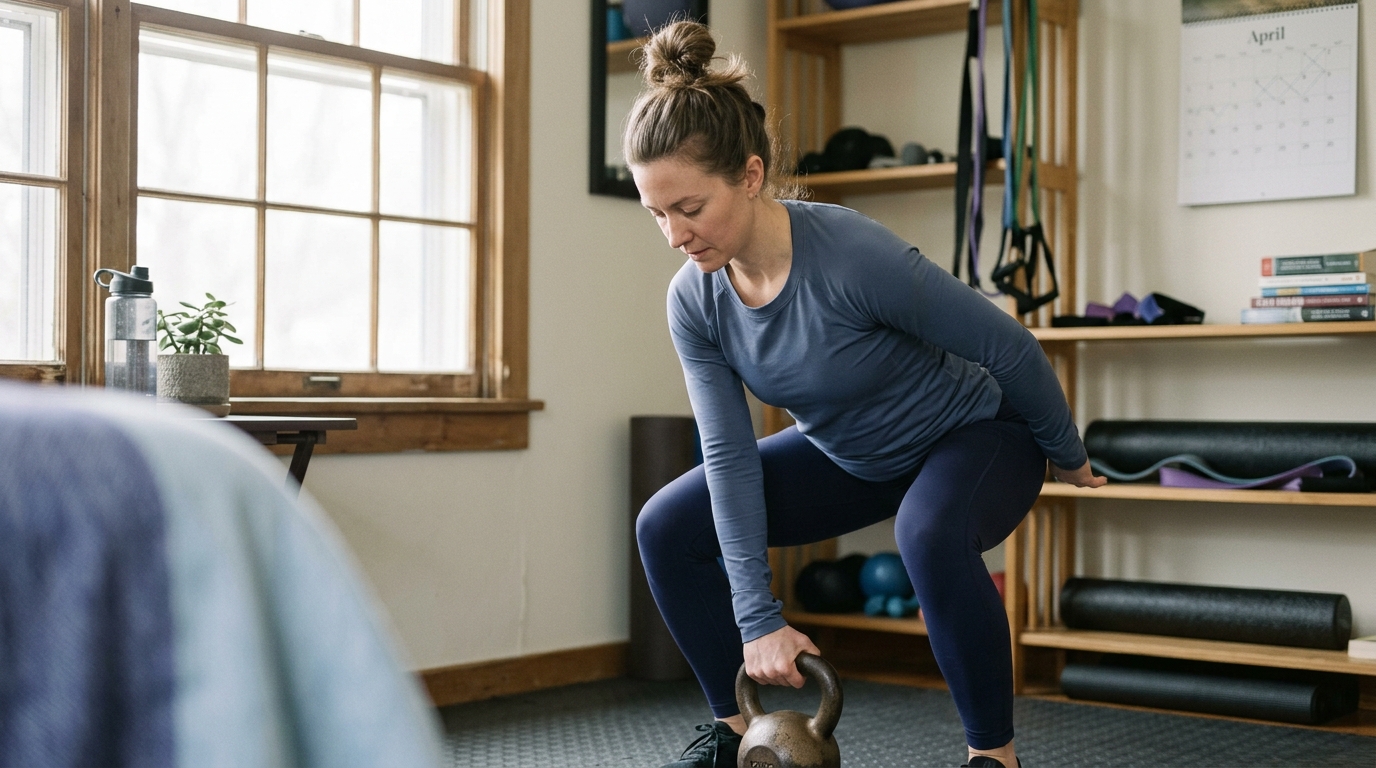
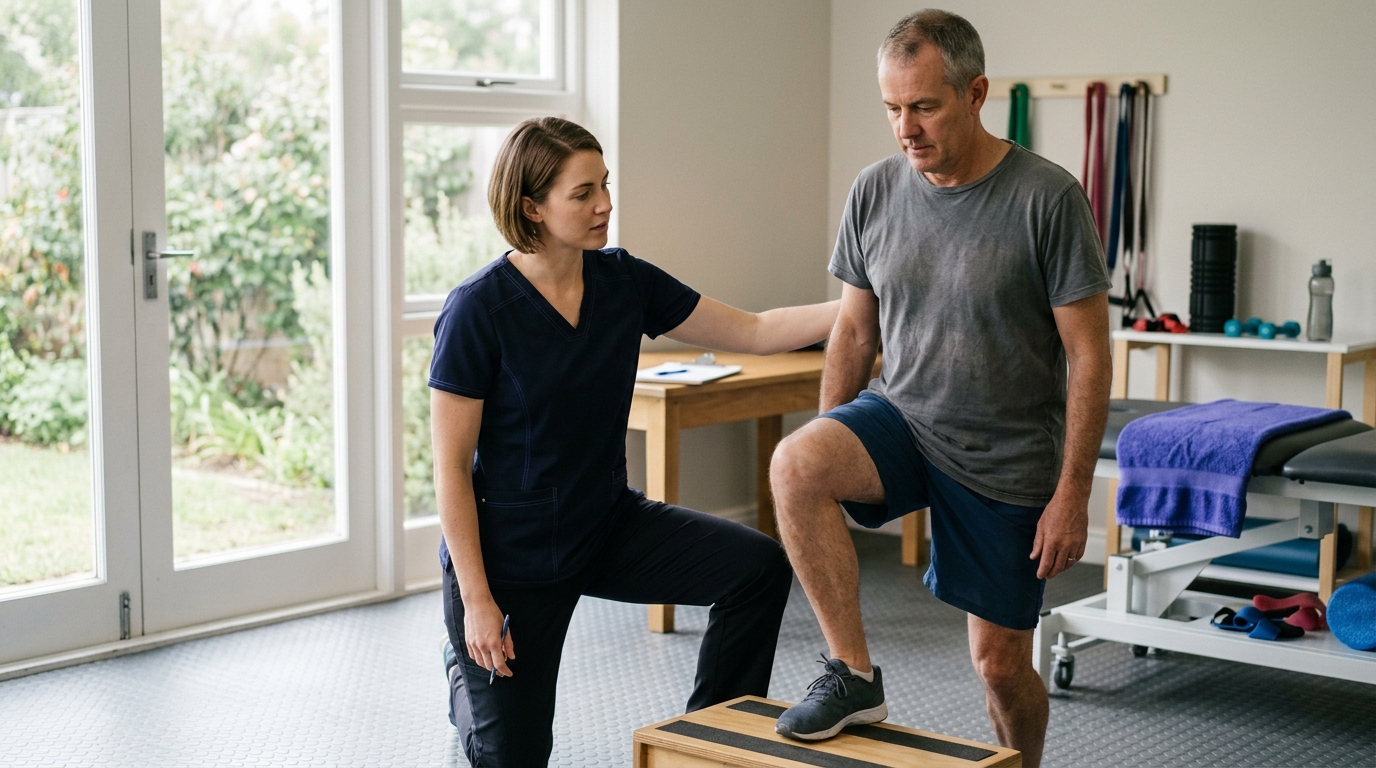
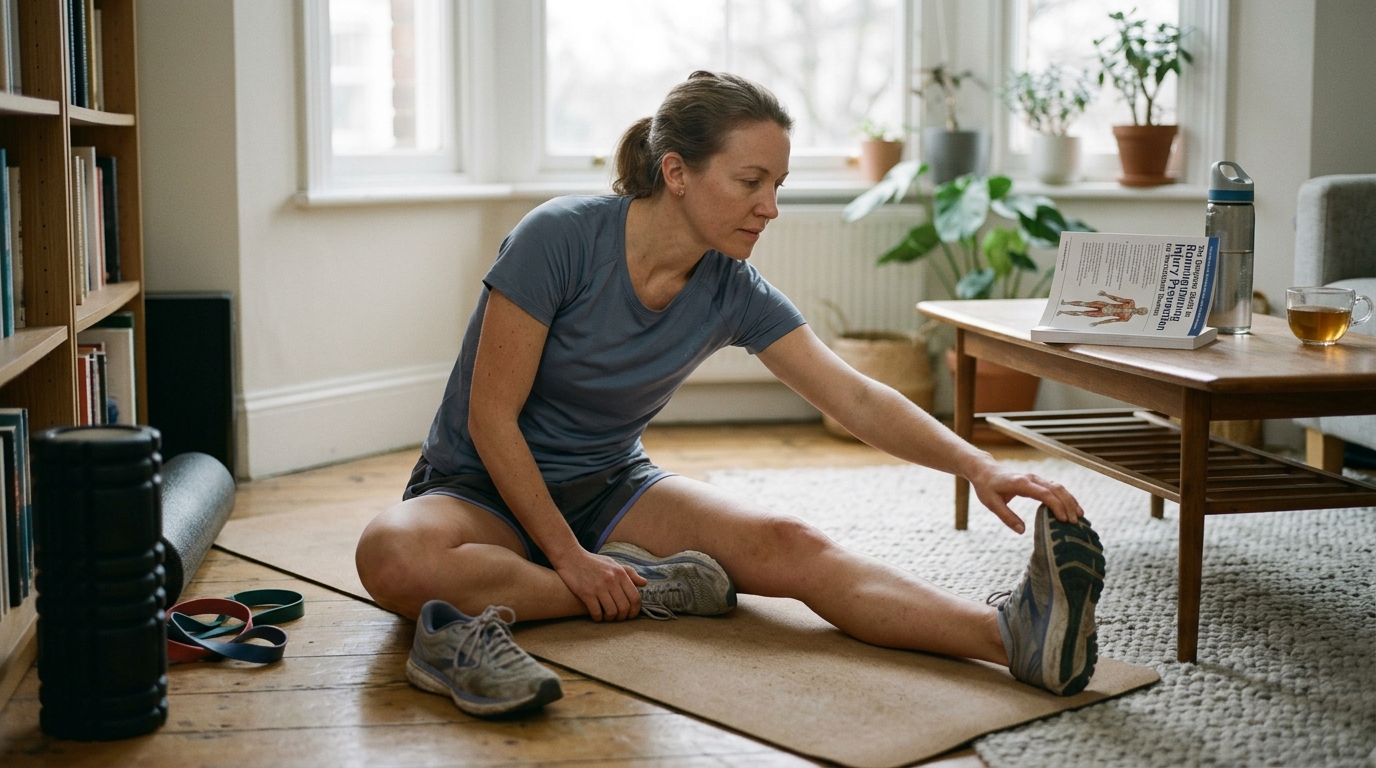
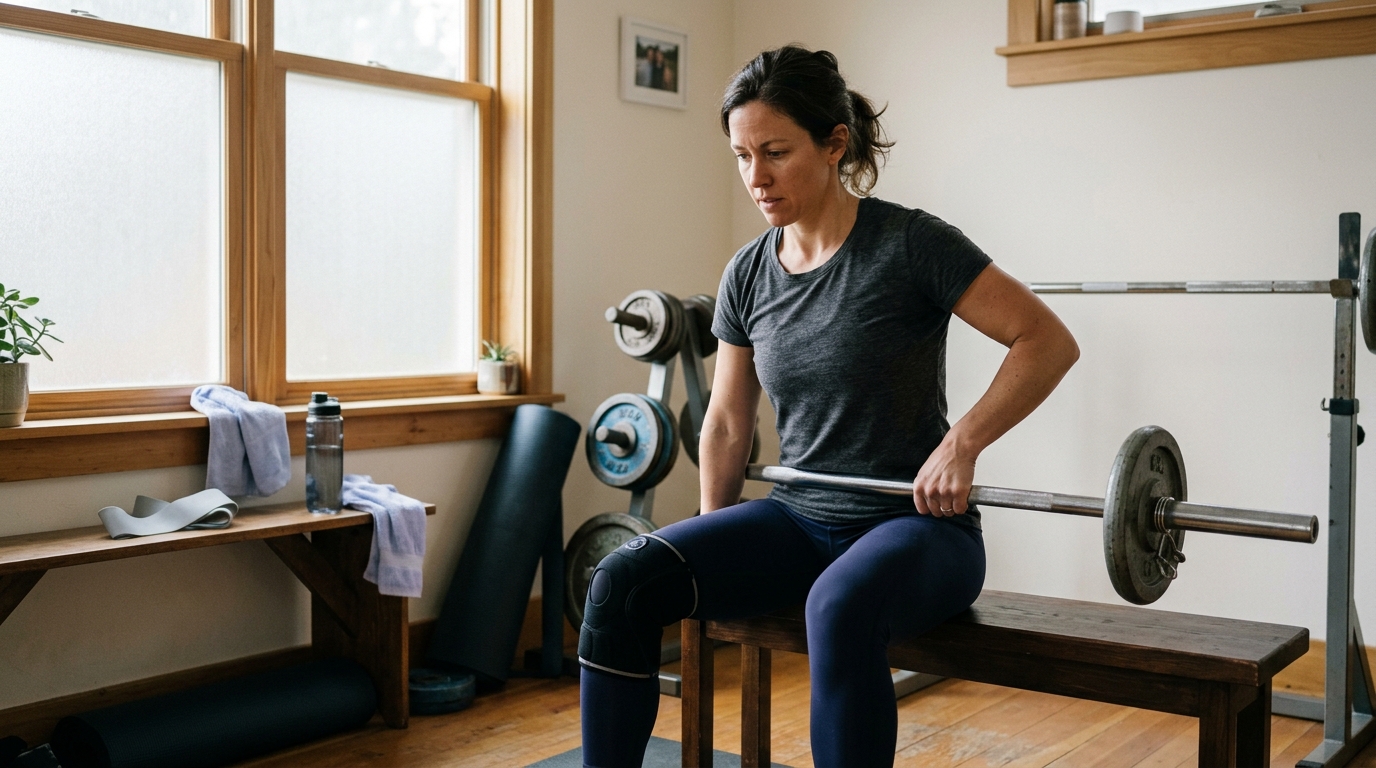
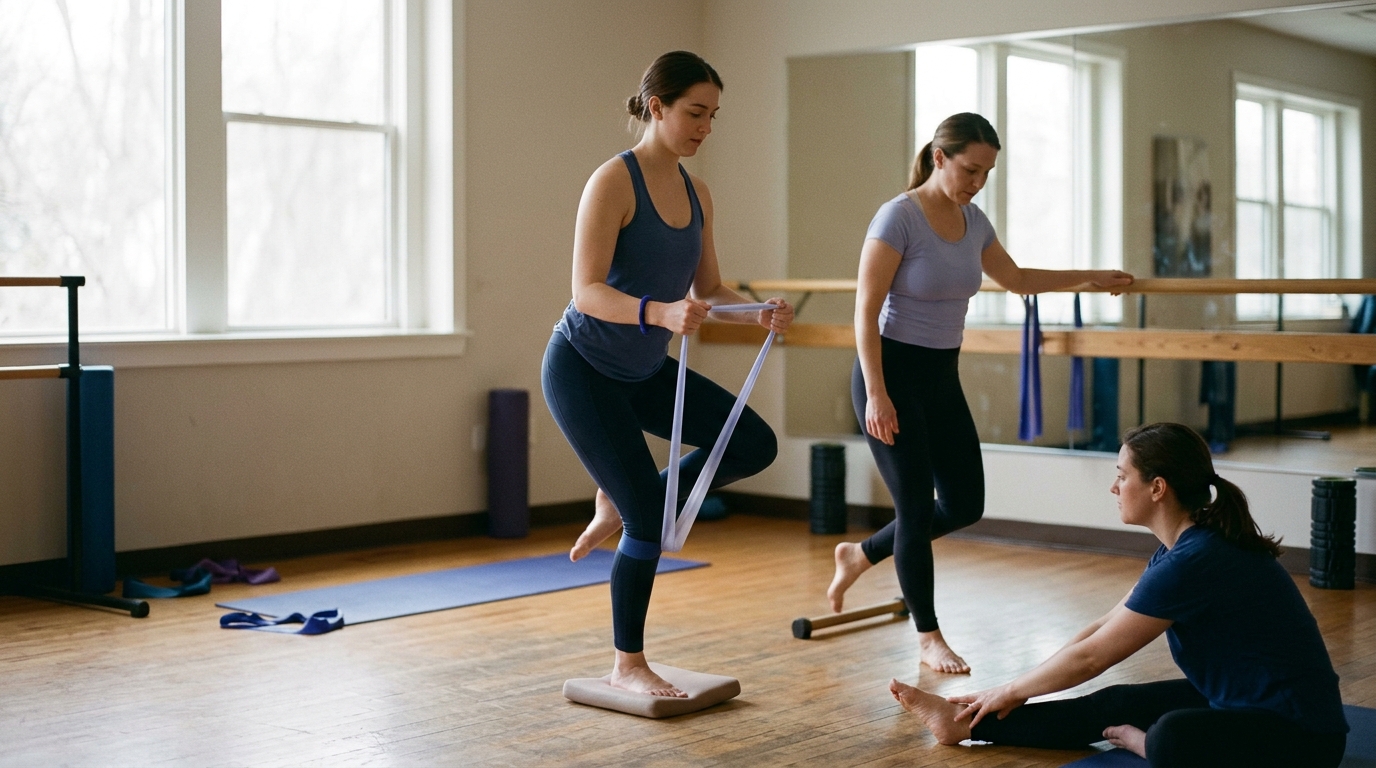
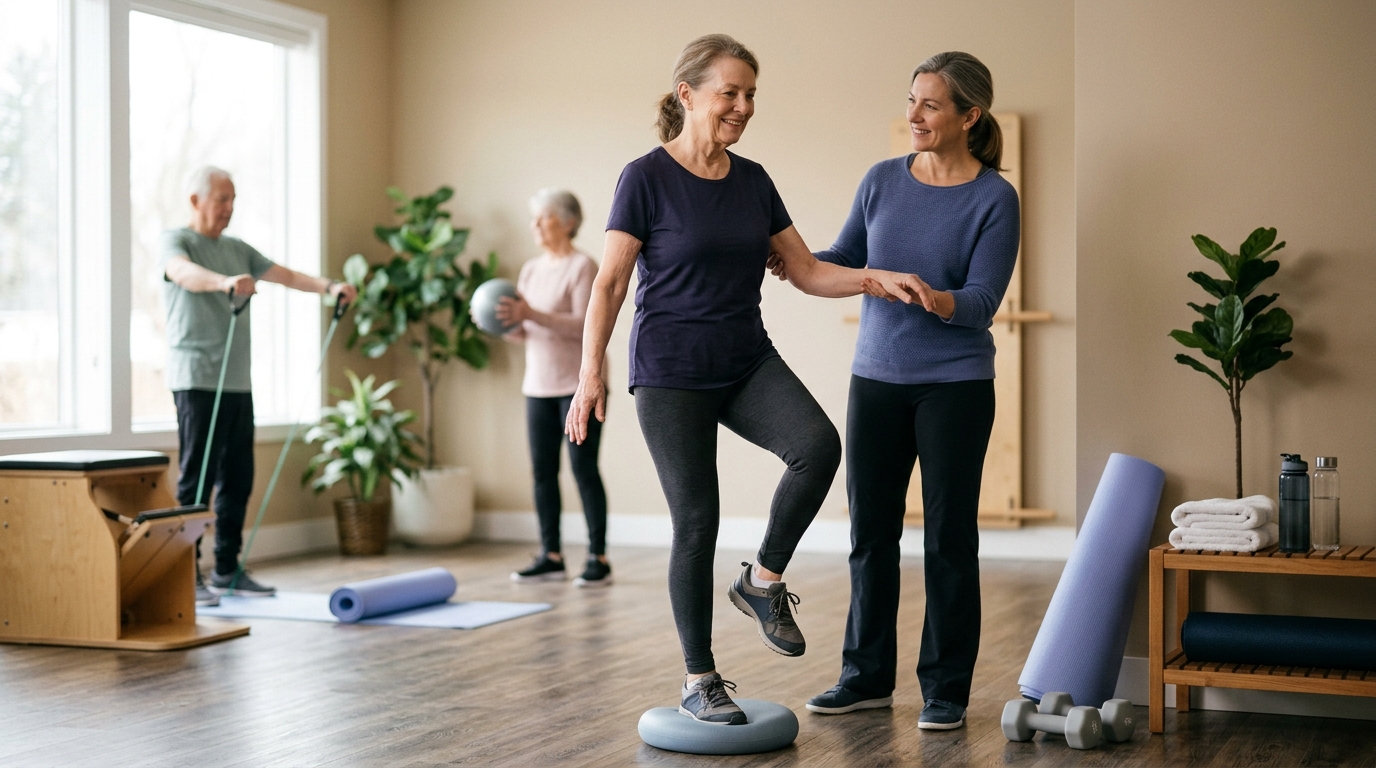
Over the next several weeks, rehabilitation shifts toward expanding knee motion and rebuilding the quadriceps muscles. You gradually reintroduce household tasks, light community walking, and independent self-care.
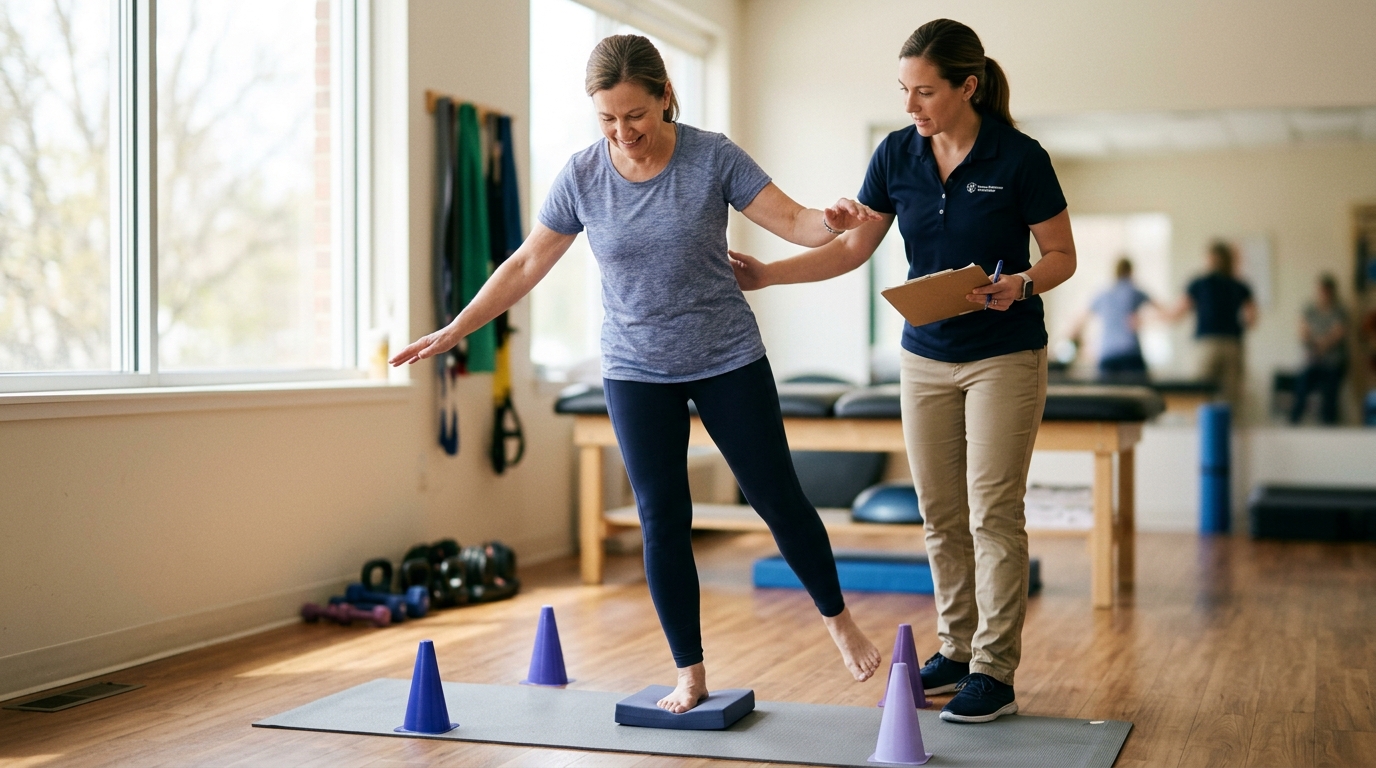
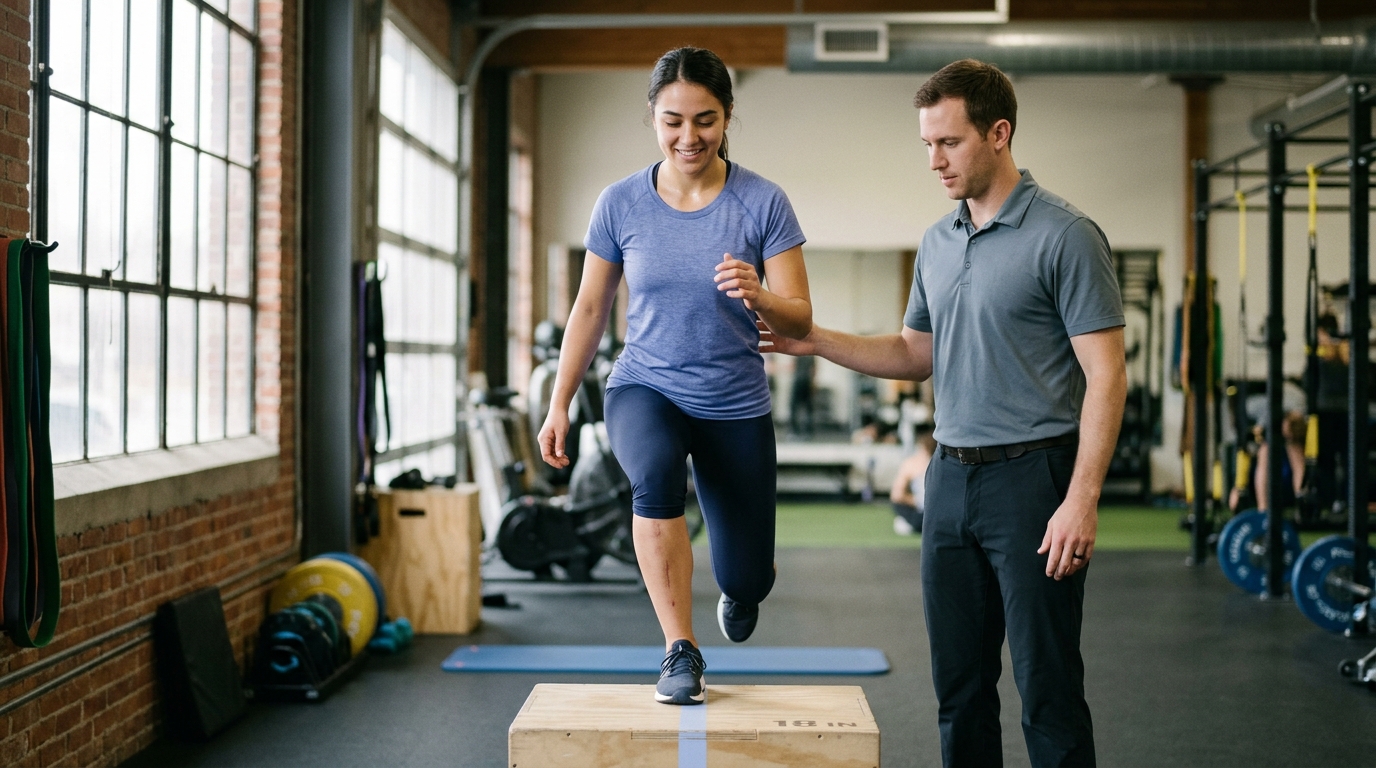
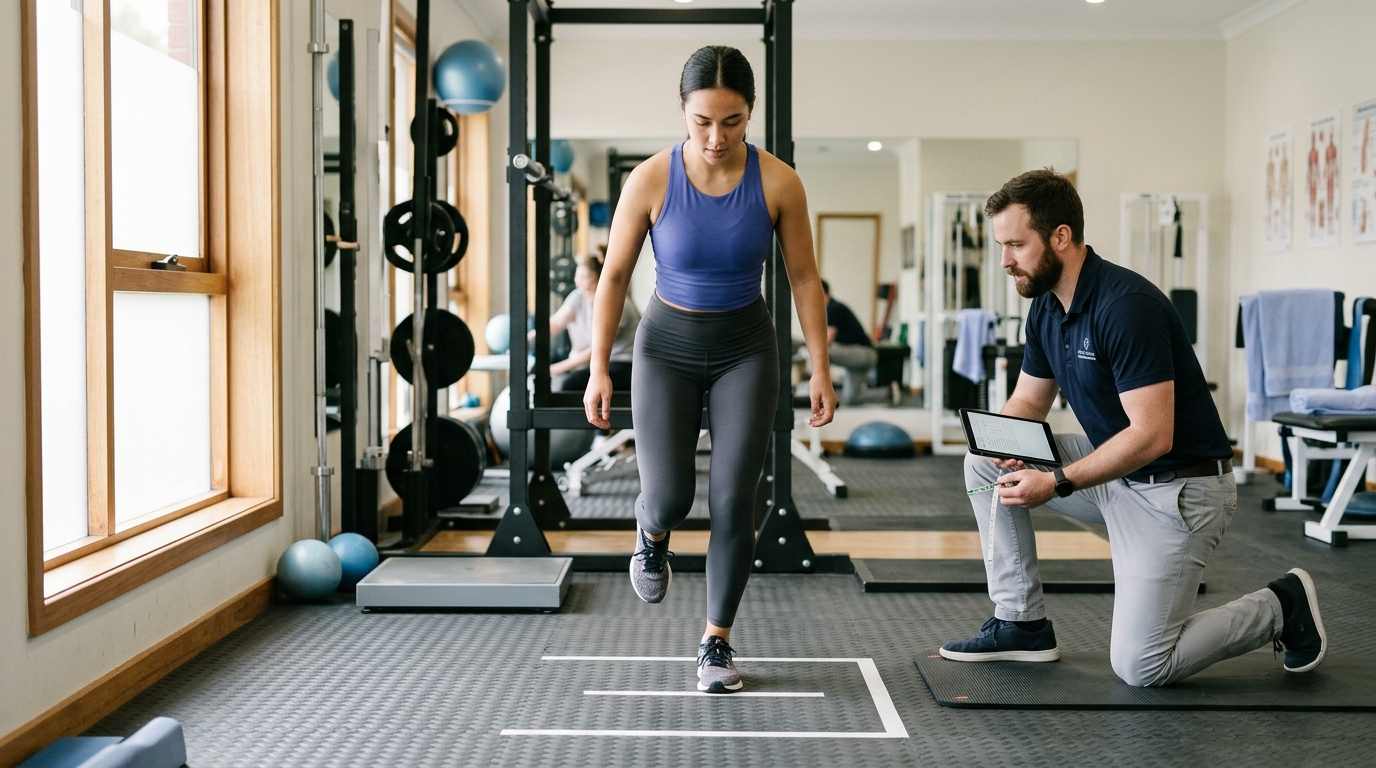
The later stage of recovery focuses on walking symmetry, endurance, and advanced tasks like climbing stairs. Patients often notice that swelling and stiffness persist even after daily tasks feel manageable. These distinct stages are normal and reflect how the knee gradually adapts to higher physical loads.
If you are navigating post-operative milestones, reviewing detailed surgical rehabilitation guides can help you plan each phase with confidence.
Many people evaluate their recovery by asking a single question: "Am I back to normal yet?" Treating recovery as an all-or-nothing milestone often leads to unnecessary frustration. A better approach is to track your recovery as a multi-dimensional profile.
Clinical evidence shows that different recovery markers progress at different speeds. A prospective study published in physical therapy research evaluated 1,005 patients following primary total knee replacement. The researchers tracked both patient-reported outcomes and objective activity metrics across 12 months.
The study revealed clear differences in how various functional markers improve over time:
This research explains why you might feel substantial pain relief while still struggling to walk quickly or navigate stairs. Your subjective comfort often improves before your neuromuscular coordination and muscular power fully recover.
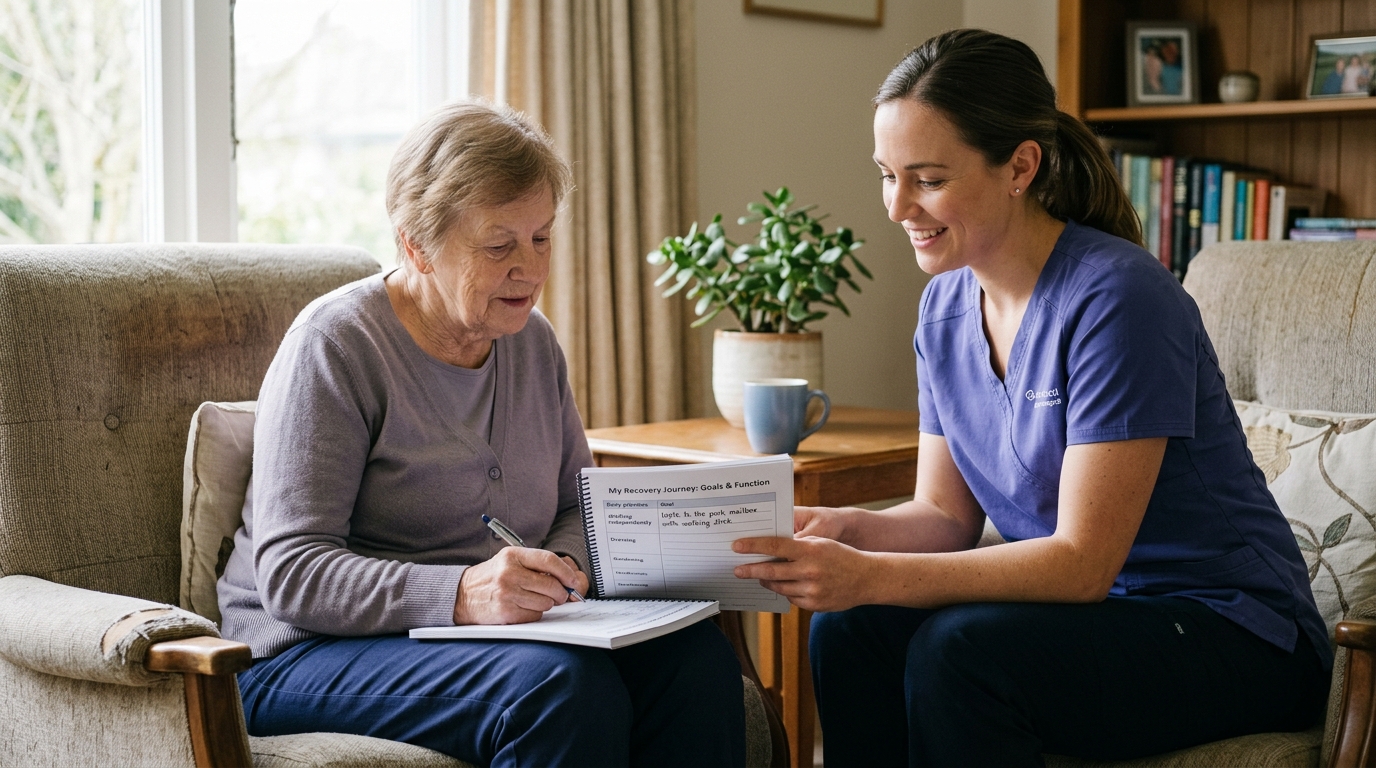
Tracking individual variables helps you see genuine progress. You can monitor your joint range of motion, walking endurance, walking aid usage, sleep quality, and daily confidence independently. When one area plateaus temporarily, progress in another area confirms that your body is still moving forward.
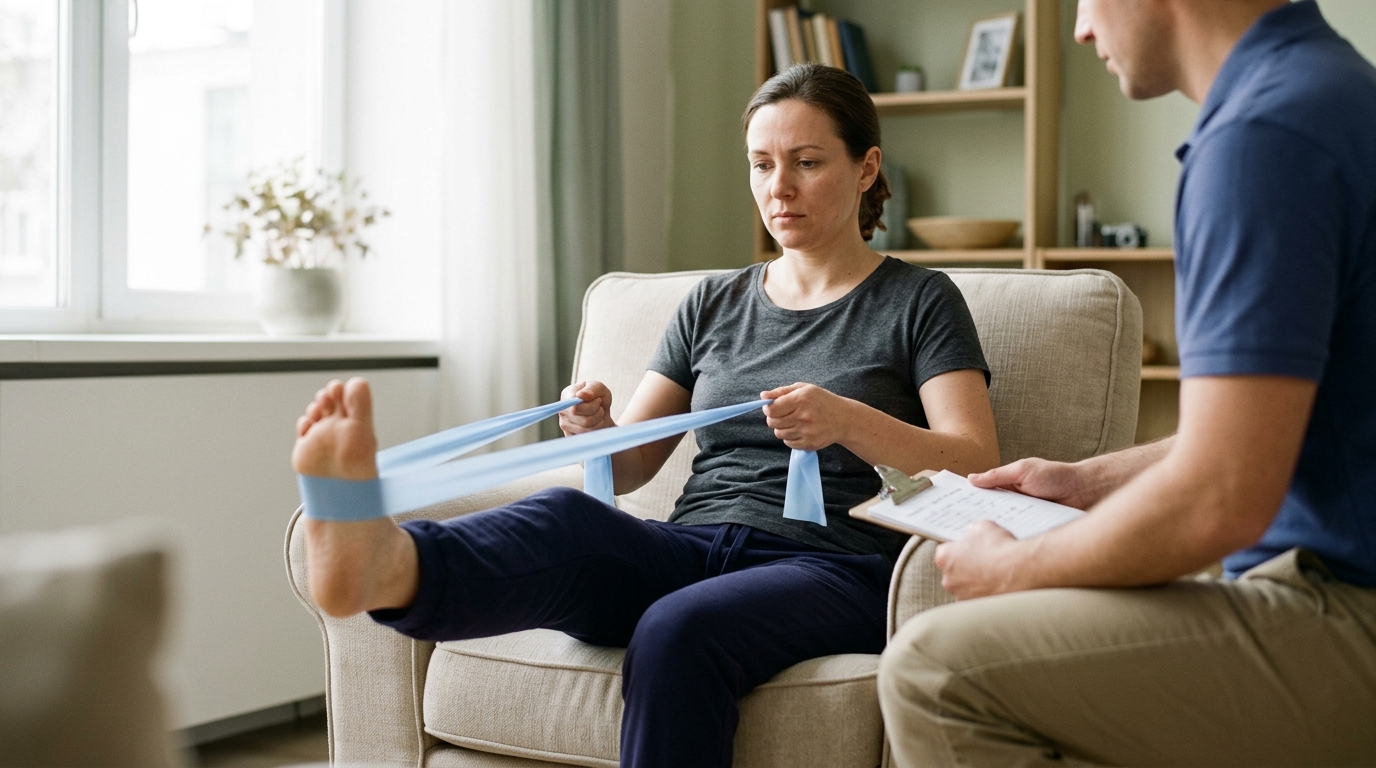
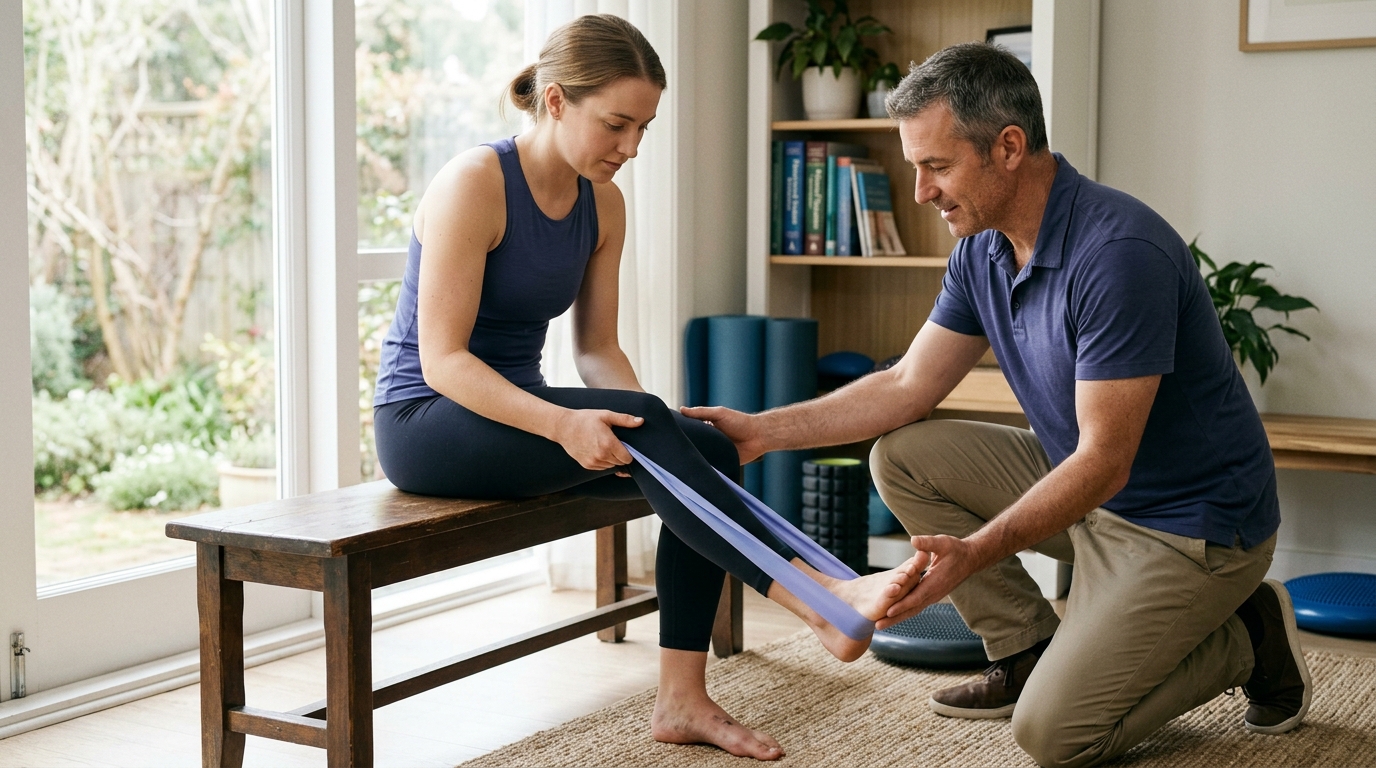
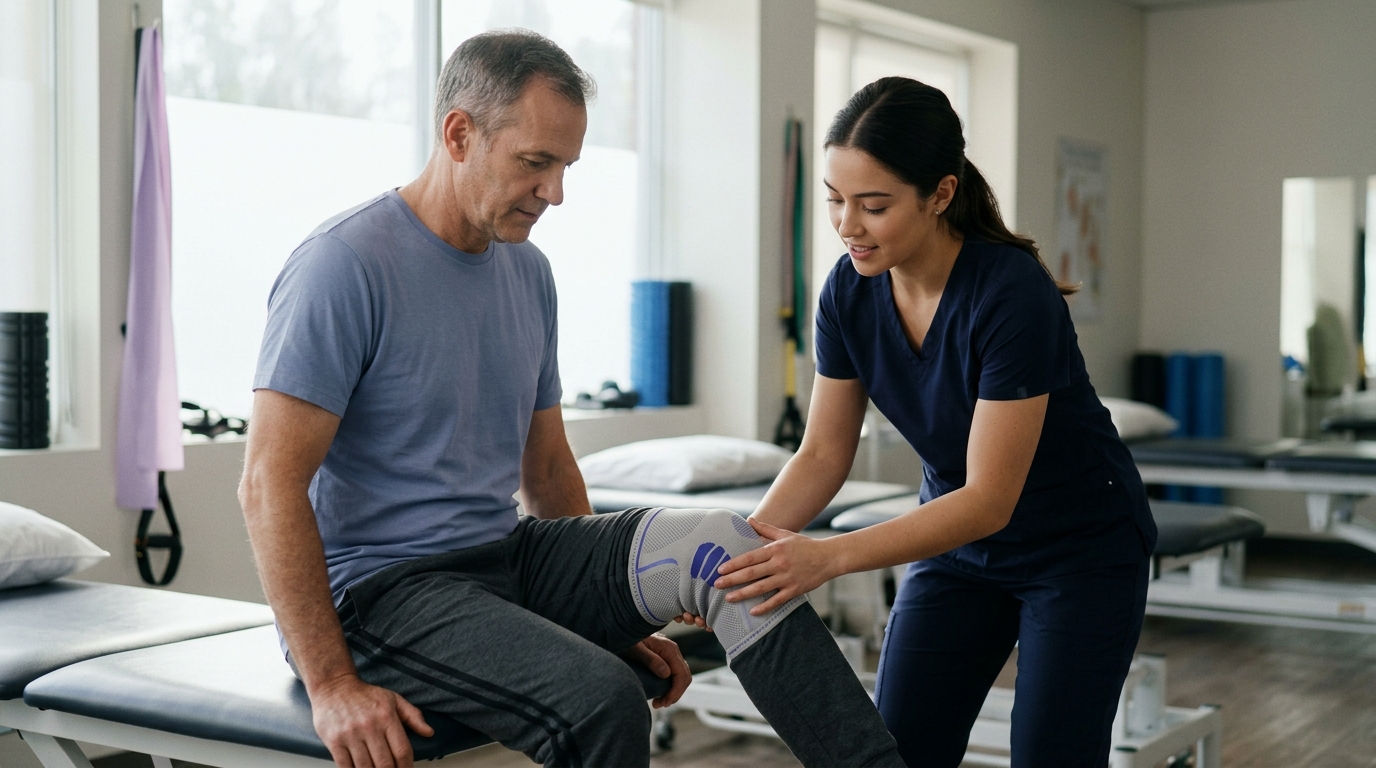
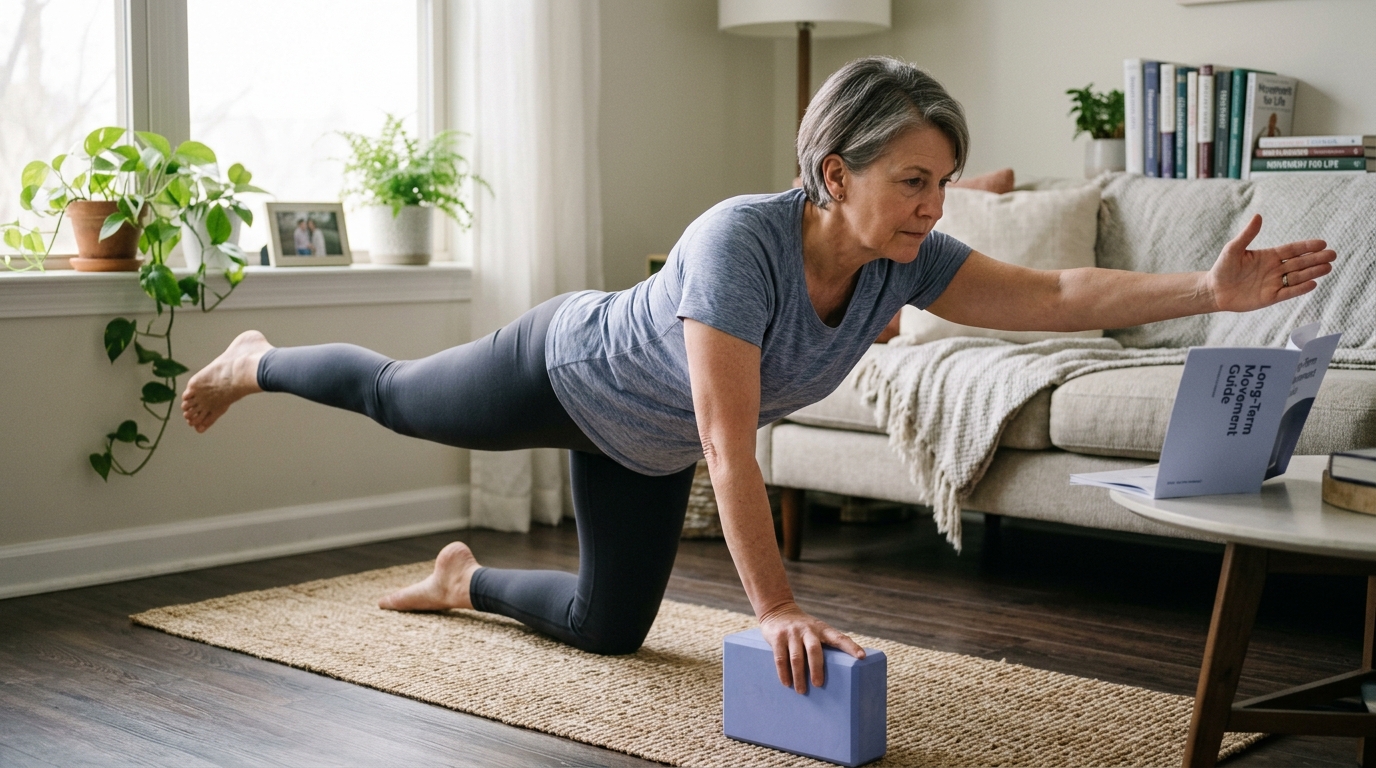
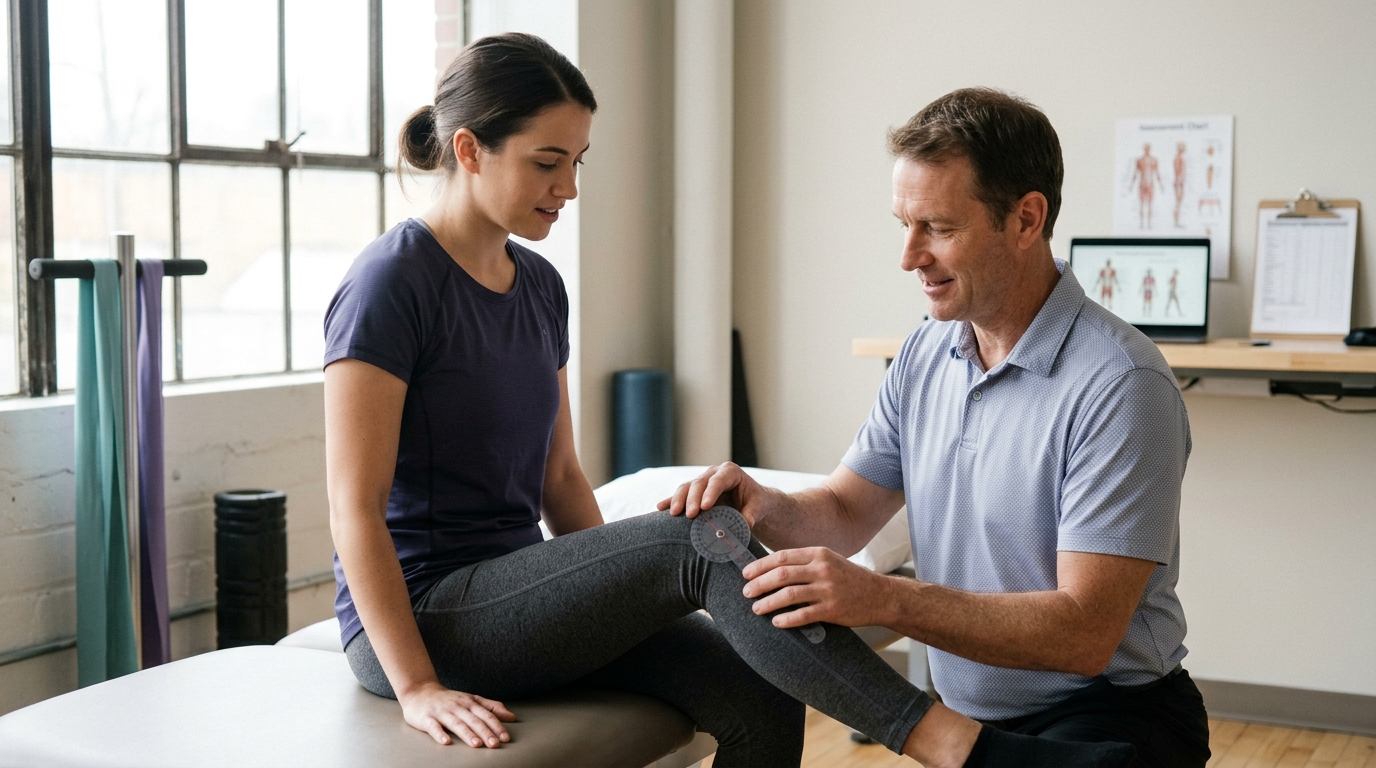
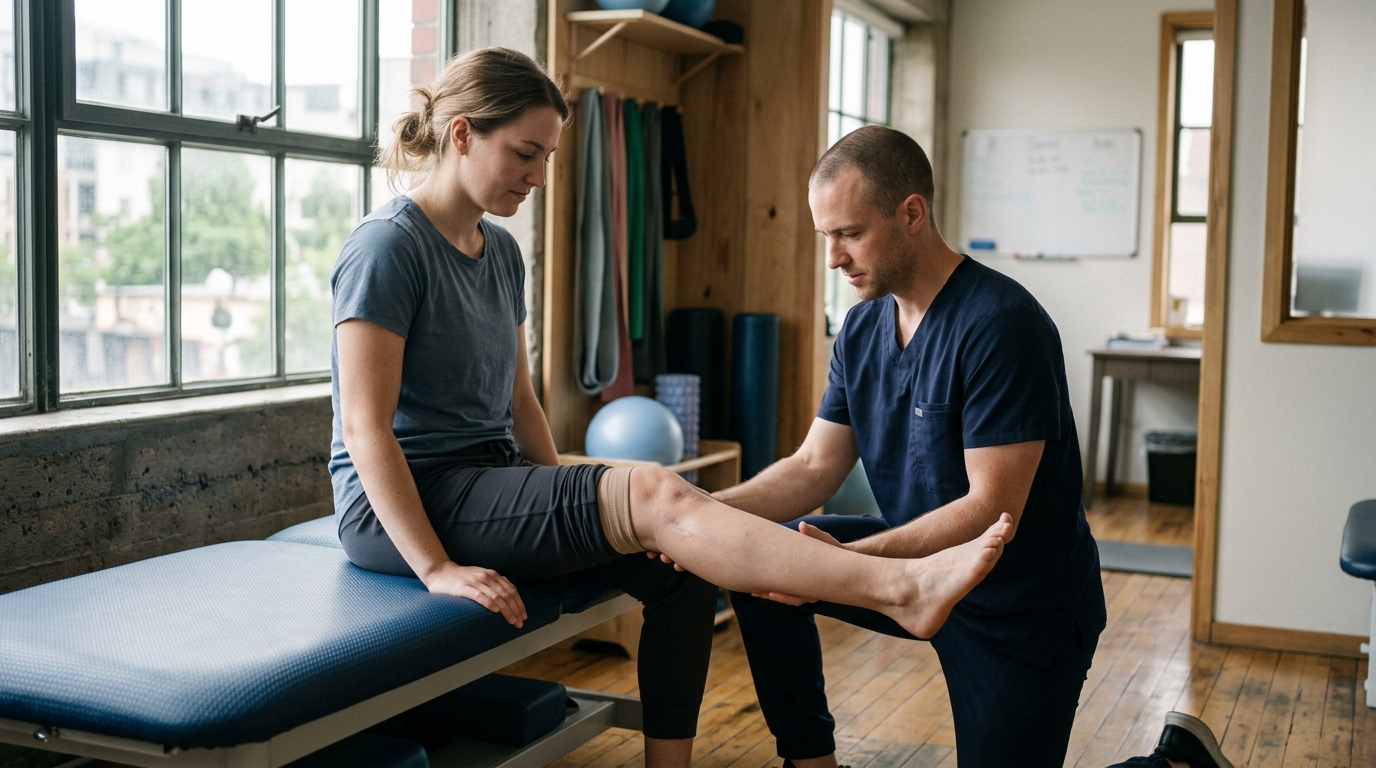
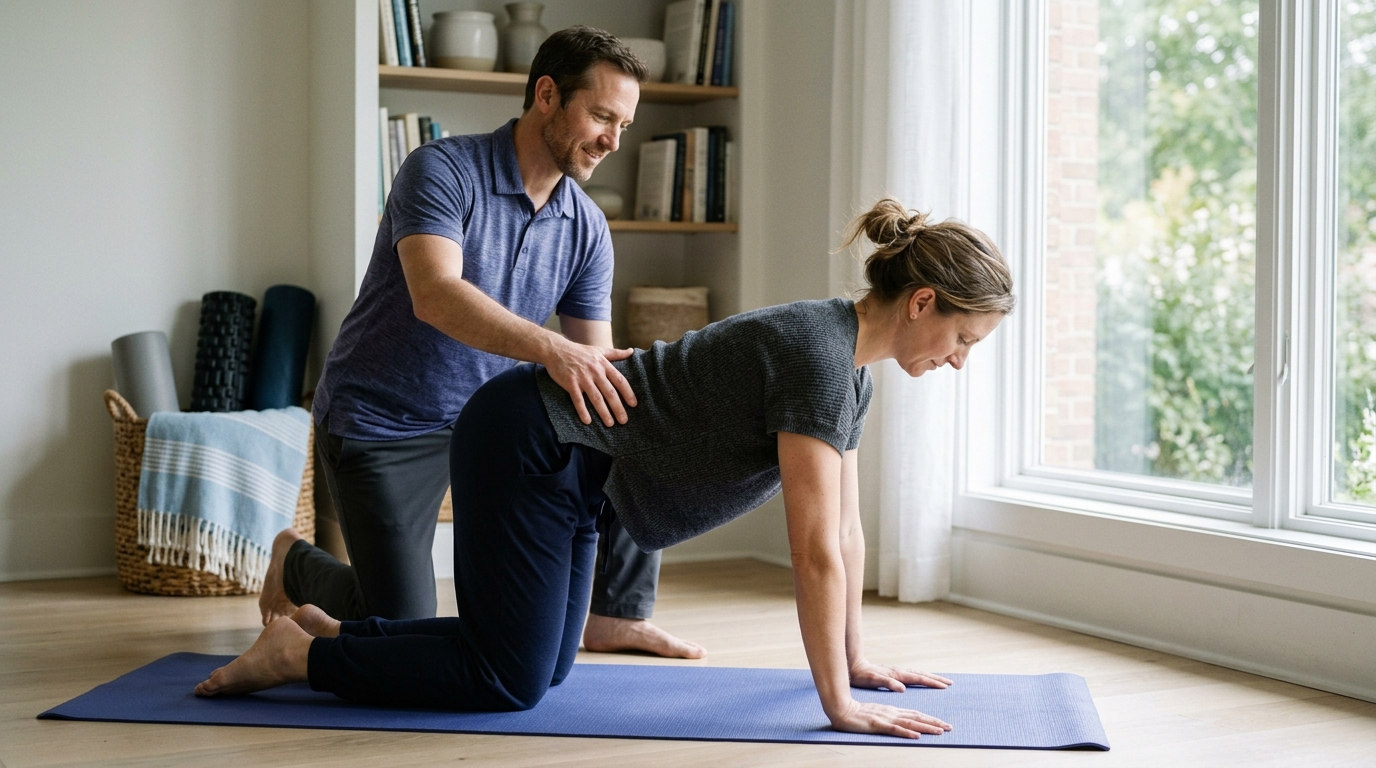
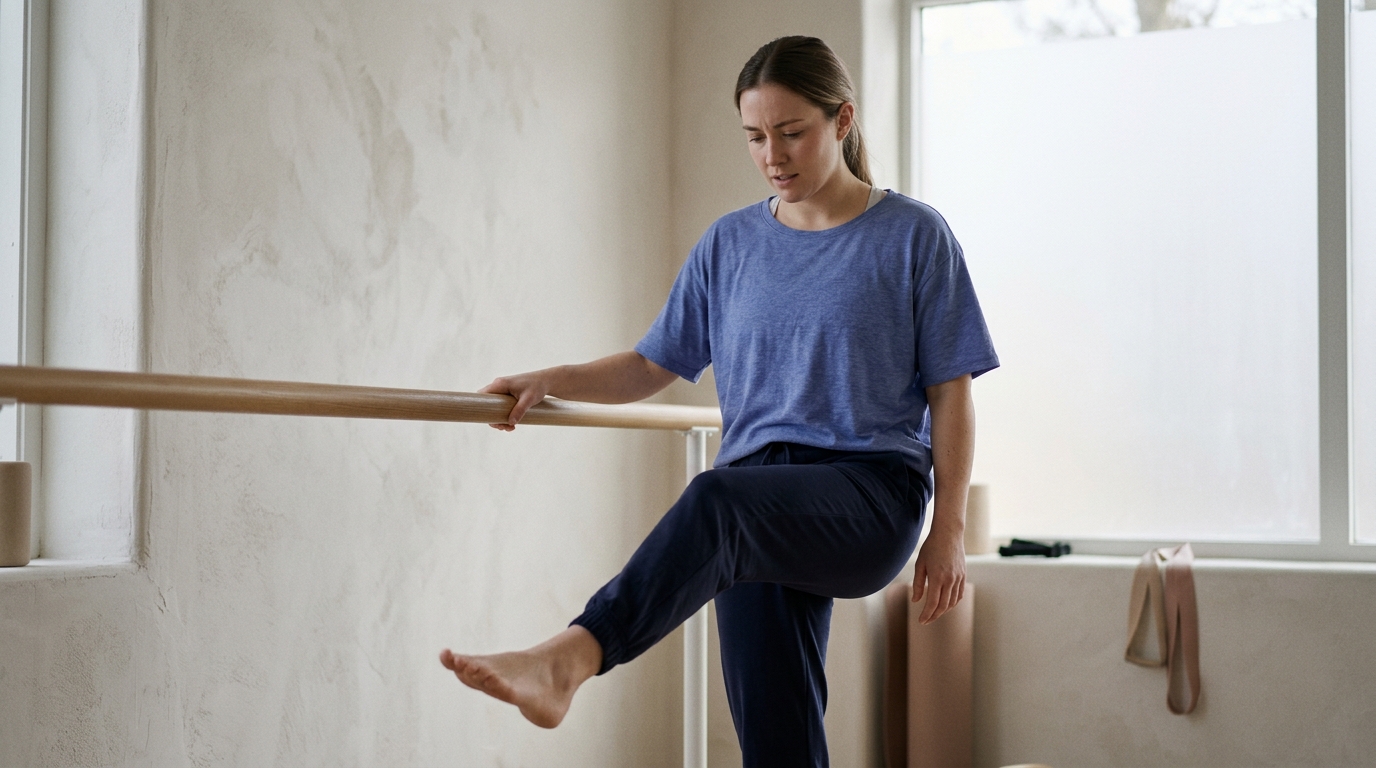
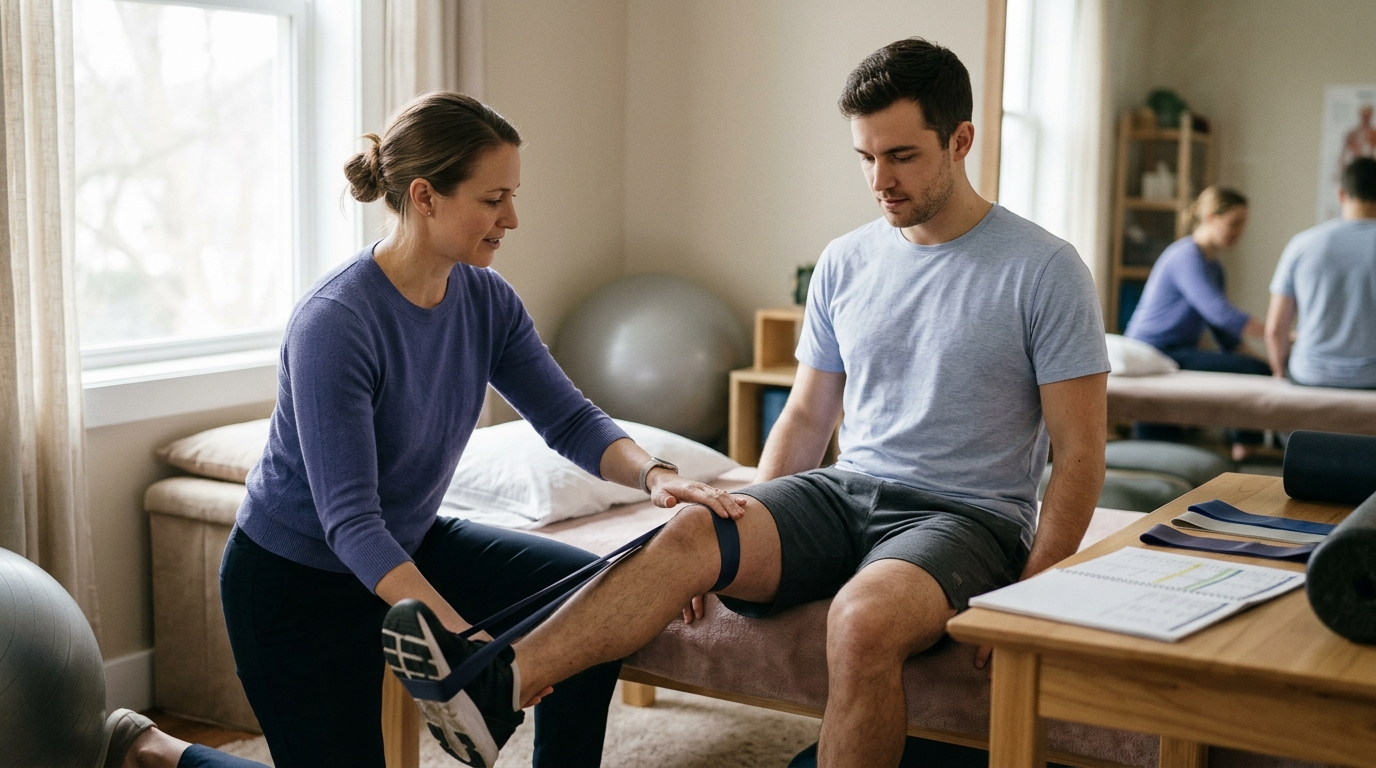
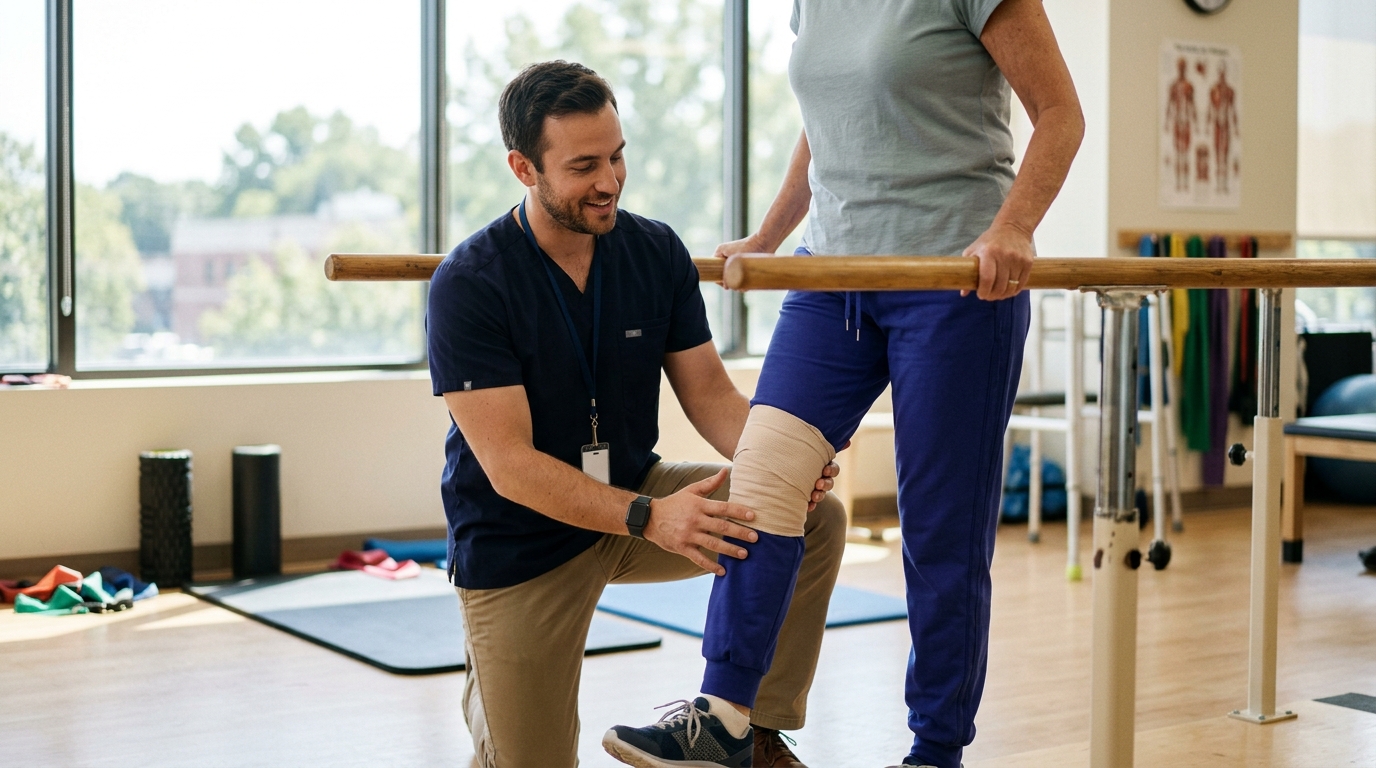
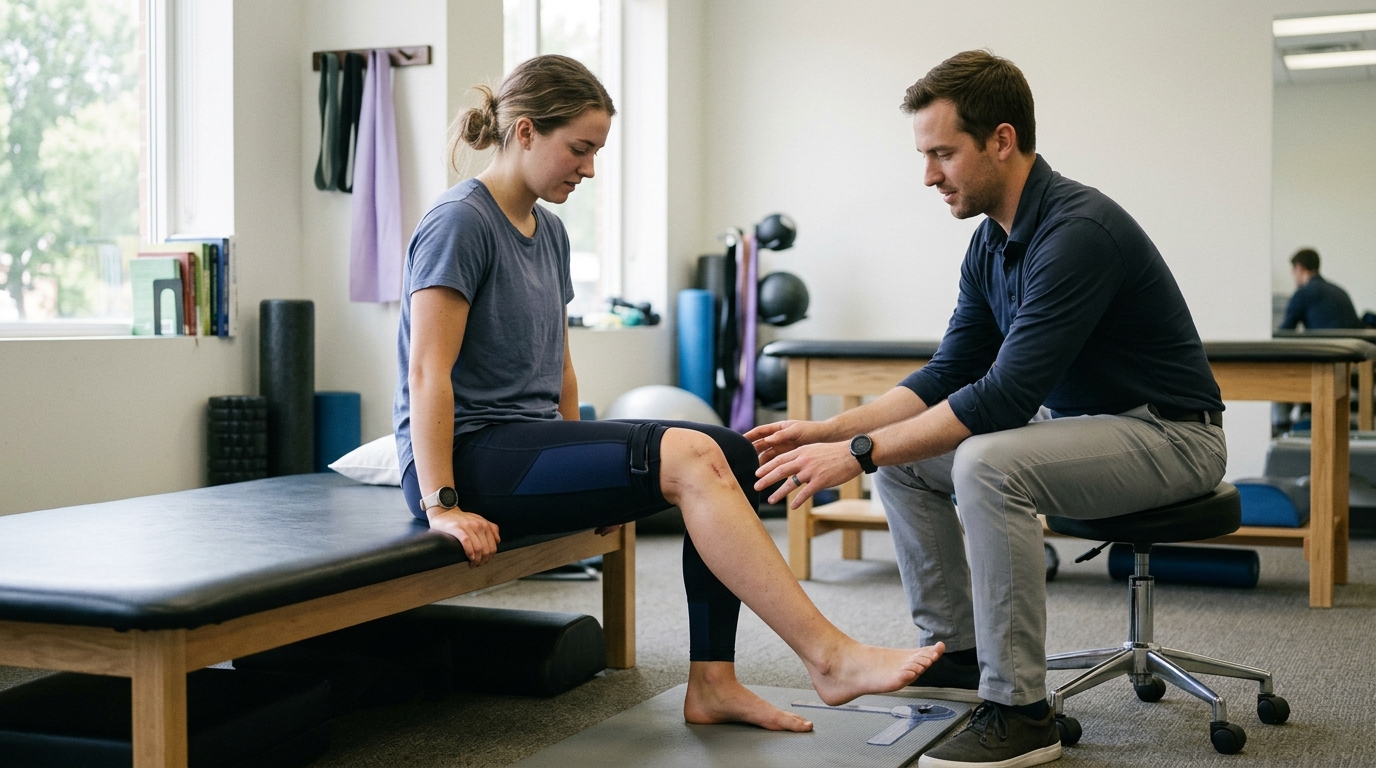
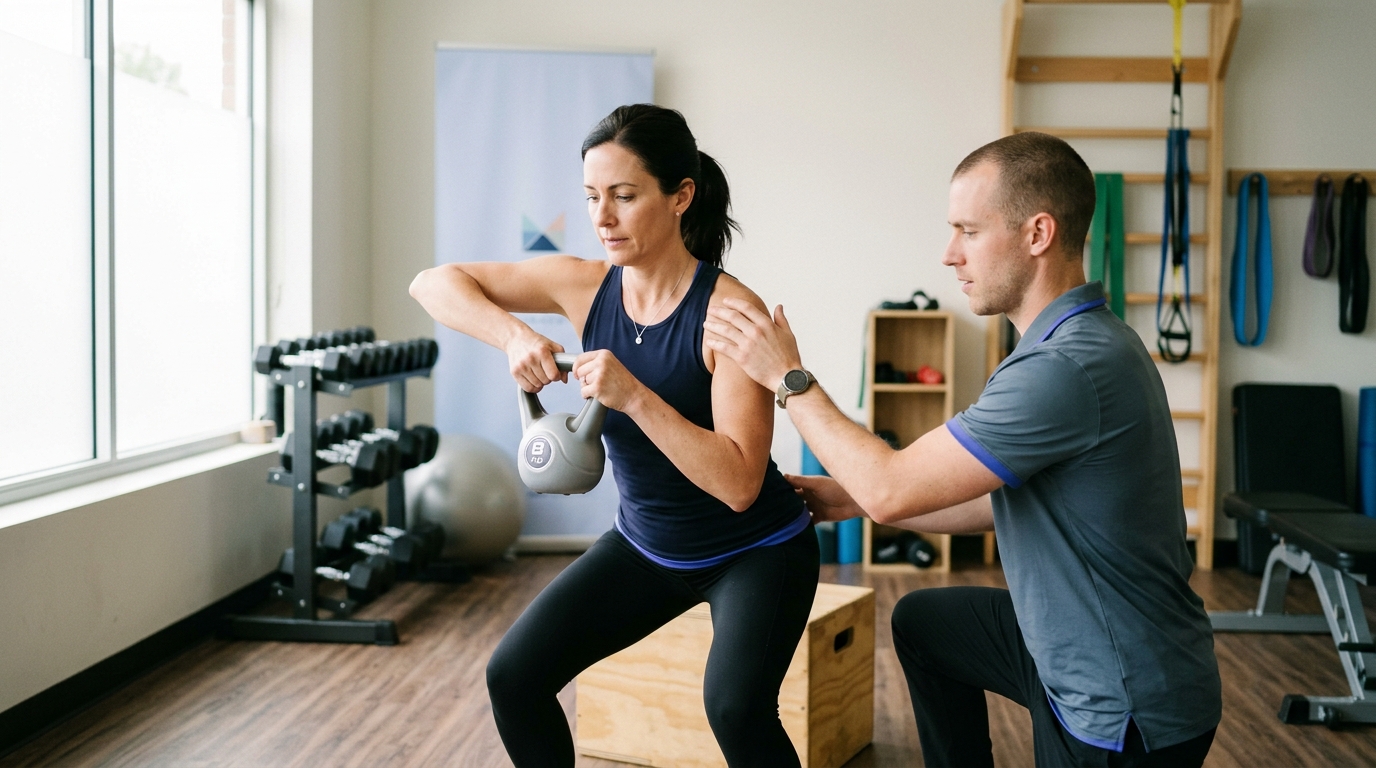
Structured physical rehabilitation plays a central role in restoring joint function after knee arthroplasty. Clinical reviews indicate that early exercise programs focus primarily on quadriceps reactivation, gentle knee flexion, and full knee extension. Re-establishing full knee straightening is critical because a minor bend during walking significantly increases the muscular effort required to stand.
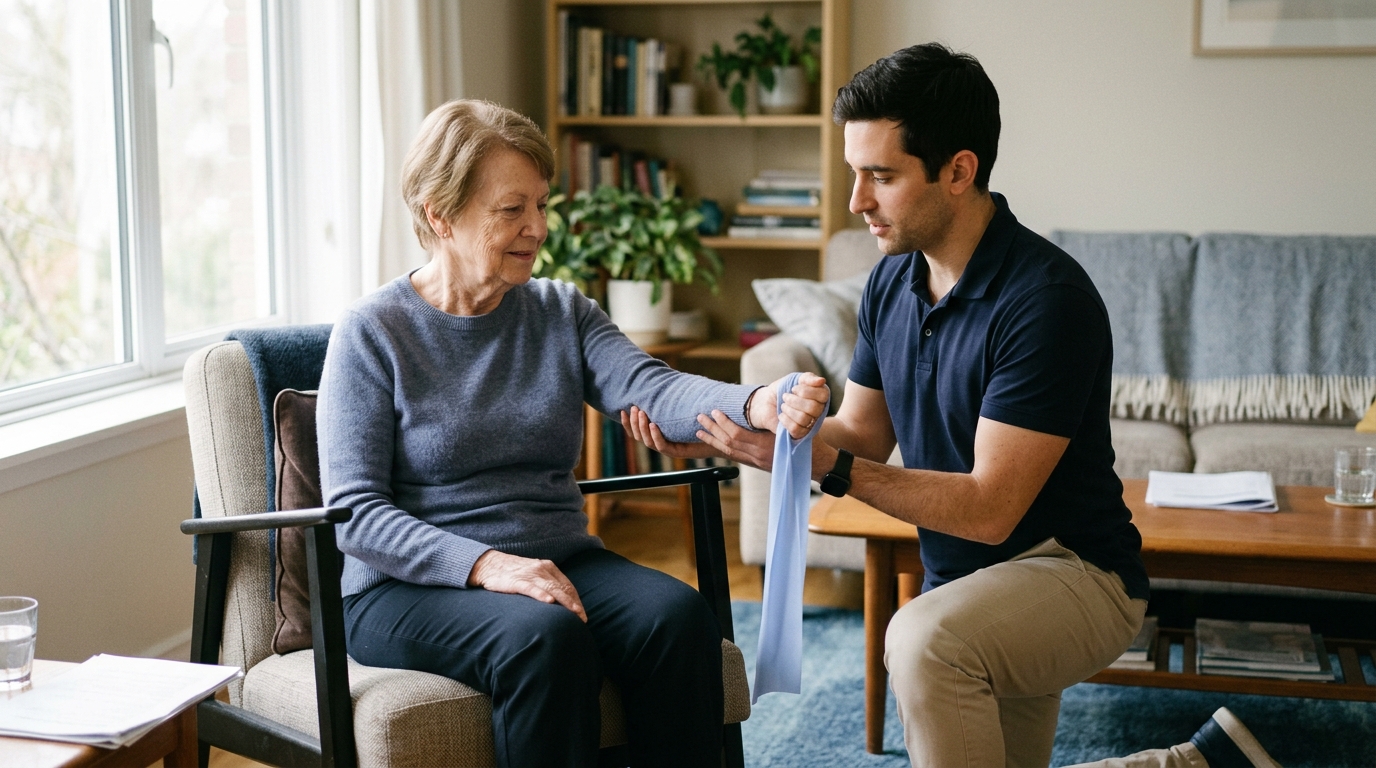
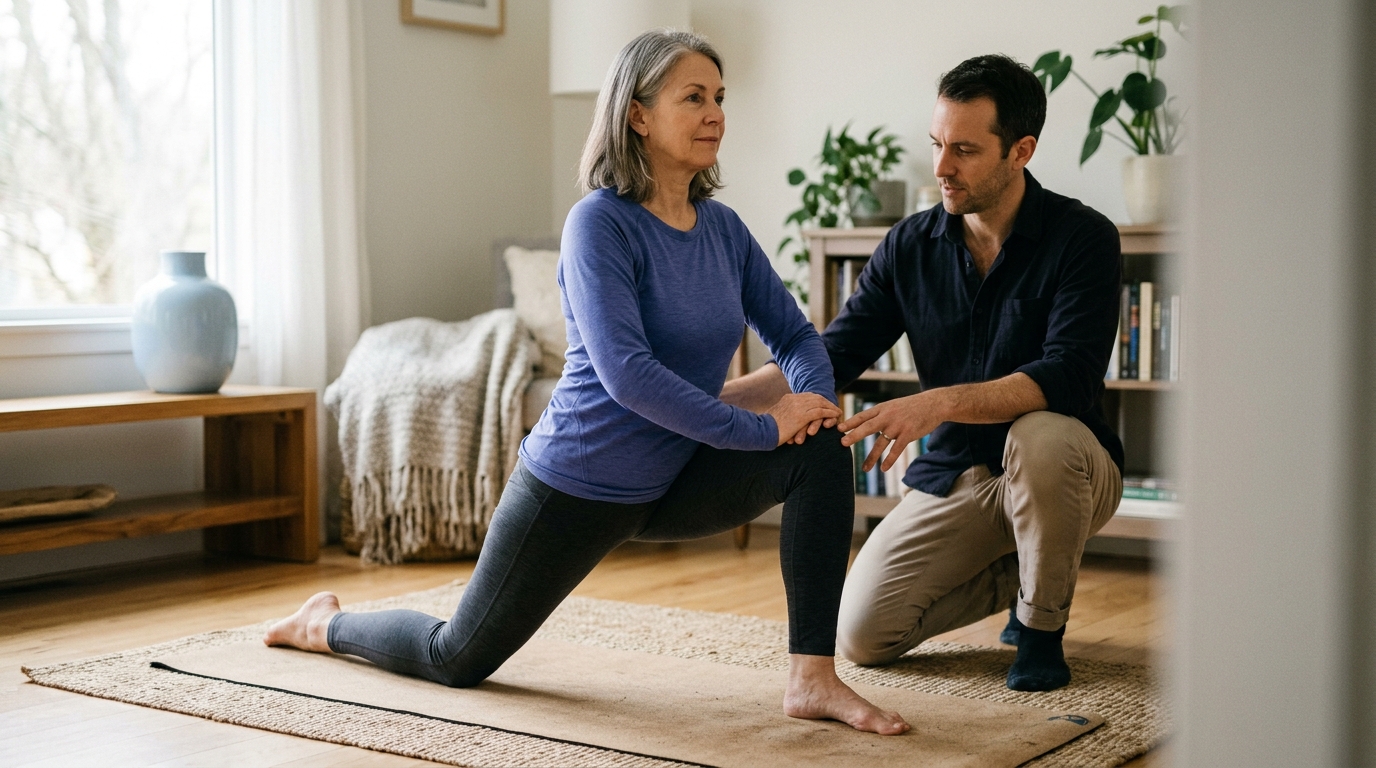
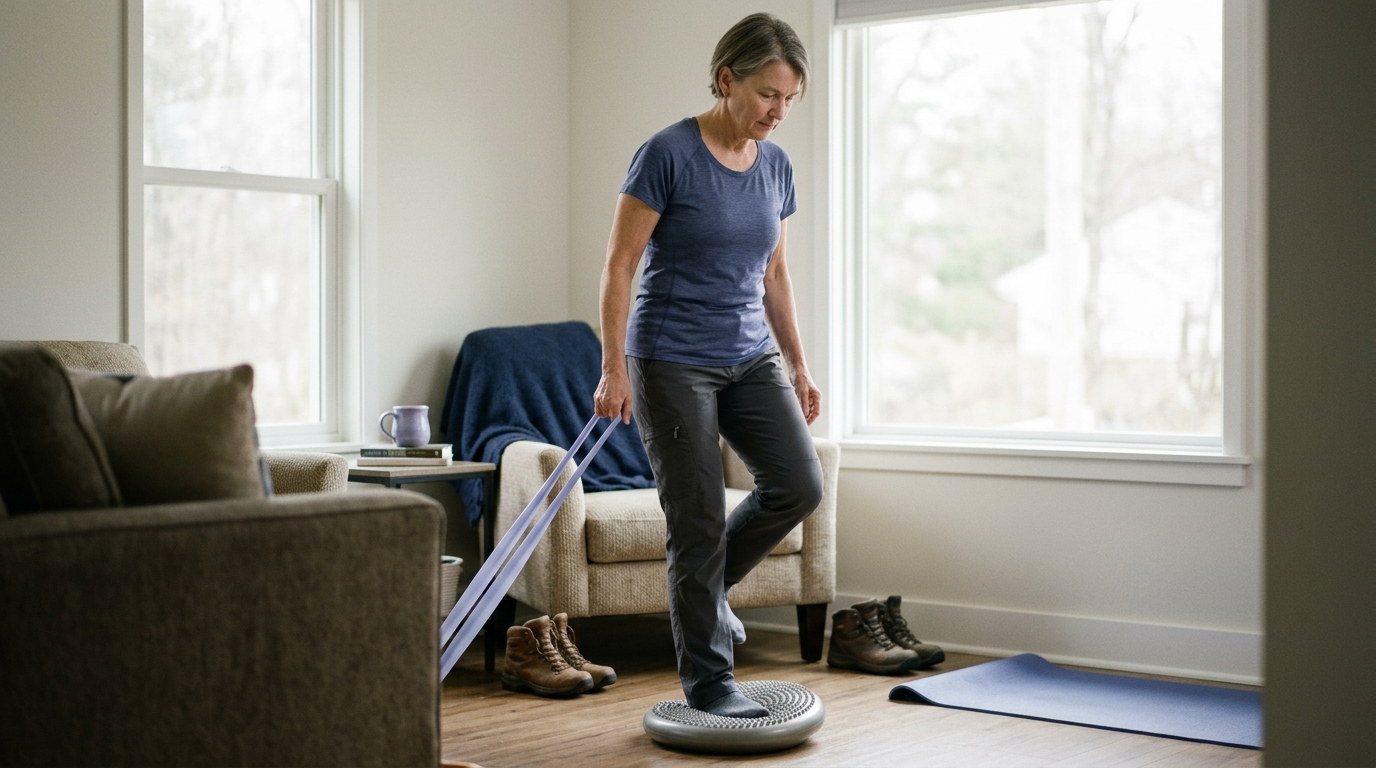
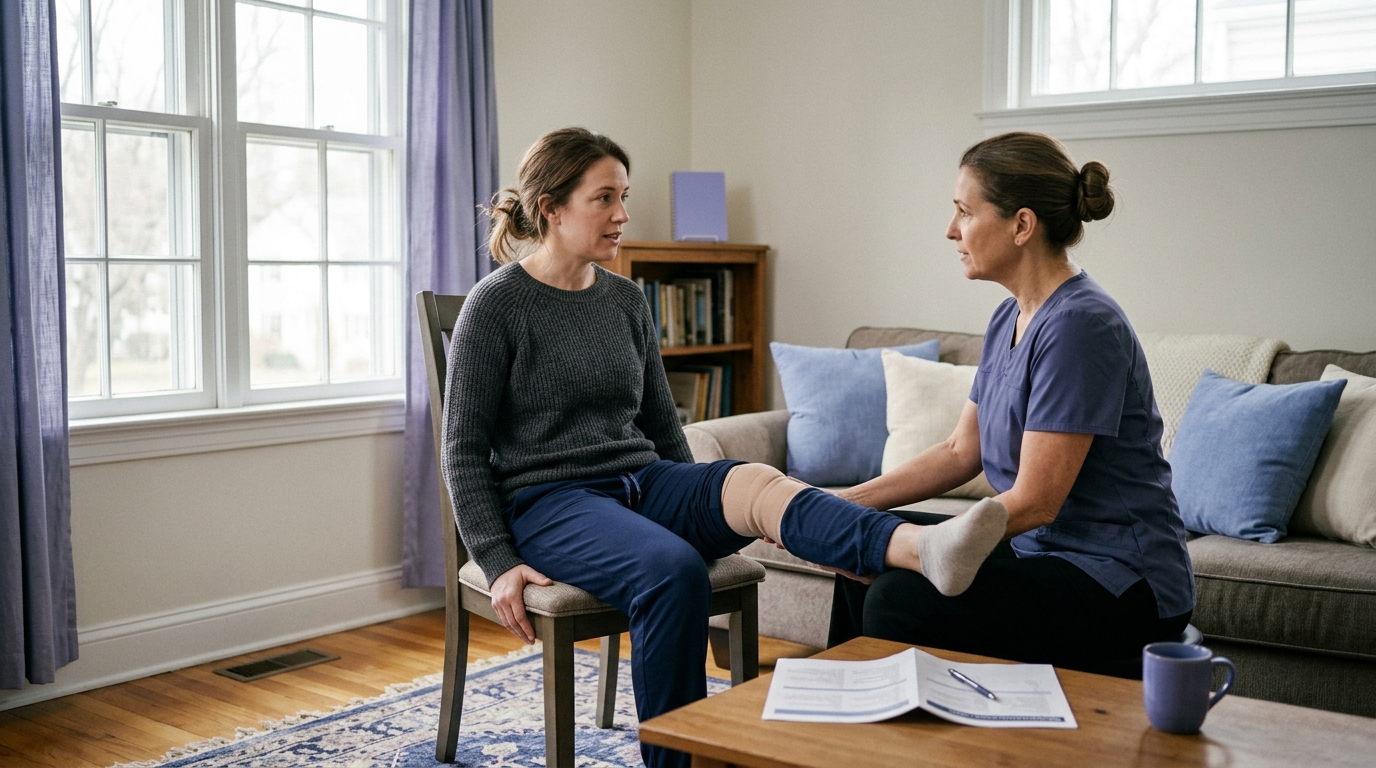
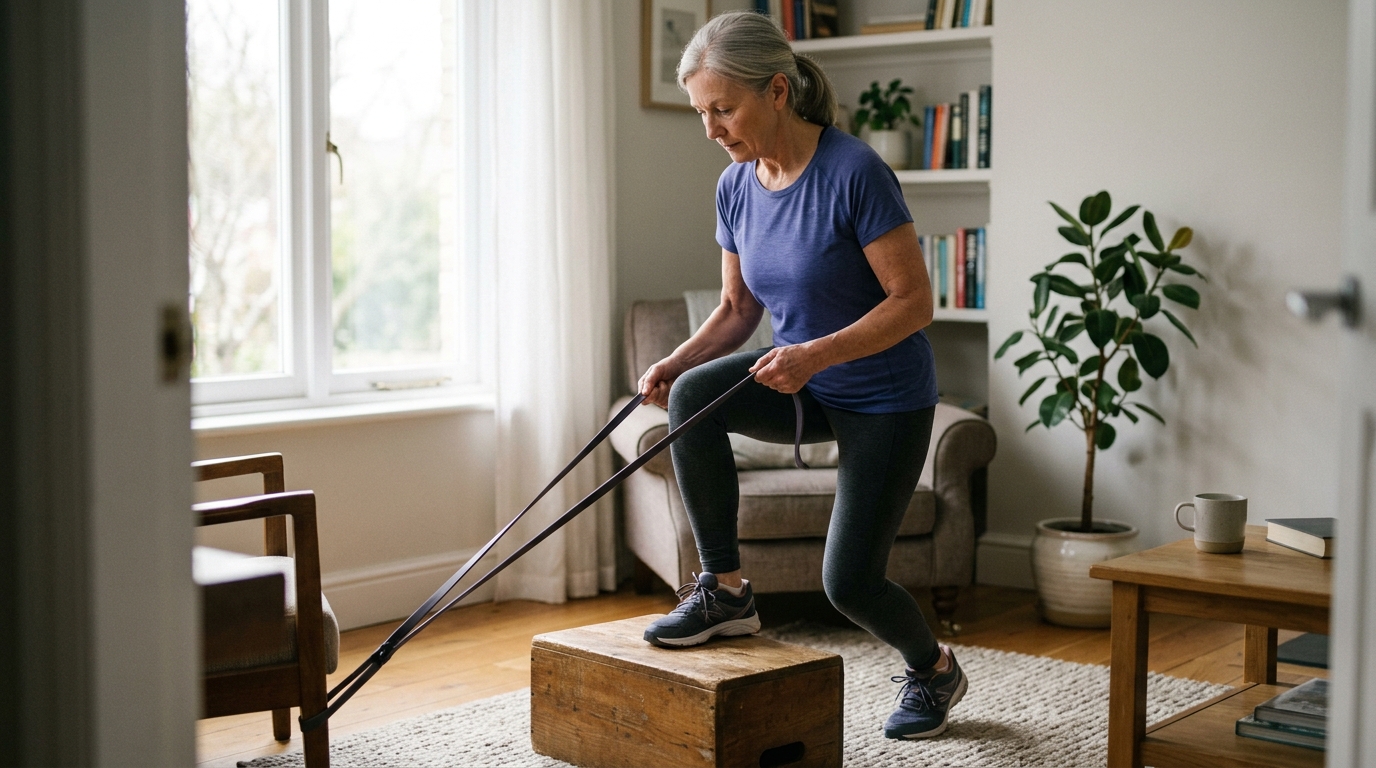
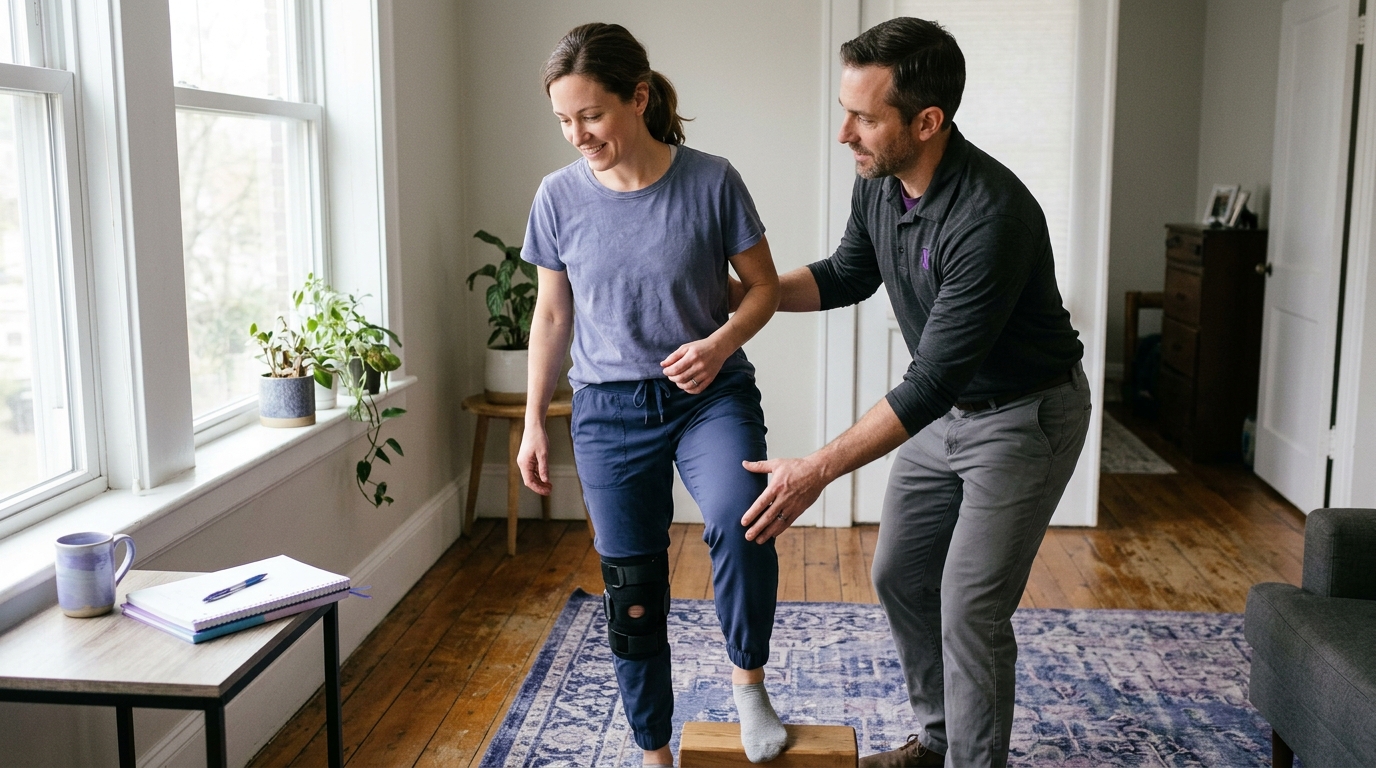
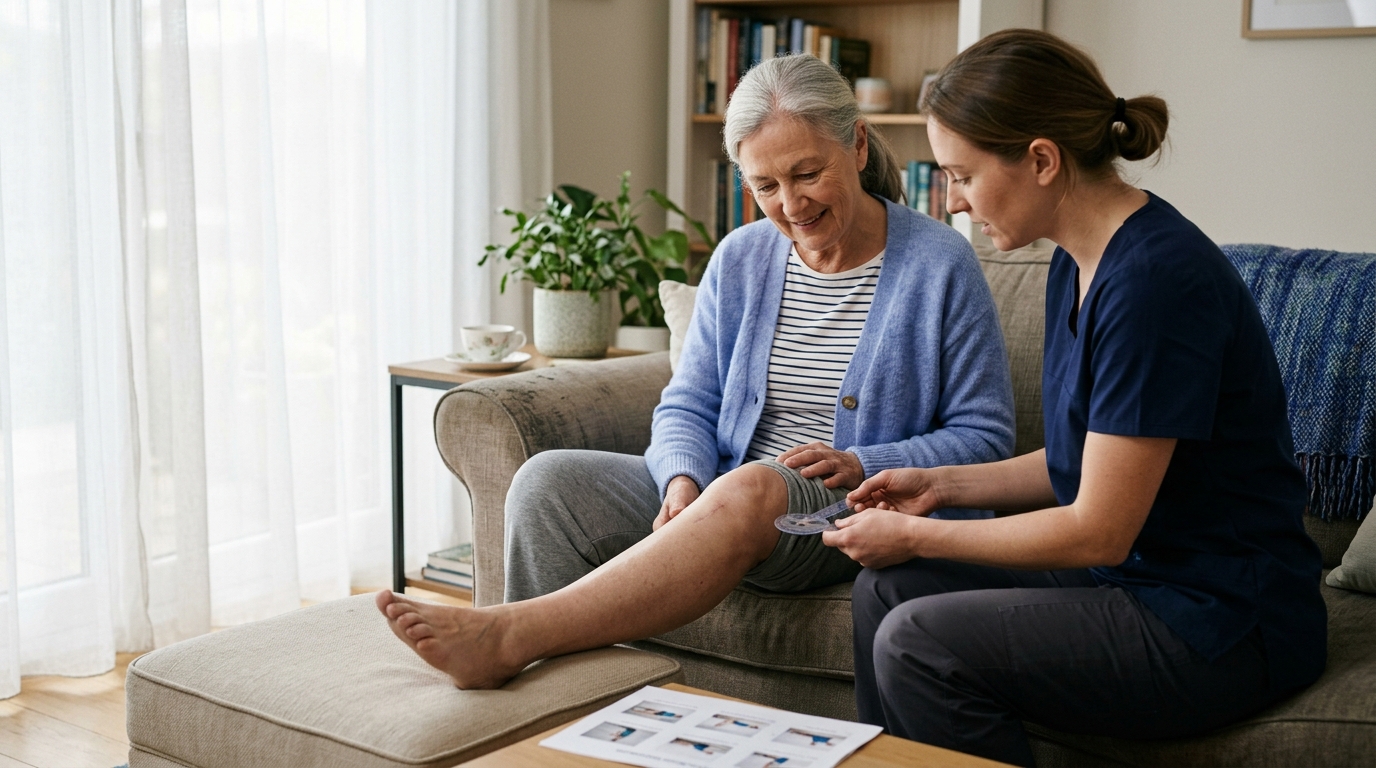
Rehabilitation can occur in various clinical and home environments. A systematic review published in JAMA Network Open examined inpatient or clinic-based rehabilitation compared to home-based exercise protocols. The authors found that clinic-based programs were not associated with superior outcomes compared to home-based programs across measures of pain, mobility, range of motion, and quality of life.
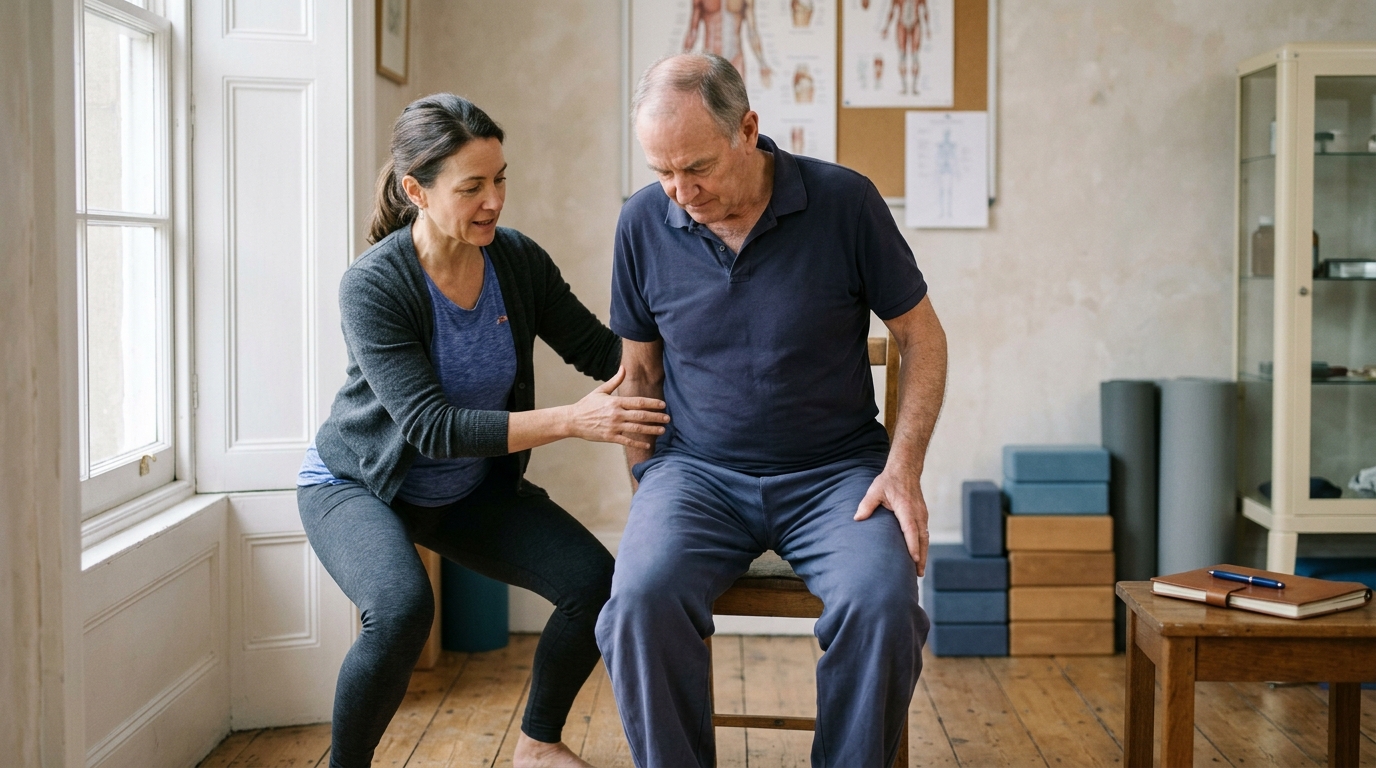
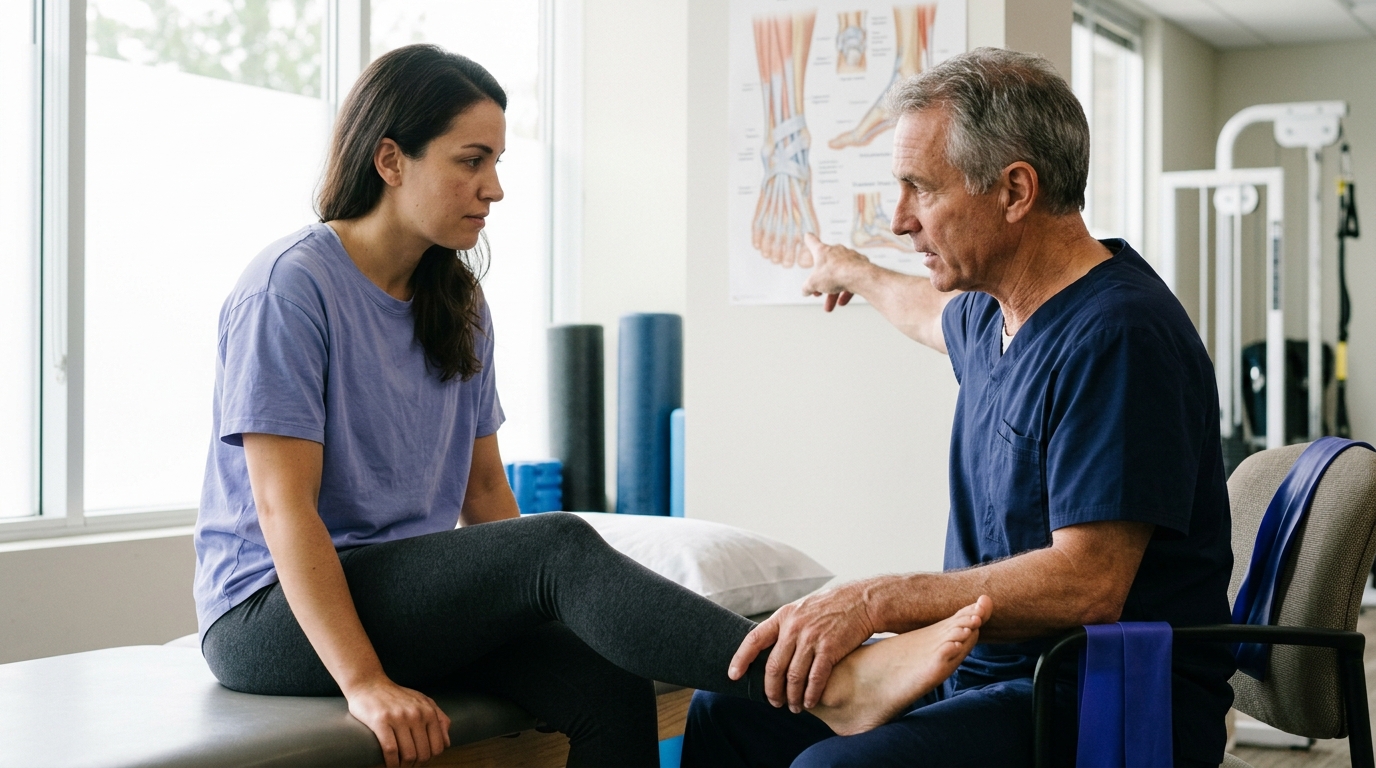
This finding does not mean that every person should recover without professional guidance. Instead, it suggests that consistent execution of prescribed exercises matters more than the specific setting where you perform them. Specialized guidance from a physical therapist remains vital for monitoring progress, adjusting exercise volume, and addressing mobility restrictions.
Managing your daily exercise dosage requires careful balance. More exercise does not automatically create a faster recovery. Physical therapy guidelines recommend performing prescribed exercises consistently while avoiding unnecessary prolonged standing.
Walking short distances at regular intervals helps circulation and joint mobility. In contrast, standing in one place for extended periods increases joint pressure and fluid accumulation. Following your specific therapy protocol prevents symptom flare-ups while building functional capacity.
For further insights on rebuilding movement patterns, visit our library of rehabilitation, mobility, and movement resources.
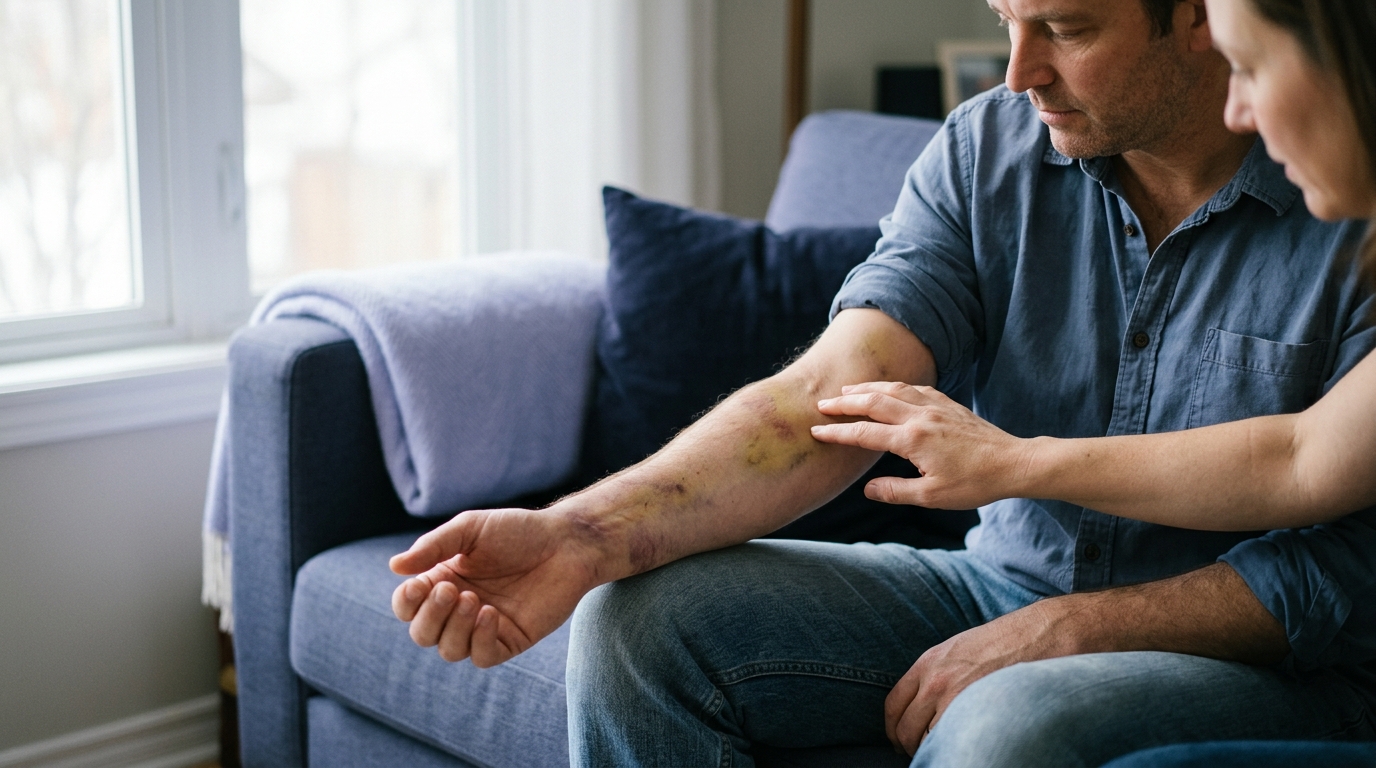
Post-operative swelling is an expected biological response to orthopedic surgery. Tissue trauma, altered lymphatic drainage, and increased localized blood flow all contribute to fluid retention around the joint. Hospital recovery resources note that mild to moderate swelling can persist for many months, and in some cases up to a year or 18 months.
Swelling often fluctuates based on your daily activity levels. A day spent running errands or standing in the kitchen can cause noticeable fluid buildup around the knee, calf, or ankle.
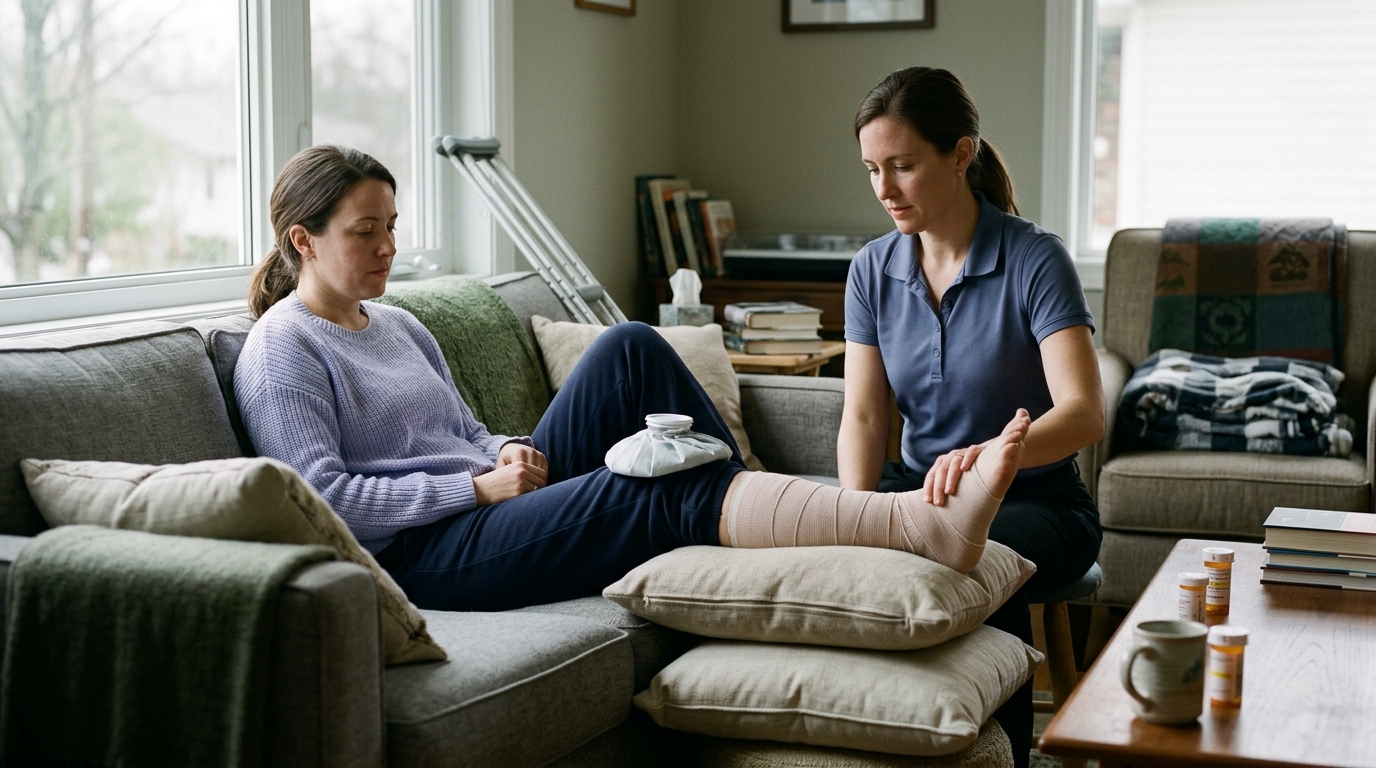
Managing this fluid retention involves several straightforward habits:
Research shows that long-term recovery curves vary across different patient populations. A study tracking long-term trajectories after knee arthroplasty found that between 84% and 93% of patients experience rapid initial gains that remain stable for 5 to 8 years. However, a smaller percentage of patients experience slower functional improvements or ongoing symptom fluctuations.
A systematic review on post-operative outcomes reported that unfavorable long-term pain outcomes occur in roughly 10% to 34% of cases, depending on study definitions. These variations emphasize that recovery is an individualized process. Temporary setbacks or slower milestones do not mean your surgery was unsuccessful.
Every recovery timeline is influenced by personal, physical, and environmental variables. Comparing your recovery rate to a friend or relative can create misleading expectations. Understanding the factors that influence healing helps you maintain realistic benchmarks.
Your pre-operative physical condition significantly affects early rehabilitation. Patients who maintain higher quadriceps strength, joint mobility, and aerobic fitness before surgery often regain independent walking more quickly. Conversely, severe pre-existing joint stiffness or long-standing muscle weakness may require a longer period of rehabilitation.
The specific surgical technique also changes short-term functional milestones:
Partial knee replacements preserve the cruciate ligaments and healthy joint compartments. This tissue preservation often results in faster quadriceps recovery and an earlier return to normal gait mechanics. Total knee replacements require more extensive bone preparation and soft tissue balancing, which necessitates a longer period of biological healing.
Overall systemic health influences tissue repair rates and physical stamina. Conditions such as diabetes, cardiovascular disease, or joint arthritis in the opposite leg can alter exercise tolerance. Older adults often achieve excellent long-term functional outcomes, but they may require more time to regain baseline energy and balance.
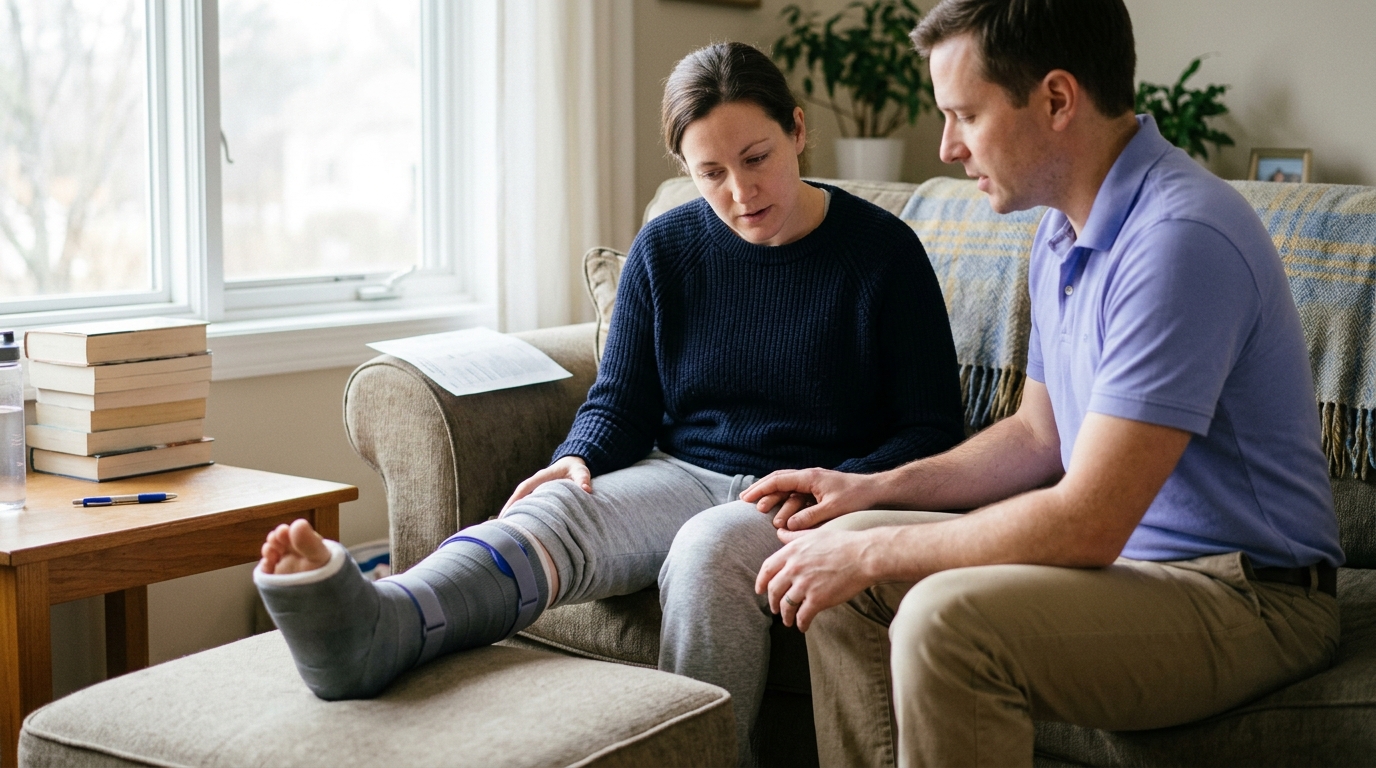
Having assistance at home during the initial weeks directly influences rest quality and stress levels. Patients who arrange help for grocery shopping, meal preparation, and transportation can focus on rehabilitation without overworking the healing limb.
You can learn more about preparing your body and lifestyle for recovery in our collection of active aging and prevention articles.
Knowing what sensations to expect helps reduce anxiety during post-operative rehabilitation. As nerves regenerate and tissues heal, your knee will produce a variety of temporary physical sensations.
Normal sensations during the first several months include:
While these sensations are part of typical tissue remodeling, other symptoms require prompt clinical evaluation. Complications such as deep vein thrombosis or surgical site infections require timely medical care.
Never attempt to self-diagnose severe symptoms. If you are uncertain whether a symptom is part of normal recovery, contact your orthopedic surgeon or physical therapy team for advice.
Resuming everyday activities requires a structured, gradual plan. Attempting heavy physical tasks too early can trigger significant inflammation and set back your rehabilitation progress.
Hospital guidelines advise avoiding heavy household chores during the first 3 months of recovery. Tasks that involve lifting heavy objects, pushing a vacuum cleaner, or carrying heavy grocery bags place high compressive loads on the new joint. Arrange assistance for home maintenance, laundry, and yard work during this period.
Returning to driving depends on several safety criteria:
If your surgery was on your left leg and you drive an automatic transmission vehicle, you may be cleared to drive sooner. If your surgery was on your right leg, you must regain sufficient muscle speed and strength to perform an emergency stop without hesitation.
National Health Service guidance advises waiting at least 6 weeks before driving after a total knee replacement, and at least 3 weeks after a partial knee replacement. You must also be completely off prescription opioid pain medications before getting behind the wheel. Always receive direct clearance from your surgeon before driving.
The timeline for returning to work depends heavily on the physical demands of your job. Desk-based roles that allow frequent position changes and leg elevation can often be resumed within 6 to 8 weeks. Jobs that involve prolonged standing, heavy lifting, walking on uneven surfaces, or ladder climbing often require 10 to 12 weeks or longer.
Discussing your specific job duties with your care team allows you to create a safe, phased return-to-work schedule. For more guidance on returning to daily activities, read our mobility and movement guides.
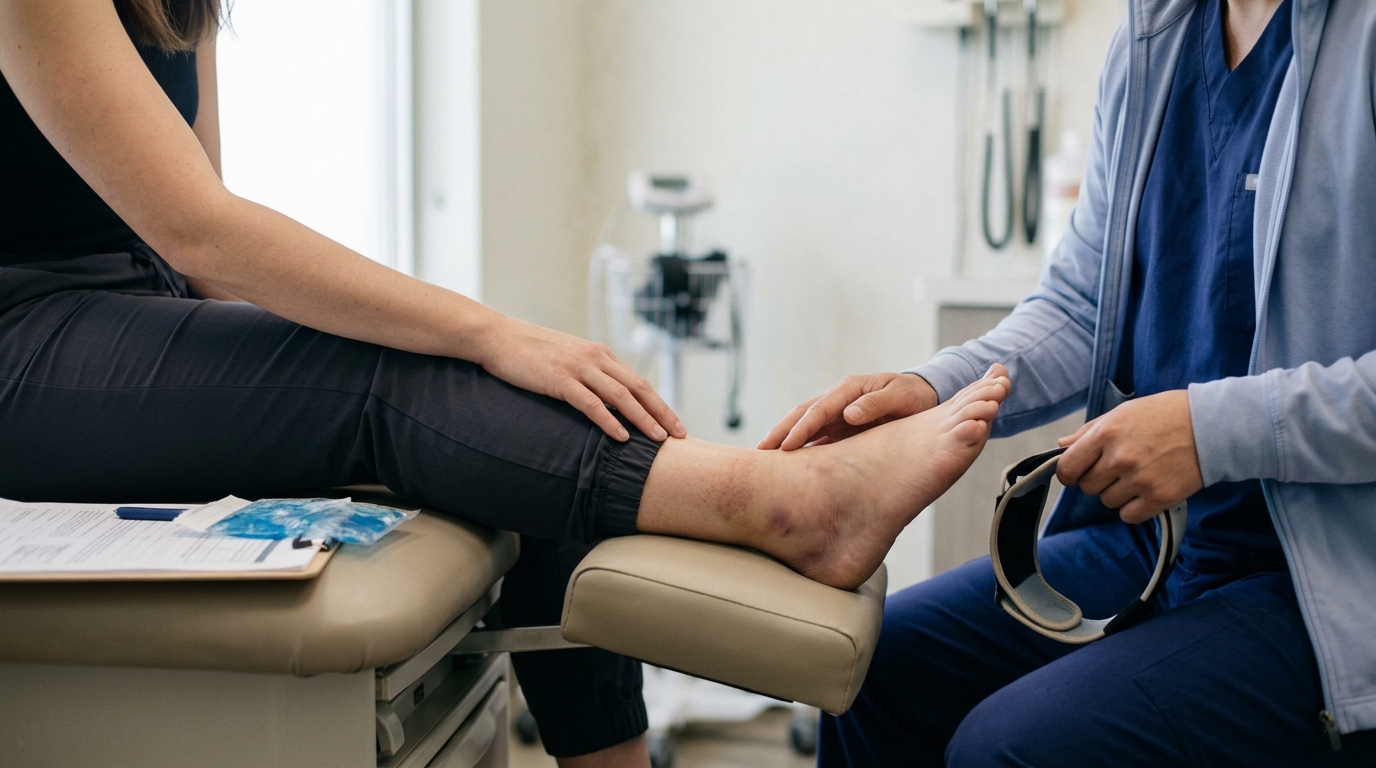
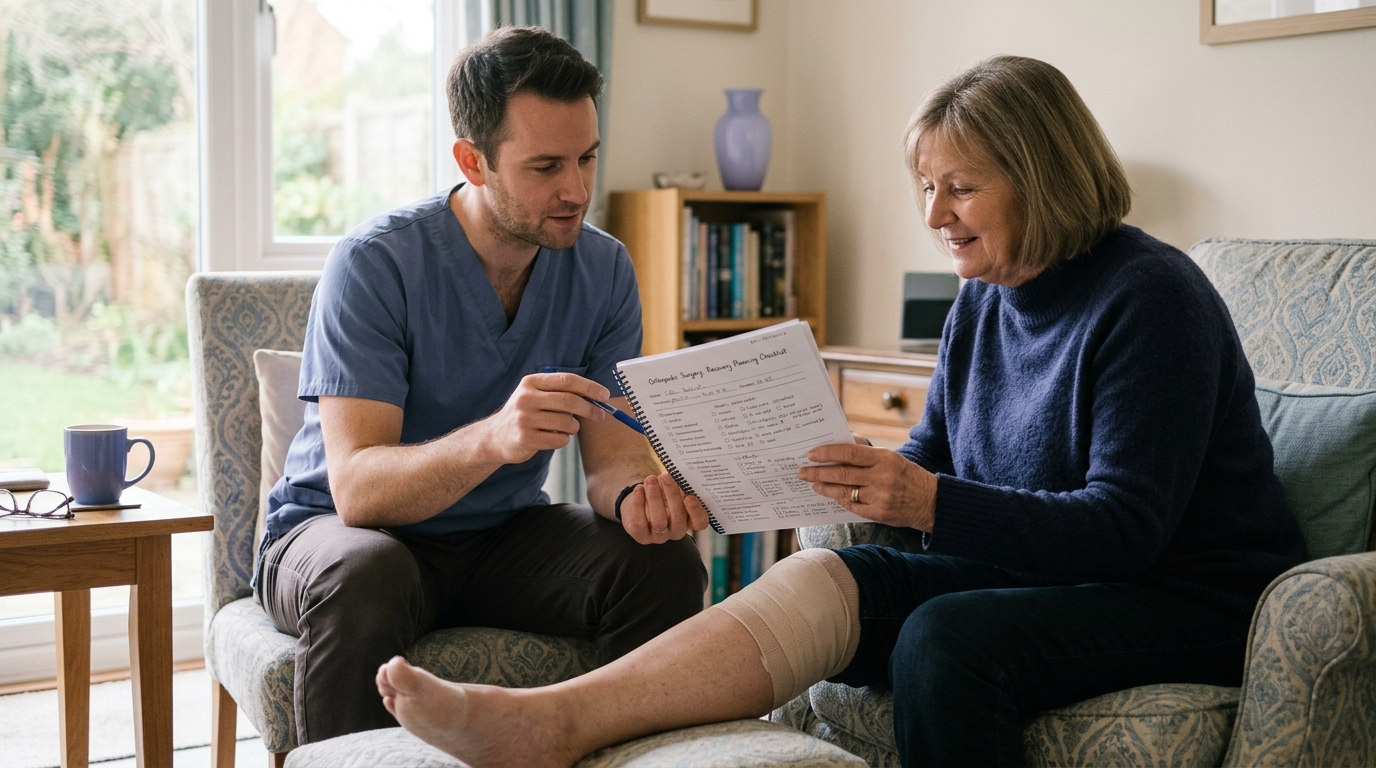
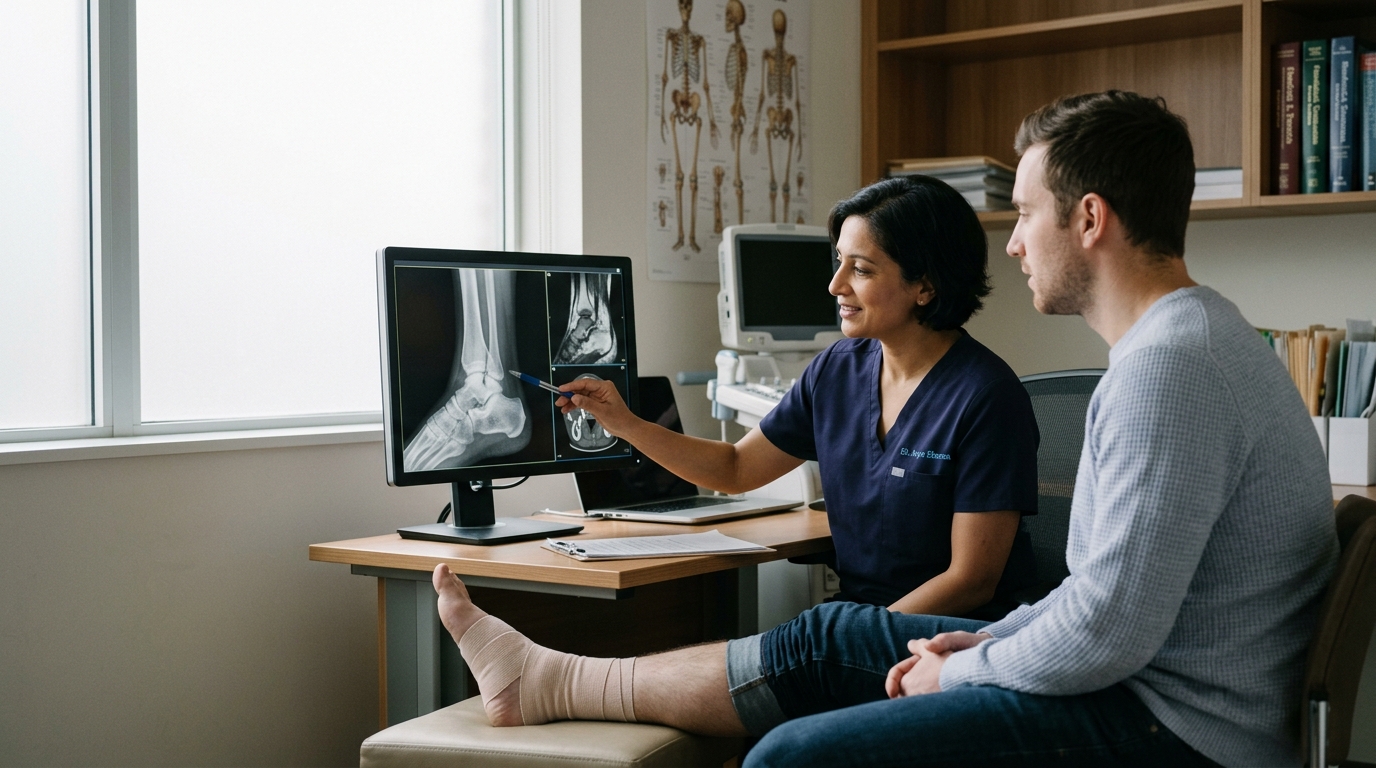
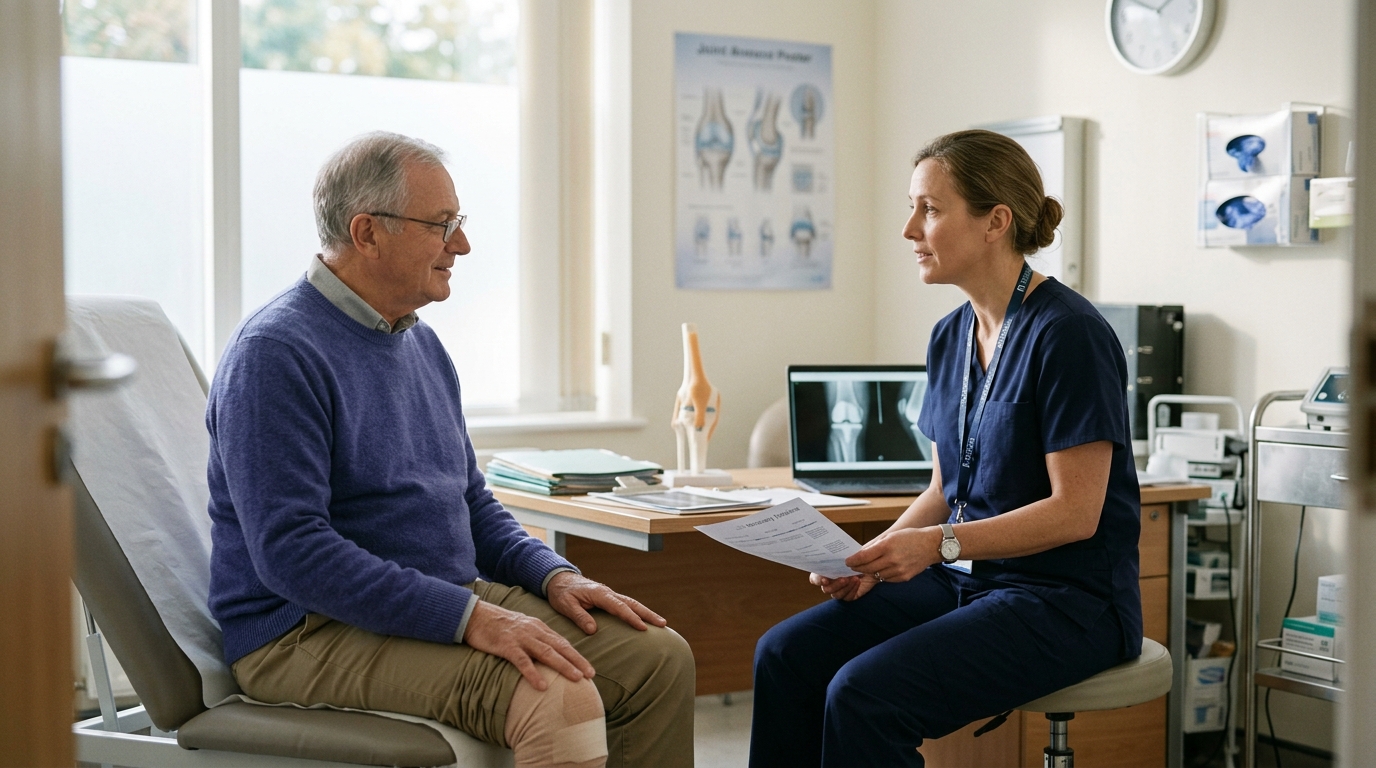
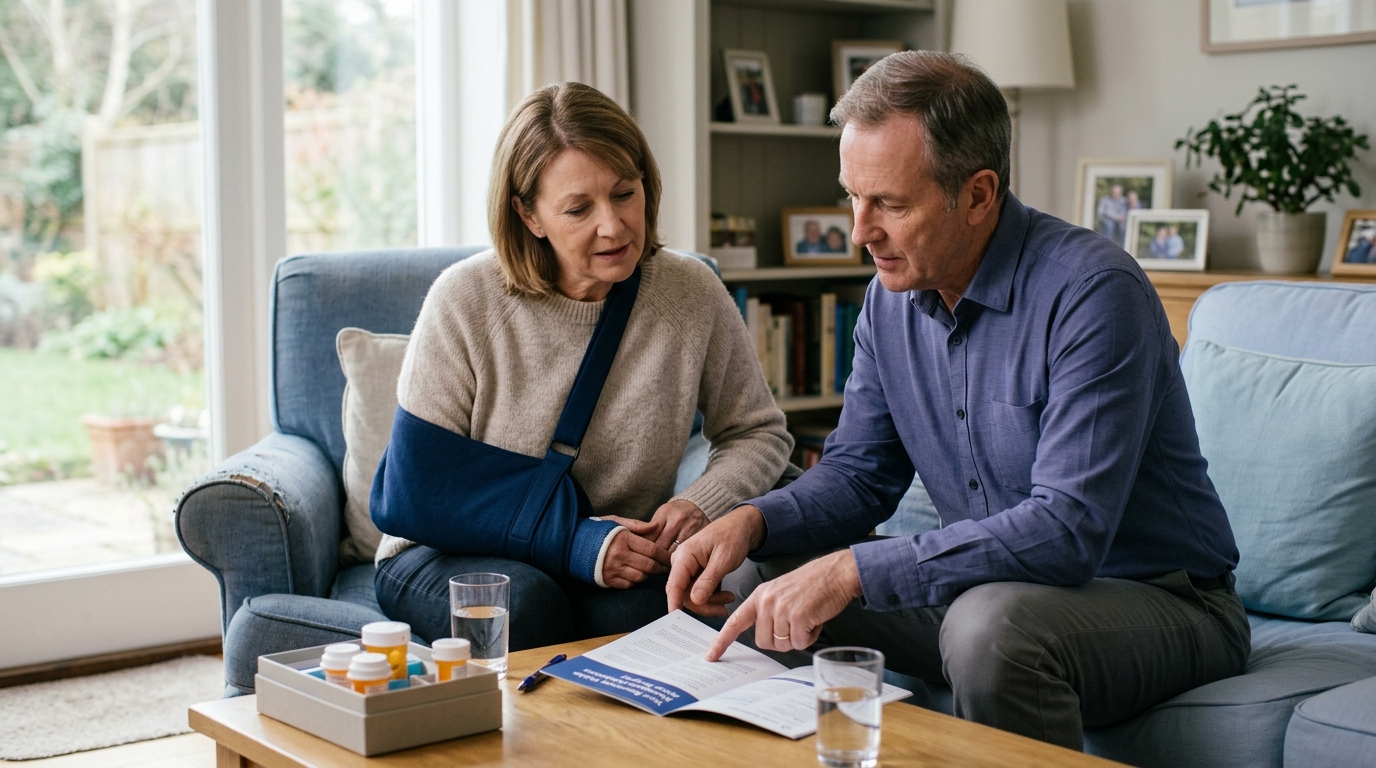
Open communication with your healthcare providers ensures that your recovery plan matches your personal progress. Preparing clear questions helps you get the most out of every appointment.
For broader rehabilitation strategies, visit our surgical recovery and comeback resources.
Knee replacement recovery is an ongoing physical adaptation rather than a fixed calendar event. While early daily independence often returns within weeks, deeper gains in walking symmetry, strength, and endurance continue over a full year. Tracking your progress across multiple functional areas provides a reliable measure of your long-term success.
Focusing on steady, consistent movement habits and following your surgical team's guidance allows your knee to rebuild function safely over time.

Use ReboundBody resources to understand common recovery stages, rehab terms, movement limits and strength rebuilding. Each guide is designed to make a complex comeback easier to understand.


Read practical guidance on injury recovery, rehabilitation, mobility and rebuilding strength as you work your way back to activity.
Explore Resources