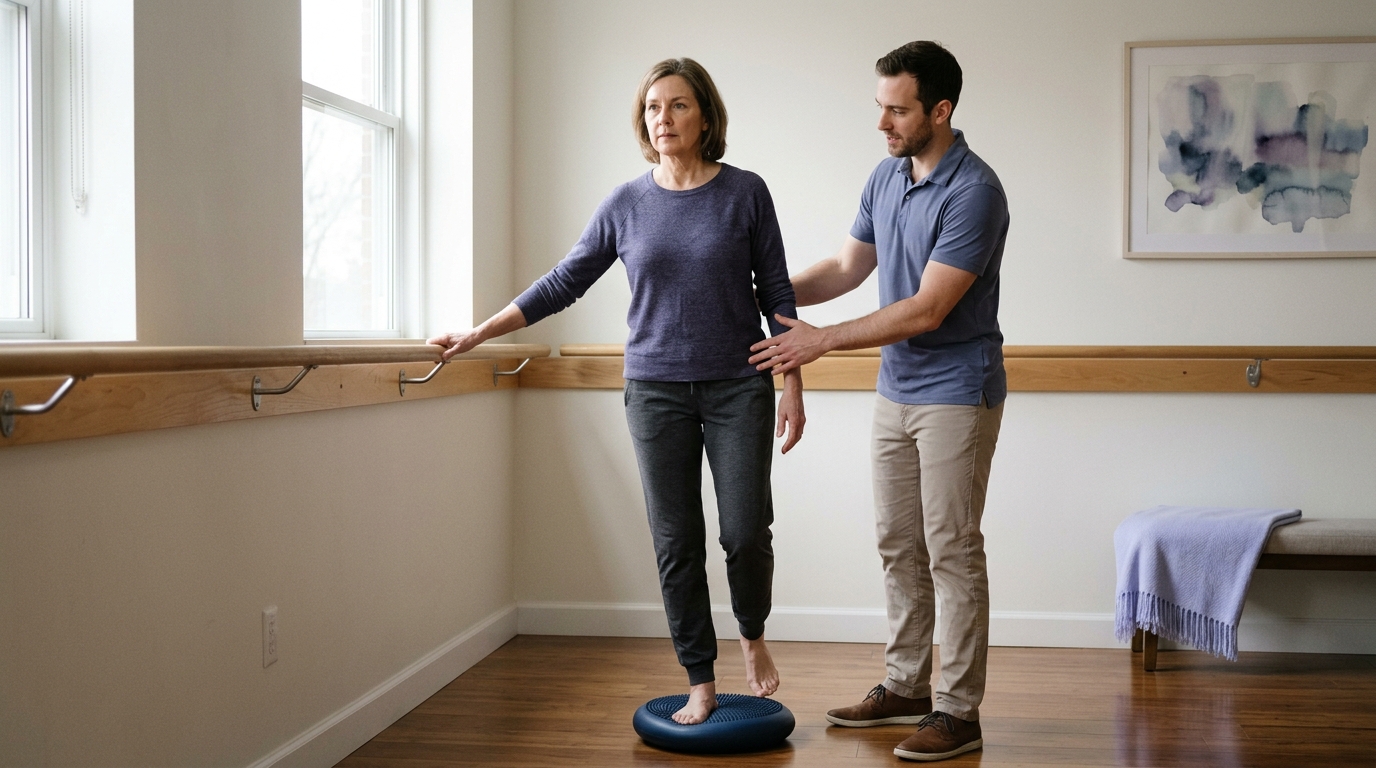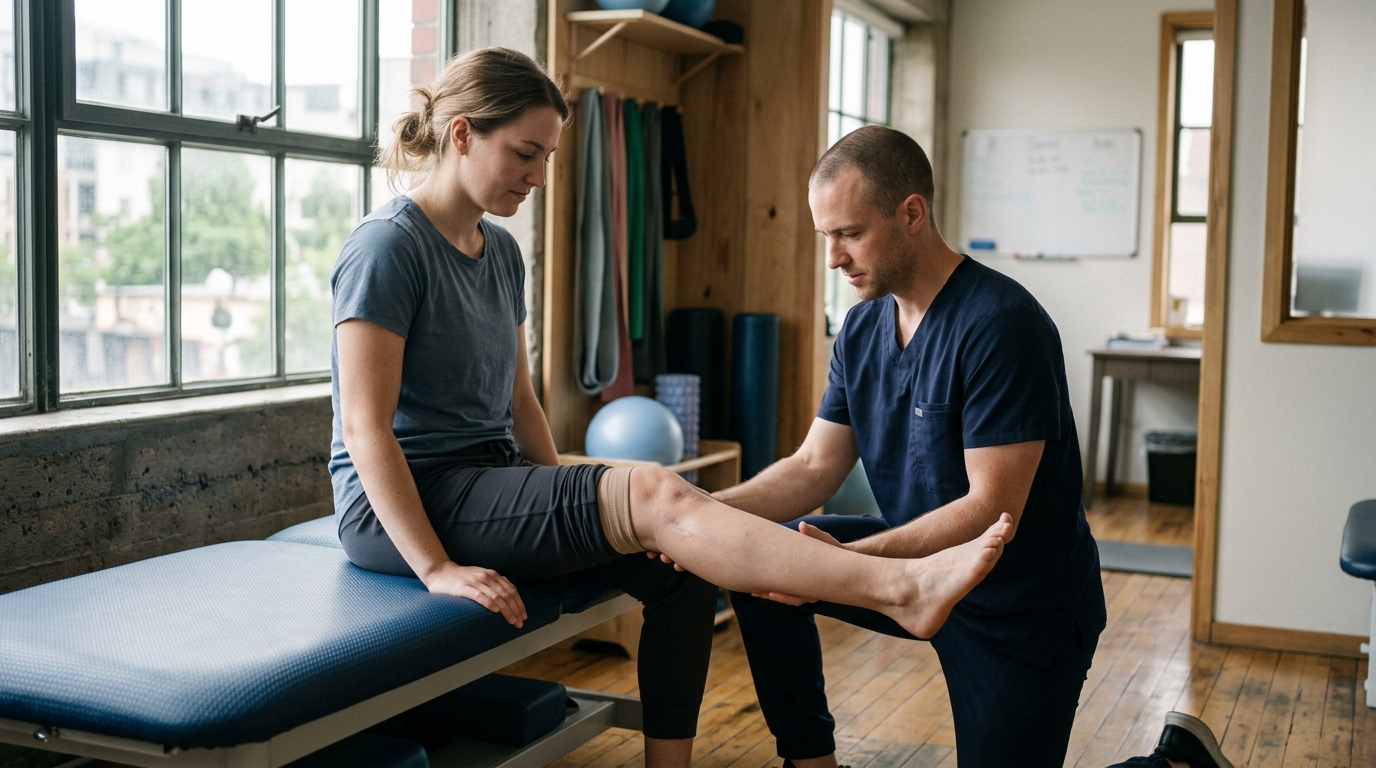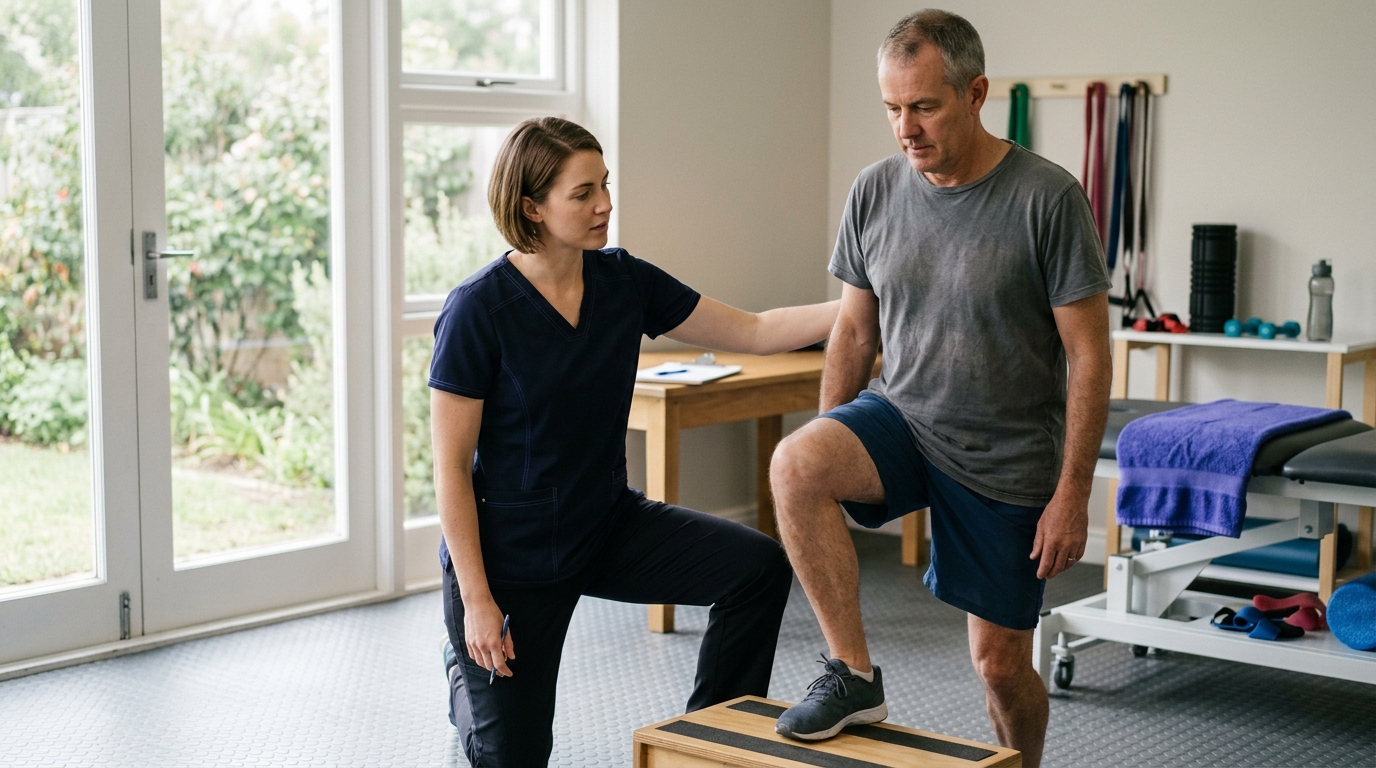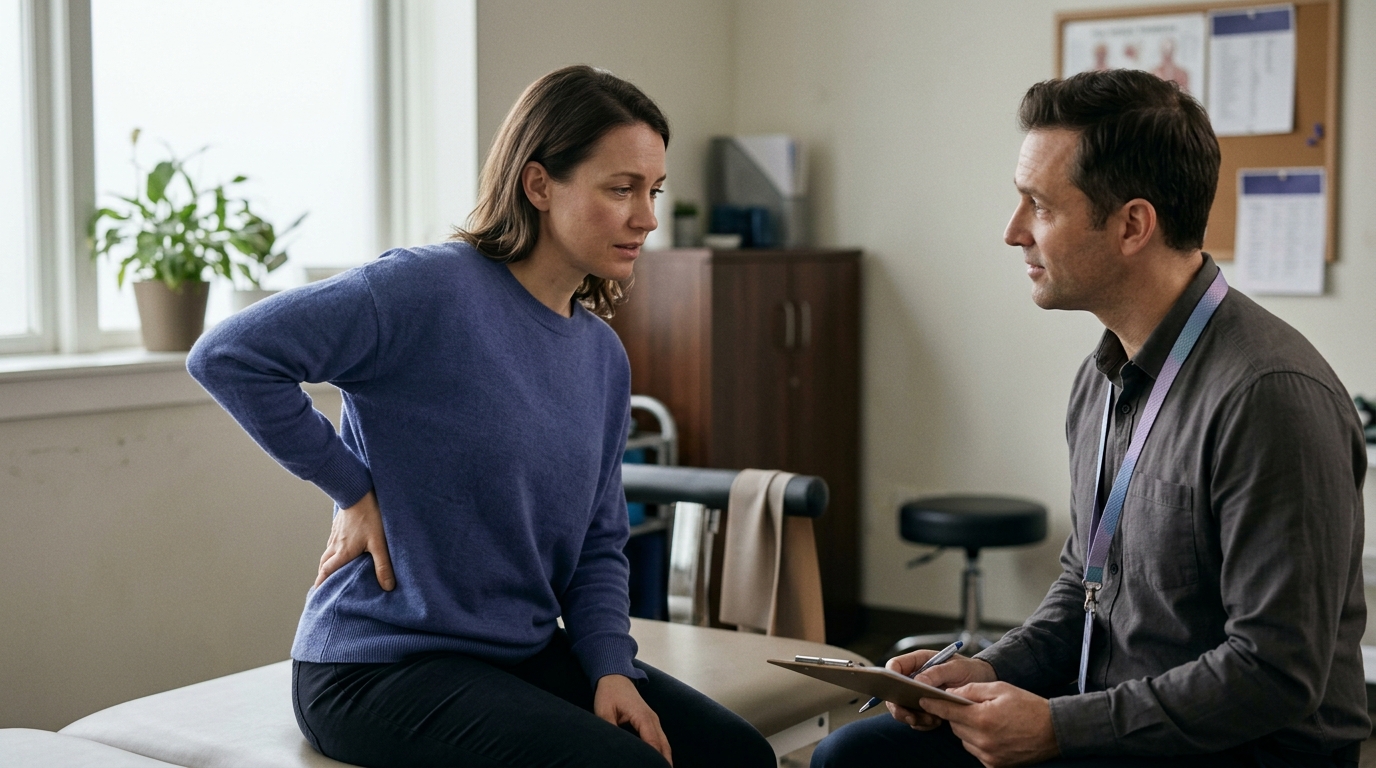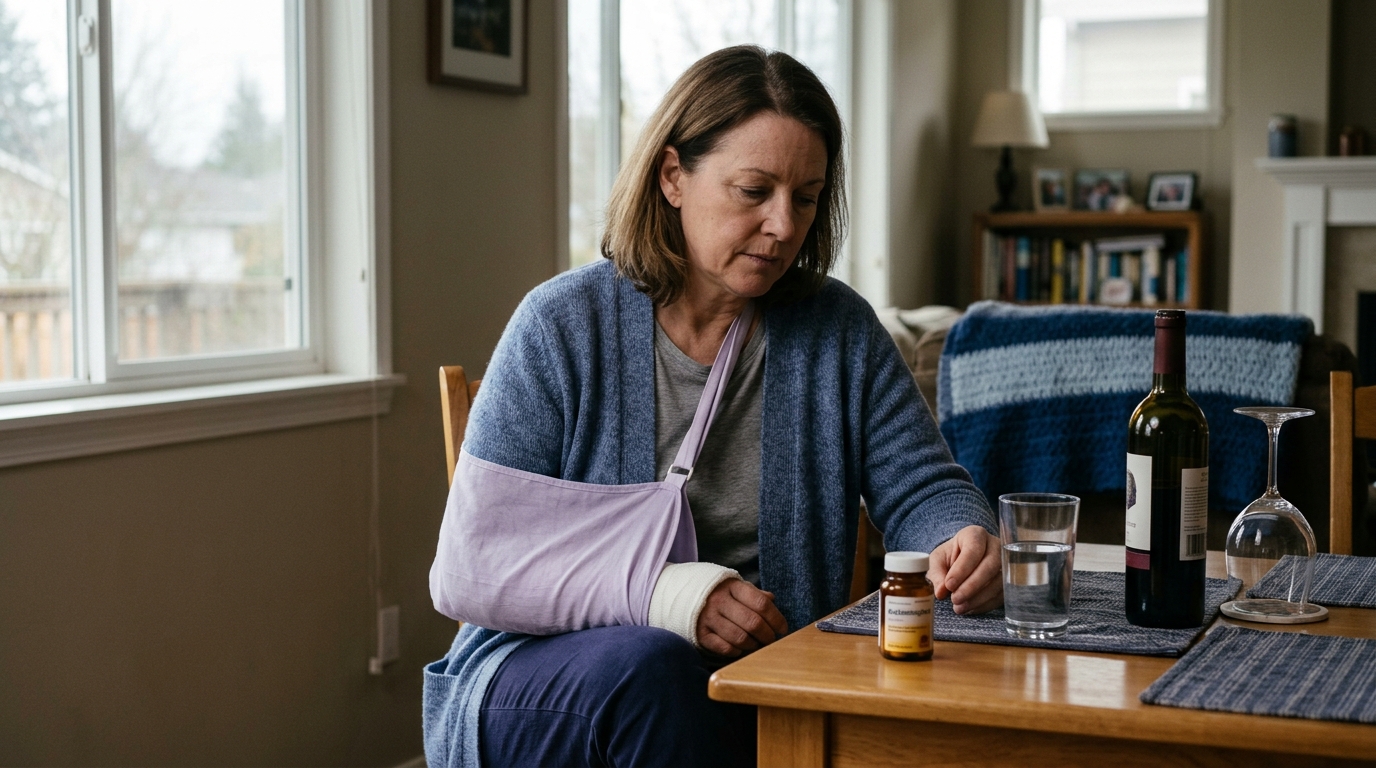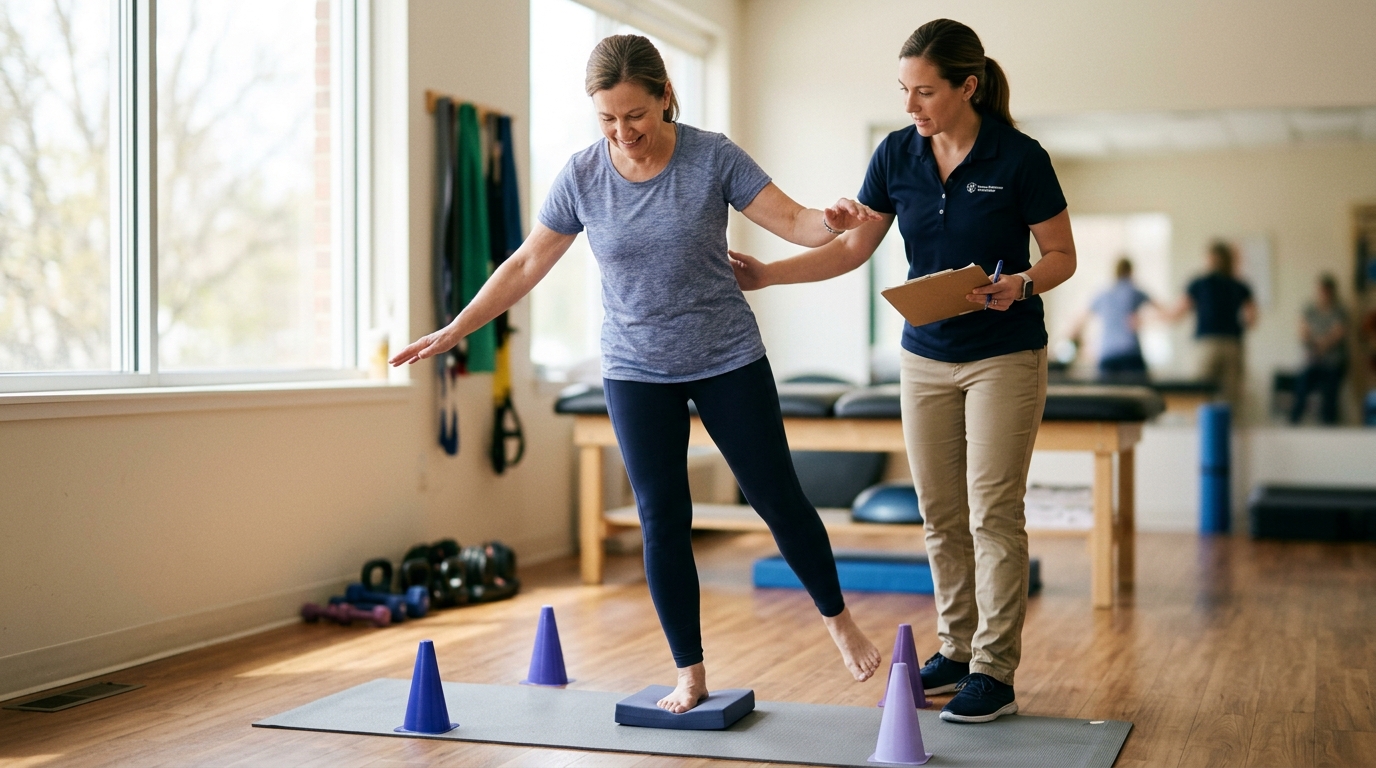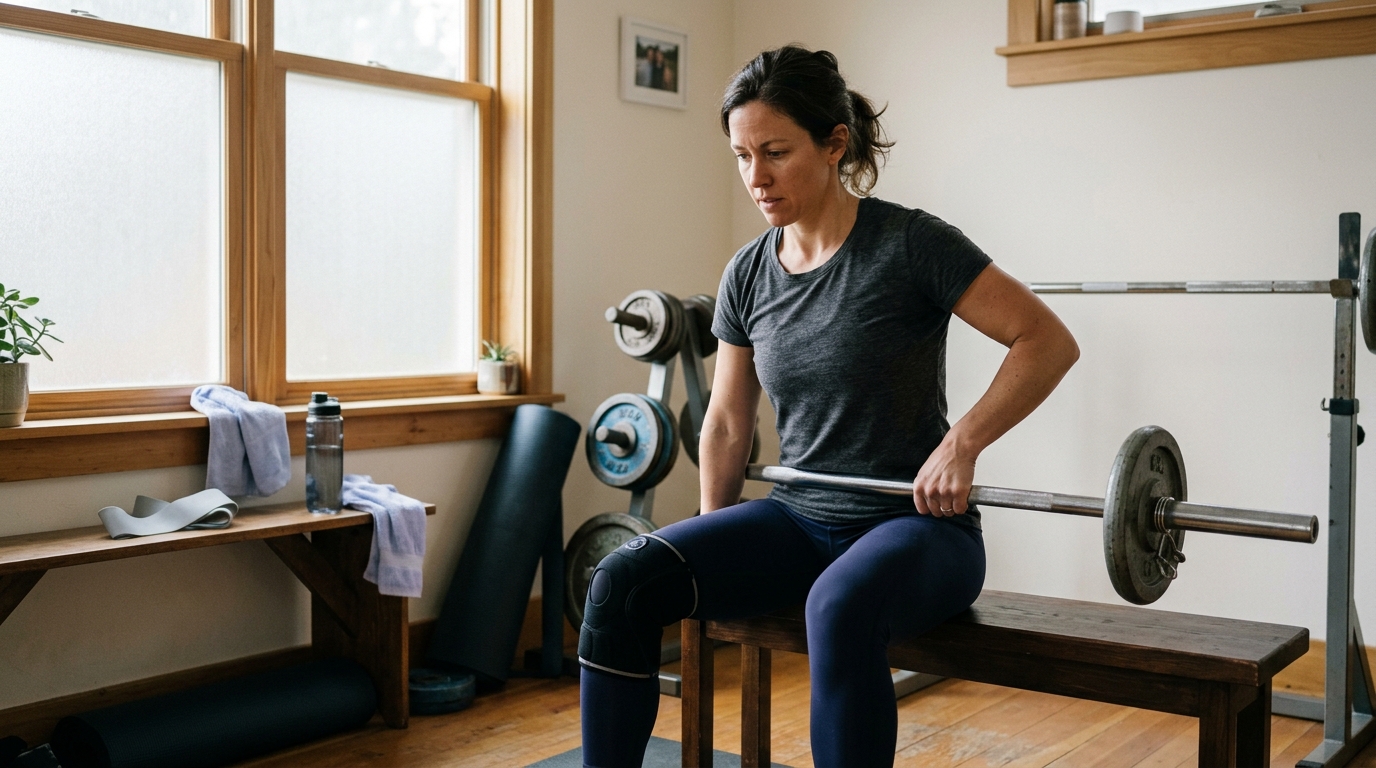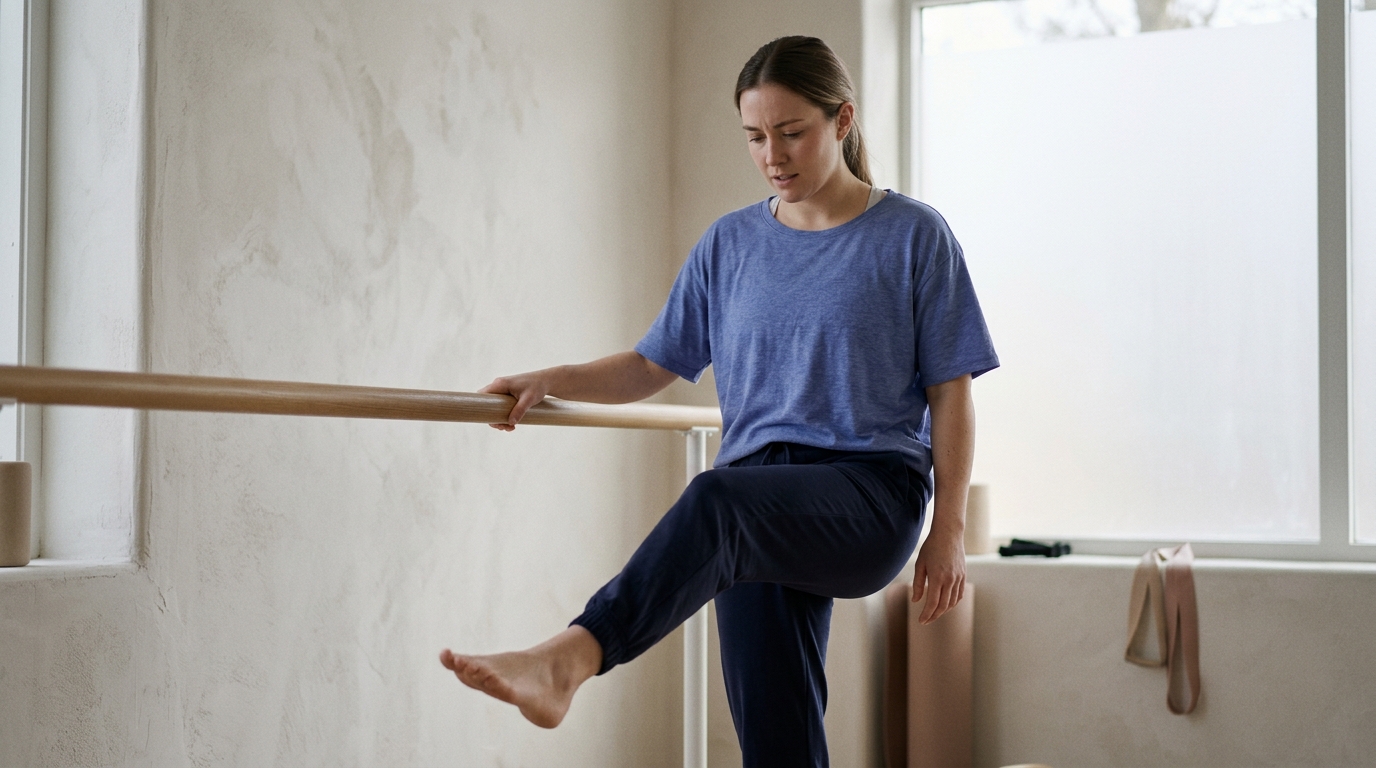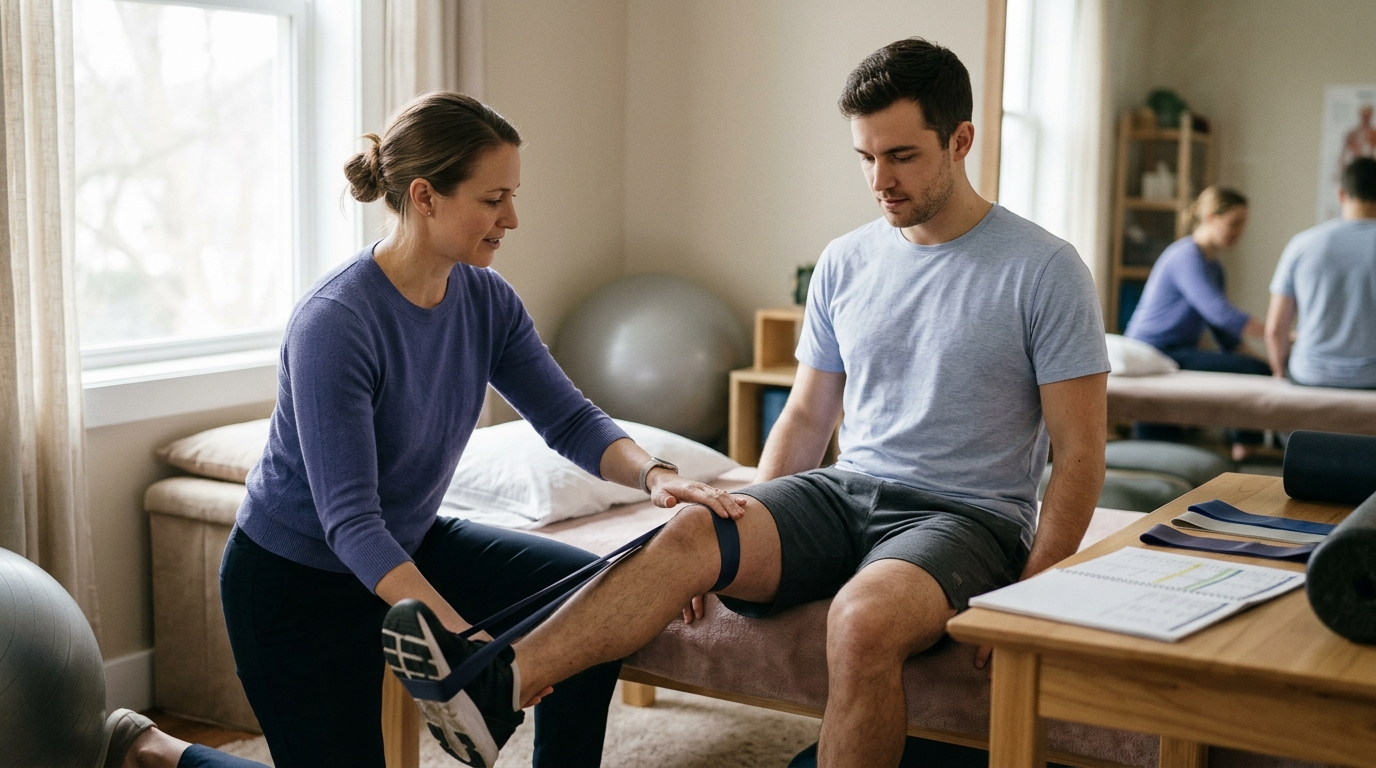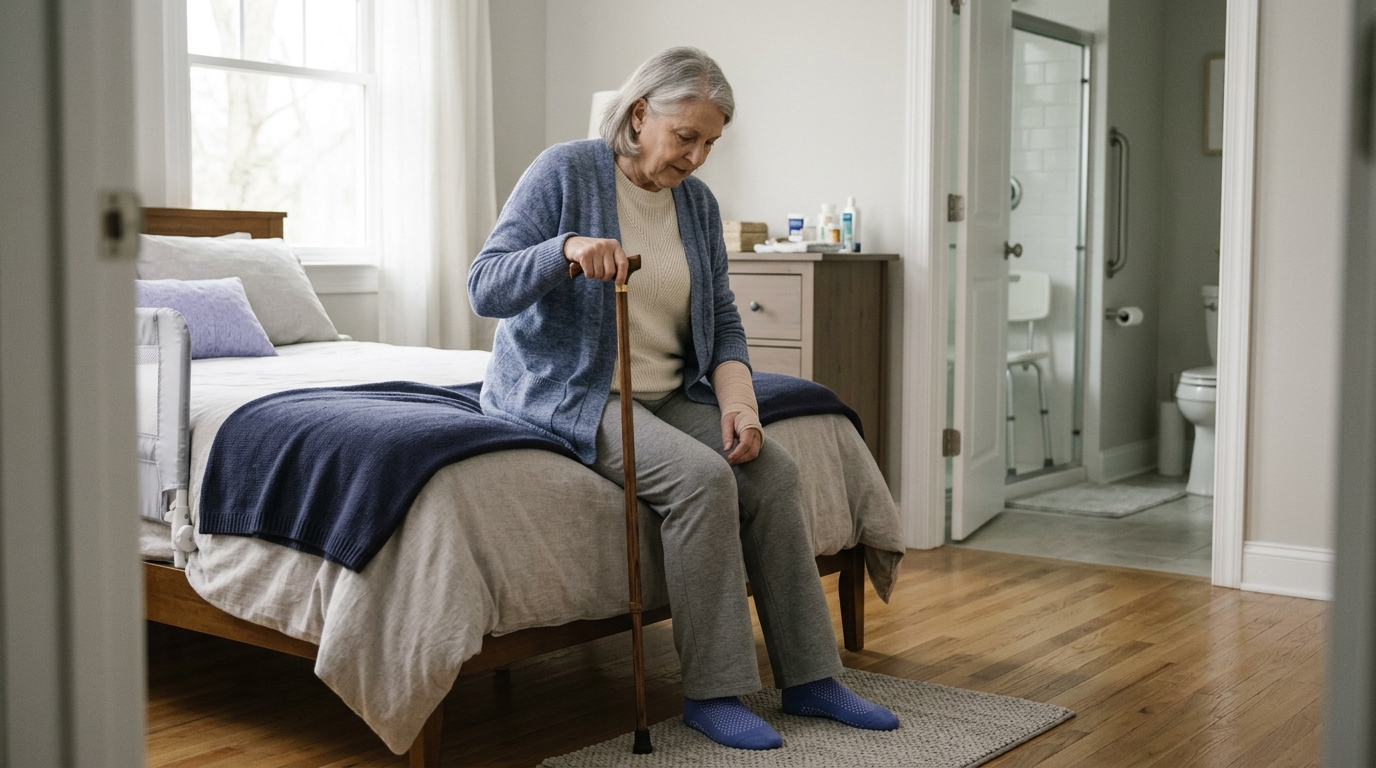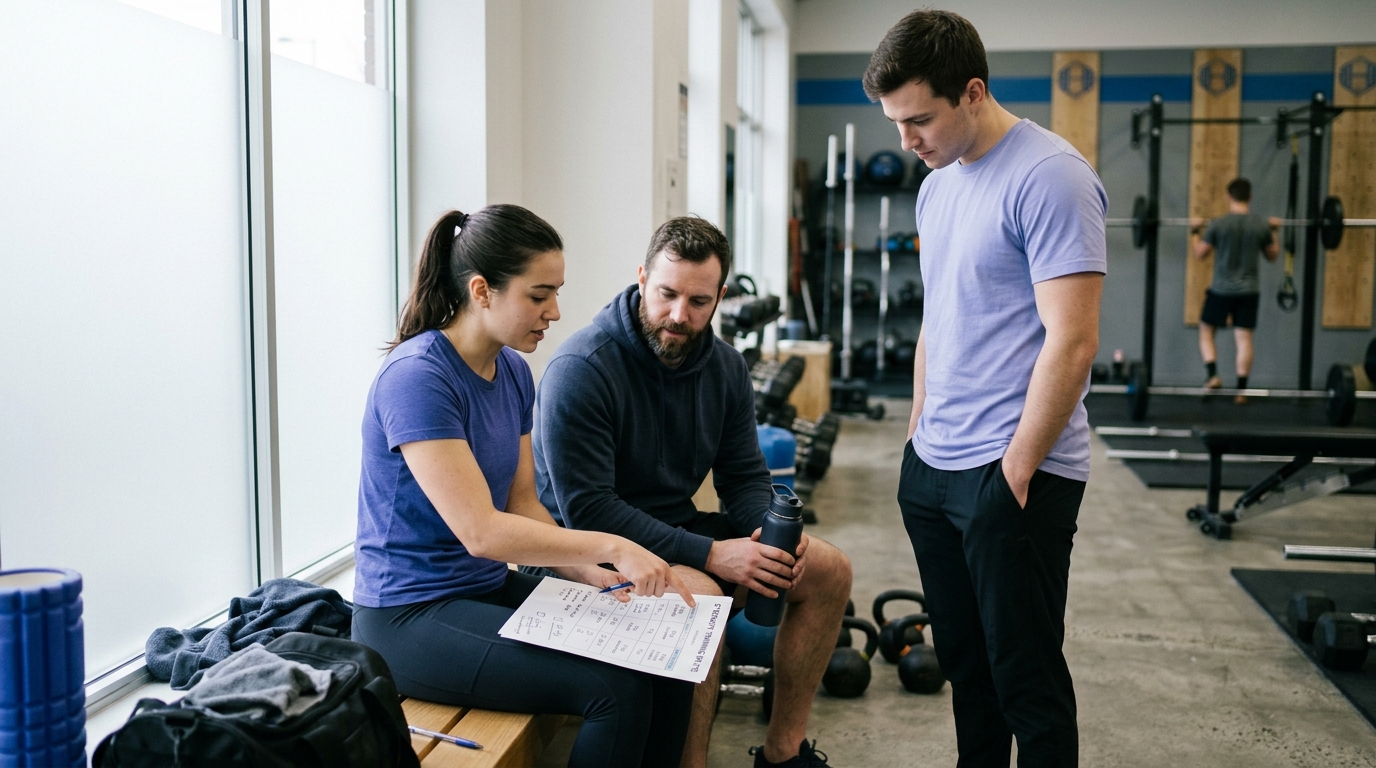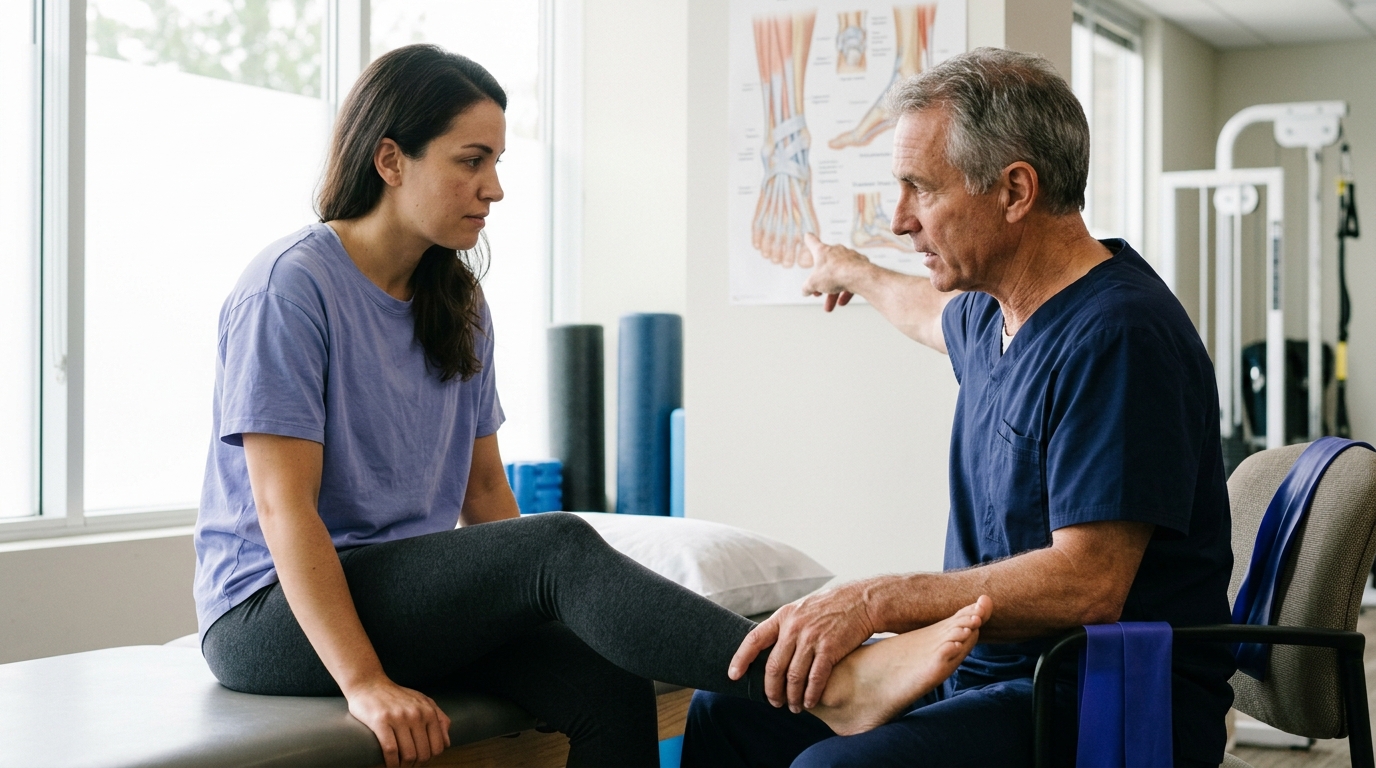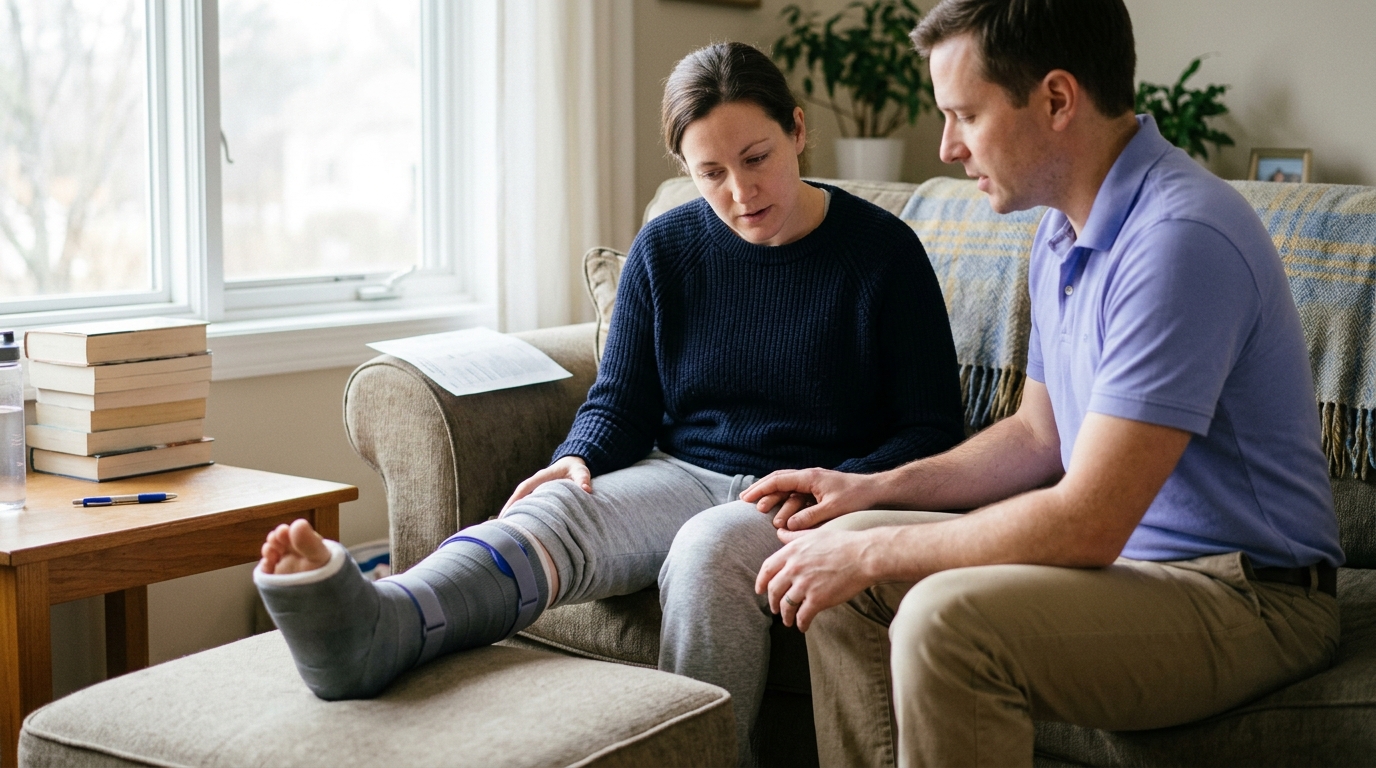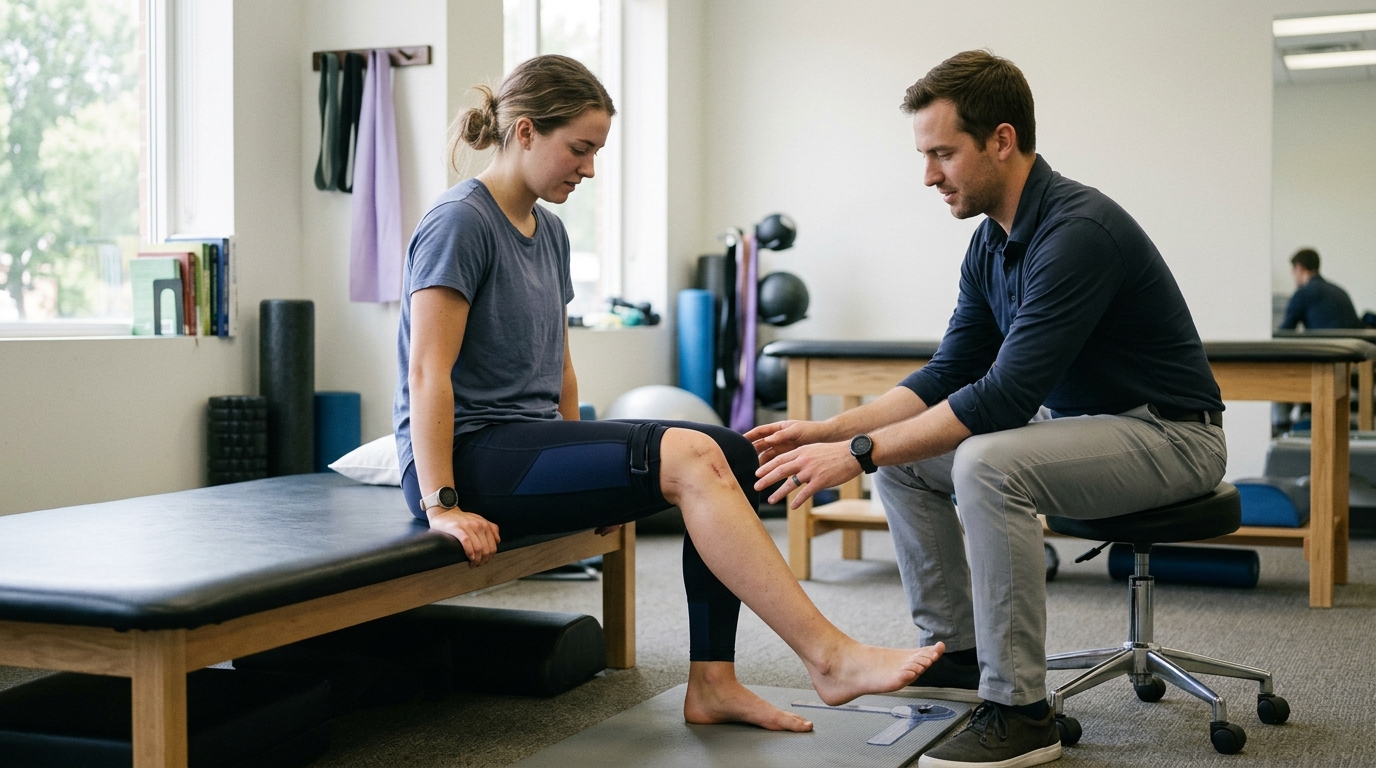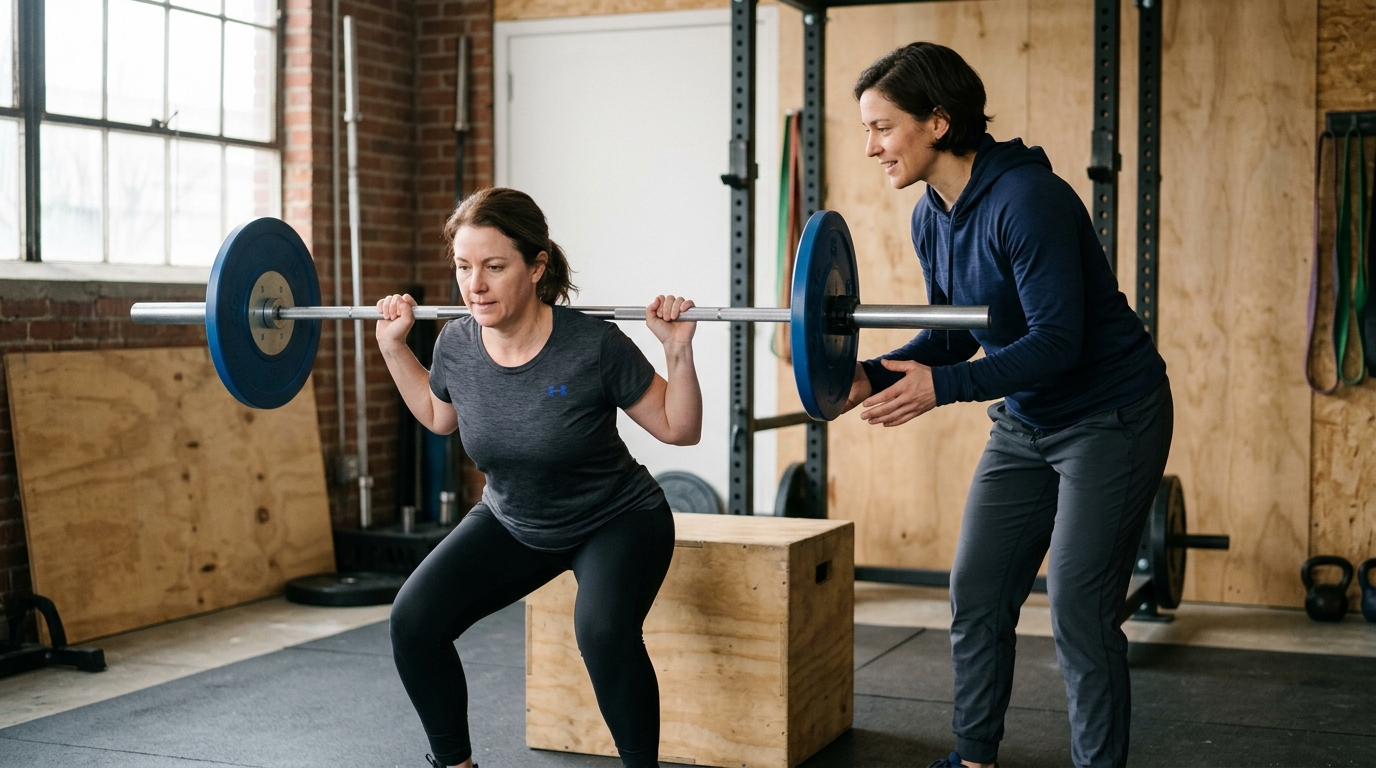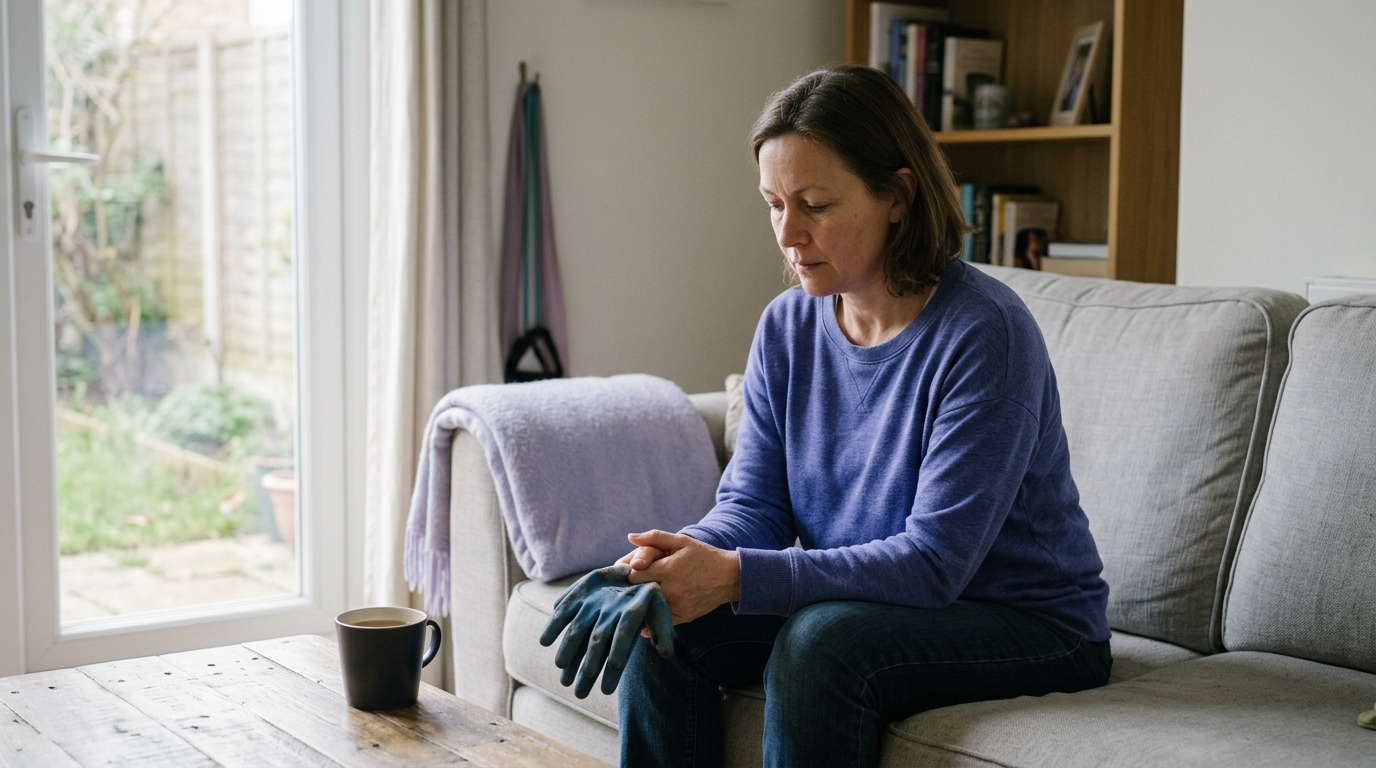

Persistent musculoskeletal pain is shaped by interacting daily habits like sleep, stress, and physical movement alongside broader biological and social factors.





Persistent pain is a physical reality, not an imaginary symptom or a personal failure. At the same time, persistent musculoskeletal pain rarely exists in isolation from the rest of daily life. Sleep quality, daily stress, mood, and movement habits all interact with how the nervous system processes physical signals.
This guide outlines how daily lifestyle factors interact with long-term musculoskeletal discomfort. It reviews the current scientific evidence, identifies what research can and cannot tell us, and explains how daily habits fit into a thoughtful rehabilitation plan.
To understand how daily habits influence symptoms, it helps to establish clear definitions. Pain is not a simple readout of structural damage. The International Association for the Study of Pain defines pain as an unpleasant sensory and emotional experience associated with, or resembling that associated with, actual or potential tissue damage. Pain serves as a protective signal produced by the nervous system.
When pain lasts for a long time, the relationship between tissue state and felt symptoms becomes complex. In clinical research, persistent or chronic pain is defined as discomfort that persists or recurs for longer than three months.
Modern medicine divides long-term pain into two broad diagnostic categories:
A person can have an identifiable structural condition and still experience symptom changes based on daily routines. Recognizing lifestyle contributors does not mean your pain lacks a physical basis.
Clinicians and researchers evaluate persistent symptoms using the biopsychosocial model. This framework views recovery through three interconnected lenses:
These domains do not operate as independent switches. Instead, they interact constantly. A demanding work schedule can disrupt sleep, which may increase nervous system sensitivity, making physical exercise feel more uncomfortable the next morning. Understanding these interactions helps you identify manageable adjustments without blaming yourself for your symptoms.
Researchers have spent decades investigating how daily habits correlate with long-term musculoskeletal discomfort. The evidence shows meaningful connections across several areas, though the strength of that evidence varies.
The link between sleep and persistent discomfort is among the most robust findings in modern recovery science. Prospective research confirms that this relationship moves in both directions. Poor sleep can increase vulnerability to ongoing discomfort, while persistent discomfort frequently disrupts sleep.
A comprehensive 2024 systematic review and meta-analysis evaluated 16 studies covering 116,746 participants. The researchers found that individuals with sleep problems at baseline had a 64 percent higher odds of developing short-term chronic musculoskeletal pain. They also had a 39 percent higher odds of experiencing long-term pain.
The reverse pathway was also documented in the short term. People with chronic musculoskeletal pain at baseline faced 56 percent higher odds of developing short-term sleep disturbances. However, the long-term evidence for pain causing ongoing sleep disorders showed significant statistical uncertainty.
A separate meta-analysis of prospective studies reinforced these findings. It found that individuals with sleep-related difficulties had an odds ratio of 1.79 for developing chronic musculoskeletal pain and an odds ratio of 2.04 for pain persistence. Concurrently, people living with persistent pain had an odds ratio of 2.02 for developing new sleep issues.
Day-to-day observational studies demonstrate that these effects occur over short timeframes. A systematic review of 11 daily tracking studies including 1,014 participants evaluated day-to-day symptom tracking. Nine of the included papers showed that night-time sleep quality was a more consistent predictor of next-day pain intensity than pain was of subsequent sleep quality.
Scientists have investigated several biological and behavioral mechanisms that may explain this link:
While these associations are strong, they represent group-level trends rather than rigid rules. Addressing sleep can support the nervous system, but better sleep alone does not guarantee complete relief.
The sensory and emotional aspects of discomfort are processed through overlapping brain networks. A systematic review on the psychosocial aspects of everyday life with chronic musculoskeletal pain found strong evidence connecting persistent symptoms with depression.
The review also noted that people with generalized conditions, such as fibromyalgia or nonspecific spinal discomfort, often reported greater emotional distress than those with localized structural diagnoses. However, the same systematic review found no consistent evidence connecting general chronic pain to broad anxiety or everyday stress across the reviewed studies.
This distinction is clinically important. Low mood and depression can alter neurochemical signaling and decrease physical resilience. When persistent discomfort is accompanied by emotional distress, addressing mood is a necessary component of comprehensive care.
Leading clinical guidelines recognize this reality:
For a deeper look into the underlying mechanisms of tissue loading and nervous system signaling, review our recovery science research overview.
Everyday stress is often blamed for physical symptoms, but the scientific evidence is nuanced. Stress activates the sympathetic nervous system, alters muscle tone, and changes hormonal balances. In clinical settings, major life disruptions frequently coincide with symptom flare-ups.
However, clinical research does not support a simple, direct cause-and-effect relationship between stress and persistent musculoskeletal pain. High stress can reduce a person's capacity to exercise, prepare balanced meals, or get adequate rest. In this way, stress often acts as a background modifier that complicates recovery routines rather than acting as a direct physical cause of tissue pain.
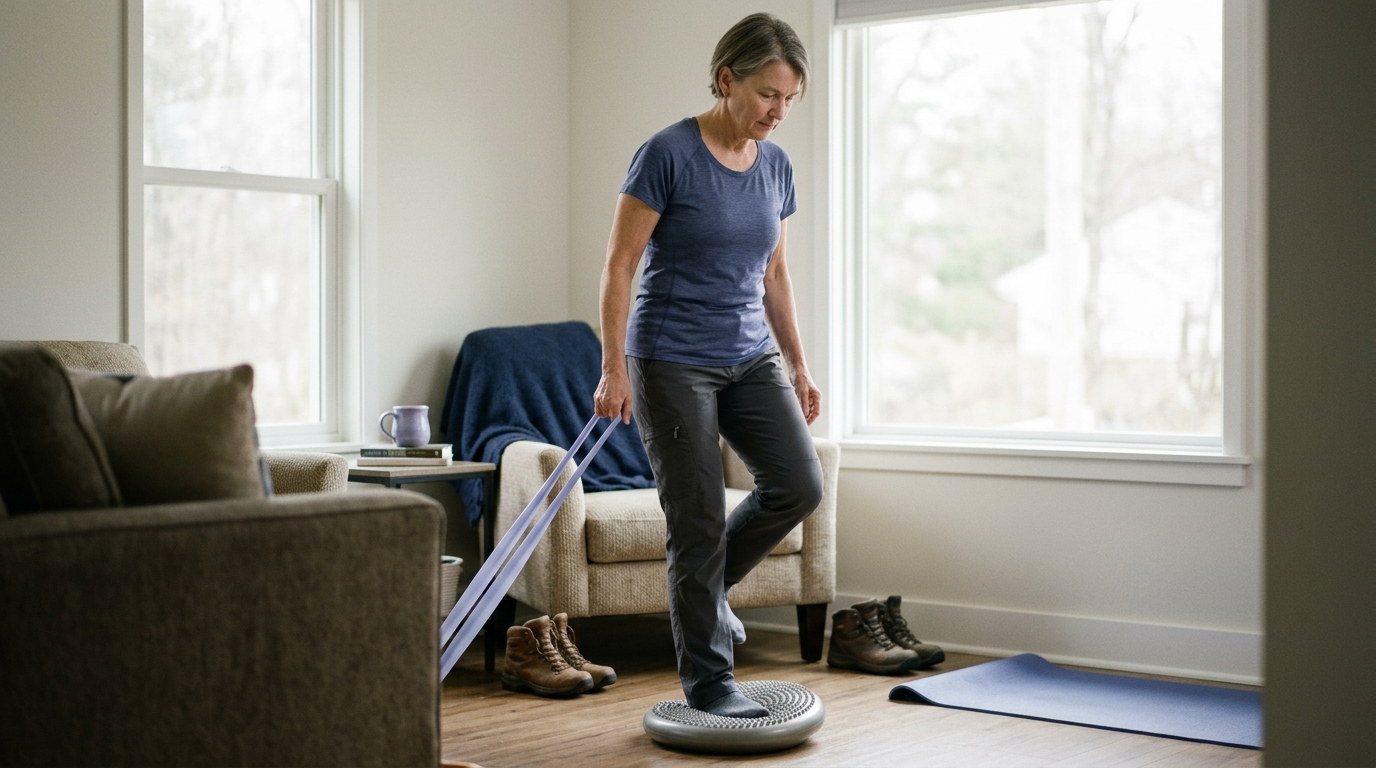
Physical activity remains a cornerstone of long-term musculoskeletal management. However, navigating movement when symptoms are present often leads to confusion. Many active adults wonder whether any pain during exercise indicates ongoing damage.
Clinical guidelines differentiate between targeted exercise and broader physical activity:
The World Health Organization (WHO) guideline for chronic primary low back pain explicitly recommends structured exercise programs alongside patient education. The WHO emphasizes that maintaining physical activity and engaging in social, vocational, and recreational activities are critical recovery goals.
To learn how to plan movement routines that rebuild baseline capacity safely, explore our rehabilitation and movement planning resources.
For decades, standard advice warned individuals to stop exercising the moment they felt discomfort. Recent sports medicine research challenges this rigid rule.
A systematic review and meta-analysis evaluated whether therapeutic exercises for chronic musculoskeletal conditions must be completely pain-free. The researchers analyzed protocols that allowed mild-to-moderate discomfort during exercise compared to strictly pain-free programs.
The analysis found a small, short-term pain reduction favoring exercises that allowed some discomfort. However, there were no significant differences between painful and pain-free exercise programs at medium- or long-term follow-ups. Crucially, functional recovery and disability scores showed no significant differences between the two approaches across all timeframes.
These findings demonstrate that experiencing mild, manageable discomfort during rehabilitation is not automatically dangerous. Allowing safe levels of symptom provocation can help individuals perform meaningful movements without fear.
However, this is not a recommendation to push through severe or worsening pain. Exercise selection should always respect individual tissue tolerances, surgical constraints, and medical guidance.
If your recovery involves returning to demanding physical hobbies, our guide to progressive strength rebuilding offers structured methods to pace your training.
The influence of daily habits varies widely from person to person. Several individual and environmental variables dictate how your body responds to lifestyle adjustments.
The specific condition causing or contributing to your symptoms changes how lifestyle adjustments work:
How you distribute physical effort throughout the week influences symptom stability. Many active adults fall into an activity cycle known as the boom-and-bust pattern.
On low-symptom days, an individual may attempt to complete several days of deferred chores or intense workouts. This sudden increase in physical load can overwhelm tissue capacity or sensitize the nervous system. The result is a severe symptom flare that forces several days of complete rest.
NHS clinical guidance recommends replacing this cycle with graded exposure and steady pacing. Pacing establishes a consistent baseline of daily movement that is maintained regardless of minor symptom fluctuations. Over time, that baseline is expanded gradually, building physical capacity without triggering predictable flare-ups.
Daily habits do not occur in a vacuum. Your ability to modify sleep, stress, or activity depends heavily on your life circumstances:
Recognizing these constraints helps set realistic, compassionate expectations for your recovery plan.
The following illustrative models demonstrate how daily factors interact during rehabilitation. These examples represent common behavioral patterns observed in clinical research rather than specific patient case histories.
An active adult experiences ongoing shoulder discomfort following a rotator cuff sprain. Waking up from shoulder pain interrupts their deep sleep several times per night.
After several poor nights, their nervous system becomes more sensitive, and simple desk tasks feel increasingly painful. Because pain is elevated, they feel anxious about moving the arm, leading to daytime muscle guarding.
A supportive recovery approach focuses on gentle sleep positioning adjustments and progressive movement. Improving nighttime comfort helps break the cycle of daytime sensitivity without requiring immediate tissue changes.
An adult with persistent lower back discomfort has a demanding professional schedule. During the work week, they sit for ten hours daily and complete no exercise. On Saturday, feeling frustrated by their inactivity, they complete two hours of heavy yard work followed by an intense gym session.
By Sunday morning, their back is in a severe flare-up, forcing them to spend Sunday and Monday resting in bed. By Thursday, symptoms subside, and they repeat the identical pattern the following weekend.
In this scenario, the issue is not the physical capacity to garden or lift weights. The issue is the sudden shift between extreme inactivity and high physical loading. Introducing a steady baseline of daily walking and structured mobility and movement strategies can help stabilize tissue load.
A recreational runner experiences persistent knee pain that forces them to stop running. Over several months, losing their primary sport leads to social withdrawal and signs of low mood.
Because mood is depressed, their motivation to complete home physical therapy exercises declines. The resulting loss of leg strength makes the knee feel less stable during everyday walking, confirming their fear that the joint is worsening.
Here, an effective plan addresses both physical capacity and emotional well-being. Adding upper-body training, cycling, or psychological support like ACT helps rebuild confidence while leg strength is restored.
A working parent recovering from lumbar surgery is balancing a demanding job with caring for elderly parents. They understand the value of sleep, stress management, and daily walking, but their schedule allows only five hours of sleep per night.
Telling this individual to eliminate all stress or sleep eight hours per night is unrealistic. A practical approach identifies small, sustainable modifications.
This might include brief ten-minute walking breaks during the workday, simple postural changes at their desk, and weekend meal preparation. Adapting the plan to their actual life constraints produces better long-term consistency.
An adult with ongoing hip discomfort believes that any felt symptom indicates progressive cartilage deterioration. As a result, they stop walking more than a few hundred yards and avoid taking stairs entirely.
Over six months, their hip muscles lose strength and their joint capsule becomes increasingly stiff. When they are eventually forced to climb stairs, the deconditioned joint produces sharp discomfort, reinforcing their belief that movement is dangerous.
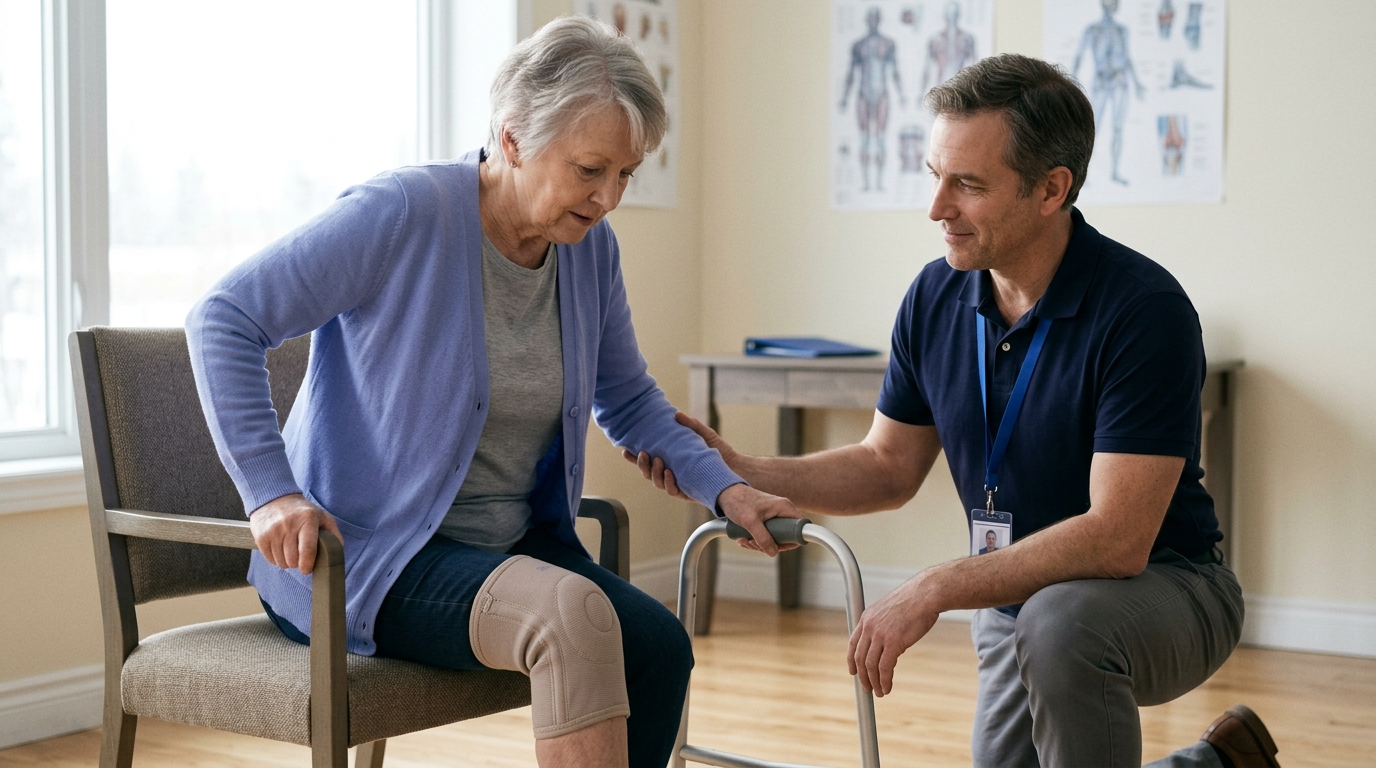
Rehabilitation in this case centers on education and gentle exposure. Understanding that mild discomfort during exercise does not signal structural harm helps the individual gradually resume walking and stair climbing.
Managing persistent musculoskeletal pain requires a structured, multi-dimensional plan. You can evaluate your situation using four progressive questions.
Start by clarifying the biological foundation of your symptoms with qualified clinicians:
The biopsychosocial framework never ignores physical anatomy. Biological contributors remain an essential part of the complete clinical picture.
Examine your current lifestyle context without judgment:
Recognizing these connections allows you to treat lifestyle factors as modifiable tools rather than personal weaknesses. You can review practical options in our dedicated recovery and lifestyle resources.
Shift your definition of progress beyond pain intensity alone. Focus on measurable functional capacities and meaningful life participation:
Both the WHO and NICE guidelines highlight functional engagement and quality of life as primary markers of recovery success.
Avoid the temptation to overhaul your entire lifestyle overnight. Choose one or two practical adjustments that fit your actual schedule:
Small, sustainable habits repeated over months yield far more reliable benefits than short-lived, drastic overhauls.
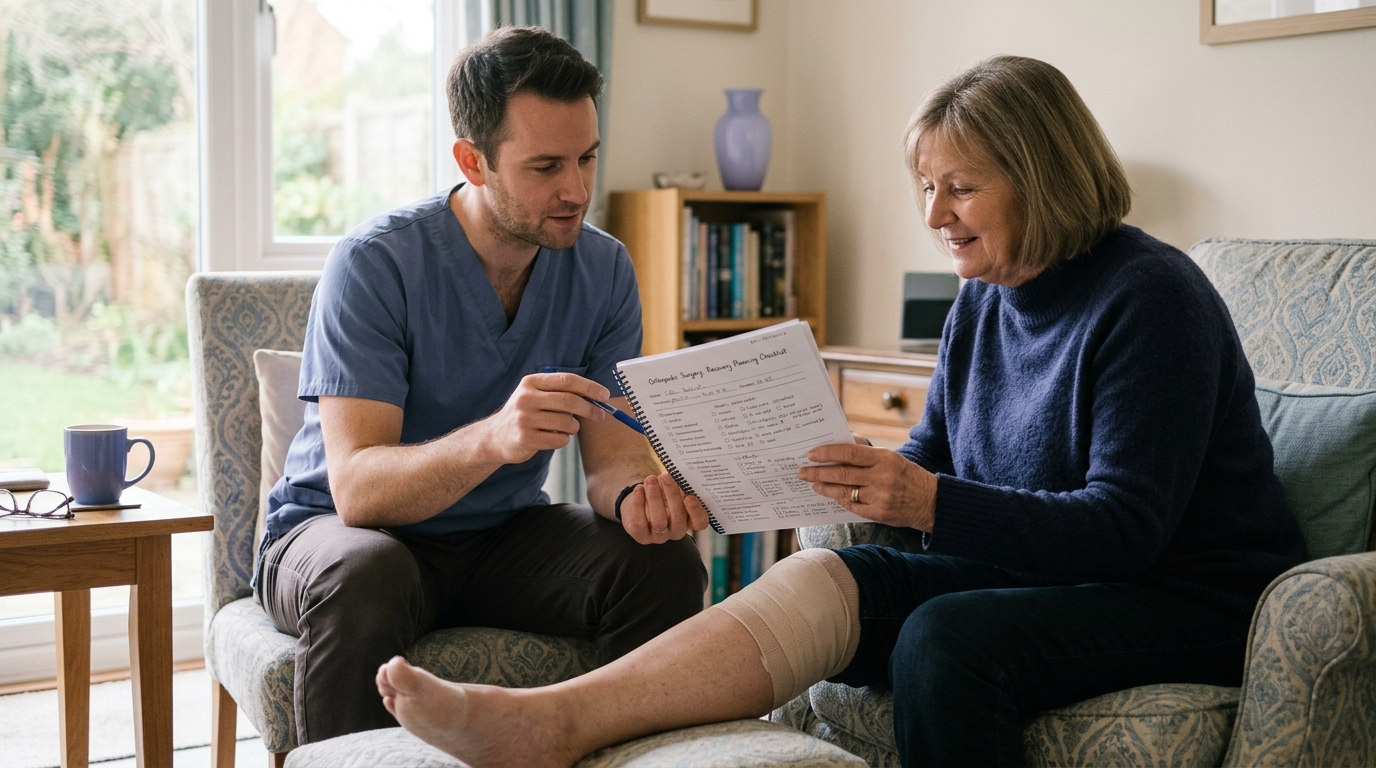
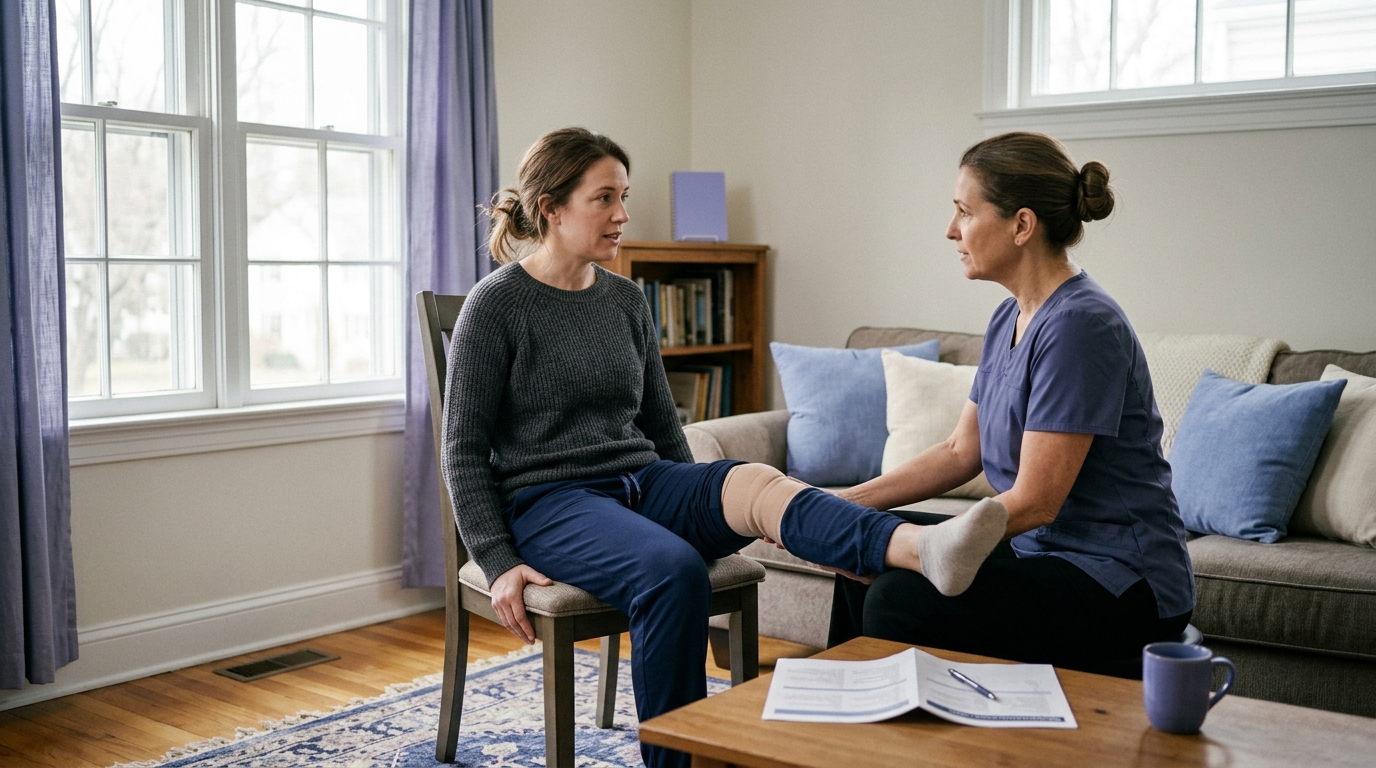
Navigating persistent musculoskeletal symptoms is most effective when done in collaboration with a trusted healthcare team. Use these practical questions to guide discussions with your physician, physical therapist, or orthopedic specialist:
Open communication ensures that your medical care, physical rehabilitation, and daily habits work together toward your goals.
No. Clinicians who discuss lifestyle factors are applying the biopsychosocial model, which recognizes that pain is a complex physiological process. Biological signals from muscles and joints are processed by the central nervous system, where sleep, mood, and stress naturally modulate sensitivity. Exploring these factors validates your experience and provides additional avenues for support without questioning the reality of your physical symptoms.
Lifestyle adaptations rarely produce instant changes in symptom intensity. Adjusting sleep routines, rebuilding physical activity baselines, and addressing emotional health usually take several weeks or months to yield noticeable shifts in nervous system sensitivity. Tracking functional improvements, such as walking further or sleeping more soundly, provides a more reliable measure of progress during early stages.
A temporary symptom flare after physical activity usually indicates that the load exceeded your current tissue tolerance or sensitized your nervous system. It does not automatically mean you caused structural harm. Rather than stopping all movement, standard clinical advice suggests temporarily reducing exercise intensity, volume, or resistance until symptoms settle, then gradually building back up.
While prospective research demonstrates strong links between sleep quality and pain sensitivity, improving sleep is not a guaranteed cure for chronic musculoskeletal conditions. Sleep optimization supports tissue recovery, lowers systemic inflammation, and improves nervous system regulation. However, it functions best as one component of a comprehensive recovery strategy alongside appropriate medical care and exercise therapy.
Persistent musculoskeletal pain is a real sensory and emotional experience shaped by biological, psychological, and social contributors. High-quality prospective evidence confirms that sleep disruption, low mood, and unaccustomed activity spikes can influence symptom sensitivity and recovery timelines.
Addressing daily habits provides meaningful support for long-term health, but lifestyle factors should never be treated as personal failures or simple cures. Sustainable progress relies on a balanced approach that combines clear medical evaluation, consistent pacing, progressive physical exercise, and realistic daily adjustments tailored to your individual life.

Use ReboundBody resources to understand common recovery stages, rehab terms, movement limits and strength rebuilding. Each guide is designed to make a complex comeback easier to understand.


Read practical guidance on injury recovery, rehabilitation, mobility and rebuilding strength as you work your way back to activity.
Explore Resources