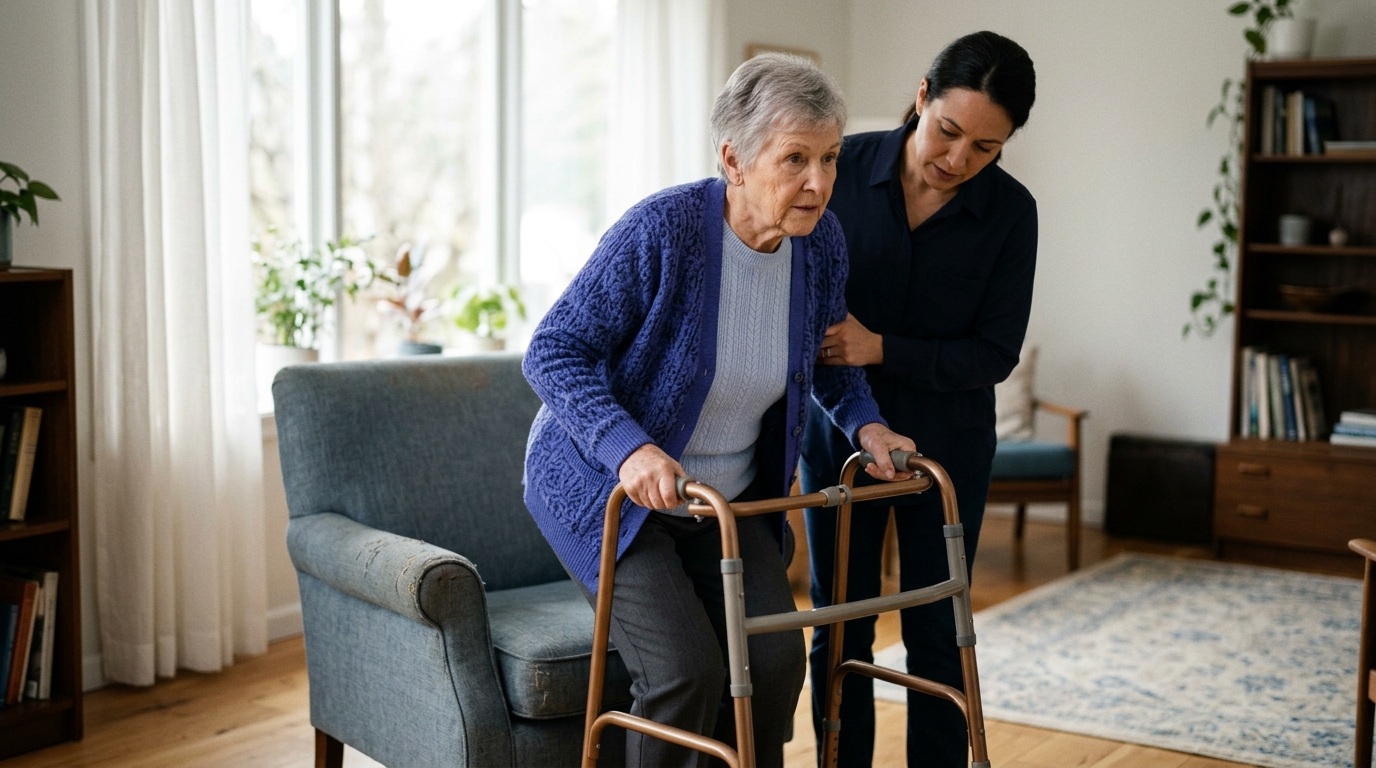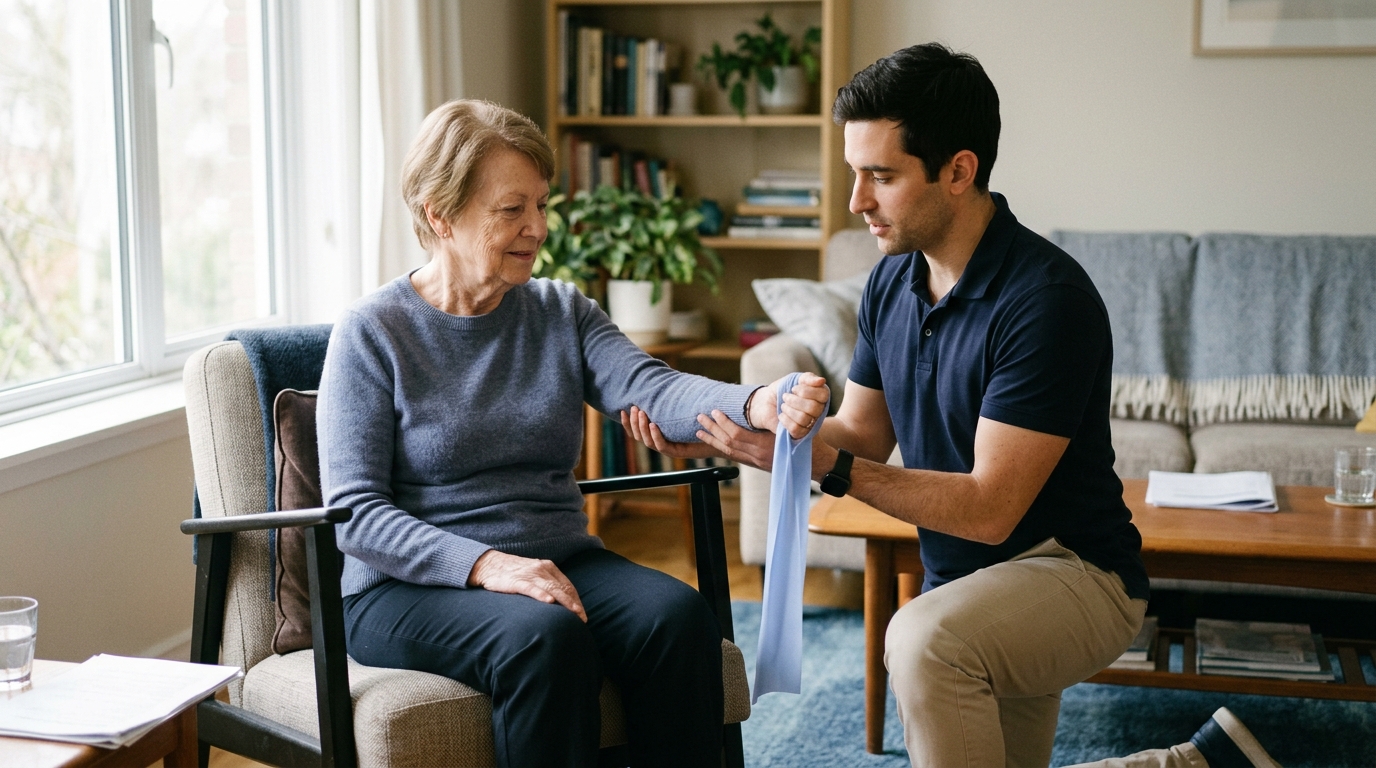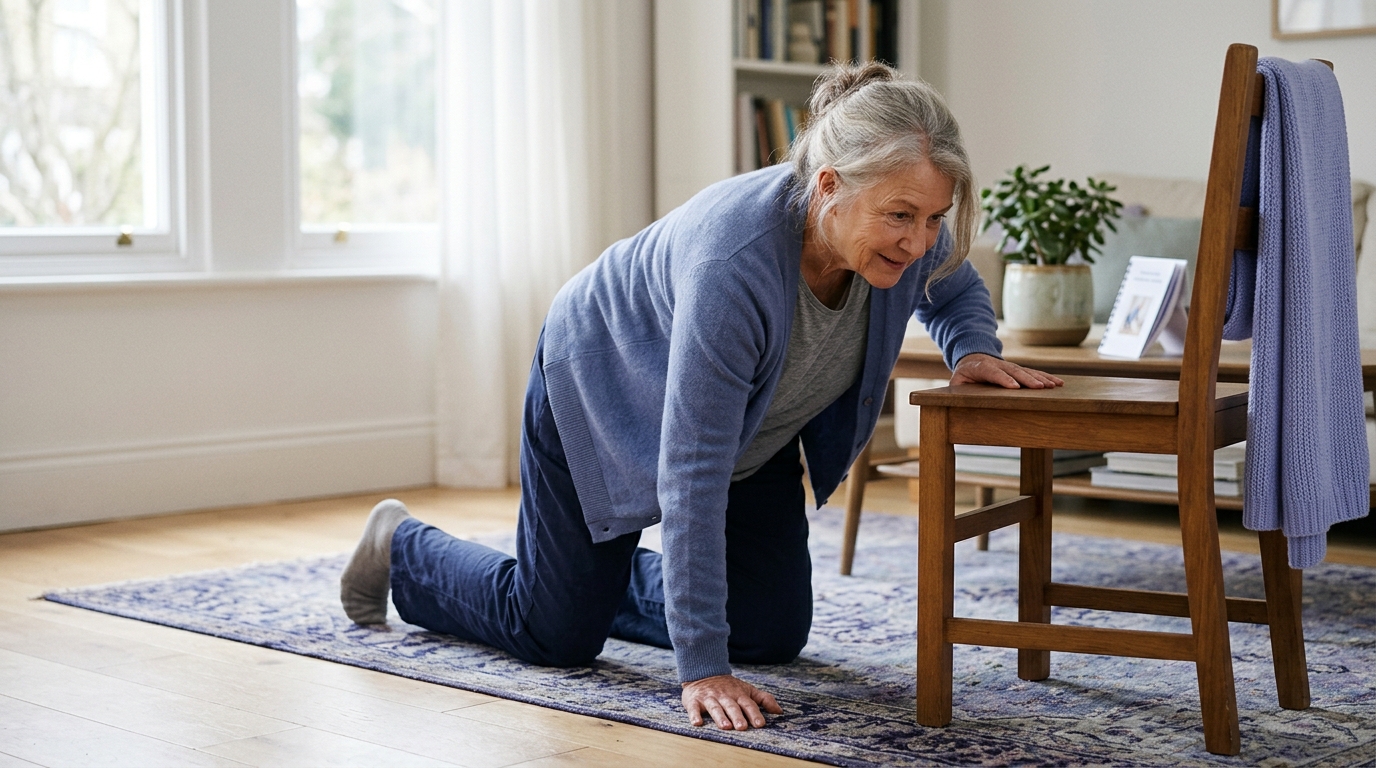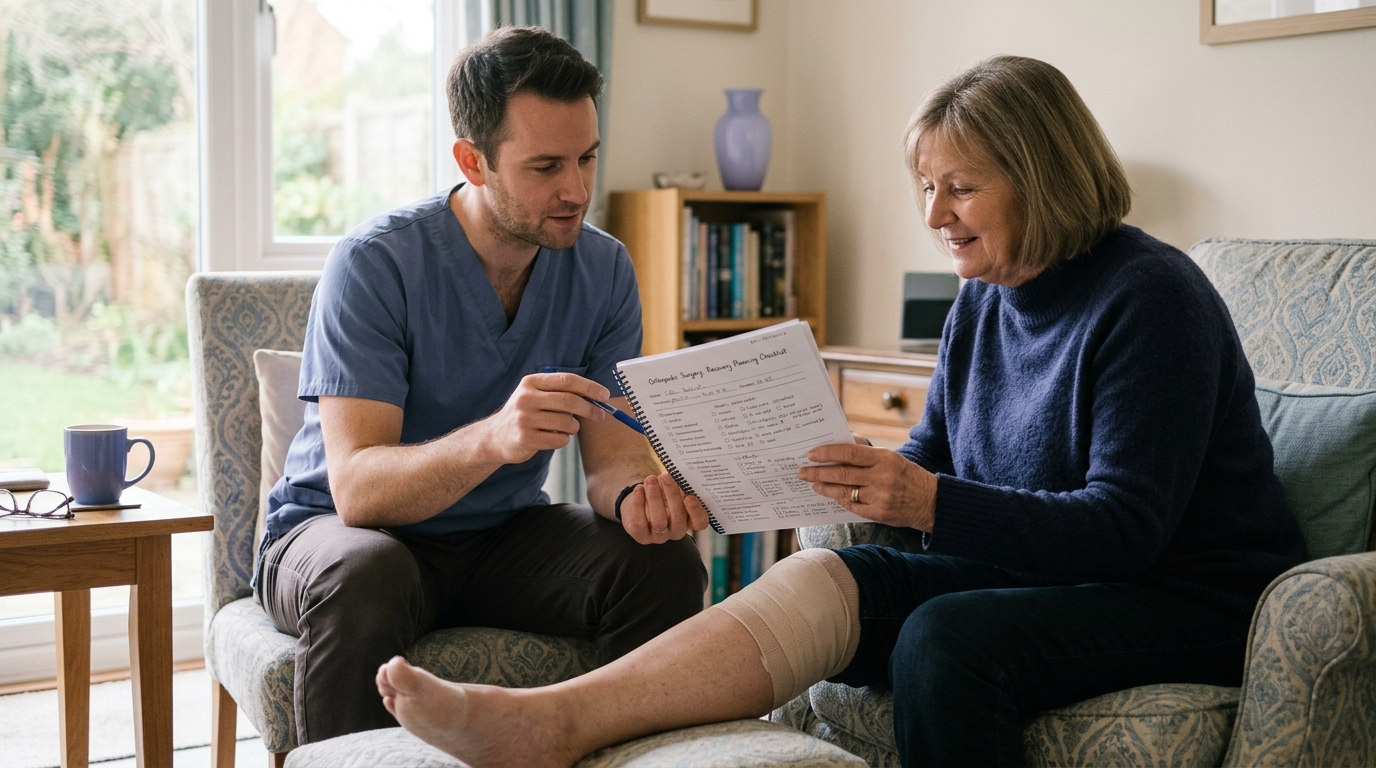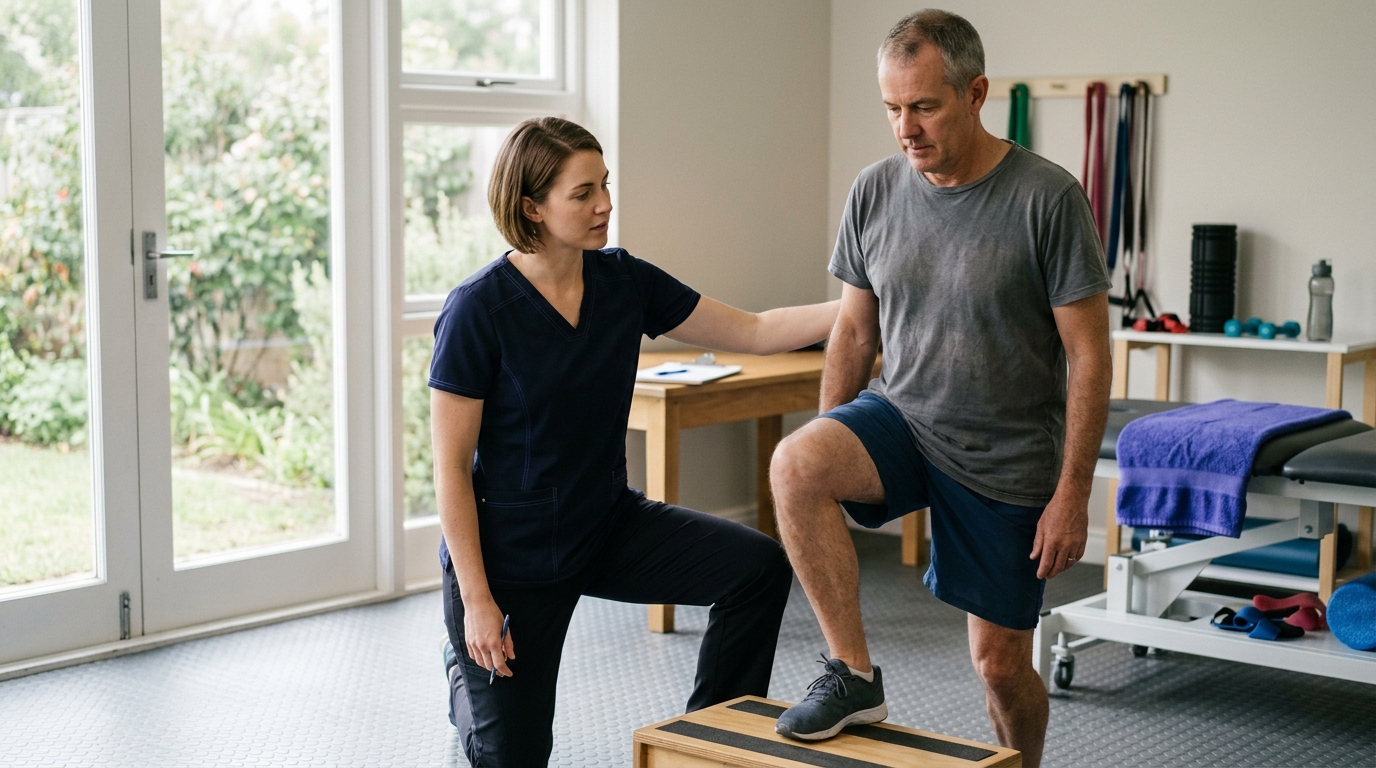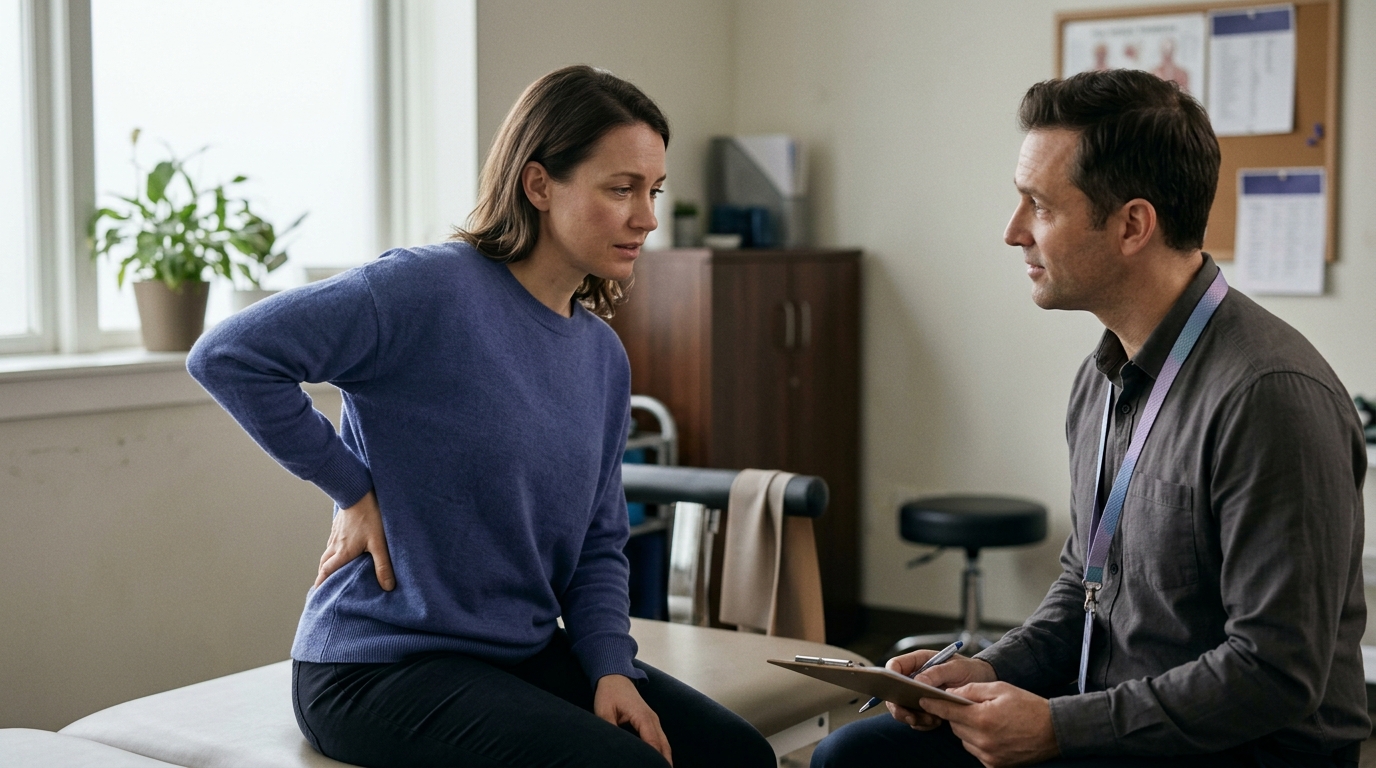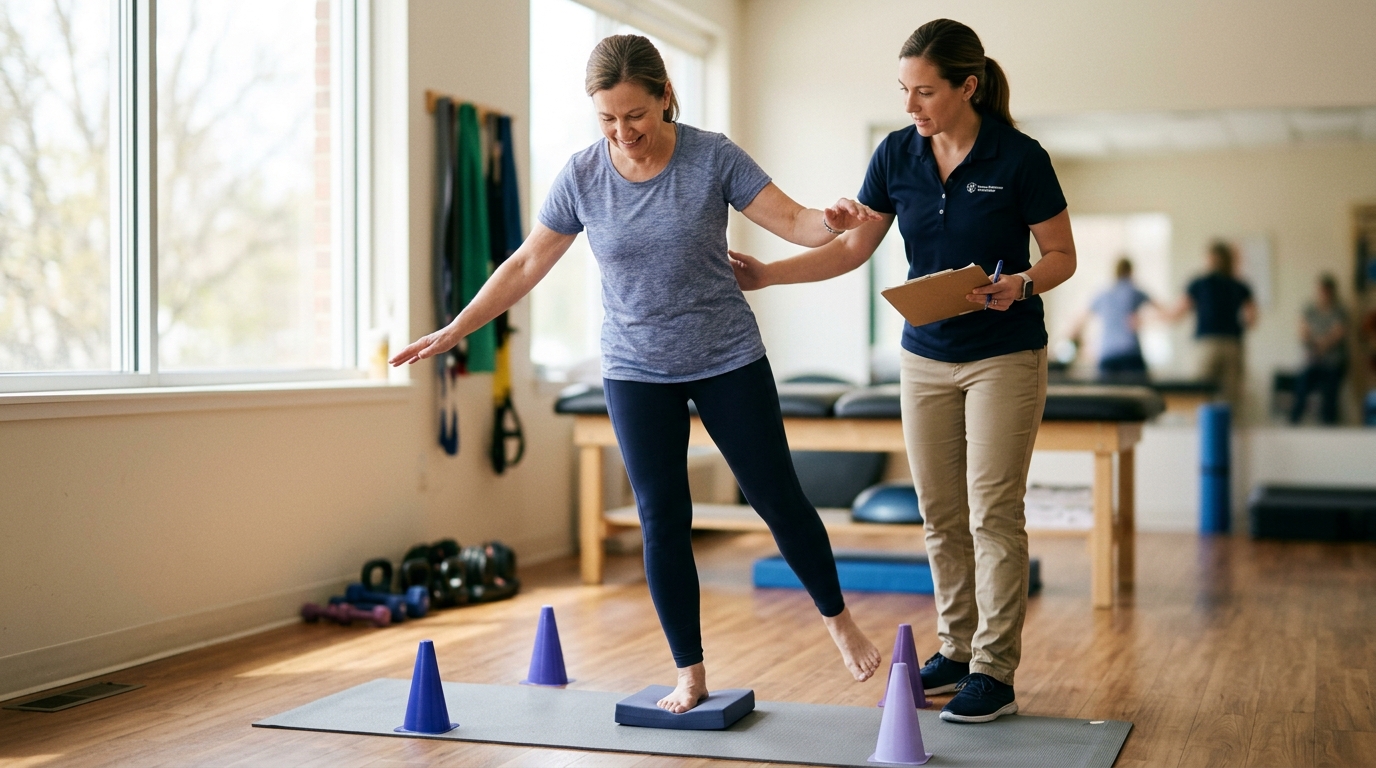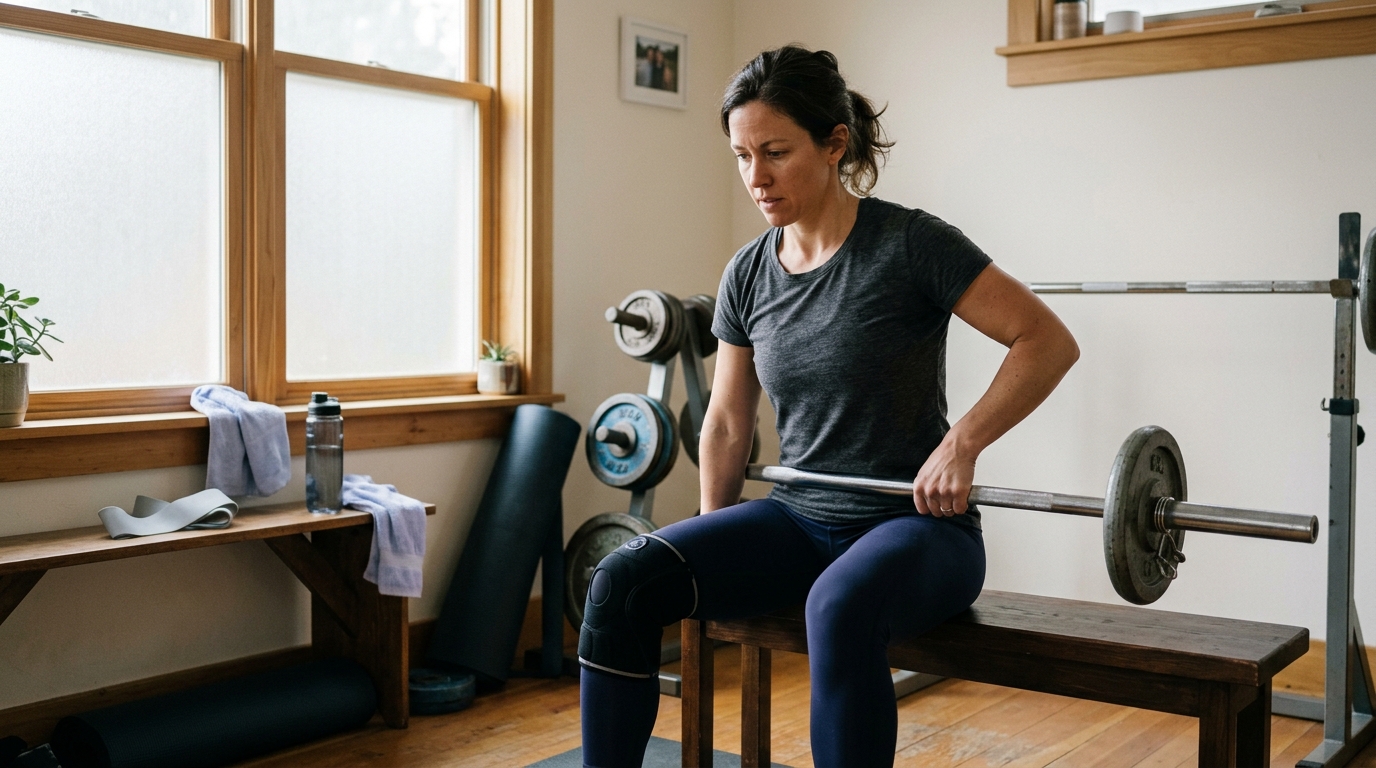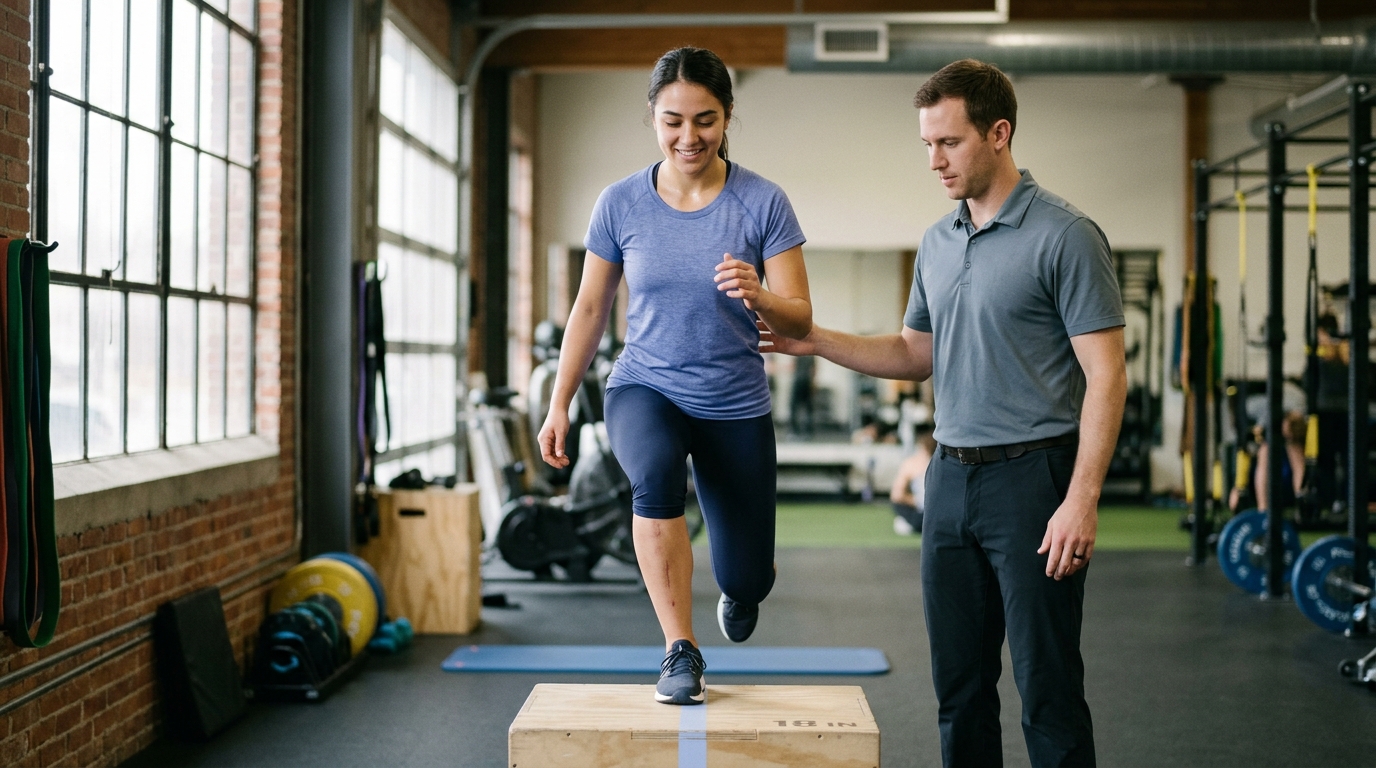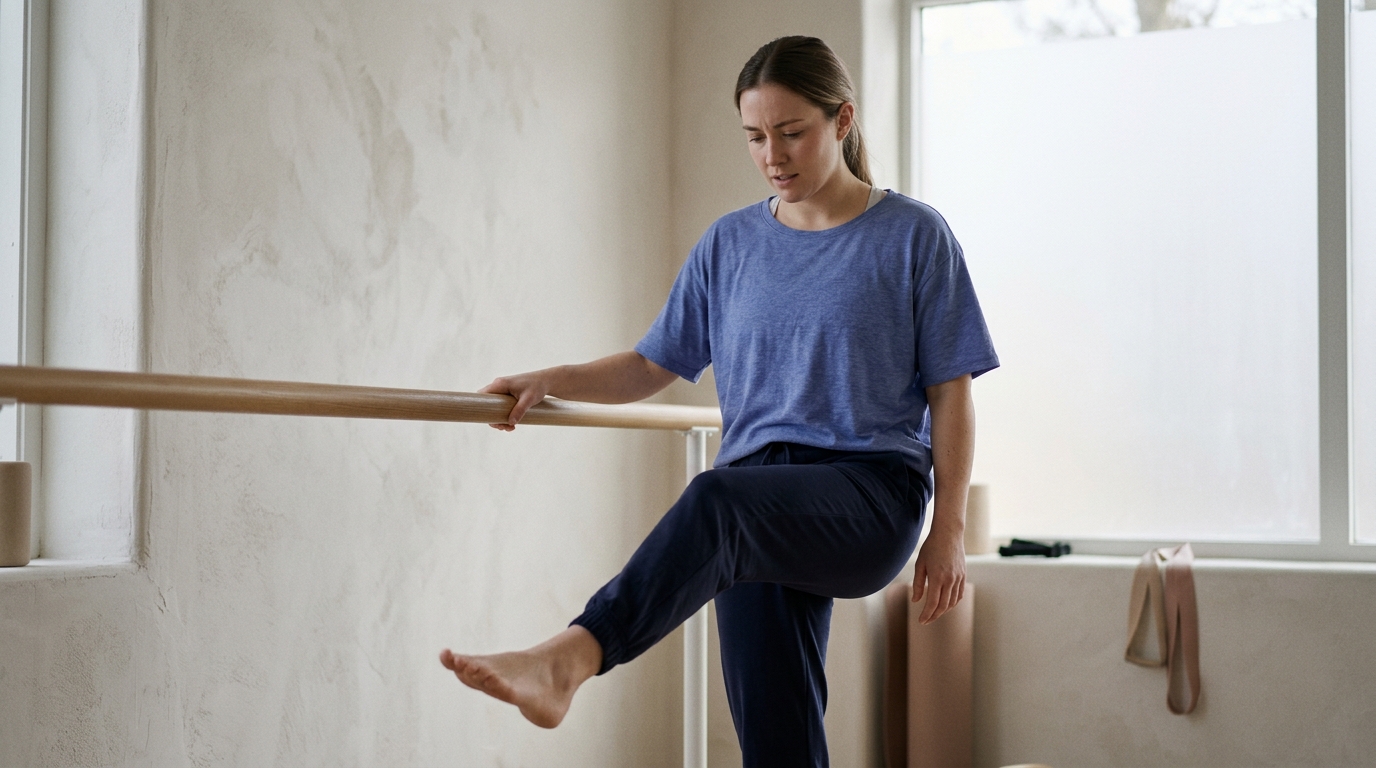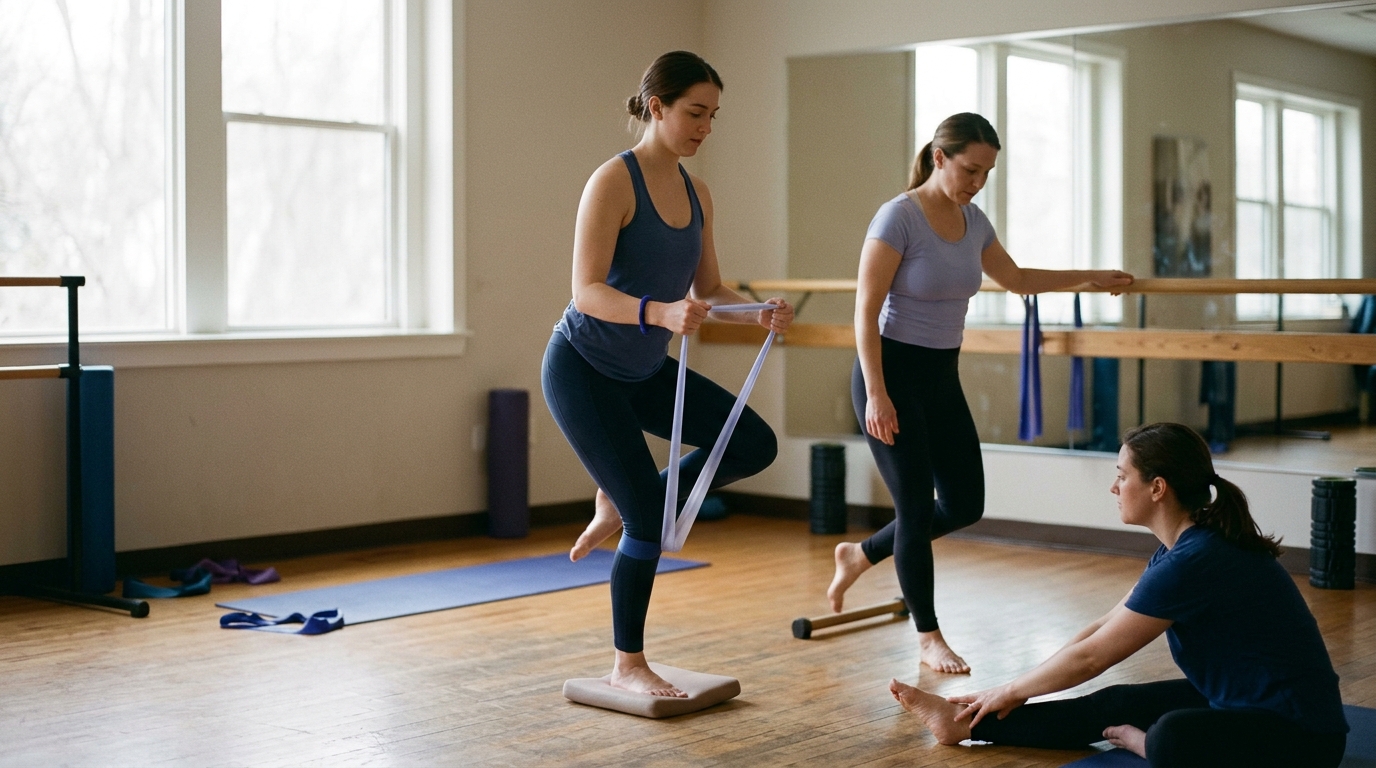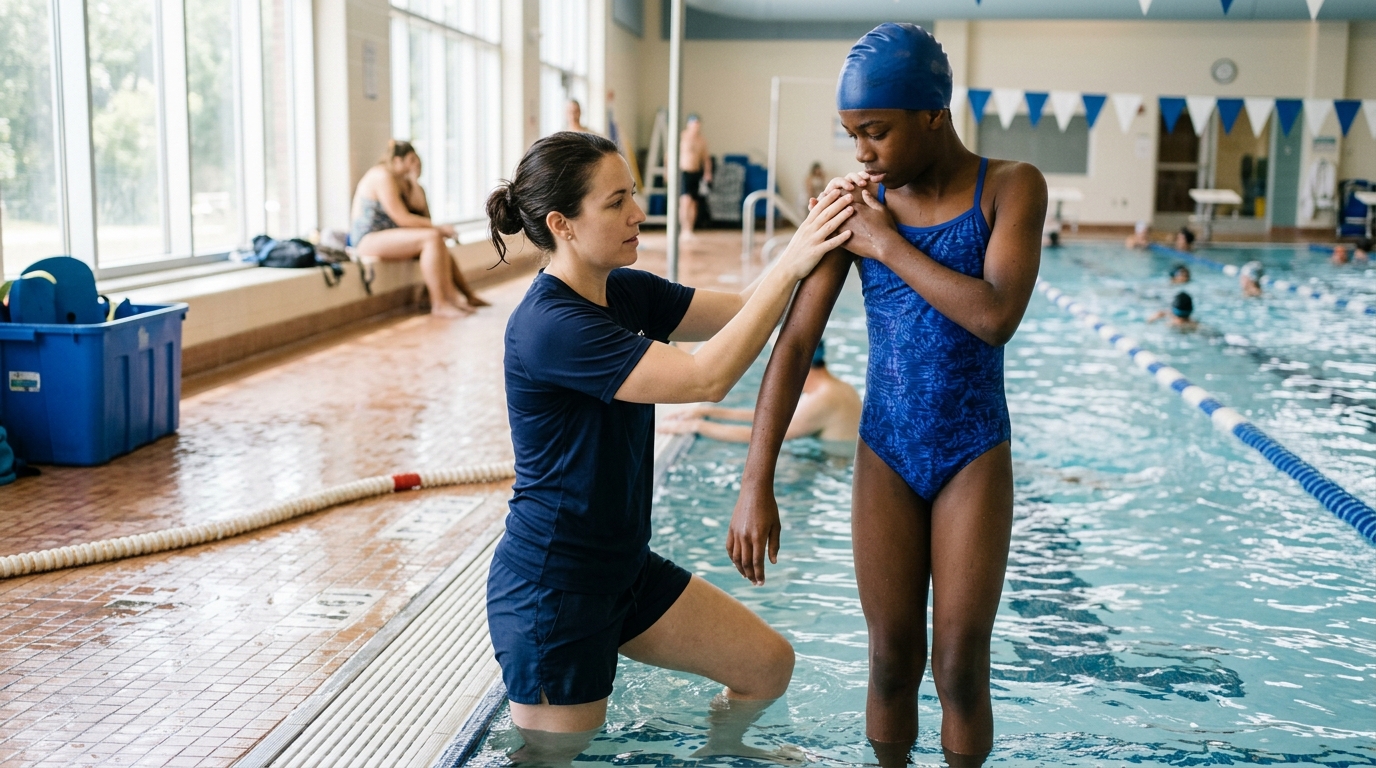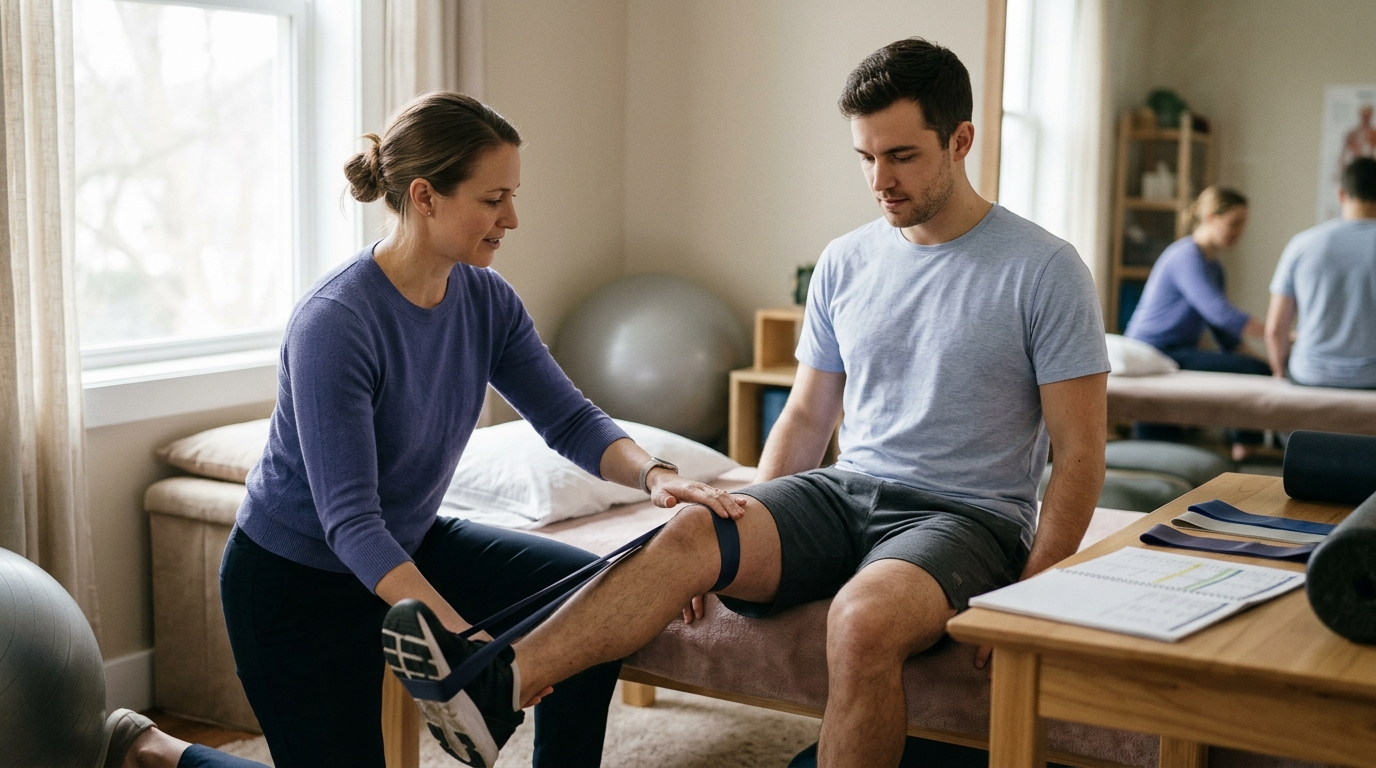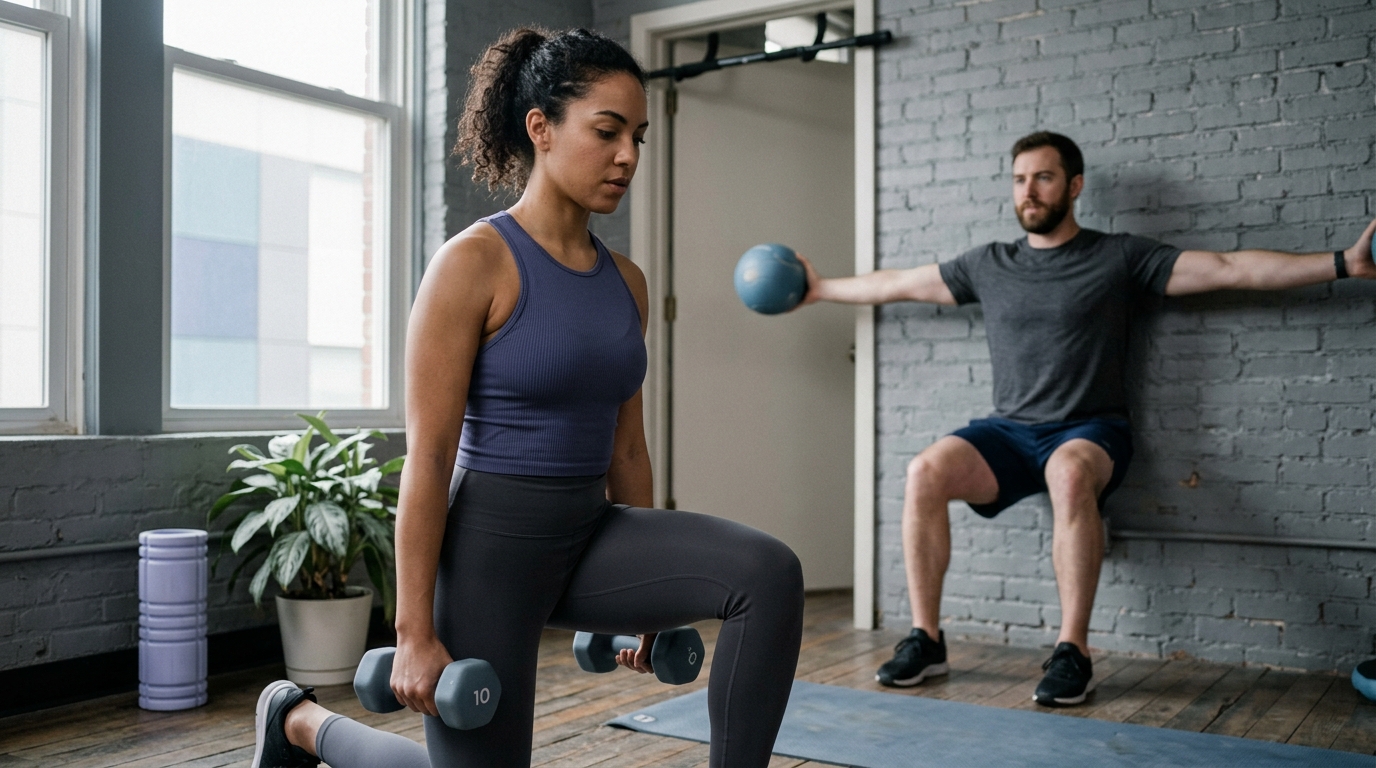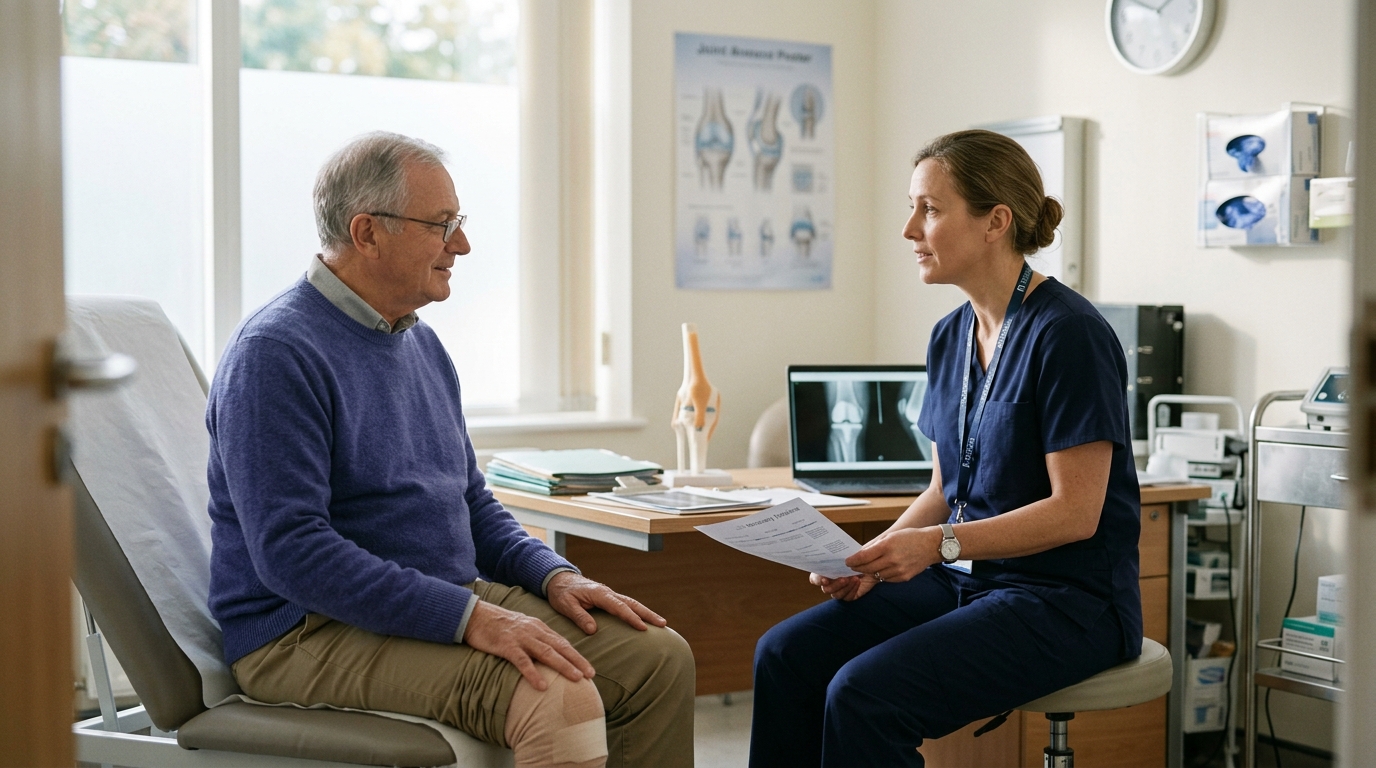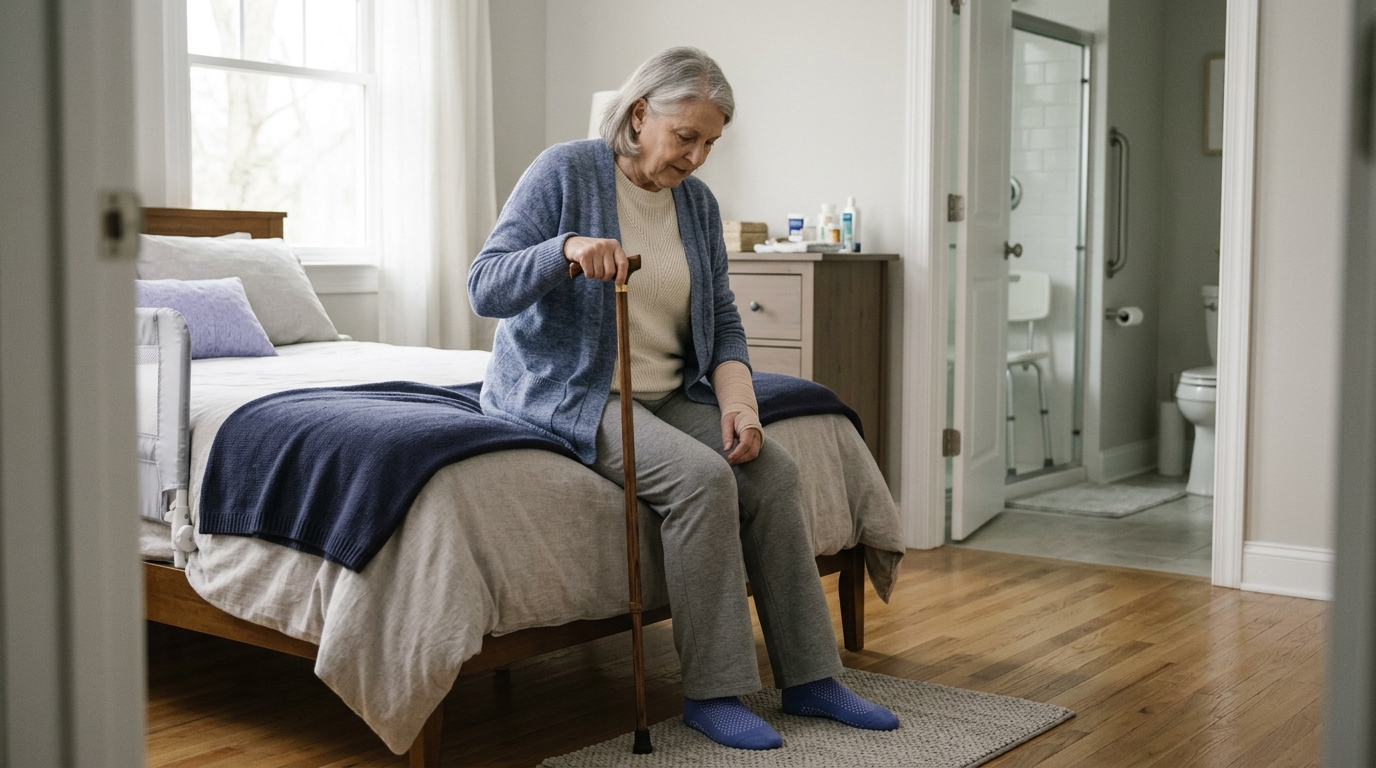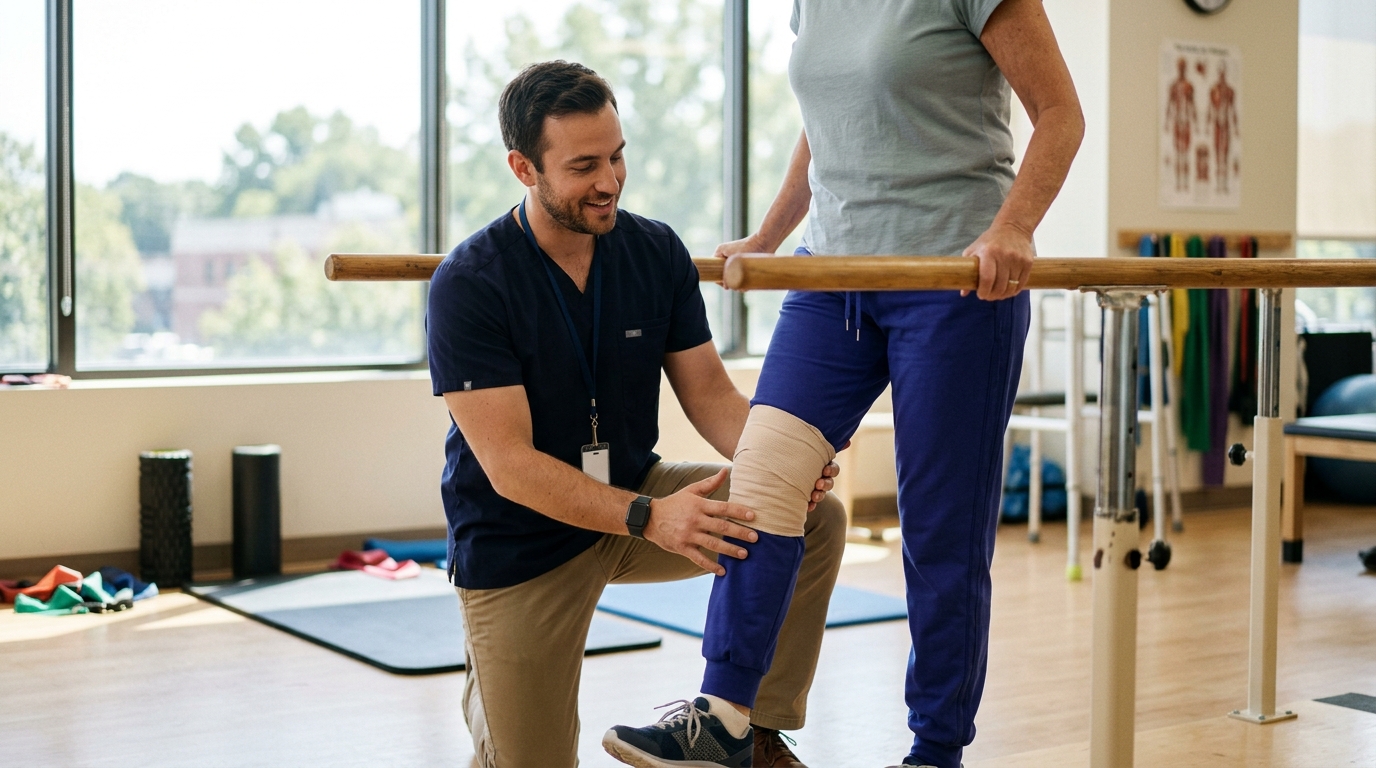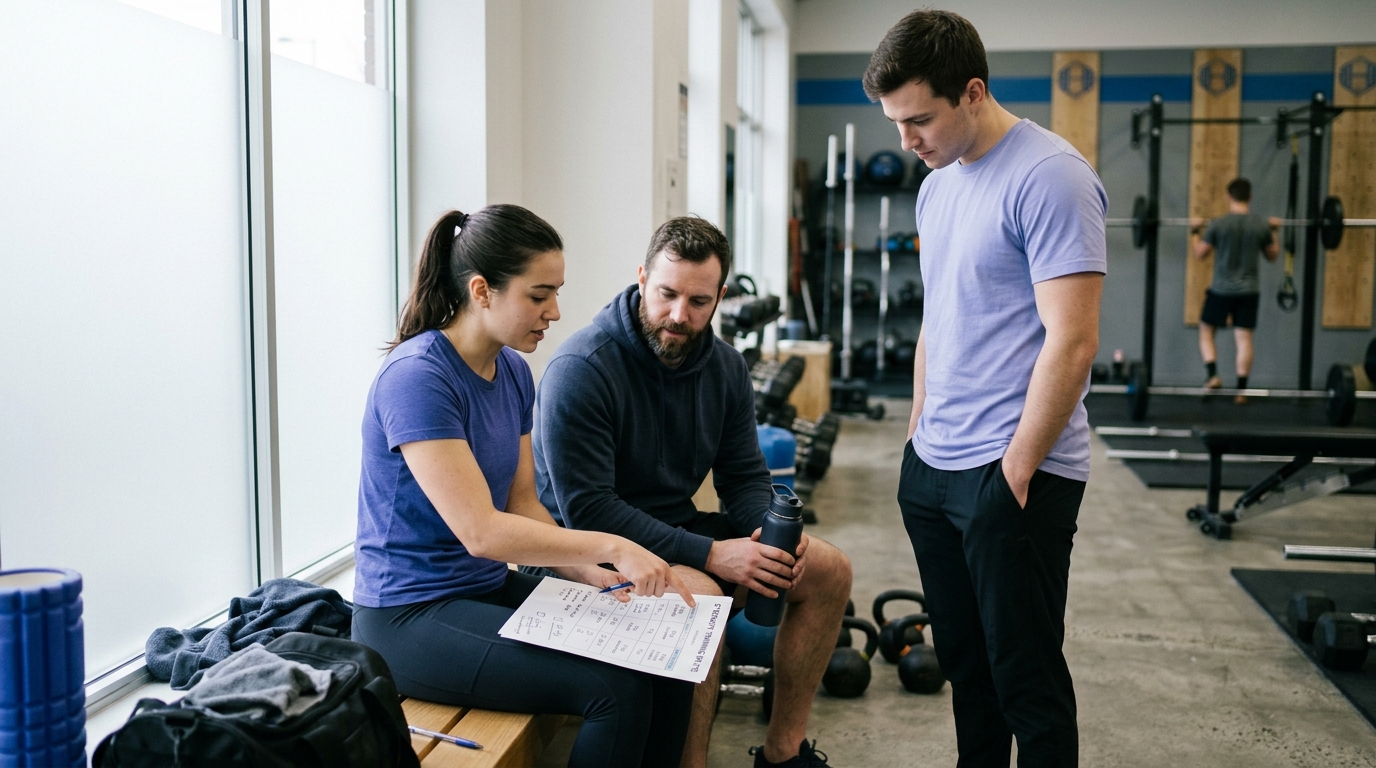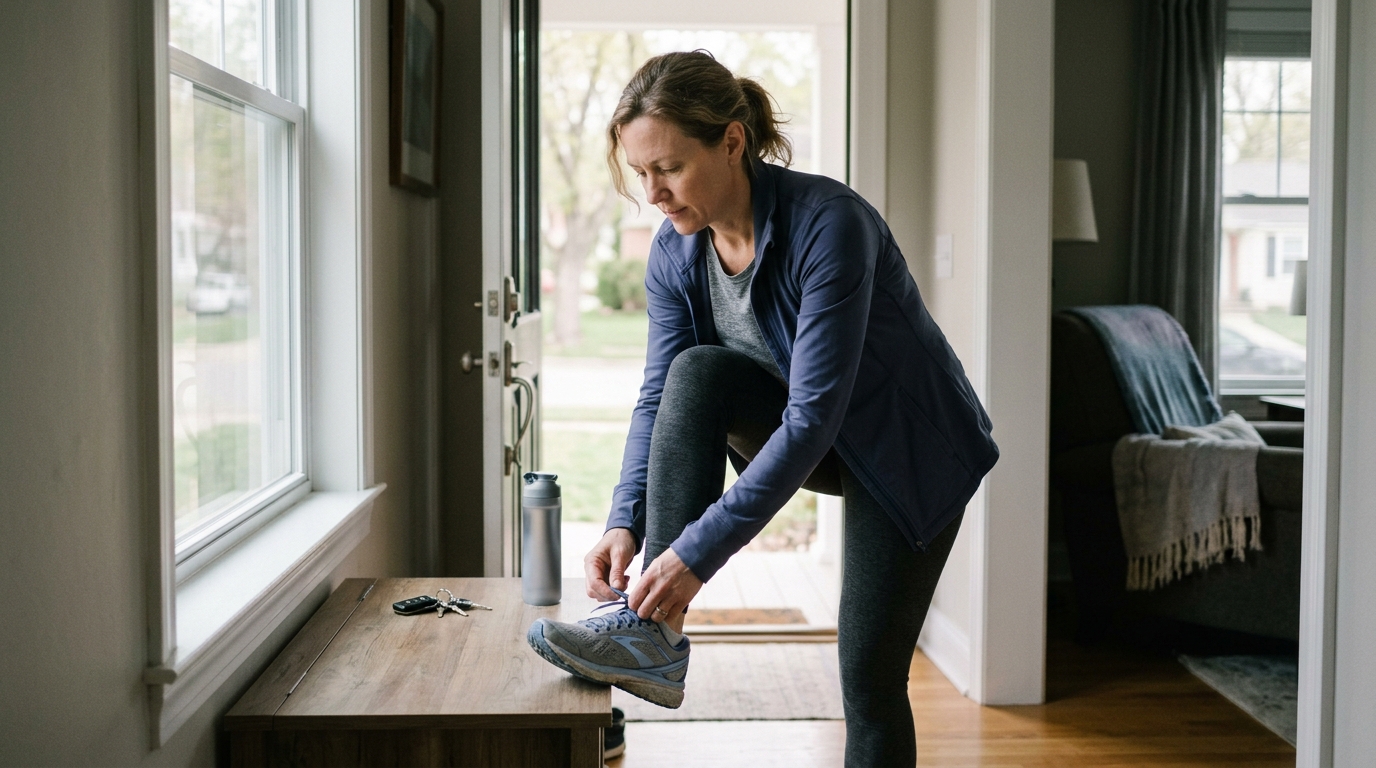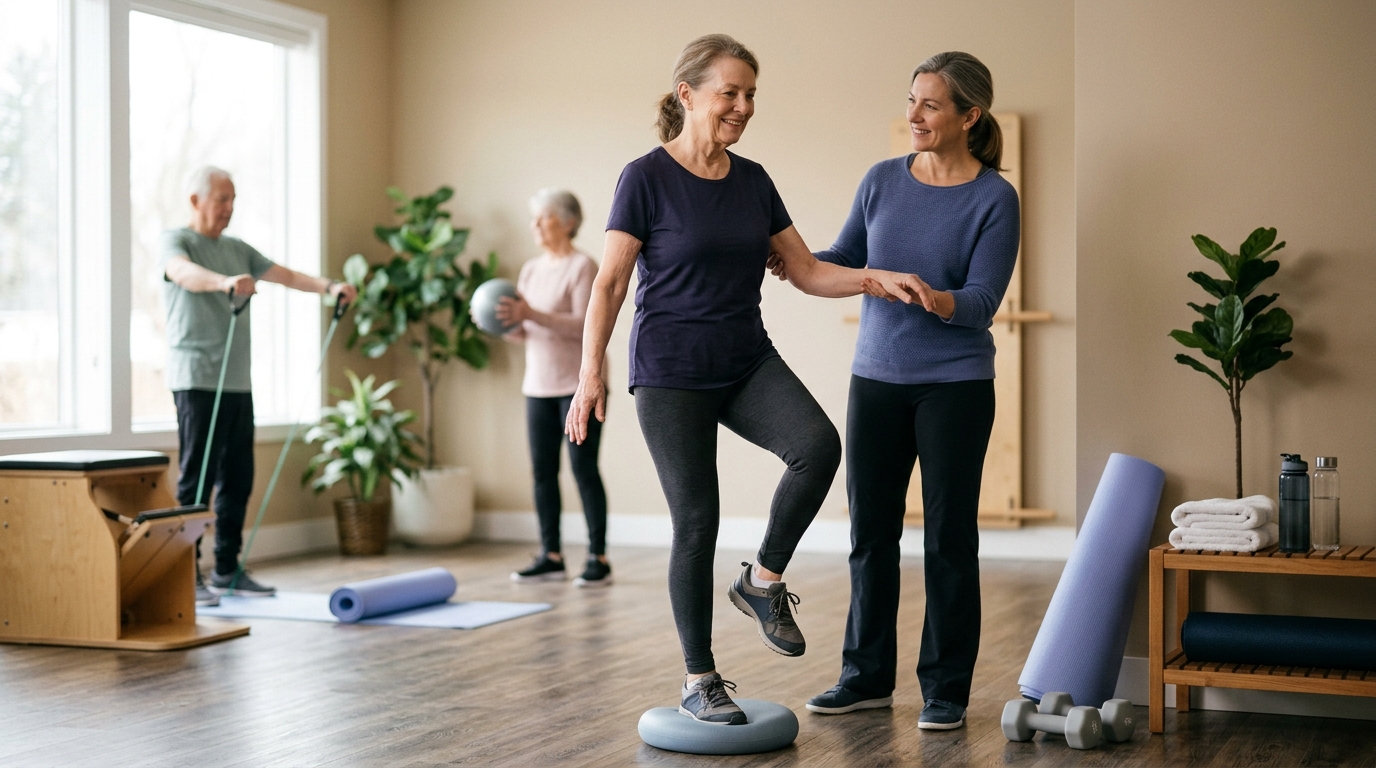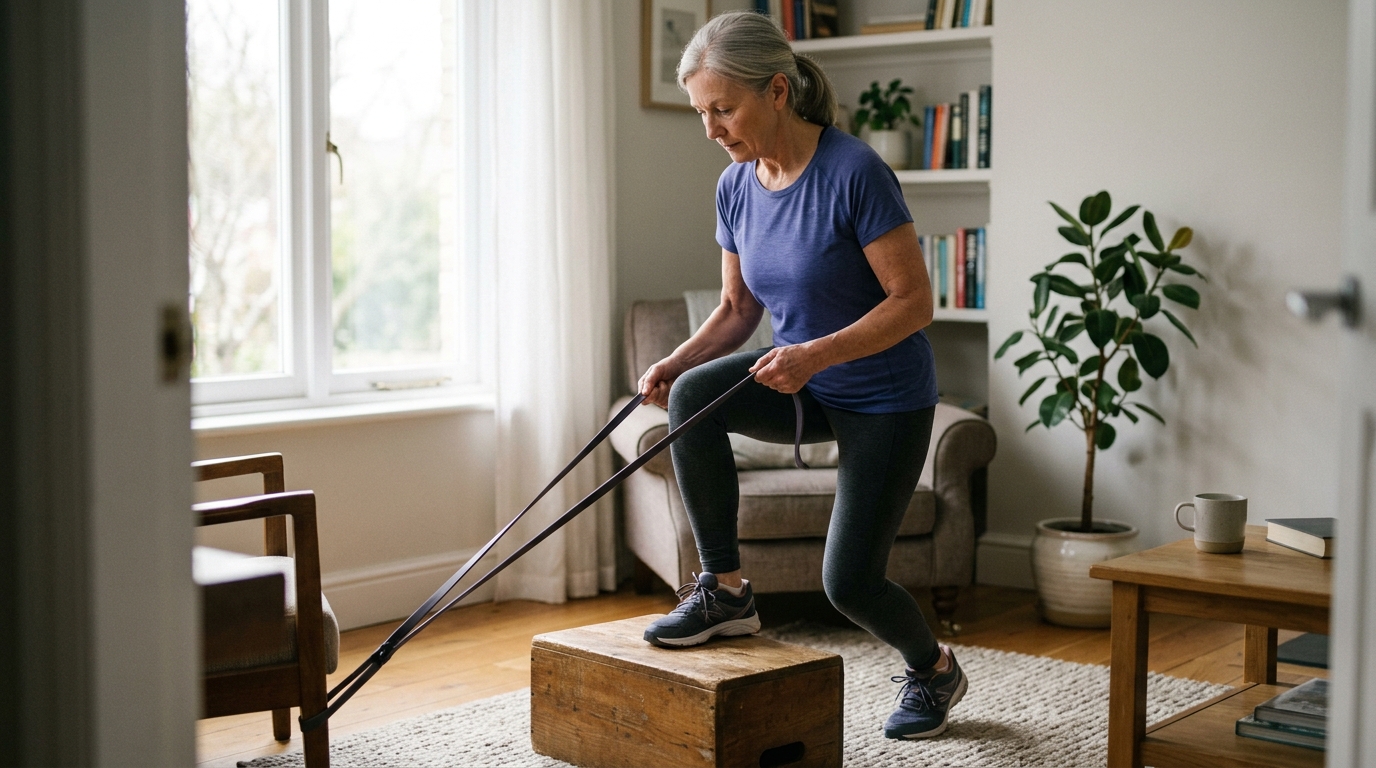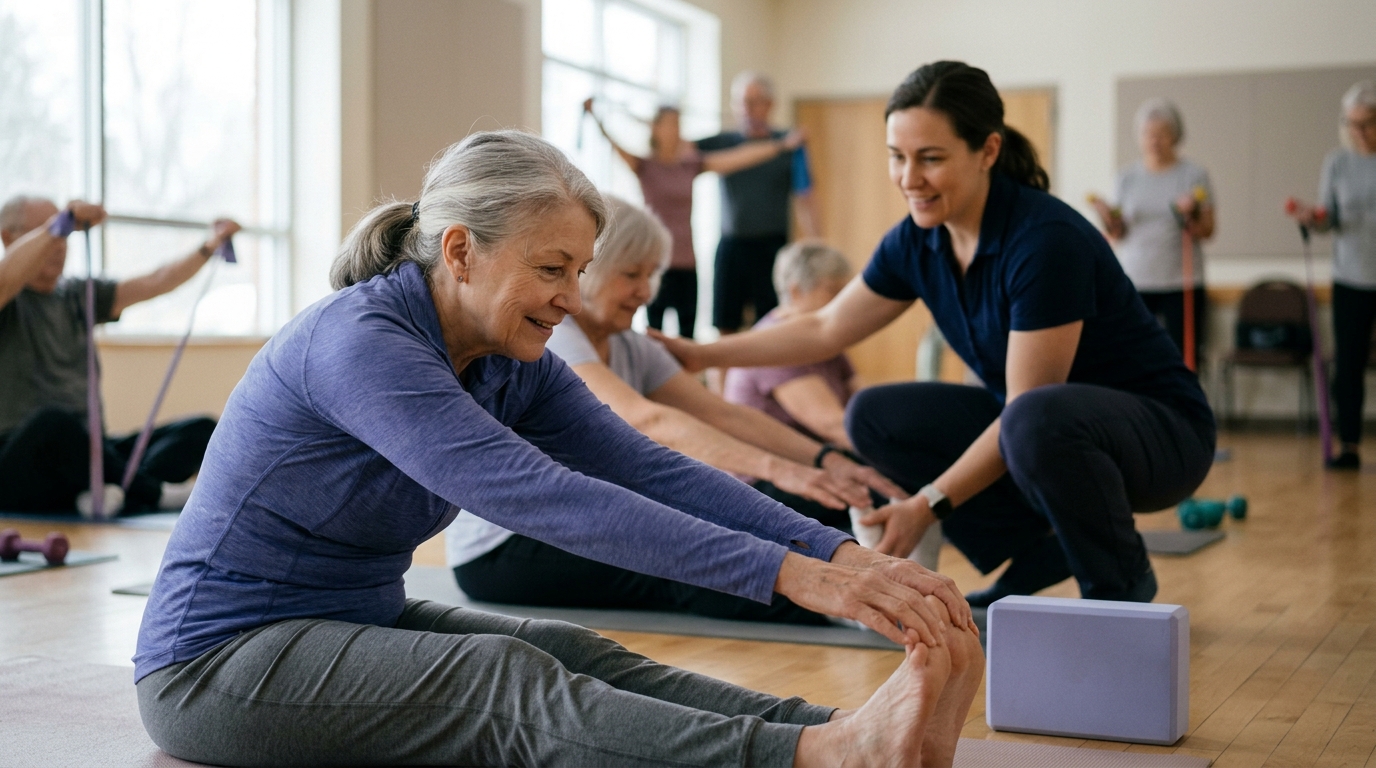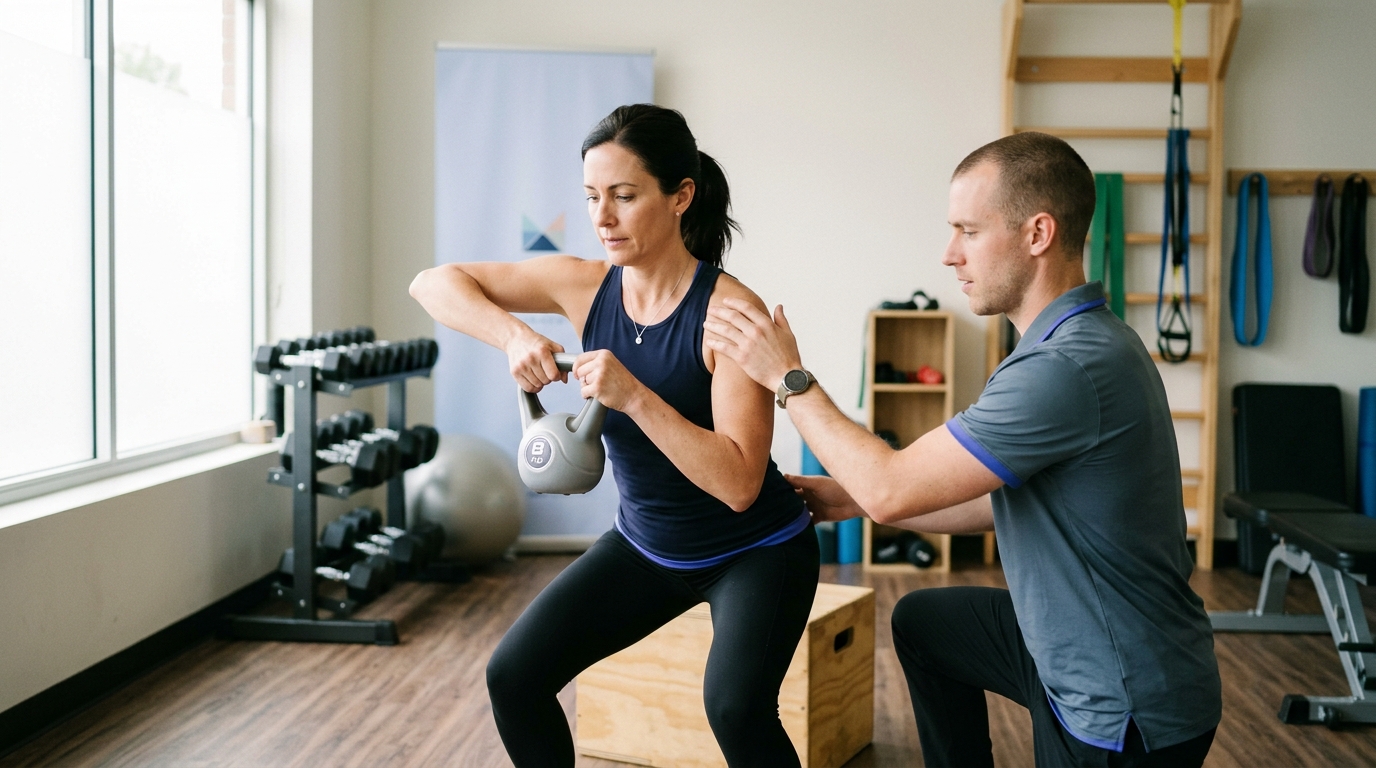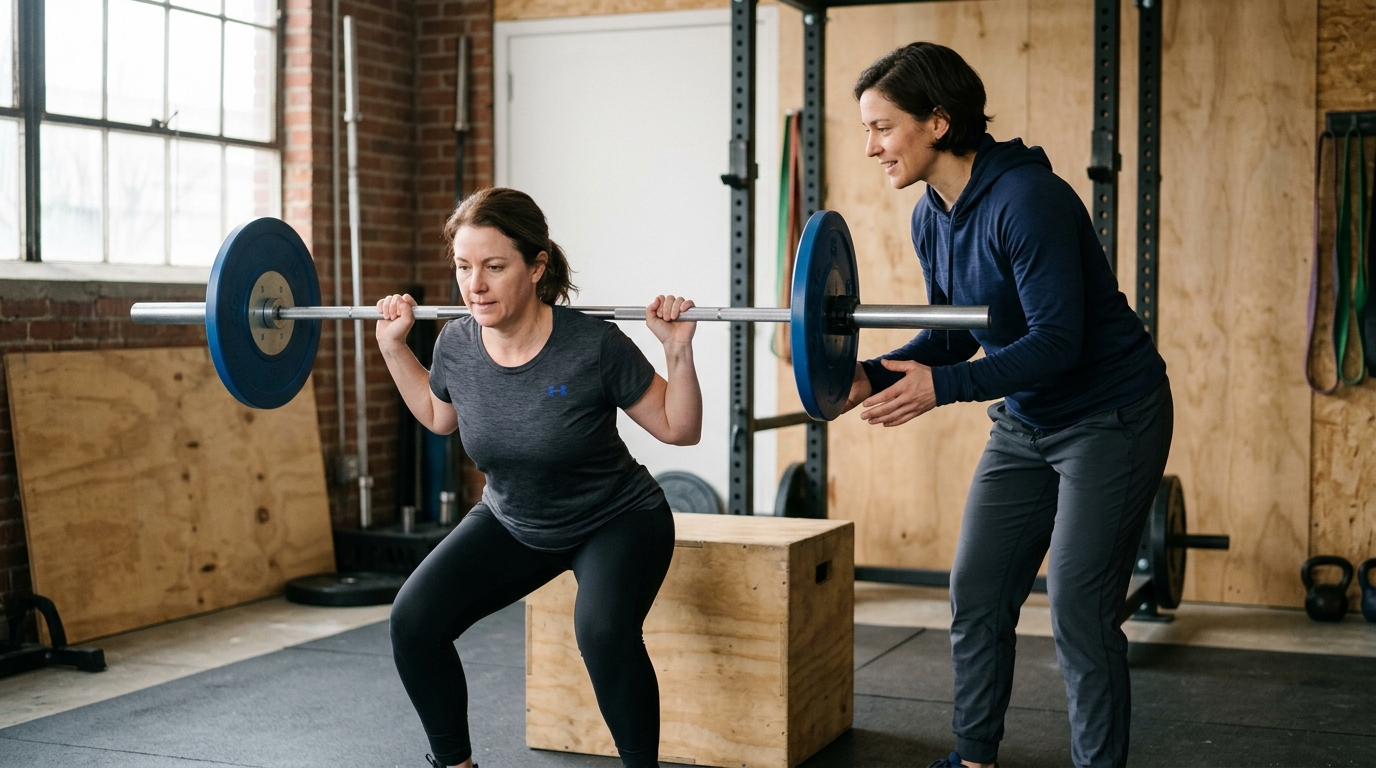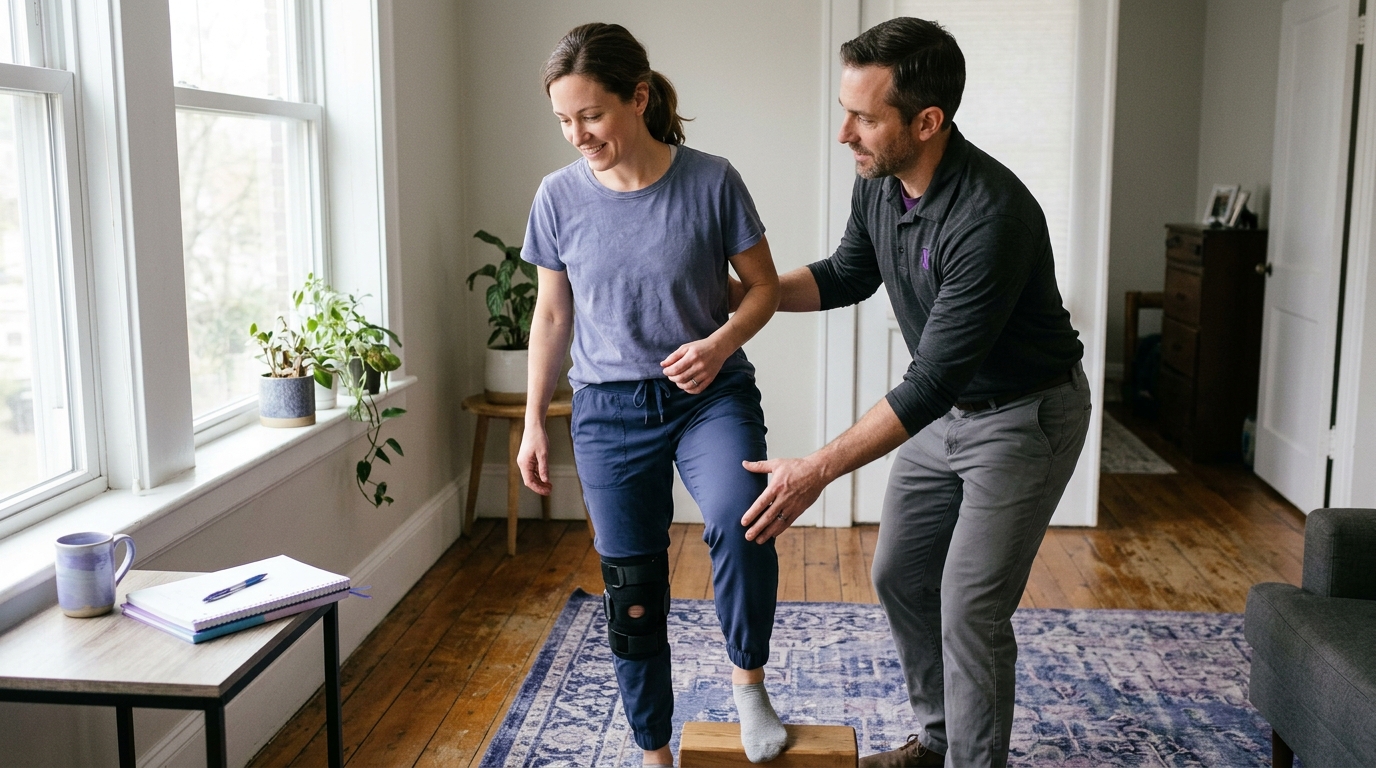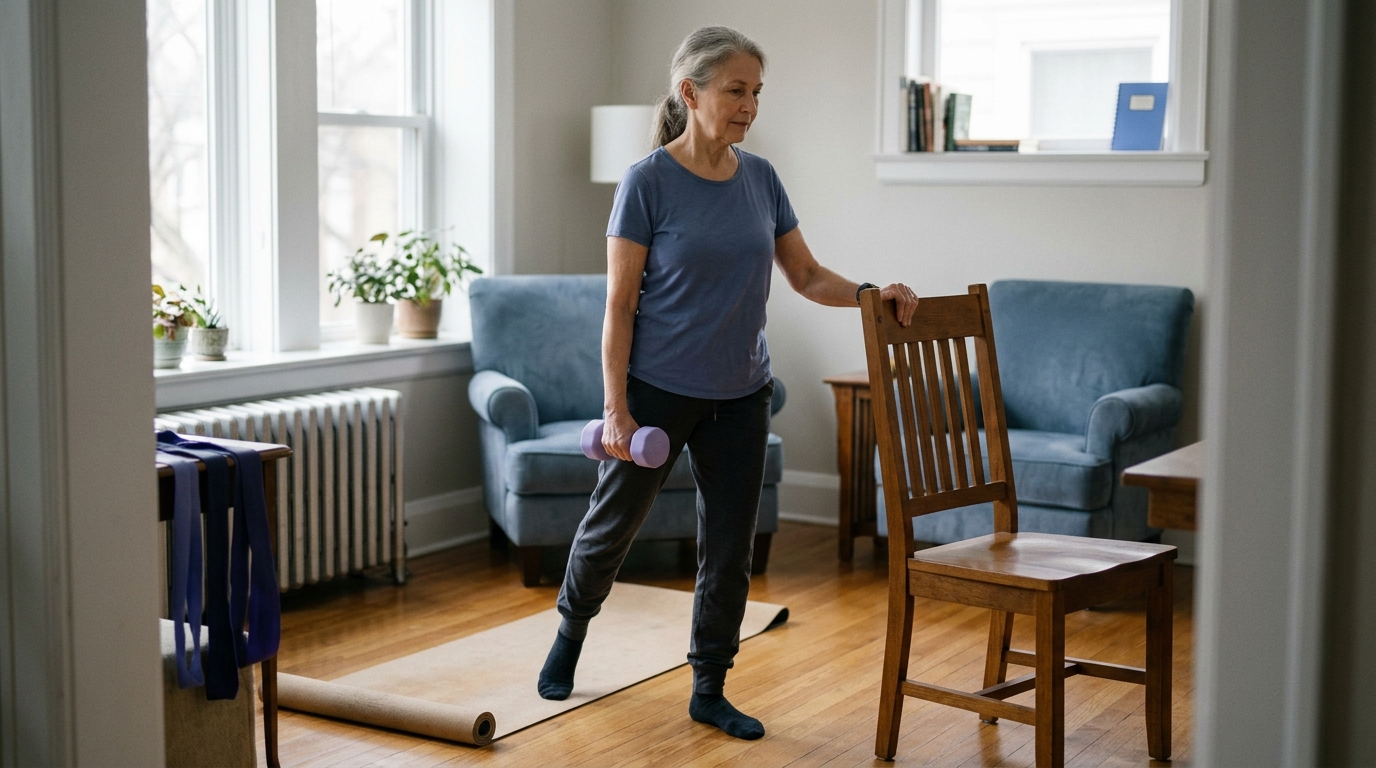

Physical capacity combines strength, mobility, and balance to help you perform daily tasks easily and preserve long-term functional independence.





Many people assume physical decline is an unavoidable consequence of getting older. They believe that unless they perform intense athletic training, daily tasks will naturally become exhausting or impossible. The science of human movement shows a different reality. Physical capacity is largely use-dependent, meaning your body adapts to the demands you place on it regardless of your birth year.
Understanding how capacity works helps you protect your independence over time. Daily tasks require a blend of strength, joint mobility, balance, and aerobic endurance. When regular activity becomes less varied or less frequent, the body receives fewer signals to maintain those physical qualities. Maintaining daily function does not require perfection, but it does require regular, purposeful physical challenge.
Physical capacity represents your ability to produce, control, and sustain movement for the tasks of daily life. The direct answer to preserving this capacity is straightforward. You must engage in regular physical activity that combines aerobic conditioning, progressive resistance training, and dynamic balance practice. The World Health Organization recommends at least 150 to 300 minutes of moderate aerobic activity weekly, paired with muscle-strengthening work on two or more days. For older adults, guidelines explicitly add multicomponent balance and strength training on three or more days each week.
There are natural limits to keep in mind. General activity guidelines describe population targets rather than personalized medical protocols. Underlying joint conditions, cardiovascular health, past surgeries, and individual recovery rates can change how quickly you build or rebuild capacity. Understanding the components of movement allows you to adapt these guidelines safely to your current physical starting point.
Physical capacity is more than a single fitness score or a number on a gym machine. It is an integrated system that determines how easily, safely, and comfortably you navigate your physical environment. When clinicians and researchers evaluate functional capacity, they look at how multiple bodily systems work together to complete meaningful daily tasks.
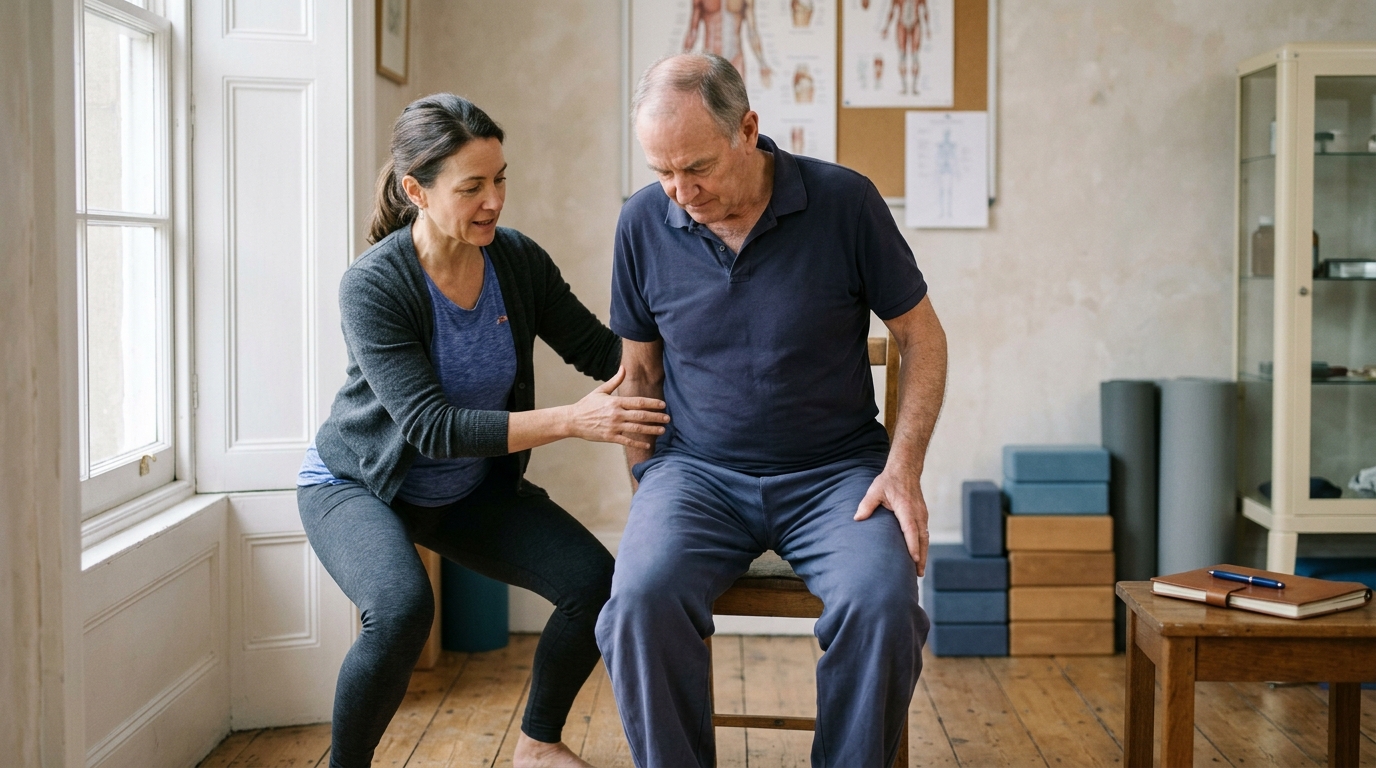
Daily living places complex demands on your neuromuscular system. Standing up from a low chair requires leg strength, hip mobility, and balance. Carrying groceries from your car requires grip strength, postural endurance, and cardiovascular stamina. Stepping over an unexpected obstacle on a sidewalk requires joint coordination, rapid force production, and dynamic balance. If any single component is underdeveloped, the entire task feels significantly more difficult.
To understand how capacity works, it helps to break it down into five foundational elements:
Research from the World Health Organization emphasizes that no single component can replace the others. A person may have excellent aerobic walking stamina, but struggle to rise from the floor due to a lack of lower-body strength. Another individual might possess good muscular strength, yet feel unsteady on gravel pathways due to poor balance practice. True physical capacity requires a balanced foundation across all of these movement qualities. Exploring structured injury prevention resources can help you identify which physical components need the most attention.
A common point of confusion is the difference between everyday movement and structured exercise. Some people assume that doing household chores or running errands provides all the physical stimulation their body needs. Others believe that unless an activity takes place in a fitness facility, it has zero health value. Both assumptions are incorrect.
Everyday physical activity includes all movement performed throughout your waking hours. Cleaning your home, walking through the grocery store, climbing stairs, and doing yard work all count toward reducing sedentary time. The World Health Organization clearly states that all physical activity counts, and that any amount of movement is better than sitting still. Replacing sedentary hours with light activity of any intensity provides measurable health benefits across your lifespan.
Everyday movement practice provides low-barrier opportunities to repeat useful movement patterns. It keeps joints lubricated, supports metabolic health, and prevents prolonged stiffness. However, routine household tasks rarely provide progressive overload. Over time, your body adapts to the specific weight of your laundry basket or the regular height of your stairs. Once that adaptation occurs, daily chores maintain your current baseline but do not challenge your muscles enough to build extra capacity.
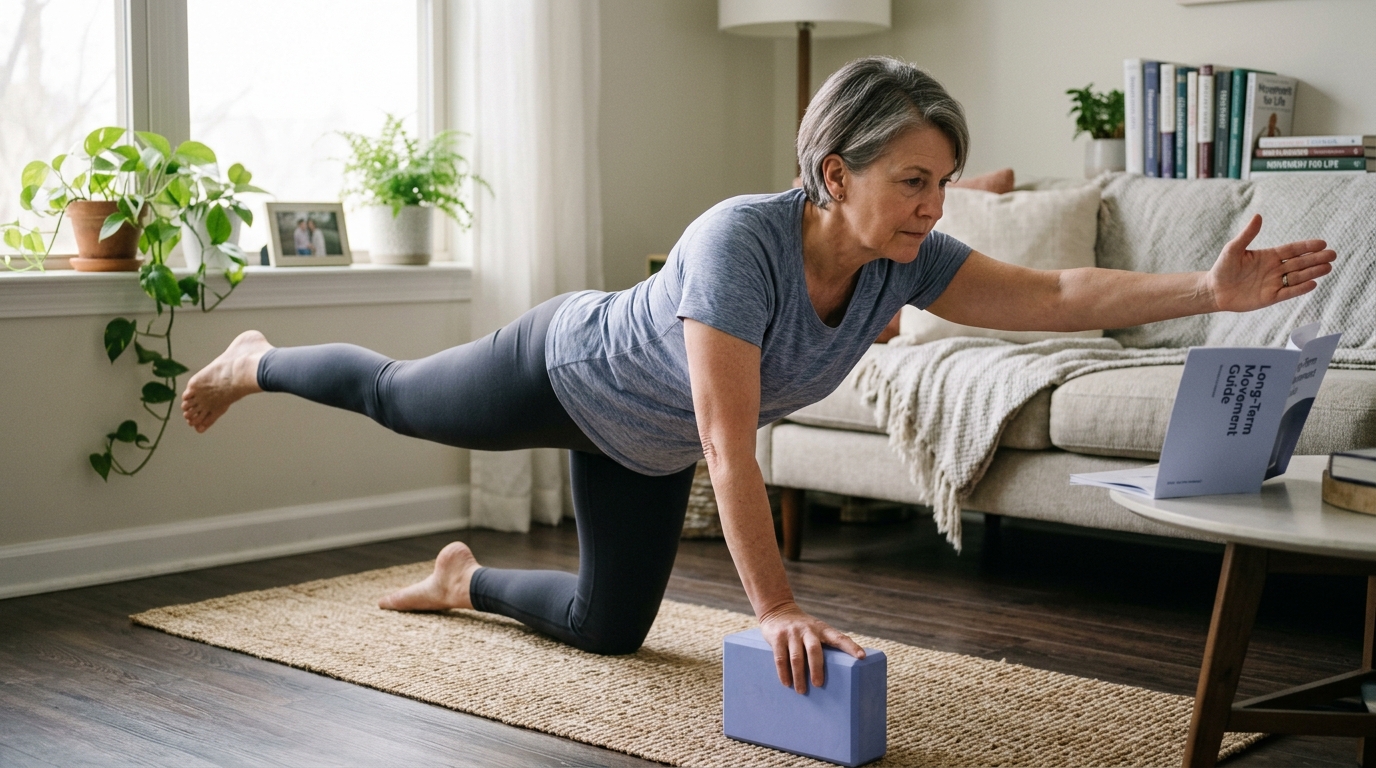
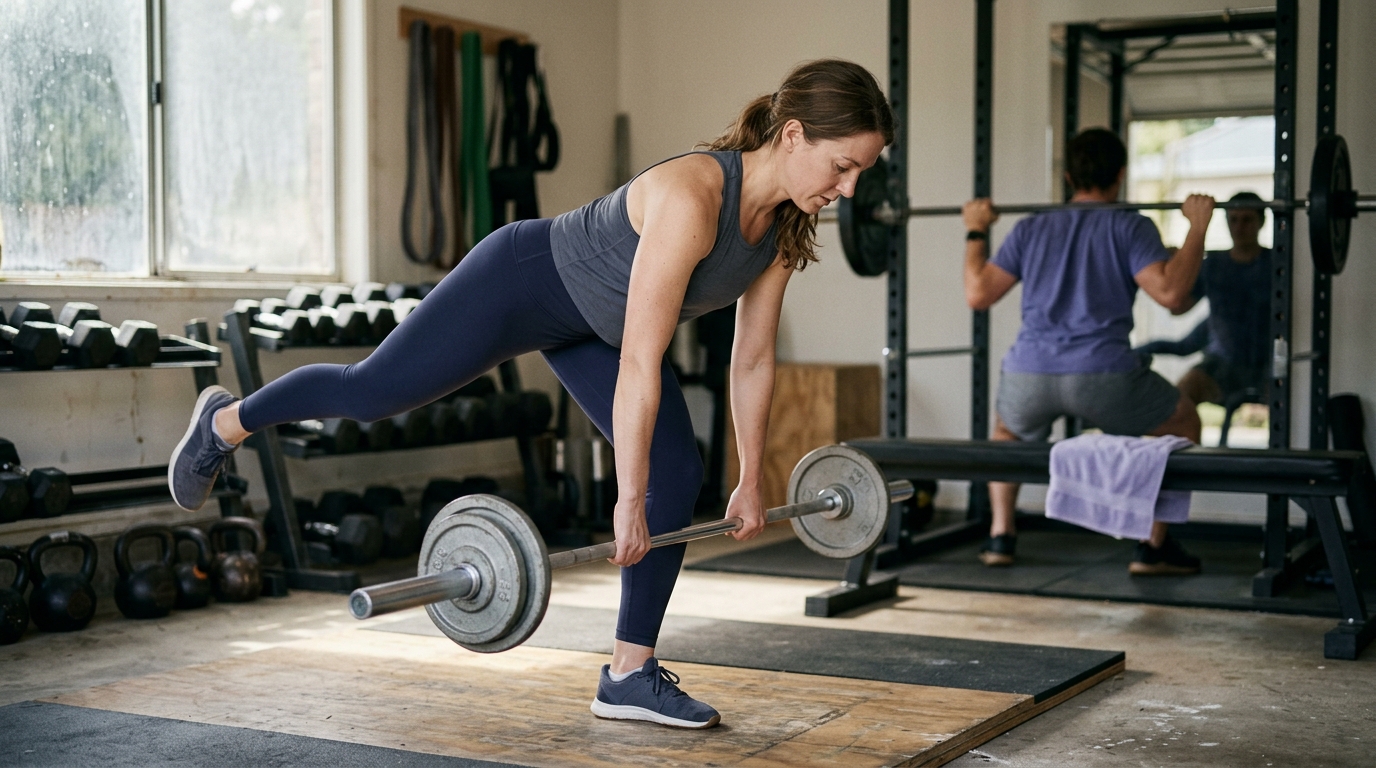
Purposeful exercise fills this specific gap. Purposeful exercise refers to planned, structured, and repeatable movement designed to challenge a specific physical capacity. When you lift a weight, perform a bodyweight squat, or practice standing on one leg, you intentionally challenge your muscles and nervous system. This targeted stress prompts your body to build stronger muscle fibers, denser bones, and sharper neuromuscular reflexes.
Relying solely on routine chores can leave blind spots in your physical capability. Daily tasks rarely challenge your maximum strength, deep joint ranges of motion, or rapid balance corrections. Purposeful exercise ensures that you maintain a buffer of physical capacity. When your physical capacity comfortably exceeds the demands of your daily routine, ordinary tasks feel light, easy, and sustainable.
Public health guidelines provide clear benchmarks for how much physical activity adults need to maintain their health and physical function. These recommendations are based on extensive systematic reviews of clinical trials and population-level health data. Understanding these standards helps you build a well-rounded weekly routine.
According to the World Health Organization and the Centers for Disease Control and Prevention, adults need a combination of aerobic and muscle-strengthening activities. The baseline recommendations include:
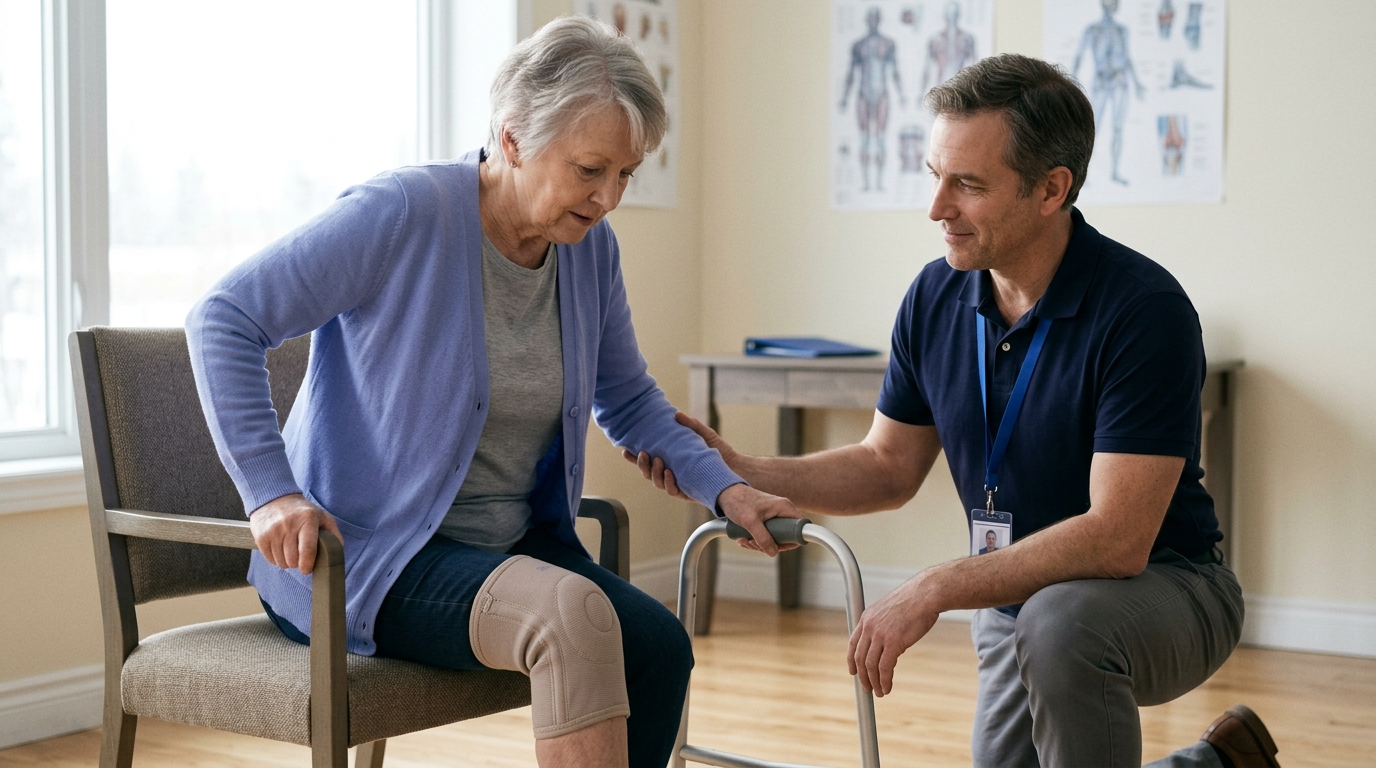
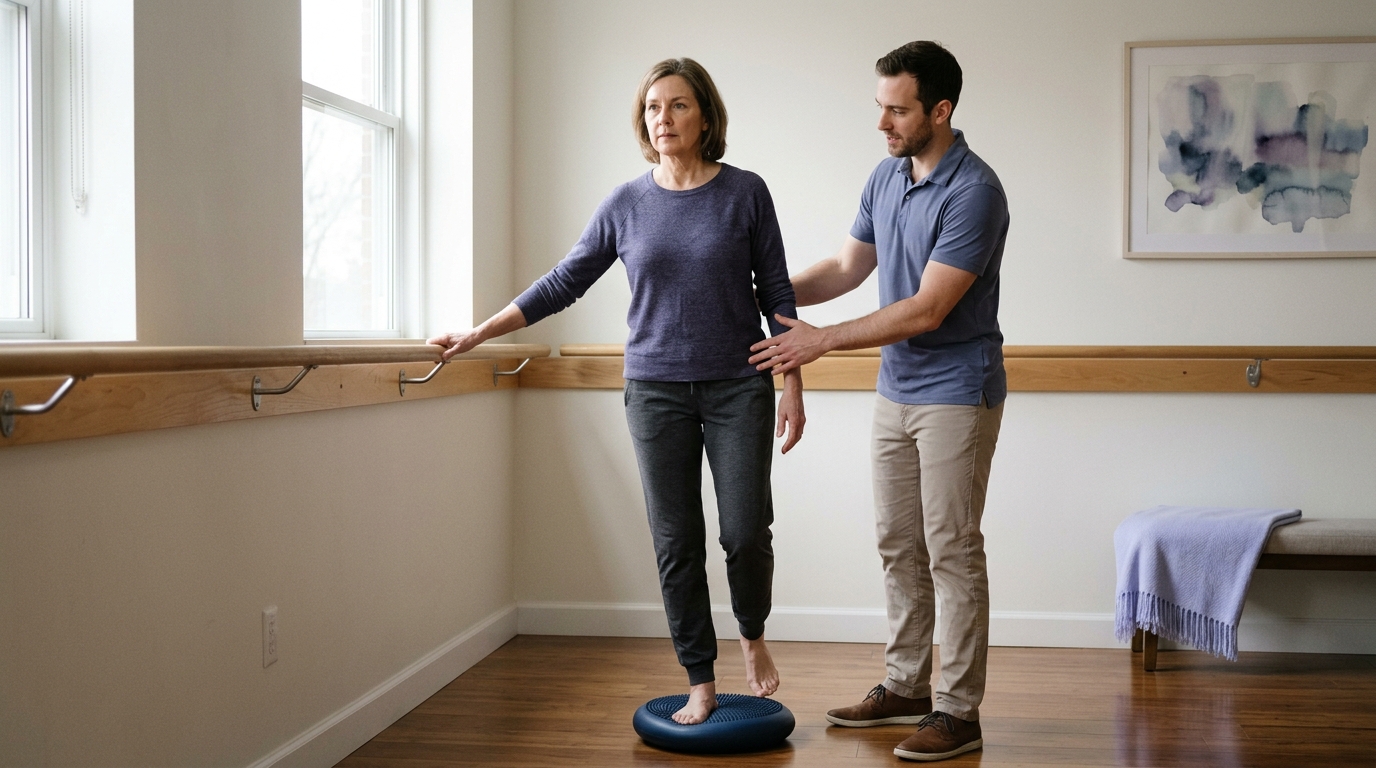
The recommendation for older adults to include multicomponent balance and strength training is especially important. This is distinct from the general guideline of two days of strength work. The World Health Organization highlights high-certainty evidence showing that balance and functional exercises directly reduce the rate of falls in older populations. Furthermore, moderate-certainty evidence shows that multicomponent activity reduces the risk of fall-related injuries.
Scientific evidence also demonstrates an inverse dose-response relationship between physical activity volume and functional limitations. Higher volumes of regular activity are consistently associated with a lower risk of losing physical independence. The dose-response curve for physical activity is curvilinear. This means the greatest relative functional gains occur when moving from complete inactivity to modest, regular activity. You do not need to train like a competitive athlete to see significant functional benefits.
Specific balance and strength programs have demonstrated remarkable outcomes in clinical research. The Otago Exercise Programme, a structured home-based strength and balance intervention for older adults, has been extensively evaluated. A systematic review and meta-analysis of seven clinical trials involving 1,503 participants found that the Otago program reduced the rate of falls by 32 percent. It also reduced the 12-month risk of mortality by 55 percent in community-dwelling older adults.
These clinical findings prove that targeted balance and strength training creates measurable protective changes in the body. However, researchers note that participant adherence remains the most critical factor in achieving these results. A program only works if it is practiced consistently over time. Reviewing evidence-based active aging and prevention strategies can help you design a sustainable routine that aligns with these clinical standards.
Life often disrupts even the most consistent exercise routines. Illness, joint flare-ups, surgical procedures, family caregiving responsibilities, and travel can force you to pause your training. Many people worry that a temporary break will completely erase all of their hard-earned progress. This fear can lead to feelings of defeat, making it harder to restart.
Scientific research shows that prior training provides lasting residual benefits, even during periods of rest. A 2025 systematic review and meta-analysis examined the residual effects of physical exercise after training cessation in older adults. The researchers analyzed data across multiple exercise modalities and reported a significant overall effect size of 0.87 for preserved functional capacity after training stopped. Both resistance training and multicomponent exercise demonstrated retained benefits.
The review revealed that completing structured training twice per week for more than two months before a break of at least one month significantly preserved key functional abilities. Participants retained meaningful levels of walking ability, standing performance, agility, and stair-climbing capacity. While some loss of peak fitness is inevitable during complete rest, prior exercise creates a structural and neurological foundation that degrades slowly.
A separate long-term review of resistance training in older adults with skeletal conditions observed a five-year follow-up pattern. One study group trained consistently for two years and then stopped all formal training for three years. When evaluated at the five-year mark, the participants had lost strength compared to their two-year peak. However, their muscular strength remained 15.6 percent above their original pre-training baseline. Their prior training continued to provide a functional cushion years later.
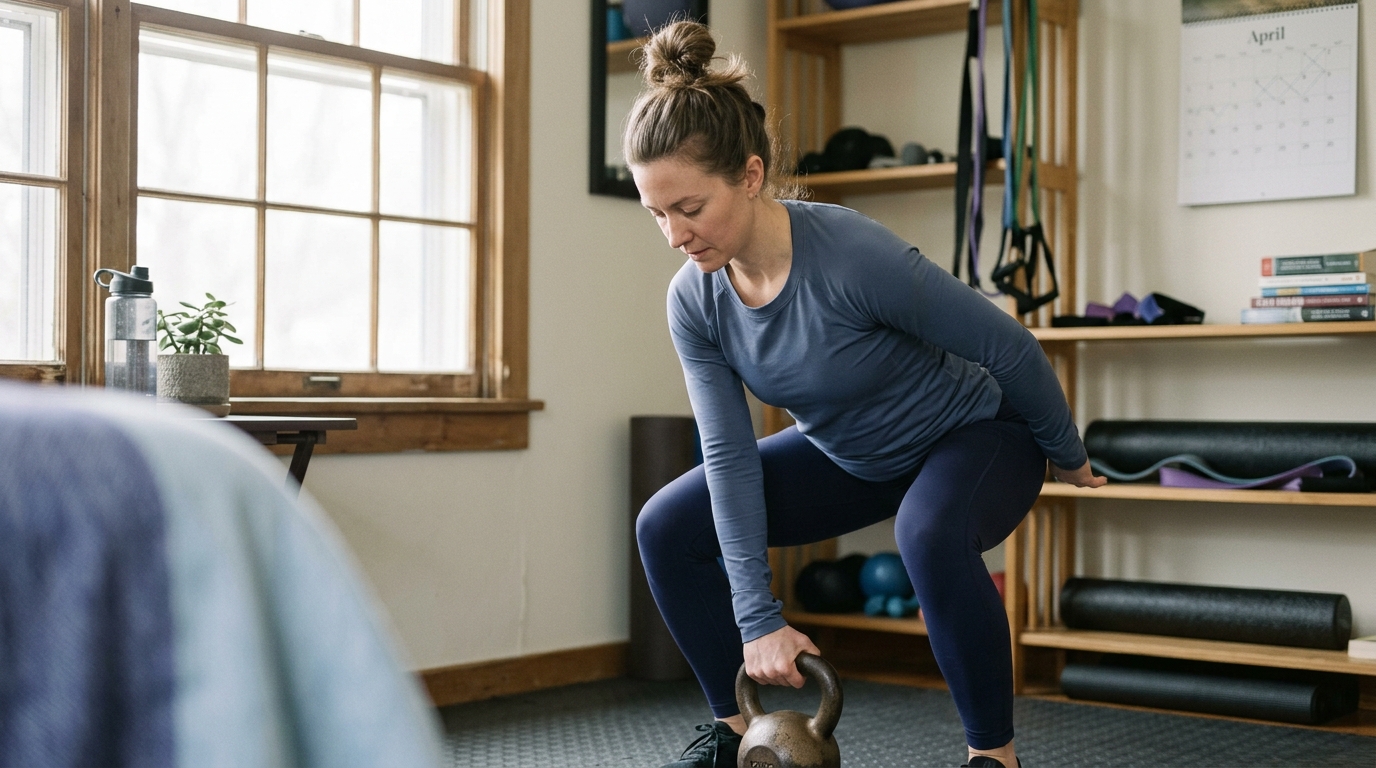
When returning to activity after a hiatus, avoid jumping immediately back into your previous training volume. The Centers for Disease Control and Prevention recommends starting slowly in line with your current ability, gradually increasing activity over several weeks. A sensible return protocol involves three phases:
A training hiatus is not a personal failure. It is a normal part of life. Understanding that your body retains residual adaptations allows you to return to movement with patience, confidence, and realistic expectations.
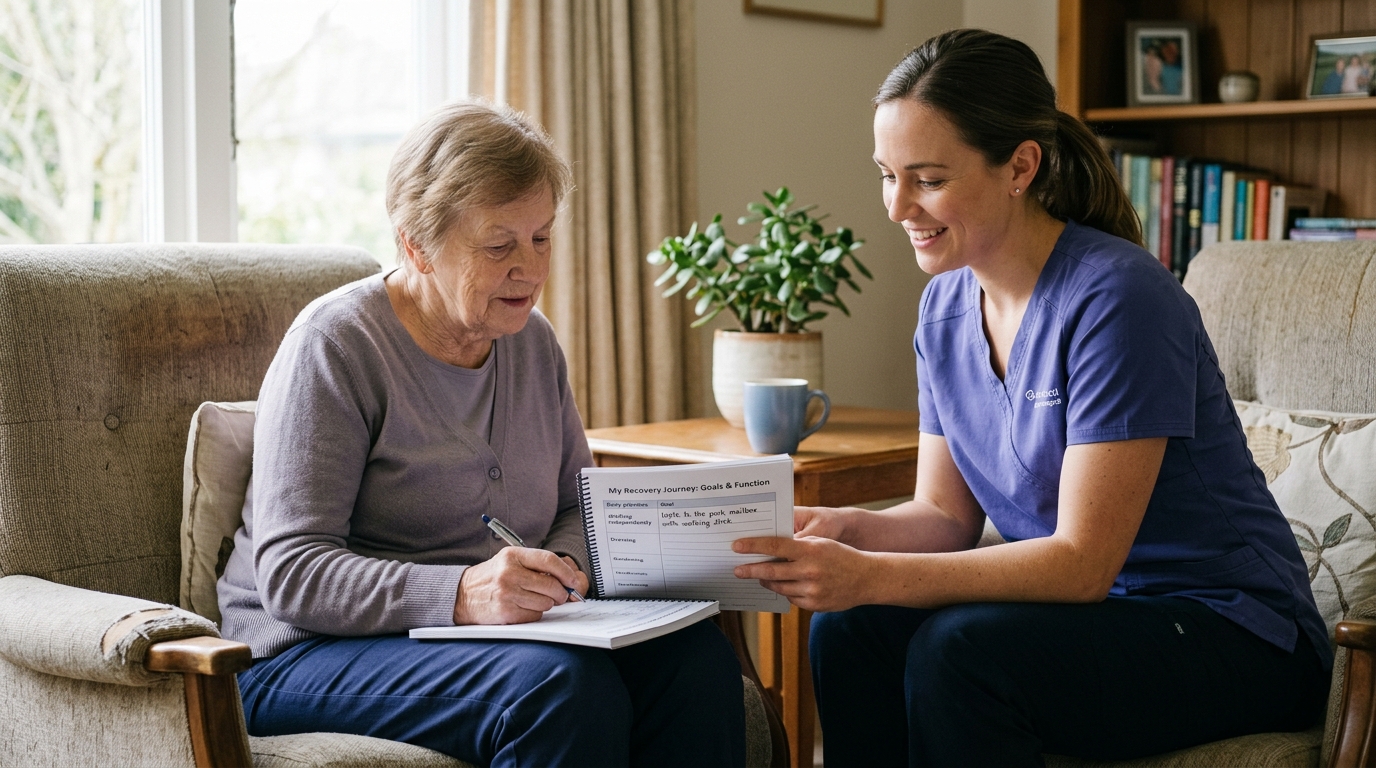
To build a functional body, your training should reflect the demands of your actual life. A practical method for organizing your activity is the Task, Capacity, and Practice framework. This system works backward from meaningful physical goals, breaking them down into trainable movement qualities.
The framework consists of five simple steps:
This framework is an organizing tool that helps you connect formal exercise to real-world function. Applying this approach across different everyday scenarios demonstrates how it works in practice.
Working through this framework ensures your exercise routine directly supports your lifestyle. For more ideas on structuring functional routines, explore our guide to daily mobility and movement.
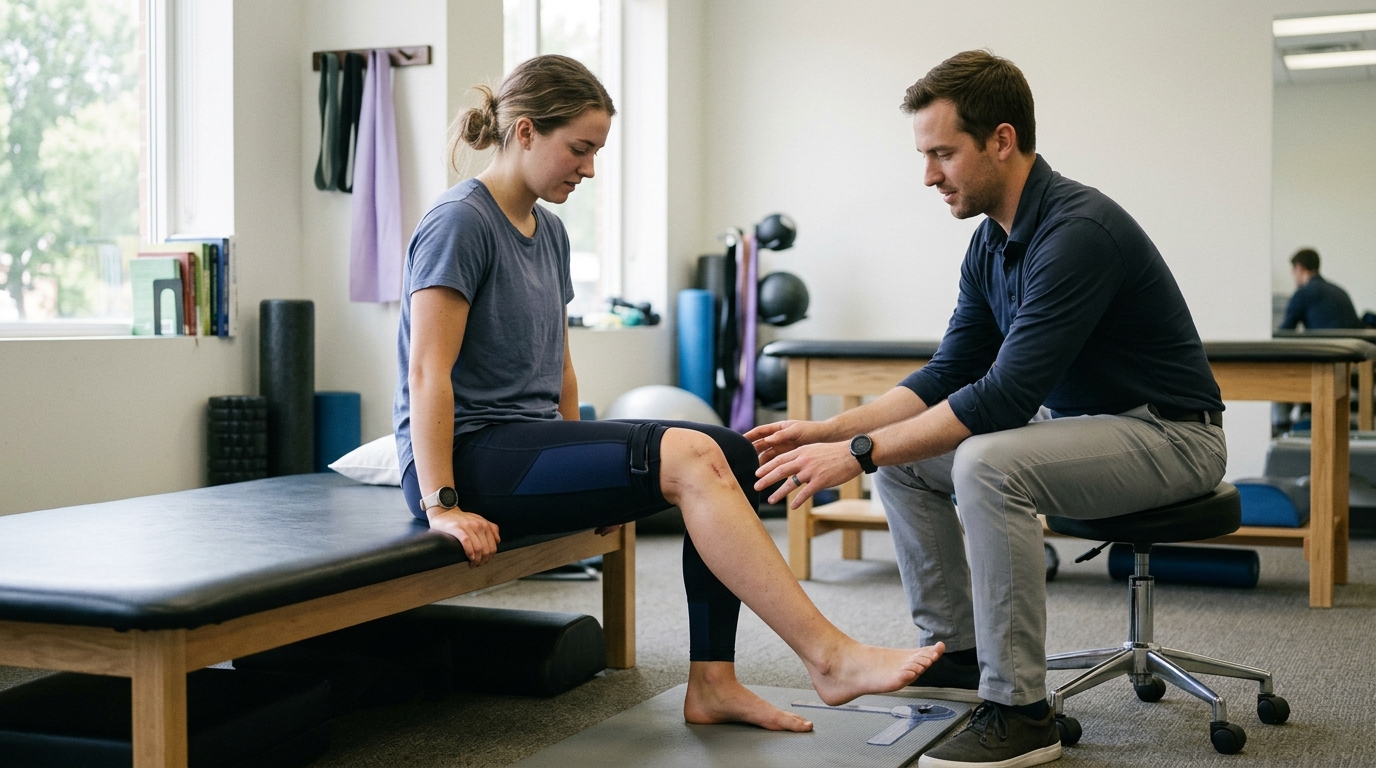
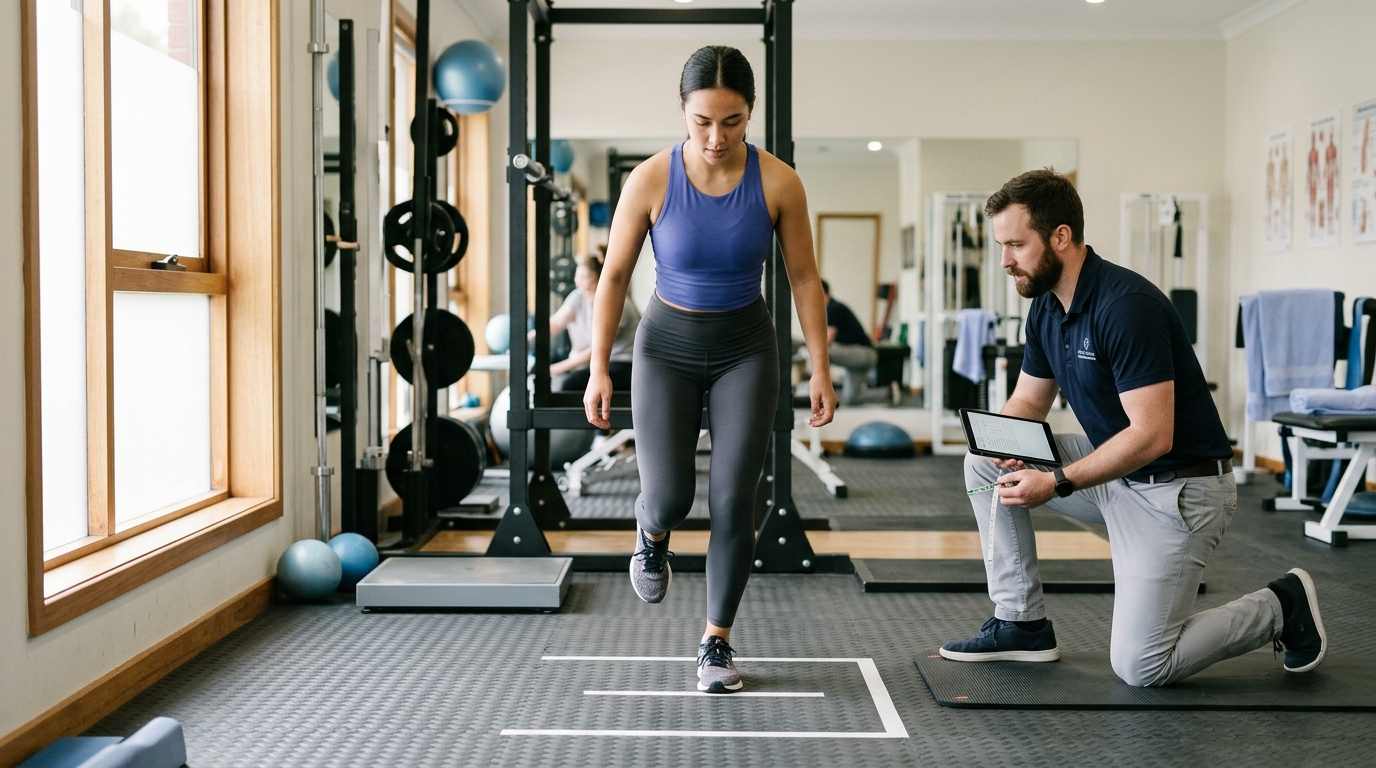
Clinical researchers and physical therapists use standardized functional tests to track physical capacity. These assessments provide an objective snapshot of strength, mobility, and gait speed. Understanding how these tests work can help you appreciate the different dimensions of physical capability.
In clinical research centers, such as those at Duke University and Indiana University, several standard assessments are commonly used:
While these assessments are valuable in research and clinical settings, you do not need to turn your living room into a laboratory. A single test score never tells the complete story of your health, vitality, or independence. Furthermore, self-testing without professional supervision can lead to improper technique or unnecessary anxiety over minor score fluctuations.
Use these concepts as educational reference points rather than rigid pass-fail metrics. If you notice that your walking pace is slowing, your grip feels weaker, or getting out of chairs requires more momentum, these observations simply highlight areas for positive movement practice. They show you where targeted strength, mobility, or balance exercises can offer the greatest functional return.
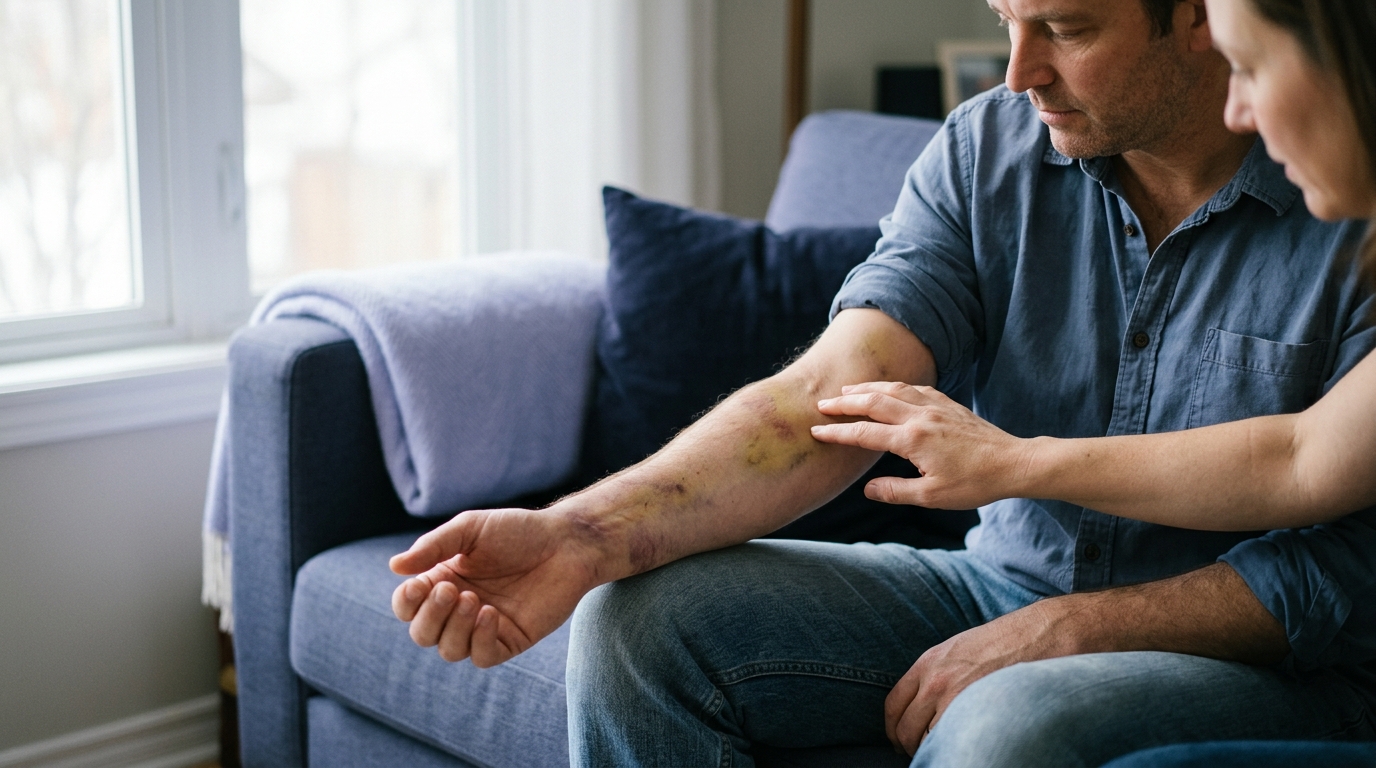
Every individual navigates physical capacity from a unique starting point. Your recovery timeline, functional reserves, and exercise tolerances are influenced by a wide variety of personal and medical factors. Acknowledging these variables prevents unrealistic comparisons and helps you maintain safe, steady progress.
Key factors that influence your physical capacity include:
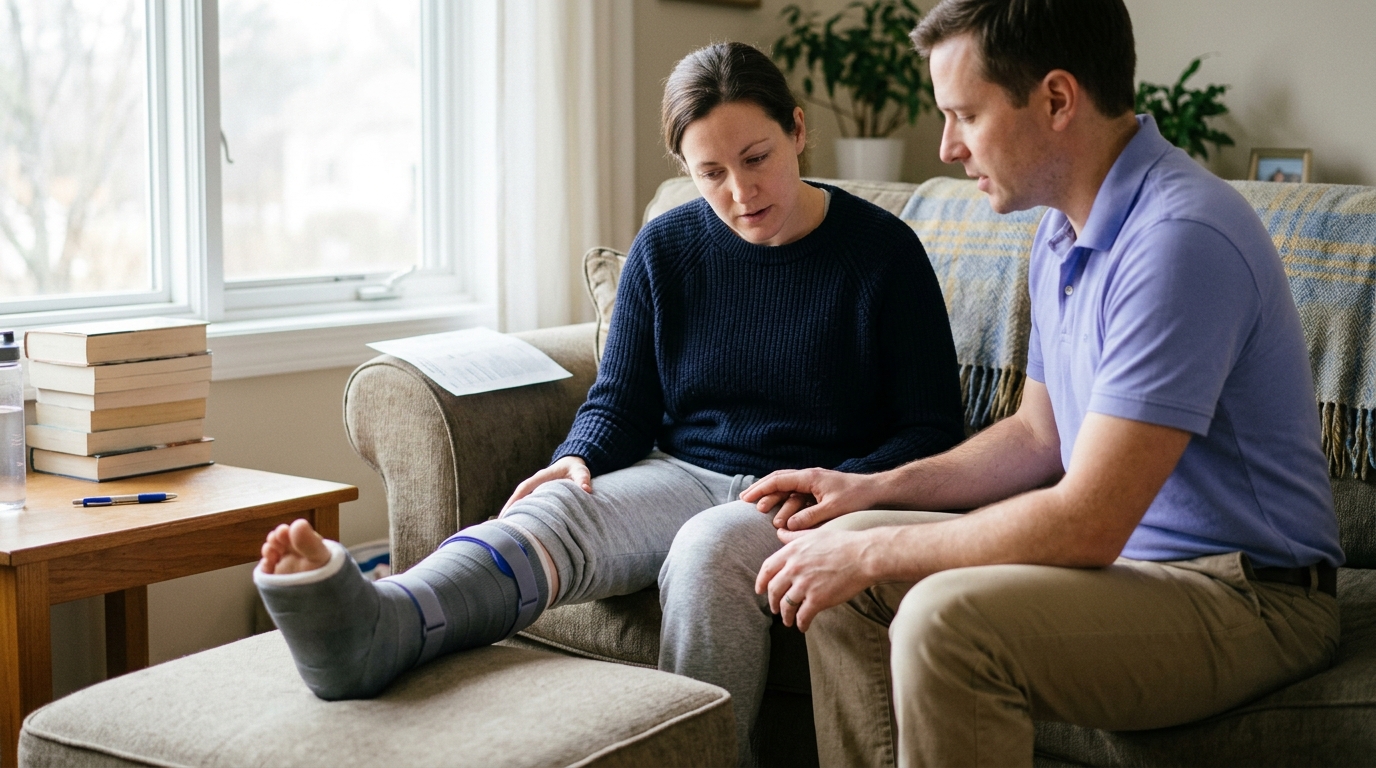
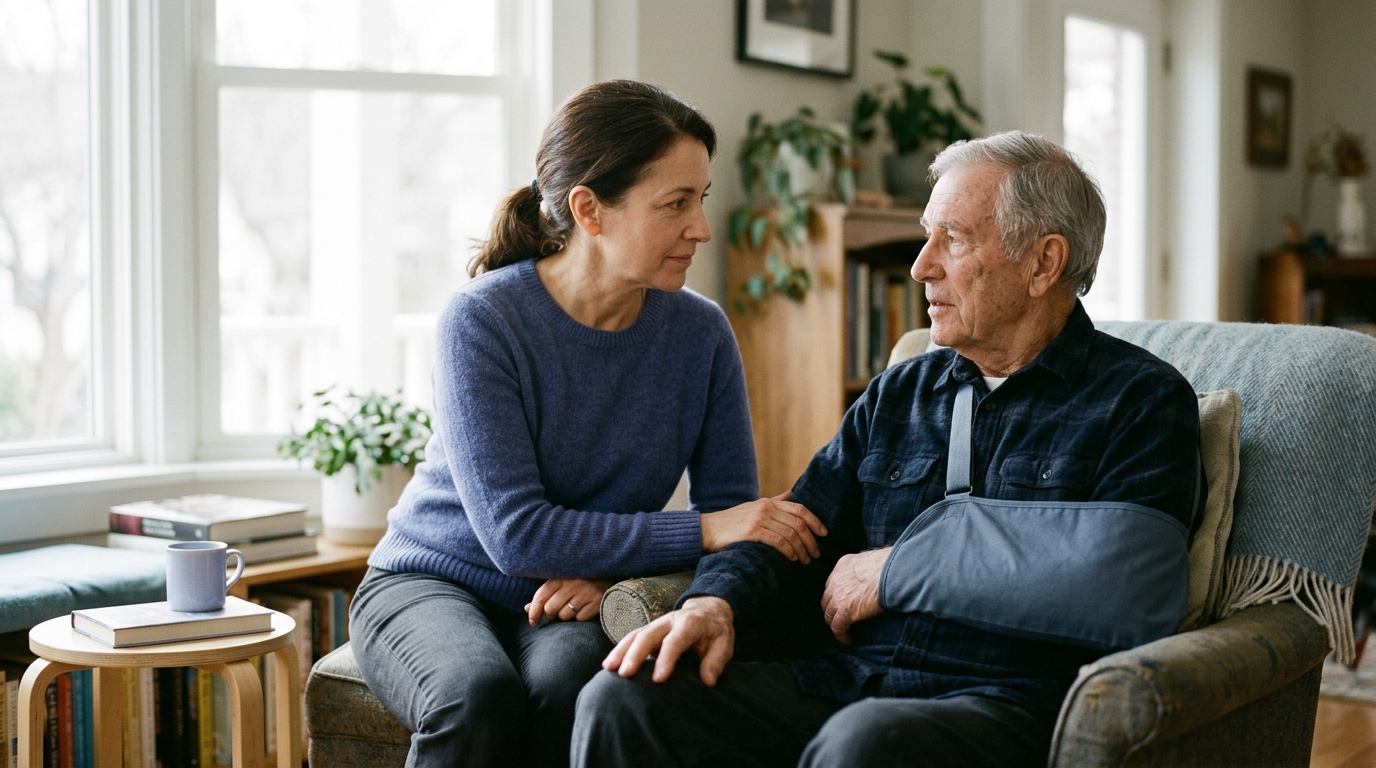
Living with a physical disability or chronic health condition does not eliminate the need for physical capacity. In fact, maintaining strength and stamina is often even more critical for managing daily independence with a condition. The Centers for Disease Control and Prevention emphasizes that physical activity guidelines can and should be adapted to match individual capabilities.
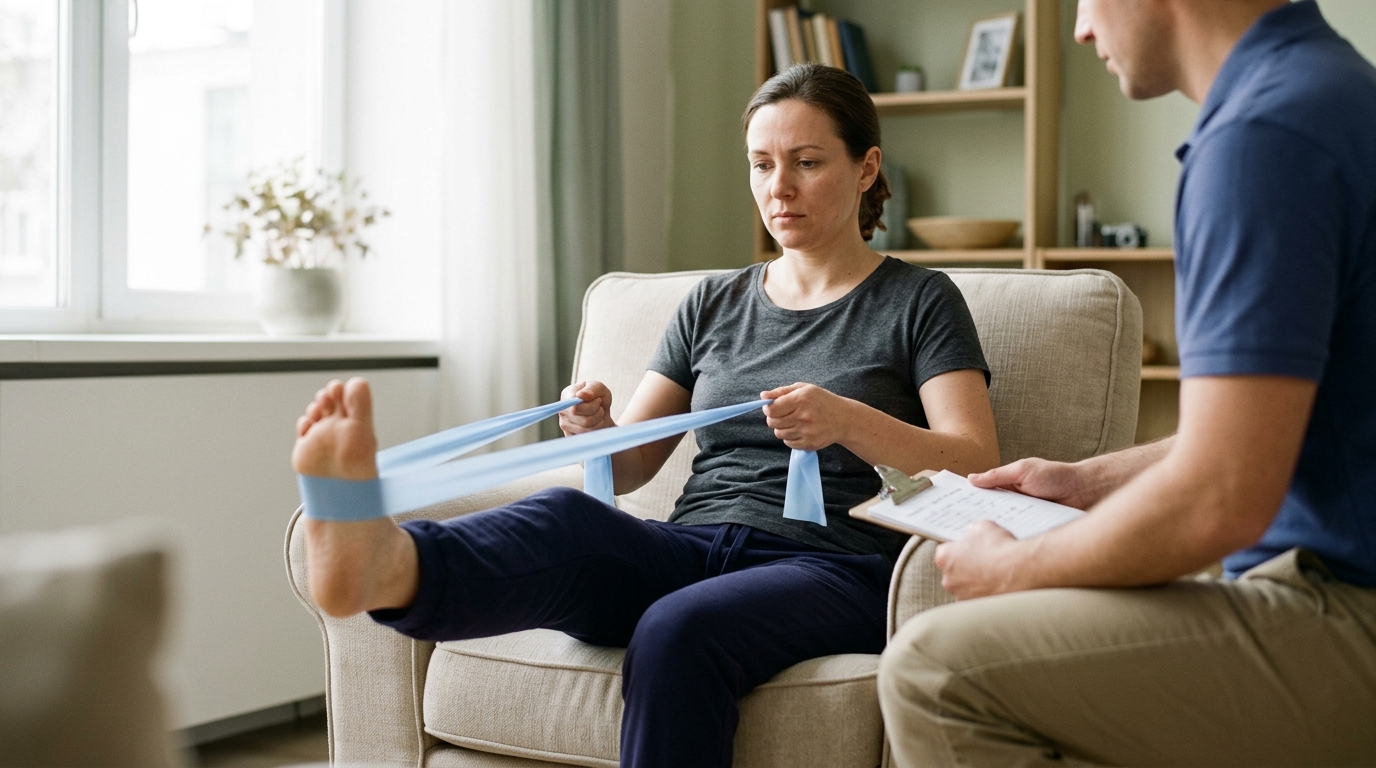
For individuals with limited mobility or wheelchair users, aerobic activity can include wheelchair wheeling, upper-body ergometer cycling, or seated aerobic routines. Muscle strengthening can be performed effectively using elastic resistance bands, light dumbbells, or isometric bodyweight holds. The core objective remains unchanged: provide safe, progressive physical stimulation to support circulation, muscle mass, joint health, and functional control.
When adapting exercise around chronic limitations, consistency always outweighs intensity. A modest, well-tolerated routine completed three times per week provides far greater functional protection than an overly aggressive workout that triggers joint inflammation or prolonged fatigue. For specialized guidance on rebuilding strength safely after injury or illness, visit our strength rebuilding resource hub.
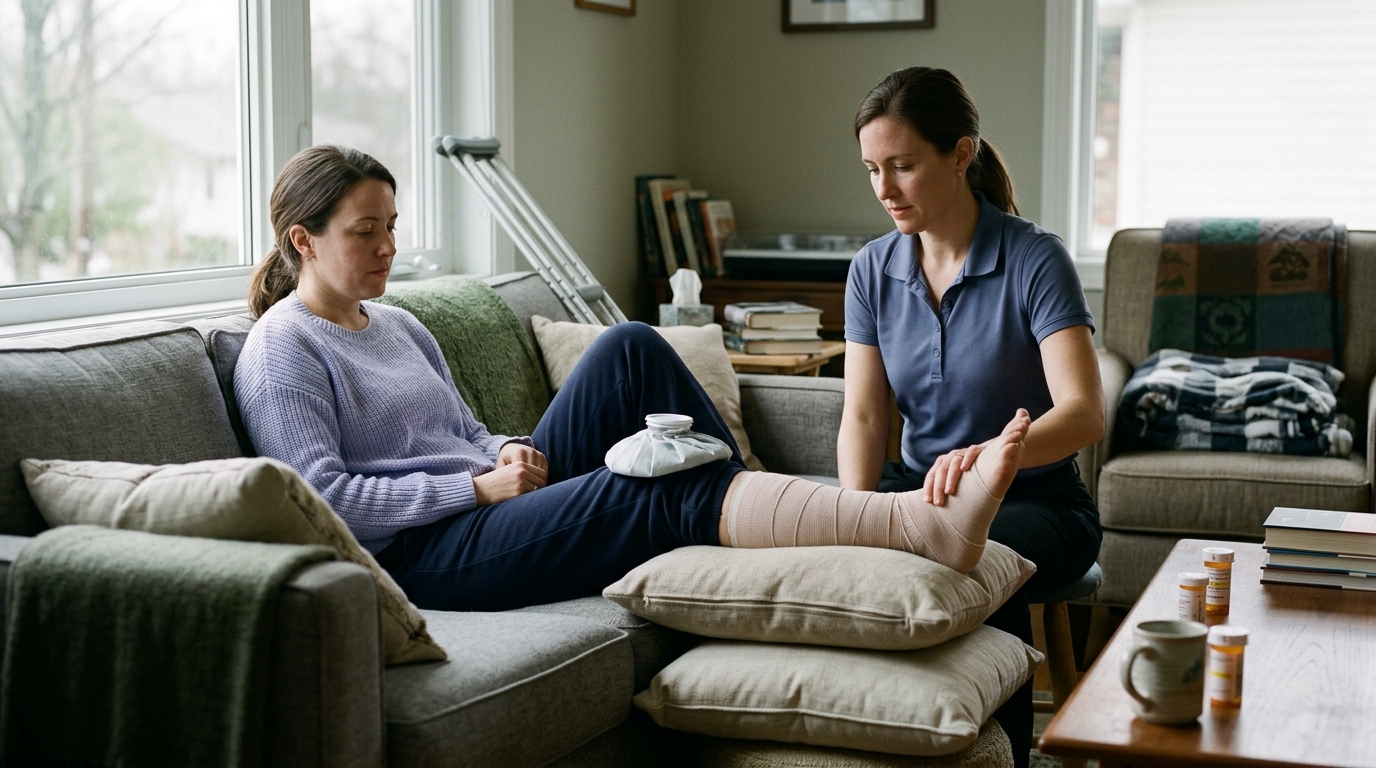
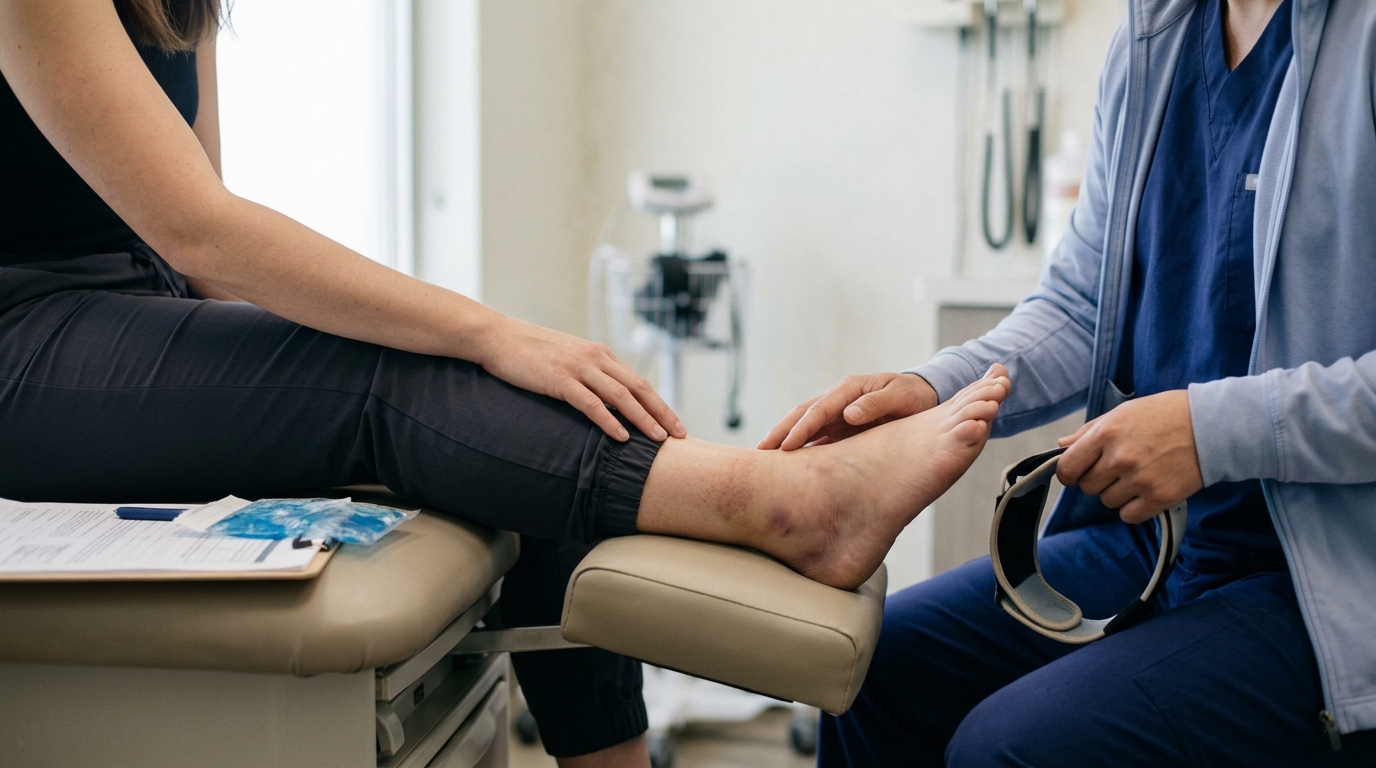
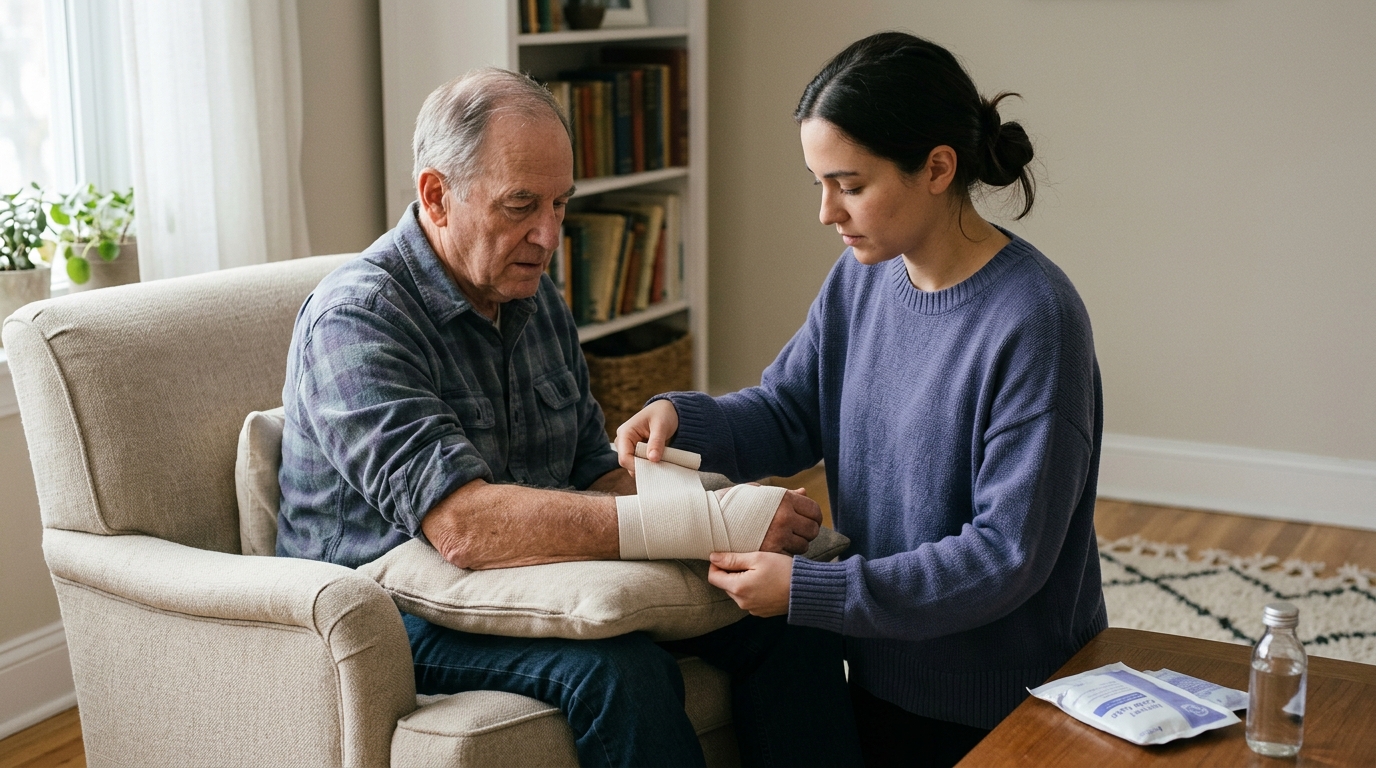
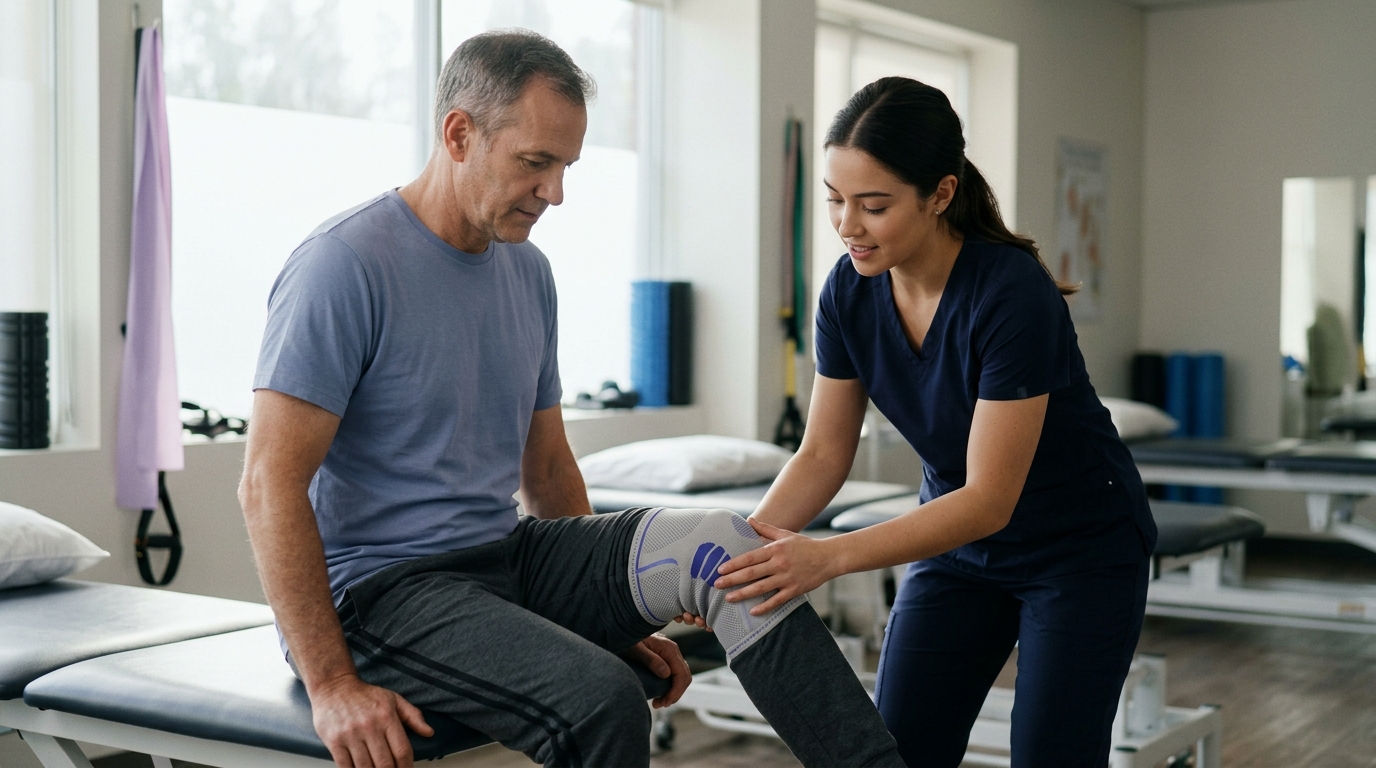
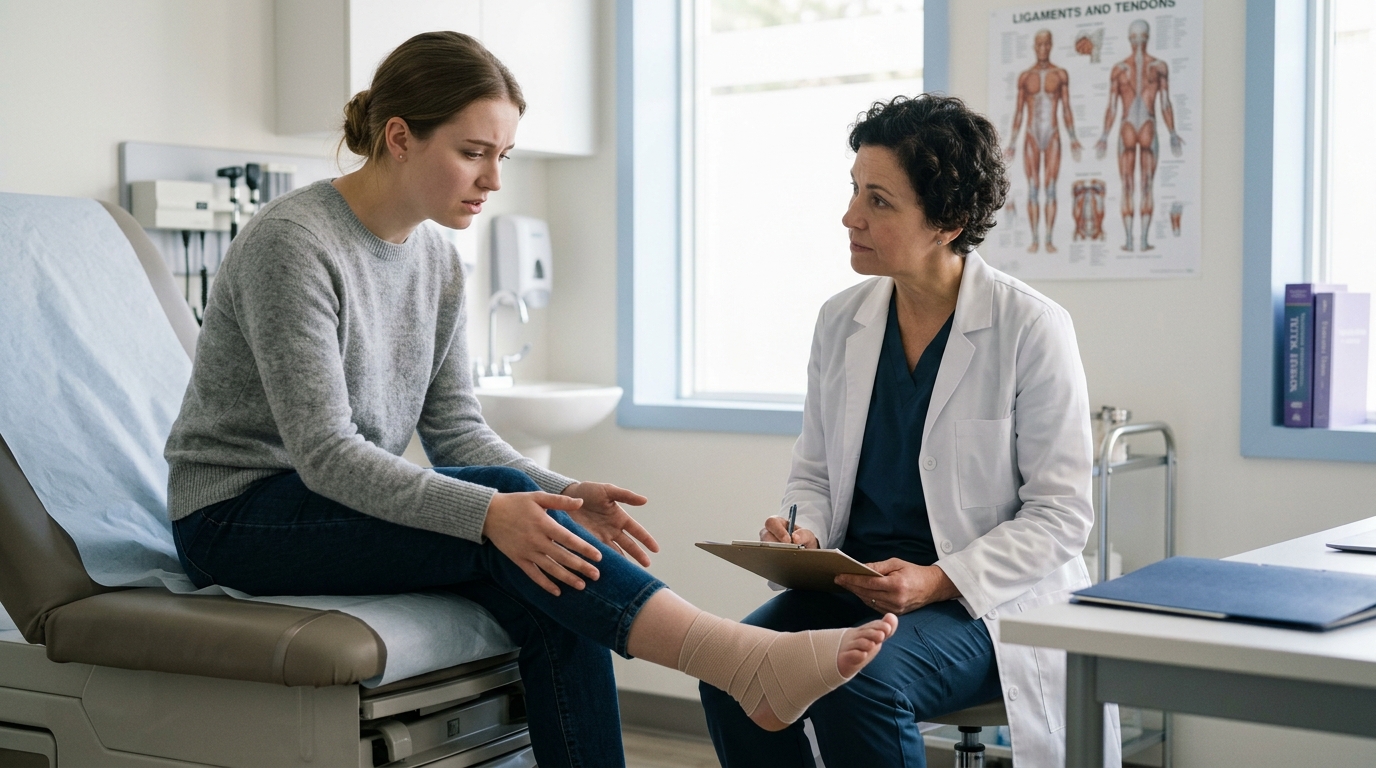
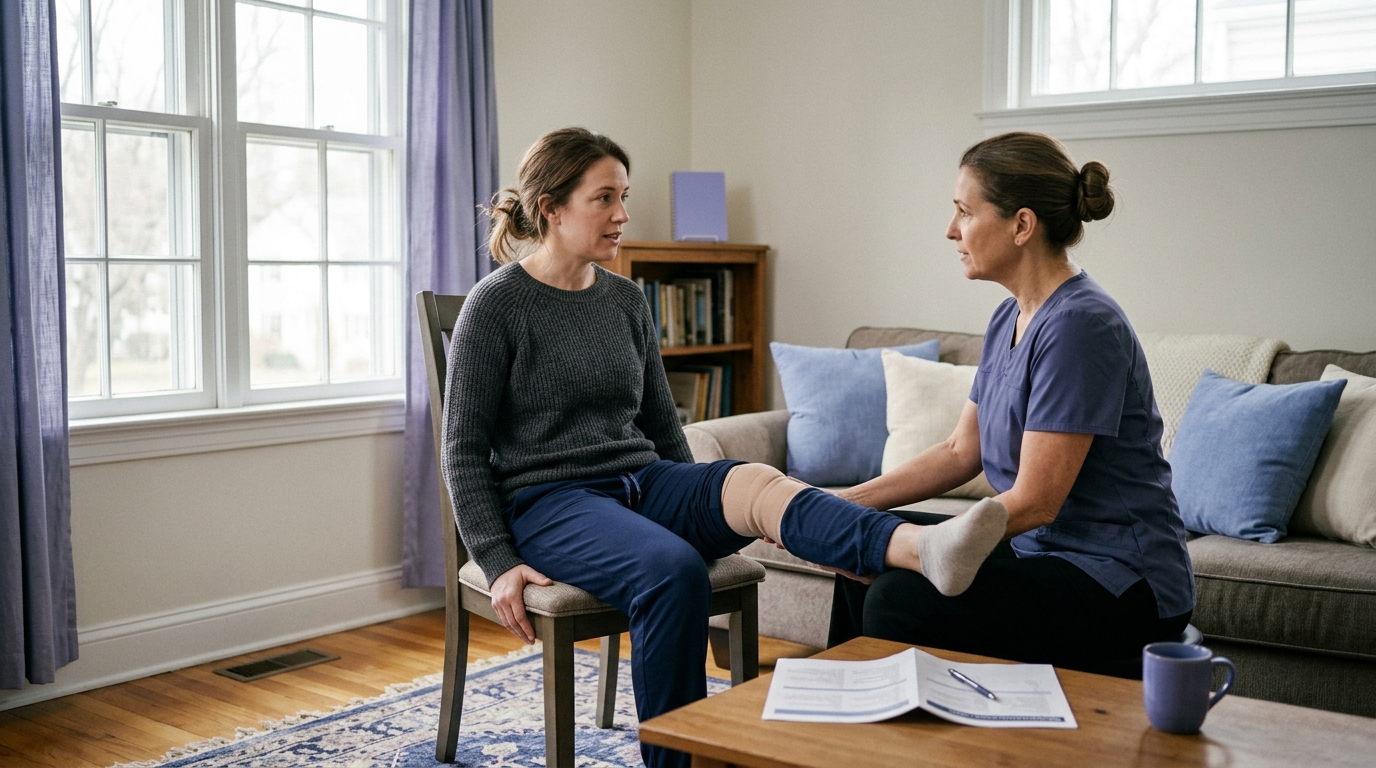
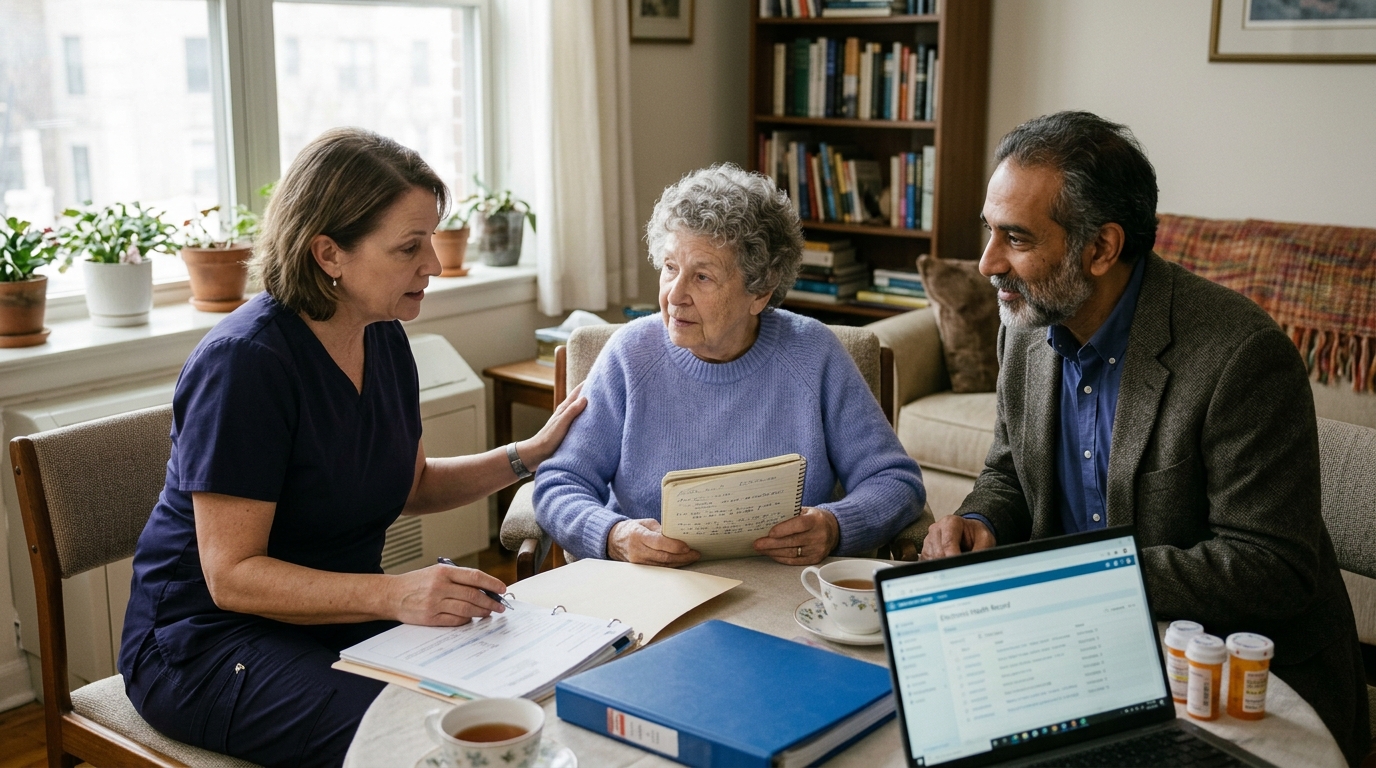
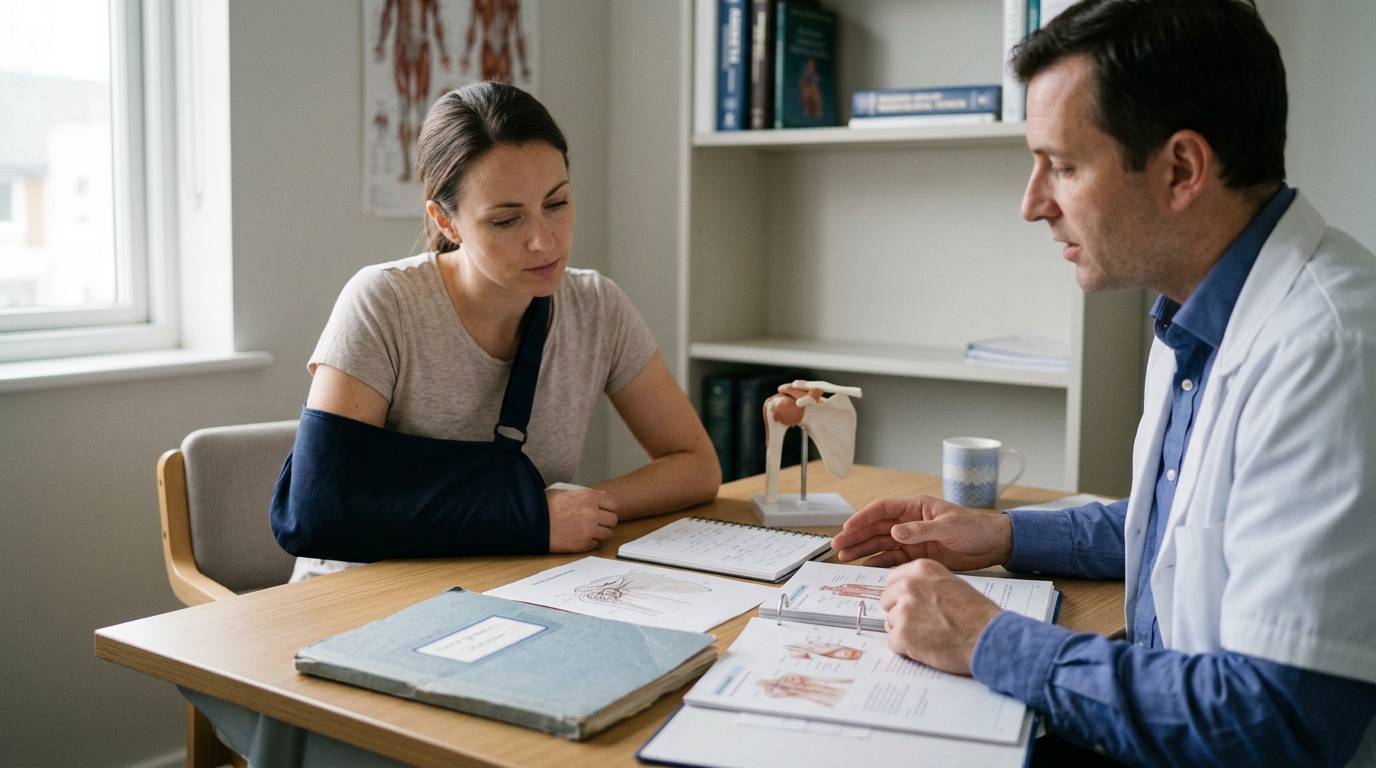
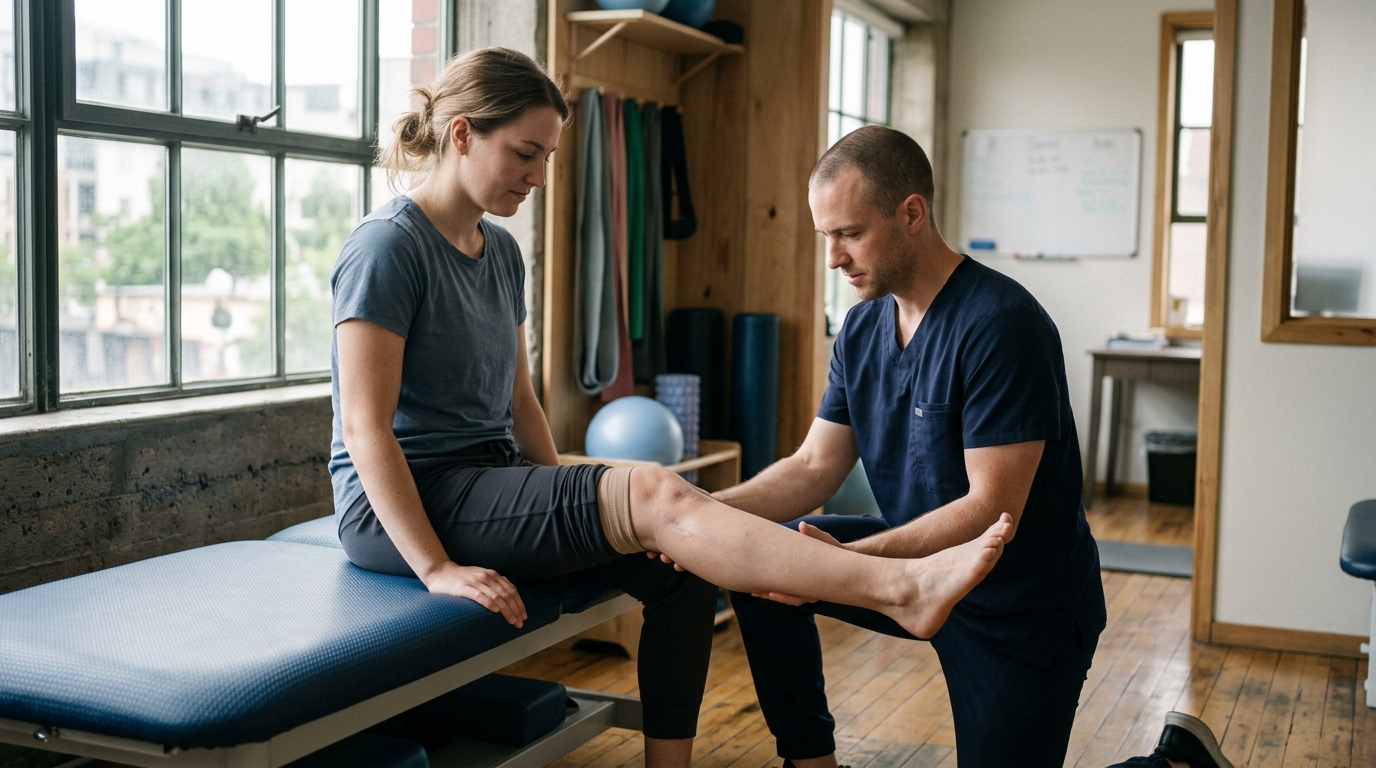
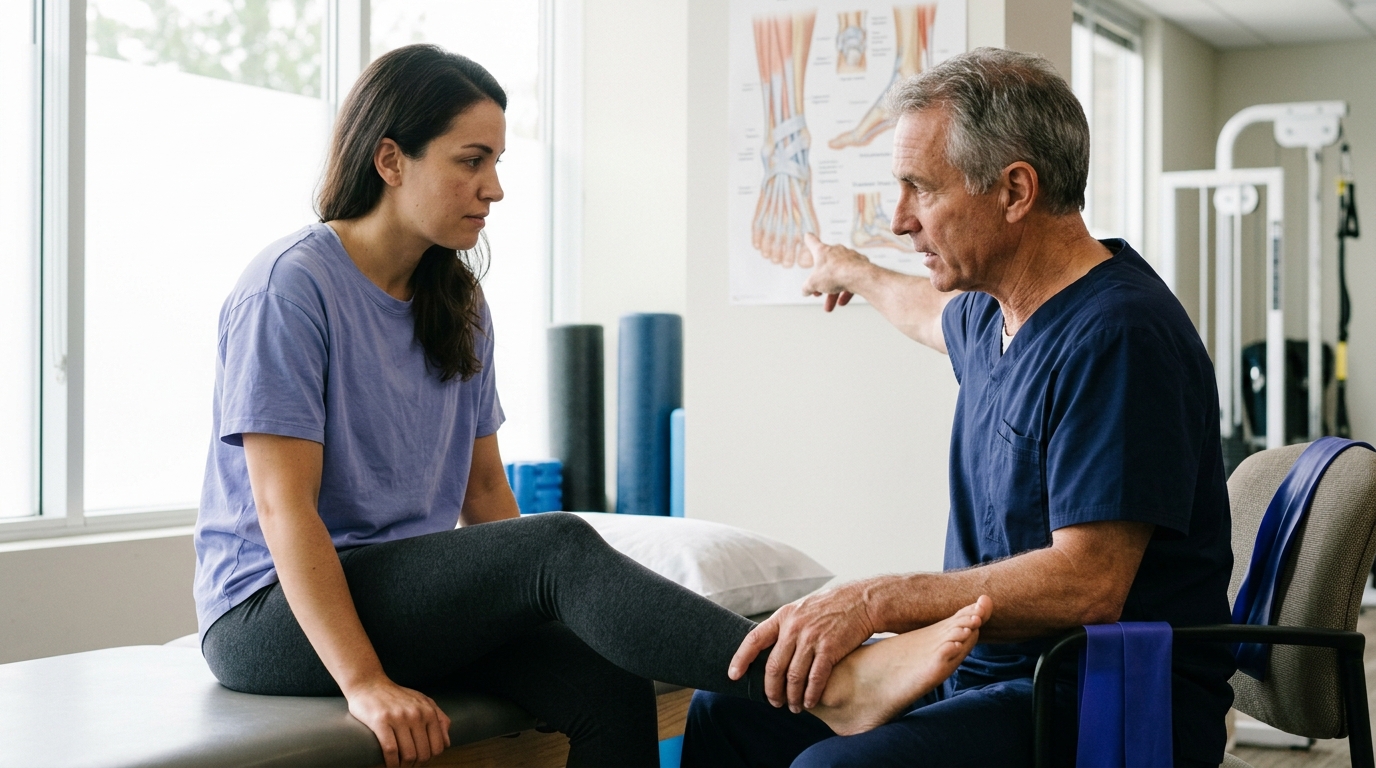
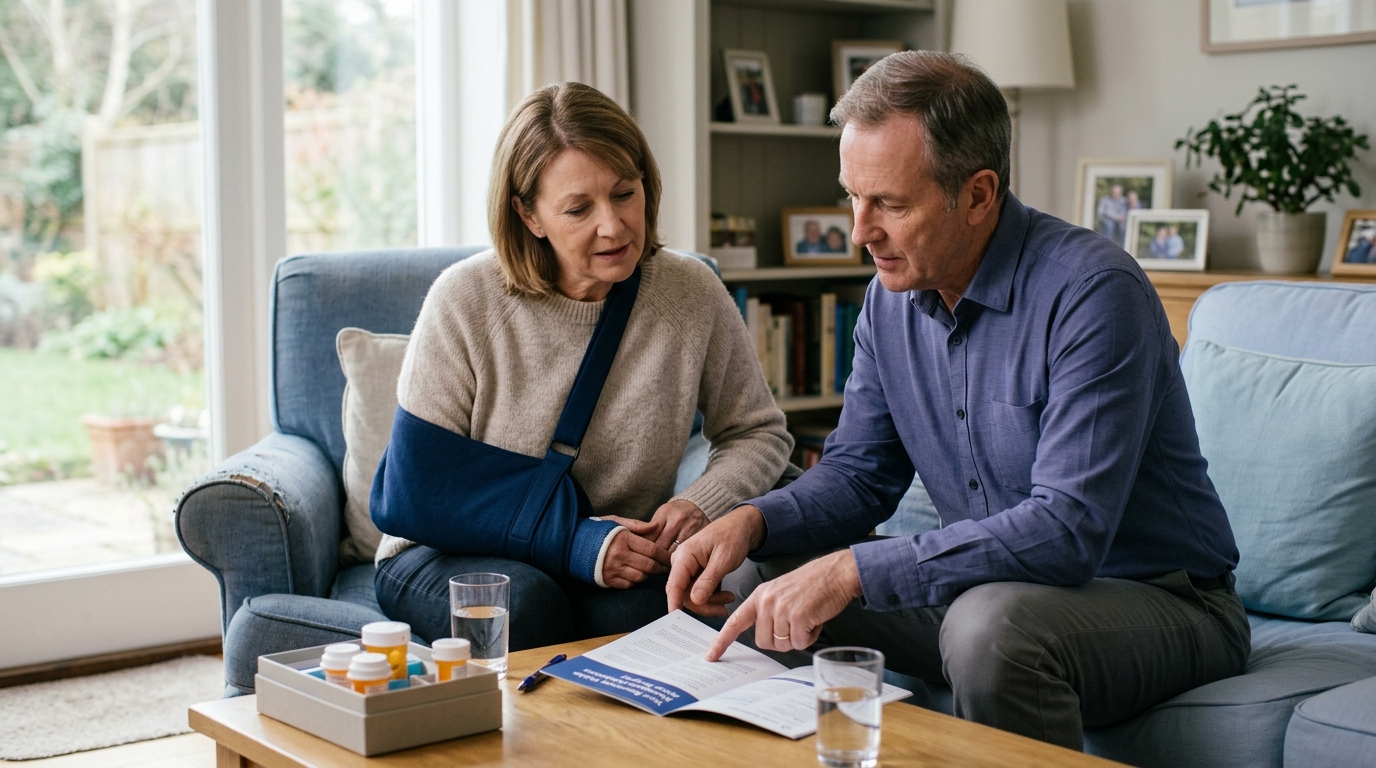
When managing joint pain, recovering from an injury, or restarting exercise after a long period of inactivity, collaborating with a healthcare professional is essential. Doctors, physical therapists, and certified exercise specialists can help you establish safe parameters tailored to your specific health history.
Preparing thoughtful questions before your clinical appointments ensures you receive clear, actionable guidance. Consider bringing the following questions to your next discussion:
A good clinical discussion bridges the gap between general activity recommendations and your personal daily life. Your healthcare team can help you build confidence, refine your exercise selections, and ensure your movement practice supports your long-term independence safely. Integrating these clinical insights with sound rehabilitation movement principles creates a strong foundation for lifelong physical capability.
Maintaining physical capacity is an ongoing, lifelong process rather than a short-term project. Your body responds to the demands you place on it across every stage of adulthood. By combining everyday movement practice with purposeful, progressive exercise, you build a functional reserve that protects your joints, preserves your balance, and supports your daily independence.
Consistent, purposeful movement practiced at a manageable intensity is the most reliable way to maintain your strength, protect your mobility, and enjoy daily physical function for years to come.

Use ReboundBody resources to understand common recovery stages, rehab terms, movement limits and strength rebuilding. Each guide is designed to make a complex comeback easier to understand.


Read practical guidance on injury recovery, rehabilitation, mobility and rebuilding strength as you work your way back to activity.
Explore Resources