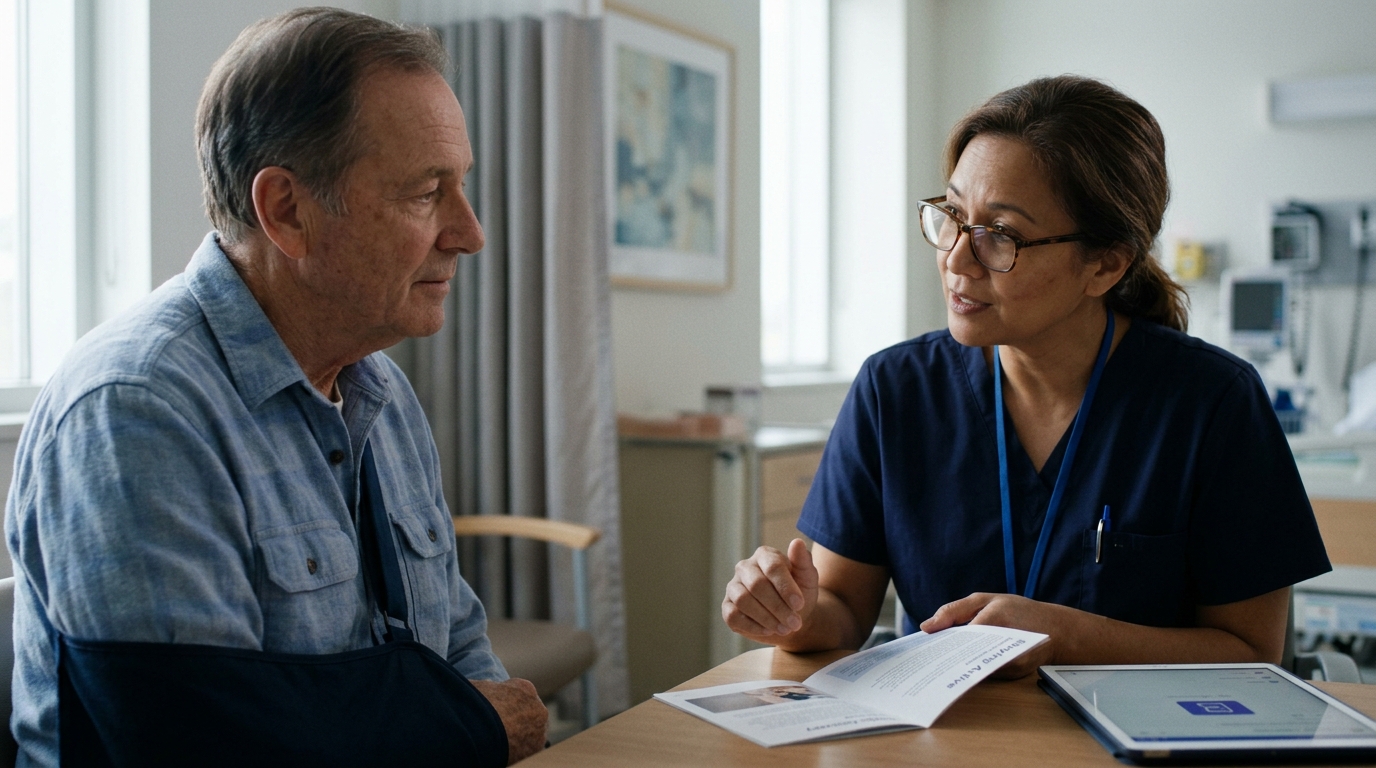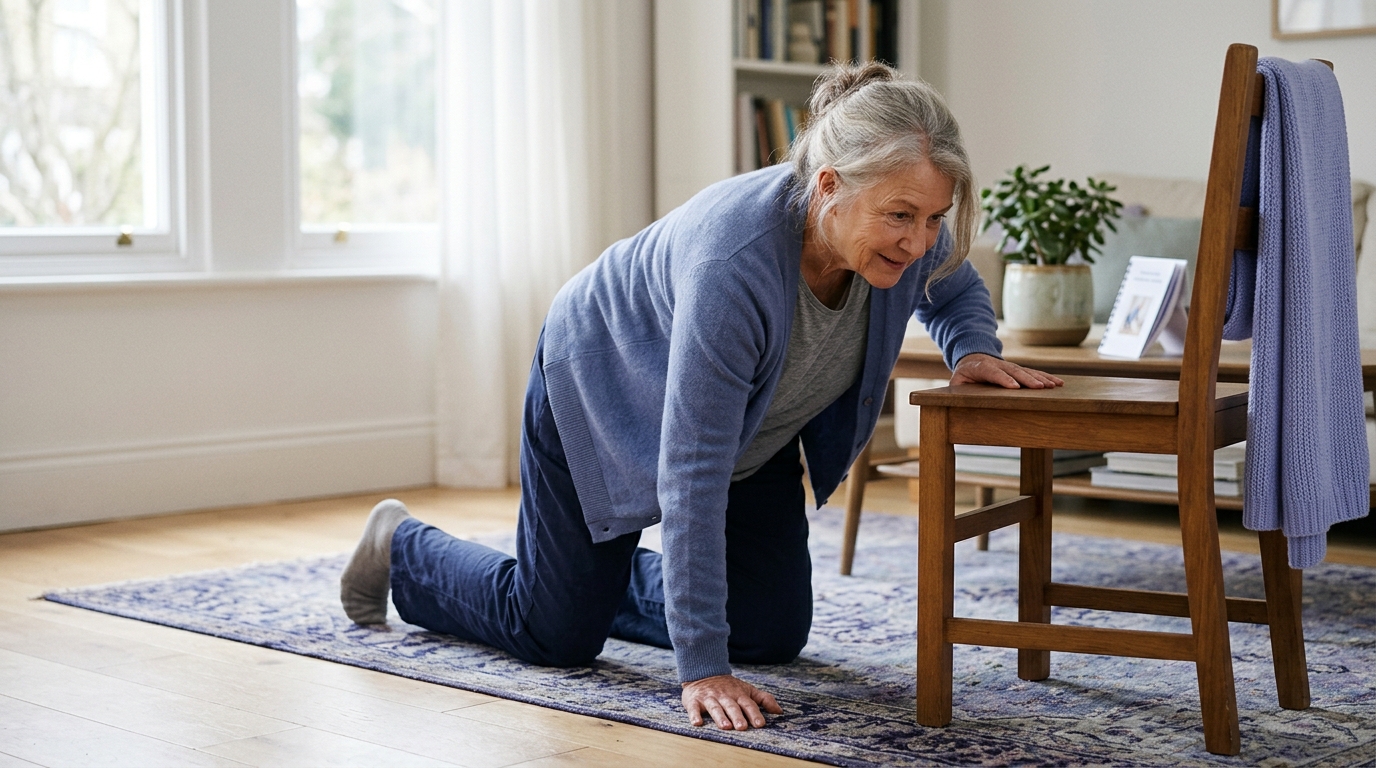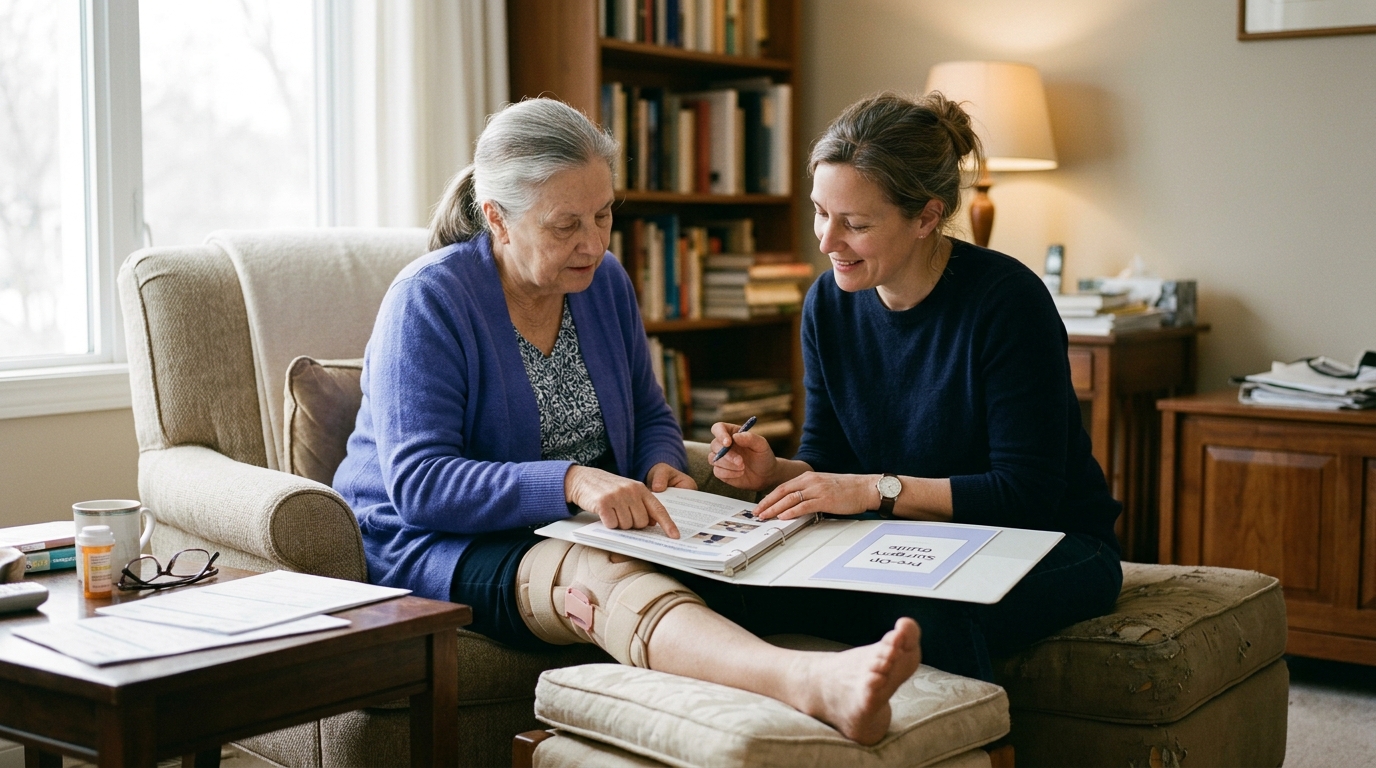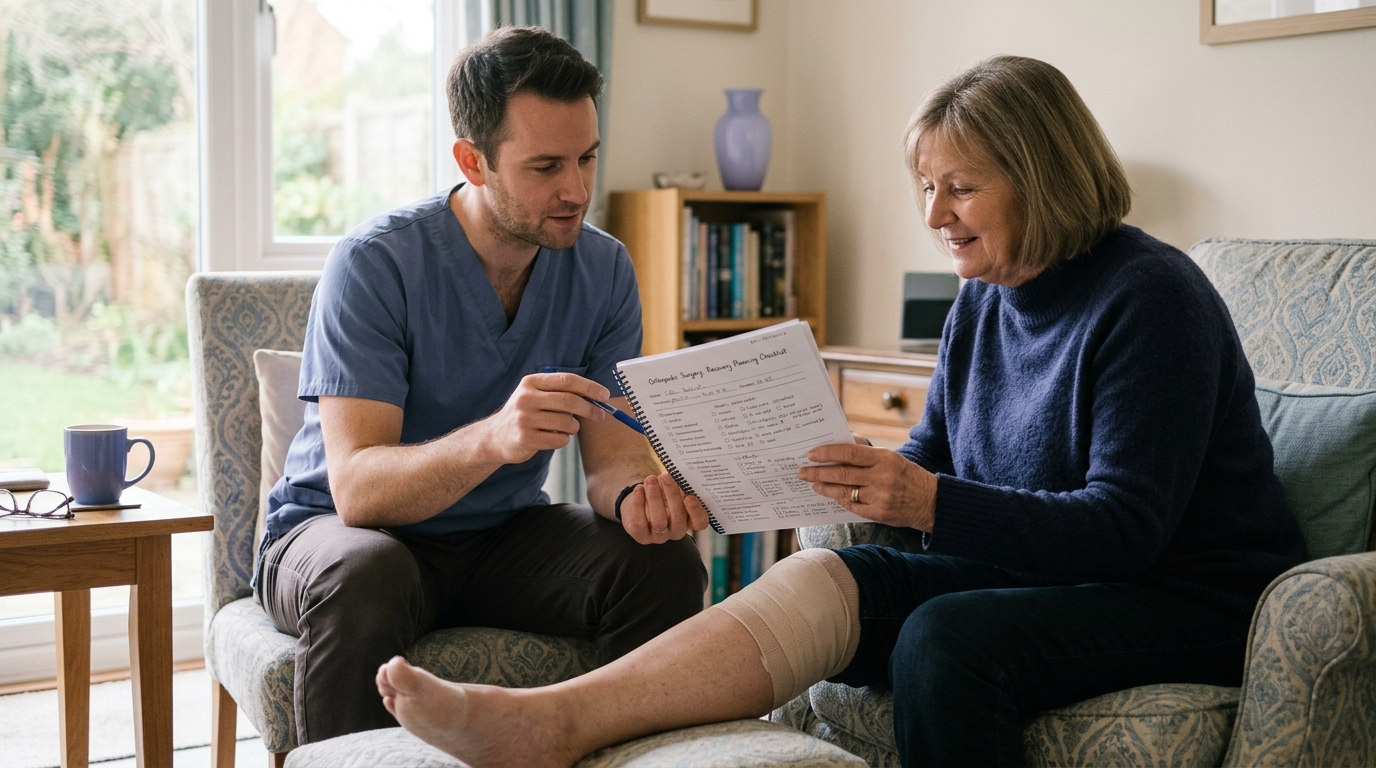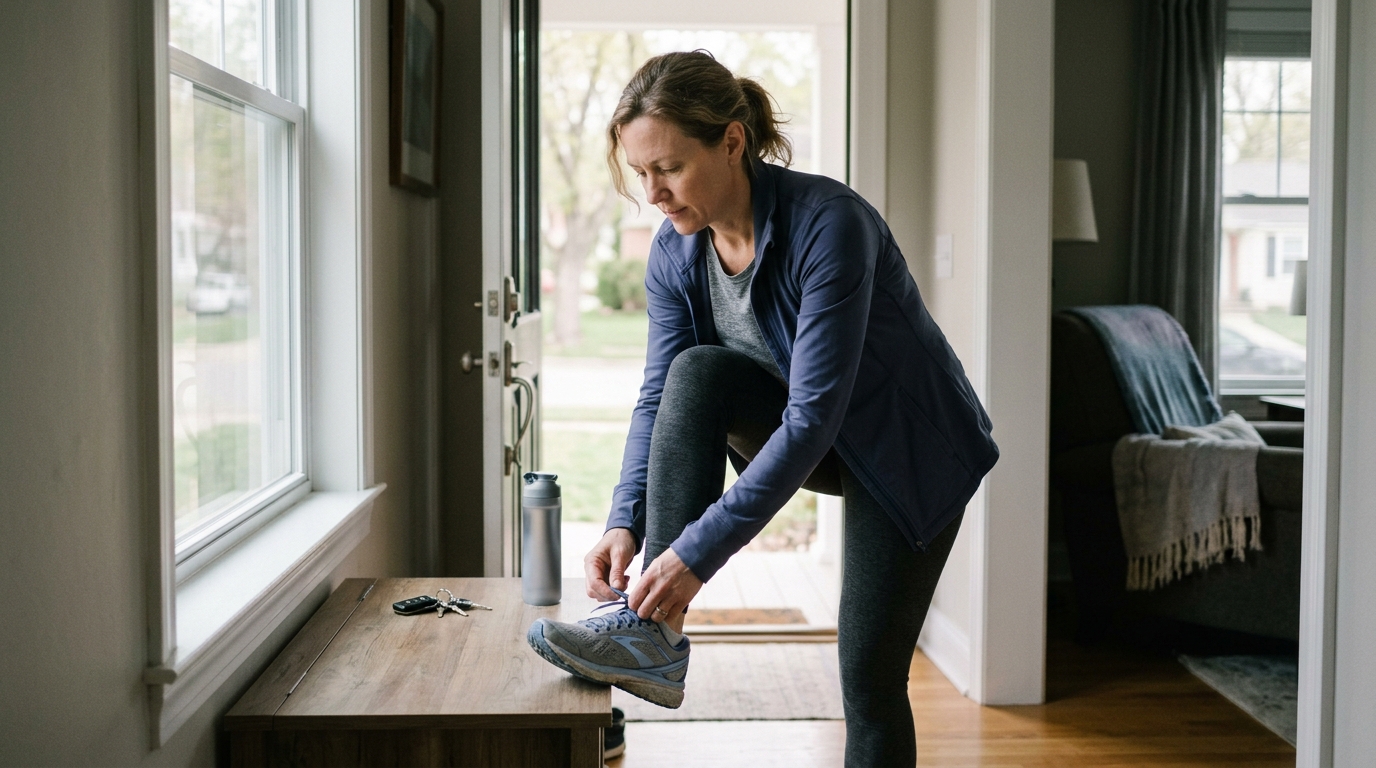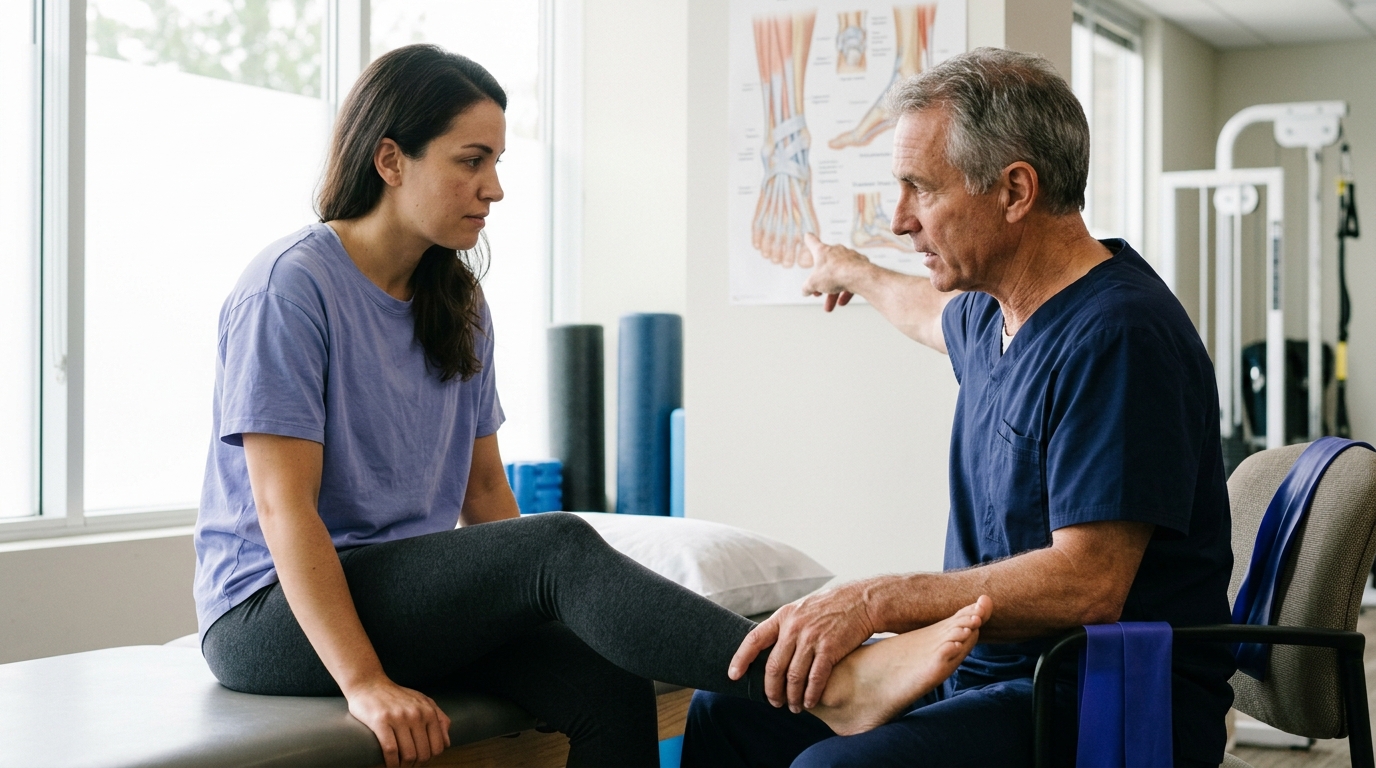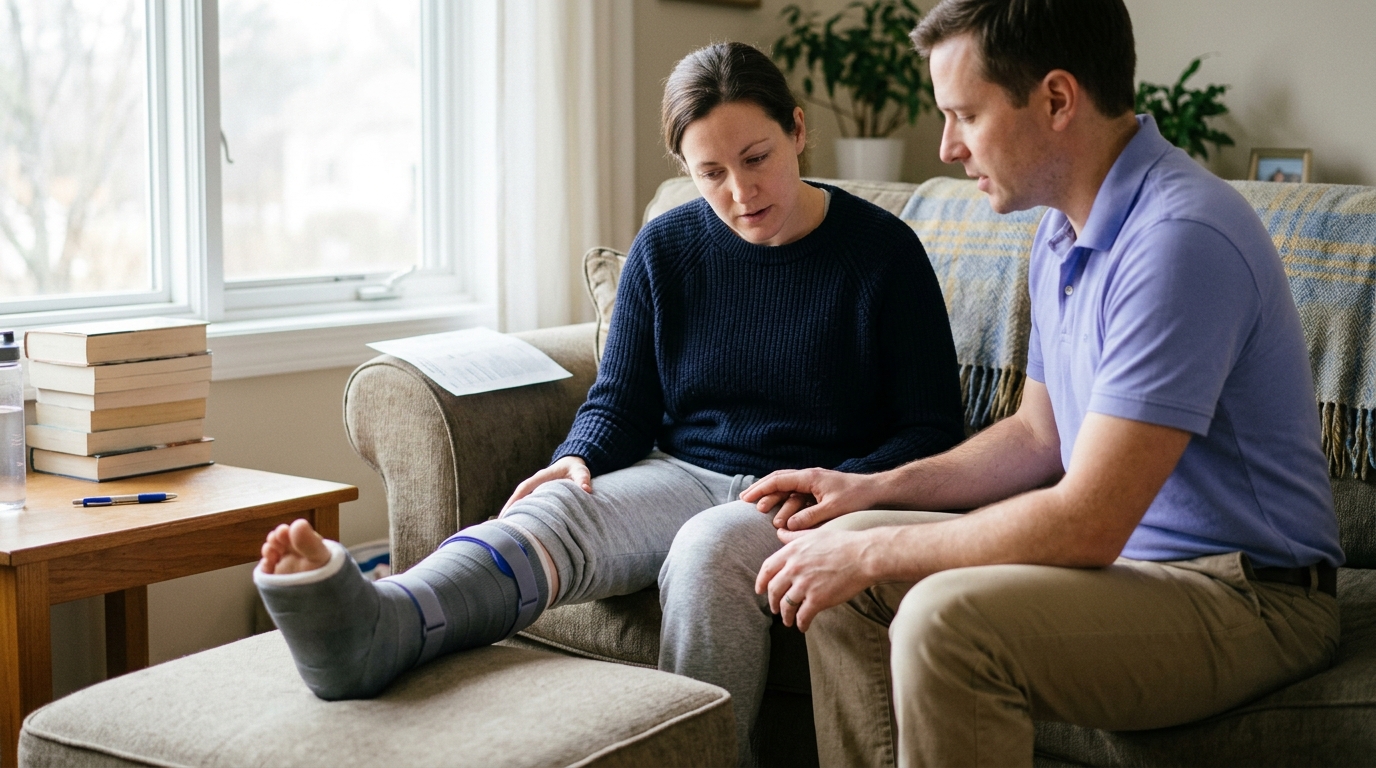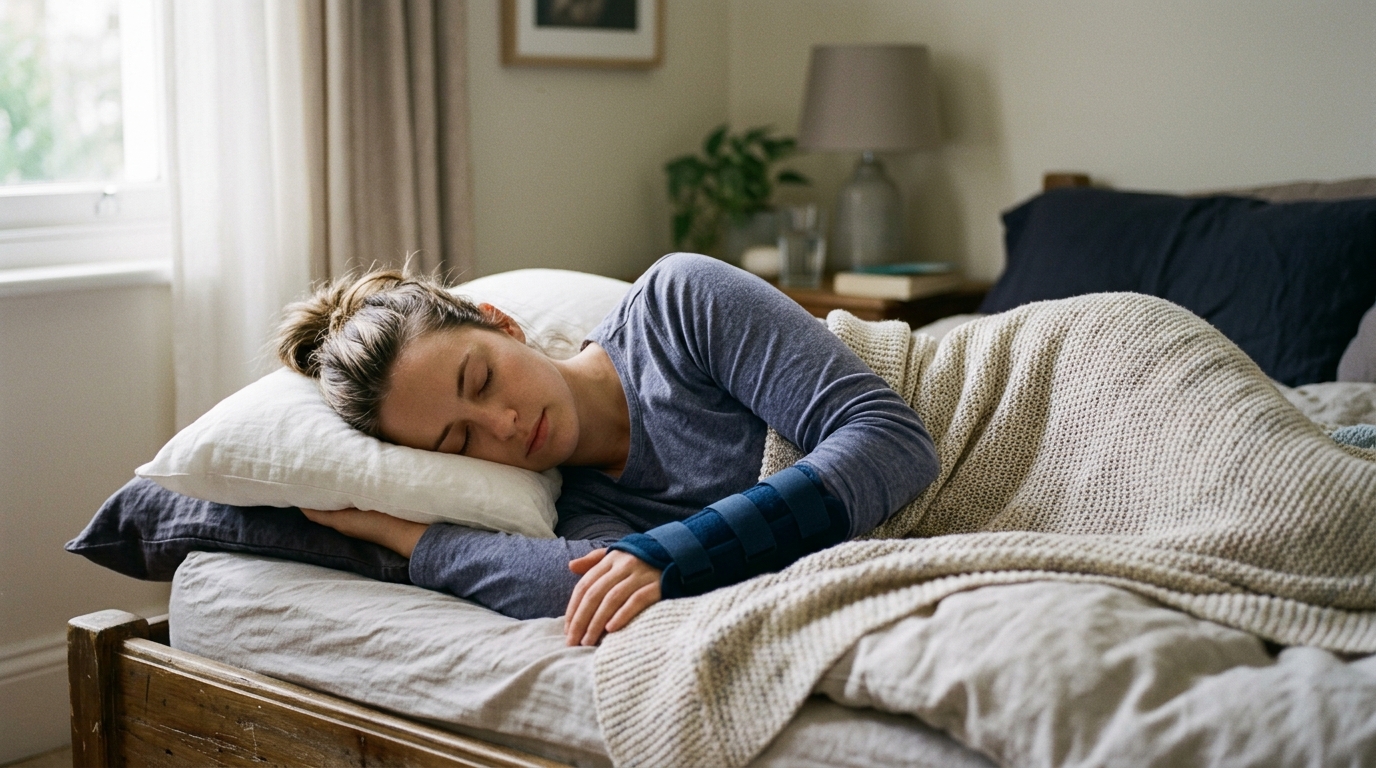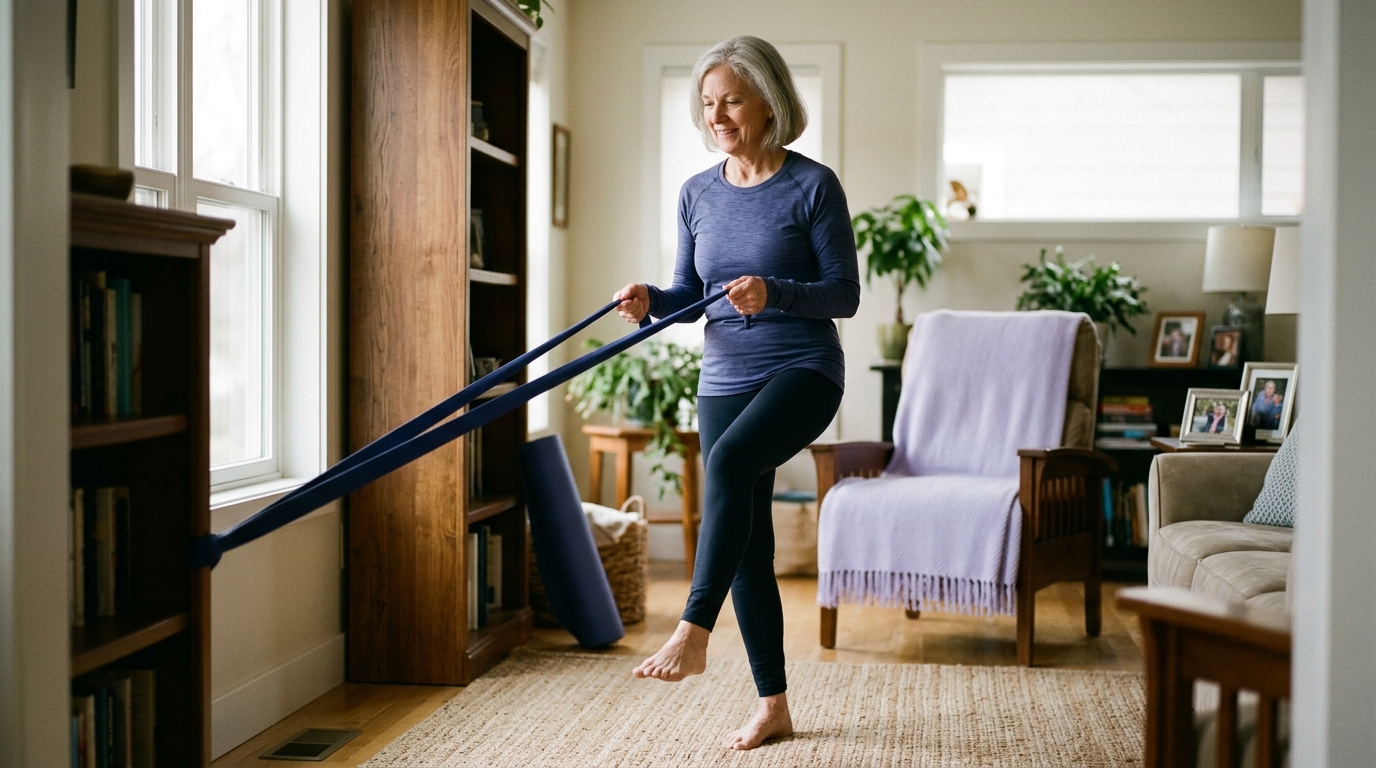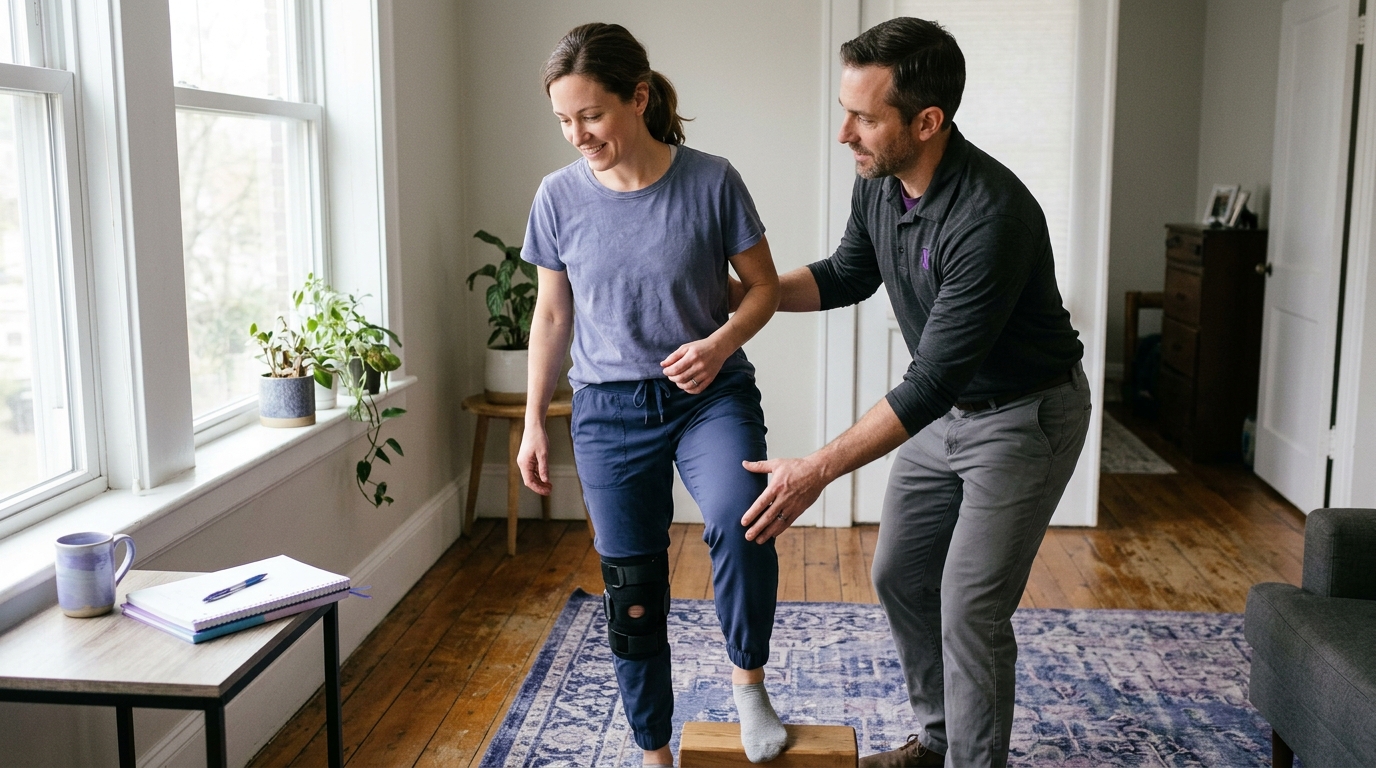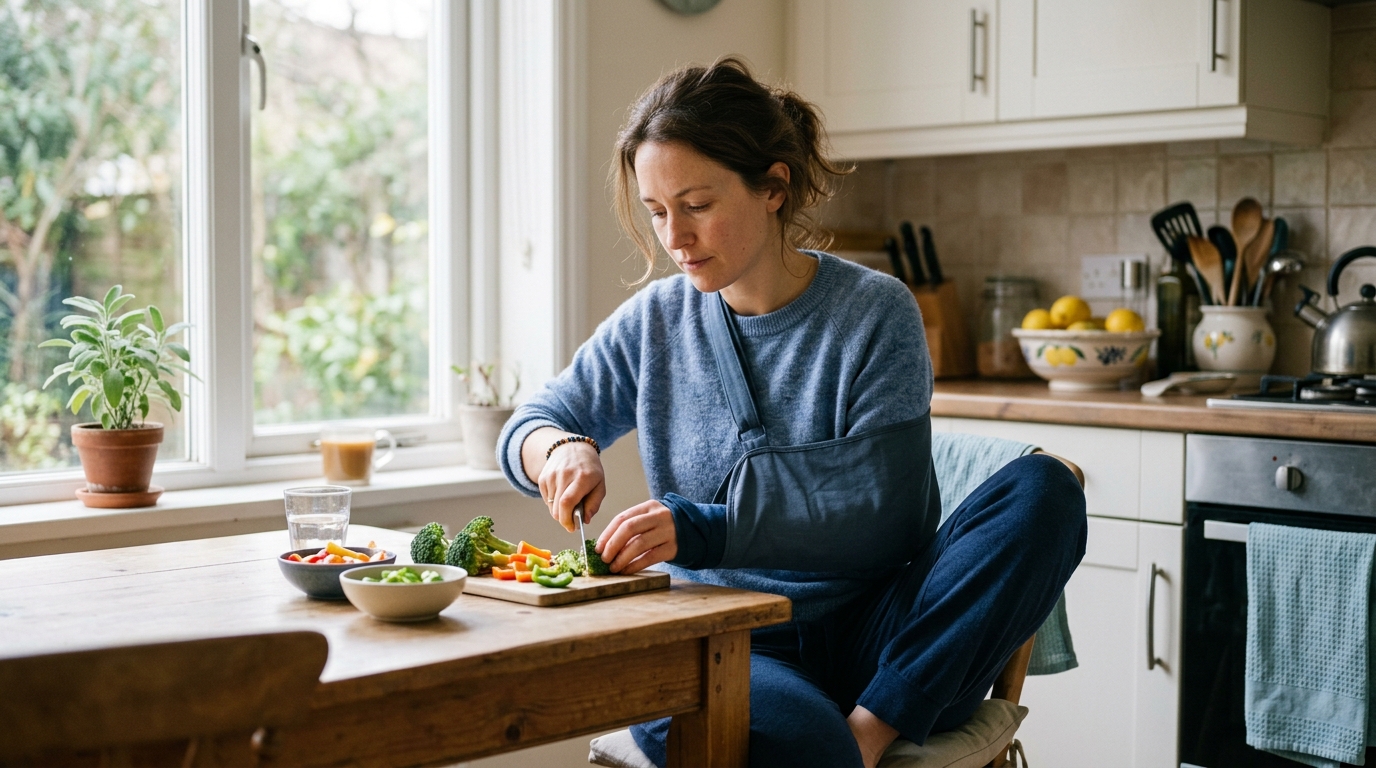

Healing at home involves more than resting, requiring smart environment adaptations, safe mobility techniques, and practical daily pacing strategies for sustained recovery.





Returning home after an injury or surgery often brings immediate practical questions that medical discharge papers do not fully answer. People frequently search for how to shower safely, dress without bending, cook meals with limited balance, or manage stairs while carrying household items. Managing daily life during recovery is primarily a matter of solving a temporary fit problem between your current physical abilities, the tasks you must complete, and the layout of your home.
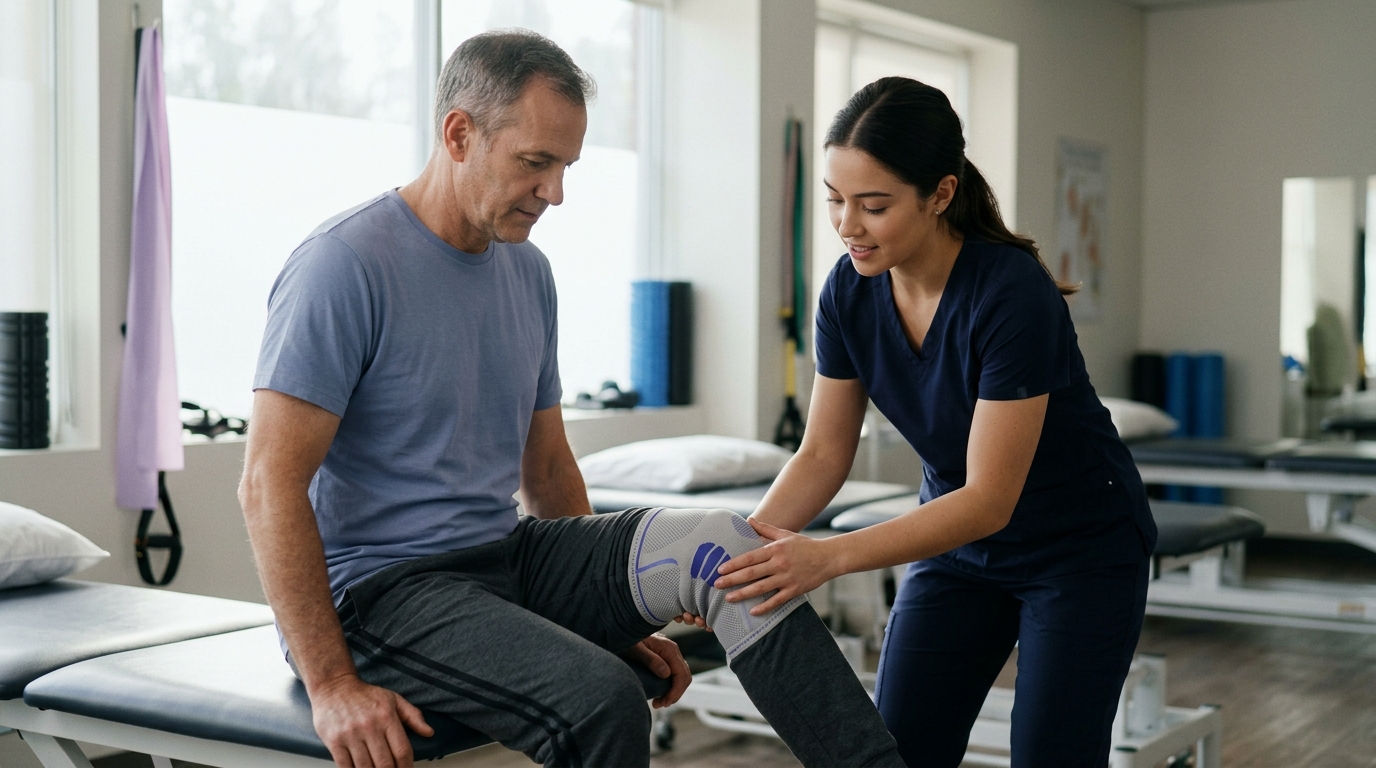
The straightforward answer to managing daily life at home is to adapt your environment, simplify your tasks, and respect specific clinical limits rather than trying to force your pre-injury routine. Recovery is not a choice between complete bed rest and pushing through strain. Instead, it involves modifying your methods so you can perform basic activities of daily living safely.
Every injury and surgical procedure carries distinct restrictions on weight-bearing, bending, lifting, and water exposure. What is safe for one person may cause setbacks for another. Understanding general principles of home adaptation helps you stay functional while protecting your healing body. You can review our broader collection of injury recovery and healing resources to understand how tissue repair aligns with daily activity adjustments.
Safe home recovery depends on three connected factors: the task you are doing, your physical capacity, and the environment around you. When an injury or operation occurs, your physical capacity changes suddenly. If the task and the physical space remain unchanged, physical strain or injury risks increase rapidly.
Clinical guidelines from the National Institute for Health and Care Excellence emphasize identifying and resolving environmental barriers to everyday activity. This includes moving commonly used items within easy reach and using adaptive equipment where necessary. Rehabilitation is not simply waiting for tissues to heal. It also involves adjusting the physical space to match temporary limitations.
The task represents the exact sequence of actions needed to accomplish a goal. Preparing a meal, for example, requires walking, opening cabinets, lifting containers, standing at a counter, cutting ingredients, and transferring hot items. Breaking a complex activity into individual steps helps you spot exactly where pain, fatigue, or balance loss might happen.
The person represents your specific functional limits. This includes restricted range of motion, reduced grip strength, fatigue, weight-bearing limits, or the need to use a walking aid. When one limb is immobilized or painful, tasks that once required two hands require new methods.
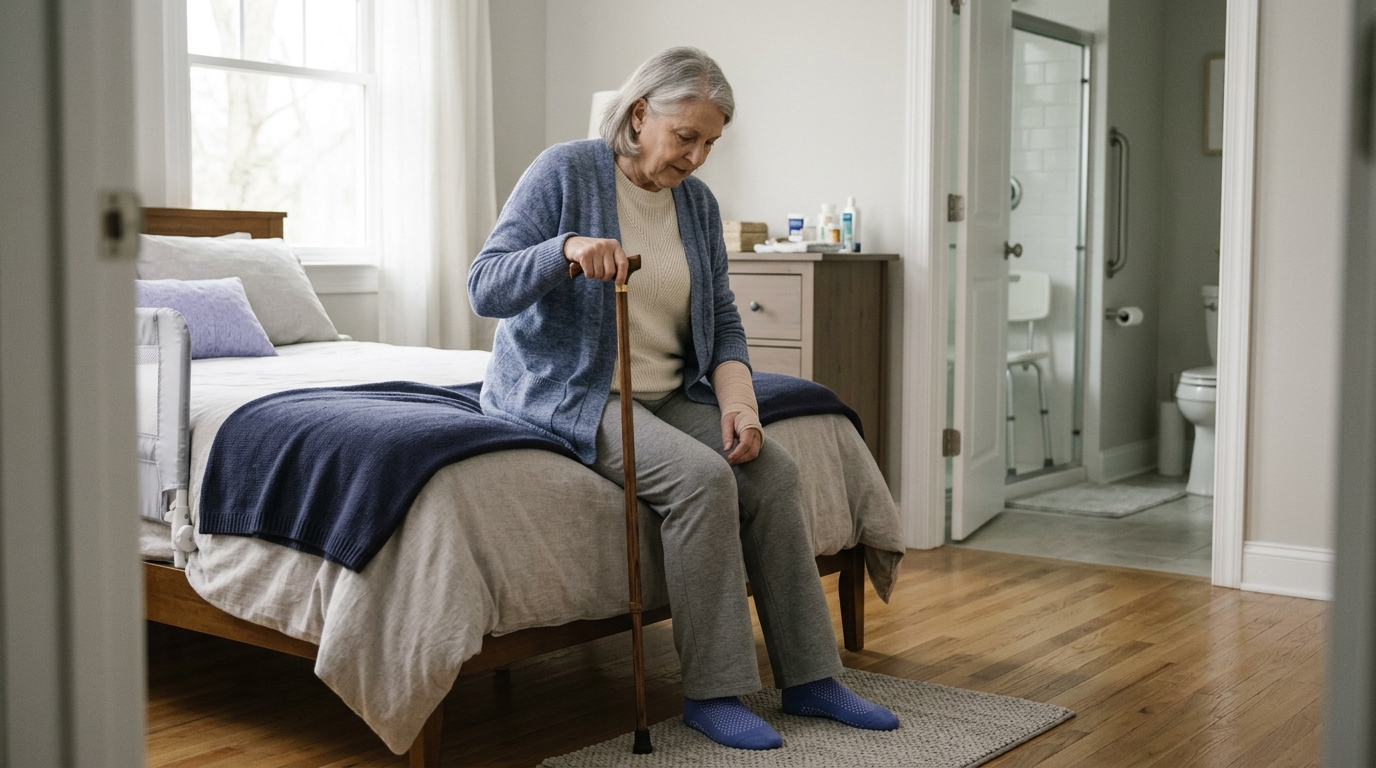
The environment includes physical obstacles such as stairs, low chairs, slippery bathroom surfaces, throw rugs, and poor lighting. Adjusting the home environment creates immediate breathing room for healing tissues. When you align your environment with your current abilities, everyday tasks require less energy and carry far less risk.
Personal care is often the first significant challenge after returning home. Bathing, grooming, and toileting require balance, mobility, and bending that may not be available during early recovery.
Wound care instructions must dictate your bathing routine. Discharge guidance from hospitals shows wide variation in when incisions may get wet. Some surgical protocols allow brief showering within twenty-four to forty-eight hours, while others require keeping the wound completely dry until staples or sutures are removed. Submerging an incision in a bathtub is generally restricted until tissues are fully healed to prevent infection, as outlined in guidance from the Royal Orthopaedic Hospital.
Setting up the bathroom before you start washing prevents dangerous mid-task adjustments. Place soap, shampoo, towels, and clean clothing within arm's reach at chest height. If you have restricted arm mobility or must keep one hand on a support bar, pump-style dispensers for soap and shampoo reduce awkward handling. Long-handled sponges can help you reach your lower legs and feet without bending at the waist.
Washing while seated significantly reduces fall risks and conserves physical energy. If a walk-in shower is available, a sturdy shower chair or waterproof stool allows you to wash without standing on slick surfaces. For bathtubs without a separate shower stall, a seated strip wash at the sink is often the safest option during early recovery.
Toileting also presents physical demands, particularly regarding seat height and balance. Low toilet seats require deep hip flexion and significant quadricep strength, which may violate movement restrictions after joint surgery. A raised toilet seat or a toilet frame with side armrests allows you to stand up using your arms while keeping your lower body within safe movement angles.
Dressing involves balance, hip flexion, spinal bending, and fine motor coordination. Attempting to balance on one foot while pulling on pants is a frequent trigger for household falls.
The American Occupational Therapy Association highlights dressing and adaptive equipment as core areas where structured strategies preserve independence. Sitting on a stable chair or the edge of a firm bed provides a secure base of support. Gathering all necessary clothing items before beginning prevents unnecessary trips across the room.
Clothing selection plays a major role in keeping dressing manageable. Loose-fitting garments with elastic waistbands eliminate the struggle of stiff fabrics, buttons, and zippers. Front-closing shirts and tops reduce the need to reach overhead or twist your shoulders. Supportive, flat footwear with non-slip rubber soles protects balance far better than loose backless slippers or smooth-soled shoes.
When dressing an injured or surgically repaired limb, order of movement matters. General rehabilitation guidance often suggests dressing the affected limb first and undressing it last. This method minimizes the stretching and reaching required on the sensitive side. Long-handled shoehorns, sock aids, and reachers allow you to manage footwear and lower-body clothing without bending past your prescribed limits.
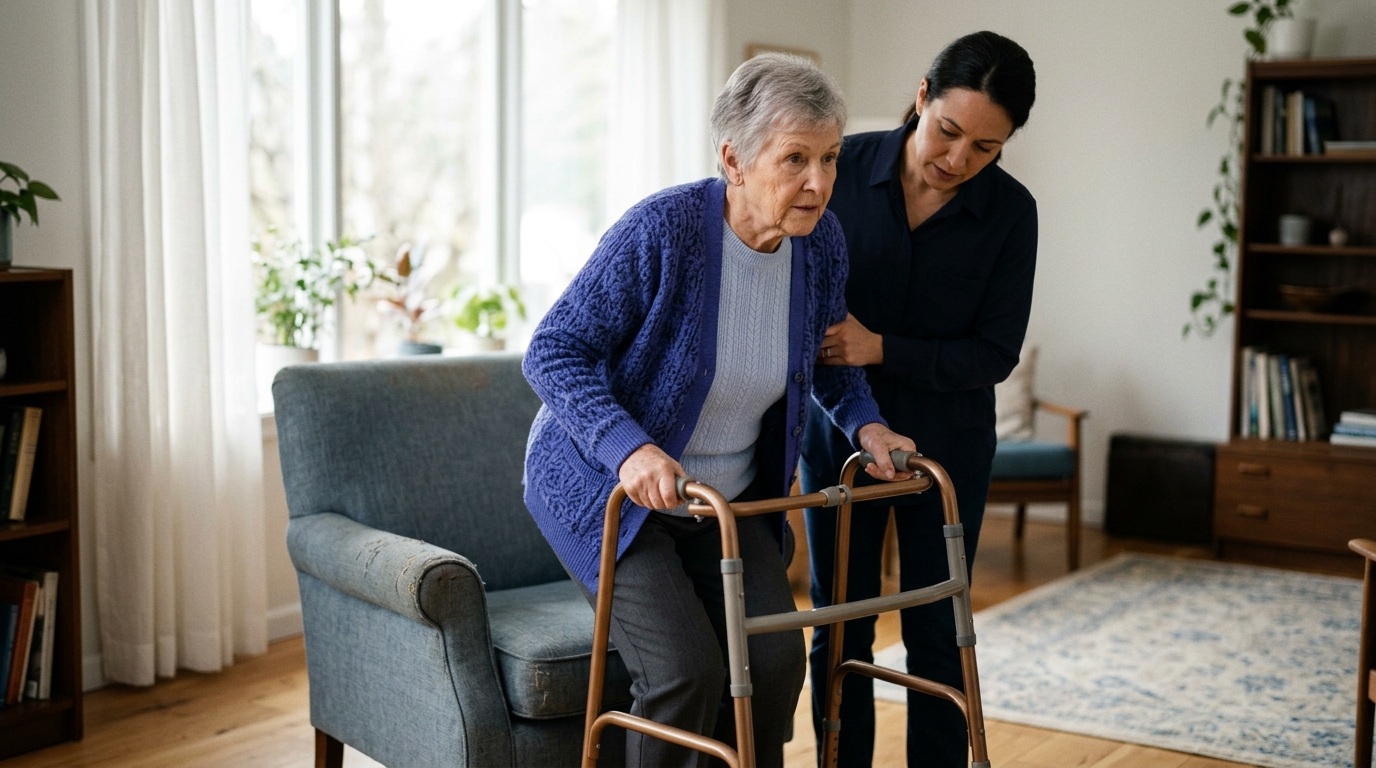
Using mobility aids correctly inside the home requires dedicated space. Walkers, crutches, and canes need clear pathways through bedrooms, hallways, and living areas. Moving small furniture items, securing loose cords, and widening walkways prevents your walking aid from catching on obstacles. Learn more about maintaining joint movement within safe boundaries through our mobility and movement guides.
Kitchen activities combine prolonged standing, heavy lifting, sharp tools, and hot liquids. These factors create distinct hazards when physical stamina, balance, or alertness are reduced.
Discharge protocols often advise against operating stoves, handling sharp knives, or pouring boiling liquids during the first twenty-four hours after general anesthesia. Beyond this initial window, energy conservation and safety remain essential. Prolonged standing over a stove or sink can aggravate swelling in the lower limbs and cause back fatigue.
Setting up a seated preparation station changes the physical demand of cooking. Sitting at a kitchen table to chop vegetables, mix ingredients, or peel fruit takes pressure off your joints. Using a high kitchen stool with a backrest allows you to work near counters without sustained standing.
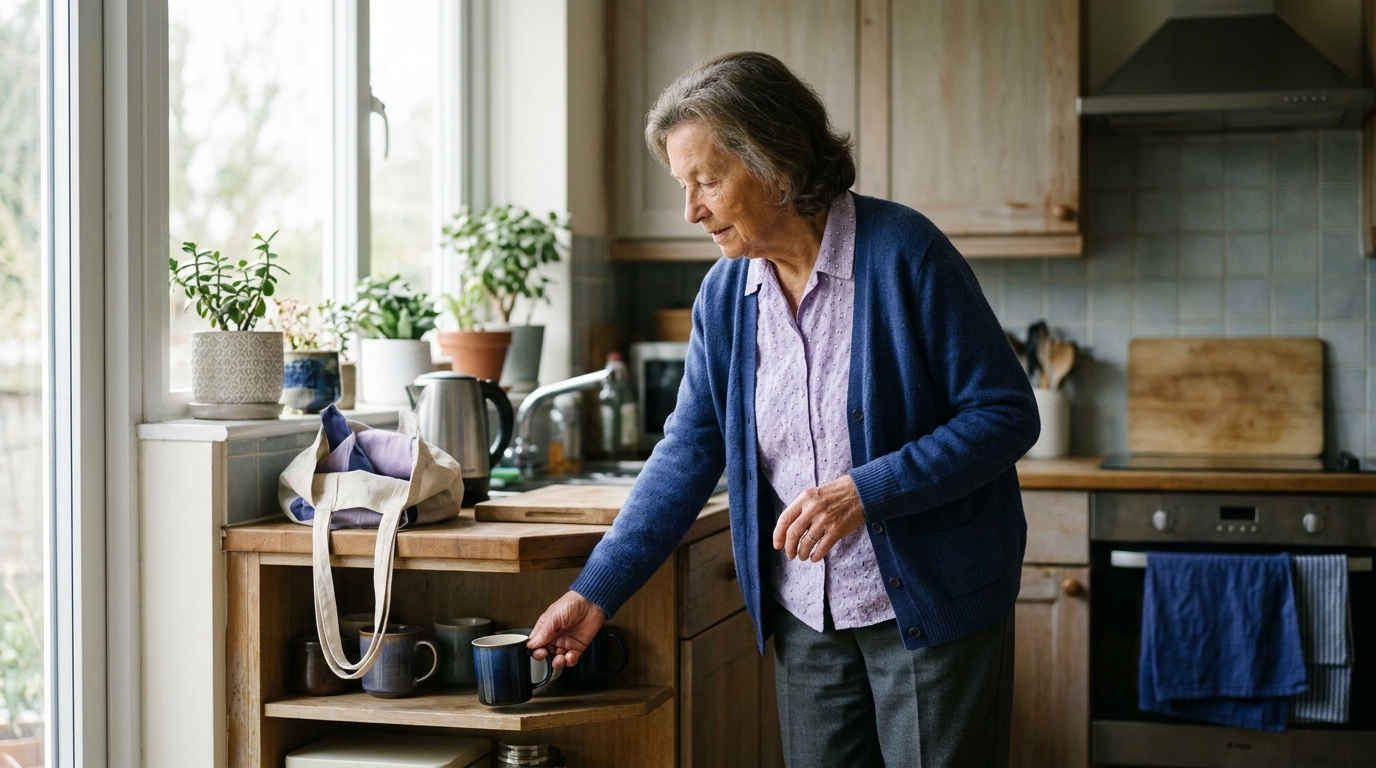
Reorganizing food storage before or immediately after an injury reduces risky movements. Move frequently used plates, cups, utensils, and non-perishable foods to counter level. This eliminates the need to reach into high cupboards or bend down into bottom drawers. Using lightweight plastic or stainless-steel bowls instead of heavy ceramic cookware reduces the load on healing shoulders, wrists, and backs.
Simplifying meals is a practical necessity during rehabilitation. Relying on pre-cut produce, frozen vegetables, and batch-cooked meals stored in single-portion containers minimizes kitchen time. Electric kettles, microwaves, and toaster ovens require less monitoring and lifting than heavy pots on a stovetop. Never attempt to carry hot liquids across a room while using crutches or a walker; instead, eat meals near your preparation area or ask for assistance.
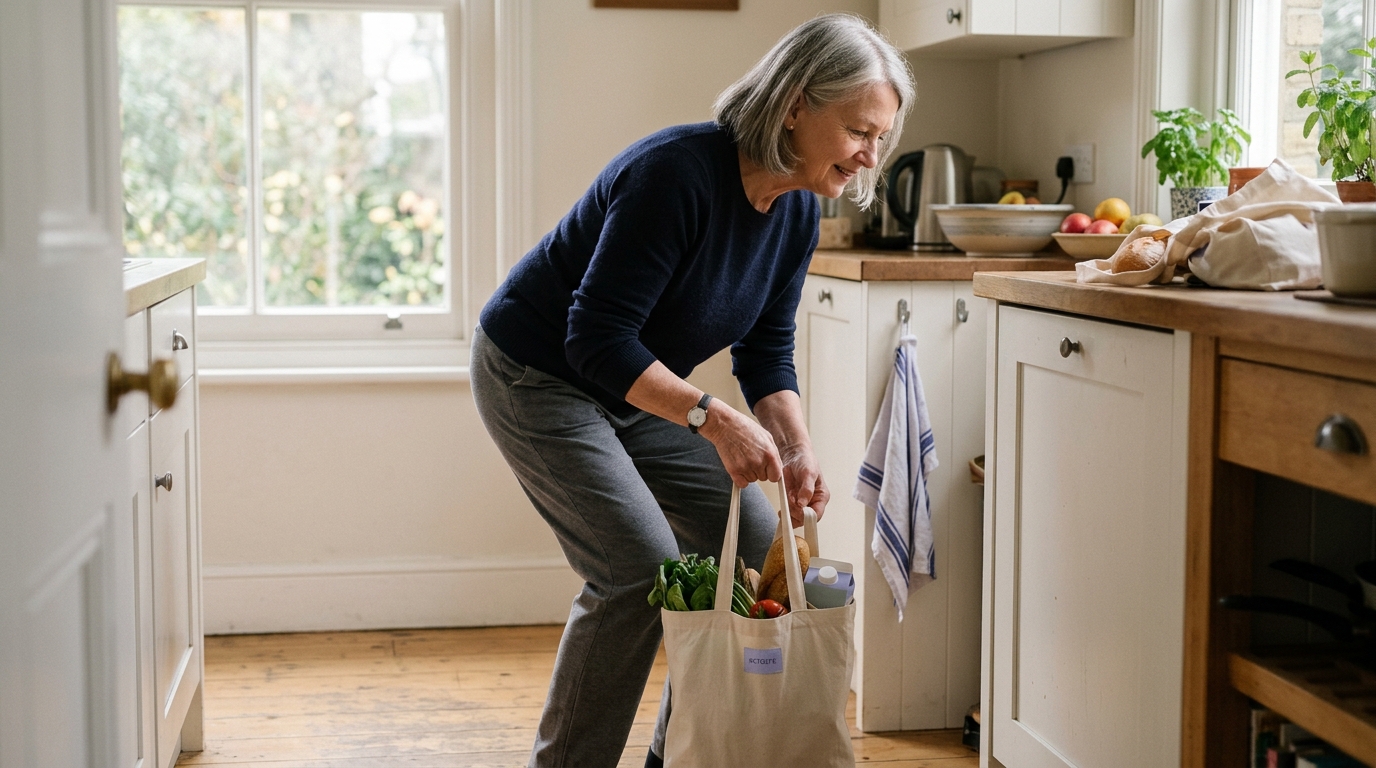
Carrying items while walking is fundamentally different from walking with empty hands. Holding a load changes your center of gravity, occupies hands needed for balance, and increases joint contact forces.
Clinical guidelines from institutions like MedlinePlus demonstrate that lifting limits vary widely by procedure. Following spine surgery, patients are often instructed to lift no more than five to ten pounds for several weeks, which excludes laundry baskets, grocery bags, and pets. Abdominal, thoracic, and joint surgeries each carry distinct weight thresholds that protect internal sutures and healing bone.
Lifting restrictions also involve posture and movement direction. Lifting a light object from the floor requires spinal bending or deep knee flexion, both of which may be restricted. Lifting items overhead places unique stresses on spinal discs and shoulder repairs. True physical load is a combination of weight, distance from your torso, and body position.
Household chores such as vacuuming, mopping, changing bed linens, and carrying laundry demand significant physical effort. Pushing a vacuum cleaner creates rotational forces through the spine and pelvis that can aggravate healing tissues. Clinical rehabilitation resources frequently recommend postponing heavy housework for several weeks or delegating it entirely to family, friends, or paid services.
When managing lighter household items, use practical carrying alternatives:
If your recovery involves post-operative movement guidelines, you can read our detailed articles on surgery and rehab principles to understand how tissues respond to progressive loading.
Falls represent one of the most serious complications during injury recovery. A fall can damage surgical repairs, refracture healing bone, or cause new soft tissue trauma.
Data from the Centers for Disease Control and Prevention indicates that more than fourteen million older adults in the United States report falling each year. Approximately one in four adults aged sixty-five and older experiences a fall annually. Many older adults who fall do not report the incident to their physicians, which leaves underlying balance or environmental issues unaddressed.
Most household falls are preventable through systematic environmental modifications. Throw rugs and small floor mats are among the most common tripping hazards in living spaces. Removing all loose rugs or firmly securing their edges with double-sided carpet tape immediately reduces risk. Clearing electrical cords, pet toys, and clutter from walkways creates reliable paths between the bed, bathroom, and kitchen.
Lighting adjustments are equally critical for home safety, especially at night. Recovery medications, pain, and sleep disruption can impair balance during nocturnal bathroom visits. Installing motion-sensor nightlights in hallways and bathrooms provides clear visibility without requiring you to fumble for wall switches. Keeping a lamp or flashlight within arm's reach of your bed prevents unassisted movement in the dark.
Bathroom modifications provide essential stability on slippery surfaces. The CDC recommends installing securely anchored grab bars inside showers and beside toilets. Suction-cup handles are not reliable weight-bearing supports and can fail under sudden load. Placing non-slip rubber mats inside tubs and showers prevents feet from sliding during washing.
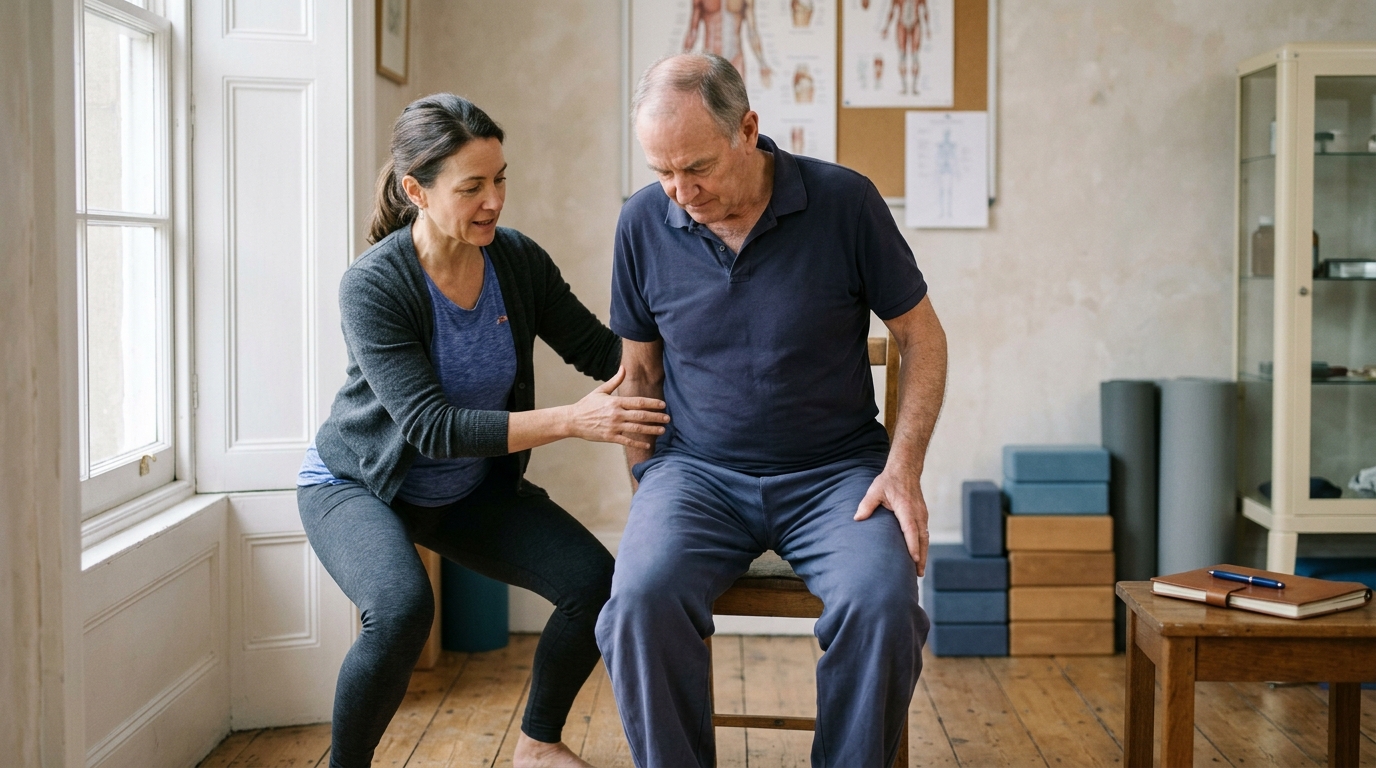
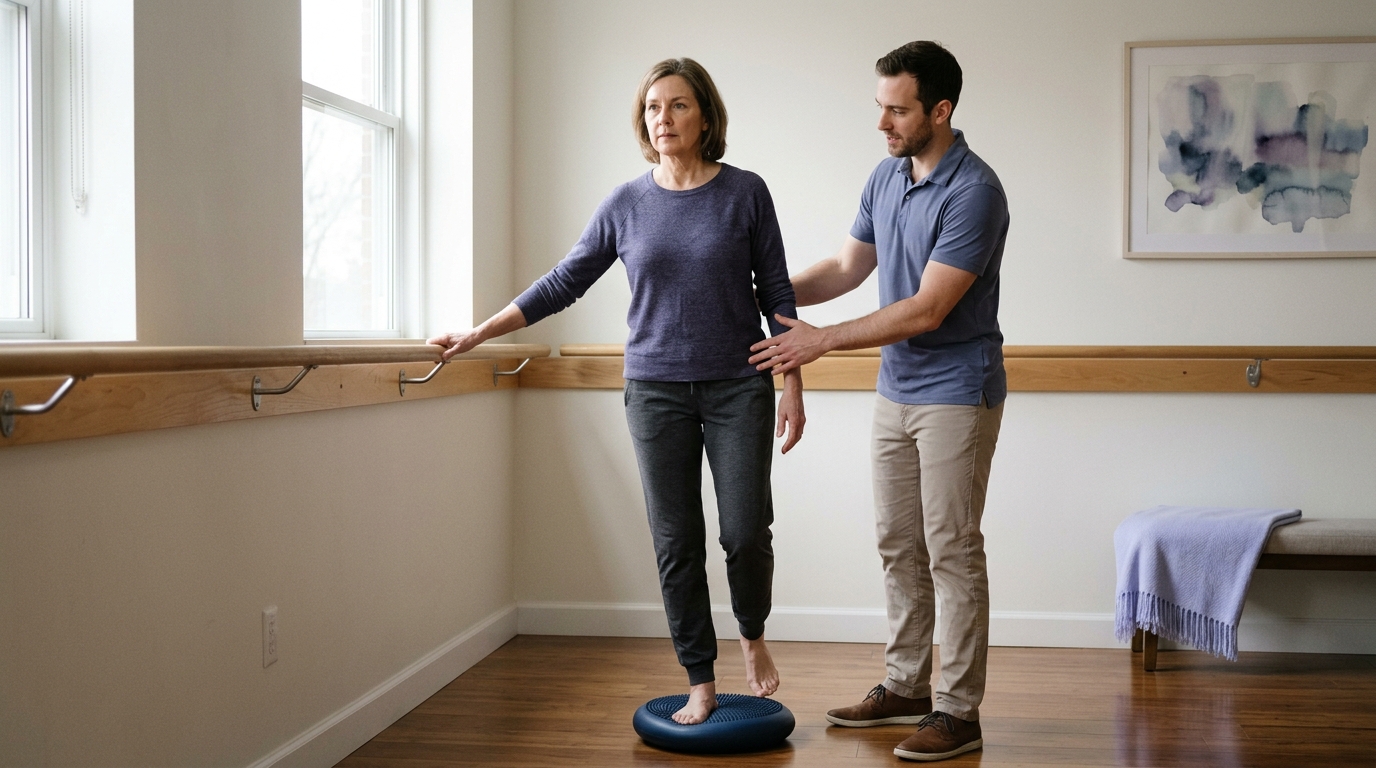
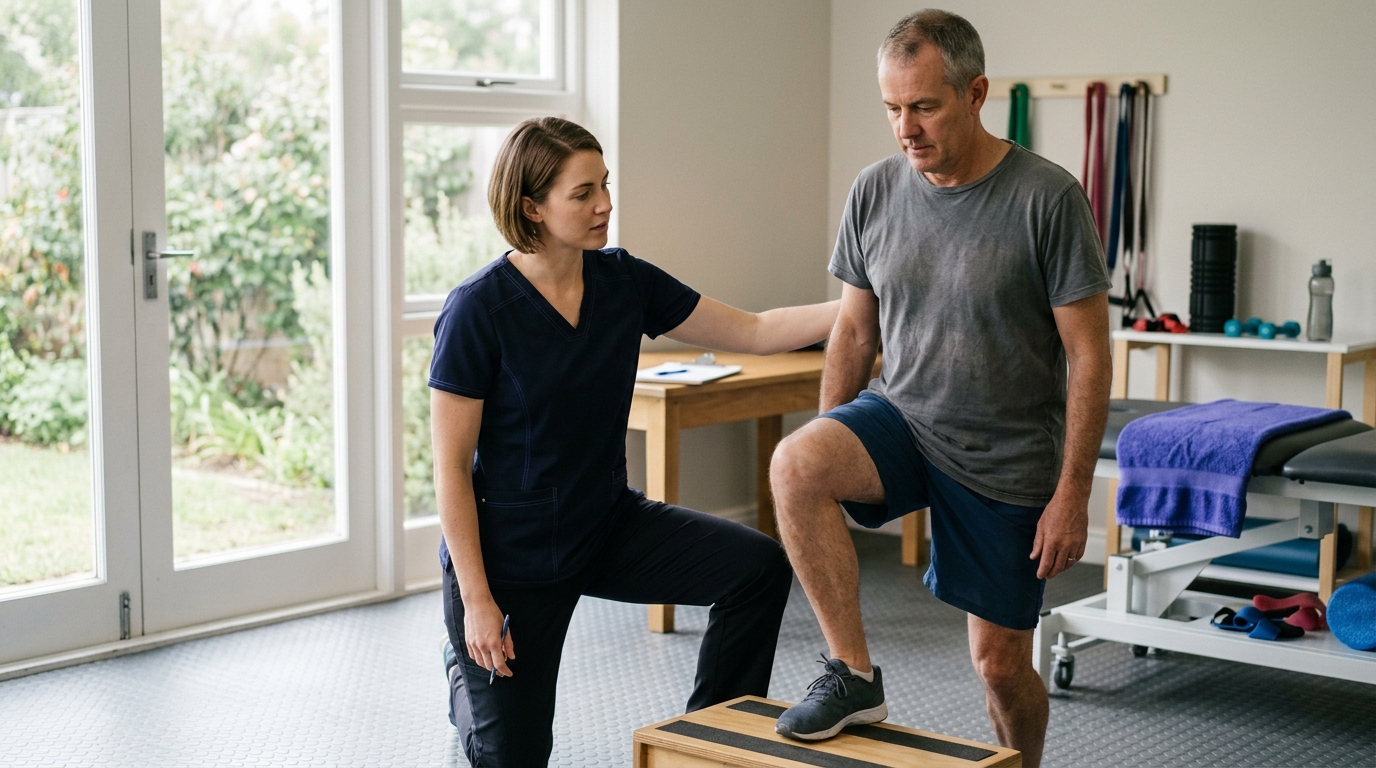
Stairways present high physical demands and balance challenges during recovery. Handrails should be securely attached to both sides of every staircase. When navigating stairs with a walking aid, precise foot placement and sequence are vital. Many physical therapists teach the standard pattern of stepping up with the uninjured limb first and stepping down with the injured limb first, but this must be confirmed for your specific condition.
Fatigue is a normal physiological component of recovery. The body directs substantial metabolic energy toward tissue healing, leaving less energy for daily tasks.
University College London Hospitals guidance emphasizes the value of prioritising, planning, and pacing daily activities. Many individuals fall into a cycle of overexertion on days when pain is lower, followed by days of severe exhaustion and increased pain. This cycle disrupts consistent rehabilitation and increases the risk of accidents.
Pacing involves breaking large activities into smaller, manageable components with scheduled rest breaks. Rather than attempting to clean an entire room, focus on a single surface before sitting down to rest. Spreading necessary tasks throughout the day prevents physical exhaustion from accumulating.
Prioritisation requires separating essential daily tasks from activities that can wait or be delegated. Personal hygiene, proper nutrition, hydration, and prescribed rehabilitation exercises take top priority. Non-essential tasks, such as deep cleaning, yard work, or reorganizing closets, should be postponed until physical capacity returns.
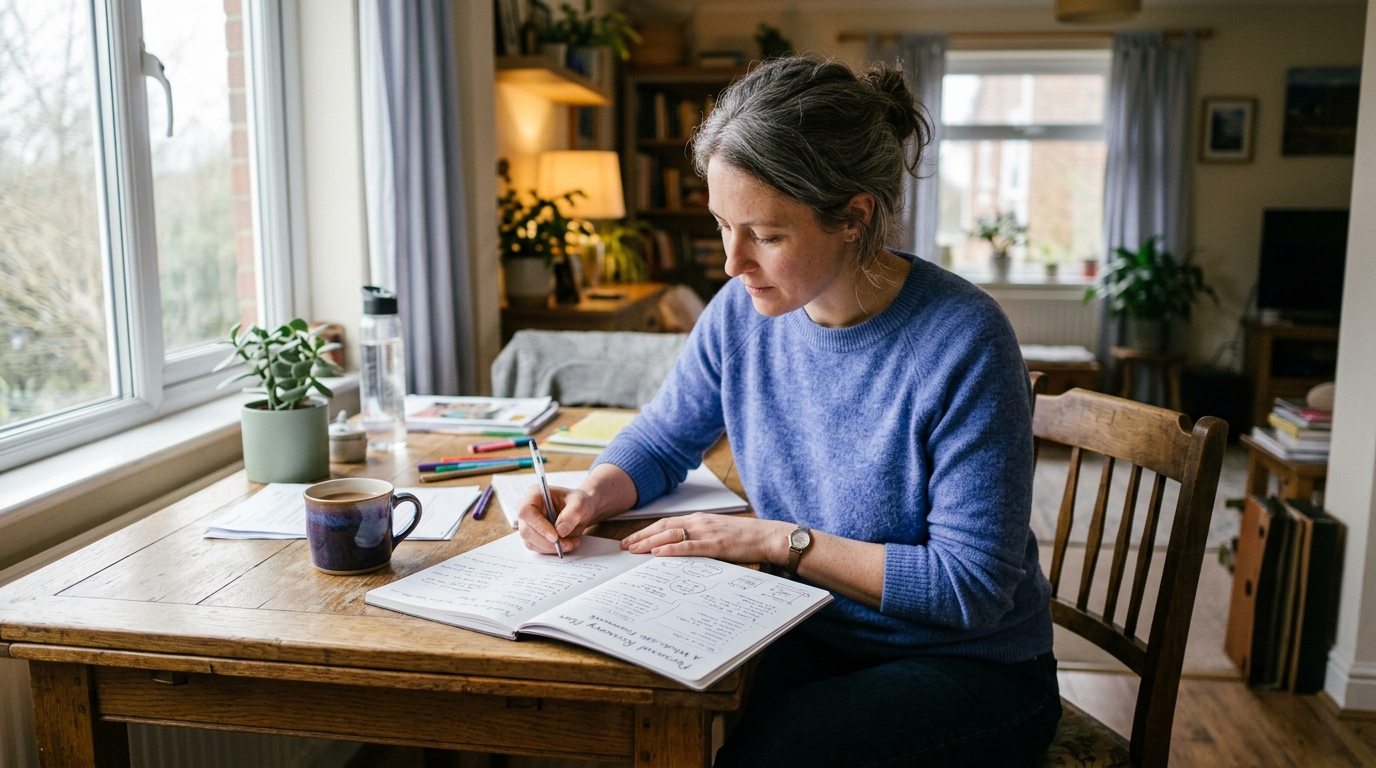
Planning ahead prevents rushed, uncoordinated movements that lead to injury. Look at your daily schedule and arrange your supplies in the morning. If you know you have a physical therapy appointment in the afternoon, schedule quiet, low-demand activities for the morning and evening. You can review practical frameworks for balancing movement and rest in our rehabilitation and mobility resources.
Everyday challenges look different depending on the nature of the injury and the living environment. Examining representative recovery scenarios helps illustrate how to apply home adaptation principles.
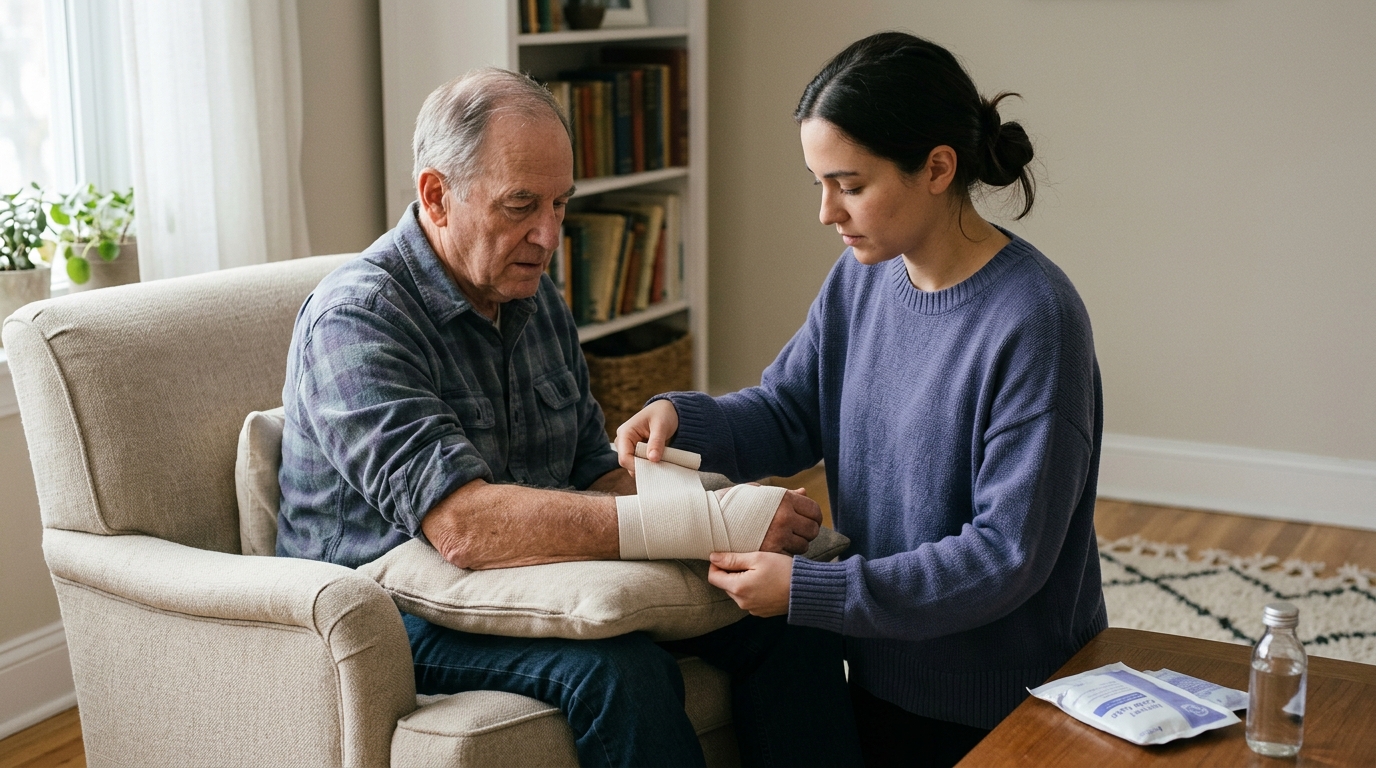
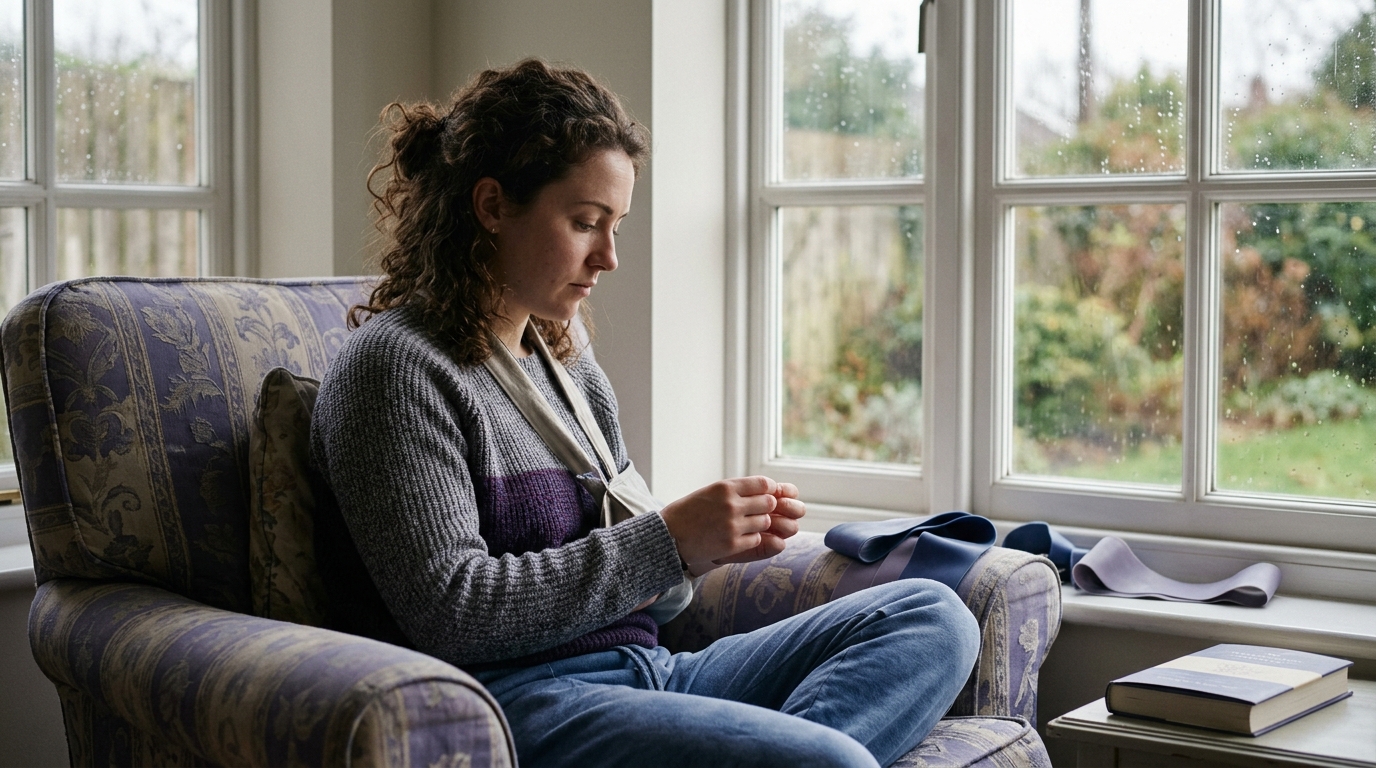
A person recovering from shoulder surgery or a wrist fracture must perform daily tasks using only one hand. Standard tasks such as opening jars, washing underarms, cutting food, and buttoning shirts become difficult.
Adaptive equipment and pre-planning resolve many of these barriers:
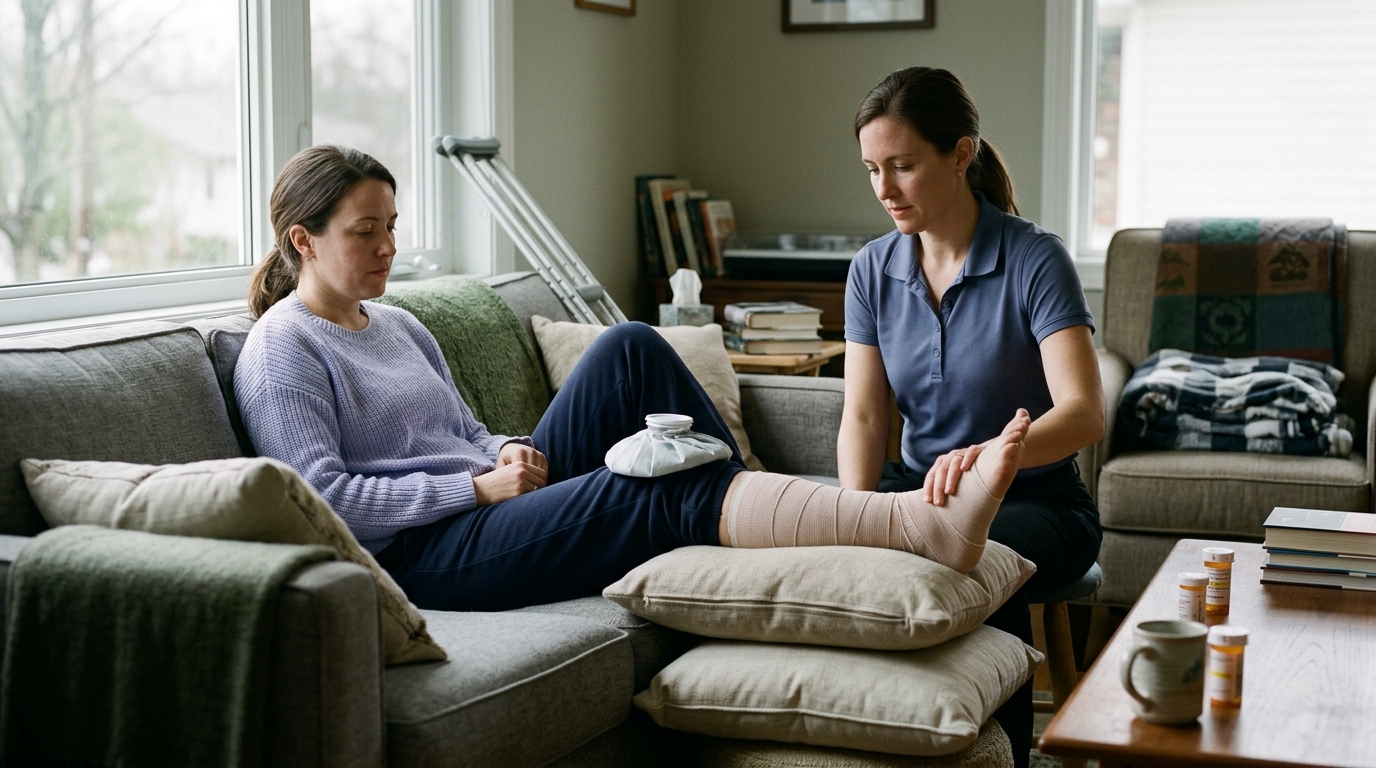
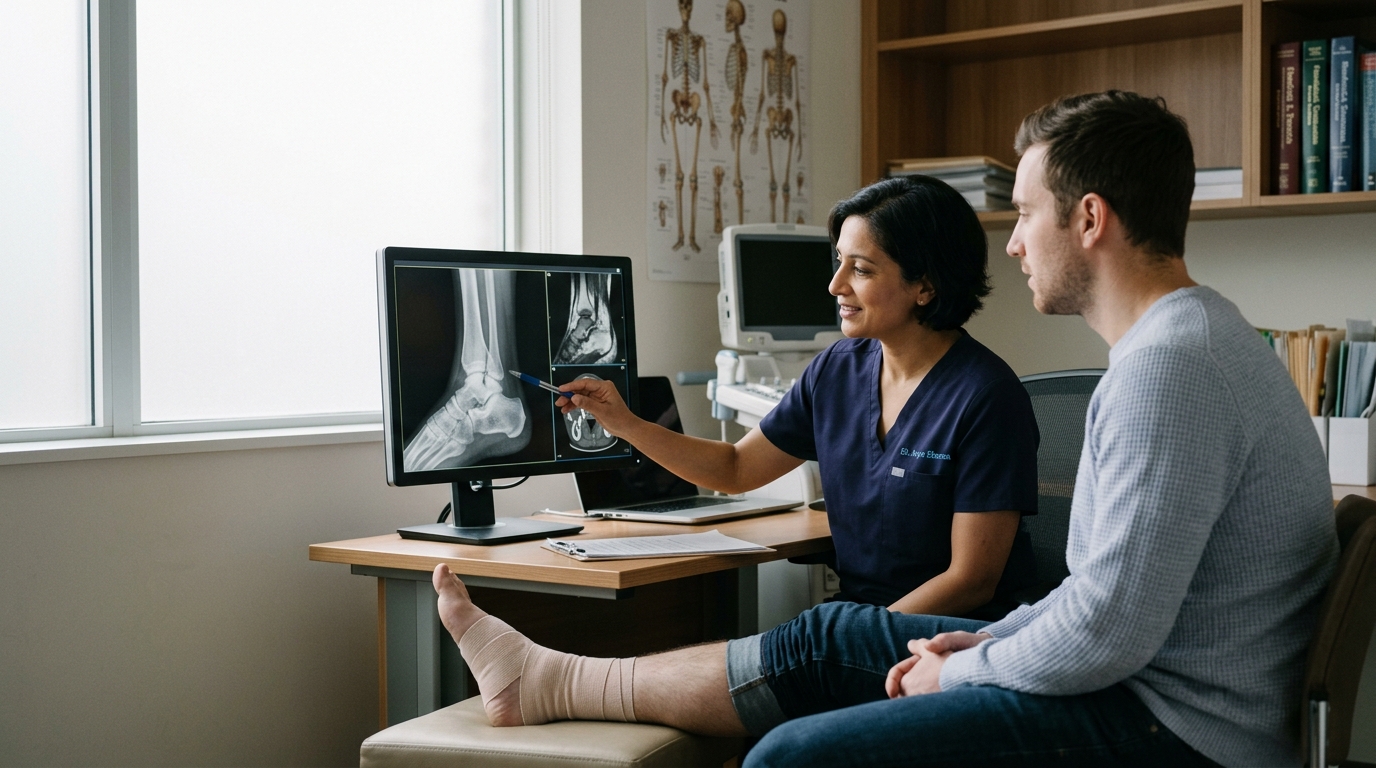
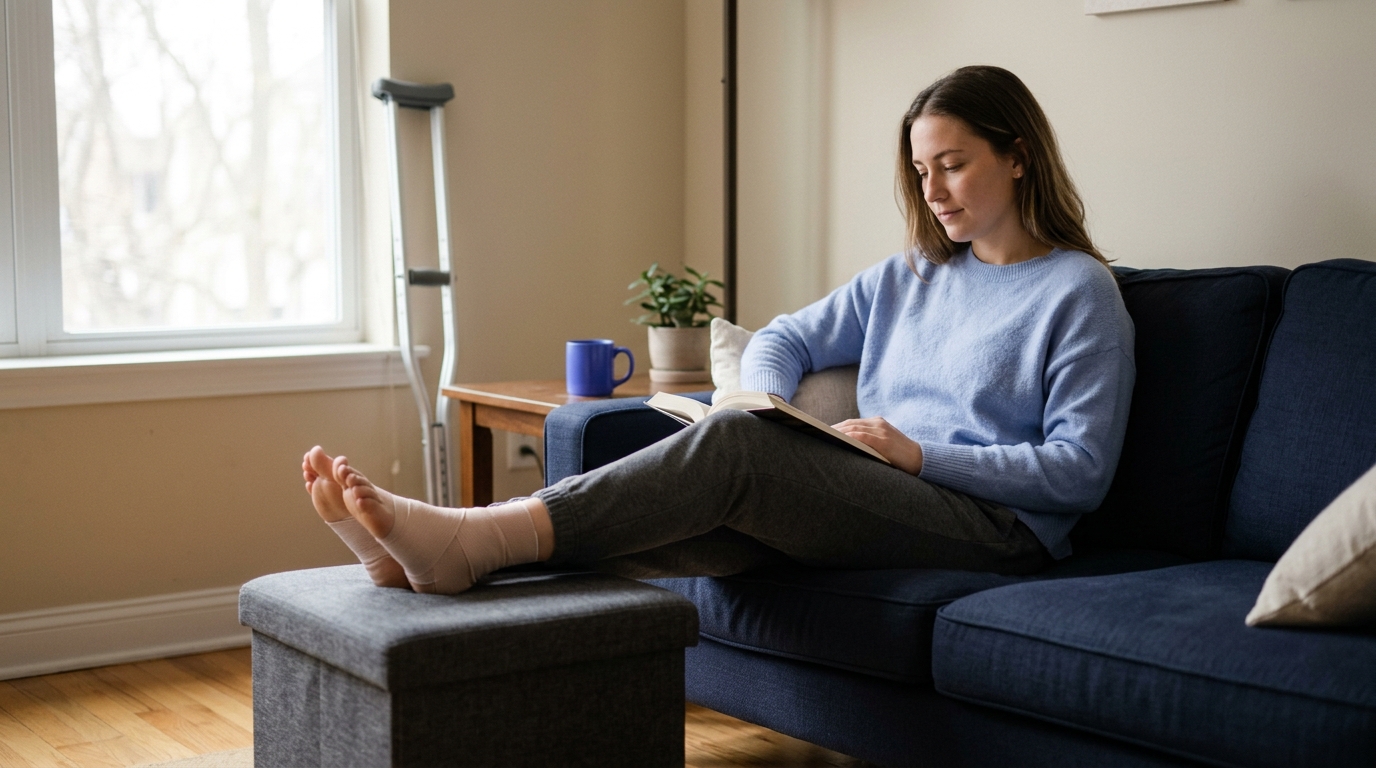
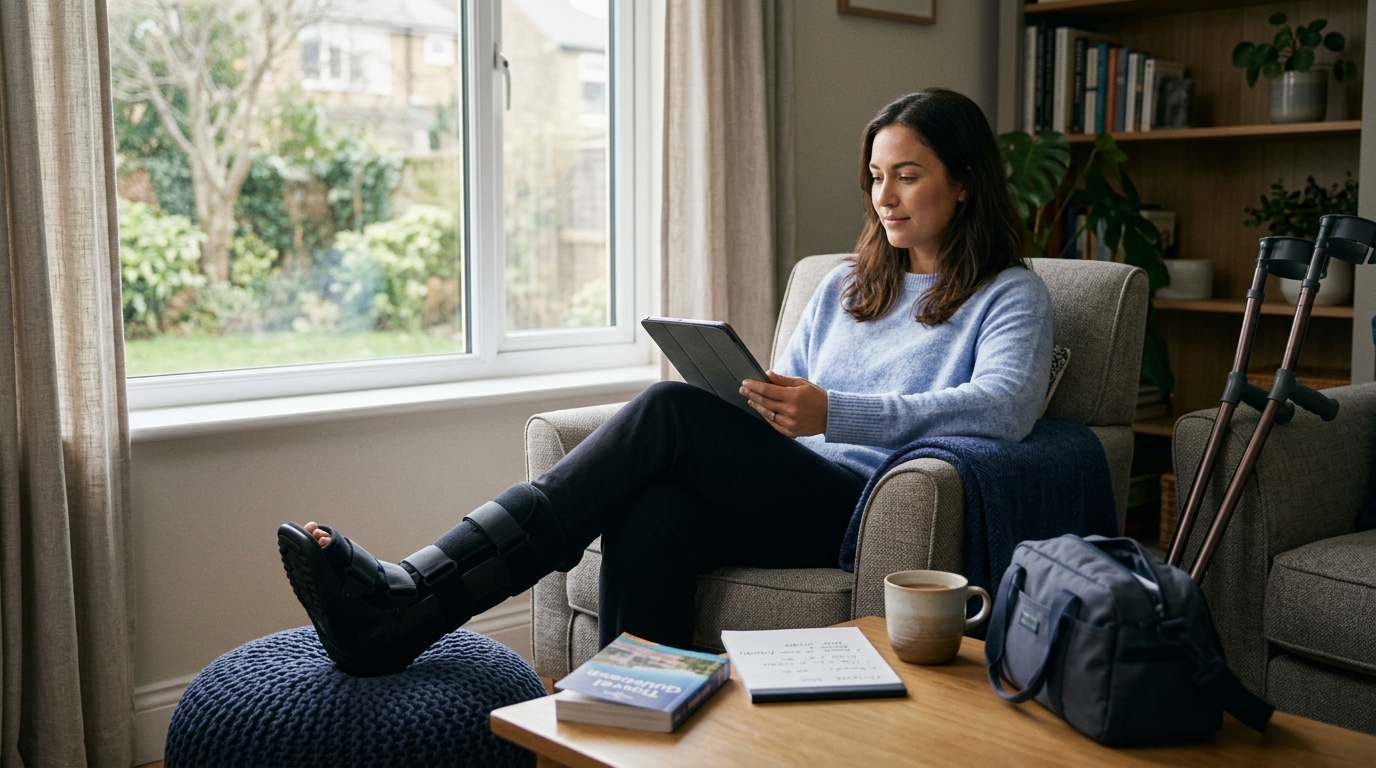
A person with a fractured ankle or Achilles tendon repair cannot put weight on one foot and relies on crutches, a walker, or a knee scooter. Moving between rooms while transporting necessary items is the primary hurdle.
Practical adjustments for non-weight-bearing mobility include:
An individual living alone after abdominal or orthopedic surgery must manage essential tasks without on-demand household assistance. The risk of overexertion is elevated because there is no one else to handle cooking, laundry, or pet care.
Effective planning for independent recovery includes:
Recovery timelines vary substantially between individuals. No single timetable applies to all injuries or surgical procedures. Several distinct factors influence how quickly you can return to unassisted daily activities.
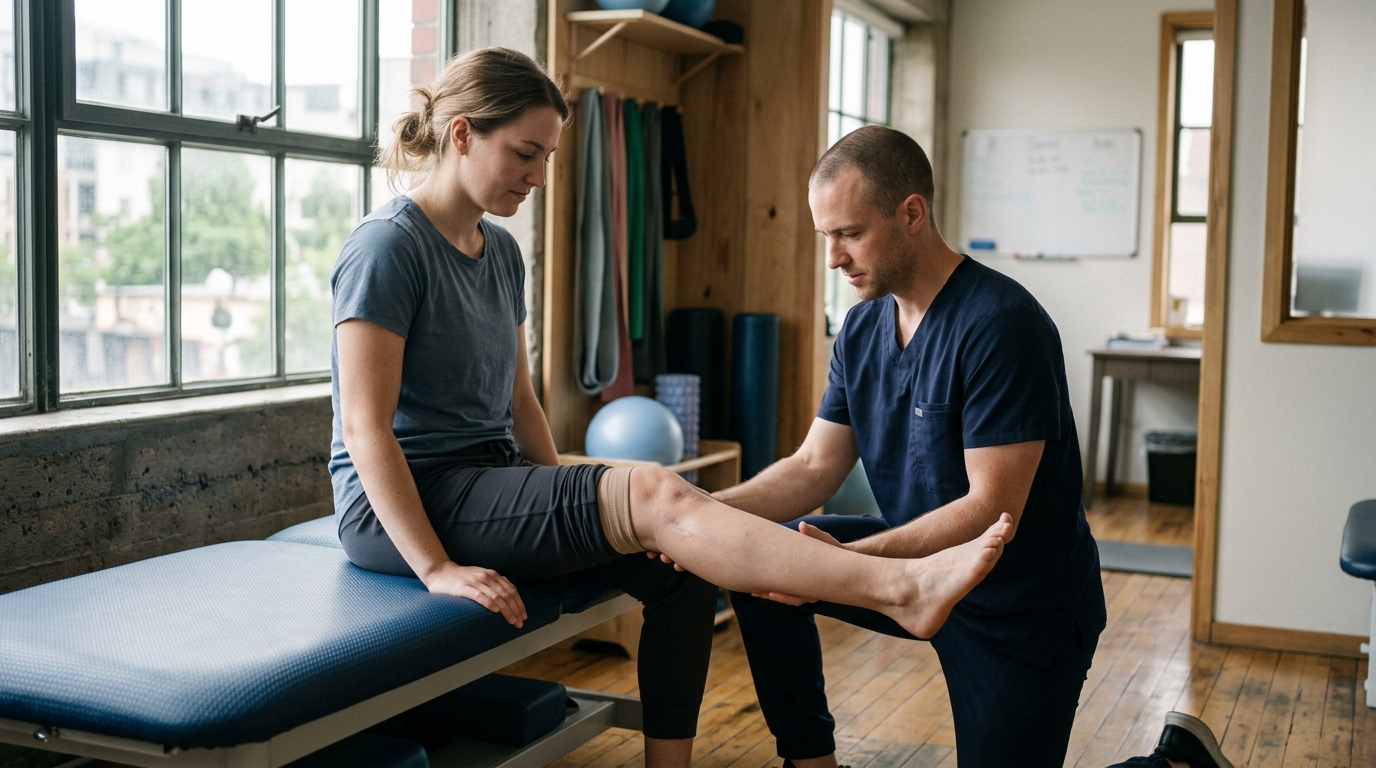
The type and extent of tissue injury dictate biological healing constraints. Soft tissue repairs, such as tendon or ligament reconstructions, require specific protection phases while collagen fibers organize. Bone fractures require sufficient mineralisation before they can tolerate full weight-bearing loads. Laparoscopic abdominal procedures typically allow faster return to basic mobility than open surgeries that involve large muscular incisions.
Baseline physical fitness and general health status also affect your recovery rate. Pre-existing conditions such as diabetes, cardiovascular disease, peripheral neuropathy, or arthritis can slow tissue repair and affect balance. Age-related changes in muscle mass and reaction time require more deliberate movement strategies.
Your immediate living environment plays an equally important role in determining independence. A single-story home with a walk-in shower allows for a much quicker return to independent personal care than a multi-level home with narrow staircases and high bathtub walls. The availability of family, friends, or home health aides directly changes how many tasks you must adapt independently.
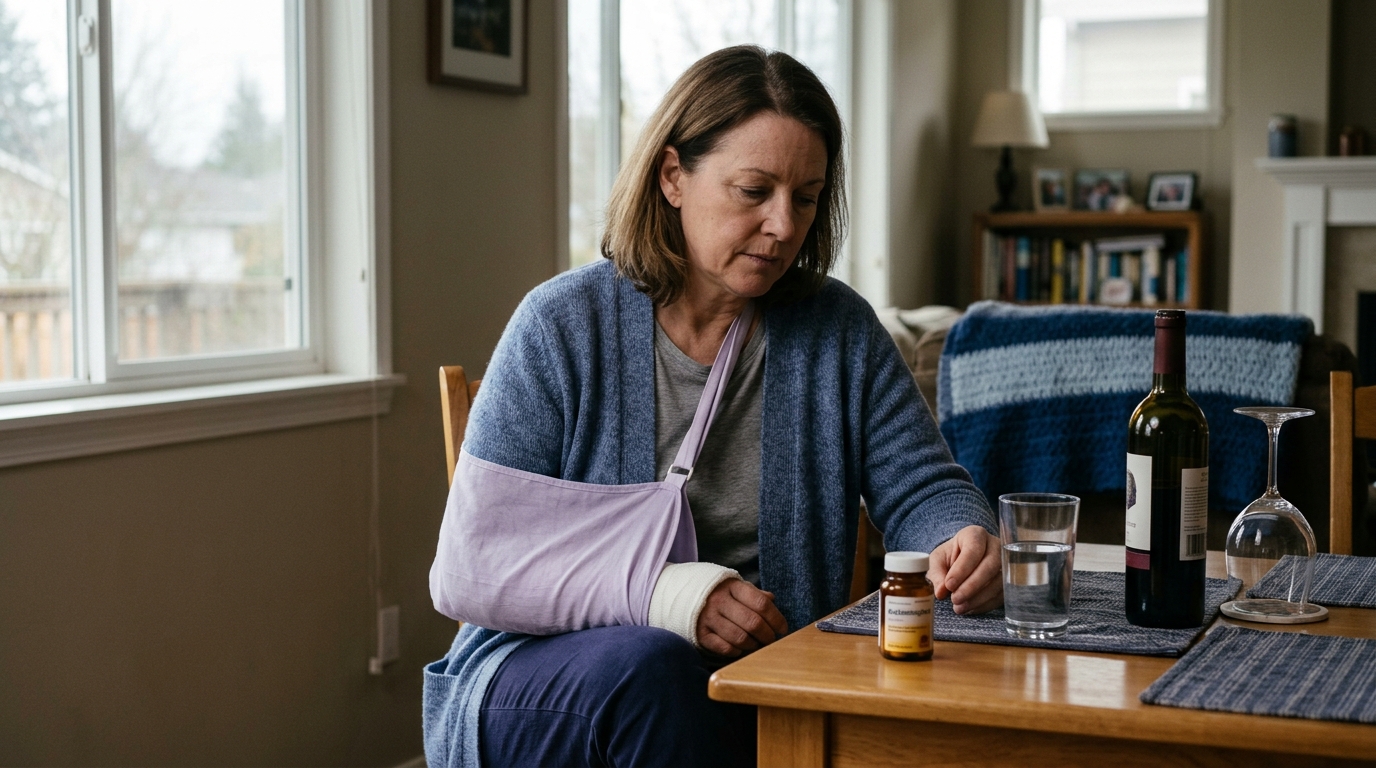
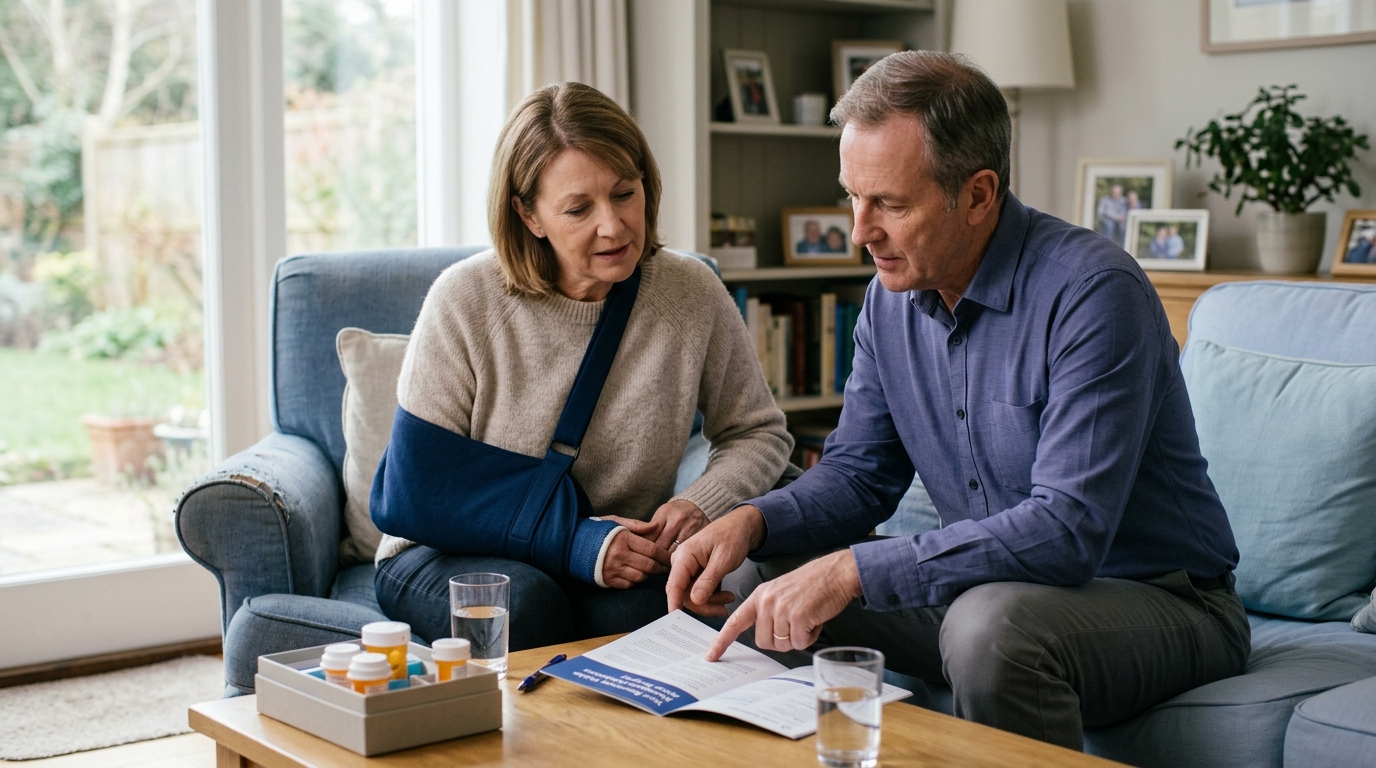
Medications also influence daily functioning. Prescription pain medications, muscle relaxants, and certain anti-inflammatory drugs can cause drowsiness, dizziness, and delayed reaction times. These side effects make complex tasks, such as cooking on a hot stove or navigating stairs, significantly more hazardous during early recovery weeks.
While adapting to daily life at home, you must remain alert to signs that indicate potential medical complications. Normal recovery involves gradual reductions in pain and steady improvements in function. Sudden changes or worsening symptoms require prompt clinical evaluation.
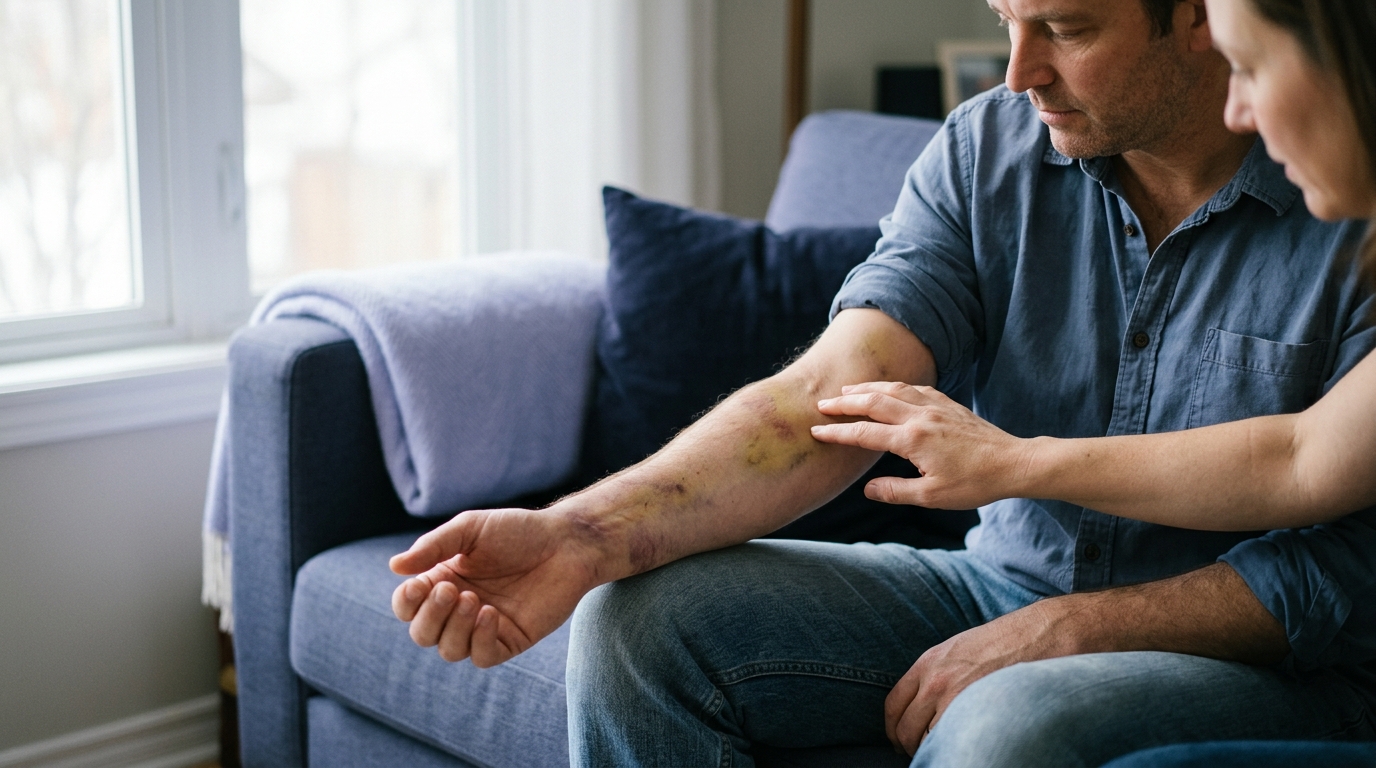
Wound healing requires careful daily observation. Discharge guidelines from MedlinePlus and surgical care centers outline specific signs of wound complications:
Systemic symptoms can signal infection or cardiovascular complications. A fever above 101 degrees Fahrenheit, chills, or persistent nausea and vomiting warrant immediate communication with your healthcare provider.
Lower-extremity recovery carries a risk of deep vein thrombosis, especially when mobility is restricted. Watch for sudden swelling in the calf, ankle, or foot, particularly if it occurs in only one leg. Localized tenderness, warmth, or redness in the calf muscle should be reported to a clinician immediately. If you experience sudden shortness of breath, chest pain, or coughing up blood, seek emergency medical care, as these may indicate a pulmonary embolism.
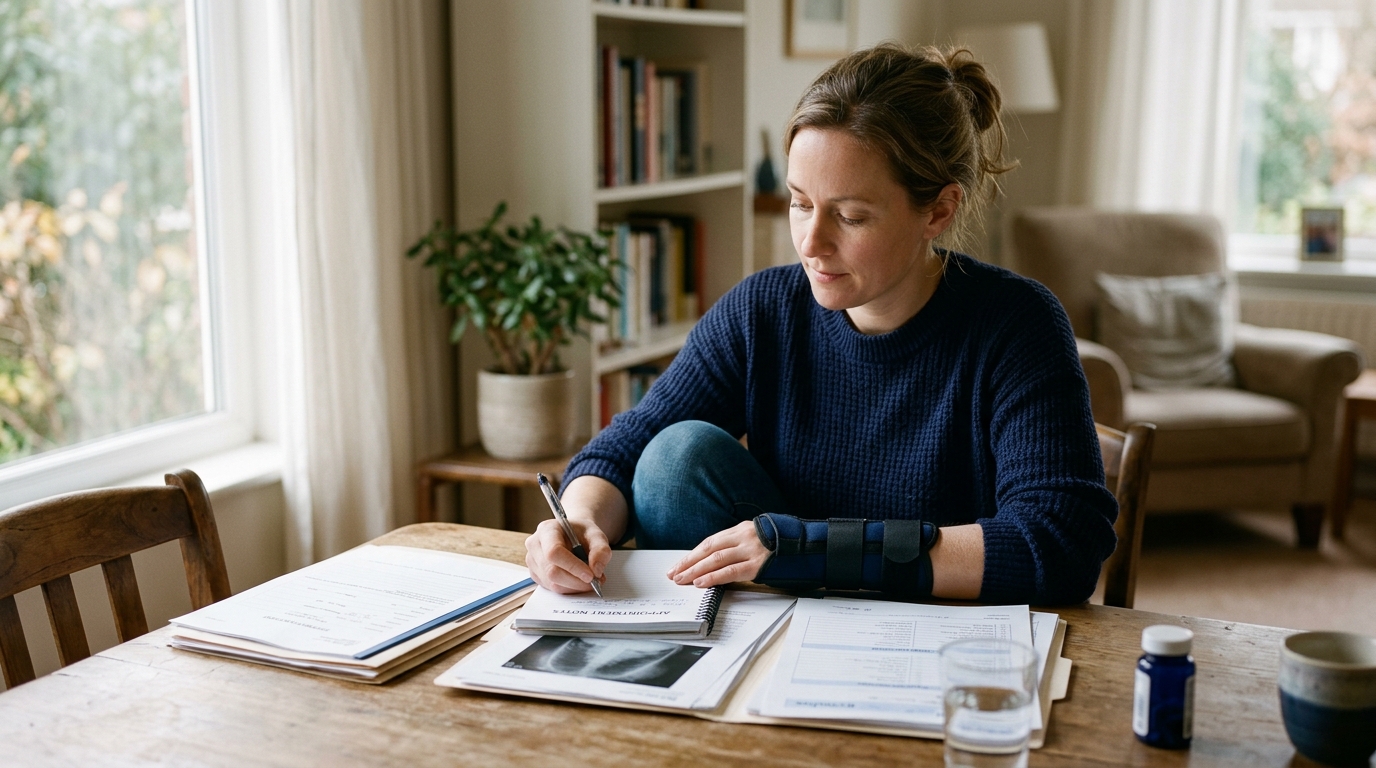
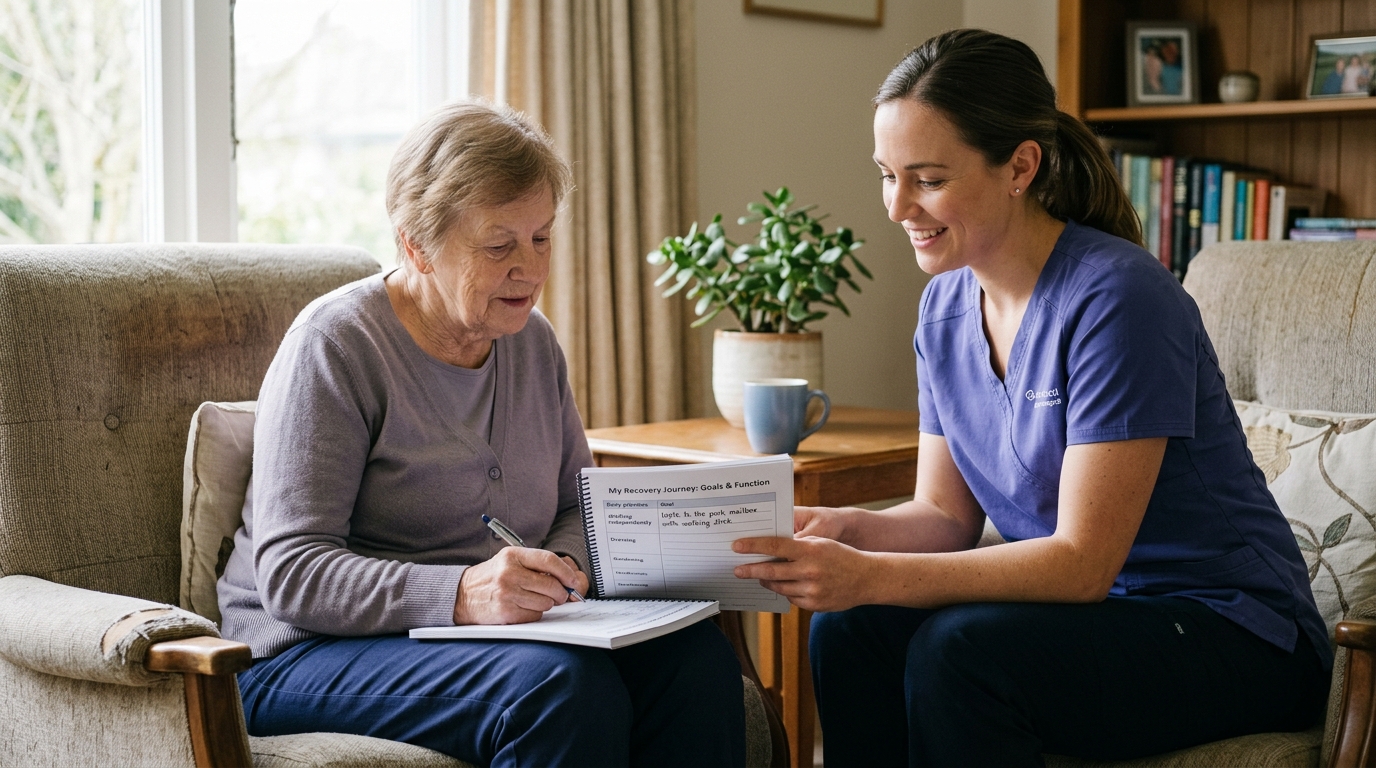
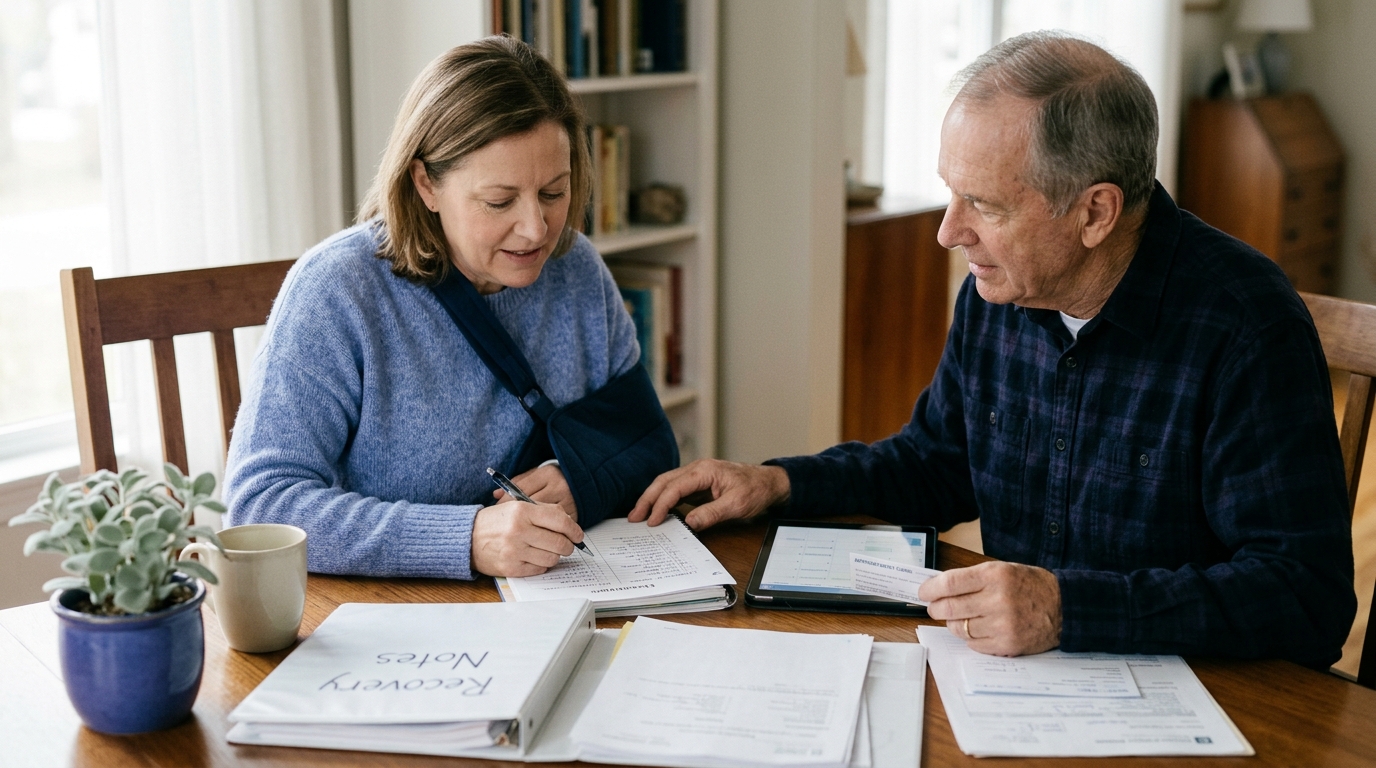
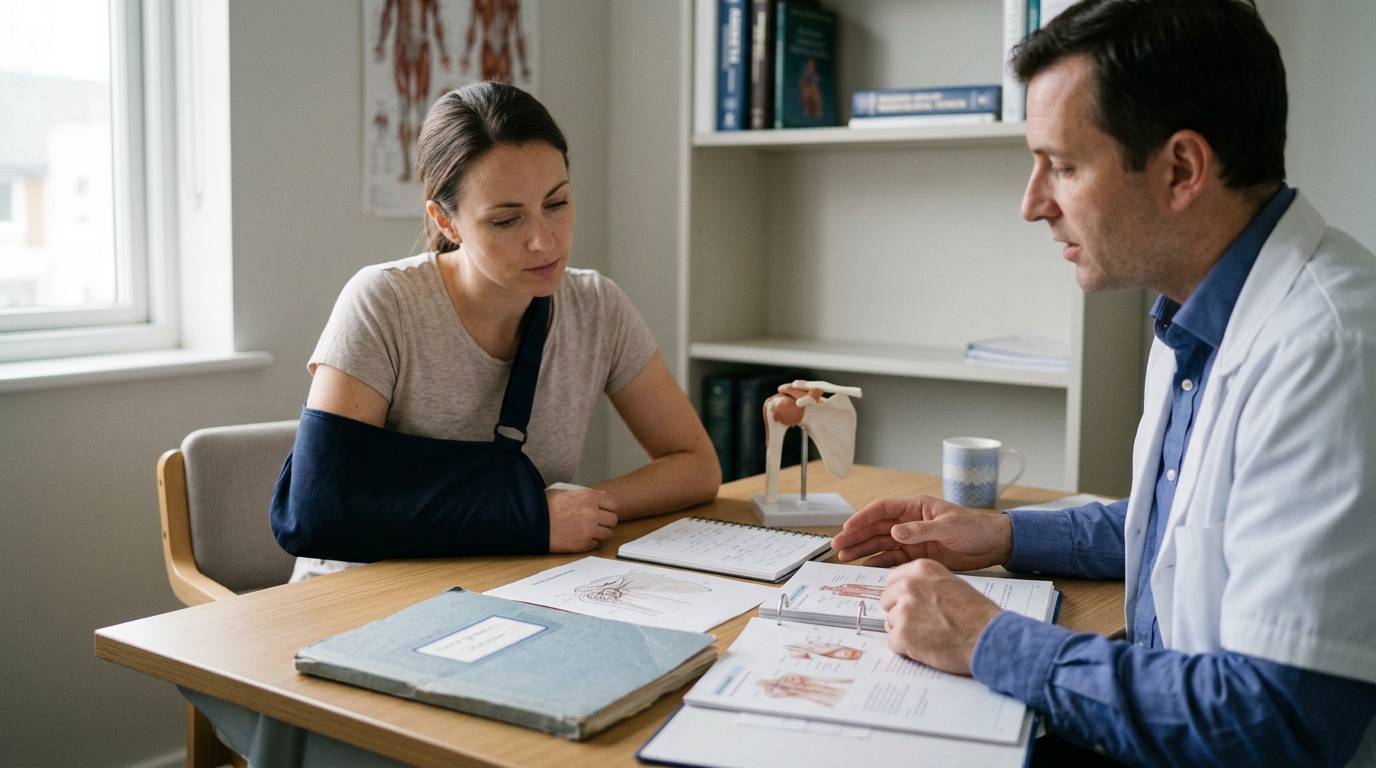
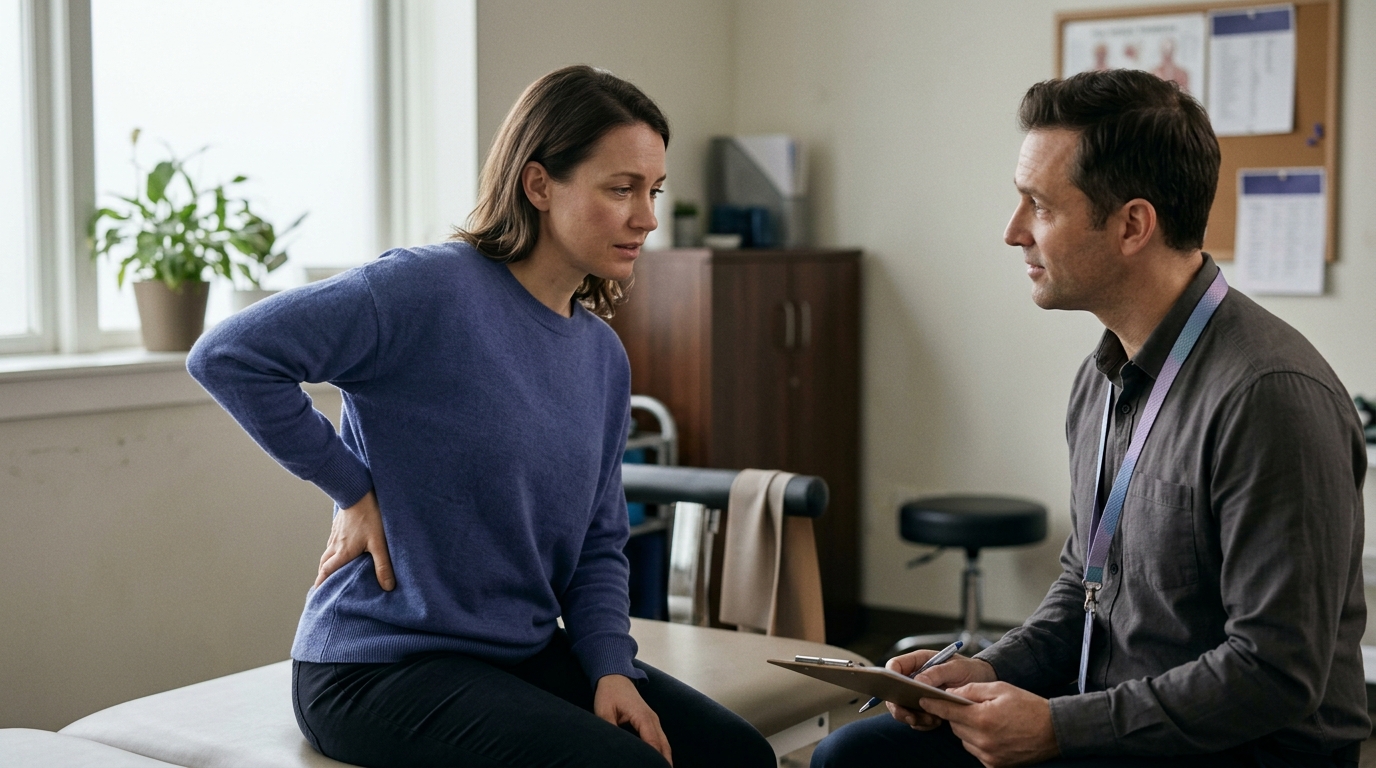
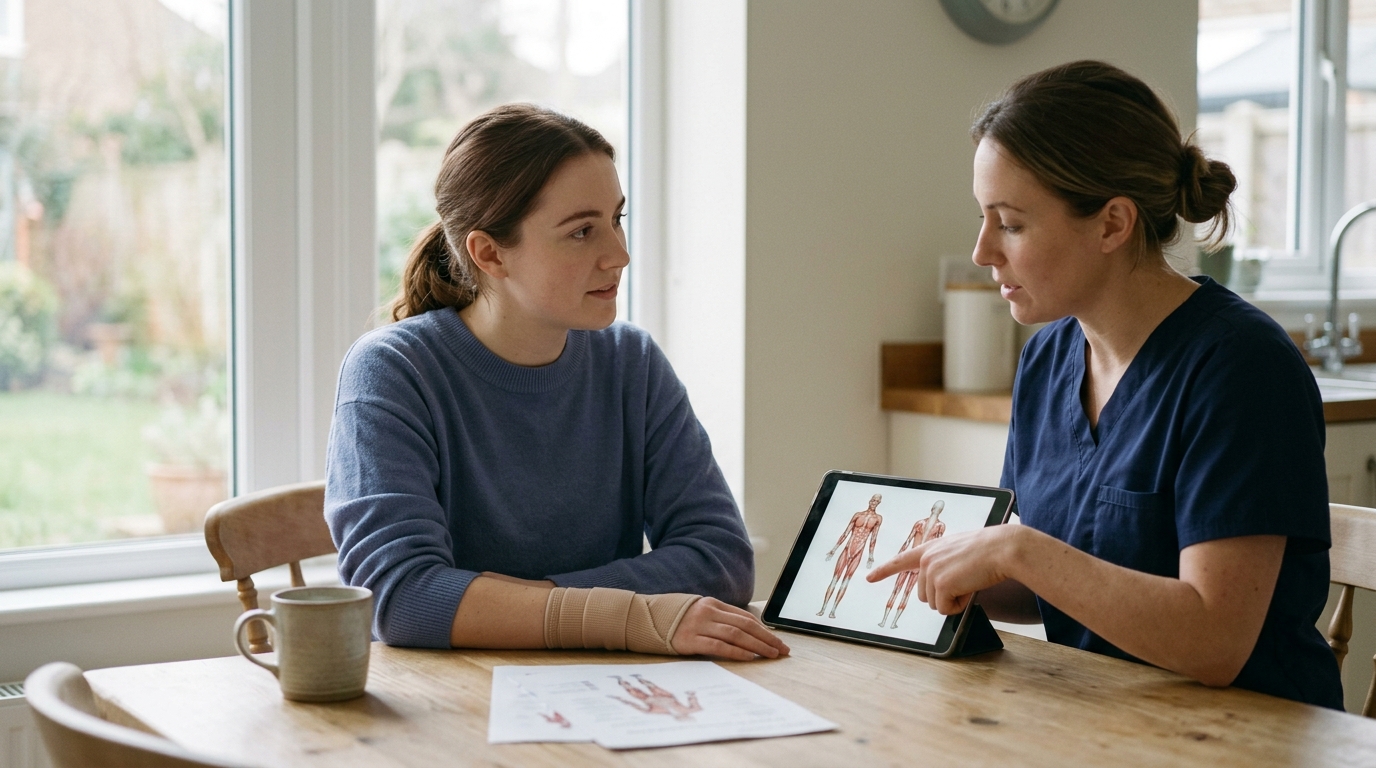
Clear communication with your surgical or medical team ensures your home adaptations align with your specific restrictions. Do not rely on generic assumptions when planning your home recovery.
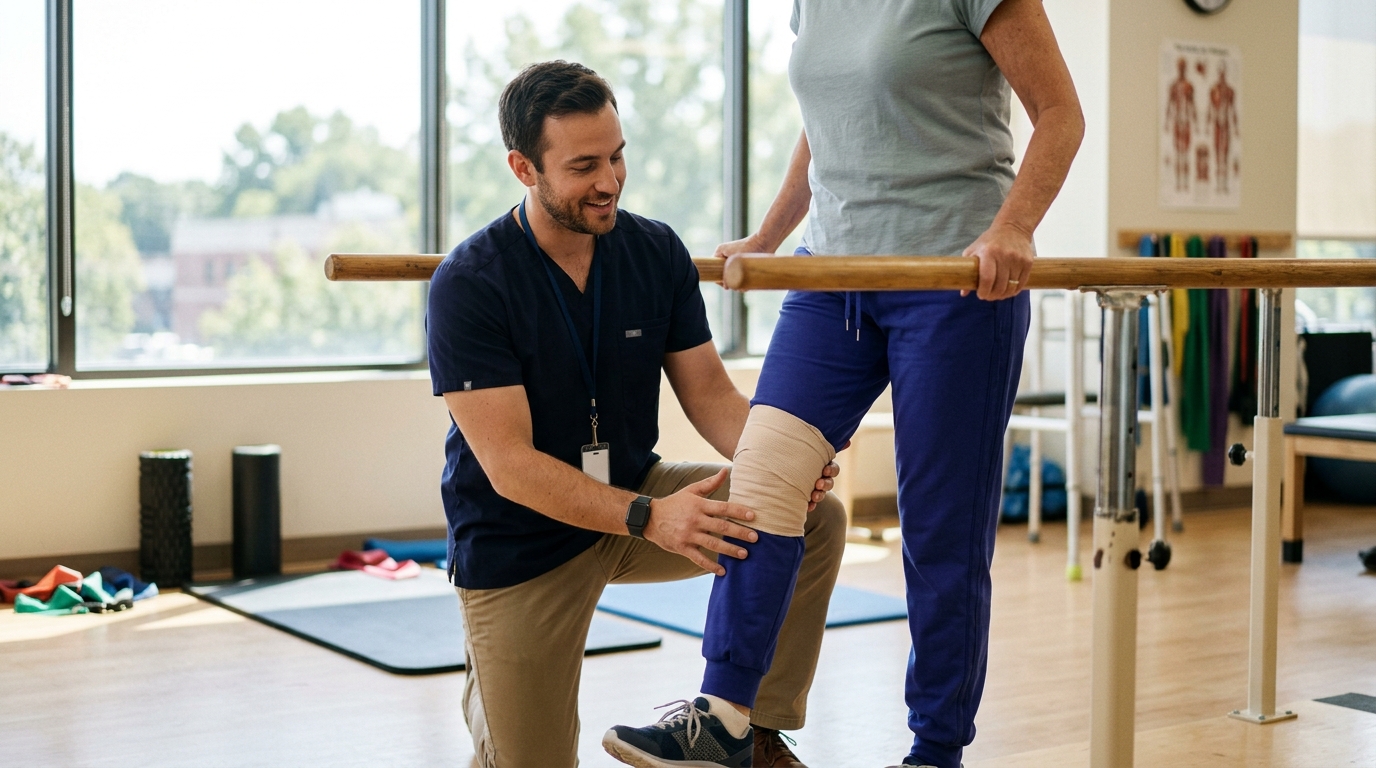
Consider asking your physician, surgeon, or physical therapist these practical questions:
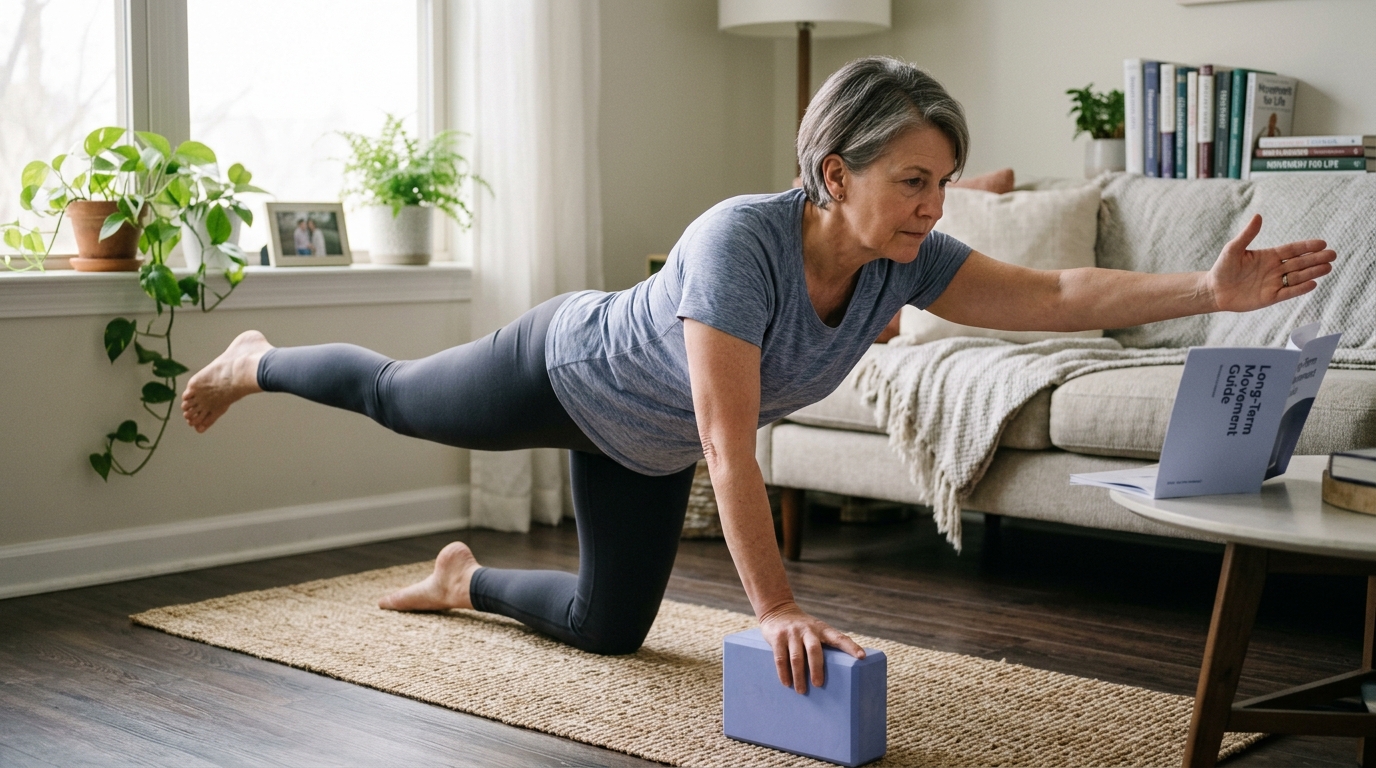
Managing daily life during injury recovery is a structured process of modifying your environment, simplifying tasks, and pacing your physical energy. Successful recovery does not require staying completely motionless, nor does it reward pushing through warning pain. By setting up your home systematically and respecting your clinical boundaries, you protect healing tissues while maintaining daily function.
Use this practical checklist to prepare and adapt your living space this week:

Use ReboundBody resources to understand common recovery stages, rehab terms, movement limits and strength rebuilding. Each guide is designed to make a complex comeback easier to understand.


Read practical guidance on injury recovery, rehabilitation, mobility and rebuilding strength as you work your way back to activity.
Explore Resources