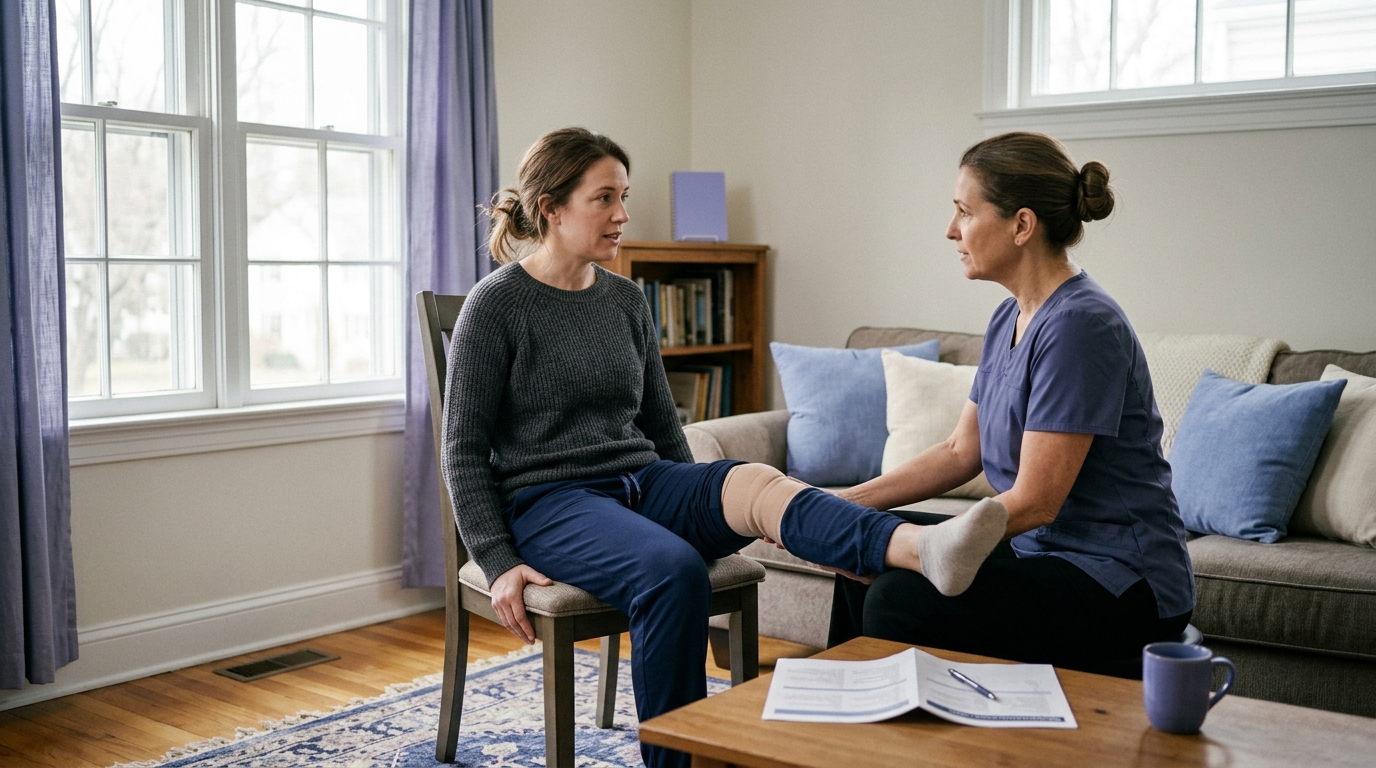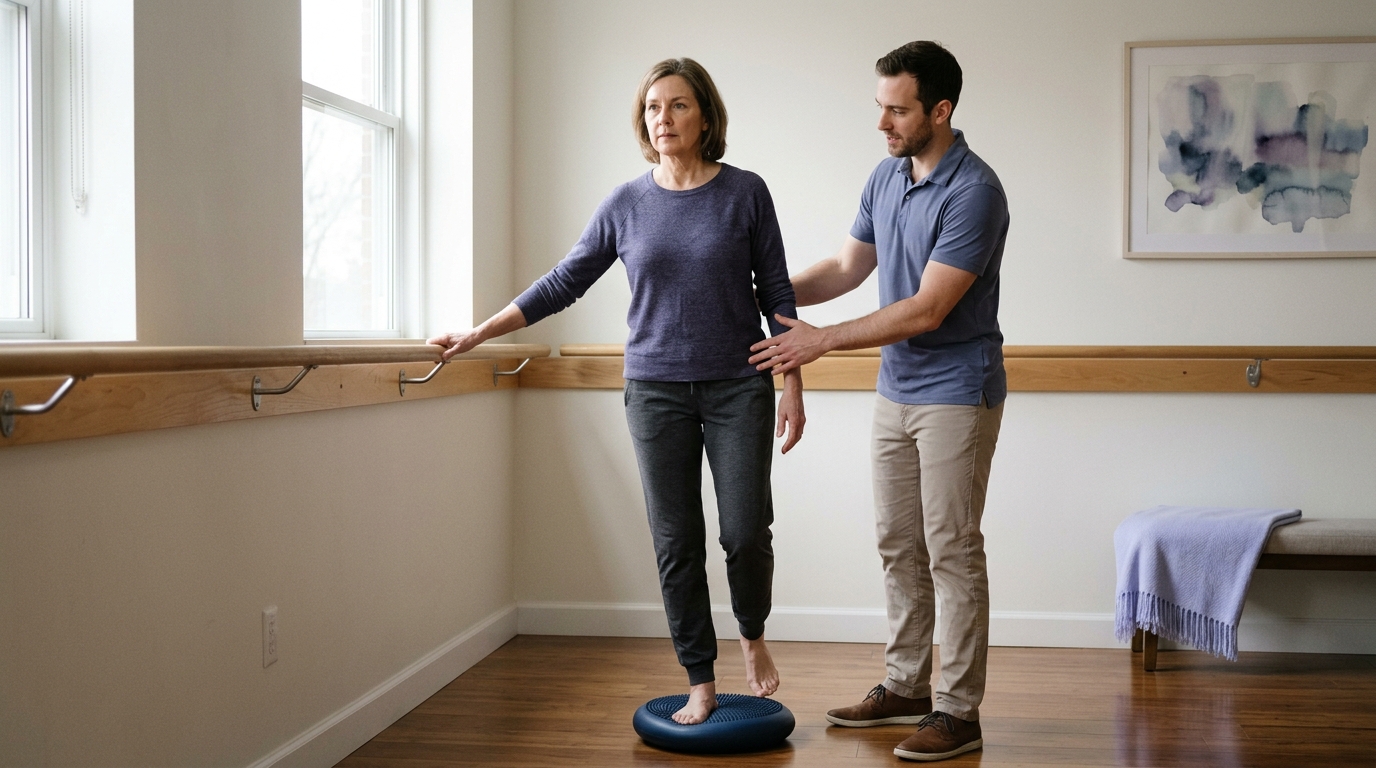

Pushing through movement fatigue often causes severe crashes, but structured pacing and planned rest allow you to protect your healing capacity safely.





You might find yourself asking why everyday physical tasks feel exhausting during rehabilitation, even when an injury or surgical site seems to be healing well. Many people search online to find out how to balance physical therapy exercises with work, family care, and household chores without crashing. The answer is that managing energy requires matching your daily physical demands to your current biological capacity, rather than forcing your body through a rigid schedule.
Energy management during recovery is not a rule to stop all physical activity, nor is it a mandate to push through severe fatigue. Guidelines from the National Institute for Health and Care Excellence (NICE) emphasize that fatigue management must be individualized, centered on personal goals, and integrated into an overall rehabilitation plan. This guide provides clear, evidence-aware strategies to help you adjust task duration, modify physical demands, and schedule restorative rest.
Energy during physical recovery is a finite resource. When your body repairs bone, tendon, muscle, or nerve tissue, it redirects metabolic resources toward biological healing. As a result, physical and cognitive tasks that once felt routine may require significantly more effort. Managing this balance involves adjusting your routine to your current capacity, observing how your body responds, and adapting your plan over time.
Occupational therapy and physical therapy research defines energy conservation as the intentional reduction of unnecessary effort during everyday tasks. The goal is to preserve energy for the activities that matter most to your health, independence, and well-being. This approach does not mean avoiding movement entirely. Guidance from the Royal College of Occupational Therapists notes that staying active within your manageable capacity helps maintain joint mobility, muscle function, and general cardiovascular health.
Energy management relies on six key steps:
A central rule of thumb is to avoid the push-and-crash cycle. In this common pattern, a person feels relatively good on one day and attempts to complete all their backlogged tasks. This heavy exertion leads to severe fatigue or pain flares, forcing multiple days of complete inactivity. Pacing seeks to replace this cycle with a steady baseline of manageable activity.
Fatigue management programs have been studied across various medical and musculoskeletal conditions. A 2022 systematic review and meta-analysis published in the journal Chronic Illness evaluated fatigue self-management programs led by occupational therapists and physical therapists. Across 13 studies, the researchers found that these structured programs produced a standardized mean difference of -0.42 compared with usual care or no intervention. When programs focused specifically on exercise-based fatigue self-management, the effect size was -0.55.
These findings show that learning structured pacing and energy conservation can provide measurable improvements in daily energy levels and function. The review noted that successful activity pacing programs consistently emphasized two practical strategies. First, participants planned their daily activities in advance. Second, they took frequent, structured breaks before their symptoms worsened.
The evidence also reveals important nuances across different health conditions:
Multiple sclerosis is one of the most thoroughly researched conditions regarding energy conservation. A 2013 meta-analysis of two randomized controlled trials involving 350 participants showed short-term improvements in fatigue impact and quality-of-life scores after energy-conservation courses.
However, findings across all trials are mixed. A randomized controlled trial of 86 severely fatigued adults with multiple sclerosis found that an individual energy-conservation program did not significantly outperform an information-only control group. The difference between groups on the CIS20r fatigue score was small (-0.81), indicating that individual educational handouts alone may provide similar benefits to structured courses for certain individuals. Research continues to show that results vary depending on program format, delivery methods, and baseline fatigue levels.
NICE guidelines on rehabilitation for chronic conditions reviewed multimodal fatigue management packages. The review concluded that while no single standardized program works for every person, effective programs consistently combine appropriate physical activity, energy conservation, and practical pacing strategies. The guidelines highlight that physical activity remains essential for long-term health, even when fatigue is present, as long as it fits the individual's specific capacity.
For conditions involving post-exertional malaise, such as ME/CFS, pacing protocols require distinct caution. The Centers for Disease Control and Prevention (CDC) notes that individuals with post-exertional malaise experience symptom flare-ups after physical or cognitive exertion that was previously well-tolerated.
For these individuals, standard aerobic exercise progressions can cause severe setbacks. CDC guidance emphasizes establishing strict individual limits and avoiding pushing beyond current capacity. Activity should only be increased cautiously when objective improvement occurs, with continuous monitoring for negative delayed effects. Understanding these principles of recovery science helps separate standard orthopedic rehabilitation advice from specialized fatigue protocols.
Pacing is the practical skill of breaking down tasks, adjusting physical demands, and organizing your schedule. Modifying an activity does not mean giving up on it. Instead, it means finding a different route to complete what needs to be done. Occupational therapists evaluate tasks through three primary dimensions: duration, task demand, and environmental setup.
Duration refers to the amount of continuous time spent on a single physical or mental activity. When energy is limited, long stretches of continuous effort drain physical reserves quickly.
Practical ways to modify duration include:
Task demand refers to the amount of physical force, balance, joint load, or mental focus required by an activity. Reducing demand lets you complete essential tasks without placing excessive strain on healing tissues.
Common methods for reducing demand include:
Exploring practical injury recovery and healing strategies can provide further ideas for modifying daily routines safely.
Your immediate physical surroundings directly influence how much energy you use. A disorganized or poorly arranged living space requires extra steps, awkward bending, and unnecessary lifting.
To optimize your environment:
Rest is often misunderstood as a passive reaction to exhaustion. In effective energy management, rest is an active, planned strategy used before fatigue sets in. Taking planned breaks prevents your body from depleting its energy reserves, making subsequent activity safer and more sustainable.
Guidance from the Royal College of Occupational Therapists recommends building rest intervals directly into daily activities. Waiting until you are completely exhausted leads to longer recovery times and increases the risk of movement errors or falls. Taking regular breaks before becoming tired helps maintain consistent energy levels throughout the day.
There is no single rest interval that works for every individual. Different healthcare organizations suggest varying starting points for daily planning:
You can test different rest intervals over several days. If you feel excessively tired or experience symptom increases several hours after an activity, shorten your activity window and increase your rest frequency.
Rest can take different forms depending on the type of fatigue you are experiencing. Switching from a physical task to an intense mental task is not true recovery.
Consider these two distinct forms of rest:
Incorporating structured pauses into your daily mobility and movement routines ensures you build physical capacity without overloading healing tissues.
Recovery is not a linear process, and energy levels vary significantly from person to person. Several physiological, medical, and lifestyle factors influence how much energy you have available on any given day. Recognizing these factors helps prevent frustration when progress feels slow.
Biological tissue repair requires substantial energy. During the initial inflammatory and proliferative phases of healing after surgery or fracture, your metabolic rate increases. Even while resting, your body uses calories and nutrients to synthesize collagen, clear cellular debris, and rebuild vascular networks. As healing progresses into the remodeling phase, baseline physical energy typically improves, though structural tissues still need gradual loading.
Disrupted sleep is common after orthopedic injury or surgery due to pain, nighttime immobilization, or medication side effects. Poor sleep reduces muscle recovery, impairs pain tolerance, and lowers cognitive focus.
Your natural circadian rhythm also affects daily energy patterns. Some people experience peak physical capacity in the mid-morning, while others feel more capable in the early afternoon. Scheduling your home rehabilitation exercises during your natural energy peak improves movement quality and reduces physical strain.
Healing tissues require adequate protein, micronutrients, and caloric energy. Undereating or skipping meals deprives muscle and immune cells of the fuel needed for repair. Inadequate hydration can cause feelings of lethargy, lightheadedness, and muscle fatigue. Maintaining regular meals with balanced protein and complex carbohydrates provides a steady supply of energy for daily rehabilitation tasks.
Underlying medical conditions alter baseline energy and recovery timelines:
Emotional stress, financial worries, and the cognitive effort of managing recovery contribute to overall fatigue. High mental stress activates the sympathetic nervous system, increasing baseline muscle tension and draining physical reserves. Recognizing that emotional and cognitive tasks consume physical energy helps you plan a more balanced daily routine.
Balancing physical rehabilitation with employment, parenting, caregiving, and running a home is one of the hardest challenges during recovery. When multiple responsibilities compete for your energy, treating physical therapy exercises as an isolated task often leads to overload. You must plan your whole day as a single energy budget.
CDC clinical toolkits suggest tracking total physical, cognitive, and emotional energy expenditures across all daily domains. If a particular workday involves demanding meetings or long commutes, physical therapy routines and household chores should be adjusted to keep total energy demands manageable.
When energy is severely limited, trying to follow an ideal, full-length routine often results in complete exhaustion or missed rehabilitation sessions. A practical solution is creating a minimum workable plan.
A minimum workable plan identifies the most essential elements of your day and scales them down:
Here are practical strategies for balancing common competing responsibilities:
To learn more about balancing structured exercise with daily tasks, explore our comprehensive rehabilitation and movement resources.
Tracking your daily activities and physical responses is an effective way to identify patterns, recognize fatigue triggers, and prevent symptom flare-ups. A symptom diary provides objective data that helps you and your rehabilitation team make informed adjustments to your recovery plan.
The CDC clinical toolkit recommends using an activity-and-symptom diary for one to two weeks. Tracking should be viewed as a temporary learning tool rather than a permanent burden. The objective is simply to observe how your body handles different physical loads.
A practical activity log does not need to be complex. You can use a small notebook, a digital notes app, or a simple document.
Record four basic variables each day:
and stiffness several hours later or the next morning.
After tracking for 7 to 14 days, look for trends across your log entries:
Reviewing these patterns with your physical therapist allows you to adjust your routine based on real-world evidence from your daily life.
Managing energy effectively requires avoiding several common misconceptions and planning mistakes. Understanding these pitfalls can save you time, prevent unnecessary symptom flares, and maintain steady progress.
A widespread misconception is that pacing means stopping all physical movement. Complete bed rest and prolonged inactivity lead to rapid muscle deconditioning, joint stiffness, bone density loss, and decreased cardiovascular endurance.
NICE guidelines emphasize encouraging appropriate physical activity for long-term health benefits, even when managing persistent fatigue. Pacing is about finding the right volume and intensity of movement, not eliminating activity entirely. For older adults, maintaining movement is vital for active aging and joint health.
Many people assume that physical recovery must follow a strict, linear schedule, such as increasing walking time by 10% every single week. While structured progressions are useful in standard fitness training, recovery from injury or illness involves natural biological fluctuations.
Holding strictly to a predetermined schedule on days when your body is fighting an infection, experiencing poor sleep, or managing life stress often causes setbacks. Activity progressions should be flexible, advancing when recovery is stable and holding steady when your system needs more time to adapt.
Pushing through tasks until you physically cannot continue is a primary driver of the push-and-crash cycle. When you completely deplete your energy reserves, biological recovery takes substantially longer. Taking proactive breaks before you feel exhausted preserves baseline energy and allows you to resume tasks much sooner.
Sitting on the couch while answering work emails, scrolling through social media, or watching intense television shows does not provide complete recovery. Cognitive processing, emotional engagement, and visual stimulation consume central nervous system energy. If you feel mentally drained or suffer from sensory sensitivity, your rest periods should include quiet, low-stimulation environments.
When you experience a high-energy day, the temptation to tackle every postponed task is strong. Packing your schedule with errands, deep cleaning, and intense workouts on good days almost always triggers a multi-day energy deficit. Treat good days as opportunities to maintain a steady, manageable baseline rather than a race to finish backlogged chores.
Discussing your energy levels and fatigue patterns with your healthcare team ensures your recovery plan remains safe and appropriate. Healthcare providers can rule out underlying medical causes of fatigue, adjust your exercise prescription, and connect you with occupational therapy support.
Consider bringing the following specific questions to your next appointment:
Energy management during movement recovery is a skill that balances necessary healing with meaningful daily activity. By treating energy as a daily budget, breaking tasks into manageable components, and scheduling rest before exhaustion occurs, you protect healing tissues while maintaining functional mobility.
Recovery is not an all-or-nothing process. Small, deliberate adjustments to your daily routine create a sustainable foundation for long-term health and strength rebuilding.
To begin implementing these principles right away, follow this structured weekly plan:

Use ReboundBody resources to understand common recovery stages, rehab terms, movement limits and strength rebuilding. Each guide is designed to make a complex comeback easier to understand.


Read practical guidance on injury recovery, rehabilitation, mobility and rebuilding strength as you work your way back to activity.
Explore Resources