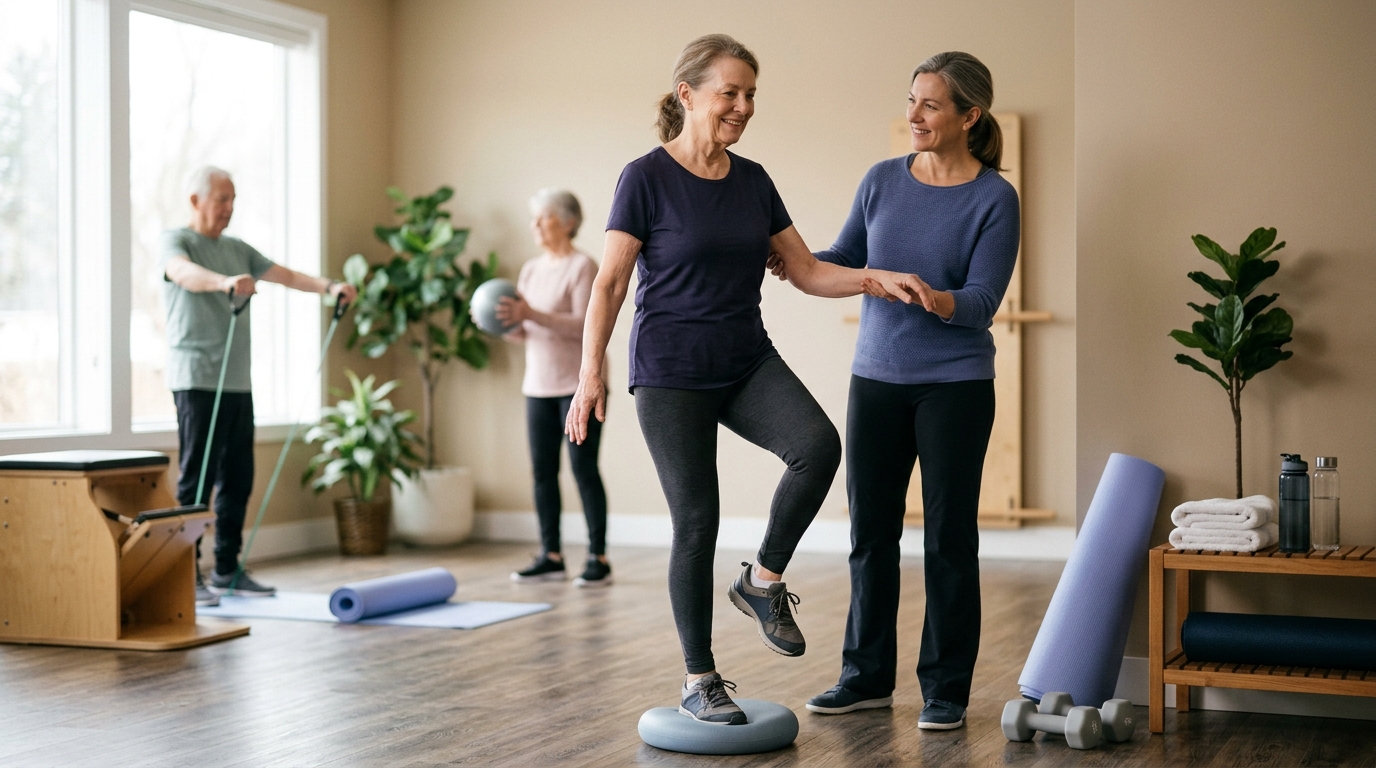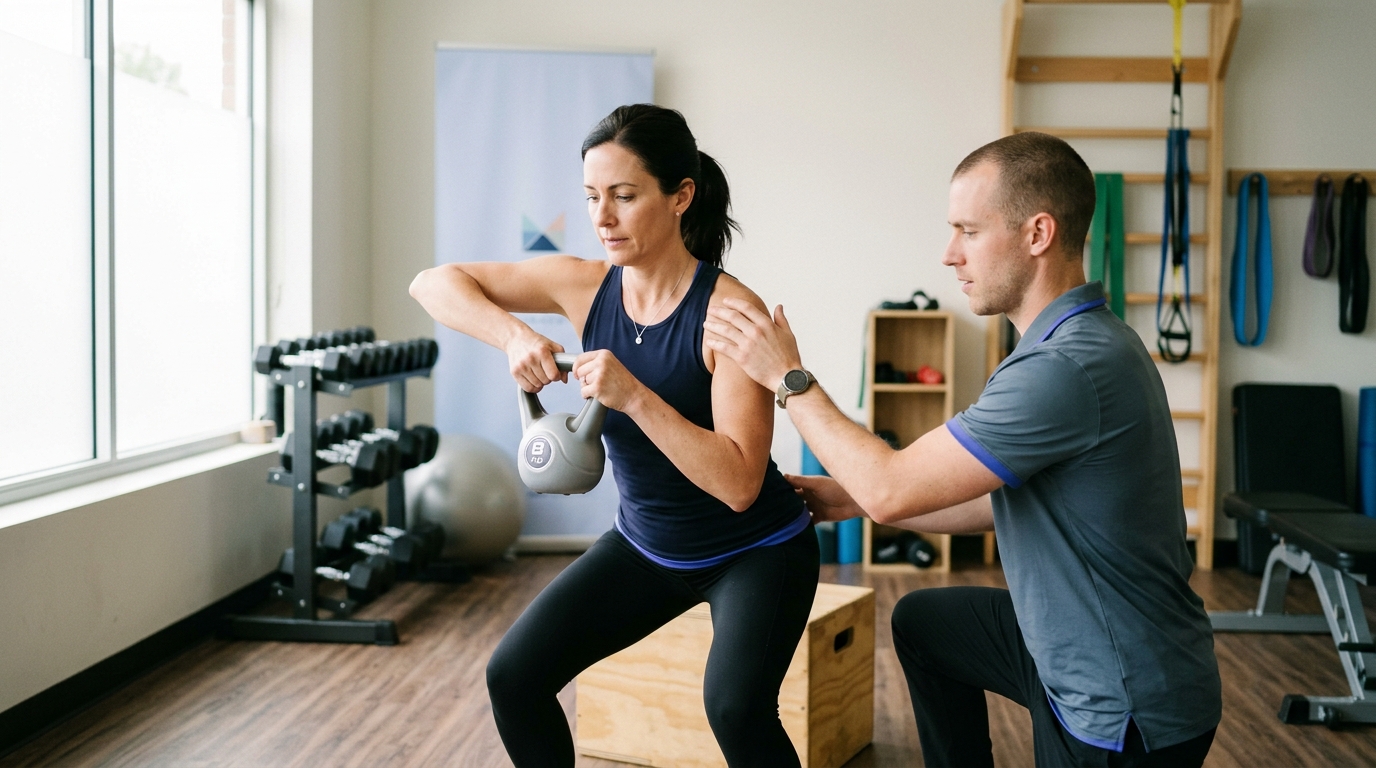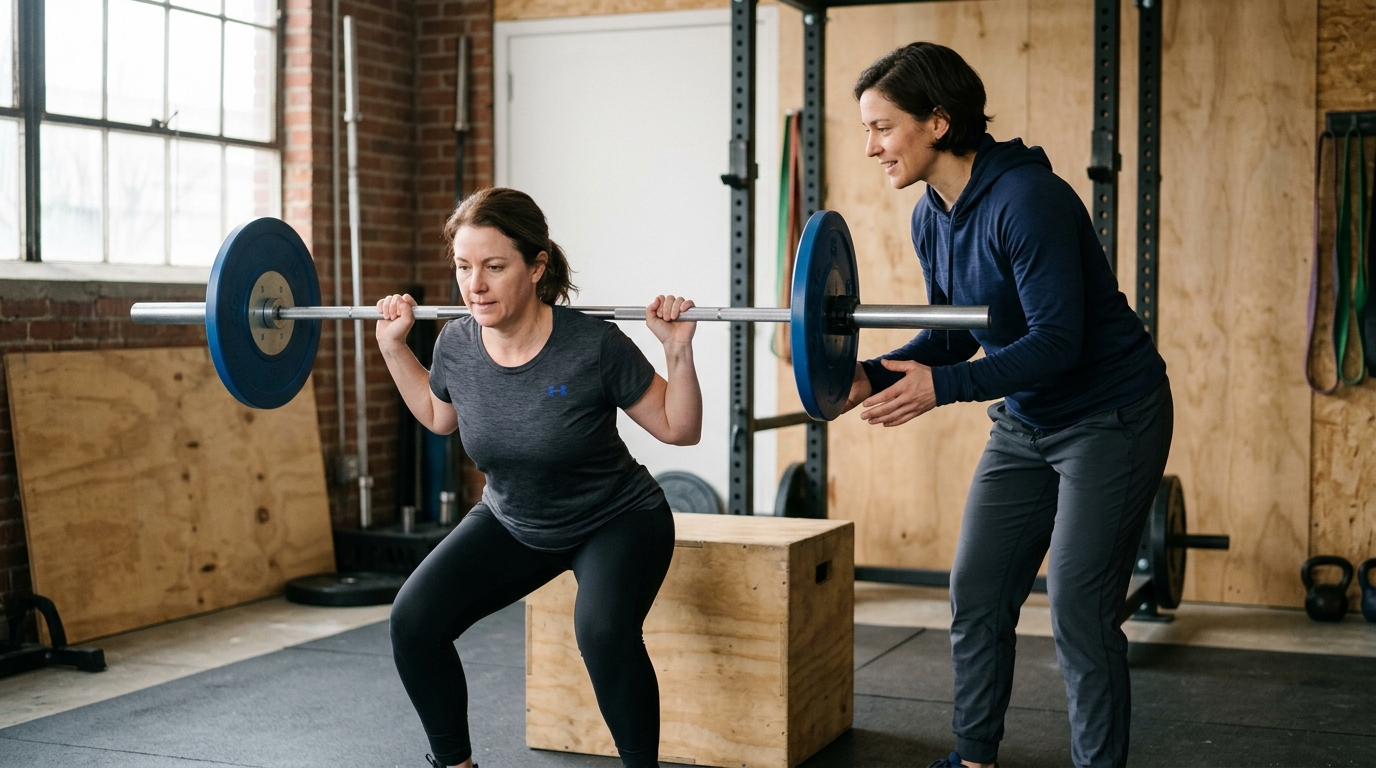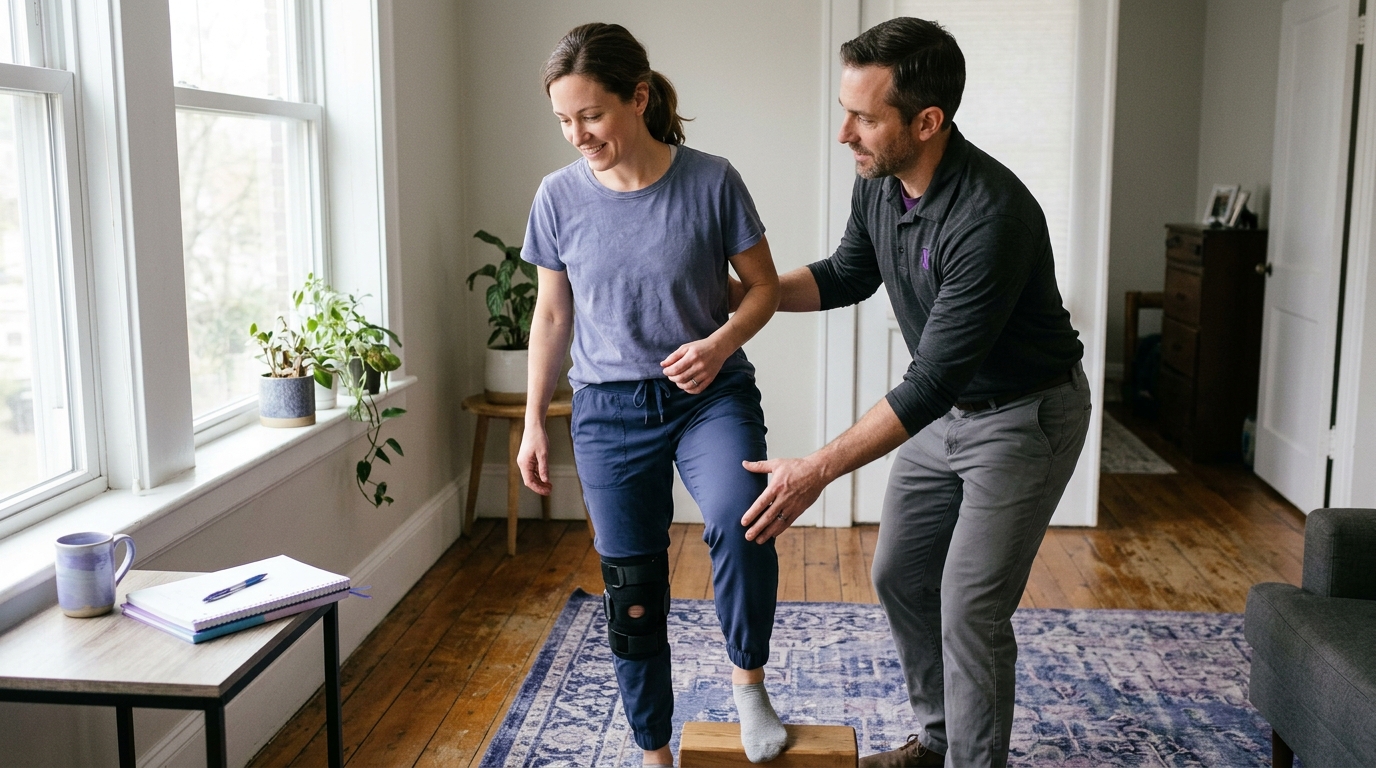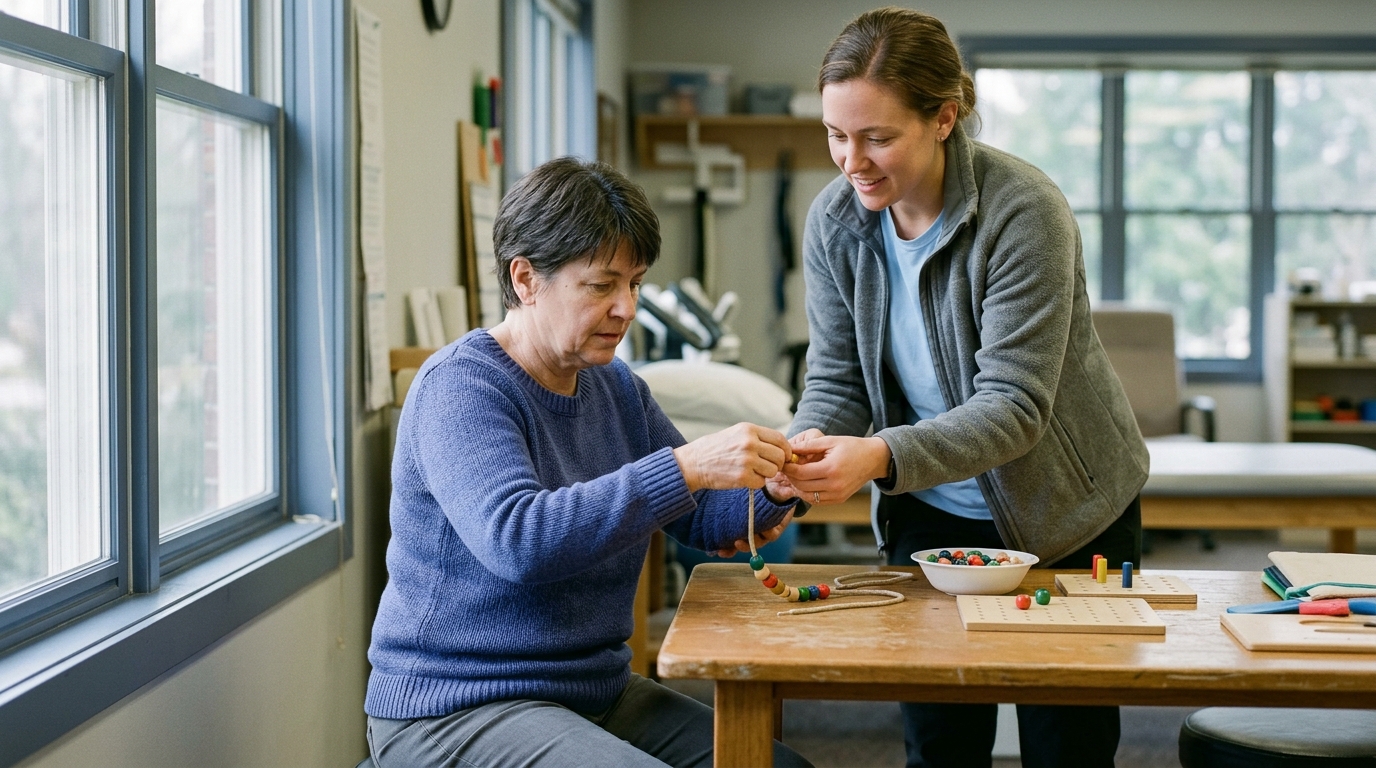

Building strong muscles does not automatically rebuild movement skills, as lasting coordination requires structured motor learning strategies tailored to everyday physical activities.





Movement control is the ability of the central nervous system to organize purposeful, coordinated actions in response to your body and your surroundings. It is not simply raw muscle power, and it is not just the ability to contract a single joint on command. While physical strength provides the force needed to move, movement control determines whether that force produces a smooth, accurate, and functional movement.
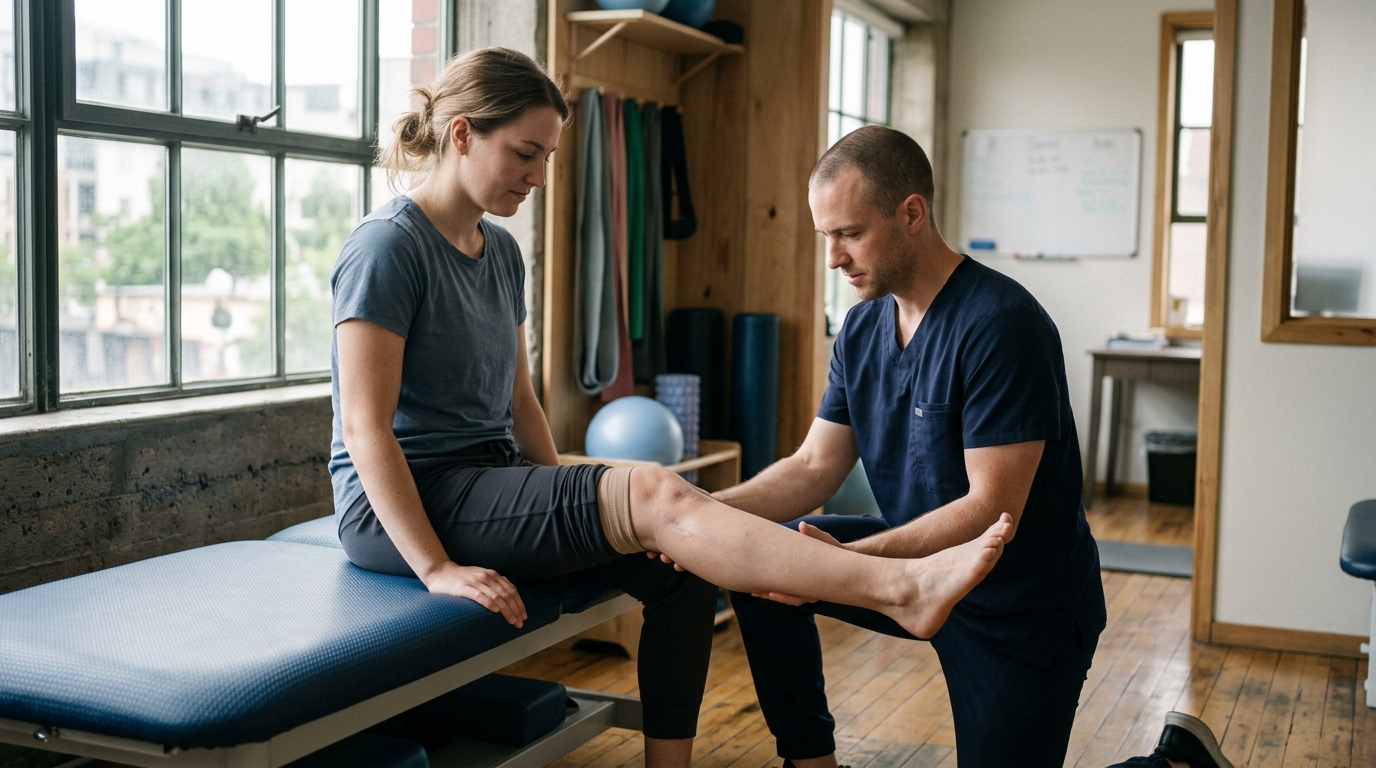
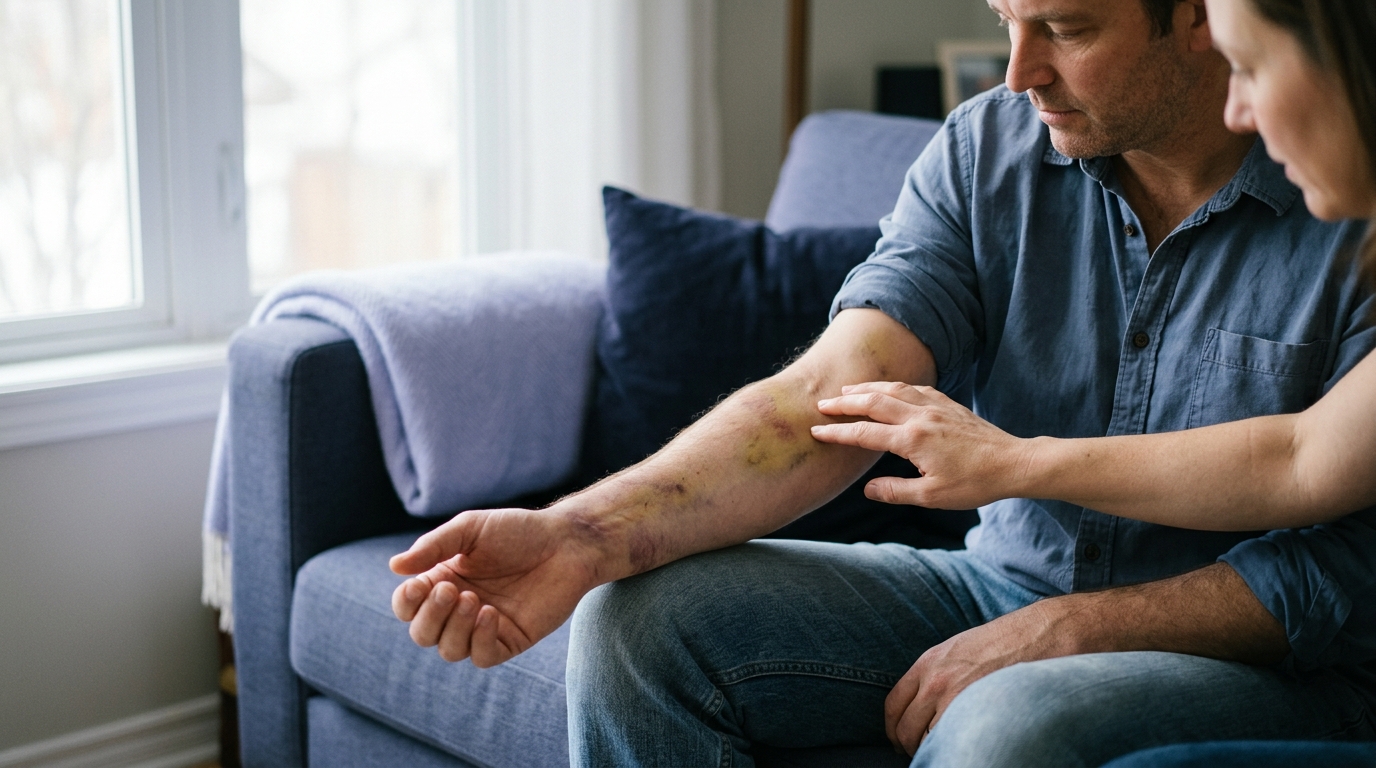
Rehabilitation after an injury, surgery, or neurological setback often requires rebuilding these practical movement skills from the ground up. This guide examines the science of motor control and motor learning, the evidence behind task-specific training, and how structured practice helps bridge the gap between clinical exercises and daily life.
Movement control refers to how your brain, nerves, and muscles work together to accomplish a specific physical goal. It is shaped by continuous interaction among three factors: the person performing the action, the task being attempted, and the environment where it takes place.
A person may have the physical strength to press a heavy weight overhead. Yet that same person might struggle to carry a full cup of coffee across a crowded room without spilling. Strength reflects the maximum force a muscle or muscle group can produce. Motor skill reflects how accurately, smoothly, and consistently you coordinate multiple muscles to achieve a real-world outcome.
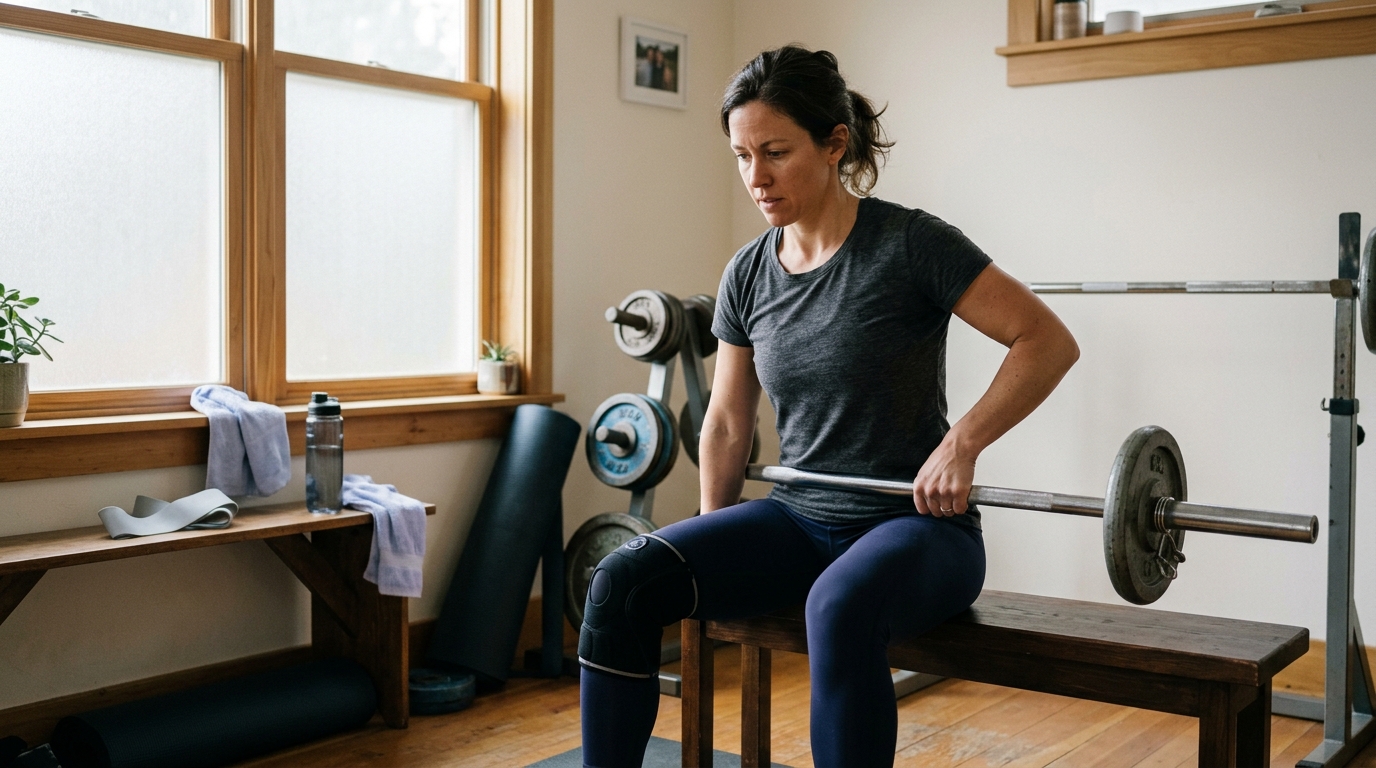
A common misunderstanding in physical recovery is assuming that a stronger muscle automatically creates better movement. Progressive resistance training is very valuable for restoring muscle tissue and joint capacity. However, research demonstrates that gains in isolated muscle strength do not always translate into improved coordination or practical skill.
When you practice reaching for an object, your brain must calculate the distance, adjust for the weight of your arm, regulate your grip force, and maintain your standing balance at the exact same time. These coordinated elements require motor learning, which is a fundamentally different physiological process than building muscle mass.
Understanding this distinction helps explain why comprehensive rehabilitation programs separate pure strength building from functional, task-oriented practice. Both elements are necessary, but neither one can fully replace the other.
To understand how movement improves, it helps to distinguish between motor performance and motor learning. Motor performance is what you do during a single therapy session or workout. It can change quickly based on warm-ups, verbal feedback from a therapist, physical guidance, or temporary fatigue.
Motor learning, by contrast, represents a relatively permanent change in your capability to perform a skill. True motor learning means that your ability to complete a task persists long after the practice session has finished.
Scientists evaluate true motor learning across three distinct stages:
During early recovery, an exercise might look smooth and controlled while a physical therapist is guiding you. However, if that movement falls apart the next morning at home, the change was only a temporary shift in performance. True learning requires repeated practice that allows the nervous system to consolidate new motor pathways over time.
This learning process relies on neuroplasticity, which is the brain's ability to reorganize its neural connections in response to physical experience. When you practice a functional movement with attention and intent, neural circuits adapt to make that coordination pattern more efficient and dependable.
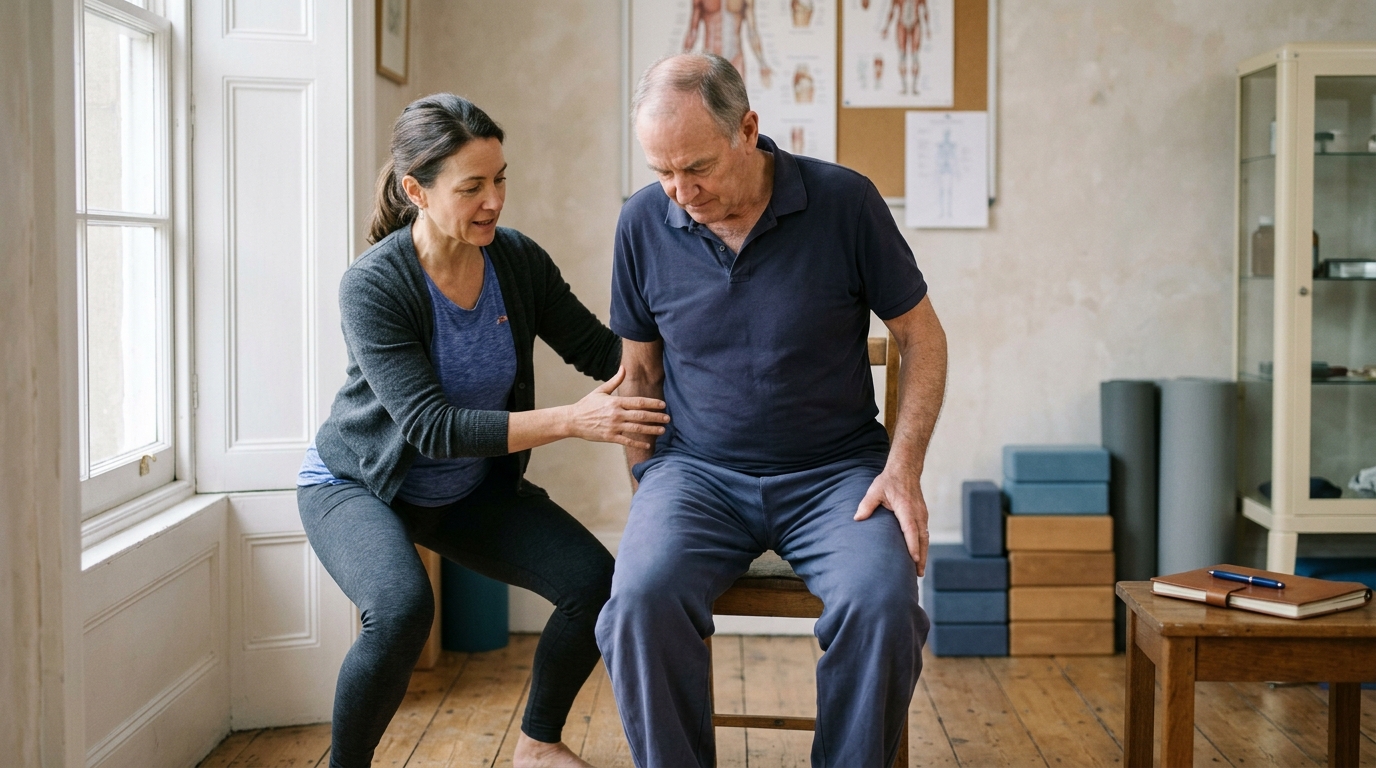
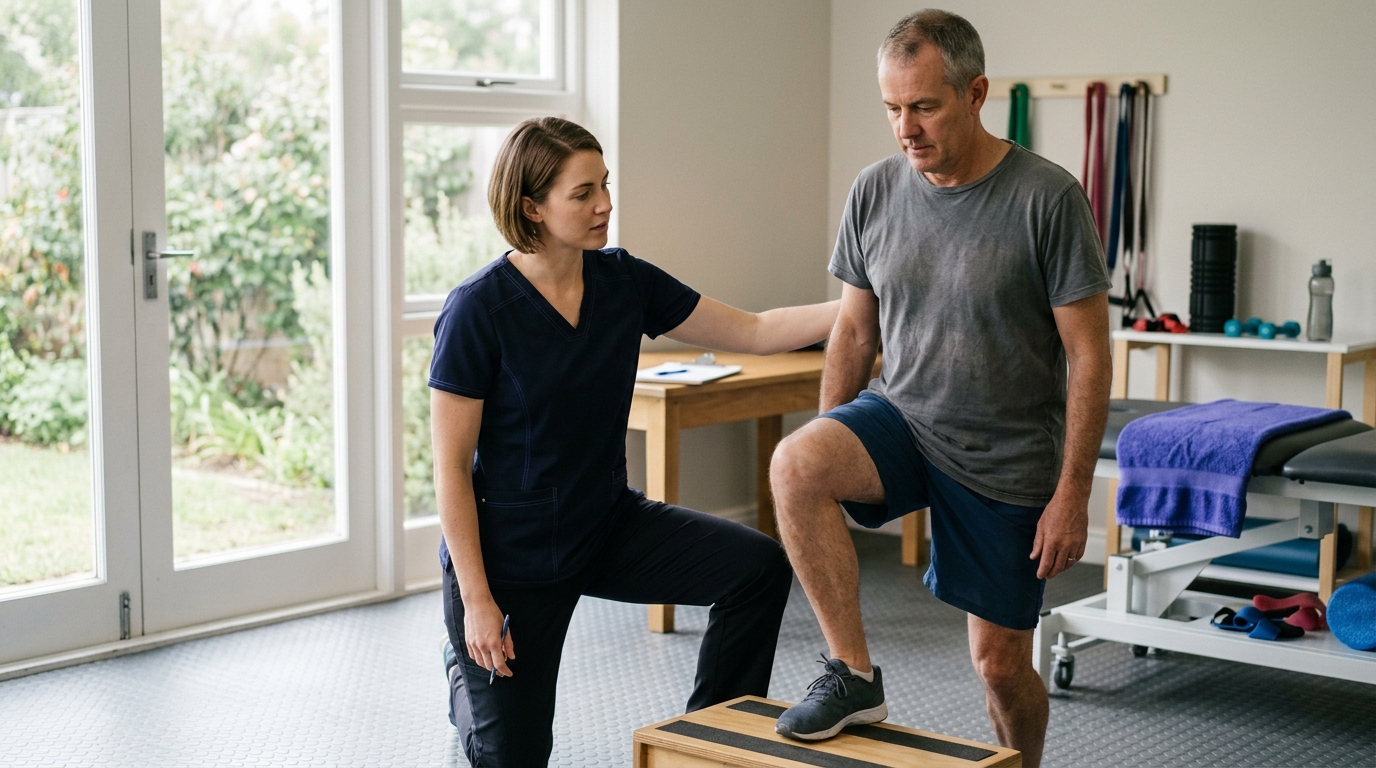
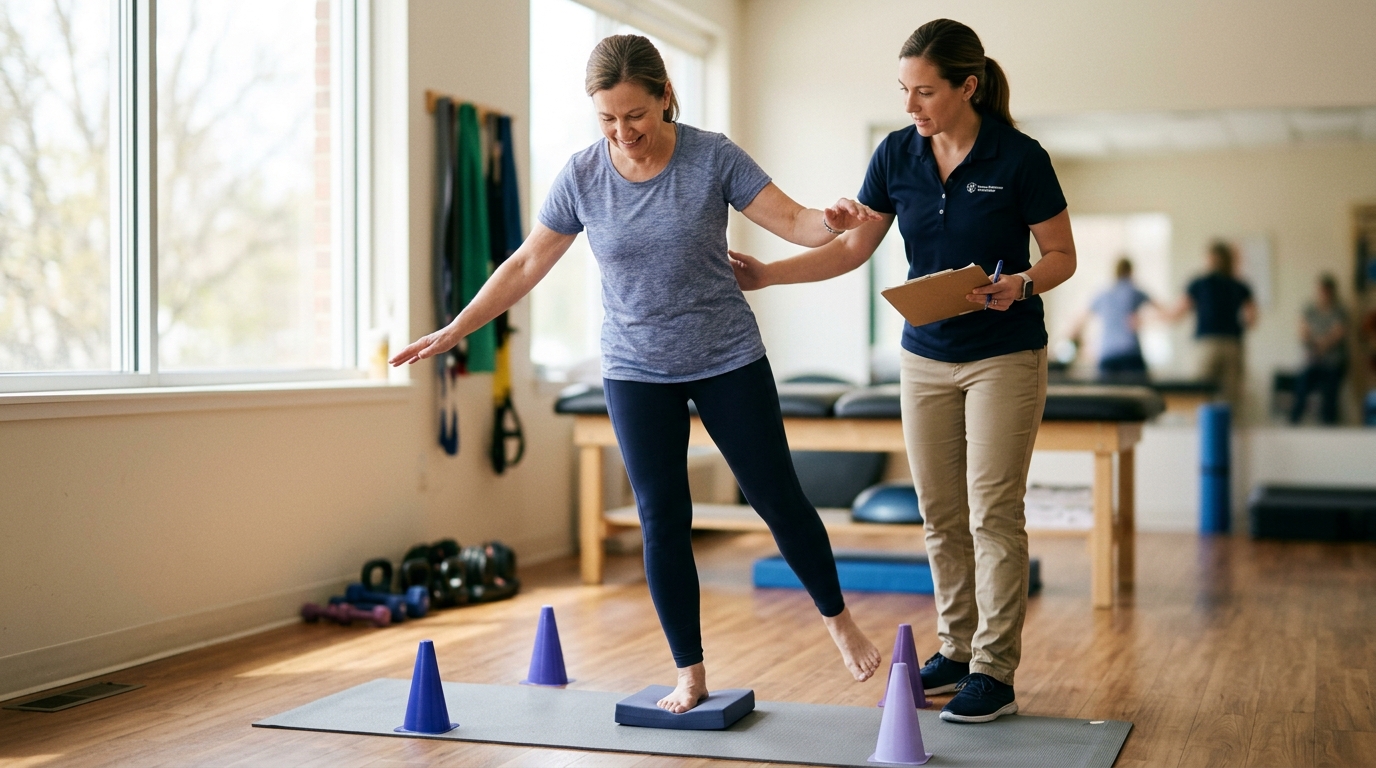
Task-specific practice involves repeatedly training a real-world functional task, or the meaningful components that make up that task. Instead of just performing generic muscle contractions, you practice actions like rising from a chair, stepping onto a curb, or manipulating everyday objects.
Clinical research, particularly in neurological and stroke rehabilitation guidelines, strongly supports task-specific practice as a core rehabilitation method. Major clinical practice guidelines, including those from the Department of Veterans Affairs and the Department of Defense, recommend task-specific practice to restore movement, walking ability, and activities of daily living.
A major systematic Cochrane review evaluated repetitive task training across multiple randomized controlled trials. The review found clear, statistically significant benefits for several key functional outcomes:
The same Cochrane review noted that functional gains in arm and leg control were generally maintained at follow-up assessments up to six months after therapy ended. However, the evidence showed that these effects tended to fade between six months and one year if structured activity was not continued.
This research shows that task-specific practice works well, but its benefits are not permanent without ongoing movement in daily life. Furthermore, evidence quality varies across different body regions, with lower-limb mobility outcomes often showing more consistent effects than complex hand dexterity tasks.
To read more about the scientific foundations of physical recovery, you can review our injury recovery and rehabilitation articles for detailed breakdowns of current clinical research.
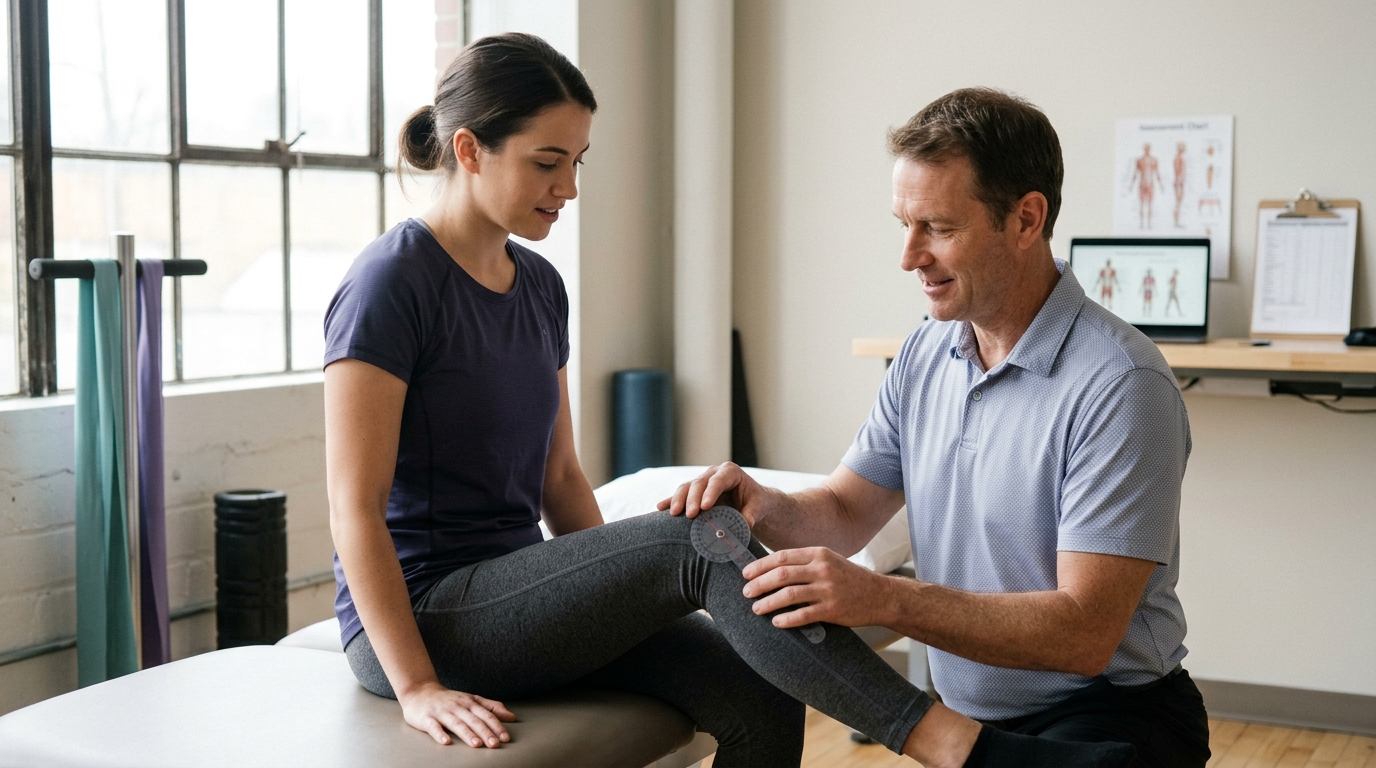
To understand why movement control matters, clinicians use the International Classification of Functioning, Disability and Health, known as the ICF. Developed by the World Health Organization, the ICF framework divides physical recovery into three separate levels:
A person can make excellent progress at the level of body functions by increasing their quadriceps strength on a leg press machine. However, if they cannot coordinate that strength to descend stairs safely, their activity level remains limited. Similarly, being able to walk across a flat clinic floor does not automatically mean a person can navigate an uneven lawn or a crowded grocery store.
The ultimate goal of motor rehabilitation is to translate improvements in body function into independent activities and meaningful life participation. When designing exercises, clinicians evaluate not only whether a movement is possible in a quiet room, but whether it can be used in the real world.
For additional information on how functional movement assessments guide recovery, explore our rehabilitation and mobility resources.
Rebuilding movement control is not a simple matter of doing endless identical repetitions. Several critical variables influence how efficiently the nervous system learns and retains a movement skill.
Blocked practice involves repeating the exact same movement over and over before moving on to another exercise. For example, doing ten sit-to-stand repetitions in a row without interruption is blocked practice. This format often produces rapid improvements in performance during the session, making it very helpful for beginners learning the basic mechanics.
Random practice mixes different tasks or variations together in an unpredictable order. For instance, a person might stand up from a chair, take two steps forward, reach for an object on a counter, and then sit down on a different surface. While random practice can feel harder and lead to more errors during the session, research shows it generally leads to superior long-term retention and skill transfer.
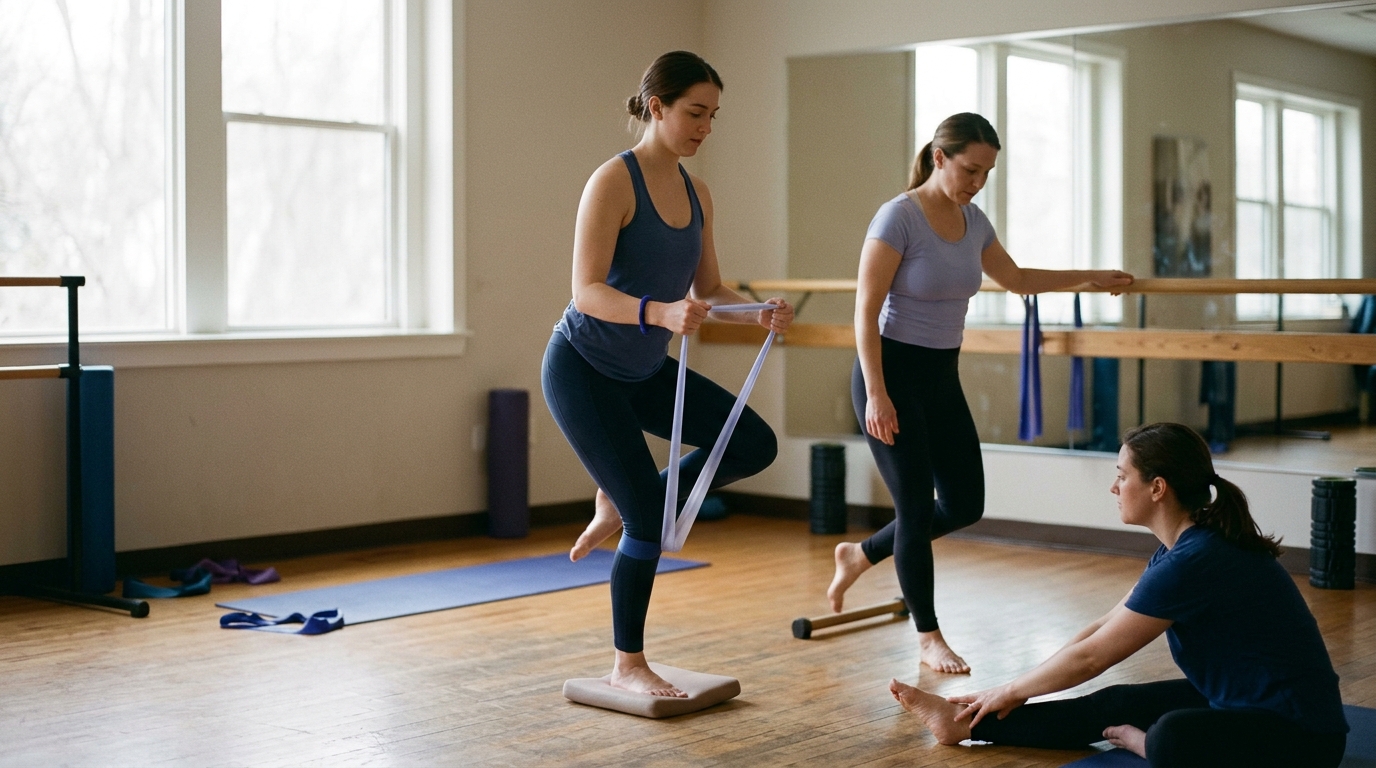
Feedback is essential for learning, but too much feedback can create dependency. Augmented feedback includes verbal cues, visual mirrors, or physical guidance provided by a clinician.
If a person receives constant verbal correction on every single repetition, they may rely on the therapist rather than developing internal sensory awareness. Gradually reducing feedback, known as faded feedback, encourages the learner to detect and correct their own movement errors.
The way instructions are worded has a measurable effect on motor coordination. An internal focus directs attention to body parts and muscle actions, such as "focus on squeezing your glute muscles as you stand."
An external focus directs attention toward the movement's effect on the environment or an external object, such as "push the floor away from you" or "reach directly toward the target." Studies in movement science consistently demonstrate that an external focus of attention promotes smoother, more automatic movement patterns and better retention.
Movement control changes dramatically when tasks are performed under varying conditions. In real life, walking is rarely done in total silence on a smooth floor. Daily life involves dual-tasking, such as walking while holding a conversation or carrying a bag of groceries.
Rehabilitation programs often start with closed tasks, which are performed in predictable, static environments. As coordination improves, therapists introduce open tasks, which take place in changing environments with unpredictable obstacles, varying speeds, and competing cognitive demands.
To discover more strategies for staying active as you recover, visit our injury prevention and active living resources.
Structured practice should not stop when a formal physical therapy appointment ends. Motor learning requires regular, high-quality exposure to functional movements in safe, accessible ways. Here are three practical examples of how movement control and coordination are trained across common daily activities.
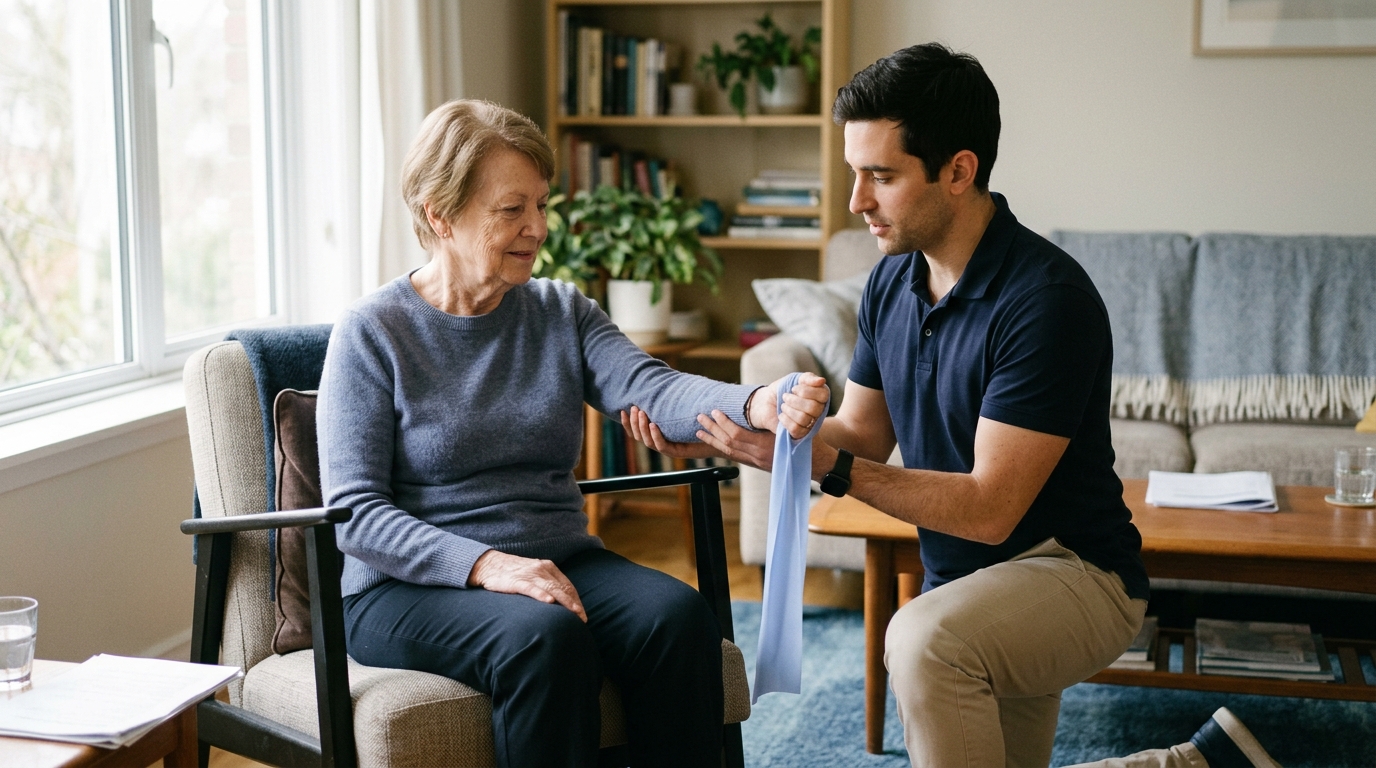
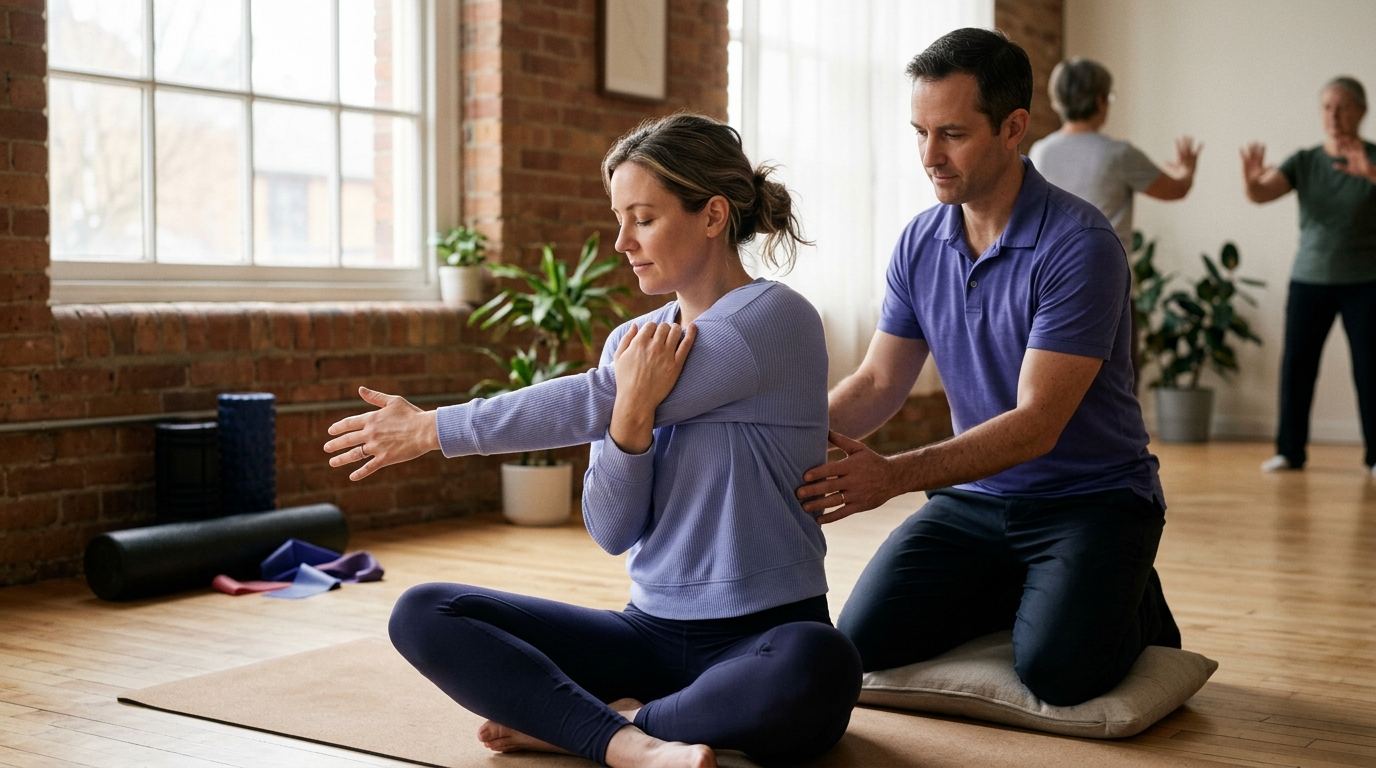
Reaching for an object requires precise visual tracking, shoulder stability, elbow control, and fine finger dexterity. When rebuilding this skill, practice often begins with component training and progresses to the complete functional task.
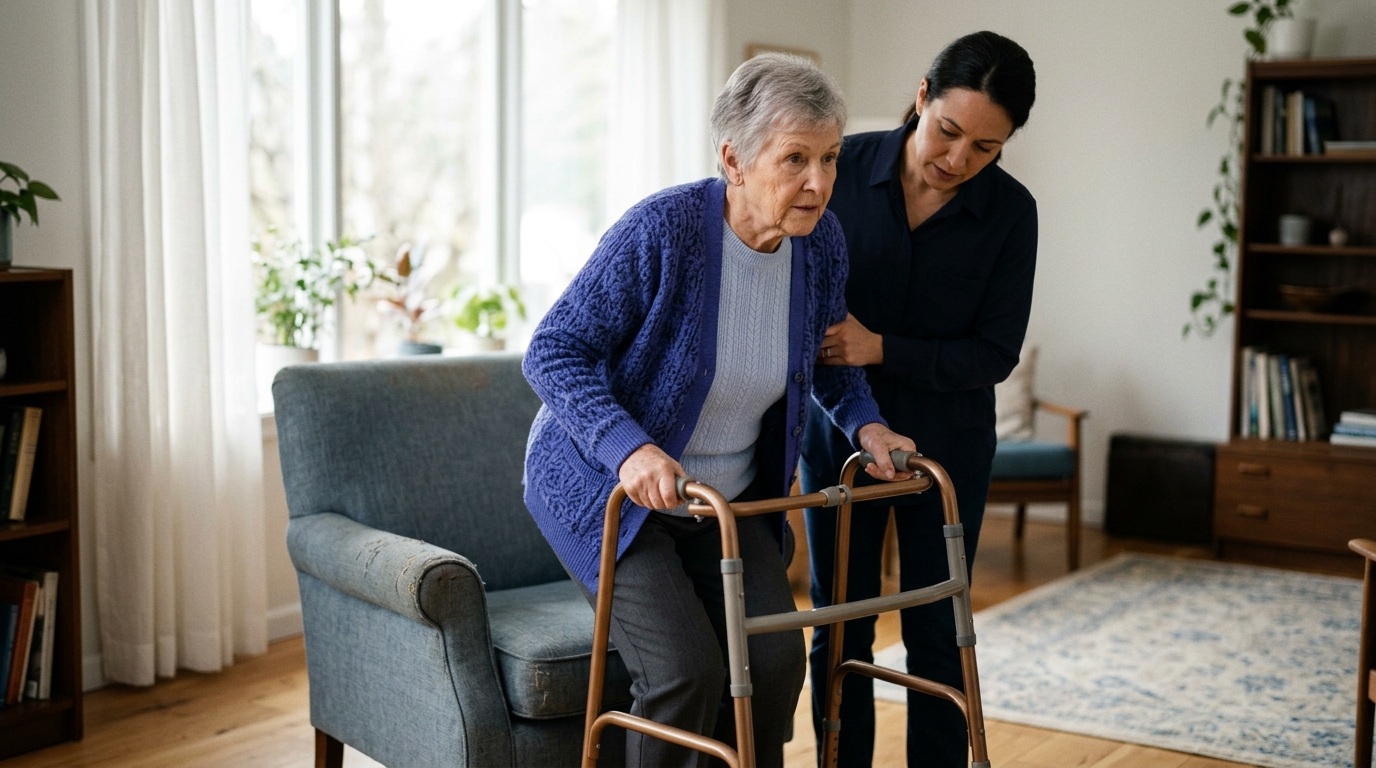
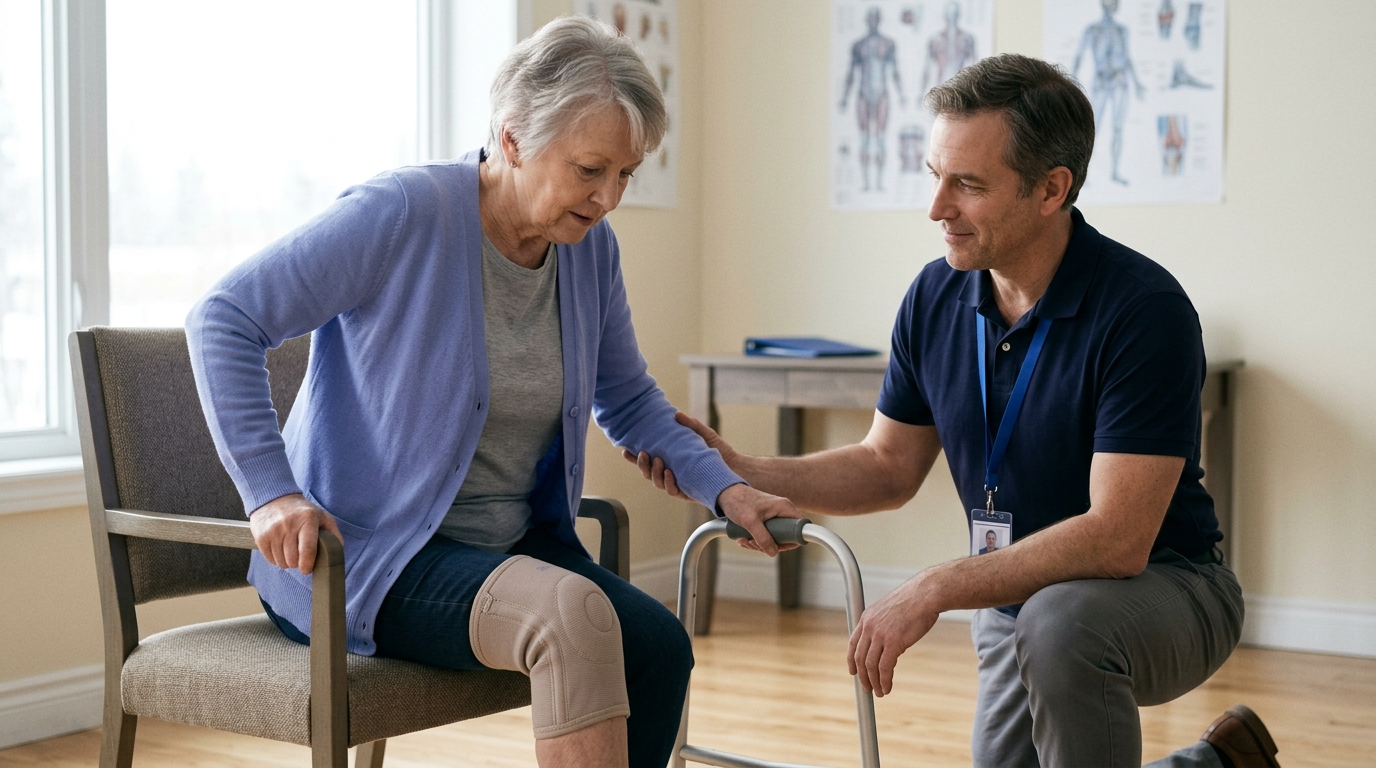
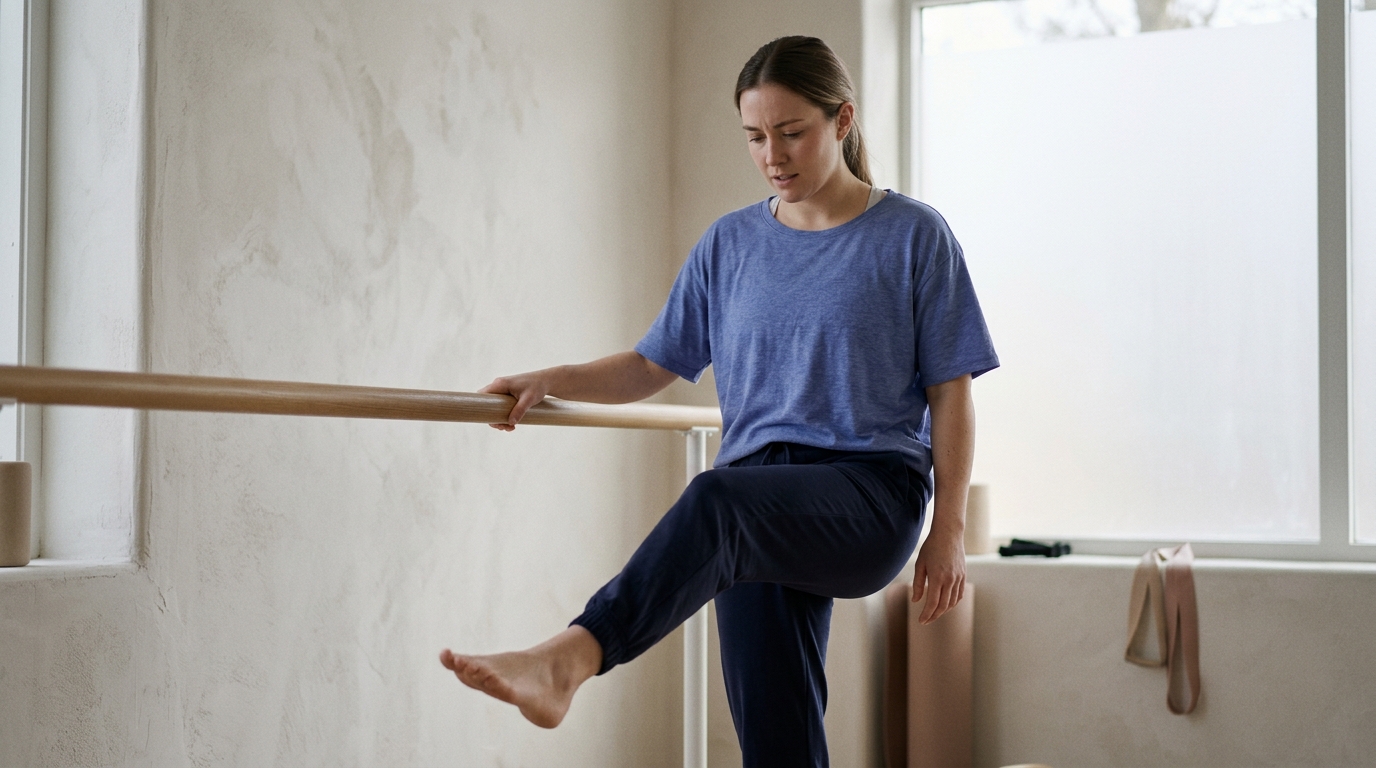
Rising from a seated surface is one of the most fundamental movements for independent living. It requires forward weight shifting, hip and knee extension, and dynamic balance control.
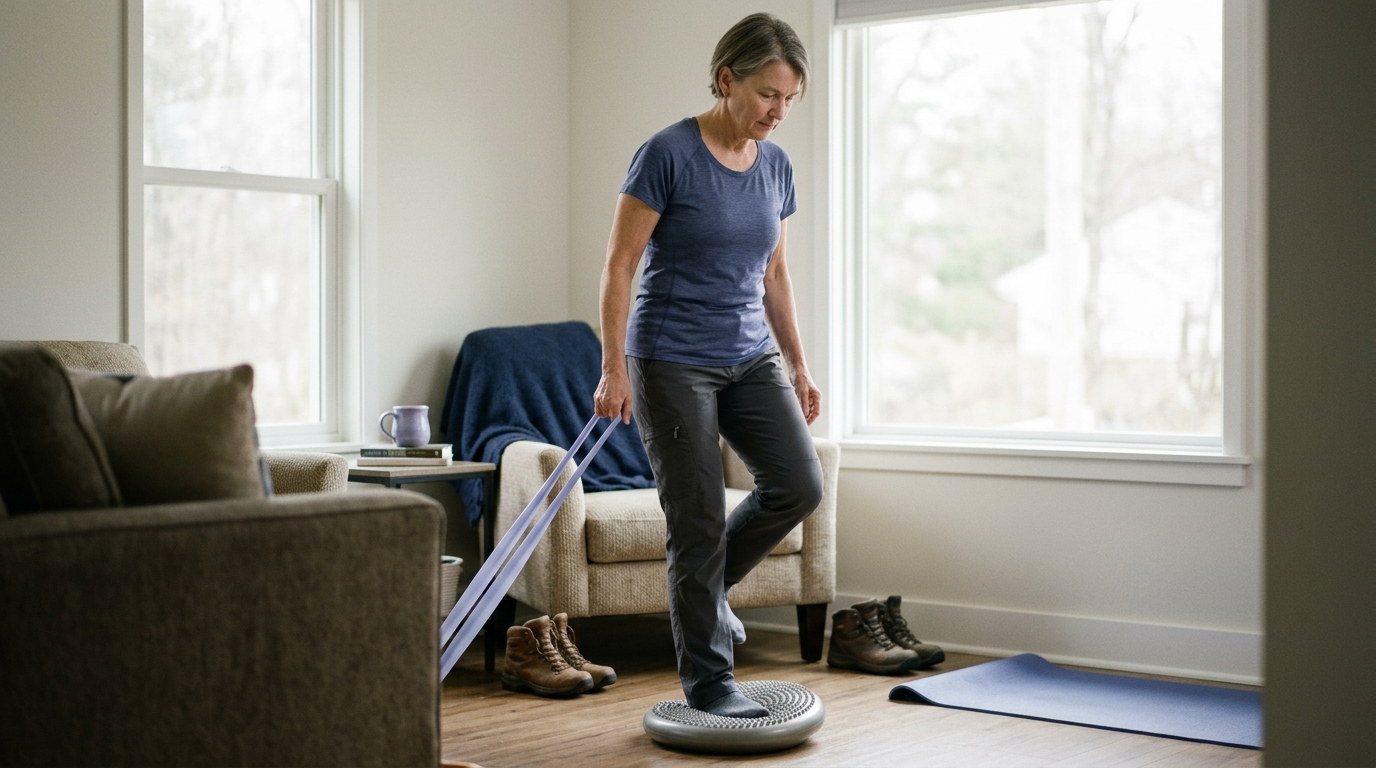
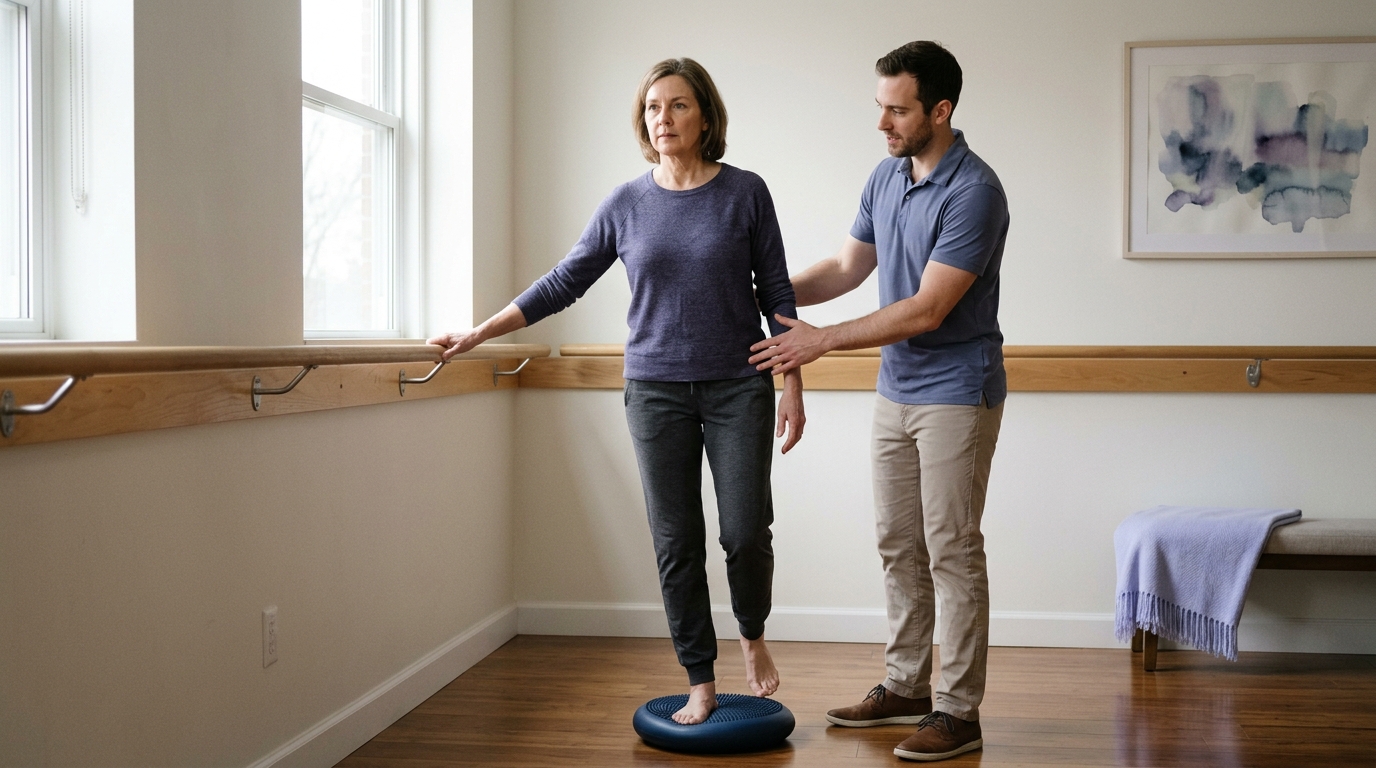
Walking in everyday life requires adapting your stride, maintaining balance on uneven ground, and managing mental distractions simultaneously.
You can learn more about rebuilding physical resilience by exploring our articles on mobility and movement.
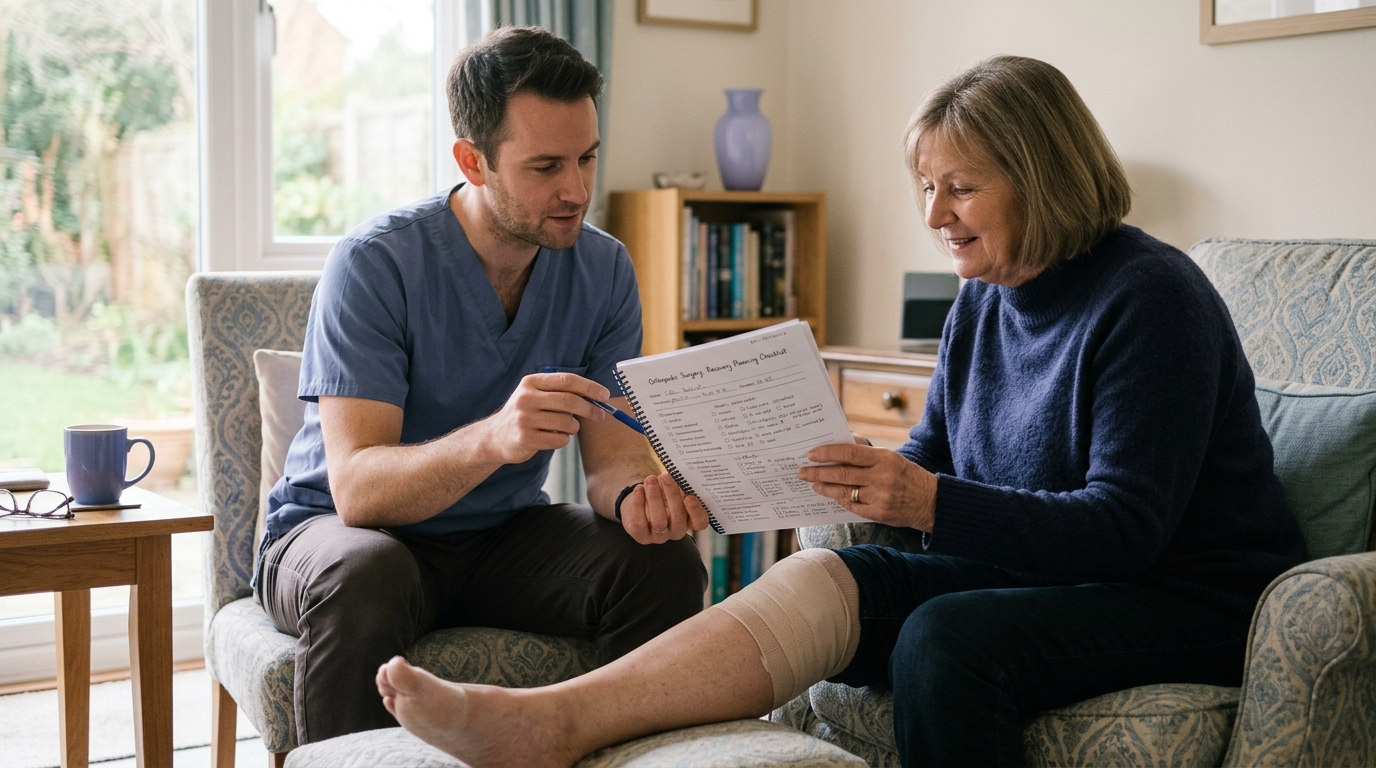
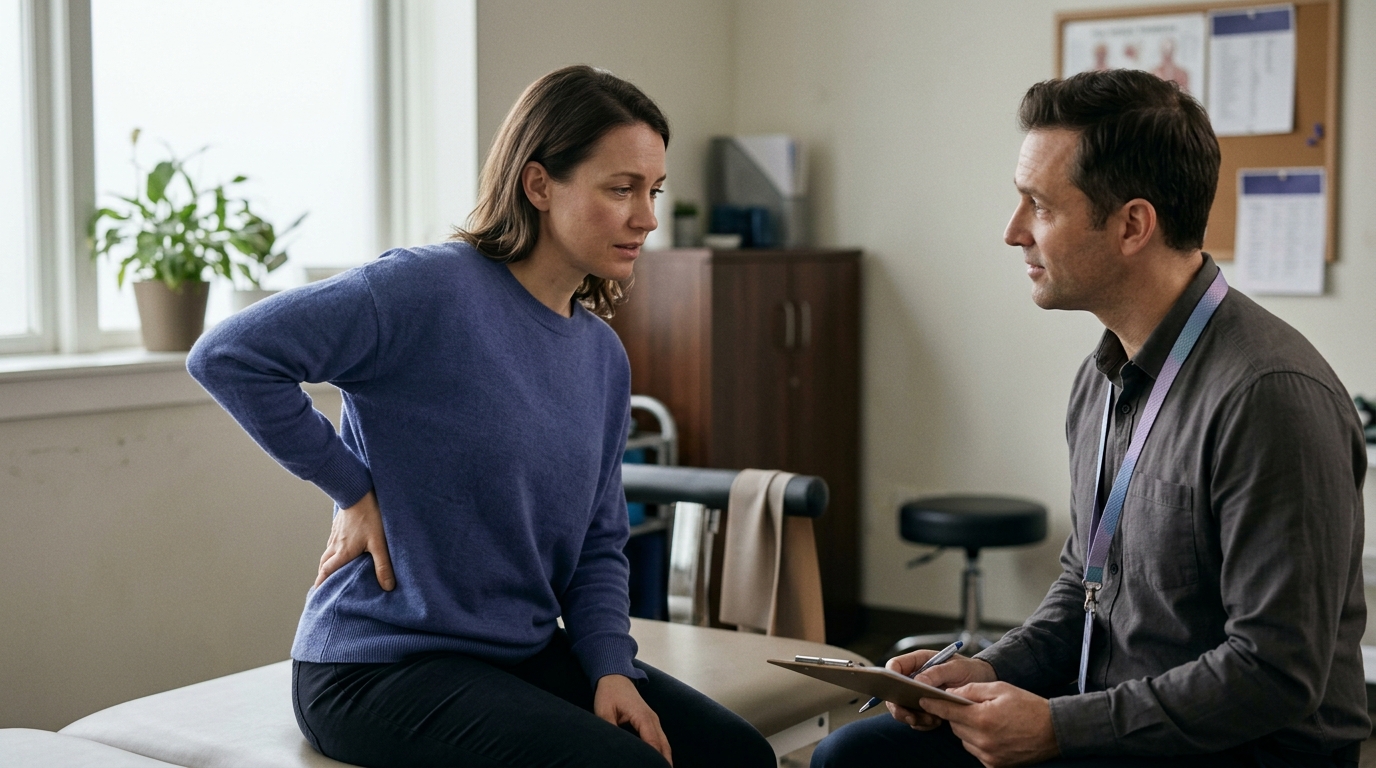
Recovering movement control is a personalized process that depends on your medical history, current healing status, and physical goals. Here are practical questions you can bring to your doctor or physical therapist:
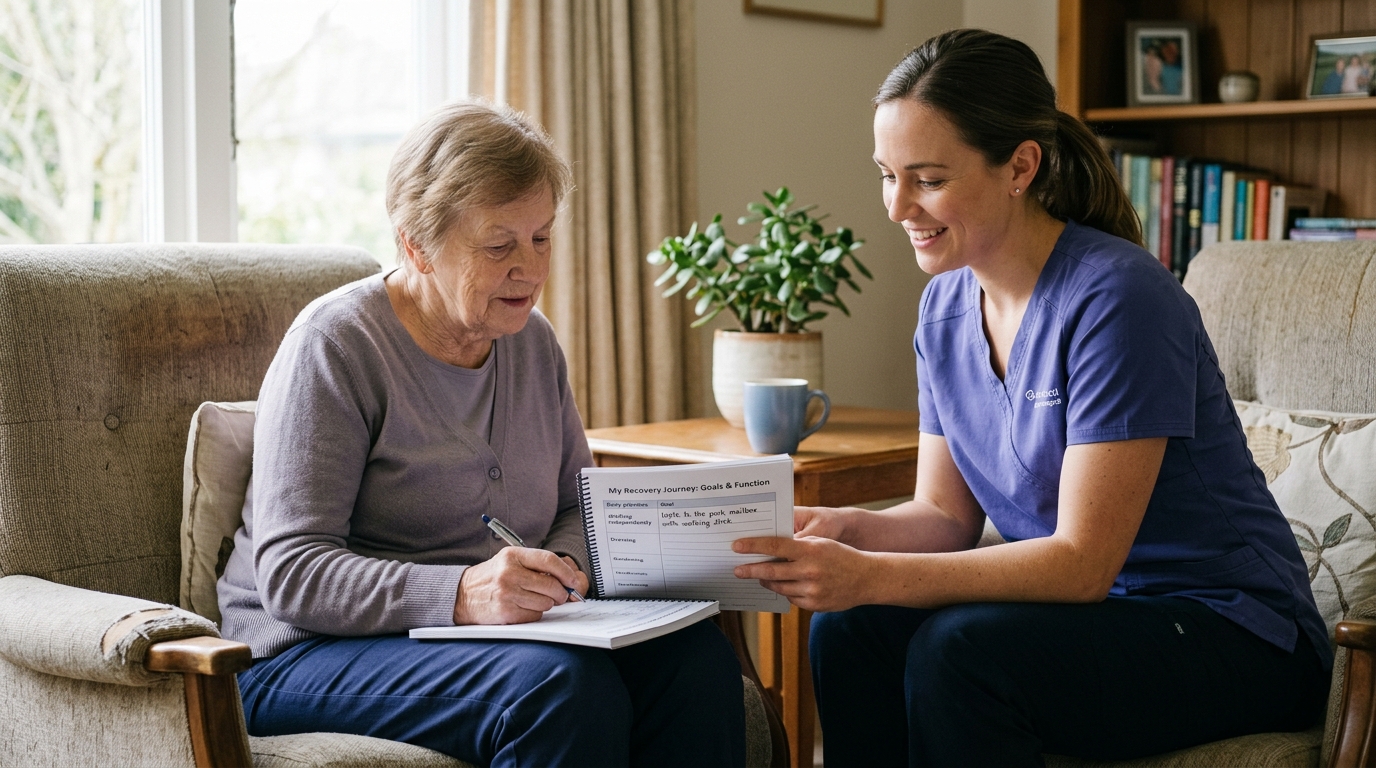
Having these discussions ensures that your rehabilitation plan remains focused on meaningful, real-world goals rather than just isolated exercise metrics.
Rebuilding movement control involves far more than simply strengthening an injured muscle. While resistance training provides the physical foundation for movement, motor control requires the brain and nervous system to coordinate purposeful actions within real-world environments.
Clinical evidence shows that repetitive, task-specific practice helps restore essential skills such as walking, balancing, and object manipulation. By incorporating progressive challenge, meaningful goals, and varied practice conditions, rehabilitation helps bridge the gap between clinical capability and true daily independence.
Repetition is essential, but the quality and structure of the practice matter just as much as the number of repetitions. Mindless repetition without attention or challenge produces limited neural adaptation. Effective motor learning requires active engagement, appropriate difficulty, and opportunities to correct errors during practice.
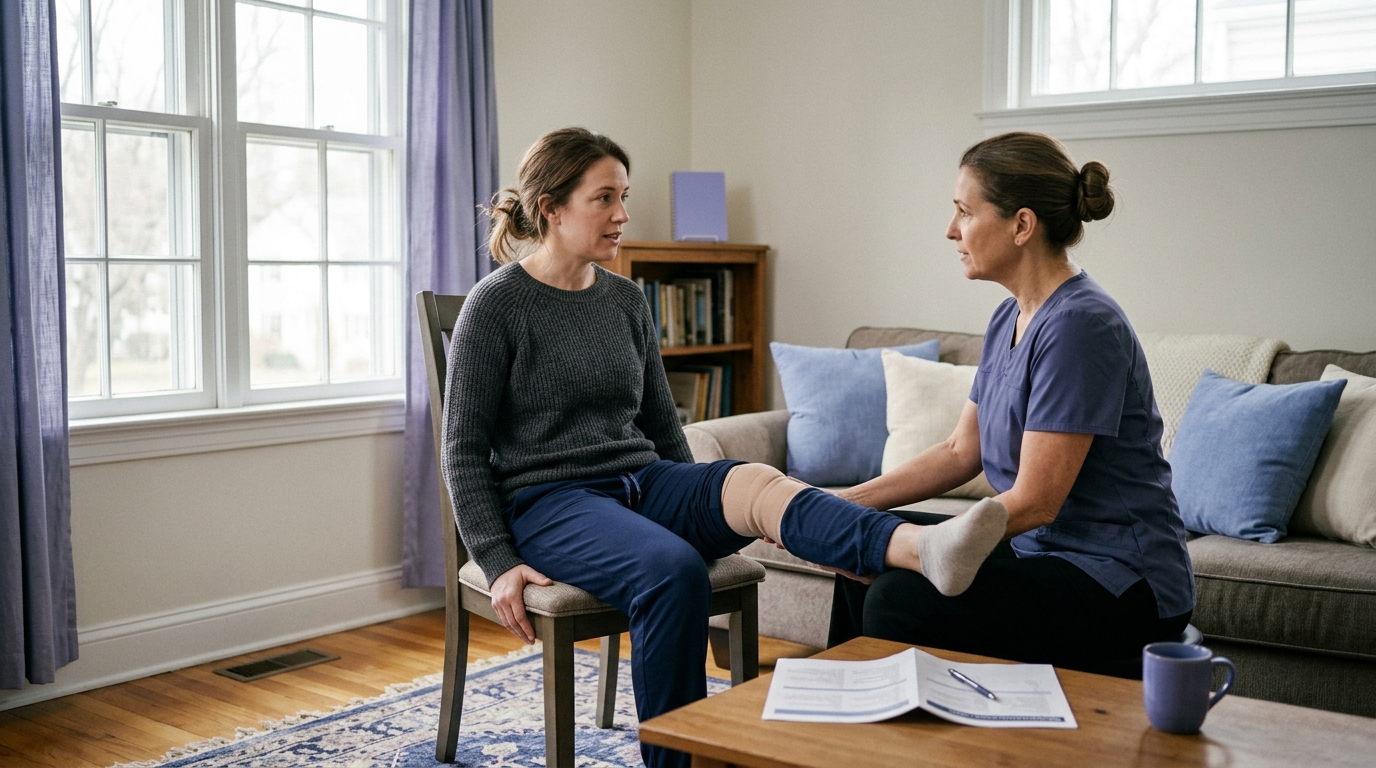
During a therapy session, you often benefit from warm-ups, direct verbal cues, physical guidance, and a controlled environment. When you return home, those temporary supports disappear, revealing your baseline level of motor learning. Over time, practicing in varied home environments helps make those movement patterns permanent and automatic.
No. Strength training increases the force-generating capacity of muscles, which is very important for physical recovery. However, strength training does not teach the central nervous system how to time, sequence, and adapt complex movements in daily life. A balanced rehabilitation plan includes both progressive strengthening and task-specific skill practice.
An exercise may be too complex if your movement breaks down into severe compensations, if you experience sudden loss of balance, or if pain increases significantly. When a movement feels completely uncoordinated, it is often helpful to break the task down into simpler component parts before attempting the full movement again.

Use ReboundBody resources to understand common recovery stages, rehab terms, movement limits and strength rebuilding. Each guide is designed to make a complex comeback easier to understand.


Read practical guidance on injury recovery, rehabilitation, mobility and rebuilding strength as you work your way back to activity.
Explore Resources