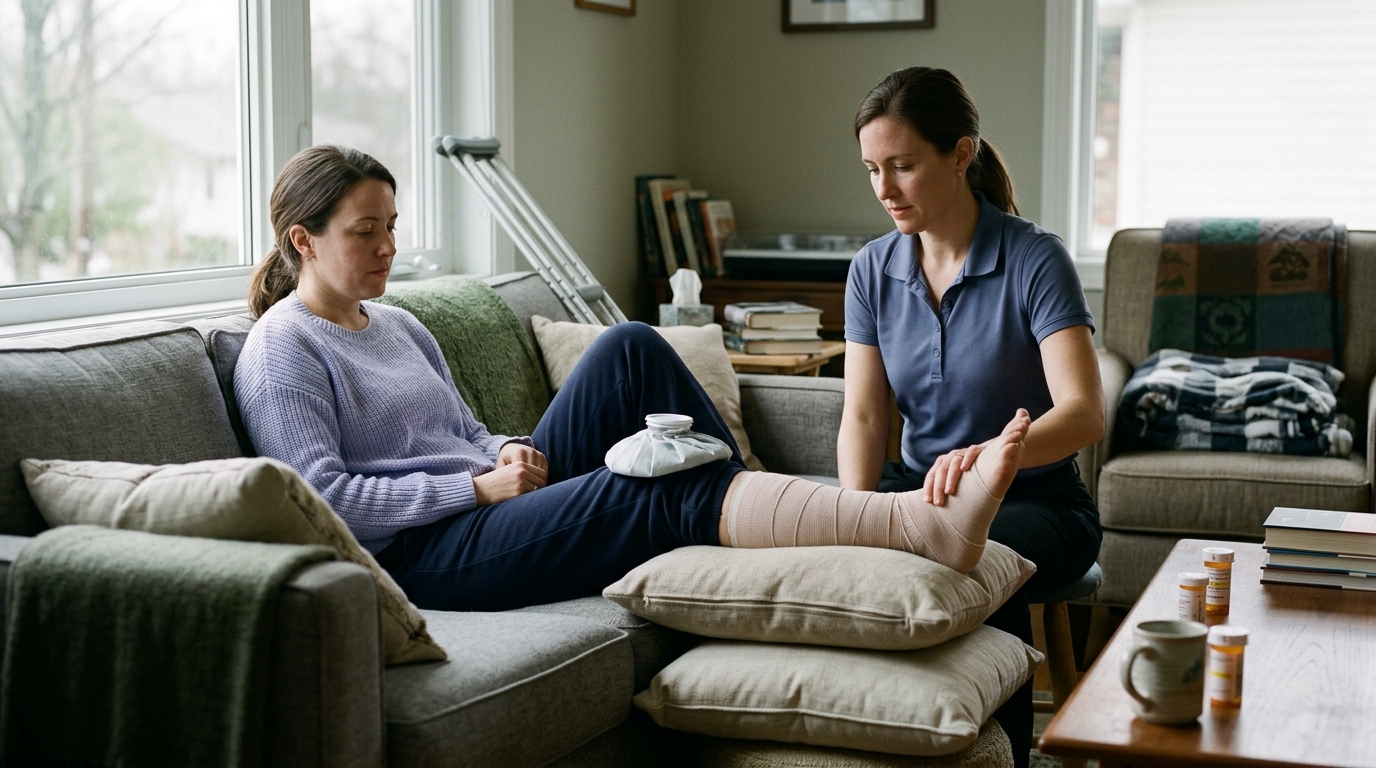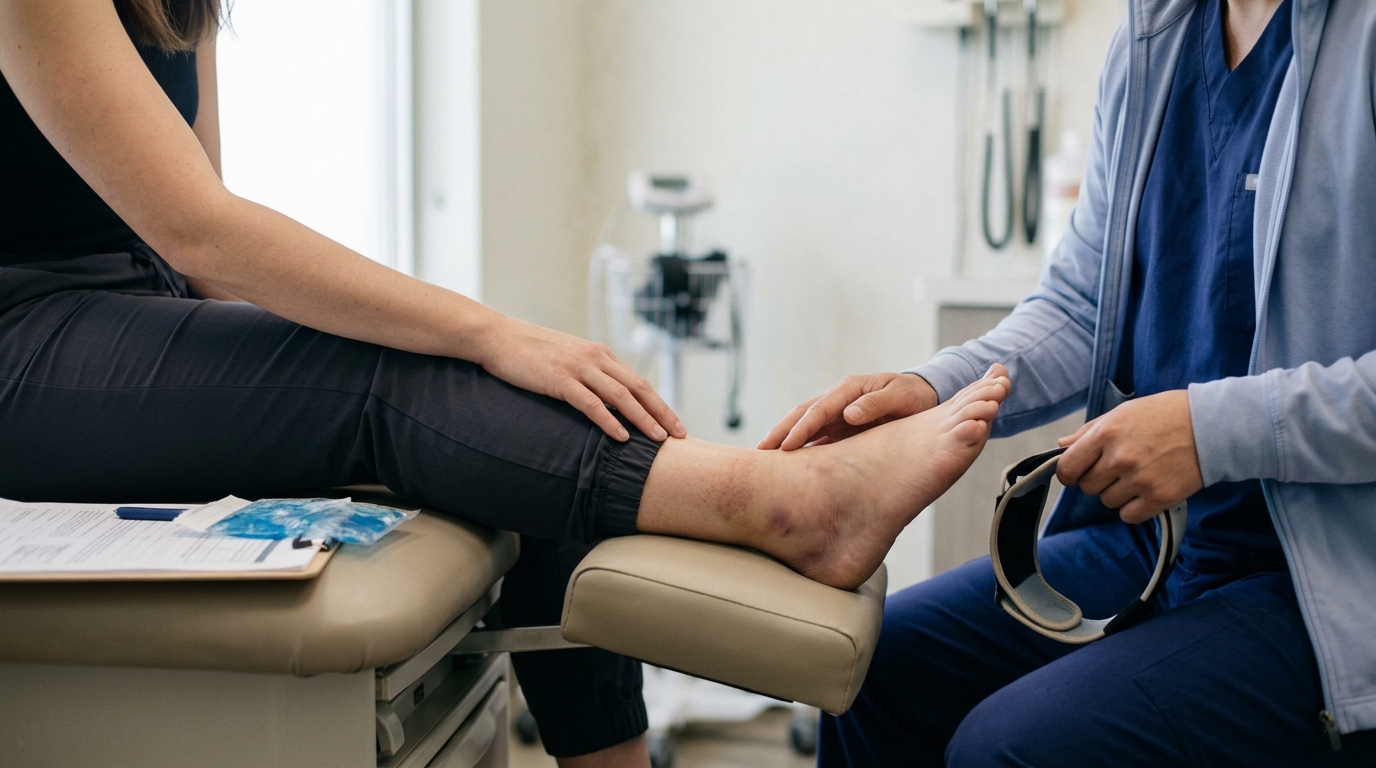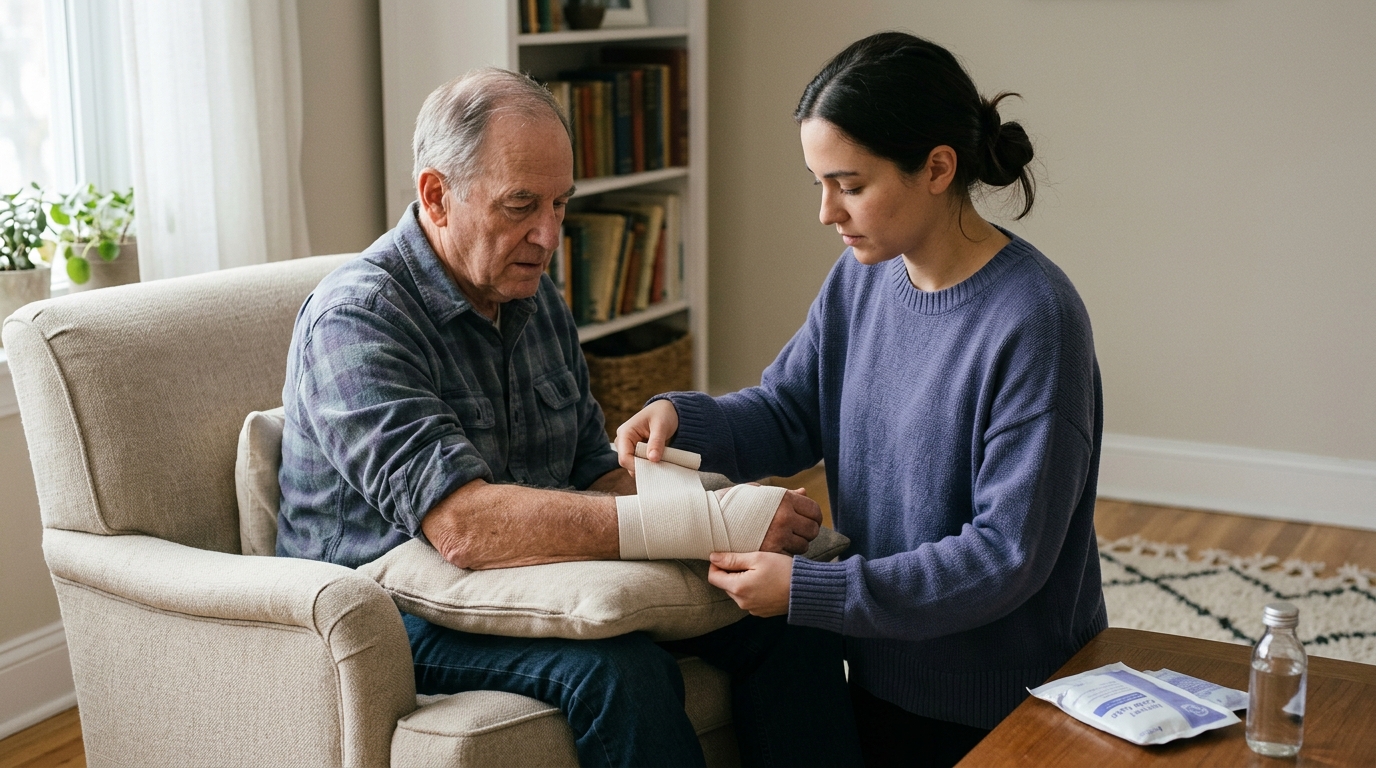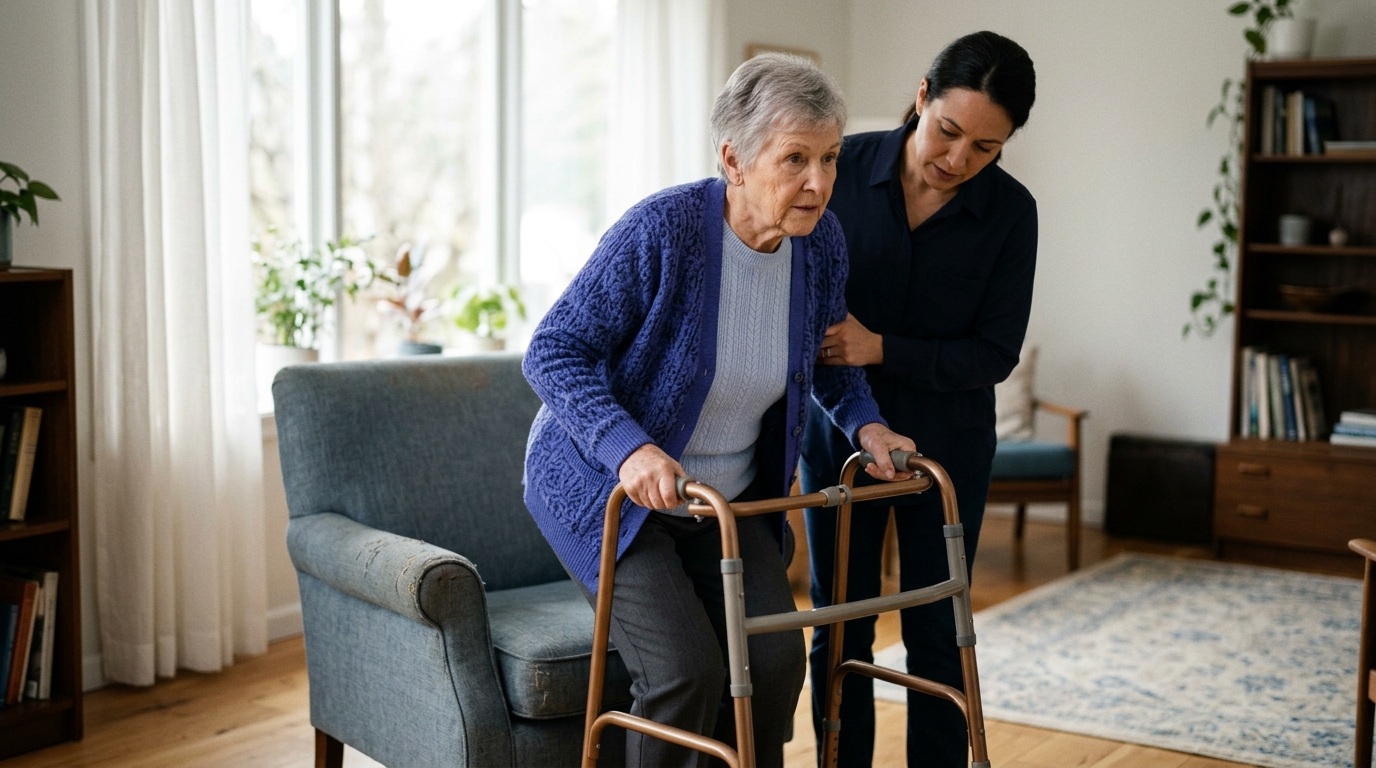

A smooth recovery at home requires structured discharge planning, accurate medication reconciliation, clear caregiver communication, and practical home safety adjustments.





You have likely typed something like "what to expect when leaving the hospital after surgery" or "what happens after physical therapy ends" into a search bar. These questions point to a common, unsettling feeling. Leaving the structured support of a hospital or outpatient clinic often feels like stepping off a ledge. This guide provides a clear roadmap for every major handoff in the recovery process.
A recovery transition is not a single event or a simple change of address. It is a series of handoffs between different levels of care. These milestones include leaving an inpatient hospital unit, moving from a skilled rehabilitation facility to your house, or finishing formal physical therapy. Each handoff changes who is responsible for your daily care. It also changes which services you can access and what you must do for yourself.
Discharge from a medical facility does not mean your recovery is finished. It simply means you no longer require inpatient medical oversight. In many healthcare systems, short-term support begins first, while your long-term needs are evaluated later once your function stabilizes. In the United Kingdom, for example, health services use an approach known as "discharge to assess." This model allows care teams to see how you perform in your actual home before making permanent care decisions.
When you move between care settings, several common challenges appear:
True continuity depends on clear communication, patient preparation, and confirmed follow-up plans. A successful transition is not just a stack of paperwork handed to you at the door. It is an ongoing, flexible process that adjusts as your body heals. Learning how to navigate these stages will help you move forward with realistic expectations.
Decades of health services research show that structured transitions improve patient safety and lower hospital readmission rates. When hospitals and clinics invest in clear handoffs, patients experience fewer complications and manage daily life with greater confidence.
A 2023 systematic review and network meta-analysis evaluated 126 clinical trials involving 97,408 participants. The researchers found that structured transitional care interventions were associated with lower odds of 30-day hospital readmissions compared to usual care. Low-complexity interventions, such as structured telephone follow-ups and clear discharge instructions, showed an odds ratio of 0.78 for 30-day readmissions. For 180-day readmissions, the odds ratio was 0.45. Emergency department visits were also reduced, with an odds ratio of 0.68.
Another systematic review pooling 42 clinical trials demonstrated a relative risk of 0.82 for hospital readmissions within 30 days of discharge. This protective effect remained consistent across different patient subgroups and surgical populations. For older adults, transitional care programs show the largest reduction in complications within the first 30 days following discharge.
However, the evidence also reveals clear limits. A systematic review examining health information technology interventions found no significant overall reduction in 30-day readmissions from digital tools alone. Patient portals, automated text reminders, and smartphone apps can be helpful, but they cannot replace clear human communication. Technology works best as a support tool, not a substitute for direct instruction and verified understanding.
These data points reflect broad population averages across large clinical studies. They do not promise that any single program or tool will produce an identical outcome for every person. Your personal trajectory depends on your specific diagnosis, surgical procedure, overall health, and home environment. Reviewing surgery and rehabilitation guidance can help you understand how these broader findings apply to specific procedures.
To make sense of a complex recovery, health organizations organize transitions into four distinct stages. This chain ensures that nothing gets lost when you move between care environments.
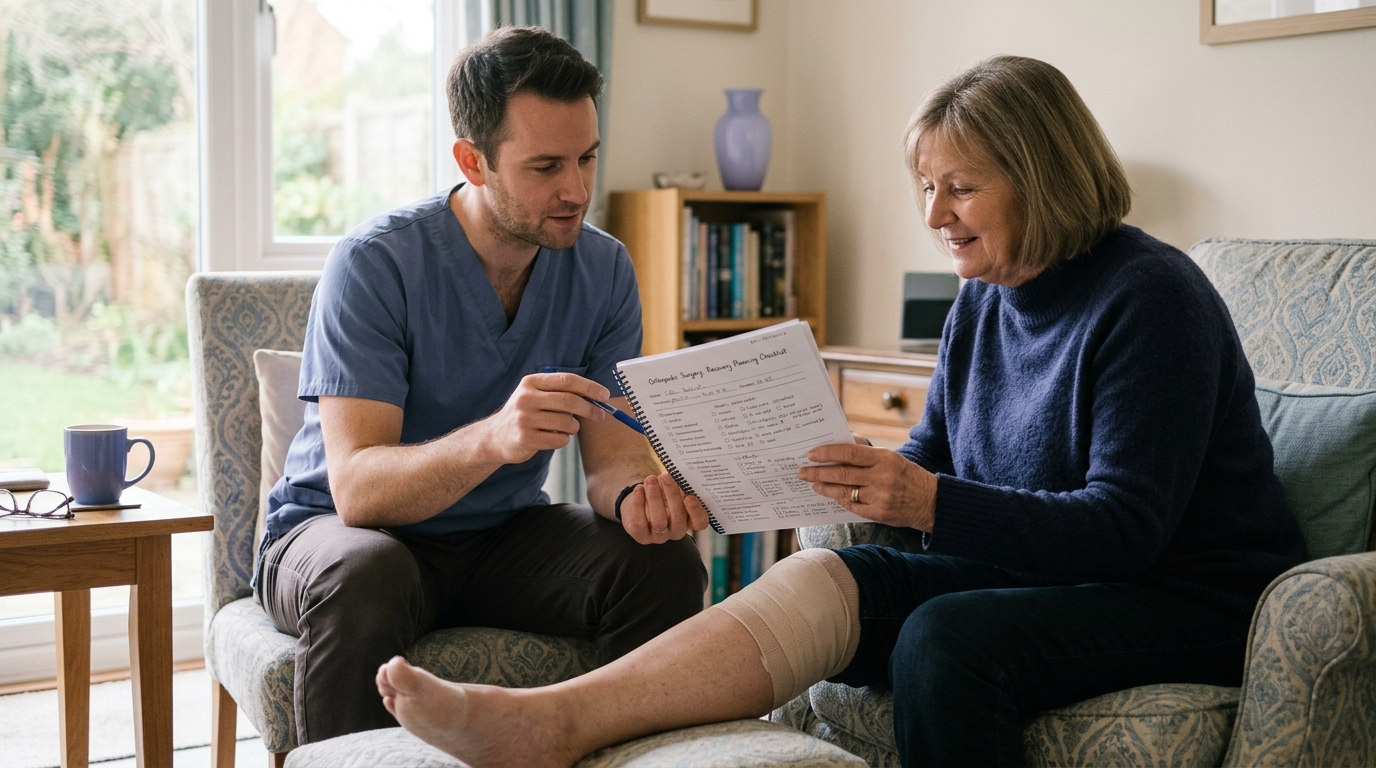
Planning should begin early in your recovery, often on the day of hospital admission. During this stage, your care team identifies your anticipated functional needs, home environment, and personal goals.
A good plan looks beyond basic clinical survival. It considers how you will get out of bed, prepare meals, and use the bathroom. It also identifies who will assist you during the initial days at home.
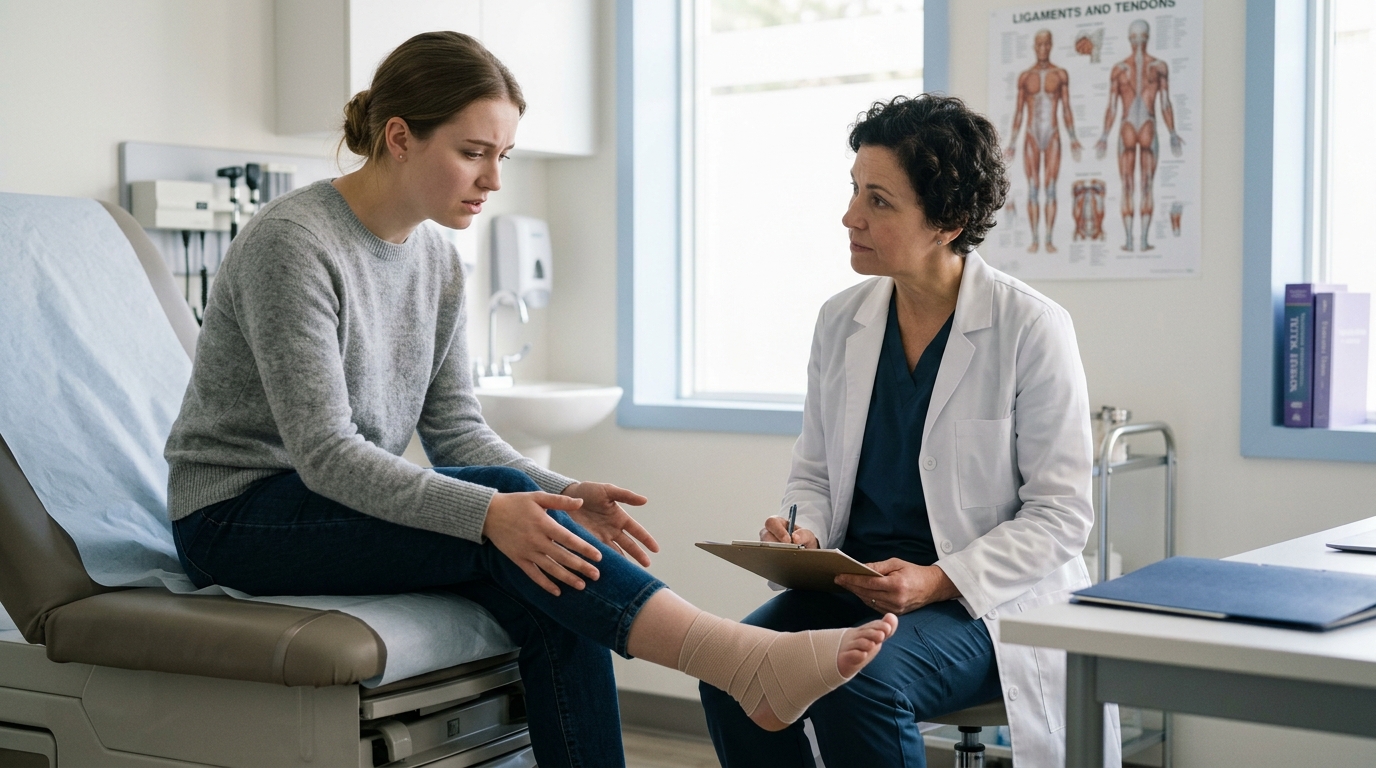
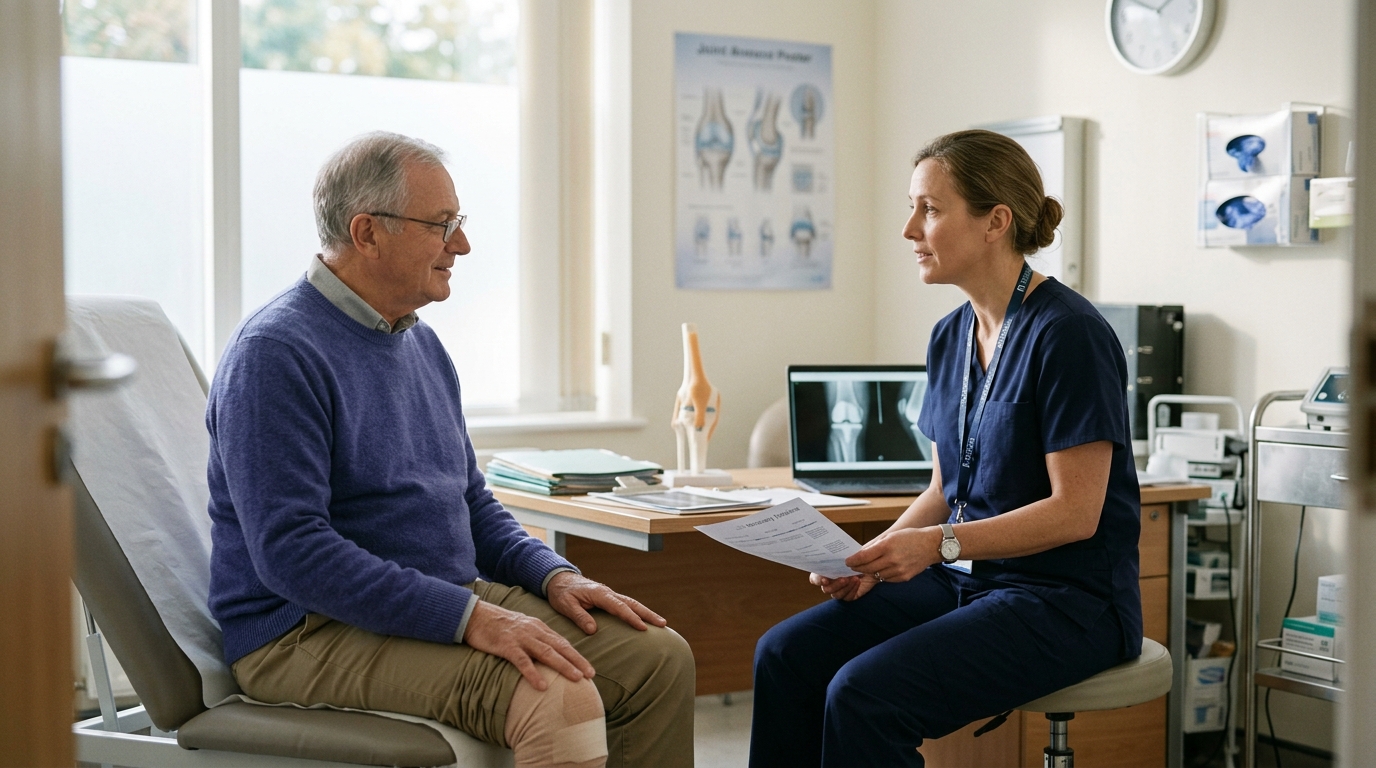
The transfer stage occurs when one care team passes your clinical information to the next provider. This includes sending surgical summaries, imaging reports, and therapy notes to your primary care doctor and outpatient physical therapist.
Information transfer also involves you and your family. The hospital team must provide an accurate summary of your current health status. This summary must list all active prescriptions, dressing changes, and pending laboratory tests.
Preparation ensures that you and your caregivers know exactly what to do once you leave the clinic or facility. This step focuses on skill building and clear education.
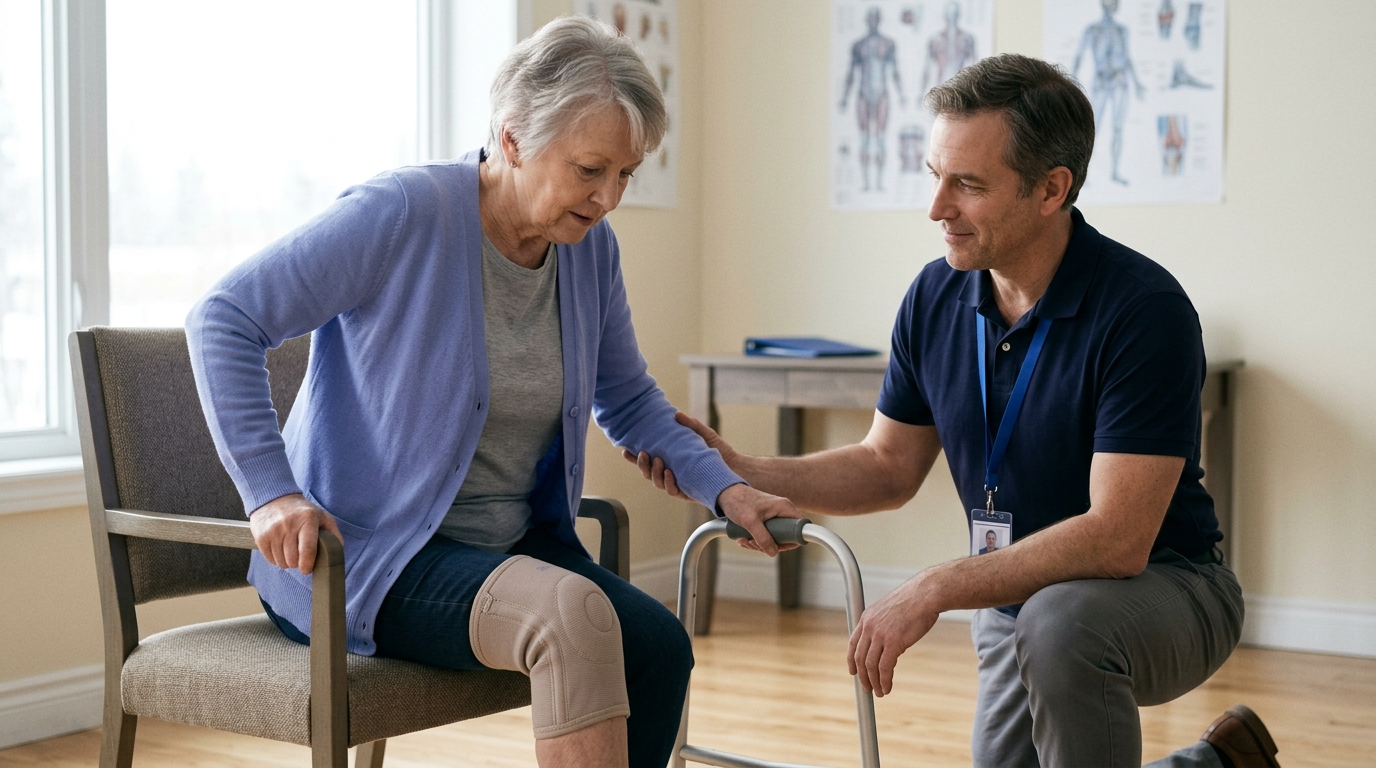
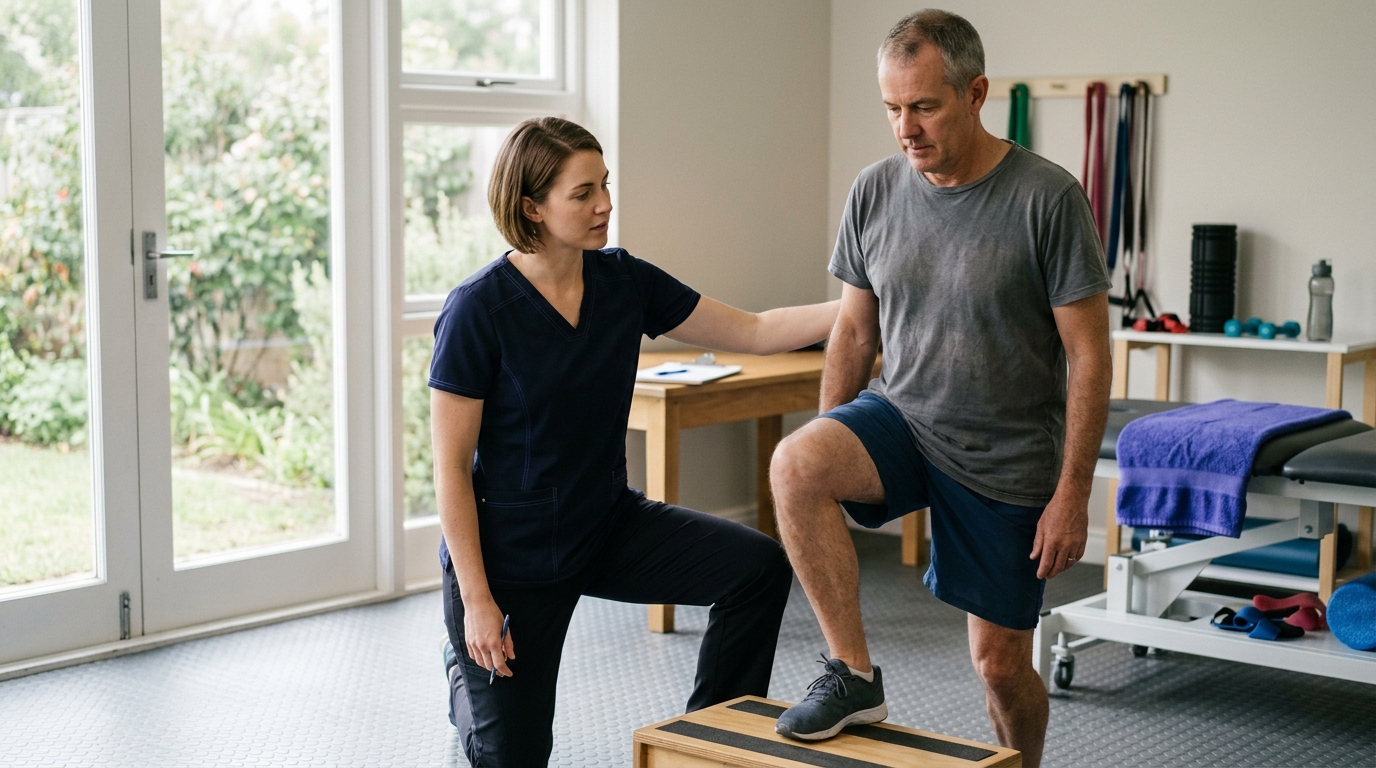
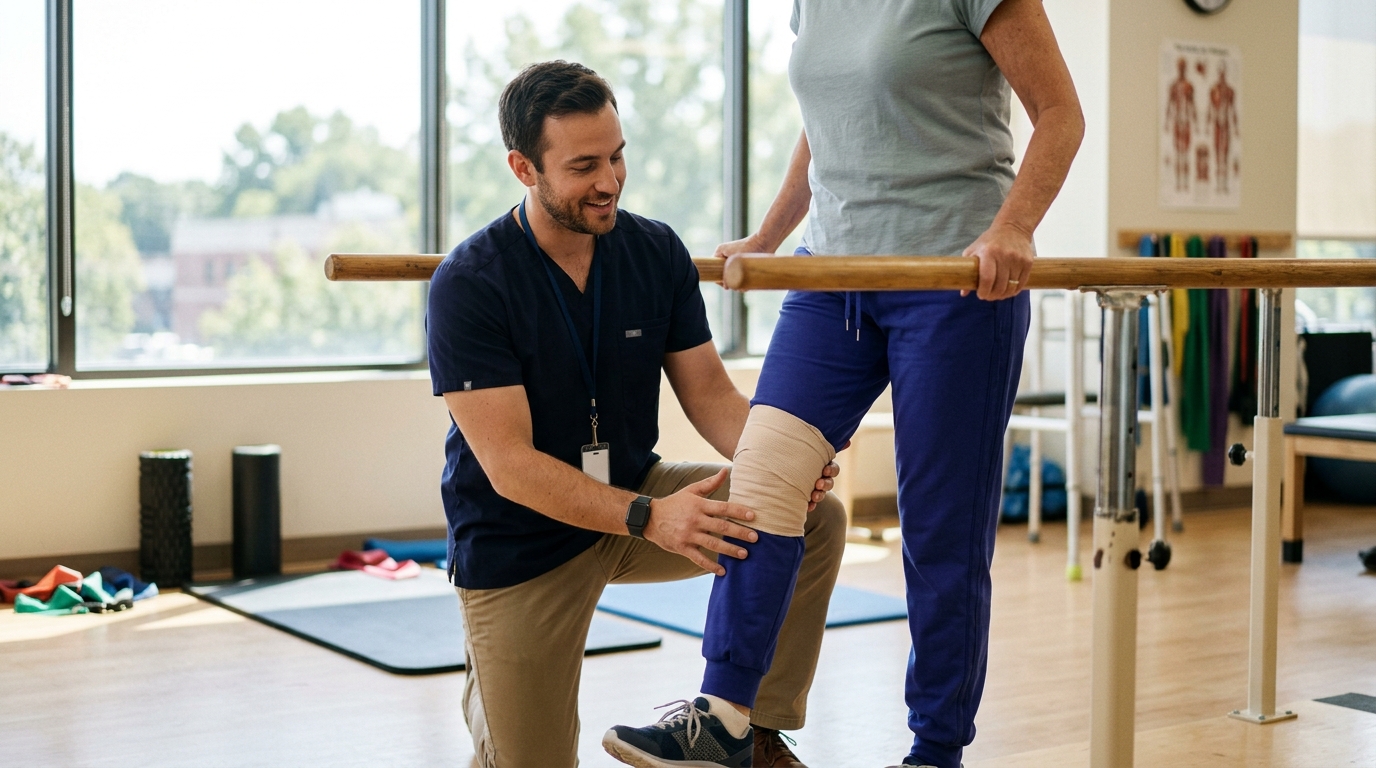
You should practice essential tasks under supervision before going home. These tasks include getting in and out of a chair, walking with crutches or a walker, and managing wound dressings. Preparation also clarifies warning signs that require a phone call to the clinic.
Recovery needs change as physical tissues heal and swelling subsides. The reassessment stage involves reviewing your progress at set intervals and updating your care plan.
Guidance from the National Institute for Health and Care Excellence (NICE) highlights the importance of periodic functional reviews. For individuals recovering from major illness or surgery, health teams reassess physical and social needs weeks or months later. This ensures that therapy goals remain relevant and challenging.
Leaving a hospital safely requires a systematic method. The Agency for Healthcare Research and Quality (AHRQ) developed the IDEAL discharge framework to help hospitals and patients collaborate effectively. This approach turns discharge into an ongoing conversation rather than a rushed departure.
The IDEAL framework consists of five core components designed to keep you informed and safe:
A central part of the IDEAL process is the teach-back method. Asking a patient "Do you understand?" often results in a polite nod, even when instructions are confusing. Teach-back replaces this question with an invitation to explain the plan in your own words.
A nurse or therapist might say, "To make sure I explained everything clearly, can you show me how you will take these morning pills?" If you miss a step, the clinician clarifies the instruction and checks your understanding again. This method identifies gaps in knowledge before you walk out the front door.
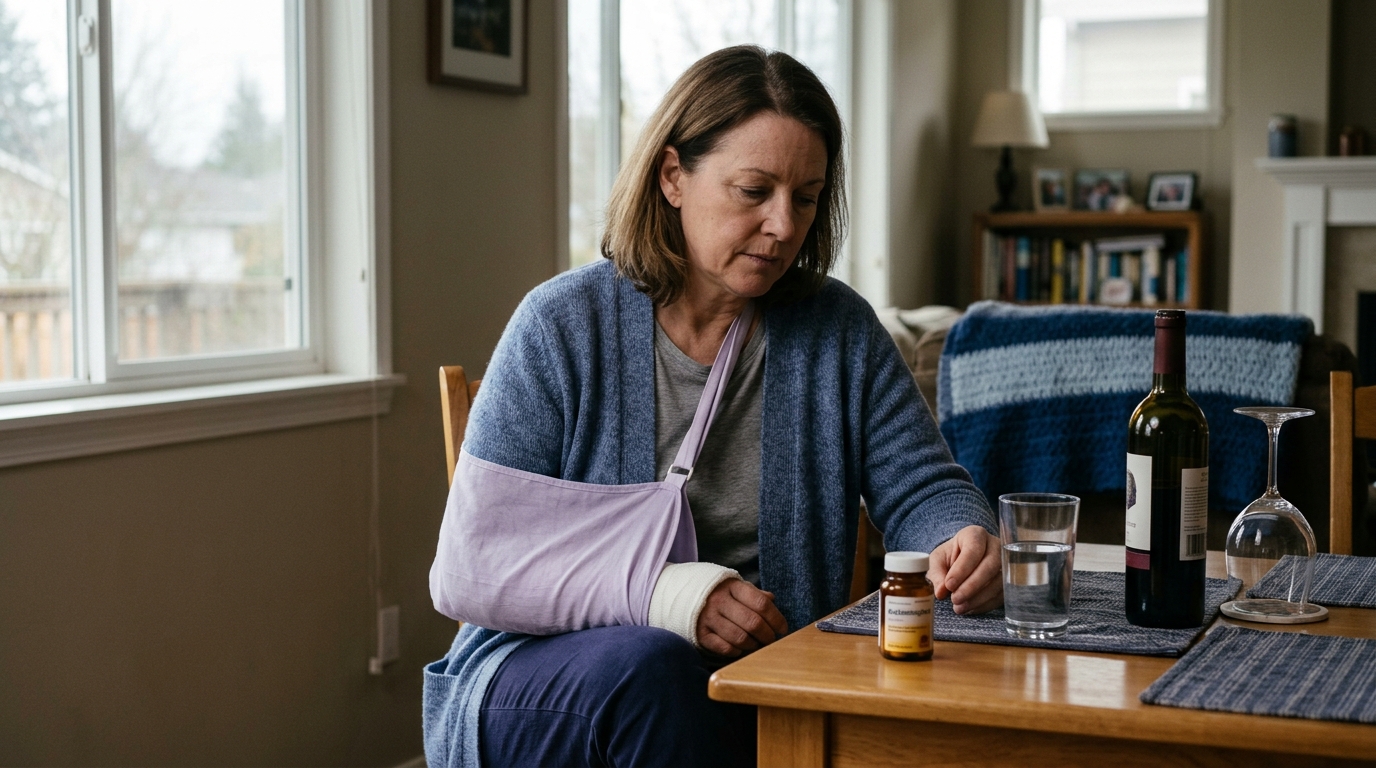
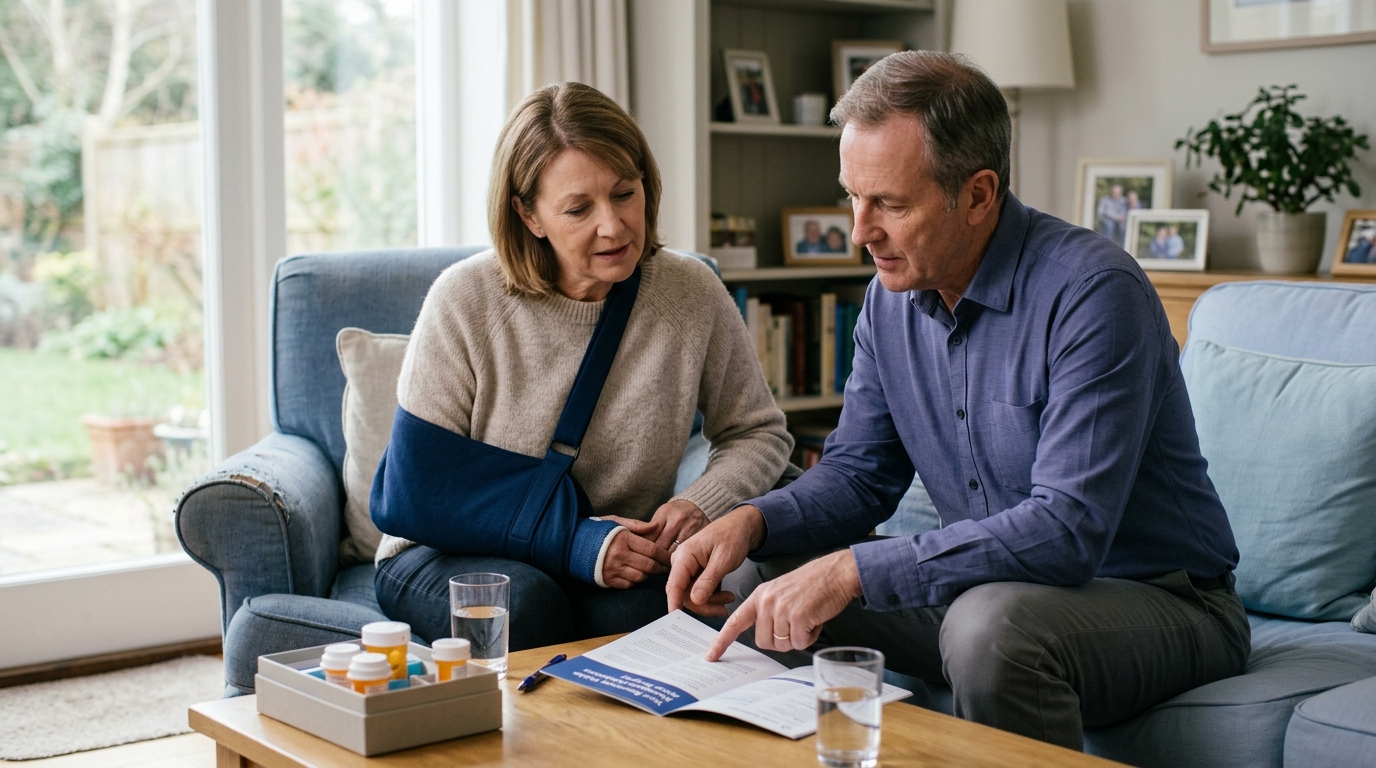
Medication errors represent one of the most common causes of post-hospital complications. The World Health Organization (WHO) defines medication reconciliation as the formal process of reviewing your complete medicine list during care transitions.
Your care team should compile a best possible medication history by interviewing you and checking previous pharmacy records. They compare this list against newly prescribed hospital medications to identify unintended omissions, duplicates, or dosing changes.
When you leave a facility, your discharge paperwork should clearly list:
Never leave a facility without reviewing this reconciled list with a nurse, pharmacist, or physician. If an old bottle in your medicine cabinet conflicts with your discharge paperwork, call your care team before taking a dose.
Returning home requires preparing your physical space and organizing personal support. A home environment that was easy to navigate before surgery can quickly present hazards when your mobility is temporarily limited.
Simple adjustments to your living space can reduce physical strain and lower the risk of injury. The Centers for Disease Control and Prevention (CDC) provides practical home-safety guidance through its STEADI initiative.
Consider making the following adjustments before returning home:
Building practical recovery nutrition and daily habits can also make meal preparation simpler and less physically demanding during the first few weeks at home.
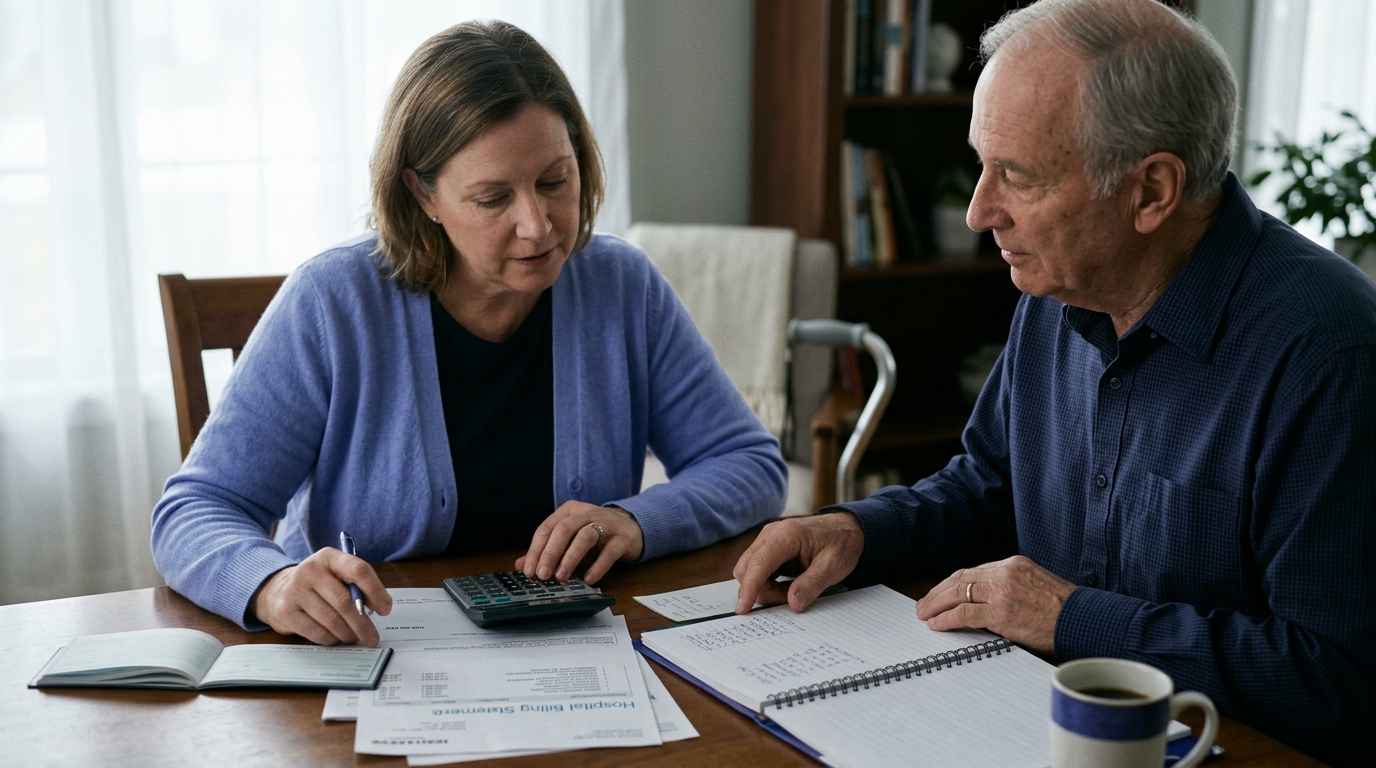
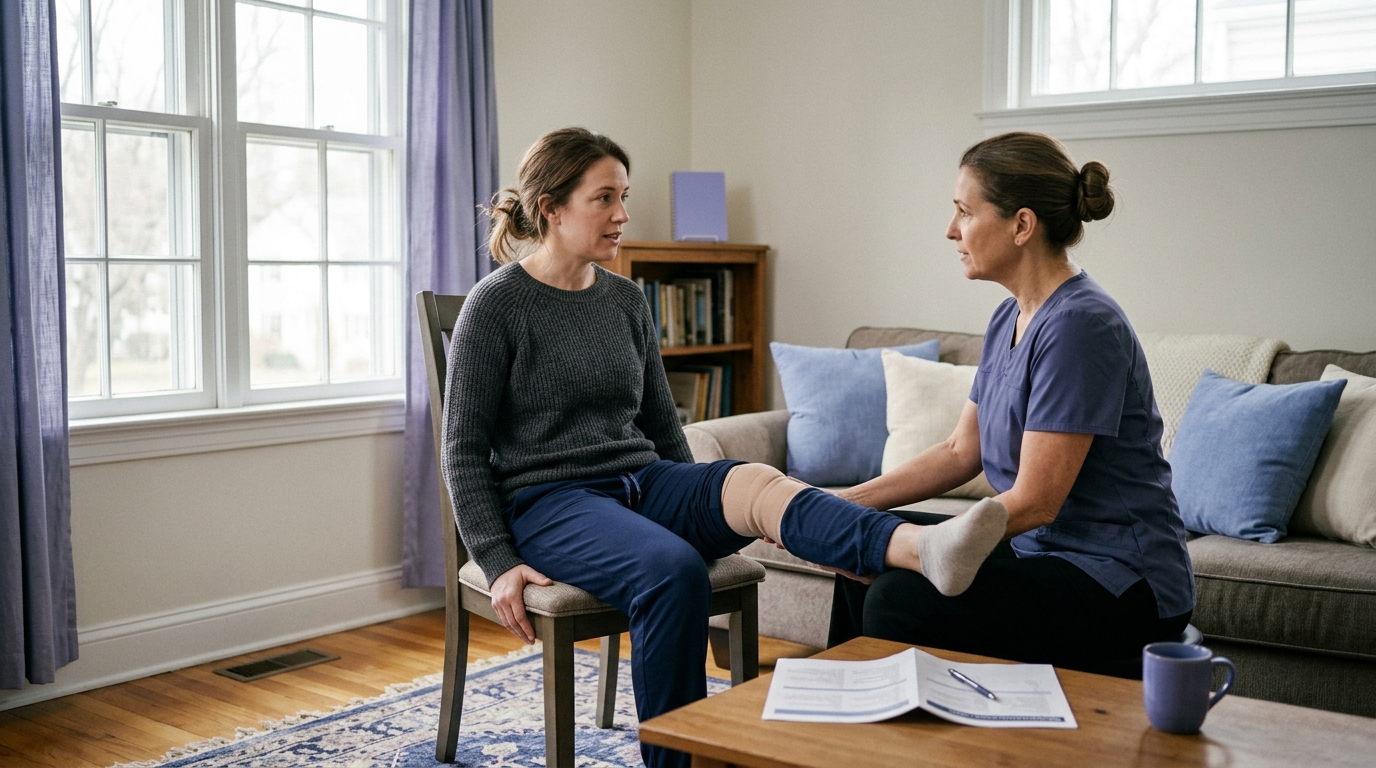
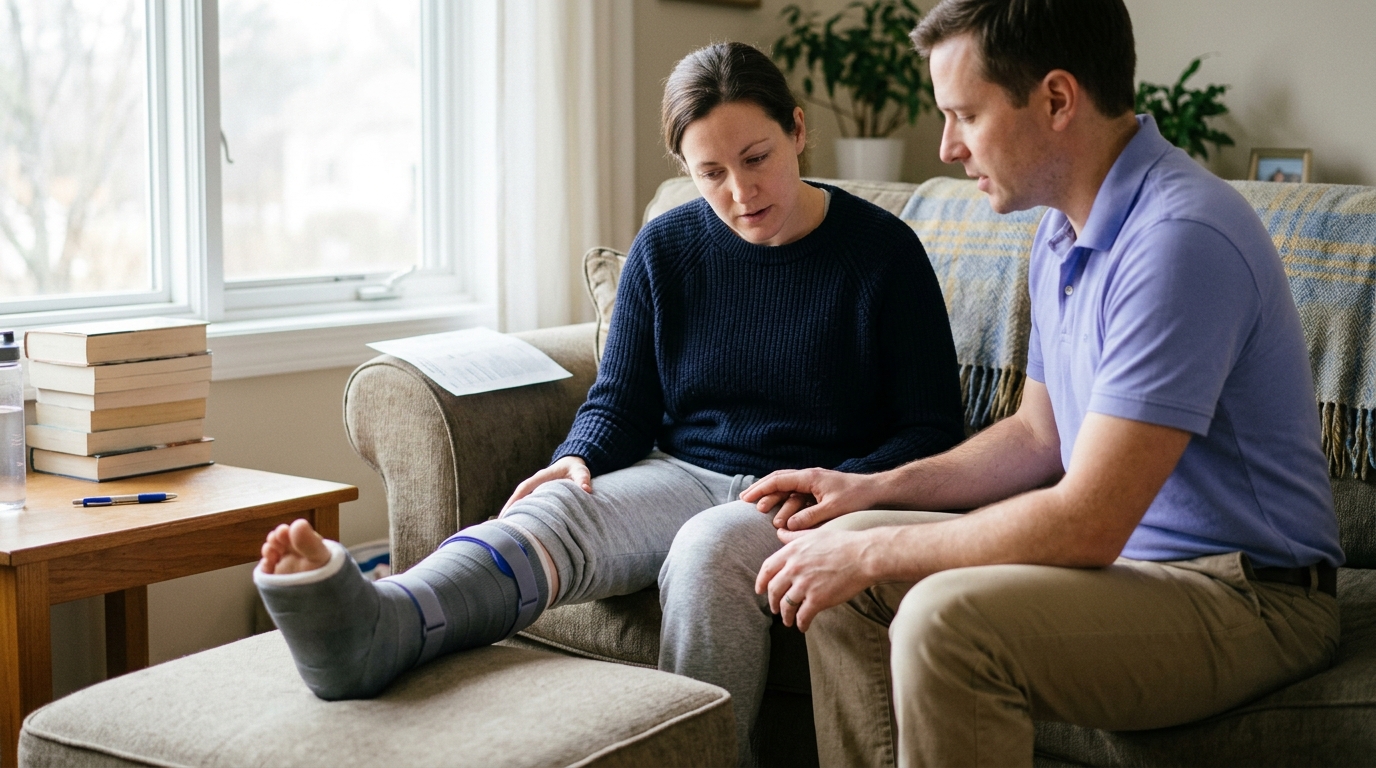
Many adults prefer to manage their recovery independently. However, accepting temporary help is often necessary for a safe transition. Your care plan should explicitly state who is providing assistance and what tasks they will handle.
If family members or friends are helping, divide tasks clearly:
If you live alone or have limited personal support, inform your hospital social worker or discharge planner early. They can help identify community resources, home health aides, or short-term rehabilitative services to bridge the gap.
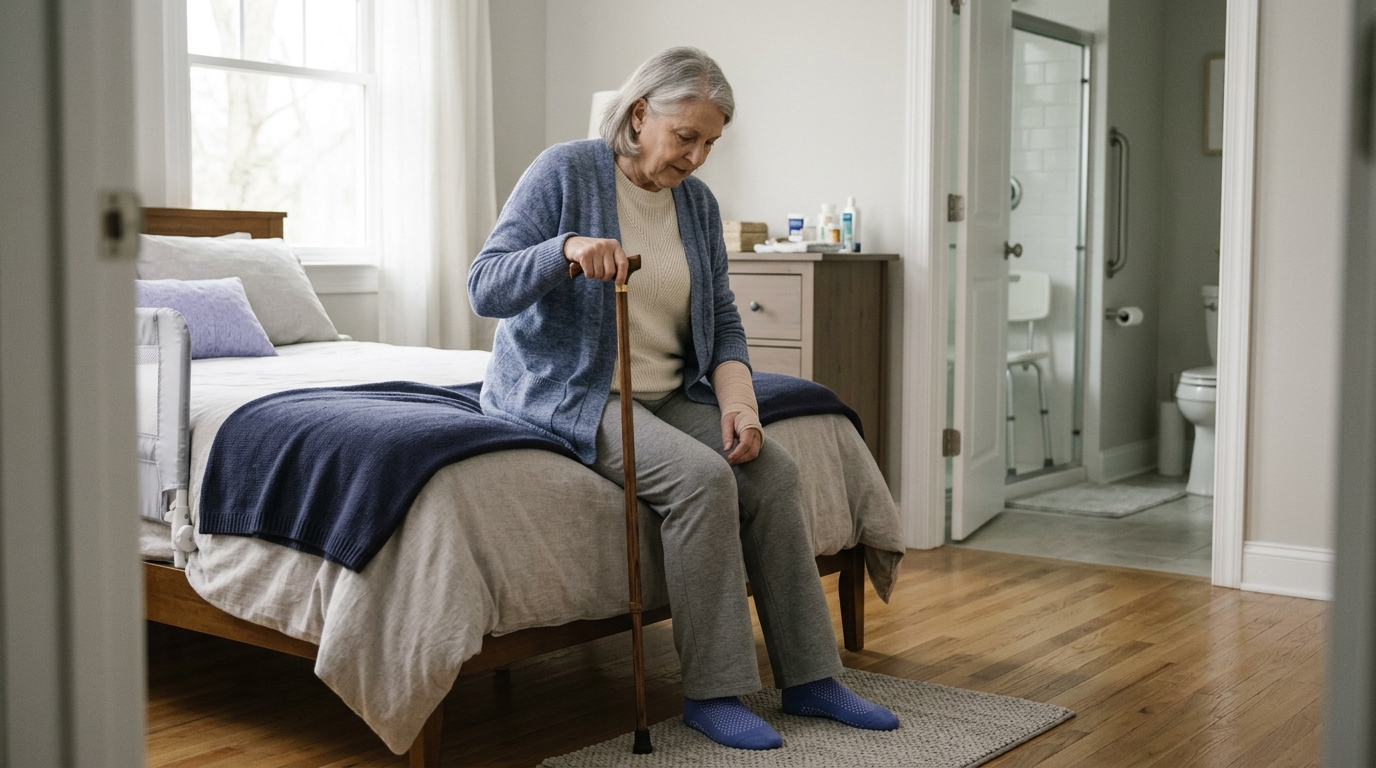
Falls are among the most serious complications following surgery or illness. Mobility limitations, pain medications, low blood pressure, and unfamiliar medical equipment all increase fall risk.
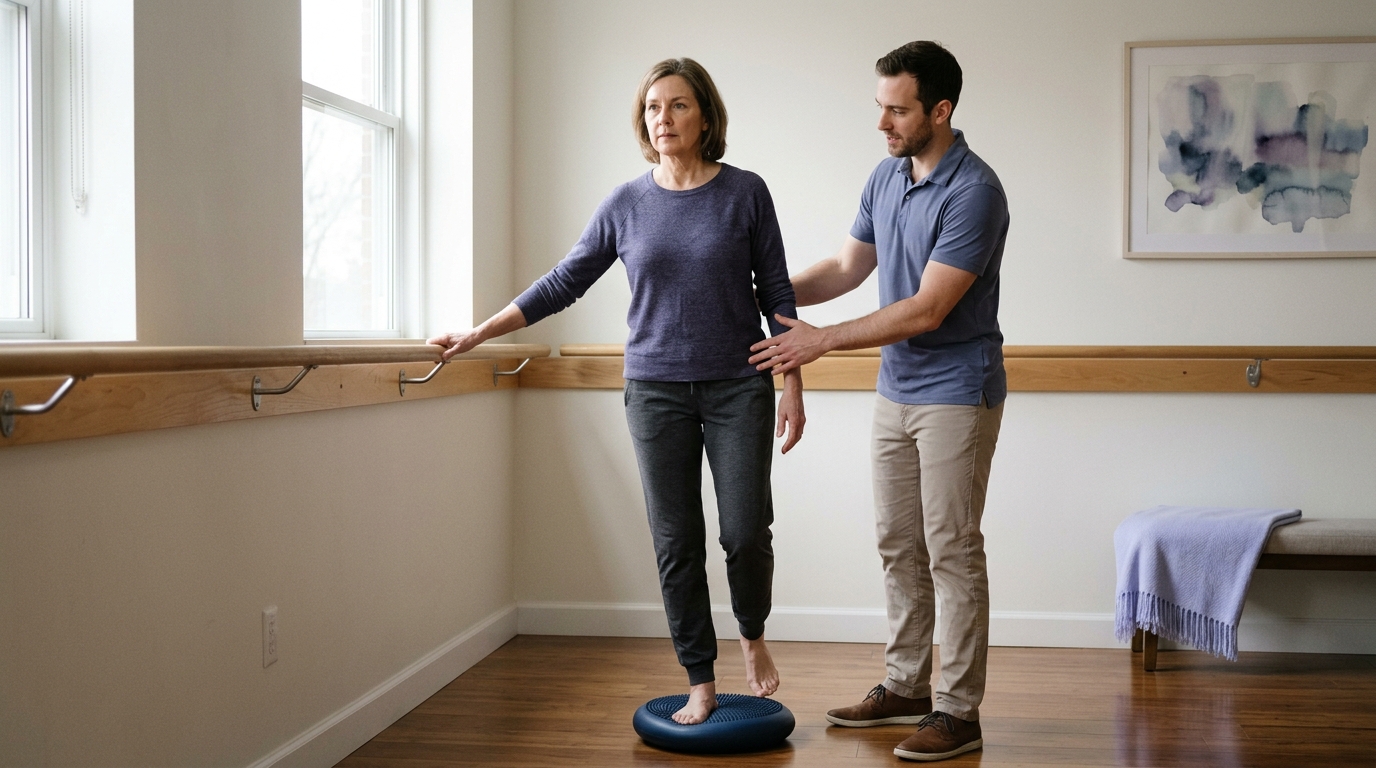
Talk with your physical therapist about safe movement techniques before discharge. Practice transferring in and out of bed, rising from low chairs, and managing steps safely. If you use a cane or walker, confirm that it is adjusted to your exact height. Never rush when standing up; pause for a few seconds to ensure you are steady before taking your first step.
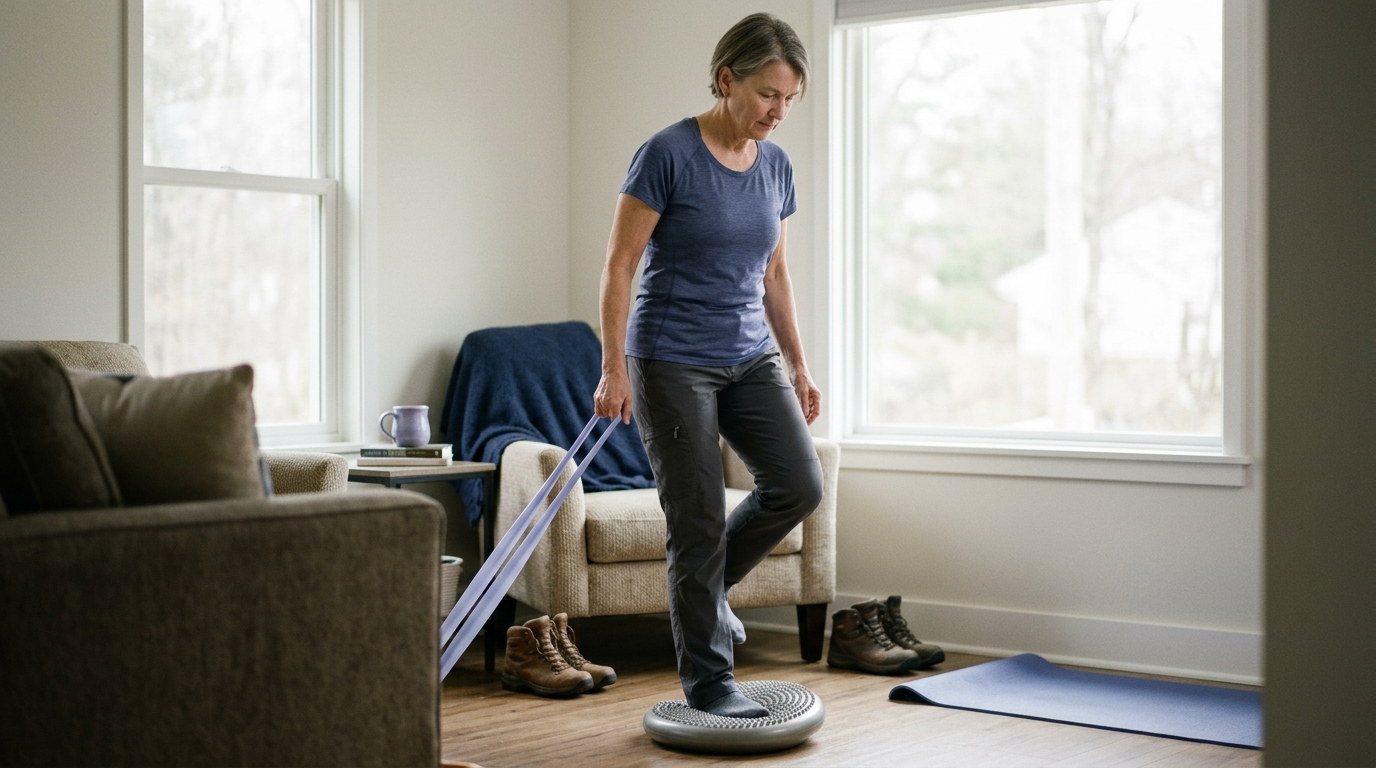
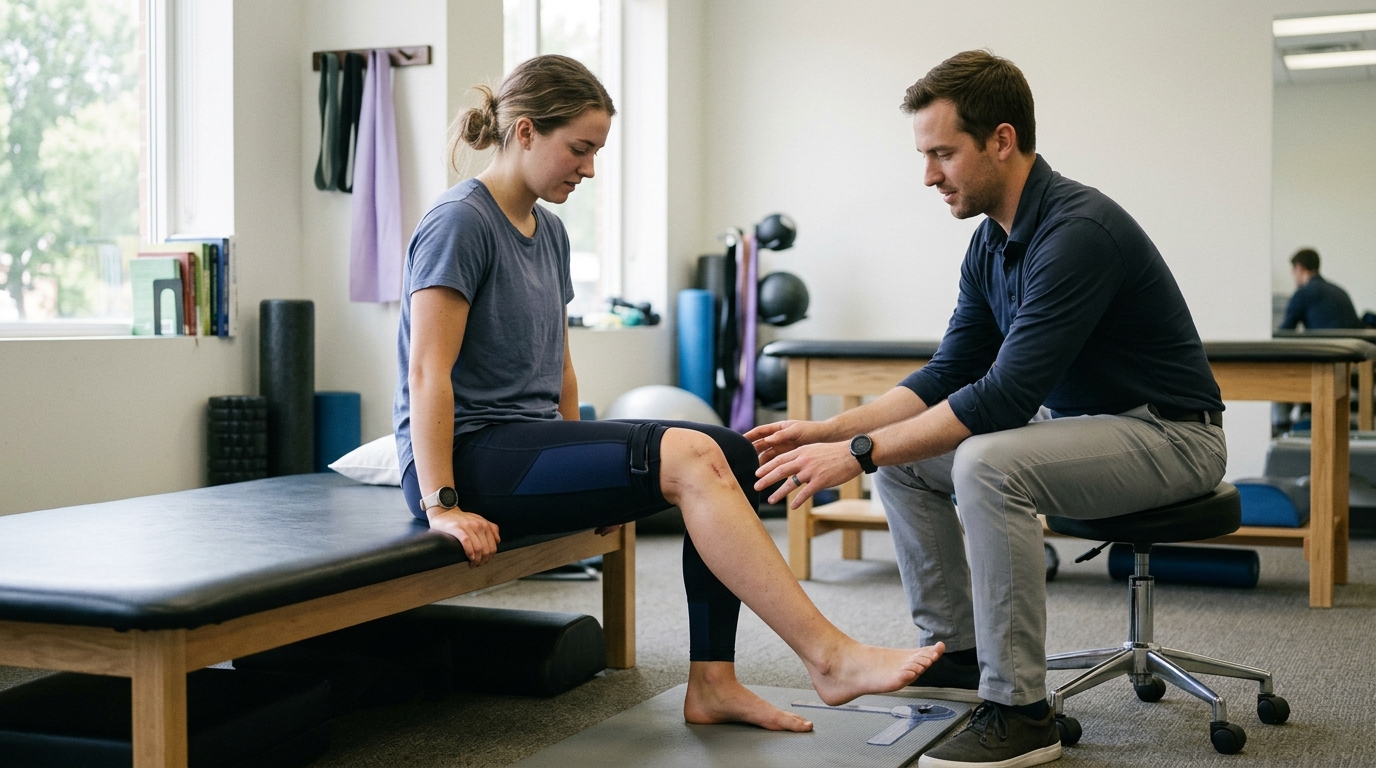
Finishing formal physical therapy is a major milestone. However, concluding supervised therapy does not mean your rehabilitation journey is complete. It marks the shift from clinical guidance to self-directed management.
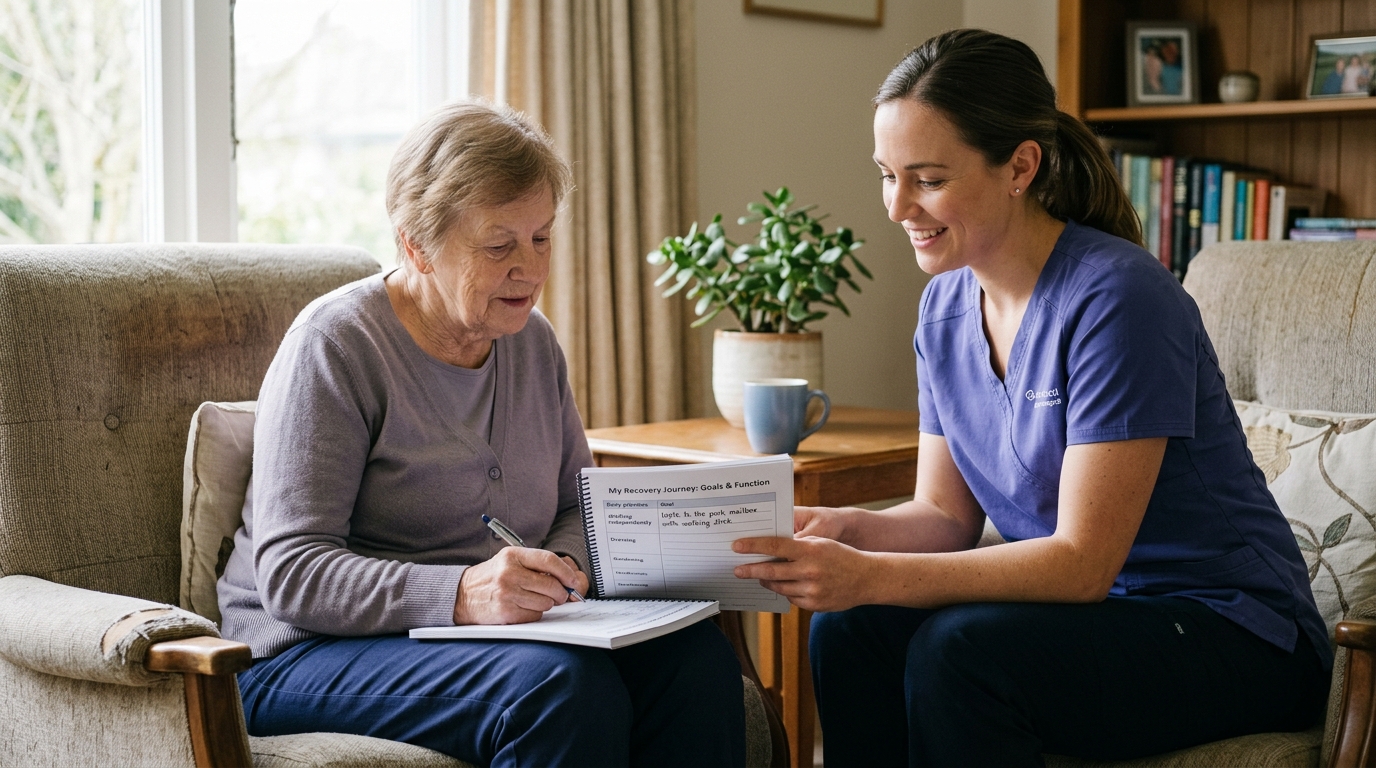
As you move toward greater independence, organizing your recovery into clear categories helps you monitor progress effectively:
Connecting your daily exercises to meaningful participation goals keeps you motivated during long recovery periods. Exploring daily mobility and movement routines can give you structured ideas for maintaining joint health long after therapy concludes.
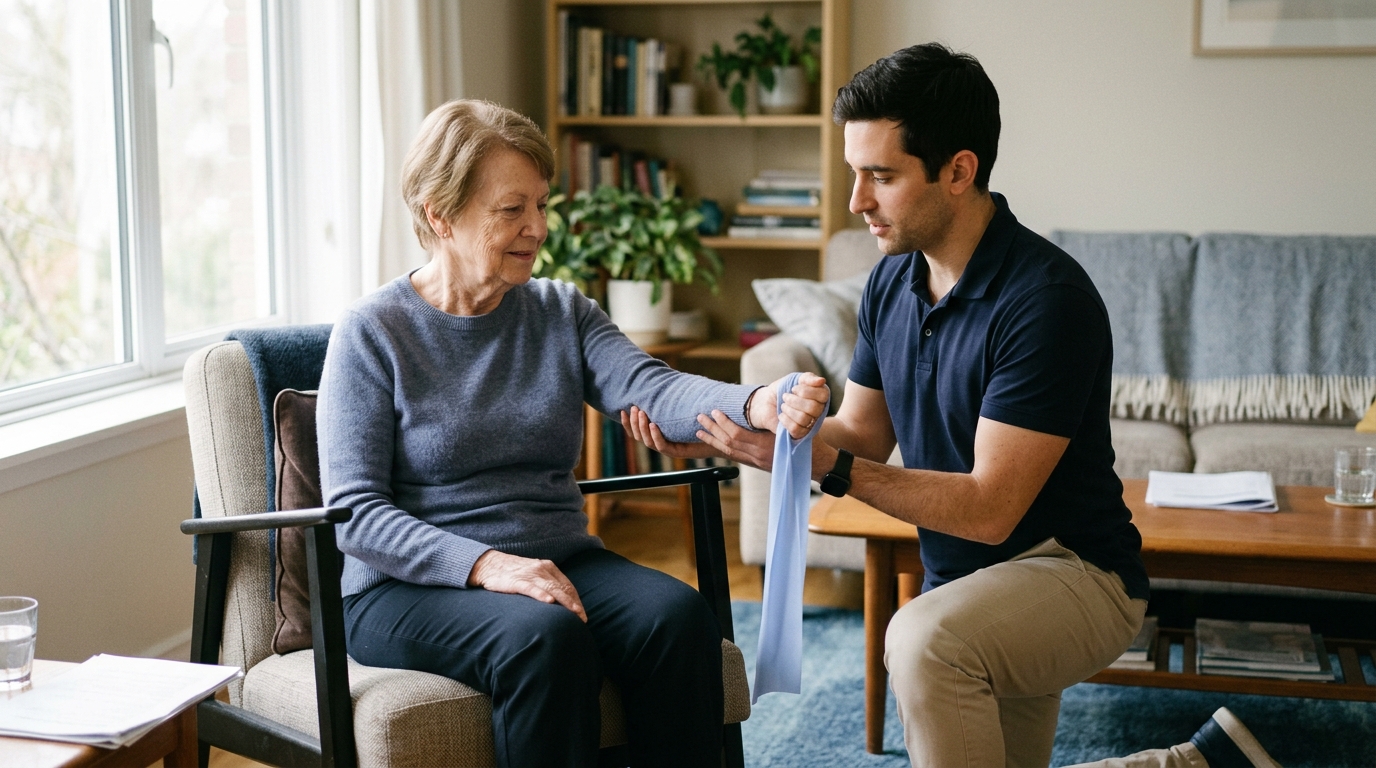
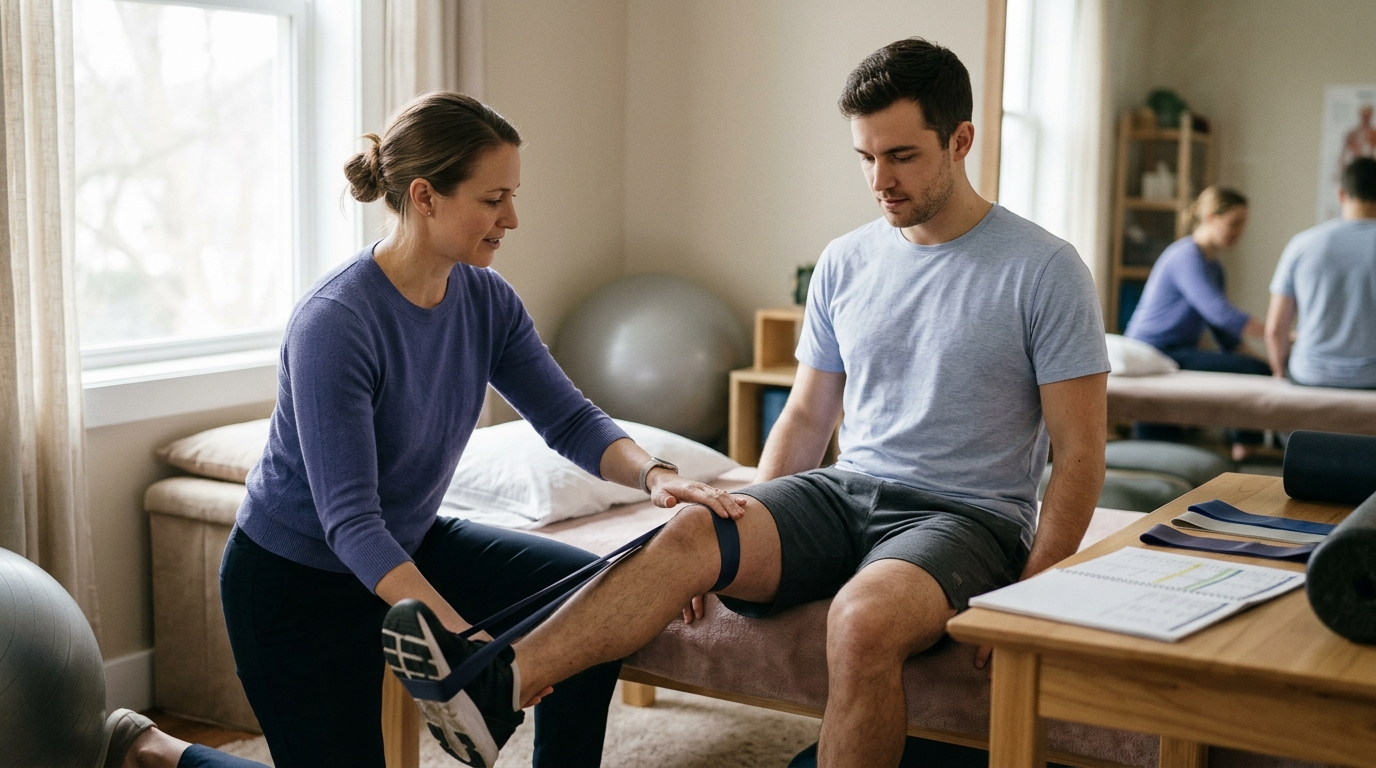
When you leave physical therapy, your therapist will provide a home exercise program. This program is designed to maintain your functional gains and continue building strength.
To ensure consistency, integrate your home exercises into your daily routine:
Returning to high-demand activities requires a graded, step-by-step approach. Jumping straight back into full-intensity work or intense athletics can overload healing tissues and trigger setbacks.
A structured return-to-activity plan breaks complex movements into smaller, manageable stages:
Move from one stage to the next only when you can complete the current level without significant pain, swelling, or excessive fatigue. If you want structured ways to rebuild strength after formal therapy ends, review our resources on strength training and returning to activity.
Recovery timelines vary widely between individuals. Two people undergoing the exact same surgical procedure can experience completely different recovery paths. Understanding the factors that influence healing prevents unnecessary worry and helps you set realistic expectations.
Your overall health before an injury or surgery plays a primary role in how quickly you recover. Several systemic factors influence tissue repair and stamina:
Different human tissues heal at distinctly different biological rates. Bone, tendon, ligament, and muscle each follow their own cellular repair timelines.
Skin and superficial wounds often close within two to three weeks. In contrast, bone tissue takes six to twelve weeks to consolidate significantly. Tendon-to-bone attachments, such as rotator cuff or ACL repairs, require several months to achieve full structural strength. These biological timelines cannot be rushed by willpower alone.
Your mindset and emotional well-being significantly affect your transition experience. Recovering from an injury or operation can bring feelings of anxiety, frustration, or fear of reinjury.
Kinesiophobia, or the fear of movement, can lead people to avoid safe, necessary physical activities. This avoidance can cause muscle weakness, joint stiffness, and prolonged disability. Recognizing that mild discomfort during movement is often a normal part of tissue remodeling helps you stay engaged with your rehabilitation program.
Your living situation directly influences how quickly you regain functional independence. Having access to stable housing, reliable transportation, and helpful caregivers creates a smoother transition.
Conversely, living alone in a home with multiple flights of stairs or lacking reliable transportation to therapy can slow progress. Acknowledging these environmental barriers allows you and your healthcare team to create realistic, customized solutions.
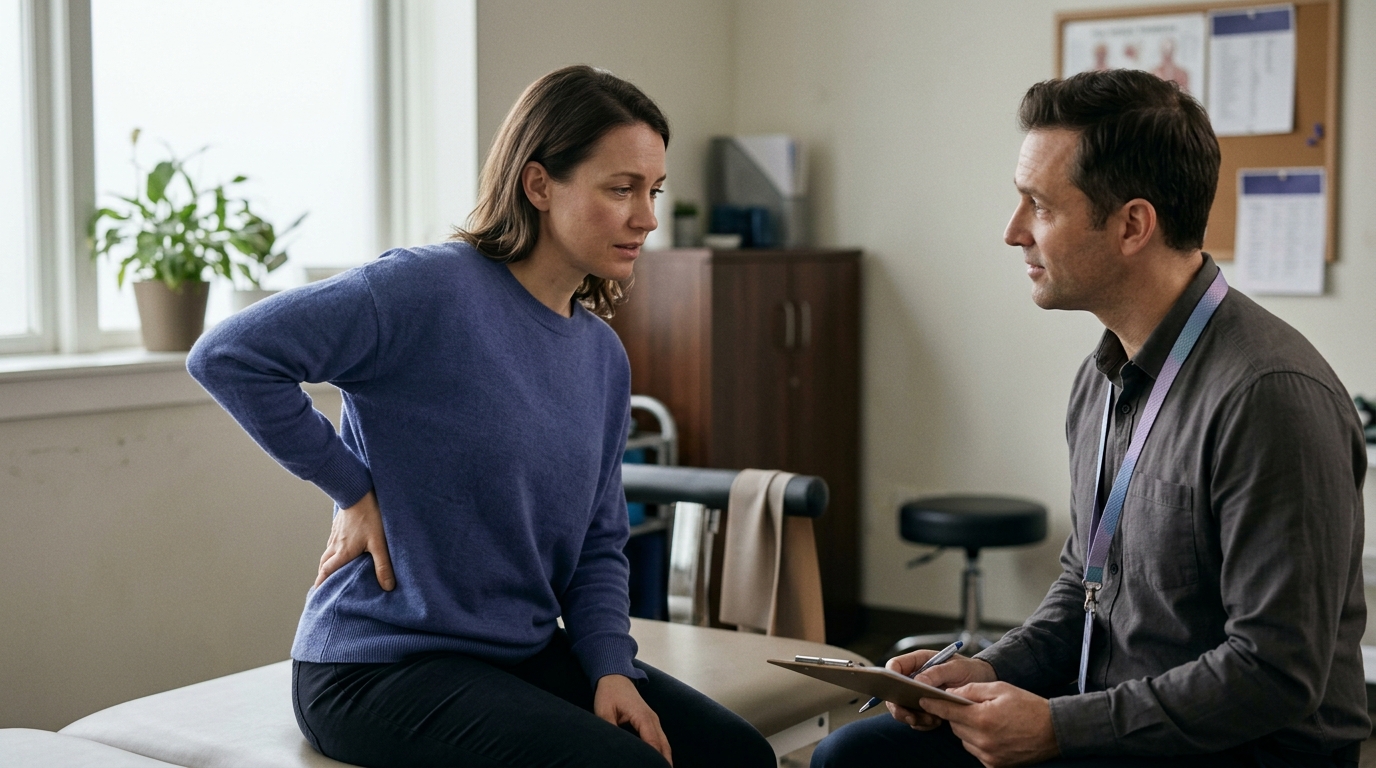
Clear communication is your best defense against recovery complications. Use these practical questions during each transition point to clarify your plan and ensure everyone is aligned.
Take this list to your discharge planning meeting:
Review these questions with your therapist before your final clinical visit:
For more comprehensive guidance on organizing your recovery journey, browse our complete library of recovery guides and resources.
Managing a recovery transition requires organized action. Use this practical checklist to guide your efforts this week, whether you are leaving a medical facility or stepping down from supervised therapy.
Transitions in recovery are not abrupt endings. They are milestones along a continuous path toward restored movement and independence. By asking direct questions, preparing your home, and working closely with your care team, you can navigate each stage with clarity and steady confidence.

Use ReboundBody resources to understand common recovery stages, rehab terms, movement limits and strength rebuilding. Each guide is designed to make a complex comeback easier to understand.


Read practical guidance on injury recovery, rehabilitation, mobility and rebuilding strength as you work your way back to activity.
Explore Resources