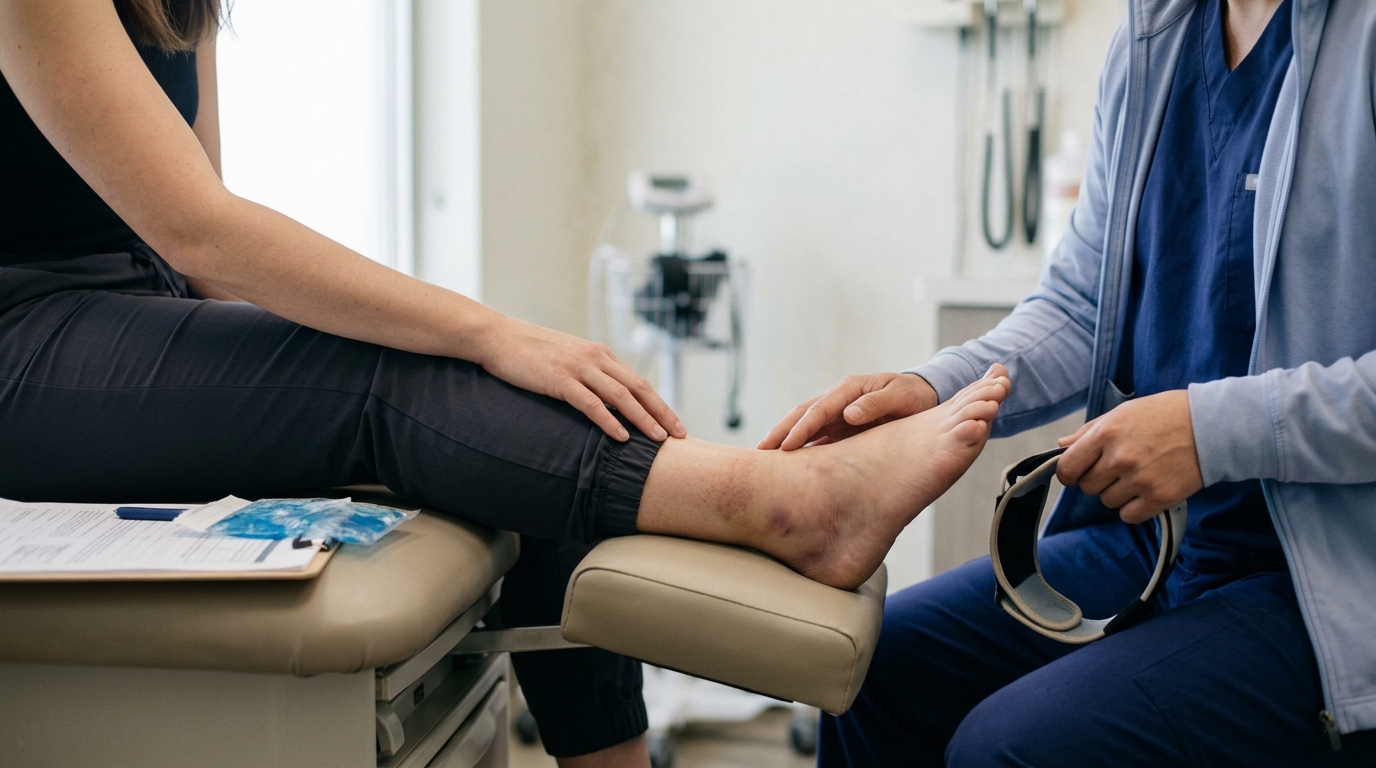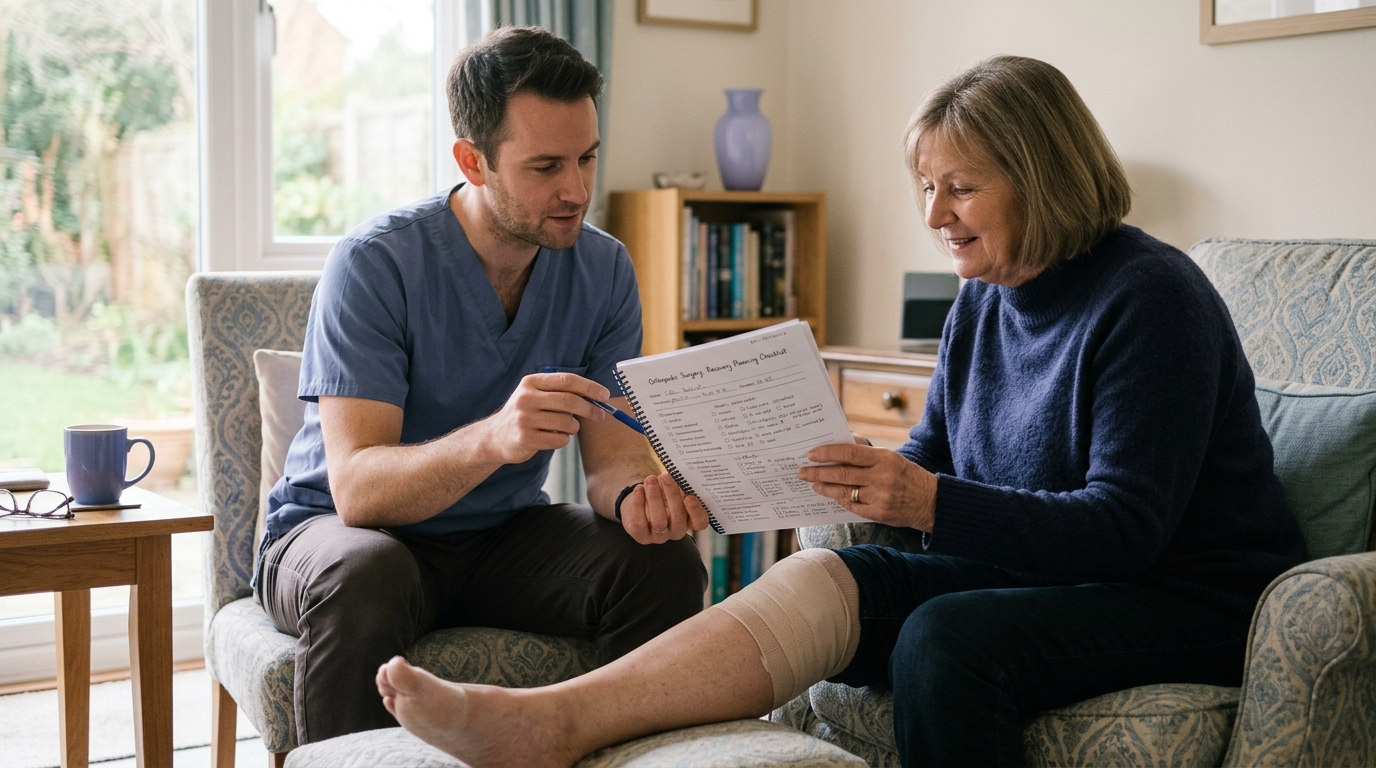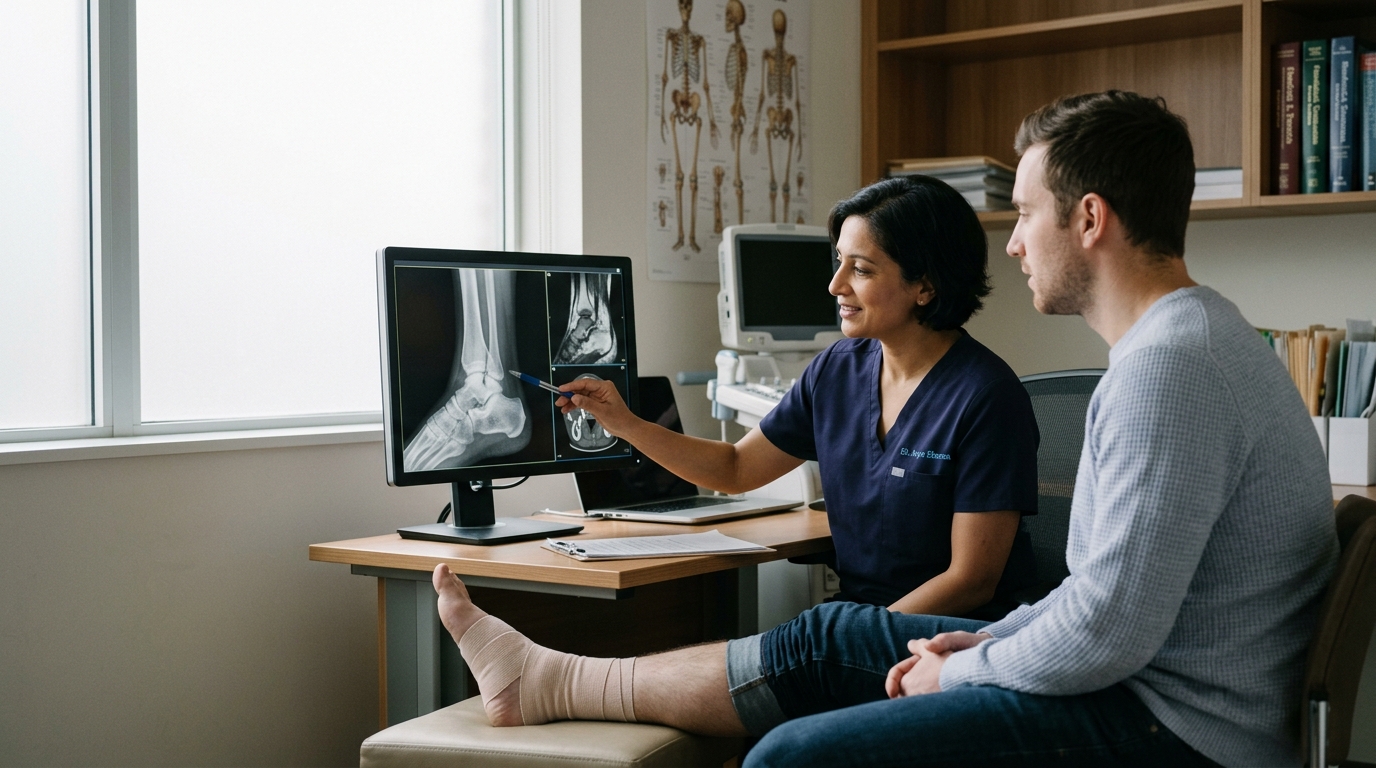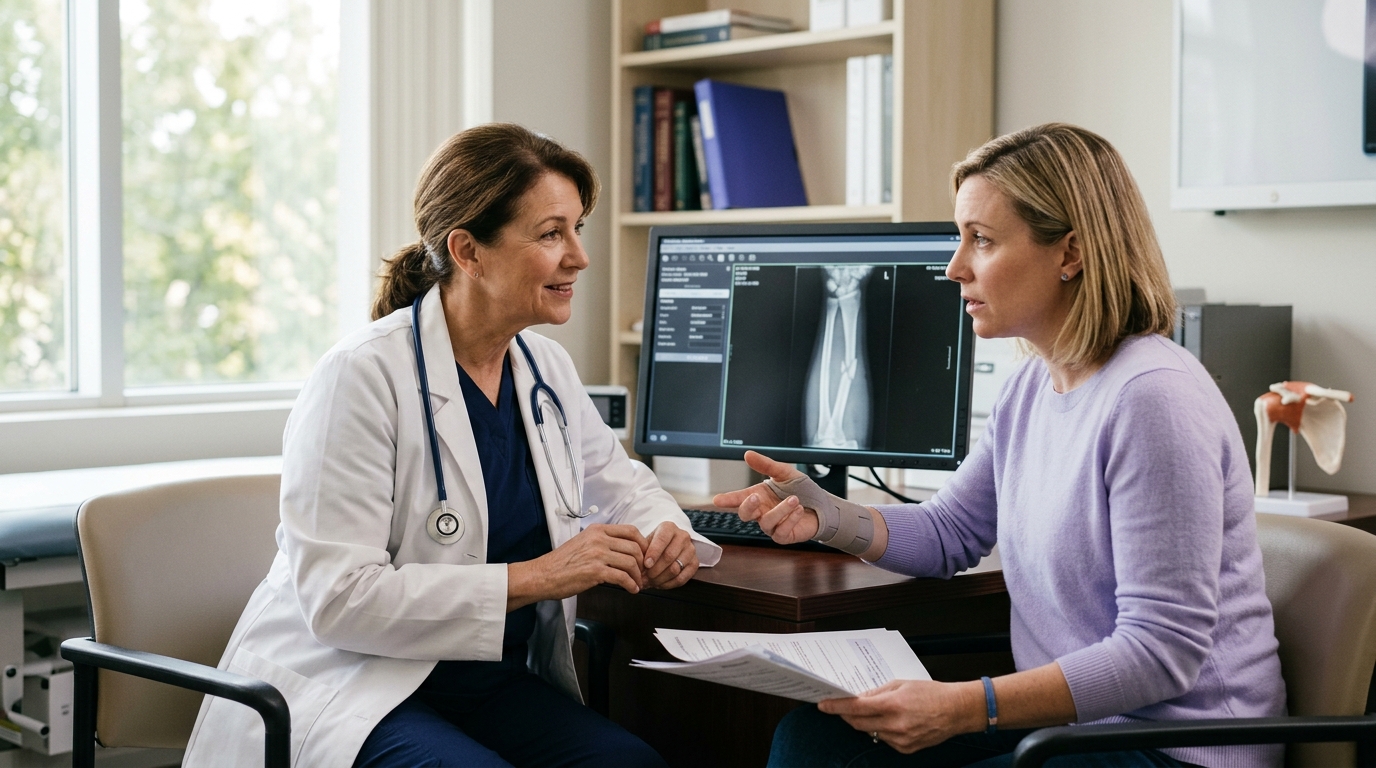

A well-planned vegan or vegetarian recovery diet provides the targeted calories, varied plant proteins, and essential nutrients required for effective tissue repair.





Many people assume that recovering from a physical injury requires eating meat or consuming large amounts of animal protein. Others believe that adopting a plant-based diet will naturally speed up tissue repair. Neither view reflects how the human body actually repairs bone, muscle, and tendon tissue.
Plant-based dietary patterns can fully support physical recovery when you plan them with care. The body does not require animal flesh to rebuild tissue, but it does require sufficient energy, essential amino acids, and specific micronutrients. When an injury limits your mobility, your nutritional choices help preserve lean muscle and support tissue regeneration. This guide explains how to adapt vegetarian and vegan eating patterns during rehabilitation, how to manage protein and micronutrient needs, and when to seek guidance from a registered dietitian.
Physical recovery places unique metabolic demands on the human body. Healing damaged bone, repairing torn ligaments, or recovering from surgery requires a steady supply of energy and raw materials. A plant-based approach can meet these demands, but you must understand what your body needs at different stages of rehabilitation.
You can learn more about managing your diet during physical setbacks by exploring evidence-based articles on recovery nutrition.
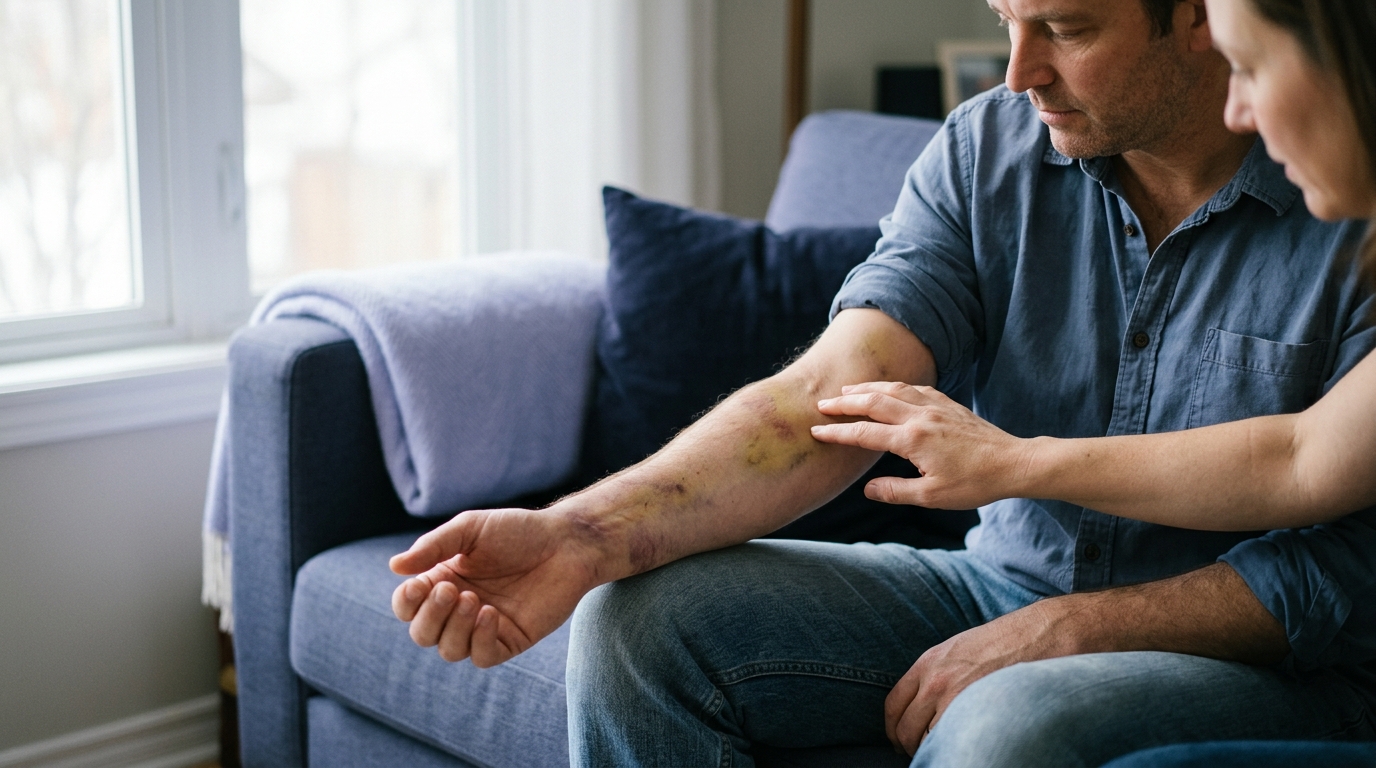
Medical literature often discusses wound healing and musculoskeletal recovery together, but they involve different physical processes. A surgical incision or open skin wound requires rapid cell division and localized immune activity. A bone fracture or tendon tear requires dense collagen synthesis, mineral deposition, and gradual remodeling under physical load.
Nutritional needs overlap across these conditions, but they are not identical. Skin wounds demand high fluid intake and steady energy to support epithelial tissue growth. Muscle tears and joint injuries require careful amino acid management to minimize muscle loss during periods of reduced movement. Understanding your specific injury type helps you tailor your daily food intake.
When an injury forces you to rest, your daily movement drops significantly. Many people assume they should cut their food intake drastically to prevent weight gain. While total energy expenditure may decrease, the healing process itself consumes a surprising amount of calories.
Severely restricting your calories during recovery can impair cellular repair and accelerate muscle loss. Cellular regeneration requires continuous energy. If your body does not receive enough calories from food, it breaks down existing muscle tissue for fuel. Maintaining energy balance helps ensure that dietary protein is used for tissue repair rather than basic survival.
A reliable recovery diet relies on four fundamental pillars. First, fuel your body with enough total calories and fluids to support cellular repair. Second, provide adequate protein distributed across your day to stimulate muscle protein synthesis.
Third, eat a wide variety of plant foods to capture essential vitamins, minerals, and dietary antioxidants. Fourth, individualize your intake based on your age, body size, injury severity, and medical history. No single meal plan fits every recovering adult.
Position statements from major nutritional organizations, including the Academy of Nutrition and Dietetics, confirm that well-planned vegetarian and vegan diets are nutritionally adequate for adults. They can support health through all stages of life, including periods of physical rehabilitation.
Scientific reviews show that the source of amino acids matters less than total intake, amino acid completeness, and overall digestibility. Plant foods contain all essential amino acids, though their proportions vary compared to animal proteins. A diverse plant-based diet readily provides every building block your body needs.
For decades, popular health advice claimed that vegetarians must combine specific plant proteins at every meal. People believed you had to eat rice and beans together in a single bowl to form a complete protein. Modern nutritional science has disproven this idea.
Your body maintains a temporary pool of amino acids from the foods you eat throughout the day. As long as you consume a diverse mix of grains, legumes, nuts, and seeds over twenty-four hours, your body gathers all essential amino acids. You do not need to worry about precise food combinations at every sitting.
Different plant foods offer different amino acid profiles. Grains tend to be lower in the amino acid lysine but higher in methionine. Legumes are typically rich in lysine but lower in methionine.
When you use protein supplements during recovery, multi-source blends offer practical advantages. Research in exercise recovery shows that blends of pea, rice, and seed proteins can stimulate muscle protein synthesis comparably to whey protein when consumed at adequate doses. These blends balance the amino acid profile and ensure a robust leucine content, which triggers muscle repair.
Dietary supplements are heavily marketed to injured adults seeking faster healing. However, comprehensive scientific reviews on fracture healing show that no single oral supplement has been proven to accelerate bone union on its own.
Supplements cannot replace the benefits of total energy balance, adequate protein, and micronutrient adequacy. Clinical trials indicate that high-dose single nutrients provide little benefit unless a clinical deficiency already exists. Focusing on wholesome, nutrient-dense meals remains the most reliable strategy.
Protein recommendations cannot be flattened into a single universal number. The amount of protein you need during recovery depends on your age, body size, baseline health, and the nature of your injury.
Clinical research provides distinct protein ranges for different recovery settings. Using these research-backed ranges helps you establish realistic targets without exceeding safe limits.
The standard dietary reference intake for a healthy, sedentary adult is roughly 0.8 grams of protein per kilogram of body weight. For a person weighing 70 kilograms (154 pounds), this equals about 56 grams of protein daily. This baseline target is designed to prevent deficiency in healthy people, not to optimize tissue repair.
During injury recovery or post-operative rehabilitation, protein turnover increases. Clinical wound-care guidelines and rehabilitation studies often recommend between 1.2 and 1.5 grams of protein per kilogram of body weight daily. For that same 70-kilogram adult, daily needs rise to 84 to 105 grams. This higher intake provides the necessary amino acids to rebuild tissue and prevent excessive muscle loss.
Athletic rehabilitation research often evaluates higher protein intakes, ranging from 1.6 to 2.2 grams per kilogram daily. These higher ranges are studied in athletic populations undergoing intense physical therapy while managing limb immobilization.
Higher protein intake helps preserve muscle mass when a limb cannot bear weight. However, these athletic targets should not be viewed as mandatory for every adult recovering from an everyday injury. More is not always better, and excessive protein intake can place unnecessary stress on digestion and hydration.
Older adults experience a biological phenomenon known as anabolic resistance. This means older muscle tissue requires a stronger amino acid signal to stimulate muscle repair and maintenance.
For adults over the age of sixty recovering from surgery or a fall, baseline protein needs are higher than those of younger adults. Experts frequently recommend 1.2 to 1.5 grams per kilogram daily for older adults managing illness or injury. Ensuring adequate protein helps older individuals maintain mobility and independence during rehabilitation.
To find your personal target, divide your weight in pounds by 2.2 to get your weight in kilograms. Then, multiply that number by your target protein range based on your recovery status.
An individual weighing 180 pounds is roughly 82 kilograms. At a moderate recovery target of 1.3 grams per kilogram, their daily goal is approximately 107 grams of protein. At an active rehabilitation target of 1.6 grams per kilogram, the goal reaches about 131 grams. Calculating your needs provides a clear guideline for daily meal planning.
Total daily protein intake matters, but how you distribute that protein across your waking hours is equally important. Eating all your protein in a single large evening meal is less effective for muscle preservation than spreading it evenly.
To delve into the science behind tissue repair, read our guide on recovery science principles.
Muscle protein synthesis operates on a threshold system. Consuming roughly 20 to 30 grams of high-quality protein in a single meal provides enough essential amino acids, particularly leucine, to trigger the repair process.
For older adults facing anabolic resistance, increasing this per-meal target to 30 to 40 grams may be more effective. Spreading these protein-rich meals across three or four feeding periods helps maintain a steady state of recovery.
Pain, medication, and reduced physical activity often suppress appetite following an injury or surgical procedure. When eating large meals feels overwhelming, forcing down high-volume plant foods can cause digestive discomfort.
In these situations, eating smaller, more frequent meals throughout the day can help you meet your nutritional needs. Breaking your daily intake into five or six small meals or snacks makes eating manageable. You can also rely on energy-dense foods like nut butters, seed pastes, and smoothies to deliver calories and protein in smaller volumes.
When an injury limits your mobility, standing in the kitchen to chop vegetables and simmer beans may be impossible. Preparing for recovery involves stocking convenience foods that require minimal effort to assemble.
Canned beans, vacuum-packed pre-cooked lentils, extra-firm baked tofu, and frozen vegetables are valuable staples. A nutritious meal can be as simple as heating canned black beans with microwaveable brown rice, salsa, and canned corn. Canned soups, packaged hummus, and frozen edamame provide quick nutrition without extensive preparation.
While protein and total calories provide the building blocks and fuel for recovery, micronutrients act as essential cofactors. Specific vitamins and minerals regulate collagen synthesis, bone mineralization, red blood cell production, and immune function.
A well-planned plant-based diet can provide most of these micronutrients through whole foods. However, certain nutrients require intentional planning or targeted supplementation to prevent deficiencies that could slow down your recovery.
Vitamin B12 is essential for nerve regeneration, cellular energy production, and red blood cell synthesis. Unfortified plant foods do not contain reliable amounts of active vitamin B12.
Anyone following a strict vegan diet must obtain vitamin B12 from fortified foods or dietary supplements. Vegetarian adults who consume modest amounts of dairy or eggs may also fall short of optimal levels. Taking a regular B12 supplement is a safe and necessary practice during physical recovery.
Bone fractures, joint surgeries, and orthopedic repairs require adequate calcium and vitamin D to support skeletal remodeling. Calcium provides the structural matrix of bone, while vitamin D enables efficient calcium absorption in the gut.
Plant-based sources of bioavailable calcium include calcium-set tofu, fortified plant milks, tahini, almonds, and low-oxalate greens like kale, bok choy, and collard greens. Vitamin D is harder to obtain from diet alone regardless of dietary pattern. Getting regular sunlight, choosing fortified foods, or discussing a vitamin D supplement with your doctor can help maintain bone health.
For comprehensive information on physical rehabilitation, check out our injury recovery and healing materials.
Iron is an essential component of hemoglobin, the protein in red blood cells that carries oxygen to injured tissues. Plant-based diets contain non-heme iron, which is absorbed differently than the heme iron found in meat.
Phytates in whole grains and legumes can reduce non-heme iron absorption. You can significantly enhance iron uptake by pairing plant-based iron sources with foods rich in vitamin C. For example, squeeze lemon juice over lentil soup, add bell peppers to a tofu stir-fry, or eat strawberries with oatmeal.
Zinc plays a vital role in protein synthesis, cellular division, and immune defense during tissue healing. Excellent plant sources of zinc include pumpkin seeds, hemp seeds, lentils, tempeh, and whole oats.
Like iron, zinc absorption can be partially hindered by phytates in unrefined plant foods. Traditional food preparation techniques help improve mineral bioavailability. Soaking dried beans before cooking, choosing sprouted grains, and eating leavened breads all reduce phytate content and enhance mineral absorption.
The inflammatory response is a natural and necessary first stage of tissue healing. However, persistent low-grade inflammation can prolong joint swelling and delay functional recovery. Omega-3 fatty acids help your body resolve acute inflammation effectively.
Plant foods provide alpha-linolenic acid (ALA), an essential omega-3 fat found in ground flaxseed, chia seeds, hemp seeds, and walnuts. The human body converts ALA into active EPA and DHA at relatively low rates. Recovering adults may consider an algae-based omega-3 supplement to supply preformed EPA and DHA directly from a plant source.
Eating for recovery should be practical and adaptable to your personal preferences. Whether you follow a strict vegan, vegetarian, or flexitarian pattern, you can use a modular approach to create balanced meals.
Every recovery meal should include an identifiable protein anchor, a complex carbohydrate for sustained energy, colorful vegetables or fruits for micronutrients, and a source of healthy fat.
A fully plant-based recovery meal relies on legumes, soy foods, seeds, and whole grains to deliver complete nutrition without animal products.
Vegetarian meal planning incorporates dairy products or eggs alongside plant proteins. This flexibility expands your choices while maintaining a strong foundation of plant foods.
A flexitarian approach emphasizes whole plant foods while allowing occasional servings of fish, poultry, or eggs. This pattern enables you to increase plant diversity while accommodating social meals or personal habits.
When standing to cook is impossible due to crutches or pain, adapt your routine by using minimal-prep options. A high-protein recovery smoothie requires only a blender and five minutes of effort.
Combine unsweetened soy milk, a scoop of plant-based protein powder, a frozen banana, a handful of baby spinach, and two tablespoons of peanut butter. This single drink delivers roughly 30 to 35 grams of protein, healthy fats, and vital micronutrients with zero cooking.
To learn more about structured post-surgical recovery, explore our articles on rehabilitation after surgery.
Recovering from an injury is challenging, and conflicting nutrition claims can create unnecessary confusion. Avoiding common dietary mistakes helps protect your healing timeline and prevents unnecessary physical setbacks.
Being aware of these pitfalls allows you to make calm, research-backed decisions about your daily food choices.
The fear of gaining weight while resting leads many recovering adults to restrict their food intake severely. While reducing excessive treats makes sense, dropping below your baseline metabolic needs deprives your body of the energy required to rebuild tissue.
Inadequate energy intake signals the body to conserve fuel, which slows down protein synthesis and cellular repair. Focus on eating balanced, nutrient-dense meals that satisfy your natural hunger rather than enforcing strict caloric deprivation.
A common pitfall in plant-based eating is substituting animal products with foods that contain very little protein. Replacing chicken with jackfruit, plain mushrooms, or standard vegetable salads leaves your meals deficient in essential amino acids.
While jackfruit and vegetables provide valuable micronutrients, they cannot serve as protein anchors. Always ensure your meals include genuine protein sources such as beans, lentils, tofu, tempeh, edamame, seitan, or fortified plant milks.
Marketing campaigns frequently claim that proprietary supplement blends will rapidly heal bones, tendons, and cartilage. Many people spend significant money on high-dose vitamins, collagen pills, or herbal extracts hoping for a fast solution.
Scientific reviews show that excessive intake of single nutrients rarely improves recovery and can sometimes cause adverse side effects. High doses of zinc can interfere with copper absorption, and excess vitamin D can cause toxicity. Test for actual deficiencies with your doctor before starting high-dose single-nutrient supplements.
Immobility, changes in diet, and post-surgical pain medications frequently lead to digestive sluggishness and constipation. Increasing your plant intake means consuming more dietary fiber, which requires adequate hydration to move smoothly through your digestive tract.
Drink water consistently throughout the day to support blood volume, nutrient transport, and bowel regularity. Herbal teas, clear broths, and water-rich fruits like oranges and melons contribute to your daily fluid intake.
For practical guides on staying active safely, browse our nutrition and lifestyle resources.
Every injury presents distinct challenges that require customized nutritional adjustments. Managing complete immobilization differs significantly from recovering from joint replacement surgery or rebuilding muscle in active physical therapy.
Understanding how to adjust your eating pattern across different recovery contexts helps you maintain steady progress.
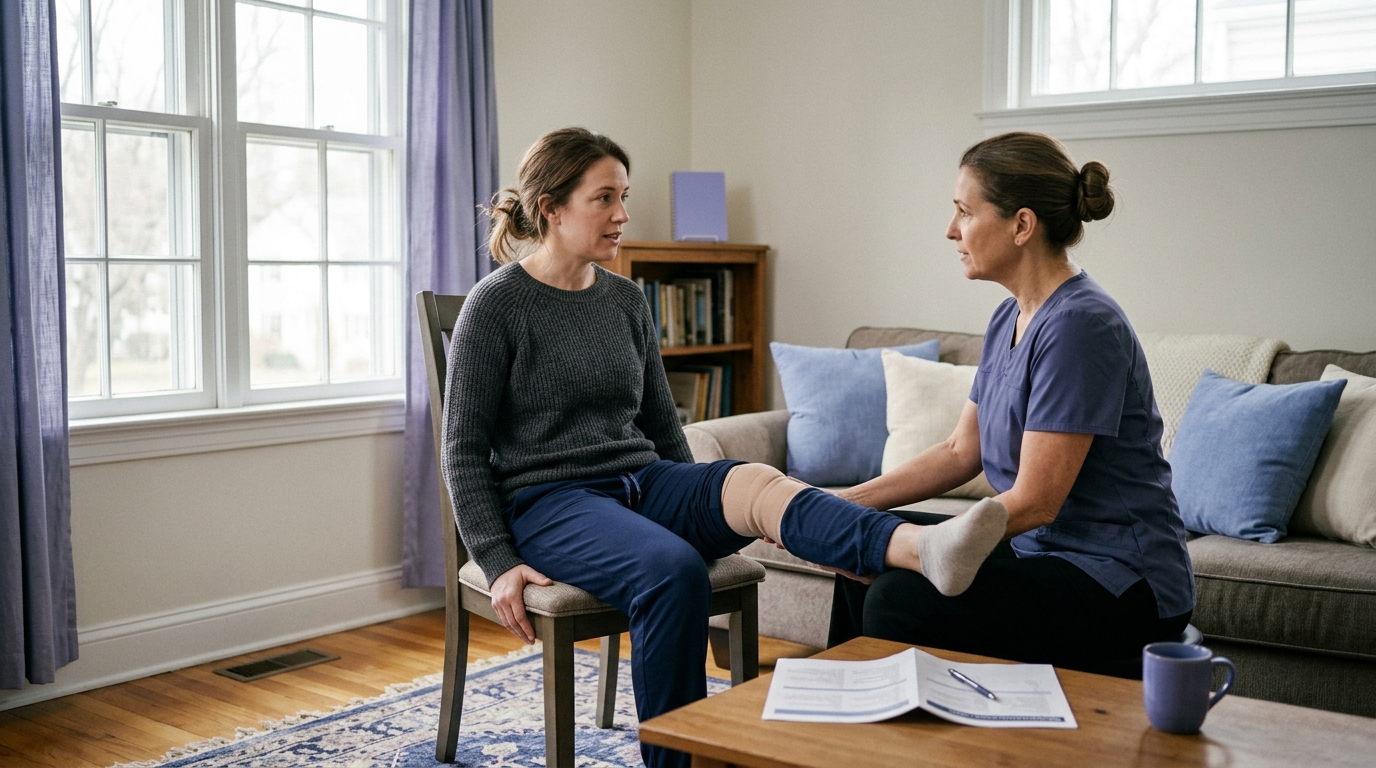
When a broken bone or repaired tendon is immobilized in a cast or brace, the affected muscle tissue undergoes rapid disuse atrophy. Within days of complete inactivity, rates of muscle protein synthesis decline significantly.
While you cannot completely eliminate disuse atrophy without movement, you can minimize muscle loss through diet. Distributing protein evenly across the day and ensuring each meal hits the leucine threshold helps stimulate muscle retention. Maintain adequate total calories so your body does not break down muscle for basic energy.
Orthopedic surgery causes localized tissue trauma, initiates a major inflammatory cascade, and temporarily suppresses appetite due to anesthesia and pain medications. During the first two weeks post-surgery, meeting baseline energy and protein goals is critical.
Focus on easily digestible foods that provide high nutritional value in small portions. Smoothies made with soy milk, protein powder, nut butter, and fruit are gentle on the stomach. As your appetite returns, transition toward whole grains, legumes, and colorful vegetables to support incision healing and tissue regeneration.
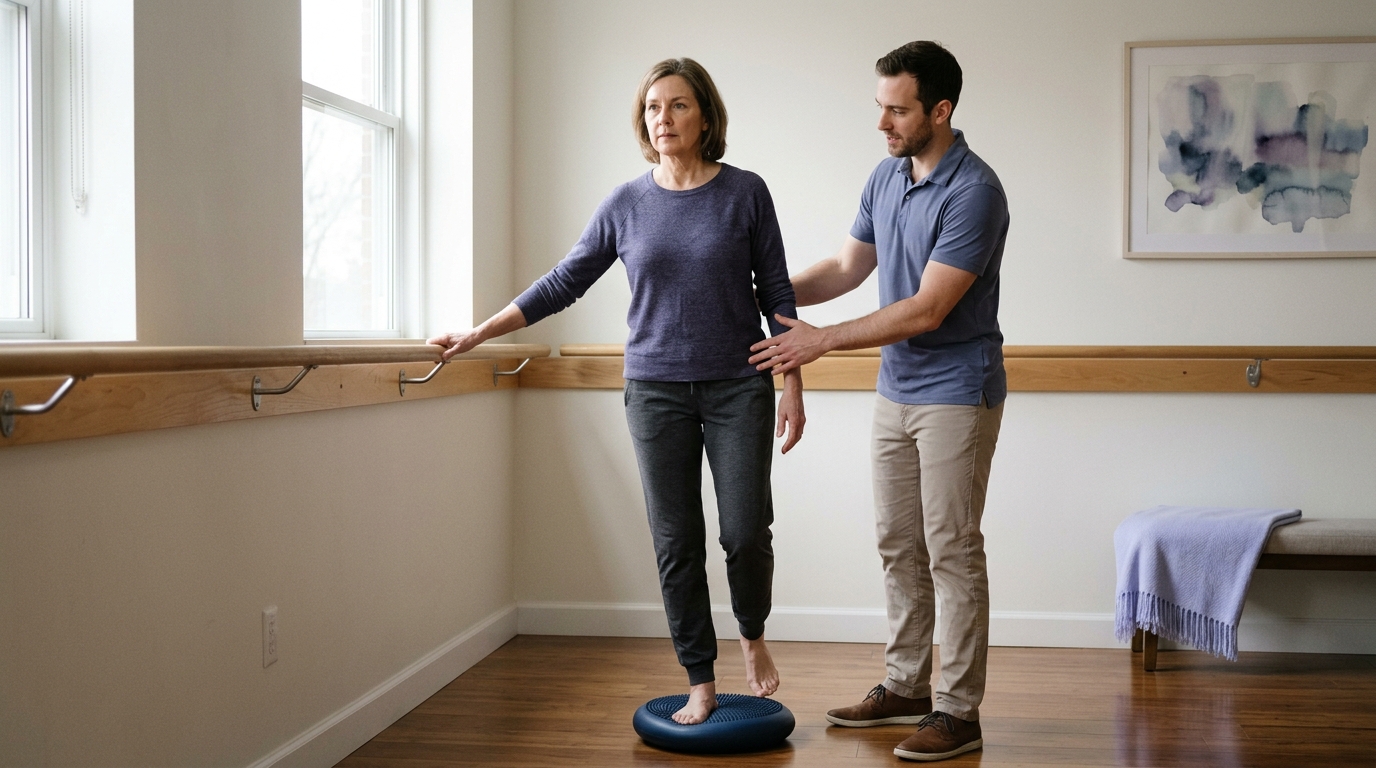
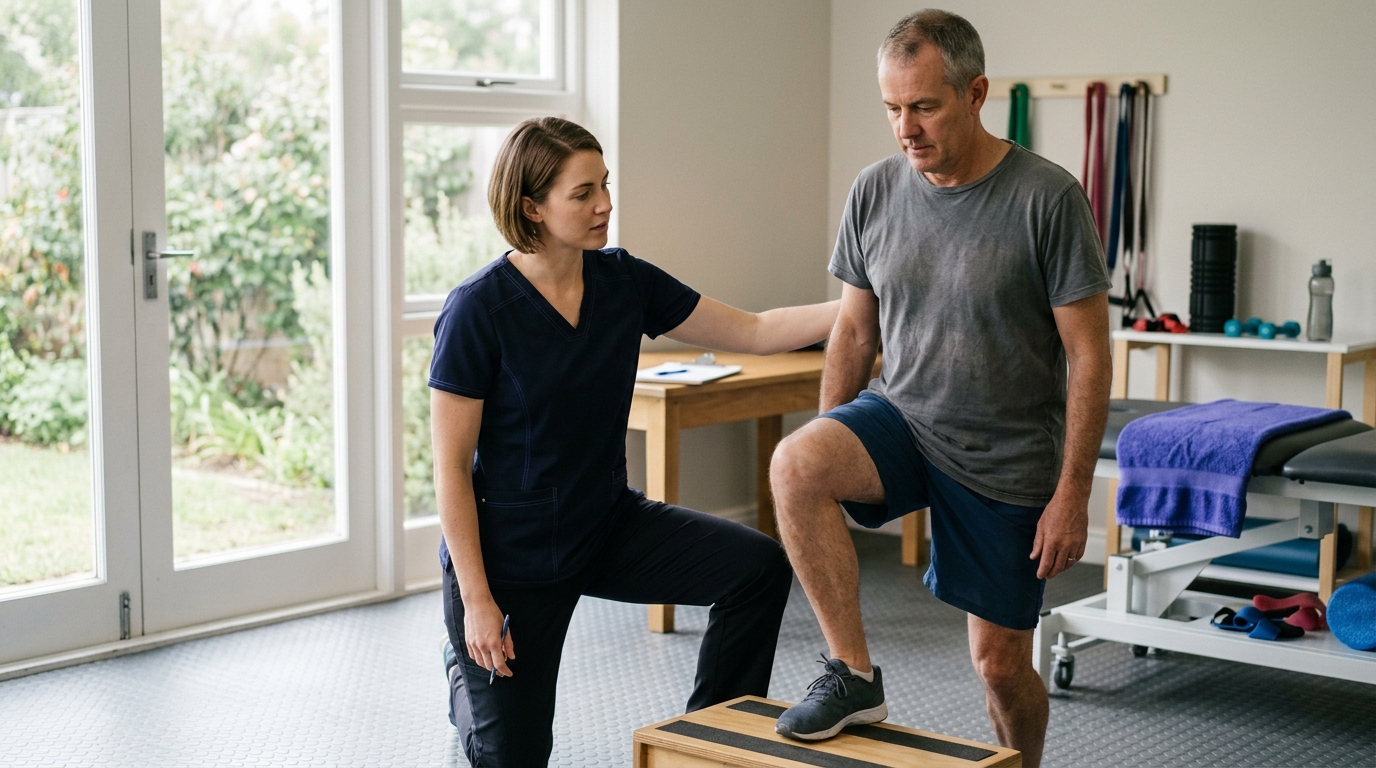
As your physical therapist advances your rehabilitation from passive movement to progressive resistance exercises, your nutritional needs shift again. Muscle repair, neuromuscular adaptation, and increased energy expenditure require more fuel.
During this active rebuilding phase, increase your carbohydrate intake to replenish muscle glycogen stores used during exercise. Pair a post-workout snack containing both protein and carbohydrates, such as soy milk with a banana or toast with peanut butter, to support muscle recovery.
Nutrition is a vital component of physical recovery, but dietary choices must align with your overall medical plan. Pre-existing health conditions, prescription medications, and surgical protocols can influence what dietary pattern is safe and effective for you.
Engaging your doctor, orthopedic surgeon, physical therapist, and a registered dietitian ensures your nutrition plan supports your medical recovery safely.
While general plant-based nutrition principles are accessible, certain clinical situations warrant personalized medical nutrition therapy. You should ask for a referral to a registered dietitian if you experience persistent challenges during recovery.
Key indications for a professional dietary assessment include:
Bringing clear questions to your follow-up appointments helps you gather specific, actionable advice from your care team.
Consider asking these practical questions:
Adapting a plant-based diet during injury recovery requires understanding basic nutritional science rather than following rigid rules. Meeting your body's energy needs, distributing plant proteins evenly, and securing essential micronutrients creates an ideal environment for tissue repair.
By providing your body with consistent energy, balanced plant proteins, and essential micronutrients, you can confidently support your physical rehabilitation and return to active movement.

Use ReboundBody resources to understand common recovery stages, rehab terms, movement limits and strength rebuilding. Each guide is designed to make a complex comeback easier to understand.


Read practical guidance on injury recovery, rehabilitation, mobility and rebuilding strength as you work your way back to activity.
Explore Resources