
Targeted protein intake supports post-injury healing and muscle synthesis through personalized daily calculations, optimal meal timing, and balanced whole-food dietary choices.





Many people searching online after an injury, surgery, or prolonged illness ask a straightforward question: how much protein should I eat to heal faster? Conflicting online charts, athletic forums, and marketing claims make it hard to find a clear answer.
This guide provides a research-based explanation of how dietary protein supports physical recovery. You will learn how to estimate daily requirements, spread protein intake across meals, and select everyday foods to meet your goals. You will also learn when personal health factors require individual guidance from a registered dietitian or doctor.
Protein supplies the body with amino acids. These amino acids serve as the building blocks for new tissue, including muscle fibers, tendons, ligaments, and skin. During periods of physical recovery, your body draws on these amino acids to support cellular repair, manage inflammation, and rebuild structural proteins.
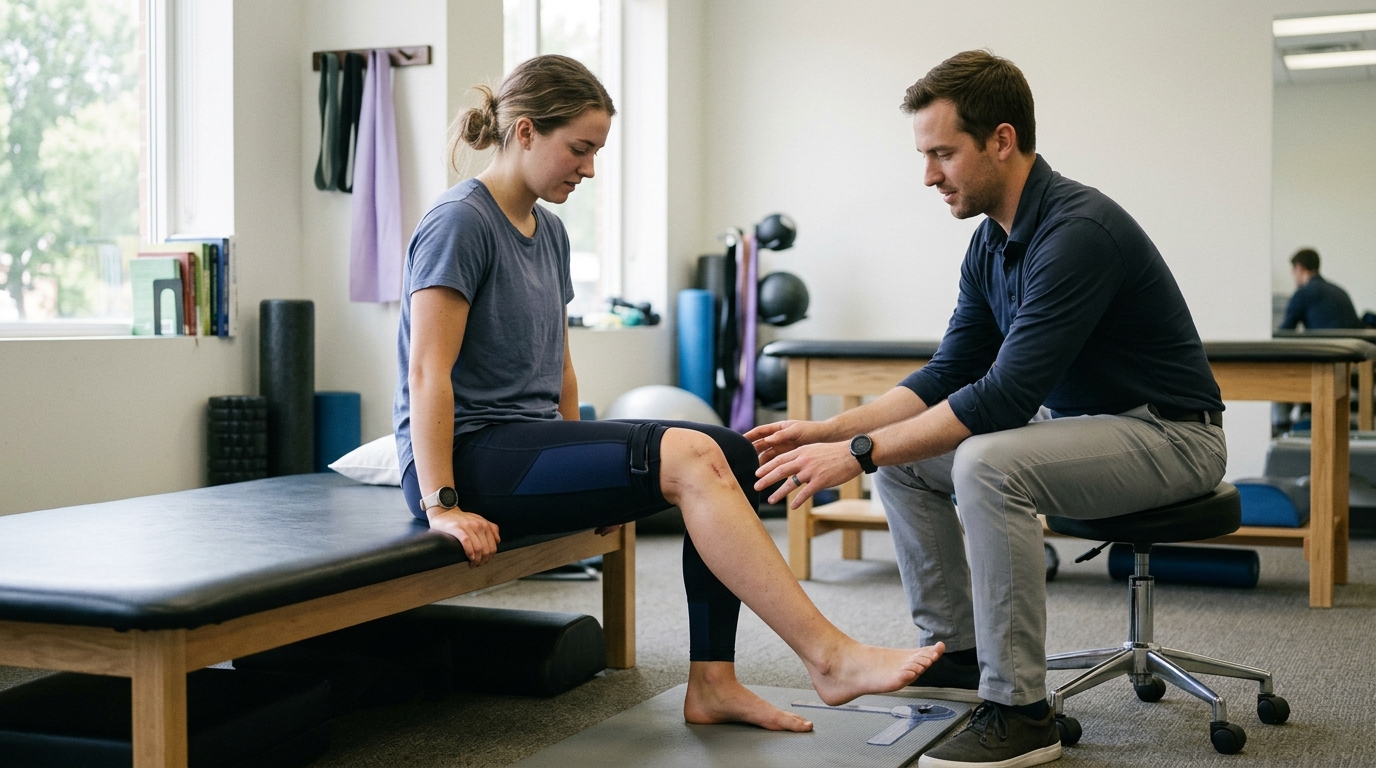
When recovering from surgery, trauma, or a joint injury, movement often decreases. Reduced physical activity can lead to a rapid decline in skeletal muscle mass and strength. Adequate protein intake helps reduce this muscle loss and supports the rehabilitation process as you return to normal activity. You can review broader principles for rebuilding physical capacity in our injury recovery planning resources.
Protein also plays an essential role in immune function. Major wounds, surgical incisions, and systemic illnesses require active immune responses to prevent infection and coordinate tissue remodeling. If protein intake is too low, the body may break down its own muscle tissue to supply the amino acids needed for vital organ function and wound repair.
However, protein is not a standalone treatment for injuries. It works in coordination with total energy intake, hydration, sleep, and progressive rehabilitation exercises. Consuming large amounts of protein will not accelerate healing beyond what your body can physiologically use. A balanced recovery plan views protein as one part of a complete nutritional strategy.
To understand protein needs during recovery, it helps to start with standard dietary guidelines. The Recommended Dietary Allowance for protein set by the National Academies is 0.8 grams per kilogram of body weight per day for adults. The Estimated Average Requirement is 0.66 grams per kilogram per day. The Recommended Dietary Allowance is designed to prevent deficiency in most healthy adults engaging in light daily tasks.
A baseline reference intake is not an individualized recovery prescription. When the body faces surgical stress, wound healing, or physical rehabilitation, metabolic demands change. As a result, research in clinical nutrition and gerontology often evaluates higher intake ranges for specific recovery contexts.
Research examining aging and physical function suggests that healthy older adults may benefit from 1.0 to 1.2 grams of protein per kilogram of body weight per day. For older adults managing acute or chronic illnesses, clinical reviews suggest targets between 1.2 and 1.5 grams per kilogram per day. These higher ranges account for age-related changes in muscle protein synthesis and higher rates of muscle loss during bed rest. For more details on maintaining functional muscle as you age, see our active aging research articles.
In specialized surgical settings, clinical guidelines provide distinct reference points. For instance, guidelines from the European Society for Clinical Nutrition and Metabolism cite an estimate of 1.5 grams per kilogram of ideal body weight per day in certain surgical contexts. These clinical values illustrate how metabolic stress alters nutrient requirements. They are not intended as do-it-yourself formulas for every person recovering at home.
Calculating an estimated daily protein target involves basic arithmetic. It is important to treat these numbers as flexible reference ranges rather than rigid rules. Anyone with underlying medical conditions, especially kidney disease, should confirm targets with a healthcare provider before making significant dietary changes.
Protein recommendations are calculated using metric weight. To convert body weight from pounds to kilograms, divide your weight in pounds by 2.2.
For example, an adult weighing 154 pounds divides 154 by 2.2. The result is 70 kilograms. An adult weighing 180 pounds divides 180 by 2.2, which equals approximately 81.8 kilograms.
Choose a grams-per-kilogram multiplier based on your age, recovery context, and clinician recommendations. A healthy adult maintaining routine daily habits might use the baseline 0.8 grams per kilogram. An older adult recovering from a routine orthopedic injury might evaluate a range between 1.0 and 1.2 grams per kilogram with their care team.
A person recovering from extensive surgery might look at a higher reference range under clinical supervision. Selecting a multiplier should always reflect your current health status and medical history.
Multiply your body weight in kilograms by the chosen multiplier to find your total daily target in grams.
Consider an illustrative calculation for a 70-kilogram adult:
These numbers provide general reference points. They do not claim that any specific number is universally correct for all 70-kilogram individuals.
A daily numerical target is only useful if it is practical. Check whether your calculated protein amount fits your typical appetite, food preferences, and digestive comfort. If nausea, pain medication, or fatigue make large meals difficult, you may need to adjust your approach. Meeting nutritional needs should feel sustainable rather than overwhelming.
Meeting a daily protein total is important, but how that protein is distributed throughout the day also matters. Many adults consume a very small amount of protein at breakfast, a moderate amount at lunch, and a large portion at dinner. Research into muscle physiology suggests that a more balanced distribution can help support tissue rebuilding.
Skeletal muscle tissue continuously cycles between protein breakdown and protein synthesis. When you consume protein, the digestive system breaks it down into amino acids that enter the bloodstream. When essential amino acid concentrations reach a certain level, muscle protein synthesis is stimulated.
Clinical reviews examining muscle maintenance in older adults suggest that consuming roughly 25 to 30 grams of protein in a single meal provides enough essential amino acids to stimulate muscle protein synthesis effectively. In relative terms, research indicates that older adults may require approximately 0.4 grams of protein per kilogram of body weight per meal. Younger adults typically require around 0.24 grams per kilogram per meal to achieve a similar stimulation.
This difference exists because aging muscle tissue often exhibits anabolic resistance. This term describes a reduced sensitivity to dietary amino acids. Consuming adequate protein at each major meal helps overcome this reduced sensitivity.
Population studies have observed positive relationships between per-meal protein intake and physical metrics. For example, observational research has reported that consuming at least 0.4 grams per kilogram per meal among adults over 60 is associated with higher lean mass, greater upper-body strength, and improved lower-body endurance.
It is critical to distinguish observational associations from clinical proof. An association shows that two factors occur together, but it does not prove that eating specific per-meal thresholds directly causes faster tissue recovery. Per-meal targets serve as useful organizing tools for meal planning, rather than strict medical requirements.
Spreading protein across the day prevents the digestive discomfort of eating oversized portions at dinner. It also provides a steady supply of amino acids throughout waking hours.
Dividing intake into regular intervals makes higher daily targets approachable. If your appetite is low, smaller meals spaced throughout the day can prevent the fullness that often accompanies large, dense servings.
You do not need specialty products or complex cooking routines to meet recovery protein goals. Many familiar, accessible foods provide high-quality protein. Hospital wound-healing resources emphasize a food-first approach that incorporates both animal and plant sources. You can find more meal planning strategies in our nutrition for tissue repair articles.
Different foods provide varying amounts of protein per serving. Grouping foods by their typical protein yield helps simplify meal planning. Hospital nutrition guidelines from the National Health Service categorize portion sizes into broad protein tiers.
Both animal and plant proteins can support recovery needs effectively. Plant foods often contain fiber, vitamins, and minerals that support overall health. However, plant sources generally contain less protein per unit of total weight than lean meats.
To meet recovery goals with plant-based foods, combine multiple protein sources throughout the day:
These simple adjustments increase protein density without adding significant meal preparation time.
Physical recovery often leaves people feeling exhausted. Cooking elaborate meals from scratch is not always feasible when managing pain, surgical incisions, or reduced mobility. Simple, low-effort food combinations can deliver adequate nutrition with minimal preparation.
Consider these low-effort meal options:
Using canned beans, frozen vegetables, pre-cooked grains, and canned fish allows you to prepare nutrient-dense meals quickly while conserving physical energy.
Protein receives extensive attention in recovery discussions, but it is only one component of metabolic healing. Focusing entirely on protein while neglecting total calorie intake can hinder recovery progress.
Tissue synthesis requires energy. When the body repairs bone, tendon, skin, or muscle, its resting energy expenditure often increases. If total caloric intake is too low, the body enters a catabolic state.
In an energy deficit, dietary protein is diverted away from tissue rebuilding and used as fuel for basic bodily functions. Clinical wound-healing guidelines consistently state that adequate energy intake must accompany protein consumption. Research on physical recovery shows that restoring total caloric intake is essential for regaining fat-free mass following periods of physical stress.
If your appetite is poor, simply adding a high-protein food without sufficient total food intake may not prevent muscle loss. Consuming balanced meals that include complex carbohydrates, healthy fats, and adequate protein ensures that dietary amino acids are spared for their intended repair functions.
Protein powders and ready-to-drink shakes are frequently marketed as essential tools for recovery. While these products can offer convenience, they are not medically required for every recovering individual.
Surgical recovery protocols, including Enhanced Recovery After Surgery pathways, sometimes suggest protein supplements to help patients meet minimum daily requirements when solid food is poorly tolerated. You can learn more about these hospital care paths in our surgical recovery resources. In those specific settings, supplements serve as a practical bridge during periods of reduced appetite.
However, clinical reviews examining exercise-induced injuries and soft tissue trauma report mixed evidence regarding whether protein or amino acid supplements accelerate muscle repair or relieve soreness compared to whole foods. Supplemental protein does not possess special healing qualities beyond the amino acids found in standard dietary sources like poultry, dairy, eggs, soy, and legumes.
Supplements may be helpful if you cannot chew easily, experience severe fatigue, or struggle to reach baseline protein amounts through whole foods. Otherwise, whole foods provide a broader array of vitamins, minerals, and micronutrients that naturally support the healing process.
Misunderstandings about nutrition can lead to poor dietary choices during rehabilitation. Clarifying these common errors helps establish realistic expectations.
Many people assume the standard 0.8 grams per kilogram Recommended Dietary Allowance represents the ideal goal for all recovery situations. In reality, the Recommended Dietary Allowance is a minimum baseline established to prevent nutritional deficiency in the general population. It does not account for the elevated metabolic demands of surgical recovery, extensive wound healing, or age-related muscle loss.
A common belief in fitness culture is that if adequate protein is good, extremely high amounts must be better. Research does not support the idea that mega-dosing protein leads to faster healing. The human body has an upper limit on the rate at which it can synthesize new tissue. Consuming protein far beyond your physiological needs simply results in the excess amino acids being oxidized for energy or excreted as waste.
Marketing often portrays protein as an independent healing agent. Protein provides structural components, but cellular repair also requires vitamin C, zinc, iron, adequate hydration, and sufficient dietary calories. Healing is a coordinated physiological process requiring comprehensive nutritional support rather than an isolated macronutrient.
Commercial recovery drinks are frequently promoted as mandatory after medical procedures. While convenient for those with low appetite, standard whole foods can supply all necessary amino acids. Unless prescribed by a physician or dietitian for medical malnutrition, specialty formulas are an optional convenience rather than a medical necessity.
Every person navigates recovery with different physical demands, energy levels, and medical backgrounds. The following scenarios illustrate how protein concepts apply to distinct recovery situations. These examples serve as planning models, not individual treatment plans.
An active 68-year-old adult weighs 75 kilograms and is recovering at home following a routine hip replacement. Their mobility is temporarily limited, and they want to preserve muscle strength while completing physical therapy exercises.
Working with their clinical team, they aim for a target range of approximately 1.0 to 1.2 grams of protein per kilogram per day. This equates to 75 to 90 grams of protein daily.
To achieve this target comfortably, they divide their intake across three main meals:
A 52-year-old adult returns home after abdominal surgery. Due to mild nausea and medication side effects, they cannot tolerate large, dense meals.
Rather than forcing large servings at lunch and dinner, they organize their intake into five small meals spaced across the day:
A 45-year-old individual who follows a vegetarian diet is recovering from a deep laceration that requires wound care. They weigh 65 kilograms and need simple, low-prep plant foods that provide sufficient protein and calories.
Their goal is to consistently include a plant-based protein source at every eating opportunity:
While adequate protein supports healing for many people, certain health conditions require strict medical supervision. Applying a high-protein recovery plan without clinical guidance can be harmful in specific medical contexts.
The kidneys filter the metabolic byproducts of protein breakdown from the blood. For individuals with chronic kidney disease who are not receiving dialysis, excessive protein intake can place added strain on kidney function and accelerate disease progression.
Guidelines from the National Kidney Foundation emphasize that protein targets must be carefully personalized based on the stage of kidney disease, nutritional status, and laboratory values. People with kidney disease who are not on dialysis may require protein restriction, whereas individuals undergoing regular dialysis often have higher protein requirements due to nutrient loss during treatment.
Anyone with known kidney impairment must consult their nephrologist or a specialized renal dietitian before increasing dietary protein during recovery.
Major medical procedures, severe trauma, or gastrointestinal illnesses can impair the ability to consume food orally. Clinical surgical guidelines from the European Society for Clinical Nutrition and Metabolism state that formal nutritional therapy should be initiated promptly when an individual is unable to meet oral intake needs for five days or longer.
In these circumstances, simply advising a patient to eat more protein at home is insufficient. Patients at high risk of malnutrition require formal clinical assessment. A healthcare team may recommend oral nutritional supplements, enteral tube feeding, or parenteral nutrition to ensure safety and prevent severe muscle wasting.
Extensive burns, severe infections, open pressure injuries, and complex post-operative complications create profound metabolic stress. In these cases, the body's rate of protein breakdown increases dramatically.
Renal and clinical nutrition guidelines treat large wounds and systemic infections as major metabolic stressors that require specialized nutritional prescriptions. Meeting these elevated demands requires a careful balance between protein, carbohydrates, fluids, and electrolytes under direct medical care.
Navigating recovery nutrition is most effective when done in partnership with your healthcare providers. Registered dietitians and medical doctors can help translate broad nutritional research into a safe, individualized plan. For additional context on our evidence-led approach, visit our about page.
Seeking professional guidance ensures that your recovery plan aligns with your overall medical history, medication regimen, and personal rehabilitation timeline.
Nutrition during recovery does not need to be complicated. Applying a few evidence-based principles can help you support your body's natural repair mechanisms safely and effectively. You can discover additional movement and wellness guidance in our complete injury recovery resources library.
Protein supplies essential amino acids required for tissue repair, immune support, and skeletal muscle maintenance during periods of reduced activity. While standard population guidelines recommend a baseline of 0.8 grams per kilogram per day, older adults and those recovering from physical stress often benefit from targets between 1.0 and 1.5 grams per kilogram per day under clinical guidance.
Distributing protein evenly across three or four meals helps stimulate muscle protein synthesis throughout the day. Whole foods like eggs, fish, poultry, beans, dairy, and soy provide high-quality protein alongside essential vitamins and minerals. Most importantly, adequate total energy intake must accompany protein consumption to ensure amino acids can be used for tissue rebuilding.
Use this checklist to build a structured, realistic nutrition routine as you recover:

Use ReboundBody resources to understand common recovery stages, rehab terms, movement limits and strength rebuilding. Each guide is designed to make a complex comeback easier to understand.


Read practical guidance on injury recovery, rehabilitation, mobility and rebuilding strength as you work your way back to activity.
Explore Resources