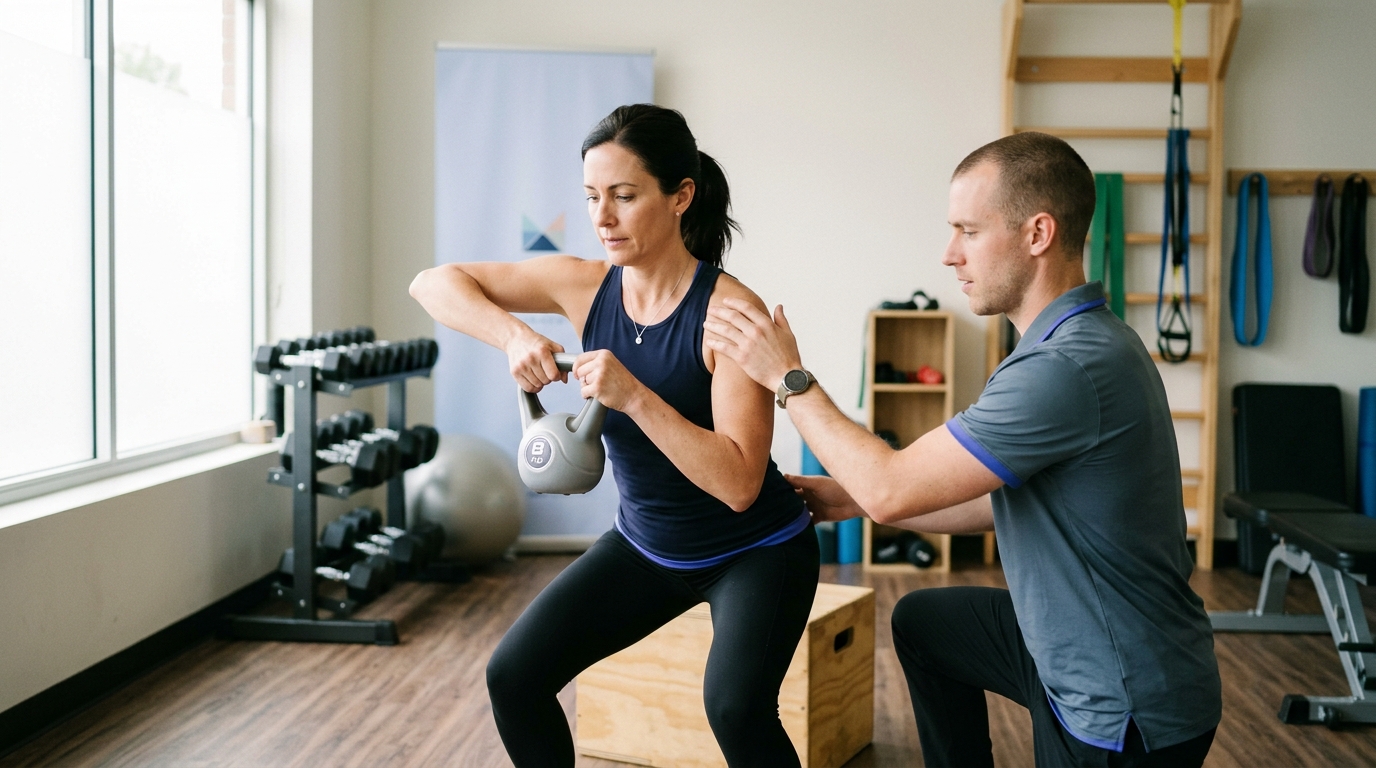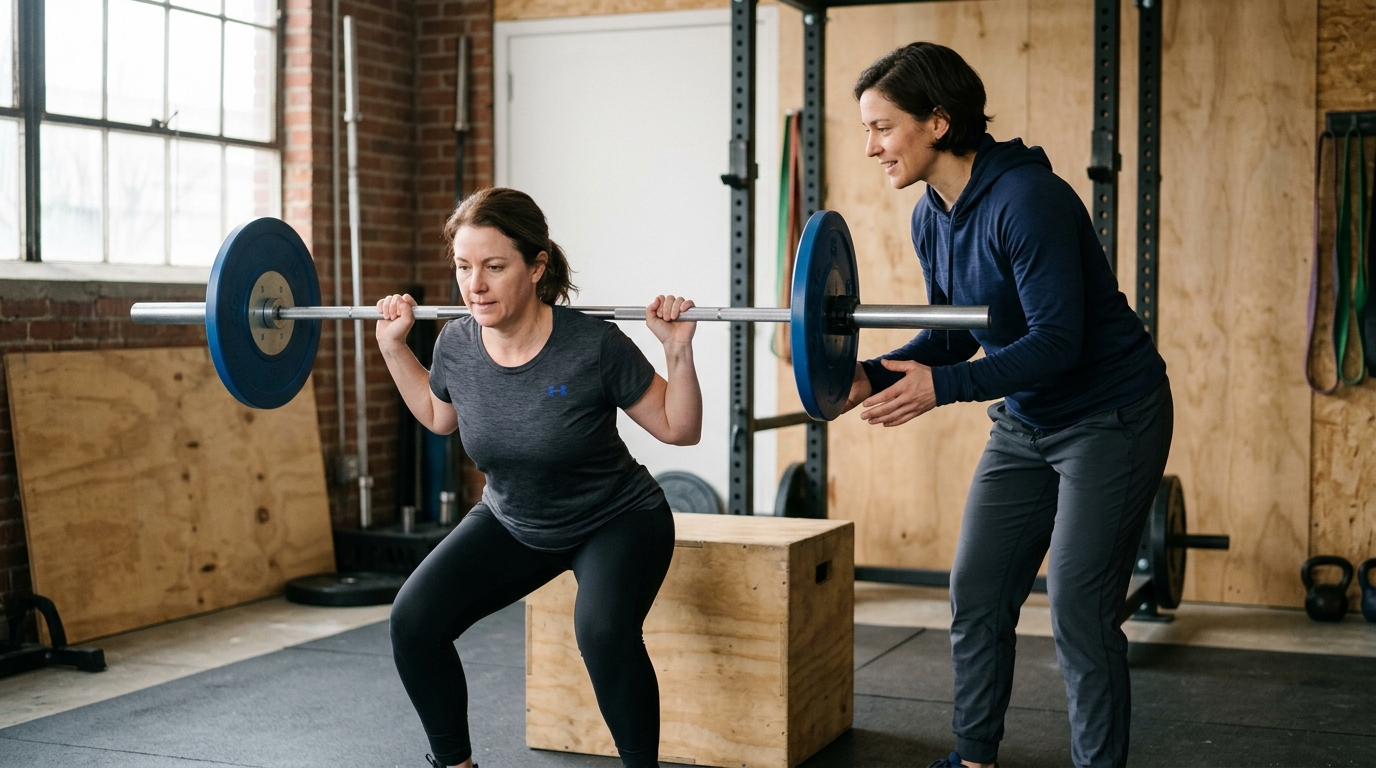

Catching yourself during a sudden stumble depends on explosive neuromuscular speed, making structured power training essential for preserving functional independence as you age.





Many adults notice a frustrating shift as the years pass. You might still carry heavy bags of groceries or complete your regular walking routine without trouble, yet you feel sluggish when rising from a deep couch. You might feel a momentary hesitation when stepping quickly over an uneven sidewalk.
When people search online for answers about why they feel slower despite staying active, they often run into confusing advice. Some sources say you only need to lift heavier weights. Others claim you must perform intense jumping routines to stay agile.
This guide provides a research-based explanation of how your muscles generate force over time. It explains the clear difference between muscle strength and muscle power. It outlines what the clinical evidence says about power training, how it affects everyday tasks, and how to approach rapid movement safely.
Muscle strength is the total amount of force your muscles can produce against resistance. You use strength when you carry a heavy suitcase, open a stubborn jar, or push a stalled car. In these movements, the time it takes to finish the lift is not the main priority. The primary goal is simply producing enough force to overcome the load.
Muscle power is the combination of force and speed. It measures how quickly your muscles can produce force during a movement. Power is what allows you to stand up briskly from a low chair, react rapidly to a sudden curb, or bound up a flight of stairs. If you produce high force but move slowly, you have strength without high power.
Research shows that muscle power tends to decline earlier and more rapidly than muscle strength as adults grow older. This explains why someone can remain strong enough to lift a heavy object, yet still feel slow during sudden everyday movements.
Power training focuses on moving resistance with high speed during the lifting phase while maintaining total control. It is not a replacement for traditional strength training, but rather a valuable addition to a well-rounded exercise plan. While research shows clear benefits for physical performance, it does not promise fall prevention or immediate reversal of physical limitations.
To understand how movement changes over time, it helps to examine basic mechanical physics. Mechanical work occurs when a force moves an object across a physical distance. Strength reflects the maximum force your neuromuscular system can generate during a specific movement pattern.
Power represents work divided by time, or force multiplied by movement velocity. If two people lift a fifty-pound box to the exact same height, they perform the exact same amount of work. However, the person who lifts that box in half a second generates twice as much mechanical power as the person who takes a full second.
Another related concept is the rate of force development. This metric measures how fast force rises from a resting state during the initial milliseconds of muscle contraction. When you step off a curb unexpectedly, your body has a fraction of a second to generate stabilizing force. A high rate of force development allows your muscles to reach required tension levels almost instantly.
Traditional resistance training focuses on increasing the maximum load you can move. This approach builds muscle tissue and improves baseline force production. However, moving heavy loads slowly does not adequately challenge the nervous system to fire rapidly. Power training specifically targets the speed component of the force equation. You can learn more about general force production in our dedicated section on strength and performance rebuilding.
The human body undergoes several natural structural changes as the decades advance. Muscle mass gradually decreases, a process known as sarcopenia. However, the loss of muscle power typically outpaces the loss of muscle mass and pure strength.
Research reviews note that after age sixty, muscle strength declines at an estimated rate of approximately 1.4% to 2.5% per year. In contrast, muscle power declines at an estimated rate of approximately 3.5% per year across similar age groups. These figures represent broad population estimates rather than a fixed personal forecast.
This faster decline in power stems largely from changes in specific muscle fibers. Skeletal muscle contains both type I slow-twitch fibers and type II fast-twitch fibers. Type I fibers support endurance activities, such as sustained walking or posture maintenance. Type II fibers produce high force rapidly, but they fatigue much faster.
With age, fast-twitch fibers experience greater reductions in size and number than slow-twitch fibers. The central nervous system also becomes slower at sending electrical signals to recruit these fast motor units. When fast motor units are recruited less efficiently, movement velocity drops. This biological shift makes targeted power exercises particularly relevant for maintaining physical independence, as discussed in our resources on active aging and prevention.
Everyday mobility depends heavily on the ability to generate force quickly. While walking at a steady pace requires moderate endurance, navigating a dynamic environment requires quick bursts of power.
A systematic review examining 44 research studies confirmed a consistent positive association between muscle power and physical function in older adults. The authors found that muscle power was a slightly better predictor of functional performance than raw muscle strength. The review identified maximal movement velocity as a key factor linked to everyday functional capacity.
Everyday activities that rely on muscle power include:
It is important to separate functional associations from absolute guarantees. While higher muscle power correlates with better mobility scores, power training alone is not a proven shield against all falls. Balance involves vision, inner ear function, joint mobility, and environmental hazards. Developing power gives you the physical capacity to move quickly, but safe movement requires multiple bodily systems working together.
To understand how power training works in practice, scientists compare it directly with traditional resistance training. The most comprehensive analysis comes from a 2022 systematic review and meta-analysis of 20 randomized clinical trials. The review examined 566 community-living older adults with an average age of 70.1 years, 65% of whom were women.
The researchers analyzed how power training compared to traditional strength training across multiple physical outcomes:
The meta-analysis found low-certainty evidence showing a modest advantage for power training over traditional strength training for overall physical function. When looking at common clinical tests, power training produced an estimated improvement of 0.62 seconds on the 8-foot Get Up and Go test. It also yielded an average increase of 0.56 additional stands during timed chair-stand tests.
Power training showed a clearer, statistically significant advantage for increasing measured muscle power compared to traditional strength protocols. This confirms that moving with intentional speed specifically improves the body's ability to produce rapid force.
The review found no meaningful difference between groups for raw muscle strength or muscle size. Both power training and traditional strength training increased general strength and muscle volume to a similar degree. This demonstrates that moving lighter loads quickly can stimulate muscle tissue just as effectively as moving heavier loads slowly.
The analysis found no clear between-group difference for usual gait speed. Furthermore, the findings for balance showed no distinct advantage for power training, with the evidence rated as very low certainty. These findings remind us that while power training improves rapid force production, it does not automatically resolve balance impairments on its own. For a deeper look at movement control, explore our guides on mobility and movement principles.
Many people mistakenly assume that power training requires aggressive, high-impact movements like box jumps or heavy Olympic lifts. In clinical research, power training looks very different. It is structured around controlled resistance exercises performed with specific movement intent.
In the 20 randomized clinical trials reviewed in 2022, protocols followed several consistent patterns:
Most research protocols lasted 12 weeks. Participants generally trained two days per week, though frequencies in various studies ranged from one to three weekly sessions. This schedule allowed adequate time for neuromuscular adaptation while providing sufficient rest between workouts.
Programs typically used three sets per exercise, with eight to ten repetitions per set. Resistance loads commonly ranged between 40% and 70% of the participant's one-repetition maximum. Using moderate loads rather than maximum weights allows for higher movement velocity while protecting joint structures.
The critical distinction in power training lies in the lifting phase, known as the concentric contraction. Participants were instructed to lift the weight as fast as possible with maximal intent. Once the lift was complete, they lowered the resistance slowly and under complete control during the eccentric phase.
Power training with controlled lowering is fundamentally distinct from plyometric training. Plyometrics involve jumping, hopping, or rapid bounding where an eccentric landing immediately switches into a rapid concentric leap. Traditional power training eliminates that rapid, high-impact landing phase, making it far more manageable for older joints.
Clinical studies utilized a variety of accessible equipment to achieve rapid movement intent:
For additional perspectives on tissue adaptation and training structure, see our overview of recovery science research.
Before adding rapid movements to any routine, you must consider individual readiness, joint health, and overall medical history. Power training is adaptable, but moving quickly without proper preparation can increase the risk of tissue irritation.
In the 2022 meta-analysis, average exercise adherence was high for both groups, reaching 82.5% in power training and 81.8% in traditional training. No serious adverse events were reported in any of the reviewed trials. The estimated adverse event rate was 3.27 events per 1,000 person-sessions for power training, compared to 2.08 events for traditional strength training.
However, 70% of the trials failed to report safety data thoroughly. The reported adverse events consisted primarily of mild knee soreness, muscle tightness, and minor arthritis flare-ups. Studies that enrolled participants with lower baseline physical function reported higher rates of joint irritation. This emphasizes the need for careful progression if you have existing mobility limitations.
Rapid acceleration places distinct demands on tendons, ligaments, and cartilage. If you manage osteoarthritis, tendon irritation, or spinal stenosis, high-speed movement must be introduced with caution. A joint that tolerates a slow, controlled squat may become irritated if you try to stand up too aggressively without prior conditioning.
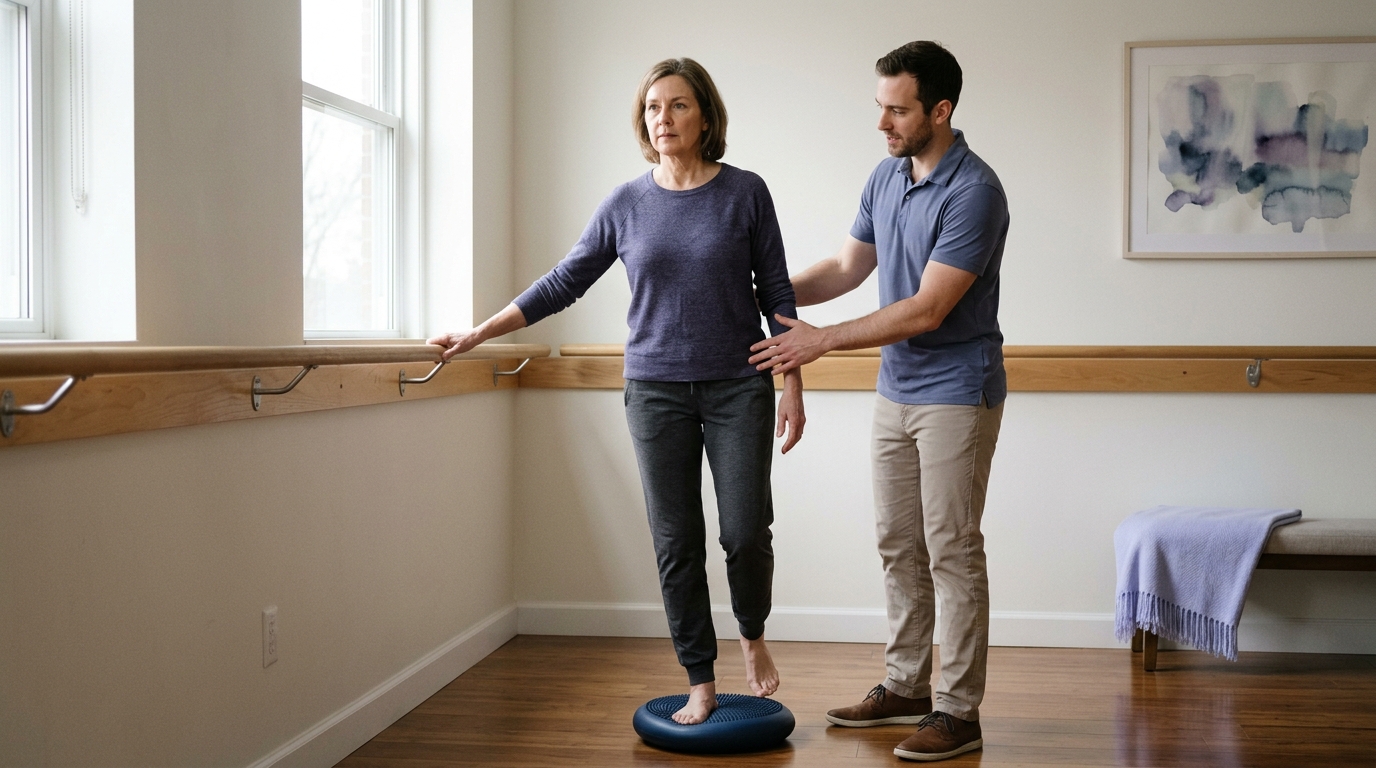
The National Institute on Aging recommends discussing new exercise routines with a healthcare provider if you live with chronic medical conditions. They also emphasize maintaining nearby physical support, such as a sturdy chair or wall, whenever you perform exercises that challenge your balance.
Speed should never precede movement quality. A reliable sequence for building physical capacity involves four logical stages:
If you are currently recovering from a physical setback, consult our rehabilitation and movement resources to establish solid movement fundamentals first.
The following illustrative examples show how power concepts apply to different physical abilities. These models are educational examples, not rigid exercise prescriptions.
Consider a person who can stand up from an armchair, but the movement feels slow and requires significant effort.
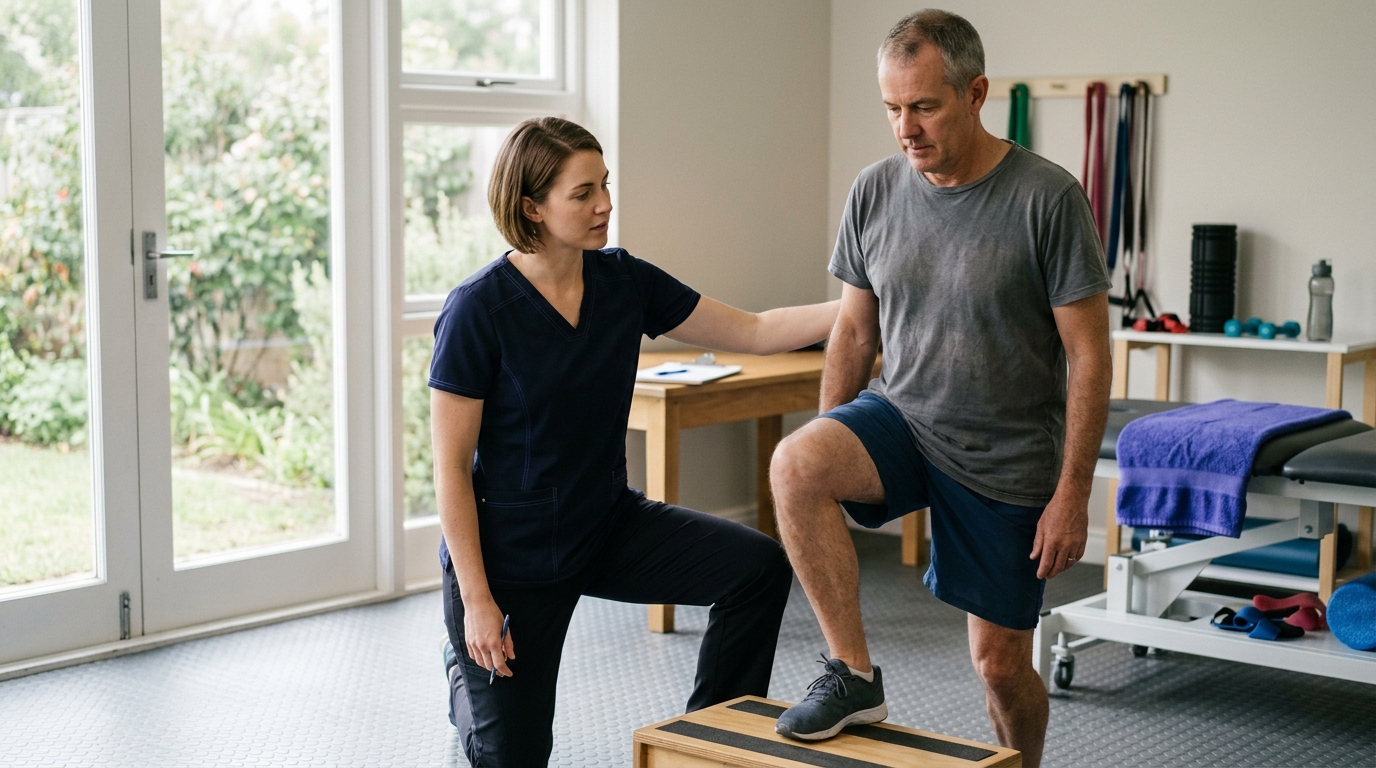
In the initial strength phase, the focus rests on slow, controlled sit-to-stand movements from a standard chair. The person takes two to three seconds to stand up and three seconds to lower themselves back down. This builds necessary leg strength and reinforces knee alignment.
Once this movement is comfortable, power intent is introduced. The person pauses at the bottom of the chair, leans forward slightly, and stands up as briskly as possible while keeping their feet flat. They pause at the top, then lower themselves slowly and gently over three full seconds. The speed is applied only on the way up, keeping the descent smooth and safe.
Consider someone who feels steady when walking straight ahead, but feels slow to adjust when stepping around pets or obstacles.
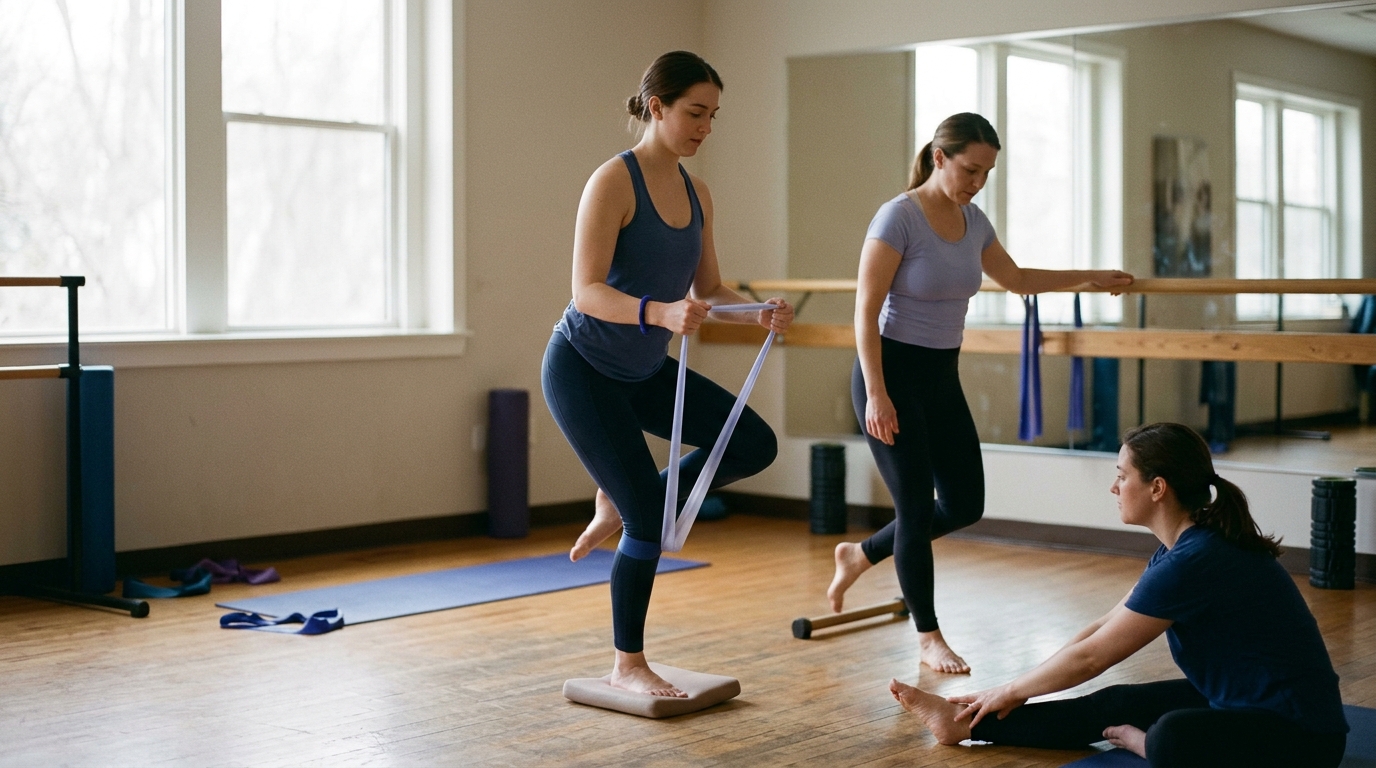
The movement begins with basic stepping drills at a normal walking tempo. The person steps forward onto a marked line on the floor, holds their balance for two seconds, and steps back under control.
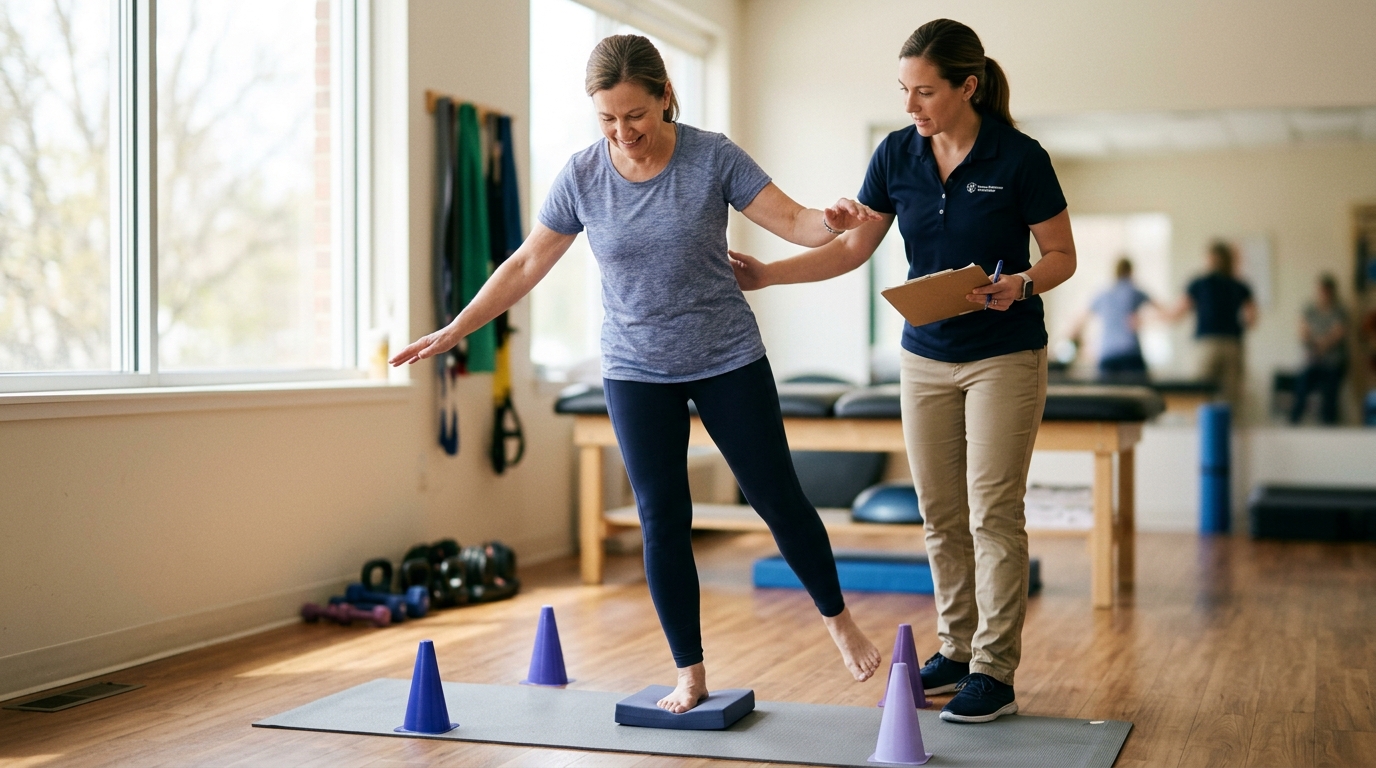
To develop power and reactive speed, the intent changes. The person practices stepping forward onto the line quickly and firmly, planting the foot with confidence, and immediately pushing back to the starting position with speed. A sturdy railing or countertop remains within reach to ensure safety throughout the drill.
Consider an adult who wants to maintain the ability to lift objects onto high shelves or push open heavy commercial doors.
The traditional strength foundation involves a standard wall push-up or incline push-up performed at a slow, steady pace. The person lowers their chest toward the wall over two seconds and pushes back over two seconds.
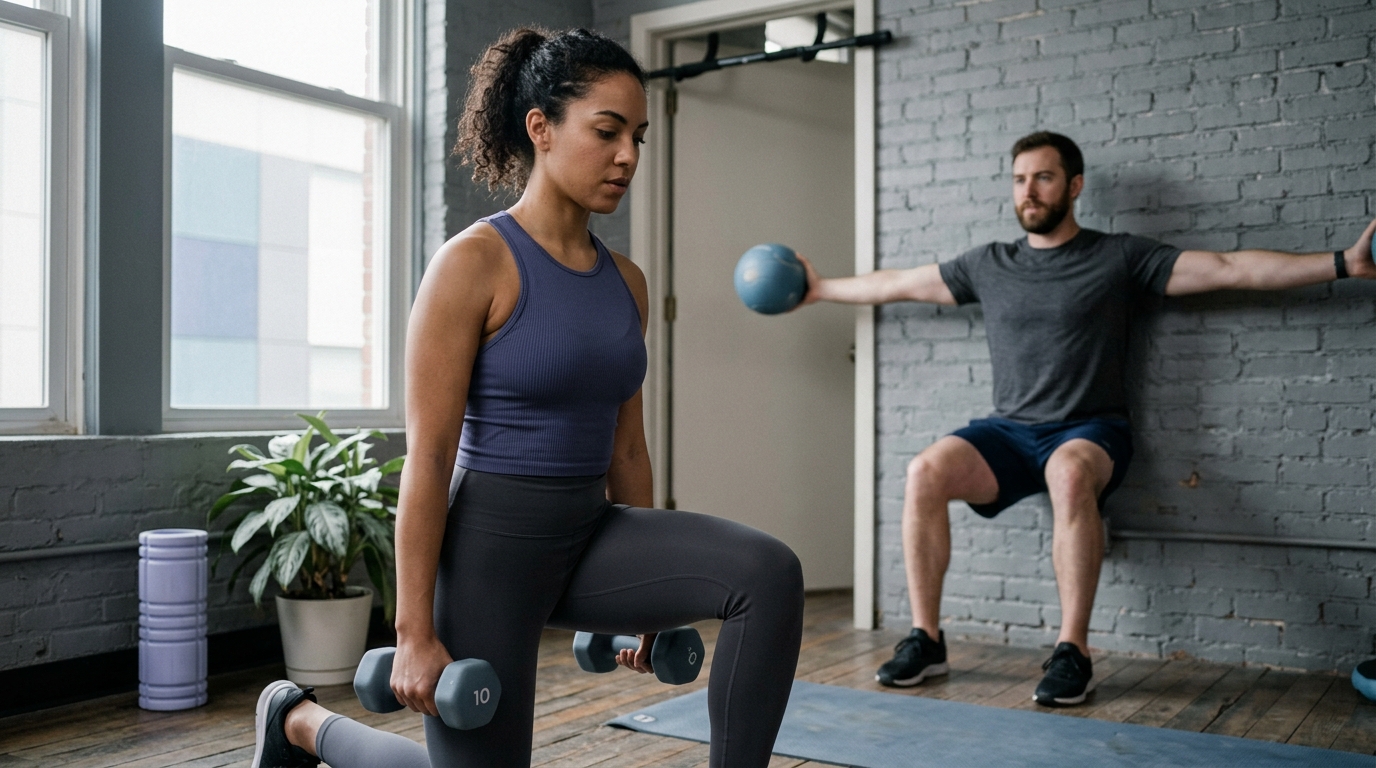
To target upper body power, the person uses a moderate incline against a stable wall. They lower their chest slowly toward the surface, pause briefly, and then push away from the wall as rapidly as possible without letting their hands leave the surface. The push is crisp and forceful, while the reset is slow and controlled.
Navigating fitness advice requires filtering out common exaggerations and misunderstandings. Several myths surround the concept of rebuilding power in older adults.
Power is not maximized by lifting the heaviest possible load. Lifting near-maximal weights forces your muscles to move very slowly, which emphasizes pure strength rather than rapid force development. Research shows that moderate loads, typically between 40% and 70% of maximum capacity, allow for the optimal combination of force and velocity.
Speed does not mean sloppy mechanics or bouncing through joint ranges. In clinical research, power training involves high concentric intent paired with strict eccentric control. The participant accelerates the load smoothly through the lifting phase, but never flings the weight or allows momentum to replace muscle effort.
Jumping is only one specialized form of power development, and it carries higher impact forces that may not suit every joint. You can generate substantial muscle power using seated leg presses, pneumatic machines, cable pulleys, or standing bodyweight drills. High-impact landings are entirely unnecessary for improving everyday functional speed.
Power training is a complementary training style, not a total replacement for traditional strength training. While power training improves movement velocity and functional test scores, traditional slow-tempo lifting remains excellent for building tendon stiffness, joint stability, and overall muscle mass. A balanced routine incorporates both steady strength work and intentional speed work.
When discussing physical activity with a physician, physical therapist, or certified exercise specialist, clear communication ensures your program fits your needs. Consider bringing these specific questions to your next appointment:
Rebuilding muscle power offers a practical way to maintain physical speed, mobility, and confidence as you age. While traditional strength training builds the capacity to produce force, power training teaches your neuromuscular system to apply that force rapidly.
The strongest clinical evidence shows that power training provides a modest advantage for physical function tests and a clear advantage for measured power output. However, it should be approached as a structured progression based on personal readiness, joint health, and movement control.
If you are interested in exploring power training concepts, use this simple checklist to begin safely:

Use ReboundBody resources to understand common recovery stages, rehab terms, movement limits and strength rebuilding. Each guide is designed to make a complex comeback easier to understand.


Read practical guidance on injury recovery, rehabilitation, mobility and rebuilding strength as you work your way back to activity.
Explore Resources