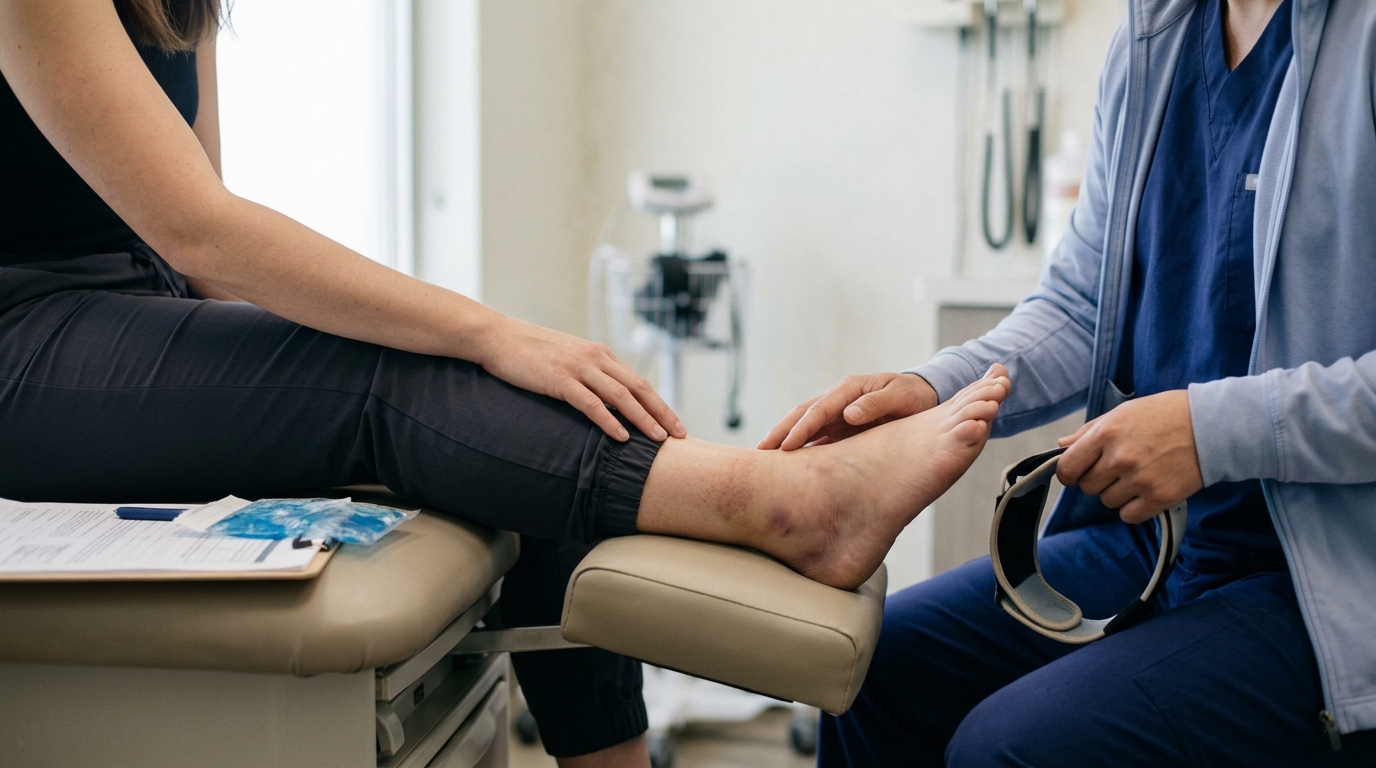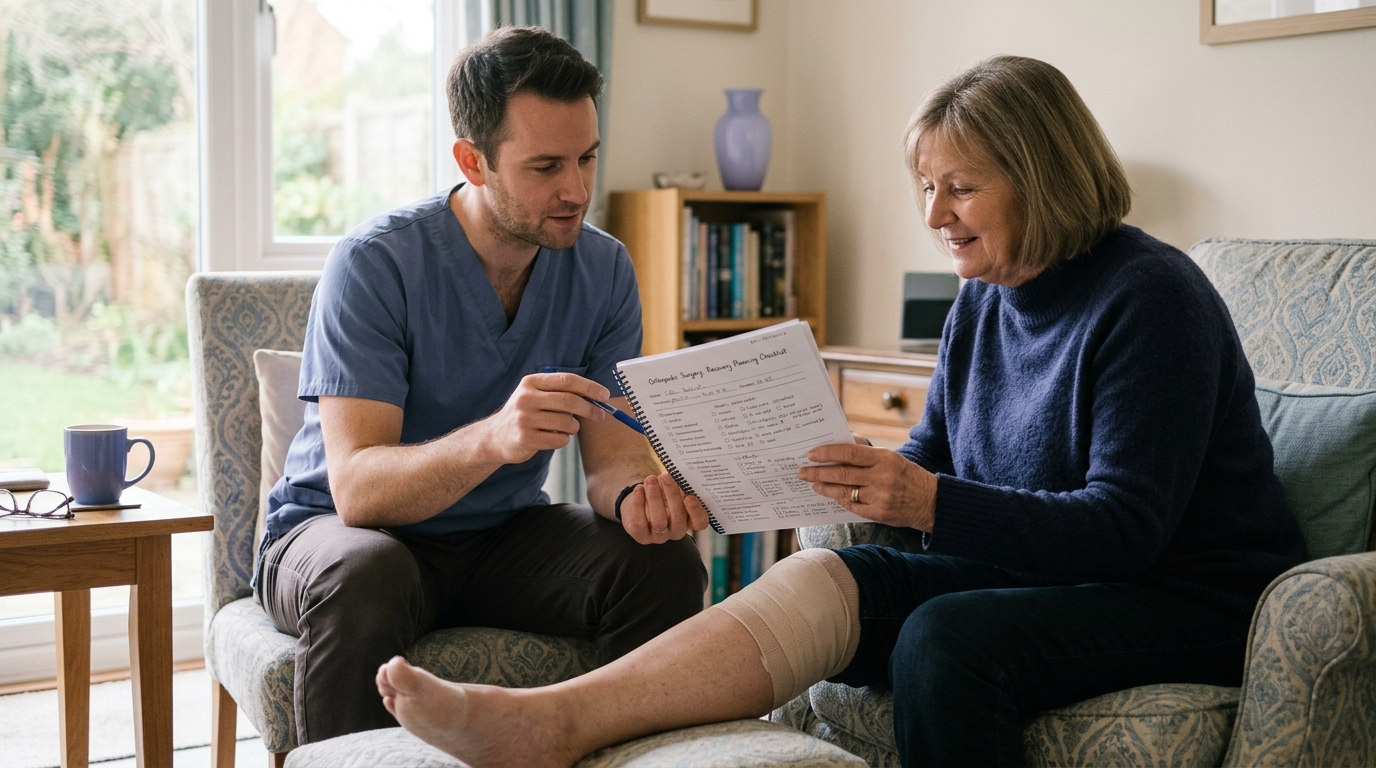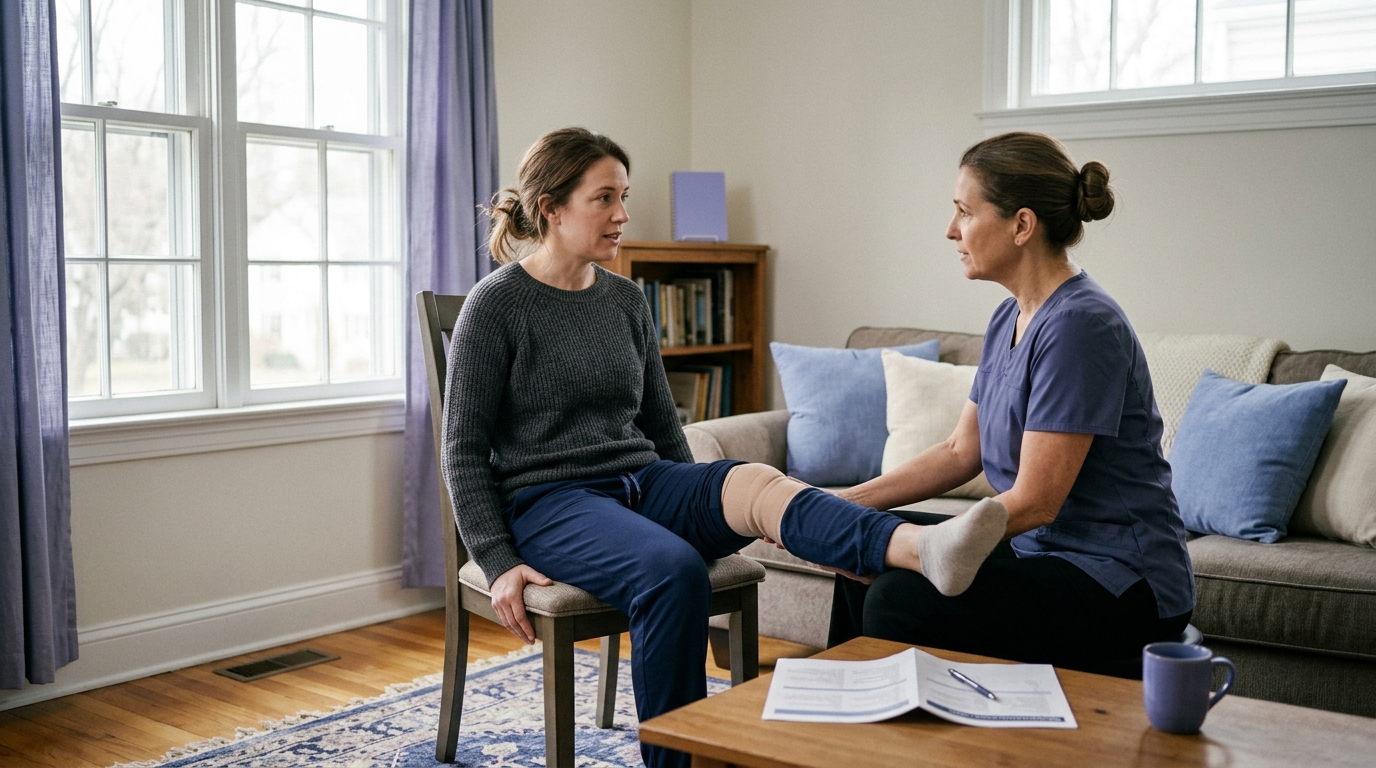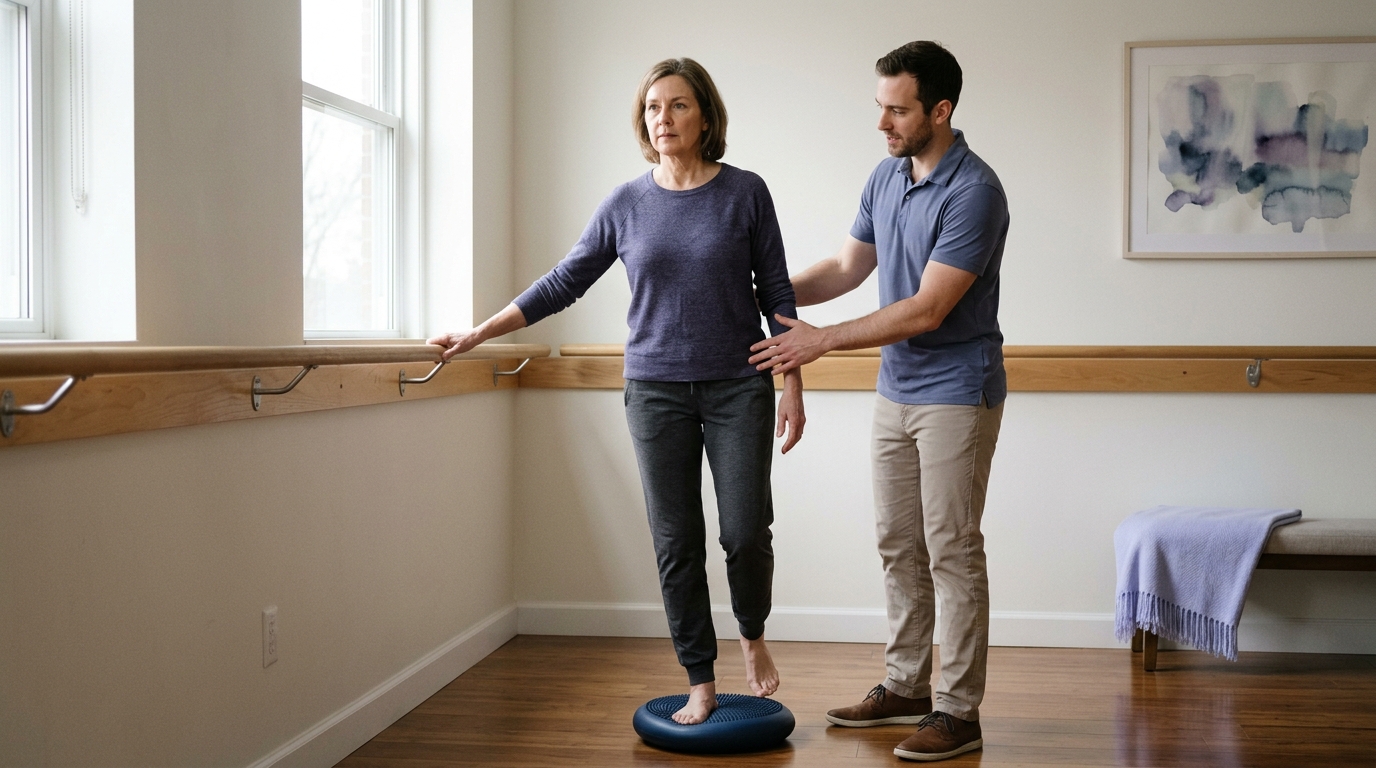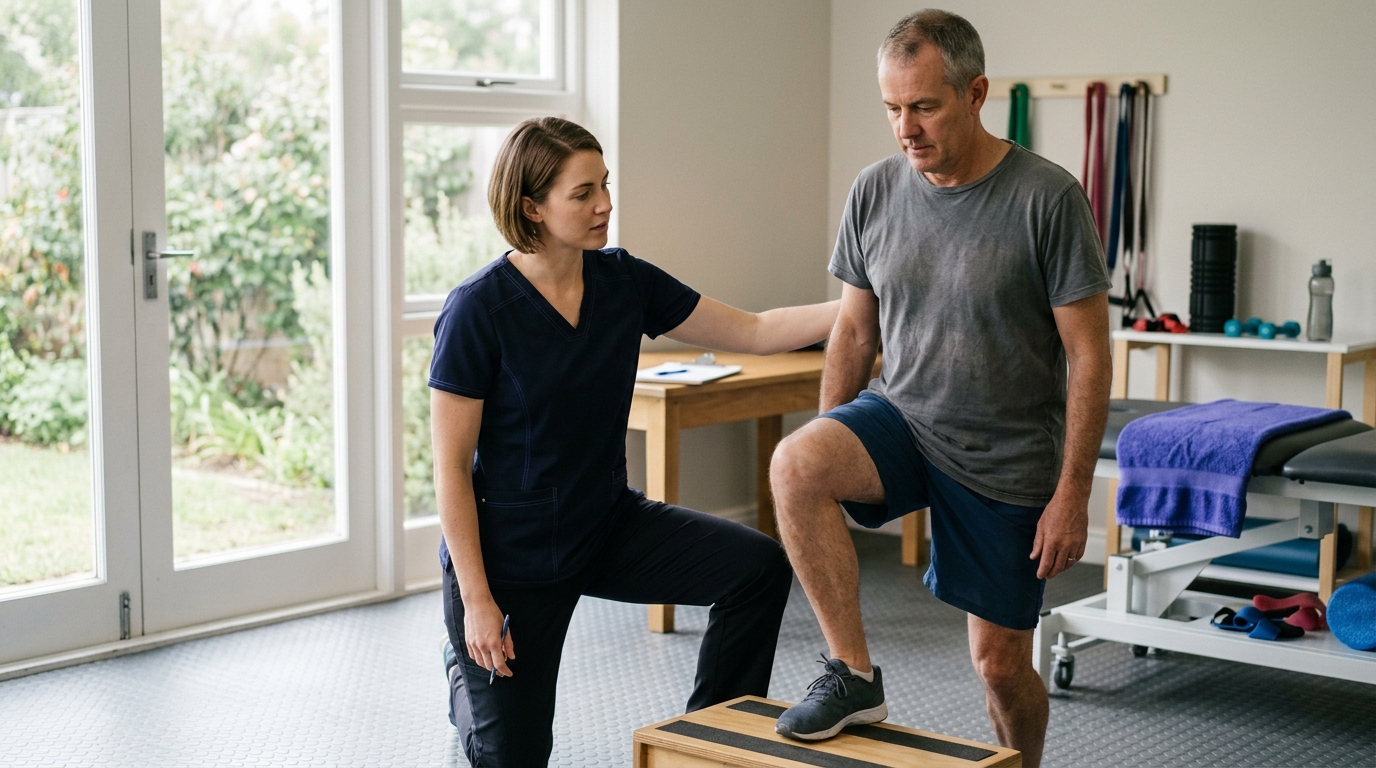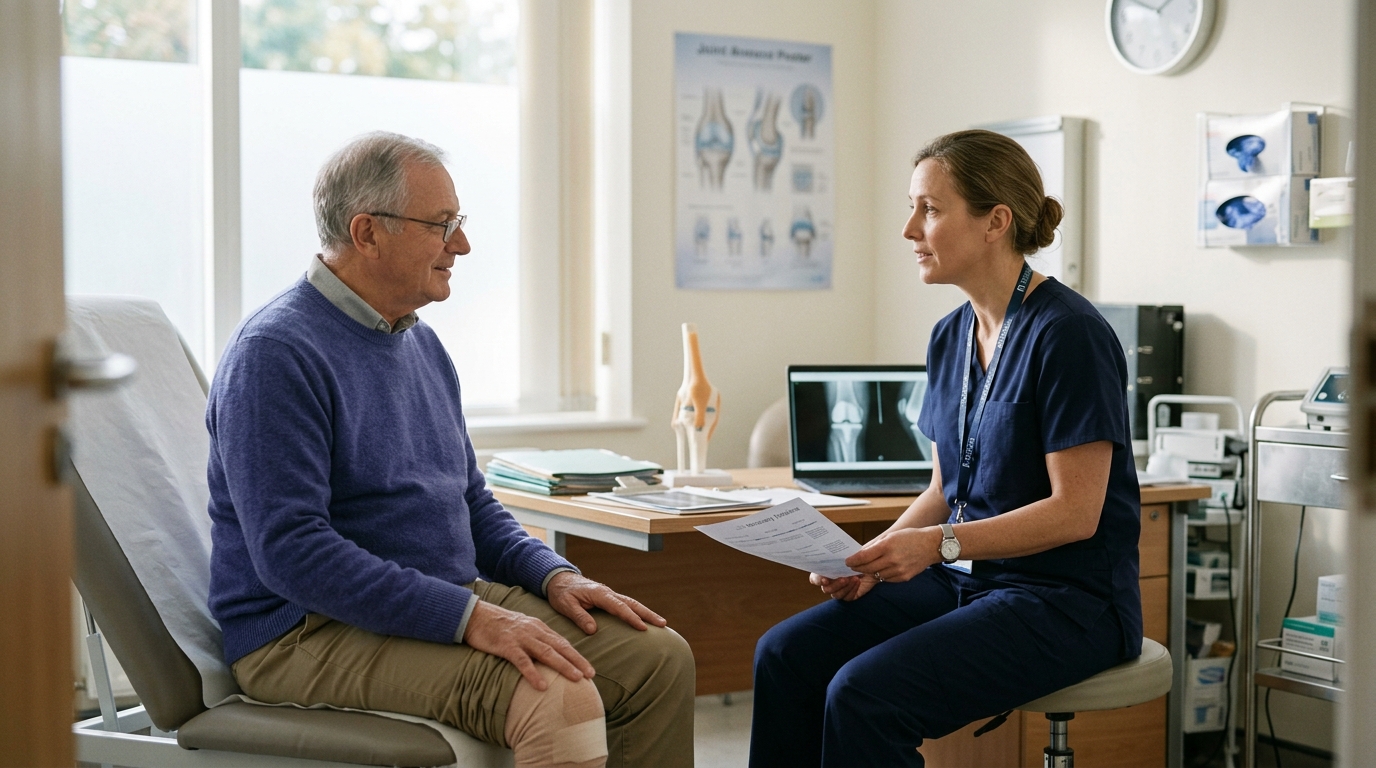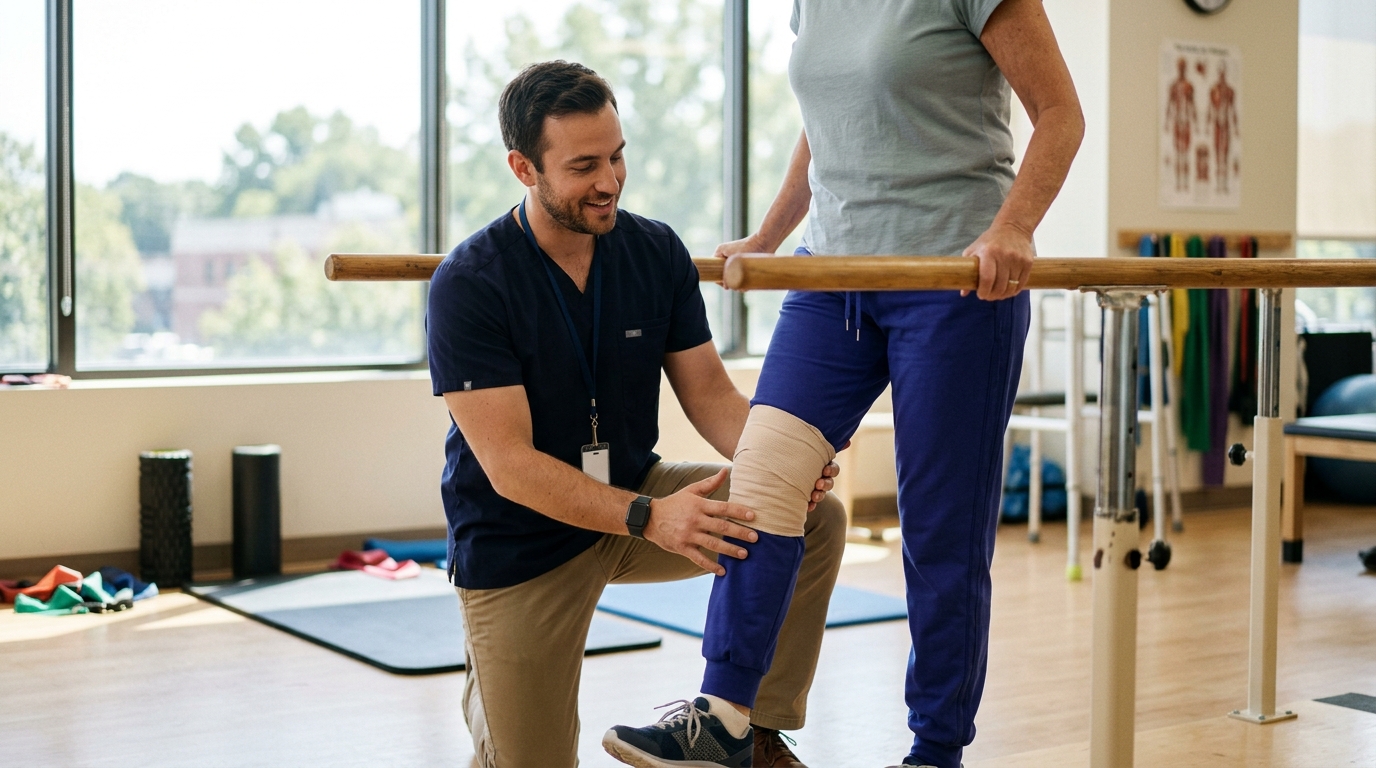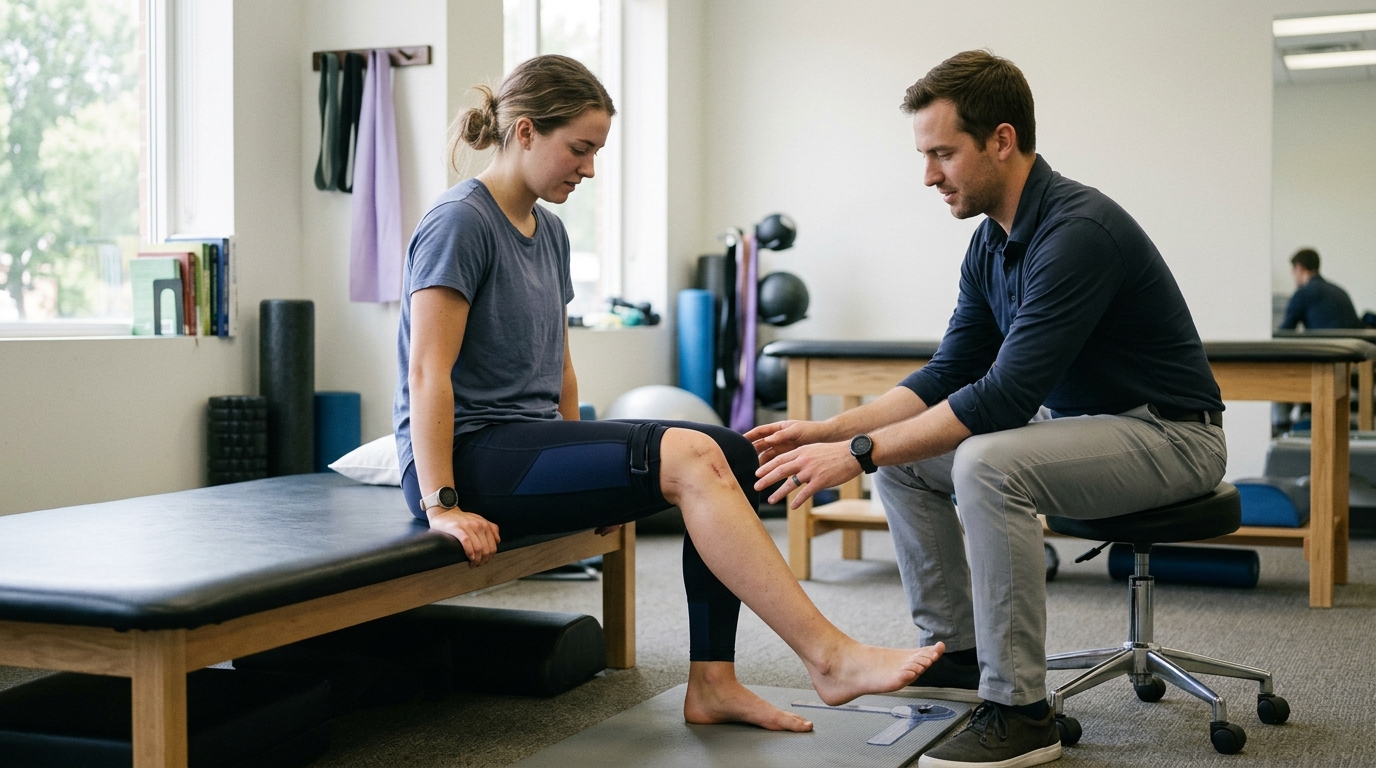

Four progressive recovery stages guide spine surgery patients through healing phases, daily walking routines, mobility aid use, and safe movements for long-term health.





You arrive home from spine surgery with a folder of discharge papers, a sore back or neck, and a long list of questions. You might wonder when you can safely bend down to tie your shoes. You might worry about picking up a grocery bag or getting behind the wheel of a car. Everyday tasks that once felt automatic suddenly feel complicated.
Recovery after spine surgery is a gradual process that depends on the specific operation you had, your overall health, and how well your tissues heal. There is no single universal timeline that applies to every patient. A simple nerve decompression allows for a different movement plan than a multi-level spinal fusion. Healing always requires balancing early, low-load movement with strict protection of the surgical site.
This guide breaks down the science of spinal recovery into manageable stages. You will learn how different operations affect your daily movement, what clinical evidence says about rehabilitation timing, and how to safely navigate everyday activities. You can read more about structured recovery pathways in our surgical recovery and comeback guides.
To understand your recovery rules, you must first understand the structural goal of your surgery. Spine operations generally fall into two main categories, and each places different demands on your body.
A decompression procedure, such as a microdiscectomy or laminectomy, is designed to relieve pressure on compressed nerves or the spinal cord. In these procedures, the surgeon removes a small piece of bone, ligament, or herniated disc material.
Because the primary goal is relieving nerve impingement rather than altering the bony structure permanently, recovery focuses on allowing soft tissues and irritated nerves to calm down. The structural bones of the spine remain largely intact. As a result, movement restrictions are often shorter than those required for fusion procedures.
A spinal fusion joins two or more vertebrae together so they heal into a single, solid bone. Surgeons use bone grafts, metal screws, rods, or cages to stabilize the spinal segment.
According to MedlinePlus, bones take at least three to four months to heal well after spine surgery, and the fusion process may continue for at least a year. During these early months, the metal hardware holds your spine in place while biological bone growth occurs. Because you are waiting for living bone to bridge the gap, activity restrictions are usually more strict and last longer. Putting too much stress on the spine too early can disrupt the bone fusion process.
Your recovery experience also depends heavily on whether your surgery was in your neck (cervical spine) or your lower back (lumbar spine).
Cervical surgery affects your ability to turn, tilt, and rotate your head. This directly impacts tasks like checking your blind spot while driving or looking down at your phone. Lumbar surgery affects your core stability, your ability to sit comfortably for long periods, and your tolerance for bending and lifting. Recognizing these anatomical differences will help you understand why your discharge instructions look different from someone else's.
Recovery is best viewed as a progression of distinct stages rather than a race toward a single calendar date. Moving from one stage to the next should depend on tissue healing, symptom stability, and clearance from your surgical team.
The first two weeks focus on protecting your surgical incision, managing postoperative discomfort, and establishing basic, safe mobility. In hospital settings, patients undergoing cervical or lumbar surgery are often encouraged to stand or sit with assistance within 24 hours of the operation.
During this stage, your primary movement goal is low-load walking and safe transfers. You will practice the log-roll technique to get in and out of bed without twisting your spine. You will keep your daily activities simple, focusing on gentle walking around the house, resting, and watching for any unexpected incision changes.
As your surgical incision closes and initial inflammation decreases, you begin expanding your daily routine. You will gradually increase your walking duration and spend more time sitting and standing upright.
During this phase, you still need to protect healing tissues from excessive strain. You must continue avoiding heavy lifting, deep bending at the waist, and sudden twisting motions. Many patients feel significantly better during this window, which can create a false sense of security. It is vital to remember that internal tissues and bones are still actively healing even when surgical pain fades.
Between weeks six and twelve, your surgeon may recommend starting formal physical therapy or a targeted home exercise program. You can review detailed movement strategies in our mobility and rehabilitation resources.
This stage focuses on restoring gentle mobility, activating deep stabilizing muscles, and improving general endurance. For lumbar decompression patients, active rehabilitation often begins around weeks four to six. For spinal fusion patients, formal therapeutic exercise may be introduced closer to week twelve to give the bone graft adequate time to establish stability.
The final stage involves rebuilding strength, restoring functional endurance, and gradually returning to higher-demand recreational activities or demanding jobs.
Bone healing continues throughout this entire year following a spinal fusion. Activities are reintroduced step by step. You might progress from flat ground walking to light hiking, or from basic bodyweight movements to light resistance training. Each step forward should be evaluated based on how your spine tolerates the increased mechanical load.
Walking is widely considered the safest and most effective early activity after spine surgery. It promotes blood flow to healing tissues, supports digestive health, and prevents joint stiffness without placing high mechanical loads on the spine.
Walking should never be treated as an aggressive workout during early recovery. Instead, think of it as gentle movement medicine that you take in small doses throughout the day.
Clinical guidelines emphasize starting with short, frequent walks rather than one long, exhausting trek. For example, some cervical recovery protocols recommend walking for five to ten minutes, three to five times daily during the first two weeks. By weeks three and four, you might progress to ten to twenty minutes per session as your tolerance improves.
This schedule is an educational model rather than a rigid rule for everyone. If you experience increased nerve symptoms or joint fatigue, you should shorten your walking intervals and rest.
Some patients require a walker, crutches, or a cane during the initial days or weeks after surgery. Hospital guidance notes that assistive devices provide temporary balance support and reduce initial spinal loading.
Using an aid is not a sign of weakness or slow healing. It is a protective tool that keeps you stable and reduces fall risks while your nervous system and muscles adapt. You should only transition away from a mobility aid when your balance is steady, your leg strength is reliable, and your care team confirms it is safe.
Pacing is essential for preventing symptom flare-ups. A common recovery mistake is doing too much on a good day, which leads to severe fatigue and pain the following day.
Most spine surgery discharge instructions include restrictions regarding bending, lifting, and twisting. Understanding the mechanical reasons behind these rules makes them much easier to follow in everyday life.
Bending forward at the waist places significant compressive and shearing forces on your spinal discs and healing bone grafts. Twisting your torso introduces rotational stress that can strain surgical incisions and destabilize healing segments.
To protect your spine, keep your shoulders aligned over your hips whenever you move. When you need to reach something lower down, bend at your knees and hips while keeping your back straight. You can learn more about practical movement modifications in our surgical rehabilitation articles.
Surgeons establish lifting limits to prevent excessive pressure from traveling through your spine. These limits vary based on your specific procedure and your surgeon's clinical judgment.
MedlinePlus notes that patients recovering from spinal fusion are typically advised to avoid lifting objects heavier than 10 pounds. University health system protocols often provide similar restrictions, advising patients to stay within a 5 to 10-pound limit during early recovery. For context, a gallon of milk weighs roughly 8.5 pounds.
When you are cleared to lift light objects, always hold the item directly against your body. Holding a light object with outstretched arms significantly increases the leverage and strain placed across your spinal joints.
Everyday domestic work often combines bending, reaching, and carrying, which can easily trigger setbacks. Handouts from major medical centers advise avoiding heavy household chores until healing is well established.
Regaining the ability to drive is a major milestone for independence. However, deciding when it is safe to drive requires evaluating physical function, reaction time, and medication use rather than simply counting days on a calendar.
Driving requires much more than just sitting in a car. You must have the strength, sensation, and coordination to press the brake pedal firmly in an emergency.
Guidance from Cambridge University Hospitals notes that returning to driving after cervical spine surgery often takes between two to six weeks. To drive safely, you must meet specific functional benchmarks:
You must never drive while taking prescription opioid pain medications or muscle relaxants. The Cervical Spine Research Society and major hospital networks state clearly that driving is unsafe while taking medications that cause drowsiness or slow your reaction times.
Even after stopping prescription medications, general postsurgical fatigue can impair your concentration. Make sure your mental clarity and physical energy have returned to normal before you get behind the wheel.
When your surgeon confirms that you are cleared to drive, reintroduce the activity gradually.
Begin by riding as a passenger on short trips to see how your back or neck tolerates road vibrations and bumps. When you are ready to drive yourself, choose a short, familiar route during daylight hours in light traffic. Adjust your mirrors, headrest, and lumbar support to maintain good posture without straining your spine.
Returning to work is a major step in your recovery journey. The timing of this transition depends heavily on the physical demands of your job and the type of surgery you had.
A desk job requires prolonged sitting and screen use, while a manual labor job requires lifting, bending, and carrying. These demands create very different timelines.
NHS clinical guidelines for lumbar decompression note that return to work can range from two to twelve weeks depending on the physical nature of the job. A person working from home at a desk might return in a few weeks with proper ergonomic breaks. In contrast, a construction worker or nurse may require several months of healing and conditioning before safely handling job demands.
Recent research highlights the differences in recovery potential between specific surgical procedures. A 2026 systematic review and meta-analysis on lumbar disc herniation surgery found that an early return to activity and work within one to three weeks appeared safe and was not associated with worse patient outcomes.
However, this finding applies specifically to lumbar disc surgeries for herniation. It cannot be applied to spinal fusion operations, where bone healing requires several months of protected recovery. Always follow your surgeon's specific return-to-work timeline rather than relying on generalized study findings.
Returning to work is rarely an all-or-nothing event. A gradual transition helps your body adapt to increased daily demands without triggering severe fatigue or pain.
Physical therapy and therapeutic exercise play a valuable role in rebuilding strength, mobility, and confidence after spine surgery. However, the timing and type of exercise must match your surgical healing stage.
Medical understanding of postsurgical rehabilitation continues to evolve. A 2025 clinical review on therapeutic exercise following lumbar spine surgery emphasizes that exercise programs must be tailored to individual patient factors, surgery type, and tissue-healing timelines.
The review found that structured therapeutic exercise after lumbar fusion improved pain and disability at six months without increasing adverse events compared to usual care. Interestingly, the review noted that starting formal exercise at twelve weeks postsurgery may produce greater functional improvements than starting at six weeks. Waiting allows the early bone fusion process to stabilize before introducing higher mechanical loads.
A 2024 systematic review examined the effectiveness of various postsurgical rehabilitation strategies following lumbar spine surgery. The authors identified high-certainty evidence for specific programs, such as combining routine physical care with cognitive behavioral approaches or integrating structured Pilates into rehabilitation routines to improve function.
At the same time, the review noted low-certainty evidence for several other common rehabilitation comparisons. This variability shows that no single exercise method is universally superior for every patient. A program that works well for a 40-year-old recovering from a single-level microdiscectomy may not suit a 68-year-old recovering from a multi-level lumbar fusion. You can read more about evidence-based movement science in our recovery science insights.
To understand how structured rehabilitation typically progresses, consider this illustrative model designed to rebuild functional capacity without overloading spinal structures:
During recovery, you will experience daily fluctuations in how your body feels. Learning to distinguish normal recovery sensations from potential complications allows you to seek timely medical attention when necessary.
It is completely normal to feel muscle stiffness, local soreness around the incision, and general fatigue during the early weeks. You may also experience brief, mild sensations of tingling or achiness along a nerve pathway as the nerve heals from chronic compression.
These sensations should gradually trend downward over several weeks. Good days will begin to outnumber difficult days as your tissues heal.
Monitoring your surgical wound is a critical daily responsibility. MedlinePlus recommends checking your incision every day for changes in appearance or drainage.
Certain neurological symptoms indicate that a nerve or spinal cord segment is experiencing unexpected pressure or irritation. You should contact your surgeon or seek emergency care if you notice any of the following issues:
Open communication with your surgeon and physical therapist ensures that your recovery plan matches your personal healing progress. Take this checklist of questions to your postoperative follow-up appointments.
For more information on maintaining physical function as you get older, explore our active aging and movement strategies.
Recovering from spine surgery is a gradual journey that requires patience, consistent low-load movement, and respect for biological healing timelines. Decompression procedures allow nerves to recover, while fusion procedures require months of bone growth to achieve lasting structural stability. Walking remains the foundation of early mobility, while bending, lifting, and driving must be reintroduced carefully according to functional readiness and your surgeon's specific rules.
Every spine surgery recovery follows its own unique timeline based on individual health, surgical technique, and tissue healing.
Revisit this guide before each major recovery milestone: when preparing to leave the hospital, before starting formal physical therapy, when getting ready to return to driving or work, or whenever you need a clear reminder of safe daily movement mechanics.
By matching your daily activities to your stage of healing and communicating openly with your care team, you can build a stable foundation for long-term spinal health.

Use ReboundBody resources to understand common recovery stages, rehab terms, movement limits and strength rebuilding. Each guide is designed to make a complex comeback easier to understand.


Read practical guidance on injury recovery, rehabilitation, mobility and rebuilding strength as you work your way back to activity.
Explore Resources