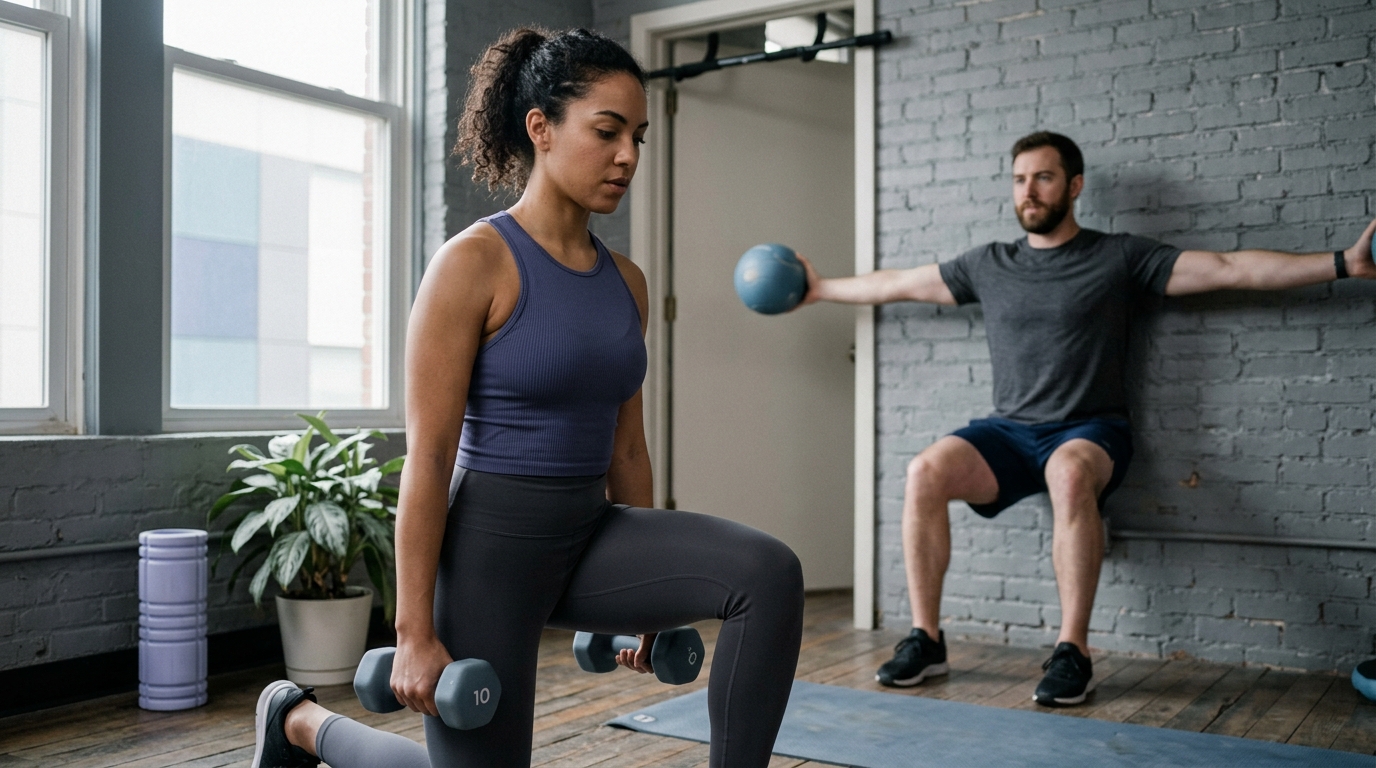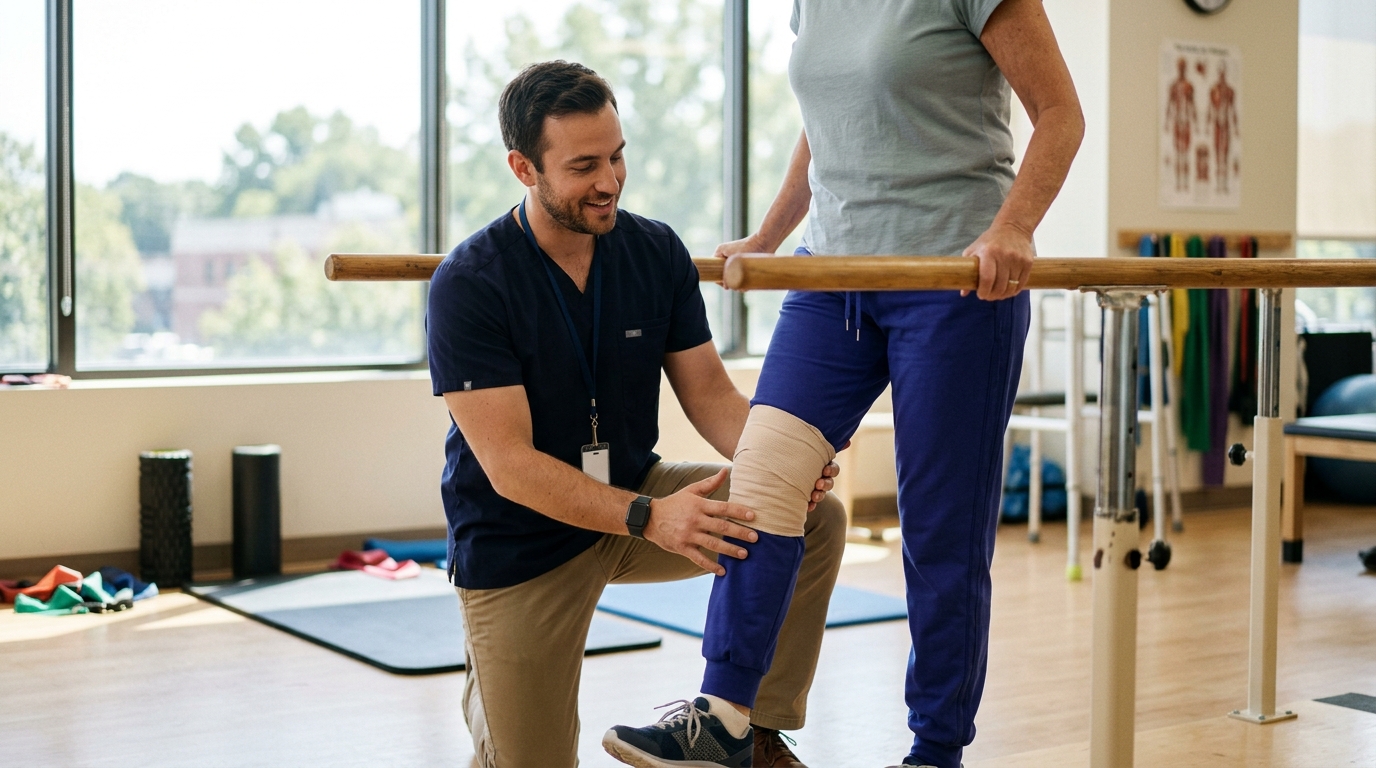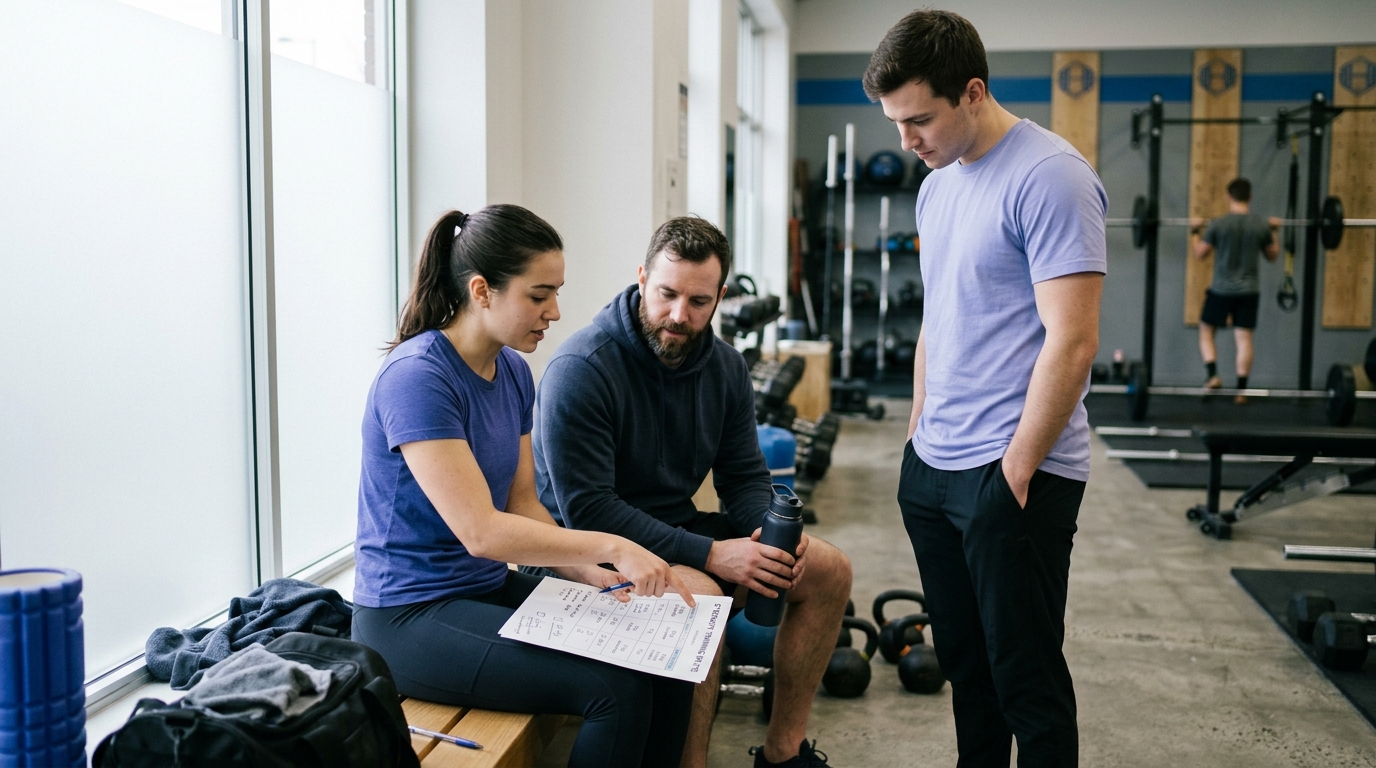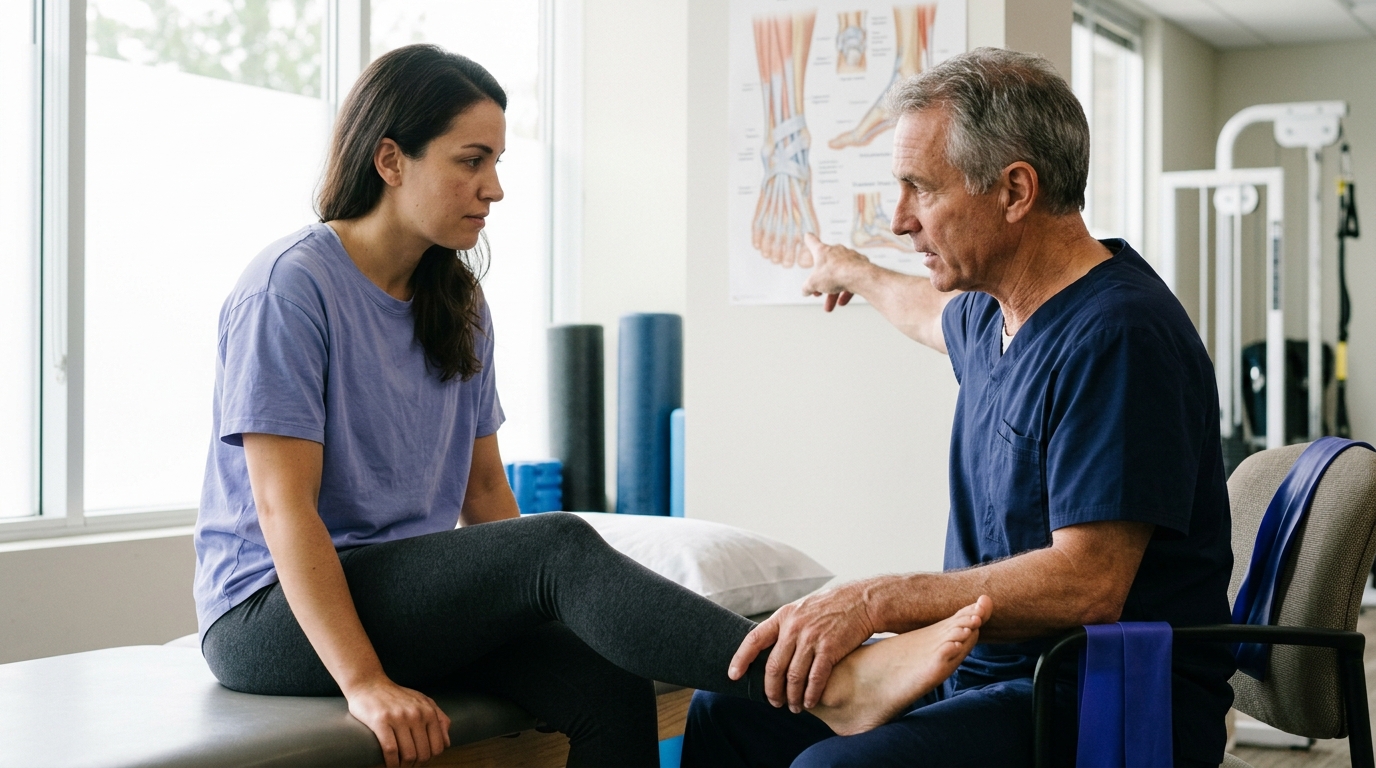

Lifting heavy free weights is widely considered the only way to build real muscle, but scientific evidence proves machines and bands trigger comparable strength gains.





Many people search online to find out whether resistance bands, free weights, or gym machines build the most strength. The short answer is that no single piece of equipment is universally superior for every goal, person, or setting.
Scientific research shows that free weights, guided machines, and elastic bands can all build muscle size and increase strength. The best choice depends on what you want to achieve, what equipment you have access to, and what you can use consistently without aggravating an existing joint issue.
This guide compares these four major training methods in detail. It reviews the strongest available research, explains how to make exercises harder over time, and outlines practical training choices for active adults.
When people ask which strength tool works best, they often assume one tool builds better muscle than the others. Direct scientific comparisons show that muscles respond to mechanical tension, total volume, and regular challenge rather than the specific brand or shape of the tool.
Free weights require you to balance an external object through a free path of movement. Machines guide the movement along a set track, which reduces balance demands and allows you to focus on pushing or pulling against a set resistance. Elastic bands increase their resistance as they stretch, making the exercise hardest at the end of the movement. Body-weight training uses your own mass against gravity, which requires you to adjust body angles and leverage to change the difficulty.
Each option has clear mechanical strengths and distinct limitations:
For general health and muscle preservation, you do not need to restrict yourself to a single tool. Research shows that choosing the tool you enjoy and can perform consistently is the most important factor for long-term progress.
Understanding how each tool delivers resistance helps you select the right option for your current fitness level and joint health.
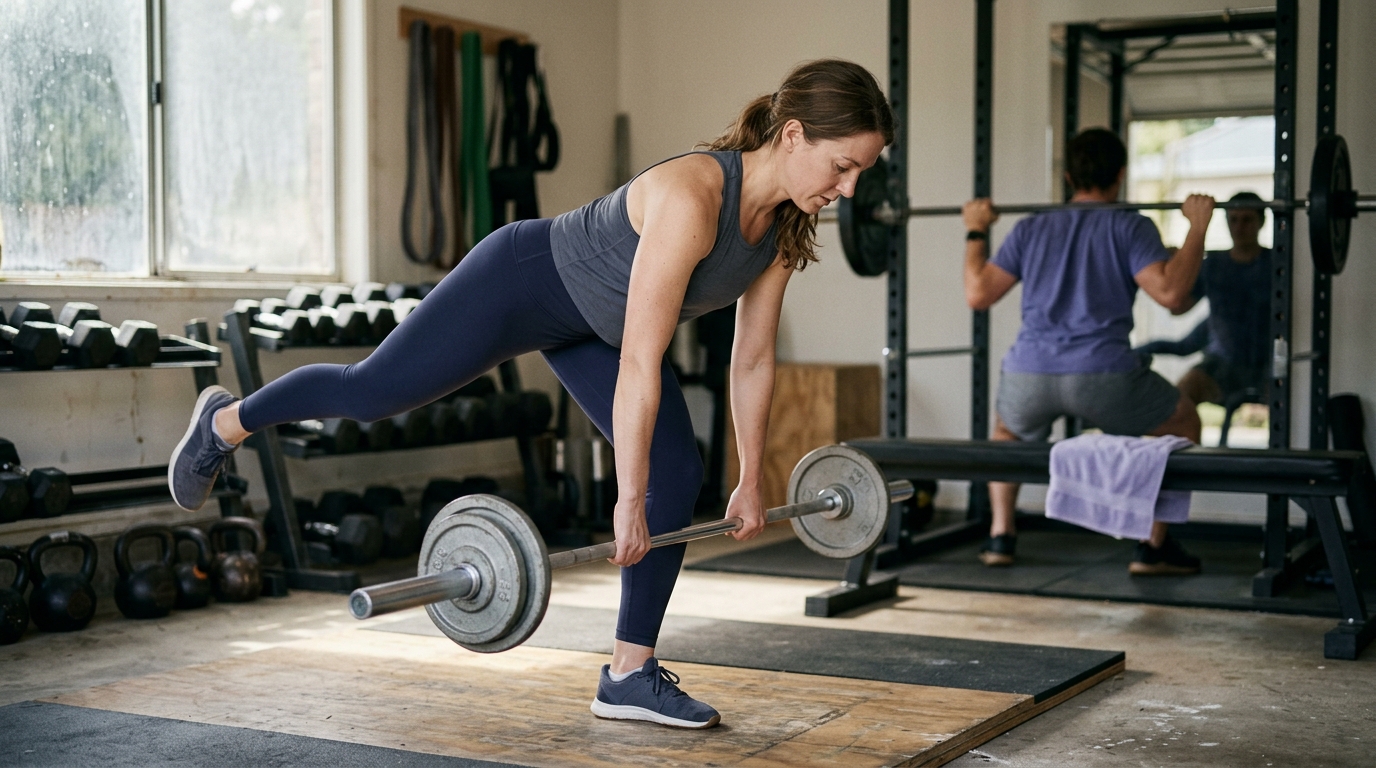
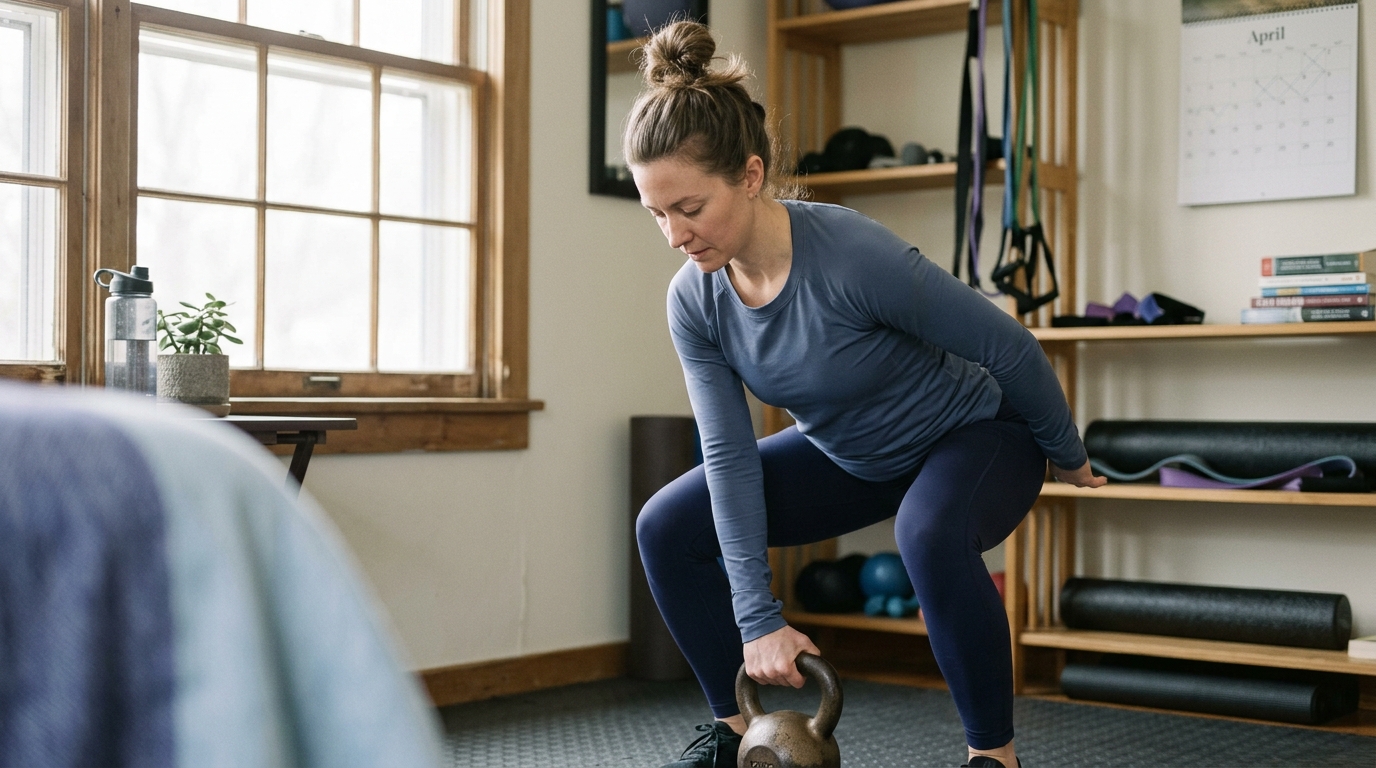
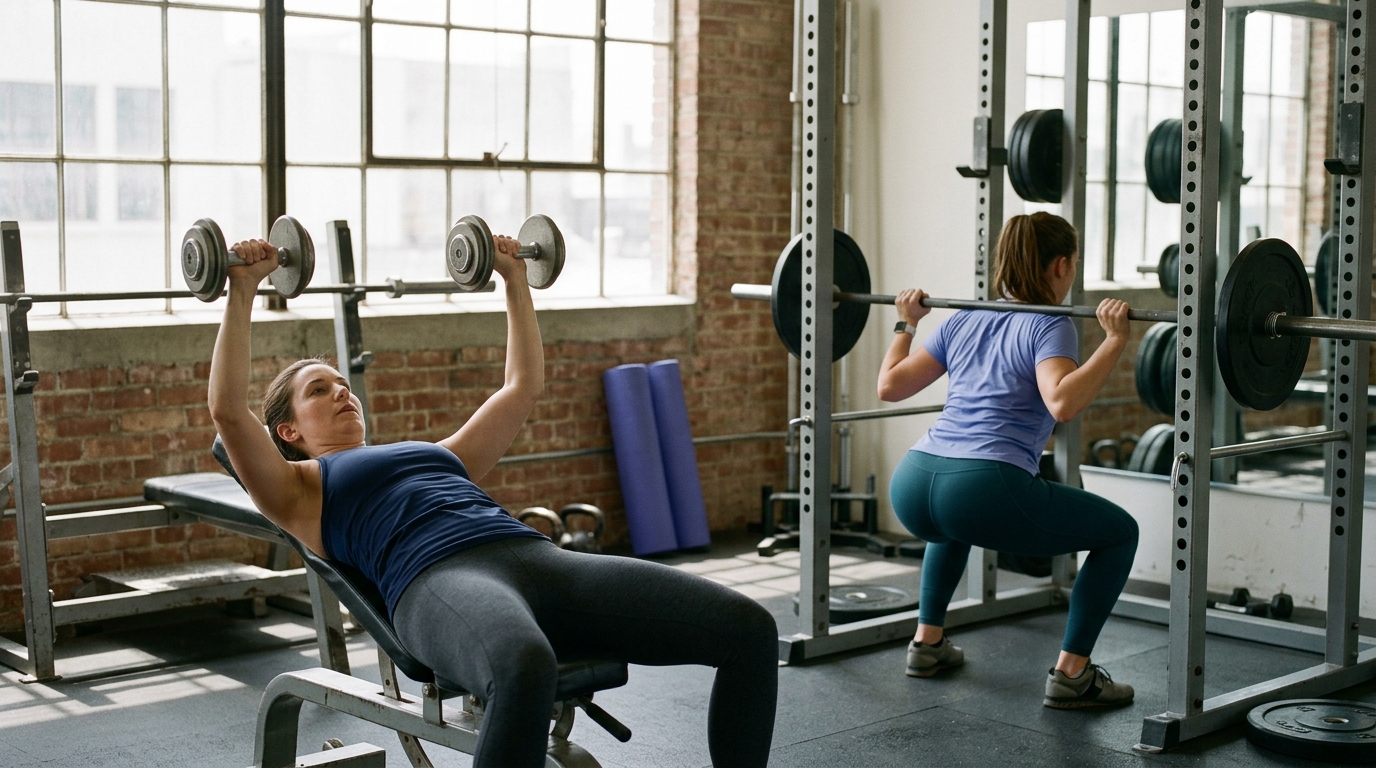
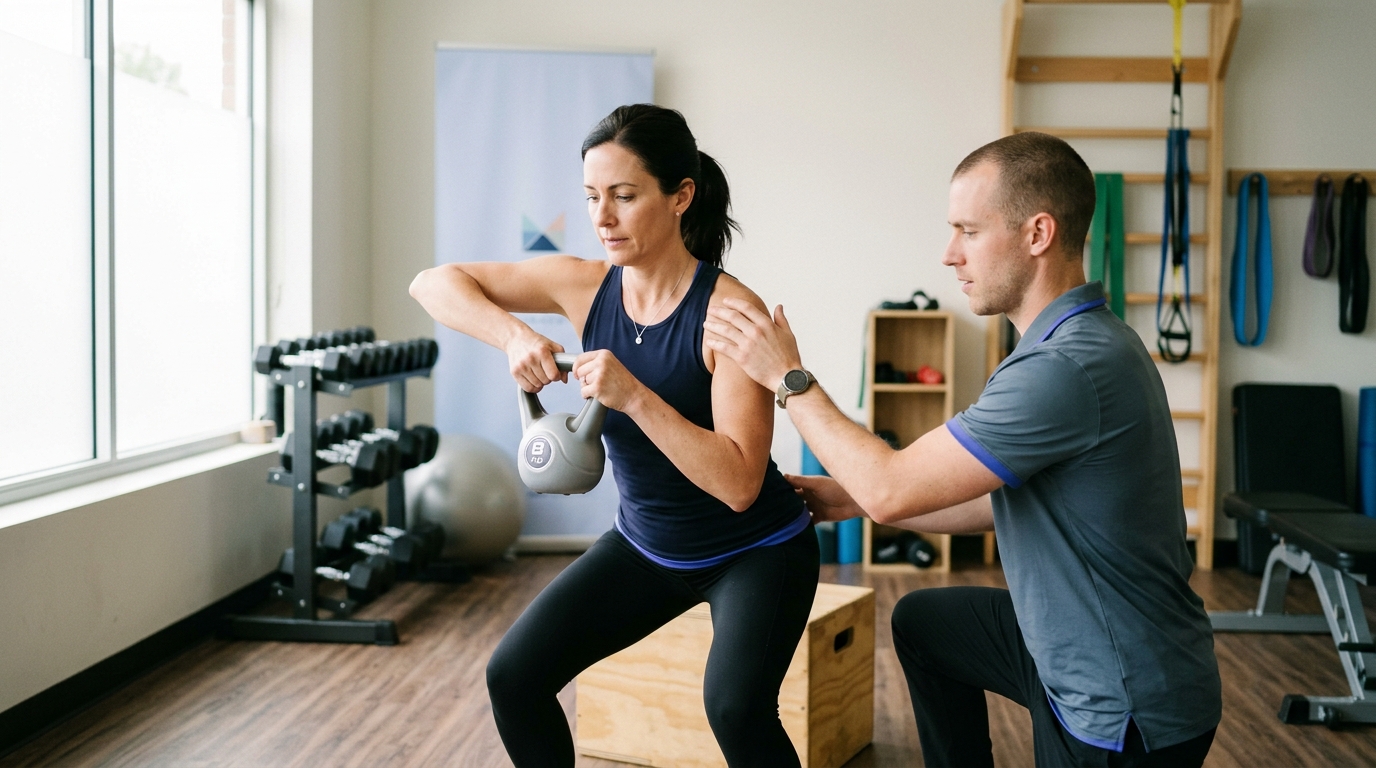
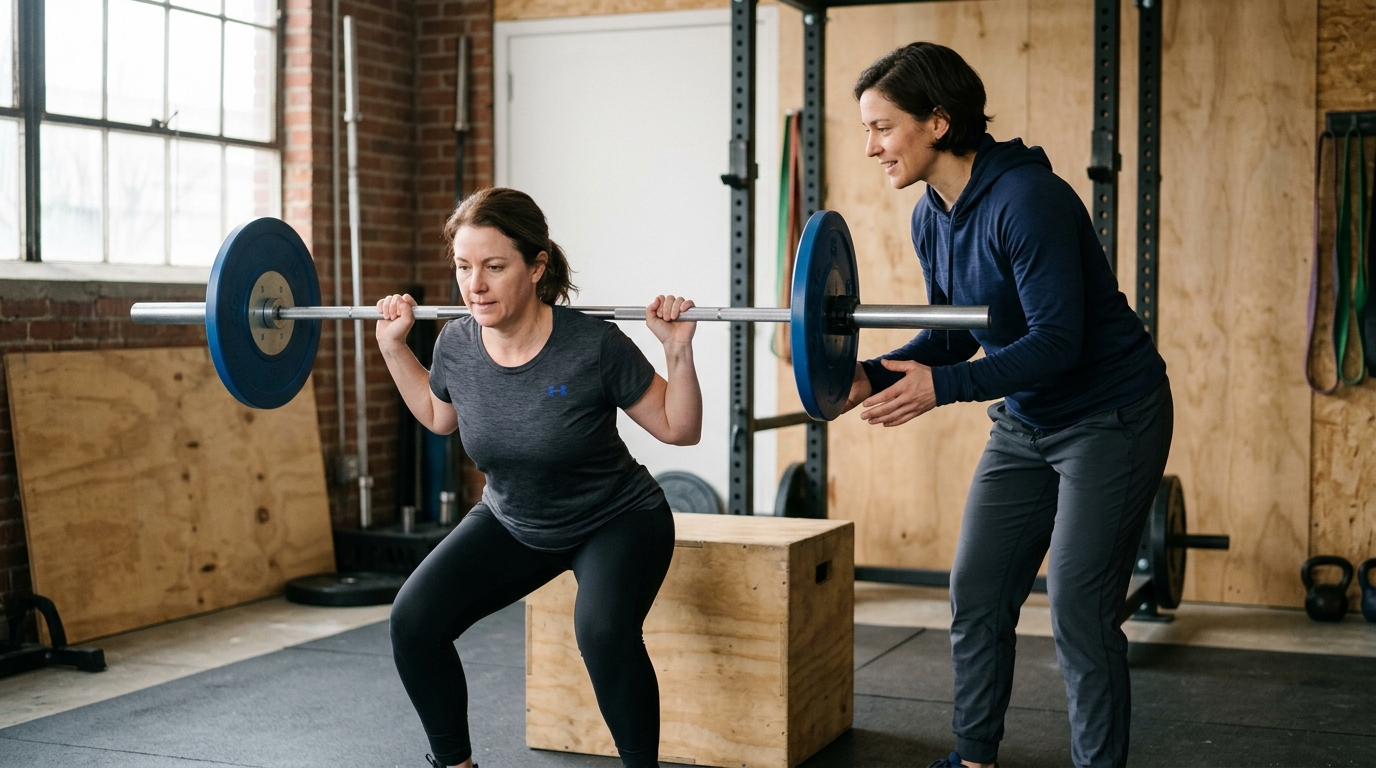
Free weights include dumbbells, barbells, kettlebells, and weight plates. When you lift a free weight, gravity pulls the mass straight down toward the floor.
Because the weight is not attached to a track, your nervous system must coordinate several muscle groups at once. You must produce force to lift the weight while stabilizing your joints to keep the weight on its intended path. This dual demand makes free weights effective for building whole-body coordination and balance.
The resistance curve of a free weight depends on gravity and body position. For example, during a standard dumbbell bicep curl, the exercise feels easiest at the very bottom and hardest when your forearm is parallel to the floor.
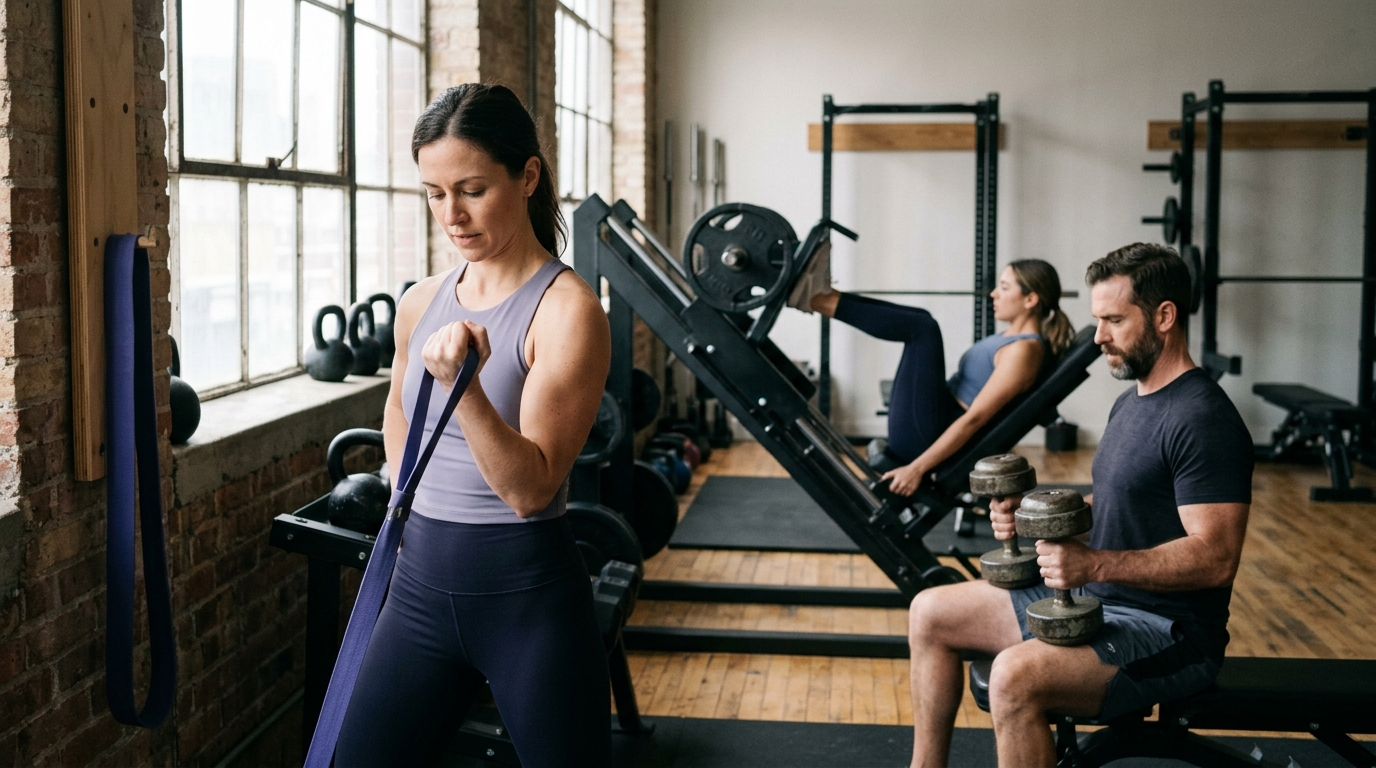
Weight machines use cables, pulleys, levers, and weight stacks to guide resistance along a predetermined path. These machines are common in commercial gyms and rehabilitation clinics.
Because the machine controls the path of motion, the user does not need to balance the load in multiple planes. This allows you to train a target muscle group close to fatigue without worrying about dropping a heavy object. Machines can be particularly useful when recovering from an injury, as you can isolate an uninjured limb or work around a painful joint angle.
Many modern machines use shaped cams to alter resistance throughout the movement. This design keeps tension on the working muscle across a wider range of motion than some standard free-weight lifts.
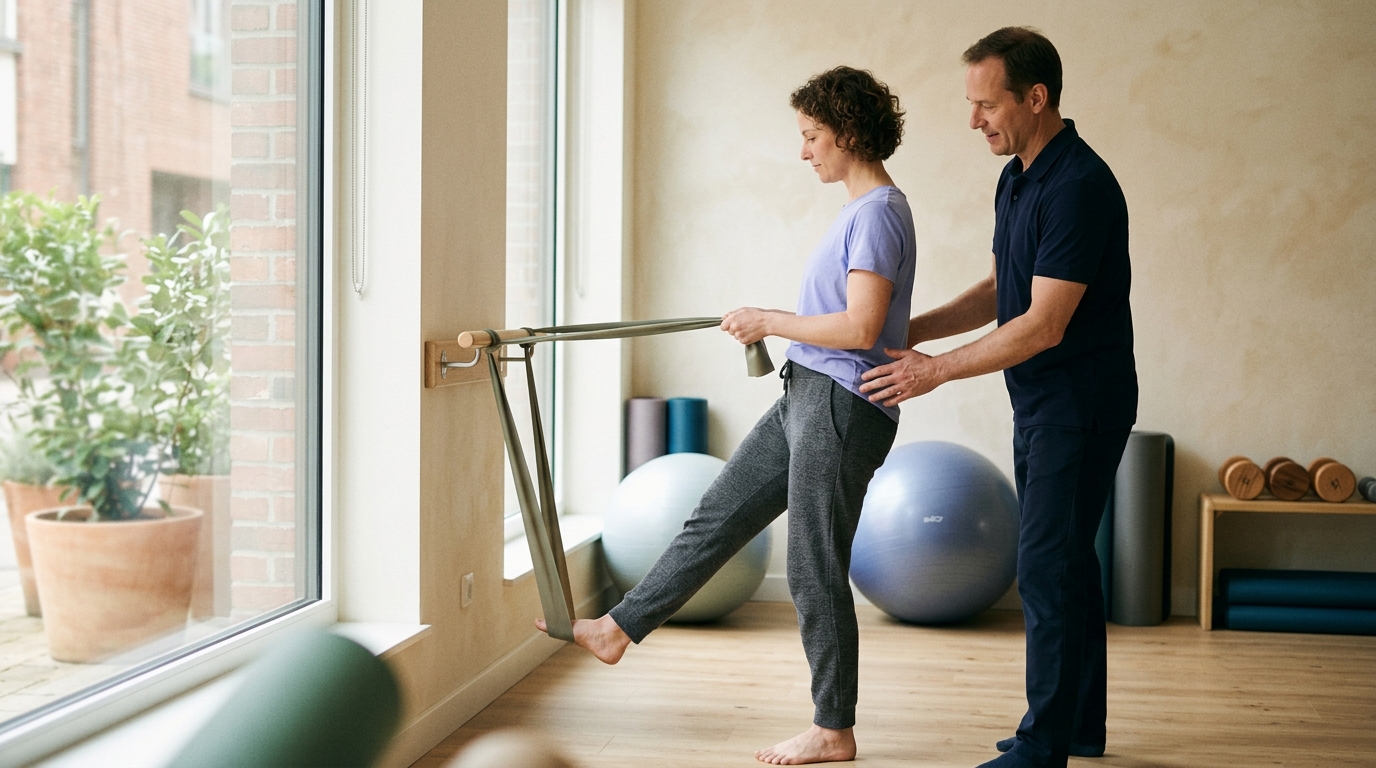
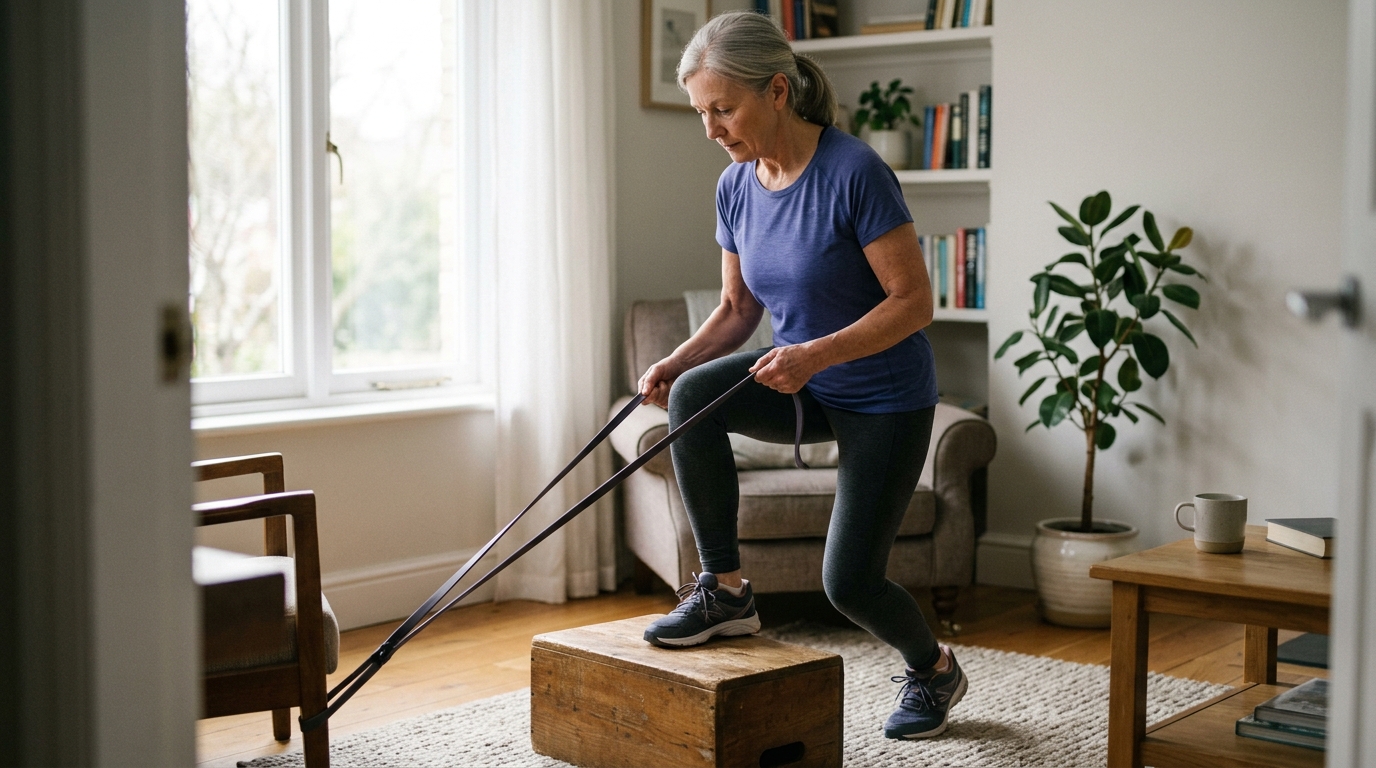
Elastic resistance tools include flat therapy bands, looped bands, and handled resistance tubes. Unlike free weights, elastic bands do not rely on gravity to create resistance.
Bands create tension when they are stretched. The further you stretch an elastic band, the more tension it produces. This characteristic creates a variable resistance curve where the exercise feels easiest at the start and hardest at the end of the range of motion.
Bands allow you to apply resistance in almost any direction, including horizontal and diagonal angles. They are lightweight, inexpensive, and easily packed into a travel bag. However, the resistance changes as the band stretches, which means you cannot easily assign an exact poundage to a specific movement.
Body-weight training, often called calisthenics, uses your own body mass as the primary resistance against gravity. Common examples include push-ups, pull-ups, squats, lunges, and planks.
Body-weight training requires no equipment and can be performed anywhere. It teaches you how to control your own body in space and can build strong movement patterns. You can explore rehabilitation and physical recovery resources to see how simple body-weight drills fit into early recovery phases.
The main challenge with body-weight exercise is adjusting the resistance. To make an exercise harder or easier, you must alter your body angle, change your leverage, adjust your tempo, or shift to a single-limb variation.
To build strength or muscle mass, you must challenge your neuromuscular system with progressive overload. Progressive overload simply means increasing the physical demand on your muscles over time. You do not always need to buy heavier weights to achieve this stimulus.
The American College of Sports Medicine (ACSM) published widely recognized position guidance on resistance training progression. For healthy adults who are new to training, ACSM recommends using loads that allow 8 to 12 repetitions per set.
ACSM also describes a practical rule of thumb for progressing resistance: when you can perform one to two repetitions beyond your target goal across two consecutive training sessions, you can increase the resistance by roughly 2 to 10 percent.
This percentage increase works smoothly with dumbbells and barbells where small weight increments are available. It can also be adapted to other equipment by adjusting different training variables.
Progressing with free weights is straightforward because the load is clearly labeled in pounds or kilograms.
Weight machines allow for safe and predictable progression, especially for beginners or people rebuilding strength after surgery.
Because elastic bands do not have fixed weight numbers, progression requires a slightly different approach.
The scientific literature points out that band colors are not standardized across manufacturers. A red band from one company might provide more tension than a blue band from another. To track progression accurately, you should use the same set of bands and note how far you stretch them during each set.
Progressing body-weight exercises involves changing the physics of the movement rather than adding external mass.
For more detailed exercise strategies, you can read through our structured resources on rebuilding physical performance.
Sports scientists have conducted numerous clinical trials comparing how the body adapts to different types of resistance. The overall body of evidence shows fewer differences between modalities than many fitness marketing claims suggest.
A comprehensive systematic review and meta-analysis published in 2023 evaluated 13 randomized studies involving 1,016 adult participants between the ages of 18 and 60. The researchers compared free-weight training directly against machine-based training over programs lasting at least six weeks.
The findings from this meta-analysis revealed several key points:
The most notable difference between the two methods was task specificity. When participants were tested on a free-weight barbell lift, those who trained with free weights performed better. When participants were tested on a weight machine, those who trained on machines showed superior strength.
A separate systematic review supported these conclusions, finding no meaningful differences in power output or muscle size between free-weight and machine training. The authors concluded that personal preference, equipment availability, and adherence should guide equipment selection for general health and fitness.
Many people assume elastic bands are only useful for light warm-ups or early physical therapy. However, high-quality research shows that bands can stimulate meaningful strength improvements across various populations.
A systematic review and meta-analysis evaluated randomized controlled trials comparing elastic resistance directly against conventional resistance training with dumbbells, barbells, and machines. The review analyzed eight studies involving 224 participants, including adolescents, trained athletes, healthy adults, and individuals with chronic conditions such as coronary heart disease and COPD.
The meta-analysis found no significant differences in upper-body or lower-body strength gains between elastic resistance and conventional resistance training. The authors concluded that elastic bands can provide an effective stimulus for building strength across diverse groups.
However, the authors emphasized several important limitations in the existing evidence:
For older adults, a separate meta-analysis of 11 studies with 834 participants aged 60 to 79 examined the effects of elastic resistance. The analysis reported that elastic band training produced significant improvements in muscle strength compared to inactive control groups. While this confirms that bands are effective for older adults, it does not prove that bands are superior to traditional weightlifting.
The scientific evidence base for pure body-weight training is smaller than the vast literature on weight training. However, movement science clearly demonstrates that muscles respond to mechanical tension regardless of the source.
A scientific review on time-efficient training programs identified multi-joint body-weight exercises as practical, effective options for building upper-body strength. Exercises such as push-ups and pull-ups provide substantial neuromuscular overload when performed through a full range of motion.
The primary limitation of body-weight exercise is the difficulty of standardizing progression for the lower body. While single-leg squats and lunges can challenge intermediate trainees, advanced lifters may struggle to generate enough resistance with body weight alone to maximize maximal lower-body strength.
Major health organizations view resistance training as a fundamental component of lifelong wellness. The World Health Organization (WHO) physical activity guidelines recommend that all adults perform muscle-strengthening activities at a moderate or greater intensity on two or more days per week.
The WHO guidelines emphasize that these strengthening activities should involve all major muscle groups, including the legs, hips, back, abdomen, chest, shoulders, and arms. Notably, the guidelines do not require the use of any specific equipment. You can meet these health recommendations using free weights, gym machines, elastic bands, body-weight movements, or any combination of these tools.
The concept of transfer describes how well strength gained from an exercise improves performance in a different daily activity or sport. Transfer is governed by the principle of specificity: your body adapts specifically to the type of demand placed upon it.
When researchers compare different training tools, the testing method often dictates the winner. If a study measures progress using a barbell back squat, participants who trained with barbells almost always outperform those who trained on a leg press machine. Conversely, if the test is performed on a seated leg press, machine-trained lifters achieve higher scores.
This pattern occurs because strength is not just about muscle size. It also depends on motor skill, coordination, and nervous system familiarity with the specific movement pattern.
Free-weight exercises require active stabilization from surrounding muscles. During a standing overhead dumbbell press, your rotator cuff muscles must work to stabilize your shoulder joints, while your core muscles stabilize your spine.
On a seated machine shoulder press, the machine provides external stability. This difference does not make the machine inferior; it simply changes the training stimulus. The machine allows you to focus purely on pressing force without being limited by balance or stabilizer fatigue.
If you are preparing for a sport that requires balance and unpredictable movement, free weights offer greater task specificity. If your goal is to build muscle size or recover from an injury with controlled movement, machines provide an effective, stable environment.
Every exercise has a strength curve that dictates where the movement feels easiest and hardest. Understanding these curves helps you choose the right tool for your joints:
For individuals with joint sensitivity, combining tools can create a comfortable training stimulus. For example, using bands for shoulder exercises can provide resistance without placing excessive load on the joint at the end range of motion.
Choosing the right strength training tool involves practical factors like your budget, living space, joint health, and injury history.
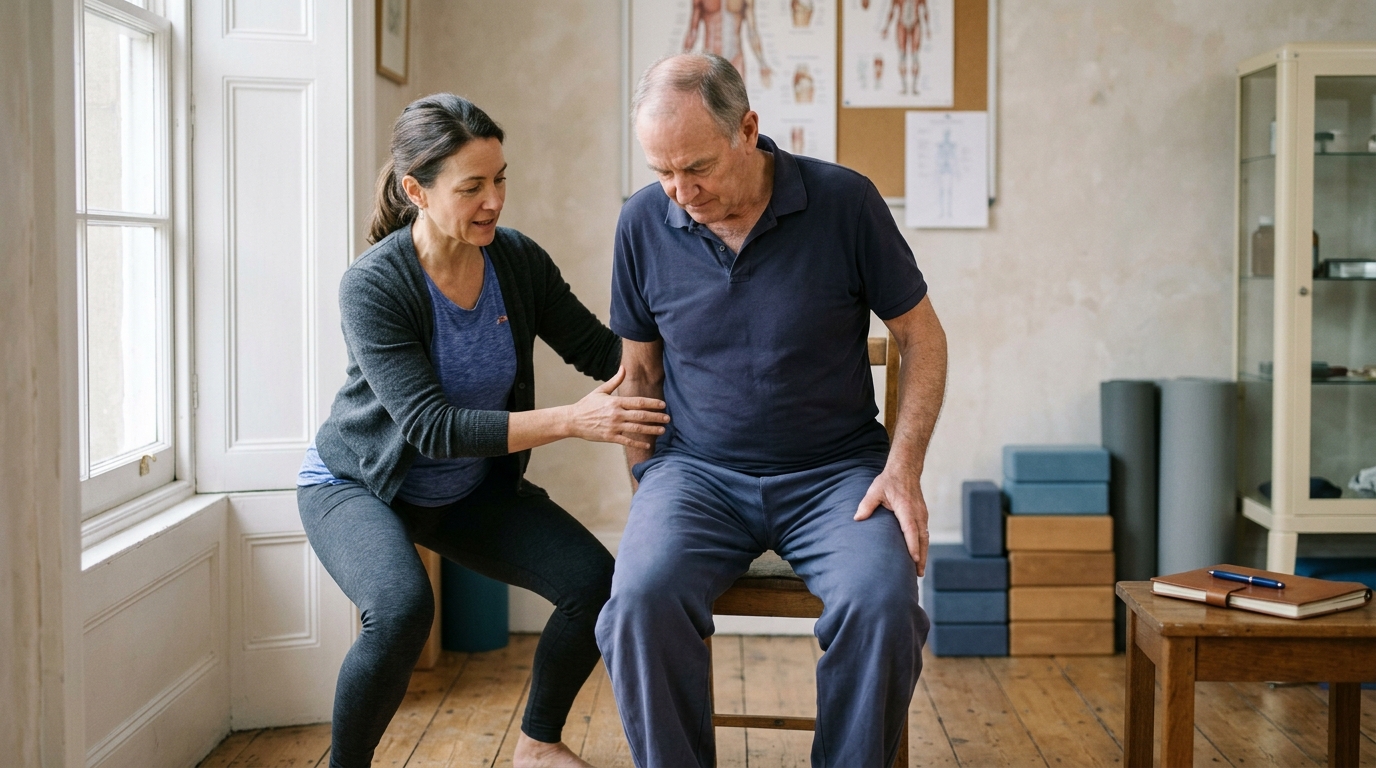
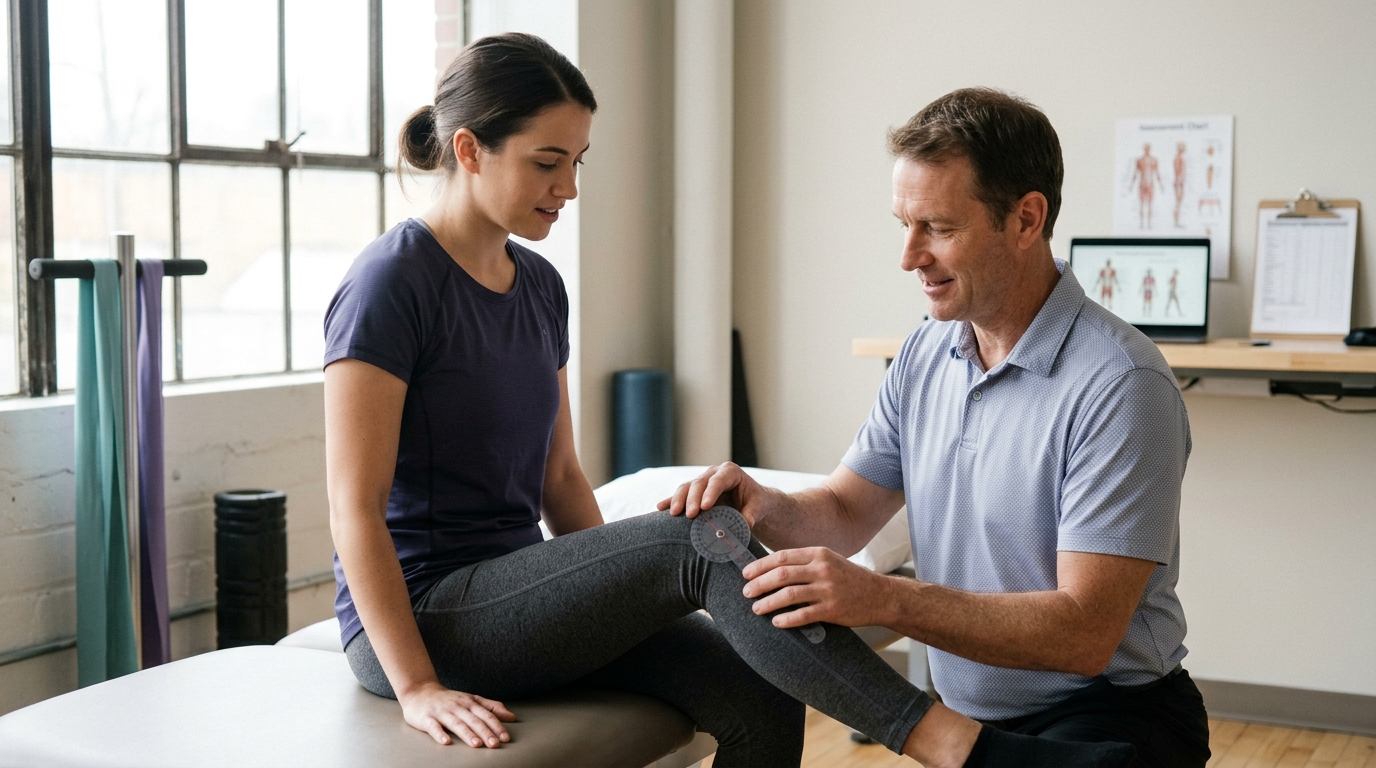
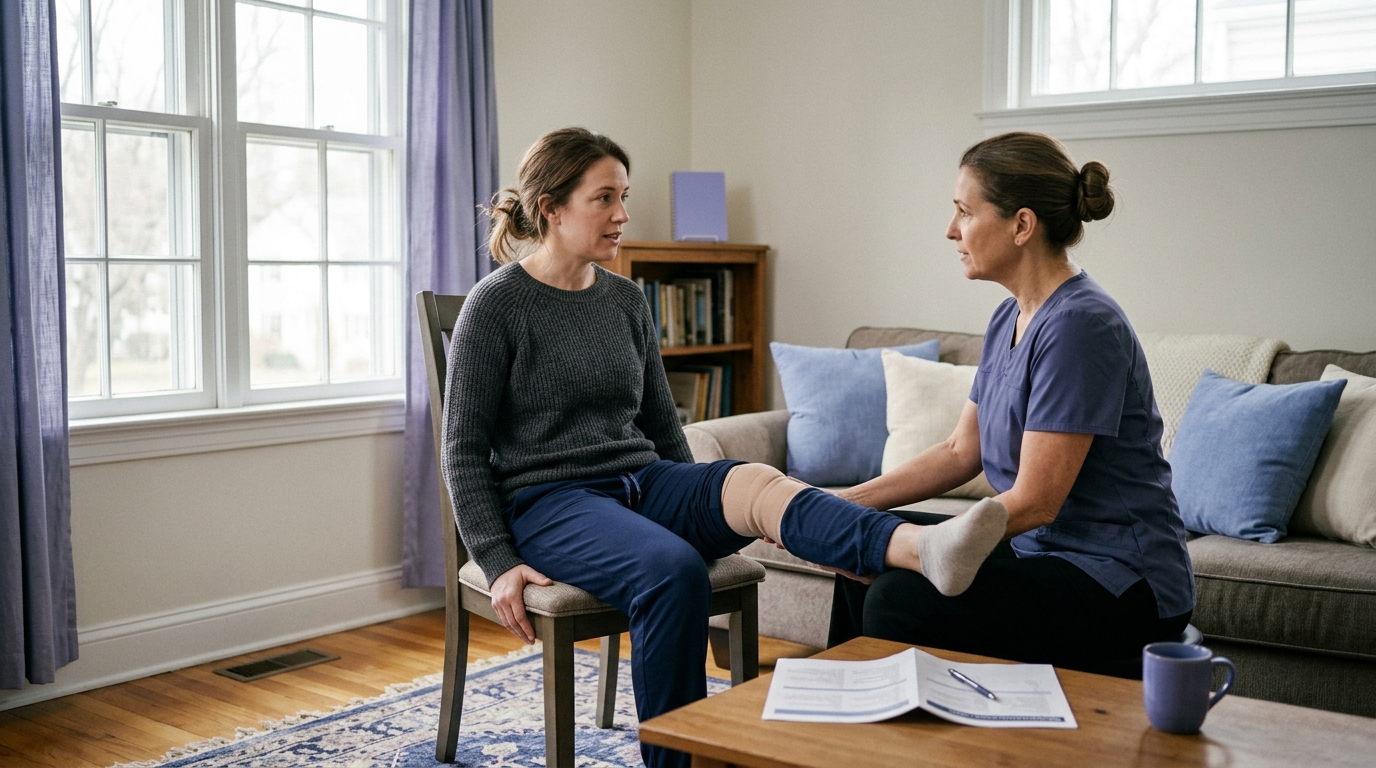
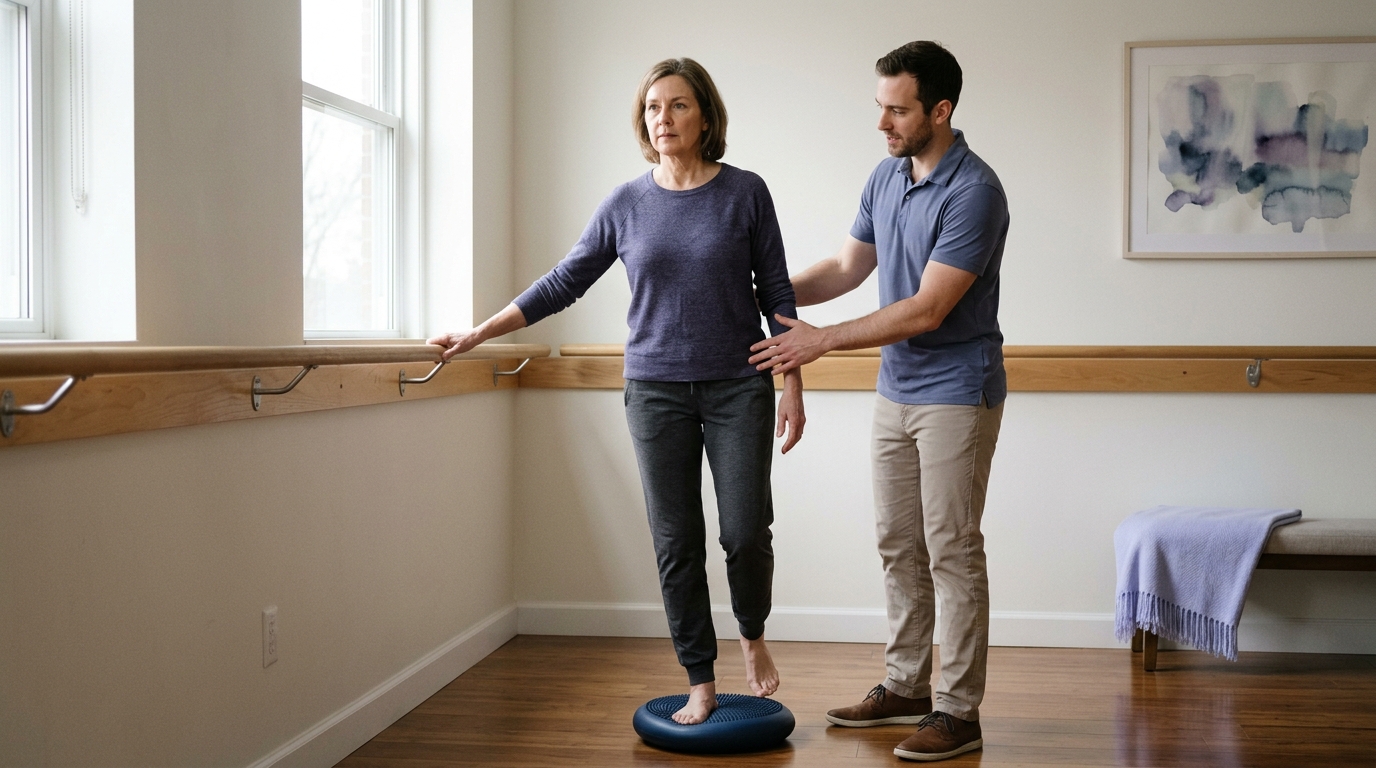
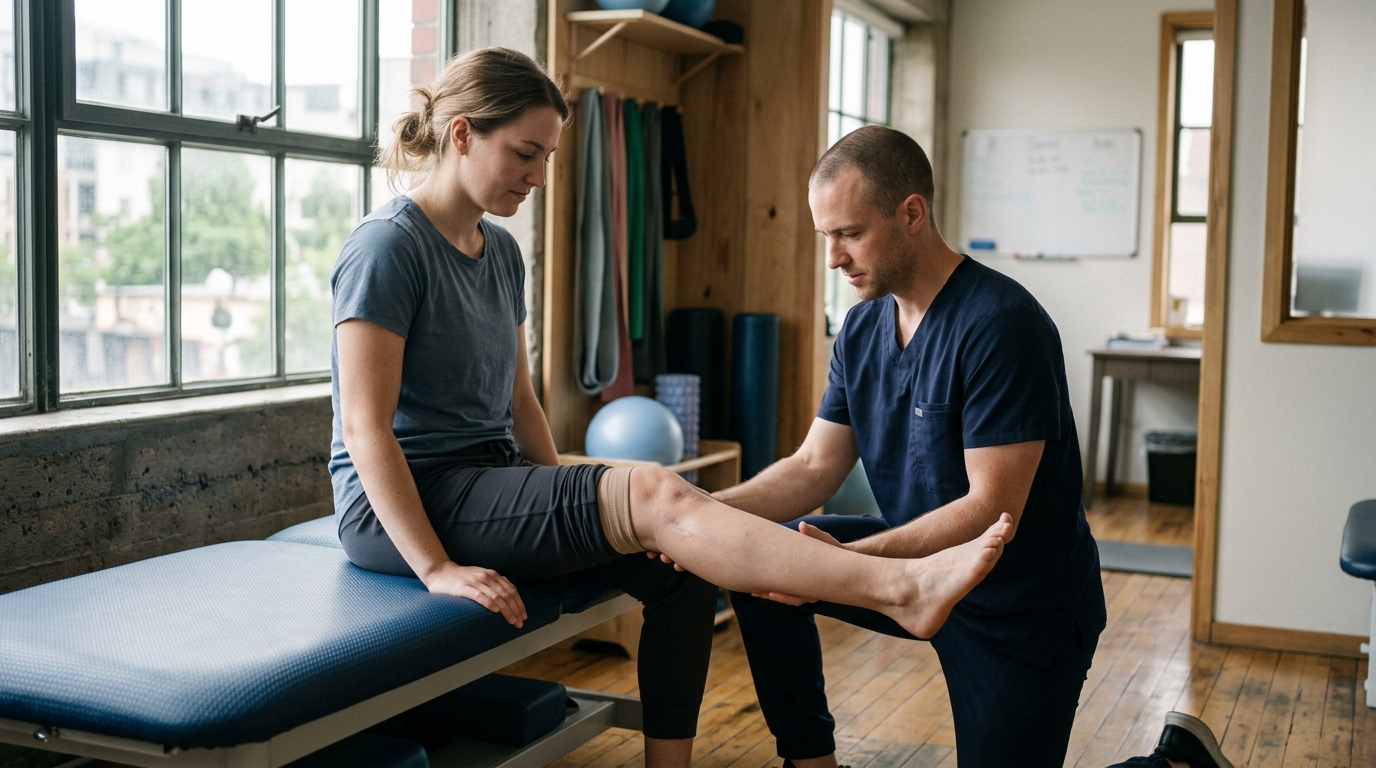
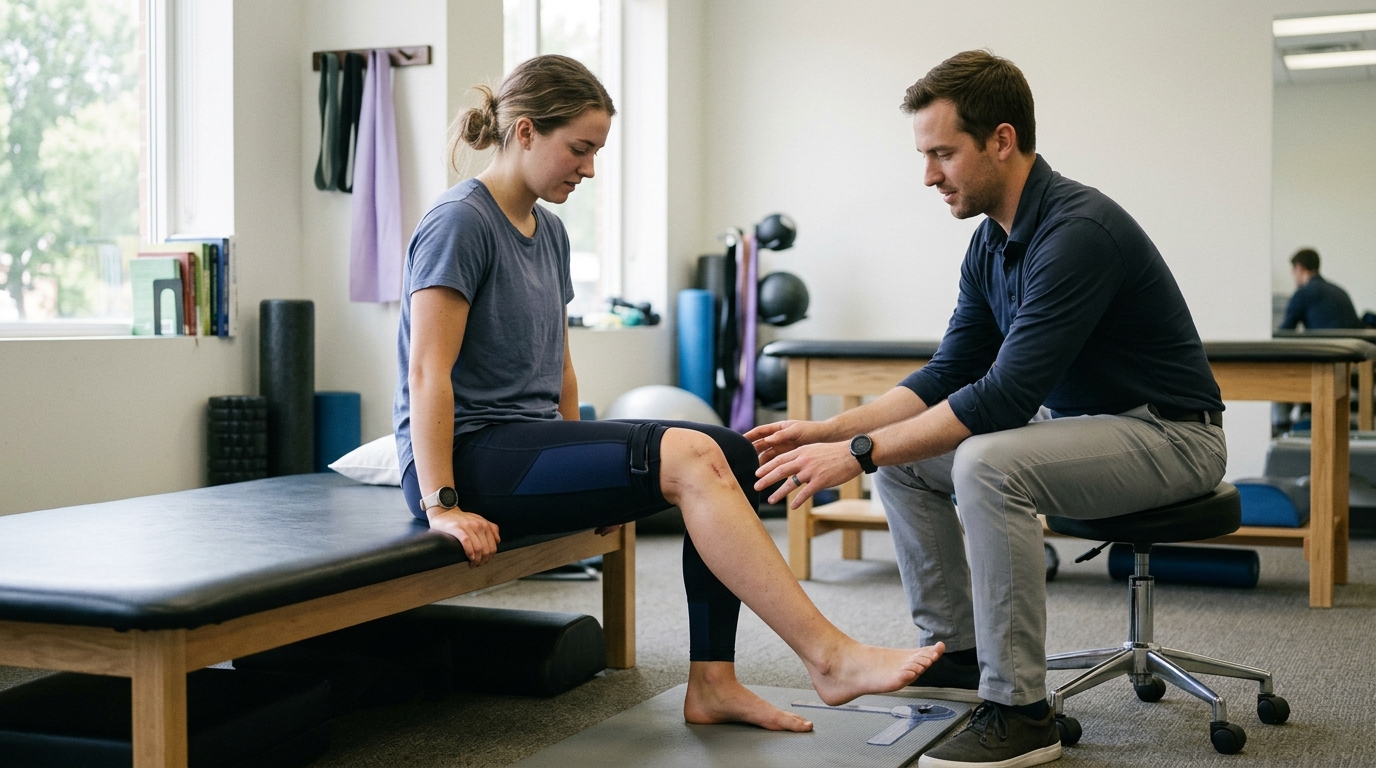
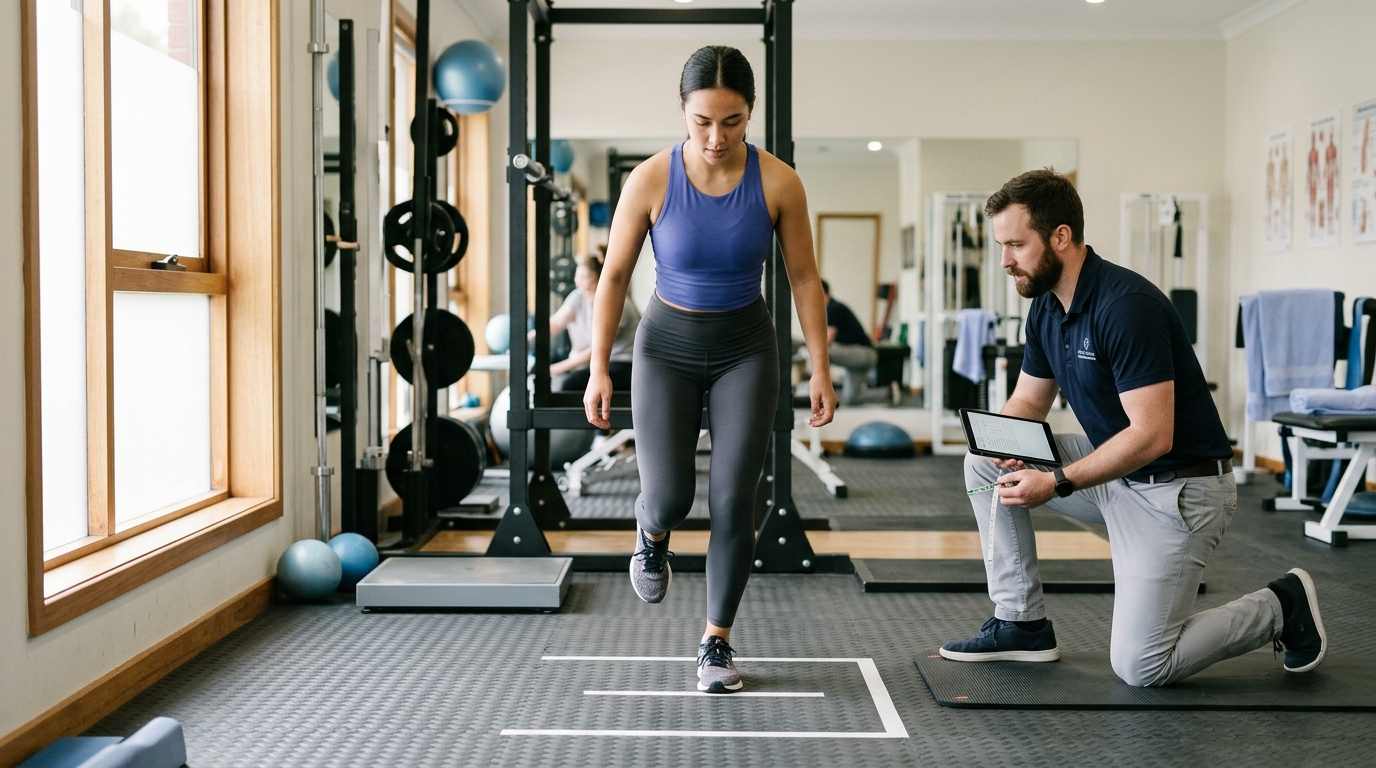
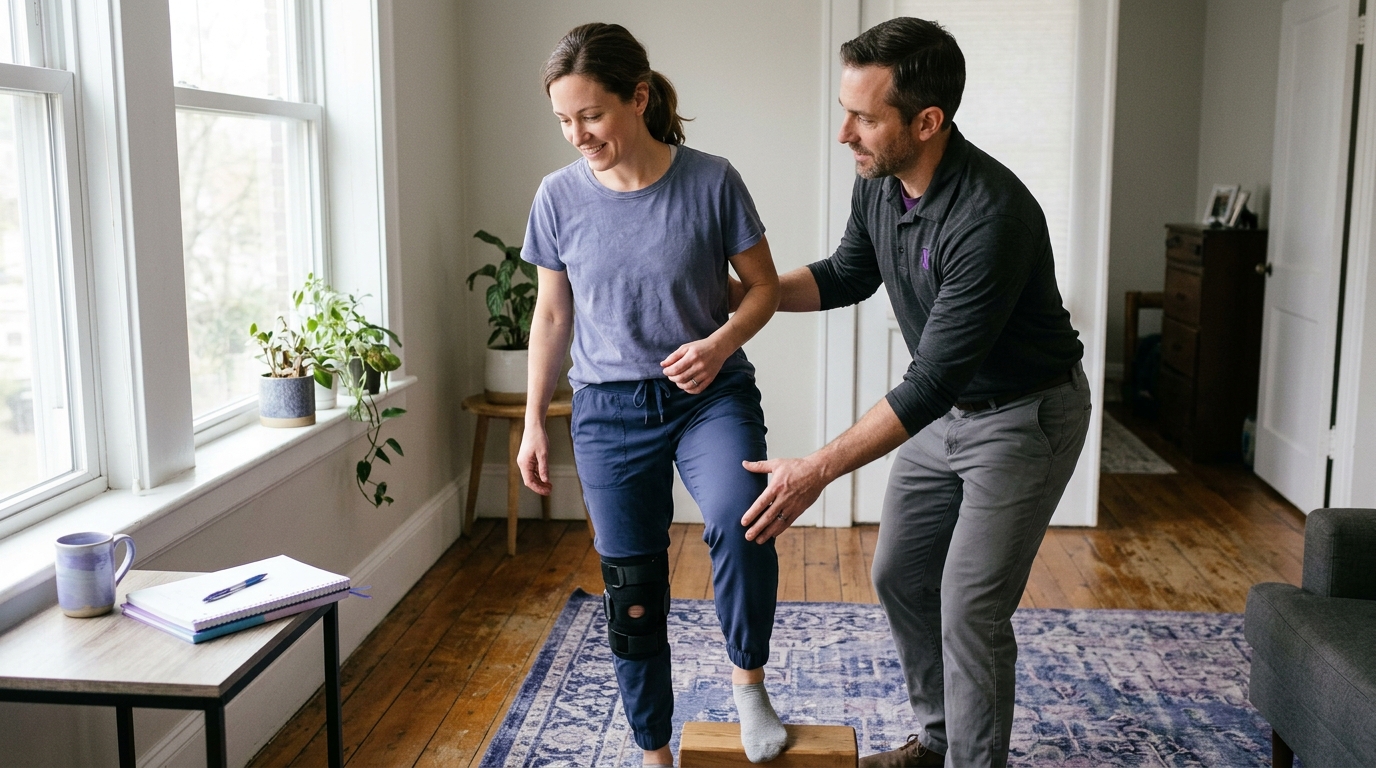
During physical rehabilitation, the primary goal is to apply controlled mechanical stress to healing tissues without causing reinjury. Different tools serve different roles across recovery stages.
Elastic bands are widely used in early rehabilitation because they allow low-load exercise in multiple planes. They also place minimal compressive load on resting joints. As recovery progresses, guided machines allow patients to rebuild strength with fixed paths that minimize the risk of sudden balance loss.
Free weights are often introduced in later stages of rehabilitation to restore multi-planar stability, coordination, and real-world lifting tolerance. If you are returning to activity after a setback, you can find helpful advice in our guidelines for returning to sport and recreation.
Your training location plays a significant role in equipment selection:
Cost is another important practical consideration:
Because the scientific literature shows similar health and strength outcomes across these options, you do not need an expensive gym membership or costly home equipment to build meaningful strength.
Fitness discussions are often filled with rigid rules about which equipment is superior. Examining the evidence helps clear up common myths.
A common claim is that free weights are the only way to build functional strength and real muscle. Direct research comparisons do not support this claim.
Meta-analyses show that machines build muscle size, static strength, and jump power just as effectively as free weights. Machines are a highly effective, valid training method for adults of all ages.
Some lifters believe that elastic bands cannot build significant strength in experienced adults. However, comparative studies demonstrate that band training can produce strength gains comparable to conventional weights across multiple populations.
While bands have limitations regarding load precision and advanced lower-body loading, they provide a legitimate muscle-strengthening stimulus when taken close to fatigue.
Many people assume a green or blue band always equals a specific poundage, such as twenty or thirty pounds. In reality, elastic band tension depends on material thickness, manufacturing quality, and how far the band is stretched.
A band's labeled resistance is an estimate, not a calibrated measurement. You should track your progress by recording the specific band, the anchor distance, and the number of repetitions completed with good form.
Some trainees believe that body-weight training quickly becomes useless for building strength. In truth, progressive overload applies to body-weight movements just as it does to external weights.
By adjusting leverage, elevating your feet, changing your grip, or slowing your repetition tempo, you can continue to challenge your neuromuscular system for years.
Many people believe they must exclusively follow a free-weight program, a machine routine, or a calisthenics plan. In practice, combining different tools often yields the best practical results.
You might use free weights for upper-body pressing, machines for safe leg training, and resistance bands for shoulder mobility and rotator cuff work. Blending tools allows you to capitalize on the unique benefits of each modality.
To see how these principles apply in real life, consider the following illustrative training scenarios. These examples show how different tools match specific goals and personal circumstances.
An adult working from home has a busy schedule and no room for large gym equipment. Their goal is to maintain general strength, bone density, and joint mobility.
This approach provides a complete, full-body routine that meets public health guidelines without requiring expensive equipment or dedicated square footage.
A recreational lifter wants to improve their barbell deadlift and overhead press performance.
By keeping the specific barbell movements central to their routine, they maximize direct neural transfer while using other tools to accumulate safe training volume.
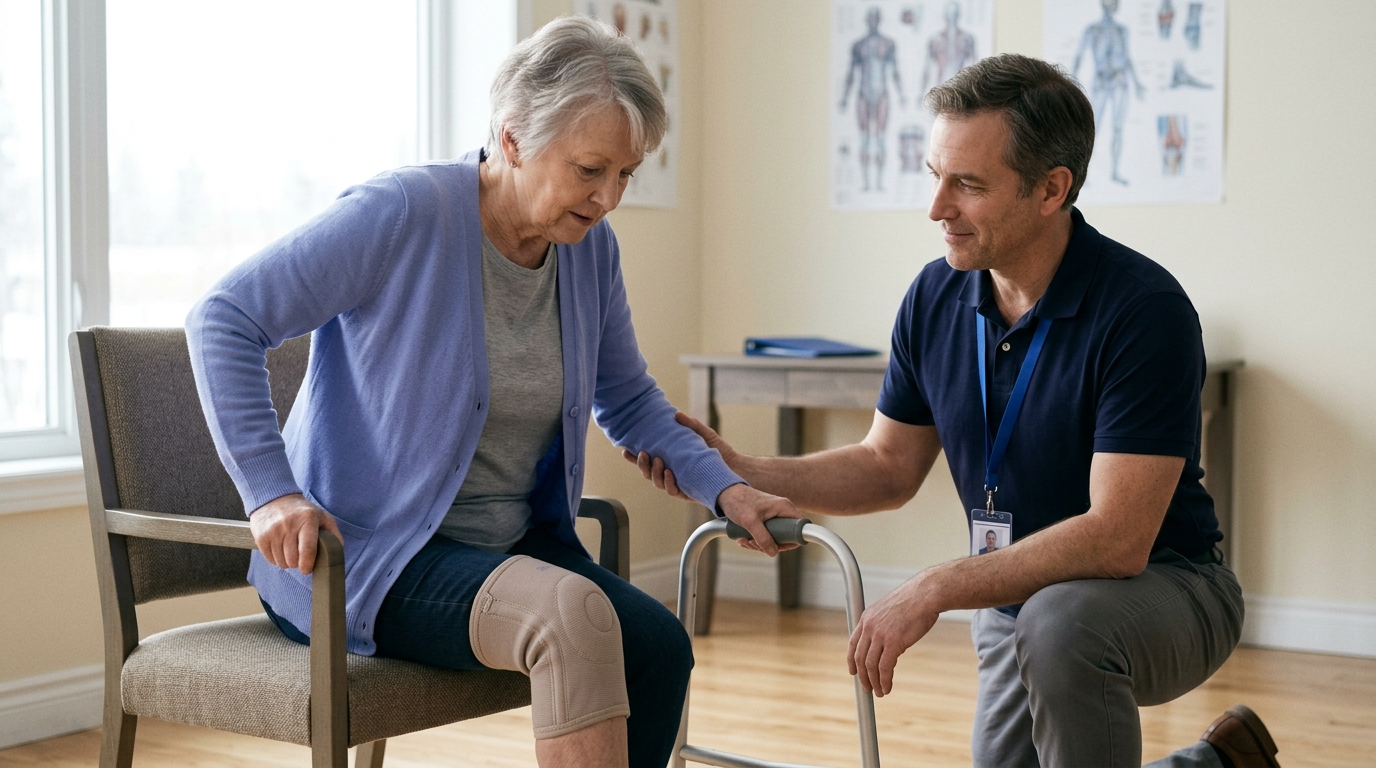
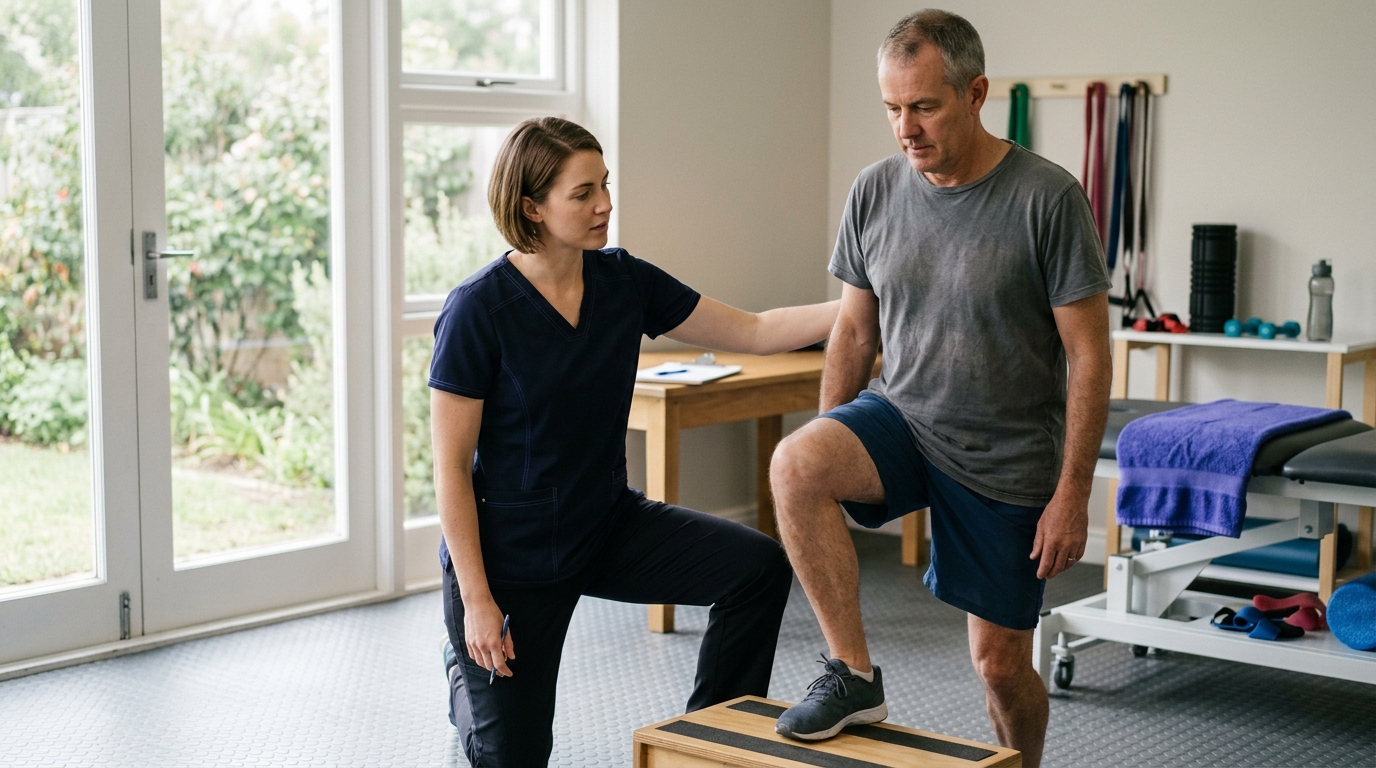
A 58-year-old adult returns to exercise after several years of inactivity. They experience occasional knee discomfort and feel intimidated by balancing heavy free weights.
Research confirms that this machine-based program will build muscle mass and strength just as effectively as a free-weight program, while offering superior comfort and adherence for this individual. For additional insights on maintaining joint health over time, explore our training strategies for active aging.
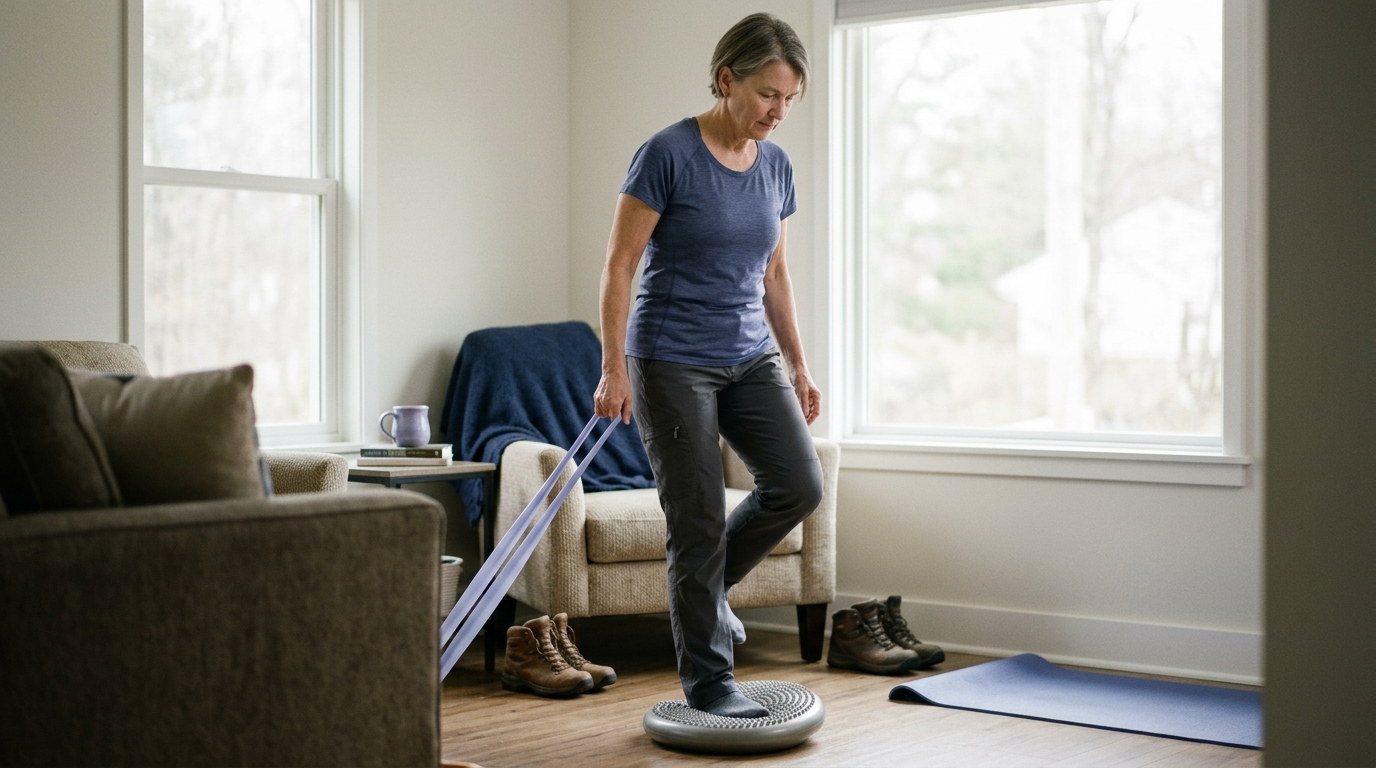
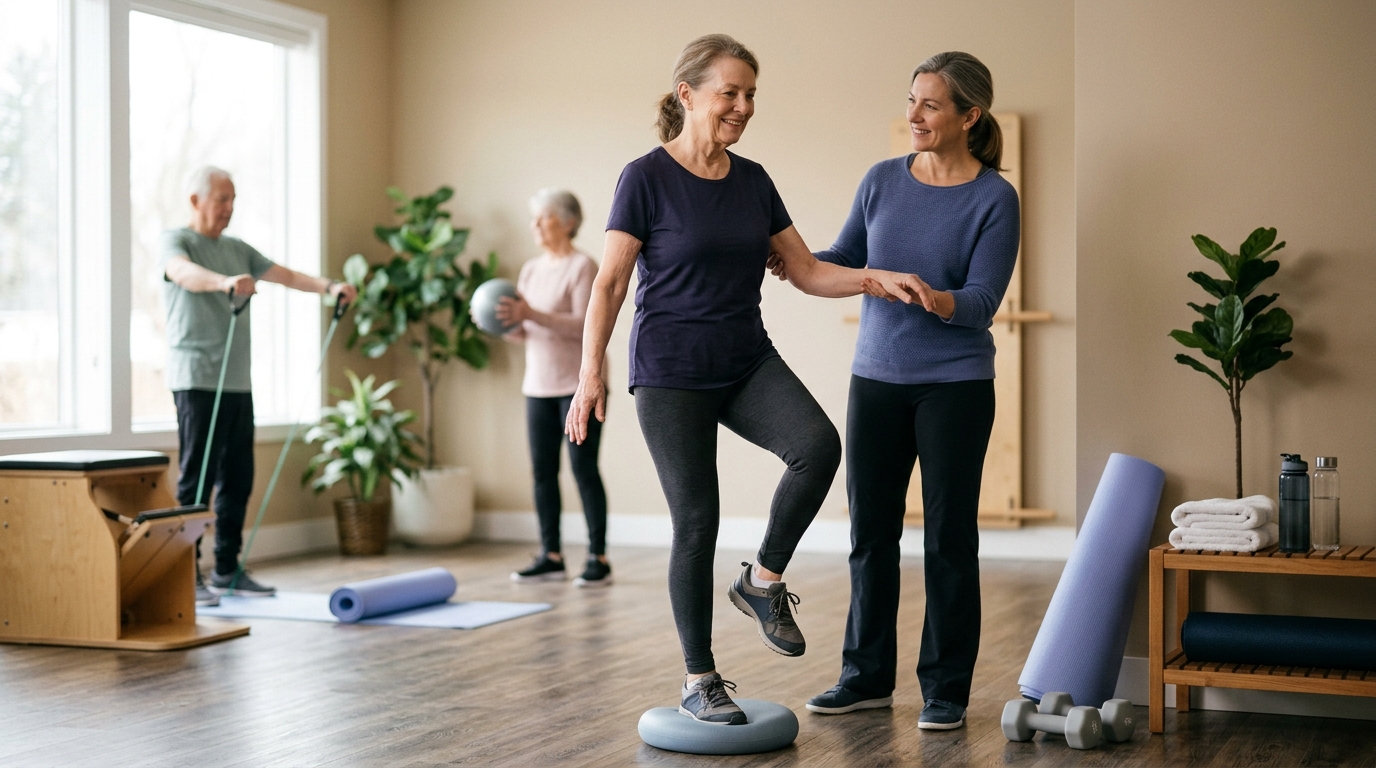
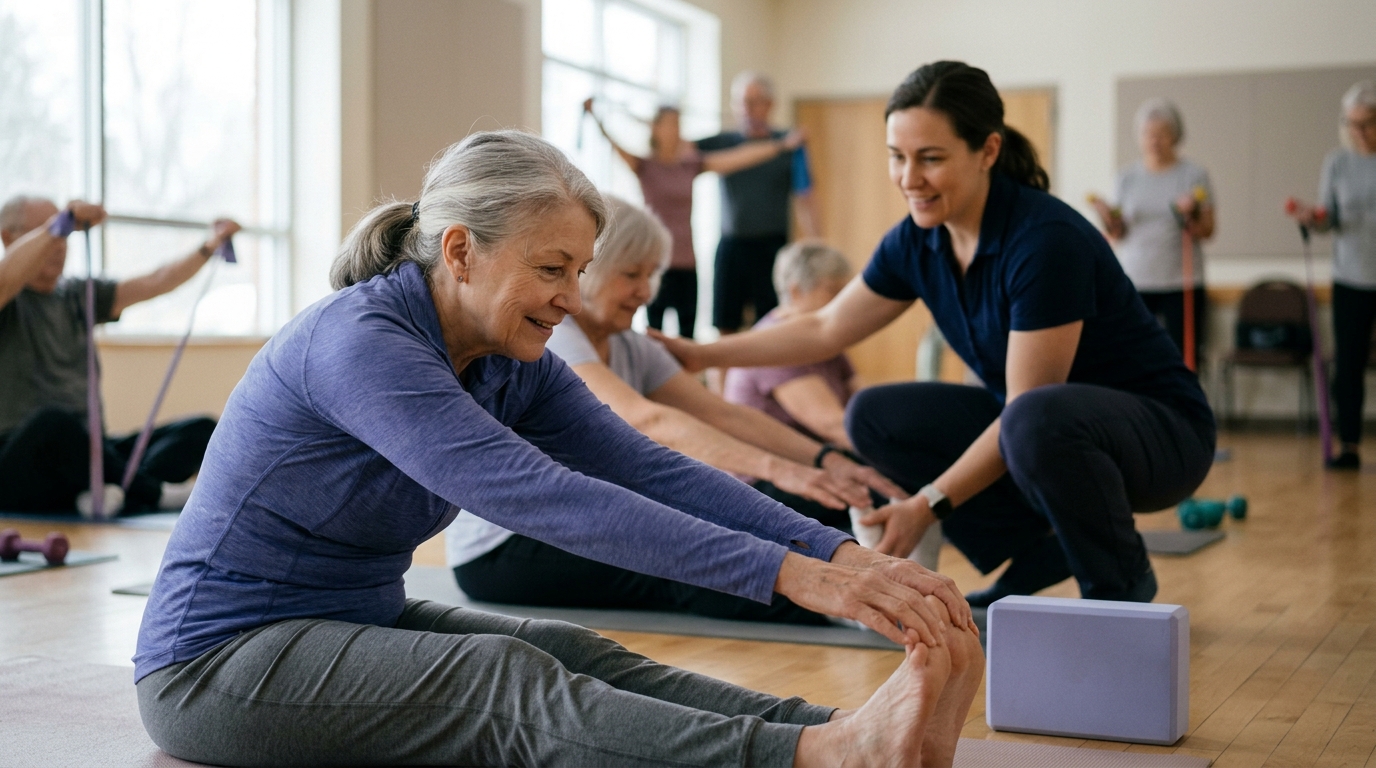
An active 70-year-old wants to maintain independent mobility, grip strength, and balance. They prefer exercising at home or in a park.
This setup builds functional strength, improves joint stability, and supports long-term physical independence in a safe, accessible format.
An individual has been doing standard push-ups and body-weight squats for six months. They can now easily perform 25 push-ups and 30 squats, and they want to continue building strength without losing the convenience of home training.
By adjusting physics and leverage, they successfully apply progressive overload and continue building strength with zero external iron weights. To dive deeper into the physiology of muscular adaptation, read our articles on principles of recovery science.
If you are recovering from a surgery, managing chronic joint pain, or returning to exercise after a medical setback, consult with your physical therapist, orthopedic doctor, or primary care physician before changing your routine.
Your healthcare provider can help you select the safest equipment based on your surgical healing timelines and tissue tolerance.
Here are practical questions you can bring to your next clinical appointment:
Communicating openly with your healthcare team ensures that your strength program supports your rehabilitation rather than interfering with tissue healing.
Scientific evidence confirms that free weights, gym machines, resistance bands, and body-weight exercises are all effective methods for building strength and muscle mass. No single tool holds a monopoly on physical fitness.
Free weights offer direct specificity for balance and real-world lifting. Machines provide a safe, stable environment to isolate muscles and work around joint discomfort. Elastic bands offer lightweight portability and gentle resistance curves, while body-weight training allows you to build strength anywhere without equipment.
For general health and vitality, the most effective training method is the one you enjoy, have access to, and can perform consistently over time.
Use this checklist to establish or refine your strength training routine:

Use ReboundBody resources to understand common recovery stages, rehab terms, movement limits and strength rebuilding. Each guide is designed to make a complex comeback easier to understand.


Read practical guidance on injury recovery, rehabilitation, mobility and rebuilding strength as you work your way back to activity.
Explore Resources