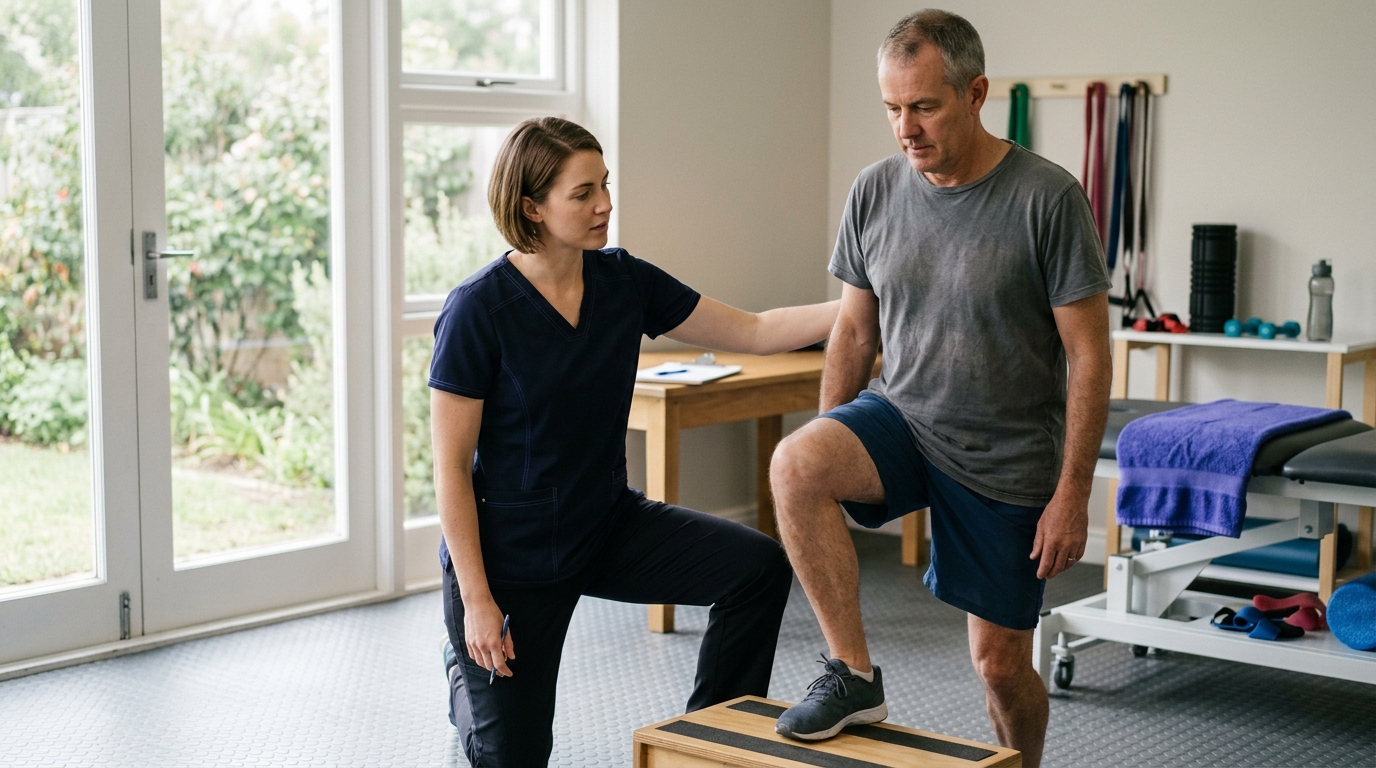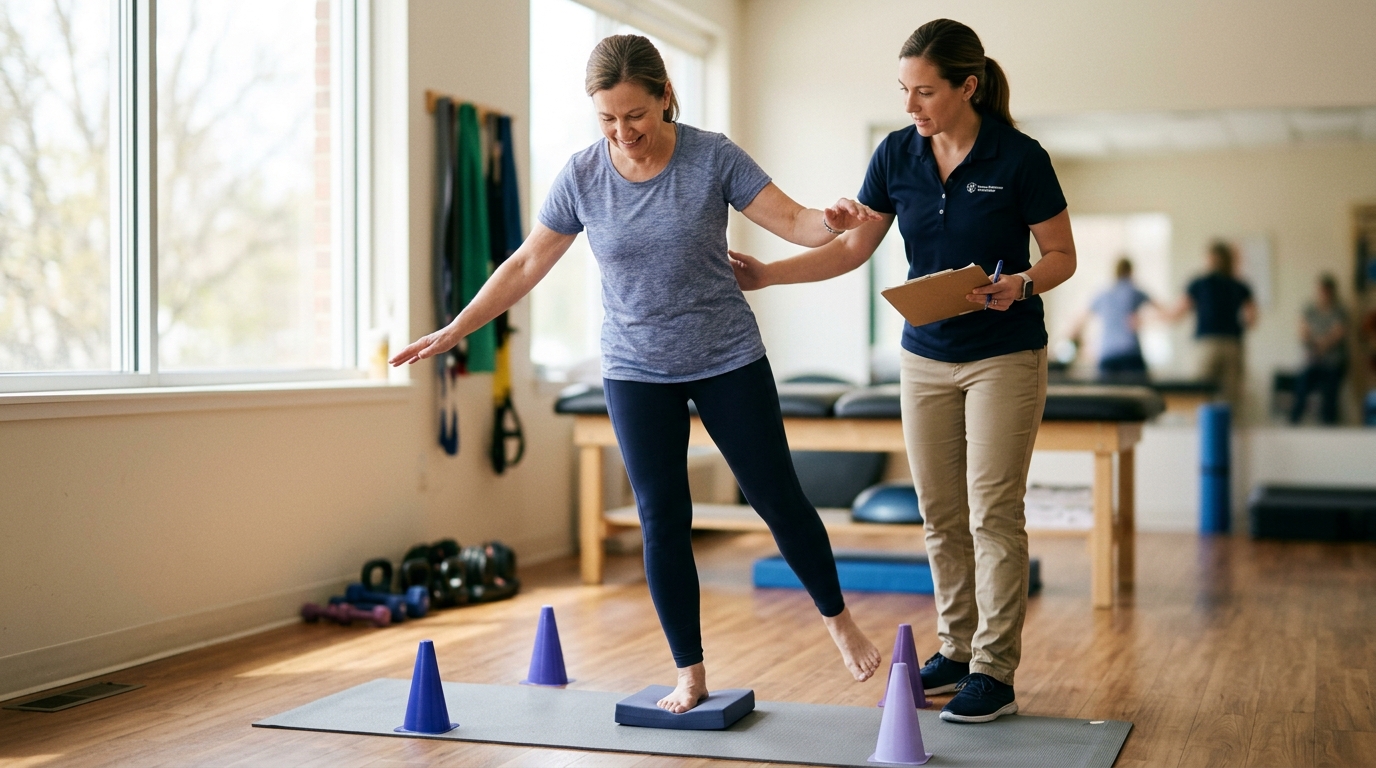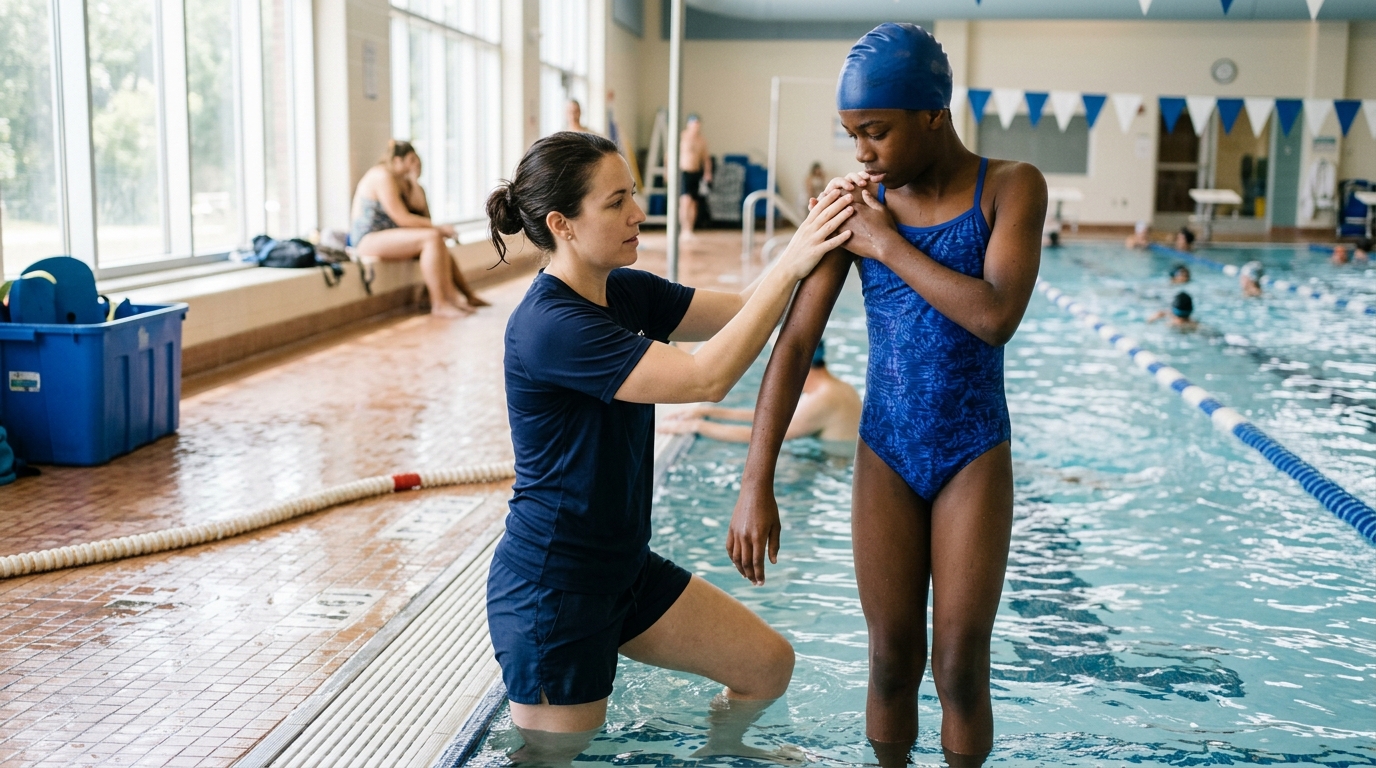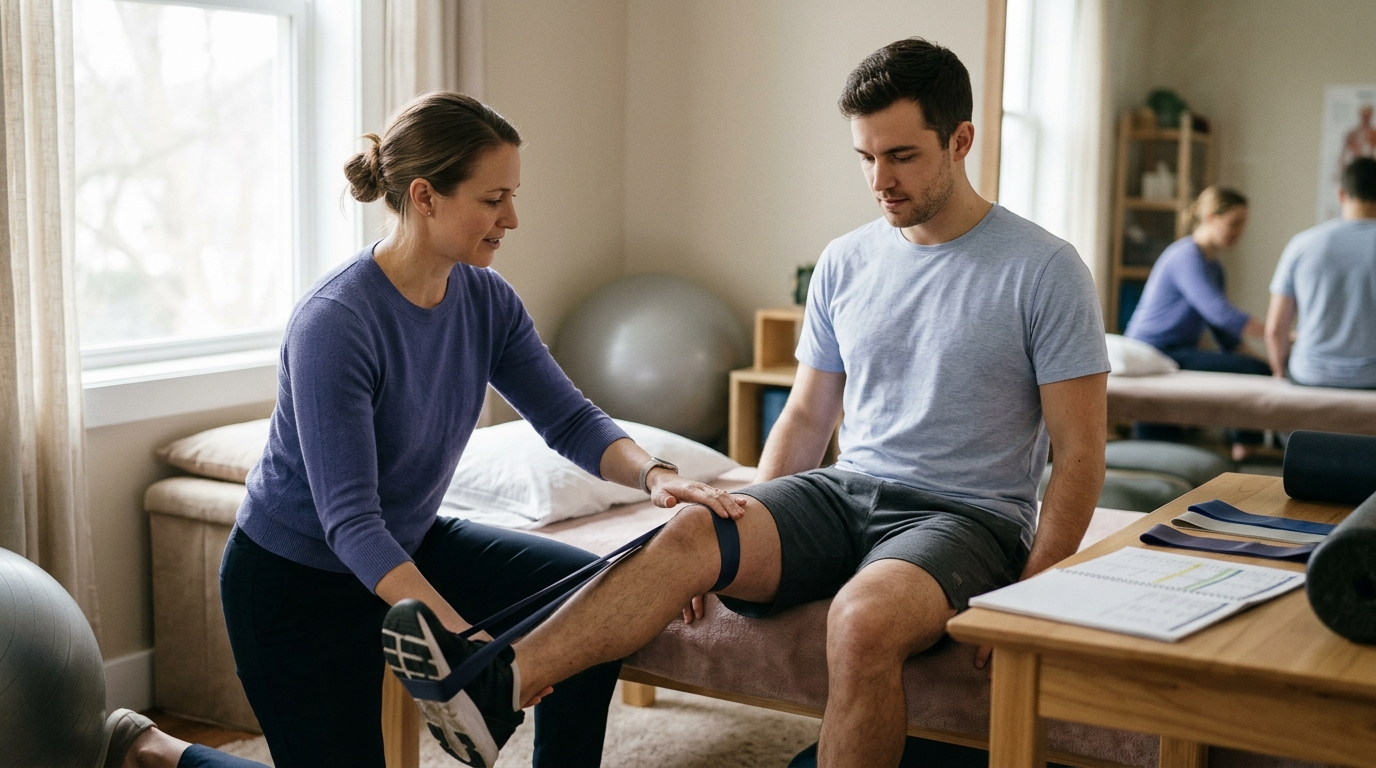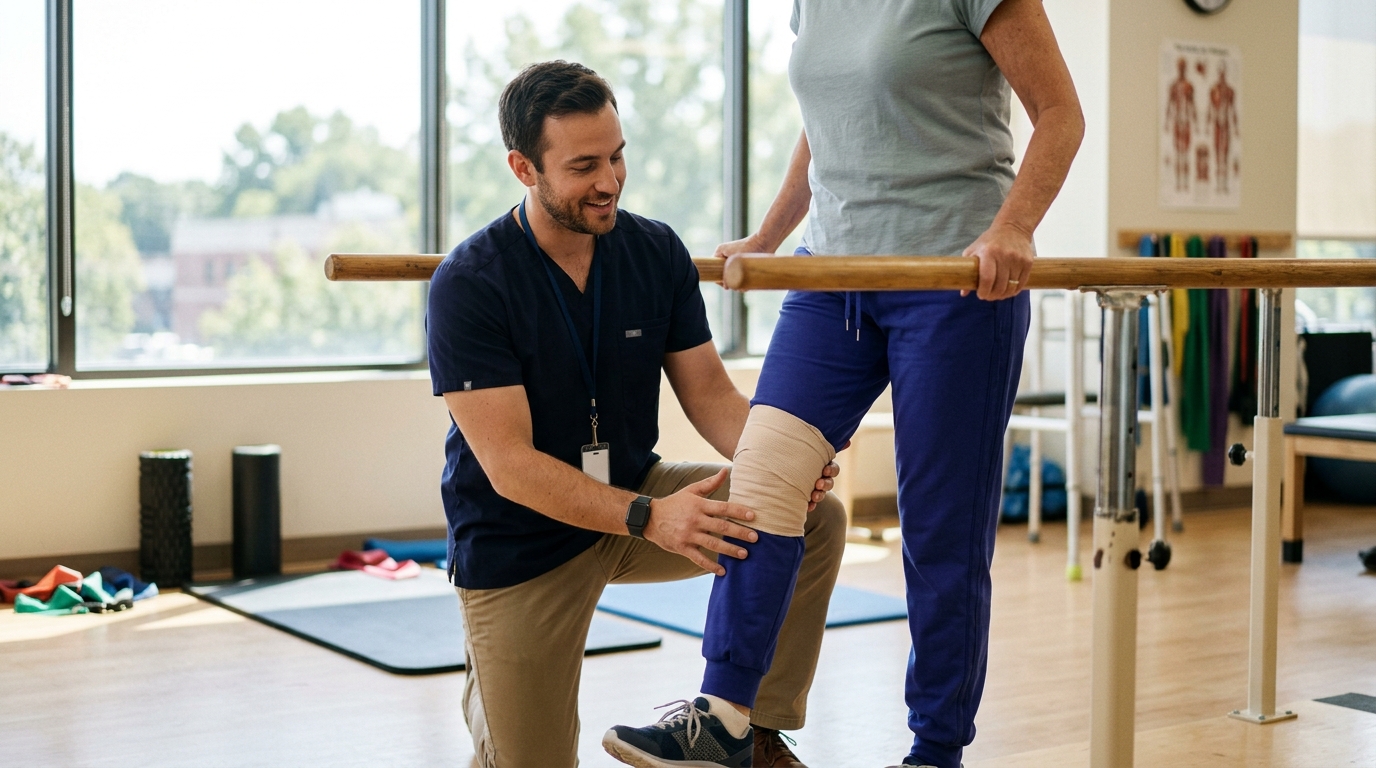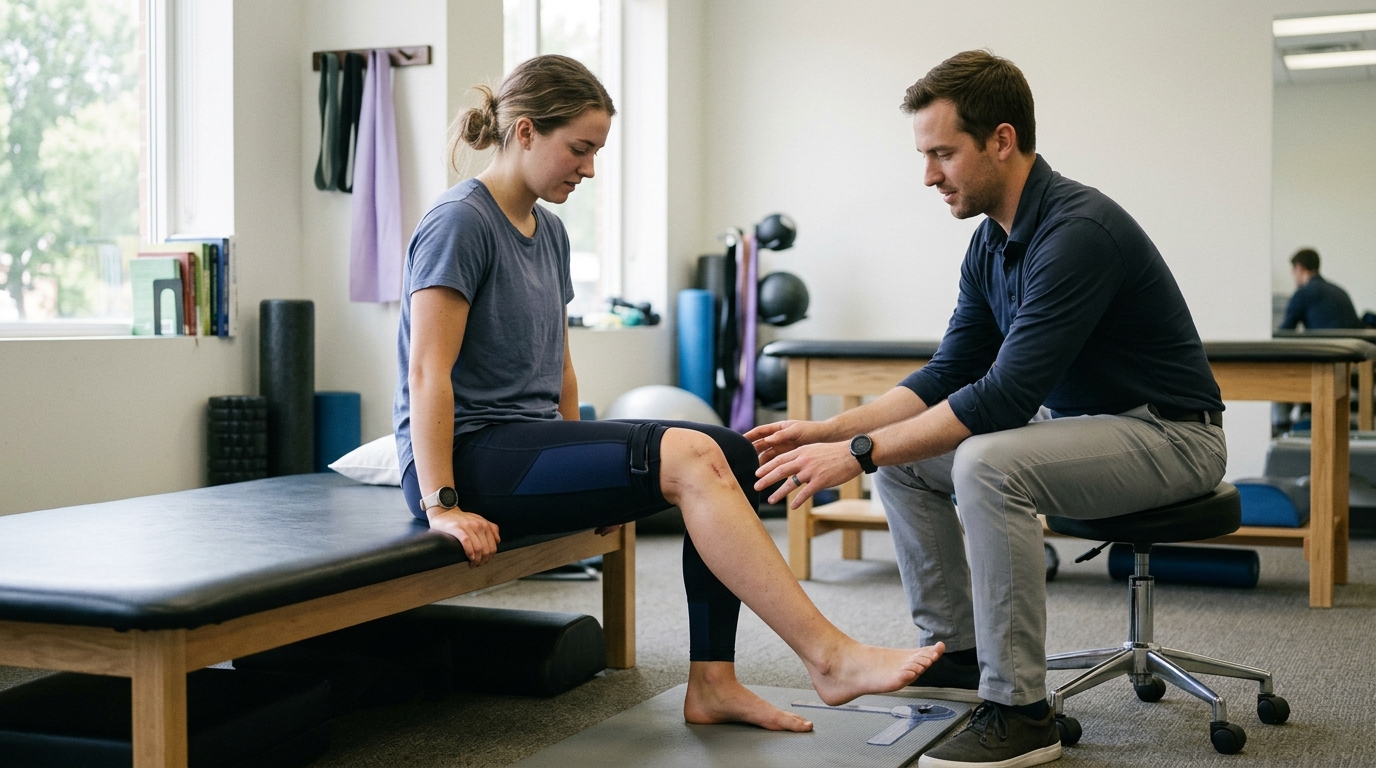

Shoulder mobility relies on coordinated movement across multiple joints to restore pain-free reaching, build dynamic strength, and improve your everyday physical function.





Many people assume that a healthy shoulder requires reaching straight overhead to a full 180 degrees. Clinical motion research shows that daily living rarely demands extreme laboratory ranges. Real-world upper limb function relies on a coordinated system of task-specific range, muscular control, strength, and endurance.
Shoulder mobility is not a single number on a chart. It is the ability to position the hand where you need it to eat, dress, carry objects, and work. When pain or stiffness restricts movement, looking only at the shoulder joint often leads to incomplete answers.
This guide explains how the shoulder complex produces everyday movement. It breaks down what research shows about functional demands and clarifies why imaging results do not always tell the whole story. You will find practical ways to evaluate daily tasks, understand rehabilitation principles, and discuss realistic goals with your healthcare provider.
The shoulder is often described as a simple ball-and-socket joint. In reality, it is an integrated complex of four distinct anatomical joints working together. These include the glenohumeral joint, the acromioclavicular joint, the sternoclavicular joint, and the scapulothoracic articulation. Smooth movement of the arm requires synchronous motion across this entire anatomical chain.
The glenohumeral joint is formed by the rounded head of the upper arm bone and the shallow socket of the shoulder blade. Because the socket is shallow, the joint permits a remarkable arc of motion in multiple directions. This natural mobility comes at the expense of inherent bony stability. Static restraints like the labrum and joint capsule provide baseline support, but dynamic muscular stability is essential during movement.
The rotator cuff consists of four muscles that originate on the shoulder blade and attach to the upper arm. These muscles are the supraspinatus, infraspinatus, teres minor, and subscapularis. While many people think of them simply as muscles that lift or rotate the arm, their primary biomechanical job is dynamic centering. They compress and stabilize the humeral head against the shallow socket while larger muscles generate movement.
As you raise your arm, your shoulder blade must also rotate, tilt, and glide along the ribcage. In biomechanics, this coordinated movement is often discussed as scapulohumeral rhythm. Research shows that scapular upward rotation and arm elevation work together during tasks like feeding, hair combing, and overhead reaching. There is no single universal movement ratio that applies to every individual or every task.
Looking at the ball-and-socket joint in isolation misses how the rest of the body contributes. The trunk, thoracic spine, and neck position the base from which the shoulder blade operates. When one part of this chain is stiff or weak, other areas must adjust to place the hand at its target. A comprehensive view of mobility and movement requires looking at the entire upper body system.
To understand how the shoulder functions in daily life, it helps to separate movement capacity into distinct physical components. A limitation in one component can create the false impression of a joint problem. Clinicians and researchers distinguish between mobility, strength, motor control, and muscular endurance.
Mobility refers to the total available movement across the shoulder complex and neighboring joints. It includes passive joint play, soft tissue flexibility, and active range of motion. Having adequate passive mobility means the joint surfaces can glide without mechanical blockage. However, having passive range does not guarantee you can actively use that range during daily chores.
Strength is the capacity of the muscles to generate force against resistance. In the shoulder, strength allows you to lift a heavy skillet, push open a heavy door, or carry groceries. Without adequate strength, an arm with complete joint range may still fail to complete functional tasks. Strength provides the power needed to handle external loads safely.
Control involves coordinating muscle timing, joint positioning, and movement regulation throughout an activity. It ensures that the rotator cuff stabilizes the ball in the socket while the shoulder blade positions the arm. Poor control can cause compensatory shrugging or awkward movement patterns, even when raw strength is present. Motor control allows movement to feel smooth and steady.
Endurance is the capacity to repeat or sustain a movement over time without breakdown. Many daily activities, such as painting a wall, washing dishes, or working at a desk, require holding or repeating low-load movements. A person may possess full range and adequate strength for one repetition, but struggle when the task lasts ten minutes. Tracking fatigue during repeated tasks is vital when rebuilding functional capacity.
Task performance is what happens when these four elements combine in your specific environment. It accounts for pain levels, confidence, visual cues, and personal habits. Evaluating functional movement means asking practical questions about what you can accomplish:
Separating these elements helps you identify the true source of a functional limitation. It ensures that rehabilitation addresses the specific constraint rather than applying a generic stretching or strengthening routine.
Many people worry when their shoulder movement does not match standard anatomical ideals. However, research examining real-world activities shows that daily tasks require specific, functional arcs of motion rather than extreme joint angles. Functional range of motion is best understood in relation to the specific demands of a task.
Researchers distinguish between normal functional range of motion and minimal necessary functional range of motion. Normal functional range represents the typical movement people use during daily activities without physical restrictions. Minimal necessary functional range represents the smallest arc of movement required to complete a specific task. Understanding this distinction helps set realistic, meaningful goals during recovery.
A comprehensive review of functional upper limb movement identified several key patterns across daily activities. In the reviewed literature, the greatest shoulder forward flexion used during normal daily tasks was approximately 150 degrees. The greatest sideways movement, or abduction, was approximately 90 degrees. These figures demonstrate that most daily living takes place well below maximum anatomical limits.
Continuous motion monitoring studies reinforce this observation. In an eight-hour analysis of daily life, researchers found that the arm remained below 120 degrees of elevation for 96 percent of the time. While overhead reach is necessary for specific chores, the vast majority of human activity occurs in a lower, forward-oriented workspace.
Three-dimensional kinematic studies have measured the specific joint demands of common daily tasks. Eating with a fork requires relatively modest movement, demanding around 28 degrees of shoulder flexion. Washing the opposite armpit involves approximately 46 degrees of humerothoracic elevation. In contrast, combing hair is one of the most demanding grooming tasks, requiring up to 119 to 124 degrees of elevation and 70 degrees of external rotation.
Reaching behind the back places entirely different demands on the joint complex. Washing the back or fastening clothing behind the waist requires significant internal rotation, averaging around 85 degrees. A person with excellent forward reaching ability may still struggle to reach behind their back because the movement mechanics are completely different.
It is important to interpret these research figures with appropriate context. The underlying studies often featured small sample sizes, varied measurement techniques, and simulated lab environments. Furthermore, literature reviews note that dressing tasks, such as putting on shirts, coats, or socks, have not been studied with standardized kinematic models. These figures serve as helpful benchmarks rather than absolute rules for personal independence.
When a shoulder joint loses mobility or strength, the human body naturally finds alternative ways to achieve a goal. These adjustments are known as compensatory movement strategies. Understanding how and why compensations occur helps determine whether an adaptation is helpful or problematic.
Trunk motion is the most common compensation for limited shoulder mobility. If you cannot raise your arm high enough to reach a shelf, you might arch your lower back or lean to the side. If you lack internal rotation to reach behind your back, you might lean forward and round your shoulder. These trunk movements allow your hand to reach the target, but they alter the distribution of mechanical forces.
Using the contralateral arm or leaning on a countertop are other common strategies. Assistive devices, such as long-handled sponges, dressing sticks, or shoehorns, reduce the joint angles required for self-care. In occupational therapy and rehabilitation resources, these adaptations are valuable tools for maintaining personal independence.
Adaptations exist on a spectrum between functional utility and joint overload. An adaptation is helpful when it allows you to complete necessary tasks comfortably without causing secondary pain. Conversely, high-demand compensations can overload neighboring tissues. Arching the lower back repeatedly to lift household objects can strain lumbar joints, while excessive shoulder shrugging can lead to persistent neck tightness.
Environmental modifications offer a practical way to manage movement limitations without creating harmful compensations. Storing frequently used cookware between waist and chest height reduces the need for repetitive overhead reaching. Choosing front-closing garments eliminates the demand for extreme behind-the-back rotation. These adjustments provide immediate relief while you work on underlying mobility and strength deficits.
Rehabilitation should evaluate how you perform tasks in your real environment. A movement pattern that looks altered in a clinic may be a safe, sustainable strategy at home. Conversely, an exercise that looks clean in isolation may break down when applied to dynamic, real-world chores. Observing movement in context ensures that therapy addresses functional needs rather than arbitrary movement rules.
When shoulder pain or stiffness develops, many people assume that an imaging scan will reveal the exact cause. Magnetic resonance imaging (MRI) and ultrasound provide detailed pictures of soft tissues, but their findings must be interpreted carefully. An abnormal imaging report does not automatically explain a person's functional limitations.
Rotator cuff abnormalities are remarkably common as people age, even among individuals with zero shoulder pain. A large systematic pooled analysis examined the prevalence of rotator cuff abnormalities across different age groups. The analysis found rotator cuff abnormalities in 9.7 percent of people aged 20 years or younger. That prevalence rose steadily with age, reaching 62 percent in individuals aged 80 years or older.
Because structural changes are widespread in asymptomatic populations, an imaging finding cannot be viewed in isolation. A partial tear, tendon fraying, or bone spur on an MRI may simply reflect normal tissue aging. A clinician must match imaging findings with a physical examination, symptom history, and specific movement limitations. Treating the scan rather than the person can lead to unnecessary worry or unhelpful interventions.
In clinical practice, standardized outcome measures help track symptoms and functional recovery over time. Common tools include the Disabilities of the Arm, Shoulder and Hand (DASH) questionnaire, the Shoulder Pain and Disability Index (SPADI), the American Shoulder and Elbow Surgeons (ASES) score, and the Simple Shoulder Test (SST). Research shows that these questionnaires have excellent reliability for capturing patient-reported function.
To interpret questionnaire scores accurately, researchers use two essential statistical concepts:
For example, systematic reviews estimate the MCID to be approximately 6.4 points for the ASES score, 10.2 points for the DASH, and 8 to 13 points for the SPADI. Minimal detectable change values are slightly higher, sitting around 9.4 for ASES, 10.5 for DASH, and 18 for SPADI. These values vary depending on the patient population and clinical context.
Understanding these measurement properties prevents overreacting to minor day-to-day fluctuations in questionnaire scores. A small shift in a score might simply reflect natural measurement noise. Meaningful progress occurs when functional improvements exceed these statistical thresholds and translate into tangible gains in daily living.
Evidence-based management of shoulder conditions prioritizes active rehabilitation over passive treatments. Modern clinical practice guidelines, including updated recommendations for rotator cuff tendinopathy, emphasize exercise as the primary foundation for reducing pain and restoring function. Passive modalities like heat packs or ultrasound may provide short-term comfort, but they do not rebuild tissue capacity.
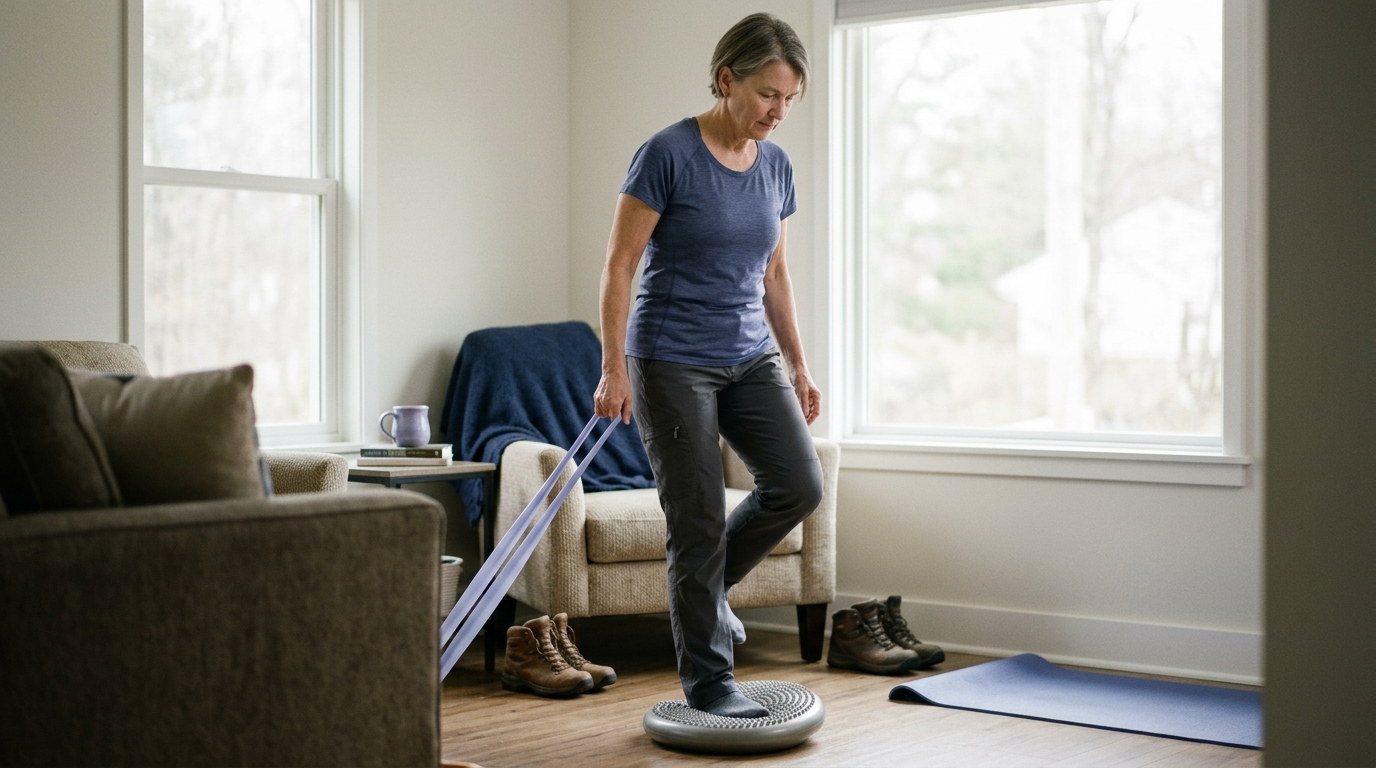
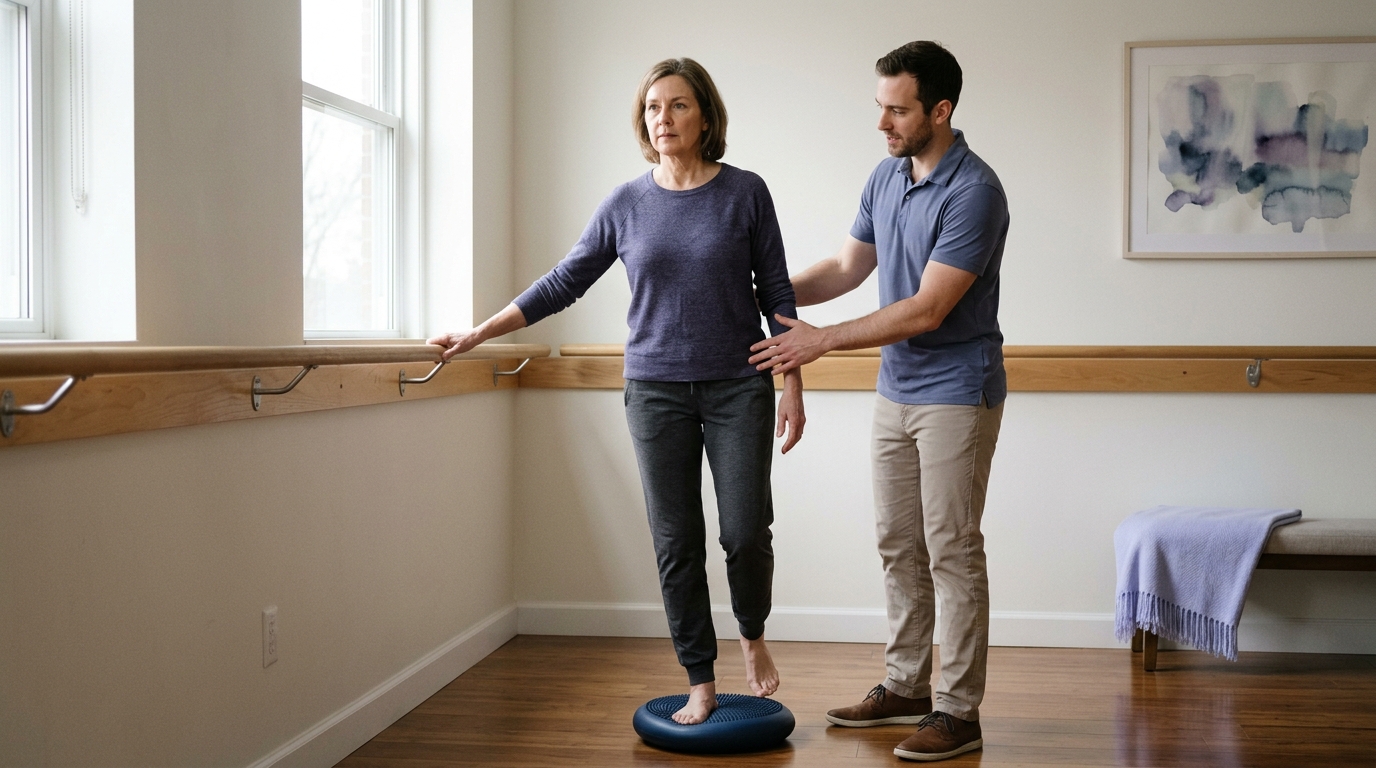
Active rehabilitation programs focus on targeted resistance training and motor control exercises. Resistance training stimulates tendon remodeling, increases muscular strength, and improves joint stability under load. Motor control exercises help retrain coordination between the rotator cuff and scapular muscles. Combining these approaches ensures that the shoulder complex can handle both static holding and dynamic movement.
For symptomatic small-to-medium full-thickness rotator cuff tears, clinical guidelines report that physical therapy produces significant improvements in patient-reported outcomes. Long-term nonoperative management can successfully improve function and quality of life for many individuals with full-thickness tears. Surgery remains an important option for specific traumatic injuries or when structured therapy fails, but conservative rehabilitation is a powerful first-line pathway.
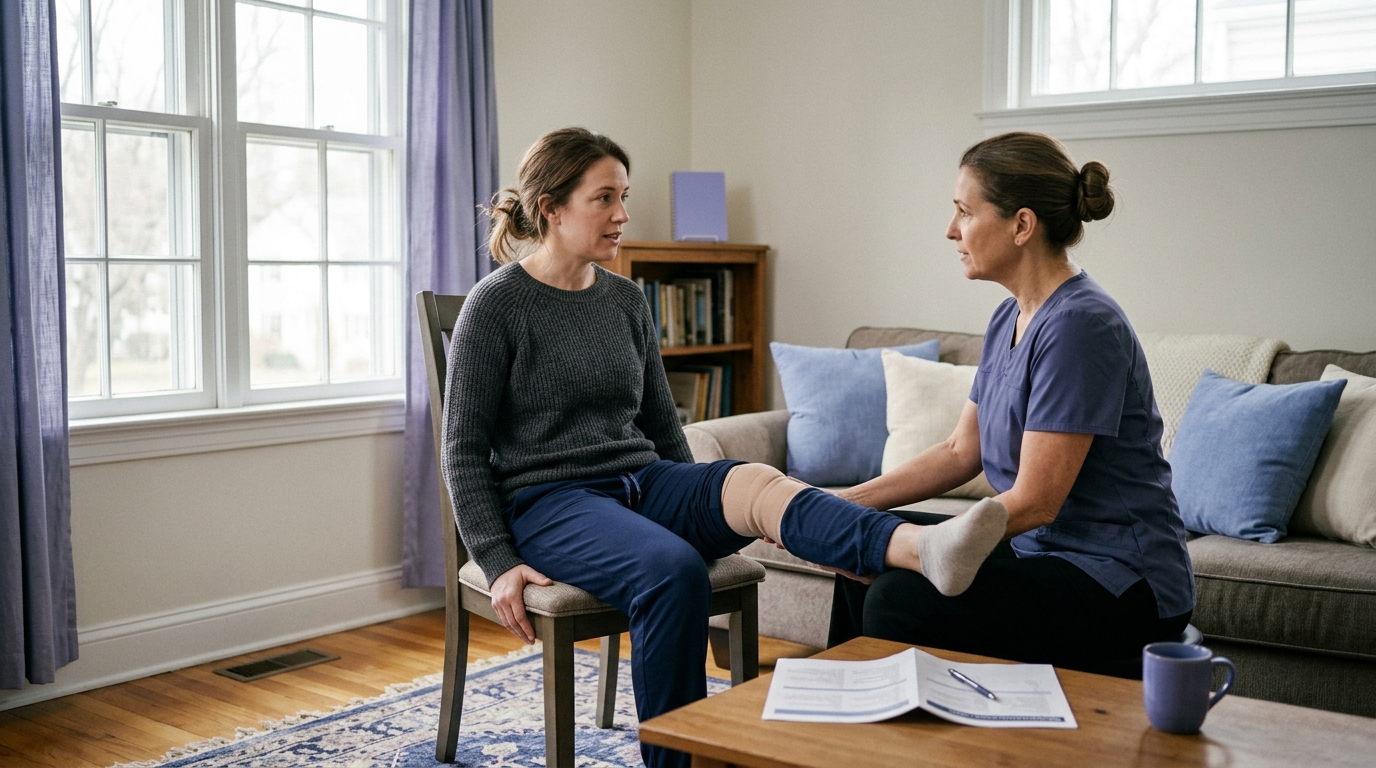
The level of clinical supervision required during rehabilitation depends on the condition and the individual. Research evaluating recovery after arthroscopic repair of small tears found that multiple supervised physical therapy visits did not produce superior outcomes compared to a well-taught home exercise program between three months and one year. However, this finding applies specifically to patients who received thorough initial instruction. A well-designed home program requires proper technique guidance and clear self-management education.
General conditioning guidelines from orthopedic organizations recommend continuing a structured shoulder program for four to six weeks, exercising two to three days per week. Exercises should be performed with controlled movements, focusing on form rather than heavy weight. Modifying resistance or range of motion when pain flares is essential, rather than attempting to push through sharp discomfort.
Gradual progression is the key to safe recovery. Tendons and muscles adapt to load over weeks and months, not days. Exploring injury recovery principles helps set realistic expectations for tissue adaptation. A structured, progressive routine rebuilds functional capacity while minimizing the risk of symptom flare-ups.
Shoulder limitations manifest differently depending on which daily tasks are affected. Examining common real-world scenarios helps illustrate how mobility, strength, and coordination interact during everyday activities.
Consider an individual who can comfortably eat and wash their face, but struggles to place a cereal box on a high pantry shelf. Reaching high overhead requires substantial forward flexion, upward scapular rotation, and dynamic rotator cuff stabilization. If the shoulder blade does not rotate upward smoothly, the upper arm bone may pinch sensitive structures against the top of the shoulder arch.
In this scenario, the issue is rarely just a lack of arm flexibility. The limitation often involves a combination of thoracic spine stiffness, weak scapular upward rotators, and fatigue in the rotator cuff. Useful adjustments include stepping closer to the shelf, using a stable step stool, or dividing heavy items into smaller containers. Rehabilitation focuses on restoring upper back extension, training scapular upward rotation, and building overhead pressing endurance.
Another common pattern involves difficulty fastening a bra, tucking in a shirt, or washing the mid-back, while forward reaching remains entirely pain-free. Reaching behind the back demands a complex combination of internal rotation, extension, and scapular tilt. This motion places distinct mechanical demands on the posterior joint capsule and anterior shoulder structures.
People experiencing this limitation often attempt to force the hand further up the spine, creating sharp anterior shoulder pain. A more sustainable strategy involves modifying the task temporarily. Fastening clothing in the front before spinning it around, or using a long-handled sponge in the shower, protects the joint while mobility is rebuilt. Targeted stretching of the posterior shoulder structures and gradual internal rotation strengthening help restore this range over time.
A third scenario involves an individual who has complete joint range and good baseline strength, but experiences aching pain after fifteen minutes of vacuuming, gardening, or cleaning windows. This pattern points to an endurance deficit rather than a joint mobility restriction. As the rotator cuff muscles fatigue, they lose their ability to center the ball in the socket, leading to compensatory shrugging and muscle strain.
Addressing an endurance deficit requires pacing strategies and targeted muscular conditioning. Breaking household chores into ten-minute blocks with short rest intervals prevents severe muscular fatigue. Rehabilitation should incorporate higher-repetition, lower-load exercises that mimic the sustained demands of daily household tasks. Building postural and muscular endurance allows the shoulder complex to maintain optimal mechanics throughout prolonged activities.
While most shoulder stiffness and discomfort stem from gradual, non-urgent musculoskeletal conditions, certain symptoms require immediate medical evaluation. Recognizing warning signs ensures that serious injuries, joint infections, or systemic conditions receive timely care.
An acute traumatic event, such as a fall onto an outstretched hand or a direct blow, followed by severe pain, visible deformity, or an inability to raise the arm, warrants urgent orthopedic assessment. These signs may indicate a bone fracture, a joint dislocation, or an acute, large-scale rotator cuff tear. Early evaluation allows clinicians to stabilize the joint and determine whether surgical intervention is necessary.
Systemic symptoms accompanied by joint pain represent another critical warning sign. A shoulder that becomes hot, red, swollen, and exquisitely tender to the touch, especially when accompanied by fever or chills, could indicate a septic joint infection. Joint infections require emergency medical treatment, including joint aspiration and antibiotic therapy, to prevent permanent tissue damage.
Neurological deficits also require prompt investigation. Sudden weakness in the arm, a persistent inability to lift the wrist or fingers, or progressive numbness spreading down the limb suggest nerve compression in the neck or shoulder girdle. Furthermore, unexplained shoulder pain associated with chest tightness, shortness of breath, sweating, or lightheadedness requires immediate emergency care to rule out a cardiac event.
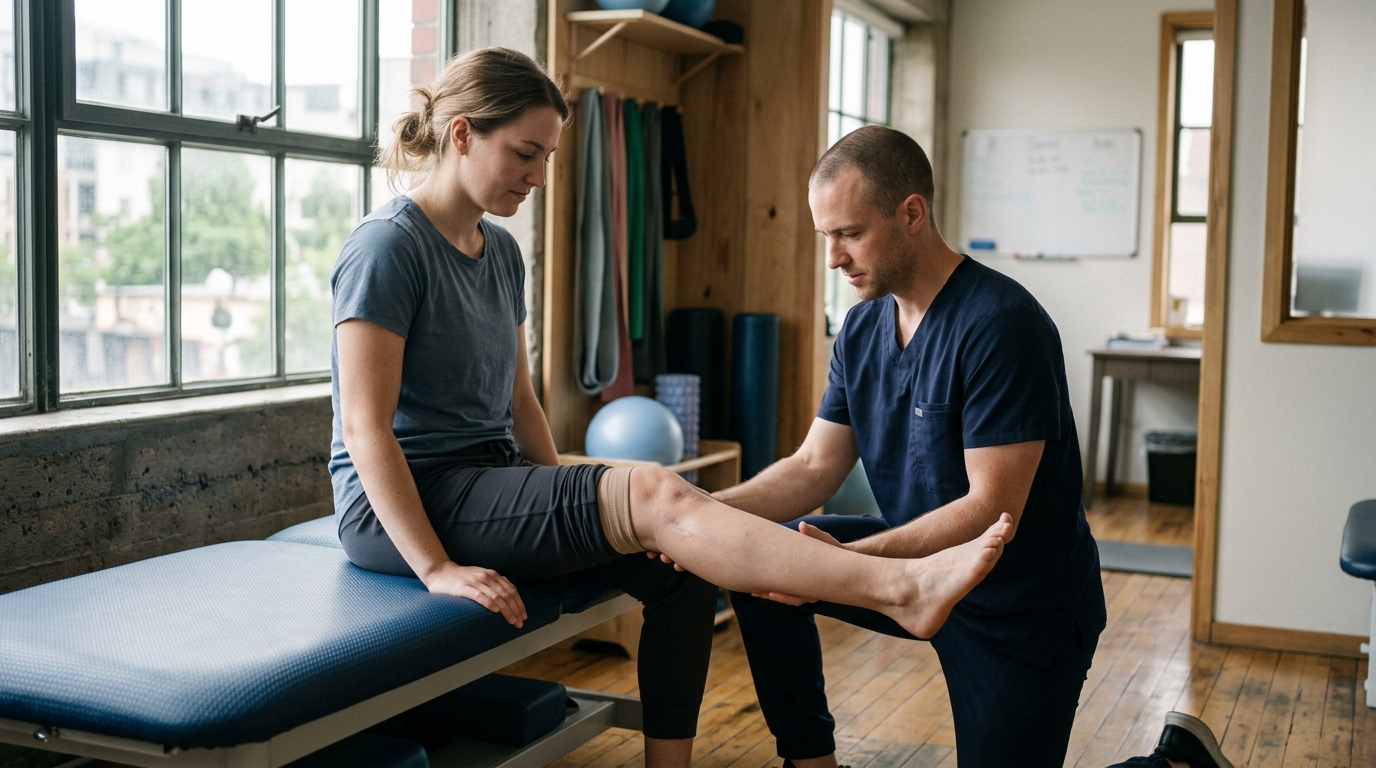
For gradual, non-traumatic shoulder discomfort, scheduling an appointment with a primary care physician or physical therapist is the standard approach. An expert evaluation can clarify the source of your symptoms, rule out serious pathology, and establish a tailored recovery roadmap.
Navigating shoulder recovery is most effective when you actively collaborate with your healthcare providers. Asking structured, practical questions helps you understand your diagnosis, clarify rehabilitation expectations, and track meaningful functional progress.
Taking these questions to your appointment ensures a focused, productive conversation. It aligns your clinical care with your personal daily goals, providing a clear path forward.
Evaluating shoulder function requires looking beyond isolated joint angles and focusing on real-world movement capacity.
Everyday arm function is the product of a coordinated, adaptable system that can be rebuilt through consistent, well-structured movement.

Use ReboundBody resources to understand common recovery stages, rehab terms, movement limits and strength rebuilding. Each guide is designed to make a complex comeback easier to understand.


Read practical guidance on injury recovery, rehabilitation, mobility and rebuilding strength as you work your way back to activity.
Explore Resources