
Recovering from a bone fracture or surgery requires optimal blood flow, so quitting smoking with medical support speeds up your tissue repair.





Many people assume that once a bone breaks or a tendon tears, past smoking habits have already decided the outcome. Others believe that smoking guarantees a surgical site will fail to heal. Neither belief matches the current medical evidence. Smoking is a modifiable risk factor, not a permanent verdict on your recovery.
Research shows that smoking tobacco increases the risk of delayed healing and tissue complications. At the same time, smoking is only one variable among many that influence how the body repairs itself. Understanding the biological mechanisms behind tissue repair helps put this risk into perspective. It also allows you to make informed, practical choices during your rehabilitation.
Stopping tobacco use at any stage of recovery can support your overall health. However, navigating cessation during a stressful injury is rarely simple. Approaching the topic with accurate facts and clinical support offers a constructive path forward.
To understand how tobacco smoke and nicotine affect recovery, it helps to look at the normal tissue repair process. Tissue repair occurs in overlapping phases. First comes hemostasis, where blood clotting stabilizes the injured area. Next is inflammation, where immune cells clear cellular debris and protect against pathogens.
This is followed by proliferation, where new blood vessels form and structural collagen is laid down. Finally, remodeling reorganizes and strengthens the repaired tissue over months or years.
Each phase of this process relies on a steady supply of oxygen, nutrients, and healthy blood flow. Inhaling cigarette smoke introduces thousands of chemical compounds that interfere with these fundamental biological requirements.
Carbon monoxide binds to hemoglobin in red blood cells far more readily than oxygen does. This reduces the oxygen-carrying capacity of the blood, depriving healing tissues of the oxygen they need to generate energy and synthesize new cells.
Nicotine itself creates distinct physiological responses. It stimulates the sympathetic nervous system, prompting the release of adrenaline and causing peripheral blood vessels to narrow. This vasoconstriction reduces blood flow to the skin, deep soft tissues, and bone.
When microcirculation is restricted, fewer repair cells and immune defenses reach the injury site. Additionally, research suggests that components of tobacco smoke impair cellular migration, reduce collagen production, and alter the activity of inflammatory cells needed to clear damaged tissue.
Understanding these mechanisms is helpful, but biological plausibility does not mean an injury is doomed. Healing is resilient and complex. The body works continuously to repair damage even when operating under less than ideal conditions. Knowing how smoke interferes with cellular repair simply explains why clinicians view tobacco use as a meaningful target for recovery support.
The link between cigarette smoking and bone healing has received extensive attention in orthopedic research. When a bone breaks, the body forms a soft callus of cartilage that gradually mineralizes into hard bone. This process requires robust blood vessel ingrowth and active bone-building cells known as osteoblasts.
When reviewing the orthopedic literature, researchers distinguish between two primary outcomes:
A systematic review and meta-analysis examining 7,516 orthopedic procedures found that smokers experienced 2.2 times the risk of delayed union or nonunion compared with nonsmokers. Among the fractures that did eventually unite, the healing process took an average of 27.7 days longer in people who smoked.
Another systematic review noted that 13 out of 17 included orthopedic studies concluded smoking negatively influenced bone healing. In studies specifically looking at the tibia, the large bone in the lower leg, eight out of nine studies reported a negative effect on healing.
A separate meta-analysis evaluating postoperative outcomes observed an increased nonunion risk among smokers following general orthopedic surgery and fracture repair. That same analysis reported an even higher risk of persistent nonunion after specialized surgery for scaphoid fractures in the wrist.
While these statistical associations are consistent across large patient populations, they represent group-level risks rather than individual certainties. A 2.2-fold relative risk indicates a higher probability of complications across thousands of recorded procedures. It does not predict the exact timeline or outcome for any single person. Many people who smoke heal their fractures without experiencing a nonunion.
Furthermore, study designs and definitions of healing vary across the medical literature. For example, a review focused on tibial shaft fractures reported an average union time of 28.61 weeks for smokers compared to 22.03 weeks for nonsmokers.
The pooled odds ratio for nonunion in that specific review was 1.45. These differences highlight why clinicians view smoking as an important risk factor without treating it as an absolute barrier to bone recovery. You can learn more about how different tissues mend by reading our overview of injury recovery and healing resources.
A common point of confusion is whether the risks of smoking come entirely from nicotine or from the smoke itself. In clinical research, these two exposures are distinct, and treating them as identical can lead to misunderstandings.
Cigarette smoke contains nicotine, but it also contains carbon monoxide, hydrogen cyanide, tar, and thousands of other particulate chemicals. Many of the most severe vascular and cellular disruptions seen in smokers stem directly from combustion products and inhaled toxins. These toxic substances damage blood vessel linings and disrupt cellular oxygen delivery throughout the entire body.
Nicotine, on the other hand, is an addictive chemical compound found in tobacco plants, e-cigarettes, and medical cessation products. While nicotine does cause temporary vasoconstriction and raises heart rate, it does not generate the carbon monoxide or toxic particulate matter produced by burning tobacco.
Because of this distinction, public health agencies and clinical guidelines view nicotine replacement therapy as substantially different from smoking cigarettes.
A large observational study of surgical patients investigated whether perioperative nicotine replacement therapy increased adverse surgical outcomes. The researchers found that using nicotine replacement therapy around the time of surgery was not associated with increased complications. The authors supported the routine use of prescribed cessation aids for patients undergoing surgery.
Electronic cigarettes, or vapes, represent another category of nicotine use. Vaping devices heat a liquid solution to create an aerosol rather than burning dried plant material. While vaping avoids carbon monoxide and many combustion byproducts, the clinical evidence regarding its specific impact on orthopedic and wound recovery remains limited.
Systematic reviews examining electronic cigarettes in surgical contexts report a shortage of high-quality clinical trials. These reviews note potential concerns regarding nicotine-induced vasoconstriction, but they lack the long-term outcome data available for combustible cigarettes.
Vaping should not be assumed to be entirely harmless for wound healing, nor should it be assumed to carry the exact same clinical profile as smoking combustible tobacco.
If you use electronic cigarettes, smokeless tobacco, or nicotine pouches, discuss these specific products with your doctor. Each delivery method carries unique considerations for your cardiovascular system and recovery.
When planning an elective orthopedic operation or managing a sudden traumatic injury, timing plays a central role in clinical decision-making. Researchers have studied how the duration of tobacco cessation before and after an operation influences complication rates.
For planned surgeries, the strongest evidence supports quitting several weeks ahead of the procedure. A clinical practice guideline review found that stopping smoking more than three to four weeks before surgery was associated with a significant reduction in wound complications.
In one randomized trial cited within the literature, an intensive cessation program starting four weeks prior to surgery reduced overall complication rates from 52 percent down to 18 percent. Wound-related complications in that trial dropped from 31 percent in the control group to just 5 percent in the intervention group.
World Health Organization materials similarly emphasize that quitting tobacco roughly four weeks before surgery improves surgical outcomes and reduces postoperative complications. The exact timeframe needed for optimal recovery depends on the specific biological system being evaluated.
Carbon monoxide clears from the bloodstream within a day or two, which quickly restores normal oxygen-carrying capacity. Improvements in microvascular blood flow, immune cell function, and airway reactivity develop progressively over the following weeks and months.
The situation is different when dealing with an unexpected traumatic injury, such as an acute fracture or a sudden tendon rupture. In these scenarios, you cannot plan four weeks of preoperative cessation.
A comprehensive review of tobacco and bone fractures noted that scientific evidence proving cessation immediately after a fracture improves bone union remains limited. The biological damage from long-term smoking may persist for some time after stopping.
Despite this limitation in the direct trial data, the authors of that review still recommend that patients stop smoking after sustaining a fracture. Stopping tobacco use immediately supports cardiovascular function, lowers systemic inflammation, and reduces the likelihood of secondary wound infections if surgery becomes necessary.
Uncertainty in clinical research should never be interpreted as a reason to avoid seeking cessation support. While researchers continue to study the exact rate of bone union improvement after acute cessation, the overall health benefits of stopping tobacco use remain unquestioned. You can read more about how systemic habits shape physical rehabilitation in our recovery science articles.
Smoking is a meaningful risk factor, but it never operates in isolation. Recovery from an injury or an operation is shaped by a wide range of biological, mechanical, and lifestyle variables. Focusing solely on smoking can lead to unnecessary guilt and ignores the broader clinical picture.
In a systematic review of surgically treated traumatic tibial fractures, nonunion was linked to several independent factors. In addition to smoking, the analysis identified significant associations with:
Soft tissue damage plays a massive role in orthopedic outcomes. High-energy injuries that crush surrounding muscles, tear nerves, or strip the protective periosteal lining from a bone will naturally take longer to heal. A severe, open fracture in a nonsmoker may carry a higher risk of nonunion than a simple, closed fracture in someone who smokes.
Mechanical stability is another essential component of recovery. Bones require the right balance of mechanical stability and controlled loading to stimulate callus formation. If a surgical plate loosens or an injured limb is loaded too aggressively before tissue matures, healing can stall regardless of a patient's smoking history.
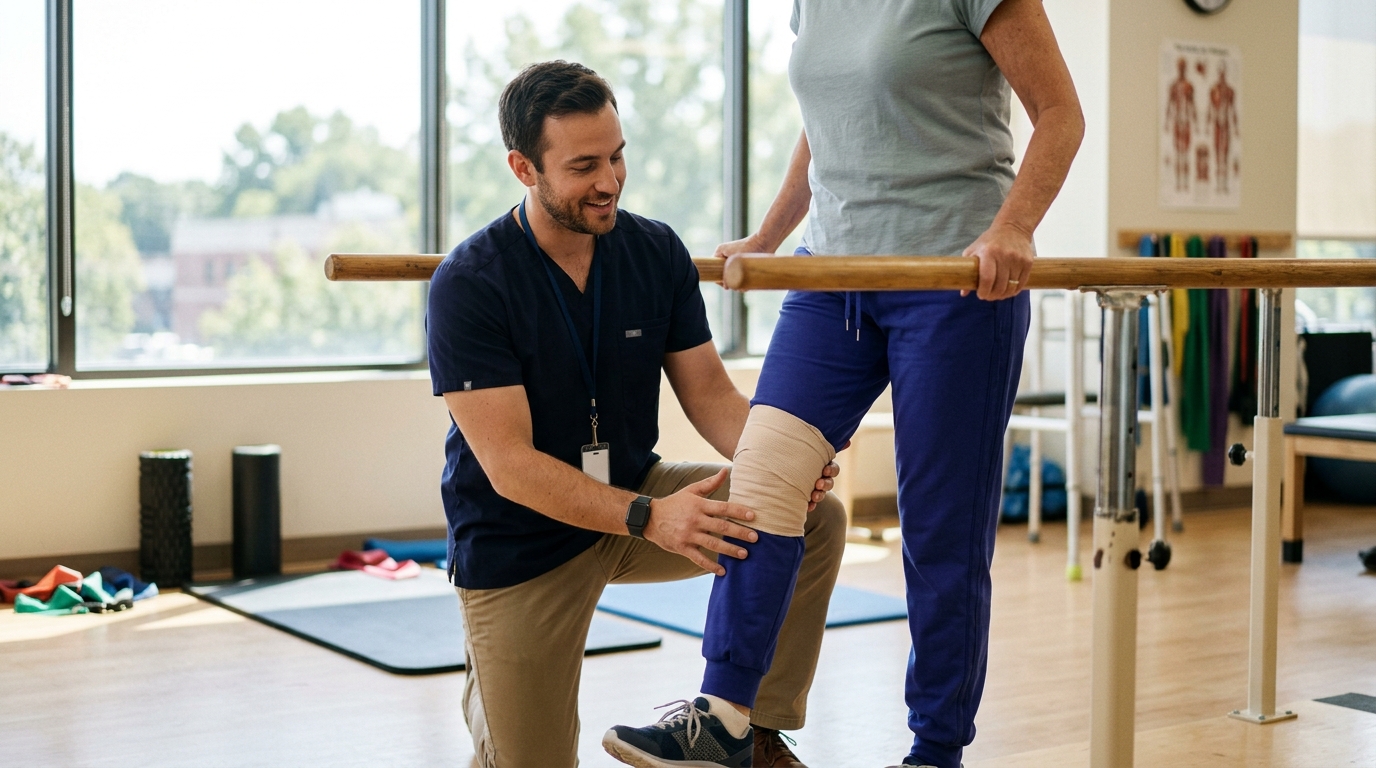
Adequate sleep, balanced daily nutrition, and well-managed physical therapy also provide necessary building blocks for tissue regeneration. Our guide to surgical recovery and comeback resources details how these structural factors coordinate across a complete rehabilitation plan.
Viewing recovery through this broader lens prevents oversimplified conclusions. If a complication occurs, it is usually the result of multiple interacting challenges rather than a single habit. Addressing smoking is valuable precisely because it is one of the few risk factors that you and your care team have the power to modify.
Stopping tobacco use during an injury recovery can feel daunting. Physical pain, disrupted routines, work absence, and emotional stress often increase the urge to use nicotine. Recognizing these emotional pressures is an important part of building a workable plan.
Clinical guidelines from major health organizations emphasize that quitting smoking is a medical goal best achieved with structured support rather than unassisted willpower. According to the Centers for Disease Control and Prevention, using behavioral counseling alongside approved cessation medications can more than double your chances of successfully quitting.
The World Health Organization recommends routine brief advice from health workers, lasting anywhere from 30 seconds to three minutes, as well as more intensive individual, group, or telephone counseling. Combining counseling with evidence-based medications provides the most reliable outcomes.
The Food and Drug Administration has approved several medications to help adults stop smoking:
These medications deliver controlled amounts of clean nicotine to ease withdrawal cravings without exposing your lungs to toxic smoke. They are available in several forms:
Clinical guidance frequently suggests combining a long-acting patch with a short-acting form, such as gum or lozenges, to manage both baseline withdrawal and breakthrough triggers.
For people who prefer not to use nicotine products, or for whom nicotine replacement is not recommended, non-nicotine oral medications are available through a healthcare provider:
Choosing the right approach requires an individualized conversation with a healthcare provider. The Centers for Disease Control and Prevention notes that individuals who are pregnant, breastfeeding, or managing specific medical conditions should consult their clinician before starting cessation medications.
In the United States, free support is accessible by calling 1-800-QUIT-NOW. This national network connects callers directly to state-based quitlines, which provide trained cessation coaches, practical quit plans, and frequently free or low-cost cessation medications shipped directly to your home. You can find additional lifestyle strategies to support your rehabilitation in our recovery, nutrition, and lifestyle resources.
Misunderstandings about tobacco and recovery can create unnecessary barriers to seeking help. Addressing these misconceptions openly makes it easier to engage with your care team.
A frequent belief is that years of smoking have already permanently altered the body, making quitting after an injury useless. While past smoking does influence baseline vascular health, the body begins physiological repairs shortly after your last cigarette.
Carbon monoxide leaves the blood within hours, improving oxygen transport to the injury site. Stopping at any point during your rehabilitation reduces cardiovascular strain and lowers your overall risk of post-injury infections.
Recovering from an injury or surgery is undeniably stressful, and many people rely on smoking to cope with anxiety. Some worry that the physical stress of nicotine withdrawal will harm their healing more than continuing to smoke.
Medical research does not support this concern. The temporary discomfort of withdrawal does not cause the severe vascular constriction and tissue hypoxia caused by active cigarette smoke. Working with a doctor to use approved cessation medications can smooth out withdrawal symptoms without compromising healing.
Many people hesitate to speak with their clinician because they fear being told they must stop immediately and permanently. While complete cessation remains the ultimate health goal, reducing daily use or exploring medical options is still valuable progress.
Health guidelines encourage clinicians to offer brief, supportive guidance even if a patient is not ready to set an immediate quit date. Recovery is a step-by-step process, and discussing your options creates a foundation for future success.
Clinicians ask about tobacco and nicotine use because the information is clinically relevant, not to judge or lecture their patients. Being open about your habits allows your surgical and rehabilitation team to create the safest possible treatment plan.
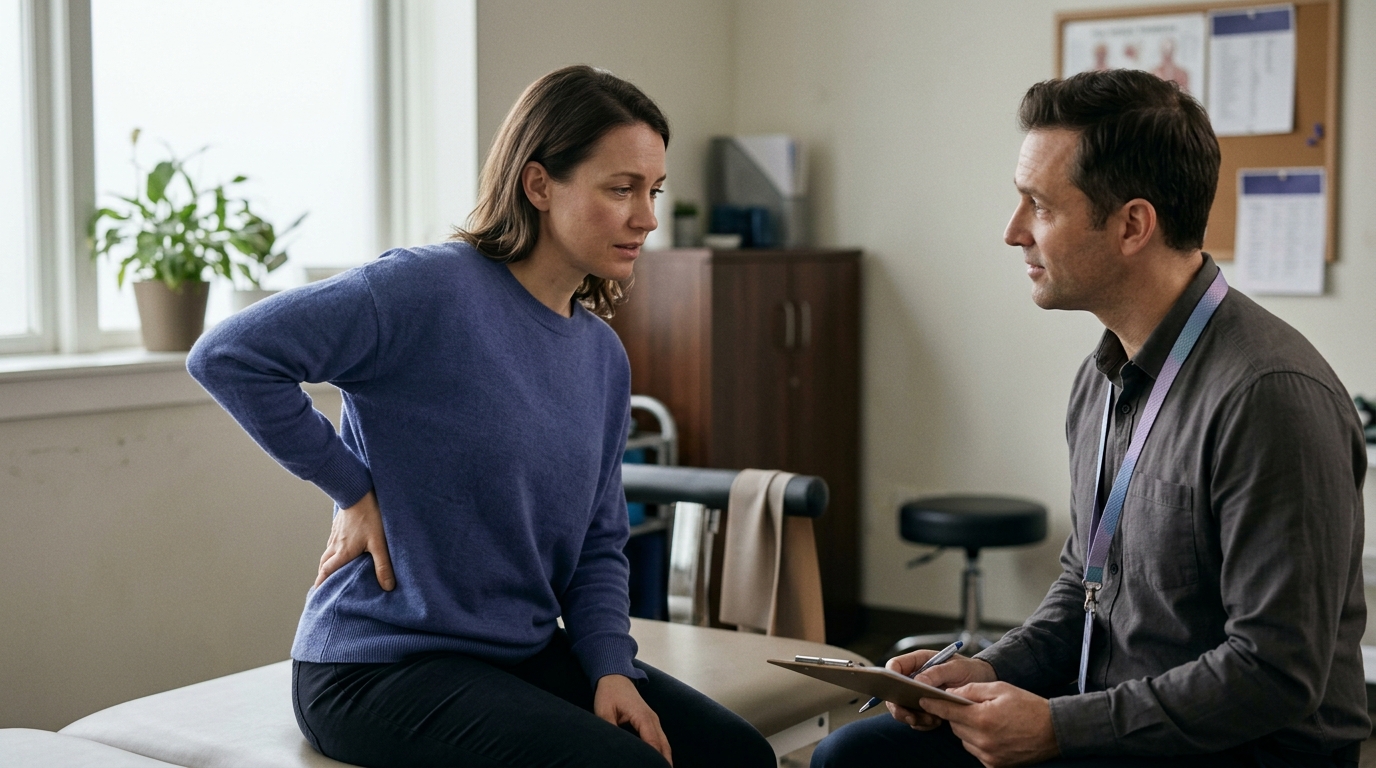
When talking with your orthopedic surgeon, primary care doctor, or physical therapist, consider using these practical questions to guide the conversation:
If you use e-cigarettes, cigars, hookah, or smokeless tobacco, mention those products specifically. Because these products deliver nicotine through different mechanisms, your care team needs accurate details to provide sound guidance.
Approaching these appointments as a collaborative dialogue helps you receive respectful, evidence-informed care tailored to your unique recovery needs. For additional patient-focused guides on managing physical rehabilitation, browse our comprehensive injury recovery and rehabilitation resources.
Navigating an orthopedic injury or surgical recovery requires balancing multiple moving parts, from physical therapy exercises to daily health habits. Cigarette smoking introduces clear biological challenges to blood flow, oxygenation, and cellular repair, raising the statistical risk of delayed healing and nonunion.
At the same time, smoking is a modifiable factor rather than a predetermined outcome. Your injury recovery depends on a broad collection of factors, including surgical stability, soft tissue health, infection control, and nutritional support.
Seeking nonjudgmental medical support and using proven cessation tools gives your body the best possible environment to rebuild strength and mobility over time.
Making informed, supported choices during your recovery helps create the physiological conditions your body needs to heal effectively.

Use ReboundBody resources to understand common recovery stages, rehab terms, movement limits and strength rebuilding. Each guide is designed to make a complex comeback easier to understand.


Read practical guidance on injury recovery, rehabilitation, mobility and rebuilding strength as you work your way back to activity.
Explore Resources