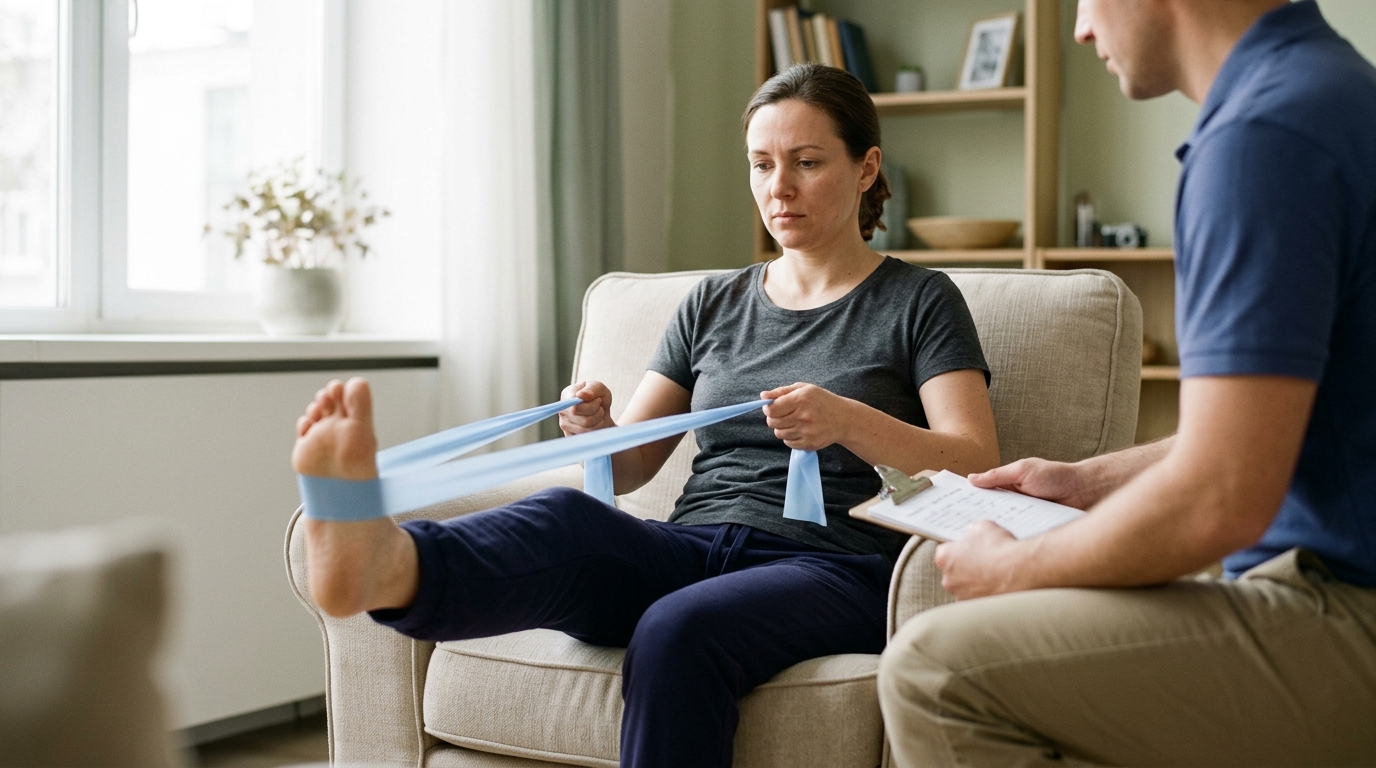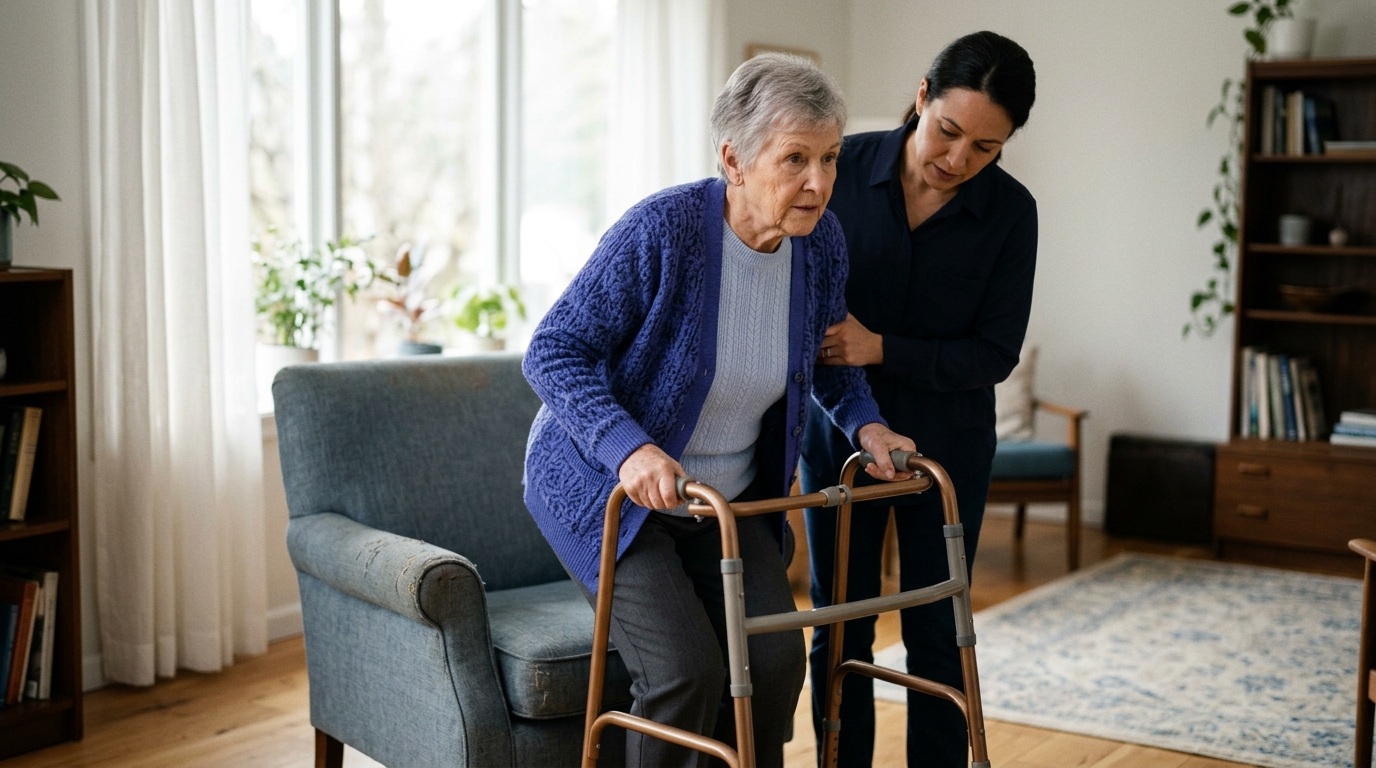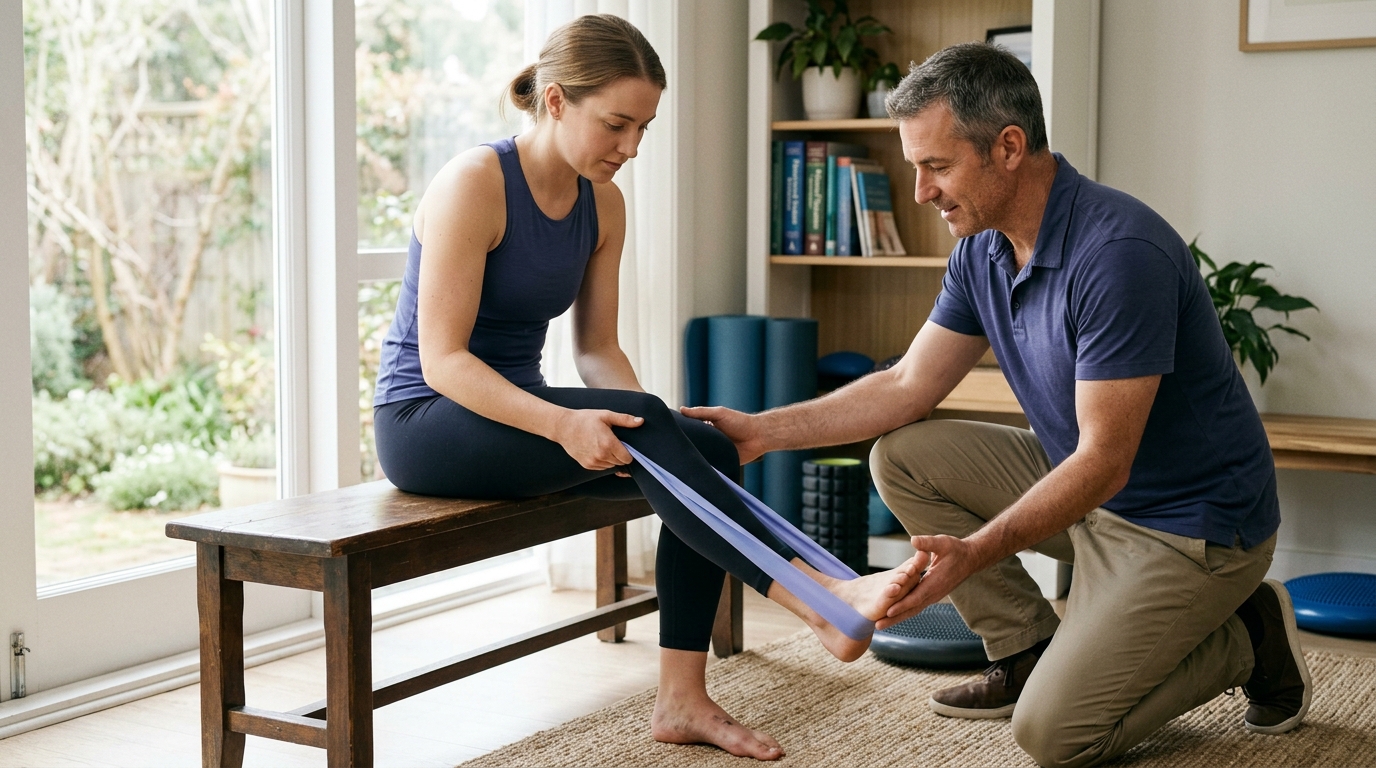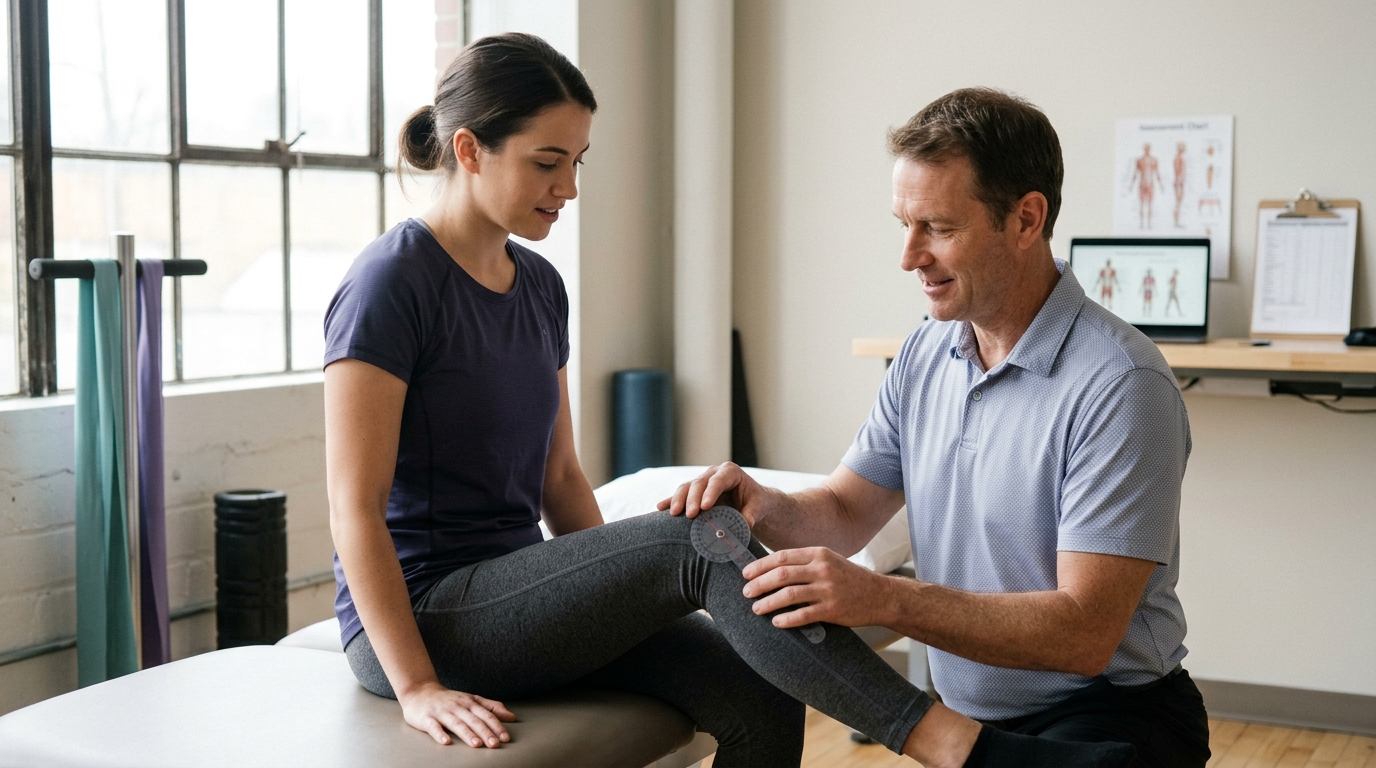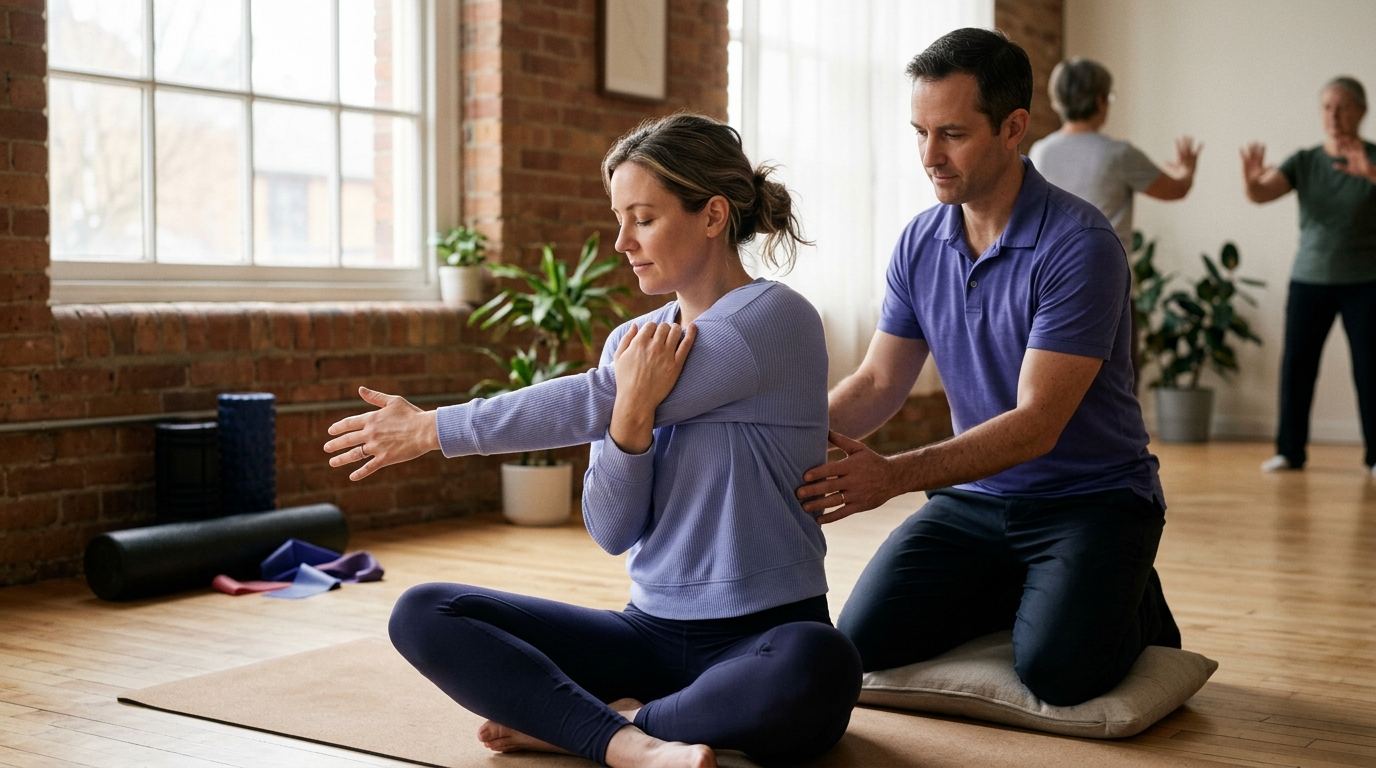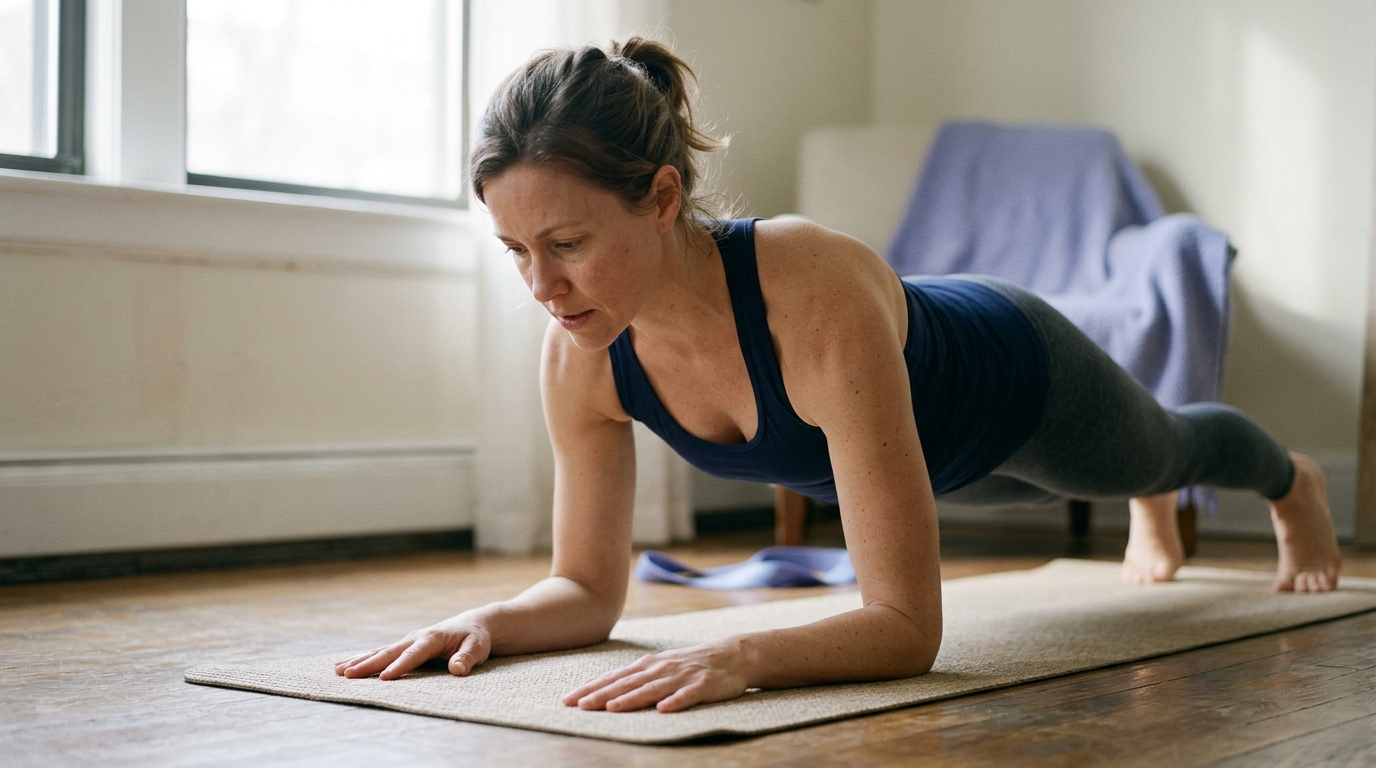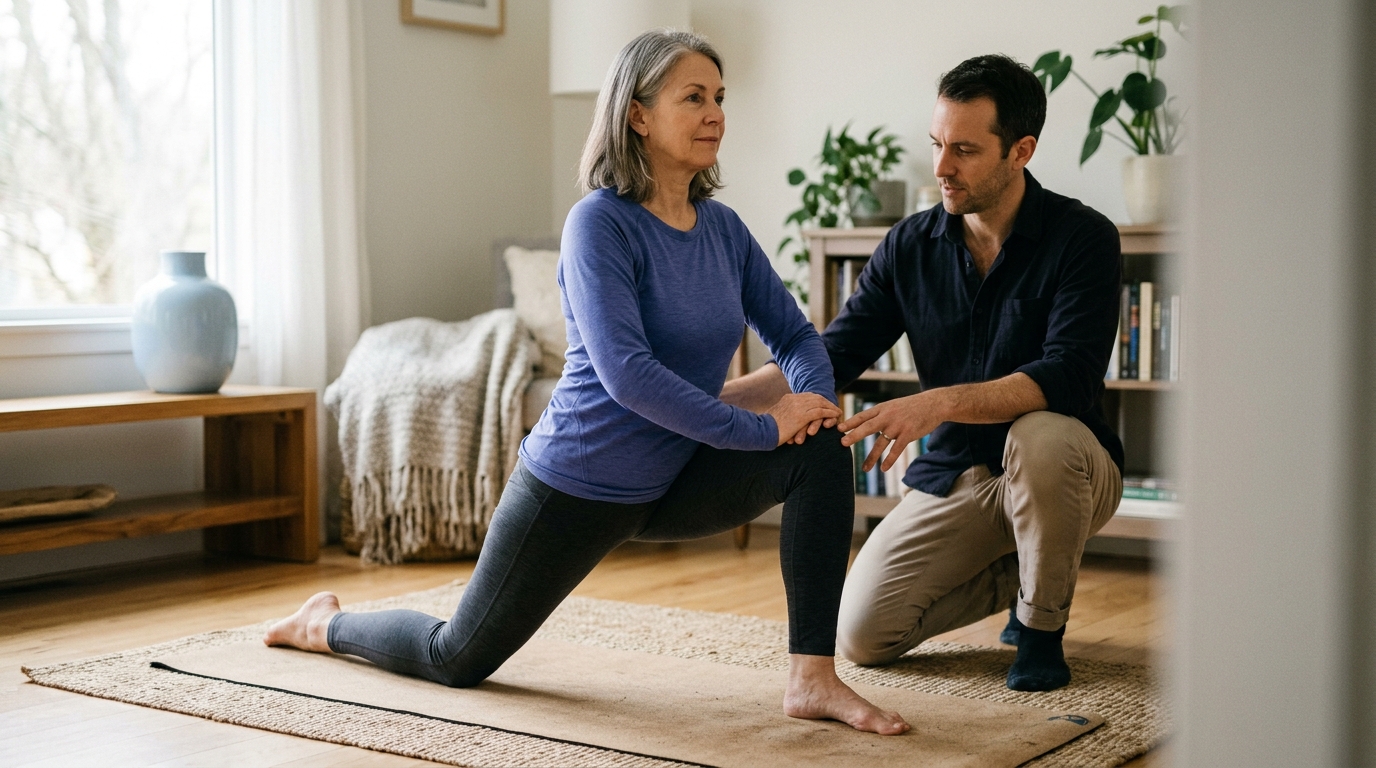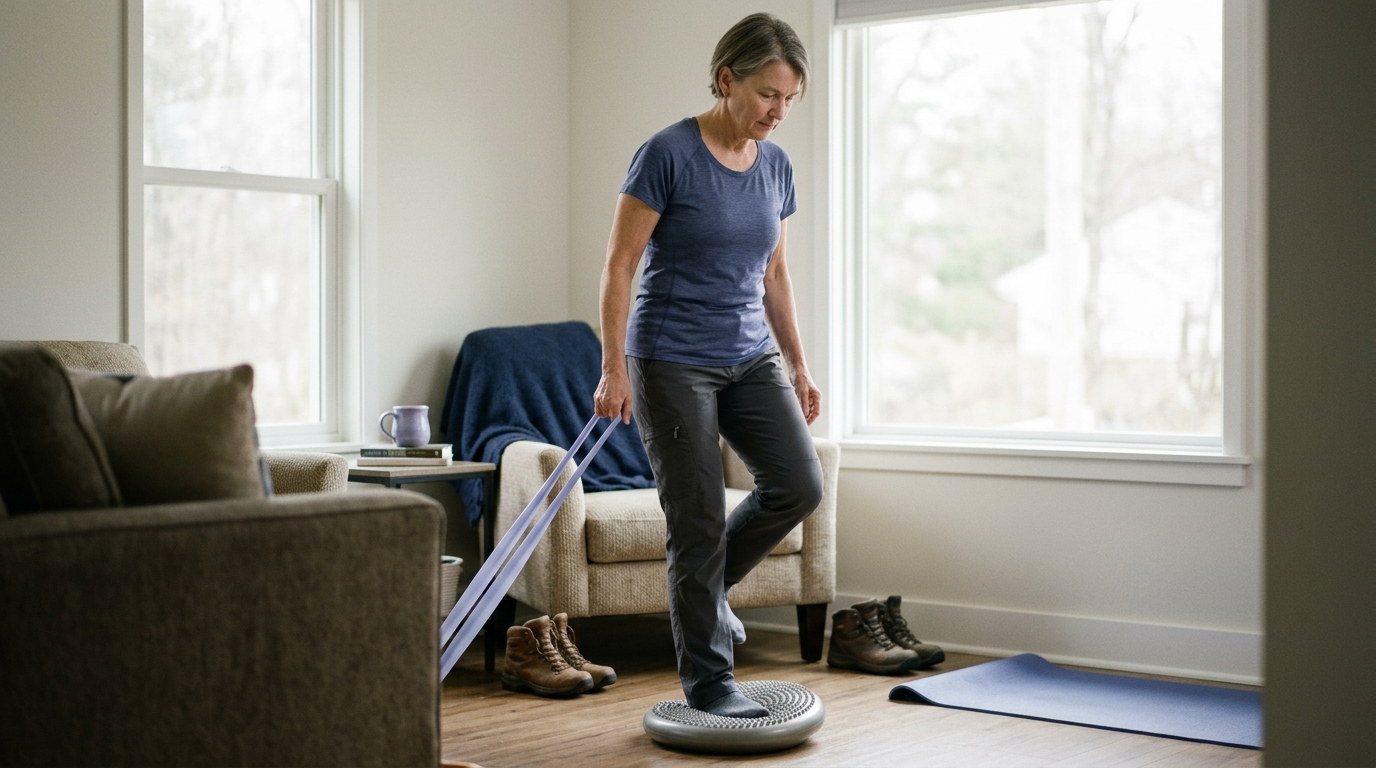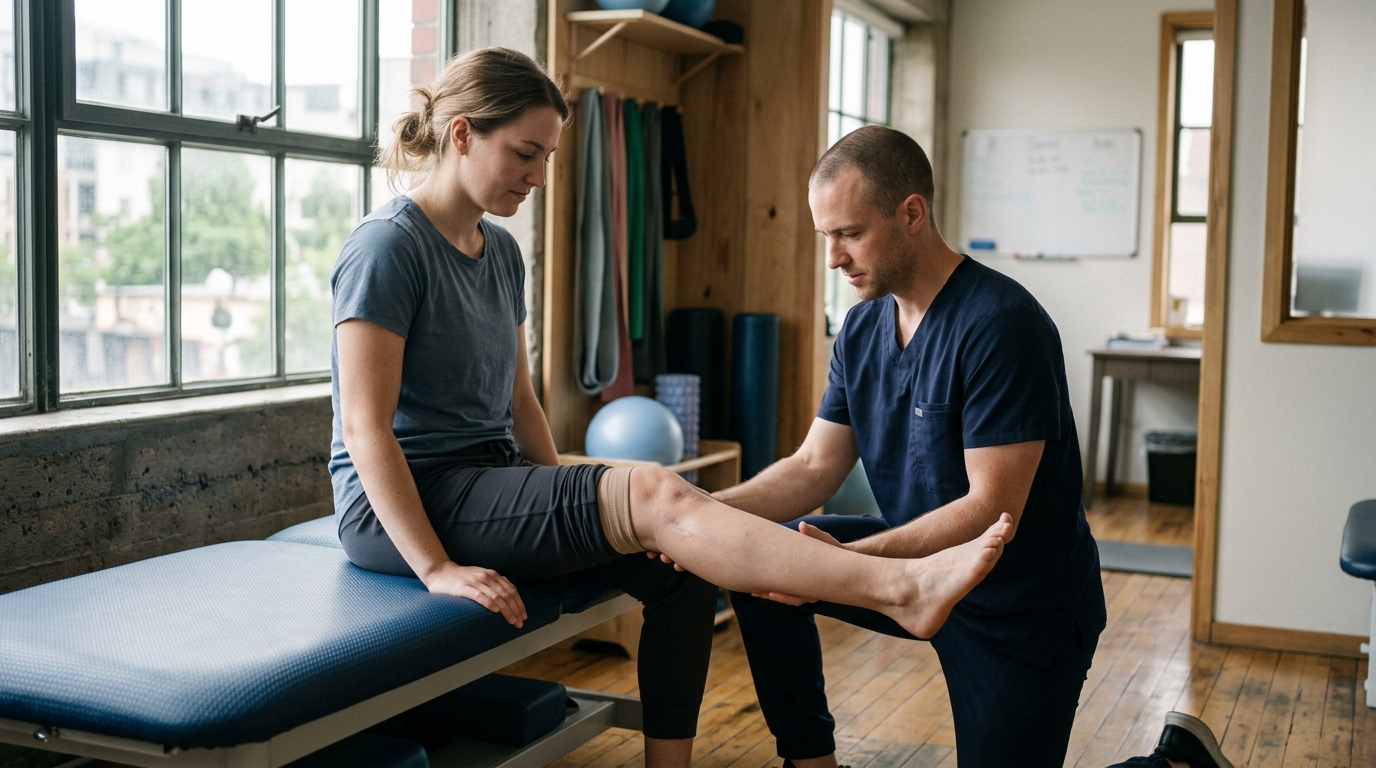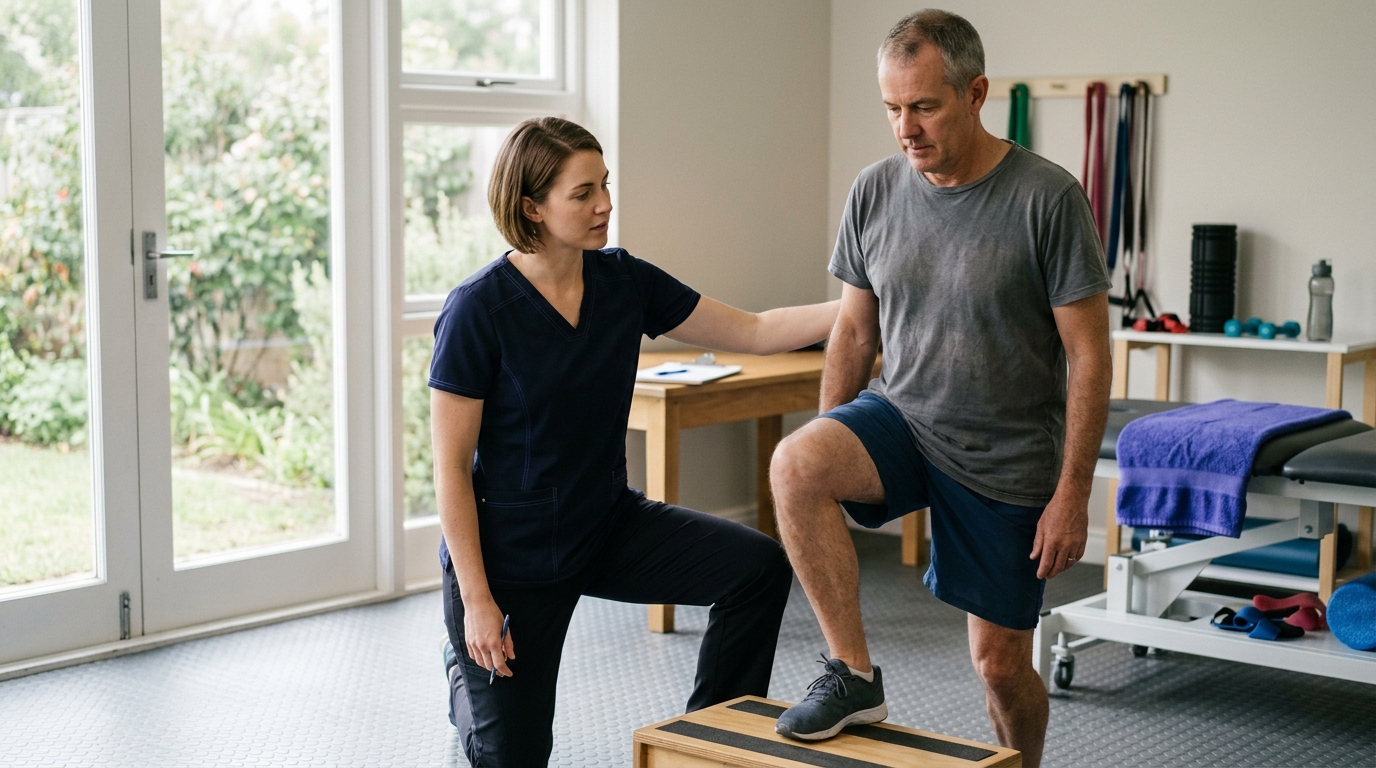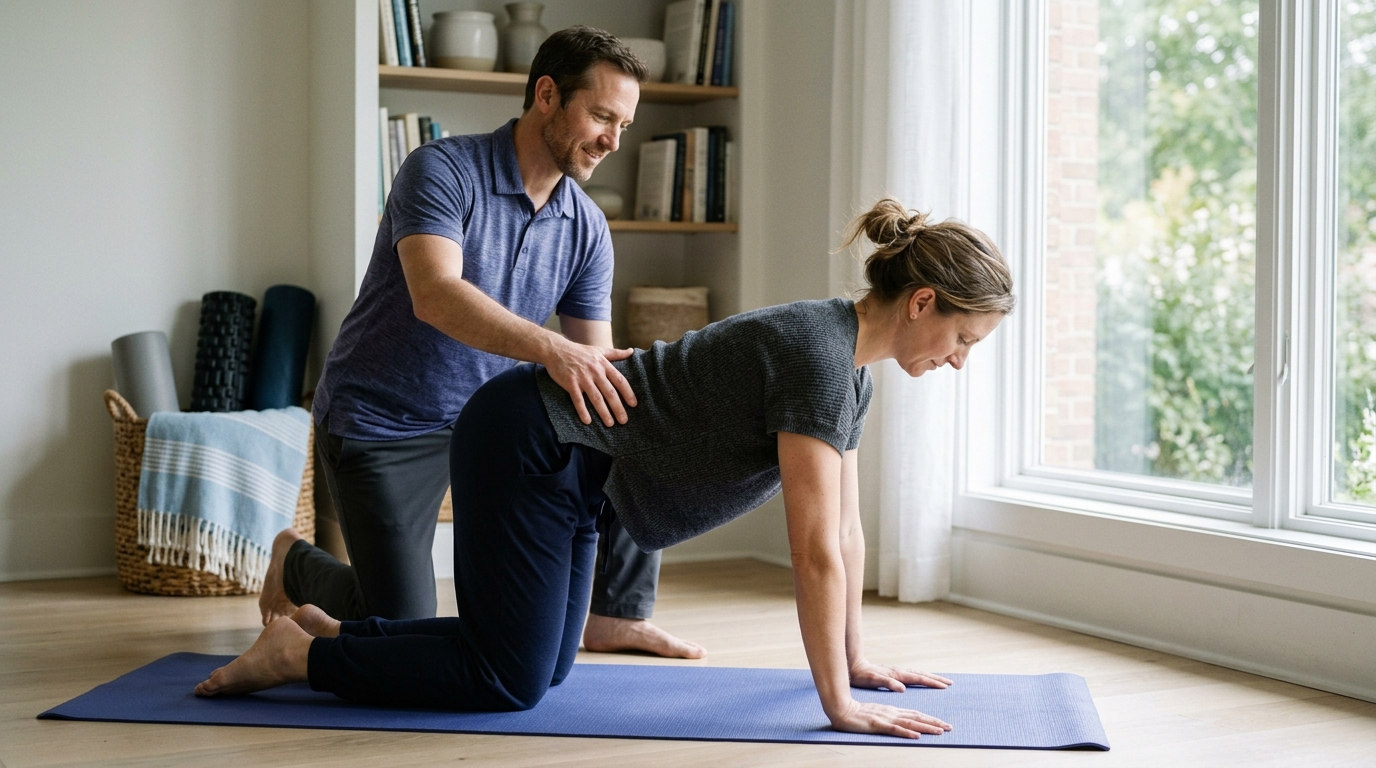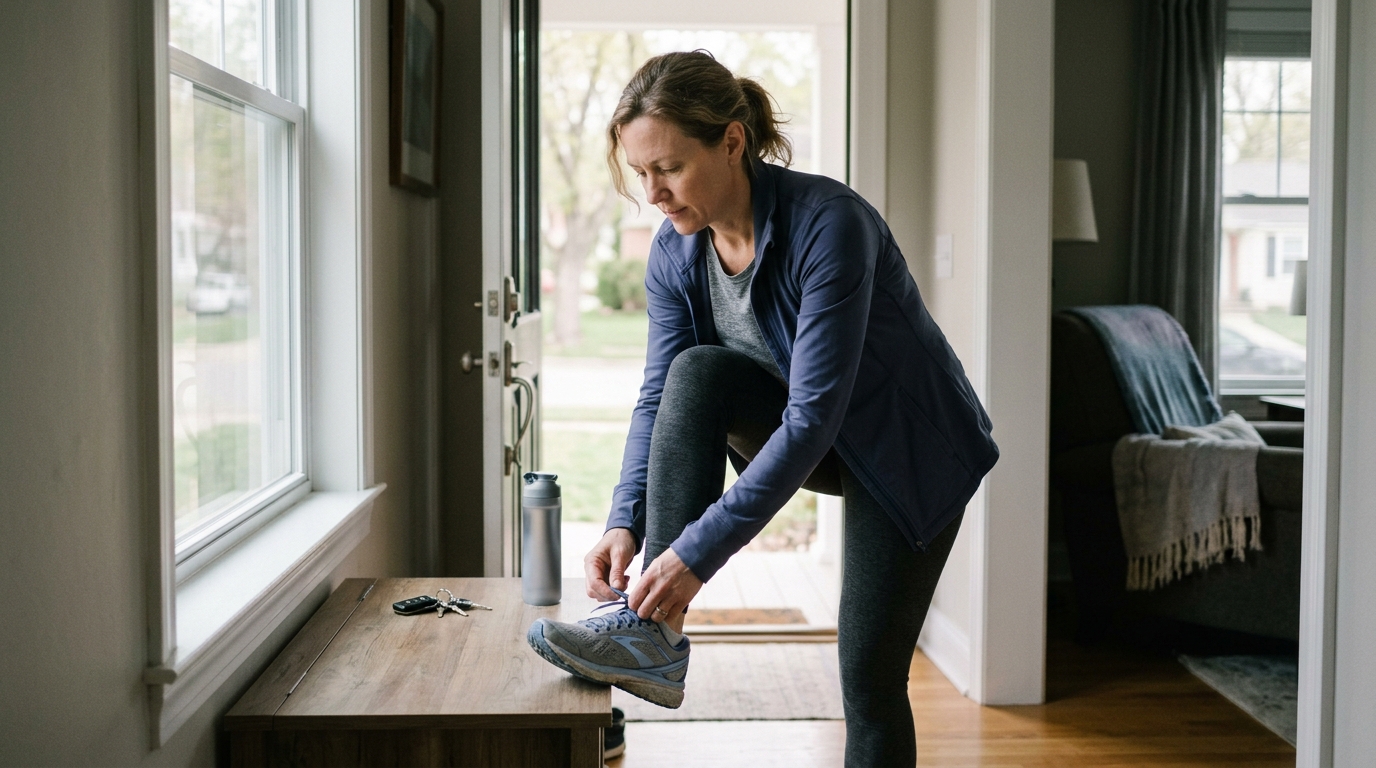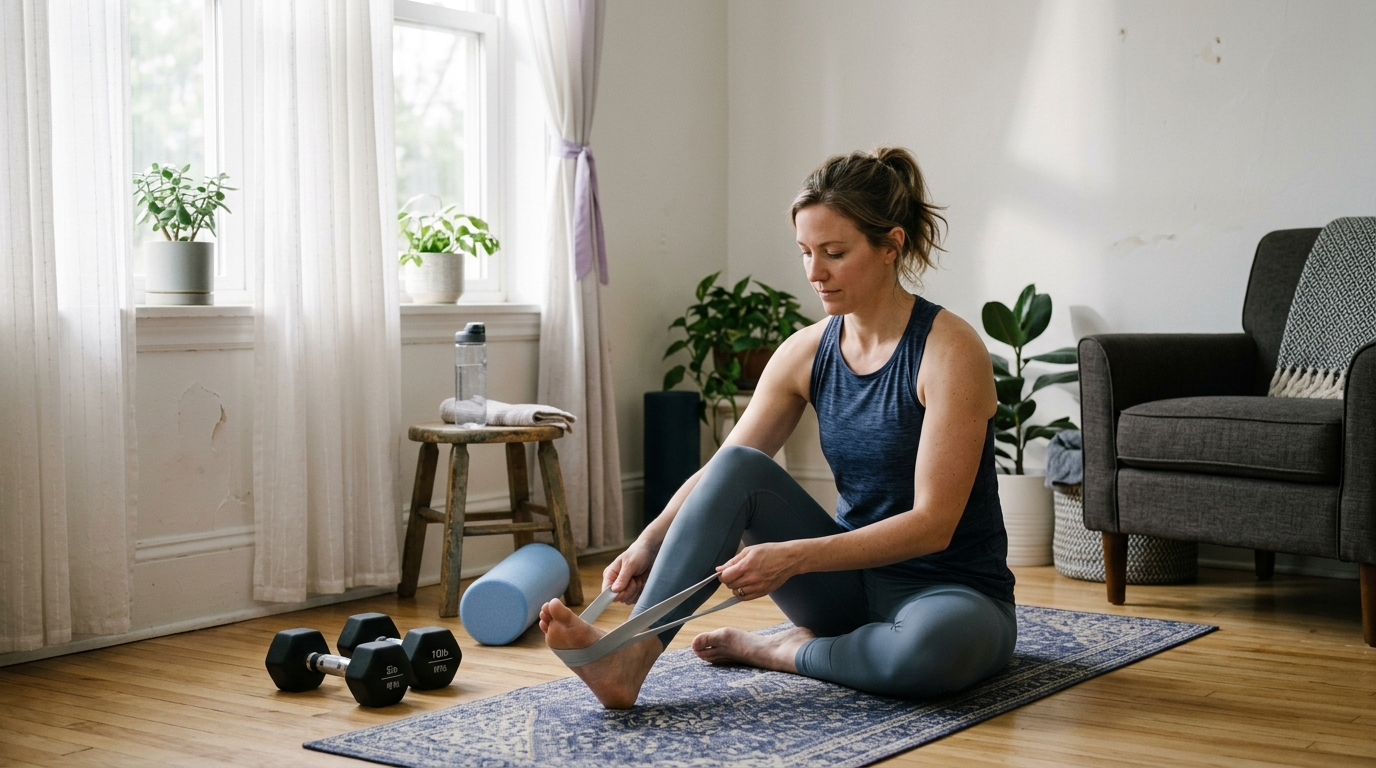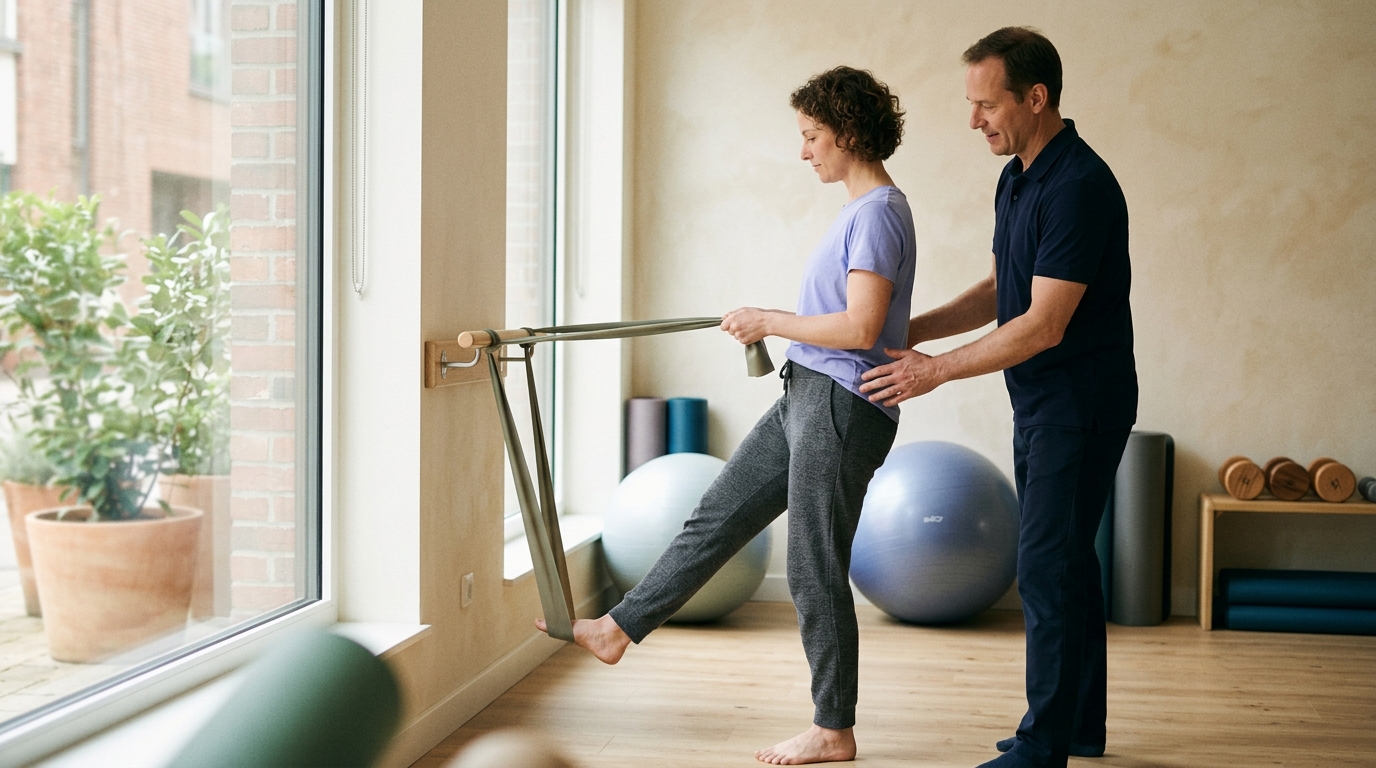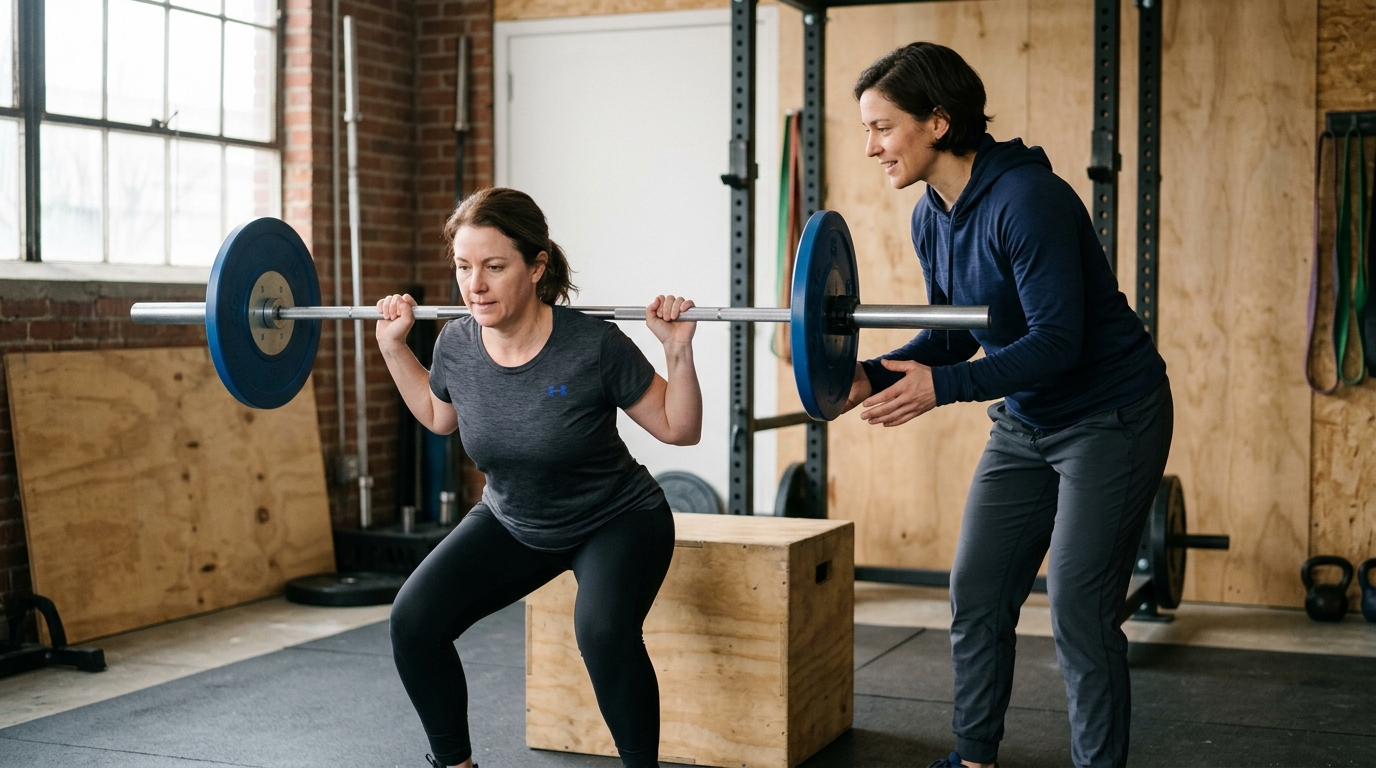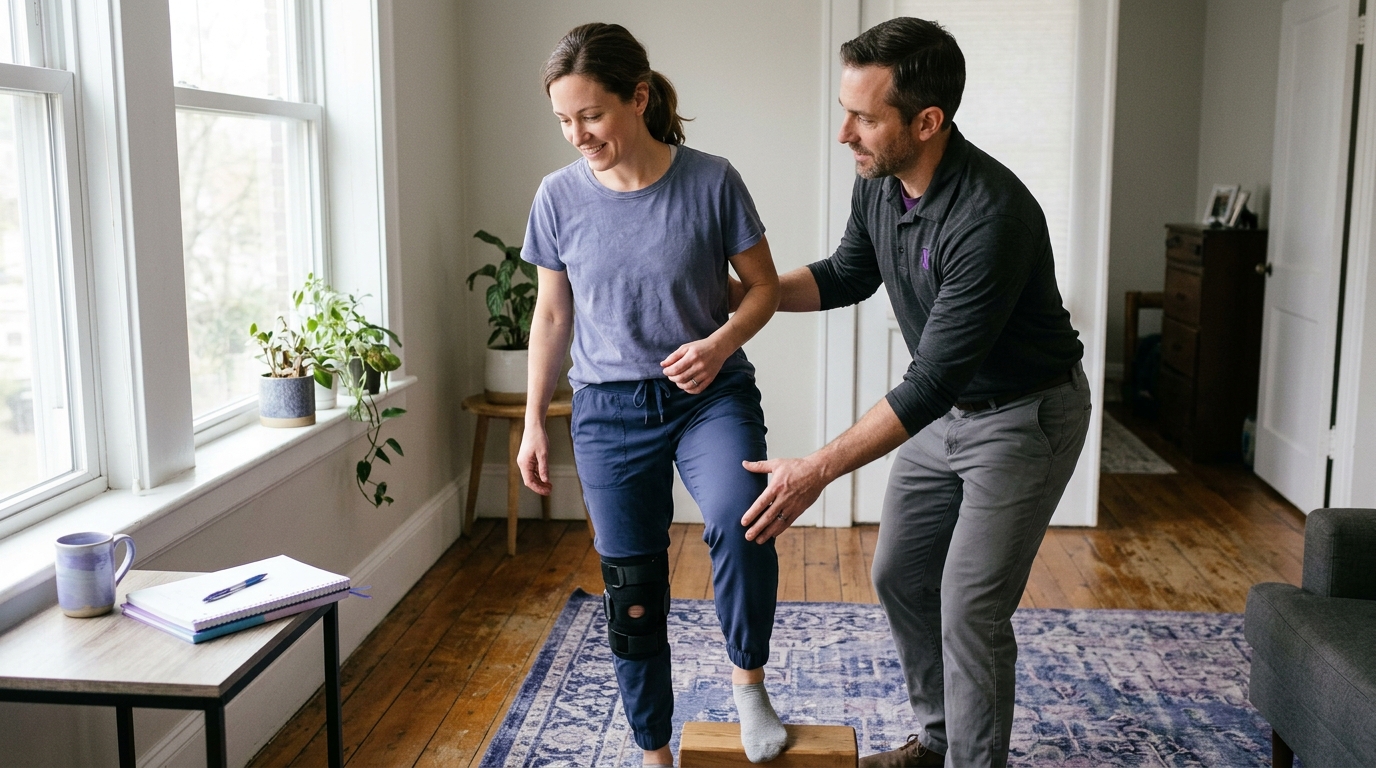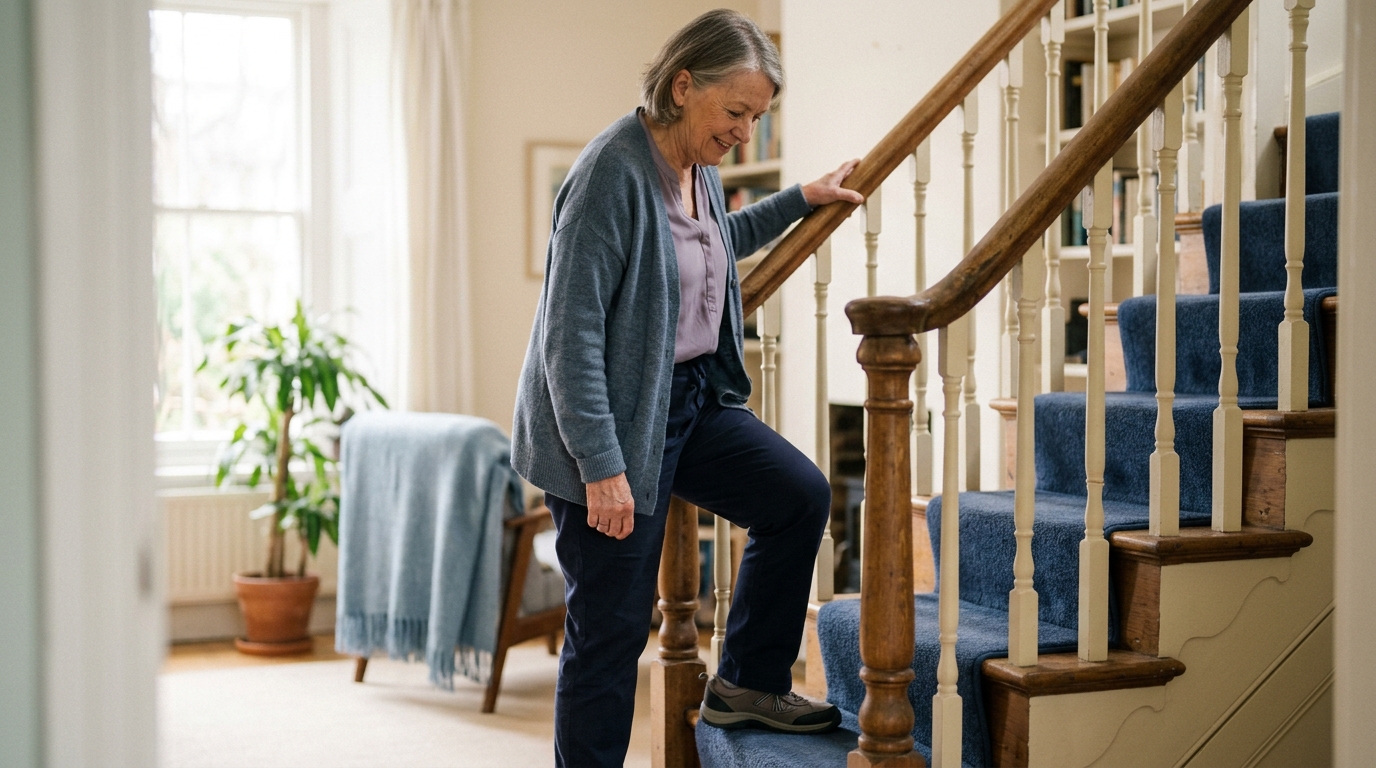

Three progressive activity steps help improve muscle power and joint mechanics so you can safely manage the demanding physical forces of everyday stair climbing.





Stair climbing is not just a simple test of leg strength. It is a complex physical task that requires joint power, dynamic balance, visual coordination, and environmental awareness. It is also not a test you pass or fail based on whether you touch a handrail or take steps one at a time.
Managing stairs comfortably is about matching your physical reserve to the demands of your daily environment. When life gets busy, fatigue sets in, or injuries occur, climbing or descending steps can suddenly feel demanding.
This guide provides a research-based breakdown of how your body negotiates stairs. It explains why ascent and descent place very different demands on your joints. It also outlines practical ways to build functional capacity, adjust your home environment, and recognize when physical changes warrant professional medical evaluation.
Walking across a flat room requires a predictable, rhythmic exchange of forward momentum. In contrast, moving up or down a staircase forces your body to lift or lower its entire weight against gravity on a narrow base of support.
Research comparing stair negotiation with level walking shows that stairs require substantially more work from your lower body. In laboratory studies, ascending stairs demanded between 84% and 163% more total joint work across the hip, knee, and ankle compared to walking on flat ground. Your knee extensors and calf muscles must generate significant force to propel your body upward to the next step.
Stair negotiation also requires operating much closer to your physical limits. In studies of healthy older adults, the knee-extensor effort required to climb stairs reached roughly 78% of maximum strength, compared to just 54% in younger adults. During descent, older adults used approximately 88% of their available knee strength, compared to 42% in younger participants.
When a daily movement requires a high percentage of your maximum capacity, you have less reserve left over. Reserve capacity is the safety margin between what a task demands and the maximum effort you can produce. If an unexpected trip, a misstep, or a moment of fatigue occurs when you are already working near your physical limit, recovering your balance becomes much harder. Building lower-body strength and joint mobility helps widen this reserve margin.
Many people assume that ascending stairs is the hard part and descending is easy. Biomechanical research reveals that ascent and descent are two distinct physical challenges that place unique stresses on your muscles and joints.
Ascending stairs is primarily a concentric task. Your muscles must actively shorten to generate upward power and raise your center of mass against gravity.
The most demanding moment during ascent occurs during the pull-up phase. As your lead foot plants on the higher step, your front quadriceps and gluteal muscles must contract forcefully to pull your body weight up and over the stance leg. At the same time, the calf muscles on your trailing leg produce ankle power to assist with push-off. Power deficits in the knee during this pull-up phase are a common reason people feel heavy or stuck when climbing stairs.
Descending stairs is primarily an eccentric task. Your muscles must lengthen under tension to act as shock absorbers, controlling the downward pull of gravity and preventing your body from dropping too quickly.
During descent, your lead leg reaches down into open space while your trailing leg supports your entire body weight in single-leg stance. That trailing quadriceps muscle must slowly lengthen under a heavy load to lower you smoothly. Studies show that healthy older adults often use a greater proportion of their available knee-extensor strength during descent than during ascent. Deficits in ankle and knee power during the early single-stance phase of descent can make lowering the body feel unsteady or uncomfortable.
Descent also carries a higher psychological challenge. Looking down a flight of steps requires clear depth perception and visual confidence. Because gravity accelerates your body downward, a loss of balance during descent carries a higher risk of injury, which often leads to understandable caution or hesitation. Understanding these distinct mechanics can help you choose the right rehabilitation and movement strategies for your specific needs.
When evaluating movement, people often focus entirely on basic muscle strength. Basic strength is the total amount of force your muscles can produce against resistance. However, research into stair performance highlights the critical role of muscle power.
Muscle power measures how quickly your muscles can produce force. A person might possess enough baseline strength to stand up from a chair, yet struggle with stairs because their muscles cannot generate force fast enough. In studies evaluating older adults during floor-to-stair transitions, individuals with higher functional ability demonstrated higher peak forces and faster rates of loading and unloading during ascent.
Power deficits in the lower limbs directly affect your ability to recover from a stumble. If your foot catches on the edge of a step, your hip and knee extensors must fire instantly to stabilize your body. When the rate of force development slows down, your nervous system has a narrower window of time to prevent a fall.
Laboratory studies offer valuable insight into these force demands, but they do not provide a universal home assessment tool. Biomechanical trials use specific step heights, strict laboratory pacing, and specialized force plates. In daily life, your stair performance is shaped by overall physical condition, fatigue levels, sensory feedback, and the specific layout of the stairs you use.
Your ability to climb or descend stairs safely changes from day to day based on the interaction between your body and your surroundings. Clinical guidelines emphasize looking at both internal physical capacity and external environmental factors when assessing mobility.
Stairs are rarely identical. Differences in construction, lighting, and surface texture alter the physical demands of every flight:
Laboratory tests measure what your body can do under ideal, rested conditions. Real life introduces variables that drain your reserve capacity:
Addressing these everyday variables through sensible injury prevention and staying active principles is just as important as performing physical exercises.
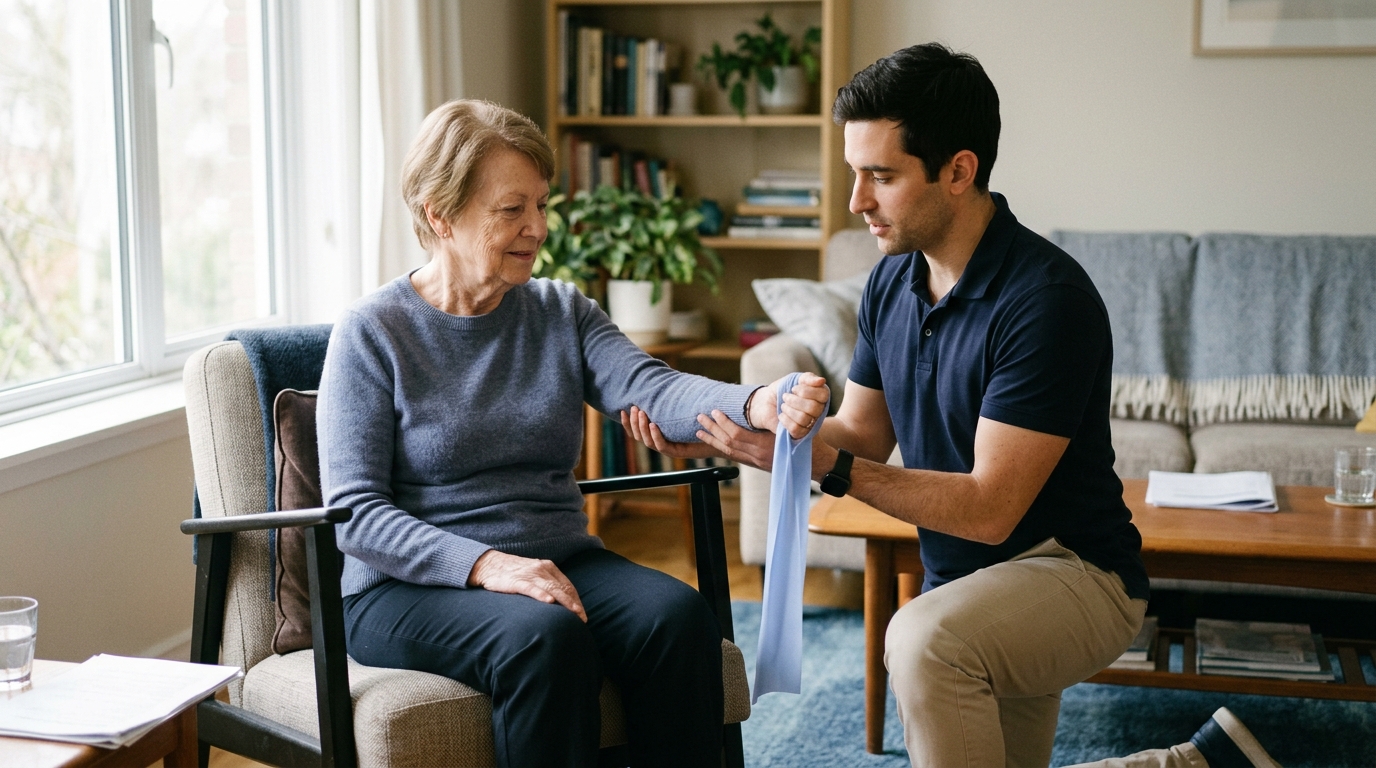
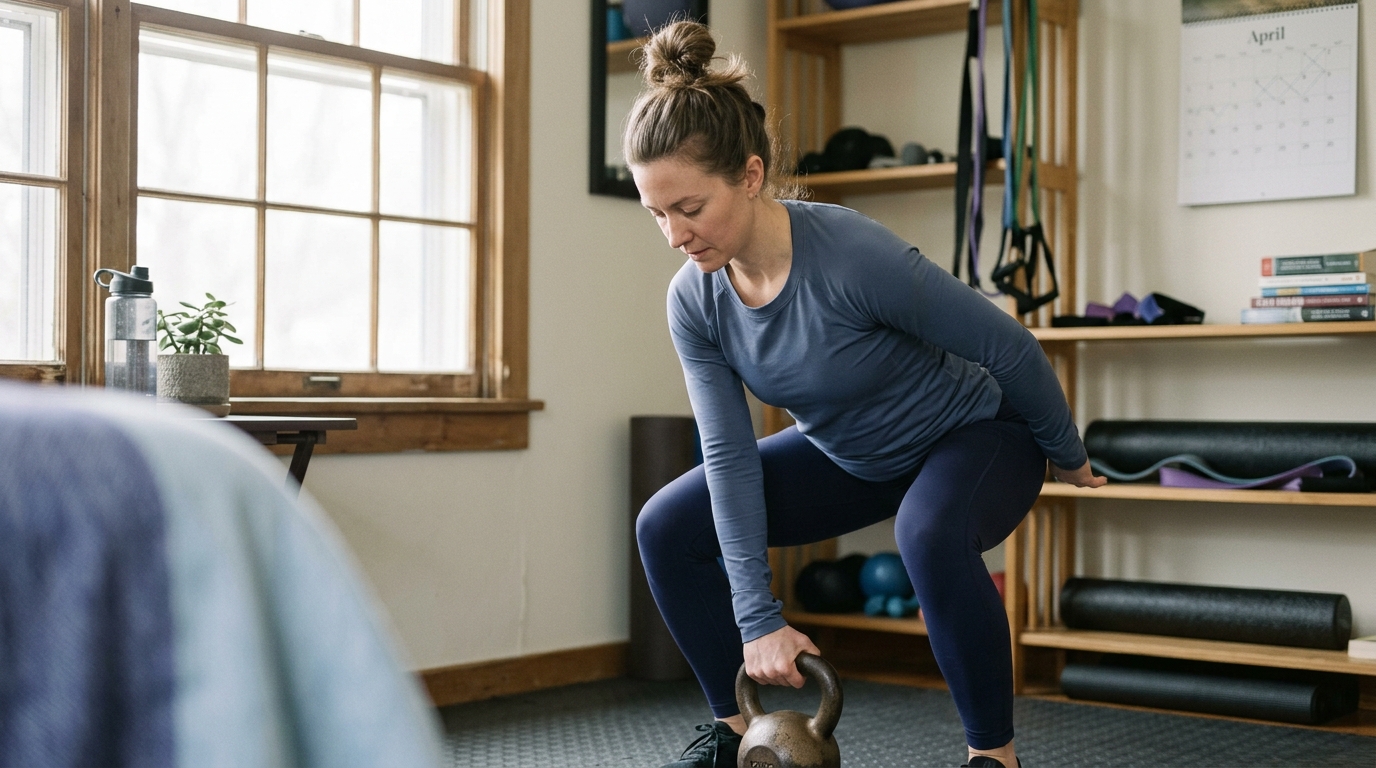
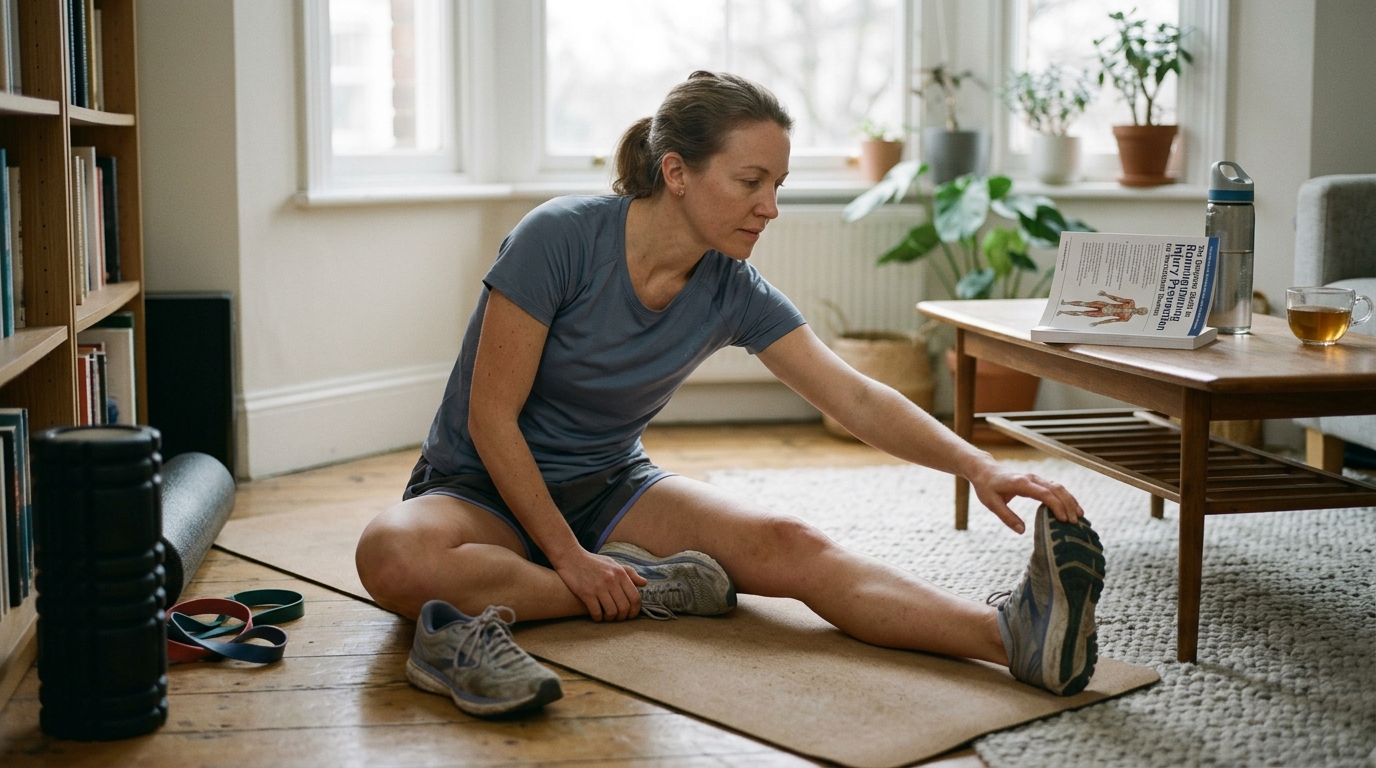
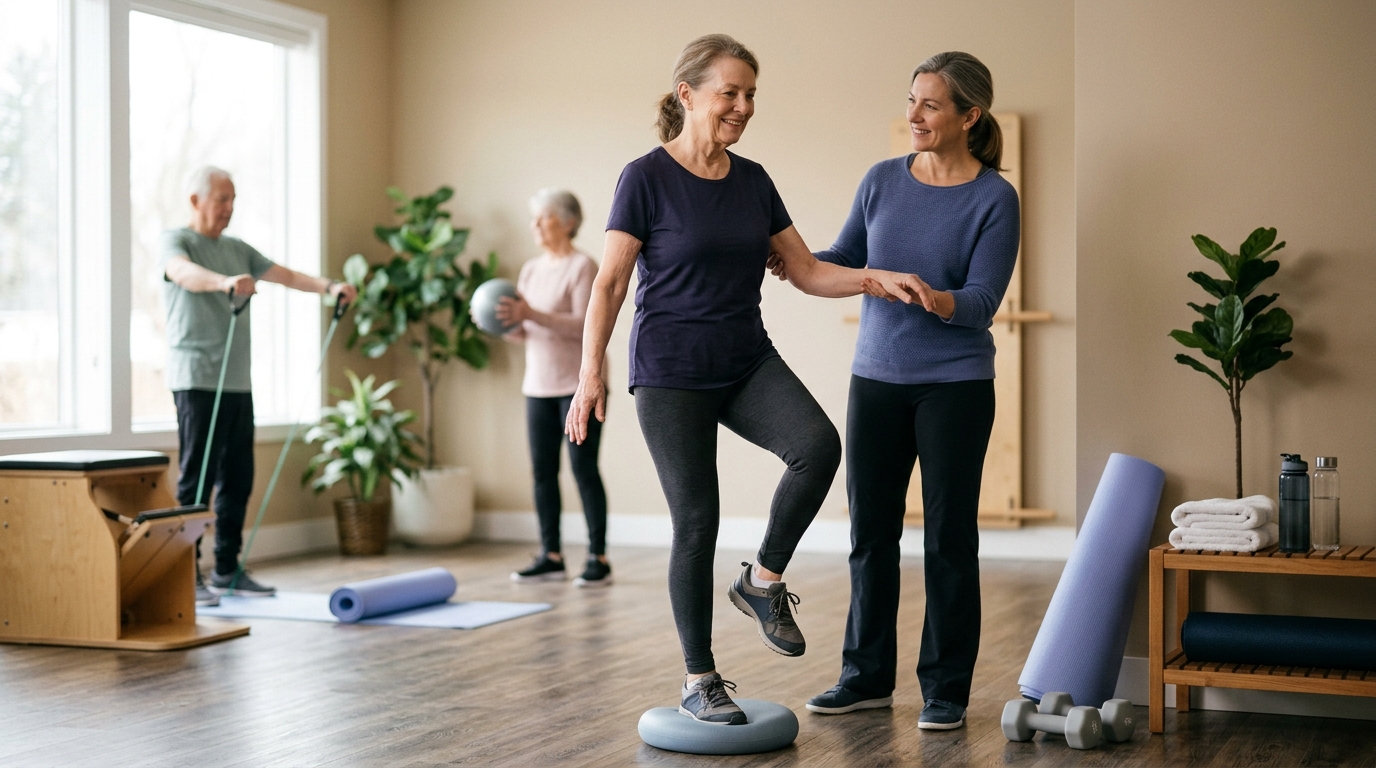
Building the capacity to handle stairs comfortably does not require aggressive workouts. It relies on consistent, progressive movement that challenges your muscles and balance in a safe environment.
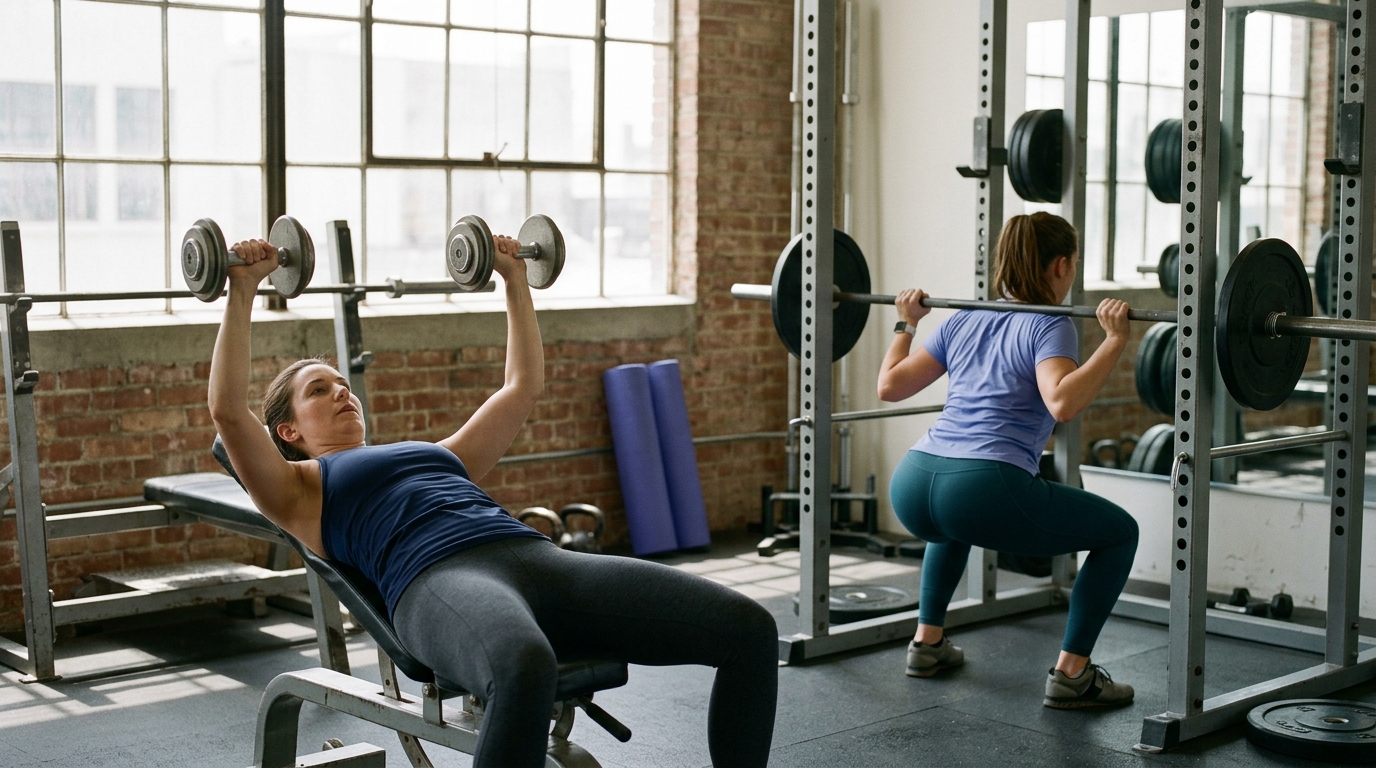
The World Health Organization recommends that adults participate in muscle-strengthening activities involving all major muscle groups at least two days per week. For older adults, the guidelines also emphasize varied multicomponent physical activity that focuses on functional balance and strength at least three days per week. Professional resistance training frameworks support gradually increasing exercise volume, intensity, and complexity over time.
Below is an illustrative progression framework designed to show how stair capacity can be built step by step. This framework is an educational model, not an individualized medical prescription.
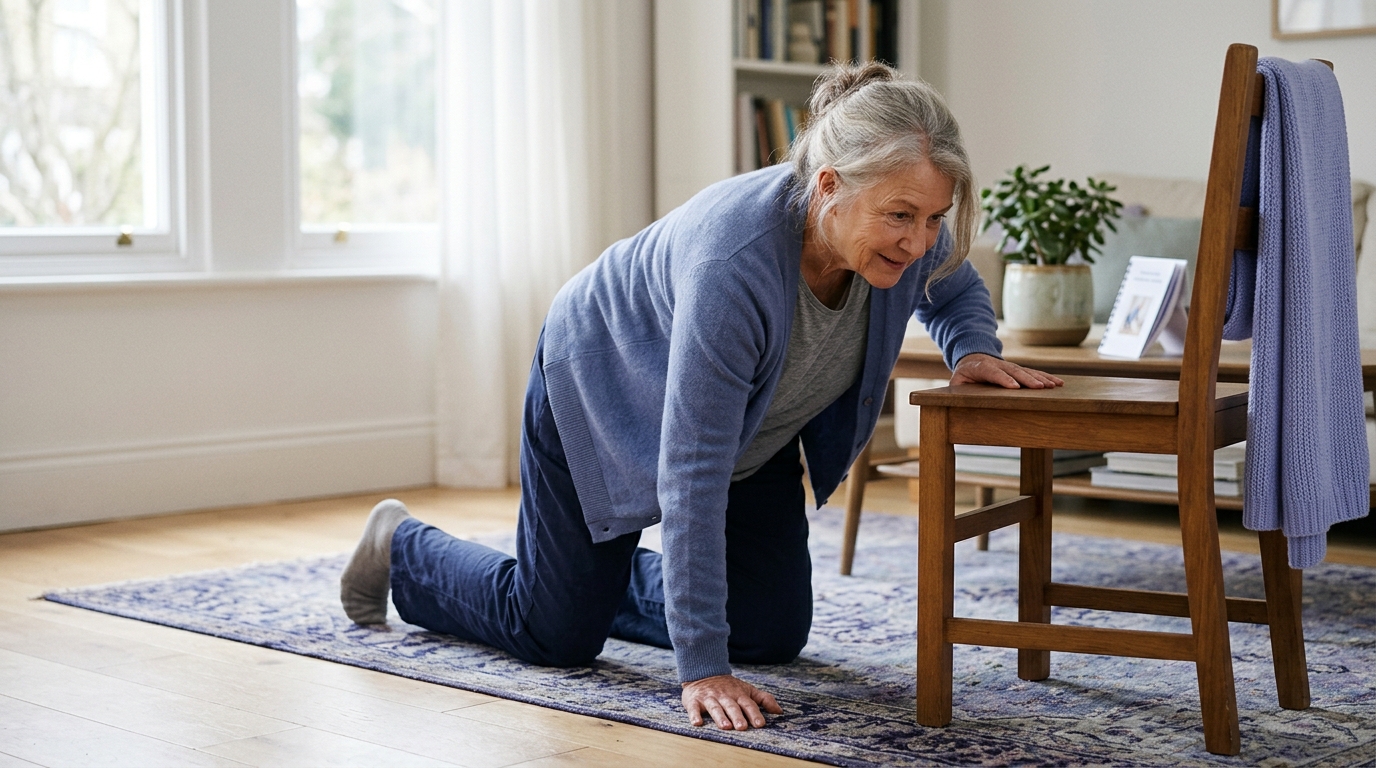
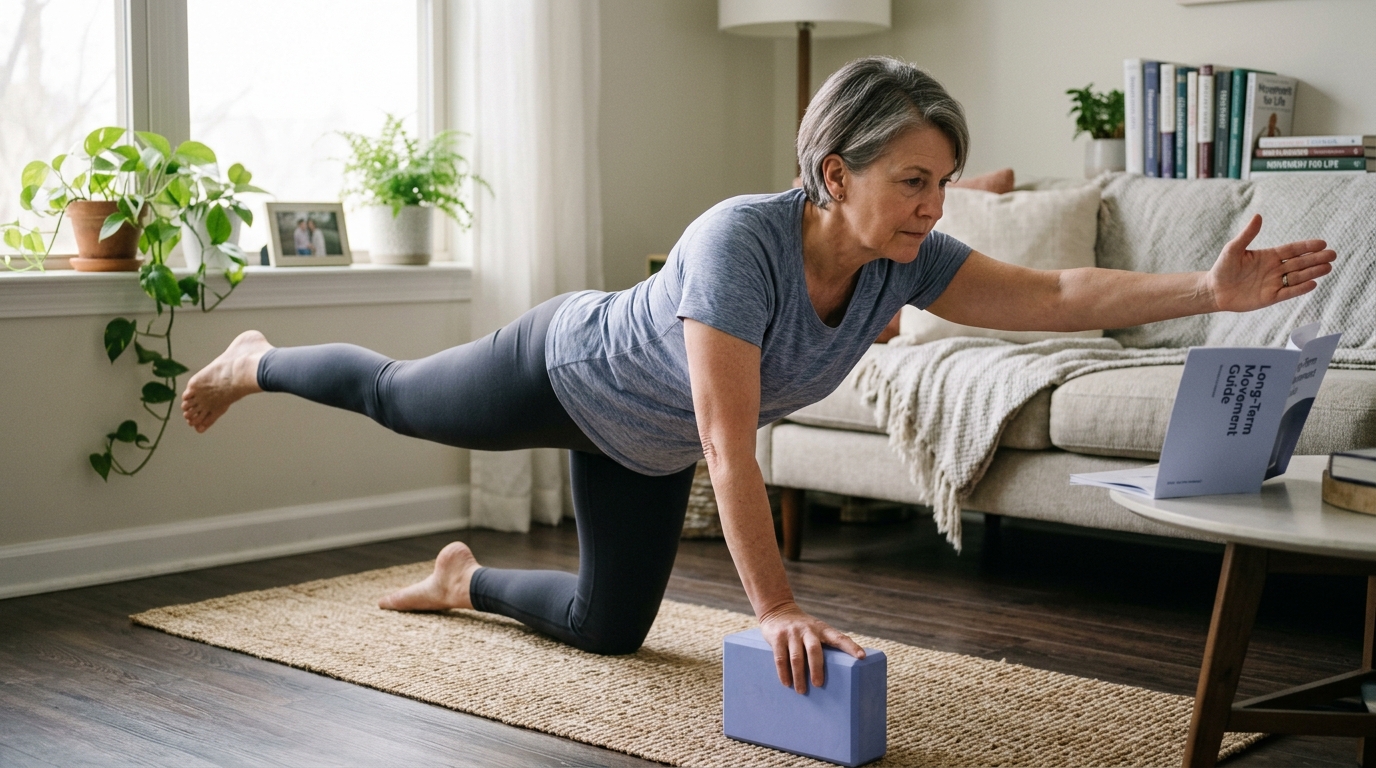
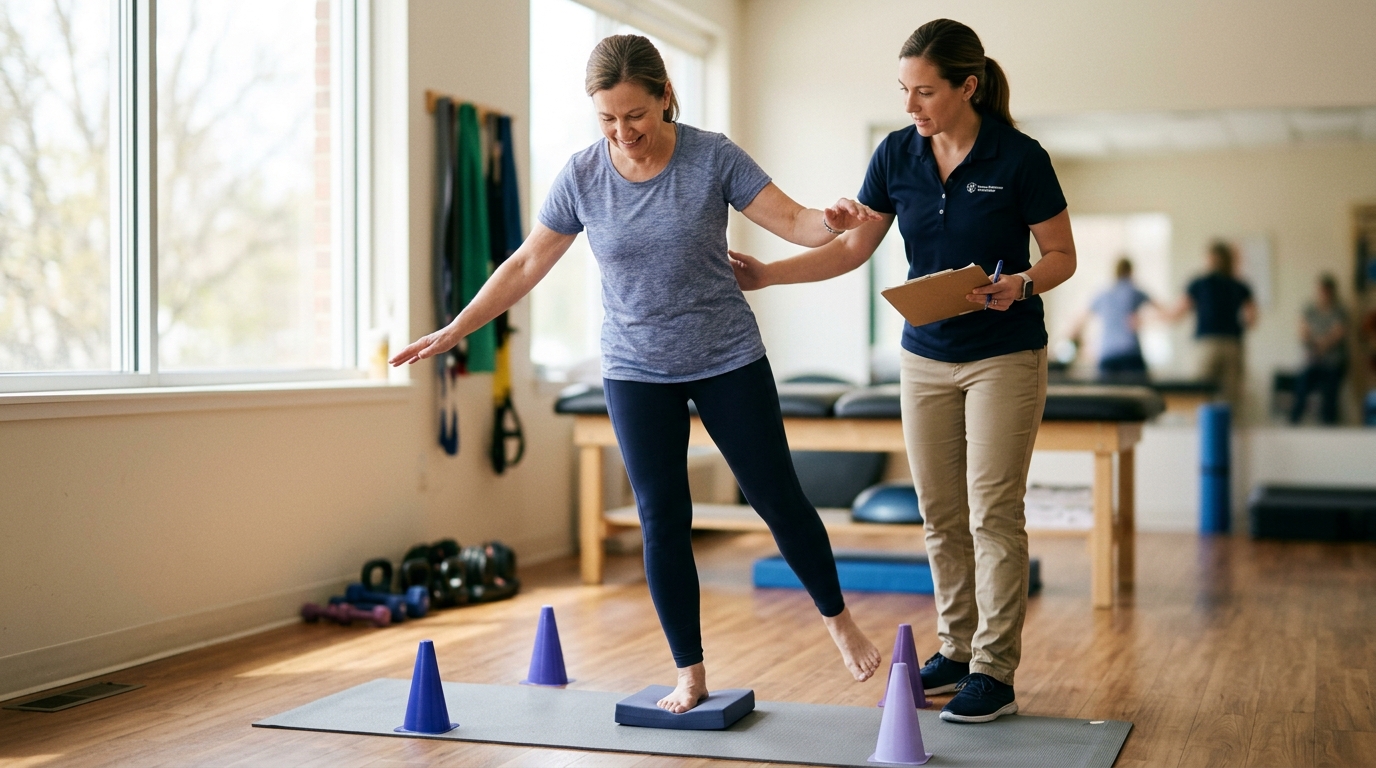
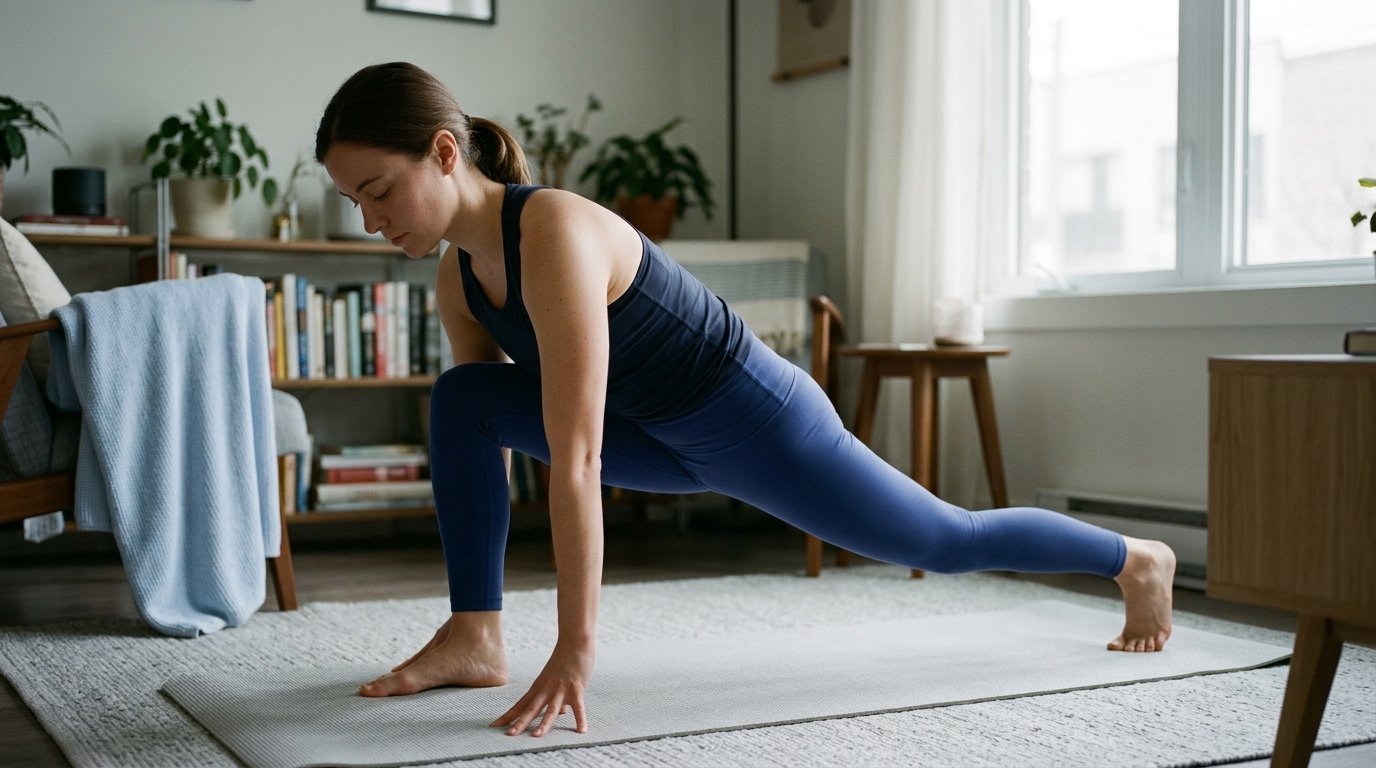
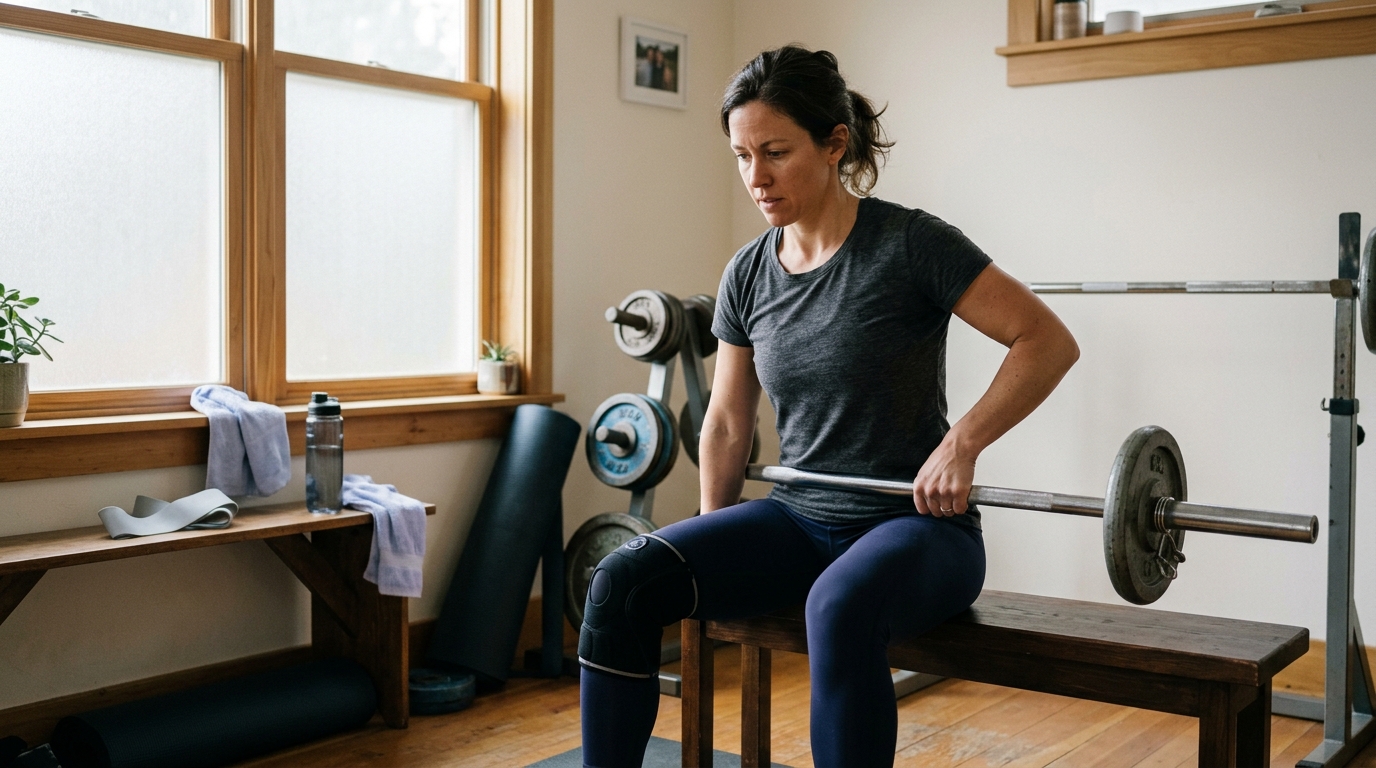
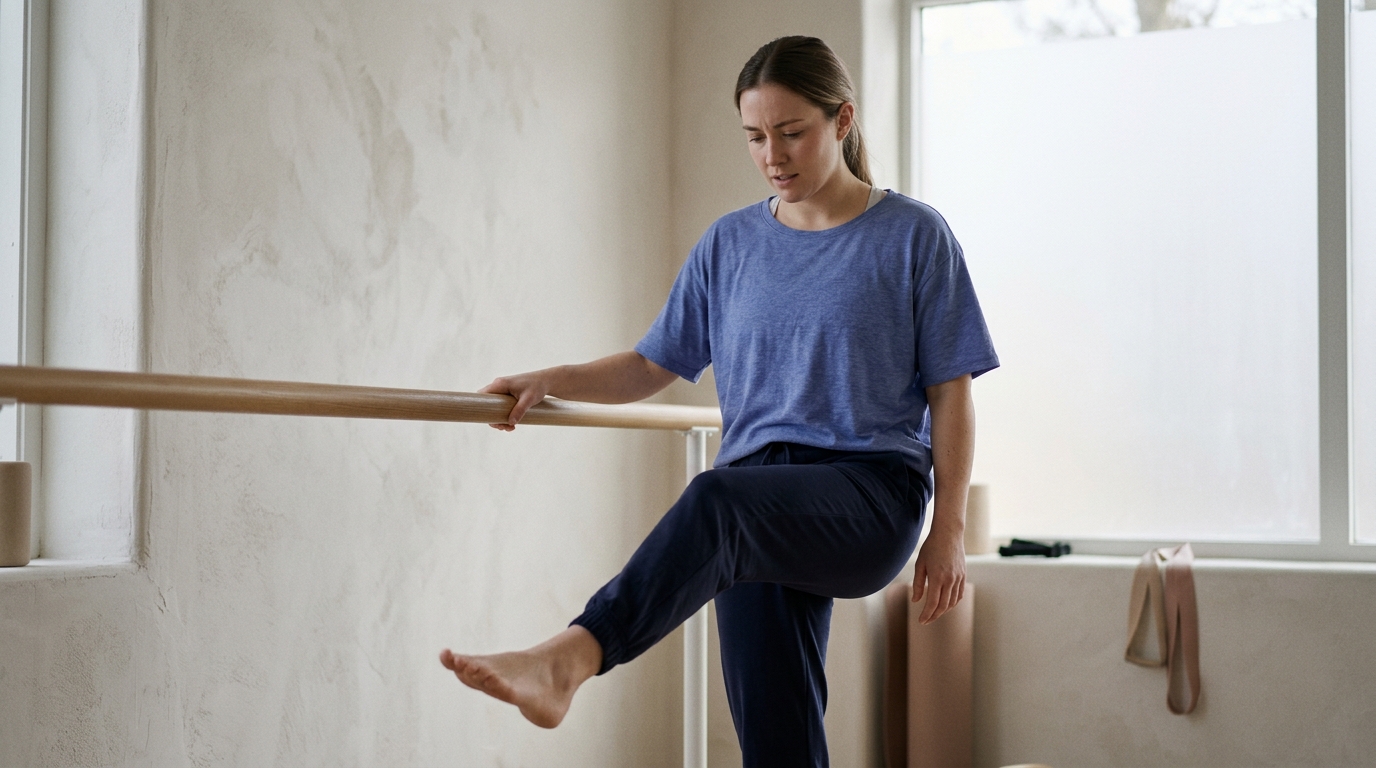
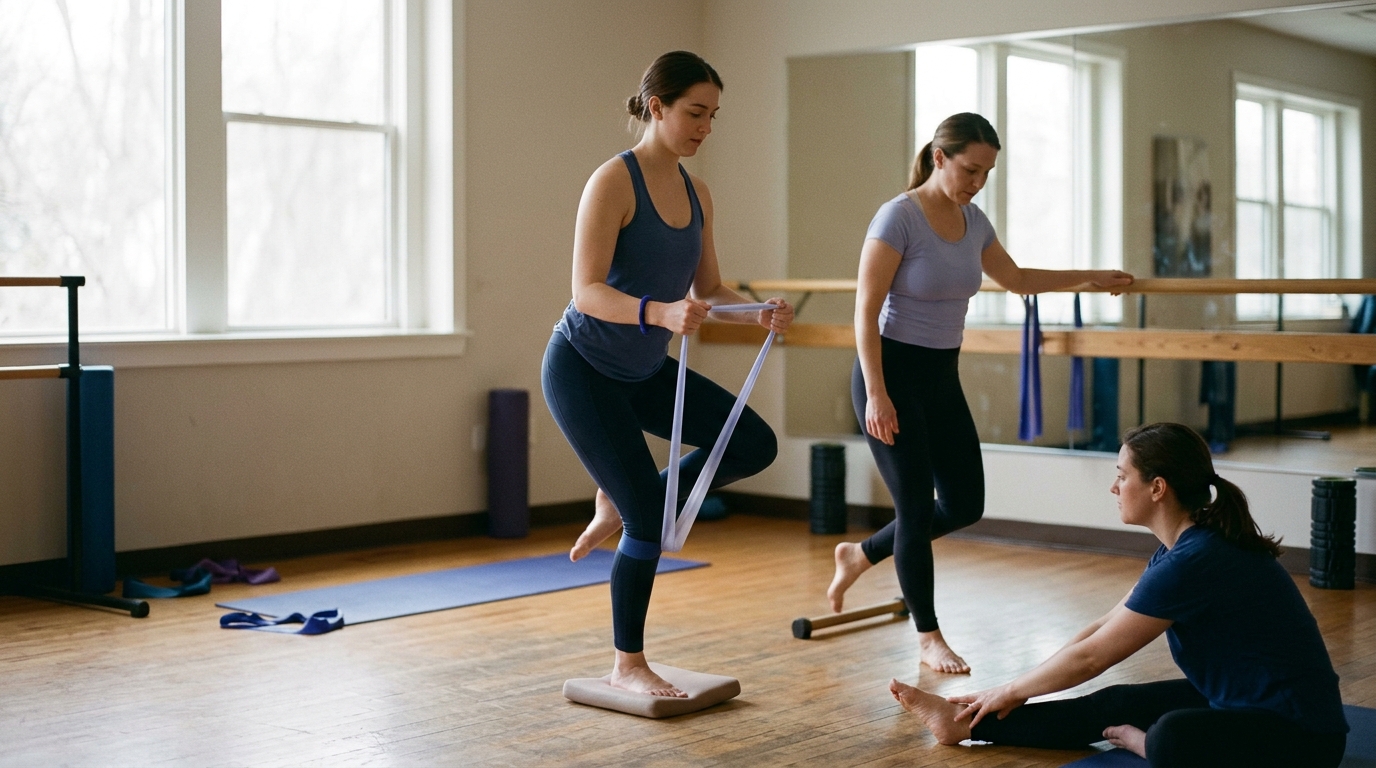
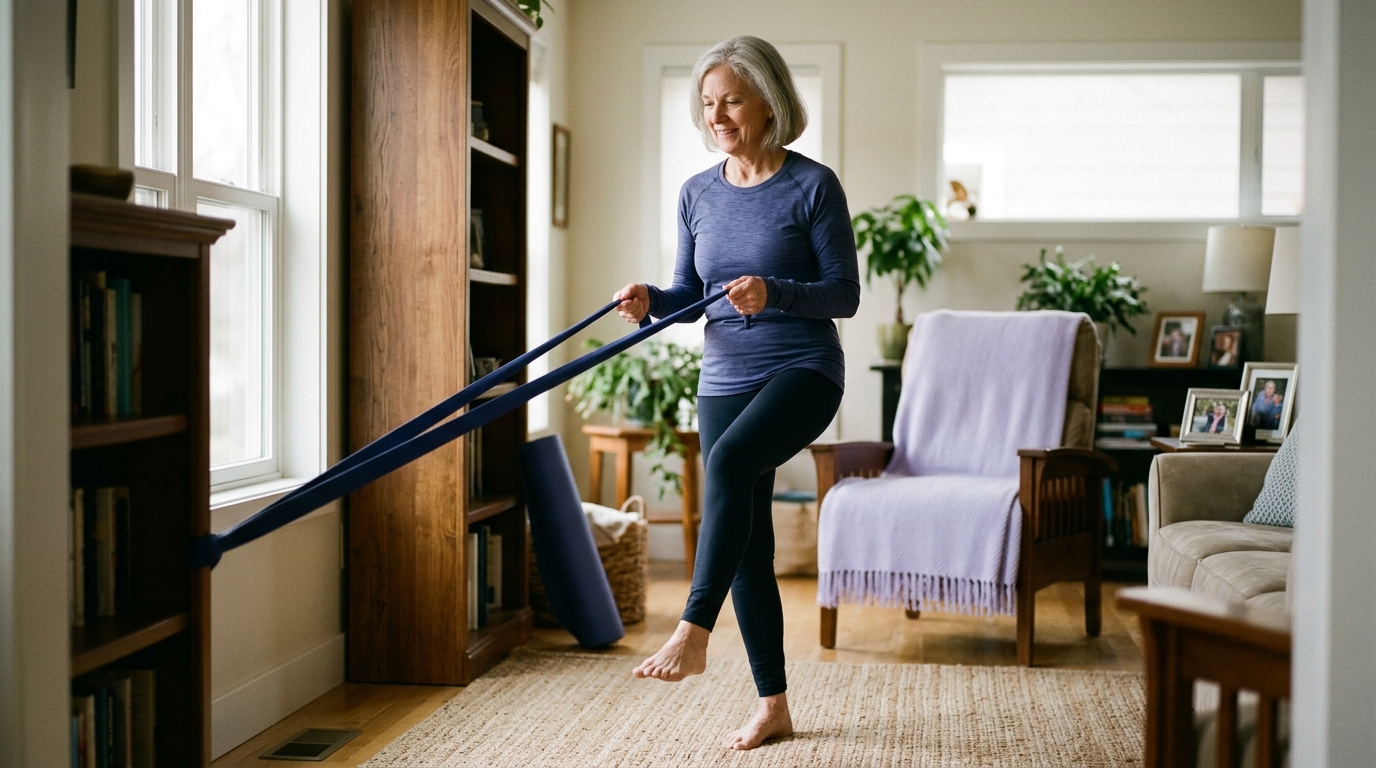
Before tackling challenging stair workouts, focus on foundational lower-body strength and balance on flat ground:
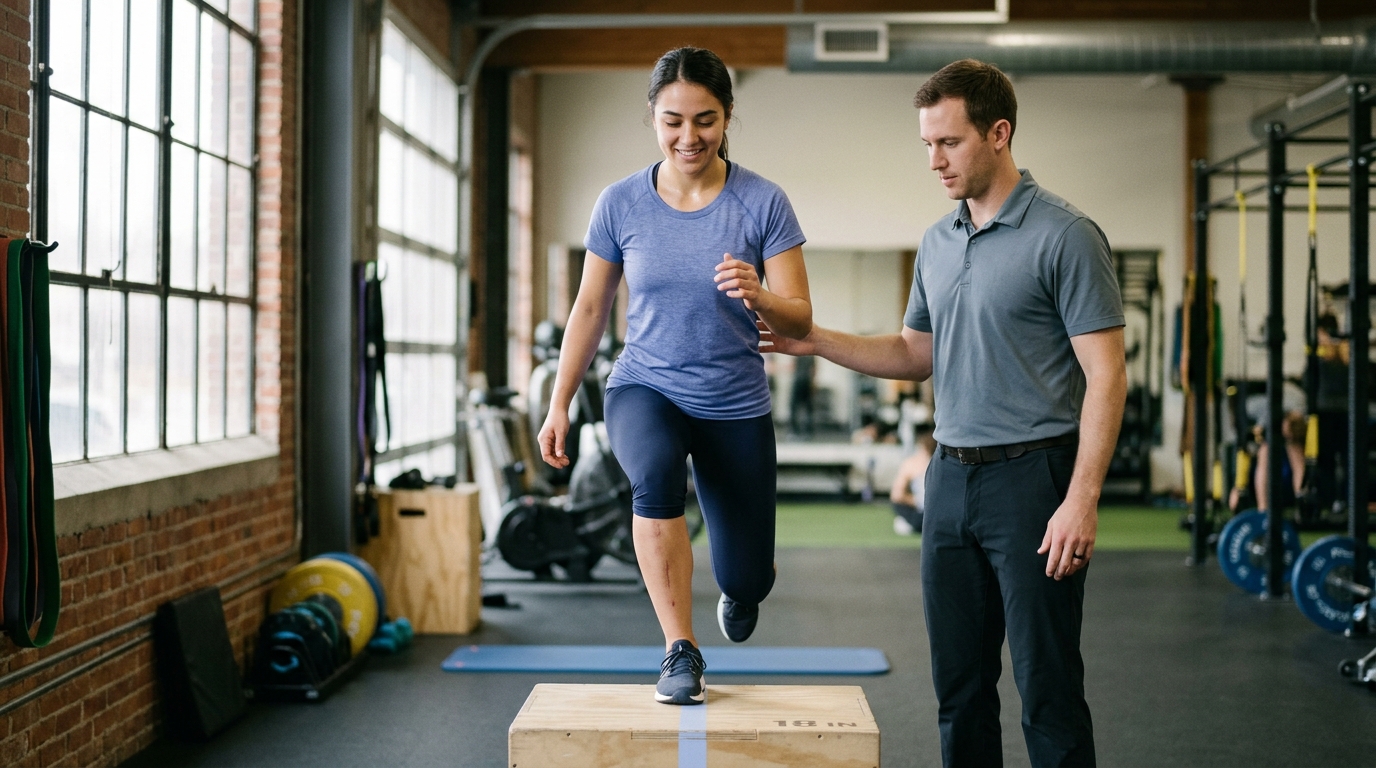
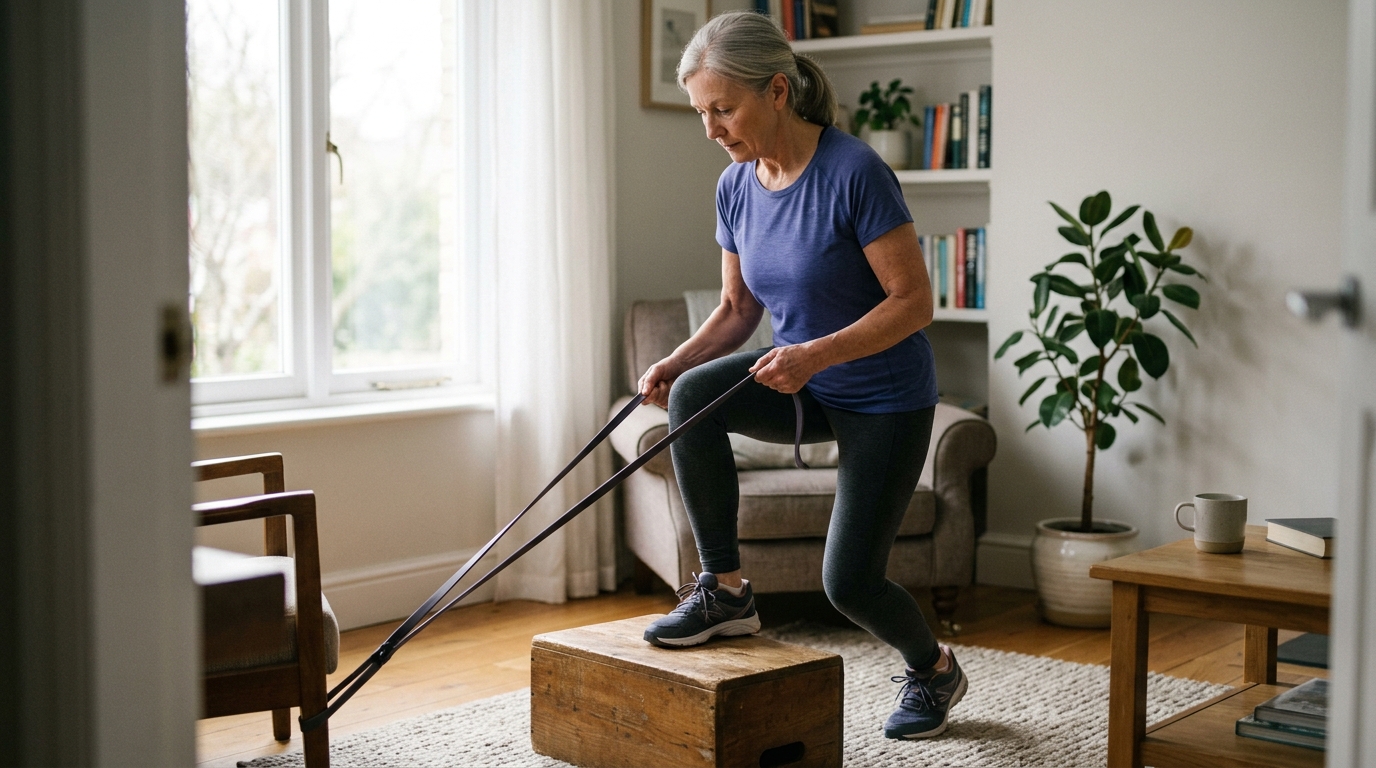
Once basic ground movements feel comfortable, introduce controlled stepping on the bottom step of a secure staircase:
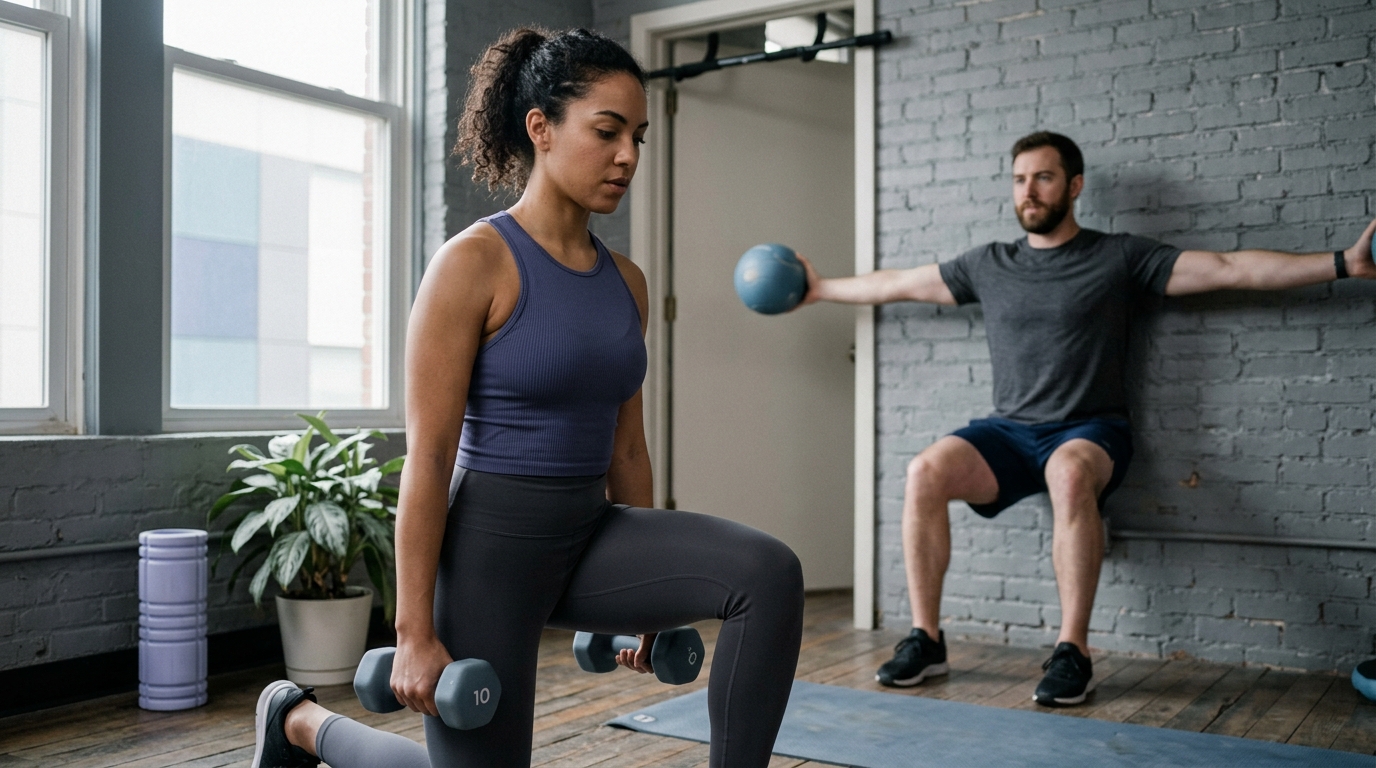
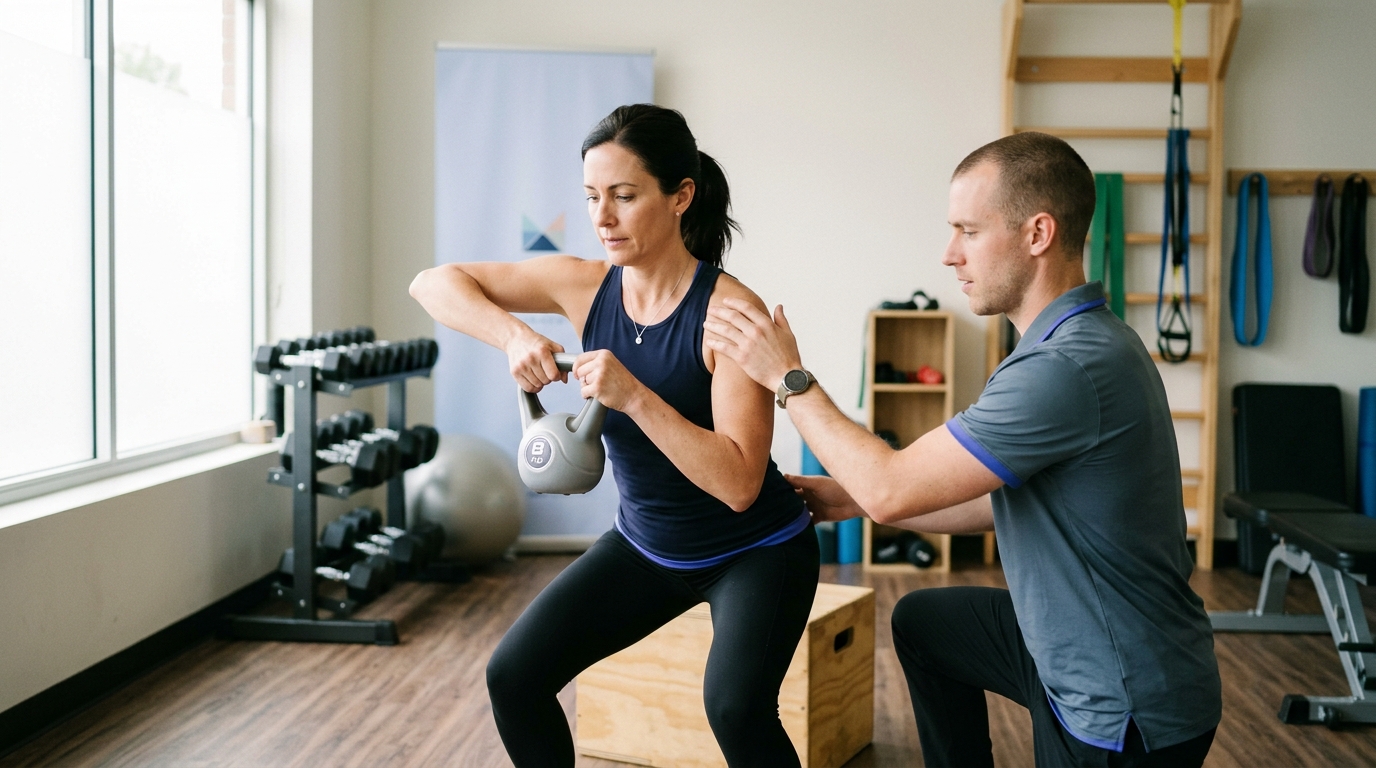
As strength improves, you can gradually increase the challenge by changing one variable at a time:
When progressing your activity, always monitor how your joints feel over the following 24 hours. Mild muscle fatigue is normal, but sharp joint pain or lingering swelling indicates that you should scale back the intensity. Incorporating targeted mobility and movement resources can help maintain healthy
joint motion throughout this process.
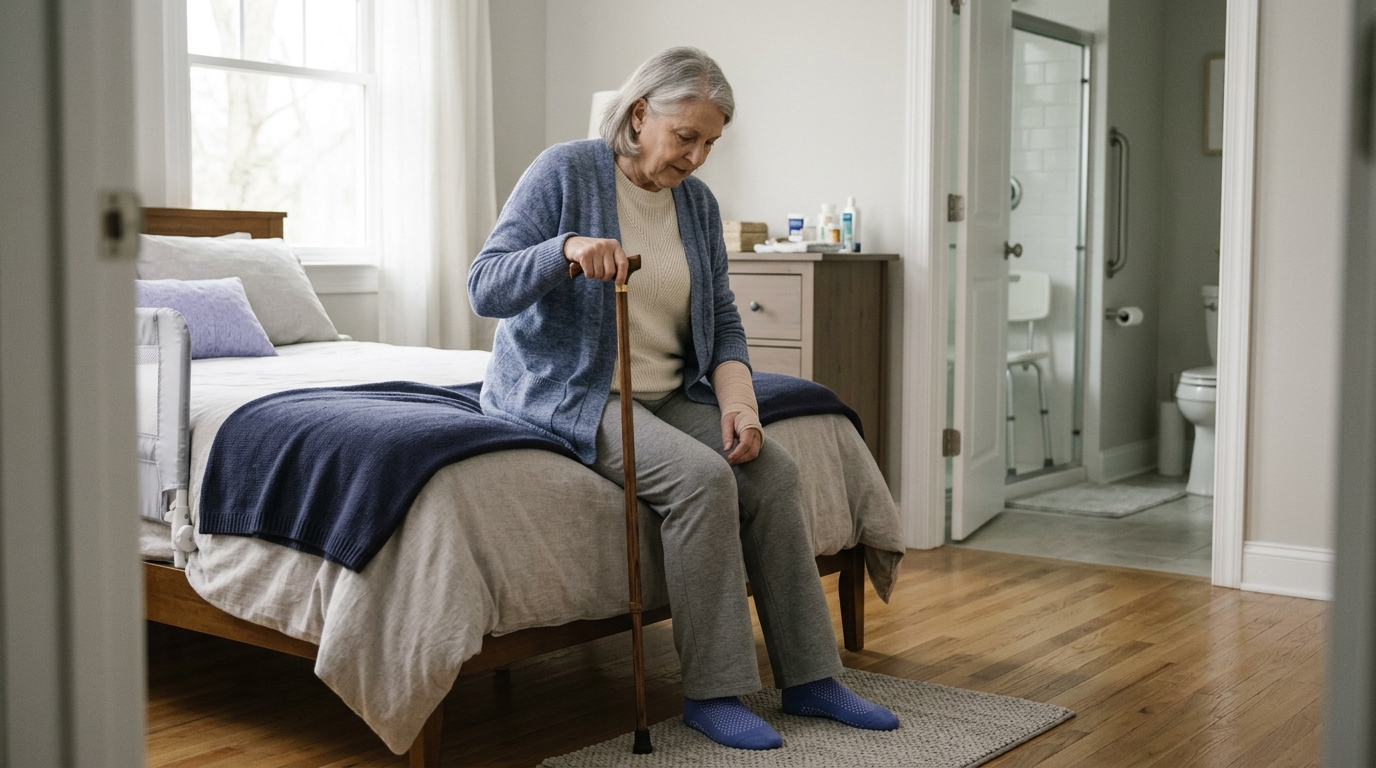
Physical exercise builds your internal capacity, but smart daily habits protect you in the real world. Environmental modifications and behavioral adjustments significantly reduce the risk of trips and falls on stairs.
A handrail is a vital piece of safety equipment, not a crutch. Research shows that using a handrail improves postural stability and meaningfully offloads stress from the lower limbs.
Install secure handrails on both sides of every staircase whenever possible. Handrails should extend the entire length of the stairs, starting slightly before the first step and continuing past the final step. Fix loose brackets immediately. Holding the rail as a standard habit provides an instant point of contact if you slip or lose your balance.
Visual errors cause many stair-related falls. You cannot safely navigate a step you cannot see clearly:
What you wear on your feet directly influences your traction and foot placement. Never walk on hardwood or carpeted stairs in smooth socks, tights, or smooth-bottomed slippers.
Choose well-fitting, supportive shoes with low, wide heels and slip-resistant rubber soles. If you prefer indoor shoes, choose closed-heel slippers with non-skid treads rather than loose, backless slide-on shoes.
Carrying heavy or bulky items changes your center of mass and prevents you from seeing where you are placing your feet. National aging and safety agencies strongly advise keeping your eyes on the steps at all times.
Never carry objects stacked so high that they block your view of the stairs. Always keep at least one hand completely free to hold the handrail. If you have many items to transport, make several smaller trips or use a small shoulder bag to keep your hands free.
Experiencing slight changes in stamina over several years is a common part of the aging process. However, noticeable or abrupt changes in your ability to climb stairs should never be ignored or dismissed as inevitable.
Certain symptoms require prompt or emergency medical care. According to clinical guidance from MedlinePlus, a sudden loss of muscle function, sudden weakness, or an abrupt inability to move your leg is a medical emergency. You should seek immediate emergency medical care if this occurs.
You should schedule an evaluation with your healthcare provider if you notice any of the following non-emergency signs:
Clinical guidelines from the National Institute for Health and Care Excellence recommend a comprehensive falls assessment for adults who have experienced a fall in the past year. This assessment is particularly vital if the fall resulted in an injury, caused a loss of consciousness, occurred because you could not get up independently, or happened more than once.
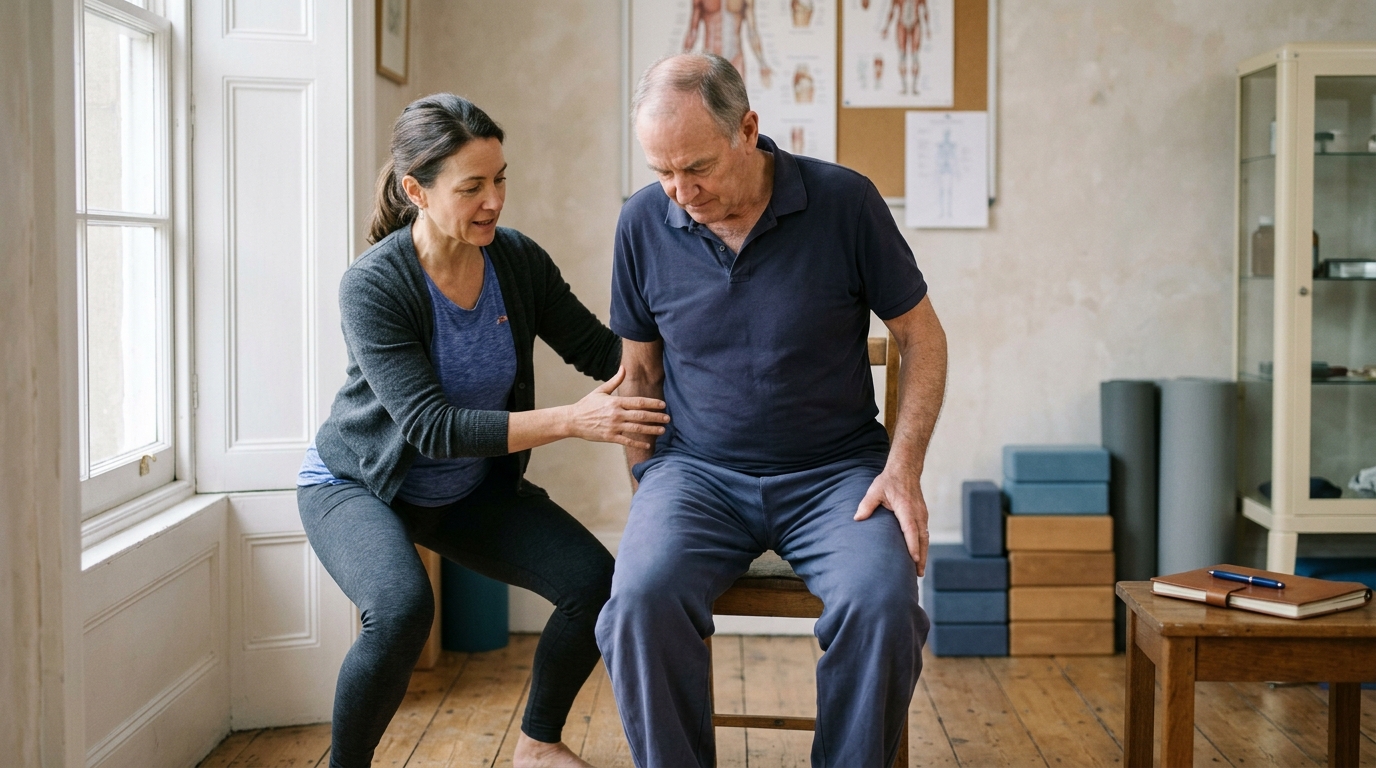
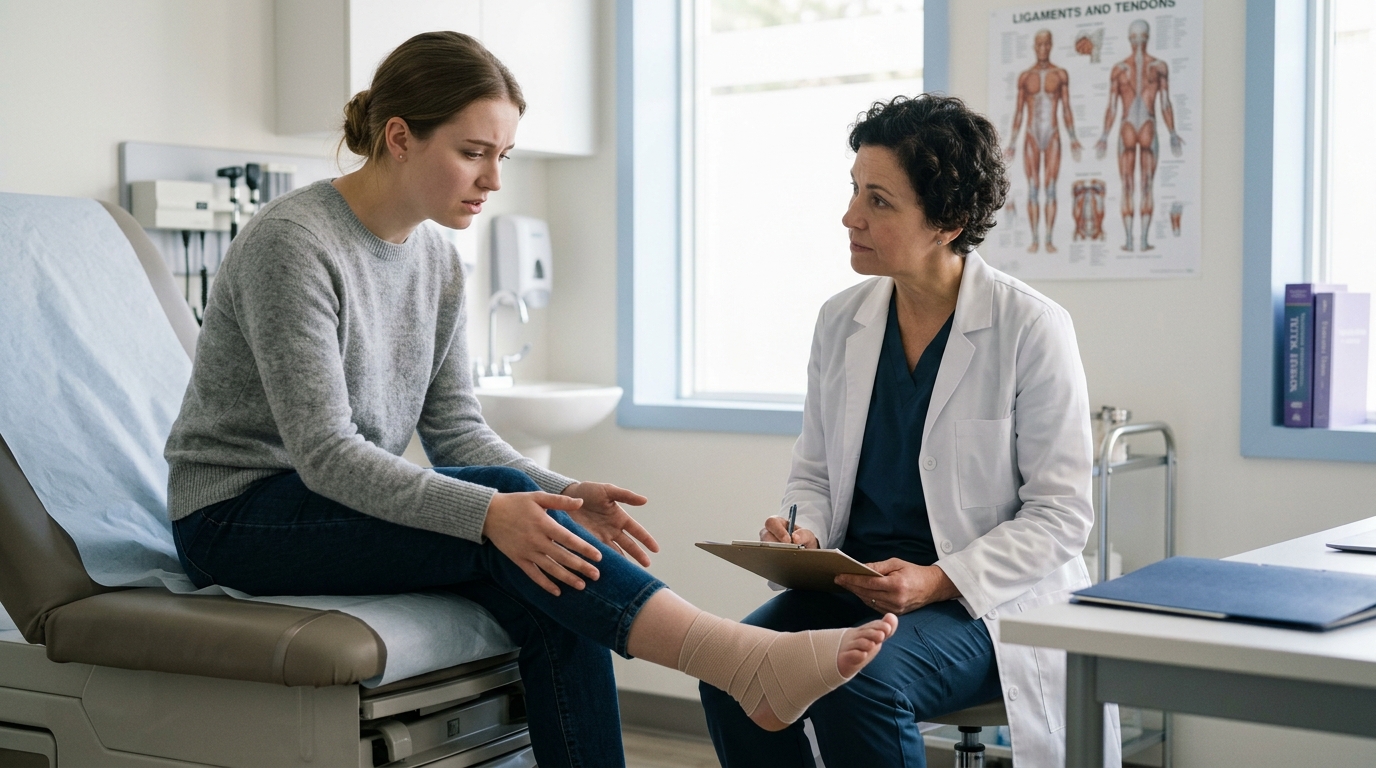
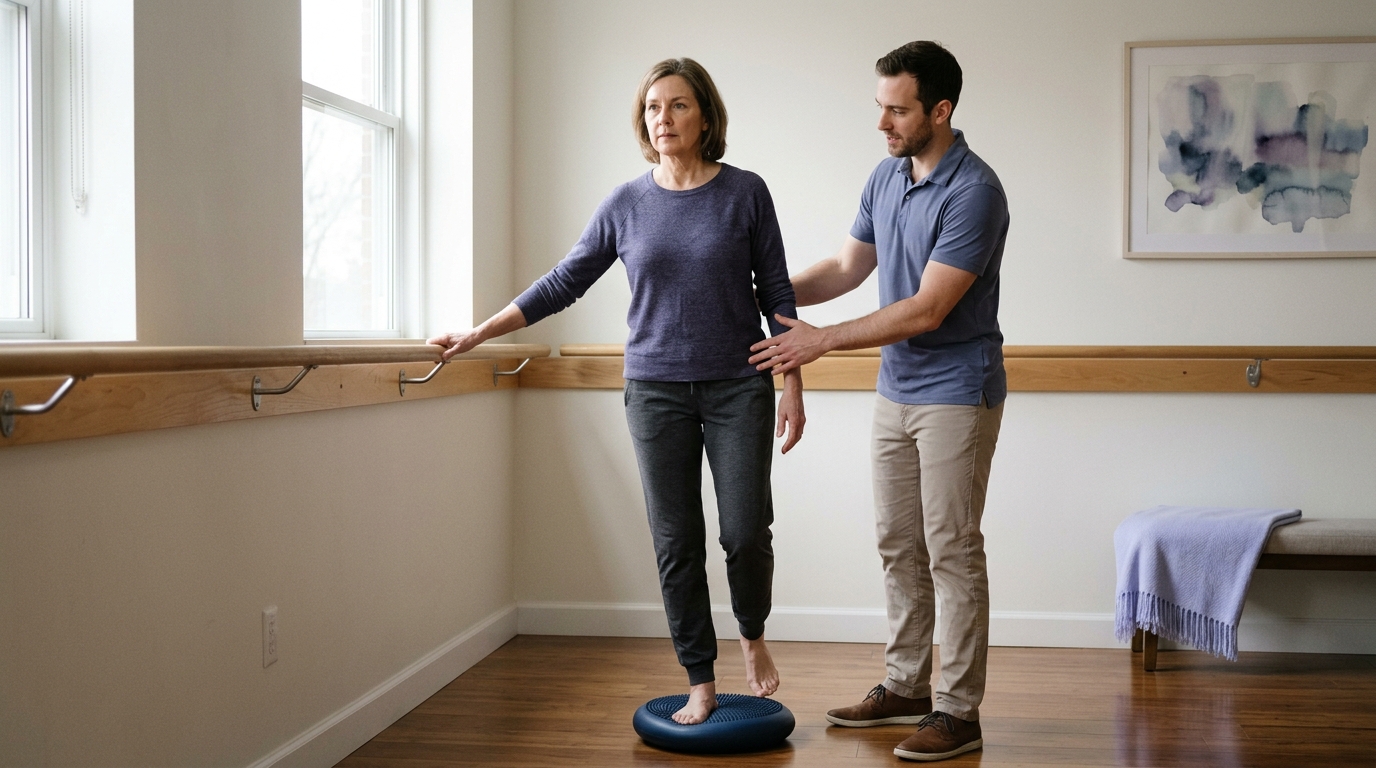
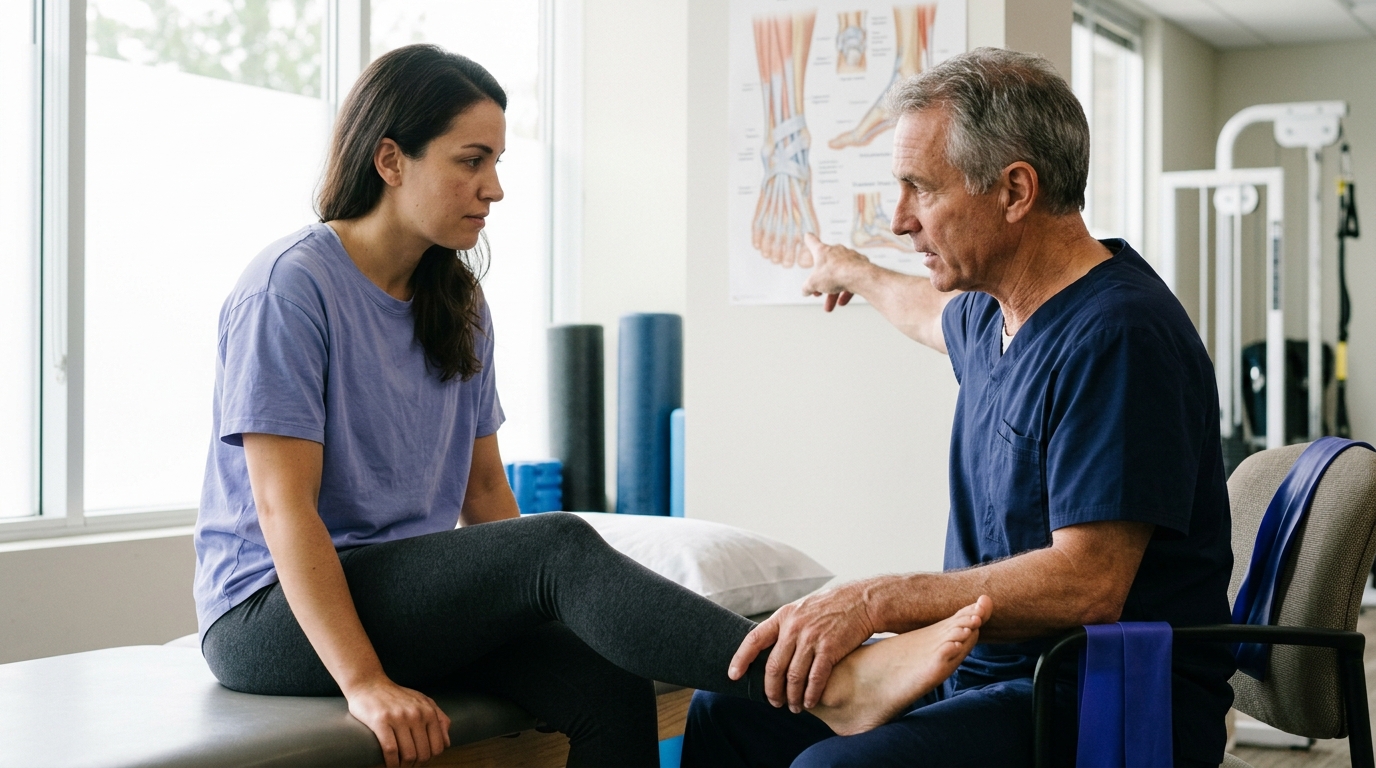
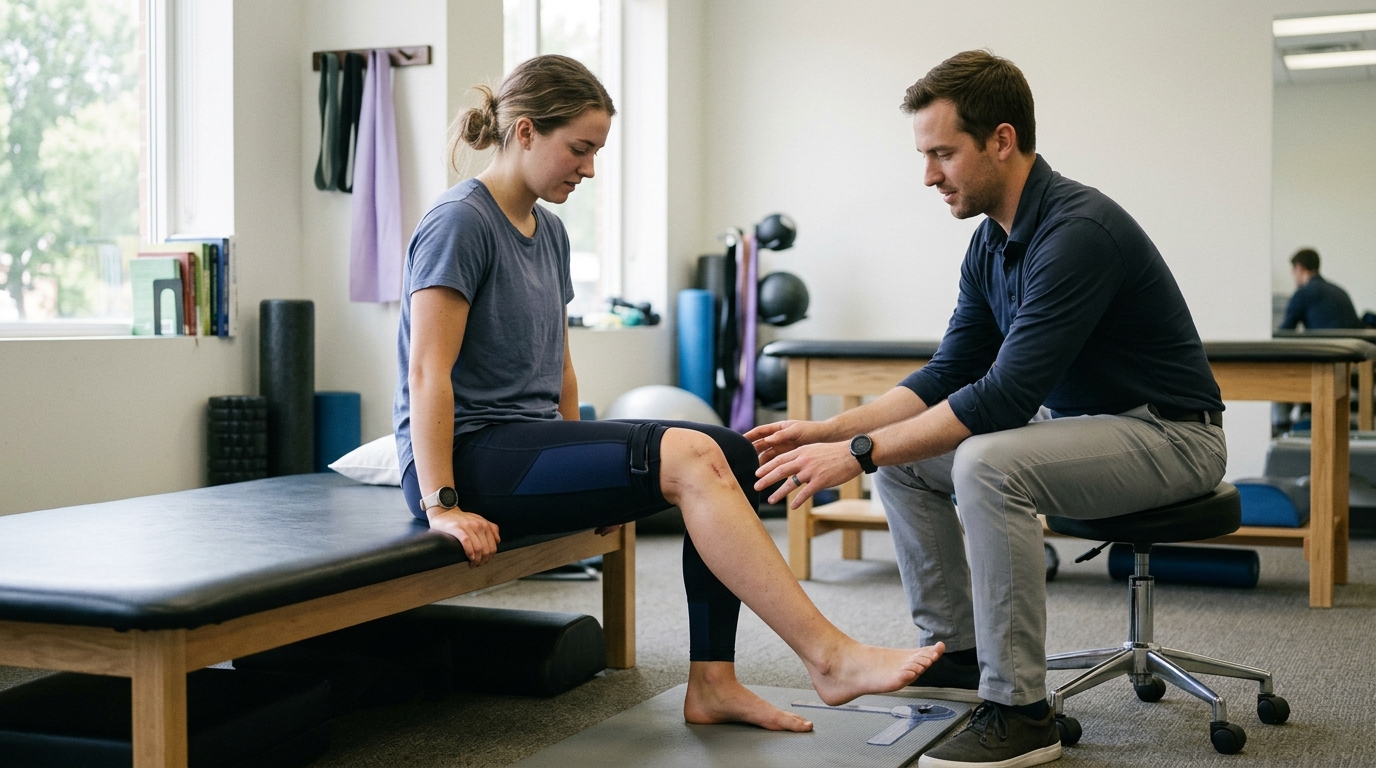
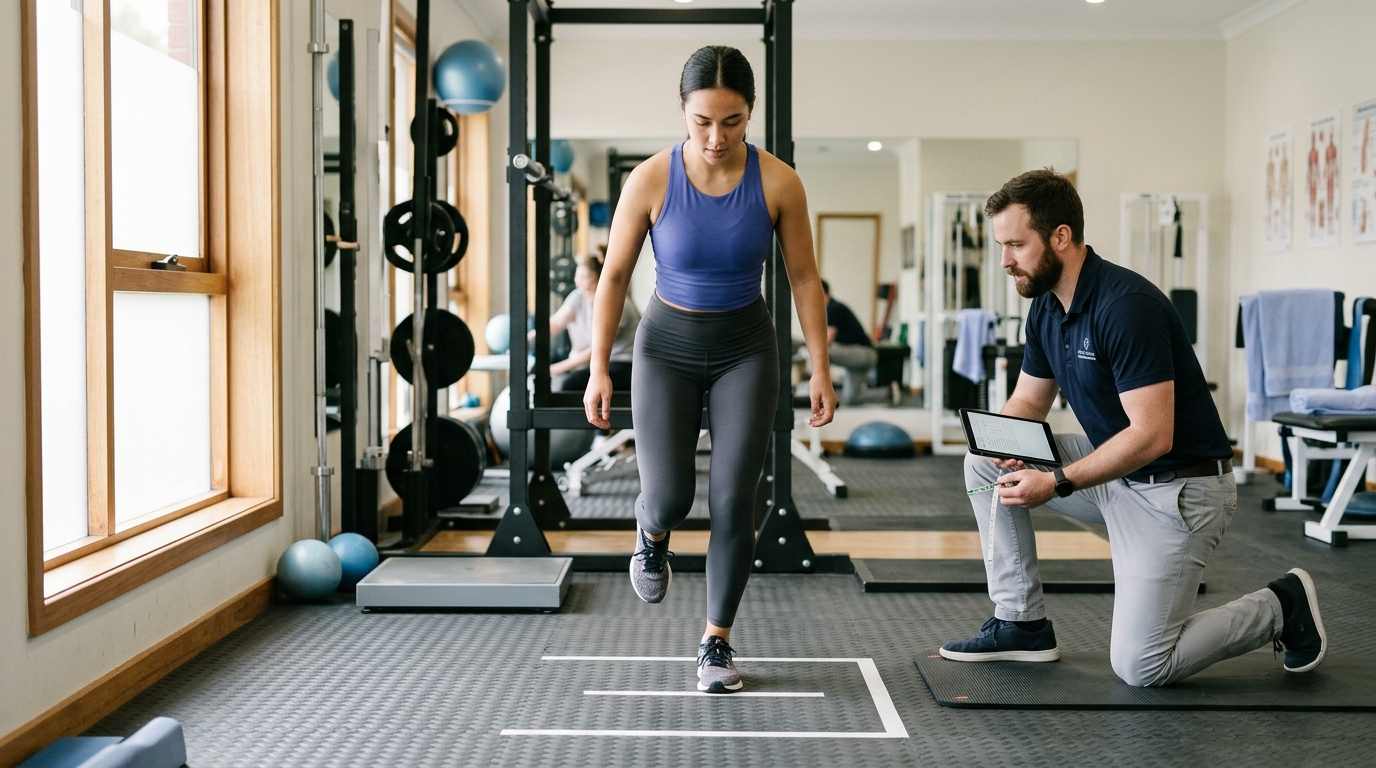
A comprehensive clinical assessment involves much more than testing your quadriceps strength. A healthcare provider or physical therapist will evaluate your walking pattern, functional balance, sensory feedback, vision, foot health, and prescription medications. Addressing underlying balance or medication issues often restores safety and confidence far more effectively than isolated home exercises alone. Exploring active aging and injury prevention strategies can offer valuable guidance on maintaining long-term independence.
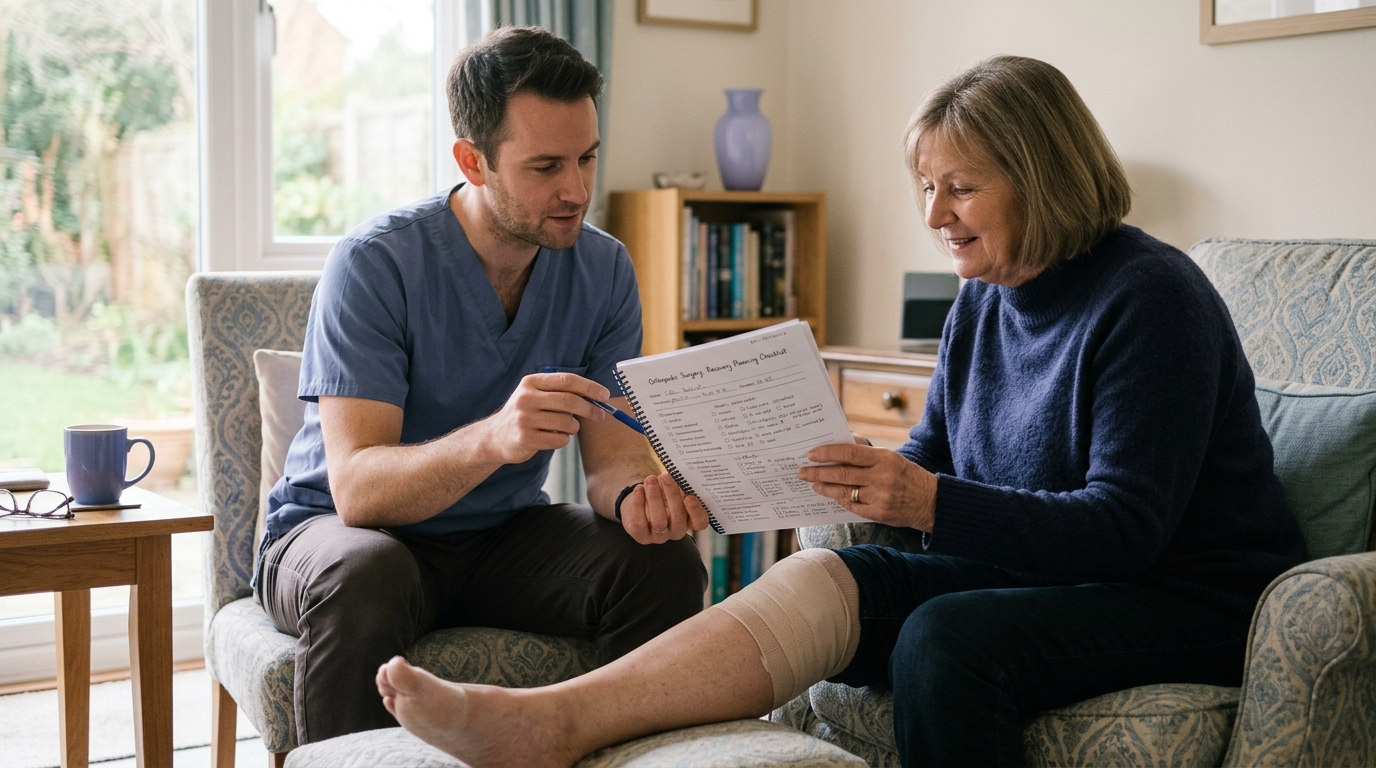
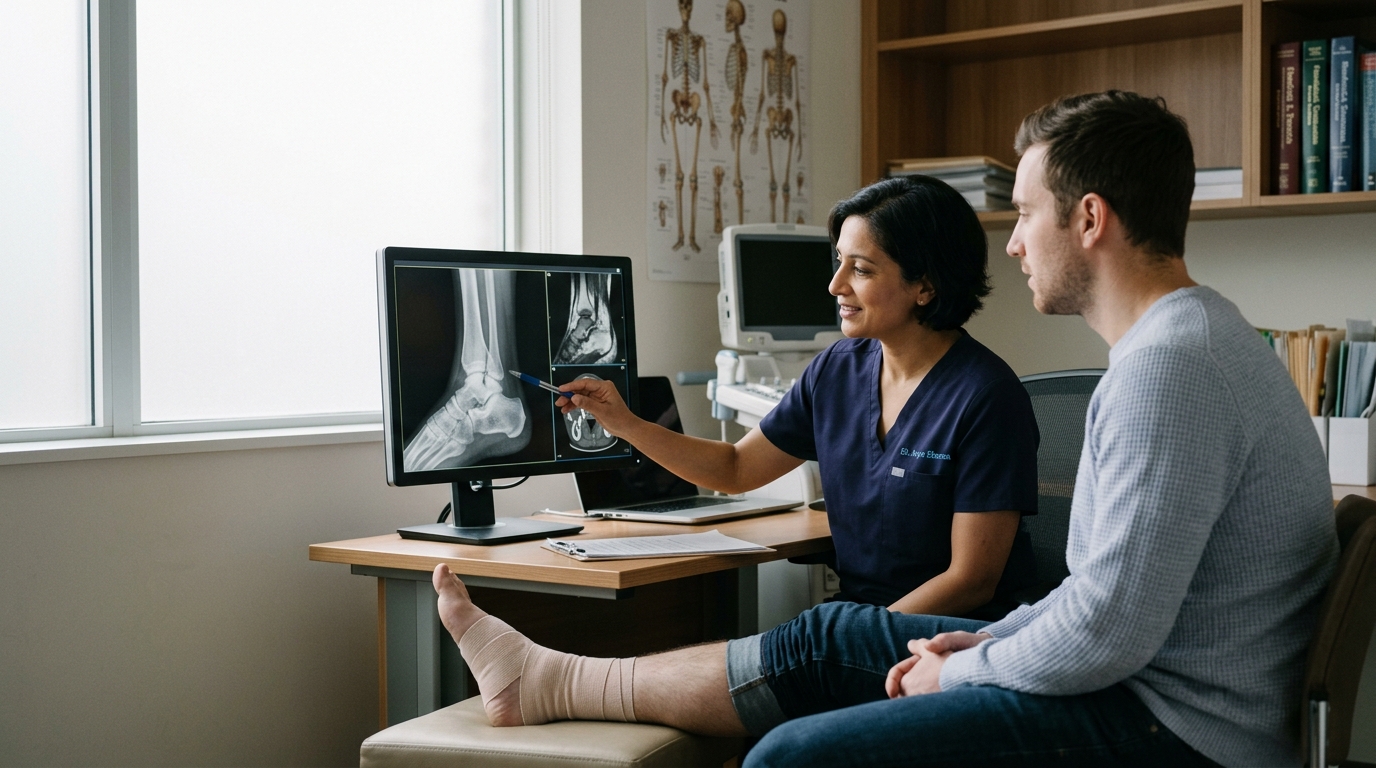
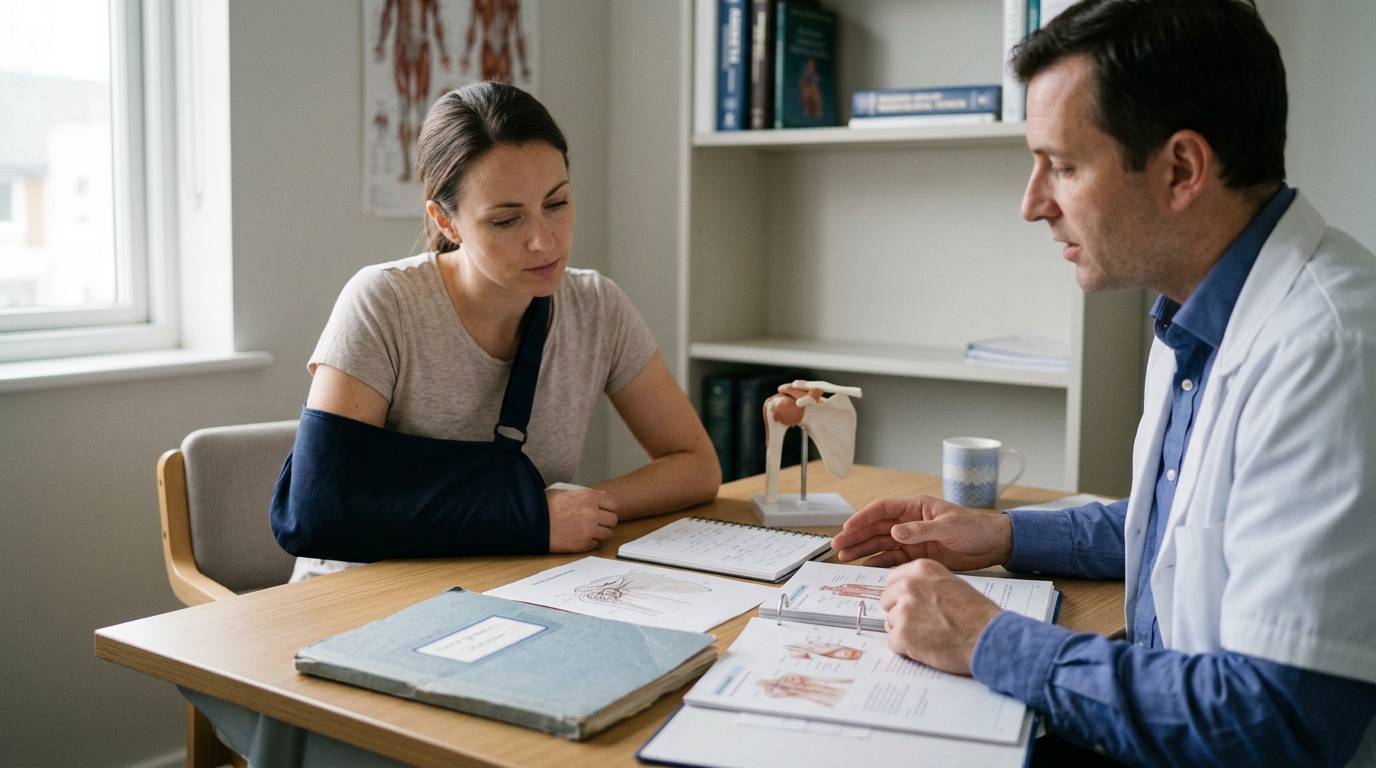
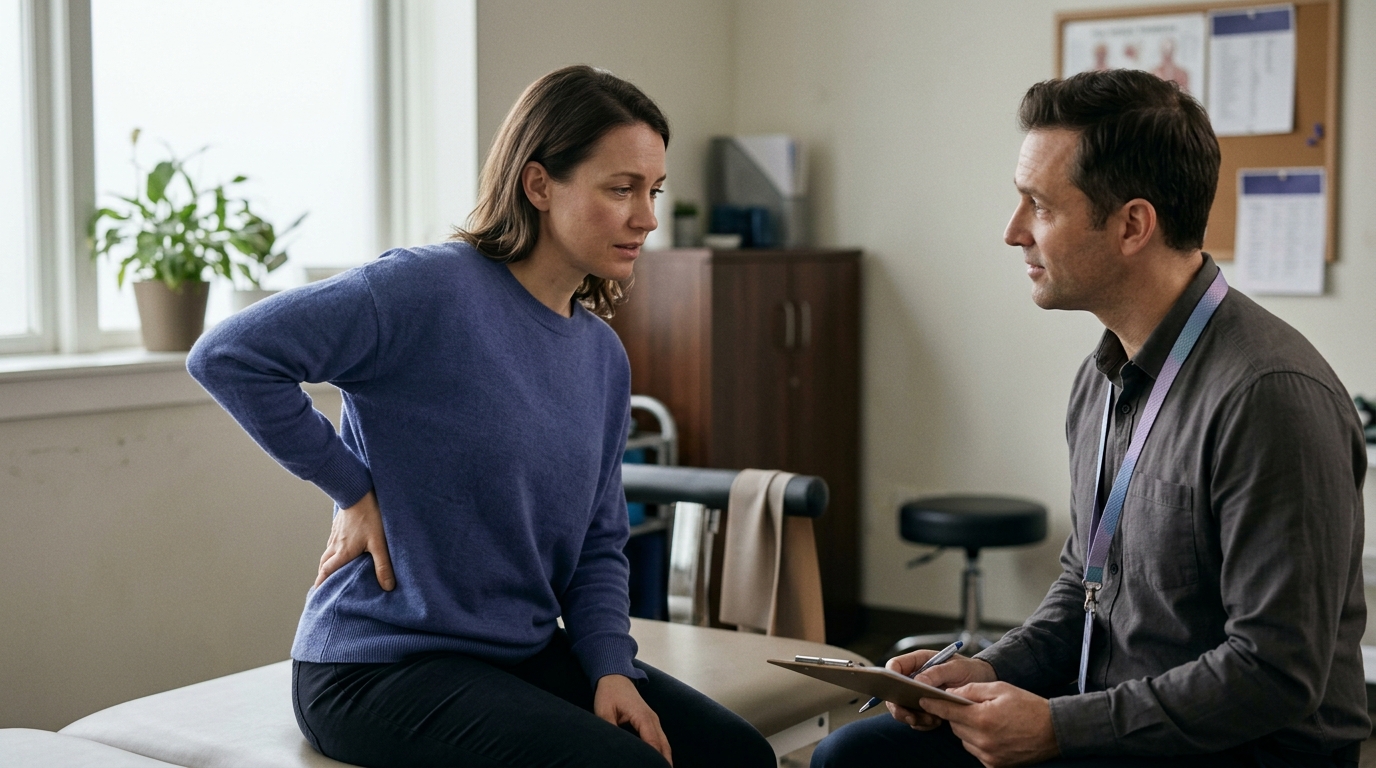
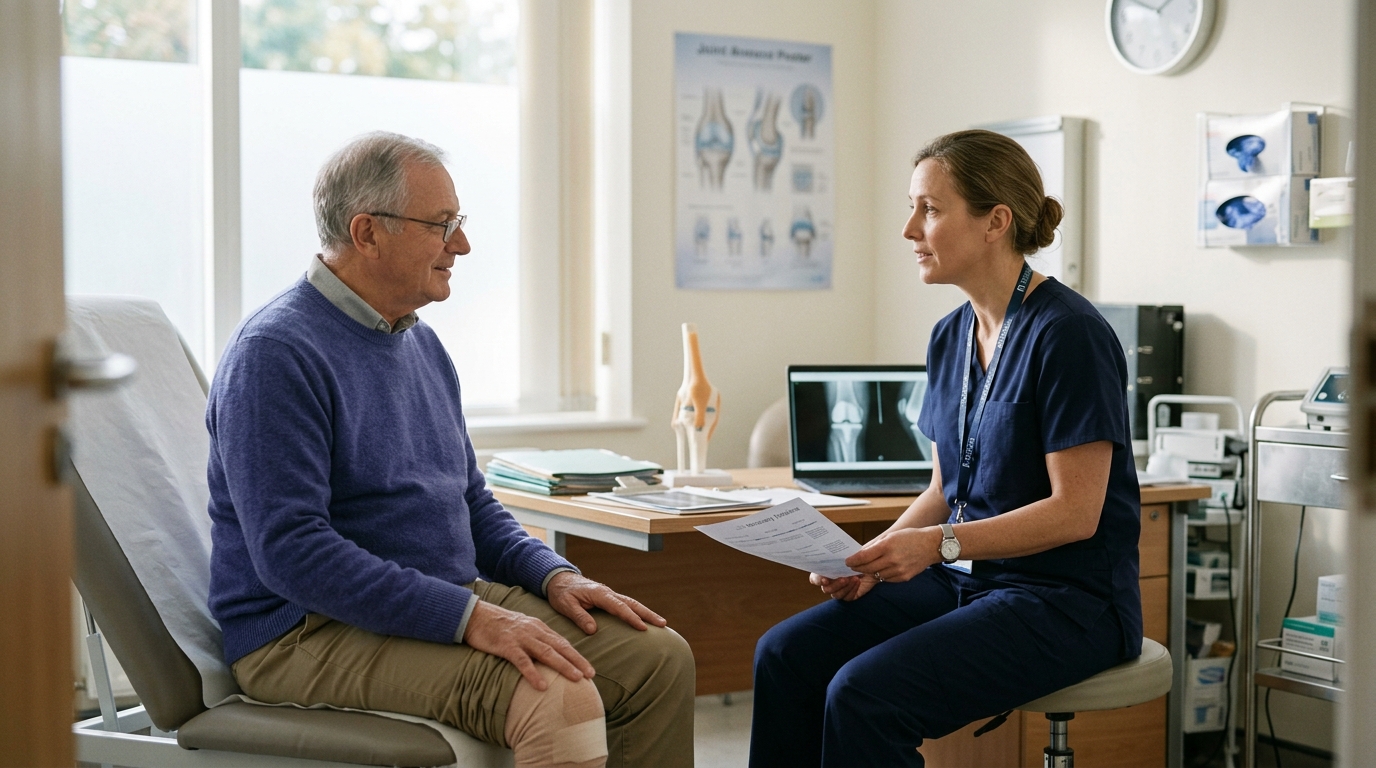
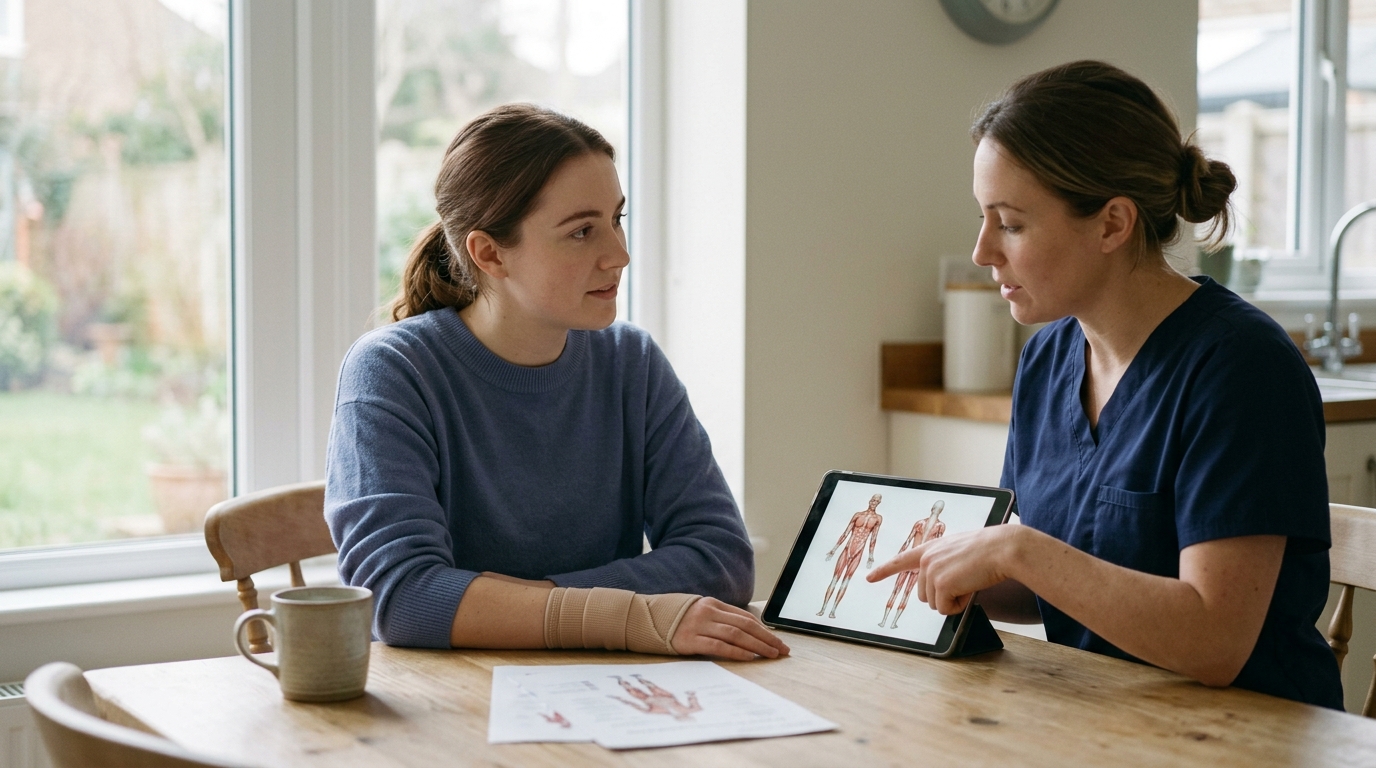
If you are experiencing difficulty, pain, or hesitation on stairs, having an open conversation with a clinician is an important step. Bringing specific observations to your appointment helps your provider understand your daily challenges.
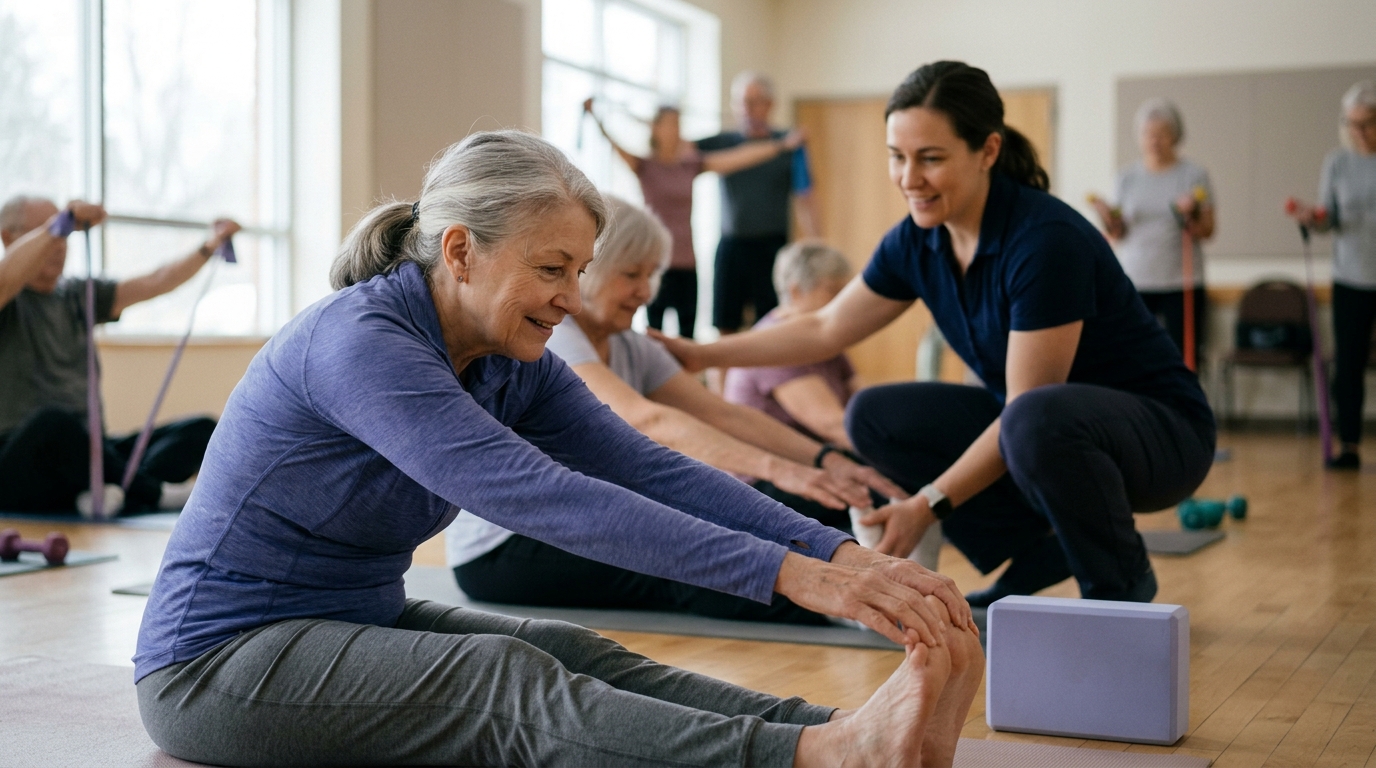
Consider asking your doctor, physical therapist, or orthopedic specialist the following practical questions:
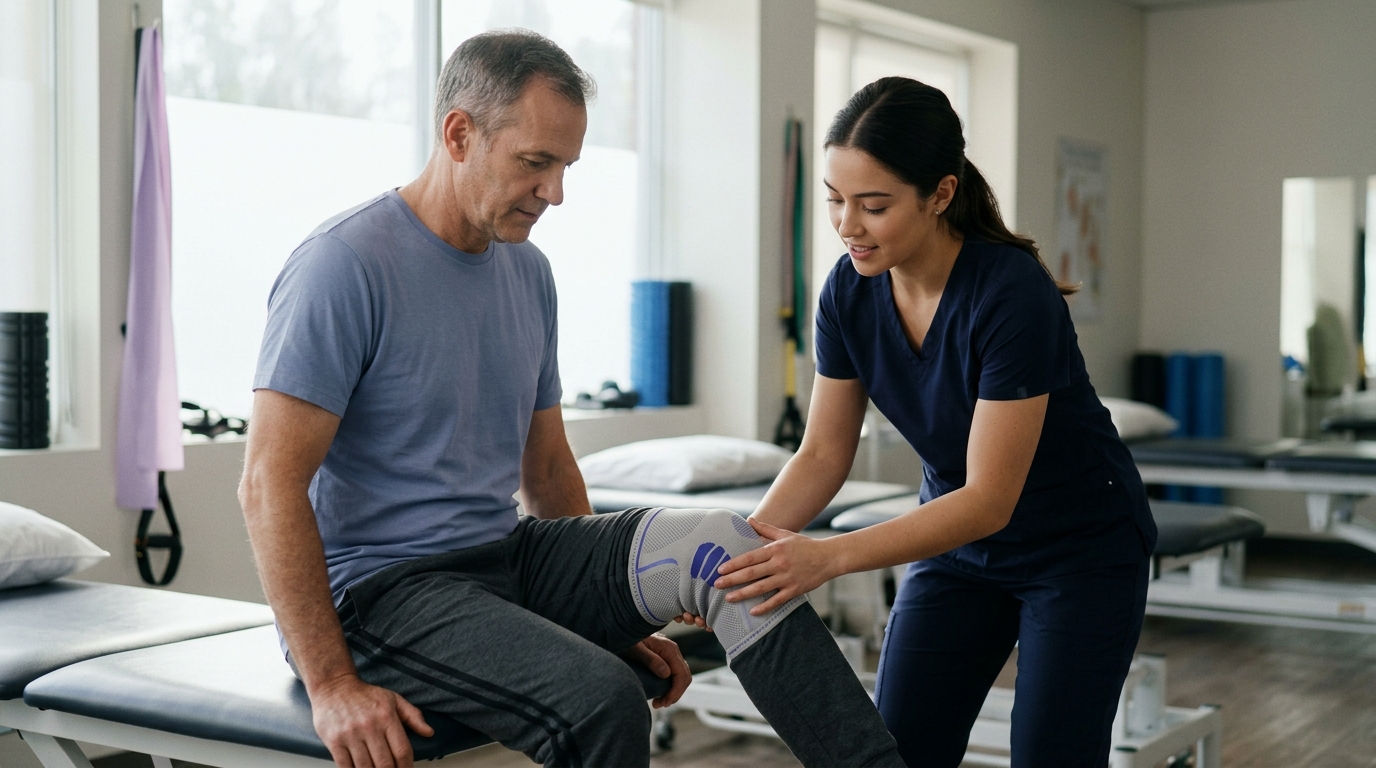
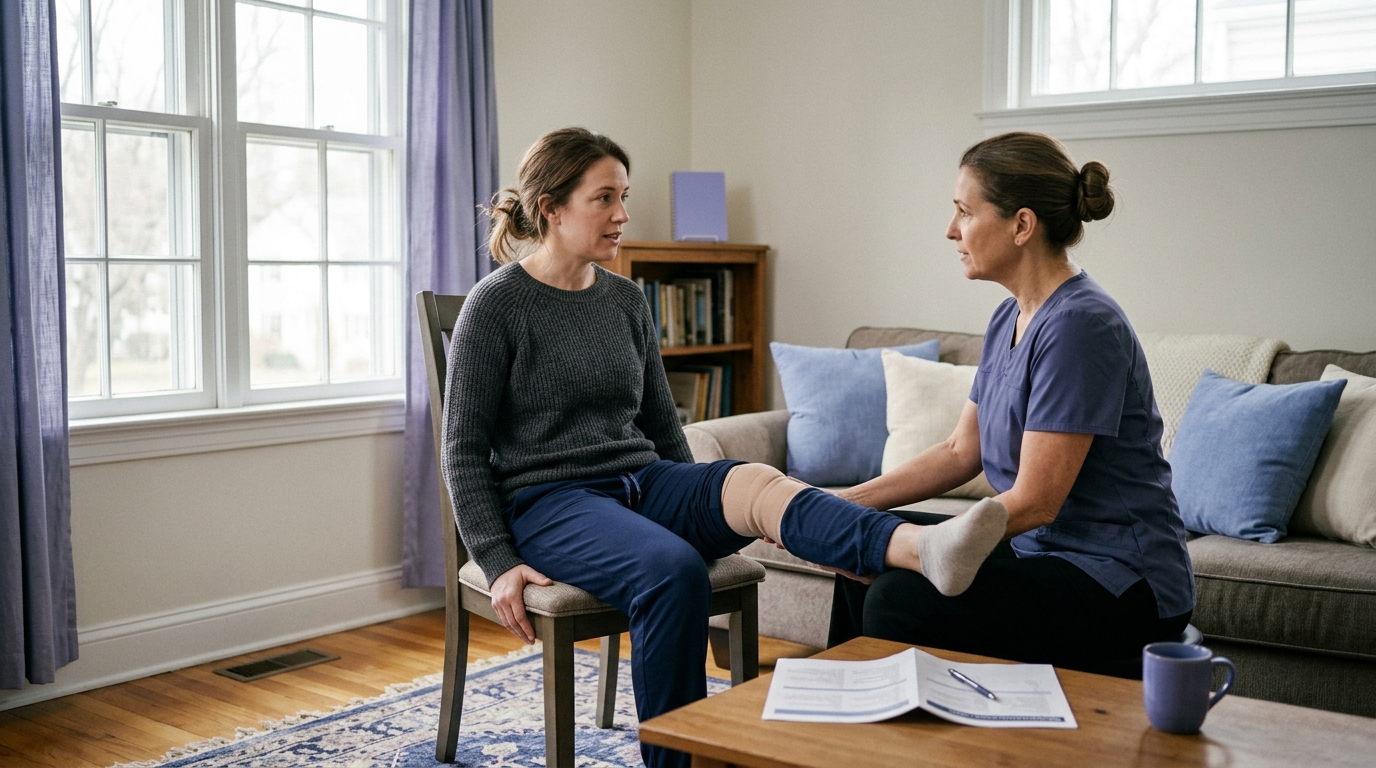
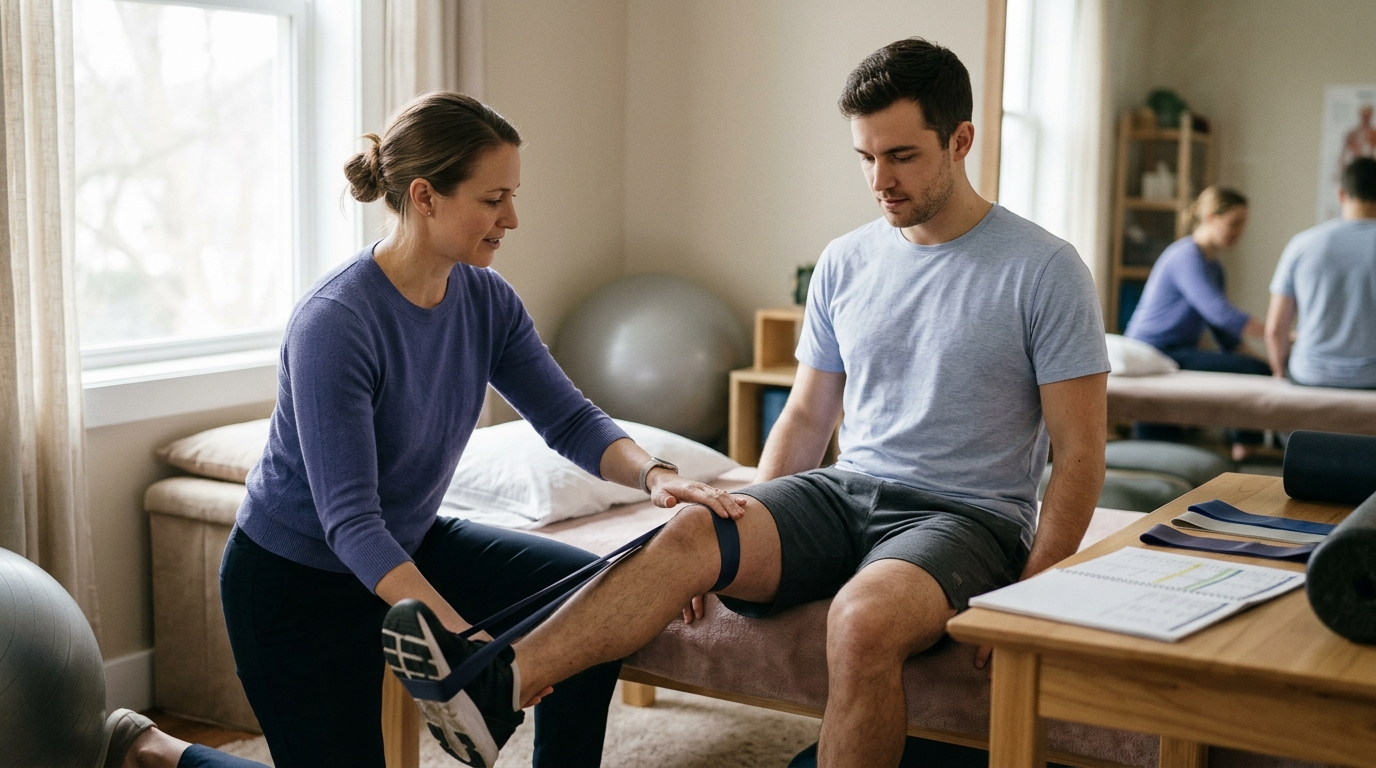
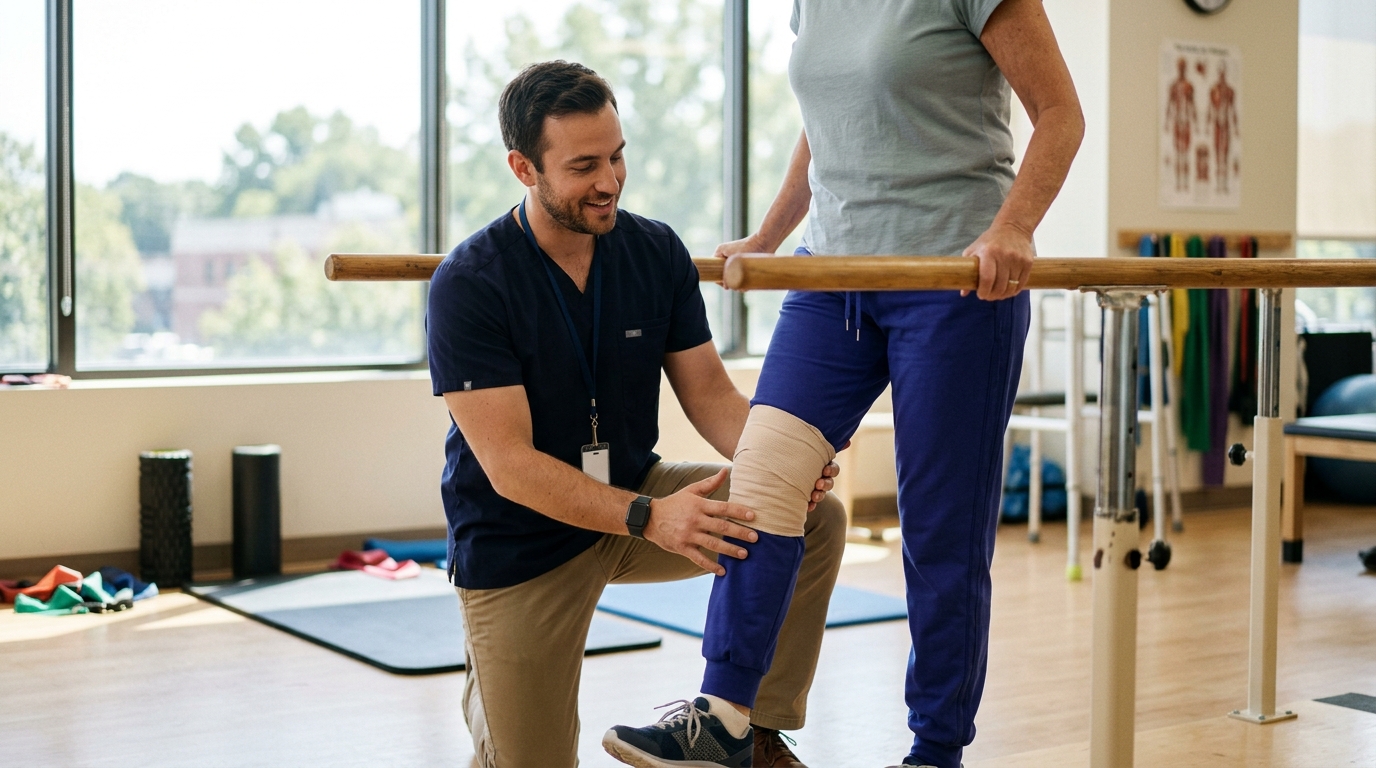
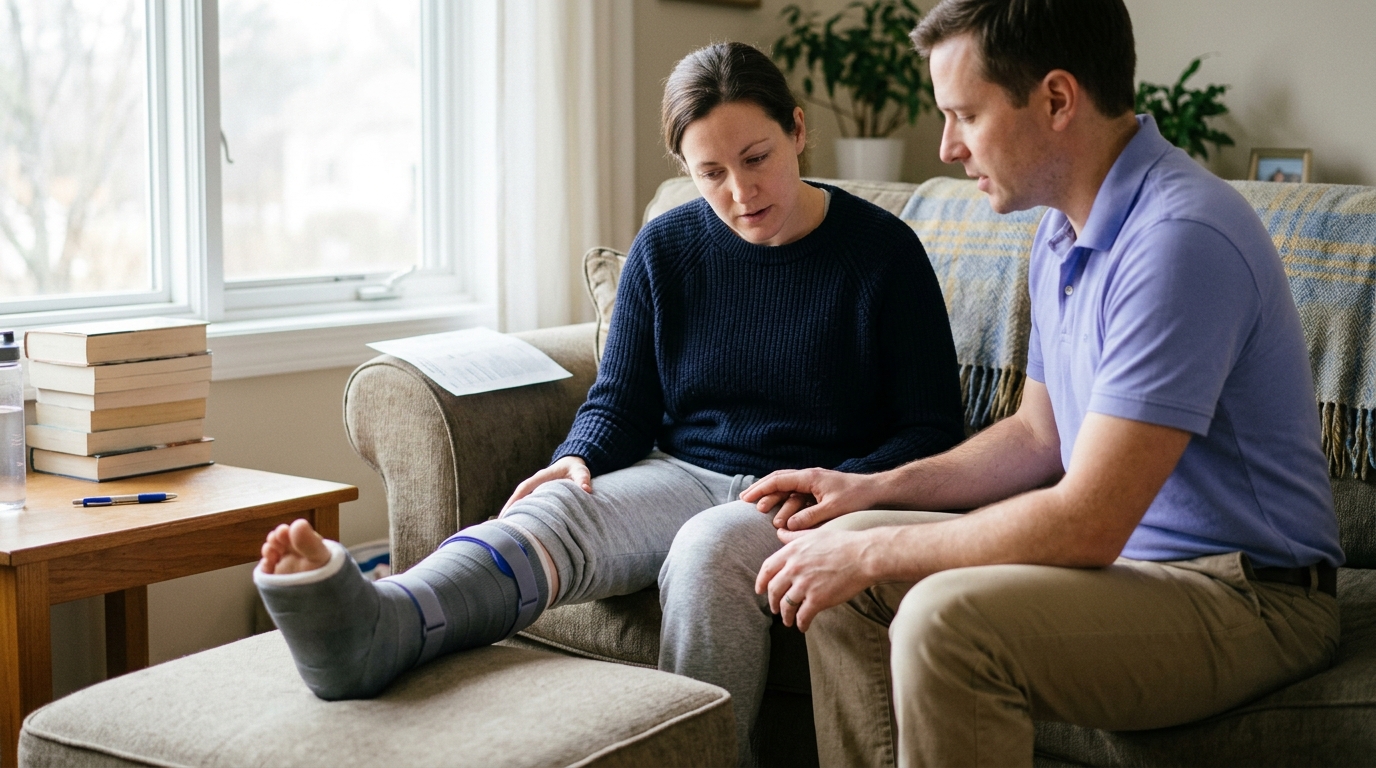
Working collaboratively with a healthcare professional ensures that your exercise efforts are targeted, safe, and tailored to your specific physical status. If you are recovering from a previous injury, structured strength rebuilding under clinical guidance provides a clear path forward.
Descending stairs requires heavy eccentric quadriceps contraction. As your thigh muscles slowly lengthen to lower your body, they pull the patella tightly against the groove of the femur. This creates higher compressive forces across the patellofemoral joint than ascending stairs. If you have joint irritation, cartilage thinning, or patellar tracking issues, this high compression during descent often triggers localized pain.
A step-to pattern occurs when you place one foot on a step and then bring your other foot onto the exact same step before moving upward. While alternating feet is more efficient, using a step-to pattern is a perfectly valid and practical way to manage stairs safely. It allows you to lead with your stronger leg during ascent and lower with your stronger leg during descent. Safety, control, and personal stability are always more important than forcing a specific walking rhythm.
Stair climbing places an immediate, demanding workload on your cardiovascular and muscular systems. If you consistently feel short of breath, lightheaded, or dizzy after climbing stairs, pause safely at the landing and hold the rail until you recover. Mention these symptoms to your physician. Lightheadedness can stem from blood pressure fluctuations, cardiovascular conditions, breathing patterns, or medication side effects that require medical evaluation.
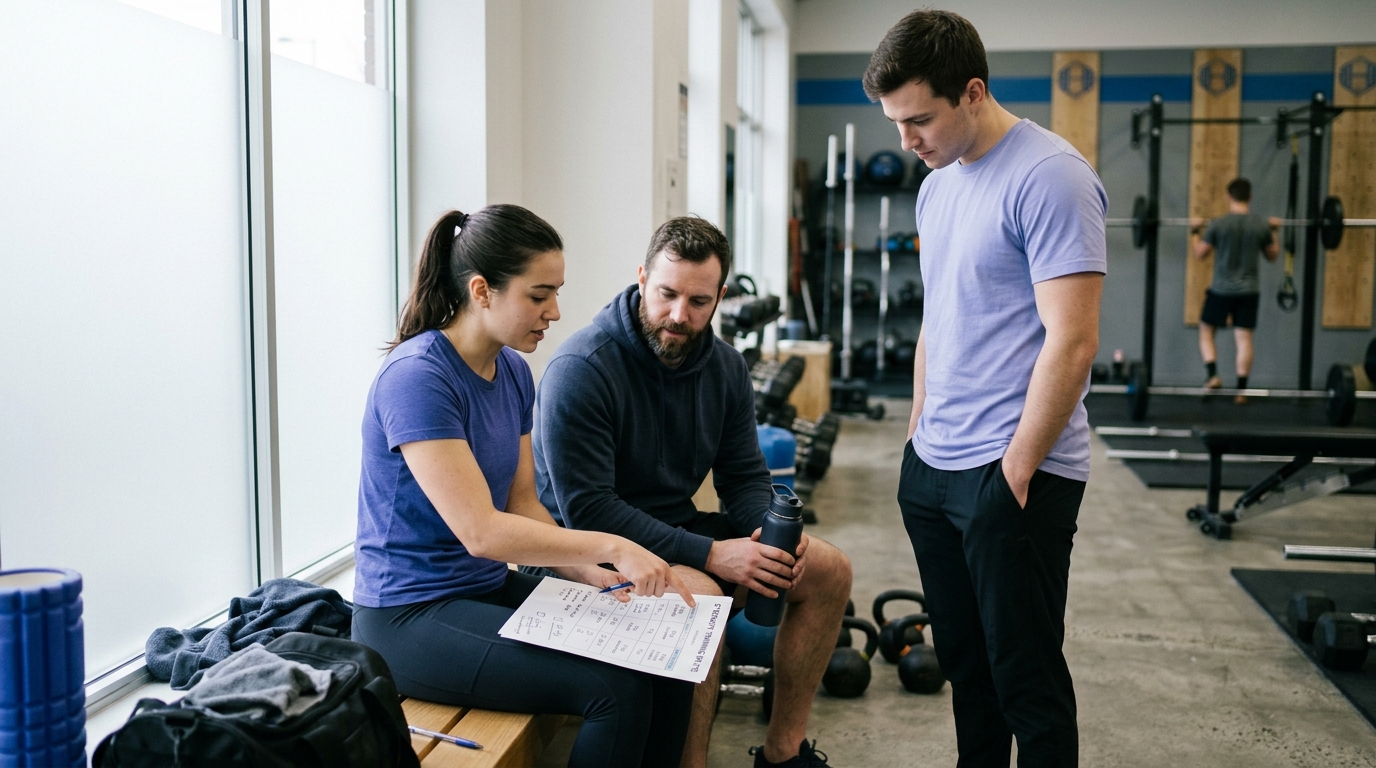
Climbing stairs provides valuable functional activity and cardiovascular conditioning. However, everyday stair climbing alone does not target all major muscle groups across their full range of motion. Structured strength training that includes multi-directional movements, core stability, and progressive resistance builds broader physical reserve than repetitive single-plane stepping. Combining daily stair use with targeted full-body exercise yields the best overall functional capacity.
Stair climbing is a physically demanding activity that requires a blend of lower-body power, eccentric muscle control, balance, and environmental awareness. Ascending and descending place distinct demands on your joints, and neither task should be viewed as a simple test of willpower.
Building functional capacity through gradual, progressive activity expands your physical reserve, making everyday movement feel more manageable. At the same time, using handrails, improving lighting, choosing supportive footwear, and avoiding clutter are smart strategies that protect your safety.
If you notice sudden weakness, persistent joint pain, or new balance instability, seek a professional medical evaluation. By addressing physical strength and environmental safety together, you can build lasting confidence on the stairs and maintain your everyday independence.

Use ReboundBody resources to understand common recovery stages, rehab terms, movement limits and strength rebuilding. Each guide is designed to make a complex comeback easier to understand.


Read practical guidance on injury recovery, rehabilitation, mobility and rebuilding strength as you work your way back to activity.
Explore Resources