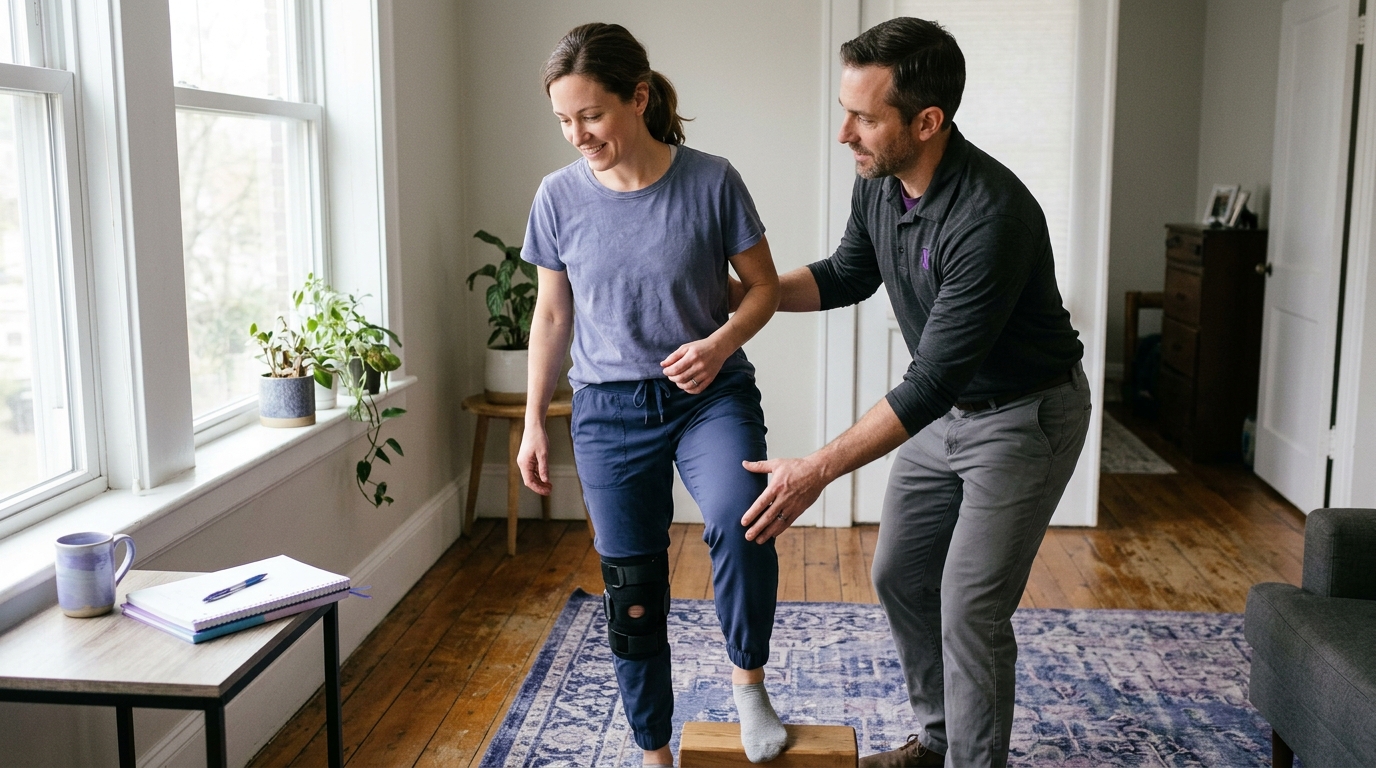

Three adaptable activity tiers help adults with chronic conditions maintain consistent physical movement through flexible weekly planning and condition-specific pacing strategies.





You may have searched online for how to exercise when joint pain, fatigue, or illness changes without warning. Many standard fitness plans assume that your energy and physical capacity remain identical every day. When living with a long-term health condition, following a rigid routine often leads to frustration or symptom flare-ups.
Physical activity does not have to be an all-or-nothing choice. Research shows that regular movement provides meaningful health benefits even when broken into short bouts or adjusted for daily symptoms. A sustainable routine relies on flexible planning, careful pacing, and realistic adjustments rather than rigid schedules.
This guide provides an evidence-based framework for creating an adaptable physical activity plan. It explains how to interpret general health targets, manage energy fluctuations, and pace your progression safely. Because health conditions vary widely, this information serves as general education rather than personal medical advice.
Public health guidelines offer clear benchmarks for long-term health, physical function, and longevity. The World Health Organization (WHO) recommends that adults aim for 150 to 300 minutes of moderate-intensity aerobic physical activity per week. Alternatively, adults can complete 75 to 150 minutes of vigorous-intensity aerobic physical activity, or an equivalent combination of both.
The WHO also advises adults to complete muscle-strengthening activities that involve all major muscle groups on two or more days each week. These guidelines explicitly include adults living with chronic conditions and individuals with disabilities. The Centers for Disease Control and Prevention (CDC) outlines matching targets for weekly aerobic movement and strength training.
Public health targets represent population-level destinations rather than universal starting points. If you are managing a persistent condition, trying to meet these targets immediately can cause unnecessary strain. Guidelines are designed to show what volume of movement supports health over a lifetime. They are not a test of compliance or a rigid standard you must satisfy right away.
The U.S. Physical Activity Guidelines confirm that moderate-to-vigorous activity bouts of any duration contribute to your weekly totals. You do not need to exercise for thirty continuous minutes for your movement to matter. Accumulating activity through several five-minute or ten-minute intervals provides measurable physical benefits.
Global guidelines also emphasize reducing sedentary behavior across the day. The WHO notes that replacing sedentary time with physical activity of any intensity provides clear health benefits. Light movement, such as gentle walking or household tasks, helps offset the risks associated with sitting for prolonged periods. For more background on long-term physical capacity, review our active aging and prevention strategies.
Physical activity influences multiple body systems, helping to support long-term mobility and daily function. The CDC reports that regular physical activity helps improve sleep quality, cognitive function, cardiovascular health, and muscle fitness. For individuals living with osteoarthritis, appropriate physical activity can decrease pain and improve joint function over time.
Regular movement also supports metabolic health and reduces the long-term risk of cardiovascular disease. The CDC notes that staying active lowers the risk of developing type 2 diabetes and several forms of cancer. In adults with established health conditions, regular movement helps preserve independent physical function and joint mobility.
Managing persistent fatigue is a common challenge across many chronic illnesses. A 2023 systematic review and meta-analysis published in Scientific Reports evaluated physical activity interventions in adults with chronic conditions. The review found a moderate overall reduction in perceived fatigue, with a standardized mean difference of 0.70 across randomized controlled trials.
The same meta-analysis noted substantial heterogeneity between studies, reporting an I-squared value of 77 percent. This high variation means that fatigue responses differed significantly depending on the condition, study population, and exercise program. While physical activity often helps reduce fatigue on average, individual results vary, and no single routine works for every person.
Clinical guidelines also support movement for chronic pain management. The National Institute for Health and Care Excellence (NICE) guideline NG193 recommends offering supervised exercise programs to adults with chronic primary pain. NICE highlights that any exercise program must consider an individual's specific needs, preferences, and physical abilities. Understanding these findings helps frame movement as a supportive tool rather than an exhausting obligation.
Many people living with chronic symptoms experience a boom-and-bust cycle. On days when pain or fatigue feels low, a person may attempt to finish overdue chores or complete a long workout. This sudden spike in activity can cause an intense increase in symptoms over the following days.
The resulting symptom flare often forces the person to rest completely and stop all physical activity. Once symptoms settle, the cycle repeats itself: another surge of activity followed by another setback. Over time, this boom-and-bust pattern can reduce overall physical capacity and create anxiety around movement.
NHS Inform describes pacing as a structured method to break this cycle. Pacing involves planning and spacing out your daily activities so that you maintain a consistent baseline of movement. Instead of doing as much as possible on good days, you maintain a steady, manageable volume of activity across the entire week.
NHS Highland resources recommend establishing a comfortable baseline before attempting to increase activity. You can identify this baseline by recording your activities, physical effort, and symptom responses in a simple pacing diary. Once an activity level feels manageable across both good and bad days, you can consider small, planned adjustments.
Progression must remain gradual and controlled. One NHS pain management approach suggests practicing a comfortable activity level consistently, then increasing volume by only 10 to 15 percent once confidence develops. NHS Highland examples suggest even smaller adjustments, such as adding 30 to 60 seconds of gentle activity. If your effort or symptoms rise excessively after an increase, you simply reduce the volume back to your previous baseline.
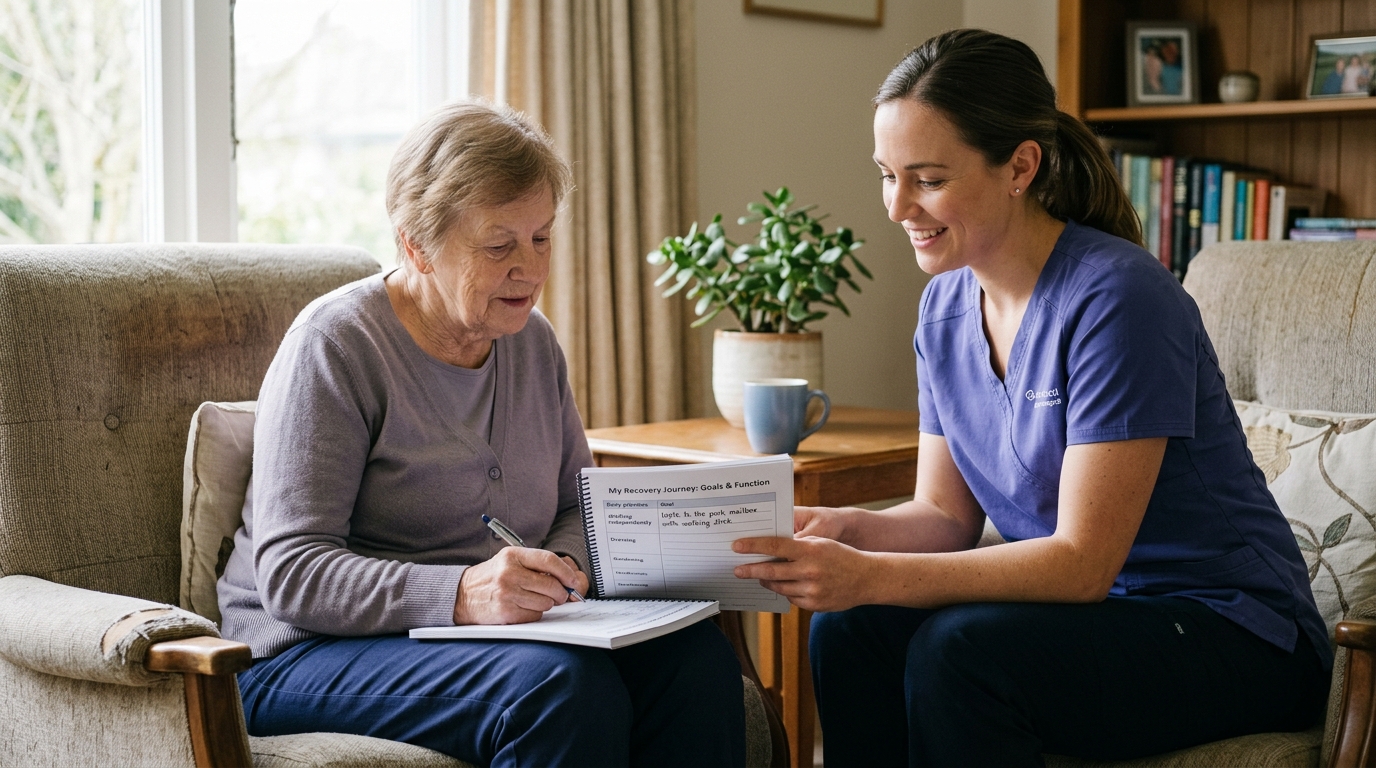
Setting rigid exercise goals often fails when health conditions fluctuate. A flexible framework uses a three-tier goal structure that accommodates changes in daily physical capacity. This system separates goals into outcome directions, process goals, and fallback options.
An outcome direction represents your broader, long-term intention for your health and mobility. Examples include maintaining leg strength for stair climbing, building walking stamina, or preserving balance. An outcome direction provides purpose and general guidance without demanding specific daily numbers.
Connecting your routine to an outcome direction keeps you focused on long-term capacity. Rather than viewing missed sessions as failures, you can see movement as an ongoing practice. This perspective helps you build sustainable habits that align with your lifestyle.
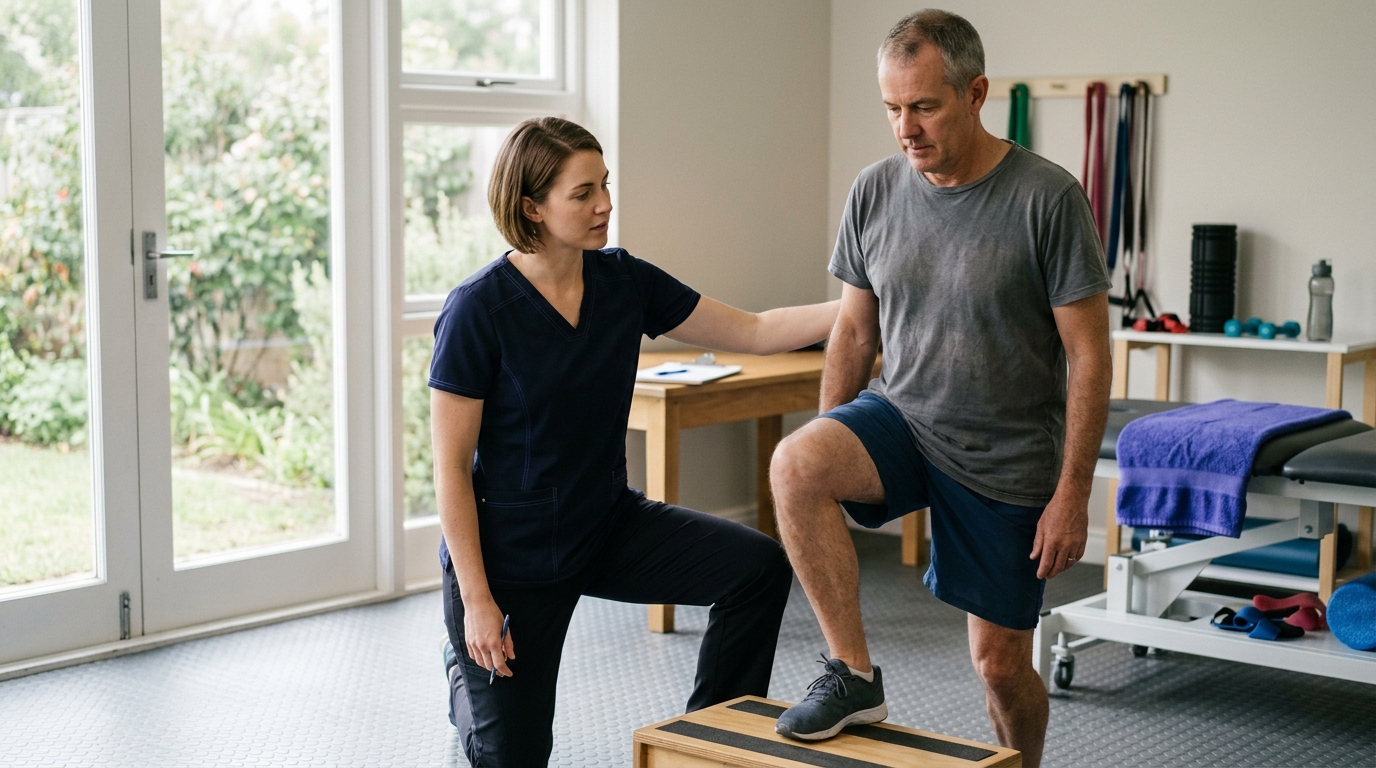
A process goal is a clear, repeatable habit that you schedule on standard days. For example, a process goal might be completing a ten-minute walk after lunch three days per week. It could also involve performing two sets of bodyweight chair squats on Tuesday and Thursday.
Process goals should be realistic enough to complete during normal weeks when symptoms remain stable. Because bouts of any length contribute to health targets, process goals do not need to be long or exhausting. Keeping process goals modest ensures consistency and builds physical confidence over time.
A fallback option is a modified, low-demand alternative designed for low-energy days or mild symptom flares. If your process goal is a fifteen-minute outdoor walk, your fallback option might be five minutes of gentle seated mobility work. If your goal is a light resistance routine, your fallback might involve gentle ankle and shoulder movements from a comfortable chair.
Fallback options prevent the total cessation of activity during challenging days. Replacing prolonged sitting with light movement provides health benefits and helps prevent joint stiffness. Having pre-planned fallback choices eliminates the guilt of modifying your routine when physical capacity drops.
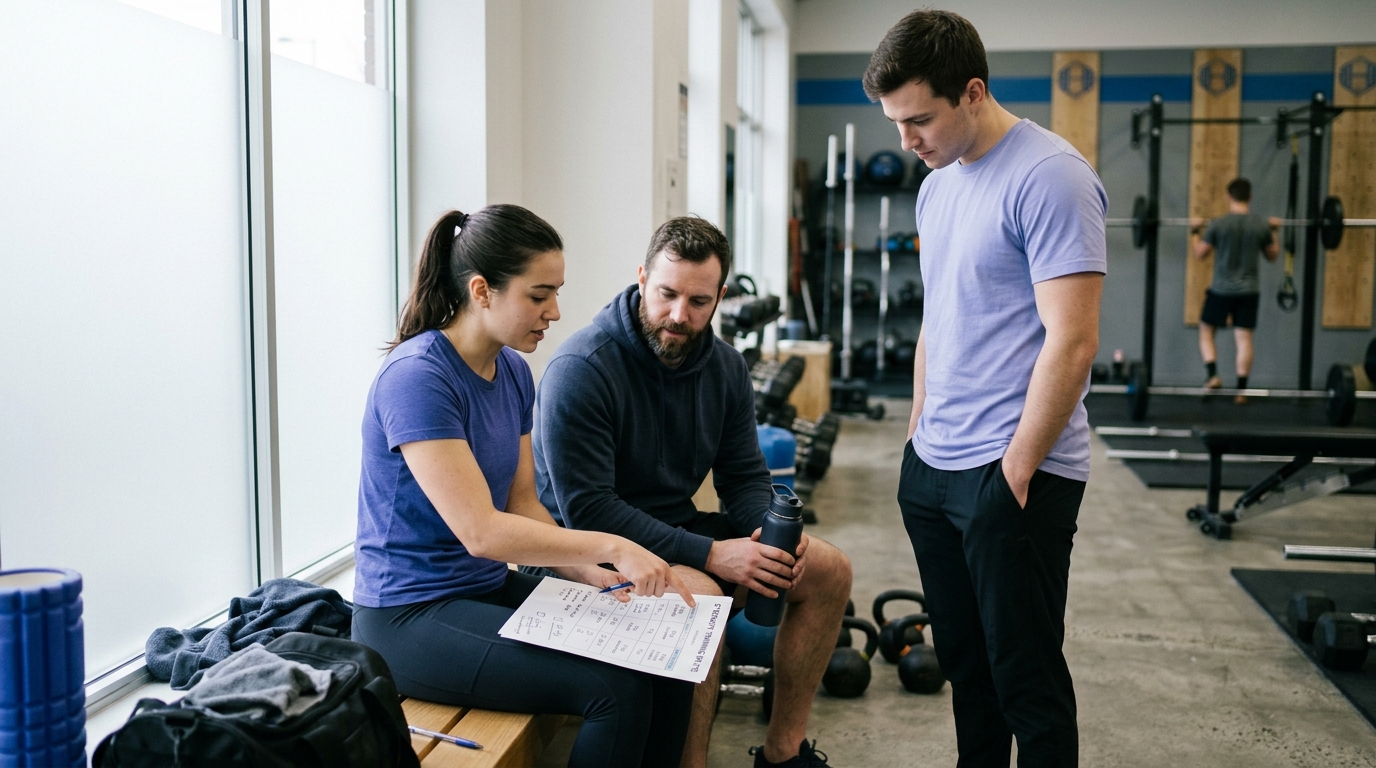
Creating a weekly activity menu gives you clear choices that match your daily physical readiness. Instead of forcing yourself into a rigid workout schedule, you select options based on how your body feels. This approach keeps you moving consistently while respecting your physical limits.
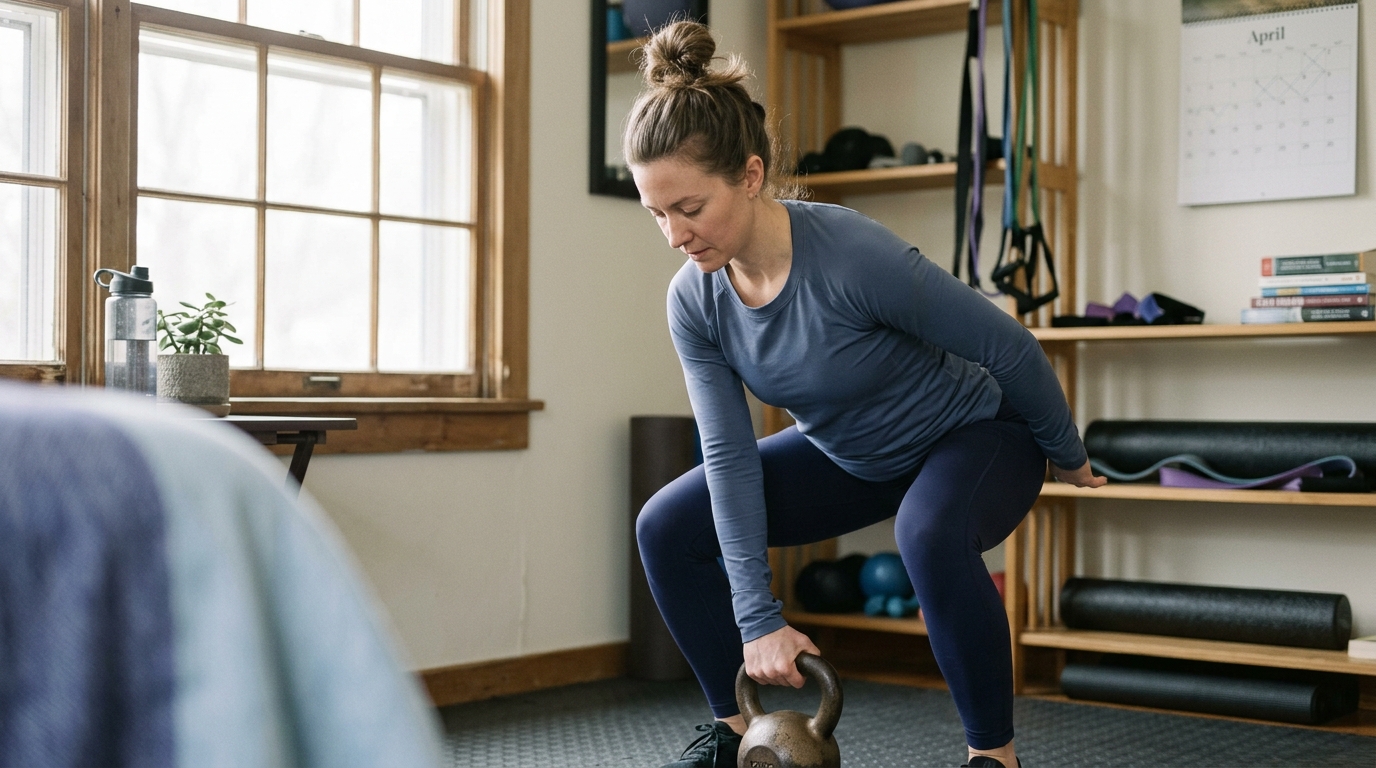
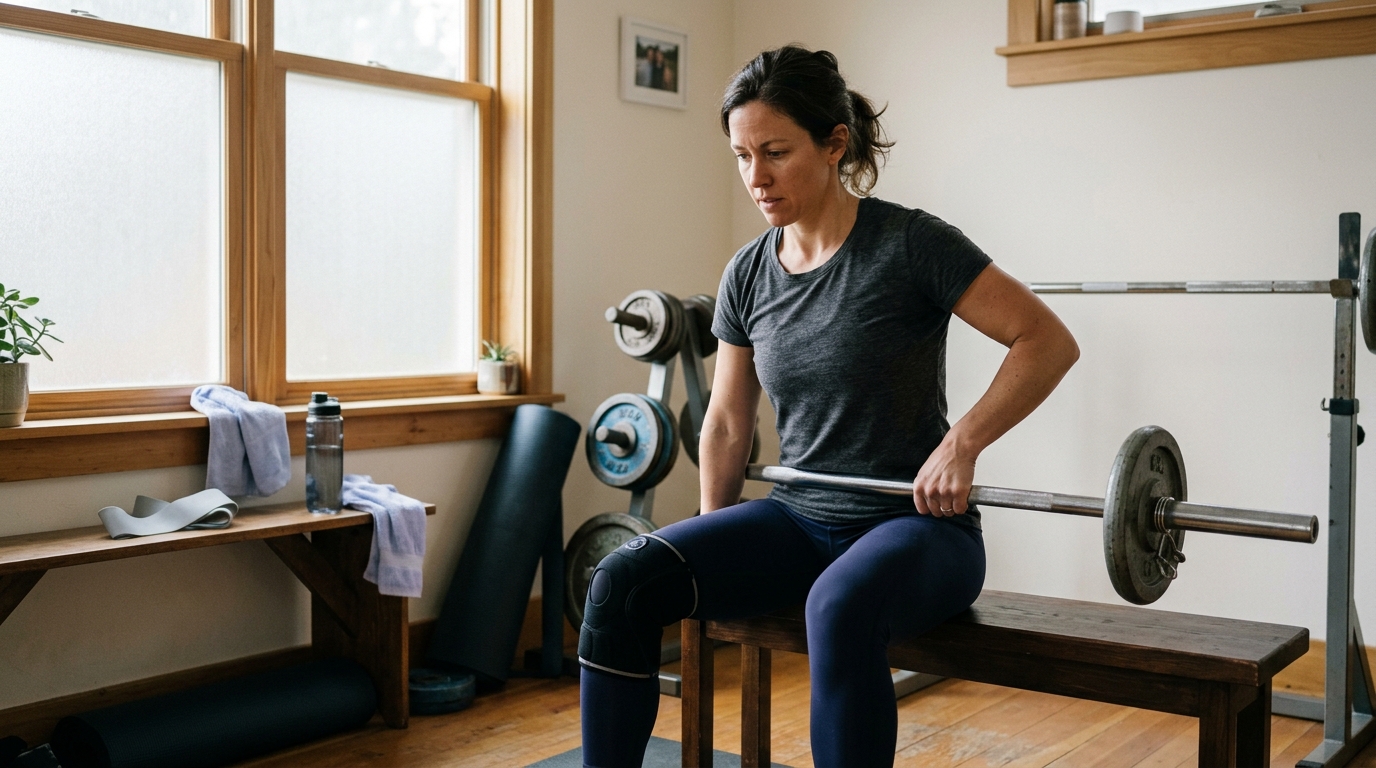
On days when your symptoms are low and your energy is high, you can complete your preferred baseline routine. These sessions might include moderate aerobic walking, stationary cycling, or guided strength exercises. You can incorporate resistance bands, light dumbbells, or bodyweight exercises targeting major muscle groups.
Always resist the urge to double your planned workout just because you feel exceptionally energetic. Sticking to your planned volume protects you from post-exercise symptom spikes. Consistency at a sustainable level produces better long-term adaptations than unpredictable bursts of intense effort. You can find structured movements in our mobility and movement routines.
Moderate days occur when you feel mild fatigue or minor joint stiffness, but remain capable of light physical effort. For these days, you can shorten your planned workout time or lower the movement intensity. A fifteen-minute walk can become an eight-minute walk at an easy pace.
You can also divide your planned movement into smaller segments spread throughout the day. Completing four minutes of movement in the morning and four minutes in the afternoon matches your daily target without overburdening your joints. This flexibility maintains your routine while managing daily fatigue.
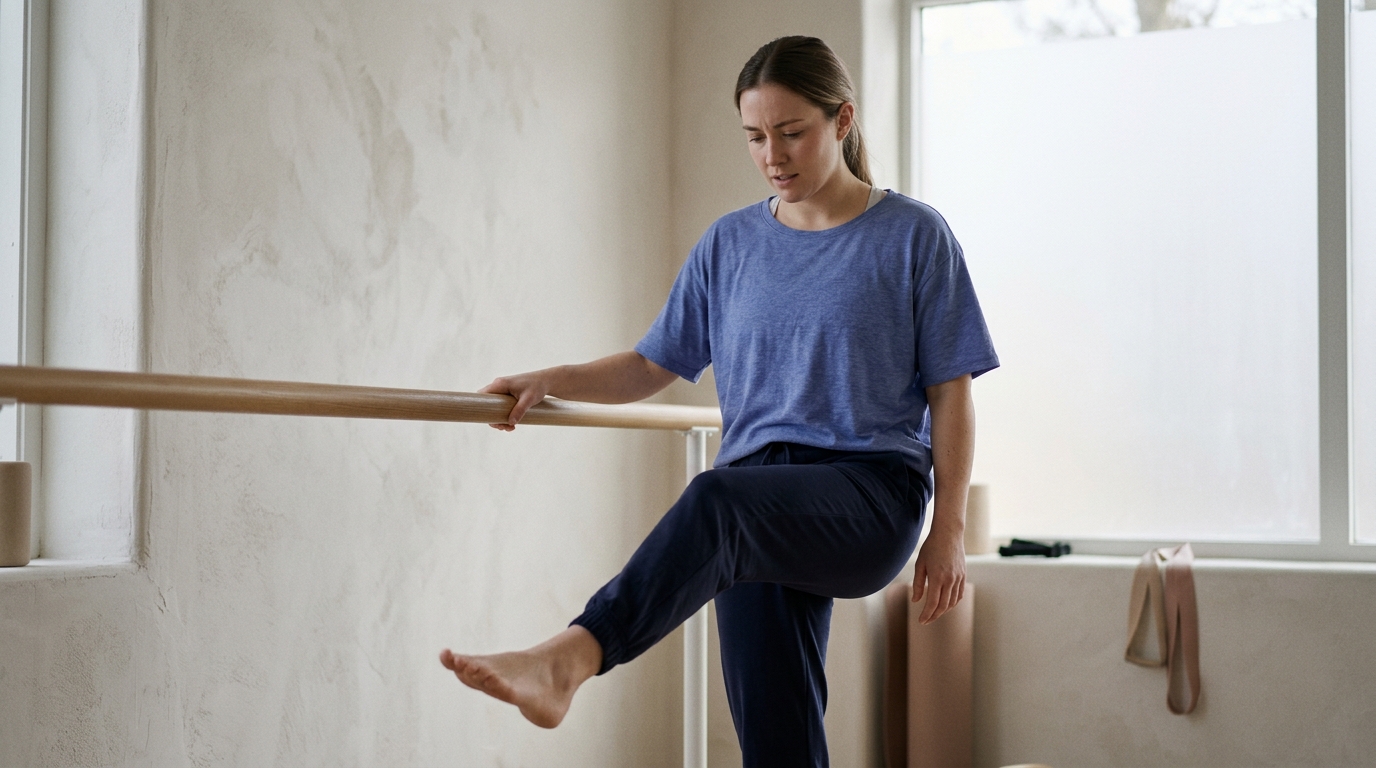
On low-capacity days, your primary goal is avoiding prolonged immobility while resting adequately. Fallback routines emphasize gentle range-of-motion exercises, diaphragmatic breathing, and posture shifts. A short walk around your home or light calf raises while holding the kitchen counter are practical examples.
These small bouts of movement help maintain circulation and joint lubrication without taxing your energy reserves. They remind your body that movement remains safe and accessible. Once your symptoms settle, you can return to your standard process goals without feeling behind.
Chronic conditions affect the body in diverse ways, meaning exercise modifications must account for specific health factors. What works well for one person may require significant adjustment for another. Recognizing these modifying factors helps you tailor your activity plan responsibly.
Individuals with osteoarthritis or inflammatory arthritis frequently manage localized joint pain, swelling, and morning stiffness. The CDC notes that mild discomfort or stiffness can occur when beginning a new physical activity program. However, persistent joint pain that worsens or does not improve over time requires clinical review.
Low-impact aerobic activities, such as swimming, water aerobics, cycling, and walking on level surfaces, reduce joint stress. Resistance exercises should focus on strengthening the muscles surrounding affected joints without causing sharp pain. Adjusting your range of motion and avoiding high-impact loading helps protect joint structures while building supportive strength.
Certain neurological and autoimmune conditions involve unpredictable fatigue and sensitivity to environmental temperature. A review on exercise prescription for individuals with multiple sclerosis highlights that low-to-moderate aerobic training can improve fitness and reduce fatigue. However, the review emphasizes that exercise frequency must match individual tolerance and avoid inducing heat-related symptoms.
For individuals sensitive to heat, exercising in temperature-controlled rooms or during cooler parts of the day is helpful. Scheduling activity during peak energy hours prevents severe post-exercise exhaustion. Resting between exercise sets allows body temperature and heart rate to return to baseline levels.
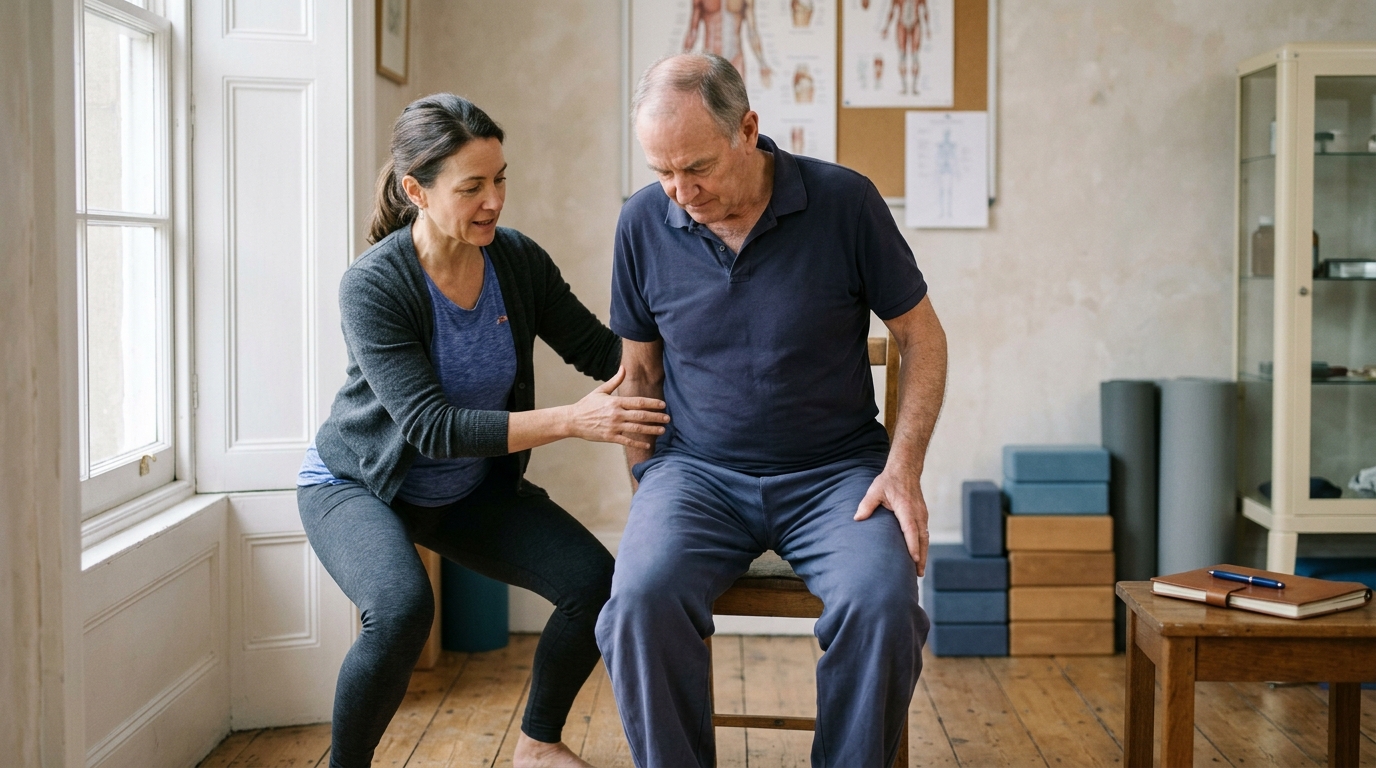
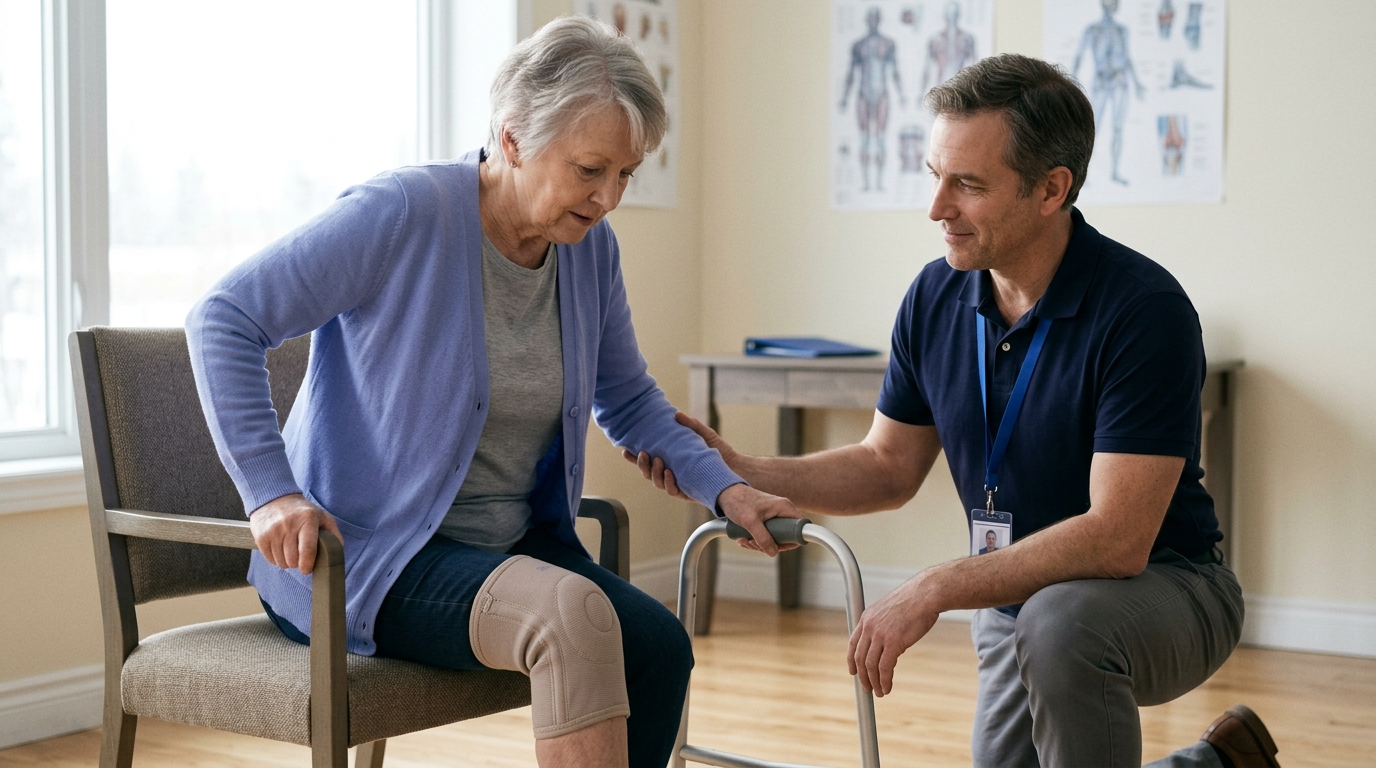
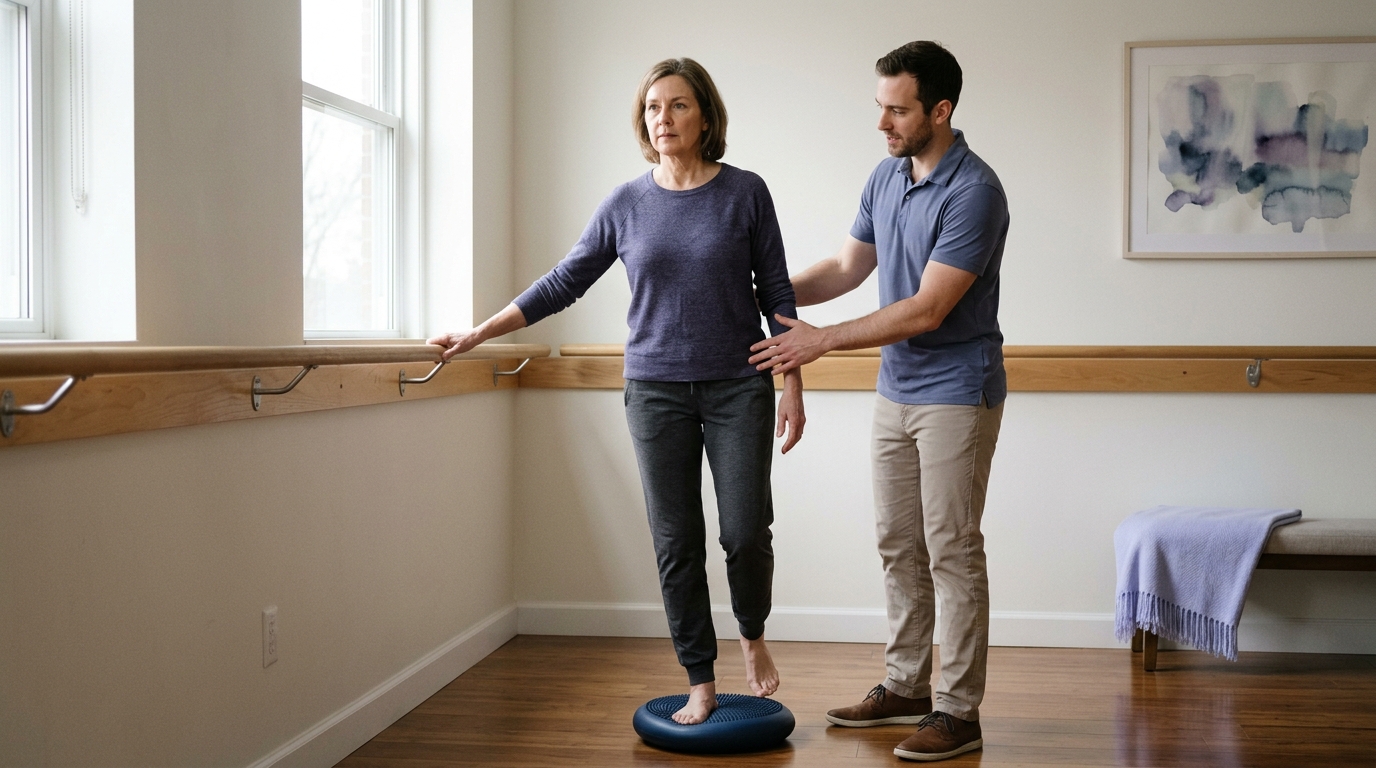
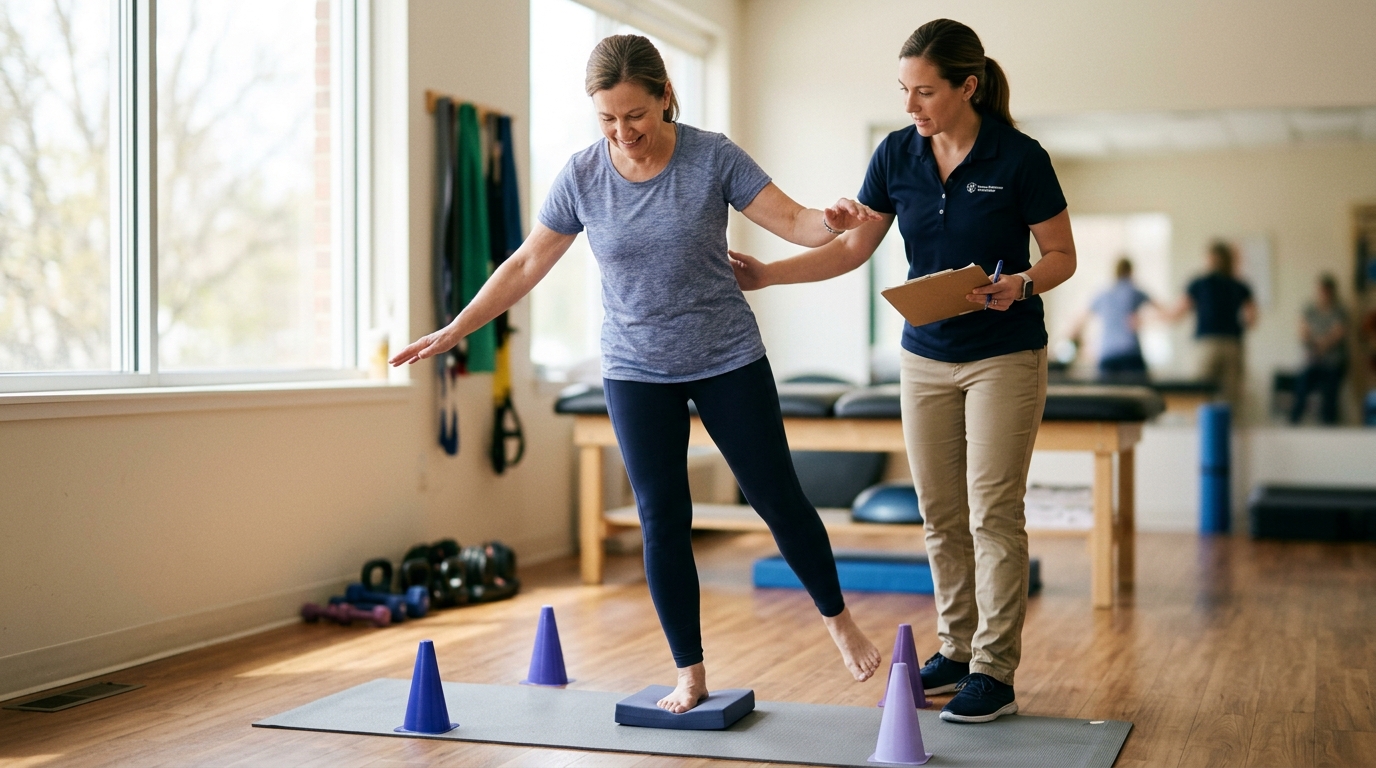
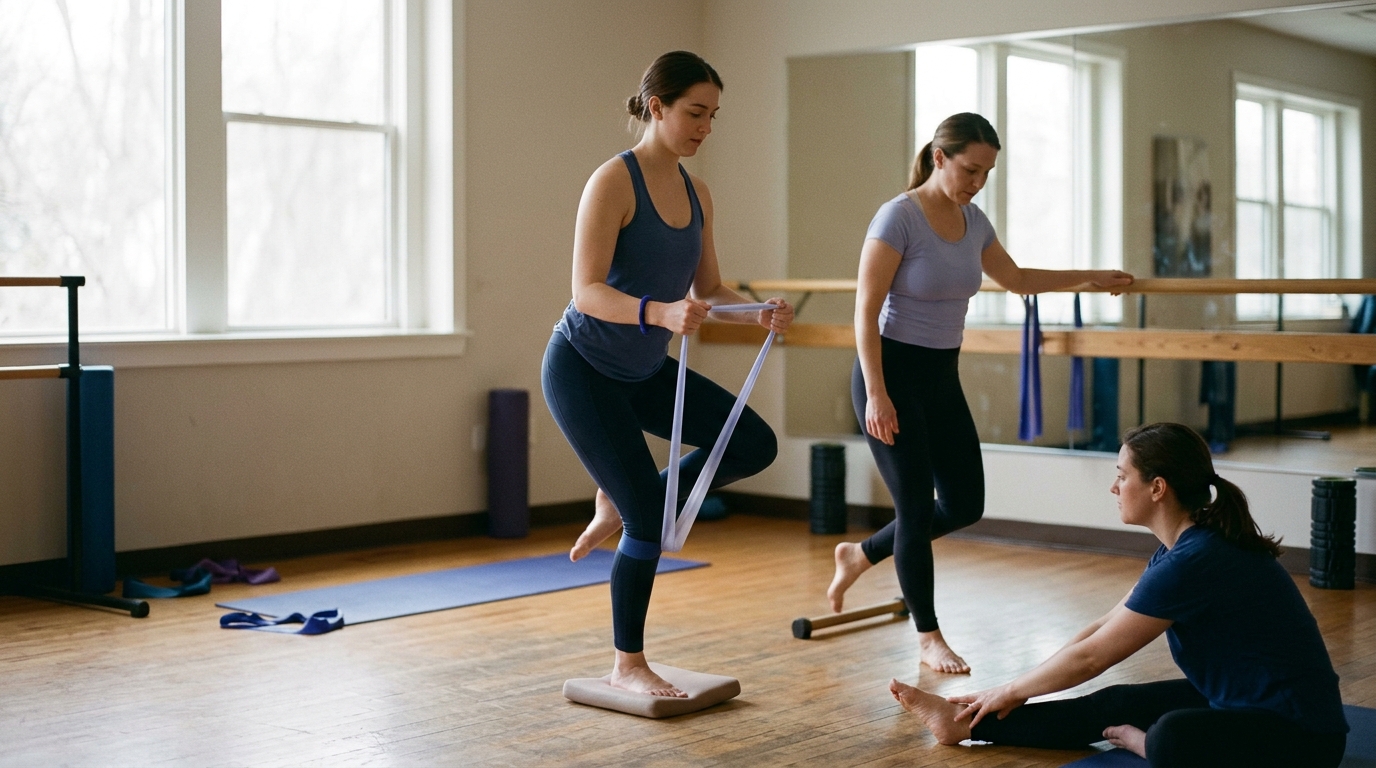
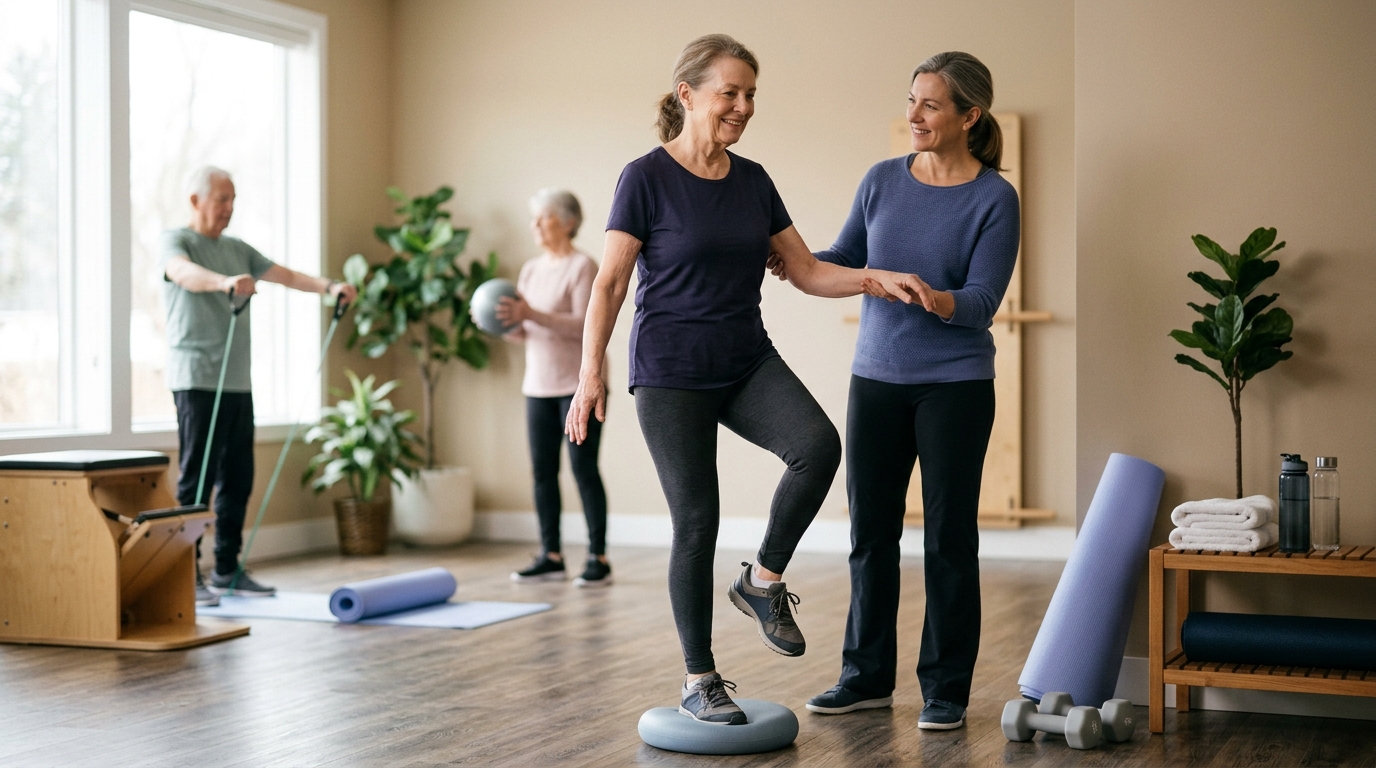
Conditions that affect balance, coordination, or sensory feedback require specific safety adaptations. Muscle weakness or joint instability can increase the risk of accidental trips and falls. Incorporating stable support surfaces into your exercise environment enhances both safety and confidence.
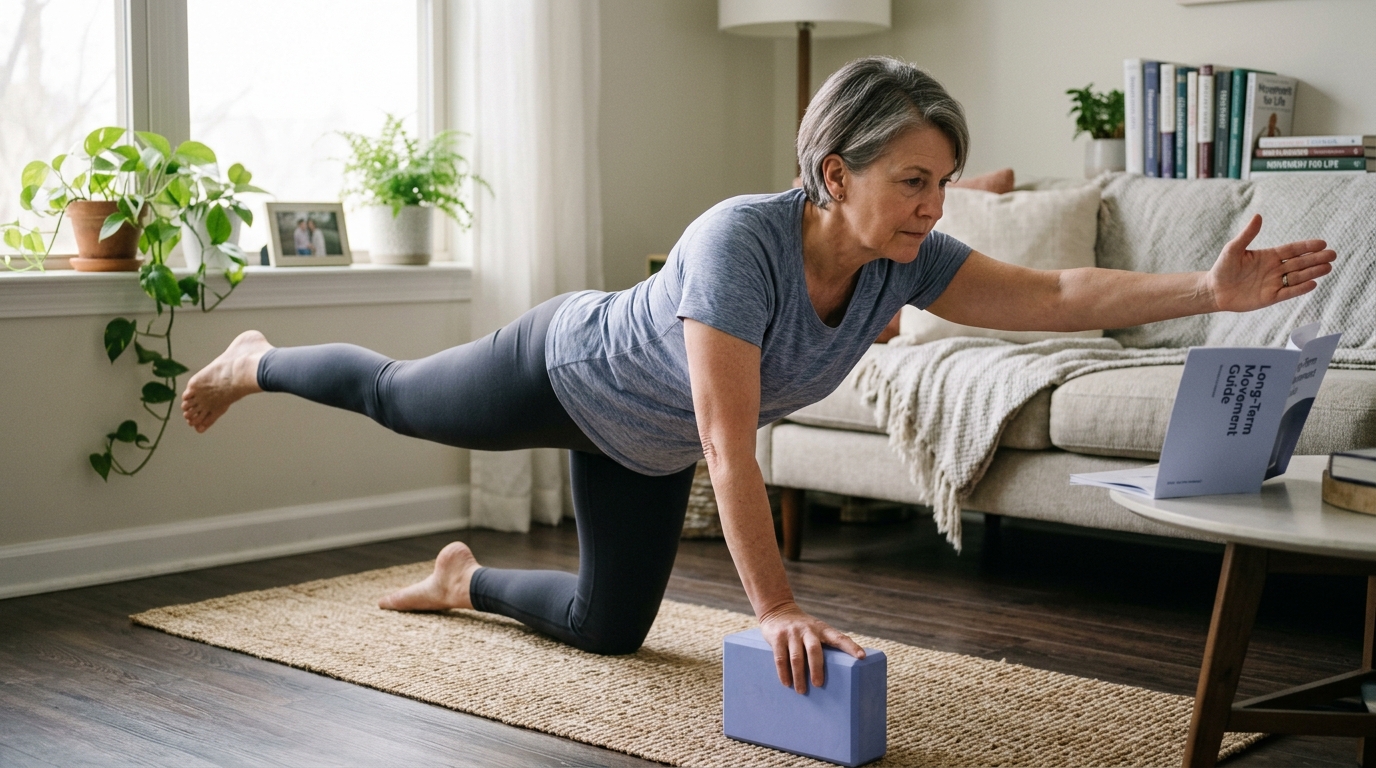
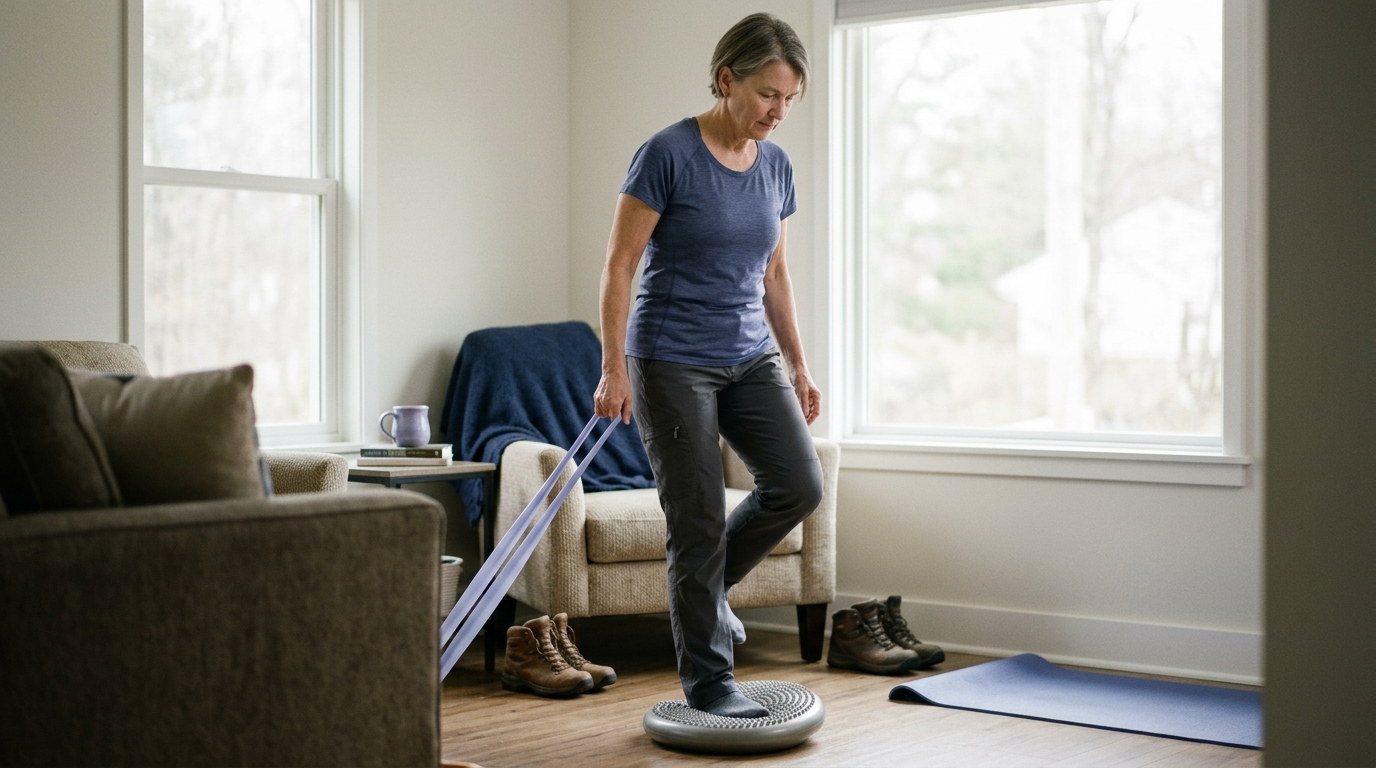
You can perform balance exercises and strength movements while standing near a sturdy wall, counter, or heavy chair. Seated exercise variations provide an effective cardiovascular and muscular stimulus while removing fall risks entirely. For further guidance on safe physical adaptation, review our injury prevention and staying active resources.
Learning to interpret bodily sensations helps you distinguish between normal exercise adaptations and signs that require medical attention. Physical exertion naturally causes increased breathing, mild muscle fatigue, and light perspiration. Experiencing mild muscle soreness a day after trying a new movement is a common physiological response.
The CDC emphasizes that adults with arthritis should expect some initial stiffness or mild aching when starting physical activity. However, joint pain that is sharp, severe, or steadily worsens over several weeks is not a normal adaptation. If joint swelling increases or pain interferes with basic daily tasks, consult your healthcare provider.
Pre-exercise safety screening ensures that physical activity remains safe and appropriate for your cardiovascular health. The American College of Sports Medicine (ACSM) outlines key factors for exercise screening, including current activity level and known cardiovascular, metabolic, or renal disease. The ACSM guidance states that individuals showing signs or symptoms suggestive of cardiovascular disease should seek medical clearance before exercising.
Warning signs that require immediate medical evaluation include chest pressure, pain radiating to the neck or arm, sudden dizziness, or unexplained shortness of breath. You should also pause activity if you experience irregular heartbeats, lightheadedness, or sudden visual disturbances. Understanding these safety boundaries allows you to stay active with confidence and peace of mind. For more insight into recovery adaptations, explore our recovery science principles.
Staying active with a persistent condition involves more than choosing exercises. Your surrounding environment, daily habits, and practical routines play major roles in sustaining long-term movement. Making thoughtful adjustments to your physical surroundings simplifies your activity plan.
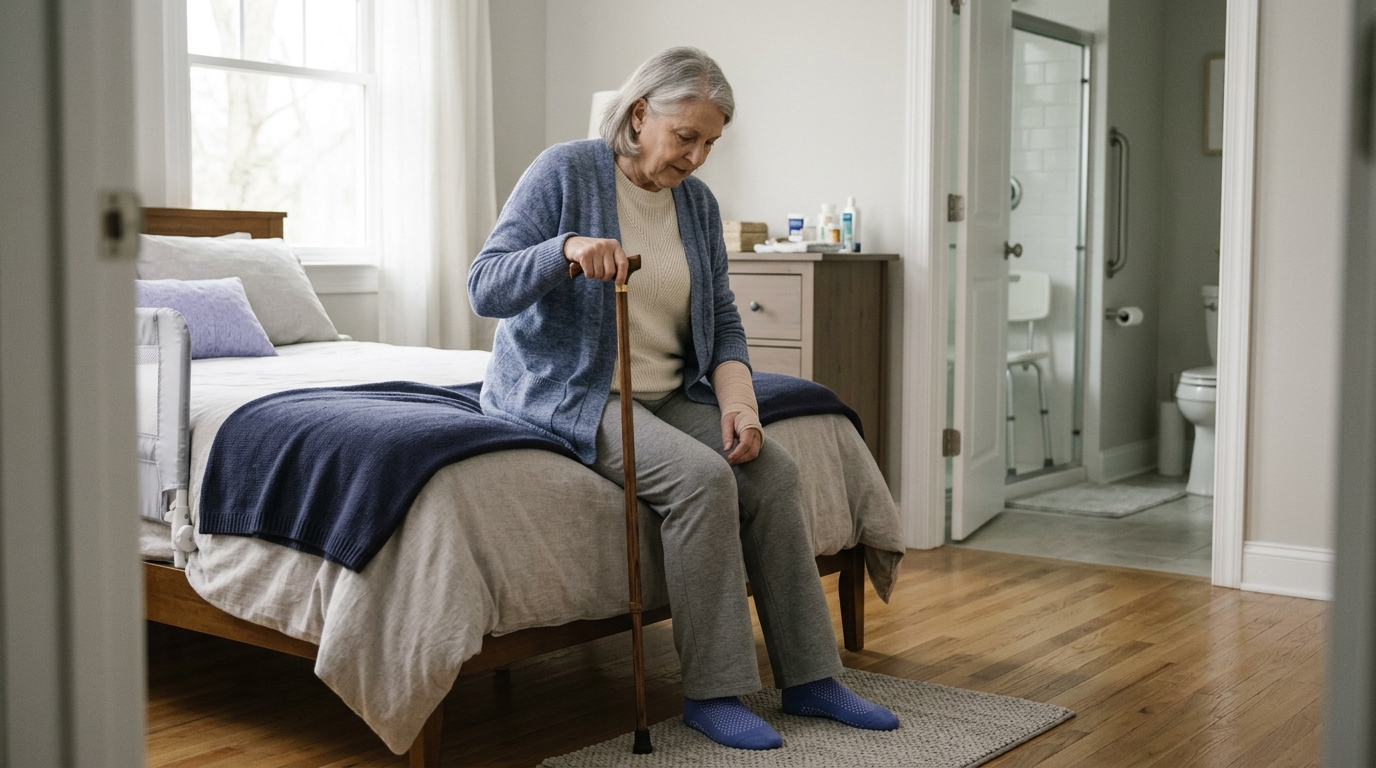
Your exercise environment should prioritize comfort, accessibility, and safety. Supportive footwear with non-slip soles provides joint stability and reduces impact forces on hard floors. Exercising in well-lit rooms clear of loose rugs or clutter minimizes tripping hazards.
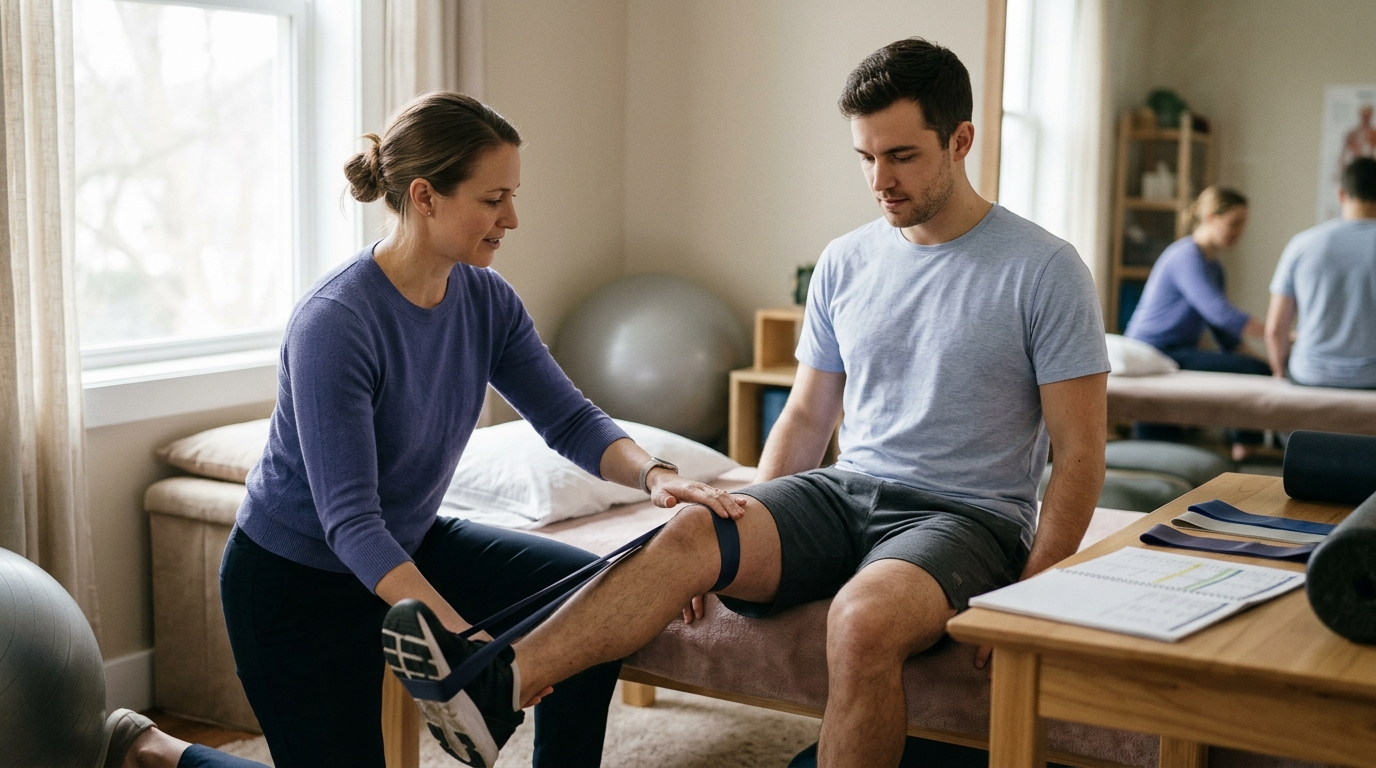
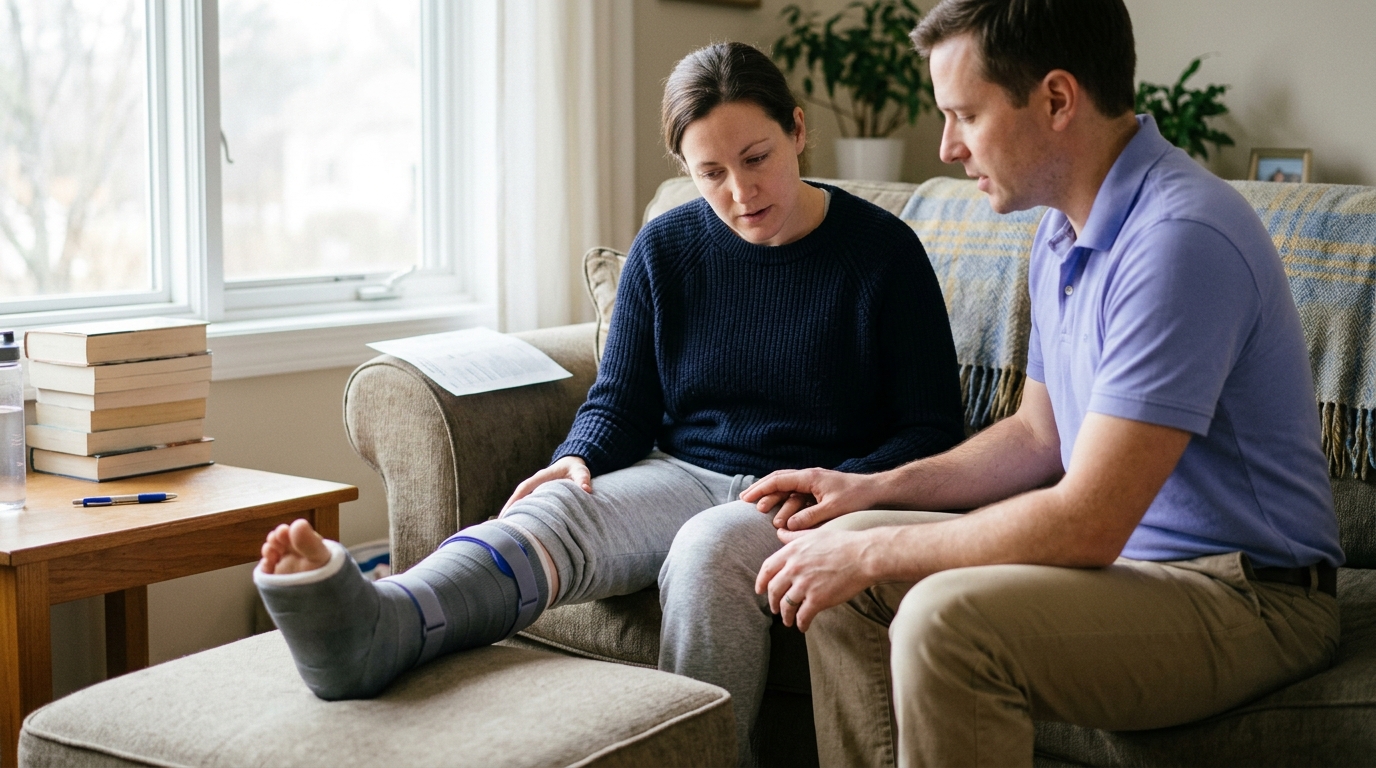
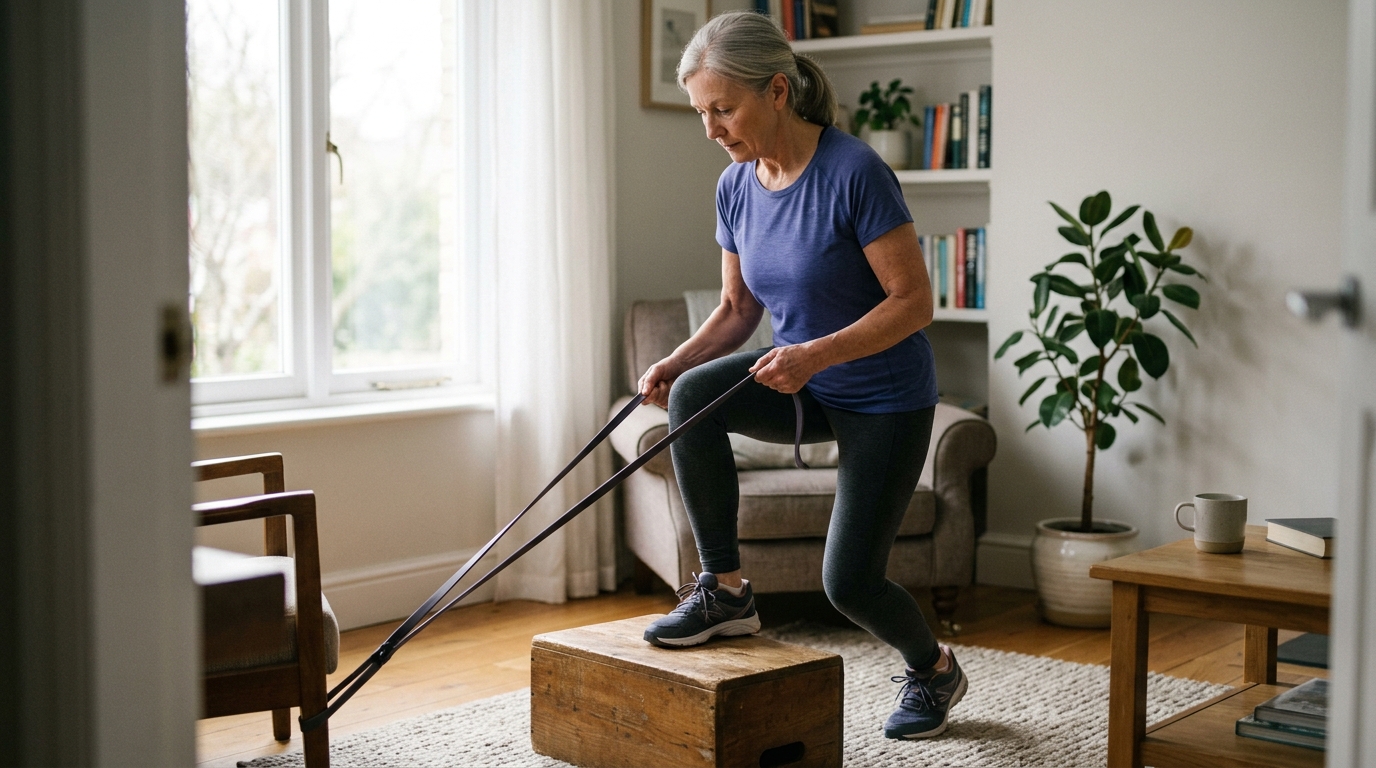
Using simple tools, such as looped resistance bands, yoga blocks, or raised benches, makes movements more accessible. If getting down to the floor causes joint pain or dizziness, perform stretches and strengthening exercises on a sturdy bed. Adapting the setting to your body eliminates unnecessary physical strain.
Energy levels often follow predictable patterns throughout the day. Some people feel stiffest in the morning, while others experience significant fatigue by late afternoon. Identifying your optimal energy windows allows you to schedule activity when your body is most receptive.
If morning stiffness limits your mobility, perform gentle range-of-motion movements in a warm shower before attempting structured exercise. If evening fatigue is your main challenge, complete short movement breaks before your afternoon energy drops. Aligning activity with your natural biological rhythms improves workout consistency and recovery.
Keeping a basic movement diary helps you spot patterns between your activities and symptom responses. Record the type of movement completed, the duration, your perceived effort, and how you felt the following day. This record provides clear feedback on whether your current activity volume is sustainable.
Avoid analyzing every minor ache or temporary sensation, as normal bodily sensations fluctuate naturally. Look for broad weekly trends rather than daily fluctuations. If you notice consistent symptom spikes after specific activities, you can modify that movement pattern calmly.
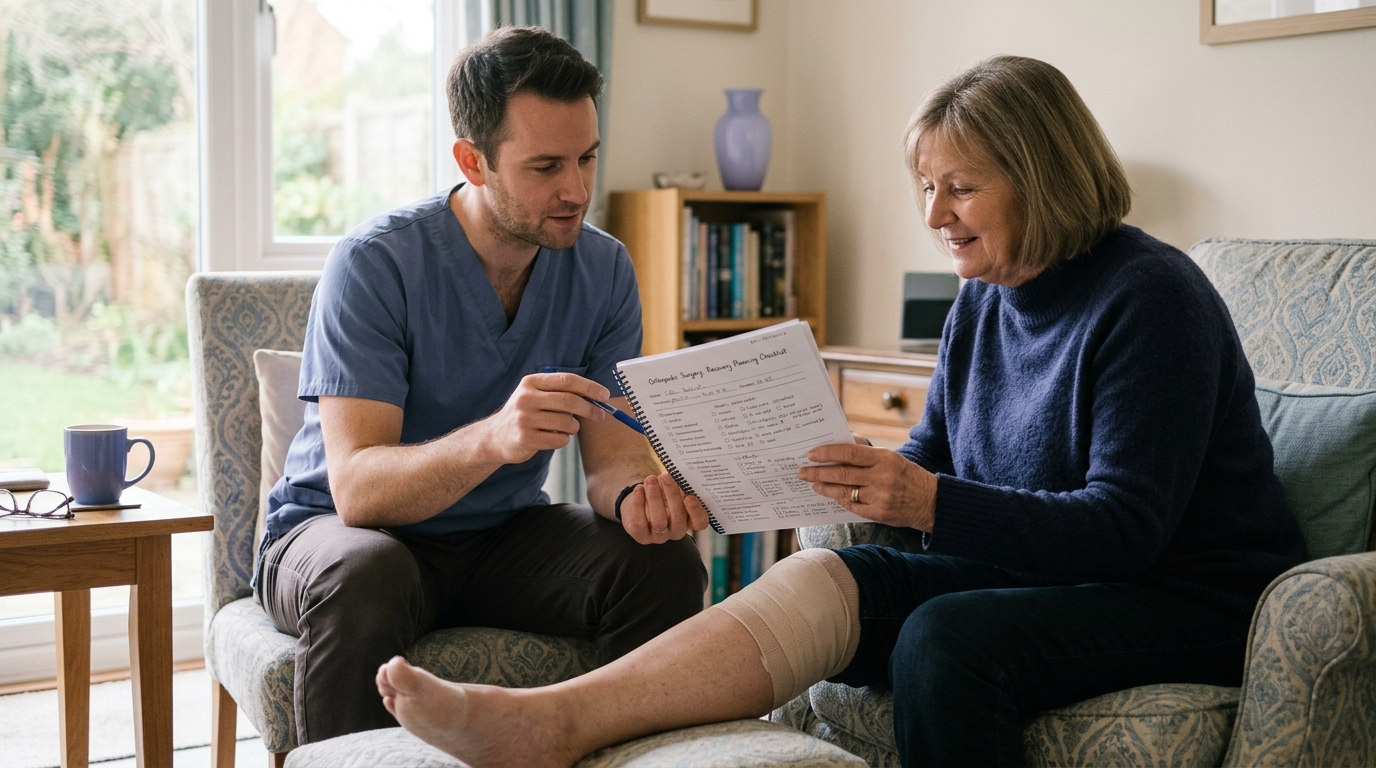
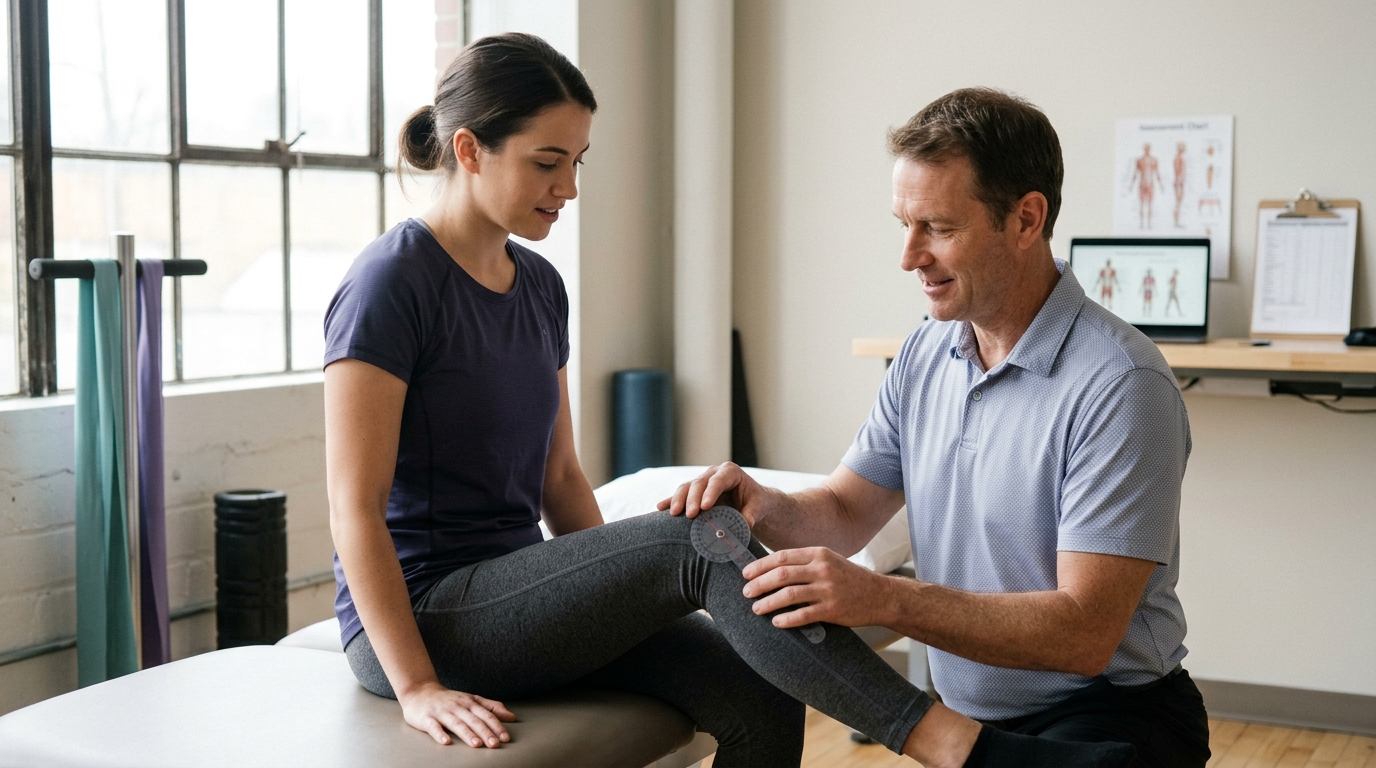
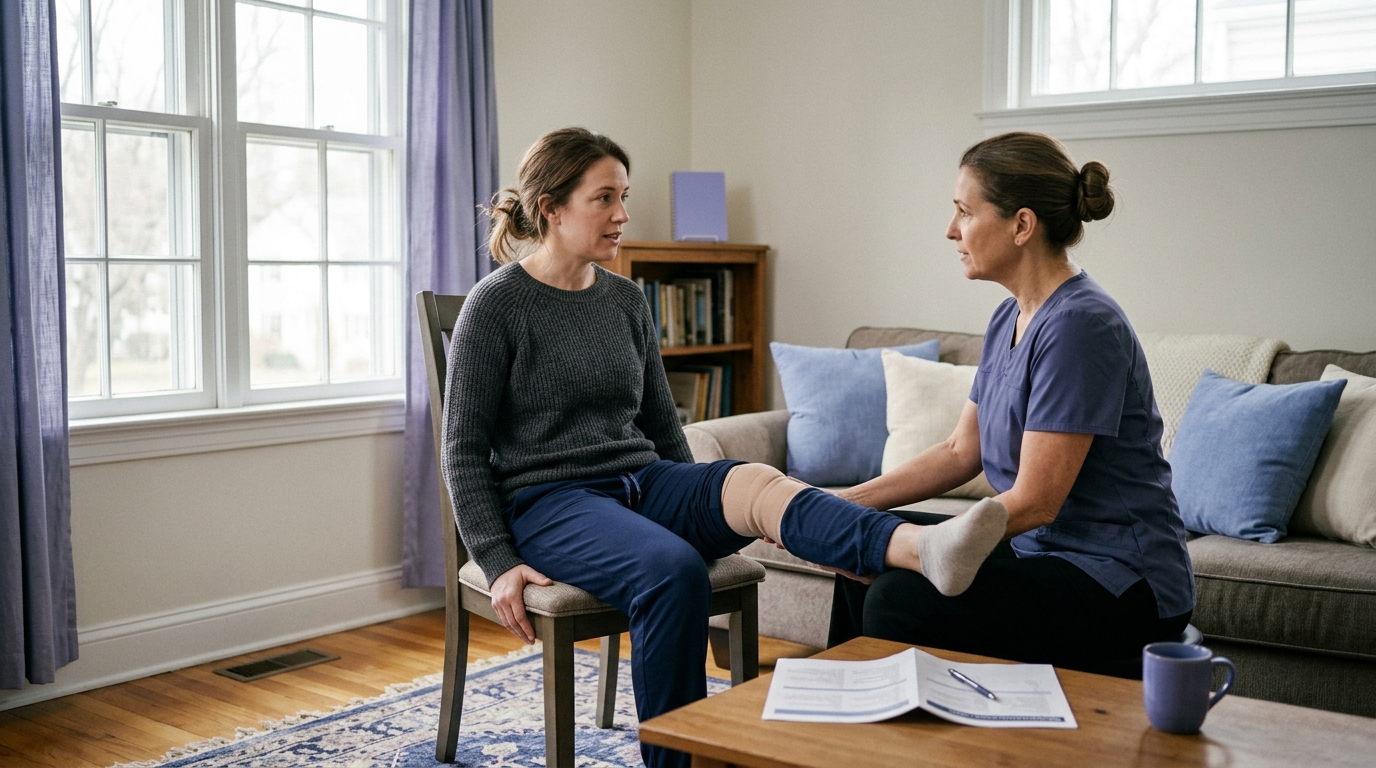
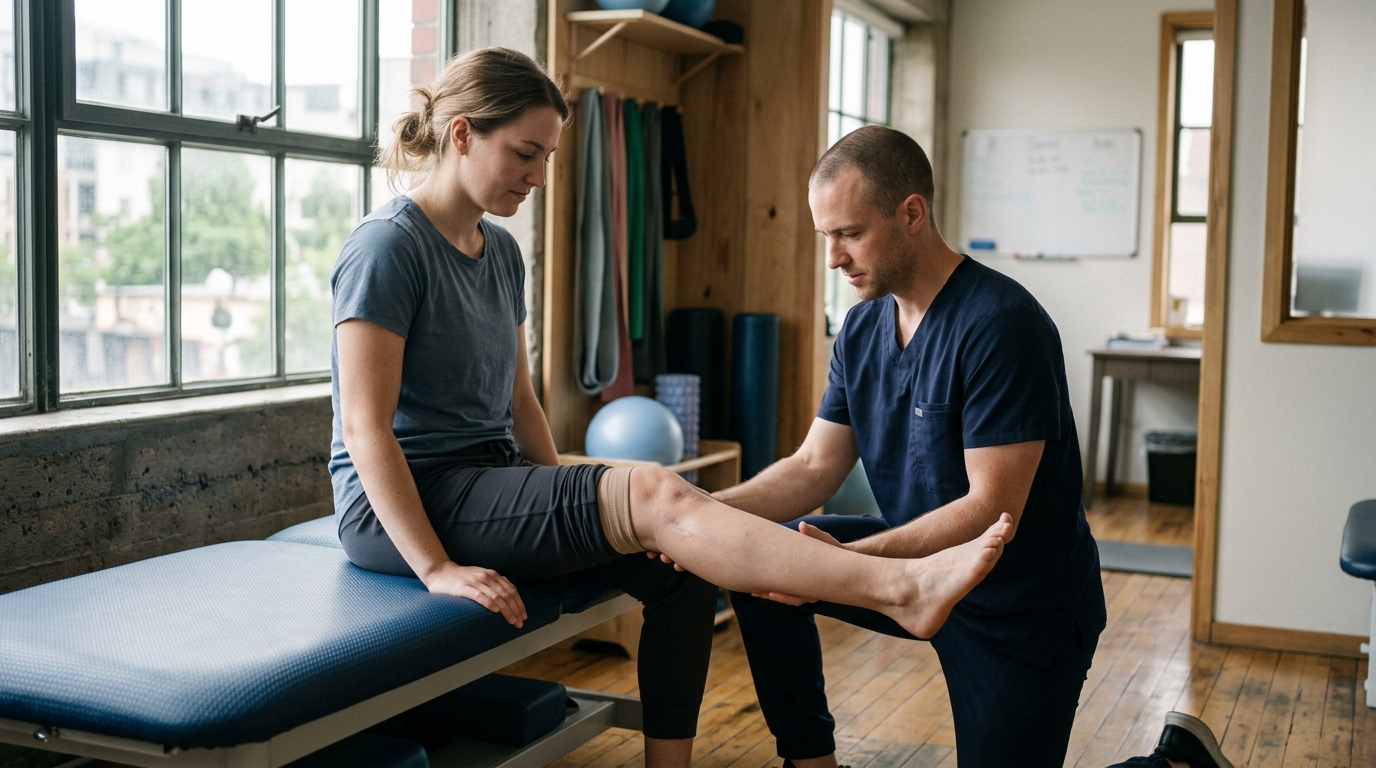
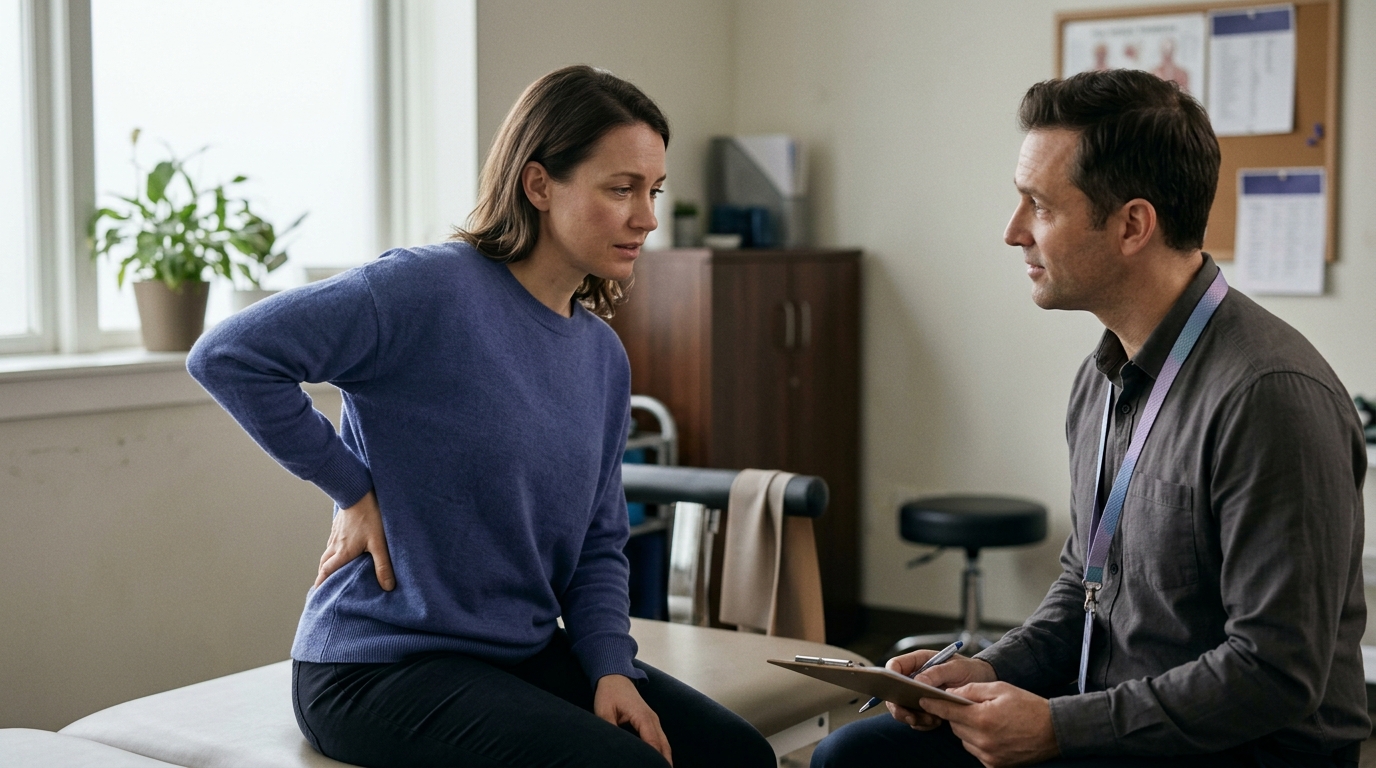
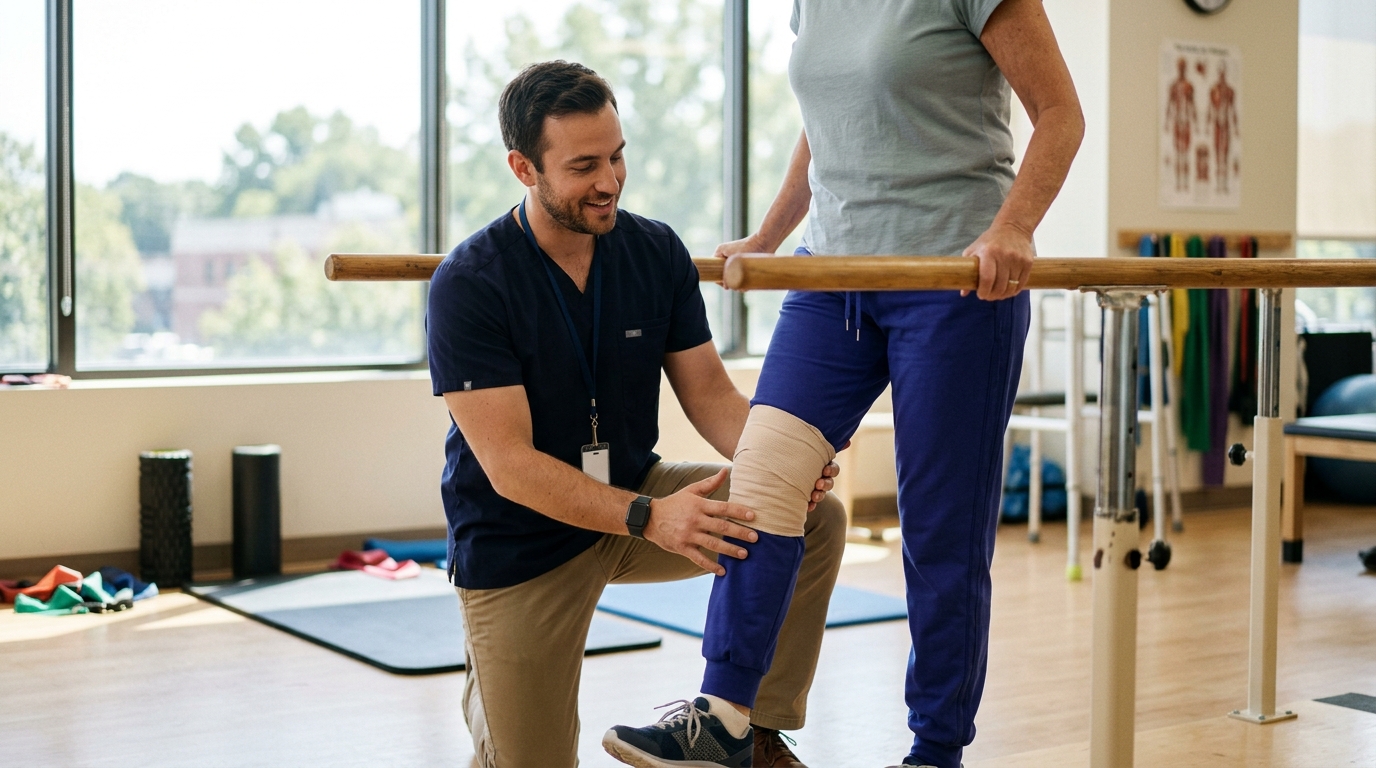
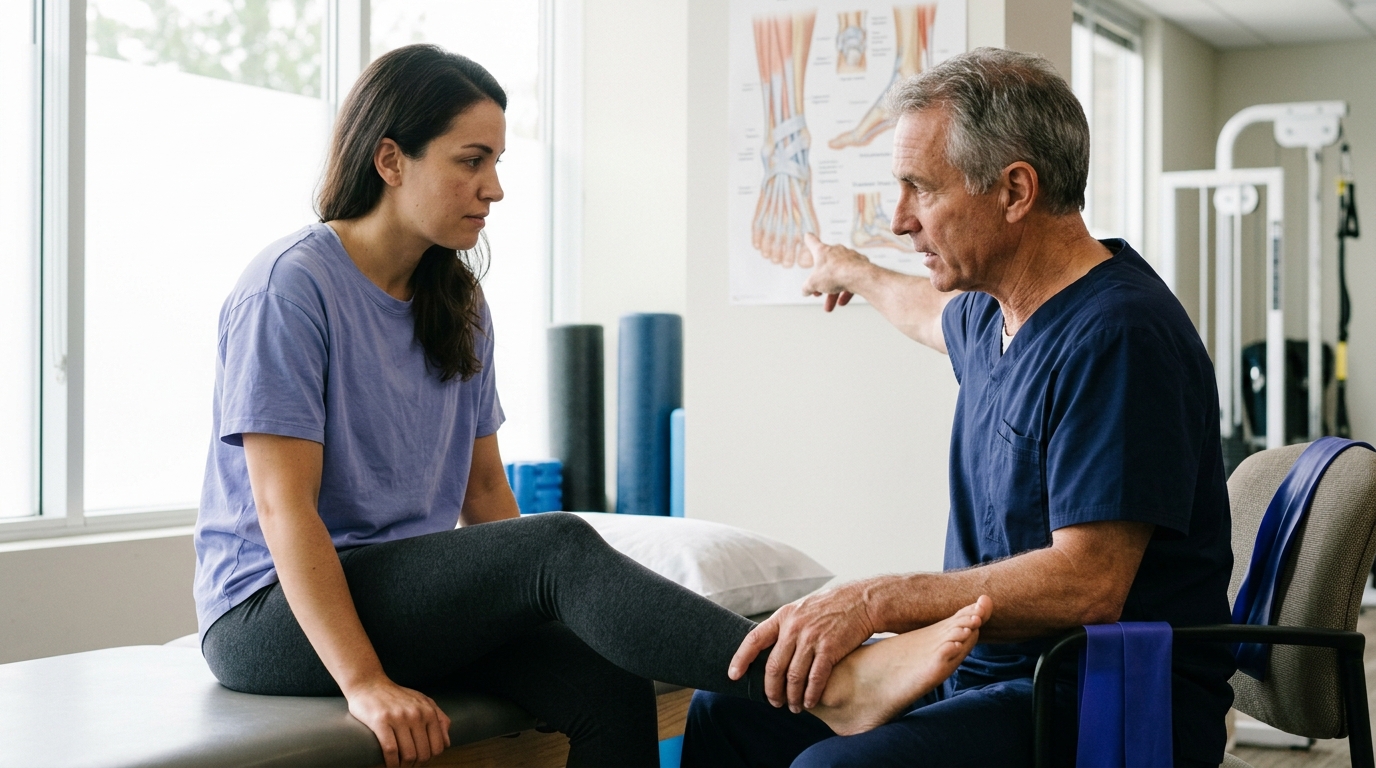
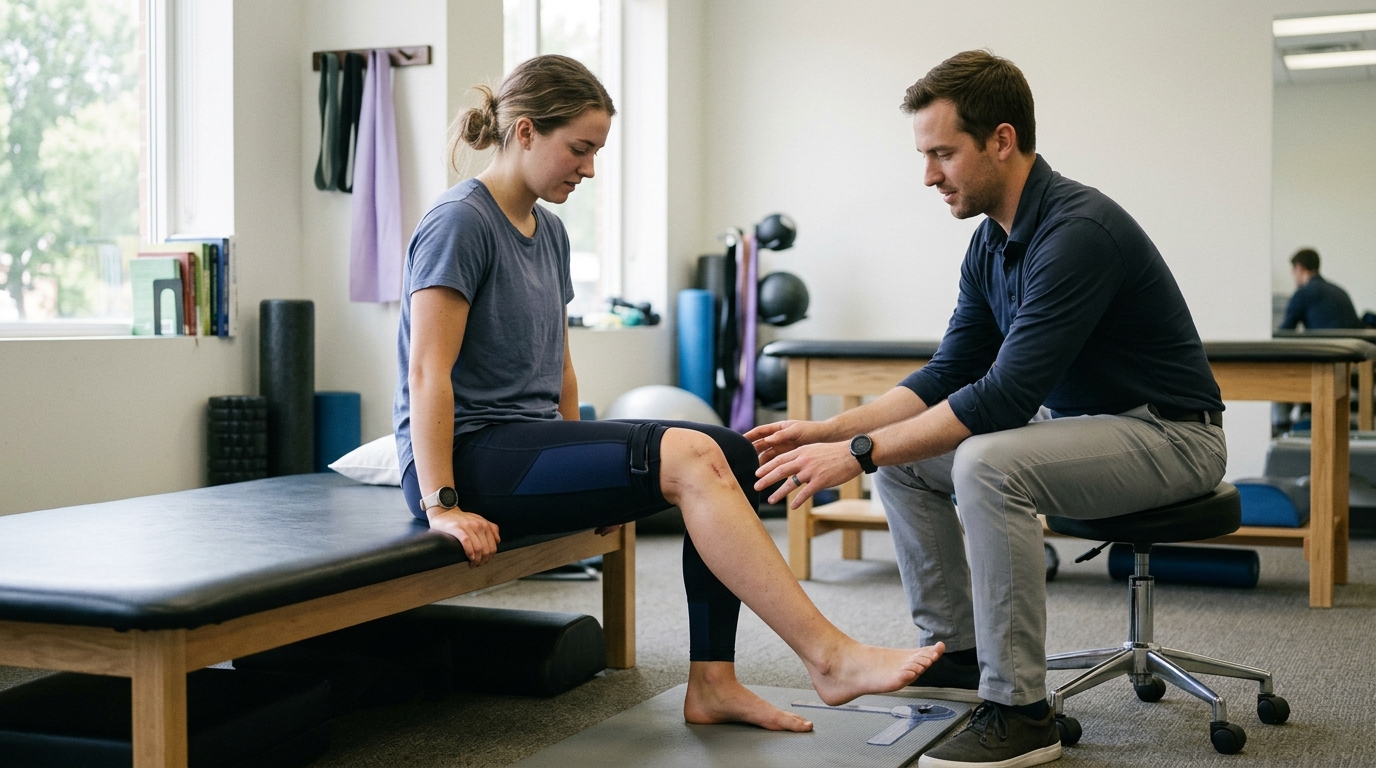
Collaborating with your healthcare team ensures your activity plan aligns with your medical history and treatment plan. Your primary care doctor, physical therapist, or occupational therapist can provide condition-specific guidance. Preparing specific questions helps you make the most of your appointments.
Here are practical questions to consider asking your healthcare provider:
Having these discussions ensures that your exercise plan supports your overall medical care. Your clinician can help you establish safe baseline parameters and symptom boundaries. Clear communication provides confidence as you progress your activity routine over time.
Building a sustainable exercise routine with a chronic condition requires patience, flexibility, and self-compassion. Public health targets offer a helpful long-term reference, but your daily starting point must match your individual capacity. Moving consistently at a manageable intensity is far more valuable than alternating between overexertion and prolonged rest.
Pacing protects your energy reserves and helps prevent recurrent symptom flares. By establishing an outcome direction, setting modest process goals, and preparing fallback options, you create a routine that withstands fluctuating health. Regular physical activity remains one of the most effective tools for supporting long-term mobility, function, and overall well-being.
Use this practical checklist to establish a flexible, sustainable activity plan over the coming days:

Use ReboundBody resources to understand common recovery stages, rehab terms, movement limits and strength rebuilding. Each guide is designed to make a complex comeback easier to understand.


Read practical guidance on injury recovery, rehabilitation, mobility and rebuilding strength as you work your way back to activity.
Explore Resources