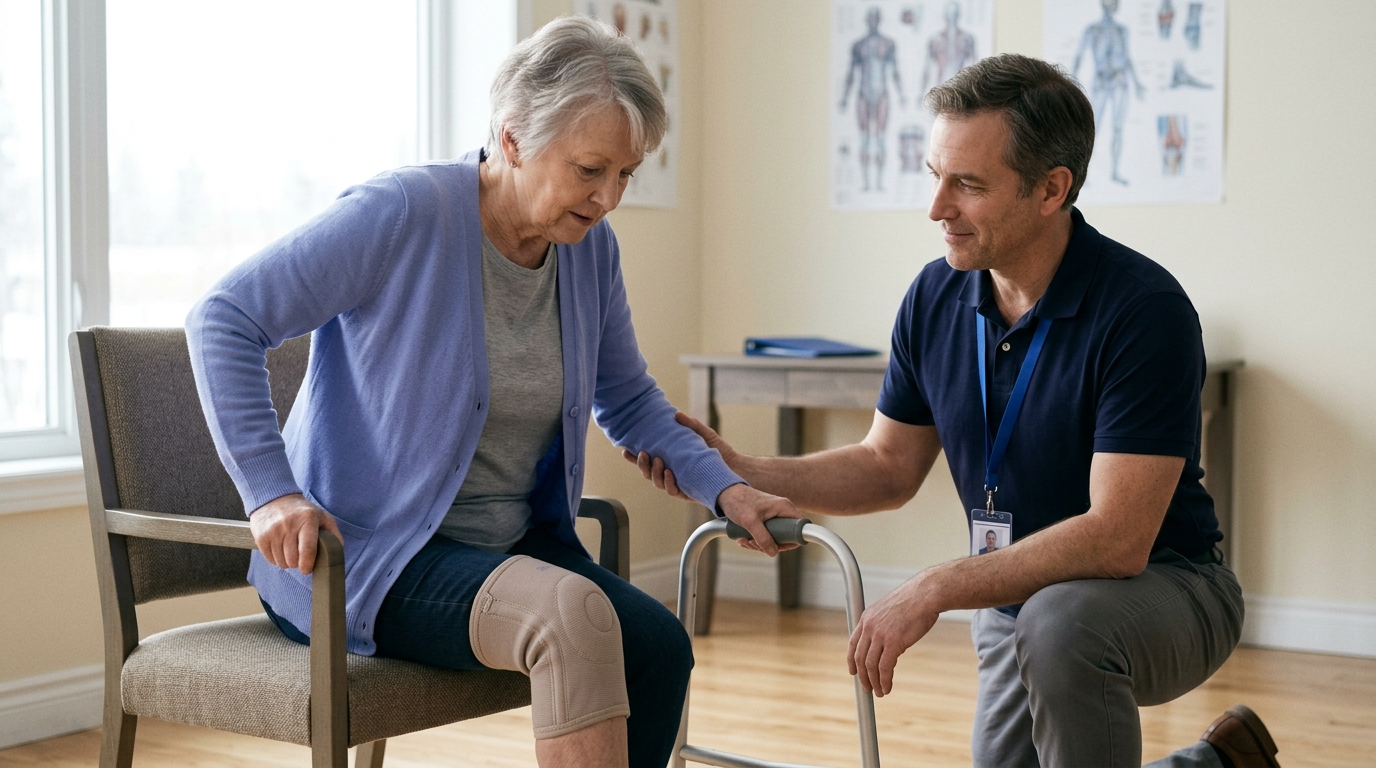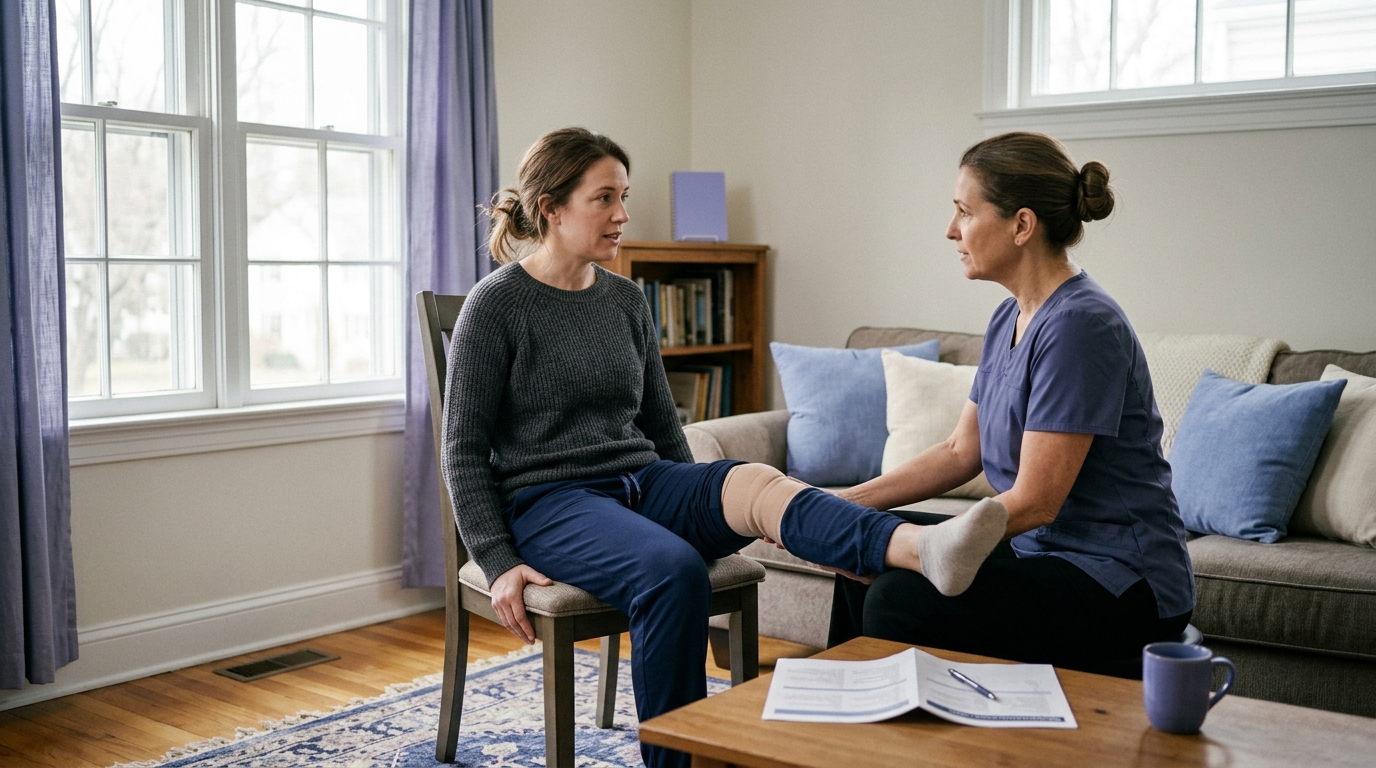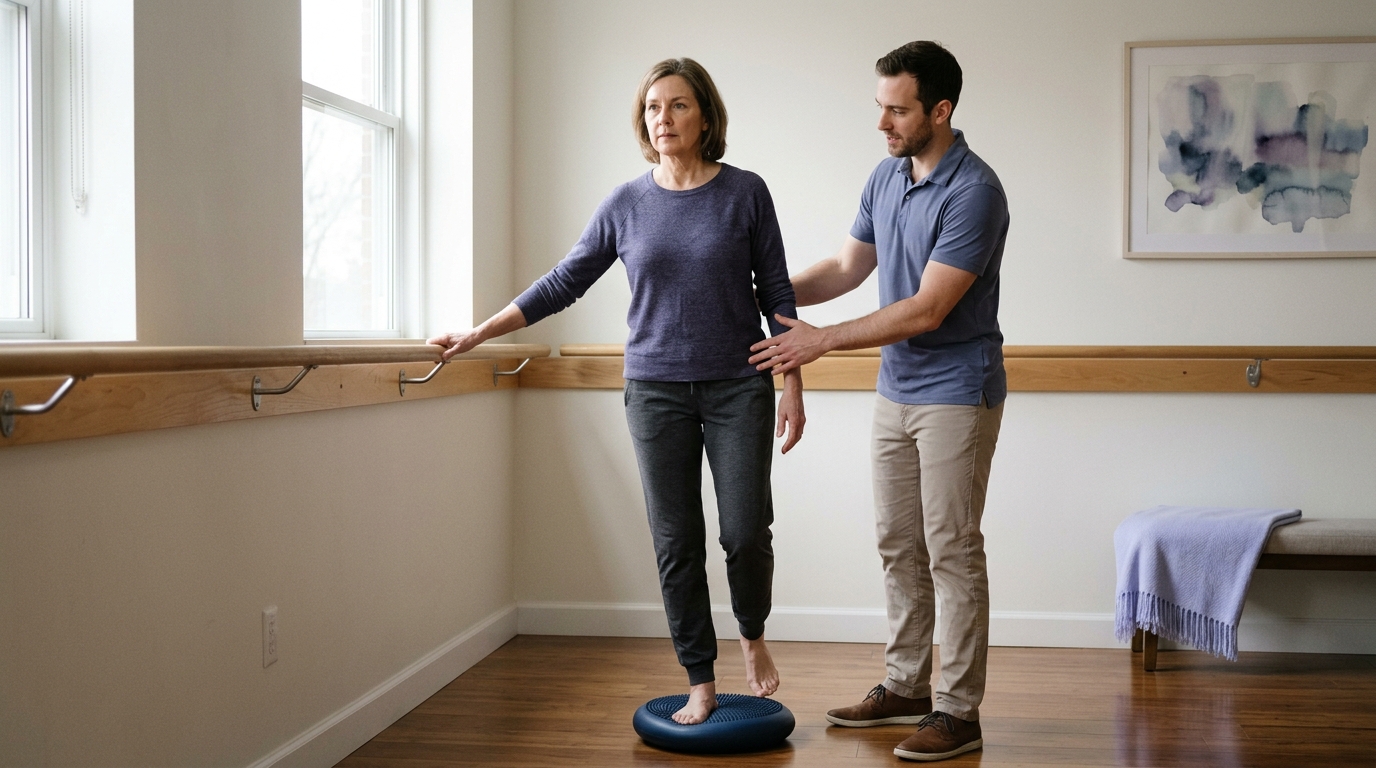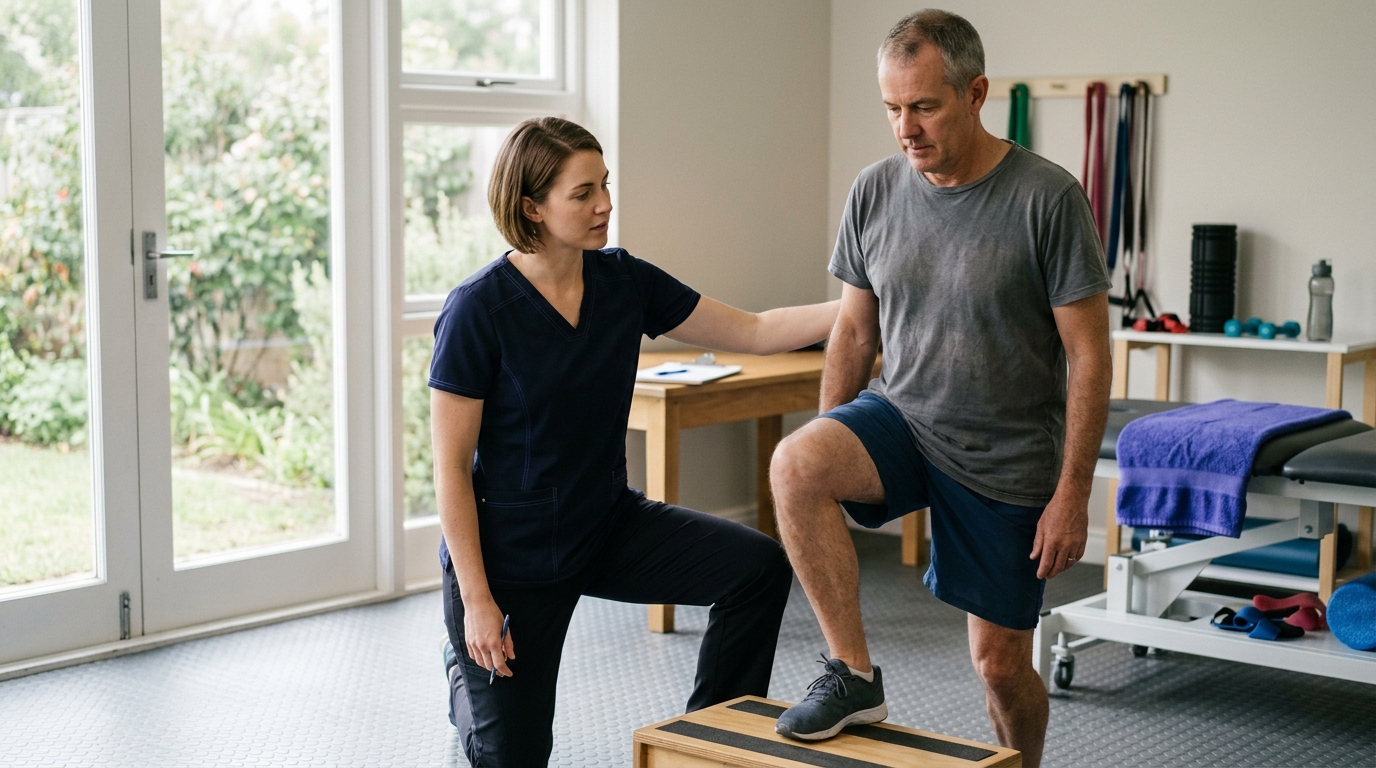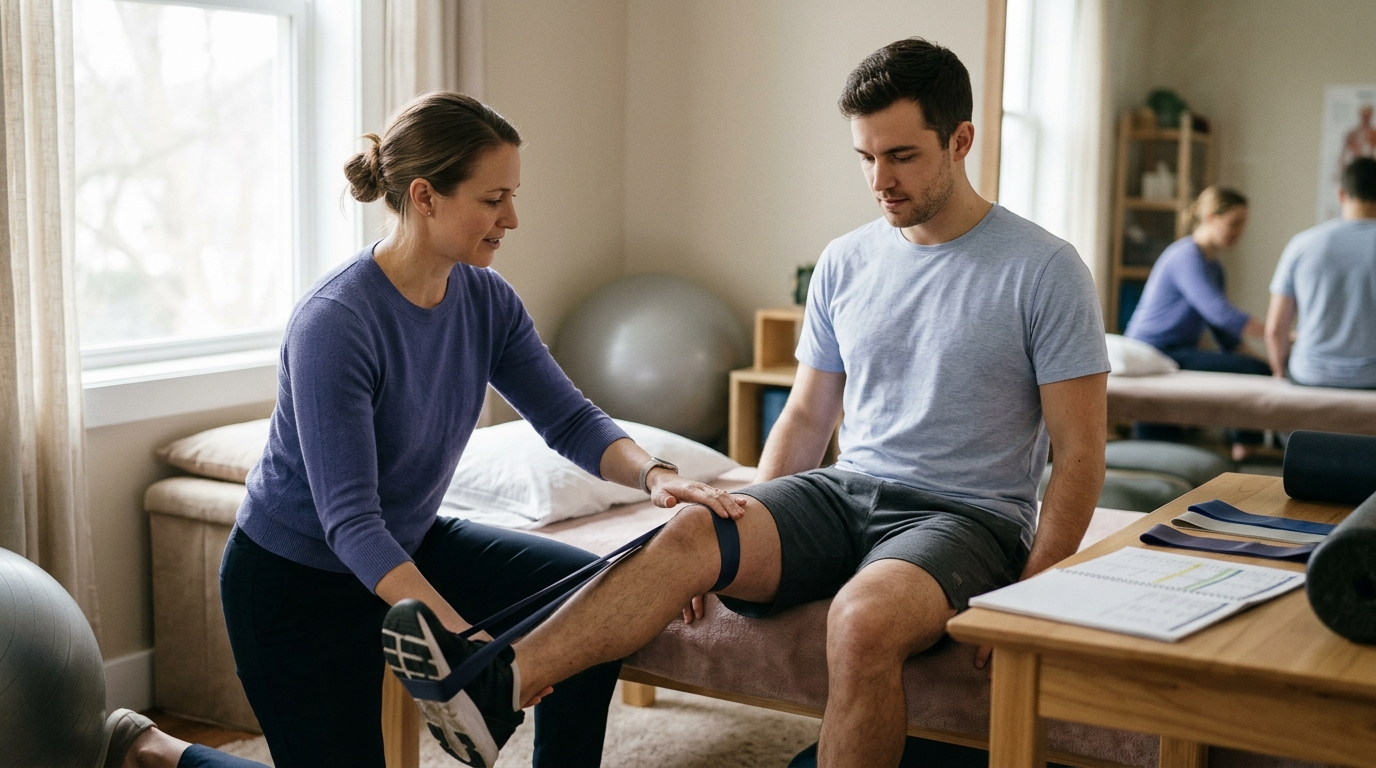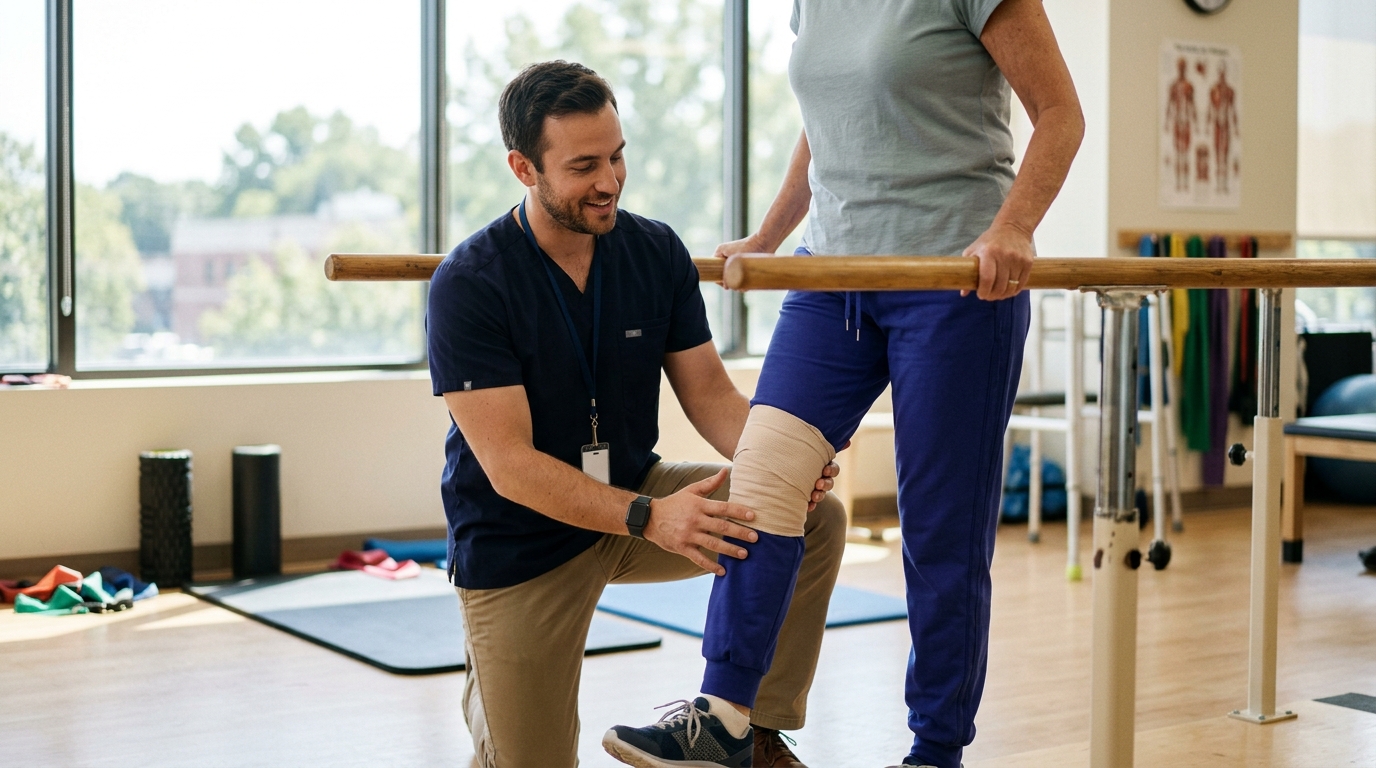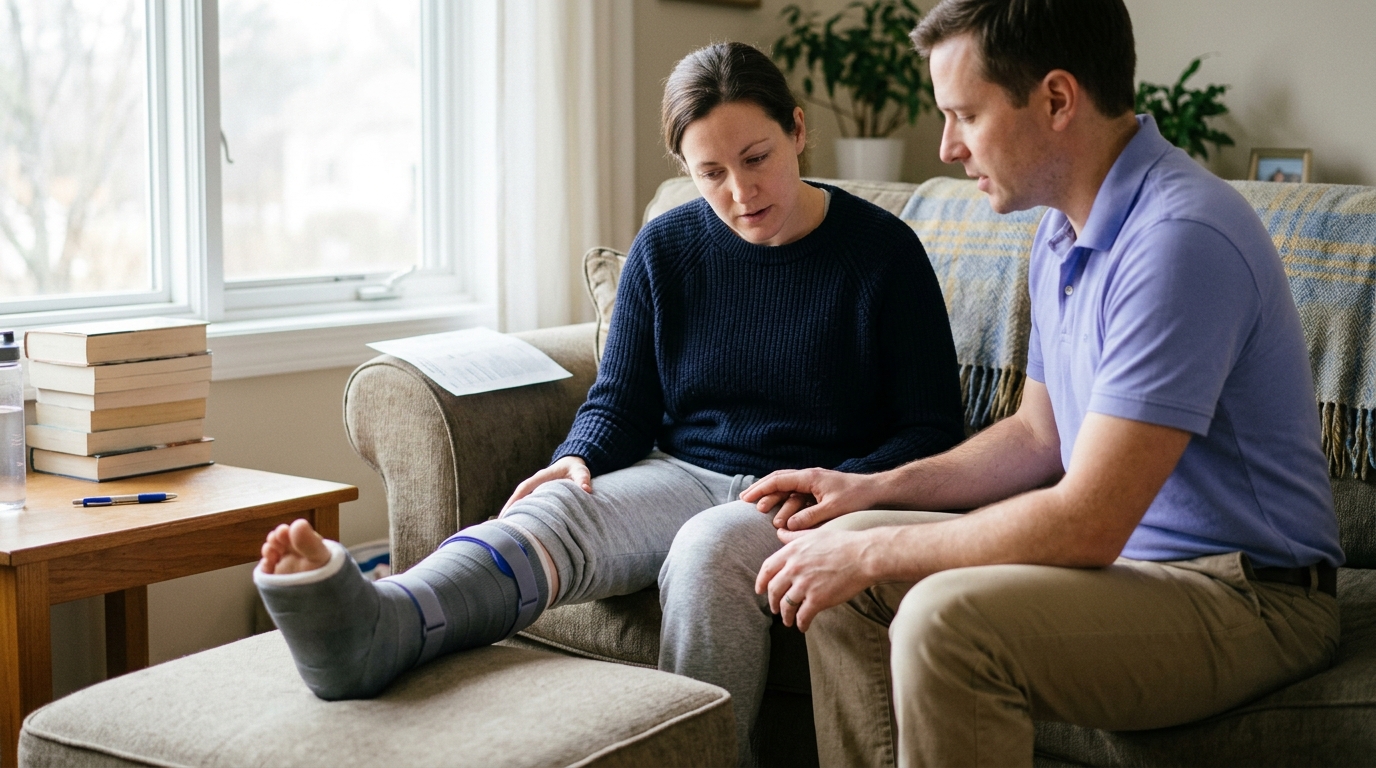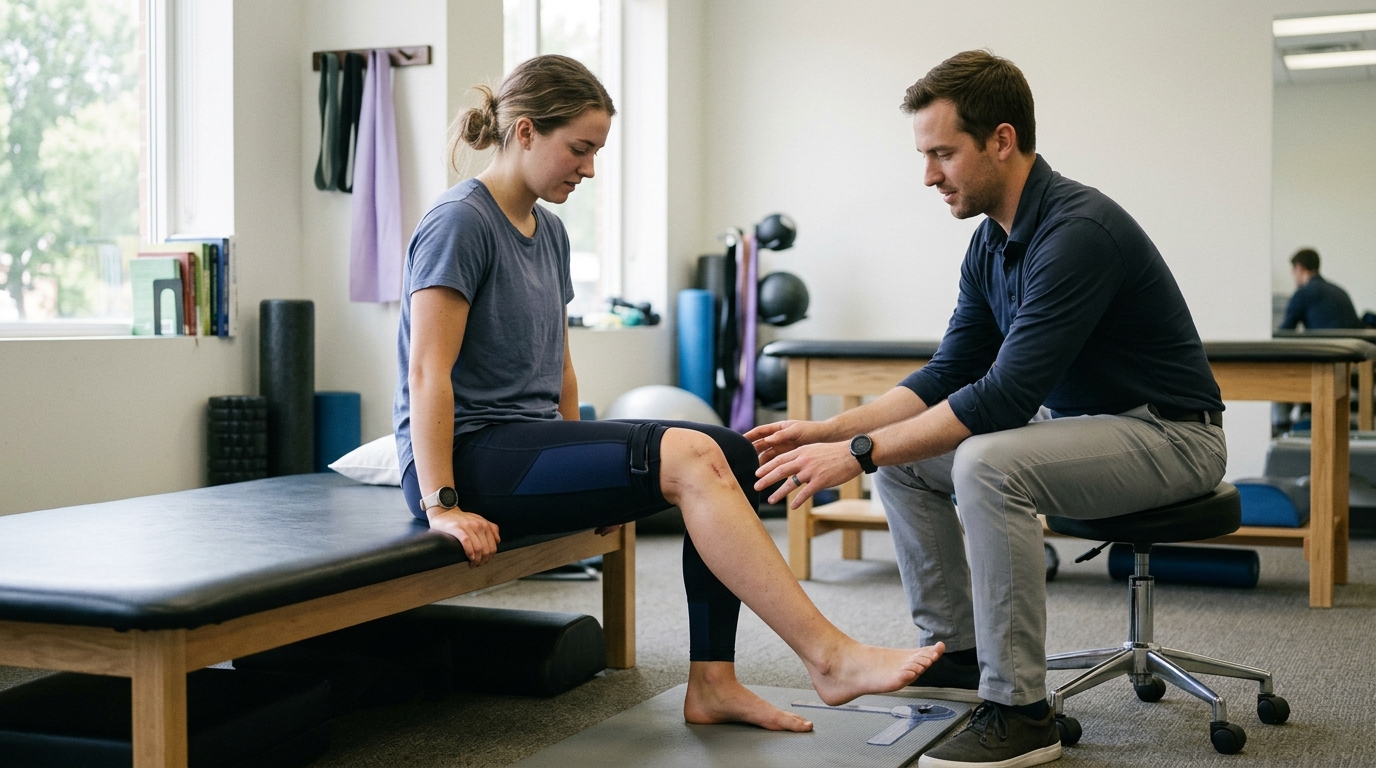

Long-term rehabilitation requires evidence-based strategies, structured goal setting, and practical routine adjustments to maintain consistency and overcome physical setbacks.





Many people find themselves searching online for why it feels so hard to stay motivated during physical rehabilitation. The initial determination that follows an injury or surgery often fades as the weeks turn into months. When exercises feel repetitive, progress slows down, and daily life demands attention, sticking to a home program can feel like an uphill battle. This guide provides a definitive, evidence-based playbook for understanding why adherence fluctuates and how to build a sustainable routine that survives real-world disruptions.
Sustaining a rehabilitation program over a long recovery is not a simple test of personal willpower. Research shows that adherence is shaped by symptoms, physical confidence, mood, social circumstances, program design, and access to care. Motivation naturally rises and falls over time, so relying on inspiration alone is rarely enough. A missed session or a difficult week is not a sign of failure. It is useful feedback that your current routine may need adjustment.
Sticking to a recovery plan is a complex behavior, not a fixed character trait. In clinical research, adherence refers to how well a person follows an agreed plan of care. This may include completing prescribed home exercises, attending clinical appointments, modifying daily movements, or following activity guidelines.
Experts avoid using the term compliance because it implies passive obedience to a doctor's orders. Adherence is an active, collaborative partnership between you and your healthcare team. When you run into obstacles, it does not mean you lack discipline. It usually means the plan needs to be adapted to fit your changing physical abilities, schedule, and environment.
It is also helpful to separate four distinct aspects of recovery:
These four areas are connected, but they do not always move in lockstep. A person might attend every clinic appointment while struggling to complete exercises at home. Another person might miss an appointment due to work conflicts yet stay consistent with daily walking and mobility work.
Understanding these differences prevents unnecessary self-criticism. Measurement methods also vary widely across clinical studies, and researchers agree that there is no single gold-standard method for measuring exercise adherence. Tracking your consistency provides useful information for your care team, but it should never be used as a moral scorecard.
Recovery is rarely a straight line. In a systematic review of adults with long-term health conditions, adherence to structured exercise varied widely across different programs. A routine that feels simple during the first month of care may become burdensome when you return to work, when symptoms change, or when formal supervision ends. Acknowledging this natural variation helps you plan for reality rather than an idealized schedule.
Motivation is helpful, but it is not a dependable daily fuel. High motivation often sparks the start of a recovery program, but daily physical therapy requires action even on days when you feel tired, busy, or discouraged.
A major systematic review on home-based exercise therapy found that higher self-efficacy, prior exercise habits, motivation, and perceived behavioral control were linked to better adherence. Self-efficacy refers to your confidence in your ability to carry out a specific task in a specific situation. It is far more practical than general self-confidence. For instance, believing you can complete ten minutes of mobility work on a busy Tuesday is a specific, actionable belief.
Researchers have also examined the average adherence rates across structured rehabilitation programs. A meta-analysis of 30 studies involving 3,721 adults participating in structured aerobic programs for conditions like cardiovascular disease, cancer, and type 2 diabetes found an overall average adherence rate of 77 percent.
This 77 percent figure offers valuable perspective, but it should not be treated as a rigid personal benchmark. Adherence varied between 68 percent and 84 percent across the included studies. The programs lasted an average of 20 weeks, and the numbers reflect structured aerobic exercise rather than every form of orthopedic rehabilitation. The researchers found no significant difference between clinic-based programs (74 percent) and home-based programs (80 percent). This shows that home exercise can be just as viable as in-person therapy when properly supported.
Interventions designed to support behavior change have also been studied extensively. An overview of systematic reviews covering 205 clinical trials found that techniques such as goal setting, action planning, feedback, and motivational support produced a small but meaningful overall improvement in physical activity adherence. The authors noted that the certainty of the evidence was low due to study limitations, with most benefits observed over the short to medium term.
Another systematic review examining behavior-change techniques for chronic musculoskeletal conditions found a small benefit on physical activity adherence at three to six months, but little sustained effect at seven to twelve months. These findings show that no single motivational trick provides a permanent fix. Long-term consistency requires ongoing review, flexible strategies, and regular communication with your care providers.
When exercise routines break down, people often blame themselves. However, clinical evidence demonstrates that barriers exist at multiple levels. Identifying where friction occurs makes it easier to find practical solutions.
Daily responsibilities often compete directly with rehabilitation. Work schedules, caregiving duties, and household chores can leave little time or energy for therapeutic exercise. Low mood, anxiety about movement, and mental fatigue also reduce the bandwidth needed to start a routine. If you had limited physical activity habits before your injury, building a new exercise habit during a period of physical discomfort is especially challenging.
Pain, joint stiffness, and deep fatigue are direct physiological barriers to exercise. A systematic review of outpatient musculoskeletal physiotherapy found strong evidence that greater pain during exercise was associated with lower treatment adherence. When an exercise causes a flare in symptoms, it is natural to hesitate before doing it again. Fluctuations in sleep quality and underlying medical conditions can also alter your capacity from one day to the next.
A home program that is overly complicated, time-consuming, or physically confusing creates immediate friction. When exercises feel irrelevant to your personal recovery goals, sticking with them becomes harder. If a sheet of paper contains twelve different movements requiring specialized bands and floor space, you are far more likely to skip the session than if the routine is focused on four essential movements that match your current strength level.
Practical and financial barriers frequently disrupt care. The cost of co-pays, limited insurance coverage for therapy visits, long travel distances, and lack of reliable transportation can force people to stop attending formal sessions. Fragmented communication between surgeons, primary care doctors, and physical therapists can leave you feeling uncertain about what is safe to do. Recognizing these external constraints prevents you from treating a logistical problem as a personal failure.
Translating an intention to exercise into regular action requires clear planning. Guidance on individual behavior change from the National Institute for Health and Care Excellence (NICE) recommends setting clear behavioral and outcome goals, creating detailed action plans, developing coping strategies for setbacks, and reviewing progress regularly.
Understanding the difference between outcome goals and behavior goals is an essential first step.
Outcome goals provide direction, but behavior goals provide the daily roadmap. Once you have agreed on behavior goals with your physical therapist, you can build an action plan that defines when, where, and how you will complete your routine. For example: "I will do my ten-minute shoulder mobility routine in the living room immediately after making my morning coffee."
A meta-analysis of 35 randomized trials found that action planning and coping planning interventions produce a measurable, positive effect on physical activity participation. A related review on implementation intentions showed that using structured if-then plans helps people maintain physical activity by preparing for predictable obstacles.
An if-then plan identifies a potential barrier and pairs it with a clear, realistic response:
By deciding how to handle common disruptions in advance, you remove the mental effort of making decisions when you are tired or stressed. Exploring practical frameworks for rehabilitation and movement resources can give you additional ideas for structuring your home setup.
Every recovery unfolds at its own pace. What works smoothly for one person may require significant modification for another. Several key variables influence how consistency develops over time.
Your physical habits prior to an injury or surgery play a major role in how you adapt to rehabilitation. People who were already accustomed to regular movement often have an easier time integrating exercise into their schedules. If structured exercise is new to you, the learning curve involves not just the physical movements, but also building the habit of setting aside dedicated time.
The quality of communication with your physical therapist or clinician strongly influences adherence. Research in chronic pain rehabilitation highlights that strong rapport, mutual trust, and clear explanations from the clinician act as powerful enablers. When you feel heard and understand the exact purpose of each exercise, you are far more likely to carry it out at home. If you feel rushed or confused, confidence drops.
Having practical and emotional support at home makes a substantial difference. Studies on cardiac and musculoskeletal rehabilitation show that positive social support improves participation. A spouse who helps manage household tasks, a friend who walks with you, or family members who encourage your efforts reduce the friction of recovery. Conversely, recovering in an unsupportive or high-stress environment drains the energy needed for self-care. Learning more about recovery and lifestyle strategies can help you design a home environment that supports healing.
Understanding your condition and the reasons behind your treatment plan reduces fear. When medical terms are confusing or post-operative instructions are vague, people often worry that moving will cause harm. Clear written instructions, visual exercise sheets, and hands-on practice during clinic visits build the confidence required for independent home sessions.
Interruptions during a long recovery are inevitable. Illness, family emergencies, vacations, work deadlines, and temporary symptom flares will alter your schedule at some point.
The most common psychological trap during recovery is all-or-nothing thinking. This mindset treats a missed day or a difficult week as proof that the entire recovery effort has failed. In reality, behavior change guidance explicitly emphasizes that lapses are a normal, expected part of any long-term process. A missed session does not erase the biological adaptations, strength, or mobility you have already built.
When a routine is interrupted, treat the pause as neutral data. Ask yourself what caused the disruption and whether the original plan was too demanding for your current schedule. Research on self-compassion suggests that responding to setbacks with calm understanding rather than harsh self-criticism may help people re-engage with healthy habits. While scientific evidence on self-compassion interventions shows mixed results across different populations, avoiding extreme guilt removes an unnecessary emotional barrier to restarting.
To reset after an interruption, focus entirely on the next single action. Do not try to make up for missed sessions by doing double the volume the following week, as sudden spikes in training load can irritate healing tissues. Simply return to the agreed baseline plan or contact your clinician to discuss a temporary ramp-up schedule if you have been away from exercise for several weeks. Exploring concepts in recovery science and tissue adaptation can help you understand why gradual consistency outperforms erratic bursts of effort.
The following scenarios illustrate common recovery challenges and offer evidence-informed playbooks for managing them. These examples are designed for educational purposes and should be adapted in consultation with your healthcare provider.
The Situation: You complete your full home exercise routine when your energy is high, but when work becomes hectic or fatigue sets in, you stop completely for several days.
The Playbook:
The Situation: You have attended therapy and practiced your home exercises consistently for six weeks, but your range of motion or strength appears to have plateaued.
The Playbook:
The Situation: You experience an uncomfortable ache during a specific exercise and begin avoiding the entire home routine out of fear of causing structural damage.
The Playbook:
The Situation: A family trip or an unexpected life event takes you away from your usual home equipment and daily schedule for ten days.
The Playbook:
The Situation: You perform exercises confidently under the direct supervision of your physical therapist, but you struggle to find the motivation to do them alone at home.
The Playbook:
The Situation: Co-pays, travel distances, or scheduling conflicts make attending frequent in-person therapy sessions financially or logistically unsustainable.
The Playbook:
You can learn more about how our editorial team reviews recovery literature on our about ReboundBody page.
Open dialogue with your physical therapist, surgeon, or physician is one of the most effective ways to sustain a rehabilitation program. Clinicians can only adjust plans if they know what is happening outside the clinic.
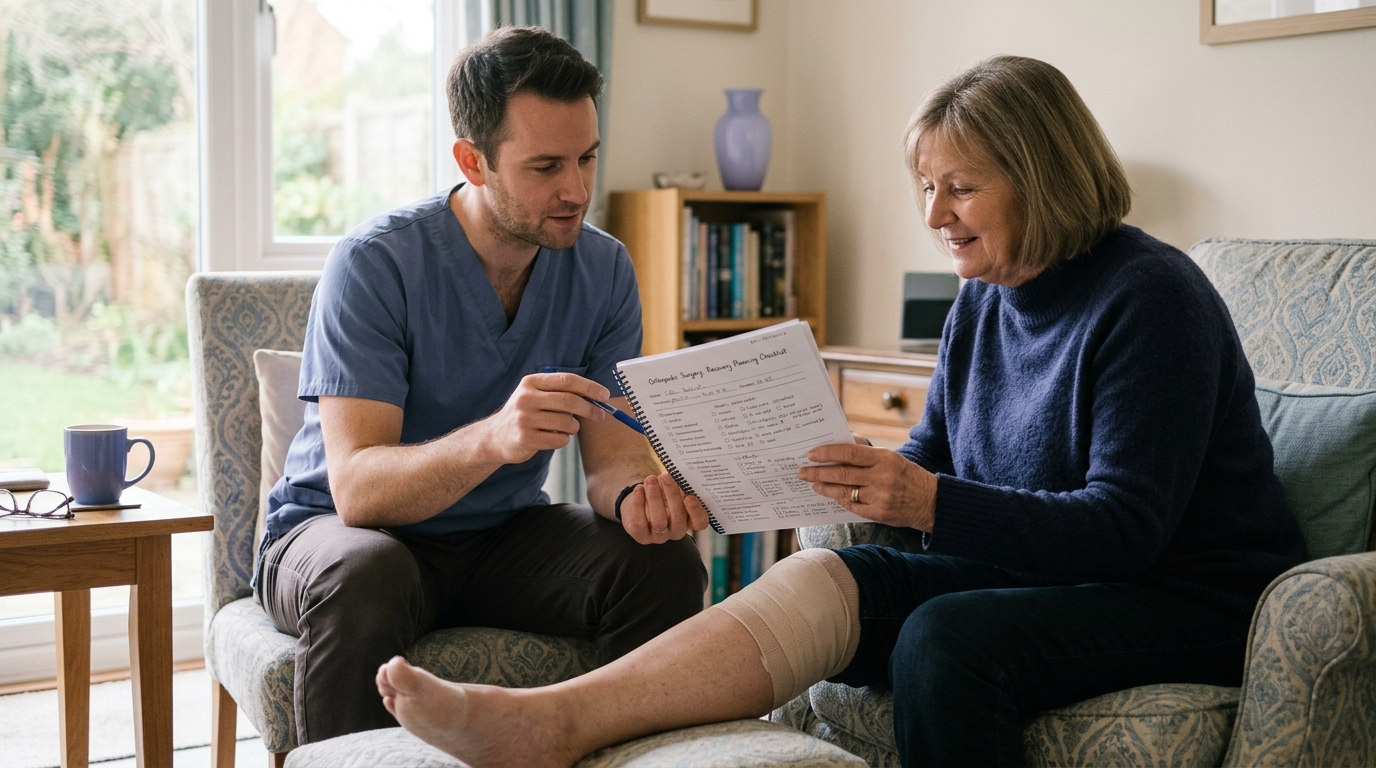
When preparing for your next appointment, consider bringing a brief log of your weekly activity along with specific observations about where you felt friction. Asking targeted questions helps your clinician tailor the program to your real-world capabilities.
Working through these questions ensures that you and your healthcare team remain aligned, removing guesswork and building your confidence over time.
Long-term physical recovery requires patience, flexibility, and a structured approach. Motivation is an unreliable tool when relied upon in isolation. Lasting adherence is achieved by designing simple, workable routines that fit into your daily life and can weather unexpected disruptions.
Lapses, routine breaks, and symptom fluctuations are normal parts of the rehabilitation process. When an interruption occurs, it does not mean your recovery has failed or that your previous effort was wasted. By treating interruptions as practical feedback, using clear action plans, and keeping communication open with your care team, you can build a sustainable path back to comfortable movement and lifelong physical activity.
Use this step-by-step checklist to evaluate your current recovery routine and put practical behavioral supports in place over the coming week:

Use ReboundBody resources to understand common recovery stages, rehab terms, movement limits and strength rebuilding. Each guide is designed to make a complex comeback easier to understand.


Read practical guidance on injury recovery, rehabilitation, mobility and rebuilding strength as you work your way back to activity.
Explore Resources