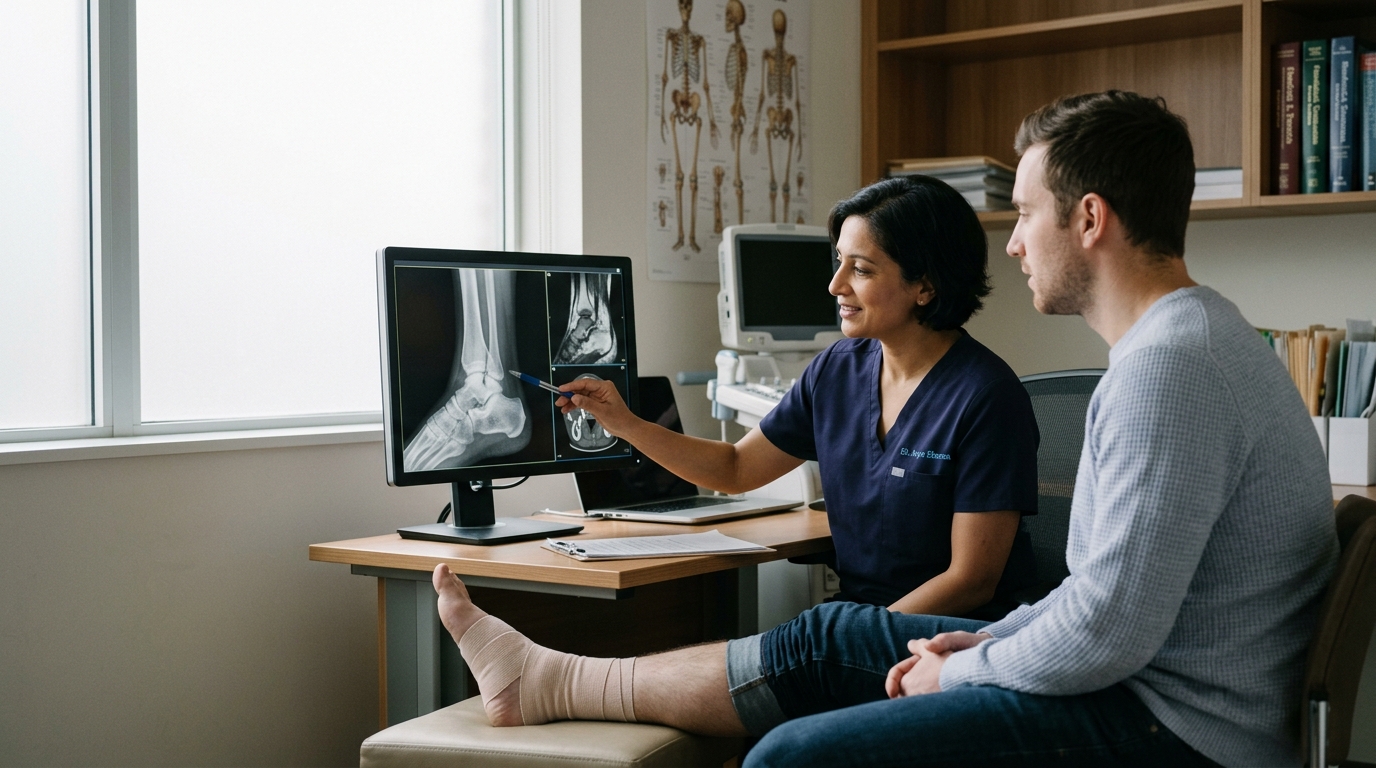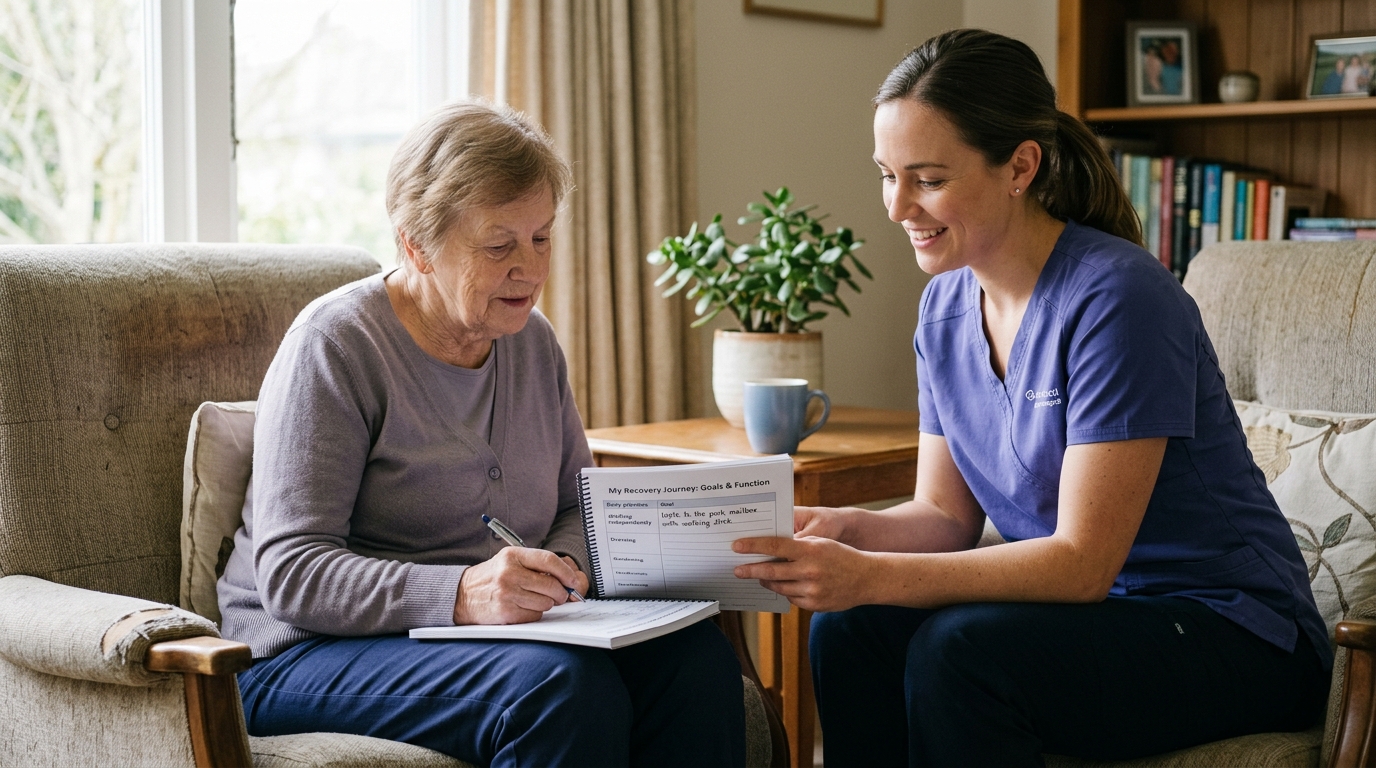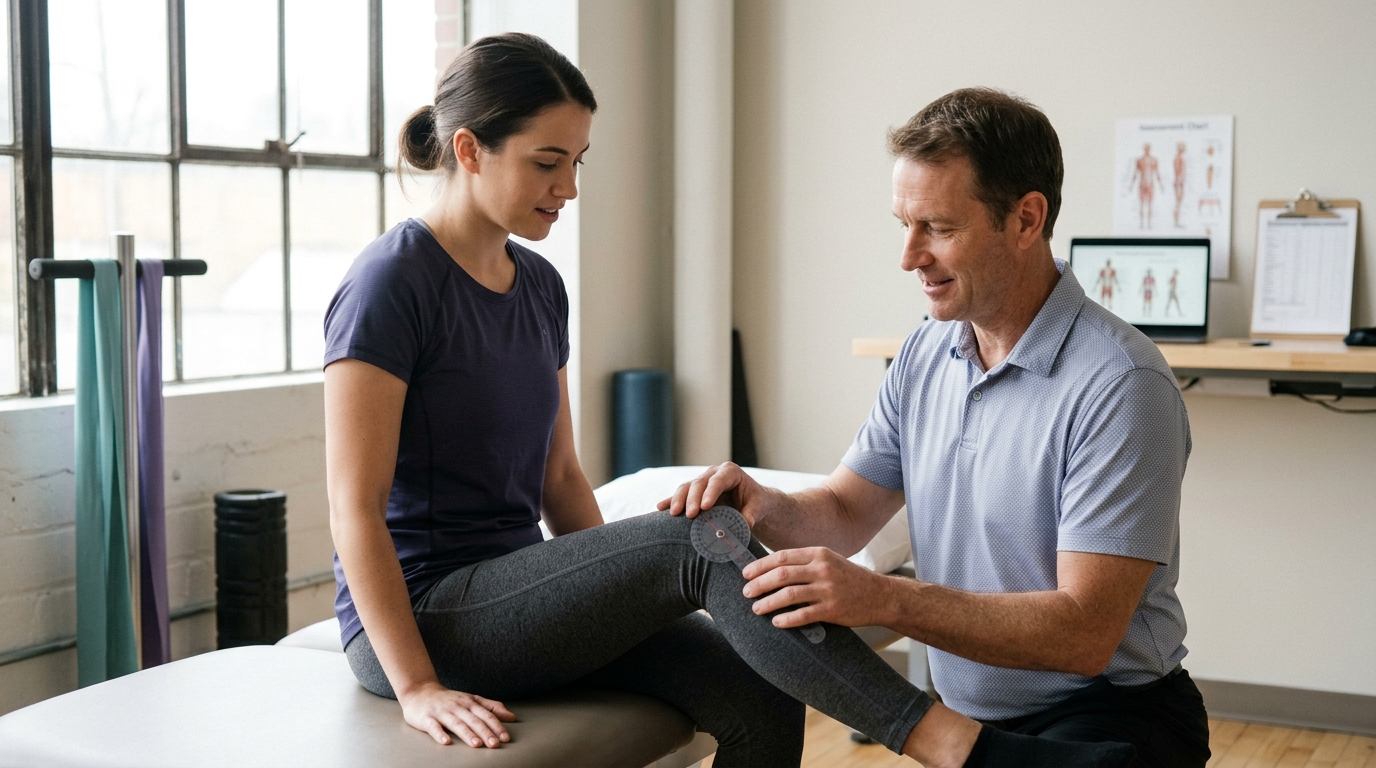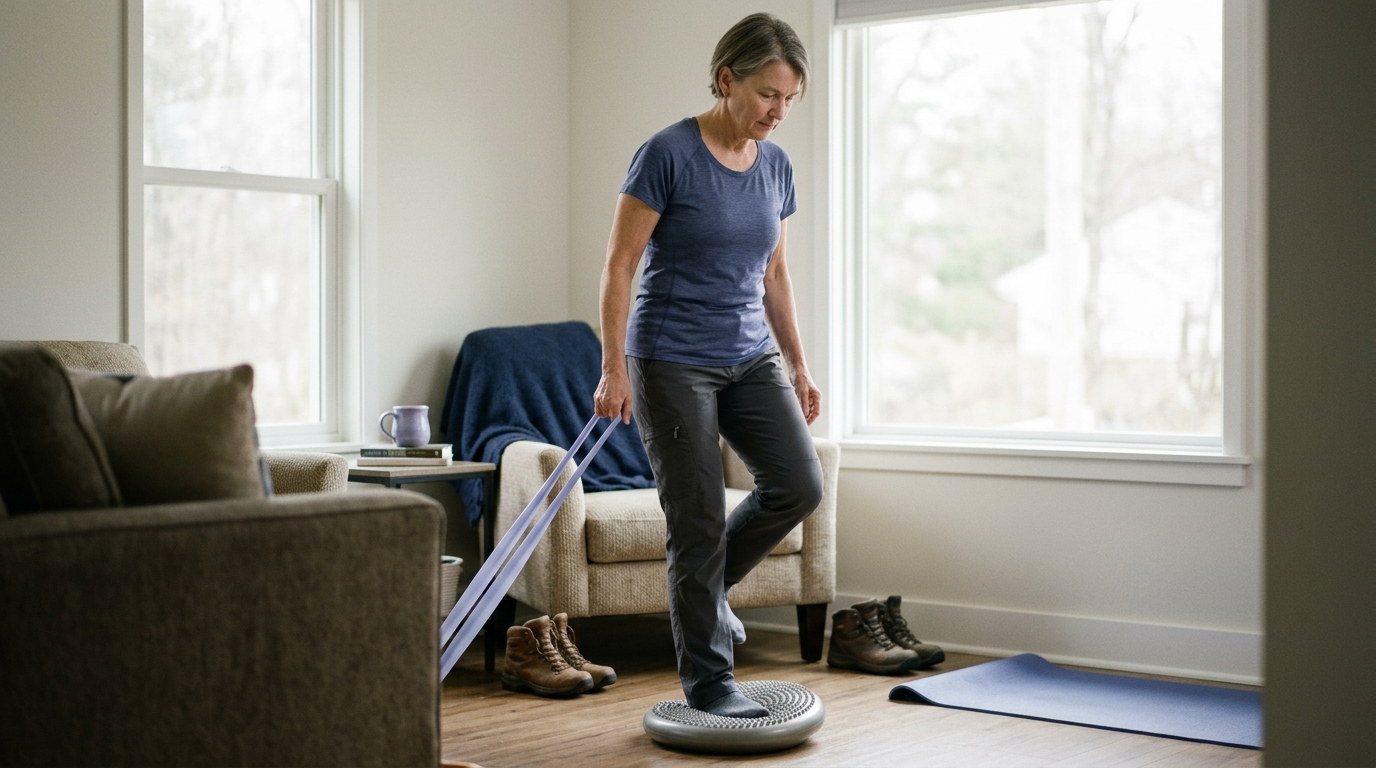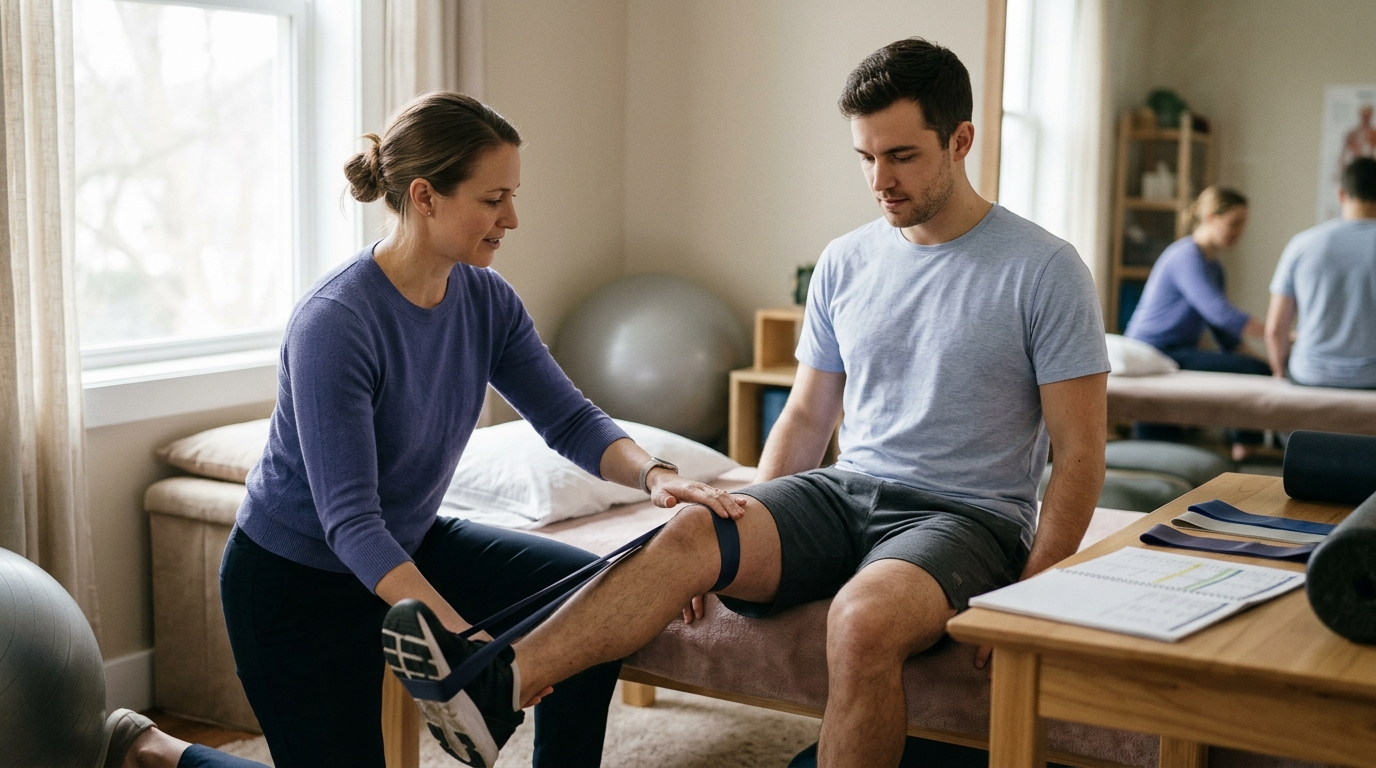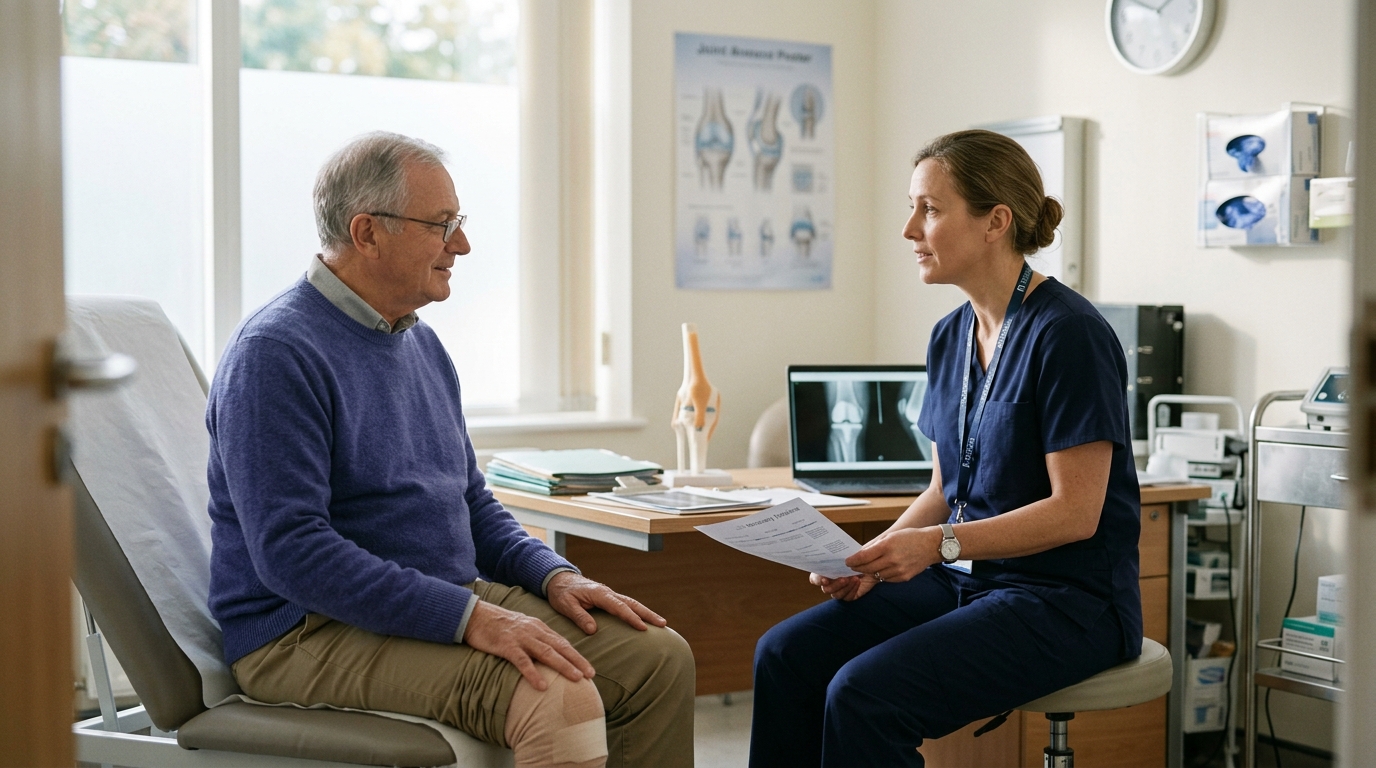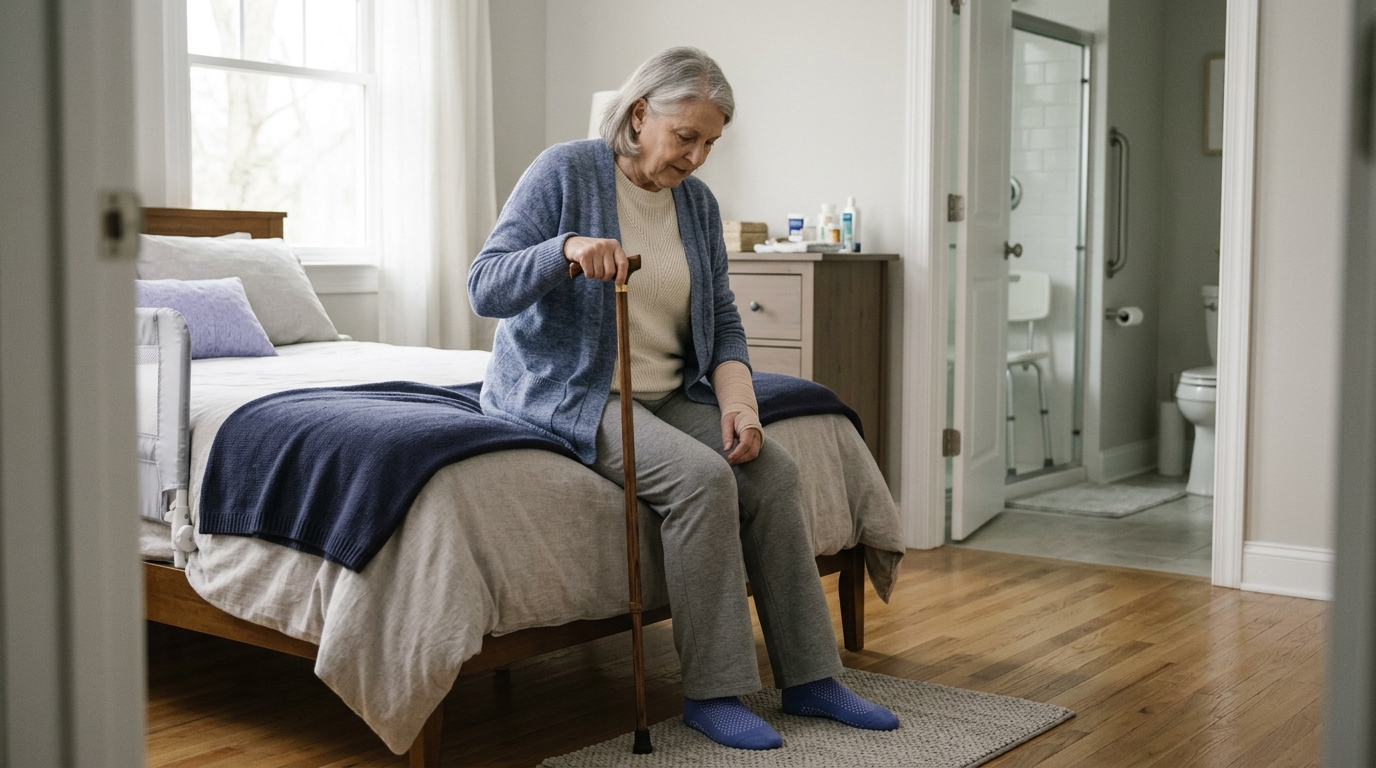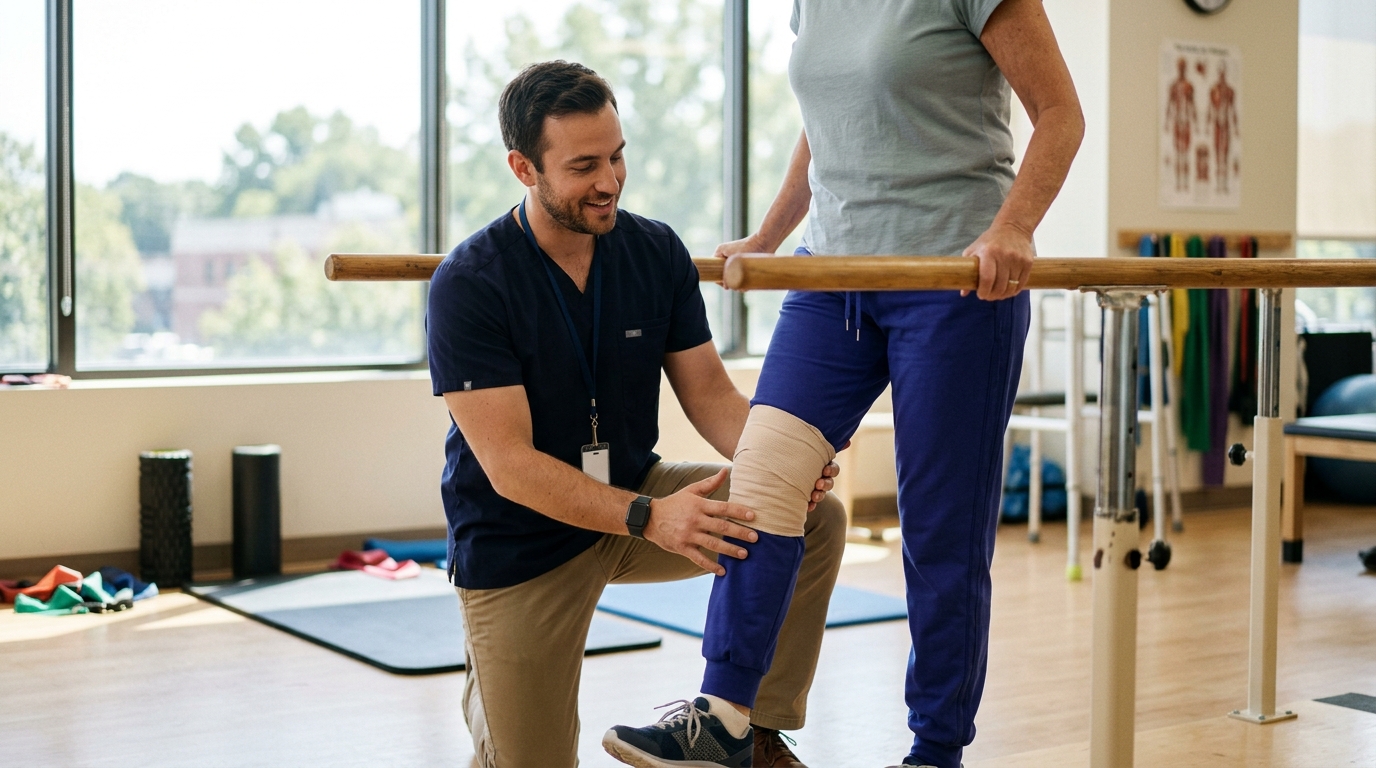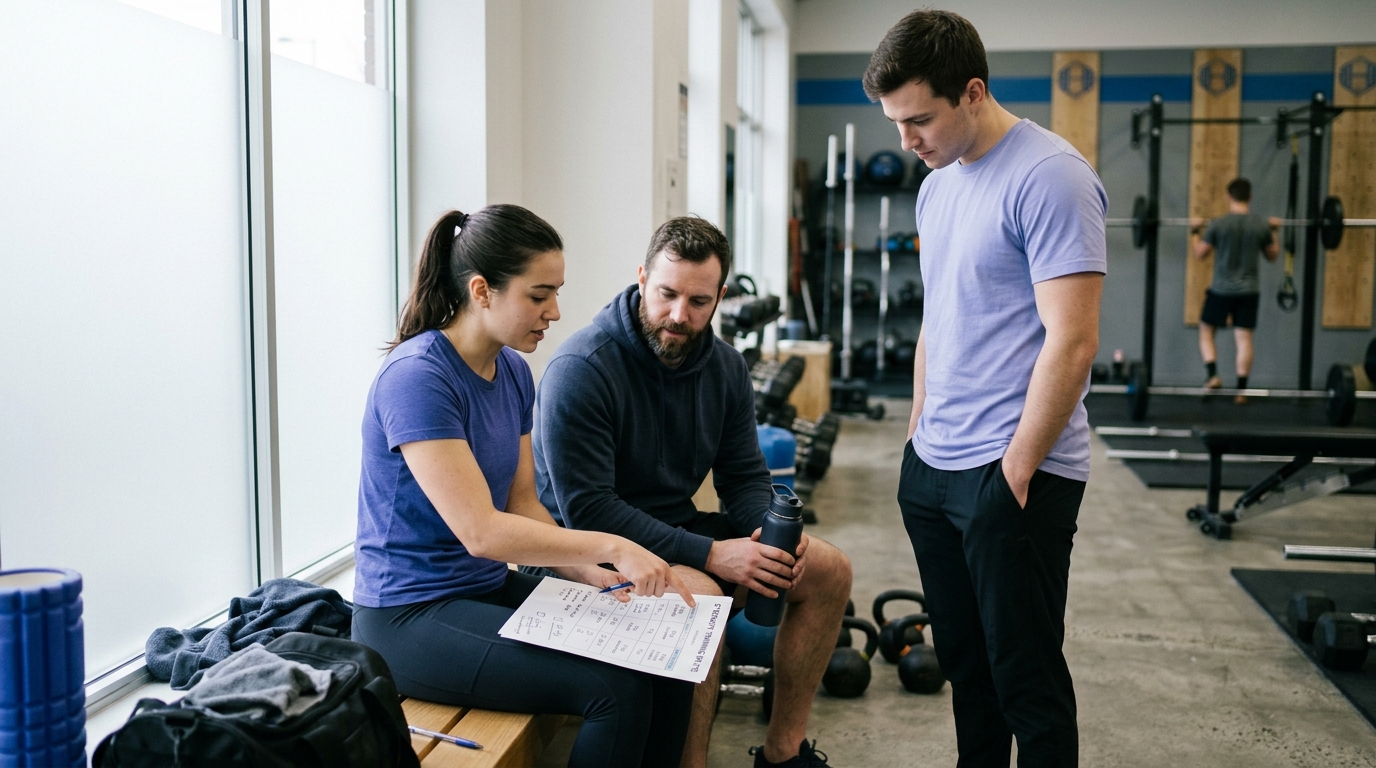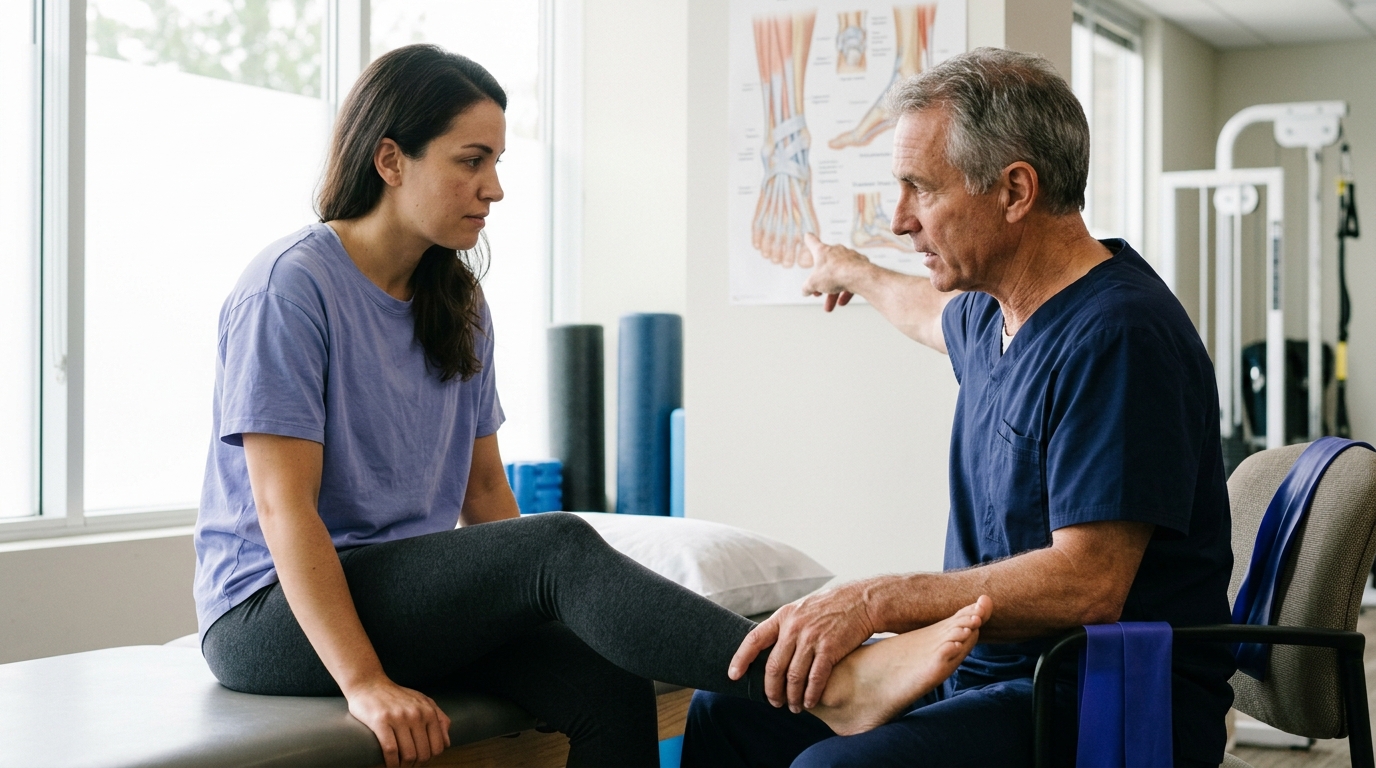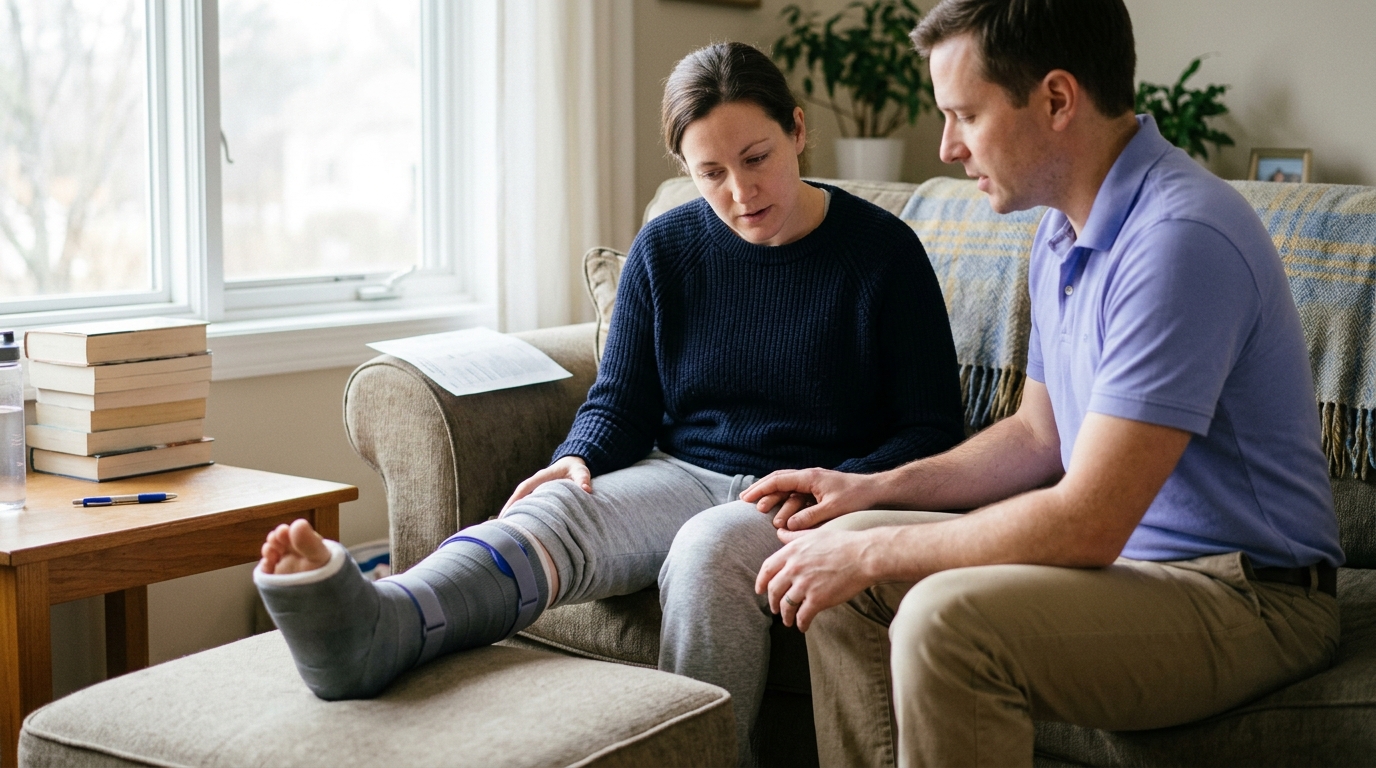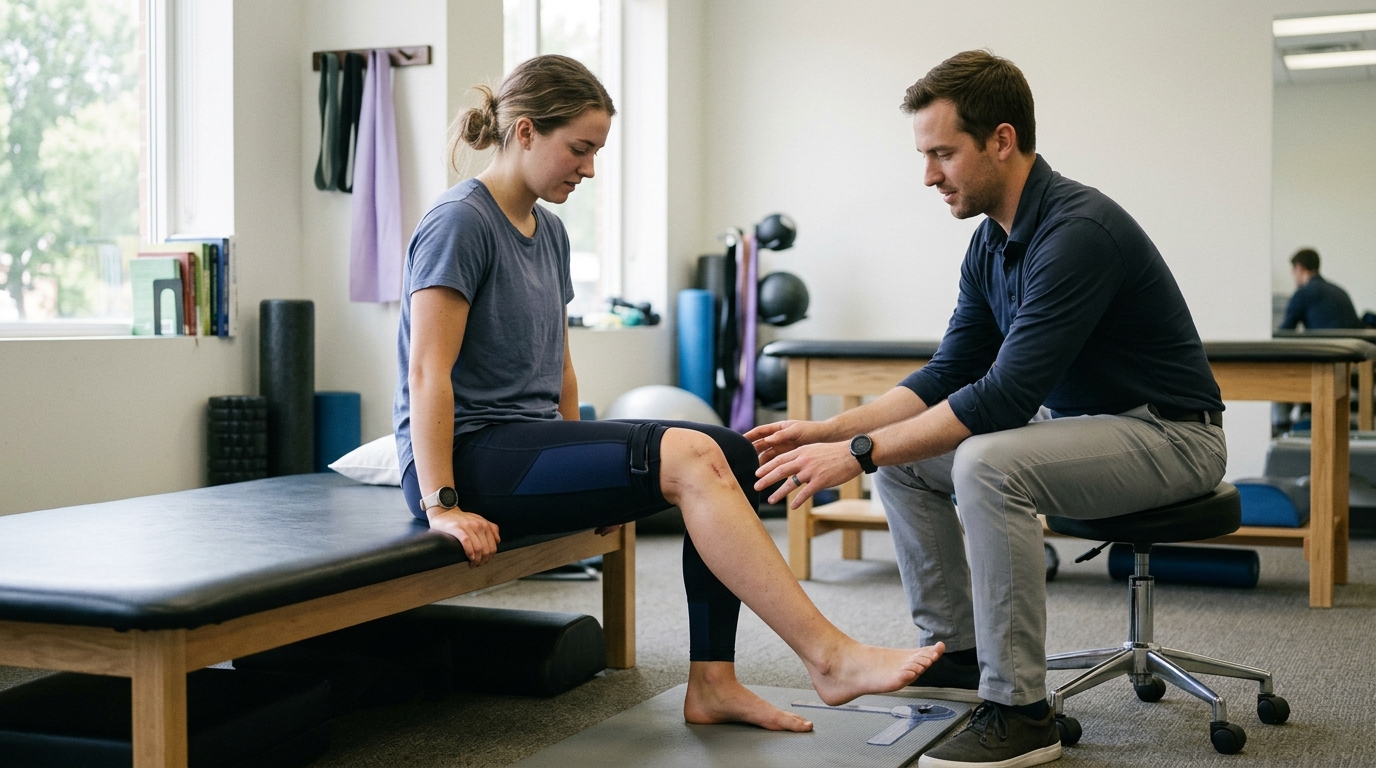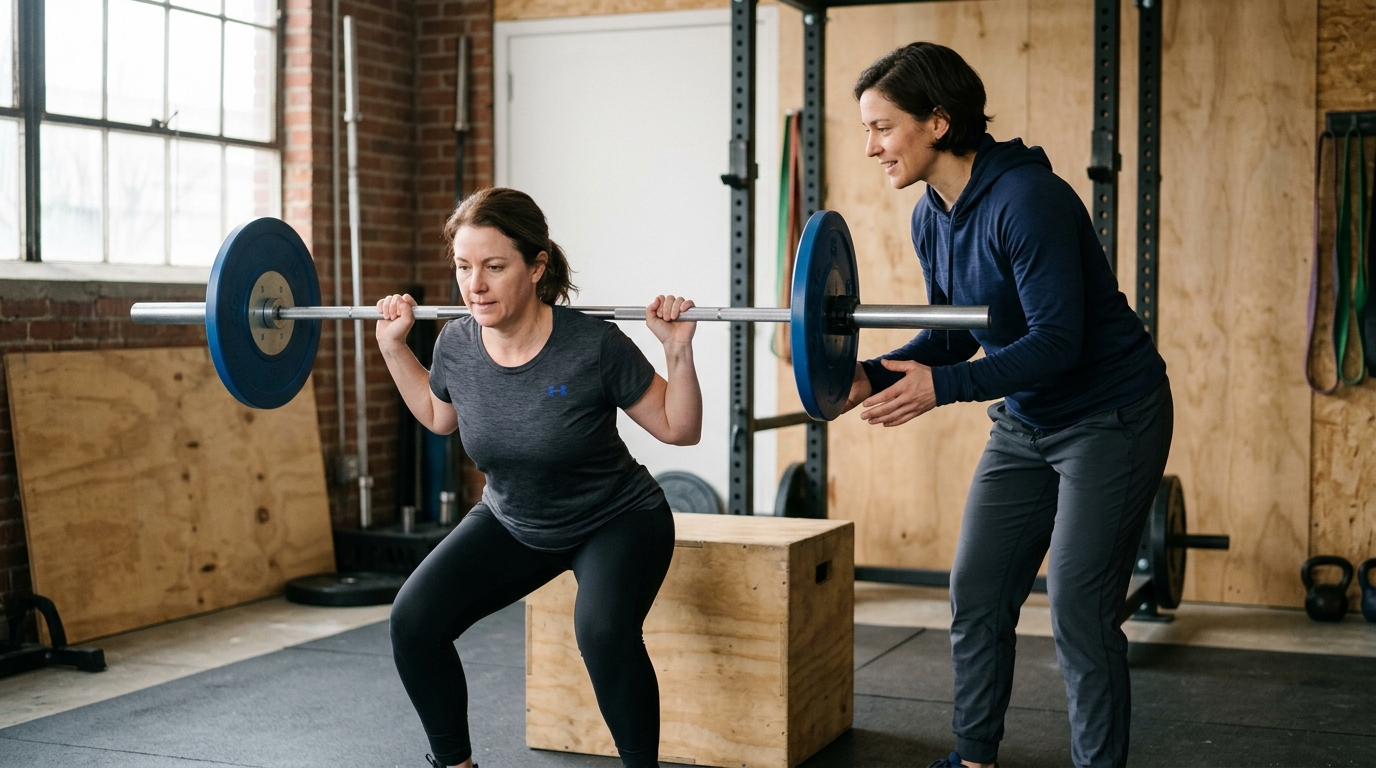

Multiple physical capacities recover on distinct timelines, requiring targeted strategies to restore strength, muscle size, stamina, and neuromuscular control effectively.





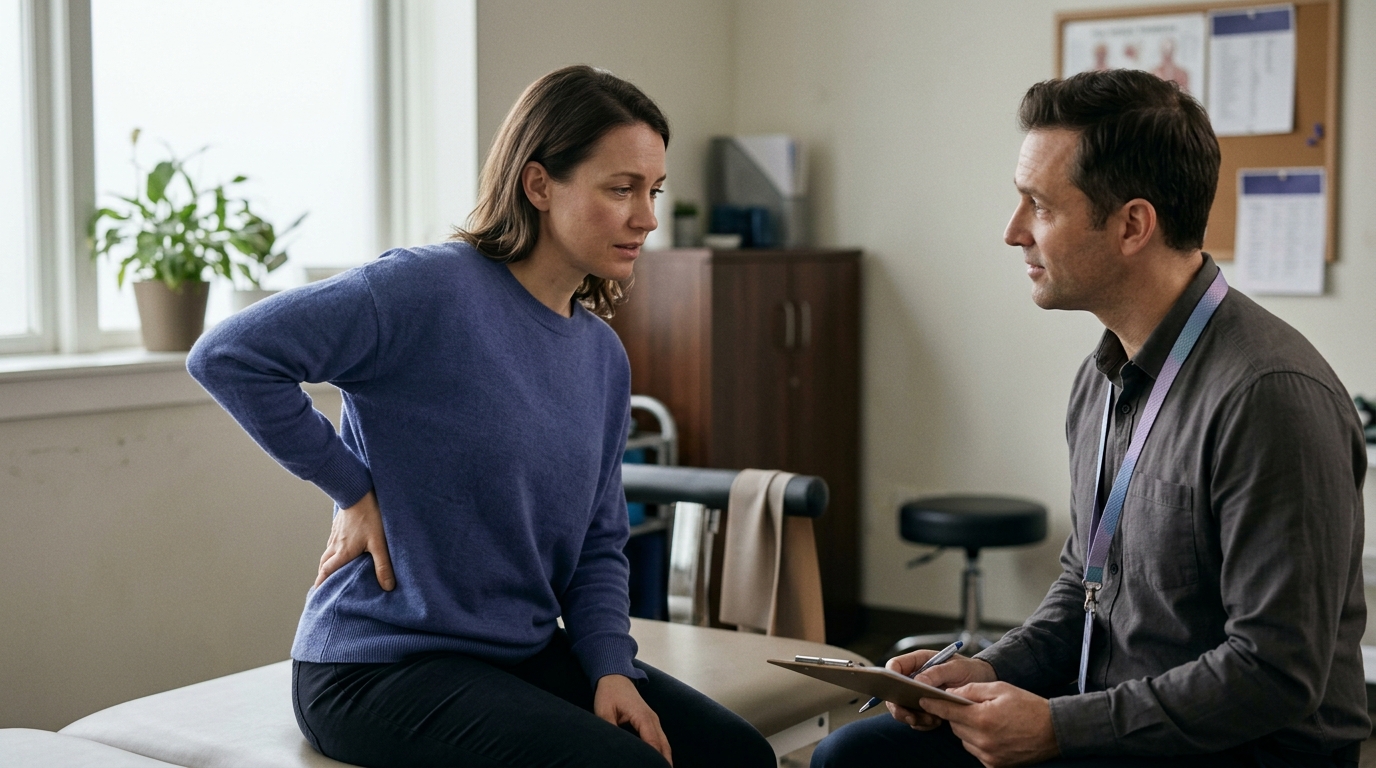
You finish a standard physical therapy session or a progressive walking program, and everyday life feels manageable again. Walking up a flight of stairs no longer causes discomfort, and carrying a bag of groceries feels routine. Yet when you attempt a brisk run, try to lift a heavy box, or step onto a court, your body feels hesitant, sluggish, or unstable.
This gap between feeling normal in daily life and performing demanding tasks catches many people by surprise. Recovery is often described as a single timeline with a clear finish line. In reality, your body does not rebuild all physical capacities at the exact same rate.
Strength, muscle mass, stamina, movement control, and confidence are separate physical and mental systems. When you take time off from physical activity due to an injury, surgery, or prolonged rest, each system changes on its own schedule. Rebuilding those systems requires targeted training, realistic expectations, and an understanding of what is actually adapting under the surface.
This resource explains what recovery rebuilds across different bodily systems. It breaks down why regaining force does not automatically bring back muscle size, why endurance often drops faster than strength, and how to structure a balanced return to activity.
The word recovery carries several different meanings depending on the context. In daily exercise, it often refers to resting between sessions so your muscles can repair and refuel. In clinical settings, it refers to biological tissue healing and the restoration of basic daily function. When preparing for recreational activities or sports, recovery means rebuilding the specific qualities needed to meet physical demands safely.
Treating recovery as a single score or a simple feeling leads to common mistakes. A person might assume that because joint pain has resolved, their physical capacity has fully returned. Another might assume that passing a basic strength test means their stamina and coordination are ready for competitive play.
To plan a safe and sustainable return to activity, it helps to view physical capacity as a profile made up of several distinct elements.
Strength is the ability of your nervous system and muscles to produce force against resistance. It is task-specific and depends heavily on how well your brain communicates with your muscle fibers. You can produce force through single maximal efforts, controlled lifting, or rapid movements. Strength serves as the foundation for many physical tasks, but having high strength in a basic exercise does not automatically transfer to every movement pattern.
Muscle size, also known as muscle hypertrophy, refers to the physical volume and cross-sectional area of muscle tissue. While a larger muscle generally has a greater potential to produce force, muscle size and strength are not identical. You can experience measurable increases in strength without significant changes in muscle size, especially during the early weeks of a new program. Conversely, during periods of reduced training, muscle mass can decline while measured force output remains relatively stable.
Endurance is the ability to sustain physical effort over an extended period. It is not a single, general quality. Whole-body cardiorespiratory endurance depends on the heart, lungs, and blood vessels delivering oxygen to working tissues. Local muscular endurance depends on an individual muscle's ability to clear metabolic byproducts and produce repeated contractions without excessive fatigue. Rebuilding cardiorespiratory stamina requires different training stimuli than rebuilding local muscle stamina.
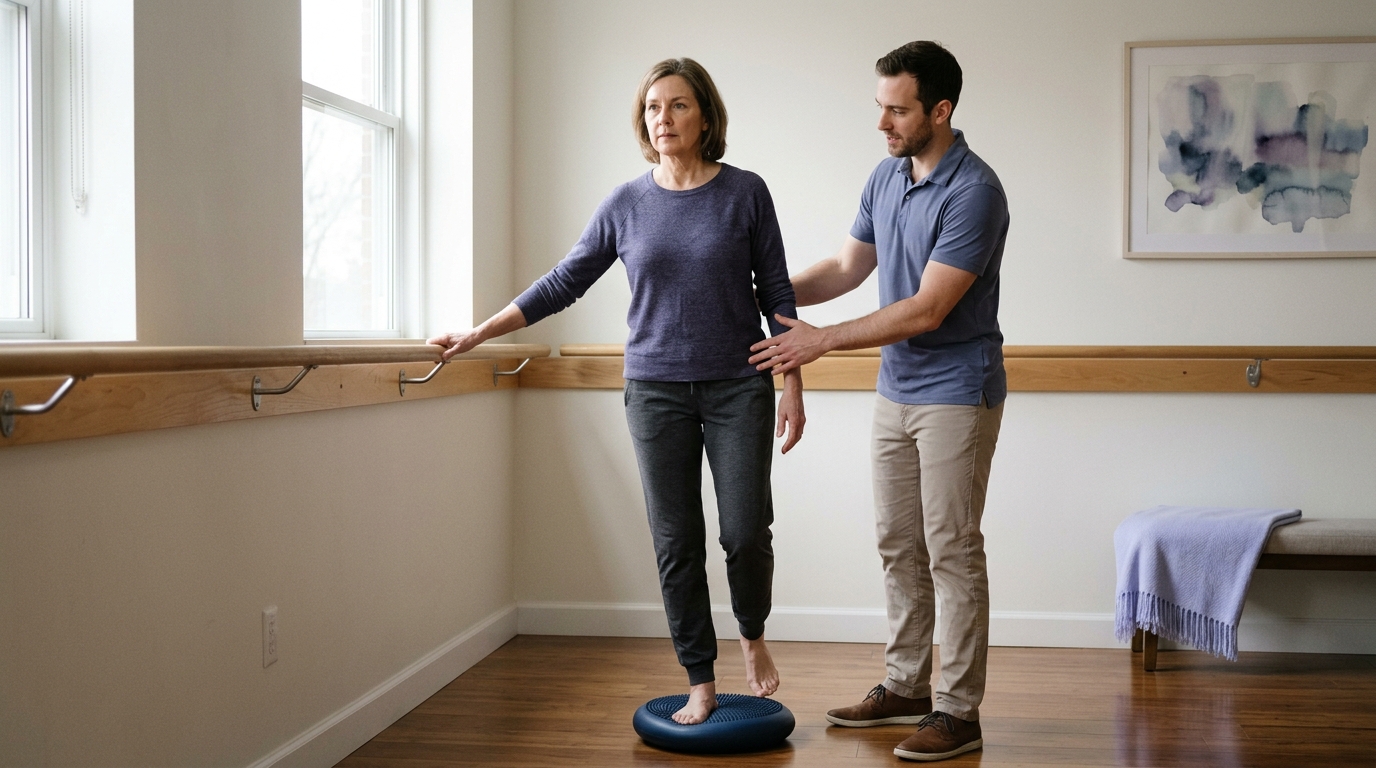
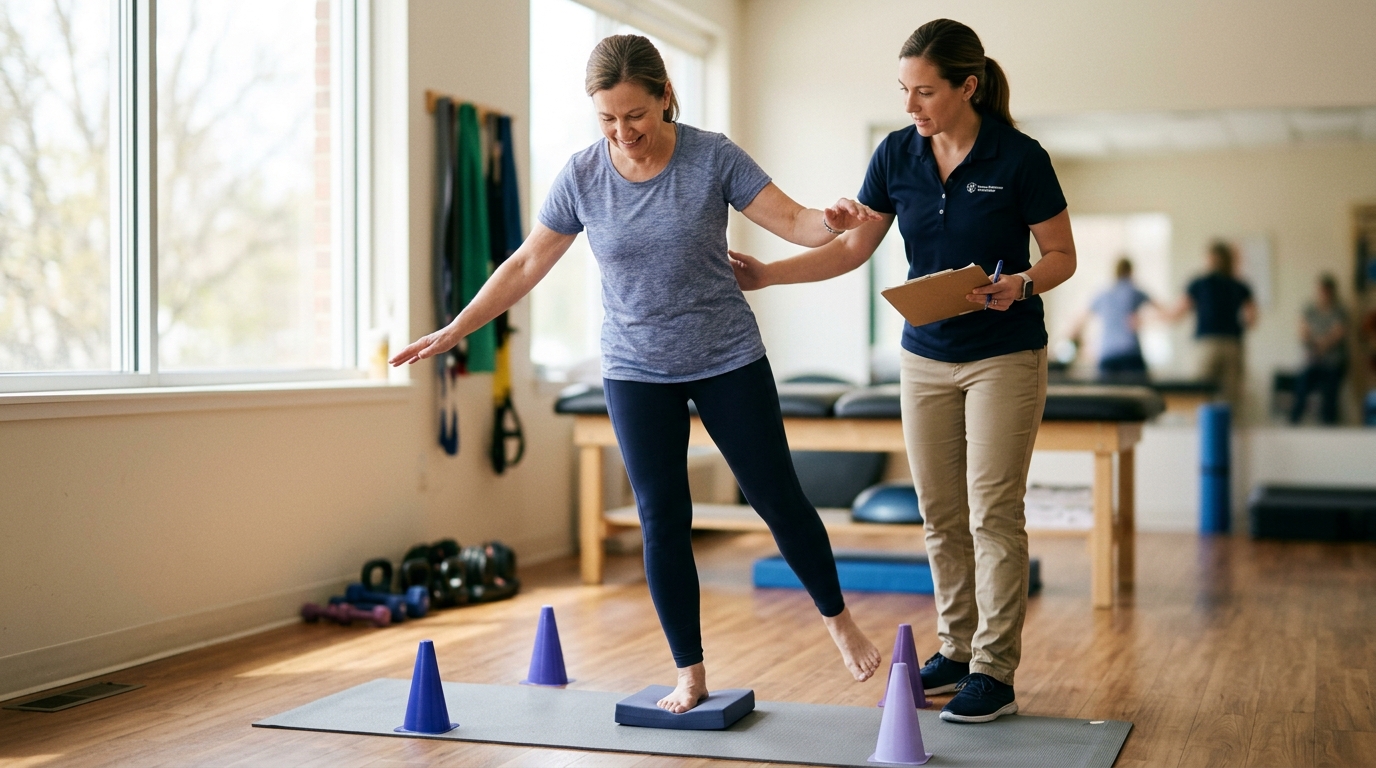
Coordination is the process by which your central nervous system organizes muscles to execute smooth, efficient movements. Neuromuscular control allows your body to stabilize joints, react to unexpected changes in terrain, and adjust movement patterns instantly. You can possess strong muscles, yet still lack the neuromuscular coordination needed to land safely from a jump or cut quickly on an uneven surface. Motor learning and movement skill must be practiced directly.
Physical recovery does not guarantee mental readiness. Psychological readiness includes your confidence in your physical capabilities, your appraisal of injury risk, and your level of hesitation or fear. Research in sports medicine shows that fear of reinjury can persist long after tissues have healed and strength has returned. Mental readiness is a separate component of recovery that requires gradual exposure to challenging tasks.
Learning how these individual systems interact is a core focus of rebuilding physical capacity after injury, helping you avoid doing too much too soon.
When you resume resistance training after a period of rest or rehabilitation, strength often increases rapidly during the first few weeks. Many people assume this rapid improvement is due to swift muscle growth. However, exercise science shows that early strength gains are primarily driven by neurological adaptations.
When you perform a strength exercise, your brain sends electrical impulses through the spinal cord to recruit motor units in your muscles. Each motor unit consists of a motor neuron and the specific muscle fibers it controls. In untrained or detrained states, the nervous system is inefficient at activating these units simultaneously.
According to research on adaptations to resistance training by Folland and Williams, early strength gains rely heavily on neural adaptations. These adaptations include:
Research by Carroll and colleagues on neural adaptations to resistive exercise highlights that significant strength increases can occur without noticeable changes in muscle mass. Early improvements represent your nervous system relearning how to use the muscle tissue you already possess.
Structural muscle growth takes longer to develop than neural coordination. True muscle hypertrophy requires repeated bouts of mechanical tension, muscle protein synthesis exceeding muscle protein breakdown, and structural remodeling of muscle fibers.
During periods of reduced activity or detraining, muscle mass begins to decline as protein synthesis slows down. An extensive review on detraining among athletes notes that while muscle mass shows a significant tendency to decline during extended breaks, strength levels often hold up remarkably well. In some cited studies, resistance-trained individuals maintained substantial strength and local strength endurance for up to 12 weeks of reduced training, even as muscle cross-sectional area decreased.
This distinction explains a common scenario: someone returns to the gym after two months off and can still lift respectable weights, but notices their muscles appear smaller and feel fatigued much sooner. Force production can remain elevated due to retained neural coordination, while structural mass and metabolic efficiency require consistent volume to rebuild.
Neural adaptations are highly specific to the way a muscle is trained. Research reviewing eccentric and concentric exercise shows that strength gains correspond closely to the contraction type, speed, and joint angle used during training.
If your rehabilitation focused entirely on slow, controlled, seated exercises, your nervous system has adapted to producing force in that specific posture. That strength will not transfer automatically to standing, dynamic, or high-speed movements. A complete rebuilding program must gradually expose the nervous system to diverse speeds, contraction types, and movement angles.
Cardiorespiratory fitness and local muscular endurance operate on different physiological timelines than maximal strength. When training stops or decreases, aerobic capacity typically declines faster than raw force production.
Cardiorespiratory endurance relies on the efficient delivery and utilization of oxygen. The primary laboratory measure of this capacity is VO2max, which reflects the maximum volume of oxygen your body can transport and consume during intense exercise.
The review literature on detraining in endurance athletes reveals rapid initial drops in cardiovascular markers:
These numbers reflect specific athletic study groups, but the underlying physiological principle applies broadly. When aerobic training stops, blood volume drops quickly, cardiac output decreases, and oxidative enzyme concentrations inside muscle mitochondria decline.
Local muscular endurance is the capacity of a specific muscle group to perform repeated contractions against submaximal resistance. It depends on capillary density around the muscle fibers, mitochondrial density, and cellular buffering capacity.
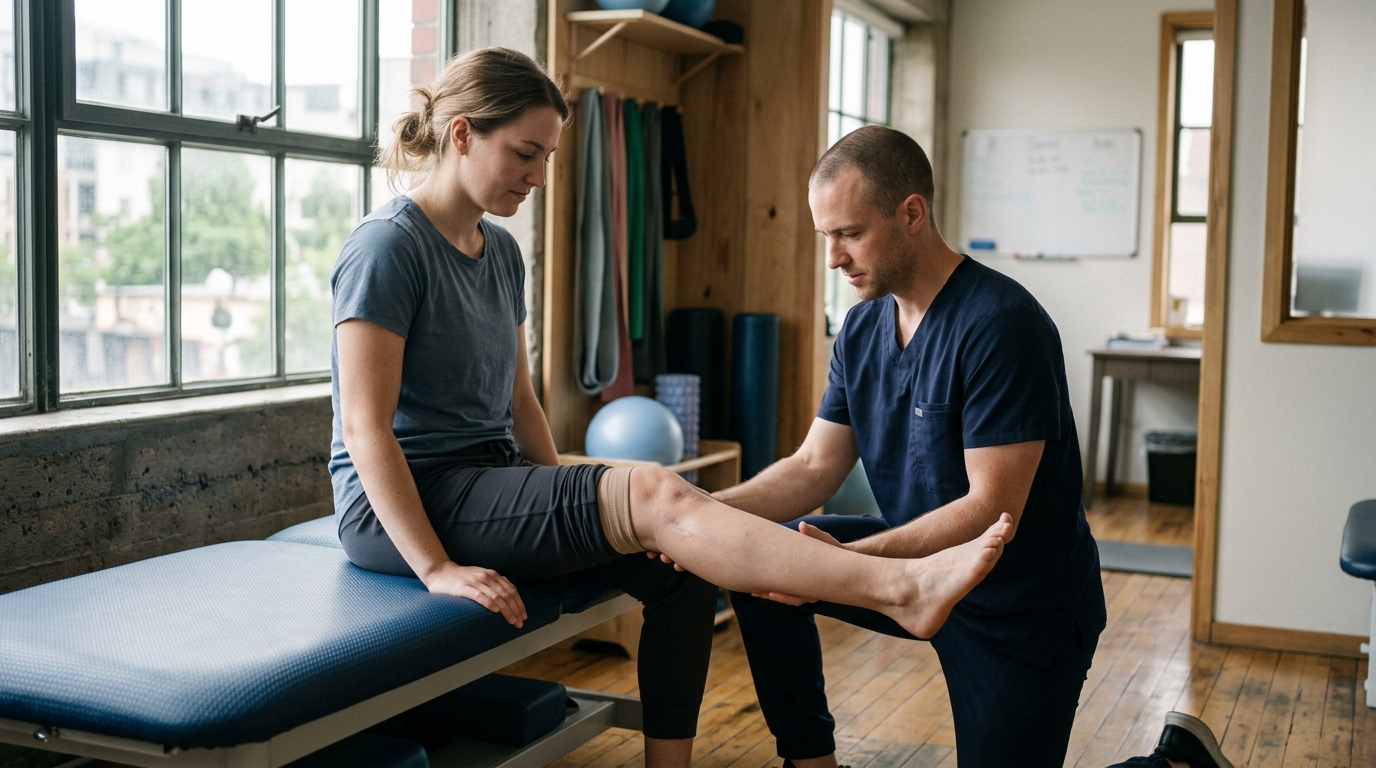
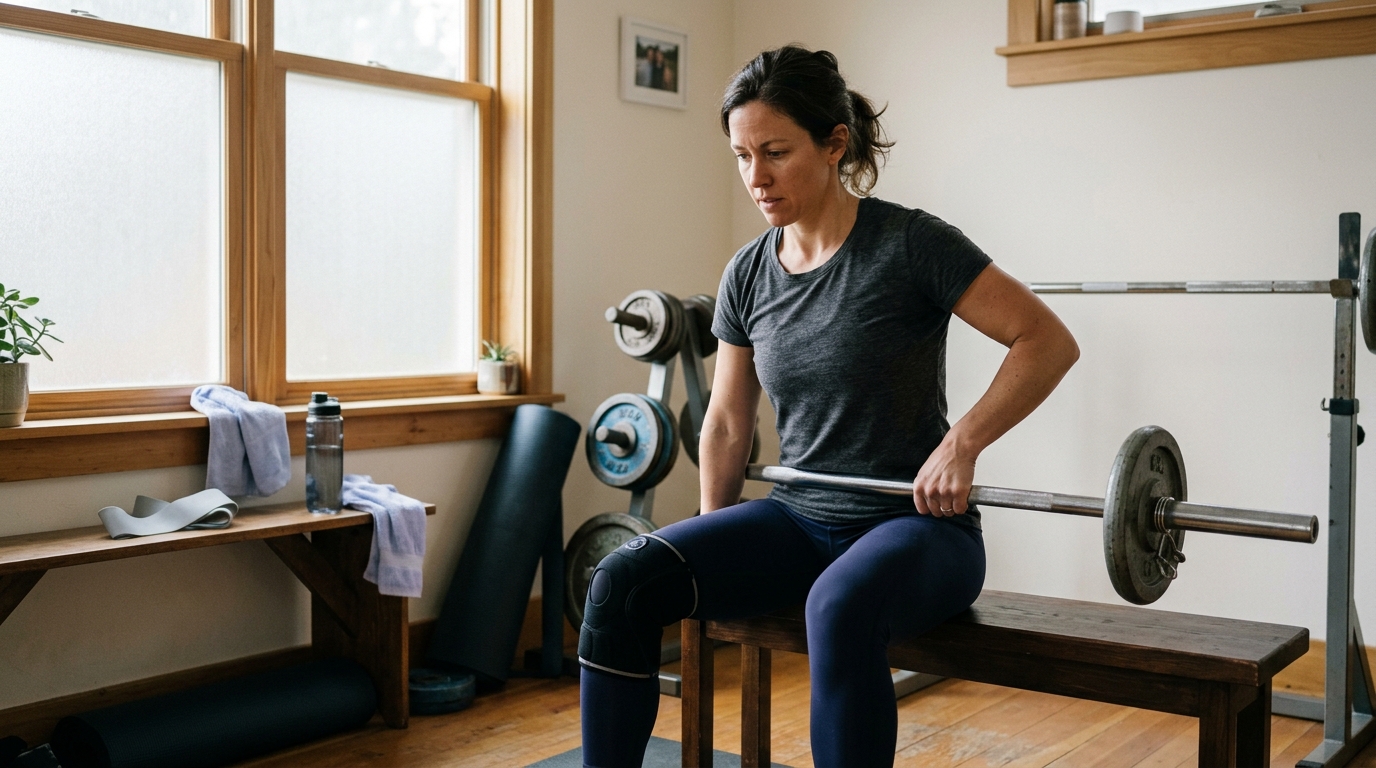
If you are recovering from a lower-body injury, you may experience a sharp decline in local muscular endurance in the affected leg. Even if your heart and lungs feel strong during stationary cycling, the specific muscles around the injured joint may burn and fatigue rapidly during basic bodyweight repetitions.
Rebuilding local endurance requires higher-repetition training, shorter rest periods, and progressive increases in total exercise volume. Understanding these metabolic differences is a foundational aspect of principles of recovery science.
Many people returning from an injury or break attempt to rebuild strength and aerobic fitness simultaneously. This approach, known as concurrent training, is practical and necessary for everyday life. However, how you combine them matters.
A comprehensive systematic review and meta-analysis on concurrent training found that combining aerobic and resistance training does not compromise maximal strength or muscle hypertrophy when compared to resistance training alone. However, the study noted that explosive strength development, such as sprinting or rapid jumping power, can be attenuated when heavy endurance and high-intensity resistance work are performed in the exact same session.
An earlier meta-analysis on concurrent training showed that running combined with heavy lifting resulted in greater decrements in strength and size compared to combining cycling with lifting. This difference is likely due to the high eccentric impact forces associated with running.
When rebuilding both capacities, separating intense cardiovascular sessions from heavy resistance training by several hours, or placing them on alternate days, can help minimize interference and reduce excessive fatigue.
Regaining force and endurance does not guarantee that your body can execute complex movements safely. Neuromuscular control is the bridge between raw muscular capability and real-world function.
Most standard physical therapy and gym exercises take place in controlled, predictable environments. You know exactly when you will squat, how heavy the weight is, and what path your joints will follow. These planned movements are essential for rebuilding baseline capacity and establishing proper form.
Real-world activities, recreation, and sports are rarely predictable. They require you to react to external stimuli, such as an uneven sidewalk, a dog pulling suddenly on a leash, or an opponent changing direction.
A review on return-to-sport testing emphasizes that standard clinical tests often rely on pre-planned movements. These tests assess force or linear jumping distance, but they do not evaluate how the central nervous system processes visual and spatial information under time pressure. When you must make a split-second decision, muscle activation patterns change.
If your rebuilding program only includes planned, linear exercises, your neuromuscular system will remain unprepared for chaotic, multi-directional environments.
In orthopedic rehabilitation, clinicians frequently use the Limb Symmetry Index (LSI) to evaluate progress. The LSI compares the performance of the recovering limb to the uninjured limb on tests such as single-leg hops, leg extensions, or balance assessments. Achieving a symmetry score of 90% or higher is commonly required before clearing an individual for higher-level activities.
While symmetry testing provides useful objective data, scientific reviews caution against relying entirely on a single percentage score:
Objective numbers are valuable, but they should be viewed as one piece of a broader assessment. Exploring diverse resources in rehabilitation and movement control can help you understand how movement quality complements raw strength numbers.
When a joint is injured or immobilized, the central nervous system alters its motor programs to protect the area from pain. These protective movement patterns, such as limping, shifting weight away from the limb, or bracing surrounding muscles, can persist long after tissues have healed.
Rebuilding coordination requires deliberate motor learning. This involves practicing fundamental movement patterns with low resistance, using external cues to guide joint positioning, and gradually increasing complexity.
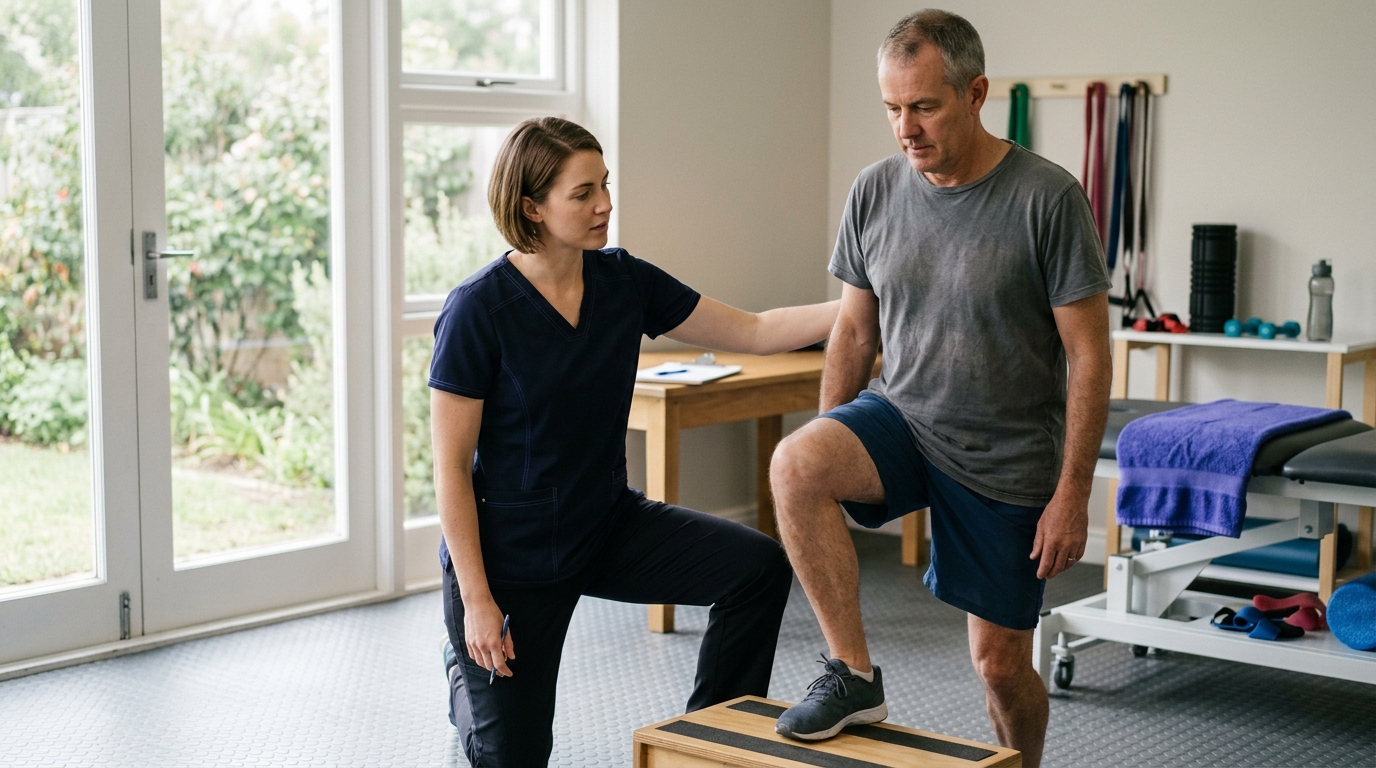
Once basic movement quality is restored, exercises should progress toward variable speeds, multi-planar motions, and light reactive drills. Motor control must be trained with the same intentional progression applied to weight or repetitions.
Physical healing and psychological readiness follow distinct paths. A person can achieve full clinical range of motion, normal strength metrics, and symmetrical hop distances, yet still feel deep hesitation about returning to recreation or sport.
Fear of reinjury, movement-related anxiety, and low self-efficacy are common responses following musculoskeletal injuries. When you experience acute pain or undergo surgery, your brain registers the event as a significant threat. Even after tissues have structurally remodeled, the brain's threat-detection network can remain hyper-vigilant.
Sports medicine literature highlights that low psychological readiness is significantly associated with a reduced likelihood of returning to pre-injury activity levels. Among younger athletic populations, lower psychological readiness has also been linked to an increased risk of secondary injury, likely due to altered, hesitant movement mechanics caused by anxiety.
In clinical research, validated questionnaires such as the ACL Return to Sport after Injury (ACL-RSI) scale measure emotional response, confidence in performance, and risk appraisal. These assessments demonstrate that mental readiness is an independent domain of recovery that cannot be inferred from a physical exam alone.
Confidence is not a personality trait that you either have or lack. It is a trainable state built through positive, pain-free exposures to progressively demanding tasks.
If an individual jumps directly from controlled gym exercises to a competitive match, the sudden leap in demand can trigger anxiety and protective bracing. A structured rebuilding plan uses intermediate steps to bridge this gap:
Each step provides objective proof to your nervous system that the body can tolerate the load, systematically lowering threat perception and rebuilding authentic confidence.
The speed and trajectory of recovery vary substantially from person to person. While general physiological principles apply to everyone, several key variables alter how quickly strength, endurance, muscle mass, and coordination return.
Age influences the rate of neuromuscular and structural adaptations. The review literature on detraining notes that older adults, particularly those over the age of 50, show a greater predisposition to rapid losses in muscle power and force production during periods of inactivity compared to younger cohorts. Muscle power, the ability to generate force quickly, often declines faster than maximal strength.
Baseline conditioning prior to an injury or layoff also establishes a physiological foundation. Individuals with a long history of regular resistance training retain motor patterns more effectively and can rebuild muscle tissue more rapidly due to cellular memory mechanisms within muscle fibers.
However, older adults consistently maintain the capacity to build strength, increase muscle mass, and improve balance when provided with an appropriate training stimulus.
Detraining is not an all-or-nothing state. There is a vast physiological difference between complete joint immobilization, strict bed rest, and modified physical activity:
The specific activities maintained during a recovery period dictate which physiological systems require the most intensive rebuilding later.
Neuromuscular adaptations can occur relatively quickly, but biological tissue remodeling follows strict physiological timeframes. Tendons, ligaments, cartilage, and bone possess lower vascularity and slower cellular turnover rates than skeletal muscle tissue.
Following a tendon repair, ligament reconstruction, or bone fracture, the structural integrity of the healing collagen matrix requires months of progressive mechanical loading to mature. Rushing a return to high-impact activities simply because muscle strength feels adequate can overload healing tissues that have not yet regained their structural tolerance.
Balancing tissue constraints with progressive loading is essential for long-term health, a topic central to navigating return to sport and recreation.
Navigating the transition from basic healing to full physical performance requires avoiding several common conceptual traps.
Pain is an unreliable guide for assessing readiness to perform demanding tasks. Pain is an alarm system designed to protect you from immediate threat, not a precise measurement of tissue capacity, muscular endurance, or joint stability.
When pain subsides during everyday walking, it simply means your current daily loads do not exceed your current resting threshold. It does not mean your tissues are prepared to absorb the high impact forces of running, which can equal two to three times your body weight per step. Assuming that the absence of pain equates to full recovery frequently leads to overuse flare-ups.
Another common pitfall is assuming that developing one physical quality automatically resolves deficiencies in another.
A runner might assume that running five miles three times a week provides all the lower-body strength needed to protect their joints. However, long-distance running develops aerobic capacity and slow-twitch muscle fiber efficiency without providing the high mechanical tension necessary to build maximal tendon stiffness or bone density.
Similarly, a lifter might assume that heavy squats eliminate the need for dedicated balance or agility training. Every capacity requires its own specific stimulus.
No single exercise, machine measurement, or hop test can evaluate overall physical readiness. An isolated knee extension machine test measures quadriceps force, but it provides zero information about how the hip and ankle coordinate during landing.
A symmetrical vertical jump reveals equal force production, but it does not evaluate whether you can maintain that force after 45 minutes of sustained aerobic fatigue. Comprehensive rebuilding requires evaluating multiple physical domains rather than seeking reassurance from a single passing score.
To translate recovery science into a clear, actionable path forward, you can follow a structured framework. This approach avoids guesswork and ensures that strength, muscle mass, stamina, coordination, and confidence are developed in harmony.
Before selecting exercises or setting schedules, clearly define what quality you need to improve. Are you currently limited by maximal force production, localized muscle burning, whole-body cardiovascular fatigue, poor balance, or fear of movement?
Clarity on the primary limitation prevents you from wasting energy on mismatched training methods.
Select objective checks that directly reflect your target capacity:
Ensure your training progressively mirrors the real-world environment you wish to re-enter. If your goal is returning to trail hiking, stair climbing in a gym is a useful early step, but it cannot replace walking on unstable, uneven natural terrain with shifting grades.
Begin with stable, predictable movements, and gradually introduce variability, tempo changes, and external tasks.
Base your starting point on what you actually did during your break, not what you were capable of doing six months prior.
If you experienced three months of near-total inactivity, your cardiovascular base and tendon stiffness have significantly detrained. Start with conservative volumes and frequencies, allowing 48 to 72 hours between challenging sessions to assess how your tissues respond.
Track multiple recovery metrics alongside one another over weeks and months. A practical dashboard might track:
Reviewing an independent editorial perspective on recovery science reinforces that progress is rarely linear across every system at the same time.
Passing a functional test, hitting a target weight, or achieving symmetrical limb scores indicates that you have met a milestone. It does not provide an absolute guarantee against setback or reinjury.
Treat every milestone as permission to enter the next stage of progressive loading, rather than an immediate green light for uncontrolled, maximum-effort activity.
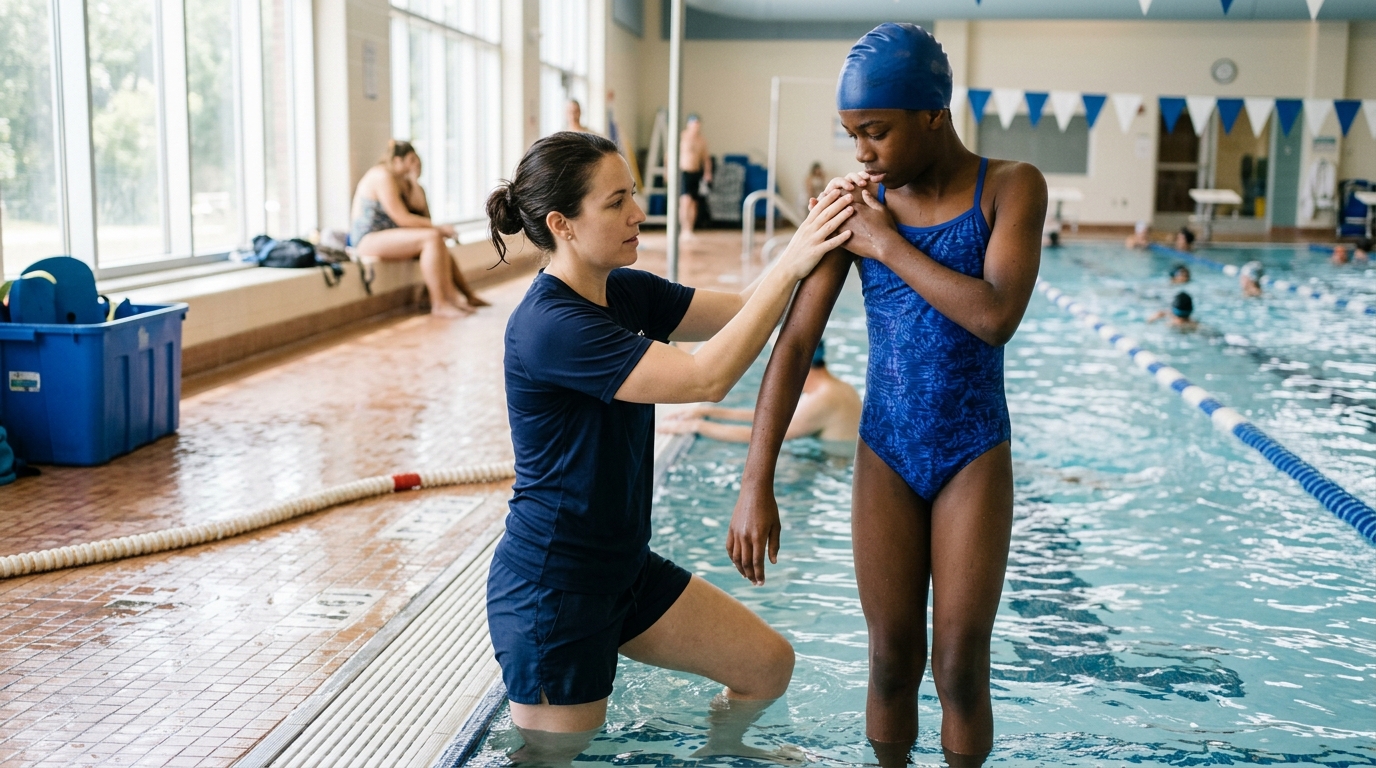
When transitioning from medical care or physical therapy back to independent training, open communication with your healthcare team is vital. Consider asking your physical therapist, surgeon, or physician these targeted questions:
Physical recovery is not a single switch that turns on once an injury heals. It is the gradual, coordinated reconstruction of several distinct physiological systems. Your nervous system reclaims motor control, your muscle fibers slowly rebuild their structural volume, your cardiovascular system restores blood volume and oxygen delivery, and your brain gradually rebuilds confidence.
Because these capacities adapt at different speeds, feeling ready in one area does not mean you are fully prepared in all others. Accepting these varied timelines removes frustration and prevents premature overexertion.
By taking an objective, multi-faceted approach to your training, you give every bodily system the time and stimulus it needs to rebuild safely.
Return to this guide whenever you transition between different phases of physical recovery, such as moving from structured clinical rehabilitation to independent gym training, or when preparing to resume recreational sports. It is also helpful to review these principles if you experience an unexpected performance plateau, feel sudden hesitation about increasing your physical activity, or need a reminder of why different physical capacities rebuild at different rates.
Rebuilding your physical capacity is a steady process of progressive adaptation, requiring patience, consistency, and respect for how your body truly heals.

Use ReboundBody resources to understand common recovery stages, rehab terms, movement limits and strength rebuilding. Each guide is designed to make a complex comeback easier to understand.


Read practical guidance on injury recovery, rehabilitation, mobility and rebuilding strength as you work your way back to activity.
Explore Resources