
Most people dismiss walking as simple recovery, but combining daily steps with strength training requires deliberate weekly scheduling to protect healing tissues.





How do you combine strength training and walking after an injury or a long layoff without overloading your joints? Many people search for this exact problem when they want to rebuild fitness but worry about doing too much too soon. The definitive answer is that strength training and walking can work together effectively during a return to activity. Success depends on viewing your weekly physical stress as a single combined system rather than treating each activity in isolation.
Walking and resistance training place very different physical demands on your muscles, bones, and tendons. Walking adds thousands of repetitive, light-load steps across your week. Strength training imposes intermittent, higher-intensity muscular tension through specific ranges of motion. Because both activities demand energy and tissue recovery, adding a new walking routine on top of existing gym work changes your total physical workload.
Public health targets recommend at least 150 minutes of moderate aerobic activity and two strength sessions per week for general health. However, these targets are long-term reference points rather than starting rules for someone returning from an injury or a period of rest. The safest strategy is to establish a modest baseline in both activities, keep your volume steady, and adjust only one training variable at a time.
There is no universal formula or fixed percentage increase that fits every individual. Your recovery timeline depends on your personal health history, the reason for your layoff, and how your tissues tolerate stress across the entire week. A structured, evidence-aware approach helps you build capacity steadily while keeping flare-ups to a minimum. You can find more practical frameworks across our injury recovery and rehabilitation resources to guide your overall comeback.
To combine walking and strength training safely, you must first understand how each activity stresses your musculoskeletal system. Walking is a rhythmic, cyclic activity that involves ground reaction forces with every step. When your foot strikes the ground, your body absorbs impact forces that travel through your feet, ankles, knees, and hips. Over a thirty-minute walk, your body absorbs these light, repetitive impacts thousands of times.
Strength training creates a completely different mechanical environment. Lifting weights, using resistance bands, or performing bodyweight exercises produces high levels of tension within specific muscle groups. These movements occur across controlled ranges of motion and usually involve discrete sets separated by rest intervals. Rather than thousands of small impacts, resistance training challenges joint stability and muscle fibers with concentrated, high-load contractions.
Because these mechanical demands differ, the recovery needs for each activity also differ. Walking primarily taxes local tissue endurance, joint cartilage, and overall aerobic energy pathways. Strength training creates microscopic muscle damage, depletes local energy stores, and demands neuromuscular recovery. When you perform both activities in the same week, your lower body must adapt to both the continuous repetition of walking and the intense muscular effort of lifting.
Problems often occur when people assume that walking does not count as real physical work. If you add three miles of daily walking to an established leg routine, your lower body experiences a major jump in total weekly volume. Recognizing walking as a genuine physical stimulus is the first step toward building a balanced routine. If you want to explore the science behind tissue adaptation, check out our recovery science articles for a deeper look at biological healing.
Returning to exercise requires managing your total weekly physical stress rather than judging individual days in isolation. When you perform a lower-body strength workout, your muscles and connective tissues need adequate time to rebuild before the next heavy stress. If you schedule a long, brisk walk the morning after a demanding leg session, your tissues must absorb repetitive impact while still recovering from the gym.
National physical activity guidelines emphasize starting low and progressing slowly when rebuilding activity after inactivity. The Physical Activity Guidelines for Americans, published by the U.S. Department of Health and Human Services, note that adding modest amounts of light-to-moderate activity carries a very low risk of musculoskeletal injury. The guidelines recommend increasing activity gradually over weeks to months rather than jumping directly into high volumes.
To manage your weekly capacity, you must account for all sources of physical effort. Your total load includes structured walking, gym workouts, occupational movement, household chores, and even carrying groceries. A week with heavy physical chores leaves less room for aggressive walking or lifting increases. Viewing your schedule as a single bucket of recovery capacity helps prevent sudden overuse setbacks.
A common mistake is treating walking as an entirely passive recovery tool. While easy walking promotes blood circulation, it still places continuous mechanical work on your feet, calves, knees, and hips. If your overall weekly activity exceeds your current tissue tolerance, symptoms can develop slowly over several days. Evaluating your total weekly volume gives you a clearer picture of your actual physical workload.
For decades, fitness enthusiasts worried about the interference effect, which suggested that combining endurance exercise with resistance training would blunt strength and muscle gains. Fortunately, modern sports science provides a clearer picture. Systematic reviews and meta-analyses examining concurrent training show that combining aerobic exercise with strength training does not meaningfully compromise maximal strength or whole-muscle hypertrophy in general adult populations.
A comprehensive meta-analysis published in Sports Medicine evaluated dozens of studies on concurrent training. The researchers found that combining moderate aerobic activity with resistance training allowed participants to build strength and muscle size effectively. However, the data revealed that explosive power development, such as high-speed sprinting or jumping, could be slightly reduced when heavy endurance and strength work were performed in the same session.
Research focusing on middle-aged and older adults shows similarly positive outcomes for combined training. A meta-analysis examining older populations found that concurrent training produced substantial improvements in muscular strength, power, and cardiorespiratory endurance. For adults returning to activity, walking and basic strength work complement each other rather than competing against each other.
However, clinical research on healthy study participants cannot be applied directly to every post-injury scenario. Training studies typically measure long-term adaptations in healthy volunteers under controlled conditions. When you are recovering from a specific injury or surgery, your primary challenge is managing tissue sensitivity and preventing flare-ups, not maximizing athletic power. The scientific evidence supports combining both modes, provided your total volume matches your current capacity.
Before you add more walking or increase your lifting weights, you need to identify your current baseline. An accurate baseline reflects what your body can tolerate comfortably right now, not what you could do months or years ago. Setting your starting point too high is one of the most common reasons return-to-activity plans fail.
Public health organizations, including the World Health Organization and the Centers for Disease Control and Prevention, recommend 150 to 300 minutes of moderate aerobic activity weekly alongside two muscle-strengthening days. These figures represent targets for long-term health, not entry requirements for someone rebuilding tolerance. Trying to achieve 150 minutes of walking in your first week back can quickly overload unconditioned tissues.
CDC guidance for inactive adults suggests starting with short walks lasting just five to ten minutes, performed several times per week. Once your body demonstrates that it can handle that duration without lingering pain or stiffness, you can gradually extend the sessions. The same principle applies to resistance training, where a baseline might consist of a single set of eight to twelve repetitions for major muscle groups using light resistance or body weight.
To establish your baseline, track your activity for one full week without making sudden additions. Note the duration and terrain of any walks, the exercises and sets performed during strength sessions, and how your joints feel the next morning. This initial assessment gives you an objective starting point from which you can plan safe, progressive increases. You can learn more about rebuilding your physical foundation through our strength and performance rebuilding resources.
The most reliable way to progress your activity safely is to adjust only one training variable at a time. When people return to exercise, they often increase their walking distance, walk on steeper hills, increase their walking speed, and add heavier weights to their gym routine all in the same week. If pain or severe fatigue occurs, it becomes impossible to determine which variable caused the problem.
A systematic progression strategy isolates each training variable so you can monitor your body's response with precision. When modifying your walking routine, you have several distinct variables to consider:
When modifying your strength training routine, the key variables include:
If you decide to increase your walking duration by five minutes per session this week, keep your walking pace, walking terrain, and strength training routine completely unchanged. Maintain that new level for at least one to two weeks to confirm that your body tolerates the extra volume. Staged walking interventions in clinical research frequently follow this pattern, building session frequency first, extending duration second, and addressing walking speed last.
How you arrange your walking and strength training sessions throughout the week plays a major role in your recovery. Separating demanding lower-body strength work from longer walking sessions helps ensure that your muscles and joints are not placed under continuous, unmanageable fatigue.
For many active adults, an alternating schedule works exceptionally well. This structure places strength training on non-consecutive days, such as Tuesday and Friday, while walking sessions occur on Monday, Wednesday, and Saturday. Distributing your workouts across the week gives your lower-body connective tissues dedicated recovery windows between different mechanical stresses.
If your personal schedule requires completing both activities on the same day, you must manage session order and intensity carefully. Research on concurrent training suggests that performing strength training before aerobic activity, or separating the two sessions by several hours, produces better strength outcomes.
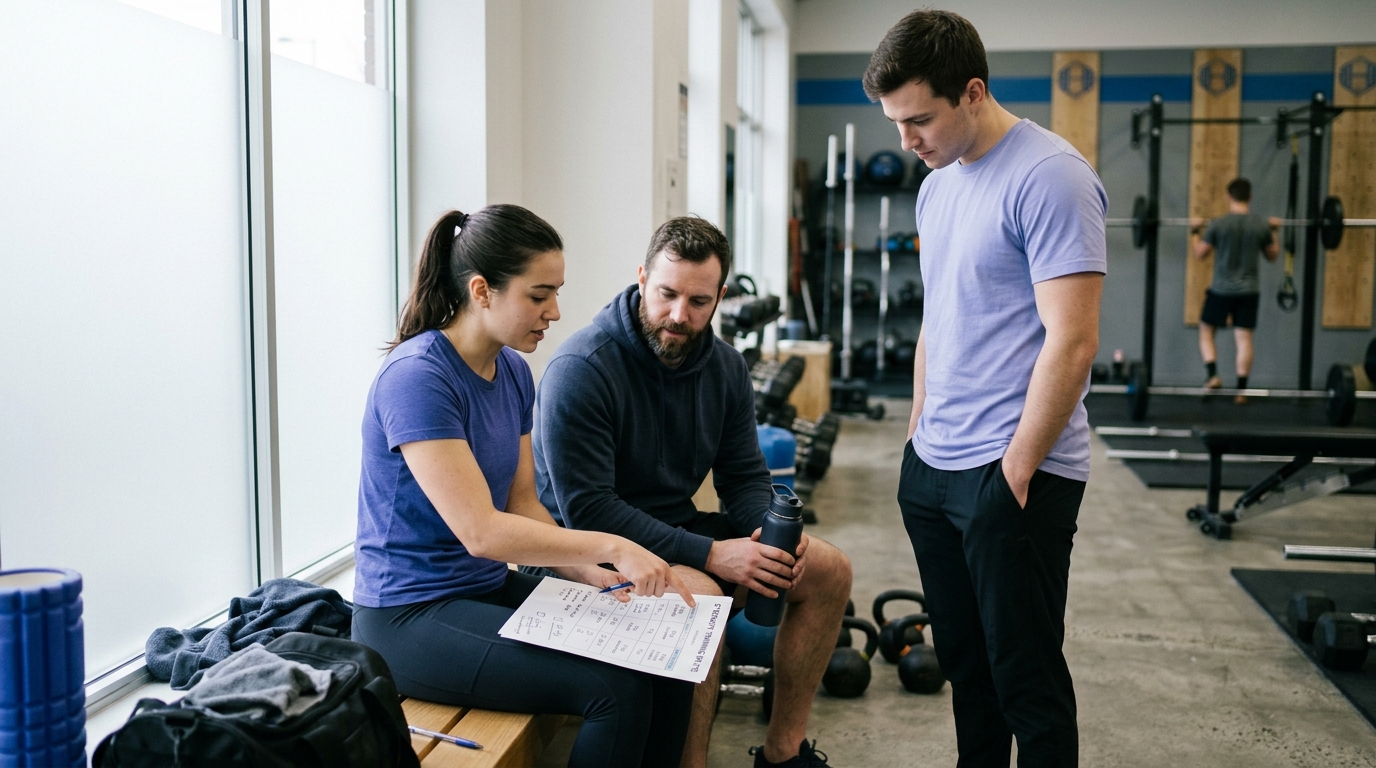
Regardless of which schedule you select, maintain an objective tracking log. Record your daily walking minutes, terrain types, strength exercises, total sets, and physical sensations both during and 24 hours after exercise. Keeping a written record removes guesswork and helps you identify patterns in your recovery.
As your weekly walking volume increases, your lower-body muscles absorb a higher number of repetitive contractions. If you keep your lower-body lifting volume at maximum capacity while rapidly building walking miles, your quadriceps, hamstrings, and calves can become chronically fatigued. Modifying your exercise selection allows you to maintain upper-body and core strength while managing lower-body stress.
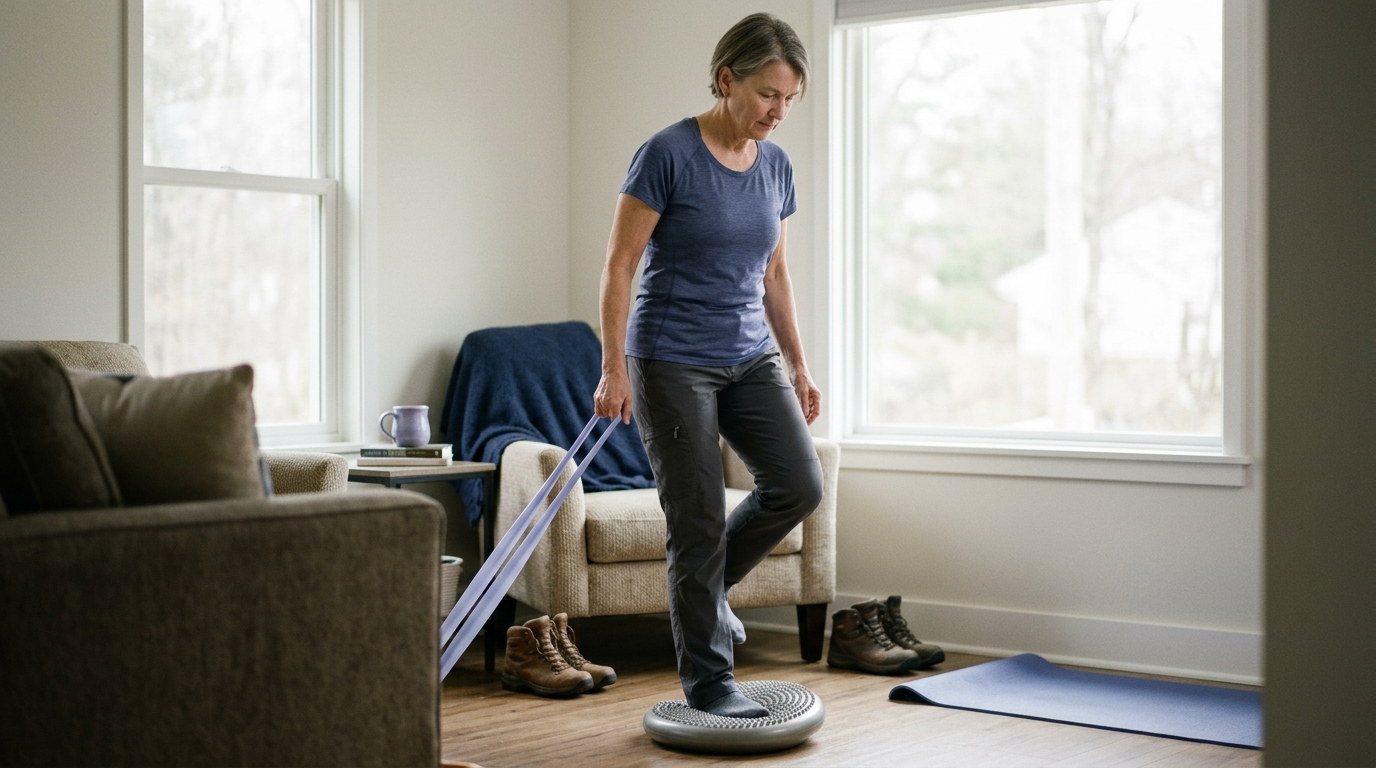
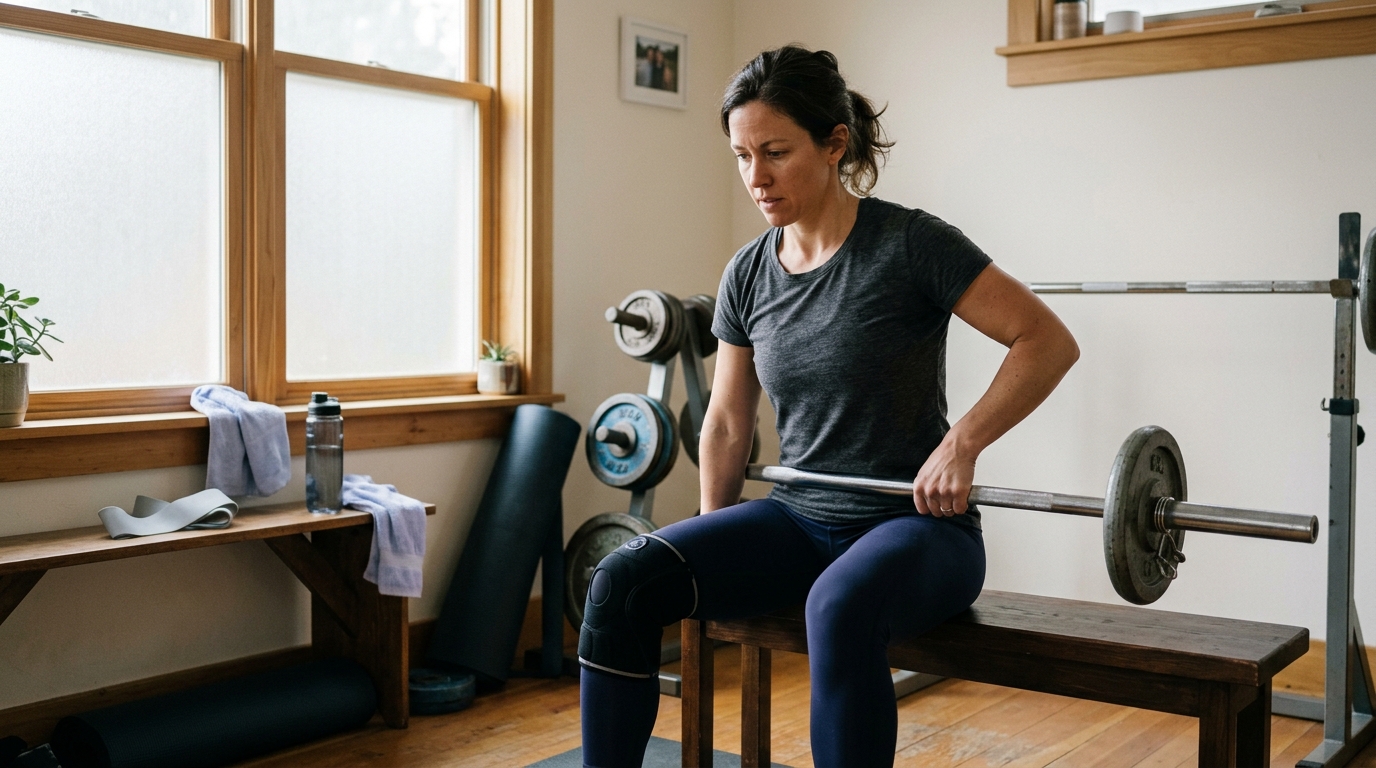
One effective strategy is temporarily shifting toward exercises that place lower mechanical stress on sensitive joints. For example, replacing deep barbell squats with supported box squats, leg presses, or seated knee extensions allows you to strengthen the surrounding musculature with greater control. Similarly, replacing impact-heavy movements with isometric holds can maintain muscle activation while giving tendons time to adapt.
You can also reduce your total lower-body sets while keeping your upper-body training volume steady. General health guidelines from the CDC recommend targeting all major muscle groups at least twice per week, but your sets can be adjusted based on recovery needs. Completing one or two well-executed sets of eight to twelve repetitions for your lower body is often sufficient to maintain muscle mass while you prioritize walking tolerance.
Maintaining trunk, back, and upper-body strength is particularly valuable during this phase. Upper-body resistance training supports overall metabolic health and posture without placing repetitive ground impact on your lower-body joints. For more guidance on managing exercise modifications, explore our surgery and rehab articles to see how volume adjustments protect healing tissues.
No two individuals respond to physical activity in the exact same manner. Several biological, environmental, and medical factors influence how quickly your body can adapt to combined walking and strength training. Understanding these variables helps you set realistic expectations and avoid comparing your progress to others.
As we age, biological changes in our connective tissues affect recovery timelines. Tendons, ligaments, and articular cartilage experience reduced blood flow and slower cellular turnover in older adults. While regular physical activity improves tissue quality across all age brackets, adults over 40 generally require slightly longer recovery intervals between demanding workouts. Prioritizing rest days between strength sessions ensures that collagen synthesis can occur effectively.
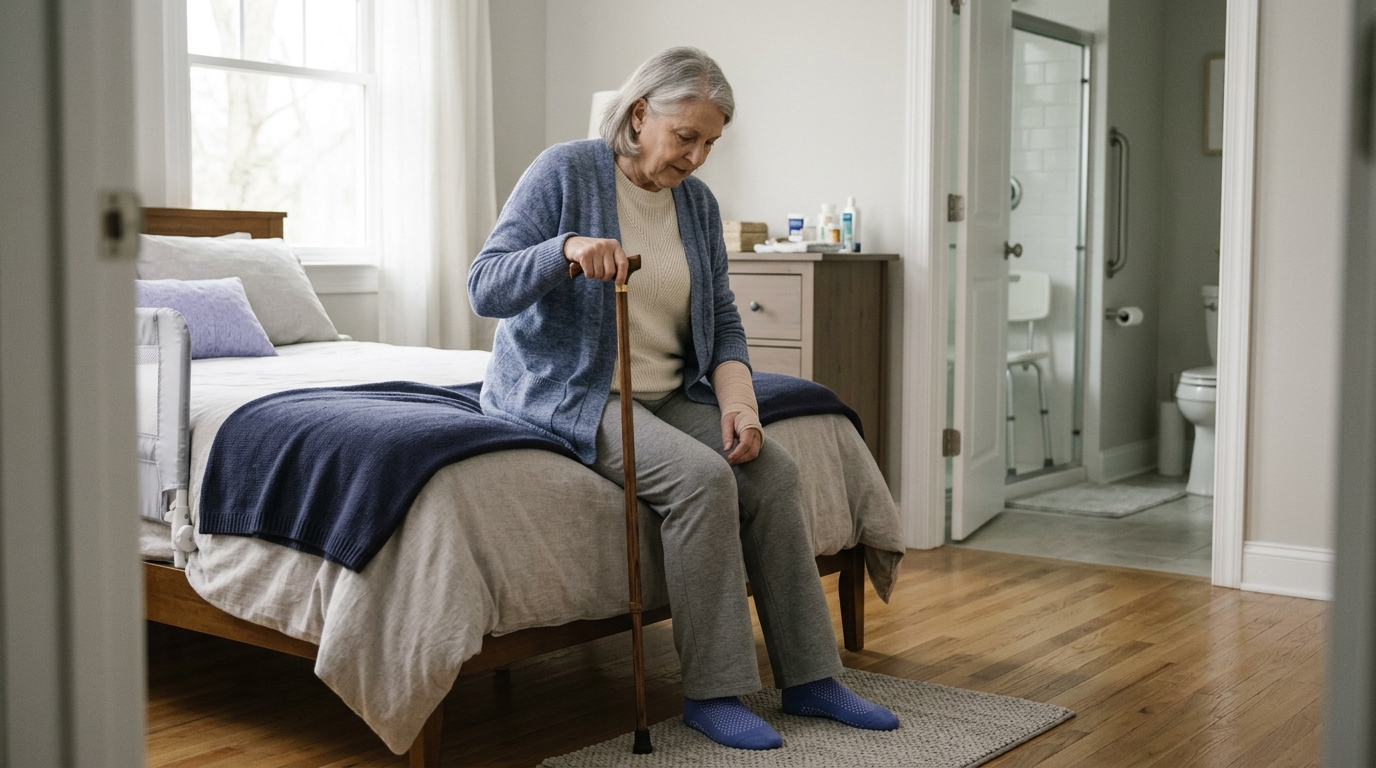
The specific reason for your layoff significantly influences your loading capacity. Someone recovering from a joint replacement, a bone fracture, or a tendon repair has different structural considerations than someone returning from a general period of physical inactivity. Tendons and joint cartilage respond slowly to repetitive loads, meaning walking volume must be rebuilt with exceptional patience. Bone and muscle tissue, on the other hand, adapt more rapidly to progressive resistance.
Your structured exercise sessions represent only a fraction of your weekly physical output. If your job requires standing on concrete floors for eight hours a day, your baseline physical stress is already substantial. Adding three miles of evening walks on top of an active job creates a much higher cumulative load than adding the same walk to a sedentary desk job. Always adjust your exercise plan to reflect the physical demands of your daily life.
Tissue repair is a biologically demanding process that requires adequate resources. Chronic sleep deprivation, insufficient protein intake, and high psychological stress elevate systemic inflammation and impair muscular recovery. If your sleep quality or nutrition is compromised, your body will tolerate less exercise before developing symptoms. Focusing on recovery habits outside the gym is just as important as the workouts themselves.
Distinguishing between normal training soreness and warning signs of tissue overload is an essential skill during a return to activity. Delayed-onset muscle soreness is a typical response when introducing unfamiliar strength exercises or longer walking distances. This muscular soreness usually appears 24 to 48 hours after exercise, feels diffuse across muscle bellies, and diminishes as you move.
Overuse irritation in tendons, ligaments, or joint capsules presents differently. Overload symptoms often localize directly over a joint line or tendon insertion point, produce sharp or throbbing sensations, and worsen with continued activity. Joint swelling, morning stiffness that lasts longer than thirty minutes, or pain that alters your normal walking gait are clear indications that your weekly volume has exceeded your current capacity.
If you encounter warning signals, do not try to ignore the discomfort or force your way through the routine. The appropriate response is to temporarily reduce your activity volume to the last tolerated level. Hold that reduced baseline steady until symptoms resolve, then resume progression at a more gradual pace.
estones
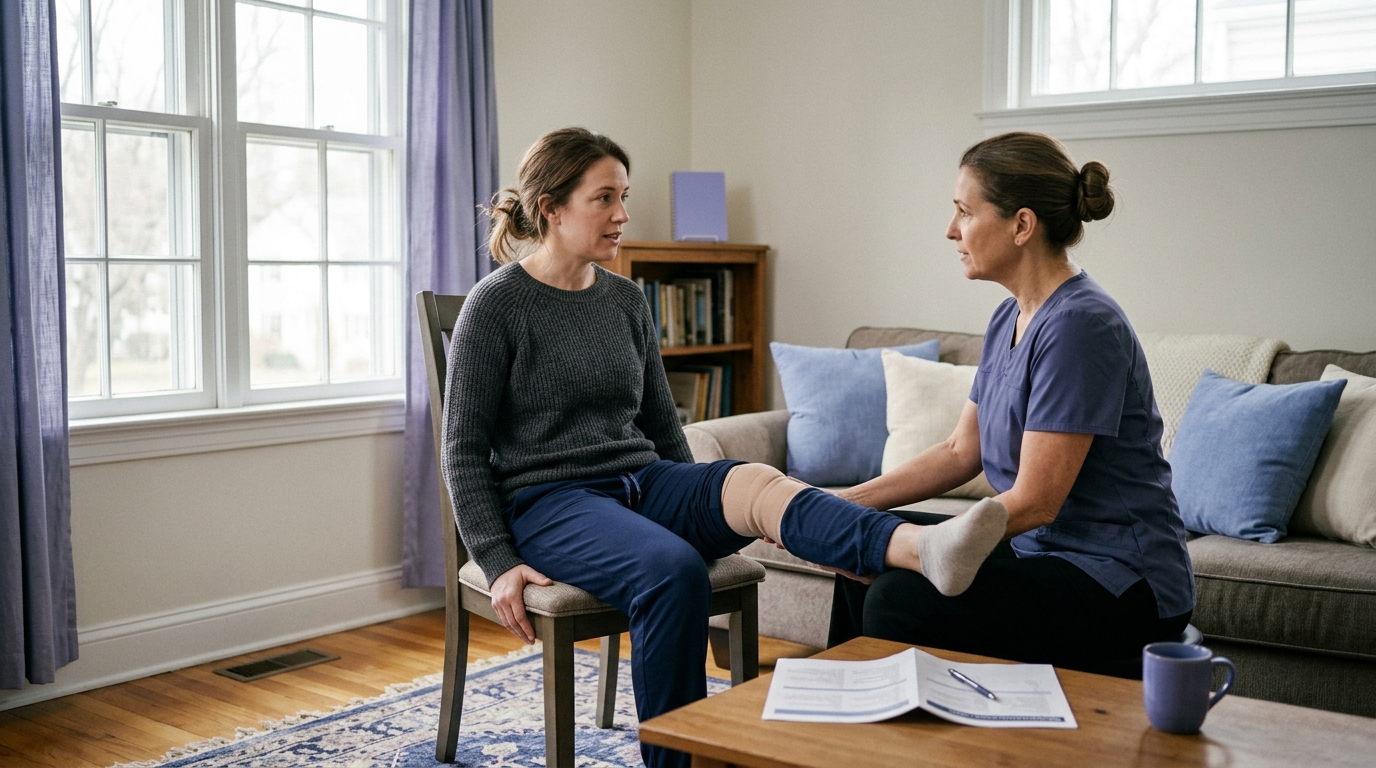
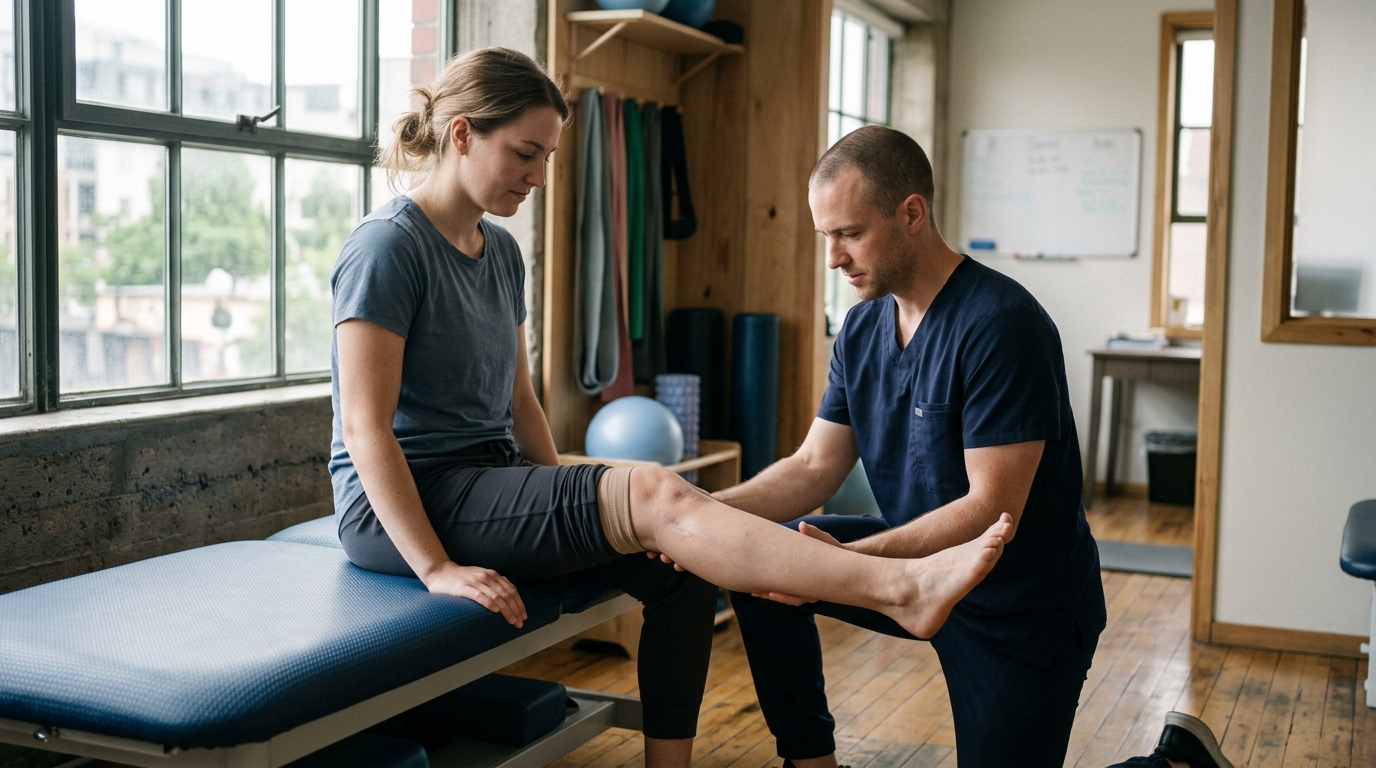
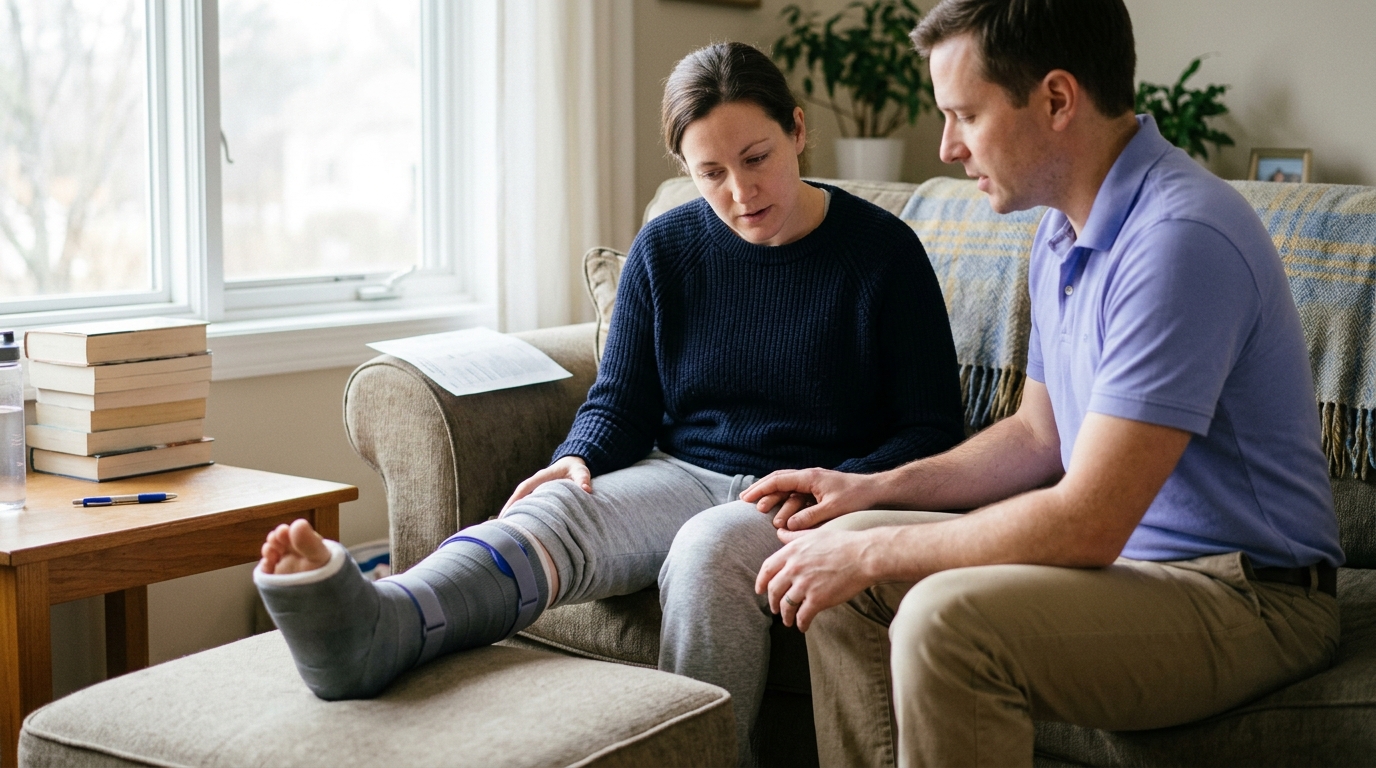
While general activity guidelines provide a helpful framework, they do not replace personalized medical advice. If you are recovering from a surgery, a serious orthopedic injury, or a cardiovascular event, your rehabilitation must align with clinical guidance. Clear communication with your physical therapist, orthopedic surgeon, or primary care physician ensures that your plan remains safe and appropriate.
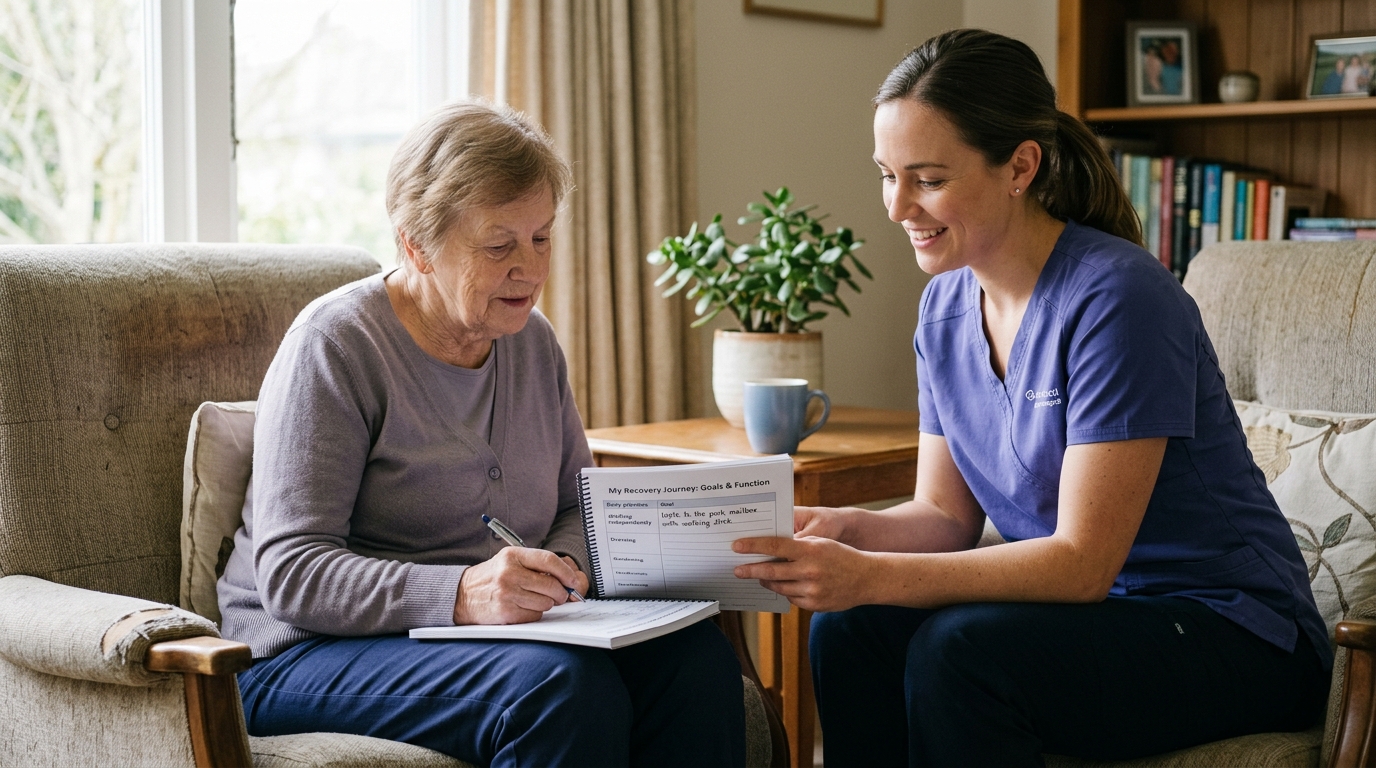
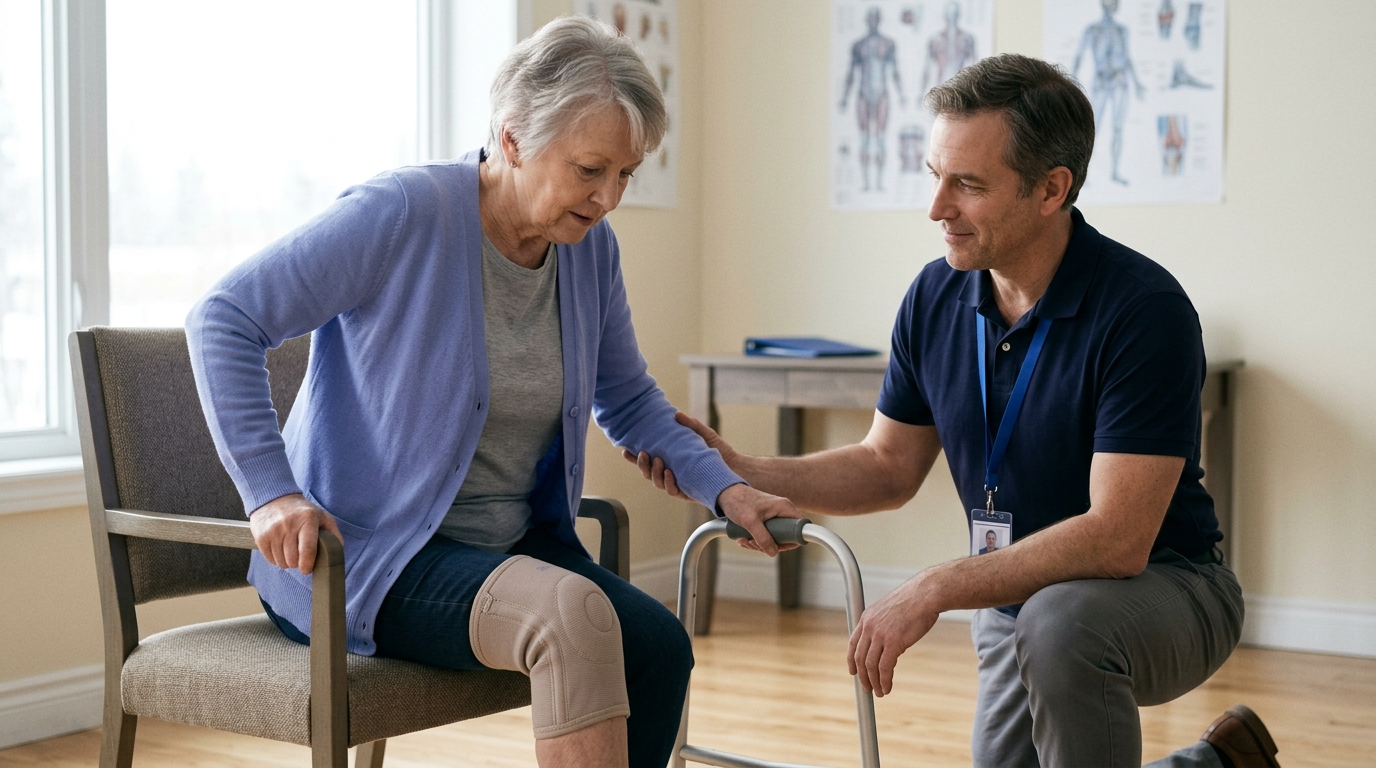
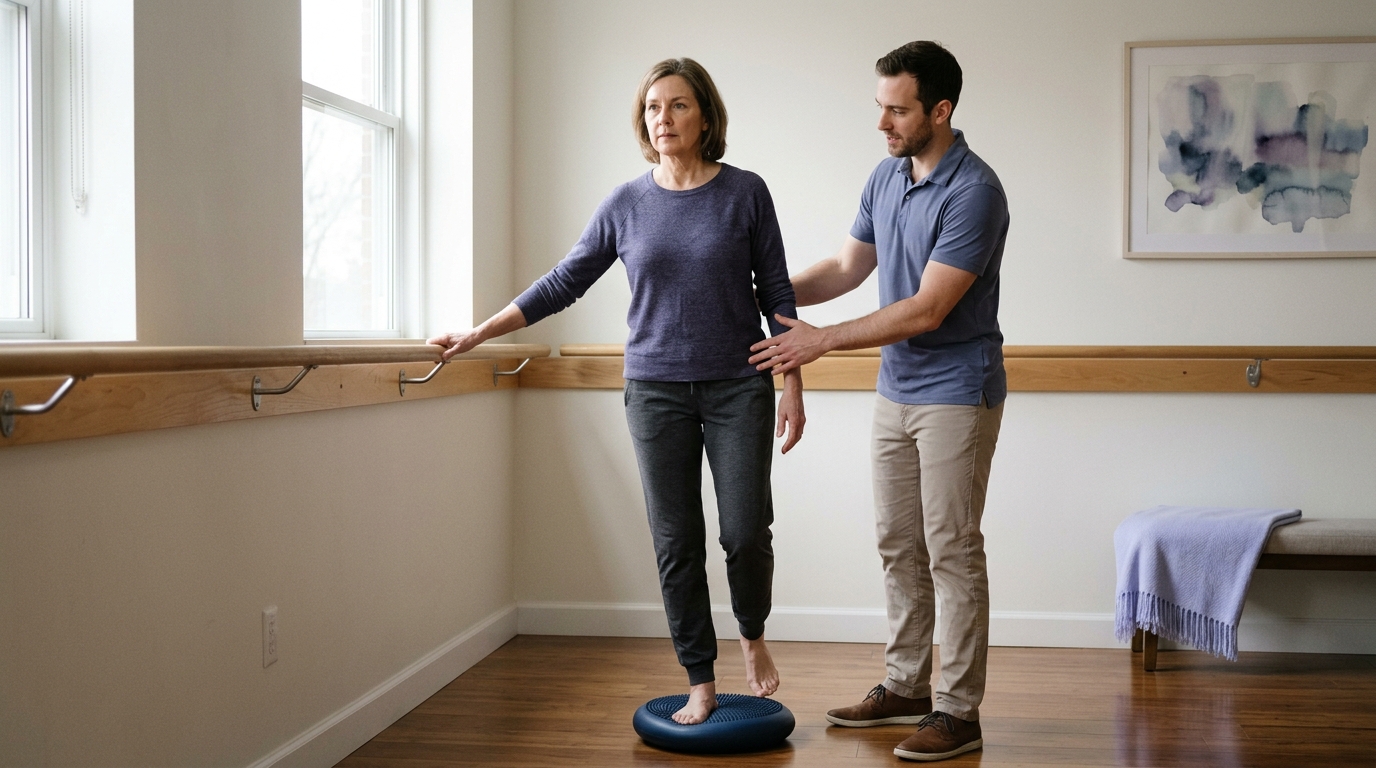
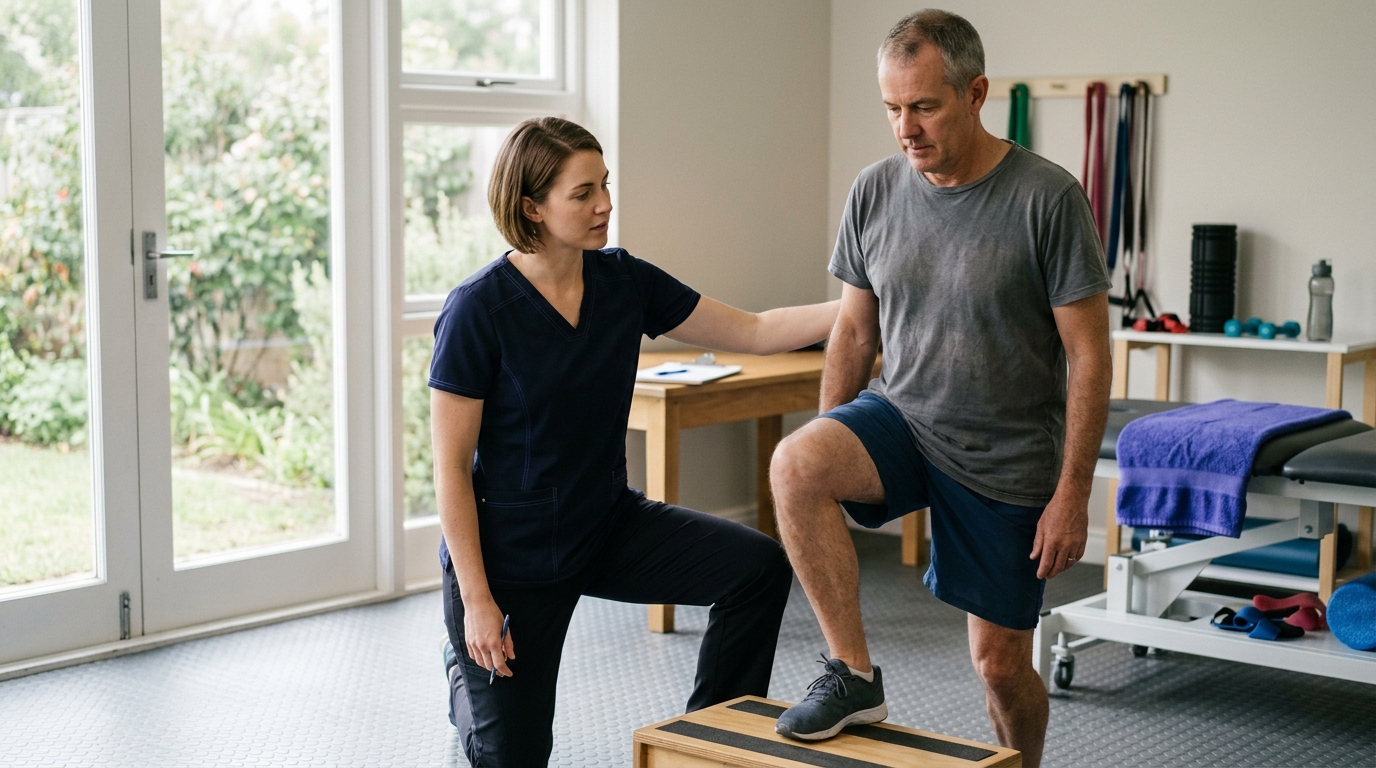
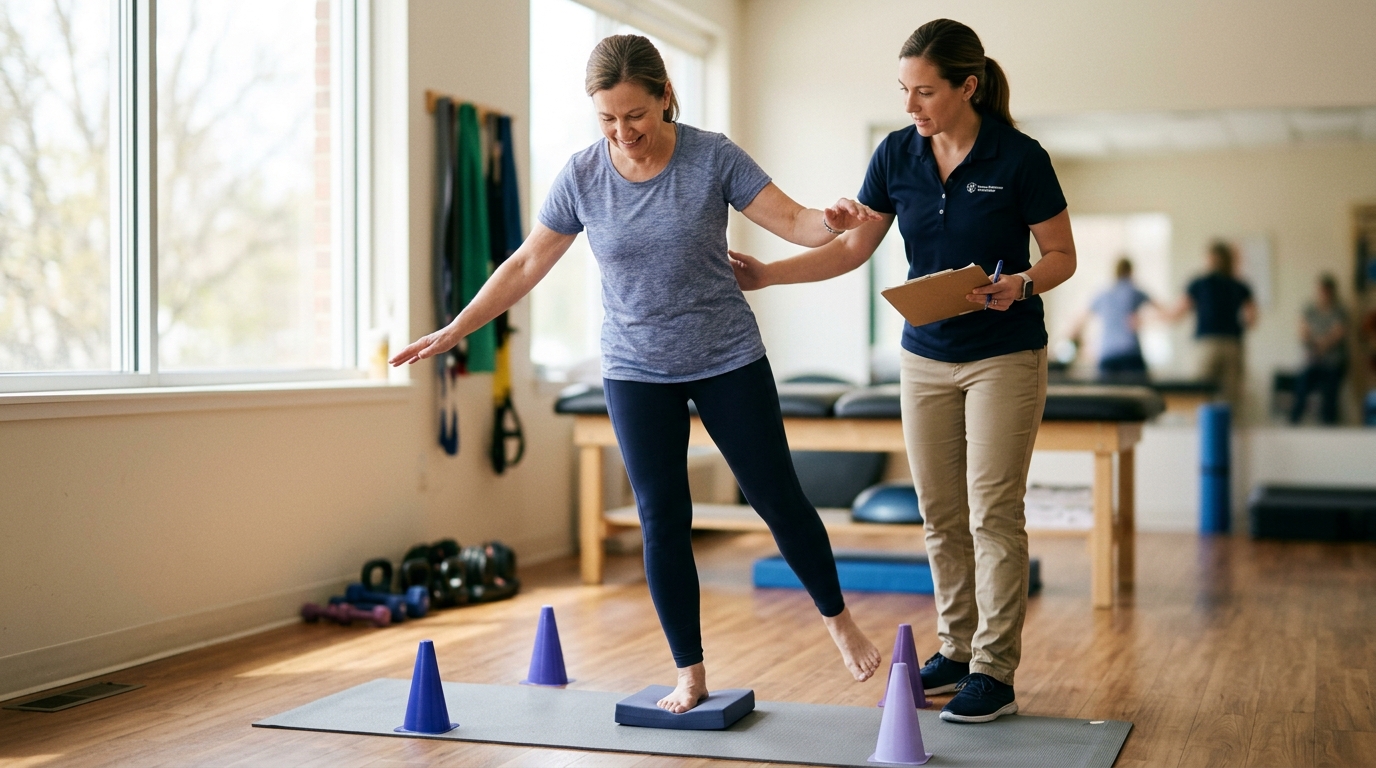
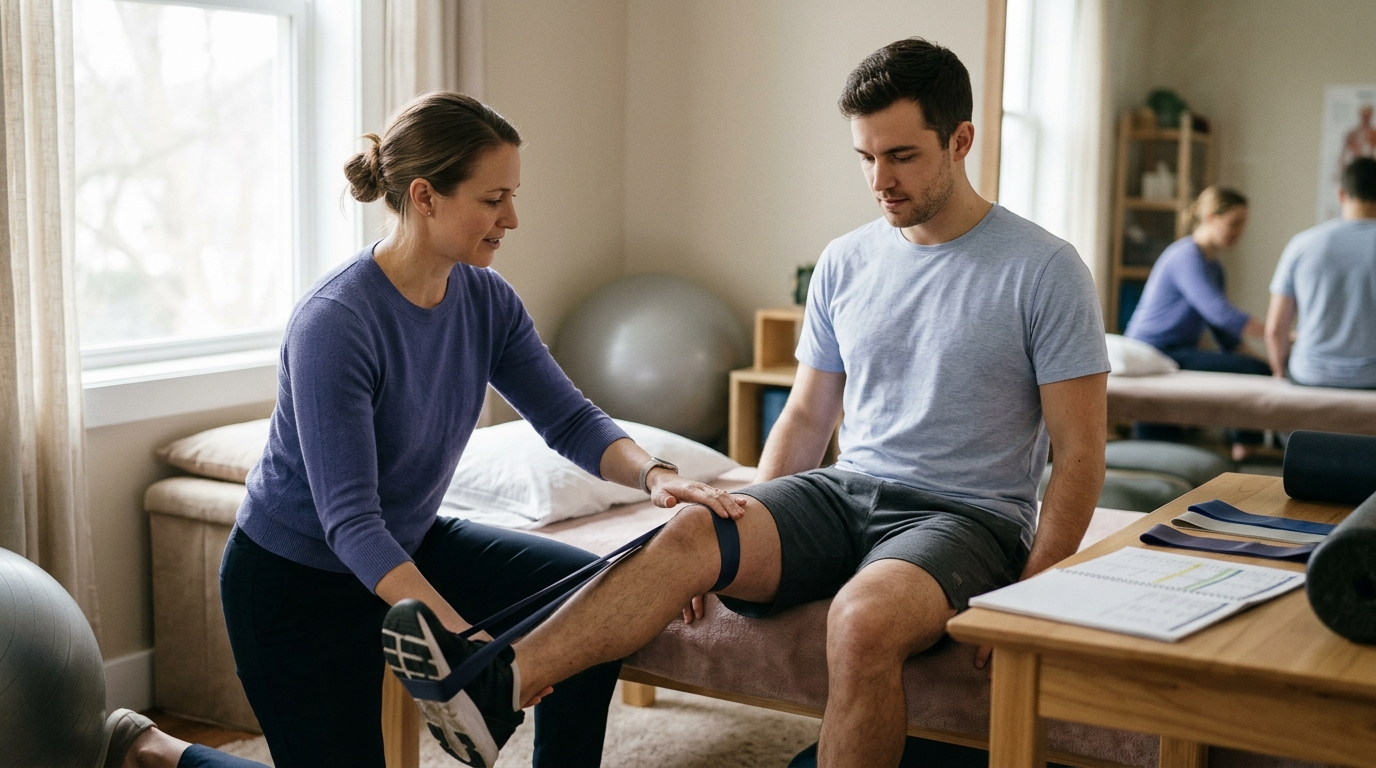
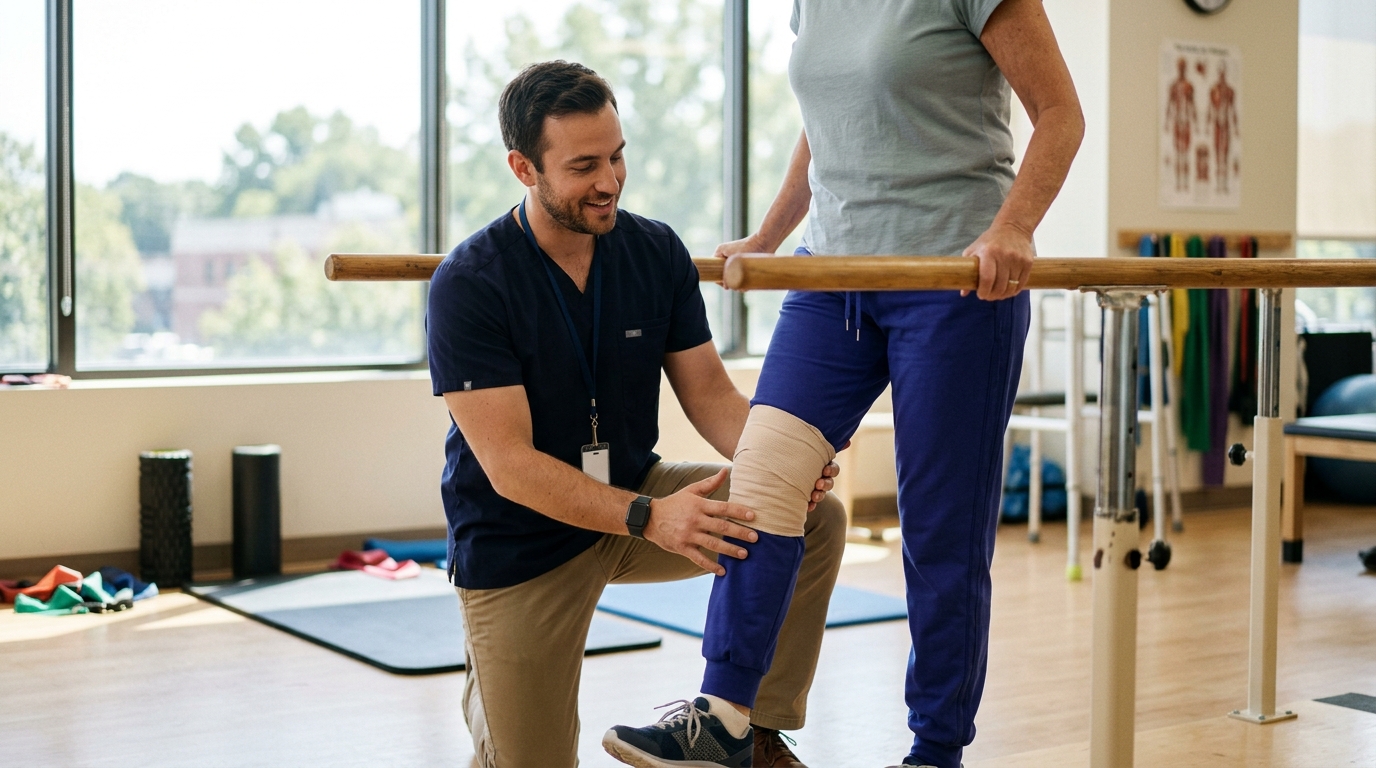
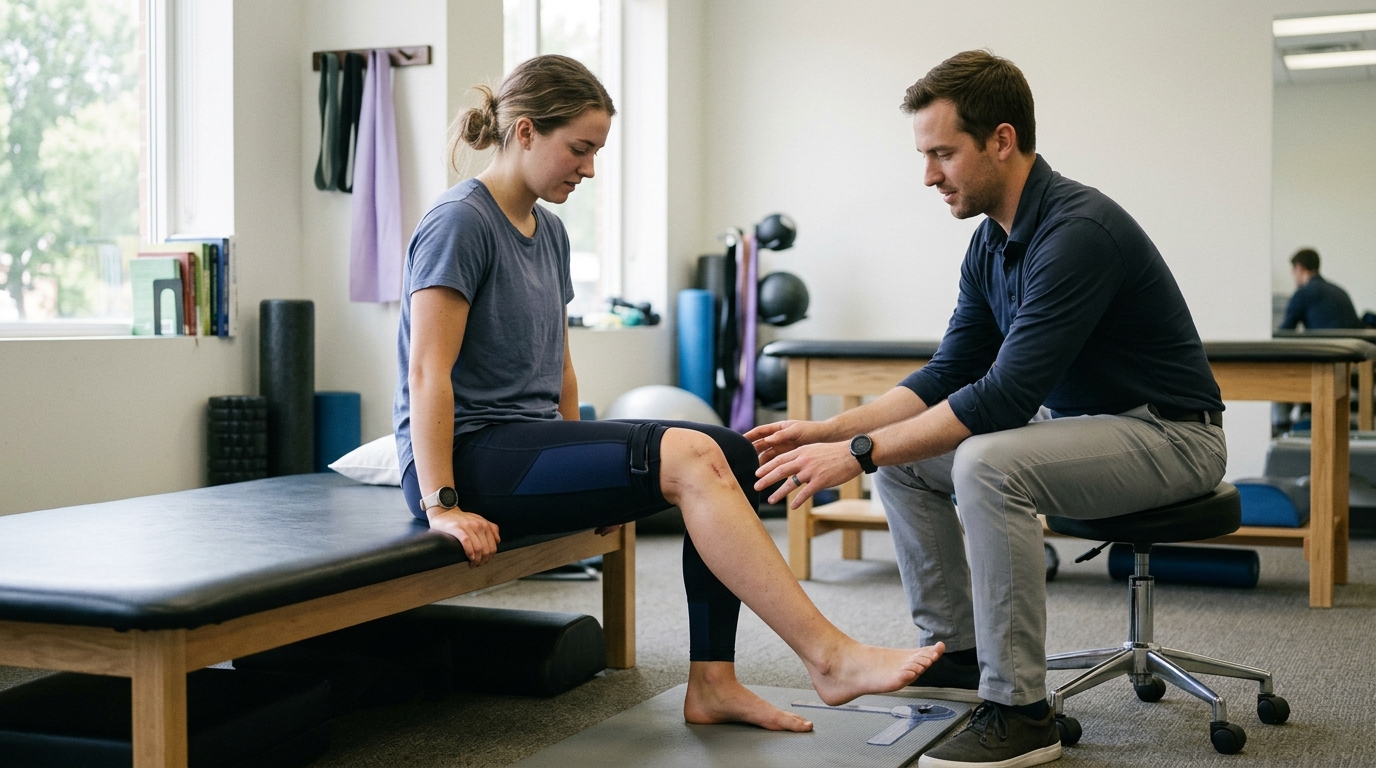
Clinicians can help you establish objective functional milestones before you advance your walking distance or add heavy resistance. For example, a physical therapist may look for symmetrical weight distribution, full joint range of motion, and adequate single-leg balance before clearing you for longer outdoor walks on uneven terrain. These objective benchmarks provide a safer foundation than guessing your readiness based on time alone.
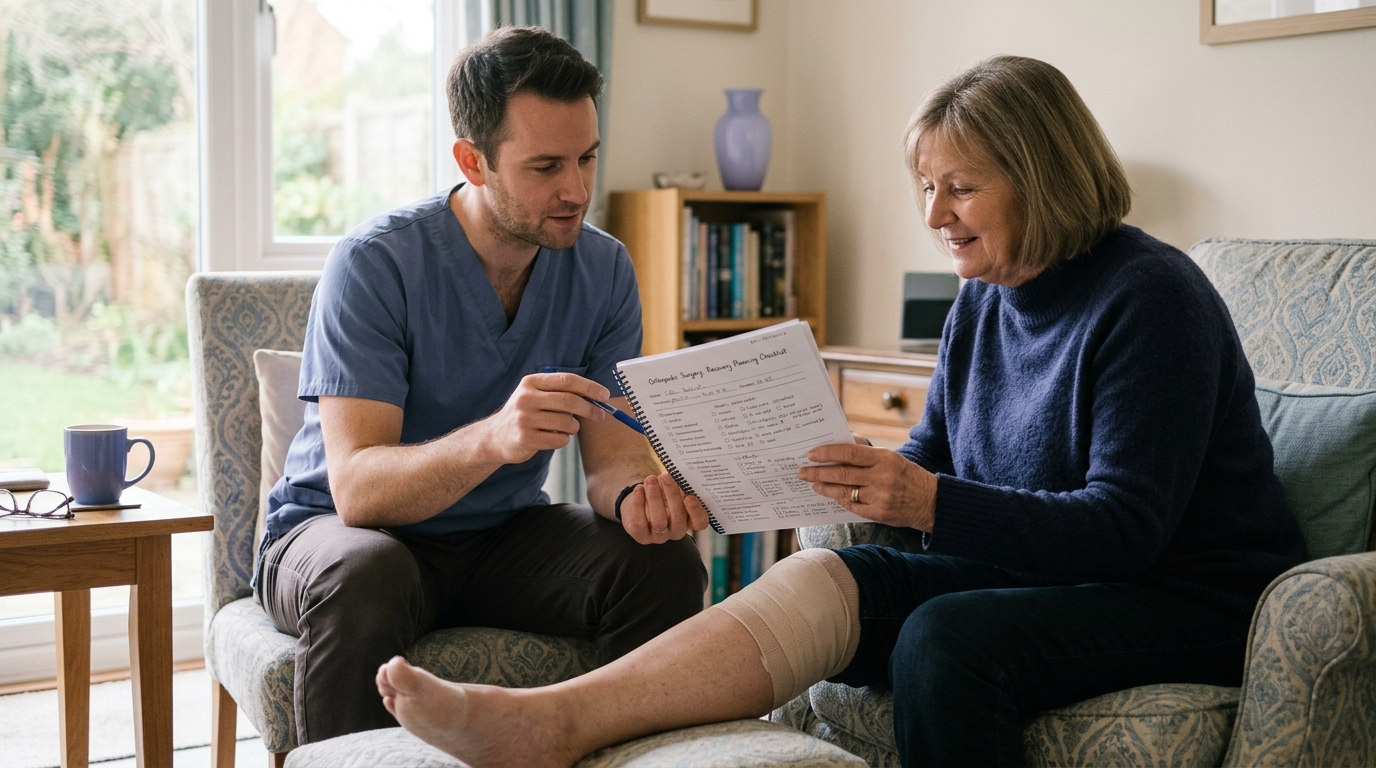
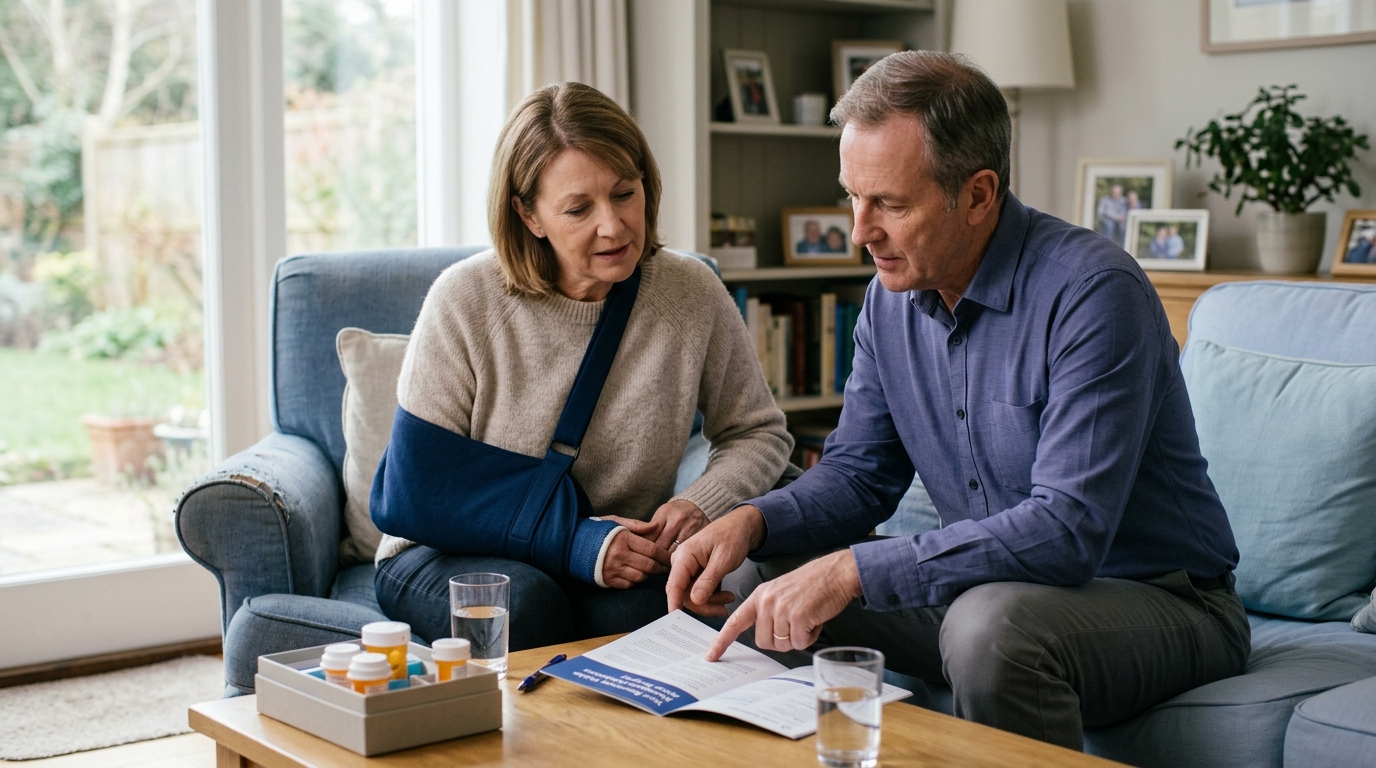
When consulting with your healthcare provider, bring specific data from your weekly activity tracking log. Showing your clinician your exact walking minutes, strength exercises, and next-day symptom responses allows them to give precise, actionable feedback. You can find more insights on working effectively with care teams in our injury recovery and healing resources.
Combining strength training and walking is an effective, evidence-supported way to rebuild physical capacity, mobility, and overall health. Success does not require complicated formulas or rapid volume increases. By treating your week as an integrated physical system and adjusting only one variable at a time, you can steadily increase your activity while protecting your joints.
To implement this framework safely, use the following checklist to guide your activity over the next seven days:

Use ReboundBody resources to understand common recovery stages, rehab terms, movement limits and strength rebuilding. Each guide is designed to make a complex comeback easier to understand.


Read practical guidance on injury recovery, rehabilitation, mobility and rebuilding strength as you work your way back to activity.
Explore Resources