Many adults search online for ways to protect their joints, avoid muscle strains, and stay active without getting hurt. You might wonder if lifting weights or doing resistance exercises can shield your body from physical setbacks. This guide provides a clear, research-backed answer to how strength training influences physical capacity and injury risk.
Strength training is one of the most effective ways to build muscular strength, protect bone density, and improve daily physical function. Research shows that structured resistance exercise may help reduce the risk of certain acute and overuse injuries by increasing tissue capacity and motor control.
However, no exercise program can guarantee complete protection against all injuries. Physical setbacks depend on many factors, including movement mechanics, sudden workload spikes, individual anatomy, fatigue, and plain accident.
Starting a strength routine prepares your muscles, tendons, and joints for the physical demands of daily life and recreation. When you understand the science behind resistance training, you can build a sustainable routine that supports your long-term mobility. You can explore our dedicated injury prevention and active living resources to learn more about keeping your body resilient across every stage of life.
The Relationship Between Muscular Capacity and Physical Demands
To understand how strength training supports the body, you must first understand the concept of physical capacity. Every daily activity requires your muscles, tendons, ligaments, and bones to absorb and produce force. Walking up stairs, lifting groceries, working in the yard, and playing sports all place specific loads on your musculoskeletal system.
An injury often occurs when the physical load applied to a tissue exceeds that tissue's capacity to tolerate the stress. This can happen suddenly during an awkward fall, or it can develop gradually when repetitive tasks wear down unprepared tissues. Strength training systematically increases the load-bearing tolerance of your musculoskeletal structures over time.
Regular resistance exercise stimulates physiological adaptations in multiple body systems:
- Skeletal muscle: Muscle fibers grow in size and improve their recruitment efficiency, allowing you to generate force with less physical strain.
- Tendons and ligaments: Connective tissues increase their collagen density and stiffness, which improves their ability to transfer force and withstand stretching.
- Bone mineral density: Mechanical loading prompts bone-forming cells to lay down new mineral matrix, reinforcing bone architecture against fractures.
- Neuromuscular coordination: The nervous system learns to fire motor units more smoothly, enhancing joint stabilization during unexpected movements.
A well-designed routine acts as physical preparation for the unpredictable physical demands of daily life. When your baseline strength exceeds the minimal force required for an activity, that activity places less relative stress on your body. This buffer zone between your maximum capacity and your daily workload helps protect against physical fatigue and breakdown.
- Physical Demand Level Muscular Capacity Reserve Lower Stress on Tissues
- Physical Demand Level Muscular Capacity Reserve Higher Potential for Overuse or Strain
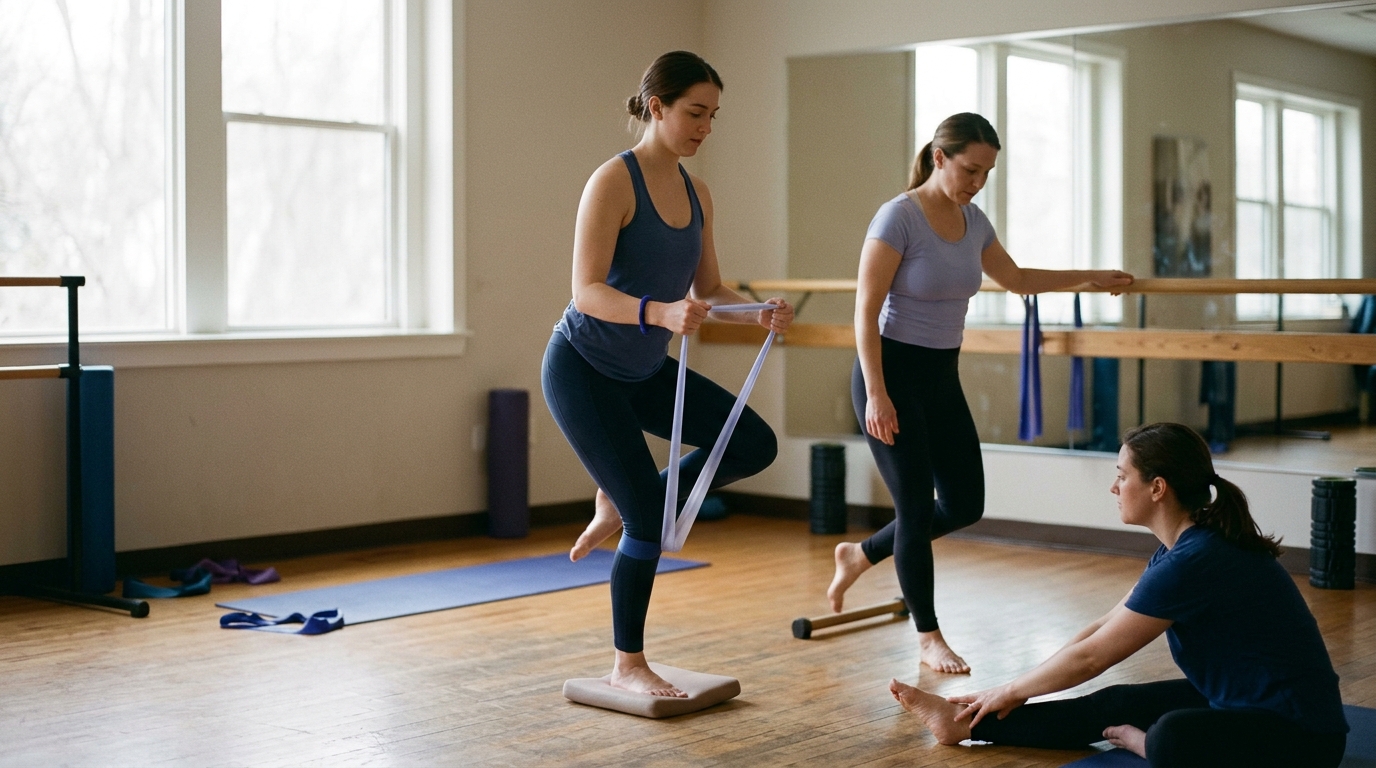
Physical preparedness also involves developing motor control through functional ranges of motion. When you practice fundamental movement patterns under controlled loads, your brain refines joint alignment and balance strategies. This neuromuscular control helps you react appropriately when you trip, reach awkwardly, or carry an uneven object.
Scientific Evidence on Strength Training and Injury Reduction
A substantial body of clinical research evaluates how exercise interventions influence injury rates across different populations. The strongest statistical evidence for injury risk reduction comes from systematic reviews and meta-analyses of athletic and military cohorts. These studies provide valuable insight into biological mechanisms, even though their numerical results cannot be applied directly to every adult in daily life.
A landmark systematic review and meta-analysis published by Lauersen and colleagues in the British Journal of Sports Medicine evaluated multiple exercise interventions for preventing sports injuries. The researchers analyzed randomized controlled trials to compare strength training, stretching, proprioception training, and combined programs.
The findings showed that strength training programs reduced sports injury rates to less than one-third compared to standard training. Furthermore, strength training demonstrated a protective effect for both acute traumatic injuries and chronic overuse injuries. Stretching protocols alone did not show a statistically significant reduction in injury risk.
In a follow-up 2018 meta-analysis including 7,738 participants across six trials, Lauersen and colleagues found that strength training was associated with a 66% average reduction in sports injuries. The statistical confidence interval ranged from a 52% to a 76% reduction in risk. Most participants in these trials were athletes between 12 and 40 years of age, with five of the six studies focused on soccer players.
Trial-specific results from this research highlight how targeted strength programs influence specific physical vulnerabilities:
- Hamstring strains: Programs using the Nordic hamstring exercise reduced acute hamstring injury risk by roughly 57% to 59% in amateur soccer players.
- Knee ligament tears: Multi-component neuromuscular programs combining strength, balance, core stability, and landing technique reduced ACL injury rates by roughly 64% in adolescent female athletes.
- Overuse knee pain: A progressive resistance program targeting hip and knee extensor muscles reduced anterior knee pain by 75% in military conscripts undergoing basic training.
While these numbers are impressive, they must be interpreted with proper scientific context. These trials evaluated specific protocols in structured sports and military settings under close supervision. They do not prove that an unsupervised, general fitness routine will reduce everyday household injuries by 66% in older adults.
Public health evidence from the Centers for Disease Control and Prevention (CDC) and national health agencies emphasizes that muscle-strengthening activities support functional independence, mobility, and musculoskeletal health across the lifespan. You can read more about evidence-based training methods in our strength rebuilding resources to see how structured movement supports physical longevity.
Fundamental Movement Patterns for Whole-Body Resilience
Federal physical activity guidelines recommend that adults perform muscle-strengthening activities that involve all major muscle groups on two or more days per week. The major muscle groups include the legs, hips, back, chest, abdomen, shoulders, and arms.
Rather than isolating single muscles on exercise machines, a balanced routine can be organized around six primary movement patterns. Training these patterns ensures comprehensive physical development and prepares your body for multi-joint daily tasks.
1. The Squat Pattern
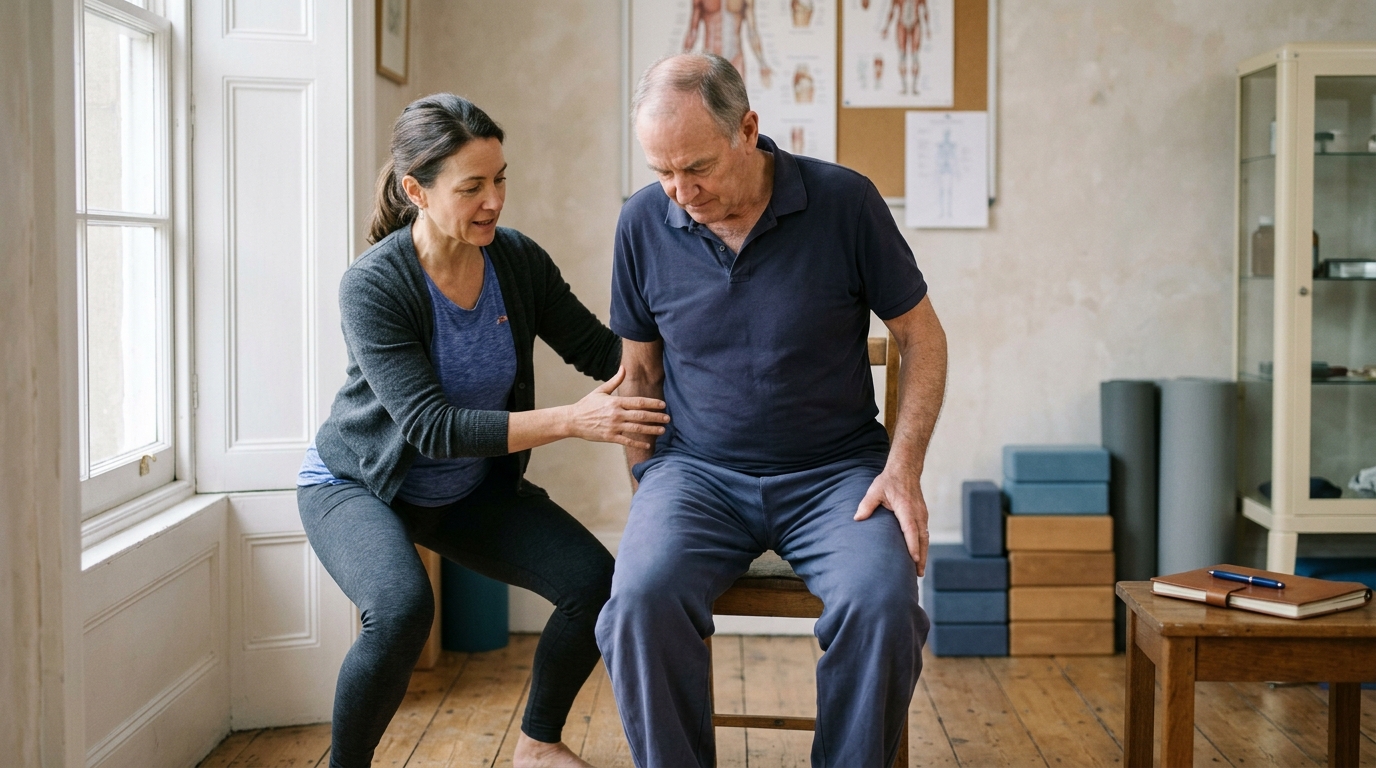
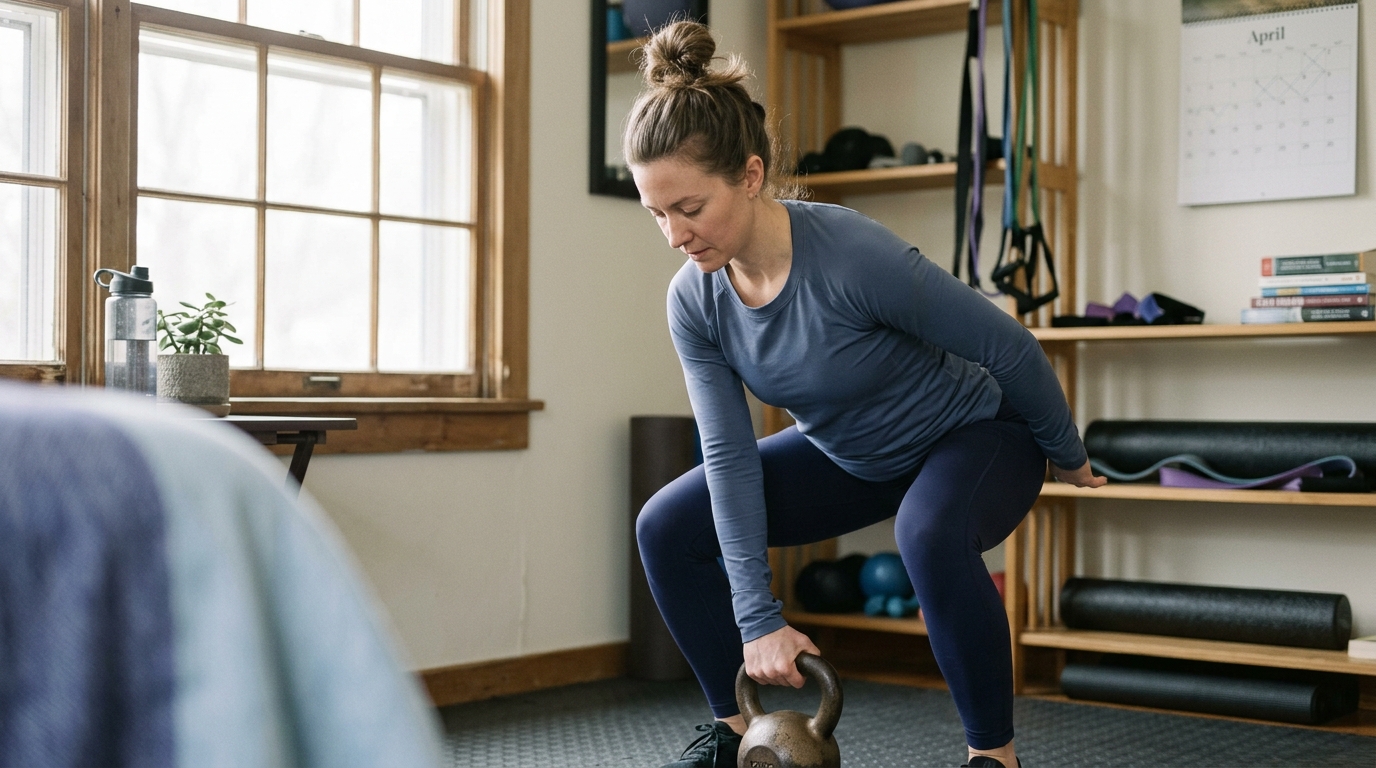
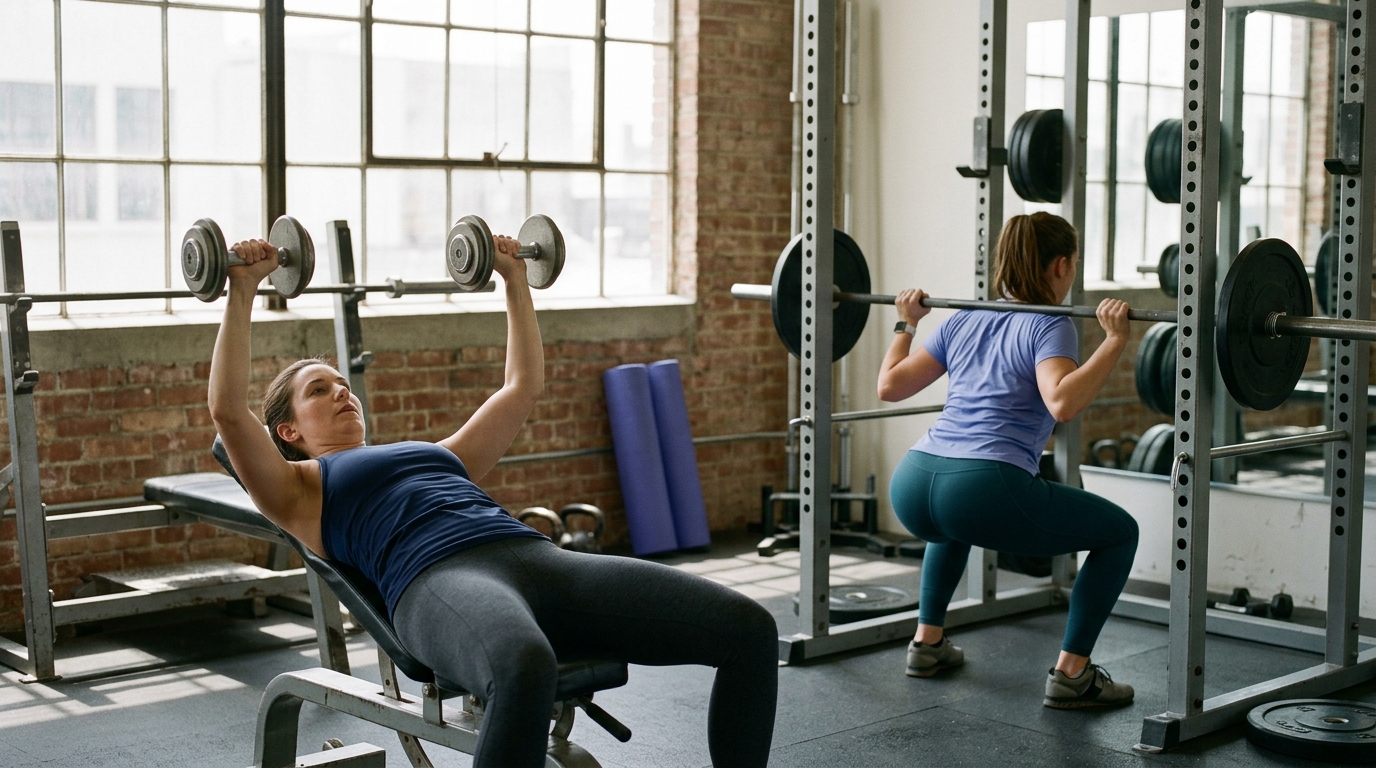
The squat pattern trains knee flexion and hip flexion simultaneously while maintaining an upright torso. This movement mirrors sitting down into a chair, standing up, or crouching to pick up an item from the floor.
- Primary muscles involved: Quadriceps, gluteus maximus, adductors, and calves.
- Functional benefits: Builds lower-body power, supports knee joint stability, and maintains independence in basic mobility.
- Beginner variation: Chair sit-to-stand or counter-supported squat.
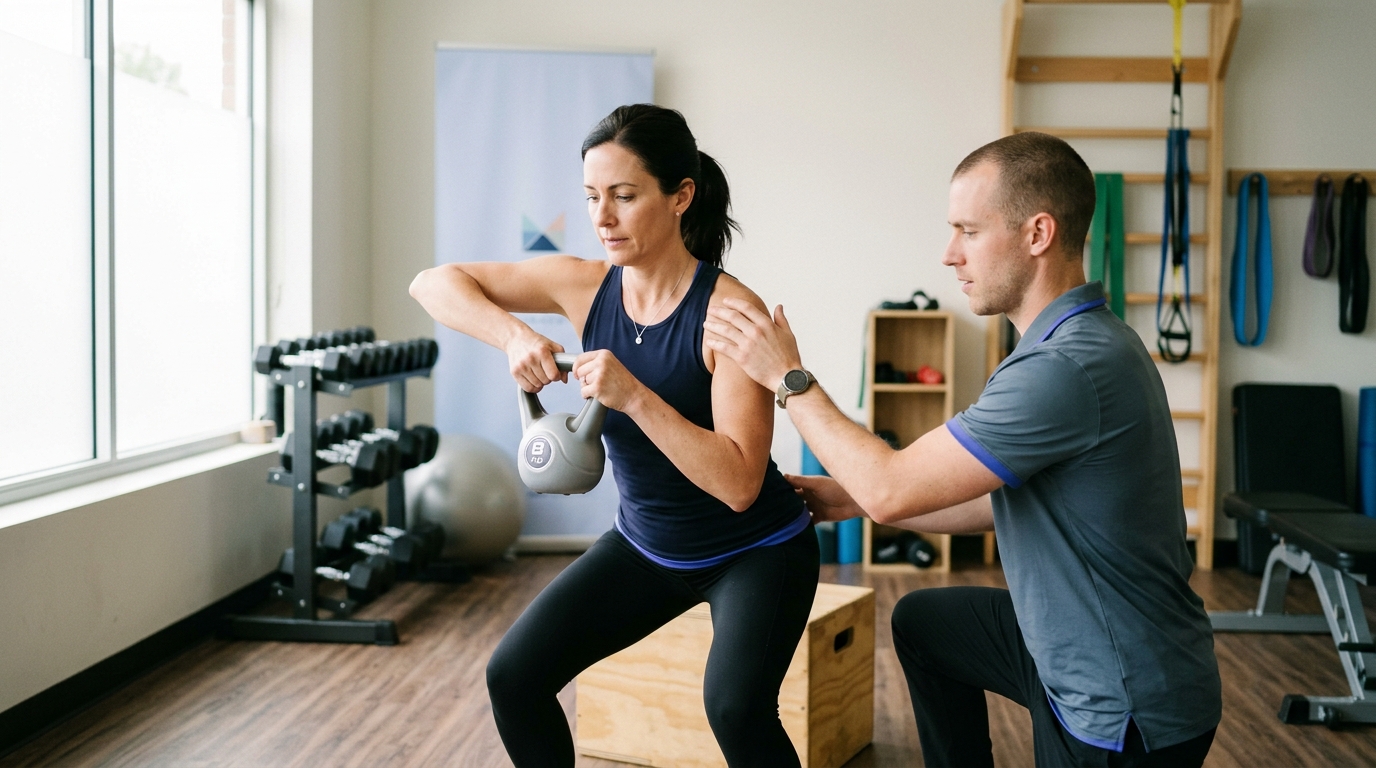
- Intermediate variation: Bodyweight parallel squat or goblet squat holding a light dumbbell.
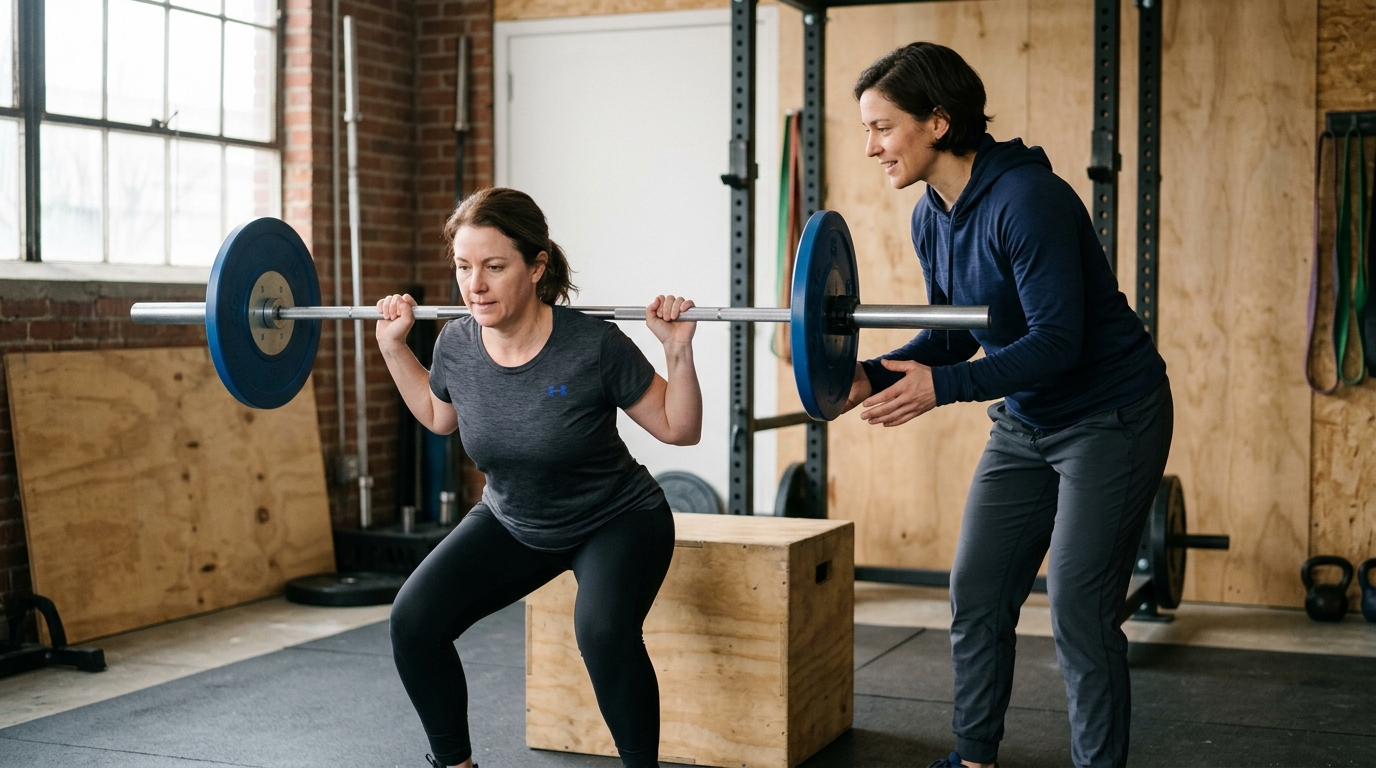
- Advanced variation: Barbell back squat or front squat.
2. The Hip Hinge Pattern
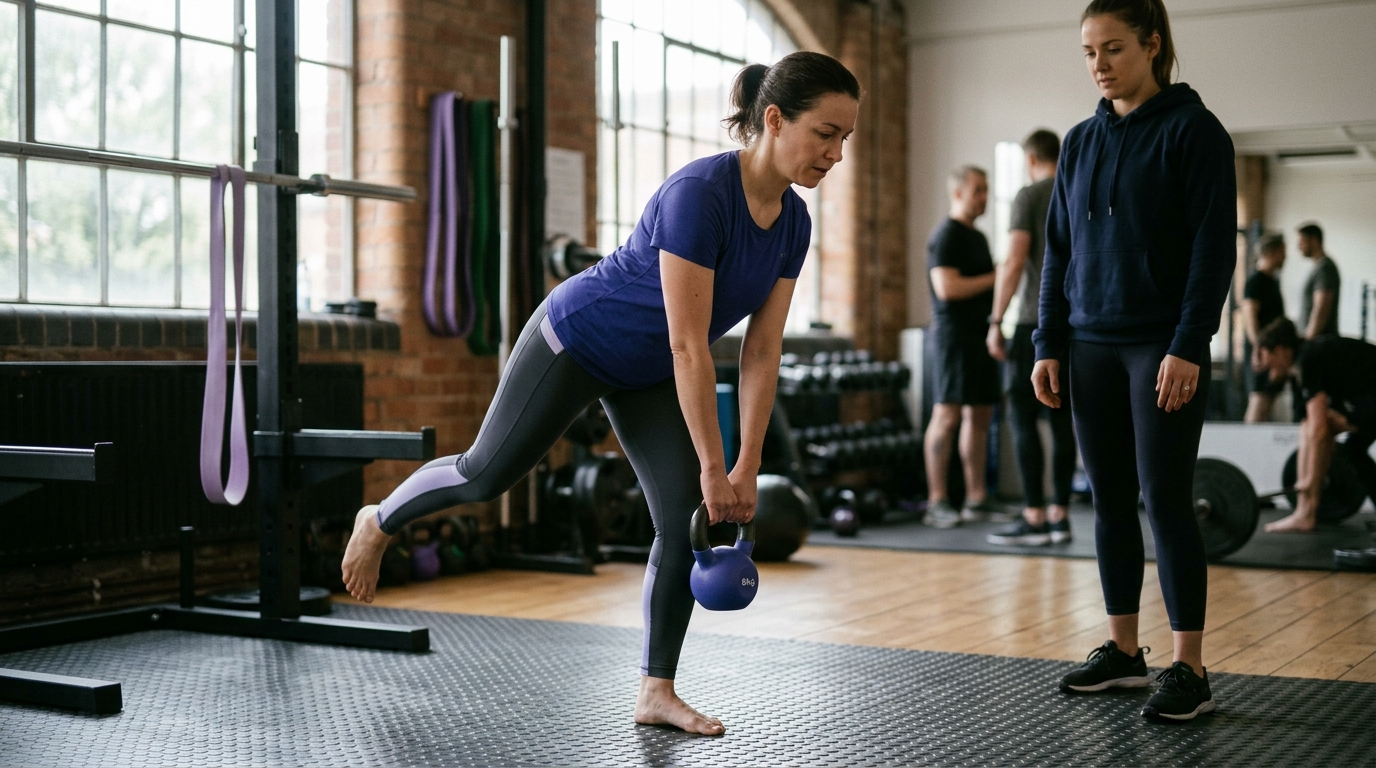
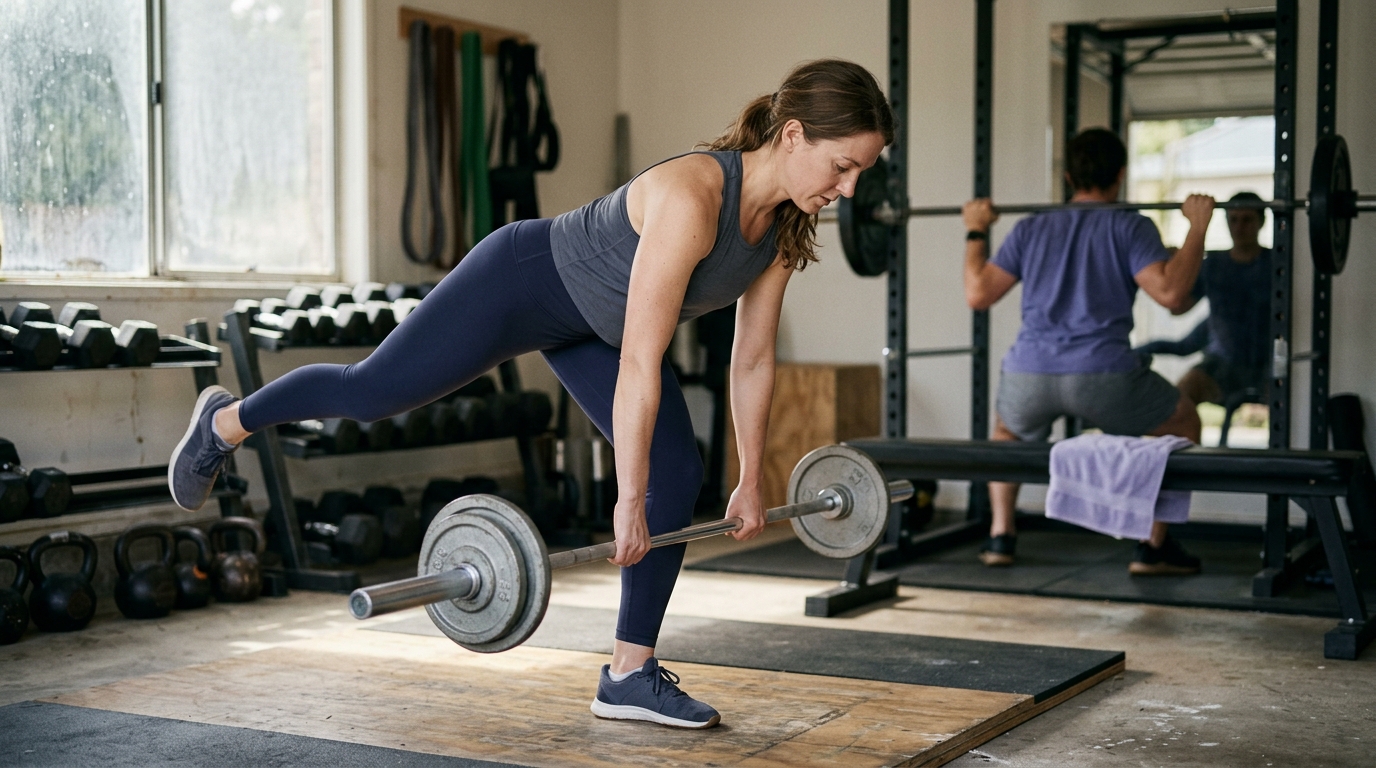
The hip hinge pattern involves bending forward at the hips while keeping the spine neutral and the knees only slightly bent. This movement distributes mechanical stress across the powerful posterior chain muscles rather than overloading the lumbar spine.
- Primary muscles involved: Gluteals, hamstrings, and spinal erectors.
- Functional benefits: Teaches safe lifting mechanics for picking heavy objects off the floor and protects the lower back during bending tasks.
- Beginner variation: Glute bridge on the floor or wall-touch hip hinge.
- Intermediate variation: Romanian deadlift with dumbbells or resistance bands.
- Advanced variation: Conventional barbell deadlift or kettlebell swing.
3. The Upper-Body Push Pattern
The pushing pattern moves a resistance away from the torso, or pushes the torso away from a stable surface. This pattern can be divided into horizontal pushing (away from the chest) and vertical pushing (overhead).
- Primary muscles involved: Pectoralis major, anterior deltoids, and triceps brachii.
- Functional benefits: Builds upper-body pushing power, reinforces shoulder girdle stability, and assists in pushing open heavy doors or getting up from the ground.
- Beginner variation: Wall push-up or high-incline countertop push-up.
- Intermediate variation: Incline push-up on a sturdy bench or dumbbell floor press.
- Advanced variation: Standard floor push-up, barbell bench press, or overhead dumbbell press.
4. The Upper-Body Pull Pattern
The pulling pattern draws a resistance toward the torso, or pulls the body toward an anchor point. Like pushing, pulling occurs in both horizontal planes (rowing) and vertical planes (pull-downs).
- Primary muscles involved: Latissimus dorsi, rhomboids, middle and lower trapezius, rear deltoids, and biceps.
- Functional benefits: Counteracts rounded-shoulder posture from seated desk work, supports upper back endurance, and aids in lifting or pulling objects toward the body.
- Beginner variation: Resistance band seated row or doorframe row.
- Intermediate variation: Single-arm dumbbell row supported on a bench or seated cable row.
- Advanced variation: Inverted bodyweight row, pull-up, or heavy bent-over barbell row.
5. The Single-Leg and Step Pattern
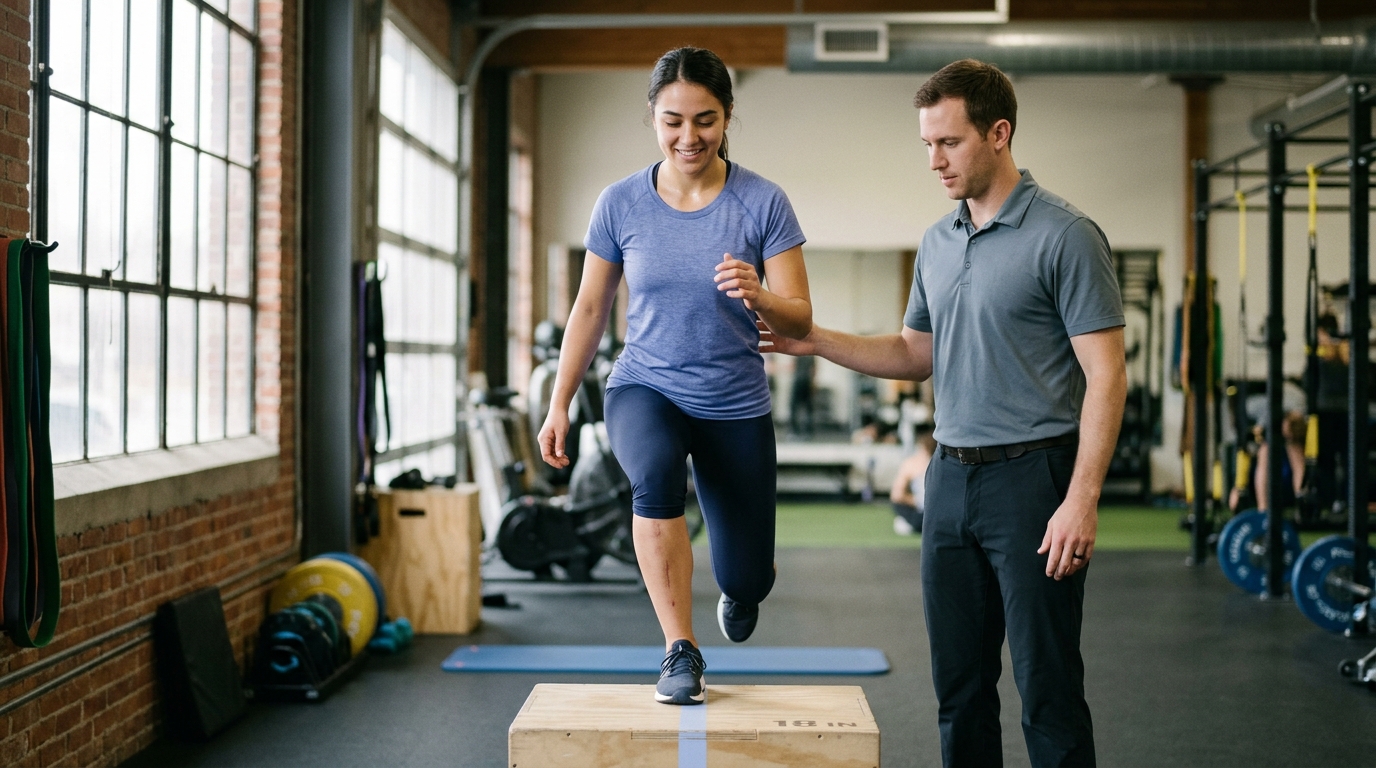
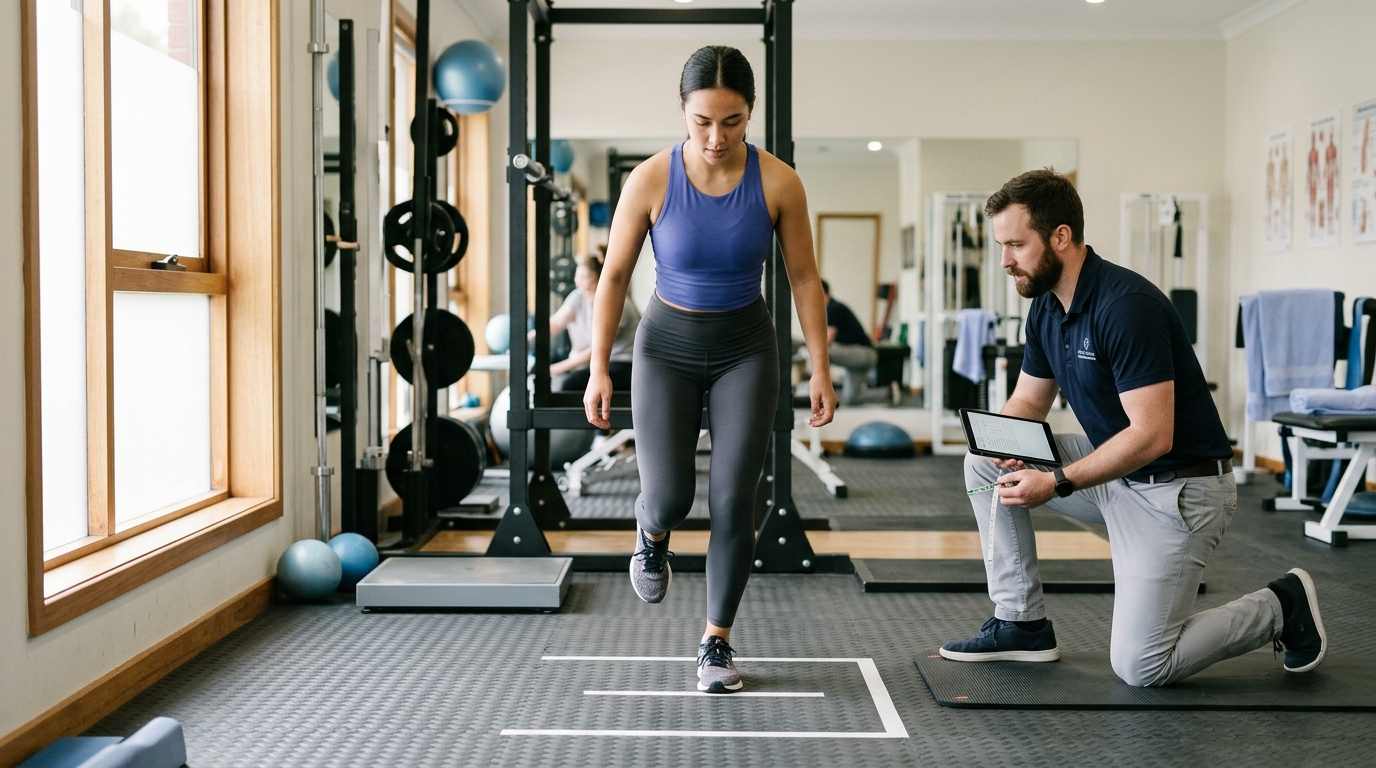
Single-leg movements challenge one leg at a time while requiring active hip stabilization in multiple planes of motion. Most real-world activities, such as walking, running, and climbing stairs, occur on one leg at a time.
- Primary muscles involved: Quadriceps, gluteus medius, hamstrings, and foot stabilizers.
- Functional benefits: Eliminates side-to-side strength imbalances, improves dynamic balance, and stabilizes the pelvis during gait.
- Beginner variation: Supported low step-up on a bottom stair.
- Intermediate variation: Split squat with hand support or stationary lunge.
- Advanced variation: Walking lunge, Bulgarian split squat, or unsupported high step-up.
6. Trunk Bracing and Loaded Carries
Trunk training should focus on resisting unwanted spinal movement rather than repeatedly flexing or twisting the spine under heavy loads. Loaded carries challenge full-body stability by requiring you to maintain posture while moving with external weight.
- Primary muscles involved: Rectus abdominis, transverse abdominis, obliques, quadratus lumborum, and grip muscles.
- Functional benefits: Creates a rigid anatomical cylinder around the spine, transfers force between the upper and lower body, and improves carrying endurance.
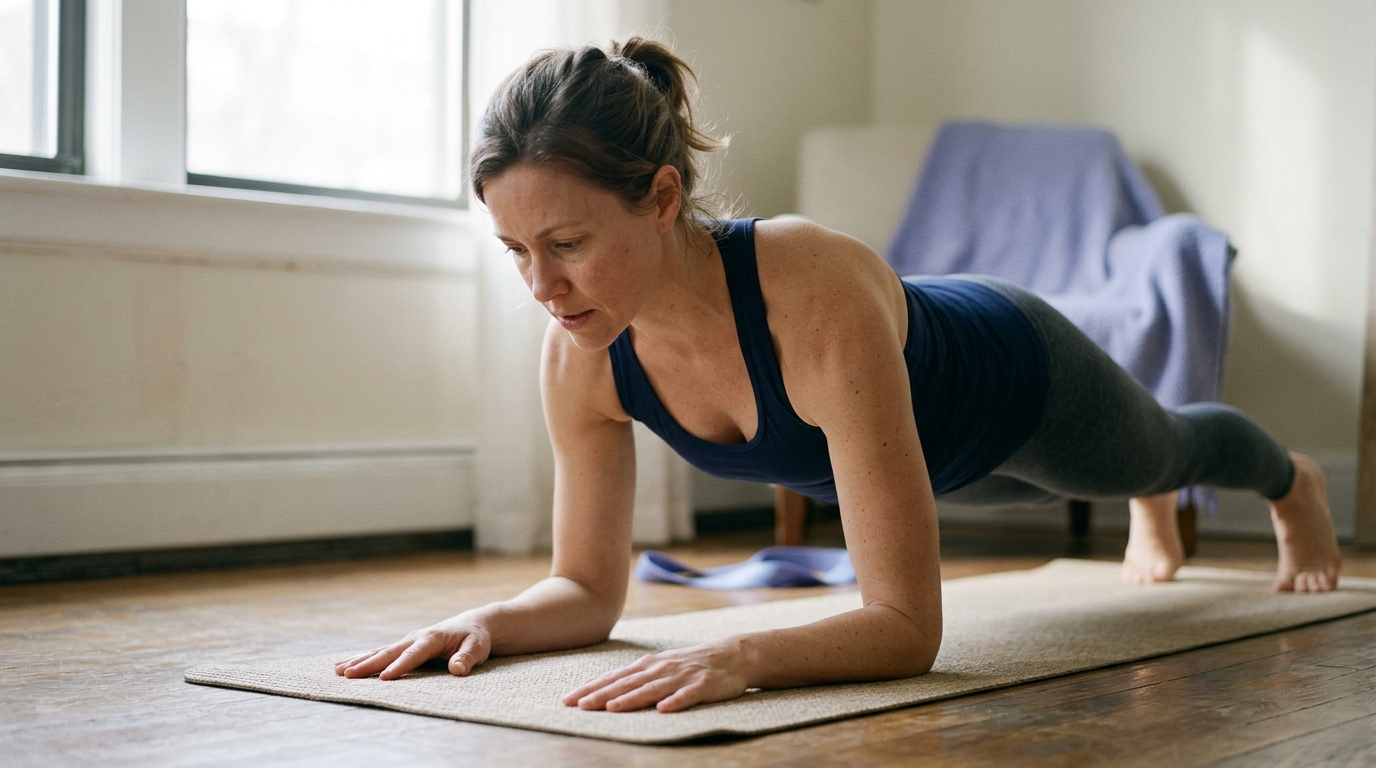
- Beginner variation: Elevated plank against a table or standing bird-dog against a wall.
- Intermediate variation: Forearm floor plank, side plank from the knees, or farmer's carry with moderate dumbbells.
- Advanced variation: Full side plank, single-arm suitcase carry, or overhead carry.
Core Terminology and Principles of Progressive Overload
Starting a strength training routine requires familiarity with fundamental training concepts. Understanding these terms helps you follow instructions accurately and structure your workouts safely.
- Repetition (Rep): One complete performance of an exercise movement, such as lowering and standing back up in a squat.
- Set: A group of consecutive repetitions performed without stopping.
- Resistance (Load): The external force your muscles must work against, such as gravity, body weight, resistance bands, or dumbbells.
- Volume: The total amount of work performed, calculated by multiplying sets by repetitions and weight.
- Frequency: The number of training sessions conducted over a specific timeframe, usually measured per week.
- Intensity: The subjective effort or relative load of an exercise compared to your maximum physical capability.
Progressive overload is the gradual increase of physical stress placed on the body during exercise. Your muscles and connective tissues adapt to a specific workload within several weeks. If the exercise difficulty remains unchanged, your physical adaptations will plateau.
To continue building strength and tissue capacity, you must incrementally increase the training demand. The American College of Sports Medicine (ACSM) outlines several safe ways to apply progressive overload:
- Increase movement quality: Perform the exact same exercise with smoother tempo, better balance, and greater control.
- Increase repetitions: Complete more repetitions per set within your target range before adding external resistance.
- Increase sets: Add a second or third set to your workout to accumulate more total training volume.
- Increase resistance: Add a small amount of weight once you can perform your goal repetitions with excellent form.
- Increase exercise complexity: Move from a stable, supported exercise variation to a less supported, more demanding version.
The ACSM suggests a practical 2% to 10% load progression rule. When you can comfortably complete one to two repetitions beyond your target goal on two consecutive workouts, you can increase the resistance by 2% to 10%.
For a beginner or an adult returning from a break, progression should be conservative. Master the movement pattern first, build consistency over several weeks, and add resistance slowly. You can find more movement strategies in our mobility and movement guides to complement your strength routine.
Program Templates Across Experience and Equipment Levels
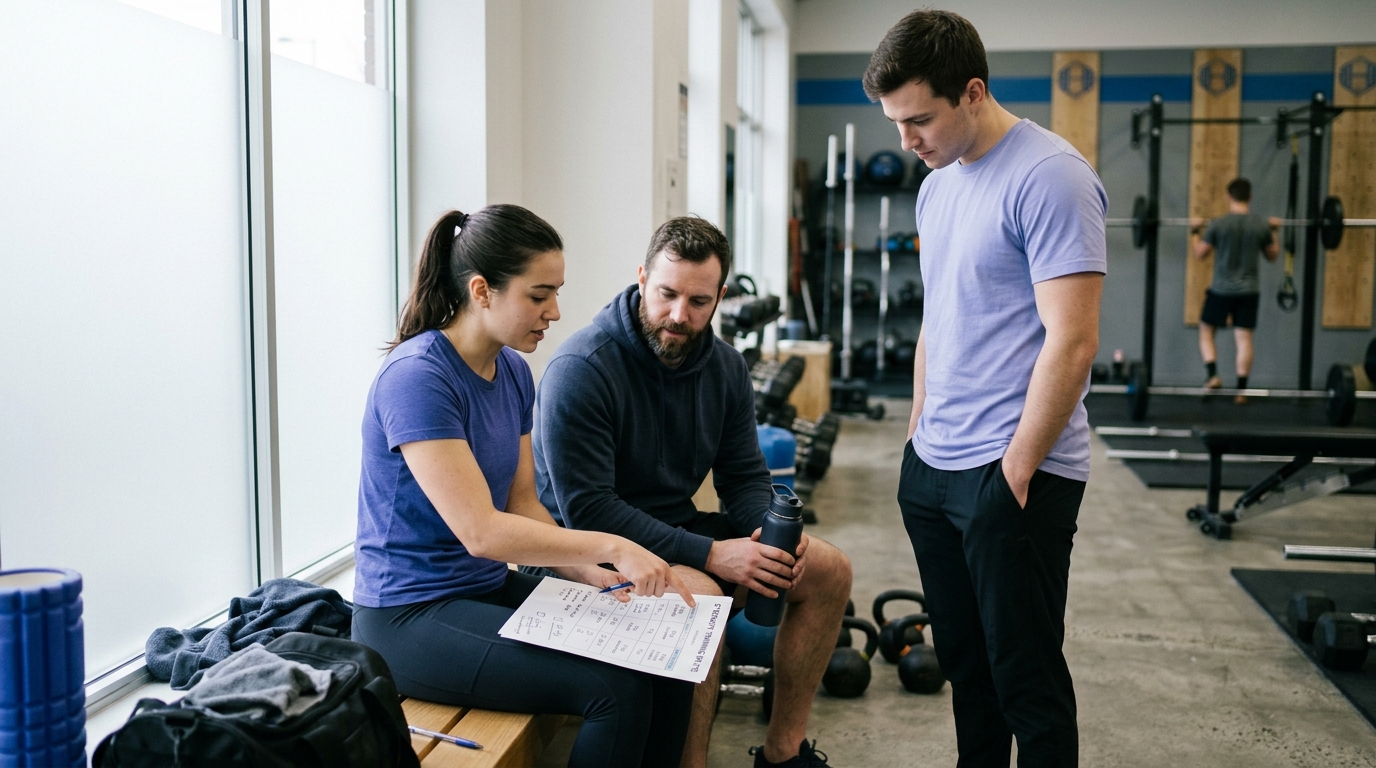
A strength training routine must match your current fitness level, available equipment, and individual schedule. The following illustrative templates demonstrate how to organize the six primary movement patterns into practical weekly routines.
These programs are general educational models. They are designed to show how balanced programming works in practice.
Beginner Routine: Minimal to No Equipment
This routine is designed for adults who are new to strength training or returning after an extended period of inactivity. It requires no specialized gym gear and uses household items, chairs, and body weight.
- Weekly frequency: 2 days per week on non-consecutive days (such as Tuesday and Friday).
- Starting volume: 1 to 2 sets per exercise.
- Target repetitions: 8 to 12 repetitions per set.
- Rest between exercises: 60 to 90 seconds.
Exercise Selection:
- Squat pattern: Chair Sit-to-Stand (8 to 12 reps)
* Sit on a sturdy chair, lean slightly forward, and stand up smoothly without using your hands if possible. Slowly lower yourself back down under control.
- Hinge pattern: Glute Bridge on Floor or Bed (8 to 12 reps)
* Lie on your back with knees bent and feet flat. Squeeze your buttocks and lift your hips until your thighs align with your torso.
- Push pattern: Wall Push-Up (8 to 12 reps)
* Stand an arm's length from a wall, place your hands flat at chest height, and lower your chest toward the wall. Push back smoothly.
- Pull pattern: Resistance Band Seated Row or Doorframe Row (8 to 12 reps)
* Loop a band around your feet or hold a sturdy doorframe. Pull your elbows back along your sides, squeezing your shoulder blades together.
- Single-leg pattern: Supported Step-Up on Low Step (8 to 10 reps per leg)
* Step onto a bottom stair with one foot, holding a handrail for balance. Step up, tap your other foot, and step down slowly.
- Trunk pattern: Standing Wall Plank or Seated Abdominal Brace (Hold for 15 to 20 seconds, repeat 2 times)
* Tighten your abdominal muscles as if preparing for a gentle tap to the stomach, maintaining regular breathing.
Intermediate Routine: Resistance Bands and Dumbbells
This routine suits adults who have established baseline movement competency and have access to light-to-moderate dumbbells or elastic resistance bands.
- Weekly frequency: 2 to 3 days per week (such as Monday, Wednesday, and Friday).
- Starting volume: 2 to 3 sets per exercise.
- Target repetitions: 8 to 12 repetitions per set.
- Rest between exercises: 60 to 90 seconds.
Exercise Selection:
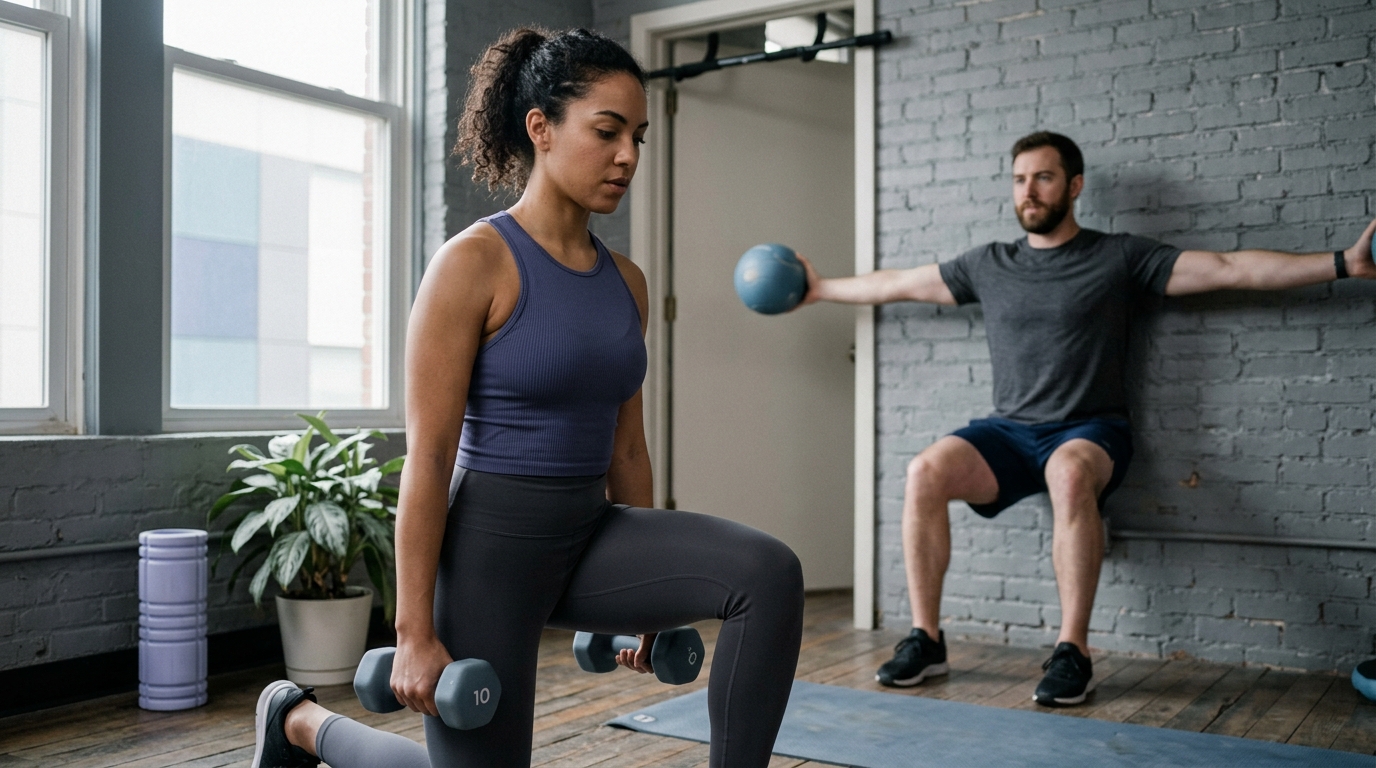
- Squat pattern: Goblet Squat with Dumbbell or Band (8 to 12 reps)
* Hold a light dumbbell vertically against your chest. Squat down until your thighs are roughly parallel to the floor, keeping your heels planted.
- Hinge pattern: Dumbbell Romanian Deadlift (8 to 12 reps)
* Hold dumbbells in front of your thighs. Push your hips backward with a soft bend in your knees until you feel a stretch in your hamstrings, then return to standing.
- Push pattern: Incline Push-Up on Sturdy Bench or Table (8 to 12 reps)
* Place hands on an elevated surface. Lower your chest toward the surface while maintaining a straight line from heels to head.
- Pull pattern: One-Arm Supported Dumbbell Row (8 to 12 reps per side)
* Place one hand and knee on a bench or chair. Pull a dumbbell up toward your hip with the opposite arm, leading with the elbow.
- Single-leg pattern: Stationary Split Squat with Light Support (8 to 10 reps per leg)
* Take a long stride forward. Lower your back knee toward the floor, keeping your front knee tracking over your middle toes.
- Trunk and carry pattern: Dumbbell Farmer's Walk (Walk 30 to 40 paces with weights in hand, 2 to 3 sets)
* Hold a dumbbell in each hand at your sides. Walk with tall posture, level shoulders, and smooth steps.
Advanced Adult Routine: Gym Equipment and Progressive Loading
This template is suitable for adults with solid lifting experience who train in a fully equipped fitness facility or home gym.
- Weekly frequency: 3 days per week on alternating days.
- Starting volume: 3 sets per exercise.
- Target repetitions: 6 to 10 repetitions for primary lifts, 10 to 12 for accessory work.
- Rest between exercises: 90 to 120 seconds.
Exercise Selection:
- Squat pattern: Barbell or Kettlebell Front Squat (6 to 8 reps, 3 sets)
- Hinge pattern: Barbell Deadlift or Hex-Bar Deadlift (6 to 8 reps, 3 sets)
- Push pattern: Dumbbell Overhead Press or Flat Dumbbell Bench Press (8 to 10 reps, 3 sets)
- Pull pattern: Lat Pulldown or Seated Cable Row (8 to 10 reps, 3 sets)
- Single-leg pattern: Bulgarian Split Squat with Dumbbells (8 to 10 reps per leg, 3 sets)
- Trunk and carry pattern: Single-Arm Suitcase Carry or Full Side Plank (3 sets of 30 seconds per side)
Preparation for Demanding Seasonal Activities
Many adult injuries happen when people suddenly perform demanding physical tasks without prior conditioning. Shoveling heavy snow, clearing yard debris, moving furniture, or hiking steep trails require substantial physical stamina.
To prepare for demanding tasks, adjust your strength routine 4 to 8 weeks before the activity begins:
- Emphasize rotational trunk stability and hip hinge strength before heavy yard work or snow shoveling.
- Incorporate more single-leg step-downs, calf raises, and loaded carries before starting a hiking or travel season.
- Gradually increase your total training volume to simulate the muscular endurance needed for prolonged physical labor.
- Avoid sudden spikes in activity duration by breaking large physical chores into smaller, manageable intervals.
Factors Influencing Individual Outcomes and Recovery Timelines
Individual responses to strength training vary widely based on age, biological factors, physical history, and daily habits. Understanding these variables helps you set realistic expectations and adjust your training schedule safely. For more perspective on long-term physical maintenance, review our active aging and prevention articles.
- Individual Factors Influencing Adaptations
- Biological Age and Sarcopenia (Rate of muscle protein synthesis)
- Training History (Neuromuscular baseline and movement familiarity)
- Joint Health and Previous Injuries (Structural tolerances and range of motion)
- Sleep Quality and Nutrition (Tissue repair capacity)
- Daily Non-Exercise Stressors (Systemic recovery resources)
Age-Related Muscle Loss and Tissue Remodeling
Starting around age 30, adults naturally lose between 3% and 8% of their muscle mass per decade if they do not engage in resistance exercise. This condition, known as sarcopenia, accelerates after age 60. Sarcopenia reduces physical strength, slows metabolic rate, and impairs dynamic balance.
Tendons and ligaments also lose water content and elasticity with age, making them less compliant under sudden stress. Older adults can still achieve substantial strength gains and tissue remodeling, but the rate of adaptation is generally slower. Rest periods between hard sessions may need to be longer to allow connective tissues to recover fully.
Previous Injuries and Structural Adaptations
A history of joint sprains, bone fractures, or surgical procedures changes how forces travel through your musculoskeletal system. Scar tissue, altered joint alignment, and compensatory movement habits can place uneven stress on surrounding tissues.
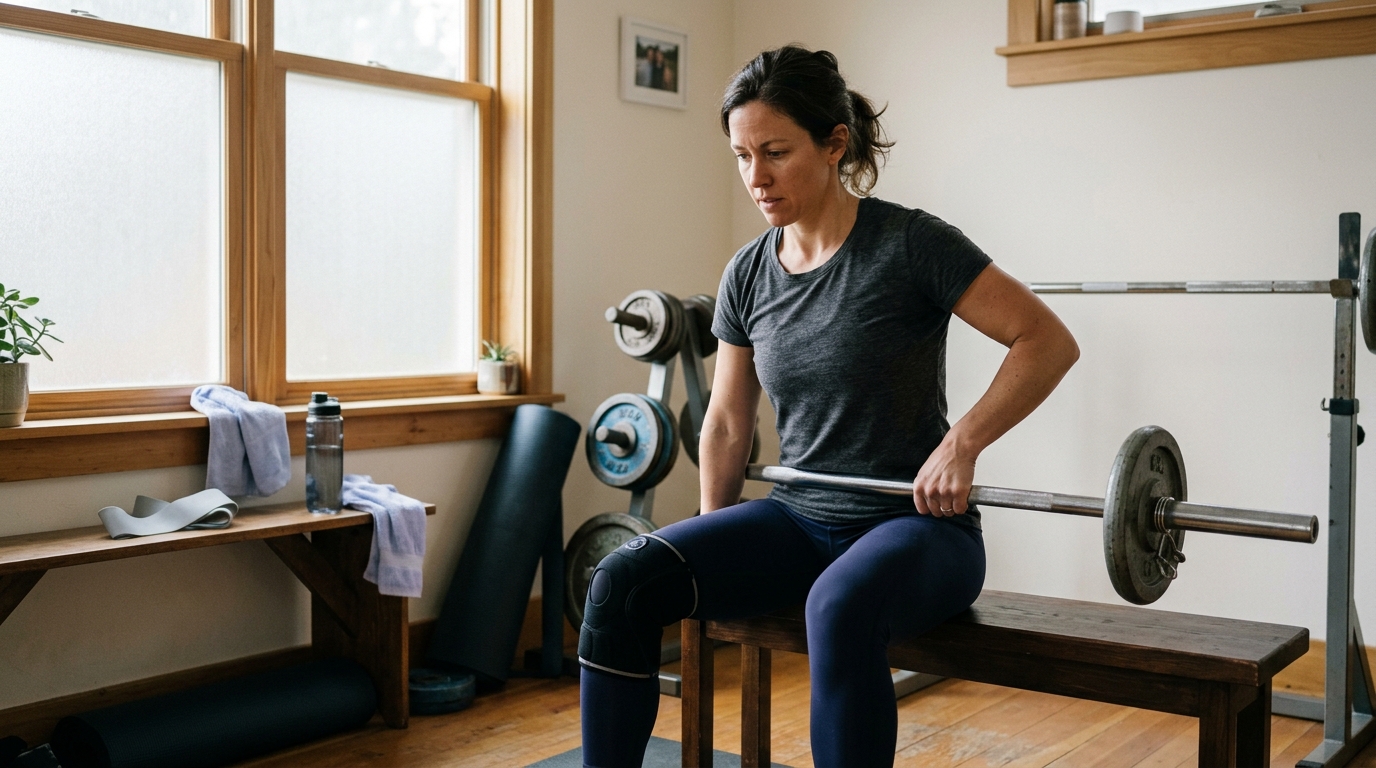
If you have a previous knee injury, for example, your hip and ankle muscles must work harder to maintain stability. Your strength routine should address these weak links by reinforcing stabilizing muscles around vulnerable joints. Progressing slowly helps previously injured tissues adapt without triggering inflammatory flare-ups.
Recovery Capacity, Sleep, and Nutrition
Strength is not built during the workout itself. The workout provides the mechanical stimulus, but the actual strengthening occurs during the recovery window between sessions.
Multiple lifestyle factors directly influence how quickly your body repairs exercise-induced microscopic tissue damage:
- Sleep quality: Deep sleep stages trigger the release of growth hormone, which drives tissue repair and muscle protein synthesis.
- Protein intake: Consuming adequate dietary protein provides the amino acids necessary to rebuild muscle tissue and connective structures.
- Hydration: Proper fluid intake maintains joint lubrication, supports nutrient transport, and prevents premature muscular cramping.
- Life stress: High emotional or occupational stress elevates systemic cortisol, which can impair immune recovery and slow tissue regeneration.
Balance and Fall Prevention in Older Adults
In older populations, muscular weakness is closely linked to an increased risk of slips, trips, and falls. However, clinical evidence indicates that strength training alone is not a complete fall-prevention solution.
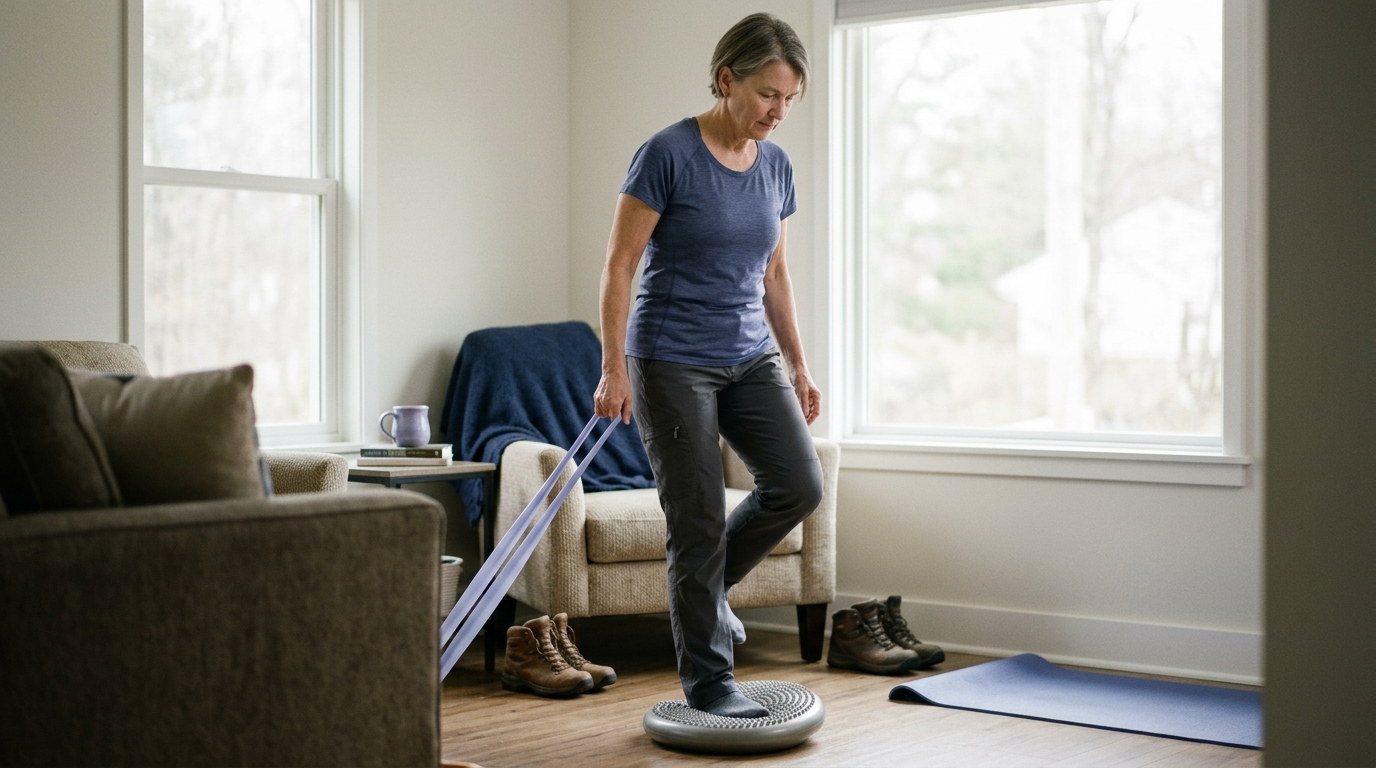
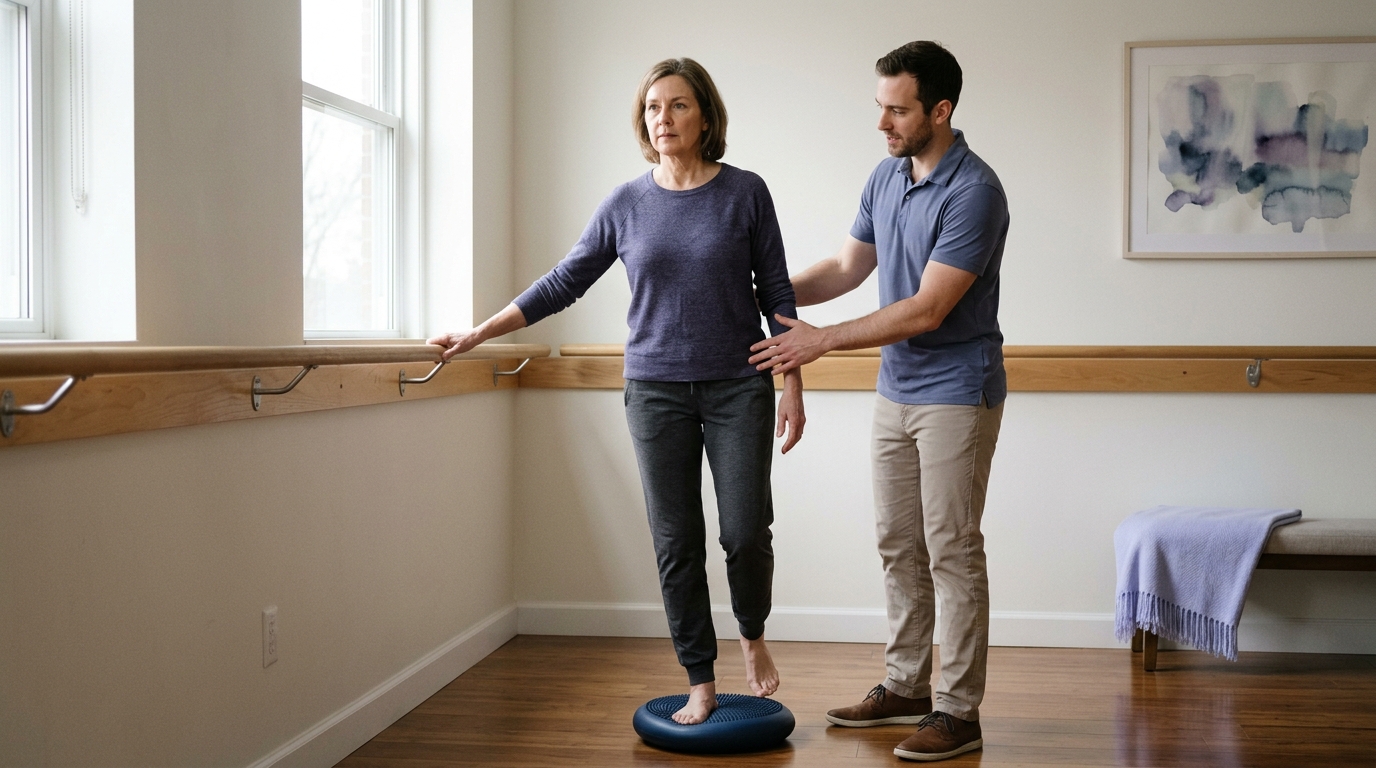
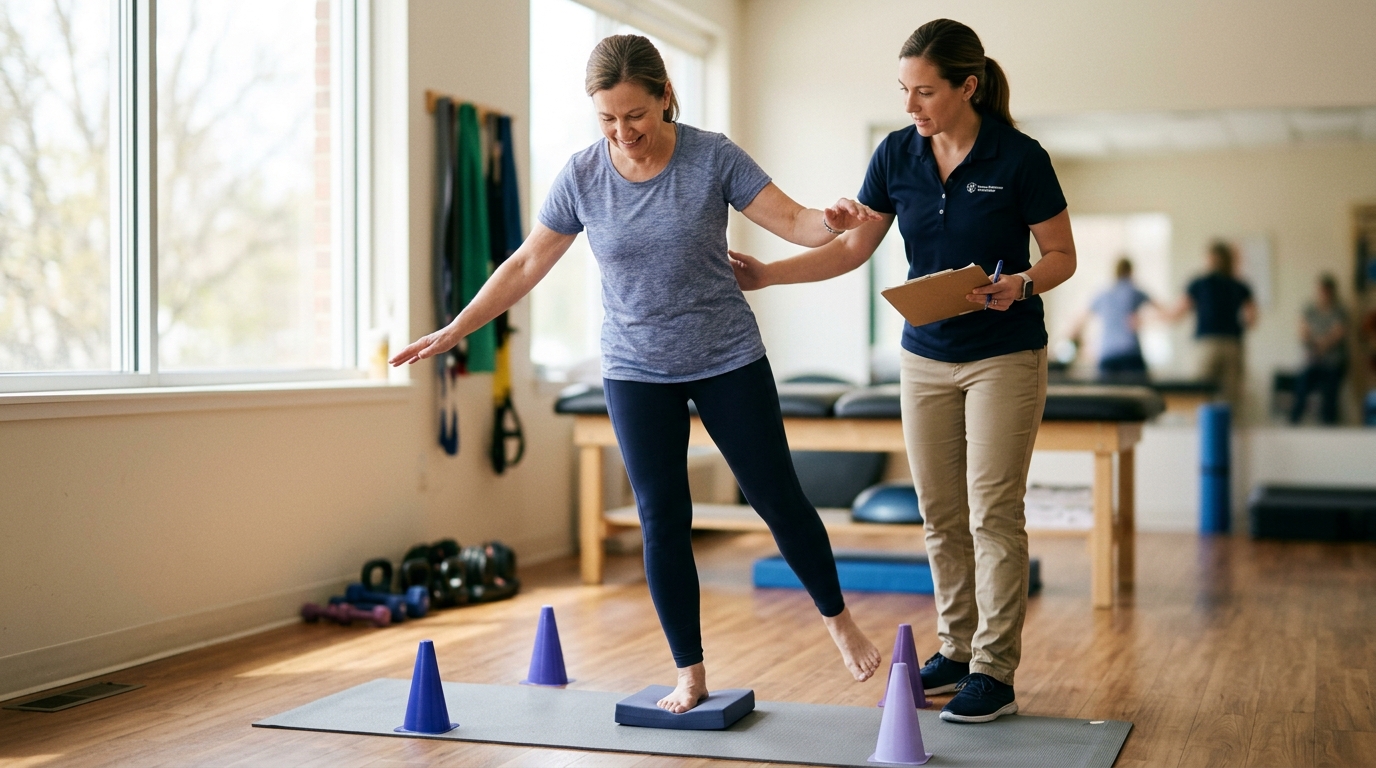
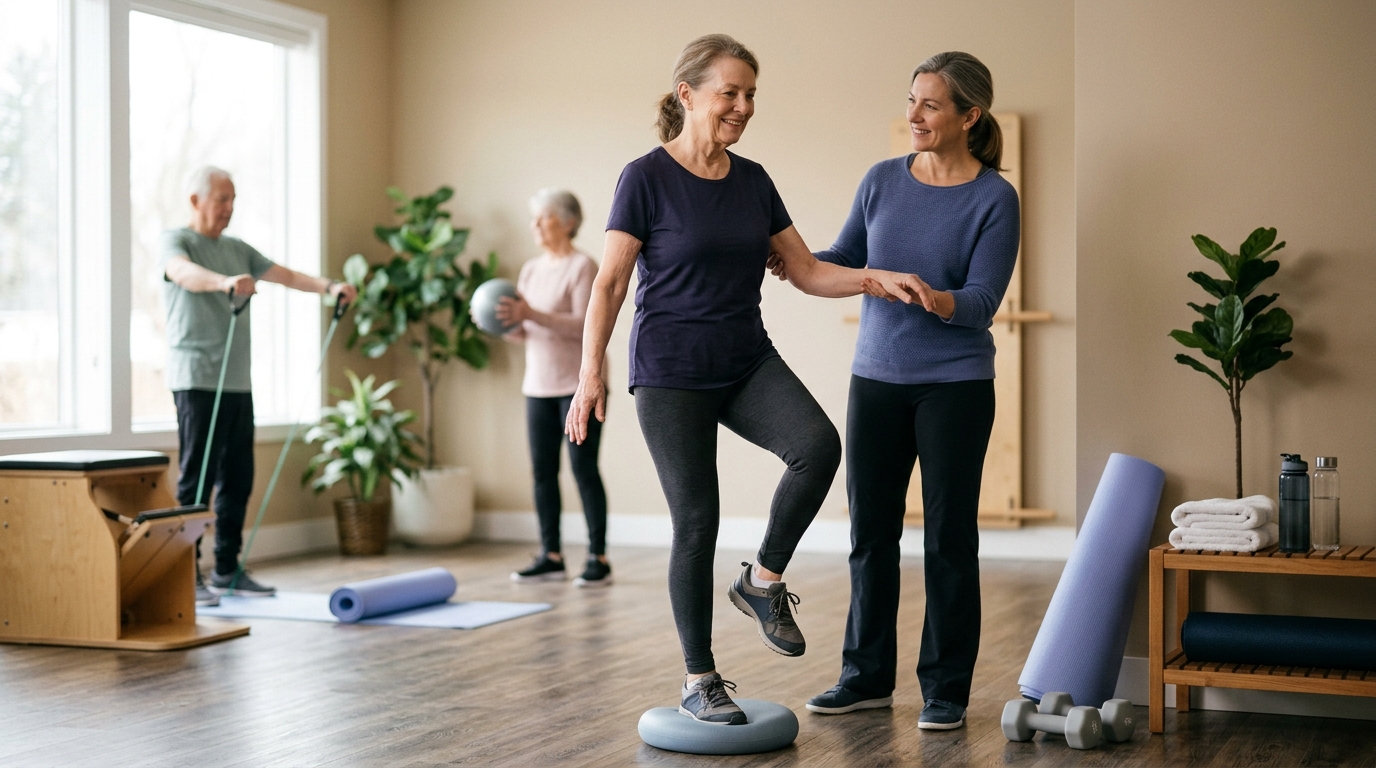
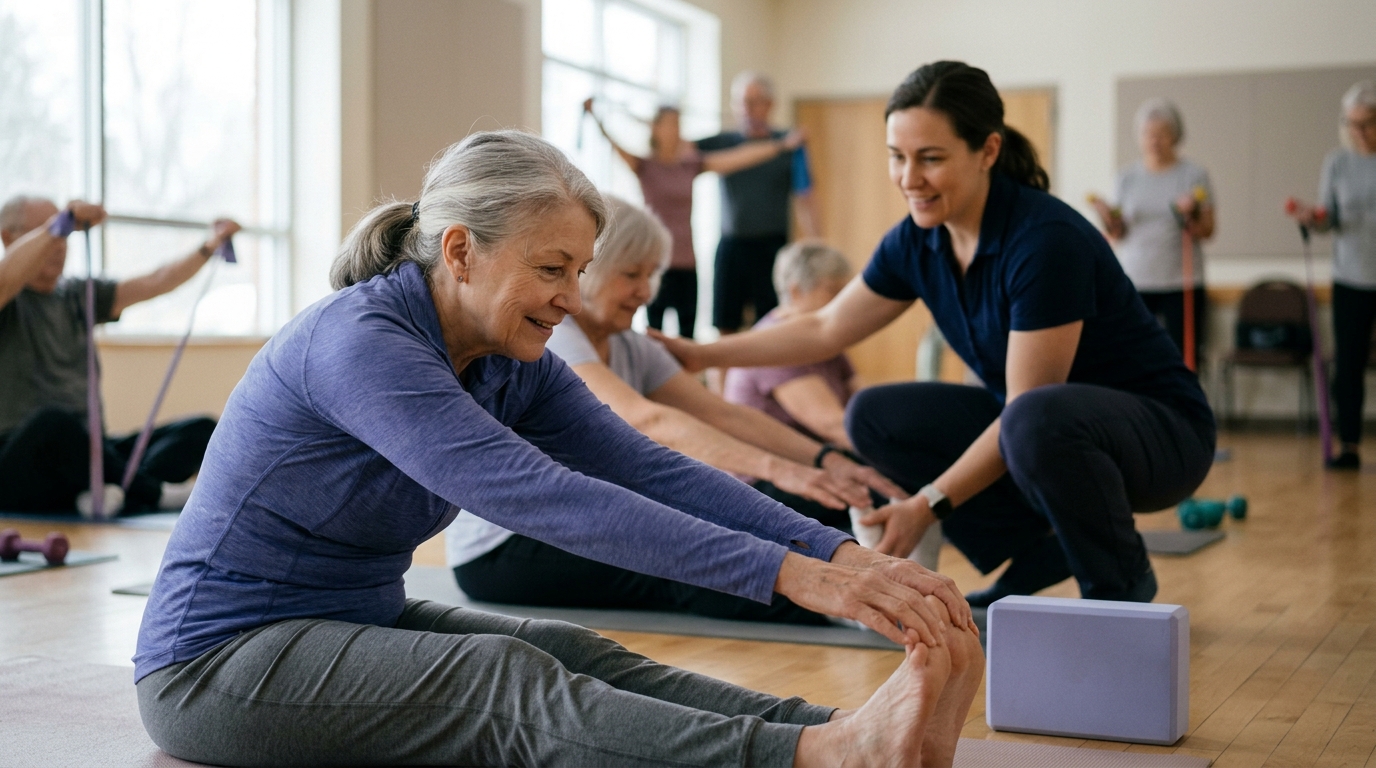
Evidence reviews show that the most effective fall-prevention programs combine progressive resistance training with challenging balance exercises. These multi-component programs challenge dynamic stability, weight shifting, and foot placement alongside muscle strengthening. For adults with frailty or a history of falls, supervised programs performed consistently for at least six months produce the best outcomes.
Safety Standards, Form Cues, and Common Training Errors
Executing strength exercises with proper technique ensures that target muscles receive the training stimulus while minimizing unnecessary joint stress. Applying evidence-based safety principles protects your body during every workout session.
Core Safety Cues for Exercise Execution
The National Institute on Aging (NIA) provides practical movement guidelines to ensure safe and productive resistance training:
- Move with control: Perform every repetition smoothly without jerking, swinging, or thrusting the weights. Use a steady cadence, such as two seconds to lift and two to three seconds to lower.
- Breathe continuously: Avoid holding your breath during resistance exercises, which can cause sudden spikes in blood pressure. Exhale as you lift or push the weight, and inhale as you lower it back down.
- Maintain neutral alignment: Keep your spine in a natural, neutral curve rather than rounding your lower back or excessively arching your neck.
- Control the range of motion: Work within a comfortable, pain-free range of motion rather than forcing a joint past its natural mobility limits.
Distinguishing Muscle Fatigue from Harmful Pain
Learning to interpret physical sensations during and after exercise is an essential skill for long-term consistency. You should clearly distinguish between normal muscular effort and signals of joint strain or injury.
Normal exercise sensations include:
- A mild burning or fatigue in the working muscles during the final repetitions of a set.
- General muscular tiredness immediately following a challenging workout.
- Delayed onset muscle soreness (DOMS) that peaks 24 to 48 hours after training and feels like a dull, diffuse muscle stiffness.
Concerning symptoms that require modifying or stopping an exercise include:
- Sharp, stabbing, or pinching sensations inside a joint capsule.
- Sudden shooting pain radiating down an arm or leg.
- Noticeable joint swelling, redness, or heat following a session.
- Pain that causes you to limp, alter your movement mechanics, or avoid normal daily activities.
- Safe Sensation: Dull, diffuse muscular soreness (DOMS) peaking at 24-48 hours.
- Warning Sign: Sharp, localized, or shooting joint pain during movement.
Critical Stopping Signals
The NIA advises stopping exercise immediately and seeking prompt medical evaluation if you experience any of the following warning symptoms:
- Pain, pressure, tightness, or heaviness in the chest, neck, shoulder, or jaw.
- Sudden dizziness, lightheadedness, vertigo, or loss of balance.
- Unexplained shortness of breath or cold sweats during light-to-moderate effort.
- Sudden muscle cramps or severe, acute pain in a joint or limb.
Common Training Errors to Avoid
Avoiding widespread programming mistakes will keep your strength routine safe, enjoyable, and sustainable over time:
- Rushing load progression: Adding weight too quickly before mastering movement control is a frequent cause of training-related strains.
- Skipping rest days: Training the same muscle group two days in a row prevents complete tissue recovery. The NIA recommends allowing at least 48 hours between hard sessions targeting the same muscle group.
- Neglecting posterior muscles: Focusing only on mirror muscles (chest, biceps, quads) while ignoring back, glute, and hamstring muscles creates postural imbalances.
- Sacrificing form for repetitions: Forcing out extra repetitions with sloppy technique places sudden, uncontrolled torque on vulnerable joints.
Clinical Considerations and Questions for Healthcare Providers
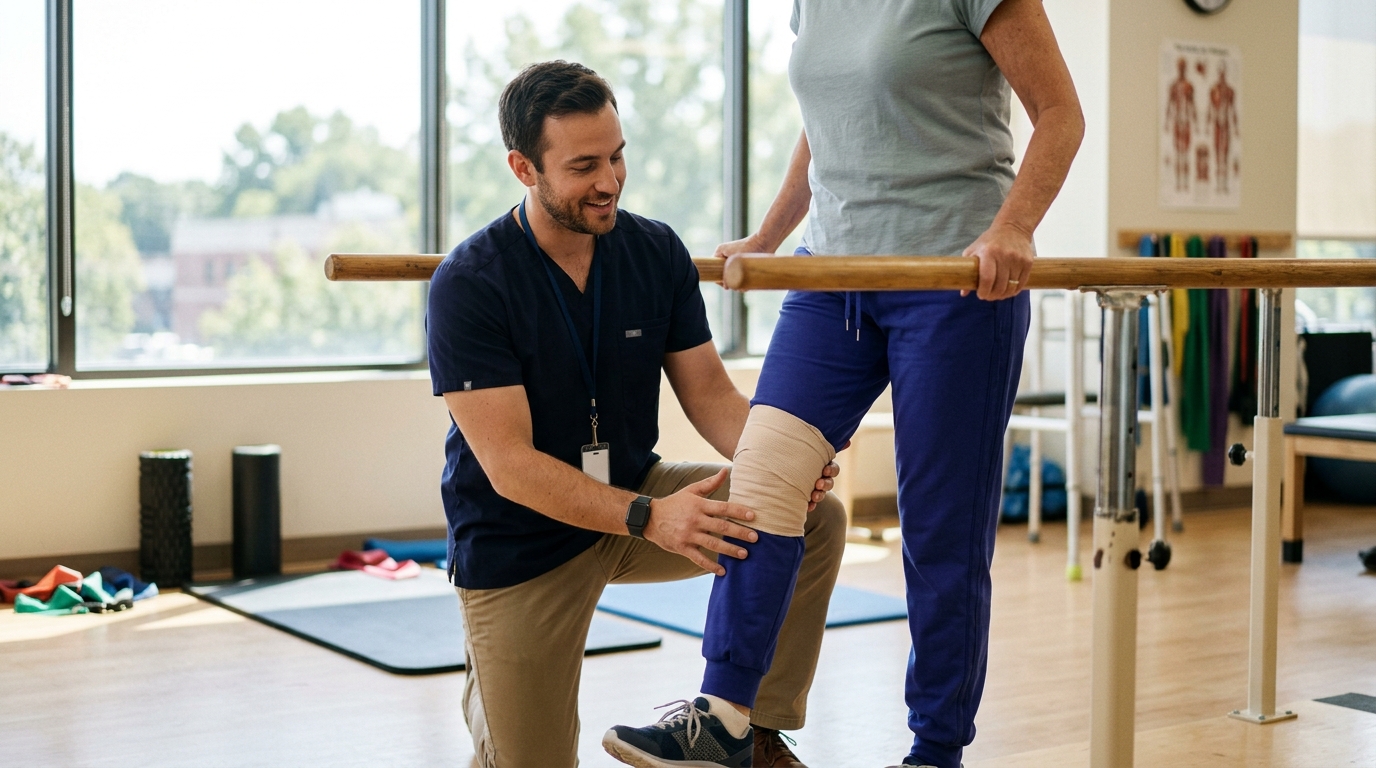
Strength training is safe and beneficial for the vast majority of adults, including those with controlled chronic health conditions. However, individuals with existing medical concerns should consult with a healthcare professional before starting an intensive routine.
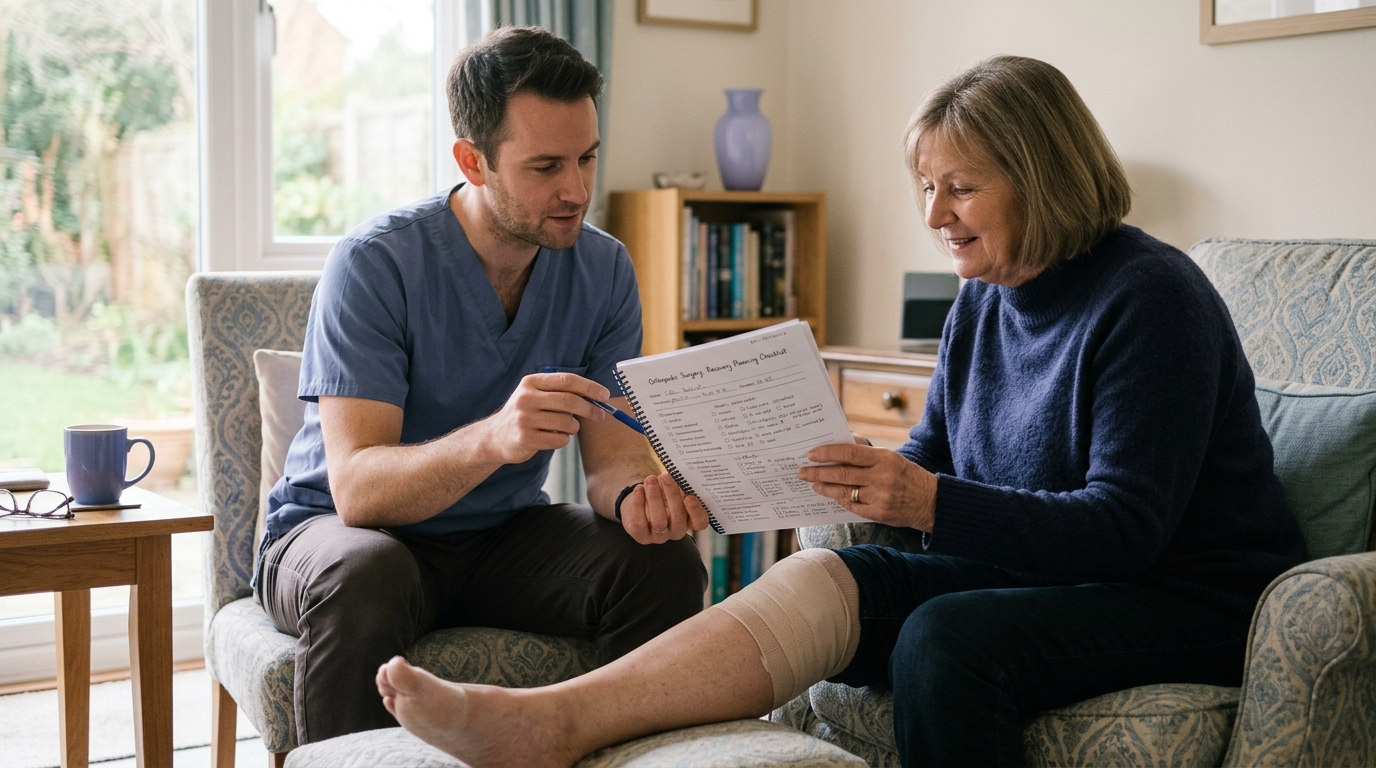
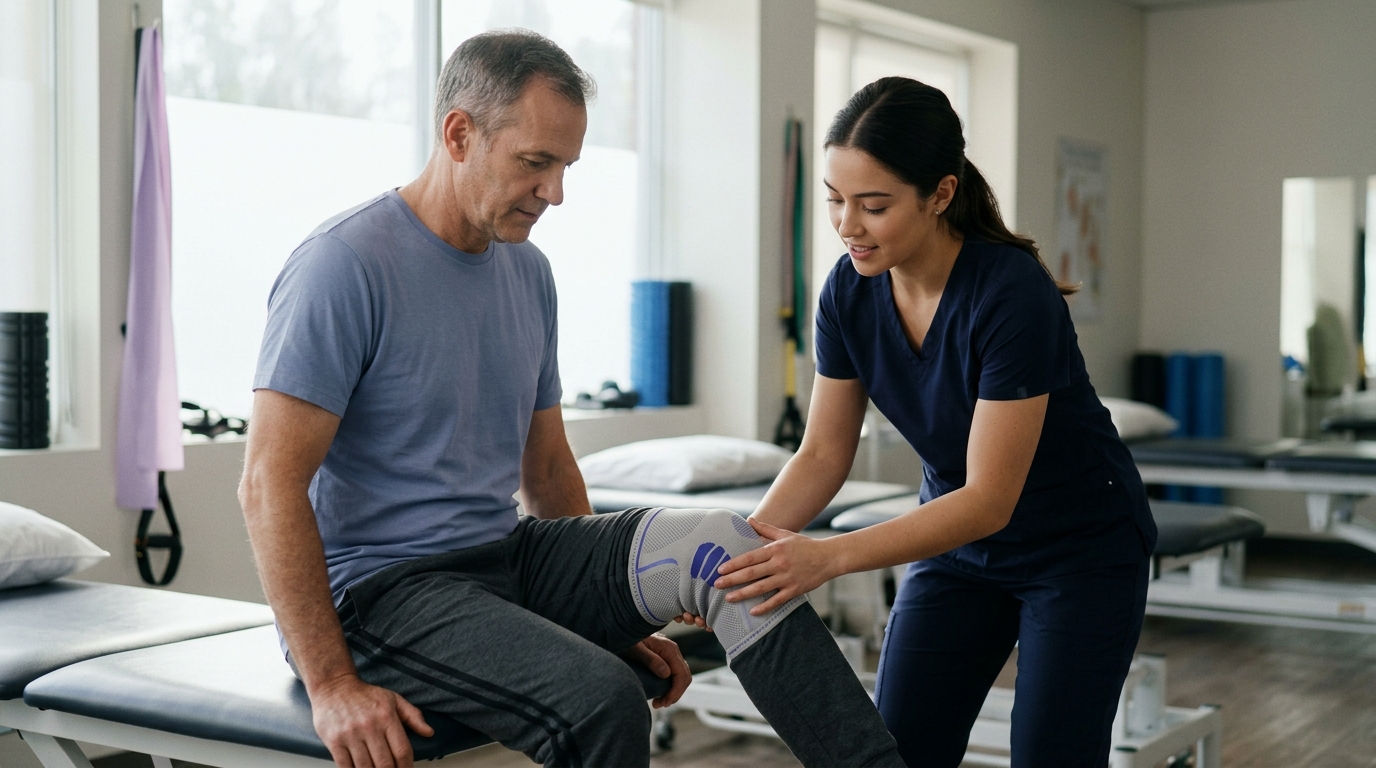
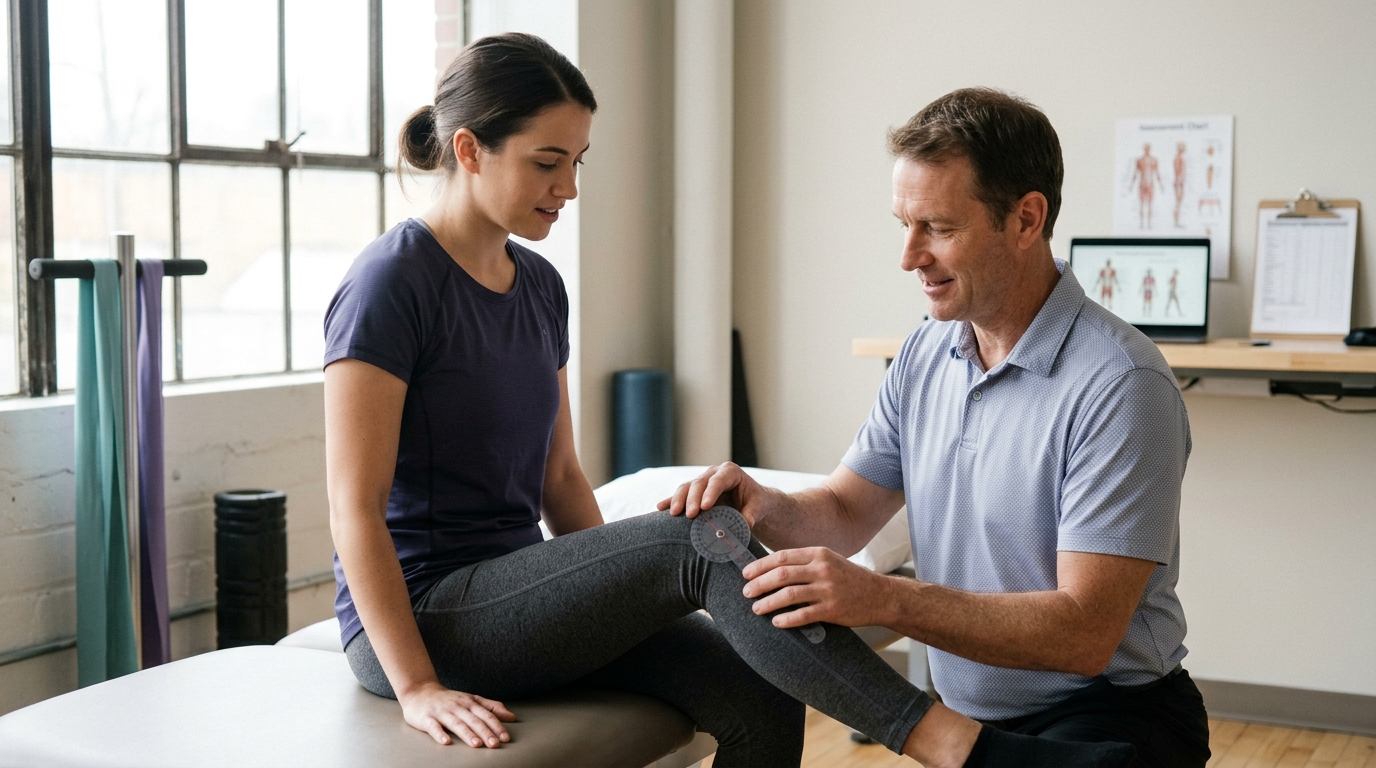
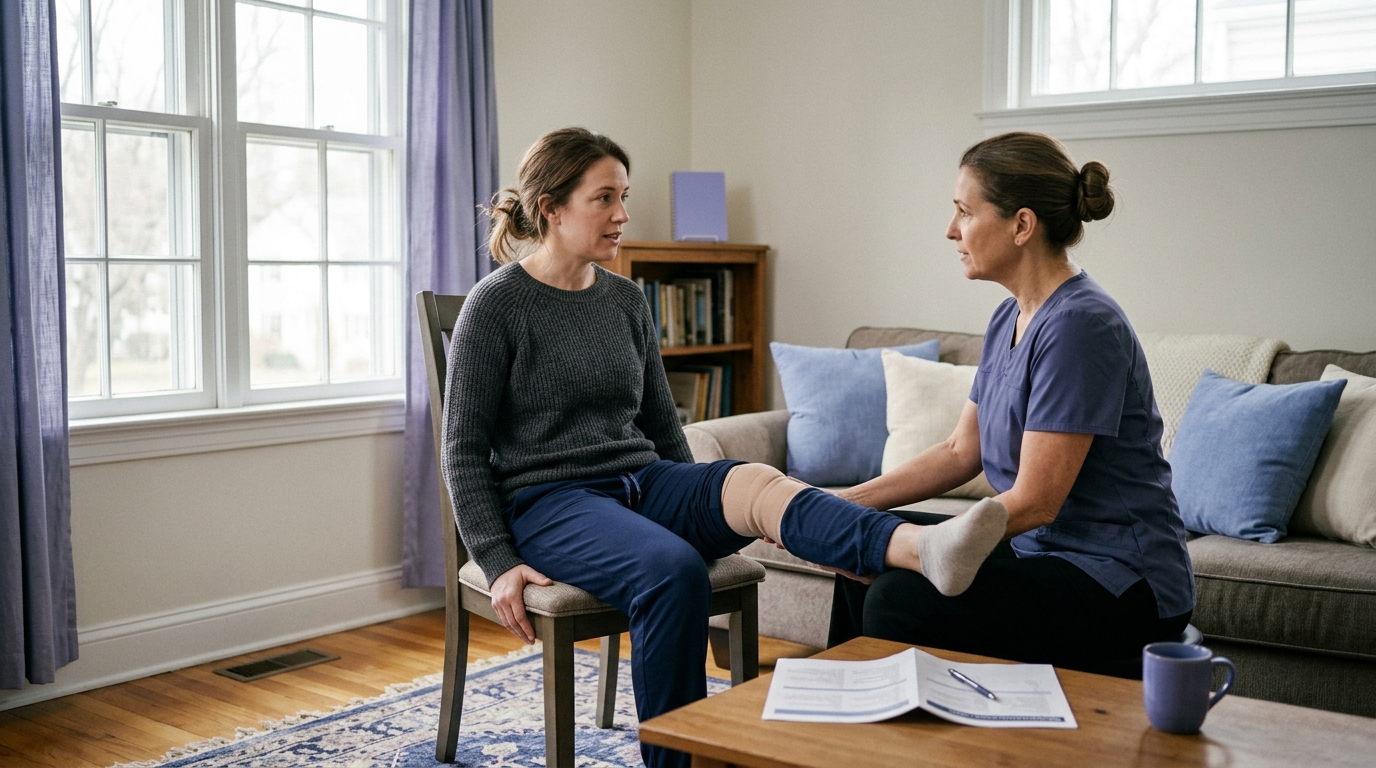
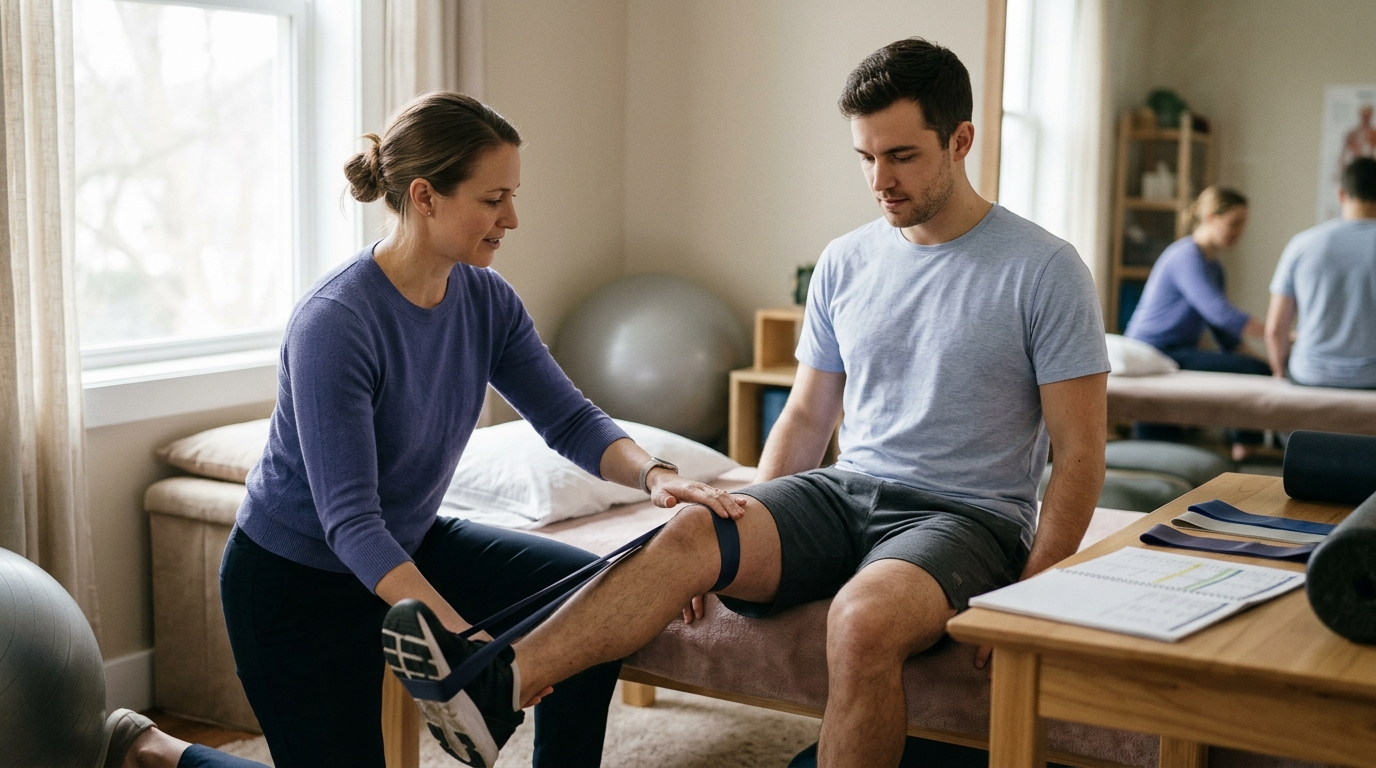
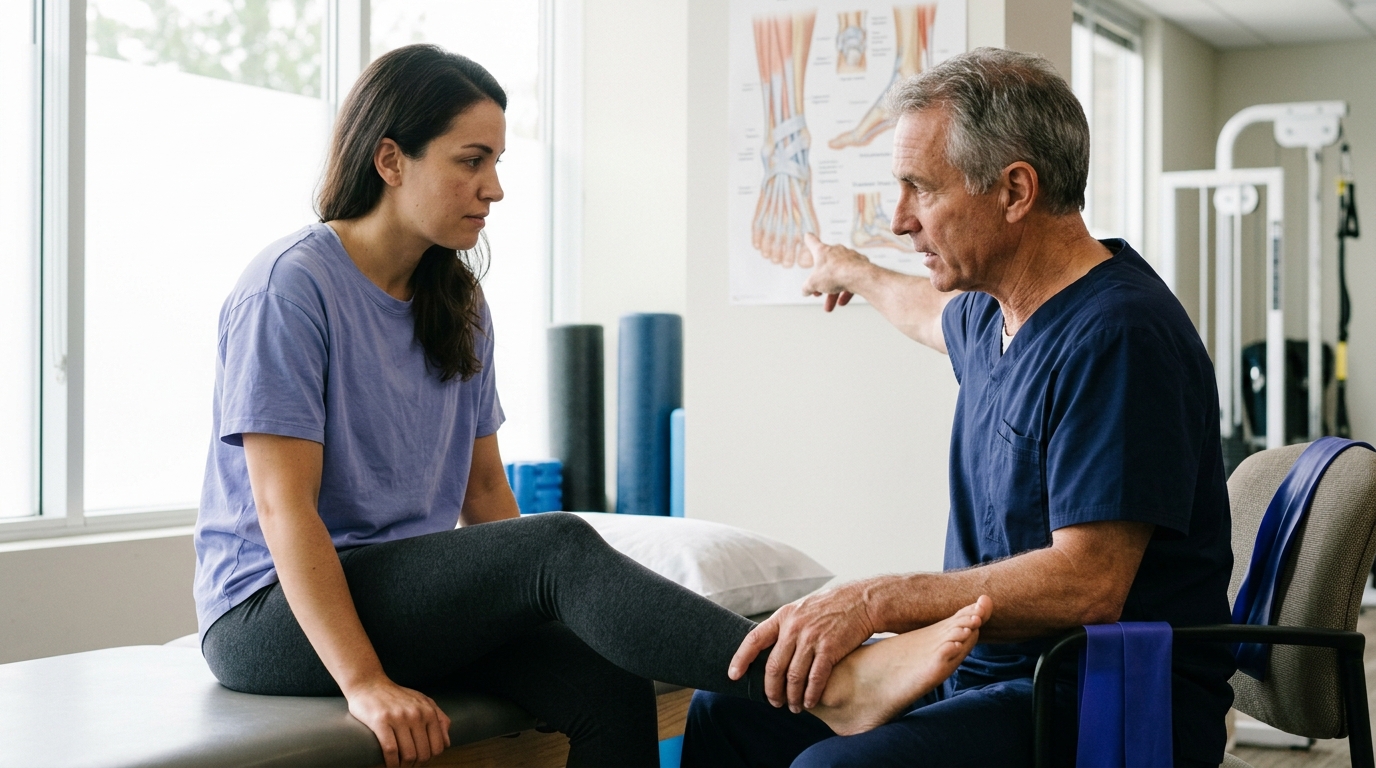
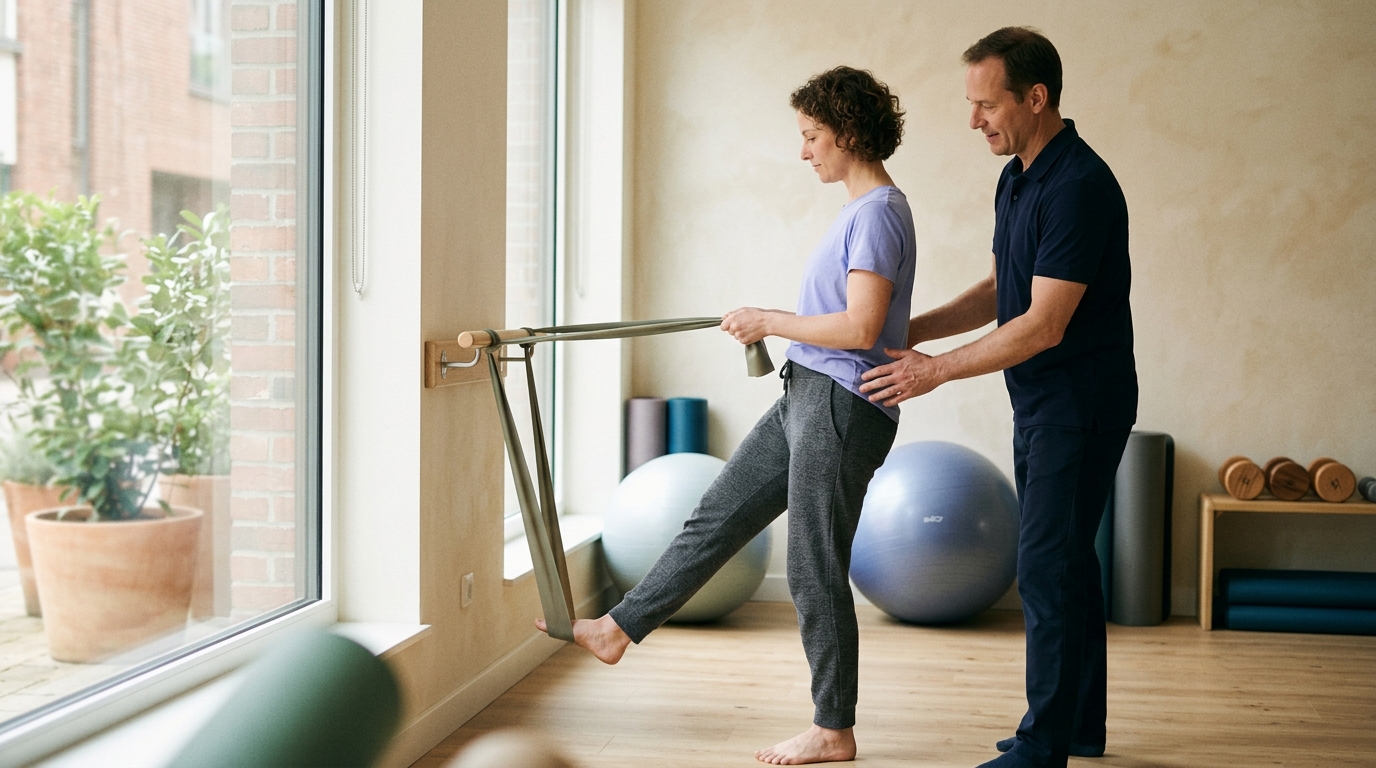
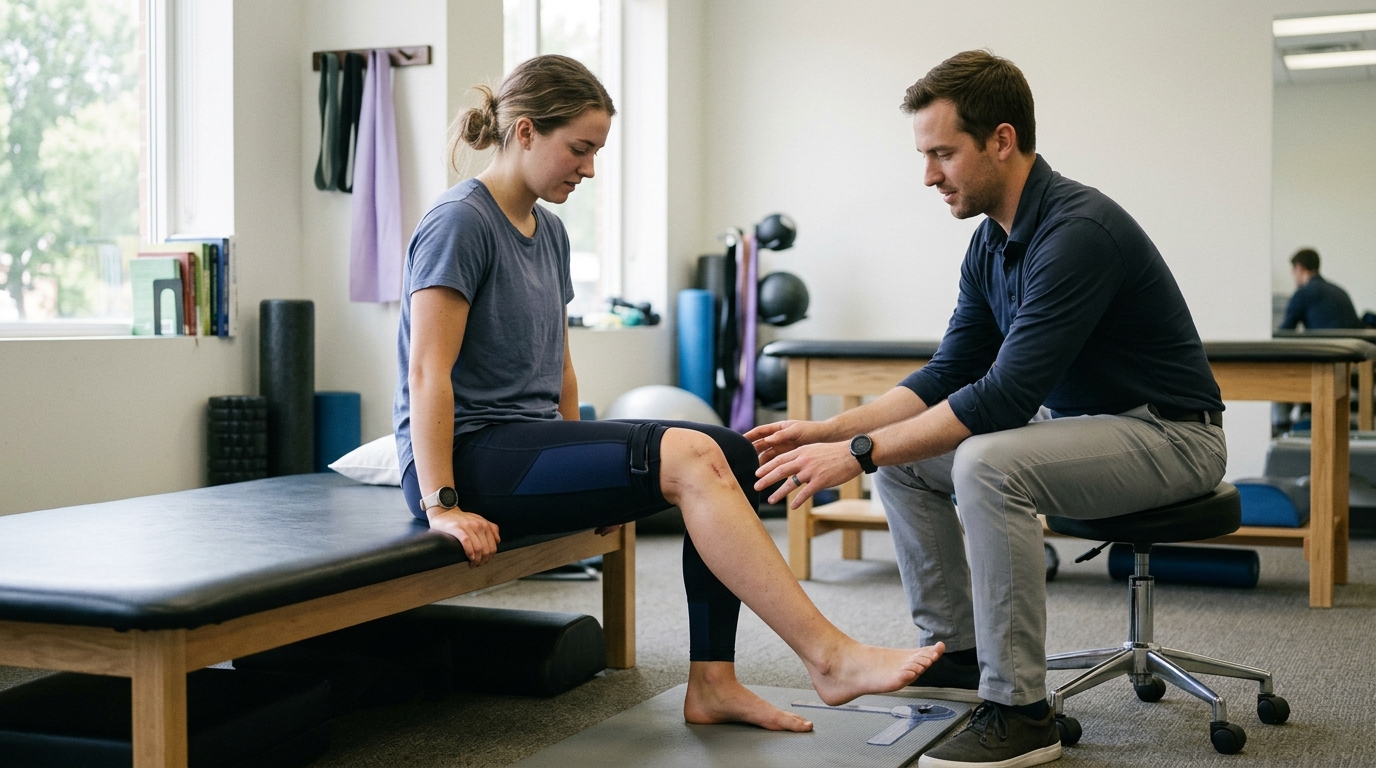
A physical therapist, orthopedic physician, or certified clinical exercise physiologist can provide personalized guidance tailored to your specific health history. To explore our full collection of educational guides on rehabilitation and movement health, visit our comprehensive recovery and injury resources.
When to Seek Professional Guidance
Consider consulting a clinician or physical therapist if you have:
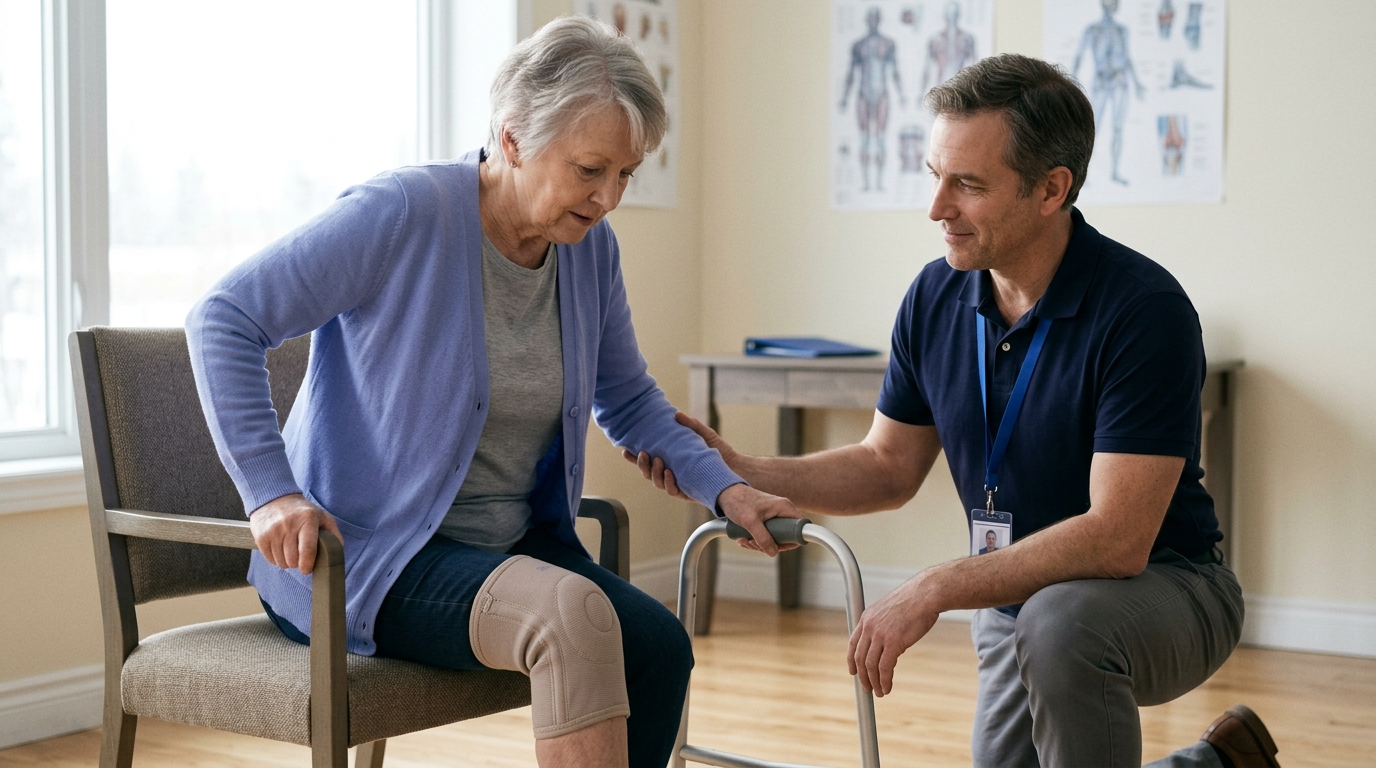
- A recent orthopedic surgery, joint replacement, or major fracture.
- A diagnosed cardiovascular, metabolic, or respiratory condition.
- Persistent, unresolved joint pain, arthritis flare-ups, or spinal disc issues.
- A history of recurrent falls, dizziness, or severe balance problems.
- Uncertainty about how to modify exercises for your physical limitations.
Practical Questions to Discuss with Your Clinician
Taking specific, well-formulated questions to your appointment helps you get clear, actionable advice from your healthcare team.
- Are there specific movement patterns, joint angles, or loading ranges I should temporarily modify based on my medical history?
- What symptoms should I monitor as signs that an exercise is aggravating my condition rather than helping it?
- How can I coordinate my home strength routine with my physical therapy rehabilitation plan?
- Are there specific heart rate, blood pressure, or exertion limits I should follow during resistance training?
- Would you recommend working with a licensed physical therapist or certified specialist to learn proper exercise mechanics?
Summary and Actionable Next Steps
Muscular strength is a cornerstone of lifelong physical health, joint stability, and daily independence. Research confirms that progressive resistance training builds tissue tolerance, improves neuromuscular control, and may help reduce the risk of both acute and overuse injuries.
Strength training does not provide absolute immunity from injury, but it significantly expands your physical capacity. Building a routine around the six core movement patterns ensures balanced, whole-body development that prepares you for life's physical challenges.
Your Action Plan for This Week
Follow this step-by-step checklist to establish a safe, consistent strength training routine:
- Step 1: Choose your training schedule. Select two non-consecutive days this week (such as Tuesday and Friday or Wednesday and Saturday) dedicated to muscle strengthening.
- Step 2: Select your starting variations. Pick one exercise for each of the six fundamental patterns (Squat, Hinge, Push, Pull, Single-Leg, Trunk Carry) that matches your current comfort and equipment level.
- Step 3: Complete a baseline workout. Perform 1 to 2 sets of 8 to 12 repetitions for each selected exercise. Focus entirely on smooth tempo, controlled breathing, and pain-free movement.
- Step 4: Track your physical response. Note how your body feels 24 to 48 hours after your session. Mild muscle soreness is expected, but joint pain signals that you should adjust your variation or reduce the volume.
- Step 5: Apply slow, steady progression. Maintain this baseline routine for two to three weeks until the movements feel natural and stable. Once you can complete all repetitions with ease, add a single set or a small amount of resistance.
Sources
- What Counts as Physical Activity for Adults - CDC
- The effectiveness of exercise interventions to prevent sports injuries: a systematic review and meta-analysis of randomised controlled trials
- Adult Activity: An Overview | Physical Activity Basics
- ACSM-20091216-Hsui
- Adding Physical Activity as an Adult
- Strength training as superior, dose-dependent and safe prevention of acute and overuse sports injuries: a systematic review, qualitative analysis and meta-analysis
- Muscle and bone strengthening and balance activities for general health benefits in adults and older adults
- Progression Models in Resistance Training for Healthy Adults
- Progression Models in Resistance Training for Healthy Adults 2009
- Effectiveness of exercise interventions on fall prevention in ...
- (PDF) Resistance Training for Older Adults: Position Statement ... - NSCA
- Mechanism-Driven Strategies for Reducing Fall Risk in ... - PMC
- The Effects of Exercise Intervention in Older Adults With ... - PMC
- Resistance training effect on functional decline in older adults with ...
- Resistance training and health in adults: an overview of systematic reviews
- Resistance Training for Older Adults: New NSCA Position Stand
- Exercise and Physical Activity for Older Adults: Staying Active as You Age
- AgePage: Exercise and Physical Activity for Older Adults
- Strength Training - Clemson HGIC
- pubmed.ncbi.nlm.nih.gov › 30131332Strength training as superior, dose-dependent and safe ...
- 8 tips for safe and effective strength training - Harvard Health