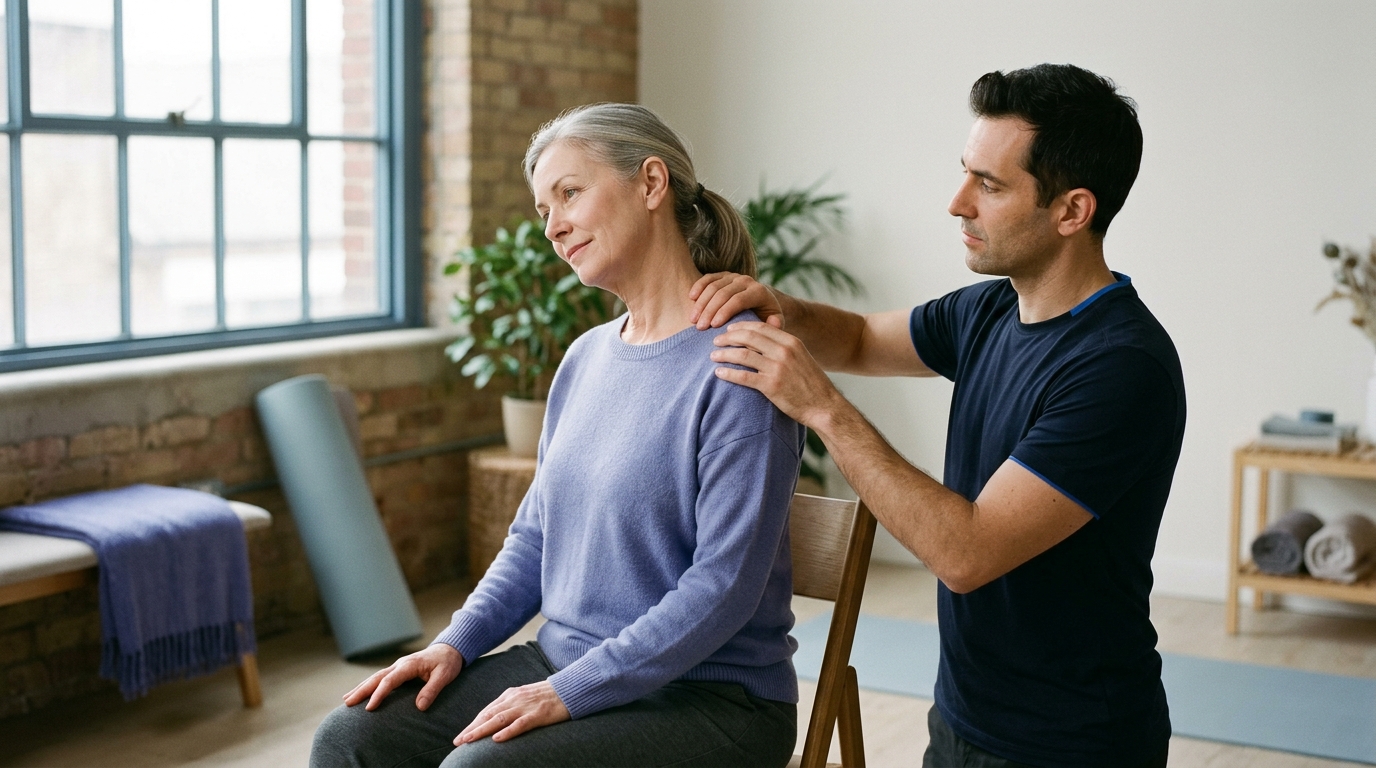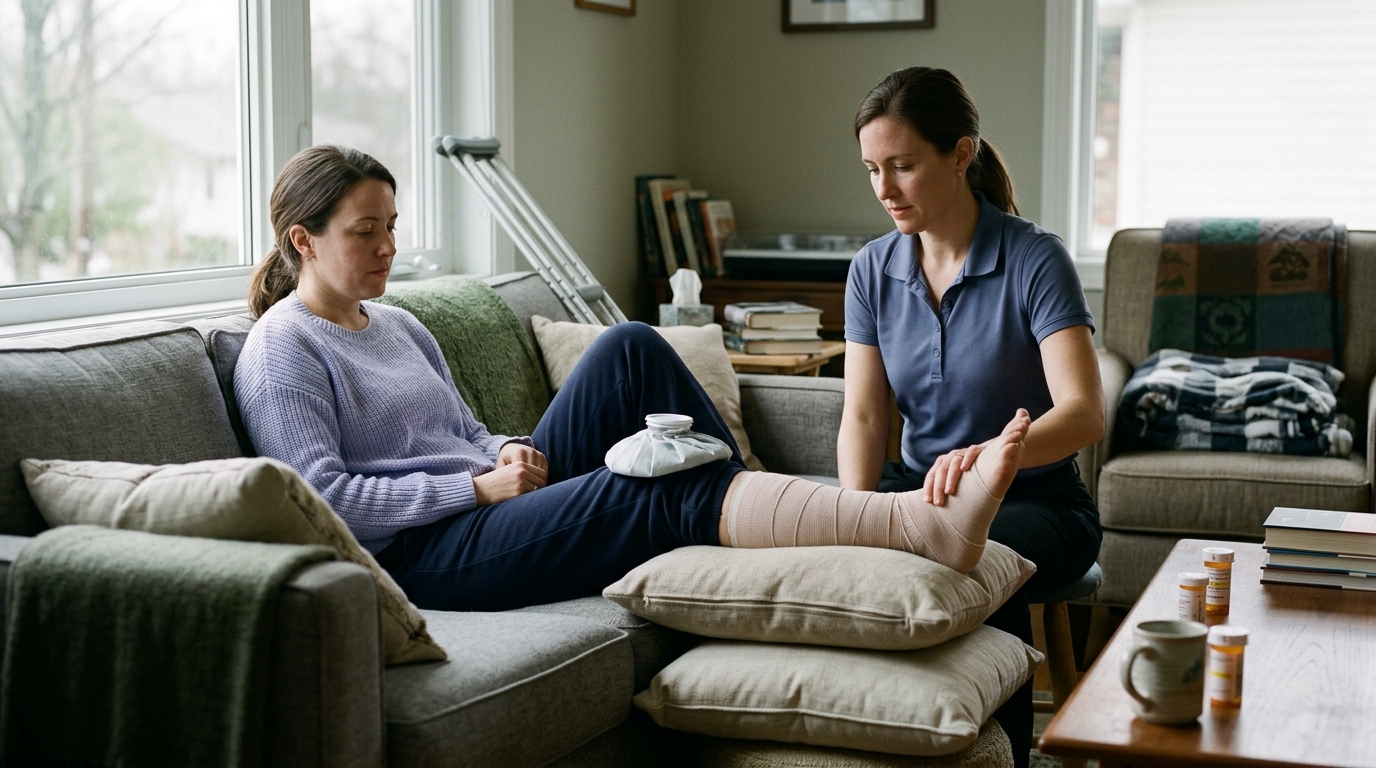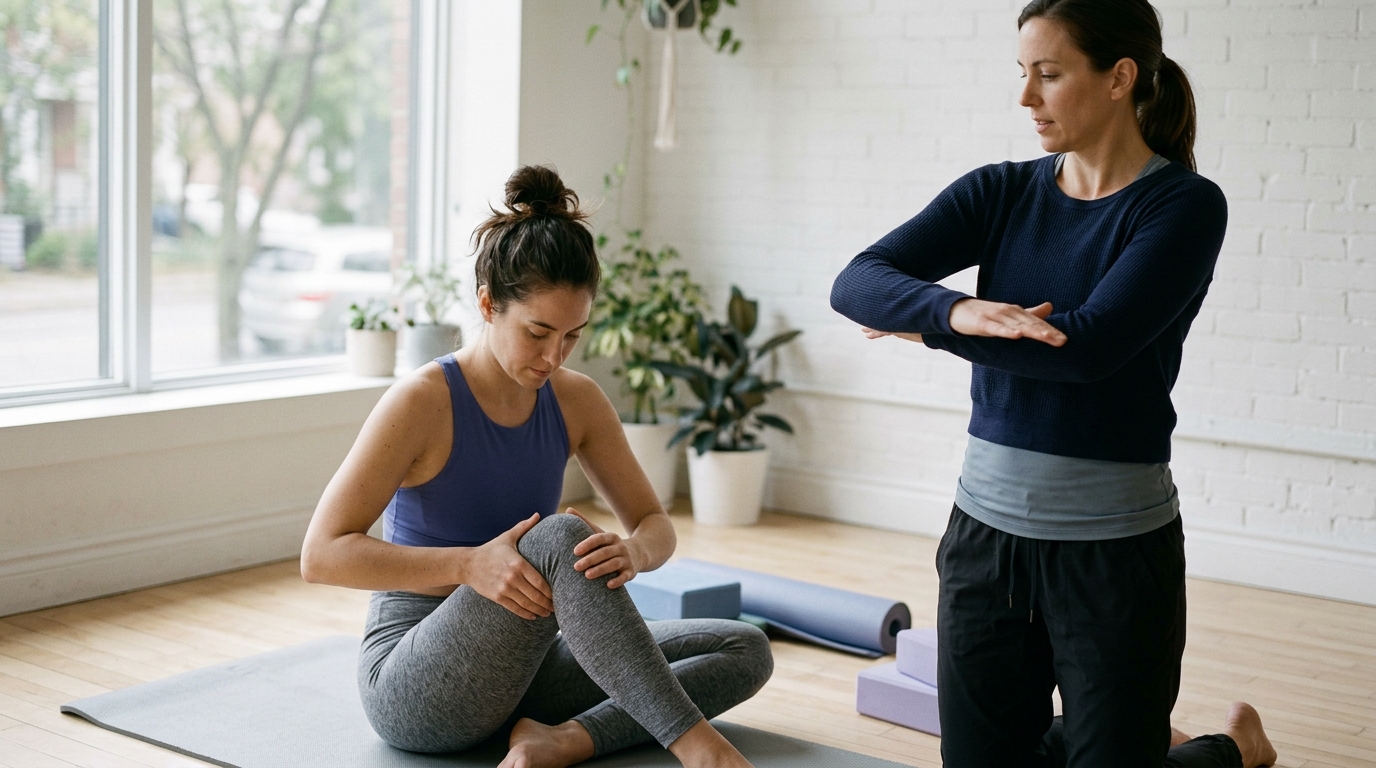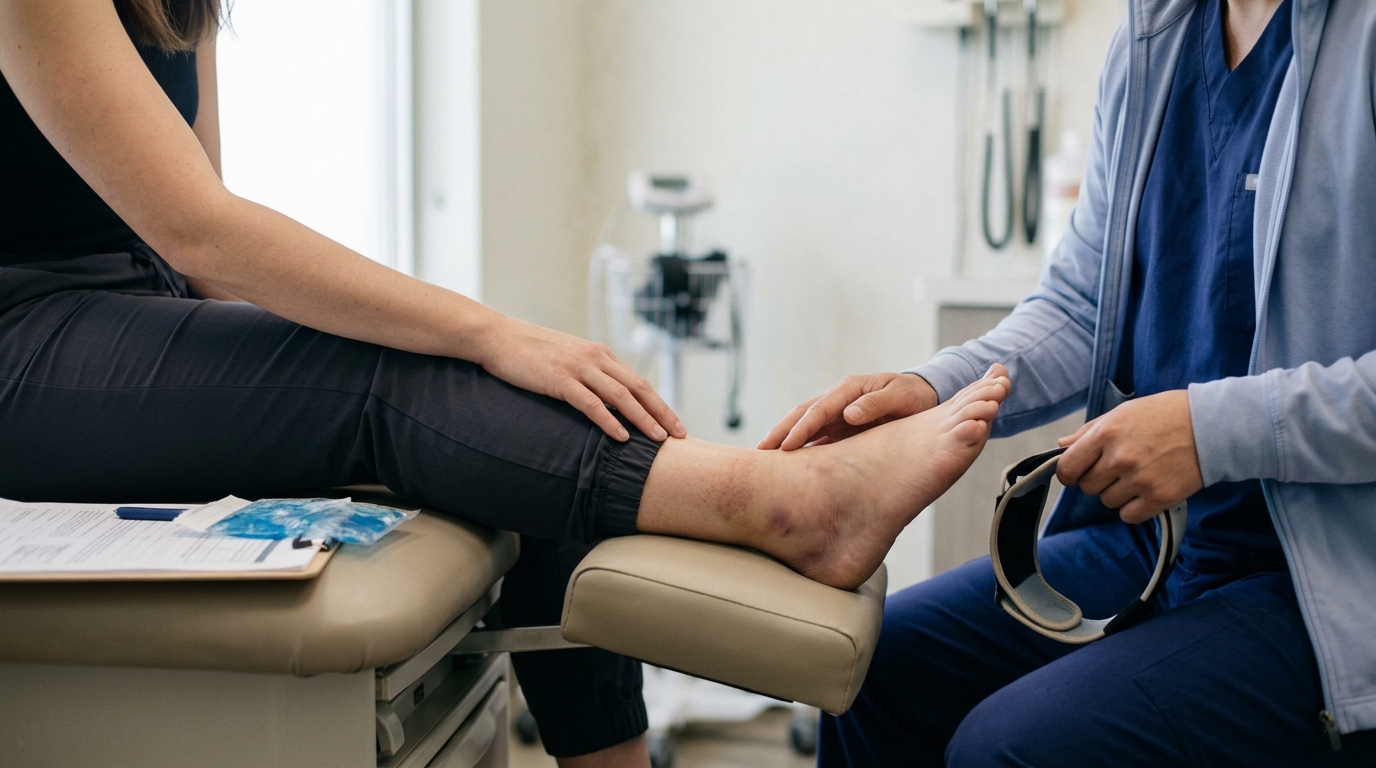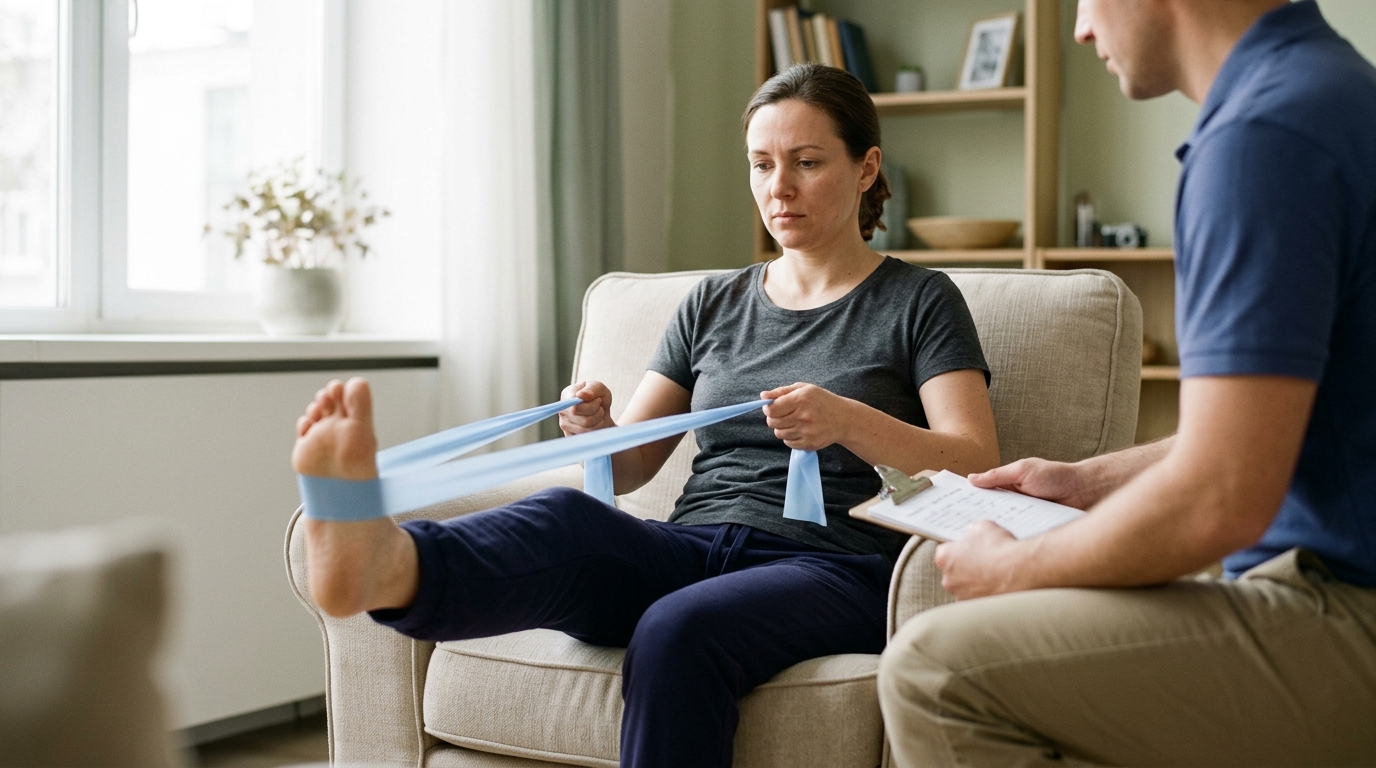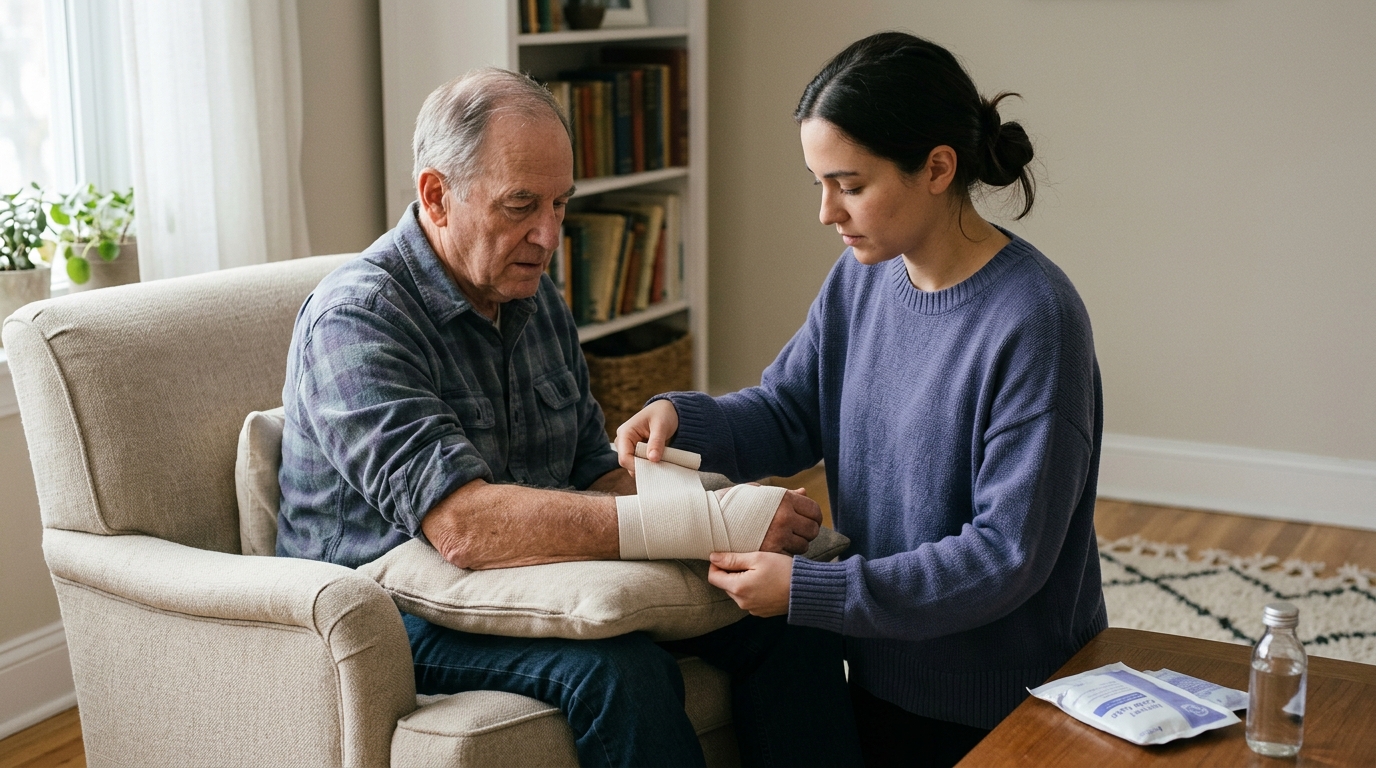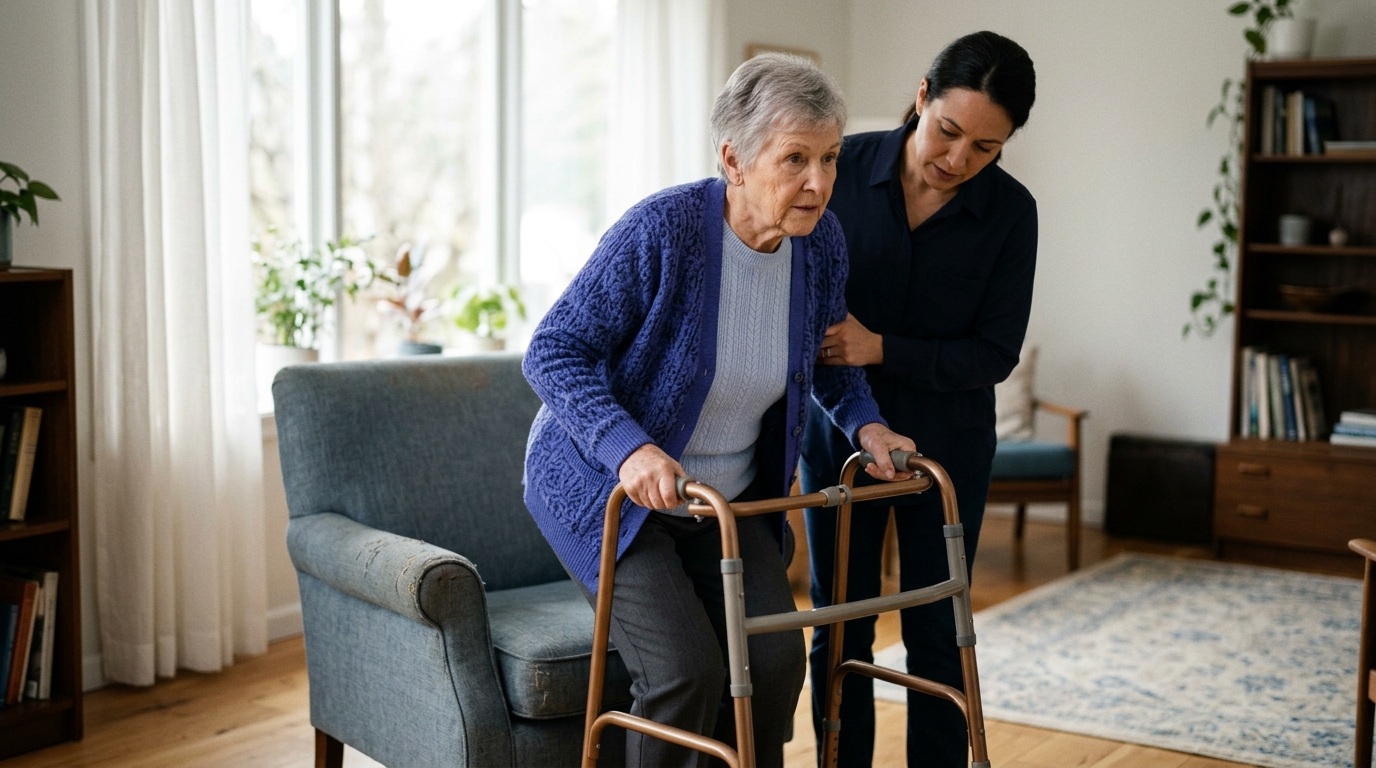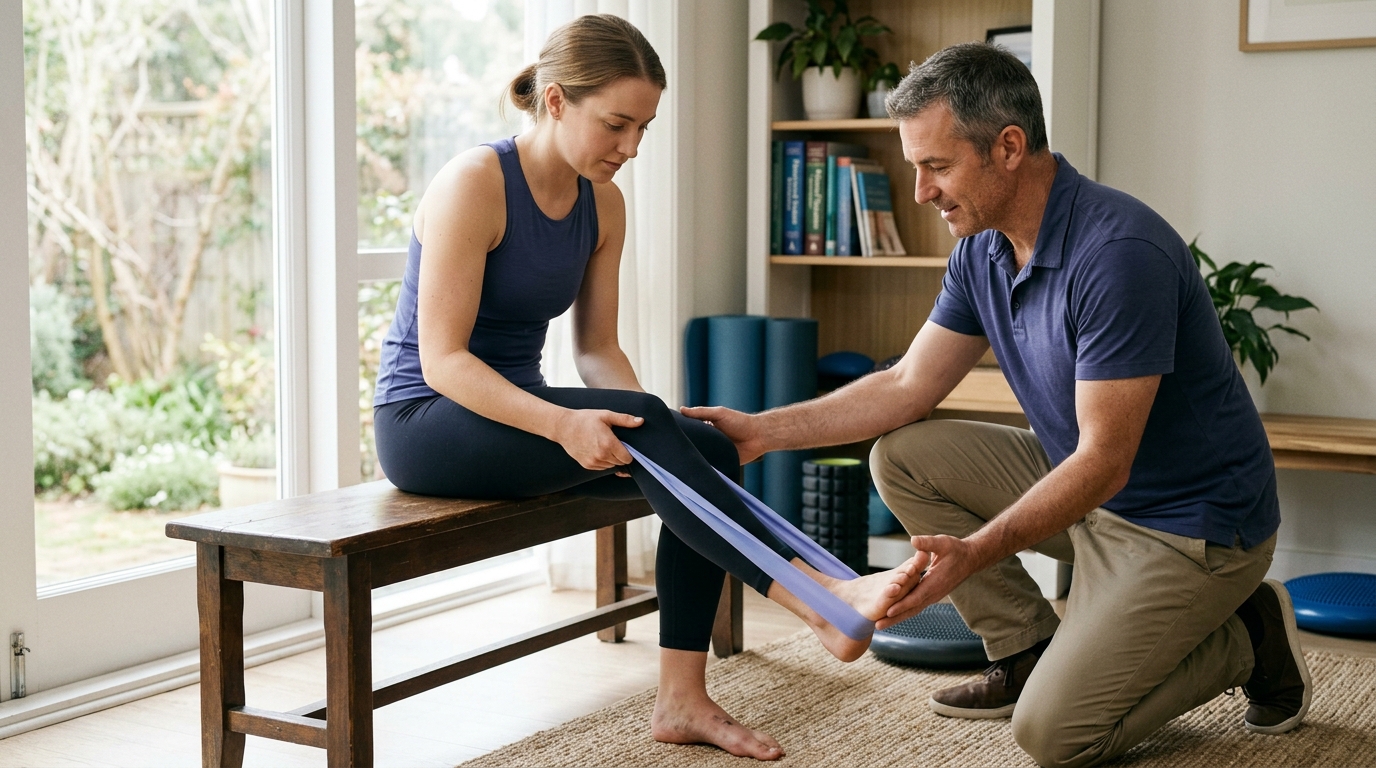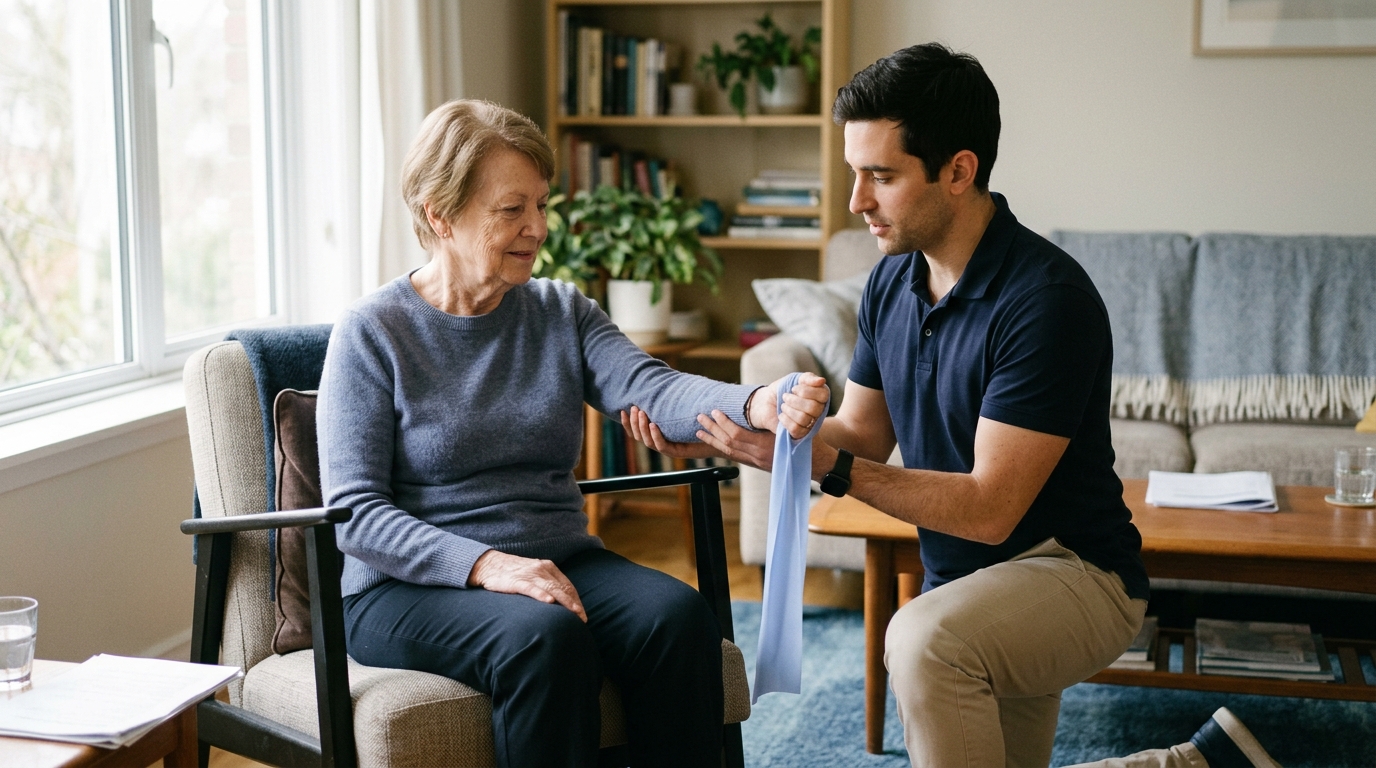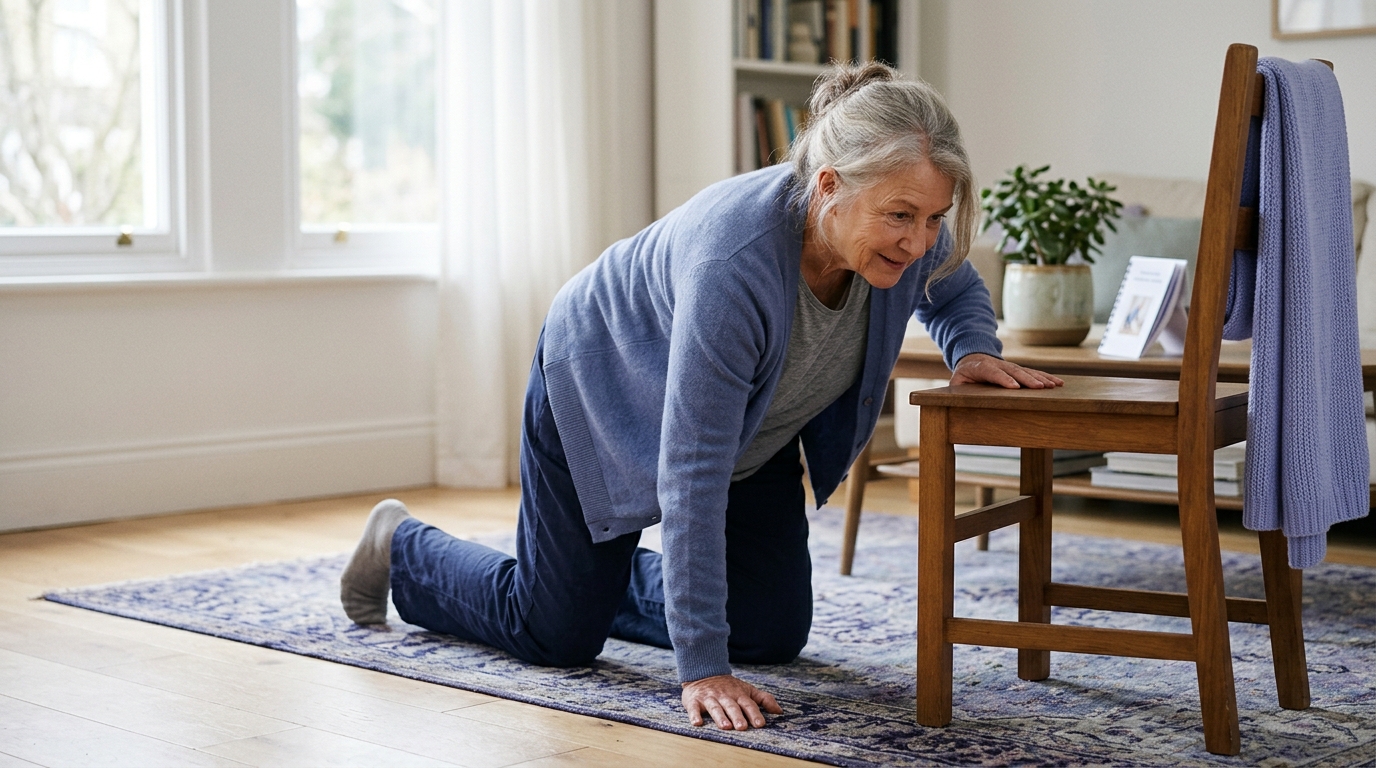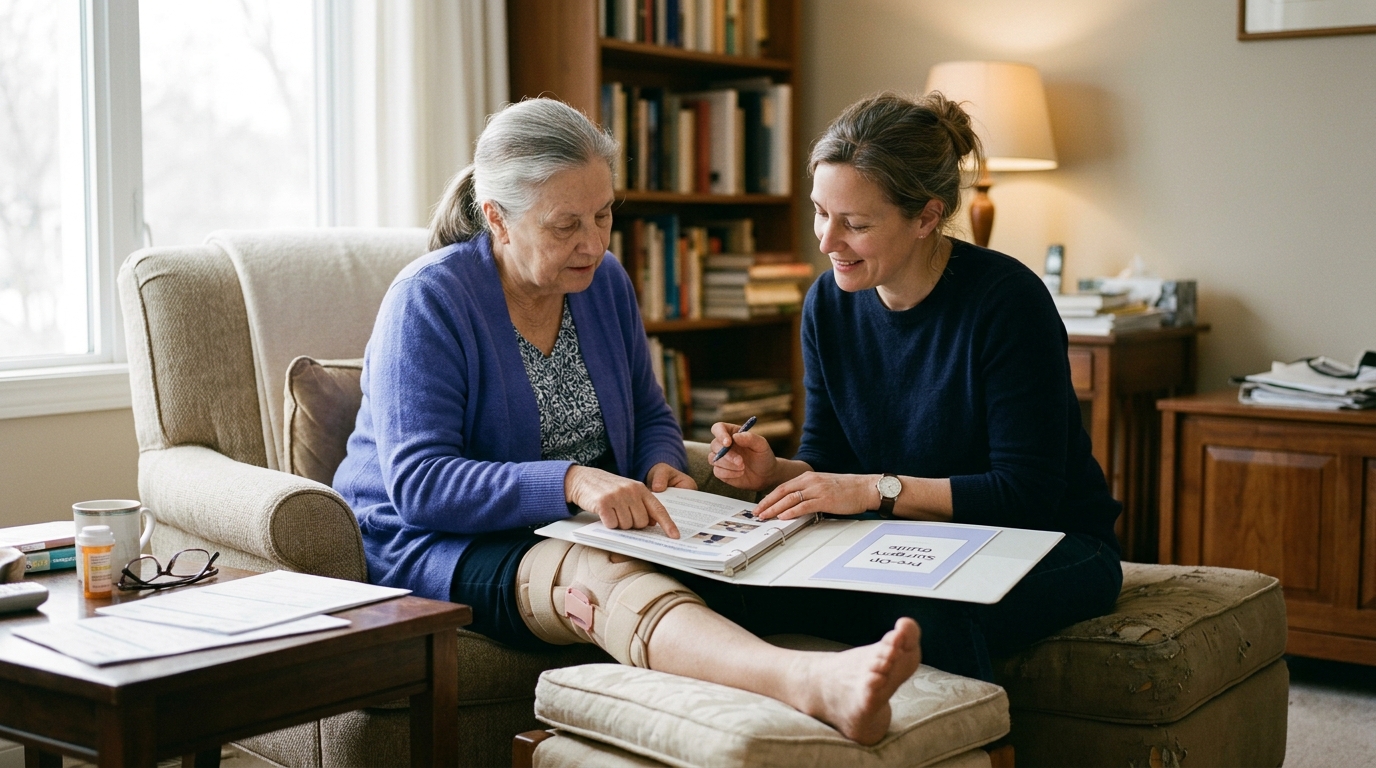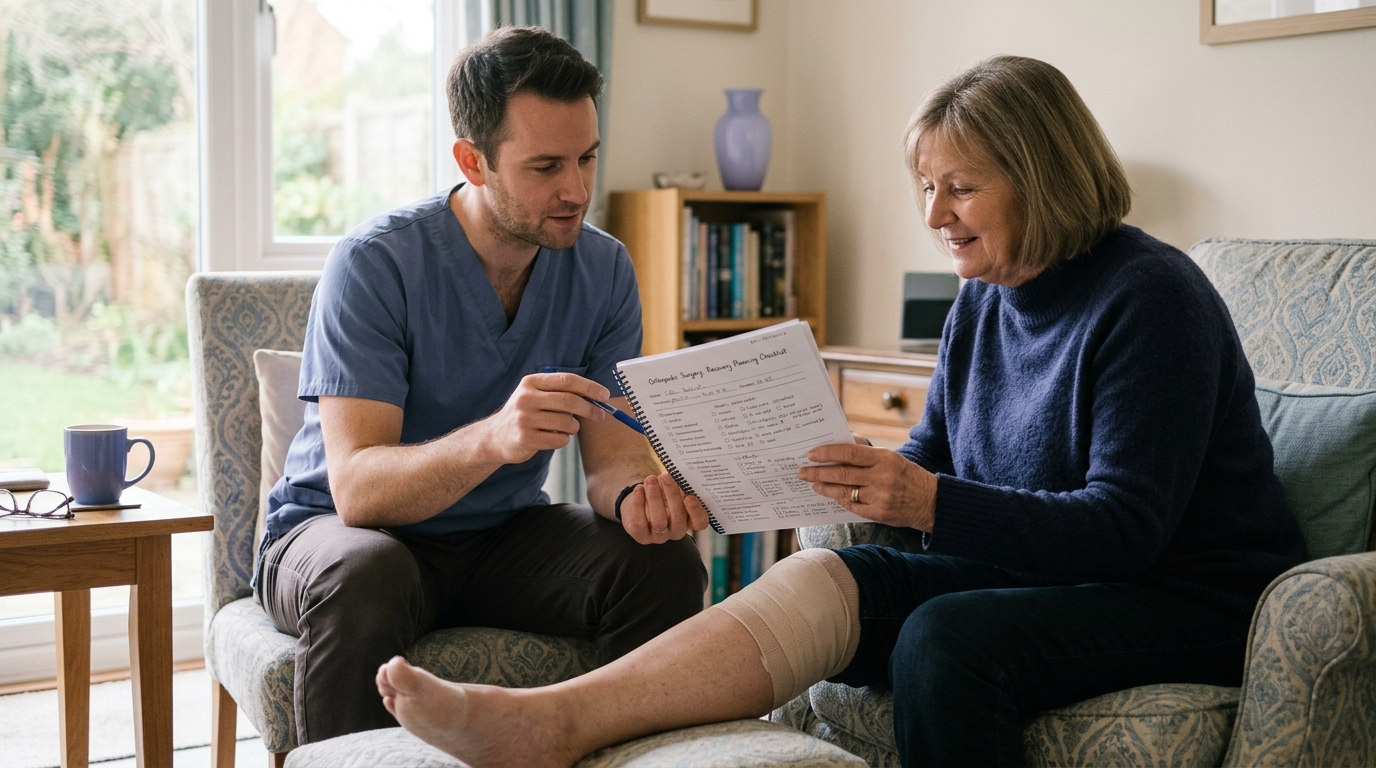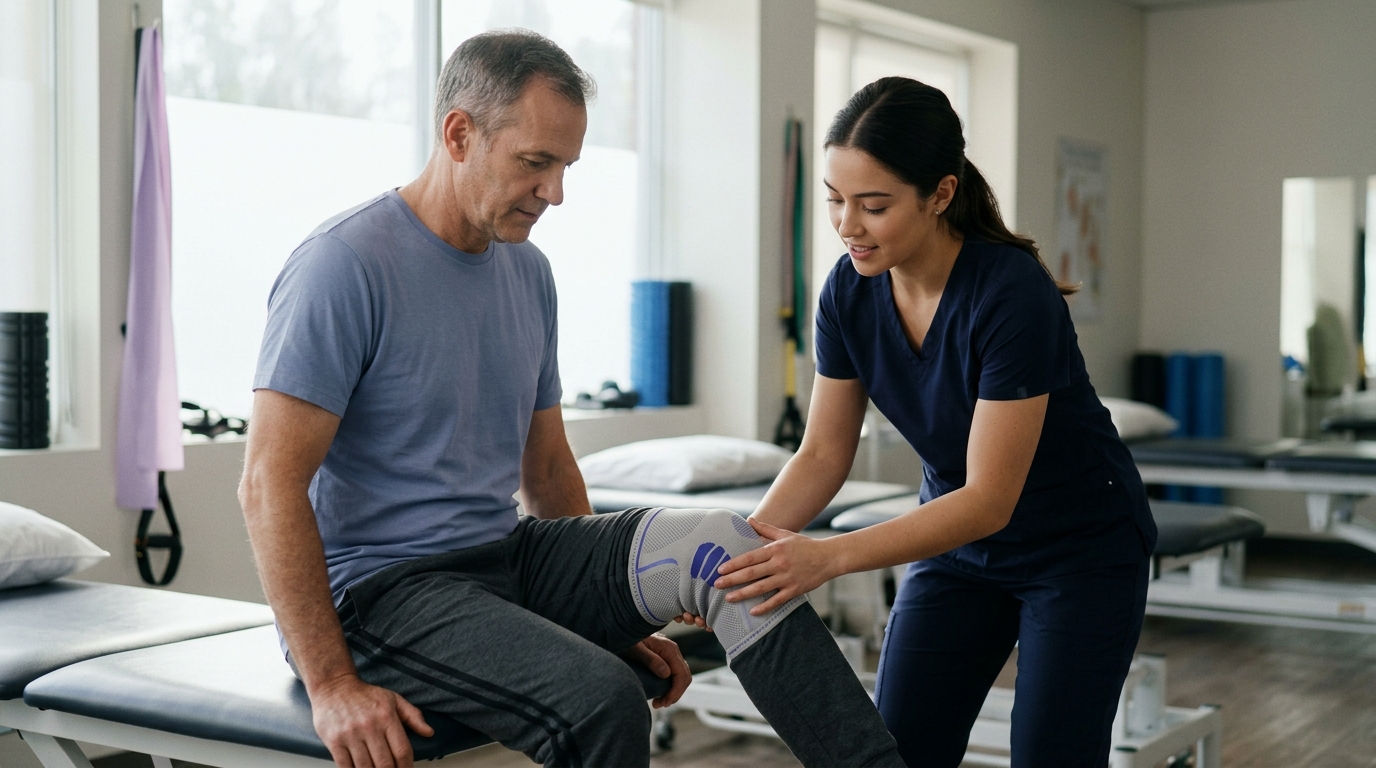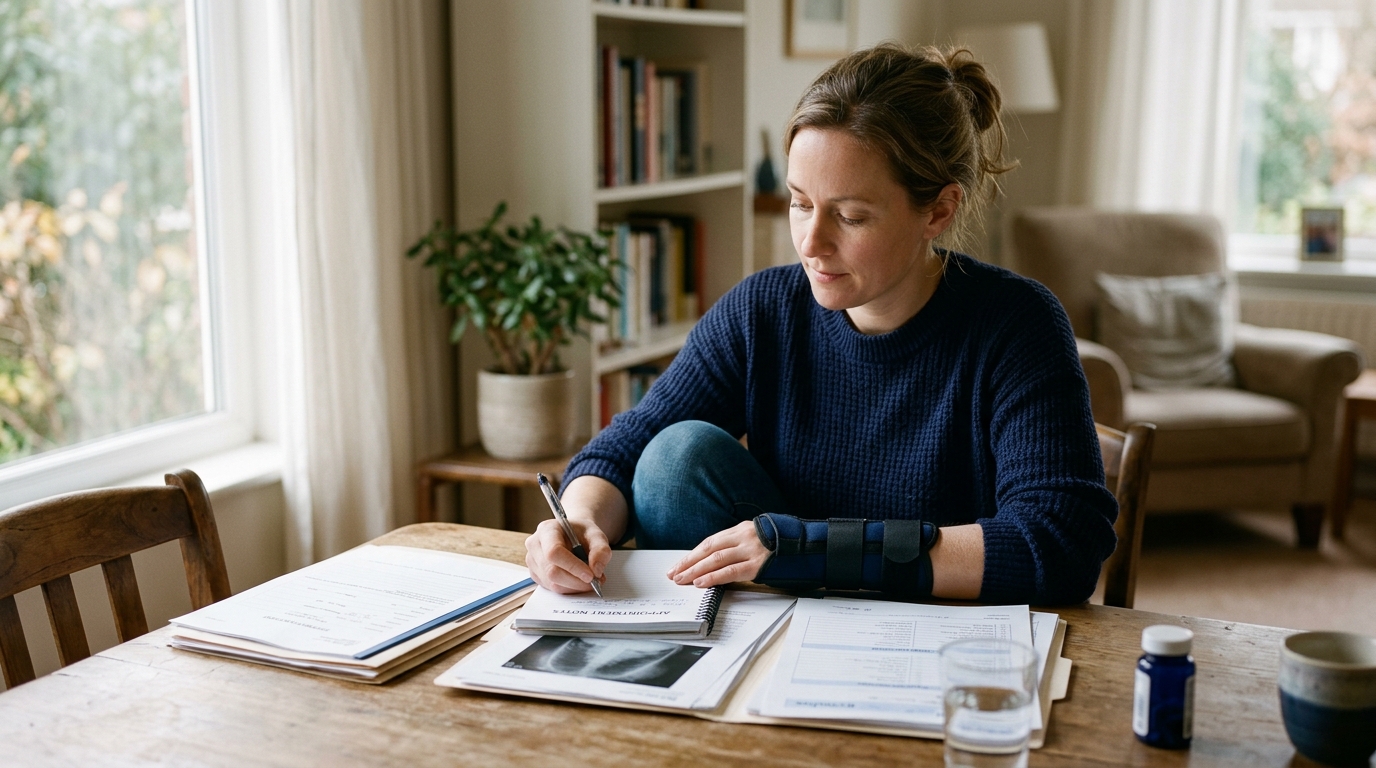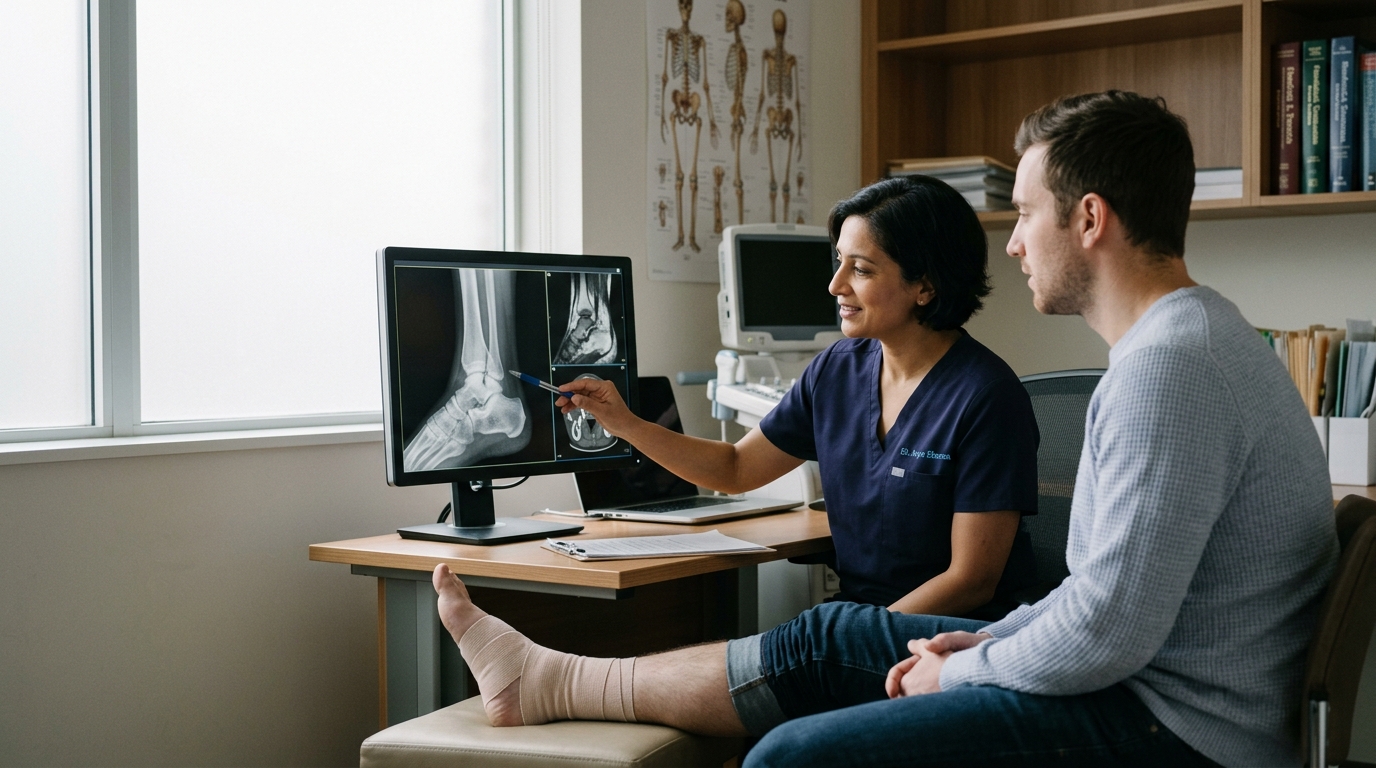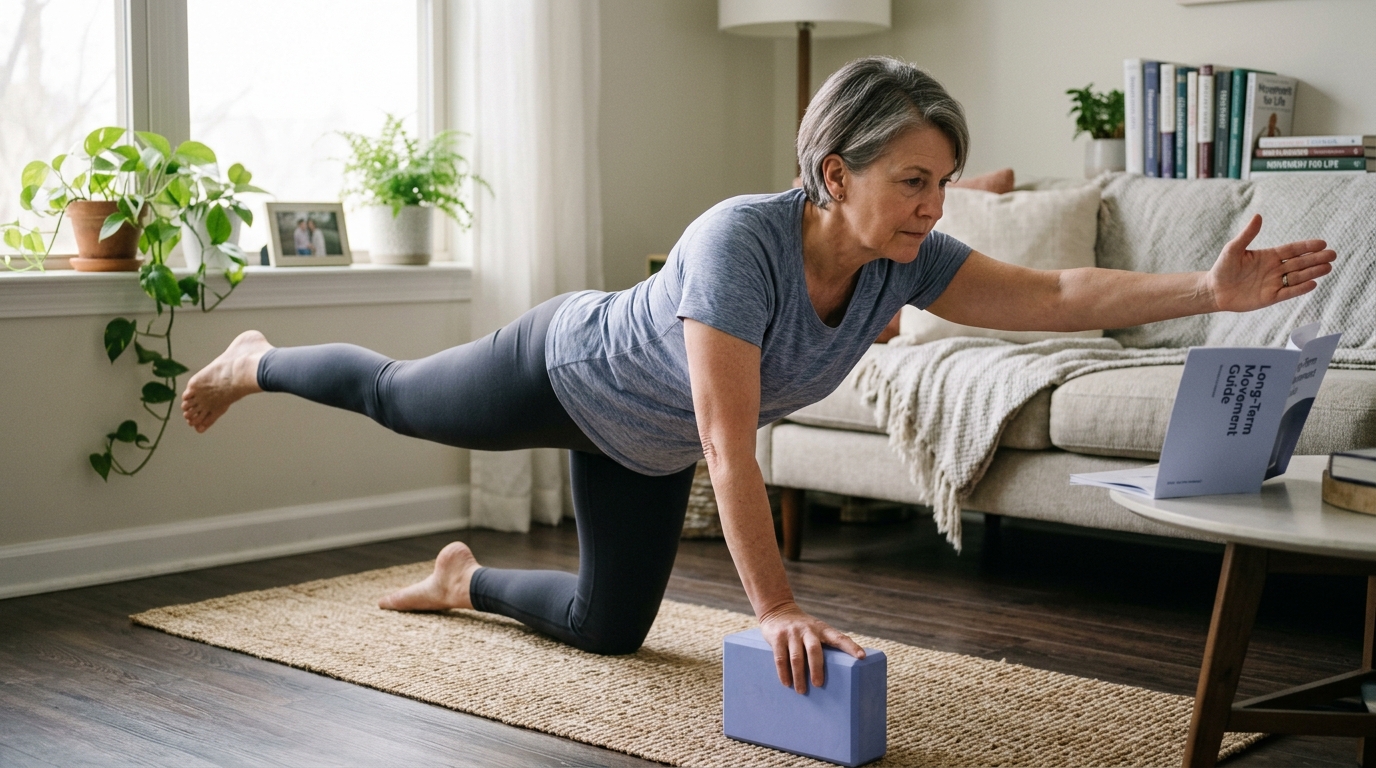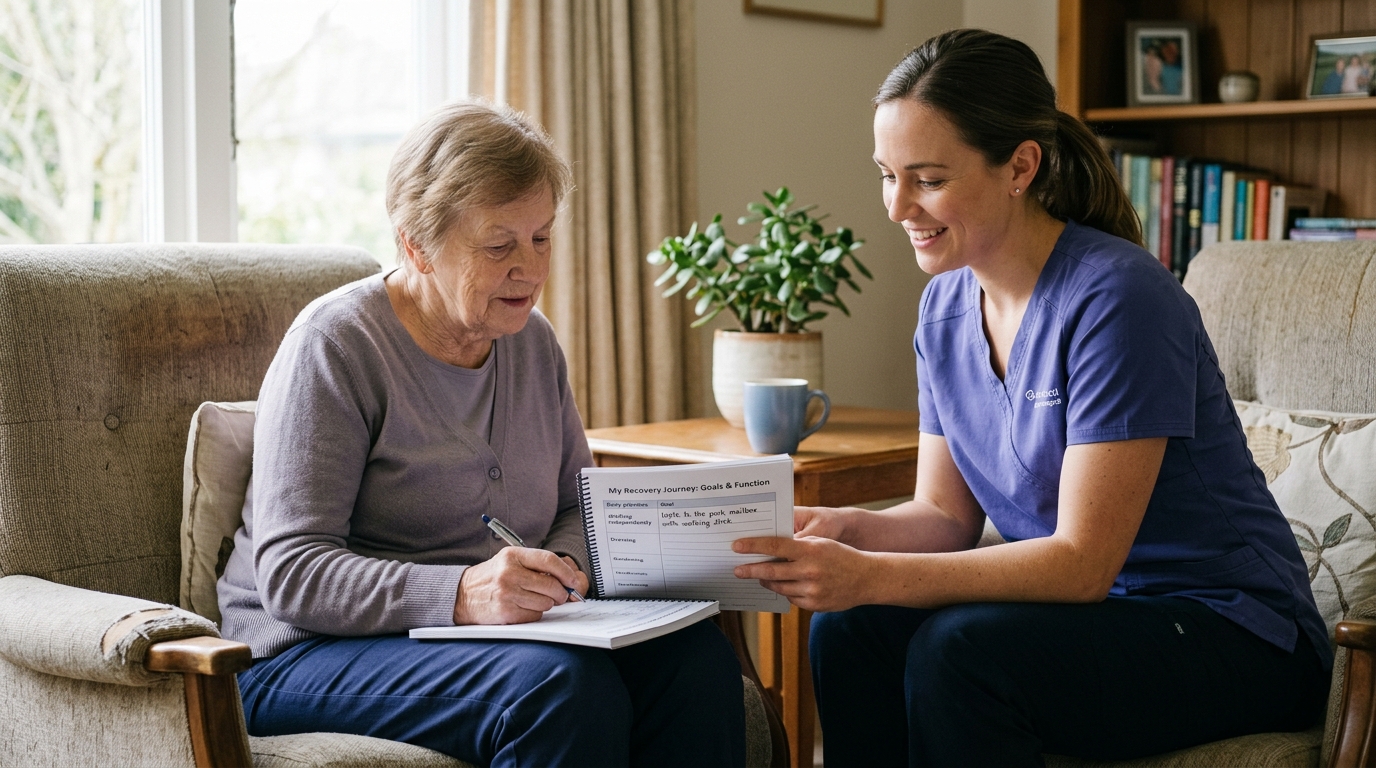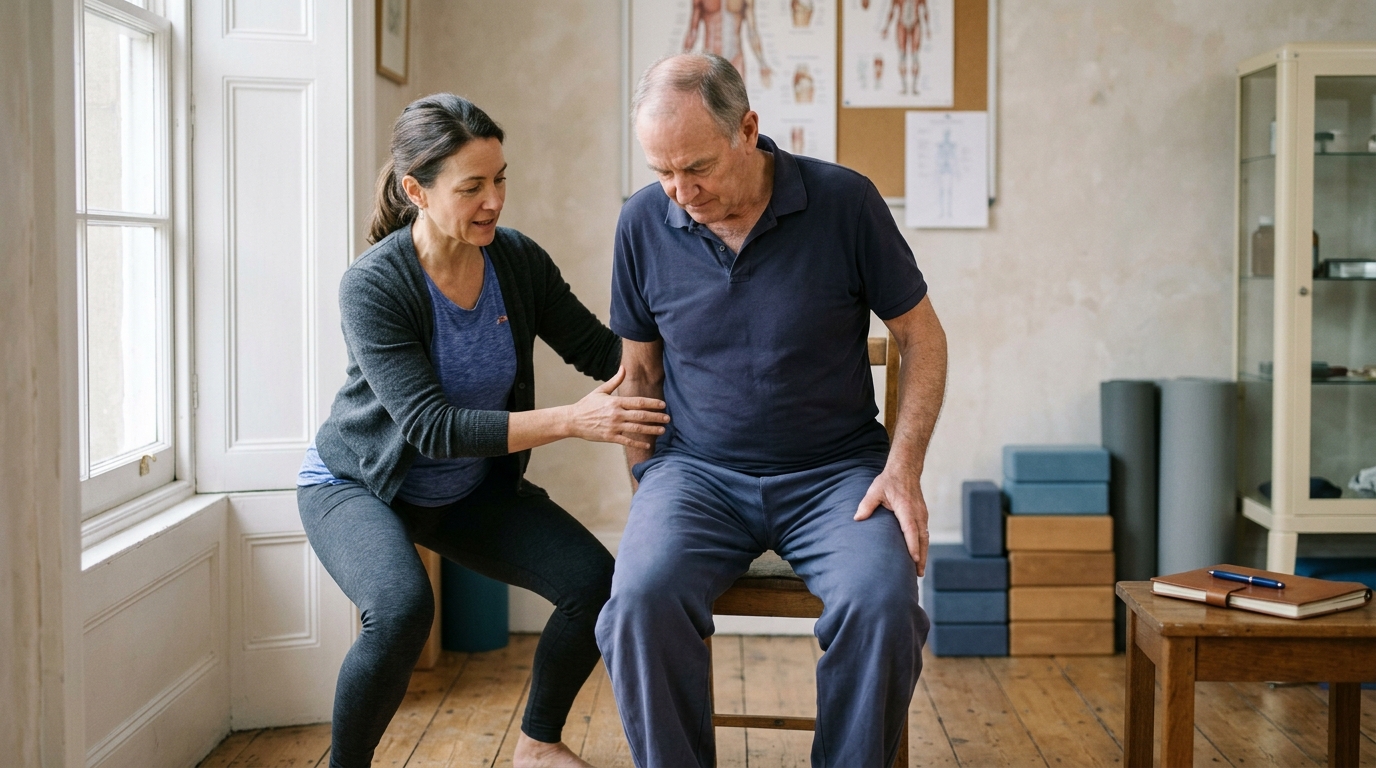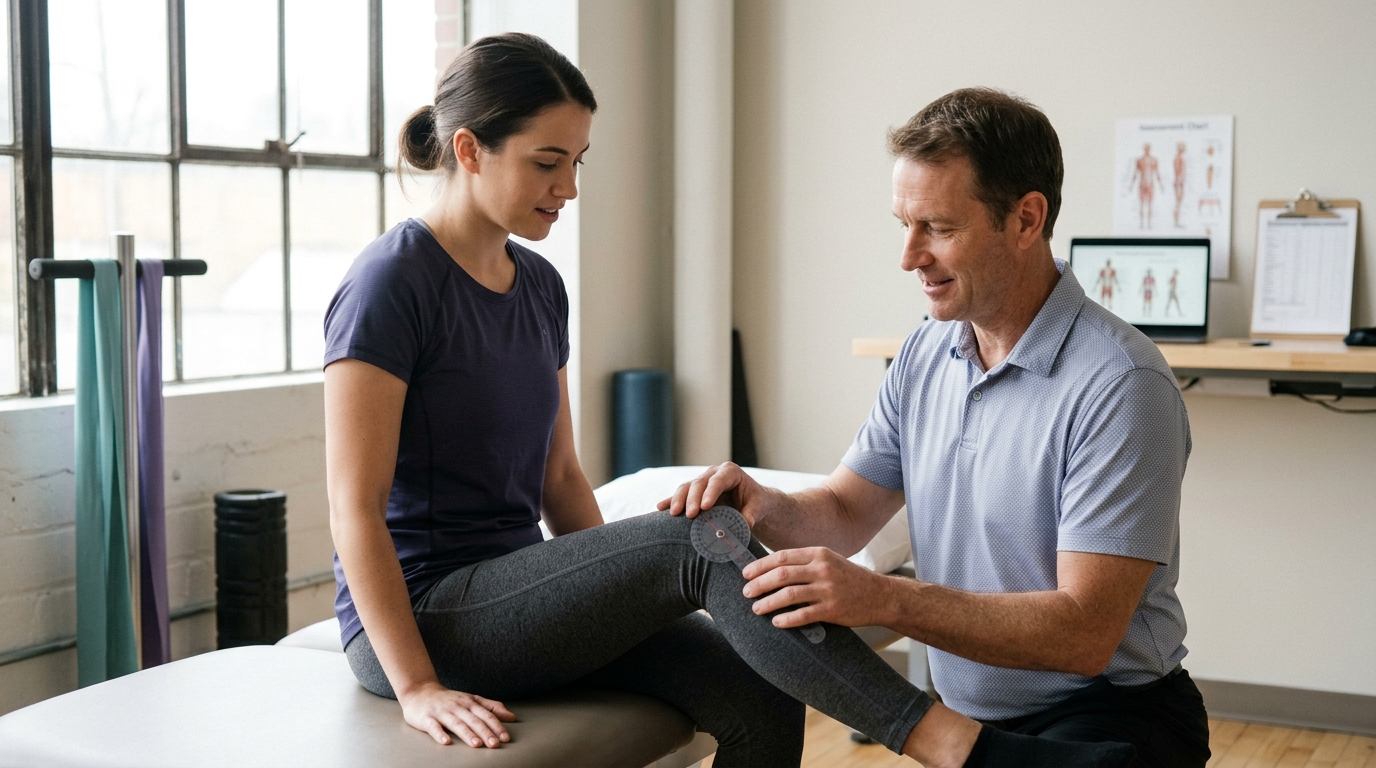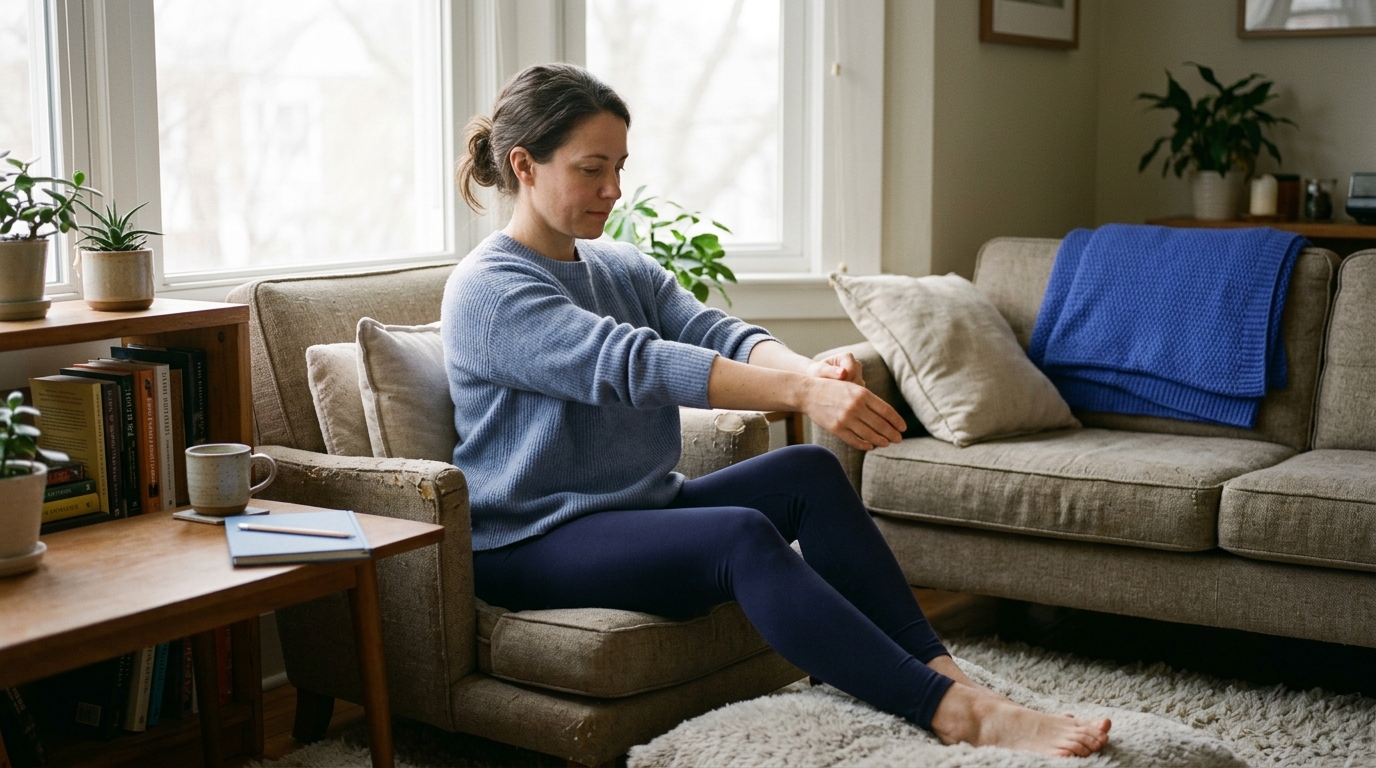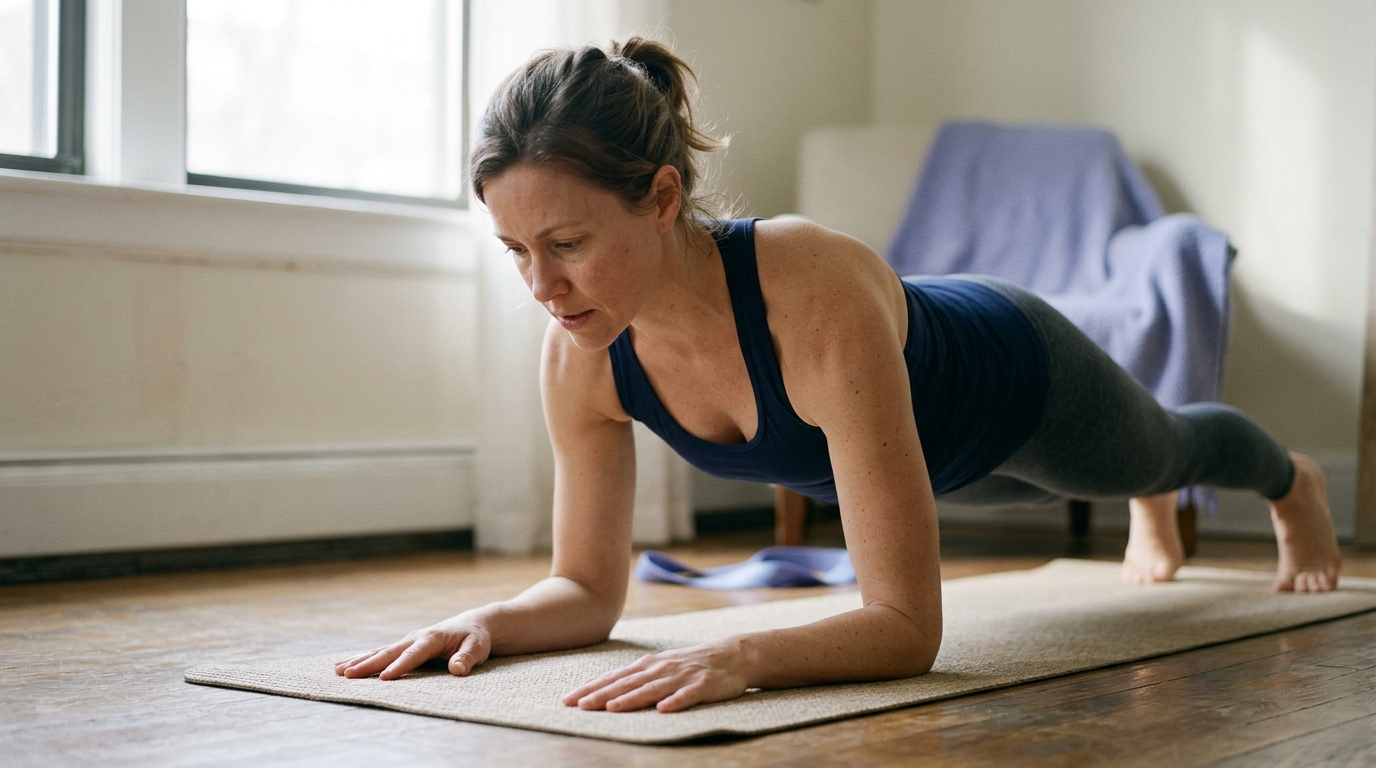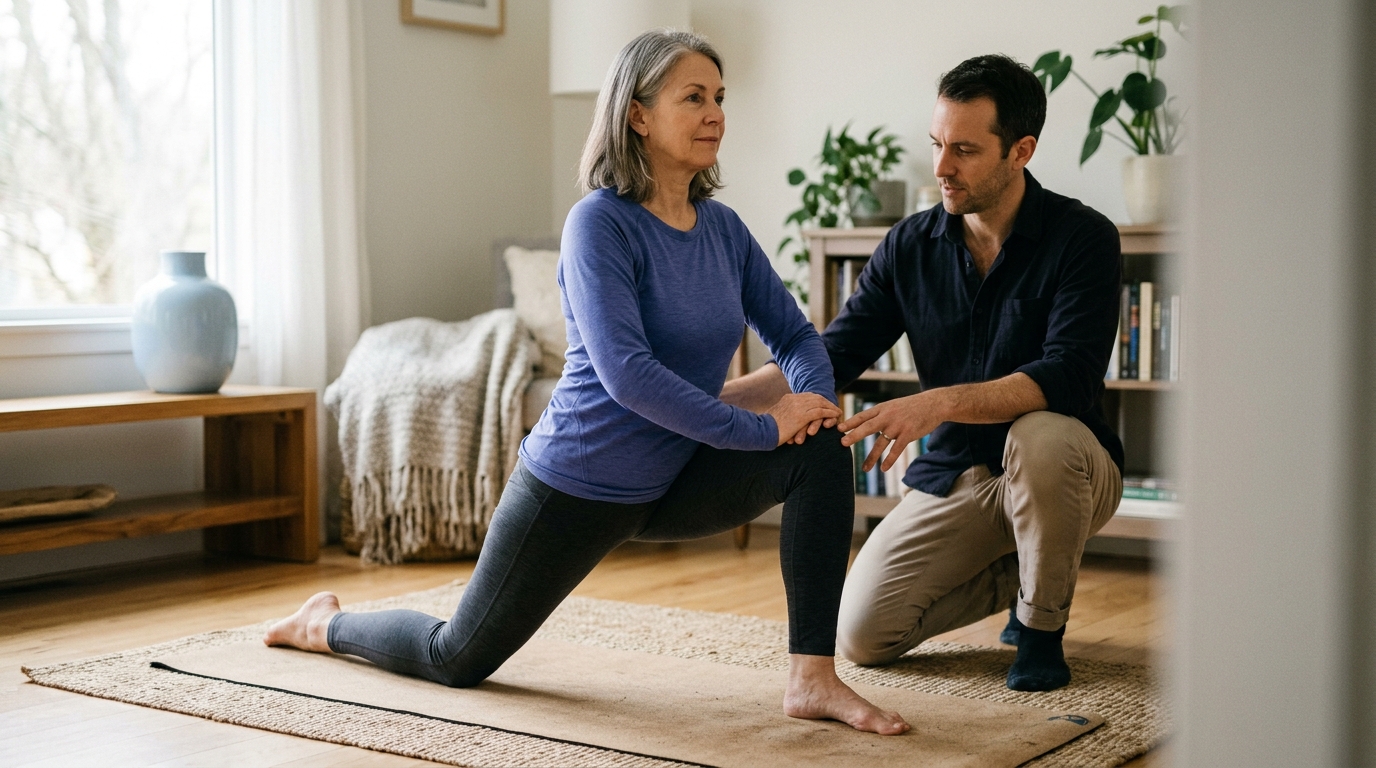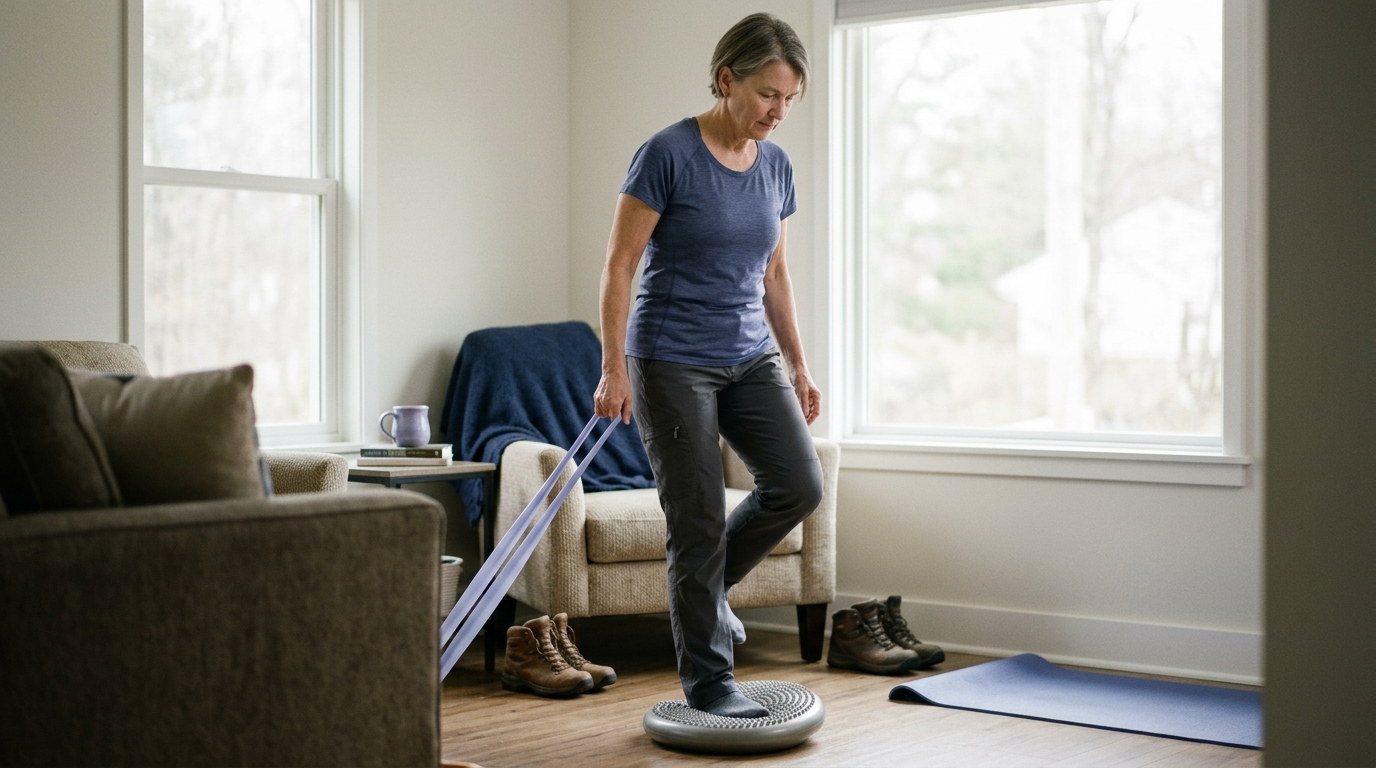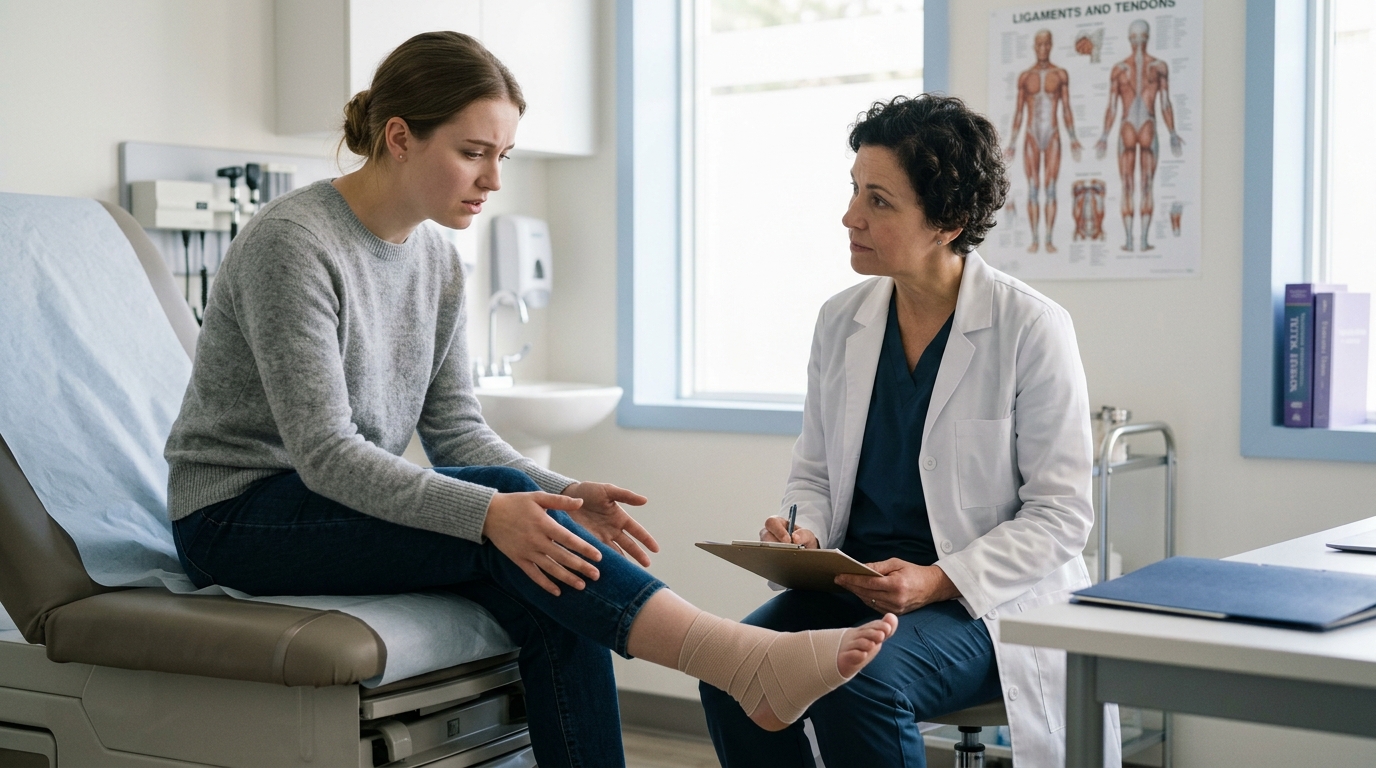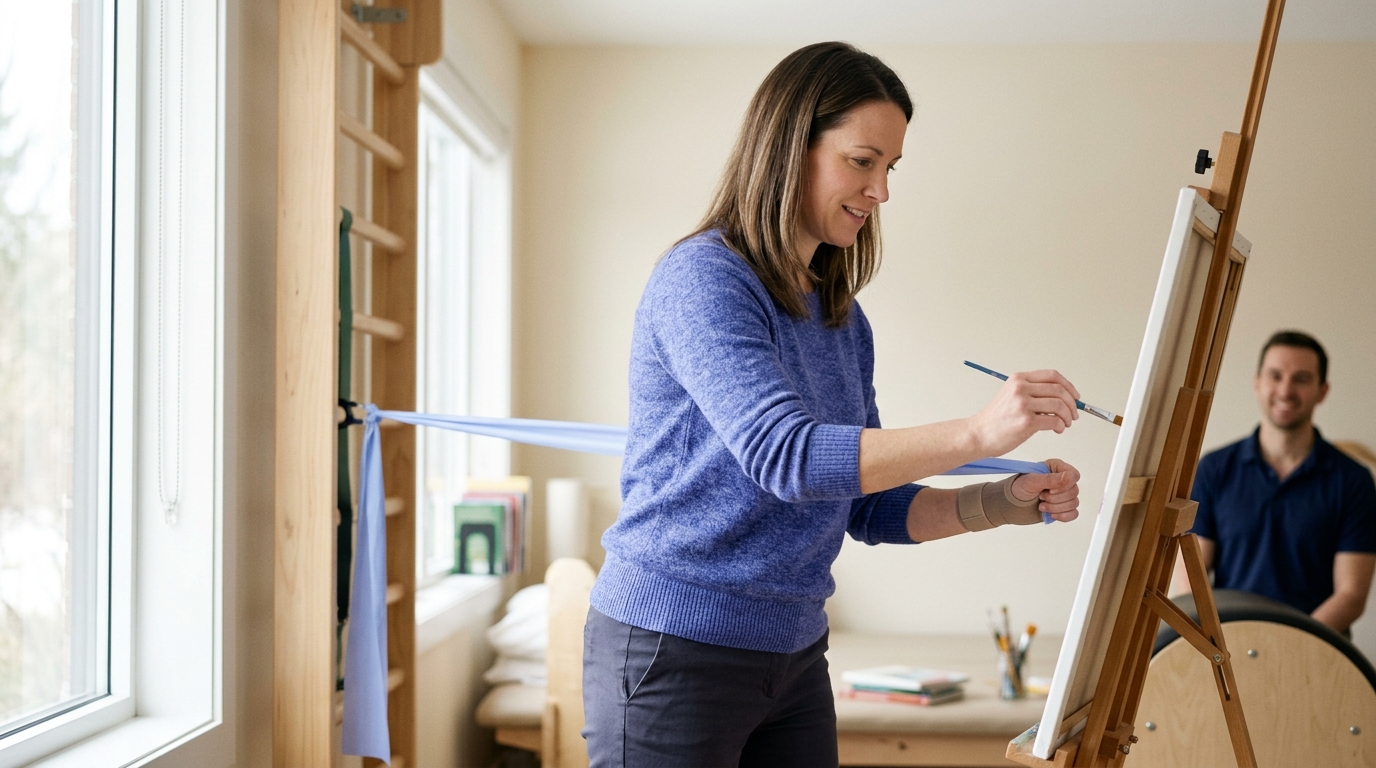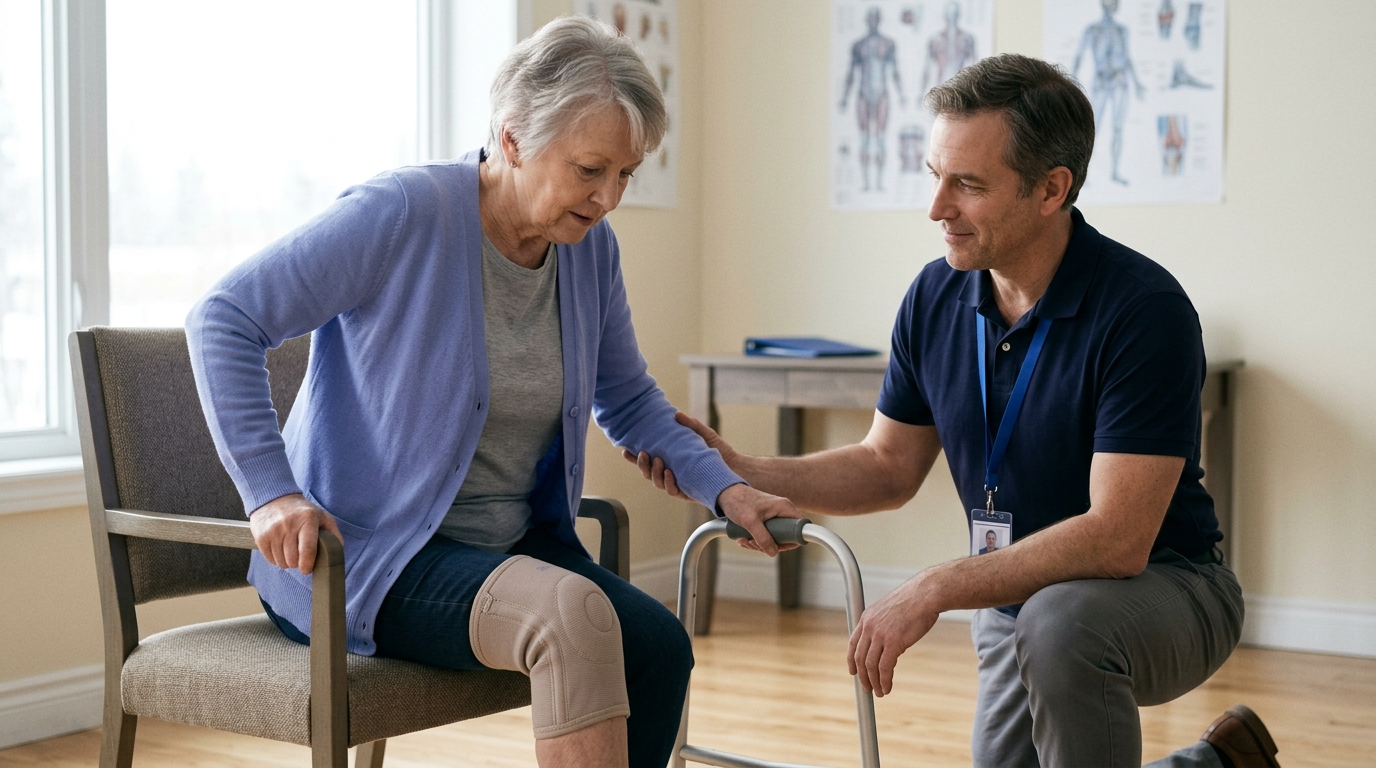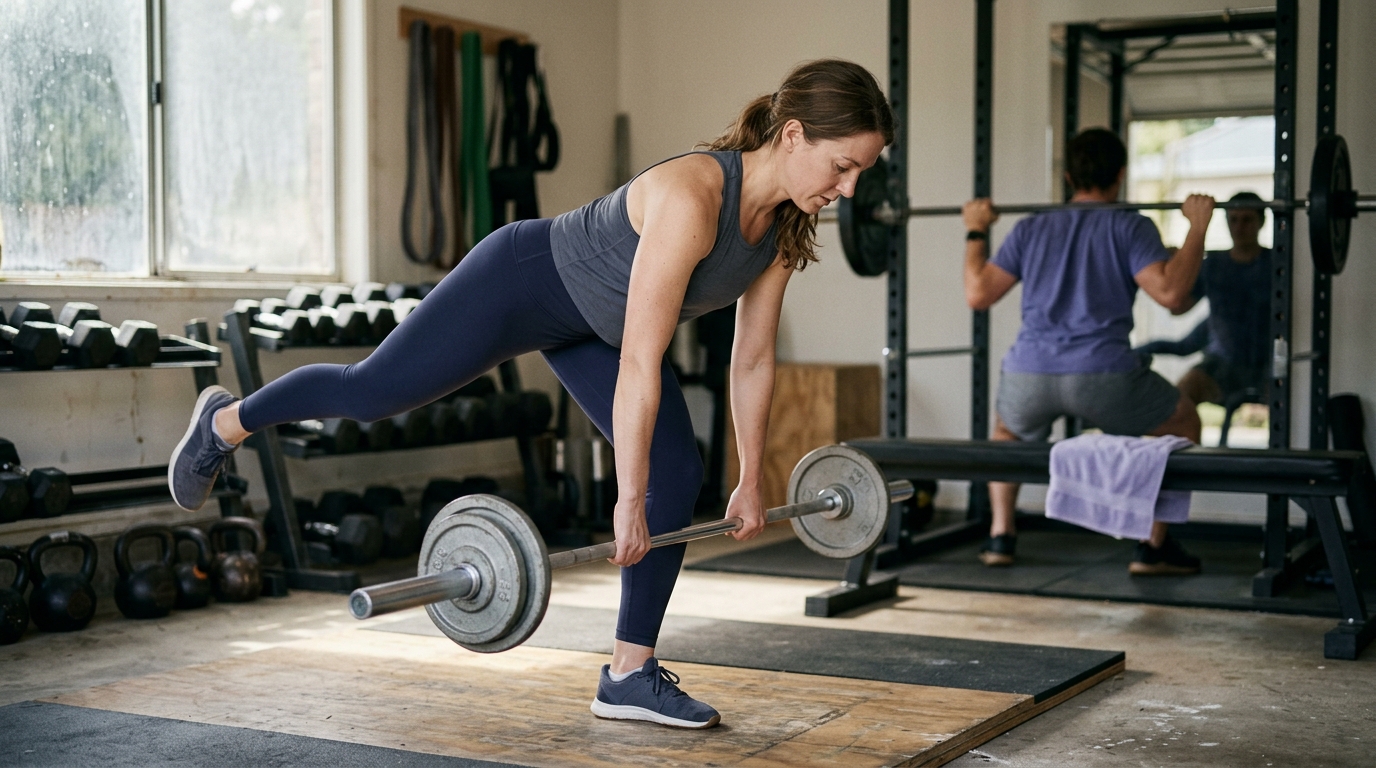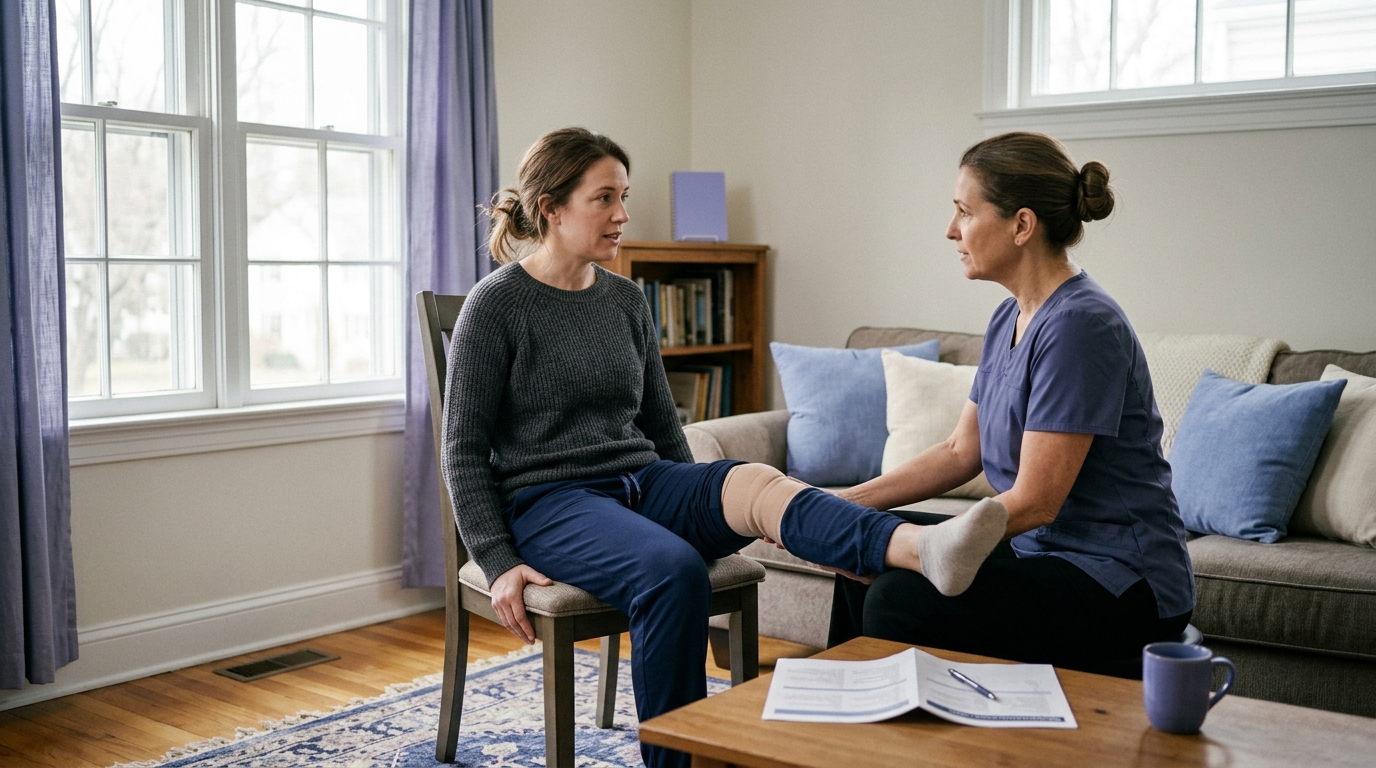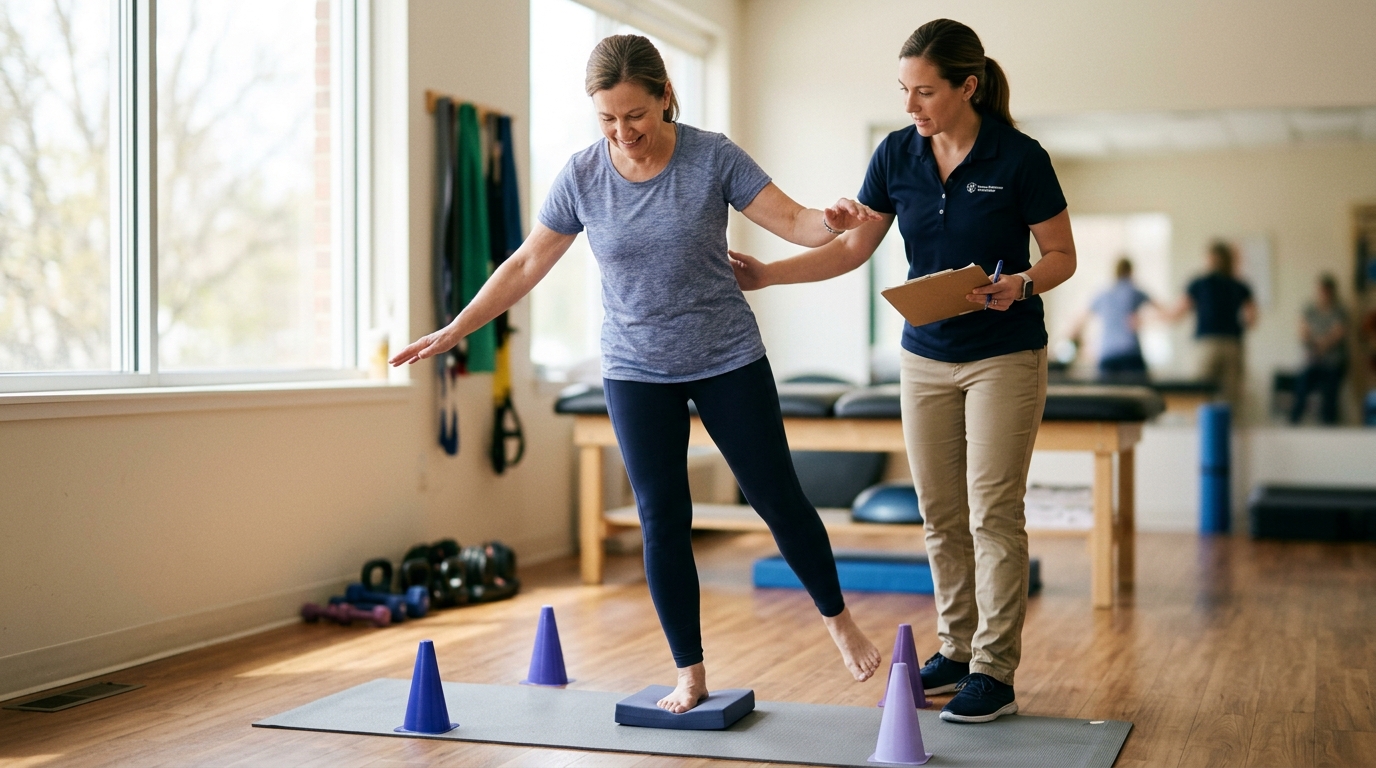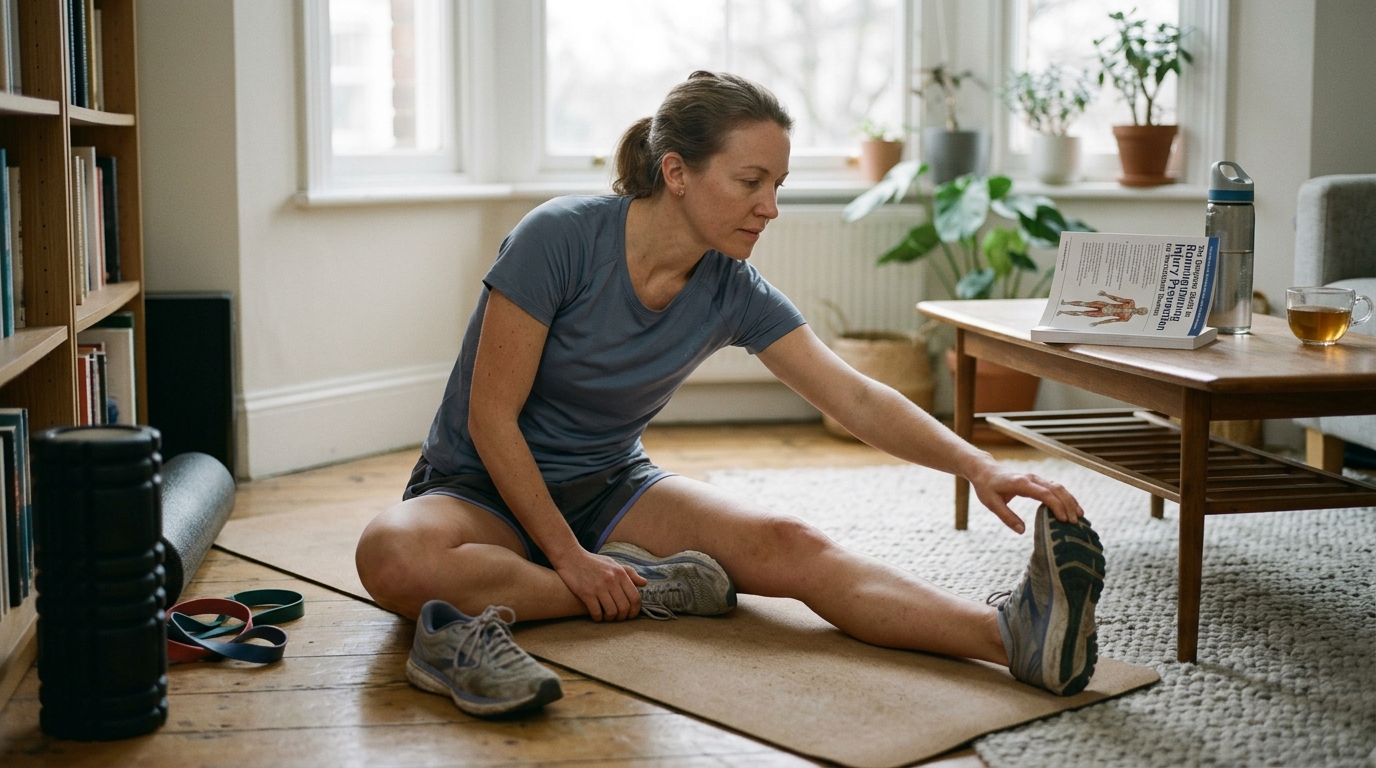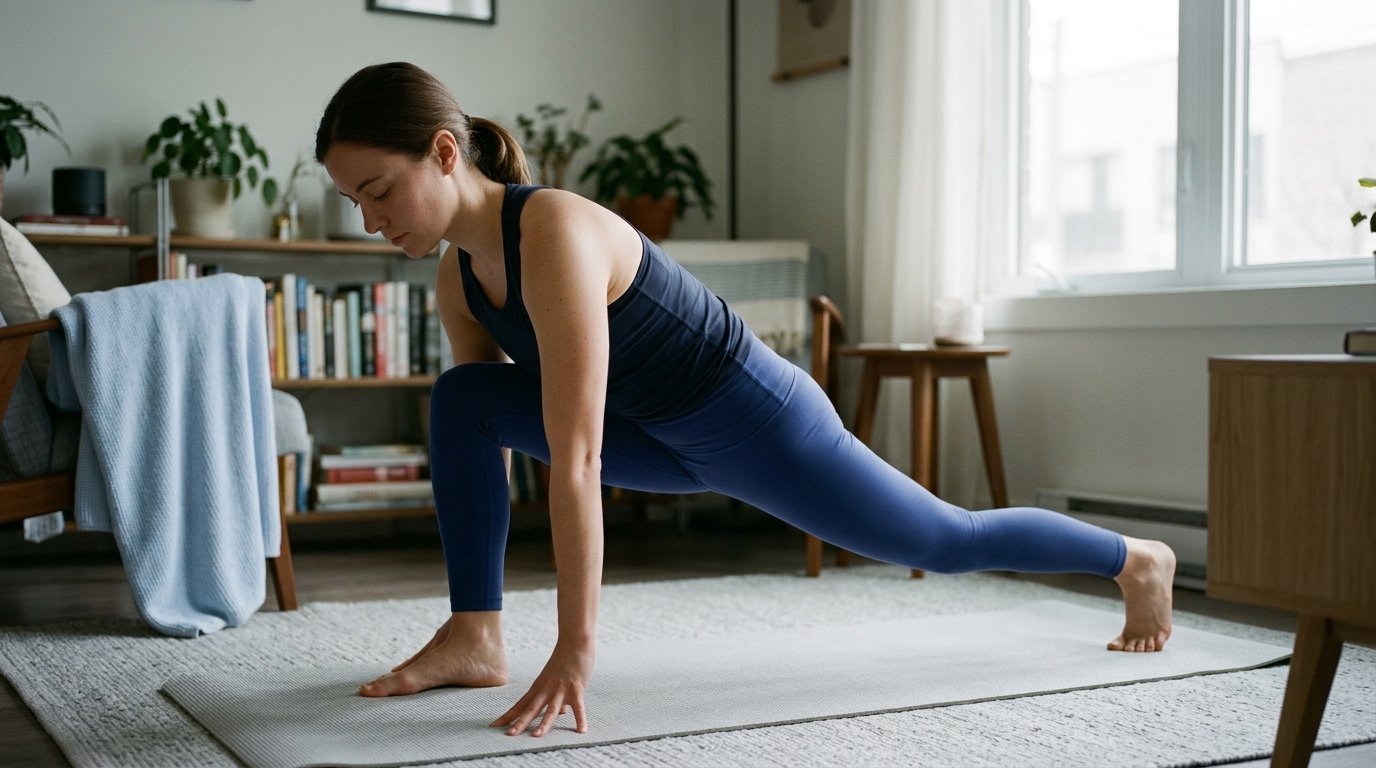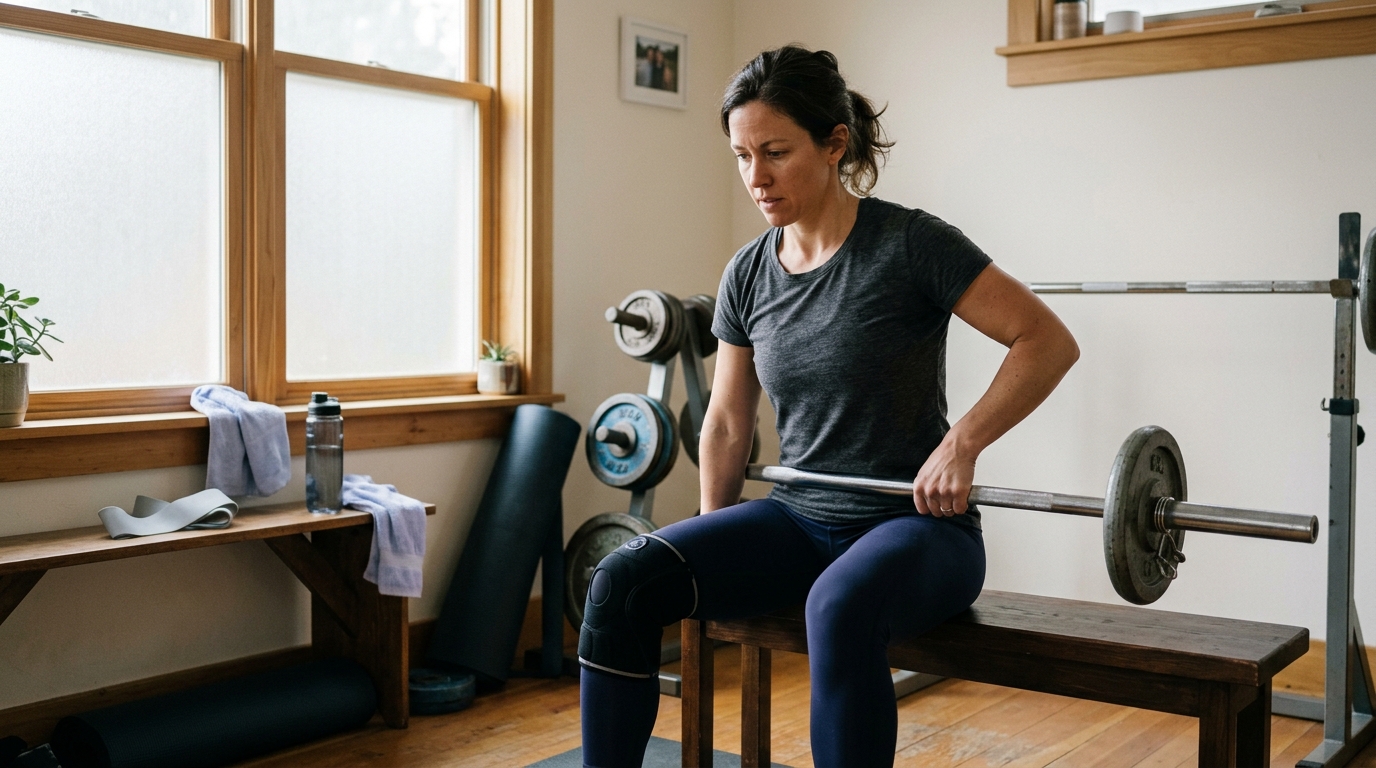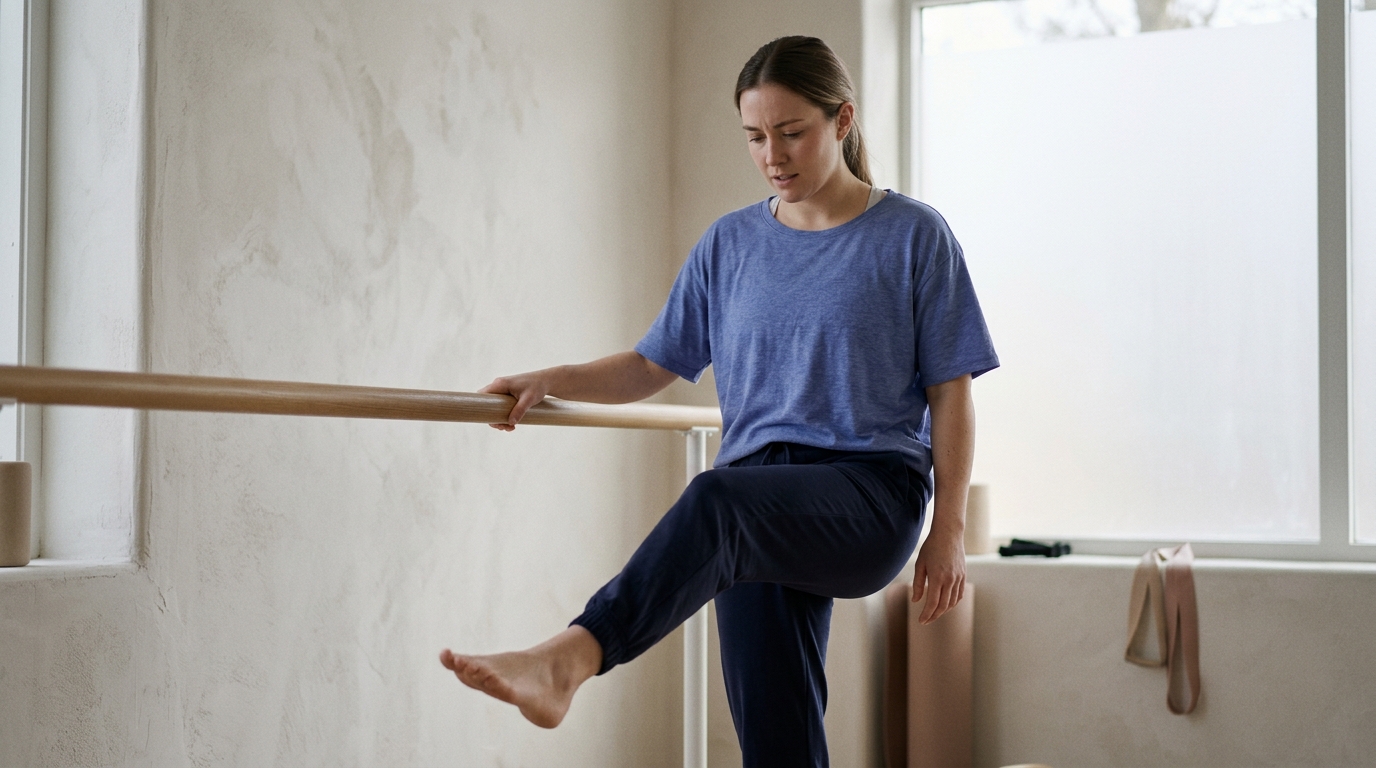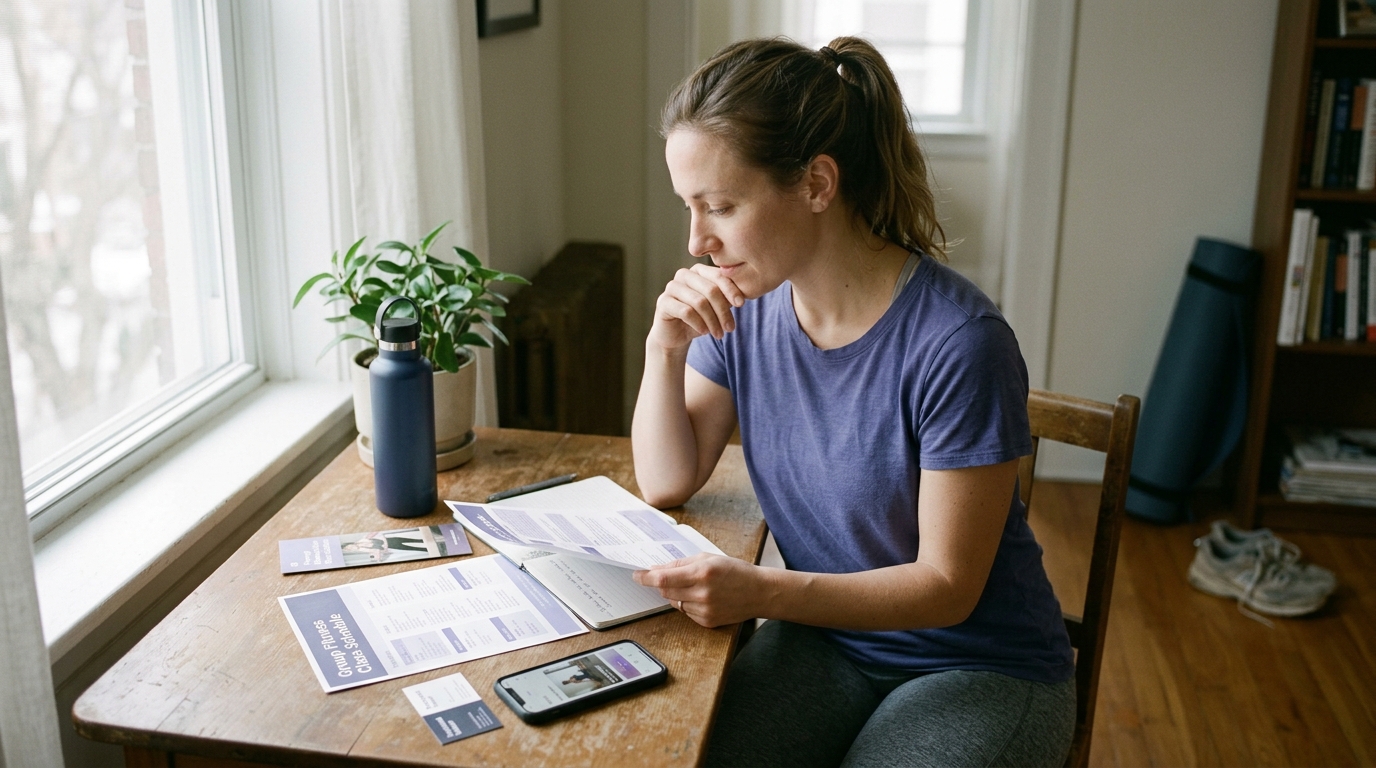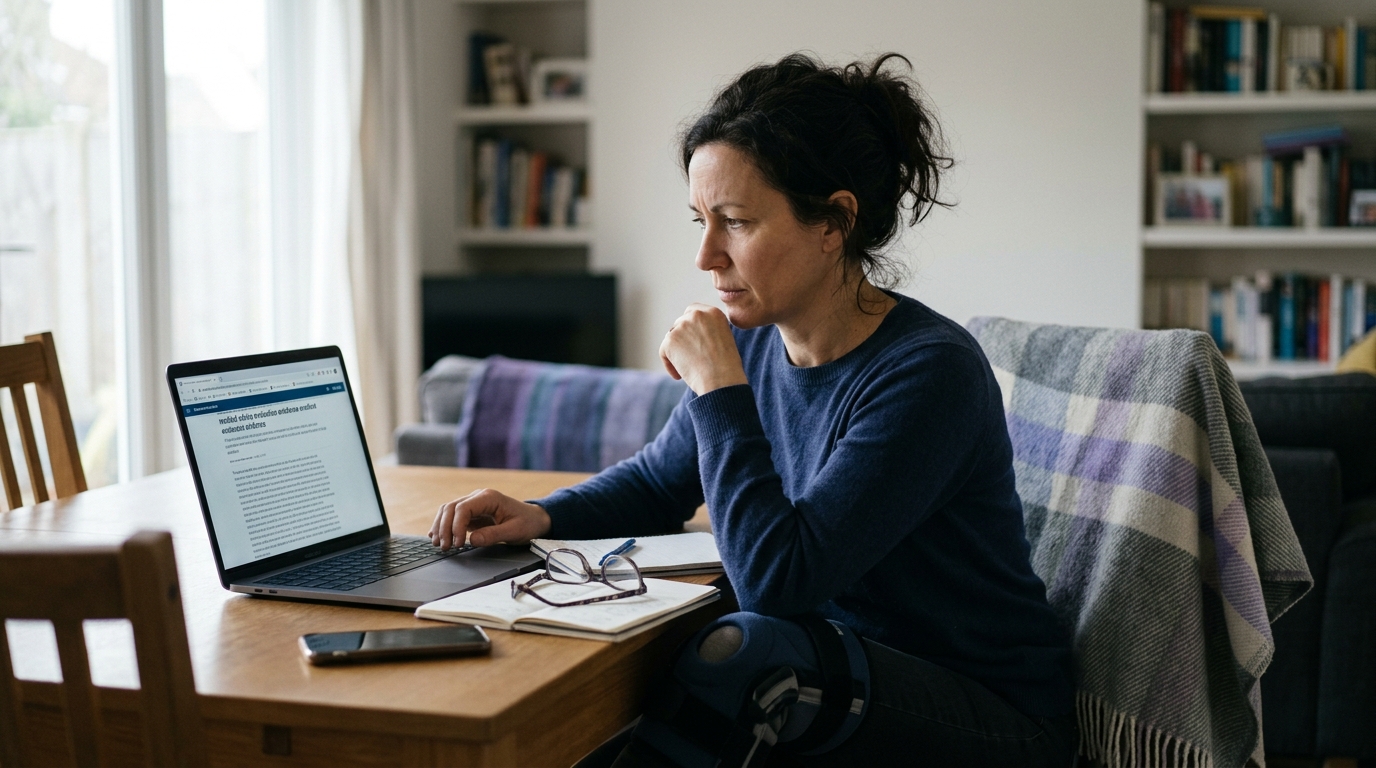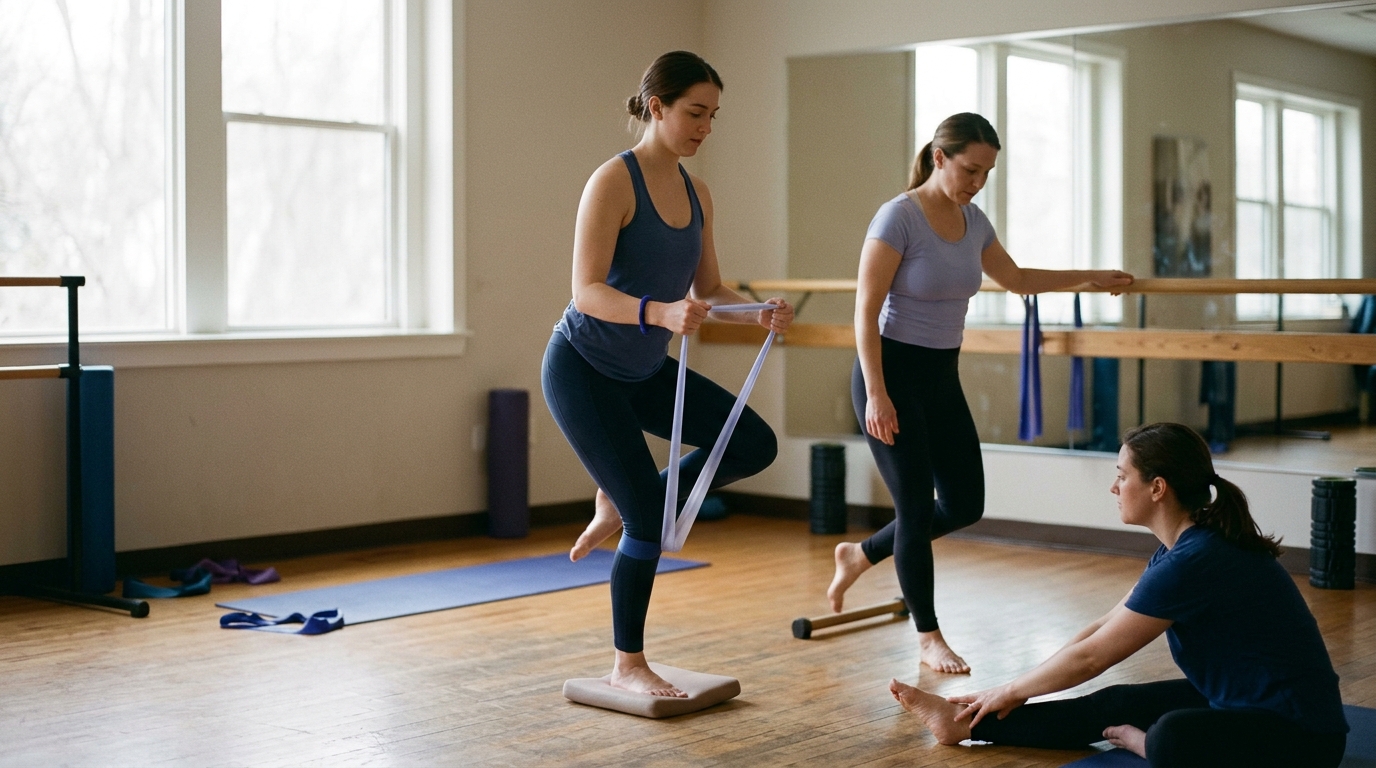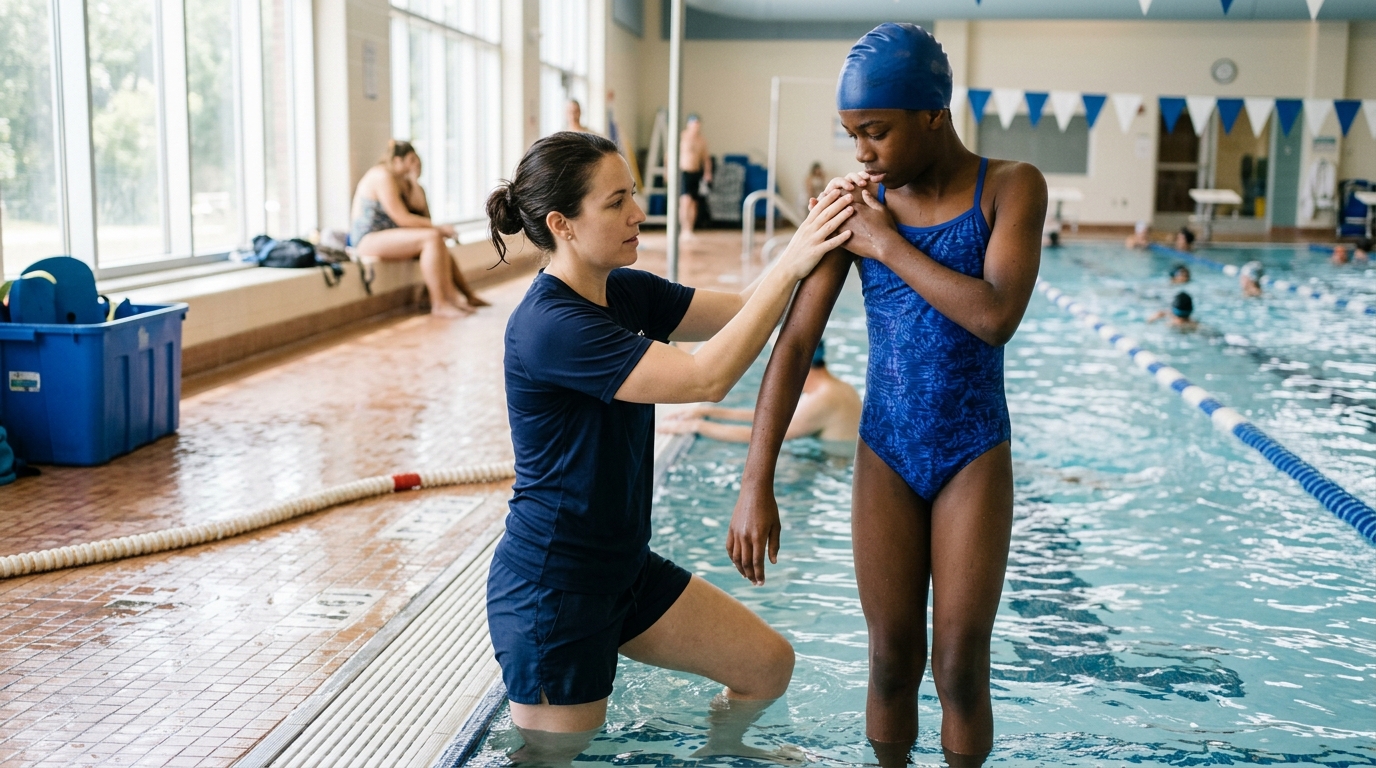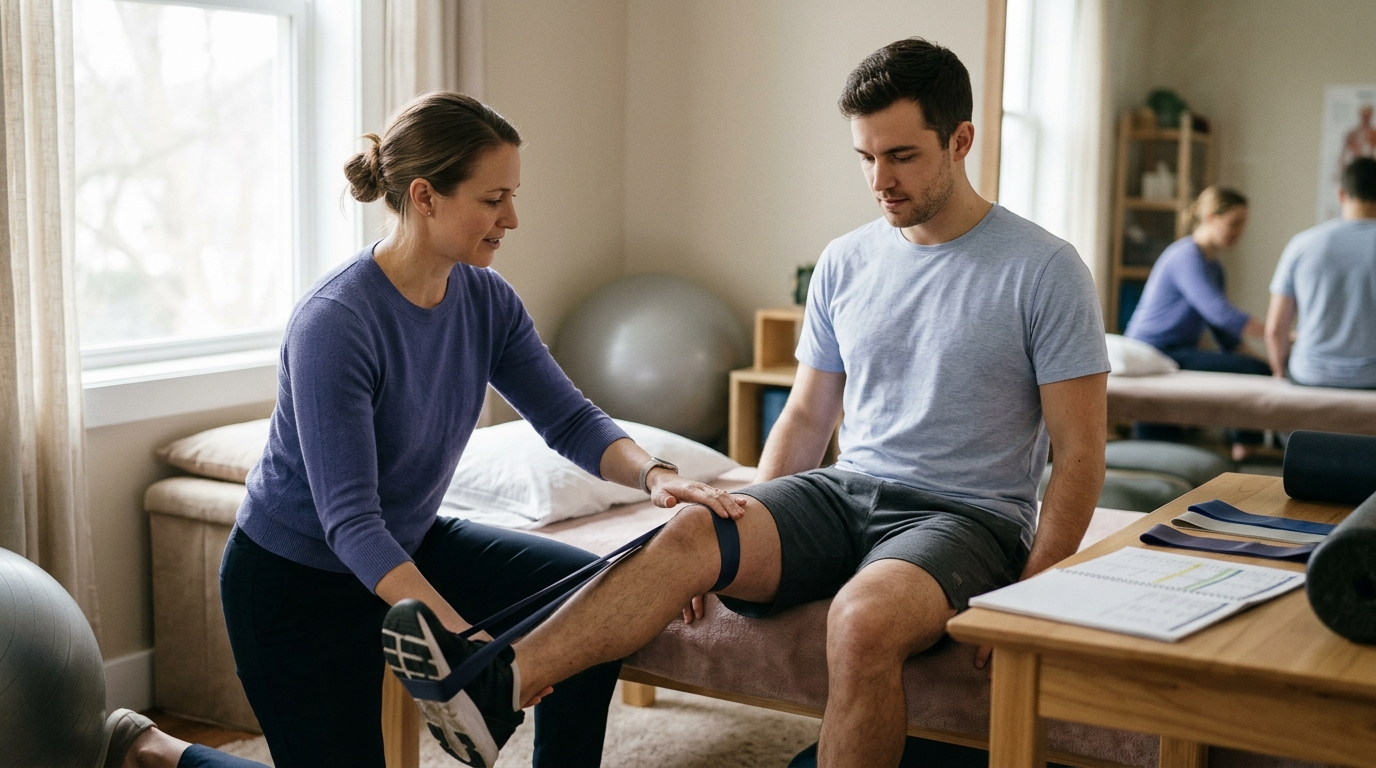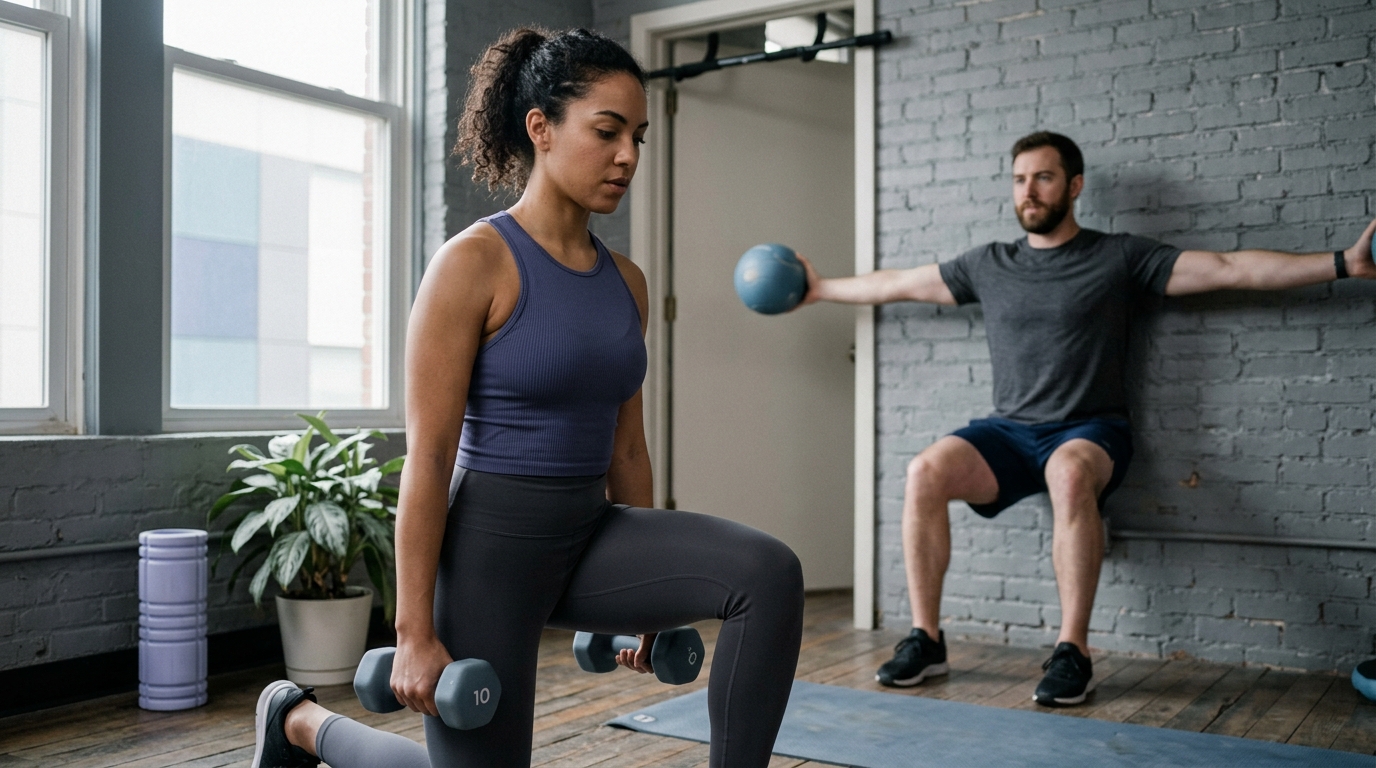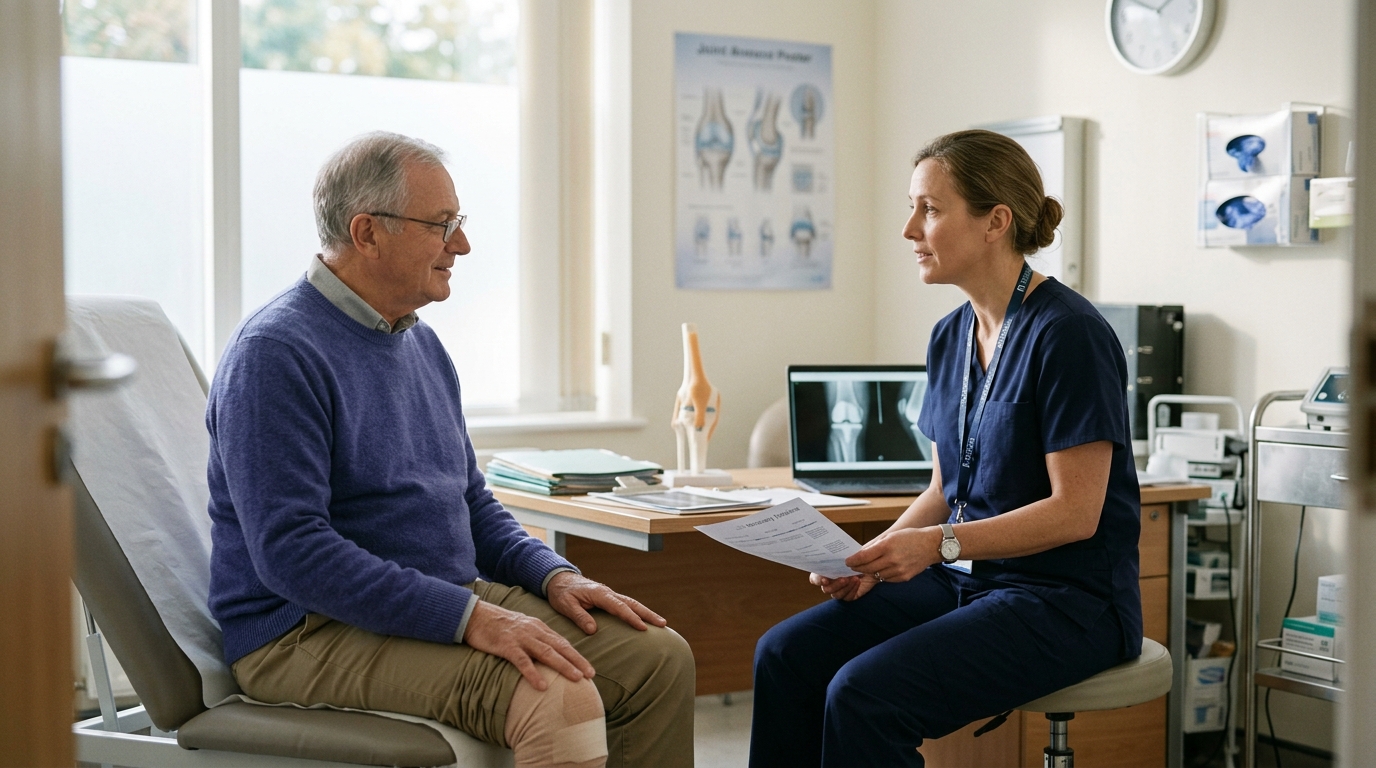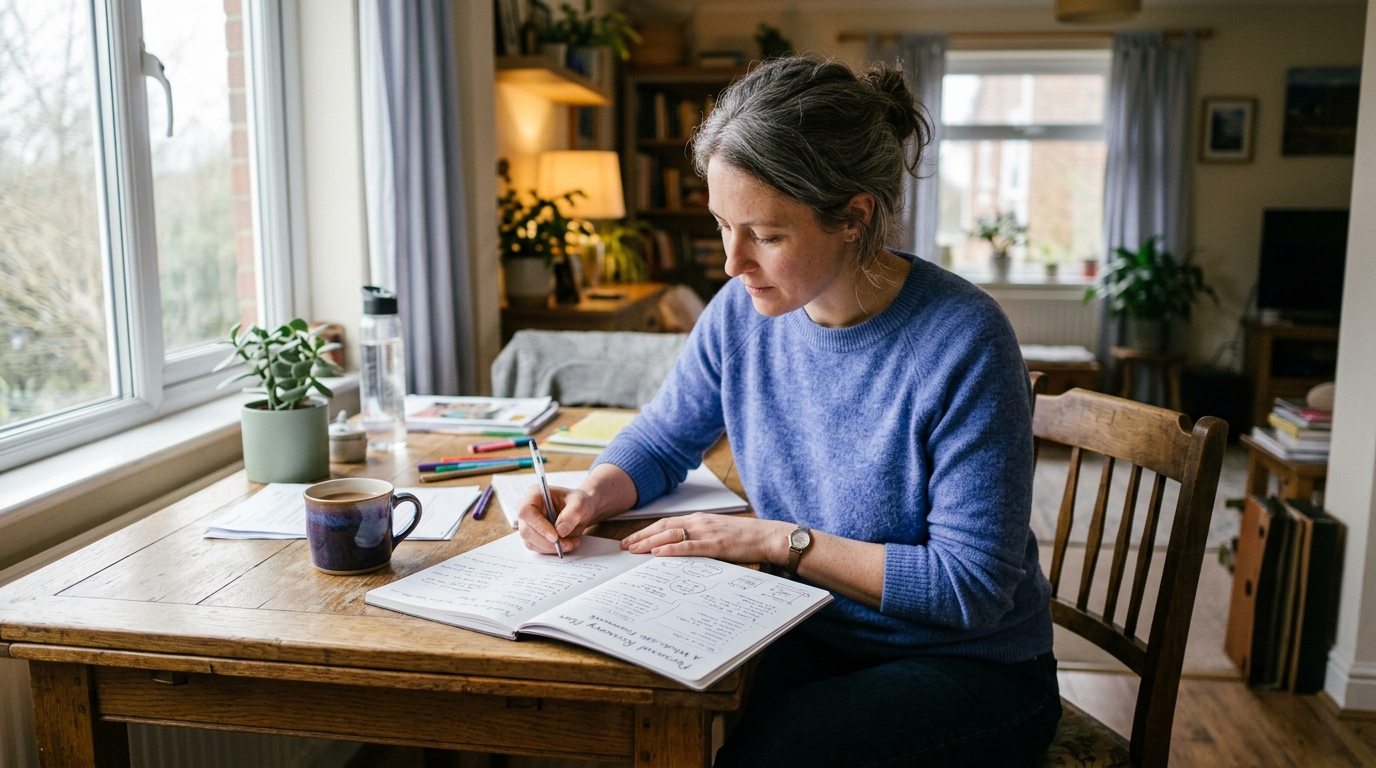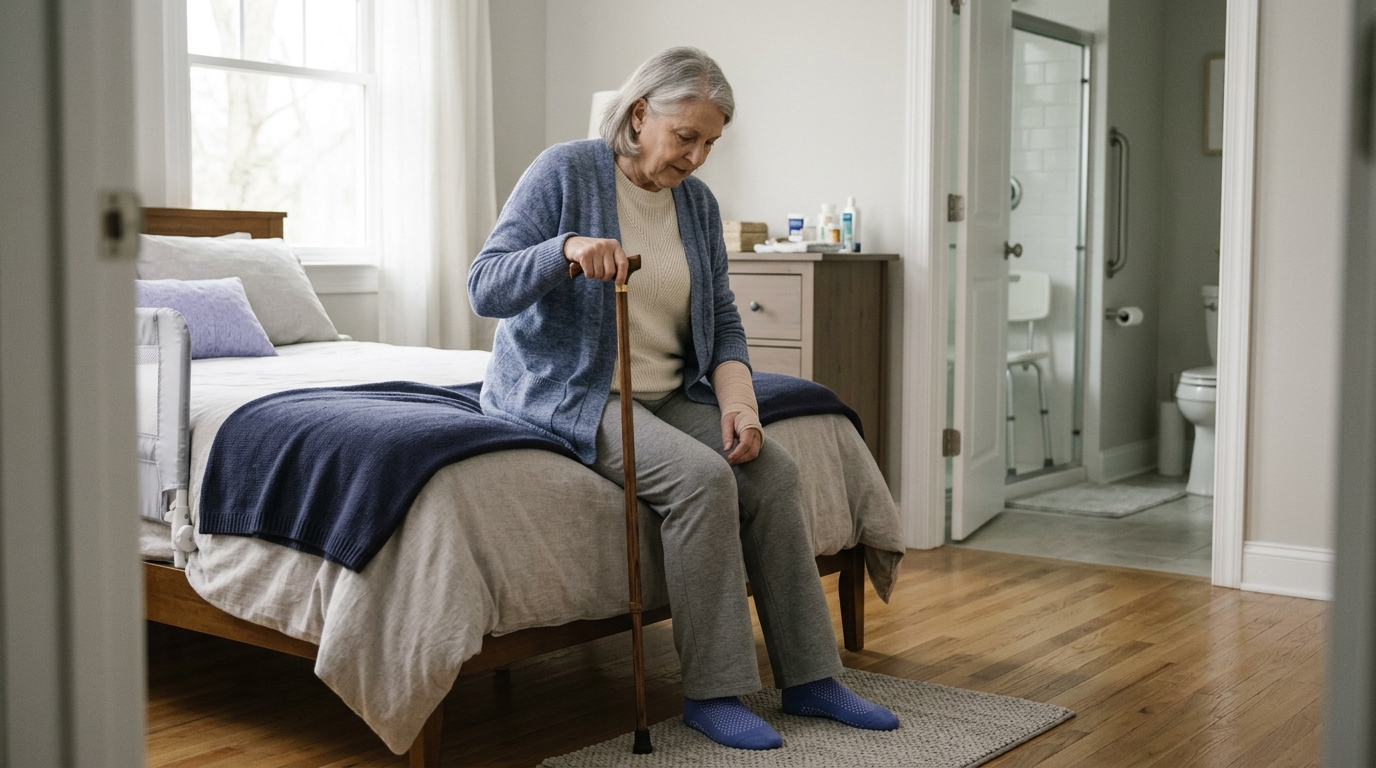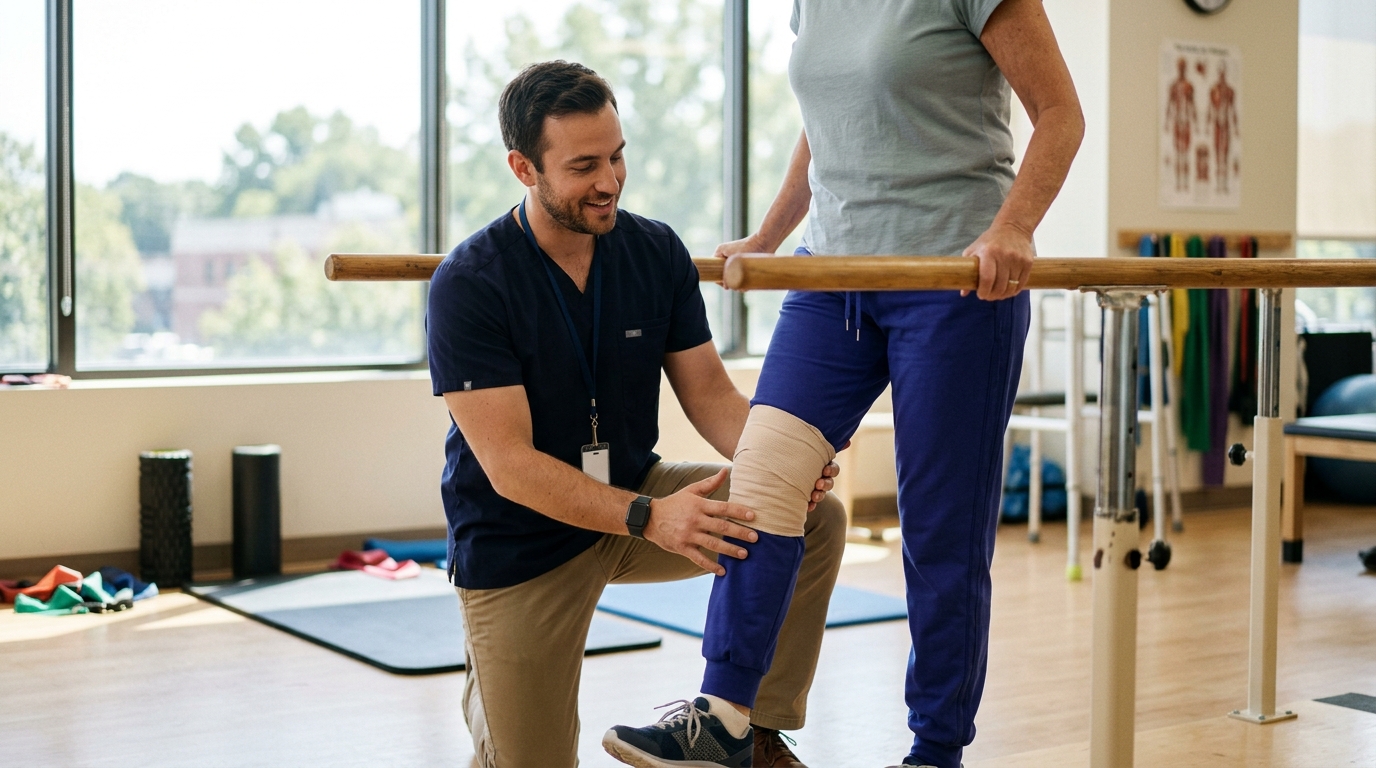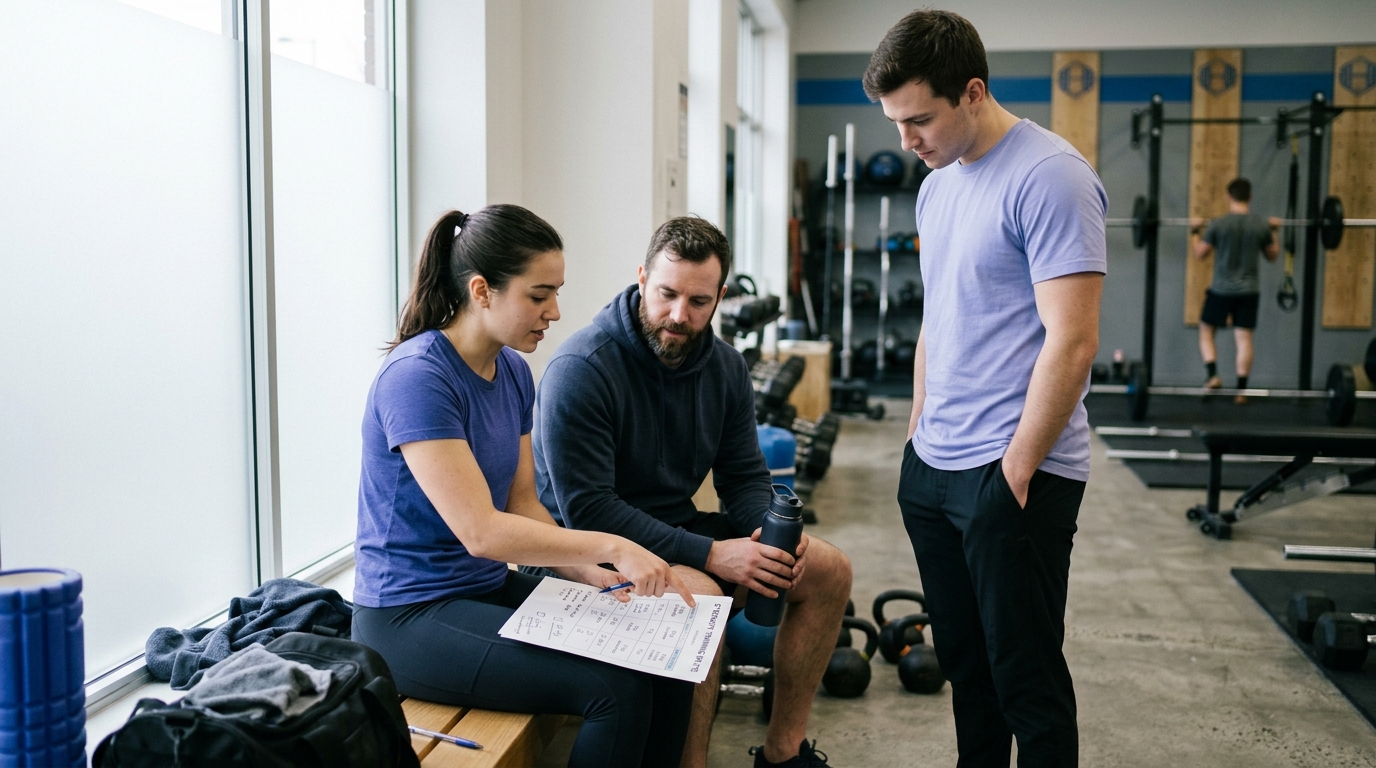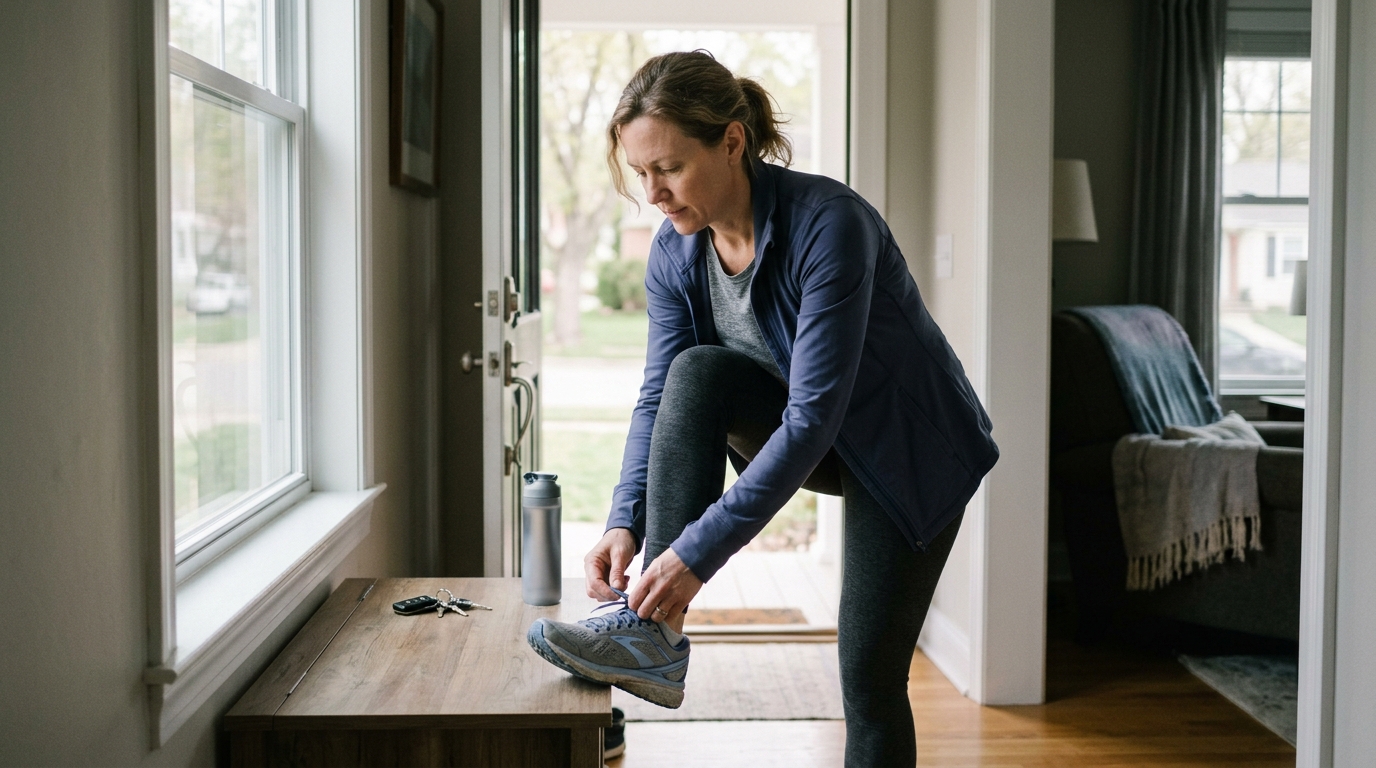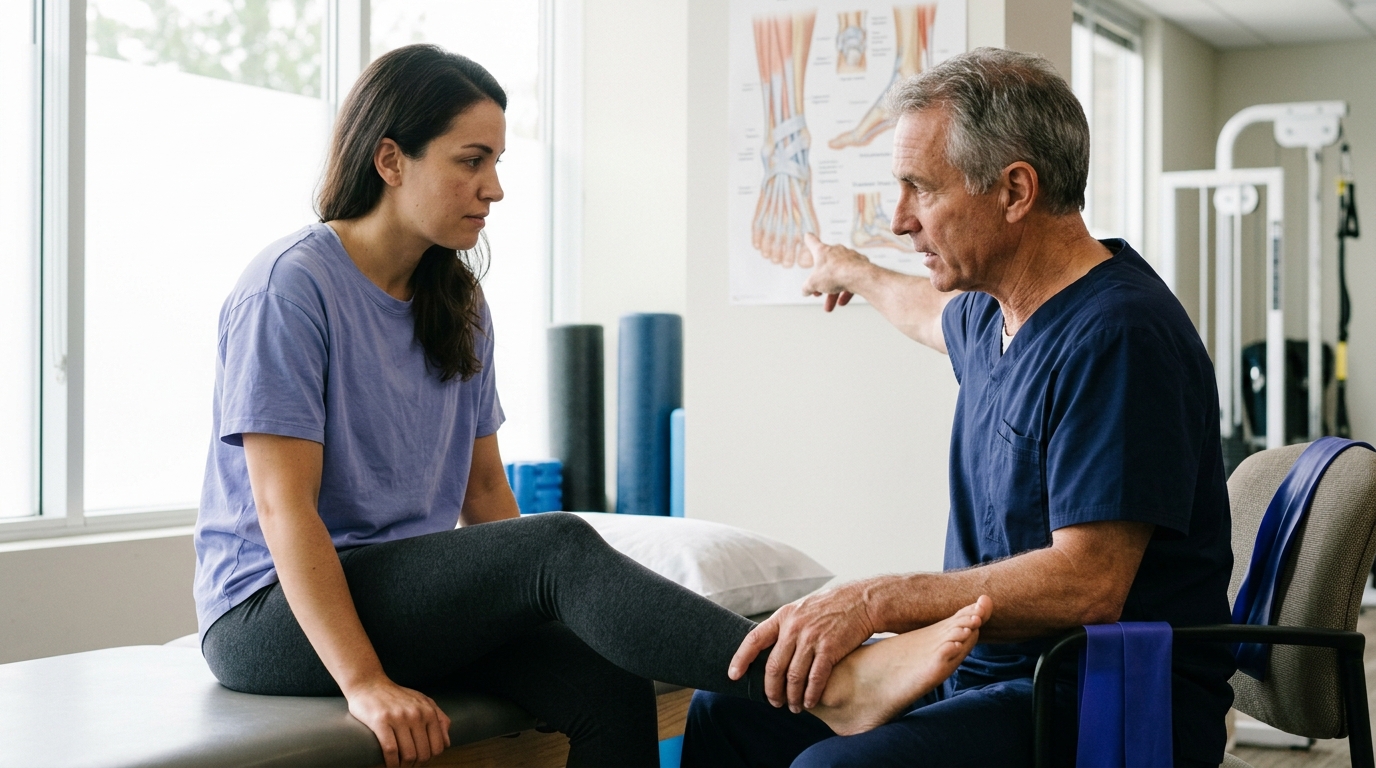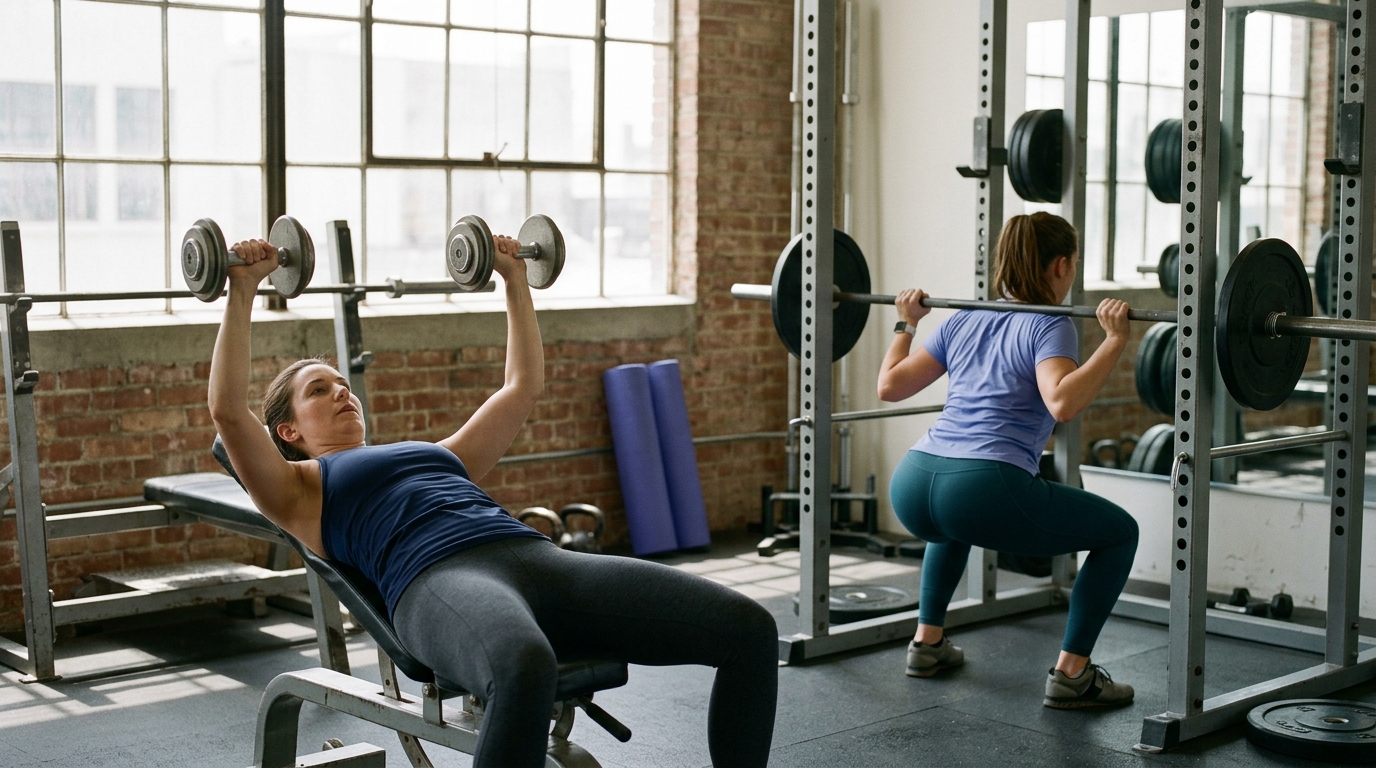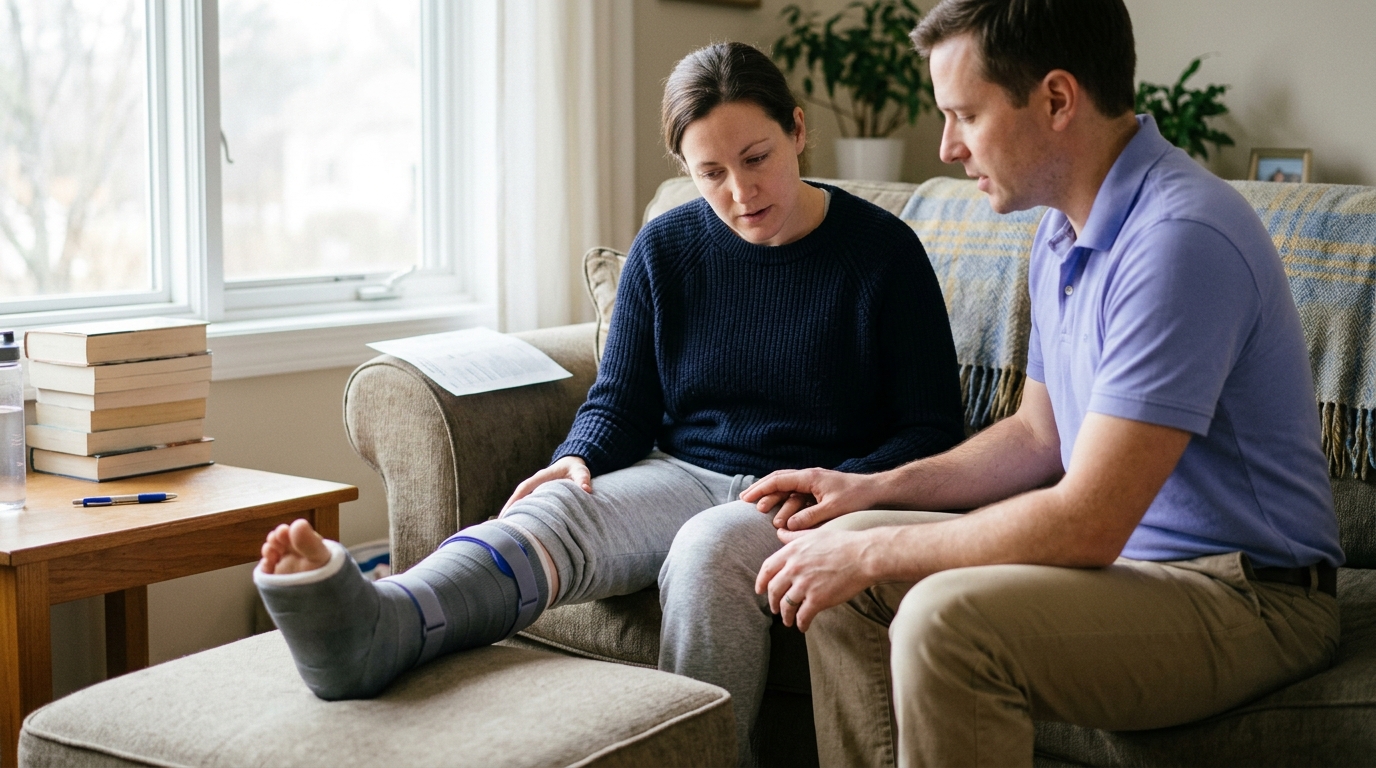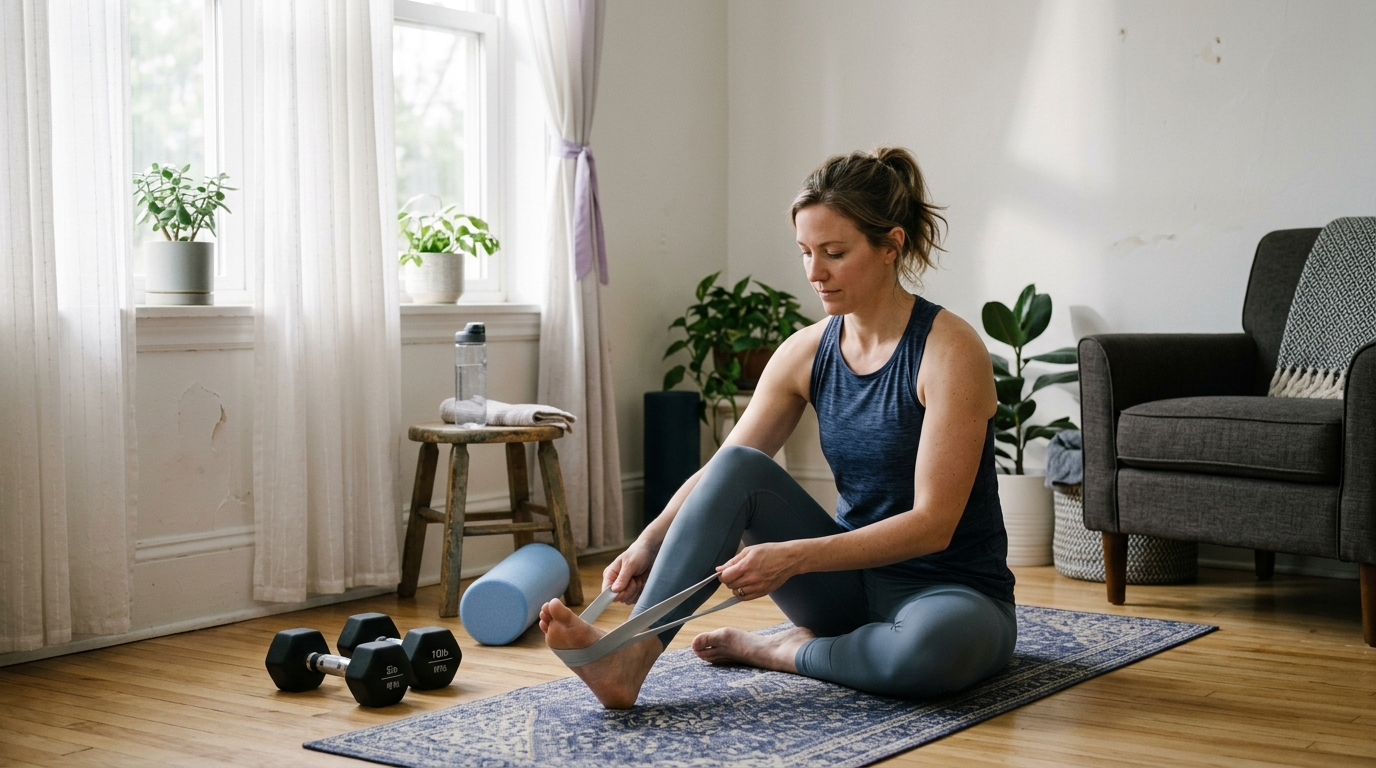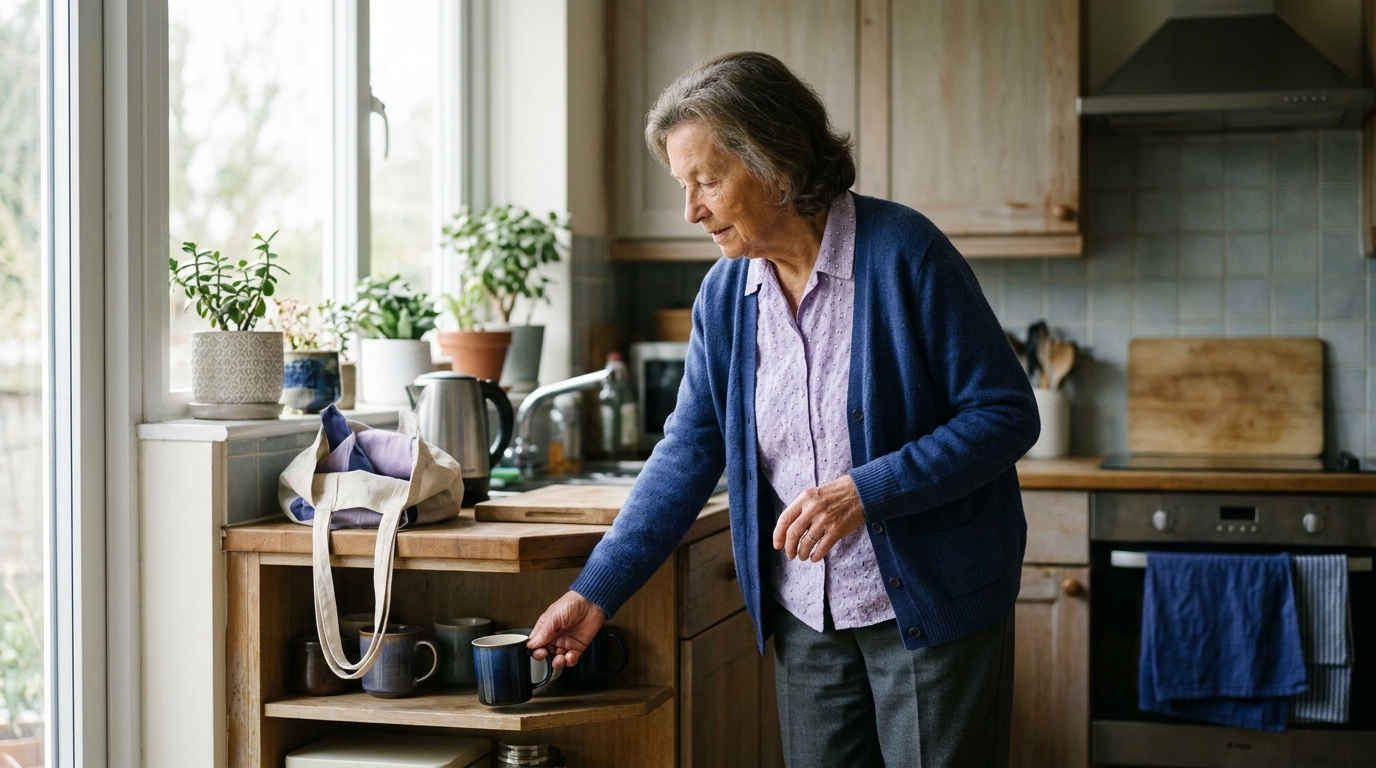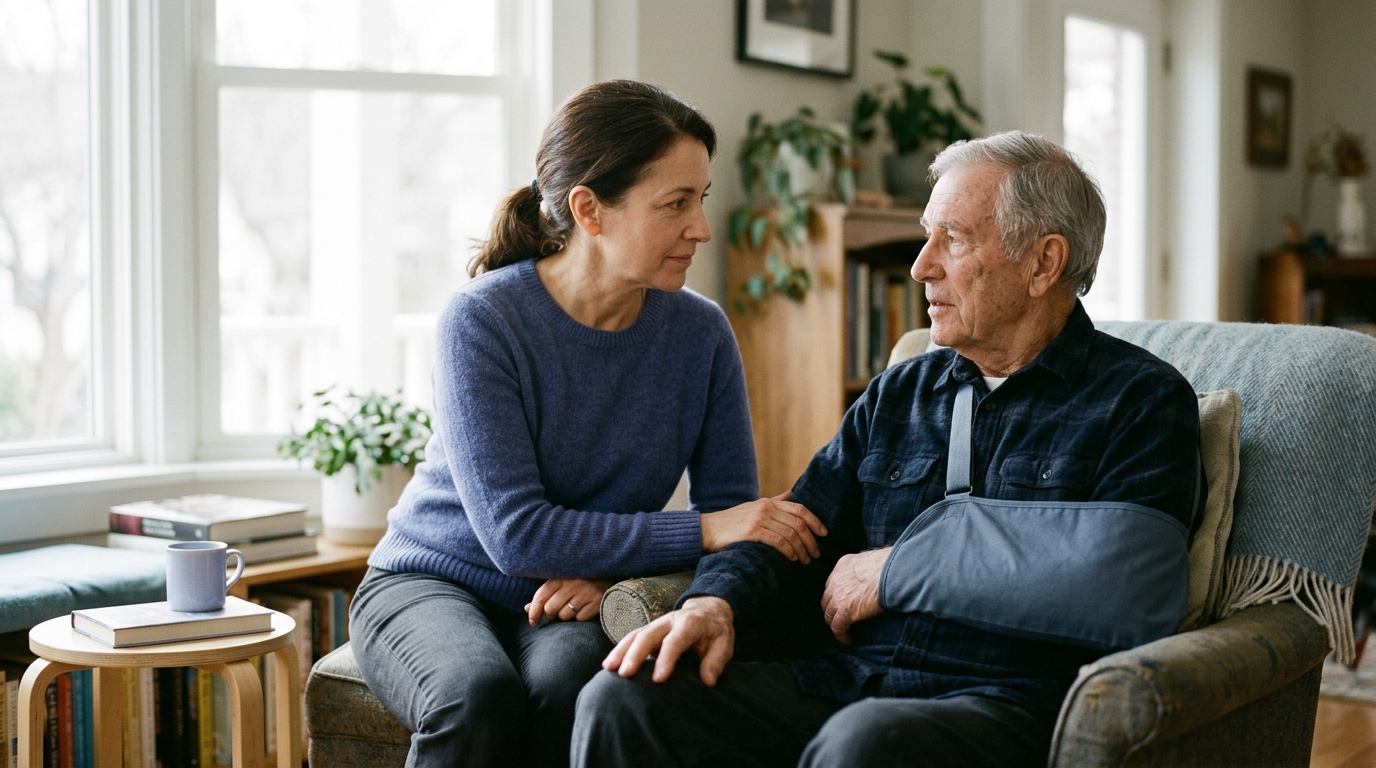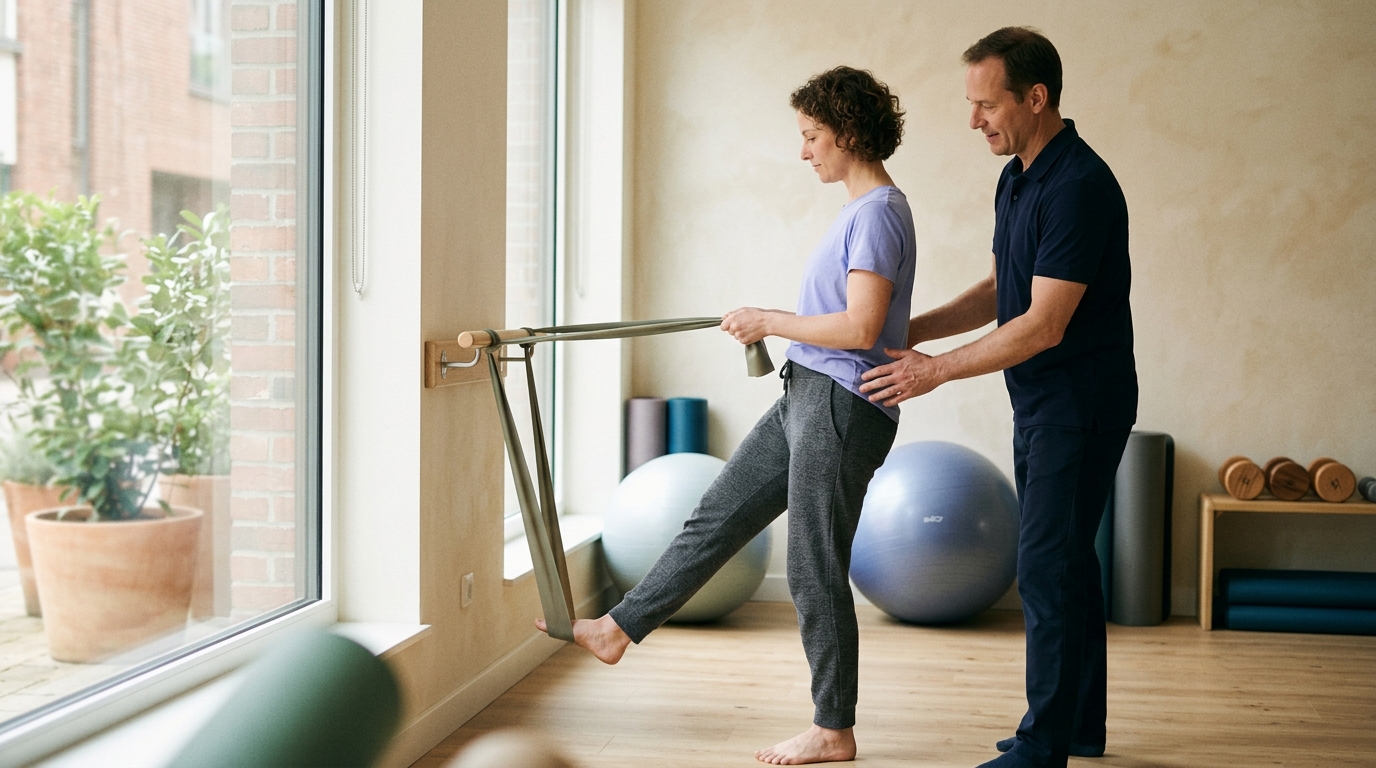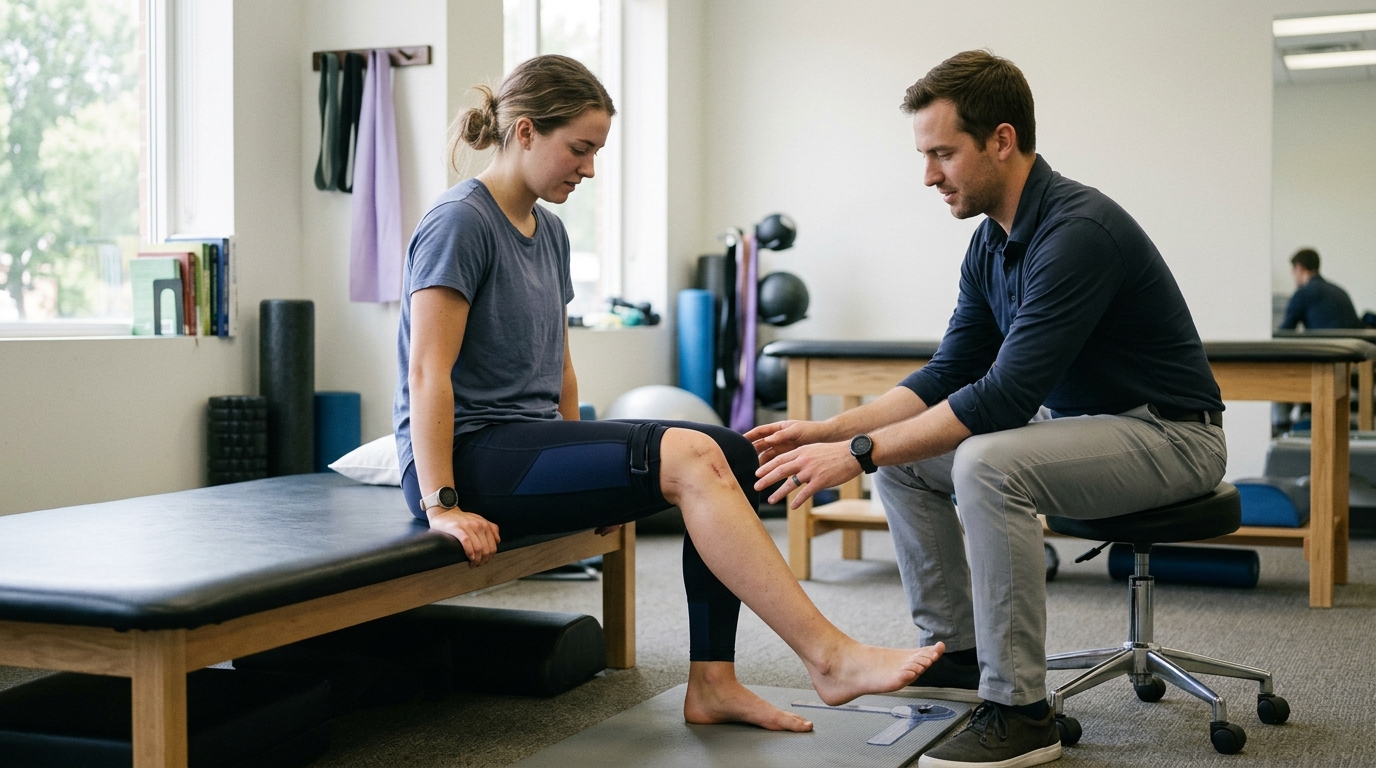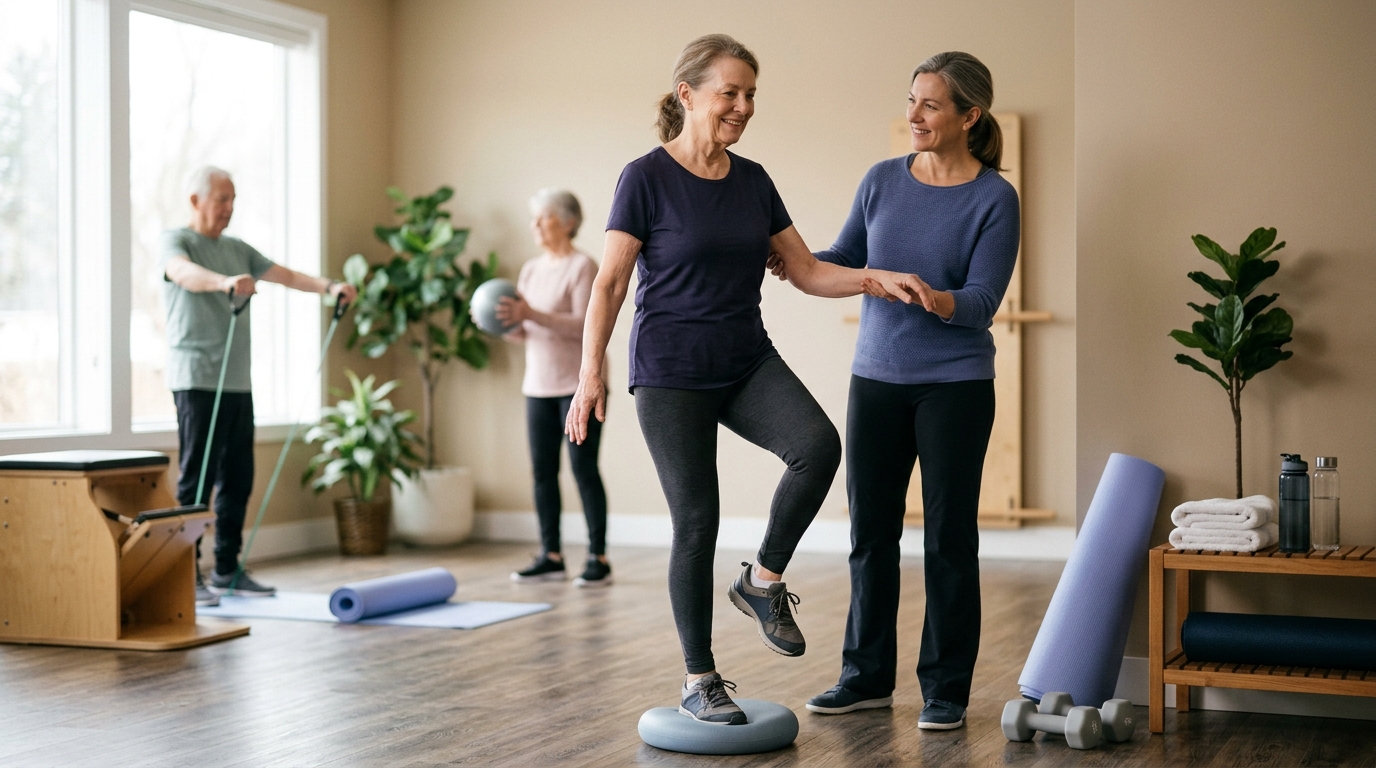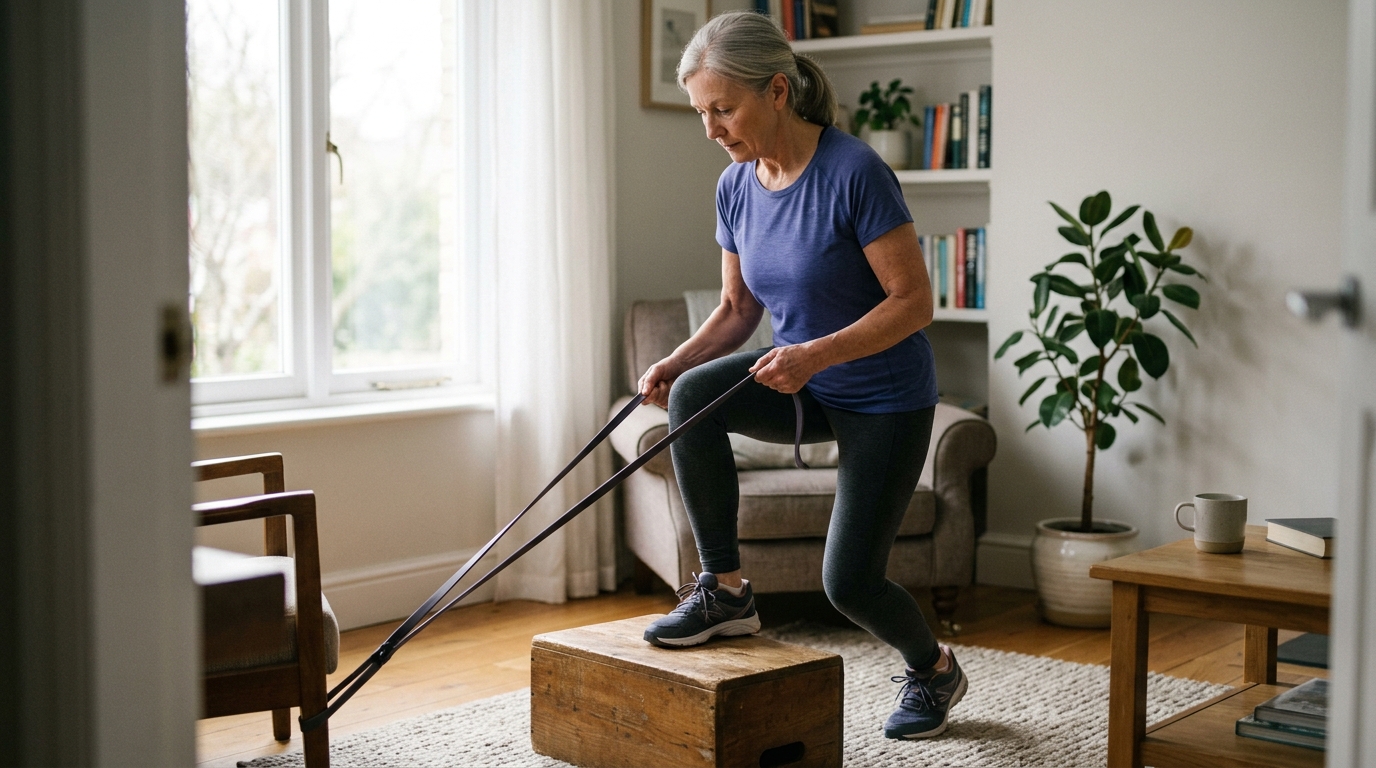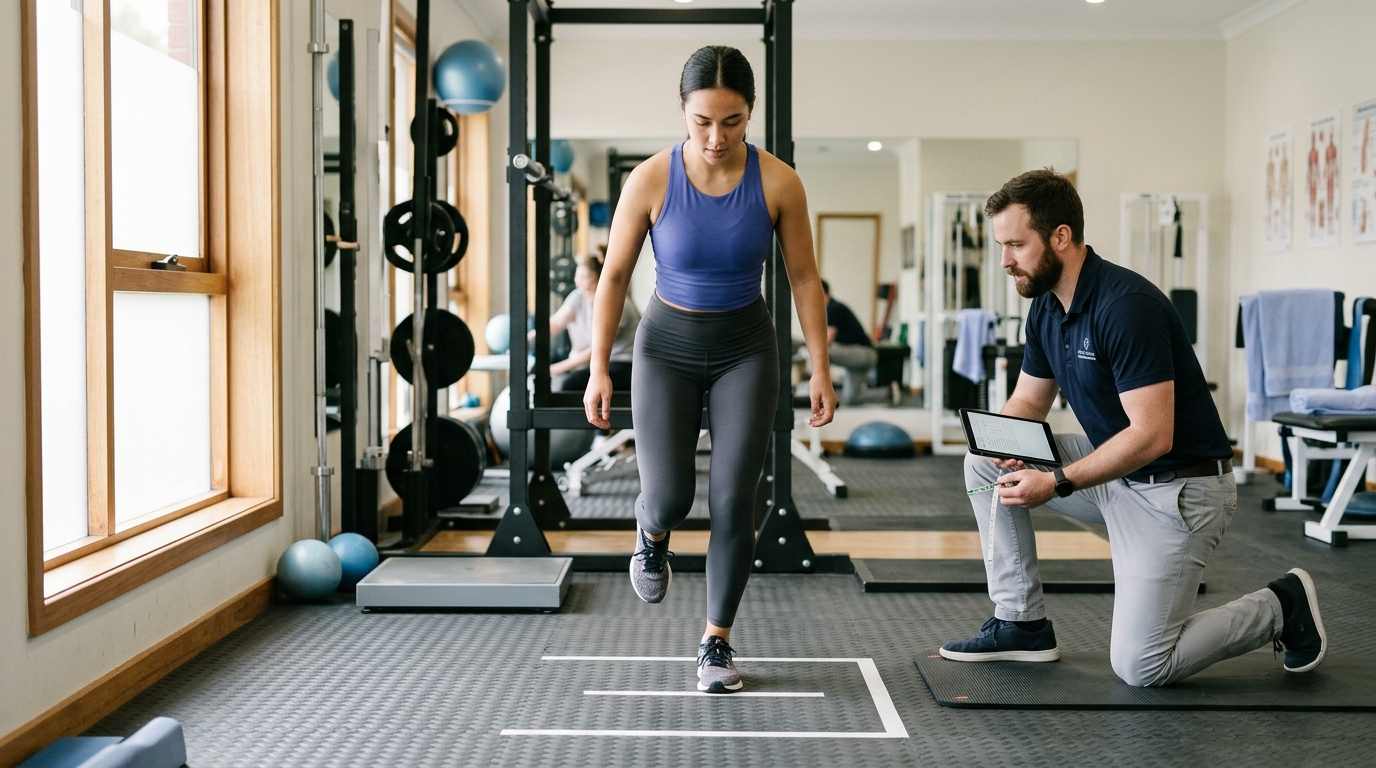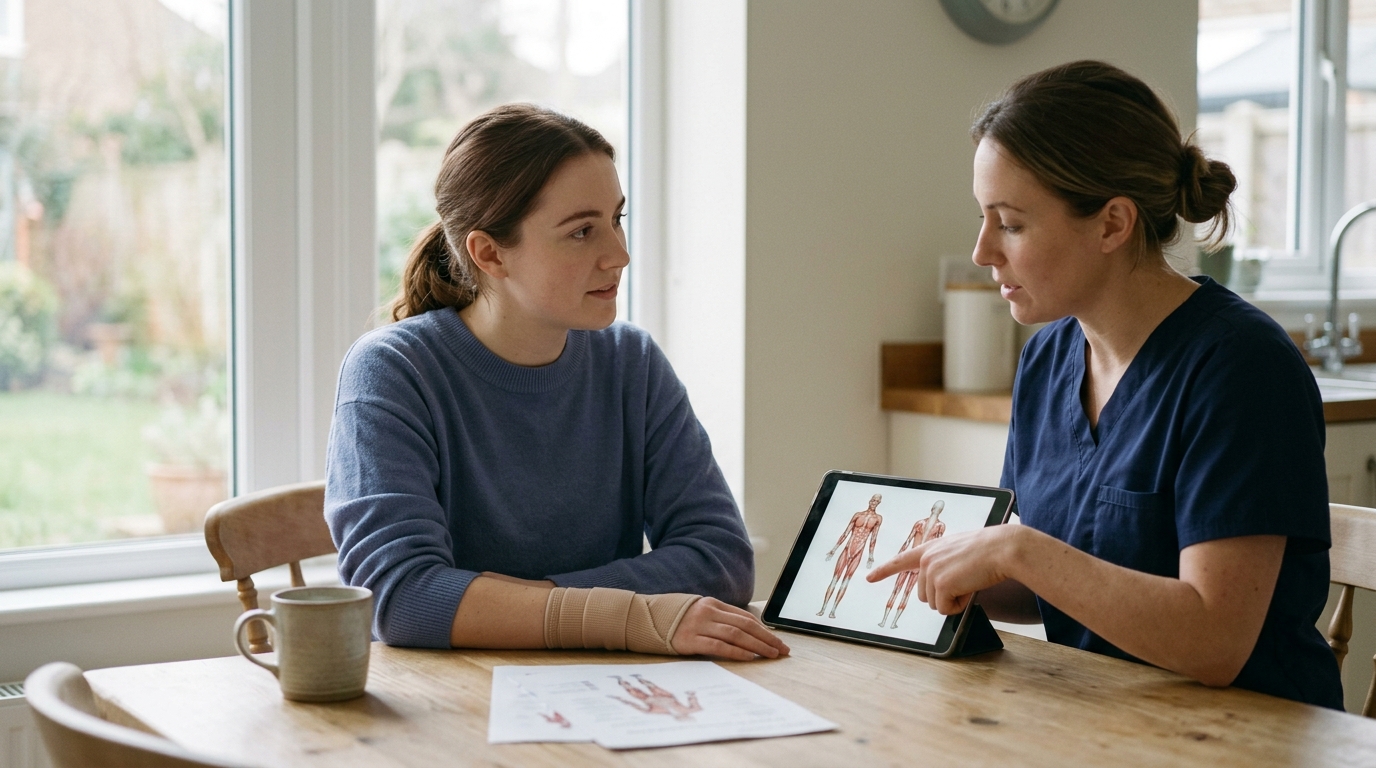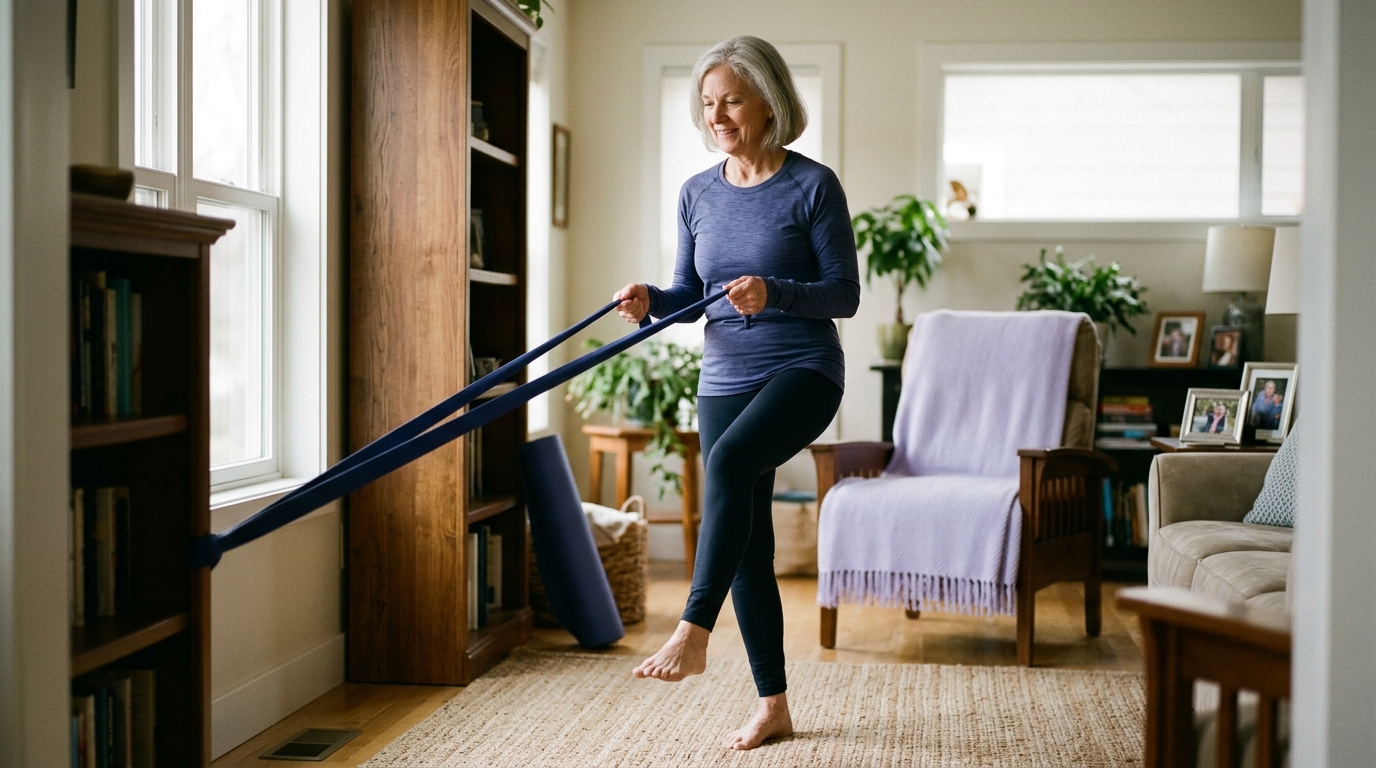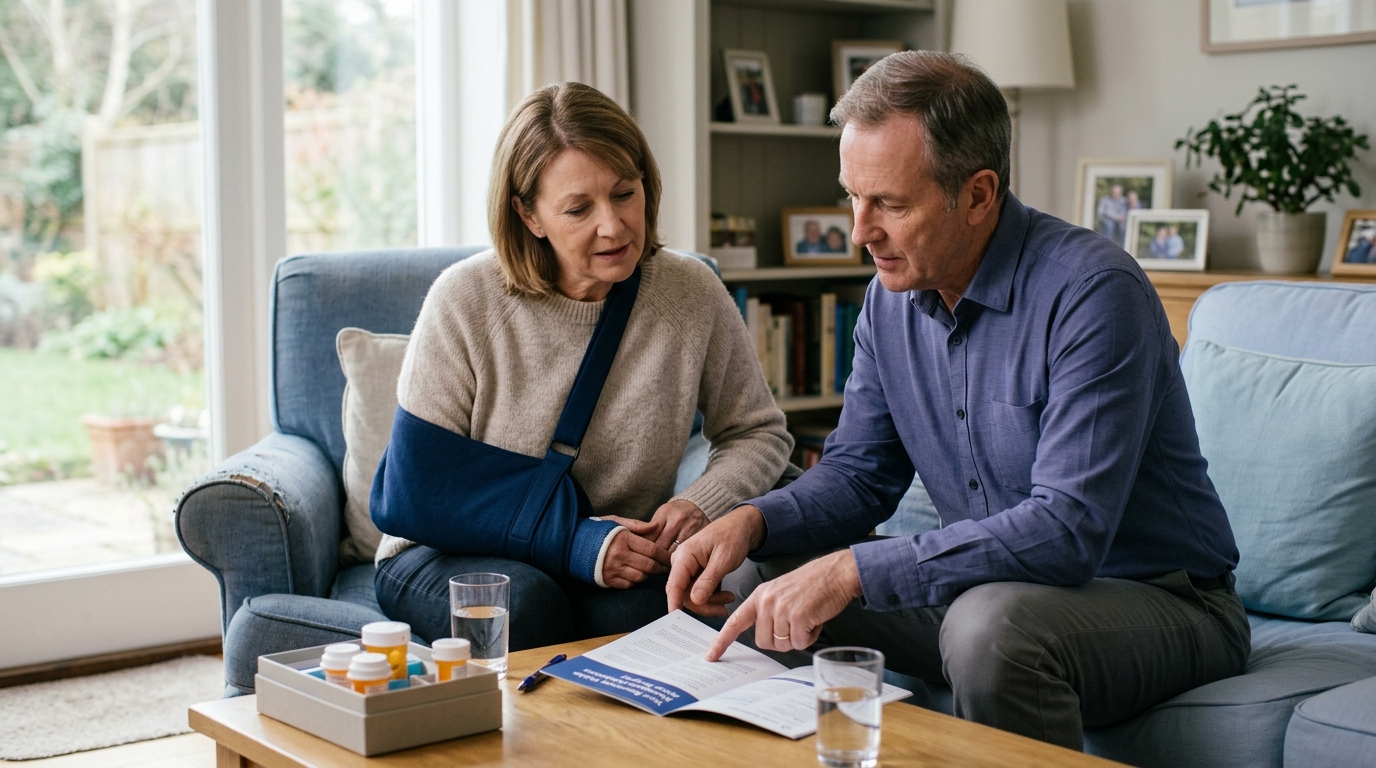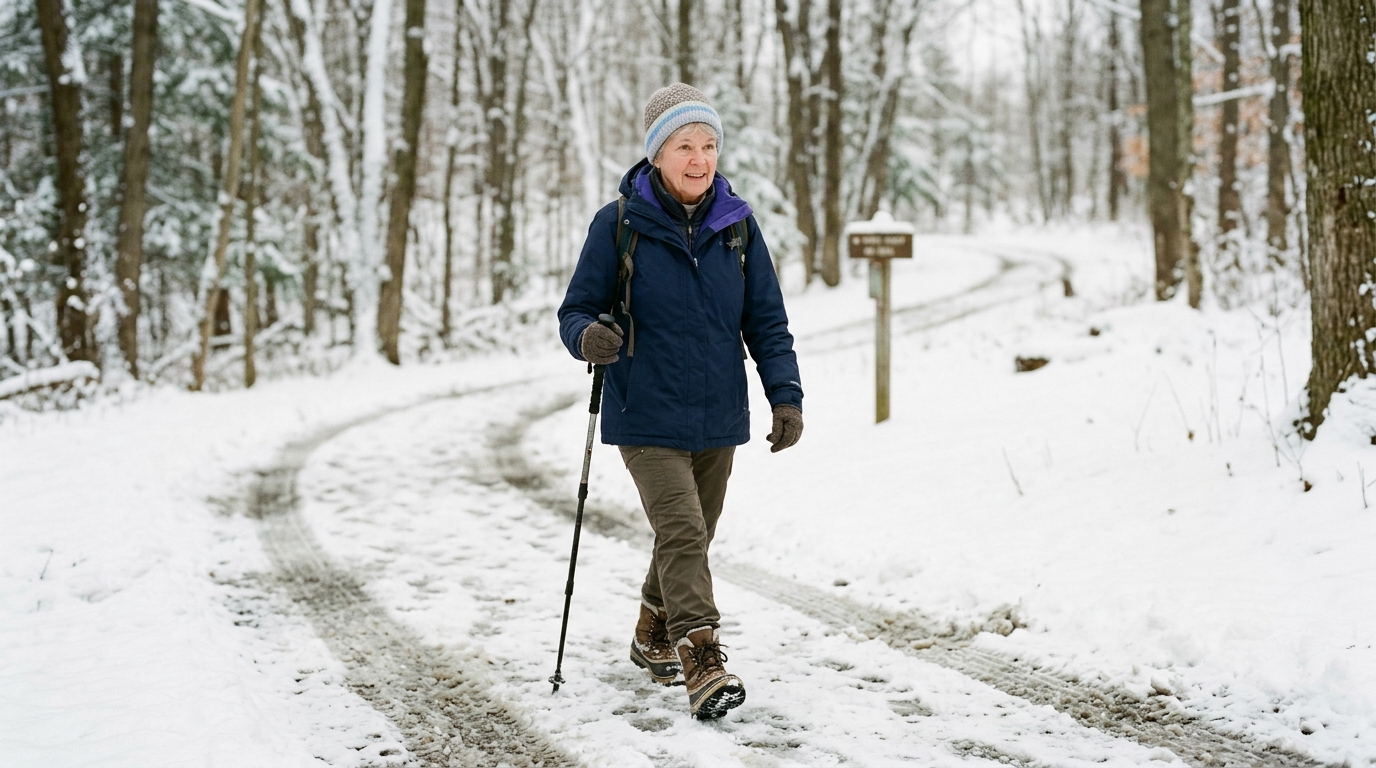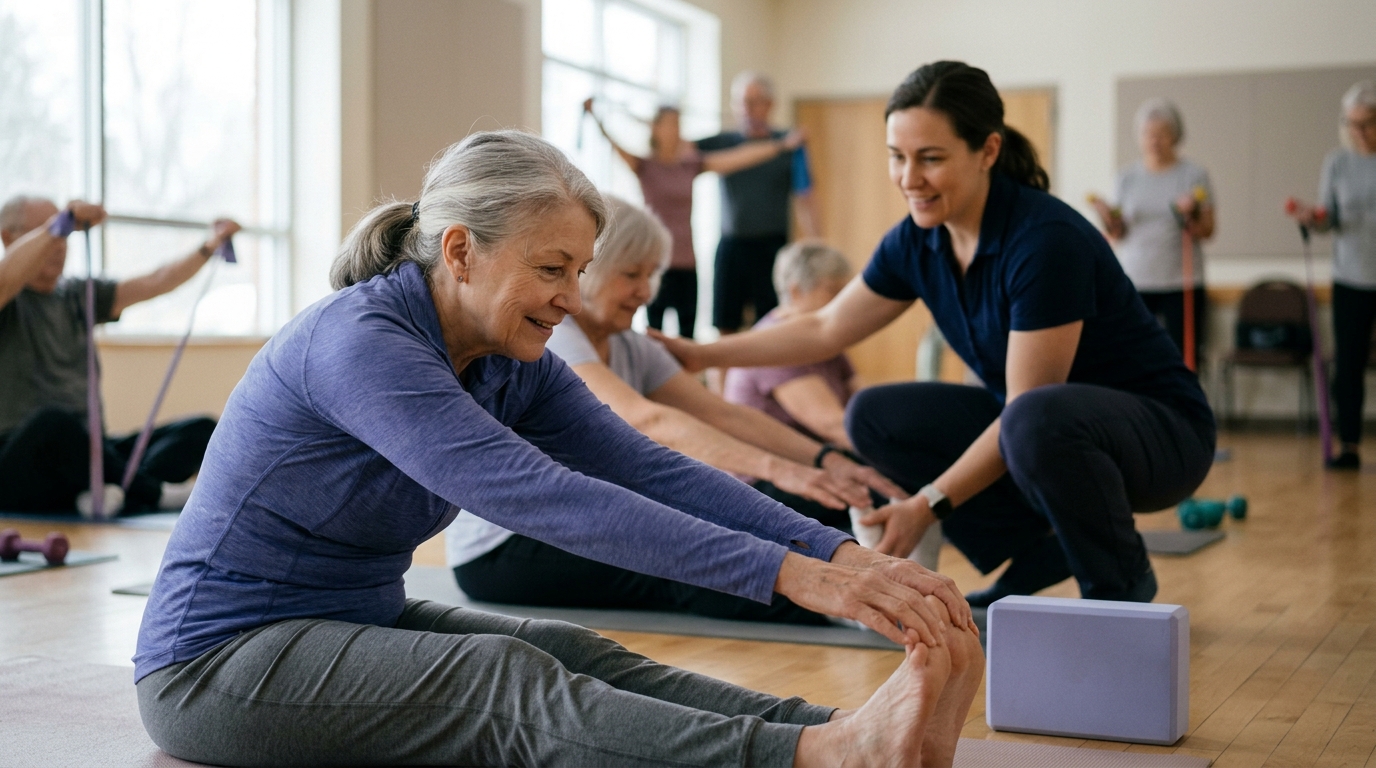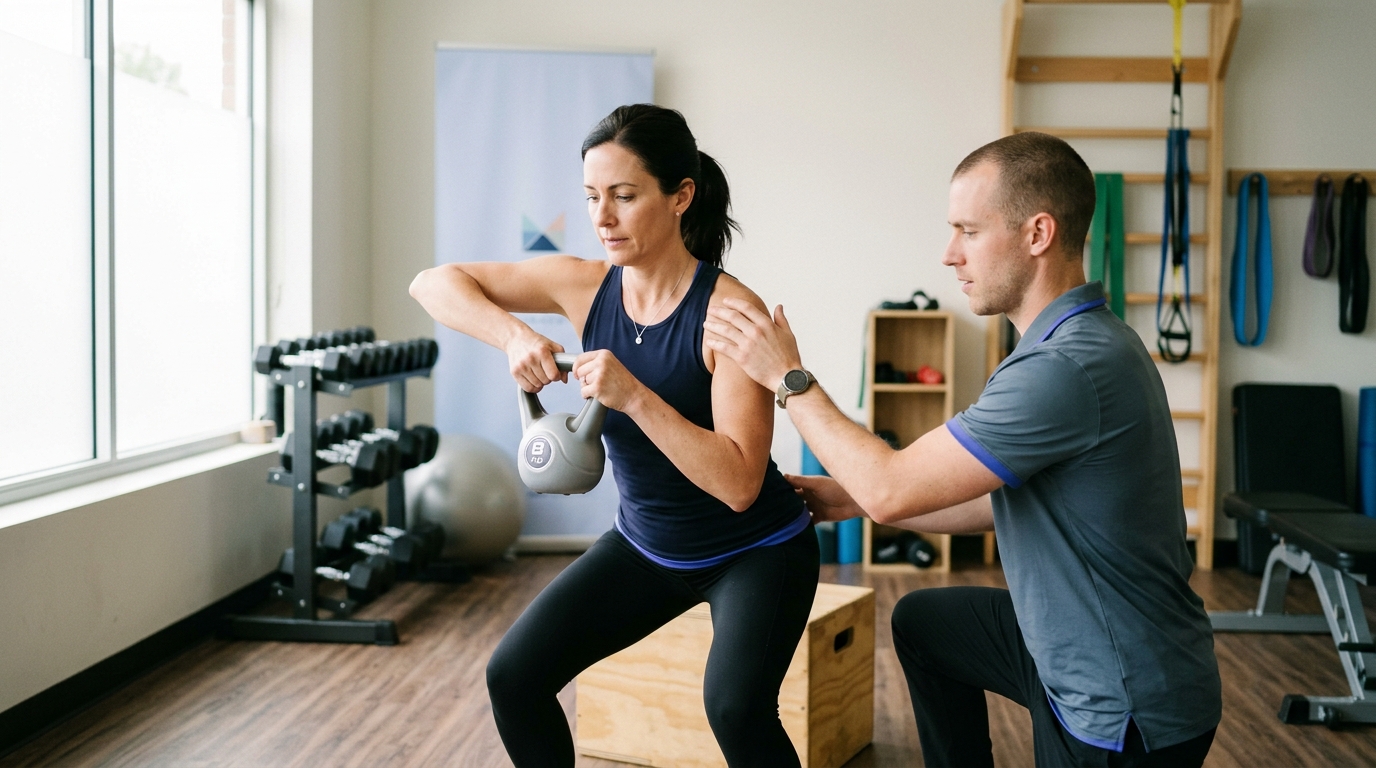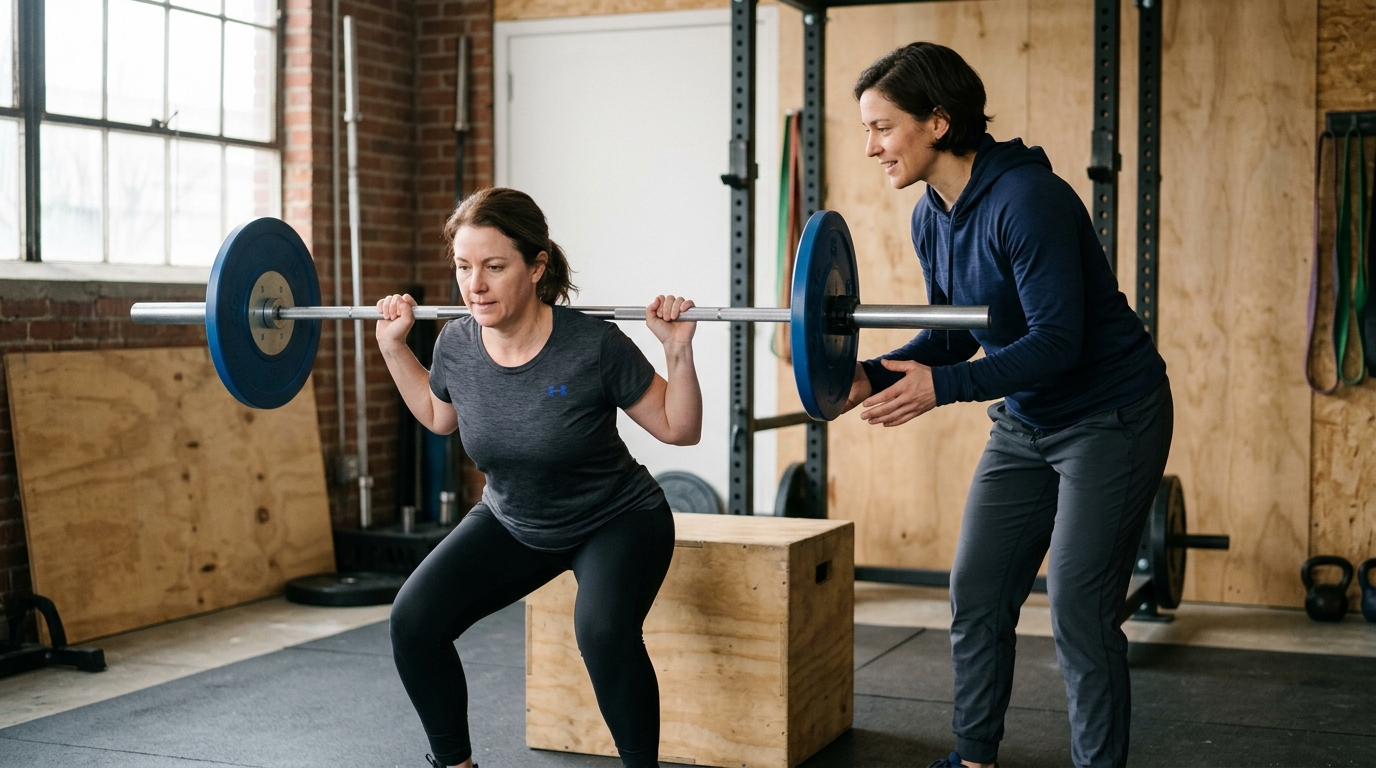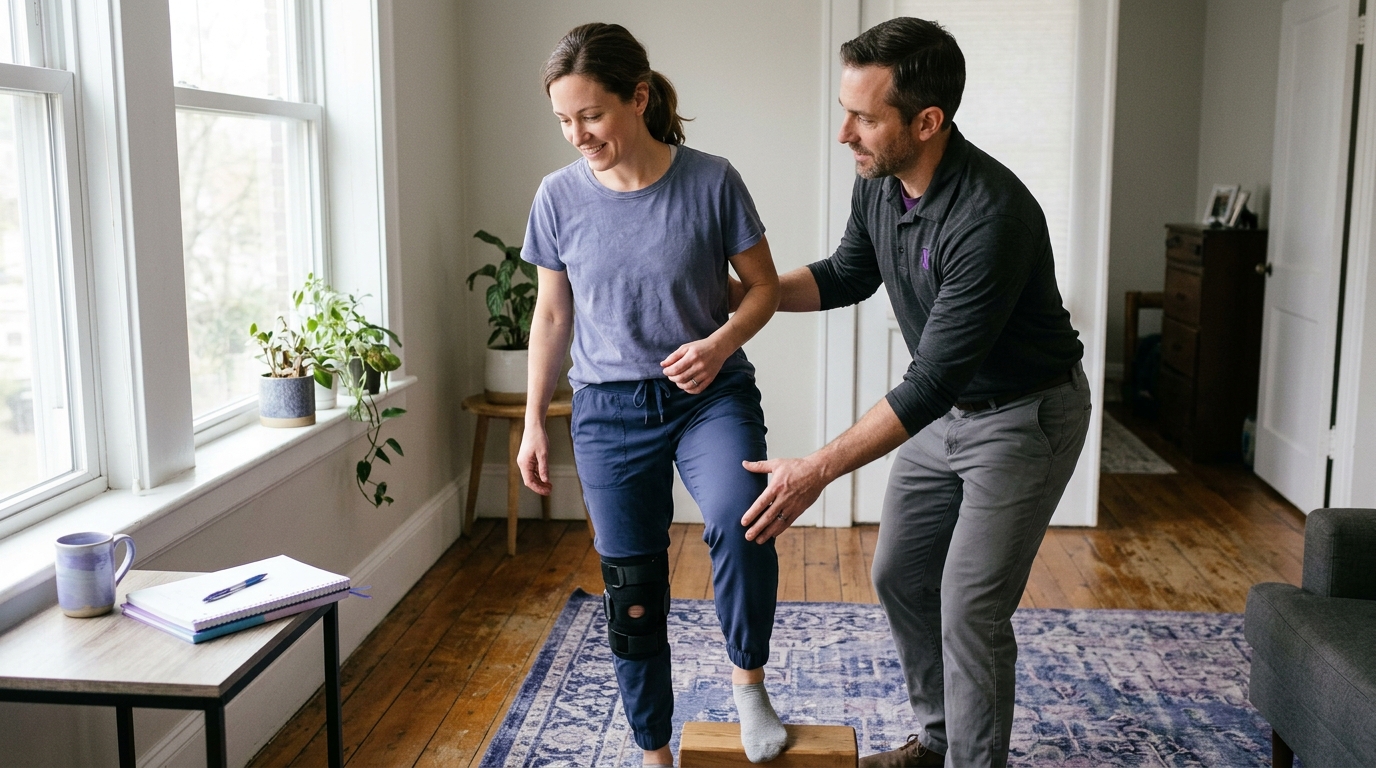

A balanced movement routine and a safer living environment help you build sustainable daily physical habits that protect your mobility long term.





Most people assume injury prevention begins in the gym with structured exercise routines. In reality, physical wear and tear accumulates across everyday life in kitchens, stairwells, office chairs, and garden beds. Standard annual physical examinations rarely check how you lift heavy grocery bags, how long you sit without moving, or whether your hallway runner creates a slip risk. An annual active-living checkup fills this gap by evaluating your entire 24-hour routine.
This checkup is a structured self-reflection tool, not a medical exam or a pass/fail physical fitness test. Its purpose is to review your daily habits across work, home, recreation, and travel to spot cumulative overload, activity gaps, and preventable environmental hazards. It provides a simple framework to choose one or two realistic adjustments and update them as your body changes over time.
While an annual self-review supports healthy habit planning, it does not replace individualized clinical care. If you experience persistent joint pain, recent injuries, balance instability, or chronic medical conditions, this review should serve as a springboard for discussions with a doctor or physical therapist. Exploring injury prevention and active living resources can help you understand how to navigate these conversations safely.
Physical activity encompasses far more than scheduled workouts. Walking to a train station, carrying laundry up a flight of stairs, scrubbing floors, and playing with grandchildren all contribute to your total movement volume. Leading health organizations emphasize looking at the full spectrum of movement across every week.
Guidelines from the World Health Organization (WHO) recommend that adults accumulate between 150 and 300 minutes of moderate-intensity aerobic physical activity each week. Alternatively, adults can complete 75 to 150 minutes of vigorous aerobic activity, or an equivalent combination of both. Aerobic activity includes continuous movement that raises your heart rate and breathing rate, such as brisk walking, swimming, or cycling. The Centers for Disease Control and Prevention (CDC) suggests a simple "talk test" to gauge this intensity. During moderate-intensity activity, you can talk comfortably but you cannot sing.
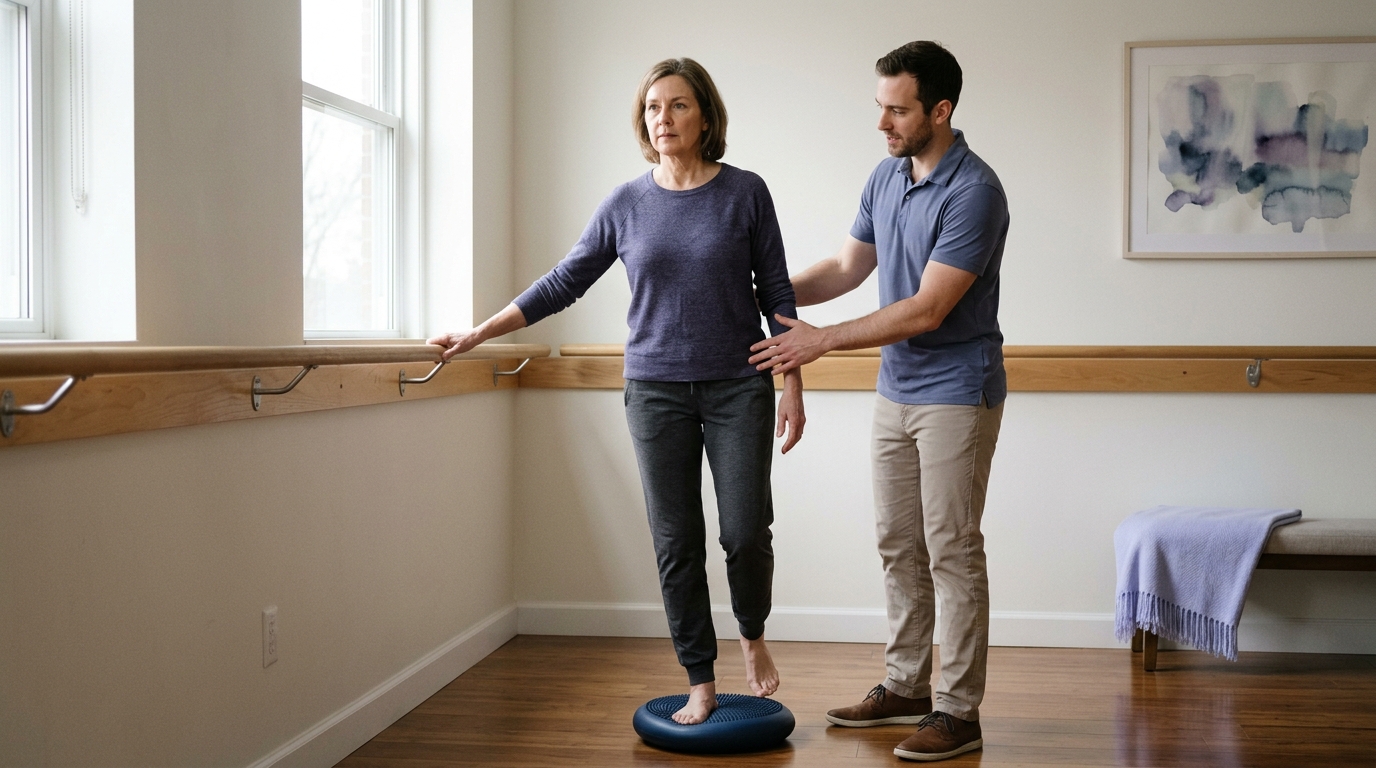
Aerobic movement alone does not create a complete physical routine. WHO guidelines also advise adults to perform muscle-strengthening activities involving all major muscle groups on two or more days per week. For adults aged 65 and older, the recommendations add regular balance and coordination training to help maintain stability and reduce the risk of falls. WHO also advises limiting prolonged sedentary time and replacing inactive hours with movement of any intensity.
Meeting a single aerobic target does not automatically mean your movement pattern is healthy or sustainable. A person can walk 30 minutes every morning but remain seated for nine straight hours at a desk, leaving them vulnerable to stiffness and muscle deconditioning. Similarly, someone might achieve 150 minutes of cycling each week while completely neglecting the upper-body strength and balance training necessary for safe lifting and fall prevention. The global scope of inactivity makes periodic habit reviews essential. WHO reports that nearly one-third of adults worldwide, representing roughly 1.8 billion people, did not meet recommended activity levels in 2022. Global data showed higher inactivity rates among women at 34 percent compared to men at 29 percent, with activity levels declining notably in adults over 60 years old.
Understanding established evidence versus mixed findings helps set realistic expectations. Strong clinical evidence shows that combining aerobic, strength, and balance training reduces chronic disease risk, supports bone health, and preserves physical independence. However, evidence does not support the idea that any single exercise formula works for every person. Safe physical demands depend entirely on individual health history, joint integrity, baseline conditioning, and daily recovery habits.
A thorough active-living checkup breaks your weekly routine into distinct life domains. Reviewing each area with identical criteria makes hidden physical stressors and activity deficits visible. You can evaluate your life across four practical domains: home and caregiving, work and study, travel and daily errands, and recreation and exercise.
Household management often involves substantial physical exertion that goes uncounted in formal fitness tracking. Cleaning, vacuuming, carrying heavy laundry baskets, moving furniture, and doing seasonal yardwork place unique demands on the spine and joints. Caregiving tasks, such as assisting a family member out of a chair or lifting small children, require sudden bursts of effort in awkward positions.
When inventorying this domain, ask yourself the following practical questions:
Work environments create physical stress through both sustained stillness and repetitive movement. Prolonged static sitting can cause hip stiffness and back fatigue, while prolonged standing can stress the feet, knees, and lower spine. Occupational safety organizations highlight the physical stressors that contribute to work-related musculoskeletal disorders. The National Institute for Occupational Safety and Health (NIOSH) and the Occupational Safety and Health Administration (OSHA) identify high force, frequent repetition, awkward postures, and prolonged static positions as primary physical risk factors.
Consider how your daily work setup affects your physical comfort:
OSHA defines ergonomics as the practice of fitting the job to the worker rather than forcing the worker to fit the job. Applying ergonomic principles at your desk or workstation reduces muscle fatigue, protects joints, and lowers the severity of repetitive strain.
Transportation and routine errands represent valuable opportunities to accumulate low-intensity movement. However, they can also introduce physical strain through prolonged vehicle sitting, carrying uneven loads, or navigating uneven outdoor surfaces.
Review your travel habits with these questions:
Planned physical recreation should complement the physical demands of your work and home life. An ideal recreational plan balances cardiovascular conditioning, muscular strength, joint mobility, and neuromotor control.
Examine your current leisure and exercise habits:
Reviewing mobility and movement routines can help you identify gaps in your weekly recreation. Balancing movement variety across these four domains prevents one area of life from causing unmanaged physical strain.
A common mistake in physical planning is evaluating tasks in isolation. A person might conclude that a 30-minute workout was safe, a set of yard chores was light, and a day of cleaning was manageable. When those tasks occur on the same afternoon following a week of poor sleep, the cumulative physical load can exceed what the body can handle.
NIOSH and OSHA emphasize that musculoskeletal strain depends on the combination of task intensity, frequency, and duration over time. Risk builds when multiple demanding activities occur back-to-back without sufficient recovery intervals between them. High physical fatigue impairs joint stability, slows protective muscle reflexes, and alters movement mechanics, increasing the likelihood of strains and sprains.
A simple seven-day load map provides a visual record of physical demands and recovery periods. To create a load map, write down the primary physical events of each day across four categories:
Evaluating your completed map reveals hidden clustering patterns. You might notice that your hardest strength workout coincides with your longest shift on your feet, or that you schedule major home renovations immediately after a tiring travel week. Spreading demanding tasks across lighter days allows muscle tissue to adapt, rebuild, and recover.
Listening to physical symptoms during this review is essential. The National Health Service (NHS) advises that individuals should stop exercising immediately if they develop acute pain, dizziness, or feel unwell. Distinguish normal, mild post-exercise muscle soreness from sharp, persistent, or worsening joint pain. When pain alters the way you walk, reach, or perform basic daily tasks, pushing through the discomfort is counterproductive and warrants medical evaluation.
Staying active requires a physical environment that matches your present physical capabilities. An annual checkup must evaluate the physical spaces where you live, work, and exercise to eliminate unnecessary hazards. Environmental hazards are modifiable features of your surroundings that can be altered to prevent falls and joint trauma.
Fall prevention is a critical component of active living for adults of all ages, particularly as we grow older. Data from the CDC STEADI (Stopping Elderly Accidents, Deaths, & Injuries) initiative shows that more than one in four older adults in the United States falls each year. Furthermore, the CDC reports that approximately 43,000 older adults die each year as a result of a fall, which equates to roughly 117 deaths every day. Most falls result from a combination of internal physical factors and external household hazards.
A comprehensive household safety inspection should evaluate high-traffic living areas systematically:
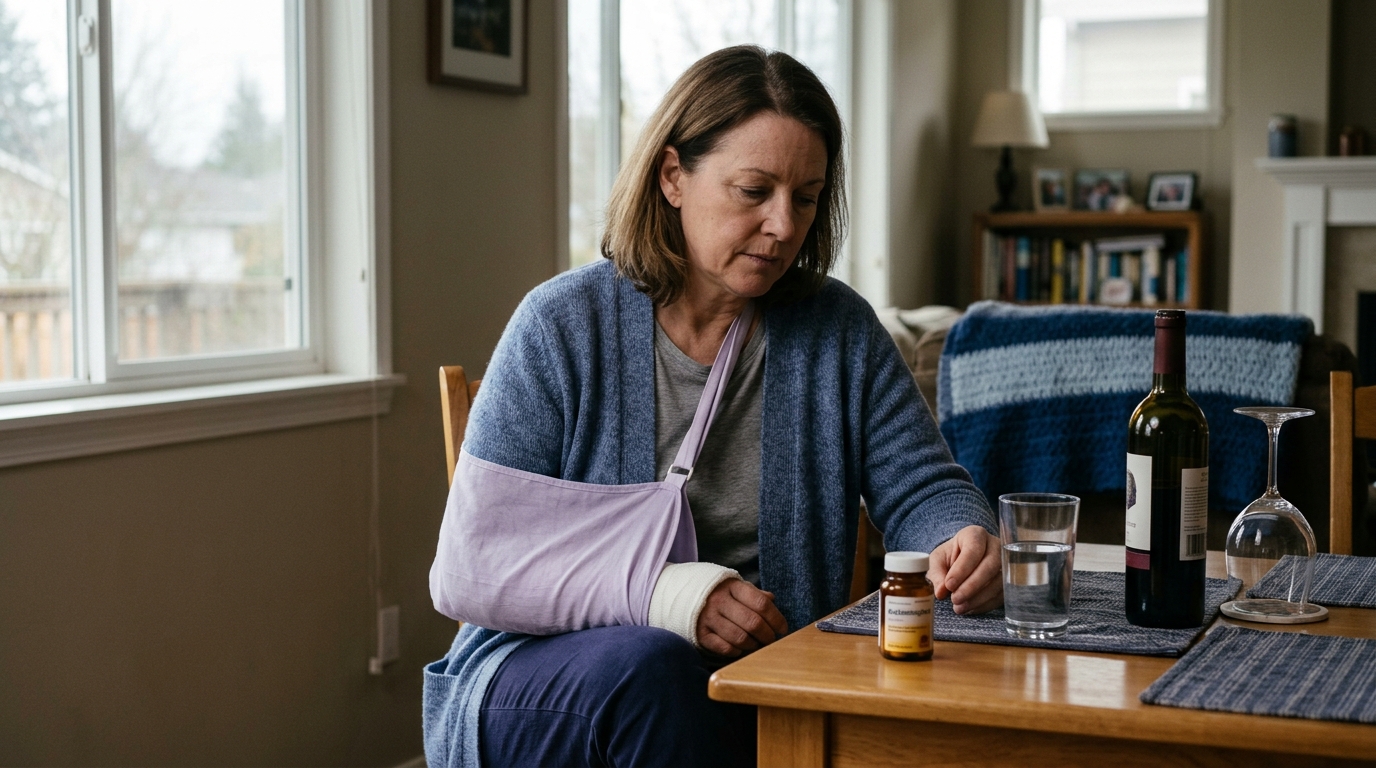
A home layout that was safe and convenient five years ago may no longer suit your needs after joint surgery, a medication change, or a decline in vision. Adjusting your surroundings protects your independence and allows you to stay physically active within your home with confidence.
Physical capabilities, recovery rates, and injury risks do not remain static throughout adulthood. An annual active-living checkup should account for internal and external life changes that alter your movement capacity. Recognizing these shifts allows you to adjust your routine before overloading vulnerable joints.
Several key factors can modify your physical baseline from year to year:
The National Institute for Health and Care Excellence (NICE) notes that exercise interventions for individuals with a history of falls or balance problems must be tailored to individual abilities, goals, and health conditions. Generic, one-size-fits-all fitness plans fail to accommodate these individual baseline shifts. Tailoring your activity choices ensures that exercise builds resilience rather than unnecessary physical fatigue.
Once you have identified movement gaps, overload patterns, and household hazards, the next step is implementing practical changes. Attempting to overhaul your entire lifestyle at once frequently leads to burnout, excessive soreness, or early abandonment. A structured, iterative change cycle creates lasting adjustments.
Follow this six-step cycle to refine your active-living habits:
Behavioral science demonstrates the power of concrete planning. A meta-analysis of 26 independent studies published in health psychology research evaluated the impact of implementation intentions on physical activity behavior. The analysis revealed that implementation intentions, which link a specific situational cue to a planned behavioral response, had a small-to-medium positive effect on physical activity habits, showing an effect size of 0.31 immediately after intervention and 0.24 at follow-up. The researchers highlighted that proactive barrier management was a key factor associated with greater long-term success.
You can implement this evidence by using a structured planning formula:
Consider an adult who wants to introduce brisk walking into a sedentary work routine. Their plan might state: "On Tuesday and Thursday after lunch, I will walk briskly around the office park for 15 minutes. If it is raining, I will complete 15 minutes of stair walking inside the building lobby." This clear structure eliminates hesitation when daily obstacles arise.
When introducing new physical activities, adhere to the CDC guideline to "start low and go slow." Begin at a modest intensity and increase duration, frequency, and resistance gradually over several weeks. Exploring active aging and injury prevention strategies reinforces why slow, progressive habit building protects aging tendons and joints.
Examining common active-living profiles helps illustrate how the annual checkup applies to real-life situations. The following illustrative patterns highlight typical imbalances and demonstrate practical, realistic adjustments.
An individual works in a shipping warehouse or retail center, spending eight hours a day on concrete floors lifting boxes and pushing carts. They believe they do not need planned exercise because their job is physically demanding. However, their daily work involves repetitive forward bending, asymmetrical carrying, and minimal cardiovascular conditioning.
A desk worker sits for eight to ten hours a day from Monday through Friday. On Saturday morning, they attempt six straight hours of heavy garden digging, tree trimming, and mulch carrying. By Sunday evening, they experience acute lower back spasms and shoulder strain.
An adult walks for 45 minutes every morning at a brisk pace. They feel healthy and meet aerobic guidelines, but they struggle to lift heavy luggage into an overhead compartment and notice mild balance instability when stepping off high curbs.
A caregiver assists an aging parent with daily transfers, bathing, and vehicle transport while managing all household grocery shopping. They experience constant neck stiffness, mid-back fatigue, and disrupted sleep.
An individual decides to resume running after a two-year hiatus following a knee injury. Motivated by a new fitness goal, they run four miles on their first day back, resulting in acute knee swelling and tendon pain that forces them to stop exercising entirely.
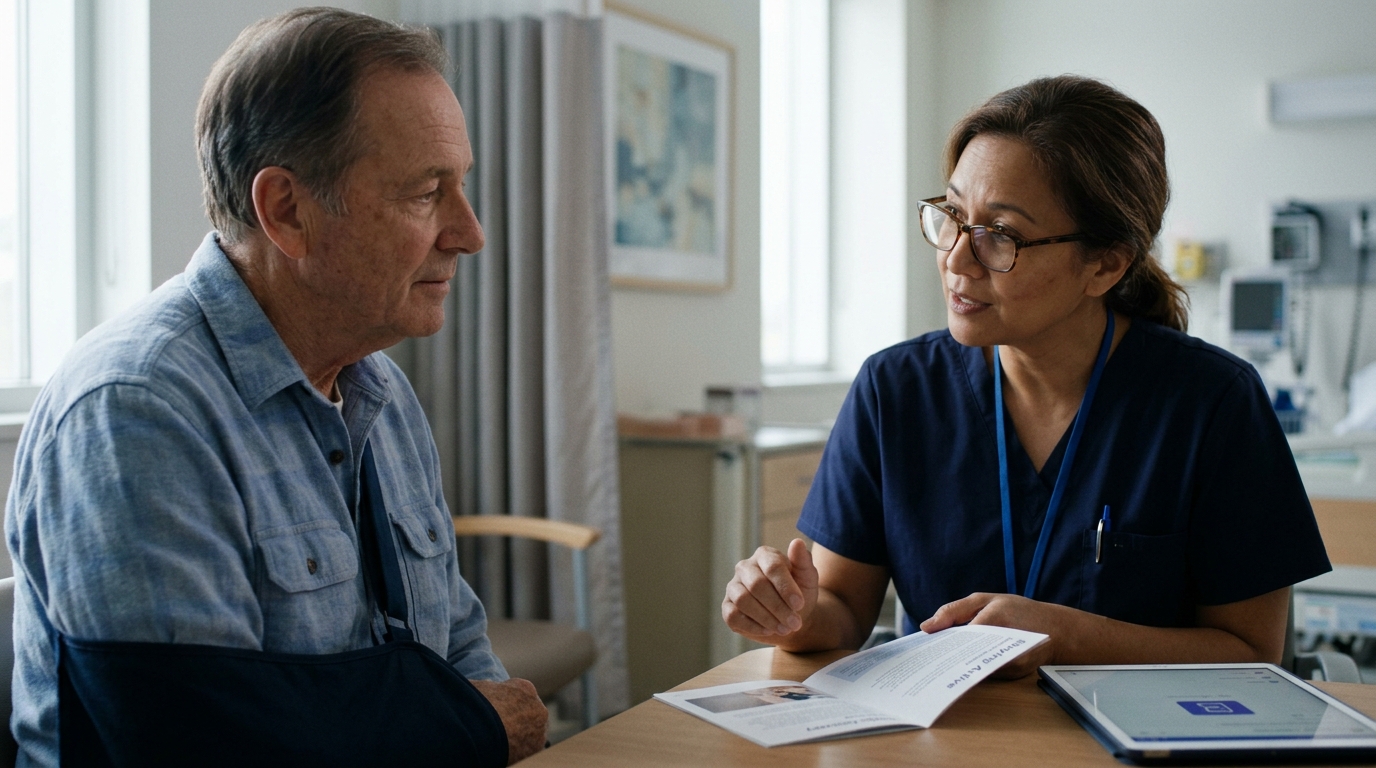
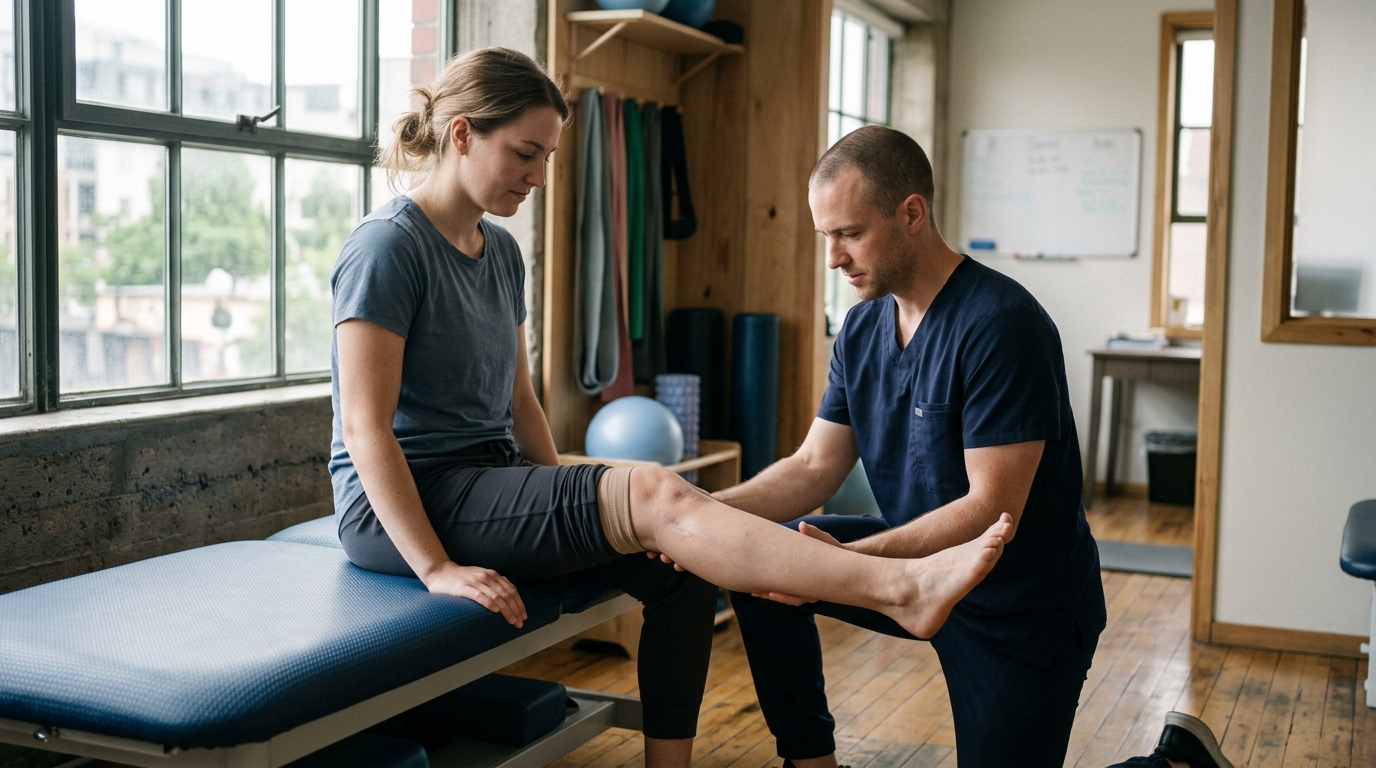
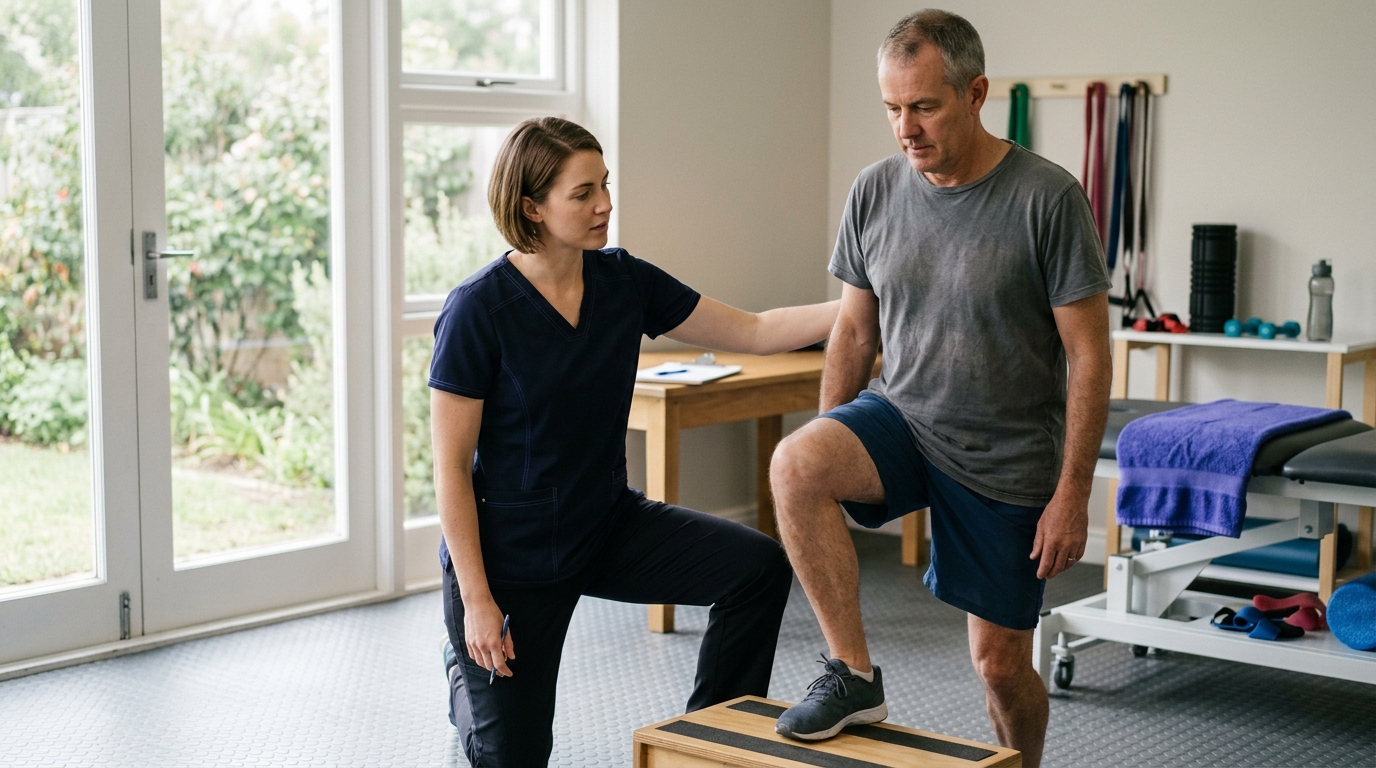
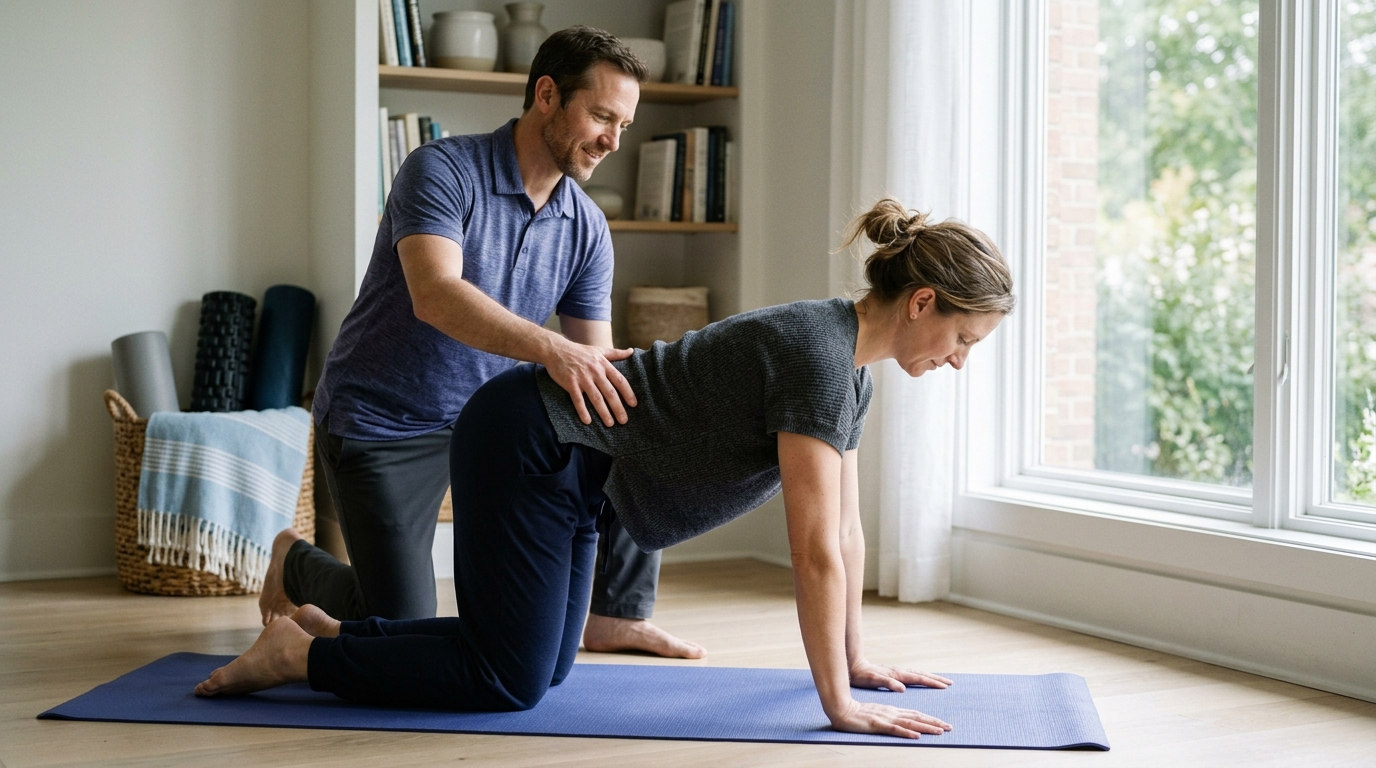
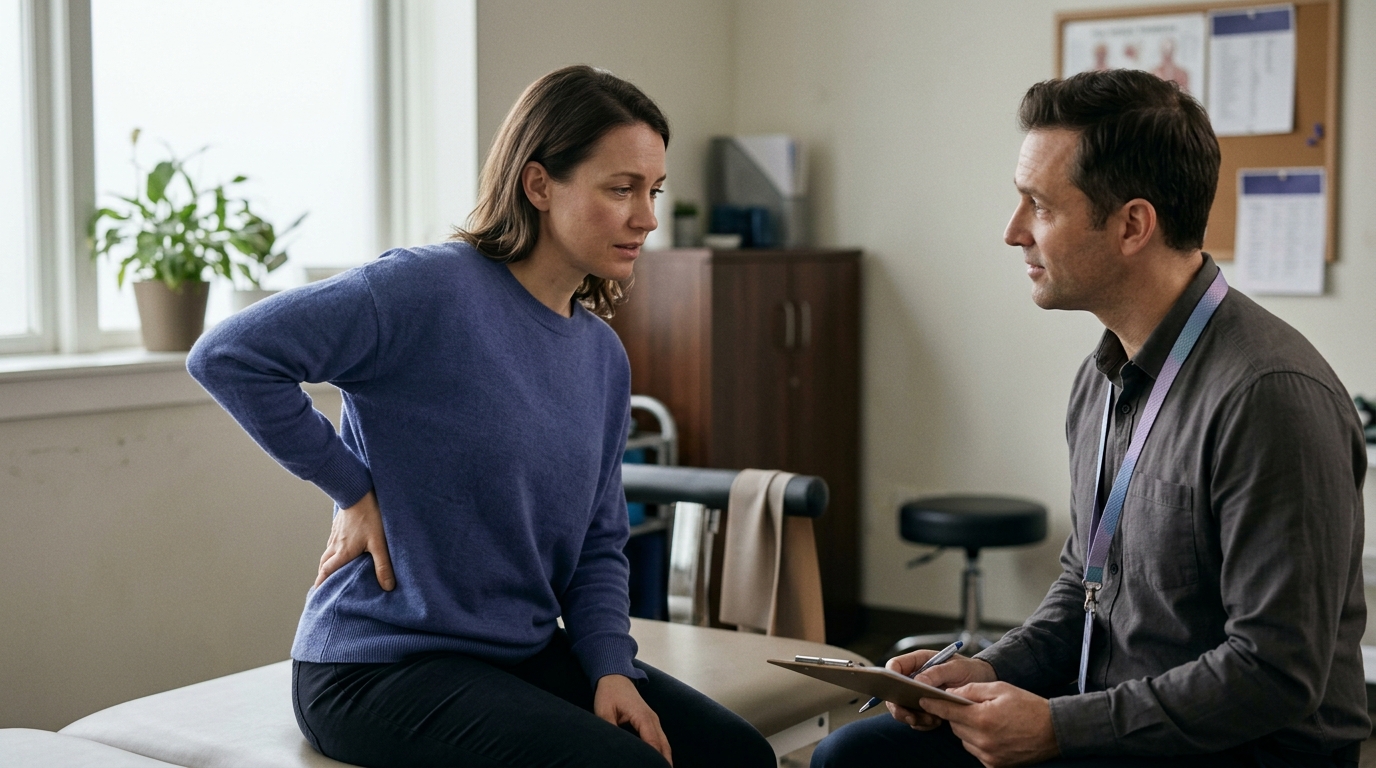
An annual active-living checkup often reveals areas of physical uncertainty, lingering pain, or safety risks that require clinical oversight. You do not need to diagnose or manage musculoskeletal conditions on your own. Sharing your checkup findings with a primary care physician, physical therapist, or orthopedic specialist ensures your movement plan is safe and medically appropriate.
The CDC STEADI algorithm recommends that healthcare providers screen older adults for fall risk annually, or immediately after any acute fall. This clinical evaluation includes assessments of gait speed, leg strength, balance, orthostatic blood pressure, vision, and medication side effects. NICE clinical guidelines similarly recommend that individuals who have fallen or display gait impairments receive a progressive, tailored exercise program developed by a qualified professional.
Prepare for your next clinical appointment by bringing your load map, household hazard notes, and specific questions:
Open communication with your medical team bridges the gap between self-directed healthy habits and professional clinical care. Learn more about ReboundBody and our commitment to providing clear, evidence-aware recovery and active-living information.
Conducting an active-living review once a year establishes a reliable rhythm for preserving mobility, independence, and joint health. Selecting a memorable date, such as your birthday, the start of the new year, or the change of a season, ensures this practical audit is not forgotten.
In addition to your scheduled annual checkup, you should perform a prompt mini-review whenever a major life transition occurs. Revisit your habits, hazards, and goals after experiencing:
Use this systematic review process to stay proactive about physical well-being. By auditing your daily domains, balancing cumulative physical strain with adequate rest, removing environmental hazards, and consulting healthcare providers when questions arise, you create a sustainable foundation for lifelong movement.
Conducting a structured annual review allows you to align your daily physical habits with your body's evolving needs, supporting safe and confident movement for years to come.

Use ReboundBody resources to understand common recovery stages, rehab terms, movement limits and strength rebuilding. Each guide is designed to make a complex comeback easier to understand.


Read practical guidance on injury recovery, rehabilitation, mobility and rebuilding strength as you work your way back to activity.
Explore Resources