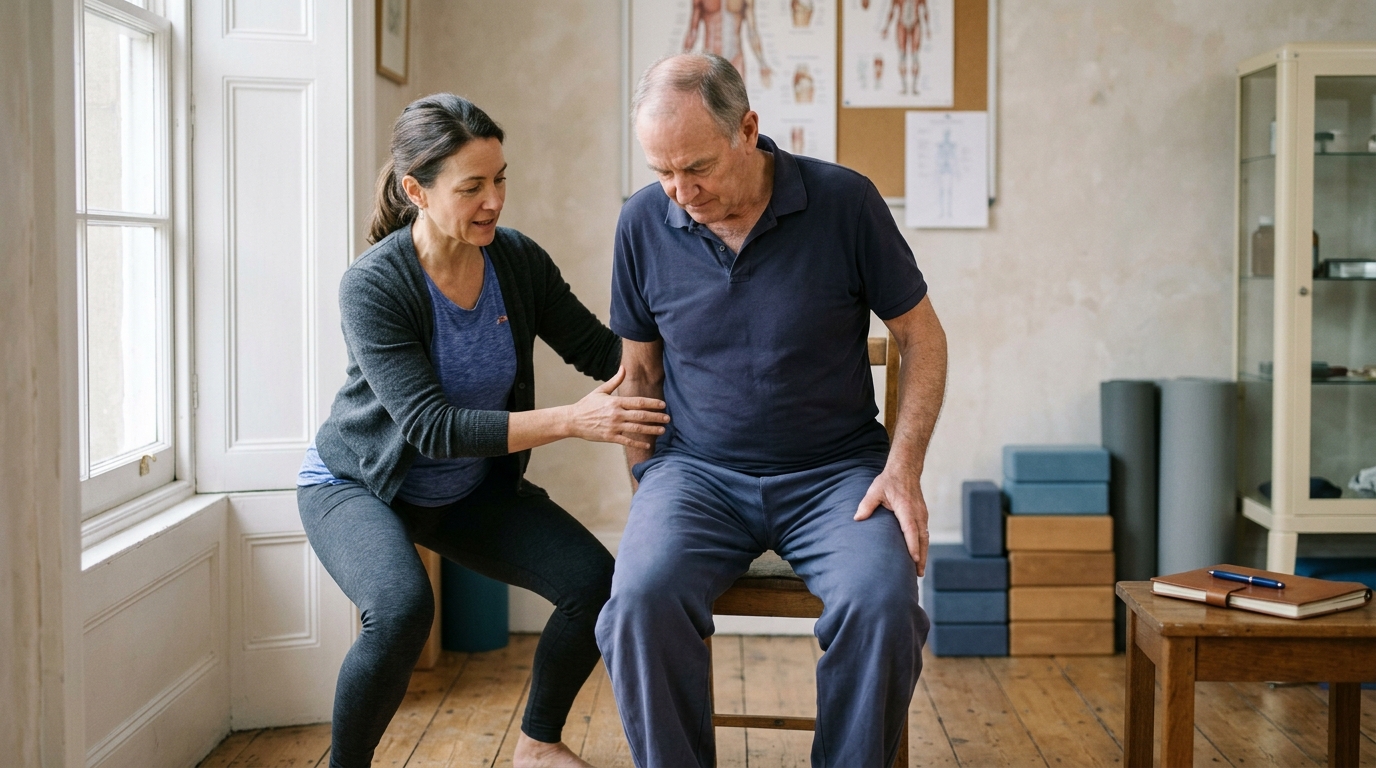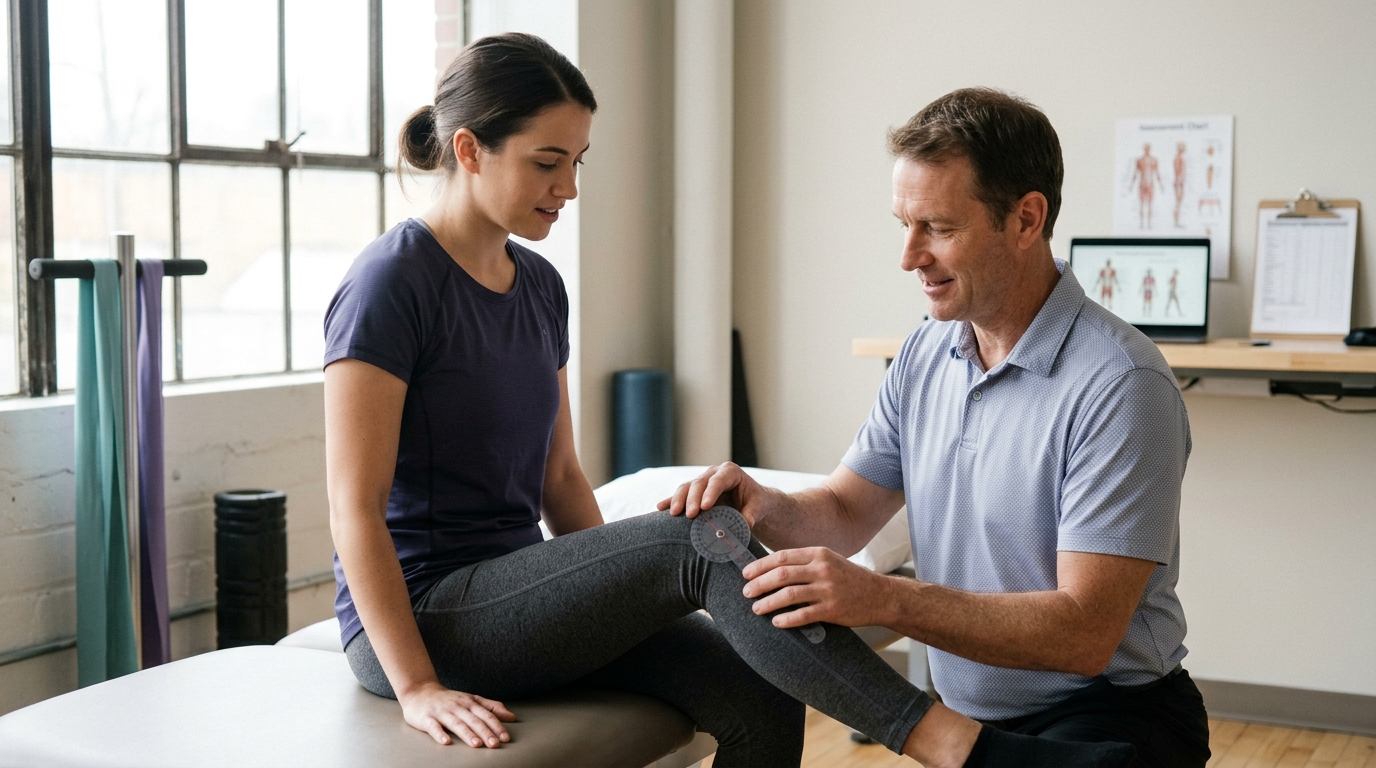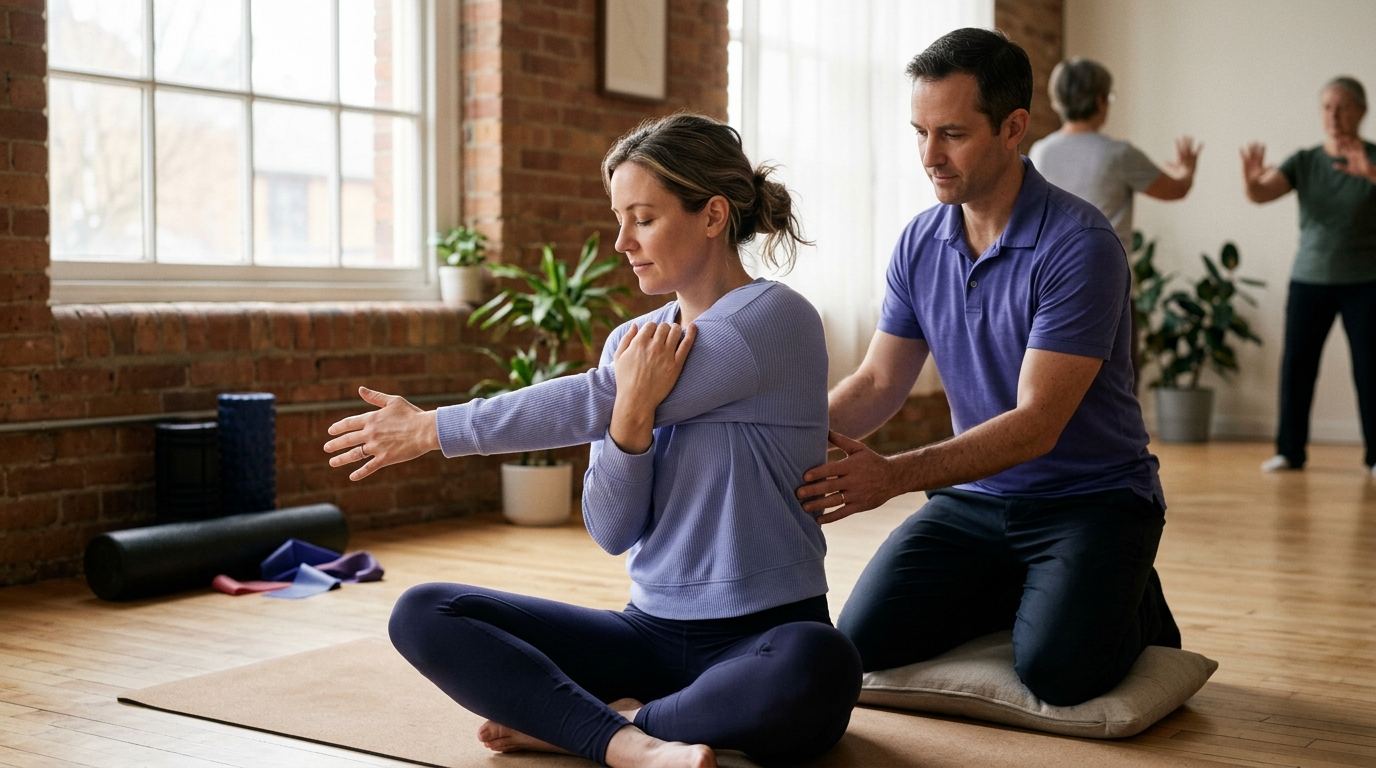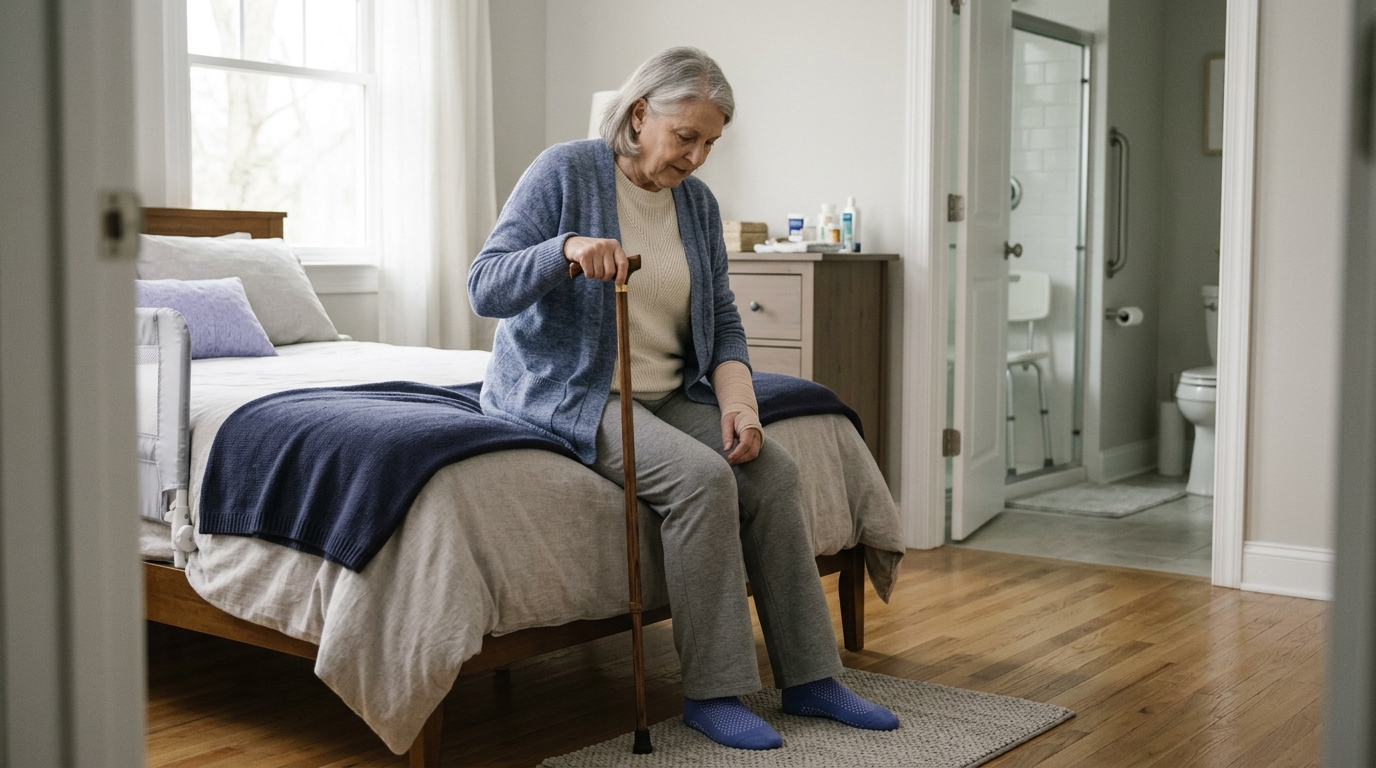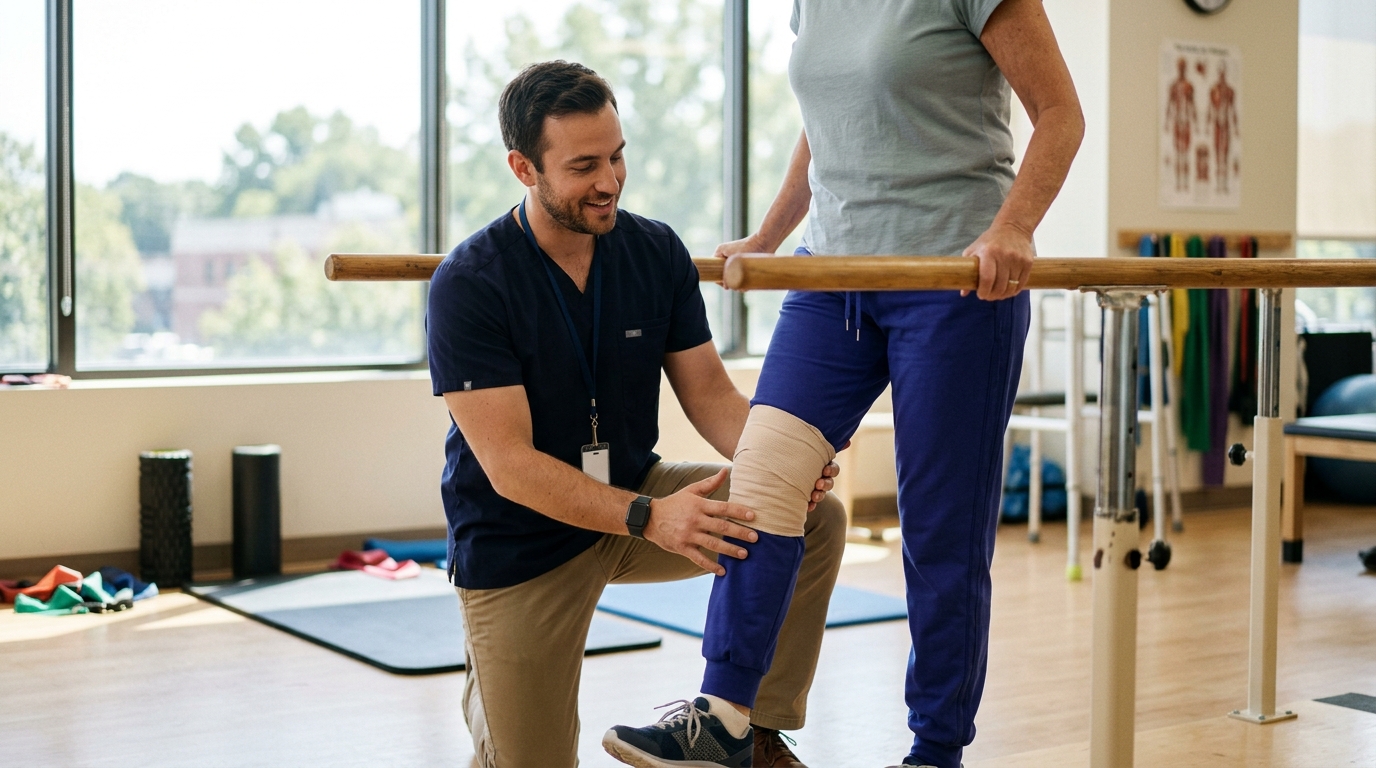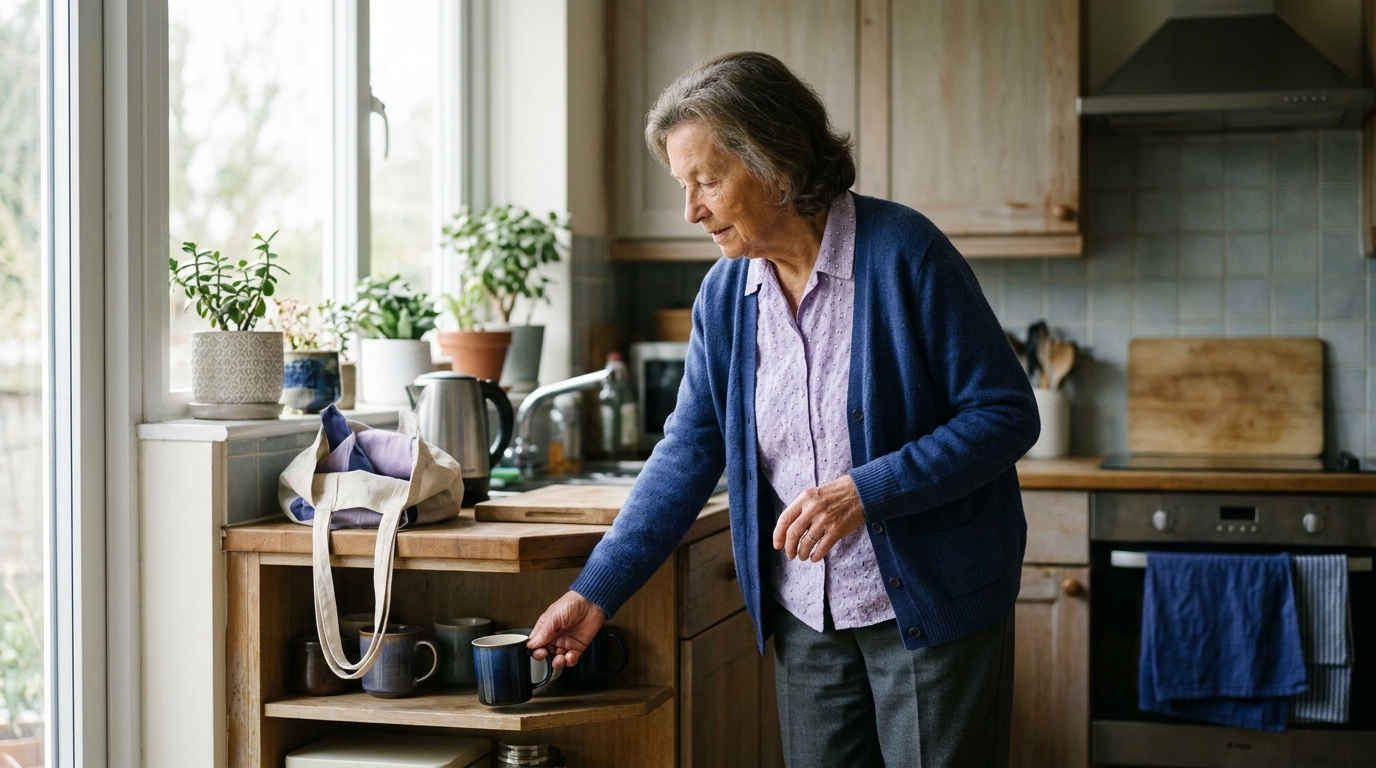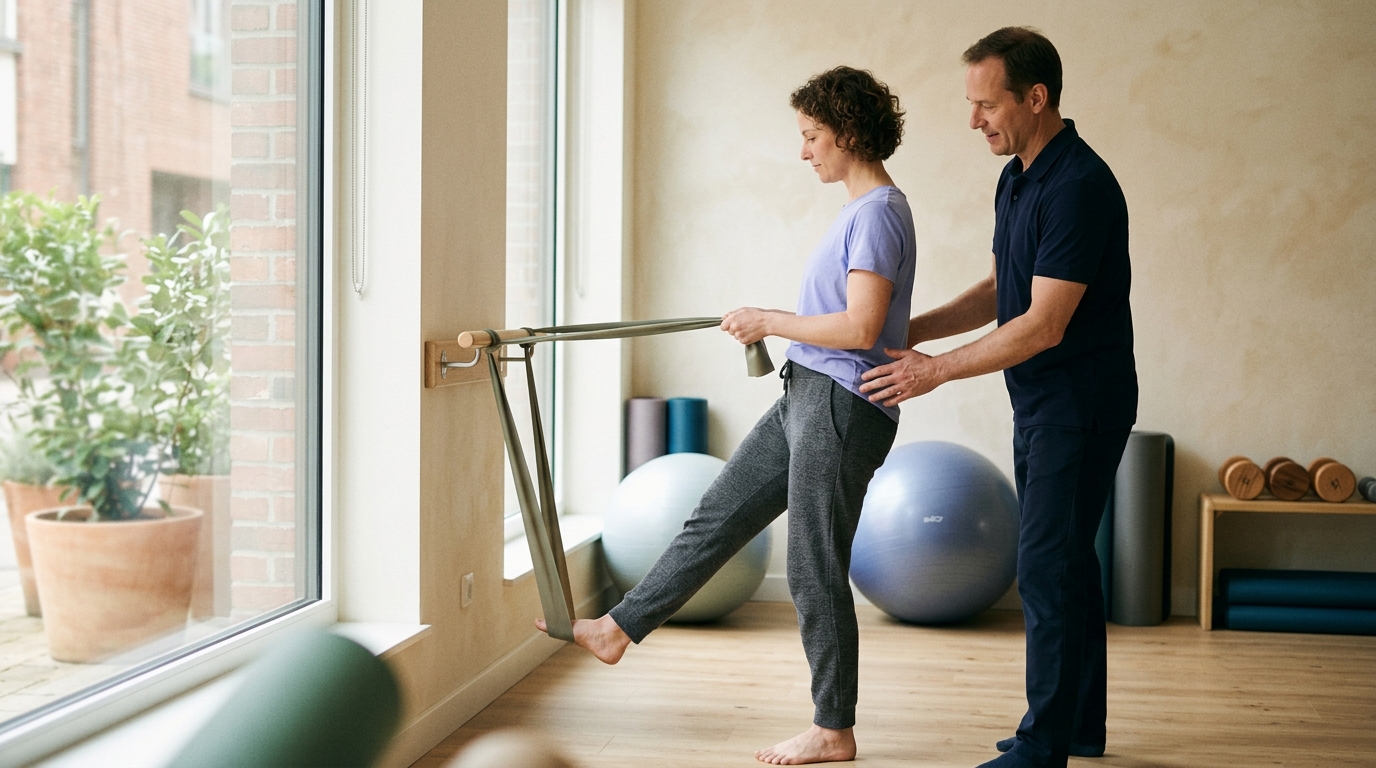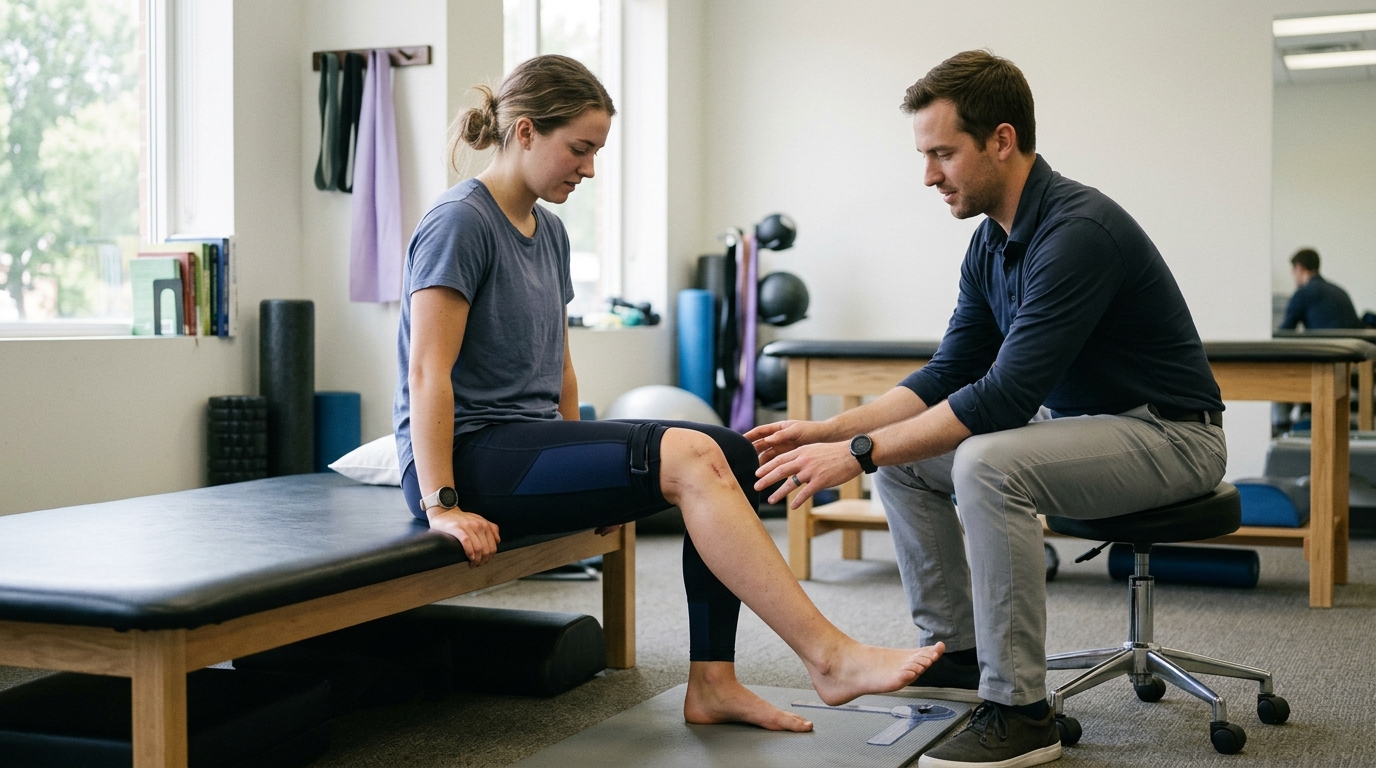

Rising from a low chair or carrying heavy groceries feels easier when you rebuild physical strength through six foundational functional movement patterns.





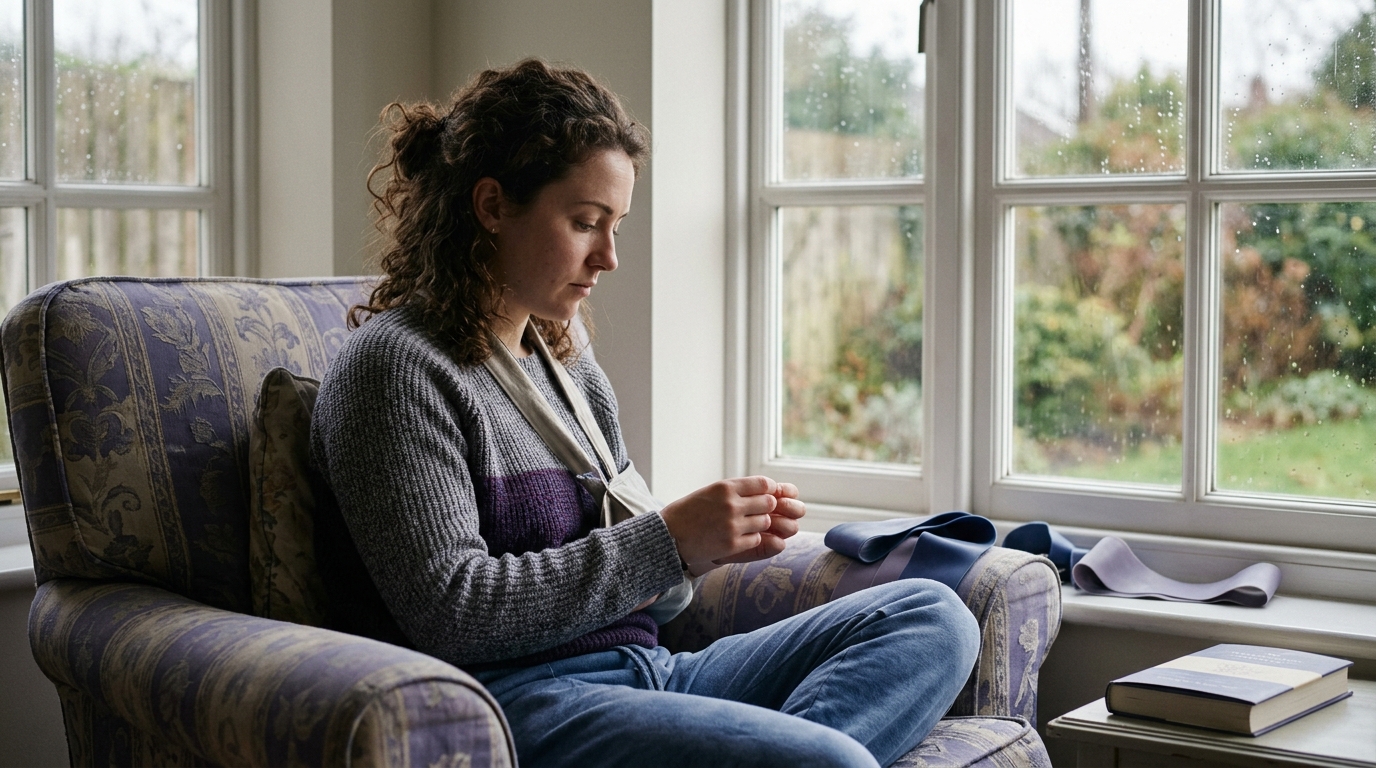
Many adults returning from injury or physical setbacks find themselves searching for the best way to regain everyday strength. You may have searched for how to lift groceries without back strain, how to climb stairs without knee discomfort, or how to get up from the floor with confidence. A common source of confusion is whether to train individual muscles on gym machines or focus entirely on functional movements.
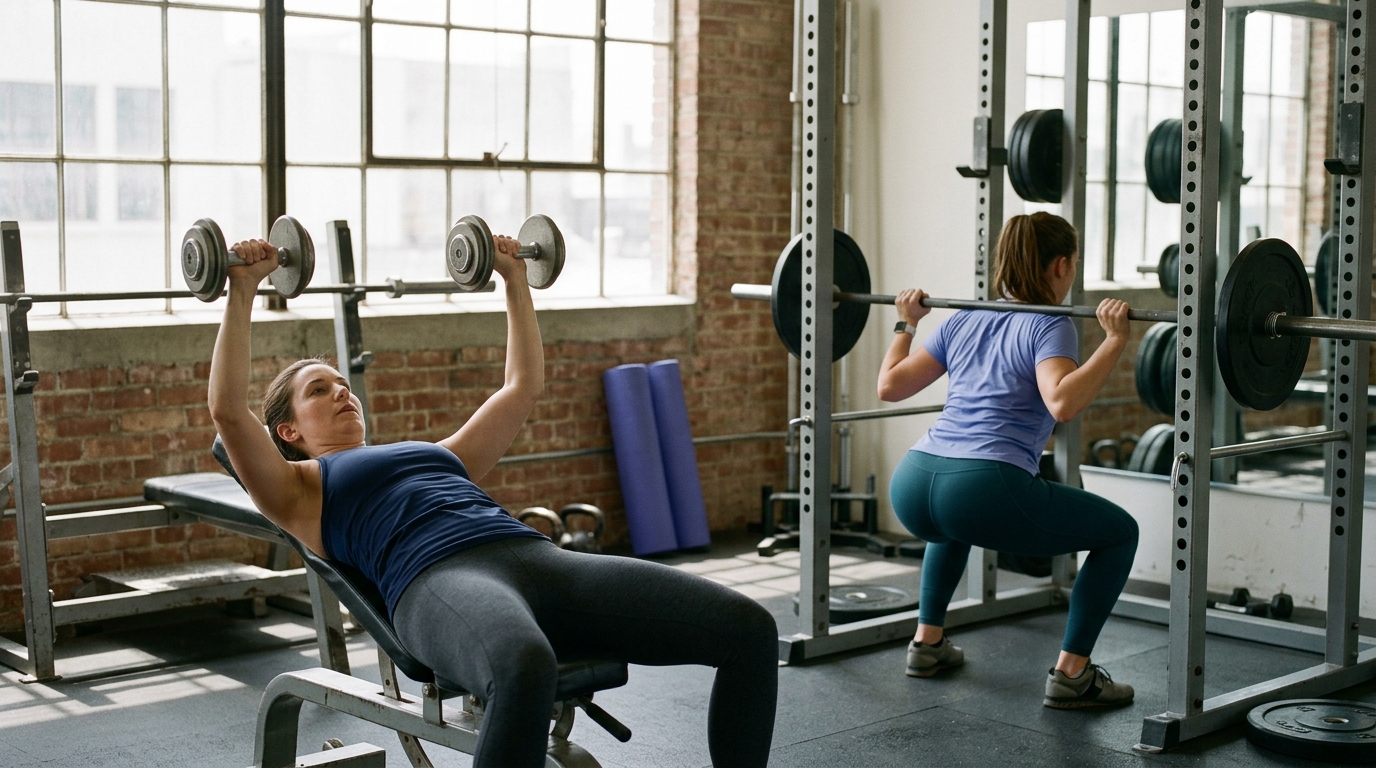
Rebuilding everyday strength works best when you organize your training around six foundational movement patterns: squatting, hinging, pushing, pulling, carrying, and stepping. These patterns serve as a bridge between structured exercise and the physical demands of daily life.
However, movement patterns are an educational tool rather than a strict medical classification. Getting stronger in a specific exercise does not automatically guarantee that every daily task becomes easy. Real-world tasks introduce changing loads, joint angles, speeds, balance requirements, and environments. A well-rounded physical recovery program builds general muscular capacity while also providing specific practice for the activities you want to regain.
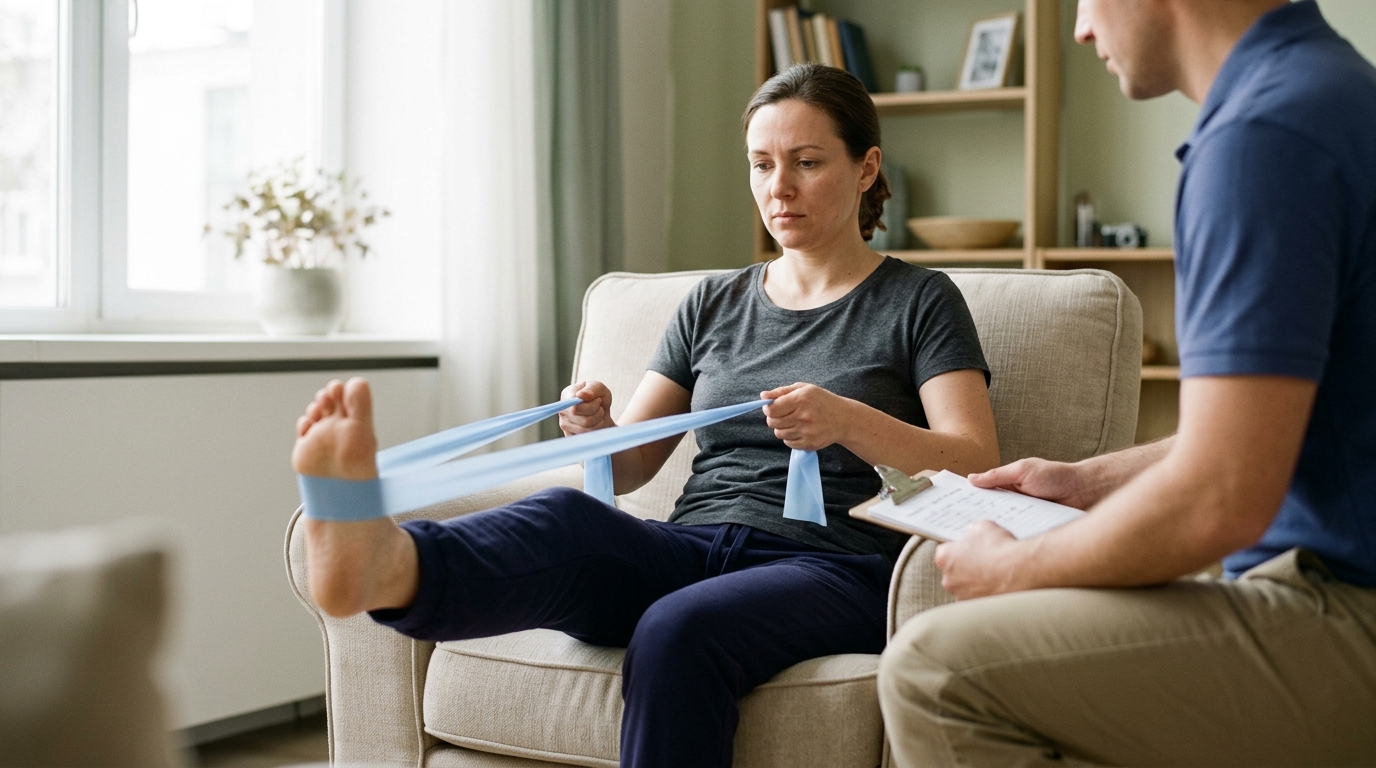
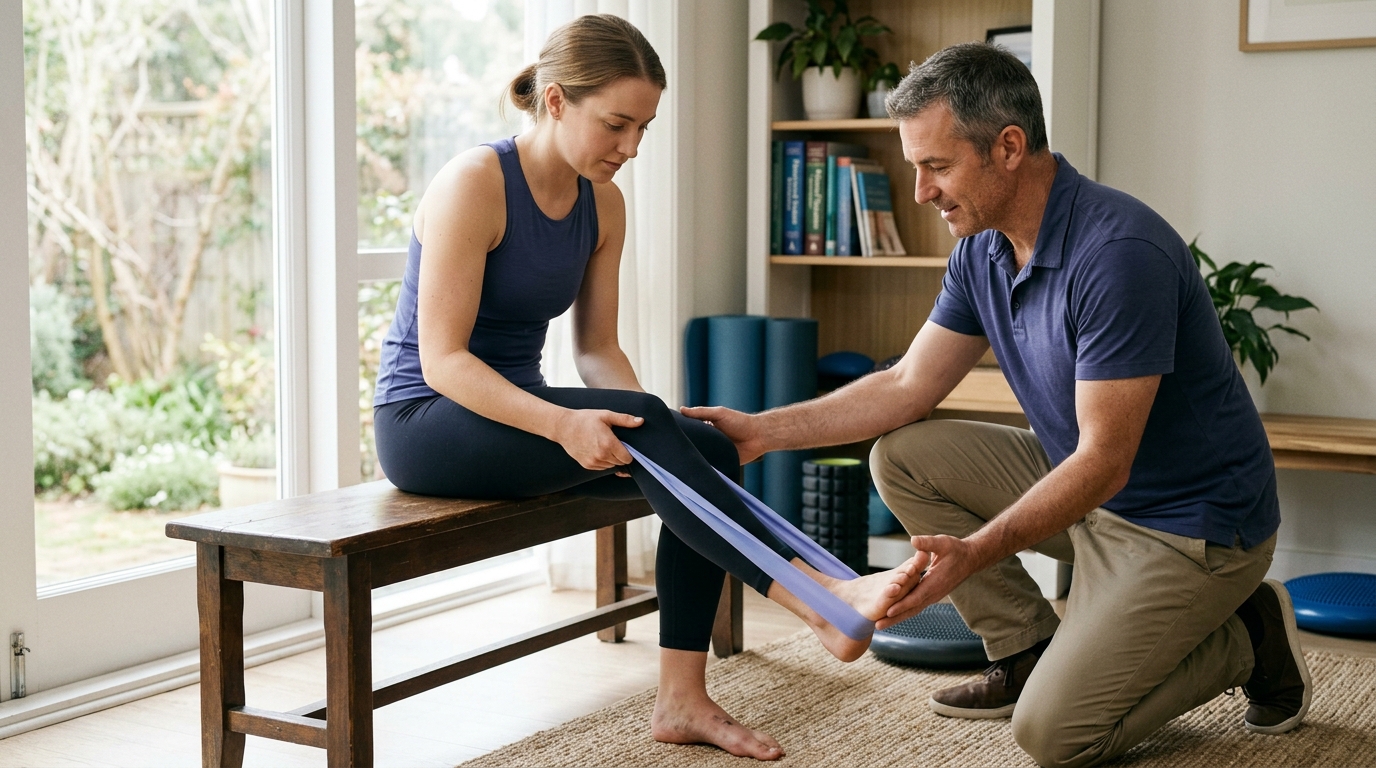
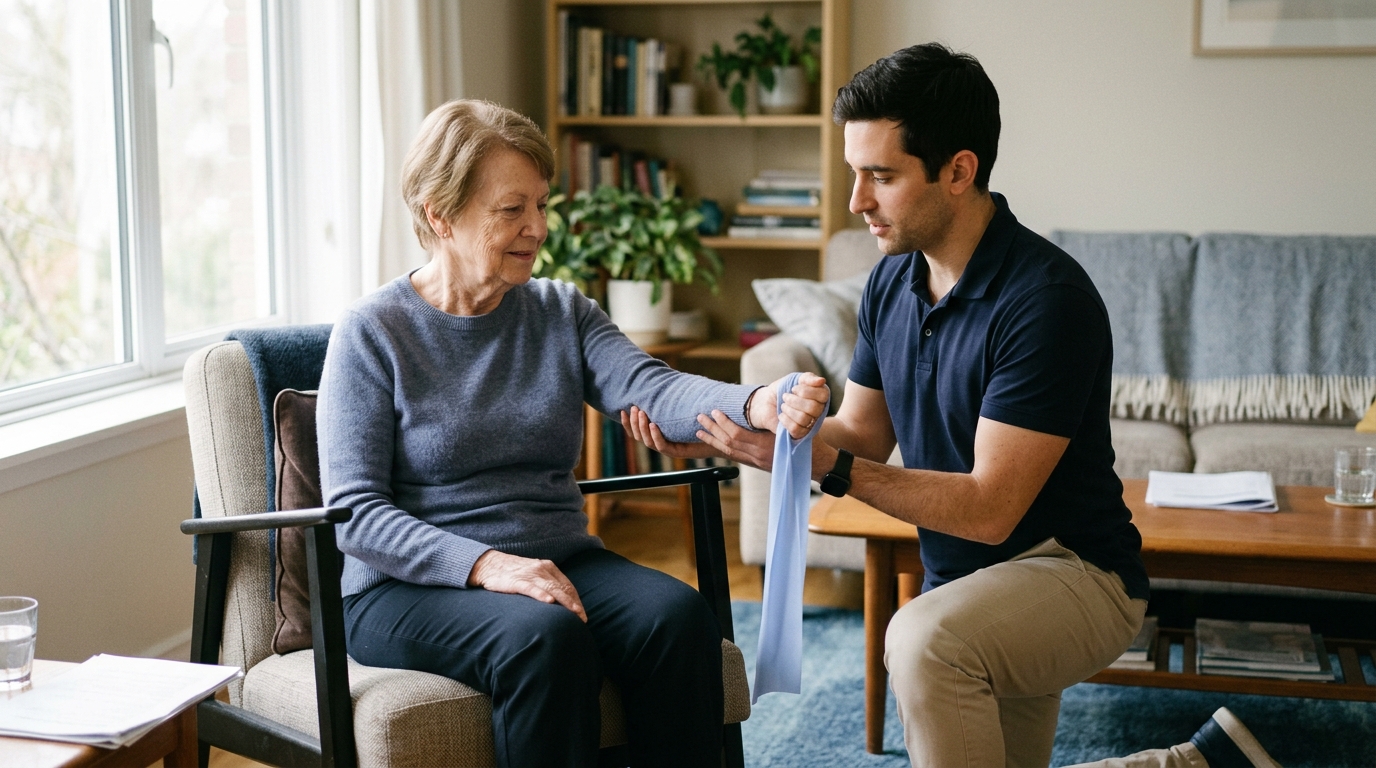
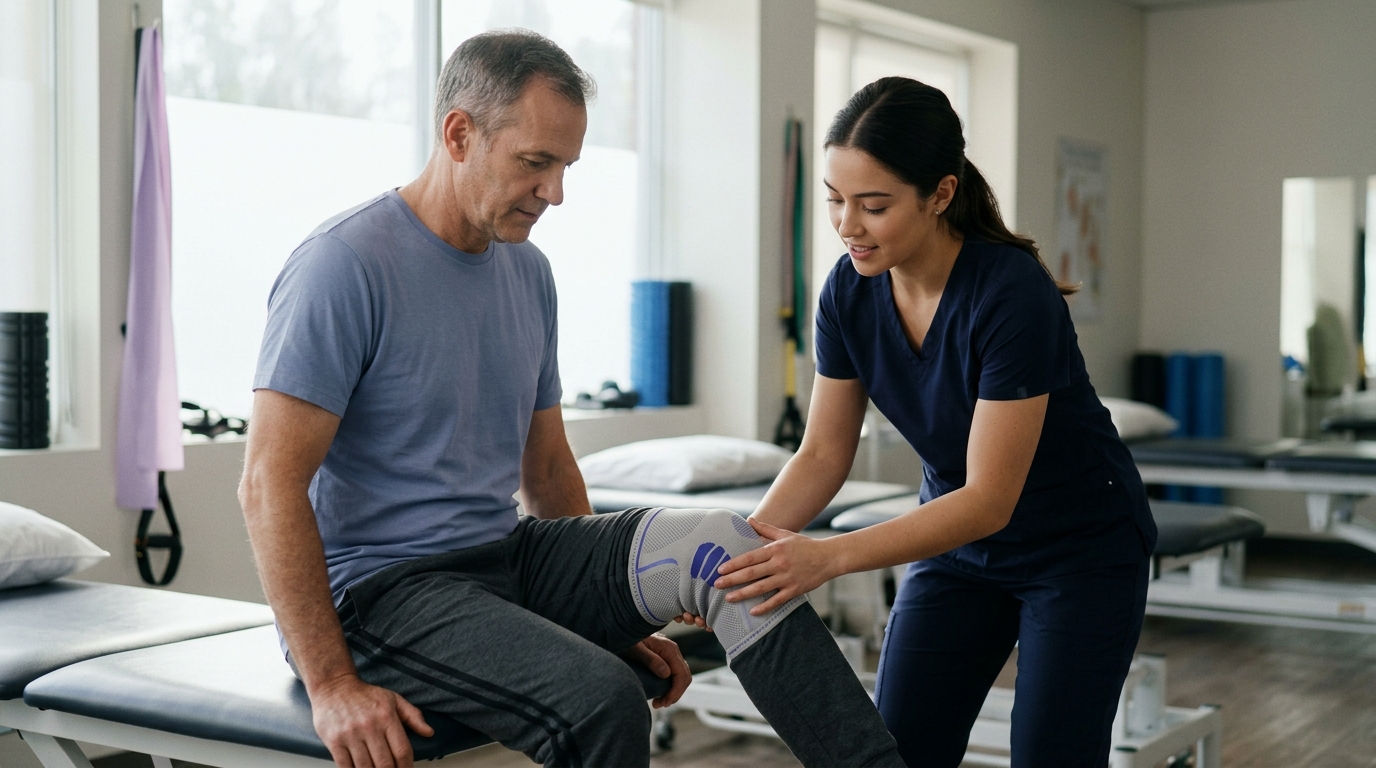
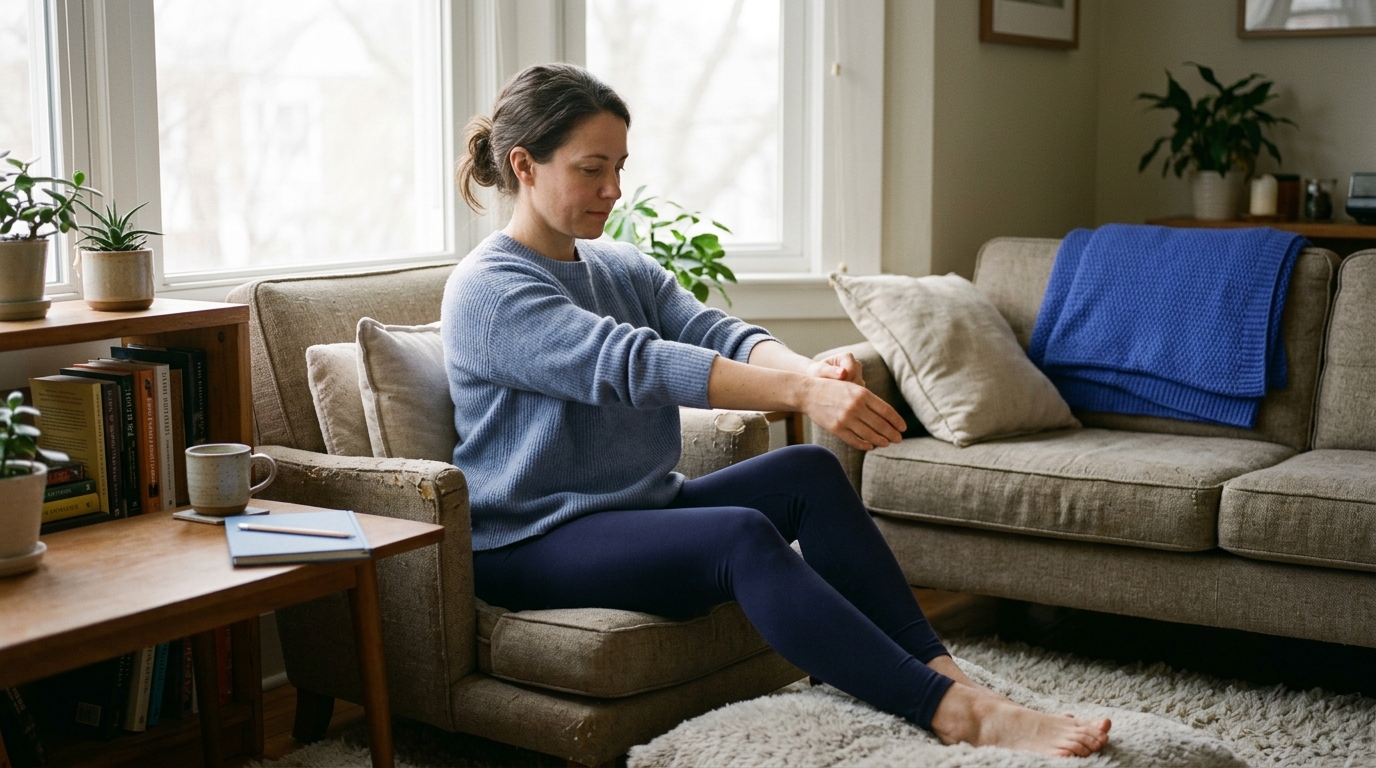
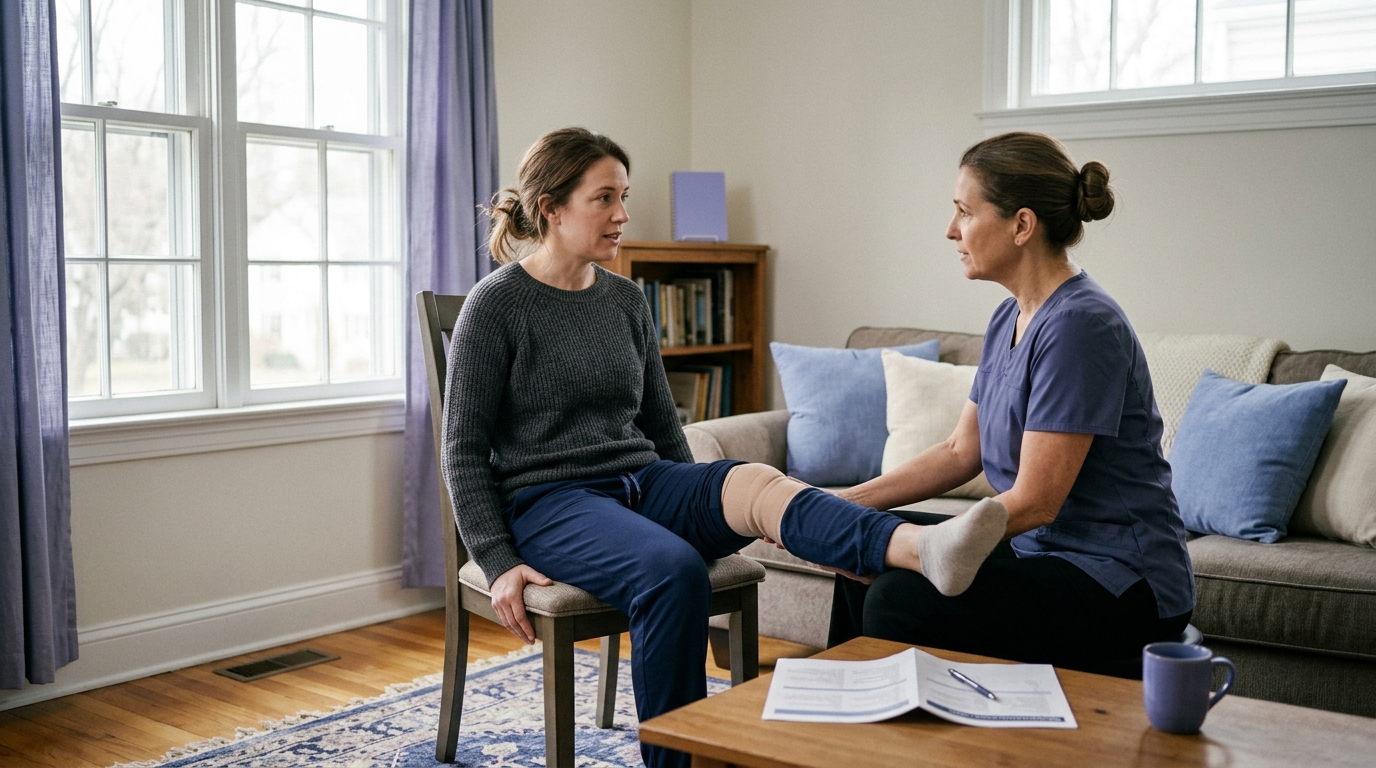
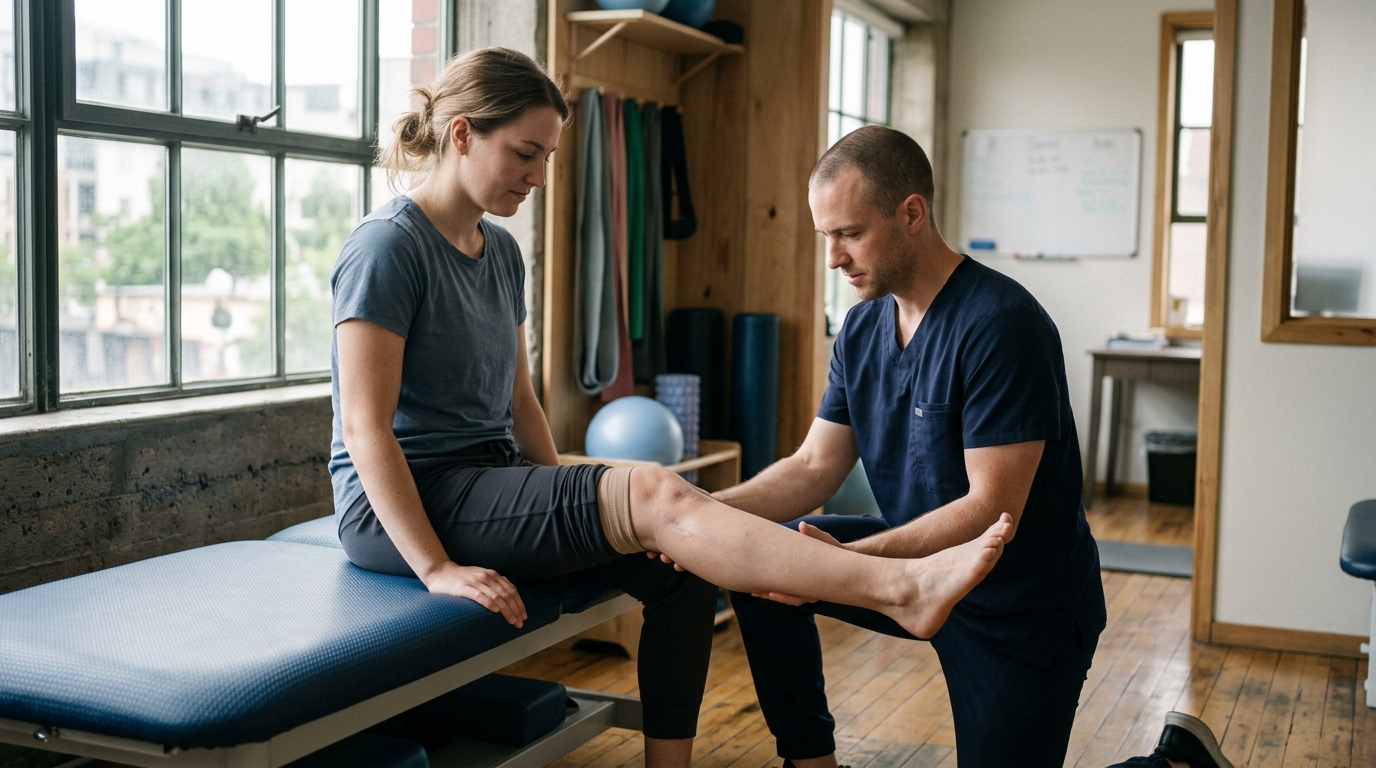
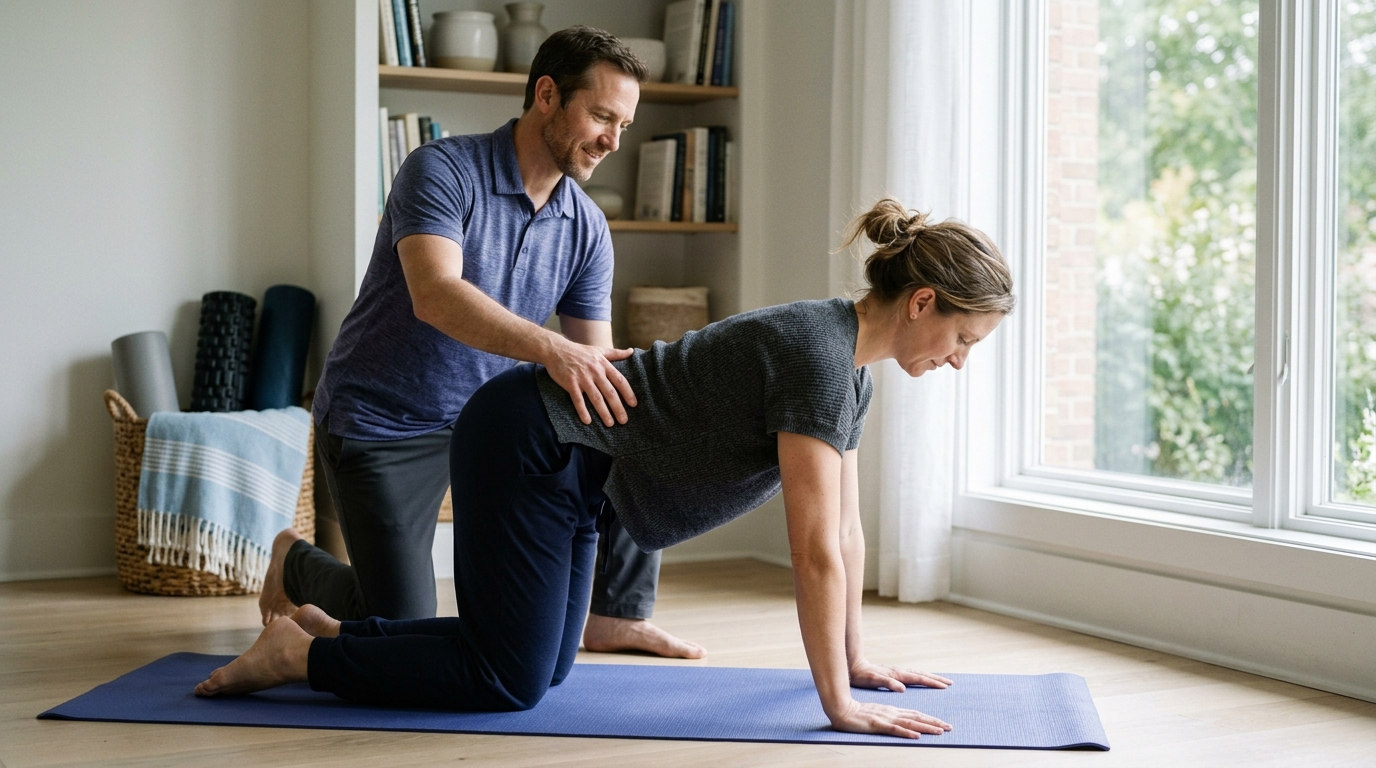
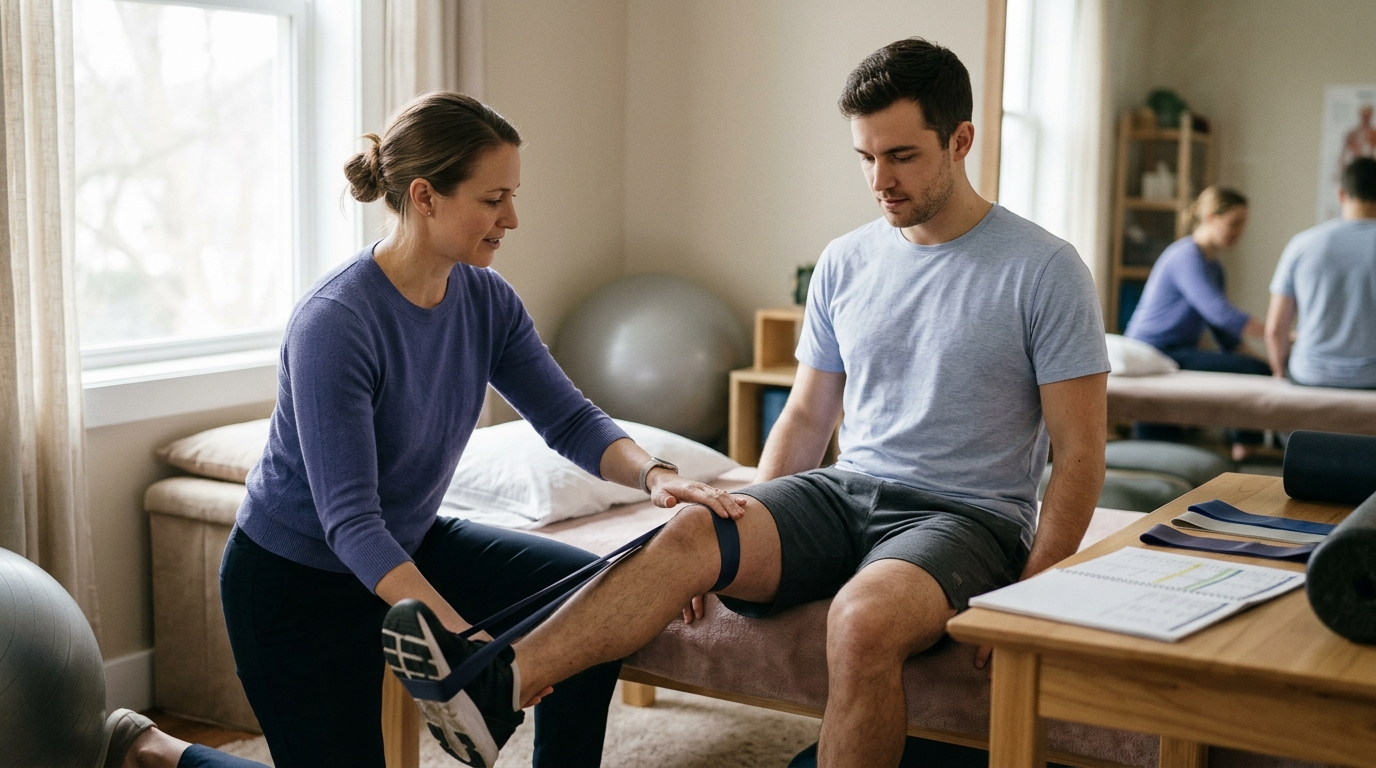
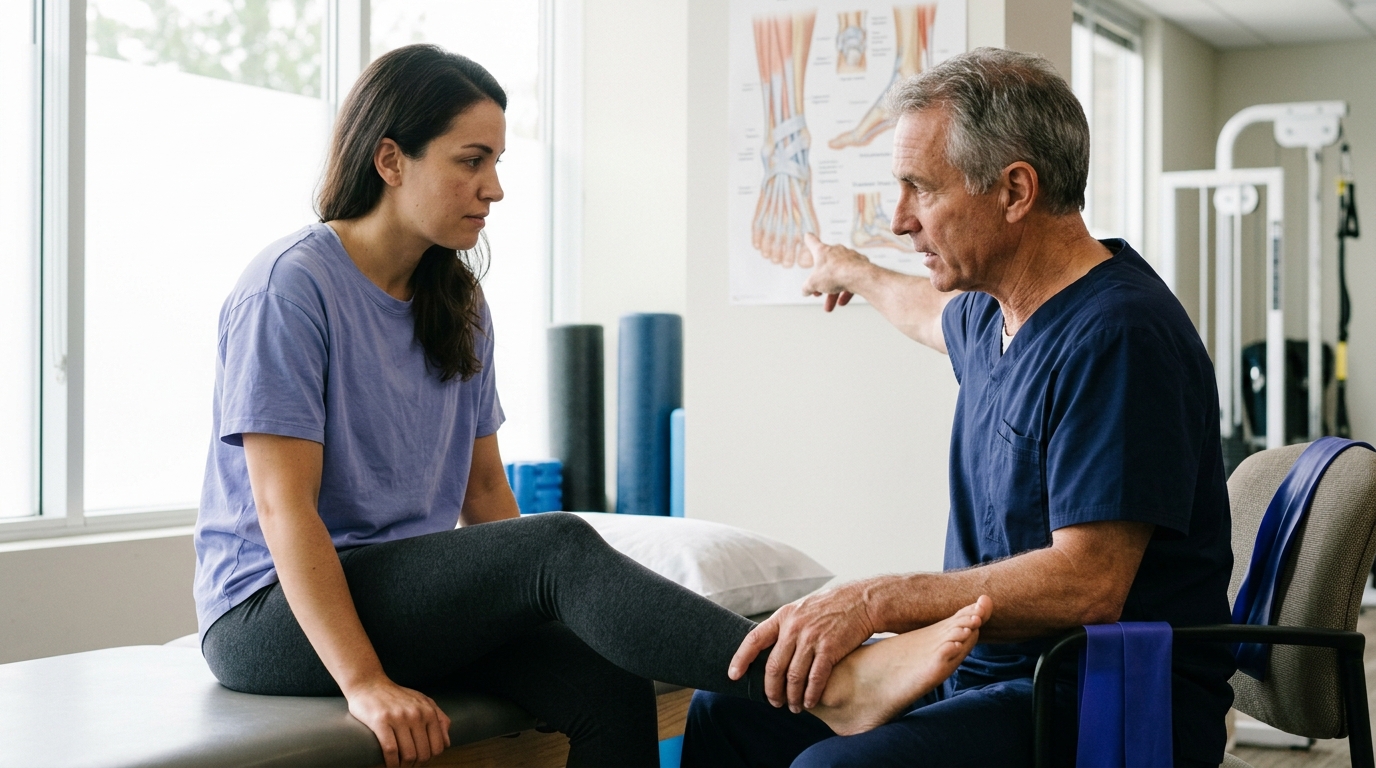
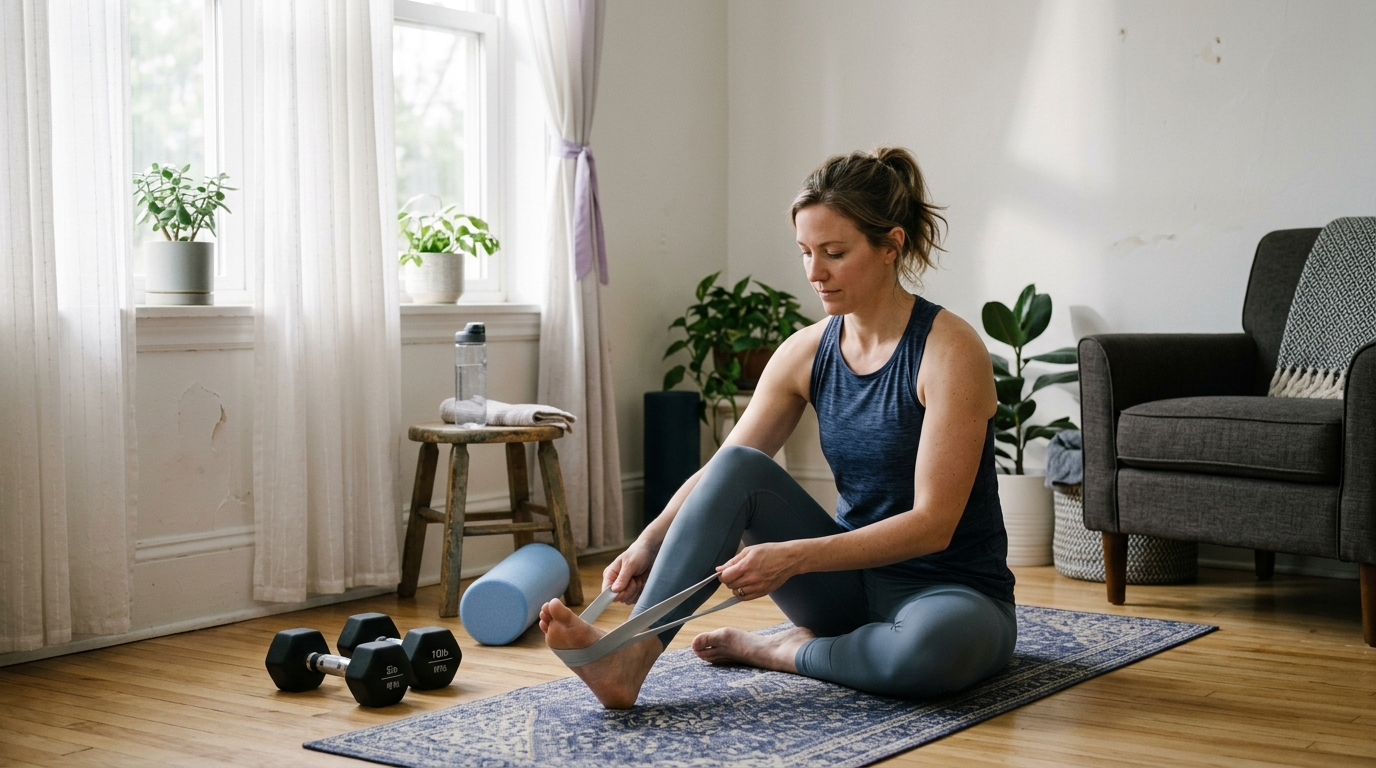
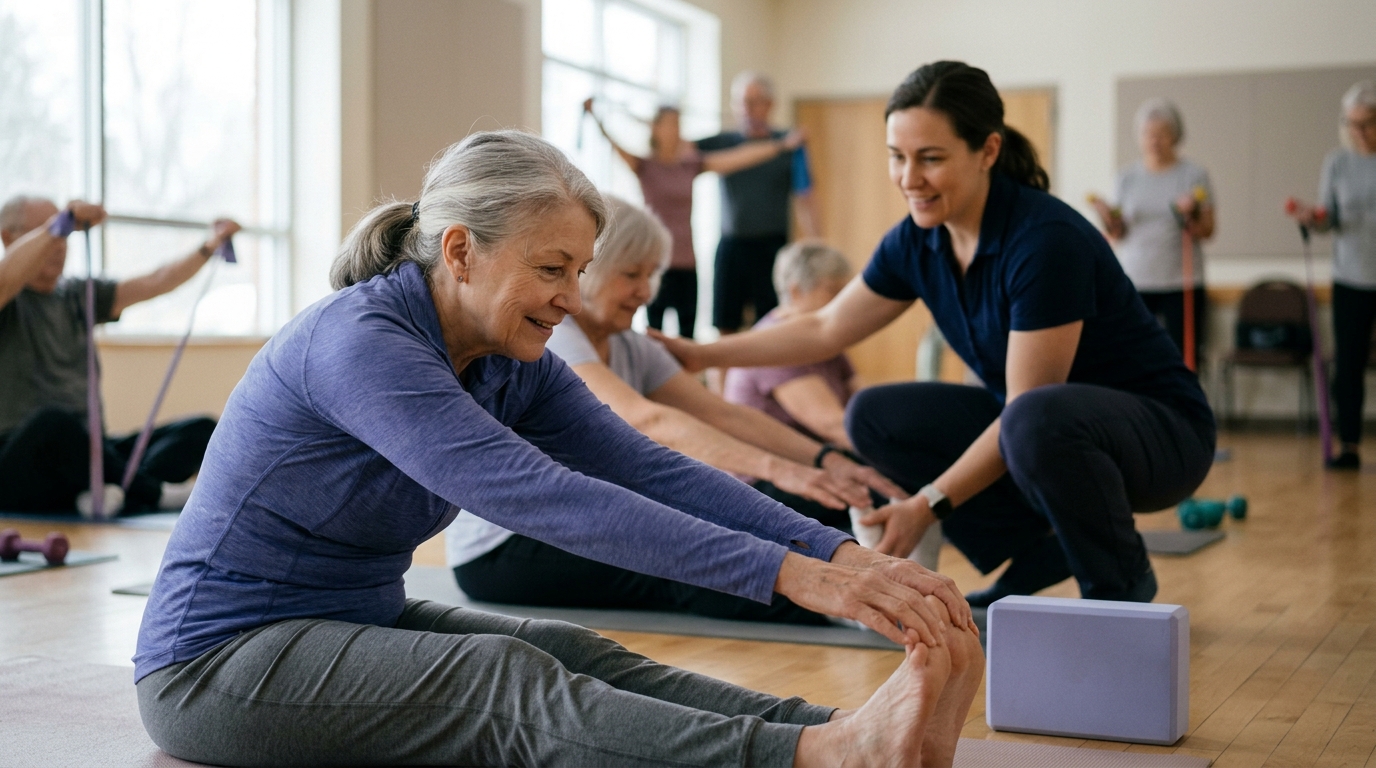
Physical rehabilitation often begins with targeted exercises to isolate and activate specific muscles. A physical therapist might prescribe straight leg raises for the quadriceps, clamshells for the hip rotators, or band pull-aparts for the upper back. These isolated exercises are valuable in early healing because they restore joint motion, improve local blood flow, and rebuild baseline muscular control with minimal joint stress.
As healing progresses, daily life rarely asks muscles to work in isolation. Getting out of a deep armchair requires the quadriceps, glutes, hamstrings, calves, and trunk muscles to coordinate their efforts in a split second. Carrying a heavy laundry basket up a flight of stairs demands grip strength, shoulder stability, core stiffness, and single-leg balance all at once.
Movement patterns group exercises by how the human body moves through space rather than by single muscle groups. Instead of viewing a workout as a collection of isolated parts, a pattern-based approach views the body as an integrated system. Learning how to move across multiple joints allows you to distribute mechanical stress across larger muscle groups. This distribution helps protect sensitive joints that are recovering from injury or surgery.
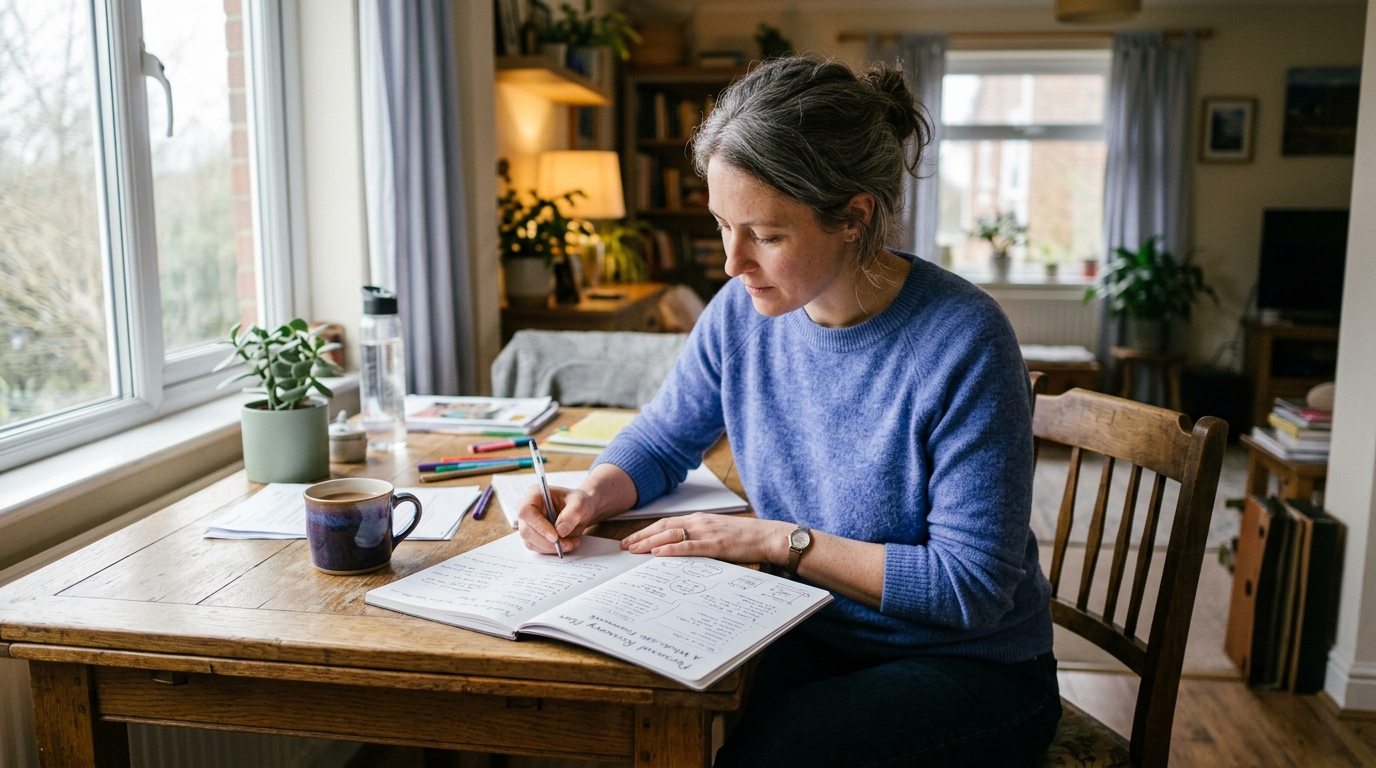
Using movement patterns also simplifies program design. Instead of guessing which dozen exercises to perform each week, you can select one or two manageable variations from each primary pattern. This approach ensures you build balanced physical capacity without overworking a single area. Readers working through our rehabilitation and mobility resources often find that organizing training around movement categories makes progress easier to track over time.
The concept of functional training has received significant attention in sports science and geriatric research. A systematic review published by Liu and colleagues examined 13 studies involving 1,139 older adults with an average age of 60 or older. The interventions typically lasted 12 weeks, with programs ranging from 6 to 50 weeks in duration. Most study protocols involved 45 to 60 minute sessions held two or three times each week.
The researchers found that functional training programs produced positive improvements across multiple daily activities. However, the benefits were most noticeable when the training exercises closely matched the specific outcome being tested. For example, programs that included direct chair-stand practice showed consistent improvements in sit-to-stand tests. Nine of the analyzed trials included chair-stand exercises, and five of the seven trials reporting chair-stand outcomes found measurable functional gains.
The review also showed that functional training is not a single, rigid formula. Among the 13 studies, eight included traditional resistance training, five incorporated balance exercises, seven used stair-climbing drills, and five used walking protocols. This diversity shows that functional capacity develops through multiple exercise styles rather than one proprietary routine.
A subsequent systematic review analyzed 20 studies of community-dwelling older adults performing single-component functional training. The researchers found positive effects on activities of daily living. However, functional training did not demonstrate an advantage over traditional exercise programs for outcomes like balance or general mobility.
These findings point to an important principle known as task specificity. Building general strength creates the physical potential to perform a task, but the skill of applying that strength requires relevant practice. If your primary goal is to carry heavy objects, you need both the muscular strength in your legs and trunk, as well as the practical coordination of walking while holding weight.
You can read more about how exercise selection impacts daily performance in our strength and performance rebuilding resources. General exercise capacity, physical test scores, and actual real-world function represent related, but distinct, stages of recovery.
Understanding how each primary pattern functions helps you choose the right starting points for your current abilities. The six patterns discussed below provide a framework for developing a balanced weekly routine.
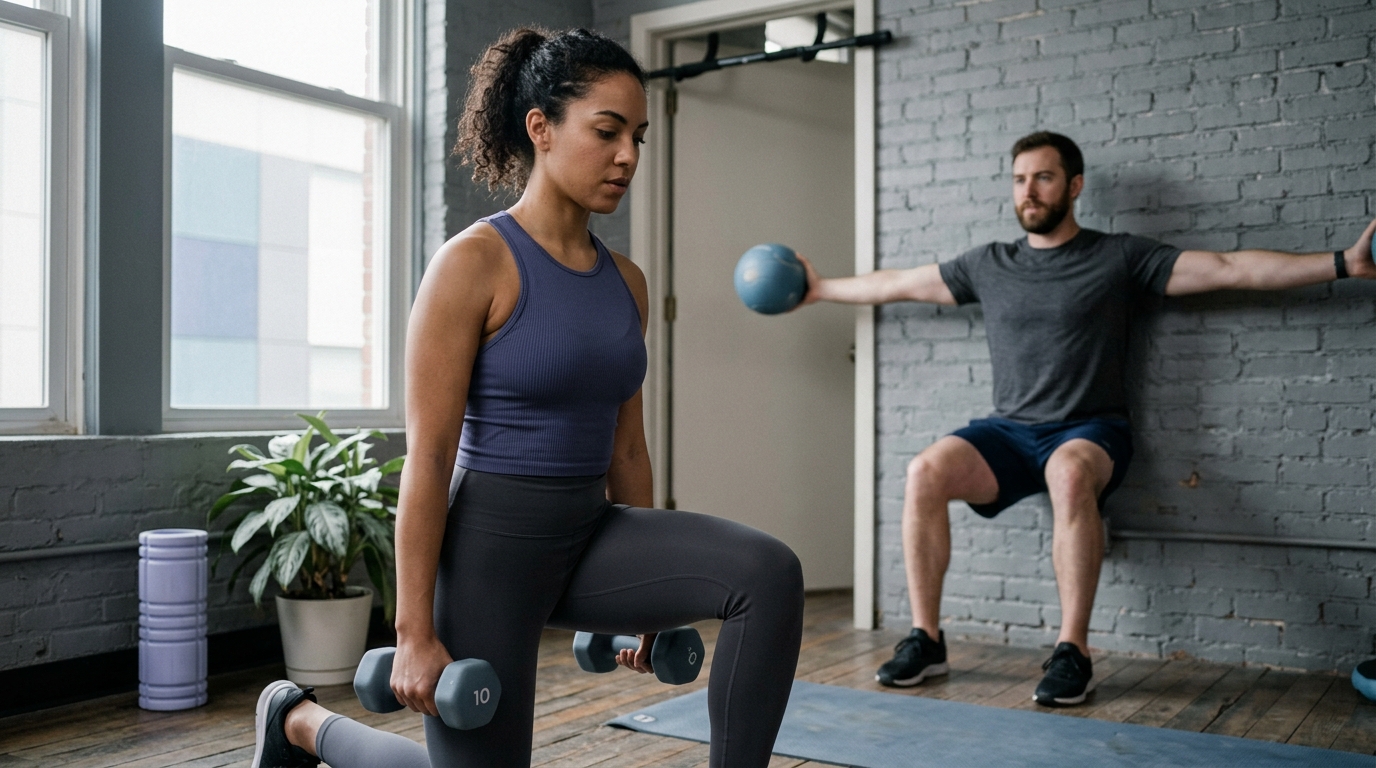
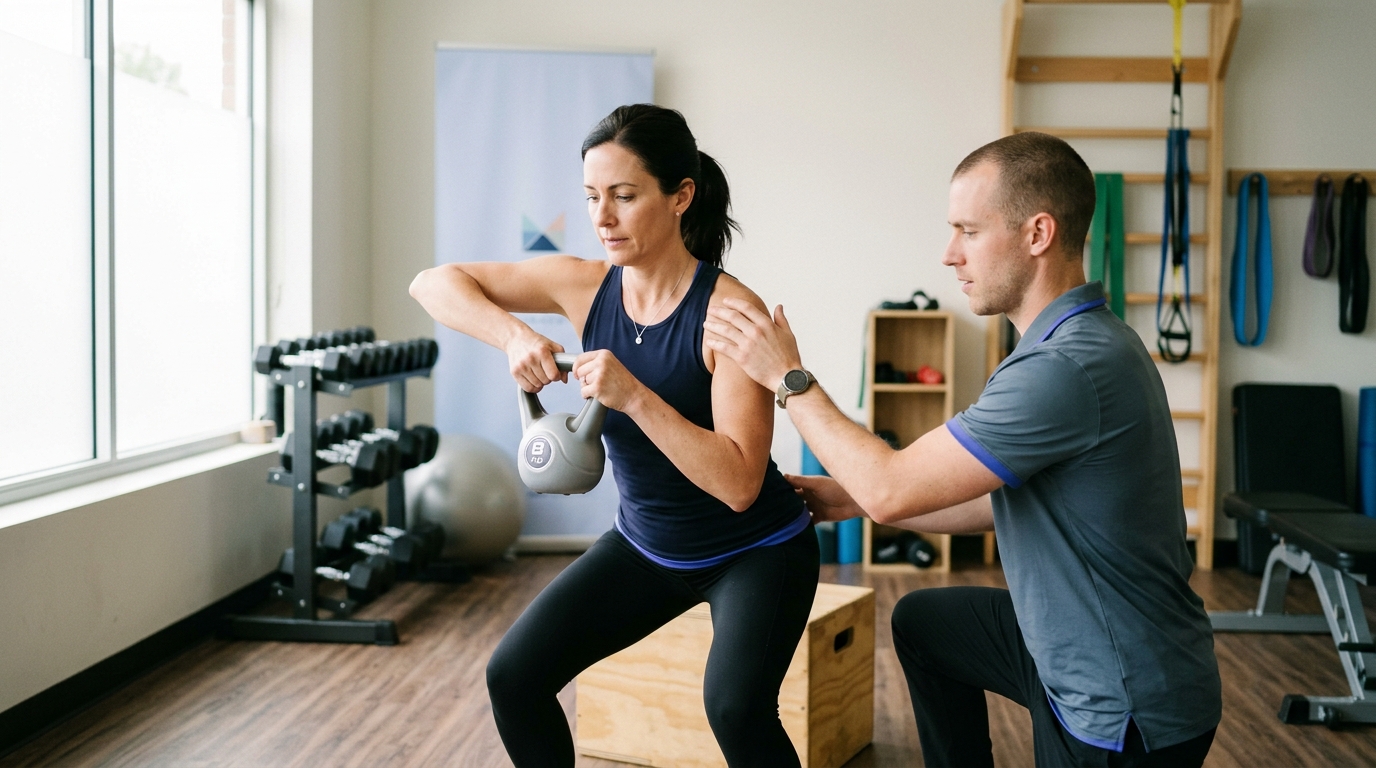
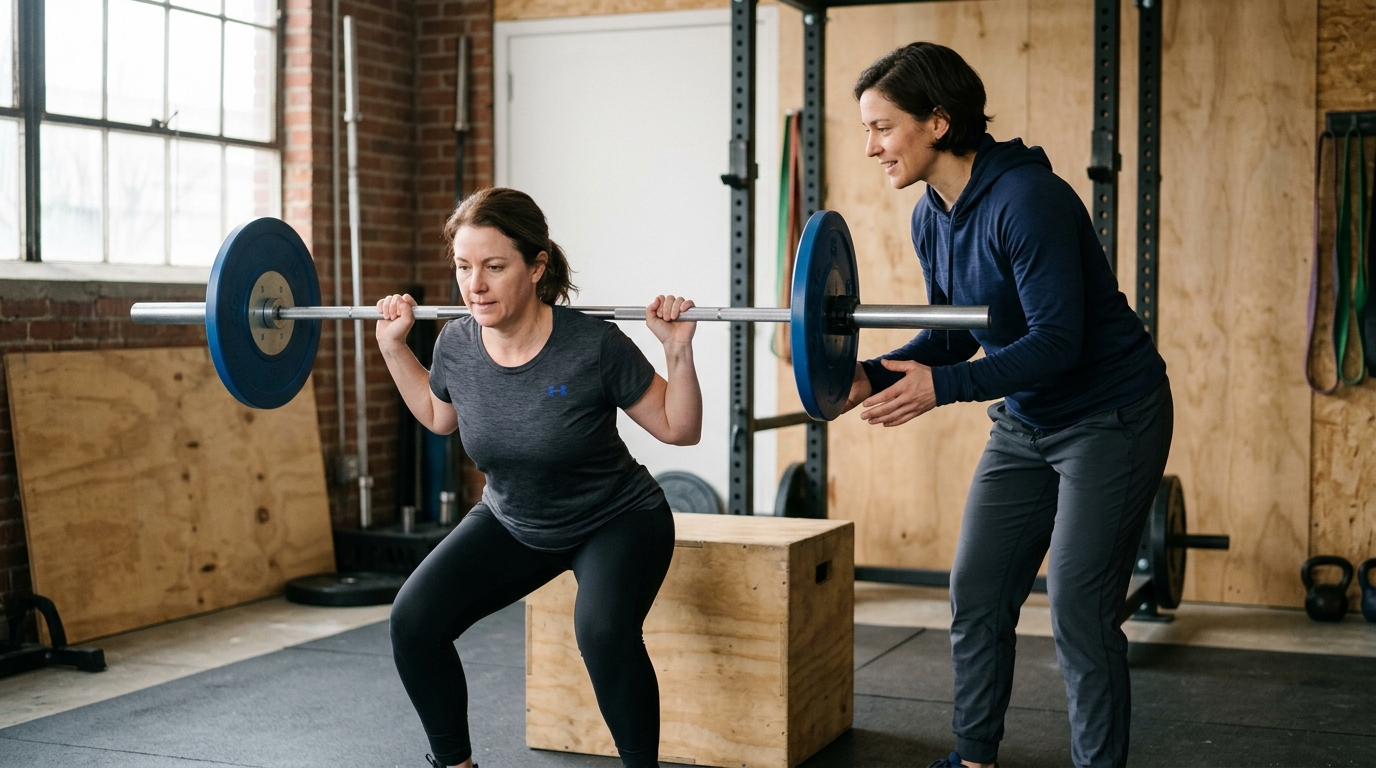
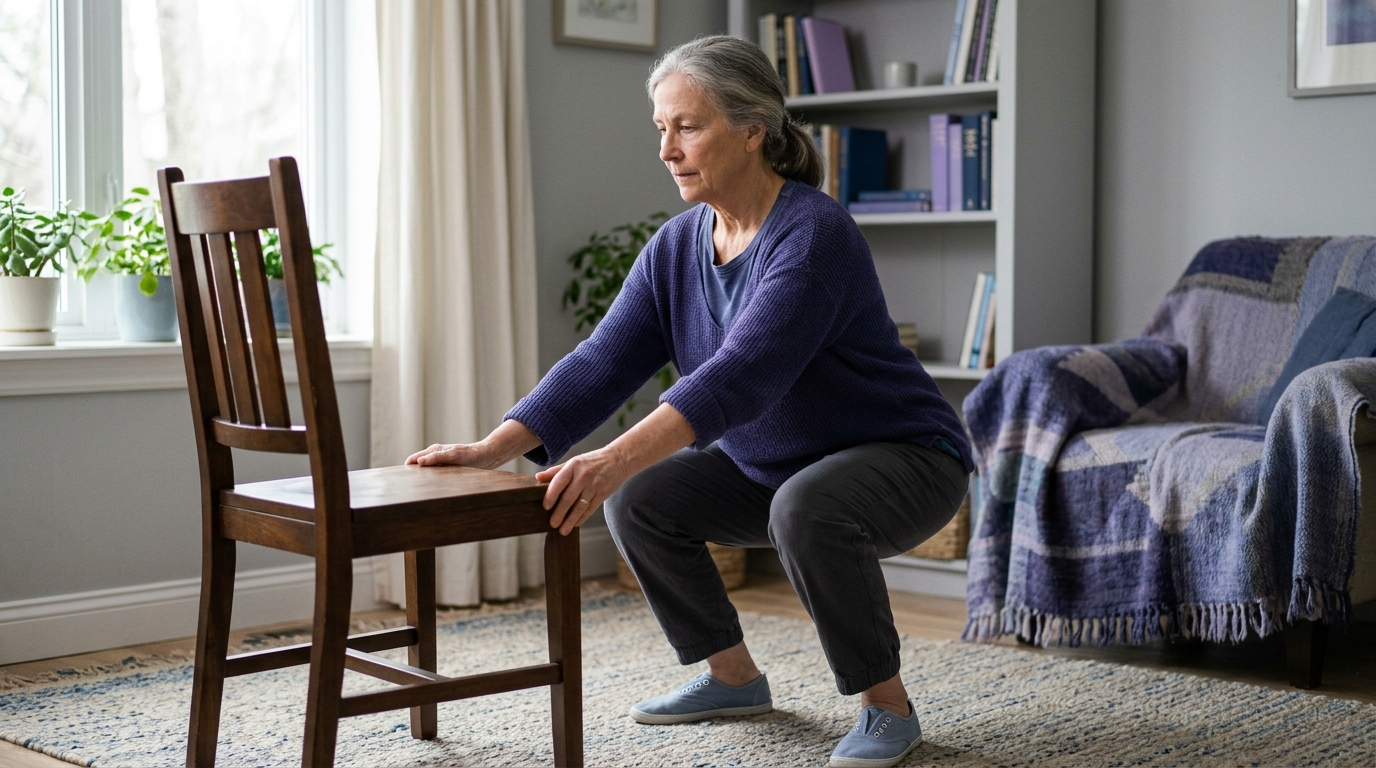
The squat pattern involves lowering and raising your body by bending at the hips, knees, and ankles simultaneously. In daily life, this movement occurs every time you sit down on a couch, stand up from the toilet, or bend your knees to pick up a dropped item. It primarily trains the quadriceps, gluteal muscles, and calves, while requiring upright trunk support.
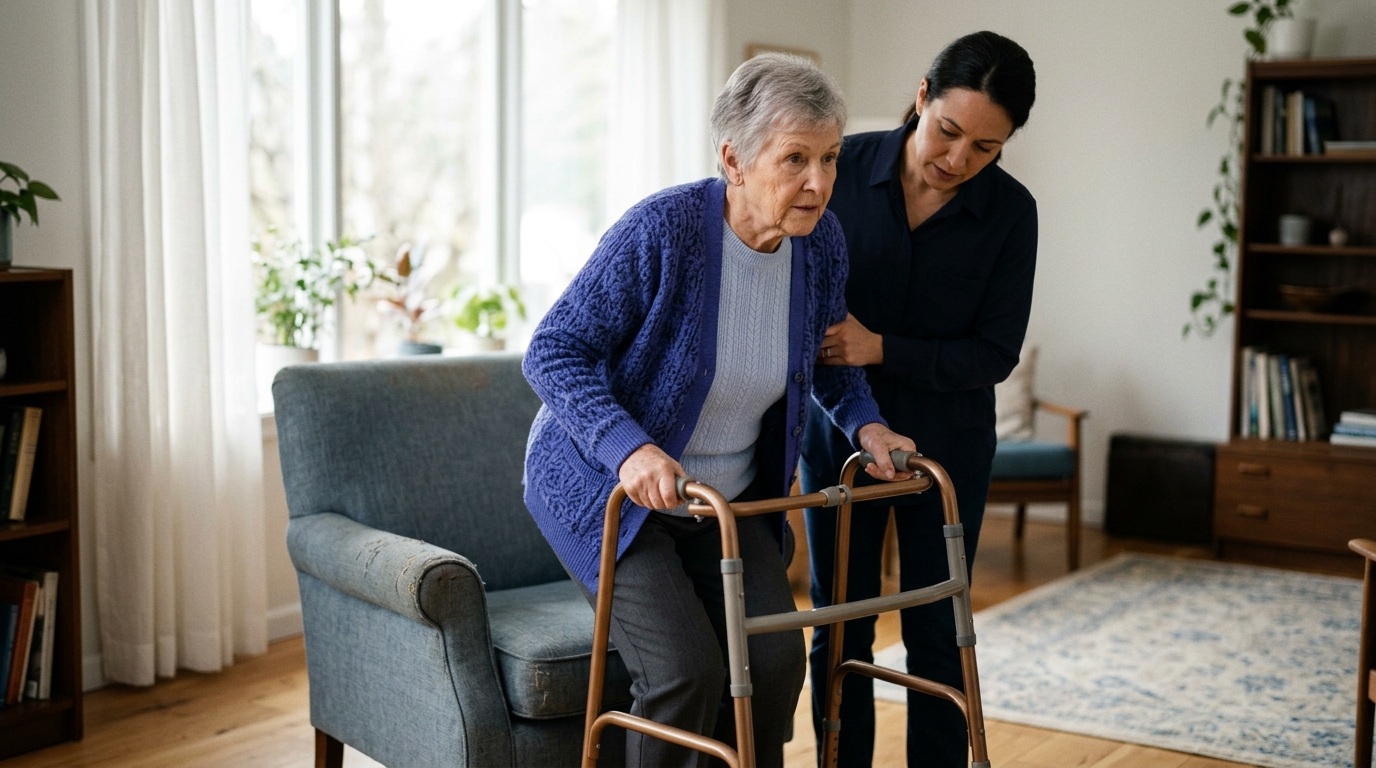
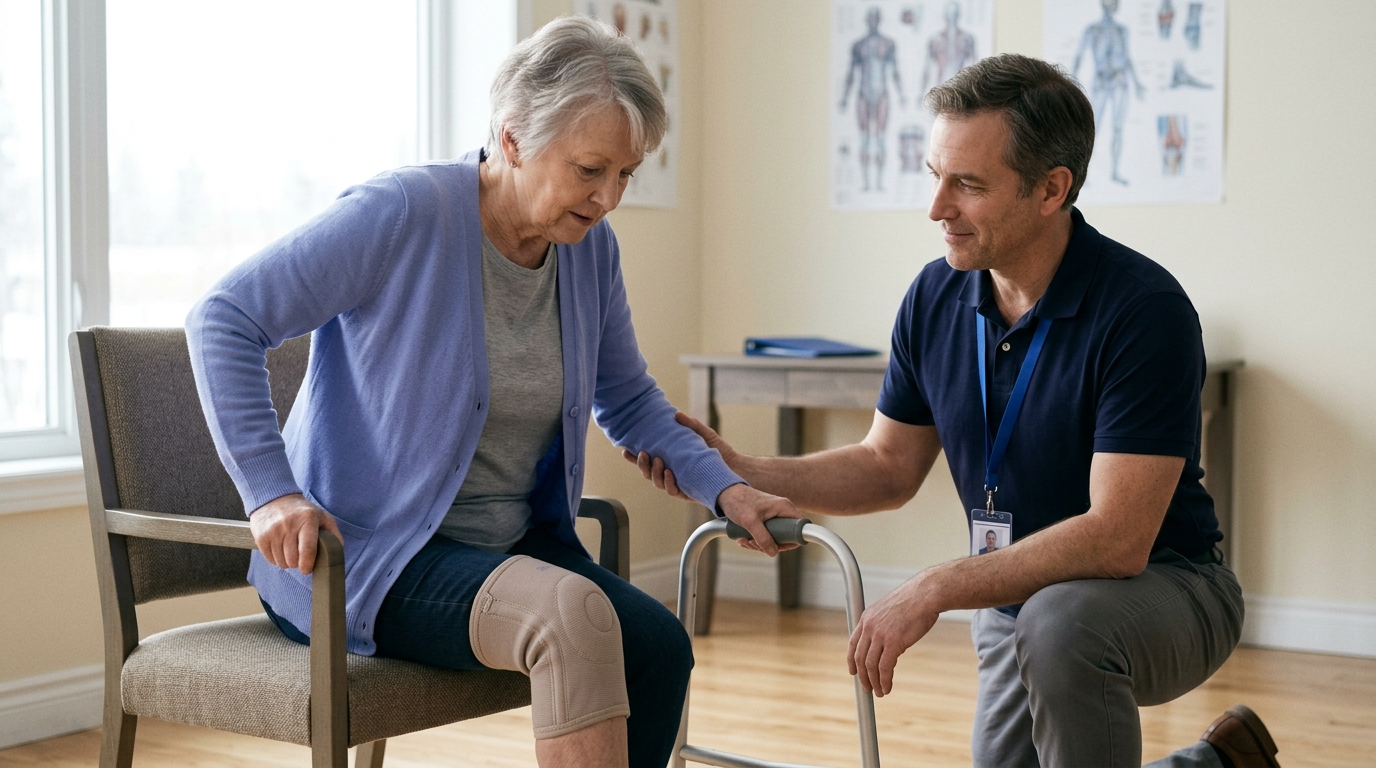
Many adults with knee or hip sensitivity worry that squatting is inherently harmful. In reality, the squat is an essential daily movement that can be modified to match your current joint tolerance. If bending deeply causes discomfort, you can begin with a higher seat height or use your hands on an armrest for assistance.
Common exercise variations include:
As strength and joint comfort improve, you can gradually lower the seat height or reduce the amount of arm assistance. The goal is to build smooth control during both the lowering and rising phases of the movement.
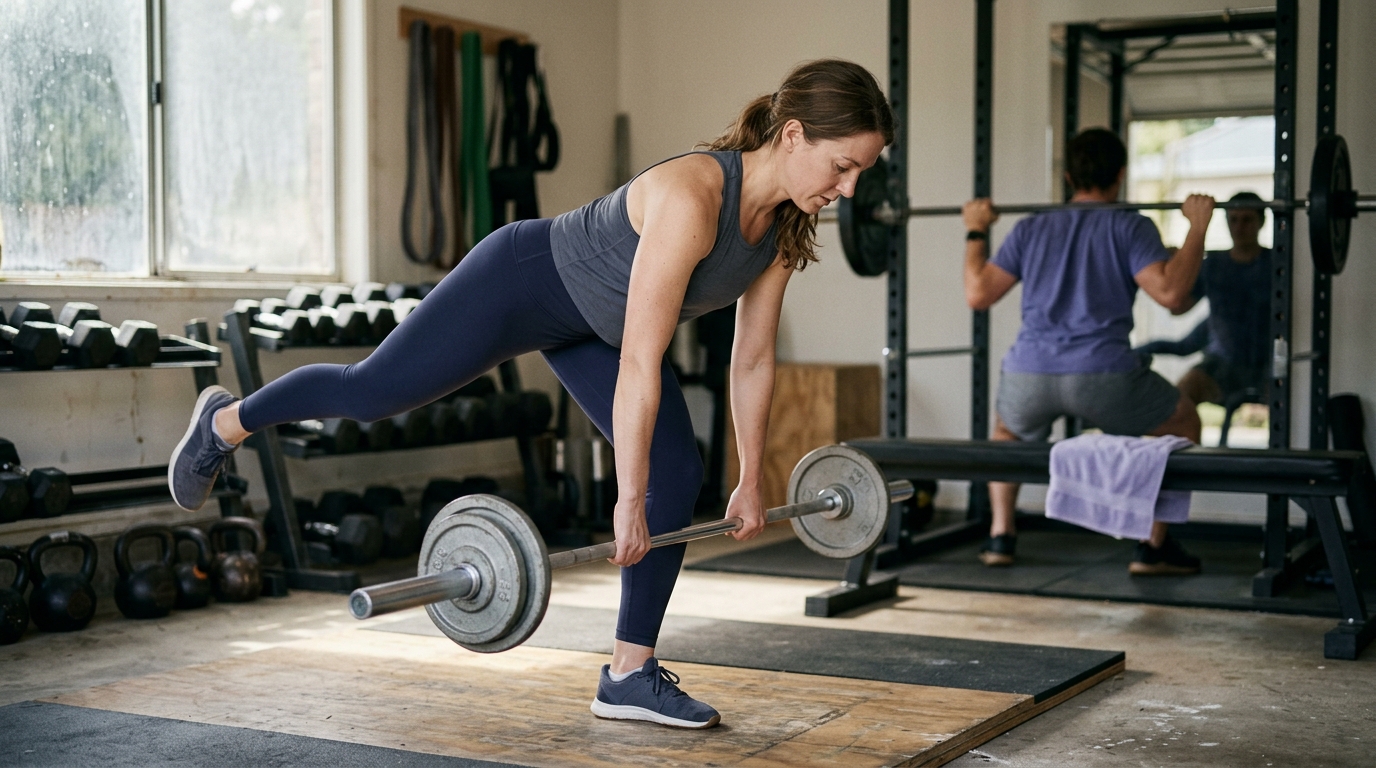
The hip hinge is characterized by pushing the hips backward while maintaining a relatively neutral spine, with minimal bending at the knees. This movement pattern relies heavily on the posterior chain, which includes the hamstrings, gluteus maximus, and back extensors. In everyday life, you use a hip hinge when bending over a bathroom sink, making a bed, or lifting a package from the floor.
Many people confuse a squat with a hip hinge. While a squat emphasizes knee flexion and keeps the torso more upright, a hinge emphasizes hip flexion and tilts the torso forward. Learning to hinge properly allows the large muscles of the hips to manage heavy loads, sparing the lower back from excessive bending strain.
Common exercise variations include:
A hip hinge does not mean your back must remain completely rigid in every daily situation. However, developing the ability to produce force through your hips provides a reliable strategy for managing heavier household objects.
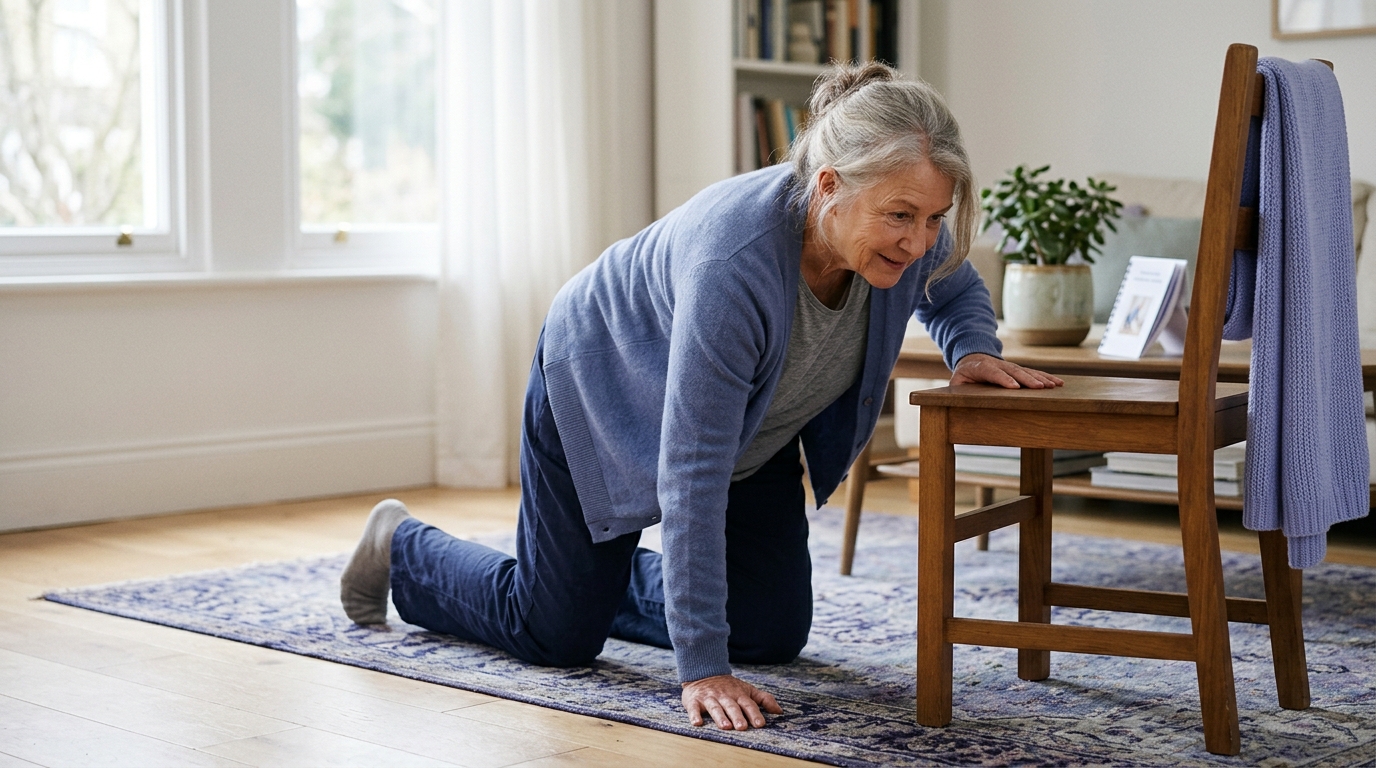
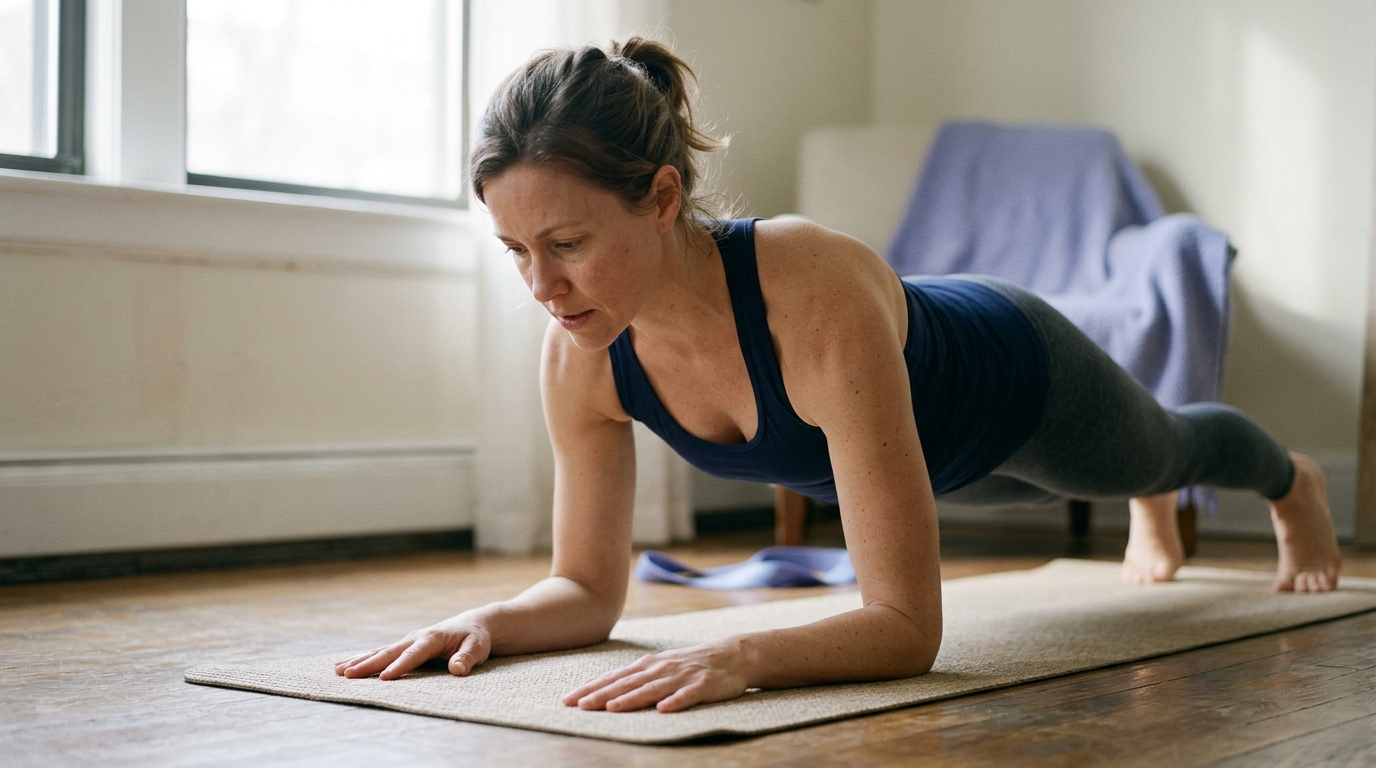
The pushing pattern involves directing force away from your torso, or pushing your body away from an external surface. Upper-body pushing exercises recruit the pectoralis major, anterior deltoids, and triceps. Daily tasks that rely on pushing include opening heavy commercial doors, shoving furniture, placing items onto high shelves, or pushing yourself up from a prone position.
Pushing movements can be categorized into horizontal and vertical directions. A horizontal push moves force directly in front of your chest, such as a push-up. A vertical push moves force overhead, such as lifting a box into an upper cabinet. Following an upper-extremity injury, vertical pushing often requires more gradual progression due to shoulder mechanics.
Common exercise variations include:
Scaling a push-up is straightforward: the steeper the angle of your body relative to the floor, the less body weight your arms must support. Starting against a wall allows you to build joint tolerance before moving to lower surfaces.
The pulling pattern involves drawing an external resistance toward your torso, or pulling your own body toward an anchor point. This pattern targets the latissimus dorsi, rhomboids, middle and lower trapezius, rear deltoids, and biceps. In daily life, pulling occurs when opening a heavy refrigerator door, starting a lawn mower, pulling weeds, or carrying a shoulder bag securely against your side.
Pulling strength provides an important counterbalance to pushing exercises and common daily sitting postures. Strengthening the muscles between the shoulder blades helps stabilize the shoulder girdle during reaching and lifting tasks.
Common exercise variations include:
Focusing on smooth, controlled pulling motions helps retrain scapular rhythm without placing excessive traction on recovering joints.
The carry pattern requires you to hold a load while standing or walking through space. It is one of the most practical movements for everyday life, yet it is often overlooked in traditional exercise programs. Carrying occurs whenever you transport groceries, hold a child, move a suitcase, or bring a basket of wet laundry to the clothesline.
Loaded carries challenge grip strength, forearm endurance, shoulder girdle stability, and trunk stiffness. Because you are walking while supporting weight, carries also demand dynamic single-leg balance and pelvis control. The Liu systematic review noted that carrying groceries was among the most common functional tasks included in effective older-adult training programs.
Common exercise variations include:
Carries teach your body to maintain posture and breathing while resisting rotational and compressive forces.
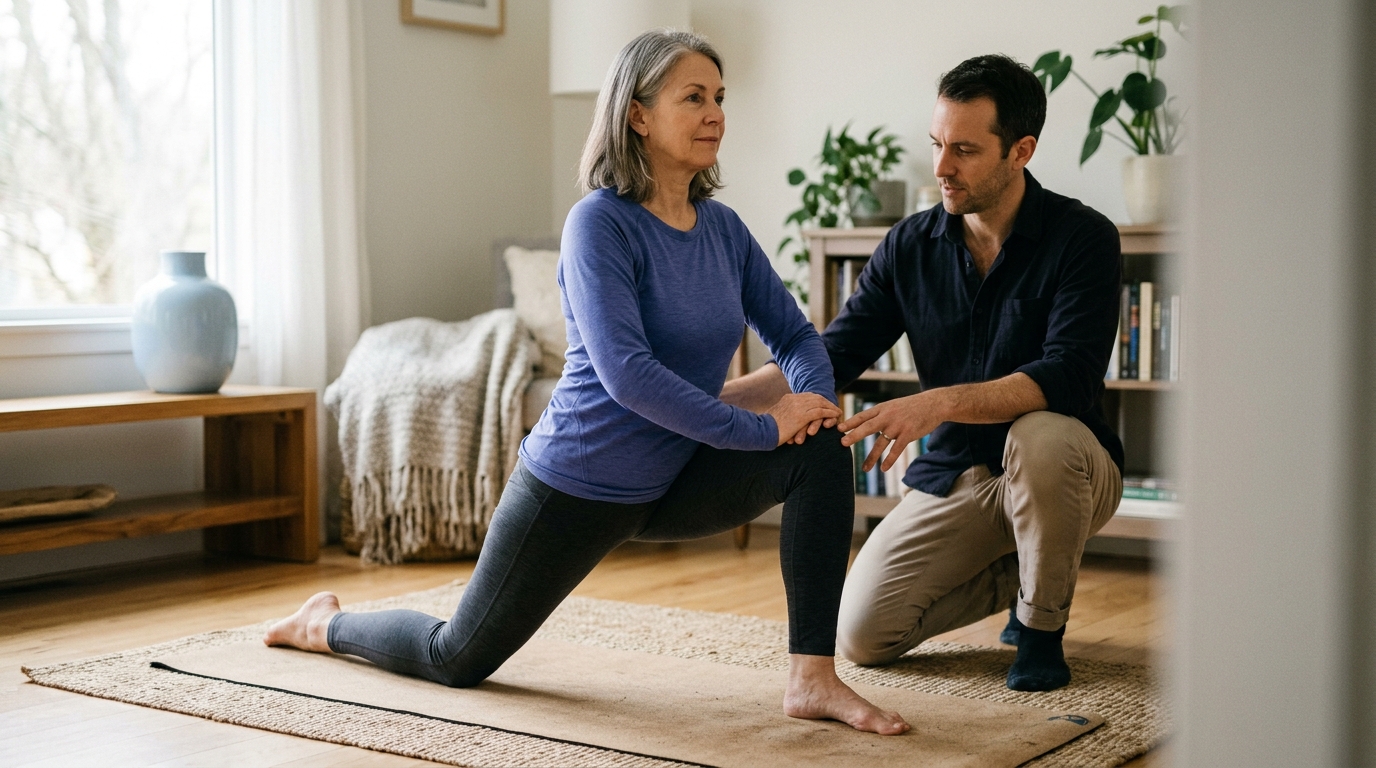
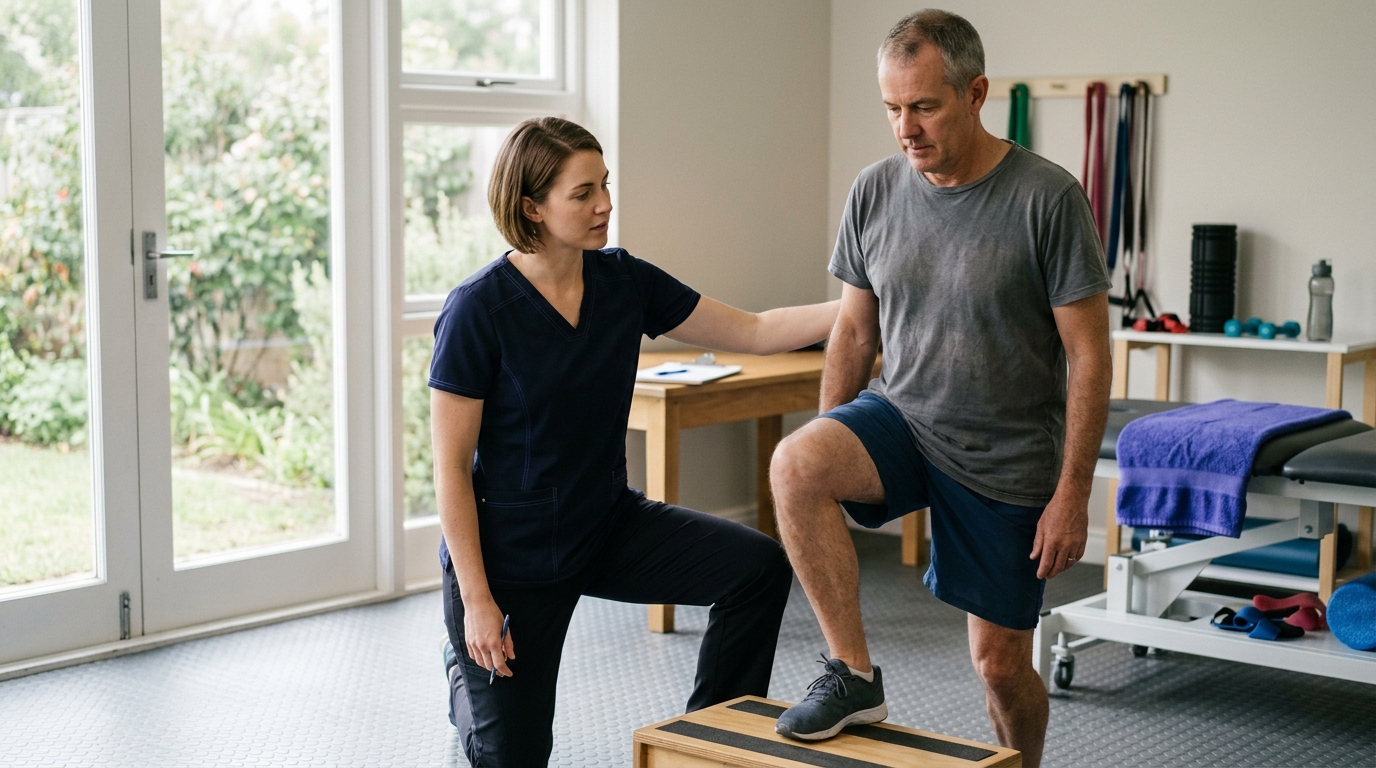
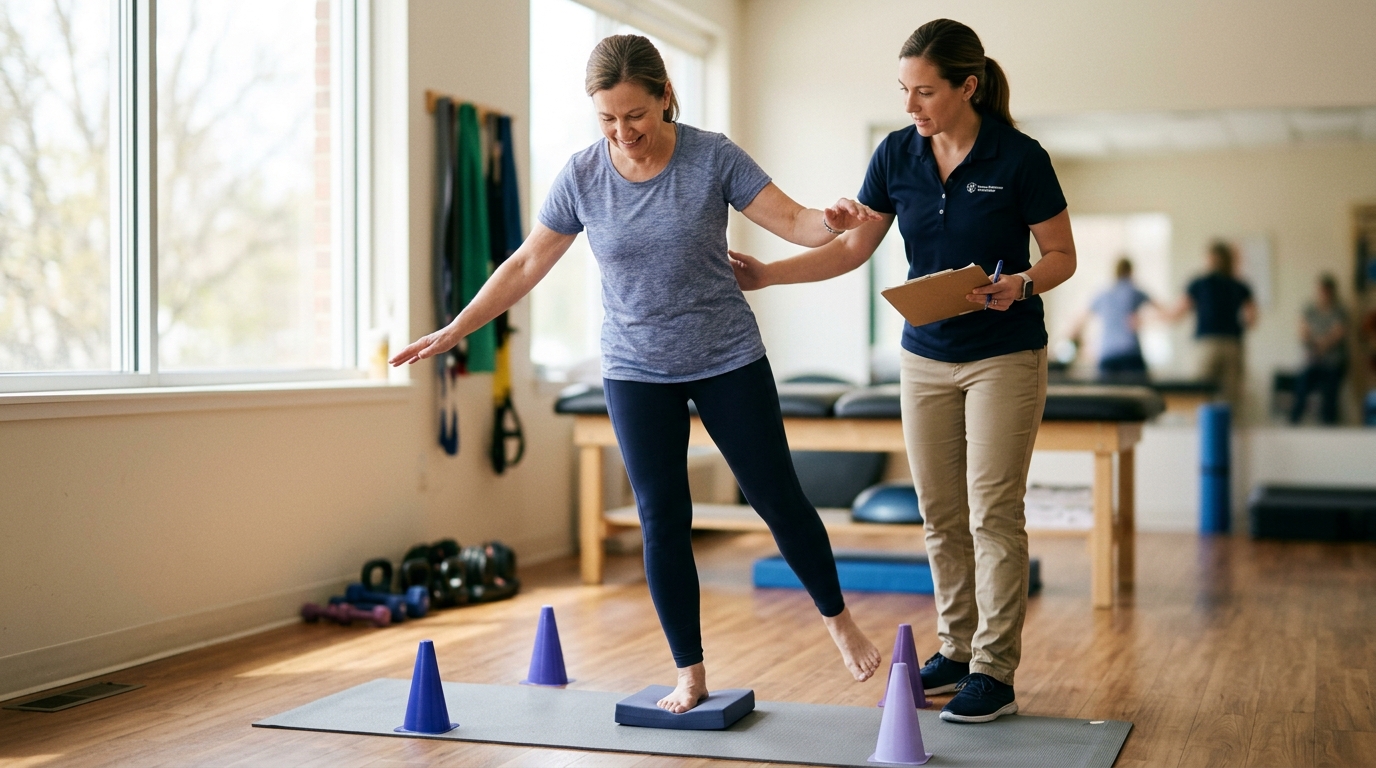
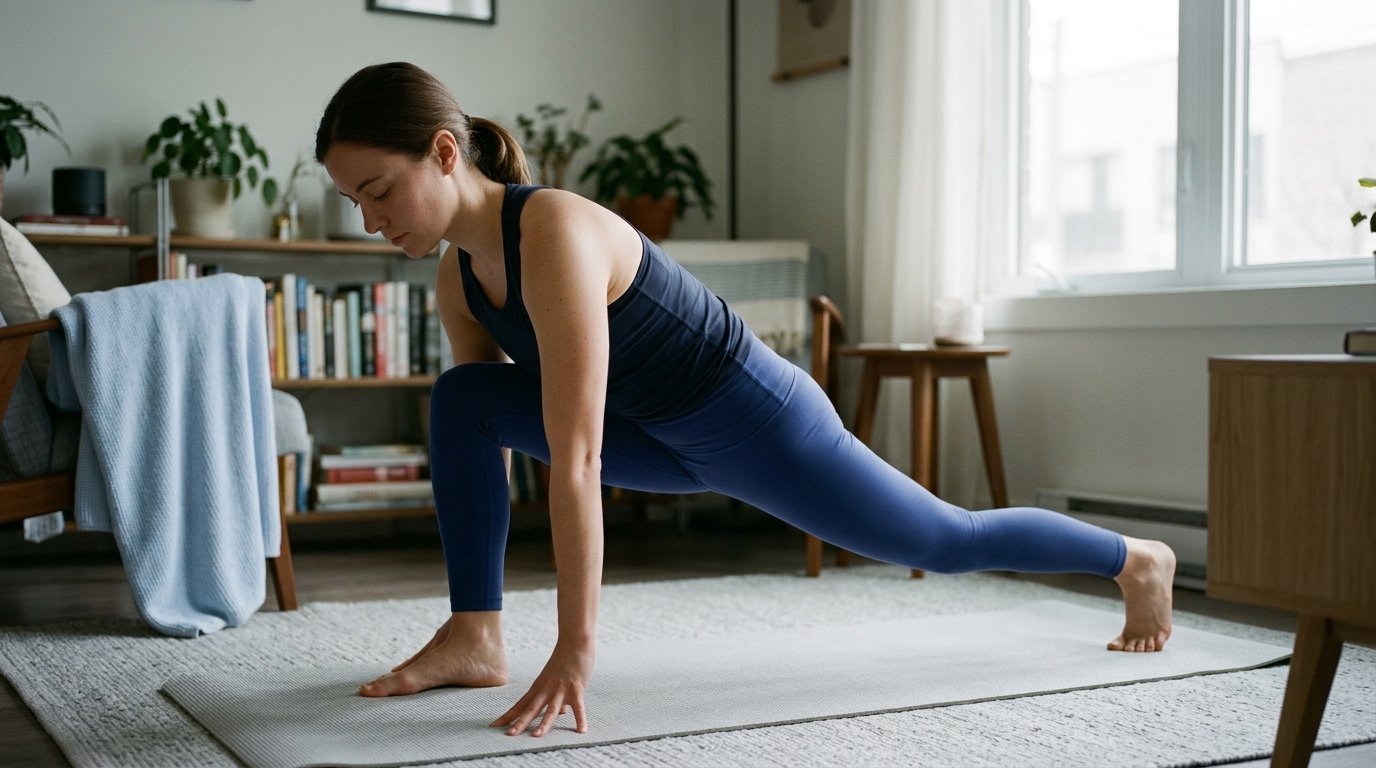
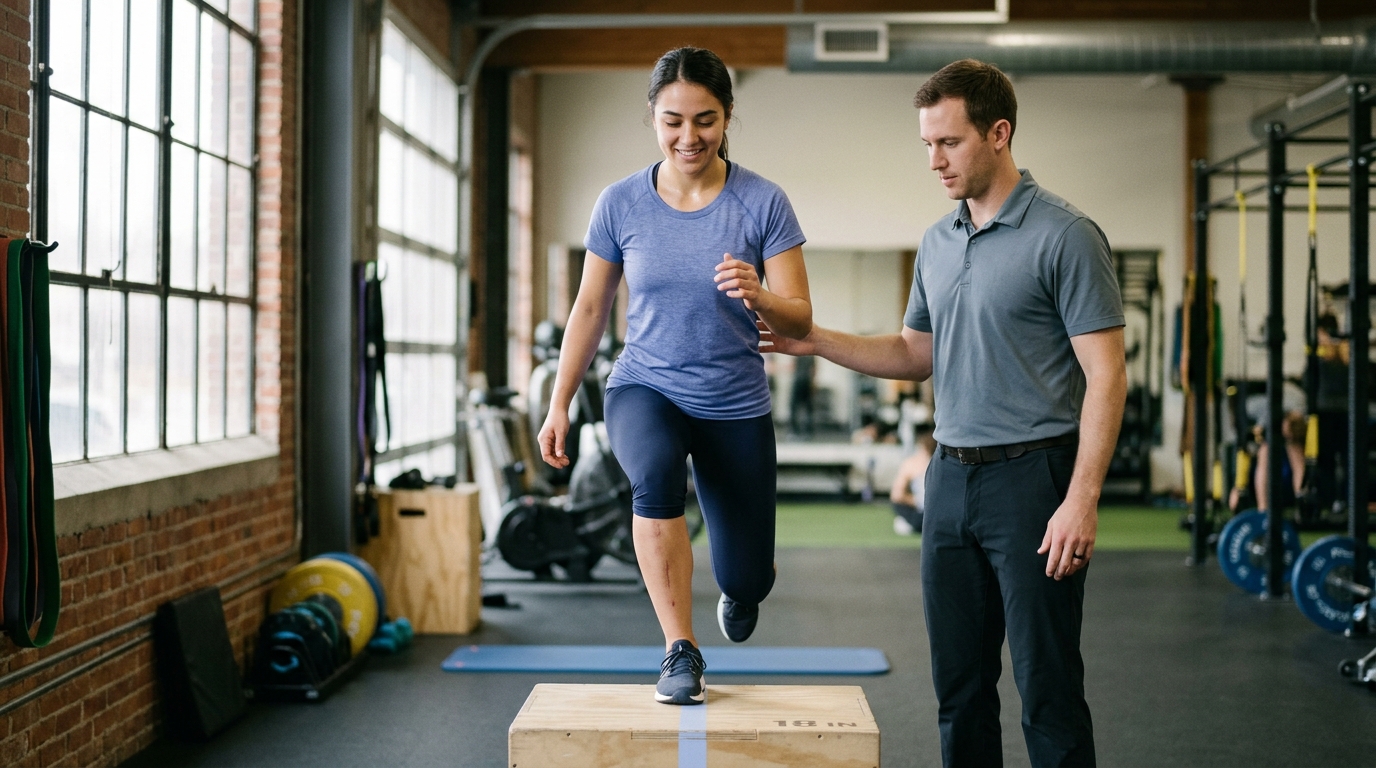
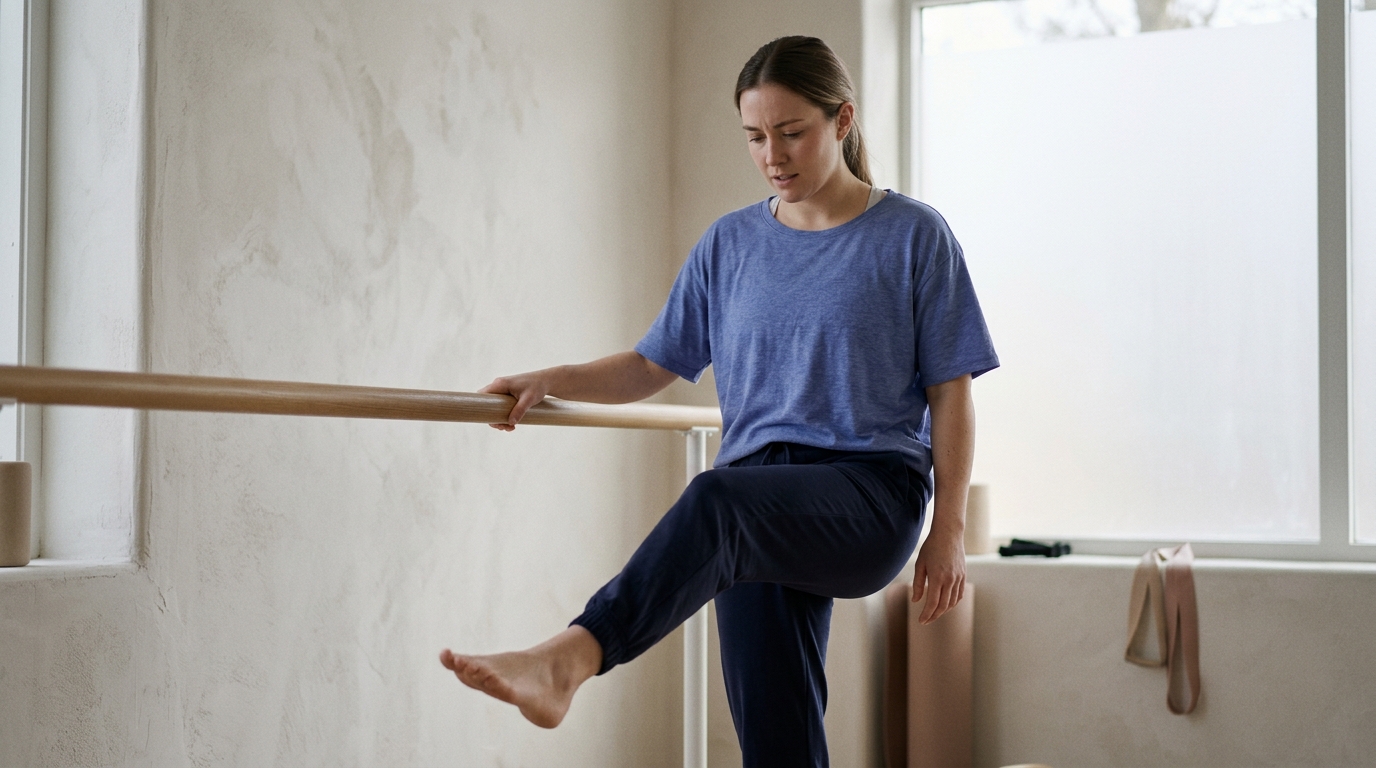
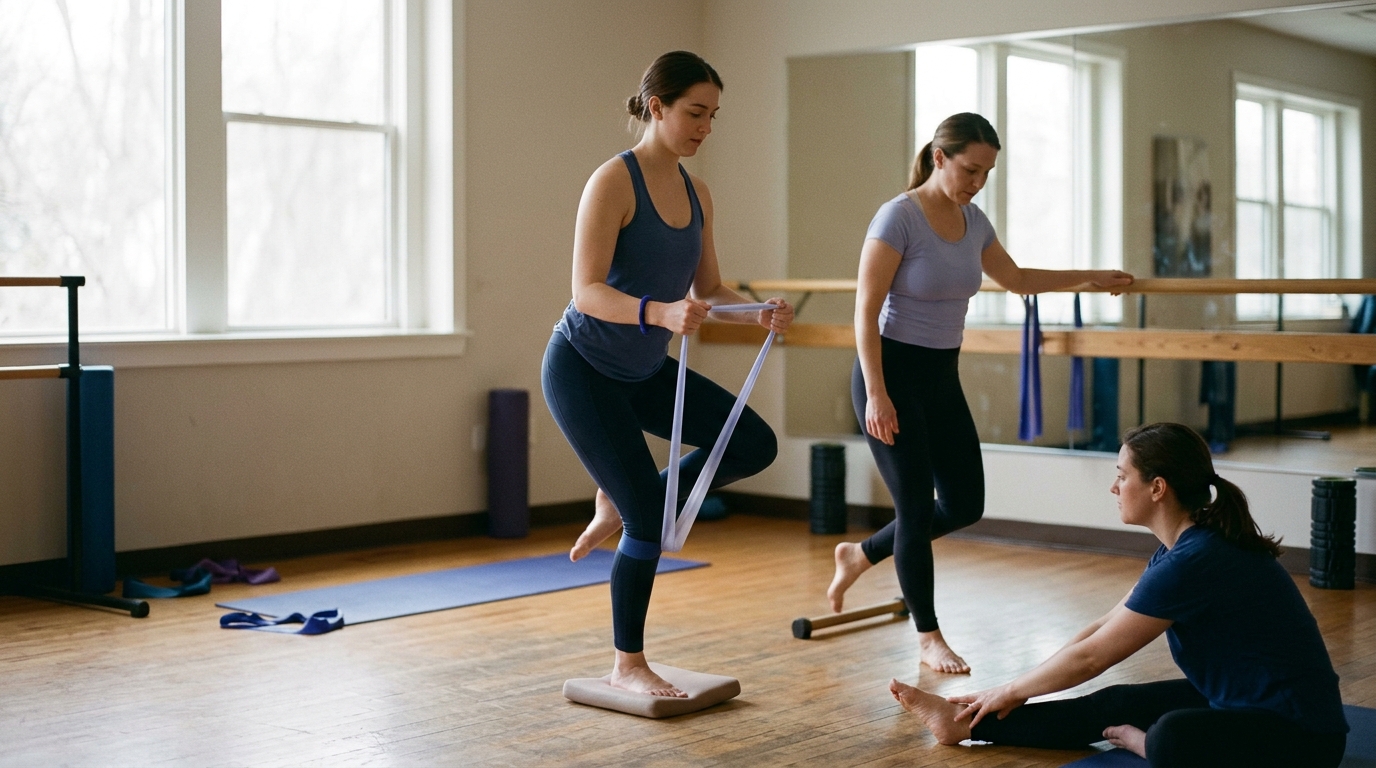
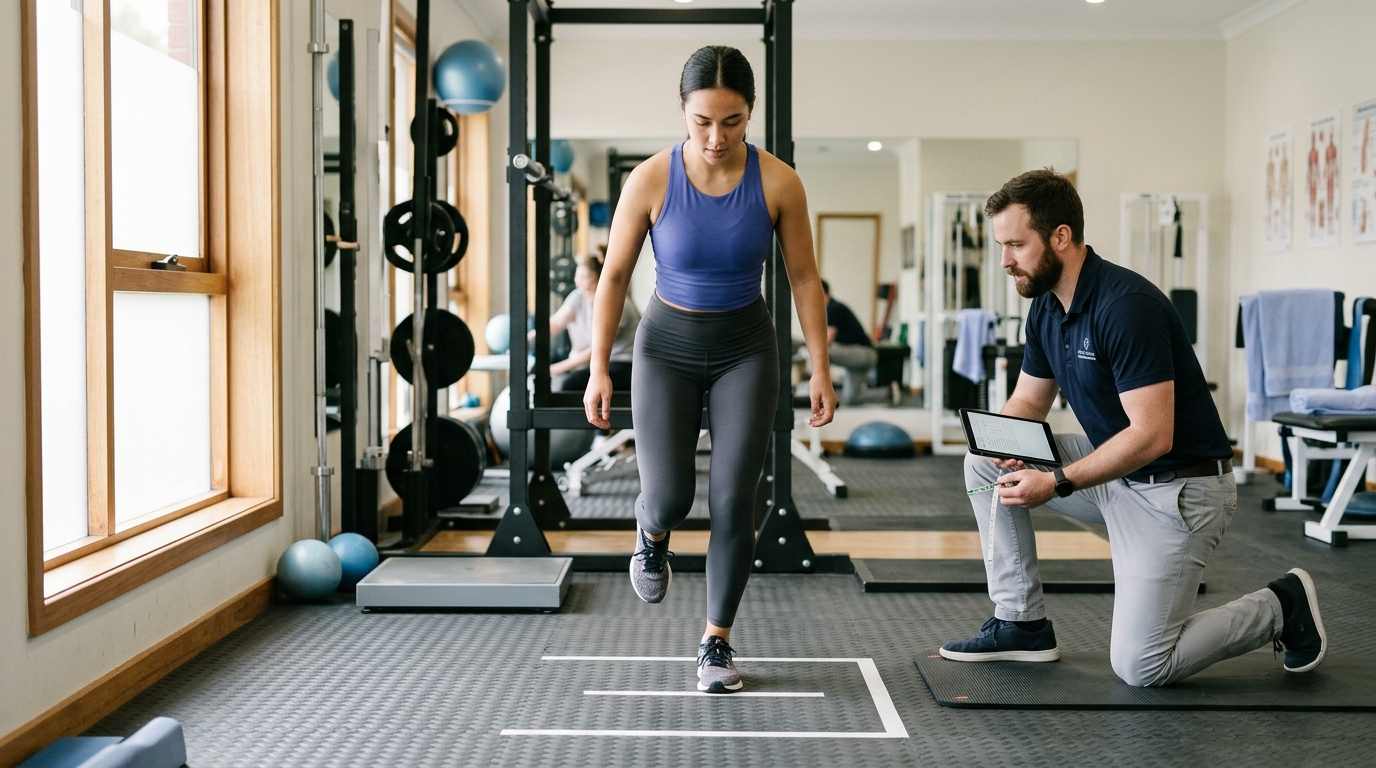
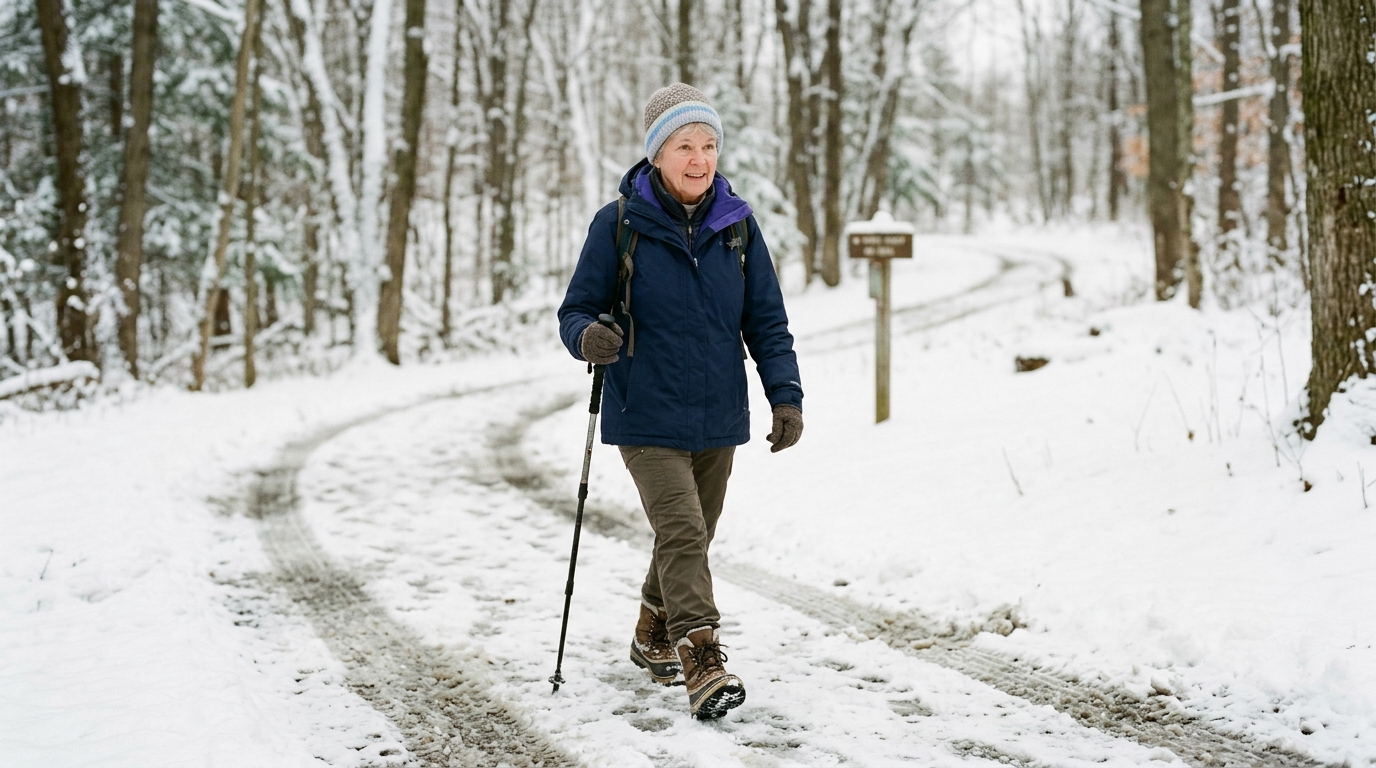
The step pattern encompasses single-leg movements, level walking, stair climbing, stepping over obstacles, and changing directions. Daily locomotion is rarely a smooth, continuous march on a flat surface. You constantly step off curbs, walk across uneven grass, navigate tight hallway turns, and climb stairs of varying heights.
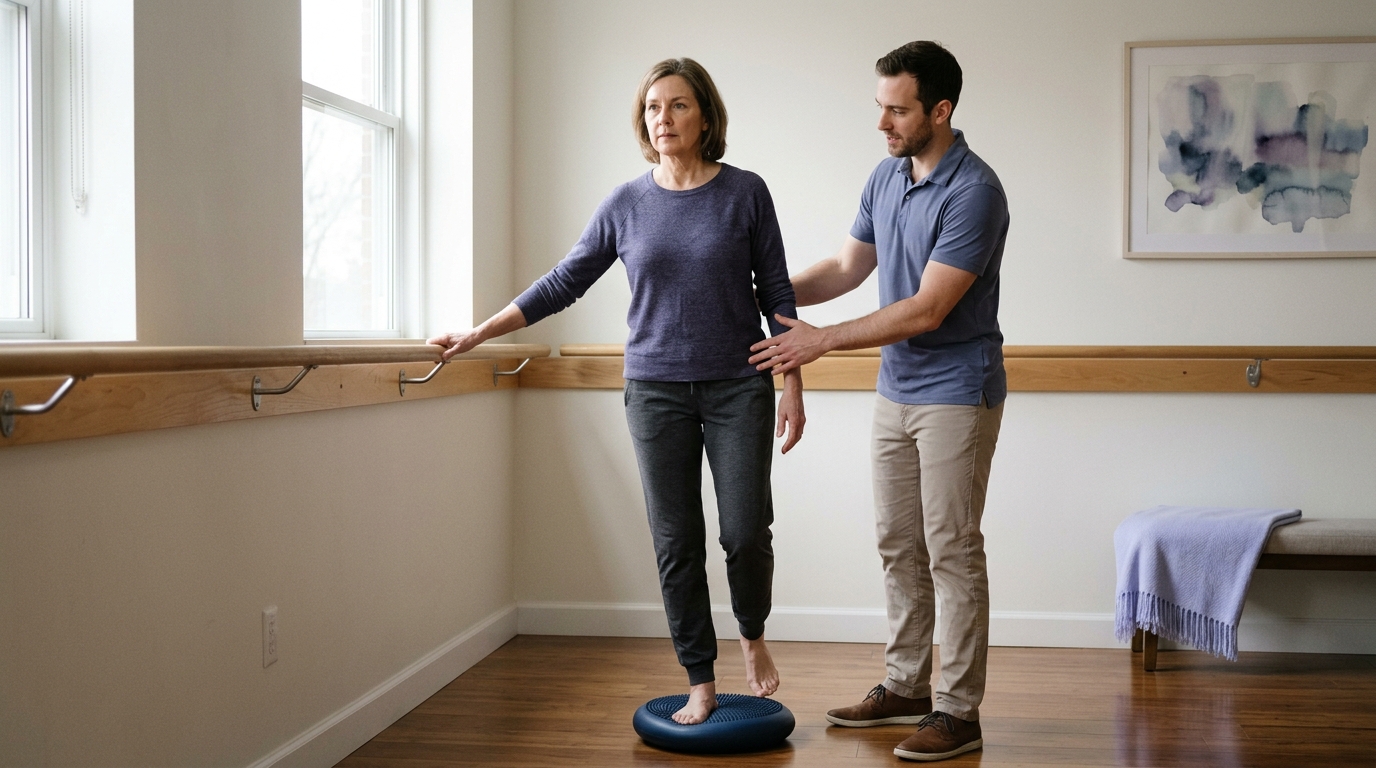
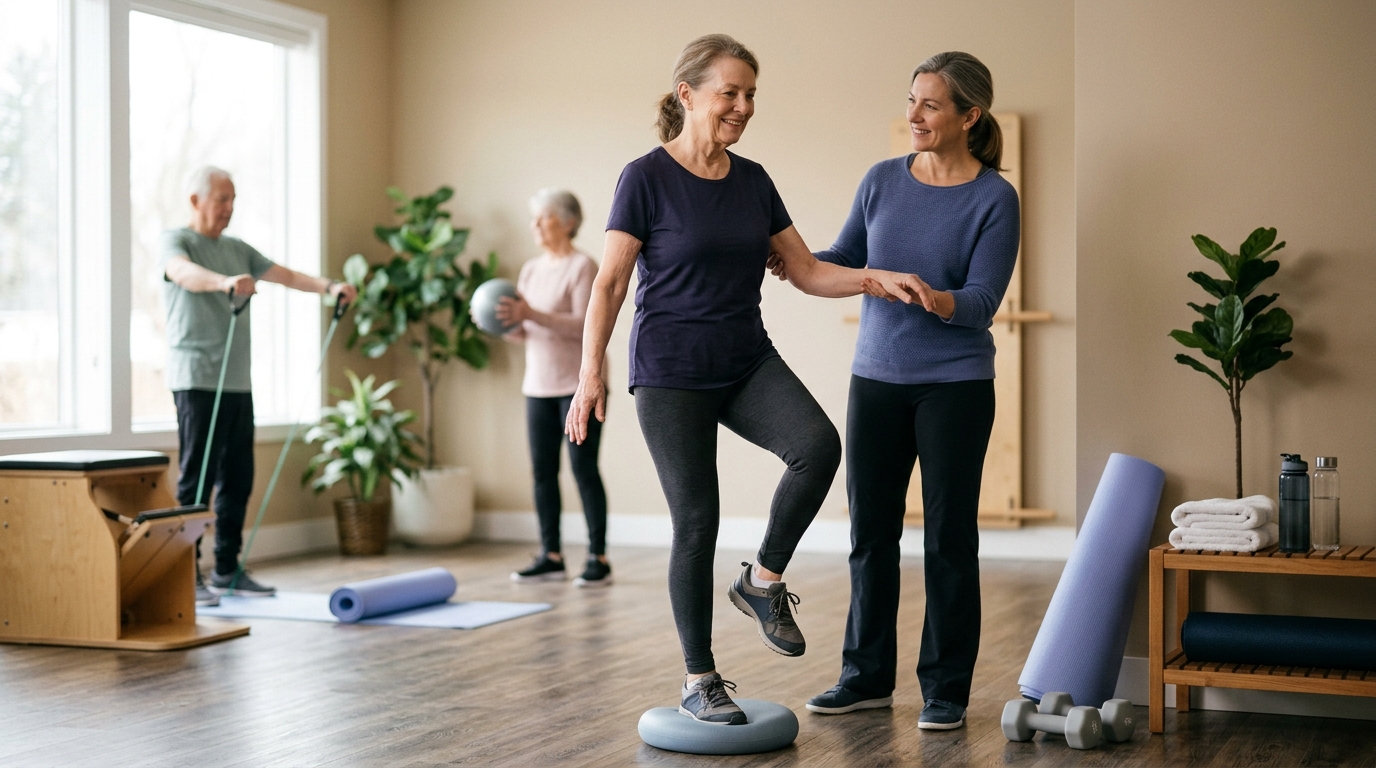
Stepping movements highlight imbalances between your left and right sides. They require significant contribution from the hip abductors, particularly the gluteus medius, to keep your pelvis level when one foot leaves the ground. In the Liu systematic review, five out of seven trials measuring walking performance showed clear improvements in walking speed or distance after functional exercise.
Common exercise variations include:
Stepping exercises bridge the gap between static lower-body strength and dynamic balance during movement. For more details on maintaining fluid joint motion during daily tasks, visit our mobility and movement articles.
The rate at which movement pattern training translates into easier daily functioning varies widely among individuals. Recovery is not a linear process, and several internal and external factors influence how quickly your body adapts.
Your starting point significantly affects your training response. An individual who was physically active before an injury often retains motor patterns and neuromuscular pathways that speed up adaptation. Conversely, someone who has experienced prolonged bed rest, joint immobilization, or multiple surgeries may need more time to rebuild tissue tolerance.
Structural joint changes also play a role. If you have osteoarthritis or surgical hardware, your range of motion may be naturally restricted. In these cases, the goal is not to achieve an arbitrary textbook depth in a squat or lunge, but to build strength through your available, pain-free range.
Strength is not solely a product of muscle size; it is also a skill managed by the central nervous system. When you begin practicing a new movement pattern, early improvements over the first two to four weeks come mainly from neuromuscular adaptations. Your brain becomes more efficient at recruiting the right motor units and coordinating agonist and antagonist muscles.
This coordination is highly specific to the positions you practice. If you only practice leg presses on a machine, your brain learns to produce force in a seated, guided track. To transfer that strength to standing up from a low chair, your nervous system must also practice balancing your center of mass over your feet.
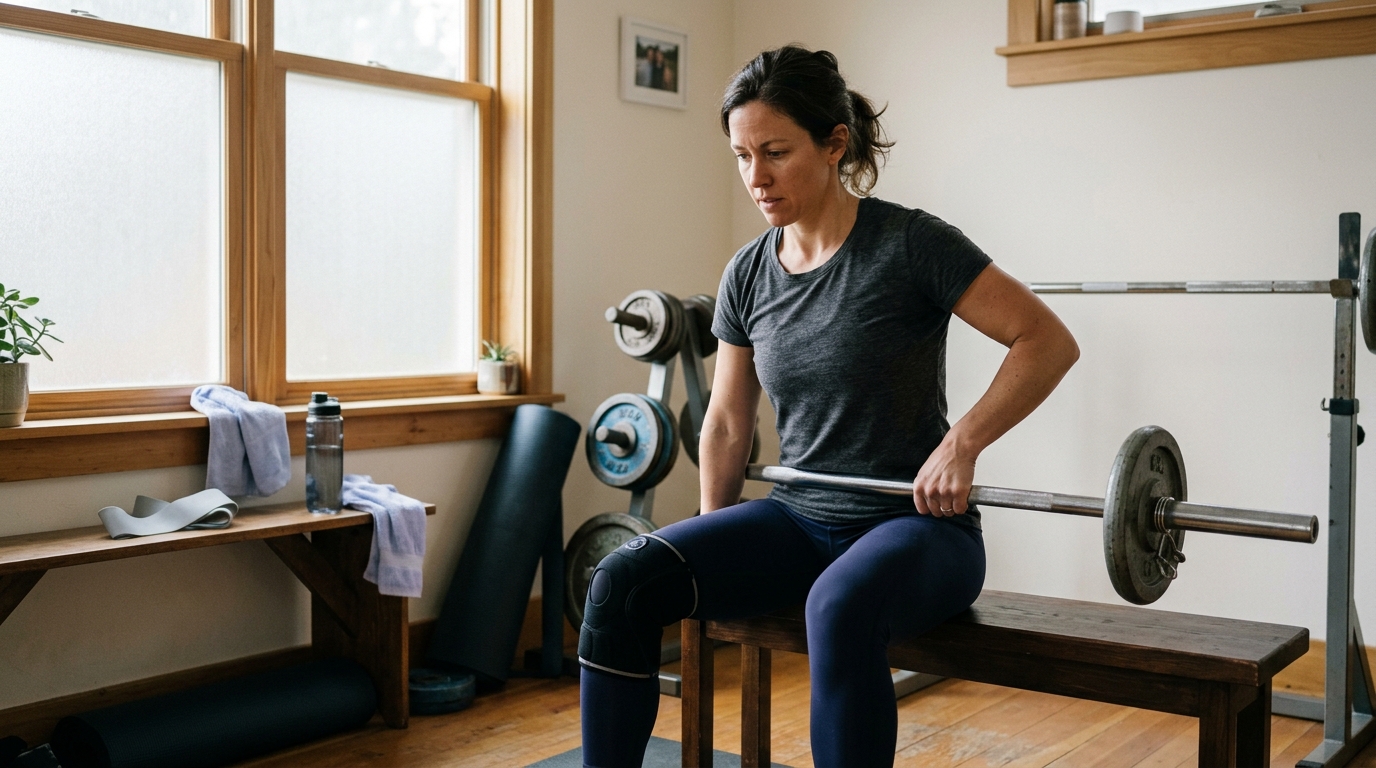
Fear of reinjury is a well-documented barrier in orthopedic rehabilitation. Following an acute back spasm, knee injury, or shoulder repair, people frequently develop protective movement patterns. You might avoid bending your hips or stiffen your entire torso when reaching for an object.
Gradual exposure to fundamental movement patterns helps rebuild confidence. When you successfully perform a light hinge or an assisted step-up without symptoms, your brain updates its perception of safety. Regaining physical independence requires both muscular capability and the confidence to use that capability in unpredictable settings.
Muscles, tendons, and ligaments adapt to exercise during rest, not during the workout itself. Adequate sleep, proper hydration, and sufficient protein intake are essential components of tissue remodeling. Chronic psychological stress or poor sleep quality can heighten pain sensitivity and slow down muscular recovery.
You can learn more about how recovery habits support physical resilience in our active aging and injury prevention resources.
Progression in everyday strength training does not require constantly adding heavy iron plates to a barbell. Modifying mechanical variables allows you to adjust exercise difficulty to match your exact stage of recovery.
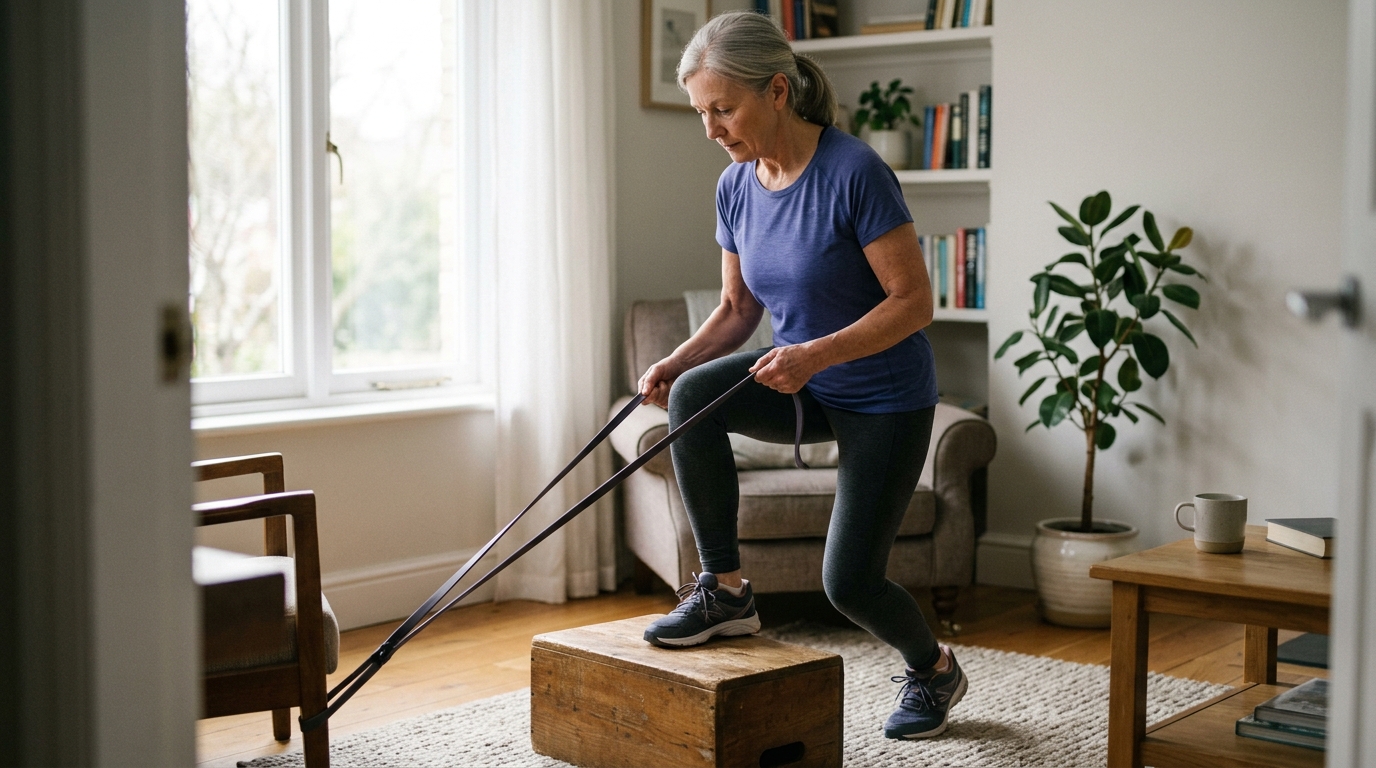
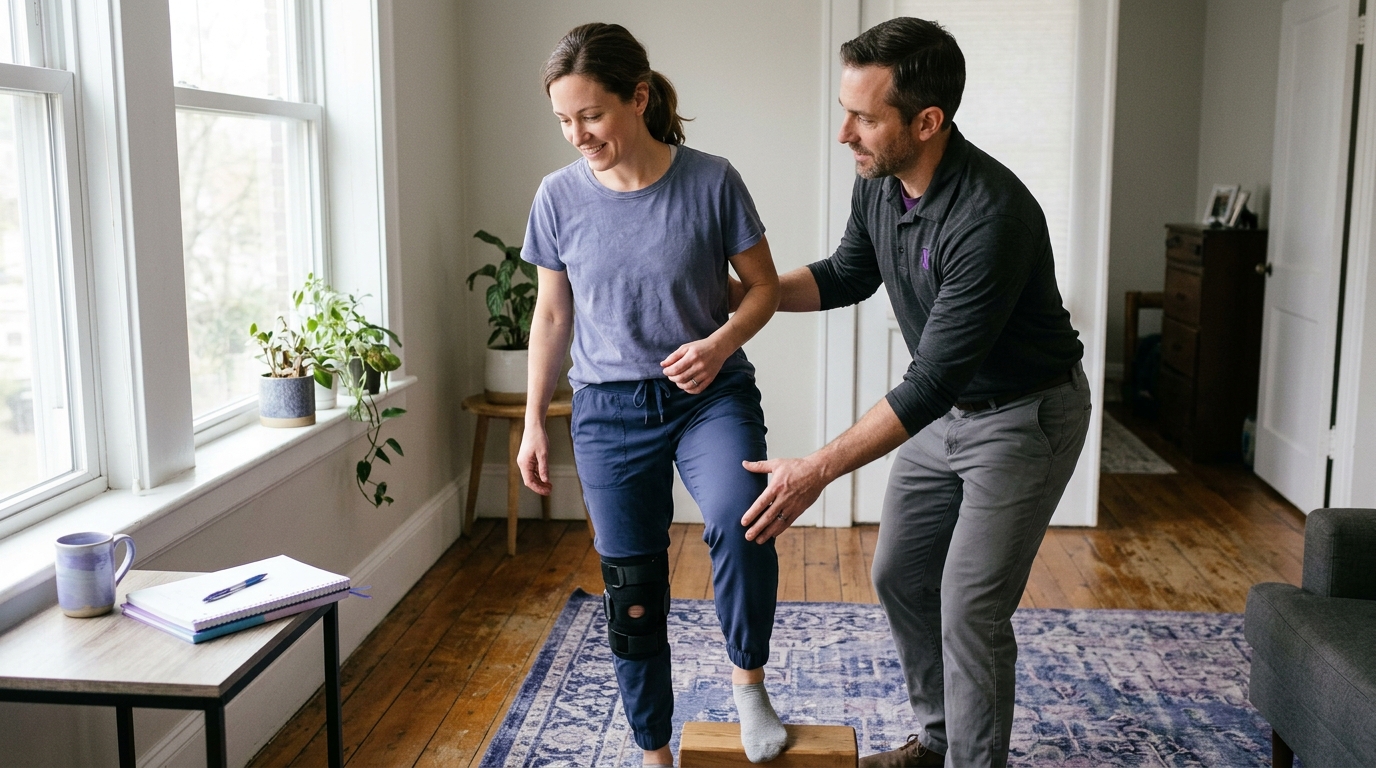
External support reduces balance demands and offloads a portion of your body weight. When introducing a challenging pattern like a squat or step-up, holding onto a secure countertop or TRX suspension strap provides immediate stability. As your motor control and strength improve, you can progress from a two-handed grip to a single-finger touch, and eventually to an unsupported movement.
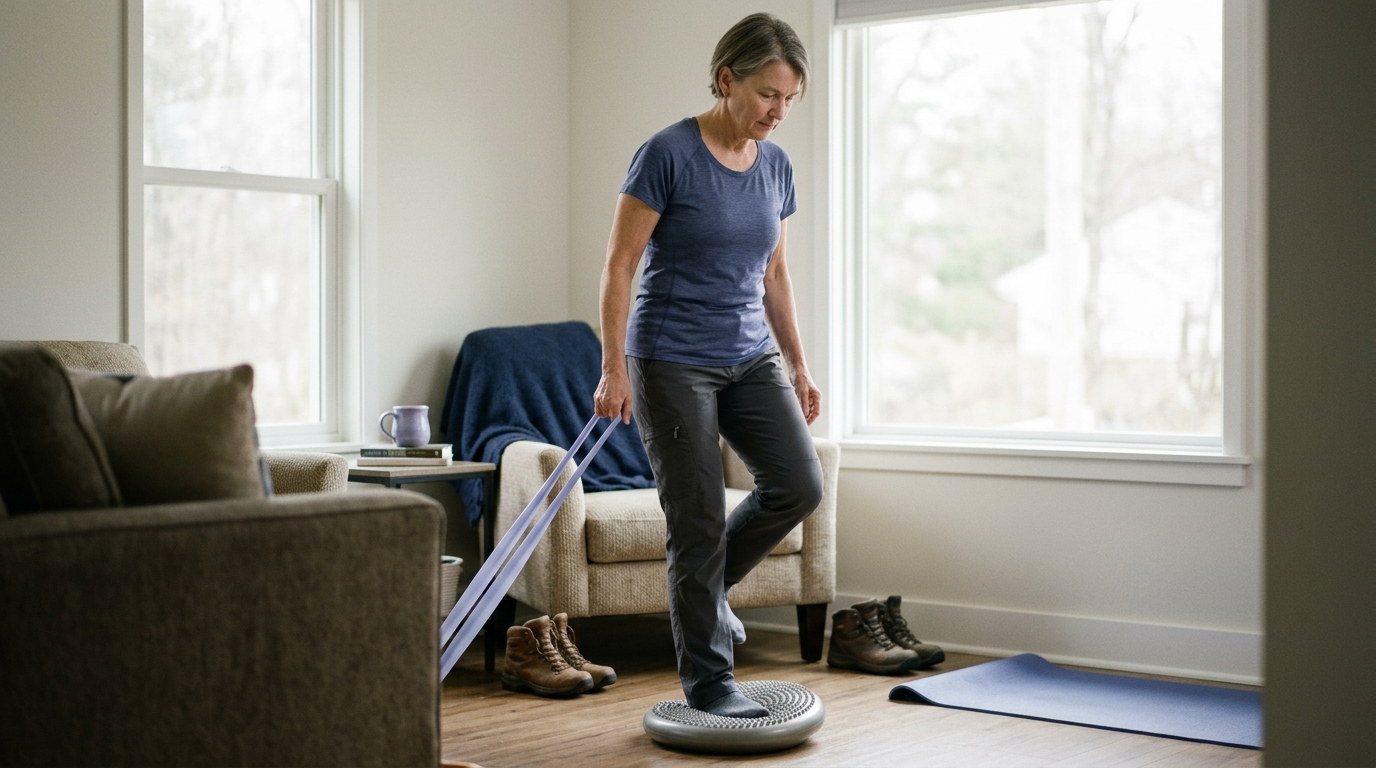
Altering the depth of a movement allows you to train muscles without aggravating irritated joint surfaces. For a hip hinge, you might begin by lowering your hands only to knee height before returning to standing. For a step-up, starting on a low two-inch platform builds tendon tolerance before you attempt a standard seven-inch stair.
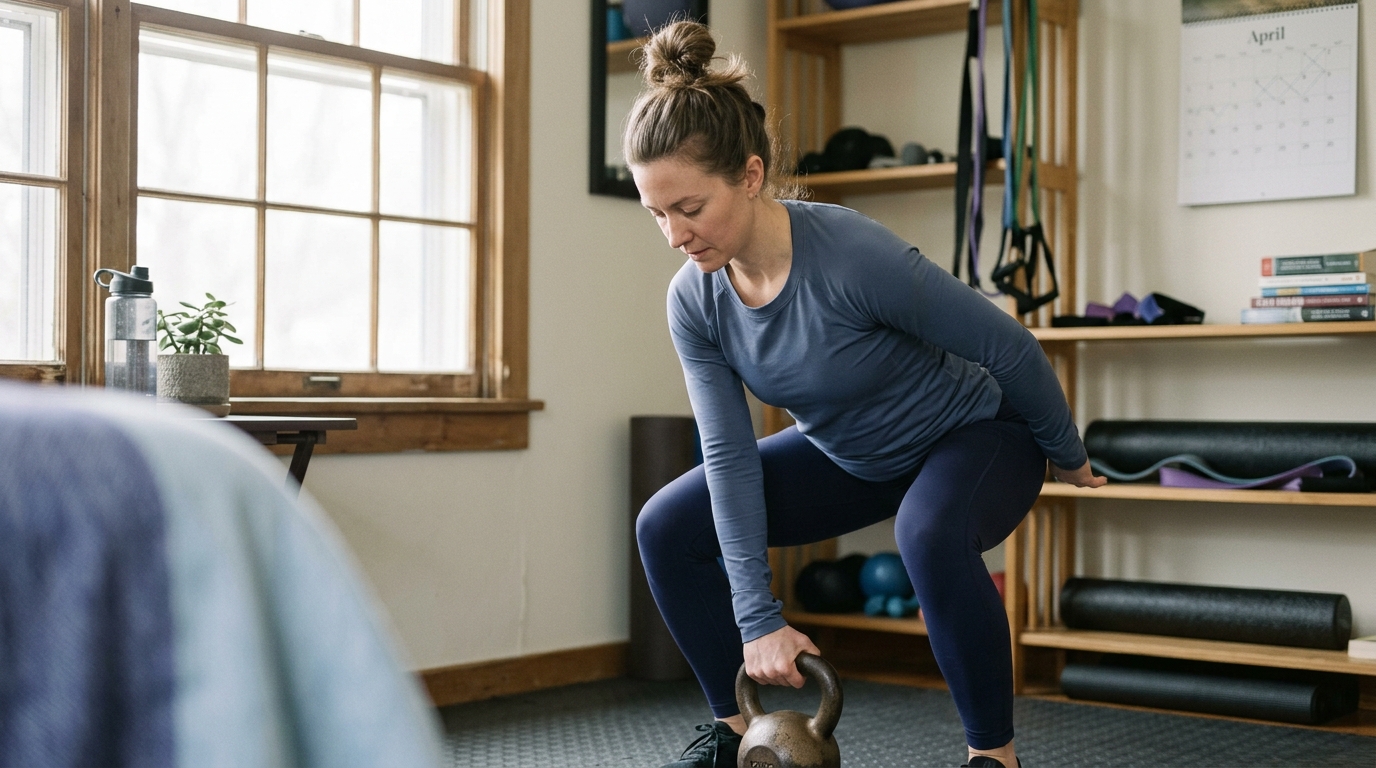
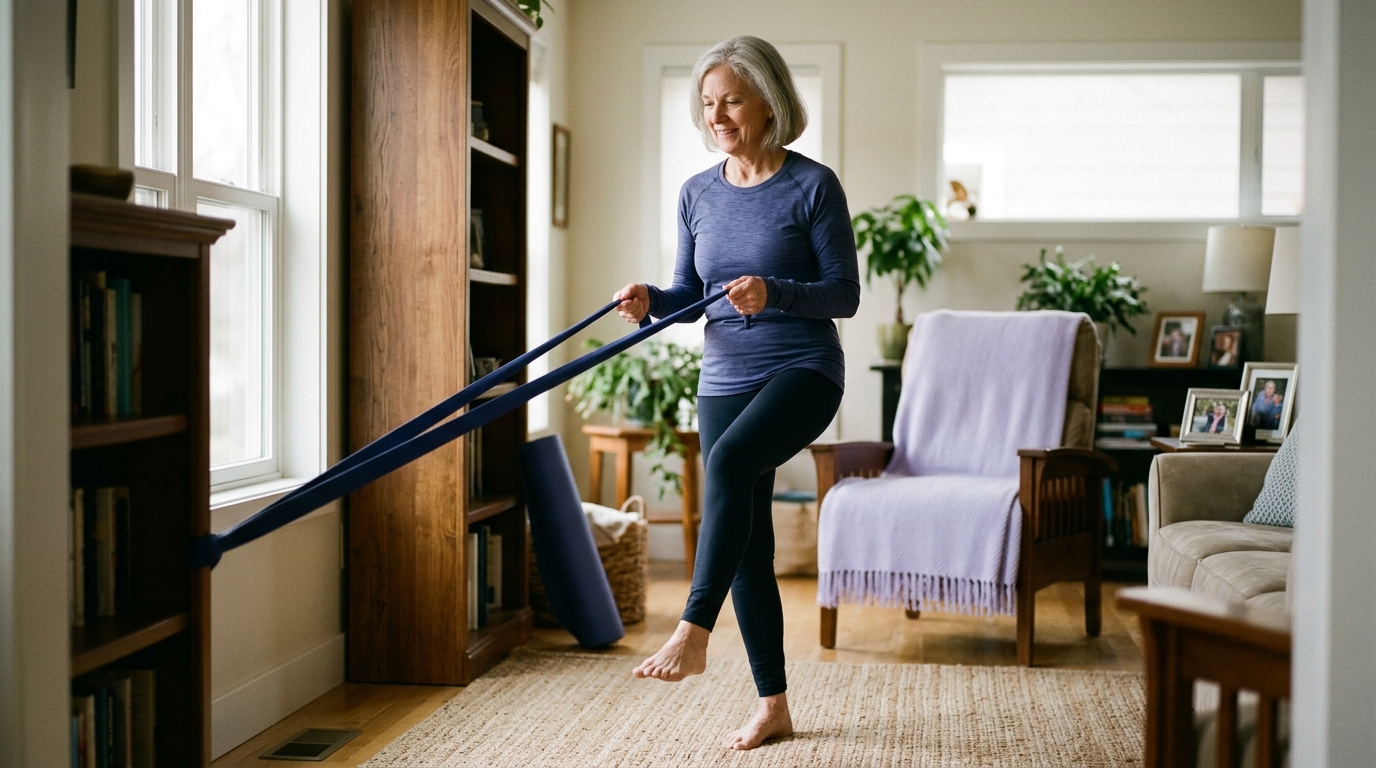
Load can be applied using body weight, resistance bands, dumbbells, kettlebells, or common household items. Where you hold the weight also changes the mechanical demand. Holding a weight close to your chest in a goblet position places less rotational torque on the lower back than holding that same weight with outstretched arms.
Moving slowly under control increases time under tension and allows you to monitor your form carefully. A three-second lowering phase during a sit-to-stand exercise strengthens muscles eccentrically, which is vital for decelerating your body weight when sitting down. Once basic control is established, practicing slightly quicker, rhythmic movements helps prepare for the dynamic pace of real-world activity.
Public health guidelines offer clear benchmarks for general strength maintenance. The Centers for Disease Control and Prevention (CDC) recommends that adults engage in muscle-strengthening activities that involve all major muscle groups on two or more days per week. The CDC notes that a single set of 8 to 12 repetitions per exercise can serve as an effective starting point, with two to three sets providing greater benefits.
The World Health Organization (WHO) physical activity guidelines recommend that older adults accumulate at least 150 minutes of moderate-intensity aerobic activity weekly, alongside muscle-strengthening activities on at least two days. The WHO also specifically recommends varied multicomponent physical activity emphasizing functional balance and strength training on three or more days per week to enhance functional capacity and help prevent falls.
These public health recommendations serve as general targets for healthy adults and must be adapted to individual health limitations.
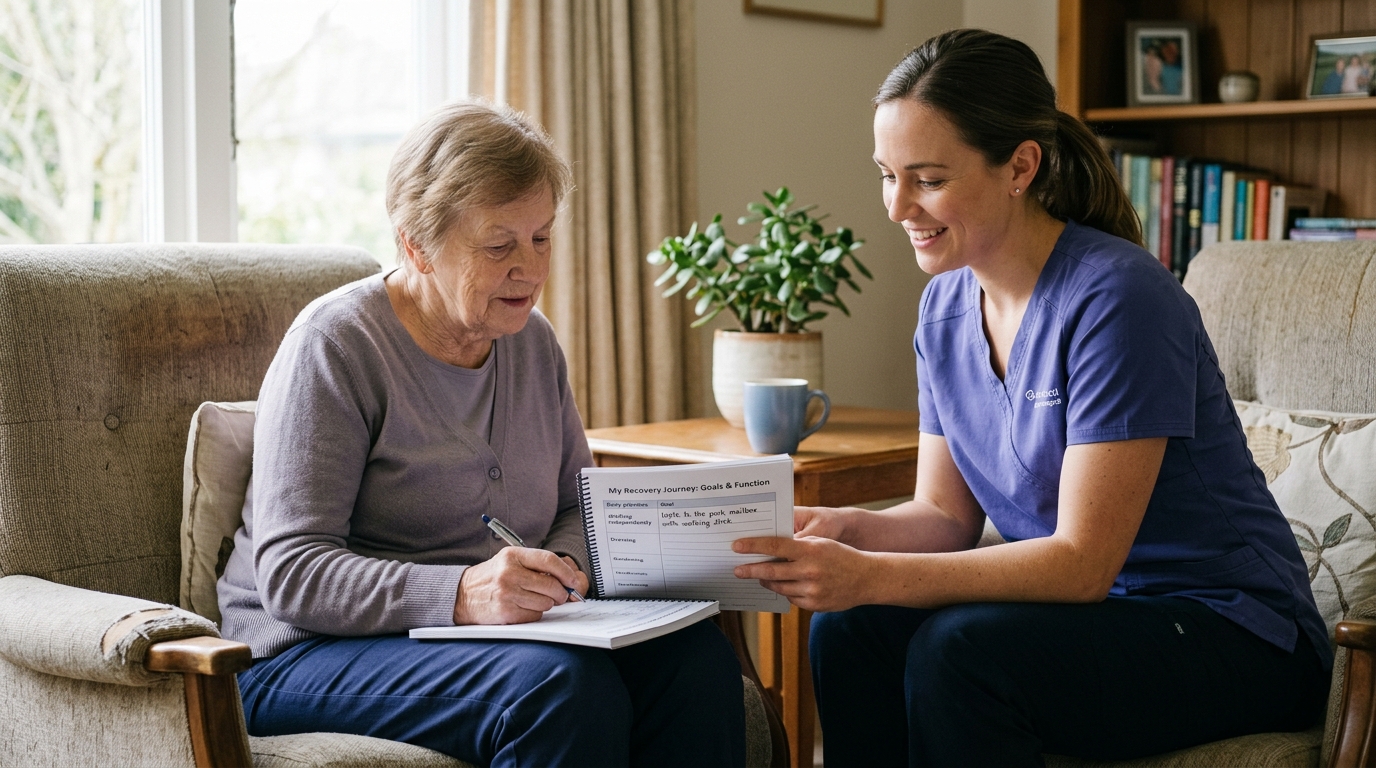
To see how these principles work in real-world scenarios, consider the following illustrative examples of common functional goals.
The Liu systematic review illustrated that stair-climbing outcomes can vary based on the population studied. One trial in the review showed marked improvements in healthy older women, while another trial found no significant stair gains among long-term care residents. This contrast highlights why exercise selection must always match the baseline functional level of the individual.
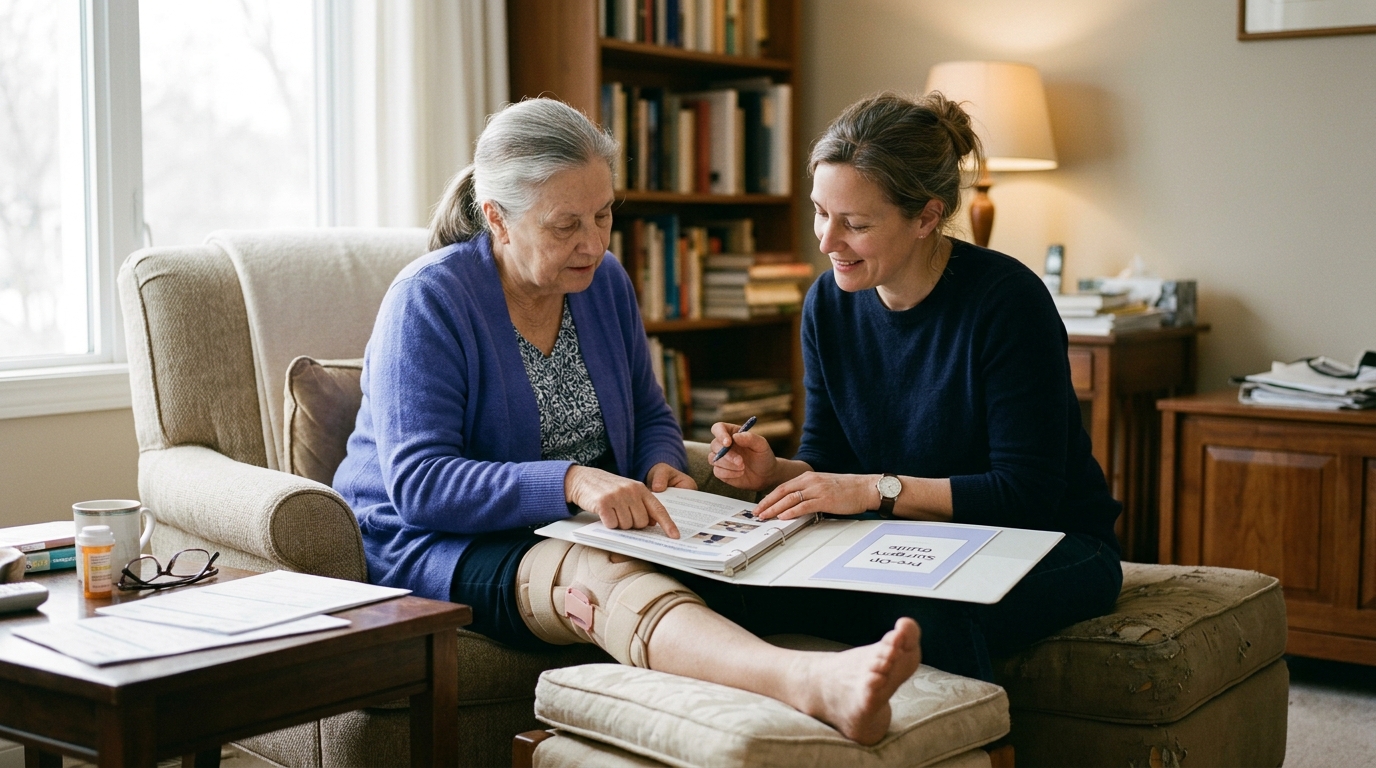
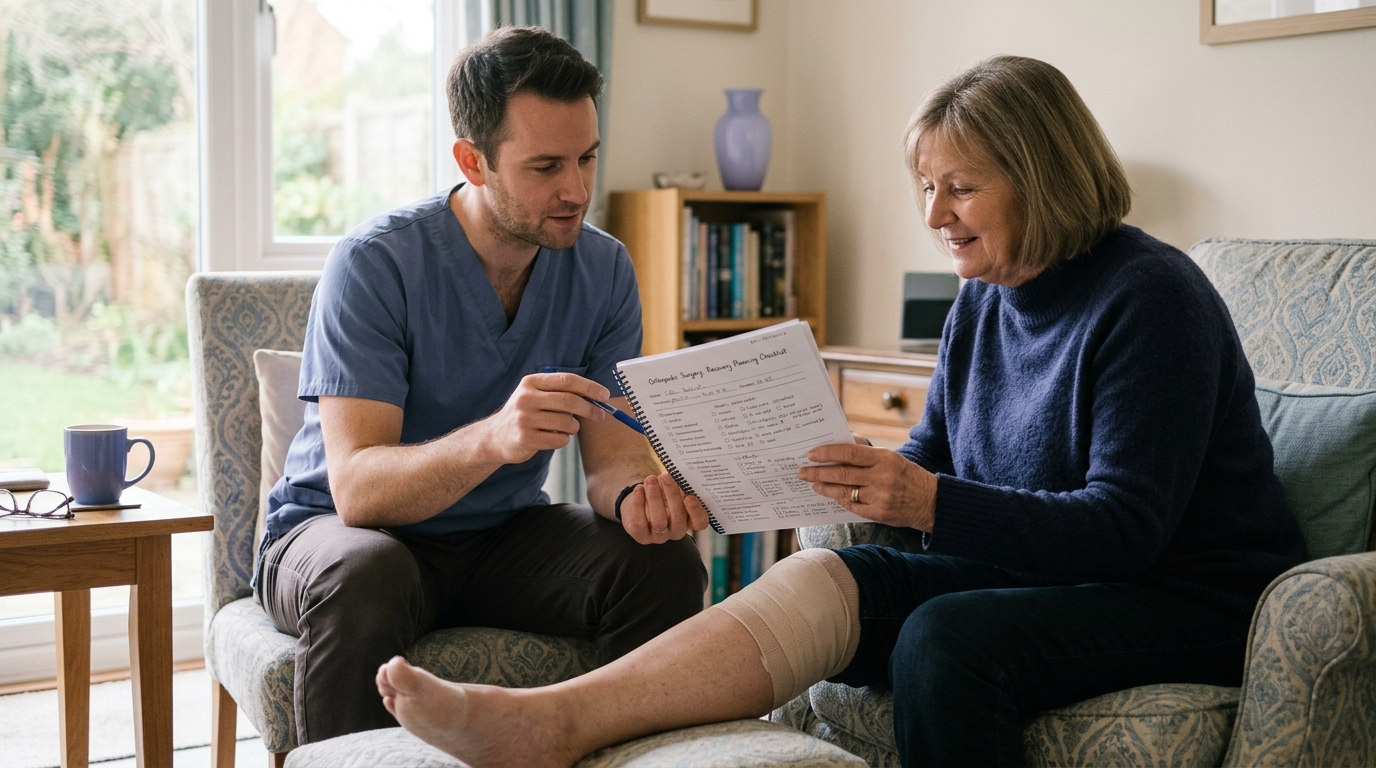
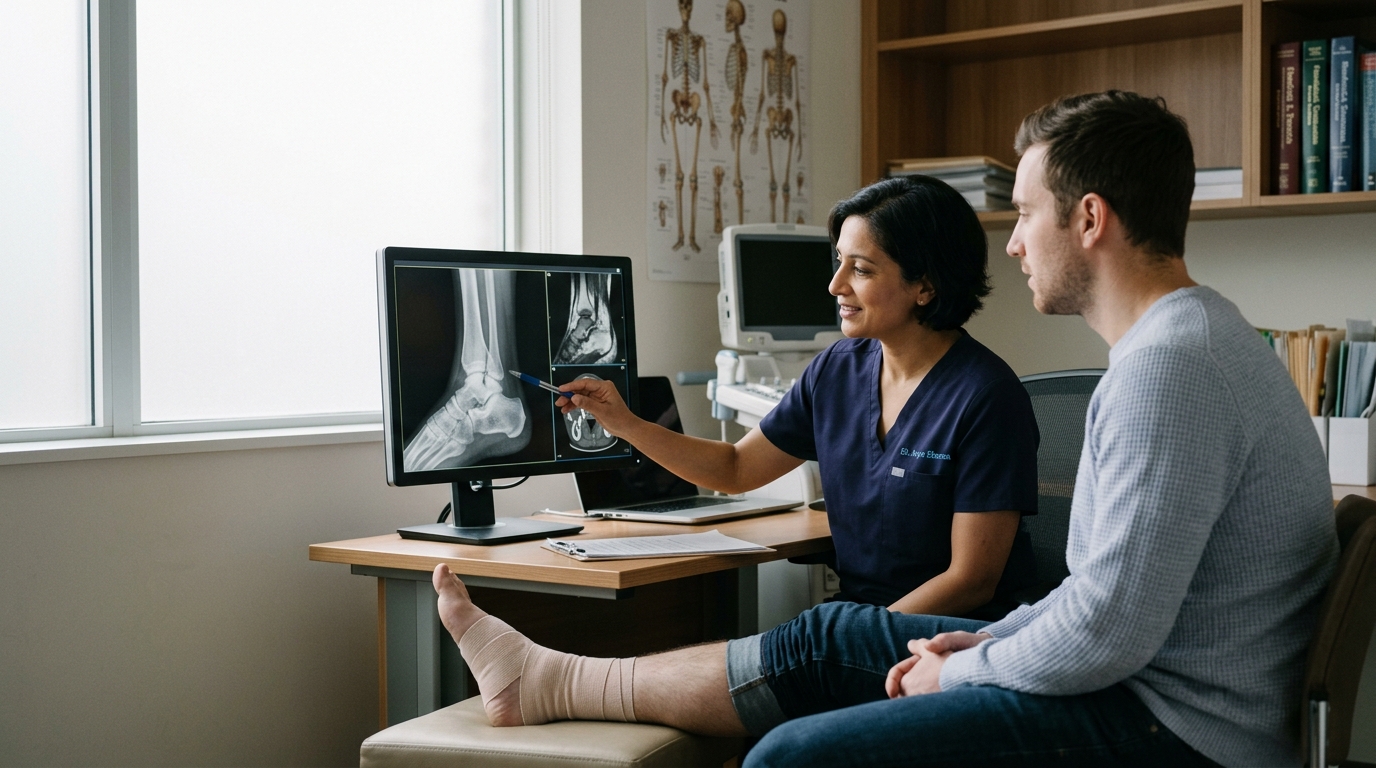
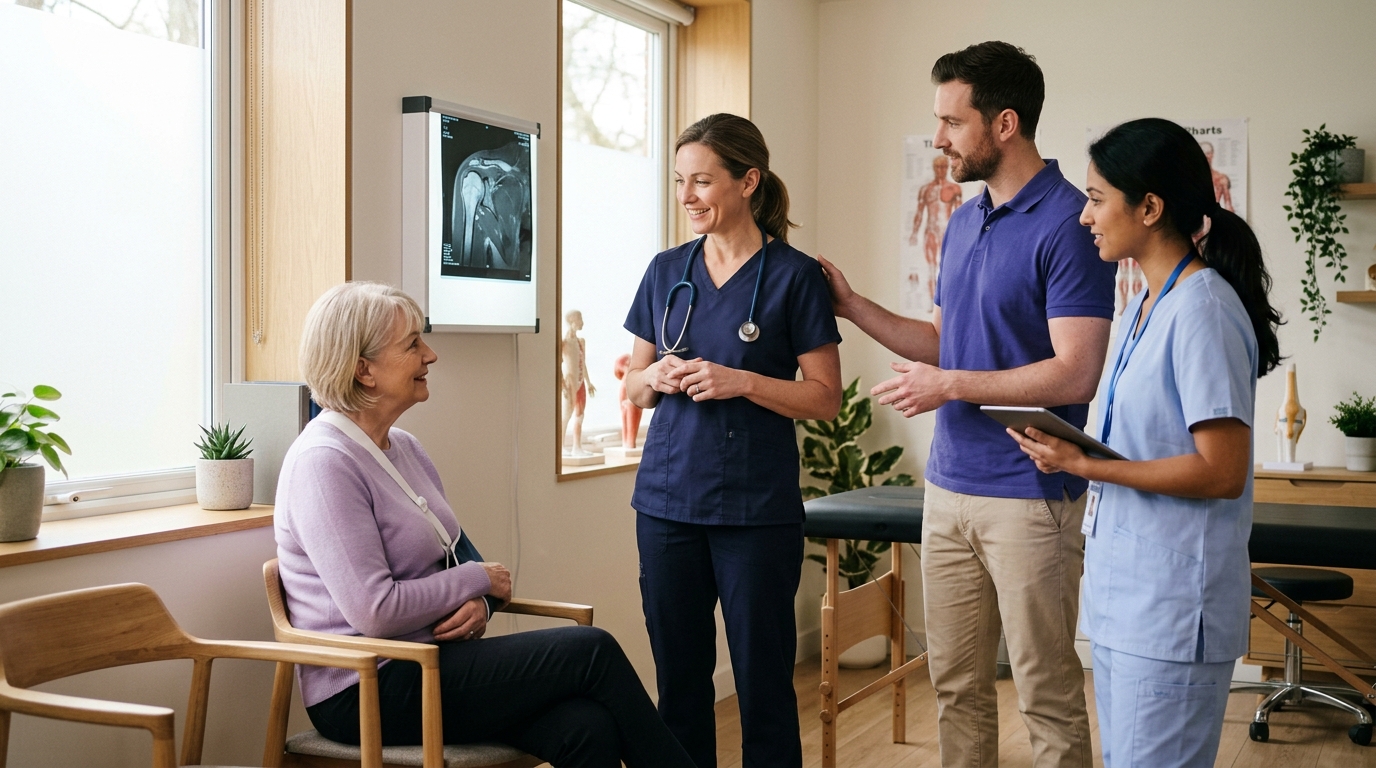
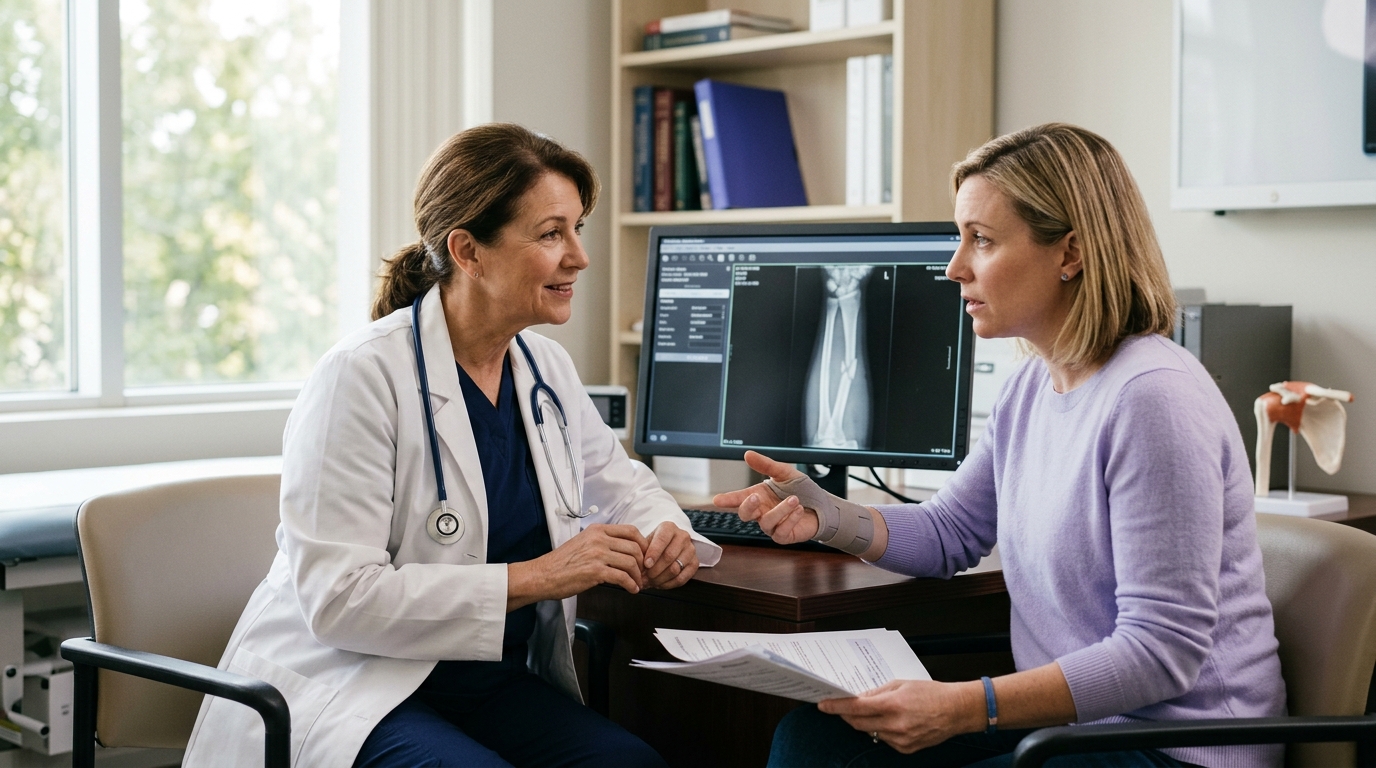
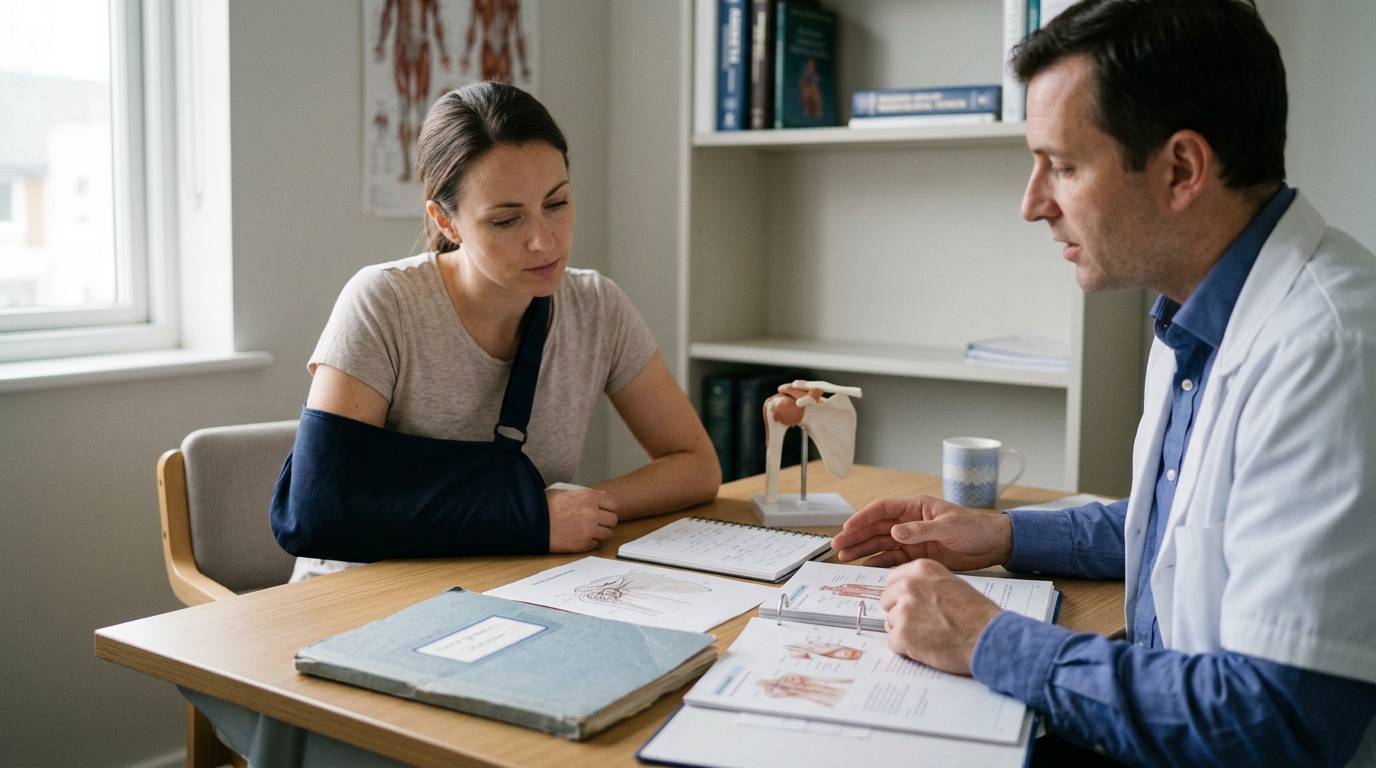
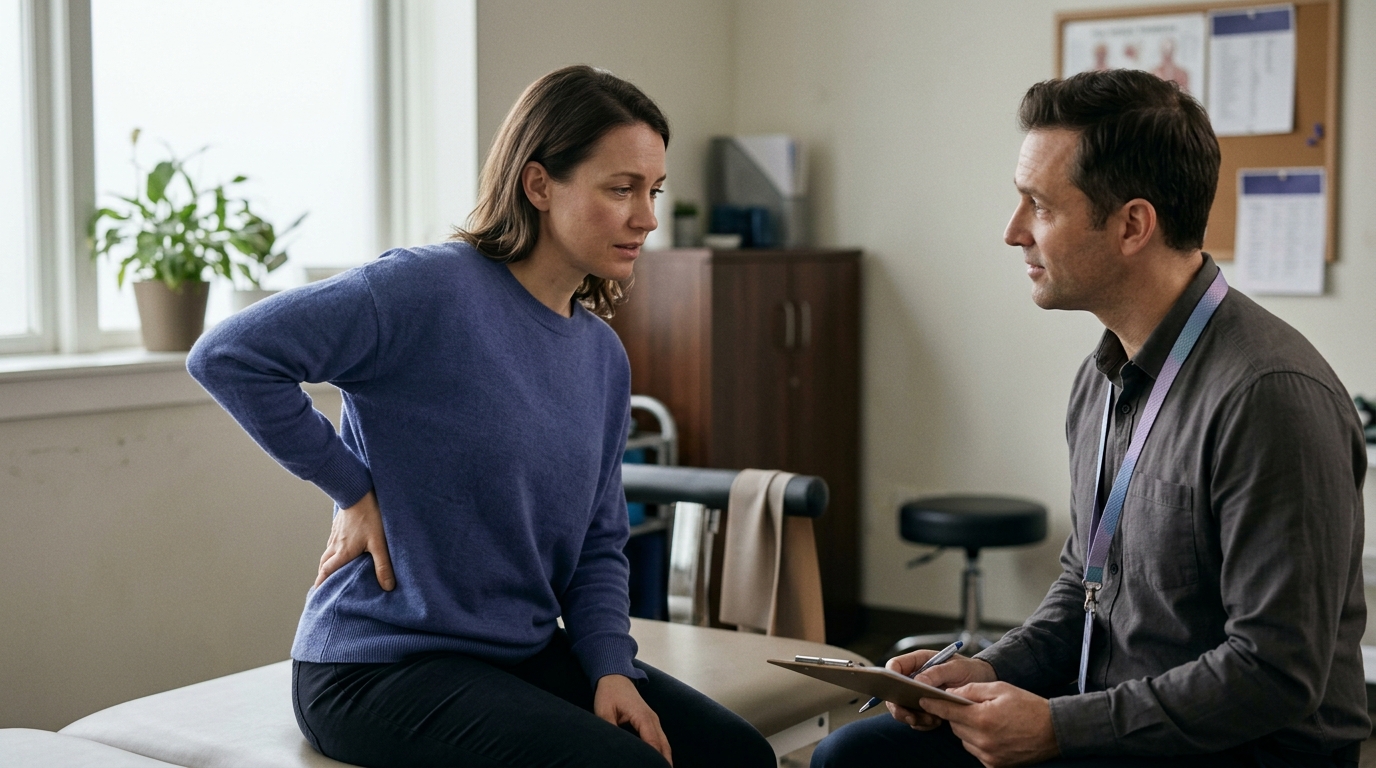
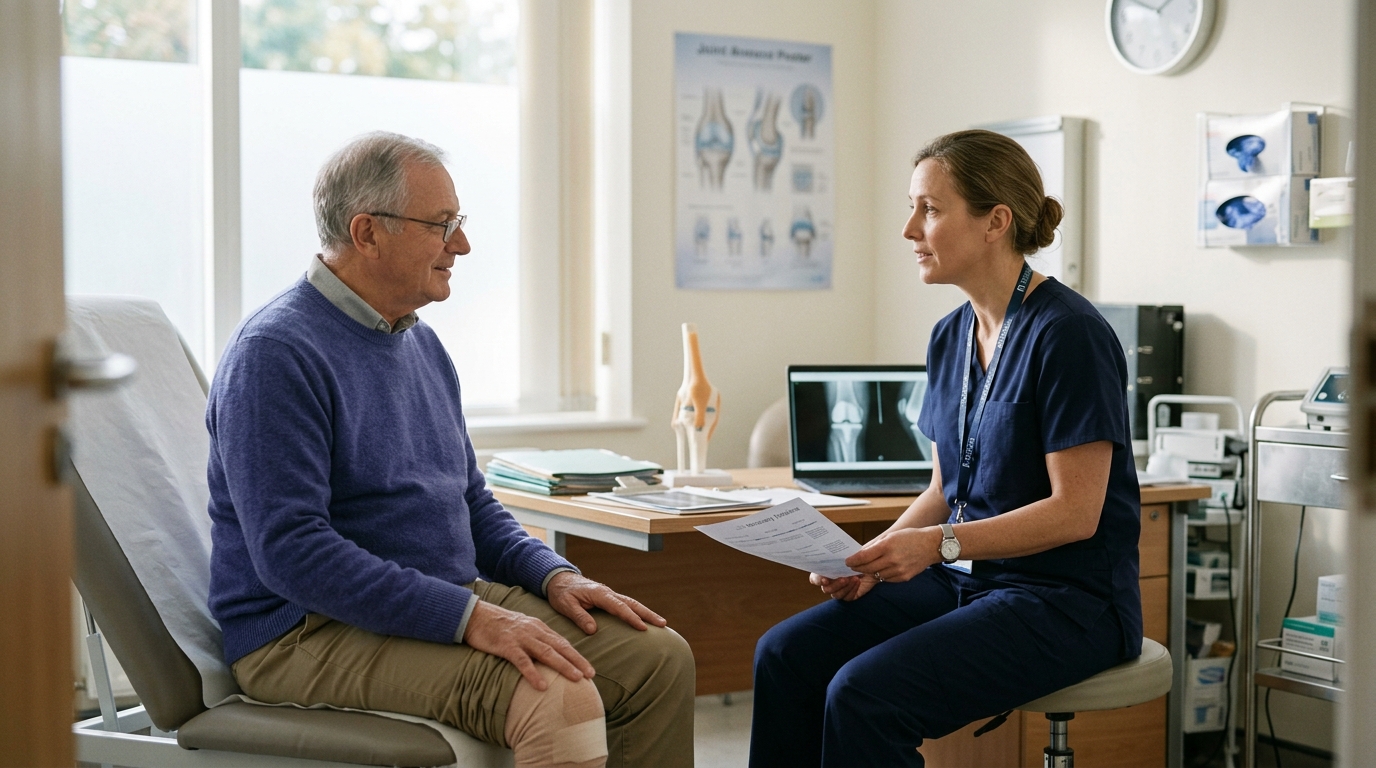
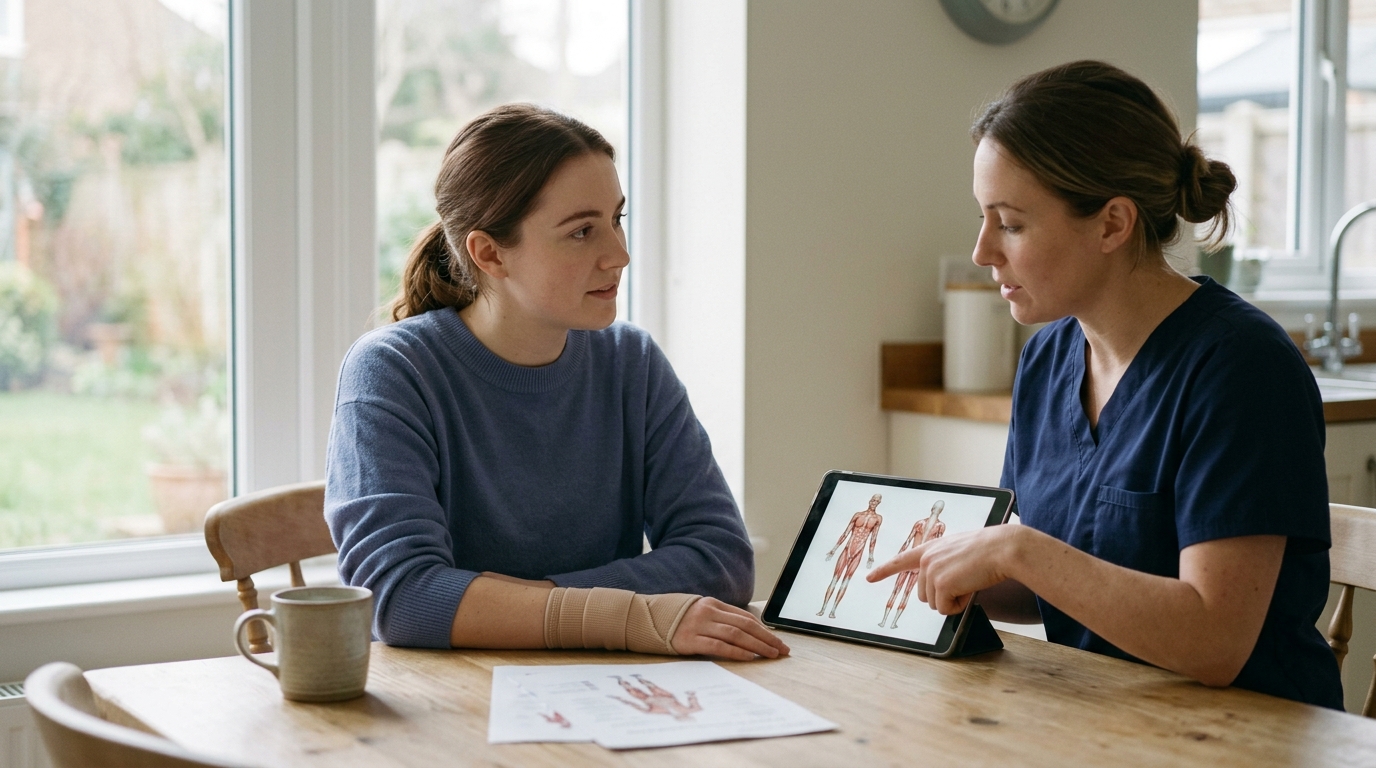
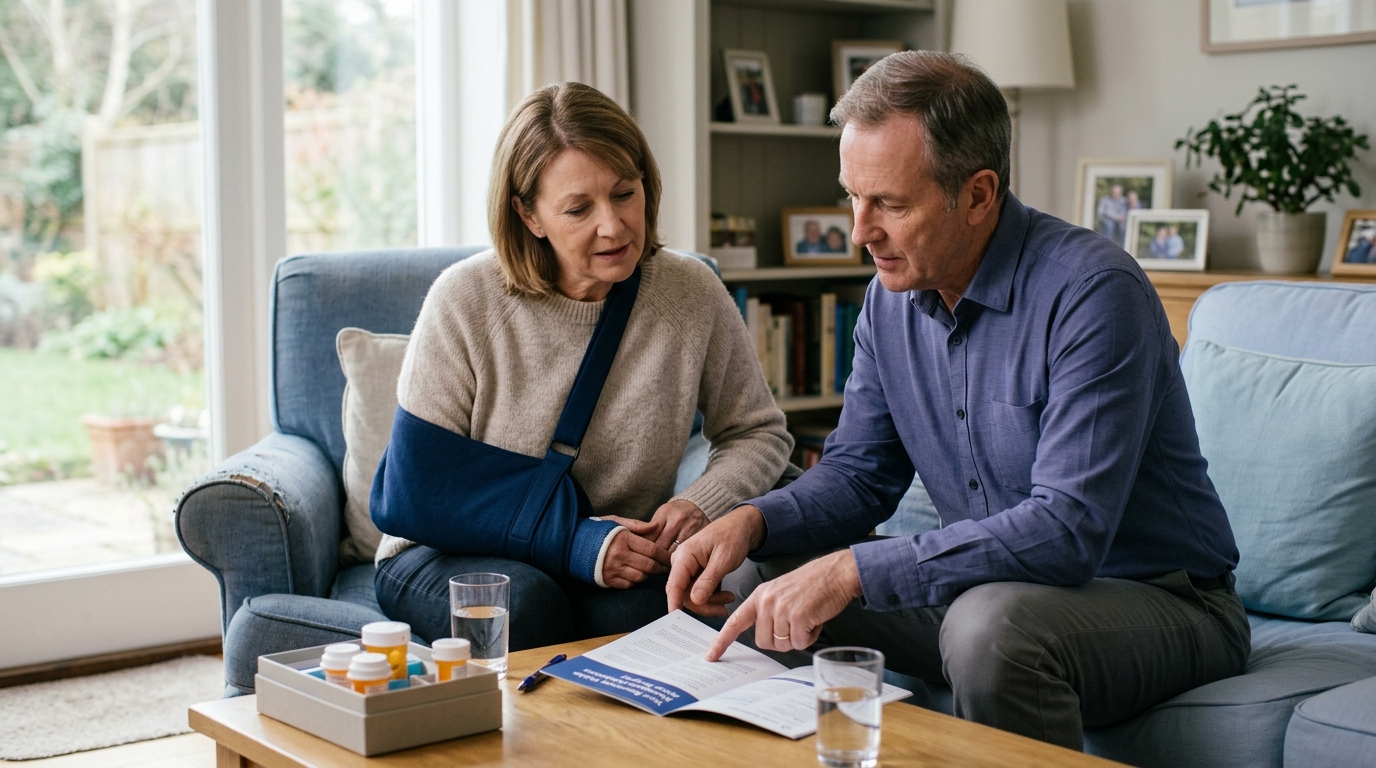
When rebuilding strength after an injury, surgery, or prolonged period of inactivity, consulting with your physical therapist, orthopedic physician, or primary care doctor is an essential step. The following questions can help guide a practical discussion about your exercise routine:
Open communication with your care team ensures that your strength rebuilding plan aligns with your overall medical management and recovery timeline.
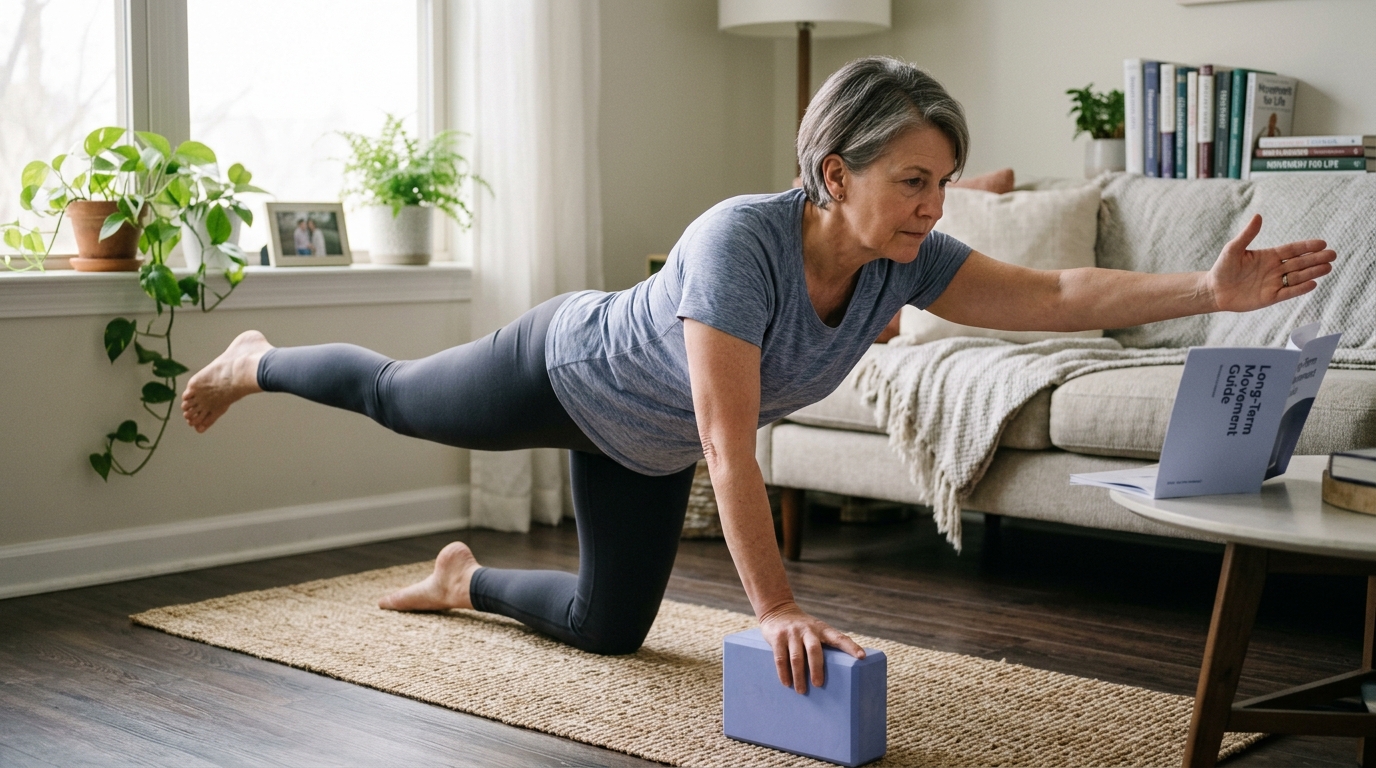
Rebuilding strength for daily life is a gradual process that relies on consistent, progressive practice across fundamental movement patterns. Organizing your training around the squat, hinge, push, pull, carry, and step provides a balanced foundation that supports the diverse demands of daily living.
Remember that movement patterns are a framework for training, not an absolute guarantee of functional transfer. While building general muscular capacity gives you the strength to move, practicing your specific daily tasks allows you to apply that strength with skill, coordination, and confidence.

Use ReboundBody resources to understand common recovery stages, rehab terms, movement limits and strength rebuilding. Each guide is designed to make a complex comeback easier to understand.


Read practical guidance on injury recovery, rehabilitation, mobility and rebuilding strength as you work your way back to activity.
Explore Resources