
Three distinct types of physical shifts define the nonlinear healing process, guiding you to distinguish temporary symptom flares from genuine setbacks using practical pacing strategies.





Most people assume that healing follows a straight, upward path where every tomorrow feels slightly better than today. When a sudden surge of pain or stiffness appears weeks into physical rehabilitation, it is easy to assume something went wrong.
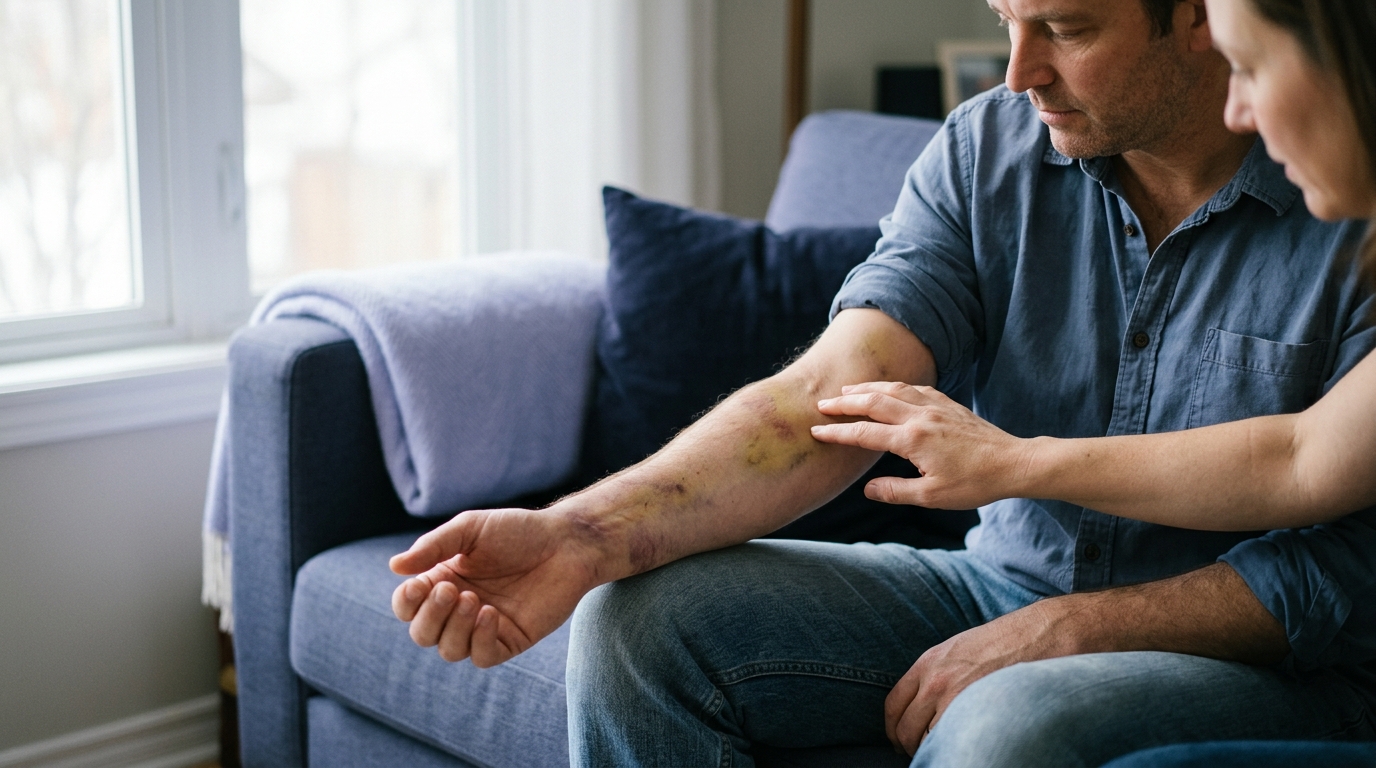
In reality, physical recovery is almost never a steady climb. Research shows that healing moves in waves, with good days and difficult setbacks occurring as natural parts of tissue adaptation. Experiencing a sudden increase in symptoms does not mean you have lost your hard-earned progress.
Understanding why recovery fluctuates can help you respond with calm curiosity rather than panic. This comprehensive guide outlines what science tells us about healing trajectories, how to pace your activities, and how to analyze setbacks systematically.
The human body does not heal on a predictable schedule. When bones, tendons, muscles, or nerves recover from trauma or surgery, biological remodeling happens in phases that respond directly to daily physical demands. A sudden increase in symptoms does not automatically mean tissue damage has recurred.
Clinical guidance from major health organizations confirms that setbacks are normal. The National Institute for Health and Care Excellence (NICE) notes that rehabilitation after physical trauma must account for setbacks as well as gains. Their clinical guidelines advise keeping goals flexible to accommodate these normal ups and downs.
To navigate recovery effectively, it helps to distinguish between three distinct types of physical changes:
These definitions are practical descriptions rather than rigid diagnostic categories. Recognizing the difference between a daily fluctuation and a long-term decline prevents unnecessary anxiety during temporary flares.
When you look at healing through an evidence-based lens, you can view difficult days as useful feedback rather than failure. You can learn more about tissue remodeling and biological timelines in our injury recovery and healing resources.
Scientific studies confirm that recovery paths differ widely across individuals, even among people with similar musculoskeletal injuries. Clinical researchers frequently study patient groups over months to track how symptoms evolve.
In a prospective cohort study of 241 adults recovering from non-catastrophic musculoskeletal trauma, researchers tracked participants for up to 52 weeks. They discovered three distinct patterns when measuring pain interference, which reflects how much pain disrupts daily life:
These percentages describe statistical groups within a single research sample. They are not a personal timetable or a fixed prediction for your specific recovery.
Importantly, when the same researchers analyzed pain severity alone instead of pain interference, only two trajectory groups emerged. This finding shows that how much you hurt and how well you can function do not always move in tandem. You might notice your daily physical function improving even while pain levels remain stubborn.
Qualitative studies reinforce these statistical findings with lived patient experiences. In focus groups involving working-age adults after physical trauma, participants consistently described recovery as unpredictable, uneven, and filled with uncertainty. Another qualitative study on orthopedic trauma noted that patients frequently moved between periods of functional gain and stretches of increased pain.
Evidence shows that having a difficult week is a common human experience during rehabilitation. Recognizing this variability helps remove self-blame and sets realistic expectations.
When pain spikes, the natural human reaction is to search for a single cause. People often wonder if they took one step too many, lifted something too heavy, or performed an exercise incorrectly.
While identifying physical triggers can be helpful, symptoms are influenced by many interacting variables. Biological healing, nervous system sensitivity, sleep quality, and daily stress all shape how your body registers effort. A minor increase in discomfort is often just your nervous system responding to a new physical stimulus.
A daily fluctuation is a short-lived change in how your body feels. You might wake up feeling extra stiff after an active afternoon, or your joint might ache mildly after a longer walk.
These fluctuations typically settle within 24 to 48 hours without major medical interventions. They reflect the normal biological process of tissues adapting to physical loads. On these days, gentle movement and basic pacing are usually enough to help symptoms settle.
A setback or flare is a more sustained period of increased symptoms. It may involve sharper discomfort, elevated swelling, noticeable fatigue, or reduced range of motion lasting several days.
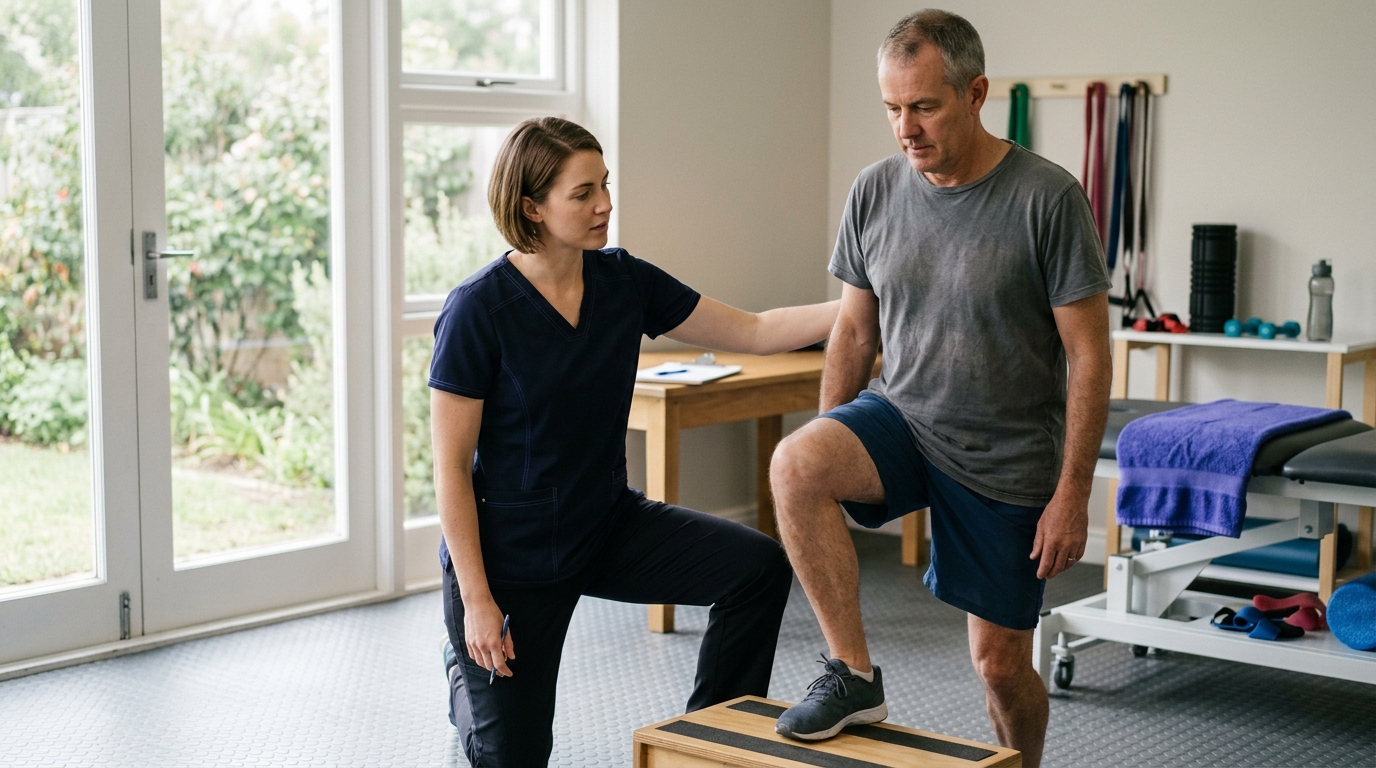
During a flare, pushing harder through the discomfort is rarely productive. Instead, a temporary reduction in training volume or daily tasks allows irritated tissues to calm down. Once the flare subsides, you can gradually resume your planned exercises.
A trajectory change occurs when your functional ability stops progressing or worsens steadily over several weeks. It can also involve new neurological symptoms, such as numbness, tingling, or unexplained joint instability.
When a setback does not begin to settle after several days of sensible pacing, it is appropriate to consult your physical therapist or physician. A clinical check-in ensures your rehabilitation program matches your current physical capacity.
To understand how physical conditioning and joint adaptation interact during rehabilitation, explore our guides on recovery science principles.
Many factors influence how smoothly your recovery progresses. Healing timelines vary based on biological characteristics, daily routines, and the natural phases of orthopedic rehabilitation.
Researchers studying recovery after physical trauma often divide the process into broad phases. A common model describes four distinct stages:
These phases serve as a conceptual map rather than a strict schedule. People move through them at different speeds, and life events can cause temporary shifts between stages.
Several everyday factors can change your recovery timeline from week to week:
Sleep is essential for tissue repair and nervous system recovery. When sleep is interrupted or restricted, your body produces higher levels of inflammatory markers. A lack of rest can also make your central nervous system more sensitive to pain signals, turning normal movement into an uncomfortable chore.
Physical load includes everything you do in a day, not just your formal therapy exercises. Carrying groceries, climbing extra stairs, doing yard work, and standing for long periods all add to total tissue stress. An unexpected flare often happens when multiple minor physical tasks pile up on the same day.
Your physical condition prior to injury or surgery plays a substantial role in rehabilitation. Adults with higher baseline muscle mass and joint mobility often adapt to exercise progressions more quickly. However, rebuilding strength is possible at any age when progression is steady and progressive.
You can review targeted strategies for joint health and movement mechanics in our mobility and movement guides.
Mental stress and emotional strain directly influence physical symptoms. High stress levels increase systemic muscle tension and alter pain processing in the brain. Recognizing that mental fatigue can amplify physical aches helps you manage busy weeks with extra patience.
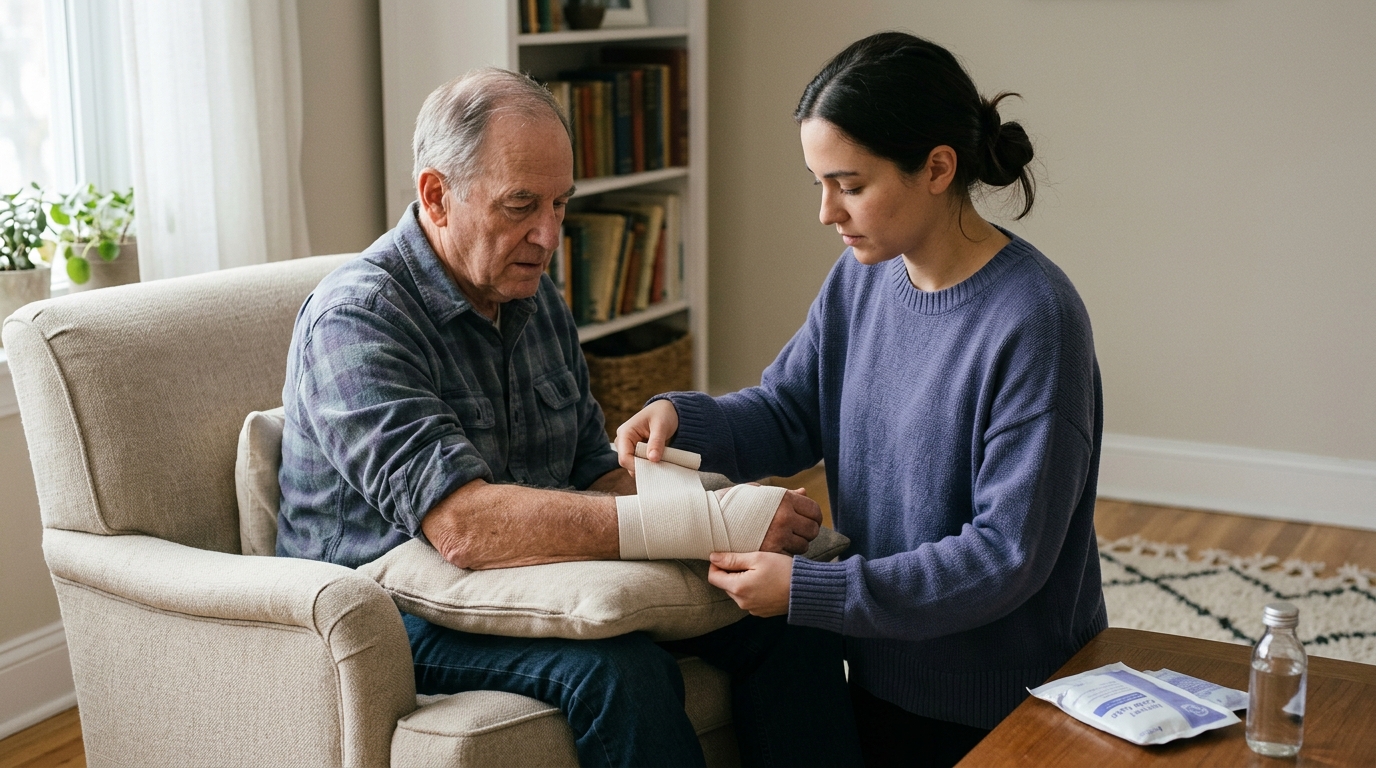
Pacing is one of the most effective tools for managing a nonlinear recovery. It is a systematic way of organizing physical effort and rest so you can remain active without triggering severe symptom flares.
Pacing does not mean avoiding all discomfort or stopping physical activity entirely. Instead, it prevents the common boom-and-bust cycle that derails many rehabilitation plans.
The boom-and-bust cycle typically starts on a good day. When symptoms feel manageable, people naturally feel excited and attempt to catch up on postponed chores, yard work, or extra workouts.
By overloading recovering tissues before they have developed adequate capacity, this sudden burst of effort frequently leads to severe soreness the next day. The individual is then forced to rest completely for several days, leading to frustration and deconditioning.
NHS patient guidance emphasizes doing a consistent, manageable amount of activity across both good and bad days. Avoiding sharp spikes in activity helps keep tissue irritation within a manageable range.
Instead of tackling a large task all at once, divide it into smaller segments separated by planned rest breaks.
Breaking tasks into chunks preserves your energy and keeps mechanical stress below the threshold that triggers an inflammatory flare.
When a flare occurs, you may need to reduce your exercise intensity or daily steps for a few days. Once the sharp discomfort eases, do not jump straight back to your peak activity level.
Instead, restart your routine at a reduced baseline and build back gradually over several sessions. This step-by-step reintroduction allows your tissues to readapt smoothly.
For practical advice on progressively loading tissues as you regain capacity, check out our strength and return to sport resources.
When a setback occurs, it is easy to feel overwhelmed. Using a structured review process helps you analyze what happened calmly and objectively.
This review framework is a reflective journal tool, not a clinical diagnostic test. It helps you collect useful observations to share with your physical therapist or physician.
Start by examining the circumstances leading up to the symptom increase. Ask yourself:
Looking back at your recent baseline often reveals a subtle accumulation of physical load that explains the temporary flare.
Describe your current symptoms using specific, observable details rather than broad statements like "everything is worse." Ask yourself:
Documenting what remains functional helps keep the setback in perspective and prevents catastrophe thinking.
Once the immediate flare begins to settle, plan your return to normal activities. Ask yourself:
The following illustrative examples show how different people might use this structured review process to navigate real-world recovery scenarios.
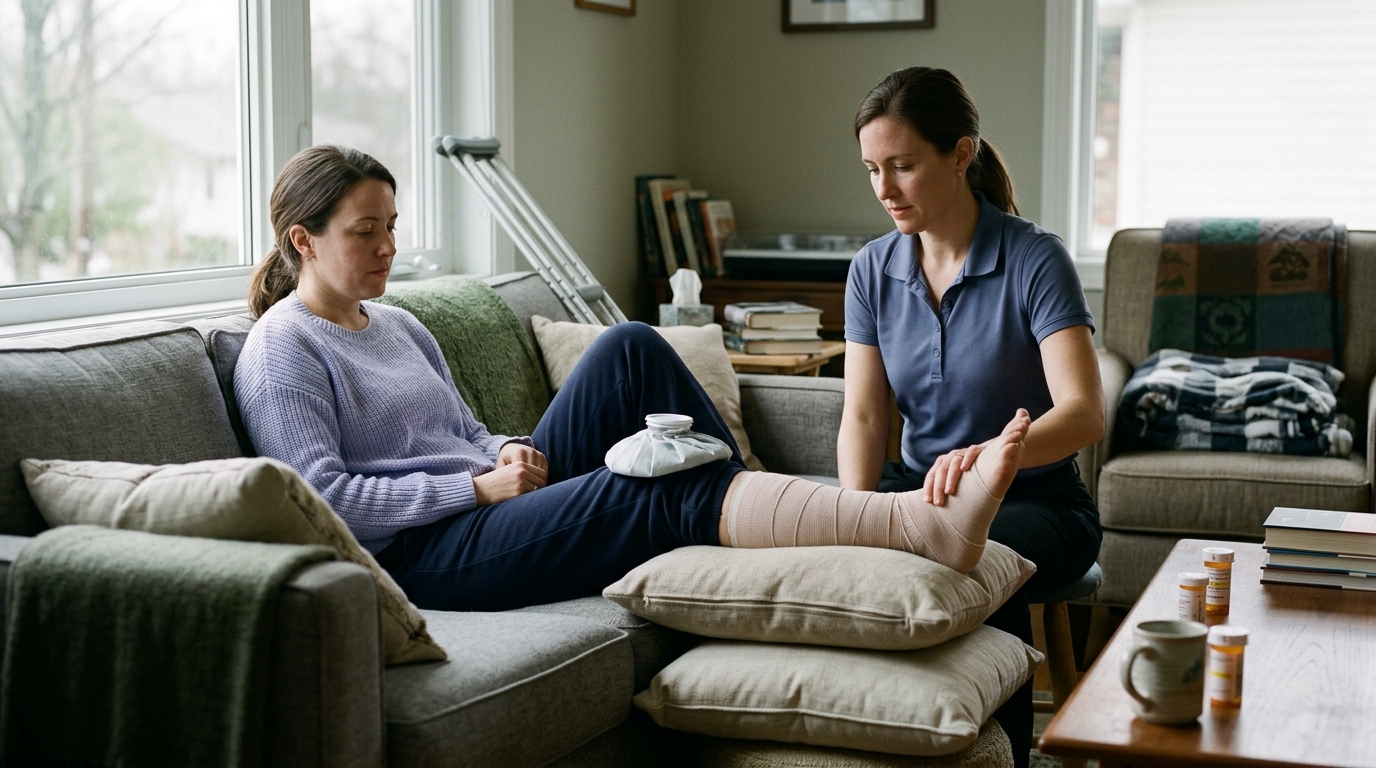
Consider an illustrative model of an adult recovering from knee surgery who spent Saturday working in the garden after a full week of physical therapy:
Consider an illustrative model of an individual recovering from a chronic shoulder injury who feels discouraged because daily aching has not decreased:
Consider an illustrative model of an adult returning to an office job following a lumbar spine injury:
Reviewing these scenarios demonstrates that setbacks are actionable data points. When you track what changed, you can adjust your habits without losing momentum. You can find more practical worksheets and tracking guides across our rehabilitation and recovery resources.
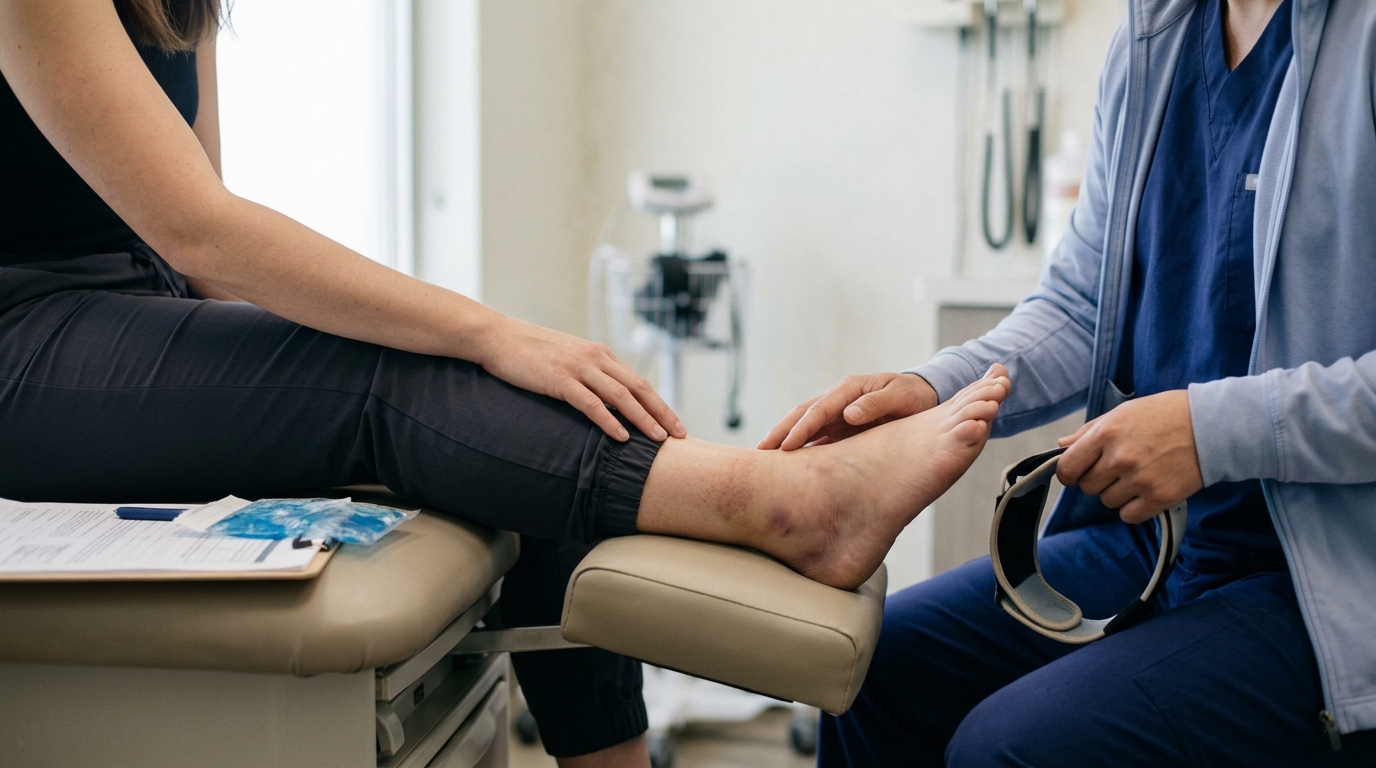
Clear communication with your healthcare team is a critical component of successful rehabilitation. Qualitative research indicates that patients often find it difficult to bring everyday functional challenges and workplace difficulties to their doctors' attention.
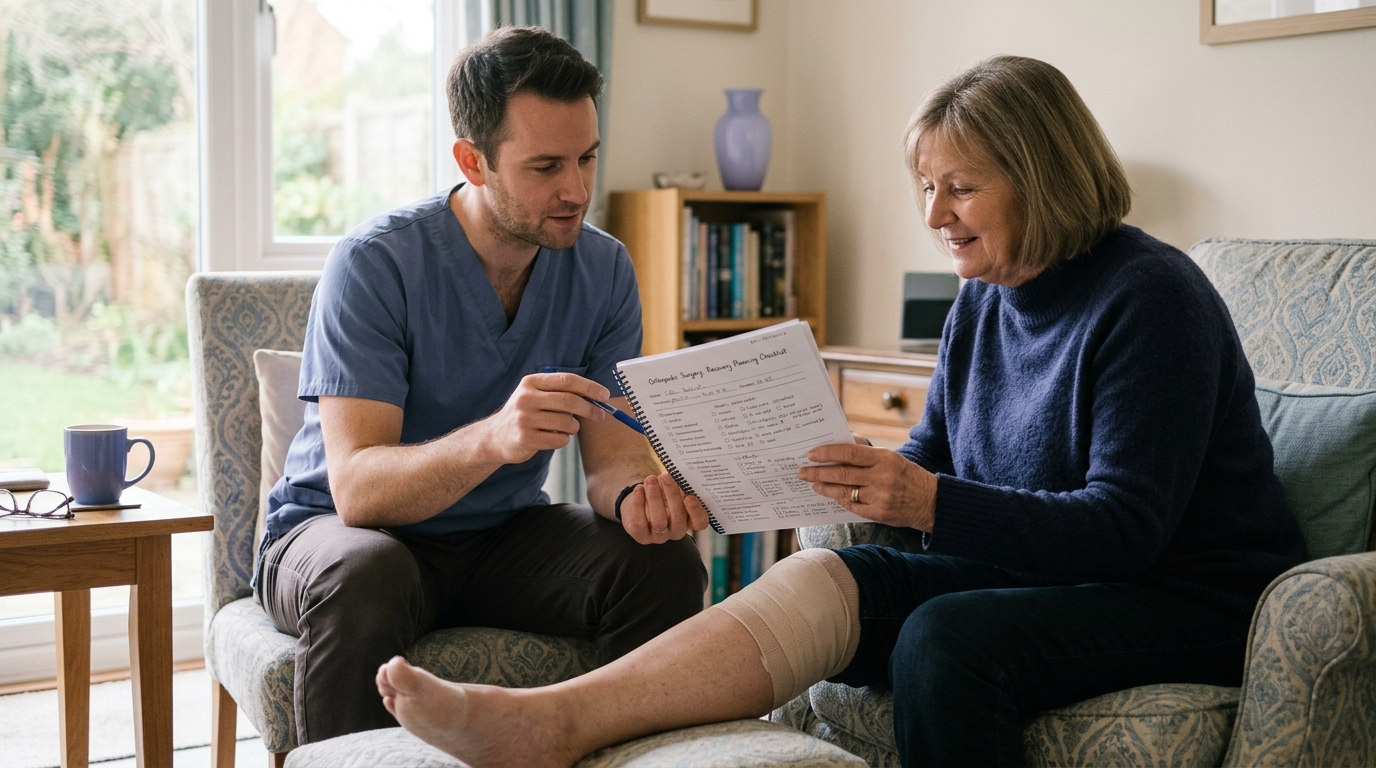
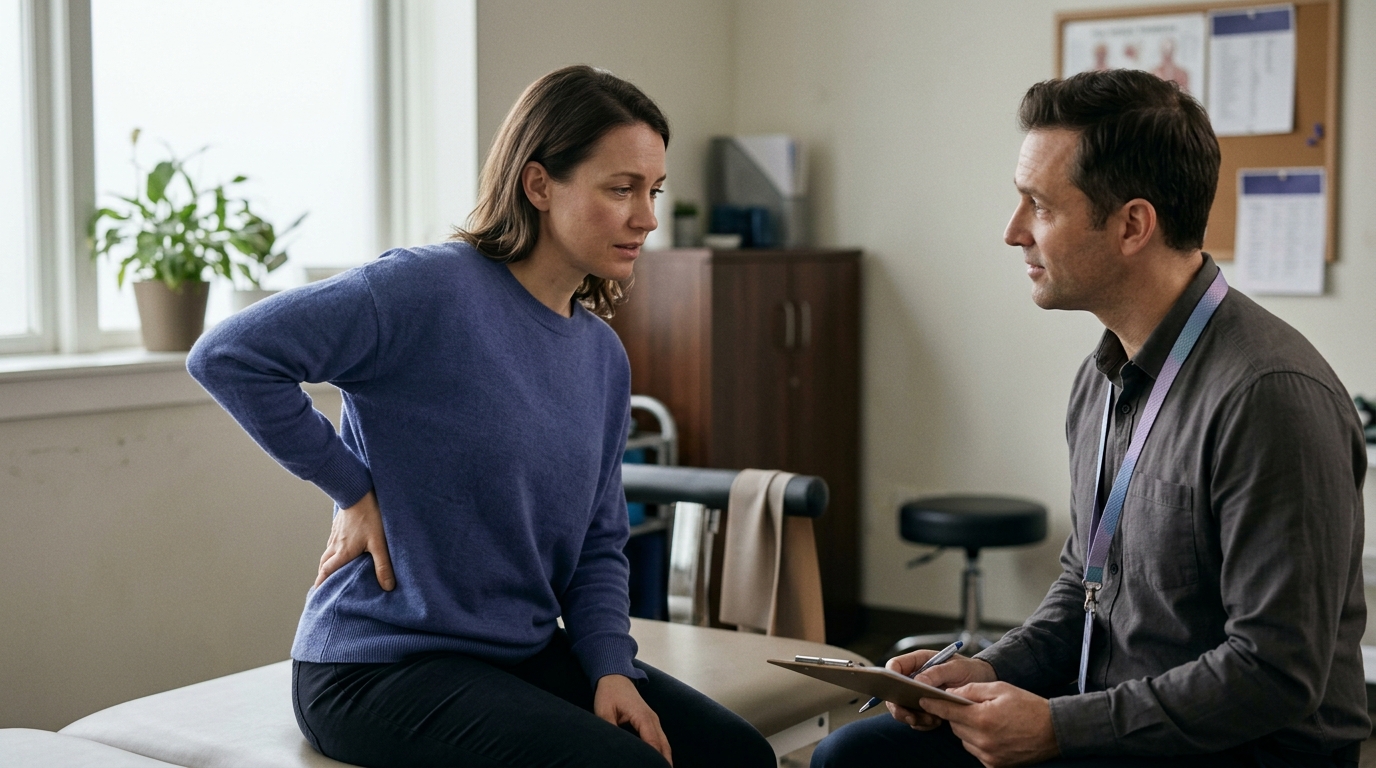
Preparing concrete questions before your clinical appointments ensures your concerns are addressed directly. When discussing setbacks, focus on specific activities, symptom duration, and functional limitations.
Bringing specific notes about what makes your symptoms better or worse helps your clinician provide precise, personalized advice.
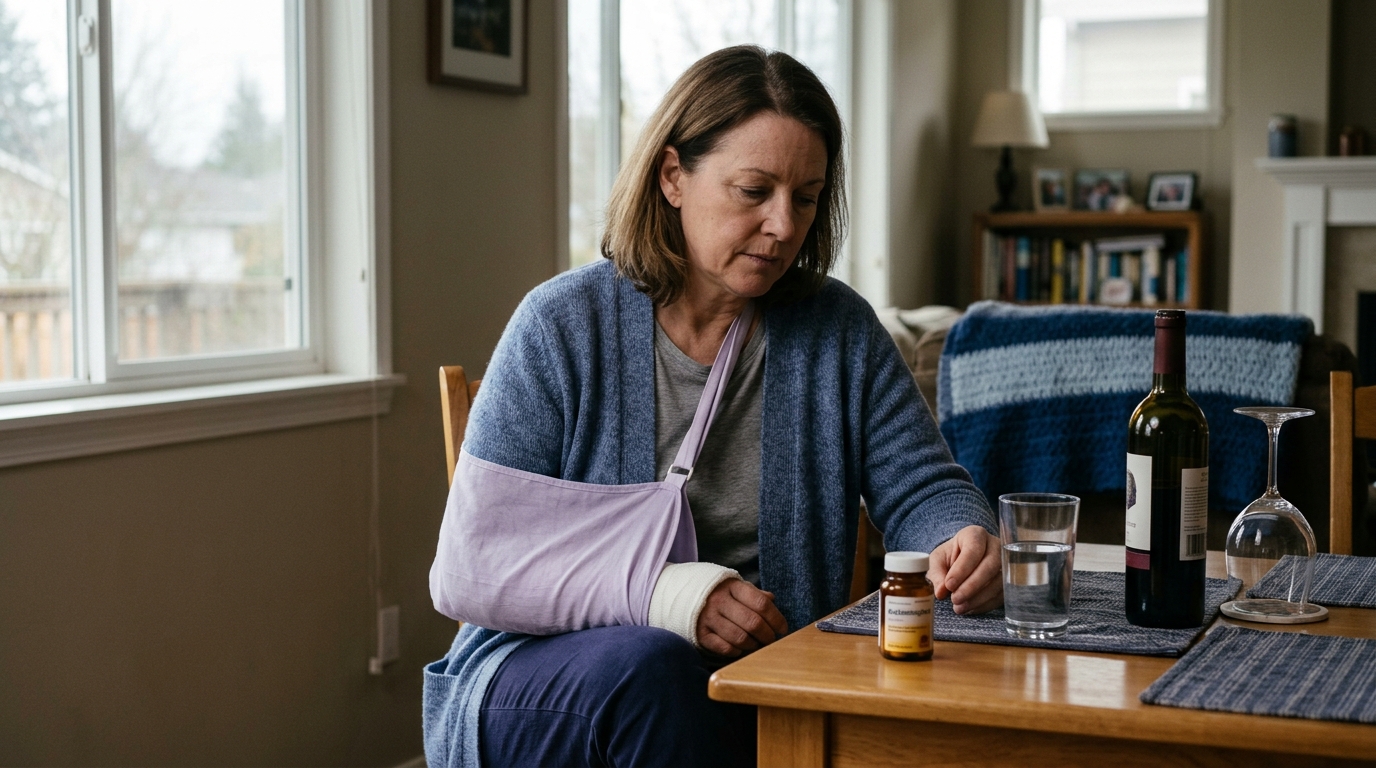
Navigating physical rehabilitation requires emotional resilience alongside physical effort. When you expect recovery to be a perfectly smooth process, every setback feels like a devastating defeat. When you understand that healing is naturally wavy, a difficult day is simply a prompt to pause, assess, and adapt.
NICE clinical guidelines highlight that successful rehabilitation relies on collaborative, flexible goal-setting. Setting goals that focus on meaningful activities, such as playing with grandchildren, walking the dog, or returning to a beloved hobby, provides powerful motivation during challenging weeks.
Progress in rehabilitation is rarely measured by pain reduction alone. As clinical trials have shown, physical function, daily independence, and confidence often improve well before chronic discomfort fully resolves. Celebrating small functional victories, such as walking further, sleeping better, or needing fewer rest breaks, keeps you moving forward.
By pairing realistic expectations with sensible pacing and consistent communication, you can navigate the ups and downs of recovery with confidence.
With patience, steady pacing, and practical reflection, you can successfully navigate setbacks and build lasting physical capacity.

Use ReboundBody resources to understand common recovery stages, rehab terms, movement limits and strength rebuilding. Each guide is designed to make a complex comeback easier to understand.


Read practical guidance on injury recovery, rehabilitation, mobility and rebuilding strength as you work your way back to activity.
Explore Resources