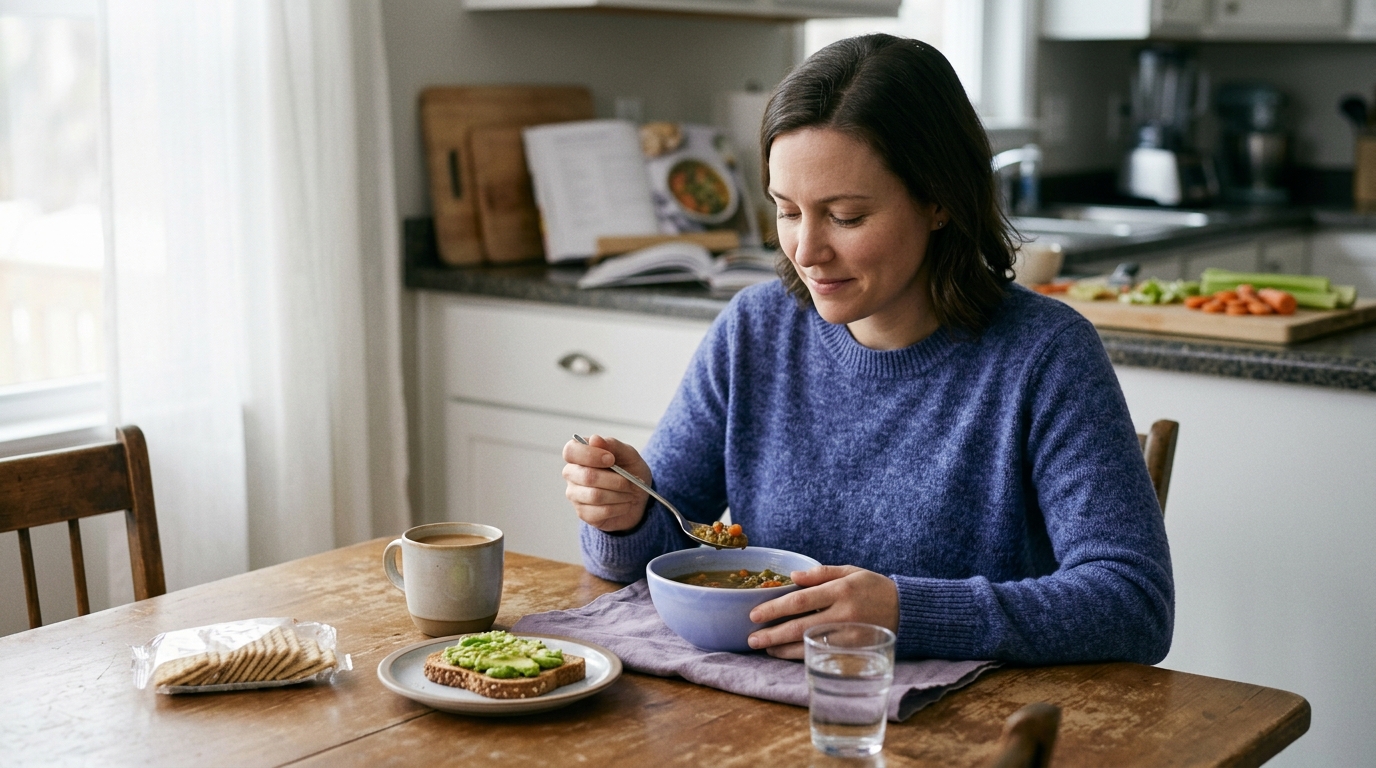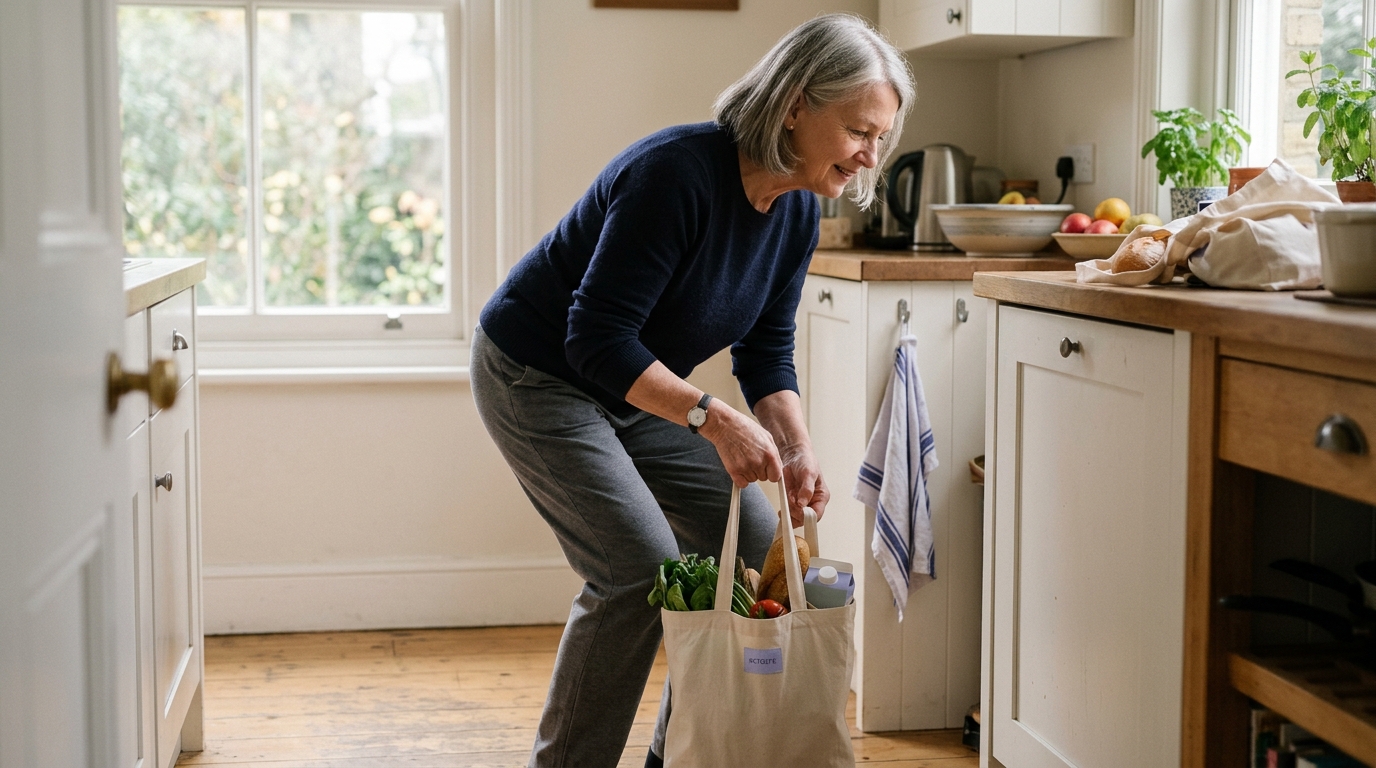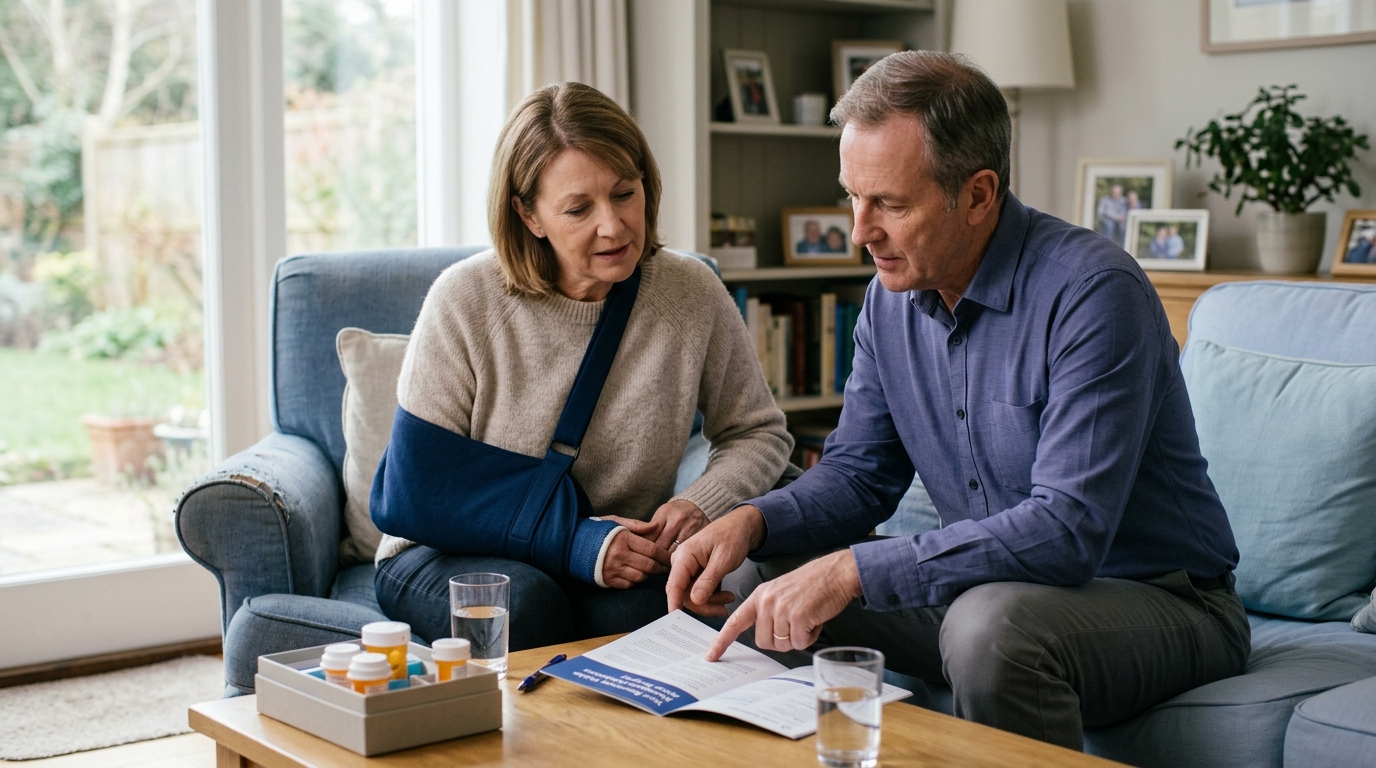

Recovery meal planning simplifies daily nutrition through accessible pantry staples, low-prep ingredients, and tiered grocery strategies tailored to fluctuating energy levels.





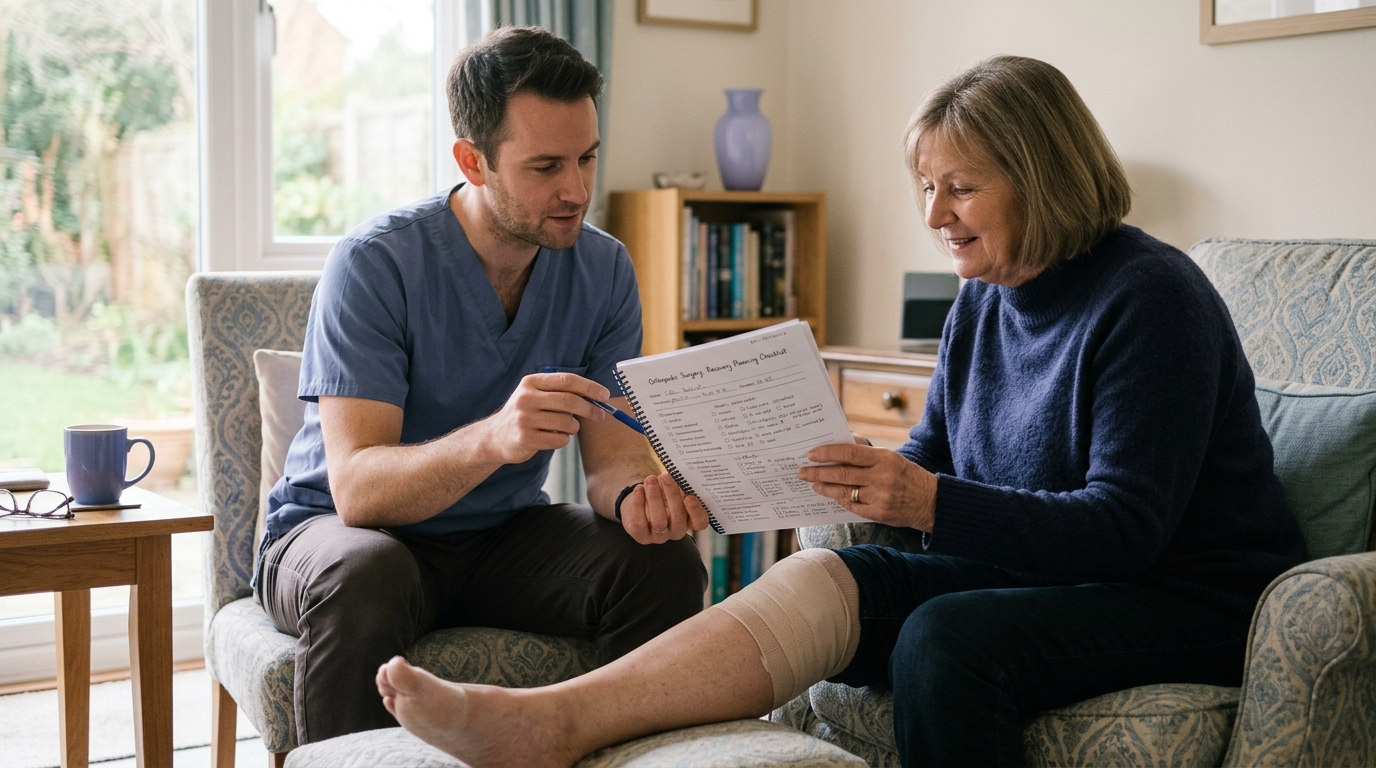
A recovery grocery plan is a practical system to keep nourishing food within reach when your physical energy, mobility, or routine is limited. It is not a rigid diet, a complex culinary program, or a set of strict medical rules. When an orthopedic injury, joint surgery, or sudden physical setback happens, everyday tasks like walking through aisles, carrying heavy bags, and standing over a hot stove can quickly become overwhelming.
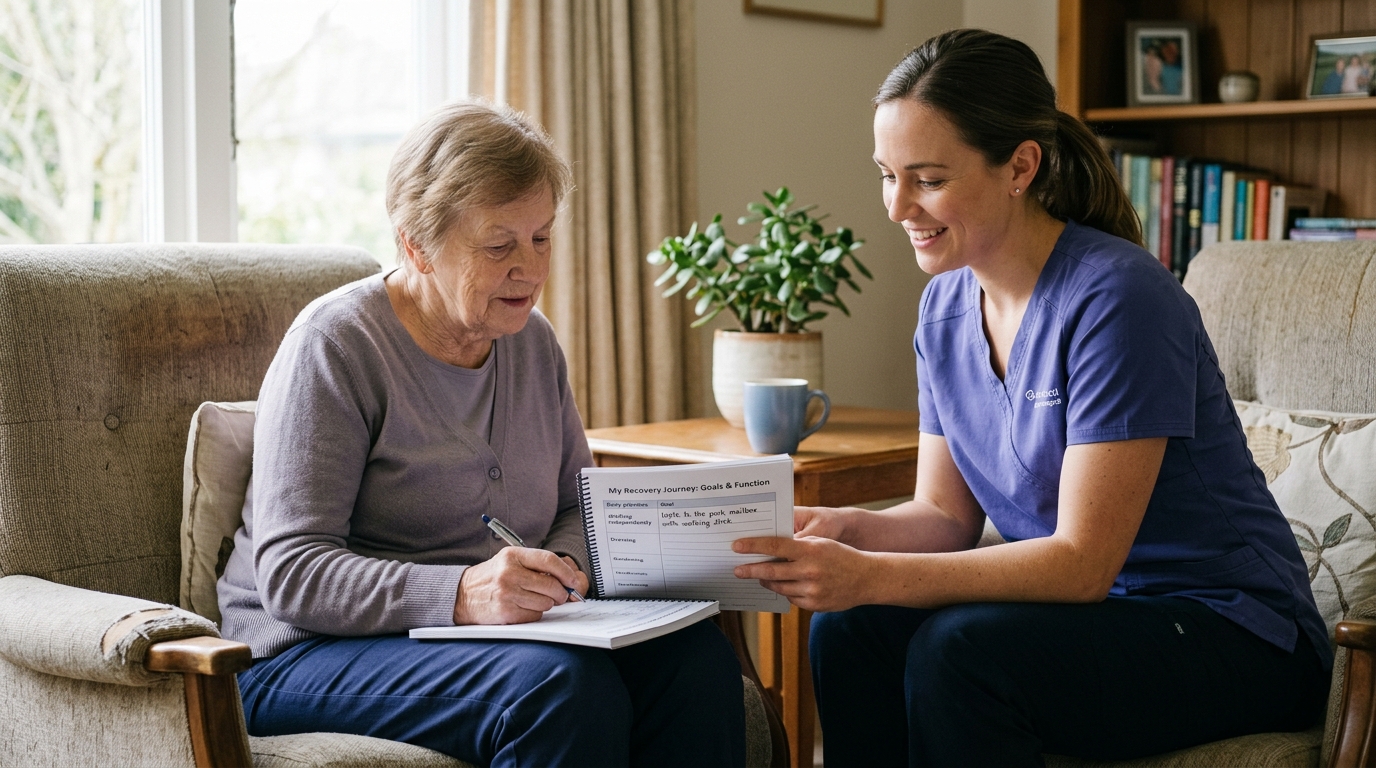
The goal of this guide is to help you match your food shopping and meal assembly to your current physical capacity. Instead of demanding perfection, a disrupted routine calls for adaptable grocery strategies that protect your energy, respect your budget, and support tissue healing. Across the sections below, you will find evidence-based frameworks for building a reliable pantry, selecting low-effort proteins and produce, and managing practical shopping barriers during rehabilitation.
Recovering from surgery or managing an acute orthopedic injury reshapes your daily energy budget. Activities that used to take minimal thought suddenly require careful planning. Walking across a large supermarket parking lot, navigating crowded store aisles, and standing on hard floors can irritate healing joints and drain stamina.
Physical limitations also follow you into the kitchen. Carrying heavy grocery bags from a car, lifting full gallon jugs of milk, and reaching for items in high cabinets can strain a healing shoulder or destabilize a recovering knee. Standing for thirty minutes to chop vegetables and monitor a skillet may exceed your comfortable standing tolerance. When cooking requires too much physical effort, it is easy to skip meals entirely or rely on options that lack the basic building blocks your body needs.
Appetite and digestion often shift during recovery as well. Pain medications, anesthesia aftereffects, reduced daily movement, and physical stress can blunt your hunger cues or cause mild nausea. In other cases, staying home all day disrupts regular meal timing, making it hard to maintain consistent energy. A conventional meal plan built around multi-step recipes usually fails under these conditions because it assumes a baseline level of energy and enthusiasm that you may not have.
A realistic recovery grocery plan solves this problem by lowering the barrier to eating. It shifts the focus from elaborate cooking to simple food assembly. By organizing your kitchen around accessible, shelf-stable, and minimal-prep items, you ensure that nourishing meals remain available even on your lowest-energy days. Learning how to navigate these adjustments is an essential part of evidence-aware nutrition and recovery strategies during physical rehabilitation.
Clinical evidence and public health research show that physical disruptions directly influence nutritional intake and food security. When your body is healing from trauma, surgery, or serious illness, nutritional needs do not stop. In fact, tissue repair and metabolic recovery often increase the demand for adequate energy and dietary protein. However, the physical ability to obtain and prepare food is frequently compromised at the exact moment those nutrients are most needed.
Research published in public health journals highlights that food access is heavily dependent on mobility and transportation options. A study on midlife and older adults demonstrated that accessing food involves varied transit methods, including walking, rides from family, motorized chairs, and public transit. When an acute injury removes your ability to drive or walk comfortably, your geographic access to fresh, affordable food changes overnight. Access is not merely about how close a grocery store is to your home. It is about whether you can physically get there, navigate the store safely, and carry your purchases back inside.
Socioeconomic factors also play a critical role in food security during life disruptions. According to the United States Department of Agriculture (USDA), 13.7 percent of U.S. households, representing roughly 18.3 million households, were food insecure at some point during 2024. Furthermore, 5.4 percent of households, or 7.2 million households, experienced very low food security, meaning food intake was reduced due to limited resources. While these are national statistics rather than recovery-specific metrics, an unexpected medical event or time away from work can quickly strain any household food budget.
Clinical guidance also distinguishes between standard healthy eating messages and the specific needs of post-hospital recovery. Guidance from University Hospitals Sussex notes that when patients experience poor appetite or unintentional weight loss following a hospital stay, getting enough total calories and protein takes priority over following restrictive dietary patterns. In such cases, choosing higher-energy foods, eating smaller meals more frequently, and using convenience items are medically sound strategies to prevent muscle loss and support recovery.
Public health organizations emphasize that significant, unplanned weight loss during recovery is a warning sign rather than a positive outcome. The National Health Service (NHS) identifies an unintentional loss of 5 percent to 10 percent of body weight over three to six months as a primary indicator of malnutrition that requires clinical assessment. Maintaining adequate caloric intake through accessible grocery choices helps protect lean muscle mass when physical activity is temporarily restricted.
A minimum viable pantry is a curated collection of versatile, shelf-stable, and long-lasting foods that allow you to assemble complete meals with almost no physical effort. It is not an emergency stockpile or an expensive hoard of specialty items. Instead, it is a deliberate backup system designed to eliminate the stress of deciding what to eat when standing or cooking is difficult.
The United States Department of Agriculture MyPlate program recommends building grocery strategies around versatile staples, comparing unit prices, and purchasing larger quantities only for items that store well over time. Buying bulk grains or canned items can save money, but buying perishable items in large amounts often leads to food waste. A recovery pantry relies on ingredients that stay fresh for weeks or months, waiting quietly until you need them.
To make meal assembly straightforward, you can use a basic four-part building block framework. This framework does not require recipes or precise measurements. It simply combines four functional components into a bowl, plate, or wrap:
Protein provides the amino acids necessary for tissue repair, immune function, and muscle preservation. In a minimum viable pantry, focus on proteins that require zero cooking or only brief heating:
Carbohydrates supply the baseline energy your nervous system and healing tissues require. Choose shelf-stable bases that cook quickly or come pre-cooked:
Produce supplies vitamins, minerals, and dietary fiber that support digestion and reduce the risk of constipation associated with reduced mobility and pain medications. Prioritize options that require no washing, peeling, or chopping:
Disrupted appetite often responds well to familiar sauces, seasonings, and healthy fats. These items make plain bases taste appealing while adding useful calories if you are struggling to eat enough:
By keeping these four categories stocked, you can combine a grain pouch, a can of black beans, a handful of frozen corn, and a scoop of salsa into a warm, balanced meal in less than three minutes. There is no chopping, no standing over a stove, and only one bowl to wash. Exploring practical recovery and lifestyle resources can help you build simple habits that make daily routines manageable.
When you walk down grocery aisles during rehabilitation, convenience should be viewed as a functional tool, not a dietary failing. Many people feel guilty buying pre-cut vegetables, canned meats, or frozen meals, believing that true recovery requires scratch cooking. In reality, modern food processing provides highly nutritious options that eliminate the physical strain of meal preparation.
Maintaining consistent protein intake supports muscle tissue maintenance when normal exercise is paused. However, thawing, trimming, and pan-searing raw meats requires significant time standing in the kitchen.
Canned fish is an outstanding, shelf-stable option that requires zero cooking. Tuna, salmon, and sardines deliver concentrated protein alongside essential minerals. Canned salmon packed with soft bones also provides dietary calcium, which can be valuable during bone and joint recovery.
Eggs are among the most economical and versatile proteins available. A carton of eggs lasts several weeks in the refrigerator. You can scramble two eggs in under two minutes, hard-boil a batch for ready-to-eat snacks, or poach them directly in hot canned soup.
Dairy and dairy alternatives offer hydration and protein in a single step. Greek yogurt and cottage cheese require no preparation beyond opening a lid. They can serve as a quick breakfast, a mid-afternoon snack, or a protein-rich base for savory dips and sauces. For plant-based diets, extra-firm tofu can be sliced and eaten cold with soy sauce, baked in batches, or cubed straight into warm broths.
Legumes, including canned black beans, pinto beans, kidney beans, and lentils, provide a dual source of plant protein and dietary fiber. Rinsing canned beans removes excess sodium while leaving you with a soft, easily digestible food that pairs with almost any grain or sauce.
A common misconception is that fresh produce is inherently superior to frozen or canned alternatives. In reality, frozen vegetables and fruits are typically blanched and flash-frozen within hours of harvest, locking in their vitamins and minerals.
Frozen produce offers several major advantages during physical recovery:
Canned vegetables and fruits are equally valuable for recovery planning. Canned tomatoes, green beans, carrots, and beets are pre-cooked and soft, making them easy to chew and digest. Look for fruits packed in 100 percent juice rather than heavy syrup, and choose low-sodium canned vegetables when available. If low-sodium options are unavailable, draining and rinsing standard canned vegetables under tap water removes a substantial portion of the added salt.
Fresh produce still has a place, but select items that do not require intensive prep work or spoil rapidly. Hearty fruits like apples, pears, oranges, and grapefruit last for weeks on the counter or in the crisper drawer. For fresh vegetables, bagged pre-washed baby spinach, shredded cabbage, baby carrots, and mini cucumbers offer crunch and nutrients without requiring a cutting board or knife.
Recovery is rarely a linear process. You might have reasonable energy on a Tuesday morning, only to experience deep physical fatigue and joint stiffness on Wednesday after a demanding physical therapy appointment. A static meal plan breaks down under this kind of fluctuation. A three-tiered grocery plan adapts directly to how you feel on any given day.
Tier 1 includes foods that require light cooking and simple assembly. You use these items when your pain is managed, your stamina is stable, and you feel comfortable moving around the kitchen for ten to fifteen minutes.
Tier 2 represents meals that require no knives, no cutting boards, and no more than three minutes of standing. Everything is assembled from pre-cooked, canned, or frozen components.
Tier 3 is your emergency baseline. You rely on these foods when pain is elevated, fatigue is high, appetite is blunted, or standing is entirely out of the question. These items require zero cooking and minimal chewing effort.
This layered structure removes the guilt of failing to cook. If you plan to make a Tier 1 meal but wake up with elevated pain, you simply drop down to Tier 2 or Tier 3 without disrupting your recovery. If you are also managing structured physical therapy, you can review our rehabilitation and mobility guidance to coordinate your daily energy between movement and home tasks.
No two recovery timelines look identical. A grocery strategy that works well for someone recovering from an uncomplicated arthroscopic procedure will not suit an individual managing a non-weight-bearing ankle fracture or major joint replacement. Several critical factors alter your shopping, storage, and preparation needs.
Your physical mobility dictates how food enters your home and how easily you can navigate your kitchen. If you are using crutches, a walker, or a wheelchair, you cannot carry a hot pot of boiling water across a kitchen floor safely. You also cannot carry heavy bags from your front porch without assistance.
If your mobility is severely restricted:
As noted in clinical guidelines from University Hospitals Sussex, poor appetite and unintentional weight loss frequently follow hospital discharge and surgical interventions. Pain medications, antibiotics, and anti-inflammatory drugs can alter taste perception, reduce gastric motility, and lead to early fullness or nausea.
When your appetite is blunted:
An unexpected physical injury often brings medical expenses, copays, or temporary time off work, placing pressure on the household budget. As USDA food security data illustrates, millions of American households navigate financial constraints every year. Recovery planning must be economically sustainable.
To manage food costs effectively during rehabilitation:
Living alone during recovery creates different grocery requirements than living in a household with an active support system. If family members or friends are available, you can delegate tasks like shopping, lifting heavy packages, and prepping ingredients. If you are managing your recovery independently, your grocery list must prioritize complete, self-contained convenience foods that require zero outside help.
Physical recovery can be further complicated by external disruptions like power outages or severe weather. Food safety is critical when mobility is compromised, as foodborne illness causes severe dehydration and metabolic stress that impairs healing.
According to FoodSafety.gov, an unopened refrigerator will keep food safely cold for approximately four hours during a power loss. After four hours without power, perishable items such as meat, poultry, seafood, eggs, and cooked leftovers must be discarded. A full, unopened freezer will maintain a safe temperature for approximately 48 hours, or 24 hours if it is half full.
The Food and Drug Administration (FDA) emphasizes that perishable foods should never sit at room temperature for more than two hours, or more than one hour if the ambient temperature is above 90 degrees Fahrenheit. Never taste food to determine if it is safe to eat. Maintaining a supply of shelf-stable, no-cook proteins and clean drinking water ensures you remain fed safely even during utility disruptions.
To understand how metabolic stress and biological repair intersect with daily nutrition, you can review our overview of recovery science principles.
Planning what to buy is only half of the equation. You also need a practical system for getting groceries into your house, unpacking them without physical strain, and preparing meals safely. Applying basic ergonomic adjustments to your shopping and cooking routine preserves your physical energy for formal rehabilitation exercises.
When standing tolerance is limited, modify your kitchen workspace to reduce physical loading on your healing tissues:
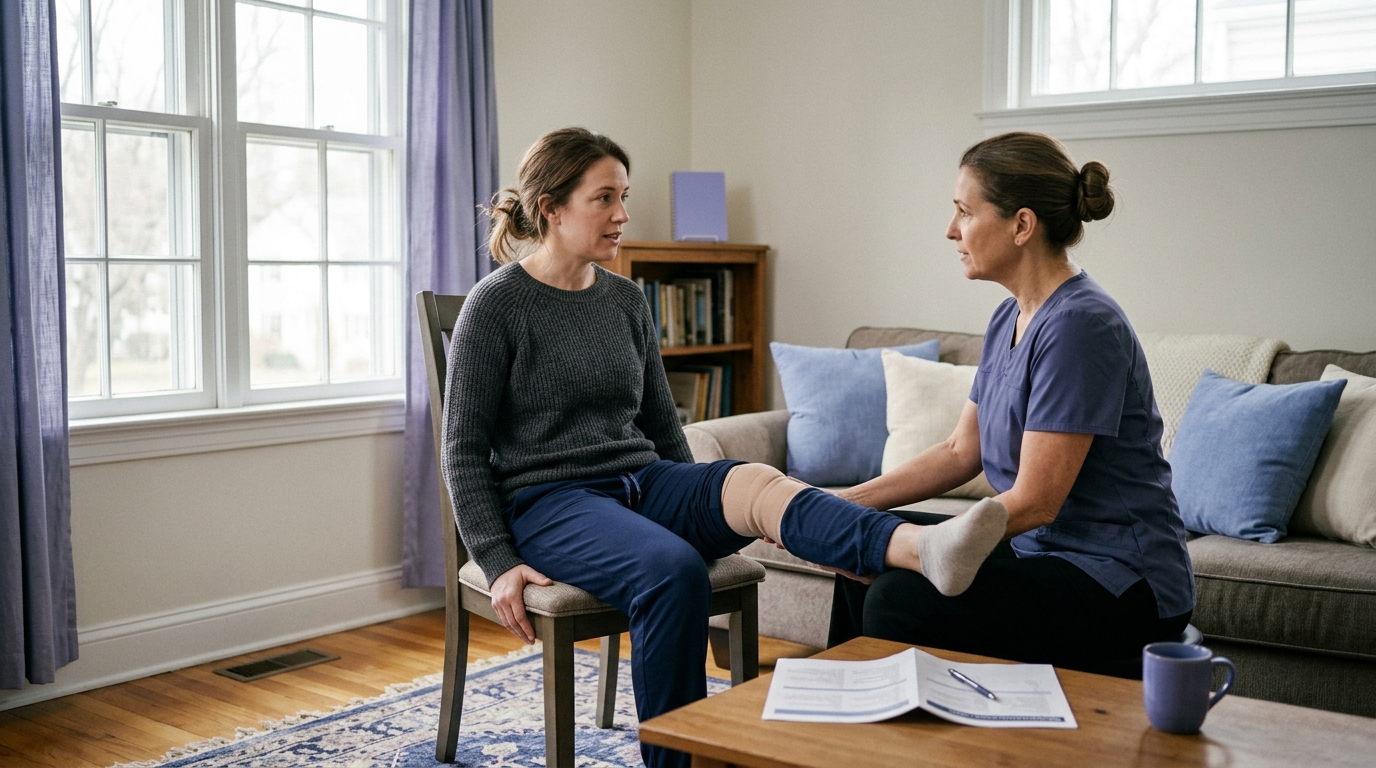
A grocery guide provides general organizational frameworks, but it cannot account for your specific medical history, surgical procedure, kidney function, or medication interactions. Your orthopedic surgeon, primary care physician, physical therapist, and registered dietitian are your primary resources for individualized medical nutrition therapy.
Use these practical questions at your next clinical follow-up to clarify your nutritional plan:
Sharing your living situation, mobility constraints, and budget realities openly with your clinical team allows them to offer practical, tailored recommendations rather than generic advice.
Navigating physical recovery is demanding enough without the added burden of unrealistic cooking expectations. A successful recovery grocery plan prioritizes capacity over perfection. By establishing a minimum viable pantry of shelf-stable grains, easy proteins, and prepped produce, you protect your body from unnecessary physical fatigue while ensuring your tissues receive the fuel required for healing.
Separate the goal of eating enough nourishing food from the pressure of scratch cooking. Convenience items, frozen vegetables, canned proteins, and delivery services are practical tools designed to help you bridge the gap between injury and full function. When your energy is high, make extra portions. When your energy is low, rely on simple assemblies and fallback options. By adapting your food system to your daily physical reality, you create a sustainable, low-stress foundation for long-term recovery.
Appetite loss is common after surgery due to anesthesia, pain medications, and reduced physical activity. Clinical guidance suggests eating small, frequent snacks throughout the day rather than forcing yourself to finish three large meals. Focus on energy-dense, easy-to-digest foods like yogurt, smoothies, nut butters, cheese and crackers, or chilled protein drinks. Avoid drinking large amounts of water immediately before eating, as this can create early fullness. If poor appetite persists or you experience ongoing, unintentional weight loss, contact your healthcare provider for evaluation.
Yes. Frozen vegetables are typically blanched and flash-frozen shortly after harvesting, which preserves their vitamins, minerals, and dietary fiber. Canned vegetables are fully cooked and shelf-stable, making them exceptional options when standing and chopping are difficult. To optimize nutrition with canned produce, choose items packed in water or low-sodium broths, or rinse regular canned vegetables in a colander under running water before use to reduce excess sodium.
If driving or walking is restricted, utilize supermarket click-and-collect services with a friend or neighbor assisting with pickup, or order through a grocery delivery app. When ordering, request lightweight bagging to make carrying packages easier. If formal delivery is unavailable or budget-restricted, reach out to local community organizations, area agencies on aging, or municipal social services, which often provide volunteer grocery shopping assistance or home-delivered meal support during medical rehabilitation.
According to public health guidelines from the National Health Service (NHS), unintentionally losing 5 percent to 10 percent or more of your baseline body weight over a three-to-six-month period is a primary clinical indicator of malnutrition. Unplanned weight loss during rehabilitation often reflects a loss of lean muscle mass rather than fat tissue, which can delay functional recovery and weaken physical stamina. If you notice your clothes fitting significantly looser or you are steadily losing weight without trying, inform your physician or registered dietitian promptly.

Use ReboundBody resources to understand common recovery stages, rehab terms, movement limits and strength rebuilding. Each guide is designed to make a complex comeback easier to understand.


Read practical guidance on injury recovery, rehabilitation, mobility and rebuilding strength as you work your way back to activity.
Explore Resources