
Expensive wellness gadgets promise rapid restoration, but prioritizing basic daily habits like sleep, movement, and nutrition delivers true sustainable recovery.





Everyday physical recovery is the ongoing process of restoring energy, repairing tissue, and resetting the nervous system after daily exertion, exercise, or routine stress. It is not medical treatment for acute illness, severe orthopedic trauma, or clinical conditions. It is also distinct from clinical rehabilitation protocols supervised by physical therapists or physicians. True lifestyle recovery focuses on sustainable, repeatable behaviors that support normal human physiology over months and years.
When time and energy are short, trying to do every popular recovery routine often leads to burnout and inconsistent habits. Prioritizing recovery requires putting biological foundations ahead of specialized refinements. Protecting adequate sleep, consuming sufficient nourishment and fluids, balancing physical activity with rest, and managing daily stress form the bedrock of recovery. Advanced tools, specialized supplements, and complex tracking methods only offer value when these basics are already in place. Lifestyle adjustments support overall vitality, but they cannot replace professional medical care when persistent pain or systemic fatigue occurs.
Understanding how to evaluate your current physical demands helps you select the few habits that provide the greatest return on your time. You can learn more about how everyday behaviors shape physical health through our recovery lifestyle resources.
Many recovery checklists fail because they treat every potential habit as equally important. A standard checklist might place an eight-hour sleep window next to a five-minute cold shower, treating them as equivalent tasks. When life becomes busy, people often attempt the easiest or novel task rather than the most impactful one. This misallocation of effort leads to frustration when energy levels fail to improve.
Another common problem is checklist overload. Adding ten new habits to an already crowded schedule creates friction. Instead of reducing stress, an inflexible list becomes an additional source of daily pressure. When an individual misses a few items, they often abandon the entire routine. Consistent recovery comes from doing a few essential things reliably rather than executing an elaborate list intermittently.
Popular wellness trends also encourage people to adopt solutions for problems they do not actually have. Purchasing expensive recovery gadgets or taking handfuls of supplements cannot compensate for chronic sleep deprivation or erratic nutrition. A practical recovery checklist acts as a filter. It helps you identify what your body needs right now and eliminates distractions that waste time and money.
Successful recovery management requires a clear distinction between core needs and optional add-ons. Foundational routines address basic biological requirements that sustain physical function. Optional extras provide marginal support in specific contexts. When energy is limited, focusing solely on foundations keeps your body functioning without adding mental strain.
Foundational routines are non-negotiable behaviors required for general health and physical adaptation. These habits have strong scientific support and directly influence tissue repair, immune function, and mental clarity. They include getting enough sleep, eating balanced meals, drinking adequate water, moving regularly, and taking scheduled rest days. If these habits are absent, physical health deteriorates over time regardless of what else you do.
Optional extras are specialized practices that may offer modest benefits under specific conditions. Examples include massage tools, compression garments, specific herbal supplements, ice baths, and continuous biometric tracking. These tools do not create baseline health on their own. They should never displace the time, attention, or budget required for foundational routines.
To determine whether a recovery habit belongs in your foundational routine or your optional category, consider these basic questions:
Scientific research consistently identifies sleep, nutrition, hydration, and balanced movement as the primary drivers of physical recovery. Understanding what the evidence supports allows you to direct your limited energy toward habits that deliver reliable results.
Sleep is the single most powerful recovery process available to the human body. During deep sleep stages, the body releases growth hormone, synthesizes proteins, and repairs microtrauma in muscle and connective tissues. Sleep also clears metabolic waste products from the brain and consolidates motor learning from physical training.
Public health organizations provide clear guidelines on sleep duration. The Centers for Disease Control and Prevention recommends at least seven hours of sleep per night for adults aged 18 to 60. For adults aged 61 to 64, the recommendation is seven to nine hours, and for adults aged 65 and older, seven to eight hours is recommended. Protecting a consistent sleep opportunity is the first step in any effective recovery plan.
When sleep is chronically restricted to less than six hours, tissue healing slows, pain sensitivity increases, and injury risk rises. No supplement, massage device, or dietary strategy can neutralize the systemic deficits caused by chronic sleep loss.
Physical recovery requires adequate raw materials to repair tissues and replenish depleted energy stores. According to the Dietary Guidelines for Americans, a balanced dietary pattern consists of nutrient-dense foods across all food groups. This includes vegetables, fruits, whole grains, healthy fats, and adequate dietary protein.
For active individuals, consuming enough total energy is essential. When calorie intake falls too low, the body struggles to repair muscle tissue and maintain bone density. Protein provides the essential amino acids needed for muscle protein synthesis and connective tissue remodeling. Research on evidence-based recovery science indicates that distributing protein intake evenly across meals optimizes tissue maintenance.
Athletes and highly active adults have higher protein and carbohydrate requirements than sedentary individuals. A joint position statement from the Academy of Nutrition and Dietetics, Dietitians of Canada, and the American College of Sports Medicine notes that protein intakes of 1.2 to 2.0 grams per kilogram of body weight per day support physical adaptation and repair. Non-athletes engaging in moderate activity generally require lower amounts. Meeting baseline nutritional needs through whole foods remains far more important than relying on meal-replacement shakes or isolated nutrient powders.
Movement is necessary for recovery, but the volume and intensity must match current capacity. The World Health Organization recommends that adults accumulate 150 to 300 minutes of moderate-intensity aerobic activity, or 75 to 150 minutes of vigorous activity, per week. The guidelines also emphasize muscle-strengthening activities on two or more days per week.
Critically, the World Health Organization notes that replacing sedentary time with physical activity of any intensity provides measurable health benefits. Light movement, such as walking, promotes circulation and delivers nutrients to healing tissues without adding systemic fatigue. Physical activity guidelines should be viewed as broad health targets rather than rigid rules to follow during acute illness or severe exhaustion.
Water supports cardiovascular function, regulates body temperature, lubricates joints, and transports nutrients to cells. However, hydration needs are highly variable and depend on age, body size, ambient temperature, humidity, and physical exertion. The Centers for Disease Control and Prevention emphasizes that fluid requirements increase substantially with heat exposure, fever, and prolonged physical activity.
For individuals working or exercising in hot environments, general guidelines from the National Institute for Occupational Safety and Health suggest consuming roughly one cup of water every 15 to 20 minutes during moderate exertion lasting under two hours. When sweating continues for multiple hours, replacing electrolytes alongside fluids becomes necessary. In ordinary temperature conditions with light activity, drinking to satisfy natural thirst throughout the day is generally sufficient.
Adopting an all-or-nothing approach to recovery often leads to failure during stressful weeks. A more resilient method is the Minimum Viable Recovery Ladder. This framework provides three distinct tiers of habits based on your available time, energy, and life circumstances.
The Minimum tier is designed for difficult days characterized by severe time constraints, high emotional stress, or acute physical fatigue. The sole objective of this tier is to preserve basic biological function and prevent physical regression.
On a Minimum day, your recovery tasks are stripped down to essentials:
Executing this minimal routine keeps your health stable without adding guilt or exhaustion. You can read more about balancing baseline movement during demanding periods in our injury prevention and activity guide.
The Standard tier represents your regular baseline during an ordinary week. You have adequate time and predictable energy levels to support consistent health behaviors.
In this tier, habits are structured and repeatable:
The Standard routine forms the core of long-term physical durability. It builds reserve capacity without demanding excessive cognitive effort.
The Expanded tier is reserved for periods when you have surplus time, high energy, and specific athletic or rehabilitation goals. This might occur during an off-season training camp, a dedicated recovery week, or a vacation.
In this tier, you can introduce refinements and optional extras:
Transitioning between these tiers based on life demands ensures that your recovery practices remain sustainable year-round.
When deciding which habits to include in your personal checklist, relying on subjective enthusiasm often leads to poor choices. Using a structured decision rubric helps you evaluate candidate habits objectively across four practical dimensions.
Examine your current physical state to determine whether an actual deficit exists. If you already drink plenty of fluids throughout the day, adding an electrolyte supplement provides minimal benefit. Conversely, if you regularly sleep only five hours per night, a major physiological need is unaddressed. Always target your largest existing deficit before introducing new practices.
Assess whether the proposed habit has strong scientific evidence supporting its effectiveness. Foundational habits like adequate sleep and balanced nutrition have massive, proven impacts across every organ system. In contrast, passive modalities like infrared saunas or vibrational therapy have smaller, more localized effects. Choose habits that provide the broadest systemic benefits first.
Consider whether the habit realistically fits into your schedule, budget, and physical environment. A habit that requires two hours of daily travel or expensive equipment is difficult to sustain during stressful periods. If a habit creates substantial friction, look for a simpler, lower-cost alternative that accomplishes a similar goal.
Evaluate what happens if you choose not to perform the habit. Neglecting sleep, basic hydration, or essential rehabilitation exercises carries a high risk of injury, illness, and reduced physical capacity. Neglecting a foam roller or an ice bath carries almost no systemic risk. Prioritize habits where omission leads to clear negative consequences.
Recovery needs are never static. Your physiological capacity and environmental demands shift across different phases of life, requiring periodic adjustments to your checklist.
During periods of intense athletic training or heavy manual labor, your body consumes more calories, breaks down muscle tissue faster, and drains glycogen stores. The American College of Sports Medicine emphasizes that training volume must be balanced with overall recovery capacity, including nutrition and rest.
When physical workload spikes, recovery priorities must shift toward:
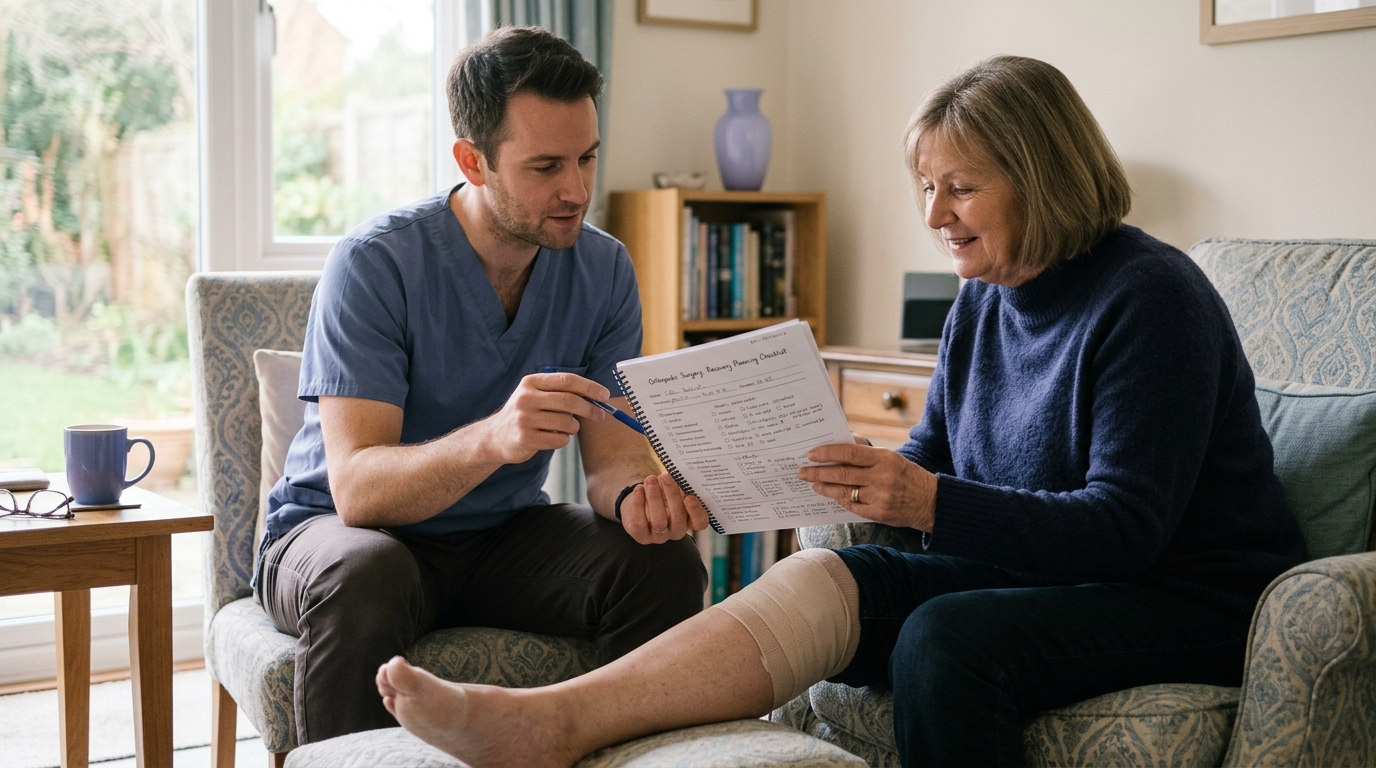
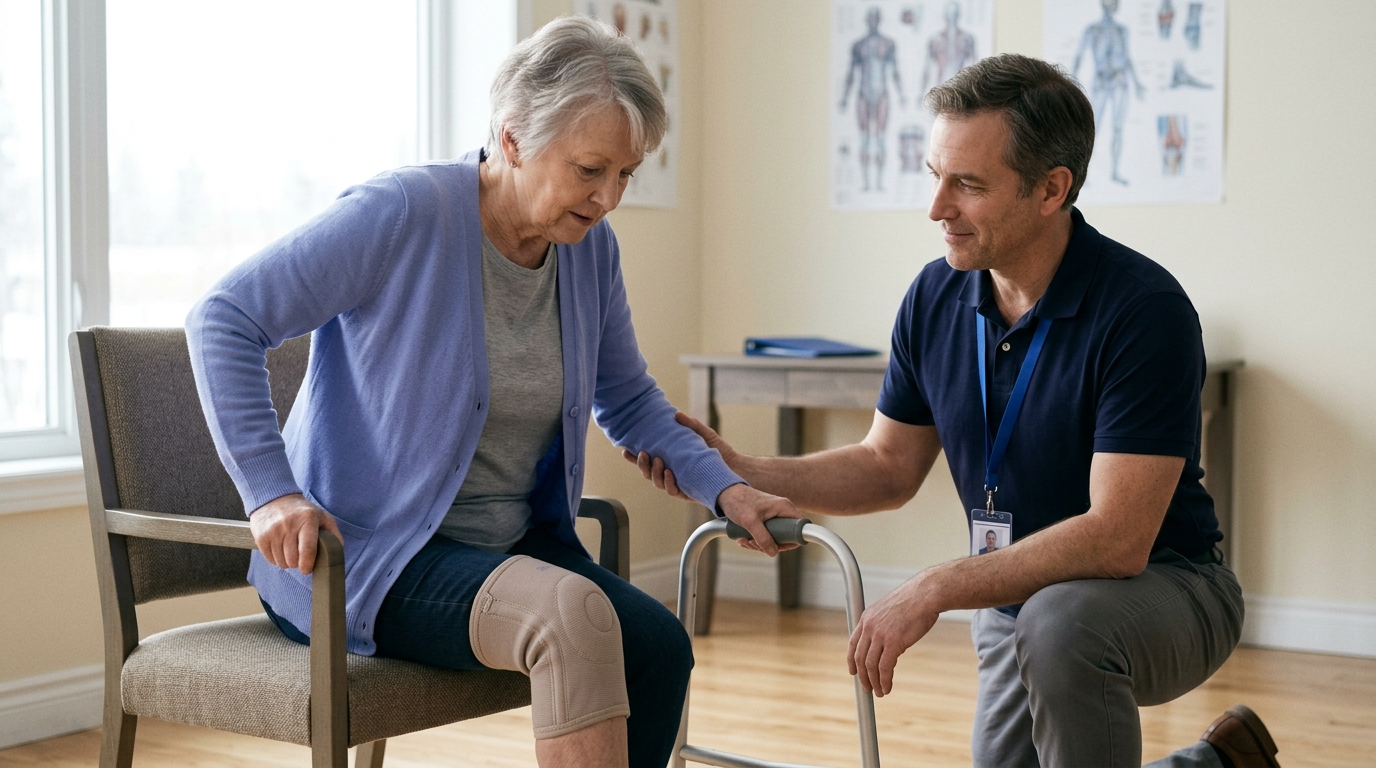
If you are currently recovering from joint surgery or significant trauma, structured clinical guidance is essential. Explore our detailed guides on surgical recovery and rehab to align your daily habits with your clinical milestones.
As the body ages, collagen synthesis slows, muscle mass naturally declines without resistance training, and joint tissues take longer to recover from high-impact loading. Older adults often experience changes in sleep architecture, leading to lighter or more fragmented sleep.
For adults over 50, recovery checklists should place extra emphasis on:
Explore our resources on active aging and injury prevention for deeper insights on adapting movement habits as you age.
The nervous system processes psychological stress and physical training stress through similar pathways. High workloads, financial pressure, caregiving duties, and disrupted family schedules elevate cortisol and sympathetic nervous system activity. When life stress is high, the body has fewer resources available to repair physical exercise stress.
During periods of high life stress:
When fighting an infection or recovering from a viral illness, the immune system demands enormous energetic resources. Attempting to maintain a rigorous exercise routine during acute illness delays recovery and increases the risk of complications.
During illness, your checklist must adapt immediately:
Adopting new recovery behaviors requires practical behavior-change strategies. Research shows that relying purely on willpower or vague intentions often results in abandoned routines.
Behavioral science demonstrates that specific, conditional planning significantly improves habit adherence. A systematic review published in health psychology literature confirmed that implementation intentions, structured as "if-then" plans, help individuals maintain physical activity by preparing for common obstacles.
Instead of setting a vague goal like "I will walk more this week," create an actionable if-then statement:
By identifying the specific time, location, and behavioral trigger in advance, you eliminate the mental friction of deciding what to do in the moment.
Every recovery plan encounters predictable friction points, such as travel, busy work schedules, bad weather, or family obligations. Anticipating these barriers allows you to build pre-planned adaptations into your checklist.
When designing your recovery plan, list your three most common weekly disruptions. For each obstacle, write down a simplified alternative action that keeps your momentum alive. If travel prevents you from going to the gym, your backup plan might be a bodyweight resistance routine in your hotel room. If late work shifts disrupt your meal preparation, keep nutritious, shelf-stable foods accessible at home.
For more evidence-based strategies on physical adaptation and training consistency, visit our injury recovery and rehabilitation resources.
The following illustrative examples demonstrate how different active adults can apply the recovery prioritization framework to their daily routines. These scenarios are practical models, not clinical prescriptions.
An office worker regularly skips physical activity because work meetings leave no time for a continuous 60-minute workout. They feel constantly sluggish and believe that short exercise sessions are pointless.
A recreational runner sleeps five to six hours per night due to late-night screen use. They experience chronic afternoon fatigue and attempt to solve the problem by buying expensive herbal supplements and energy drinks.
A 58-year-old adult experiences knee and hip stiffness after recreational tennis sessions. They attempt to manage the discomfort using ice packs and massage guns but continue to skip their prescribed strength exercises.
Navigating the wellness landscape can be challenging due to pervasive marketing and common misconceptions. Avoiding these frequent mistakes will save you time, energy, and money.
Many people believe that recovery is something done to them while they lie still. Massage guns, compression boots, ice baths, and heating pads can provide temporary sensory relief. However, they do not build tissue capacity, restore muscle glycogen, or improve cardiovascular fitness. True recovery is active, requiring adequate nutrition, hydration, restorative sleep, and appropriate movement.
Recreational exercisers often copy the complex routines of professional athletes. Elite competitors train four to six hours daily, placing extraordinary demands on their bodies. A recreational adult exercising four hours per week does not require specialized intra-workout carbohydrates, extreme cold-water immersion, or continuous biometric tracking. Applying extreme protocols to modest physical demands adds unnecessary cost and stress.
When people fail to meet public health targets, such as accumulating 150 minutes of weekly aerobic exercise, they often feel discouraged and quit entirely. Health guidelines represent optimal targets, not all-or-nothing thresholds. Replacing even 15 minutes of daily sitting with light walking provides clear cardiovascular and metabolic benefits. Every small increment of healthy behavior contributes positively to recovery.
A dangerous misconception is that persistent exhaustion can always be fixed with lifestyle tweaks. When deep fatigue lasts for weeks without an obvious lifestyle cause, adding more exercise or supplements is inappropriate. Systemic tiredness can stem from underlying medical issues, including thyroid disorders, anemia, sleep apnea, or clinical depression. Recognizing when lifestyle interventions have reached their limit is vital for long-term health.
Lifestyle habits form the foundation of day-to-day wellness, but they are not a substitute for clinical diagnosis or medical care. When physical symptoms persist or interfere with your ability to perform routine daily tasks, consulting a physician, physical therapist, or registered dietitian is necessary.
National Health Service guidance advises contacting a general practitioner if fatigue lasts for more than two to three weeks without a clear explanation, worsens progressively, or is accompanied by unexplained weight loss, changes in bowel habits, or persistent mood changes.
Consider taking these specific questions to your next healthcare appointment:
Having an open dialogue with your healthcare provider ensures that your lifestyle habits complement your clinical care plan.
Use this structured checklist to review and refine your recovery habits on a regular basis. Work through the categories in order, ensuring that foundational items are addressed before considering optional refinements.
Sustainable recovery is not about doing everything possible. It is about consistently doing the few things that matter most. Biological foundations like adequate sleep, sufficient nutrition, regular movement, and planned rest drive physical restoration. Optional gadgets, specialized supplements, and complex tracking methods offer minor refinements at best. When time and energy are short, simplify your routine to protect your basic physiological needs. Review your habits regularly, adapt your expectations to your current life demands, and seek medical guidance whenever persistent symptoms arise.
Specialized recovery tools can provide temporary subjective relief and muscle relaxation, but they do not replace foundational habits. If you have limited time or budget, prioritizing an extra hour of sleep and balanced nutrition will yield significantly greater physiological benefits. Use specialized tools only as optional additions once your sleep, diet, and movement baselines are firmly established.
When acute fatigue strikes, avoid pushing through intense exercise sessions. Instead, drop down to the Minimum Viable tier of your recovery plan. Take a gentle 15-minute walk to promote circulation, eat a balanced meal, and go to bed early. Adjusting your training load during periods of fatigue prevents overtraining and supports long-term consistency.
Normal fatigue from exercise typically resolves within 24 to 48 hours following adequate food, hydration, and a good night of sleep. If your tiredness persists for more than two weeks, worsens despite adequate rest, or is accompanied by symptoms like unexplained weight loss, swollen lymph nodes, or persistent low mood, consult a physician for a comprehensive medical evaluation.
It is practical to review your recovery checklist whenever your life circumstances undergo a significant shift. Common triggers for revision include changes in work schedules, starting a new training cycle, recovering from an injury, managing seasonal weather changes, or experiencing heightened family stress. A monthly review ensures your habits remain realistic and aligned with your current capacity.

Use ReboundBody resources to understand common recovery stages, rehab terms, movement limits and strength rebuilding. Each guide is designed to make a complex comeback easier to understand.


Read practical guidance on injury recovery, rehabilitation, mobility and rebuilding strength as you work your way back to activity.
Explore Resources