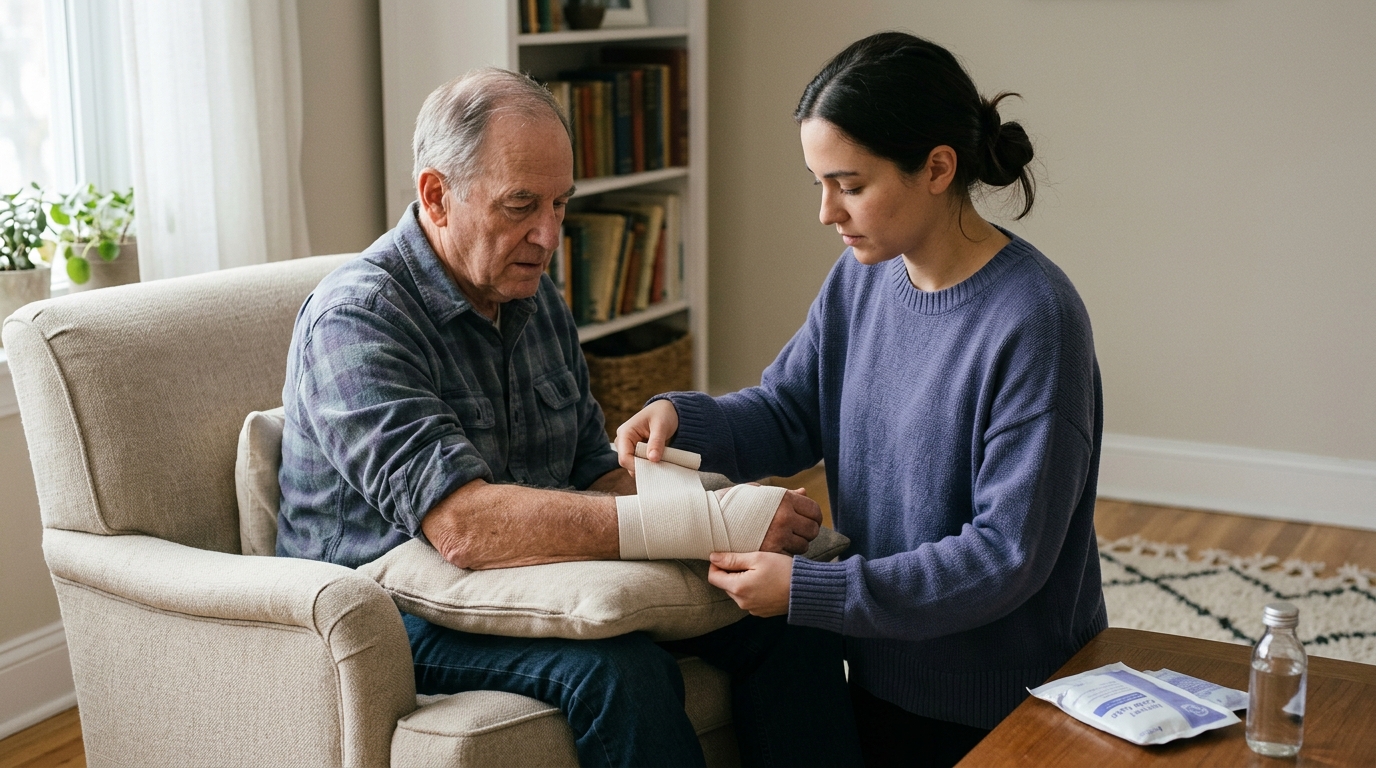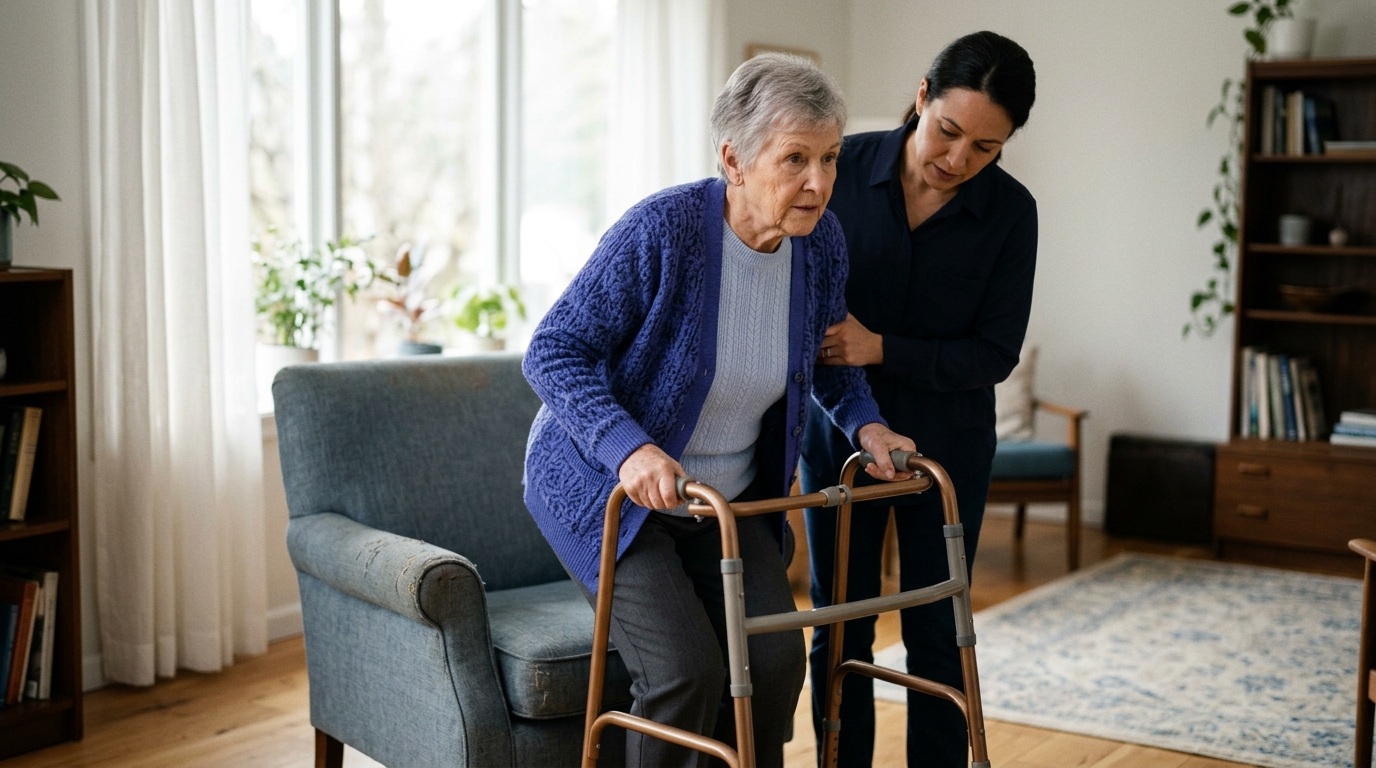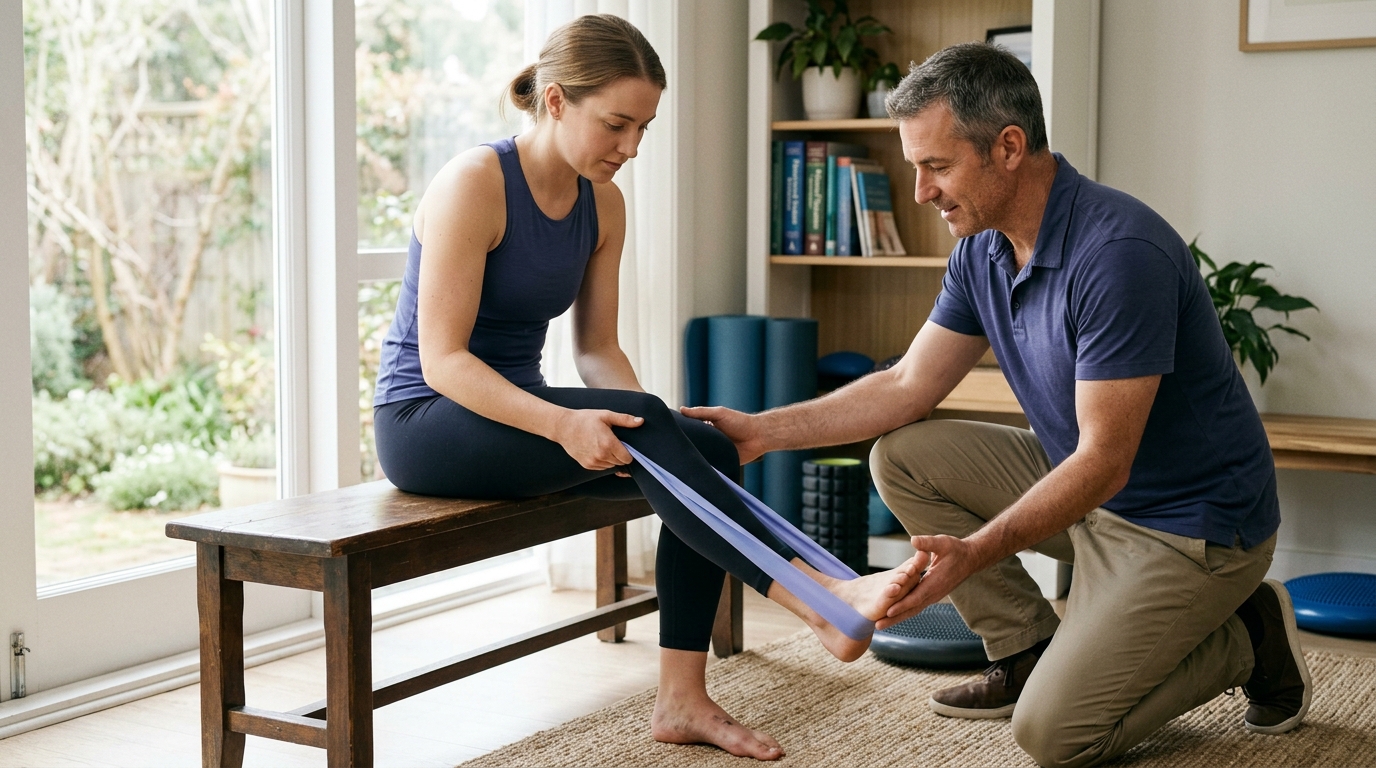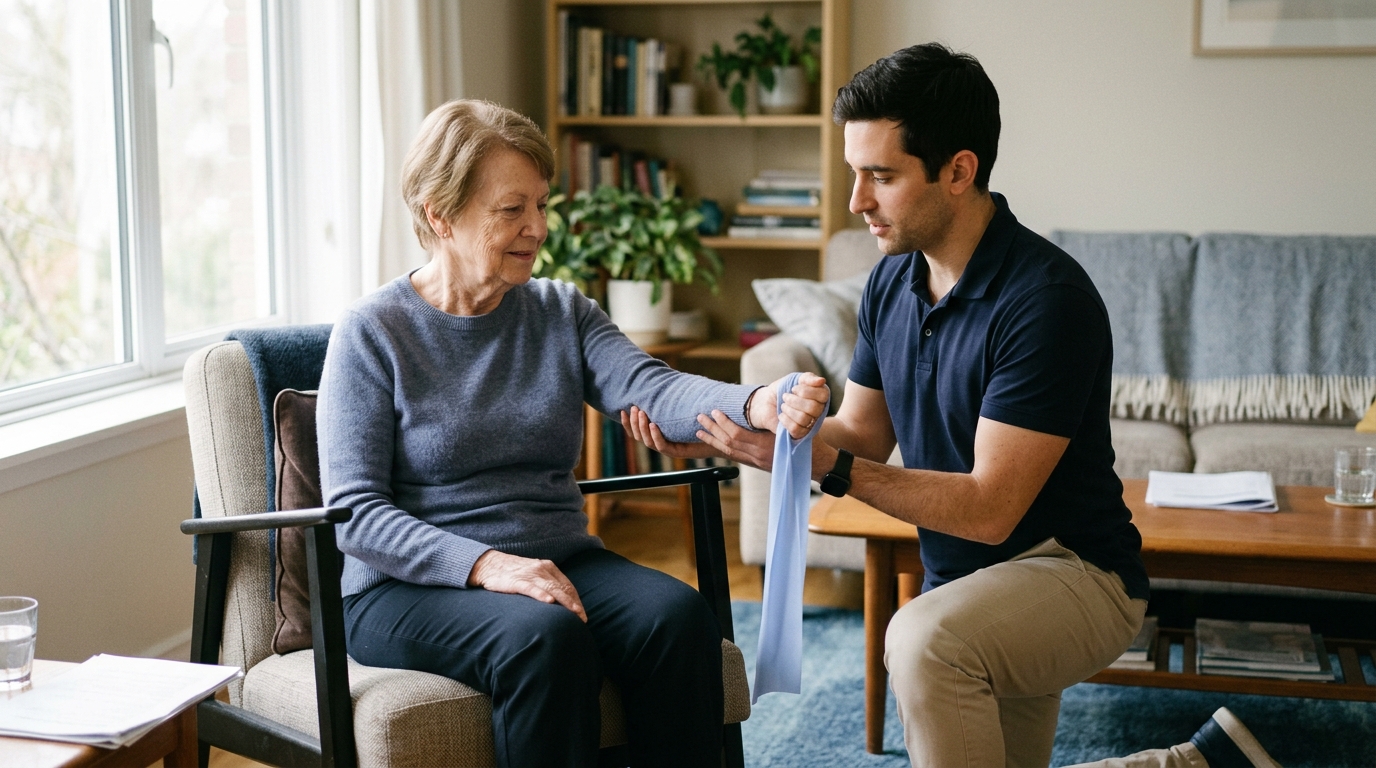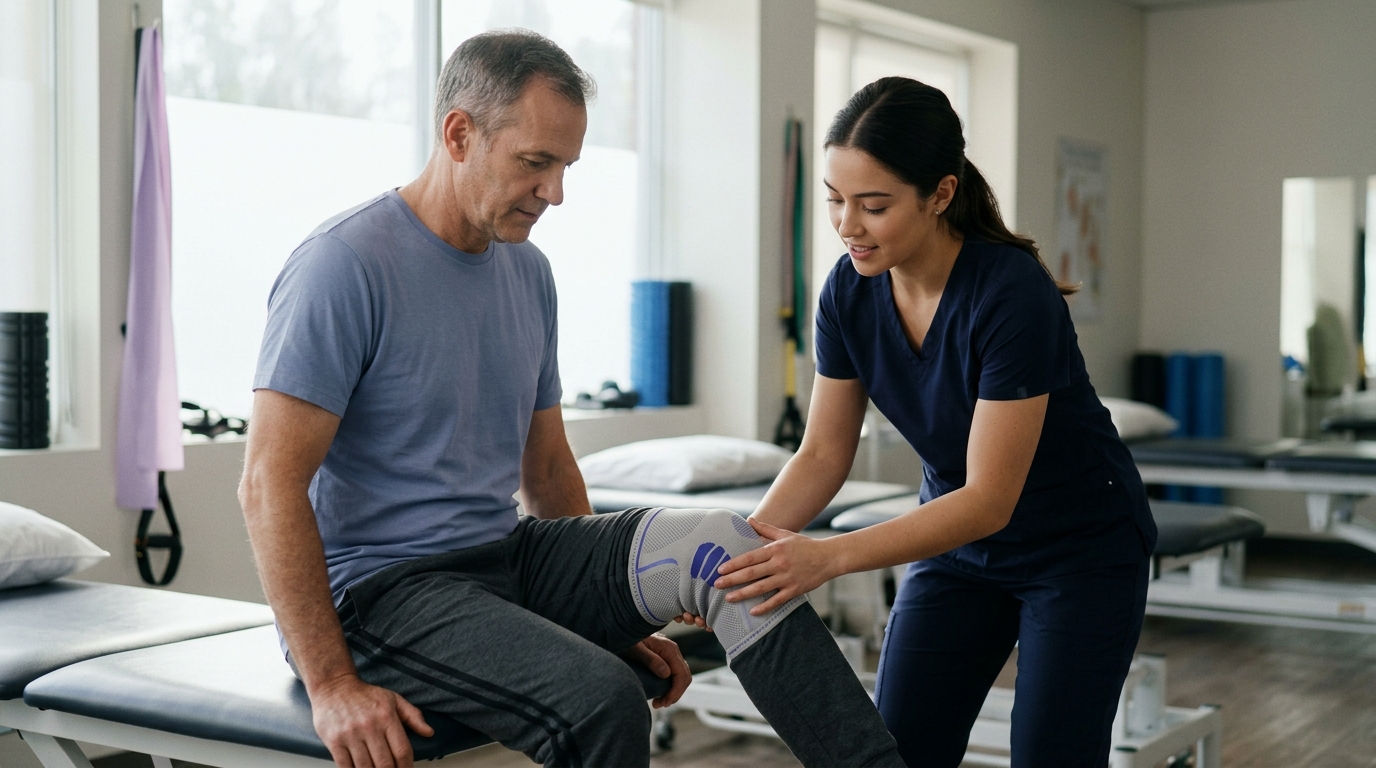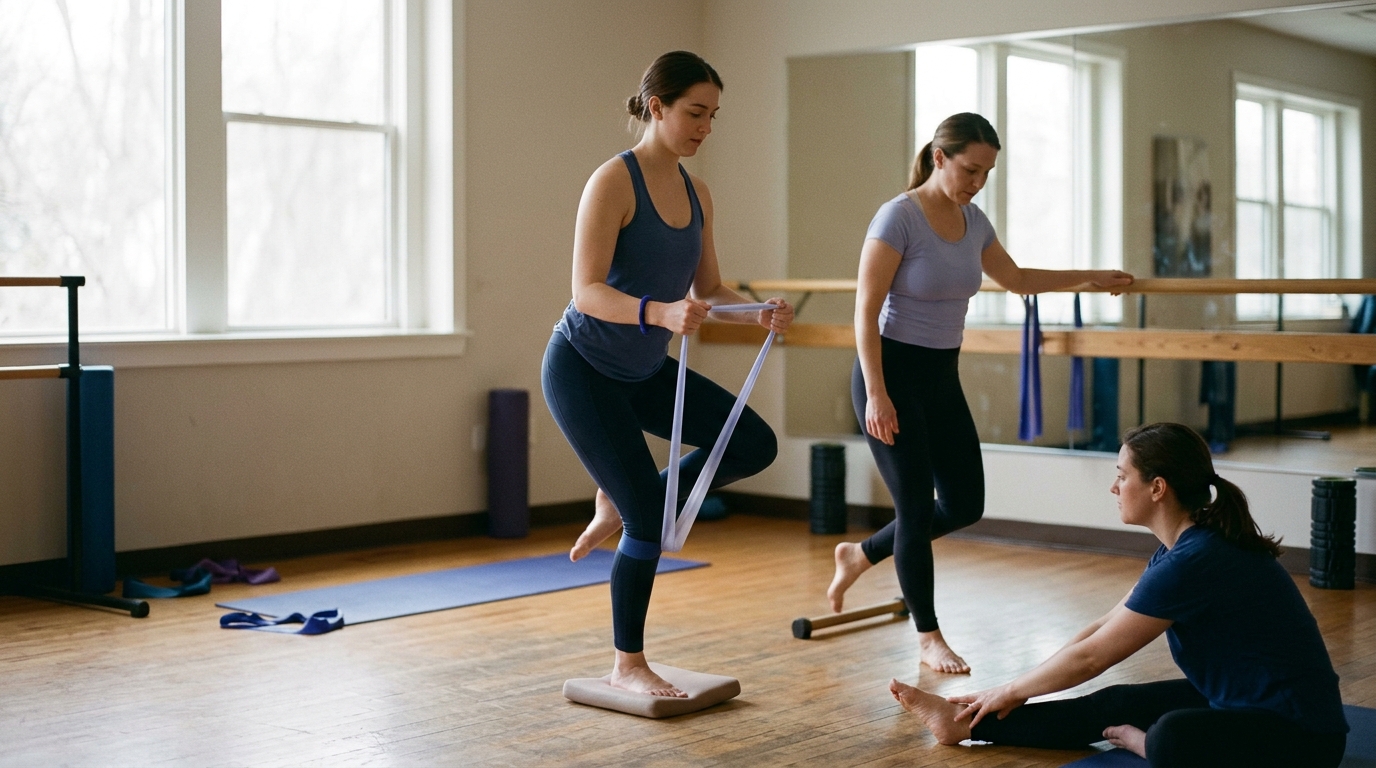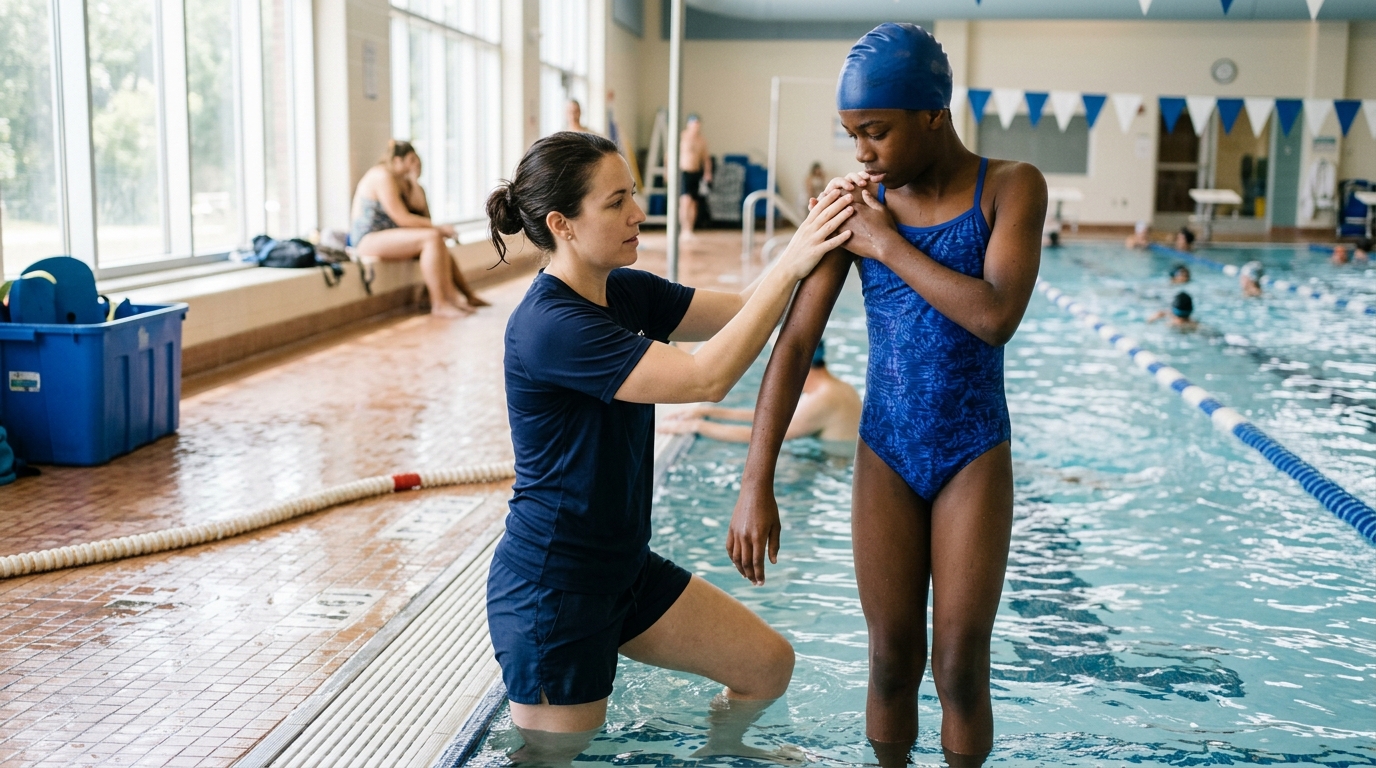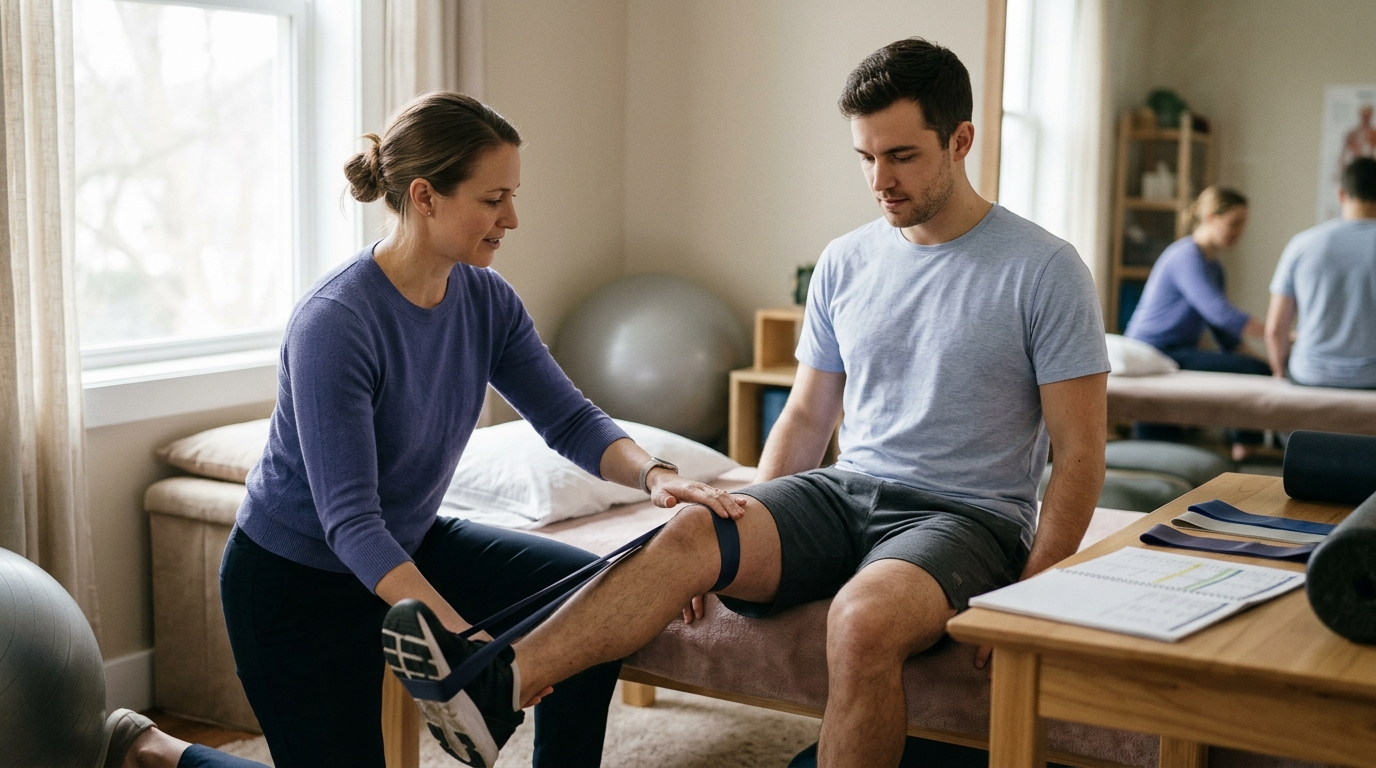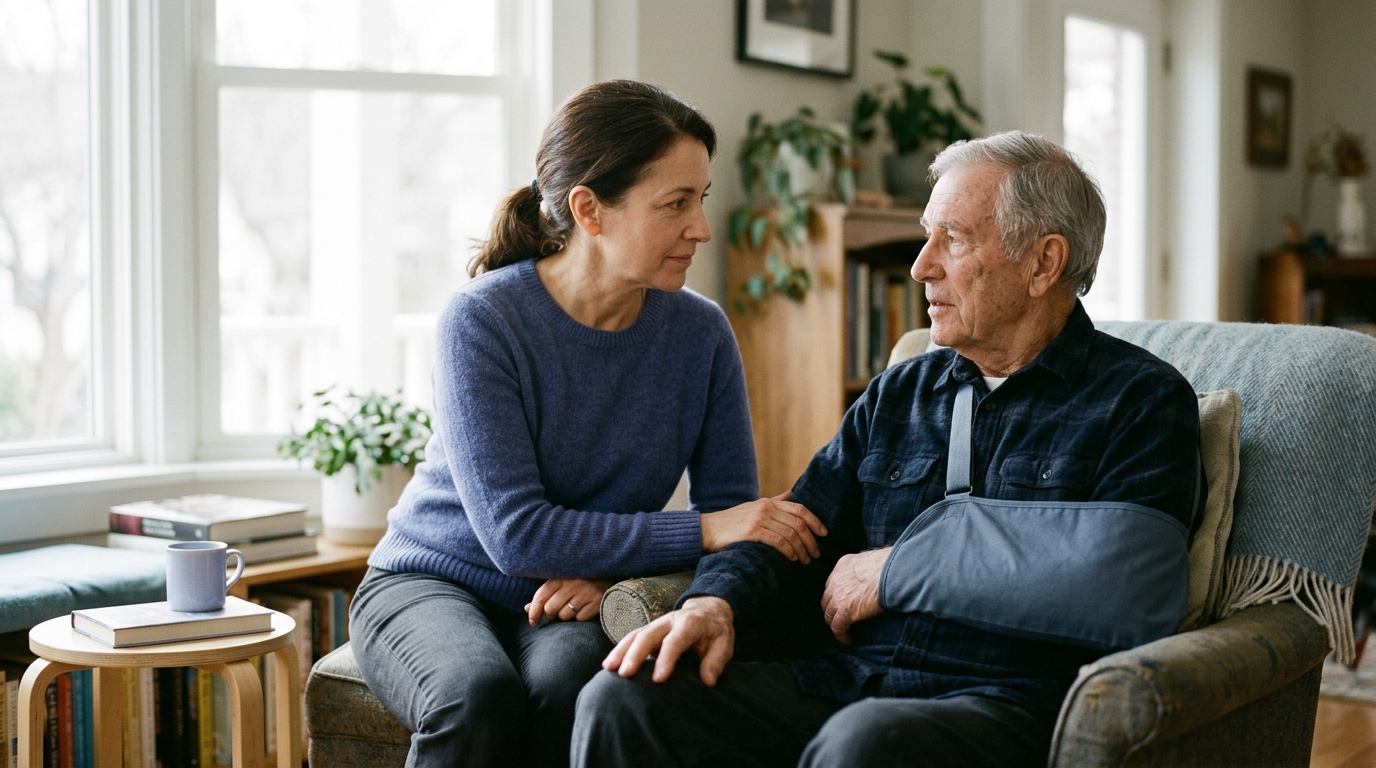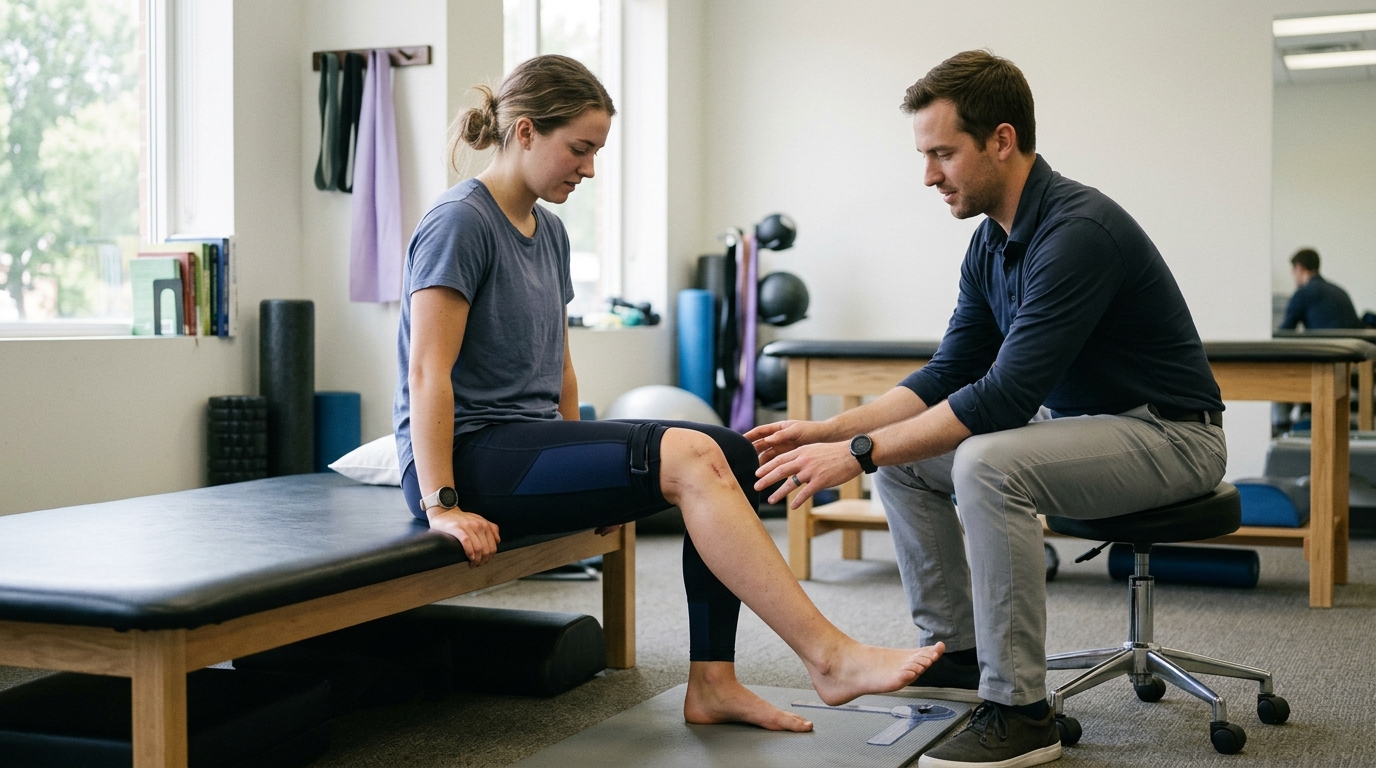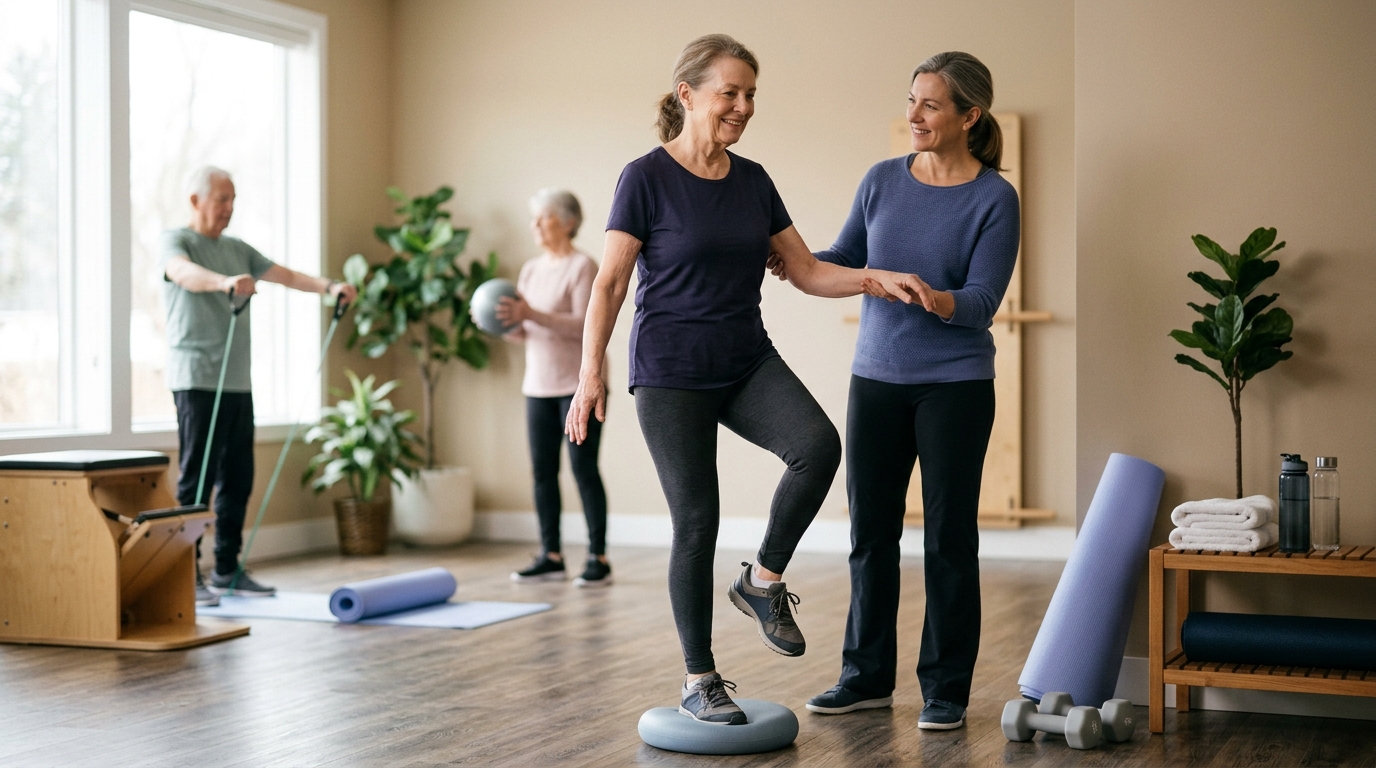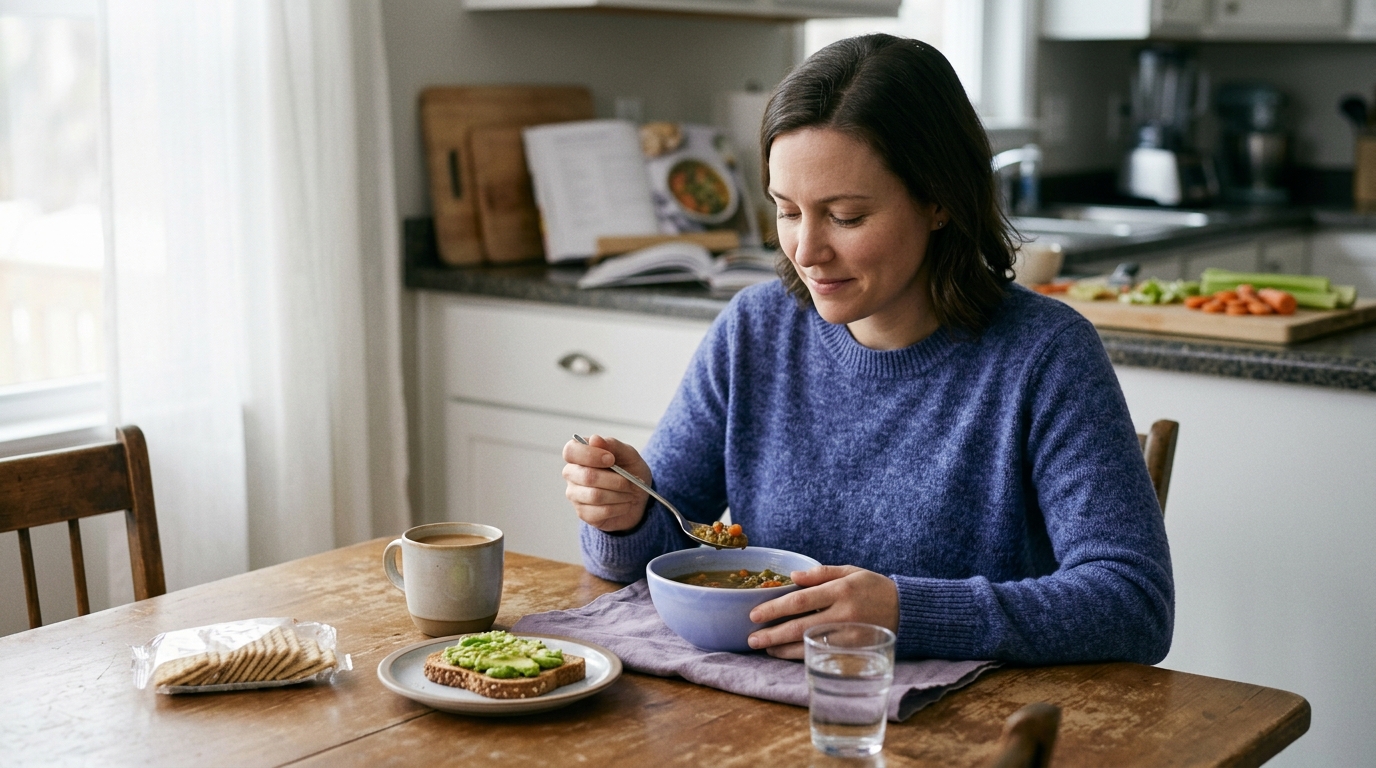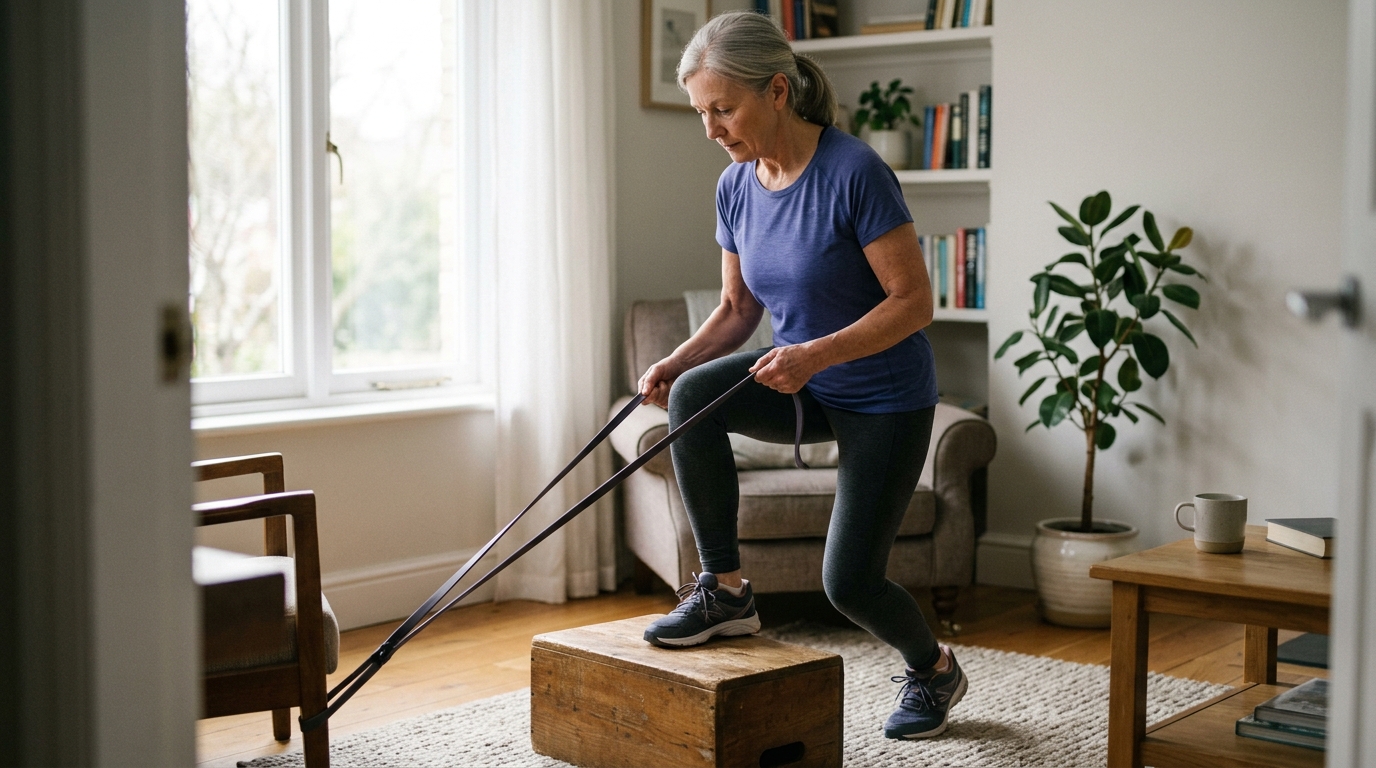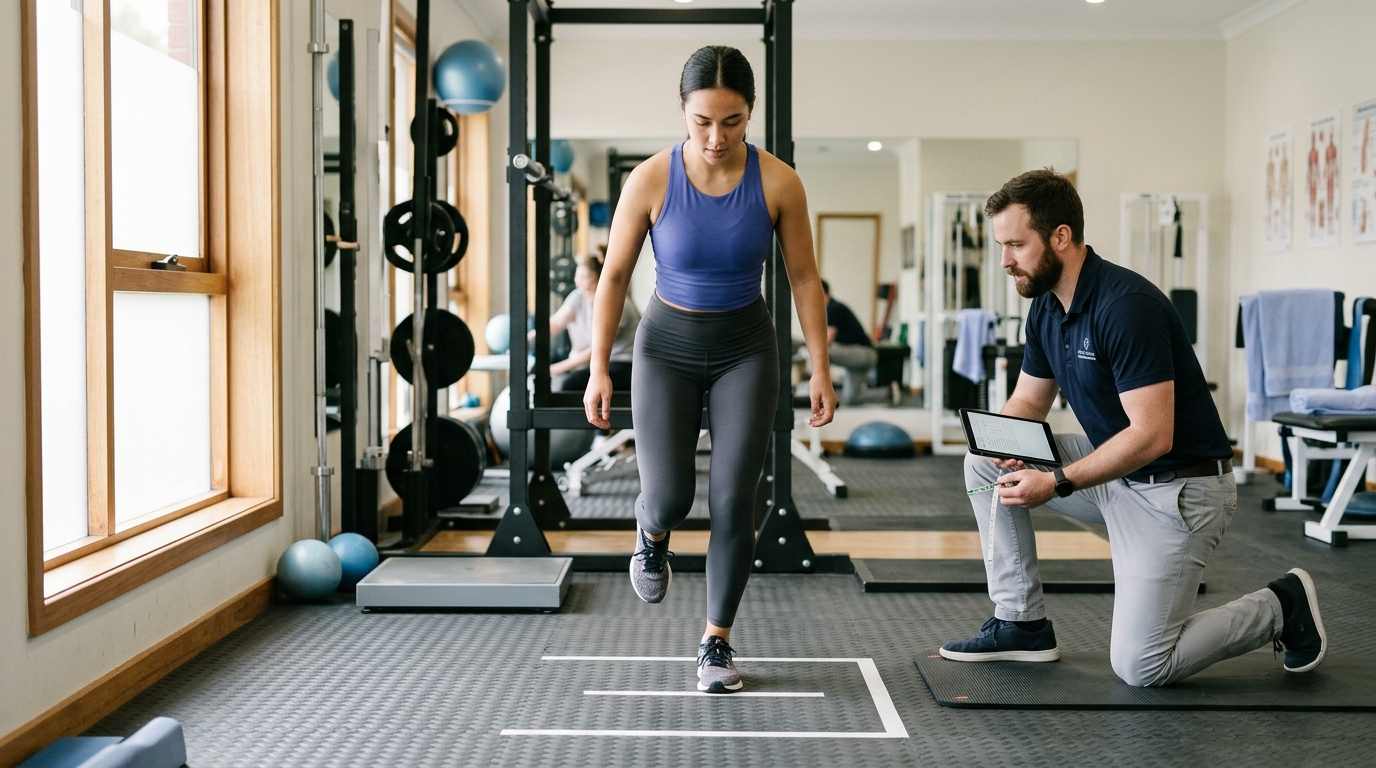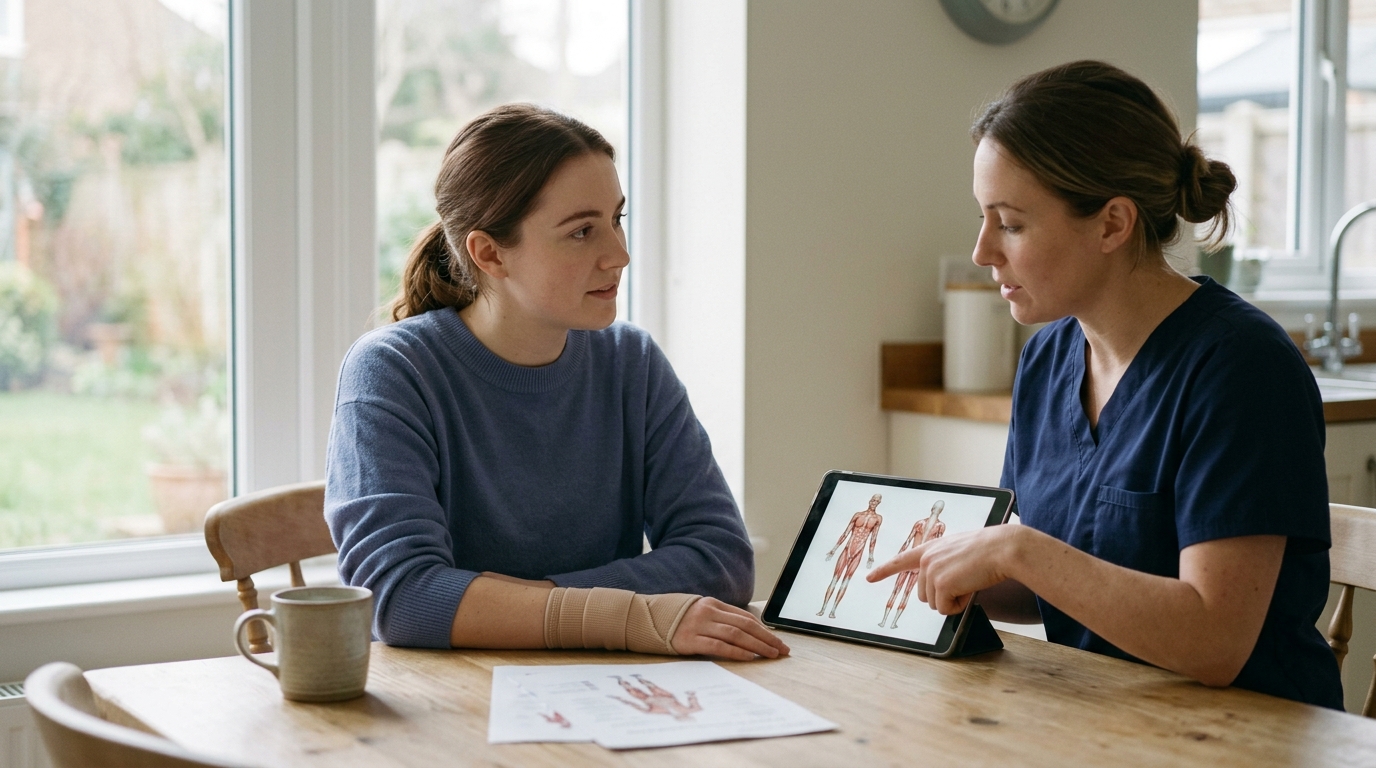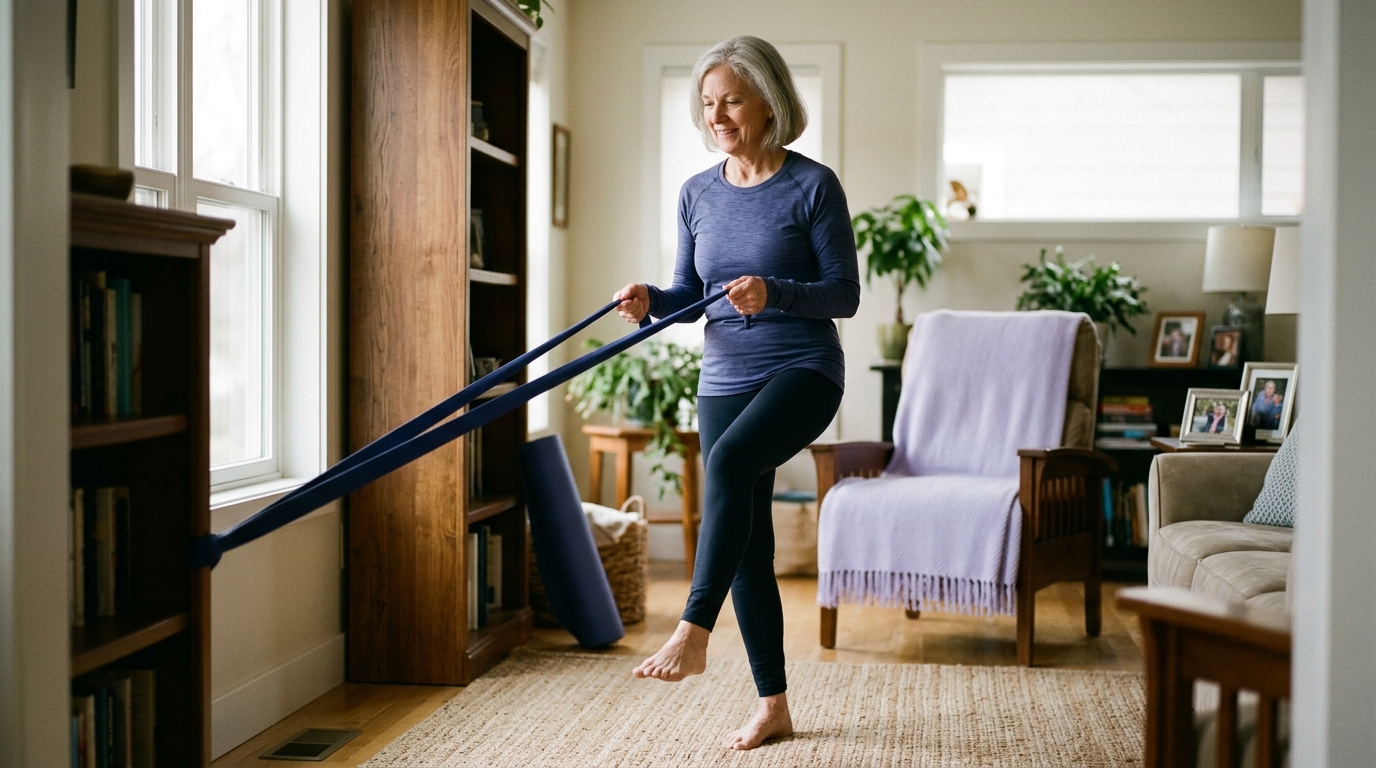

Relying on loved ones during physical recovery brings unique challenges, making it essential to balance helpful assistance with personal autonomy and open communication.





Many people search for how to balance needing help after an injury with keeping their personal independence. They want to know why well-meaning assistance from family or friends can sometimes feel frustrating or overwhelming. The direct answer is that social support plays an important role in how people handle the stress of physical rehabilitation. However, research shows that the quality and fit of that support matter far more than the sheer volume of help provided.
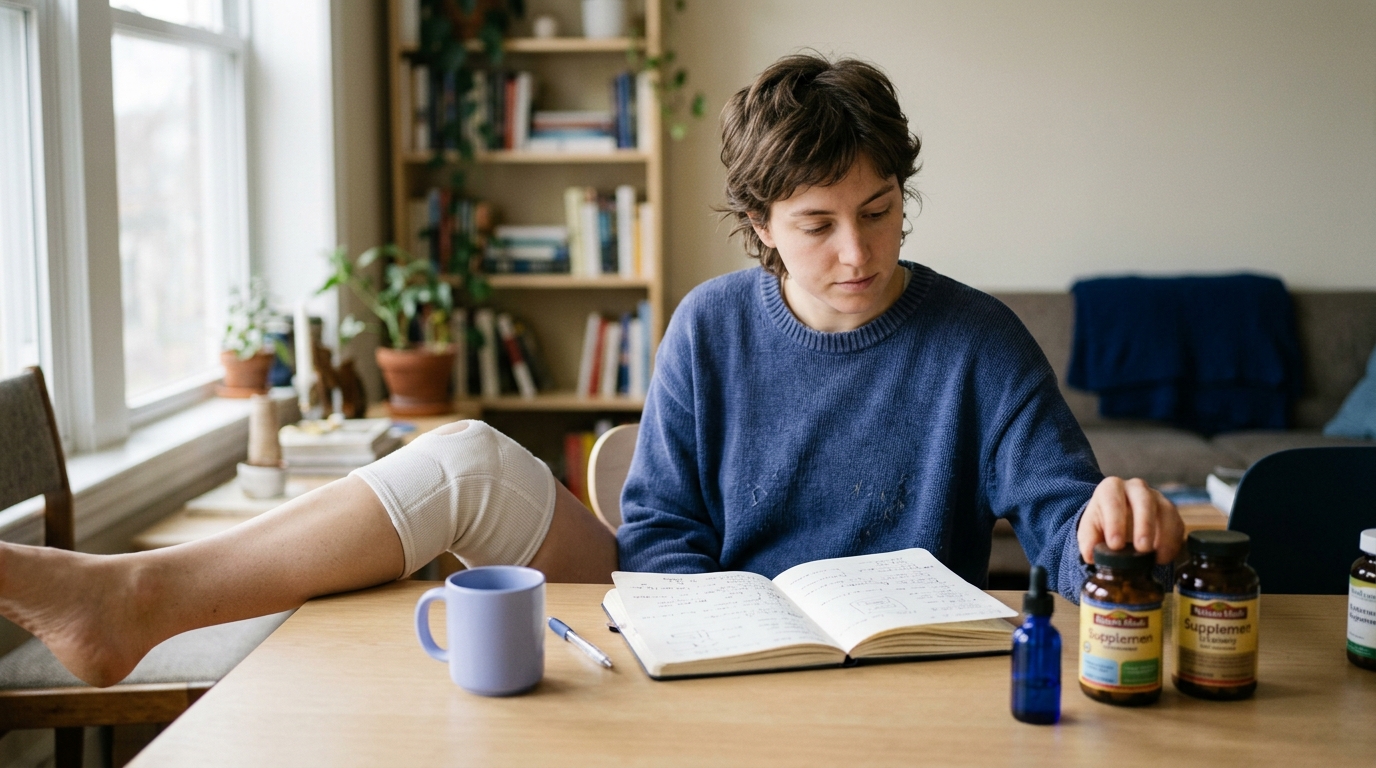
Social support does not act as a direct biological repair mechanism for torn ligaments, broken bones, or damaged cartilage. Instead, it provides the emotional, practical, and informational resources that make navigating a long recovery manageable. When support matches what an injured person actually needs, it can lower distress and improve daily functioning. When assistance is overbearing, unsolicited, or misaligned, it can create interpersonal friction, feelings of helplessness, and added stress.
Understanding how to give and receive help requires clear communication, defined boundaries, and an appreciation for how needs shift over time. This guide breaks down what current science reveals about social support during orthopedic and musculoskeletal recovery. It examines why more help is not always better. It also provides practical communication strategies to help you stay independent while accepting the assistance you need.
Social support is broadly defined as the resources people receive from their relationships and social networks. It is the experience of knowing you are cared for, valued, and connected to others. In the context of physical recovery, support comes from many directions. These sources include spouses, partners, children, friends, coworkers, peers, and healthcare professionals.
Researchers divide social support into four main categories:
These categories frequently overlap in real life. A family member driving you to physical therapy provides instrumental support through transportation. During the drive, that same family member may offer emotional support by listening to your concerns.
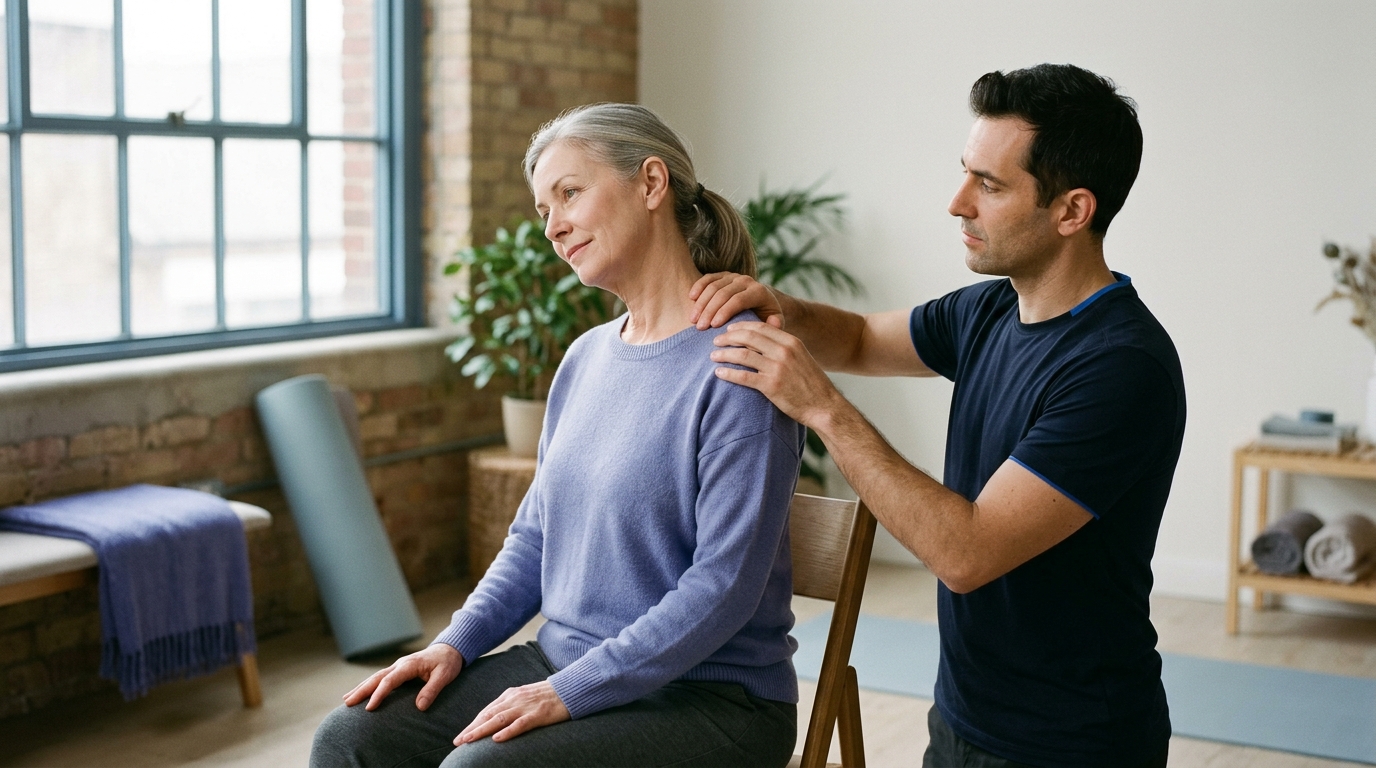
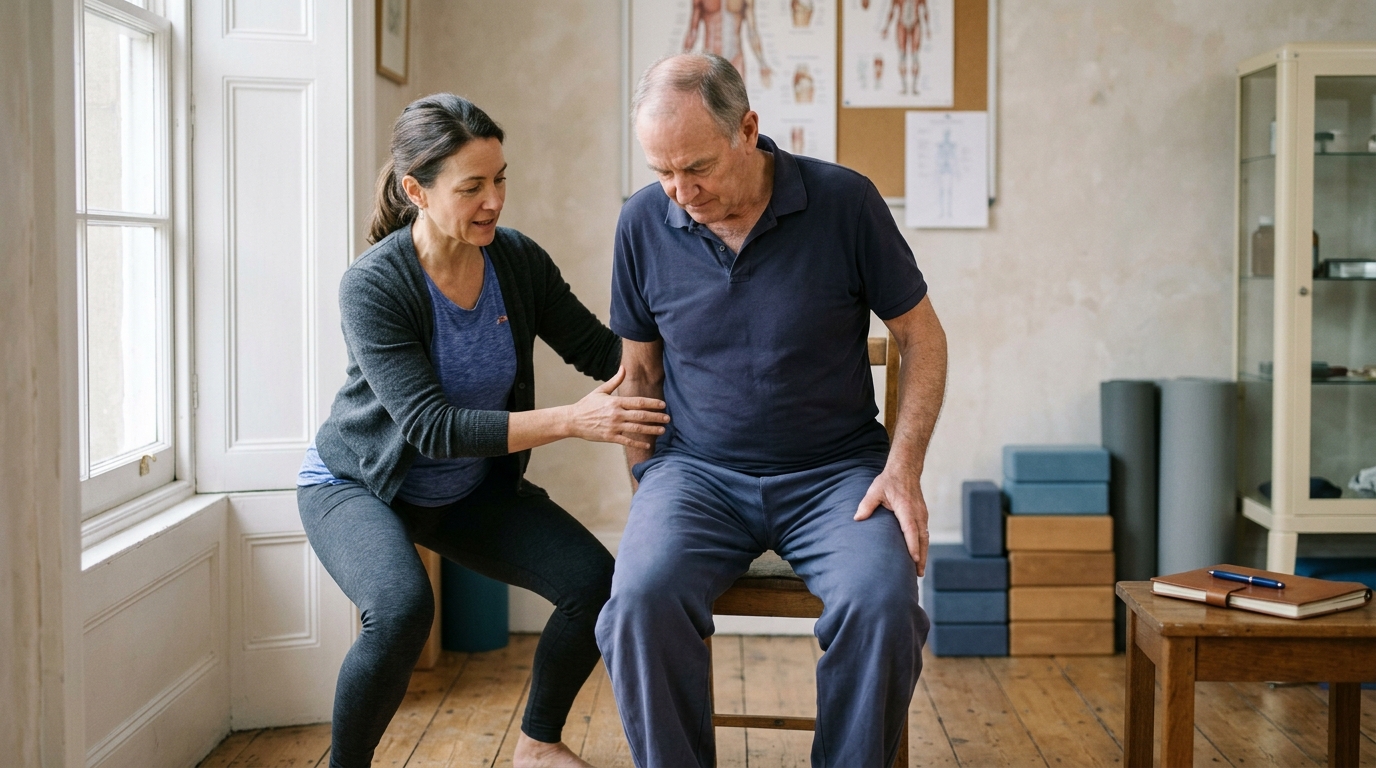
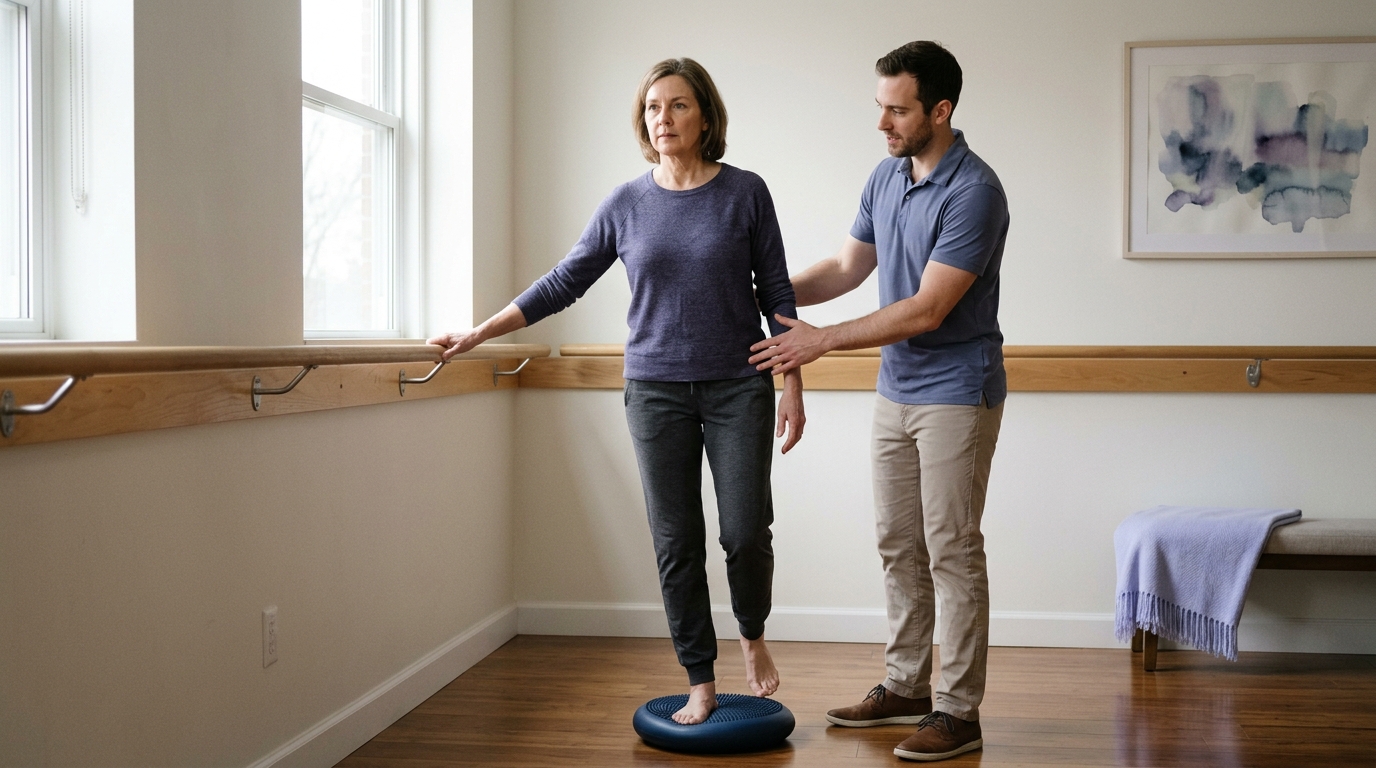
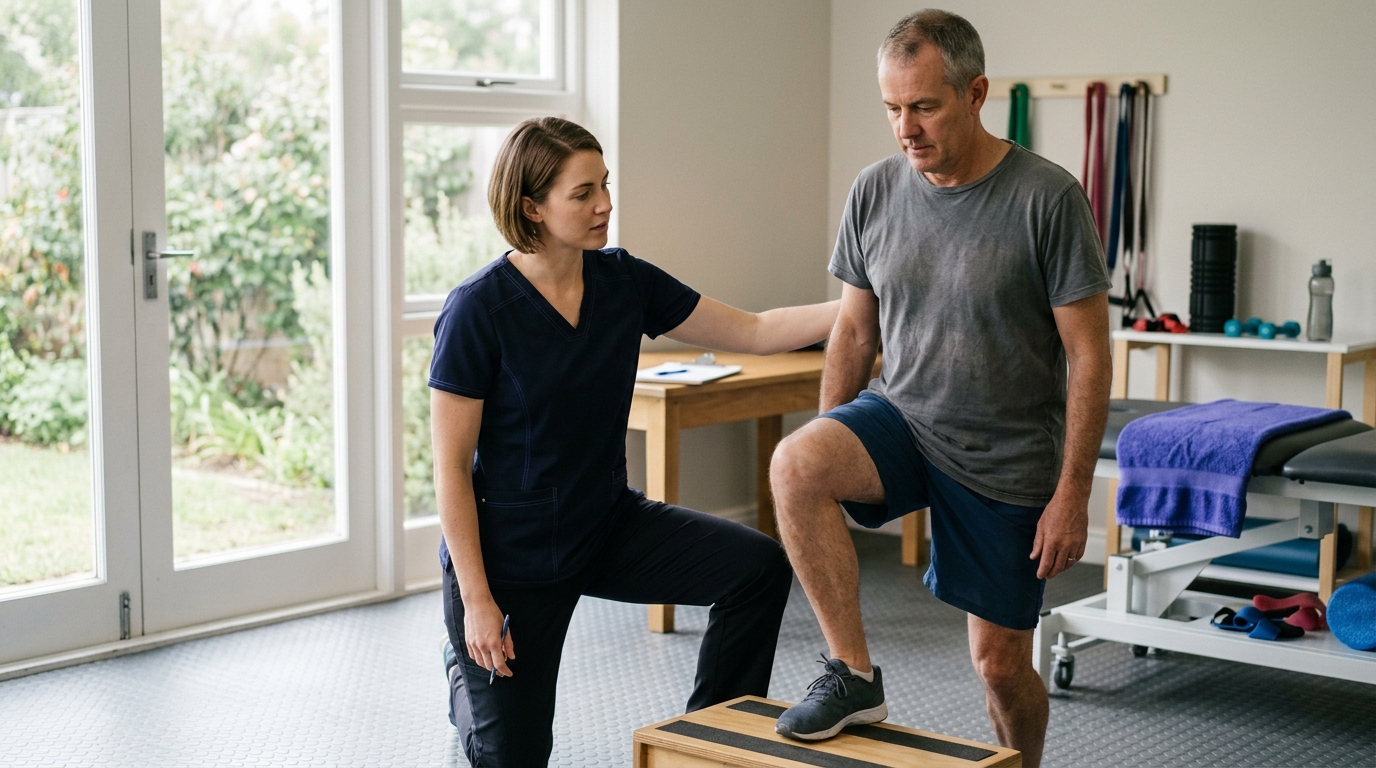
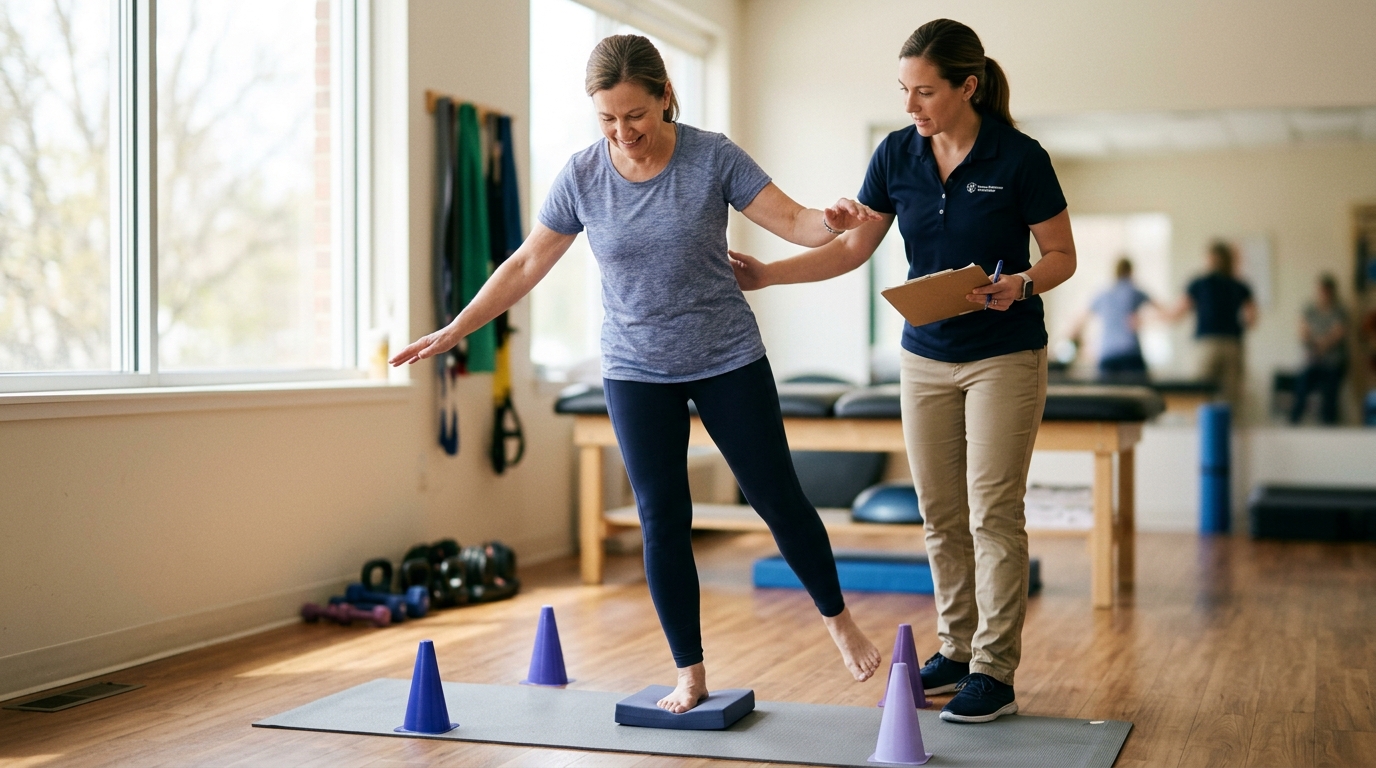
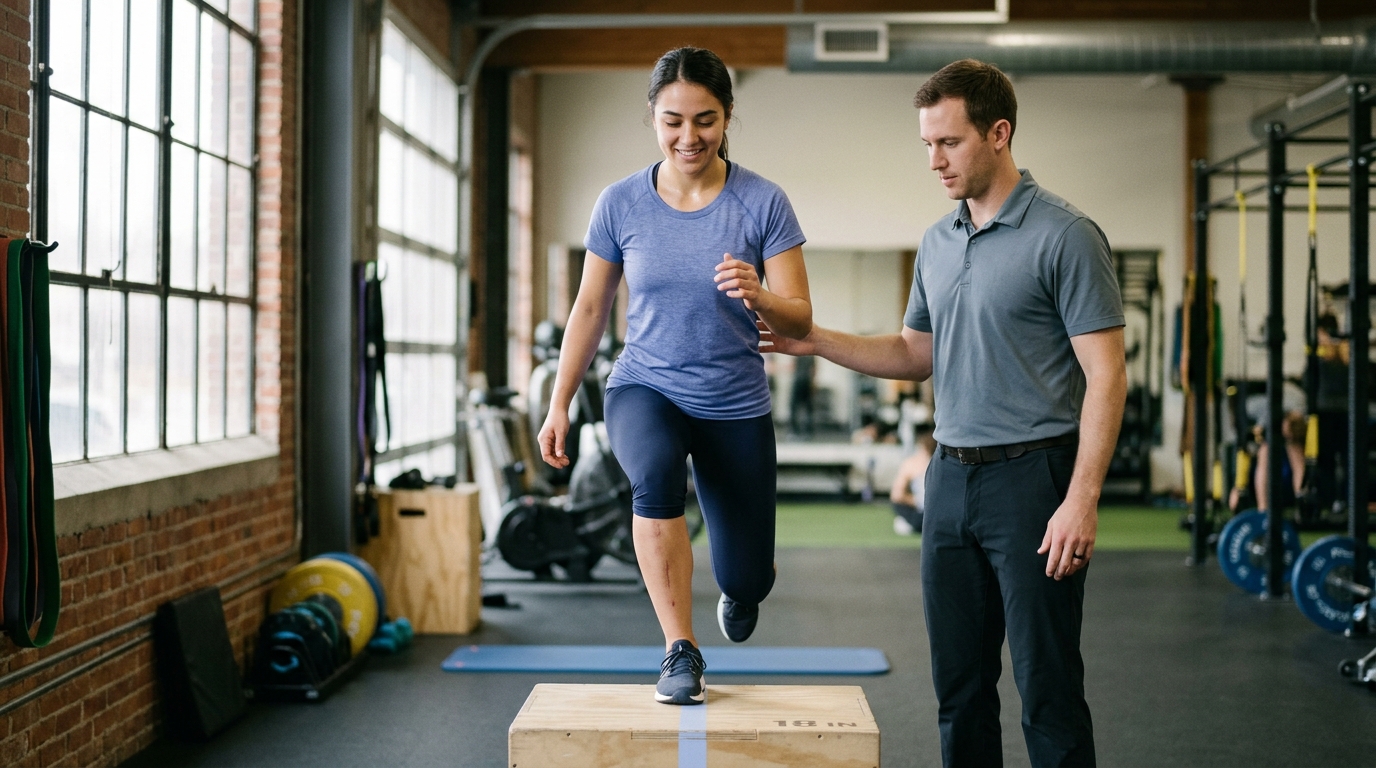
A central principle of modern rehabilitation is person-centered care. According to global health frameworks, recovery works best when care aligns with an individual's specific values, preferences, and personal goals. Applying this concept to everyday life means the injured person must remain the primary decision-maker in their own routine. Practical help should assist an individual's recovery goals rather than replace their personal choices.
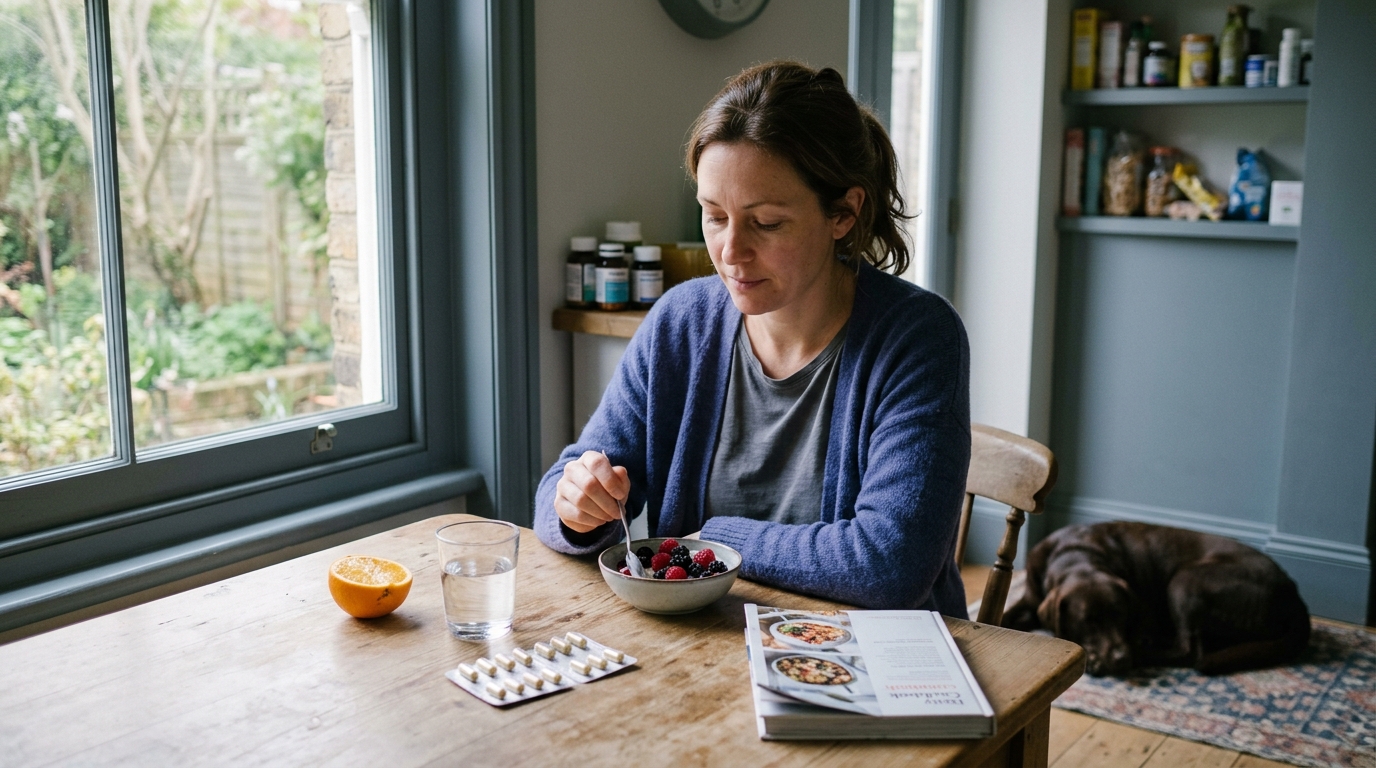
To build a sustainable foundation, you can learn more about how lifestyle habits shape physical healing through our recovery, nutrition, and lifestyle resources.
Scientific research shows meaningful connections between social support and emotional well-being during physical rehabilitation. Most available studies focus on athletic populations and individuals recovering from musculoskeletal trauma, such as transport-related injuries or orthopedic surgeries. While these findings provide valuable insights, they also carry clear scientific limits.
A major finding in recovery science is the distinction between the amount of support delivered and how satisfied the person is with that support. In a prospective cohort study tracking collegiate athletes recovering from musculoskeletal injuries, researchers evaluated both factors. The analysis found that athletes who reported higher satisfaction with their social support experienced fewer depressive and anxiety symptoms after injury.
Interestingly, the total amount of support received was not significantly linked to changes in emotional symptoms once other variables were accounted for. More assistance did not automatically translate to better mental well-being. What mattered most was whether the support felt appropriate, helpful, and respectful to the person receiving it.
A similar pattern appears in broader reviews of musculoskeletal health. In systematic reviews examining spinal pain, evidence linking instrumental help directly to pain reduction was weak and mixed. However, researchers found consistent evidence linking satisfaction with informal support to improved psychological outcomes. When support matches personal expectations, people experience less recovery-related distress.
Support needs do not stay static throughout rehabilitation. In the same athlete cohort study, researchers observed that satisfaction with overall support rose during the first week following an injury. Over time, as athletes moved further into rehabilitation, their satisfaction with support declined. Yet, the total amount of help being offered remained essentially unchanged.
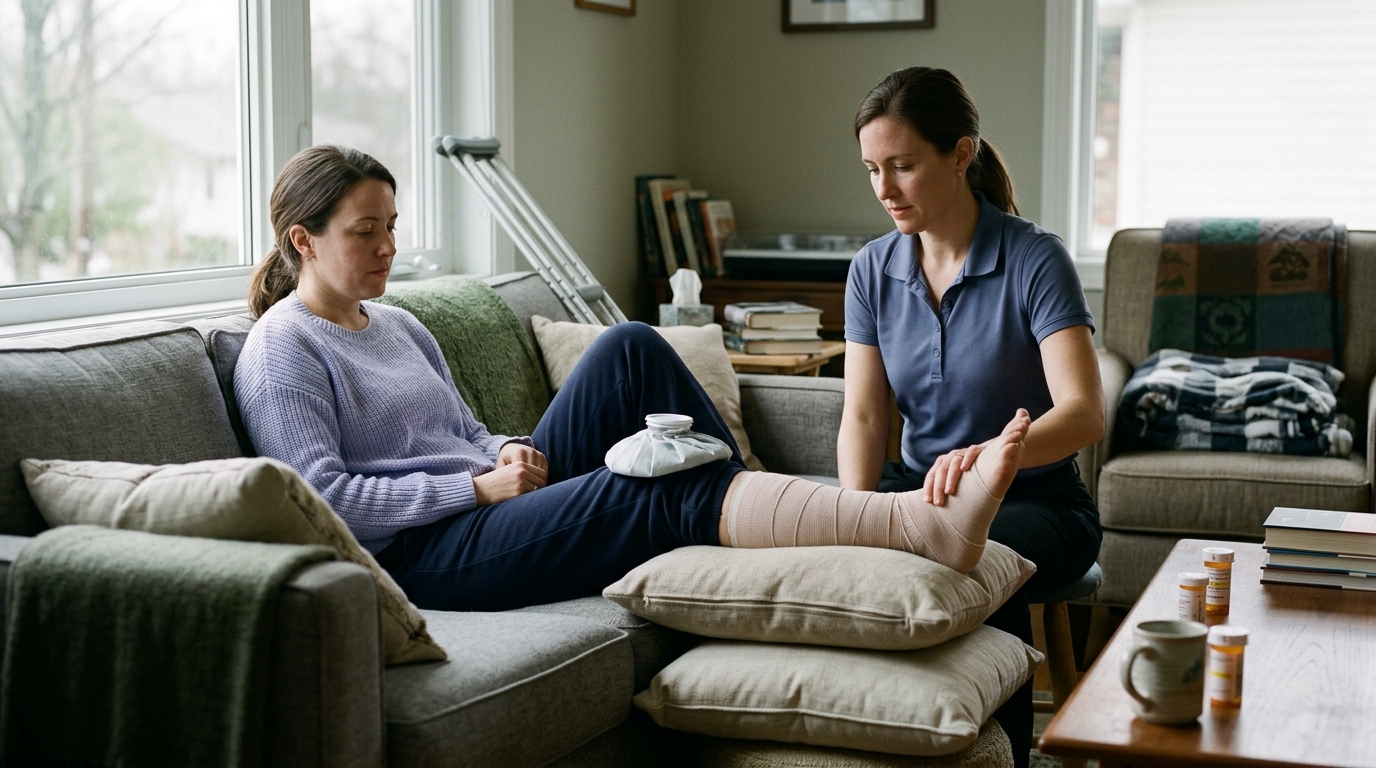
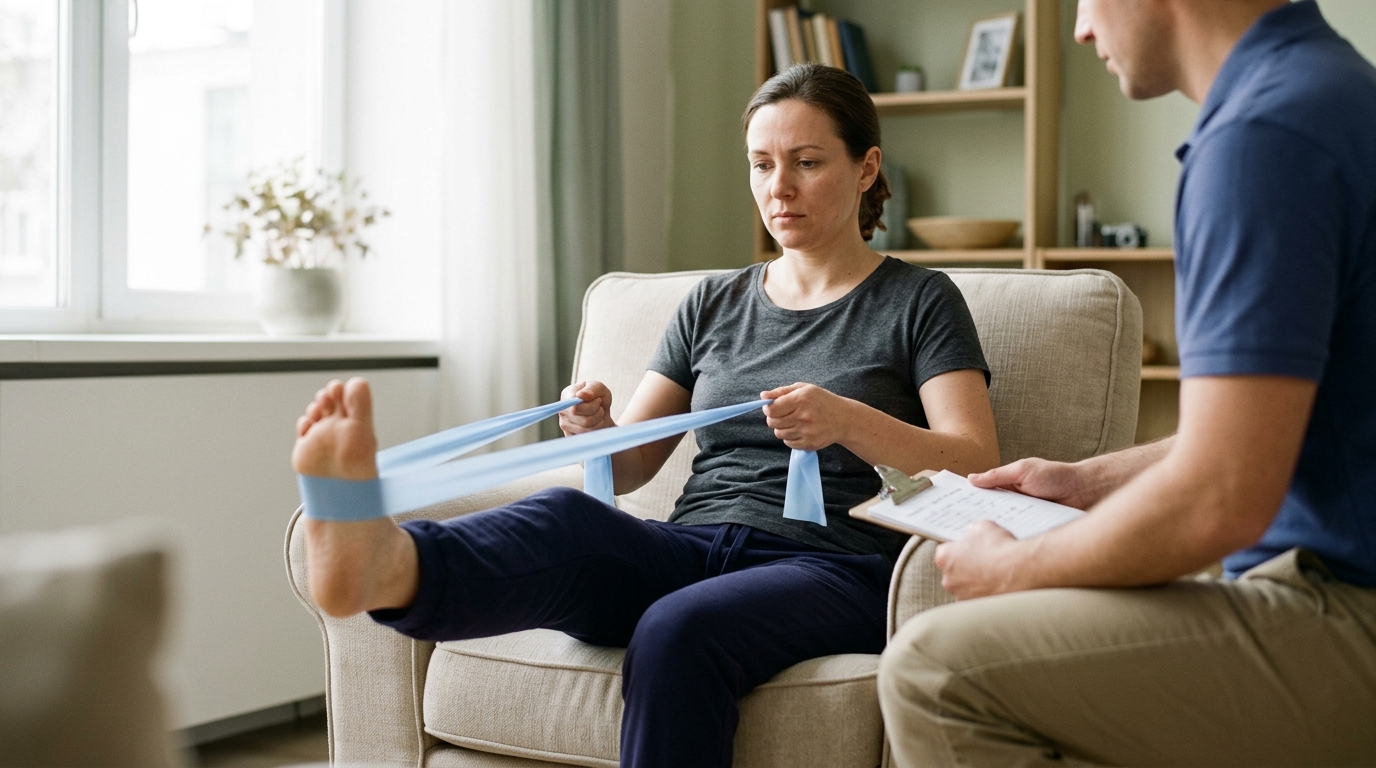
This shift highlights a common challenge in recovery. In the acute stage immediately following an injury or surgery, heavy practical assistance is necessary and welcomed. As physical capacity begins to return, continuing that same level of intensive help can feel restrictive. If family or friends do not adapt their assistance as functional independence grows, the support can become a source of frustration.
Emerging research has evaluated formal peer-support models. A randomized trial involving injured athletes examined the impact of structured peer connections during rehabilitation. Participants who worked with peers who had successfully navigated similar injuries demonstrated improvements in psychological resilience and reductions in perceived stress compared to a control group.
While this trial was small and focused on a collegiate population, it illustrates the unique value of shared experience. Friends and family offer vital everyday help, but peers who have walked the same path provide credibility and appraisal support that is difficult for others to replicate.
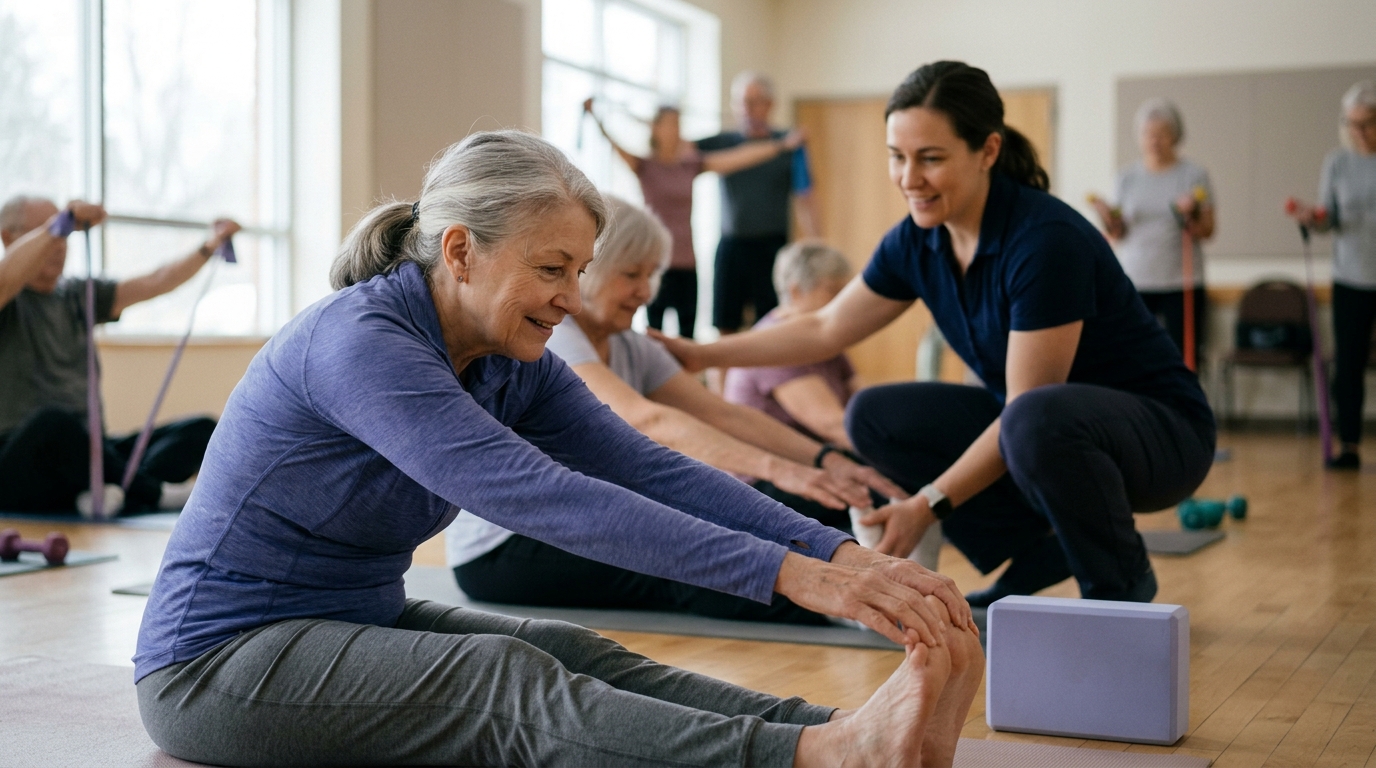
To understand how structured exercise and movement science fit alongside psychological support, review our overview of recovery science concepts.
While social support is generally beneficial, informal caregiving introduces complex interpersonal dynamics. When assistance is delivered poorly, it can generate unintended consequences for both the injured individual and the caregiver.
Qualitative studies of people recovering from musculoskeletal injuries highlight a recurring theme: the loss of autonomy. When family members take over everyday tasks completely, the injured person can feel stripped of their normal roles. Well-meaning helpers might carry every item, prepare every meal, or forbid the person from standing up.
This dynamic can undermine self-efficacy, which is a person's confidence in their ability to perform necessary tasks. When a person is constantly treated as fragile, they may begin to view themselves as less capable. Overprotection creates a subtle dependency that can slow the emotional transition back to active, self-directed movement.
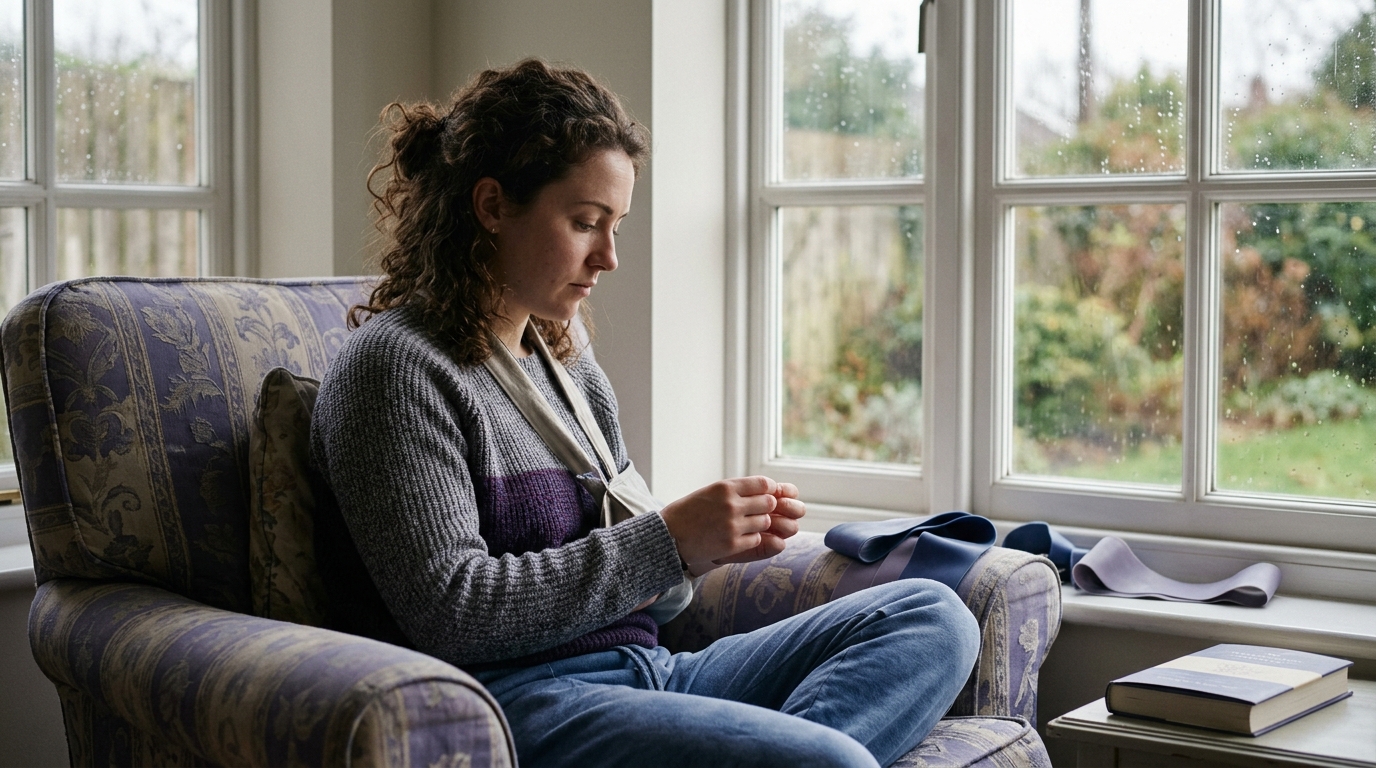
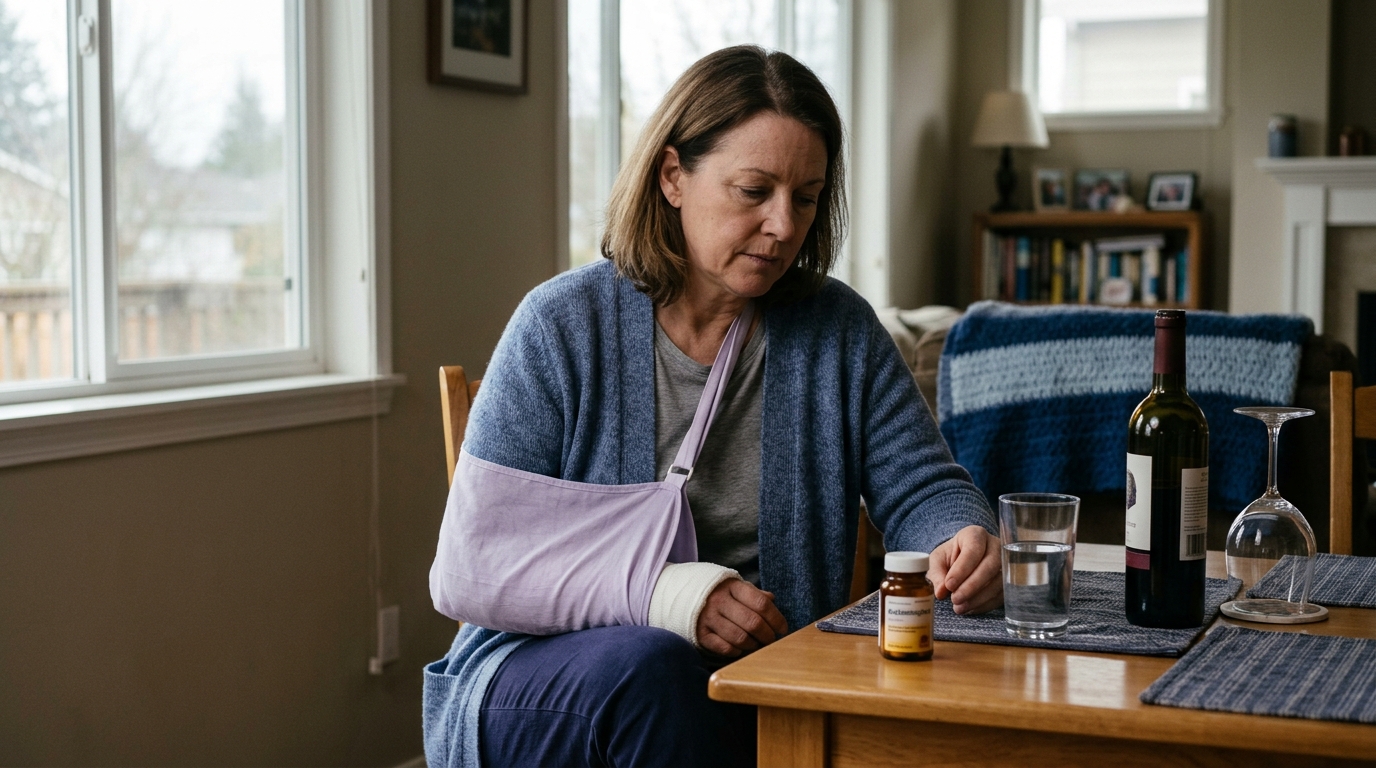
An injured person often experiences internal conflict. They need help reaching items, getting rides, or managing household chores, but asking for that help can cause deep discomfort. Many individuals worry about imposing on their loved ones' busy schedules.
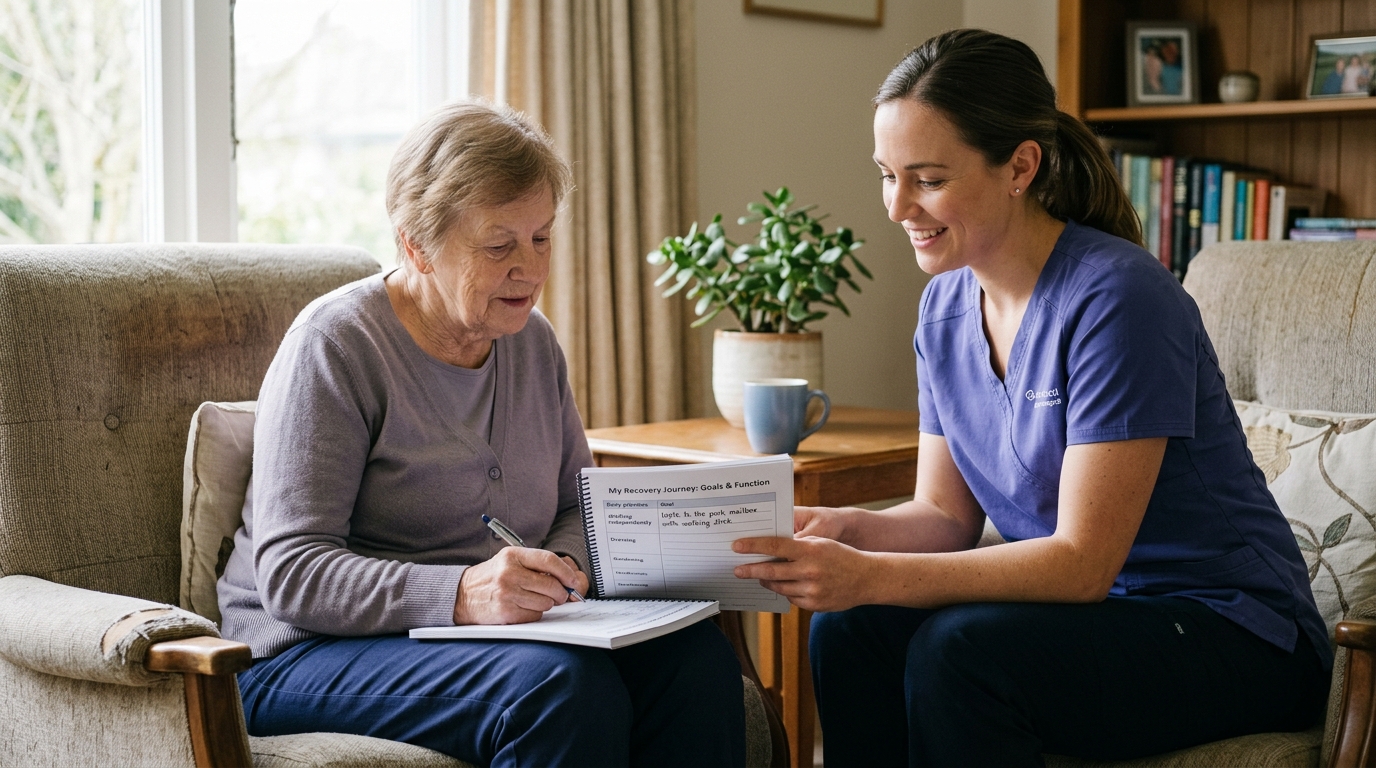
This fear can lead to unhealthy behaviors. Some people attempt complex physical tasks before it is safe to do so simply to avoid asking for assistance. Others withdraw emotionally, hiding their pain or practical struggles to keep from being an inconvenience. Clear, structured agreements about help can alleviate this guilt by making support predictable and bounded.
Tension often surfaces when an injured person and a family member disagree about what physical activities are safe. A recovering individual may feel ready to walk down the driveway, carry a light basket, or prepare a simple meal. A concerned partner or spouse, fearing reinjury, may insist they stay seated.
Neither person is acting with bad intentions. The helper wants to prevent harm, while the recovering individual wants to reclaim normal life. Without objective guidance, these situations quickly turn into arguments about control. Establishing clear boundaries from your physical therapist or physician helps remove the guesswork and resolves these disputes neutrally.
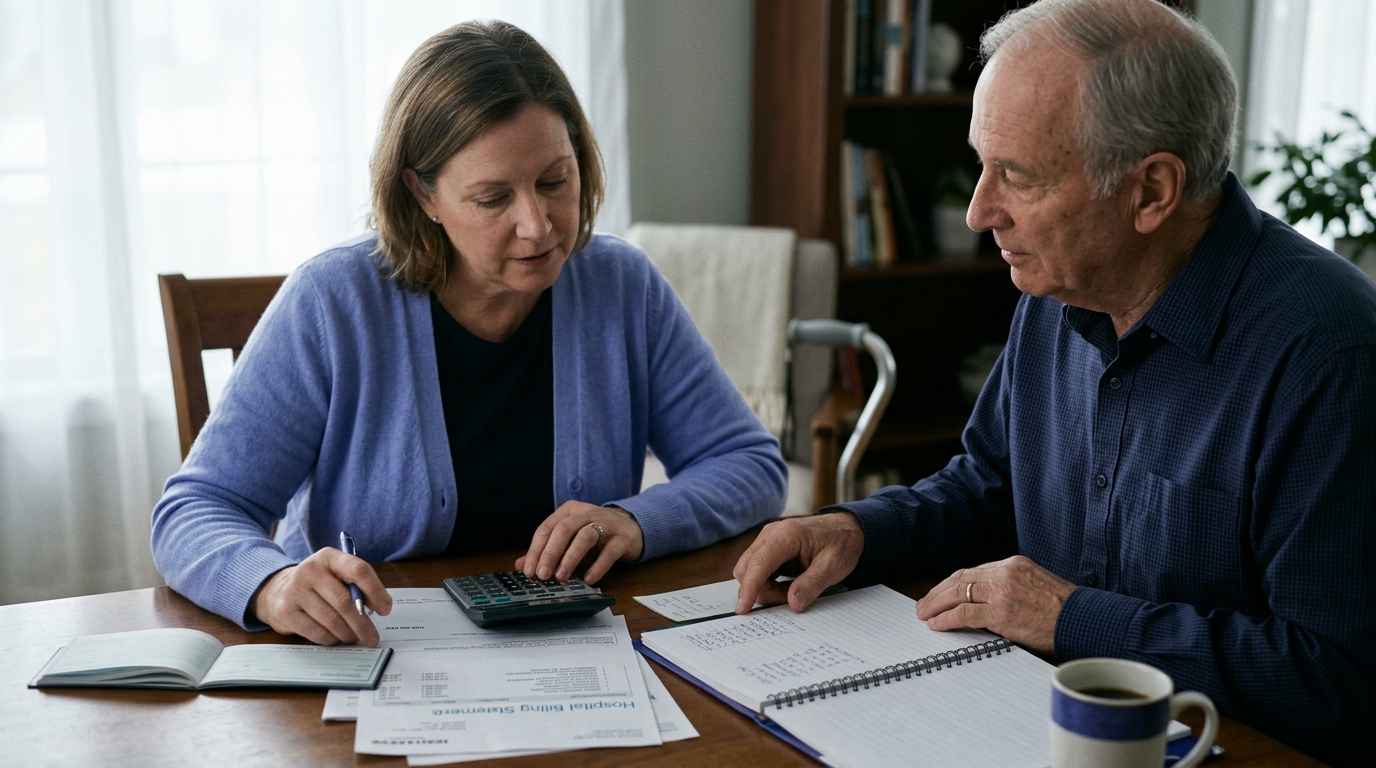
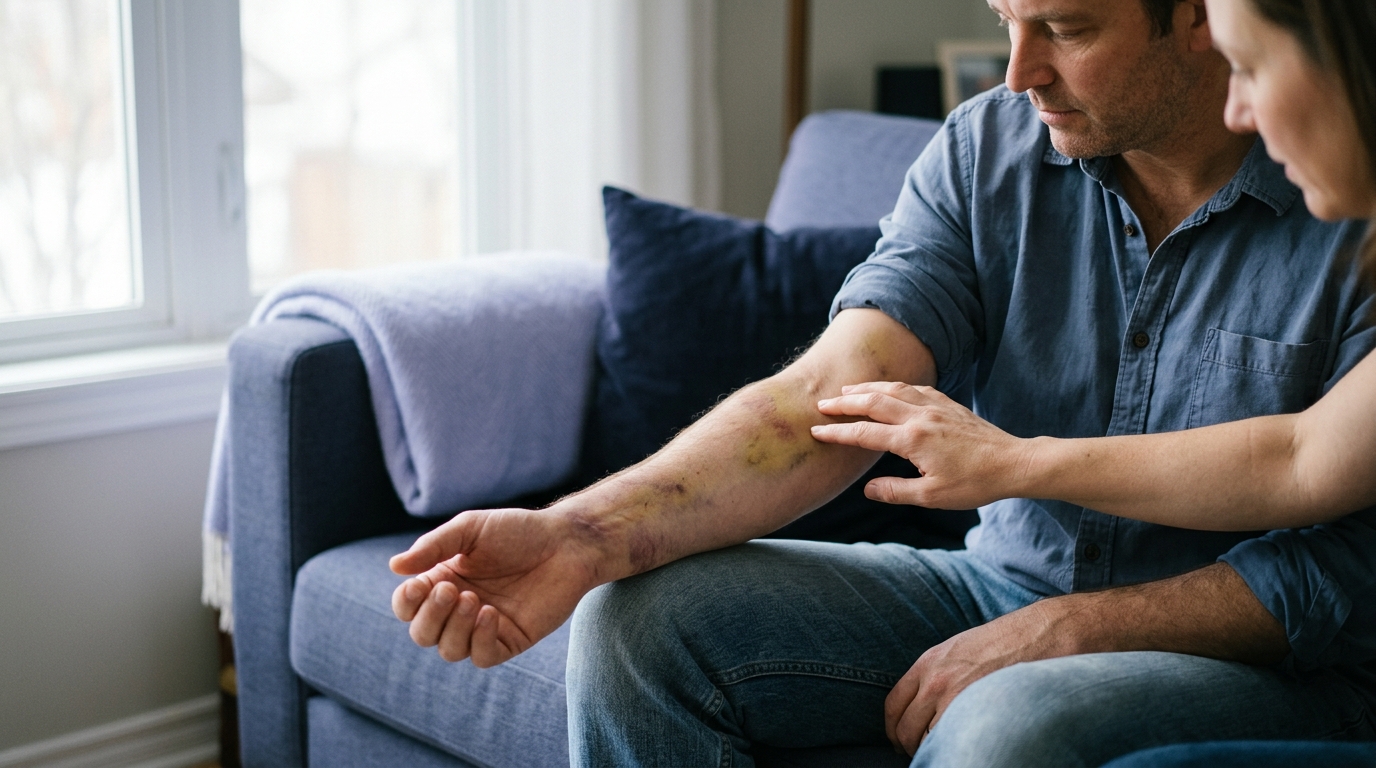
Support is not a one-way street; it requires energy, time, and emotional bandwidth from the caregiver. Family members often must balance their normal jobs and parenting duties with driving to clinics, cooking extra meals, and managing household logistics.
Interviews with caregivers show that they frequently experience elevated stress, fatigue, and feelings of helplessness. If a caregiver becomes completely depleted, the quality of their support naturally drops. A sustainable recovery plan must protect the physical and mental well-being of the supporter just as much as the patient.
If your recovery involves navigating the transition from a formal medical procedure back to activity, you can find helpful guidance in our surgical recovery and comeback resources.
A common mistake during recovery is relying entirely on a single person for every type of support. Expecting a spouse, partner, or adult child to handle practical chores, emotional processing, and medical decisions creates immense pressure. Distributing roles across a broader network makes caregiving sustainable and effective.
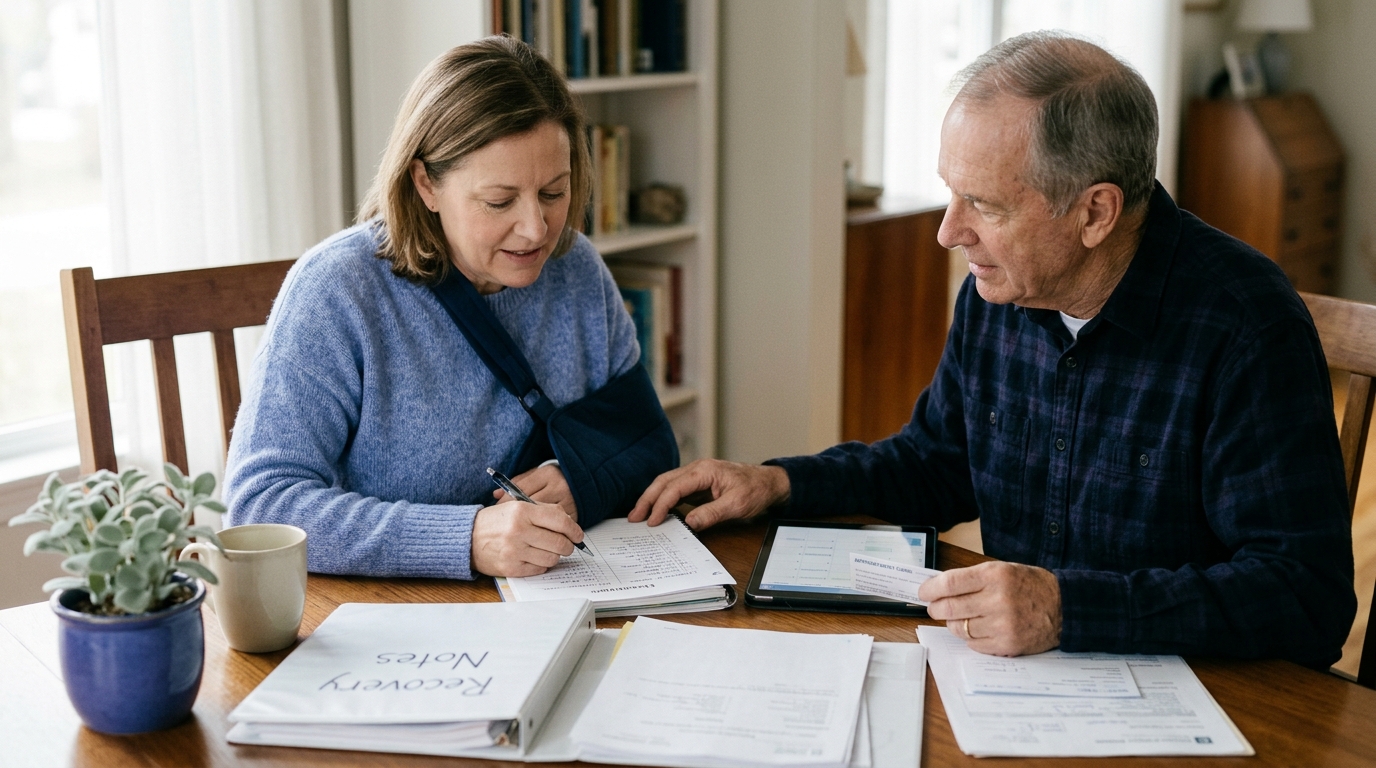
Immediate family members are best positioned for core instrumental support. They understand household routines and can assist with essential daily living activities. However, clear agreements are necessary to keep domestic relationships healthy:
Friends, coworkers, and neighbors often want to help but do not know what is appropriate to offer. In qualitative studies, injured people often noted that small, low-burden contributions from neighbors made a substantial positive difference.
These individuals are ideal for bounded, single-step tasks:
Connecting with someone who has successfully rehabilitated a similar injury offers appraisal support that friends and family cannot provide. A peer understands the psychological valley that occurs midway through physical therapy. They can validate your frustrations without pity and confirm that slow progress is still progress.
Peer support can be found through structured hospital programs, local athletic clubs, or moderated online communities. The primary goal of peer interaction is emotional reassurance and shared perspective, not trading unverified medical advice.
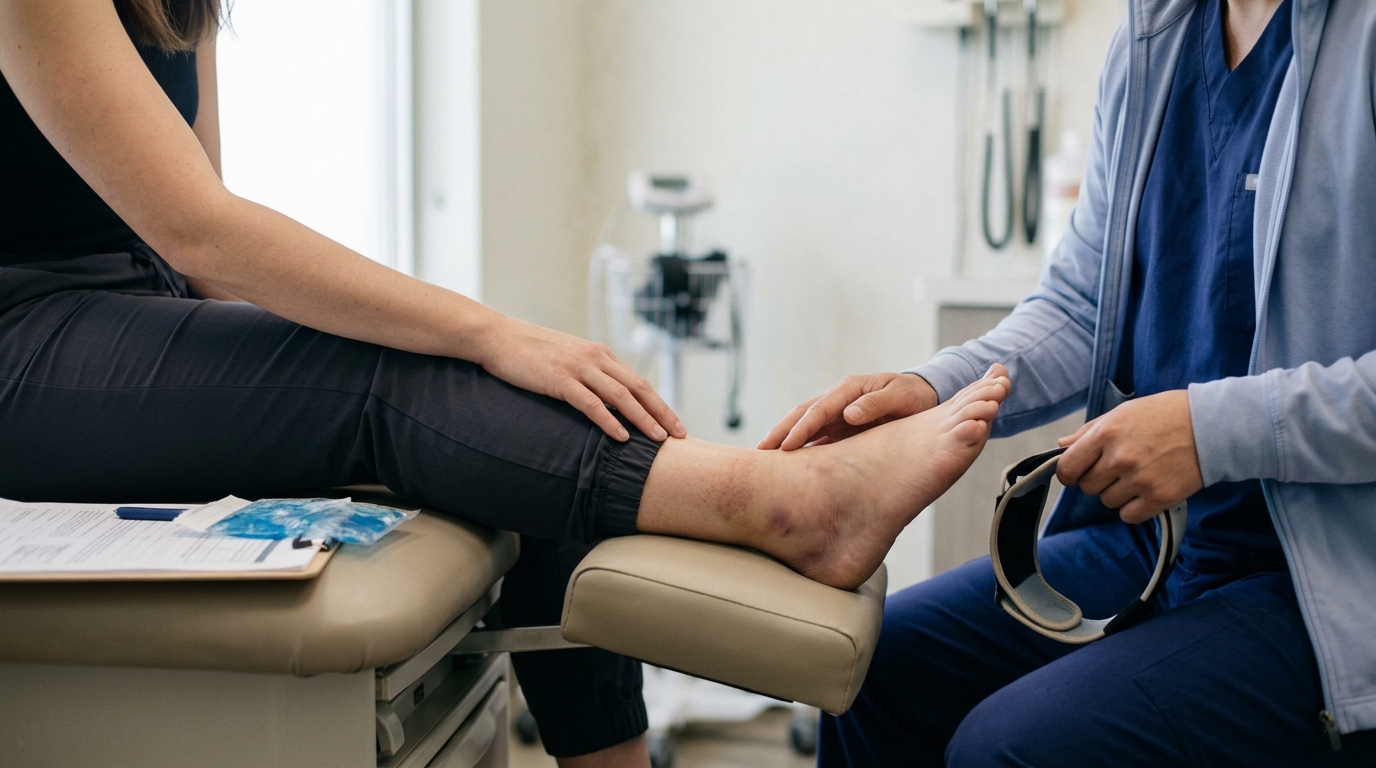
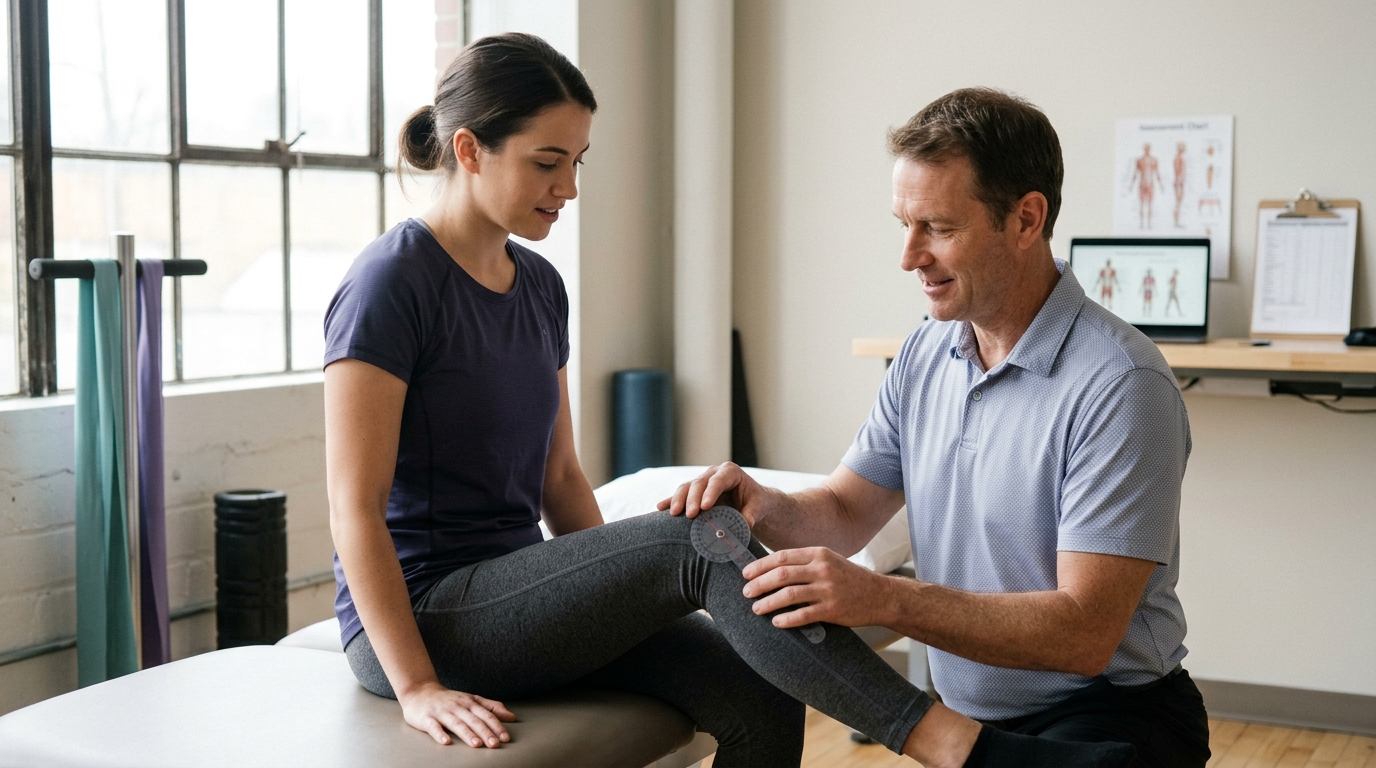
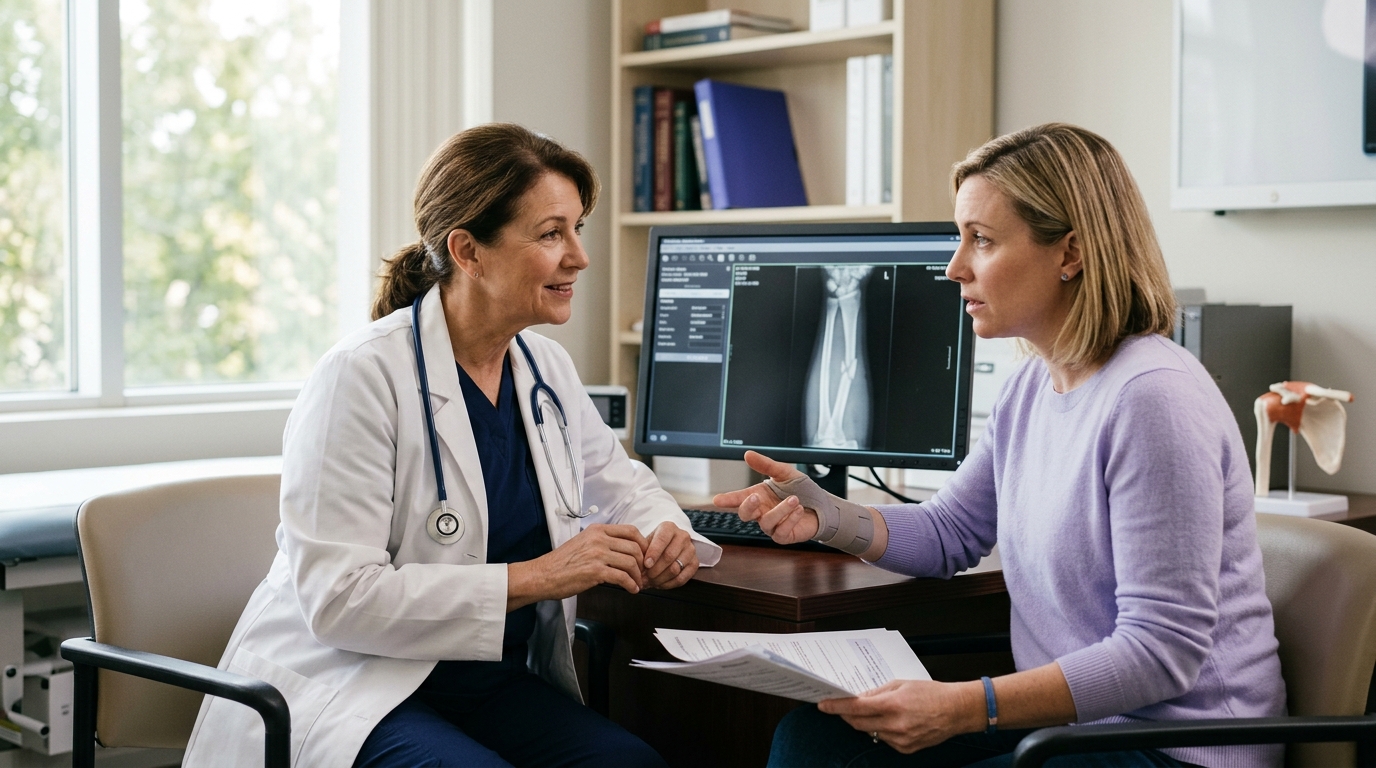
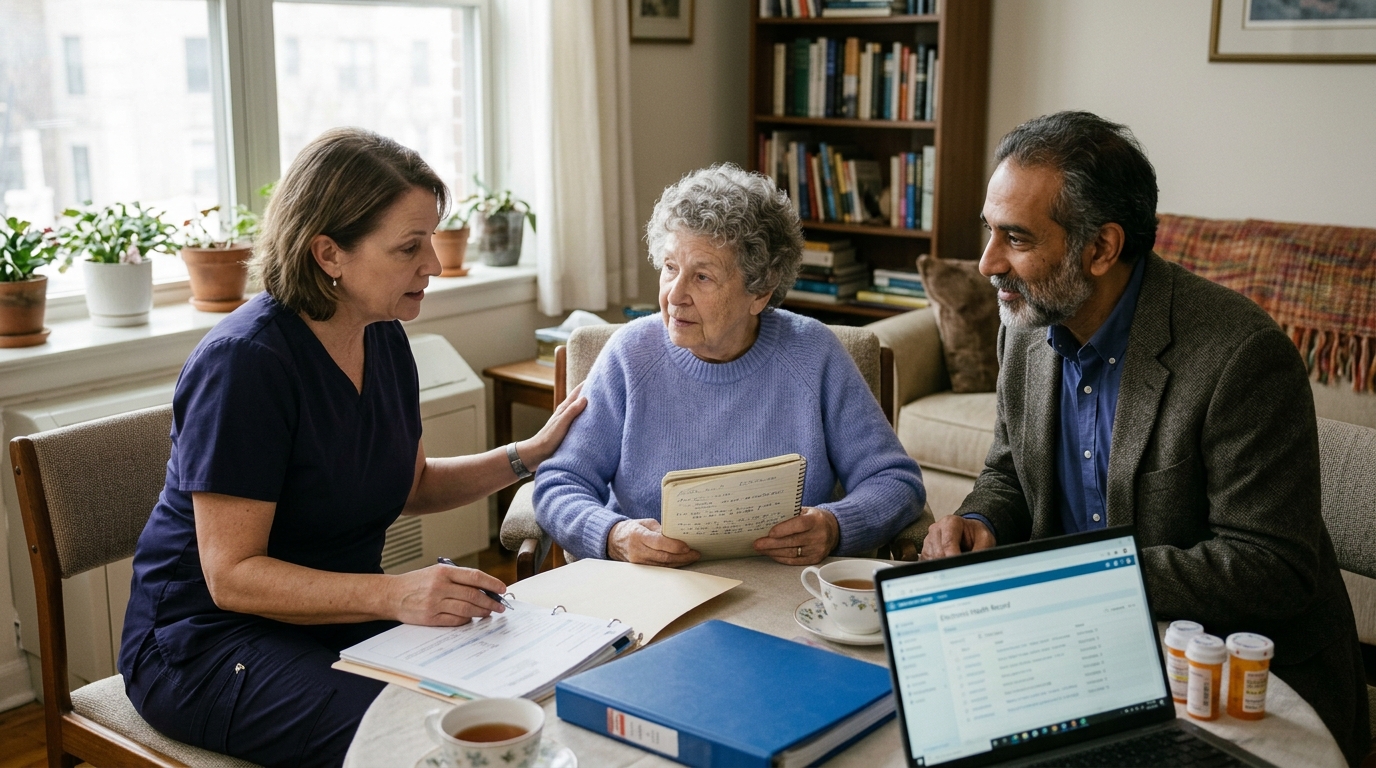
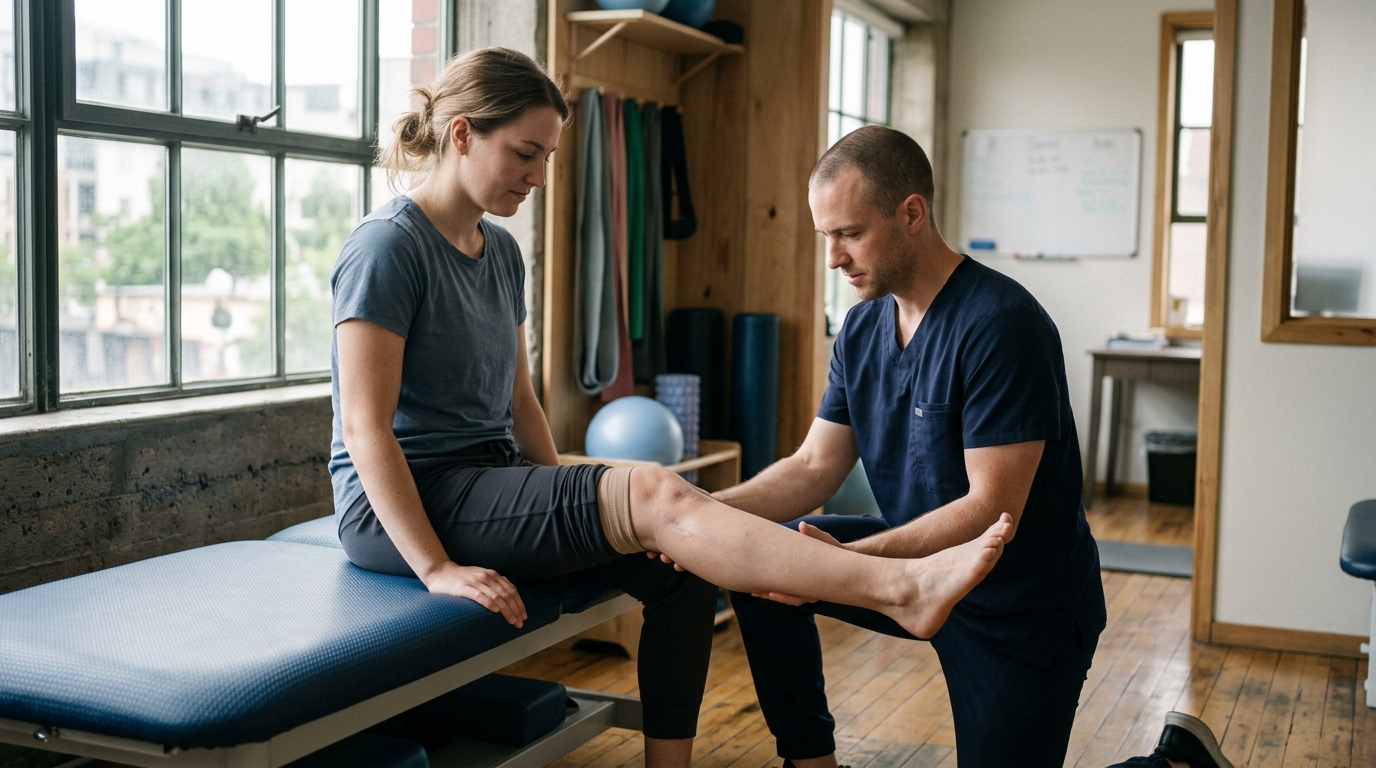
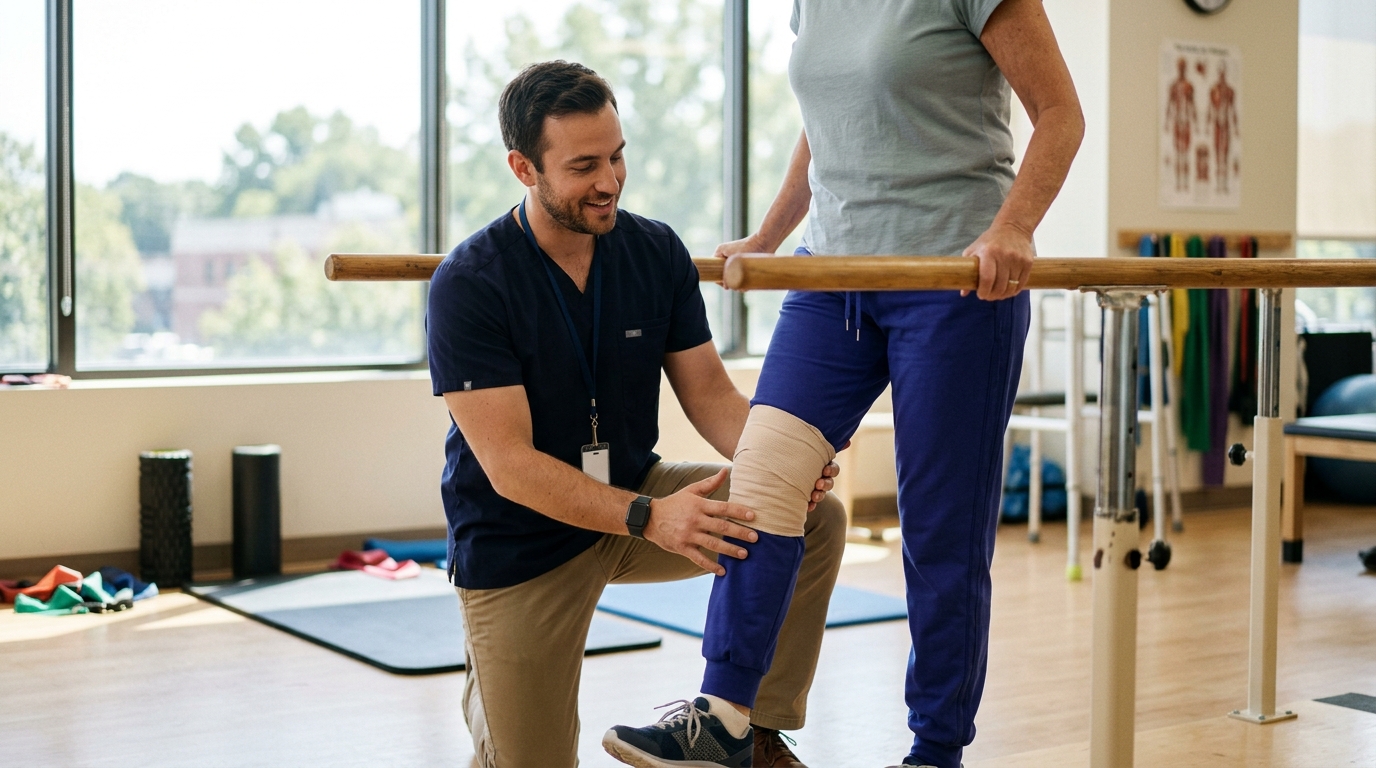
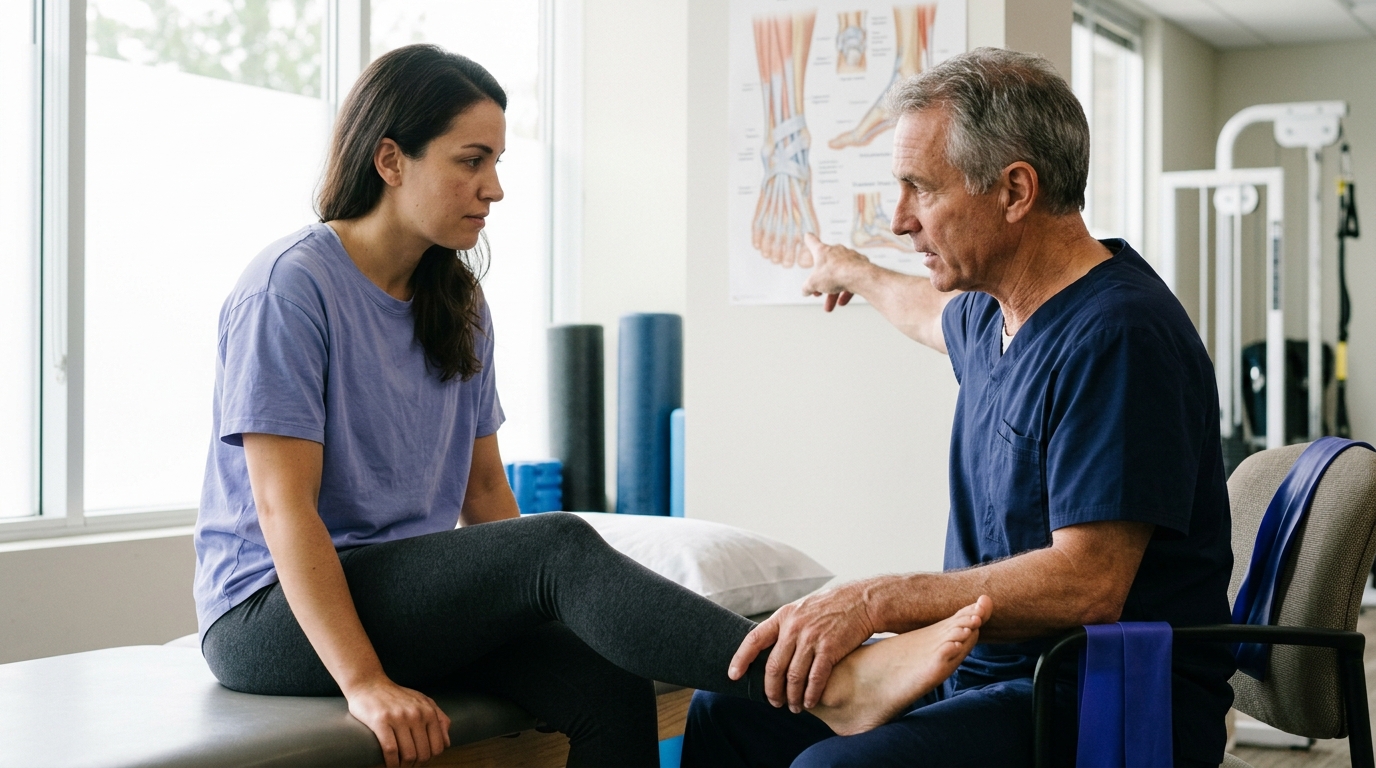
Your physical therapist, orthopedic surgeon, and primary care doctor provide the informational support that grounds your entire recovery. When social circles offer conflicting advice about what exercises to try or what pain levels are acceptable, your clinical team serves as the ultimate authority.
Relying on clinicians for medical facts keeps your family from having to act as clinical experts. If you are working to rebuild physical capacity after an extended period of rest, our articles on injury recovery and rehabilitation provide helpful context on how structured movement progressions work.
Effective communication prevents support from turning into conflict. Asking for help clearly and setting gentle boundaries preserves your independence while making life easier for those assisting you.
Vague statements like "I need some help around here" can cause confusion and stress. The helper does not know where to start, and the injured person feels misunderstood. Replace open-ended frustration with concrete, manageable requests.
Specific requests give helpers a clear task with a definite beginning and end, making it simple for them to say yes or no based on their availability.
If you are supporting an injured loved one, avoid vague offers such as "Call me if you need anything." This places the mental burden of planning back onto the injured person. Instead, offer specific choices that allow them to maintain control:
Always ask before stepping in physically. Giving the person a moment to decide preserves their dignity and encourages safe physical effort.
When physical setbacks cause emotional frustration, people often seek different types of responses. Sometimes an injured person wants objective problem-solving. Other times, they simply want someone to listen to their frustrations without offering solutions.
Before opening a difficult conversation, clarify your goal:
This simple framing prevents the listener from offering unwanted advice and ensures the speaker feels heard.
Declining help can feel uncomfortable, especially when the offer comes from a place of love. However, accepting unnecessary assistance can slow your functional recovery. You can decline politely by framing your independence as part of your rehabilitation:
Framing your refusal around your clinical goals helps the helper understand that stepping back is an active way to support your healing.
The following models illustrate how different support structures function across typical recovery scenarios. These examples represent common behavioral patterns and communication strategies rather than specific clinical outcomes.
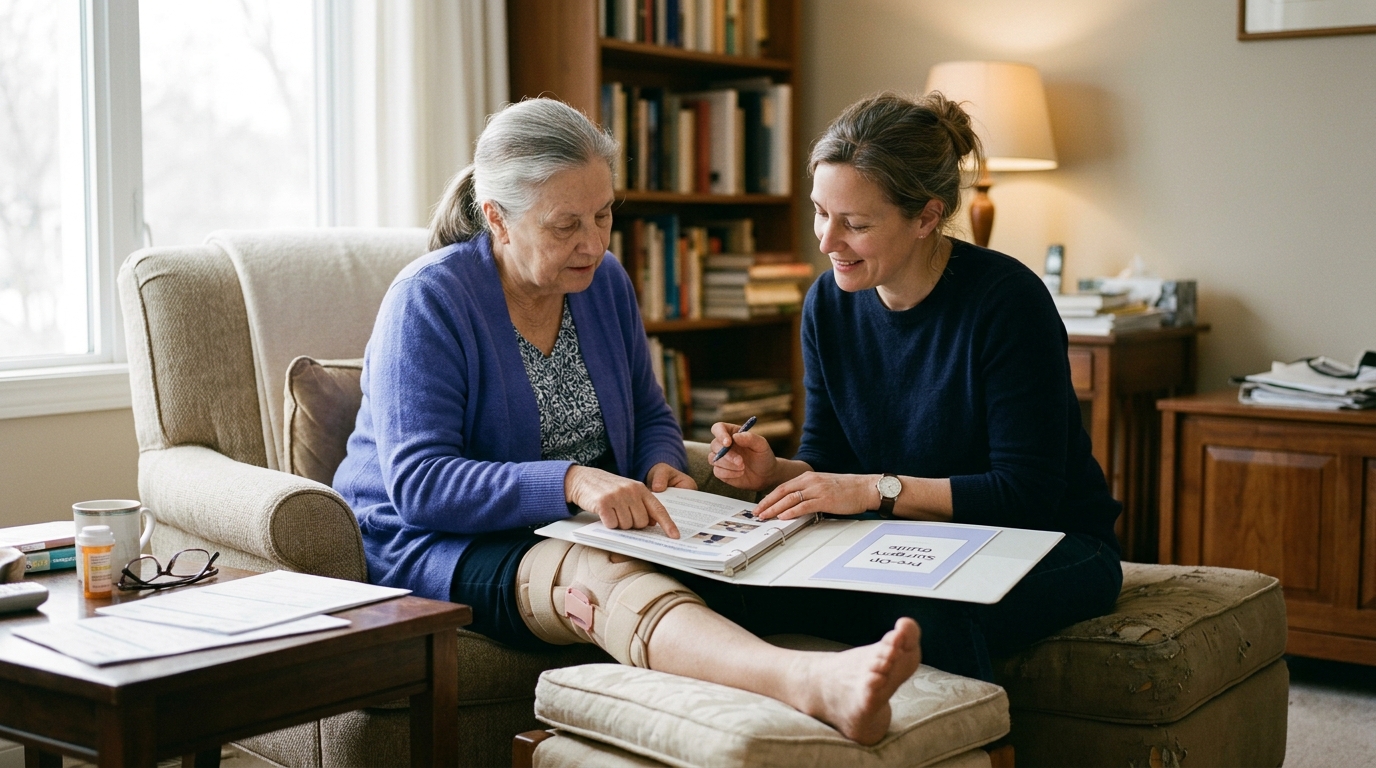
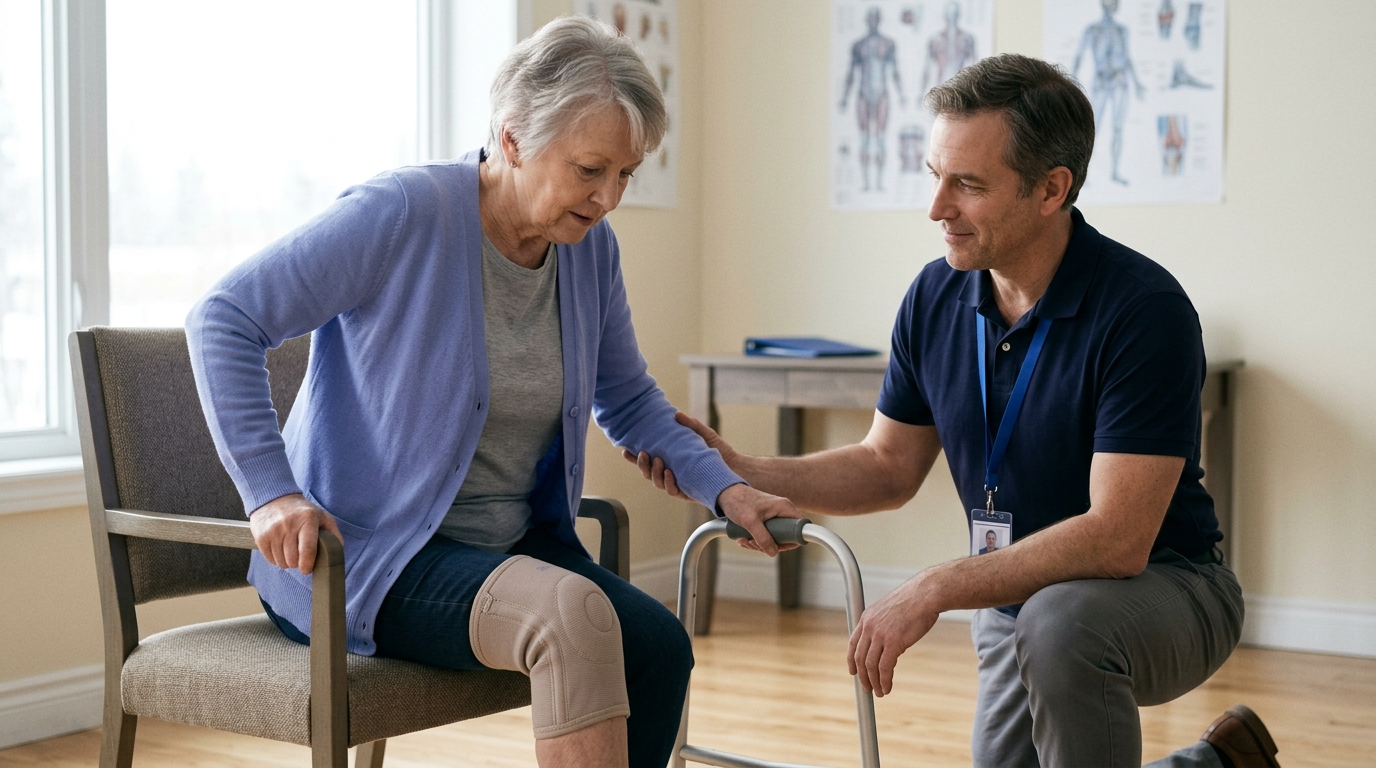
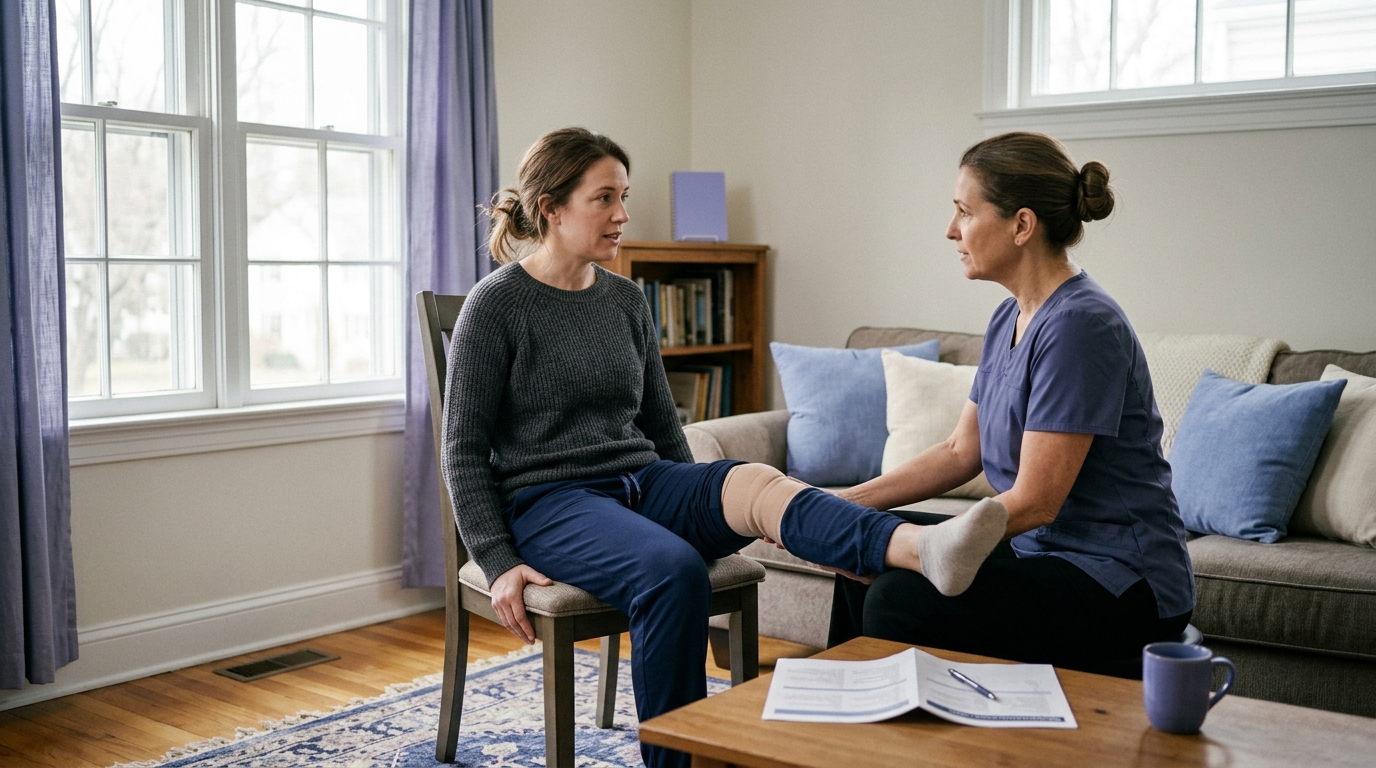
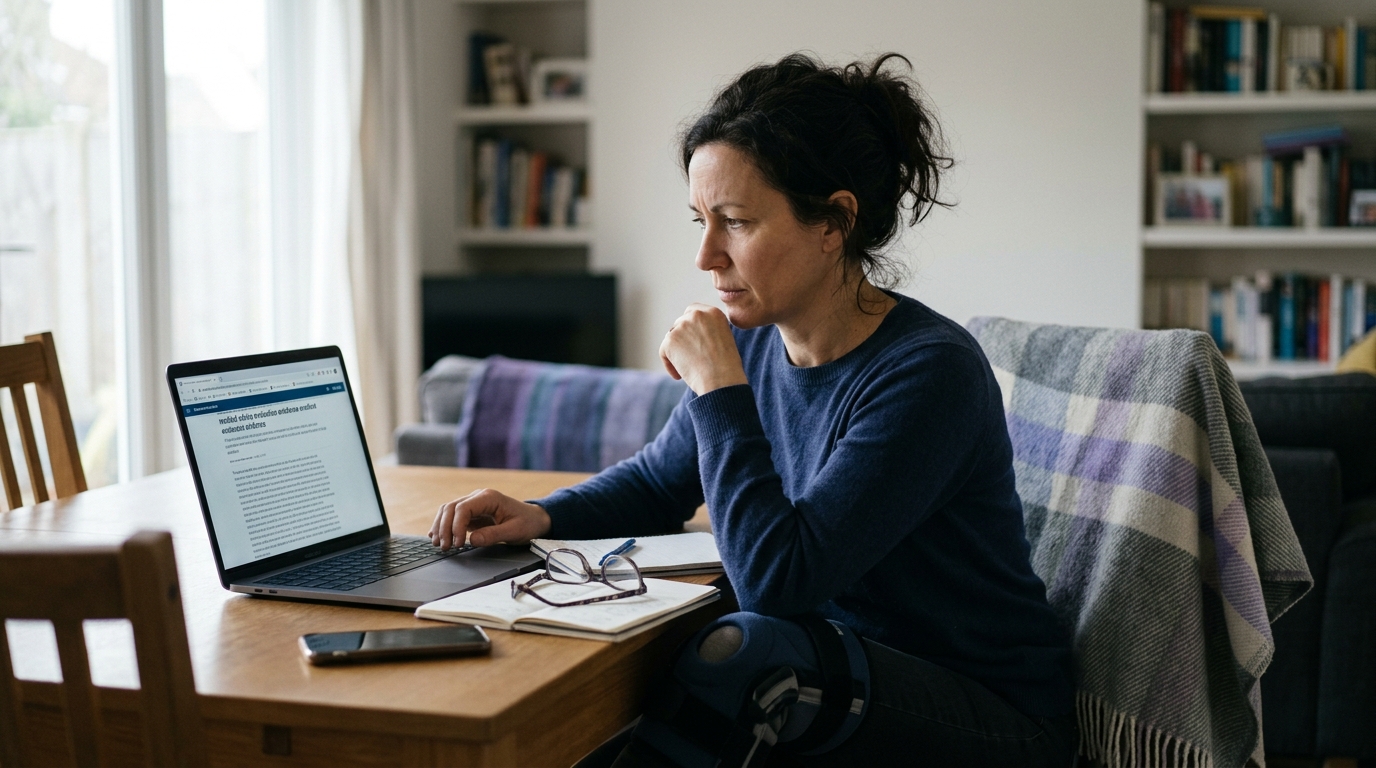
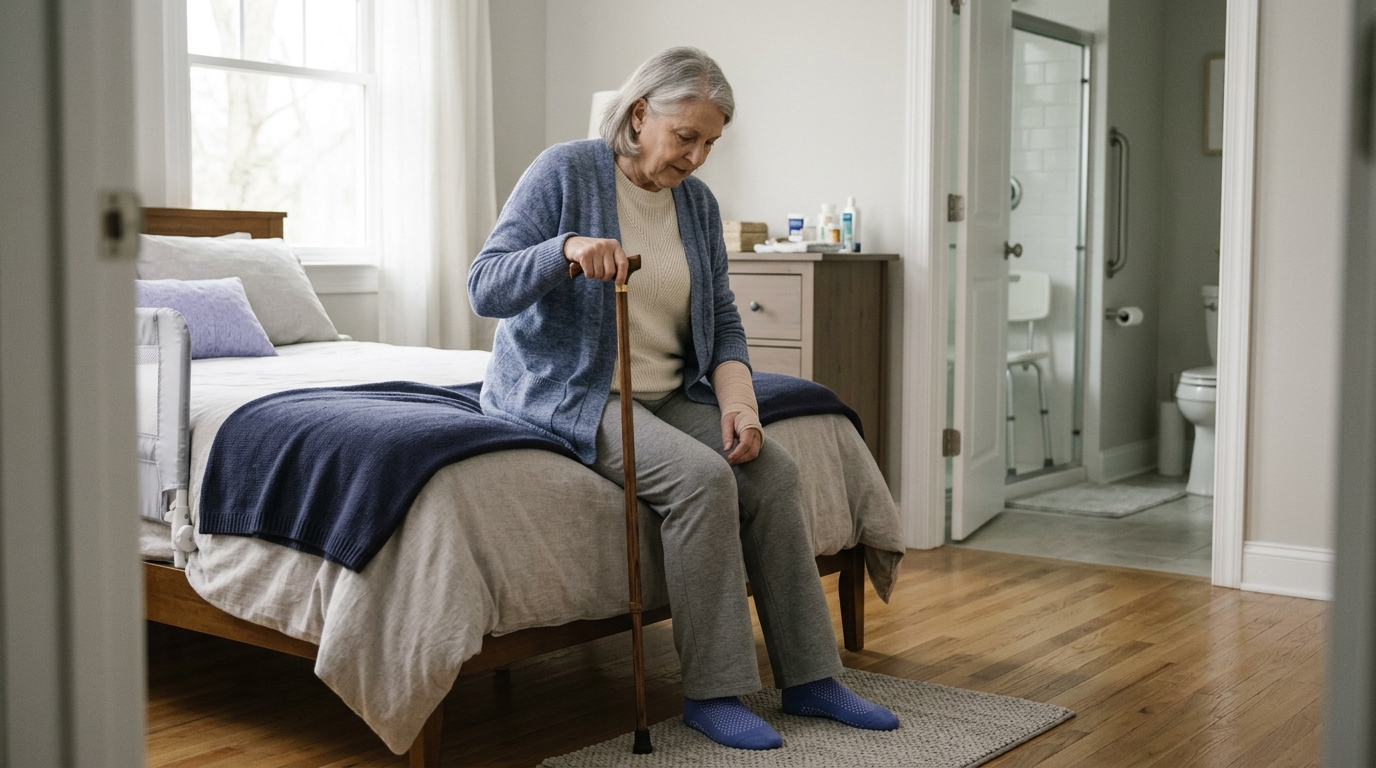
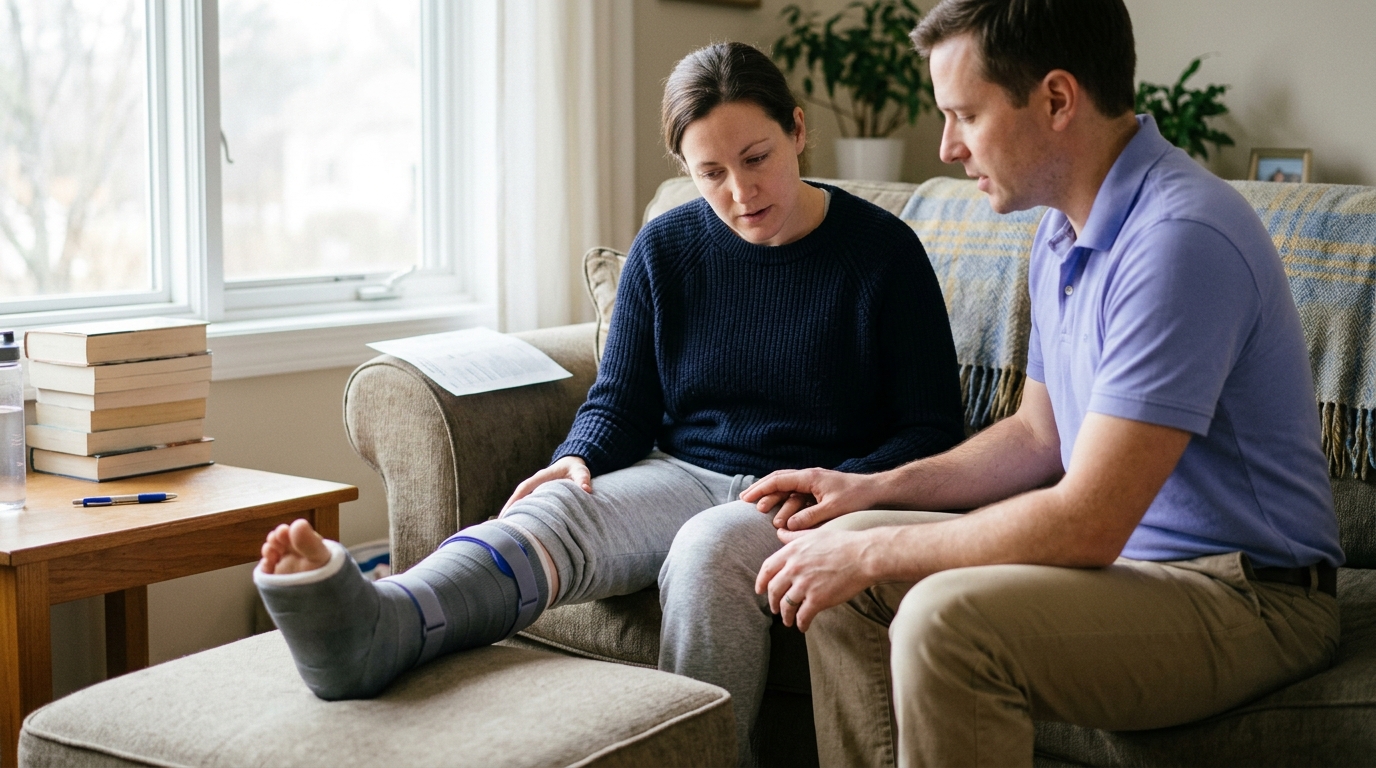
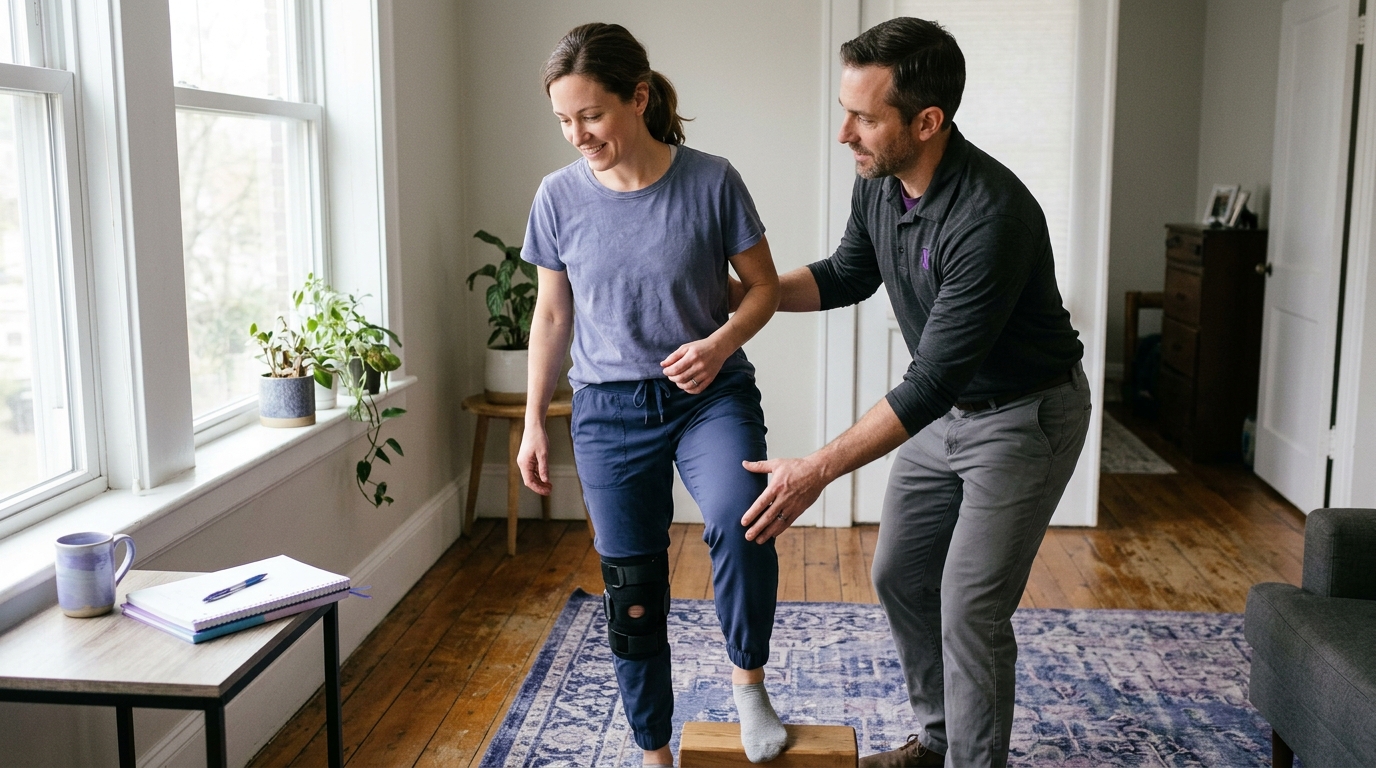
Consider an adult living in a multi-story home recovering from extensive reconstructive knee surgery. In this scenario, the individual has temporary non-weight-bearing restrictions for six weeks.
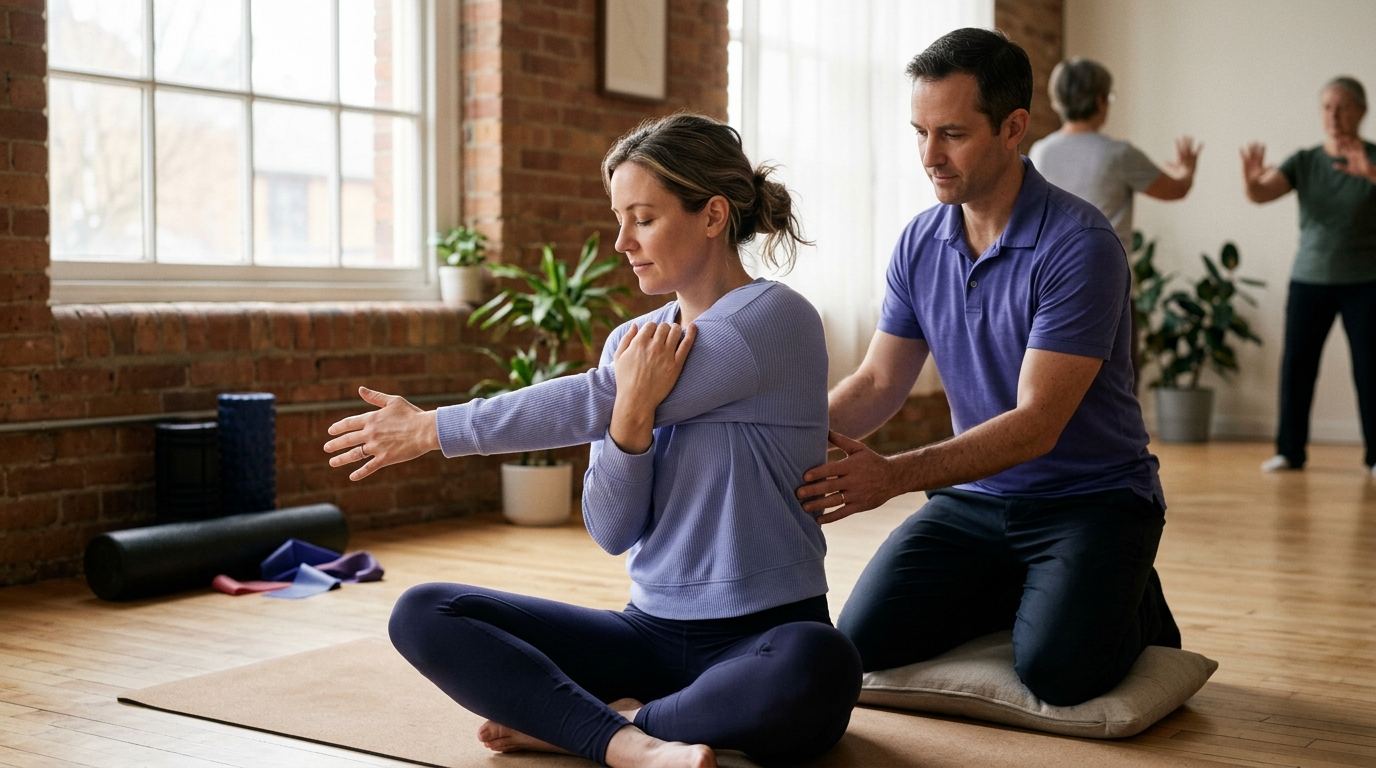
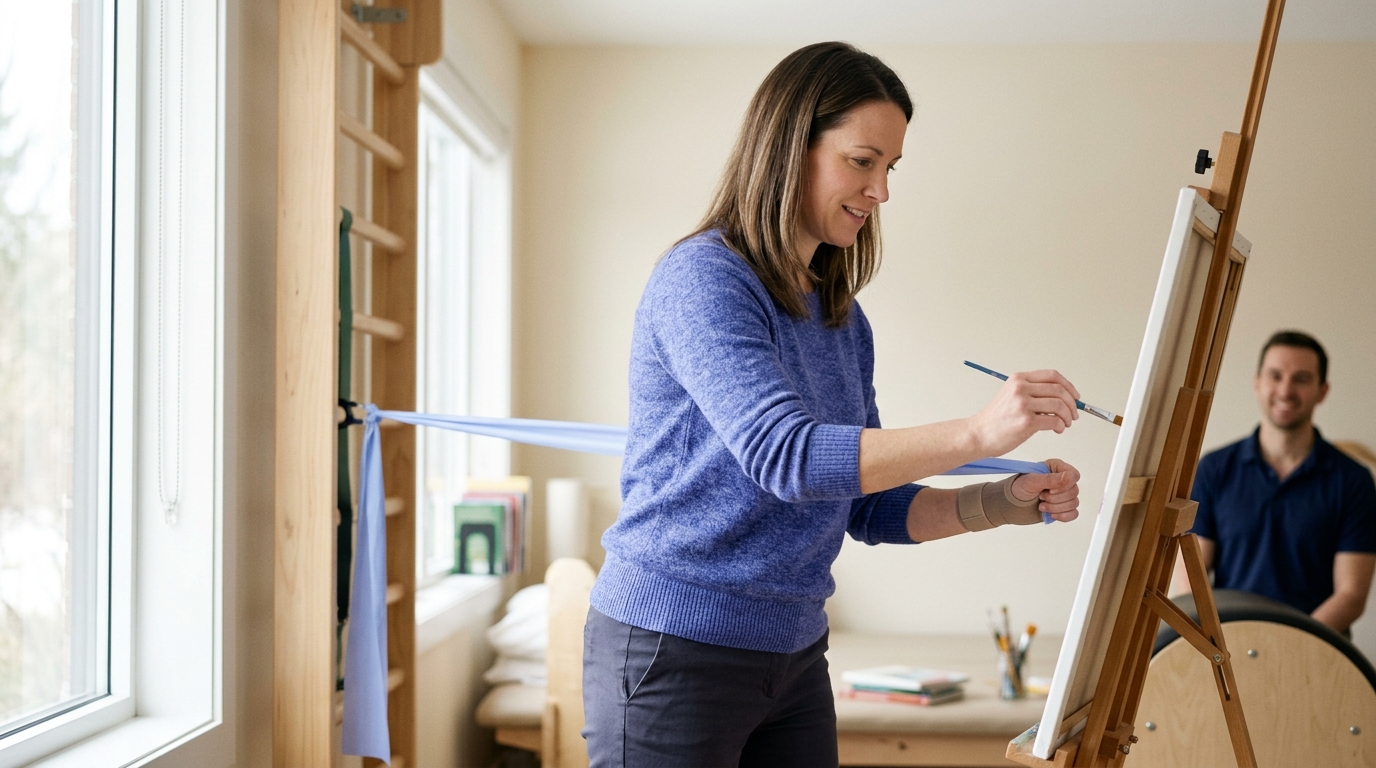
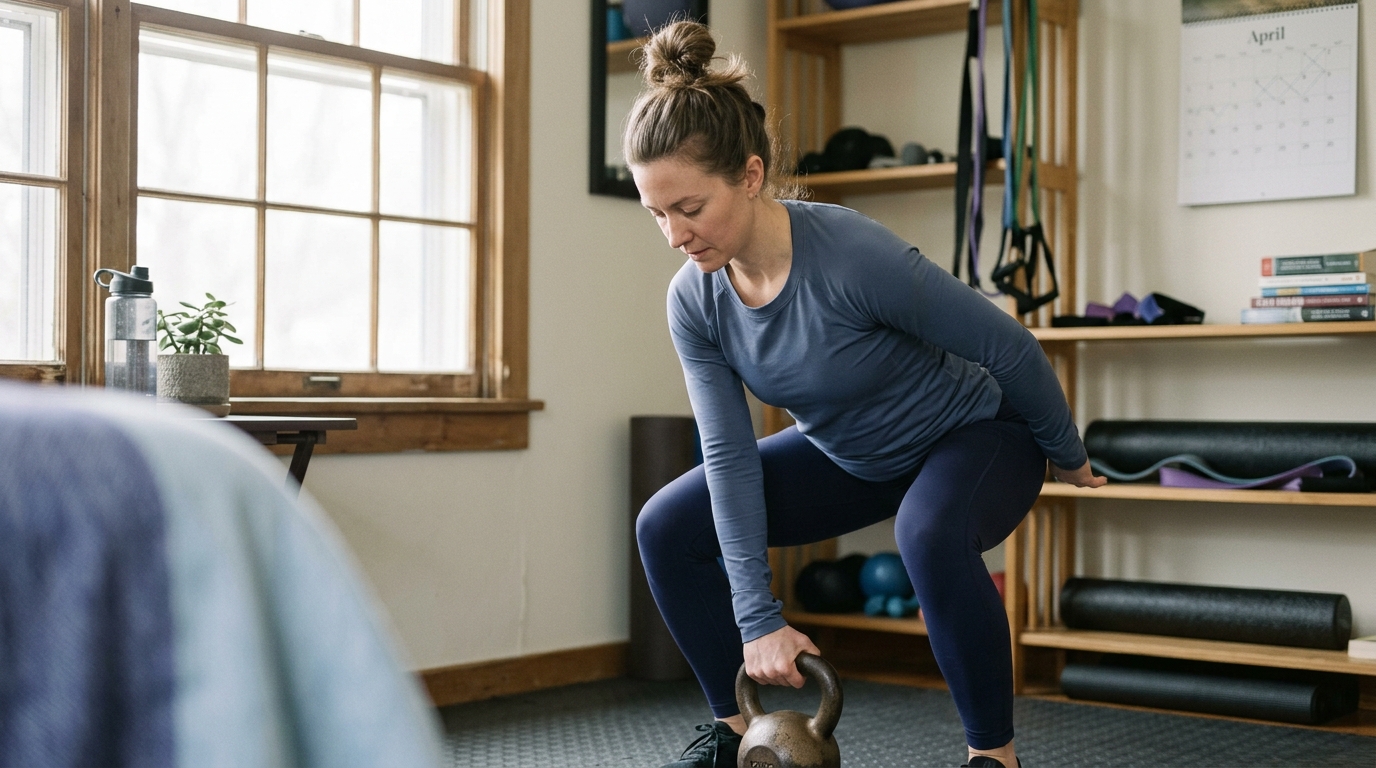
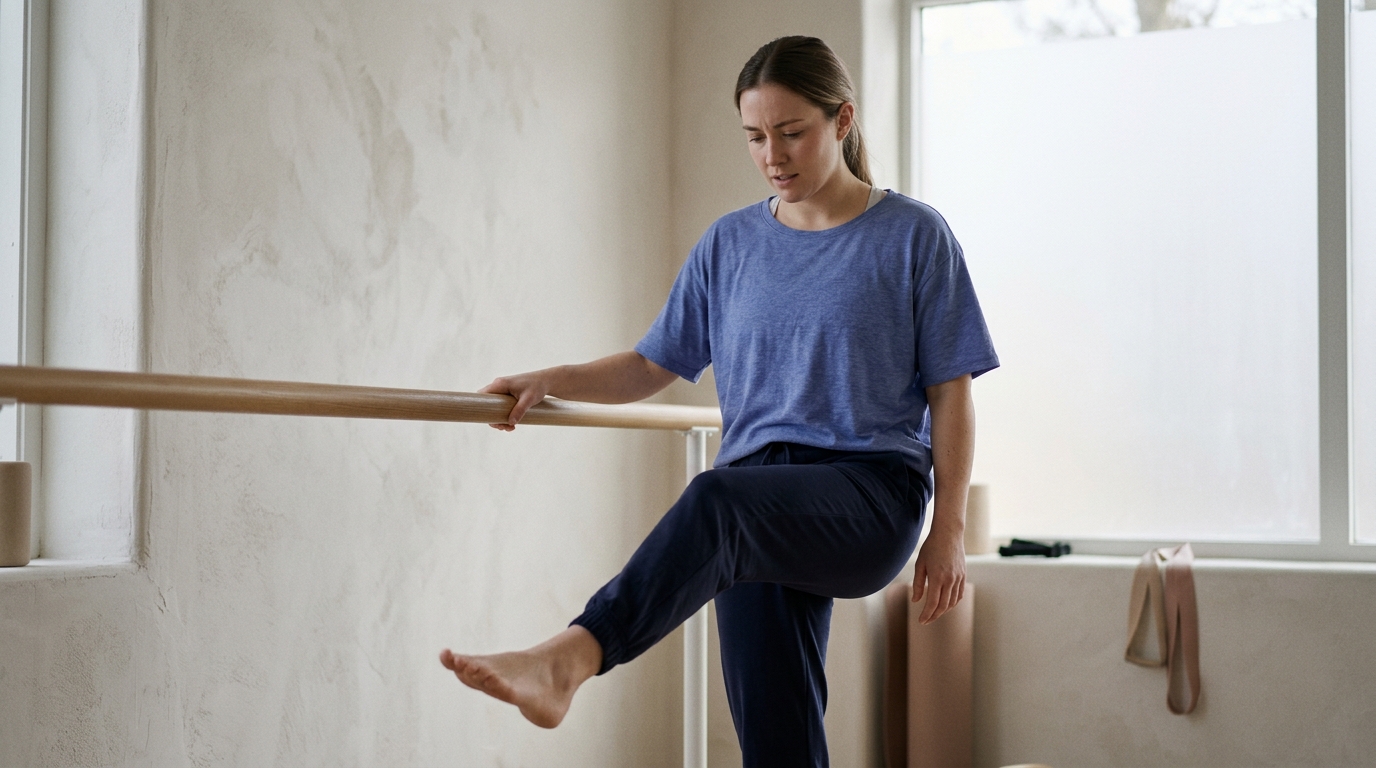
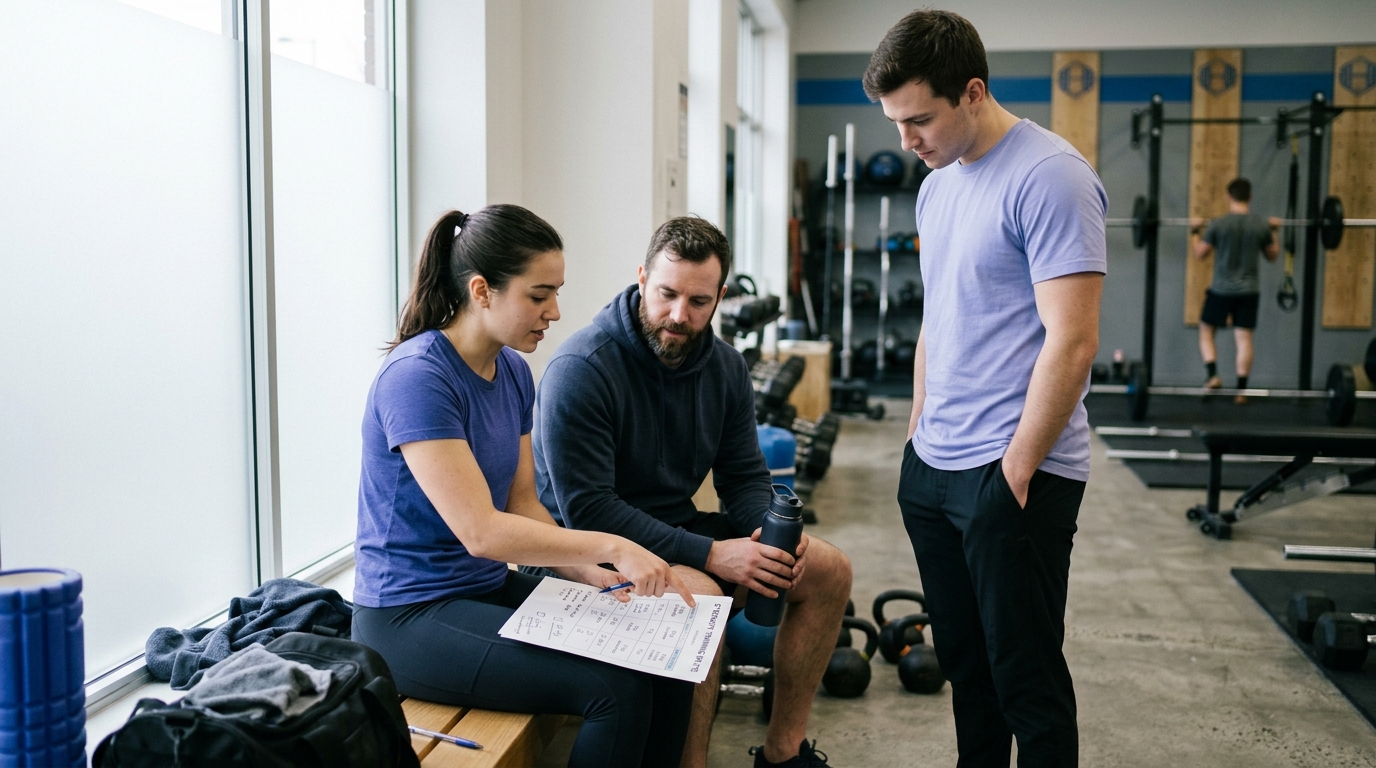
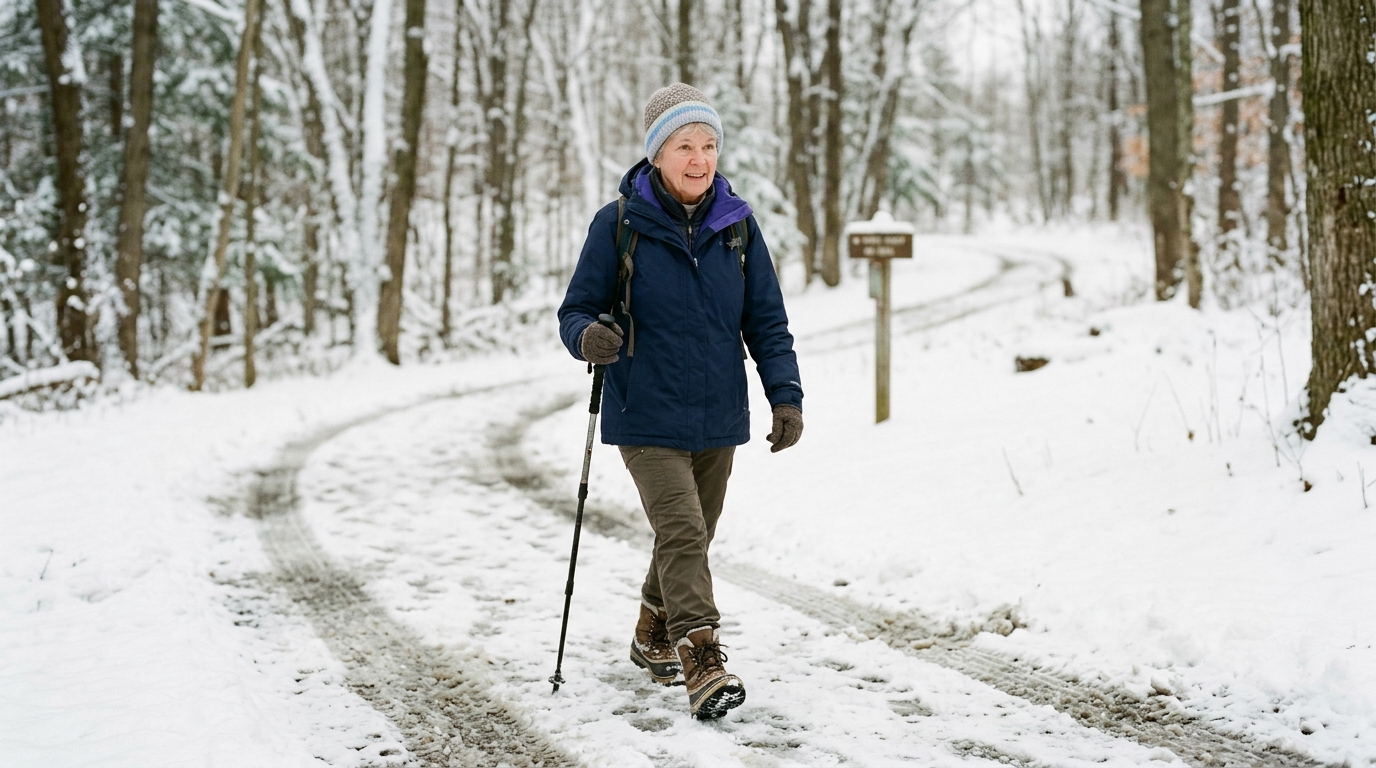
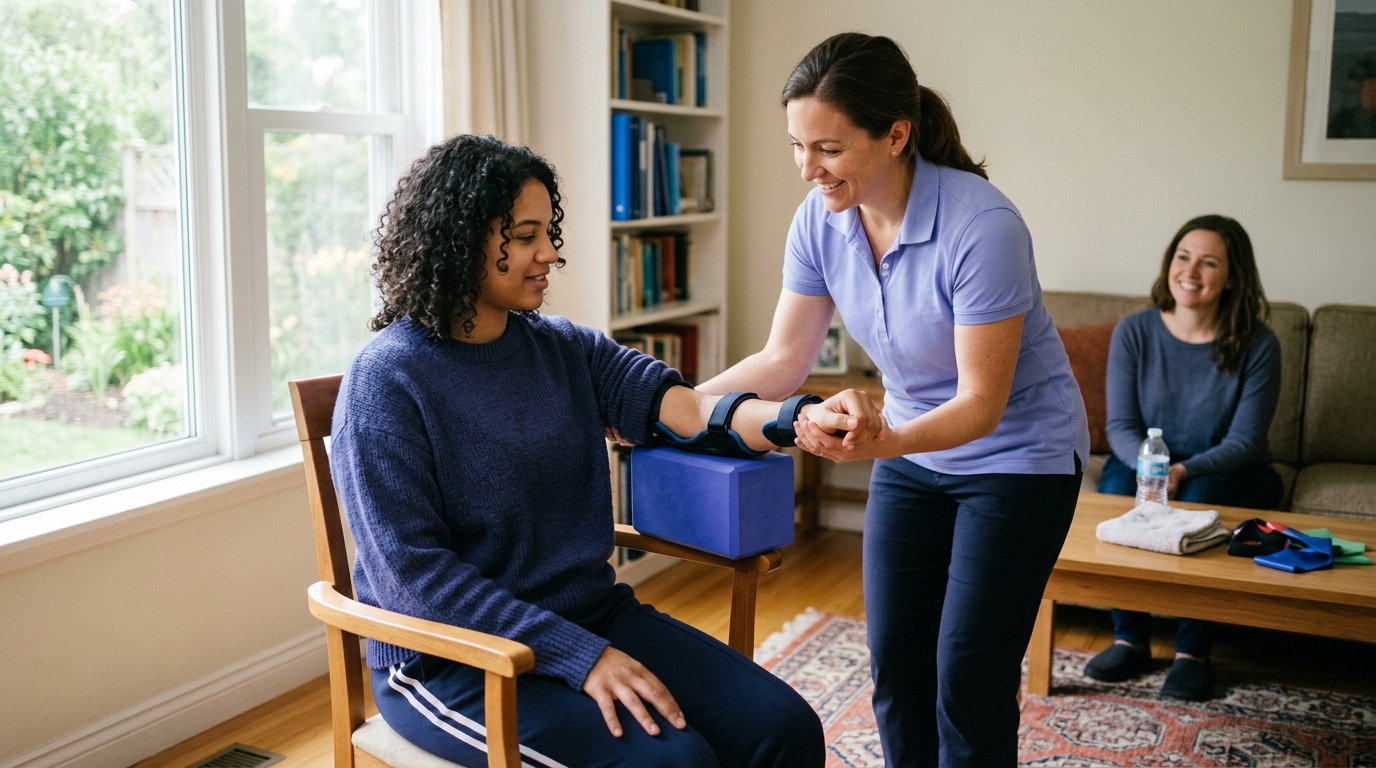
Consider an active individual recovering from a severe rotator cuff repair. They are four weeks into recovery and want to begin washing dishes and walking the family dog.
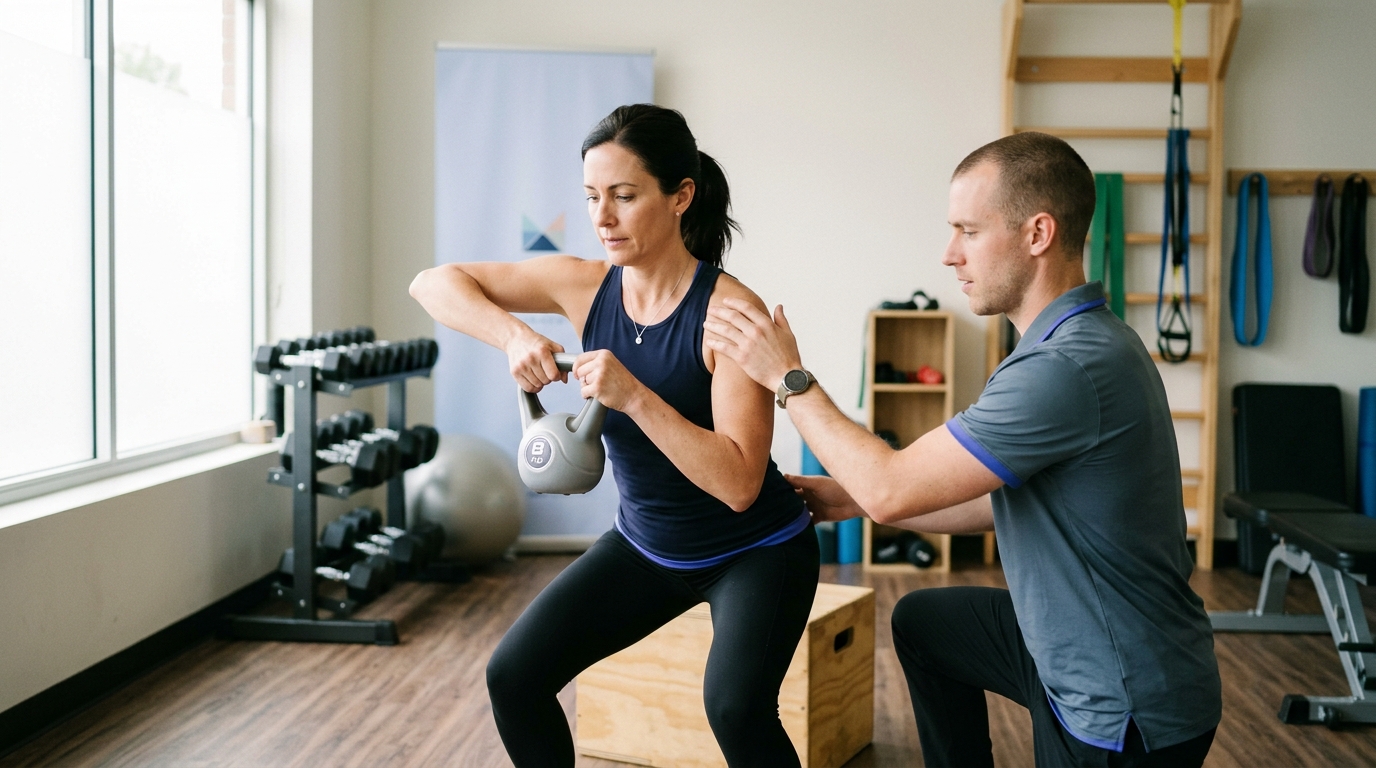
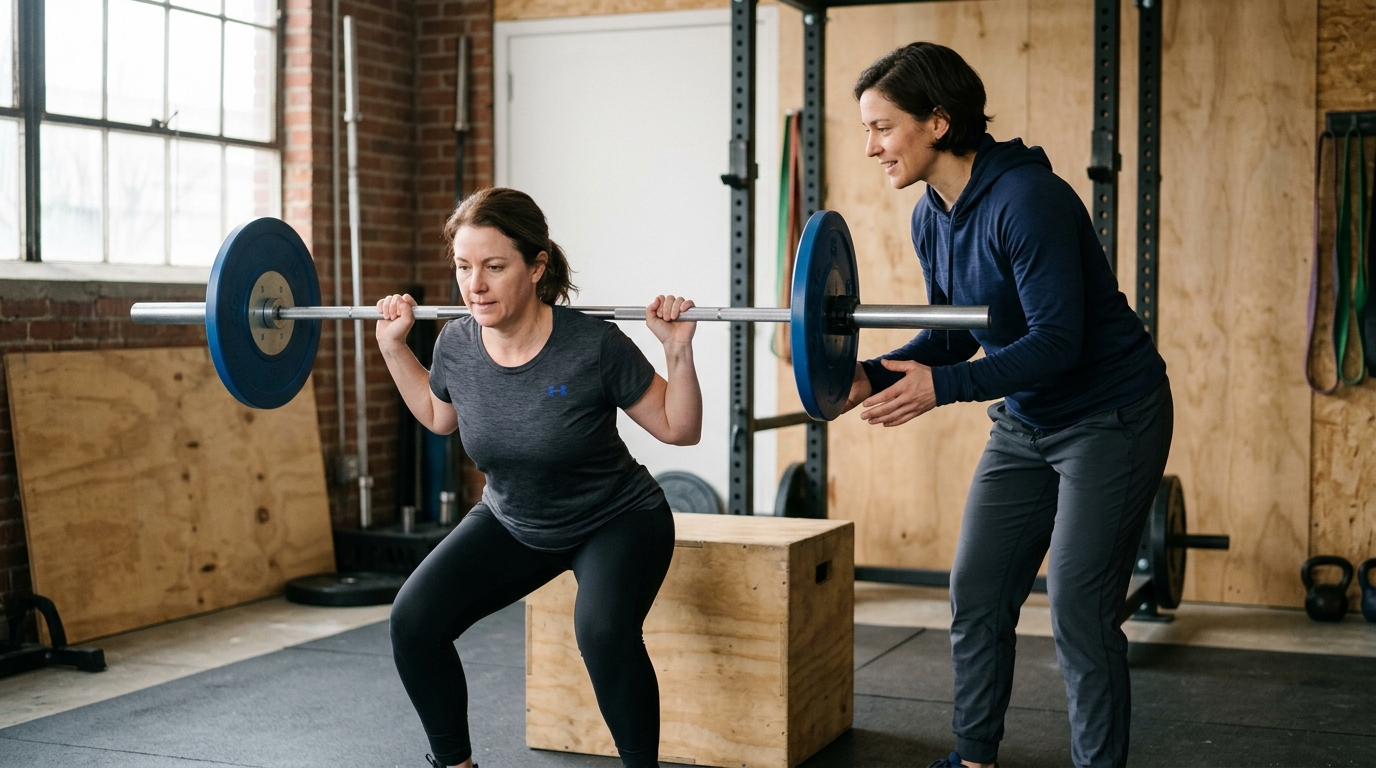
To understand how personalized training principles help active adults regain strength, explore our resource on injury prevention and staying active.
Support is not a static formula. Several factors influence how much help you need, what kind of support works best, and how your network should operate.
An individual living alone faces very different challenges than someone in a full household. A person living alone must arrange reliable transportation and home delivery services before surgery or immediately after an injury. Their informational and peer needs may also be higher to combat isolation.
Conversely, an individual living with a large family often has ample practical help nearby. Their main challenge is managing overstimulation, maintaining personal privacy, and preventing well-meaning relatives from doing too much.
The physical nature of the injury dictates the type of instrumental support required:
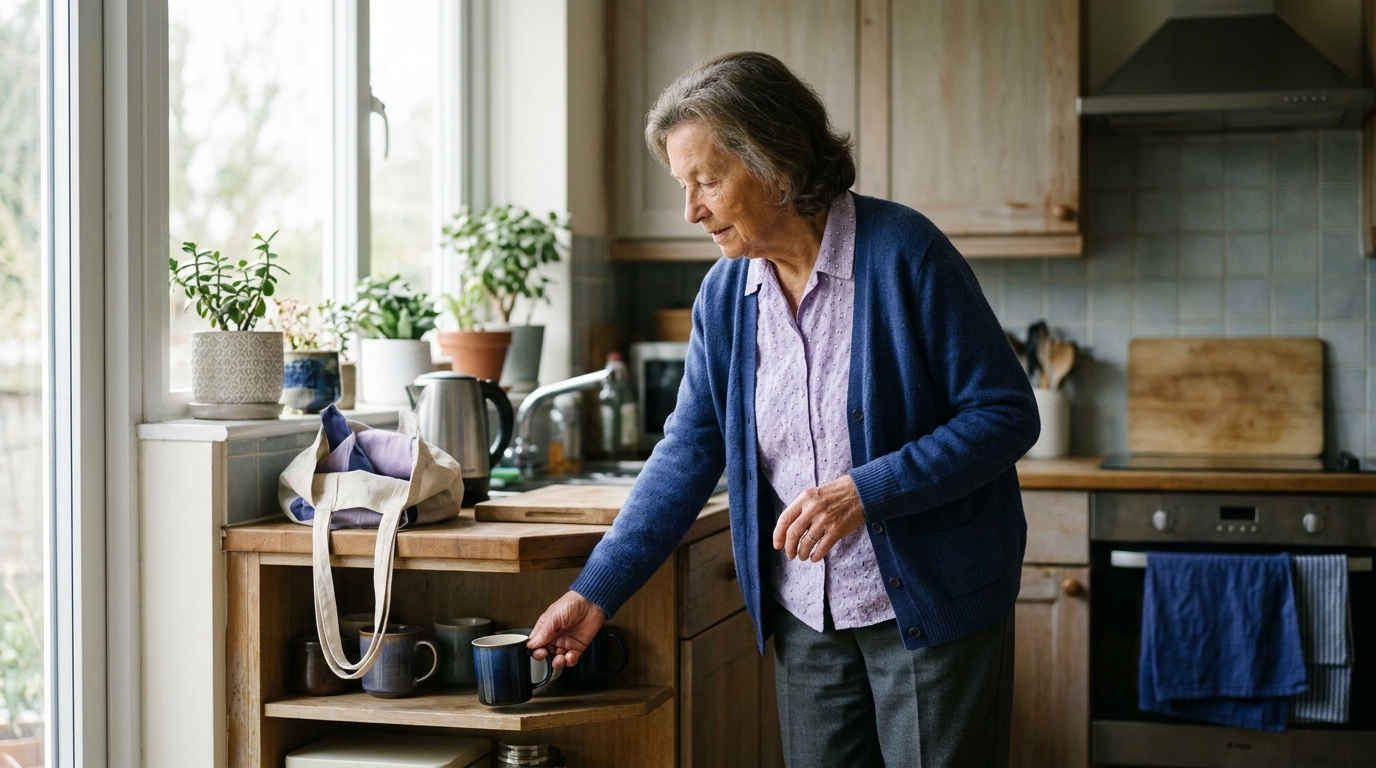
People who are naturally self-reliant often struggle significantly when forced to accept assistance. They may perceive needing help as a weakness. For these individuals, support works best when framed around collaboration rather than caretaking. Helpers should focus on setting up the environment so the person can do things for themselves, rather than doing the tasks for them.
The health, employment situation, and emotional reserve of the primary supporter significantly impact the recovery environment. If a caregiver is managing their own chronic illness or working long hours, expecting them to handle all recovery logistics will lead to friction. Outside help from friends, meal services, or hired transportation should be used early to protect the primary relationship.
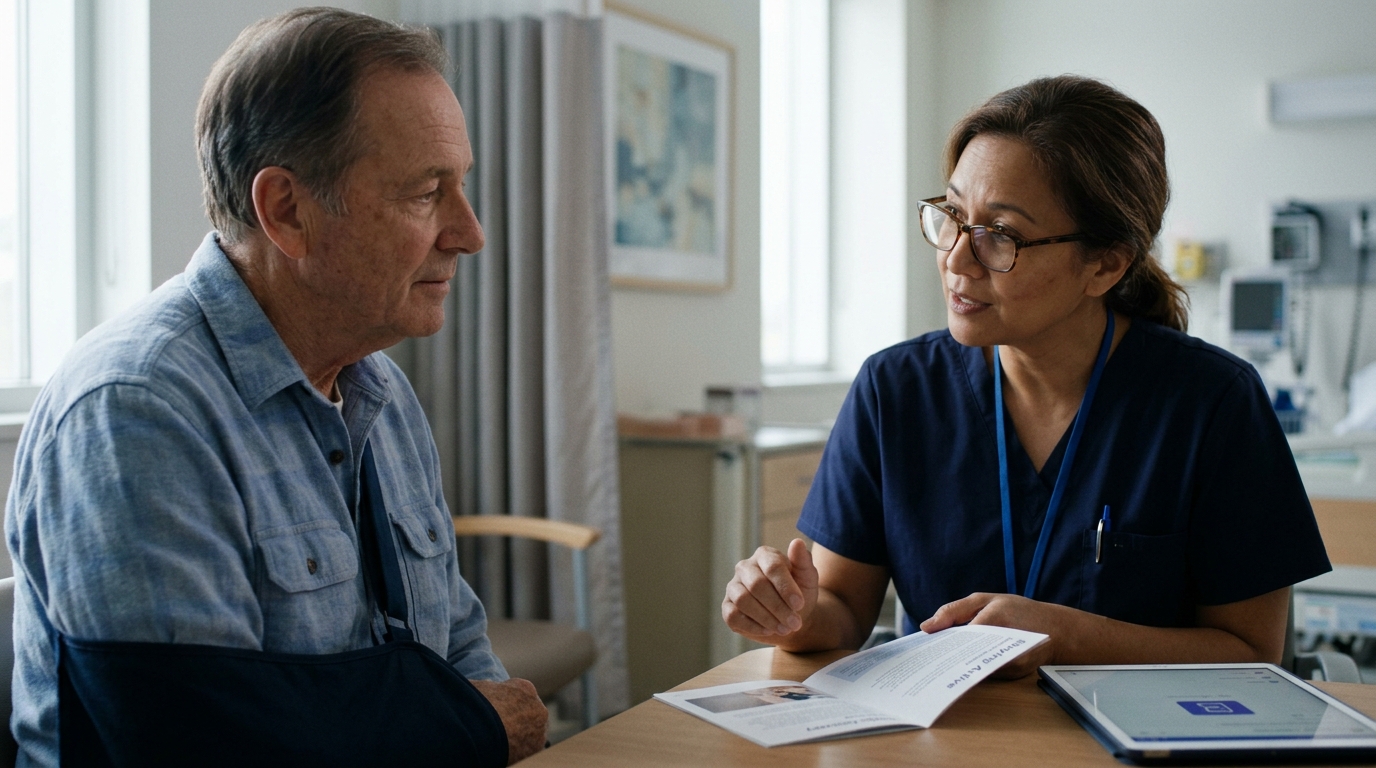
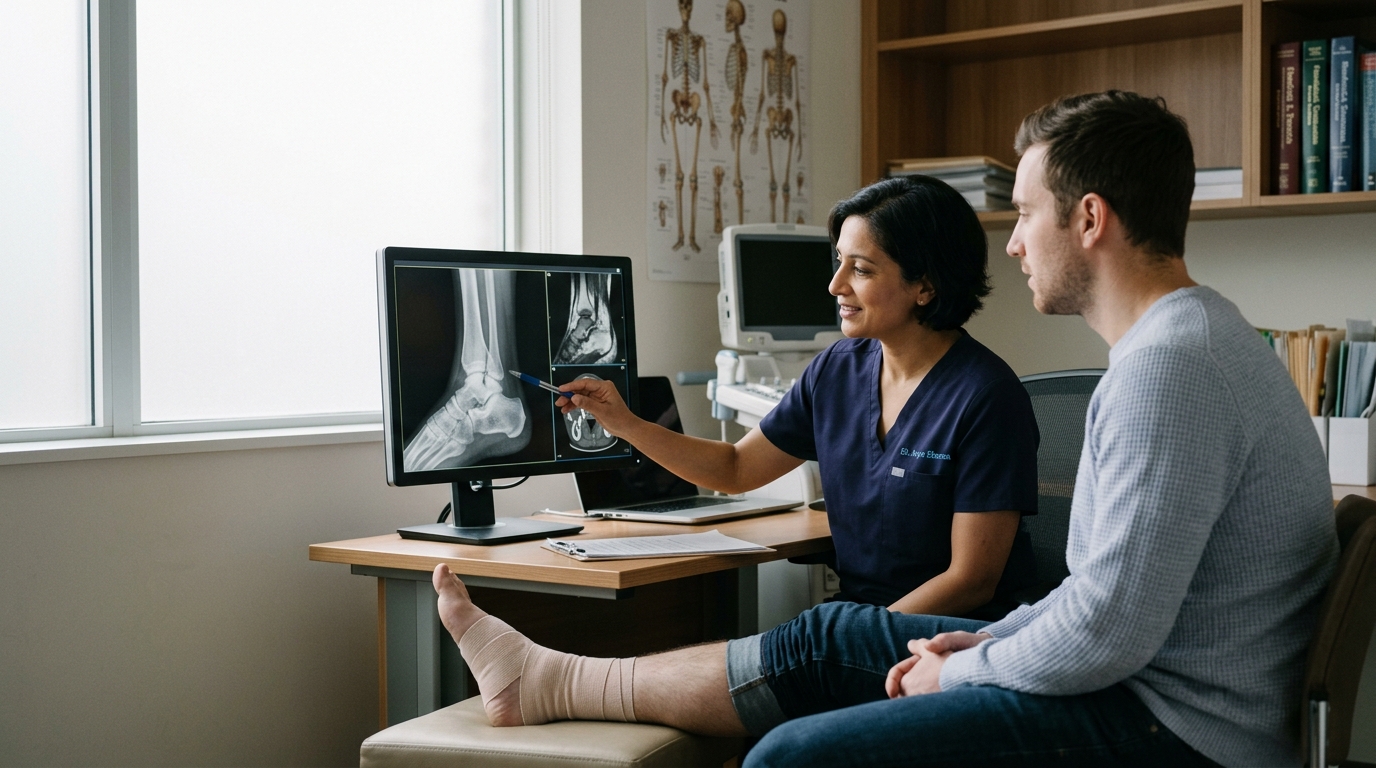
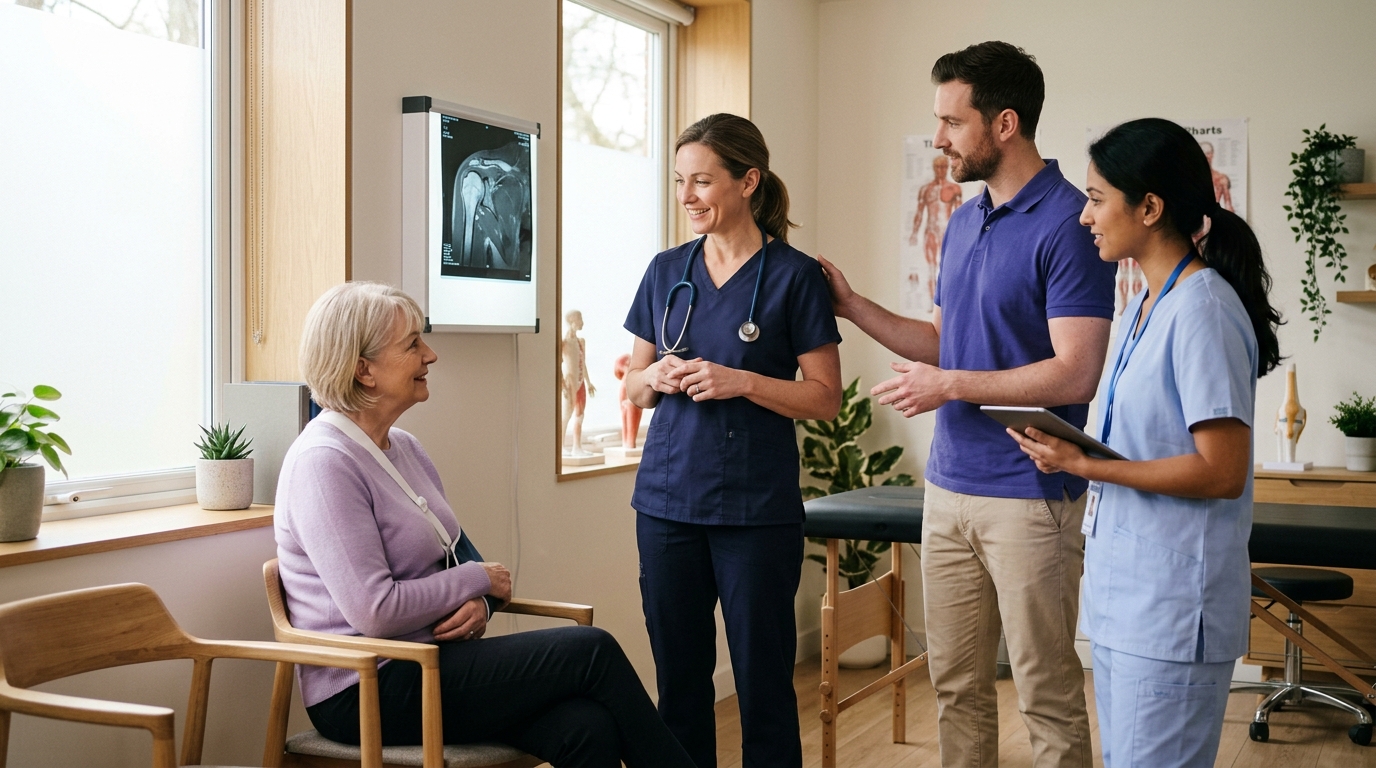
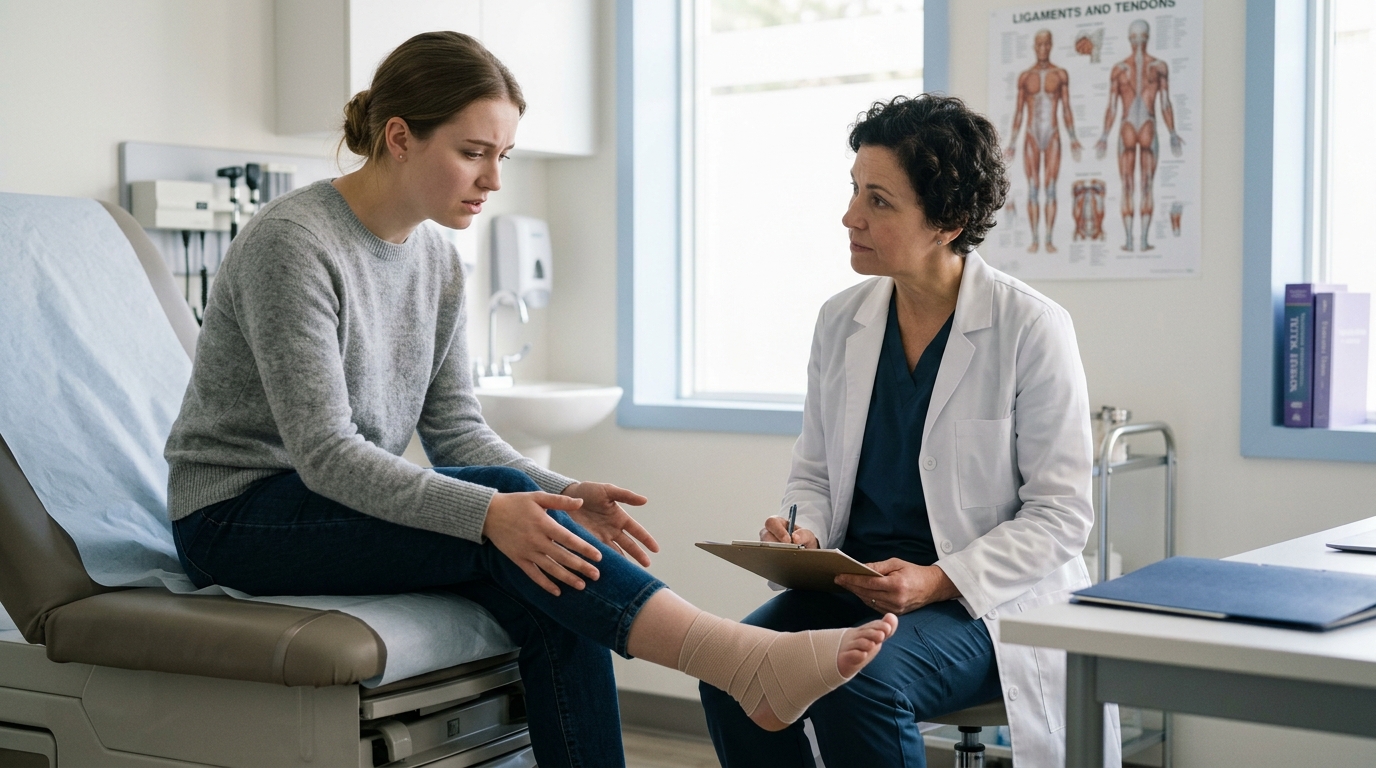
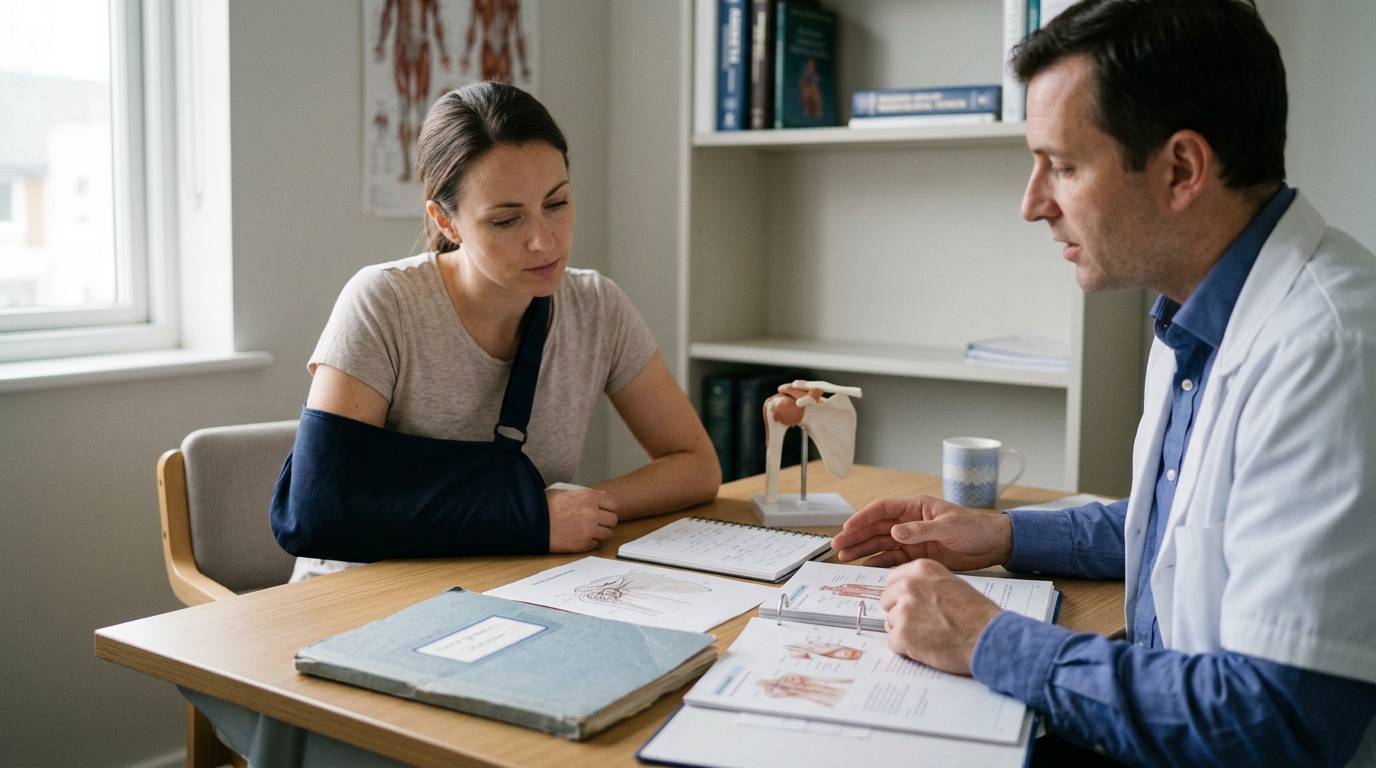
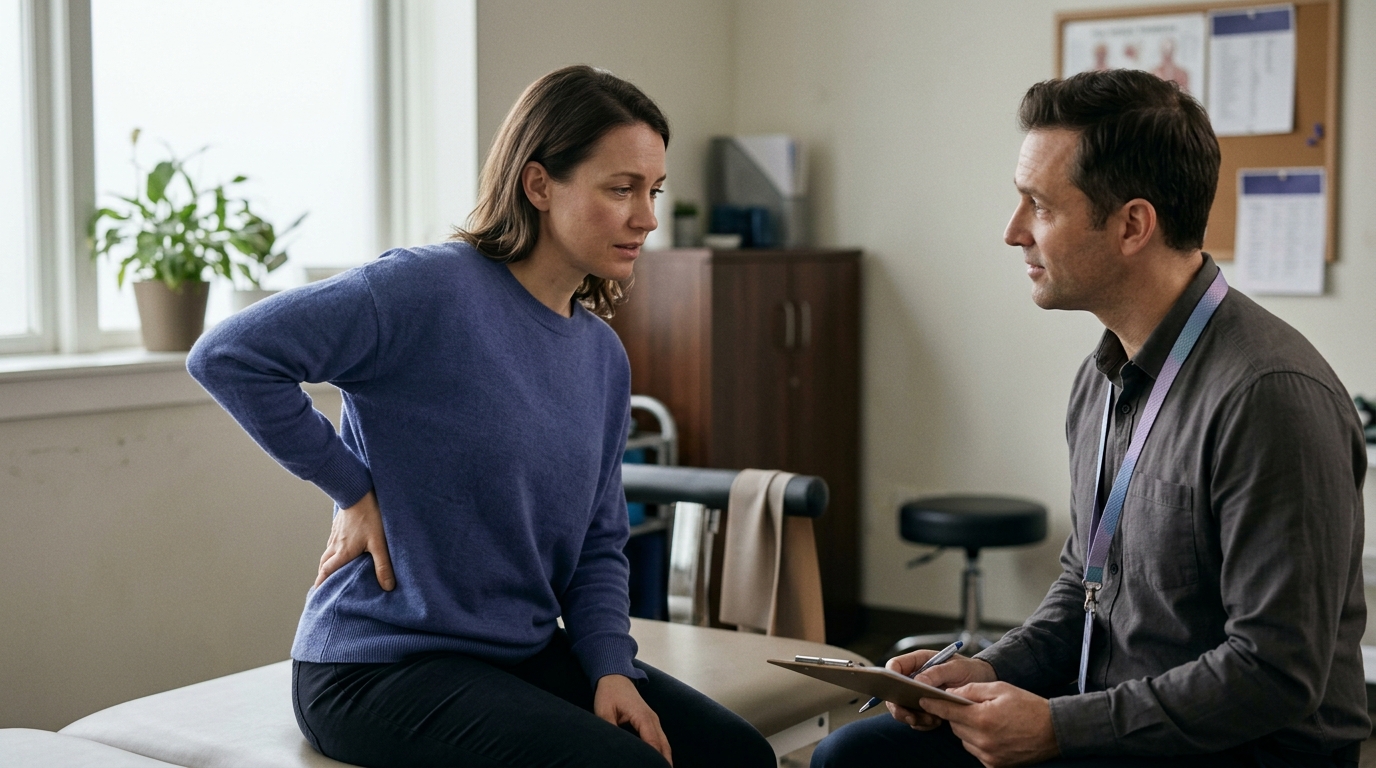
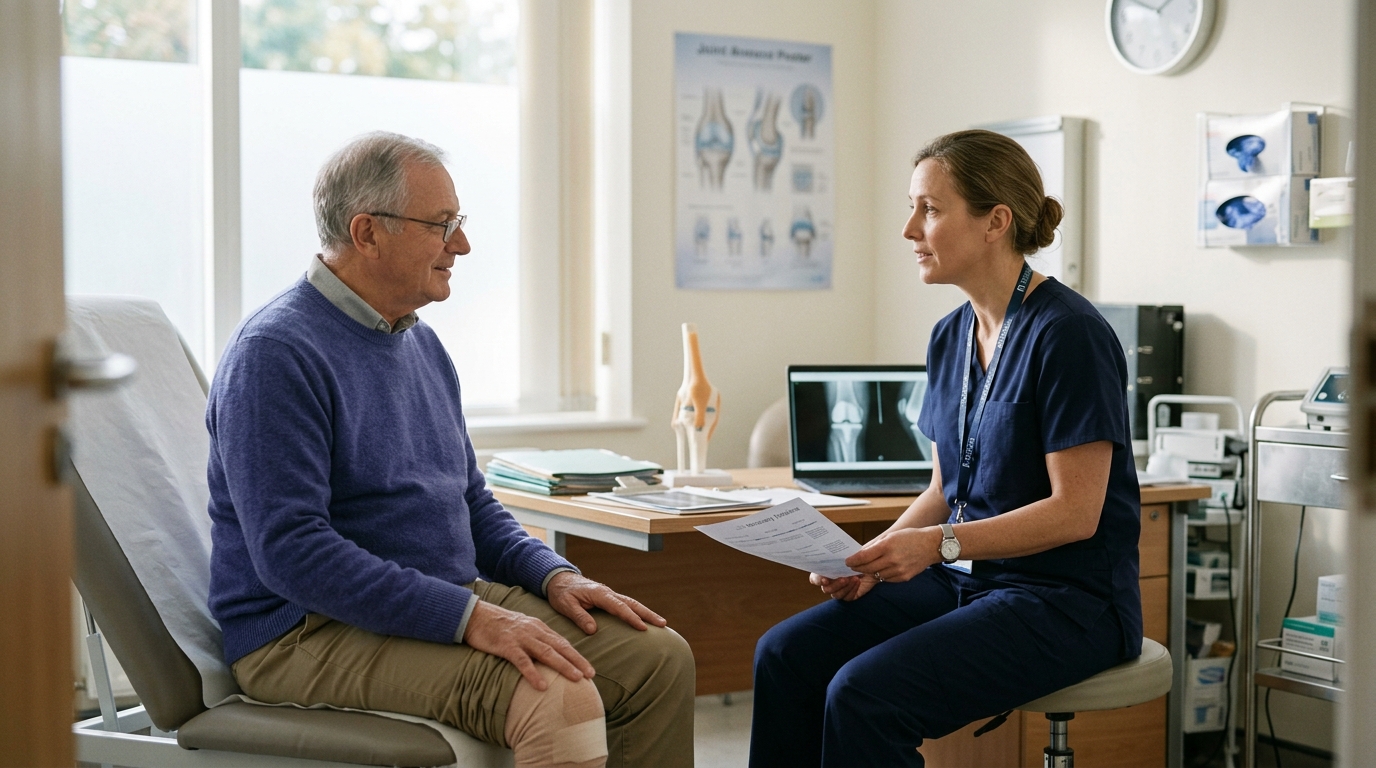
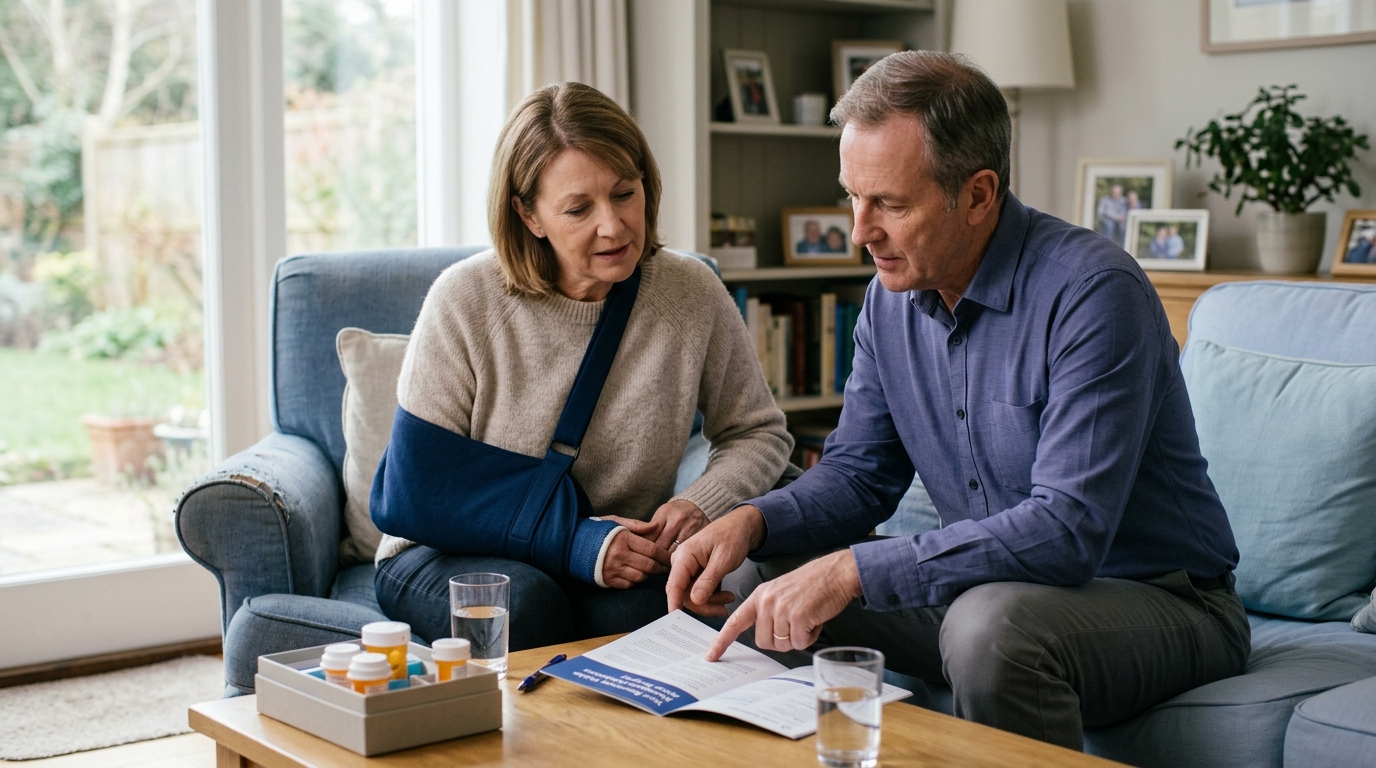
Clear clinical guidance removes ambiguity and helps your support network function smoothly. Bringing your primary helper to an appointment can align expectations and reduce household stress.
Use these questions during your next visit:
Discussing these questions openly ensures that you and your helpers are working from the same clinical playbook.
Social support is a valuable component of the rehabilitation environment. While it does not replace medical treatment or the biological timeline of tissue healing, high satisfaction with your support network is consistently linked to lower emotional distress and a smoother recovery journey.
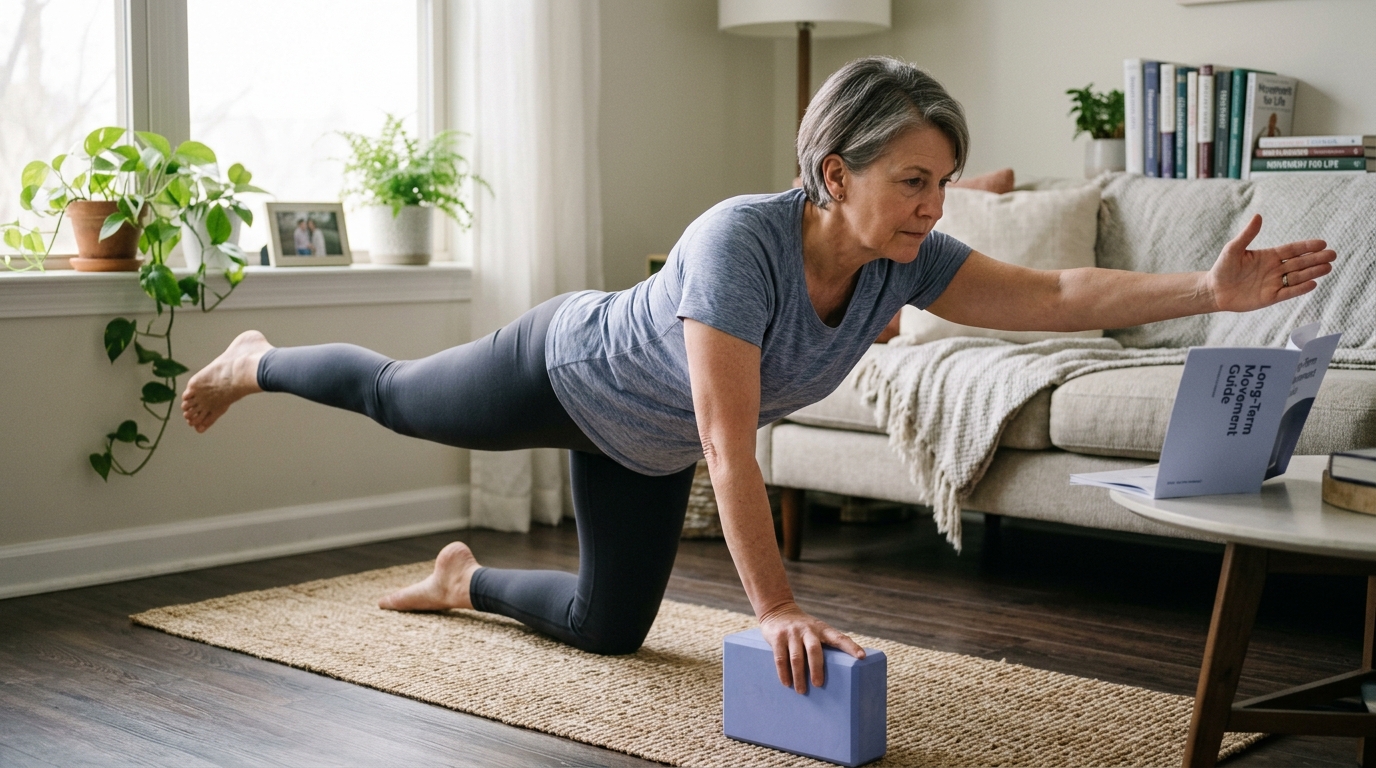
The most effective support system is not the one that provides the largest volume of help. It is the one that respects your personal autonomy, adapts to your changing physical abilities, and balances the needs of both the patient and the caregiver. By communicating clearly, dividing roles across a wider network, and using your healthcare team to establish objective safety rules, you can accept the help you need while building steady confidence in your movement.
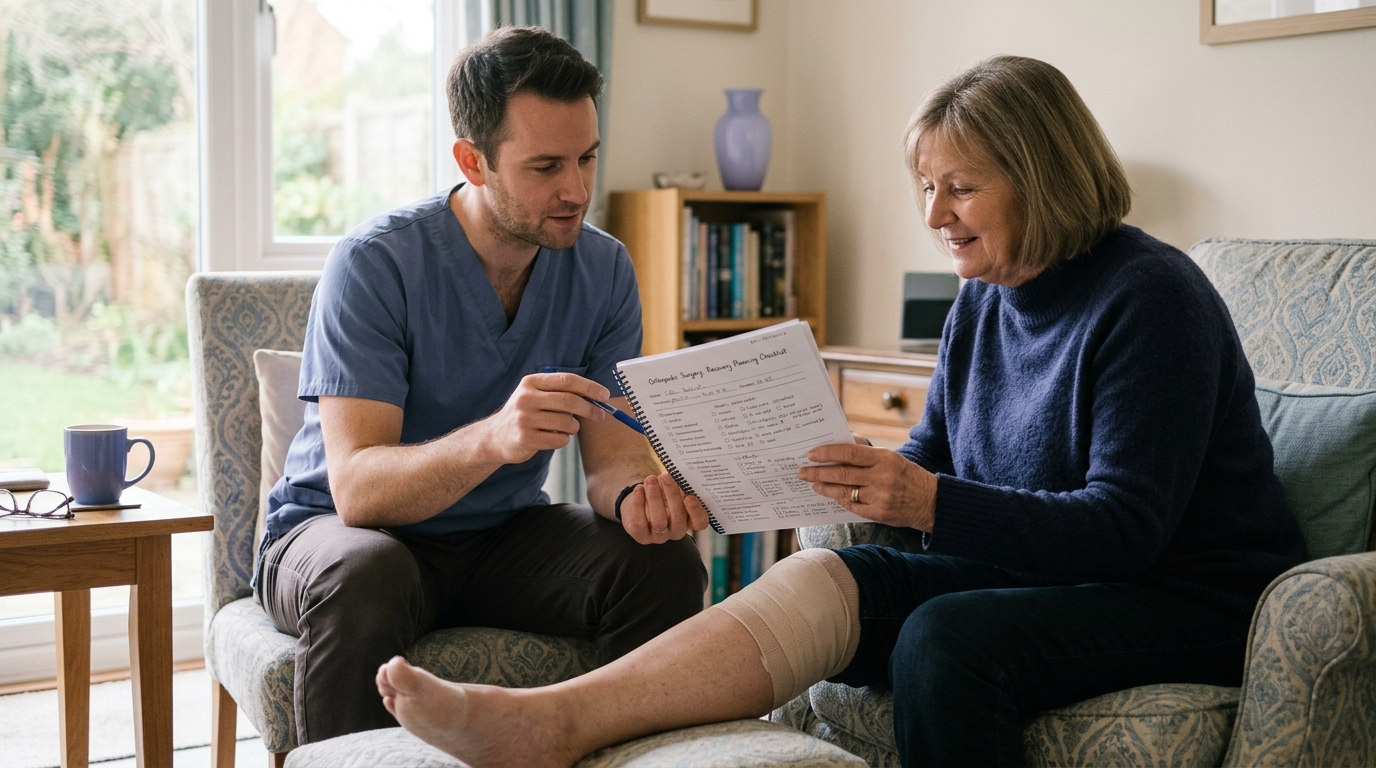
Use this practical checklist to align your support network over the coming days:

Use ReboundBody resources to understand common recovery stages, rehab terms, movement limits and strength rebuilding. Each guide is designed to make a complex comeback easier to understand.


Read practical guidance on injury recovery, rehabilitation, mobility and rebuilding strength as you work your way back to activity.
Explore Resources