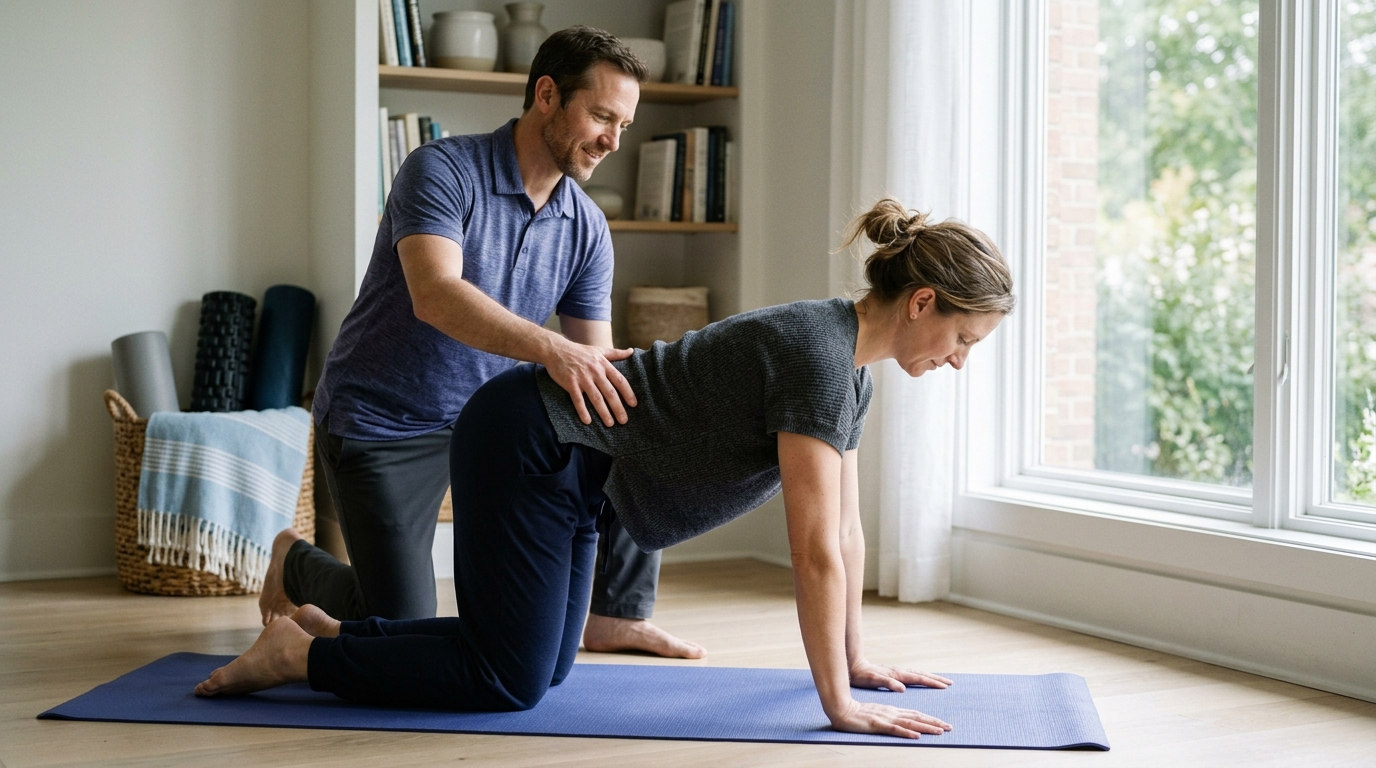

Effective warm-up routines combine dynamic movements and gradual cardiovascular preparation to safely transition your body into running, strength training, and everyday physical activities.





A warm-up is a planned, gradual transition from rest to physical effort. It is not an intense workout condensed into ten minutes, nor is it a universal shield against every physical ache. Instead, a proper warm-up raises body temperature, increases blood flow, and prepares joints and muscles for specific movements.
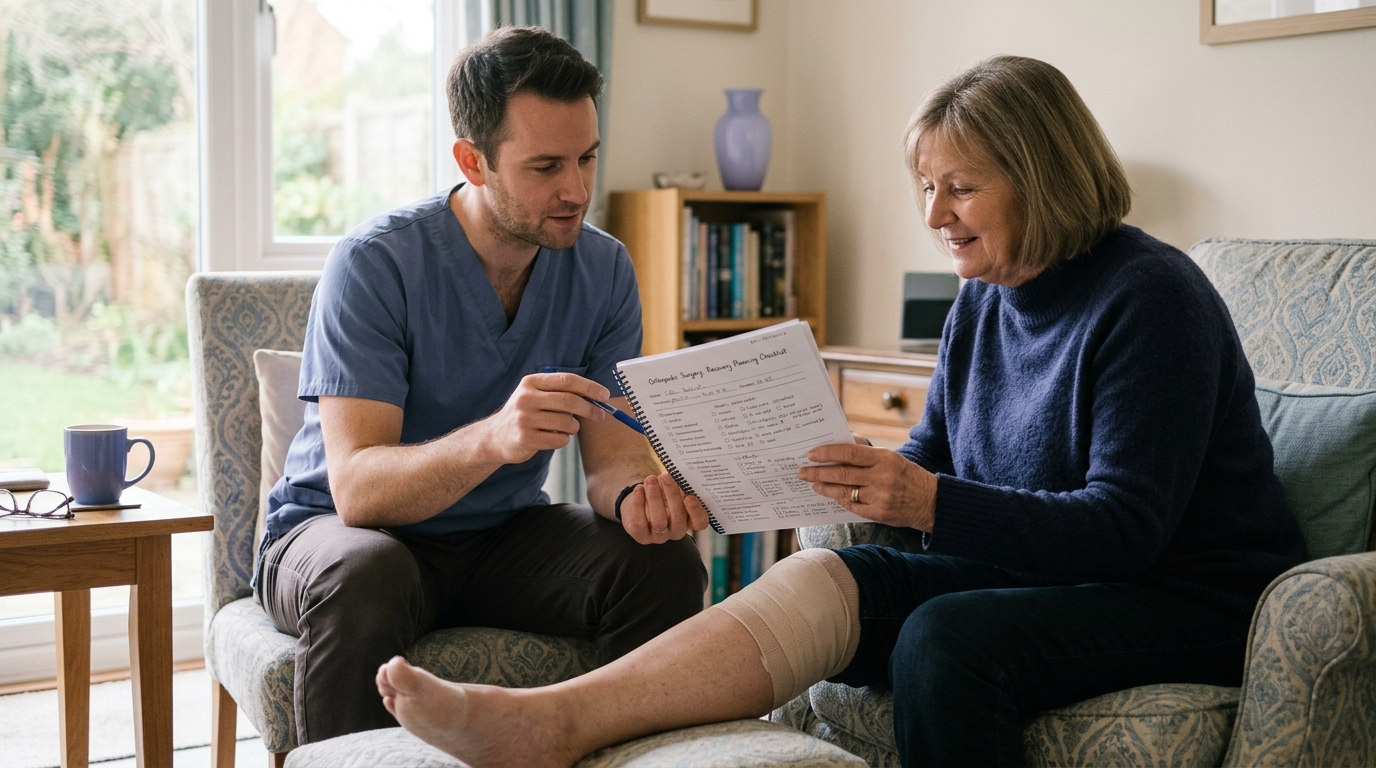
For adults returning to physical activity after an injury, surgery, or a long period of inactivity, warming up serves a vital purpose. It allows you to check how your body feels before you demand higher effort. Yet, broad fitness advice often confuses general preparation with medical rehabilitation. A routine designed for healthy team athletes is not the same as a structured recovery plan prescribed by a physical therapist.
This comprehensive guide explains how warm-ups work, what the scientific research says about injury prevention, and how to match your preparation to your specific activity. You will learn the core parts of an effective warm-up, the difference between dynamic movement and static stretching, and how to adapt your routine when managing orthopedic restrictions.
At its most basic level, a warm-up bridges the gap between inactivity and physical exertion. When you sit at a desk or rest on a couch, your heart rate is low, your muscles receive baseline blood flow, and your joints remain relatively still. Moving immediately into vigorous exercise forces your cardiovascular and muscular systems to adapt without warning.
A gradual warm-up gives your body time to adjust. According to the American Heart Association, warming up helps your heart rate and breathing rise at a steady pace. This measured rise dilates blood vessels, which supplies active muscles with oxygen and nutrients. As muscle tissue warms, it becomes more pliable and responsive to nervous system signals.
The Mayo Clinic notes that an ideal warm-up begins with low-intensity activity and builds slowly toward the target pace. For instance, walking slowly for five to ten minutes provides an easy entry point before a brisk fitness walk. Similarly, brisk walking for five to ten minutes can prepare the body for a continuous run.
A practical warm-up can be organized into a simple three-part framework:
This three-part structure does not require special equipment or complex choreography. It works equally well for outdoor recreation, gym training, and demanding physical chores around the house. By preparing your body in stages, you reduce sudden mechanical stress on your joints and soft tissues.
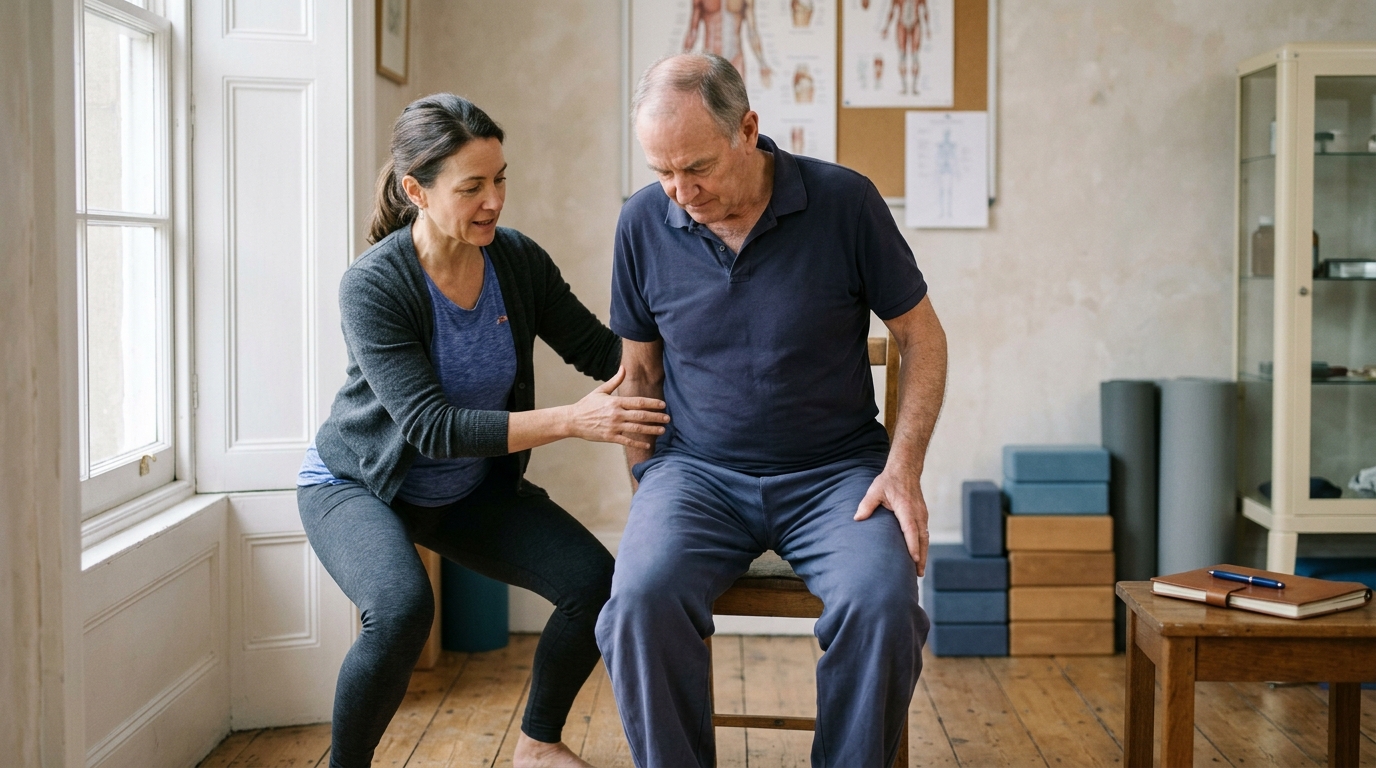
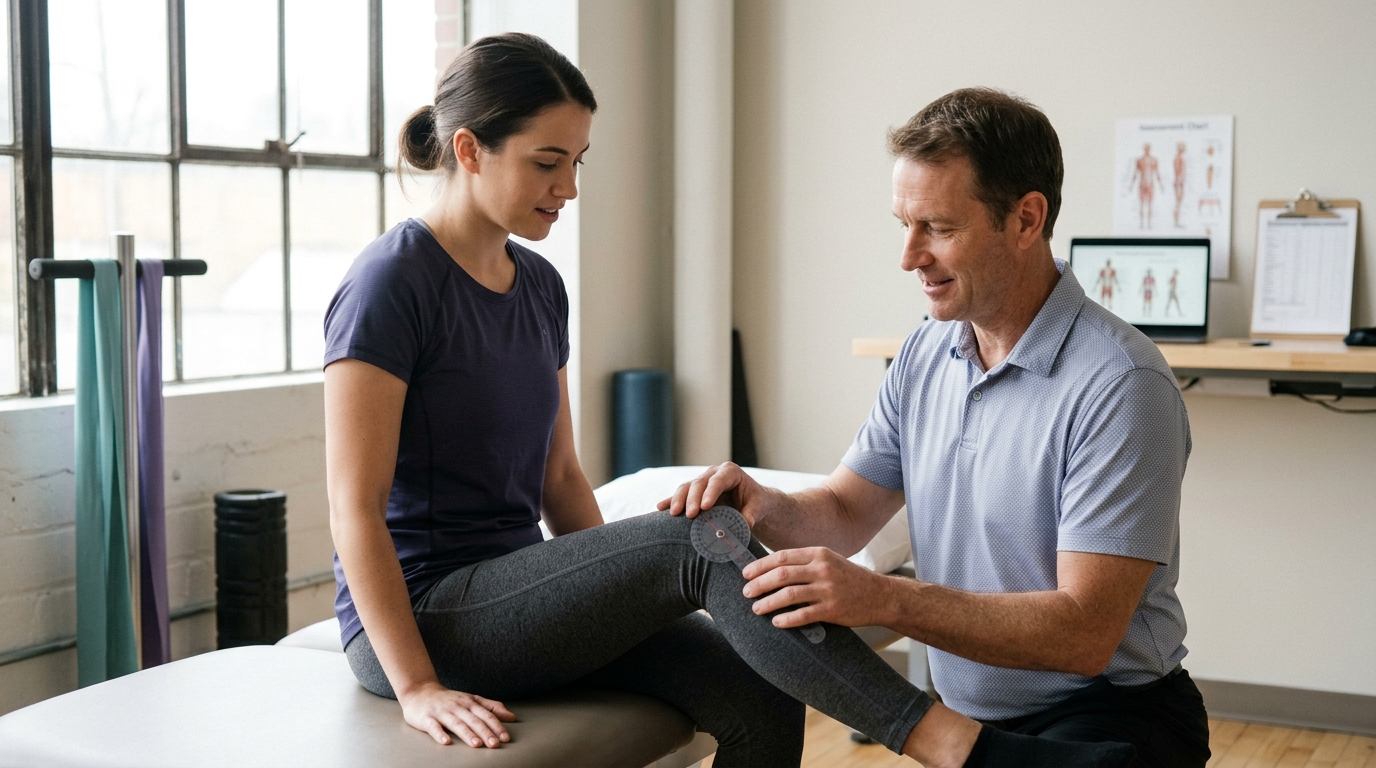
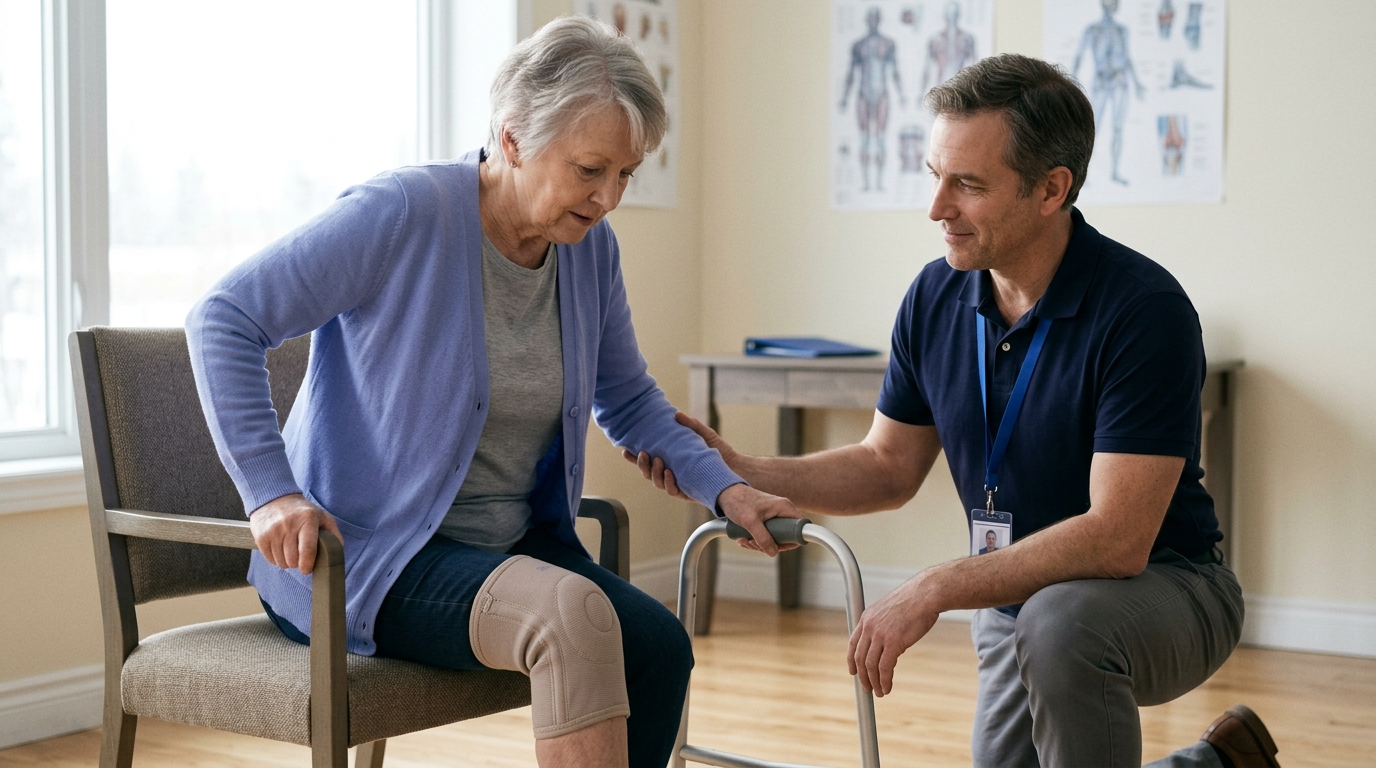
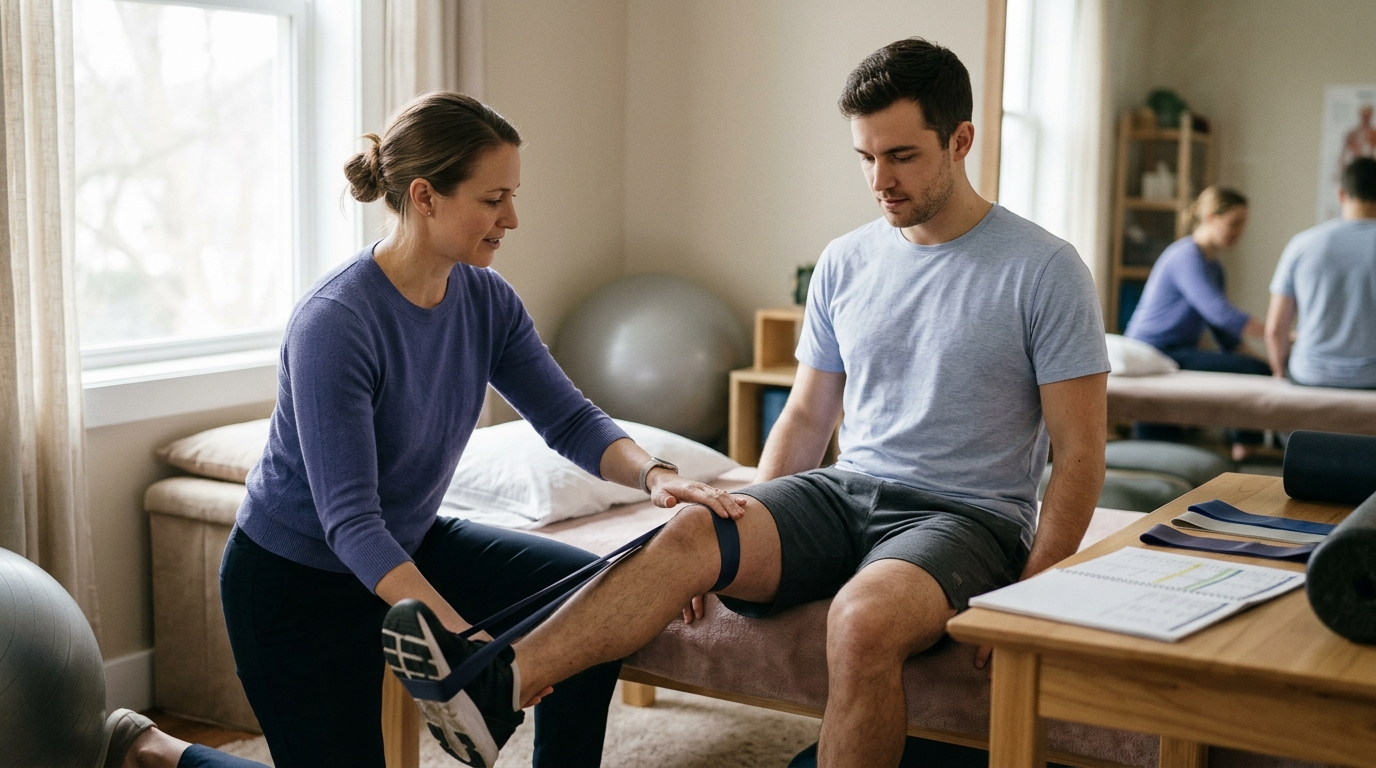
It is essential to separate a general fitness warm-up from a clinical rehabilitation program. A general warm-up prepares healthy or fully recovered tissues for standard exercise. In contrast, rehabilitation targets specific tissue healing, joint restrictions, muscle weakness, or movement compensations following an injury or surgical procedure.
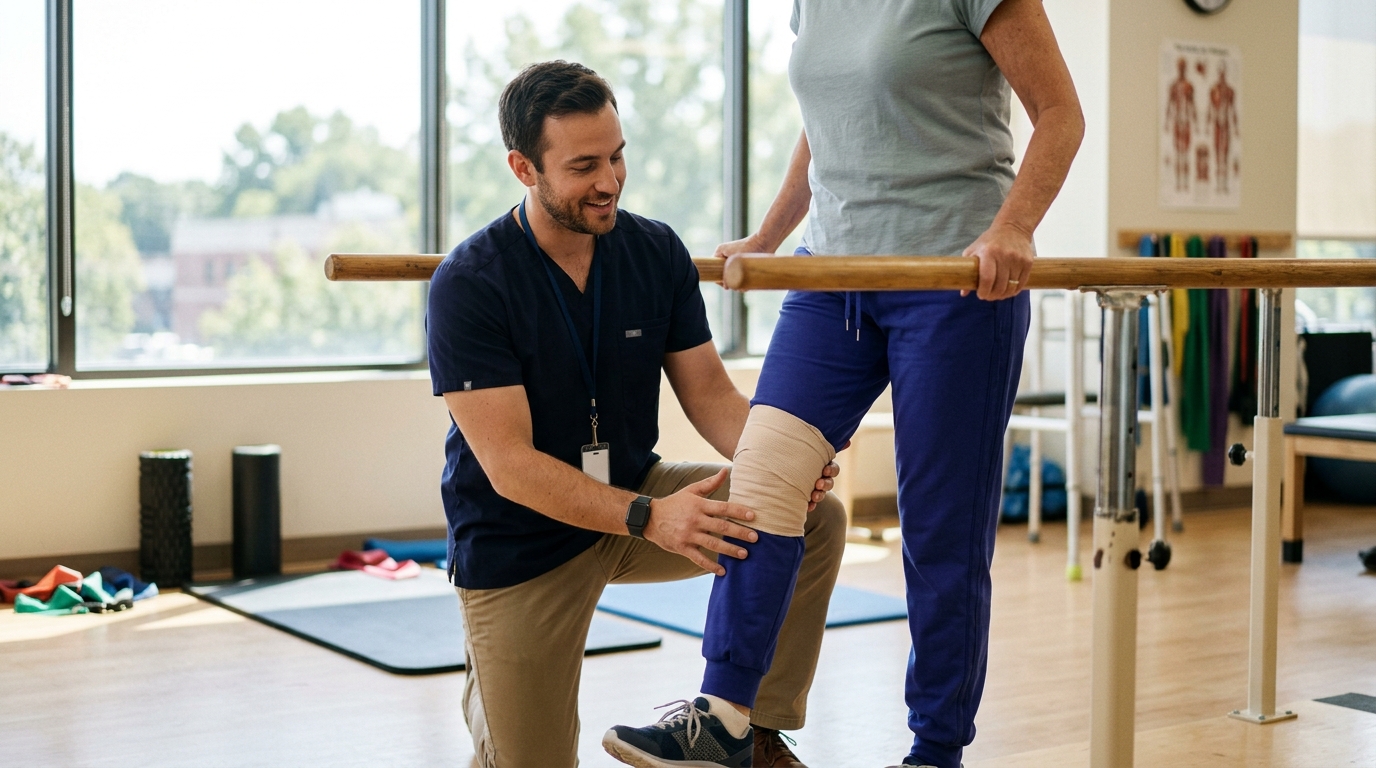
When recovering from an orthopedic issue, your movement choices are governed by clinical stages of healing. For example, the National Institute for Health and Care Excellence (NICE) points out that patients recovering from hip replacement surgery must follow specific precautions given by their surgical team to prevent joint dislocation. These medical precautions dictate how far a hip can bend, rotate, or cross the midline of the body. A standard sport warm-up that includes deep lunges or crossover steps could violate those rules and create serious risks.
National Health Service (NHS) guidance emphasizes that anyone managing an injury, chronic medical condition, recent operation, or sudden symptoms should seek professional advice before starting new exercises. A physical therapist prescribes specific ranges of motion, joint angles, and resistance levels based on tissue healing timelines.
While general fitness warm-ups offer broad flexibility, rehabilitation exercises require strict adherence to medical limits. You can explore structured injury recovery and healing principles to understand how tissues rebuild over time. Always treat general warm-up guidance as educational context rather than a substitute for individualized clinical instructions.
Movement scientists and sports medicine researchers have studied structured warm-ups for decades. The strongest evidence for injury prevention comes from structured neuromuscular warm-up programs evaluated in athletic settings.
One of the most thoroughly evaluated warm-up programs in modern sports science is the FIFA 11+ protocol. This routine was designed specifically for soccer players and combines running drills with core strength, balance, dynamic joint control, and low-level plyometric exercises.
A 2017 systematic review published in sports medicine literature analyzed six randomized controlled trials involving 6,344 soccer players. The review reported that teams using the FIFA 11+ program experienced an estimated 30 percent reduction in overall injuries compared to teams using standard warm-up routines (relative risk 0.70, with a 95 percent confidence interval of 0.52 to 0.93, p = 0.01). However, the authors noted significant differences in study methods and participant compliance across the included trials.
A separate meta-analysis published in the British Journal of Sports Medicine examined six cluster-randomized controlled trials. It found an overall injury rate reduction of 25 percent across all evaluated FIFA programs (incidence-rate ratio 0.75, 95 percent confidence interval 0.57 to 0.98). For the four trials that used the updated FIFA 11+ program specifically, the injury rate was reduced by 39 percent (incidence-rate ratio 0.61, 95 percent confidence interval 0.48 to 0.77).
Research has also examined specific joint outcomes. A 2025 systematic review and meta-analysis evaluated three randomized trials with 3,833 participants and over 286,000 exposure hours. The researchers reported a 33 percent reduction in ankle injuries among players performing the neuromuscular program compared to standard warm-ups (rate ratio 0.67, 95 percent confidence interval 0.46 to 0.96). The evidence was rated as moderate certainty, with researchers noting potential bias in two studies and calling for further research into optimal dosing.
Youth athletes show similar patterns. A meta-analysis of the FIFA 11+ Kids program evaluated six studies covering 10,565 soccer players aged 7 to 14. The structured program was associated with a 48 percent reduction in overall injury risk (relative risk 0.52, 95 percent confidence interval 0.44 to 0.62) and a 67 percent reduction in severe injuries (relative risk 0.33, 95 percent confidence interval 0.18 to 0.61).
While these findings are impressive, they must be interpreted carefully. These trials evaluated specific, organized neuromuscular routines performed multiple times per week by soccer players. The data does not prove that doing five minutes of light arm circles or stationary cycling will prevent injuries by the same percentage in everyday walking, recreational tennis, or weight training.
What the research does confirm is that structured warm-ups containing balance, strength, and controlled multi-directional movements offer measurable protective benefits in active populations. You can review detailed rebuilding strength and returning to sport strategies to see how balance and coordination drills fit into long-term conditioning.
The most reliable principle in exercise preparation is task specificity. A warm-up should rehearse the exact movement patterns, joint ranges, and muscular demands of your planned activity, but at a lower intensity.
Walking is an accessible form of exercise, but it still places repetitive loads on the feet, ankles, knees, and hips. Moving straight from a desk chair into a fast power walk can feel jarring on stiff joints.
The Mayo Clinic recommends starting with five to ten minutes of slow, easy walking before increasing your pace. This gentle start gives your synovial fluid time to lubricate joint cartilage in your lower body. Once your legs feel loose and your breathing increases slightly, you can transition smoothly to your target walking speed.
Running involves repeated impact forces that equal two to three times your body weight on each foot strike. Preparing for these forces requires more than just leg swings.
A proven approach recommended by the Mayo Clinic is to perform five to ten minutes of brisk walking before starting to run. During the final minutes of this walk, you can add gentle dynamic drills such as high knee marches, butt kicks, and light ankle hops. This sequence activates the calves, quadriceps, hamstrings, and gluteal muscles while preparing the Achilles tendons for ground impact.
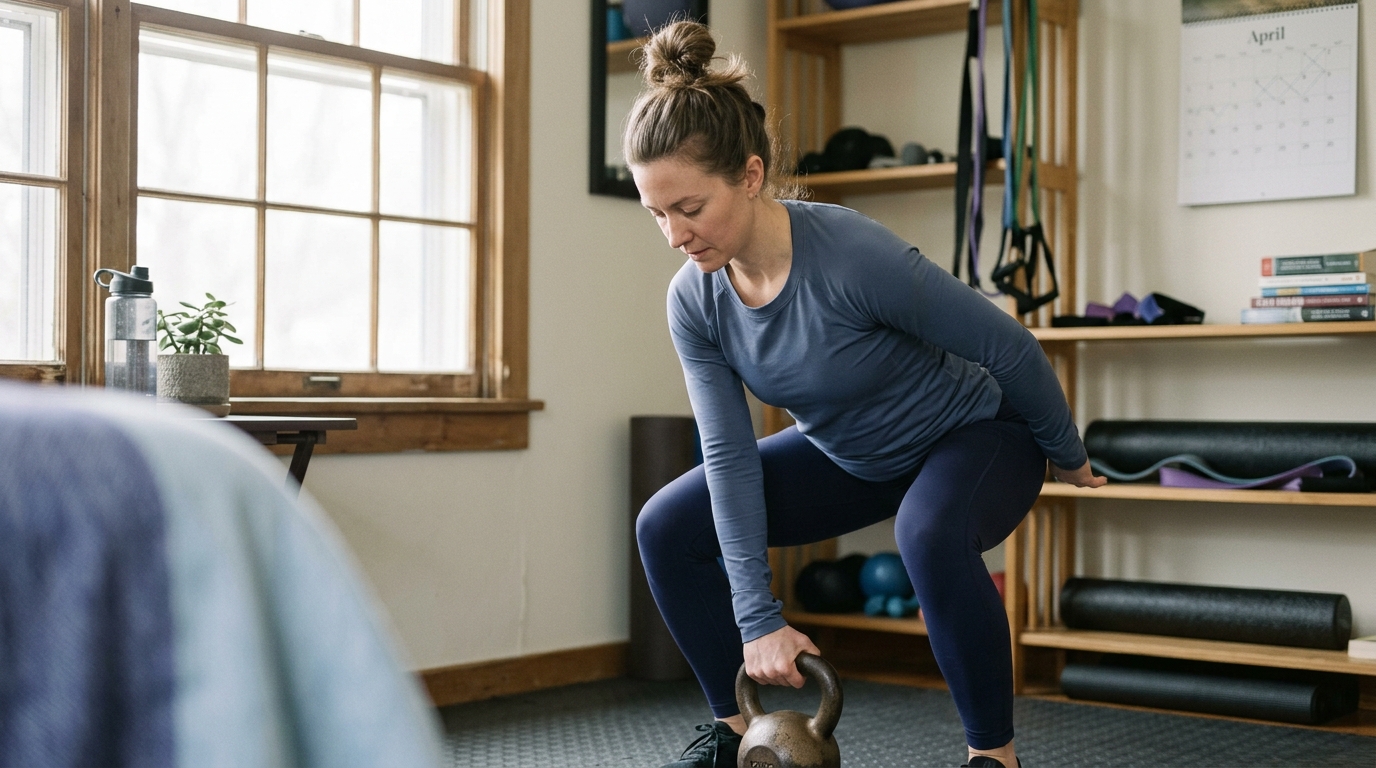
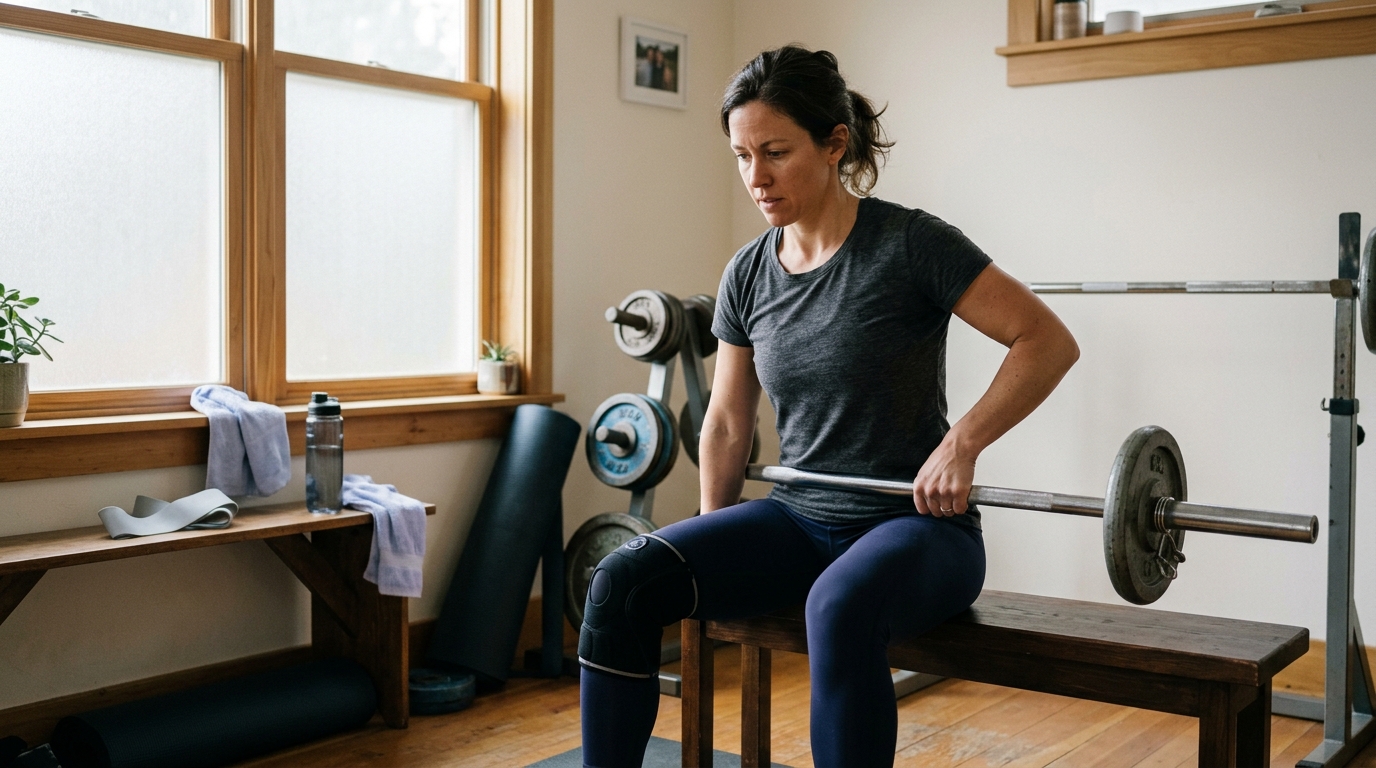
Lifting weights, using resistance bands, or performing bodyweight exercises requires joint stability and muscular control through defined ranges of motion. A strength warm-up should prepare the specific muscle groups you plan to train.
Begin with two to three minutes of light rhythmic movement, such as cycling on a stationary bike or rowing at an easy pace. Follow this with unloaded, dynamic versions of your planned exercises. If you plan to perform weighted squats, warm up with unweighted bodyweight squats, hip hinge drills, and ankle mobility movements. Before lifting your target weight, perform one or two lighter sets with lower resistance to groove the movement pattern.
Recreational activities like pickleball, tennis, golf, and basketball require sudden changes of direction, lateral steps, and rotational forces through the trunk. A simple walk on a treadmill does not fully prepare the body for these side-to-side and twisting demands.
A sport-specific preparation routine should include light jogging forward and backward, side shuffles, gentle torso rotations, and balance holds on one leg. Gradually increasing the speed of your directional changes helps your nervous system coordinate fast muscle contractions before competitive play begins.
Physical chores such as raking leaves, shoveling snow, lifting heavy mulch bags, and scrubbing floors place real mechanical stress on the spine and shoulders. Many adults experience sudden muscle strains during house and yard maintenance because they treat these chores as rest rather than exercise.
Before tackling heavy outdoor tasks, spend five minutes moving your major joints. Walk around your yard, perform gentle hip hinges, roll your shoulders backward and forward, and do several bodyweight squats. Warming up your lower back and leg muscles helps you maintain proper lifting mechanics when handling heavy tools or materials.
For many decades, standard exercise advice was simple: hold several static stretches before running or playing sports. Today, movement science distinguishes between dynamic mobility work and static stretching, placing each in its proper context.
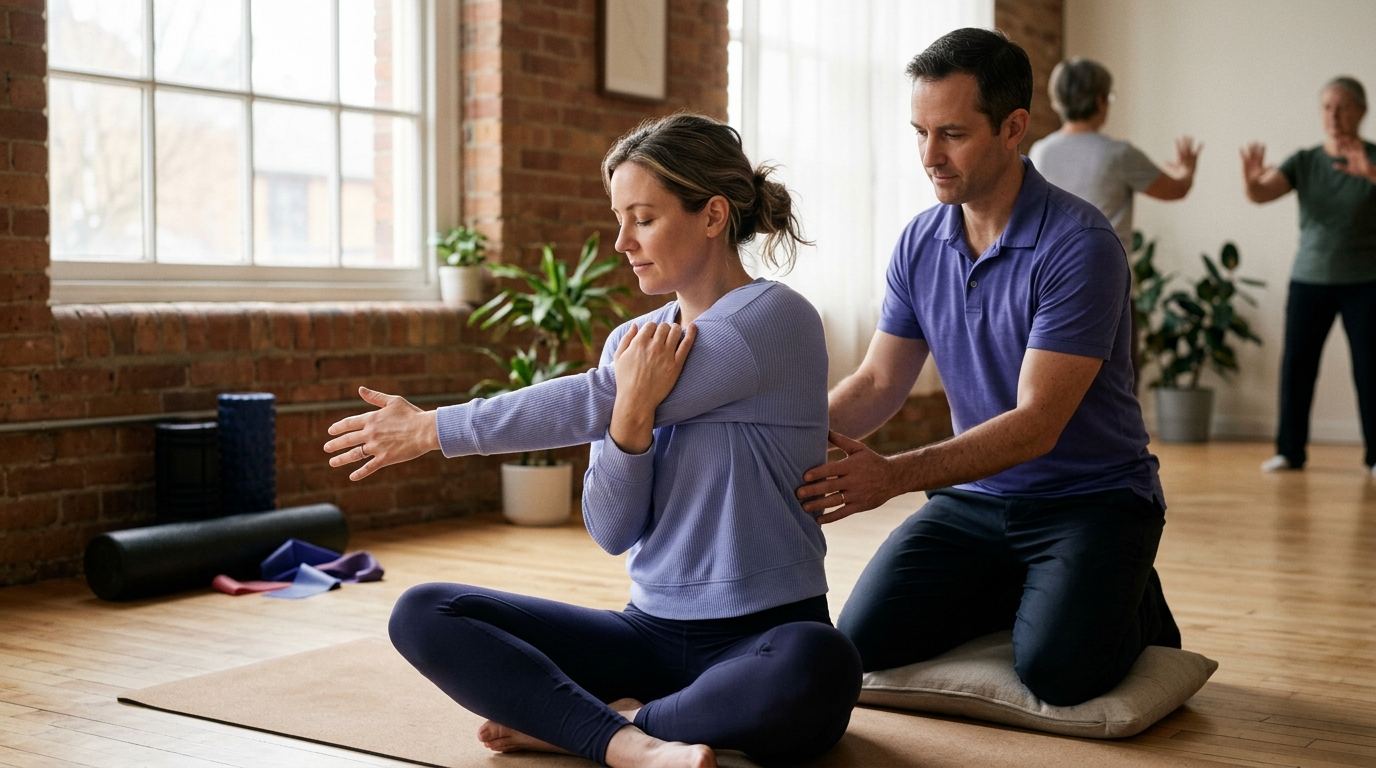
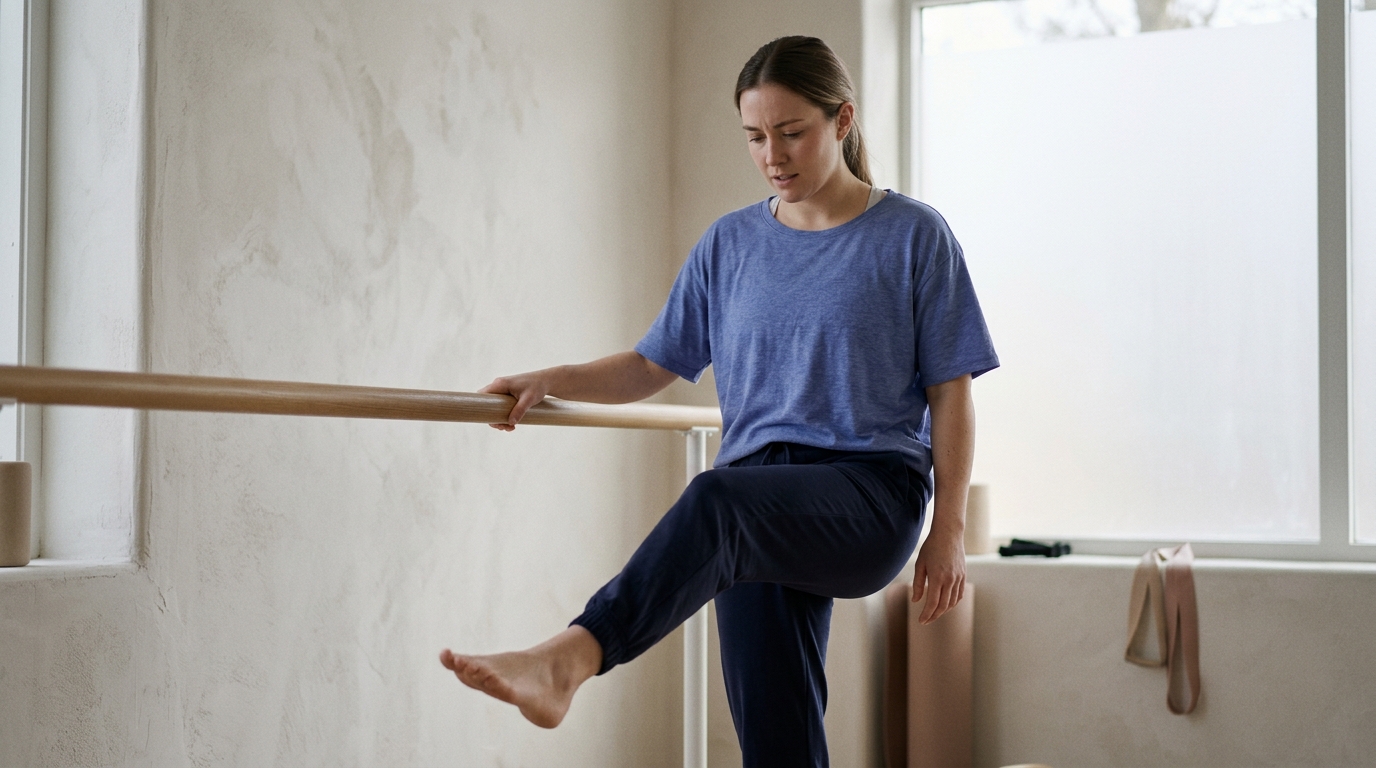
Dynamic warm-ups involve active, controlled motions that take your joints through their available range without holding an end position. Examples include arm circles, leg swings, walking lunges, and torso twists.
The Mayo Clinic describes dynamic warm-up exercises as movements that closely resemble the planned activity at a low level of effort. These exercises increase tissue temperature, improve joint lubrication, and enhance neuromuscular coordination. Because dynamic movements keep the body in motion, they help your heart rate and circulation rise steadily.
Static stretching involves lengthening a muscle to the point of mild tension and holding that static position for 15 to 60 seconds. Common examples include holding a seated hamstring stretch or pulling an ankle behind the hip to stretch the quadriceps.
The Mayo Clinic advises that static stretching is generally most effective when muscles are already warm, such as after an aerobic warm-up or at the end of a workout session. Stretching cold, resting muscles can feel uncomfortable and does not raise core body temperature or heart rate.
Scientific research shows that static stretching has distinct effects depending on the activity that follows. A 2024 review of stretching strategies in gymnasts evaluated how static and dynamic stretching affected various physical tests. The authors found no significant differences between static stretching and control conditions for several power tests, such as squat jumps and countermovement jumps. Dynamic stretching and variable movement practice were more favorable for dynamic, power-related performance, while static stretching remained helpful for extreme, flexibility-dependent technical poses.
These findings show that static stretching is not harmful or forbidden before exercise. However, for most general fitness activities and sports, dynamic movement provides a more functional way to prepare muscles and joints for action. You can find comprehensive movement routines in our mobility and movement guides.
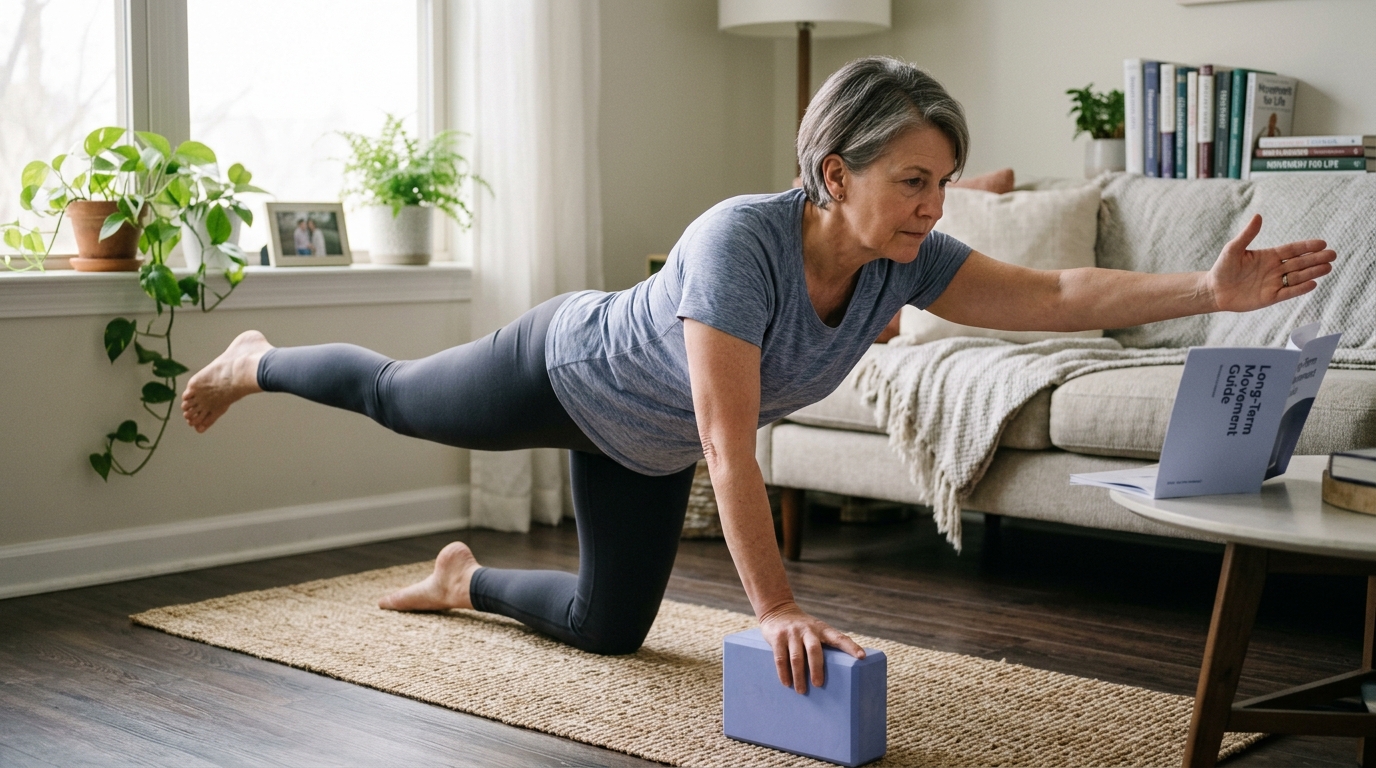
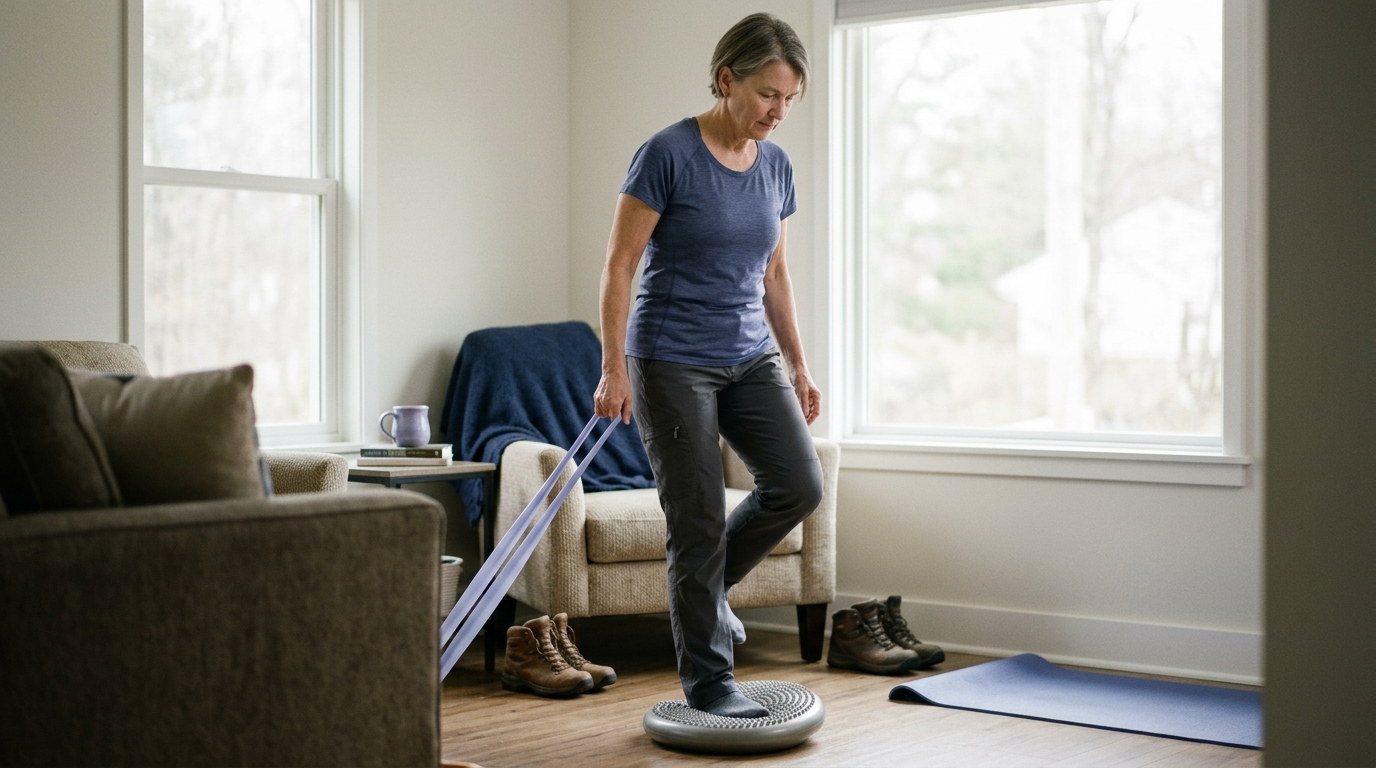
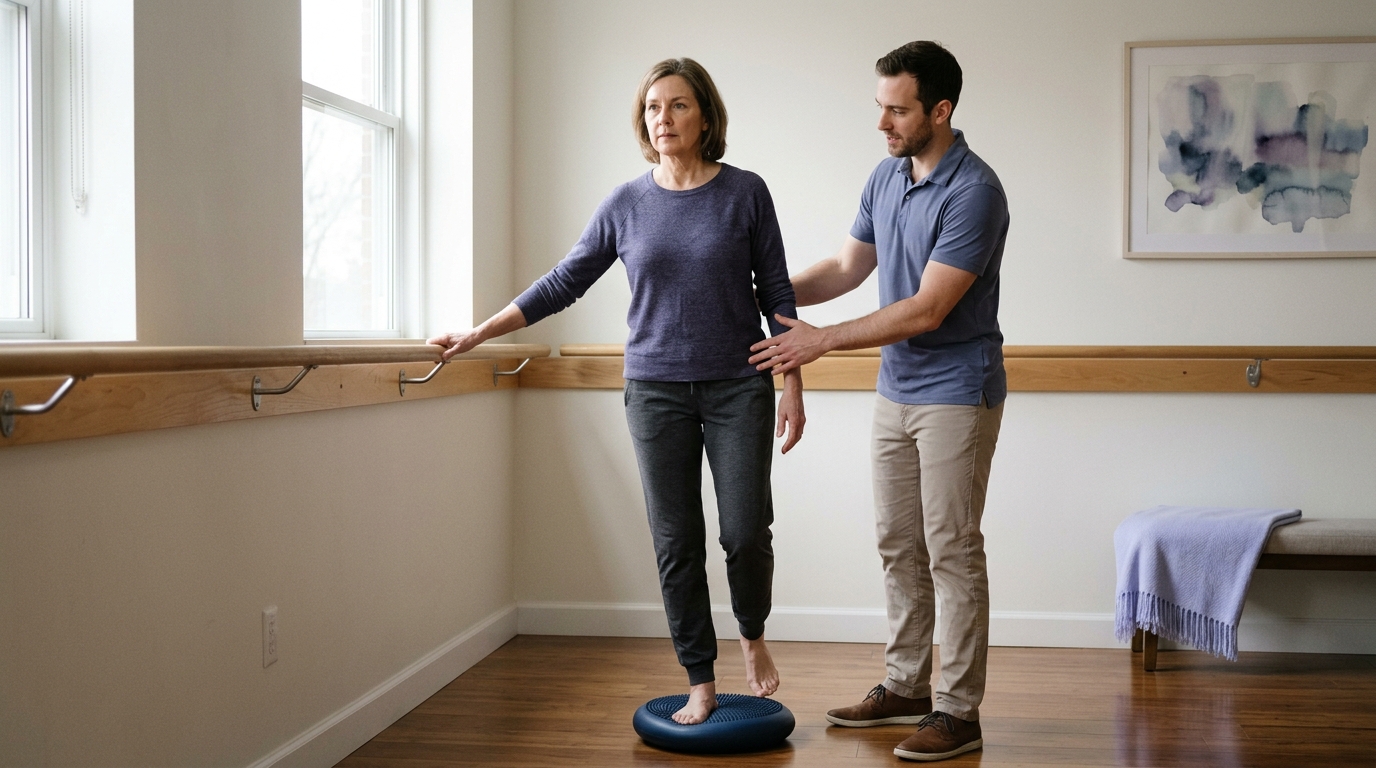
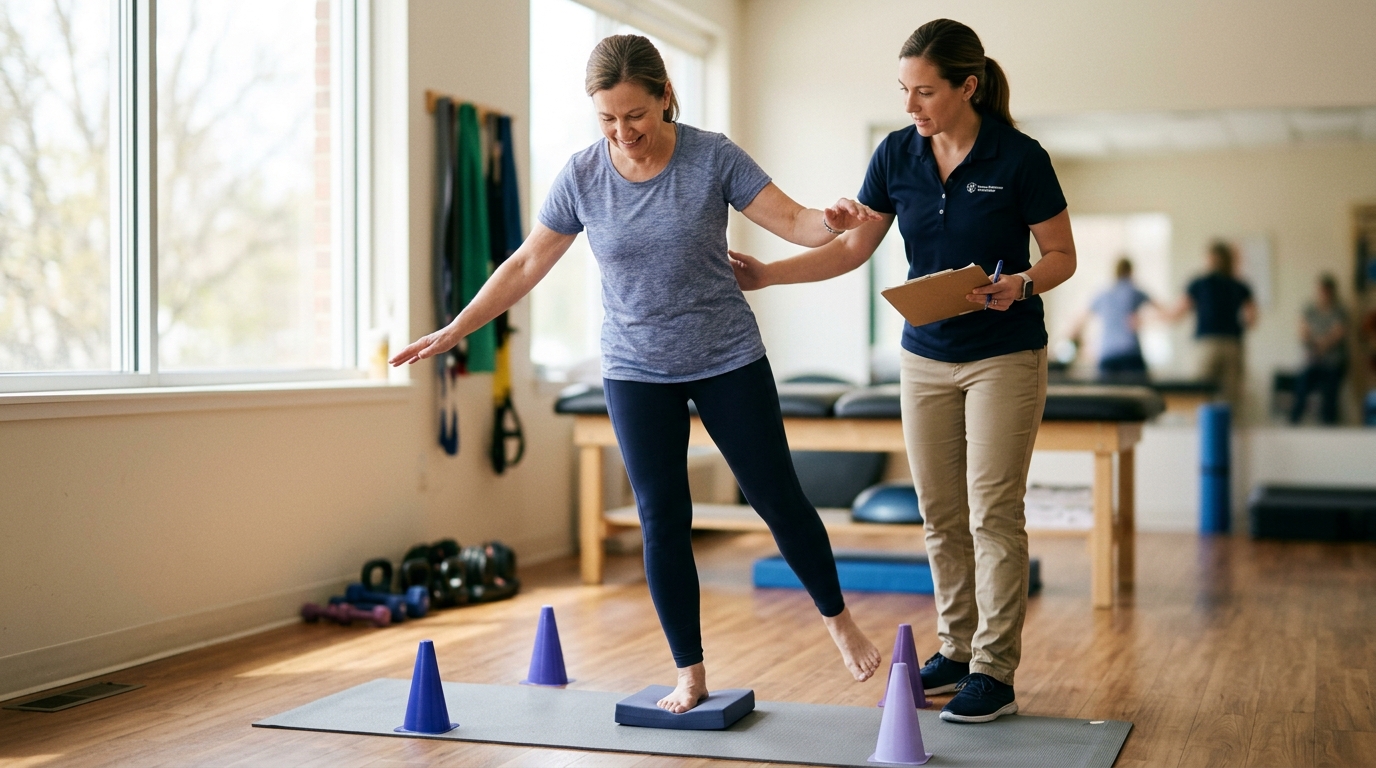
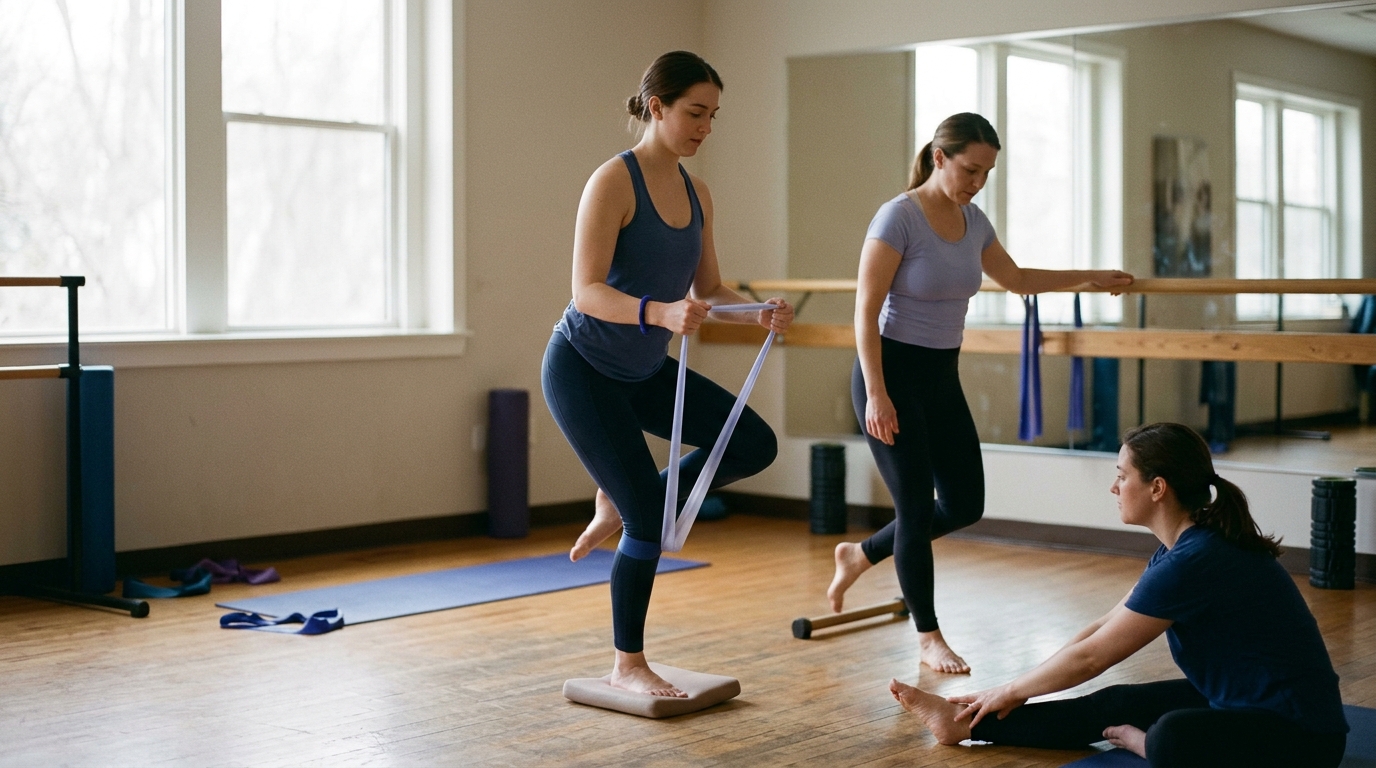
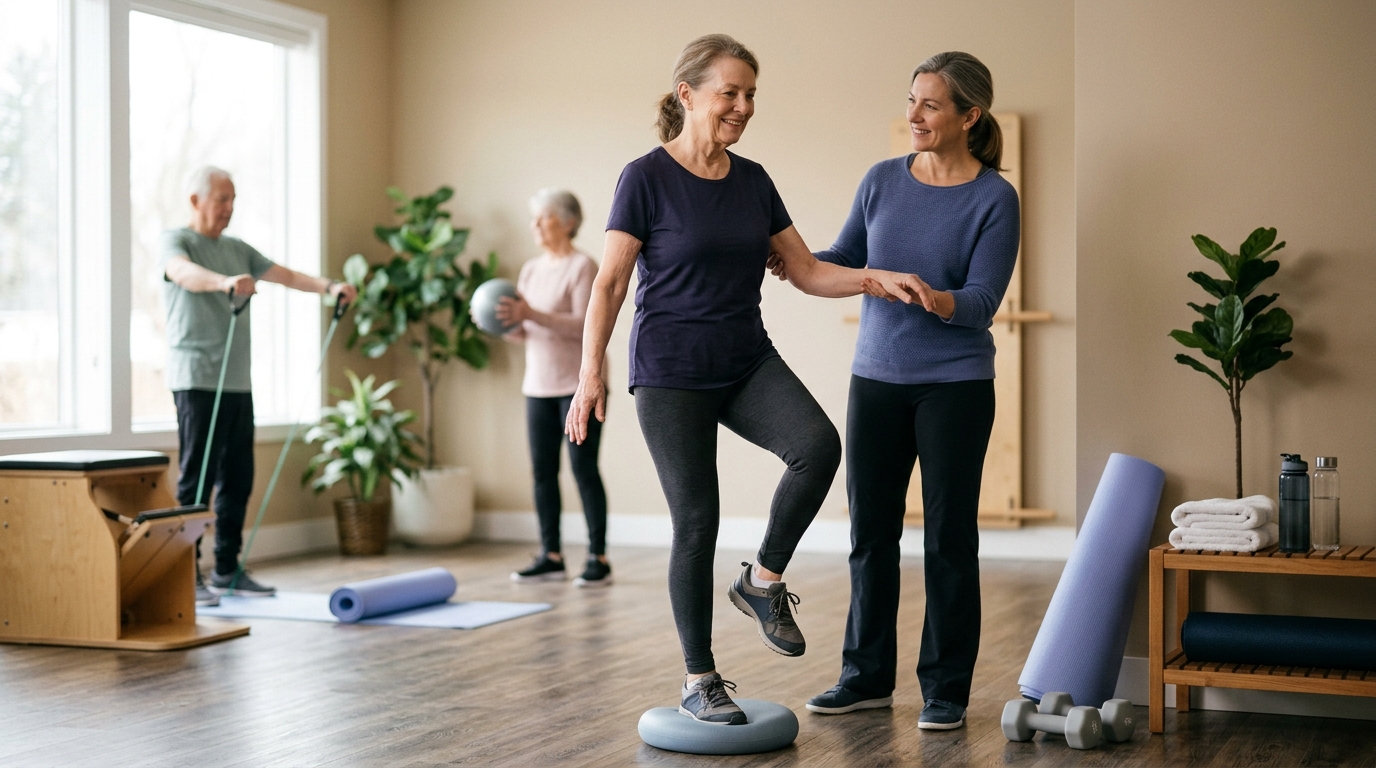
Neuromuscular drills go beyond basic dynamic mobility. They challenge the communication pathway between your sensory receptors, brain, and muscles. These drills include single-leg balances, controlled lateral hops, tandem walking, and stability exercises on varied surfaces.
As shown in the FIFA 11+ clinical trials, incorporating balance and body control exercises into your routine improves joint position awareness and dynamic stabilization. For adults over 40, these exercises support coordination, help maintain balance, and build confidence when moving over uneven outdoor terrain.
In fitness and rehabilitation discussions, the terms warm-up, cooldown, and recovery are often lumped together. However, each serves a unique physiological purpose and occurs at a different point in your movement routine.
A warm-up prepares your body for physical effort. It transitions your cardiovascular, respiratory, nervous, and musculoskeletal systems from a resting state to an active state. Its primary aim is readiness for movement.
A cooldown is the reverse process: a gradual return from high physical effort back toward a resting baseline. When you stop intense exercise abruptly, blood can pool in your lower extremities, which may cause a sudden drop in blood pressure, dizziness, or lightheadedness.
The American Heart Association recommends five to ten minutes of slow walking or light cycling after exercise. This continuous, easy movement allows your heart rate, blood pressure, and breathing to return toward baseline levels safely. The Mayo Clinic similarly advises five to ten minutes of gentle movement, such as an easy walk after running or slow laps after swimming, followed by static stretching while muscles remain warm.
Recovery is a broad, continuous biological process that occurs in the hours and days following physical activity. It includes tissue repair, muscle protein synthesis, glycogen replenishment, inflammation resolution, and nervous system restoration.
Warming up and cooling down support safe exercise participation, but they do not single-handedly heal injured tissues or replace rest. Long-term tissue rebuilding depends on adequate sleep, balanced nutrition, proper hydration, and sensible training loads. To understand how systemic health influences tissue healing, explore our active aging and injury prevention resources.
There is no single warm-up routine that fits every person, joint, and environment. Several personal and situational factors influence how long you should warm up and which movements you should choose.
As adults age, tendons, ligaments, and joint capsules naturally lose some water content and elasticity. Synovial fluid in the joints may take longer to circulate and lubricate cartilage surfaces after periods of rest.
Adults over 40 often benefit from spending a few extra minutes on general rhythmic movement before progressing to dynamic drills. A patient, ten-minute transition allows stiff connective tissues to warm up comfortably, reducing sensations of early morning tightness.
Past musculoskeletal injuries leave lasting structural changes, such as scar tissue, altered joint mechanics, or minor muscle imbalances. A warm-up must respect these historical weak points.
If you have a history of Achilles tendinopathy, your preparation should include progressive calf raises and gentle ankle mobility before running or jumping. If you have undergone knee surgery, spending time on stationary cycling and hip stability exercises can activate the stabilizing muscles around the joint. If you are navigating post-surgical rehab, our surgical recovery resources provide valuable context for understanding tissue protection.
The intensity of your upcoming workout dictates the thoroughness of your warm-up. The American Heart Association notes that more intense exercise requires a longer, more comprehensive warm-up period.
A casual 20-minute walk through your neighborhood requires only a few minutes of easy walking to start. In contrast, an interval training session, a competitive tennis match, or a heavy barbell workout demands a full ten-minute sequence of general movement, mobility drills, and progressive exercise rehearsals.
Environmental conditions and circadian rhythms affect your physical readiness:
Navigating physical sensations during a warm-up can be challenging, especially when returning from an injury. Understanding the difference between expected movement discomfort and warning symptoms is essential for safe recovery.
During the early stages of a warm-up, it is common to feel minor stiffness or mild muscular achiness, particularly in joints that have been immobilized or injured. In many cases, this mild stiffness gradually decreases as blood flow increases and synovial fluid warms.
Clinical guidance varies on how much discomfort is acceptable during exercise. Guidance from one NHS hospital foundation trust states that mild pain can be acceptable during therapeutic movement, provided it settles within two hours after stopping. Another NHS trust advises patients to reduce exercise repetitions or resistance if movements cause uncomfortable pain, and to seek advice if discomfort worsens over time.
Because pain thresholds and tissue healing rates differ widely, you should always follow the specific pain-management rules provided by your treating physical therapist or surgeon. Never push through sharp, catching, or escalating joint pain.
If a specific warm-up exercise triggers sharp discomfort, modify the movement immediately:
Some physical symptoms are not standard exercise aches and must never be managed by modifying a warm-up. NHS clinical guidance outlines critical warning signs that require stopping activity immediately and seeking medical care:
If you experience any of these red flag symptoms, sit down immediately, rest, and contact emergency medical services or your physician. Do not attempt to walk off these symptoms or continue exercising.
Clear communication with your healthcare team ensures that your exercise preparation supports your recovery goals without creating unnecessary risks. Consider discussing these practical questions at your next appointment:
A warm-up is a practical, graded bridge between rest and physical activity. Its purpose is to raise body temperature, improve tissue blood flow, and rehearse the movement patterns required for your upcoming task. It is not an intense workout, an individualized rehabilitation plan, or a universal guarantee against physical injury.
For general fitness and daily living, an effective warm-up follows a simple progression: begin with easy rhythmic movement, perform task-specific dynamic rehearsals, and gradually build toward your target effort over five to ten minutes. When returning from an orthopedic injury or surgery, always prioritize your clinician's specific movement precautions, load limits, and symptom guidelines over generic fitness routines. By matching your preparation to your body and your activity, you build a safe, sustainable foundation for lifelong movement.
A hot shower or heating pad can provide passive heat, which increases superficial skin blood flow and helps stiff muscles feel temporarily relaxed. However, passive heating does not activate your cardiovascular system, raise deep muscle temperature through metabolic effort, or engage your nervous system. Passive heat does not lubricate joints through movement or rehearse neuromuscular coordination. While a heating pad may feel comforting before movement, it should be viewed as an optional comfort measure rather than a substitute for active, progressive physical warm-ups.
When workout time is limited, it is tempting to skip the warm-up entirely. However, rushing into high-intensity exercise increases mechanical strain on unprepared joints and tendons. For a 30-minute session, a focused three- to five-minute warm-up is sufficient. Spend two minutes on easy rhythmic movement, such as light cycling or marching, followed by two to three minutes of dynamic movements directly matching your workout exercises. Shortening the warm-up slightly is far safer than omitting it altogether.
Painless clicking, popping, or cracking sounds in joints, clinically termed crepitus, are very common during early warm-up movements. These sounds often occur as gas bubbles shift within synovial fluid or as tendons glide over bony prominences. If the clicking is completely painless and does not cause joint catching, locking, or swelling, it is generally harmless. However, if joint noises are accompanied by sharp pain, sudden weakness, swelling, or a sensation that the joint is giving way, you should stop the movement and consult an orthopedic clinician.
Foam rolling, or self-myofascial release, can be used either before or after exercise depending on your personal preference. When used before a workout, brief bouts of foam rolling for 30 to 60 seconds per muscle group can help reduce sensations of muscle tightness and temporarily improve joint range of motion without impairing muscle power. If you choose to foam roll before exercise, follow it immediately with active dynamic movements and task-specific rehearsals to prepare your cardiovascular and nervous systems for activity.

Use ReboundBody resources to understand common recovery stages, rehab terms, movement limits and strength rebuilding. Each guide is designed to make a complex comeback easier to understand.


Read practical guidance on injury recovery, rehabilitation, mobility and rebuilding strength as you work your way back to activity.
Explore Resources