
Safe recovery after a fracture requires following precise weight-bearing restrictions, daily mobility rules, and evidence-based loading timelines tailored to your specific injury.





Most people assume that pain is the ultimate gauge of how much weight an injured leg can handle. If a joint does not hurt, it seems natural to step on it. Yet in orthopedic medicine, physical comfort is often an unreliable indicator of internal structural healing. A bone or surgical repair can feel completely painless days before it is strong enough to withstand standard mechanical load.
A weight-bearing restriction is a precise clinical prescription. It dictates how much physical force may safely pass through an injured or operated limb during standing, walking, and daily transfers. These instructions protect healing bone, repair work, and surgical hardware from excessive force. Understanding these rules is essential for protecting your recovery while maintaining safe, independent movement.
To navigate your rehabilitation safely, you can consult our injury recovery and healing resources for foundational guidance on tissue repair. A clear grasp of weight-bearing terminology helps prevent accidental setbacks and eliminates guesswork during daily activities.
Clinical teams use standard terms to describe how much weight you can place on an affected limb. These categories guide everything from how you step to how you stand up from a chair. Because these terms can sound similar, understanding their clinical definitions is an essential first step.
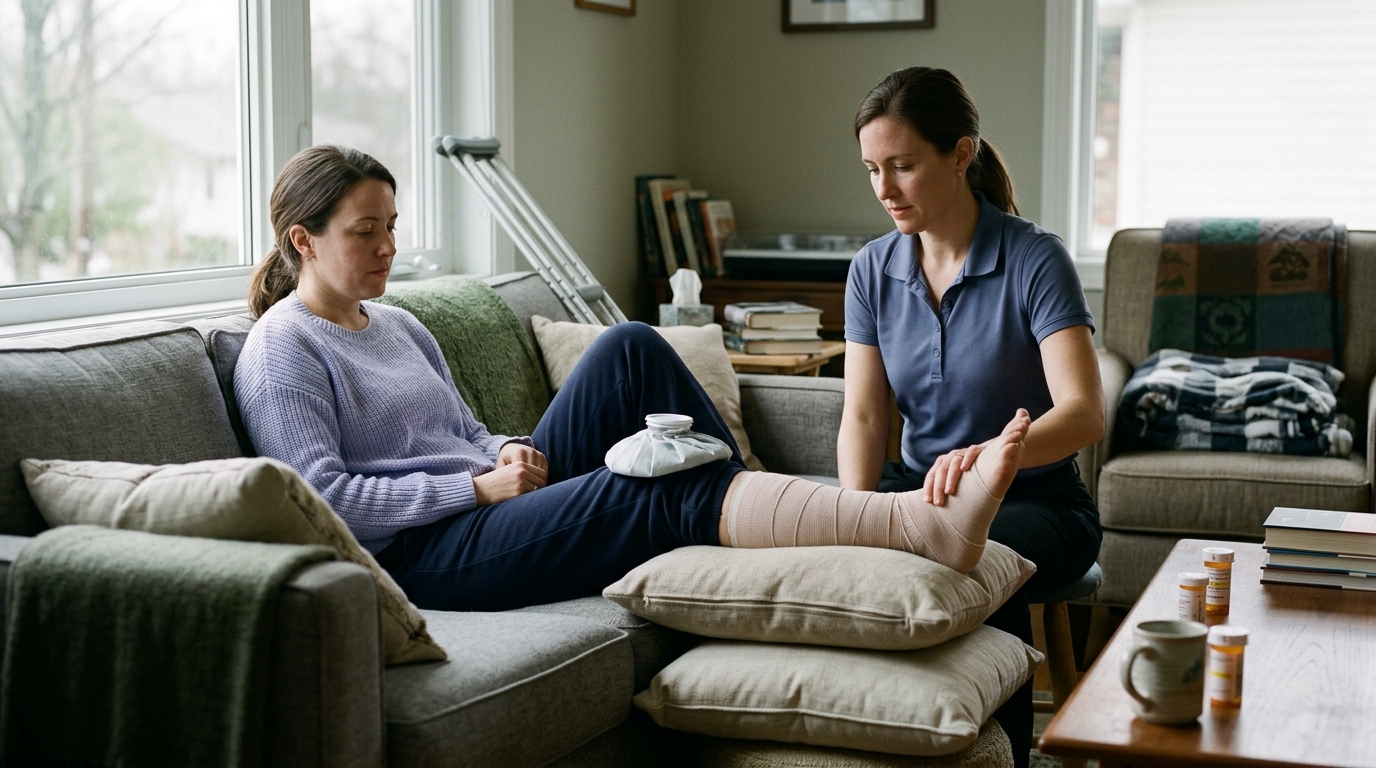
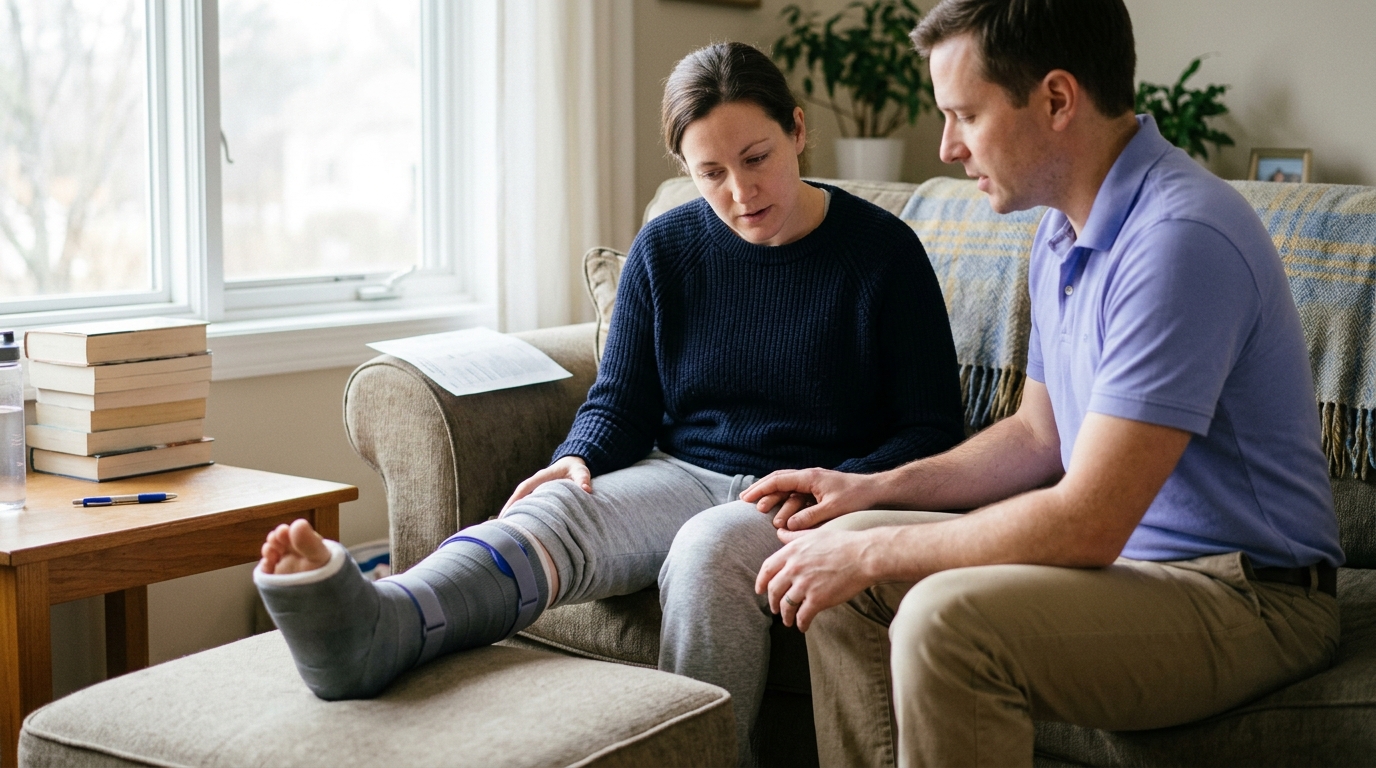
Non-weight bearing means you must not place any weight through the affected limb while standing or walking. The foot should not touch the ground during movement. In most protocols, the limb is held off the floor entirely while crutches, a walker, or a knee scooter support your body weight.
Some clinical instructions allow the foot to rest lightly on the floor while you are fully seated in a chair. However, other instructions require keeping the foot elevated even at rest. You should always confirm with your care team whether resting the foot on the ground while seated is permitted.
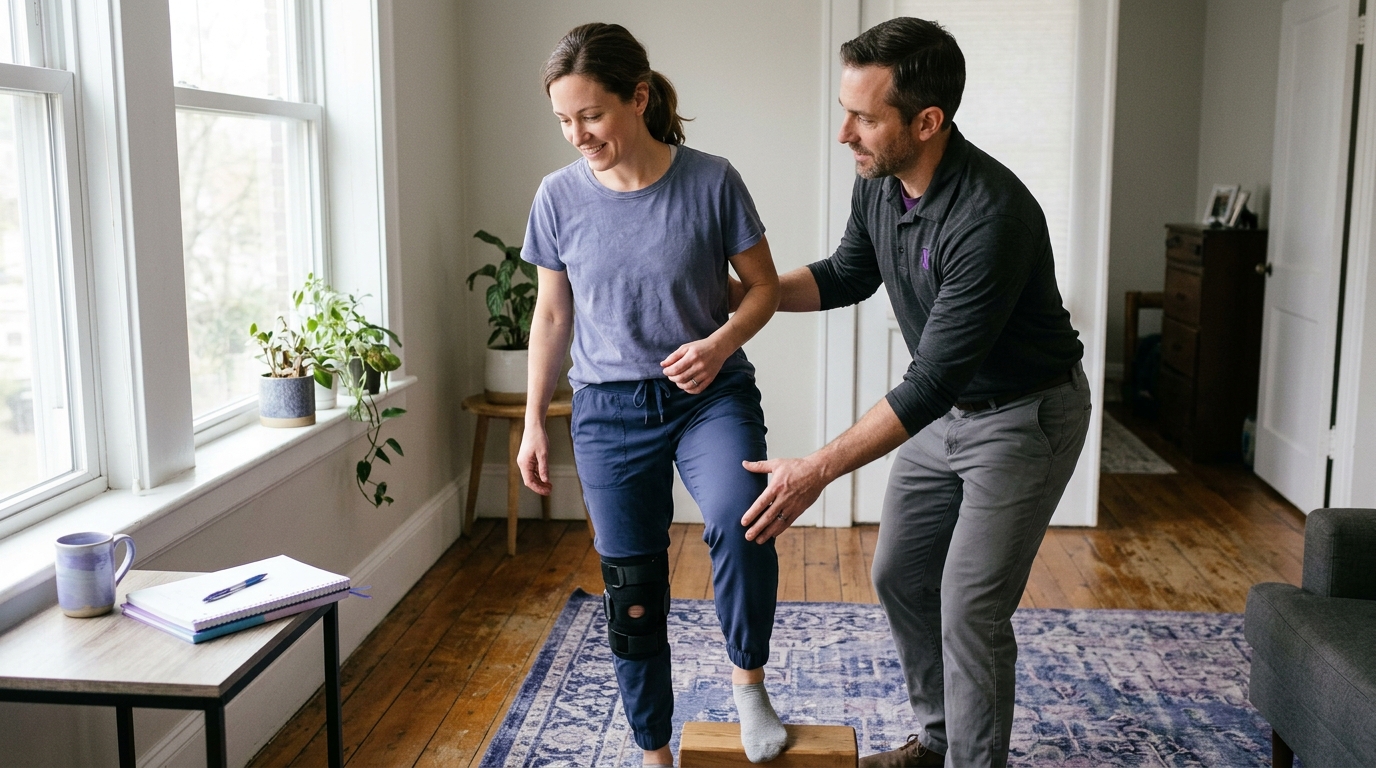
Touch-down weight bearing and toe-touch weight bearing allow the foot to make contact with the floor purely for balance. The primary purpose is stabilizing your body, not supporting your body weight. You should imagine walking across fragile eggshells without cracking them.
In clinical literature, the exact physical definition varies. Some sources state that only the toes may touch the floor. Other orthopedic protocols permit the entire foot to rest flat on the floor to prevent calf muscle tightness, provided no actual body weight is pushed through the heel or midfoot.
Partial weight bearing permits a specific, limited amount of force to pass through the limb. This category represents a broad middle ground between resting a limb and walking normally. It always requires the continued use of mobility aids such as crutches or a walking frame to offload the remaining body weight.
The permitted load is often described as a percentage of your total body weight or as an absolute weight limit in pounds or kilograms. In orthopedic literature, partial weight bearing commonly ranges from 30 percent to 50 percent of total body weight, or roughly 20 to 25 kilograms. Because definitions vary among surgeons, you must confirm the exact number assigned to your recovery plan.
Weight bearing as tolerated allows you to place as much weight on the limb as comfort allows without causing sharp pain or mechanical instability. This category is not an order to immediately abandon your walking aids. Instead, it gives you permission to load the limb gradually as your symptoms and strength allow.
Many patients mistakenly believe that this instruction means their recovery is complete. In reality, you may still need crutches or a cane to maintain a normal gait pattern and prevent limping. The goal is to build load gradually under the guidance of your clinical team.
Full weight bearing means the limb can safely carry 100 percent of your body weight without restriction. At this stage, your bones, ligaments, and surgical hardware are stable enough to handle standard daily walking forces.
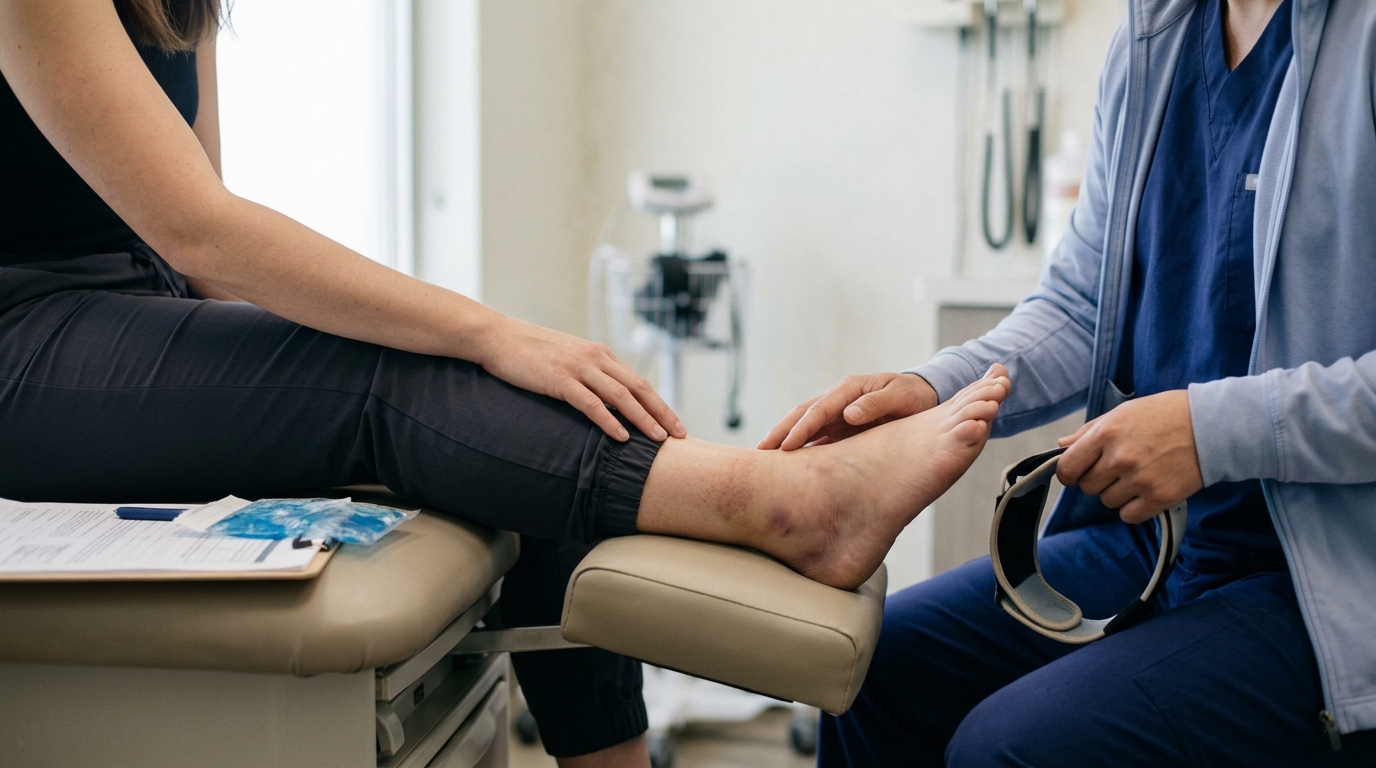
Full weight bearing does not always mean walking without protection. You may still be required to wear a rigid walking boot or a supportive brace. These devices protect joint alignment and control motion while your tissues continue to rebuild strength.
A common point of confusion during recovery is the difference between foot contact and actual physical loading. Touching a surface is not the same as placing mechanical force through a bone or joint. Many patients become anxious if their foot accidentally grazes the floor, while others place dangerous amounts of force through a limb while believing they are merely touching the ground.
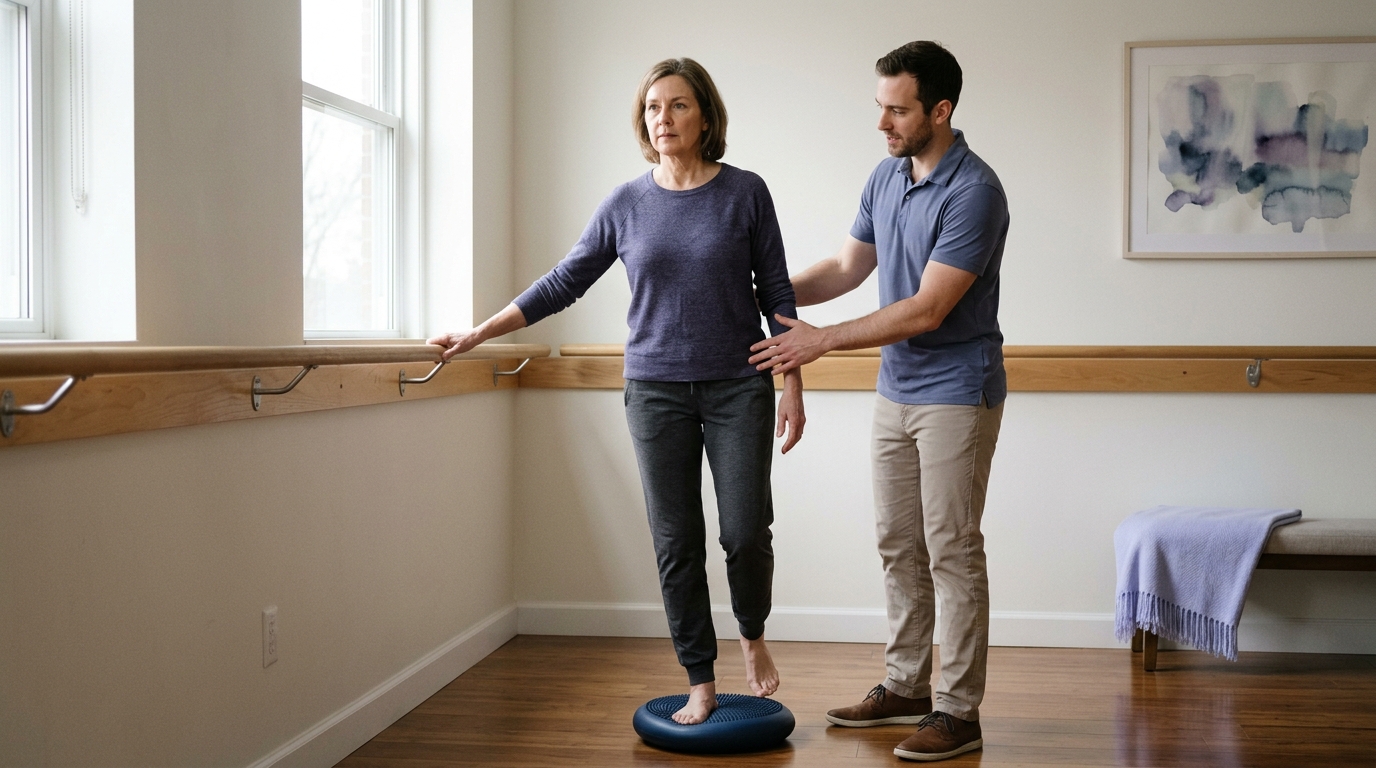
During touch-down weight bearing, resting your foot flat on the floor can help maintain normal ankle range of motion. It also sends sensory feedback from the sole of your foot to your nervous system. This contact helps you maintain balance without transferring your body weight onto the healing bone.
When you sit in a chair, resting your foot on the floor exerts minimal mechanical stress on your lower limb. The chair supports the vast majority of your body mass. In contrast, the moment you lean forward to stand up, the forces passing through your feet increase dramatically.
You must ask your physical therapist to clarify the exact contact rules for your specific injury. If you want to better understand the biomechanics behind joint protection, review our guide to rehabilitation mobility and movement. Clarifying these small details prevents unnecessary anxiety while keeping your healing tissues safe.
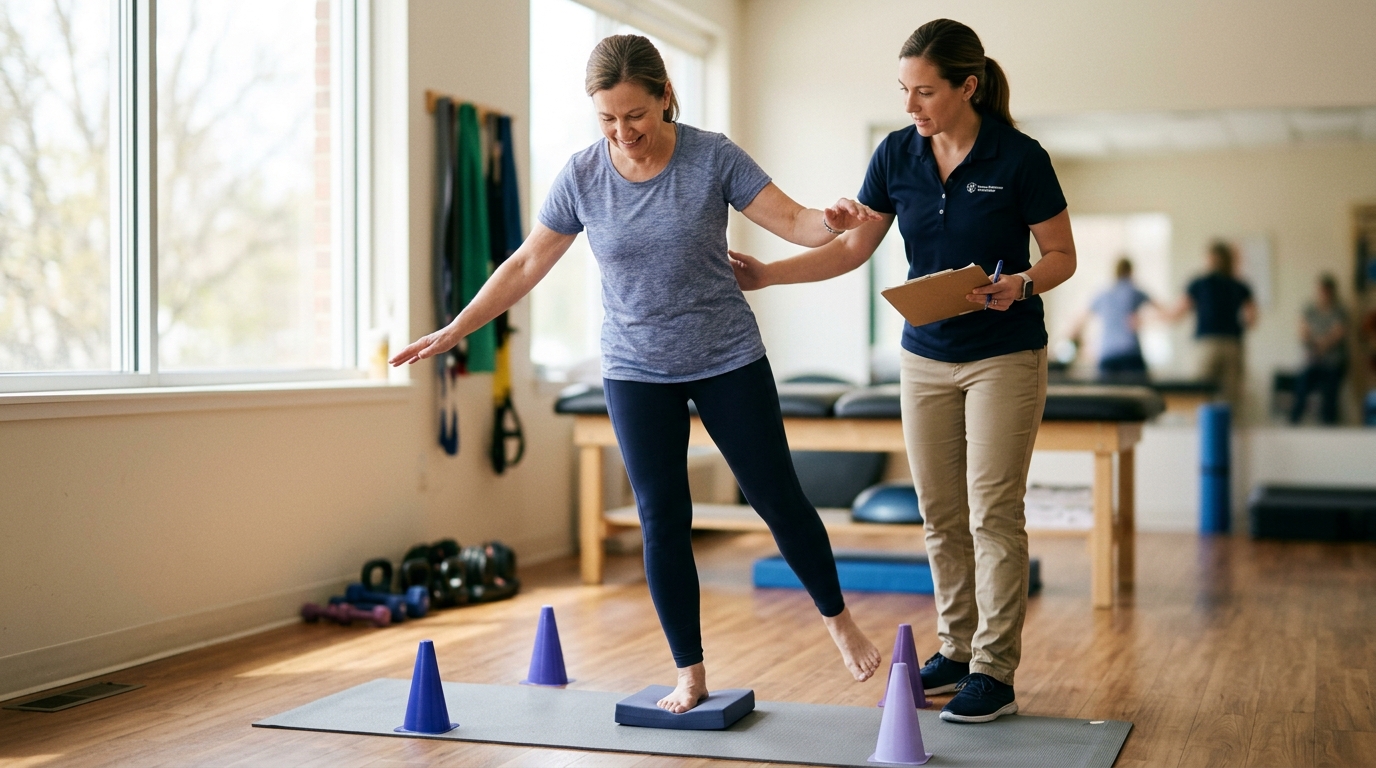
Weight-bearing restrictions apply to every physical activity, not just walking in a straight line. Many structural setbacks occur during simple daily transfers rather than during formal physical therapy sessions. Getting in and out of bed, rising from a low chair, and navigating stairs create sudden spikes in joint force.
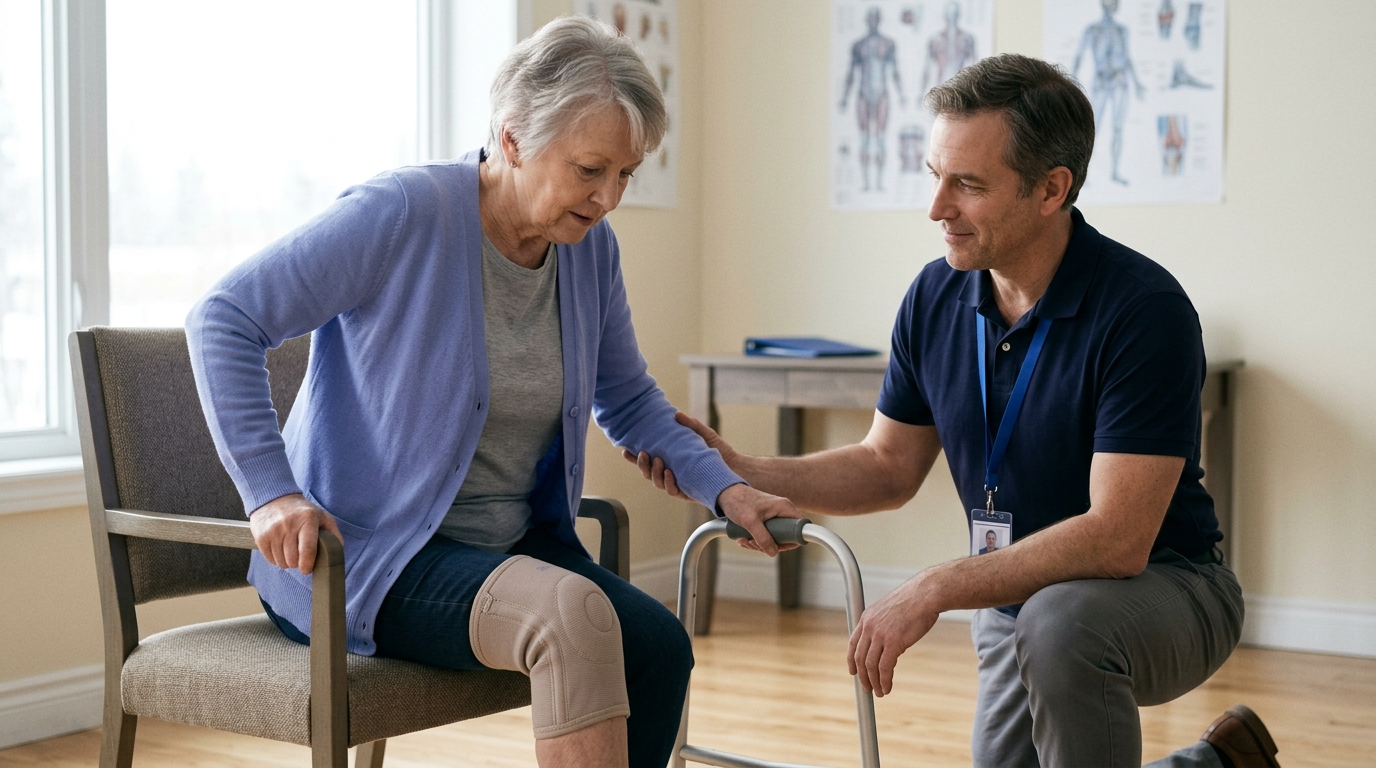
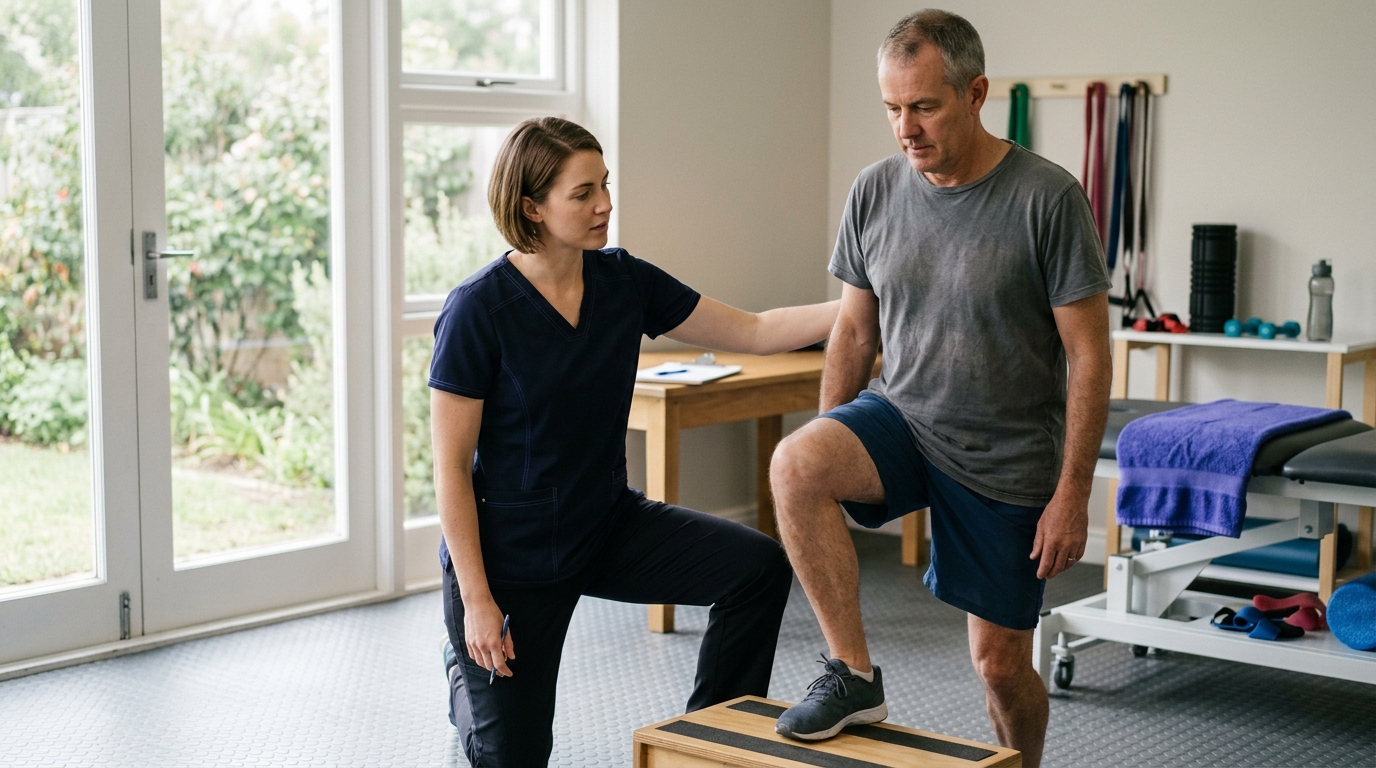
When you push yourself up from a seated position, your body naturally shifts weight over your feet to create leverage. If you have an active restriction, pushing down through an injured leg during a transfer can easily exceed your permitted load limit. You must learn to keep the affected leg extended forward while pushing up primarily through your arms and your uninjured leg.
Using the bathroom requires particular care. Standard residential toilets are often low, requiring significant leg strength and balance to control your descent. Installing a raised toilet seat or temporary grab bars allows you to transfer your body weight through your upper body rather than your lower extremities.
Stair navigation presents another major physical challenge. The standard clinical rule for stairs with crutches is simple to remember: the good foot goes up first, and the injured foot goes down first. Going up, your uninjured leg steps up to carry your body weight, followed by your crutches and the affected leg. Going down, your crutches and the injured leg step down first, followed by the uninjured leg.
To master these everyday movement patterns, explore our educational articles on mobility and movement. Practicing these transfers with a physical therapist before leaving the hospital significantly lowers your risk of accidental loading.
Orthopedic research has evolved considerably regarding postoperative loading schedules. Historically, long periods of strict non-weight bearing were standard for almost all lower-extremity fractures and reconstructive surgeries. Modern clinical trials have evaluated whether earlier, controlled loading can speed recovery without increasing surgical complications.
The WAX multicenter randomized trial provided high-quality evidence regarding weight-bearing timing for operatively treated unstable ankle fractures. The study included 561 adults across 23 hospitals in the United Kingdom. Researchers compared an early weight-bearing strategy starting at two weeks after surgery against a traditional delayed strategy starting at six weeks.
At four months after surgery, the mean ankle function score was 65.9 in the early group compared to 61.2 in the delayed group. This represented an adjusted mean difference of 4.47 points. The complication rates were remarkably similar, with 16 percent in the early group and 14 percent in the delayed group experiencing complications.
A secondary report of the WAX trial data showed an even more pronounced short-term benefit at six weeks. The early group achieved a functional score of 47.3 versus 38.7 in the delayed group, showing a statistically significant difference of 8.51 points. By one full year after surgery, both groups achieved equivalent functional outcomes, confirming that early loading was clinically safe and cost-effective for that specific patient population.
Broader evidence from systematic reviews and meta-analyses supports these findings in selected ankle trauma cases. A comprehensive review of randomized controlled trials reported that patients managed with early weight bearing achieved superior functional scores at six, twelve, and twenty-four weeks. Furthermore, patients in the early loading groups returned to daily life activities an average of 2.74 weeks earlier than those kept non-weight bearing.
These positive results do not mean that every ankle injury should be loaded immediately. The studies evaluated specific fracture configurations stabilized with rigid surgical hardware. Fractures with poor bone quality or complex soft-tissue wounds often require longer protection periods.
Complex skeletal injuries require significantly different loading strategies. A systematic review evaluating postoperative protocols for pelvic and acetabular fractures highlighted widespread variation based on mechanical stability.
For unstable pelvic fracture patterns, such as type B and type C injuries, the clinical consensus commonly requires touch-down or partial weight bearing for eight to nine weeks. Conversely, certain stable pelvic fractures allow for immediate weight bearing as tolerated when surgical fixation is robust. These contrasting protocols show why clinical evidence from one anatomical region cannot be applied broadly to another.
To stay current on how orthopedic research shapes clinical guidelines, check out our recovery science articles. Understanding research trends helps you appreciate why your surgeon selects a specific protocol.
Weight-bearing timelines are rarely fixed in stone. Your treating team will continually reassess your physical progress and adjust your permitted load based on several critical biological and mechanical variables.
The physical density of your bone plays a major role in how quickly you can safely carry weight. Patients with osteopenia or osteoporosis require more conservative timelines because their bone structure takes longer to anchor surgical screws and plates securely. Complex, multi-fragment fractures also require longer unloading periods compared to simple, clean breaks.
Bone is not the only tissue that needs protection. Surrounding muscles, tendons, ligaments, and skin incisions must heal without excessive tension. Loading a limb too early can create swelling that strains healing incision lines, increasing the risk of wound breakdown or infection.
The mechanical rigidity achieved in the operating room directly dictates postoperative instructions. When a surgeon achieves rigid fixation with strong plates and screws, the construct can often tolerate early load. If the fixation is tenuous due to fragile bone, strict protection is necessary to prevent hardware failure.
General health conditions influence healing velocity. Nutritional status, circulatory health, and metabolic factors such as diabetes influence bone remodeling. Balance, baseline strength, and body mass also influence how much physical stress is placed through a recovering limb.
Because these factors interact in unique ways, you should never alter your weight-bearing status without a formal clinical evaluation. Read our articles on surgery and rehab to learn more about how surgical teams monitor tissue healing over time.
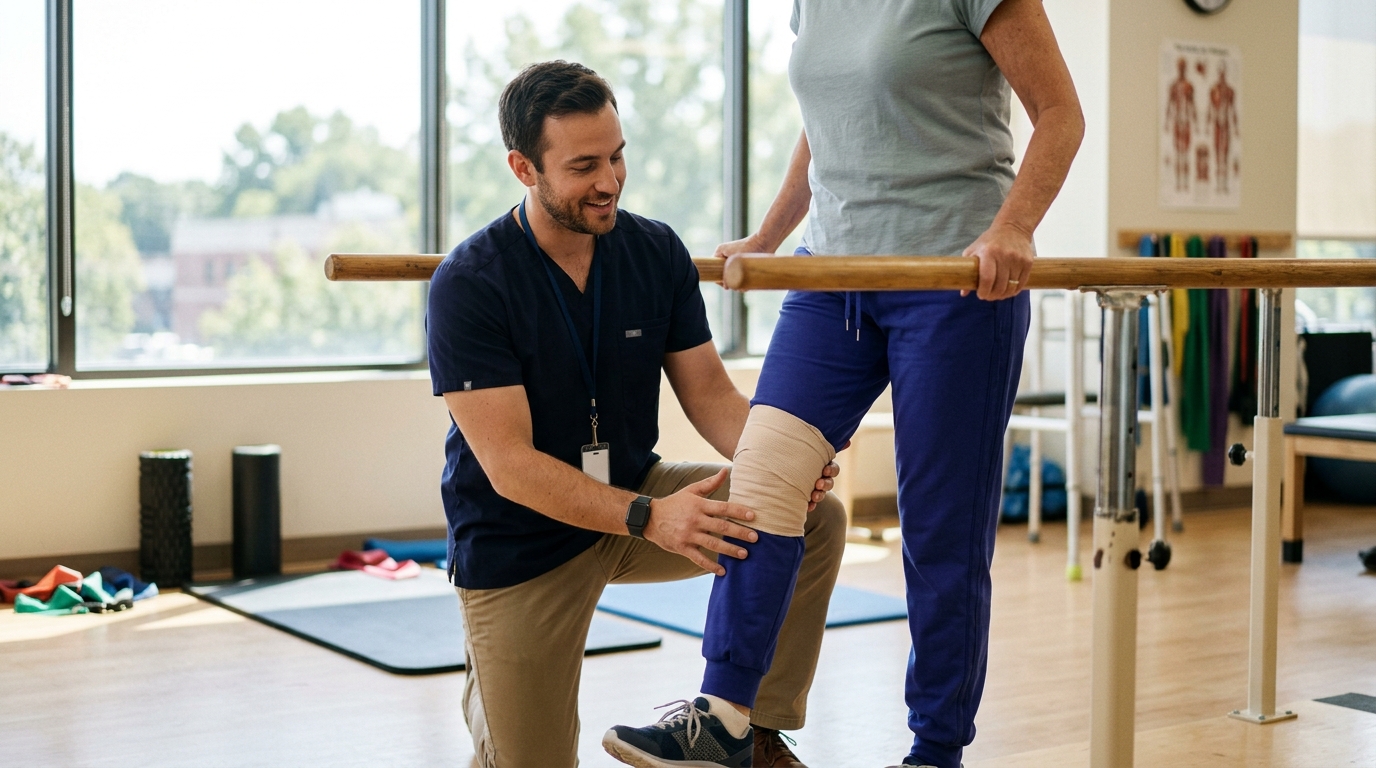
Mobility aids are mechanical tools designed to redirect gravitational force away from your healing limb and onto your upper body. Using the correct device with proper technique ensures you remain strictly within your assigned loading category.
Crutches are standard tools for non-weight bearing and partial weight bearing. Axillary crutches rest against the rib cage, but your body weight should always be supported entirely by your hands, not your armpits. Leaning directly on the underarm pads can compress delicate nerve bundles and blood vessels.
Forearm crutches, which feature a cuff around the upper forearm and a hand grip, offer superior maneuverability and posture control. They are widely used during partial weight-bearing progressions. They allow you to fine-tune the exact amount of force transferred to the ground with each stride.
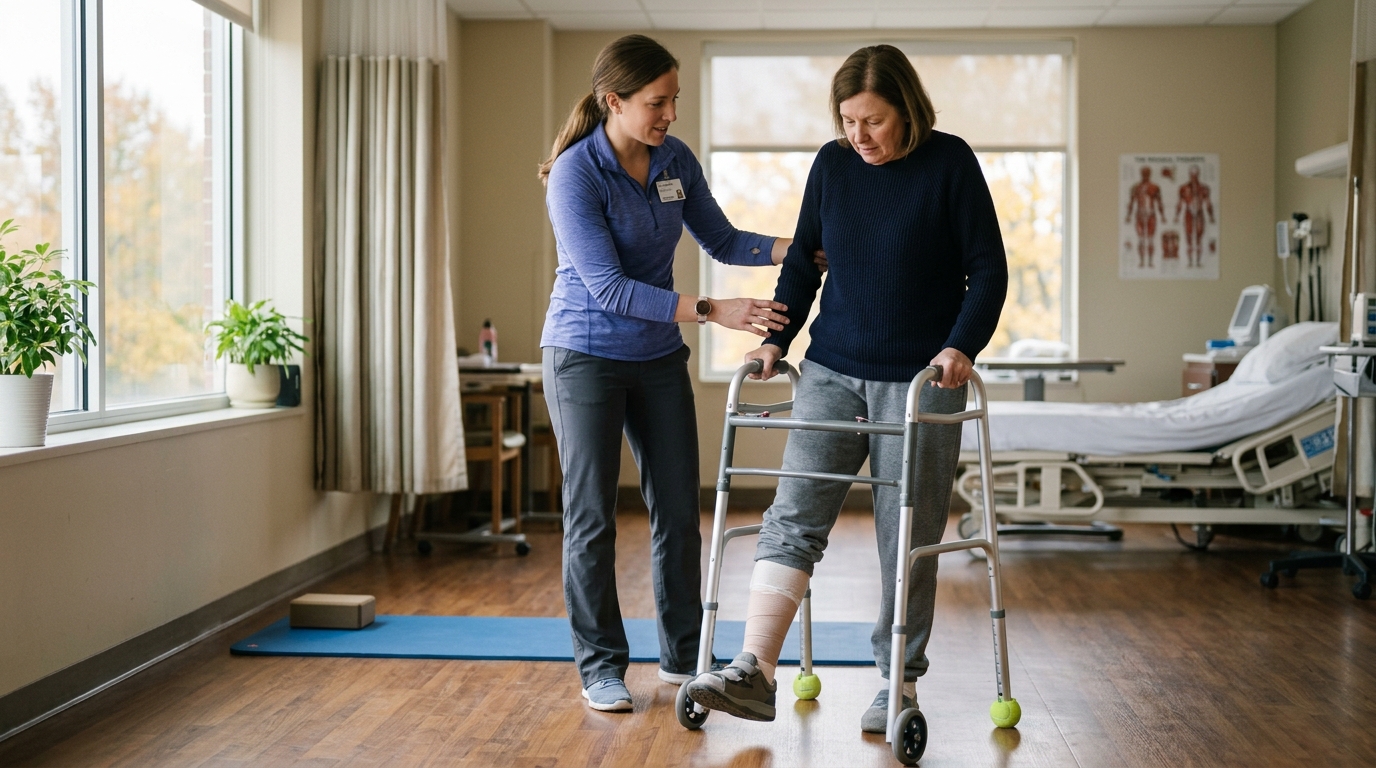
Walkers provide a wide, stable base of support, making them ideal for patients who experience balance issues or reduced upper-body strength. A standard folding walker without wheels must be lifted and placed forward before each step, ensuring a stable platform for non-weight bearing.
Walkers with front wheels allow for a smoother, more natural walking rhythm during partial weight bearing or weight bearing as tolerated. However, wheeled walkers should not be used for strict non-weight bearing unless specifically fitted and approved by a physical therapist.
Knee scooters offer an alternative for individuals with foot or ankle injuries requiring strict non-weight-bearing status. The injured leg rests bent at a ninety-degree angle on a padded platform while the uninjured leg propels the scooter forward.
While convenient on smooth, flat surfaces, knee scooters carry a risk of tipping over on uneven ground, thresholds, or ramps. They also cannot be used on stairs, requiring you to have crutches or a secondary mobility aid available for multi-level homes.
Learning what partial weight bearing actually feels like can be difficult without objective feedback. A practical method for learning load limits involves using a standard bathroom scale under the supervision of your physical therapist.
By placing your affected foot on the scale while supporting yourself with crutches, you can press down until the scale reaches your target weight. For instance, if your limit is 30 pounds, you can press down until the dial reads 30. This exercise trains your nervous system to recognize the exact physical pressure permitted during walking.
Navigating a recovery period requires patience and strict adherence to clinical instructions. Misinterpreting instructions or making assumptions about your healing can lead to complications, hardware loosening, or reinjury.
The most dangerous assumption during orthopedic recovery is believing that the absence of pain means your bone is fully healed. Surgical pain and acute inflammation often subside within two to four weeks. However, complete bony union typically takes eight to twelve weeks or longer. Increasing your activity level simply because your limb feels good places your unhealed bone at serious risk.
Patients often look up terms like partial weight bearing online and assume it always means 50 percent of their body weight. As clinical reviews demonstrate, professional interpretations vary widely across institutions and surgical specialties. Assuming a specific percentage without confirming the exact number with your surgeon can result in overloading the limb.
Hearing that a neighbor walked two weeks after their ankle surgery can tempt you to discard your own crutches. However, no two injuries or surgical procedures are identical. Differences in fracture geometry, bone quality, ligament damage, and surgical hardware make every rehabilitation timeline unique.
Reading about modern clinical trials that support early weight bearing might lead you to believe you can accelerate your own recovery. Research studies, such as the WAX trial, evaluate highly structured protocols under strict clinical monitoring. Applying study conclusions to your own situation without your surgeon's explicit approval is unsafe.
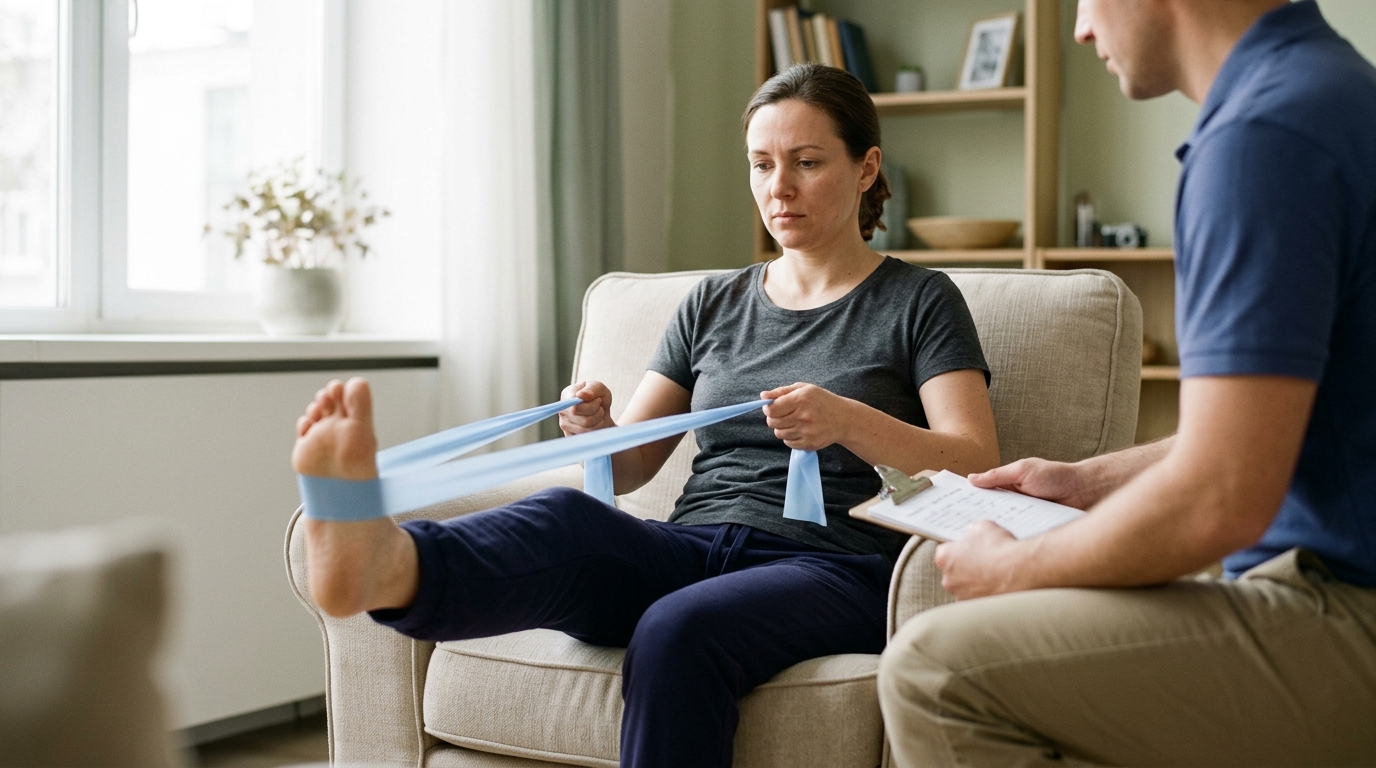
Many patients focus entirely on their injured limb while ignoring the physical demands placed on their upper body. Walking with crutches or a walker requires substantial triceps, shoulder, and core strength. Failing to maintain general physical conditioning can lead to fatigue, poor gait mechanics, and an increased risk of falls.
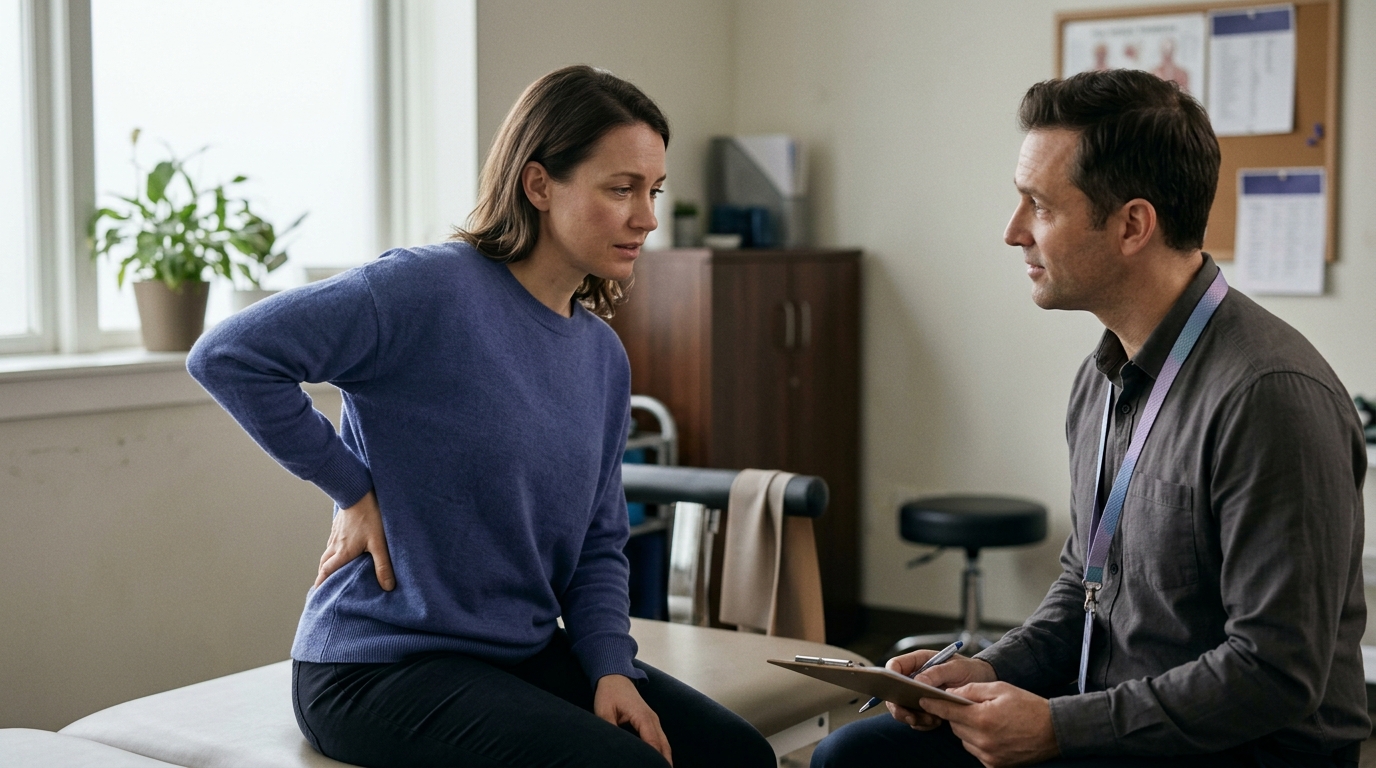
Clear communication with your surgical and rehabilitation team prevents misunderstandings and keeps your recovery on schedule. You should never leave a clinical appointment with lingering doubts about your mobility limits.
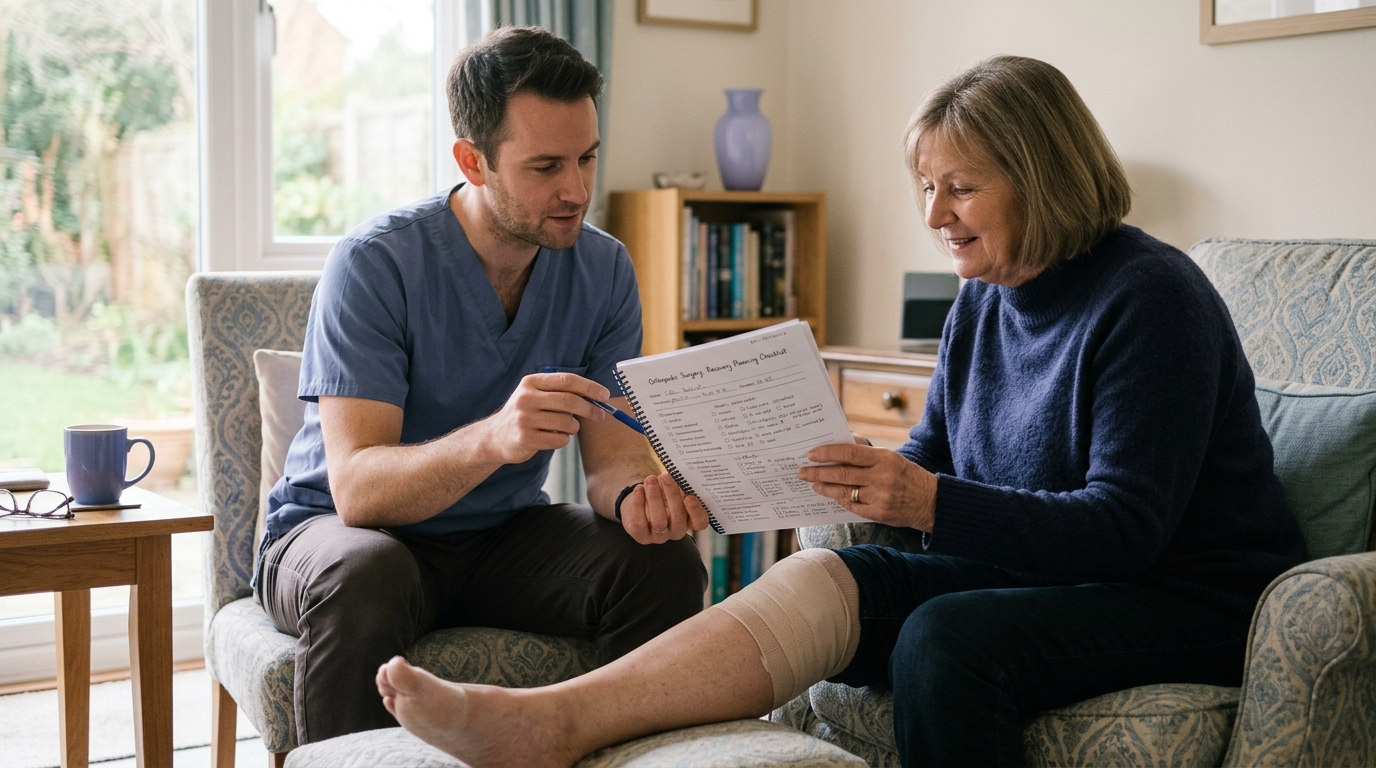
Use this checklist of practical questions at your next medical consultation:
Safe recovery from an orthopedic injury or surgery requires viewing weight-bearing restrictions as essential medical boundaries. Protecting your healing tissues today creates the mechanical foundation for stable, pain-free movement in the future. By using prescribed mobility aids, practicing safe transfers, and maintaining clear communication with your care team, you can navigate your rehabilitation with confidence.
Staying informed and respecting your body's healing timeline ensures a safe and steady path back to normal physical activity.

Use ReboundBody resources to understand common recovery stages, rehab terms, movement limits and strength rebuilding. Each guide is designed to make a complex comeback easier to understand.


Read practical guidance on injury recovery, rehabilitation, mobility and rebuilding strength as you work your way back to activity.
Explore Resources